Walking the Camino

Do you want to walk the Spanish Camino?
Alain's photos 2016-11-22 020
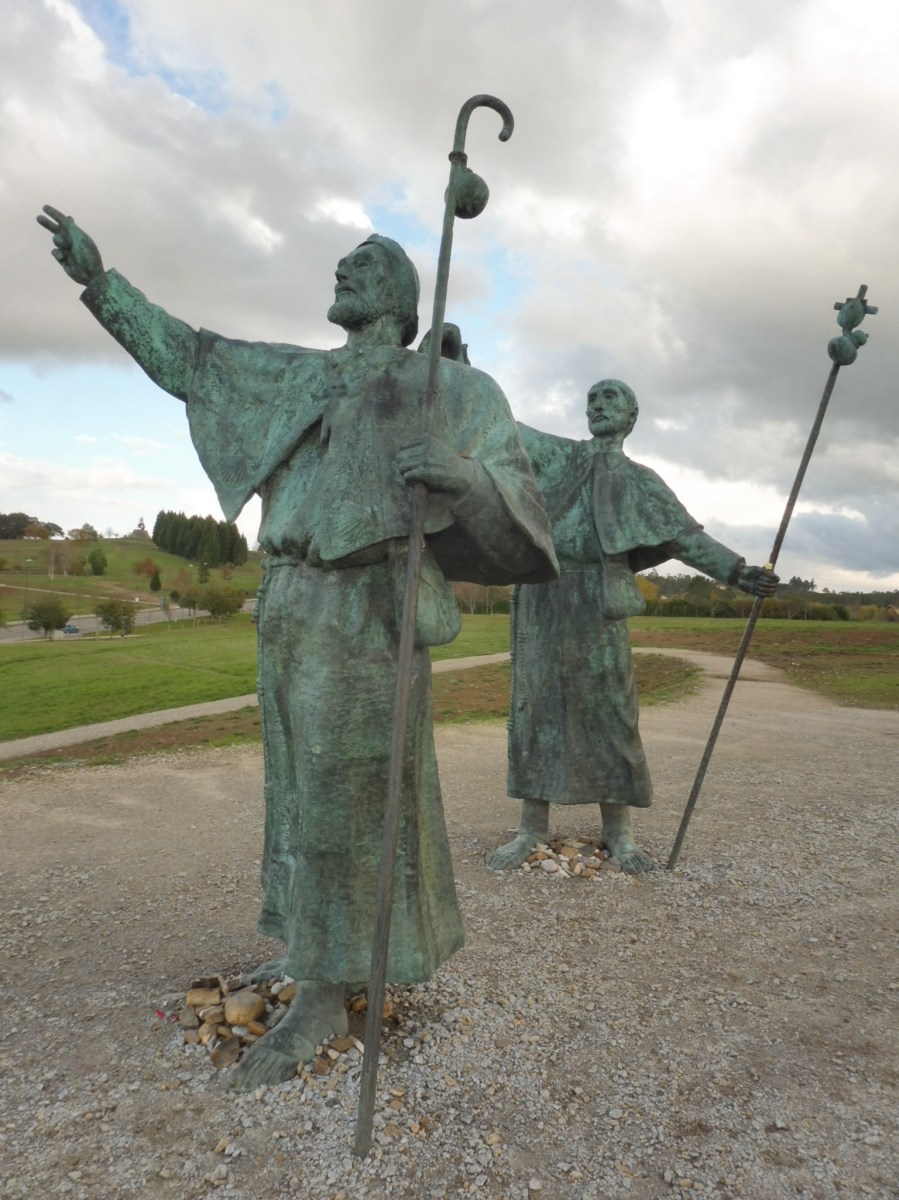
Monte Gozo – the last stop before Santiago de Compostella, Spain
What does camino mean?

Camino means both the act of walking and path in Spanish. There are many caminos and they all end up at Santiago de Compostella in the top left hand corner of Spain.
Spain autumn 2016 phone 2738 (288x512)
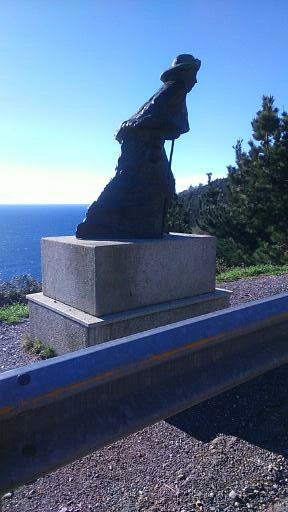
Traditional pilgrim statue, Finisterre
Where is the camino?

When you hear someone talking about walking the Camino they usually mean that they are following all or part of the east to west route called the Camino Francés, the most popular.
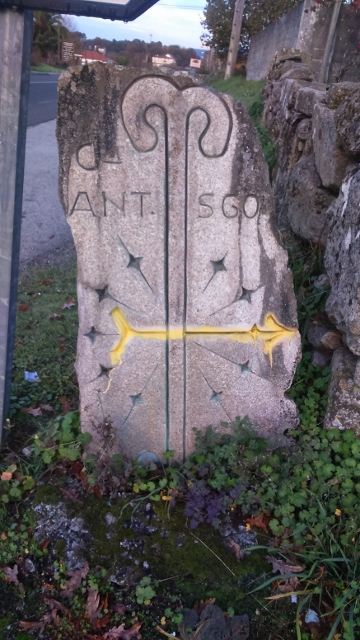
Spain autumn 2016 phone 4153 (360x640)
Following the yellow arrows is easy – you don’t even need a guidebook for the Camino Francés
In what part of Spain is the camino?

This camino starts in France at Saint Jean Pied de Port (Saint John at the foot of the pass) in the Pyrénées-Atlantiques region, crosses the Pyrénées mountains to Roncesvalles, passes through the Basque Country, Cantabria, Asturias and Galicia, ending at….. you have guessed it, Santiago. You can start anywhere along this route.
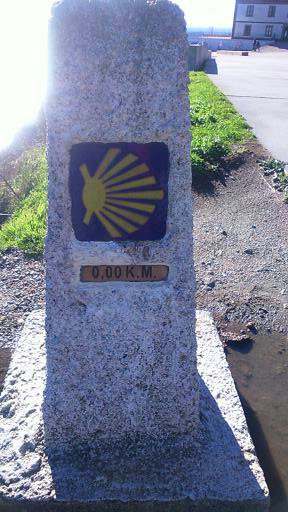
spain-autumn-2016-phone-2732
The final way marker of the Camino Francés, Finisterre, Spain.
Sorry, what is it called again ?

Also known as The Way of St James (Sant (saint) Iago (James) in Spanish), The French Way, or The Camino de Santiago, it is 500 miles long (near enough 800kms), and takes between 25 and 50 days hiking. You can also cycle it which is quicker, but that’s another story.
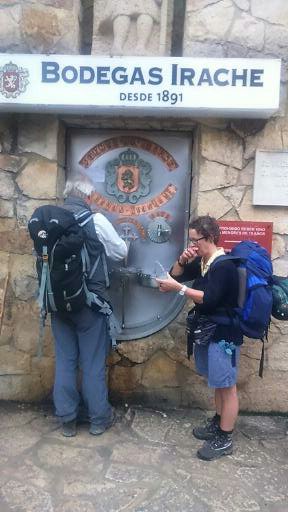
spain-autumn-2016-phone-3179
Free wine – early on the Camino Frances, Spain.
Pilgrimage

The Way is a pilgrimage and those who walk it are traditionally known as pilgrims – peregrinas (female) or peregrinos (males) in Spanish.
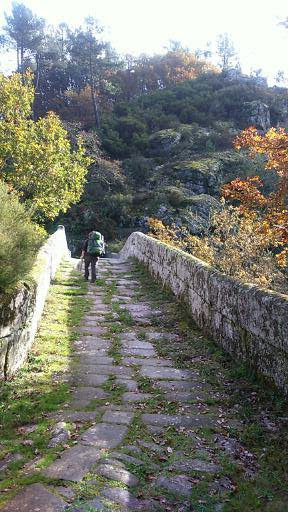
Spain autumn 2016 phone 3962 (288x512)
Carrying everything you need. Pilgrim crossing an ancient stone bridge in Galicia, Spain
Pilgrim Passport / scallop shell

Carrying a pilgrim passport or Credencial del Peregrino which gets stamped every time you stop for the night is a great way to keep a record of your hike. Hanging a scallop shell, symbol of Saint James, on the back of your rucksack is a proud way to indicate your sense of belonging to this famous confraternity.
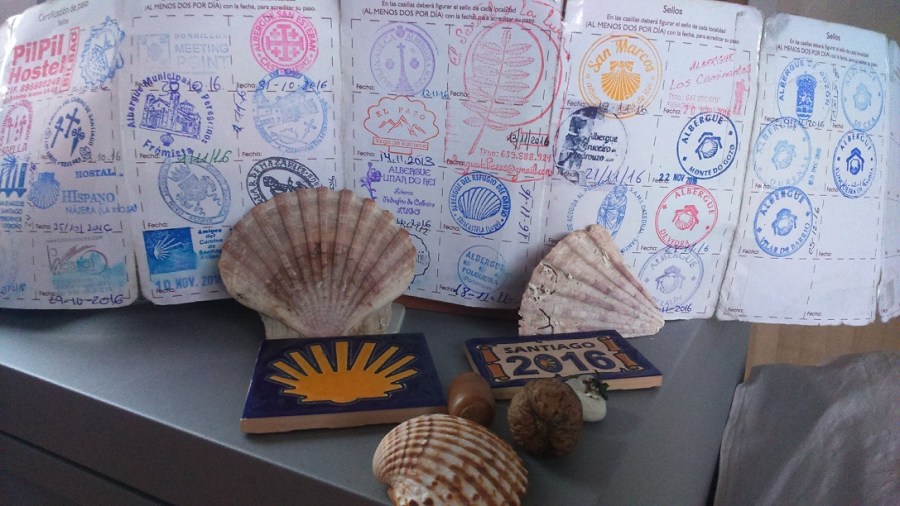
Camino shell and credential
A record and mementoes of my first camino in 2016
Who can walk the camino?

People of all ages and nationalities make this trek and they do so for many reasons: religious (especially Catholic); social (it is a great way of making friends); fitness (sensible walking is good for your breathing, circulation and musculo skeletal system); and personal (at times of major life changes, or for the benefit of their mental health).
Spain autumn 2016 phone 4003 (360x640)
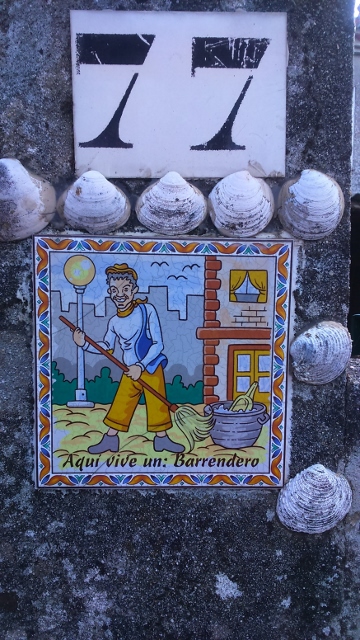
Jolly Spanish house sign
Do I have to walk ALL of it?

You can walk as much or as little as you like. Some go the length and others do sections several times a year or year-by-year. The most popular part is the final 69 miles (111 kms) from Sarria to Santiago which earns you a Compostella, a certificate in Latin. Aficianados come back time and time again.
Spain autumn 2016 phone 3987 (360x640)
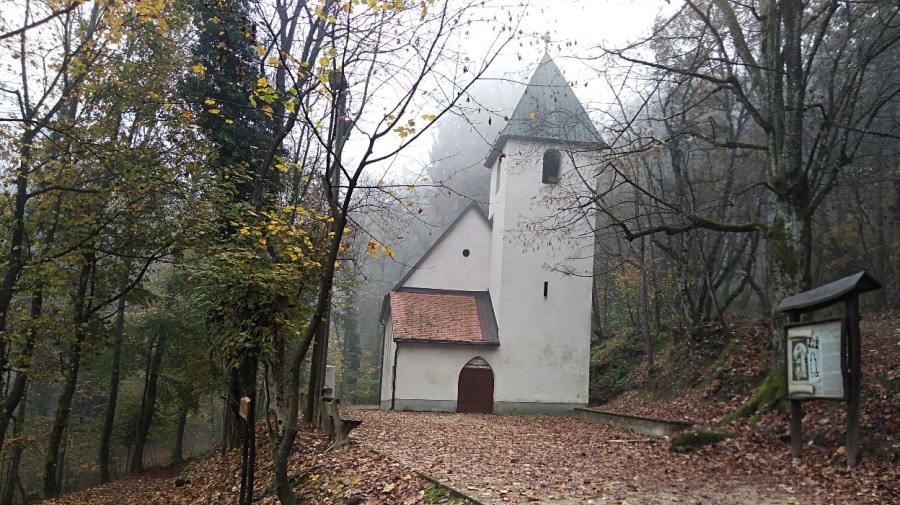
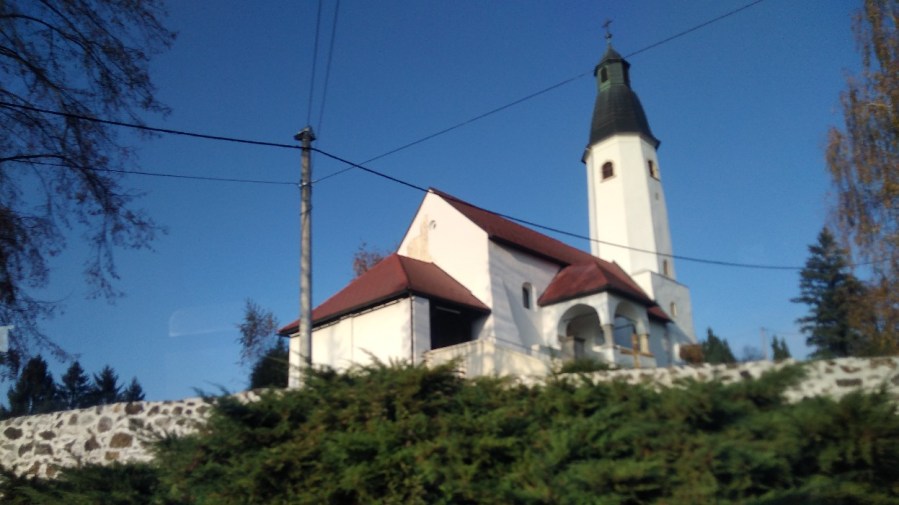
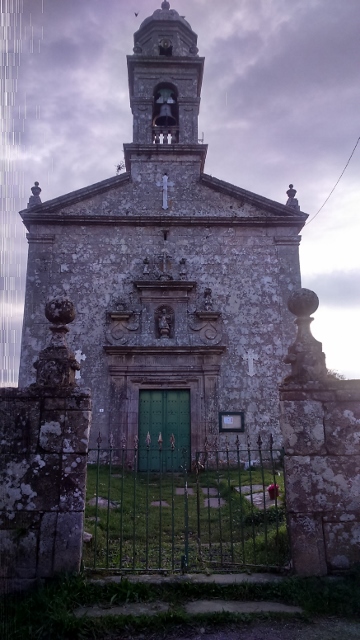
A typical rural chapel on the camino, Spain
How far will I walk every day?

I highly recommend that you take it easy, at least to start with, whether you are young or old, male or female. This means 9 – 12.5 miles (15-20 kms) at the beginning. Even if you are fit and feel fabulous in the glorious Spanish sun, beware! You will almost certainly get blisters and a sprain or strain if you walk too far too soon (unless you honestly walk 9 miles (15 kms) or more every day at home in the same shoes or boots which you intend to wear).
Spain autumn 2016 phone 4150 (640x360)
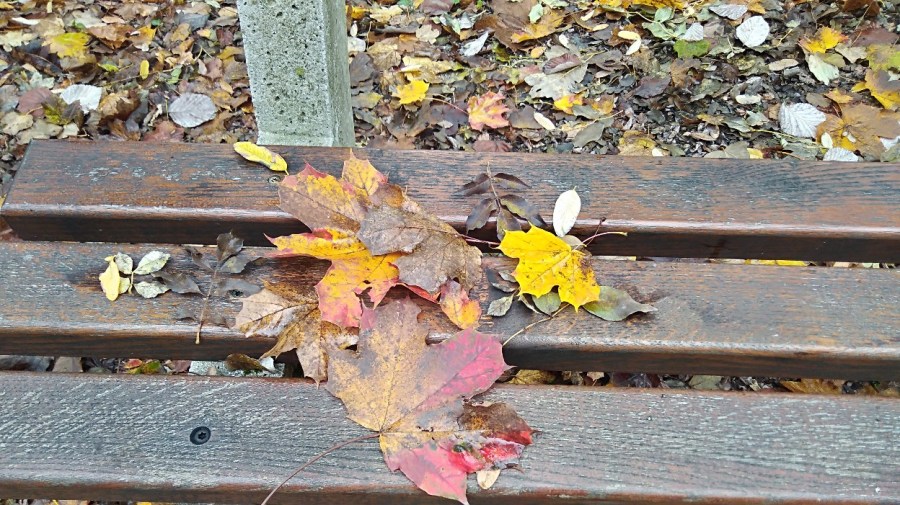
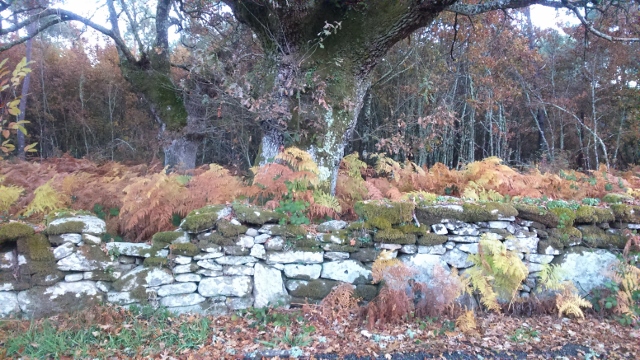
Autumn colours along the Way, Spain
Where do I sleep?

Most pilgrims stay in hostels or albergues. Their facilities vary, but almost all offer a basic bunk in a dormitory for between 5 and 12 euros (£4.50 – £11) per night. You do not have to book in advance, indeed sometimes you cannot. There are also hundreds of hotels and private hostels, usually at a higher cost with greater luxury.
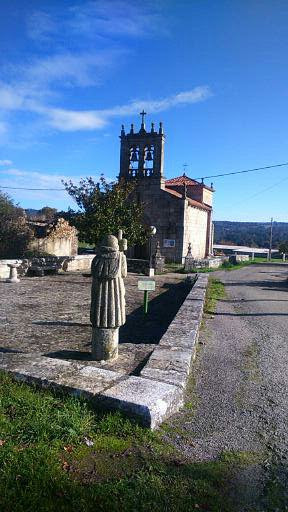
Spain autumn 2016 phone 3963 (288x512)
Statue of Saint James whose relics are supposed to be buried in the Cathedral of Santiago de Compostella
What do I take with me? How much do I have to carry?

Historically everyone would have carried their own clothes and equipment in a backsack. (see What to Put in Your Rucksack). Nowadays there are many companies who offer to transport your stuff from hostel to hostel so that you can walk with a daypack and water only if you choose. You can even hire a donkey!
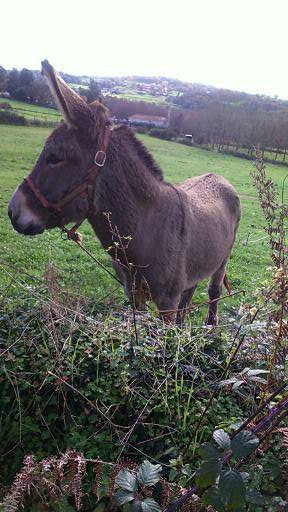
Spain autumn 2016 phone 3943 (512x288)
walkingwithoutadonkey.com
Food

Many hostels offer a basic breakfast, and shared meals in the evenings can be a highlight. Kitchens, with (or sometimes without) utensils are the norm. There are cafes, bars and restaurants all along the way and at every stop where the food is often delicious and cheap. There are plenty of shops which will sell you most things you need such as suntan lotion or a single egg wrapped cleverly in a paper cone.
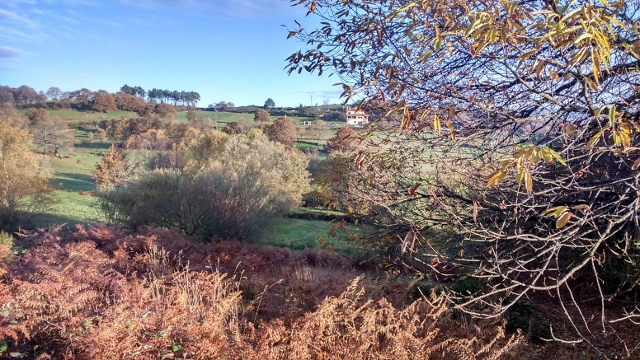
Spain autumn 2016 phone 4035 (640x360)
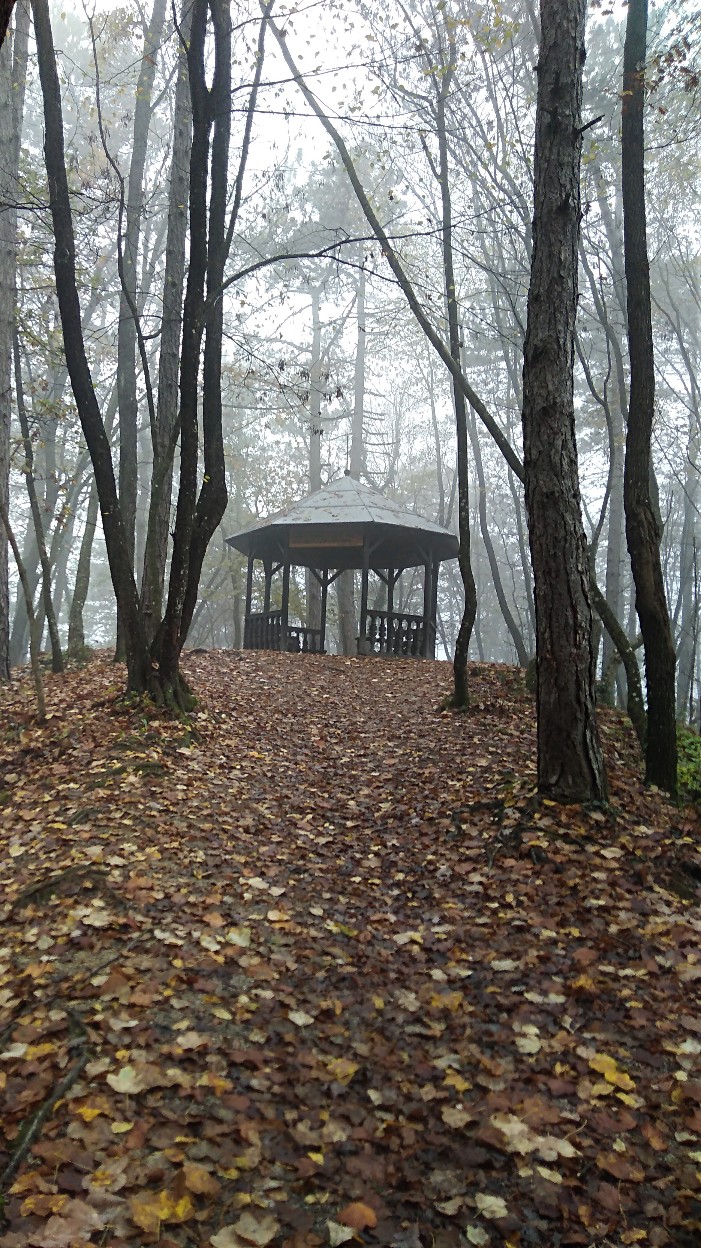
Space for thinking quiet thoughts on the camino in winter
Time of year to walk the camino

All times of the year are good for walking the camino! It is hot in the summer (and crowded); cooler in the Autumn with great natural colours (it can also be really warm but with cold nights); pretty with wild flowers in the Spring (lots of daylight); and peaceful in Winter (though some of the albergues will be shut).
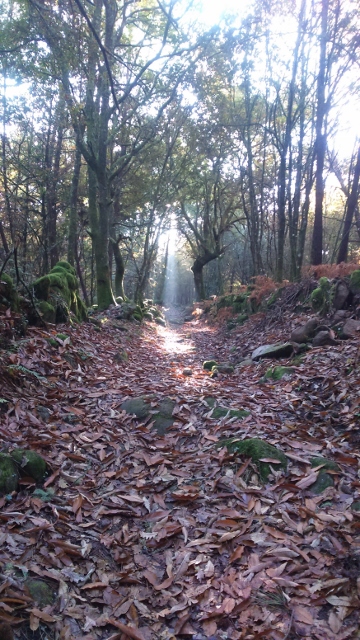
Spain autumn 2016 phone 4160 (360x640)
The wonderful chestnut woods of Galicia
Speaking Spanish. Yo hablo espanol.

It really helps if you speak some Spanish. It’s polite, respectful and fun to be able to communicate with the local people. You are also more likely to be served what you have ordered.
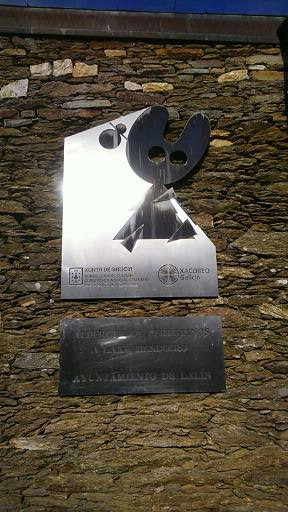
Spain autumn 2016 phone 3946 (512x288)
The familiar sign of the Galician albergues, Spain.
Travel from the UK

You can take a boat to Santander (71.5 / 155 kms to Burgos) from the UK; There is an airport in Santiago itself (from there you can take a bus back east to the place where you want to start walking) itself, as well as La Coruna (82 miles / 132 kms from Sarria). Also, Asturias airport for Leon (from Stansted only), Bilbao (from Edinburgh, Manchester and others) for Pamplona, and Biarritz (33.5 / 54 kms from Saint Jean from Birmingham and others); Overland, there are trains taking 5 hours from Paris (4 per day, approx. 35 euros) and the Eurostar from London is smooth and efficient (around £50 and just over 2 hours). You can also take Alsa (long distance) buses or try Bla Bla Car (car pooling).
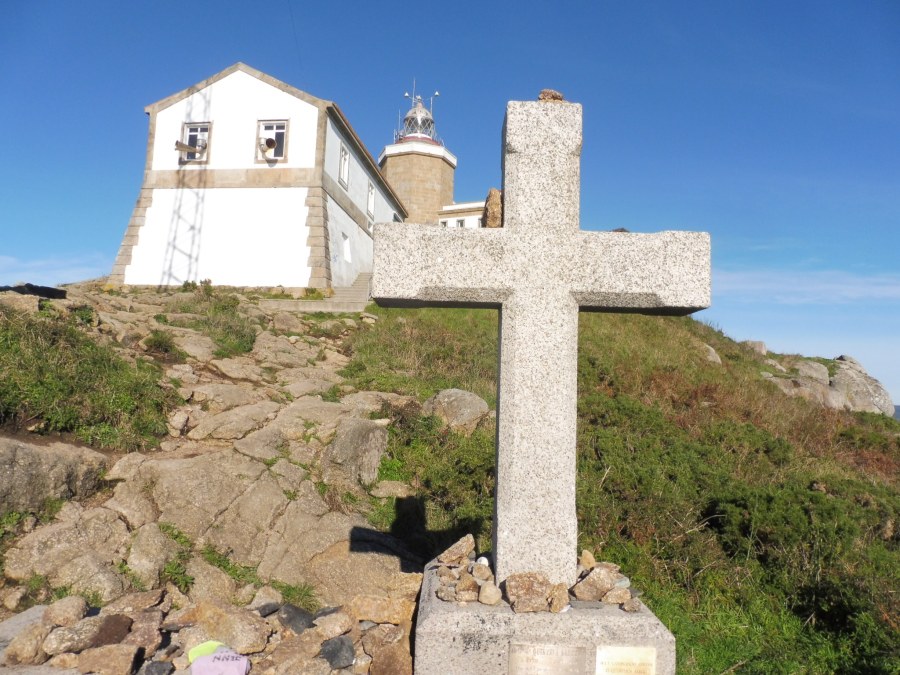
Alain's photos 2016-11-25 017
You can tack on an extra 3 days of walking after Santiago and to to the sea at Finistere.

There are many books and online guides to help you find your way, pointing towards places to stay and eat. Gerald Kelly and John Brierley’s are the best known in English. Using this guide means that you will inevitably walk the same steps (stages of the walk) as other English speaking folk and will therefore have pals to walk and share meals with before long. The municipal hostels at the end of these stages are the busiest.
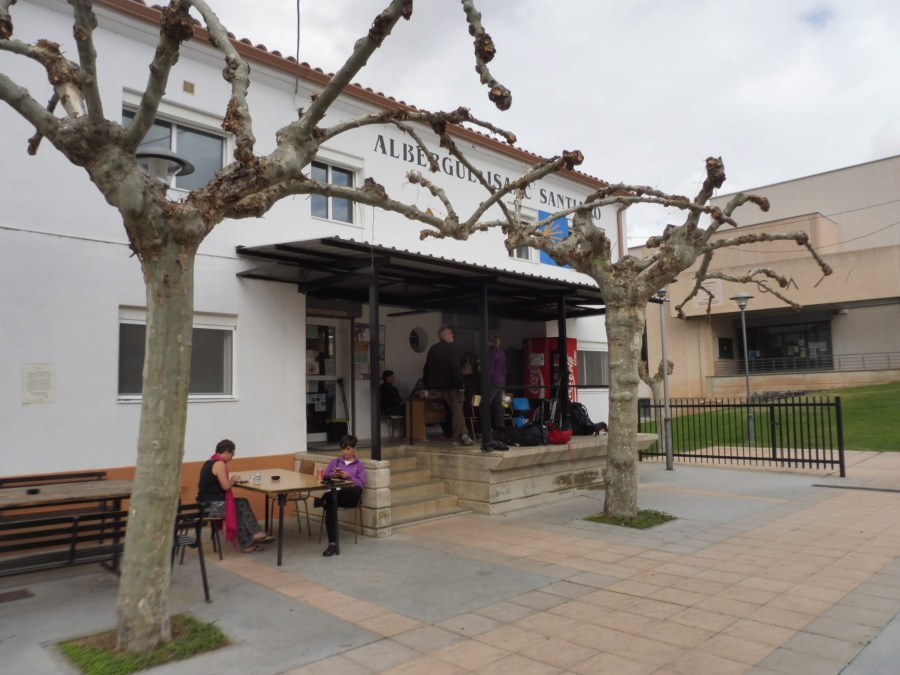
Alain's photos 2016-10-23 018.JPG
There is wifi and places to charge your phone at most hostels, Spain
Top tip!

Start slowly, in short stages, do not be too ambitious until the second week, and that way you will avoid going home early and in pain (I have seen this happen many times). It doesn’t matter if other people are going further. You will either catch up with them later or you will find new companions instead, ones who are enjoying the scenery as much as you.
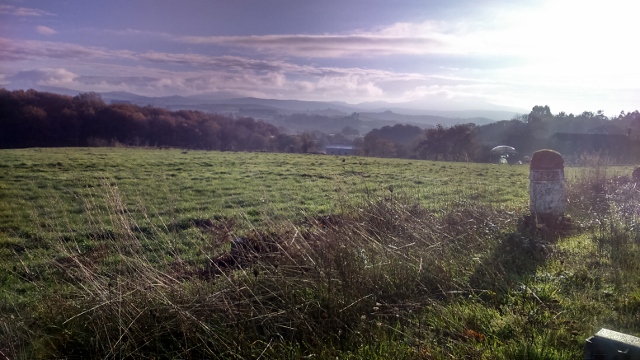
Spain autumn 2016 phone 4032 (640x360)
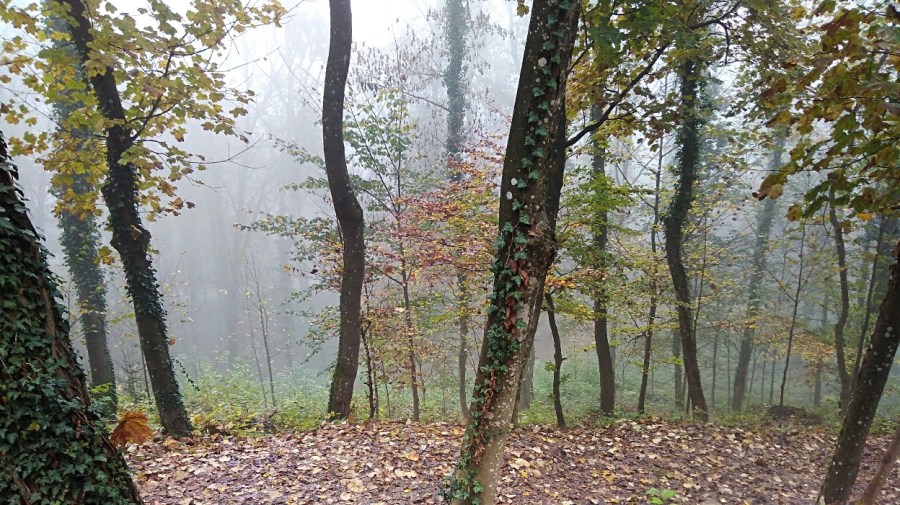
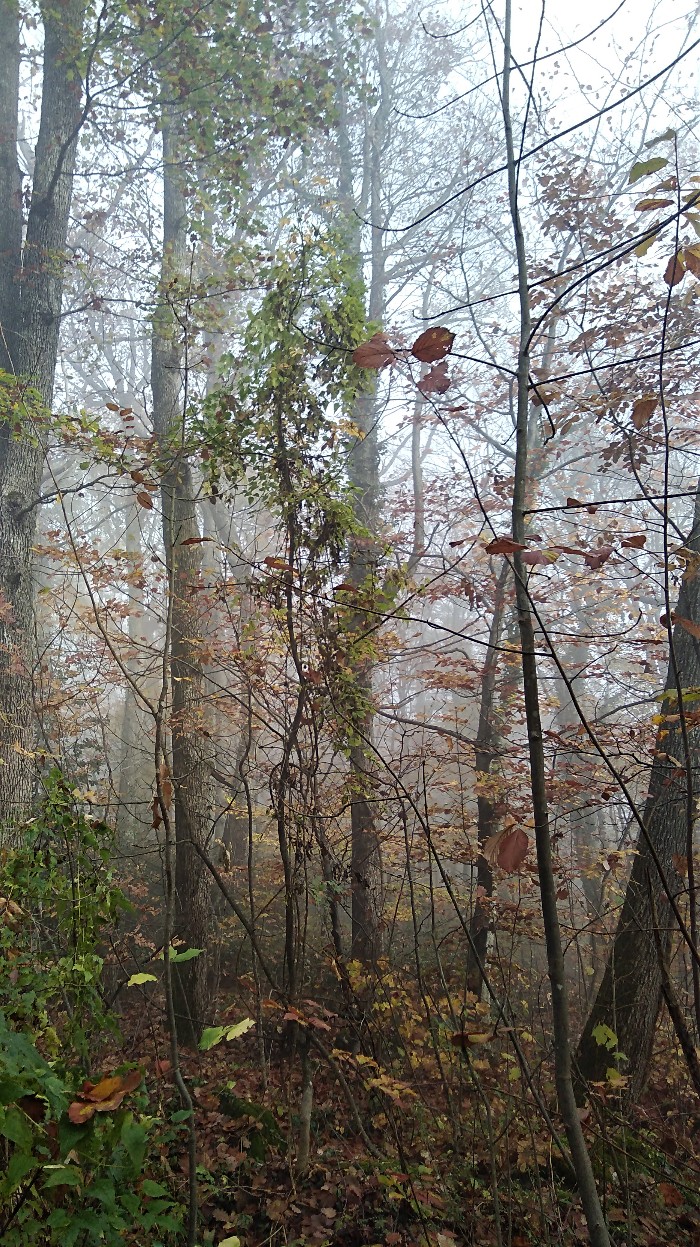
Misty mornings herald a hot day, Spain

There are also other caminos in Spain: The Via de la Plata which starts in Seville and goes through Salamanca; the Camino Norte along the coast passing through San Sebastian; the Inglés from A Coruña; Mozarabe through Malaga and Cordoba, and many others. Criss crossing this stunning country, the walking is delightful, the people colourful, and the experience one which you will remember for the rest of your life.
Alain's photos 2016-10-30 008
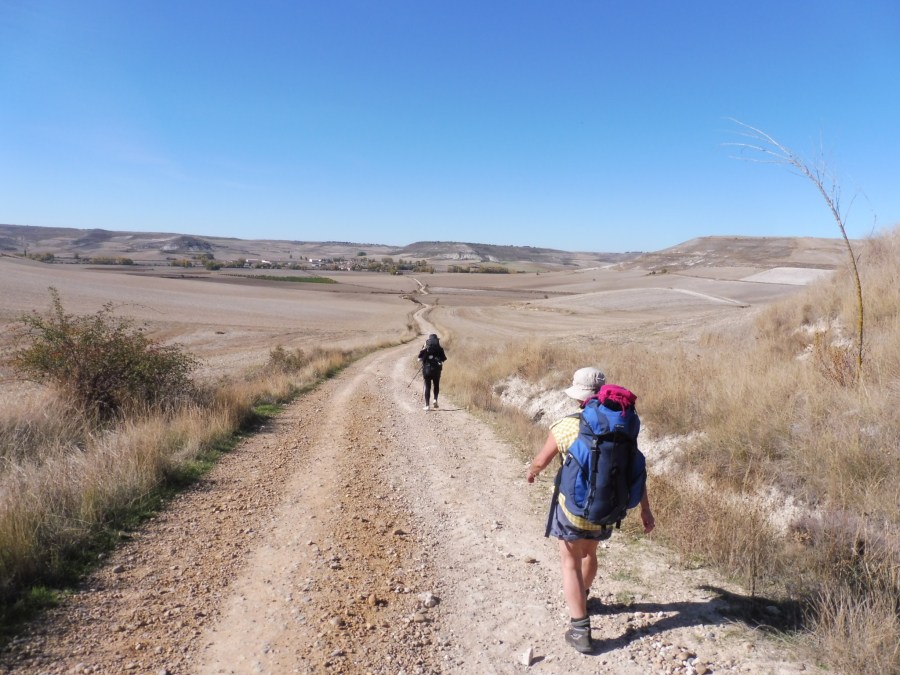
Getting into my stride – the Camino Francés 2016

Have you walked the Camino Francés or any of the other ones in Spain? Leave a comment and share your experience.
Tweedbank Station to Melrose, walking the Scottish Borders

December 2018 – a rail journey from Edinburgh to Tweedbank and a short but stunning river pilgrimage walk to Melrose in Roxburghshire, where you will find the ruins of a magnificent Medieval Abbey.

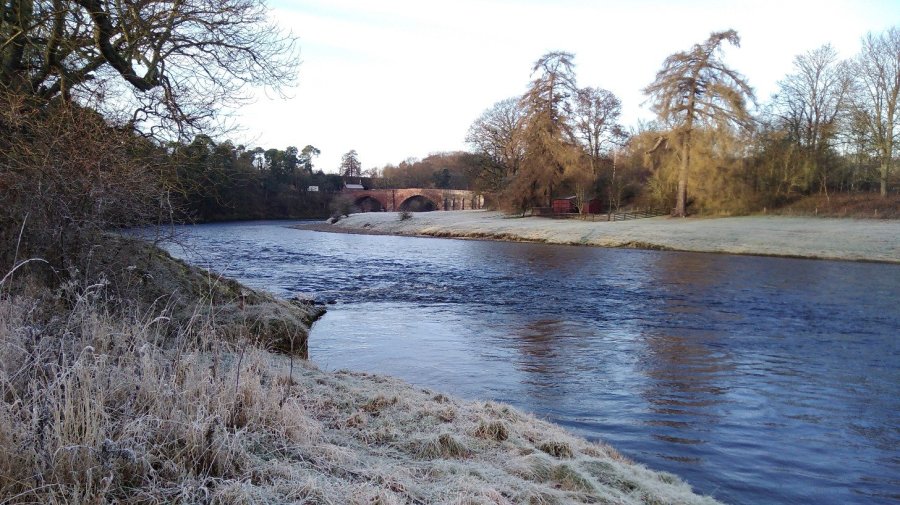
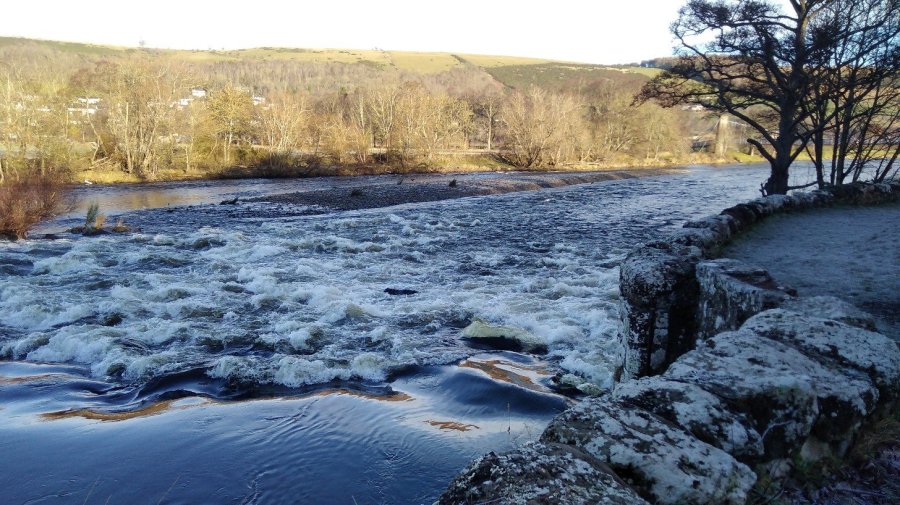
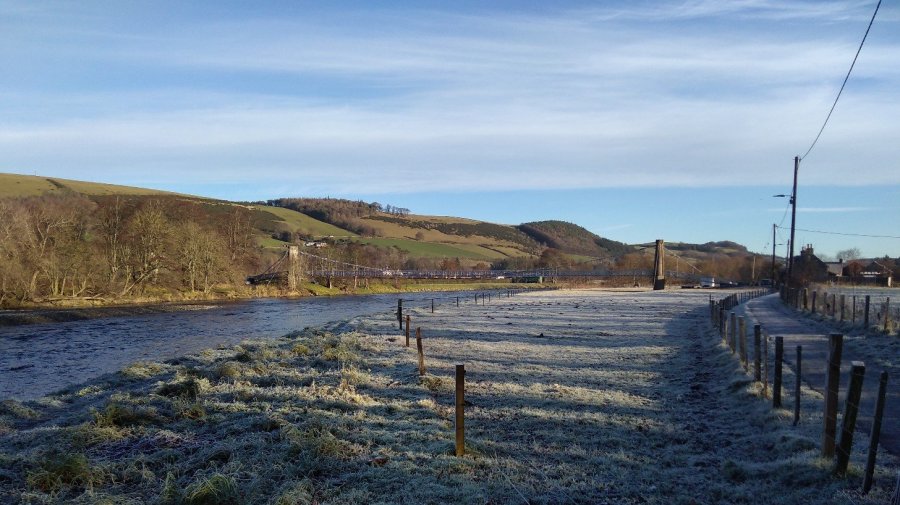
The Tweed River, Scottish Borders.

I took the train to Tweedbank in the Borders – it’s the end of the line. It takes 1 hr and the service runs every half hour. It costs £9.30 with an Over 50s Railcard ( I booked the ticket and renewed the rail card last night online through Scotrail for £15 for the year and it took about 5 minutes). Then it’s a 40 minutes walk each way into the town of Melrose, although that doesn’t allow for what I call ‘astonishment time’ ie time for stopping at intervals because, Oh my, look at that, oh I must take a photo, I just can’t believe it, it’s so gorgeous!

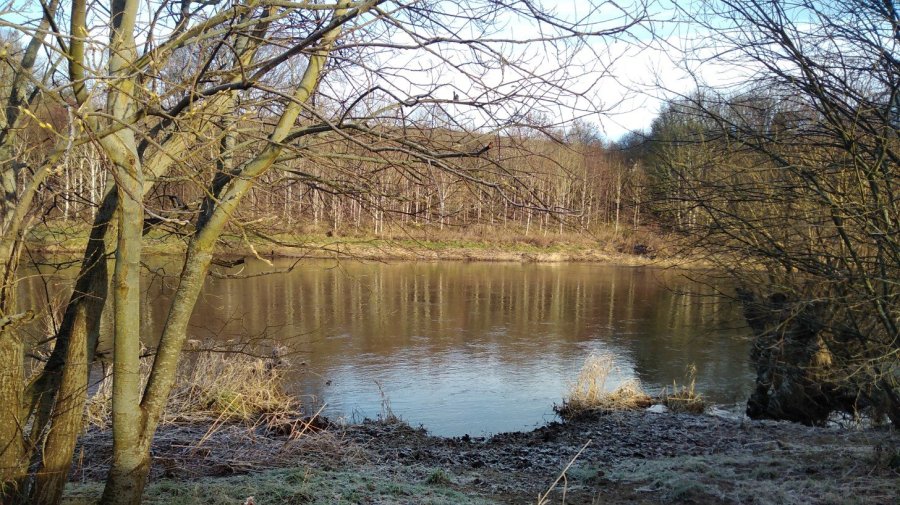
The Tweed River between Tweedbank and Melrose, Scottish Borders.

If you like you can stop reading this now and open YouTube or Spotify and find Fording the Tweed By Savourna Stevenson, so that you have something magical to listen to as you continue reading and imagining you are taking this journey with me.

Choose a day where it won’t go above 2 degrees celsius so that it stays white and hard underfoot. Wear thermals under your normal clothes, plus a coat, woolly hat and cosy gloves.

wp-1544547767086610293714.jpg
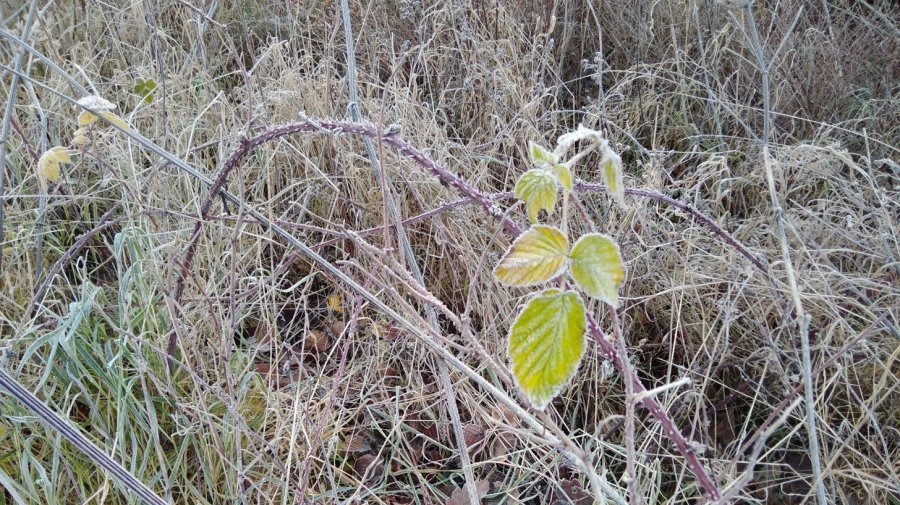
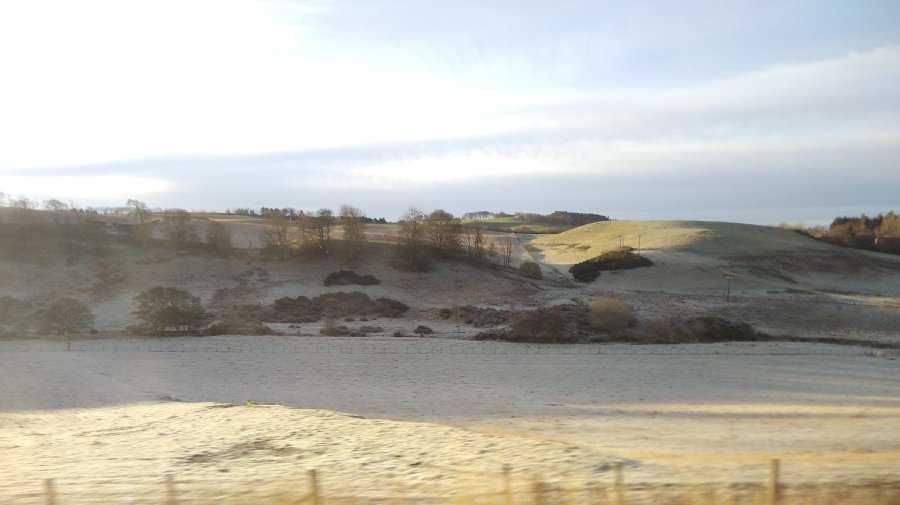
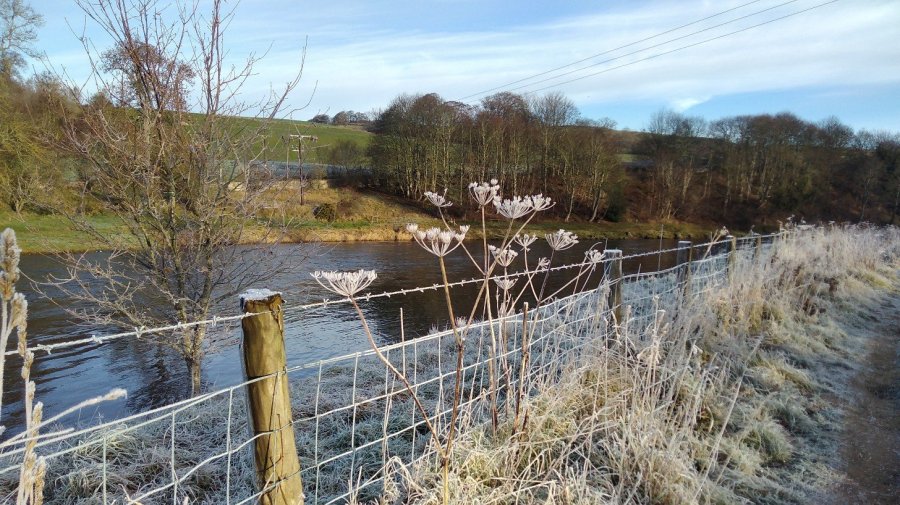
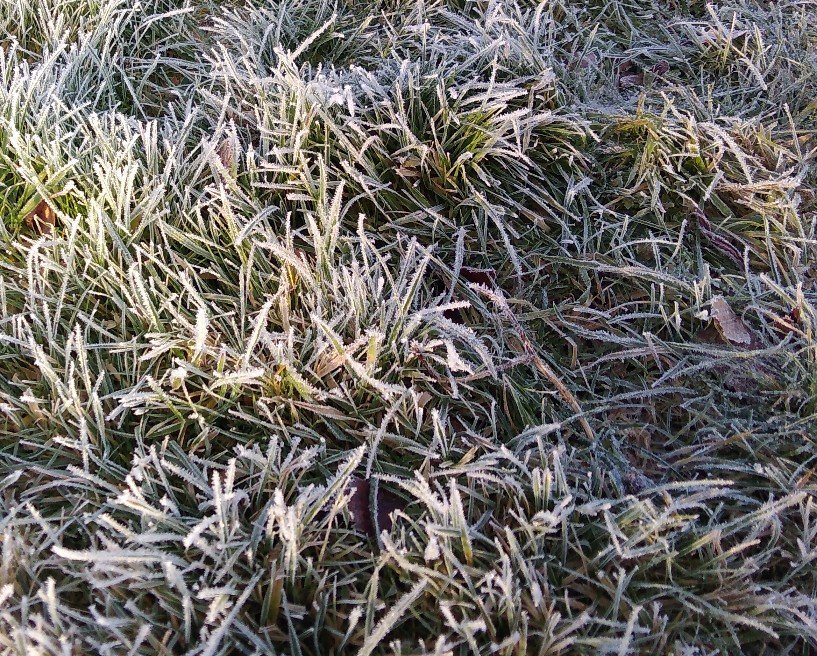
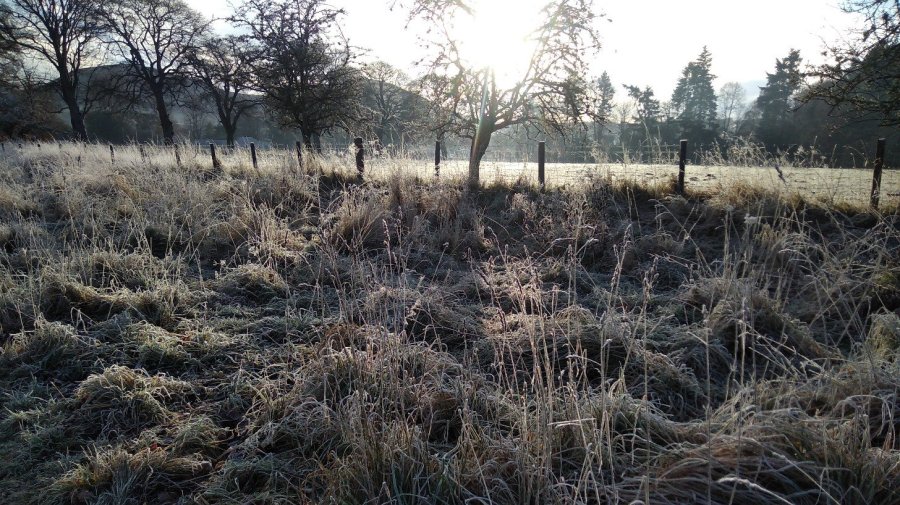
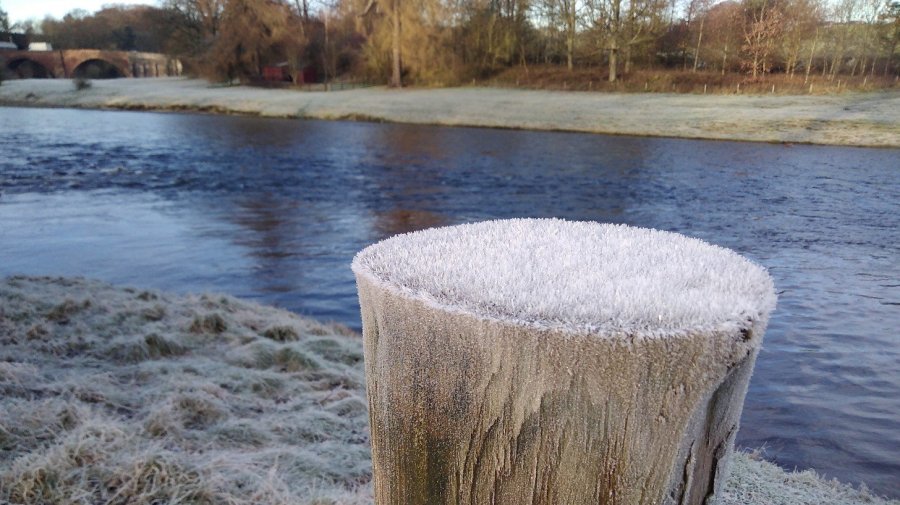
Jack Frost was at work overnight.

You know what they say, it’s not the weather that’s the problem in Scotland it’s having the right clothes! Not being able to bend your elbows because you have a thick jumper on under your not-quite-big-enough jacket is a small price to pay for all this beauty.

wp-1544547646736642284646.jpg
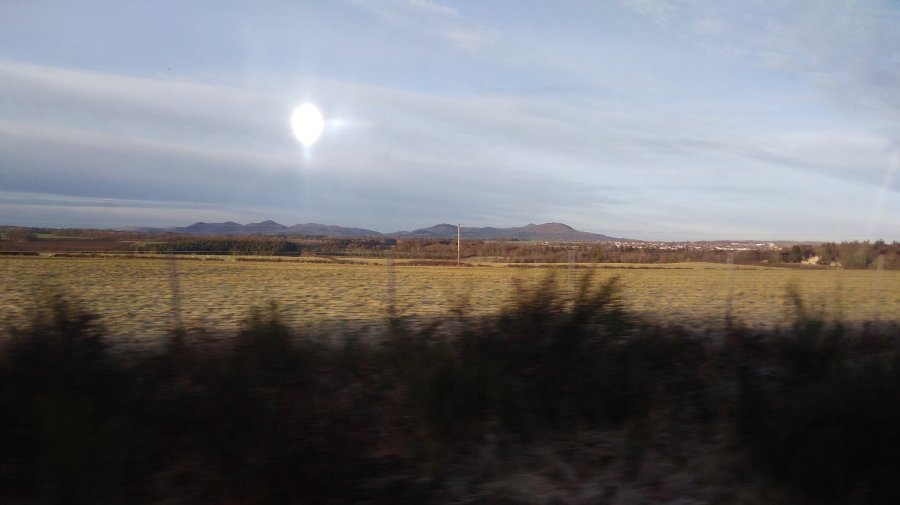
You can see Arthur’s Seat and the Pentland hills from the train.

You will travel on the Waverley Route, so called as it refers to Sir Walter Scott’s Waverley Novels. Start by facing in the direction you are coming from and sitting on the left. This way you will have wonderful views of Edinburgh – Arthur’s Seat. Ignore the rest unless you enjoy the industrial outskirts of cities.

When you hear the nice lady announce Gorebridge, change seats so that you are looking the way you are going and you can either plump for right or left (the views are equally attractive) or, like me you can leap from side to side because, well because the views are both enticing.

wp-15445455215541892656896.jpg
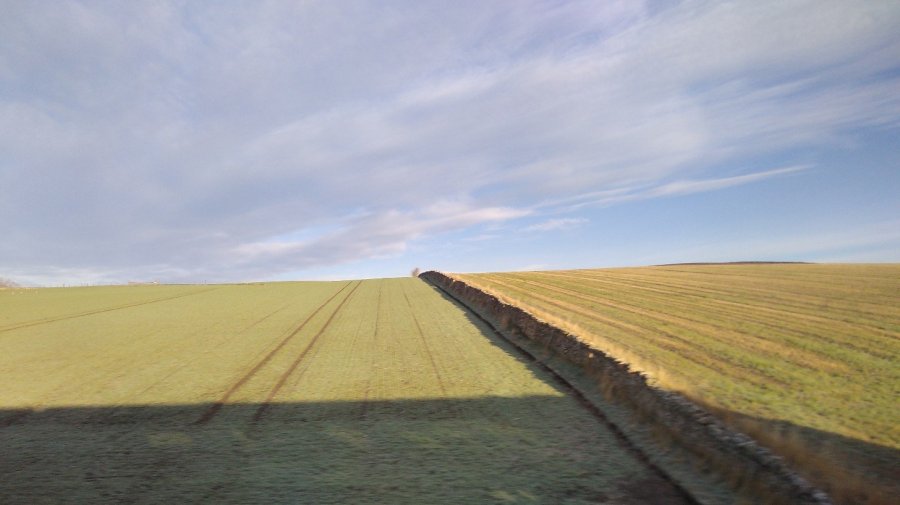
Expanses of farm land in the sun, Lothian Region, Scotland.

People seem to have it in for Galashiels, so I will blog separately about that. Suffice to say that it is impossible for a whole town to be boring and I know some lovely people who live there and they like it a lot. It has an excellent brass band for a start.

wp-15445475329381453192556.jpg
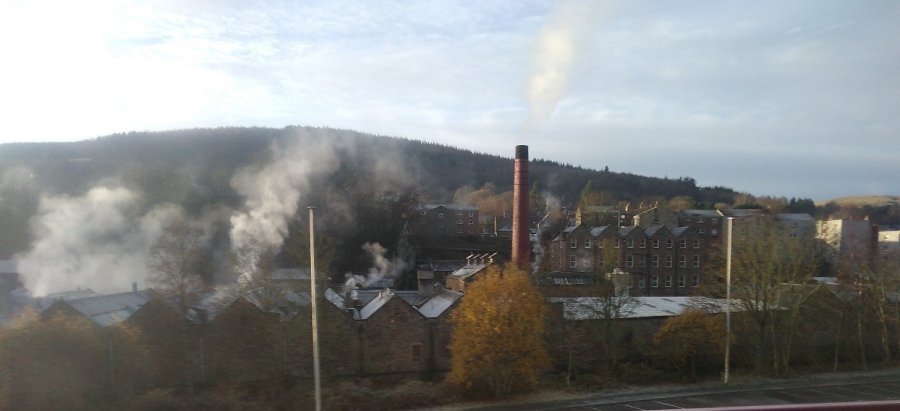
Leaving Galashiels. Straight out of the 19th century! Scotland.

You will not need a map nor must you look up the way in advance or use your phone. Believe me, if it’s possible to get lost I would have and it’s not. I promise. Sit back and relax. Feast your eyes on the hills, rivers, pretty houses, and majestic trees. Over on one side you will spy the traffic – be pleased that you are not driving, have a nice cup of tea and a comfy seat – you can just gawp.

wp-1544545521180985749088.jpg
From the train window between Edinburgh and Tweedback on a chilly morning, Scotland.

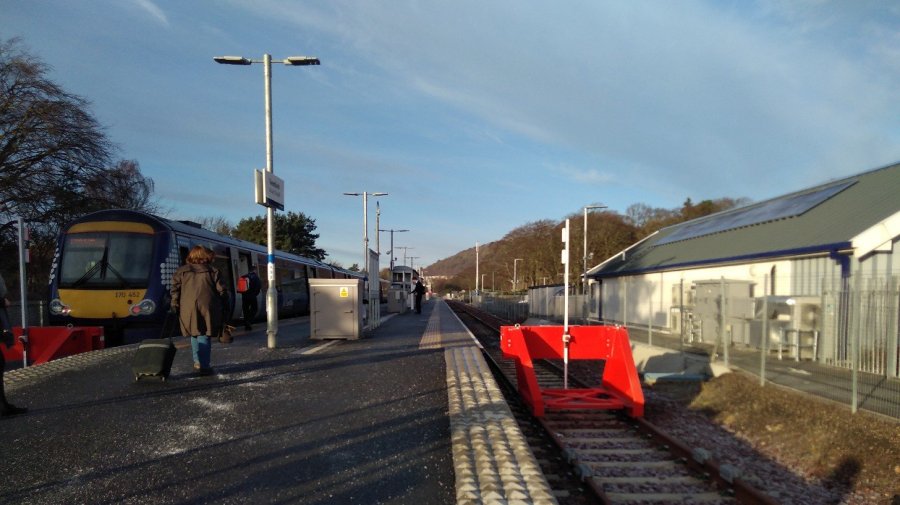
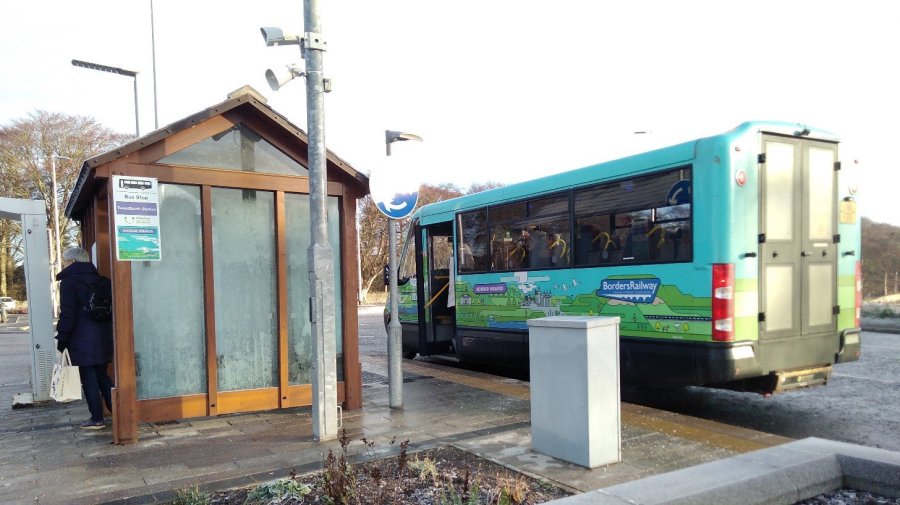
Tweedbank station is new and modern with a massive car park. There is one line, two platforms and everything is properly signposted. There is a bus if you prefer.

wp-1544545521877980376437.jpg
The end of the line, Waverley Route, Tweedbank Station. Waiting areas and ticket machines in the middle.
wp-1544545522083653913363.jpg
Connecting buses, Tweedbank Station, Borders.

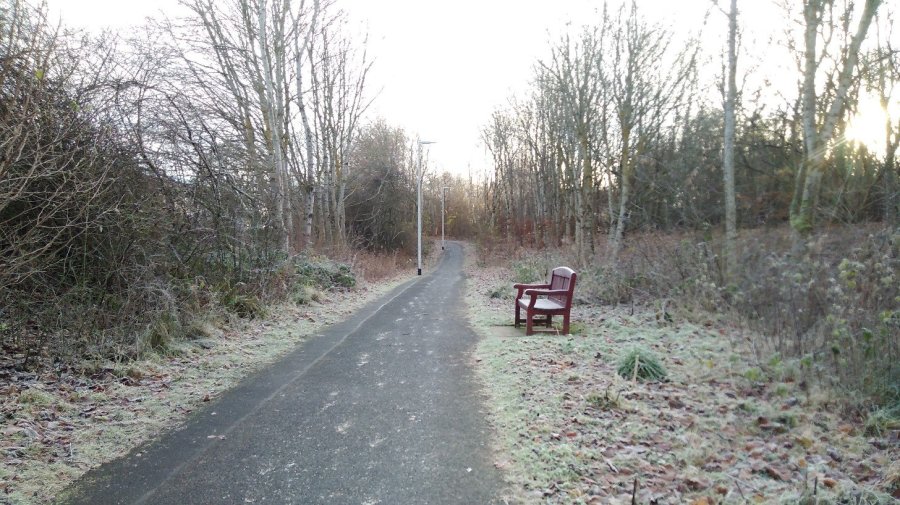
Otherwise, walk along the only way you can and straight ahead you will see the cycle path.

wp-15445456757802021841131.jpg
Cycle path from Tweedback Station towards Melrose, Scottish Borders.

Today I was enchanted by the way the hoar highlighted the seed heads, fence posts, and each individual blade of grass.

wp-15445458456941462870446.jpg
The stalks were as tall as me, upstanding!

wp-15445699263181617288042.jpg

You won’t get lost – there are multiple signs: Melrose Link on the left; National Cycle Network on the right.

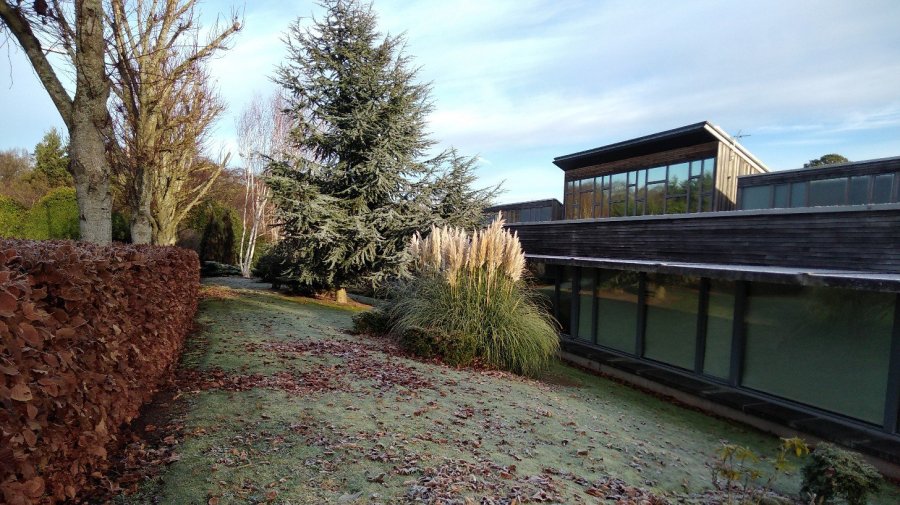
There will be aluminium buildings to your left. When the SPPA (Scottish Public Pensions Agency) is ahead, admire their gardens and peer at the poor folk inside working on such a wonderful day. Smile. Then walk to the right of them, following those signs.

wp-1544545675977892240472.jpg
The SPPA gardens.

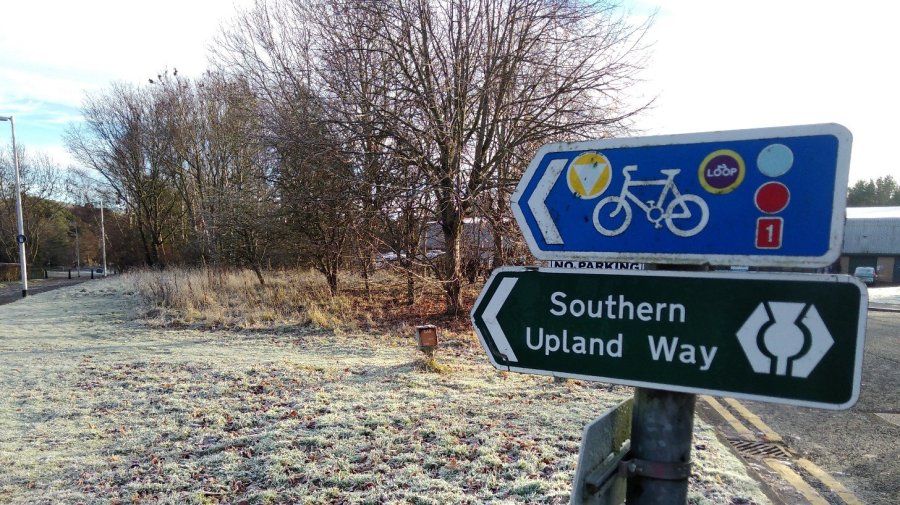
You will see that you are joining the Southern Upland Way.

wp-1544545675185680976713.jpg
This little walk forms part of the Southern Upland Way.

Very soon there is a road to cross and opposite, through a little wooden gate at waist height, is a path with steps going down and there is the Tweed River, burbling on your left.

wp-15445458465711946751879.jpg
Lowood Bridge over the River Tweed, Scottish Borders.

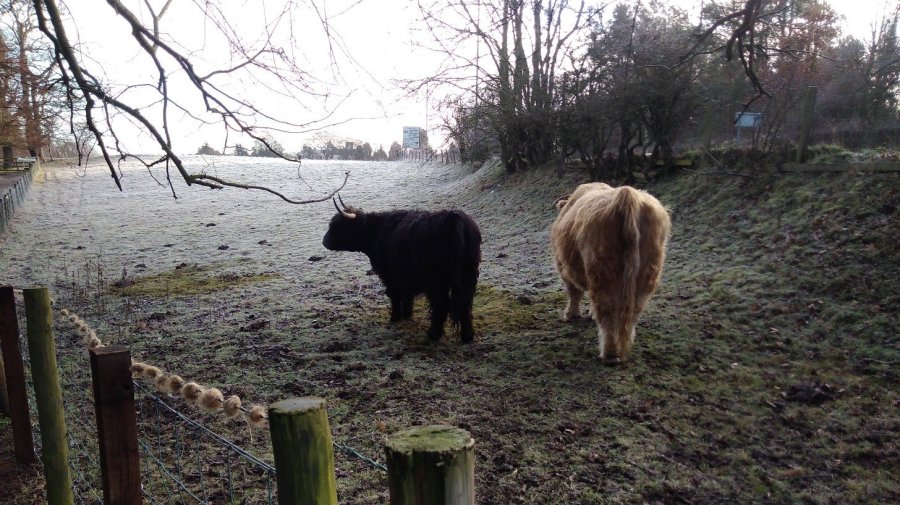
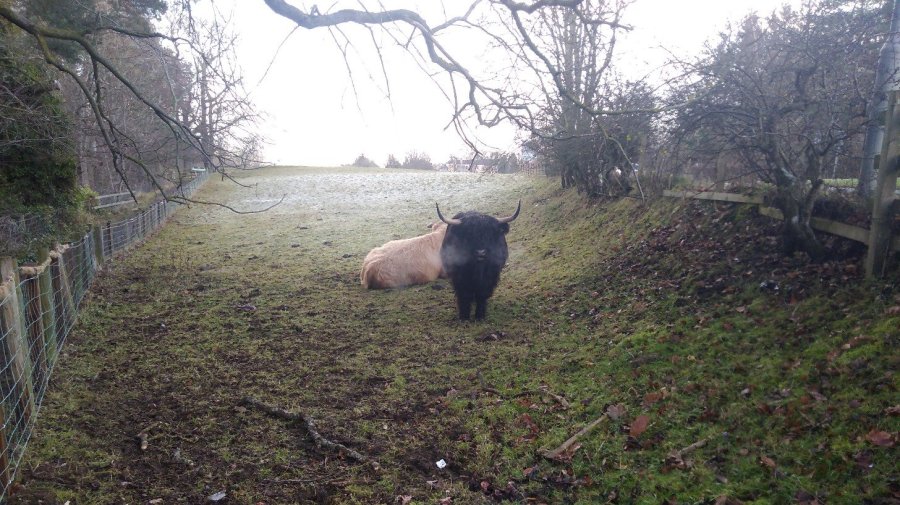
On the right you may be lucky enough to see two Highland cattle, and if it is cold enough it will look as if they are vaping with condensed air coming sideways simultaneously from both nostrils in opposite directions.

wp-15445656597091245617912.jpg
Highland Cattle, Scottish Borders.
wp-15445475323511646051939.jpg
Can you see him steaming?

I scraped the ice from the tourist board telling about the fantastically named Skirmish Hill where King James V’s men fought those of the Duke of Buccleuch and won. The 14 year old monarch is said to have watched from a safe place.

wp-1544545846774137723925.jpg
Skirmish Hill hidden behind the tree, Scottish Borders.
wp-1544546796230215875024.jpg
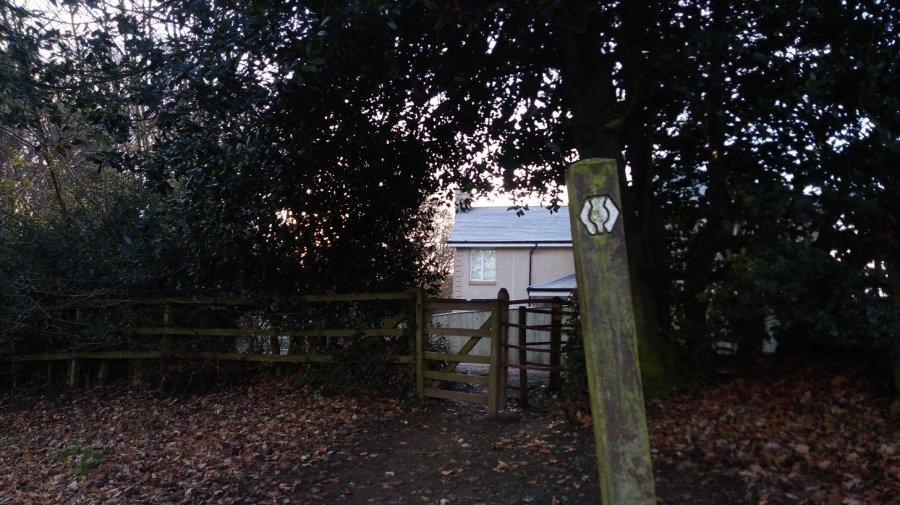
Follow the thistle signs!

At the kissing gate go to the left of the houses and you will see signs. Almost immediately continue through the woods to the left. The way goes uphill with a wooden handrail, green with lichen.

wp-15445665373311993467903.jpg

wp-1544546796830293396041.jpg
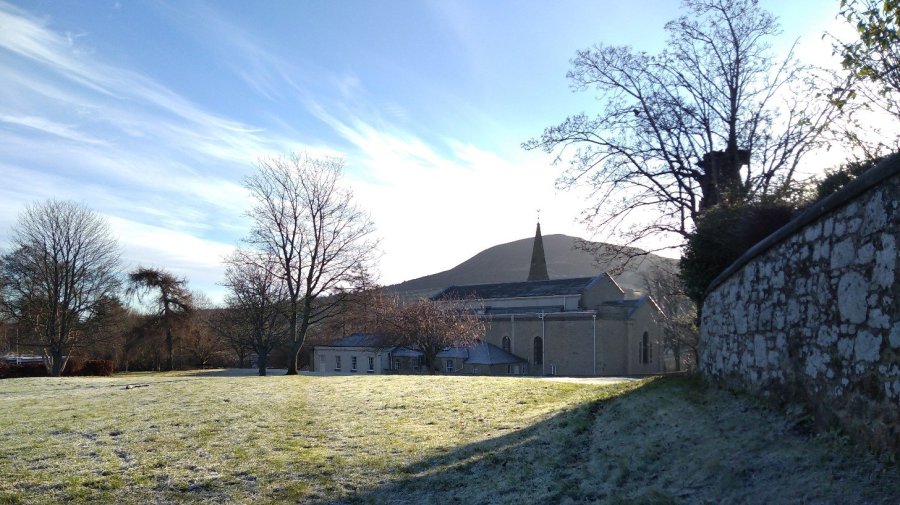
Holy Trinity Church, Melrose, Scotland with the Eildon Hills behind.

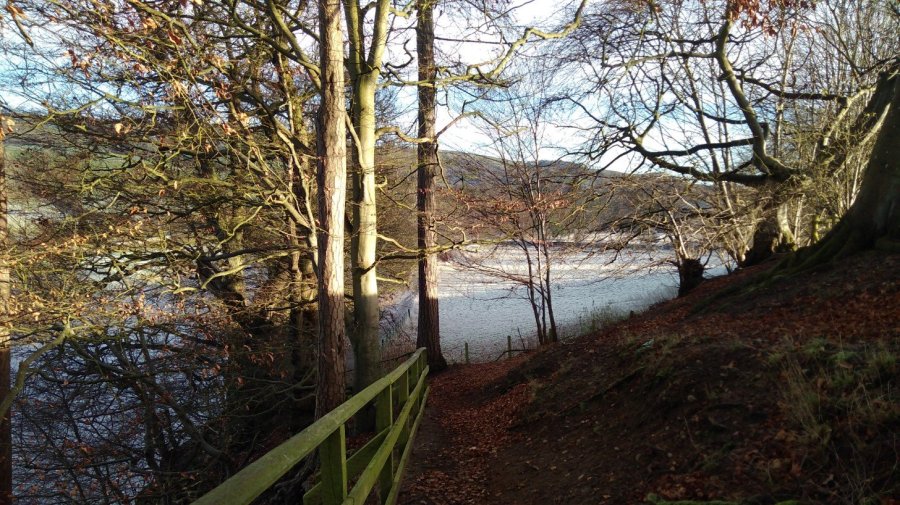
The ferns were all flattened by frost as I came into a clearing, going gently downhill. Here I spied more information, this time about fishing: grayling and salmon who make the courageous journey from sea upstream to fresh waters to spawn, often against all odds.

wp-1544546796429360555337.jpg
Honestly, the water did really look like this: shiny and luminous. Rver Tweed, Scotland.

There is a choice coming up:
You can either go past the hedge which is too high to see over (I stood on one of the handy benches to get a shot), ignore the sign and keep on going for a while to see the Chain Bridge, but then turn back and take the Town Centre sign. This will take you between the rugby club (left) and the green park (right)

wp-15445475334372139025130.jpg
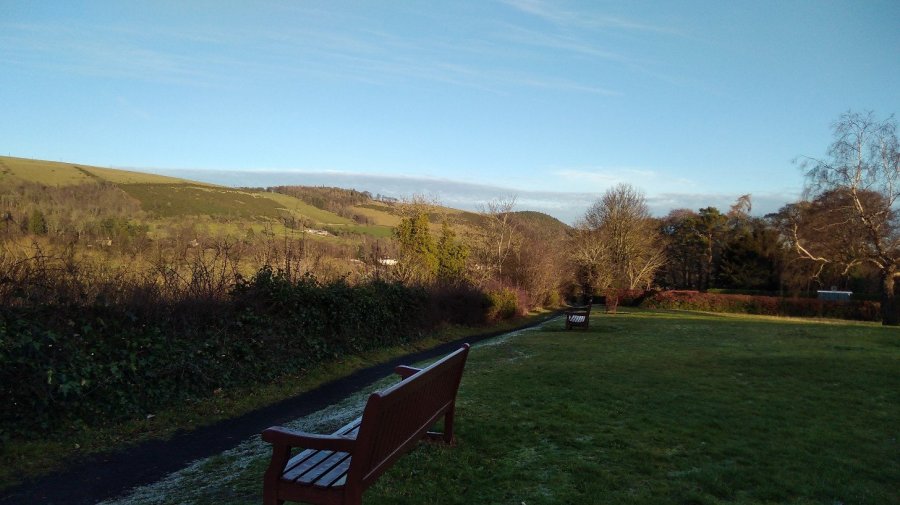
Taken on the way back when the sun was lowering, here is the bench mentioned above.

Or, keep walking past the church to the Chain Bridge and around behind the town centre coming in by the road directly to the Abbey.

wp-15445467973832097401635.jpg
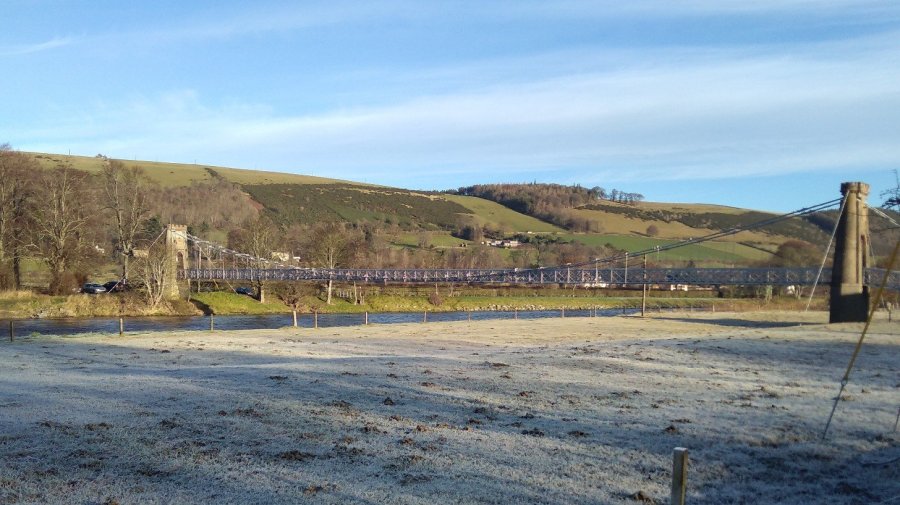
The impressive Chain Bridge, near Melrose, Scotland. Ice still on the ground at 11am.

I took the second option because it was signed Abbey Walk.

Everyone is very friendly as are their dogs. A collie politely laid her pink ball at my toes, her nose flat along the ground, eyes expectant. The second time she came back she showed me the tricks she could do with it, presumably as encouragement and to distract from my muddy fingers. The third time, the gap between me and her owner having widened considerably, I informed her this would be the last, before hurling it behind me.

wp-1544545846986554497605.jpg

You can halt to admire the horses on the left, or perhaps the motorbikes on the right. (You can pick up a copy of their free magazine too.)

You will continue onto a small road. Turn left if you wish to visit Newstead.

Hang a right at the main road where the signs mysteriously disappear (sorry, I guess what I wrote above was wrong at this juncture).

Walk past the Abbey Woollen Mill shop, or visit if you like. Carry on by the houses and careful because it’s a busy road, but not for long.

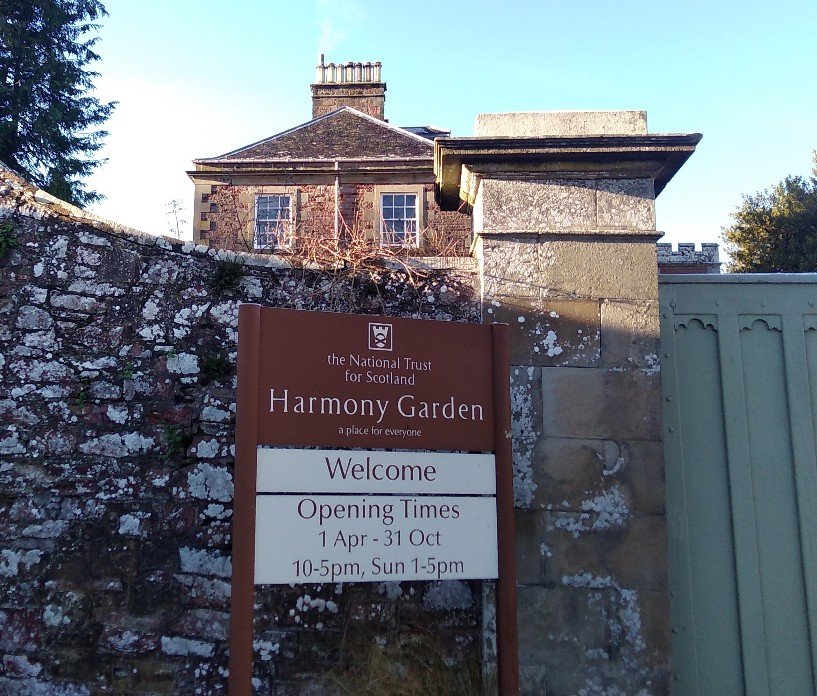
Don’t take the next right (St Marys Road) unless visiting the Harmony Garden. The nearby Georgian Manor House is available for holiday lets.

wp-15445699261831885540180.jpg

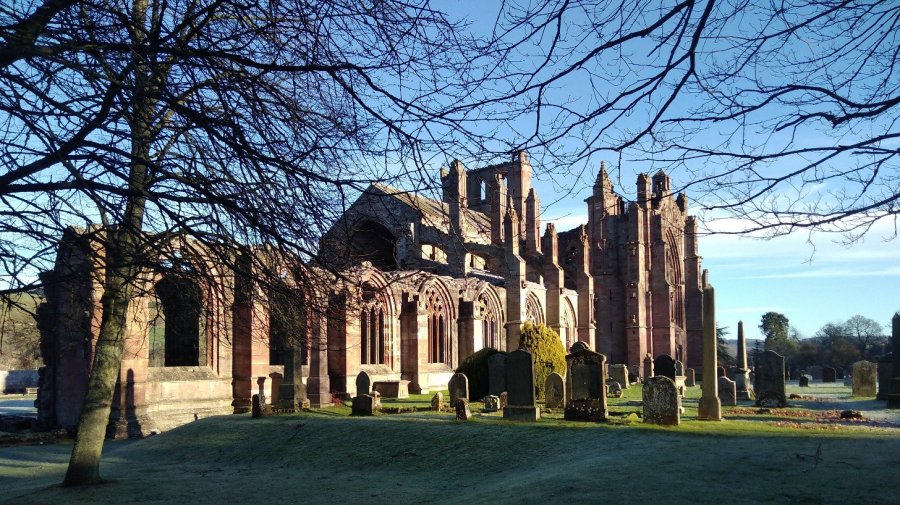
Instead go straight on see to see Melrose Abbey on the left, behind the wall. David I founded the first Cistercian Abbey in 1136. The heart of Robert the Bruce is believed to be buried in the chapter house there. The opening hours and link to the Historic Scotland page are at the end of this blog. The bus stop is to the right of the monument.

wp-1544546797015662201307.jpg
Public toilets, Melrose, Scotland.
wp-15445467971691433483706.jpg
The magnificent medieval Melrose Abbey ruins.

The town centre is in the middle of a triangle with a unicorn on an extremely high pillar in its middle. Originally this would have been the Mercat Cross where all typesiof goods wouldhhave been for sale, proclamations were made and criminals punished. The heraldic unicorn is the supporter for the Royal Arms. Here you will find a pharmacy, and library plus The Roman Centre. There are lots of hotels, cafés and nice independent shops, particularly bookshops, partly because the people who live there like to read, and there is also a Book Festival. Explore!

wp-1544546915232689821140.jpg
The Bookroom at the bottom of Dingleton Road, Melrose, Scotland.
wp-15445469150381218431911.jpg
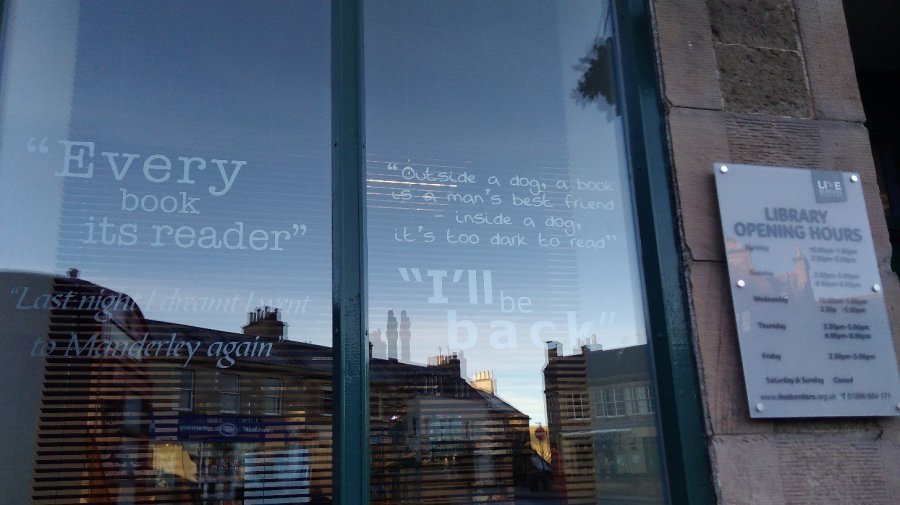
One of the inscriptions on this window is ‘Outside a dog, a book is a man’s best friend – inside a dog, it’s too dark to read!’ This is the local library, right in the centre of the town where it should be, Melrose, Scotland.

After your browsing and sightseeing, you can return the other way if you did what I did: to get back to the station, walk out of town along the A6091 road with the Co-operative store (food) on your right, and head towards the Melrose Rugby Club. Anyone will be able to point you in that direction as rugby is THE sport in the Borders.

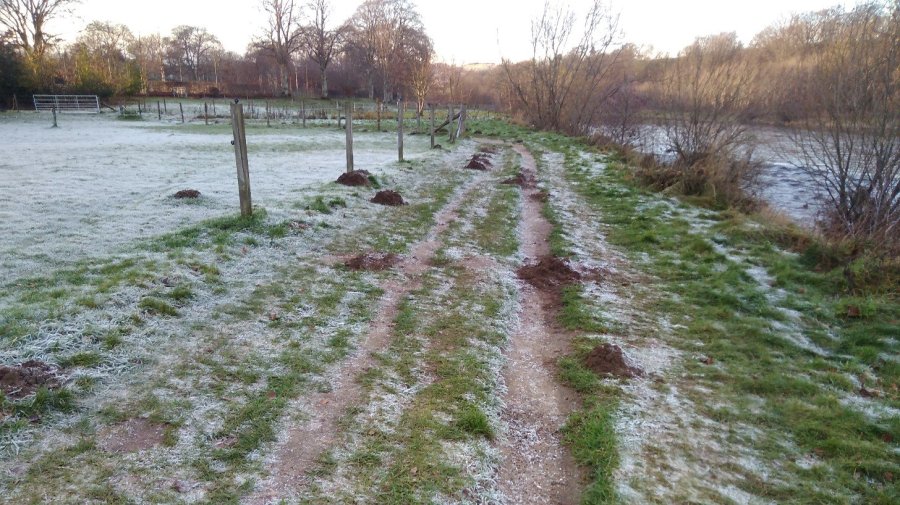
If it’s still light, enjoy the grand trees, admire the mole hills, and tune into the water as you wander.

wp-15445694639561949801093.jpg

A gentleman and I passed the time of day as we recognised each other from the morning when we were then also going in the opposite direction.

Remember that things look different when retracing one’s steps! You must cross two roads and keep both the SPPA and the aluminium buildings on on your right. Keep following the white Scottish thistles and yellow arrow. The final cycle path part is fully lit when it’s darkling (3.30pm at this time of year).

wp-15445456761851853380999.jpg

Birds twitched: robin, chaffinch, blackbird, pidgeon, crow, mallard and a heron unusually crouched by the riverbank. Luckily there were still plenty of berries available for them to feast on.

Station facilities:
There is a little shop at the station selling hot drinks, snacks and G’n’T. I was reliably informed that passengers usually buy it on the way up in the morning!

Don’t believe all the moaning complaints you might find on the internet. The trains are great. Well, we were only delayed 10 minutes homeward bound. I know I am not a commuter but.. take a leaf out of our school girl days (I took a daily return to school for 7 years) and if the train is cancelled don’t go to work, go for a walk instead. Look around you and inhale.

wp-1544546609966857000608.jpg
Silhouette of a beech tree in its winter glory.

Tweed walking: Peebles, Coldstream etc.

I went there to see friends and give Shiatsu. I might go back so if you live there and would like a session let me know. Many thanks to the Chris (designer of my lovely website) and Penny for lunch and chat.

wp-1544547532599733808412.jpg

Melrose Abbey is open all year round. April to September 9.30 – 17.30; October to March 10 – 16.00.

The McInroy and Wood Lecture featured Robert Peston in 2018.

Samobor, Croatia – a walk

A hike from Samobor through Cerje to Okic and part of the way back. November 2018, Croatia. Approx. 20kms.

Samobor is on the eastern slopes of Samoborsko gorje. Situated 20 kms from Zagreb, the journey takes about half an hour and cost 31 kun there (from the ticket office) and 28 kun return (from the driver) .

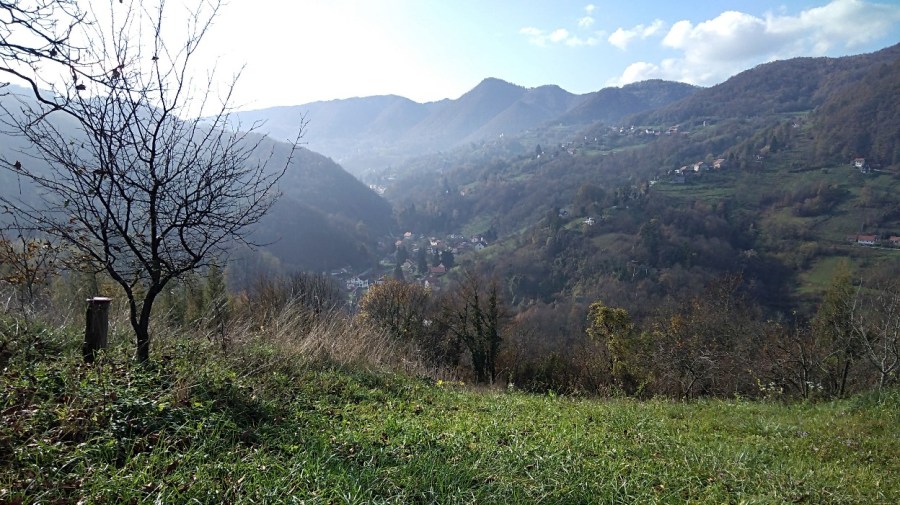
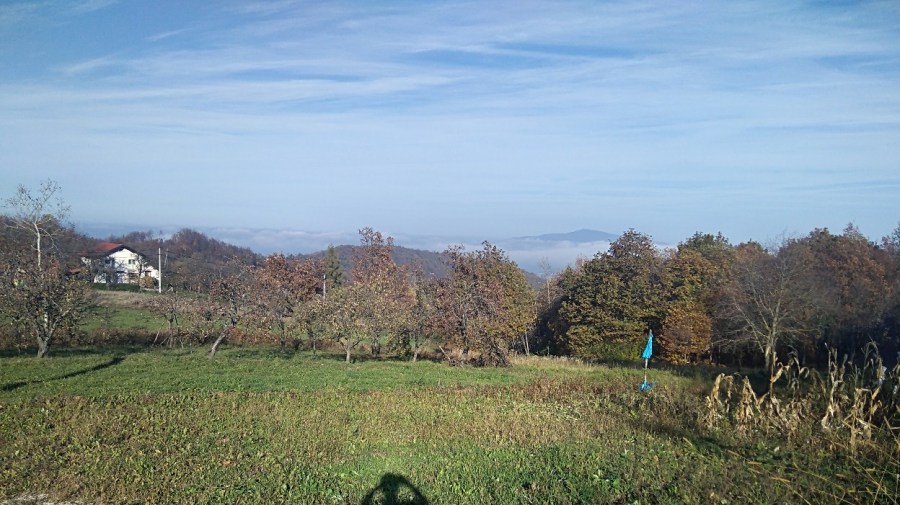
Samoborsko gorje (Samobor mountains), Croatia

I took the tram to the bus station and then the Samborcek bus to Samobor, a regular service. Platform 610 is in the furthest corner of Zagreb bus station and it is just a matter of going and waiting there. Don’t expect to find anyone official to ask or see any signs – simply look on the ground for the number and trust!

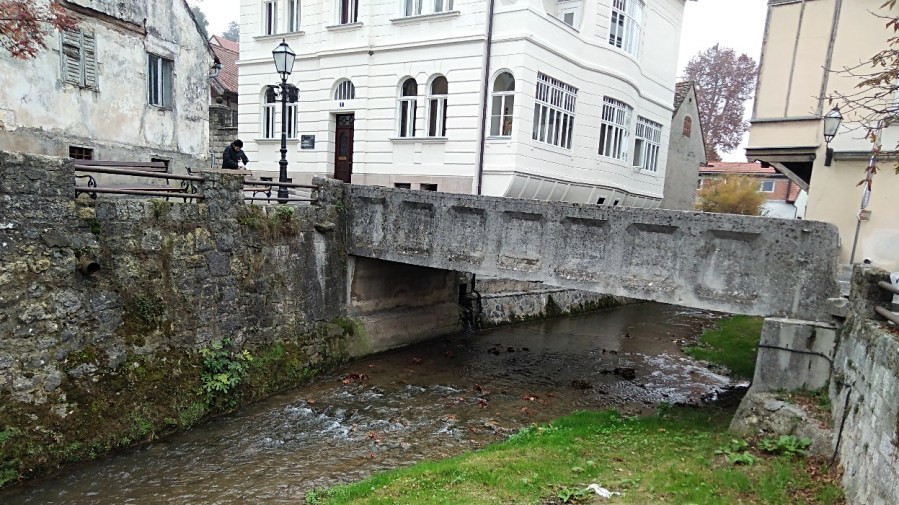
The River Gradna

There is not much of note along the way to this popular summer and weekend destination for those who live in the capital city and tourists.

One of the many bridges across the Gradna Stream, built in 1906

It is a 10 minute walk from the bus station in Samobor to the centre – follow the signs to Centar.

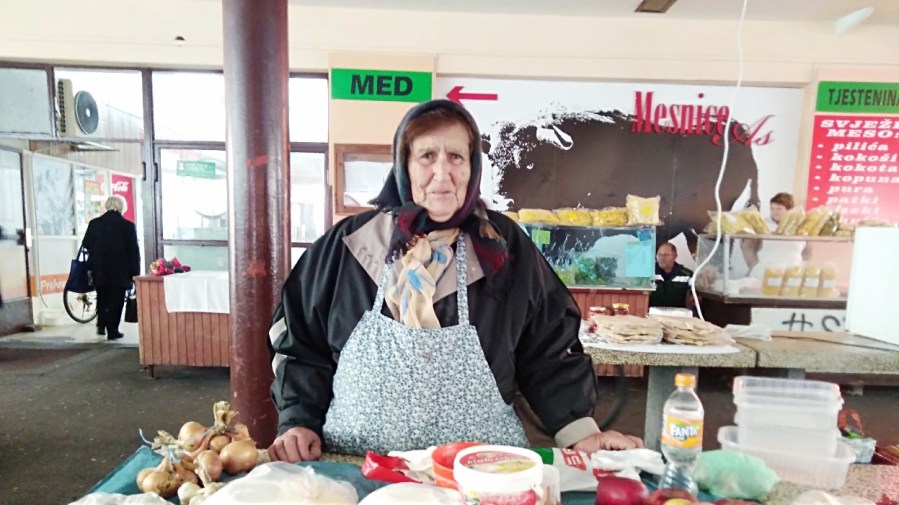
A stall holder at the market in Samobor, Croatia

I visited the market first, walking round initially to see what was on offer, and then choosing certain women for their fresh looking produce.

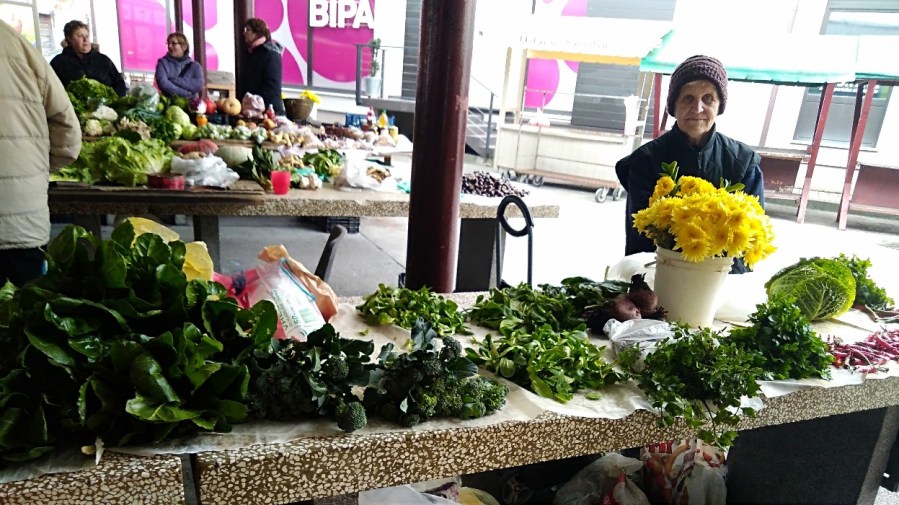
Seasonal greens and sunshine crysanthemums being sold at the market, Samobor, Croatia

Long tables were punctuated with stallholders wrapped in shawls sitting in front of a handful of spinach, a pile of rosy apples or bunches of parsley. Without a doubt everything was local, seasonal, and had just been picked that morning.

It was very difficult to make myself understood, even with gestures and smiles. I wanted to buy from every one as they all seemed so keen, perhaps had come a long way with a paucity of goods, presumably relied upon sales for their livelihood.

I checked out a bakery kiosk looking for the speciality Fasnik, I had read about. It looked like a custard tart. What I found was yoghurt based and I was unsure if it was the right thing so I waited.

wp-1541704858616.jpg
View of Samobor, Croatia

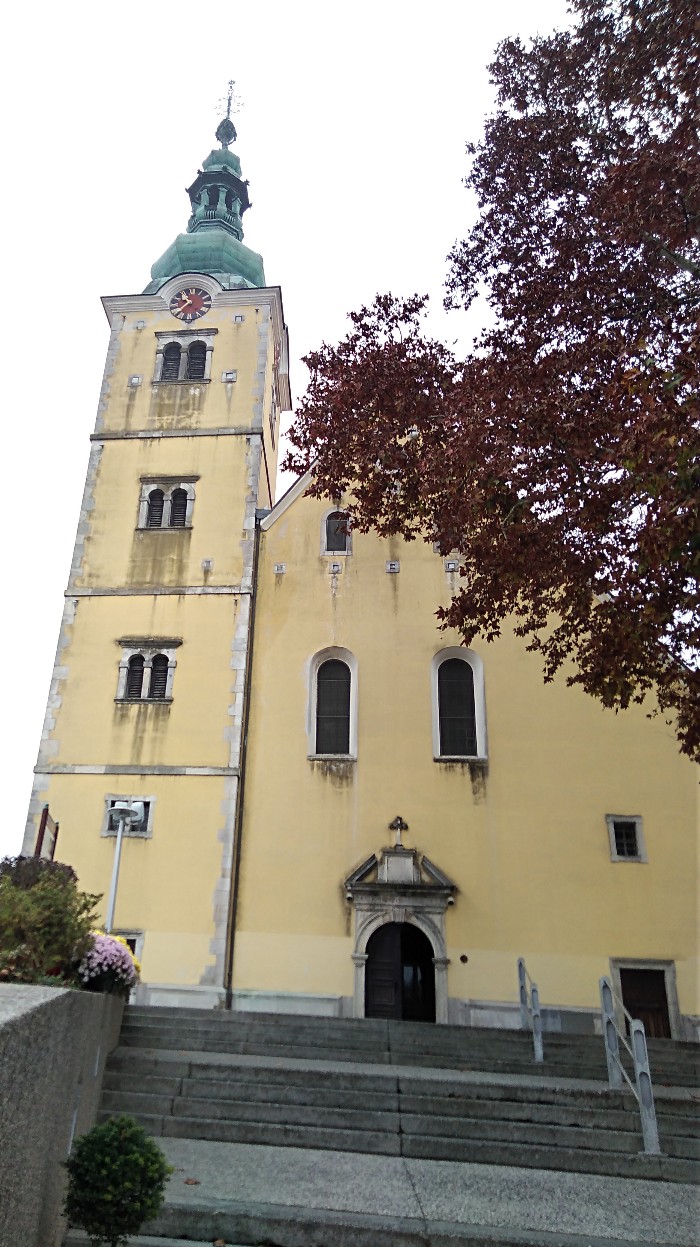
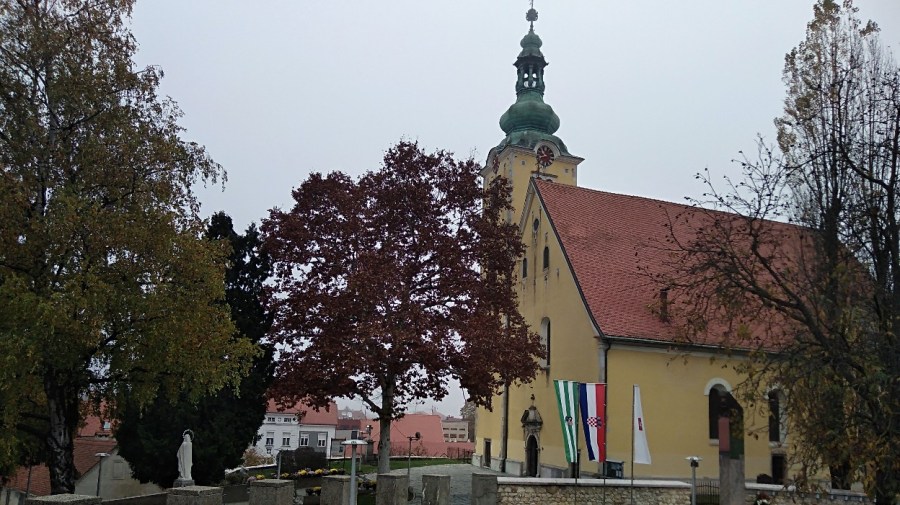
After a brief visit to the King Tomislav square with it’s cafés, and having failed to find the Tourist Information, I made my way towards a spire on the skyline (I had read a little before I came and had a list of places in my notebook).

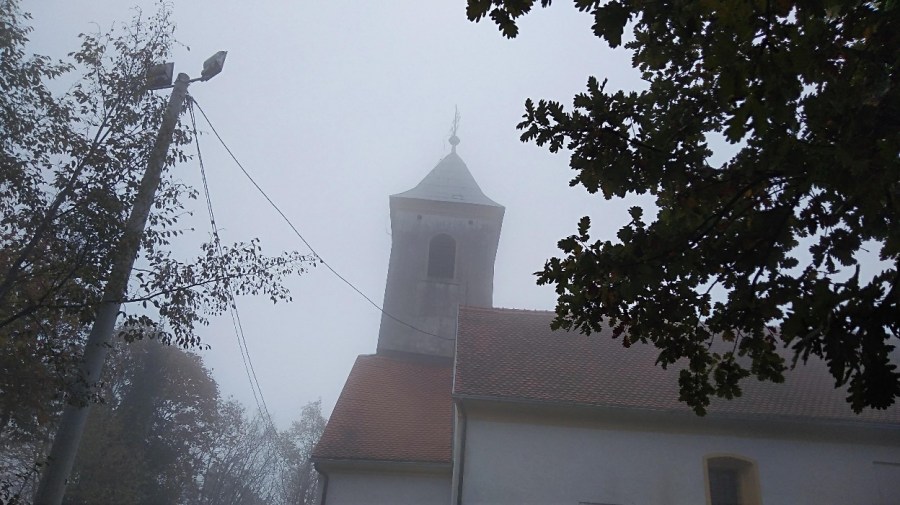
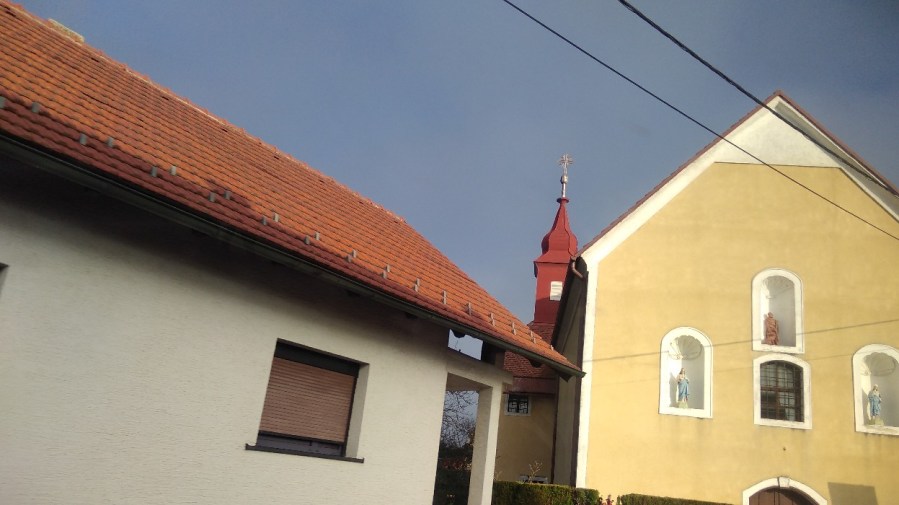
The Parish Church of Saint Anastasia (above and below), Samobor, Croatia.

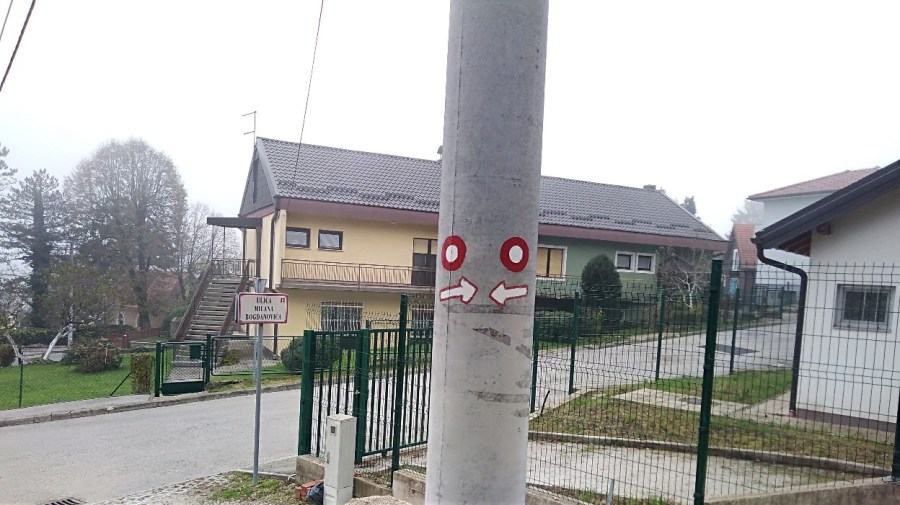
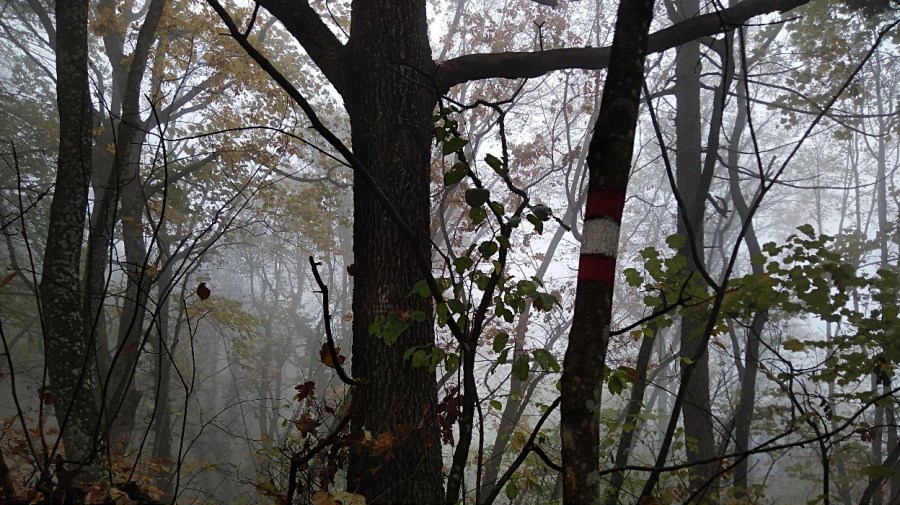
From there I followed my nose, as they say, climbing through the woods. It was the lure of the red and white circles I think, reminding me of previous treks.

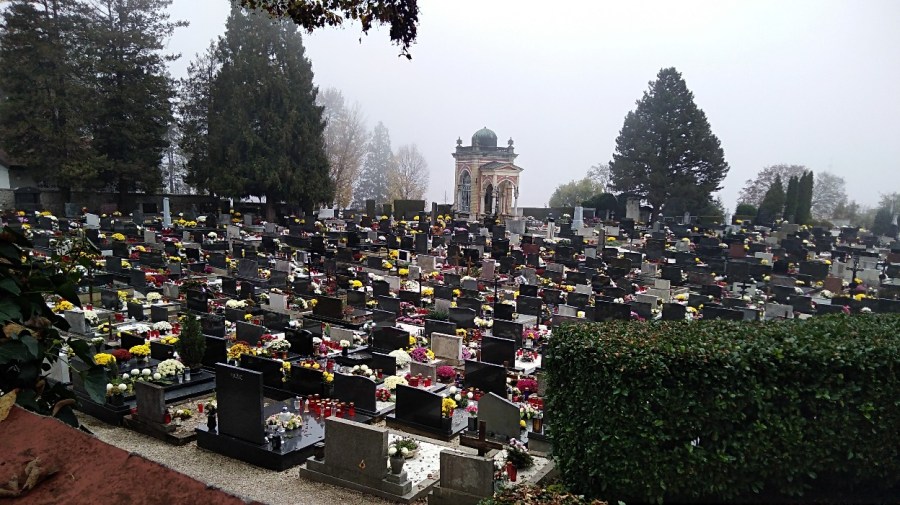
Past the municipal cemetery, Samobor, Croatia
It was really misty although at ground level the leaves glowed all the same.
Tepec Hill, Samobor, Croatia
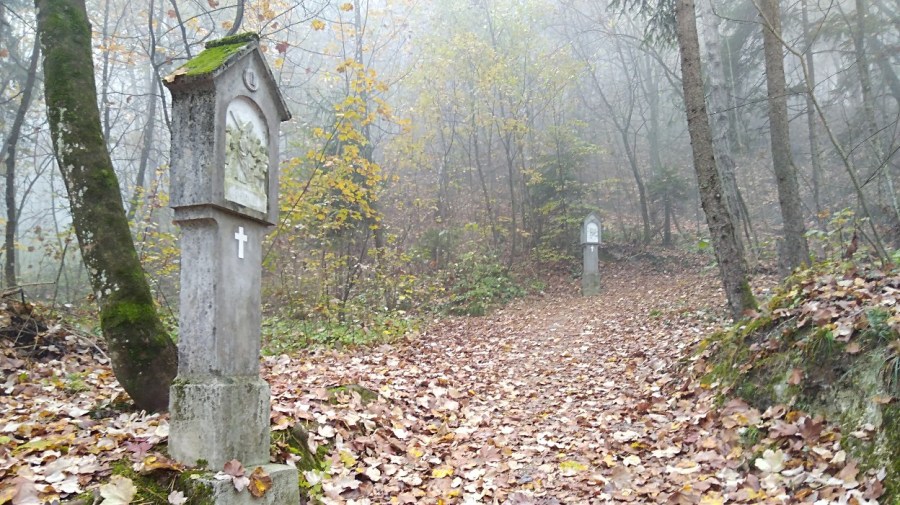
St Anne’s (patron Saint of Samobor) Chapel, Samobor, Croatia

As I stepped up from one Station of the Cross to another I relished the fresh smell and feel of the soft earth beneath my feet.

A pavillion in the woods, Samobor, Croatia
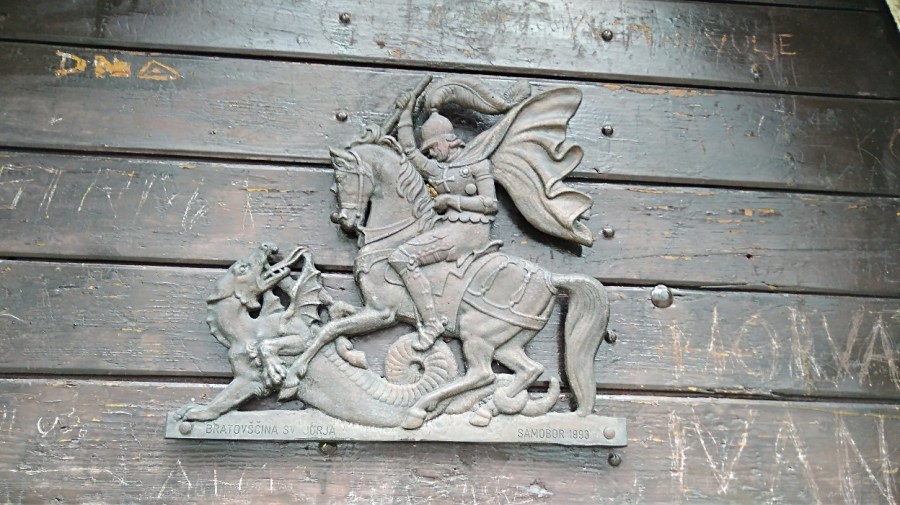
Here is St George fighting his dragon again (see Zagreb 9).
Stations of ther Cross in the oak forest, Samobor, Croatia

More red and white waymarkers, Samobor, Croatia
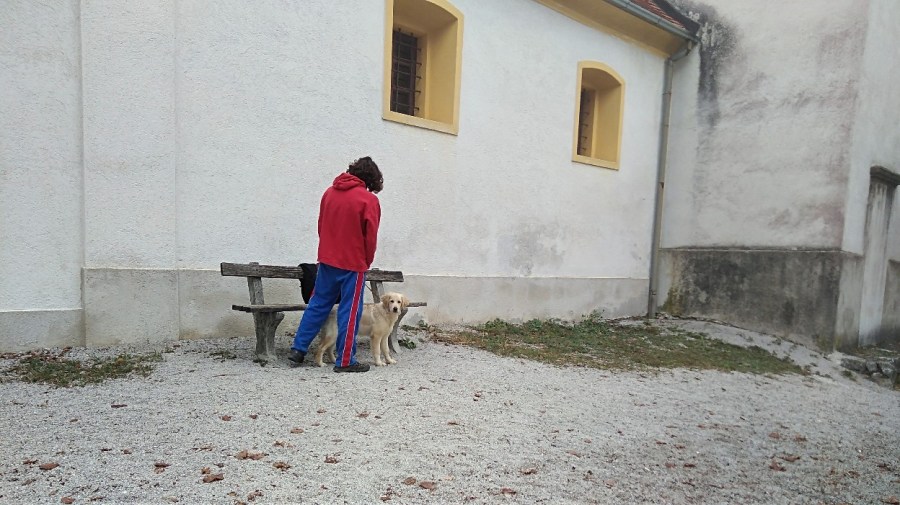
St George’s Chapel , Samobor, Croatia

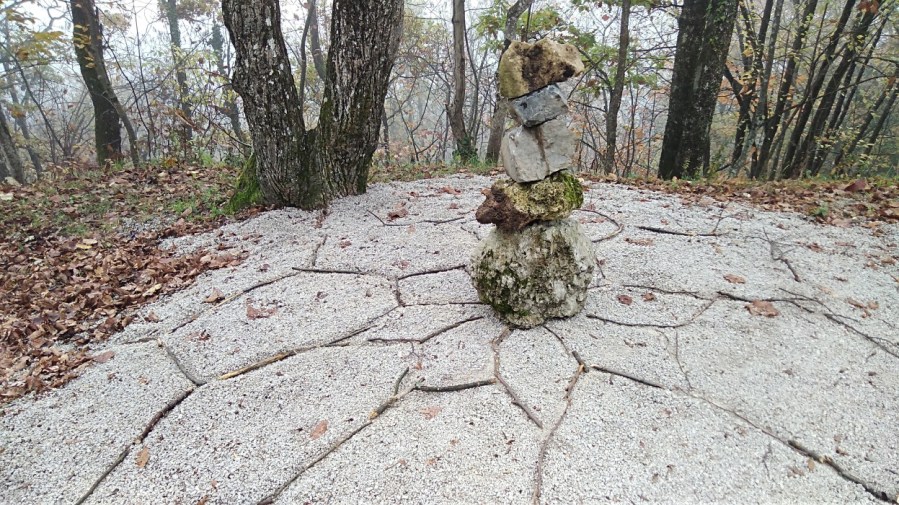
The second Chapel (St George’s) was plainer and round the back was a young dog who barked at me. The man with him had made a beautiful yet simple sculpture of stones and sticks which complemented the architecture and natural surroundings.

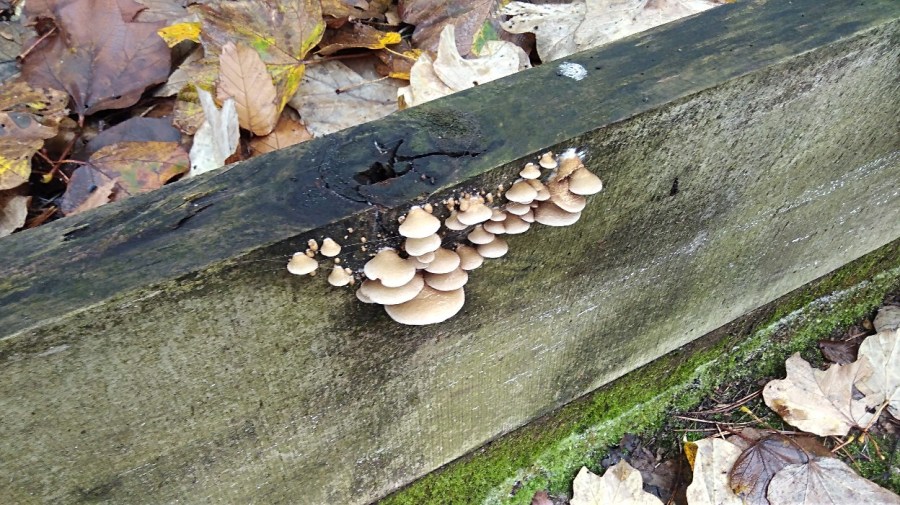
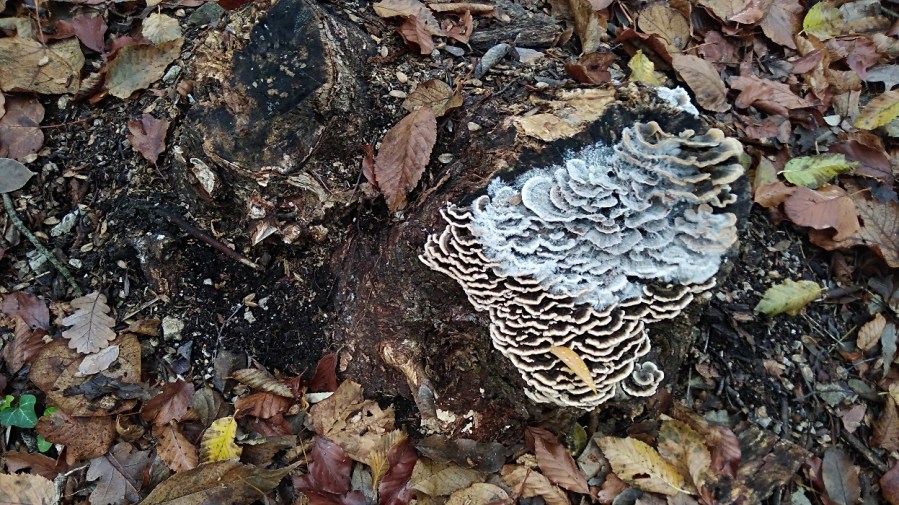
I started spying an array of fungi taking me back to the Via Sacra last Autumn in Austria.
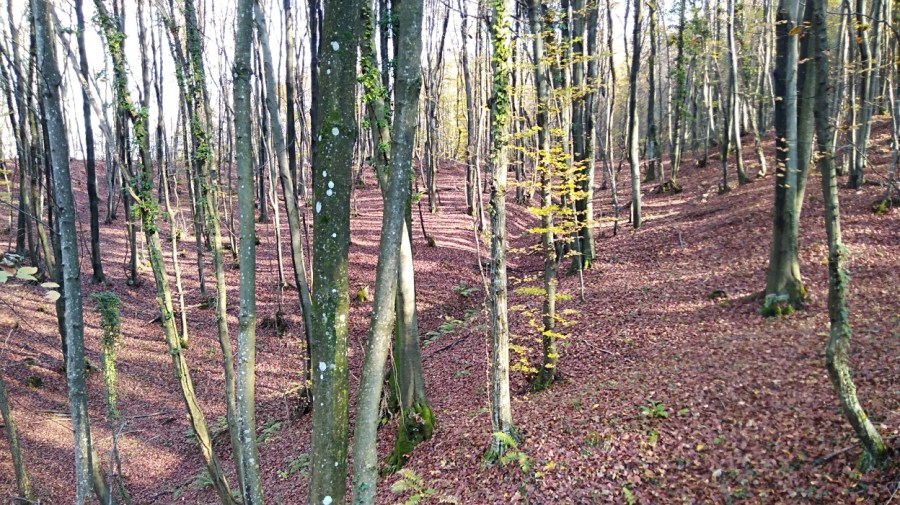
Chestnut and beech foliage now
The Anindol Pyramid

There is probably a magnificent view from up there but my tummy turned over at the thought of it and as there was zero visibility I didn’t feel too bad.

In fact the sun was beginning to stream between the trees as I got higher and it was warm on my cheek. It was breathtaking. I couldn’t help myself going on and on.

I stopped to admire the dew laden spiders webs and I smiled

Suddenly I was on a road and soon a sign indicating the village of Cerje. I was still going steeply uphill but the red and white waymarkers continued to draw me.

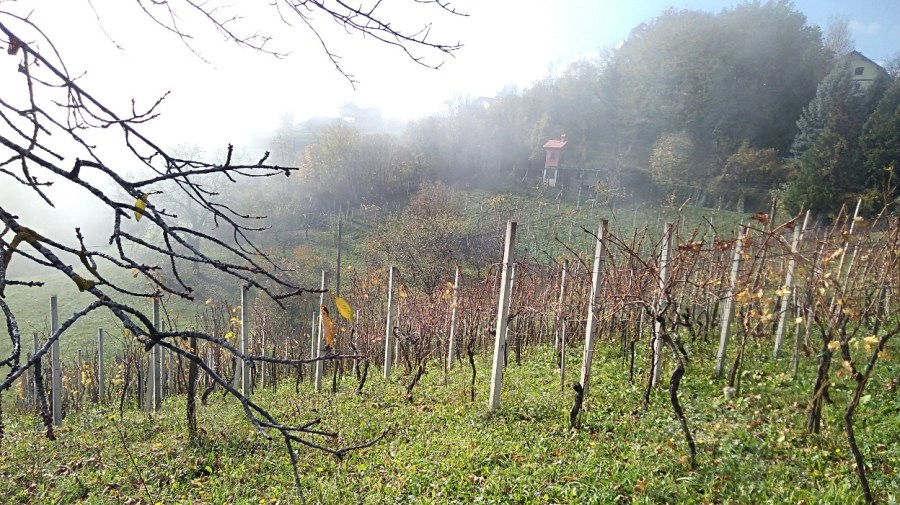
Vines, laden orchards and layers of red rooves
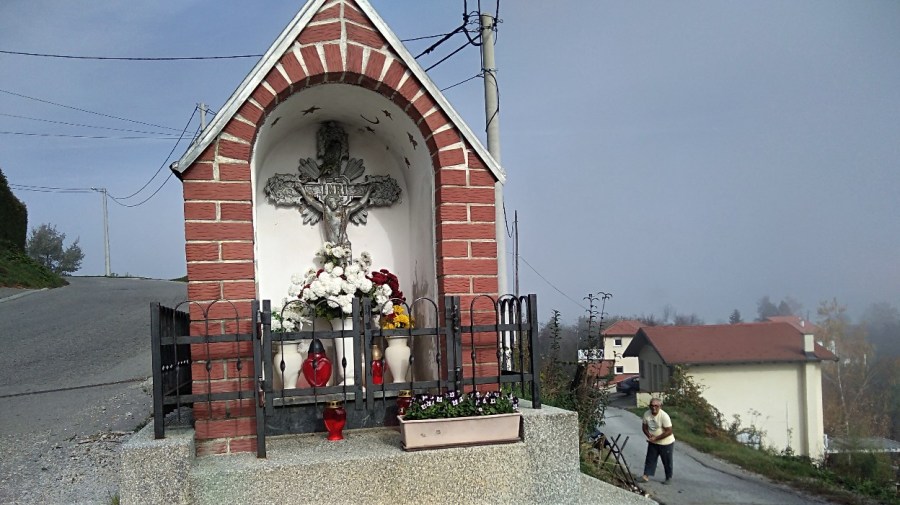
A wayside shrine

People were working on the land and apples littered the path which I juicily enjoyed. I skipped from side to side where there was a pavement, to be safe on the tight bends.

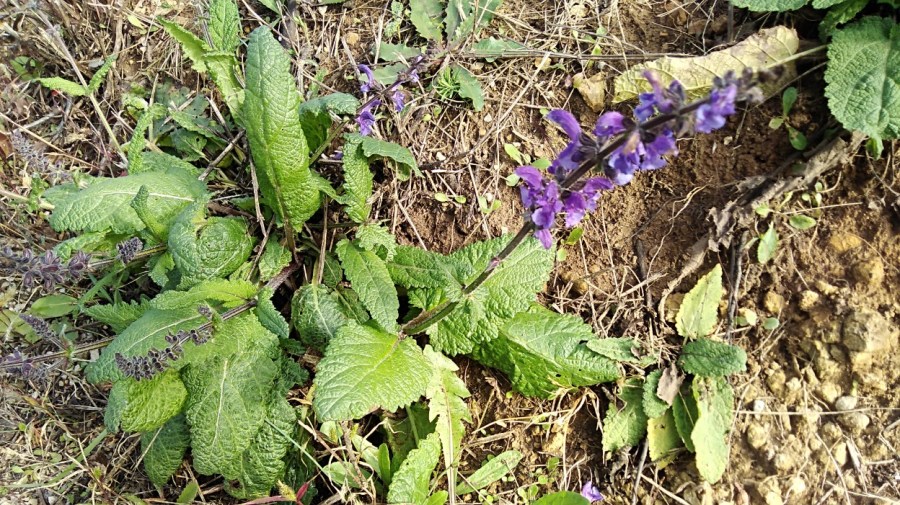
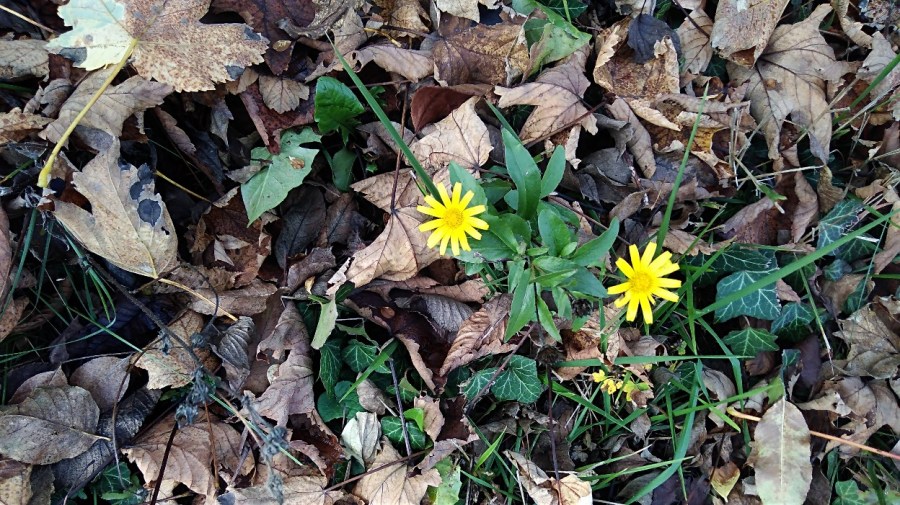
I knelt to capture wild flowers with my phone camera and, as I relaxed into my stride thoughts pestered me

Note to self: learn legilimency (as J K called it) to develop the ability to push out the unhelpful memories and worries, once acknowledged!

High up now I could see down to the valley and had to choose between there and uphill. I chose the latter

I spent time at a bus stop because I knew I was on a one-way walk and that the daylight of course ends at 5pm here in November. I photographed the timetable and carried on, confident I would get back to Samobor that way (a bus had passed me earlier).

The homesteads were strung out and I began to wonder if I might actually turn back if the trail was going to continue on asphalt.


Caffe Bar ´Uzbuna´

A sign to a café with a stunning view didn’t yield the desired result: open from 5pm, presumably because it is dark by then and there needs to be somewhere to meet up during the long evenings.

Feast your eyes
Barking dogs and basking cats; turkeys with red gizzards huddling
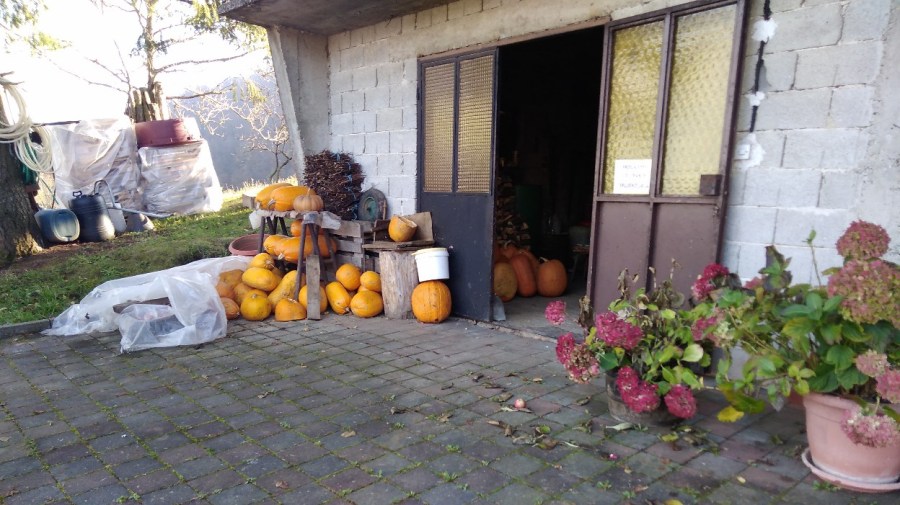
Autumn squash to last the winter
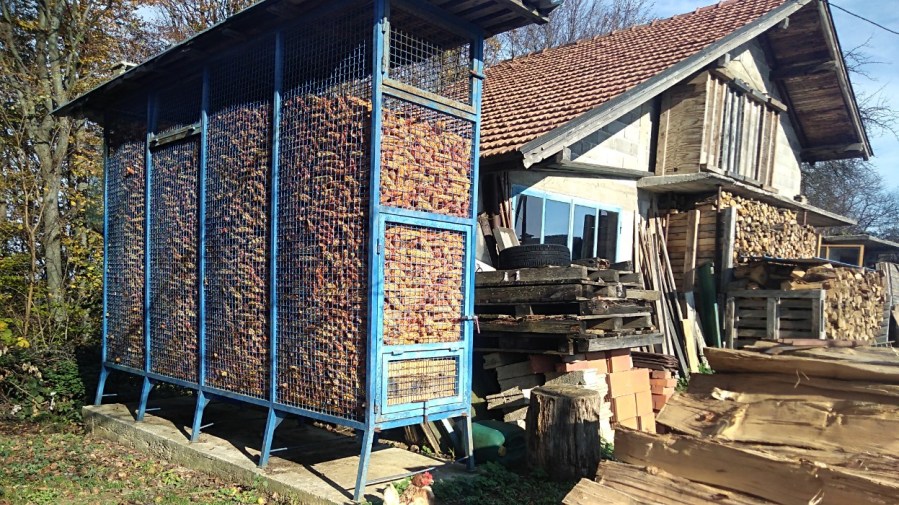
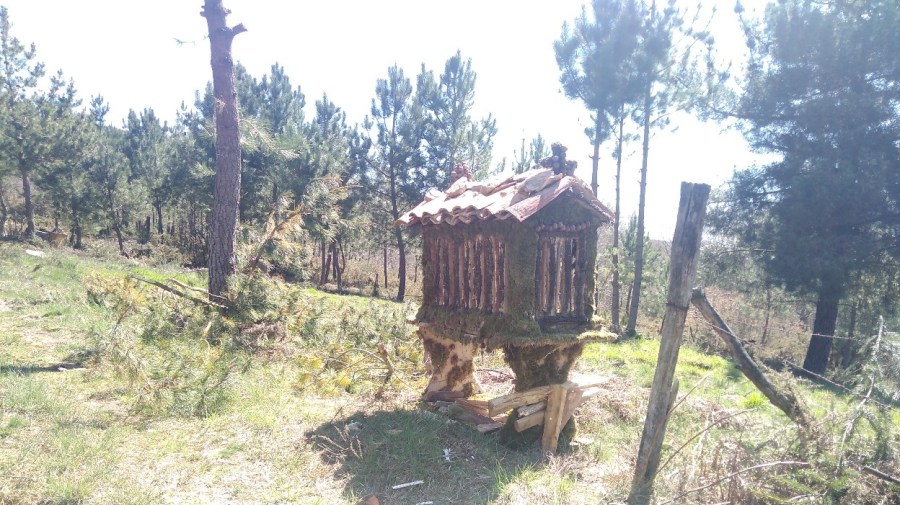
Horreos full of sweetcorn, first seen in Spain but because those ones are stone you cannot see what’s inside.
wp-1541977423120..jpg
A Galician north west Spain) winter storeage unit.
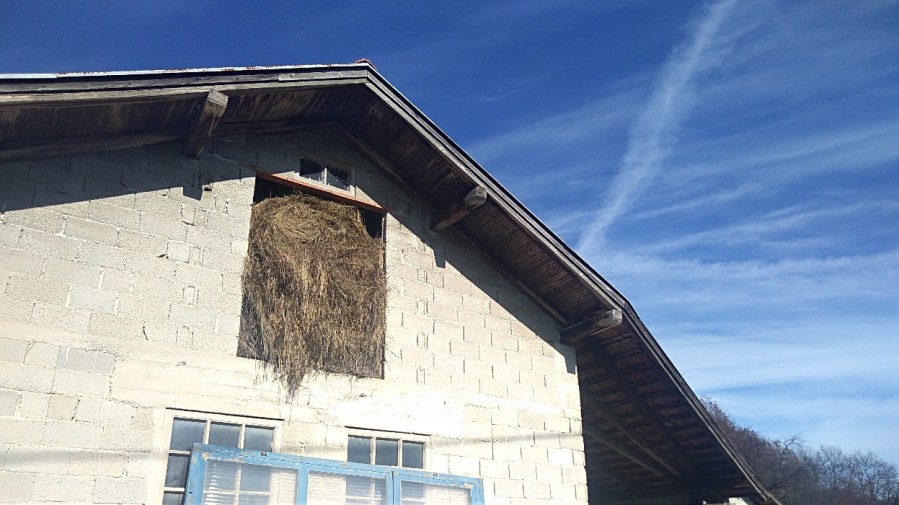
Hay packed up to the rafters. Literally
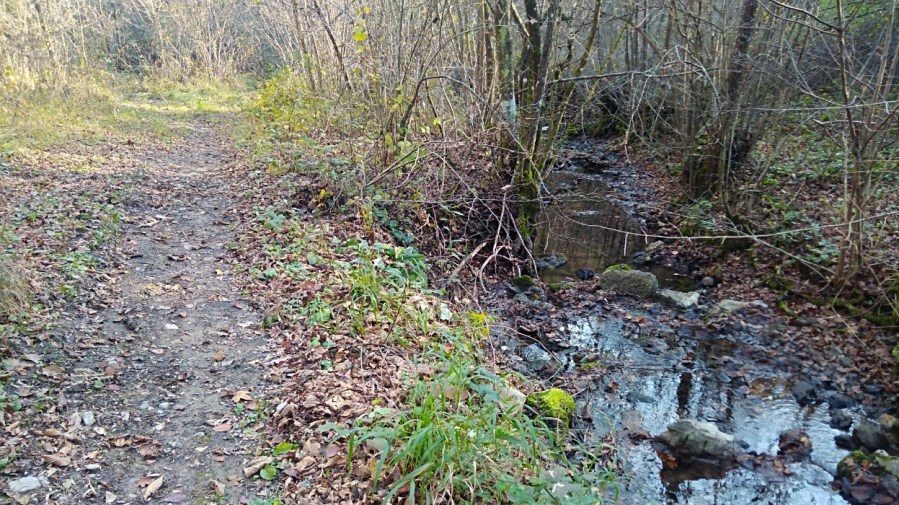
The bridge was down across this stream so I took a great leap (across a narrower part!)
Through woods where I lost the signs more than once

I had to retrace my steps sometimes because the way is generally so well marked that as soon as 10 minutes passed without a sign I knew I was wrong.

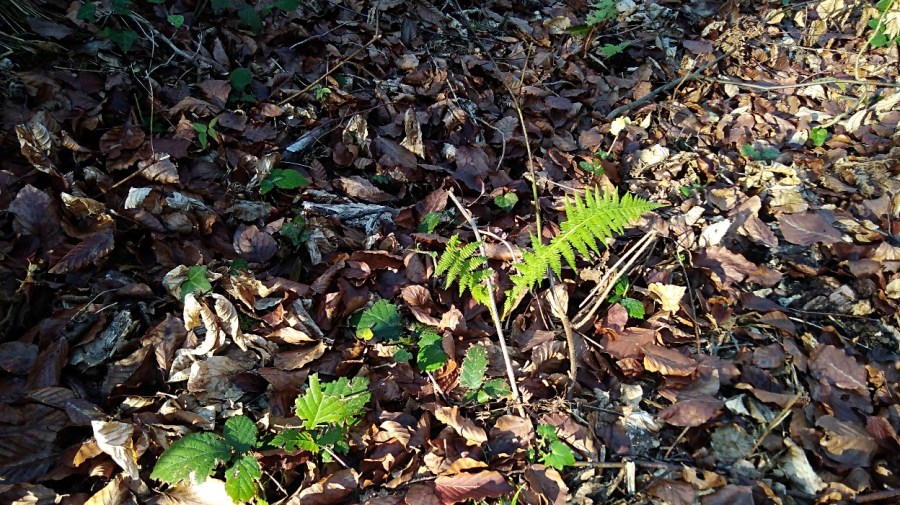
Still new green ferns, even at this time of the year

There were lots of trees down blocking the way, but walkers or cyclists had been there before me if I looked carefully.


It was downhill at times at this stage and tantalising signs to Okic, which when I looked on Googlemaps said it was a tourist attraction.

As I neared, worrying a bit about the time, I wondered if it would be worth it.


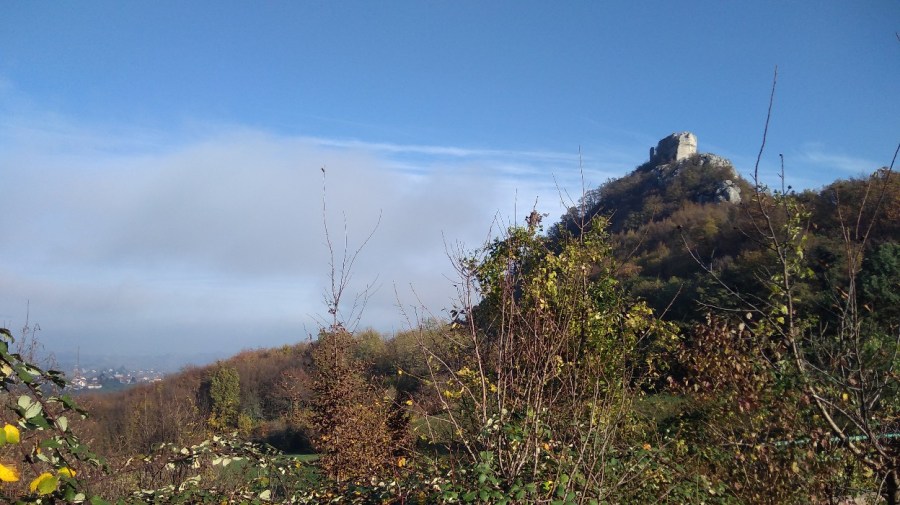
It was: Okić, a Medieval town perched on top of an isolated hill south of Samobor is mentioned in 1193
Another magical vista

I didn´t let myself stay long (although long enough to admire the woman with the chain saw) and her produce. I rather rushed up the hill, despite my tiredness, and almost immediately lost my path. What made me plough on regardless I do not know, but I ended up in one of my fixes – very steep, knee deep in nettles, several dead ends and my head started to popund. In the end I went over a fence into someone´s garden and out through their front gate, only to hear a loud noise behind me – a bus. I was not at all sure where I was but I flagged down the bus and begged and, yes, he was on his way to Samobor.

wp-1541705606261..jpgSlowly I calmed down, somewhat embarrassed , and my head stopped throbbing. I was all but out of water. Up and down and round he drove at top speed, letting people off, driving round the village square and going back the way he had come through pretty places with shops, bars and attractive churches.

wp-1541705606282..jpg
Blurred as I took it through the coach window

Until we arrived back where I had started at the bus station in Samobor. I could not quite face a traipse back into the town, so instead I drank my green tea in the station cafe (full of smokers, so I sat outside) where the waitress the age of my daughters spoke customarily wonderful English and refilled my bottle adding ice. I marvelled at the table tennis room, the pop-up cinema and creche, all making up the modern station complex (free, clean loos as well!)

There more to see if you visit: a museum, a cave and a castle for example.

Lonely Planet on Zagreb

15 things to do in and around Zagreb

Bus timetables

King T Square

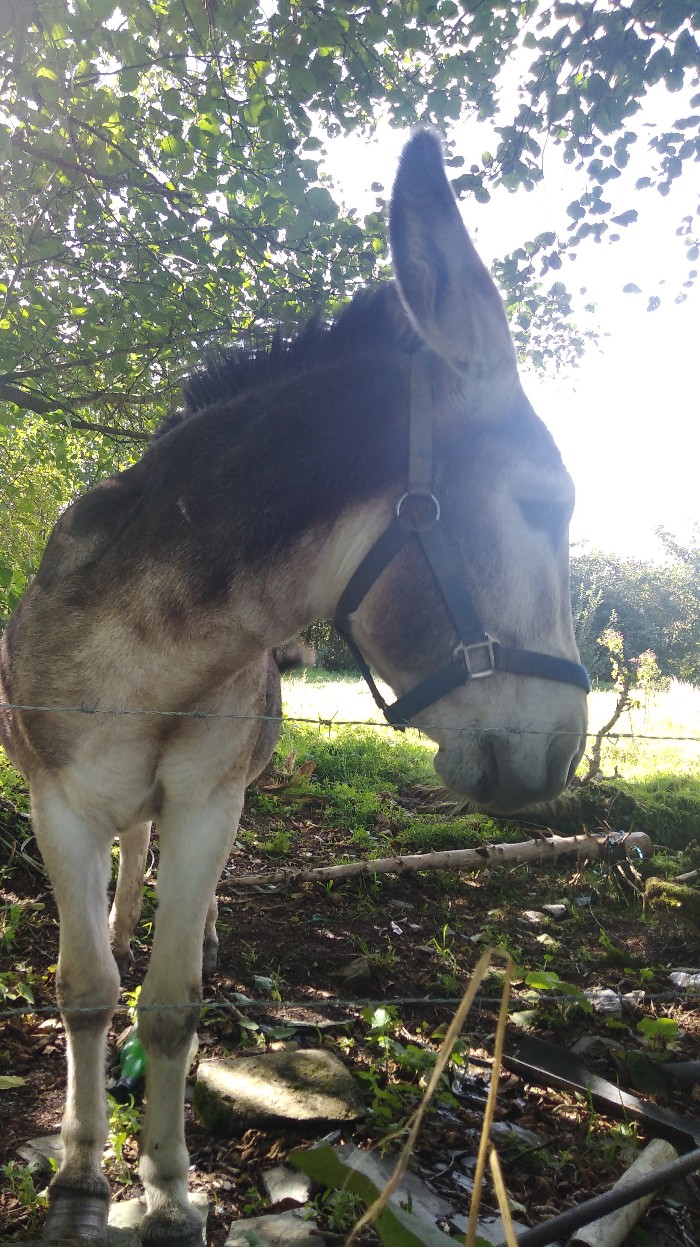
Visit Samobor – great site which even had a donkey on the front page (my patron saint – what does that say about me?

Have you visted Croatia? Leave a comment below with your favourite places if you like – I would love to hear from you.

Zagreb 4 – Museum of Broken Relationships and Croatian practicalities

November 2018

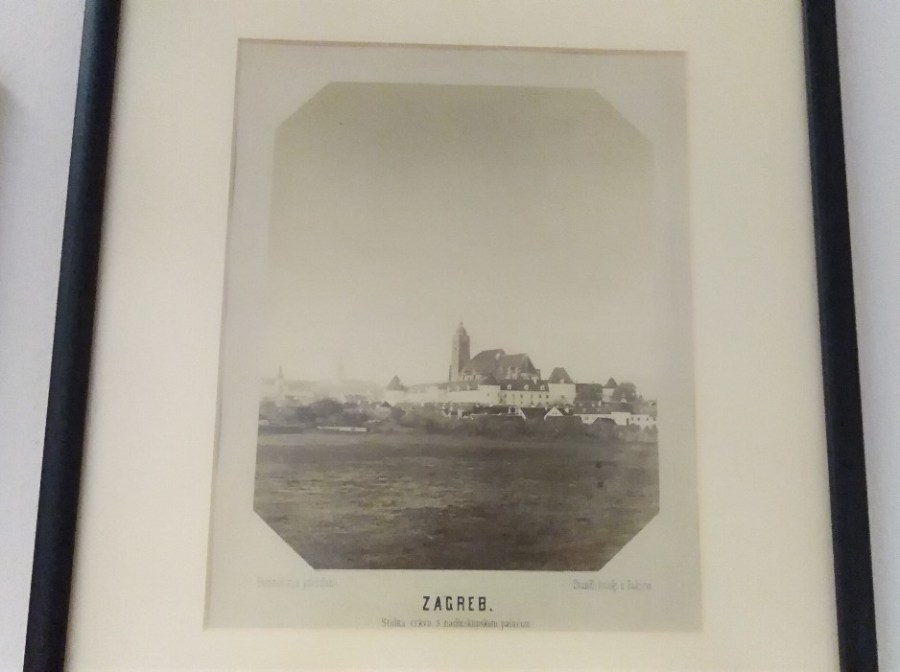
Zagreb, photo in Museum of Arts and Crafts. Croatia.
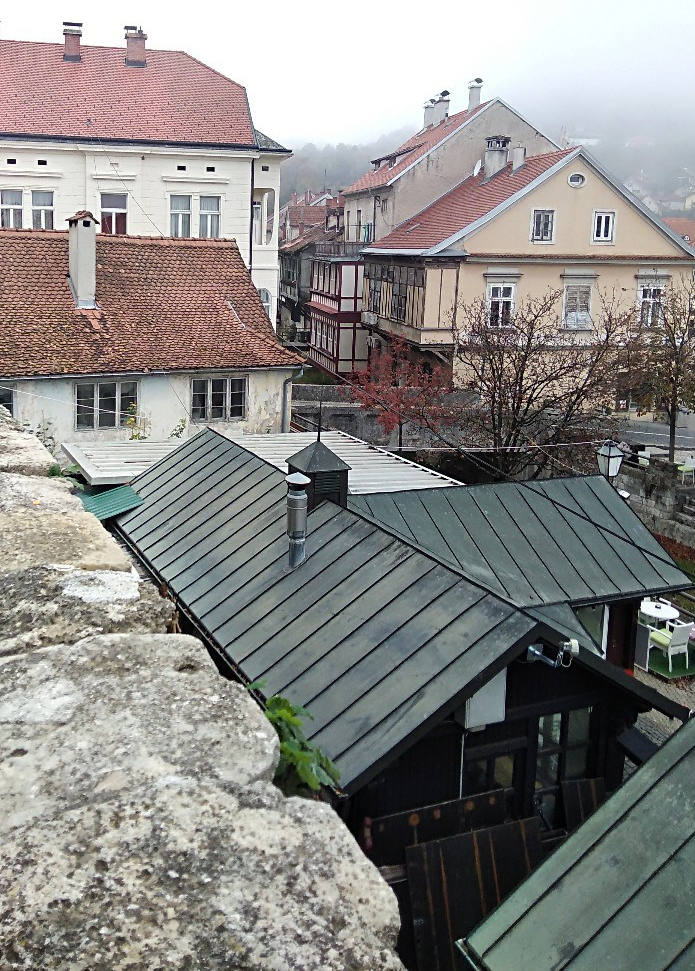
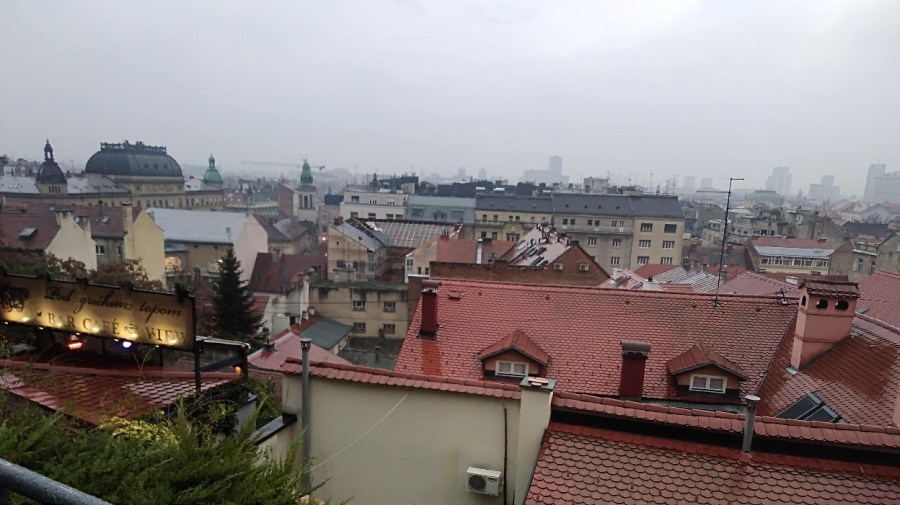
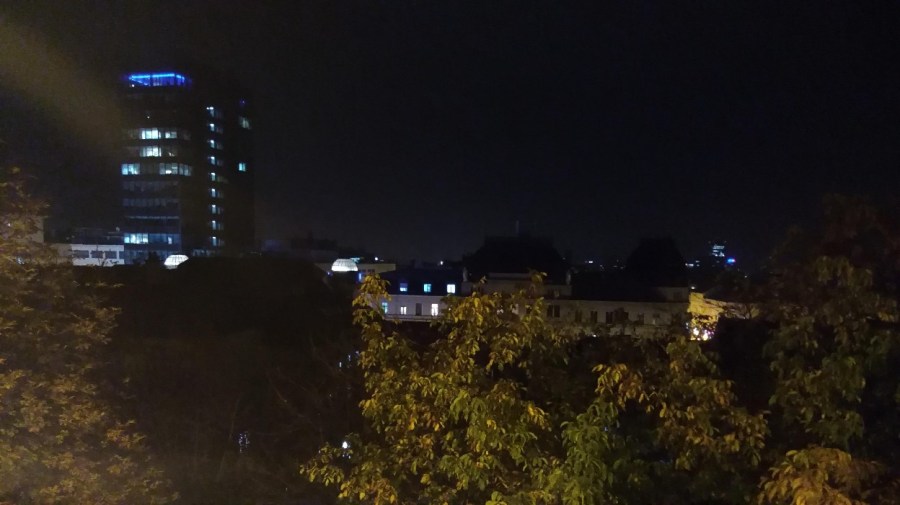
Zagreb, view over the rooftops. Croatia.

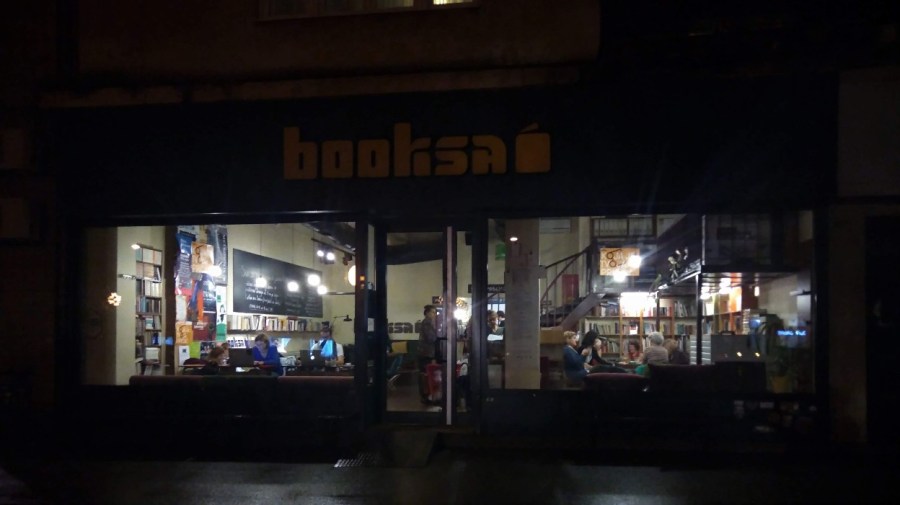
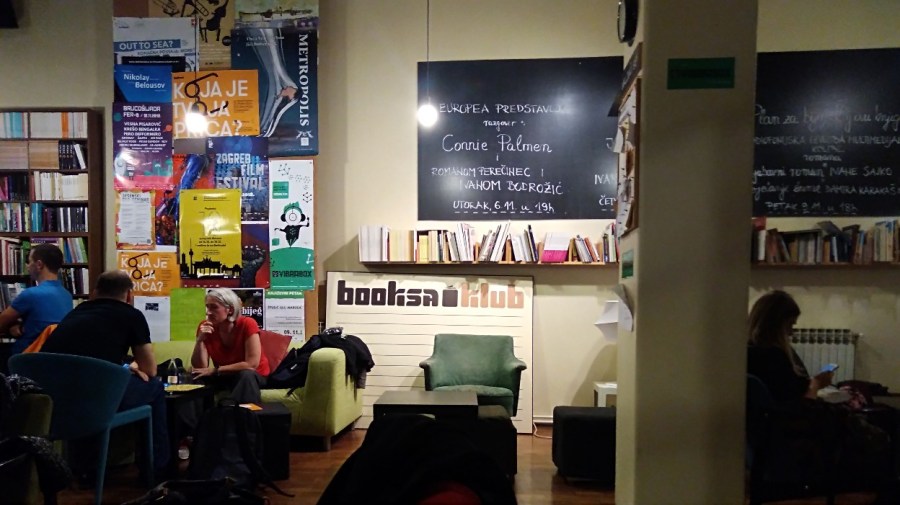
Booksa is a book club. Warm and friendly, you must pay an annual fee of 10 kun (£1.20, 1. 35 euros) to join. There is a small library including books in English, newspapers, comfy chairs, wifi and a cafe.

A book is to a man what a binocular is to an astronomer or a microscope to a medical student – an instrument improving observation ability. Matko Peić

wp-1541252634646..jpg
Booksa, Marticeva Street, Zagreb, Croatia.

They also have book readings etc, mostly in Croatian. The staff speak great English. Like all cafés in Zagreb, there is no food on sale, nor alcohol, but the jasmine tea (proper tea leaves) and hot chocolate are fab.

I spent many hours at Booksa – a convivial atmosphere.

Friday

Without realising quite how wet it was, I set off to walk into the city centre as usual (approx 1 hour from Sopot where I am staying), but the rain was torrential. The bus was quick and straightforward although I still had to walk for 20 minutes or so and therefore arrived at the Museum of Broken Relationships in a completely soaked state. The money in my purse in my bum bag was wet and the stamps stuck together!

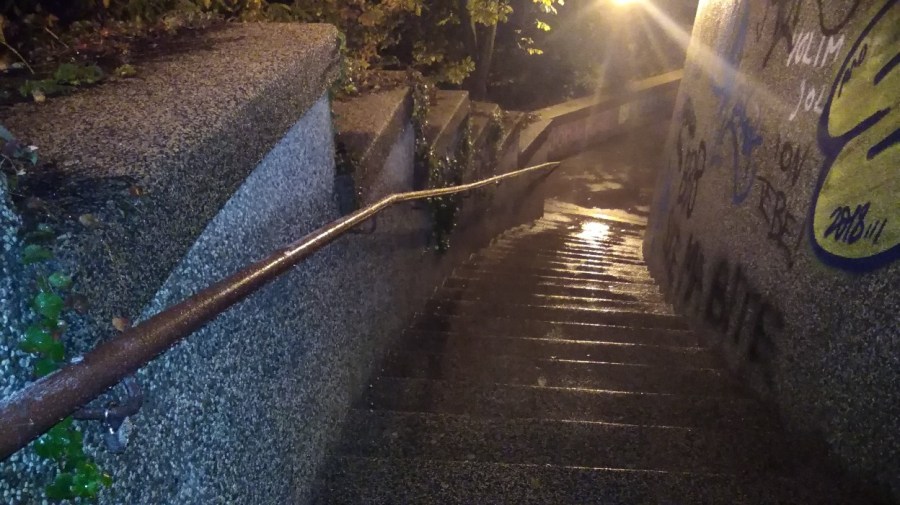
On the way up the many steps to the Museum of Broken Relationships.
Giving great views of the city.
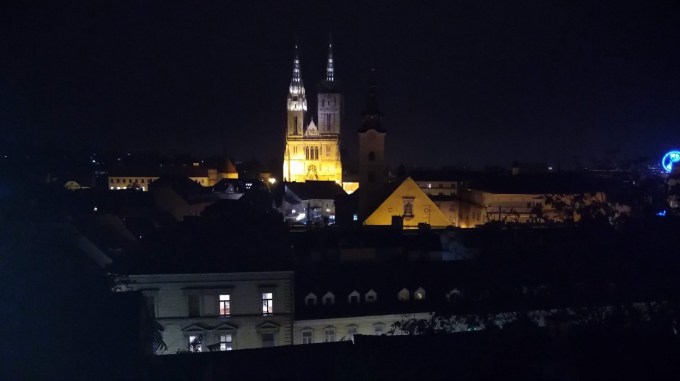
Zagreb cathedral at night.
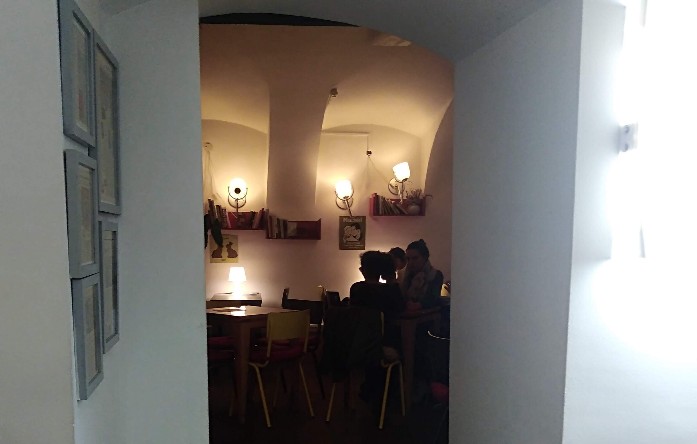
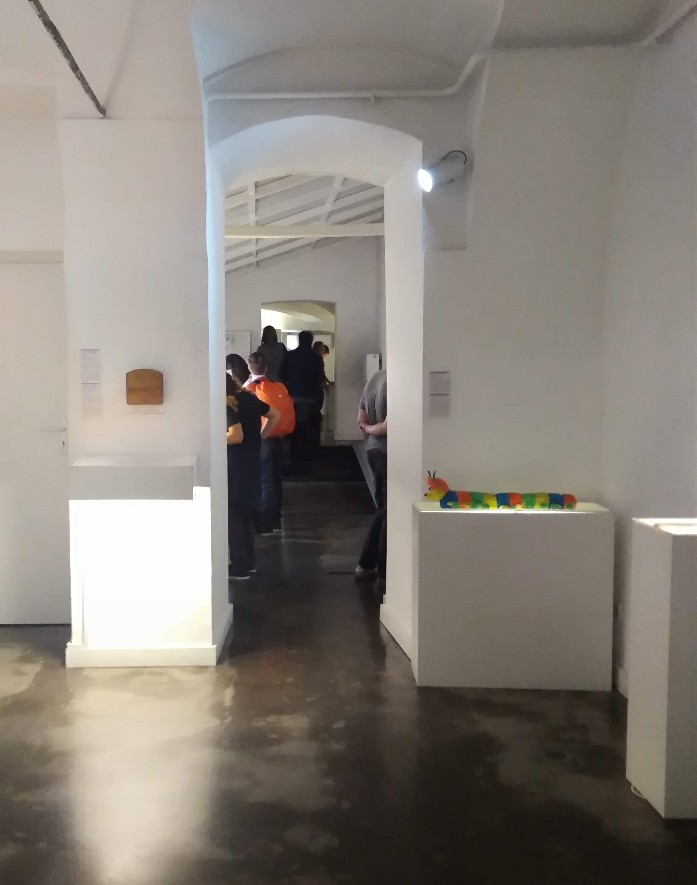
The cafe at the Museum of Broken Relationships.
The caterpillar you can see in the picture is a story where the couple broke off one of its legs each time they met. They agreed that when all were off they would marry (at least I think that was it). Only 5 or so were gone by the time they broke up 😦

It is a most unusual and very popular place, particularly frequented by young people. The exhibits have all been donated by the public, made up from a collection of sad stories with connected items and memorabilia. Well curated, there is perhaps unsurprisingly a sombre atmosphere. The cafe is smart with WiFi and expensive. 40 kun to enter (cheaper for students or older folk).

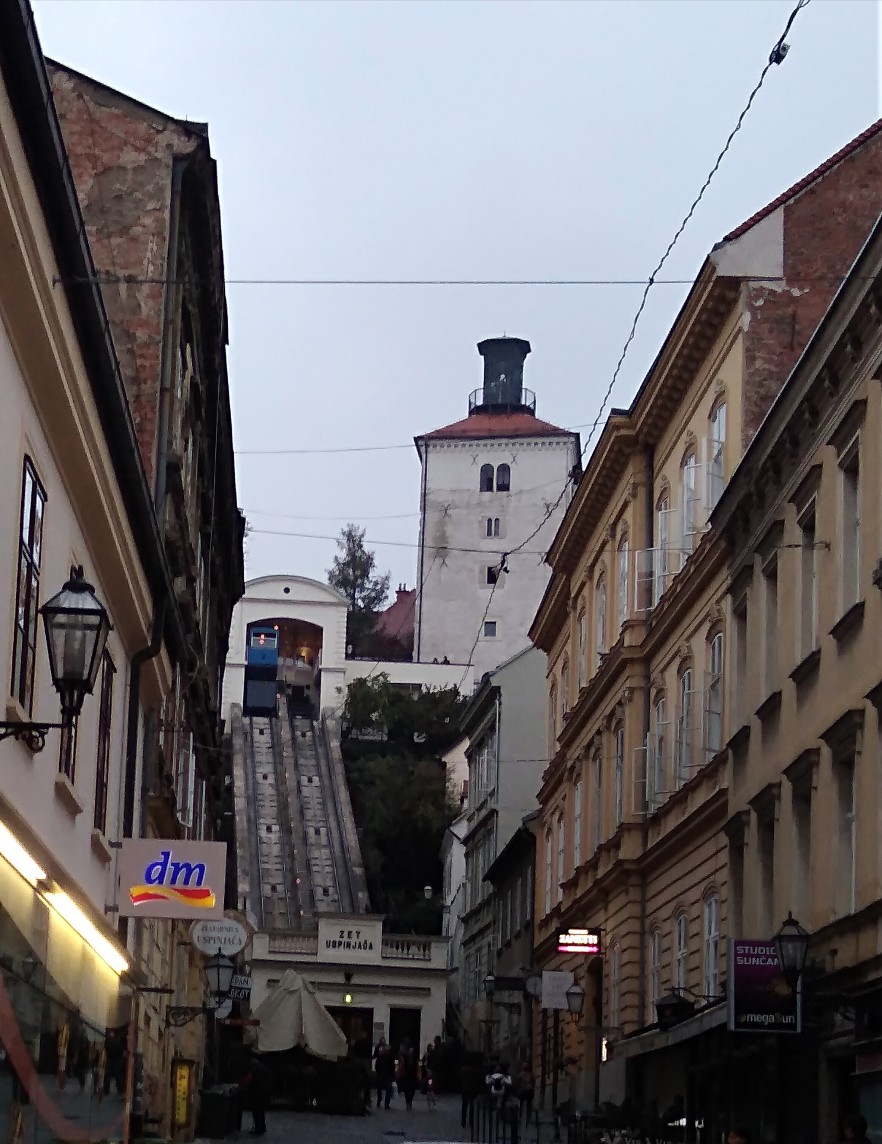
One of the shortest funiculars in the world (according to Wikipedia). Croatia.
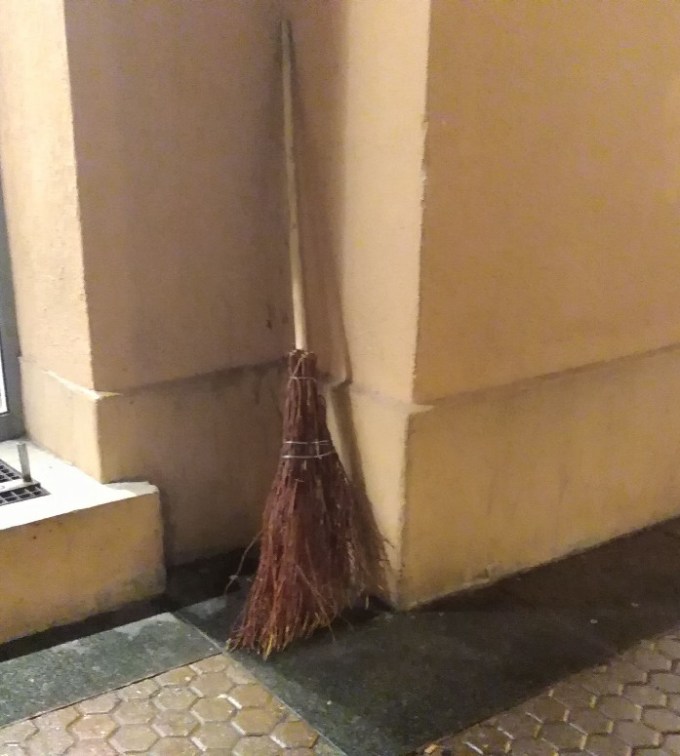
I found this in the city centre, leaning against a wall. A witch must have left her broomstick behind on Halloween!

Sunday

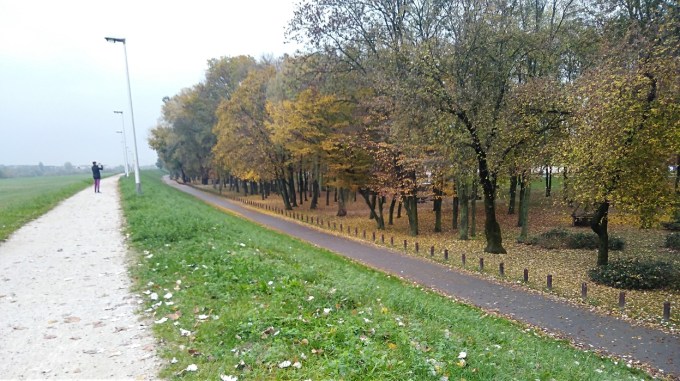
I took a river walk – after 2 days of torrential rain, I was happy that it was fine again, though cool and misty. The mountains in the distance had however disappeared.

There were three women walking solo – 2 of us were taking photos!

There are white paths stretching in both directions beside the Sava River. Between them and the banks there are expanses of grass which I guess are often deluged because there are mud covered plants there.

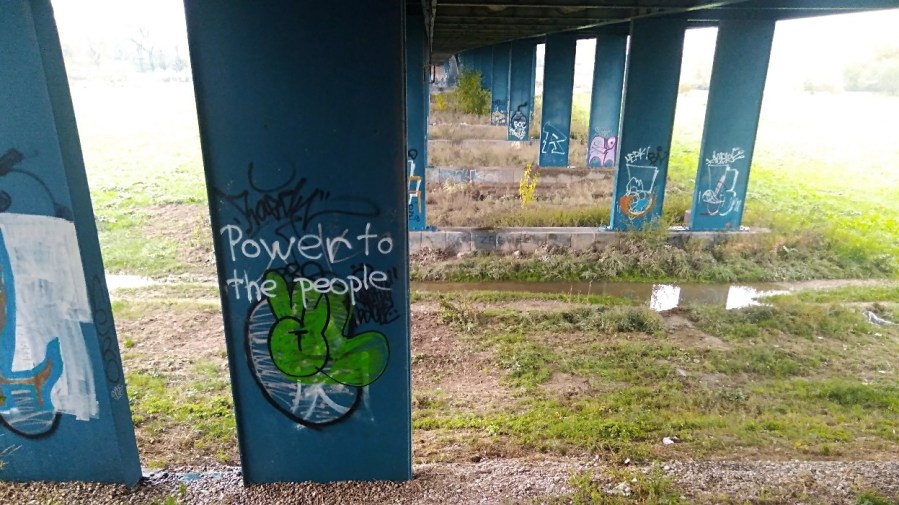
Under the bridge.
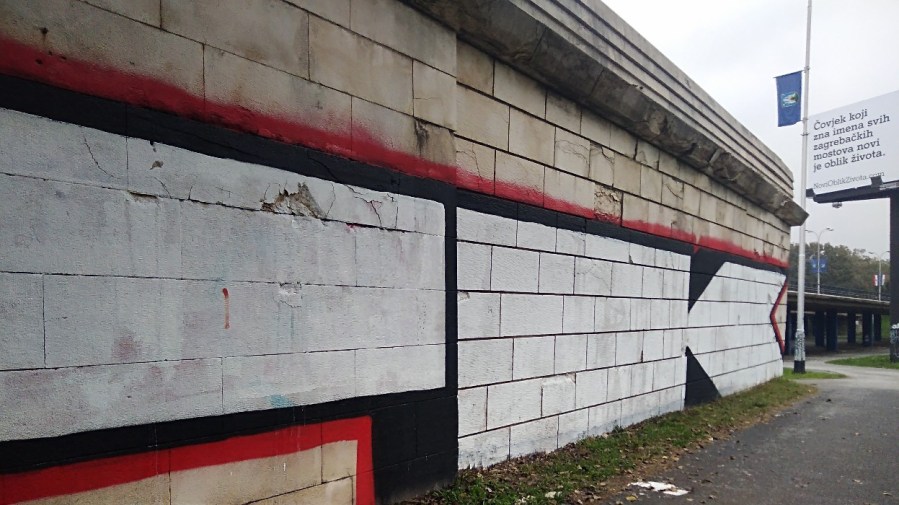
Another red line. (See previous blog).

Monday

I walked to the Botanics and they are gloriously free to enter, bijou and bonny.

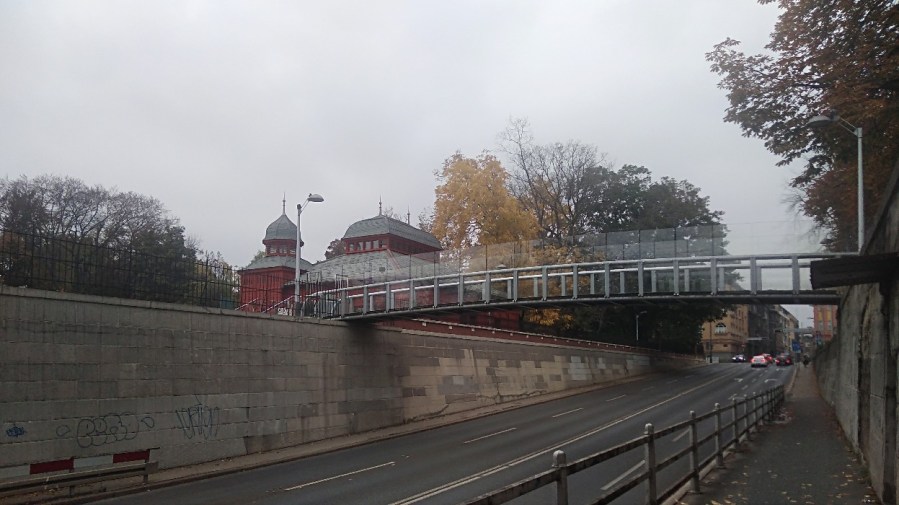
The first sight of the Botanic Gardens from the underpass – a red pagoda similar to the one in Edinburgh.
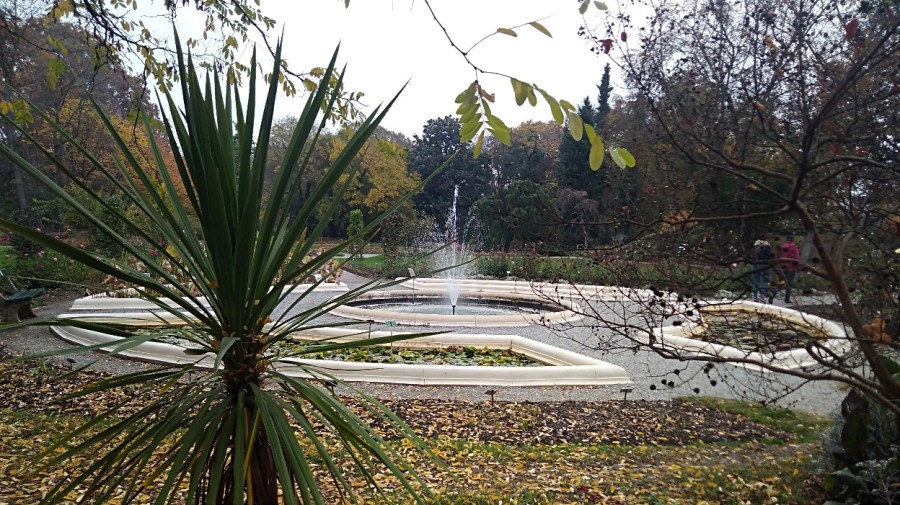
Botanic Gardens, Zagreb – palm and fountains.

Here are some slideshows of plants, fungi, flowers, vegetables and the dome with the giant (up to 2 metres wide) water lilies from Souzth America inside it. Despite winter being right around the corner, there was plenty to see.

This slideshow requires JavaScript.

I have added more Botanic Garden photos here so that this blog doesn´t take too long to load and look at.

wp-1541419840266..jpg
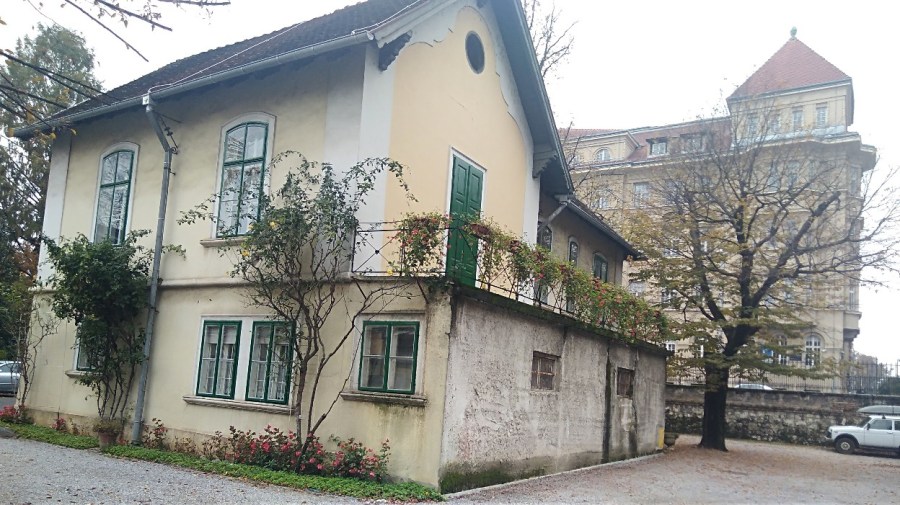
Cottage in the grounds of the Botanic Gardens, Zagreb. Rambling roses and everything.

Botanic Gardens The Zagreb Botanical Garden is a botanical garden located in downtown Zagreb, Croatia. Founded in 1889 by Antun Heinz, Professor of the University of Zagreb, and opened to public in 1891, it is part of the Faculty of Science.
wp-1541419205208..jpg
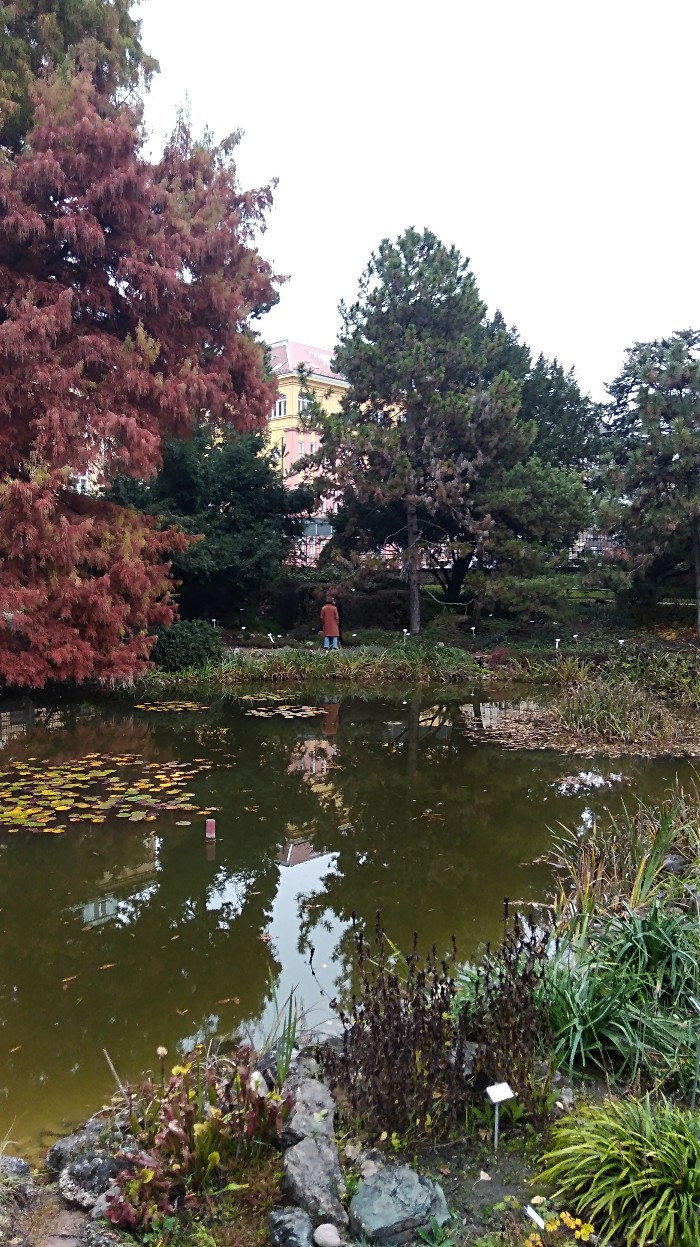
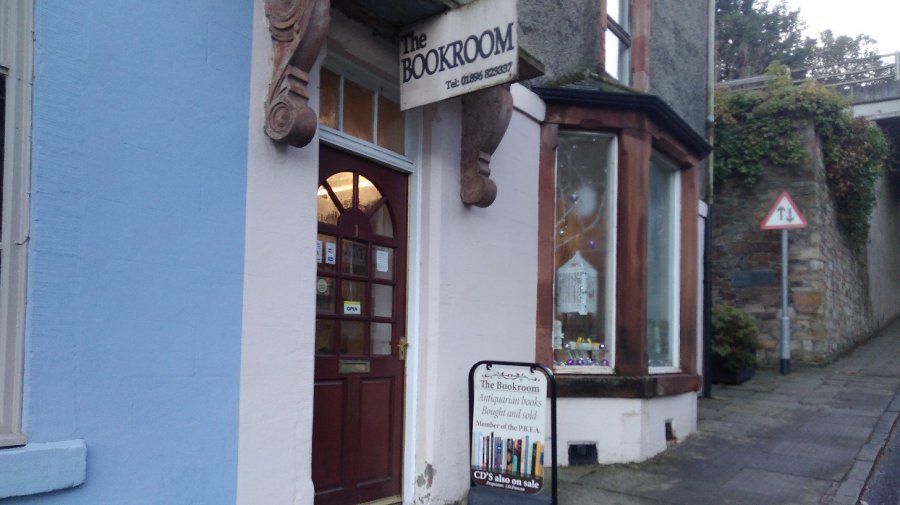
I was pleased with the colour scheme – the lady´s coat, the houses between the trees, the foliage of the Cyprus.

Zagreb Practicalities

The Privredna Bank: It was dry and warm, and when I got to the counter the currency exchange was smooth and straightforward. I got a much, much better rate of kun to euros than I did in Italy. But. I have almost never had to wait so long for anything. Ever.

wp-1541419078693..jpg
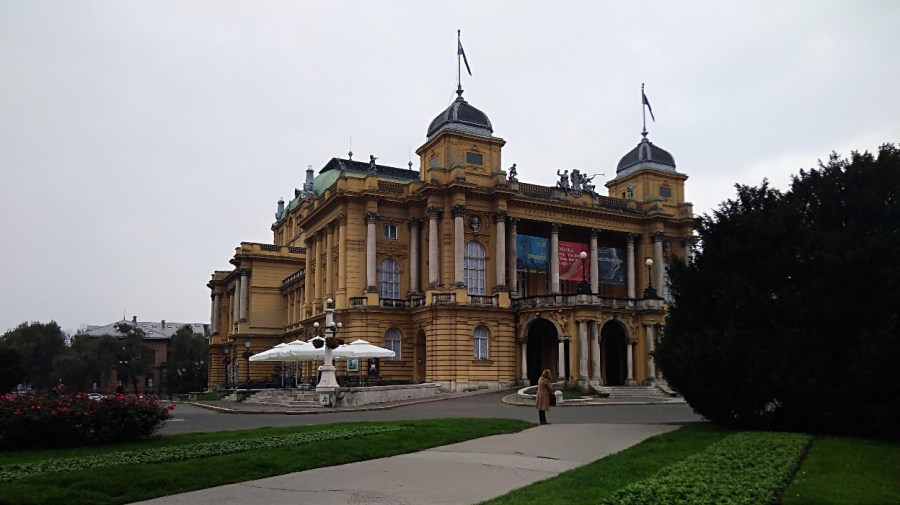
National Theatre, Zagreb. They like yellow buildings here. Croatia.

The Post Office: In contrast there was no queue at the post office and although the willing woman had almost no English I managed to make myself understood. Stamps to the UK cost 5.80 kun for a postcard.

wp-1541419129681..jpg
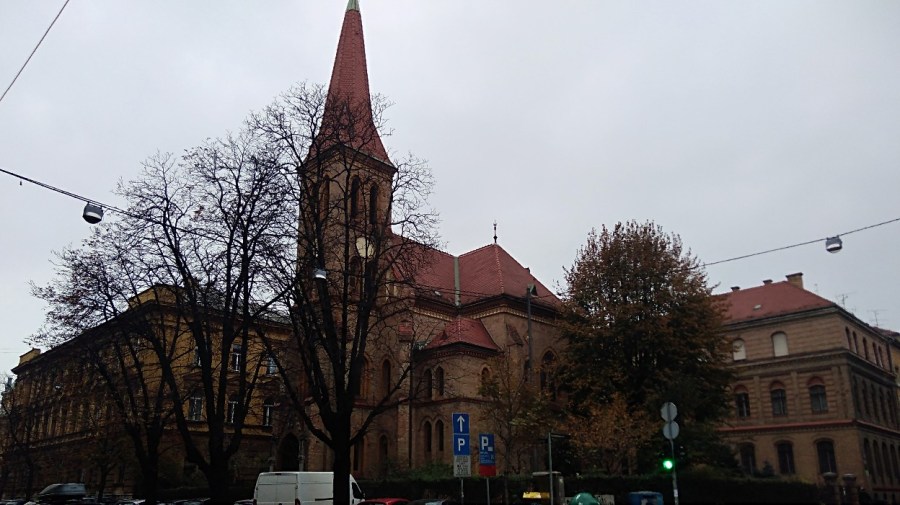
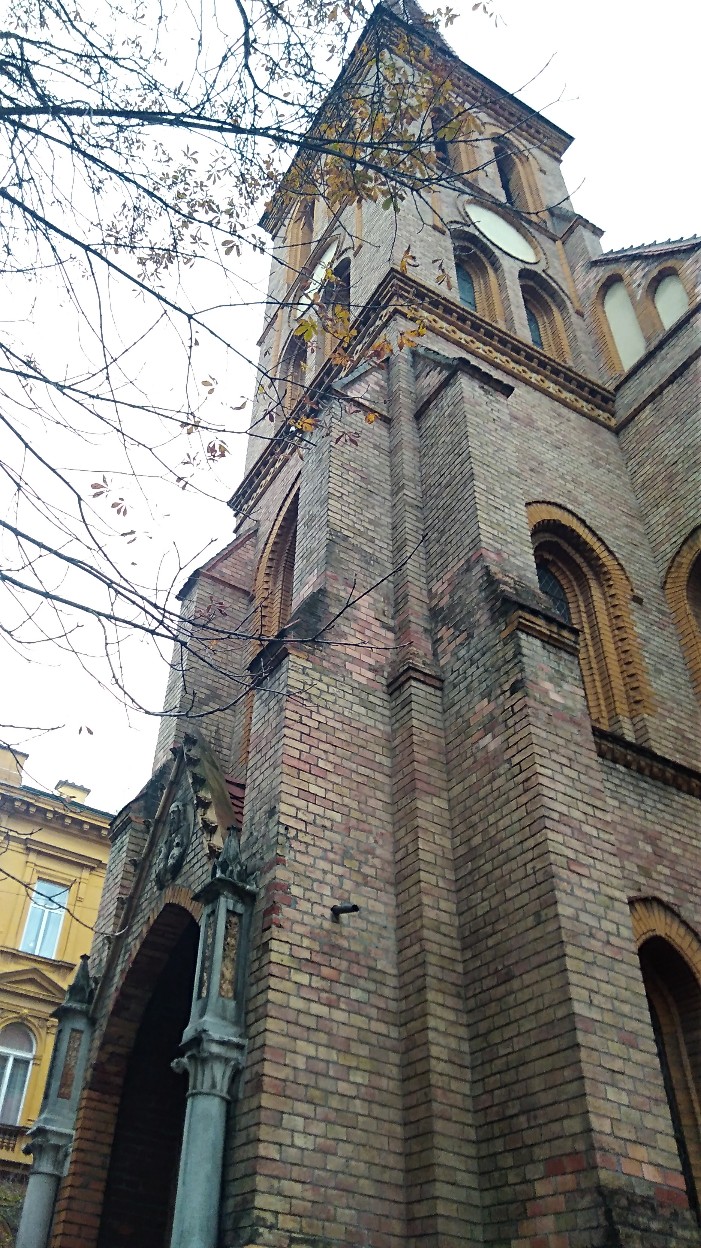
Evangelical Church, Zagreb, Croatia.

Bars and cafes do not serve food. Many allow smokers inside rather than making them go out, even though most have nice awnings with cosy blankets now in November.

wp-1541419078703..jpg

Getting around: buses and trams both seem to be very efficient. Buy tickets from tabac kiosks, 4 kun each, in advance and when you get on (you can use any door), go right to the front to find the little yellow box attached to one of the chrome uprights. Insert your ticket with the silver part towards you and wait for it to make a noise. Beware! most tabac kiosks are shut on Sundays so you might get stranded without a bus ticket. I asked and was directed by friendly waiters outside the theatre.

wp-1541419129691..jpg

Like lots of cities, Mondays are quiet with many buildings being closed eg Booksa and the Museum of Contemporary Art. However, the Museum of Broken Relationships is open, as are the Botanic Gardens, Maksimir and Gradski Parks.

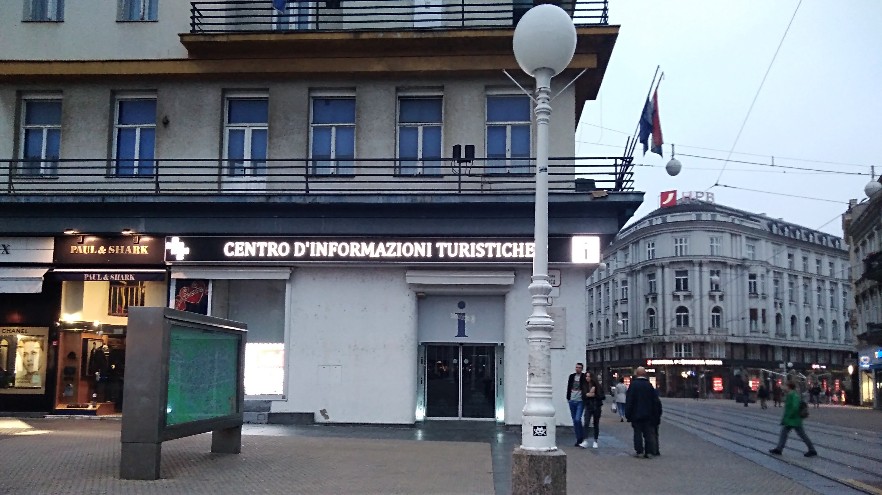
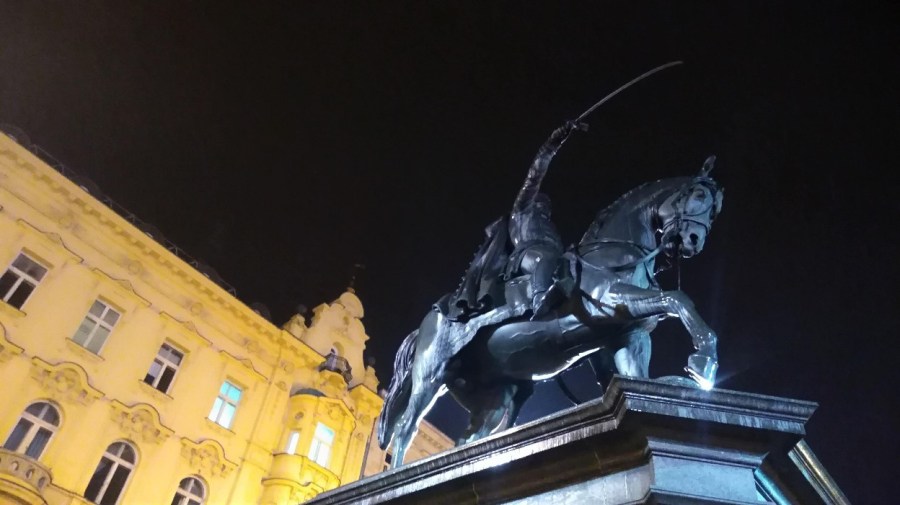
The Tourist Information office is in Ban Jelačić Square, not far from the man on horseback (below).
Josip Jelačić von Buzim, ban of Croatia (1948 – 49). He was a military man and responsible for abolishing serfs in Croatia so we like him for that.

The Tourist Information women had no information about walks (it was the same in Vienna) but were very kind and did tell me about Maksimir Park, for which I am very grateful.

Maksimir Park, Zagreb, Croatia.

Zagreb 3 – city squares

All Saints Day, 1 November 2018 – a walk to the centre, including King Tomislav and Nikola Subic Zrinski Squares.
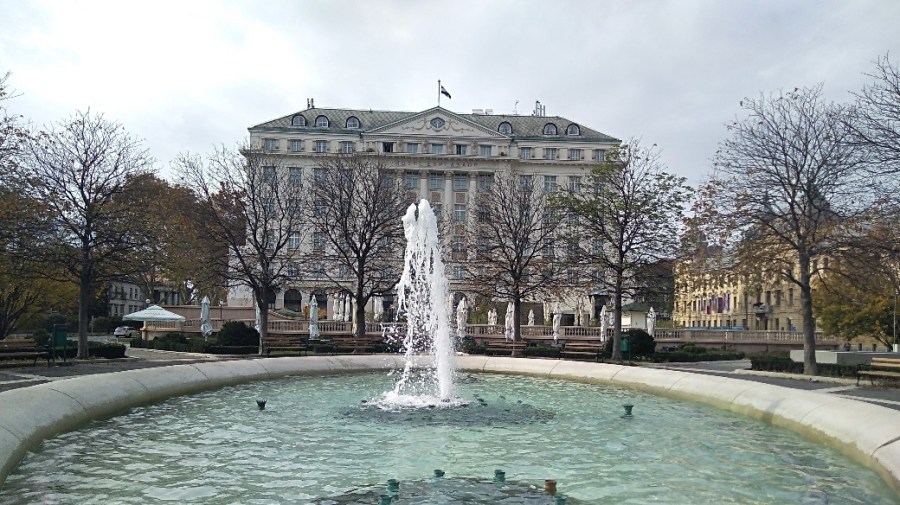
wp-1541152045307..jpg
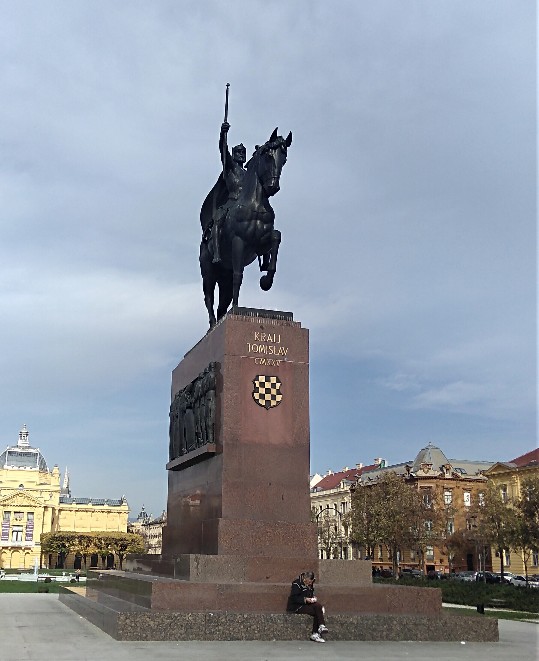
King Tomislav himself.
wp-1541152154643..jpg
Nikola Subic Zrinski Square.

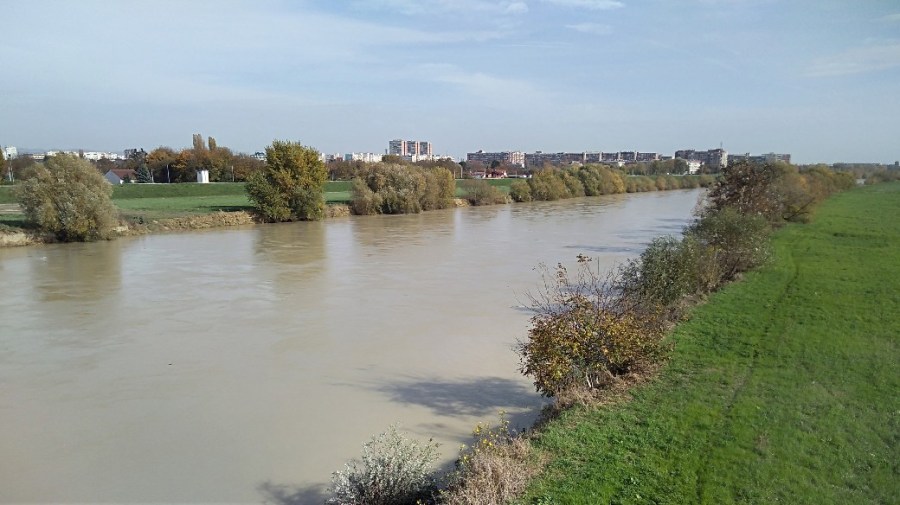
I walked from Sopot to the centre for the first time, taking the straightest route past the Gradski City Park (details on Zagreb 1), over the fast flowing River Sava, and past the National and University Library (which was closed due to the National Holiday, and is where they are holding The First International Conference on Green Libraries very soon).

wp-1541152507582..jpg
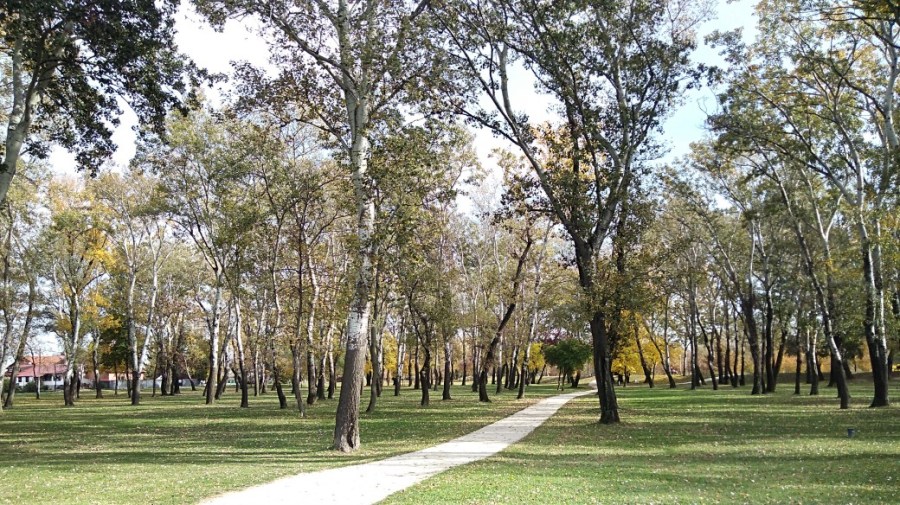
Gradski Park, Zagreb.
wp-1541152460720..jpg
River Sava, Zagreb.
wp-1541152460672..jpg
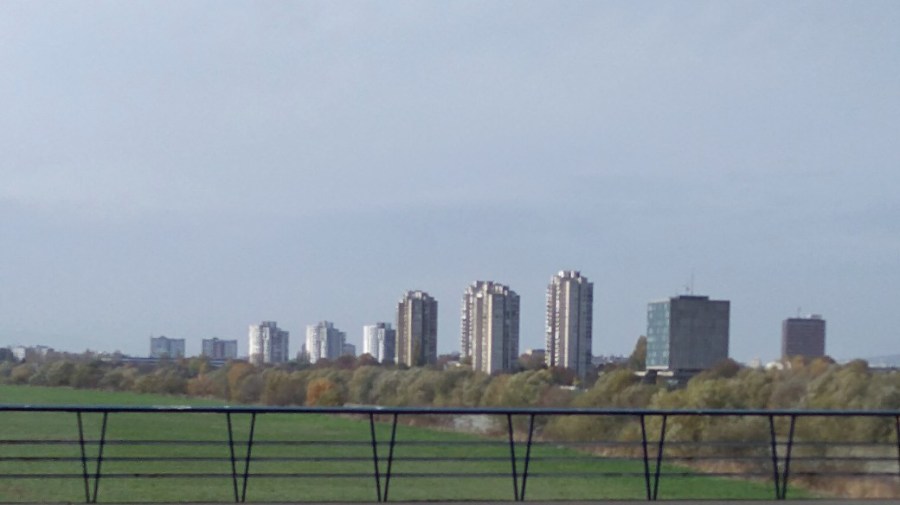
A vista of skyscrapers, Zagreb.
wp-1541152460704..jpg
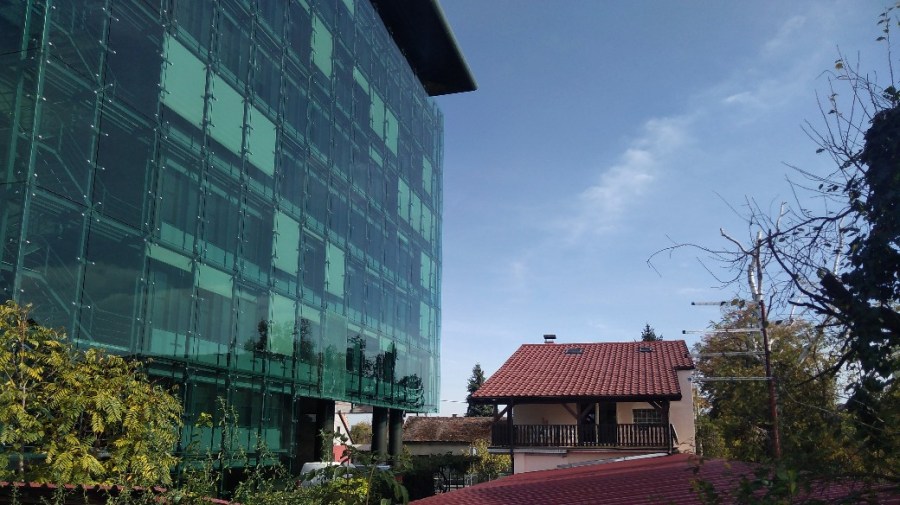
What a contrast between the old style red rooves and the new turquoise vertical swimming pool type!
wp-1541152096860..jpg
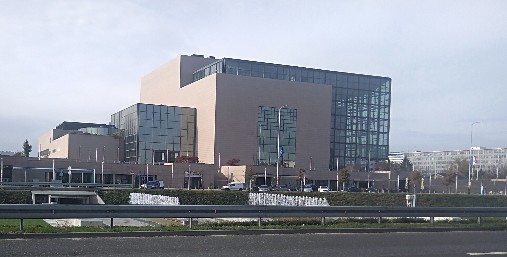
National and University Library of Zagreb.

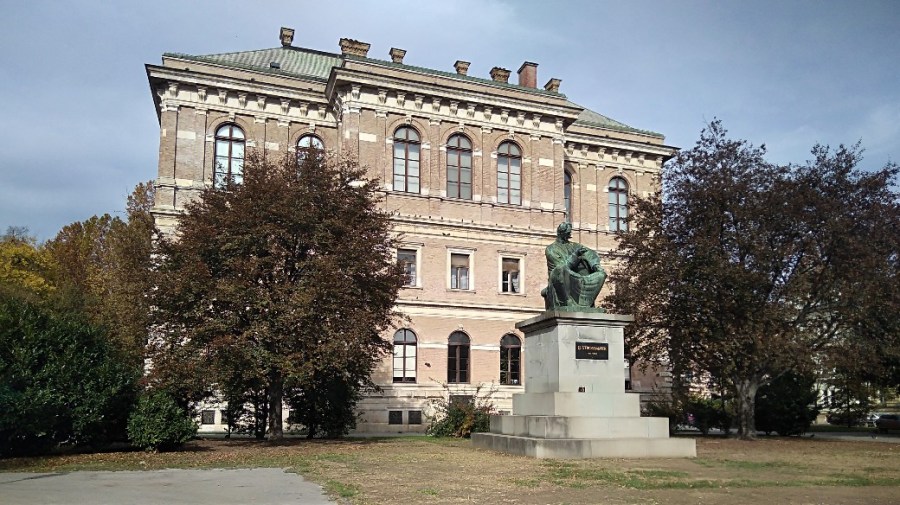
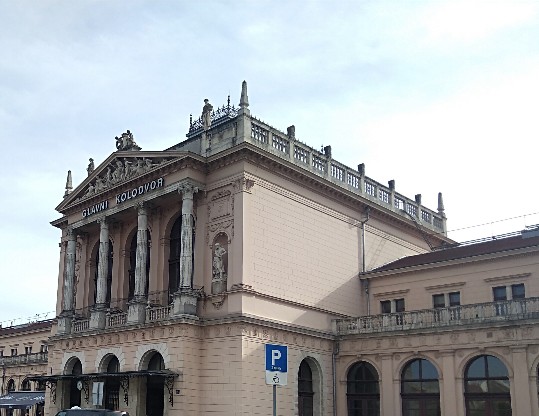
I discovered the bus routes end point and underground Garaza shopping centre (also mostly closed) out of which you emerge in the King Tomislav Square (trg kralja Tomislava) by the Glavini railway station (Kolodov). This brought me to a whole other side of Zagreb I had not yet seen – national monuments resembling Vienna but less overtly grand, more comfortable somehow.

wp-1541152045323..jpg
Glavini Railway Station, Zagreb.
wp-1541152414059..jpg
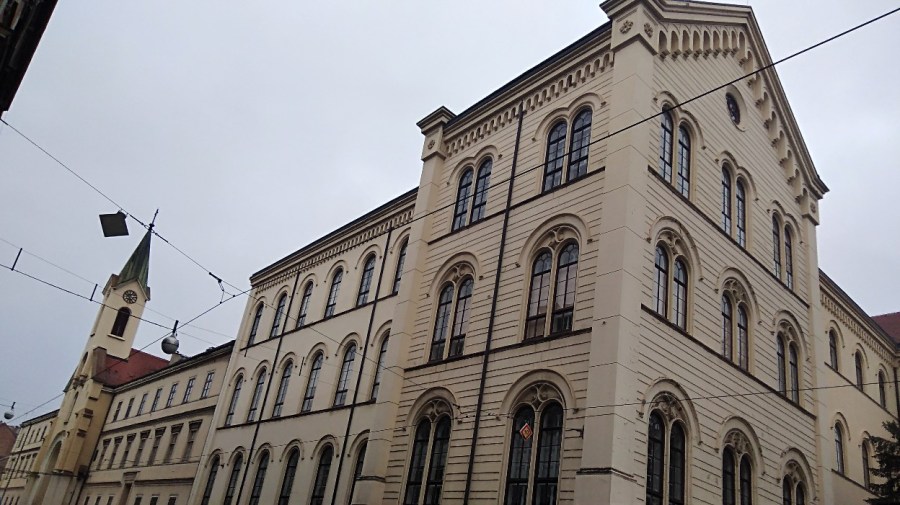
I cannot identify this building. It is located in a smaller, prettier square next to the King Tomislav Square and above the Garaza shopping Centre.
wp-1541152414137..jpg
Starcevicev Dom, Zagreb.
wp-1541152096824..jpg
All Saints Day flowers for the graves of the deceased.
wp-1541152249775..jpg
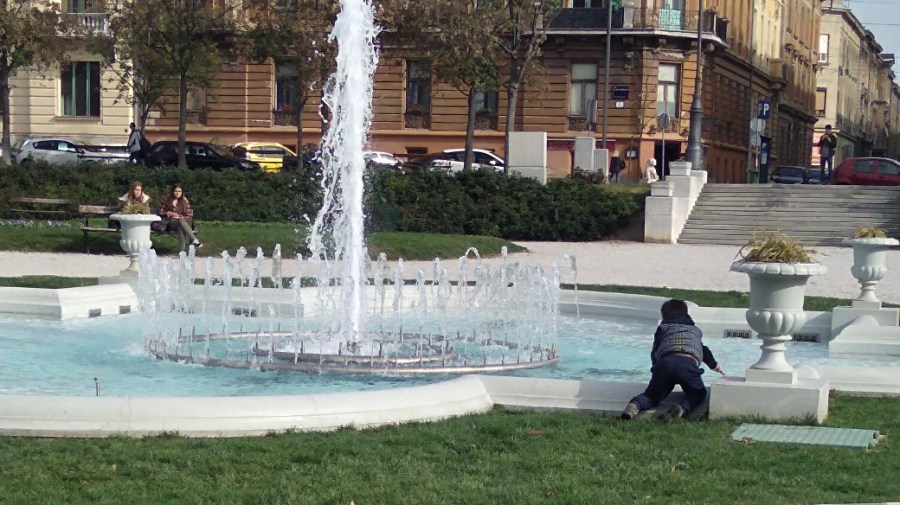
Boy playing in the fountains.
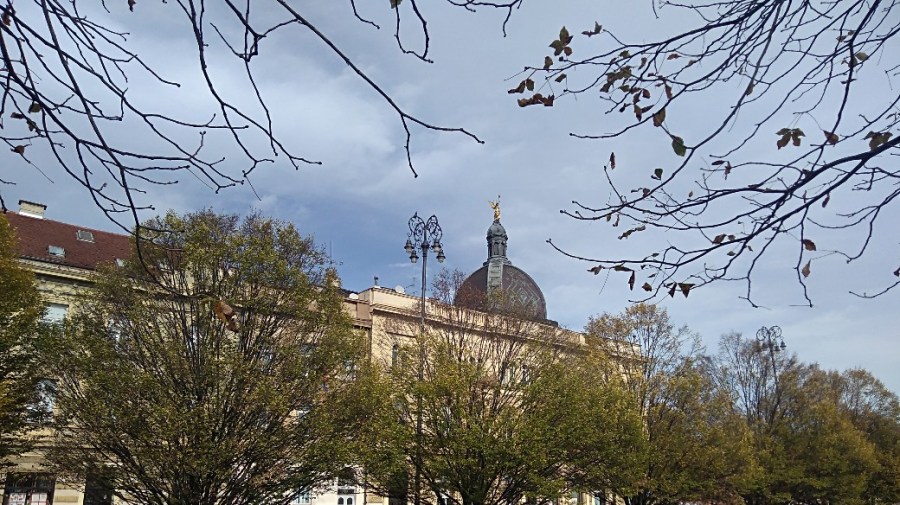
wp-1541152154583..jpg
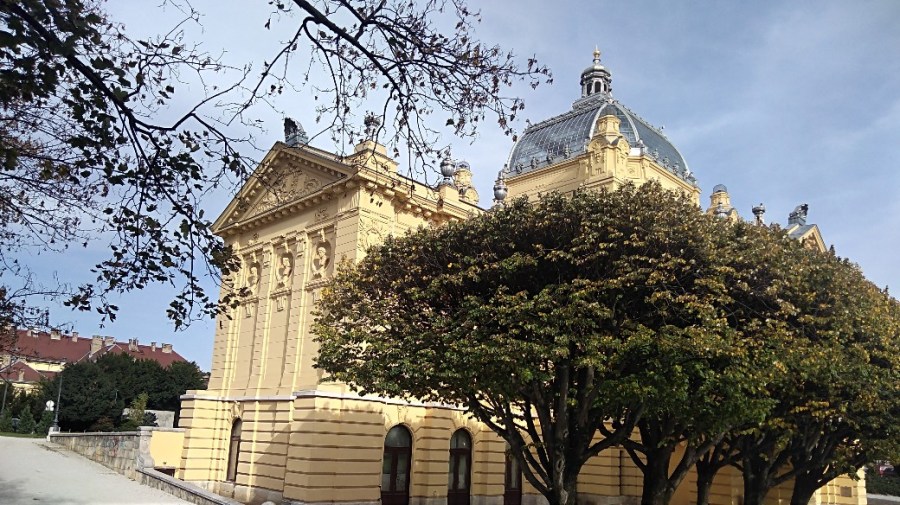
The Art Pavillion, Zagreb (also the title picture of this blog).
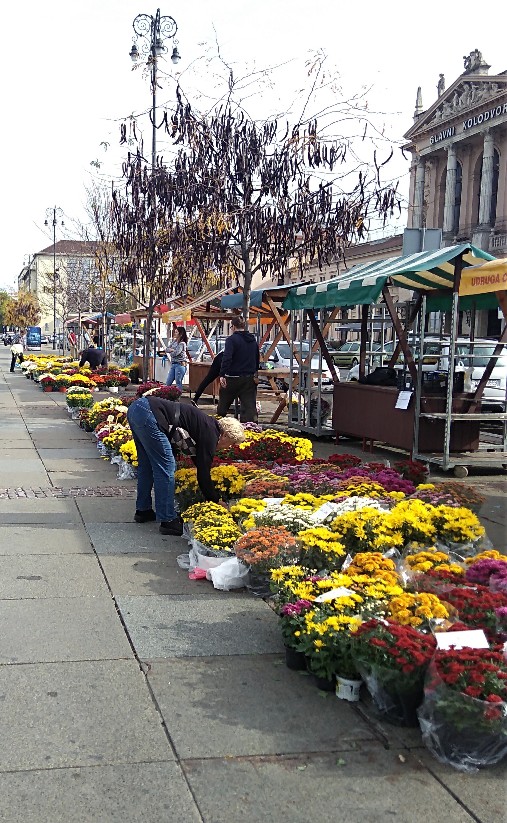
wp-1541152200423..jpg
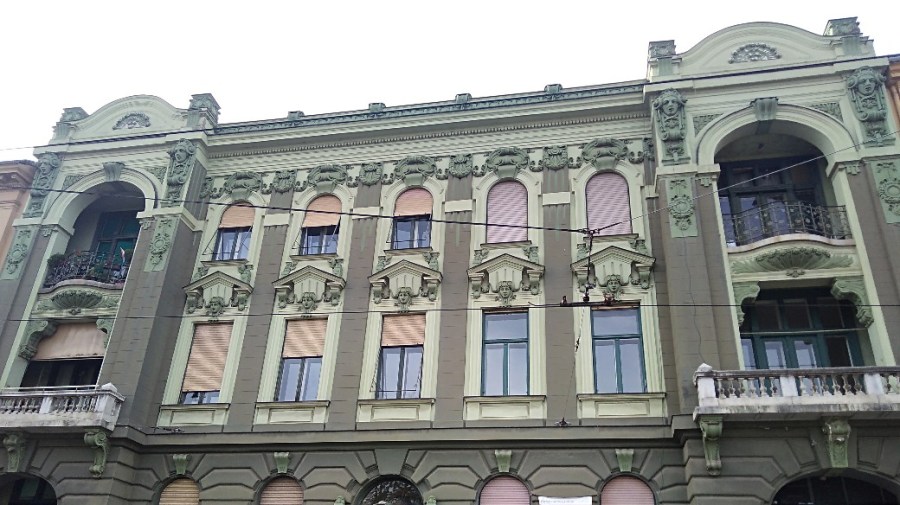
Apartments opposite the King Tomislav Square – reminisecent of Vienna.
wp-1541152572757..jpg
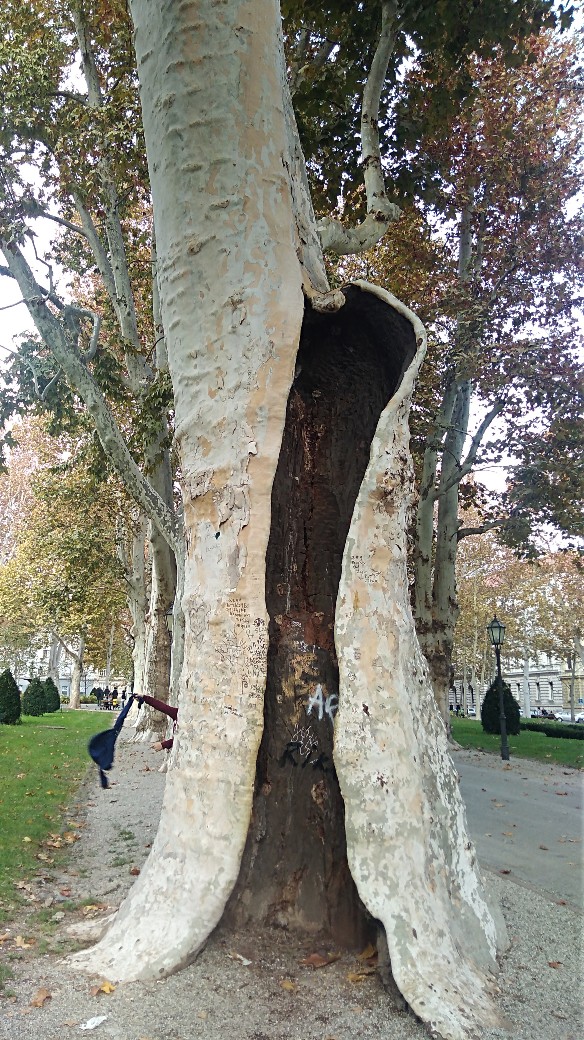
Child playing behind the plane tree which reminded me of the Dunkeld Oak in Scotland which you can also go inside.
wp-1541152096850..jpg
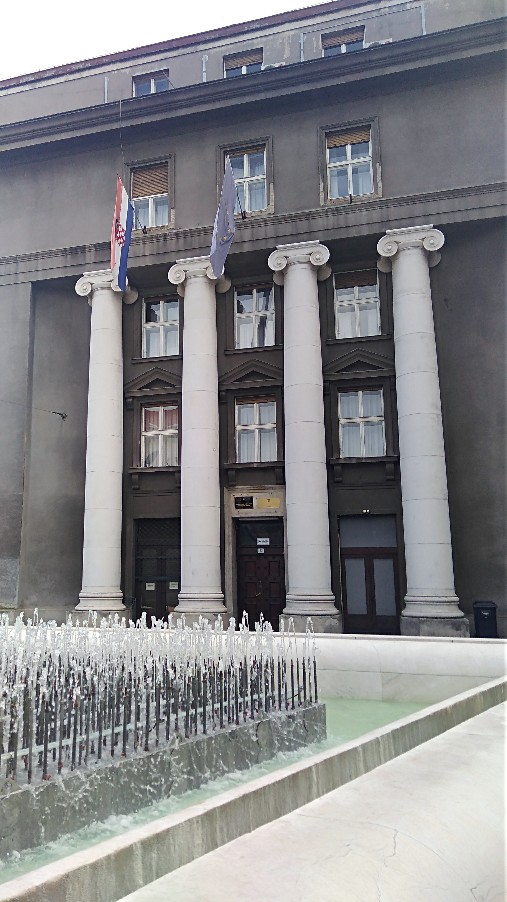
Hrvatska (Croatian) Narodna Banka – a very fine building, Zagreb.
wp-1541152154607..jpg
There is a lot to see here!
wp-1541152045268..jpg
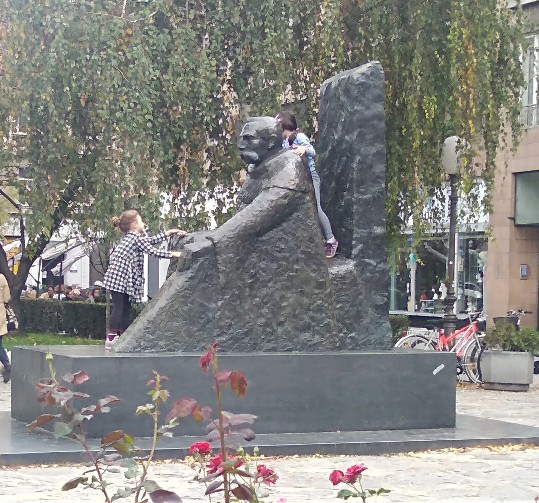
This is the way to use a statue – play on it! (Outside Booksa of that more later!)

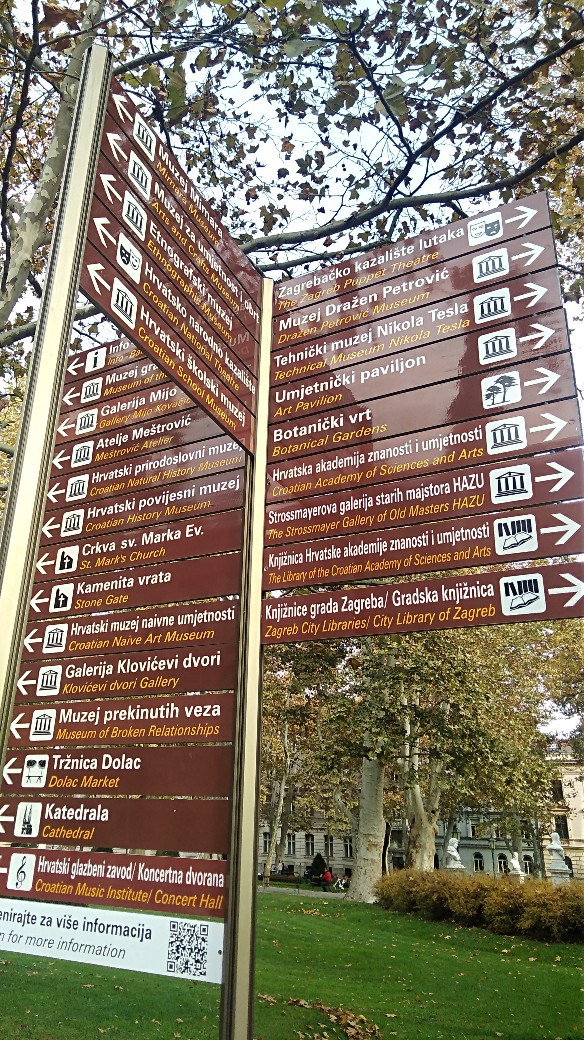
Zagreb Information