A guest post by Marie-Anne Lerjen, a walking artist from Zurich (Switzerland). Her website is in German.
We walked a good long walk (24 kms) from Girona to Banyoles in Cataluña, setting off in a considerable heat (27 degrees) and finishing after dark. Here is Marie-Anne’s Sweat Mapping blog
It’s a quick but good listen on Soundcloud:
Featuring myself and many other walking artists from around the world who had congregated at the Art del Caminar conference.
The last few days, which I walked first going backwards from Santiago de Compostella – Outerio – Bandera – Laxe. In the direction of Seville (north to south)
Camino Portuguese da Costa – Days 3 and 4, September 21st – 22nd 2019.
Vila do Conde
20 kms from Porto; 24.95 kms to Esposende
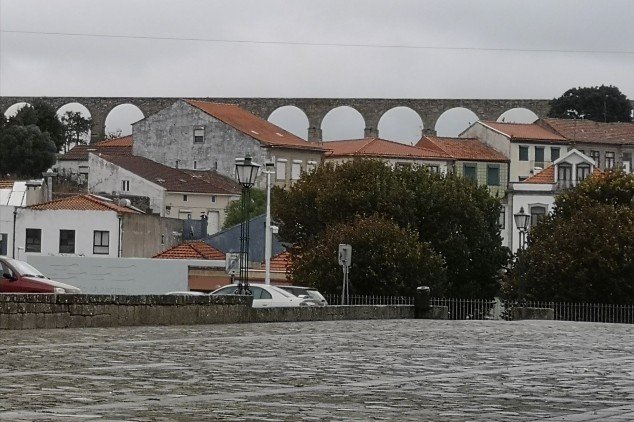
Admiring the Santa Clara Roman aqueduct in Vila do Conde which had 999 arches and, at 4 kms, is the second longest in Portugal
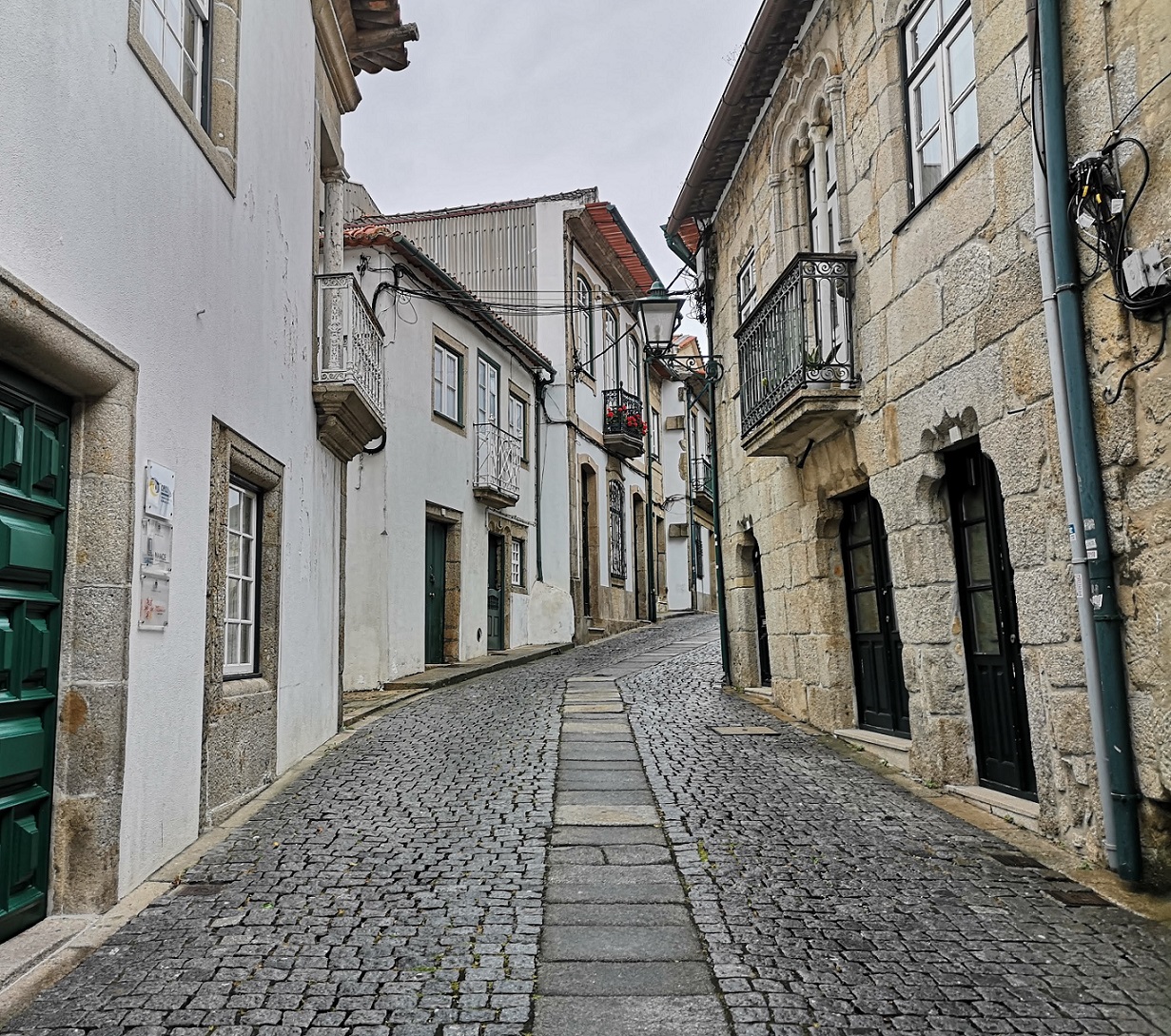
Typical cobbled street, Vila do Conde
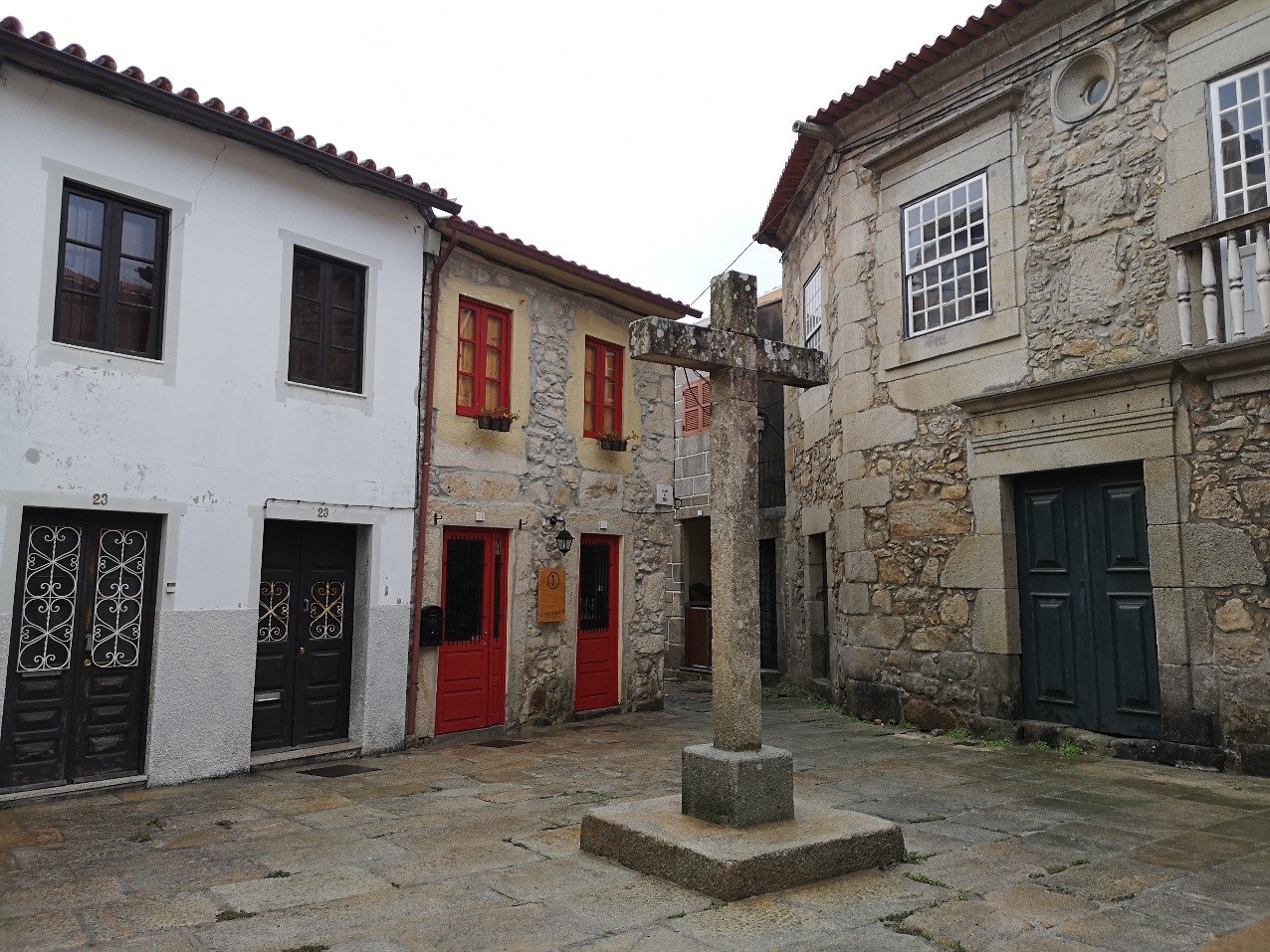
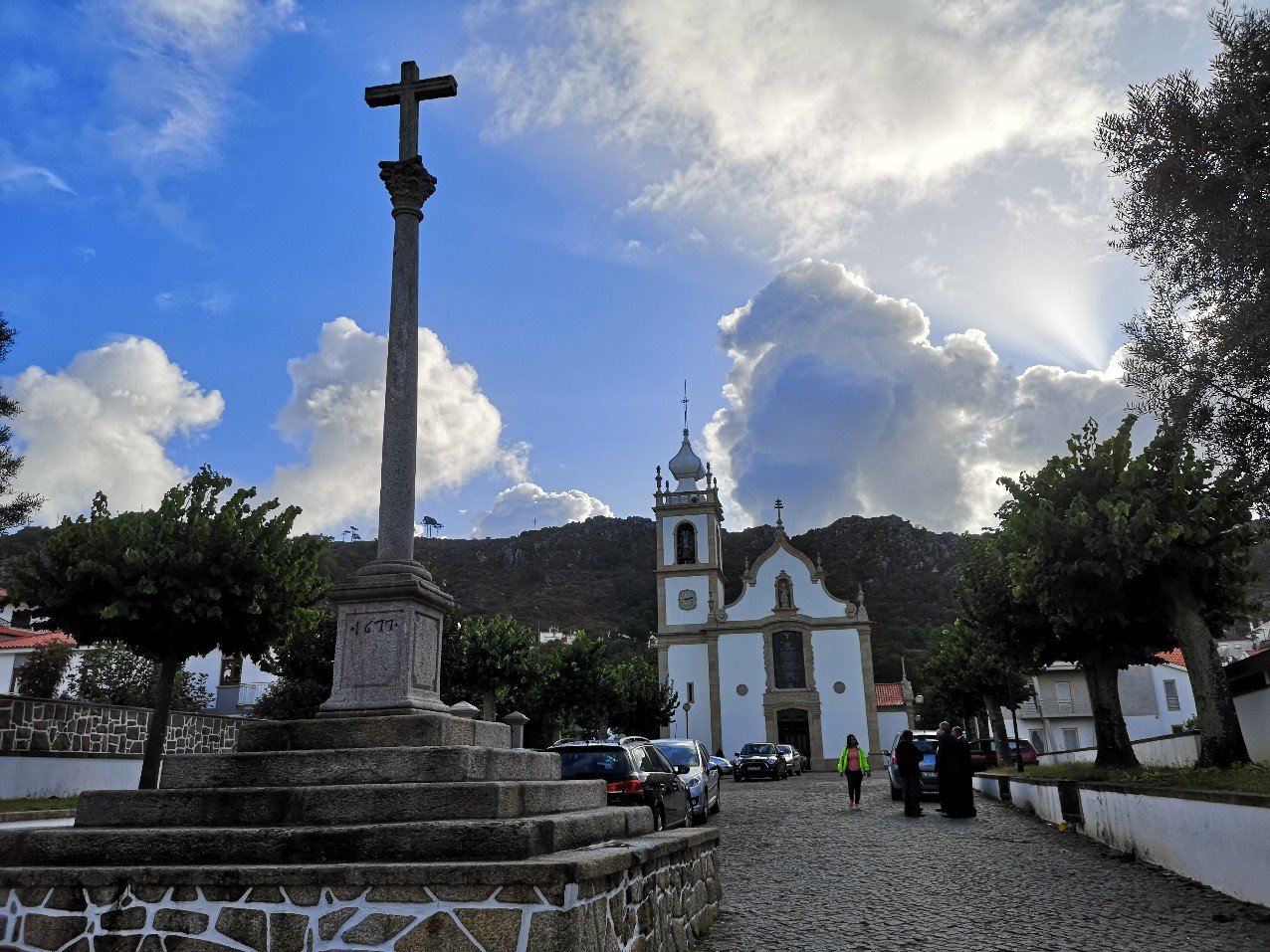
Mercat cross Vila do Conde
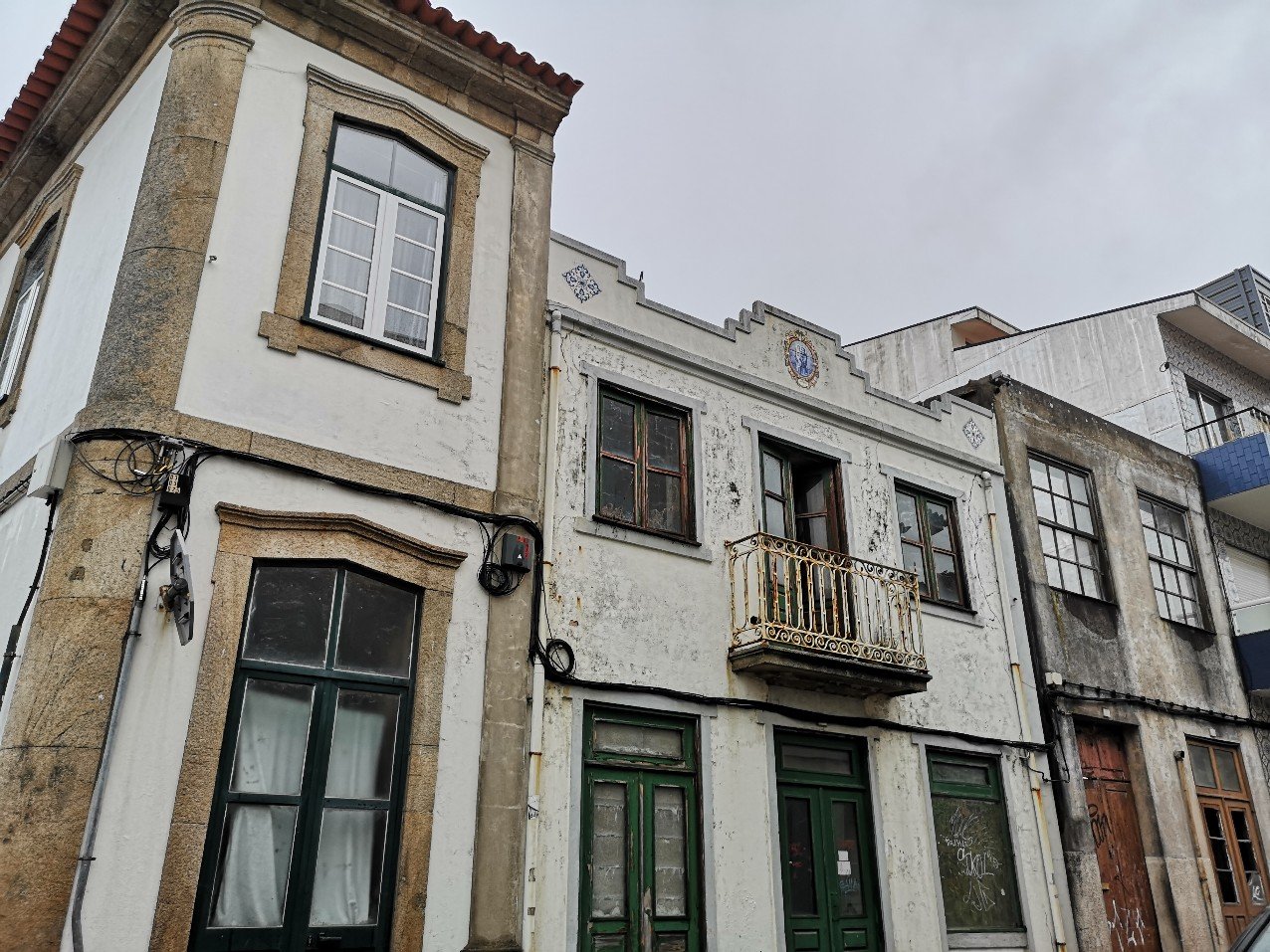
Slightly dilapidated but charming architectural features, Vila do Conde
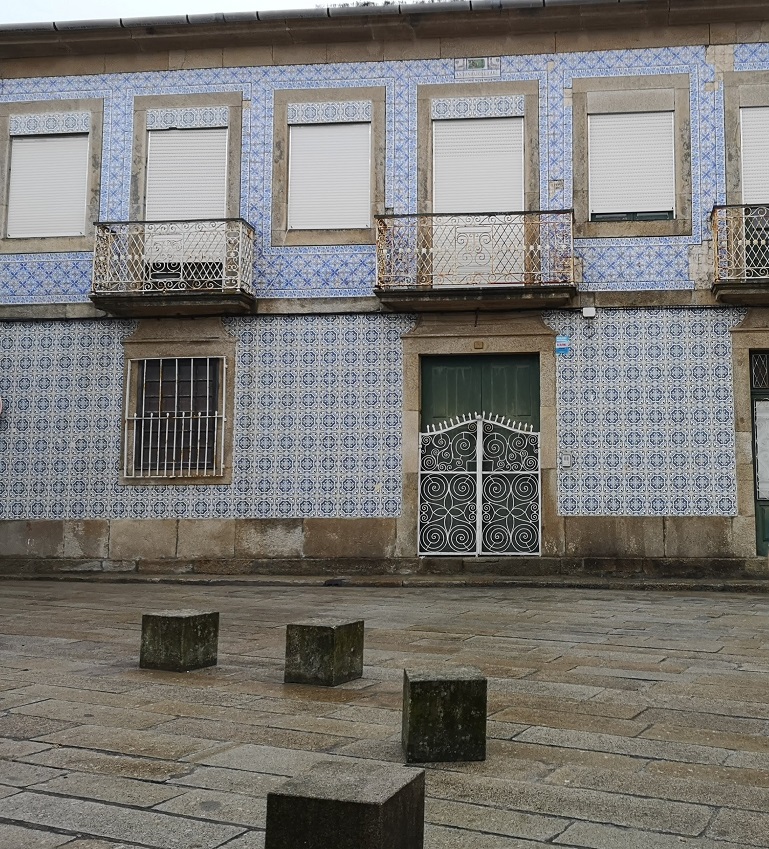
Similar blue and white tiles to the ones I saw in Porto, Vila do Conde
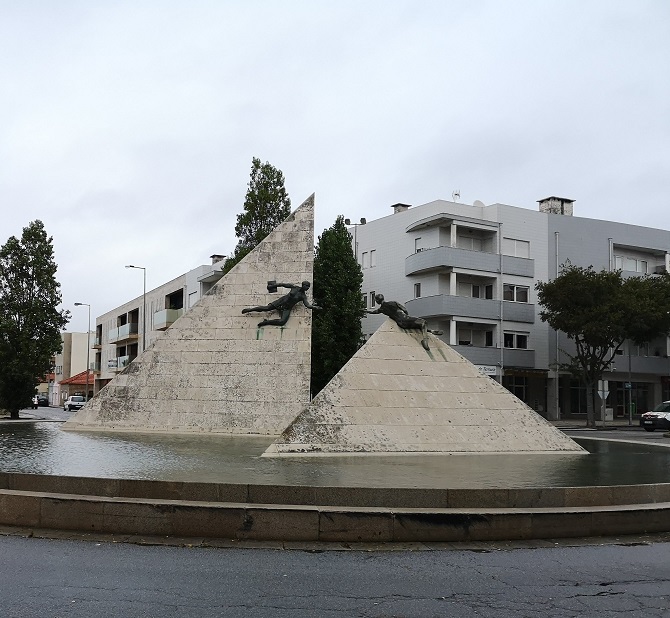
I like interesting roundabout sculptures: Monument to Education and teachers, Benguiados Street, Vila do Conde
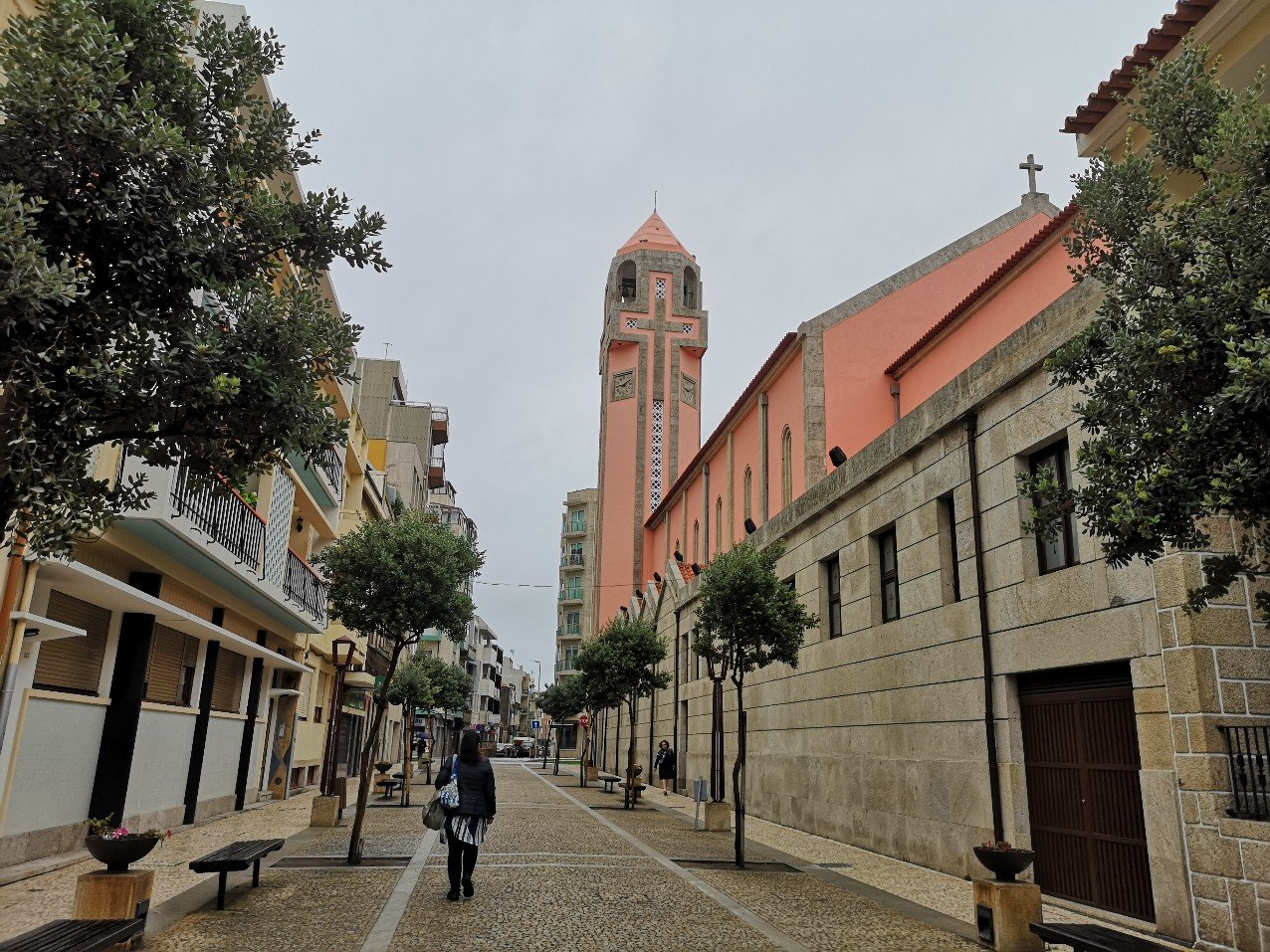
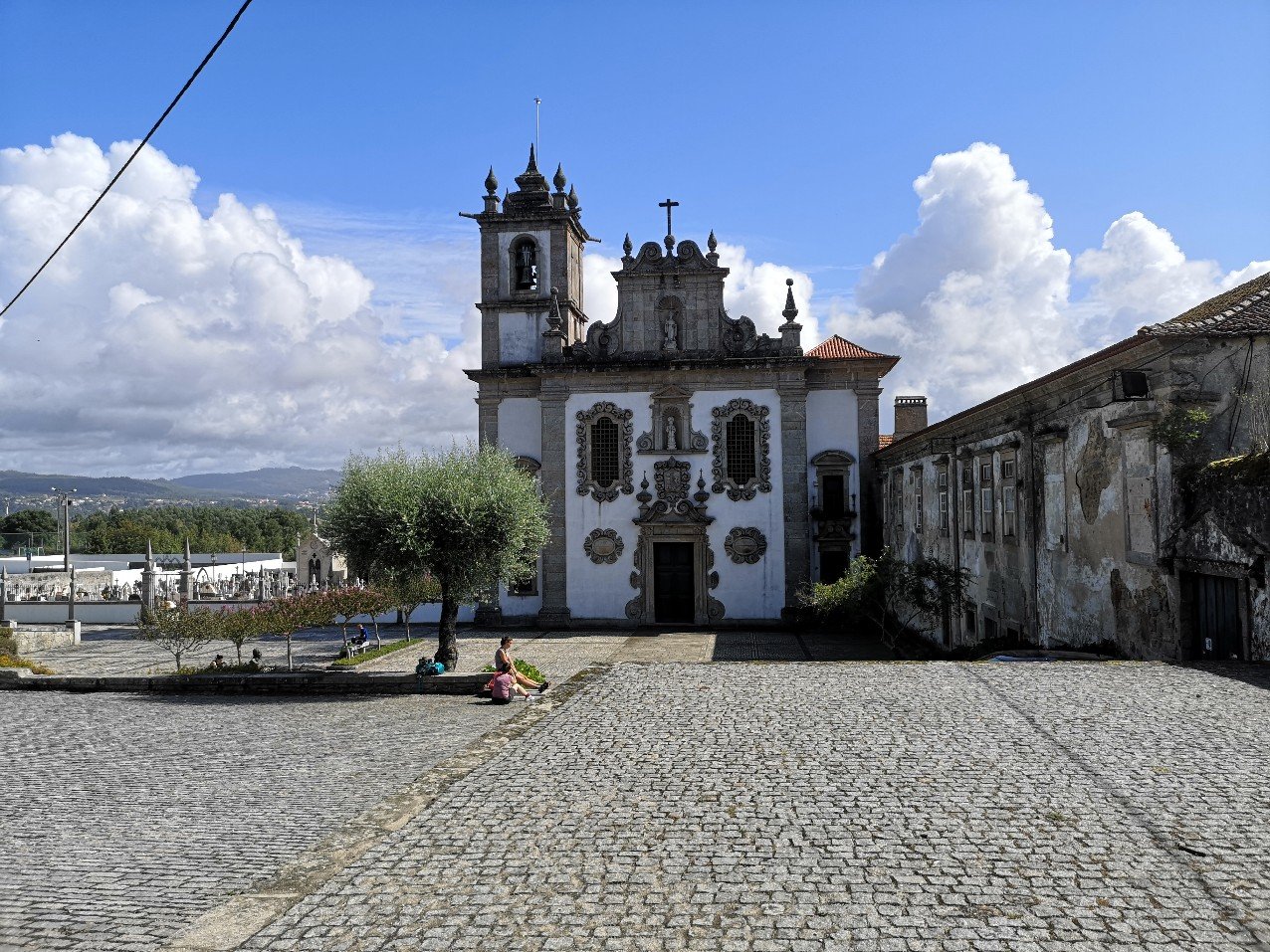
I am not sure what the name is of this pink church, Vila do Conde
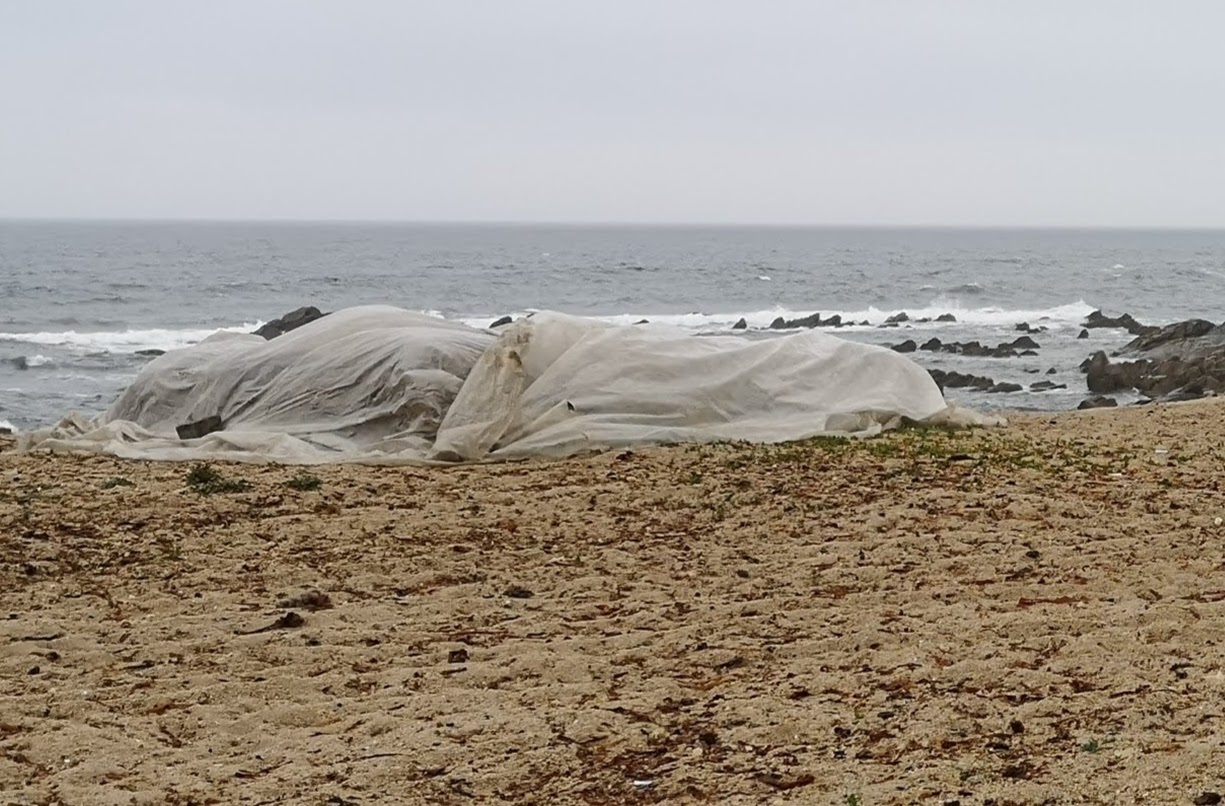
Drying seaweed under white cloths on the beach – I could see these huge piles all along the coast as I walked
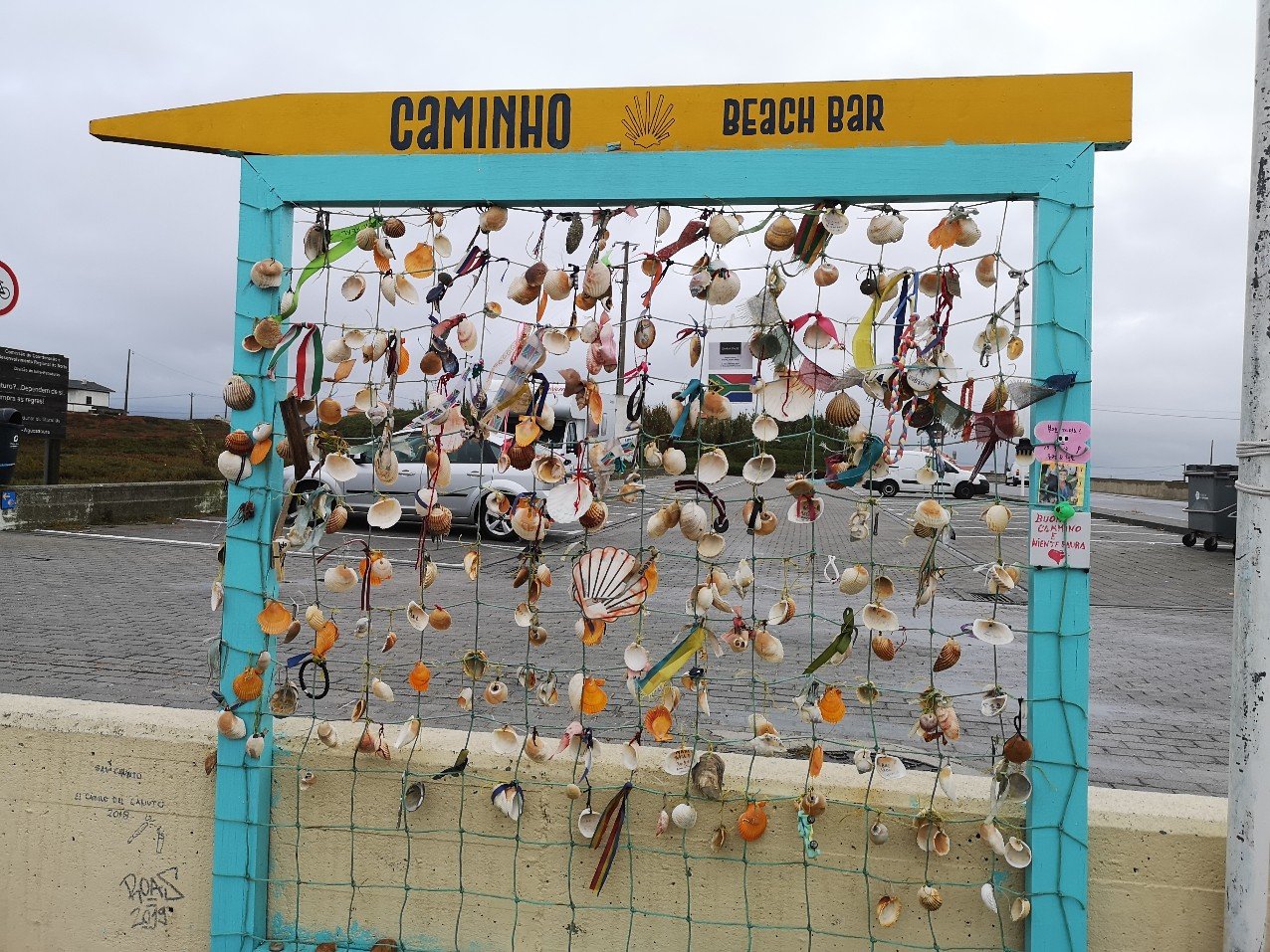
Idiosyncratic beach bar sign with the Camino shells as decoration
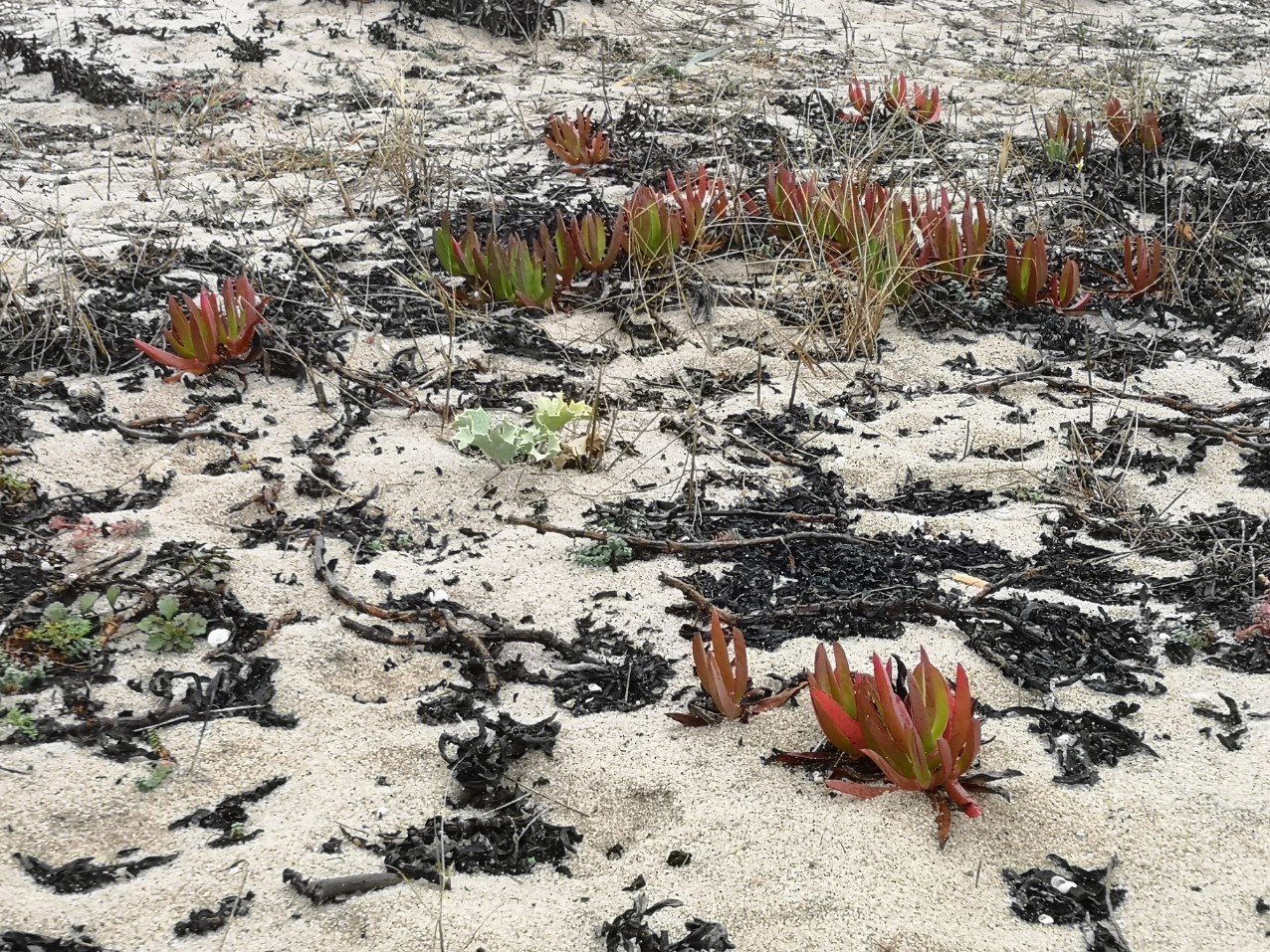
Hottentot or Sour Fig (Carpobrotus edulis)
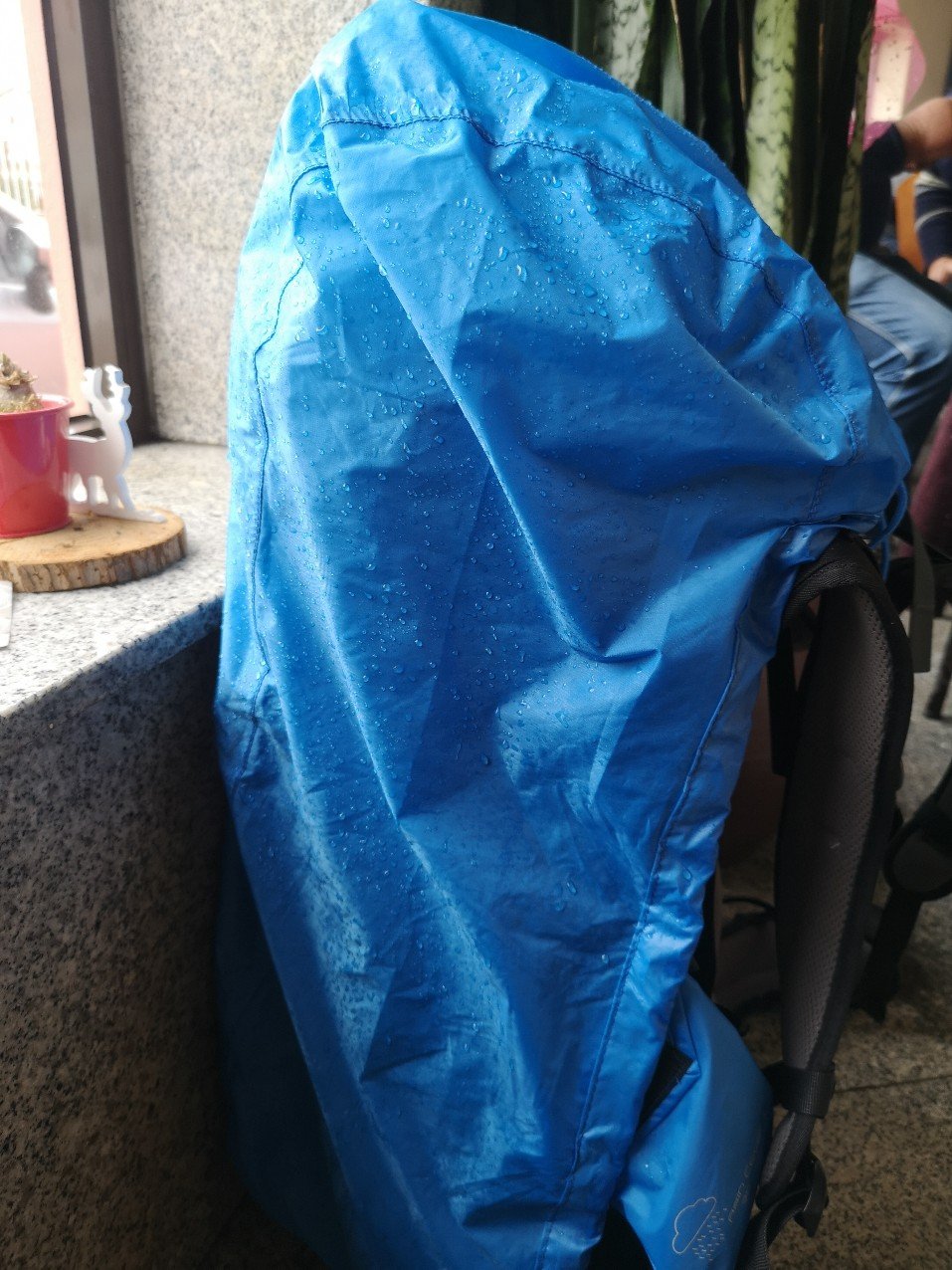
It was so very wet! All the rucksacks in the cafe where I went to shelter, were covered up. Only a few of my things got properly damp
It was in this cafe that I accepted a cap and guide book which belonged to a woman who I had been seeing at hostels along the way. I assumed I would see here agin and so took it with me for her. Guess what? I carried them to Santiago but never did see her.
Esposende/Marinhas
Link to the municipal hostel in Esposende/Marinhas. The Albergue San Miguel is one of the hostels that you have to walk through the town and almost out the other side to reach. The building in front, nearest the main road, is not the hostel but the Red Cross centre (the 2 organisations are connected through the Marinhas council) and the people there are used to exhausted pilgrims trekking through by mistake!
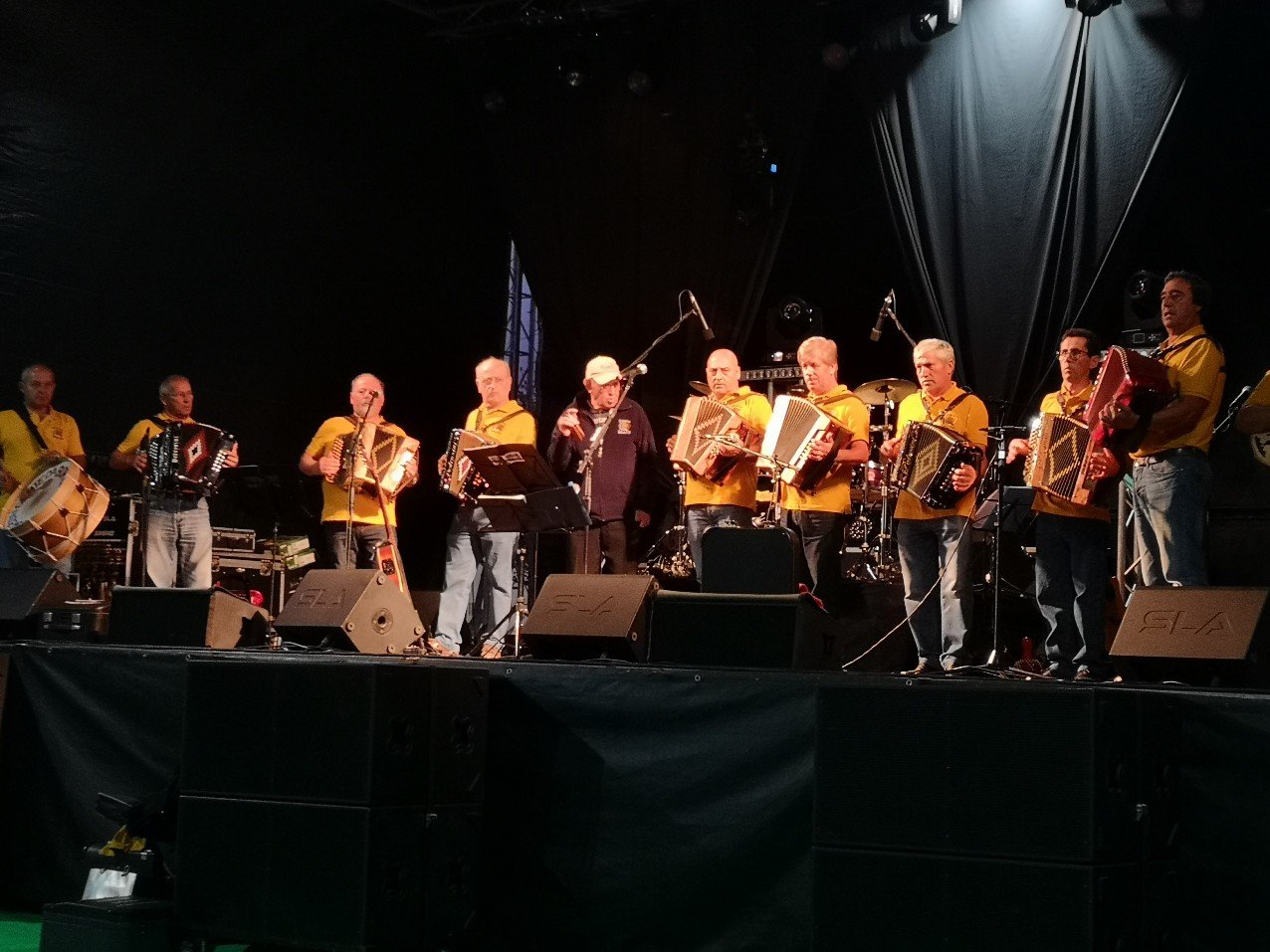
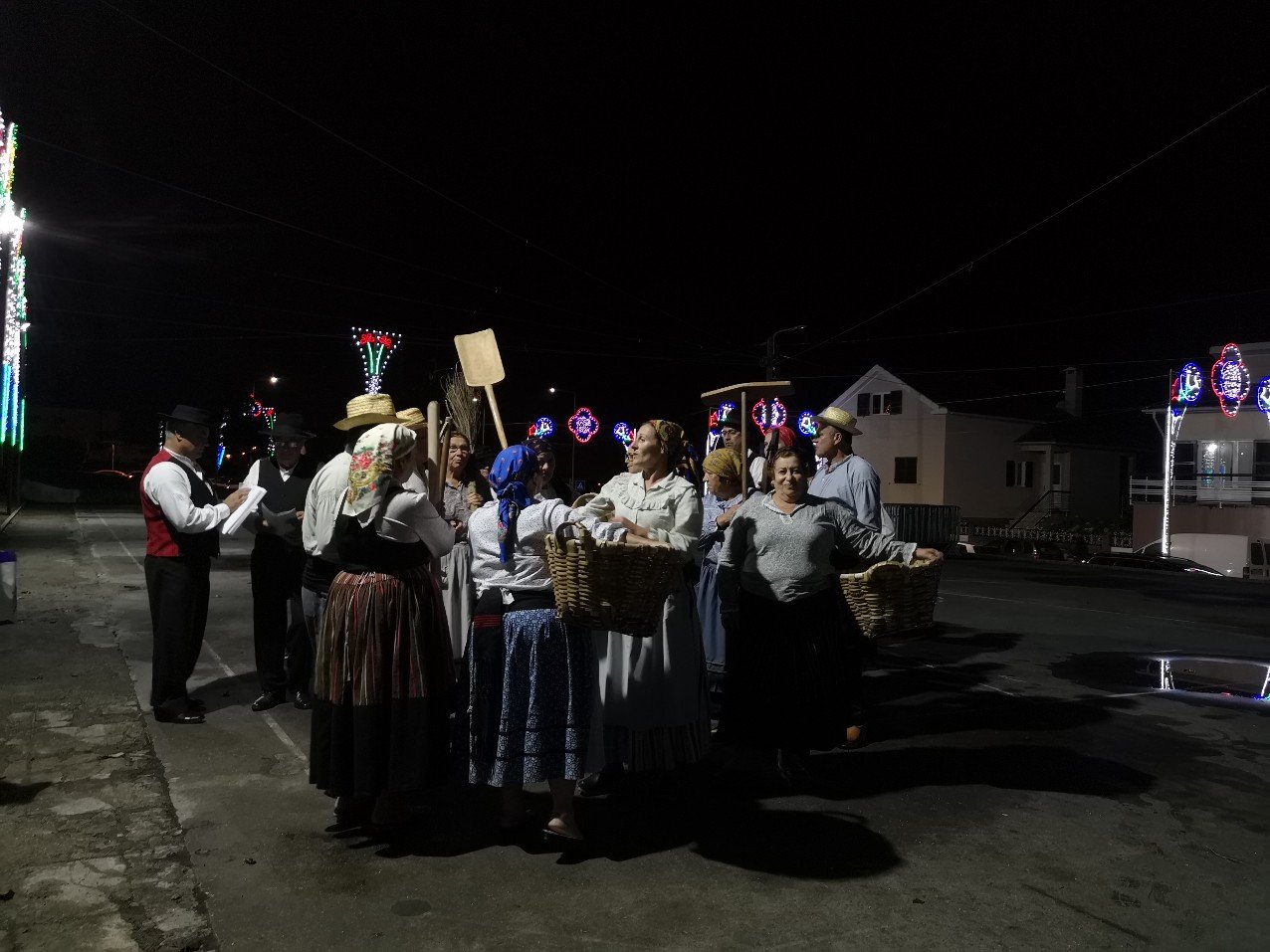
Nearby, and within very easy earshot, was an annual festival venue with bands, demonstrations of rural activities such as threshing, and more food than you might have ever seen in one long hall. People flocked from far and wide to sit around long tables in large family groups and have a good time. It was not possible to sleep, so as they say, when you can’t beat em, join em!
The lively band ‘gieing it laldy’ – heartily playing traditional Portuguese music
Women in folk costumes outside preparing for a demonstration of old-fashioned farming methods
I walked through Monte, Lugar de Cima, Outeiro, Barros Sao Fins, Santo Amaro, Estrada,
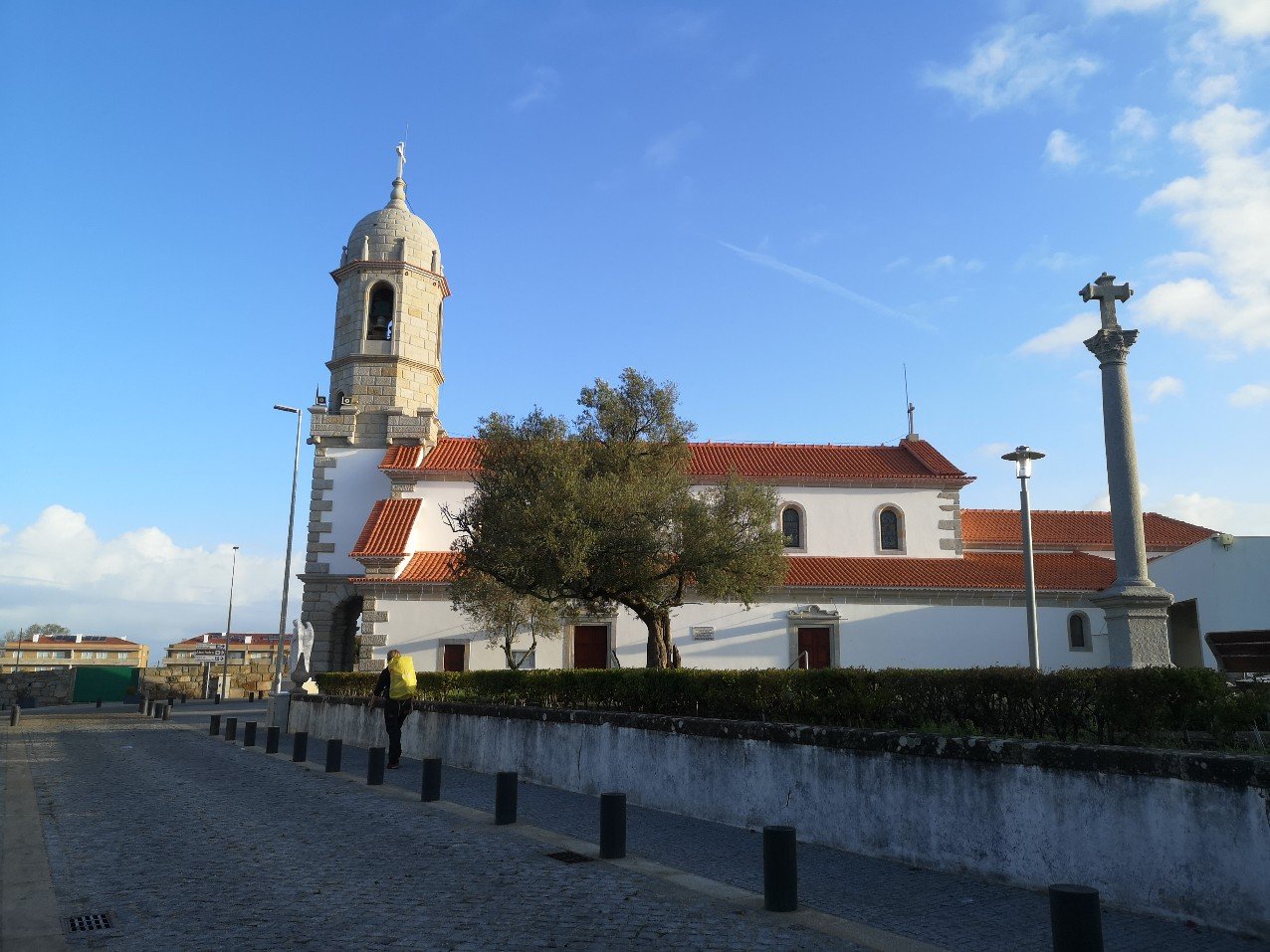
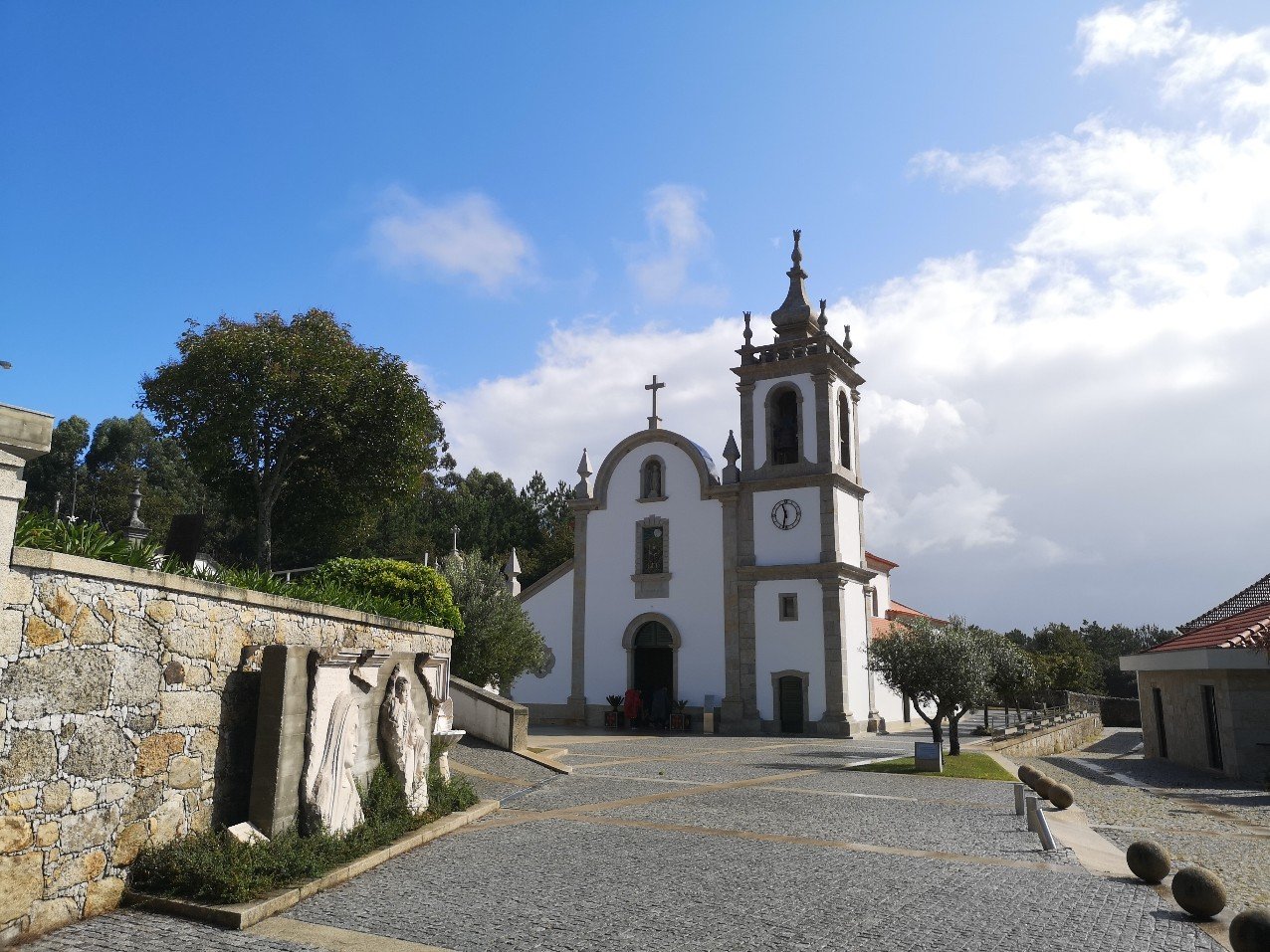
Igreja Matriz do Sao Miguel Arcanjo das Marinhas. Leaving the next morning
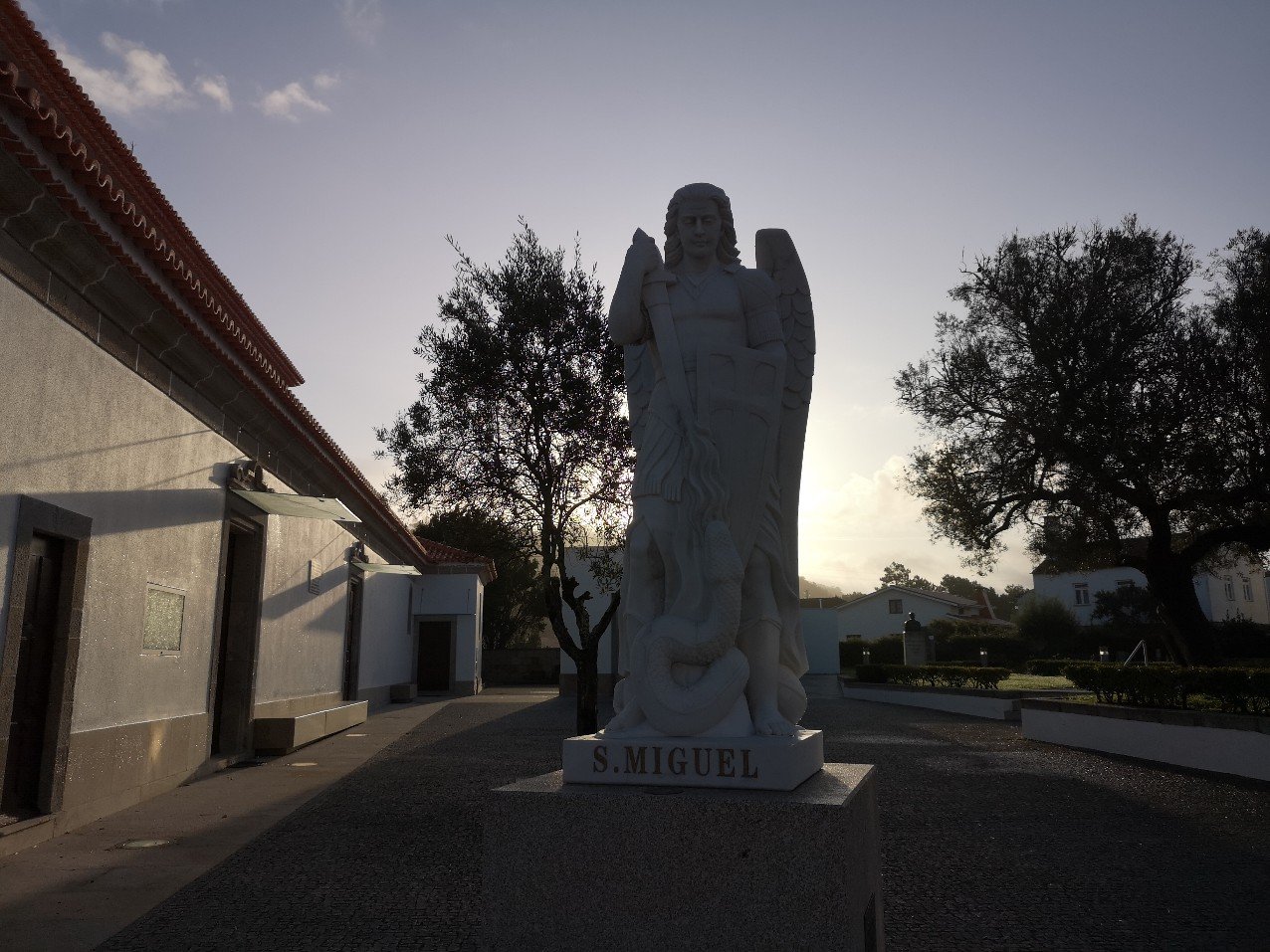
The archangel Michael with his sword and a huge phallic snake ie Satan, statue Marinhas
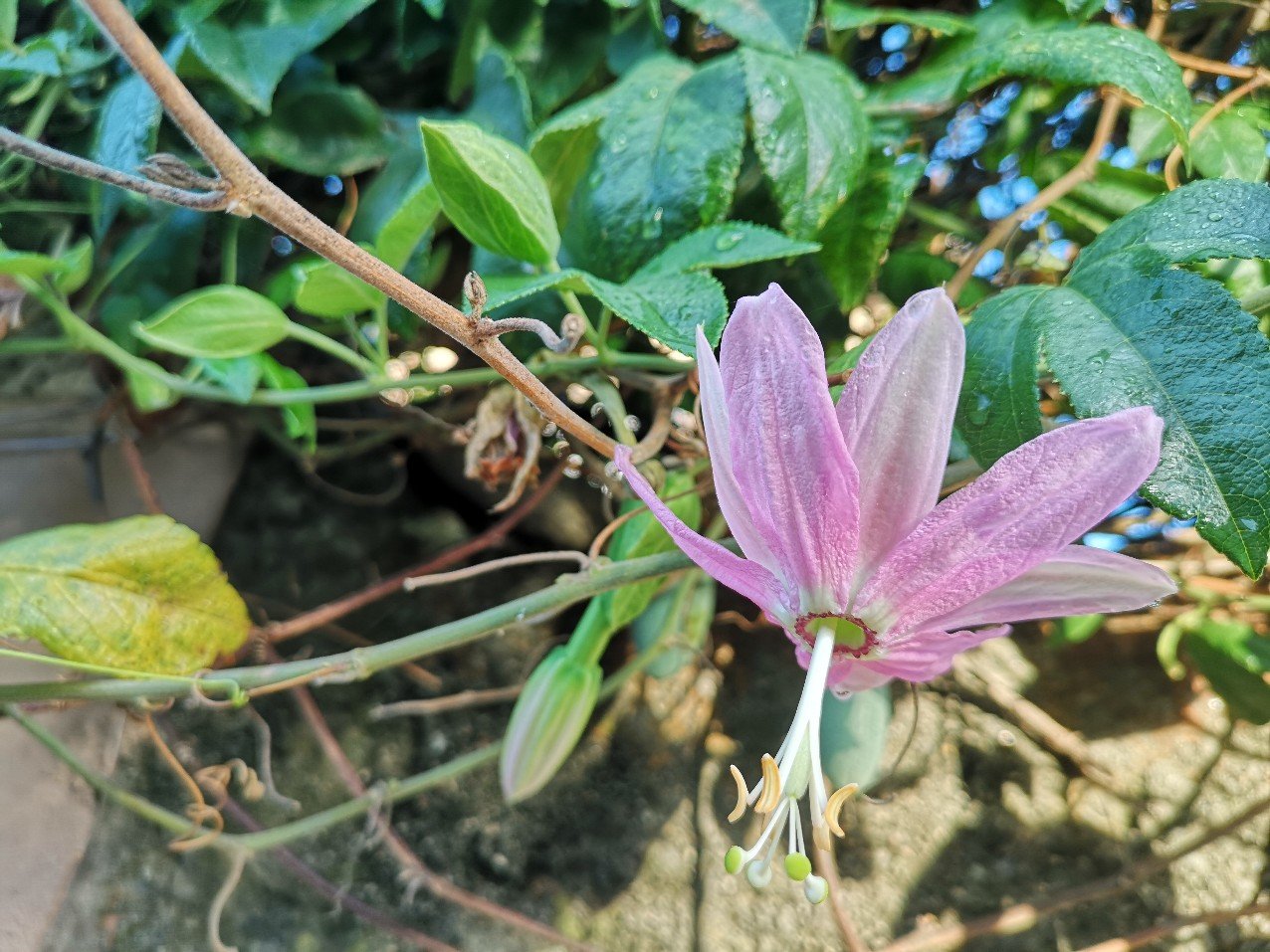
Passion fruit (Passiflora) flower
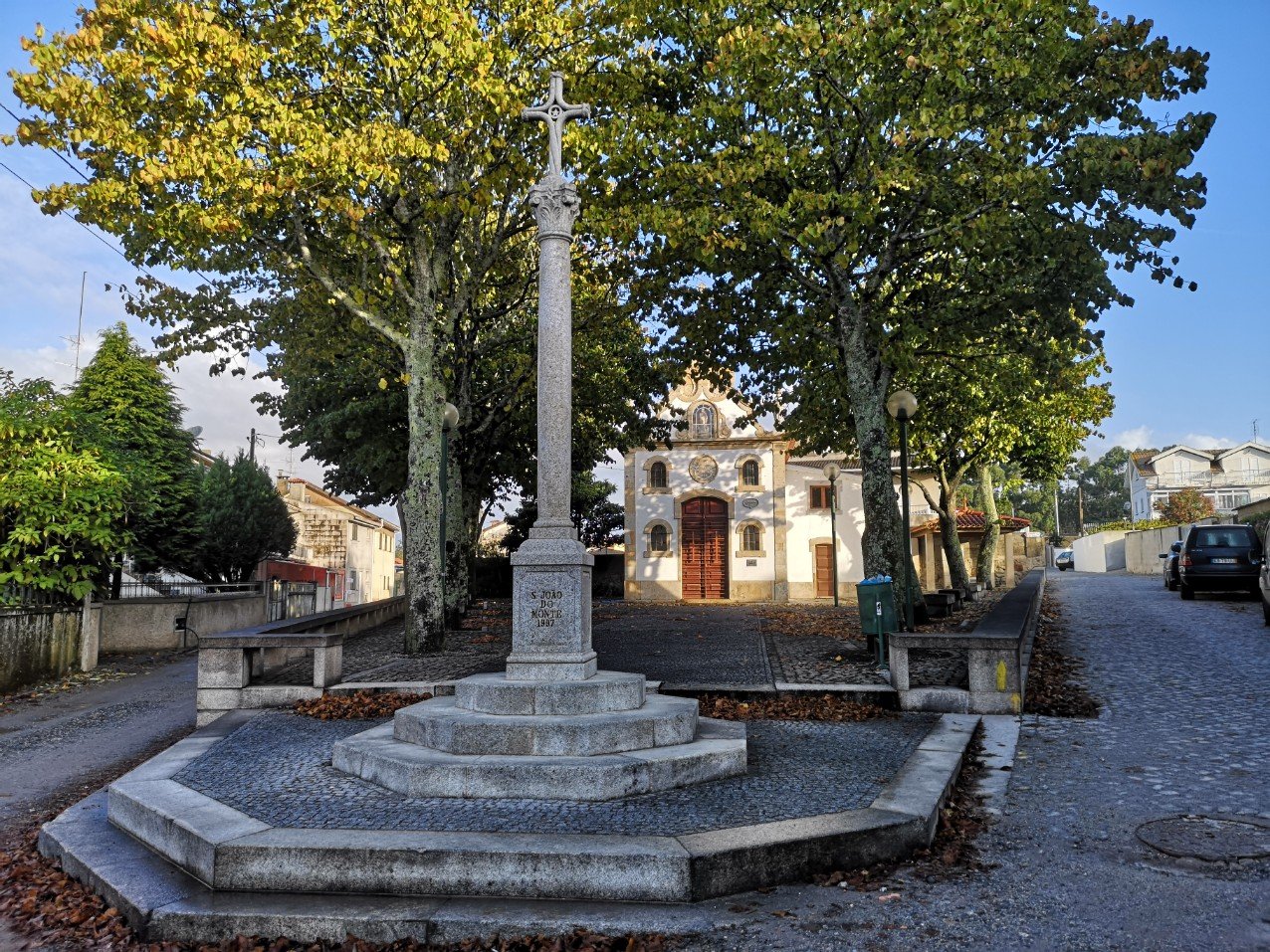
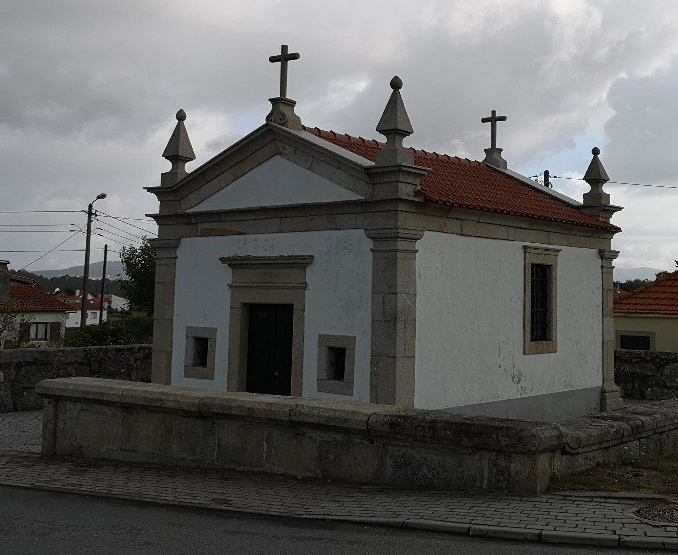
Sao Joao (Saint John) do Monte cross and chapel, Esposende area, Portugal
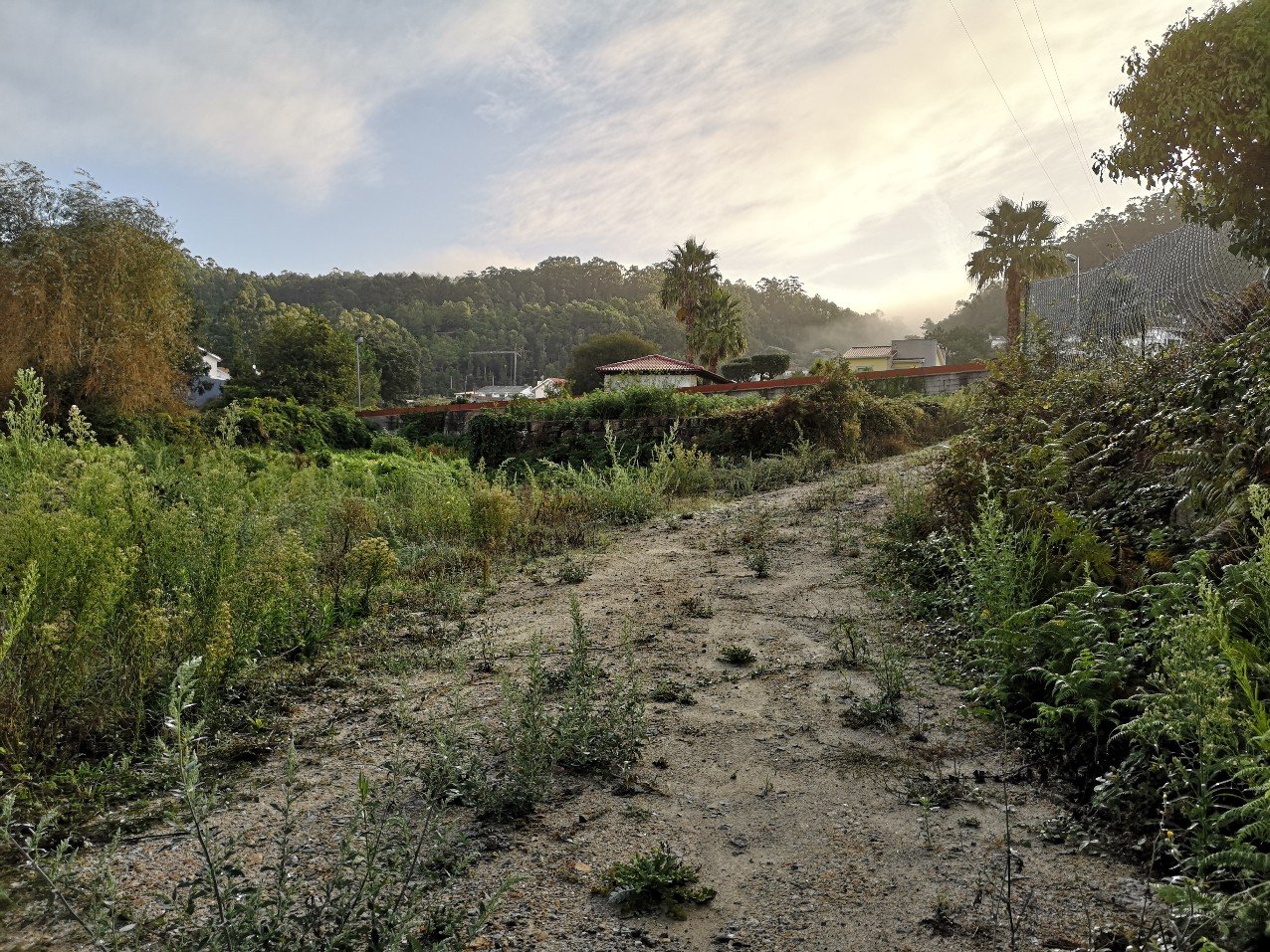
Into the countryside, interior Portugal
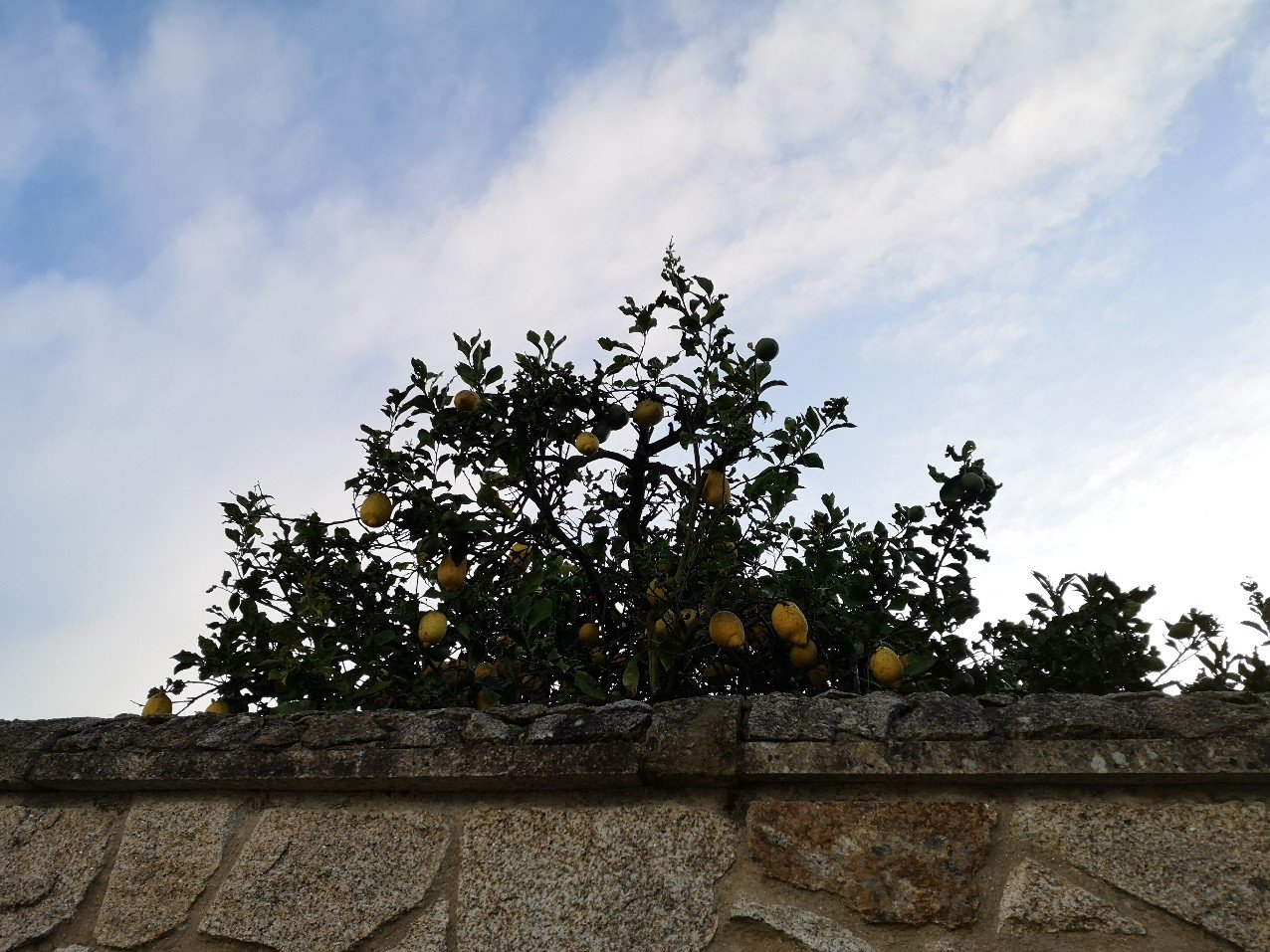
Lemon tree, Portugal
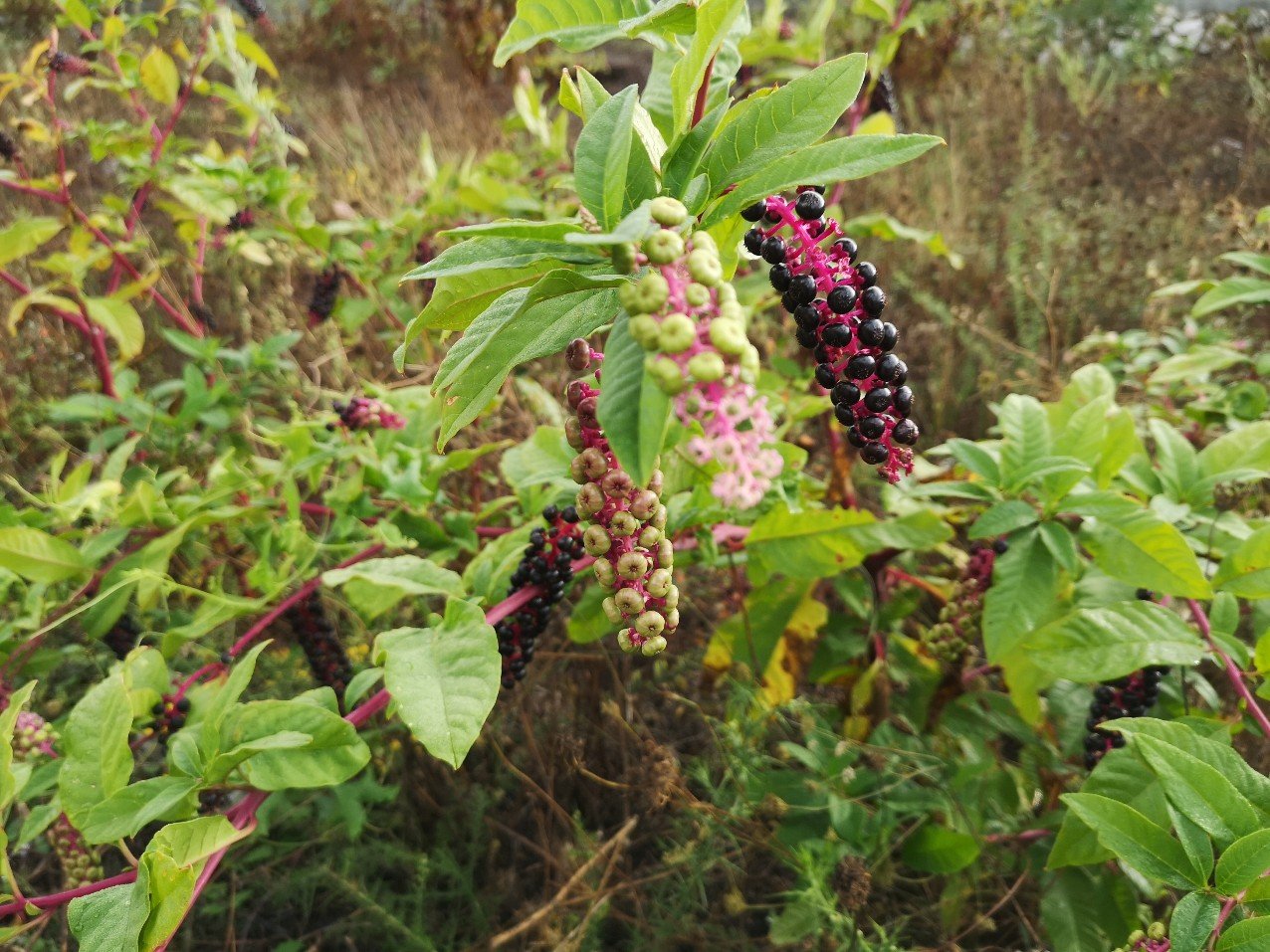
Pokeweed (Phylotacca americana) also known as pokeberry. It has a poisonous root and mature stalks, although you can eat the young stalks if properly cooked. The berries have a red dye which is used to colour wine, sweets and cloth
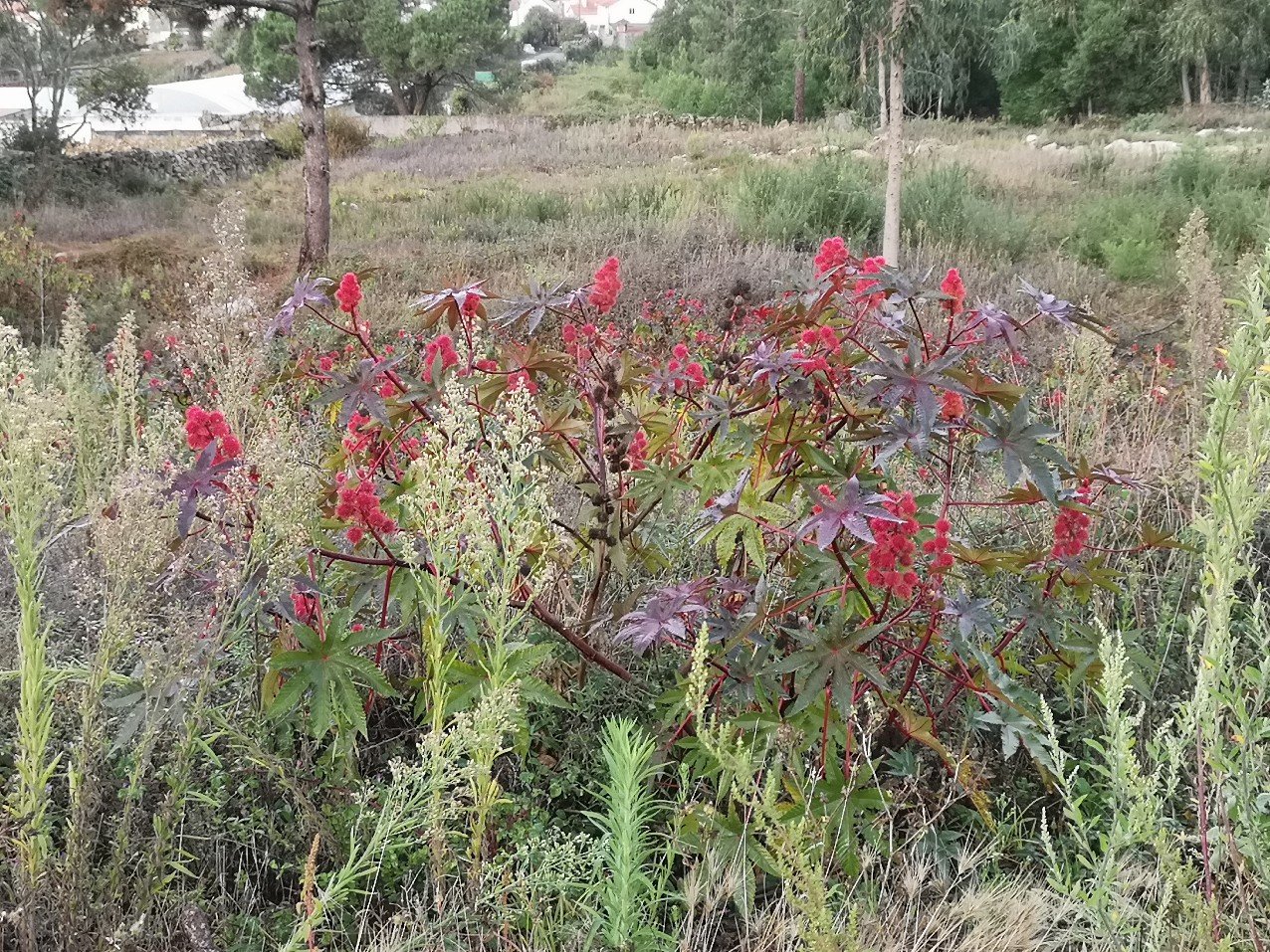
Castor oil plant, ricinus communis (because it’s red?)
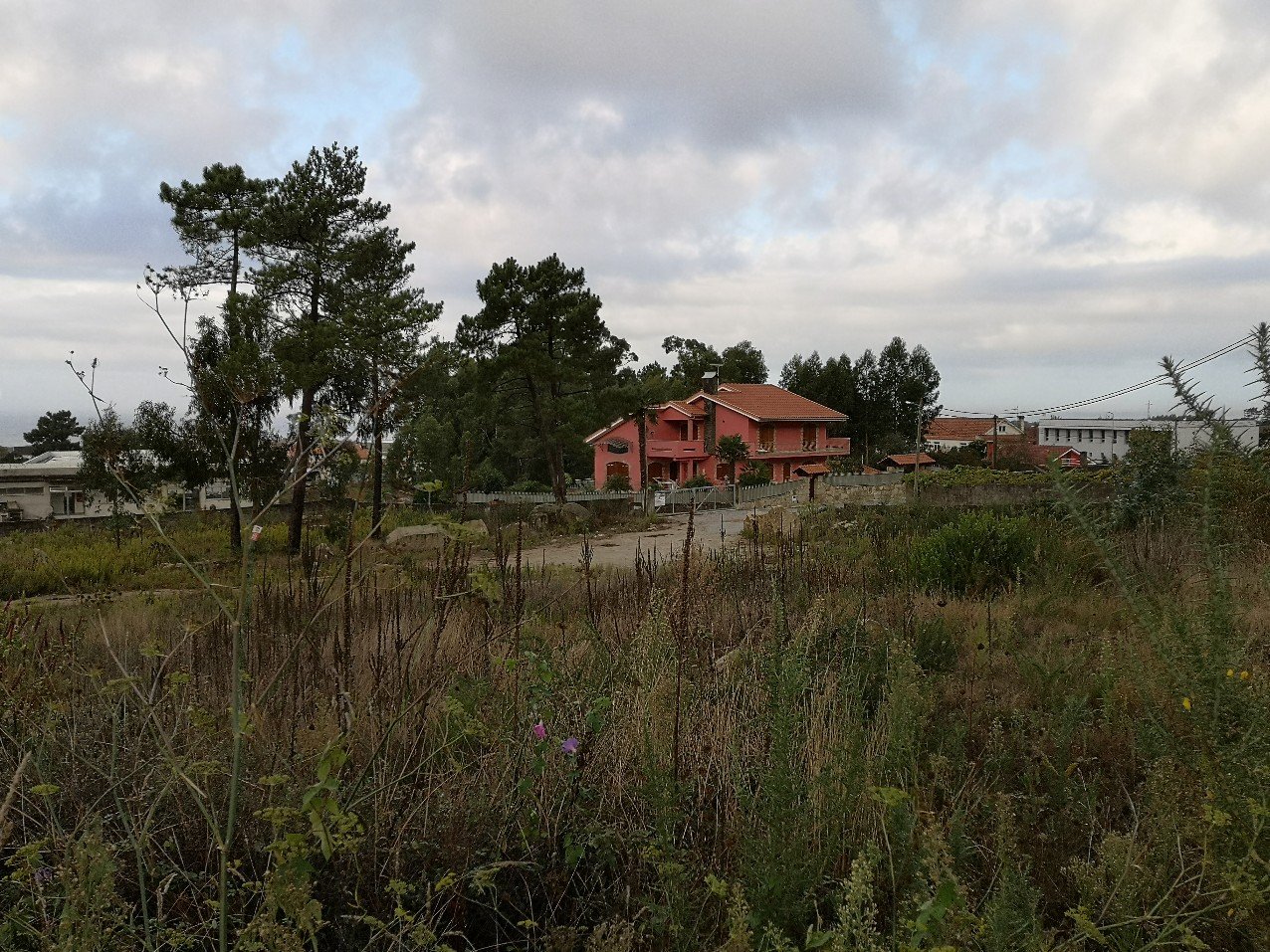
A typical Portuguese dwelling in the distance
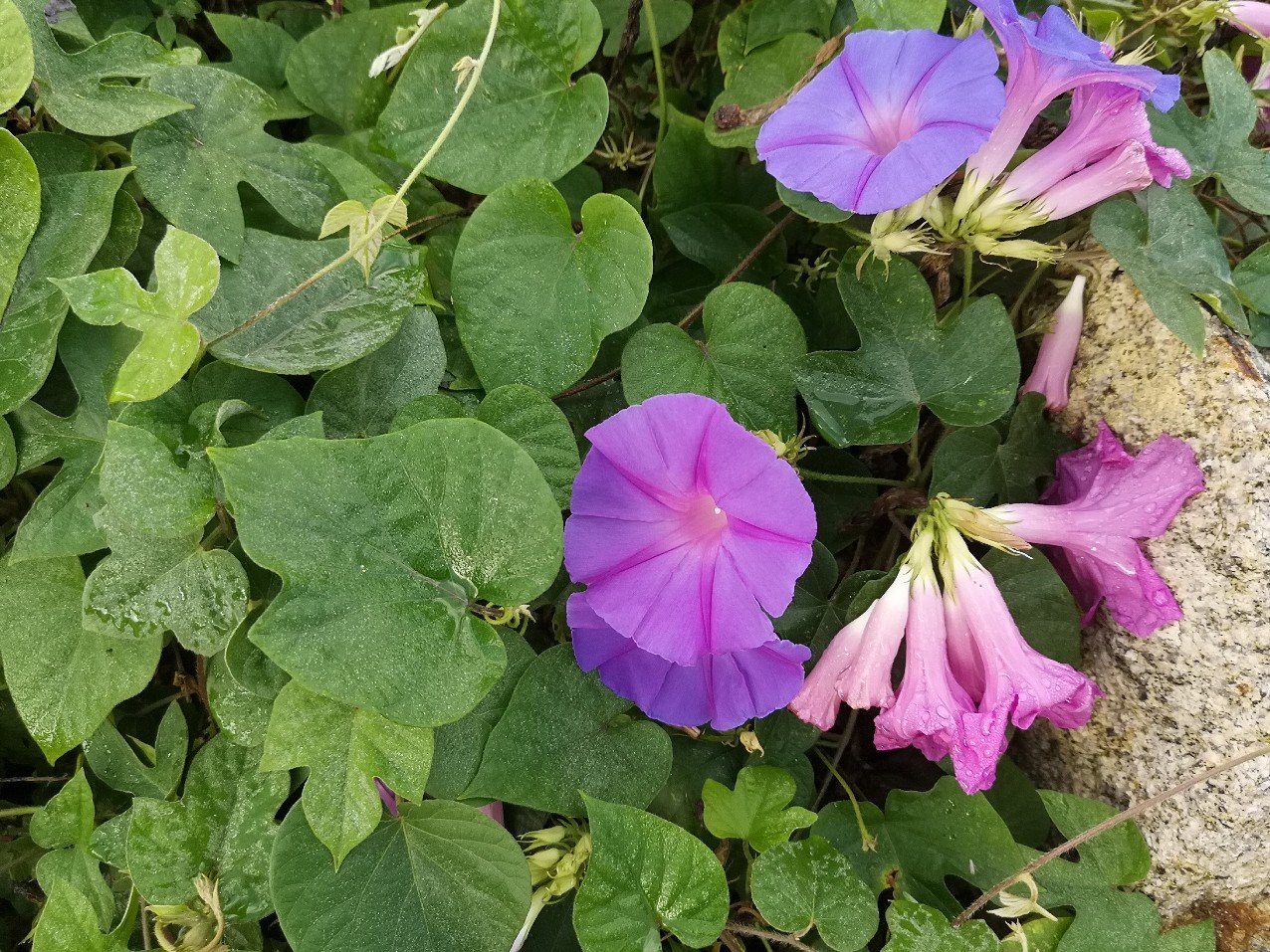
Morning Glory (Ipomoea)
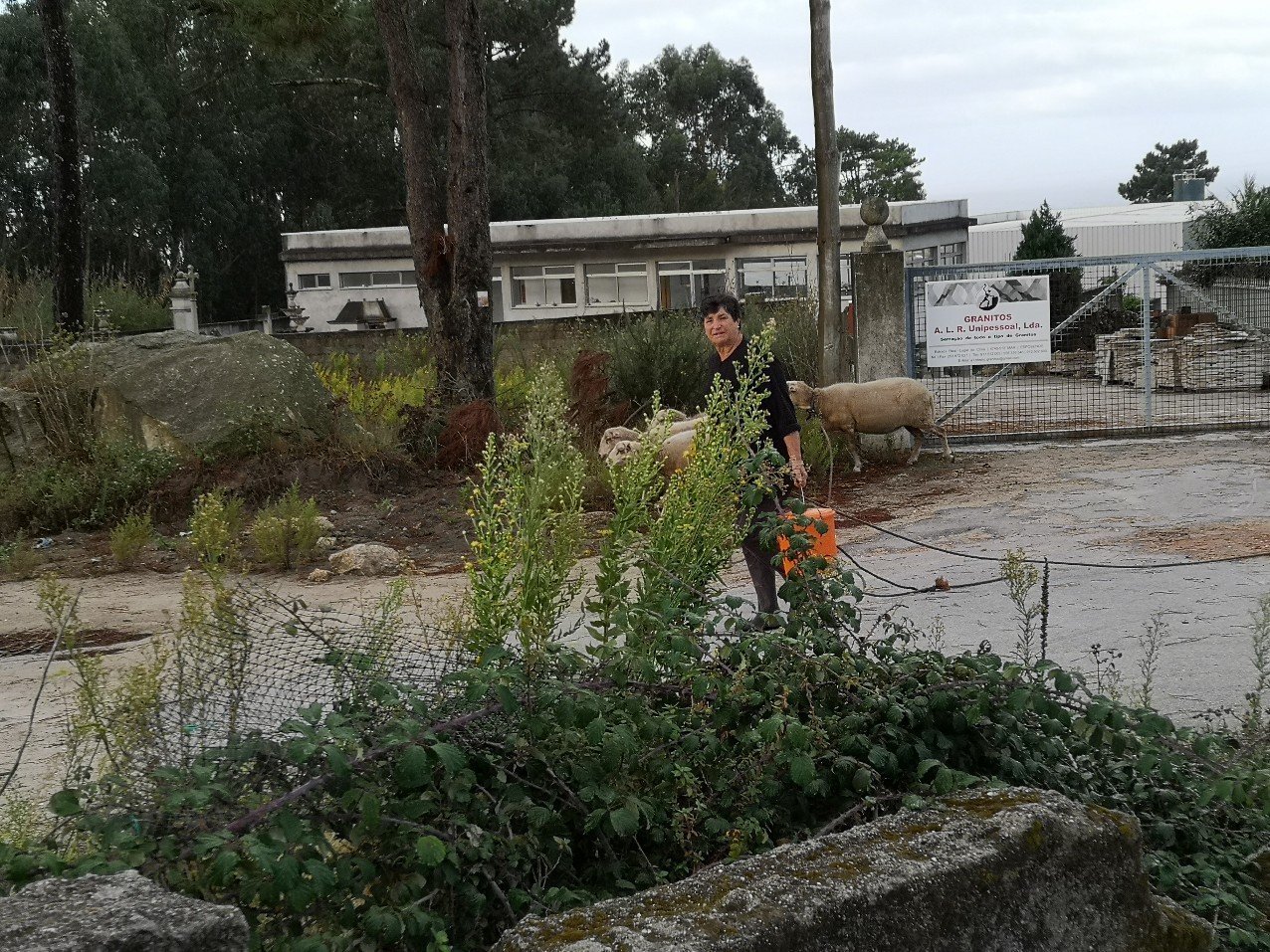
A woman leading goats to pasture
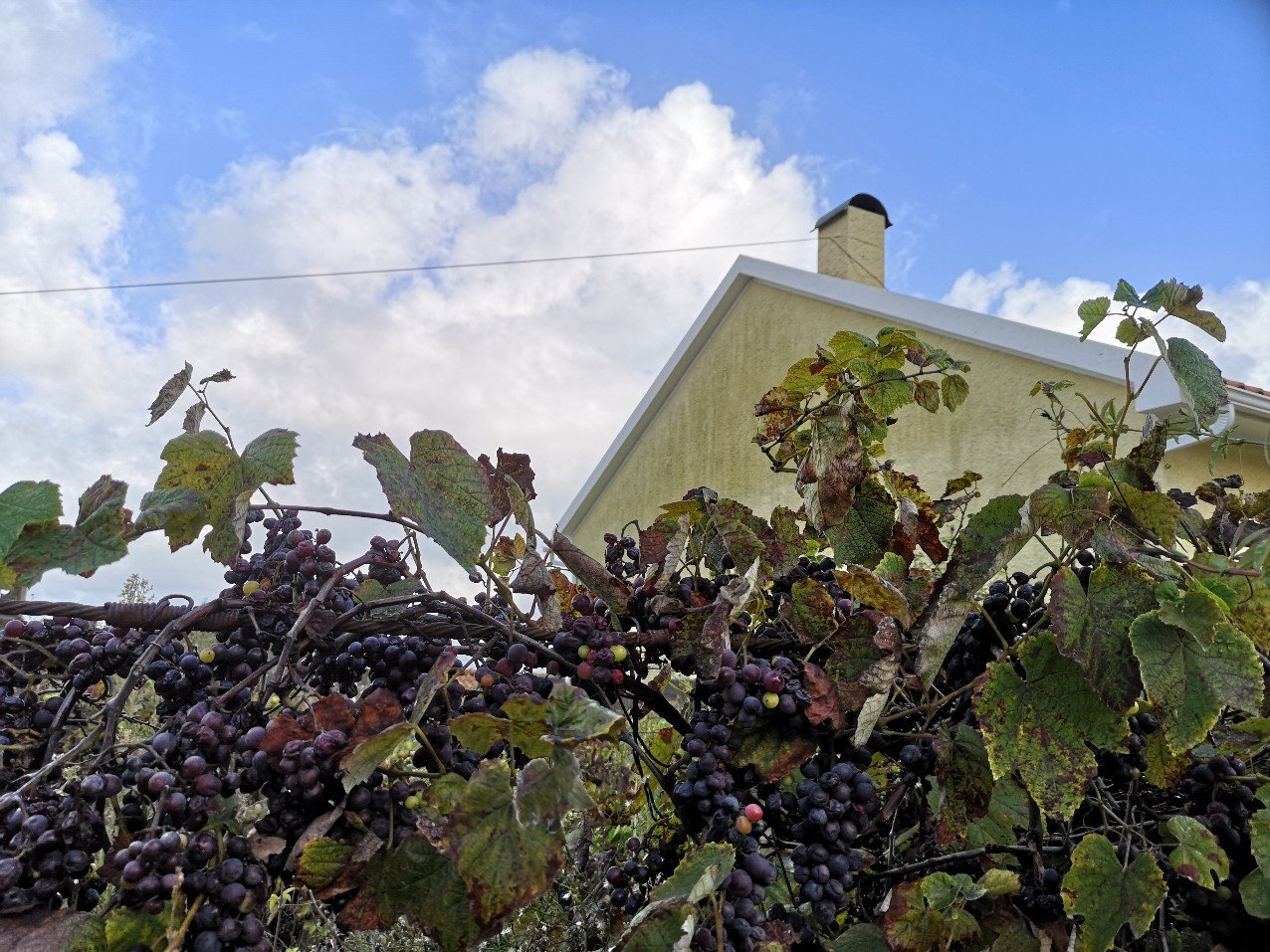
The grapes were being harvested all along the way and as many hung over the edges of the fences and supports, I sampled a rich and lucious few!
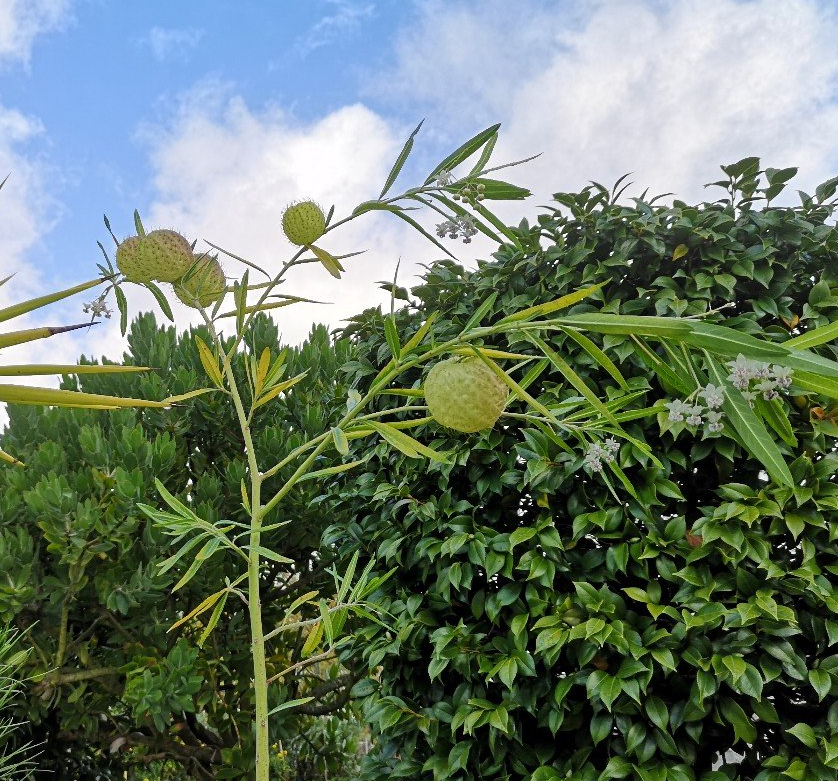
African Milkweed (Gomphocarpus physocarpus) also known as hairy balls milkweed! If you look closely, you will see that there are small pale, milk-white flowers at the end of the stems. It attracts the Monarch butterfly in Australia and Madeira
I am reliably informed that this plant is one of the food plants for the Monarch Butterfly, in Australia. They prefer this, and another alien, over the native milkweeds.
Igreja do Sao Pedro Fins (Peter), Belinho, Portugal
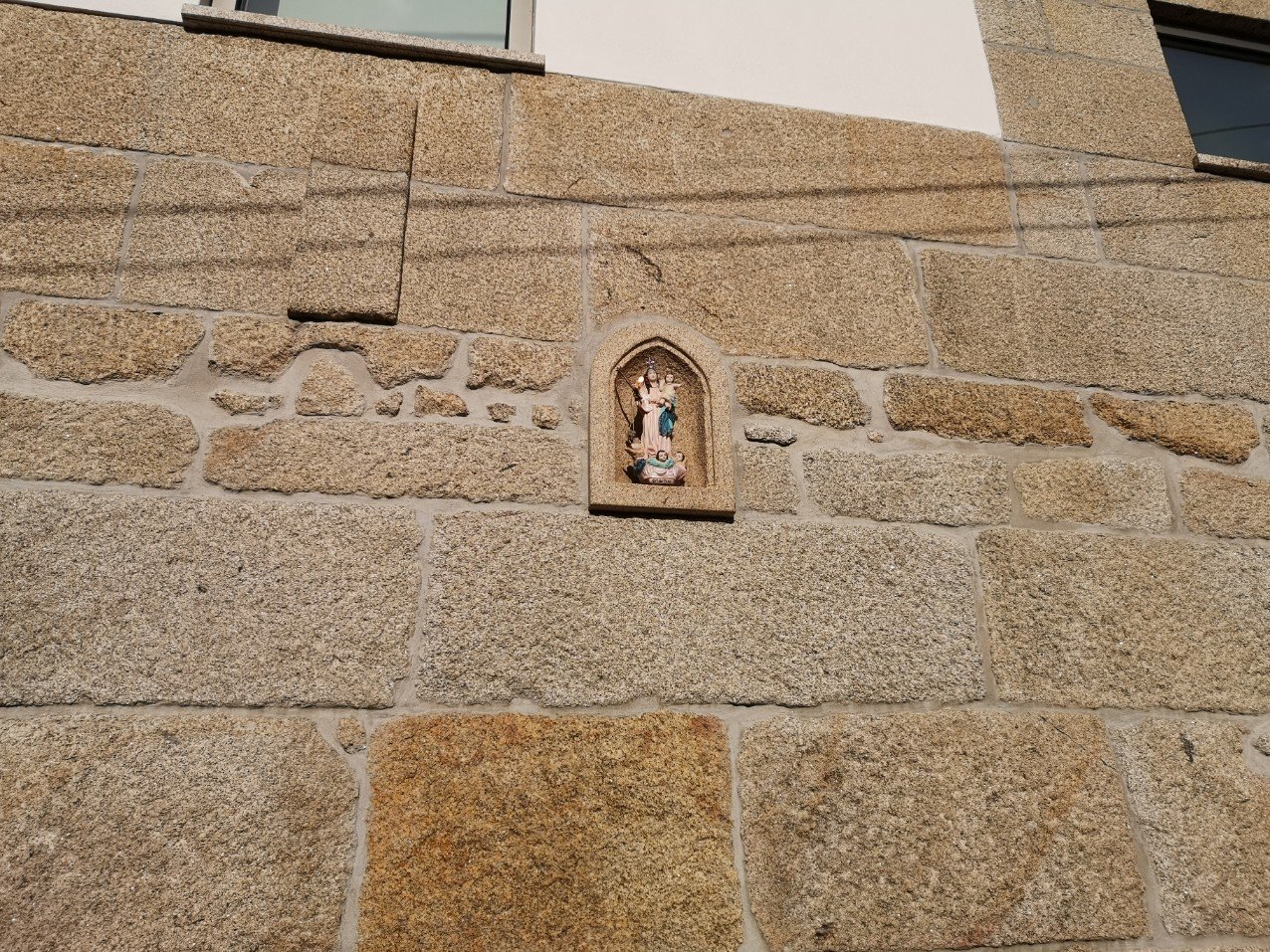
Virgin and Son with 3 supplicating little ones at her feet, Igreja do Sao Pedro Fins (Peter), Belinho, Portugal
Capela de Nossa Senora dos Remedios, Estrada, Braga, Portugal
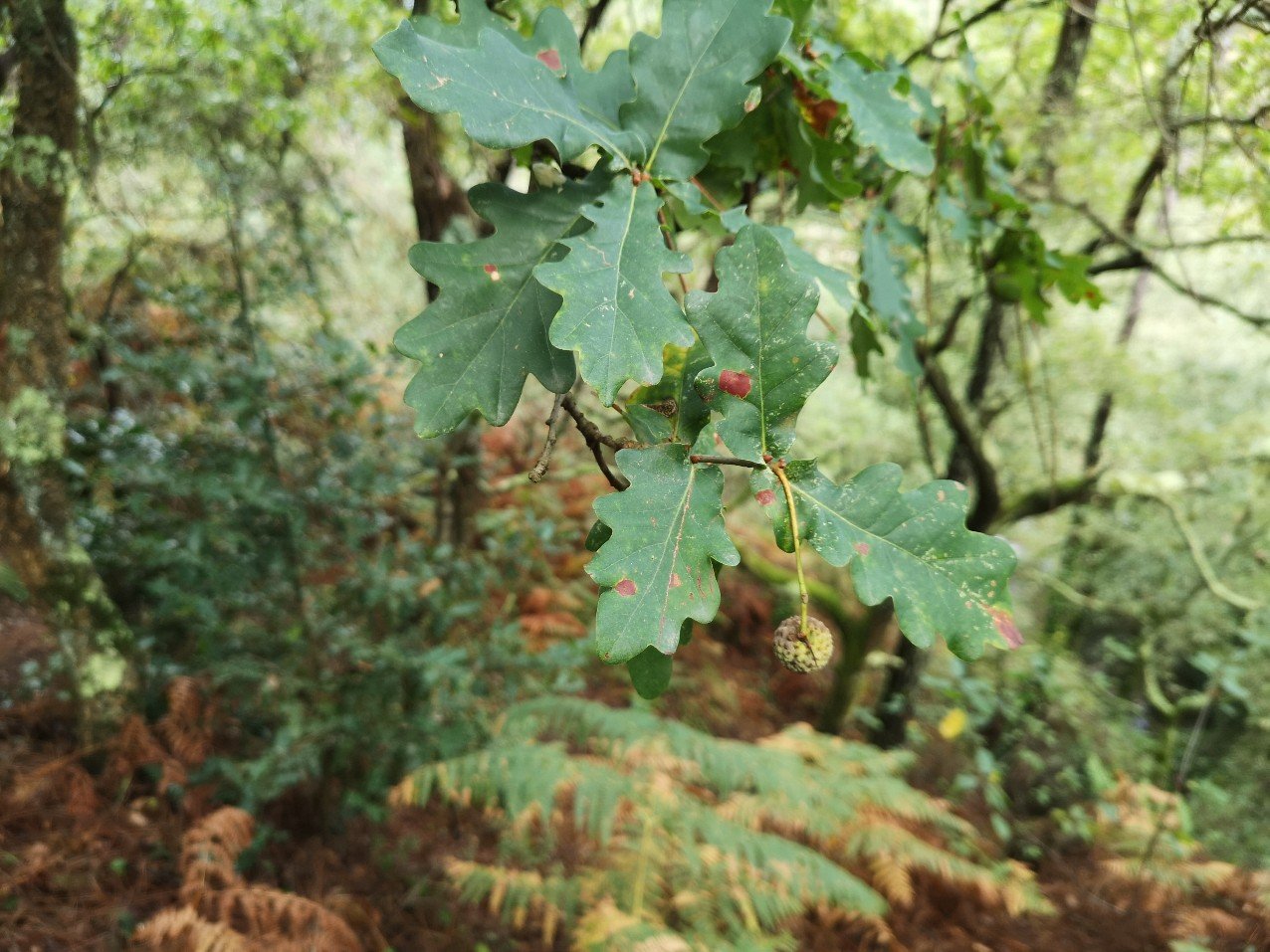
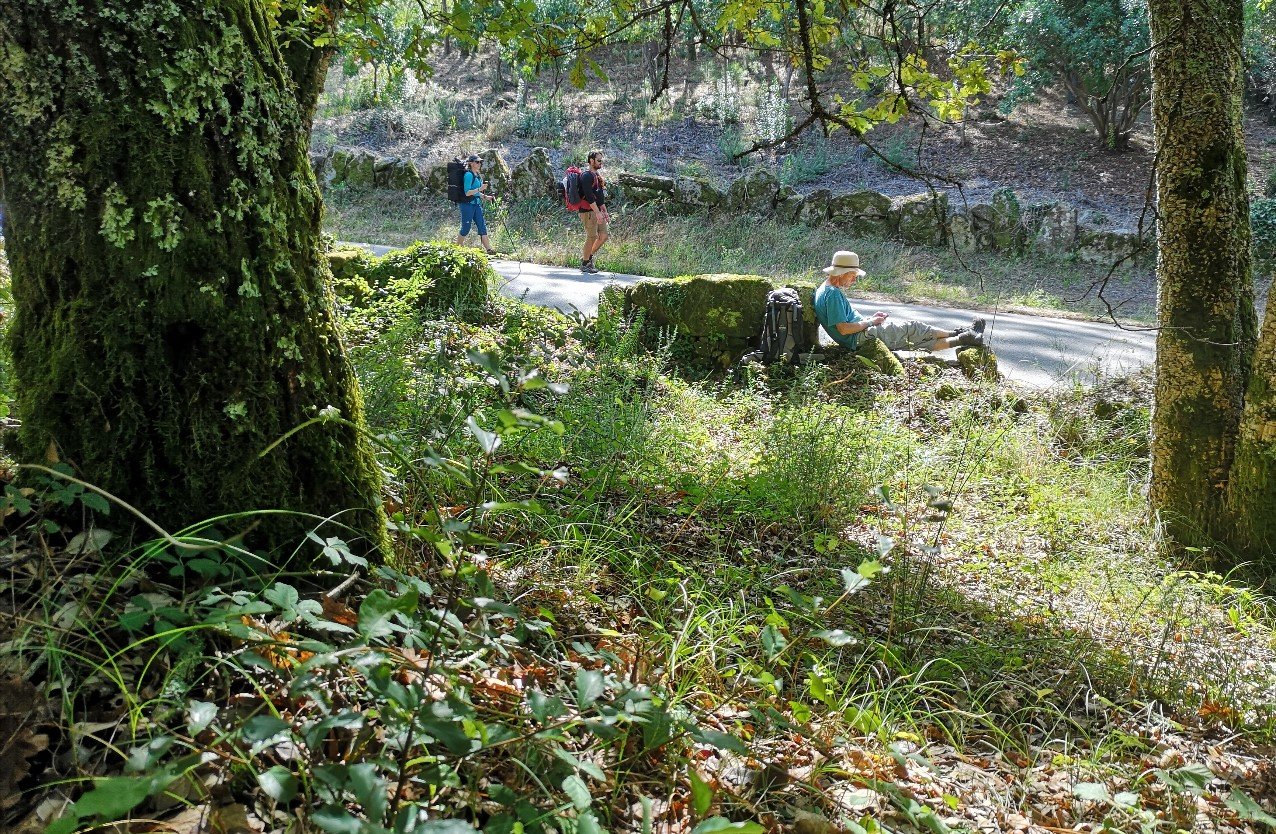
Into the Oak (Quercus) woods
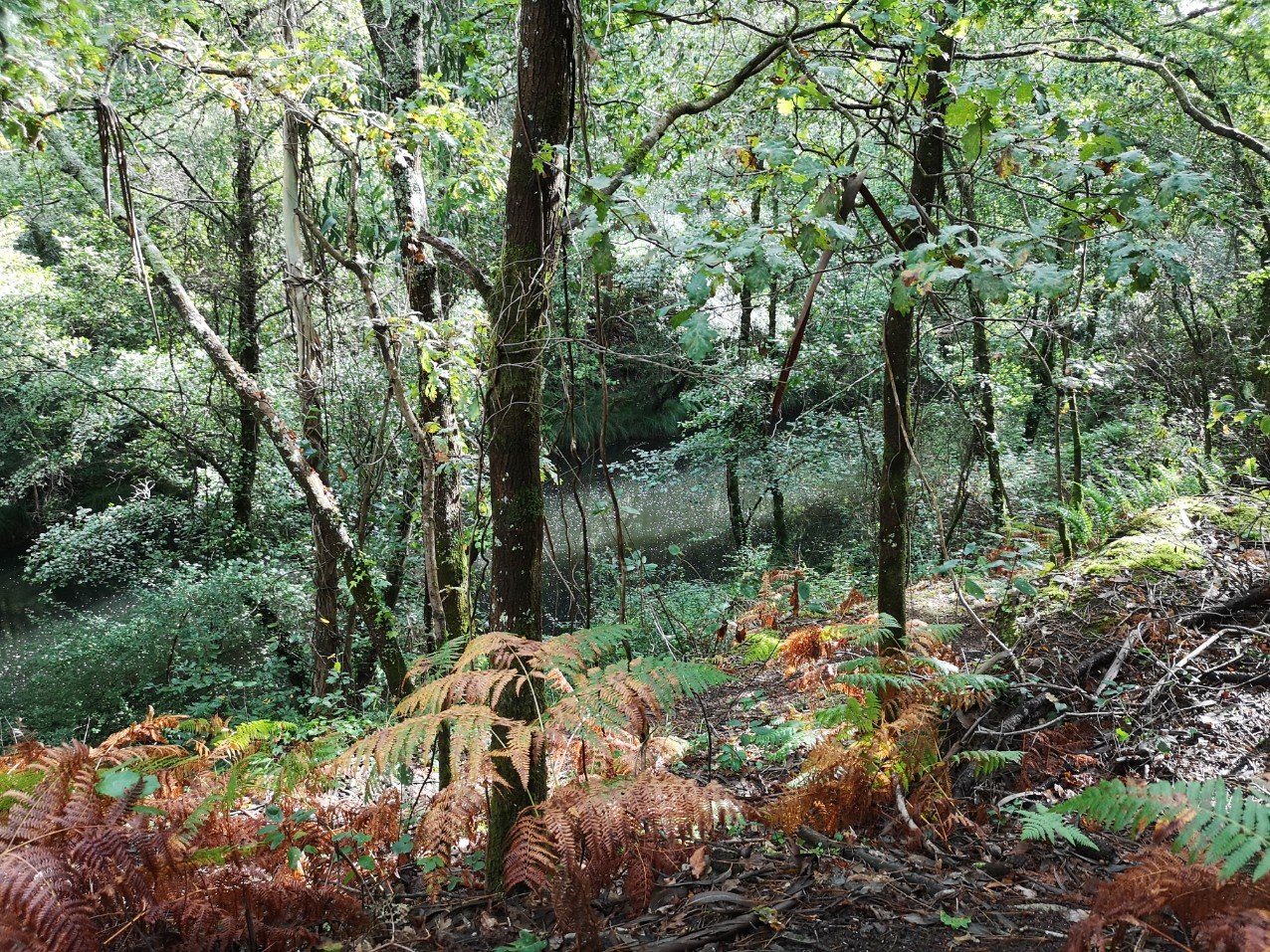
The bracken (ferns) were starting to turn brown, but it smelled fresh and woody
At some point in these beautiful woods I made a long steep climb behind a man who was walking fast
The way was made up of large boulders and unevenly sized stones, some wet. I went fast to keep up with the man in front which was exhilarating, but I wonder if this is where I twisted my ankle without quite noticing.
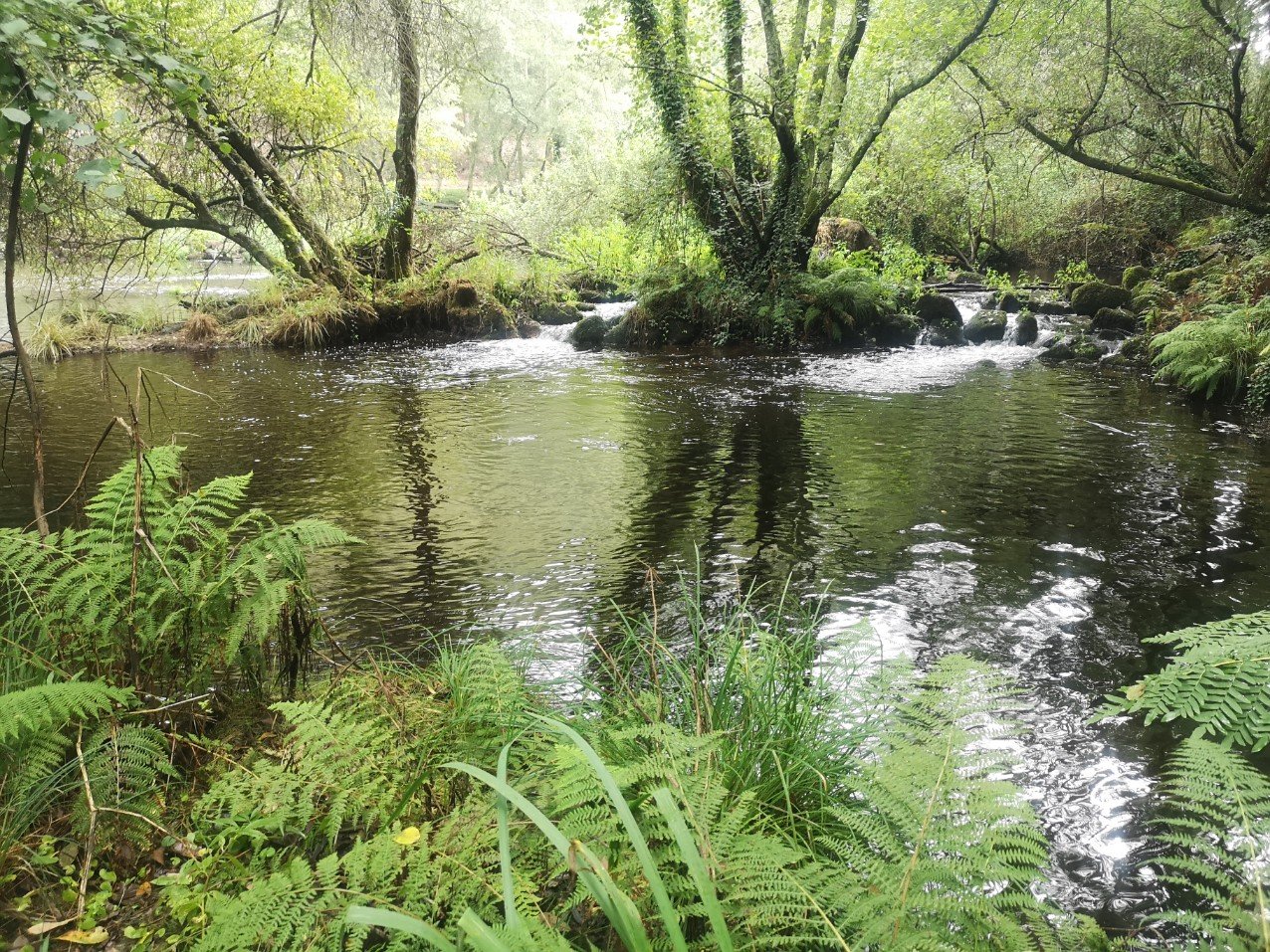
There were pools of inviting water, so down went the rucksack, off came the clothes and oh! it was so refreshing
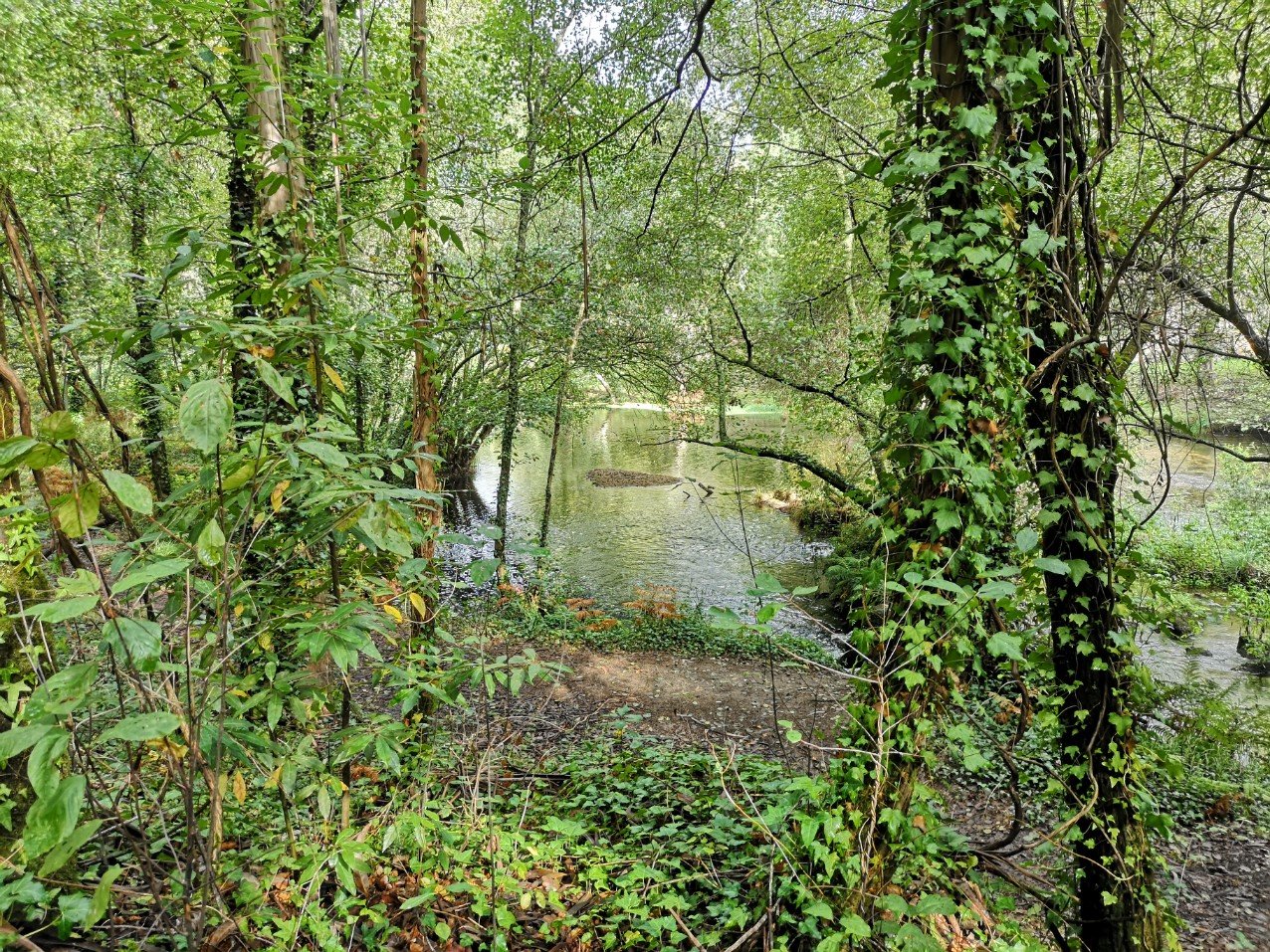
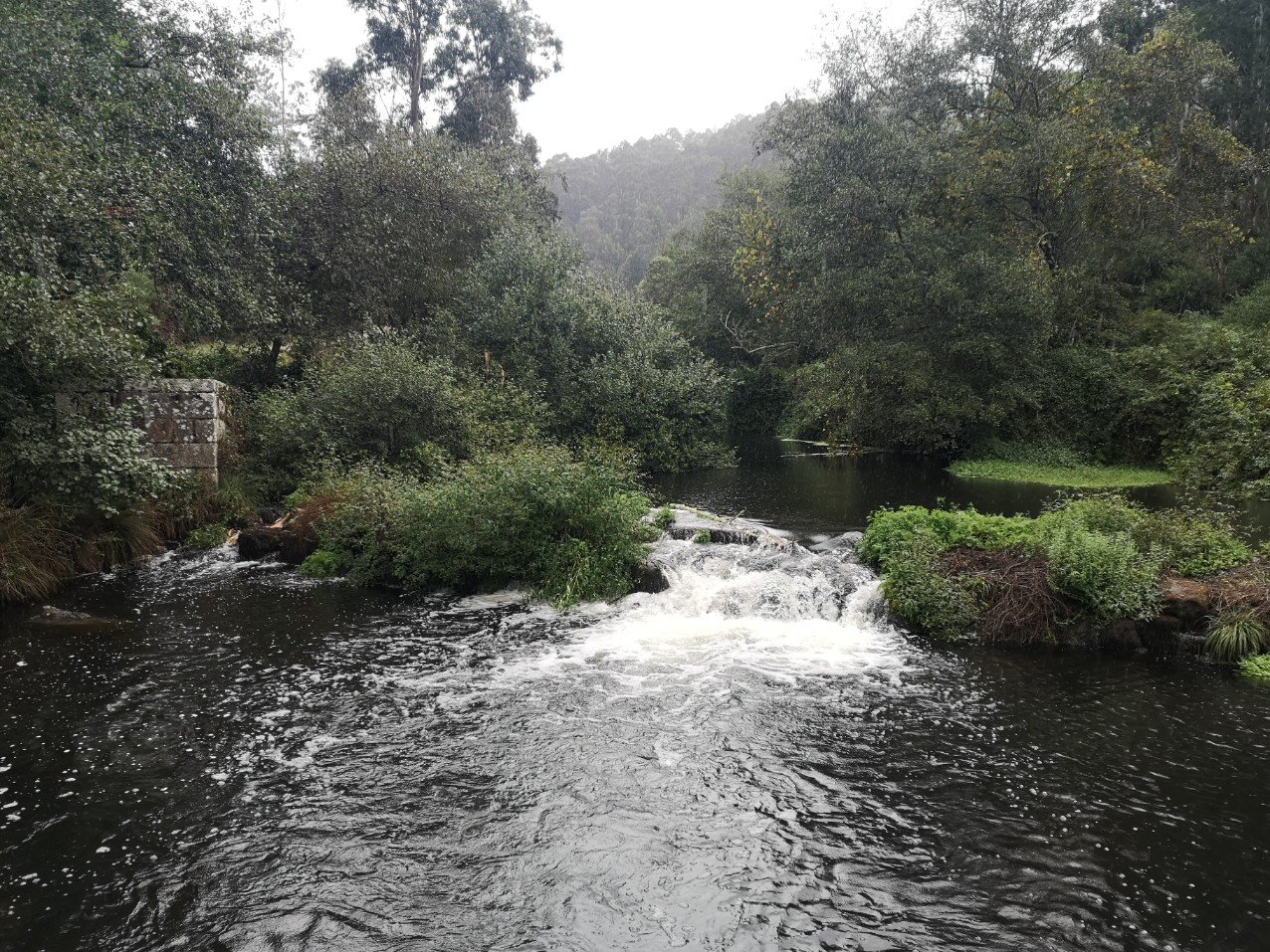
Idyllic setting
Water ways Portugal
And then the heavens opened. Before I could find a place to stop and take my backpack off to cover it and myself (even though I had, minutes earlier, been immersed in cool waters), I was soaked through. It was torrential. And steep, uphill. At the top I sheltered in a bus stop and watched the rain running down in torrents. More and more pilgrims joined me in that tiny space. There was a mobile shop on the Green opposite, but it was a bar – alcohol only, no hot drinks.
Igreja Sao Pedro (Peter), Belinho
However, the clouds rolled away and I steamed quietly as I walked into a sunnier landscape
Mosteiro (monastery) de Sao Romao de Neiva, Portugal
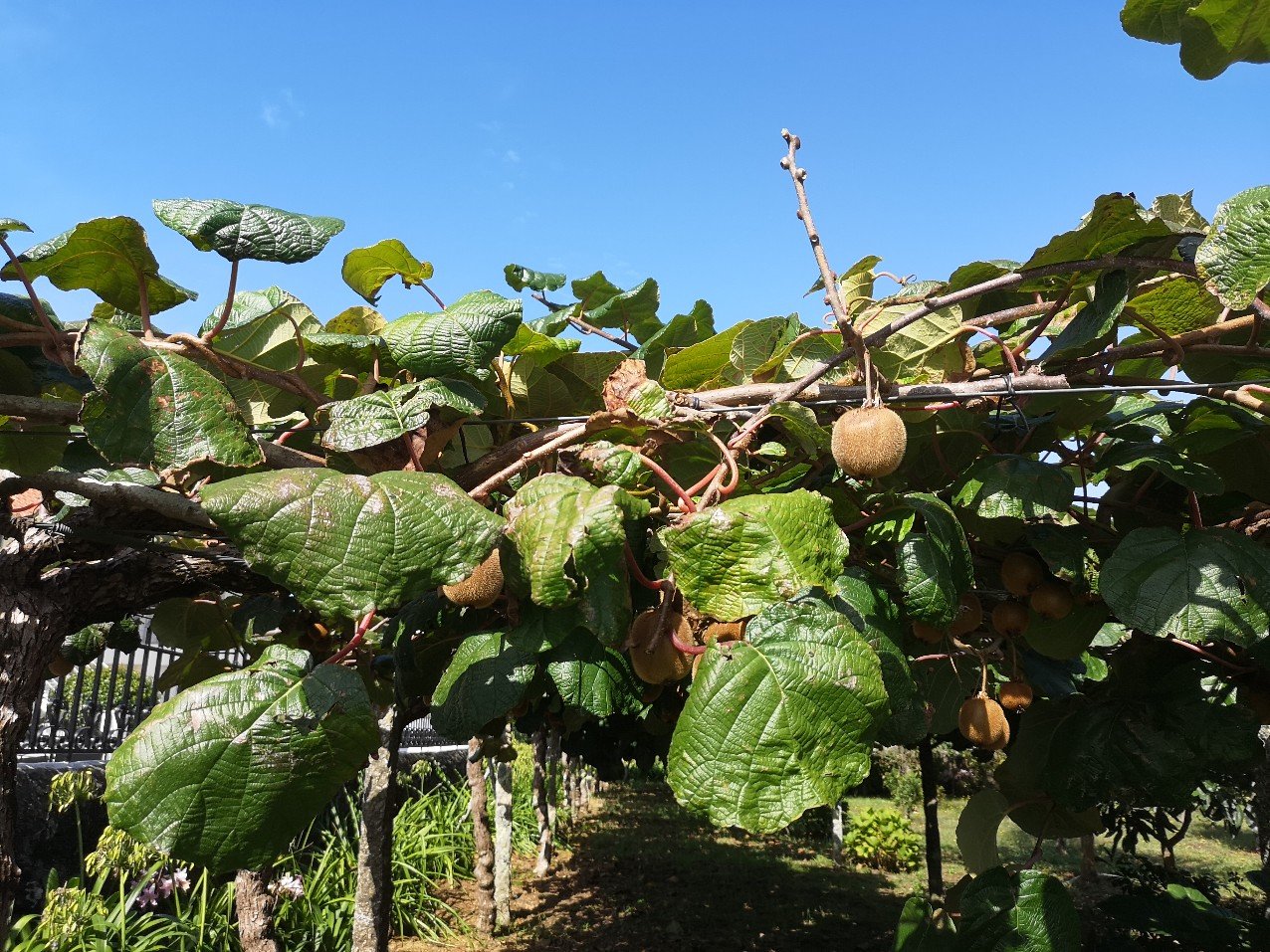
Kiwi fruit (Actinidia deliciosa) hanging from their vines
Despite their appearance, I was assured that they would not be ripe for eating until December at least.
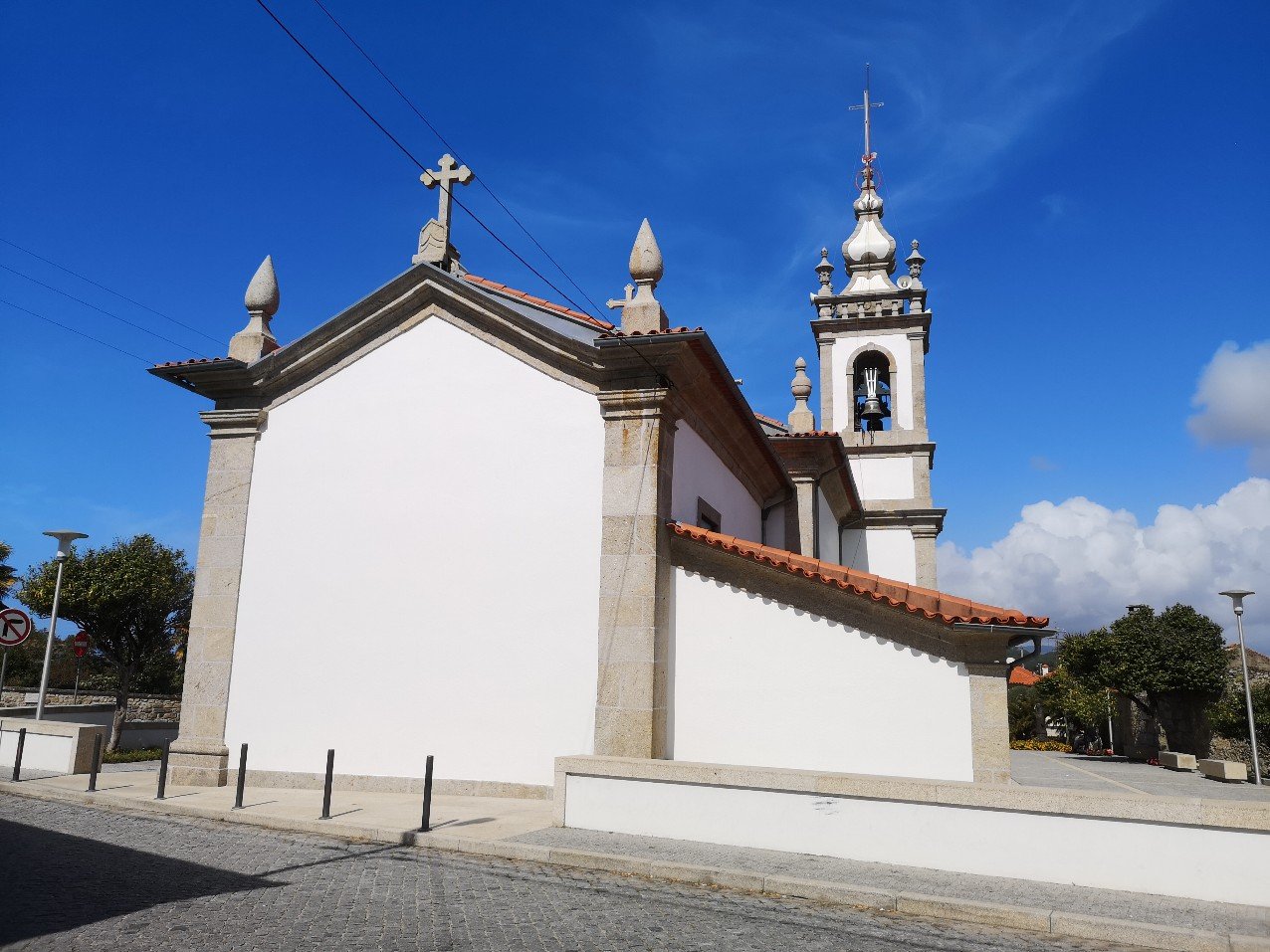
Igreja Parochial de Chafe, Viana de Castelo, Portugal
A long downhill stretch beside resting pilgrims
The way into Viana do Castelo is across the Limia via a long, metal bridge. The hikers share it with the vehicles, although there is a narrow shaft where we walked. I could see the water’s of the Lima River far below through the grid I walked on, each step clanging loudly. The width of one person, there was no possibility of stopping to rest and, as I was limping by this time I must have slowed because I was aware of a queue of others behind me, all having to go at my pace. I kept doggedly on with no choice.
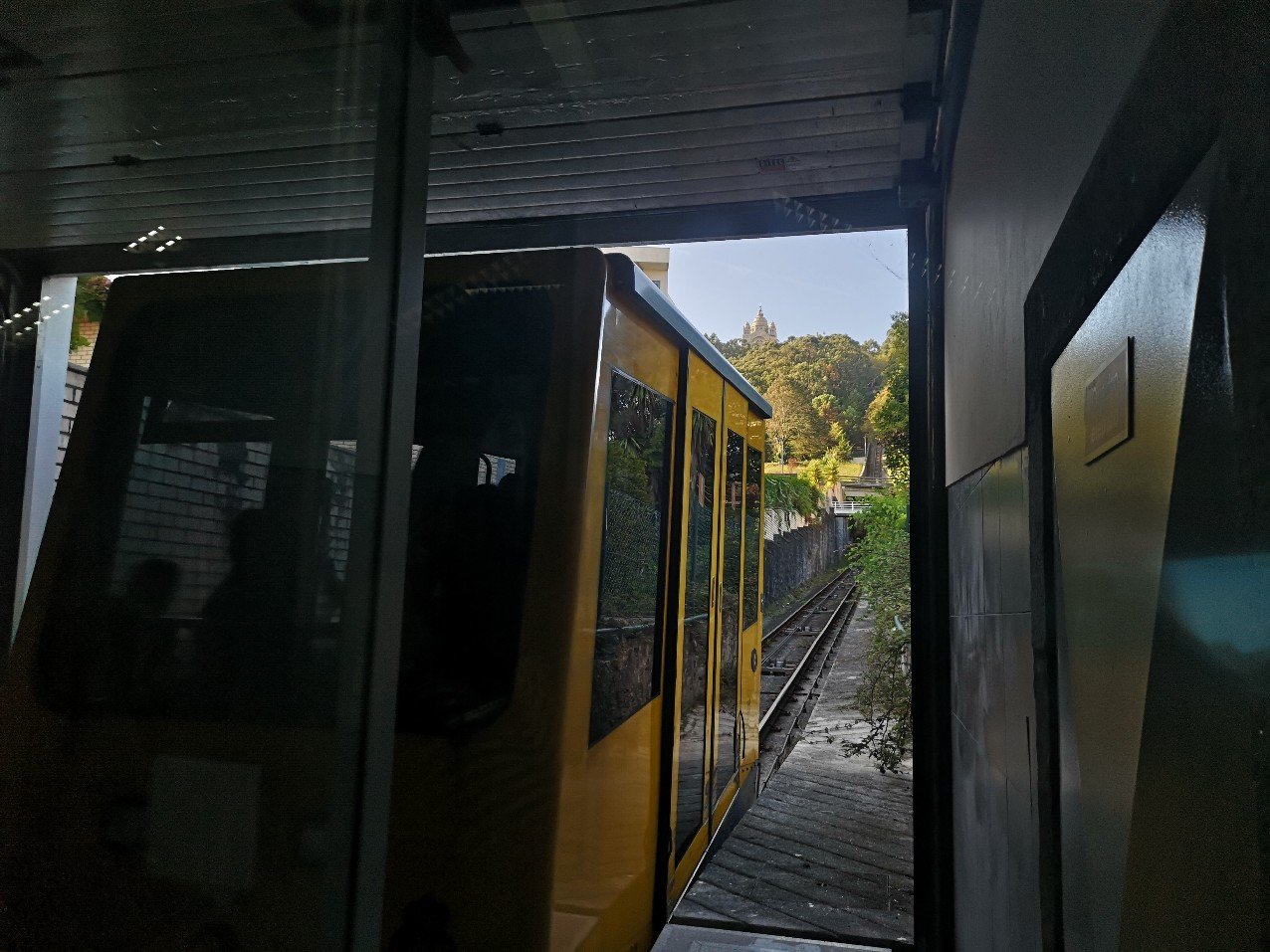
Funicular up to the castle, Viana do Castelo, Portugal
I allowed myself to be persuaded to take an extra trip that evening despite my sore feet. What a mistake! Although the sights were inspiring, my physical health suffered and I paid for it for many weeks to come.
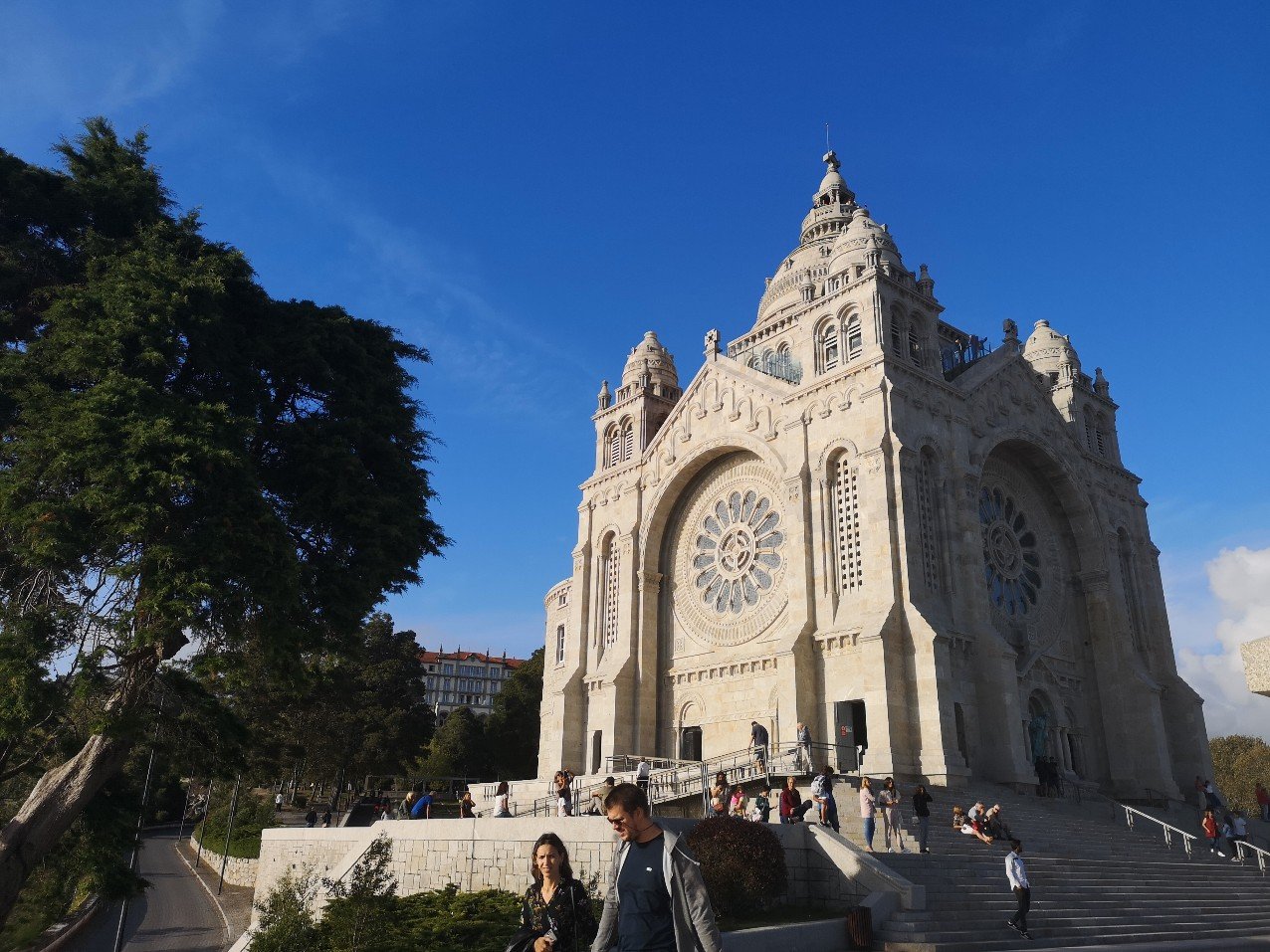
Sanctuary of Santa Luzia, Viana do Castelo, Portugal
Designed by Miguel Ventura Terra, this church venerates St. Lucy of Syracuse.
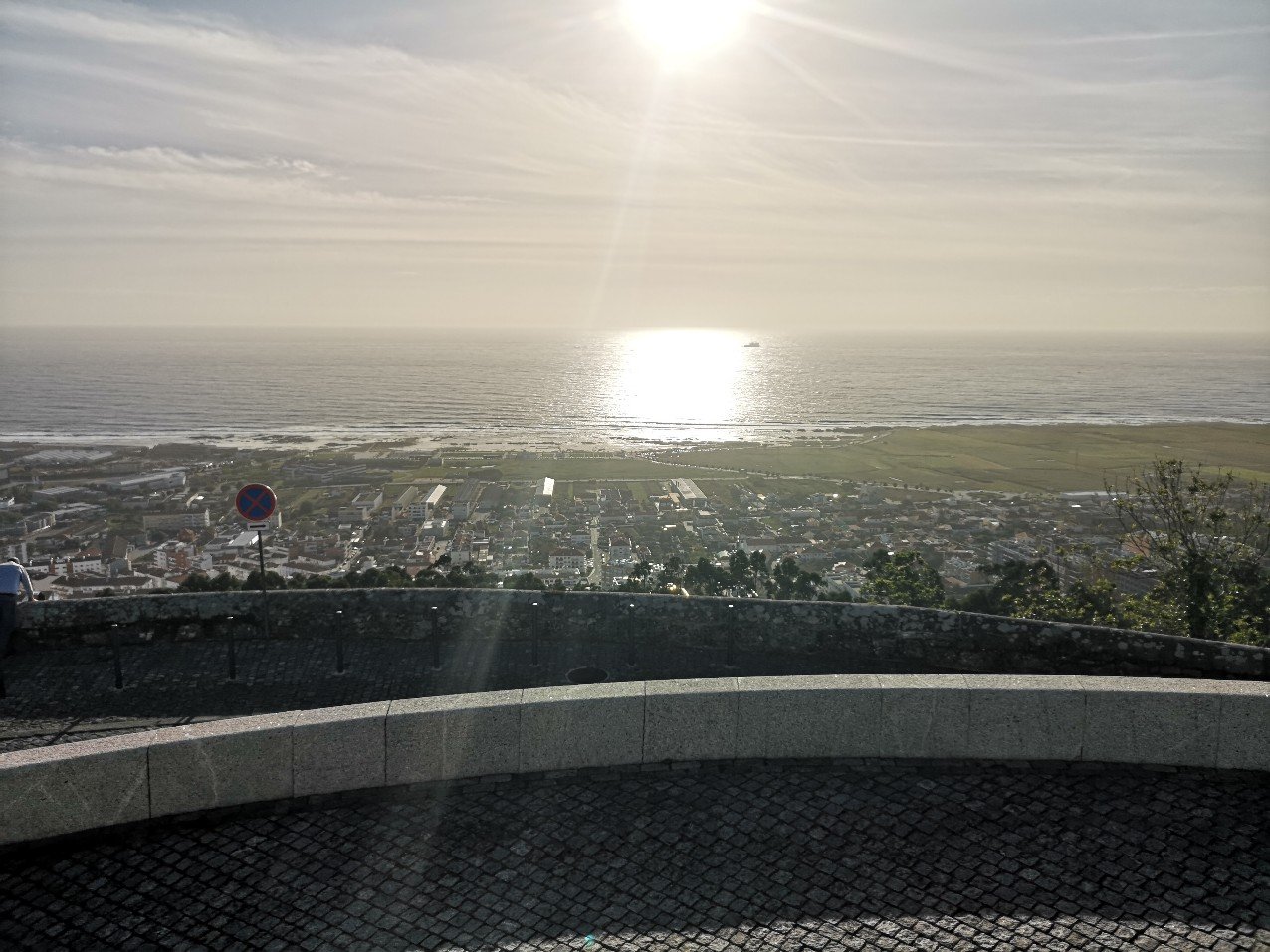
View of the Atlantic Ocean from the top of the hill, Viana do Castelo, Portugal
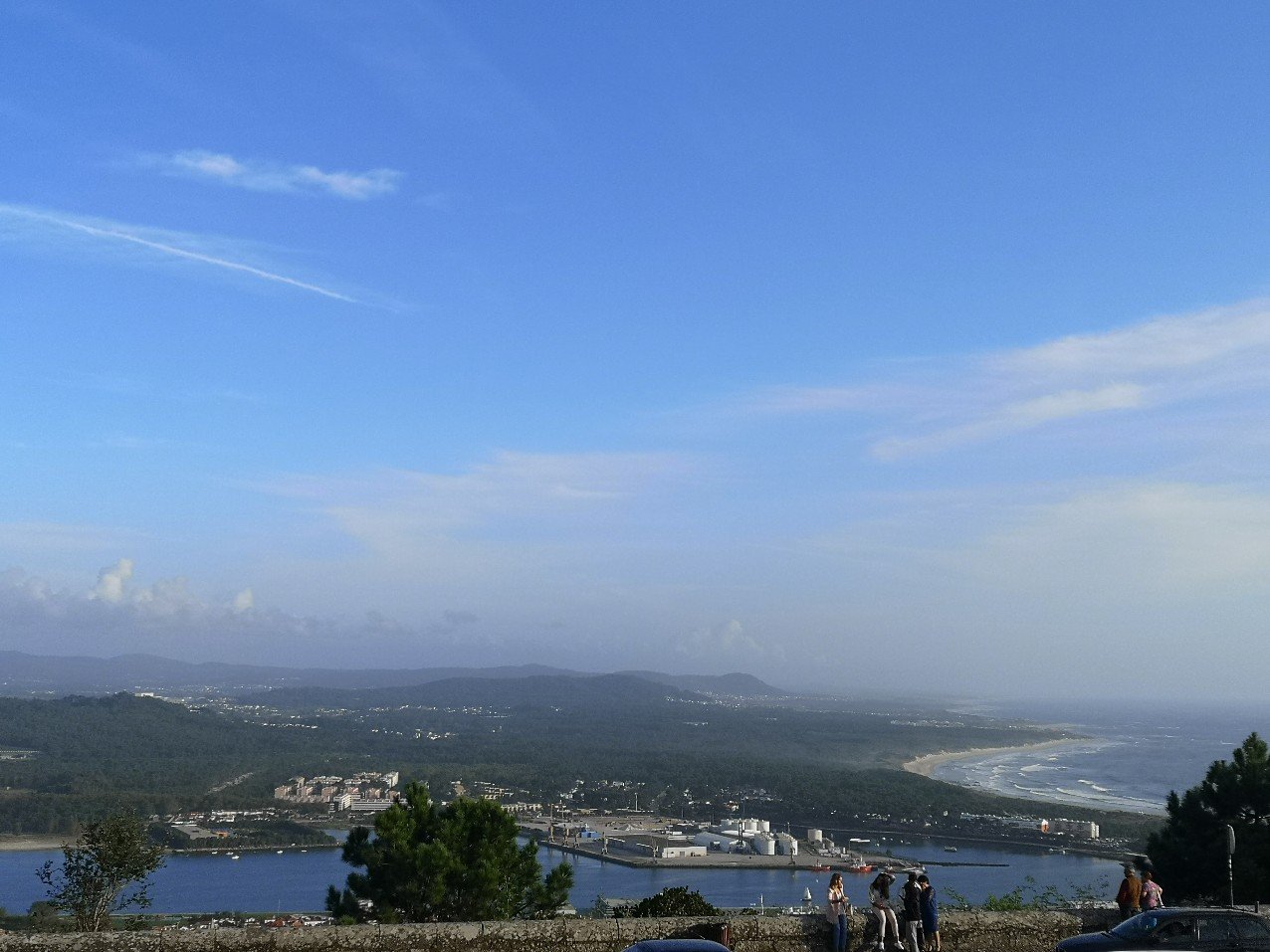
Another view, this time of the River Lima and southwards from where I had come to Praia (beach) do Cabadelo, Viana do Castelo, Portugal
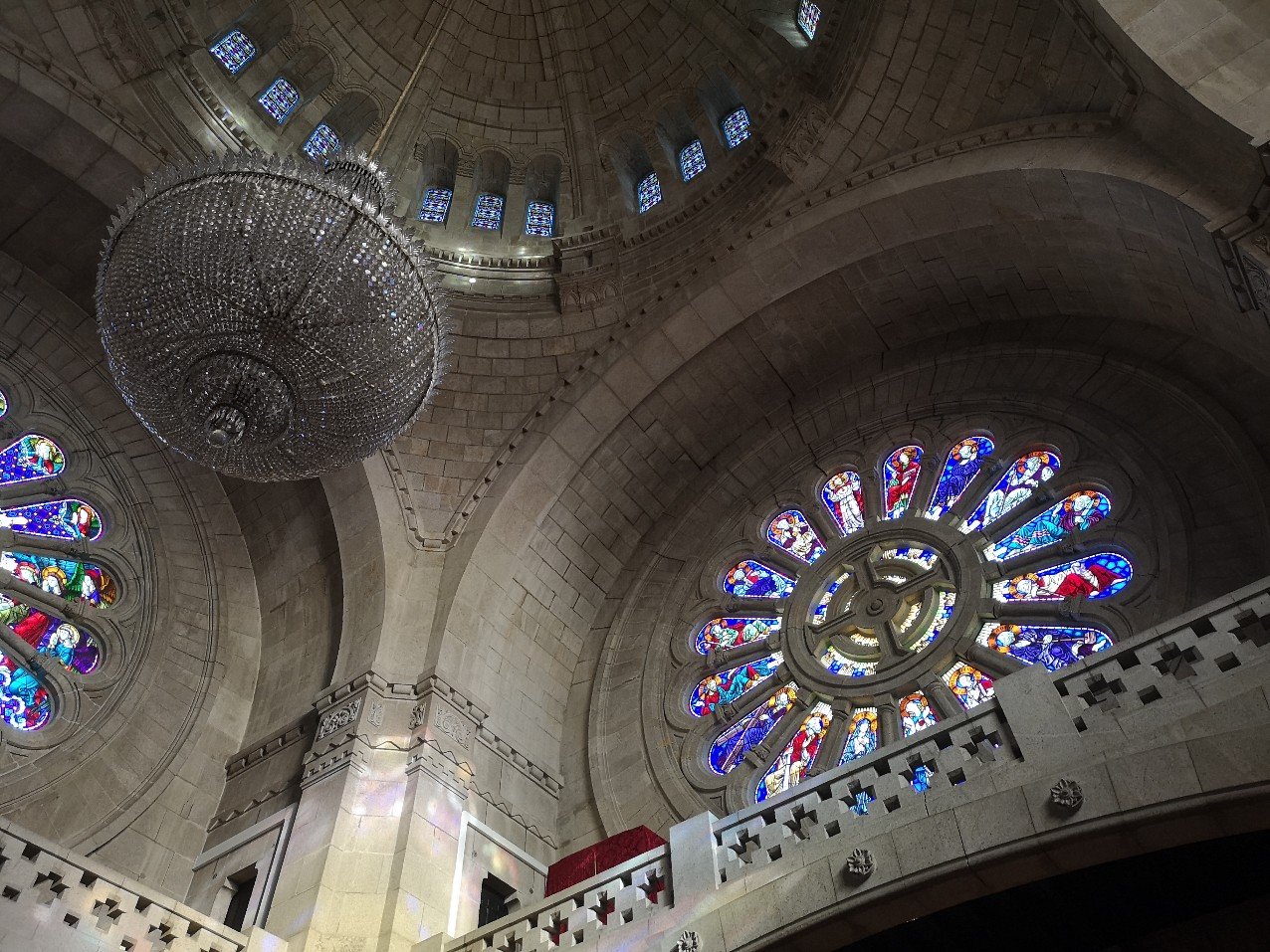
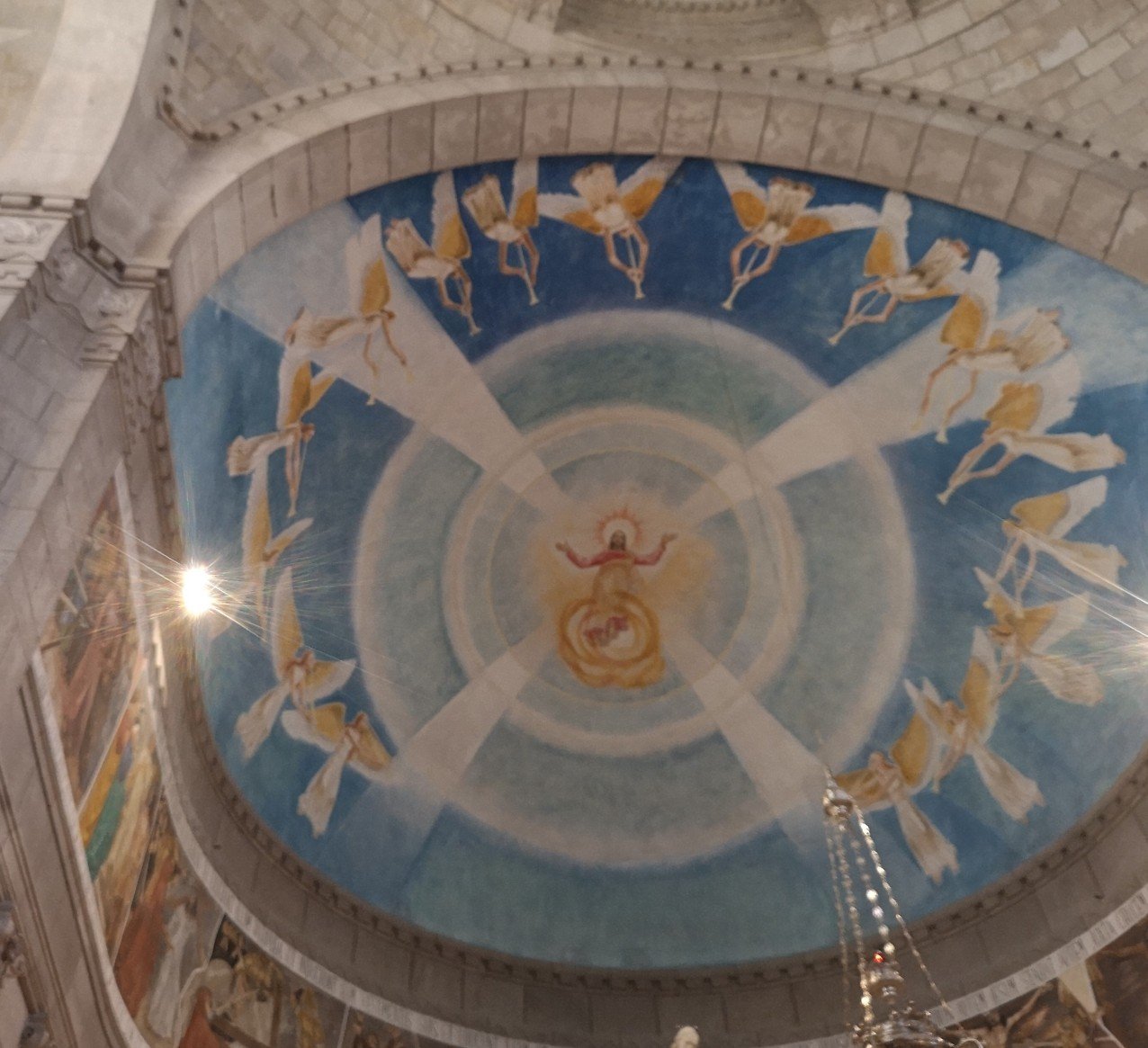
Inside the Sanctuary Santa Luzia, Viana do Castelo, Portugal
The stunning dome of the Sanctuary Santa Luzia, Viana do Castelo, Portugal
I am indebted to the people on the houzz.com forum who have an immense wealth of knowledge about plants and are so willing to help.
If you have also walked the Portuguese Camino, did you stay in the same hostels as I did? Please feel free to share your experiences in a comment below.
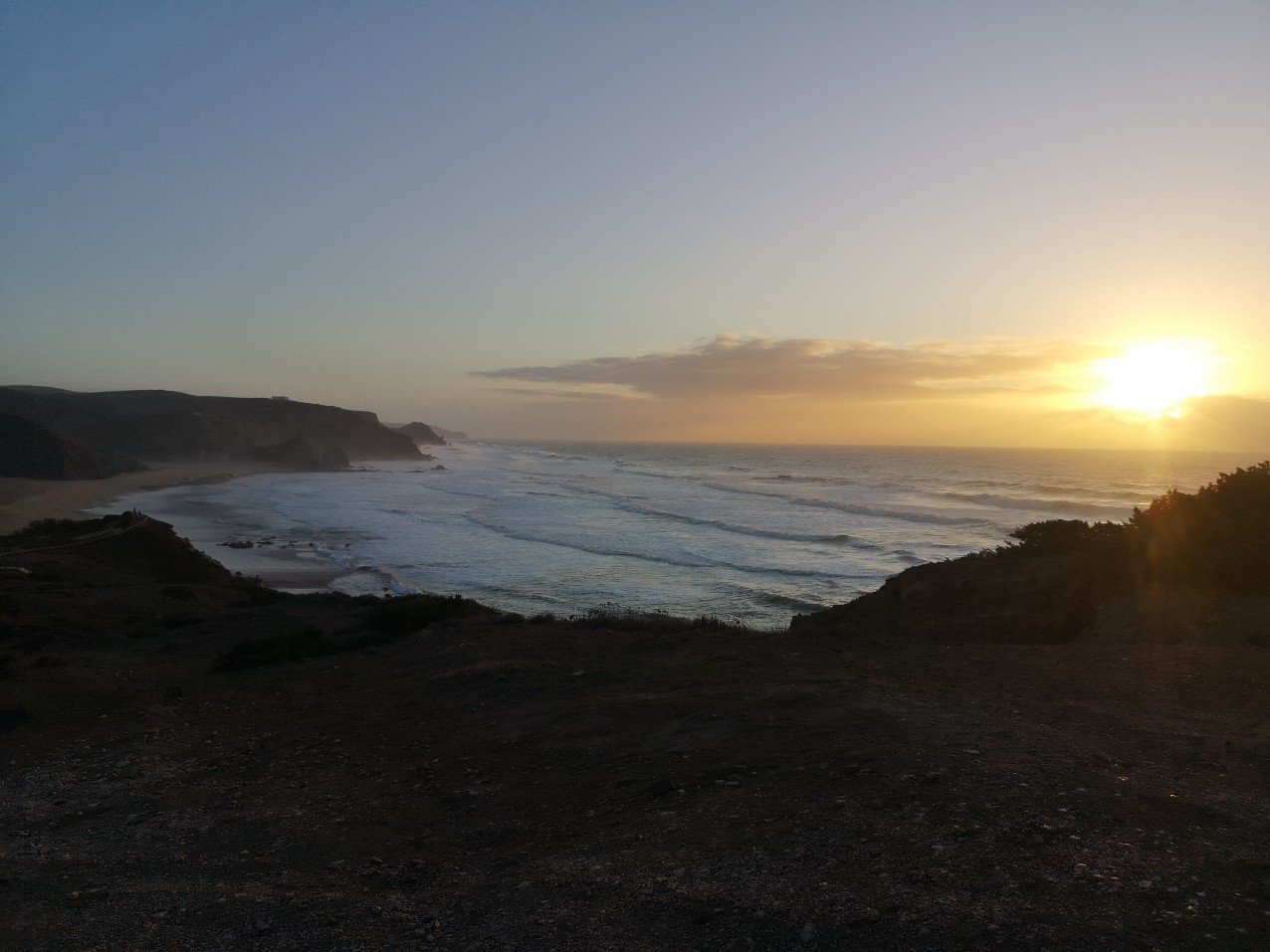
Early November 2019 and there are lots of hikers on this most beautiful Fisherman’s Trail, the Rota Vicentina along the south western coast of Portugal.
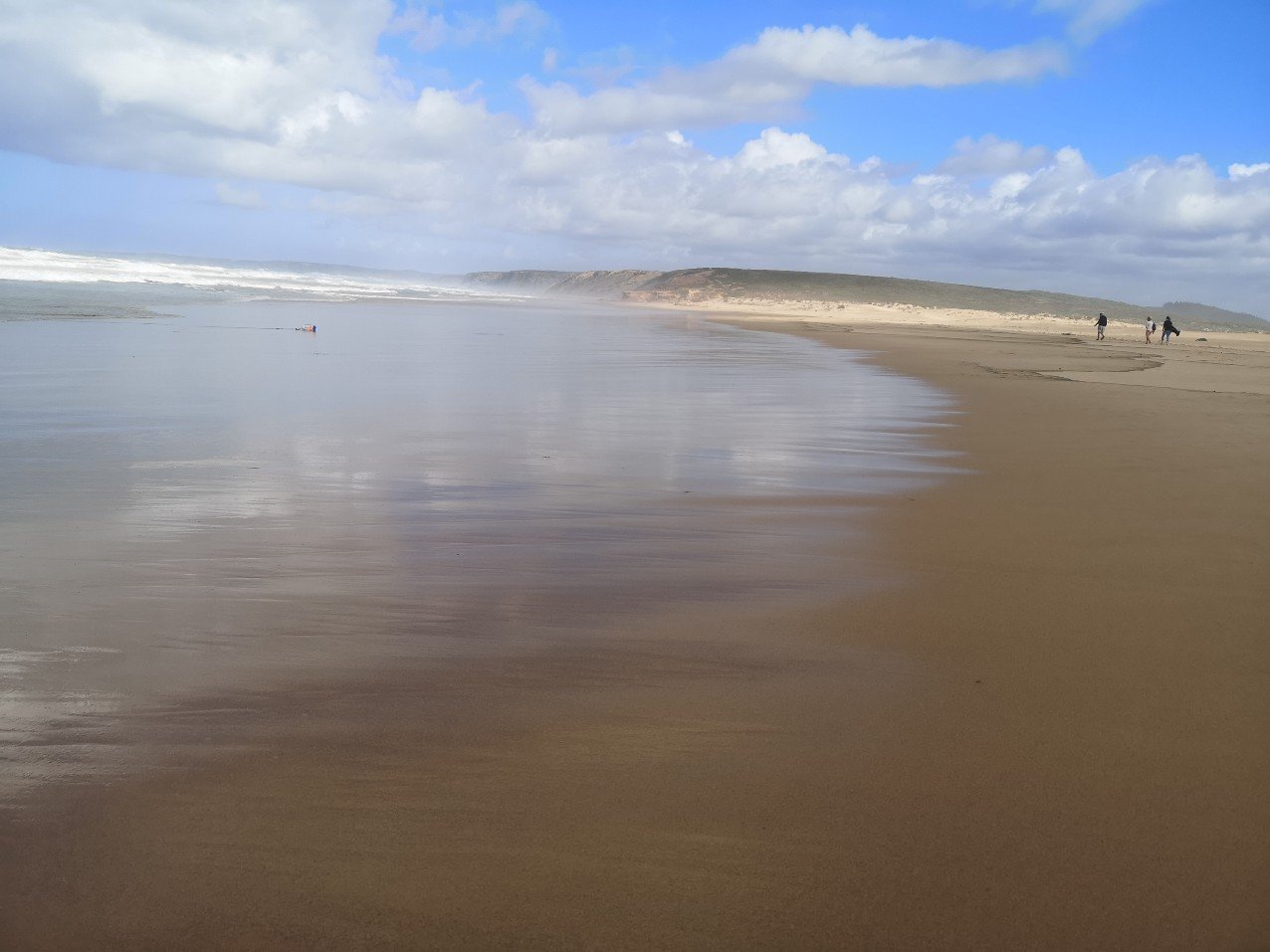
The beach at Zambujeira do Mar
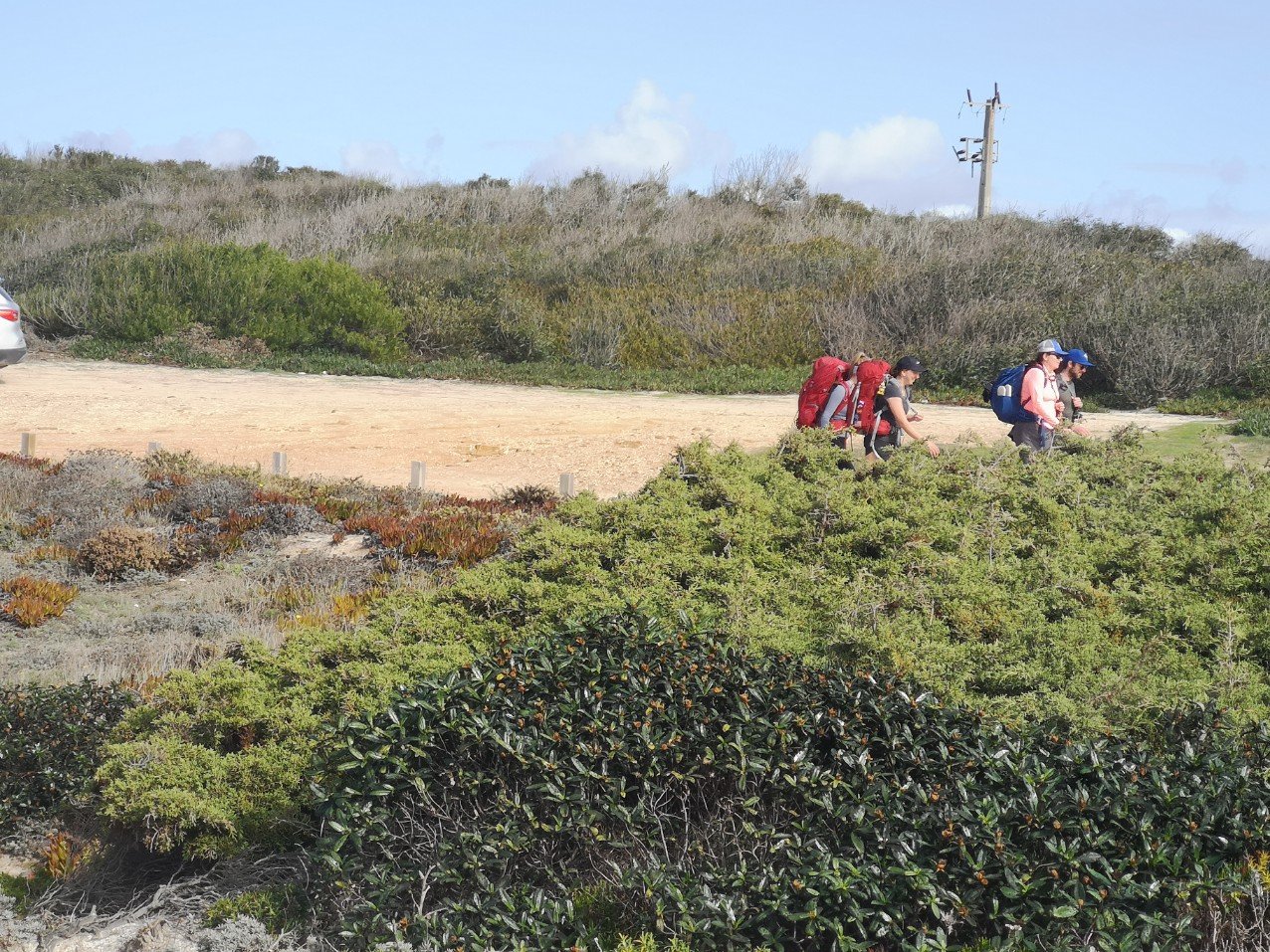
At Cabo Sardao for example, I saw 11 in 5 minutes – in groups of 2, 5 and 4 – something I’m not used to when walking in remote areas alone. A single walker and a pair were spotted this morning on the beach at Zambujeira do Mar. Ranging from German to American, there are walkers’ gatherings in cafes and hostels at the end of each stage, exactly as you would expect on the Camino Frances in Spain.
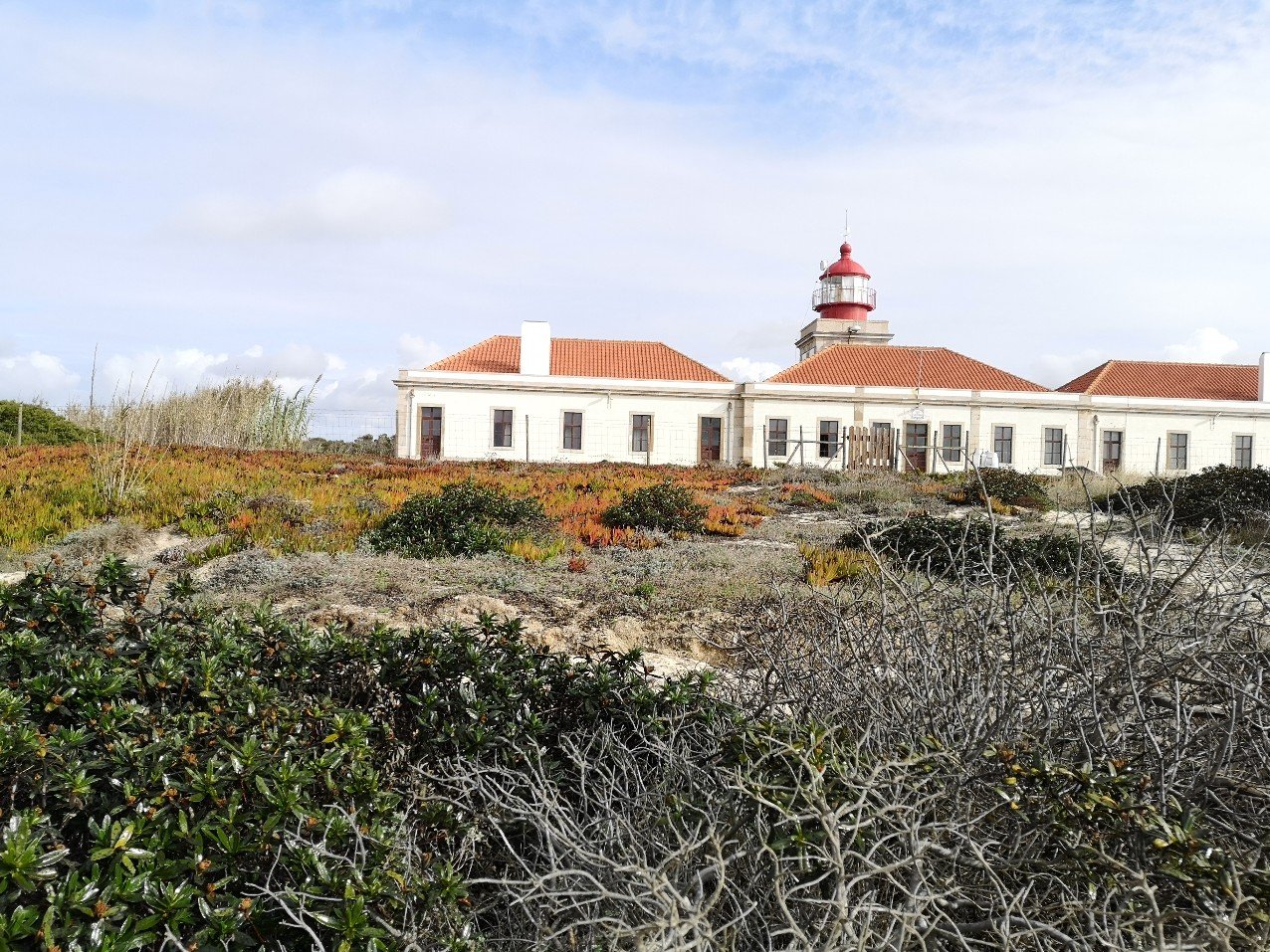
The Ferrol (lighthouse) at Cabo Sardao
1. Rota Vicentina
The trail runs from Cabo San Vicente to Porto Covo, or vice versa and is 350 kms in total, each stage being around12 to 22 kms in length.
The Rota Vicentina consists of two major routes (GR), the Historical Way and the Fishermen’s Trail, which contain 24 circular routes totaling 740 km.
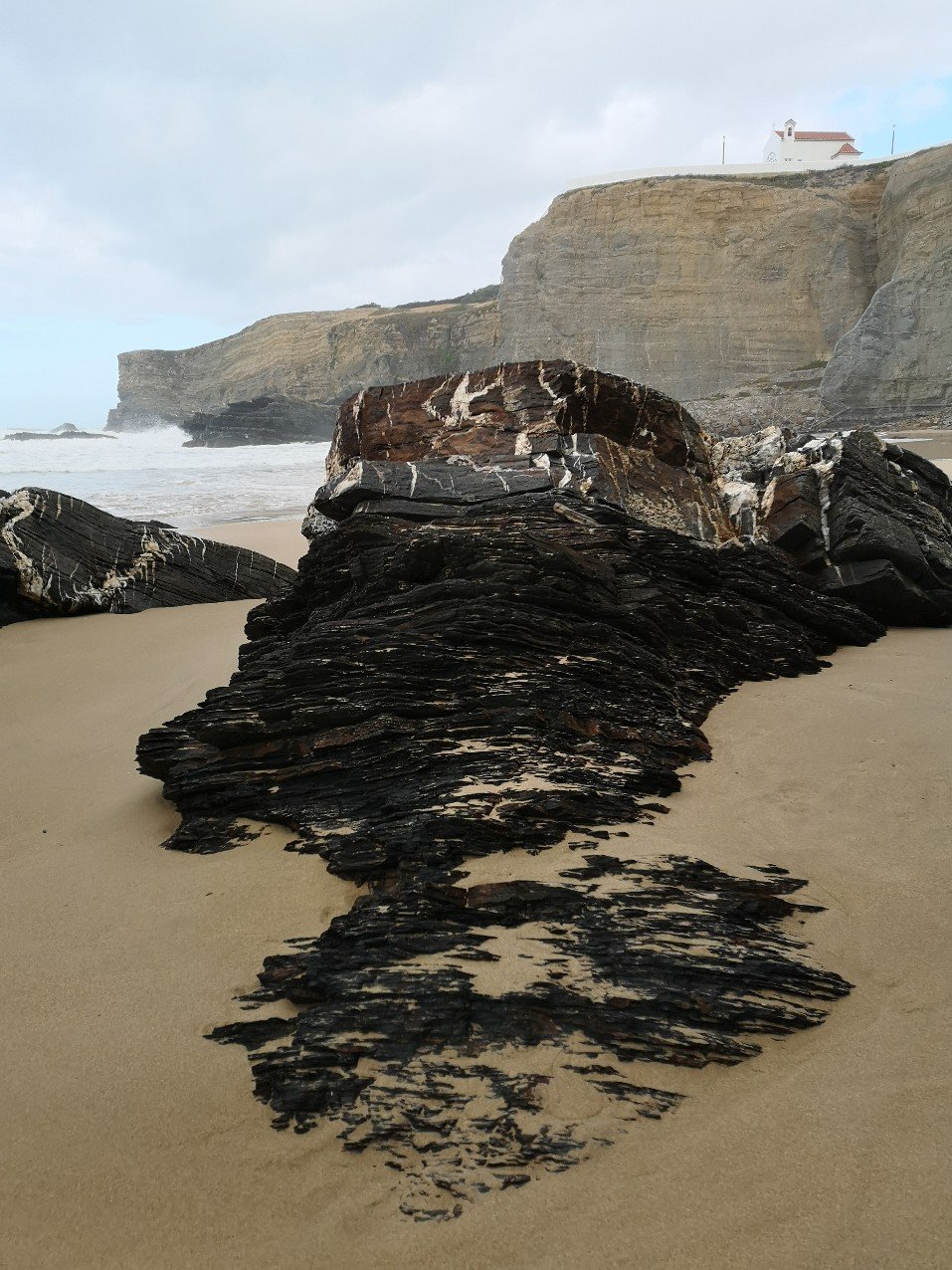
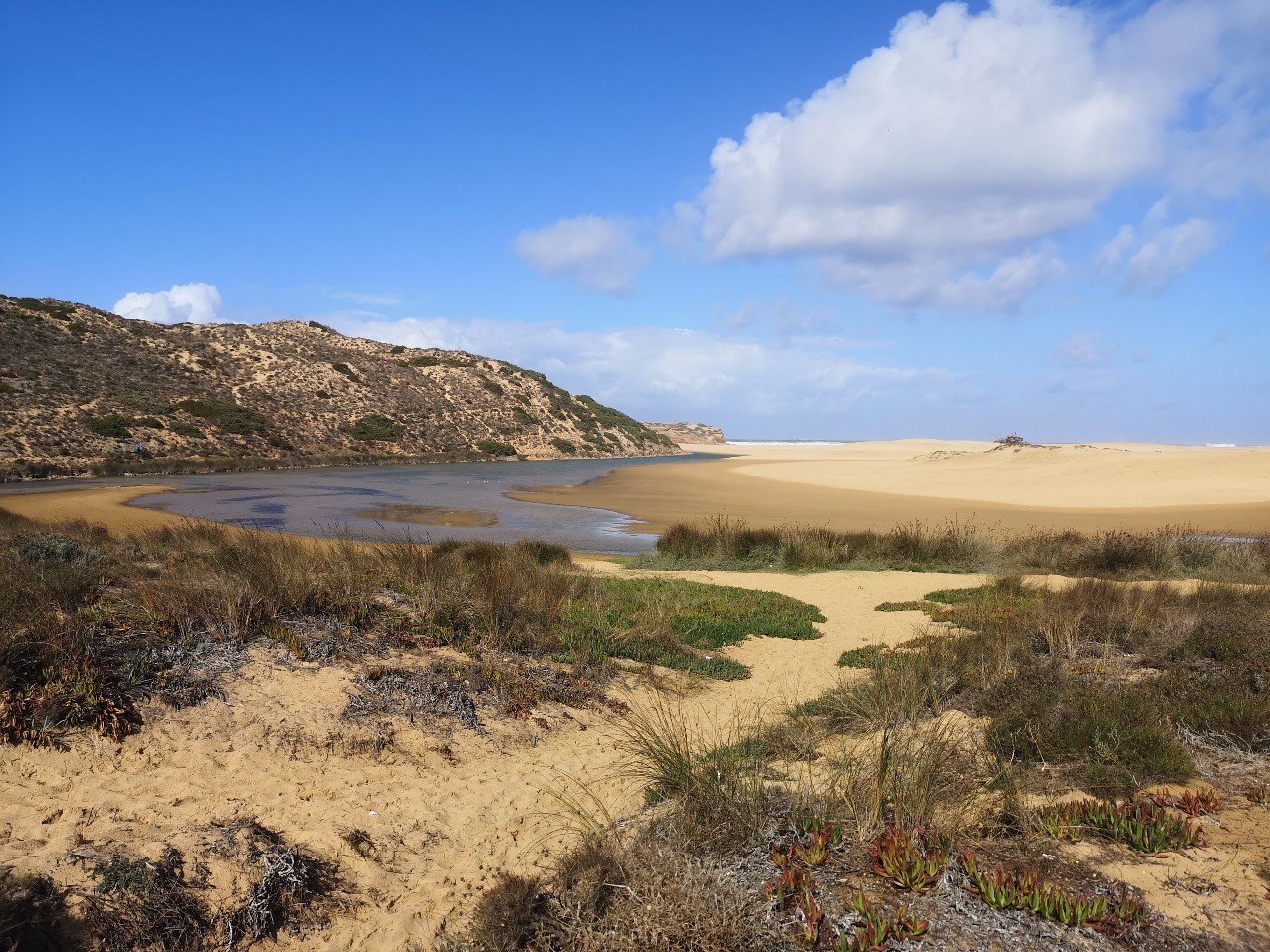
Beach at Carrapateira
You can be creative in choosing your route – trying the whole or part of it – to suit you, your physical capacity, and time availability.
The two grand routes are divided into sections which are varied in length: between 11 and 33 km. If you were to complete all of the sections at the rate of one per day, you would need the same number of days to complete the Rota Vicentina.
Circular Routes are shorter, ranging from 4 to 16 km in length.
Ideally, you would prepare yourself before departure and take water and groceries with you for the day of walking, since not all sections visit places with coffee shops and / or grocery stores.
At most of the start and end of stage points, you will have no problem buying food. Check each village to see what they offer.
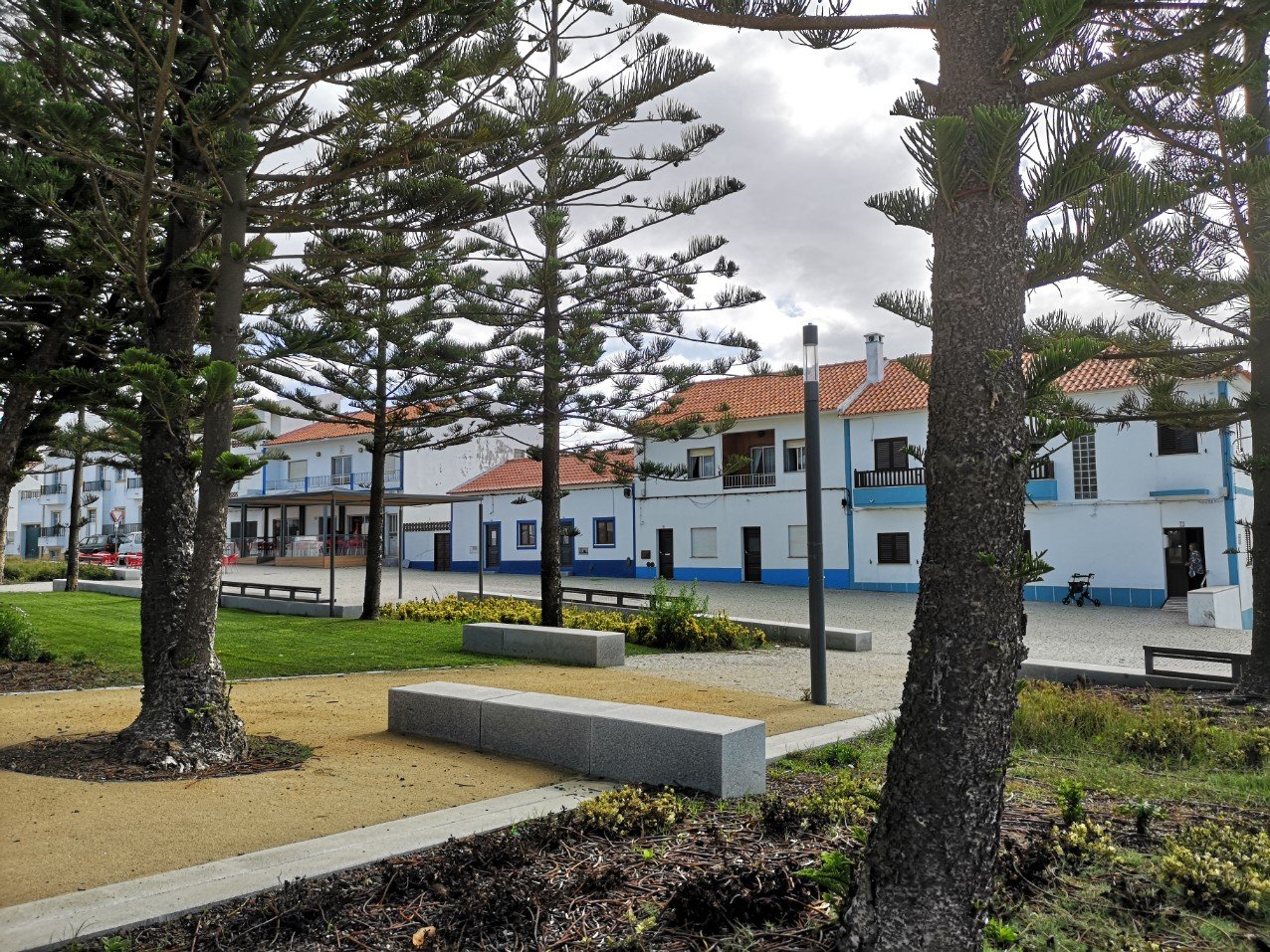
The centre of Zambujeira do Mar
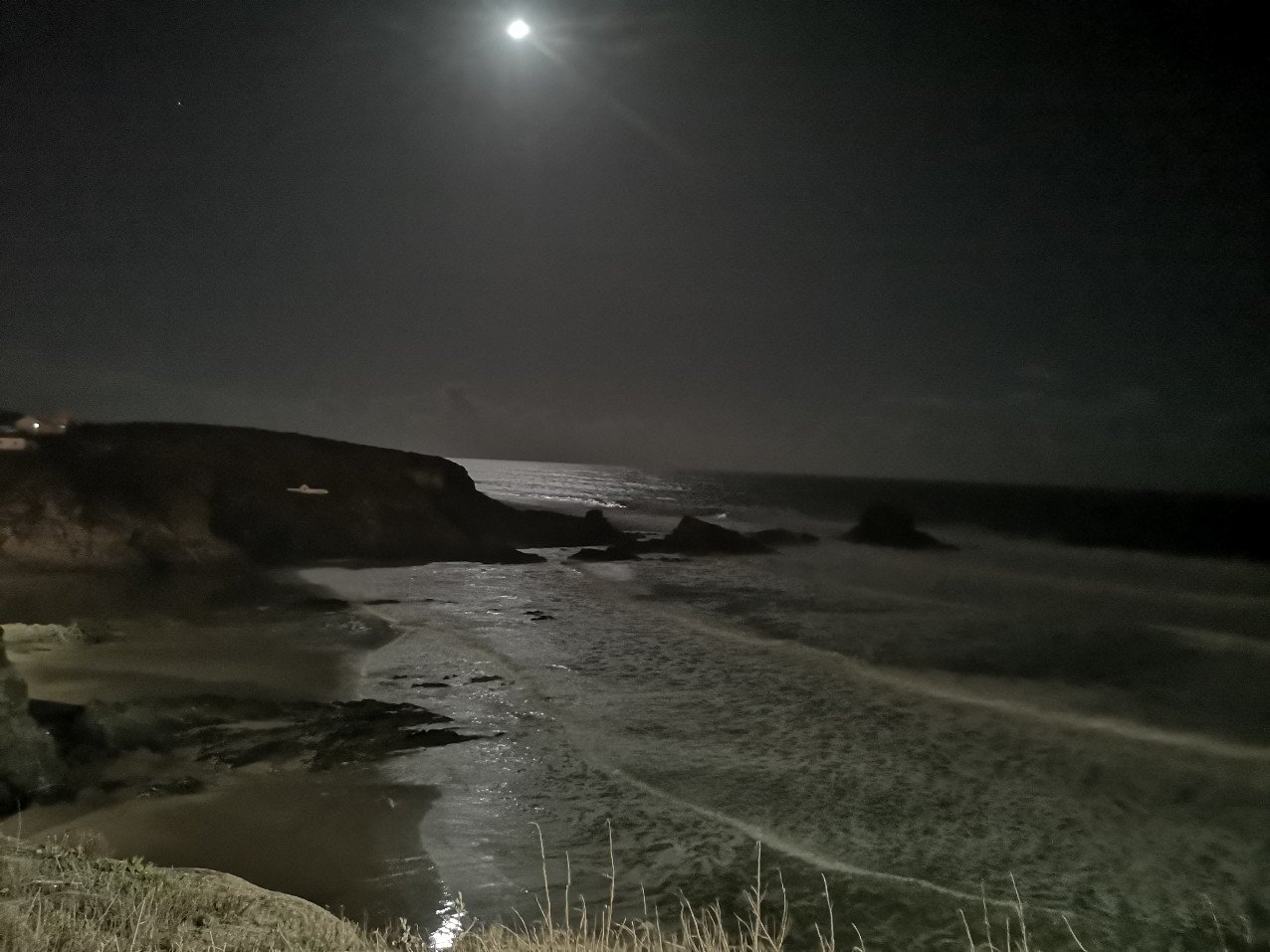
Zambujeira do Mar under the moon
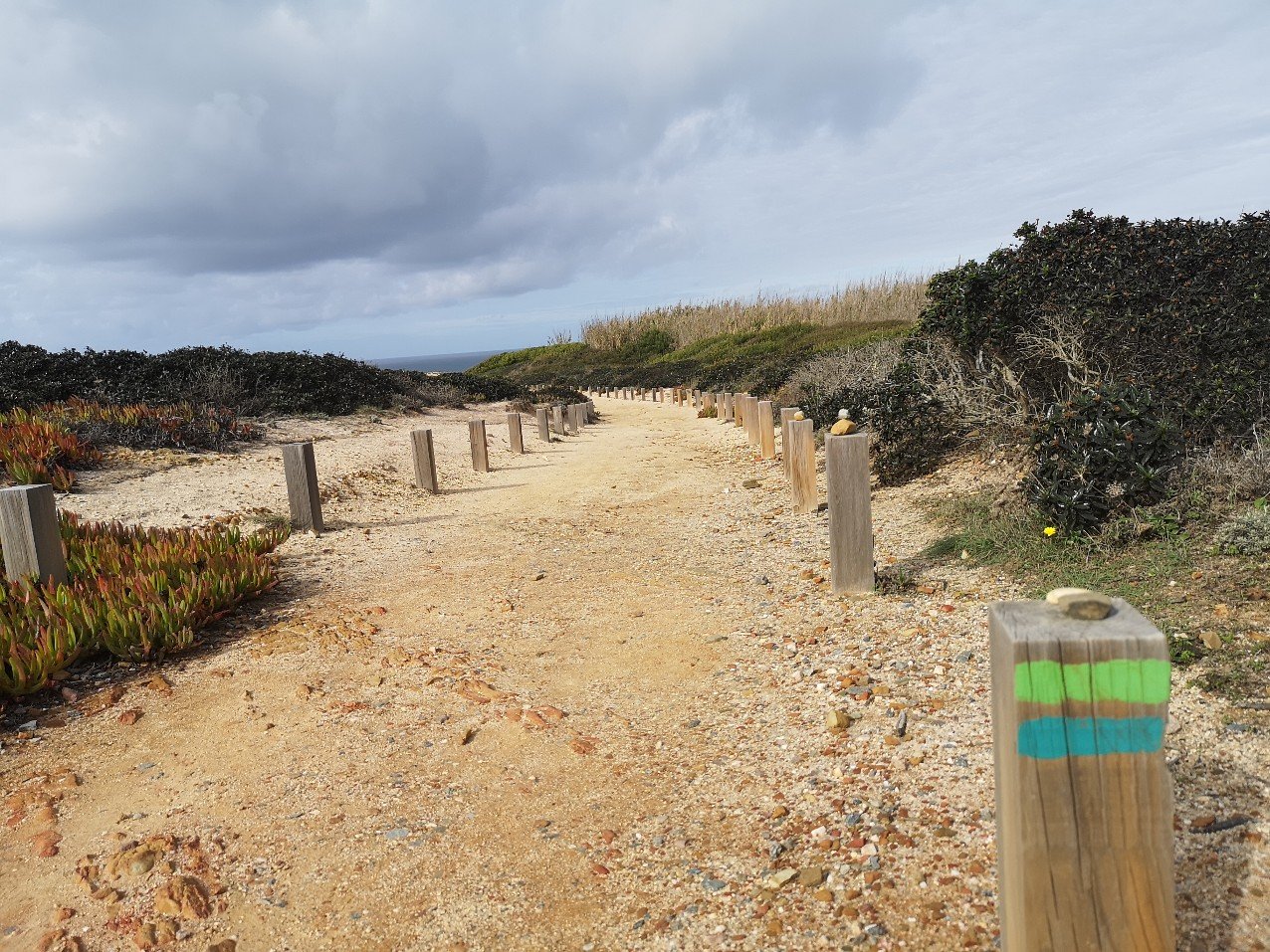
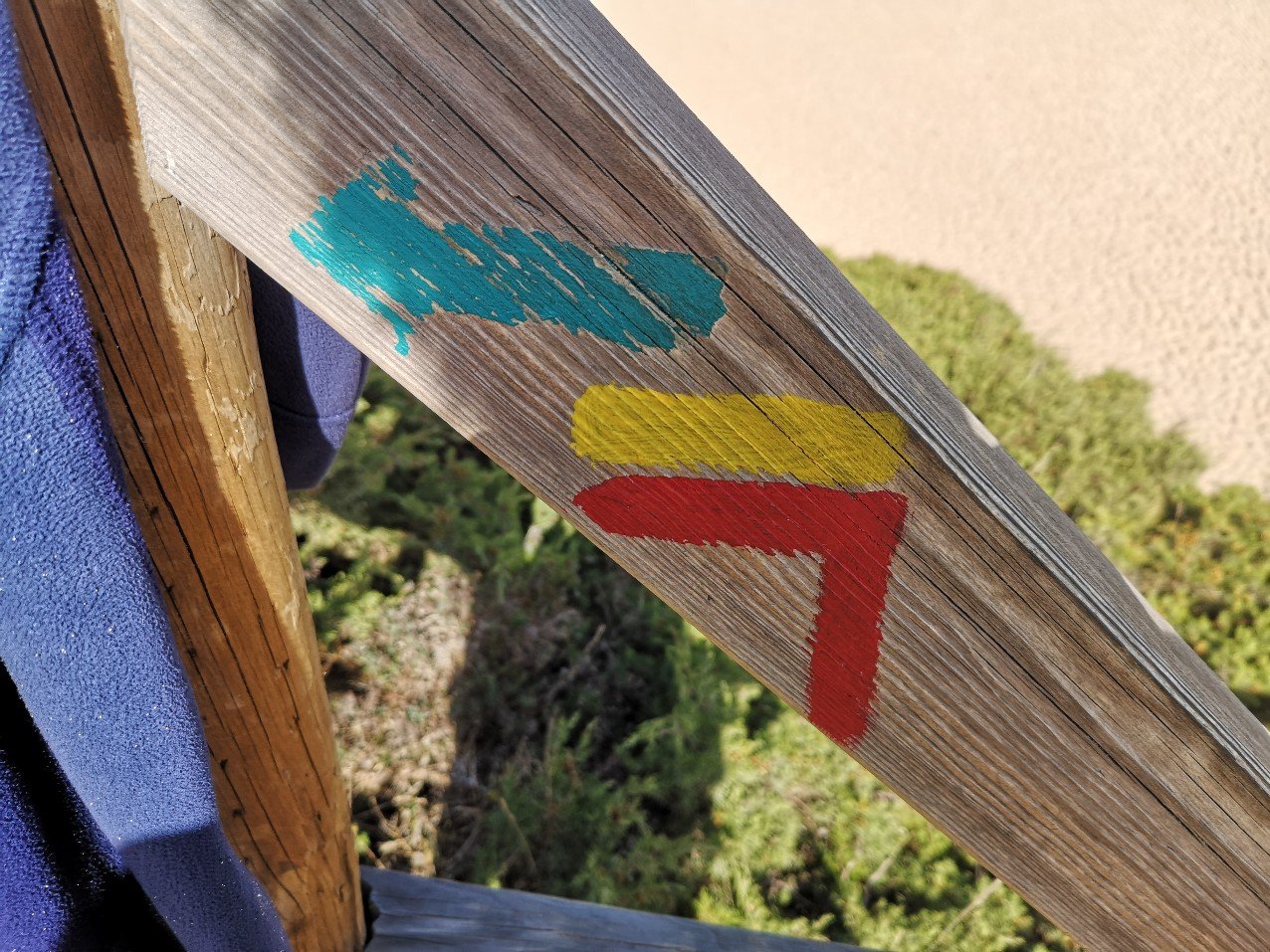
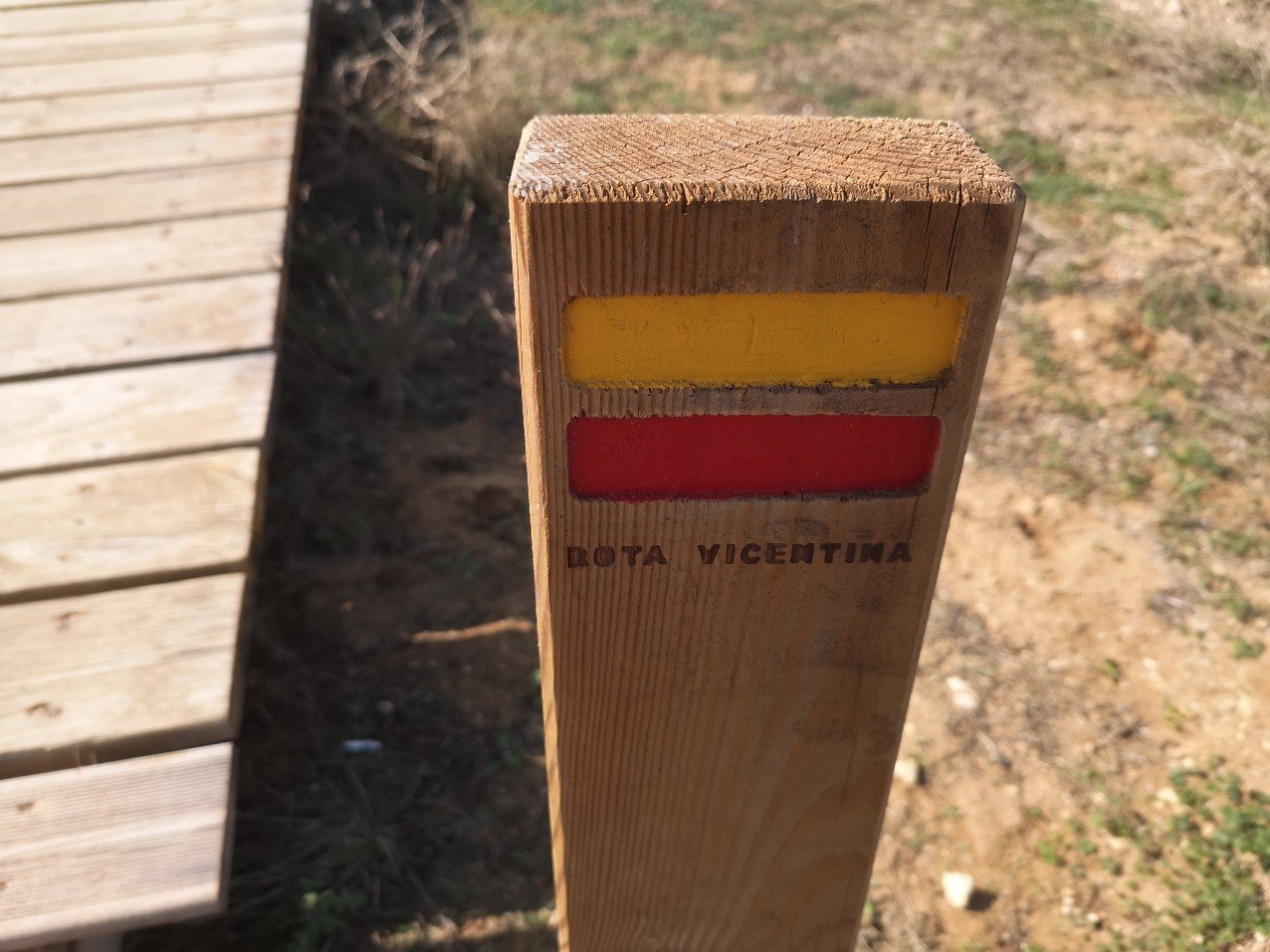
Both the Fishermen’s Trail and the Historical Way have clear signs in both directions.
2. Fishermans Trail
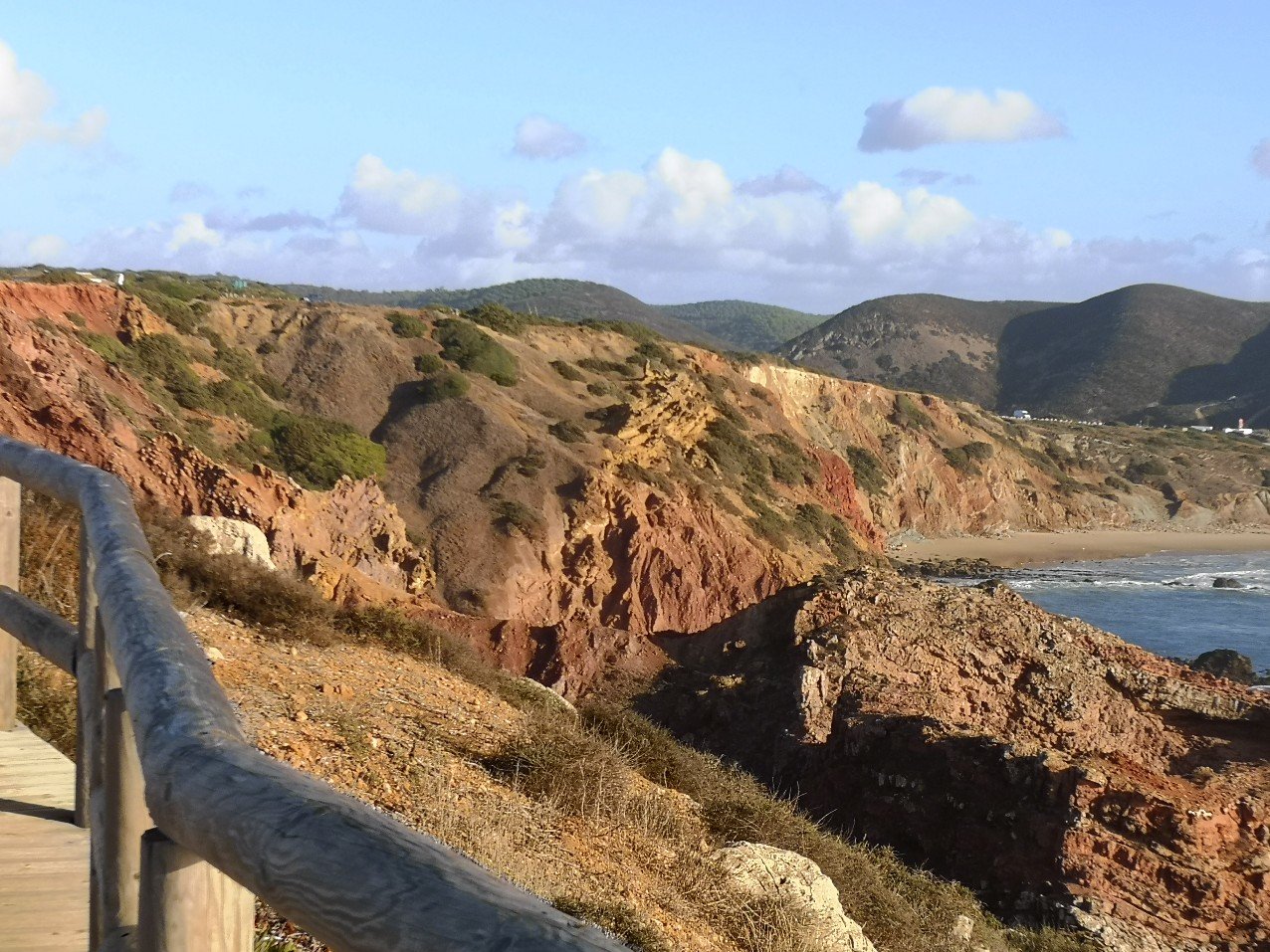
Mostly by the sea, the Fishermen’s Trail travels along the paths used by the locals to access the beaches and fishing grounds. It’s a single track, walkable only on foot along the cliffs, with lots of sand, and it is therefore more physically demanding. It’s a challenge, but contact with the wind, the sea, the coastal landscape and the presence of a wild and persistent nature makes it worthwhile.
‘I booked it ahead, very easy as the accommodation is all on booking.com, but I didn’t need to. I got the details from the Rota Vicentina website which is very good, but there was more accommodation than was shown on the site and in most places you have a choice of near empty hotels.’ John Hayes
John Hayes Walks website, in English, with accounts of each day in Spring time.



 Walking without a donkey