This is the coast of Greece found between the cities of Thessaloniki and Alexandroupolis, in the East Macedonia and Thrace region.
East Macedonia and Thrace, Northern Greece.
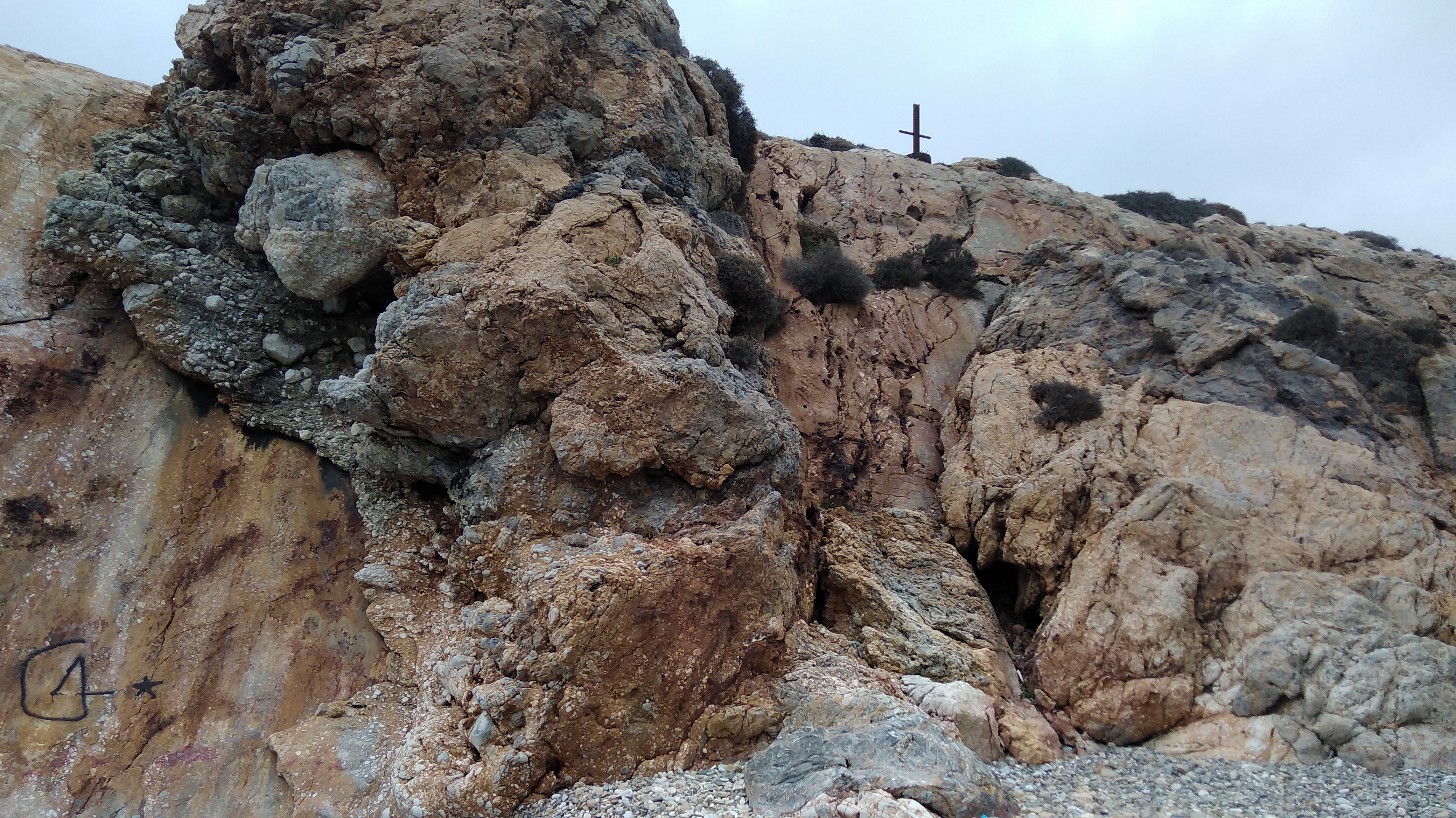
In late November it is stark and beautiful. The geology is second to none and it boasts secluded beaches and miles of land for walking.
The sun lights up the horizon. East Macedonia and Thrace, Northern Greece.
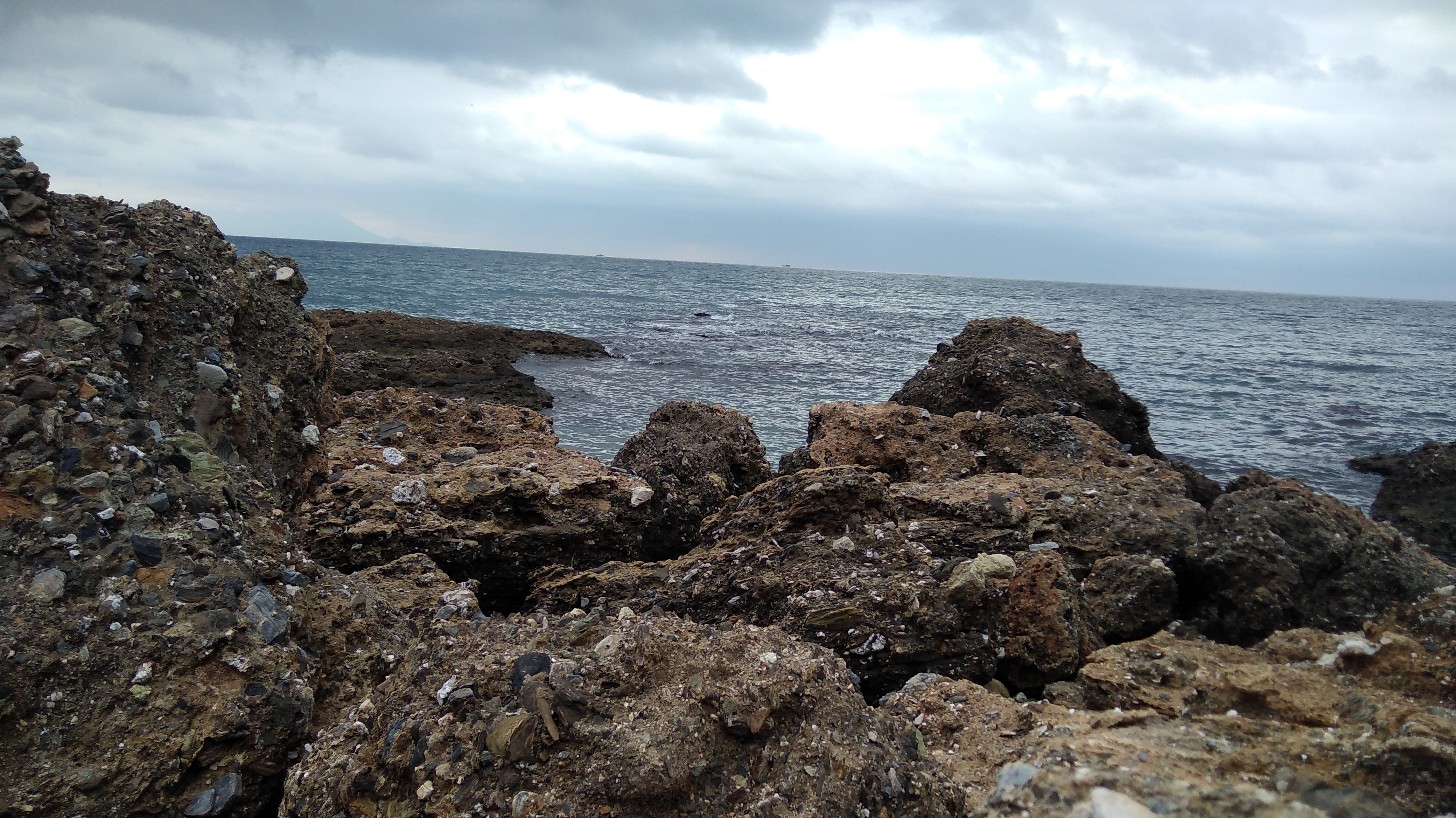
I was driven there by my wonderful host, a fount of local and fascinating information, Anastasia. She knows the location well and I was lucky to be taken to the best places. Monumental cliffs. East Macedonia and Thrace, Northern Greece. The island of Samothraki is visible along the length of this coastline. A 2.5 hour ferry trip away from Alexandrouplis, there are men-only monasteries and a fantastic walking route. Further down the coast towards Thessaloniki is the island of Thassos which is made of white marble, the same that was used to build the White House in Washington DC. Samosthraki almost lost in the mists, with fishing boats. East Macedonia and Thrace, Northern Greece.
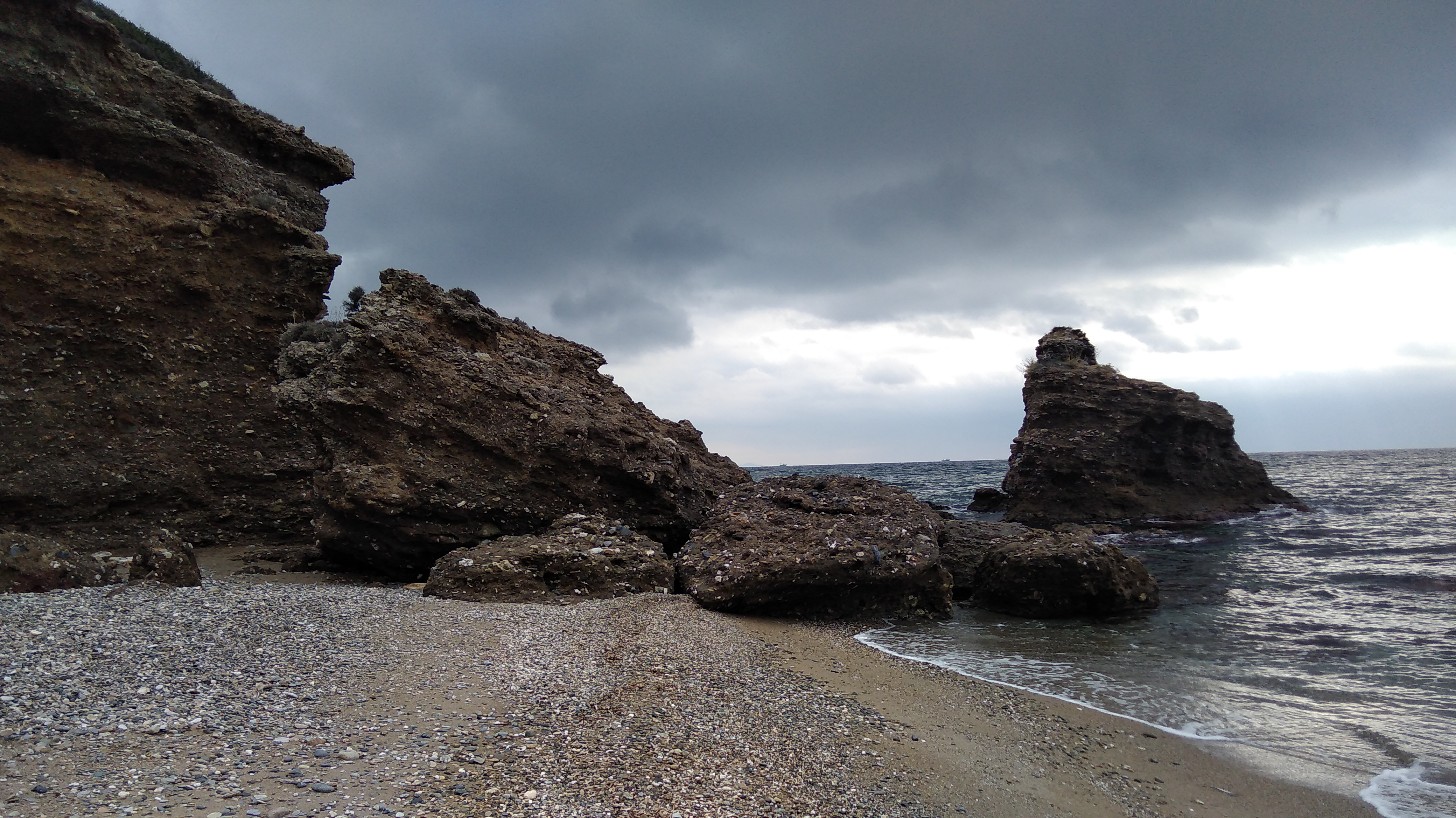
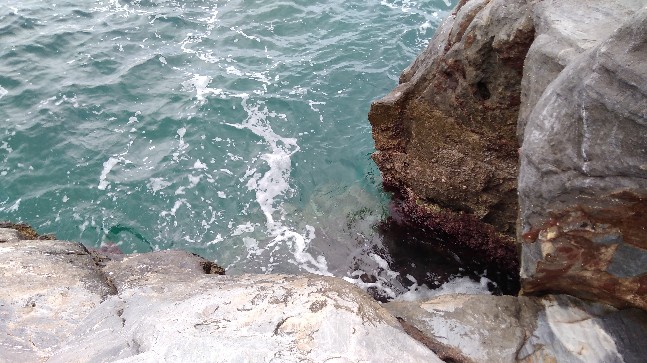
Beautiful cliffs with the waves lapping. East Macedonia and Thrace, Northern Greece.
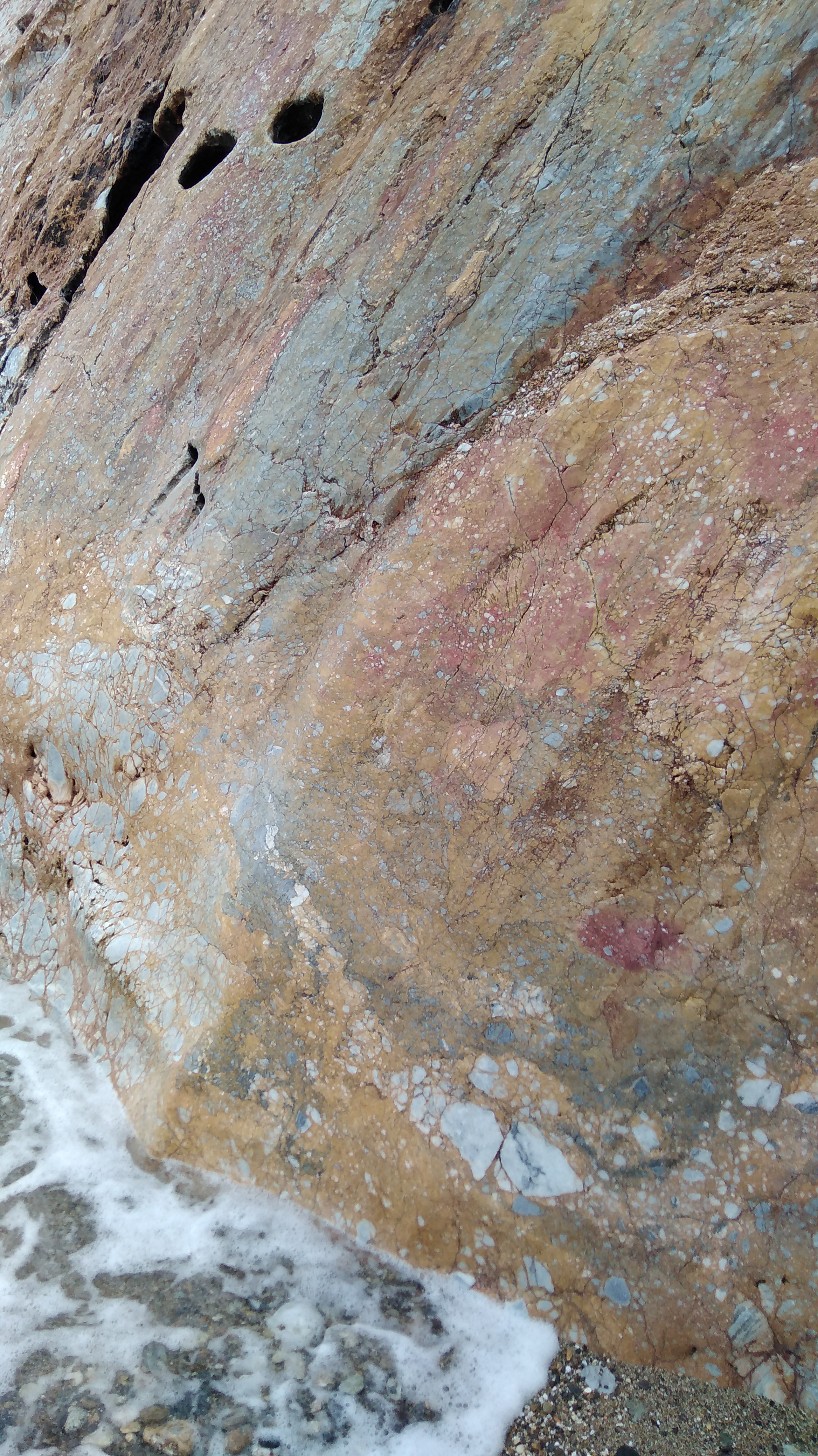
All along this stretch glorious colours can be found: pink, blue, white, bronze, yellow, cream and golden. They simply gleam when the waves wash over or the rain drenches them.
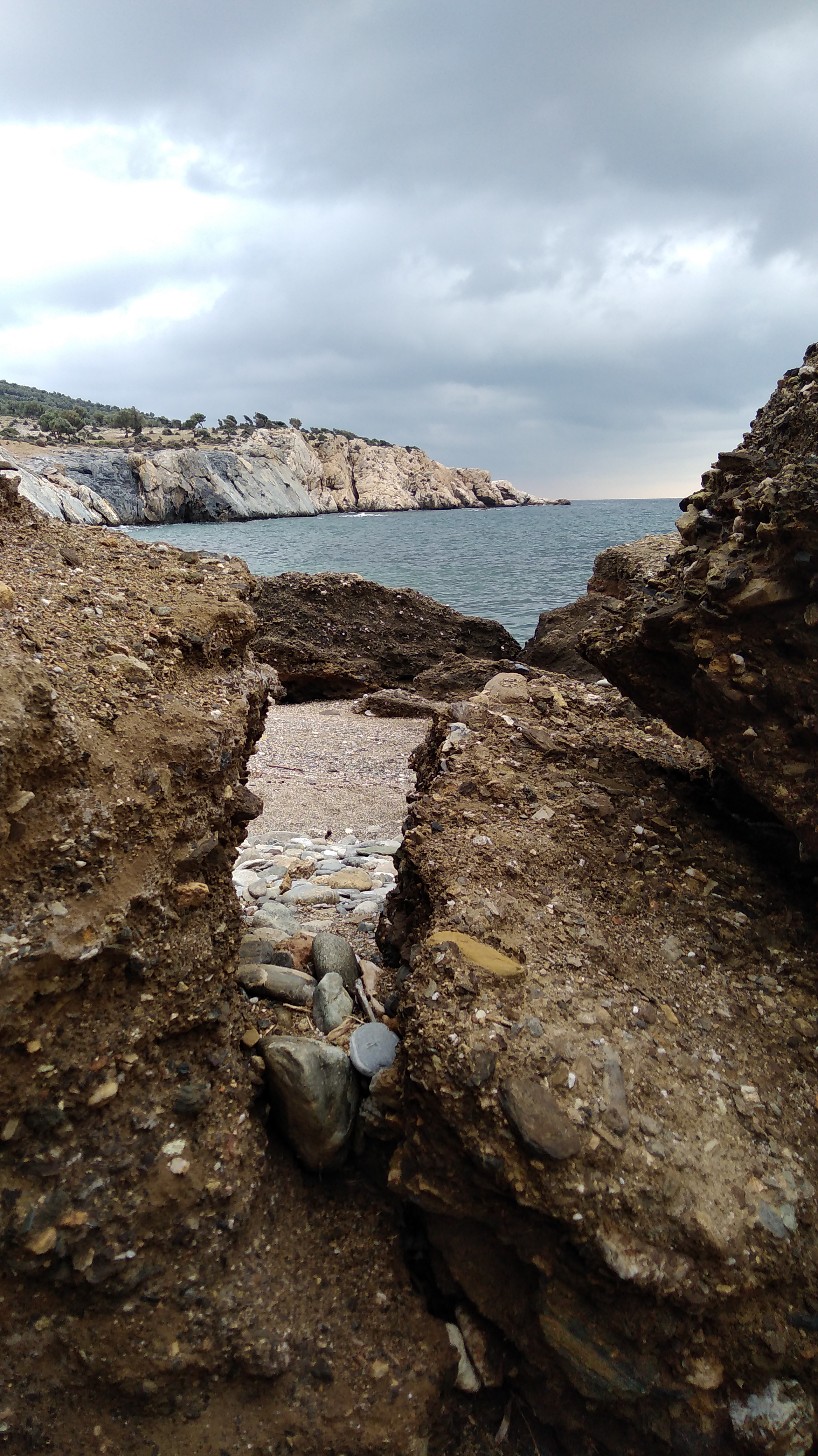
Beautiful cliffs with the waves lapping. East Macedonia and Thrace, Northern Greece.There is a tricky climb down to this hidden beach. Rosie the dog couldn’t make it. East Macedonia and Thrace, Northern Greece.
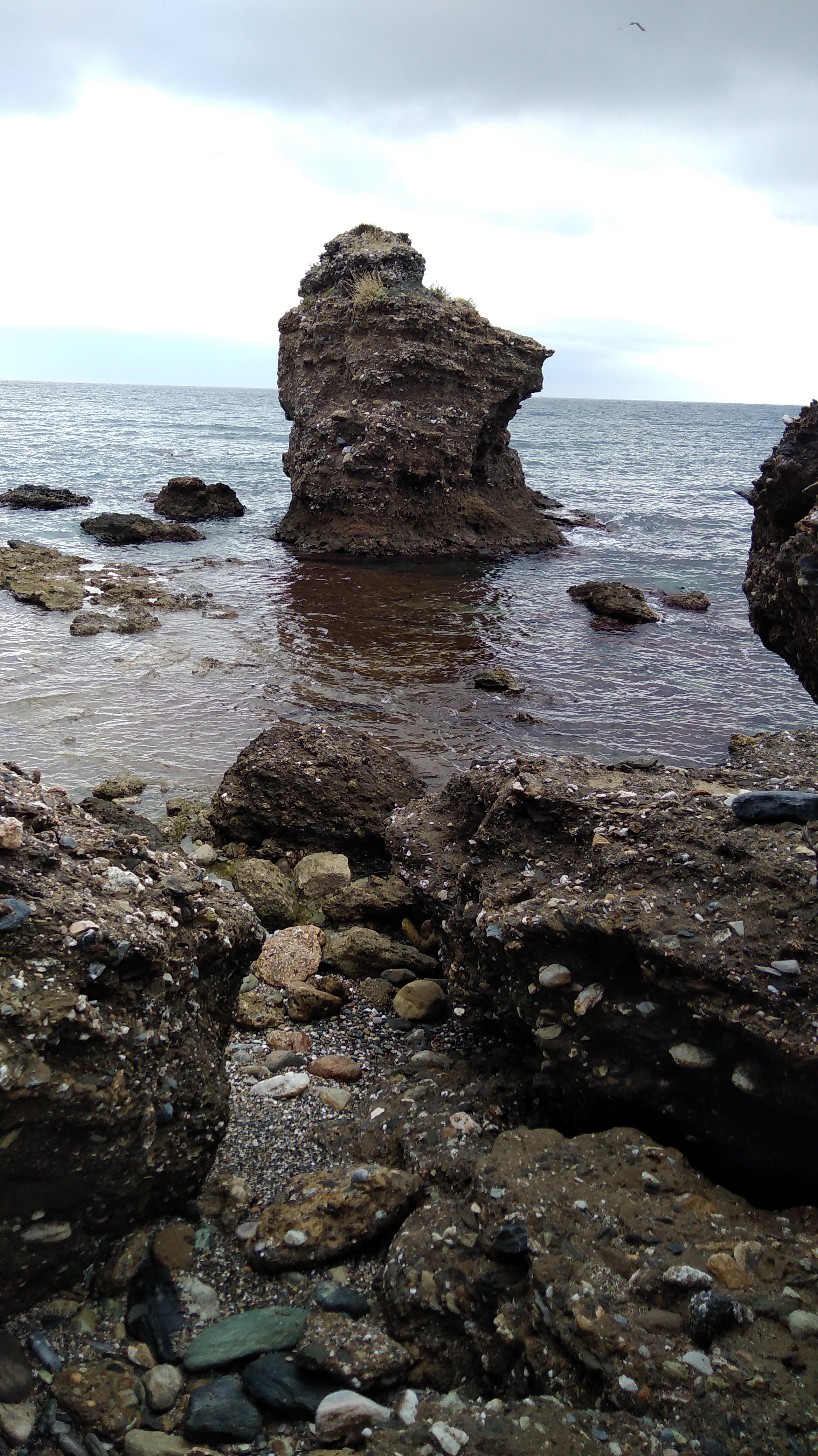
There are rock stacks with grassy tufts growing out of them and, where they are surrounded by sea there are birds perched.
East Macedonia and Thrace, Northern Greece.
Unfortunately there was a recent tragic tale of an English woman, apparently familiar with the area, who was walking alone and got attacked by wild animals. This has made me wary of solo walking the Via Egnatia which passes this way. (The hiking trail begins in Dures, Albania (Dyrrachium in Roman times) and ends in Istanbul (Constantinople) Turkey – a full 1000 kms, 695 miles).
In twos or groups, the trails would be well worth following. You are advised never to run from such a creature, but to stoop to pick up a stone as if to throw because they understand this gesture and will usually leave.
East Macedonia and Thrace, Northern Greece.East Macedonia and Thrace, Northern Greece.Marmaritsa (little marble) beach, East Macedonia and Thrace, Northern Greece.
According to the locals, this is the land of the Cyclops from Homer’s tales of Odysseus. There are two caves nearby purporting to be the place where he was captured by the single eyed giant Polyphemus. There is also a River Ulysses (Odysseus’ Roman name).
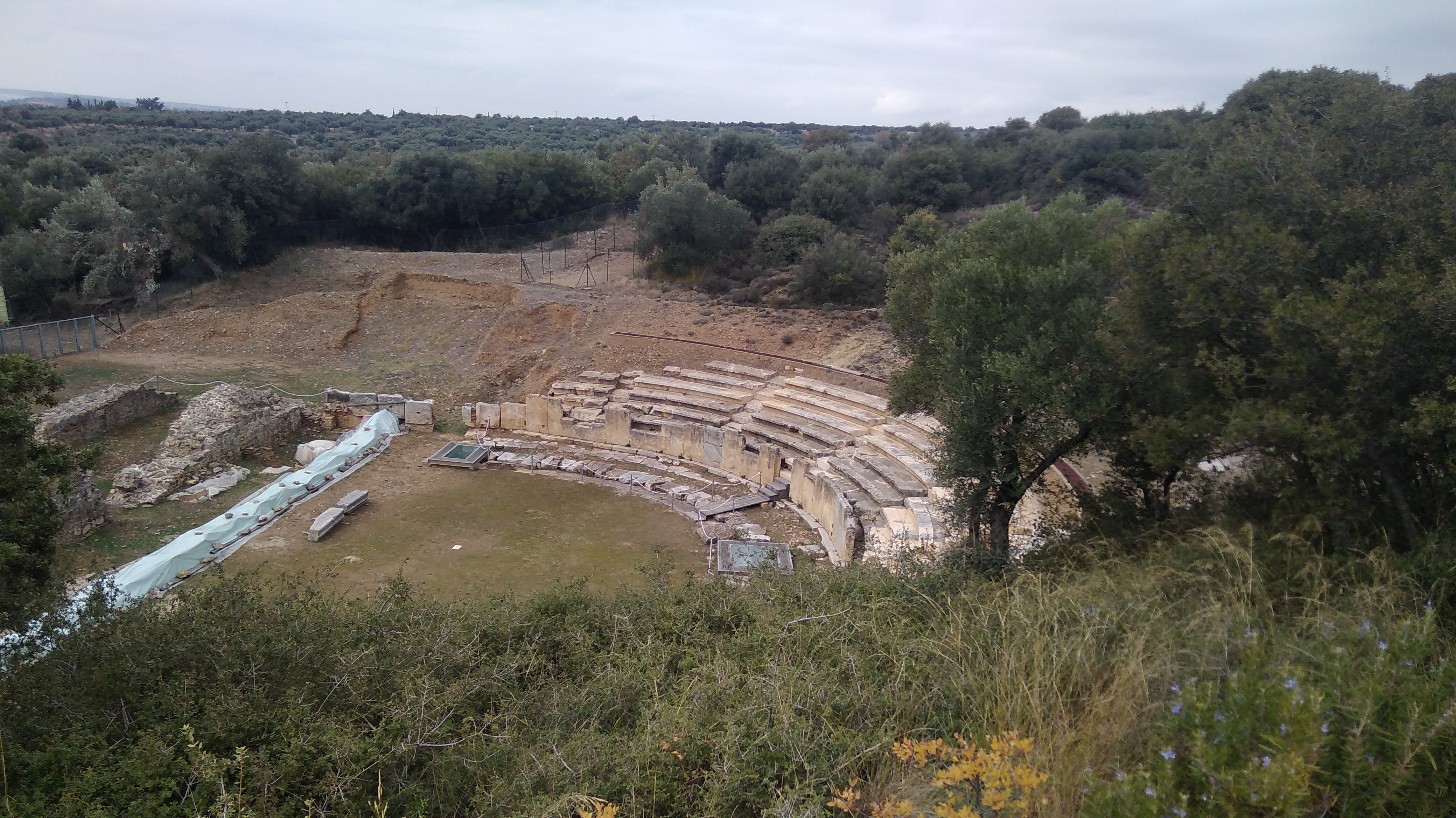
Roman amphitheatre, East Macedonia and Thrace, Northern Greece.
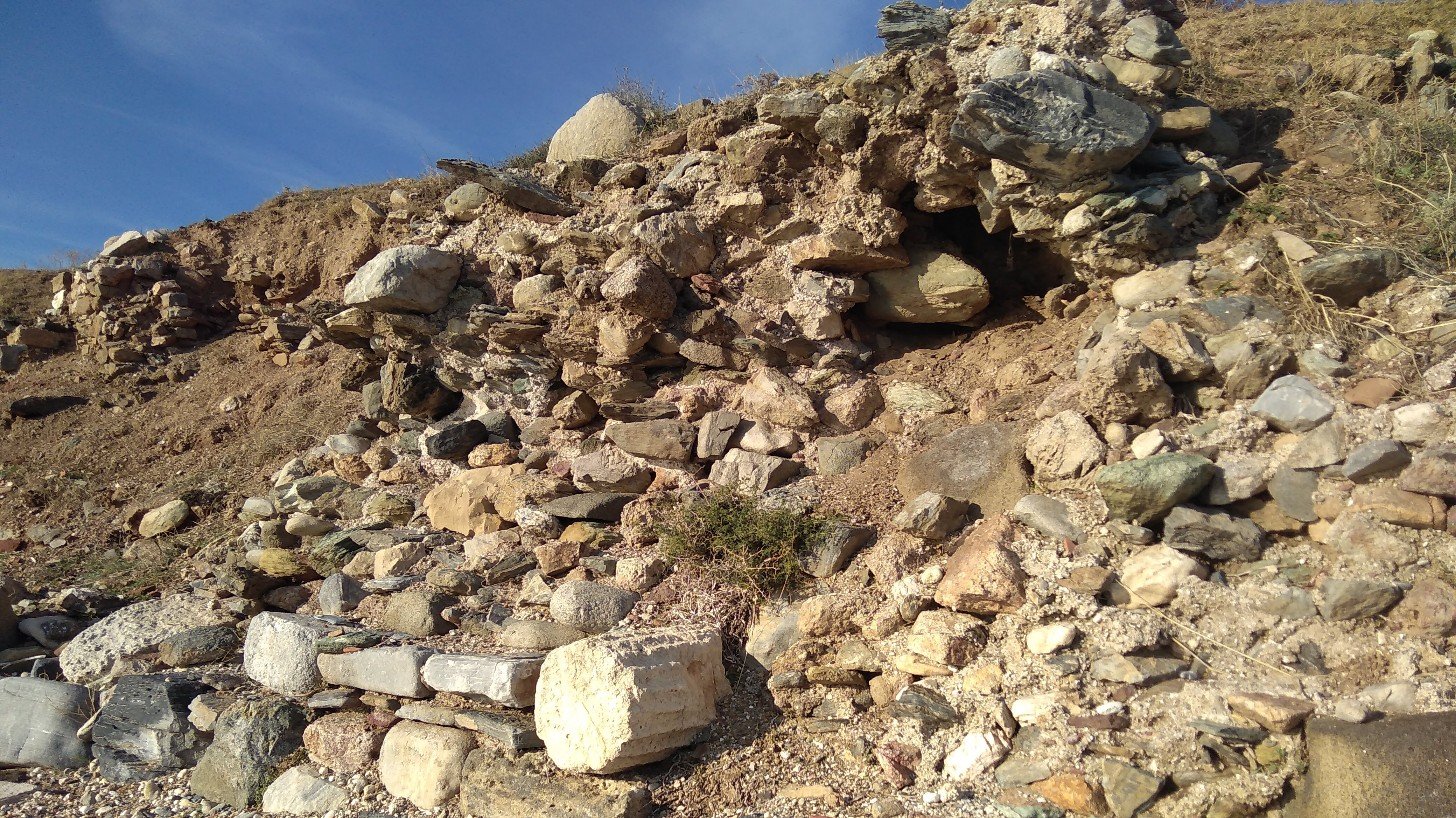
There is a newly excavated Roman amphitheatre with white columns which are the same as those on the beach nearby.
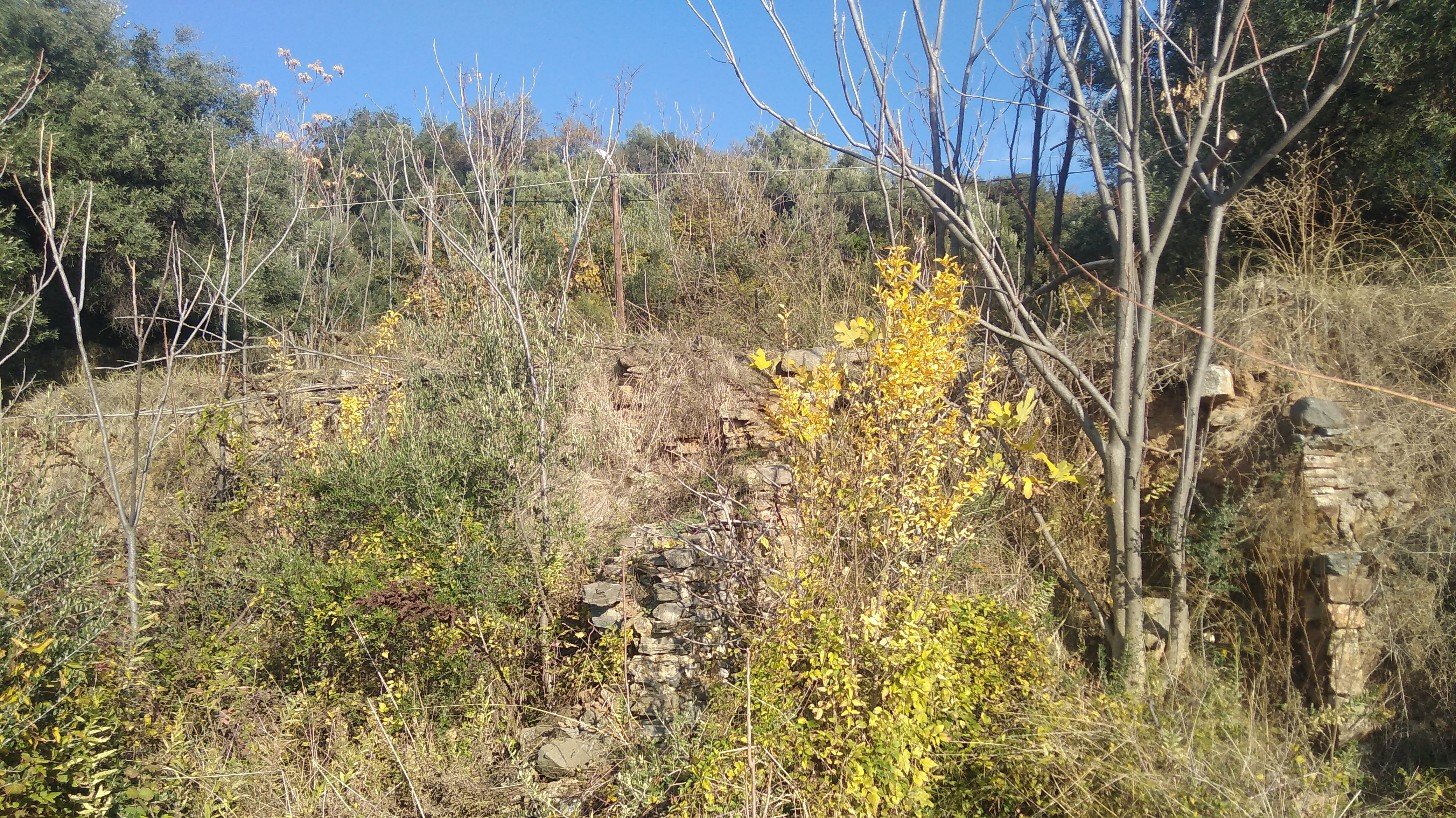
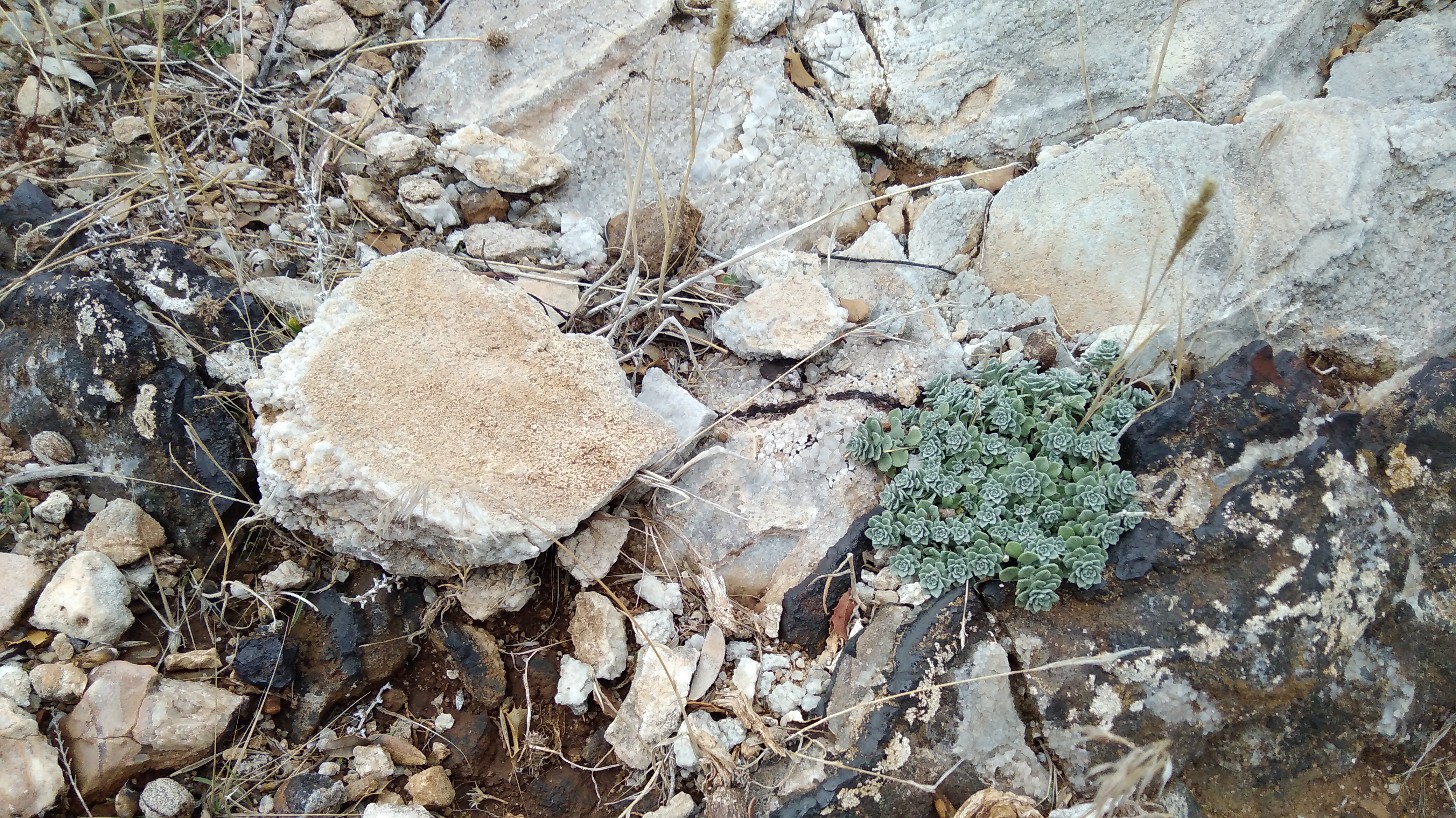
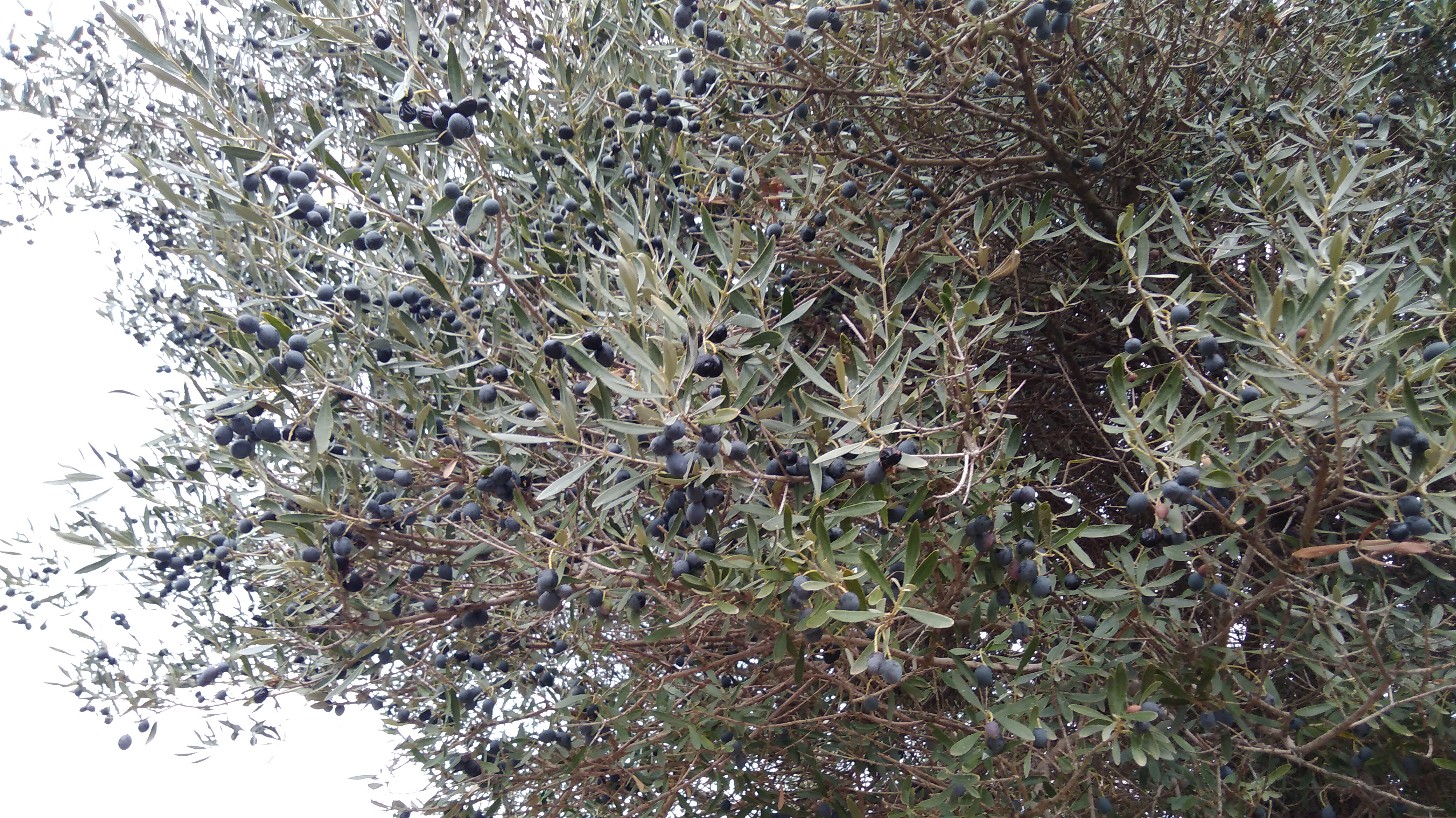
A Roman column just poking out onto the beach. Such a wealth of history. East Macedonia and Thrace, Northern Greece.A medieval wall. East Macedonia and Thrace, Northern Greece.I spotted several sorts of succulents. East Macedonia and Thrace, Northern Greece.Olives – November is picking time. East Macedonia and Thrace, Northern Greece.
Each farmer has his own trees marked with name. Once they are producing enough they can sell them to the oil producers.
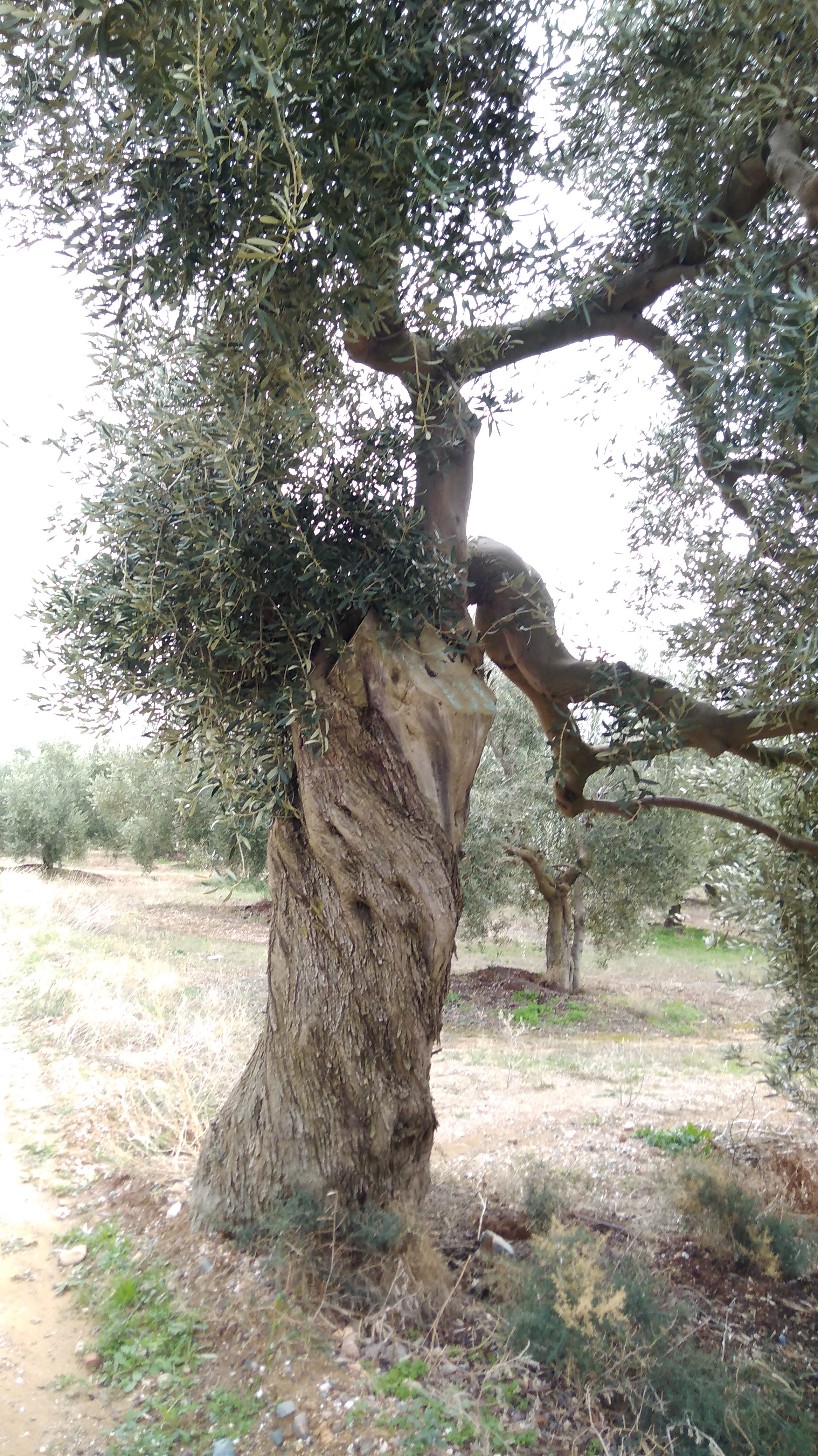
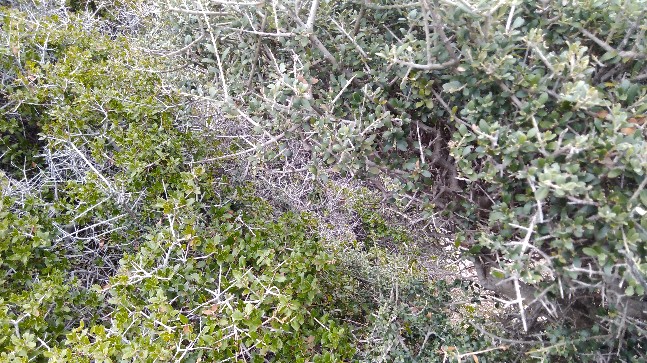
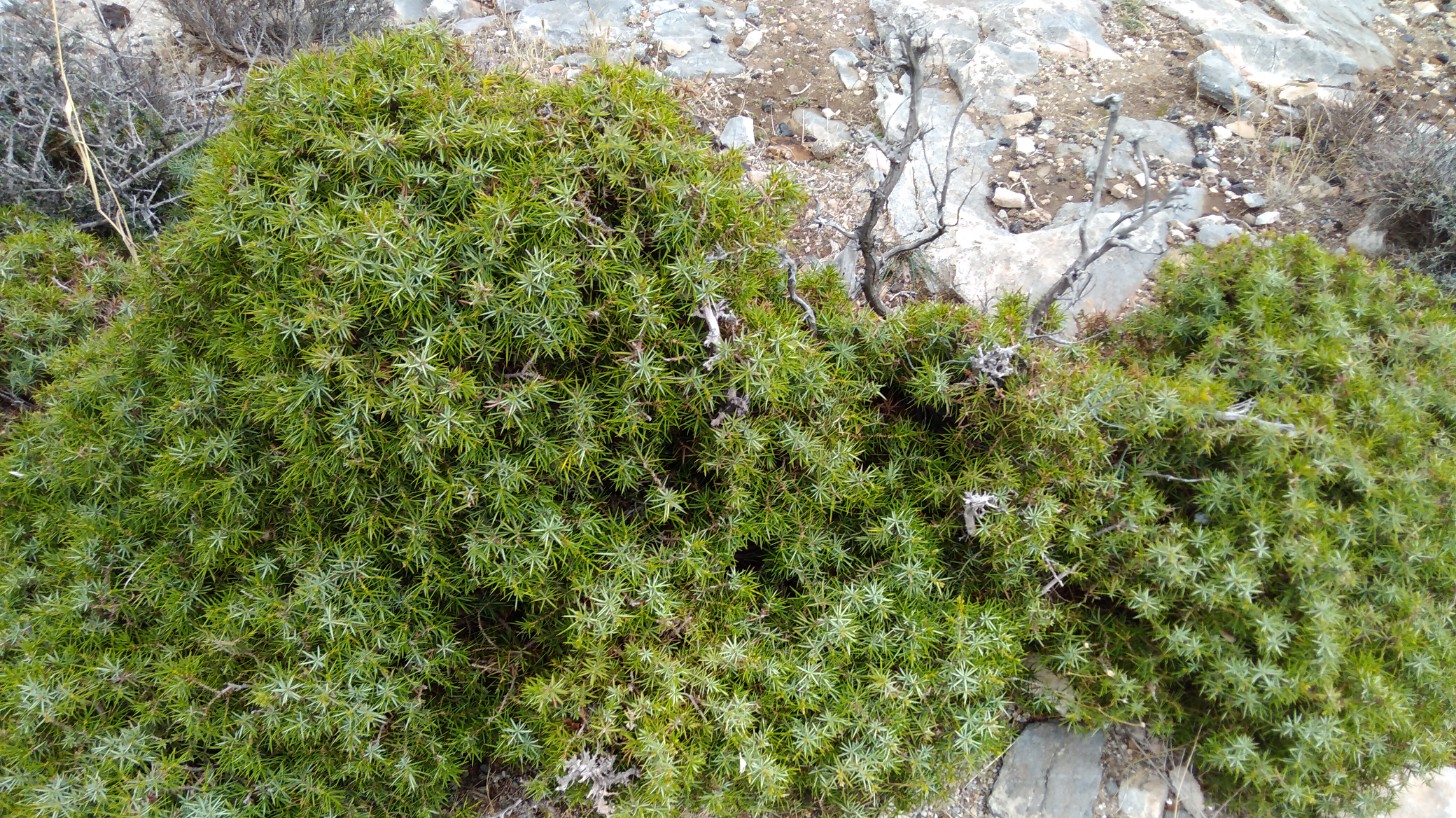
The twisted olive trunk – it must be ages old, East Macedonia and Thrace, Northern Greece.Prickly oak and wild olive grow side by side, crouching low to the ground. East Macedonia and Thrace, Northern Greece.Juniper. East Macedonia and Thrace, Northern Greece.
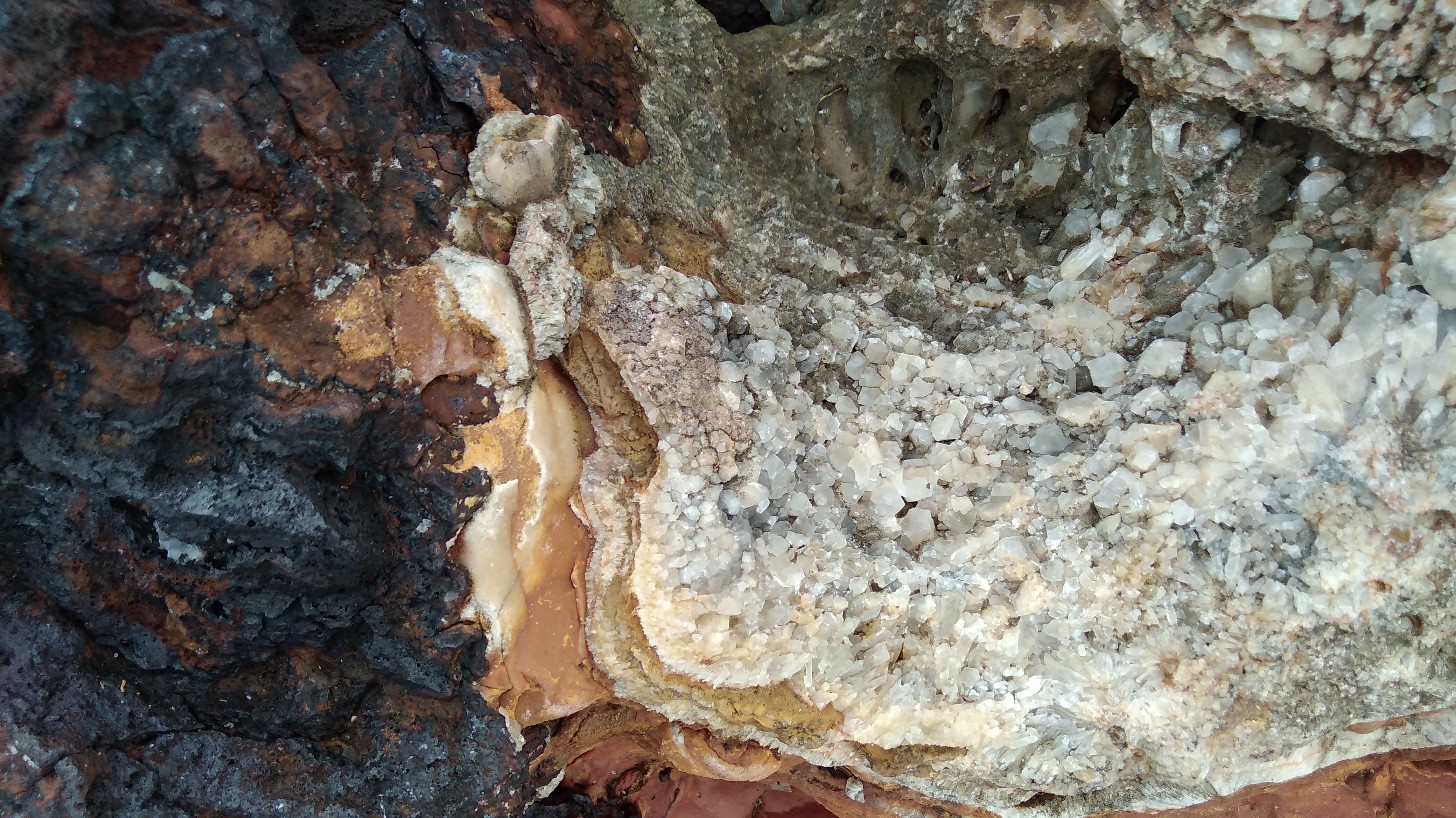
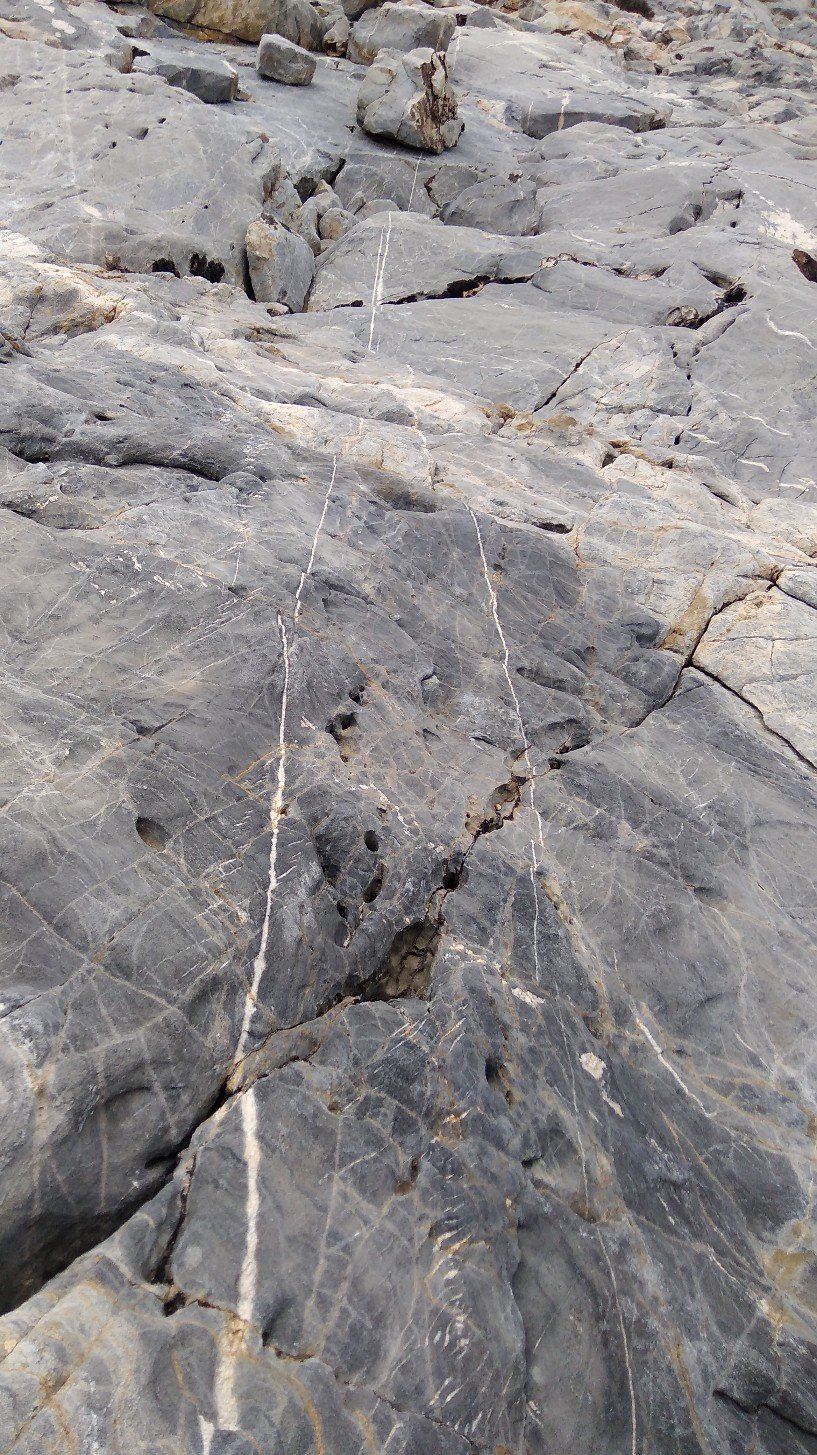
Much of the higher land consists of slabs of rock rich in oxydated iron and there are quartz crystals under ledges.
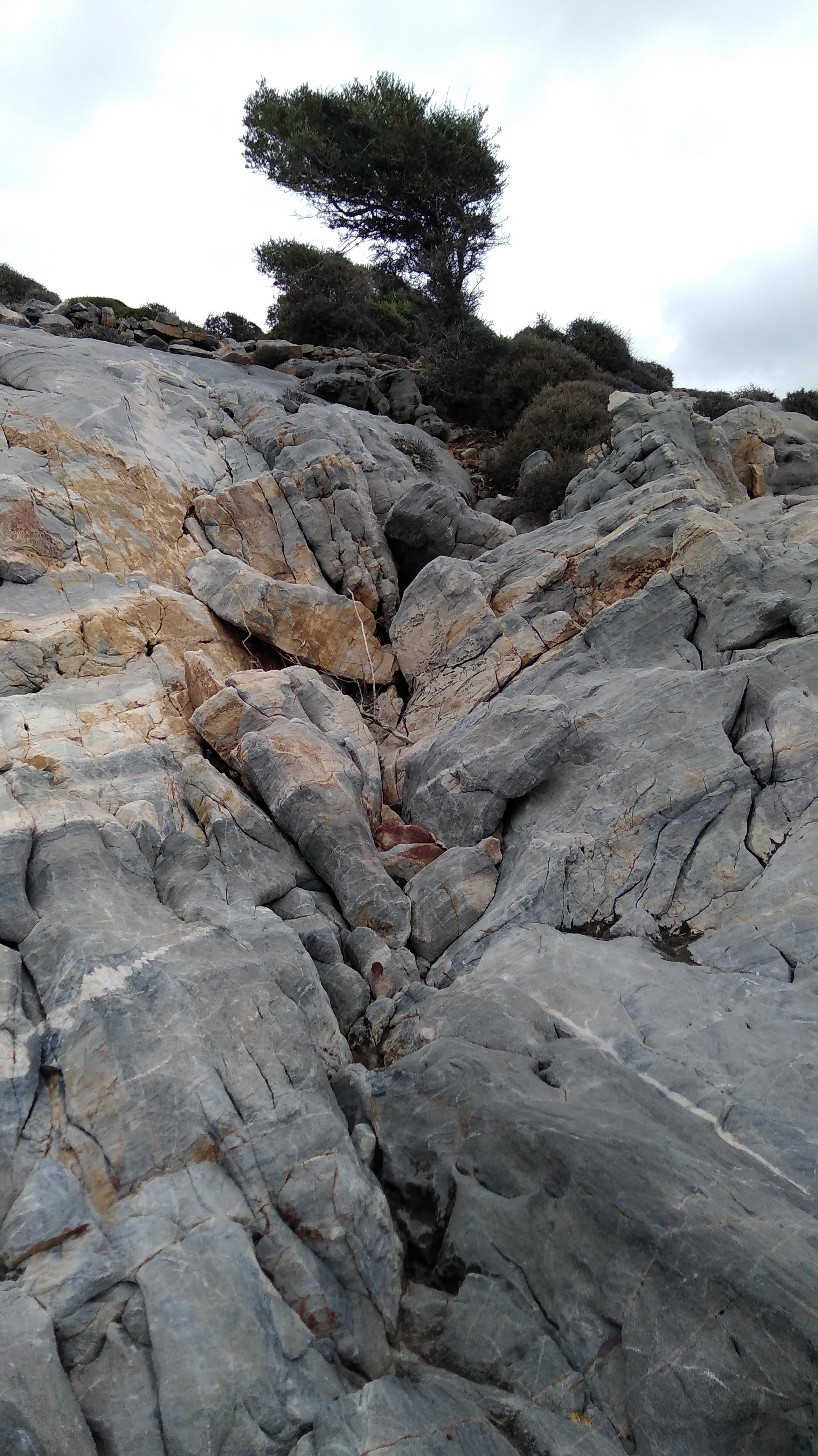
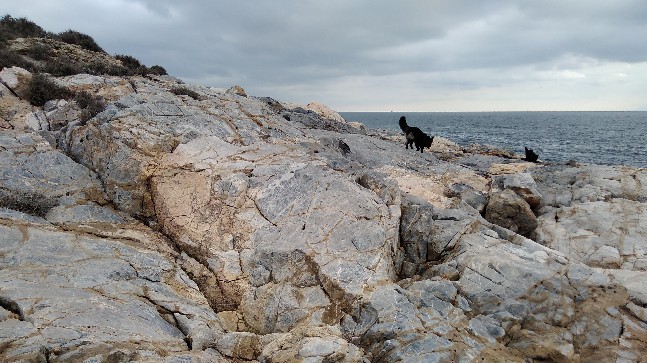
With seams of white reaching into the distance. East Macedonia and Thrace, Northern Greece.And wind blown trees atop crevices of grey and bronze stripes. East Macedonia and Thrace, Northern Greece.Rocks galore – Stripey and speckled!
There is a wealth of local flora, even at this time of year – wild thyme and lavender, rosemary with purple flowers.
This slideshow requires JavaScript.
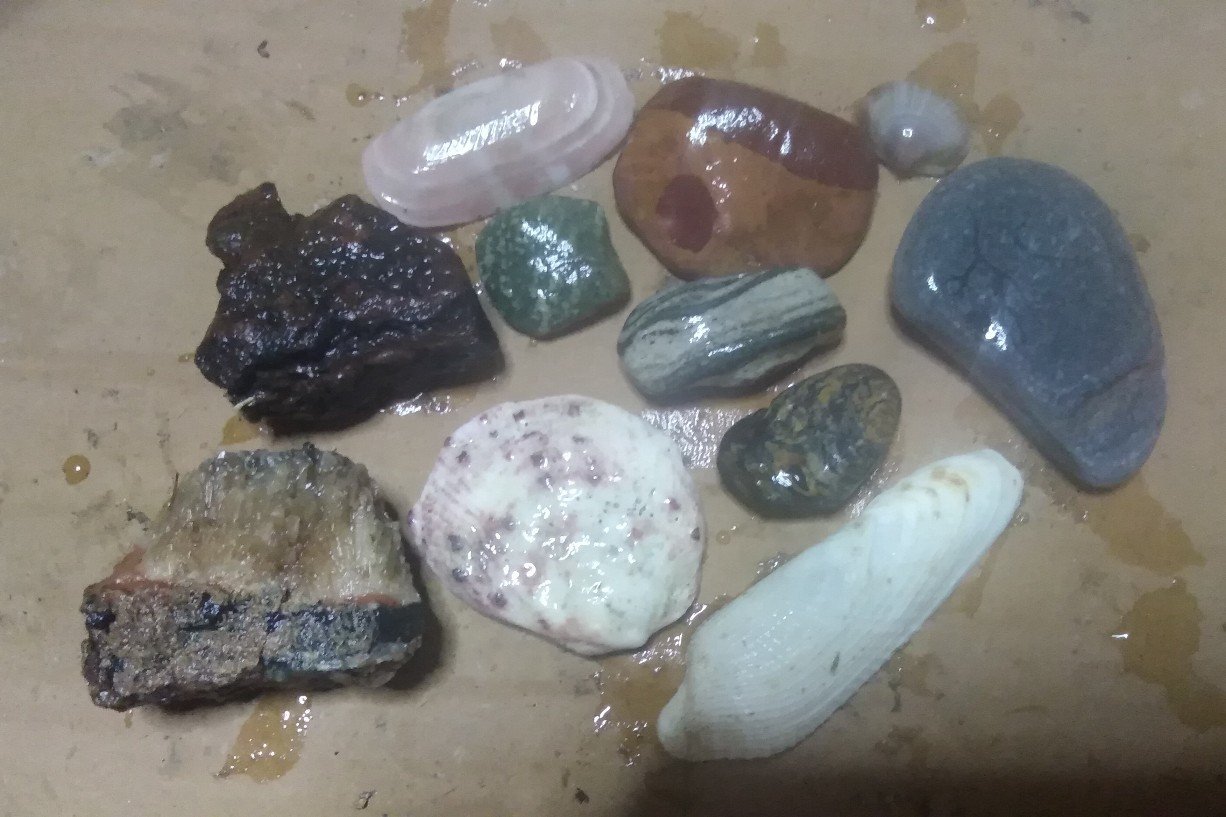
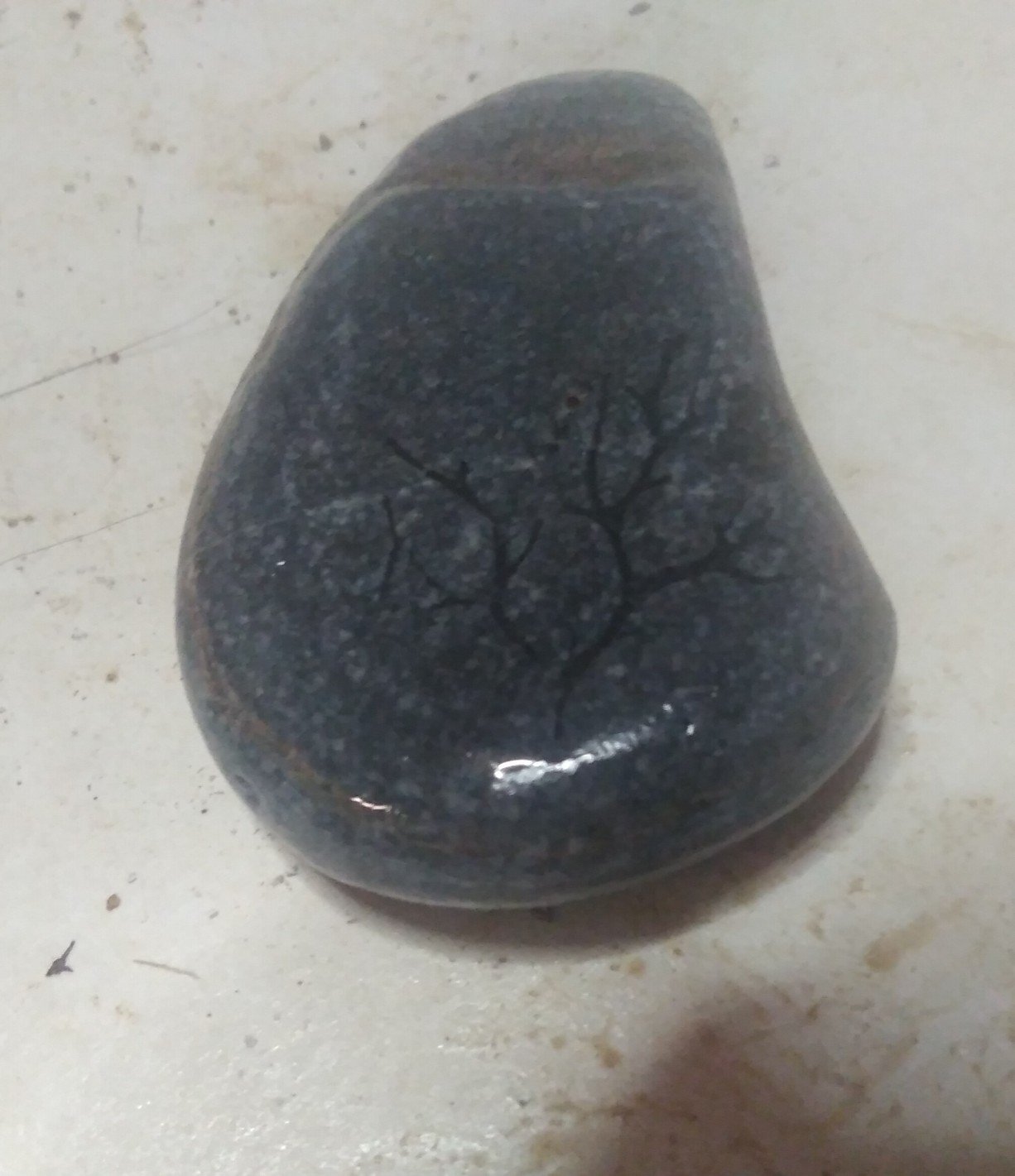
My private collection.Detail.
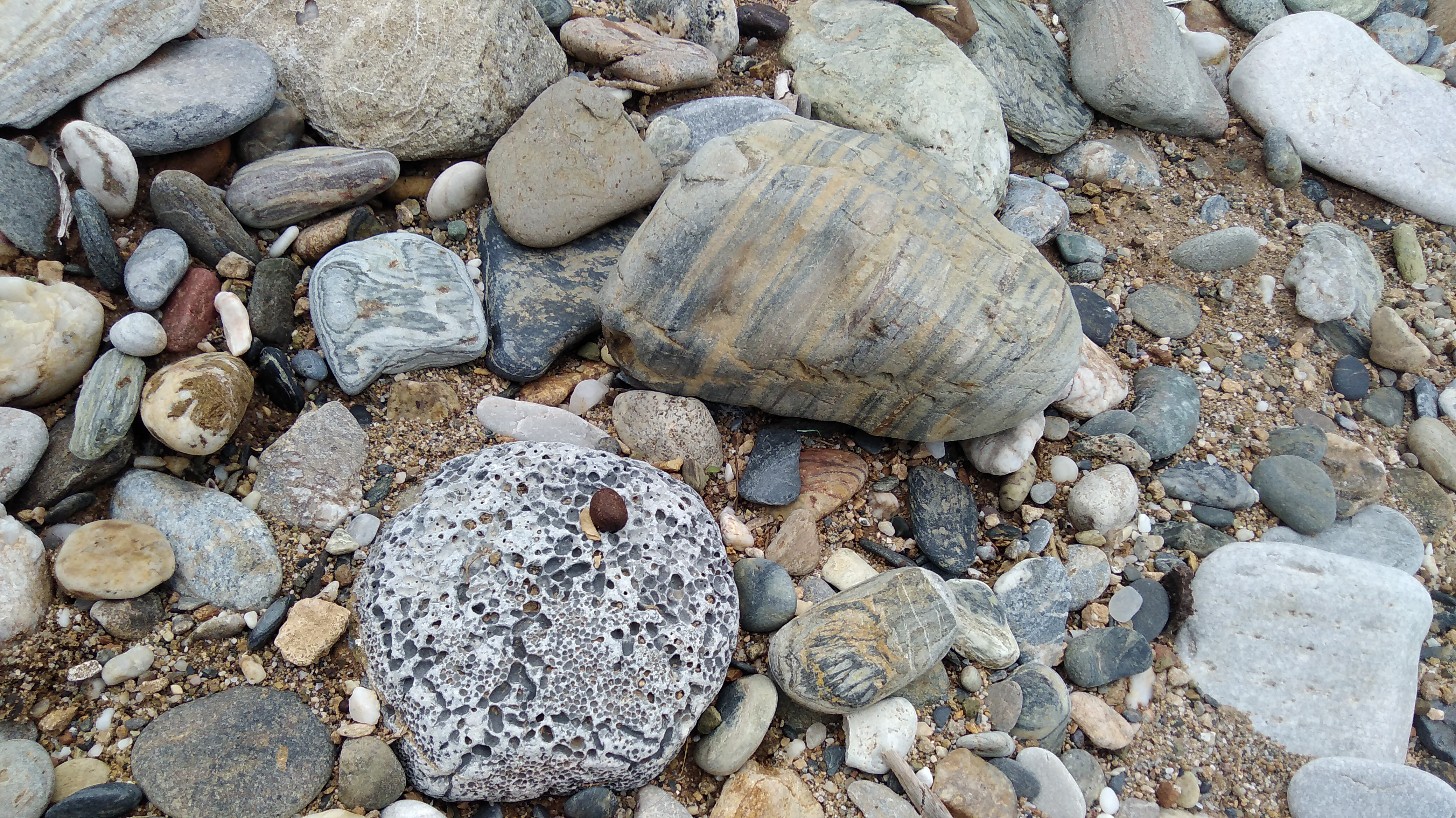
And beachcombing is always a delight.
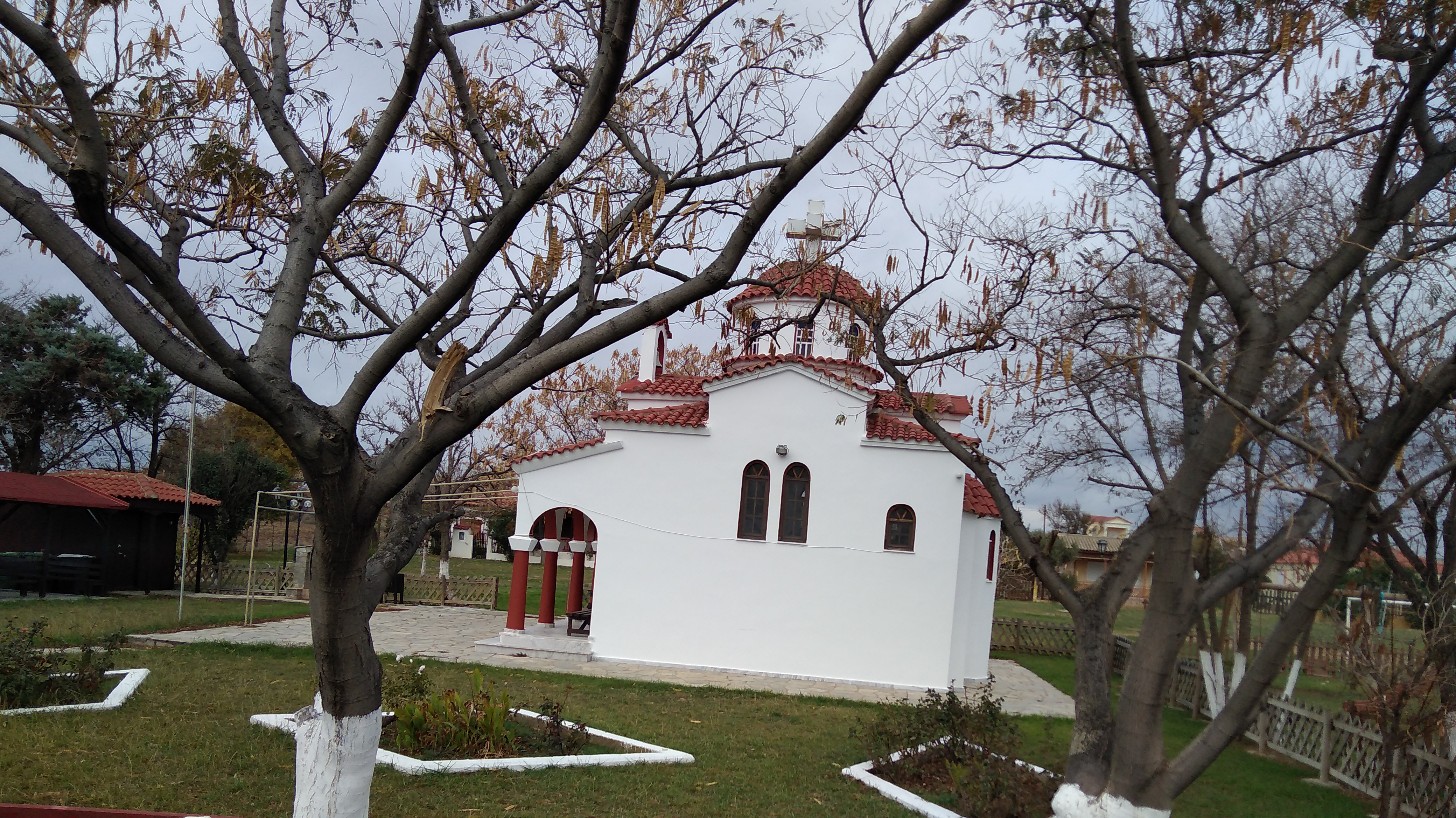
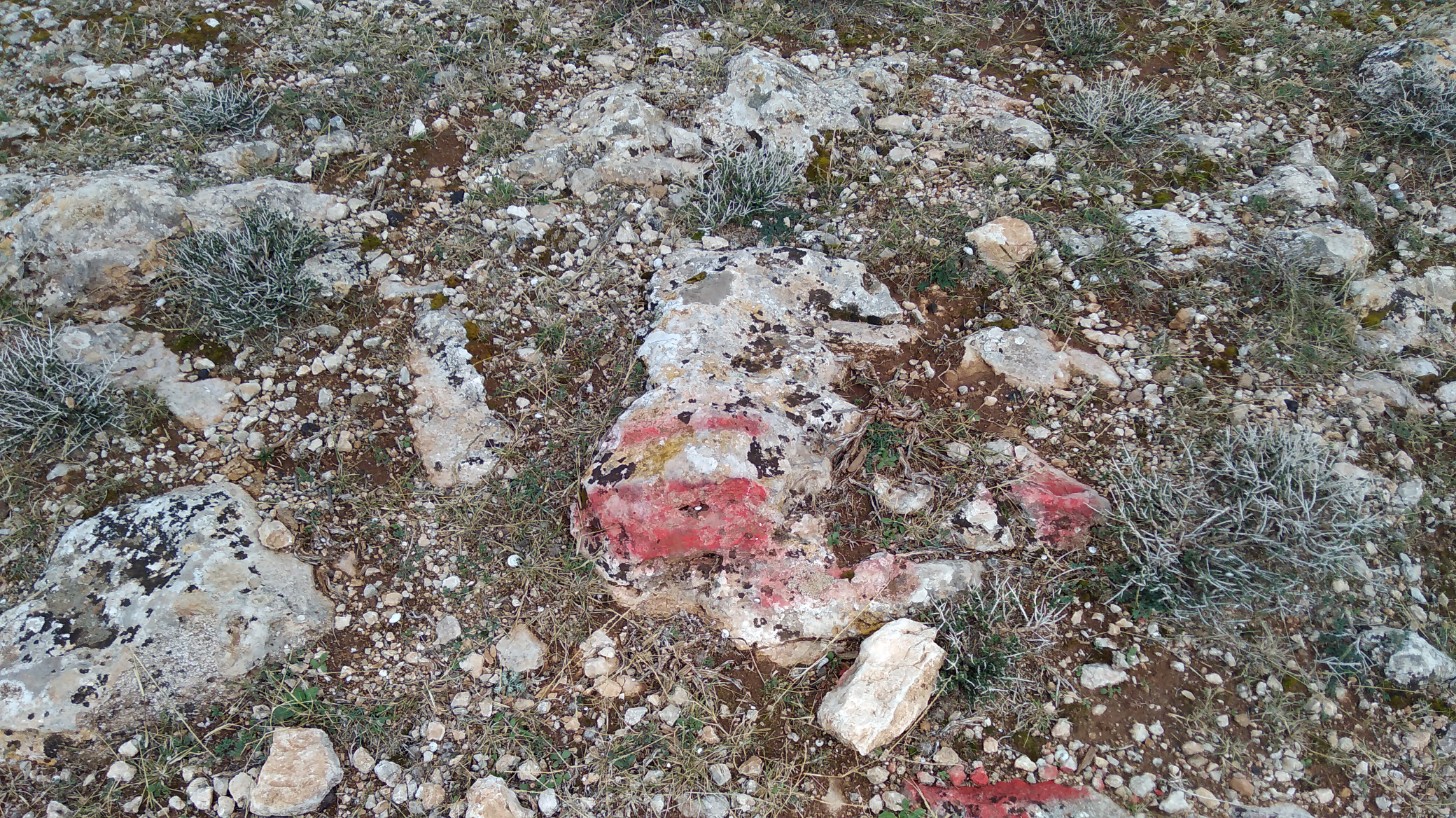
A popular place for jumping in from a high place. East Macedonia and Thrace, Northern Greece.The hounds loved it! East Macedonia and Thrace, Northern Greece.On the way home we saw this little chapel – popular for weddings I was told. East Macedonia and Thrace, Northern Greece.Red and white stripes – a sure sign of a hiking trail. East Macedonia and Thrace, Northern Greece.
It is all about the animals here in Proskynites, a small village located in northern Greece, in the Thrace region.
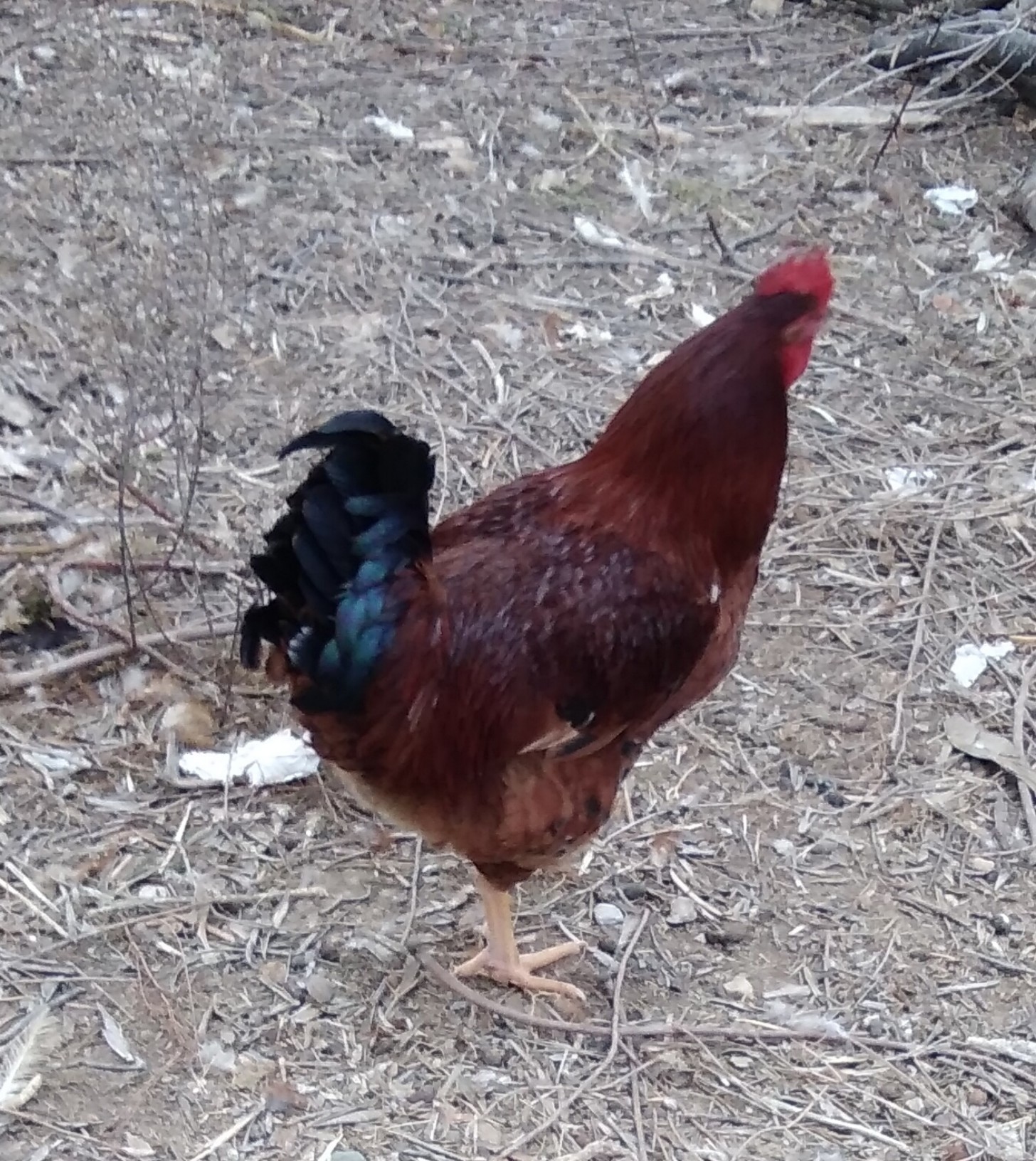
12-15 hens and cockerals
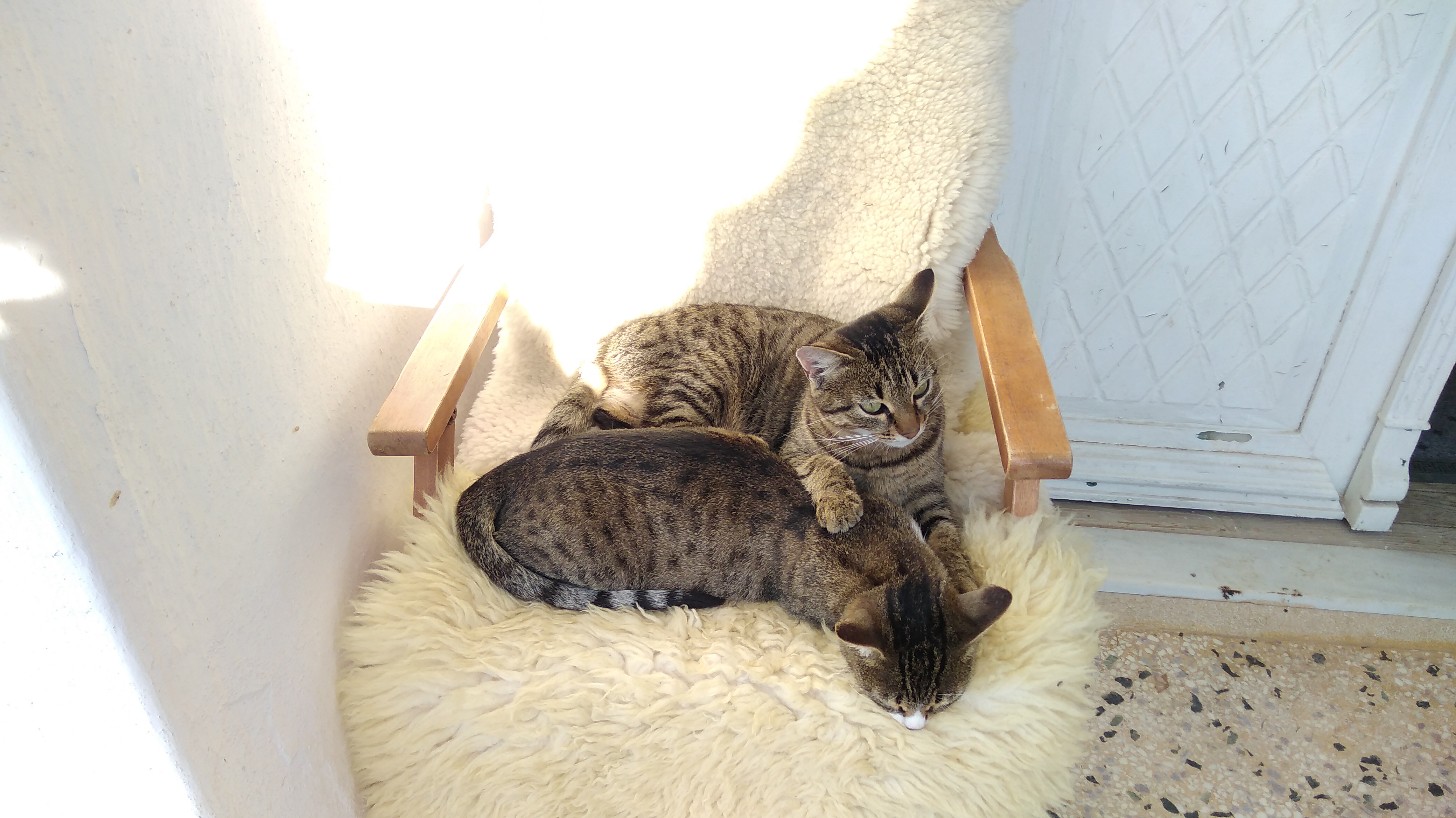
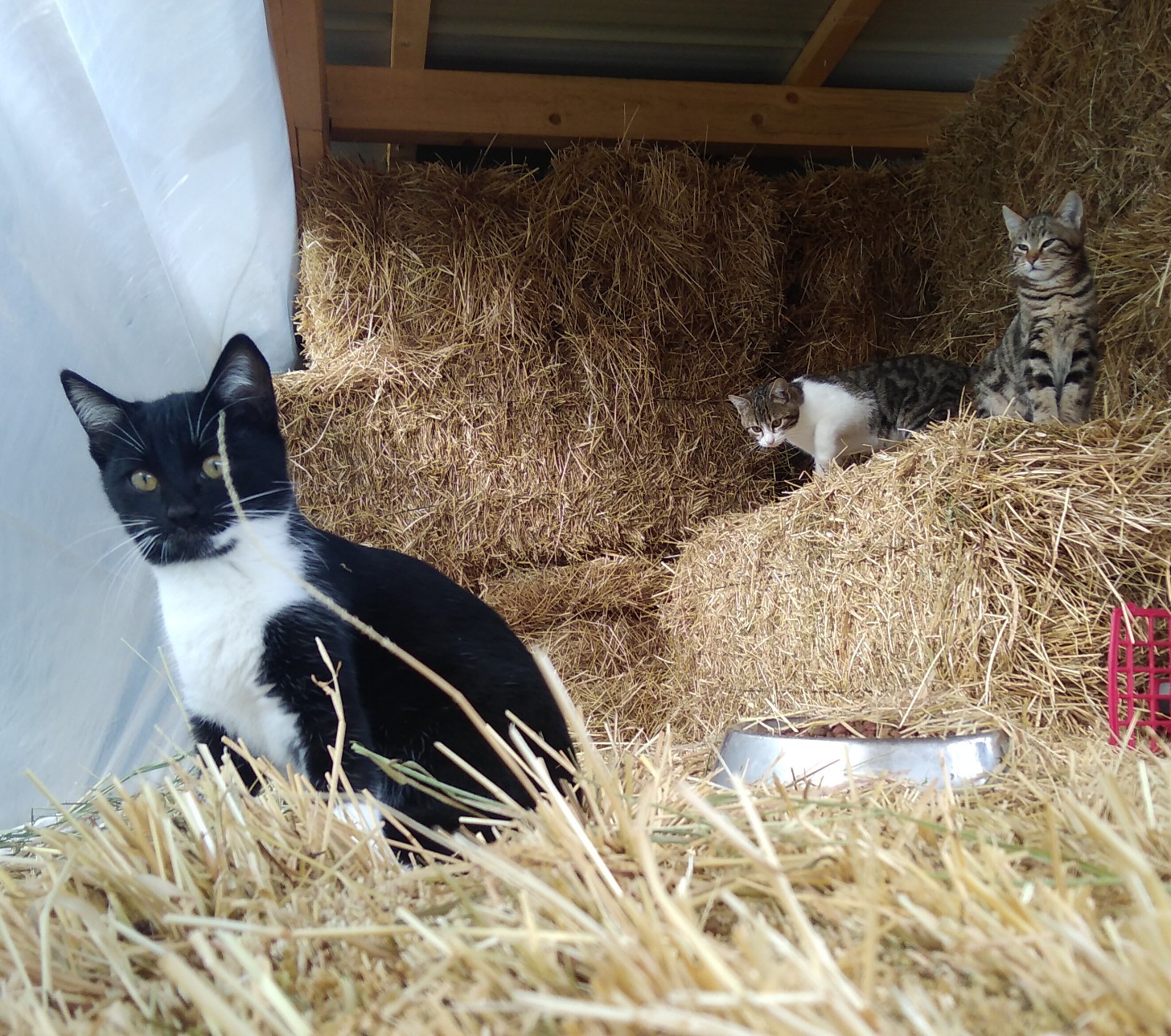
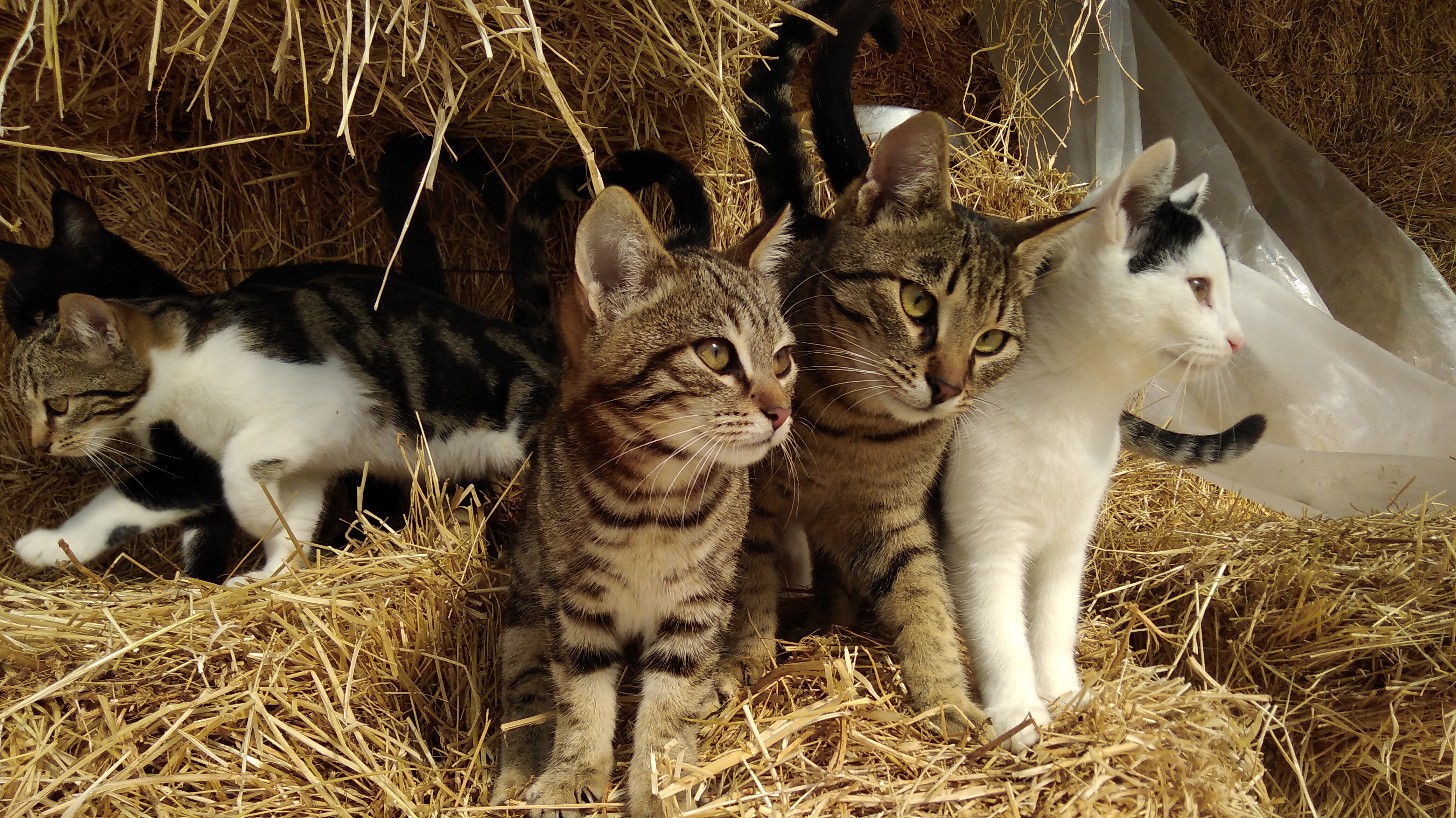
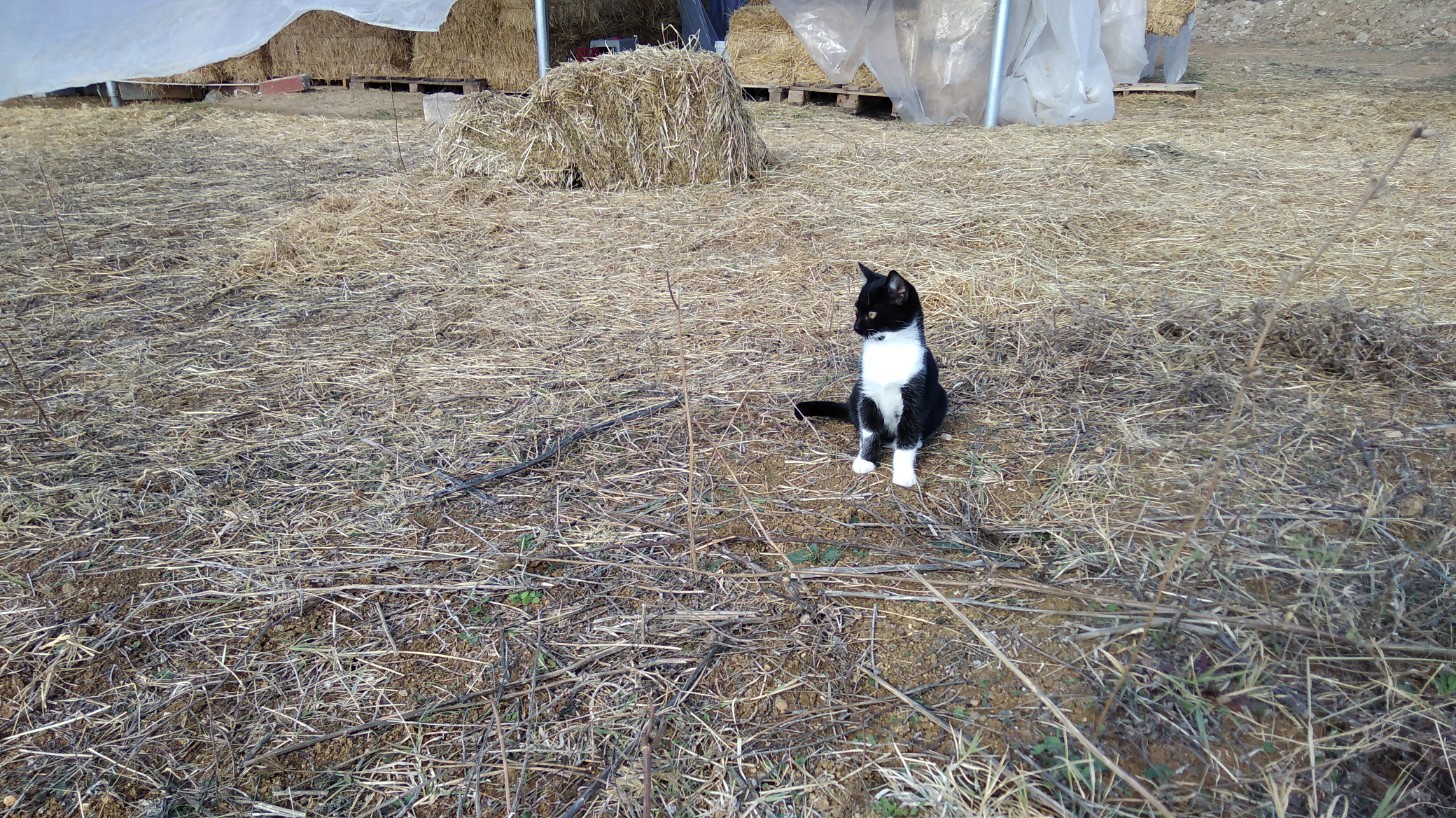
When I arrived the tabby was at home and the mother and all her kittens were at the field
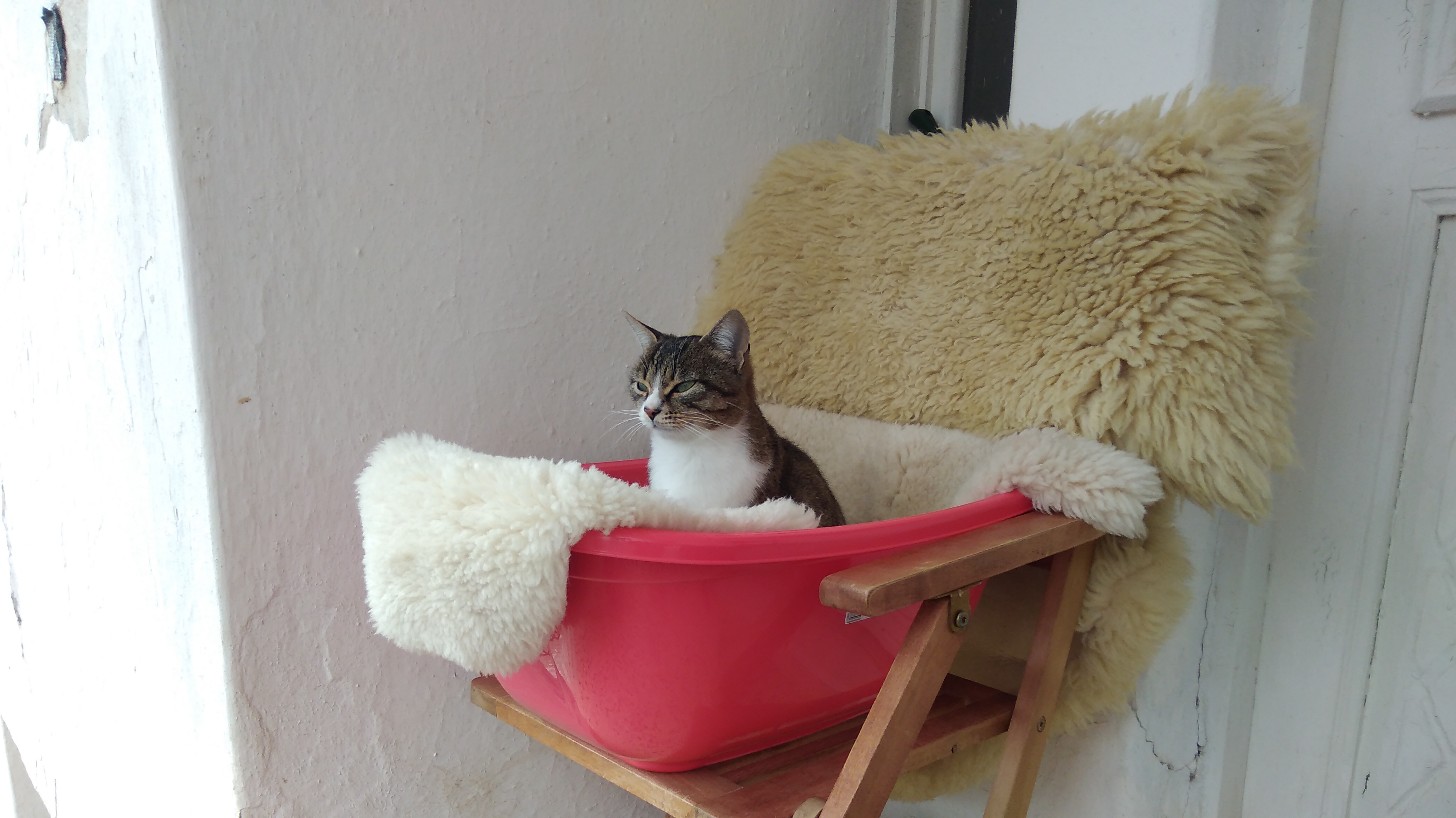
A few days later the same mother, a tabby/white mix with a wonky eye, joined us at the house having made the journey herself (it took me 25 minutes to walk but maybe she knew a short cut!)
The queen, looking as if butter wouldn’t melt, but actually establishing her superiority over the resident female within a very short time
Leaving the rest behind to fight amongst themselves
And look very sweet
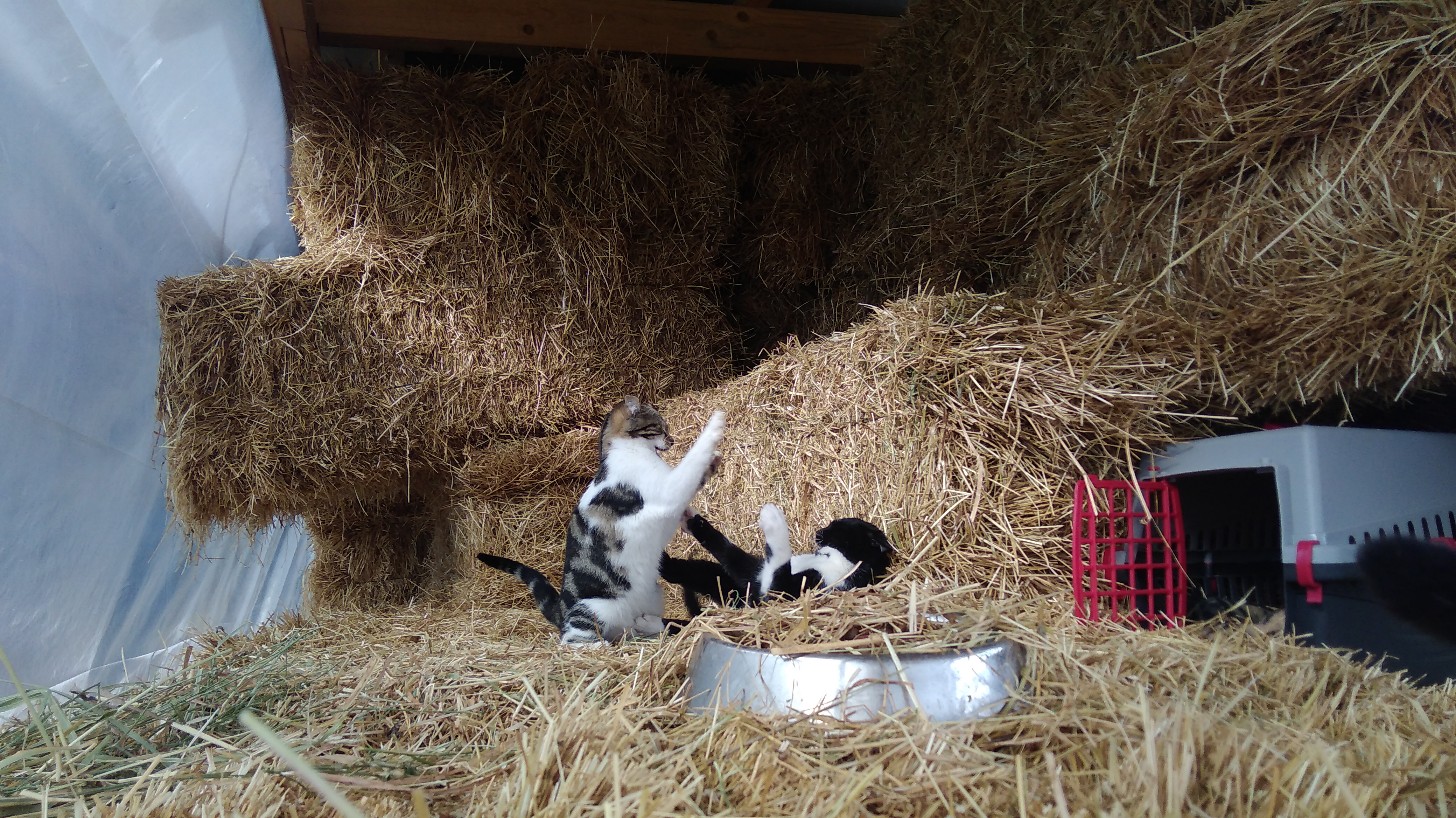
Playing among the bales
And always waiting to be fed and given affection
Somehow not as attractive as these turkeys who live by the petrol station
The land of Thrace also lies in Bulgaria to the north and Turkey to the east. The goddess of the same name was daughter of Oceanus and Parthenope, and sister of Europa. There is always a story.
Lea
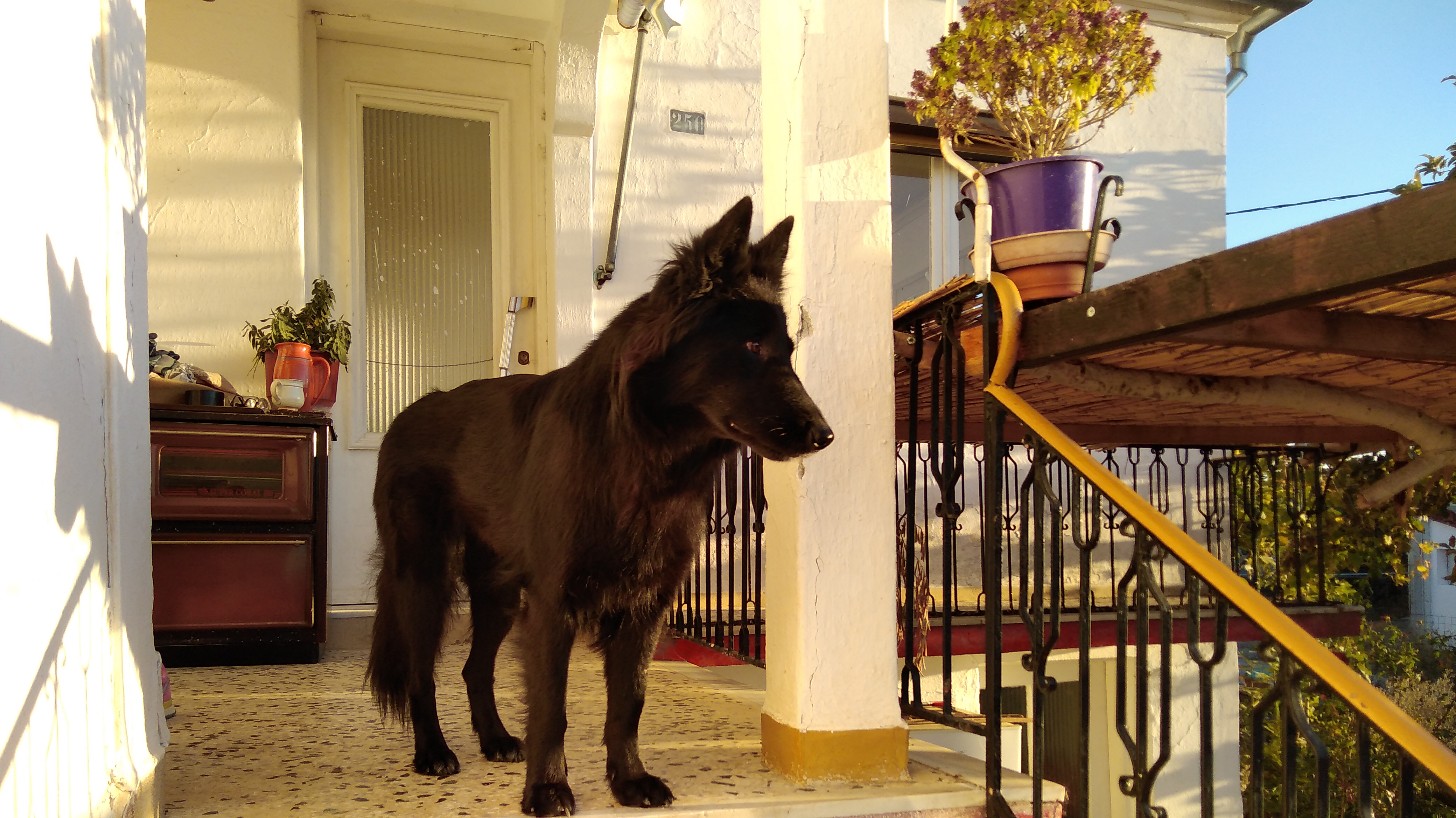
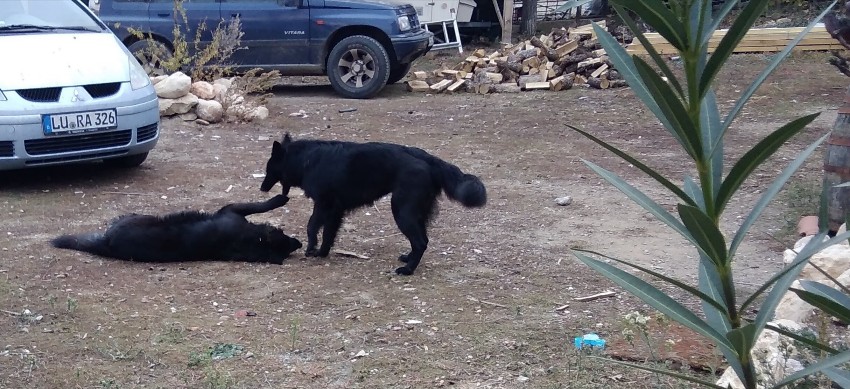
Rosie and Lea play fighting
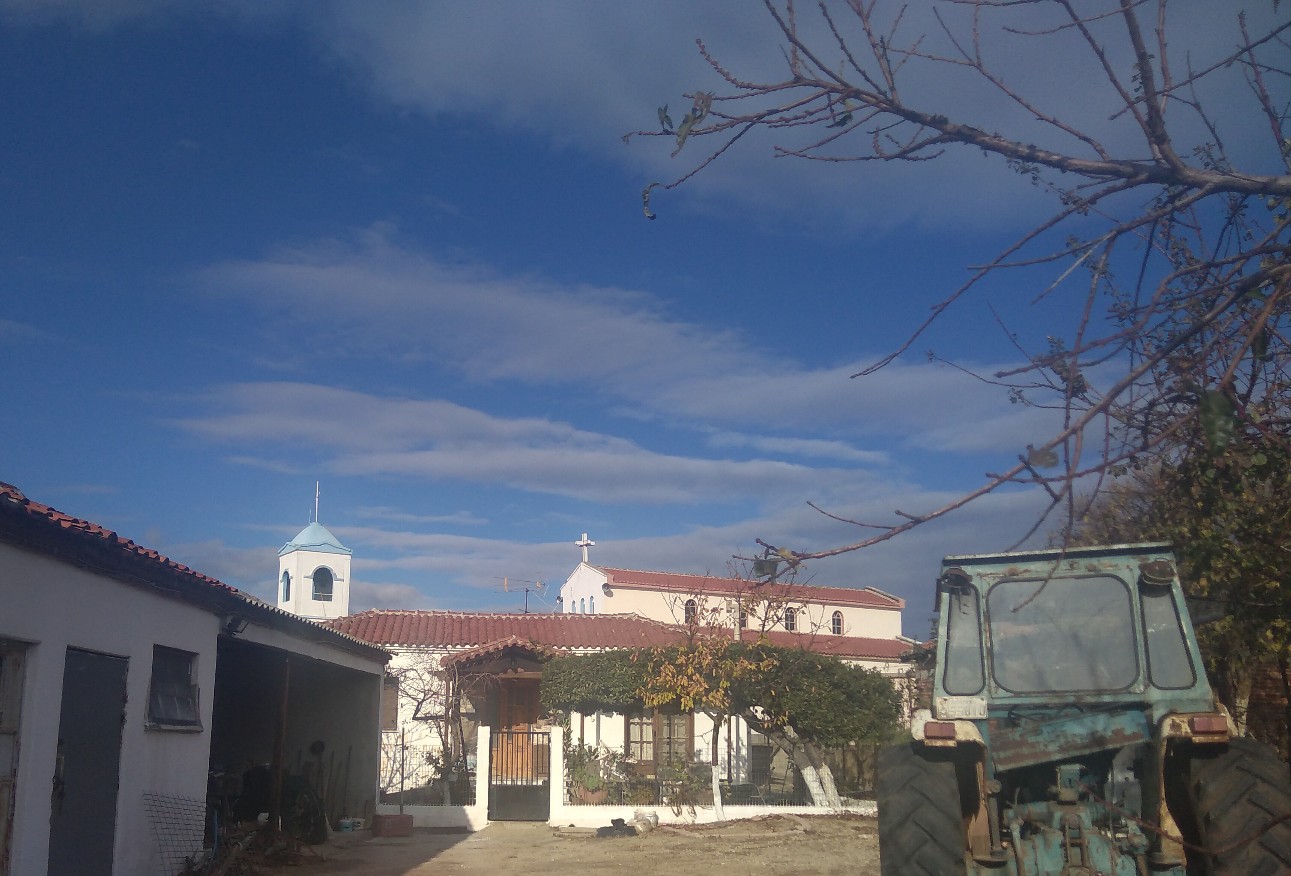
Proskynites boasts 2 cafés where you can sit all day drinking tsipouro (a sort of grapa distinct from ouzo by omission of star anise) if you fancy; an equal number of churches; an extremely well kitted out supermarket selling almost everything and with a spotless meat area out back; a community centre; and a bus stop where you can get a lift to Komotini which is the nearest big town (about half an hours ride at 2.30 euros).
Several times a week a gentleman hollers out over the village for 2 and a half hours. It is a Greek orthodox Church
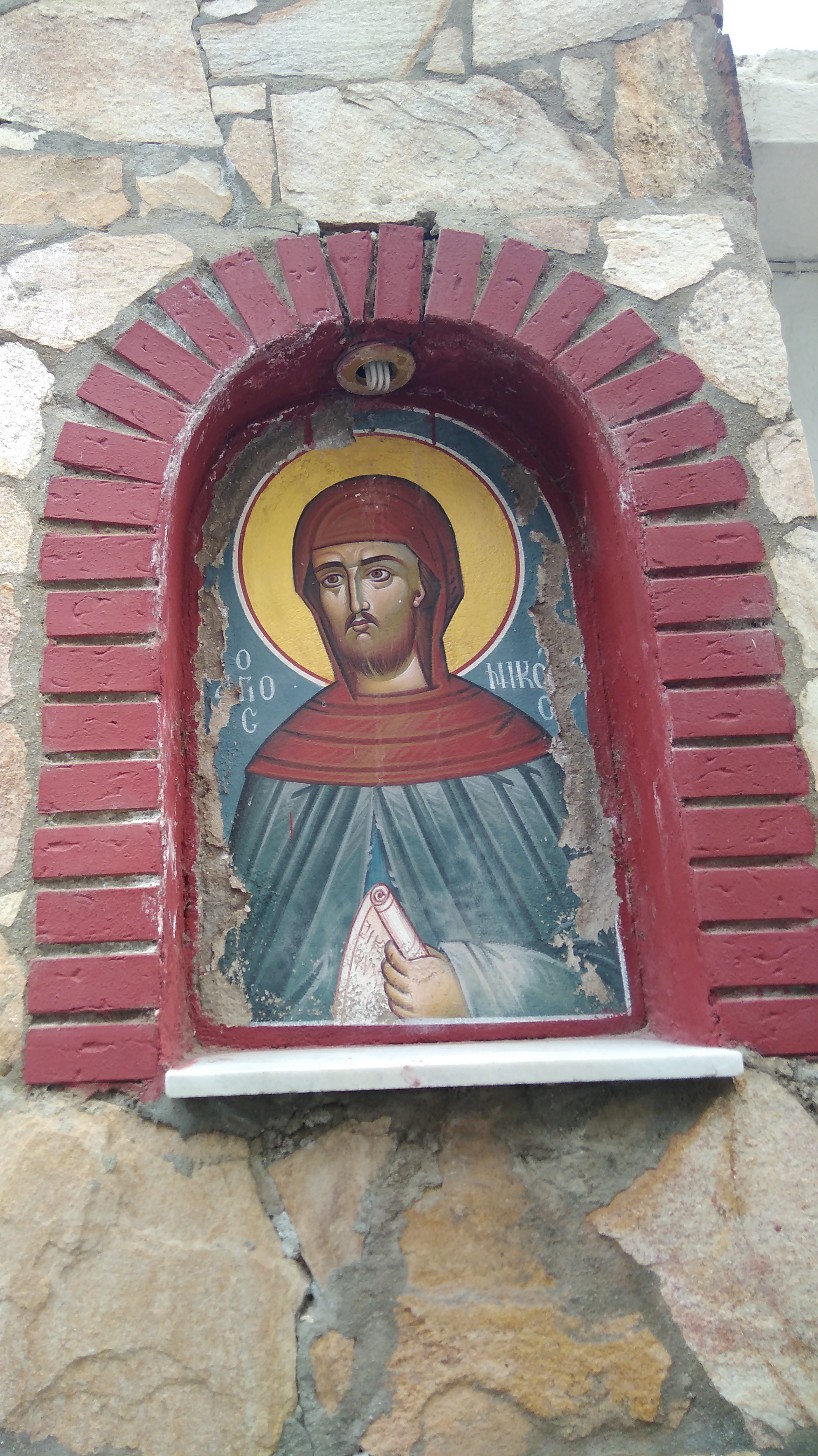
Everywhere I spy saints – icons sitting with their back to the till in the supermarket or stuck up above the steering wheel of the bus.
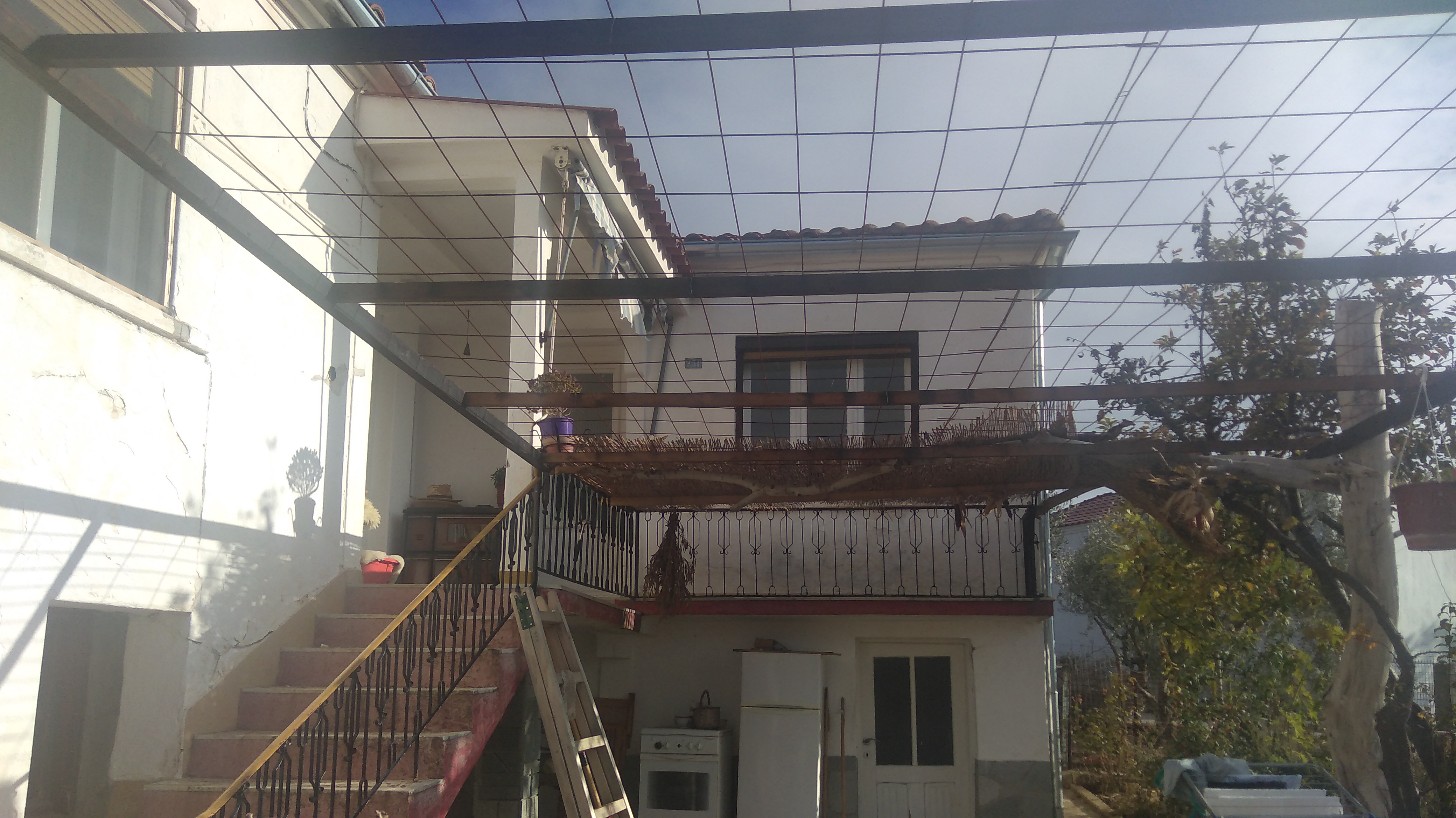
On 2 floors, the house has a courtyard with a roof for training the vies over providing shade in the summer when temperatures reach the mid 30s
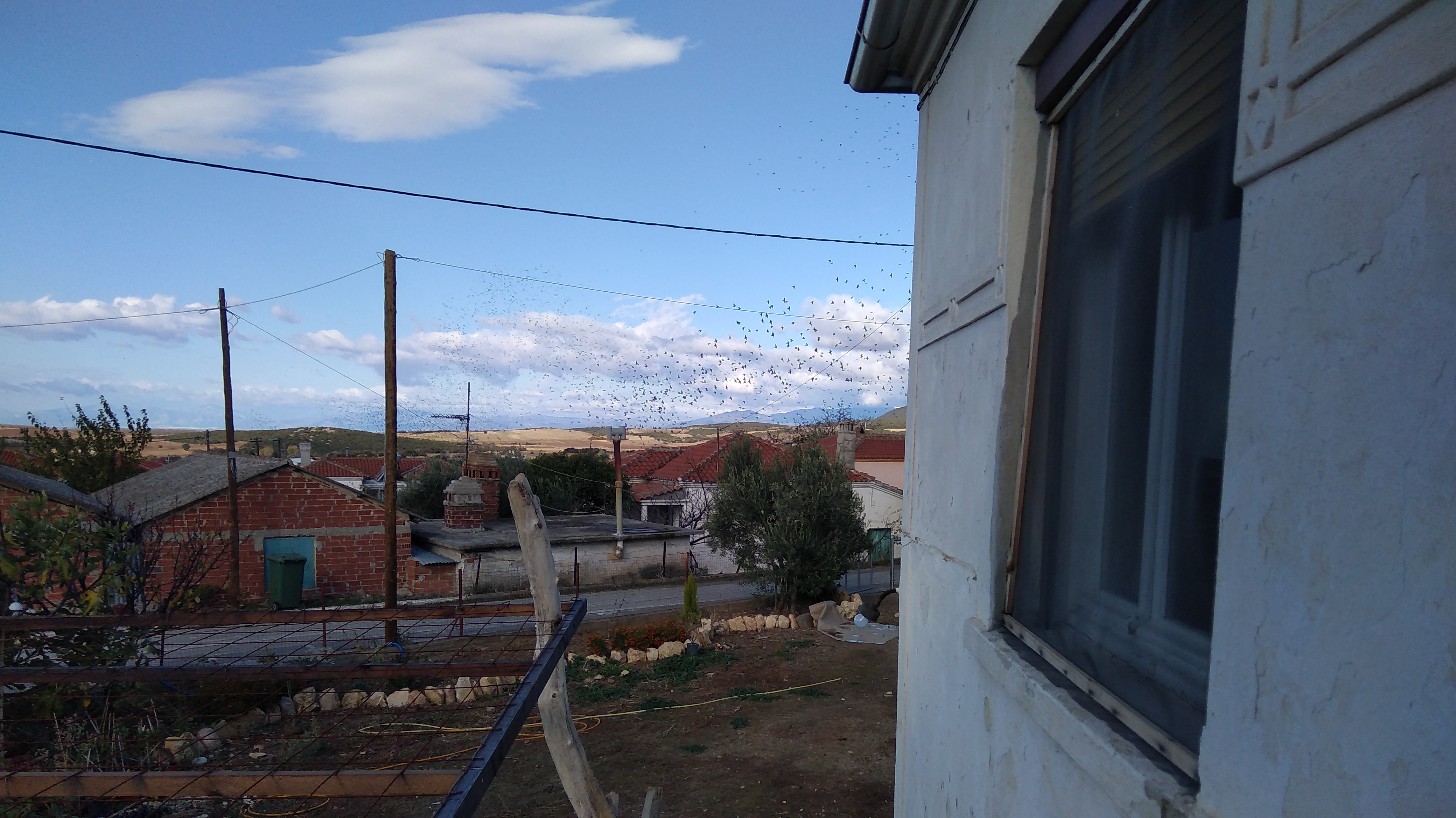
From the top of the steps I can see over the rooftops
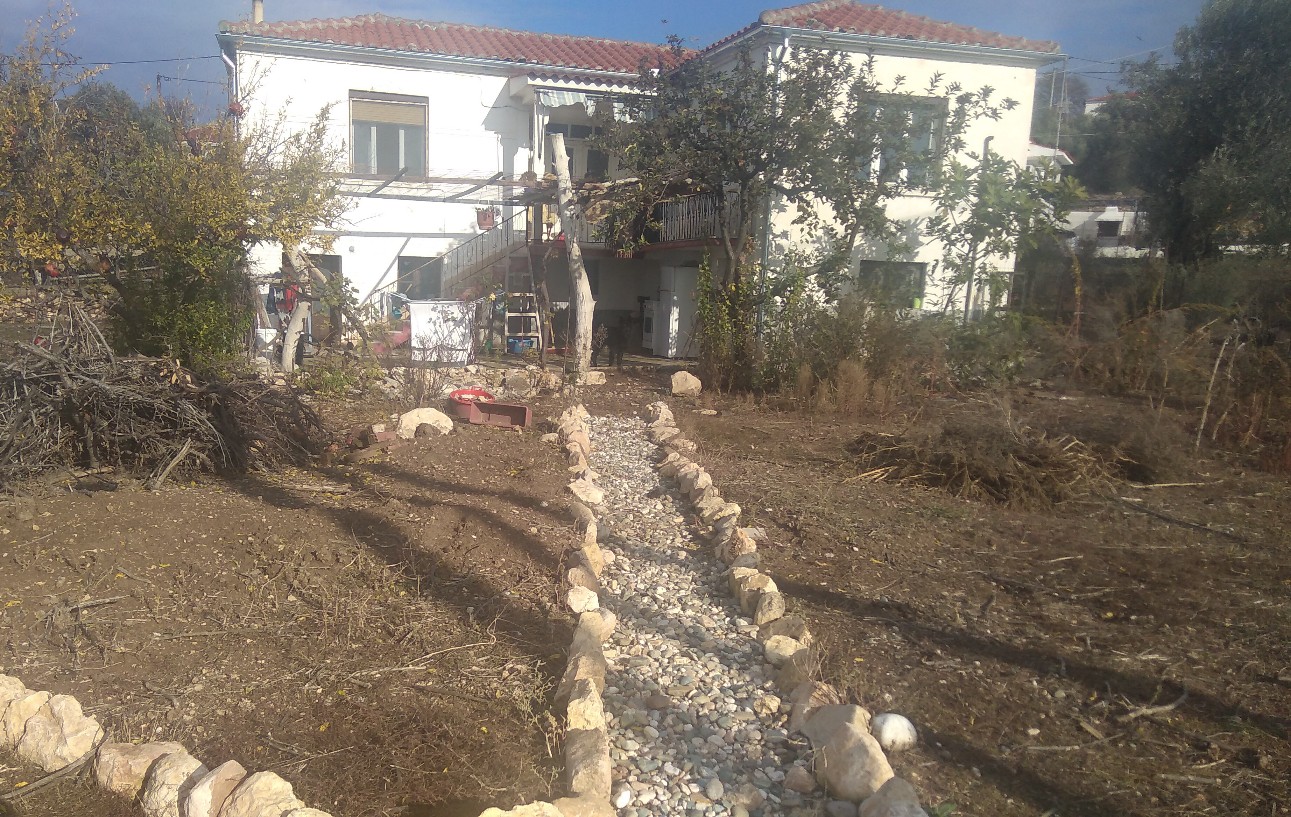
A garden for tomatoes and sweetcorn
Here was some afternoon sunshine during my first 2 days and look!
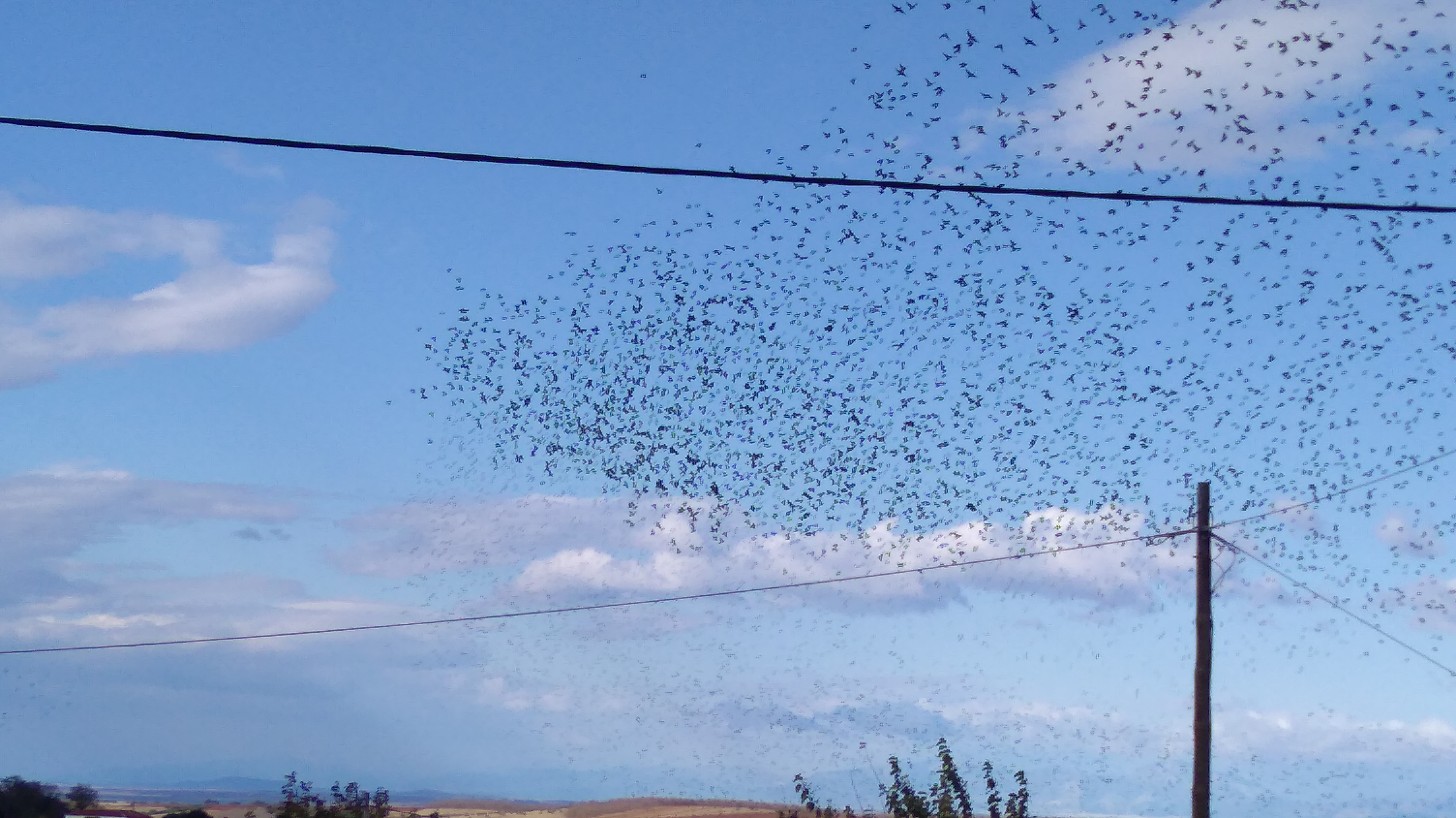
Swarms of Autumn swallows swooping in front of me and once or twice settling on the wires in their hundreds
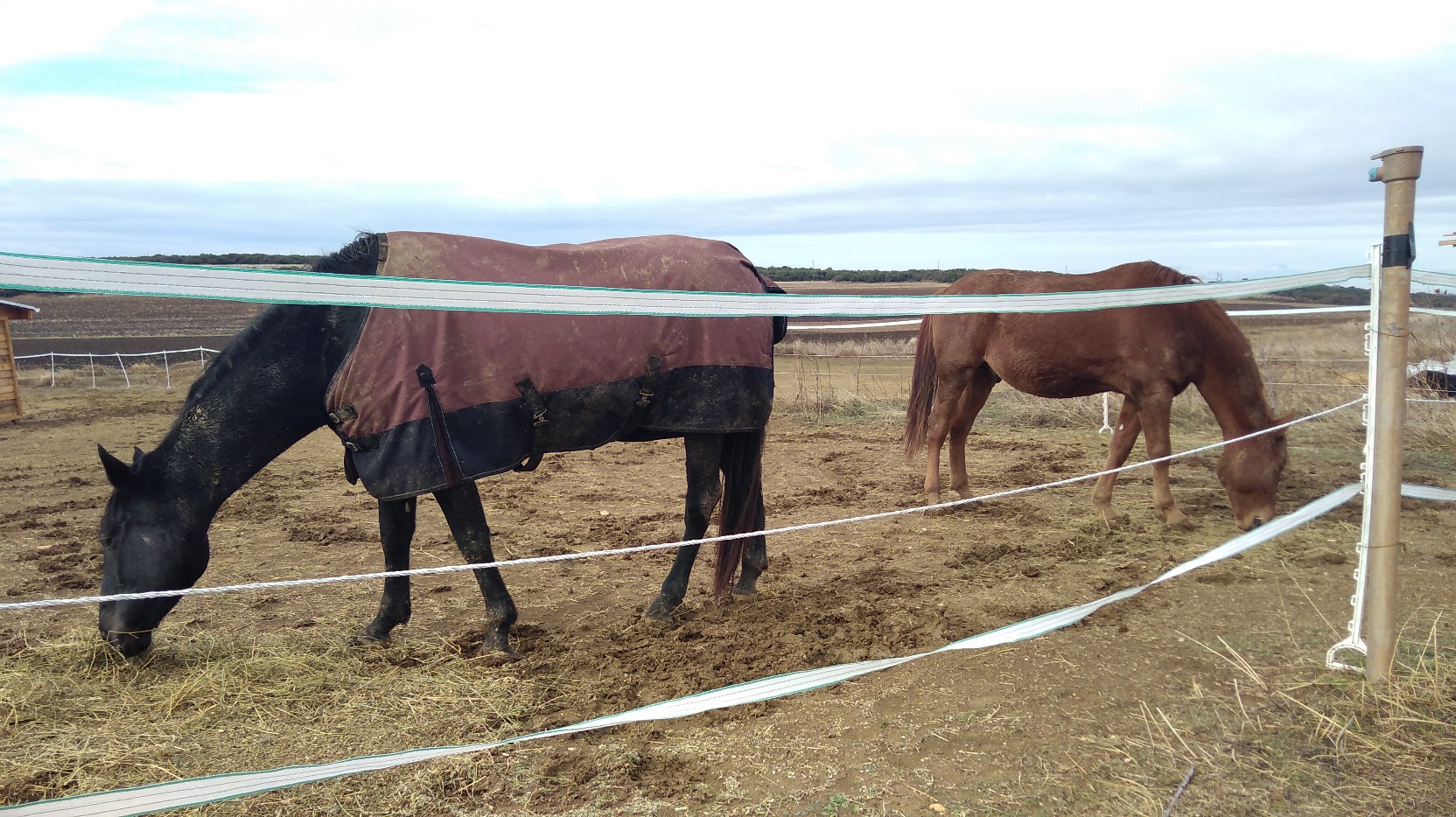
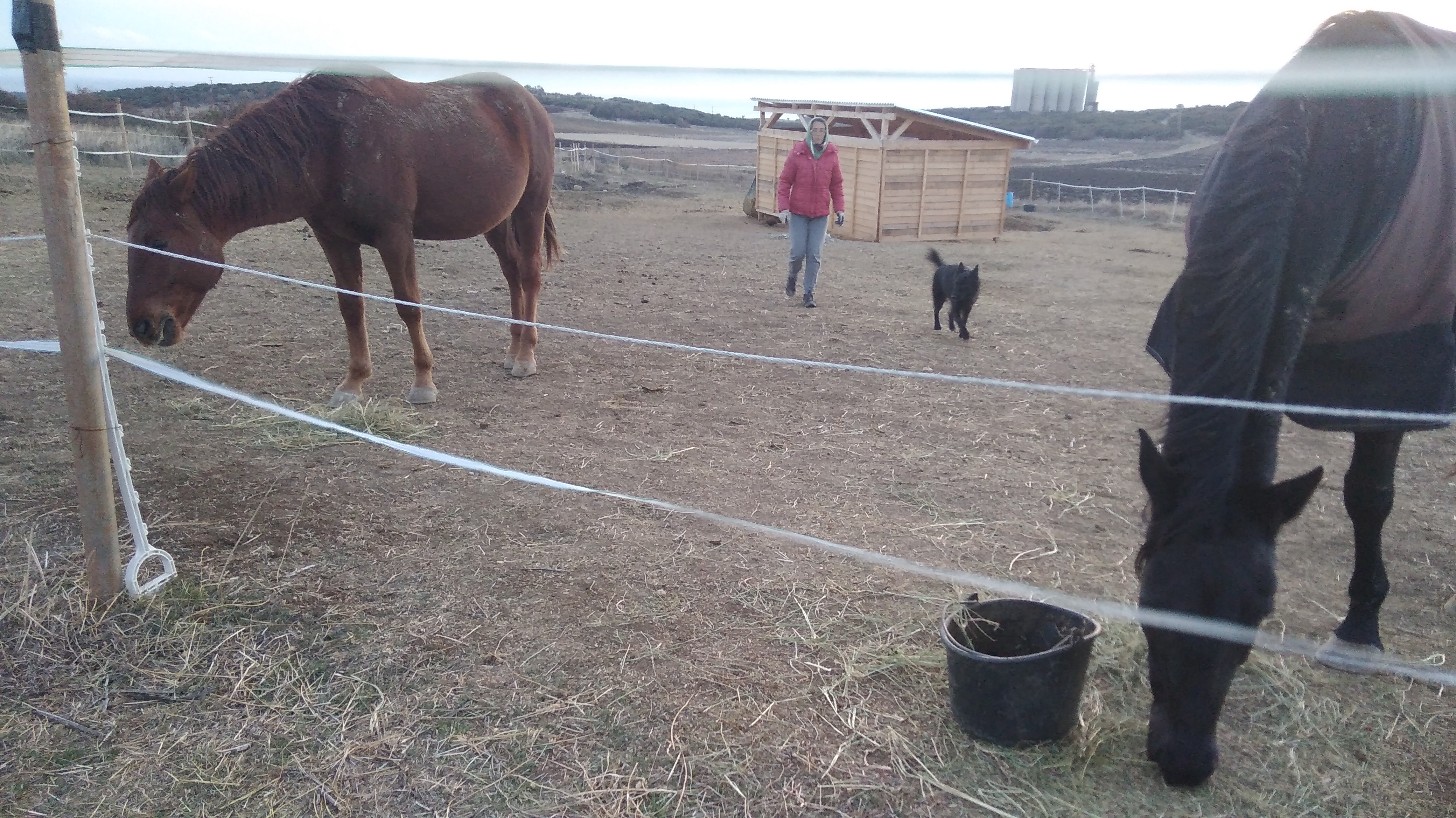
Our days are mapped out with twice regular visits to the field ( 10 minutes away by jeep) to feed, water and look after the horses, one of whom has a sneezy cough.
Giselle resplendent in her coat and Juli
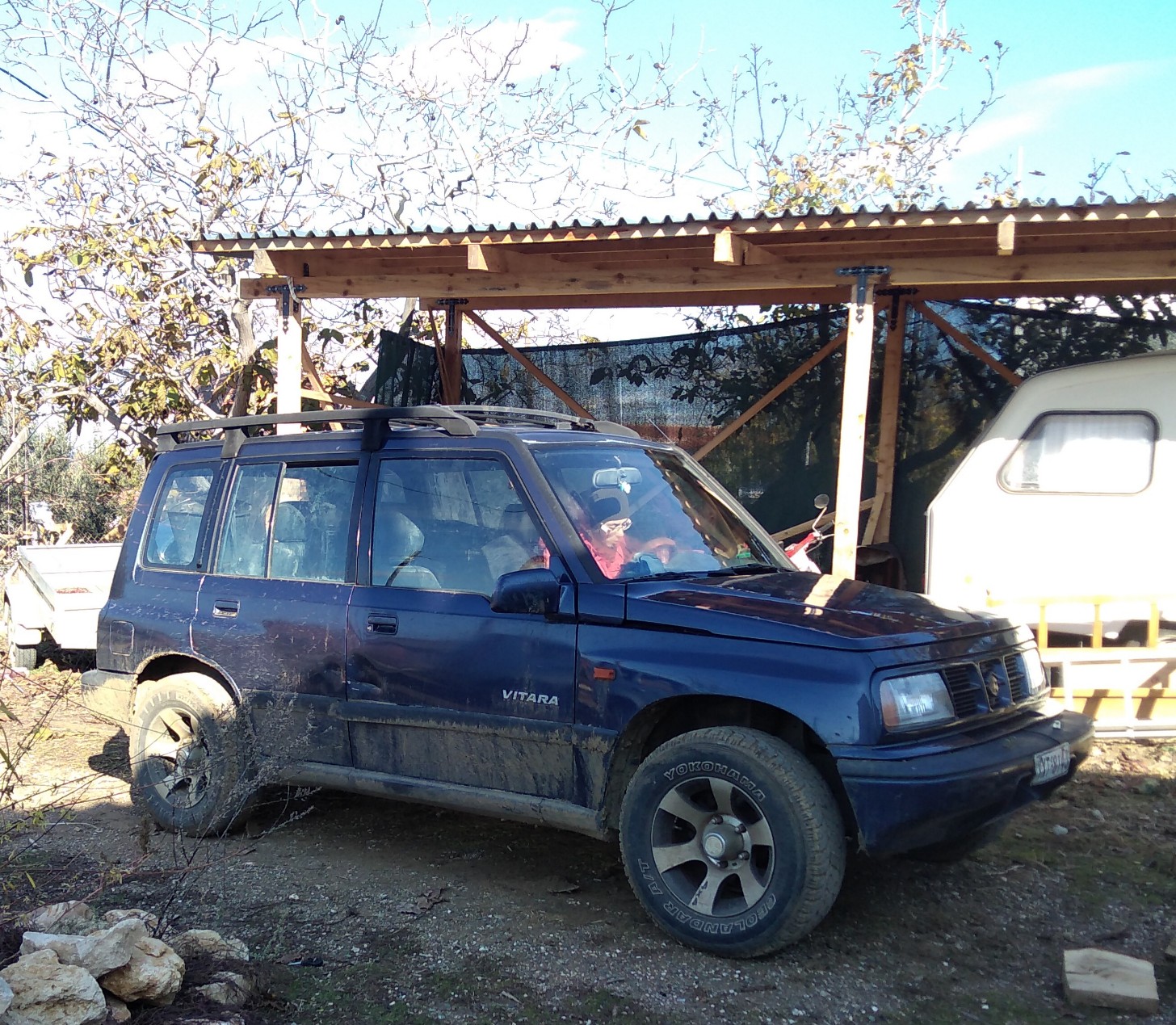
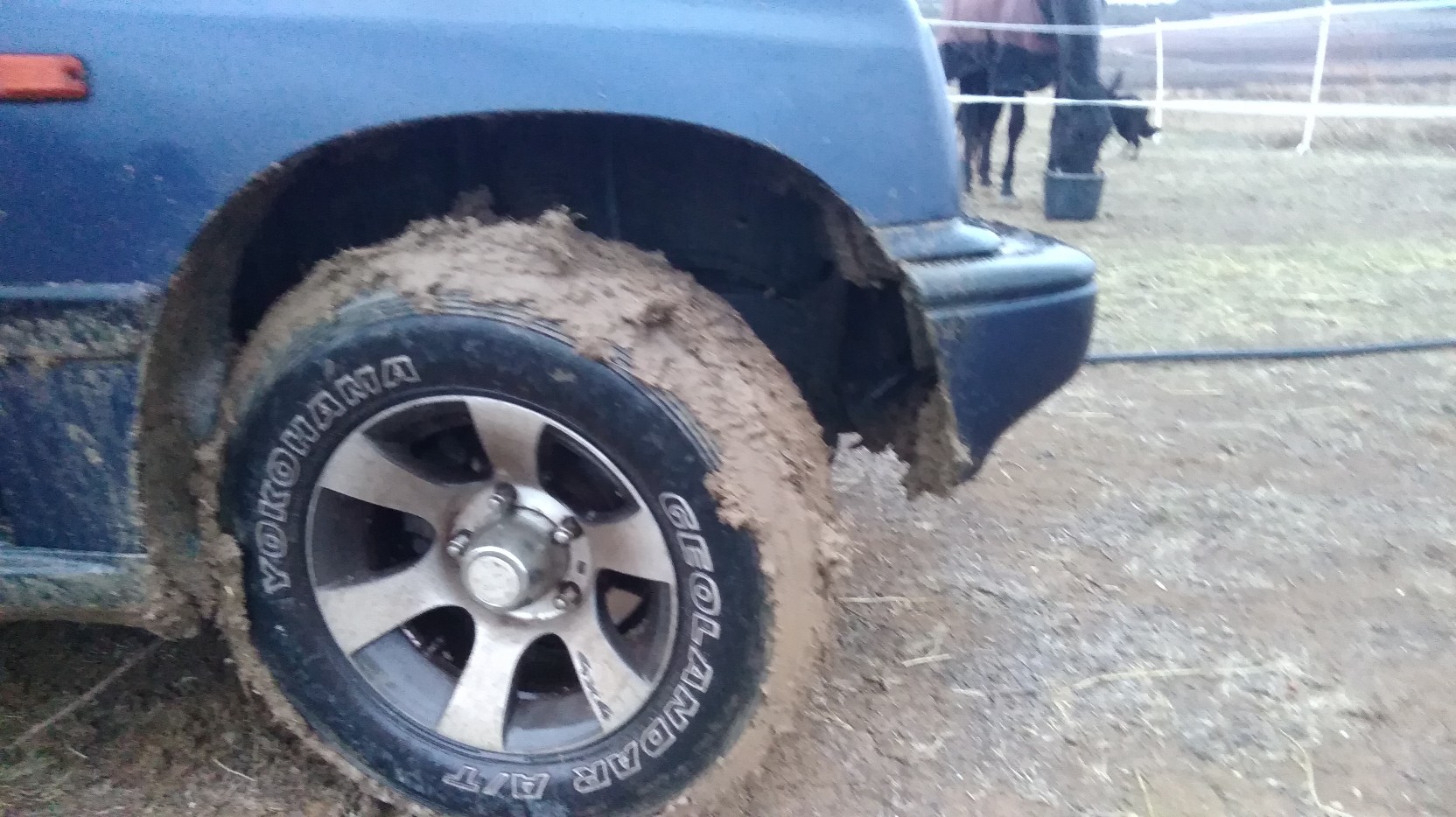
A very necessary 4-wheel drive
Anyone who loves horses enough to do this is bound for heaven in my opinion, particularly with winds wailing from the Russian plains, temperatures of 4 degrees or torrential rain, the rest of us mere mortals would stay at home.
The dogs taunt the horses something dreadful, causing them to gallop around and kick up their hind legs
Not much further on is an abandoned village. The authorities offered them compensation in the form of land if they would vacate because it was too expensive to run electricity there. So the tale is told.
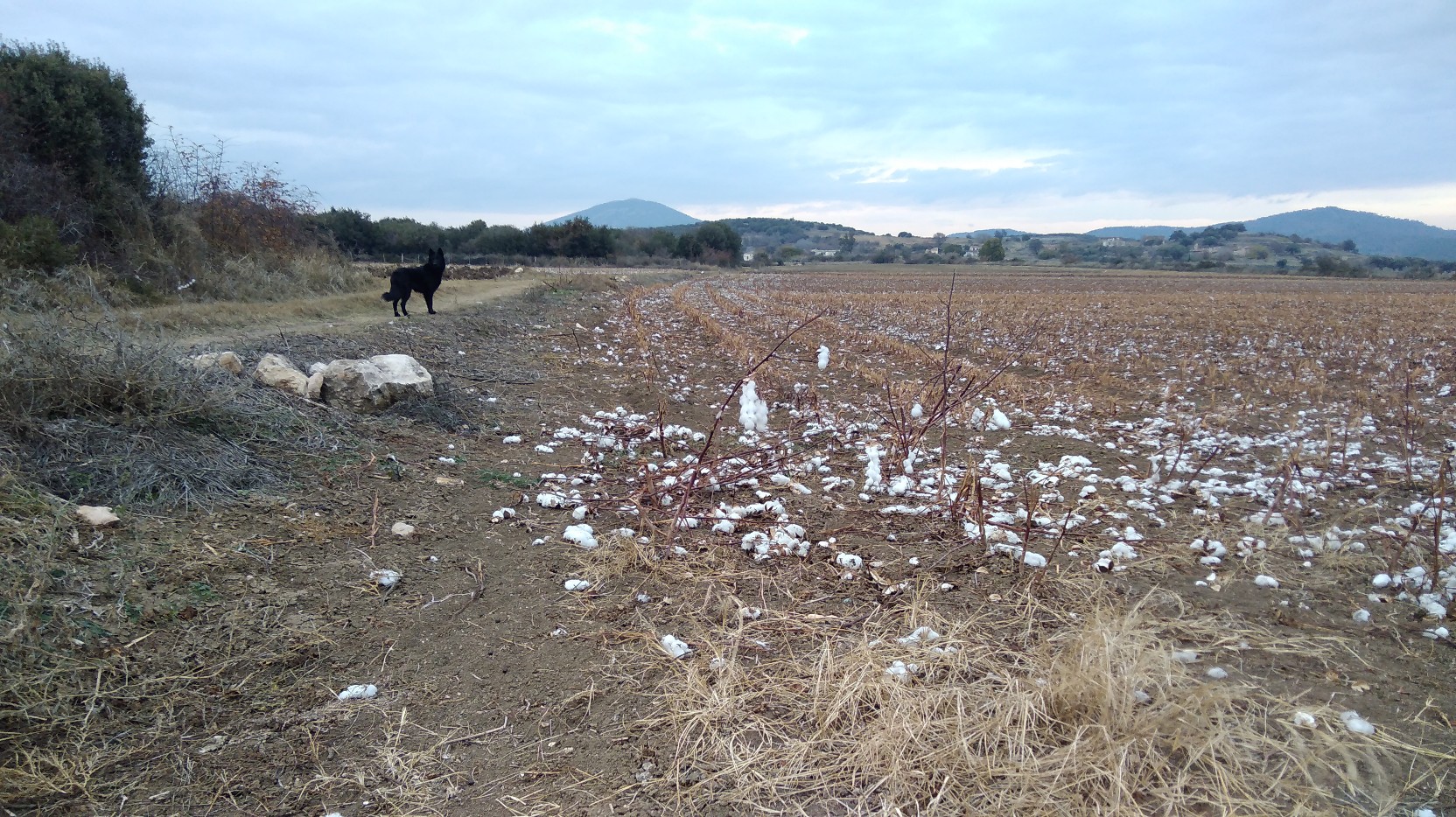
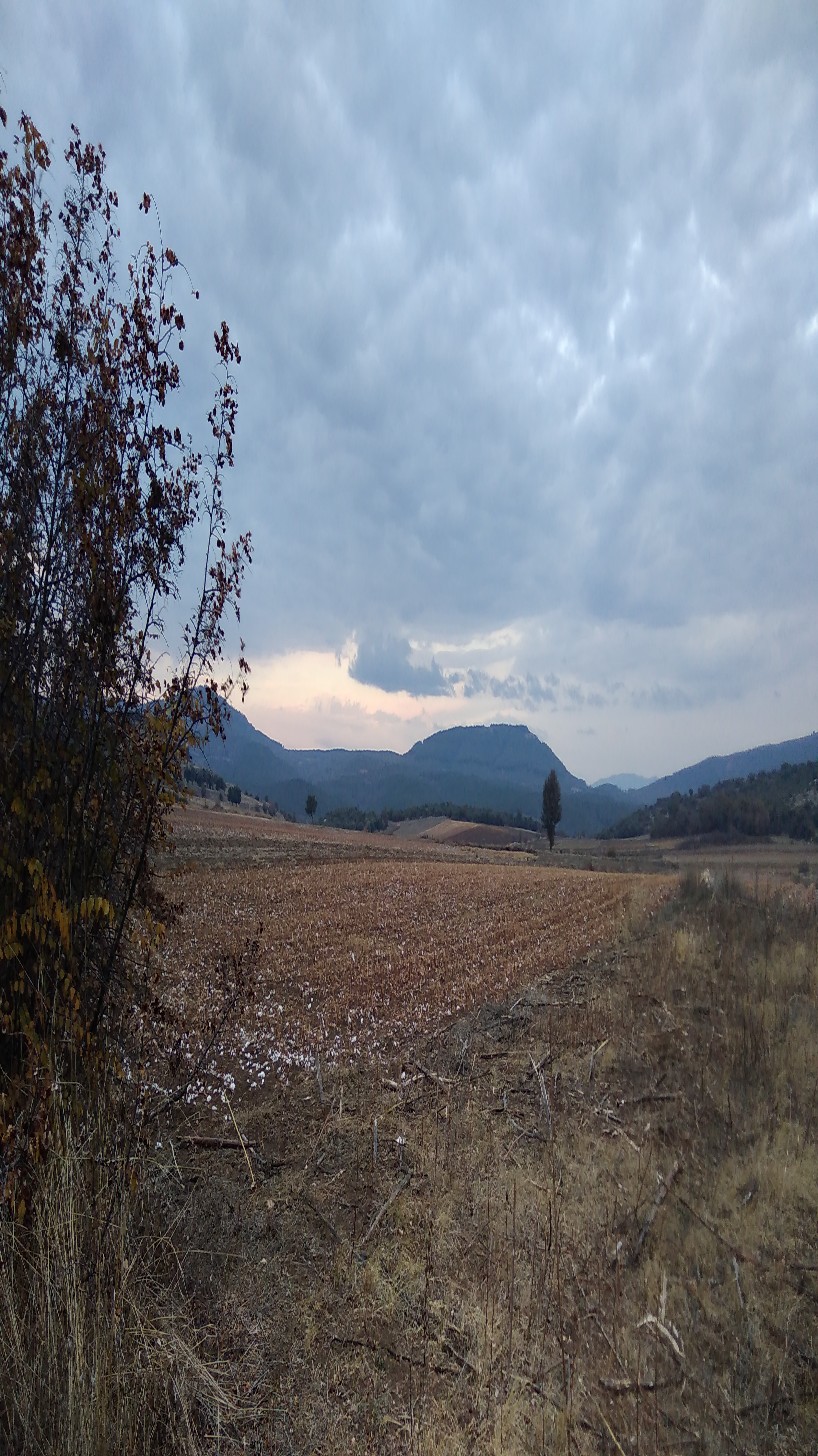
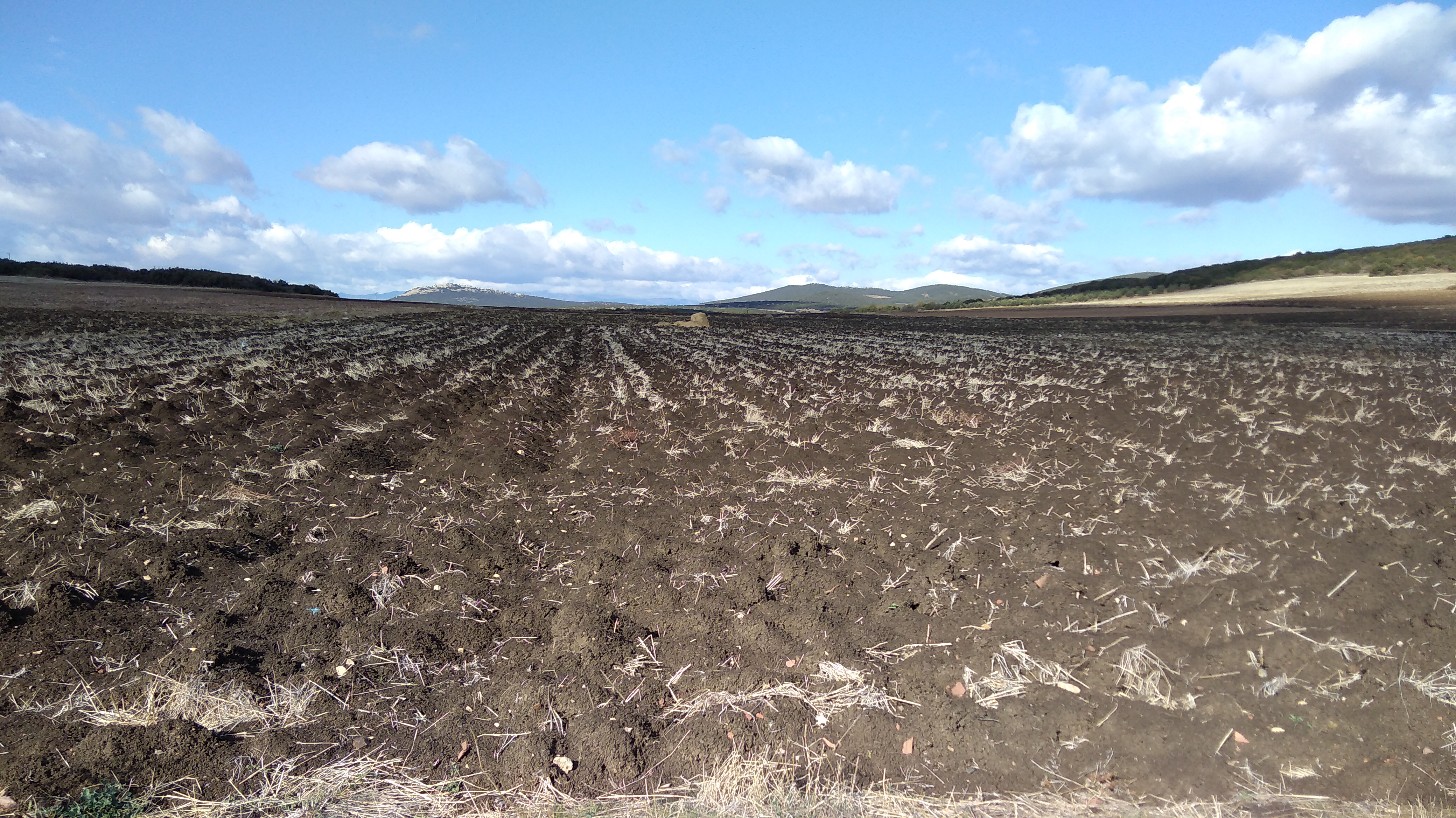
It is cotton country and at this time of year there are cotton wool balls in the hedgerows, beside the road, in transporter trucks and vestiges still in the fields.
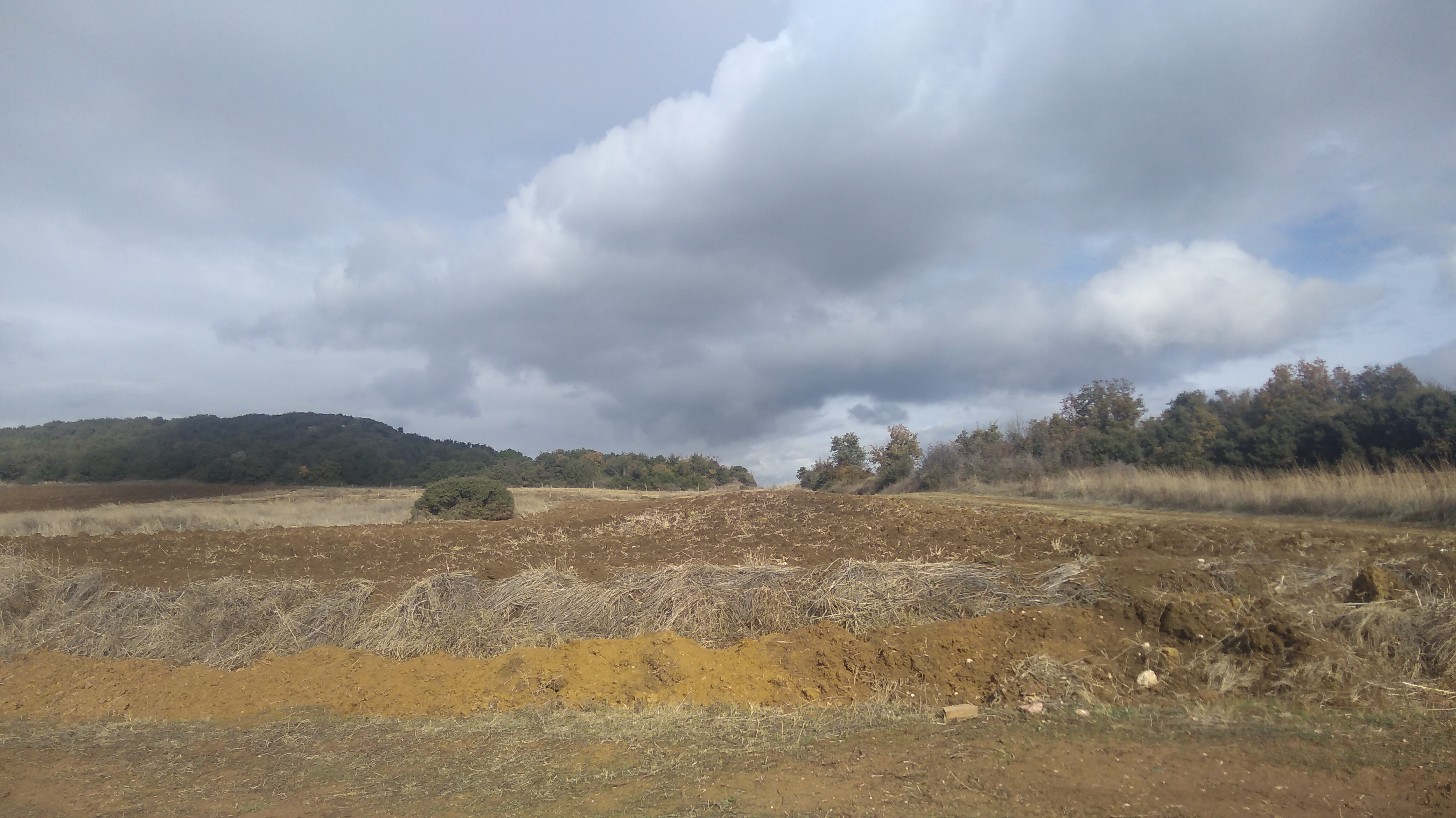
The tracks all look the same unless you learn to identify the different hills surrounding them.
They looked dramatic as the light waned at 5pm
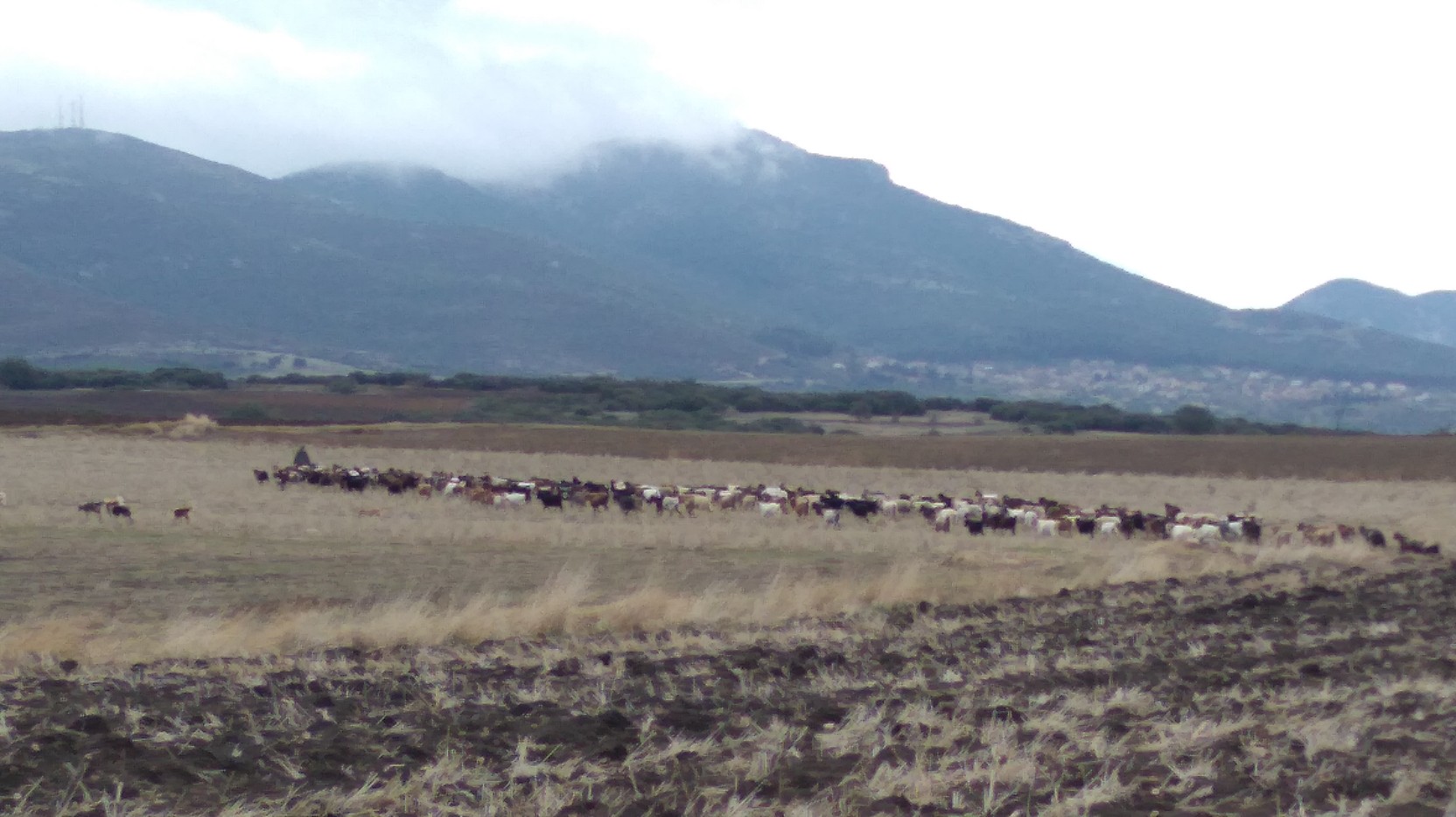
A flock of goats with herder and dogs cause Lea and Rosie great excitement
They took absolutely no notice of me and only came back when they were effectively seen off.
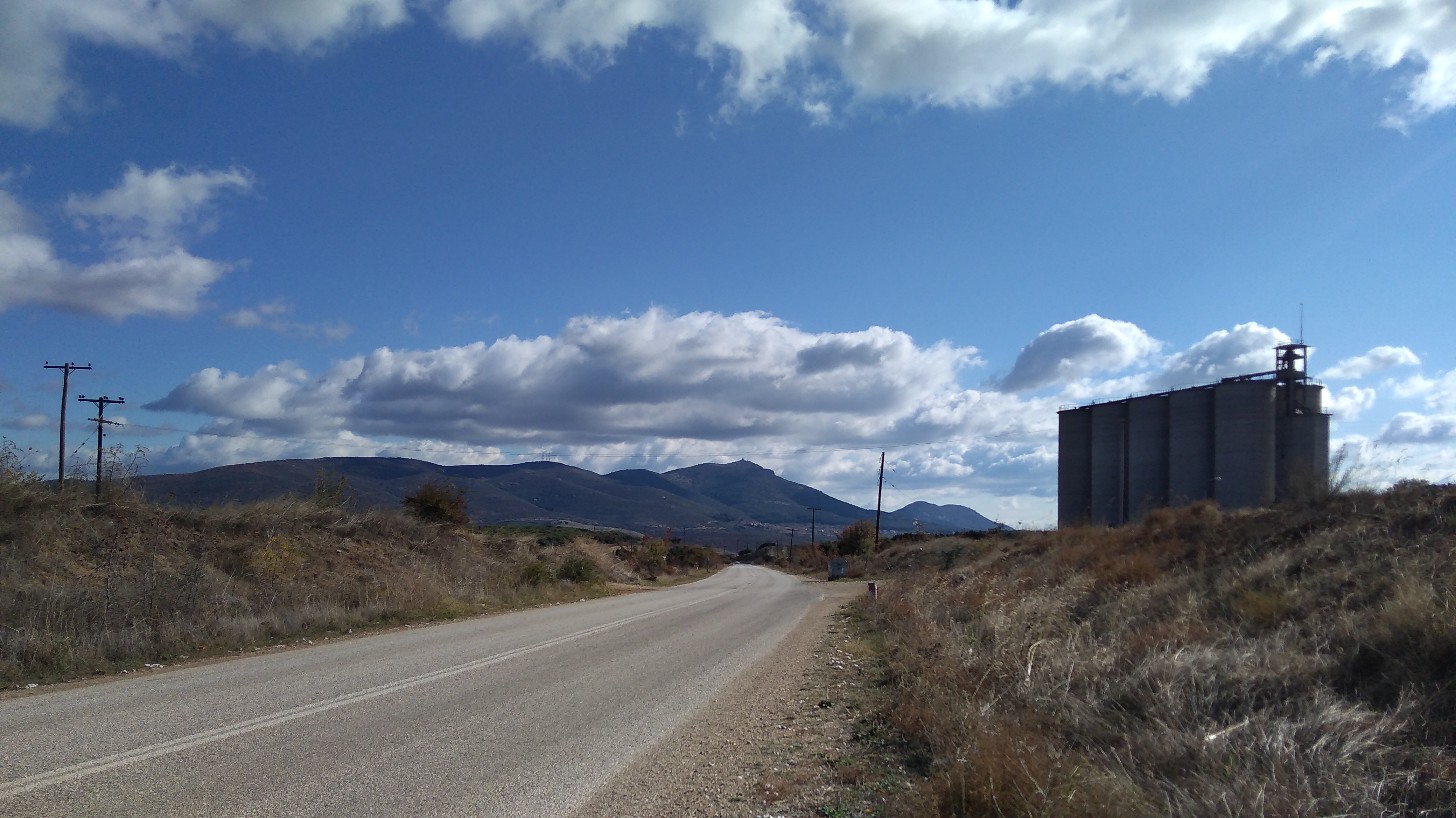
Turn left just before the disused silo
This part of Greece is so close to the border that you can almost see across to Turkey, a non-EU country.
The rain causes the clay to coagulate around our boots
And tyres
Causing it to fly off in chunky lumps when we once more gain the road.
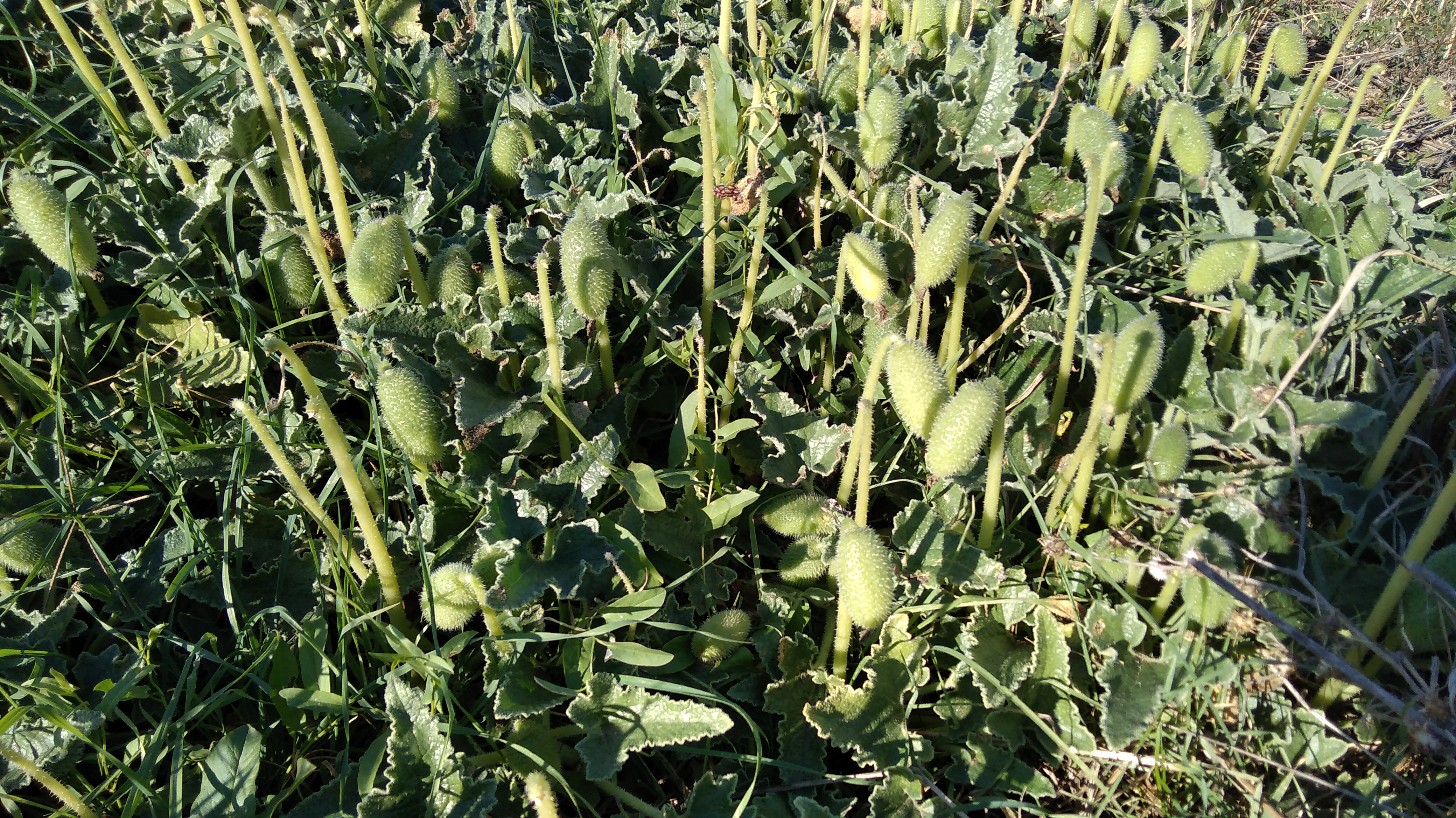
Wild cucumbers – poisonous although made into a tincture and used sparingly the drops are good for sinusitis
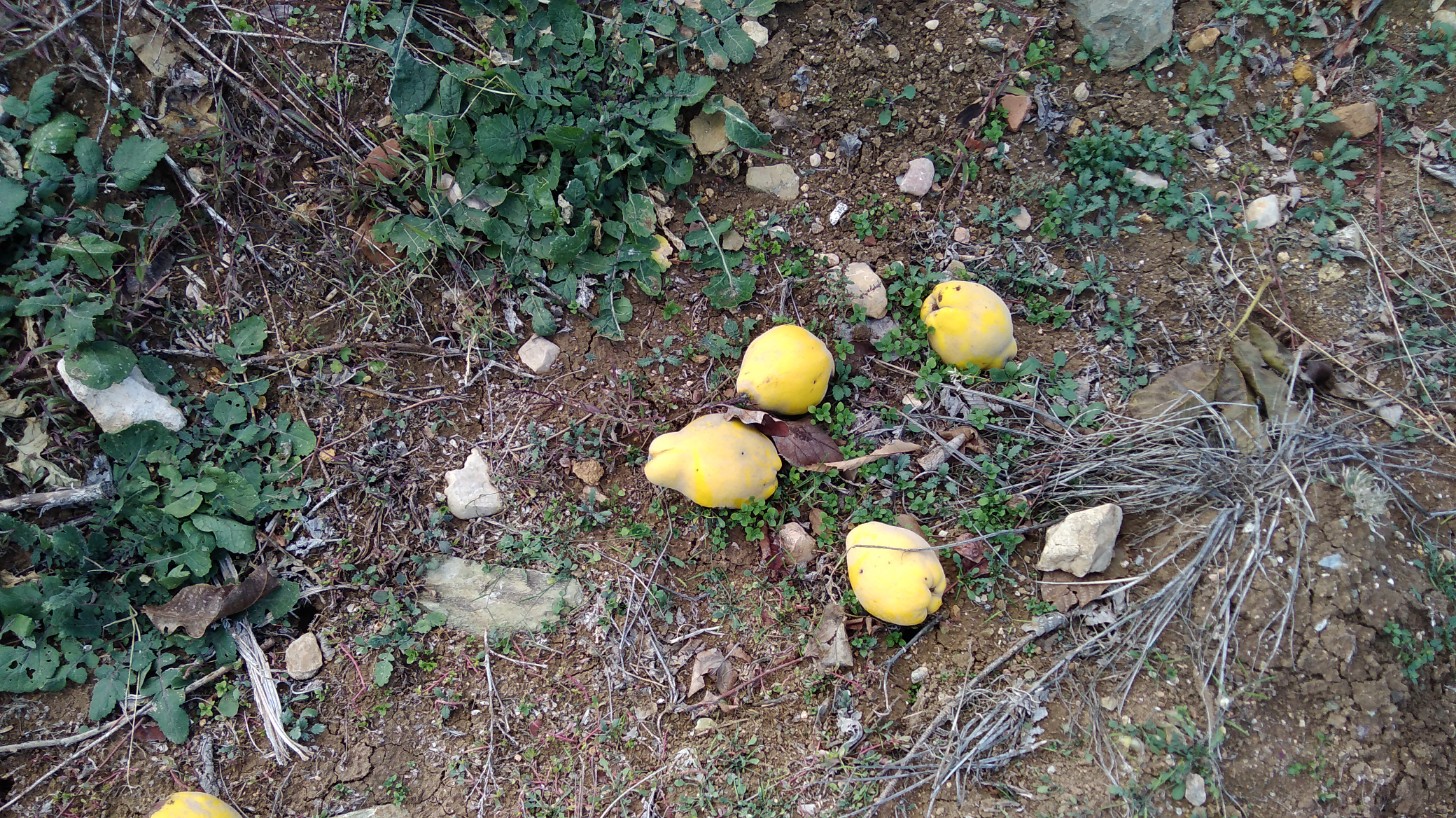
Quinces fallen by the roadside.
Wrapped in foil and baked in the oven on top of the wood burner, they were delicious for breakfast.
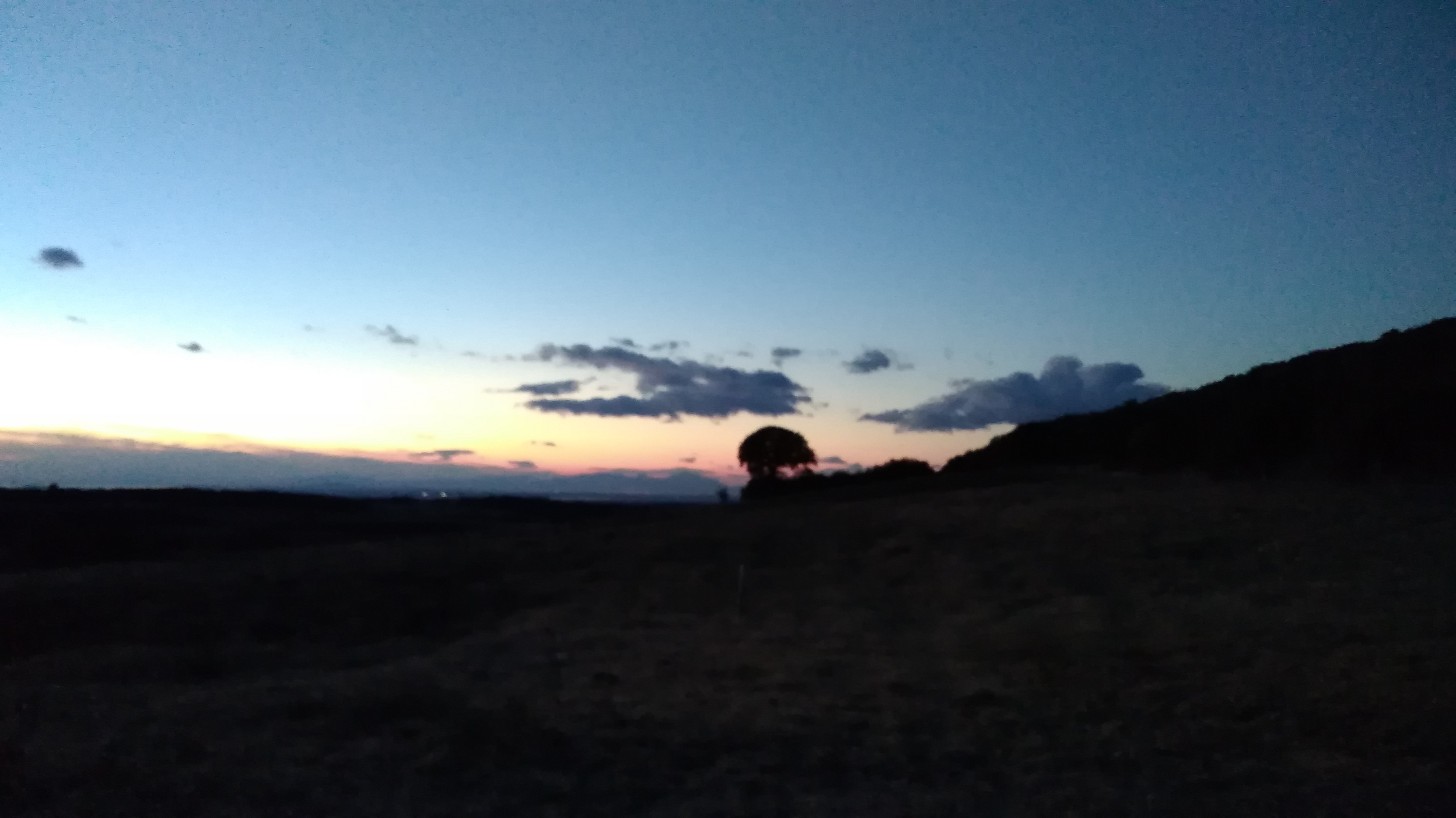
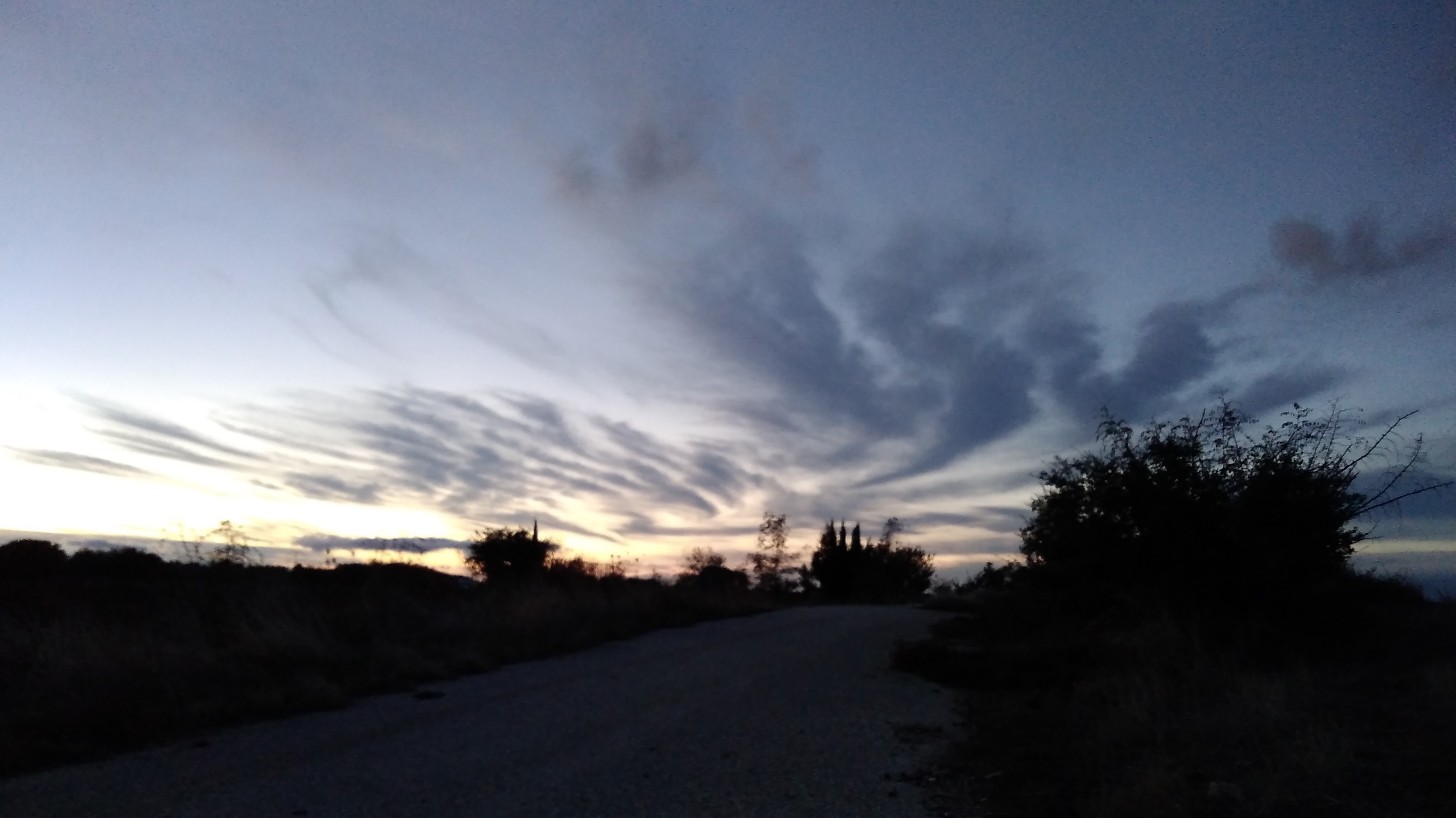
Several spectacular sunsets before the rain came and then the full moon
At the stop on Avenija Dubrovnik (some 5 minutes from the apartment) which Google maps recommended, there was a list of buses but it didn’t include an airport one or the numbers mentioned, so I took someone’s advice instead. I took the #6 tram.
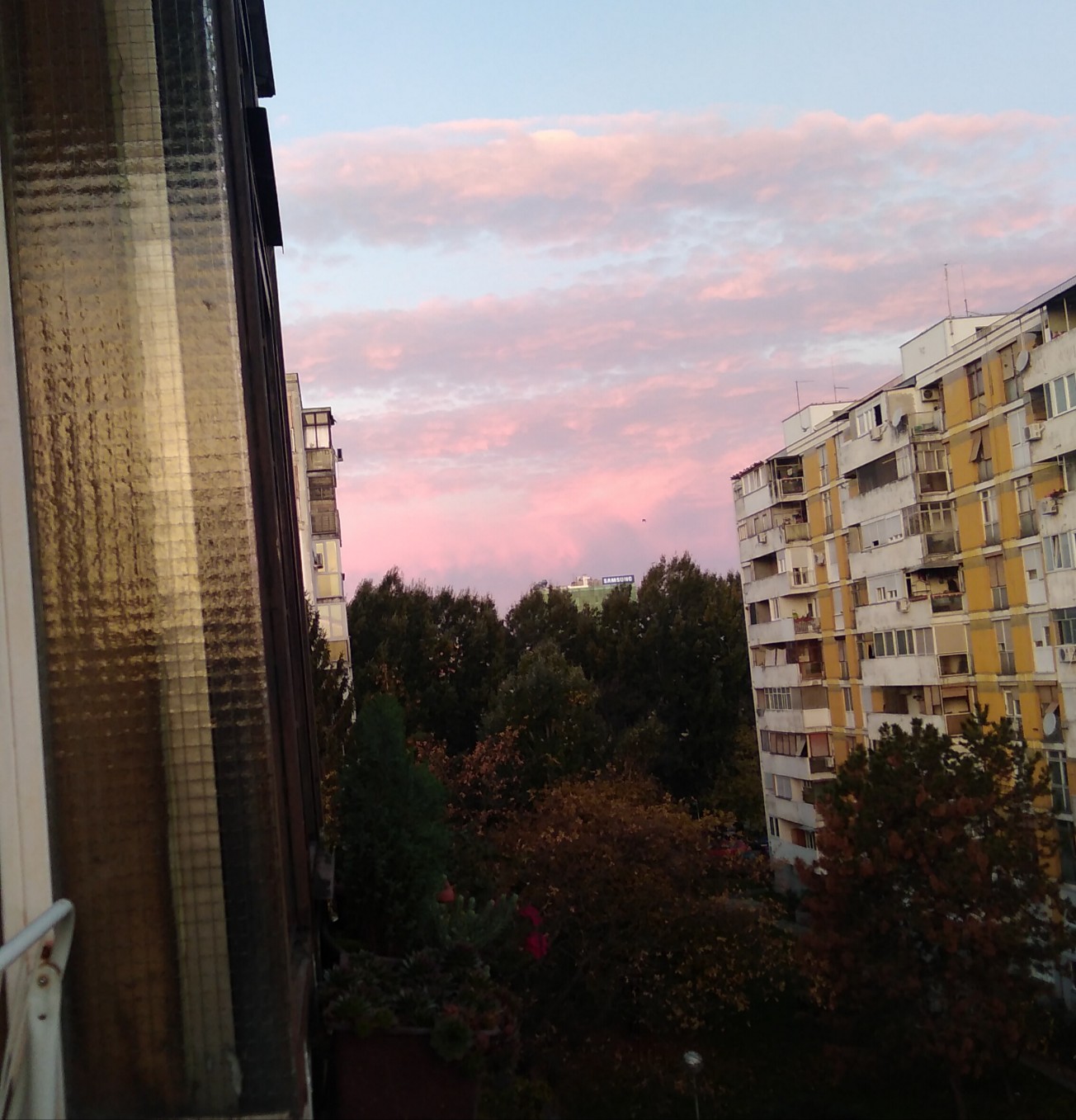
Red sky in the morning, shepherd’s warning
More than an hour later, the airport bus did indeed stop right where Google maps said it would, so I am writing this blog to help others to avoid the same waste of time and energy.
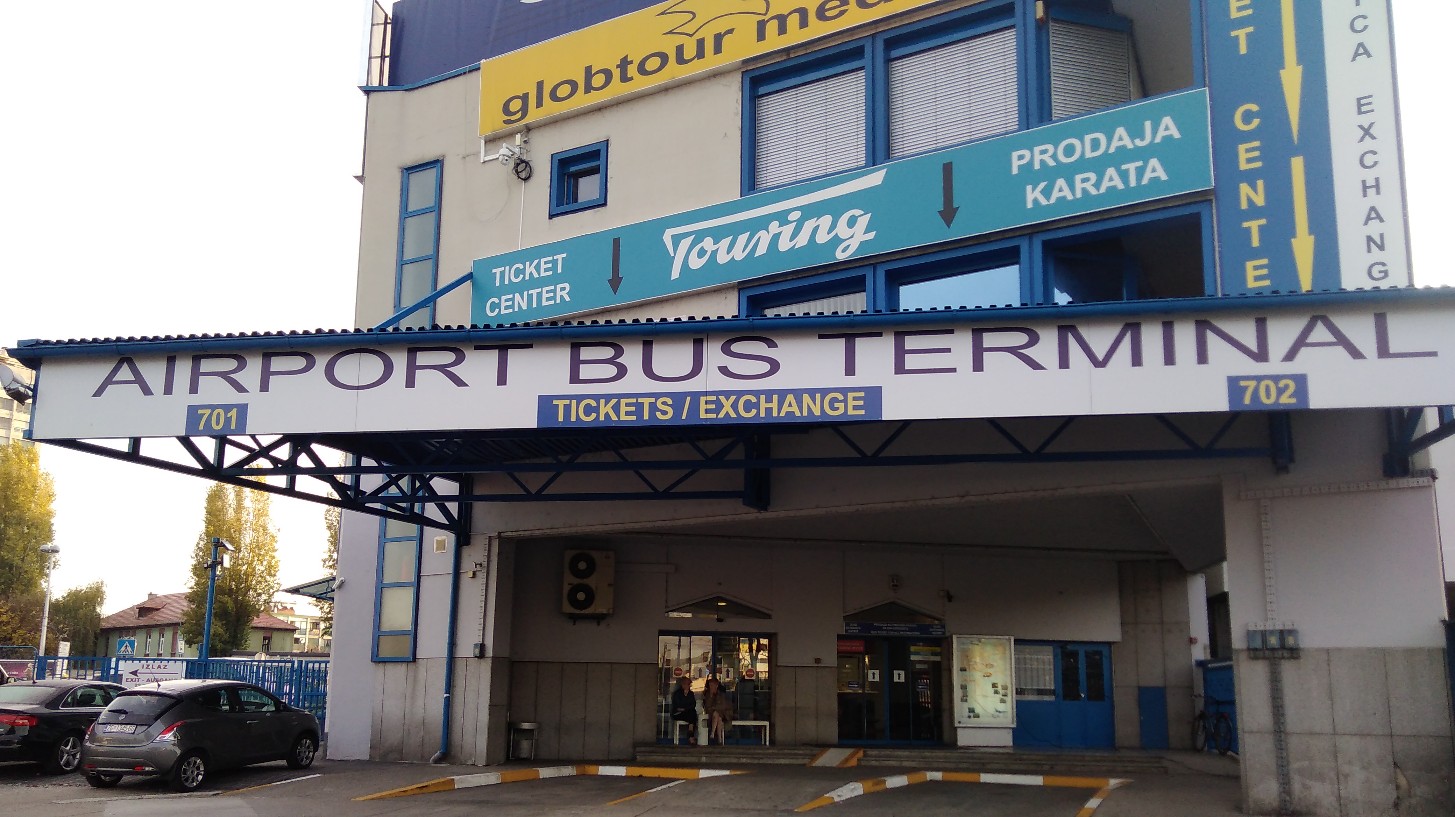
You can pick up the airport bus from a number of different places but notably from the Autobusni kolodov (Zagreb bus station). Allow time to find the bay as it is not amongst the other bus stops.
This is the airport bus terminal, tucked behind all the other bays – no signs pointing in this direction, no officials to ask where it is – but it is the part of Zagreb bus station where you get the airport bus.
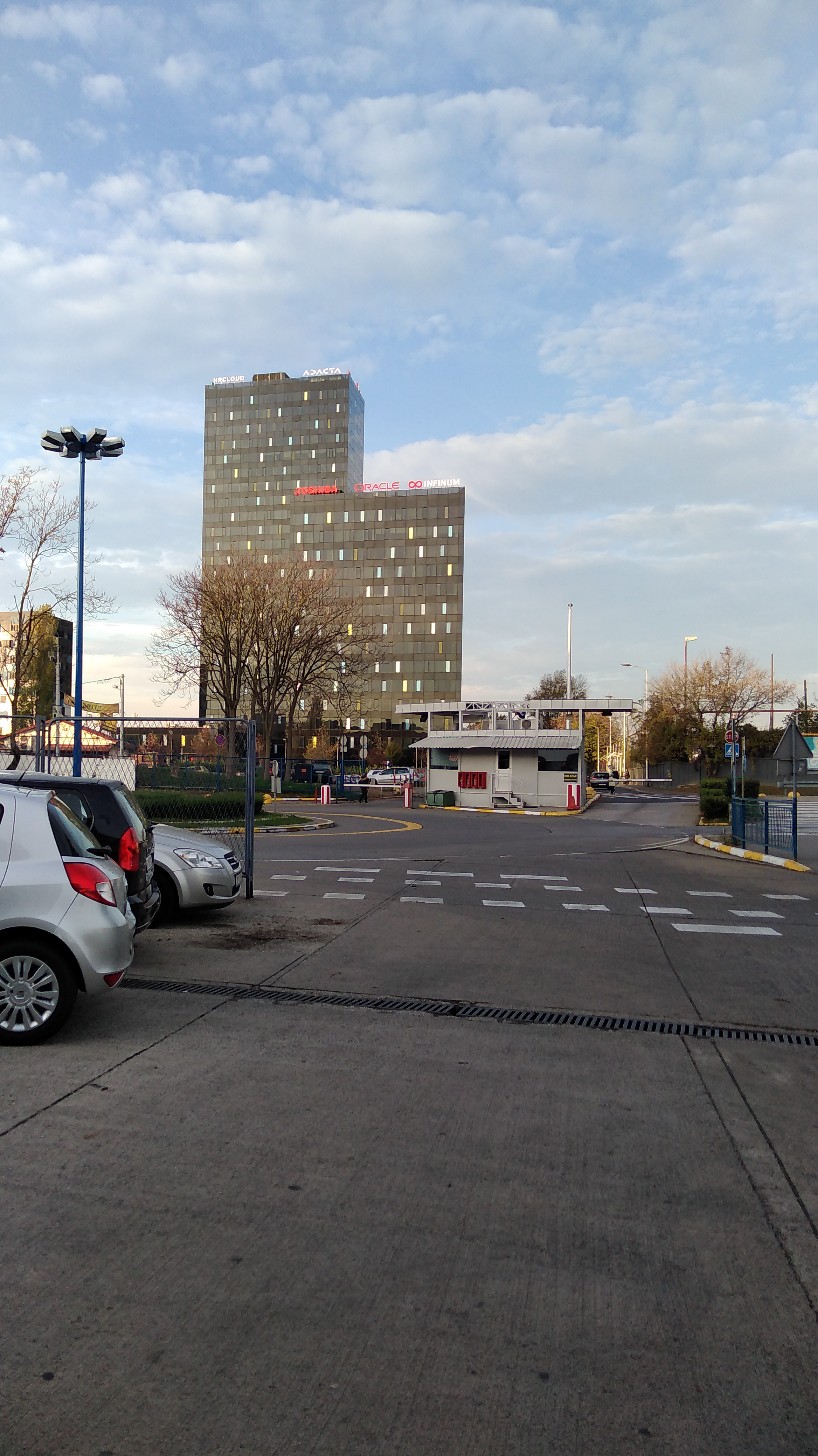
Not an exciting photo but I took it so that you can orientate yourself ie if you can see this view, you have found or are close to finding the place where the airport bus leaves from!
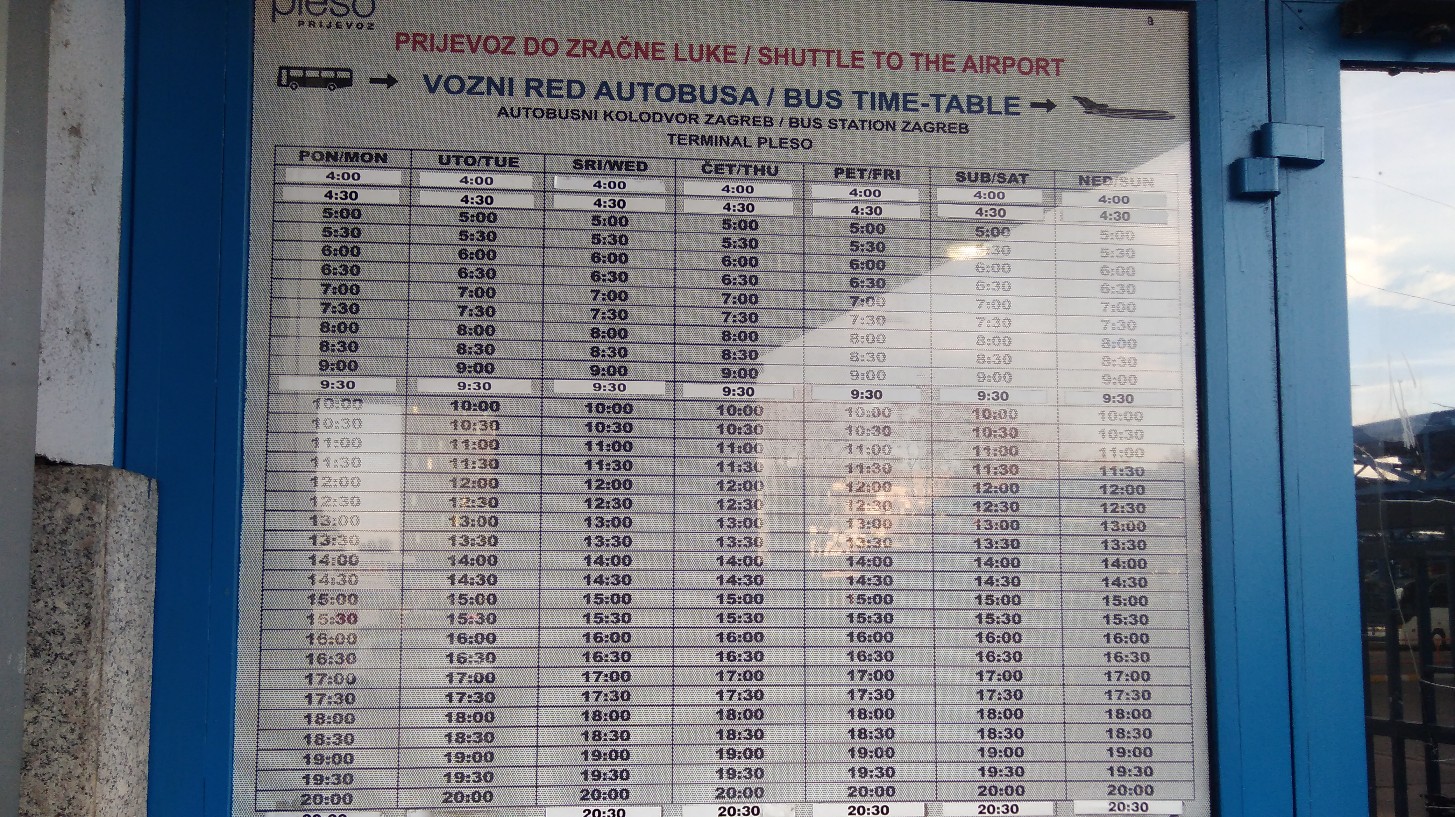
It goes every half hour on the hour and the half hour, and takes 35 minutes.
Airport bus timetable as of November 2018
Detail: Nice bus driver. On time. Comfy seats. Ticket: 30 kuna, buy on the bus.
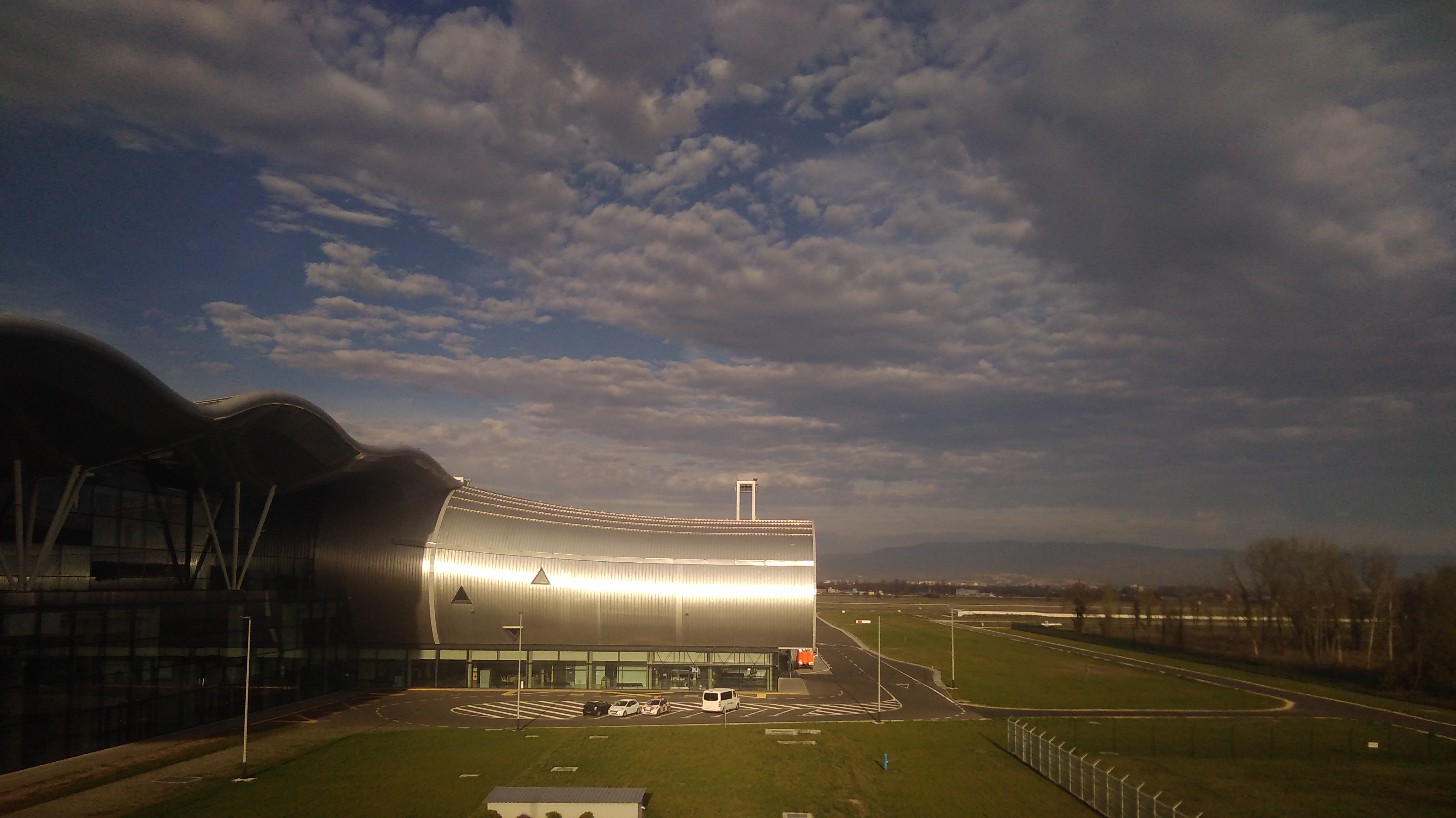
Zagreb Airport (another chrome tube! – see previous blogs)
The airport has different names: Zracna luka and Franjo Tudman being 2 of them.
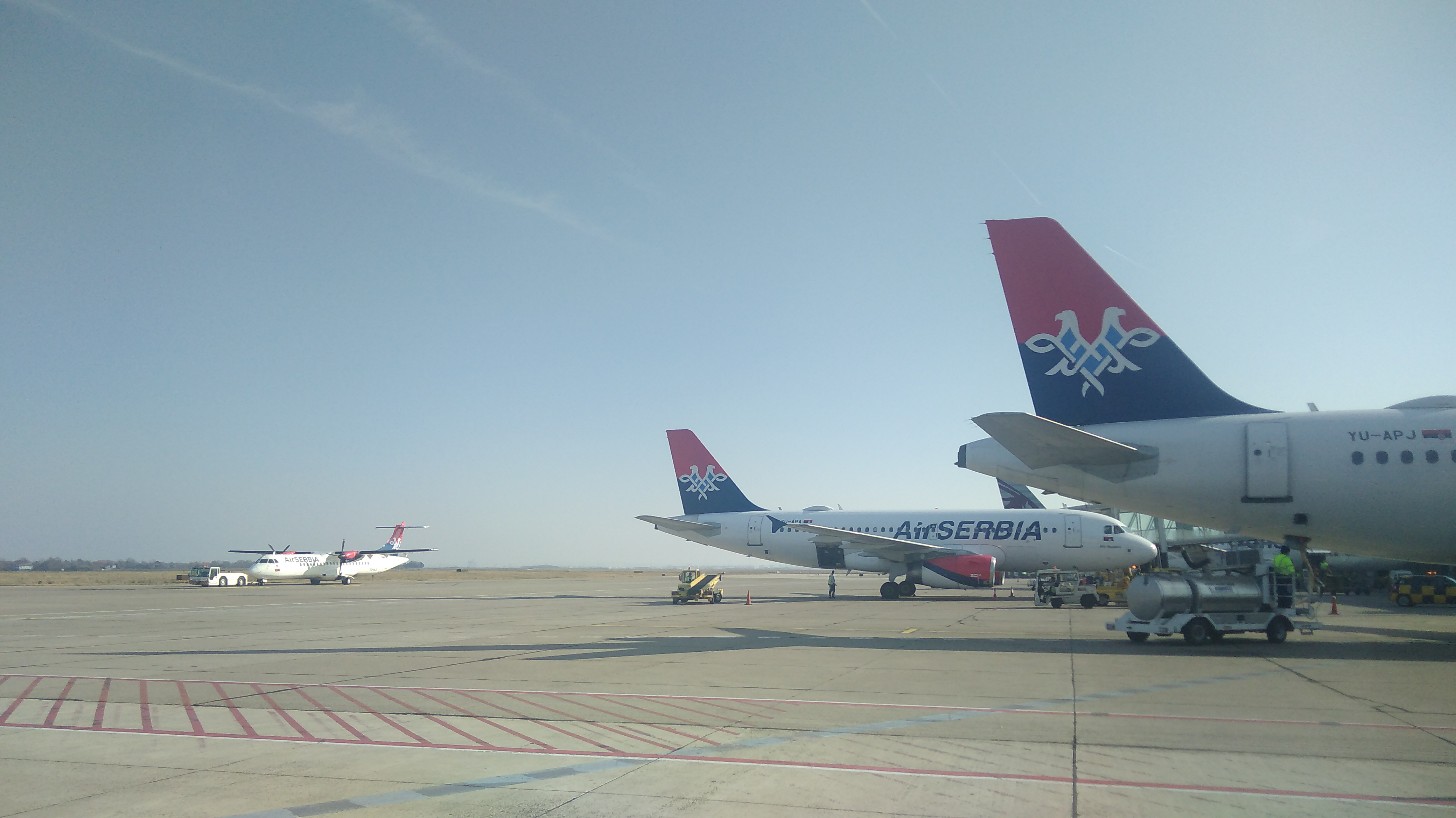
I flew to Thessaloniki (Greece) from Zagreb (Croatia) with Air Serbia – stopping at Belgrade (in Serbia) to change planes.
Zagreb is the quietest, emptiest airport I have ever been to. There were 3 of us going through security. Three!
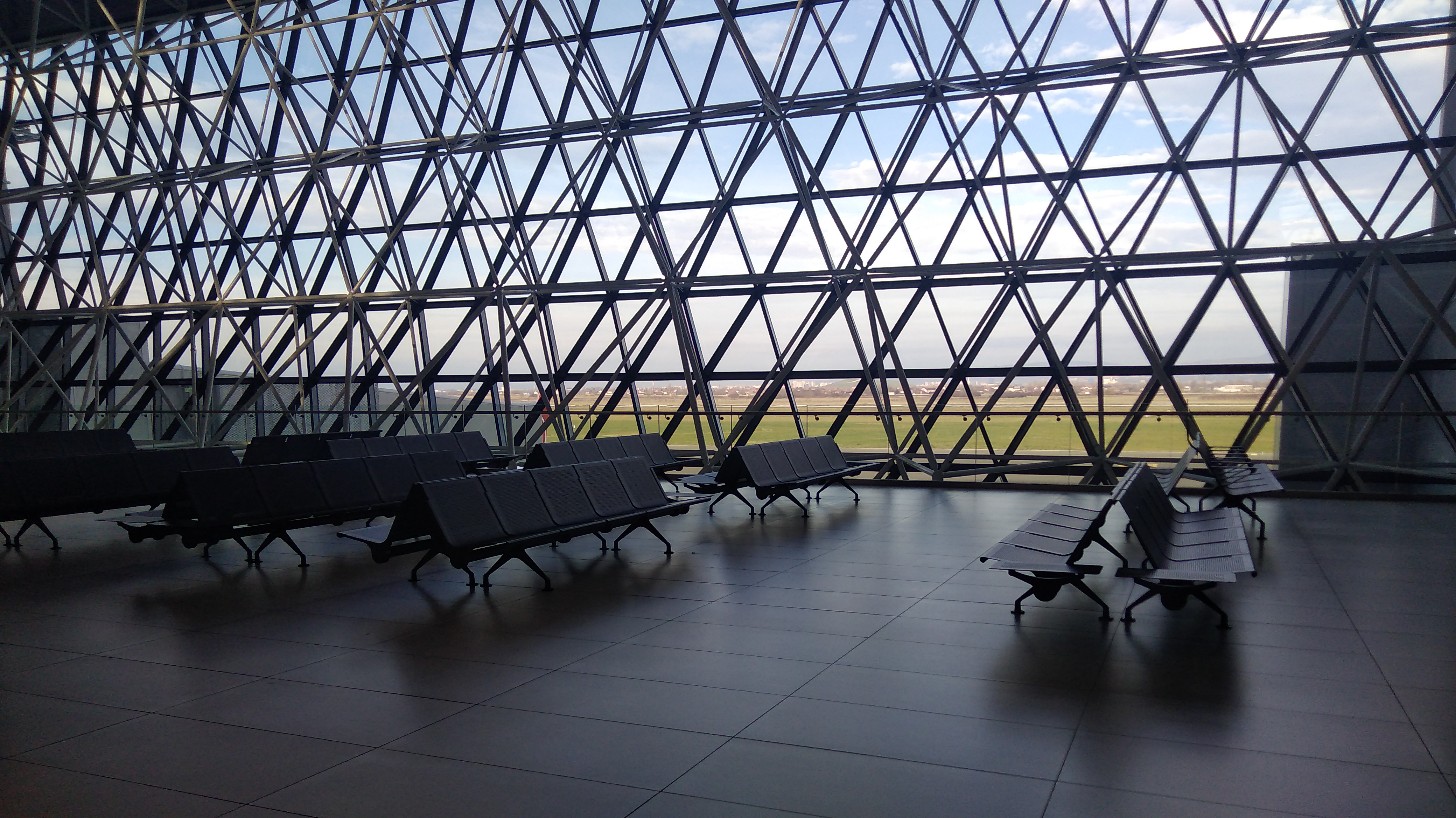
Waiting for the flight
Although the first plane was tiny and almost full, there was almost no-one on this second one.
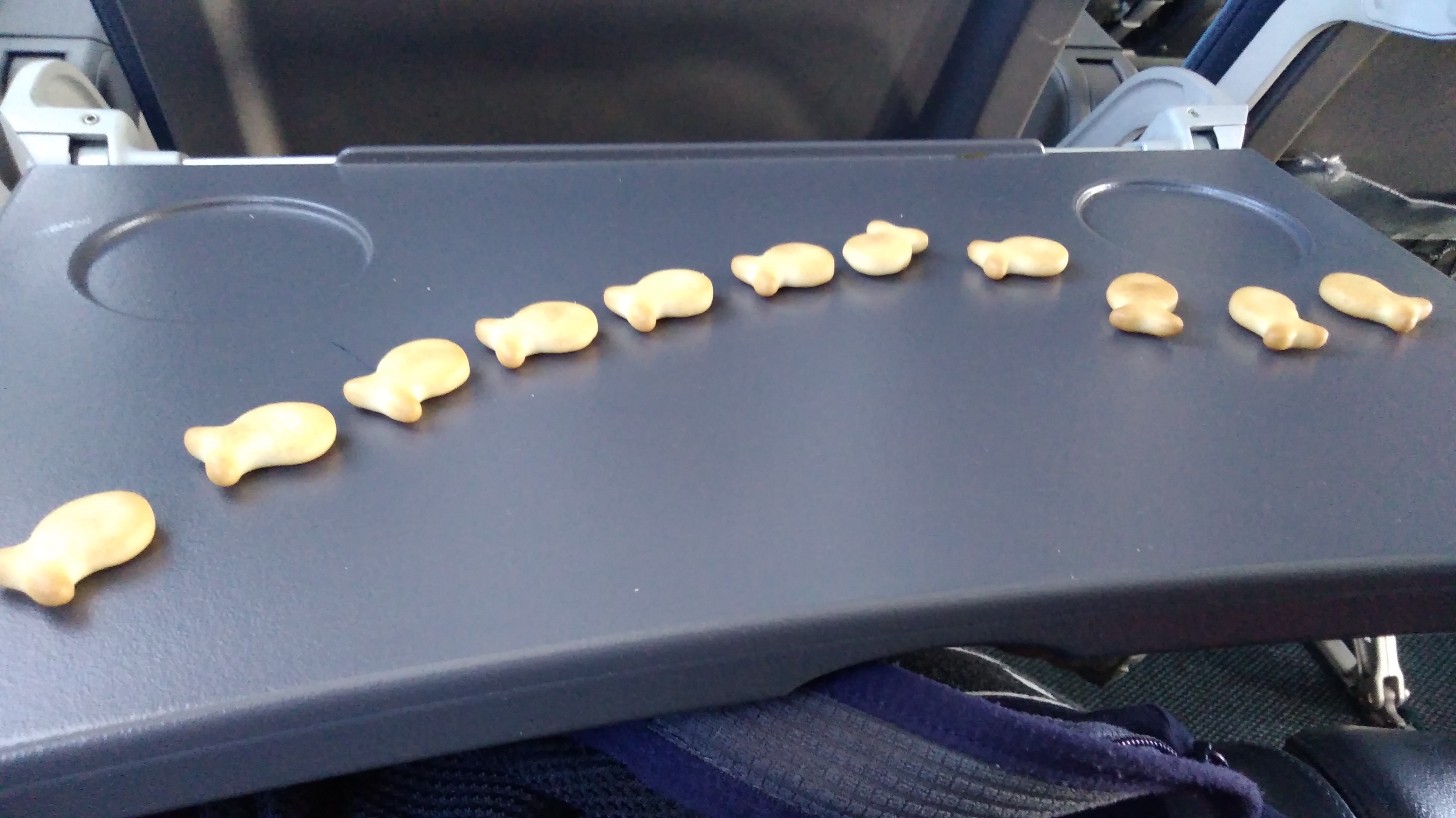
Free fish biscuits and a glass of water on both flights
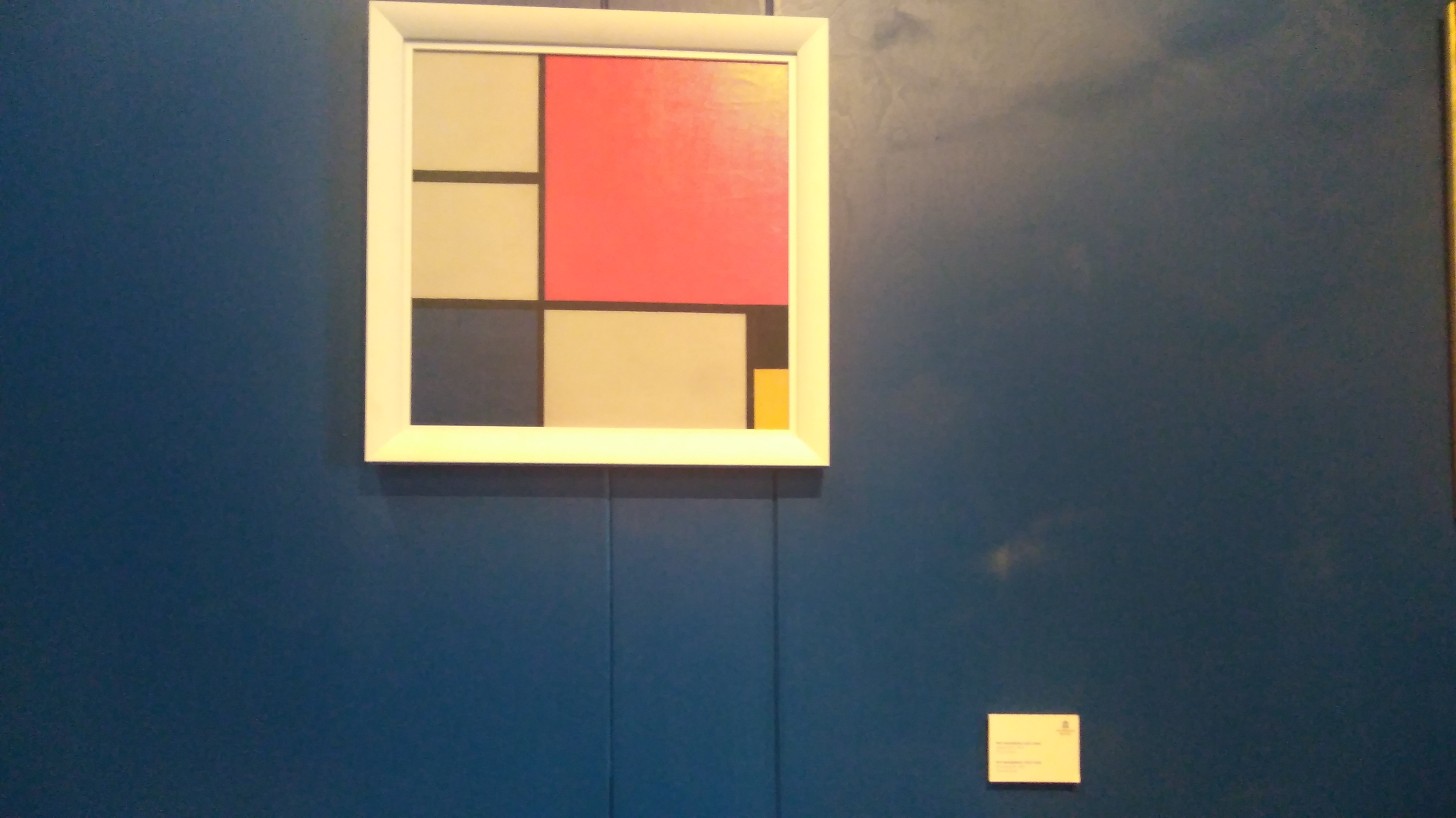
Piet Mondrian – Belgrade has a museum / art gallery. What a brilliant idea
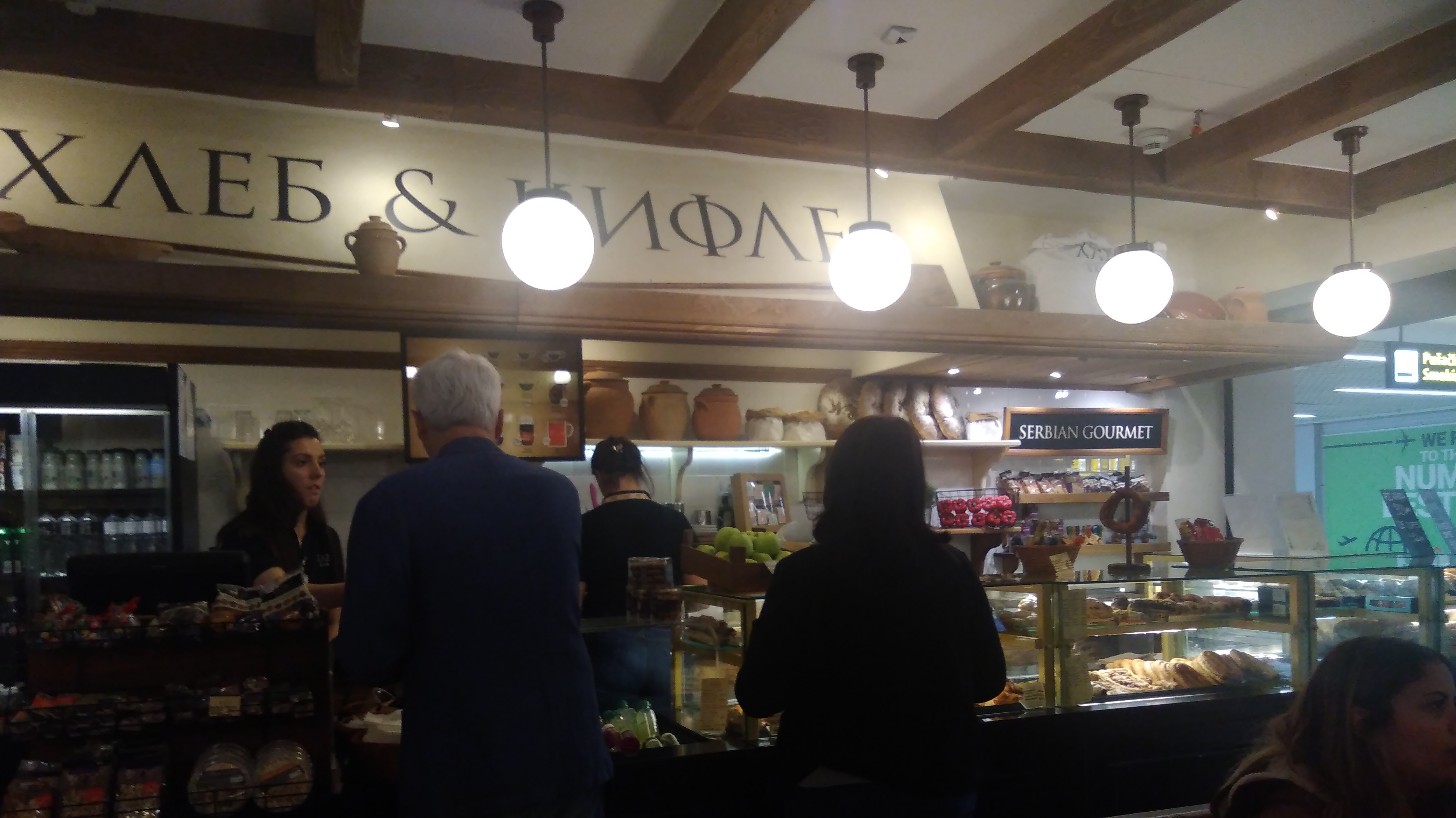
I recommend the cafe below at Belgrade Airport – helpful staff, free WiFi and delicious green tea. It takes euro and local currency.
I started my walk as always, at the Museum of Contemporary Art on Avenija Dubrovnik, my favourite indoors attraction. I make a straight line from there, over the motorways and the River Sava (past the statue, the National Library, the concert hall and bus terminal, through the 3 main squares until ever such a slight right to the Cathedral. It takes around an hour and a quarter if you don’t stop too many times to take photos!
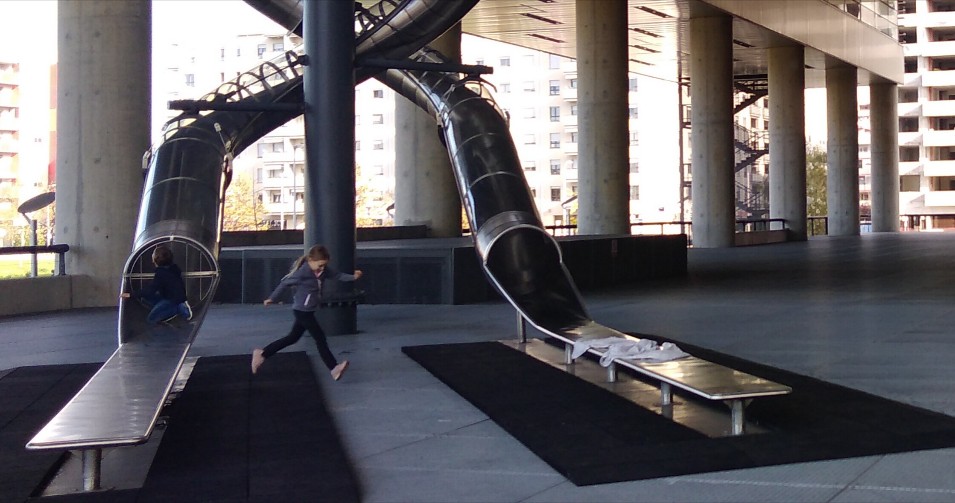
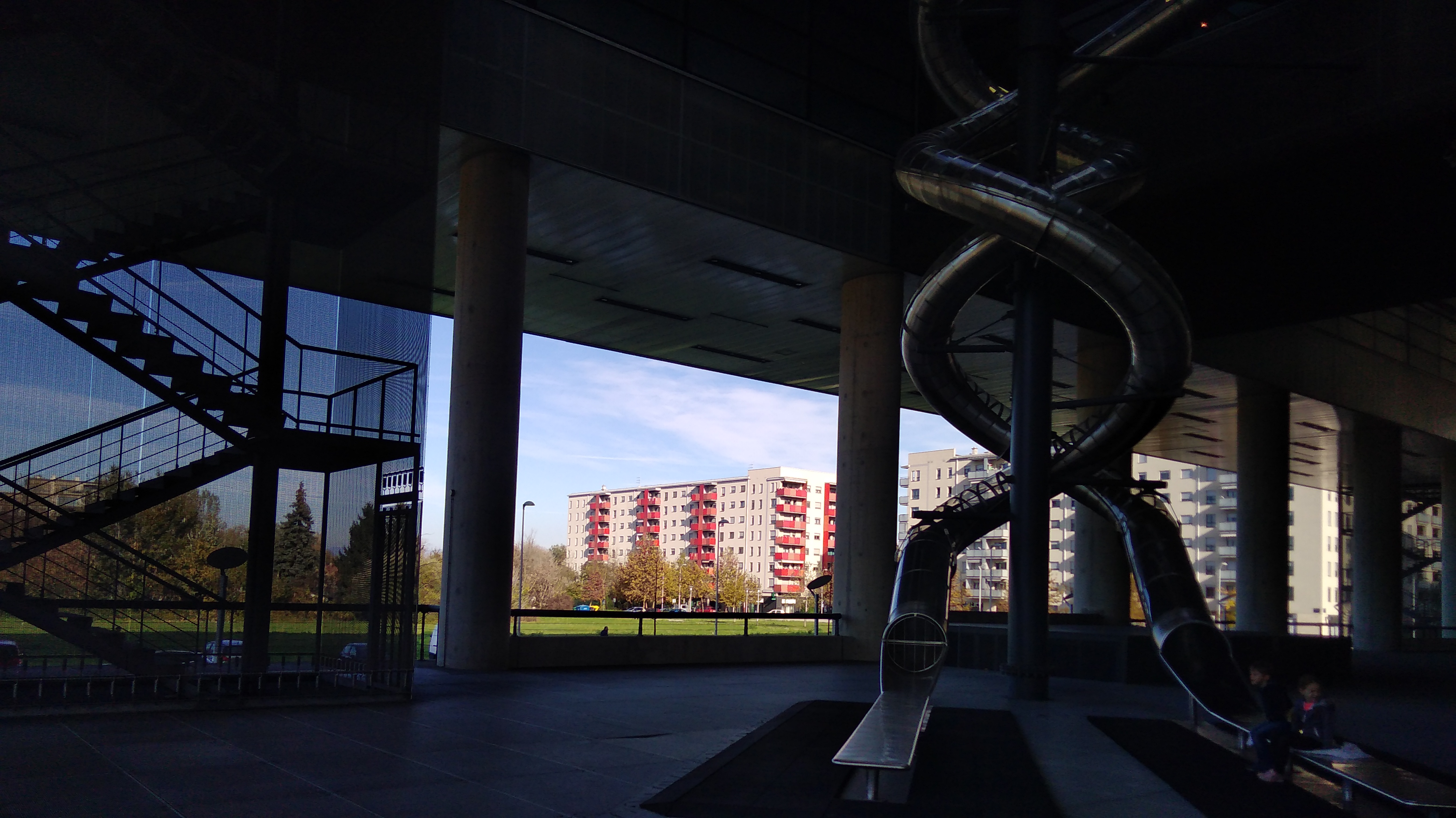
The shute at the Museum of Contemporary Art was open today – a great way to get kids here at an early age. Made by Carsten Höller, it is a piece of cunning engineering and great fun by the looks of it too
With the sky blue and the sun shining, I could not resist walking into the city. There in the far distance are the Medvenica mountains, possibly even Sljeme, the best known peak and sometime ski station
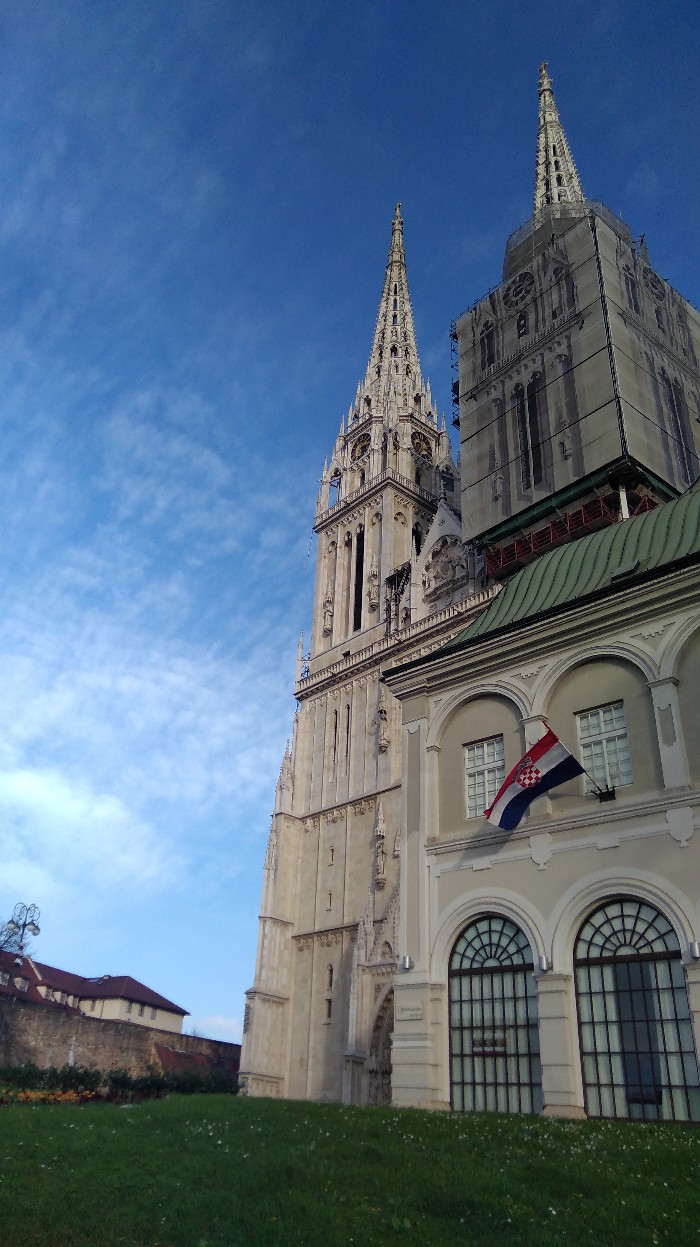
Zagreb Cathedral is right in front of those hills – I can see it getting bigger as I get nearer but the camera cannot – and it was gleaming white on this, my second last day in the city. I am not sure why I left it until now to see the famous monument.
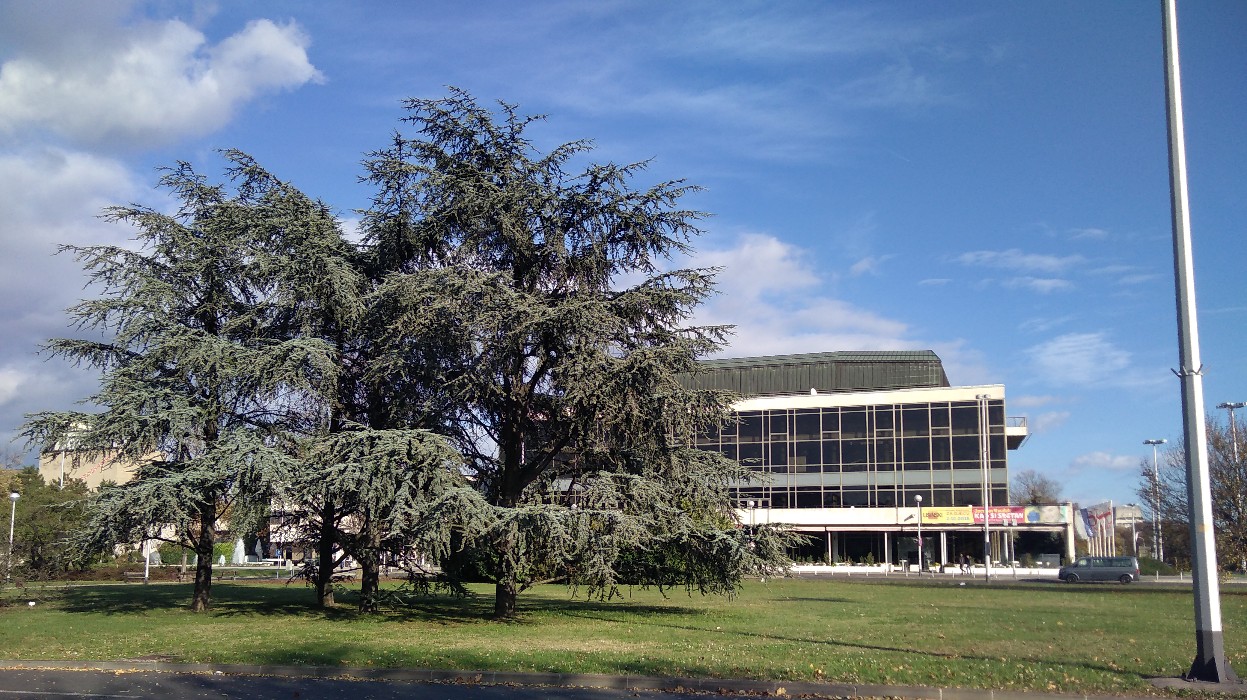
The concert hall where Fura dels Baus are playing in December. I saw them in my Cardiff days and would have loved to go again
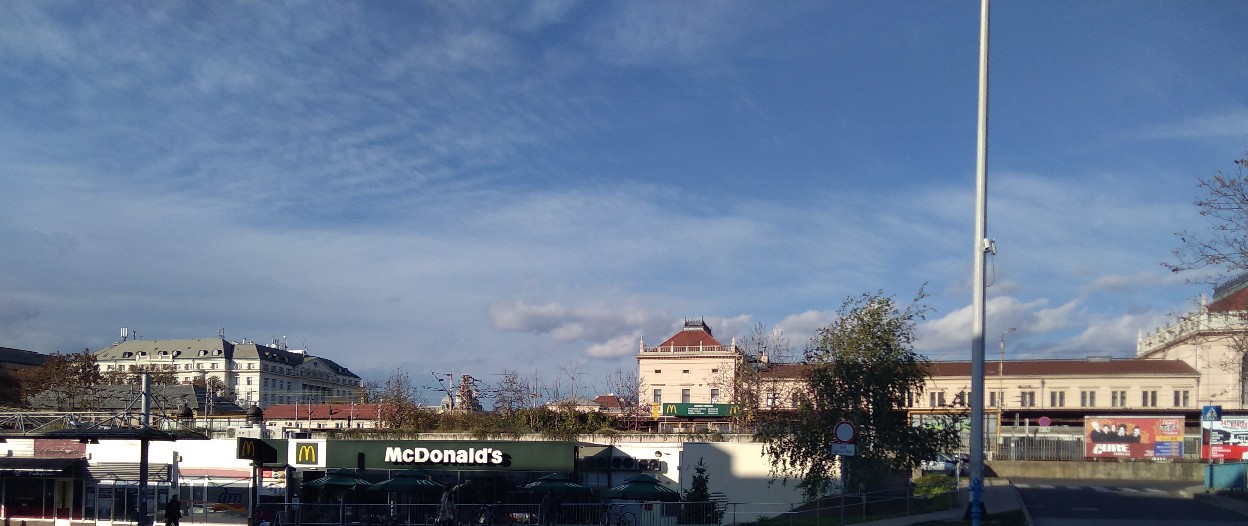
The bus terminal and the back of the train station with you know who emblazoned across the lot
It was so warm that I was glad to get to the city square for some shade.
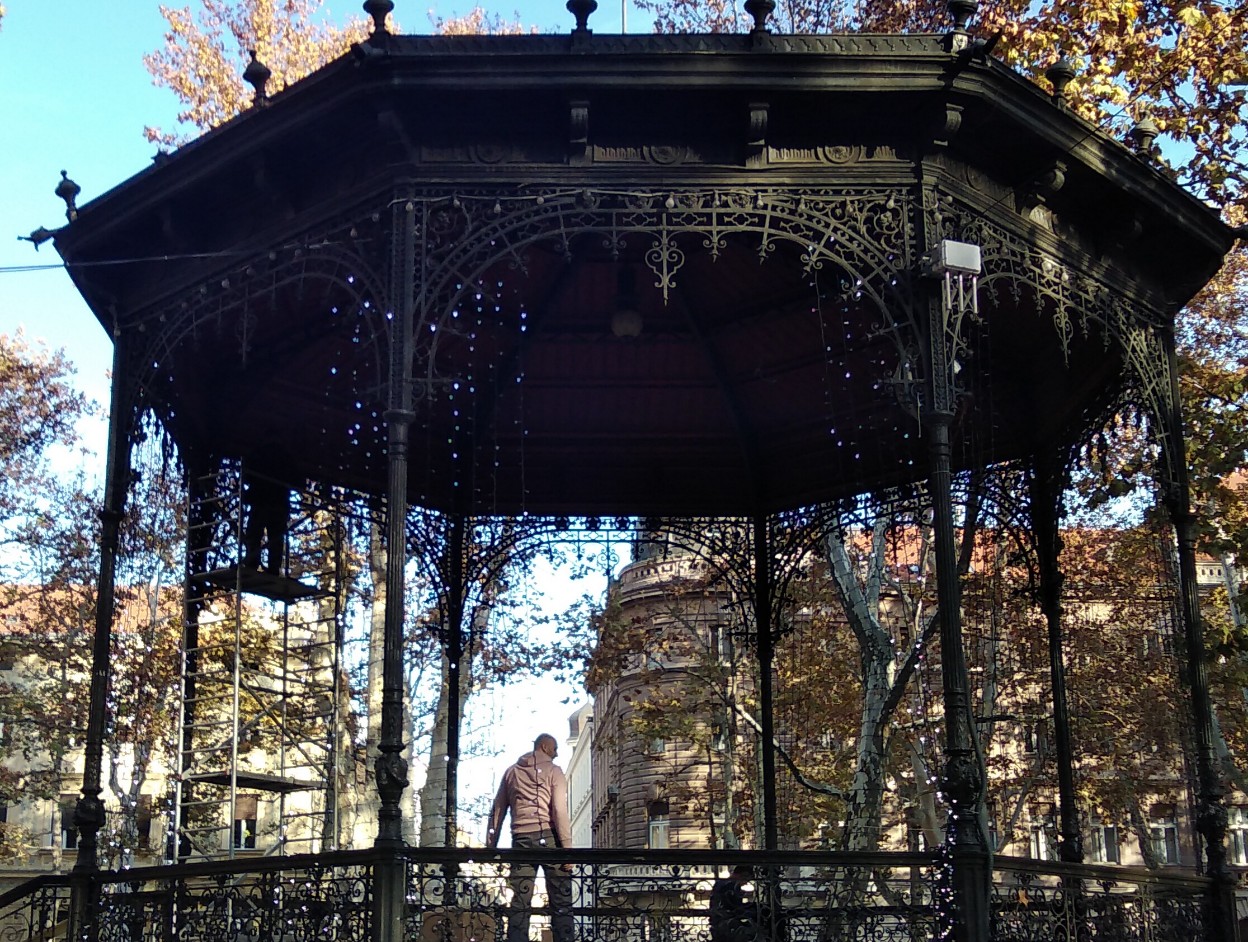
The Christmas lights were going up round the bandstand built in 1891 (trg Nikole Zrinskog)
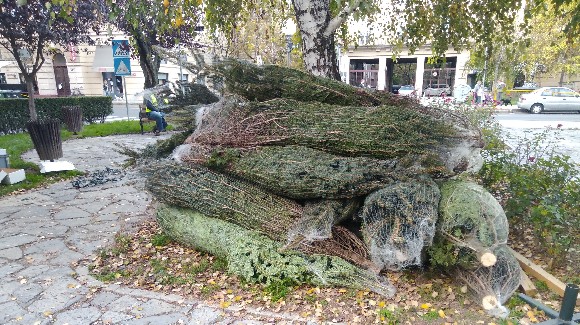
… and the trees ready and waiting
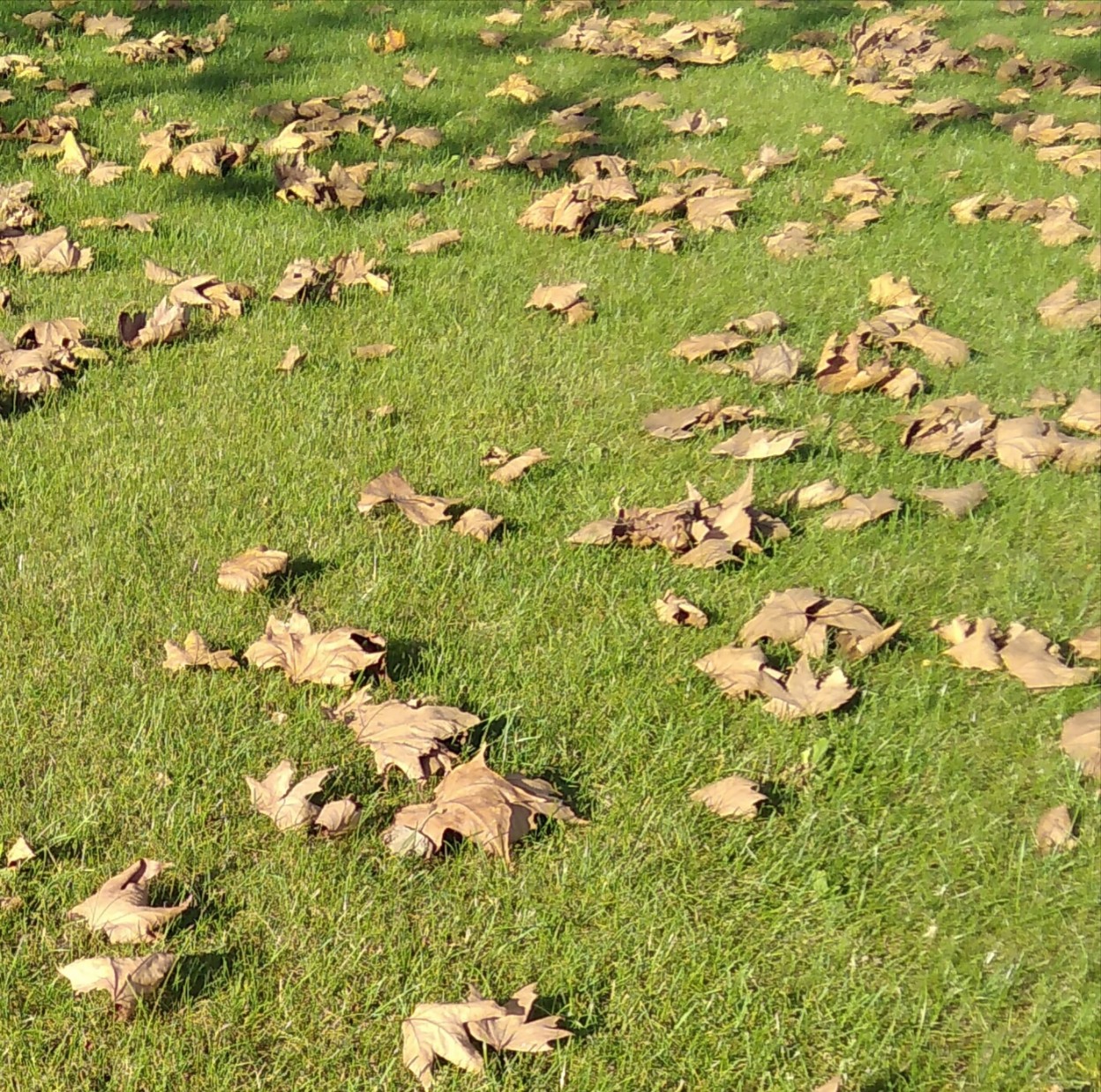
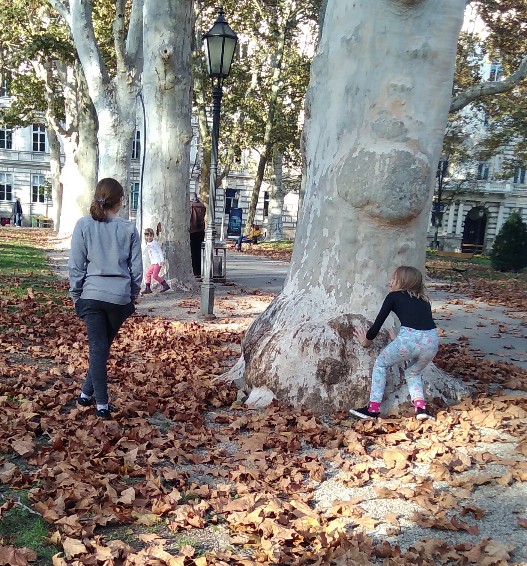
The last of the leaves curling at the edges made a satisfying shush as I waded through
It was Sunday afternoon and everyone seemd to be out and enjoying themselves, having picnics and playing hide and seek
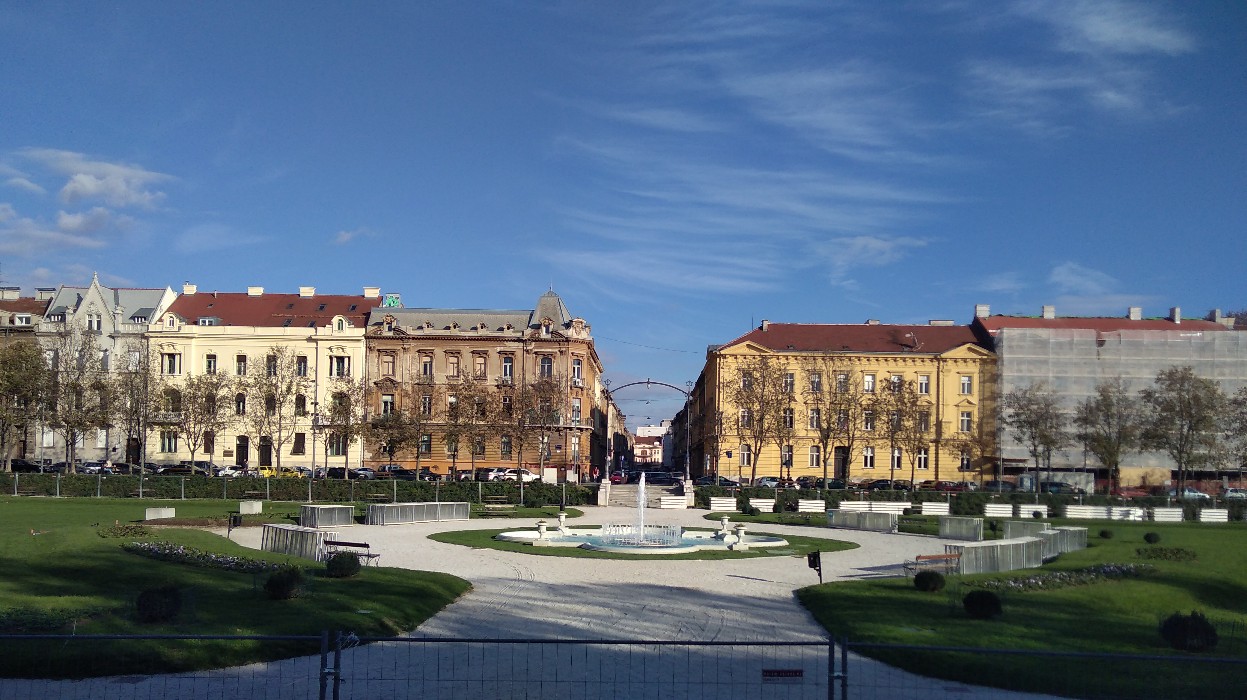
Fontana kralja Tomislava and the elegant buildings around the square
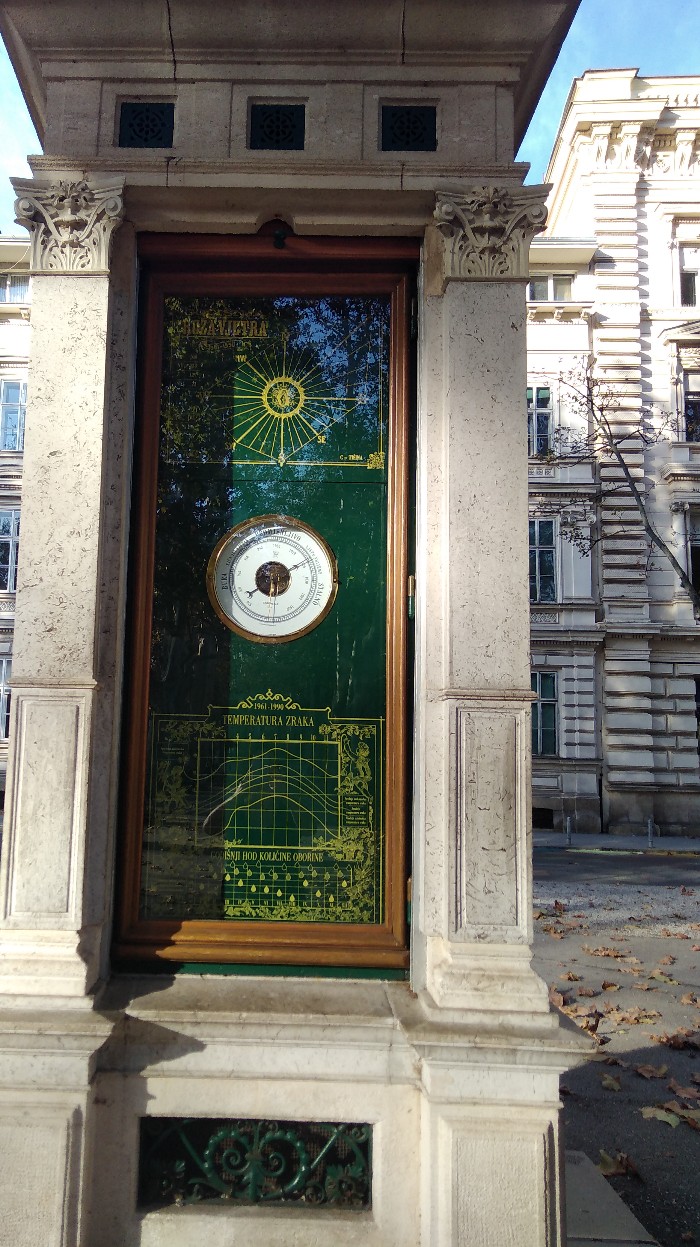
This four-sided highly attractive meterological weather station shows the temperature and barometric pressure and much more besides. It is in the trg Nikole Zrinskog (north side)
Before the kids arrived, there was a couple standing there and the man was telling the woman the story of the famous canon, how Zagreb asked for help to protect themselves from Austria and got only the one canon. Strategically they put it at the top of the tallest tower and let it off. It was loud enough to send the invading army away and that is how, he concluded, the city survived. It is fired every day at noon like our own one in Edinburgh Castle (1pm).
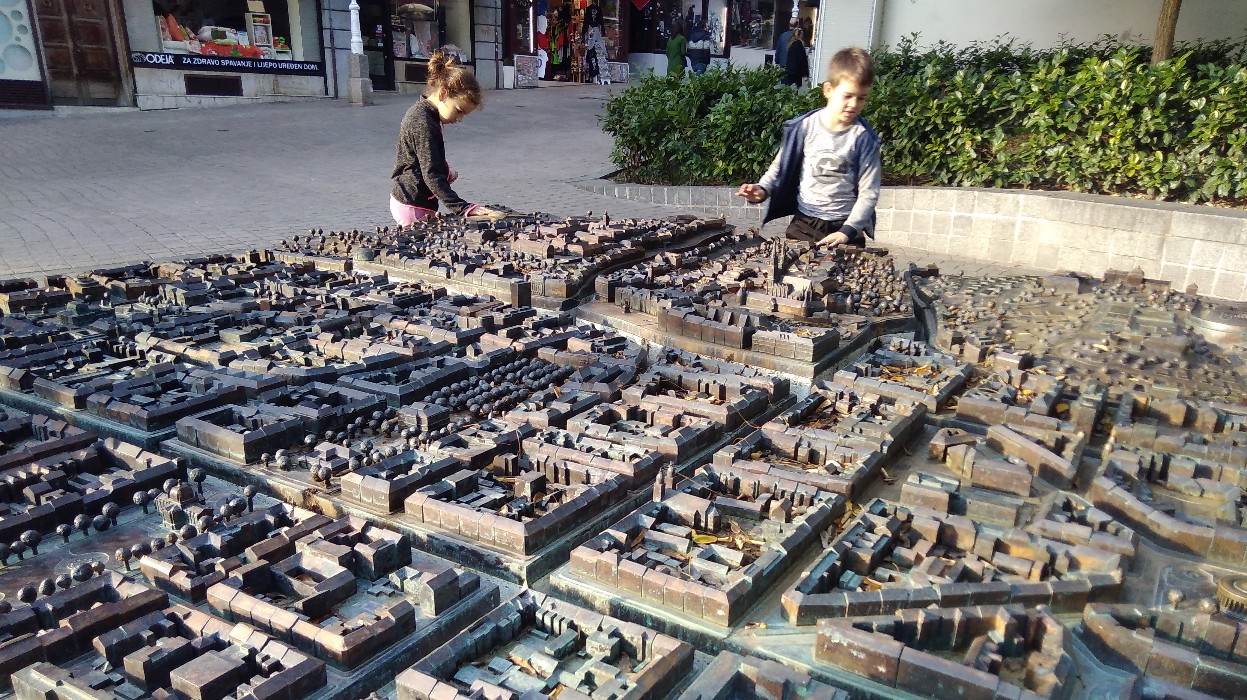
Zagreb was first mentioned in 1094 when it was made up of two settlements Kaptol and Gradec.
Zagreb Cathedral looking very bonny against the azure sky
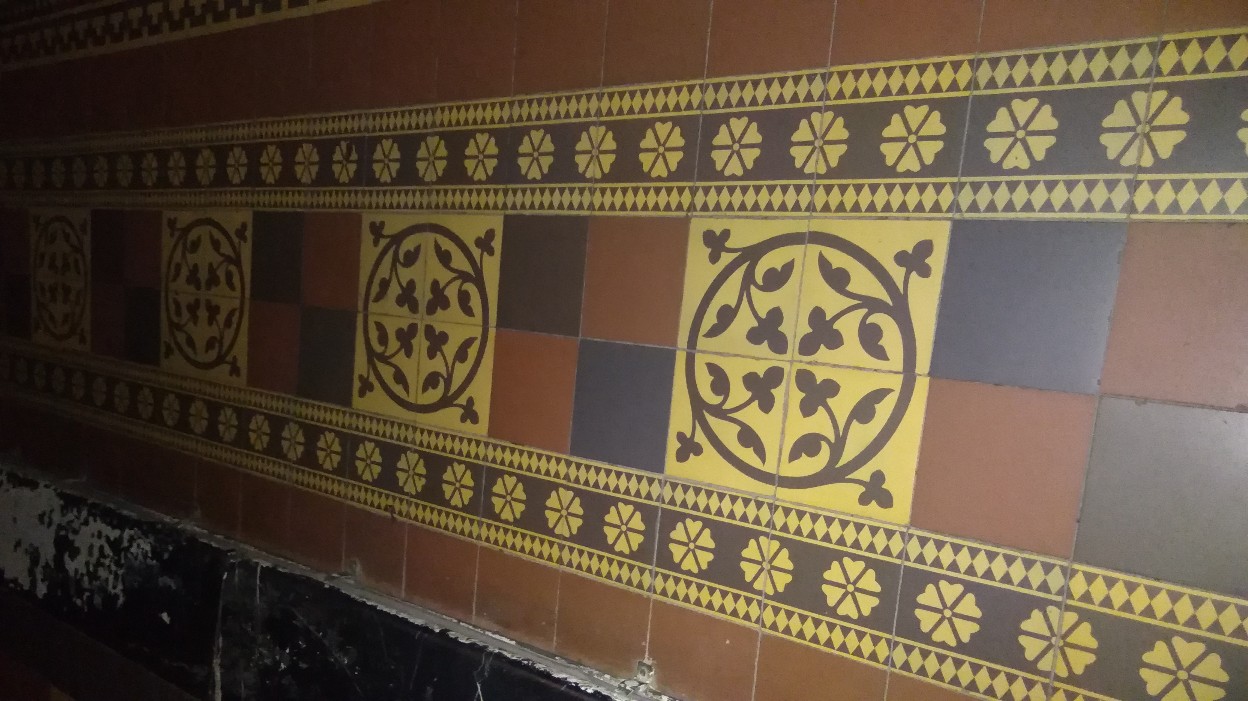
I really do not mean to be disrespectful but I have seen these same tiles are in all the best churches. Like pub decorations, maybe there are warehouses where you can get suitable ones wholesale
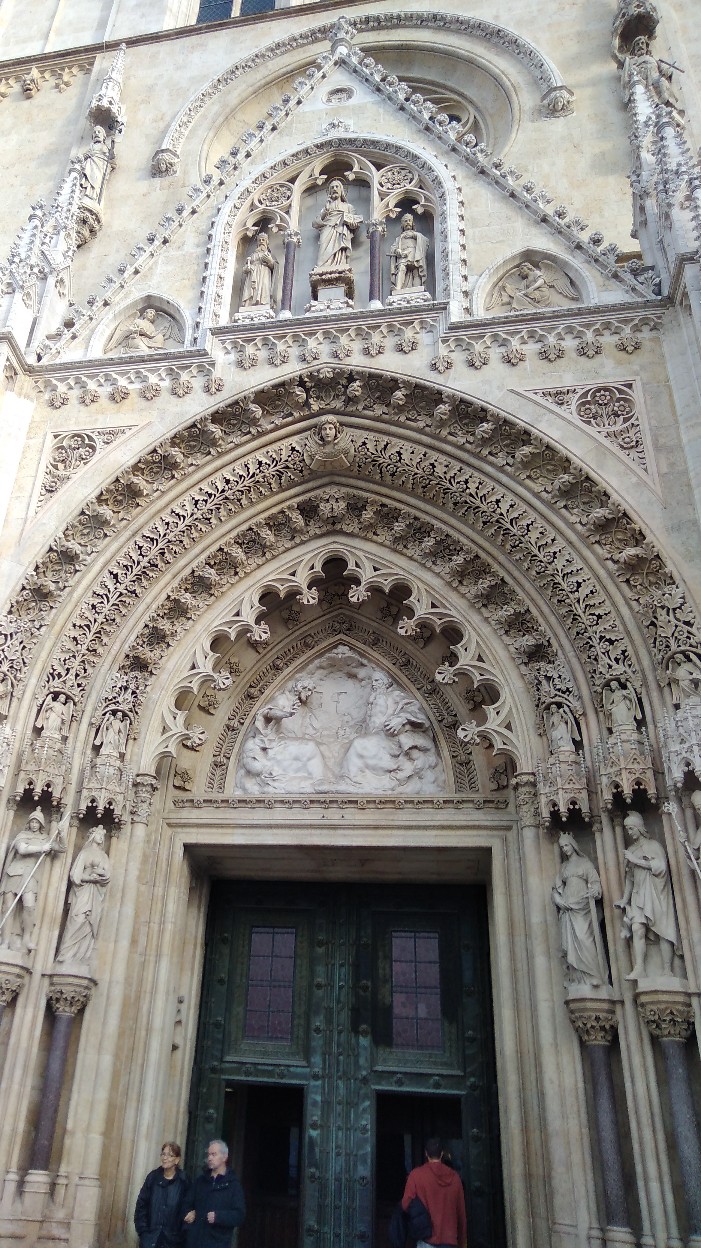
Main door, Zagreb Cathedral, recently cleaned and sparkling
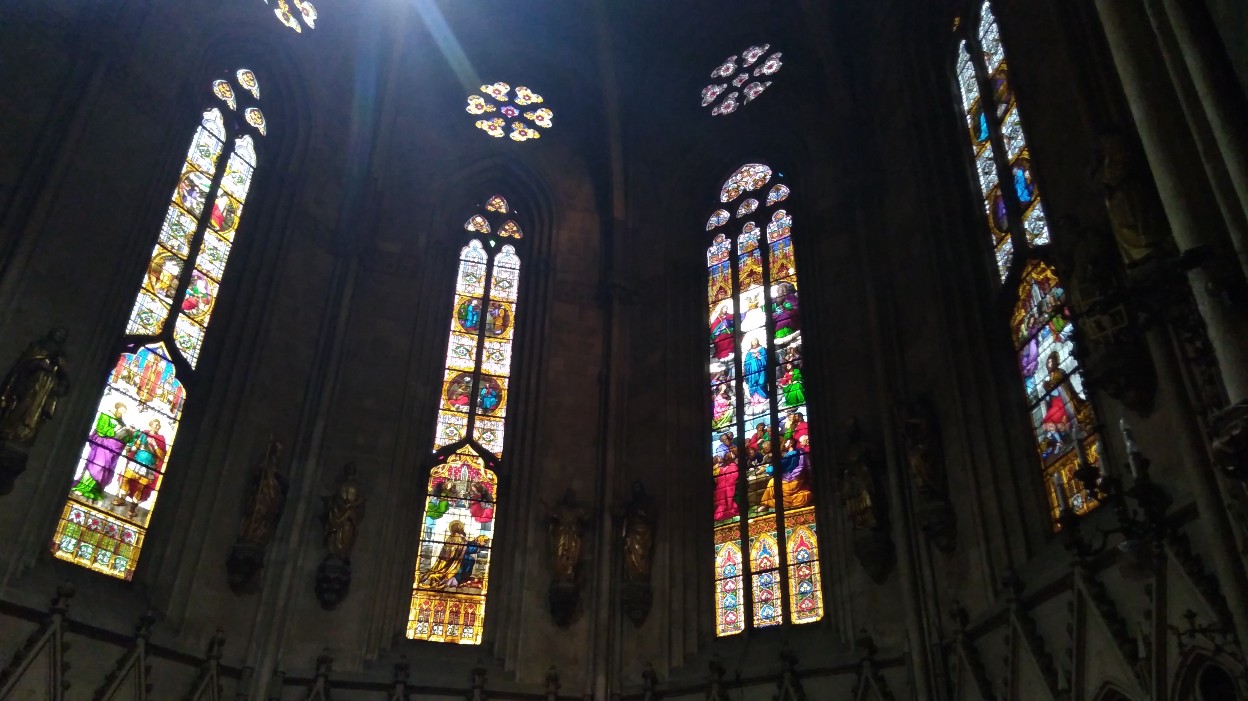
Along the sides are the tallest thinnest windwos I have seen in a Cathedral, but these beauties are above the altar, Zagreb Cathedral
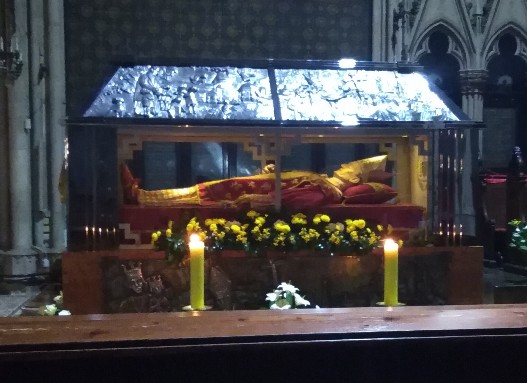
The tomb of Archbishop Stepinac, ‘place of constant prayer and listening’
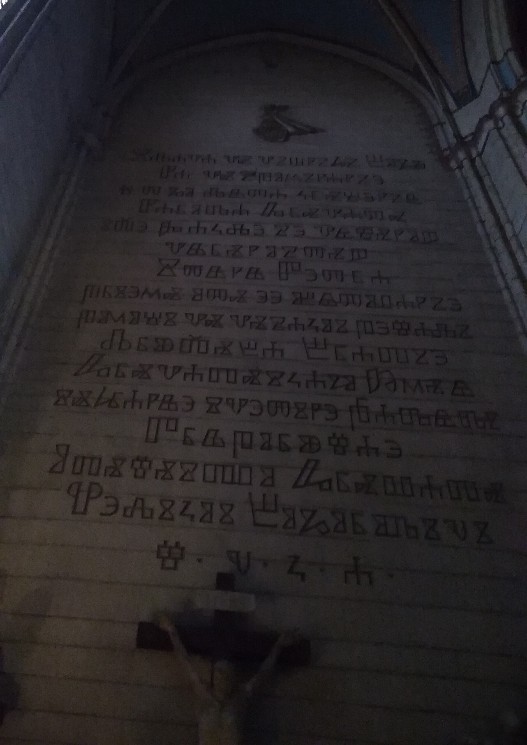
I recognise the Glagolitic script here in the gloomy corner
The Cathedral suffered terribly in the earthquake of 1880 and has been under repair, more or less, ever since.
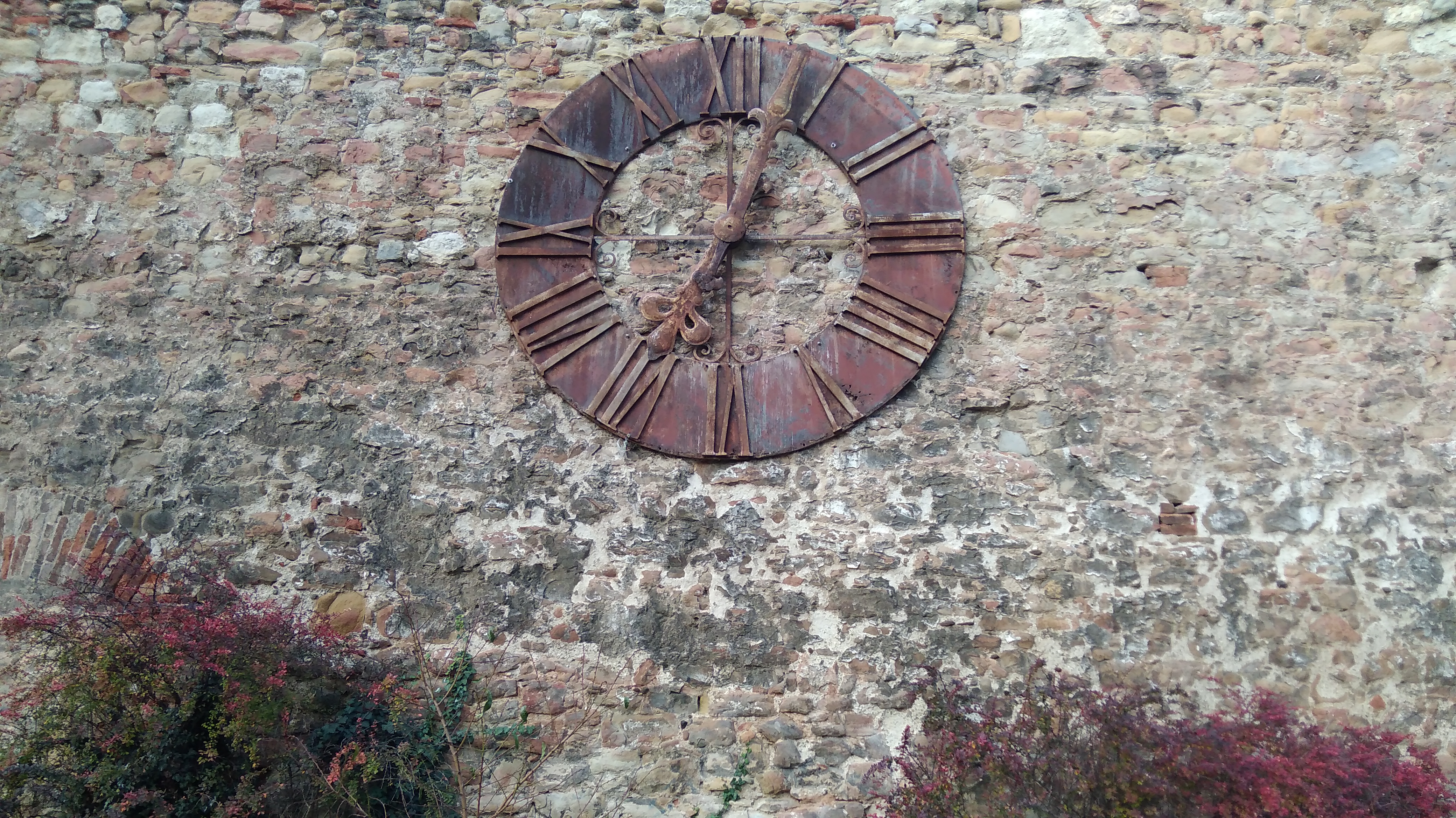
The clock stopped just after 7pm.
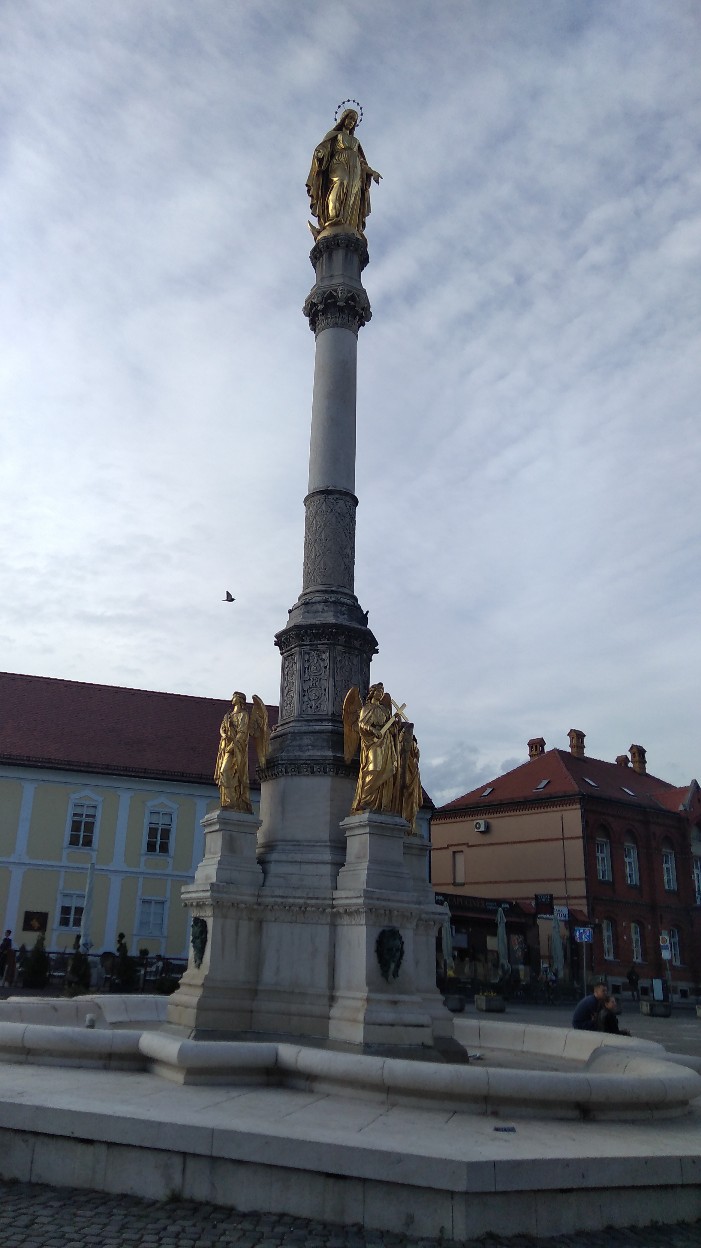
The ultimate golden lady. The Holy Mary outside the Cathedral in Zagreb
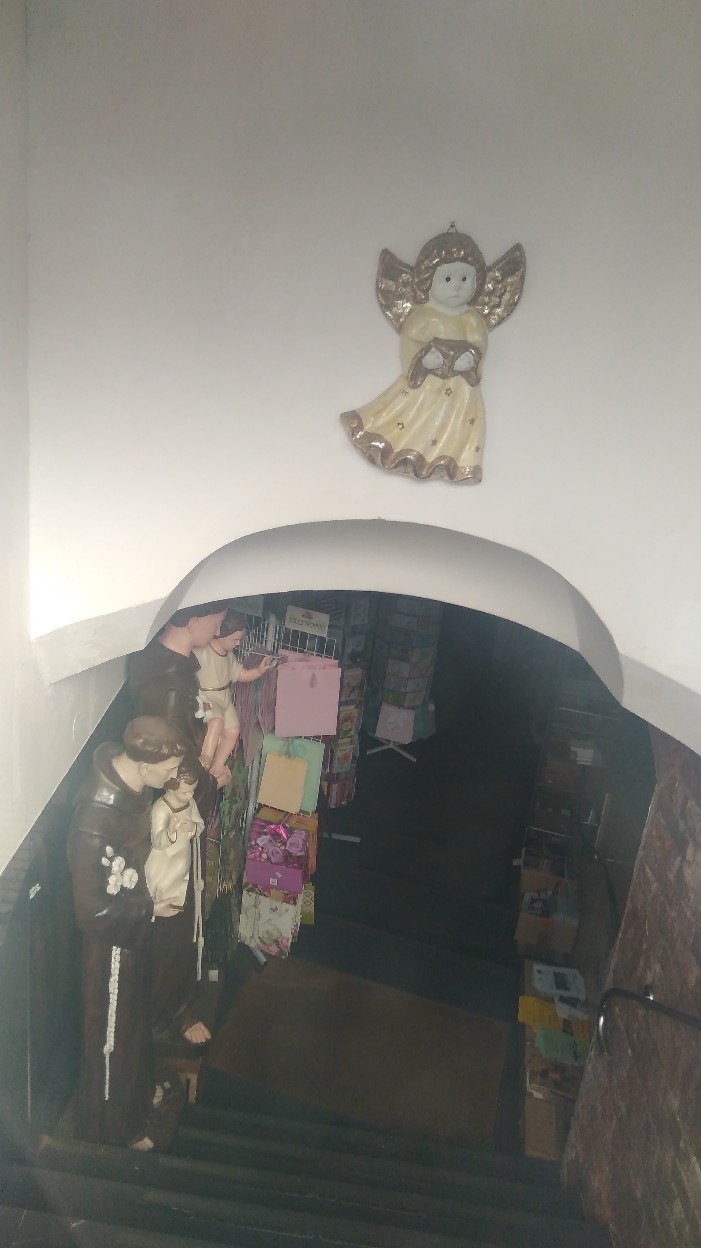
Next I crossed the road and entered a passageway finding the St Antun bookstore, photographed through the door as it was closed
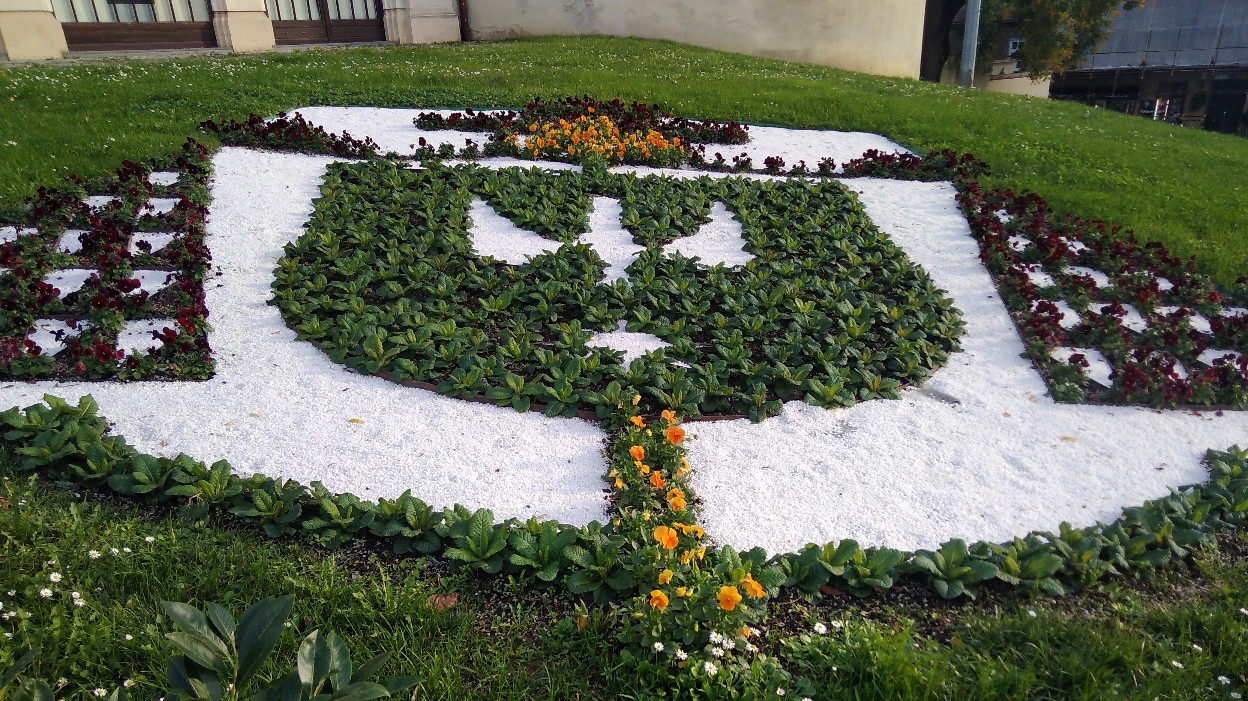
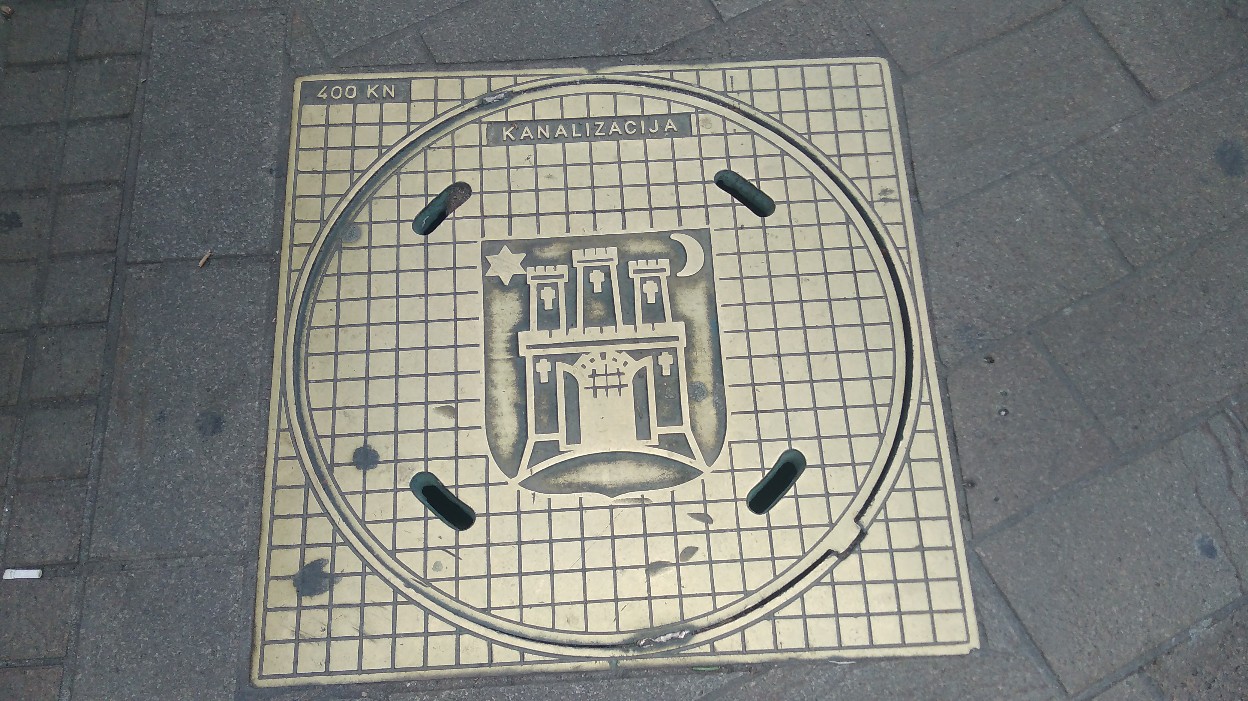
The Zagreb coat of arms in brass on the street and in flowers
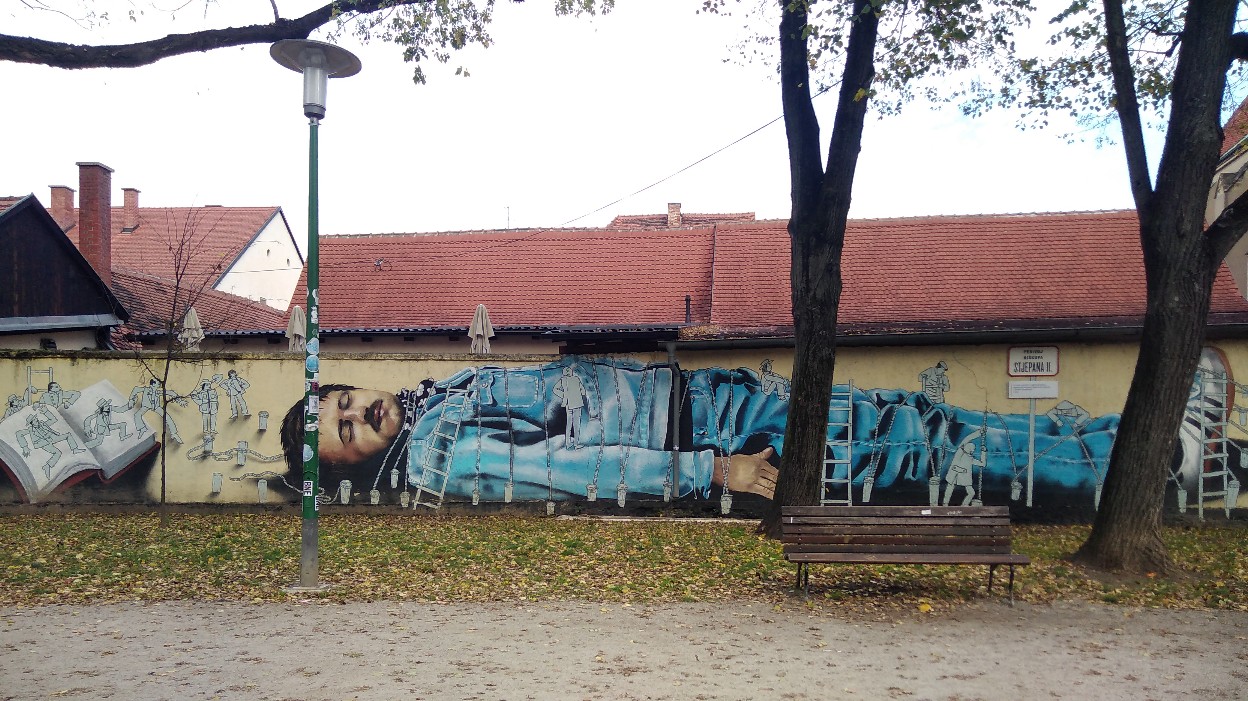
Here is Gulliver, beautifully depicted on the wall of Opatovina Park, incongruously lying next to a pile of books, the top one of which is Bridget Jones Diary (not in the photo)
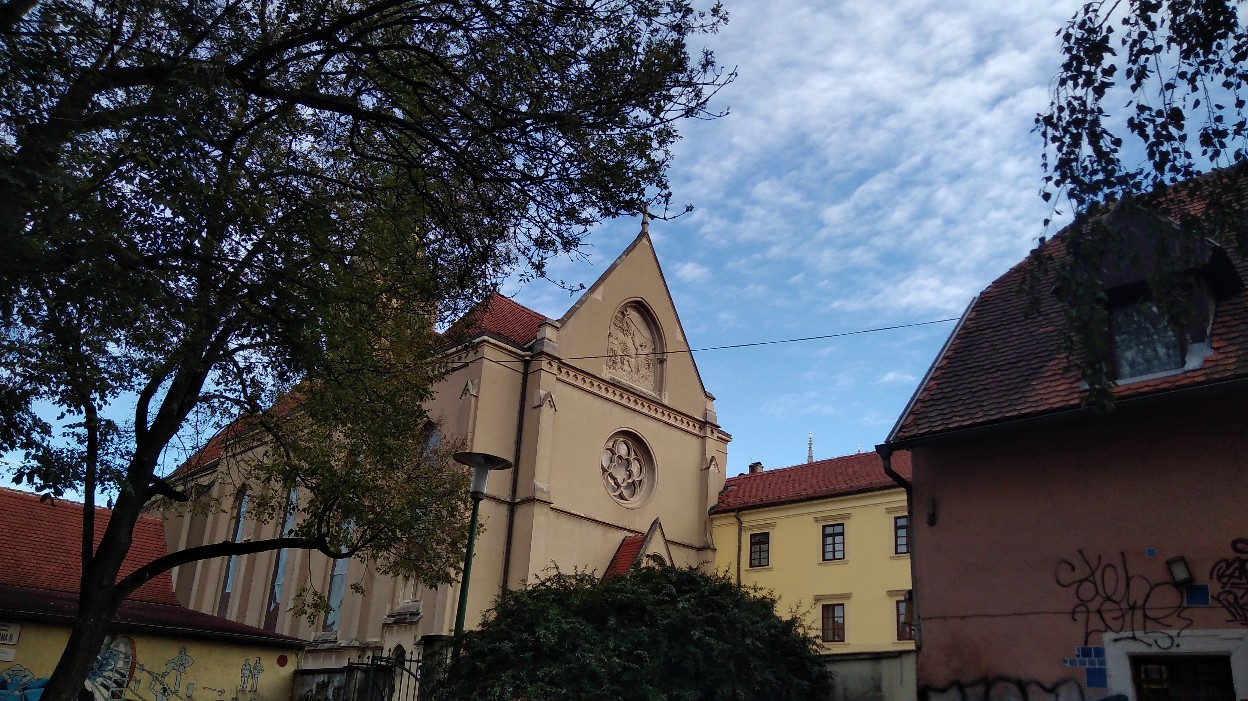
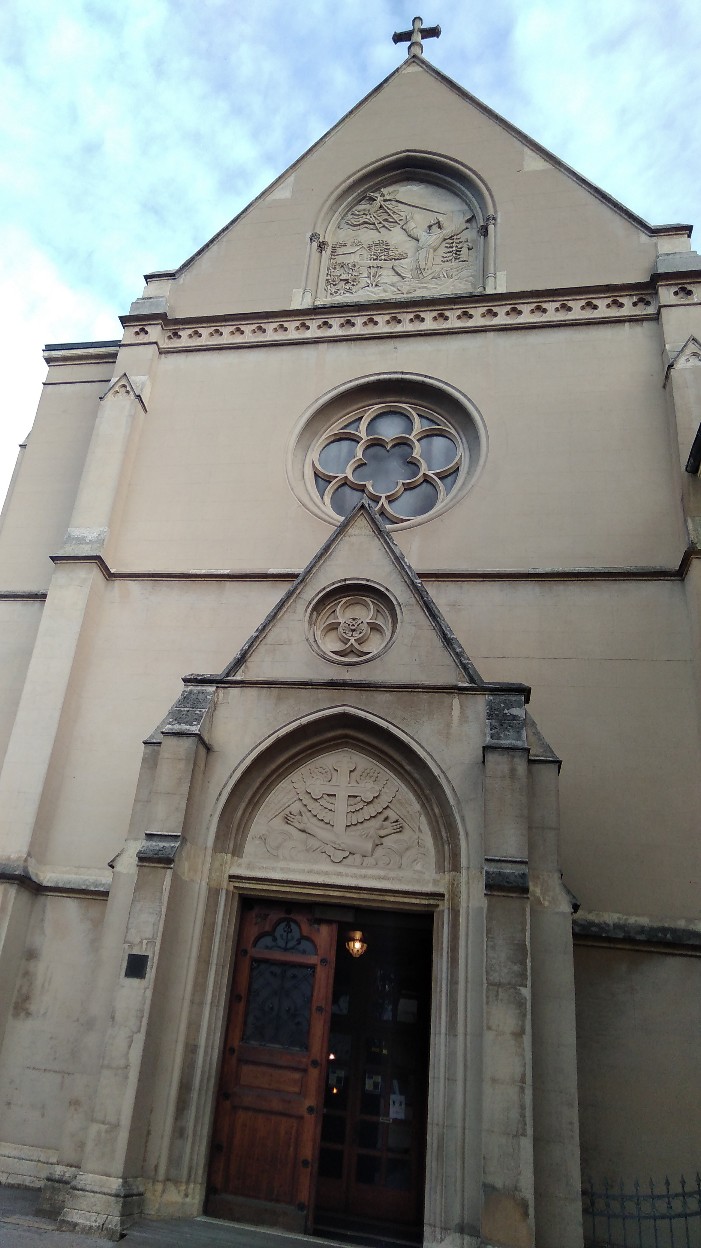
And opposite the entrance to the park is perhaps my favourite of the churches, the quiet chapel of St Francis.
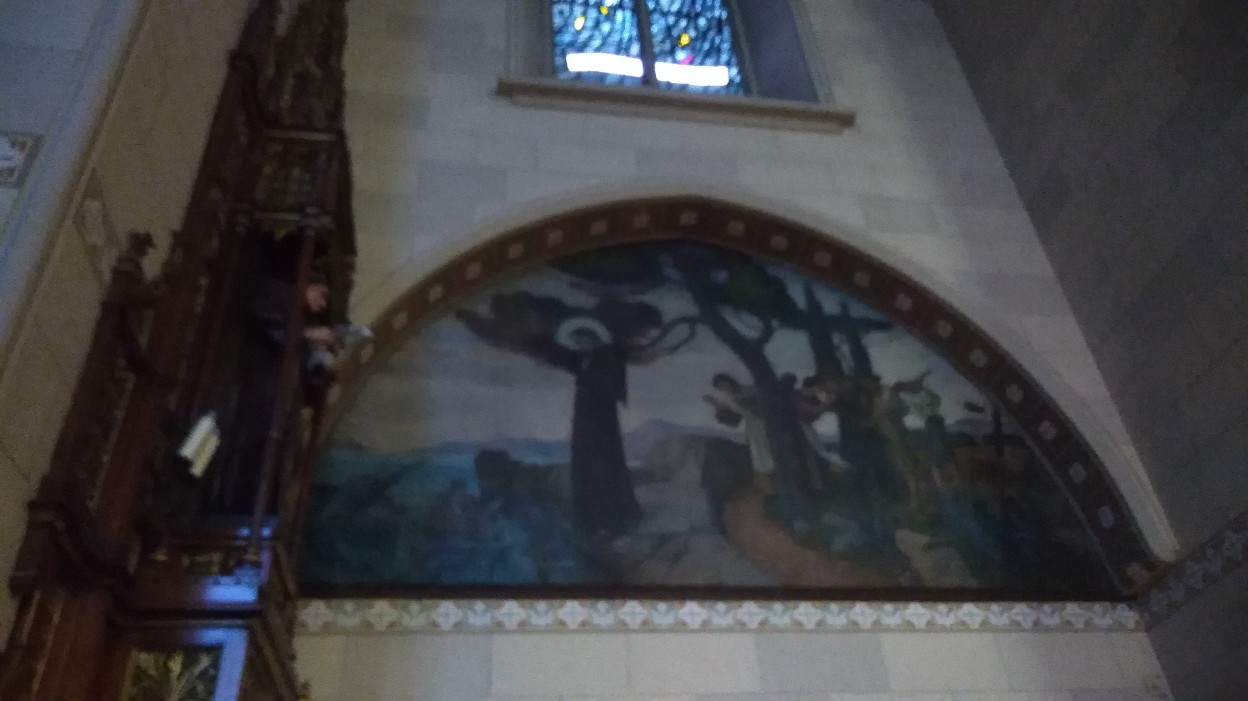
There he is at the top with the creatures of the earth, chapel of St Francis, Kaptol, Zagreb
Inside with a beatific smile, chapel of St Francis, Zagreb
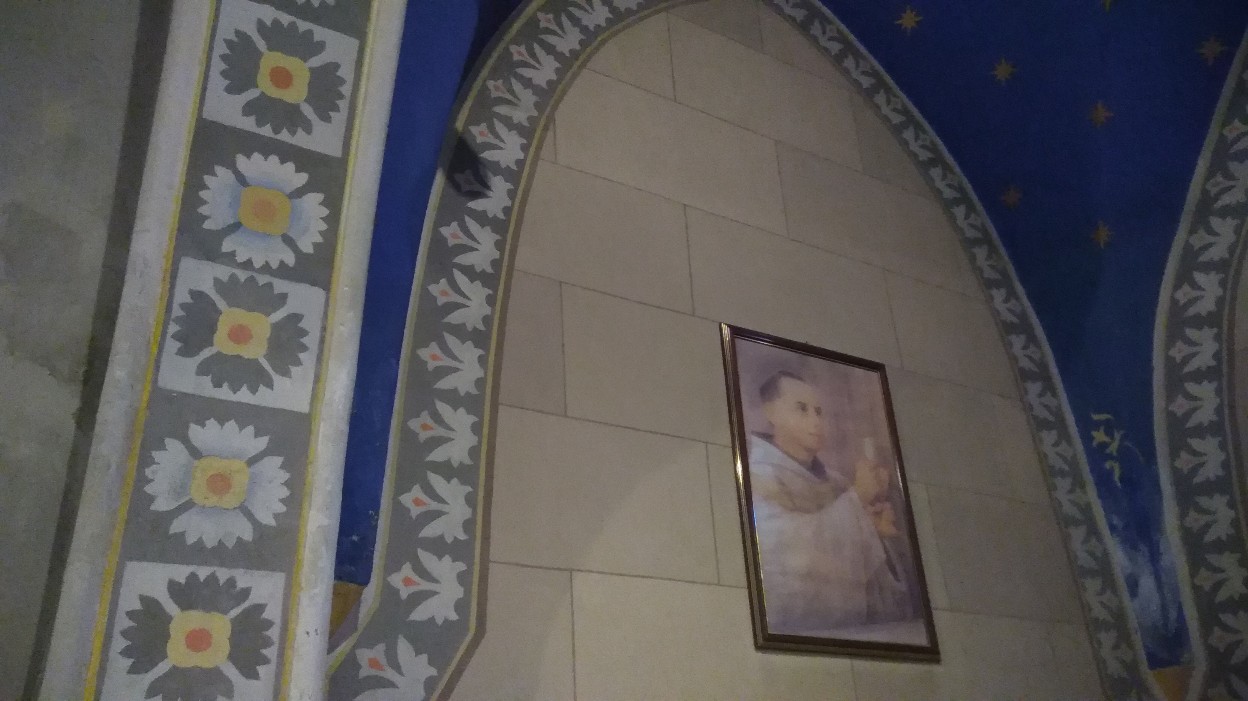
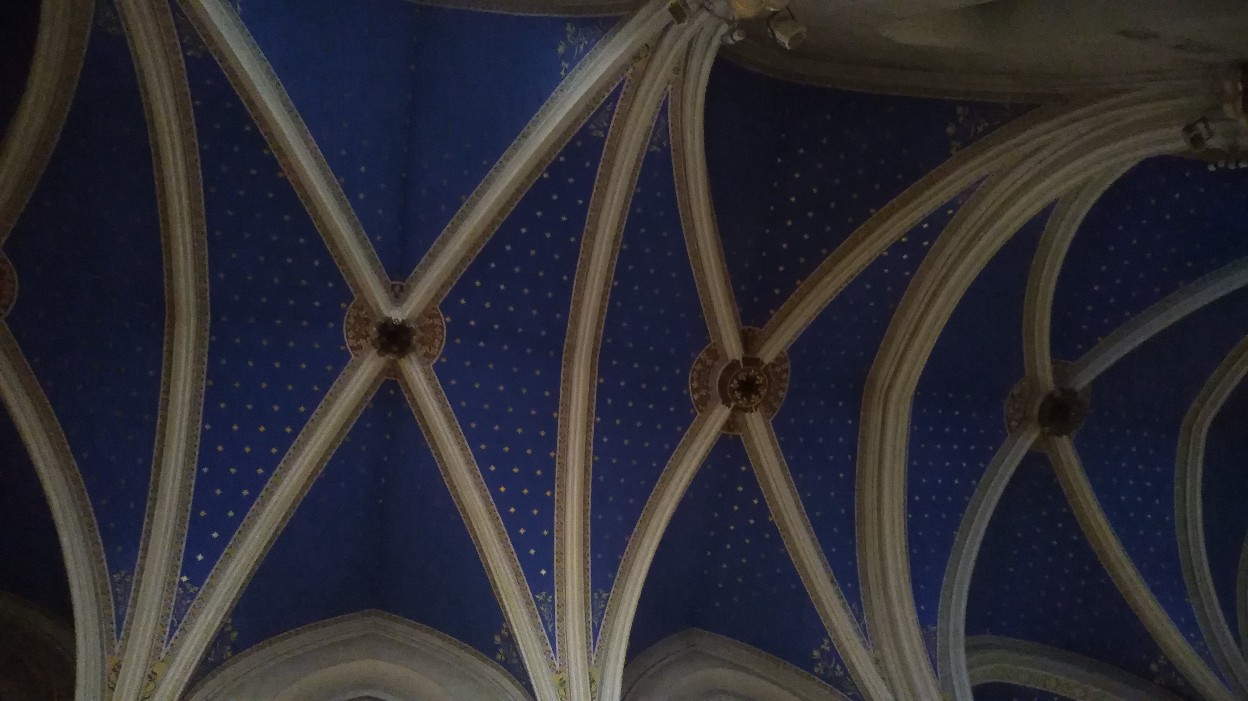
Under a starry ceiling, chapel of St Francis, Zagreb
and here tending to the fish of the oceans too (bit blurred), Franciscan
It has amazing stained glass, some at least by the Croatian artist Ivo Dulčić whose work was so groundbreaking that it sometimes incurred the wrath of the church authorities of the time. The windows, which he made in 1960, depict scenes from St Francis’ song “Canticle of the Sun”.
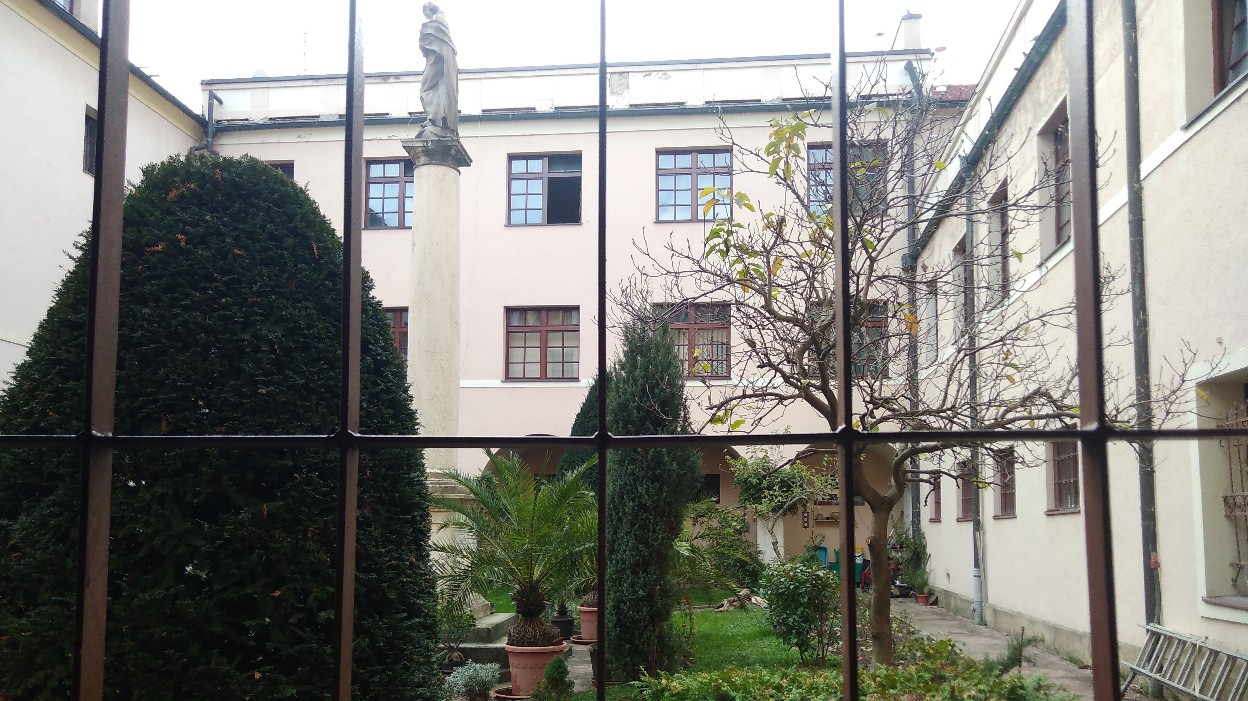
The garden of the Franciscan monastery in the hidden courtyard, Zagreb
I somehow could not find St Mark’s with its famous roof but here is the spire
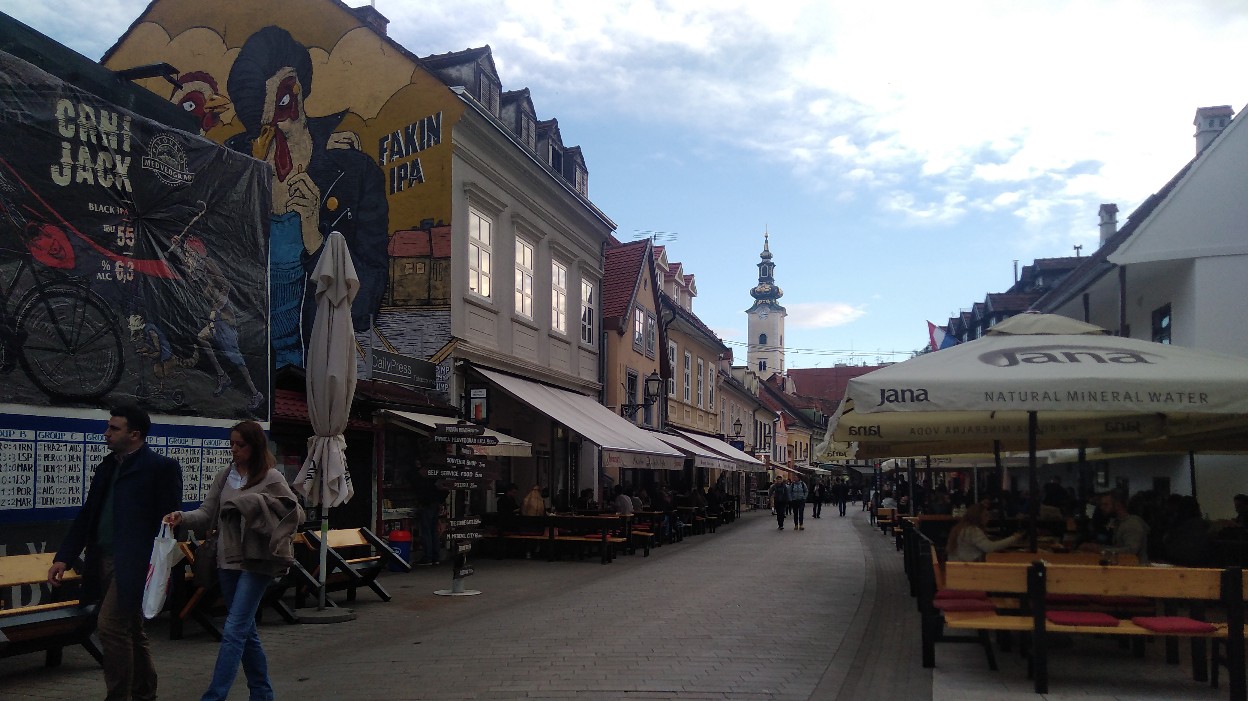
Then I found all the other) tourists. They were sitting in the cafes with English and German names on the little streets behind the market and jostling to take photos with their phones on sticks.
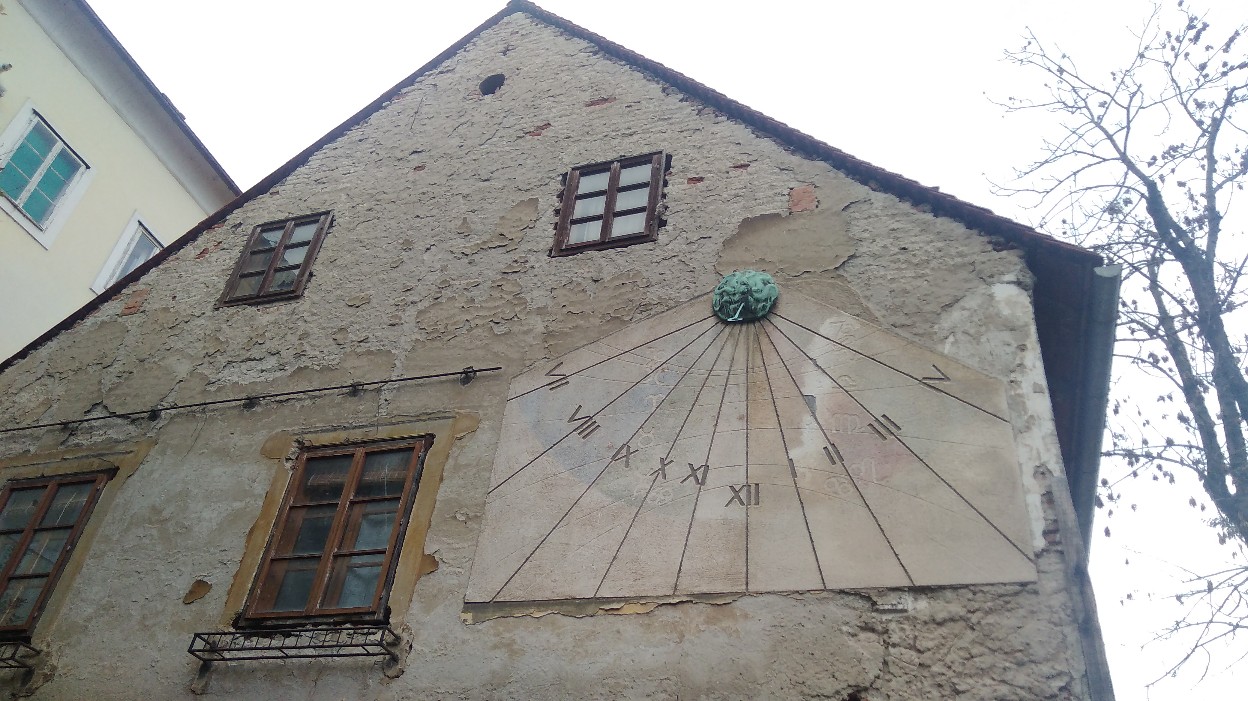
There was a statue of a Marija Juric Zagorka with a sun dial behind her and a children’s bench which is a nice idea
Tourist alley
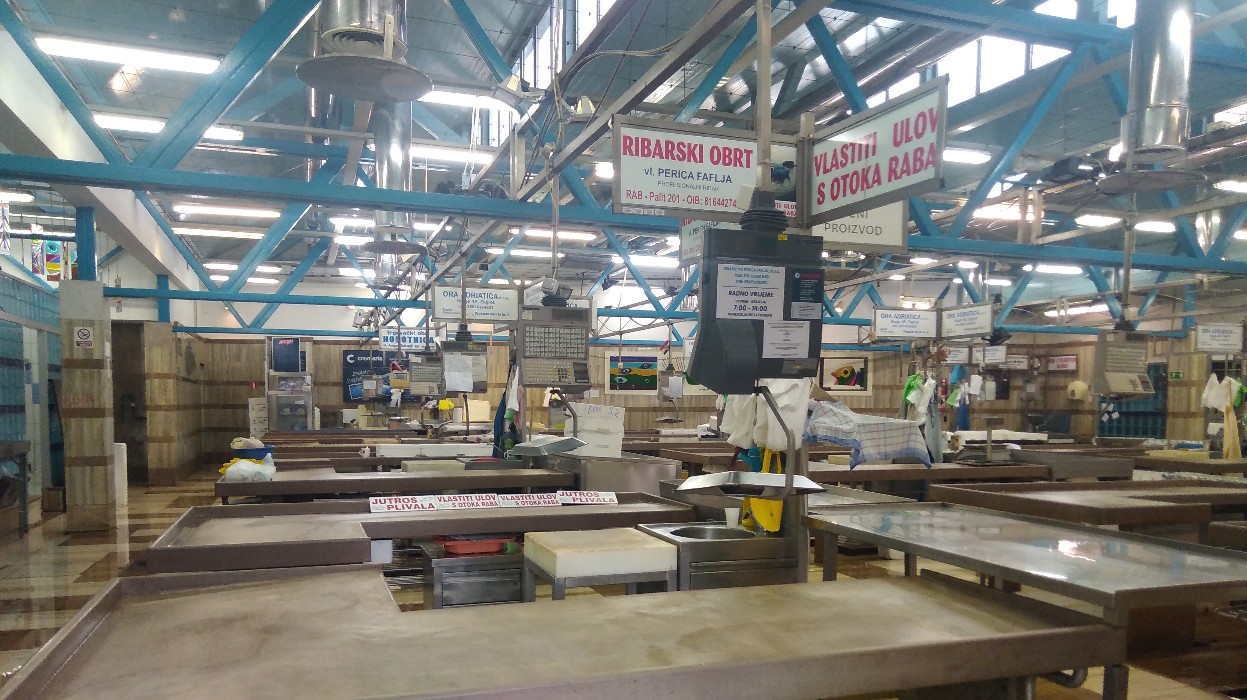
I missed the market at Dolac (Zagreb) for the second week running. Here are the empty fish slabs
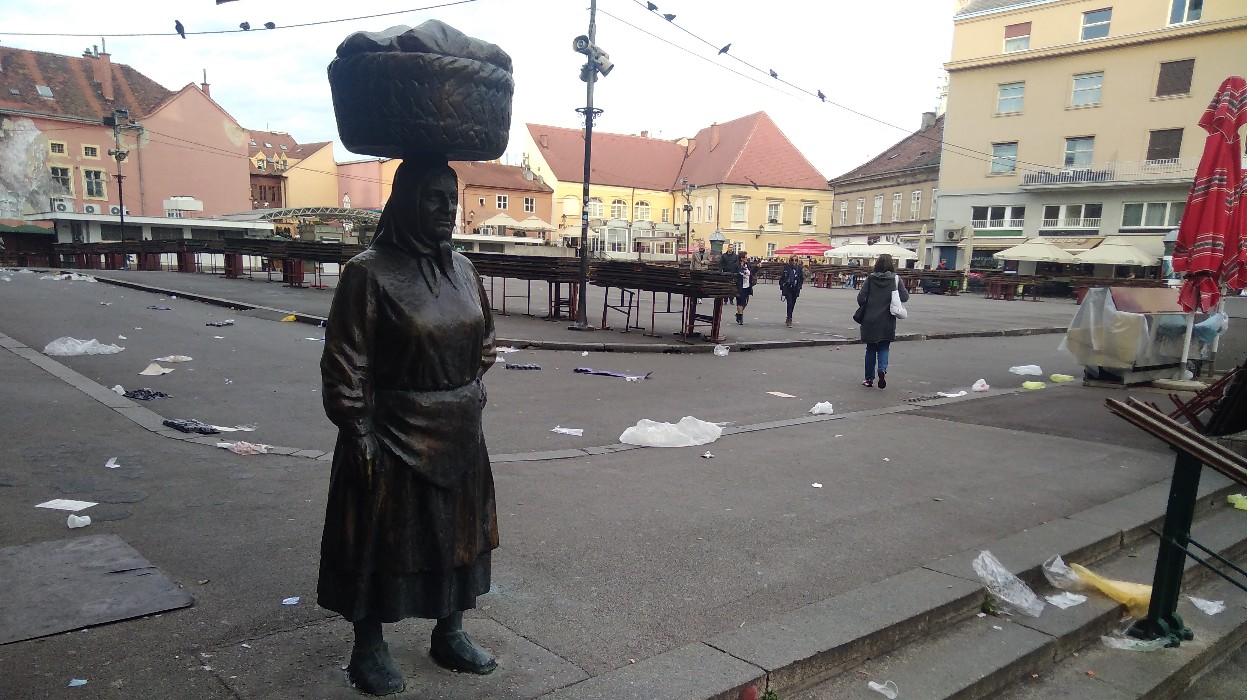
Outside a man was looking bored sitting in a mini vehicle hoovering up the rubbish, ‘Kumica Barika’ statue, Dolac, Zagreb
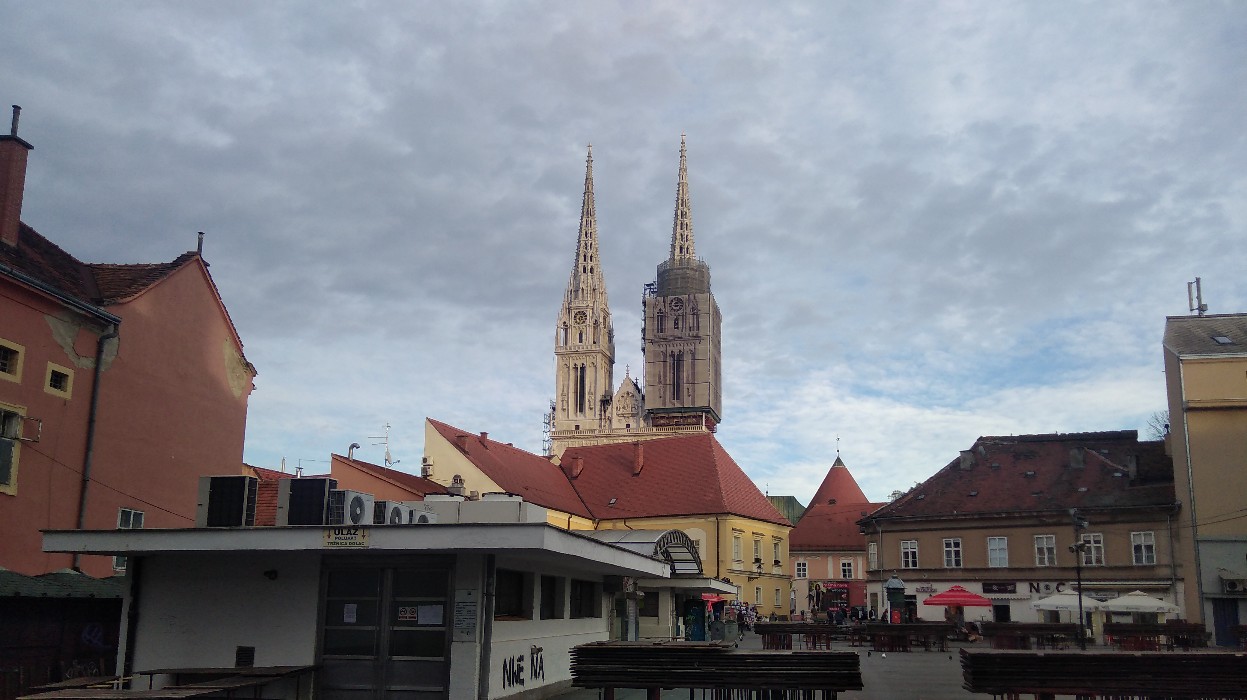
And another view of the Cathedral, Zagreb
This gorgeous fresco is on the Catholic church, St Mary at Dolac (stube kralja Ladislava)
Not a little footsore, I set out for Booksa to sit and drink tea and write some.
It was a picturesque end to the day.
There are better photos than mine of the interior of the St Francis chapel here.
There is so much else to see:
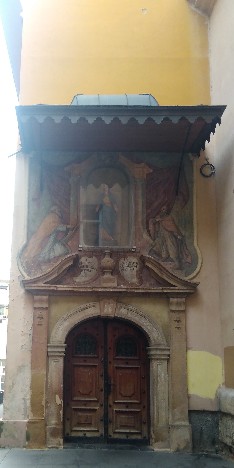
The Shrine of the Mother of God of Kamenita vrata (the “Stone Gate”), the patron saint of the city of Zagreb, is a place where people go to pray before a picture of the Virgin Mary which survived a great fire in 1761. The most important day here is the day when Zagreb remembers its patron saint and holds its annual town celebrations, 31 May.
Also, don’t miss the chance to see the south portal of St Mark’s Church in Gornji grad (Zagreb’s “Upper Town”), which dates back to the 15th century and depicts the saints in stone and wood. In the church’s interior you can also see typically powerful works by the great Croatian sculptor Ivan Meštrović.
The two above paragrpahs are from this website on Religious Toursim.

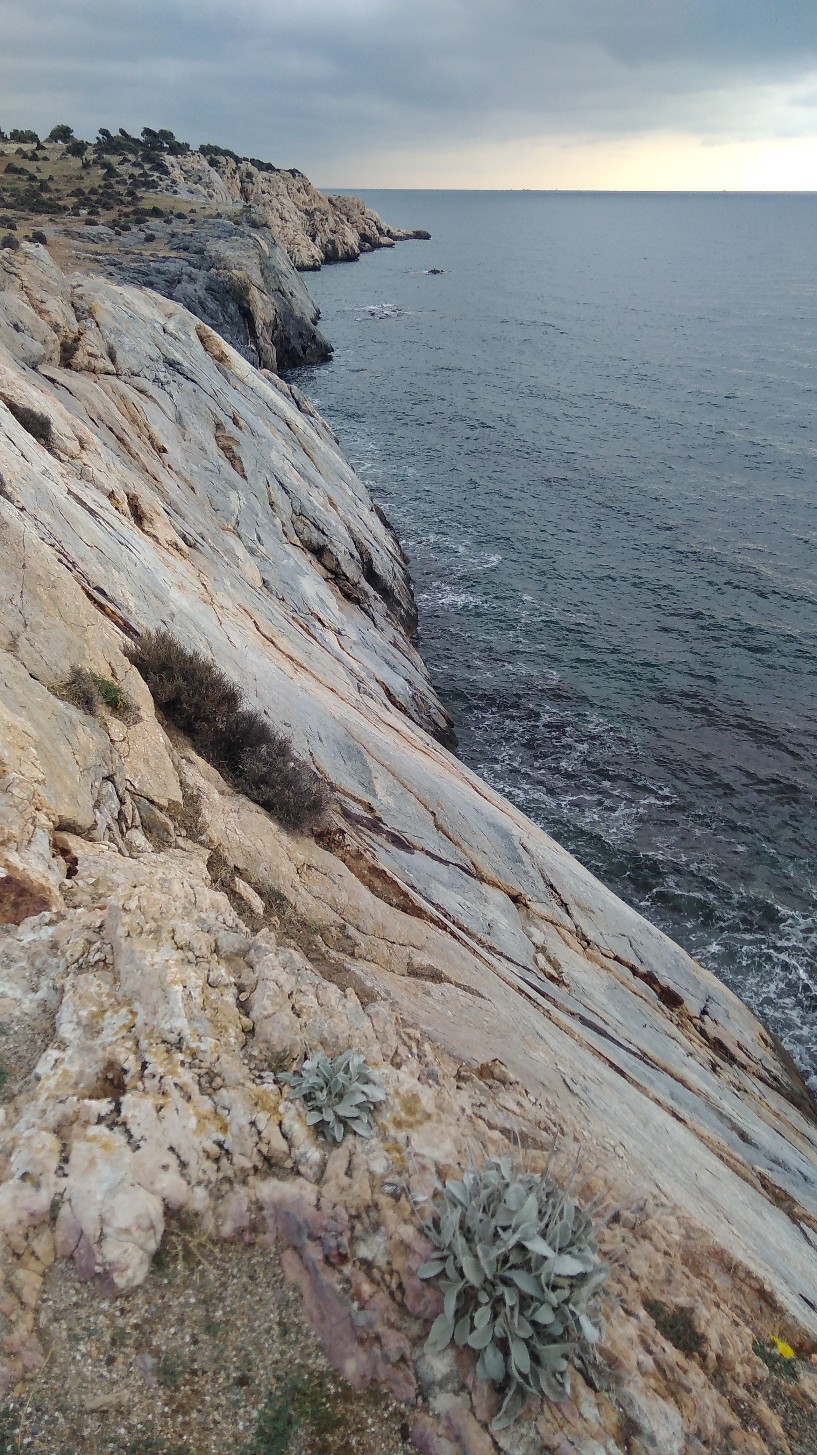
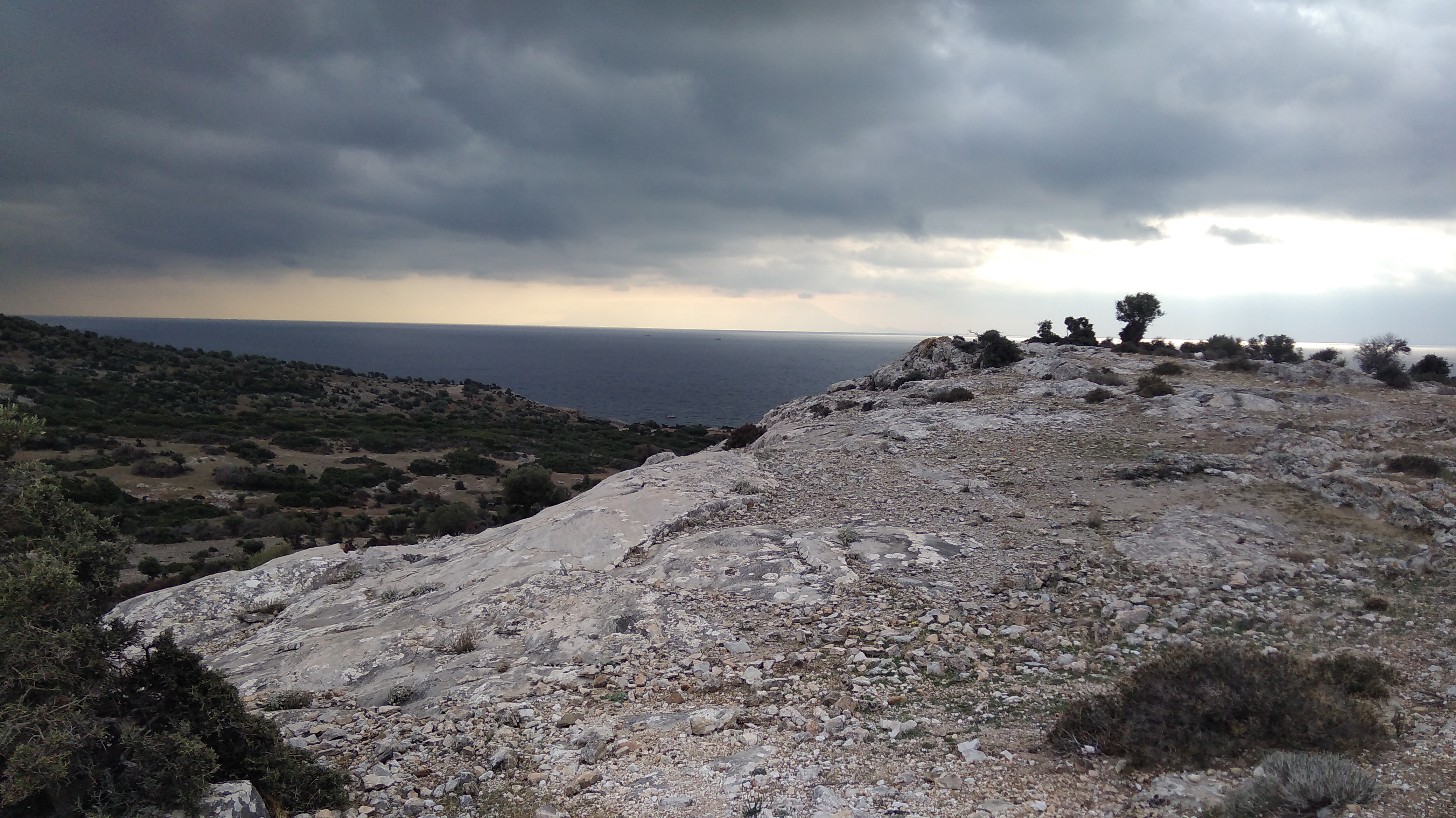
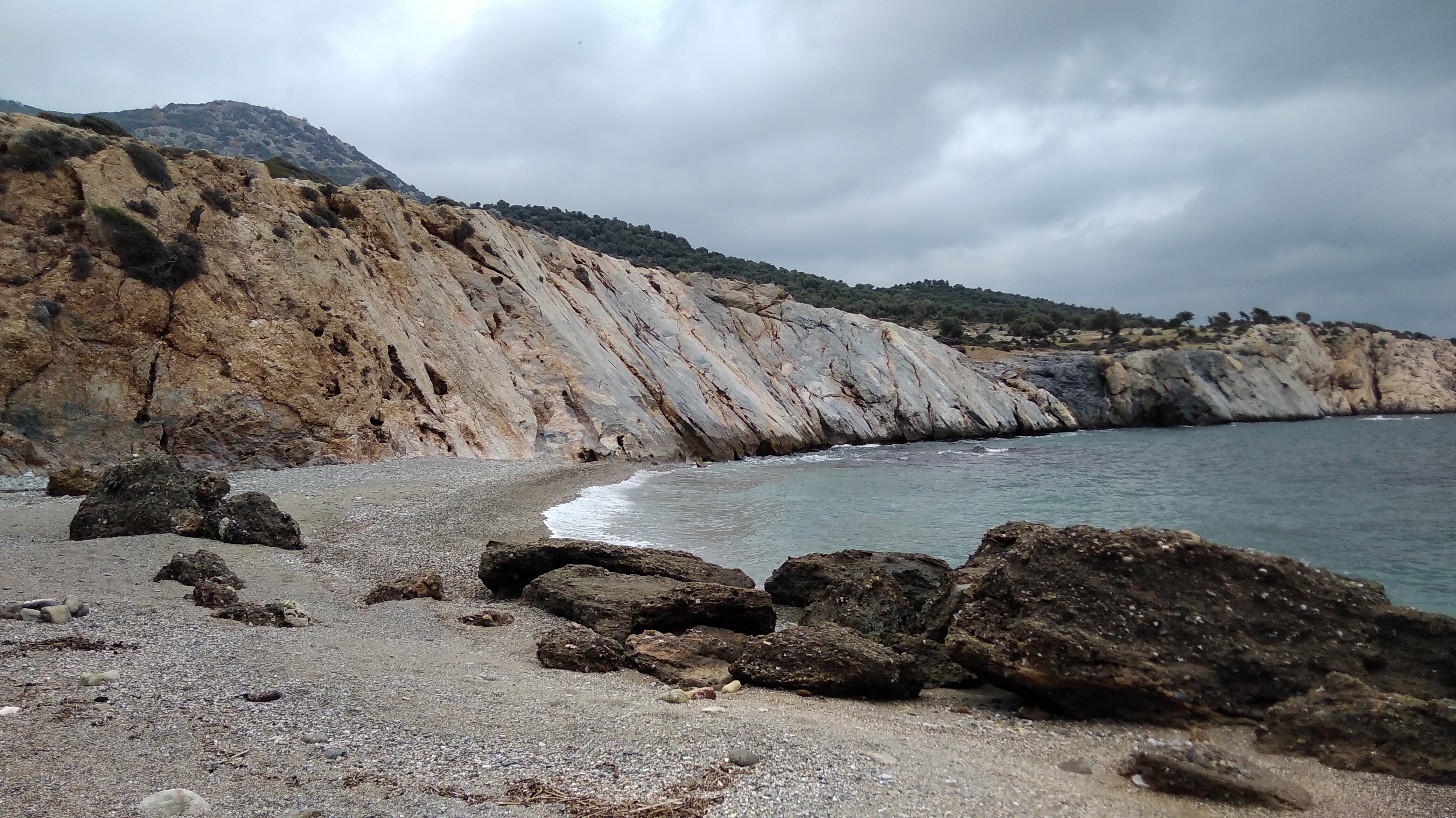 Monumental cliffs. East Macedonia and Thrace, Northern Greece.
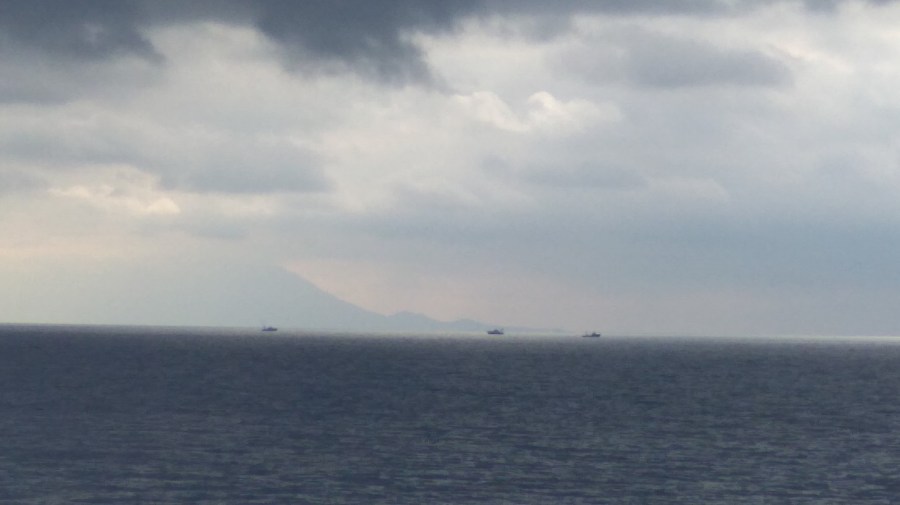 Samosthraki almost lost in the mists, with fishing boats. East Macedonia and Thrace, Northern Greece.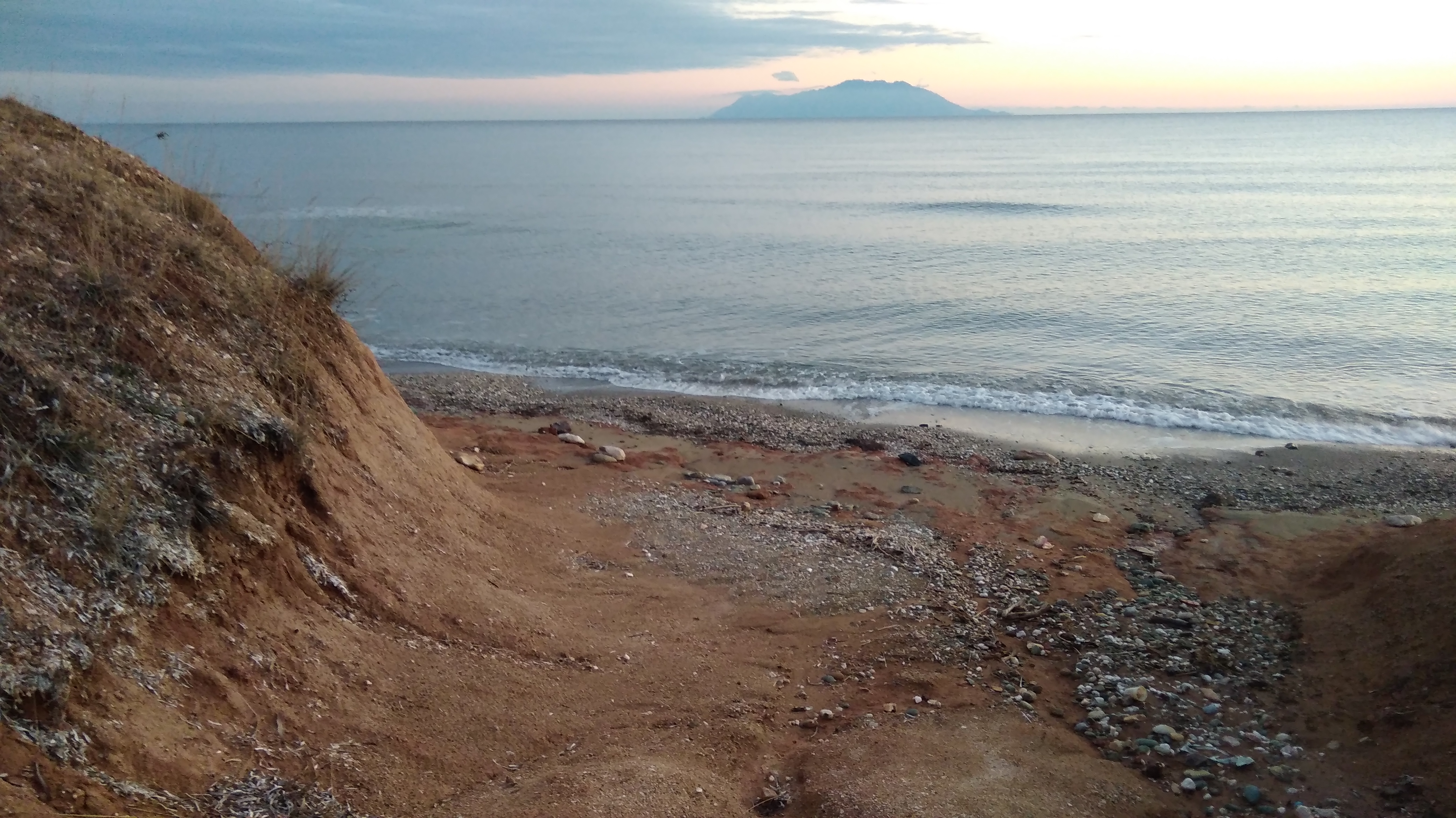










 Walking without a donkey