October 2018 – I had spent a month in Ireland and had just arrived in London to visit family and lead a Shiatsu workshop. Having stayed the night with my daughter, I woke to find that the sun was shining and I thought I would take my rucksack on a nice walk across London to Chiswick to meet my sister. Approx. 7 miles / 11.5 kms.
I started at Kentish Town West underground station, and turned tail cutting through small streets as they took my fancy, avoiding the busy commuters rushing to work
Public wash house, Grafton Road, LondonMAP studio and café where I stopped for breakfast, good tea and music, Grafton Road, LondonThe roof space of MAP café, Grafton Road, London
Refreshed, I found the Owl Bookshop which was full of school children browsing. There was a lovely sense of excitement amongst them at the prospect of the reading.
The Owl Bookshop, Kentish Town Road, London
‘Natural’ is a mix of MAP and Owl, being a café with books stacked in the window!
Further along Kentish Town Road was Natural, LondonPrince of Wales RoadThe Abbey Tavern, a typical London pub, Kentish Town Road, LondonGreek Orthodox Cathedral, Kentish Town Road, London (perhaps a hint of where I might end my Autumnal travels though I had no inkling I would be going to Northern Greece at that time )Creation Studios, Kentish Town Road, London
At the end of Kentish Town Road, I turned right into Hawley Road.
Hawley Primary School, Hawley Road, LondonSlightly to the left, ahead, was Castlehaven Open Space, London
I took a left onto Castlehaven Road and left again onto Chalk Farm Road.
And not very much further was one of my favourite teenage haunts Camden Market, London
I wound my way between stalls and caravans selling food and other goodies.
Here I found bookshop number 3, the Blackgull which is also a book binders, Camden Lock, London
On my left was the towpath…
With weeping willows and colourful reflections in the still water, LondonBarges which you can take along to Little Venice for sightseeing, Regents Canal, LondonHere the canal is closely flanked by new residential units and I spied the tower of the Pirate Castle on the bridge.Under the Oval Road, looking ahead at the train running over the canal, London
You can stand up and paddle on a board under the full moon, at hallowe’en and combine it with prosecco!
Going under Gloucester Avenue, LondonThe conical spire of St Mark’s Church in the distance, Camden, London NW1 7TN
When I caught up with it (the church) I appreciated its six-petalled, flower windows.
Sleeping rough away from the trafficA busy waterway, Regents Canal, LondonHighly decorated London WaterbusMonks enjoying the peace and quiet, London
There were bicycles and a wheel barrow on the roof of a house boat; paintings propped up against trees and hanging on sheets along the washing line; a bench with a proud goat who has curled horns (you will have to go and see!); there was graffiti galore.
At the corner I turned right and admired the Feng Shang Princess restaurant boat, resplendant in its red livery
Not long afterwards I realised I was not far from Primrose Hill on the right and alongside the world famous London Zoo opposite where the previously mentioned Waterbus makes a drop-off, just before the pretty wrough-iron bridge.
At the Prince Albert Ramp I had the chance of a detour for Camden High Street, and ahead was St John’s Wood, the Snowdon Aviary and Lord’s Cricket Ground. I trundled along taking photos of the wild plants. Joggers jogged and I got to the Jubilee Greenway completed in 2012 to mark the Queen’s birthday and the London Games.
My path took me around Regents Park, named after the Prince Regent, where there’s an Open Air Theatre and a boating lake.
Winfield House, the residence of the US AmbassadorUnder Park Road, LondonCreative garden spaces, Regents Canal, London
Here there were delphiniums (even though it was October) and foxgloves.
Quintessentially English flowers in pots, Regents Canal, LondonA waterside village of longboats and cute dwellings, Regents Canal, London
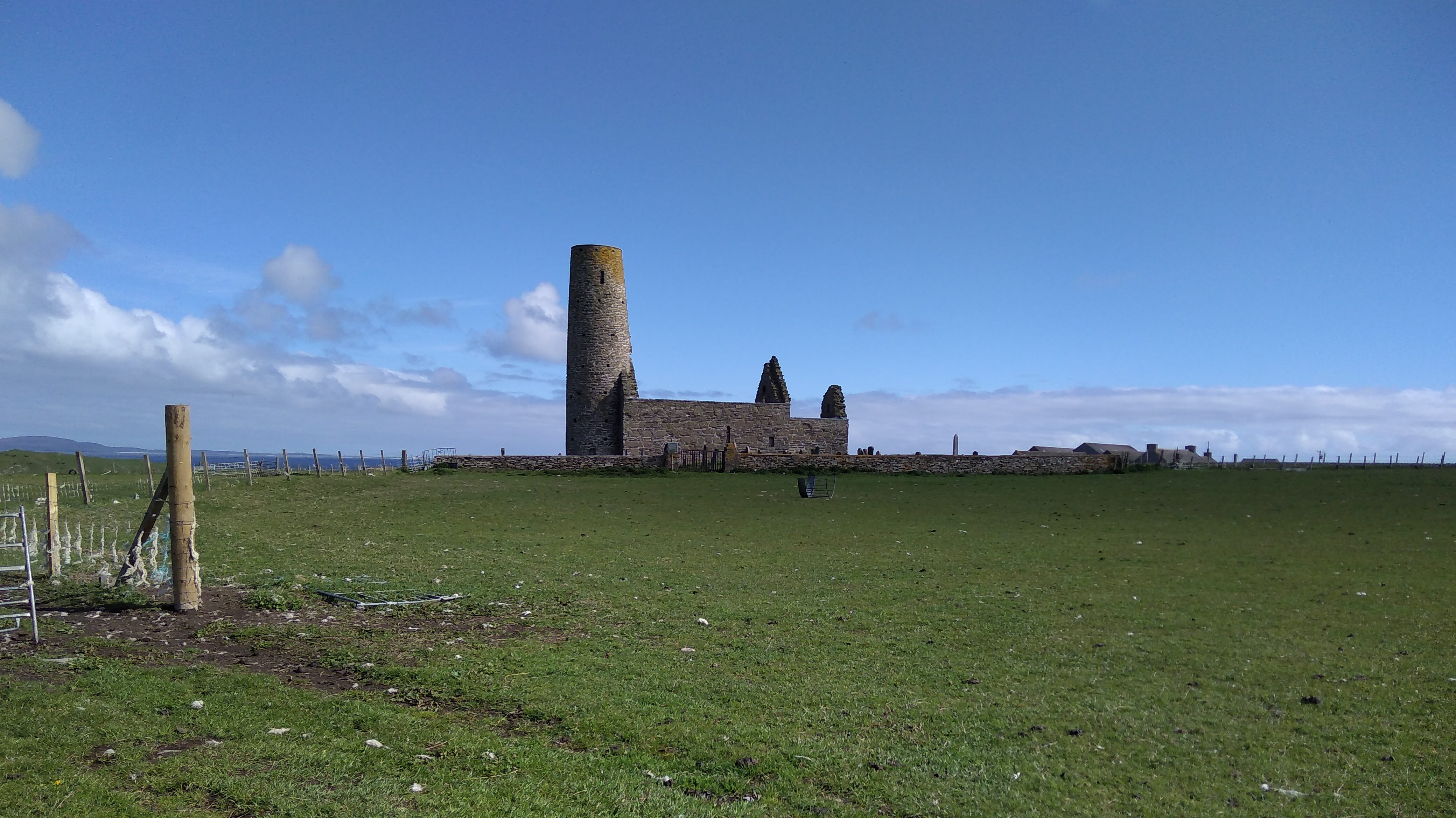
At the Canal Gate (pictured at the top of this blog) I had to leave because the way was blocked off.
I carried on along pavements by busy roads, past underground stations and shops, discovering parts of London I had never visited before. I made my way to Chiswick via Holland Park Avenue, Shepherd’s Bush, the Goldhawk Road, Stamford Brook Road and Bath Road where I met my sister.
My phone ran out so I stopped taking photos and used my handy Belkin Pocket Power (a 5000 mAh portable charger which has been my saving grace many times) to recharge it.
Hot with the action and the weight of the rucksack, I was glad to sit down and have a cup of tea. Had I ‘world enough and time’ I would have visited St Michael and All Angels Church in Turnham Green, an Arts and Crafts building which a gentleman told me about as I stood waiting to cross a road. We had a most pleasant chat while he also regaled me with his life in India. I meet the most interesting characters when I walk.
The Regents Park and Primrose Hill both have excellent views of the London skyline. Royal Parks website.
Had we but world enough and time,
This coyness, lady, were no crime.
We would sit down, and think which way
To walk, and pass our long love’s day.
…
The opening lines of ‘To His Coy Mistress’ by Andrew Marvell
Always check out footways.london for pleasant paths to cross London, a network of quiet and interesting streets.
Reflecting is a vital part of taking a walk. It helps to embed or integrate the walking experiences – where I have been, and what I have learned – in the hope that any changes wrought will last.
Most of all, though, I failed to comprehend that the best things in life aren’t things that are visibly sexy on the surface. They don’t scream for attention, and they rarely invite adrenaline. Rather they come from quiet commitment, respectful engagement, and a love of something greater than yourself.
Before a sitting meditation I start by acknowledging or noting any issues which are bothering me, either to clear my mind, to problem-solve, or create focus. Then I try to simply sit. I have been doing that for years. As a result I sometimes come up with creative ideas, solutions and greater understanding, or at the very least a recognition of patterns of behaviour.
Walking is a kind of meditation and the more I walk pilgrimage, the more I realise that simply doing it: starting, trekking, and managing to complete, I’m learning what I need to.
I have habits that I try to pretend aren’t there most of the time. However, when walking a pilgrimage they come to the fore. It’s in the planning and facing of the realities of the land and the practicalities of accommodation and food that I am brough face to face with myself.
Is walking pilgrimage synonymous with being religious?
I do not follow a recognised religion. I was christened into the Church of England by my parents and had to learn tracts of the bible overnight for reciting in primary school the next day. Joining in assembly every morning at secondary school was obligatory, and I sang and read lessons during services; went on a Sunday School holiday; and spent years in the Girl Guides where Christianity was important.
I was steeped in it – the tenets seem to be in my soul (or perhaps in my cells). When I was learning to speak, religion provided me with a moral and ethical language, and I have discovered that it’s hard to shrug off.
Maybe I’m on a mission to get rid of the destructive part of what I was taught in those early years. I was encouraged to feel guilty, it was assumed that I had Original Sin, and I was told that I was bad in my core as were all other humans. Perhaps I now take ecumenical walks to give myself the time to recognise the impact of this and to let go of what seem now to be unhelpful lessons.
I do visit churches sometimes and I certainly respect believers, but I do not take communion. I have read widely, listened, and discussed religion with friends, but I cannot follow a Faith which seems to exclude or criticise people for being the way they are or believing what they do.
Historically, pilgrimage was a religious practice, so it’s not surprising that people keep asking me why I walk pilgrimage.
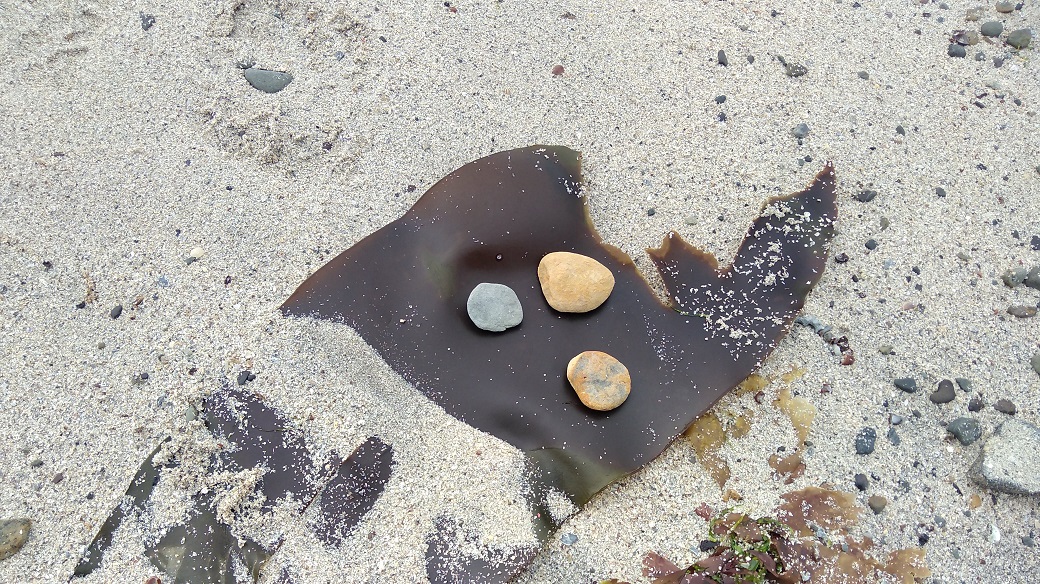
The three stones I found on Evie beach at the start of the St Magnus Way
Why pilgrimage?
For me, pilgrimage is more than a long-distance walk. It’s a walk with the added zizz of a specific intention, held to, and later reflected on. I’m walking in the fotsteps of others who were seeking enlightenment. Made with awareness and respect for tradition, there’s an in-built beginning, middle, and end, and it’s a project all in itself.
“The present, the present. It never stops, no matter how weary you get. It comes unstintingly, as a river does, and if you aren’t careful, you’ll be swept off your feet.”
Olivia Laing, To The River (p111)
Spirit, soul and understanding
In Chinese Medicine I was delighted to learn that there are a number of different ways to describe the spirit or soul. In Icelandic there are more words for snow than we have in English; in the Orient the parts of ourselves which relate to spirituality, to nature or to our innate relationship with other people are as important as our physical and mental aspects. Although the spirit is amorphous, hard to define, it is something I have a tangible sense of, particularly when I walk in nature. Although sometimes I am content to ‘be’, at other times I become curious and try to understand this puzzle.
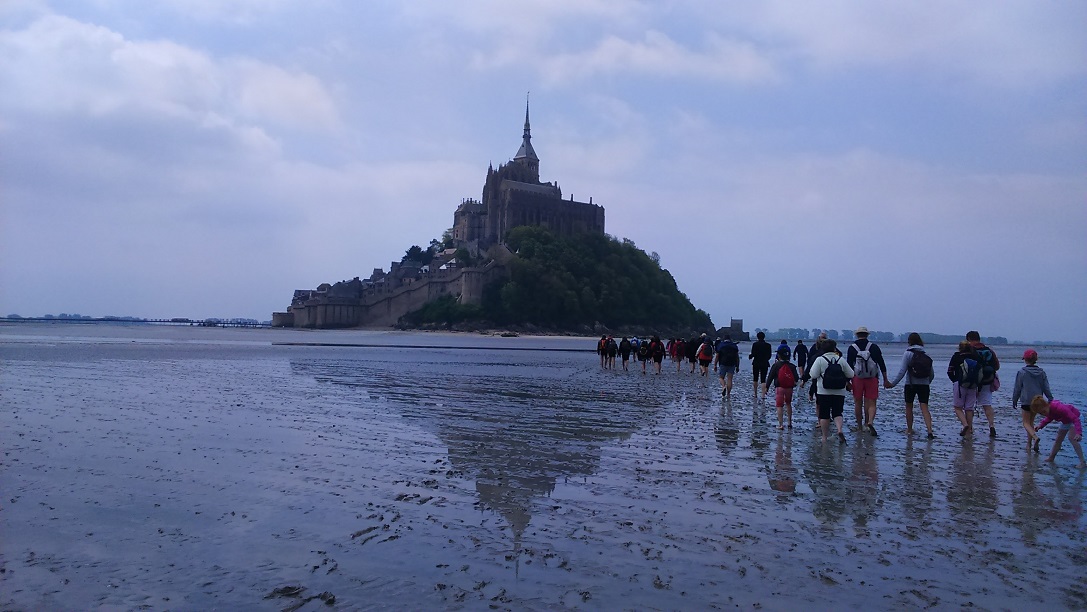
When I sit and meditate in my Shiatsu room in Edinburgh I can simultaneously be in Tibet or Japan or China. I don’t know why that is or how it happens and so I ponder on these things as I walk. I privately thought that at least one explanation was that I was a nun and a monk in former lives. It’s the best explanation I could come up with. The feeling I had, for example, when I crossed the sands, barefoot, to Mont Saint Michel was real – I ‘knew’ I had walked there before.
Walking across the sands to Mont Saint Michel, France May 2017
What is ‘knowing’?
We have discovered in the last 100 years or so that our physical cells destruct and reconstruct, so the ones I have now shouldn’t be the same ones I had when I was a baby, never mind the ones my mother or grandmother had. And yet we know that we share genetic material.
There is a theory that there is a collective knowledge which accumulates from the generations which came before. It could be this wisdom which tells me where to go to find what I seek, and what has got me here in the first place. However, current scientific methodology and outcomes deny me entry into this collective unconscious. It insists that I enter through the portal of logic and I am not sure that logic is the right way into that sort of understanding.
I have an intrinsic sense of the English phrase, ‘I know it in my bones’. My bones are made up of cells and that genetic material, yet in every text I read about pilgrimage something inside me recognises it. I seem to share the centuries of that collective knowledge, it is familiar.
There is my DNA and my body. There are my mind and my thoughts. There is my self, my soul, my spirit. In my work and my walking I am enquiring into the connections and (re)discovering dissociations between these.
It’s all about love
The more I listen to myself as I traipse, and the more I hear my clients in the Shiatsu room, the more I think that what we all seek is the connection to LOVE. It sounds like a familiar new-age thing to say, it’s straight out of the ‘all you need is ….’ 1960s, but I keep coming back to it.
I have a hunger for that ‘something for which we search’, and I know it isn’t just me, because when I tell folk what I do, they say, ‘Oh, I wish I could do that’ or, ‘I have wanted to do that for ages’. Or maybe they too have already started!
I seem to be part of a contemporary pilgrimage movement in which it is possible that we are seeking ways to integrate, comprehend and connect our-selves, personally and in community.
Pilgrims walking the Via de la Plata, Spain; Tourists flocking to the Sacre Coeur in Paris, France.
Restlessness
In addition to all this, I notice a compunction to move on, to save my soul, to find and to seek. The ‘thing’ I am looking for is at the same time inside me right now and just ahead of me. It is that towards which I reach or walk. It isn’t new. Everything I have done in my life so far is part of this instinctive movement towards being purer, ironing out the creases. That’s what I believe we are all doing wherever we are.
I know that inside me lies this knowledge, just as tangibly as I know my organs are there. I recognise that I am part of a continuum, a humanity of seekers. What is necessary is the time and space to better hear what is happening, and that is hard to find when I am at home looking after people and my surroundings, doing what most of us do in our adult Western lives.
The answer, it seems, lies in introspection. Without trying to be precious, I go quietly back inside myself when I walk, to hear the still, small voice.
Nan Shepherd wrote ‘These moments come… most of all after hours of steady walking, with the long rhythm of motion sustained until motion is felt, not merely known by the brain, as the “still centre” of being…
And so it appears I am descended from the ascetics and hermits of my history. I’m reborn into the liberated 21st century. I am, at one and the same time, part of a shared community – walkers and pilgrims, fellow monks and nuns, a group with shared values – and I am alone to ponder.
Some things are proving intractable and I expect that’s why I have to keep on doing it!
Monte Gozo – the last stop before Santiago de Compostella, Spain
What does camino mean?
Camino means both the act of walking and path in Spanish. There are many caminos and they all end up at Santiago de Compostella in the top left hand corner of Spain.
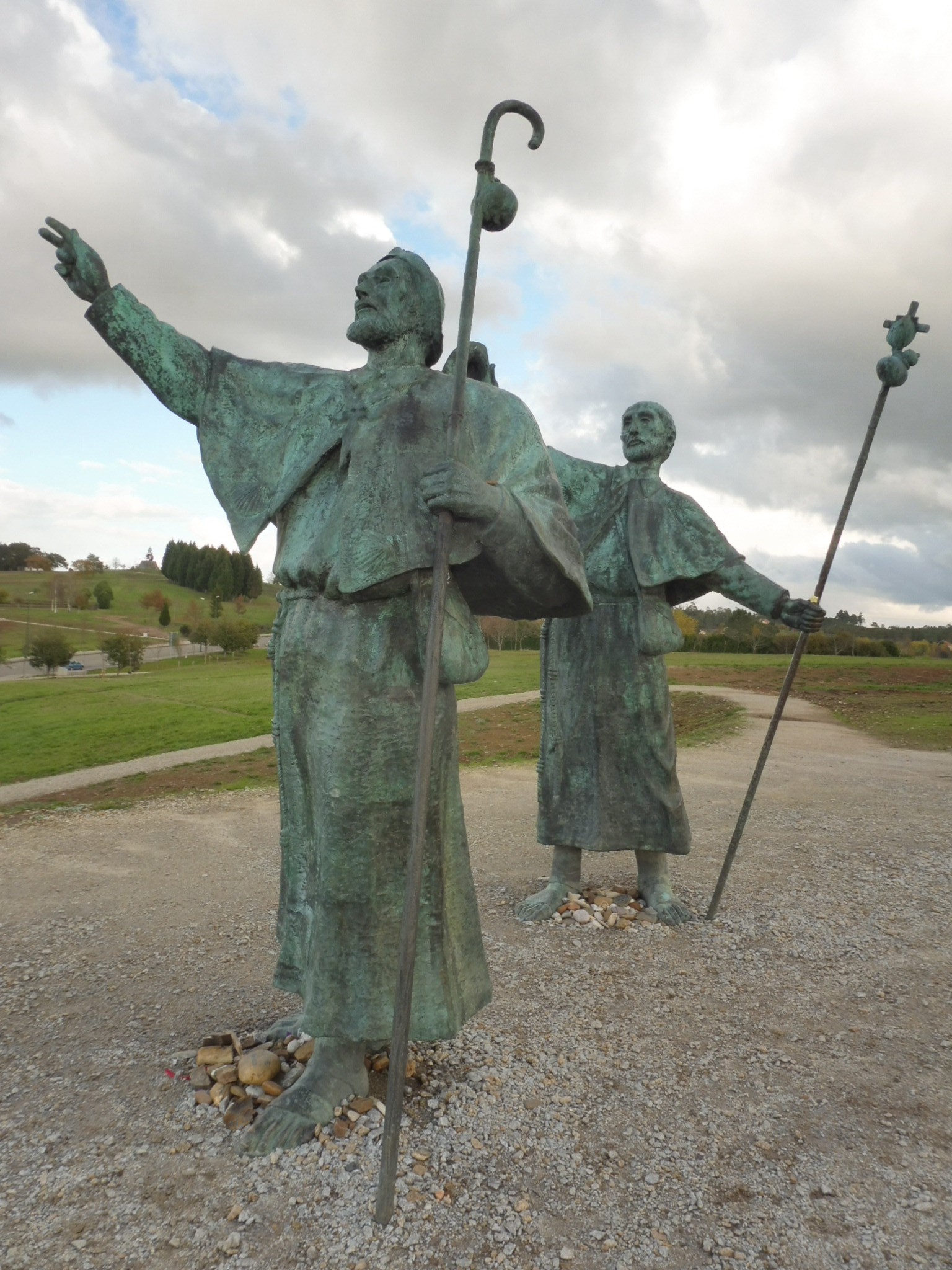
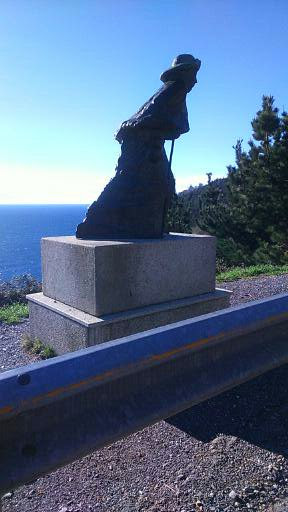
Traditional pilgrim statue, Finisterre
Where is the camino?
When you hear someone talking about walking the Camino they usually mean that they are following all or part of the east to west route called the Camino Francés, the most popular.
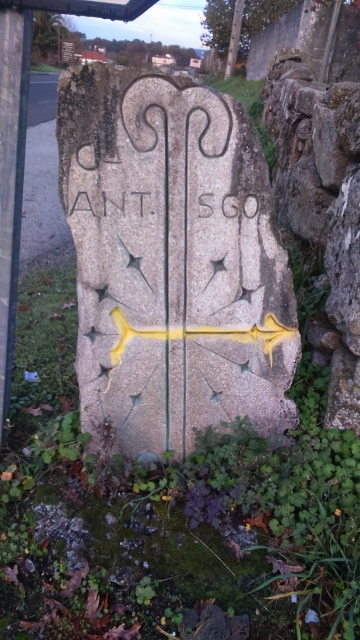
Following the yellow arrows is easy – you don’t even need a guidebook for the Camino Francés
In what part of Spain is the camino?
This camino starts in France at Saint Jean Pied de Port (Saint John at the foot of the pass) in the Pyrénées-Atlantiques region, crosses the Pyrénées mountains to Roncesvalles, passes through the Basque Country, Cantabria, Asturias and Galicia, ending at….. you have guessed it, Santiago. You can start anywhere along this route.
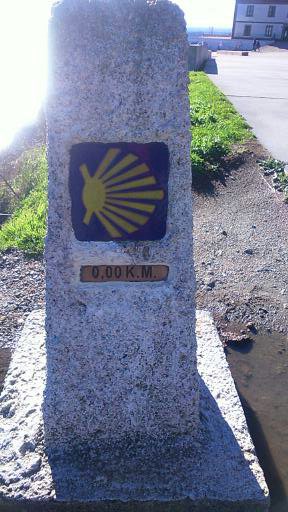
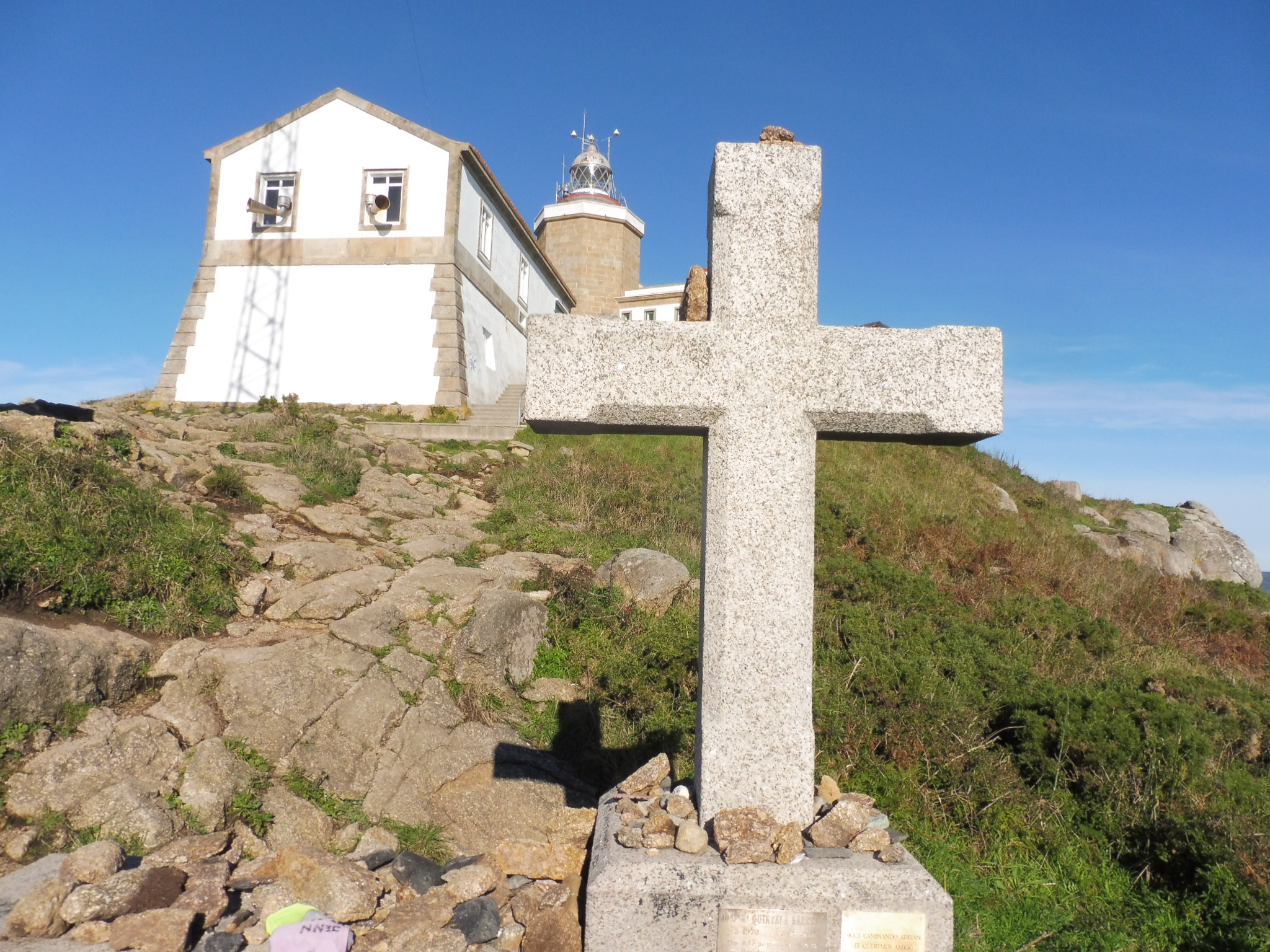
The final way marker of the Camino Francés, Finisterre, Spain.
Sorry, what is it called again ?
Also known as The Way of St James (Sant (saint) Iago (James) in Spanish), The French Way, or The Camino de Santiago, it is 500 miles long (near enough 800kms), and takes between 25 and 50 days hiking. You can also cycle it which is quicker, but that’s another story.
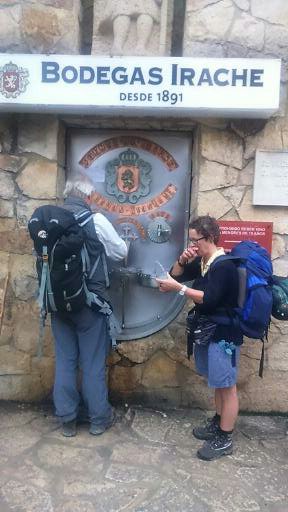
Free wine – early on the Camino Frances, Spain.
Pilgrimage
The Way is a pilgrimage and those who walk it are traditionally known as pilgrims – peregrinas (female) or peregrinos (males) in Spanish.
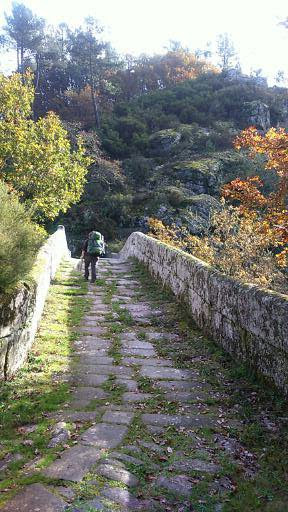
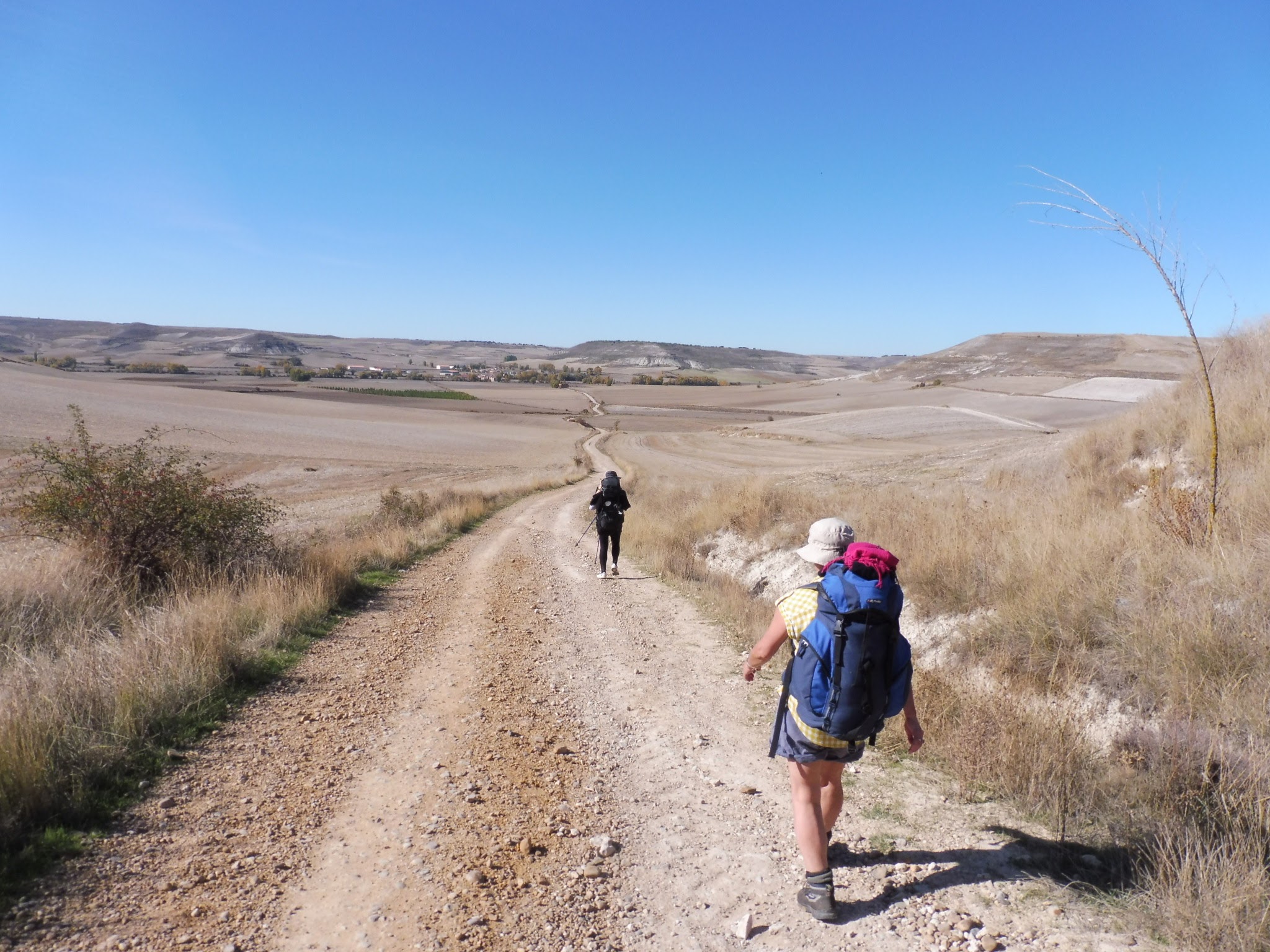
Carrying everything you need. Pilgrim crossing an ancient stone bridge in Galicia, Spain
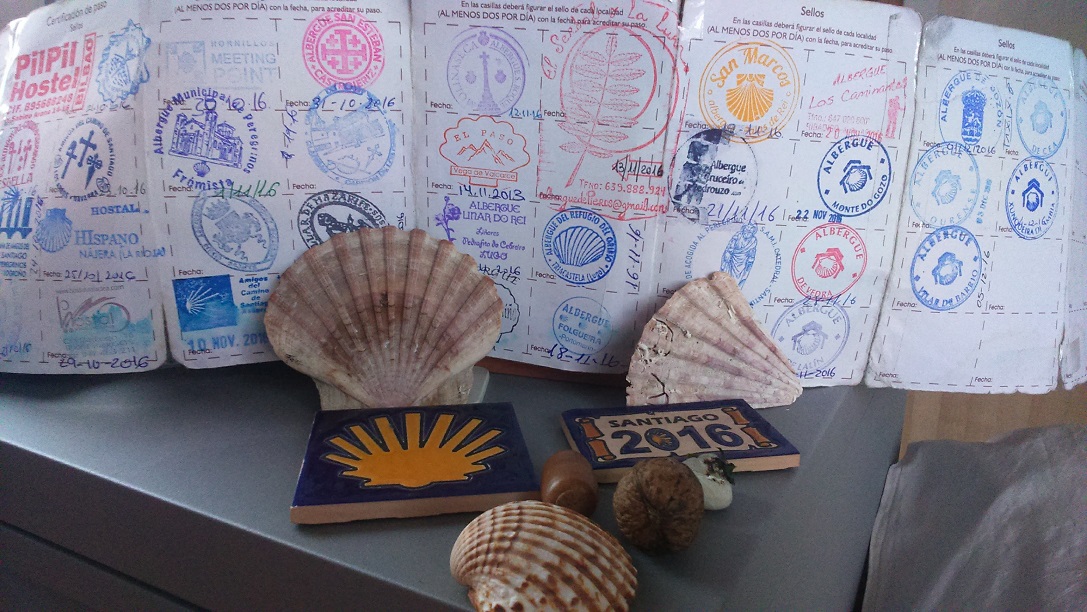
Pilgrim Passport / scallop shell
Carrying a pilgrim passport or Credencial del Peregrino which gets stamped every time you stop for the night is a great way to keep a record of your hike. Hanging a scallop shell, symbol of Saint James, on the back of your rucksack is a proud way to indicate your sense of belonging to this famous confraternity.
A record and mementoes of my first camino in 2016
Who can walk the camino?
People of all ages and nationalities make this trek and they do so for many reasons: religious (especially Catholic); social (it is a great way of making friends); fitness (sensible walking is good for your breathing, circulation and musculo skeletal system); and personal (at times of major life changes, or for the benefit of their mental health).
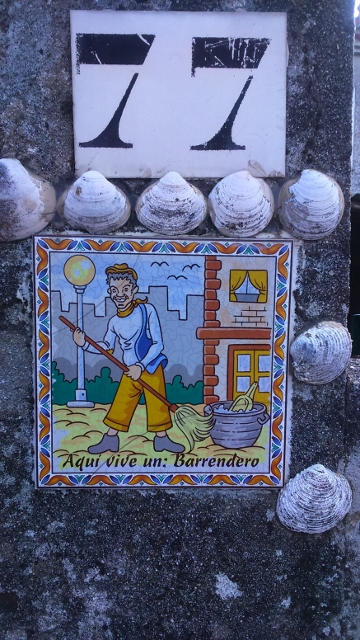
Jolly Spanish house sign
Do I have to walk ALL of it?
You can walk as much or as little as you like. Some go the length and others do sections several times a year or year-by-year. The most popular part is the final 69 miles (111 kms) from Sarria to Santiago which earns you a Compostella, a certificate in Latin. Aficianados come back time and time again.
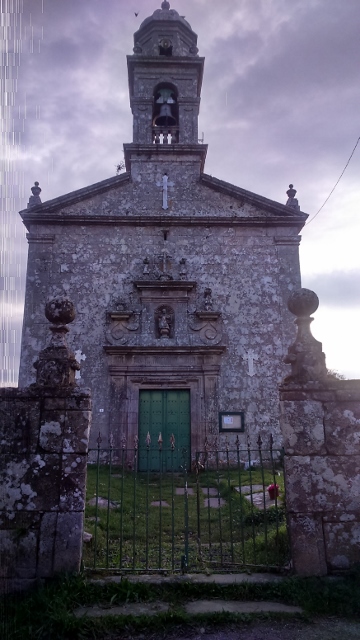
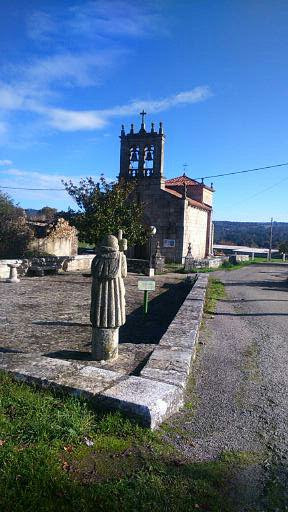
A typical rural chapel on the camino, Spain
How far will I walk every day?
I highly recommend that you take it easy, at least to start with, whether you are young or old, male or female. This means 9 – 12.5 miles (15-20 kms) at the beginning. Even if you are fit and feel fabulous in the glorious Spanish sun, beware! You will almost certainly get blisters and a sprain or strain if you walk too far too soon (unless you honestly walk 9 miles (15 kms) or more every day at home in the same shoes or boots which you intend to wear).
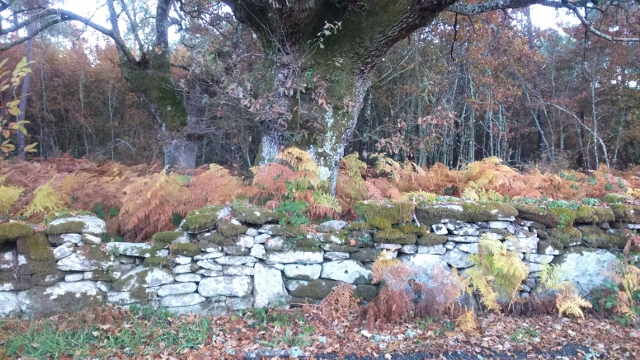
Autumn colours along the Way, Spain
Where do I sleep?
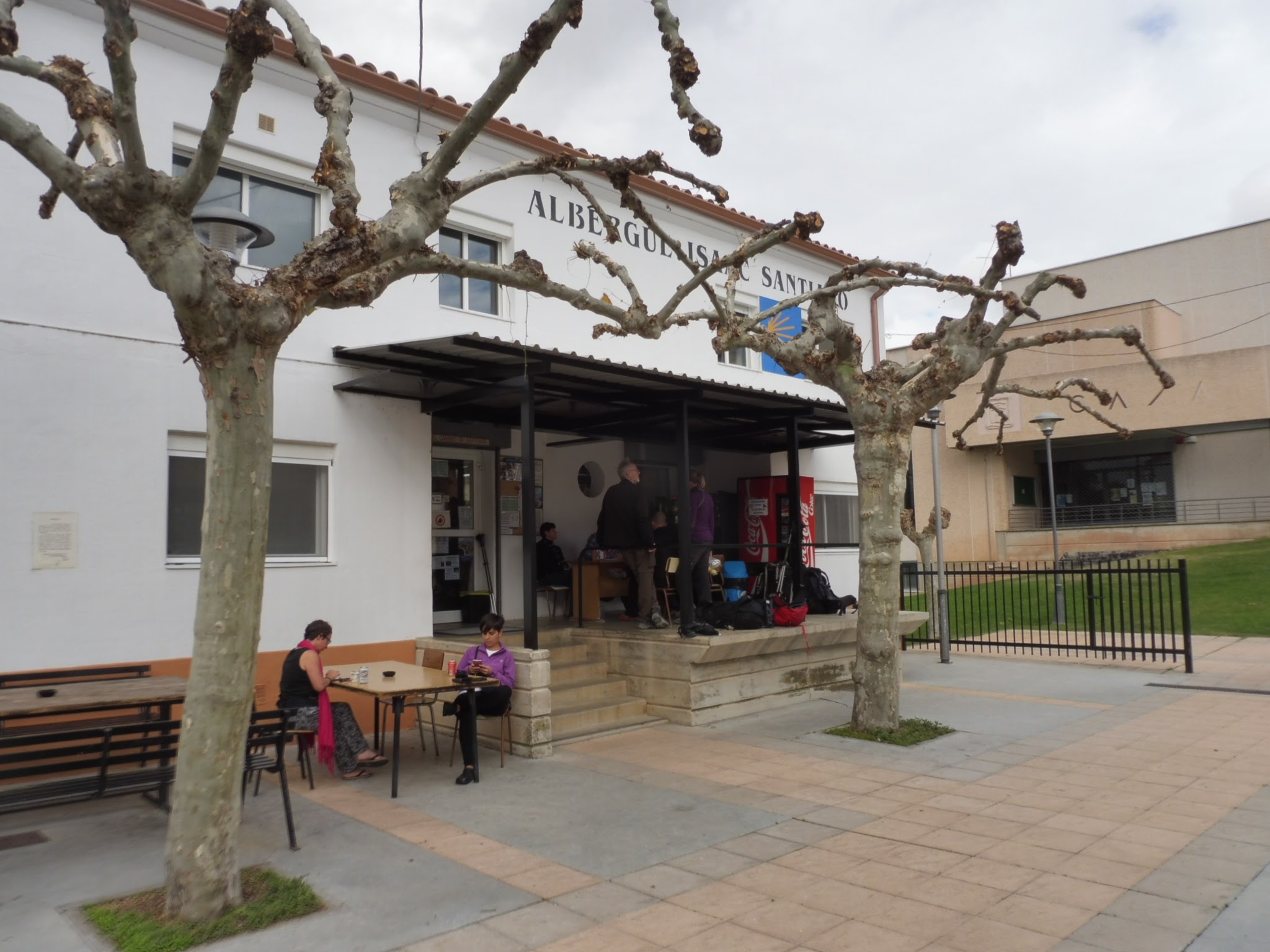
Most pilgrims stay in hostels or albergues. Their facilities vary, but almost all offer a basic bunk in a dormitory for between 5 and 12 euros (£4.50 – £11) per night. You do not have to book in advance, indeed sometimes you cannot. There are also hundreds of hotels and private hostels, usually at a higher cost with greater luxury.
Statue of Saint James whose relics are supposed to be buried in the Cathedral of Santiago de Compostella
What do I take with me? How much do I have to carry?
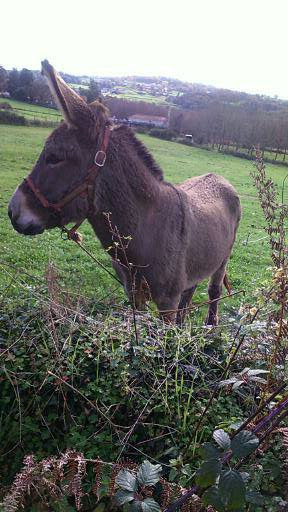
Historically everyone would have carried their own clothes and equipment in a backsack. (see What to Put in Your Rucksack). Nowadays there are many companies who offer to transport your stuff from hostel to hostel so that you can walk with a daypack and water only if you choose. You can even hire a donkey!
Many hostels offer a basic breakfast, and shared meals in the evenings can be a highlight. Kitchens, with (or sometimes without) utensils are the norm. There are cafes, bars and restaurants all along the way and at every stop where the food is often delicious and cheap. There are plenty of shops which will sell you most things you need such as suntan lotion or a single egg wrapped cleverly in a paper cone.
Space for thinking quiet thoughts on the camino in winter
Time of year to walk the camino
All times of the year are good for walking the camino! It is hot in the summer (and crowded); cooler in the Autumn with great natural colours (it can also be really warm but with cold nights); pretty with wild flowers in the Spring (lots of daylight); and peaceful in Winter (though some of the albergues will be shut).
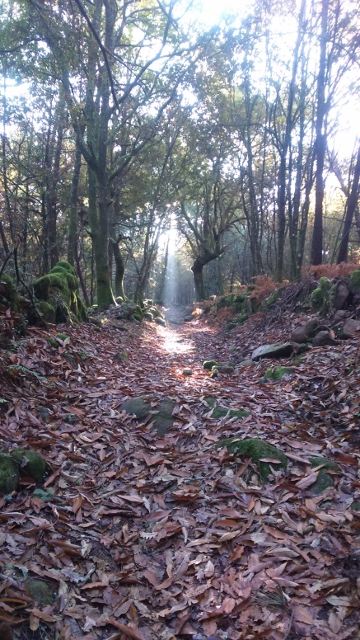
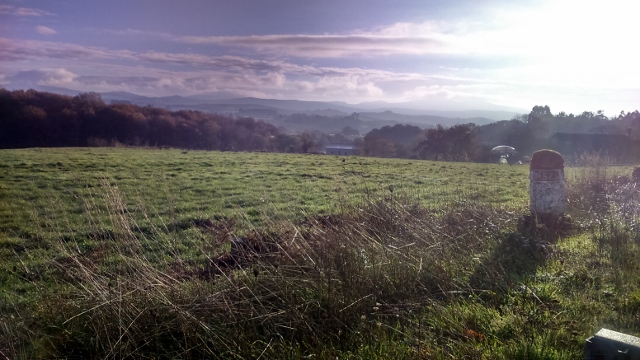
The wonderful chestnut woods of Galicia
Speaking Spanish. Yo hablo espanol.
It really helps if you speak some Spanish. It’s polite, respectful and fun to be able to communicate with the local people. You are also more likely to be served what you have ordered.
The familiar sign of the Galician albergues, Spain.
Travel from the UK
You can take a boat to Santander (71.5 / 155 kms to Burgos) from the UK; There is an airport in Santiago itself (from there you can take a bus back east to the place where you want to start walking) itself, as well as La Coruna (82 miles / 132 kms from Sarria). Also, Asturias airport for Leon (from Stansted only), Bilbao (from Edinburgh, Manchester and others) for Pamplona, and Biarritz (33.5 / 54 kms from Saint Jean from Birmingham and others); Overland, there are trains taking 5 hours from Paris (4 per day, approx. 35 euros) and the Eurostar from London is smooth and efficient (around £50 and just over 2 hours). You can also take Alsa (long distance) buses or try Bla Bla Car (car pooling).
You can tack on an extra 3 days of walking after Santiago and to to the sea at Finistere.
There are many books and online guides to help you find your way, pointing towards places to stay and eat. Gerald Kelly and John Brierley’s are the best known in English. Using this guide means that you will inevitably walk the same steps (stages of the walk) as other English speaking folk and will therefore have pals to walk and share meals with before long. The municipal hostels at the end of these stages are the busiest.
There is wifi and places to charge your phone at most hostels, Spain
Top tip!
Start slowly, in short stages, do not be too ambitious until the second week, and that way you will avoid going home early and in pain (I have seen this happen many times). It doesn’t matter if other people are going further. You will either catch up with them later or you will find new companions instead, ones who are enjoying the scenery as much as you.
Misty mornings herald a hot day, Spain
There are also other caminos in Spain: The Via de la Plata which starts in Seville and goes through Salamanca; the Camino Norte along the coast passing through San Sebastian; the Inglés from A Coruña; Mozarabe through Malaga and Cordoba, and many others. Criss crossing this stunning country, the walking is delightful, the people colourful, and the experience one which you will remember for the rest of your life.
Getting into my stride – the Camino Francés 2016
Have you walked the Camino Francés or any of the other ones in Spain? Leave a comment and share your experience.
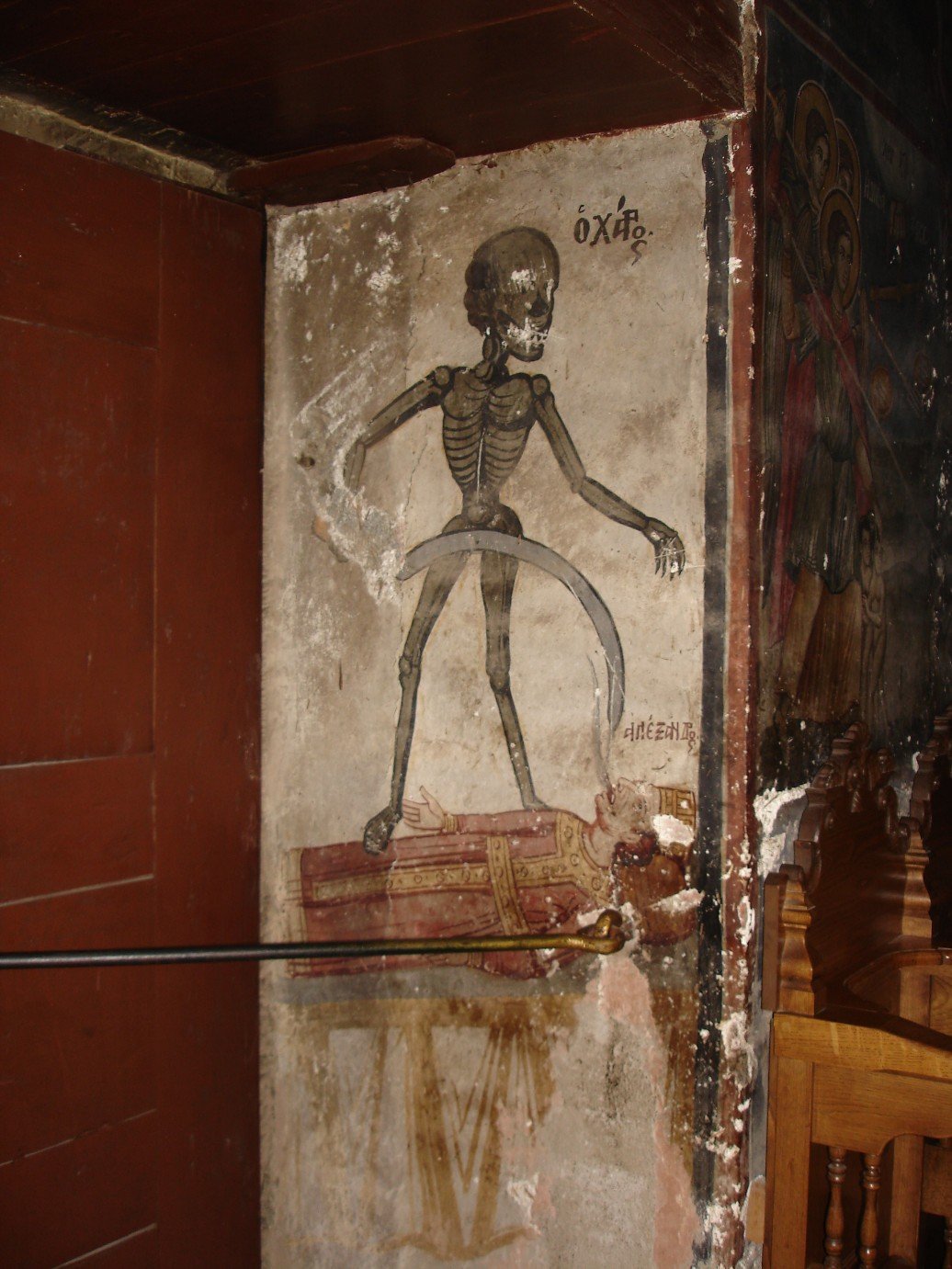
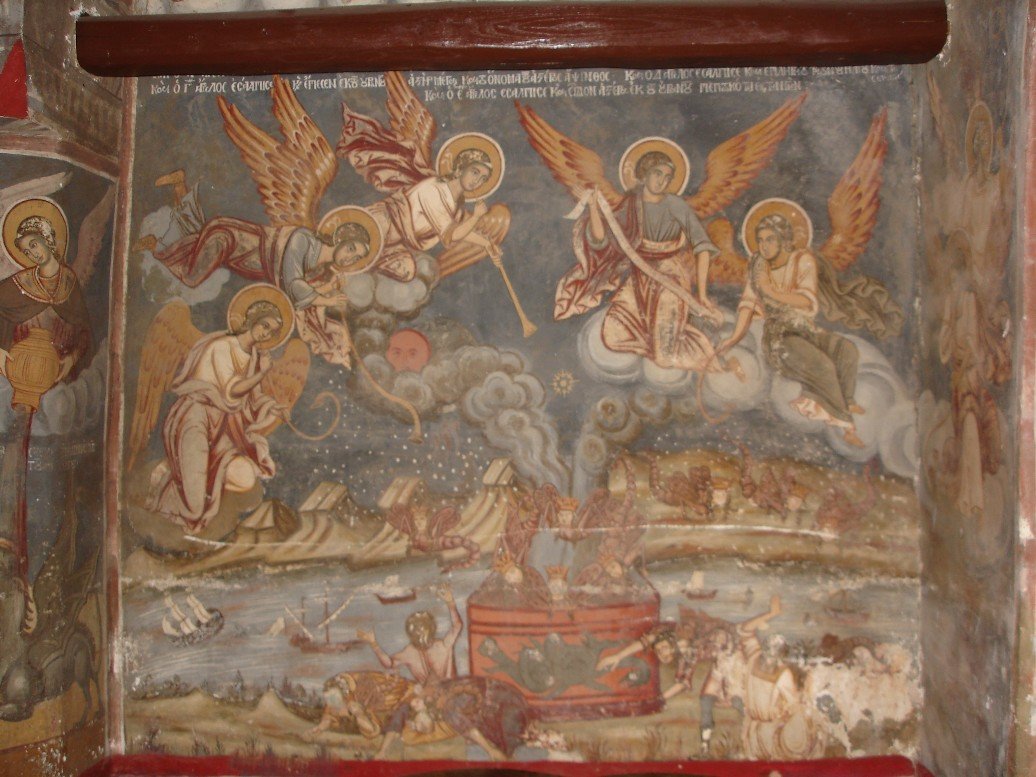
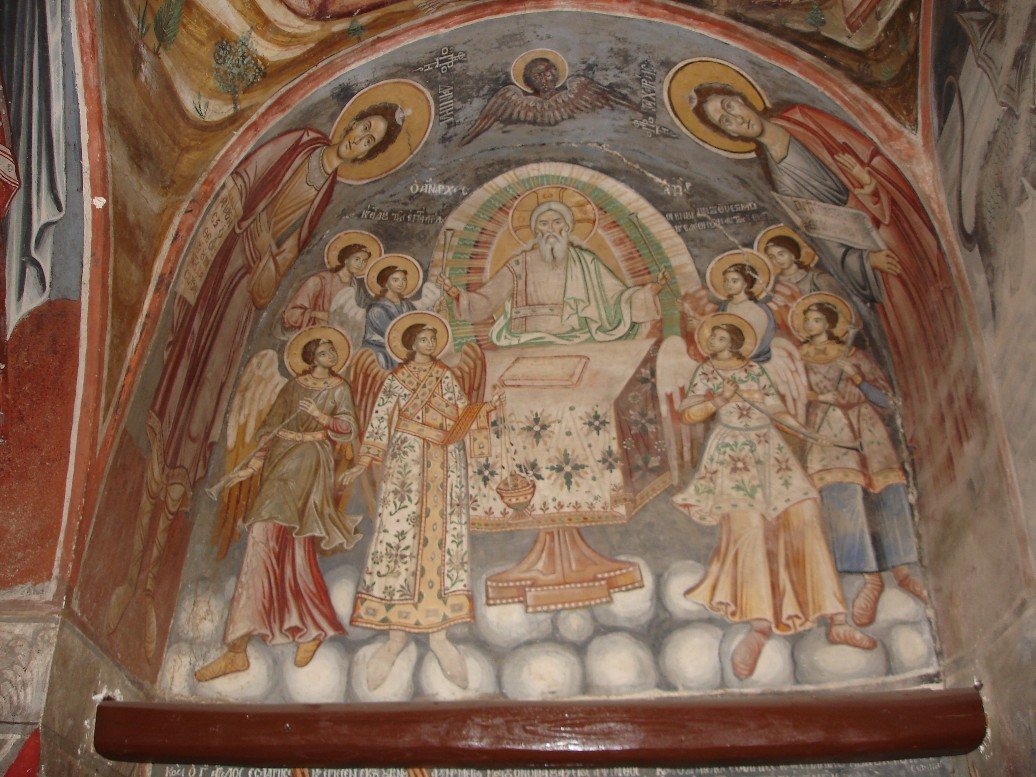
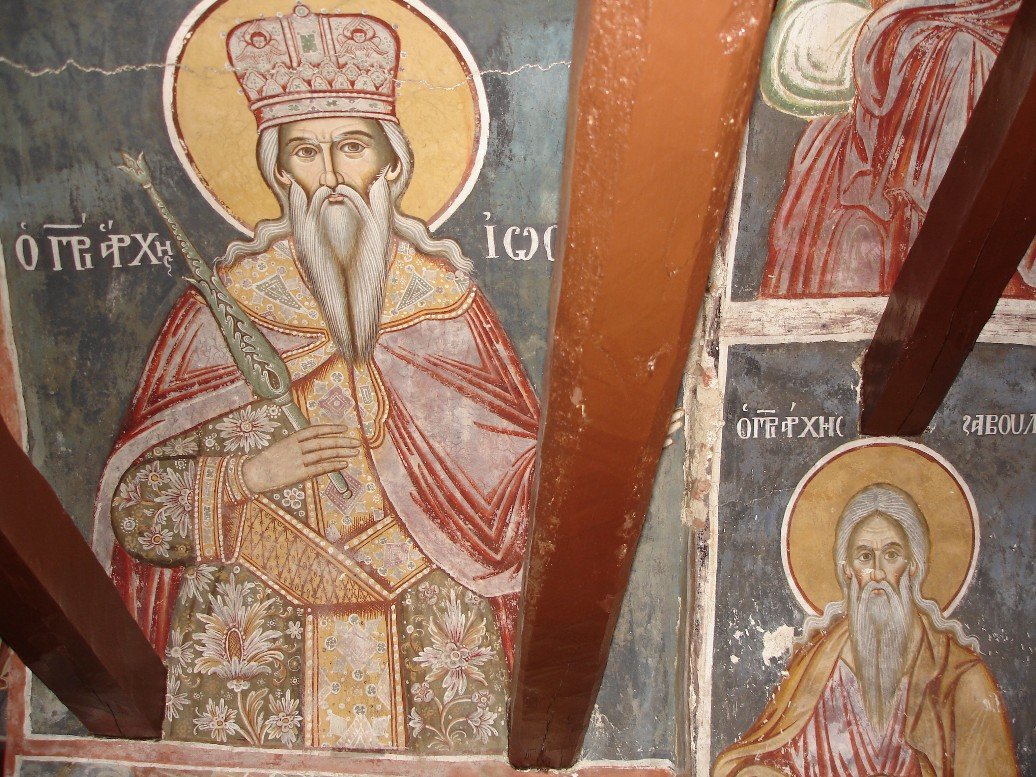
These fascinating photographs were shared with me by Nikos Savvidis, who is restoring the frescoes in the monasteries of Mount Athos, Greece.
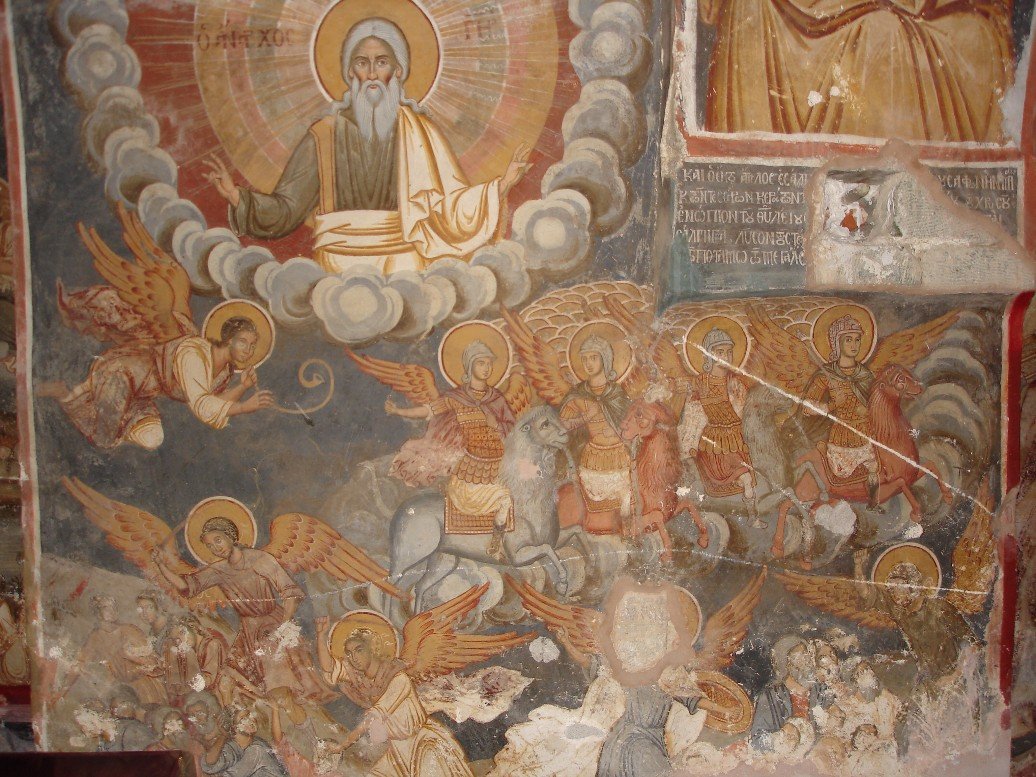
Byzantine fresco (Christian Greek), Mount Athos, Greece.
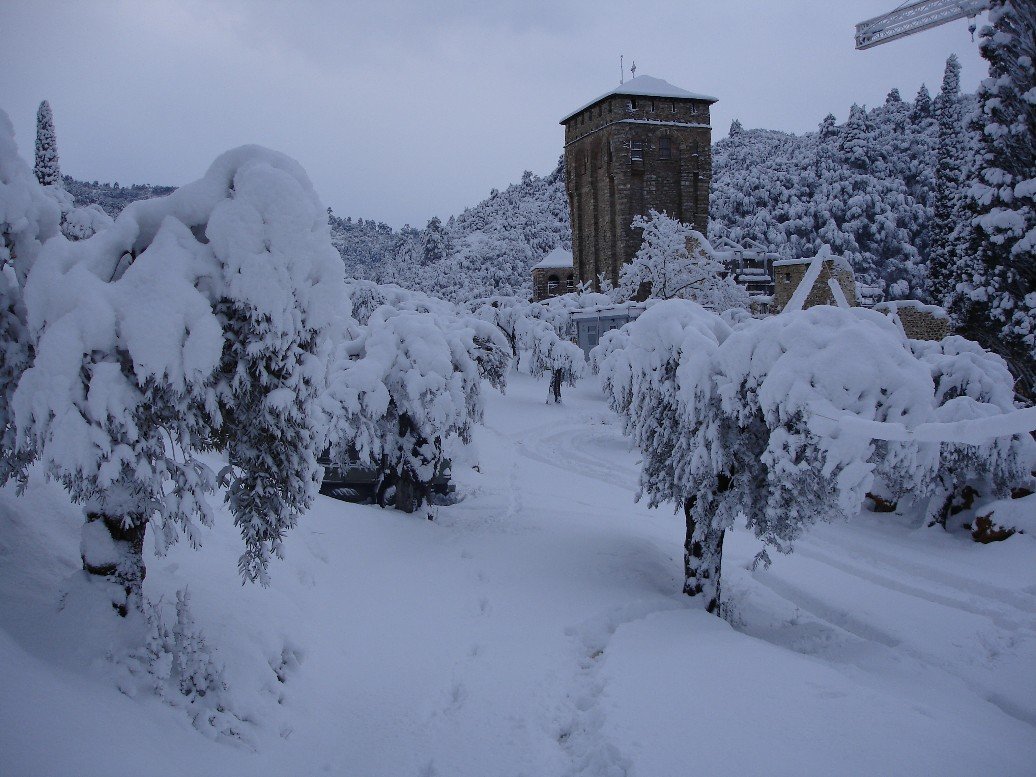
Mount Athos is a mountain (6670 feet / 2033m) and peninsula just north of Thessaloniki in Greece. It is the eastern most of the three Chalcidice fingers pointing towards Turkey across the Aegean Sea.
Death conquers. Byzantine fresco (Christian Greek), Mount Athos, Greece.
Mount Athos or Agion Oros, as it is locally known, is the oldest surviving monastic community in the world. It dates back more than a thousand years, to Byzantine times. It is a unique monastic republic, which, although part of Greece, is governed by its own local administration. Quote from ouranoupoli.com.
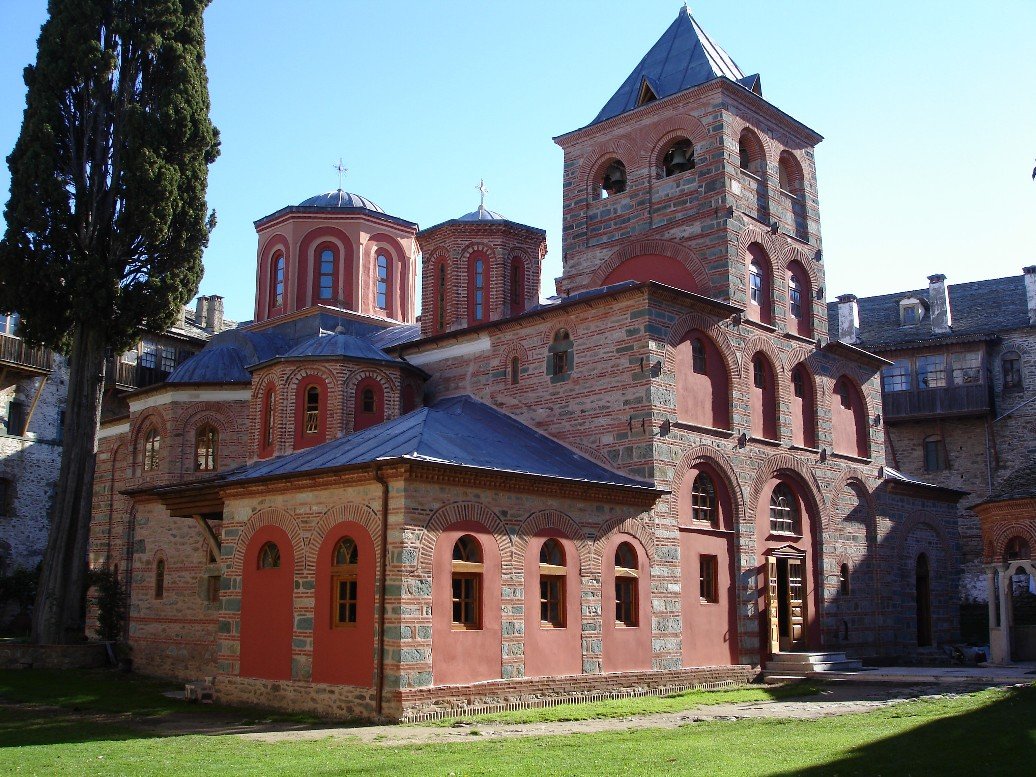
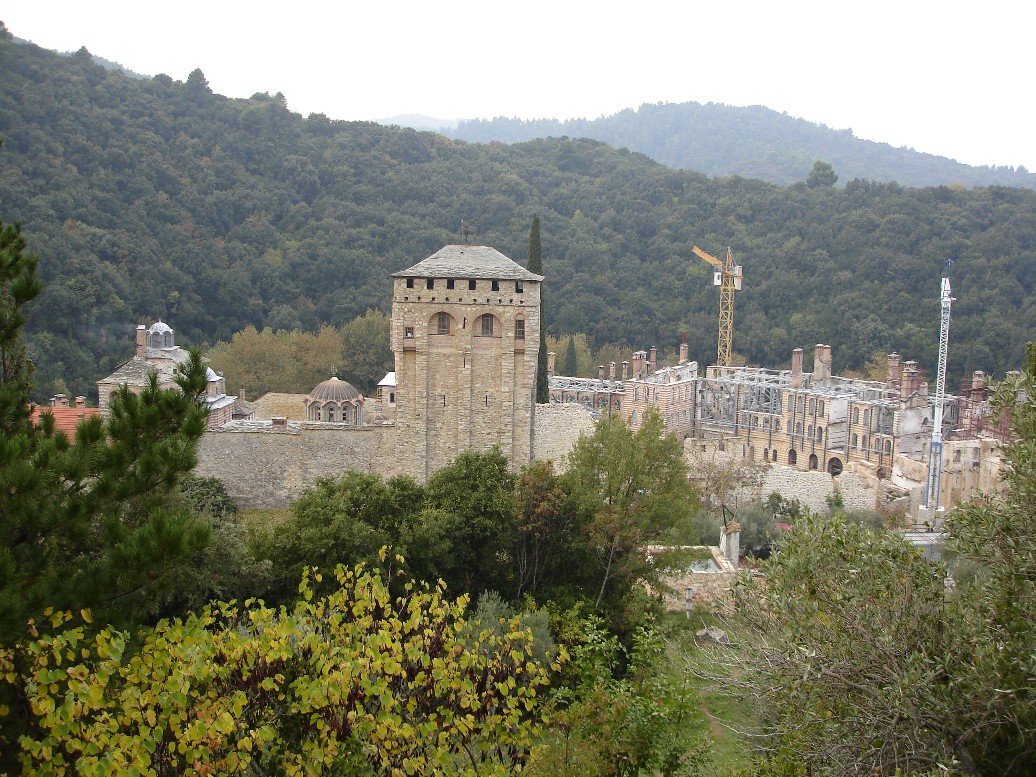
Chilandari Monastery, Mount Athos, Greece.
The monks spend most of their time in silent prayer, especially between 2 – 6am when all is quiet. Otherwise they are busy maintaining the building, (link to Guardian photo essay), fishing, caring for livestock, growing and making wine, and preparing food. You can order some of their produce online.
Mount Athos, Greece.
In this UNESCO World Heritage Site, there are 2000 monks living in 20 monasteries, 13 skytes, and 700 individual cells, hermitage and other buildings.
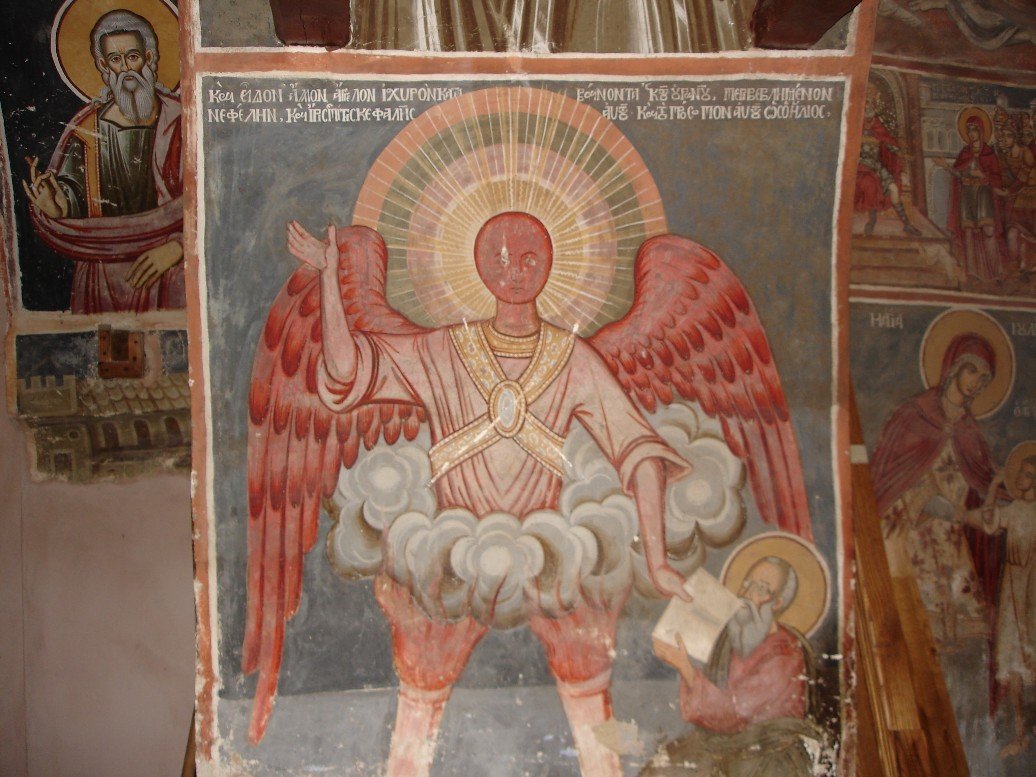
Byzantine fresco (Christian Greek), Mount Athos, Greece.
Skite or skyte is the state of being concealed. These are therefore private places of contemplation.
Byzantine fresco (Christian Greek), Mount Athos, Greece.
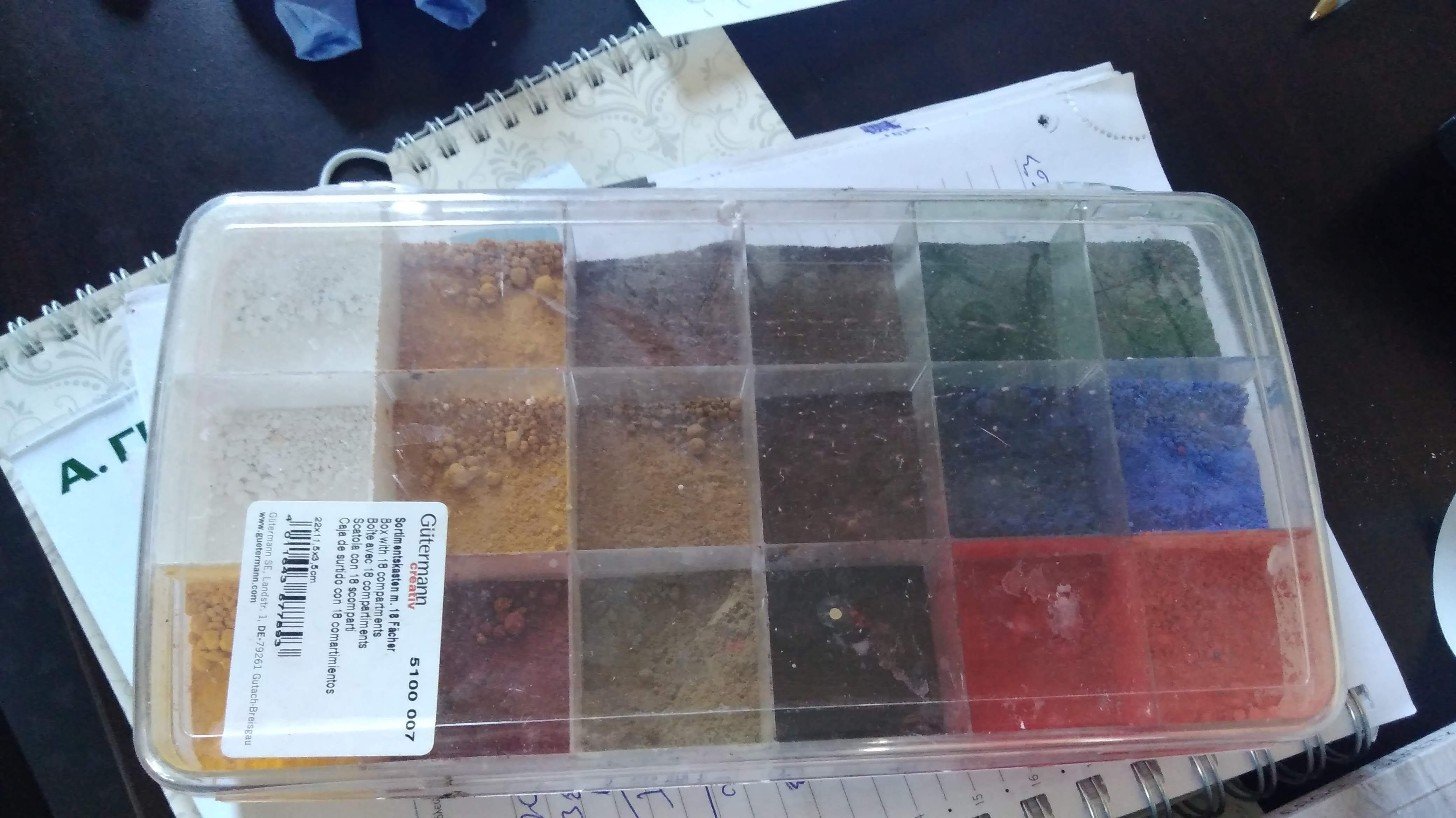
Nikos makes his colours using the original method, from the earth.
Natural pigments in an old toolbits box.
Robert Byron (author of The Station: Athos – Treasures and Men (Traveller’s)) called these frescoes the finest in the world.
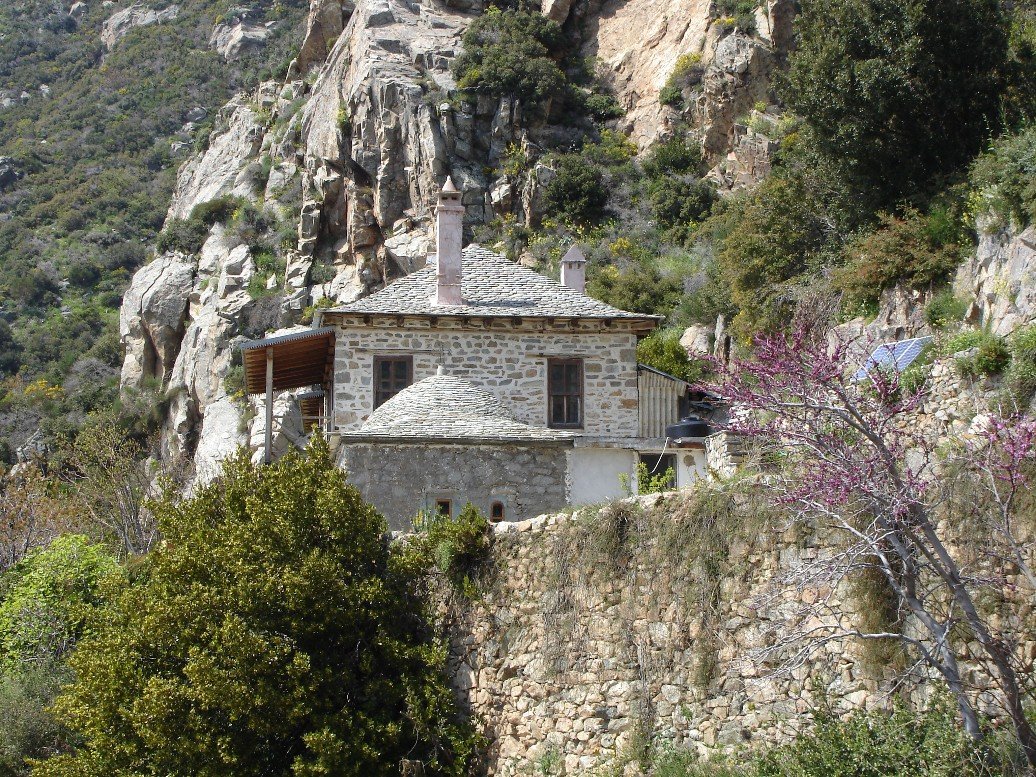
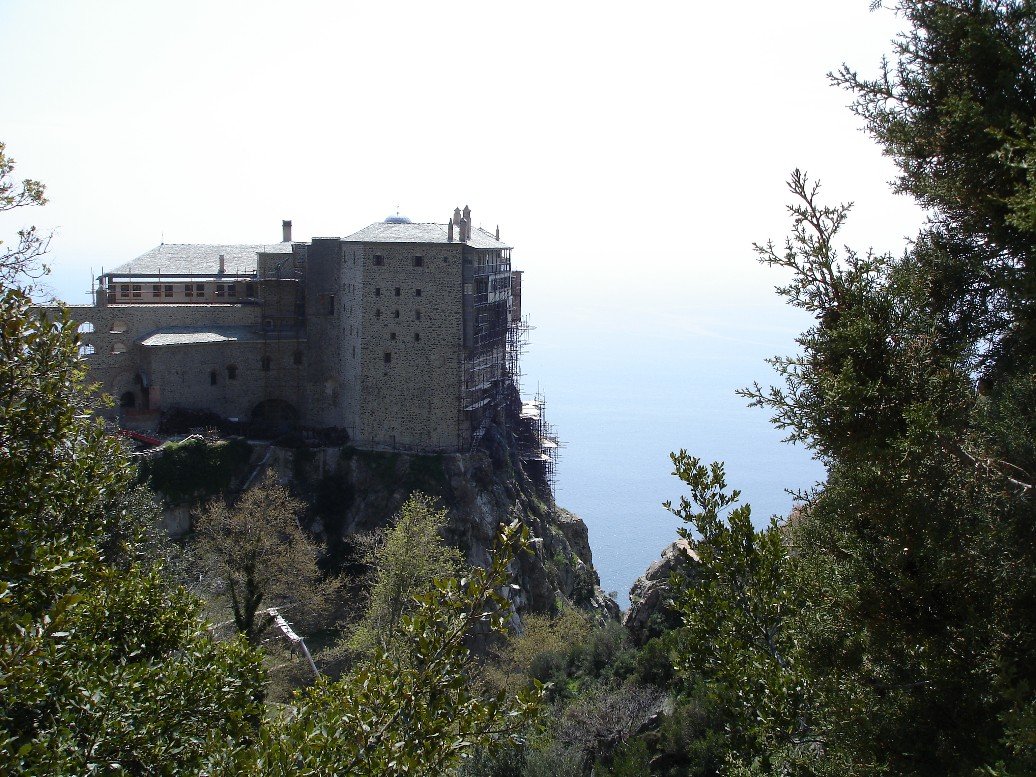
Simona Petras Monastery, Mount Athos, Greece.
Despite being known as ‘the garden of the mother of God’, no women are allowed in there – the Virgin Mary is the sole female representative.
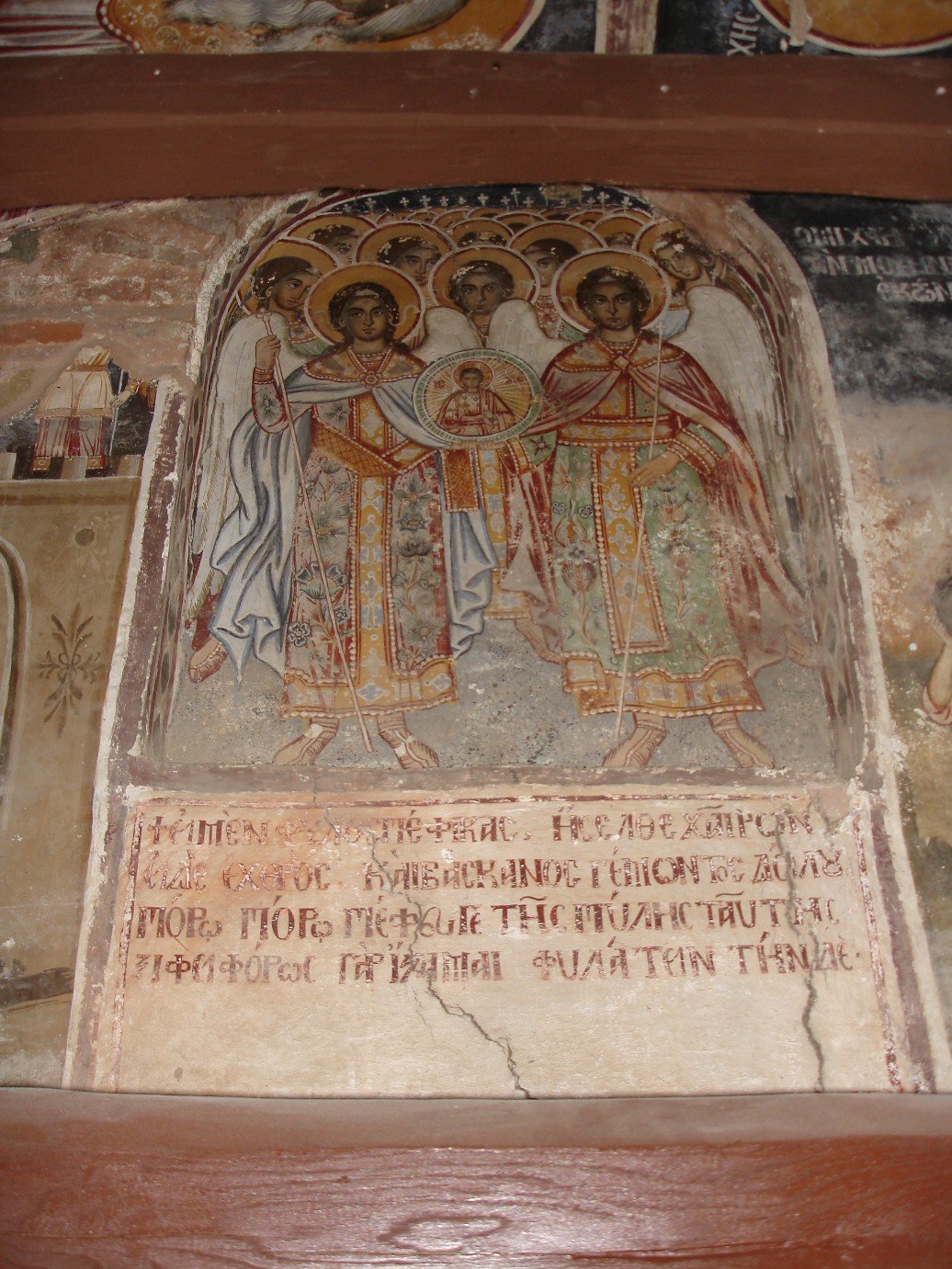
Angels in attendance. Byzantine fresco (Christian Greek), Mount Athos, Greece.
Fascinating fact: Edward Lear was one of the many famous (male, of course) visitors to Mount Athos where he painted the Stavronikita Monastery according to Nicholas Shakespeare (link below). To cement the Russian connection (many of the rennovations are funded by them), Vladimir Putin visited in 2006 and 2016.
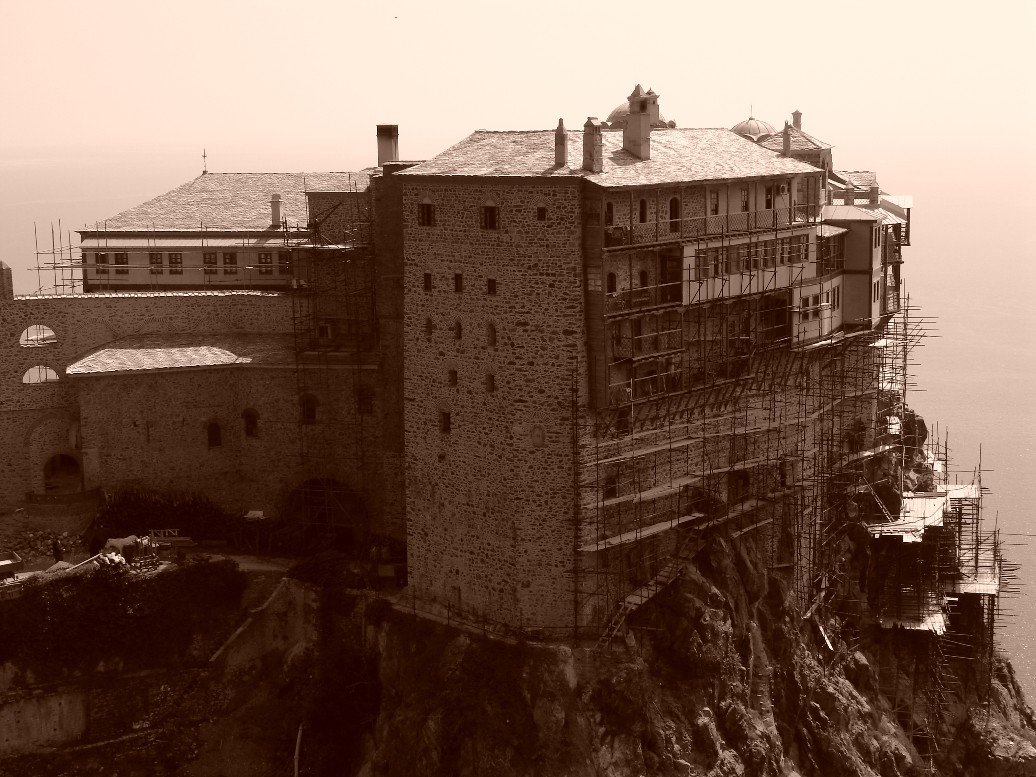
Simonos Petras monastery perched on the cliff edge, Mount Athos, Greece.
‘Aside from the limited supervision of the civil governor and police force provided by the Greek government, Athos functions autonomously and symbolizes a transnational faith community. ‘ Taken from https://sacredland.org/mount-athos-greece/
Byzantine fresco (Christian Greek), Mount Athos, Greece.
The Macedonian School had its centre in Thessaloniki and flourished in the 13th and 14th centuries. Its hallmarks are realism in the depiction of the figures, not only in their external features but also in the rendering of their inner world, particularly their pathos.Macedonian heritage
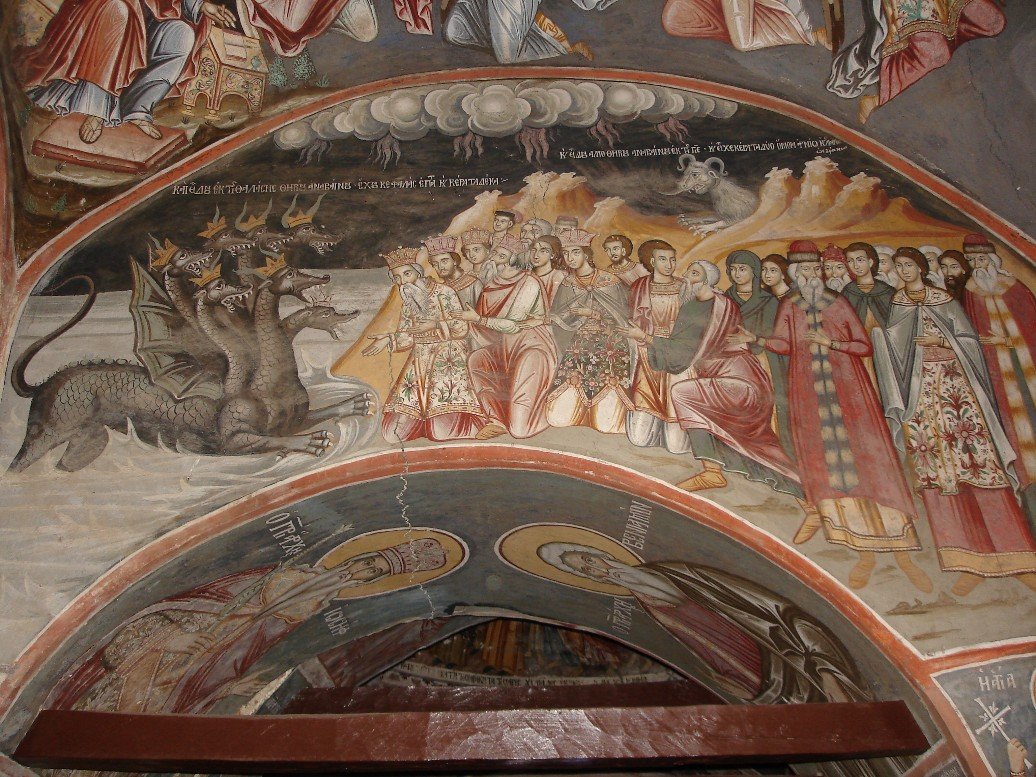
Wonderful monsters. Byzantine fresco (Christian Greek), Mount Athos, Greece.
There are several versions of the formation of the Mount doing the rounds of the internet. They usually concern Athos (one of the Gigantes according to Wikipedia) and a rock dropped on or thrown by Poseidon (the Greek god of the sea) .
Byzantine fresco (Christian Greek), Mount Athos, Greece.
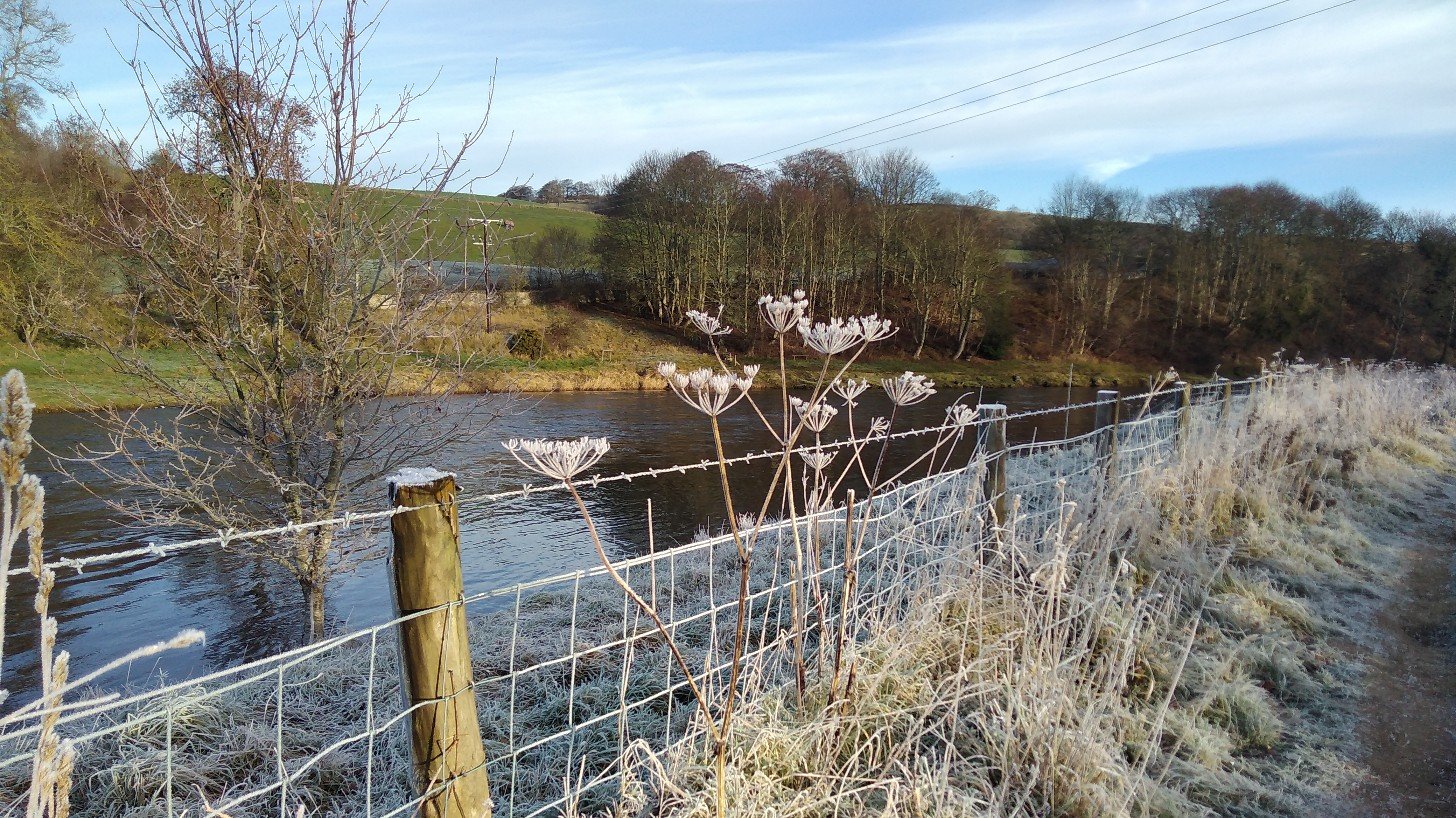
December 2018 – a rail journey from Edinburgh to Tweedbank and a short but stunning river pilgrimage walk to Melrose in Roxburghshire, where you will find the ruins of a magnificent Medieval Abbey.
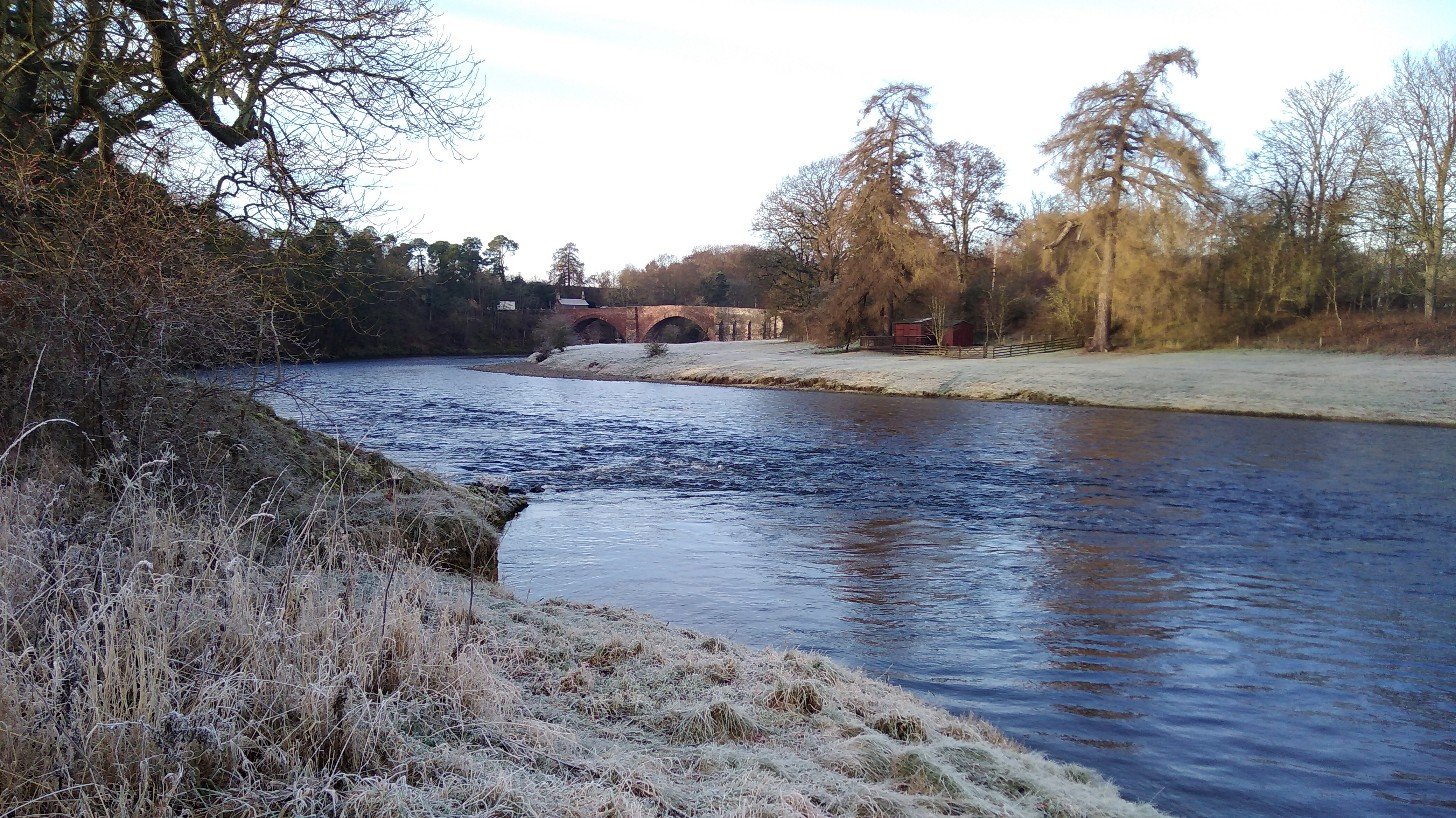
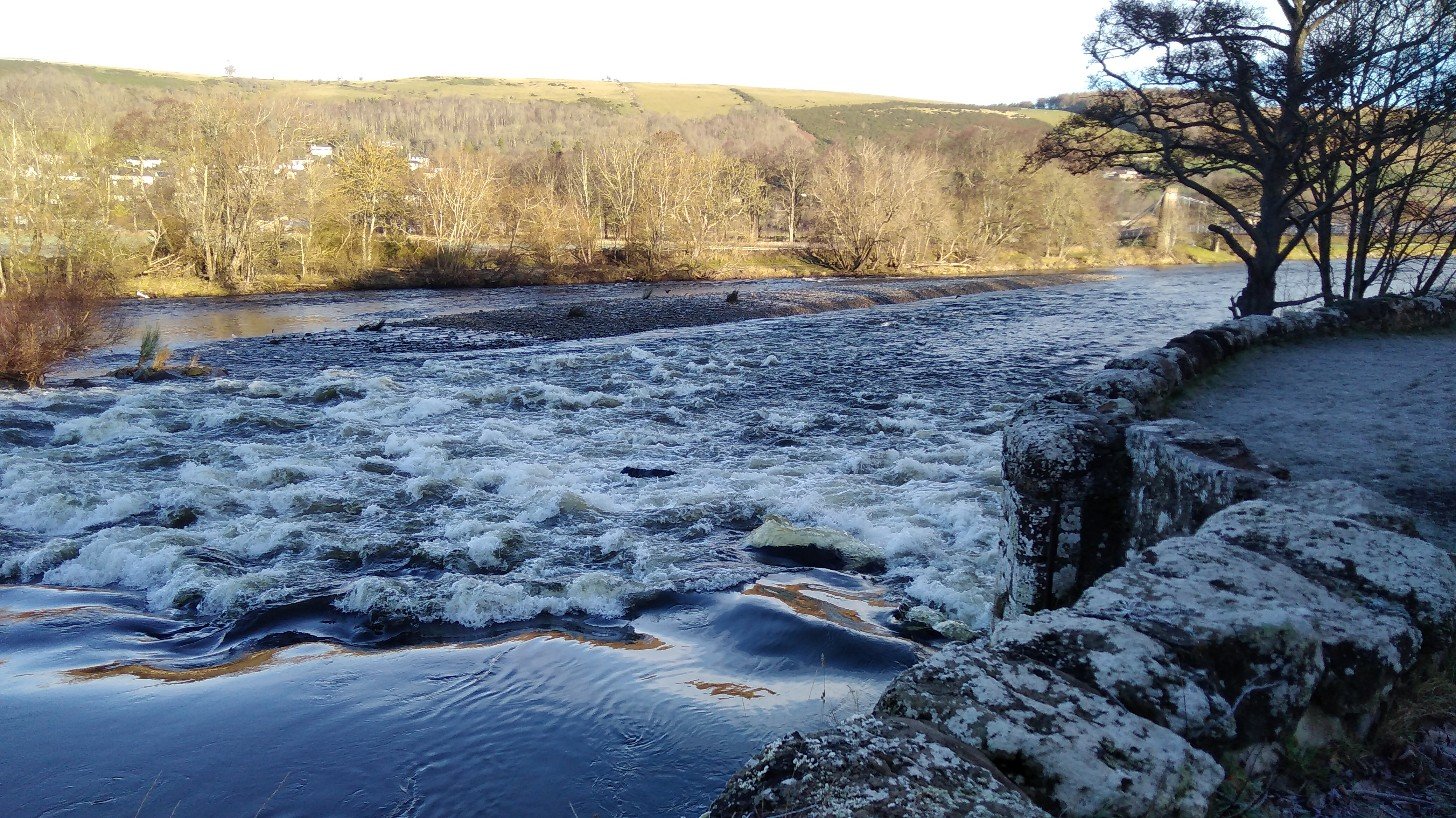
The Tweed River, Scottish Borders.
I took the train to Tweedbank in the Borders – it’s the end of the line. It takes 1 hr and the service runs every half hour. It costs £9.30 with an Over 50s Railcard ( I booked the ticket and renewed the rail card last night online through Scotrail for £15 for the year and it took about 5 minutes). Then it’s a 40 minutes walk each way into the town of Melrose, although that doesn’t allow for what I call ‘astonishment time’ ie time for stopping at intervals because, Oh my, look at that, oh I must take a photo, I just can’t believe it, it’s so gorgeous!
The Tweed River between Tweedbank and Melrose, Scottish Borders.
If you like you can stop reading this now and open YouTube or Spotify and find Fording the Tweed By Savourna Stevenson, so that you have something magical to listen to as you continue reading and imagining you are taking this journey with me.
Choose a day where it won’t go above 2 degrees celsius so that it stays white and hard underfoot. Wear thermals under your normal clothes, plus a coat, woolly hat and cosy gloves.
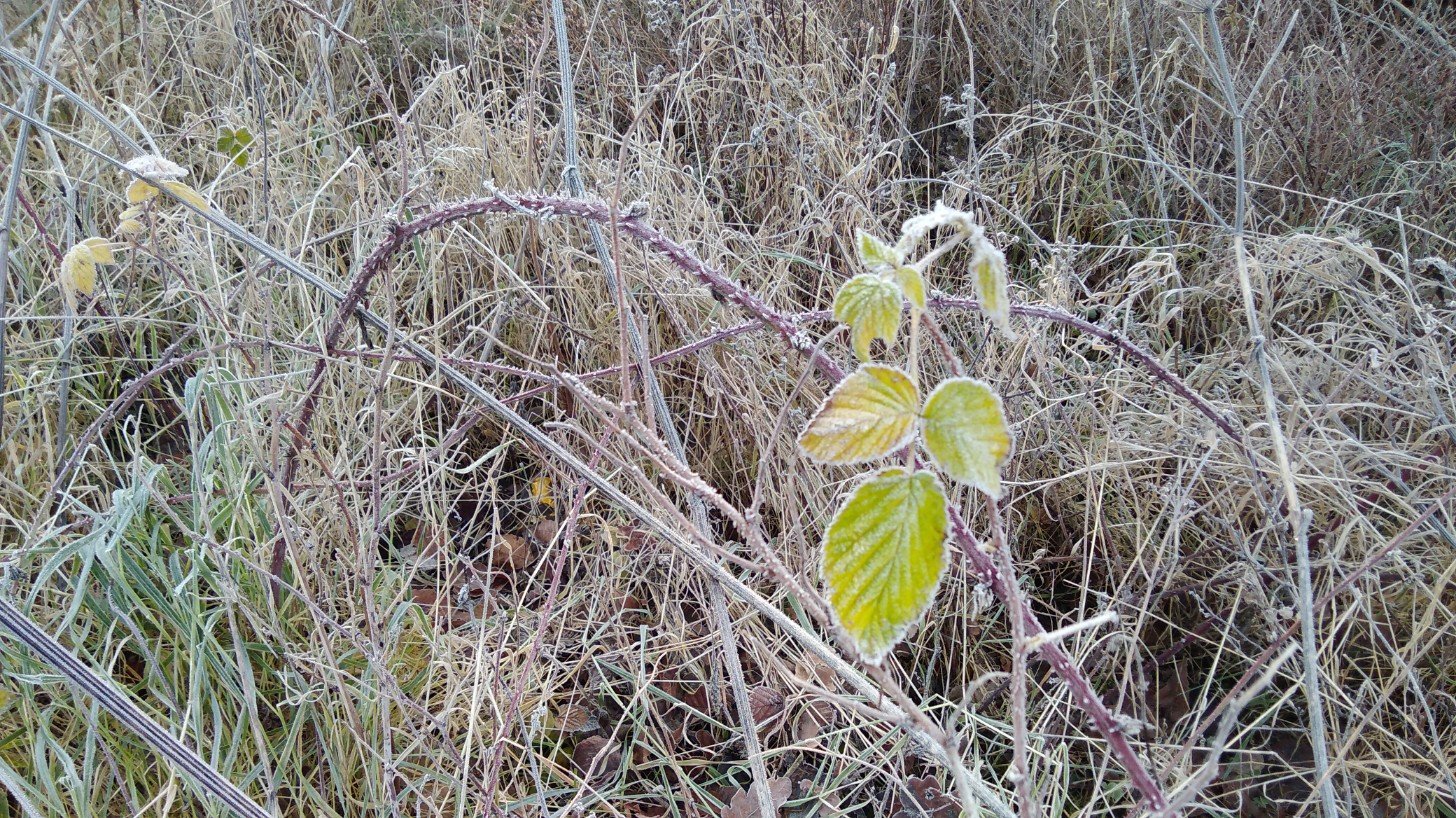
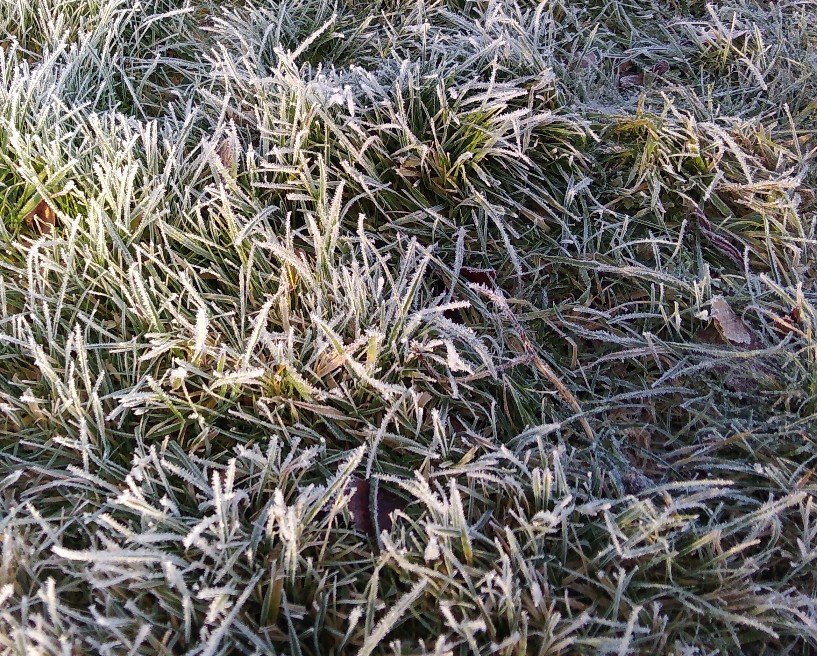
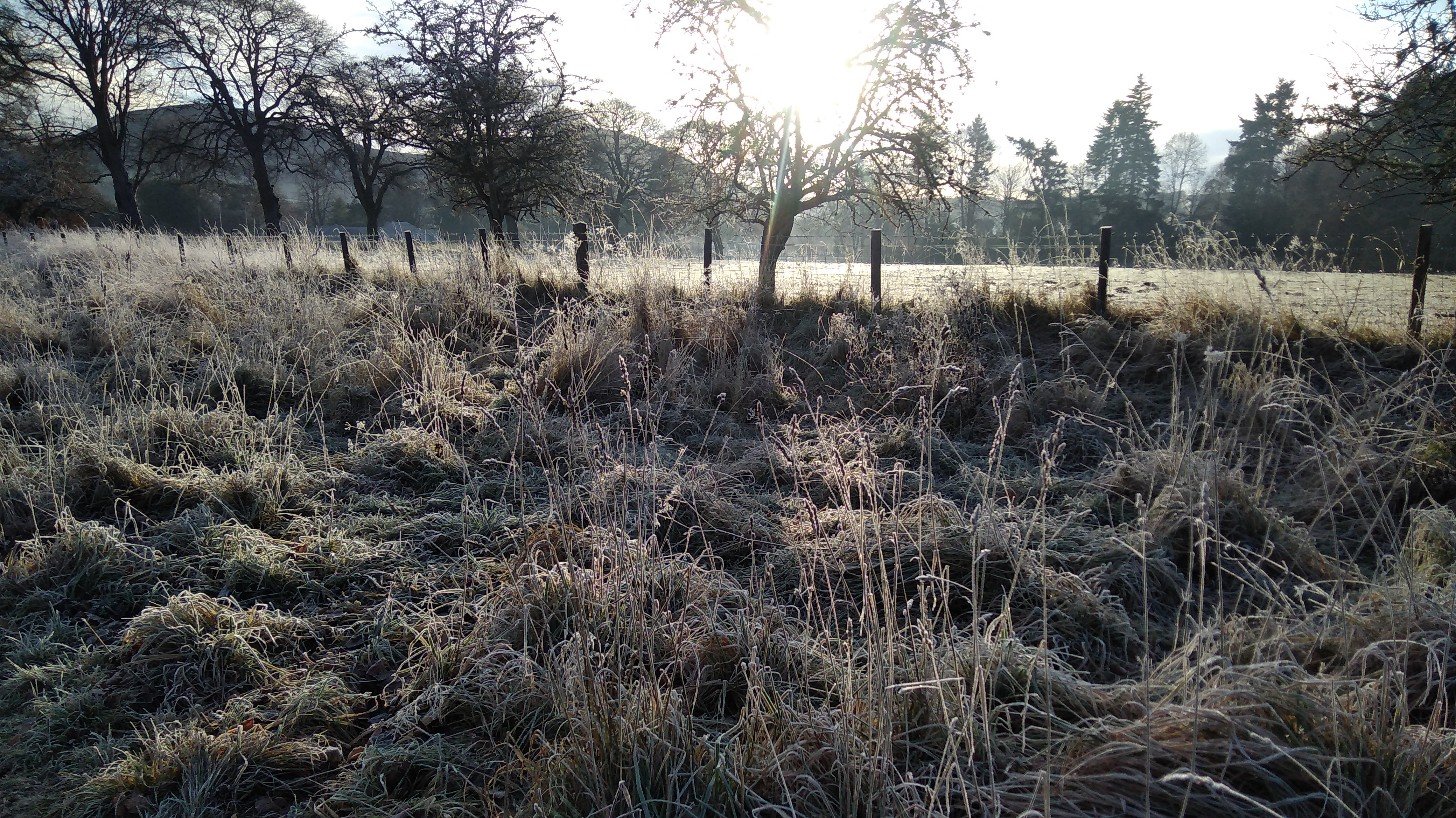
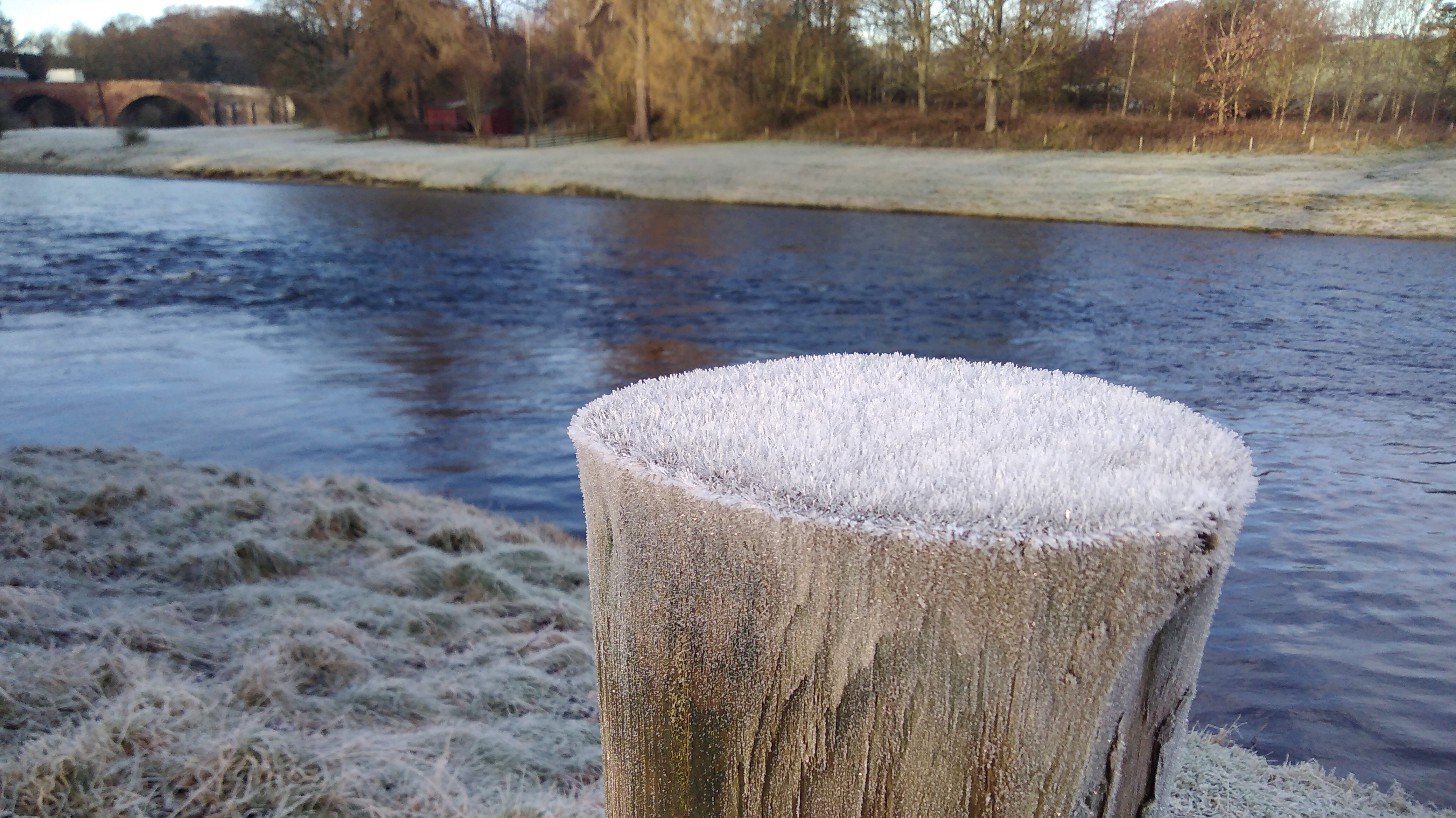
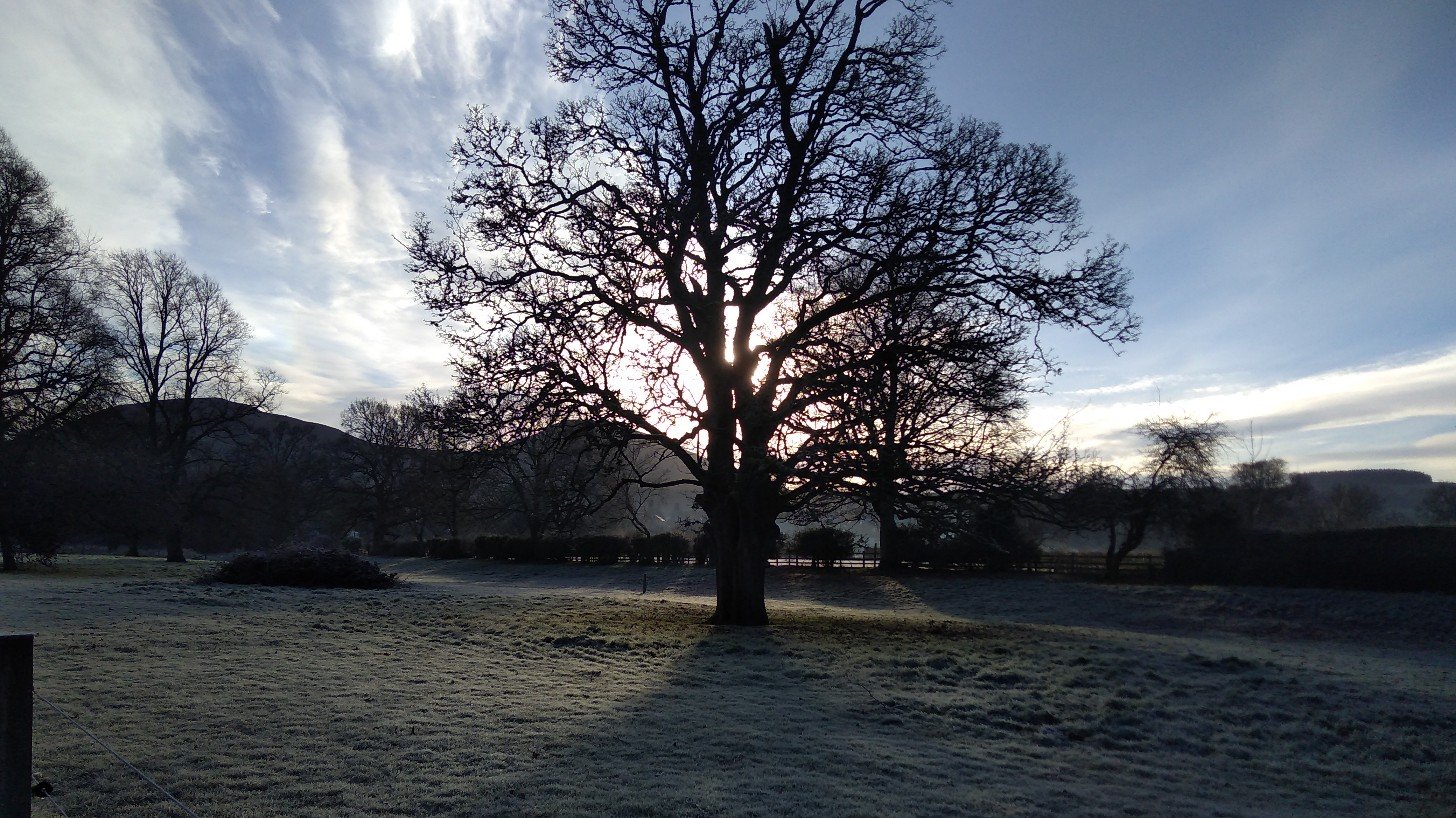
Jack Frost was at work overnight.
You know what they say, it’s not the weather that’s the problem in Scotland it’s having the right clothes! Not being able to bend your elbows because you have a thick jumper on under your not-quite-big-enough jacket is a small price to pay for all this beauty.
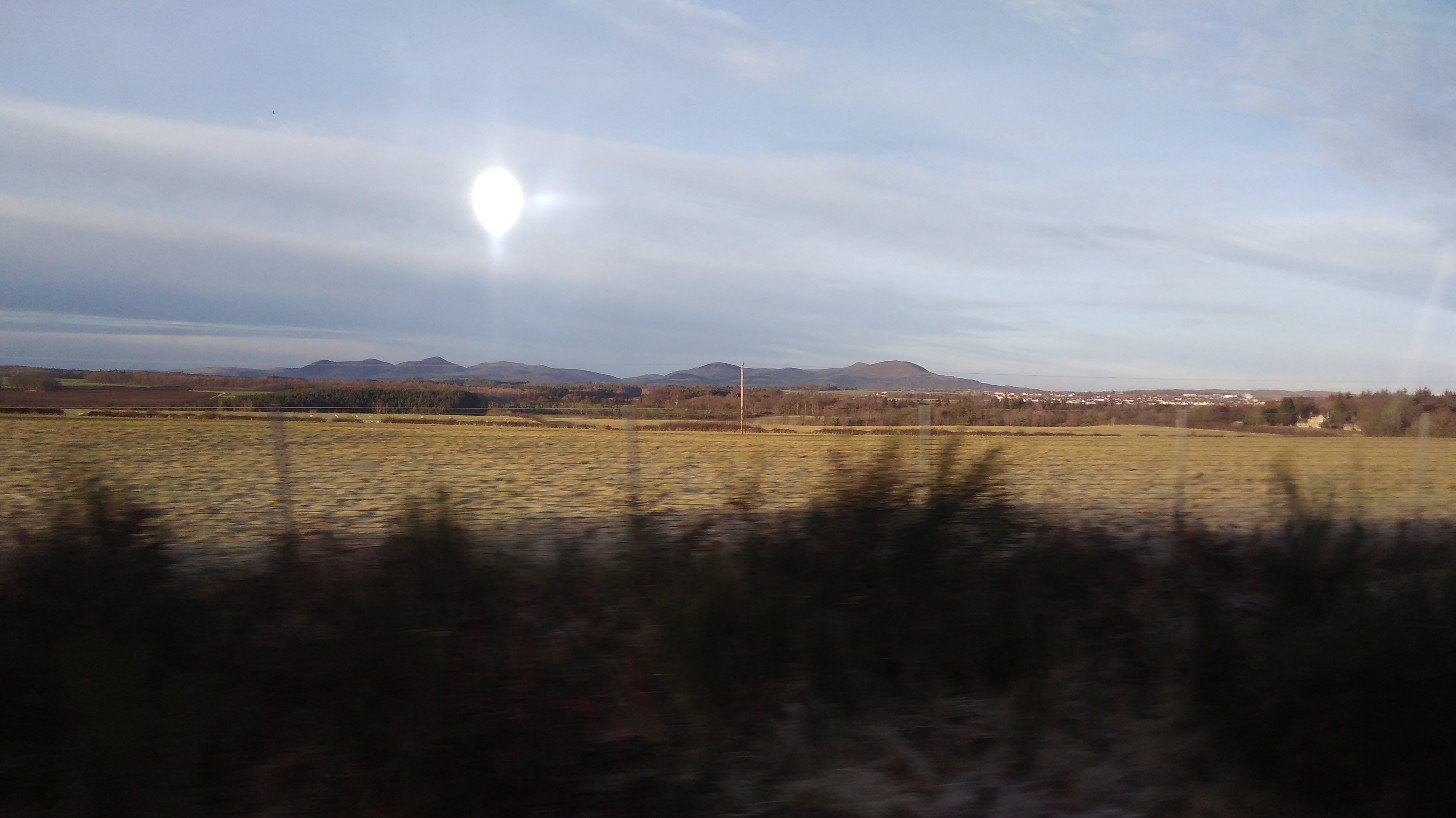
You can see Arthur’s Seat and the Pentland hills from the train.
You will travel on the Waverley Route, so called as it refers to Sir Walter Scott’s Waverley Novels. Start by facing in the direction you are coming from and sitting on the left. This way you will have wonderful views of Edinburgh – Arthur’s Seat. Ignore the rest unless you enjoy the industrial outskirts of cities.
When you hear the nice lady announce Gorebridge, change seats so that you are looking the way you are going and you can either plump for right or left (the views are equally attractive) or, like me you can leap from side to side because, well because the views are both enticing.
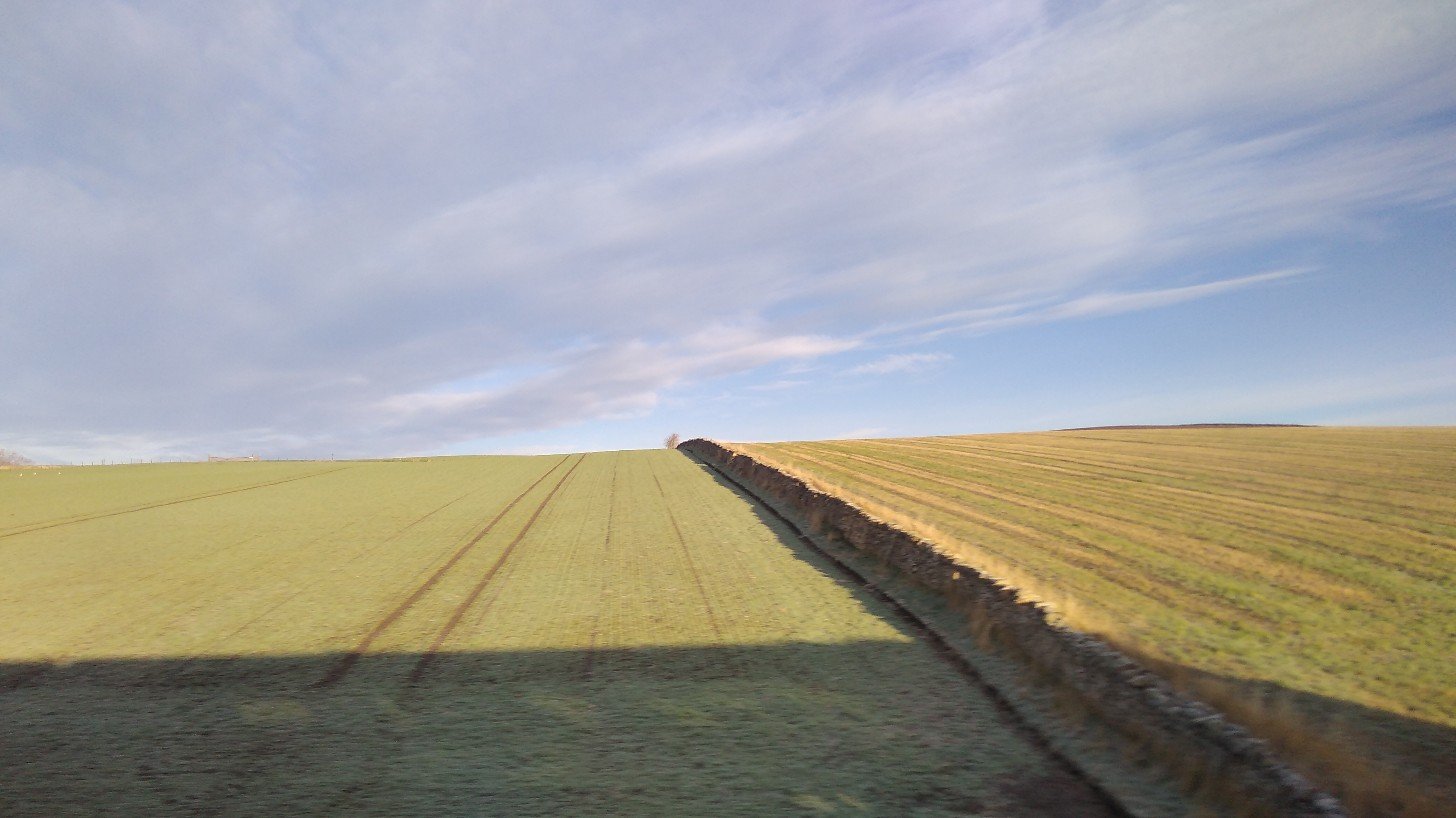
Expanses of farm land in the sun, Lothian Region, Scotland.
People seem to have it in for Galashiels, so I will blog separately about that. Suffice to say that it is impossible for a whole town to be boring and I know some lovely people who live there and they like it a lot. It has an excellent brass band for a start.
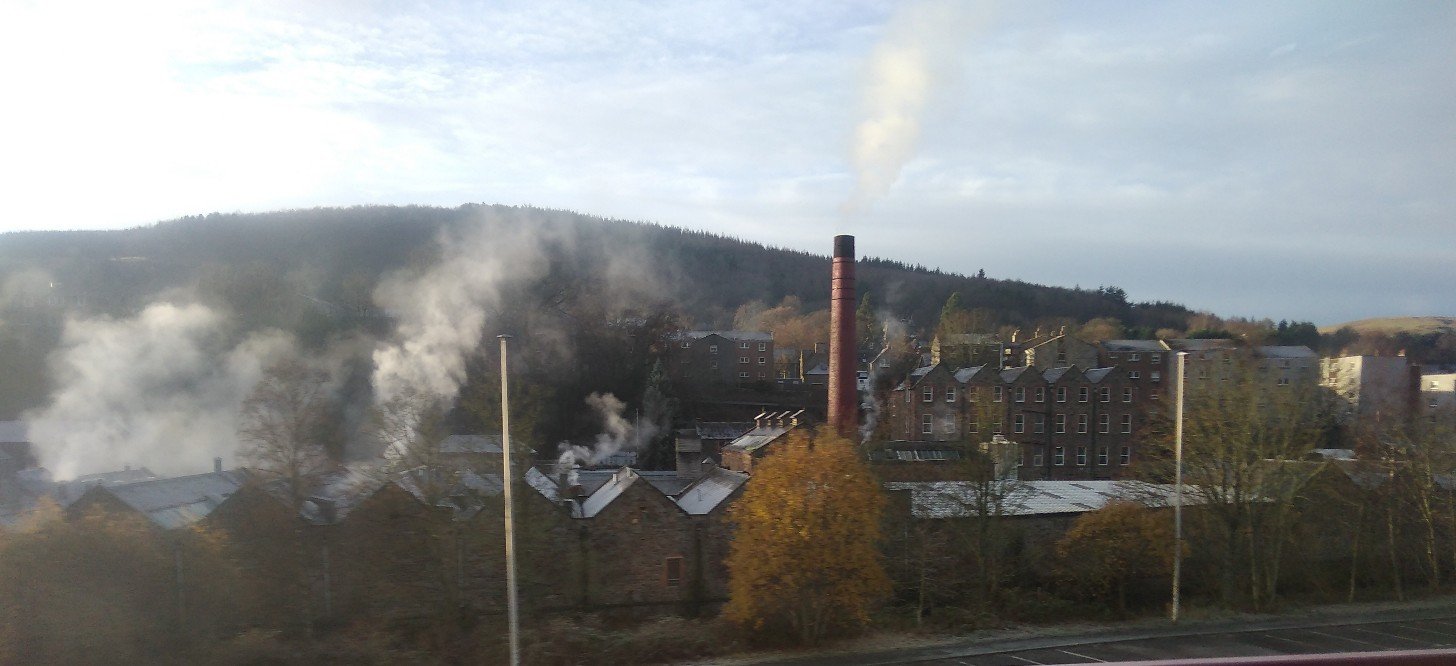
Leaving Galashiels. Straight out of the 19th century! Scotland.
You will not need a map nor must you look up the way in advance or use your phone. Believe me, if it’s possible to get lost I would have and it’s not. I promise. Sit back and relax. Feast your eyes on the hills, rivers, pretty houses, and majestic trees. Over on one side you will spy the traffic – be pleased that you are not driving, have a nice cup of tea and a comfy seat – you can just gawp.
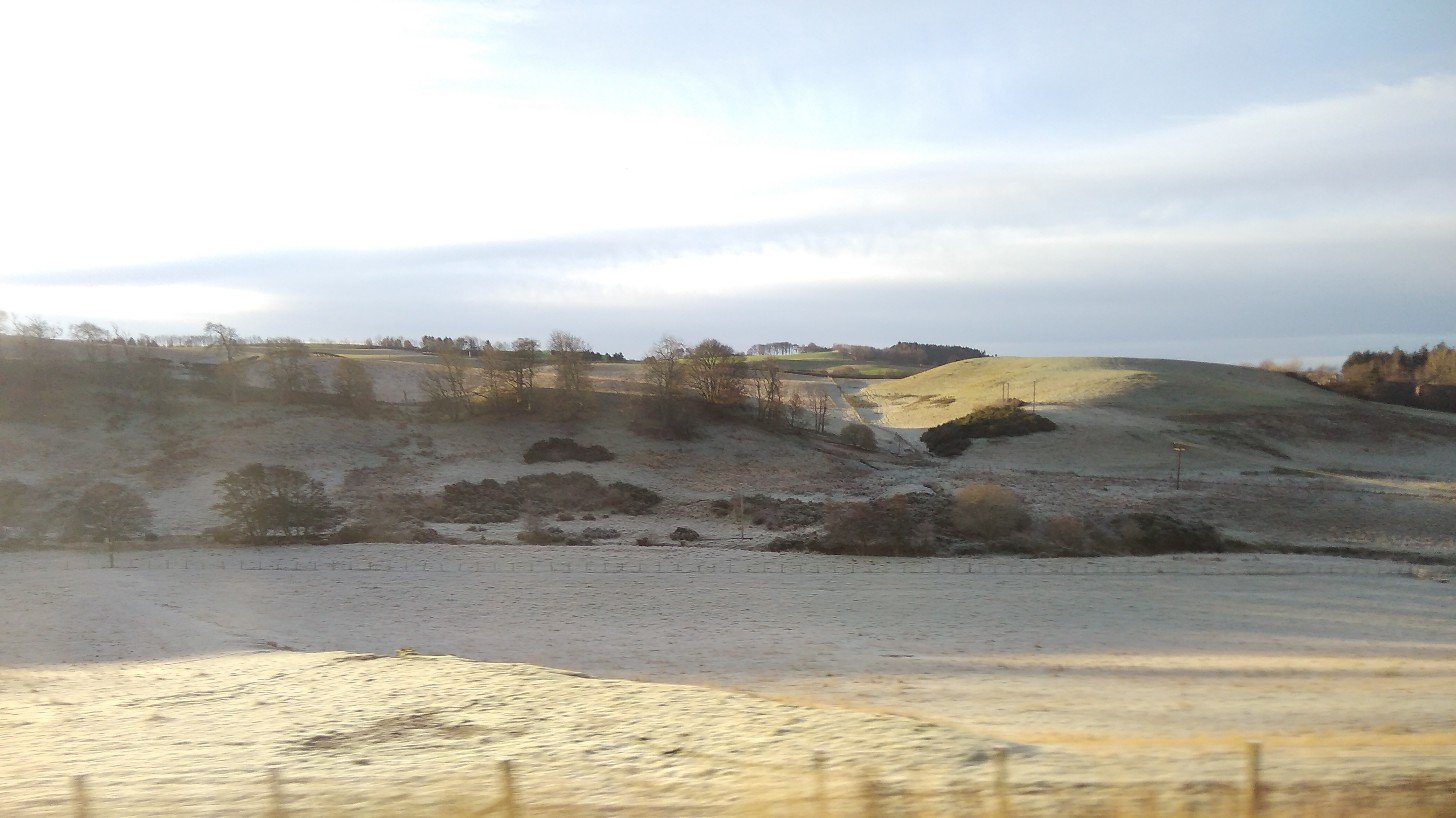
From the train window between Edinburgh and Tweedback on a chilly morning, Scotland.
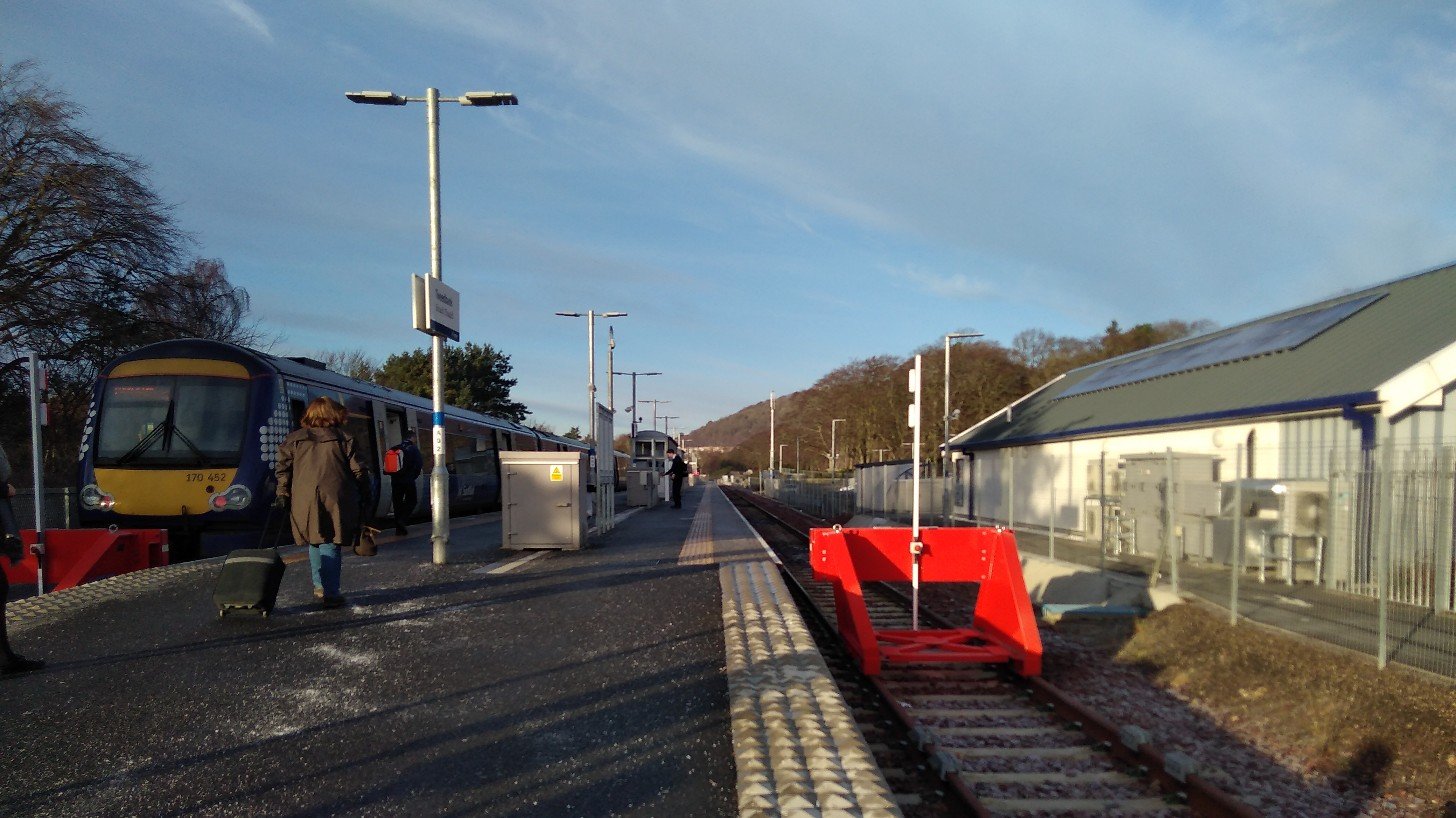
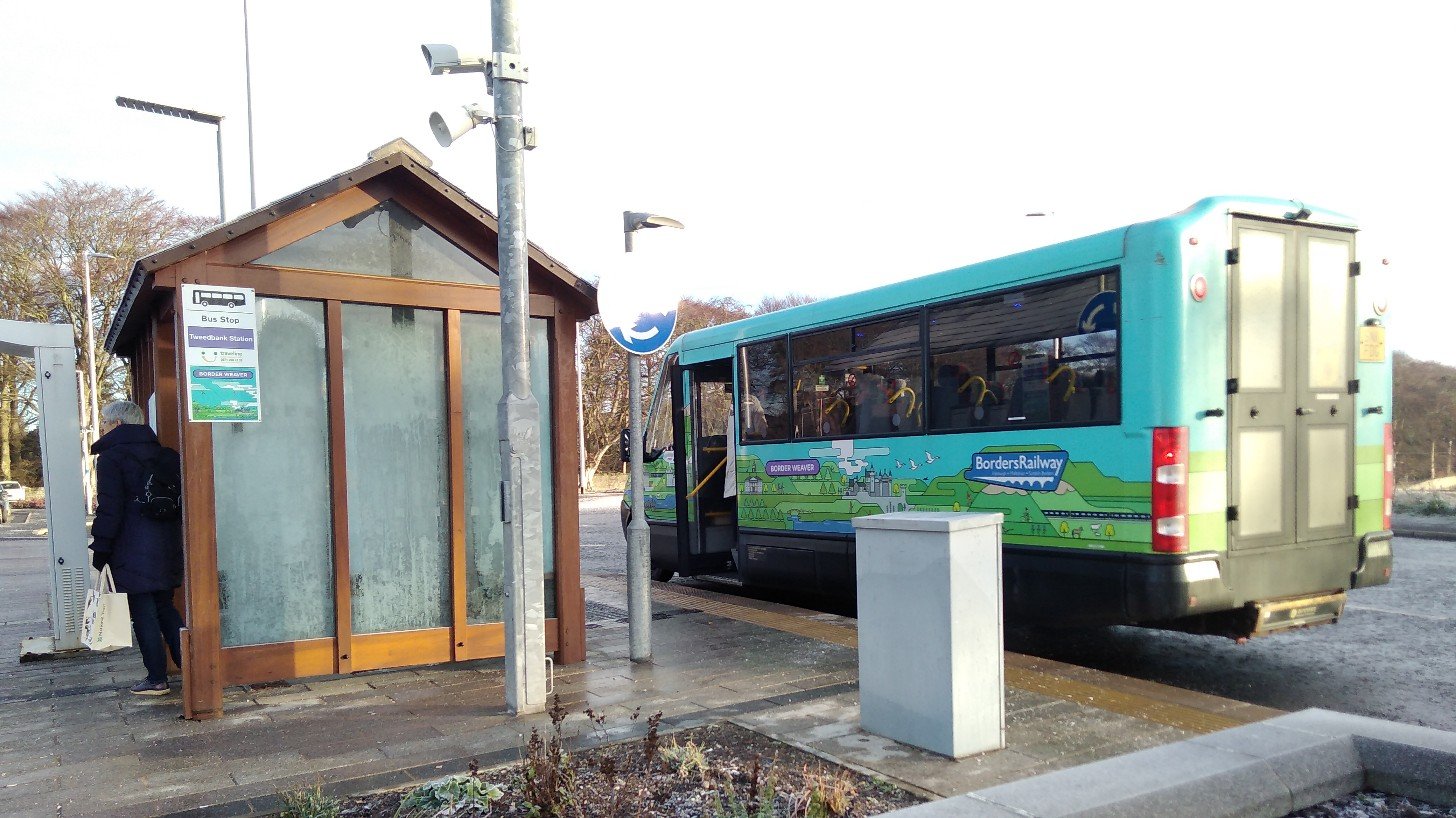
Tweedbank station is new and modern with a massive car park. There is one line, two platforms and everything is properly signposted. There is a bus if you prefer.
The end of the line, Waverley Route, Tweedbank Station. Waiting areas and ticket machines in the middle.
Connecting buses, Tweedbank Station, Borders.
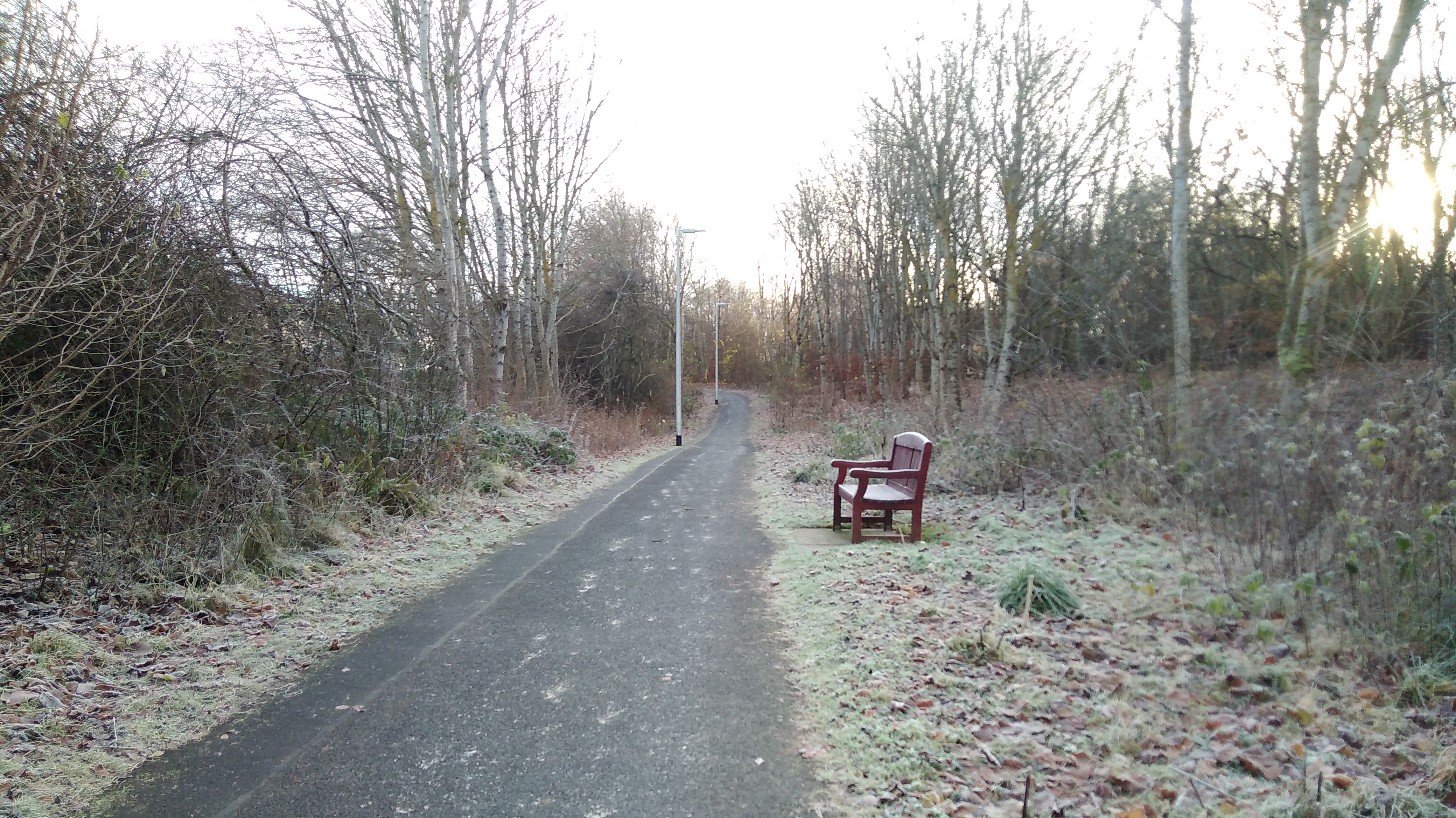
Otherwise, walk along the only way you can and straight ahead you will see the cycle path.
Cycle path from Tweedback Station towards Melrose, Scottish Borders.
Today I was enchanted by the way the hoar highlighted the seed heads, fence posts, and each individual blade of grass.
The stalks were as tall as me, upstanding!
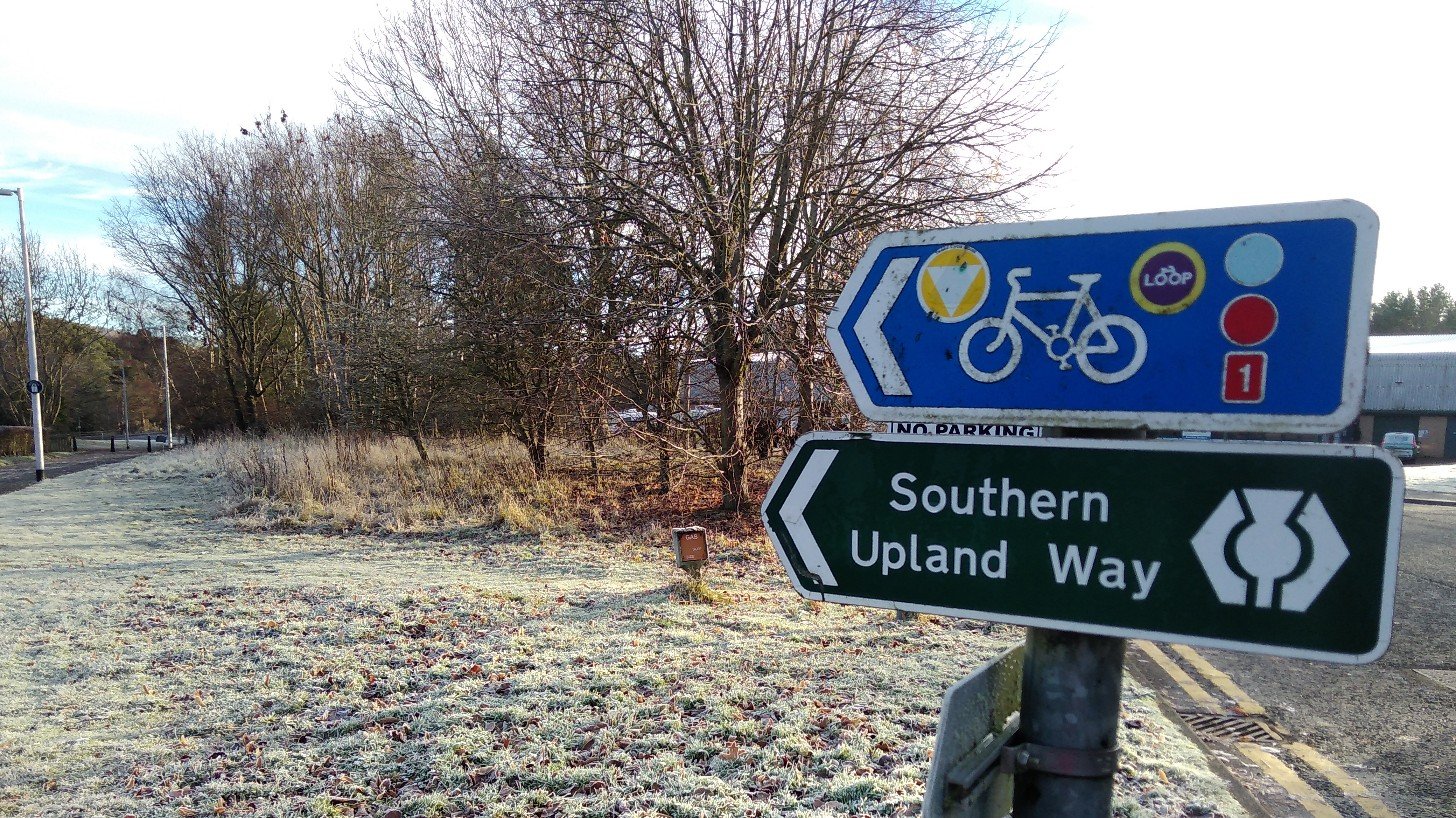
You won’t get lost – there are multiple signs: Melrose Link on the left; National Cycle Network on the right.
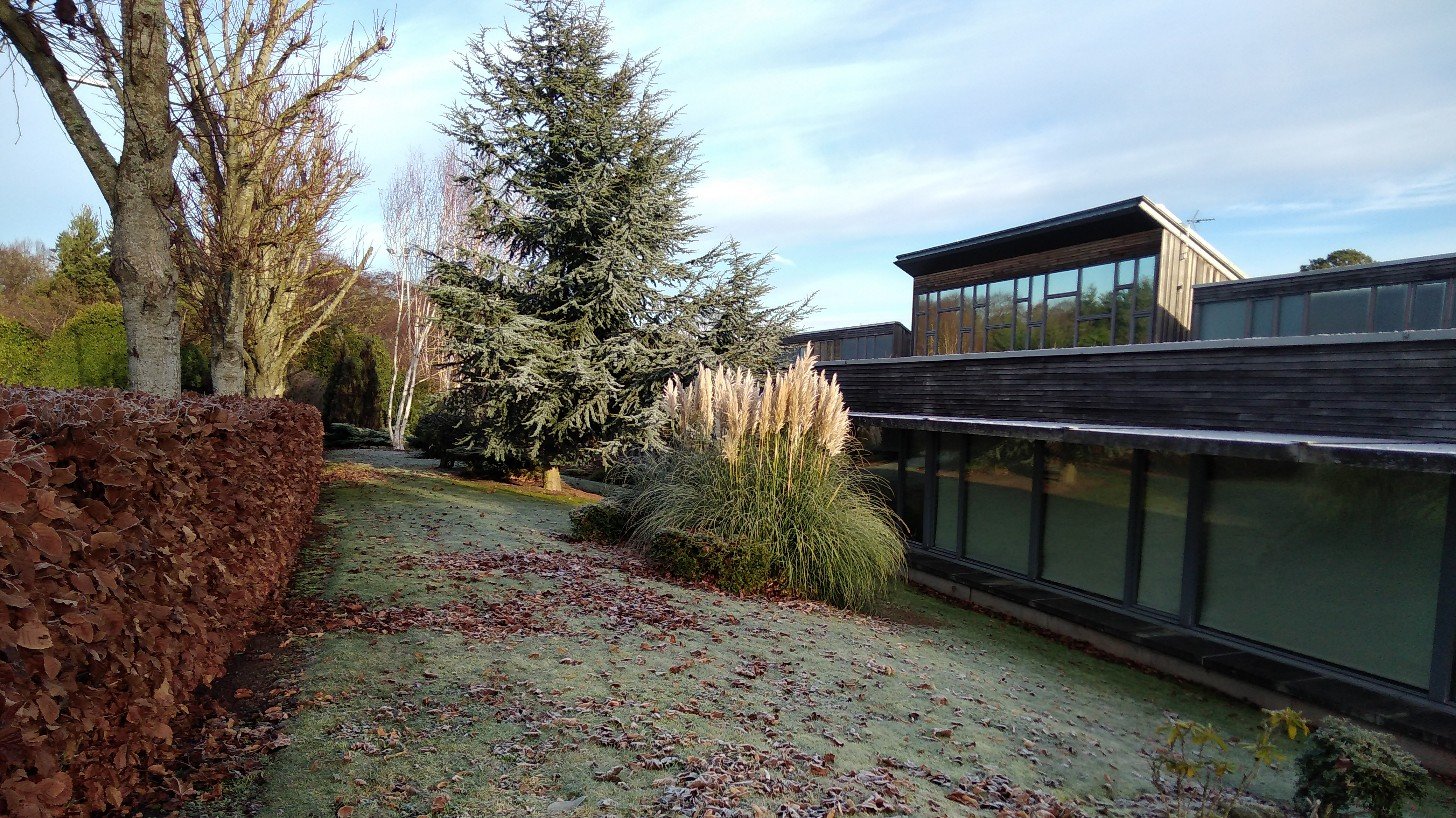
There will be aluminium buildings to your left. When the SPPA (Scottish Public Pensions Agency) is ahead, admire their gardens and peer at the poor folk inside working on such a wonderful day. Smile. Then walk to the right of them, following those signs.
The SPPA gardens.
You will see that you are joining the Southern Upland Way.
Very soon there is a road to cross and opposite, through a little wooden gate at waist height, is a path with steps going down and there is the Tweed River, burbling on your left.
Lowood Bridge over the River Tweed, Scottish Borders.
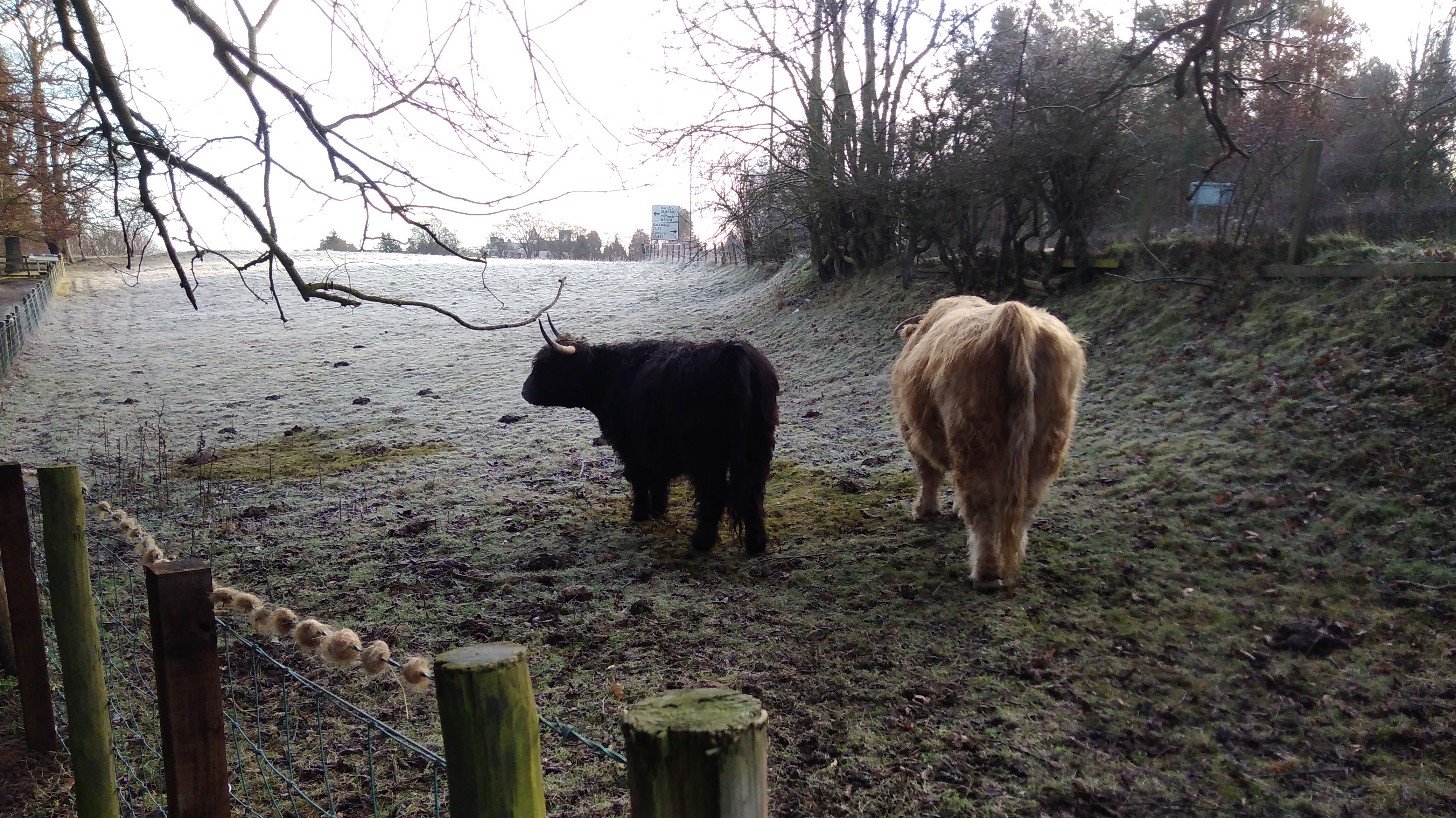
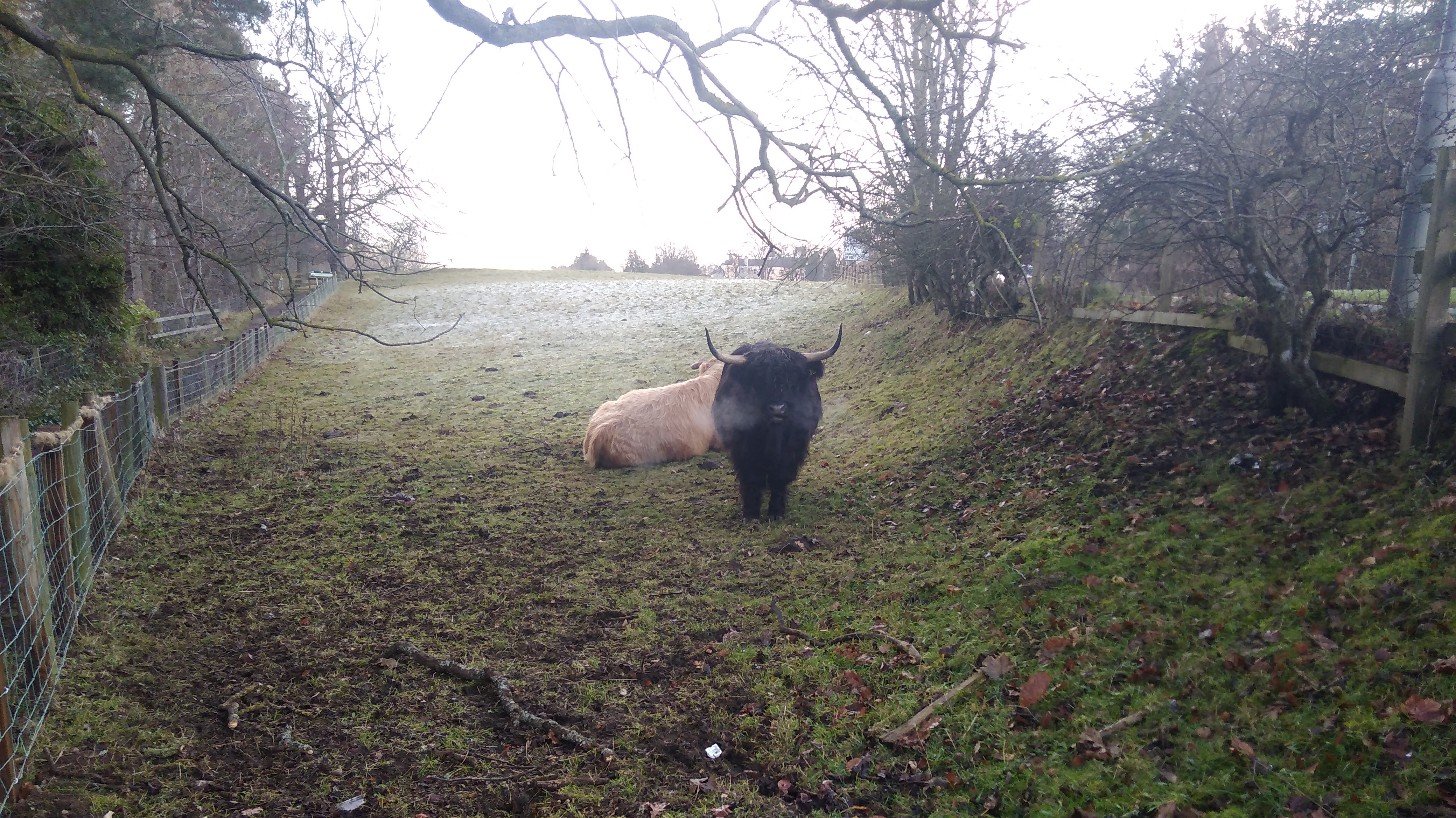
On the right you may be lucky enough to see two Highland cattle, and if it is cold enough it will look as if they are vaping with condensed air coming sideways simultaneously from both nostrils in opposite directions.
Highland Cattle, Scottish Borders.
Can you see him steaming?
I scraped the ice from the tourist board telling about the fantastically named Skirmish Hill where King James V’s men fought those of the Duke of Buccleuch and won. The 14 year old monarch is said to have watched from a safe place.
Skirmish Hill hidden behind the tree, Scottish Borders.
Follow the thistle signs!
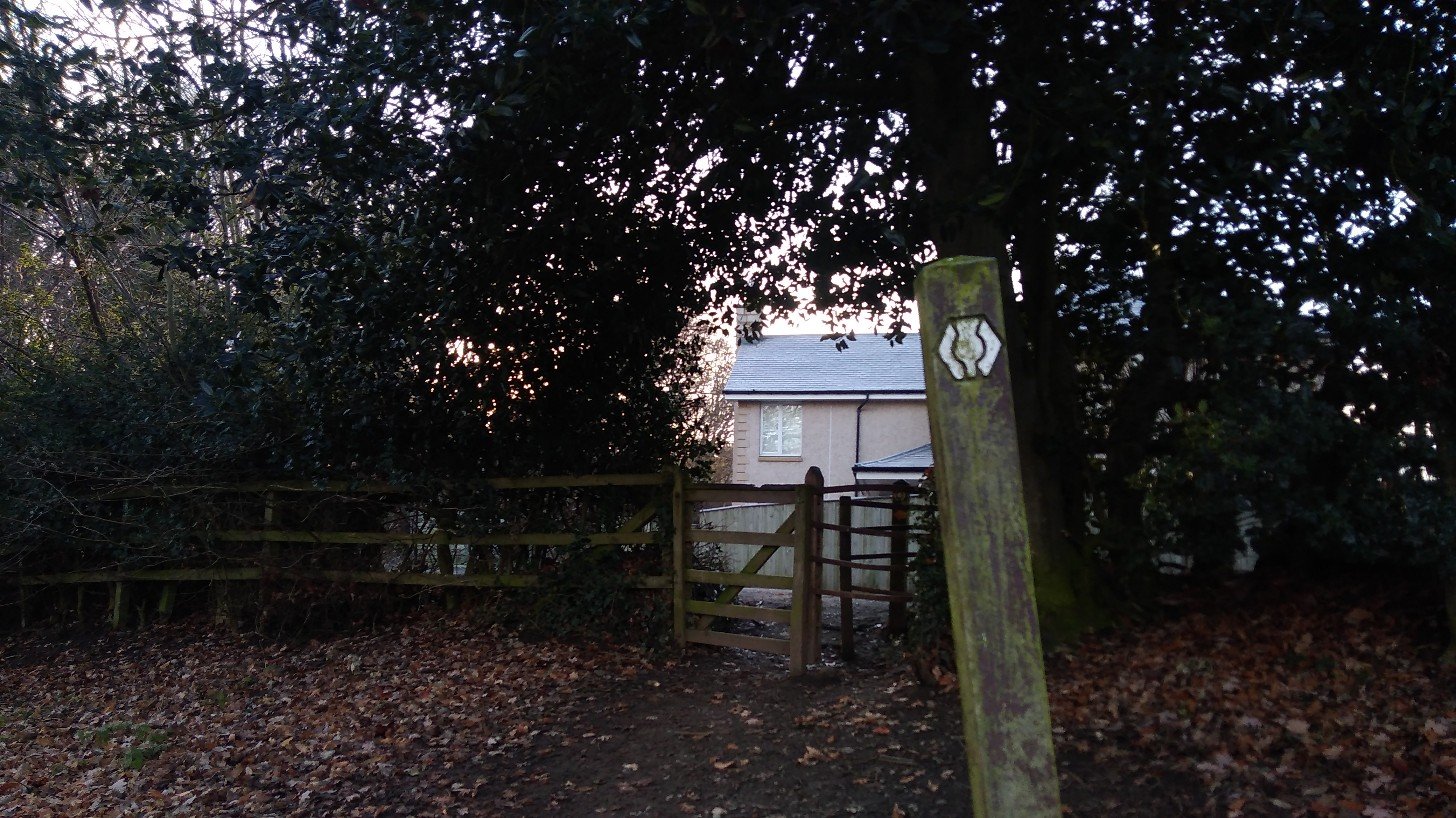
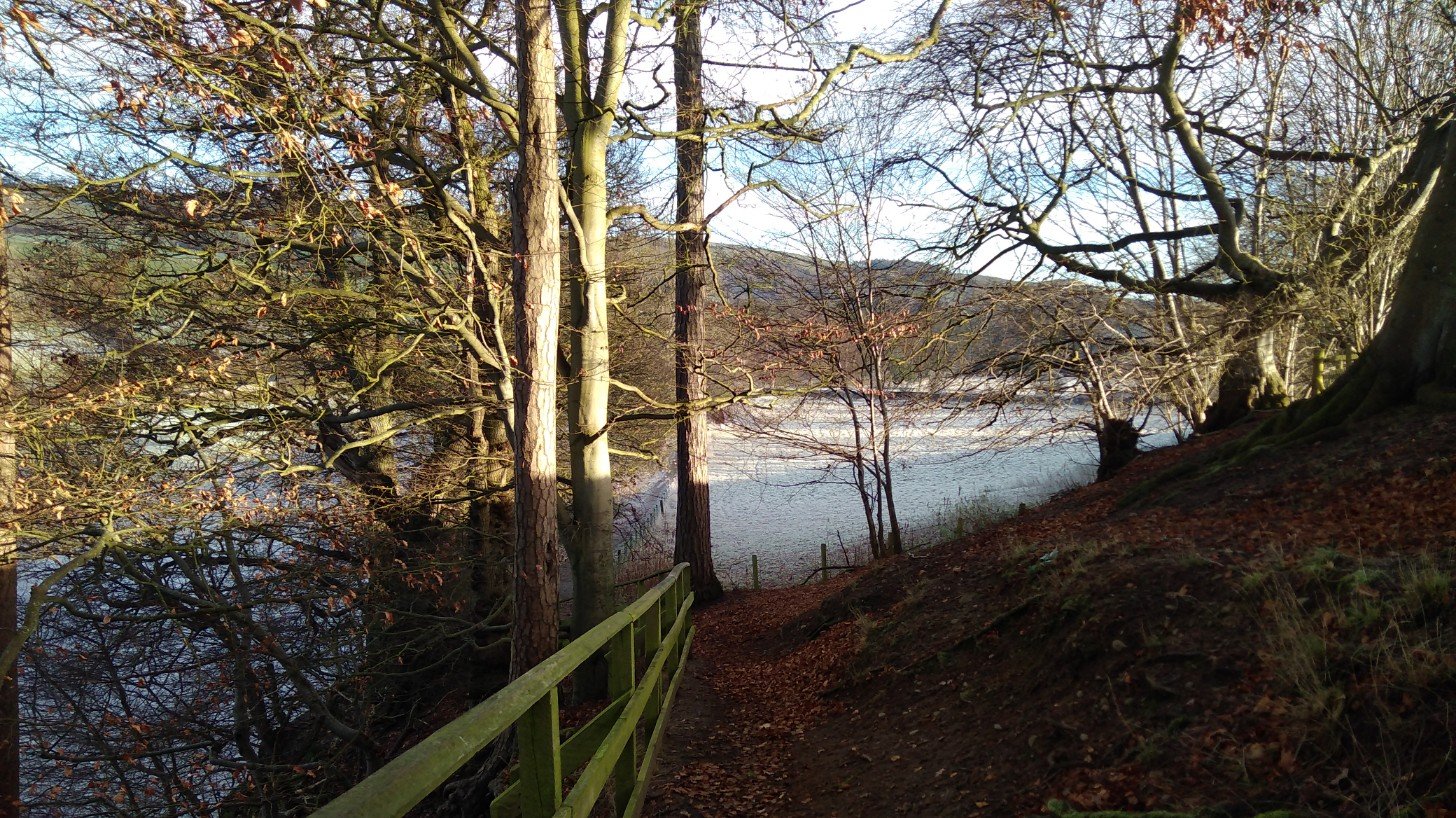
At the kissing gate, go to the left of the houses and you will see signs. Almost immediately continue through the woods to the left. The way goes uphill with a wooden handrail, green with lichen.
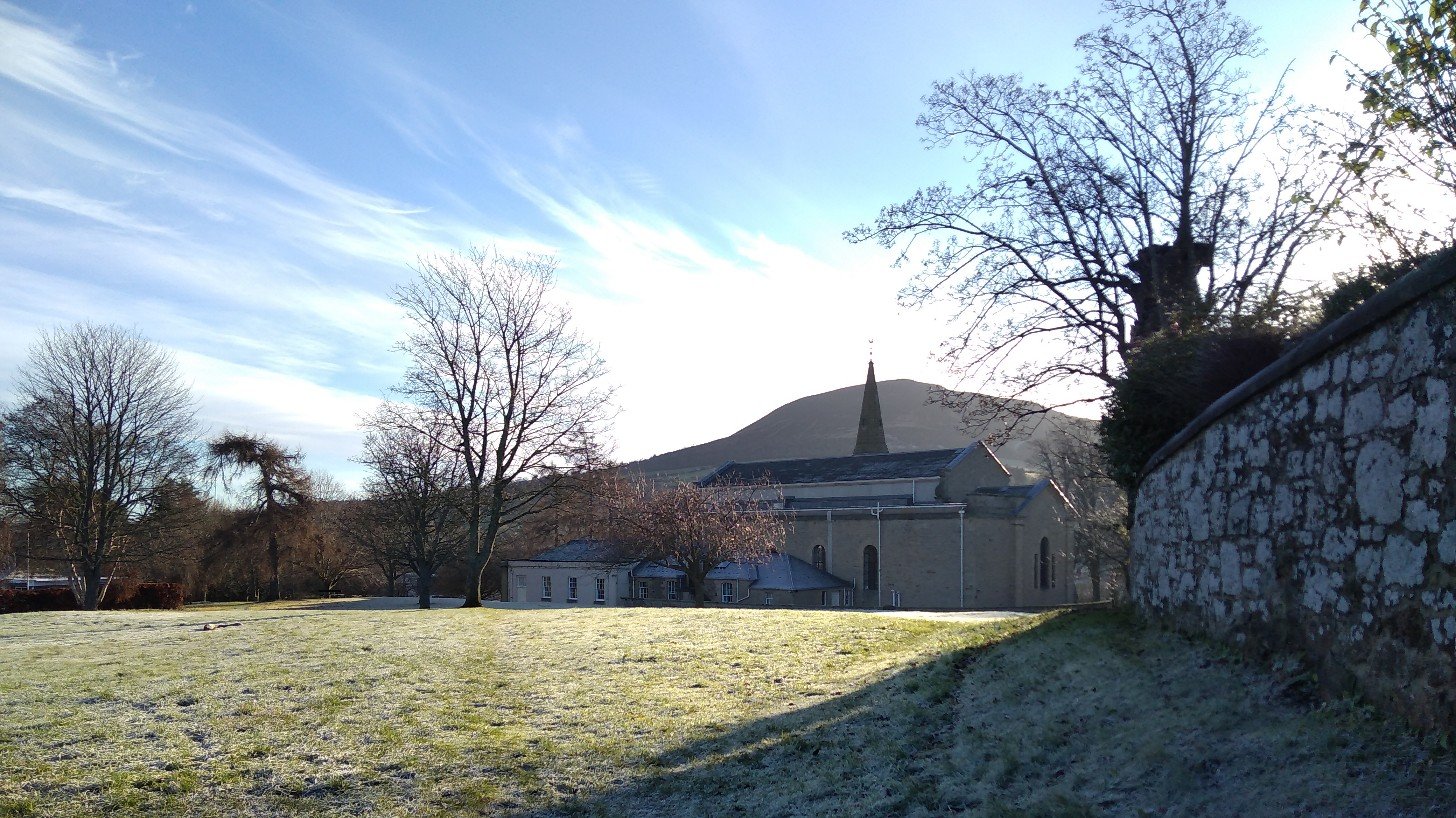
Holy Trinity Church, Melrose, Scotland with the Eildon Hills behind.
The ferns were all flattened by frost as I came into a clearing, going gently downhill. Here I spied more information, this time about fishing: grayling and salmon who make the courageous journey from sea upstream to fresh waters to spawn, often against all odds.
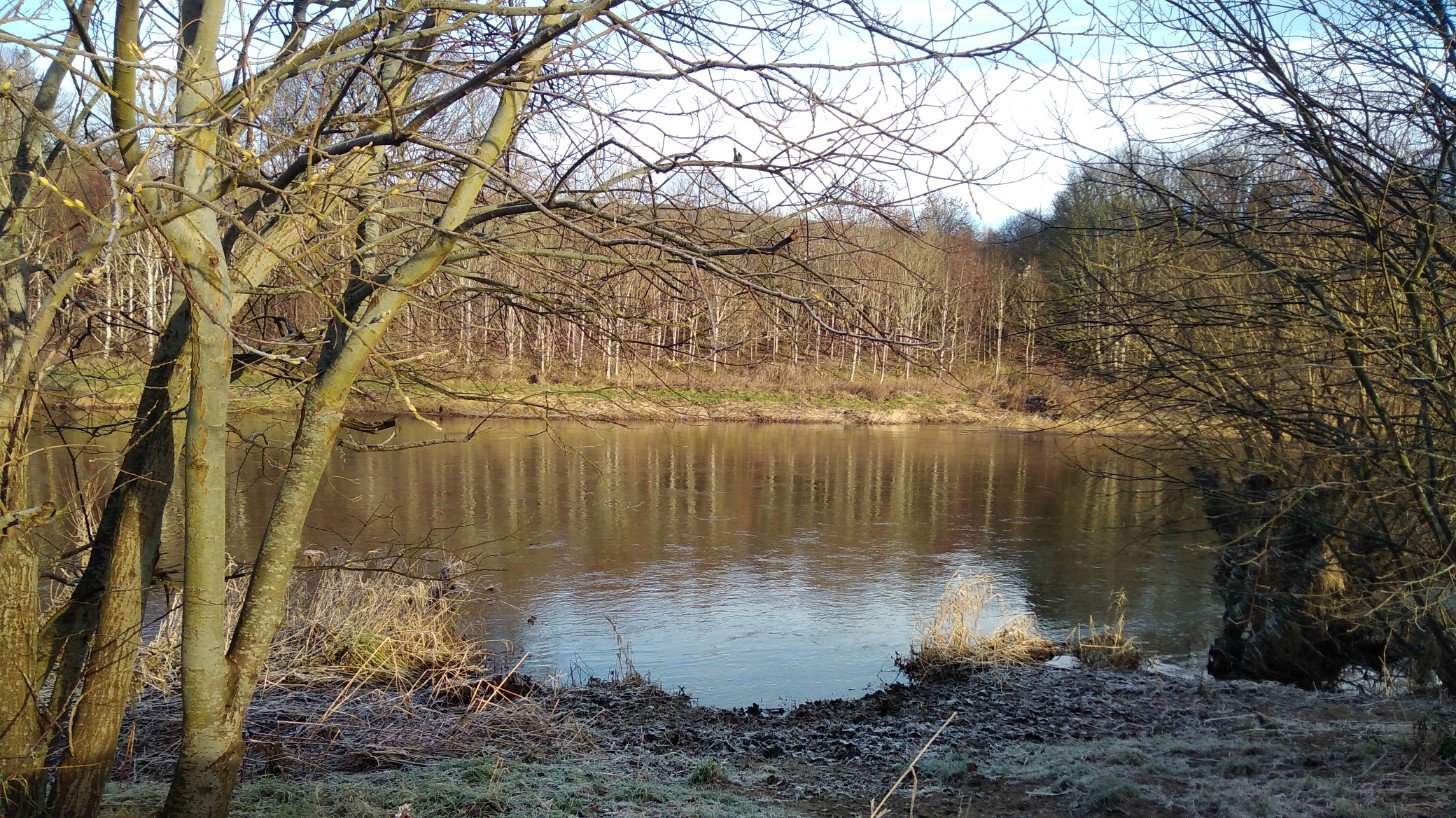
Honestly, the water did really look like this: shiny and luminous. Rver Tweed, Scotland.
There is a choice coming up:
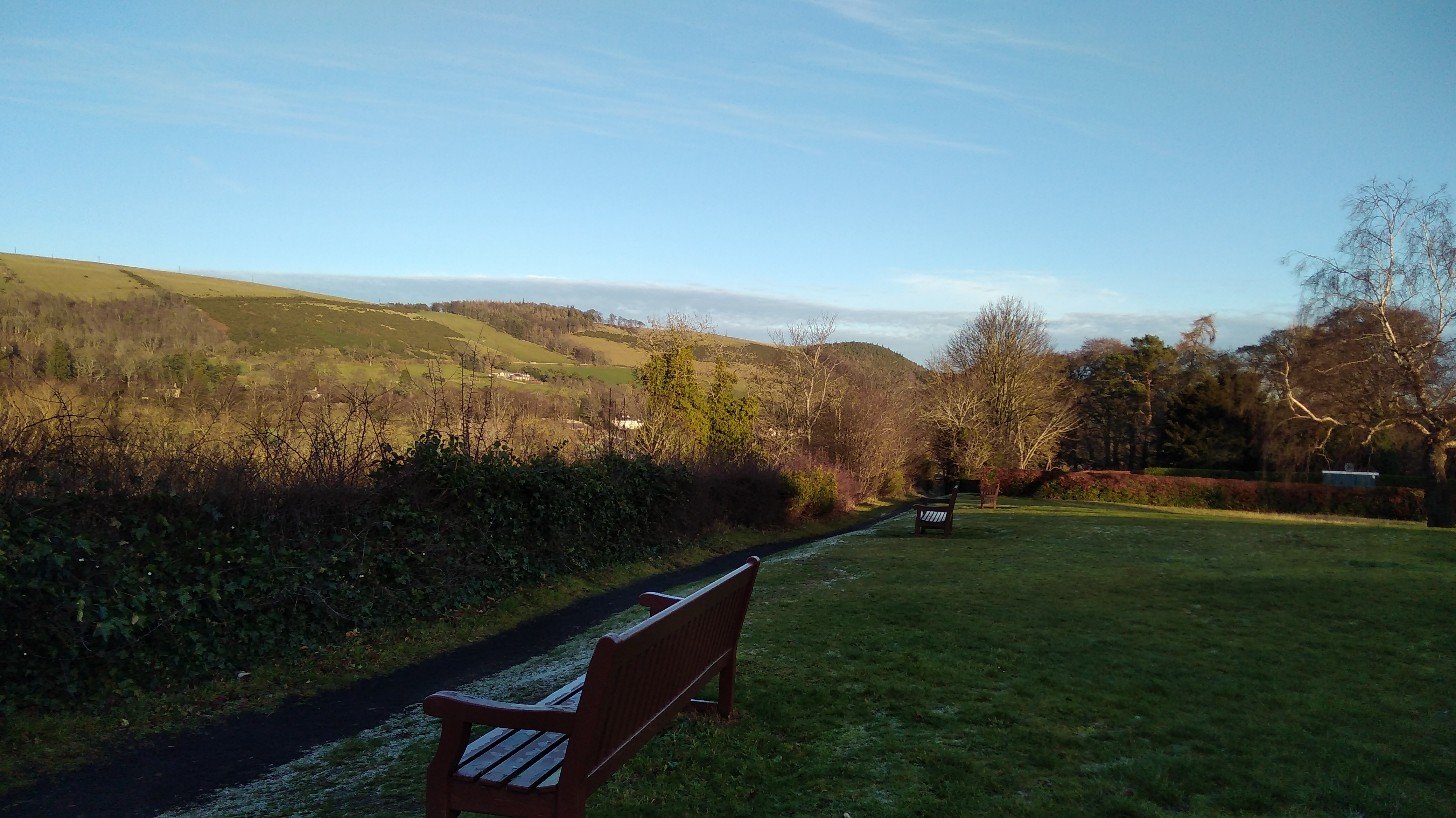
You can either go past the hedge which is too high to see over (I stood on one of the handy benches to get a shot), ignore the sign and keep on going for a while to see the Chain Bridge, but then turn back and take the Town Centre sign. This will take you between the rugby club (left) and the green park (right)
Taken on the way back when the sun was lowering, here is the bench mentioned above.
Or, keep walking past the church to the Chain Bridge and around behind the town centre coming in by the road directly to the Abbey.
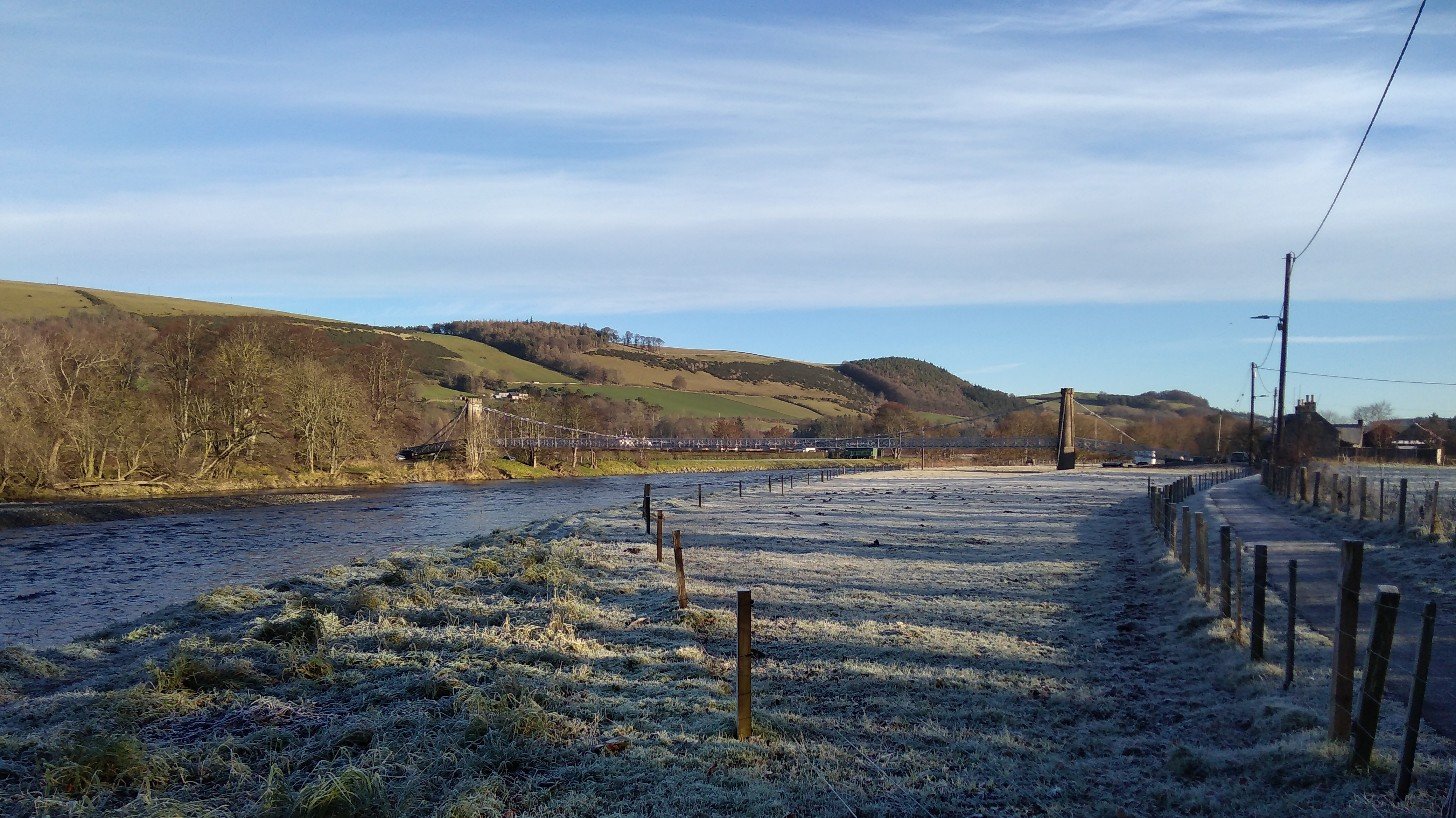
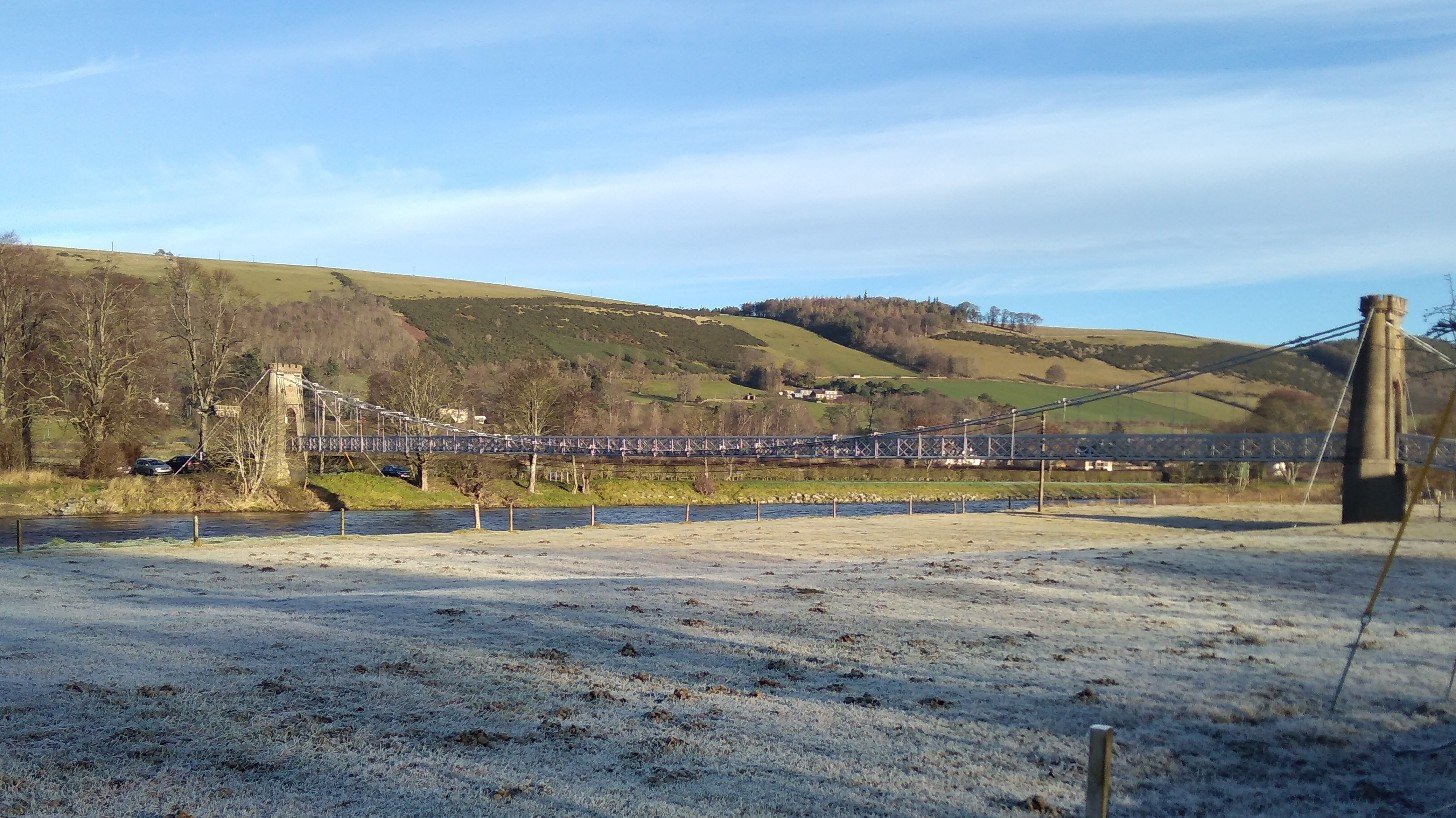
The impressive Chain Bridge, near Melrose, Scotland. Ice still on the ground at 11am.
I took the second option because it was signed Abbey Walk.
Everyone is very friendly as are their dogs. A collie politely laid her pink ball at my toes, her nose flat along the ground, eyes expectant. The second time she came back she showed me the tricks she could do with it, presumably as encouragement and to distract from my muddy fingers. The third time, the gap between me and her owner having widened considerably, I informed her this would be the last, before hurling it behind me.
You can halt to admire the horses on the left, or perhaps the motorbikes on the right. (You can pick up a copy of their free magazine too.)
You will continue onto a small road. Turn left if you wish to visit Newstead.
Hang a right at the main road where the signs mysteriously disappear (sorry, I guess what I wrote above was wrong at this juncture).
Walk past the Abbey Woollen Mill shop, or visit if you like. Carry on by the houses and careful because it’s a busy road, but not for long.
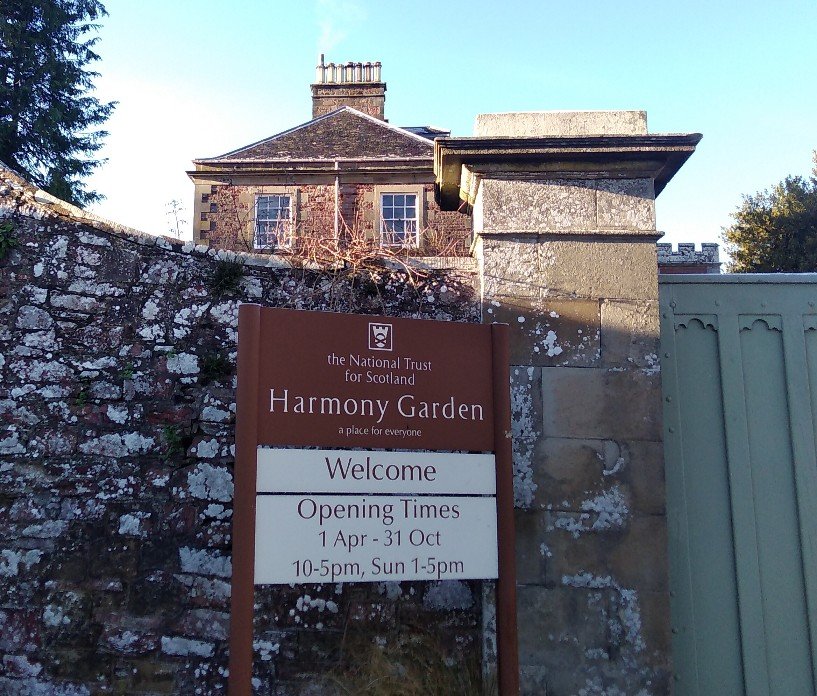
Don’t take the next right (St Marys Road) unless visiting the Harmony Garden. The nearby Georgian Manor House is available for holiday lets.
Instead go straight on see to see Melrose Abbey on the left, behind the wall. David I founded the first Cistercian Abbey in 1136. The heart of Robert the Bruce is believed to be buried in the chapter house there. The opening hours and link to the Historic Scotland page are at the end of this blog. The bus stop is to the right of the monument.
Public toilets, Melrose, Scotland.
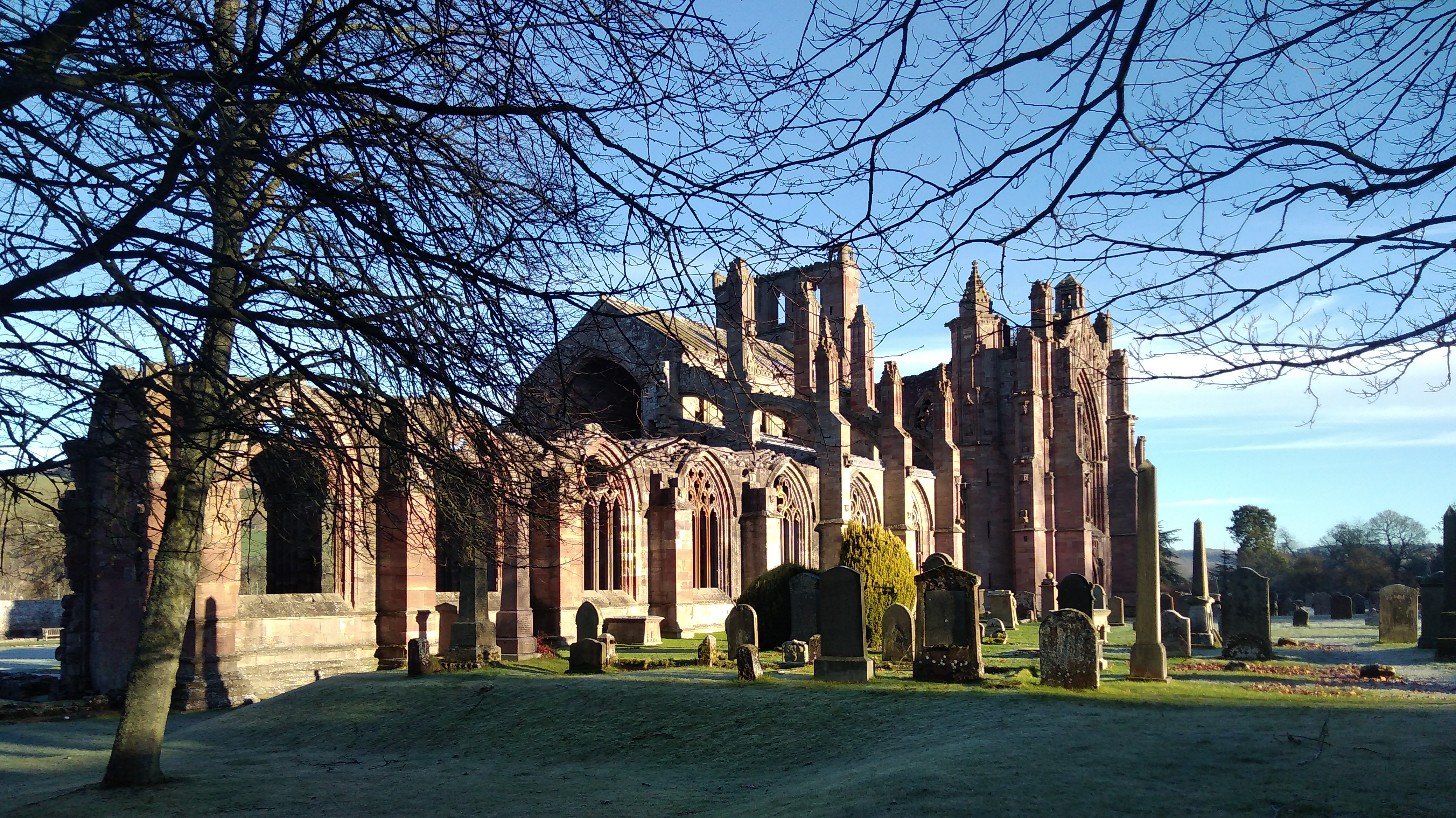
The magnificent medieval Melrose Abbey ruins.
The town centre is in the middle of a triangle with a unicorn on an extremely high pillar in its middle. Originally this would have been the Mercat Cross where all types of goods would have been for sale, proclamations were made, and criminals punished. The heraldic unicorn is the supporter for the Royal Arms. Here you will find a pharmacy, and library plus The Roman Centre. There are lots of hotels, cafés and nice independent shops, particularly bookshops, partly because the people who live there like to read, and there is also a Book Festival. Explore!
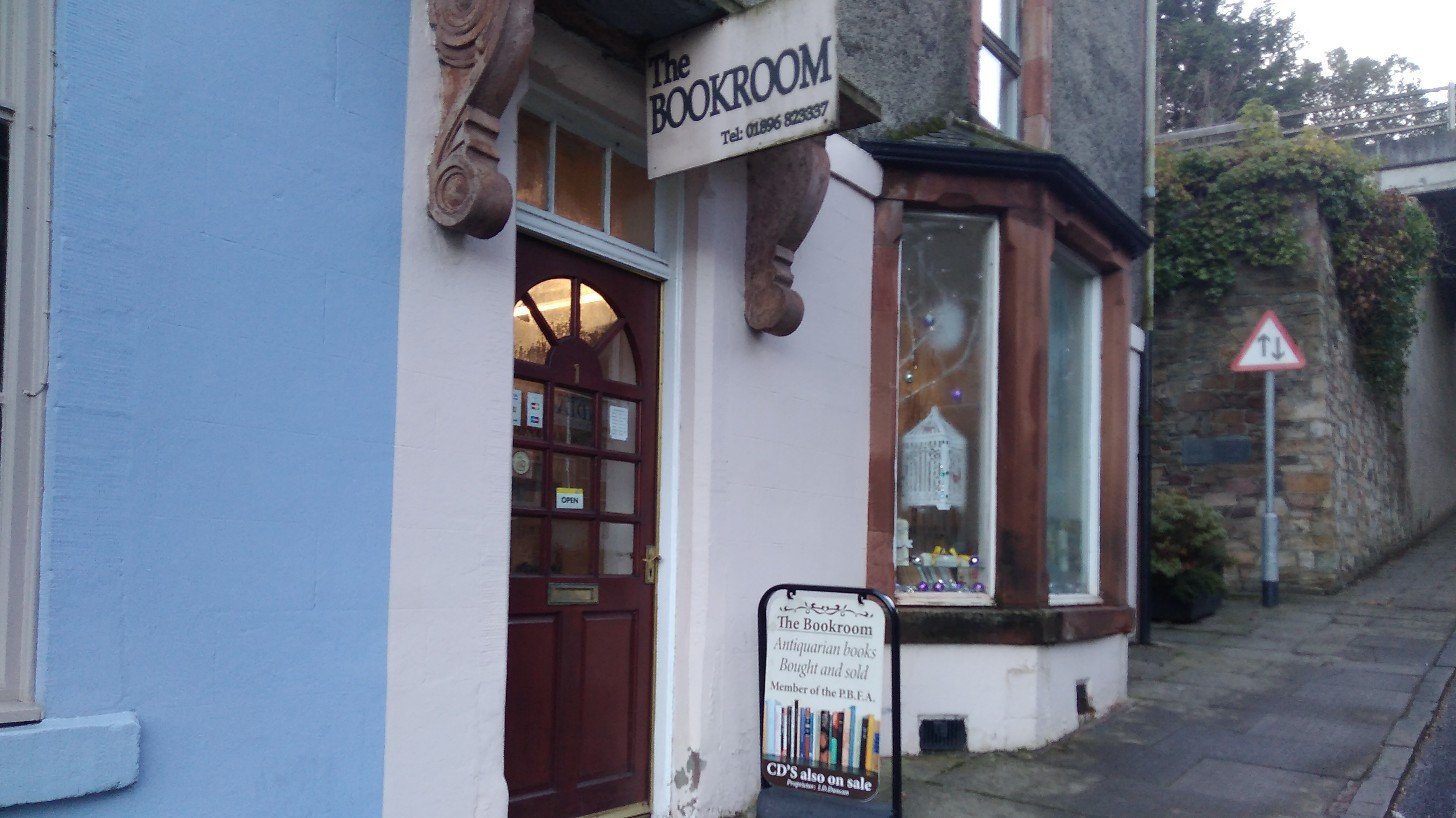
The Bookroom at the bottom of Dingleton Road, Melrose, Scotland.
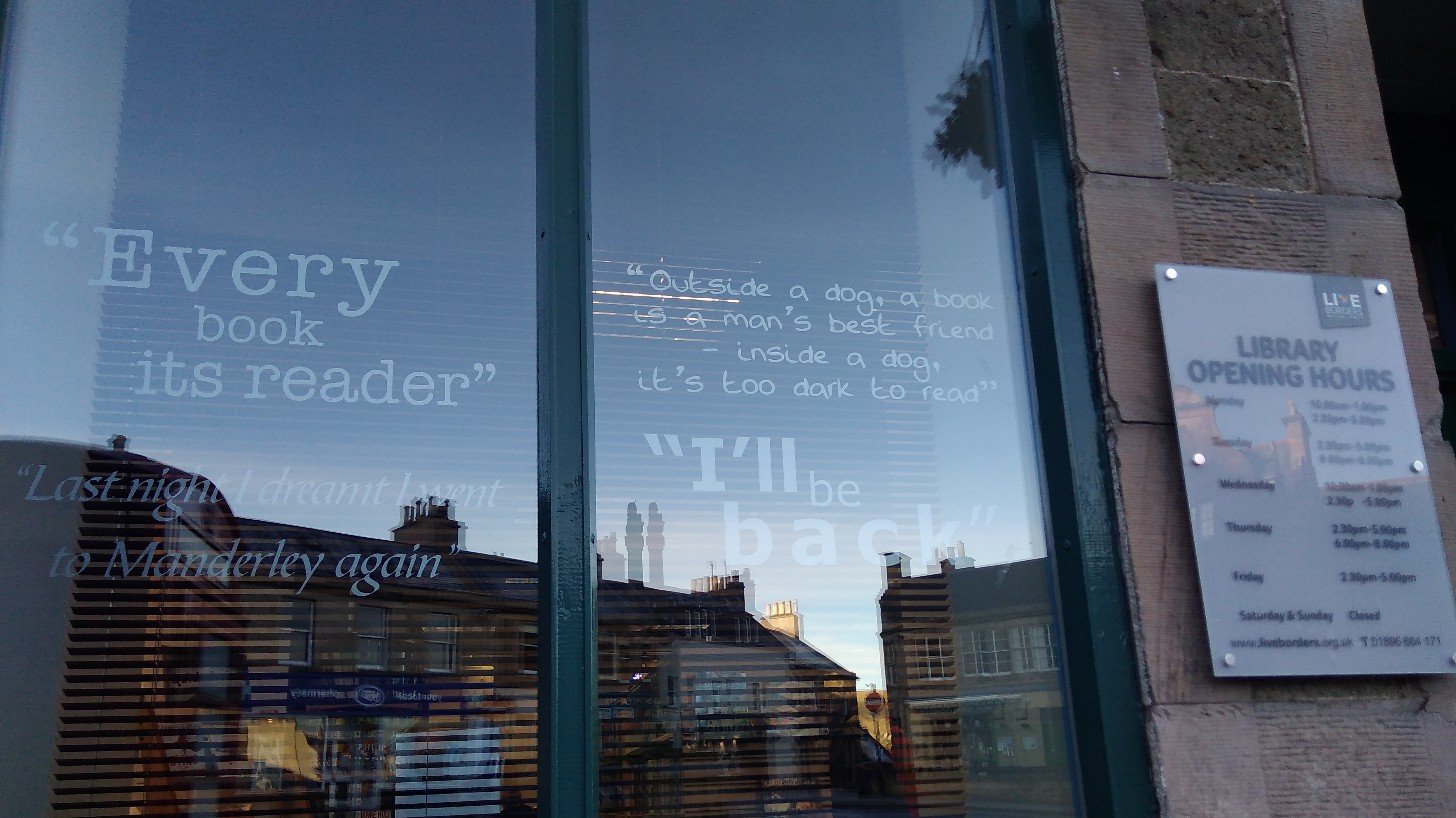
One of the inscriptions on this window is ‘Outside a dog, a book is a man’s best friend – inside a dog, it’s too dark to read!’ This is the local library, right in the centre of the town where it should be, Melrose, Scotland.
After your browsing and sightseeing, you can return the other way if you did what I did: to get back to the station, walk out of town along the A6091 road with the Co-operative store (food) on your right, and head towards the Melrose Rugby Club. Anyone will be able to point you in that direction as rugby is THE sport in the Borders.
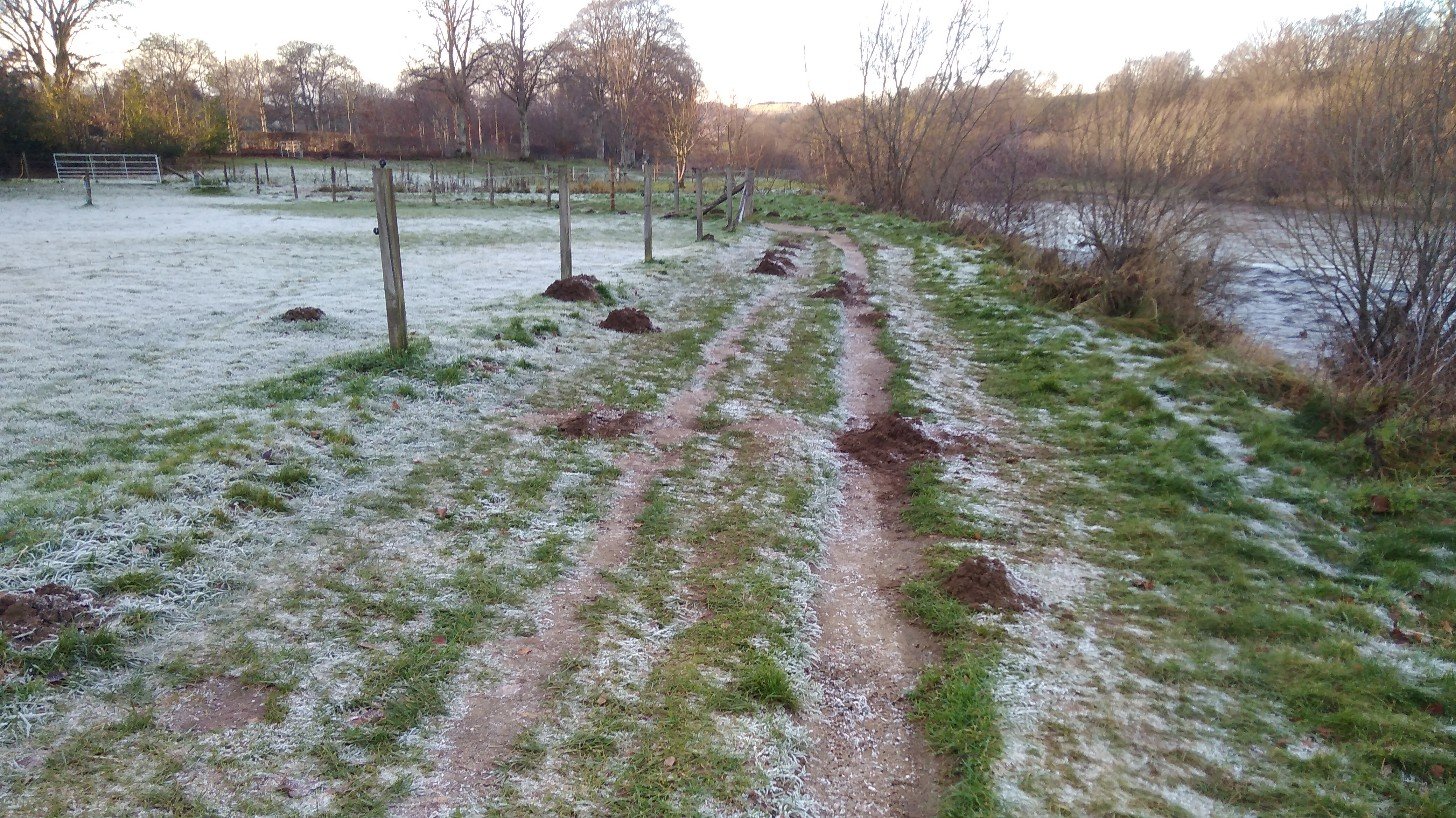
If it’s still light, enjoy the grand trees, admire the mole hills, and tune into the water as you wander.
A gentleman and I passed the time of day as we recognised each other from the morning when we were then also going in the opposite direction.
Remember that things look different when retracing one’s steps! You must cross two roads and keep both the SPPA and the aluminium buildings on on your right. Keep following the white Scottish thistles and yellow arrow. The final cycle path part is fully lit when it’s darkling (3.30pm at this time of year).
Birds twitched: robin, chaffinch, blackbird, pigeon, crow, mallard and a heron unusually crouched by the riverbank. Luckily there were still plenty of berries available for them to feast on.
Station facilities:
There is a little shop at the station selling hot drinks, snacks and g’n’t. I was reliably informed that passengers usually buy it on the way up in the morning!
Don’t believe all the moaning complaints you might find on the internet. The trains are great. Well, we were only delayed 10 minutes homeward bound. I know I am not a commuter but.. take a leaf out of my schoolgirl days (I took a daily return to school for 7 years) and if the train is cancelled don’t go to work, go for a walk instead – look around you and inhale deeply.
I went there to see friends and give Shiatsu. I will go back, so if you live there and would like a session let me know. Many thanks to the Chris (designer of my lovely website) and Penny for lunch and chat.
Melrose Abbey is open all year round. April to September 9.30 – 17.30; October to March 10 – 16.00.