La Guarda to Mos: Portuguese Camino

Camino Portuguese da Costa – Days 7 and 8, September 25th – 27th 2019

La Guarda / A Guarda, Galicia, Spain

La Guarda is in Spain, even though it is a town on the Portuguese Camino. I was happy to be back in Galicia, one of my favourite parts of Spain. I should have liked to see the Celtic hill fort and village of Castro de Santa Trega which connects with Scottish history (I live in Edinburgh) on the top of the hill that La Guarda sits beside, but I was not comfortably ambulant.

In the morning, I walked a short way (30 minutes, 2 kilometers) from the Albergue Municipal in La Guarda where I had spent the night, to visit the churches, but it was a strain and took me much longer than it should have. As a result of the pain in my foot, I decided to turn back and take a different route.
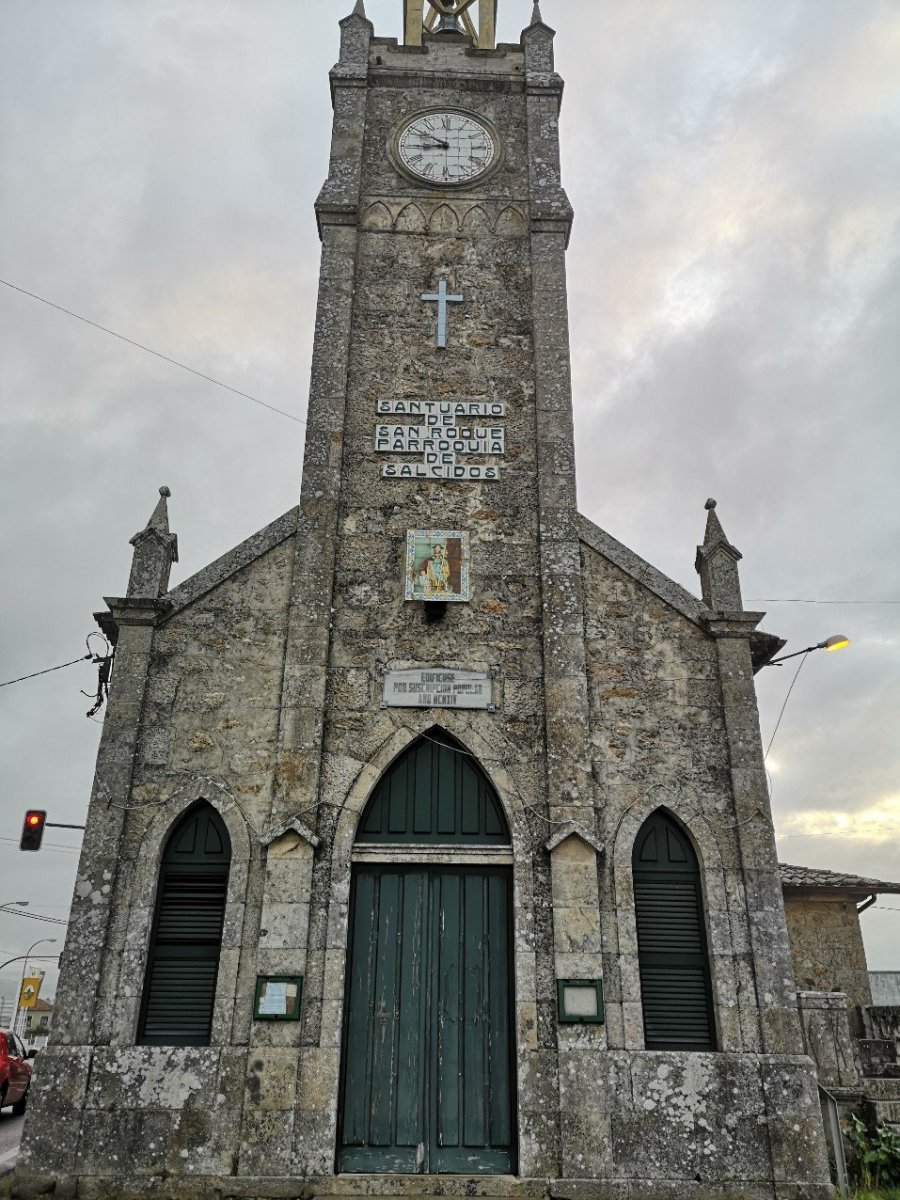
church architecture and detail
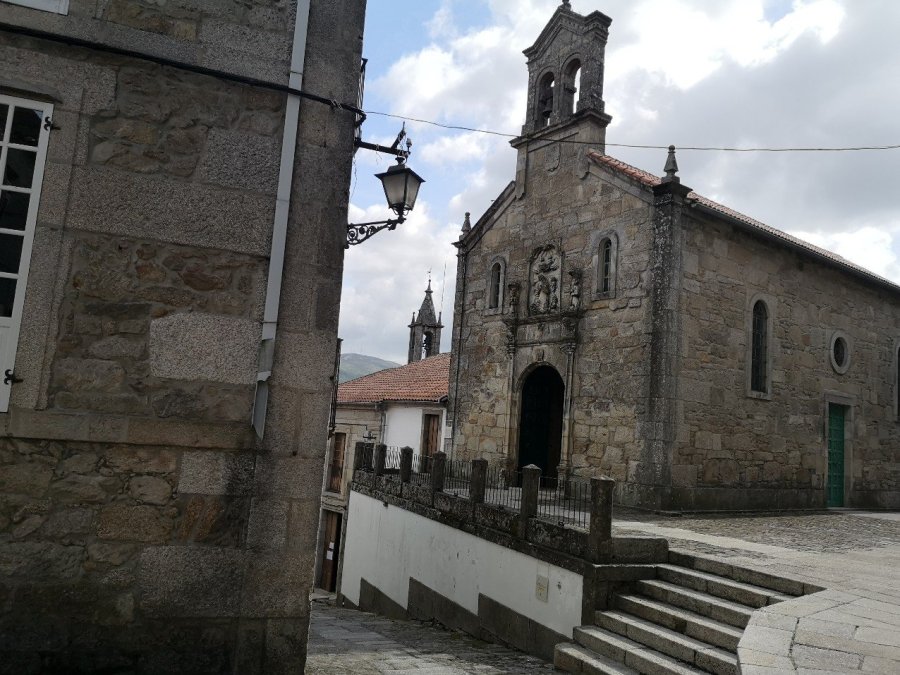
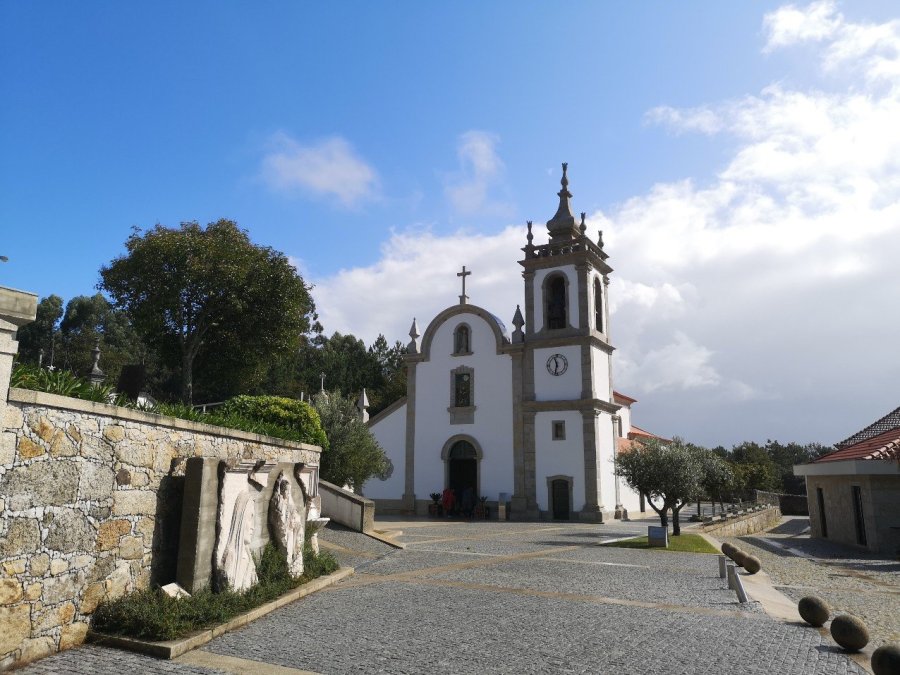
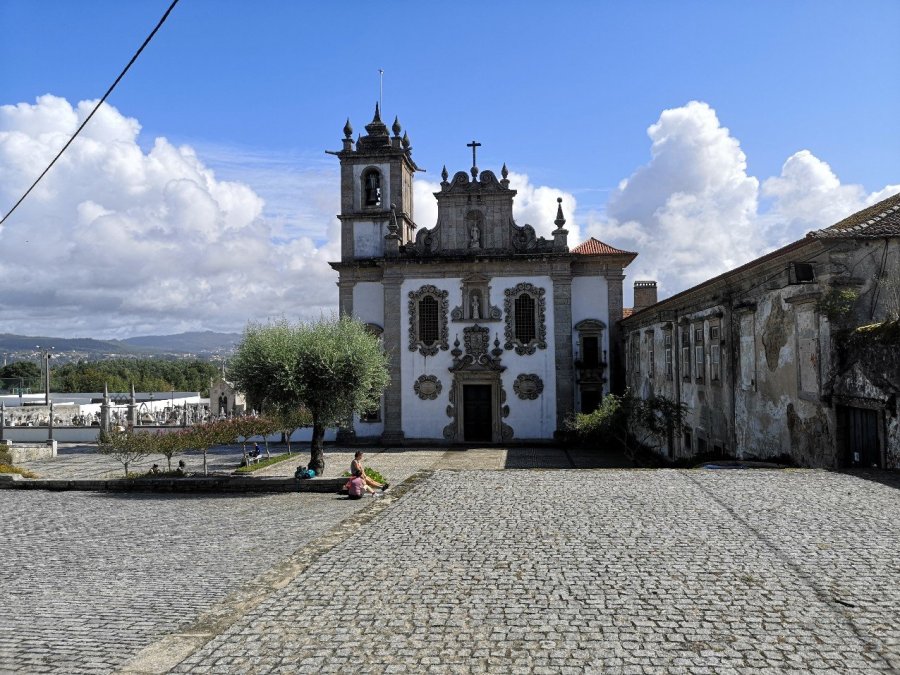
Santuario de San Roque, Parroquia de Salcidos with Saint James in the front
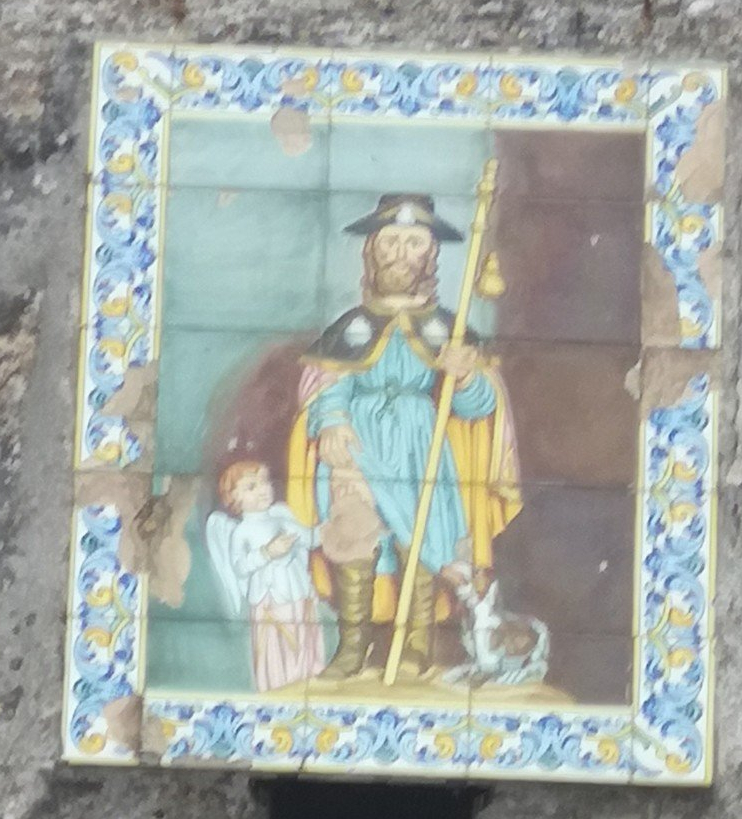
Saint James in traditional costume
St James carrying his crook with wearing his hat with the camino shell on it. Also with an angel and a dog. Apologies for the quality of the photo, but I thought they were charming tiles

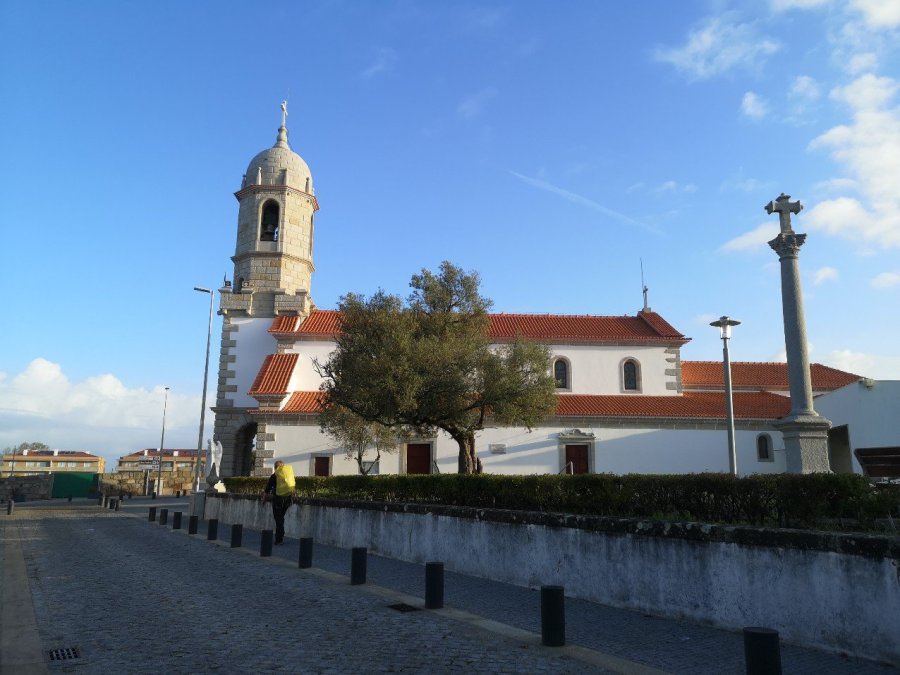
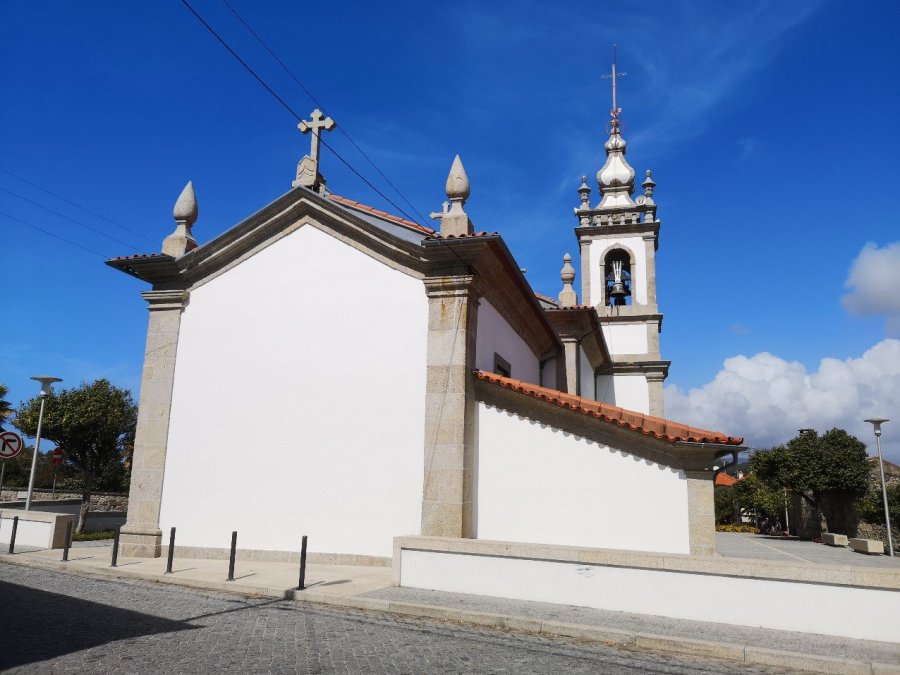
The two churches (above and below) are almost next to each other and I was the only one there. A few people were on their way to work and school, on the main road, and the churches were closed as they always are unless there is a service on. However, I admired their grandeur and solidity, the Santuario de San Roque having seen many pilgrims over the centuries.
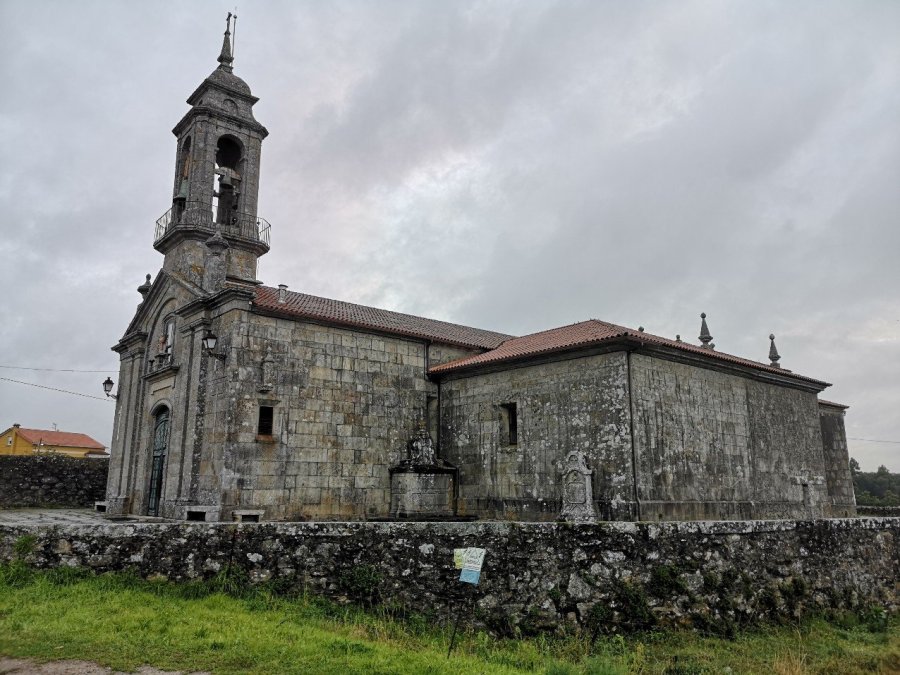
Church architecture
Igrexa Parroquial de San Lorenzo de Salcidos, Portugal
wp-15757570962413123946437021357236.jpg
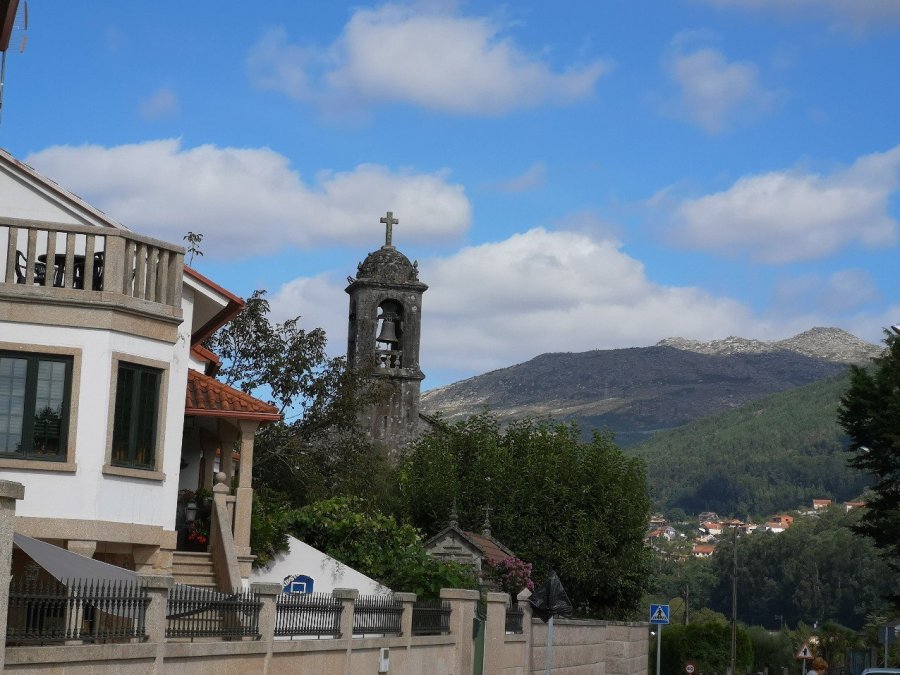
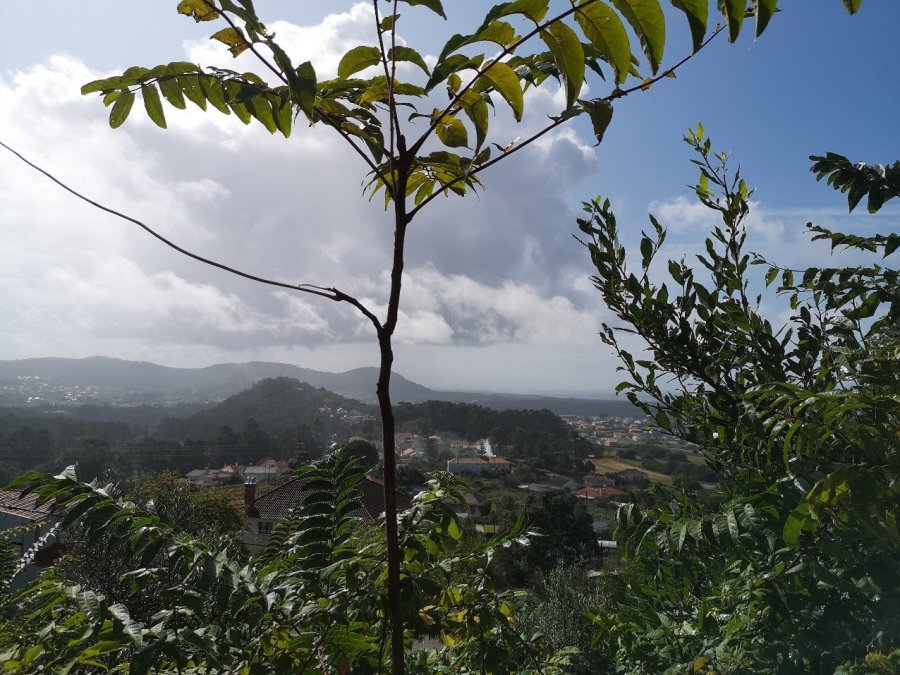
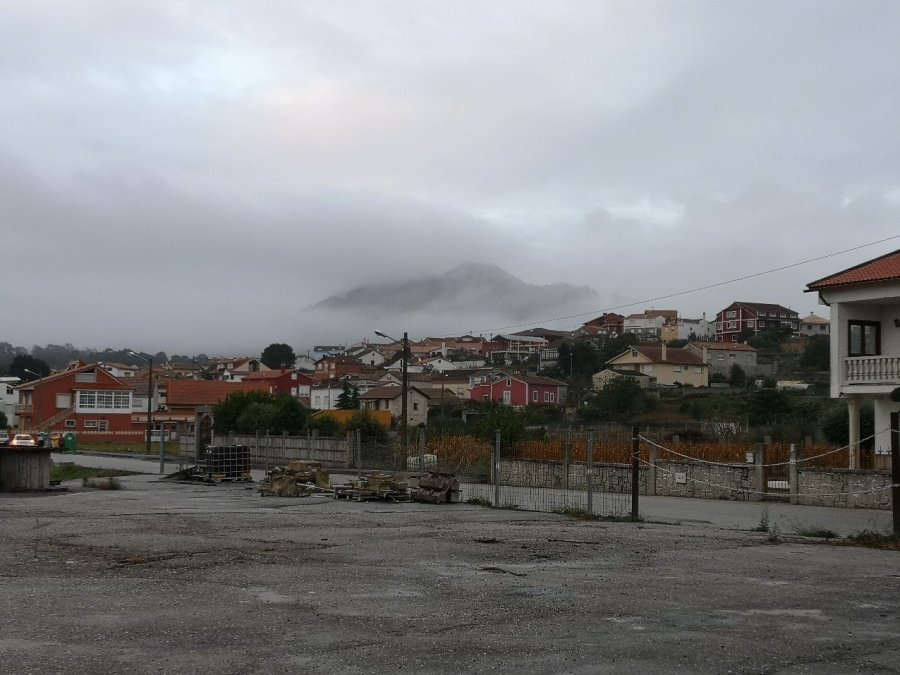
The mountain was just visible above the clouds as I looked from Salcidos, a borough of La Guarda, Spain

Then I rested for 20 minutes and took the bus. It runs from Salcidos to Tui (get off / on near Repsol gas station (estacion de servicio) on N-550) regularly and takes around an hour. This was the second day that I could not walk, something that had, thankfully, never happened to me before, and it was very hard to accept. The journey took me through urban areas with grey stone buildings boasting elegant balustrades around the windows, along the northern side of the River Miño, and deposited me opposite some public gardens bright with bougainvillea and sporting a grand metal statue of cantering horses, the Monumento al Caballo Salvaje.
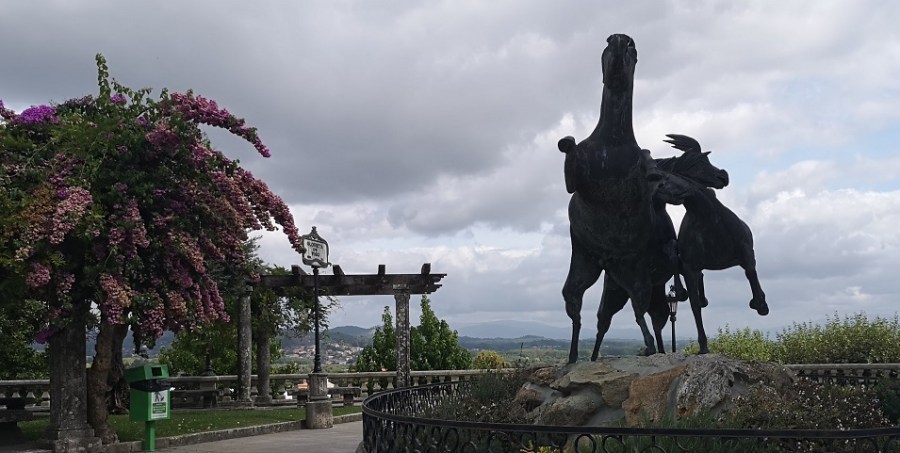
horse statue bougainvillia
Monumento al Caballo Salvaje (wild horses monument) in the park, Glorieta de Vigo, Tui, Spain

Tui

Tui is a busy city, full of hustle and bustle and with all facilities you could possible need. There is an excellent market, with cafes and shops galore. Not far from the Albergue is a friendly eating place / hostel (Albergue Ideas Peregrinas – not the cheapest, but with a European atmosphere and great, healthy breakfasts, including vegan food), and that is opposite one selling crêpes, and so on…! All tastes are catered for and many people holiday here even if they are not hiking. There is an extensive Natural Park to the north west with hills, Monte Aloia, for excellent views of Baiona, Vigo and the whole region.

I picked up a copy of Jim Crace’s The Melody in the hostel the night before and made the most of my enforced resting time to have a good read. Described as a meditation on grief, it connects with all my recent writing on the subject – there’s no such thing as a coincidence!
wp-15757574747764672425951298900250.jpg
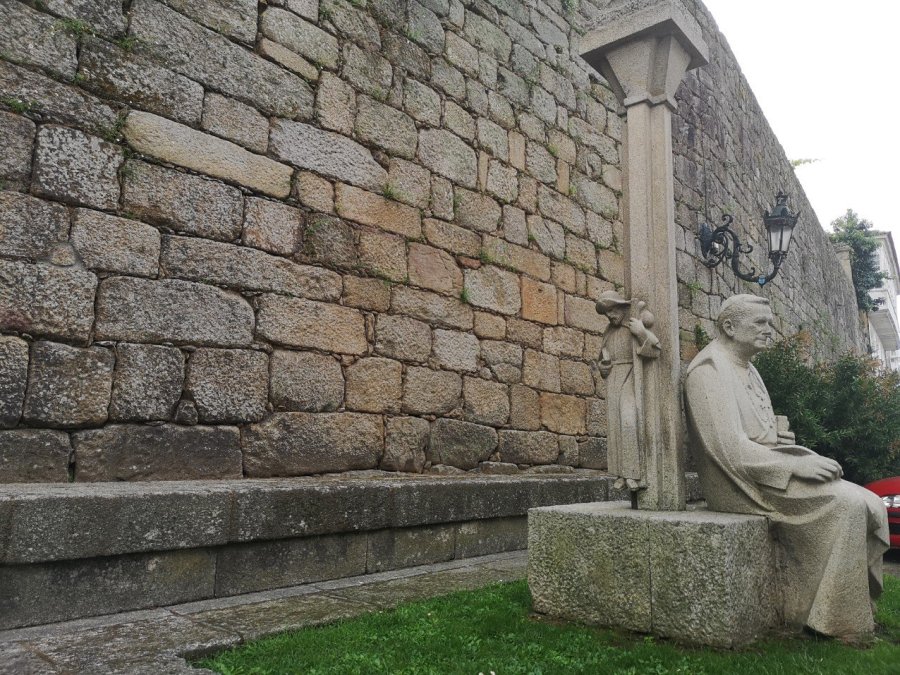
See St James peeking out from behind the column where Arzobispo (Archbishp) Lago Gonzalez (1865-1925) sits. His high cheekbones and benign expression make him look as if he is listening to a child telling him a story.
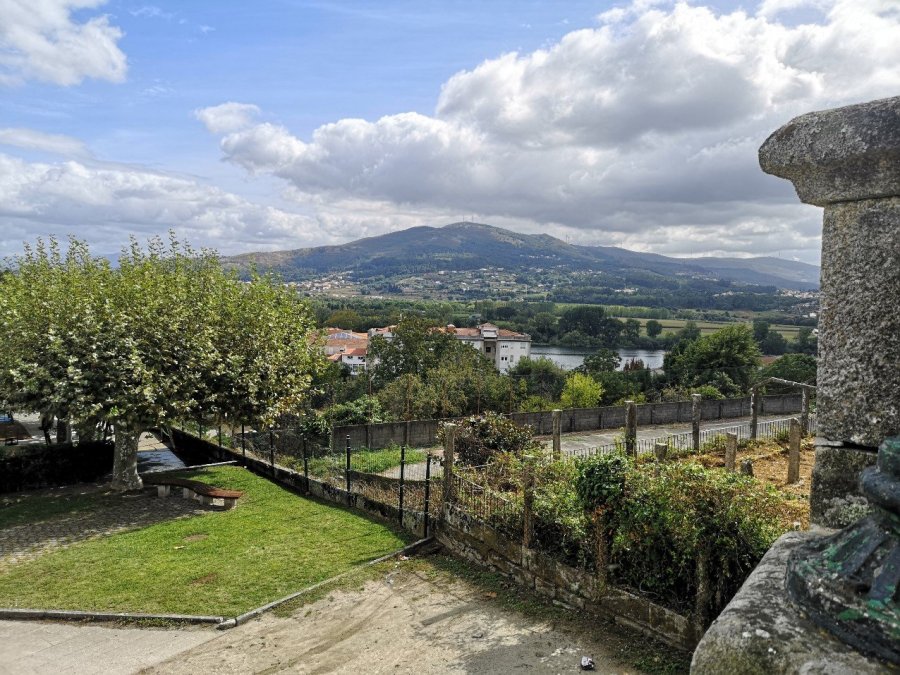
urban and rural vista
The location of the Albergue de Peregrinos is magnificent with views from the rocky hill across the river Miño and hills of northern Portugal
Chapel architecture location
The Capela da Misericordia is right next door and only slightly uphill (Rua Parroco Rodriguez Vazquez) from the Albergue de Peregrinos. Situated at the back of the Santa Maria Cathedral of Tui, it is simpler and almost unadorned. Spain
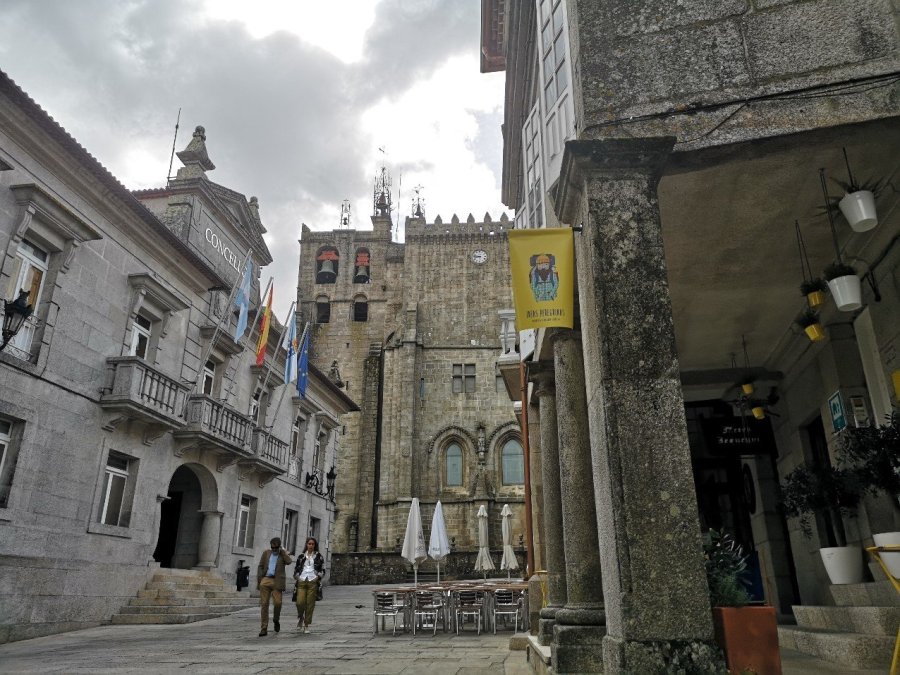
location city establishments
The hostel is wonderfully situated in this historic city. Elegant cafes are to the right of the Plaza da Concello, opposite the Concelo (the government offices of the social security finance department) and the Police. The side of the Santa Maria Cathedral is in the middle (in the background) and just past the flags, on the left and down the steps is the Albergue de Peregrinos, Tui, Spain
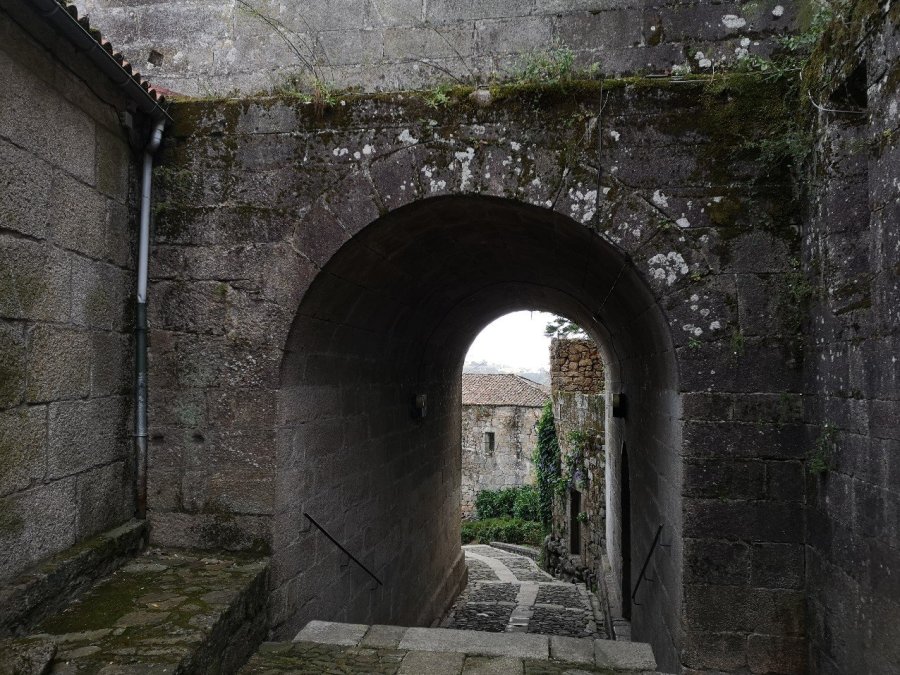
Roman and Medieval architecture cobbled street ancient arch
Through and archway in the eleventh century city walls you can see the old Roman street which predates it, giving a sense of the elevation of the town, Tui, Spain
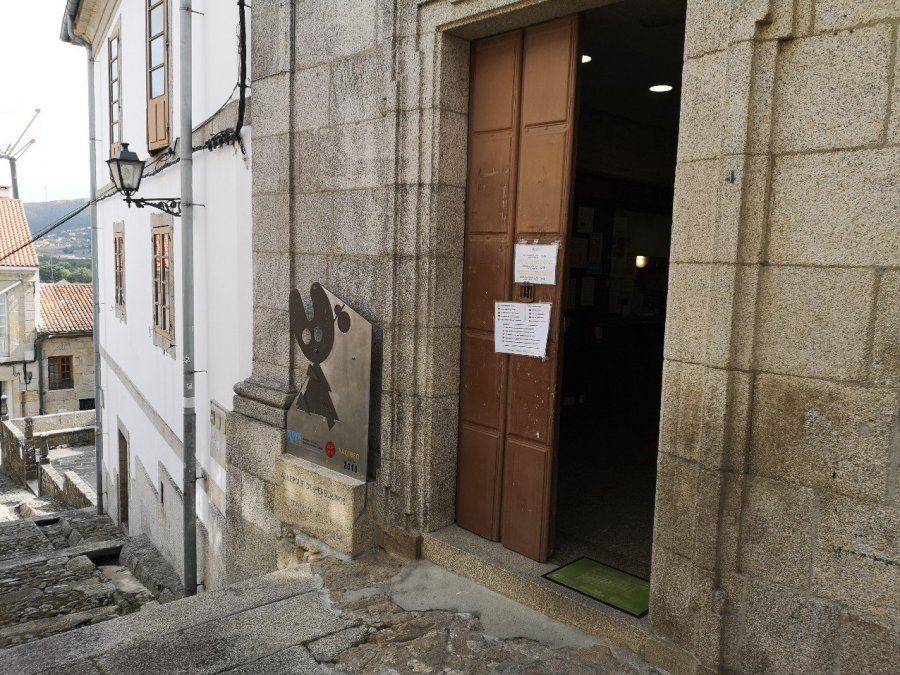
signage albergue hostel
Entrance to the Albergue de Peregrinos with the typical Galician government, metal sign of a cartoon-type pilgrim with her water gourd over her shoulder, Tui, Spain

I was early into the town from La Guarda and encountered a difficulty: the hospitalera behind the reception at the hostel was talking animatedly to a gentleman who was lounging nearby. On seeing me, she launched into an attack on pilgrims who pretend to be walking, but actually must have come by public transport because they would never, otherwise, have arrived by this time. She laughed, he laughed, they compared notes and got increasingly irate about such behaviour.

I was dying to get the weight off my back and feet, and trying to explain in Spanish that I had not done this before, but had no choice with my foot pain. She ridiculed me and said I shouldn’t be carrying such a heavy load. It was most upsetting and as I became distressed she started to shout, saying that she wasn’t being nasty, just that ….

It is true that the municipal Xunta (the Galician council) albergues are for the pilgrims and that, increasingly, people are either not carrying their own packs or are taking buses and trains some or all of the way. It may have been an external voice, too, uttering the very words which I was hearing inside my head, and been part of my having to come to terms with being human and not always strong. Anyway, I said I would go away and then she started calming down and took me through the familiar process: passport check, credential stamp, payment (cash), and bedding. I was shaken.

It is a large hostel with solid wooden bunks. Although there is a sitting area where you can eat inside at the back, the kitchen is across the little garden and so I sat there for my tea as the sun set and it cooled down.
wp-15757574742867347663360790166193.jpg
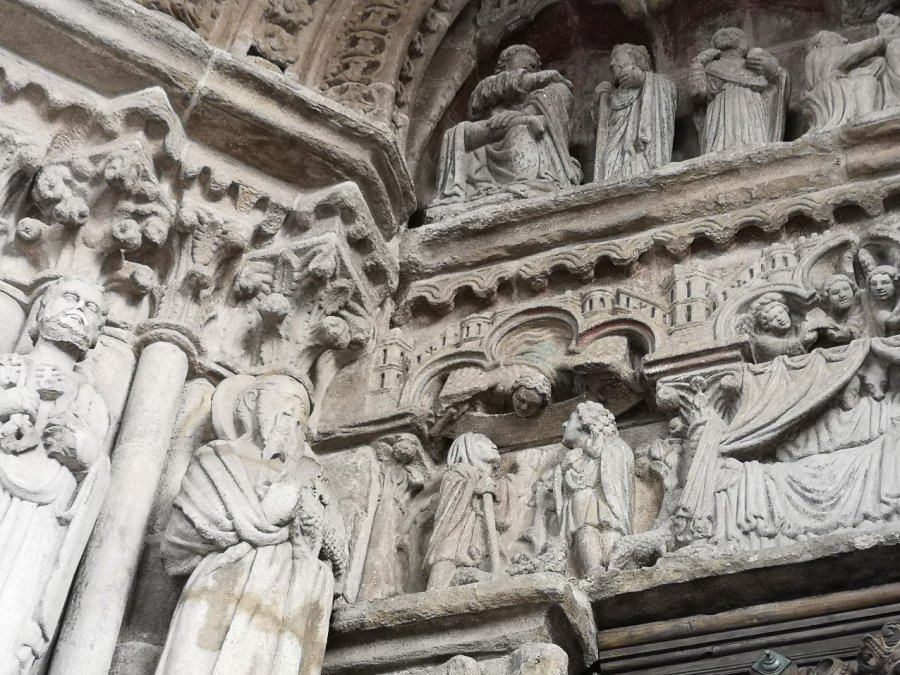
I delighted in the little face peering over as if she was having a chat with what look like two shepherds (there is a lamb at the feet of the right hand character). Catedral (cathedral) Santa María, Tui, Spain

You can see the beautiful cloisters and internal gardens of the Santa María Cathedral de Tui in the photos on their website.
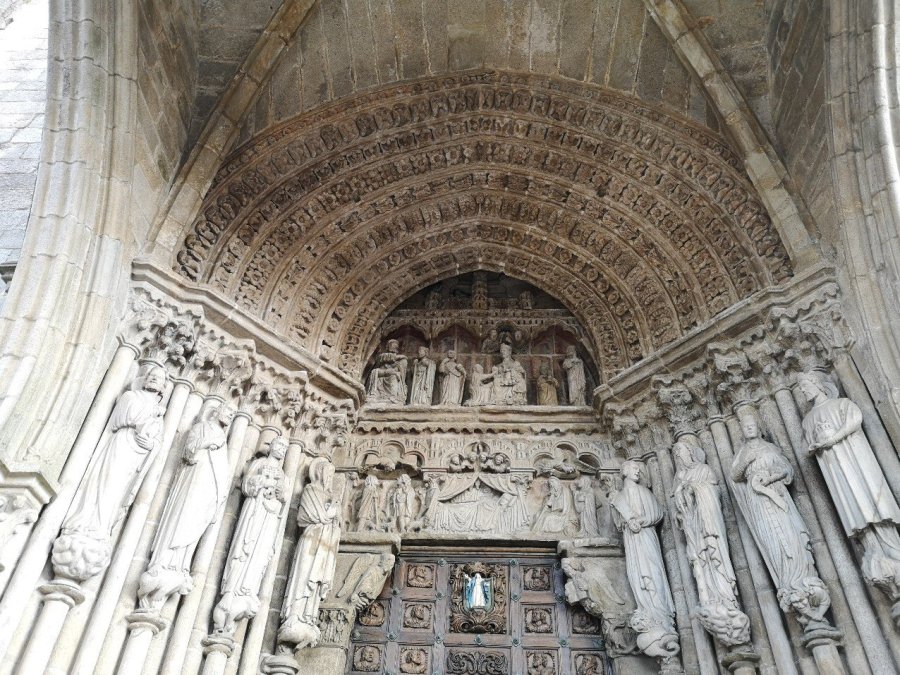
detail statuary carving ancient stone portal cathedral Tui
The very grand entrance to the Santa Maria Cathedral on San Fernando Square, Tui, Spain

The tourist information is also in San Fernando Square and the staff are extremely helpful and kind there.
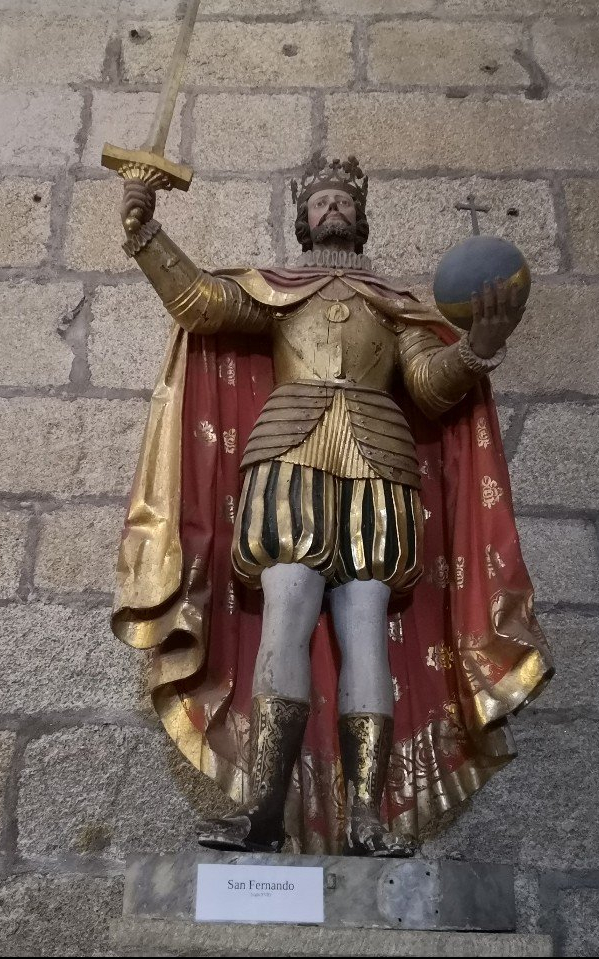
statue gold costume
The seventeenth century, richly attired King Fernando carrying a sword and globe with a cross on it representing the might of the expansion of his Catholic empire around the world
wp-15757598564053748652909952871253.jpg
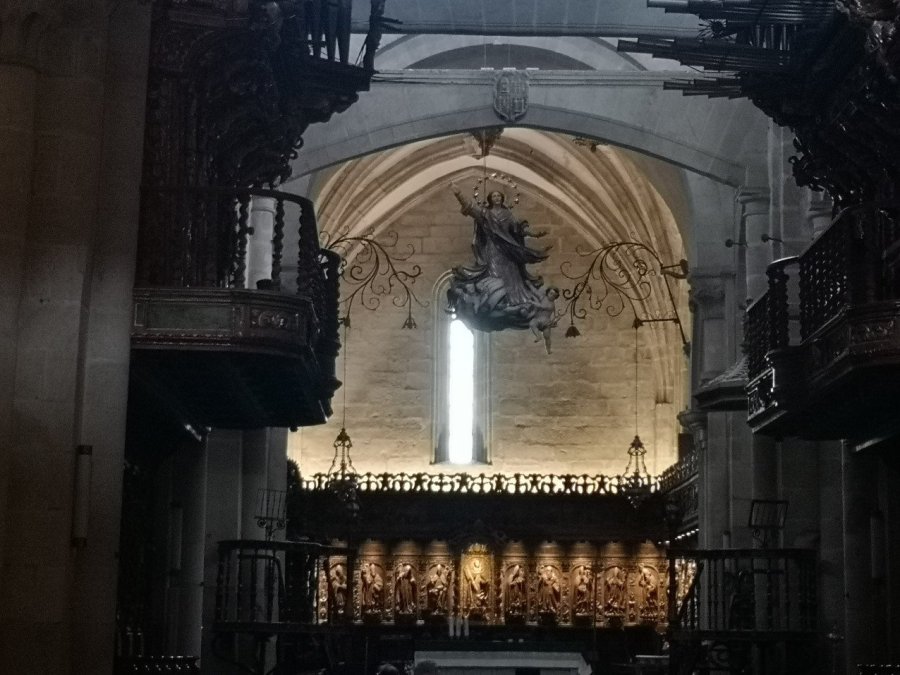
The Virgin with a halo of golden stars, robes flying and cherubs dangling in the interior of the Cathedral Santa María, Tui, Spain
city outdoor market stalls produce
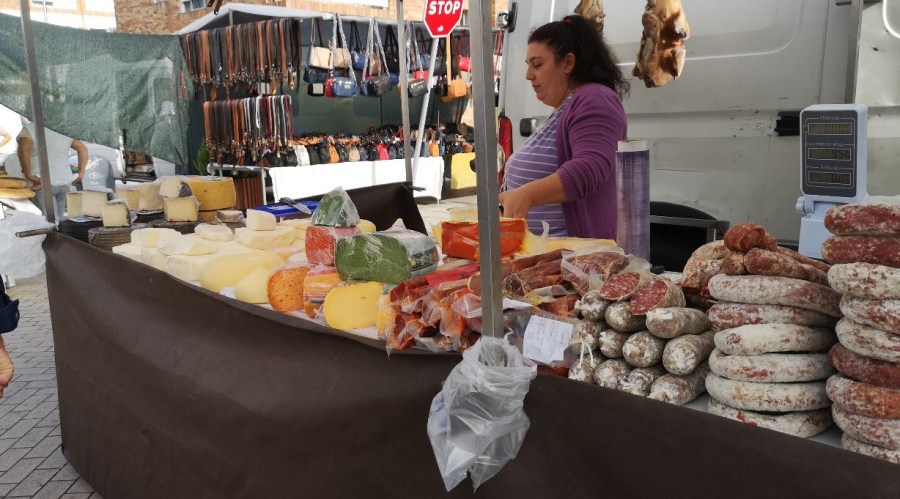
Market stall with salami and cheese – local products of the area, Tui, Spain

Tui to Mos

It is 25 kilometers to Mos and even though I had rested up for 2 days (well, a lot less walking than usual), it was too far, so I took a bus part of the way and trekked the rest (only 8 kilometers) to see whether I could manage. It was such a beautiful day and I was so happy to be on my feet again under the blue sky.
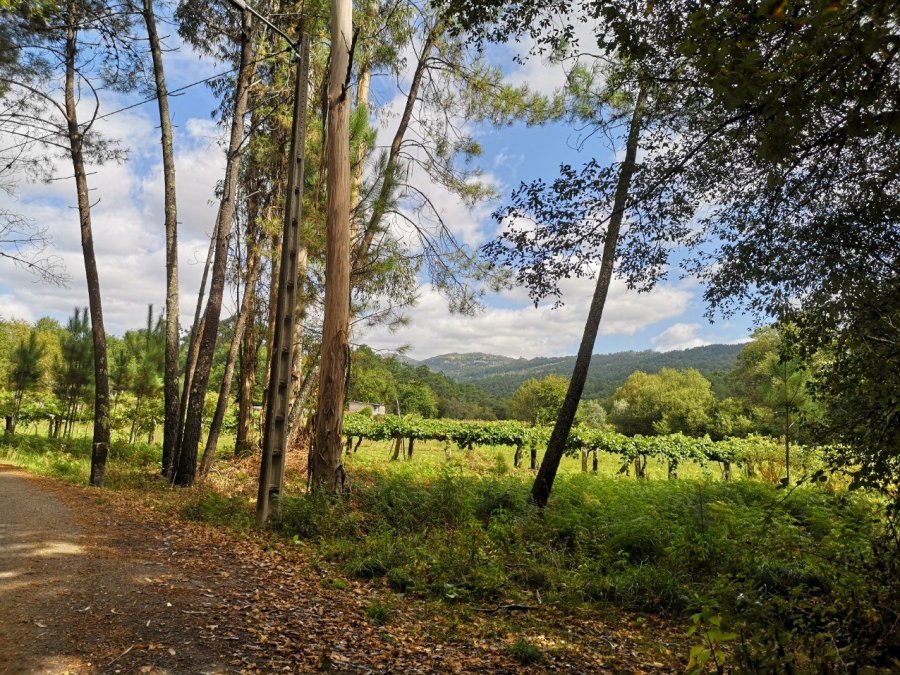
rural Spanish Galician landscape
Vines loaded with dusky black jewels are spied between tall, thin trunks with mountains in the distance

I am walking along the Via Romana XIX linking Braga and Astorga, enjoying listening to the birds and smelling the countryside after being in towns for the last few days. Sometimes the signs are hidden amongst pink roses. In the distance the open fields are empty now after harvest.
rural landscape plants
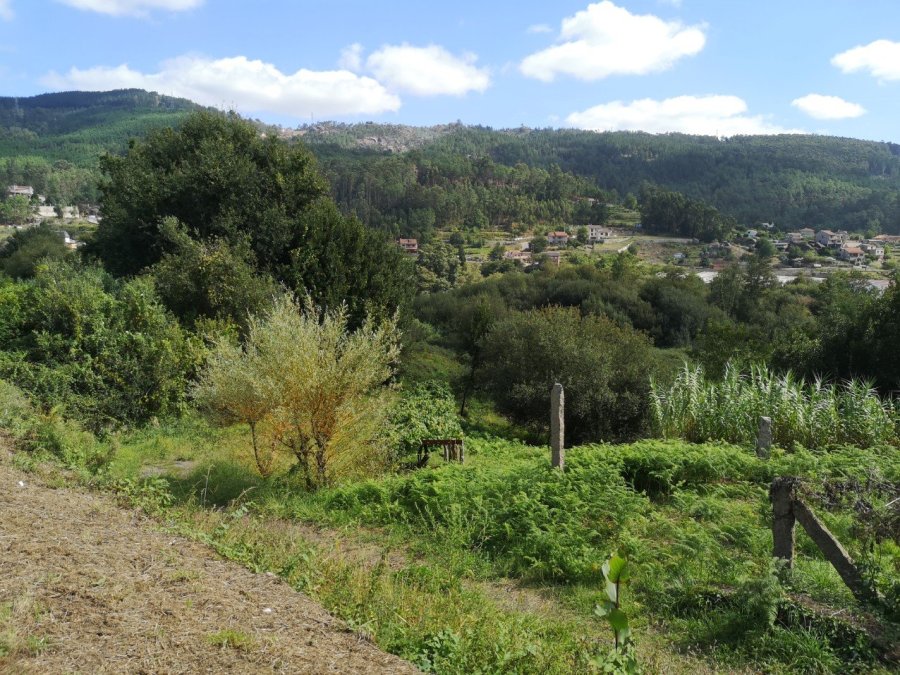
Ferns and lush farmland. The Mos population is spread across the region, with no one major centre. It is at a relatively high altitude commanding open views
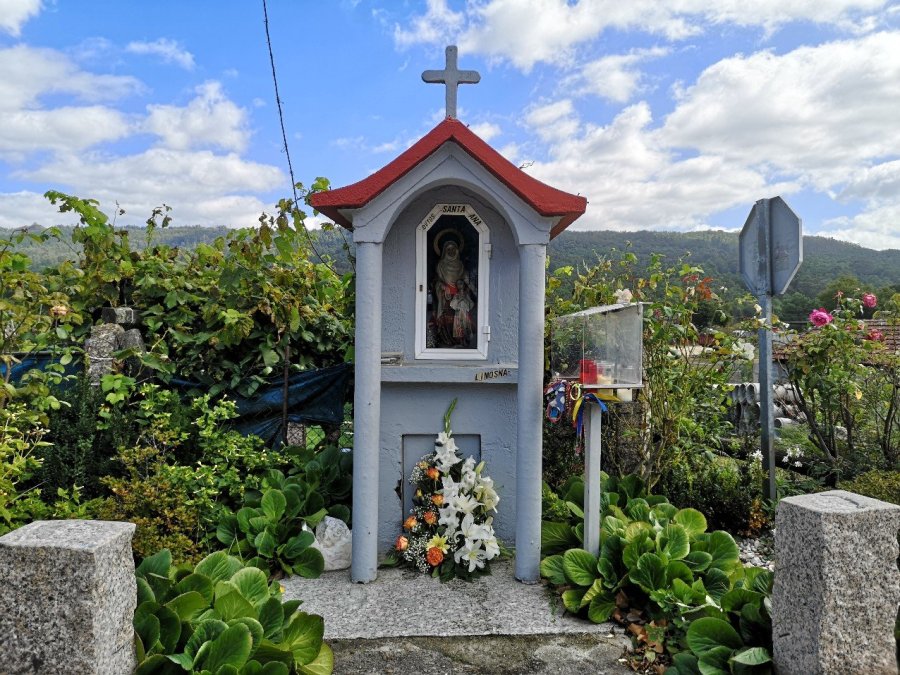
Catholic shrine by the road
This quiet area has a respectful energy about it with fresh lillies and roses decorating this wayside shrine
rural mountains village church houses
Belltower of the Iglesia (church) Santa Eulalia. Nearby there is a very tall column with a crucified Christ at the top. It is a well-to-do area in places with carefully kept gardens (white camelias were spotted) and expensive cars, not like some parts of Galicia on the Camino Frances
close up flowers
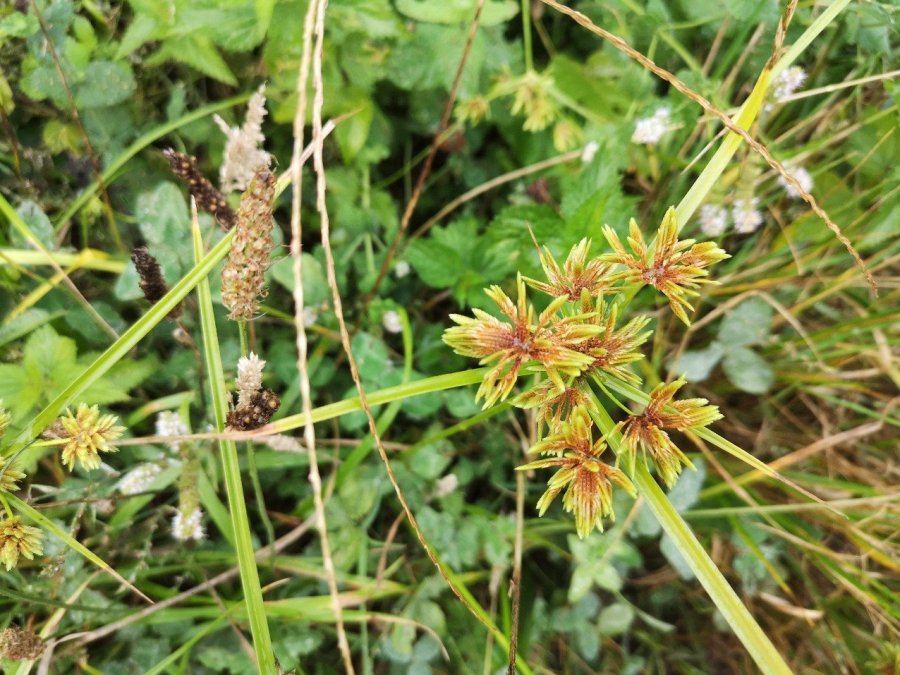
Beautiful tall flatsedge, nutgrass or umbrella sedge (Cyperus eragostis)

There is a native, milky coloured drink called horchata de chufa or horchata de Valencia which is the region where I first came across it. It is made from the tubers of the nutsedge (not the type in the photo above). (Thank you to floral_uk on the ‘name that plant’ forum of houzz.com for this information). It is similar to a Mexican version except that the latter is made from rice, not this sedge.

Mos, Galicia (Redondela Region)

I stayed at the Casa Blanca hostel near the Santa Baia church where I sat in the evening. The albergue is new with a bar that serves ice cream and snacks, and there is a restaurant oppostite which cooks wonderful Padron peppers and does breakfast as well as evening meals. The accommodation is in a separate building and all are situated on quite a hill. There is a coin-operated washing machine and I shared a load with others after much negotiation, however there is not enough room to hang the clothes to dry outside and, anyway, it was already cold at night so my things had to come in at bed time to avoid being damp by morning.

I went up looking for a fruit and veg shop. Instead, I saw a man on the top of a ladder picking grapes who told me I had gone in the wrong direction. On the way back down a woman pulled up in her car and spoke to me in French. She took me through to the back of her gradmother’s house (derelict) into the stepped garden full of fruit trees and picked figs. We stood and chatted over these juicy fruits and then she introduced me to her husband. He filled my shopping bag with massive bunches of black grapes for sharing with the other pilgrims back at the hostel. I laid them on large fig leaves in the self-catering kitchens for folk to help themselves.

El Camino de Santiago con correos (post) blog

El Camino de Santiago blog (a different one)

Another way to Santiago blog showing a picture of the hostel at Mos
Colin Davies, Tui to Santiago blog

Viana do Castelo to La Guarda: Camino Portuguese

Camino Portuguese da Costa – Days 5 and 6, September 23rd – 24th 2019

Viana do Castelo

Viana do Castelo to Caminha is 28.2 kms which was too far for me because my left foot hurt, so I stopped in Vila Praia de Ancora instead which was approximately 23 kilometers.

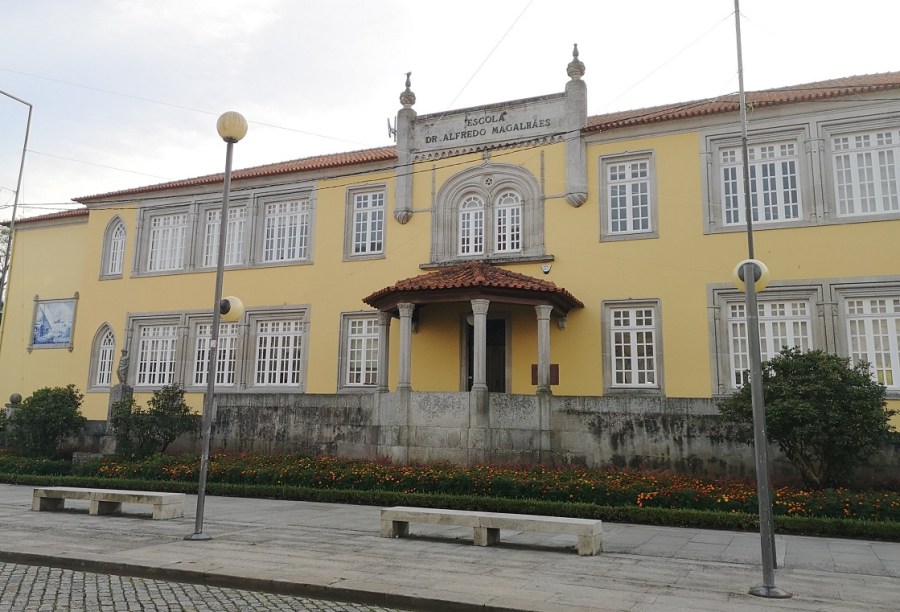
architecture Viana do Castelo Portugal
Escola Dr Alfredo Magalhaes, Viana do Castelo, Portugal

Through Areosa, Afife, then Carreco, and Vilarinho.

Carreco beach monument Portugal
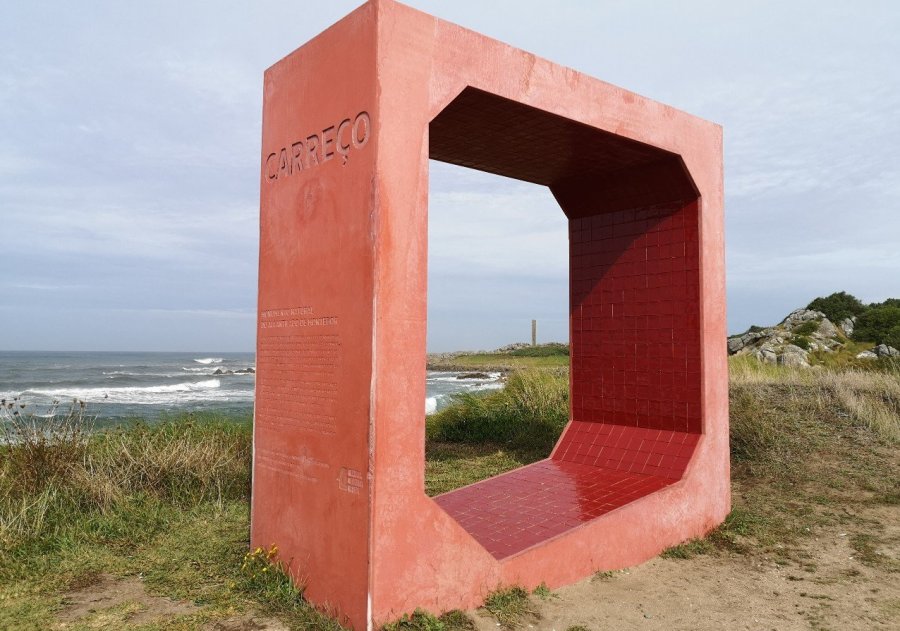
Monumento Natural do Alcantilado de Montedor, Carreco, Portugal
remains of windmills Portugal
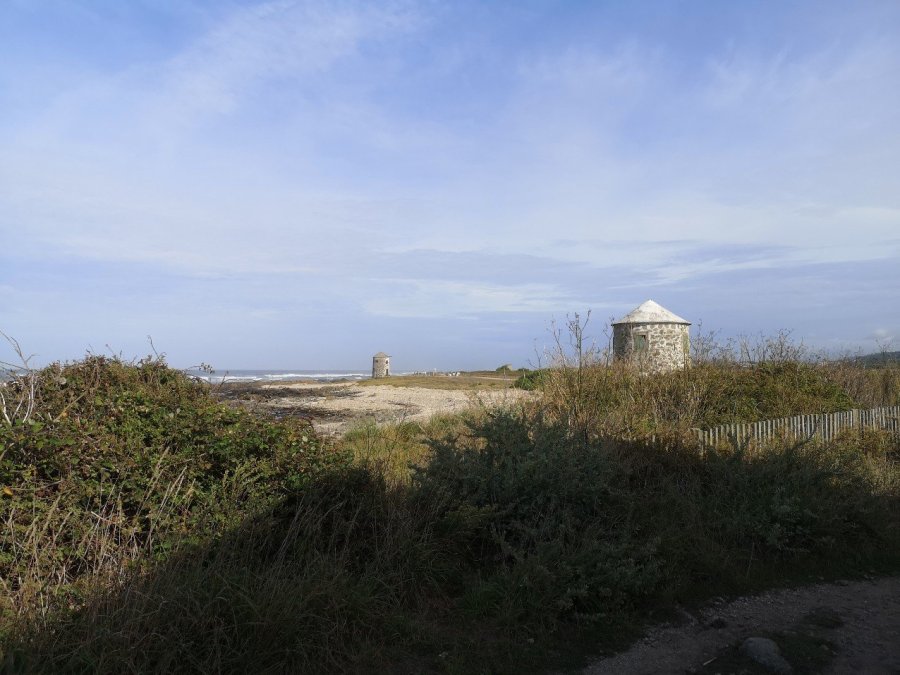
Old windmill round towers along the Cima coast, Portugal

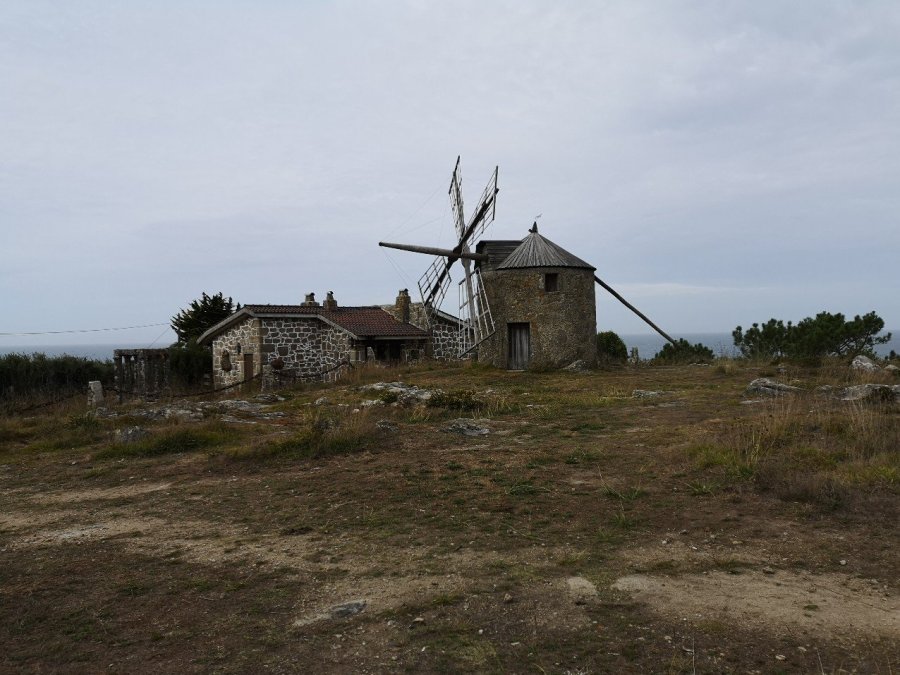
This type of circular tower would have been a mill and there is one which still has its four wooden sails, nearby – see below.

detailed plant description
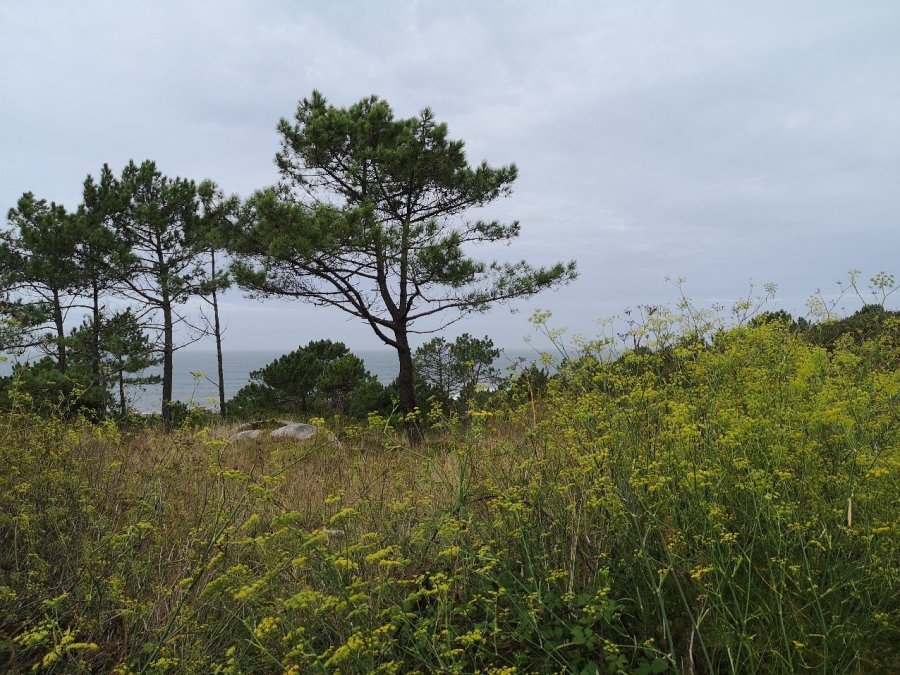
Wild Parsnip (yellow Pastinaca sativa). Red headed cardinal beetles love it. Maritime Pine (Pinus pinaster)
windmill Portugal
Moinho de Cima, windmill, Portugal
Portuguese coastline detail shrub
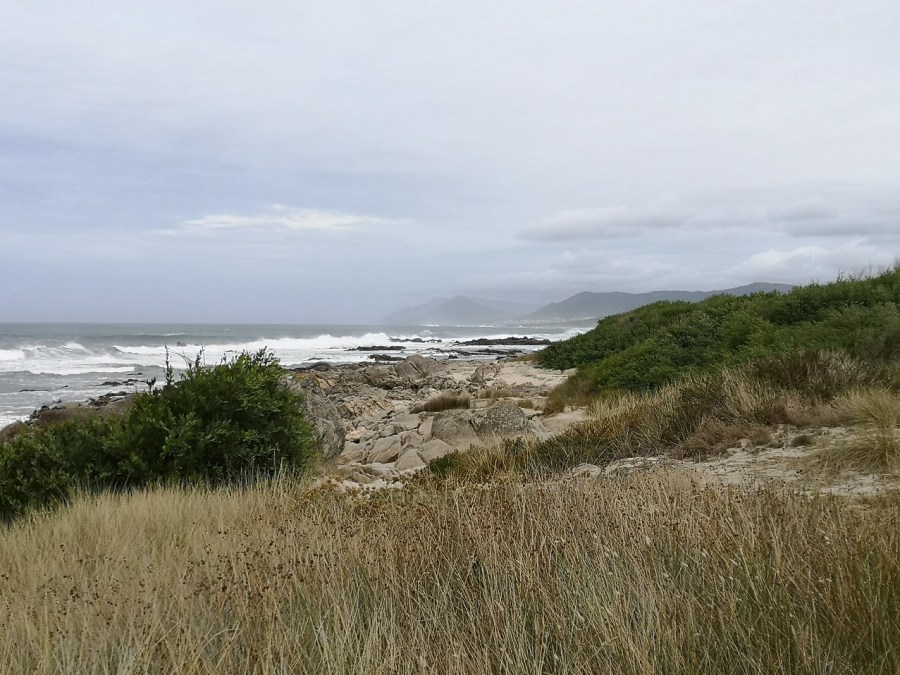
Juniper shrubs (Juniperus turbinate) and hills in the distance (perhaps Vila Praia de Ancora or even La Guarda). The Atlantic Ocean battering against the rocks

Although my foot was painful, it was a wonderful walk across little bridges over the Ria Ancora and its estuary. I sat to look at the map and was bitten again and then kept going around the coast into the next town.

coastline Portugal
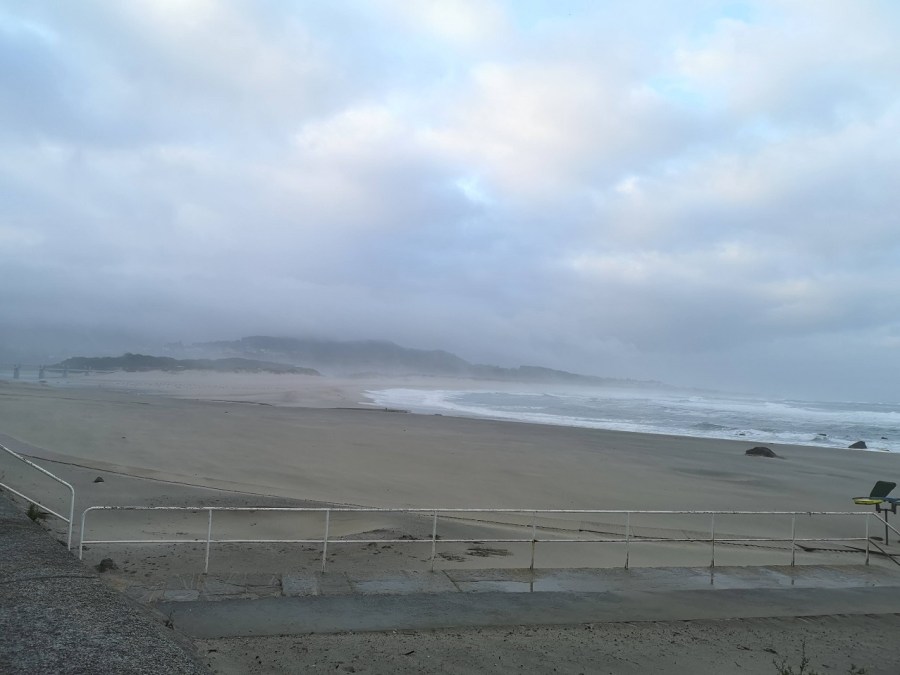
Overcast and atmospheric at Vila Praia de Ancora, Portugal
narbour Vila Praia de Ancora Portugal
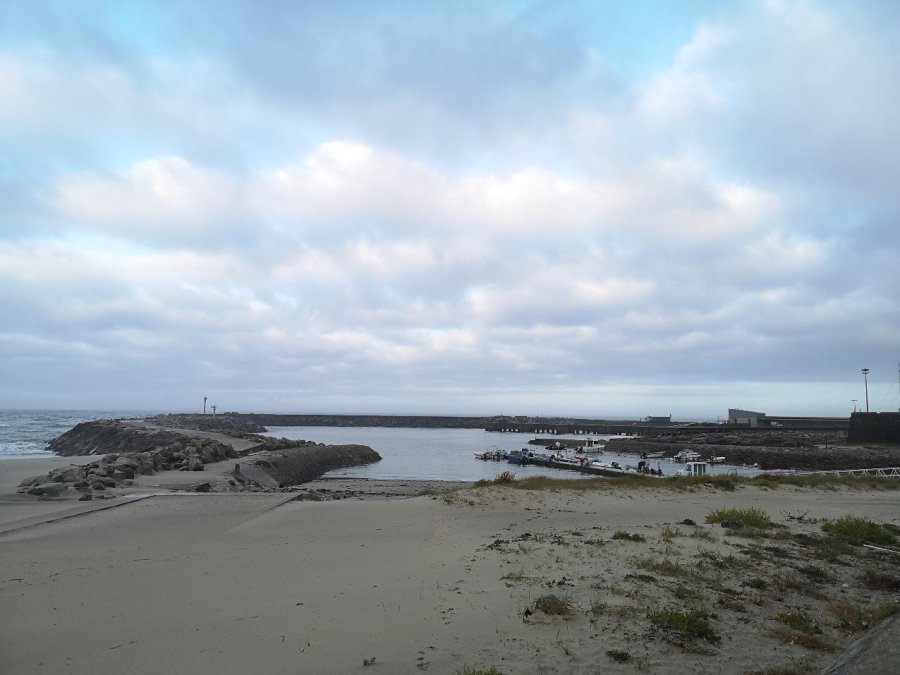
Harbour, Vila Praia de Ancora, Portugal
dunes and inland water Portugal
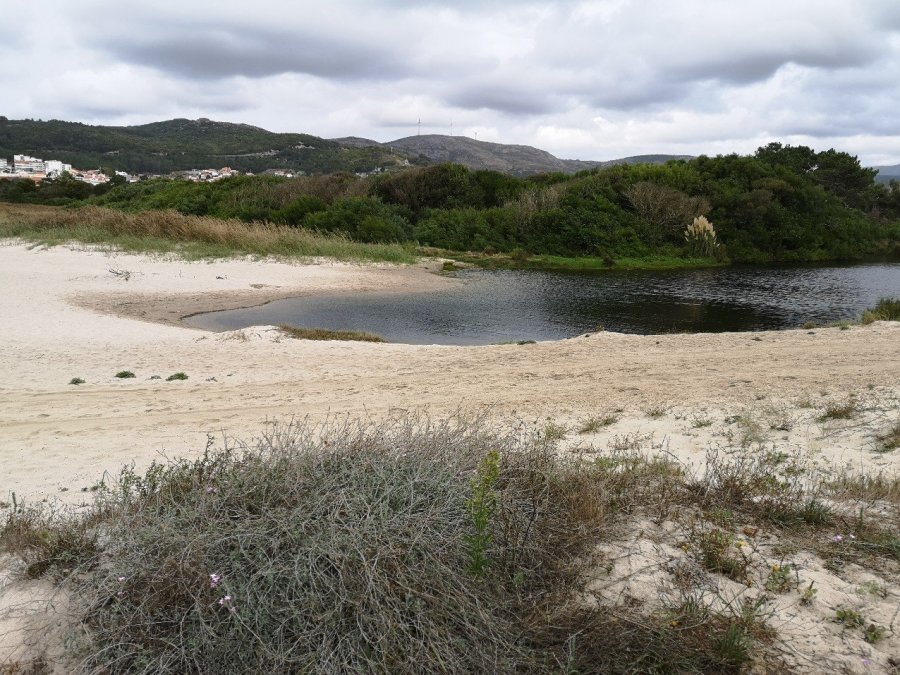
Praia do Duna do Caldeirao, Ancora, Portugal

As ever, be careful of automatic translators on your phone / ipad as some of the Portuguese names are also words which mean everyday things and it can be very confusing.

Vila Praia de Ancora

hostel Vila Praia de Ancora Portugal
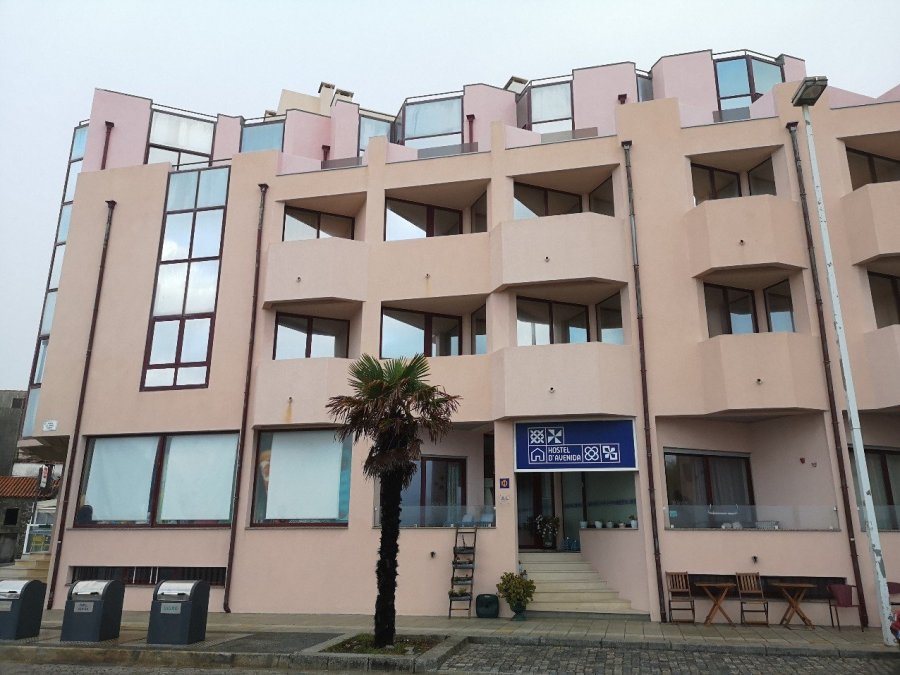
The wonderfully situated Hostel D’Avenida (private) opposite the harbour and ‘Children’s Beach’, Vila Praia de Ancora, Portugal

There are separate women’s and men’s dormitories at this hostel. The kitchen is quite sohisticated ie it has utensils and tables and chairs! The next morning I had breakfast in a cafe around the corner, admired the sculpture (see below) and then tried to walk, but could not put any weight on the ball of my foot, despite the pain being on the top around the metatarsal bones of the 4th and 5th toes (TH / GB for those of you who speak Shiatsu).

Town square architecture
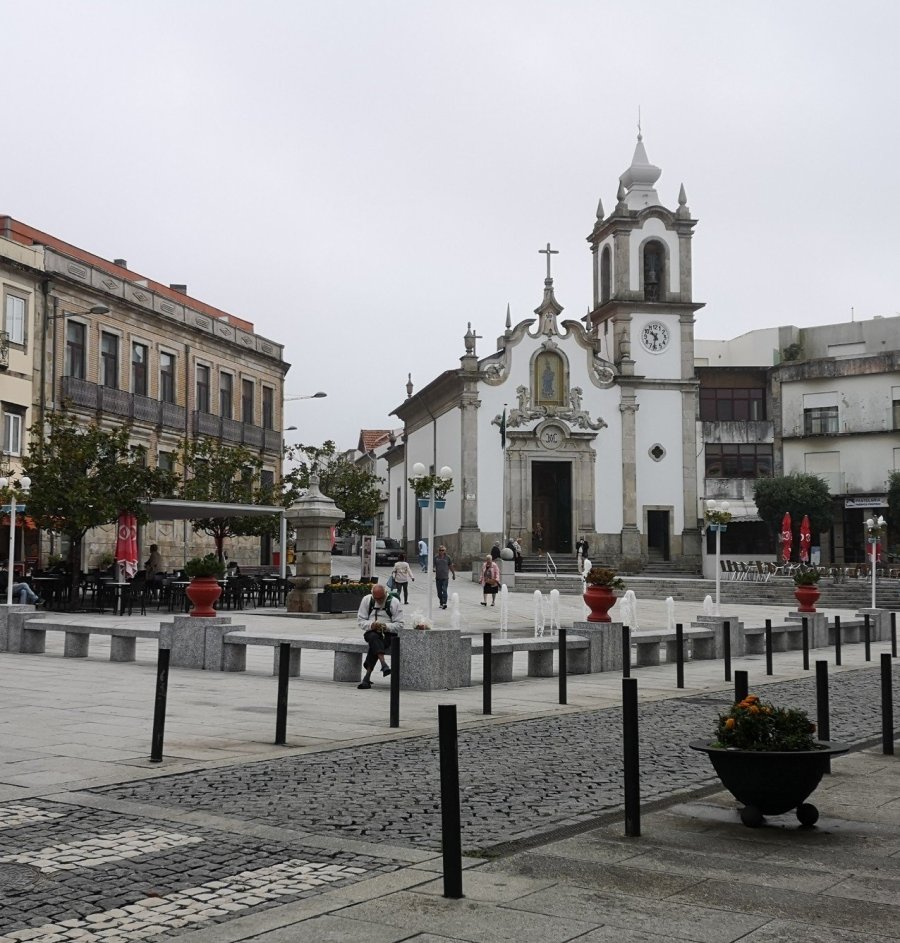
Catholic church Vila Praia de Ancora, Portugal
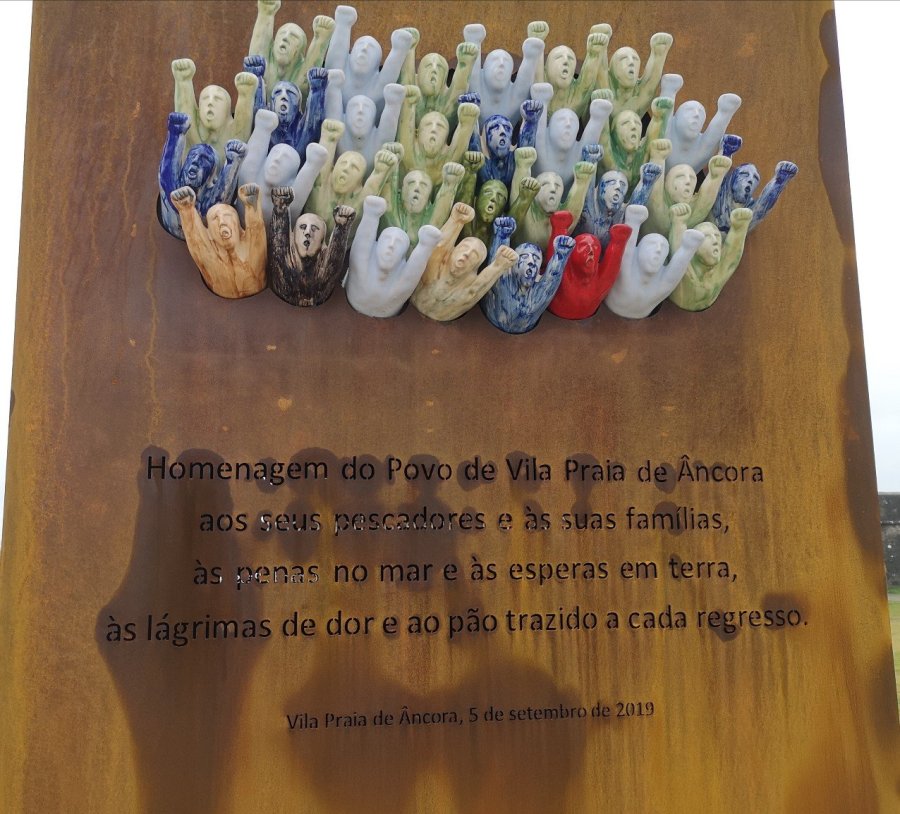
Memorial to fishermen and their families translation
Homage to the people of Vila Praia do Ancora – the fishermen and their families. In recognition of the power of the sea to cause pain and tears as well as to feed those on land
church front architecture banner
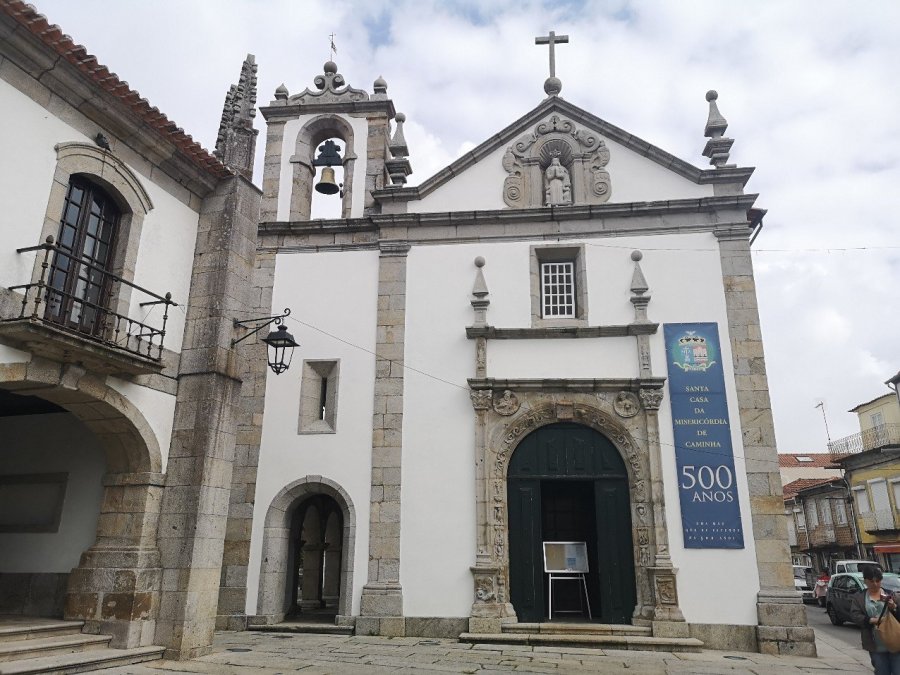
Holy House of Mercy of Caminha in Vila Praia de Ancora, Portugal
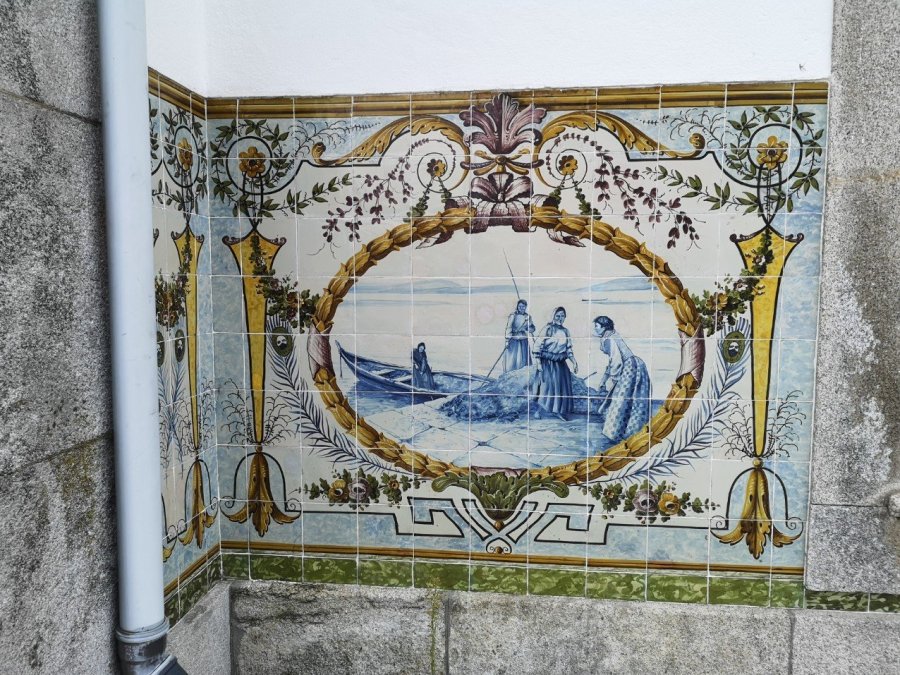
decorative tiles Portuguese town web link
Traditional blue and white tiles depicting a Portuguese fishing scene which reminded me of theNewhaven fisherwomen in Edinburgh, Scotland

I took the train (15 minutes) to Caminha (alongside a surpring number of other backpackers) and whiled away the time, first in a cafe and then with a picnic and a good book in the park near the ferry terminal. I was very sorry to have missed the countryside between the two places.

When I arrived I visited the Centro de Saude (Health Centre) in Caminha, using my European Health Card (which will presumably not be valid after we leave the EU – I cannot understand how that will be a good thing). There was a certain amount of hassle with reception photocopying my passport and staff asking each other questions while I waited. The doctor spoke good English and she wiggled my foot, looked at my rucksack disapprovingly, and gave me anti-inflammatory cream and pills. On top of that I had blisters on the other foot, perhaps from the extra pressure I had put on it by limping. One way and another I still had to walk approximately 10 kilometers in all.

The ferry takes 20 minutes, does not sail on Mondays and costs 2 euros.

River Minho Portuguese Spainish border landscape
Crossing the Minho in a small ferry from Caminha in Portugal to A Pasaxe in Spain.

The time usually changes between Portugal and Spain – one hour difference!

Spain from ferry
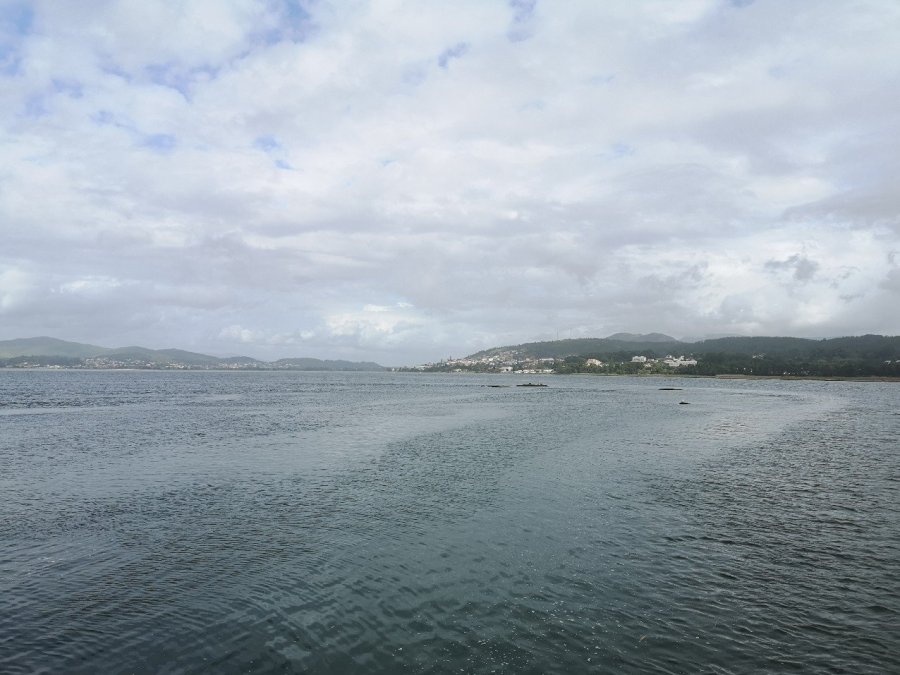
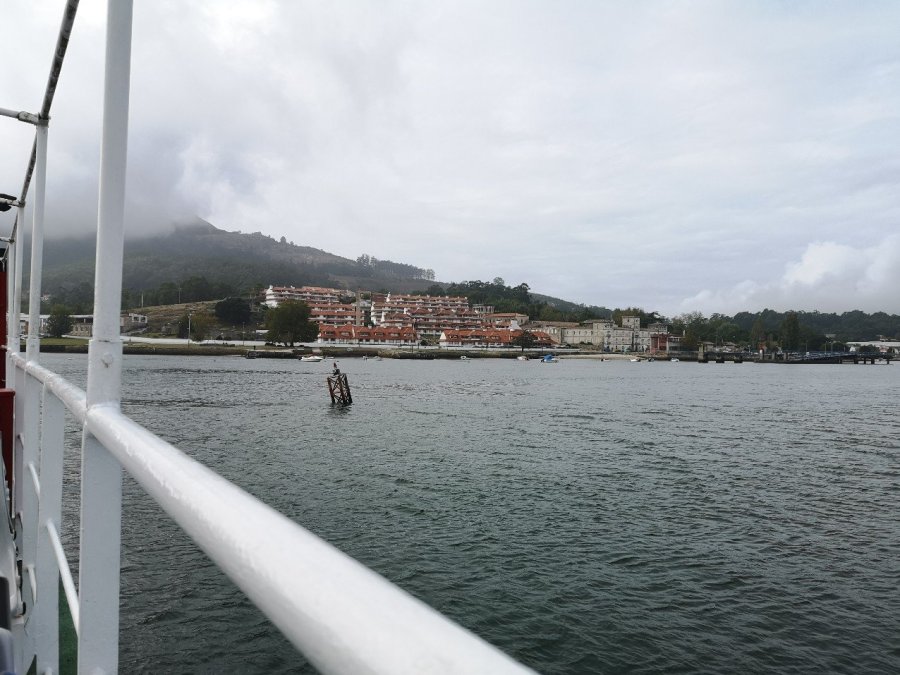
Getting closer to the northern side of the Minho River looking towards A Pasaxe in Spain.

La Guarda / A Guarda (Spain)

Note: there was no need to book at the Municipal Albergues at this stage of the Portuguese Camino, although there were a good number of pilgrims everywhere, but I did book the private hostels via booking.com

It was a further 40 minutes walk to La Guarda (by road), 3 kilometers. I could not walk, so I looked around the car park to see who was getting into their car and then asked the most friendly looking person if he knew whether there was a bus or taxi into the town. He said he didn’t know, but would give me a lift, which was what I was hoping! It only took 10 minutes or so and he kindly put me down close to the Municipal Albergue de Peregrinos (pilgrims), Rua Puerto Rico.

Luckily, it wasn’t far to the shop that evening for ingredients for my tea and I spotted a nearby bakery for the morning.

Days 1 and 2: Porto to Vila do Conde

Days 3 and 4: Vila do Conde to Viana do Castelo

Days 7 and 8: La Guarda to Mos
Vila do Conde to Viana do Castelo: Camino Portuguese

Camino Portuguese da Costa – Days 3 and 4, September 21st – 22nd 2019.

Vila do Conde

20 kms from Porto; 24.95 kms to Esposende

architecture Vila do Conde Portugal
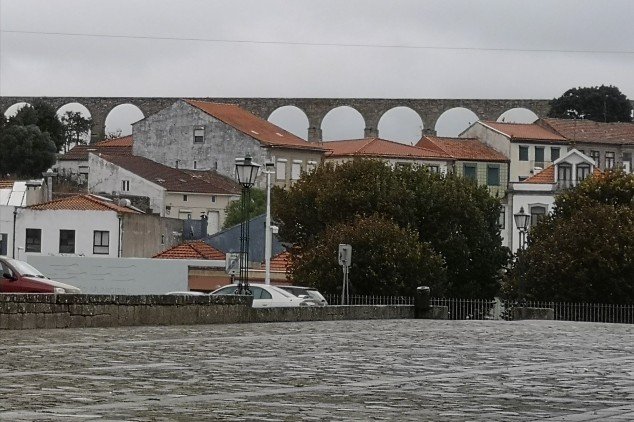
Admiring the Santa Clara Roman aqueduct in Vila do Conde which had 999 arches and, at 4 kms, is the second longest in Portugal
urban landscaping Portugal
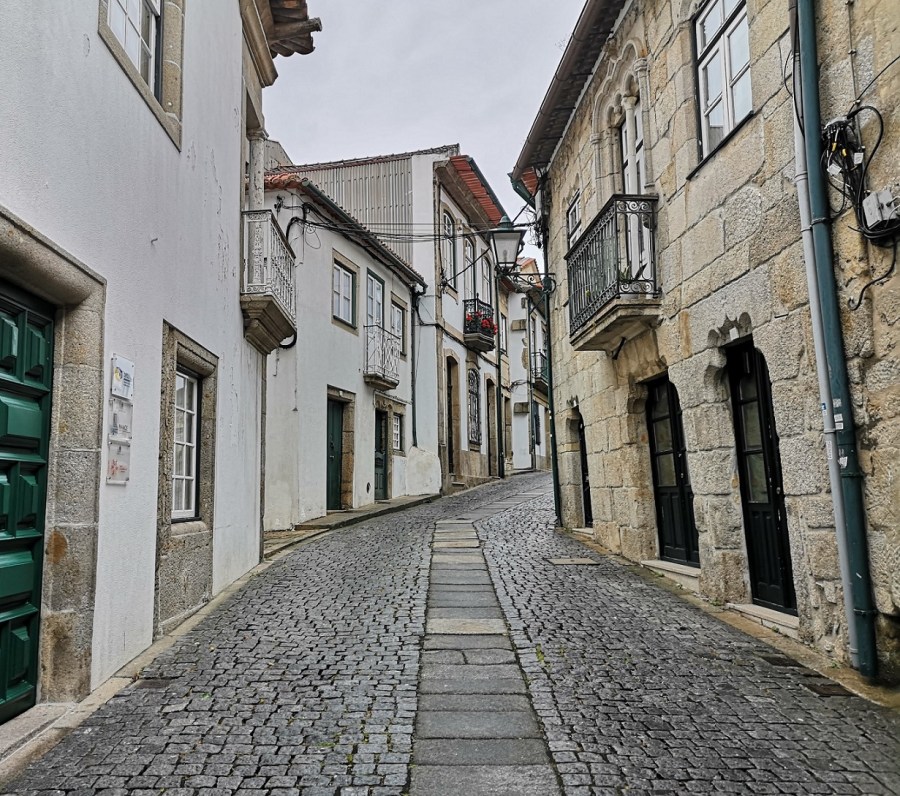
Typical cobbled street, Vila do Conde
wp-1575755369970164076639993739099.jpg
Mercat cross Vila do Conde
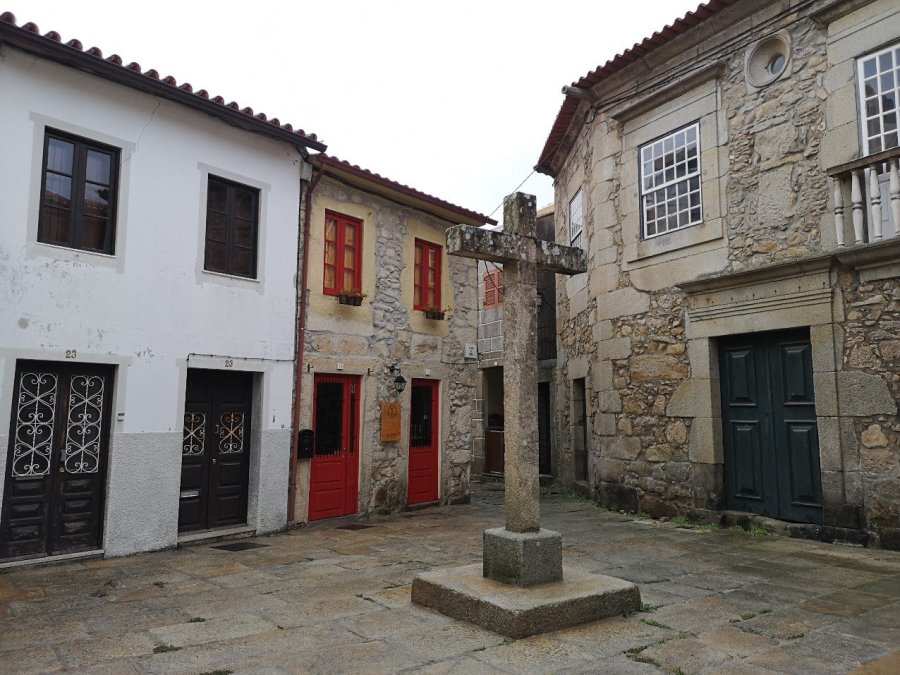
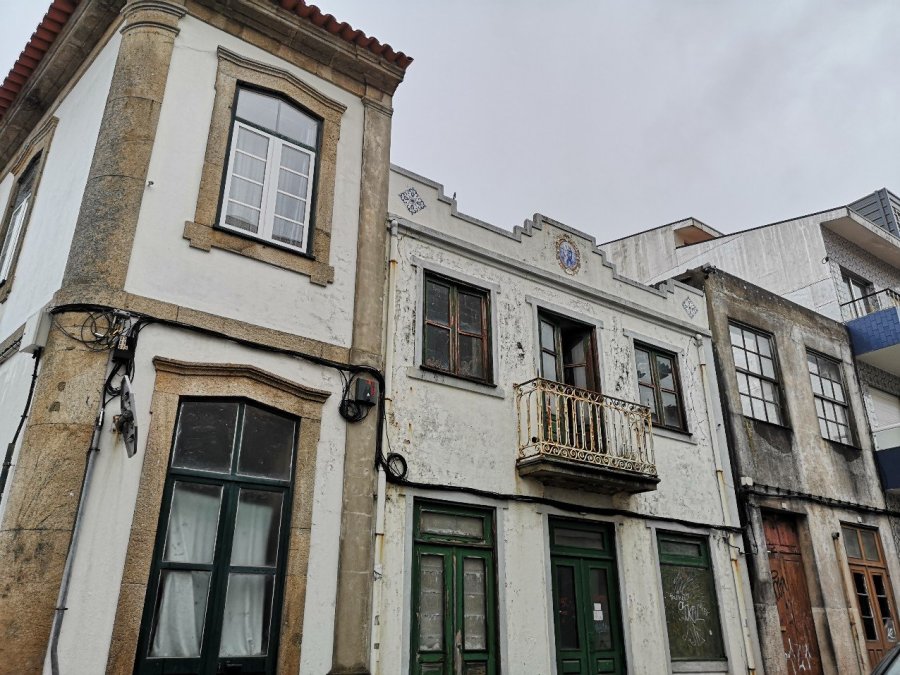
Slightly dilapidated but charming architectural features, Vila do Conde
web link to Porto blog
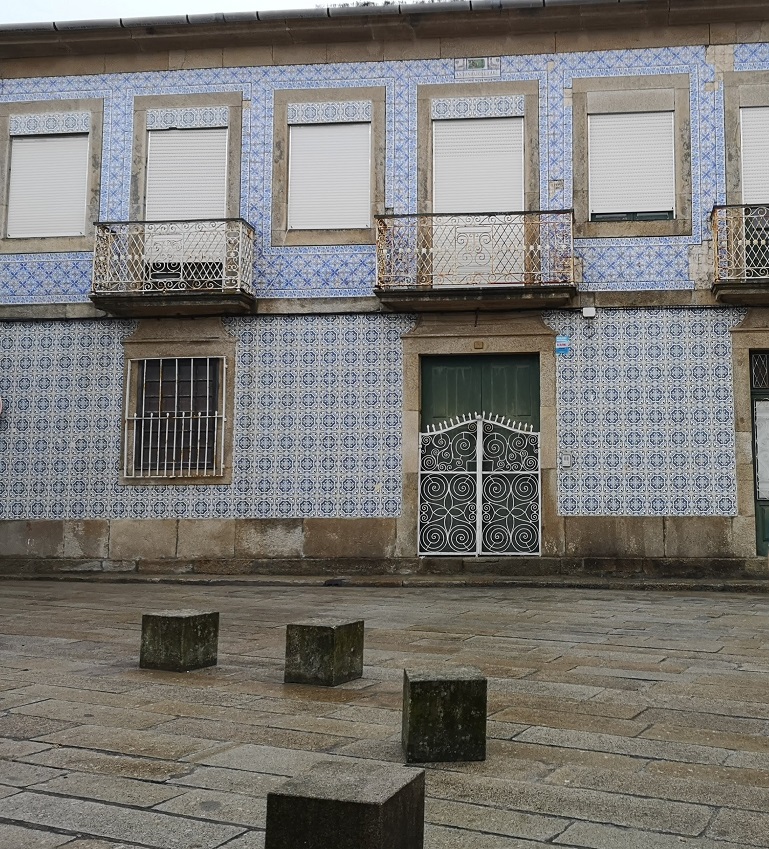
Similar blue and white tiles to the ones I saw in Porto, Vila do Conde
stone monument to education Vila do Conde Portugal
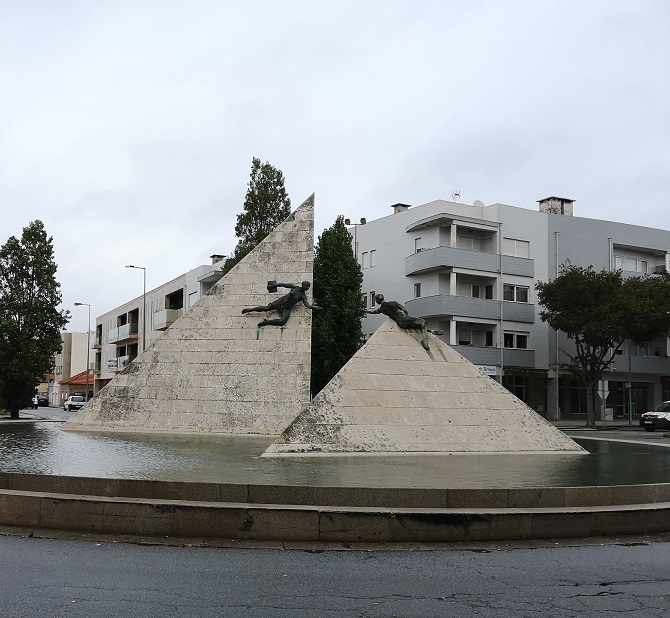
I like interesting roundabout sculptures: Monument to Education and teachers, Benguiados Street, Vila do Conde
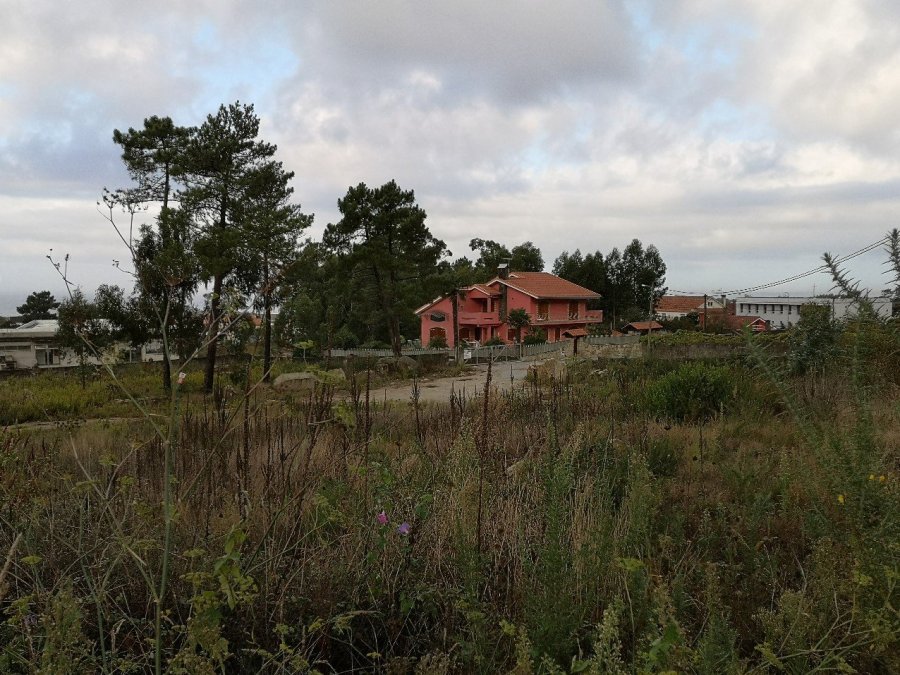
Portguese street scene
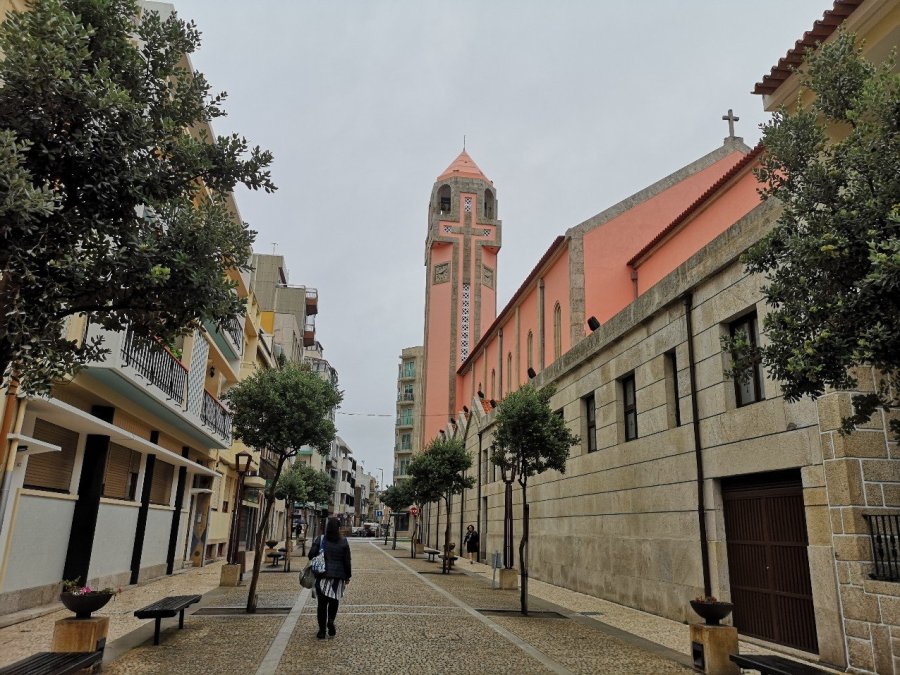
I am not sure what the name is of this pink church, Vila do Conde
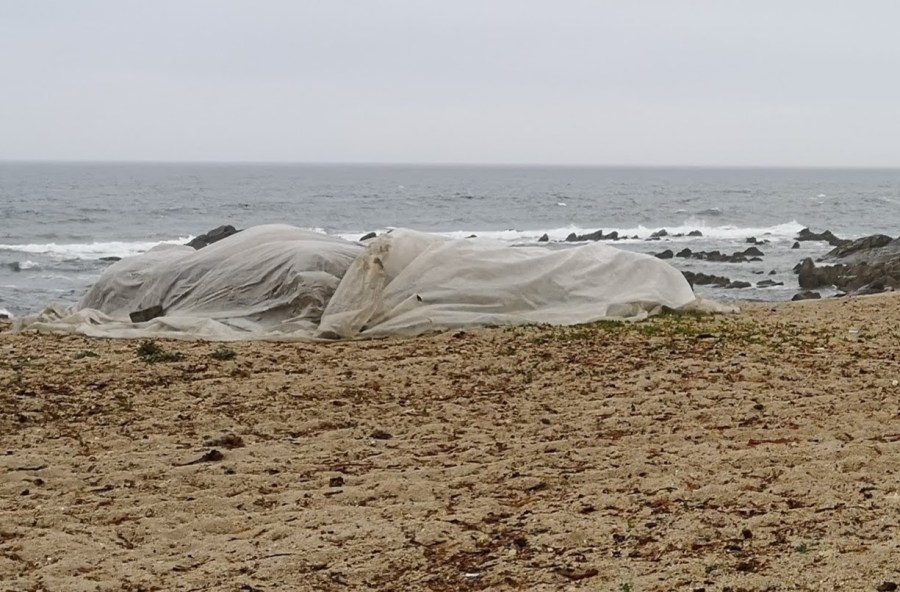
Drying seaweed under white cloths on the beach – I could see these huge piles all along the coast as I walked
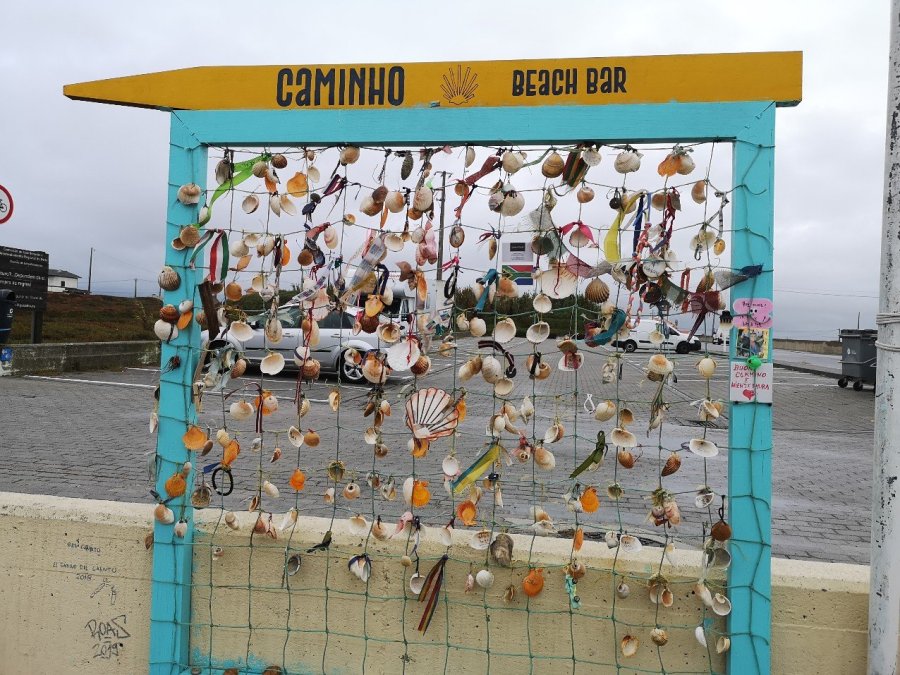
Idiosyncratic beach bar sign with the Camino shells as decoration
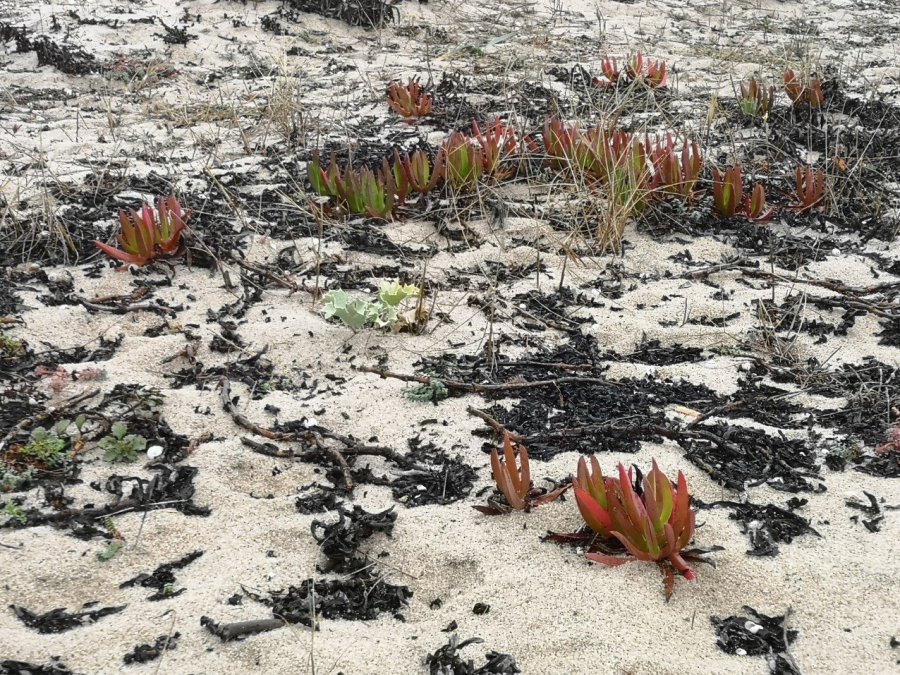
plant identification
Hottentot or Sour Fig (Carpobrotus edulis)
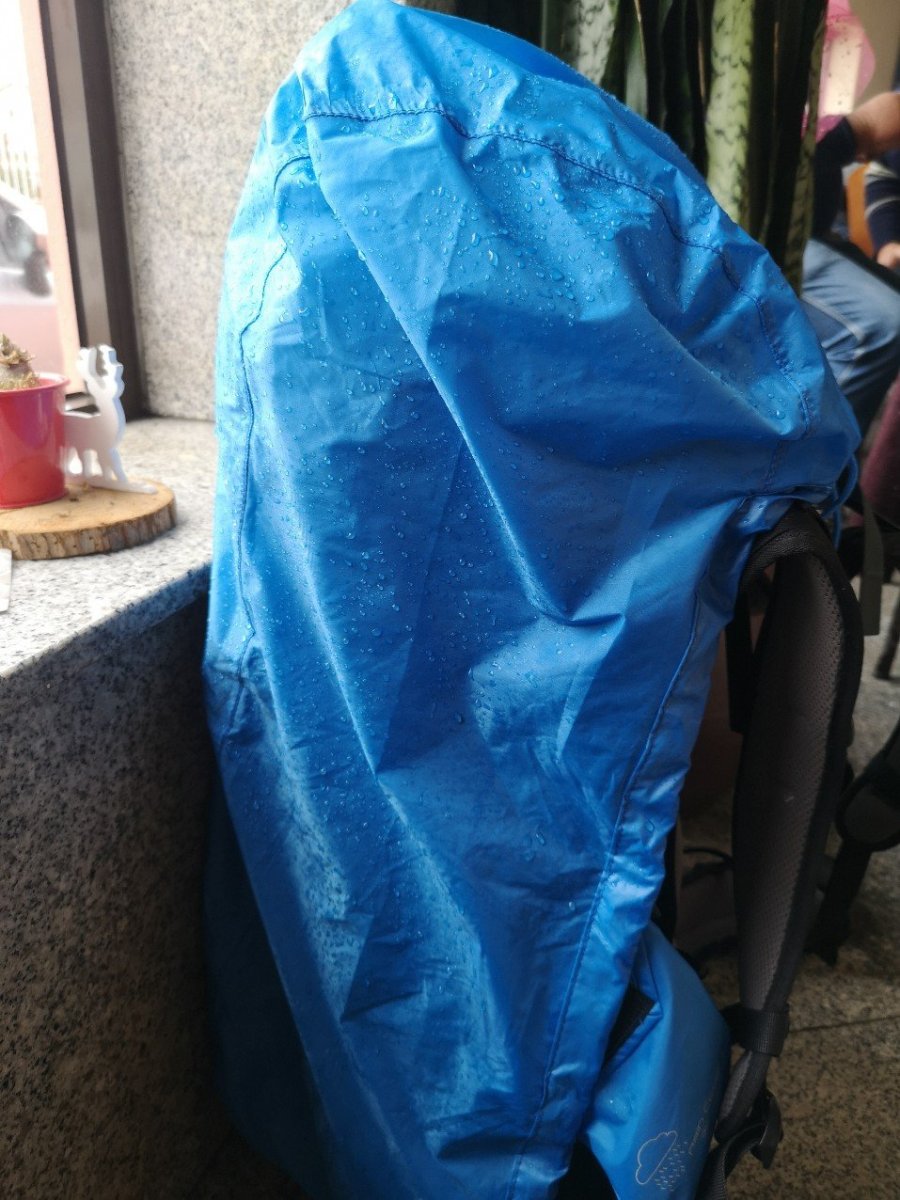
It was so very wet! All the rucksacks in the cafe where I went to shelter, were covered up. Only a few of my things got properly damp

It was in this cafe that I accepted a cap and guide book which belonged to a woman who I had been seeing at hostels along the way. I assumed I would see here agin and so took it with me for her. Guess what? I carried them to Santiago but never did see her.

Esposende/Marinhas

Link to the municipal hostel in Esposende/Marinhas. The Albergue San Miguel is one of the hostels that you have to walk through the town and almost out the other side to reach. The building in front, nearest the main road, is not the hostel but the Red Cross centre (the 2 organisations are connected through the Marinhas council) and the people there are used to exhausted pilgrims trekking through by mistake!

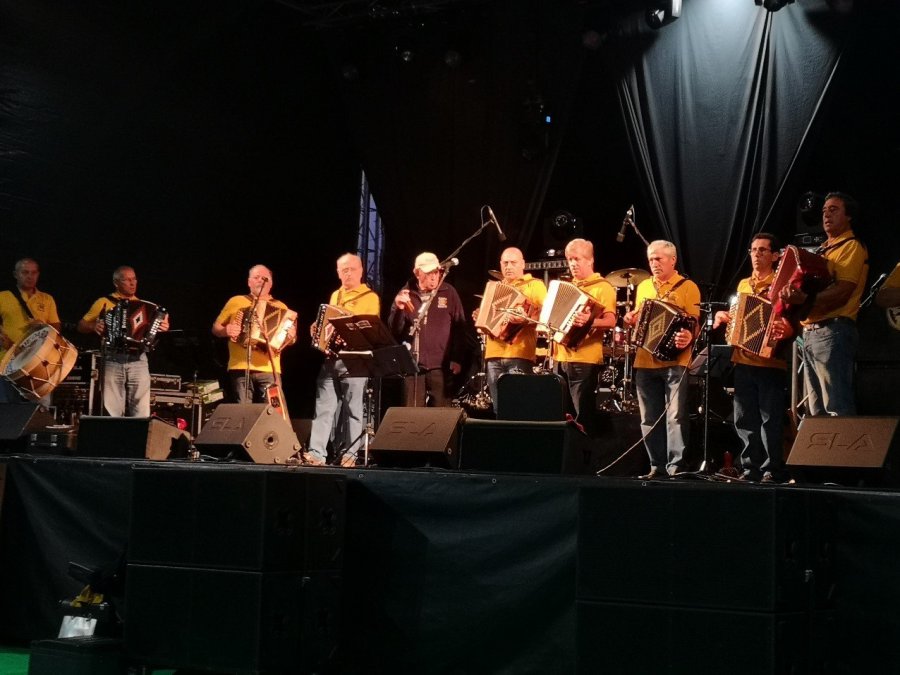
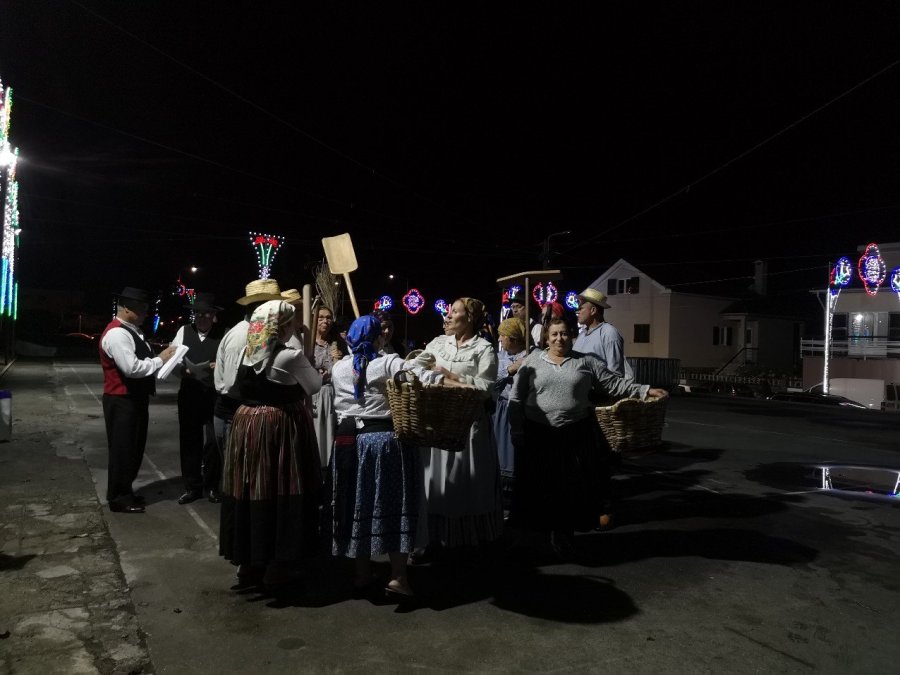
Nearby, and within very easy earshot, was an annual festival venue with bands, demonstrations of rural activities such as threshing, and more food than you might have ever seen in one long hall. People flocked from far and wide to sit around long tables in large family groups and have a good time. It was not possible to sleep, so as they say, when you can’t beat em, join em!

Portuguese folk band instruments
The lively band ‘gieing it laldy’ – heartily playing traditional Portuguese music
folk costume and props Portugal
Women in folk costumes outside preparing for a demonstration of old-fashioned farming methods

I walked through Monte, Lugar de Cima, Outeiro, Barros Sao Fins, Santo Amaro, Estrada,

church Sain Michael Marinhas
Igreja Matriz do Sao Miguel Arcanjo das Marinhas. Leaving the next morning
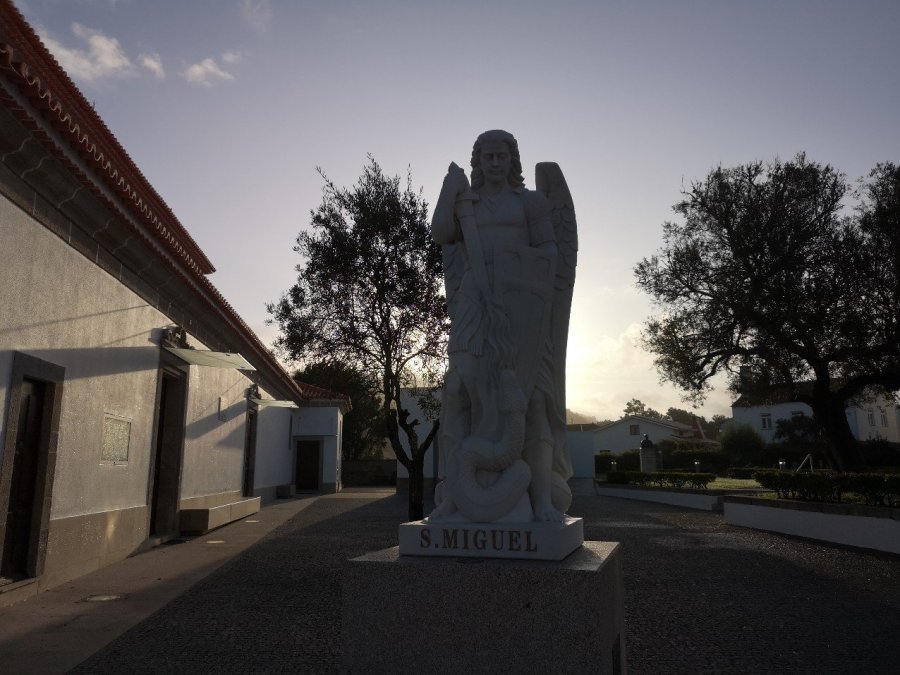
Sculpture Archangel Michael
The archangel Michael with his sword and a huge phallic snake ie Satan, statue Marinhas
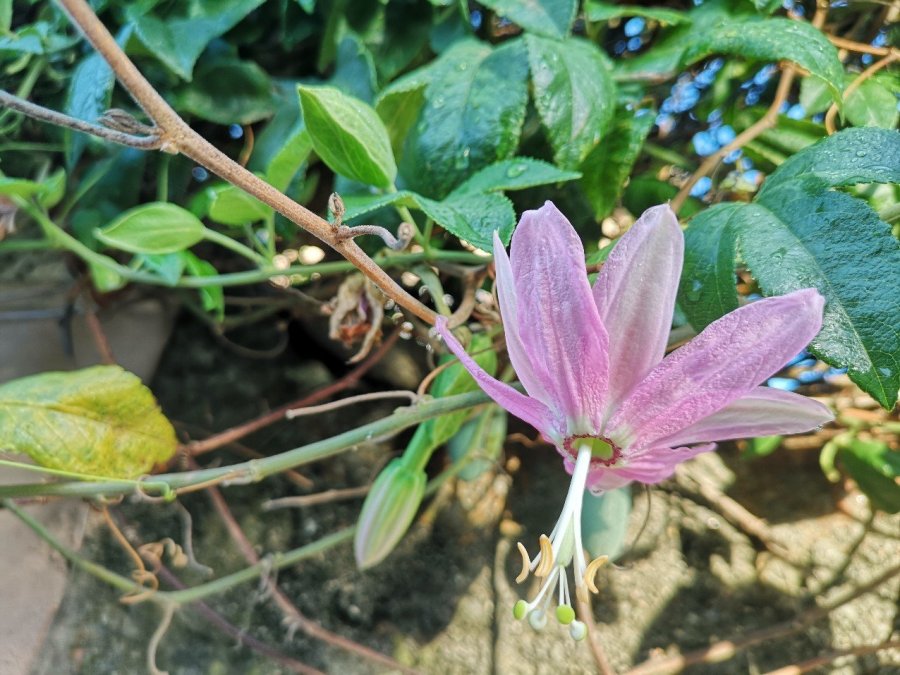
detail passion flower
Passion fruit (Passiflora) flower
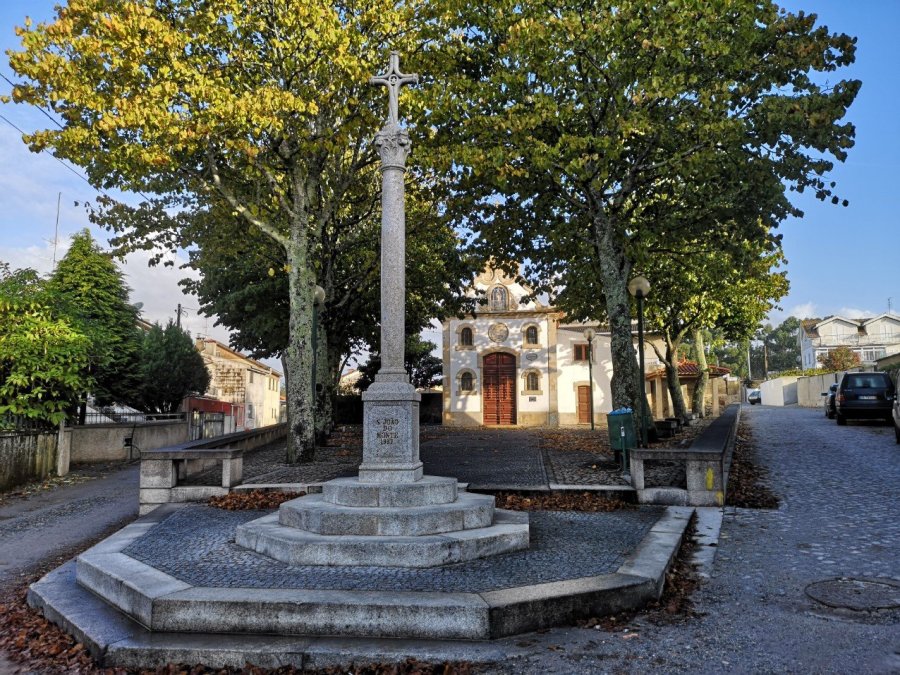
Sao Joao church and cross Esposende
Sao Joao (Saint John) do Monte cross and chapel, Esposende area, Portugal
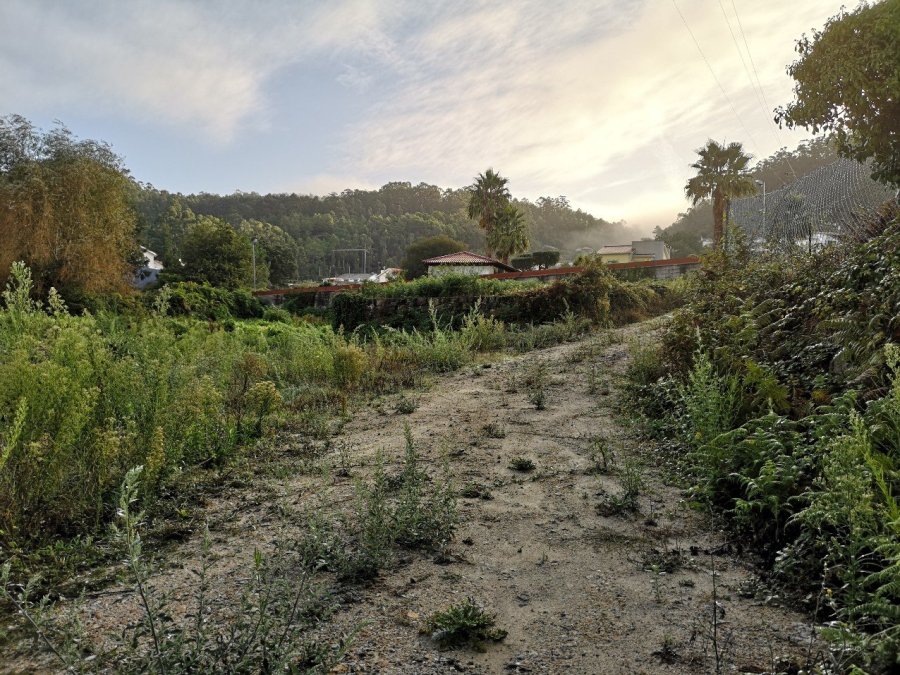
Portuguese landscape
Into the countryside, interior Portugal
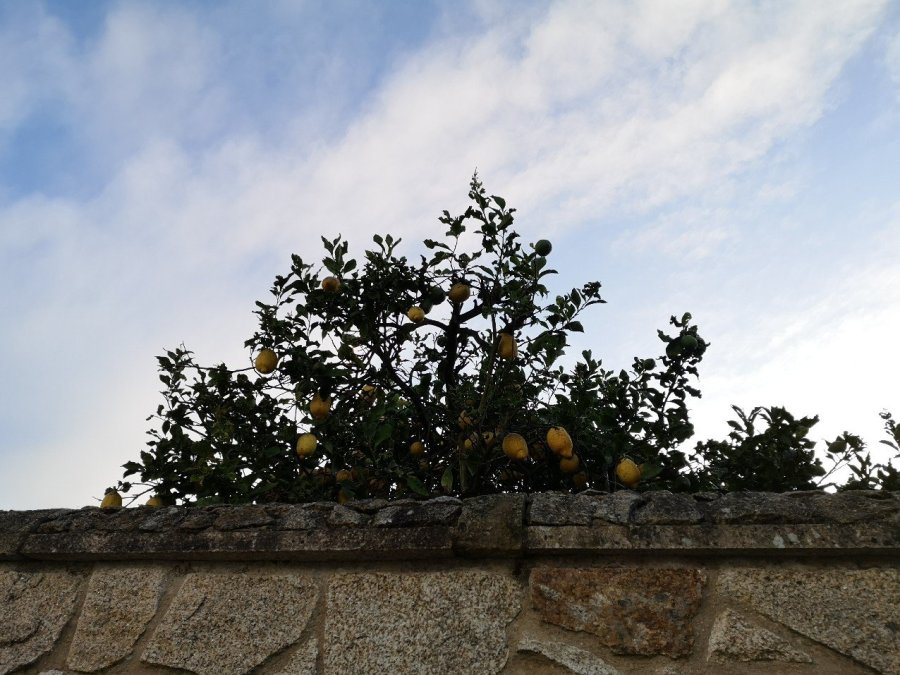
lemon tree
Lemon tree, Portugal
Detailed plant information
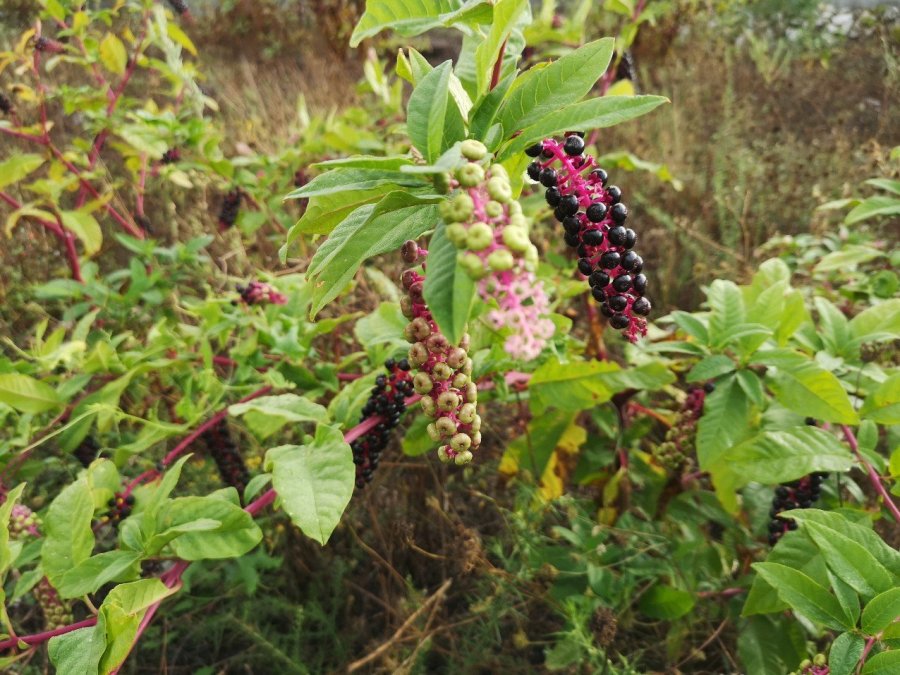
Pokeweed (Phylotacca americana) also known as pokeberry. It has a poisonous root and mature stalks, although you can eat the young stalks if properly cooked. The berries have a red dye which is used to colour wine, sweets and cloth
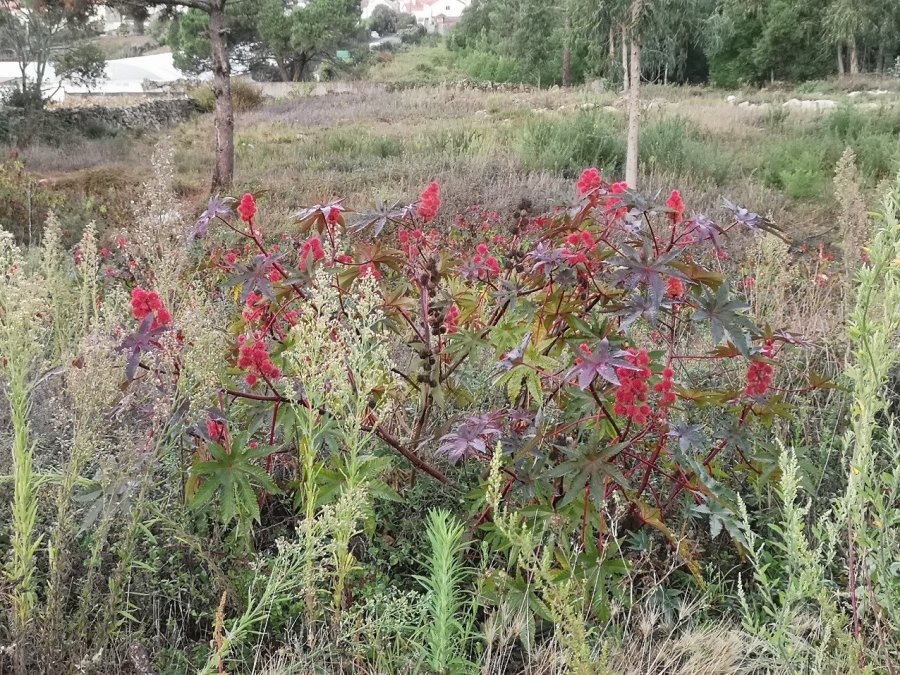
Detailed plant information
Castor oil plant, ricinus communis (because it’s red?)
Portuguese landscape
A typical Portuguese dwelling in the distance
detail of plant
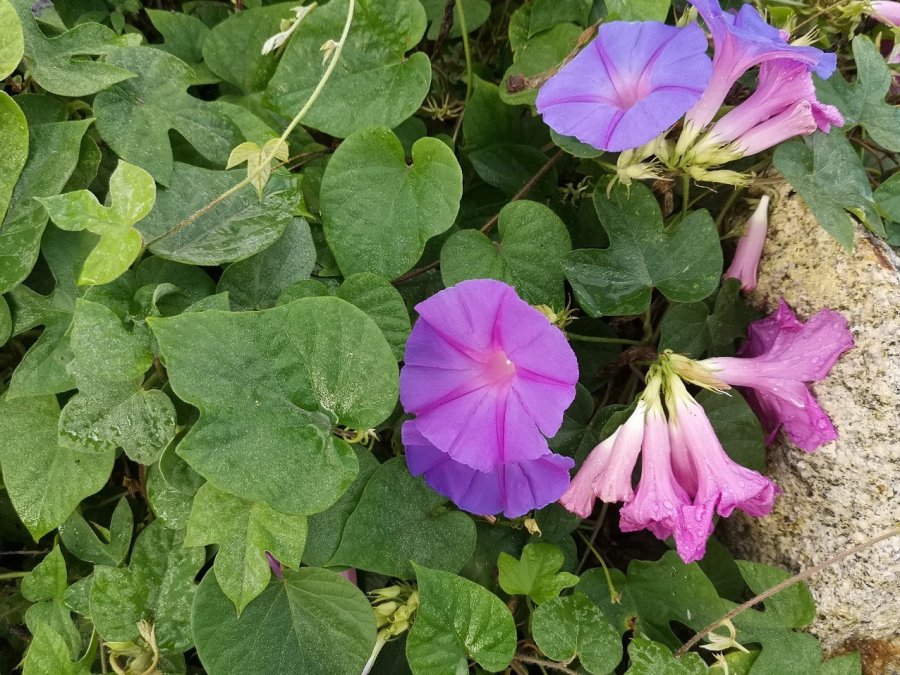
Morning Glory (Ipomoea)
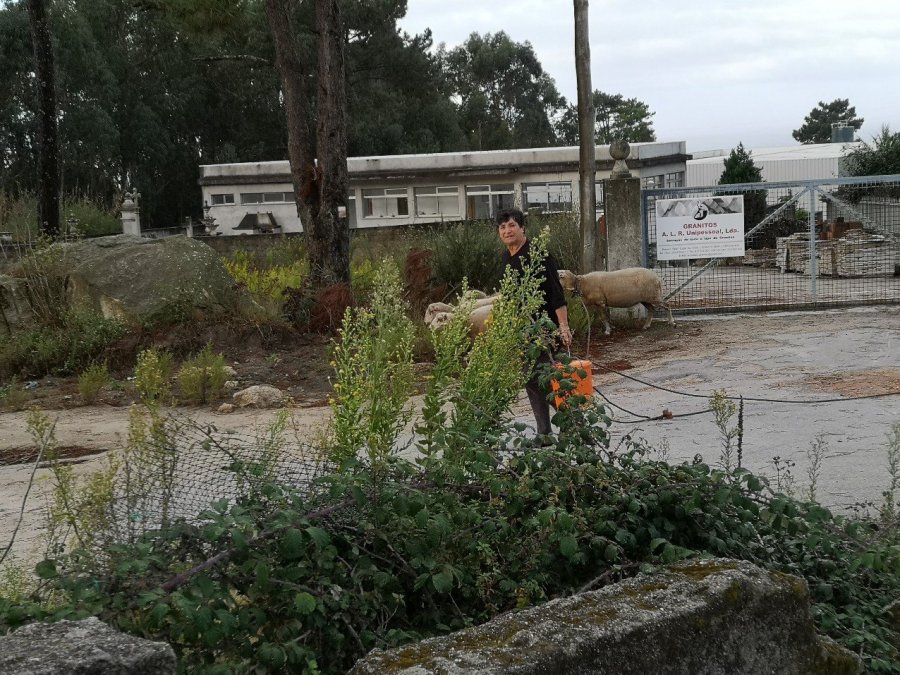
working woman with goats Portugal
A woman leading goats to pasture
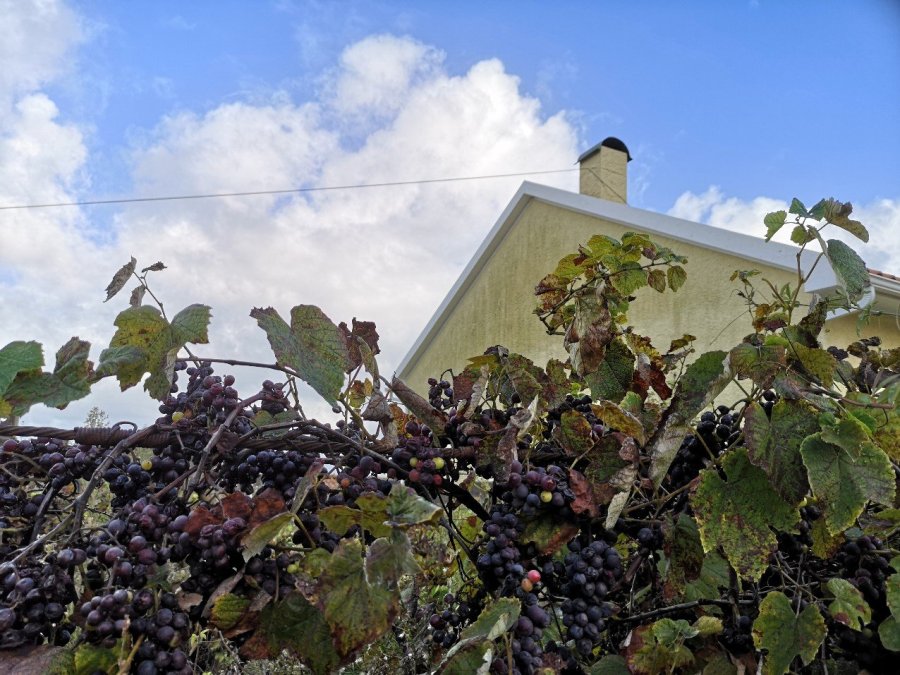
grapes vines Portugal
The grapes were being harvested all along the way and as many hung over the edges of the fences and supports, I sampled a rich and lucious few!
detailed plant description
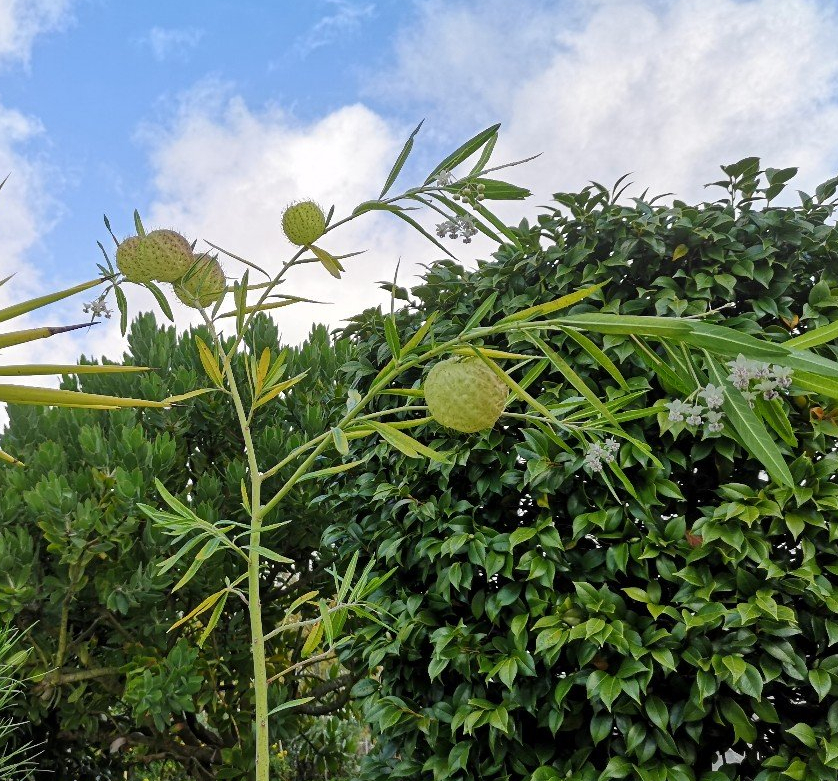
African Milkweed (Gomphocarpus physocarpus) also known as hairy balls milkweed! If you look closely, you will see that there are small pale, milk-white flowers at the end of the stems. It attracts the Monarch butterfly in Australia and Madeira

I am reliably informed that this plant is one of the food plants for the Monarch Butterfly, in Australia. They prefer this, and another alien, over the native milkweeds.

church cross Portugal
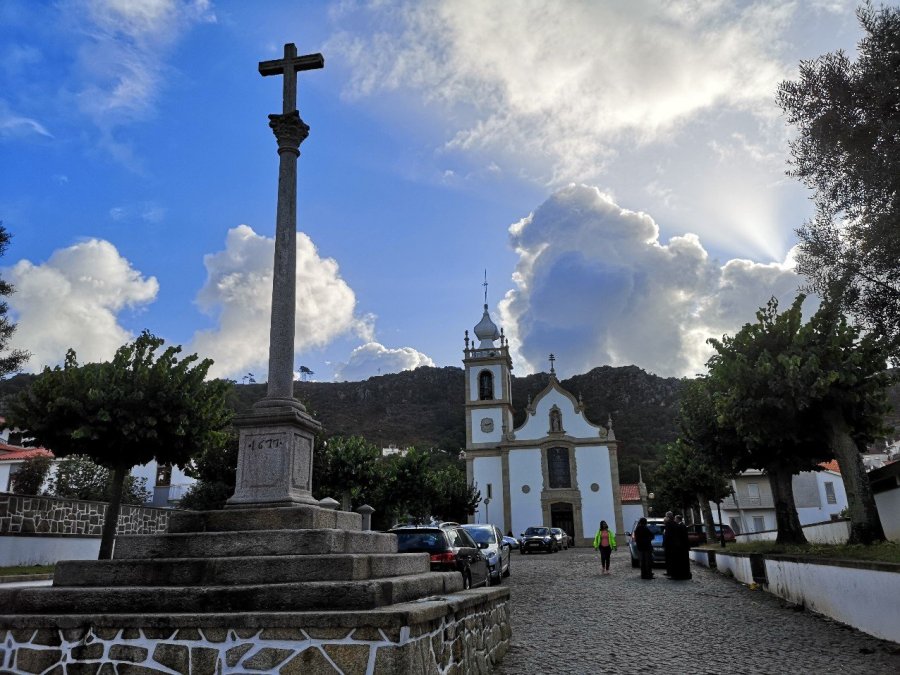
Igreja do Sao Pedro Fins (Peter), Belinho, Portugal
detail church architecture Portugal
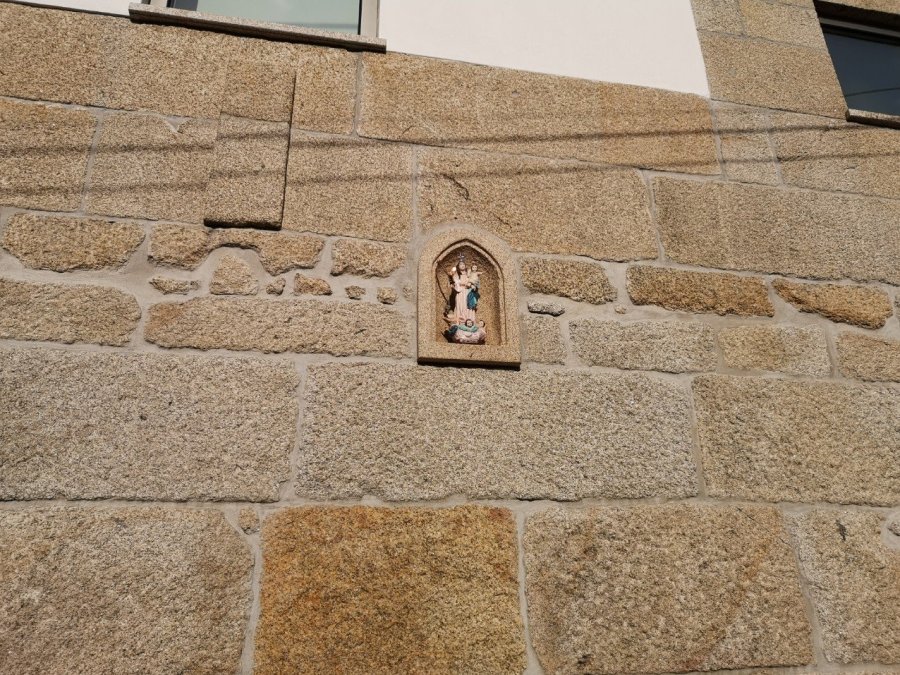
Virgin and Son with 3 supplicating little ones at her feet, Igreja do Sao Pedro Fins (Peter), Belinho, Portugal
architecture of Portugal
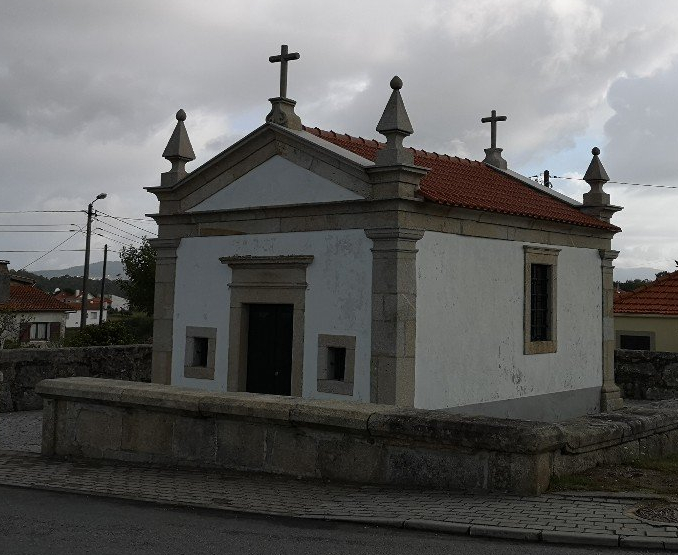
Capela de Nossa Senora dos Remedios, Estrada,  Braga, Portugal
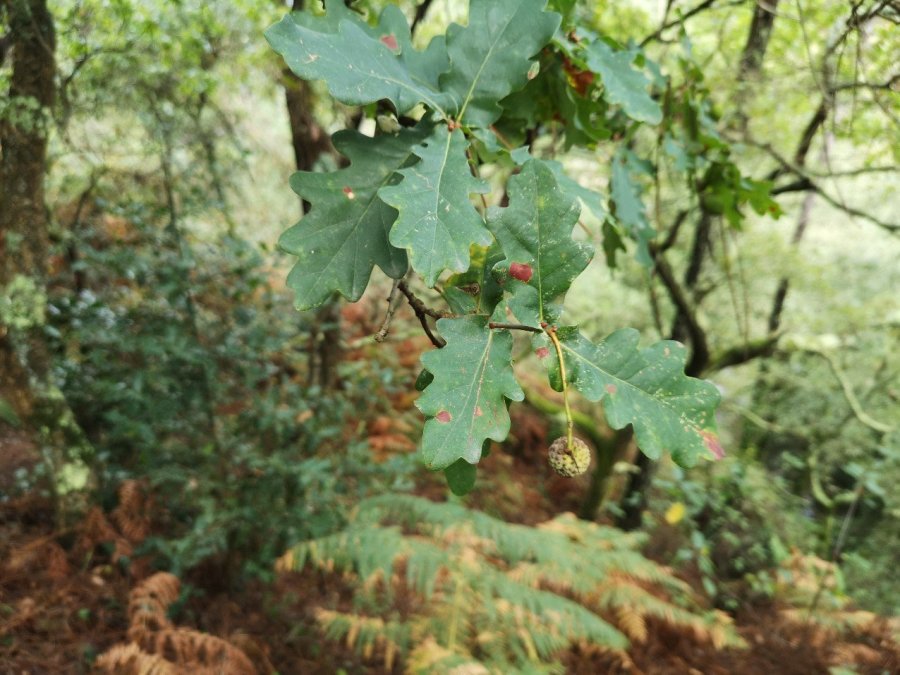
detail oak tree and acron in Portuguese woods
Into the Oak (Quercus) woods
rural landscpae Portugal
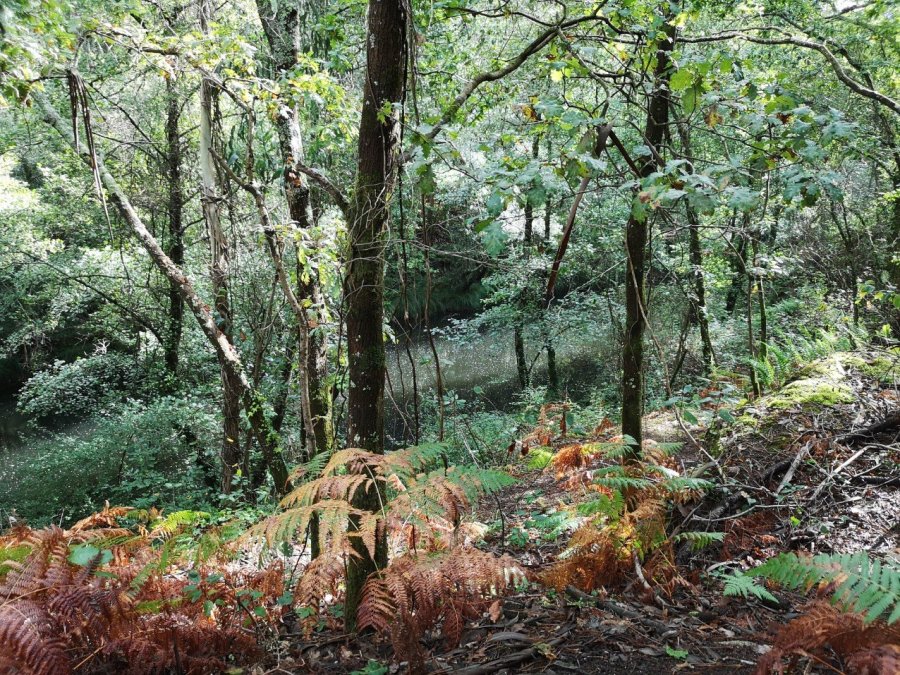
The bracken (ferns) were starting to turn brown, but it smelled fresh and woody
woods Portugal
At some point in these beautiful woods I made a long steep climb behind a man who was walking fast

The way was made up of large boulders and unevenly sized stones, some wet. I went fast to keep up with the man in front which was exhilarating, but I wonder if this is where I twisted my ankle without quite noticing.

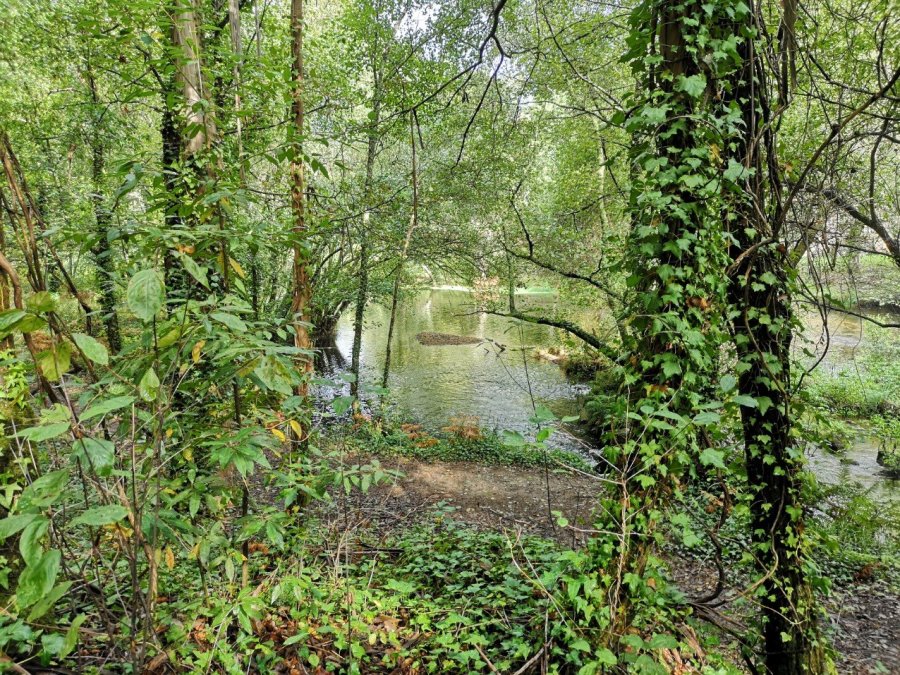
Portuguese woods and pool
There were pools of inviting water, so down went the rucksack, off came the clothes and oh! it was so refreshing
pool Portugal
Idyllic setting
Water ways Portugal
Water ways Portugal

And then the heavens opened. Before I could find a place to stop and take my backpack off to cover it and myself (even though I had, minutes earlier, been immersed in cool waters), I was soaked through. It was torrential. And steep, uphill. At the top I sheltered in a bus stop and watched the rain running down in torrents. More and more pilgrims joined me in that tiny space. There was a mobile shop on the Green opposite, but it was a bar – alcohol only, no hot drinks.

church Belinho Portugal
Igreja Sao Pedro (Peter), Belinho
Portuguese landscape and weather
However, the clouds rolled away and I steamed quietly as I walked into a sunnier landscape
monastery Sao
Mosteiro (monastery) de Sao Romao de Neiva, Portugal
detail of fruit and plant
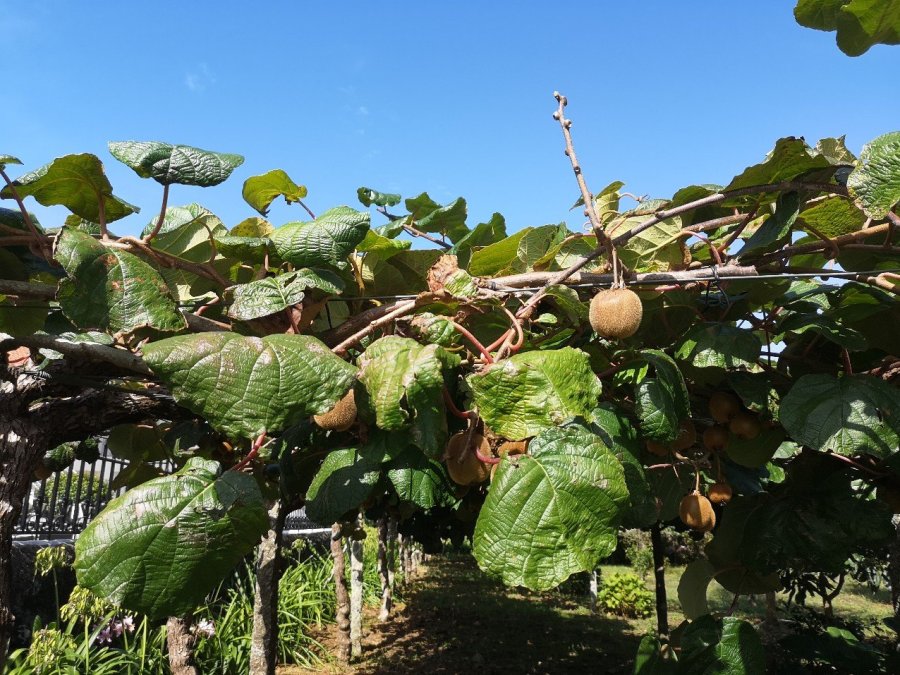
Kiwi fruit (Actinidia deliciosa) hanging from their vines

Despite their appearance, I was assured that they would not be ripe for eating until December at least.

traditional Portuguese church
Igreja Parochial de Chafe, Viana de Castelo, Portugal
pilgrims woods Portugal
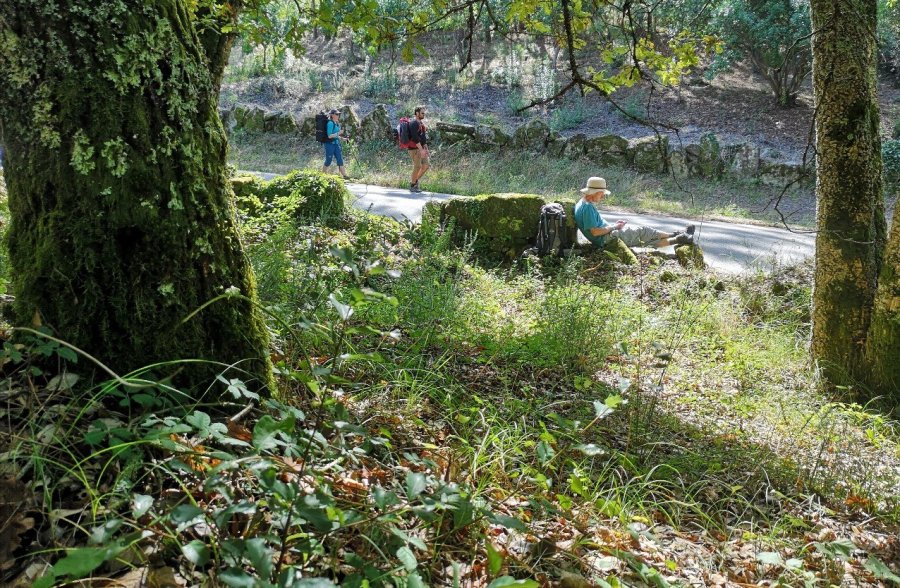
A long downhill stretch beside resting pilgrims

The way into Viana do Castelo is across the Limia via a long, metal bridge. The hikers share it with the vehicles, although there is a narrow shaft where we walked. I could see the water’s of the Lima River far below through the grid I walked on, each step clanging loudly. The width of one person, there was no possibility of stopping to rest and, as I was limping by this time I must have slowed because I was aware of a queue of others behind me, all having to go at my pace. I kept doggedly on with no choice.

funicular Viana do Castelo Portugal
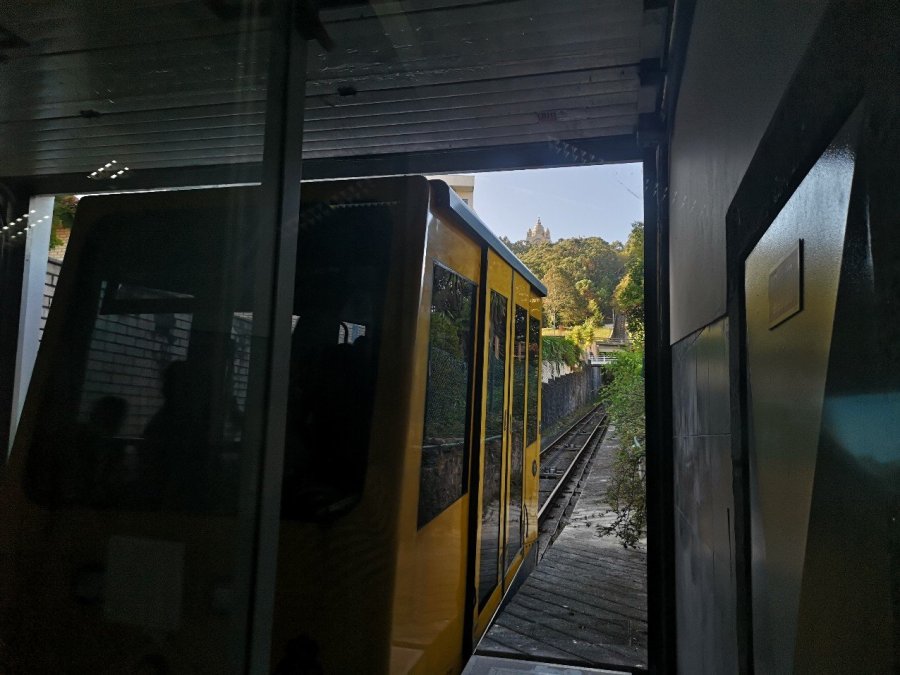
Funicular up to the castle, Viana do Castelo, Portugal

I allowed myself to be persuaded to take an extra trip that evening despite my sore feet. What a mistake! Although the sights were inspiring, my physical health suffered and I paid for it for many weeks to come.

Santa Luzia Portugal
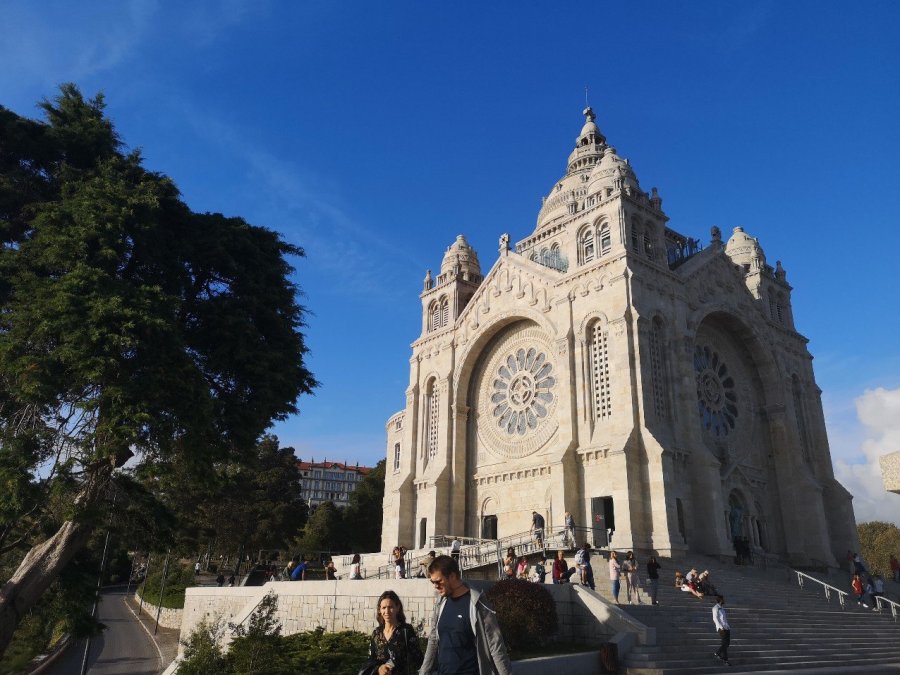
Sanctuary of Santa Luzia, Viana do Castelo, Portugal

Designed by Miguel Ventura Terra, this church venerates St. Lucy of Syracuse.

vista Portual Viana do Castelo
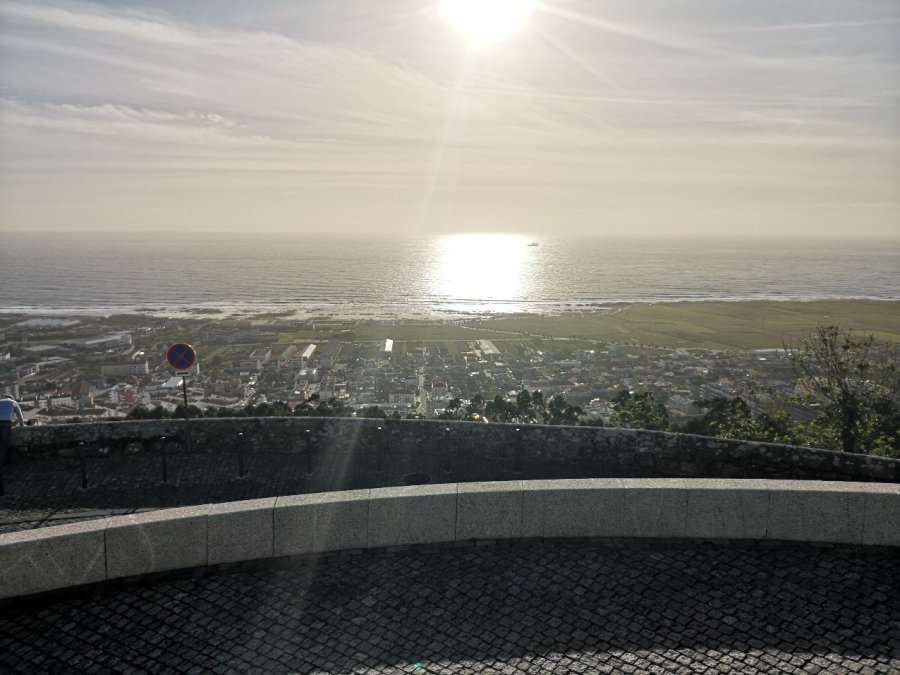
View of the Atlantic Ocean from the top of the hill, Viana do Castelo, Portugal
vista Portugal Viana do Castelo
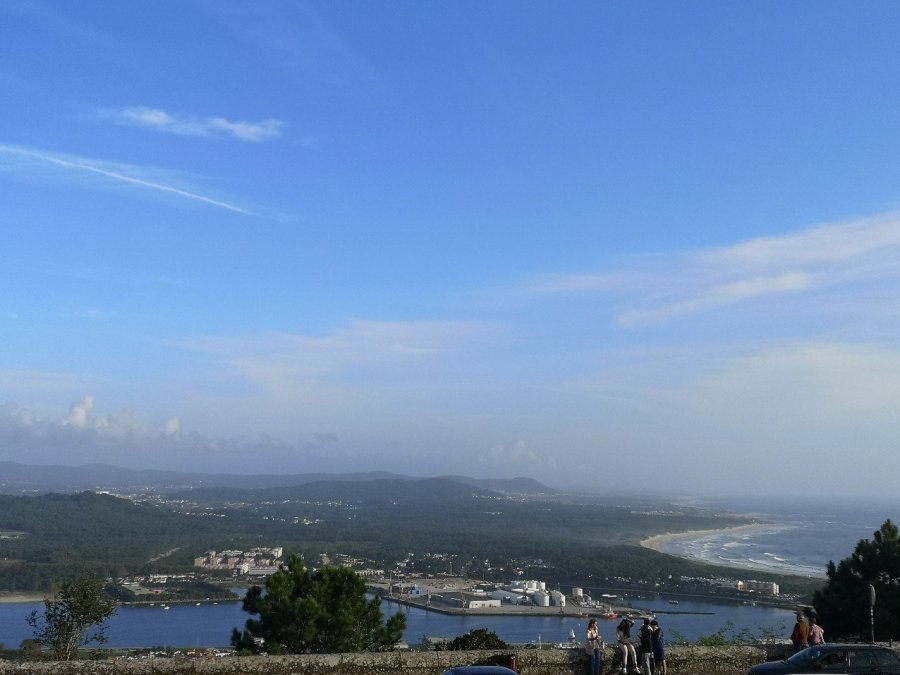
Another view, this time of the River Lima and southwards from where I had come to Praia (beach) do Cabadelo, Viana do Castelo, Portugal
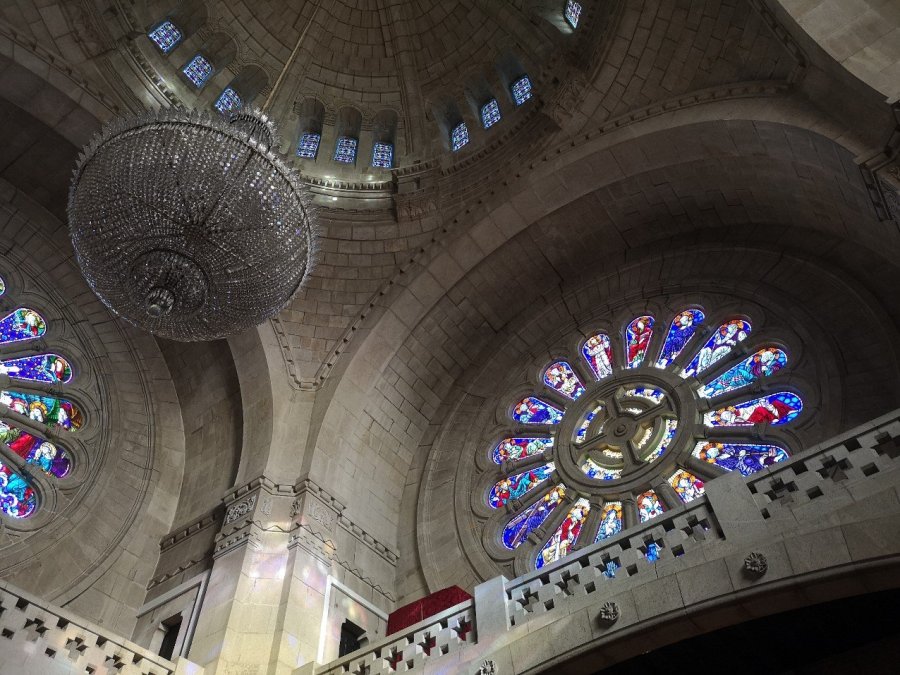
stained glass windows santa Luzia Portugal
Inside the Sanctuary Santa Luzia, Viana do Castelo, Portugal
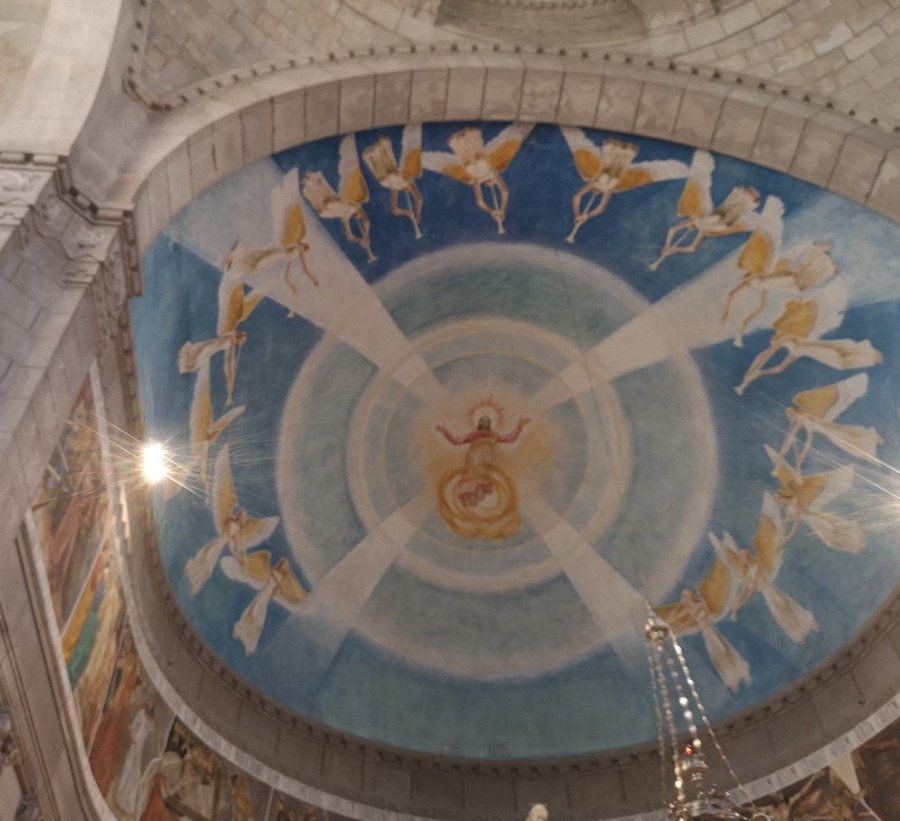
fresco roof detail Santa Luzia Portugal
The stunning dome of the Sanctuary Santa Luzia, Viana do Castelo, Portugal

I am indebted to the people on the houzz.com forum who have an immense wealth of knowledge about plants and are so willing to help.

Previous blog – days 1 and 2 Portuguese Camino Porto to Vila do Conde

Days 5 and 6 Viana do Castelo to La Guarda

If you have also walked the Portuguese Camino, did you stay in the same hostels as I did? Please feel free to share your experiences in a comment below.

In Praise of the Donkey

New Year’s Day 2020

You can listen to Funky Donkey by the Beastie Boys while you read this if you so desire.

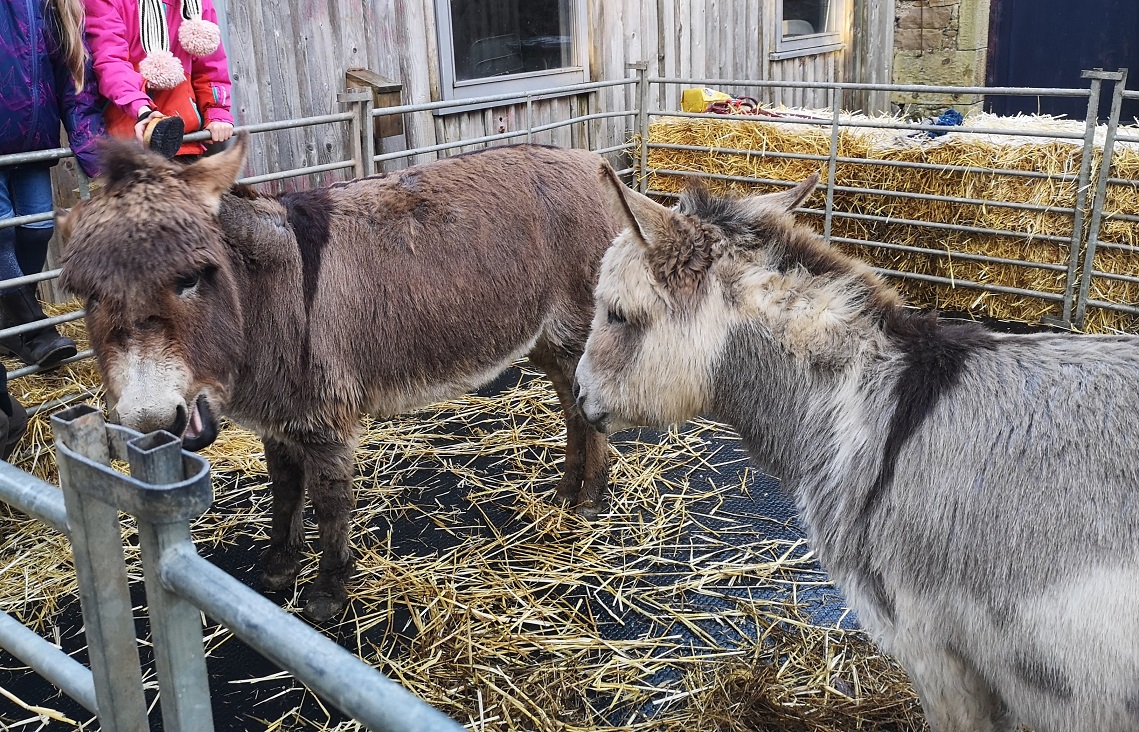
Children love donkeys, Jupiter Artland Xmas 2019

Donkeys = go slow

Robert Louis Stevenson wrote a book called ‘Walking with a donkey in the Cevennes’ (France). When he walked there, he was forced to go slowly so that his donkey didn’t “browse”. In order to make it through a walking day of around 20 kilometers with a rucksack on my back, I too engage a modest pace. I have discovered that slow is good for me. I can see the details of the landscape, I can feel the ground under each heel and toe, I have time to muse.

‘I noticed that a donkey has an appealing terrestrial solidity – it’s a good solid animal – yet its limbs are surprisingly slim. It’s as firmly yet lithely connected to the earth as a birch tree. ‘ Beatrice and Virgil which, among other things, features a particularly enjoyable conversation between Beatrice, who is a donkey, and Virgil, who is a howler monkey, about the nature of a pear (that is, the fruit).

by Yann Martel (2010) p. 121 (TW: torture, holocaust)
text contains ink
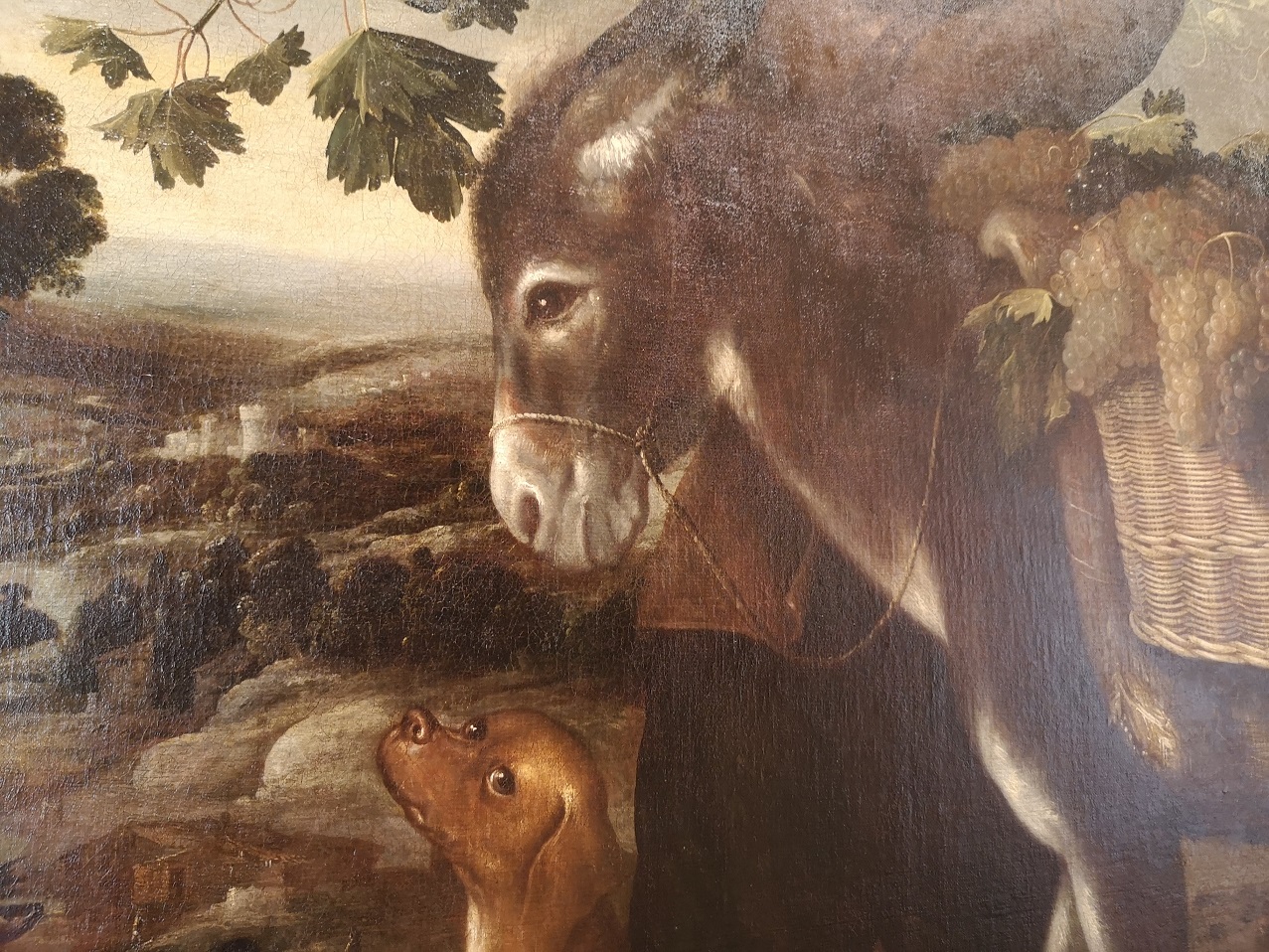
Donkey detail from Otoño (Autumn), a painting by Francisco do Barrera 1638, which hangs in the Museum of Fine Arts, Seville, Spain

In his book ‘The Wisdom of Donkeys: Finding Tranquility in a Chaotic World’, Andy Merrifield wrote about how he would watch Grebouille graze in the field for hours, as a sort of meditation. Merrifield trod in Stevenson’s footsteps and he too discovered the unhurried pace of the beast.

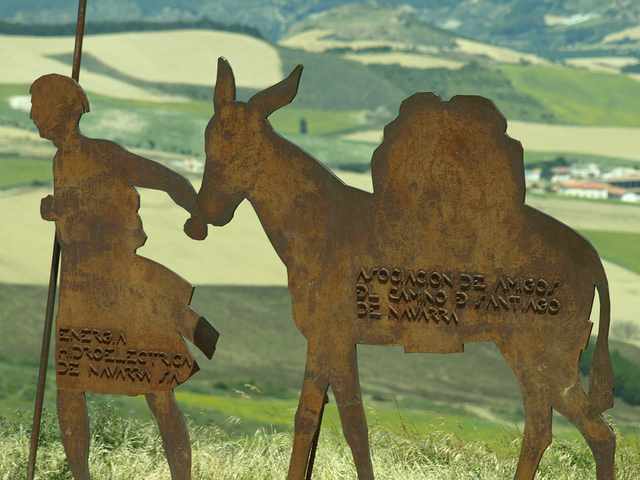
Sculpture from the Camino Santiago de Navarra, courtesy of Spanish Fiestas

Did you know? Donkey’s Back (lombo da burro) is the name of a rock in the Lapa de Pombas, a fishing port on the west coast of Portugal just south of Almograve? Local fishermen guide their entry and exit to the harbour by using this and other such masses.

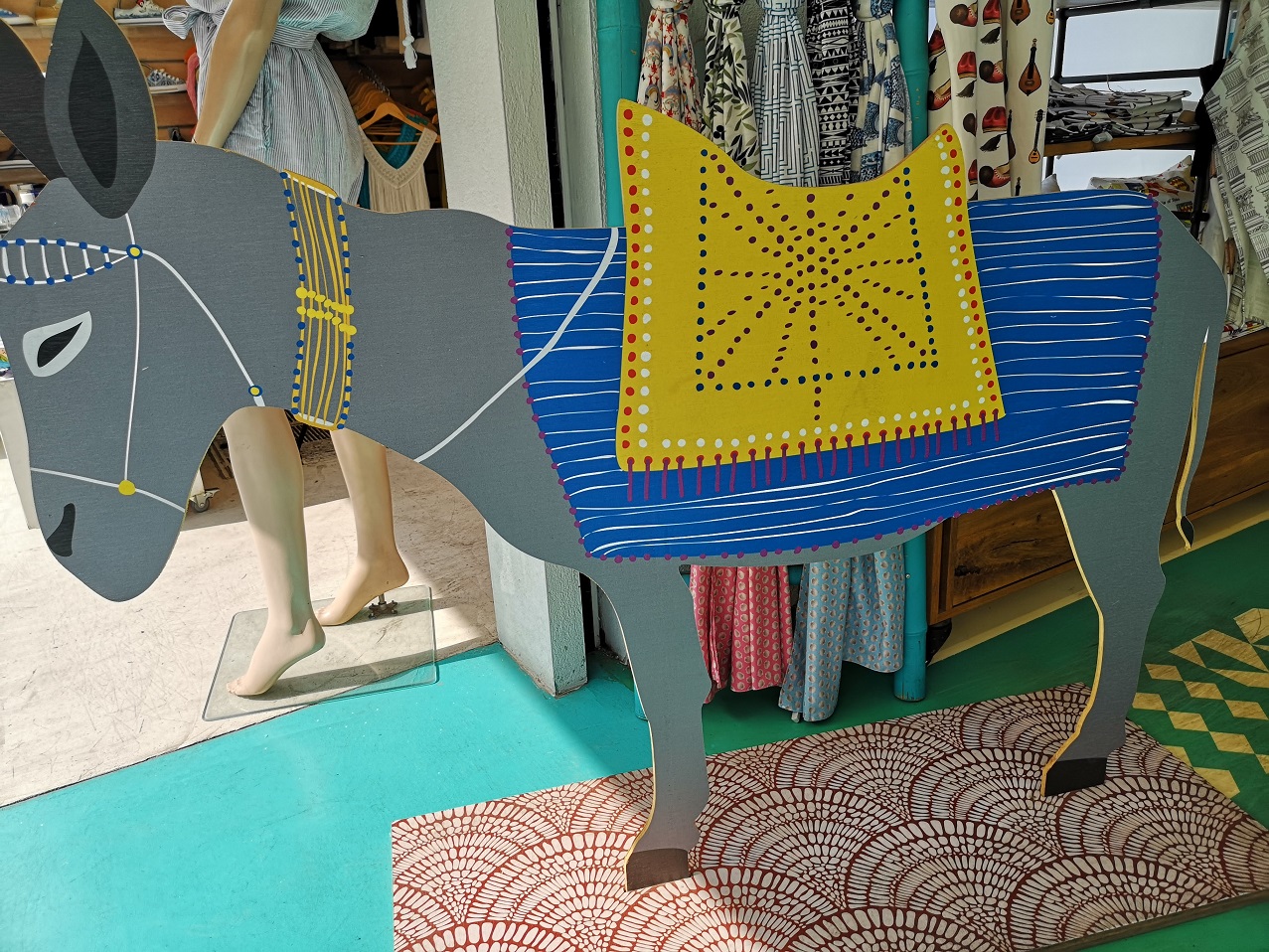
A cardboard donkey, spotted in a shop in Athens, Greece

Stubborn as a mule

Known to be good at kicking, donkeys also have a reputation for stubbornness and this is usually regarded with derision. However, I am assured by owners that if a donkey refuses to do something there will be a good reason, that it’s all about self preservation. That makes sense doesn’t it? It’s funny how we don’t always put ourselves in others’ (horse)shoes, juding them instead by our own habits, standards or preference and therefore perhaps misunderstanding their reasons for not doing something. If we are to learn from the ass, we will look around us when someone is stubborn and ask, ‘why might that be?’ and ‘is there a good reason?’ before we try and force them.

You probably know that a donkey is an ass is a donkey. They are the same thing.

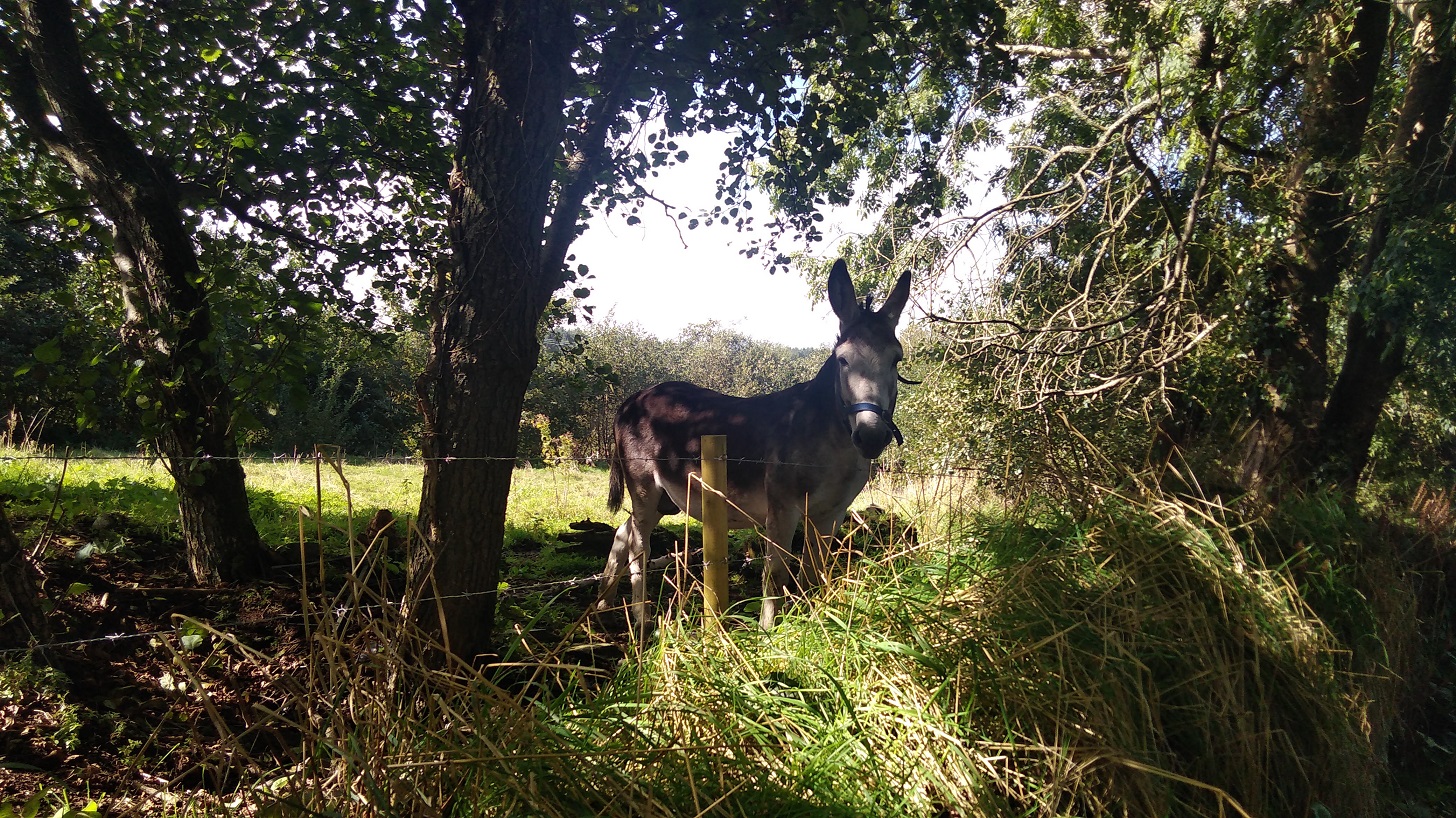
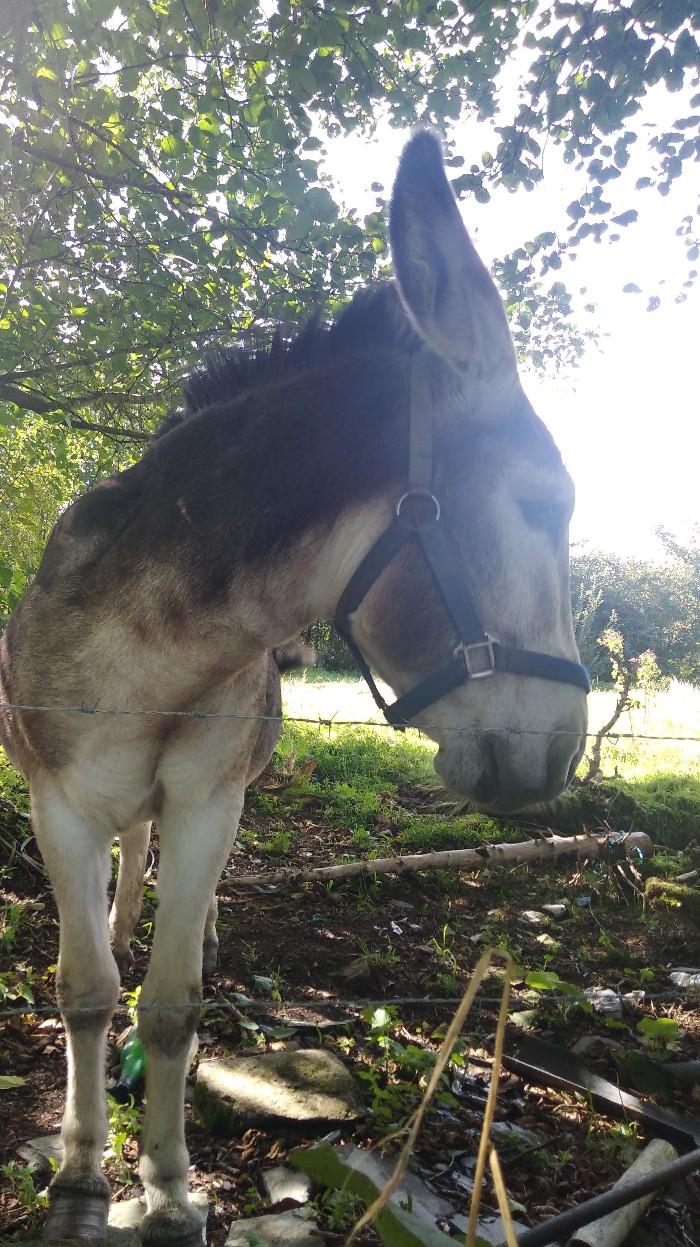
An Irish Donkey, Cork, Ireland

‘Donkeys have been used for transporting people and goods since biblical times. While donkeys have a reputation for being stubborn, they are also notoriously smart and capable of keeping themselves and their passengers away from danger.’ from ‘What is the differece between mules and donkeys?‘ by Jen Davis

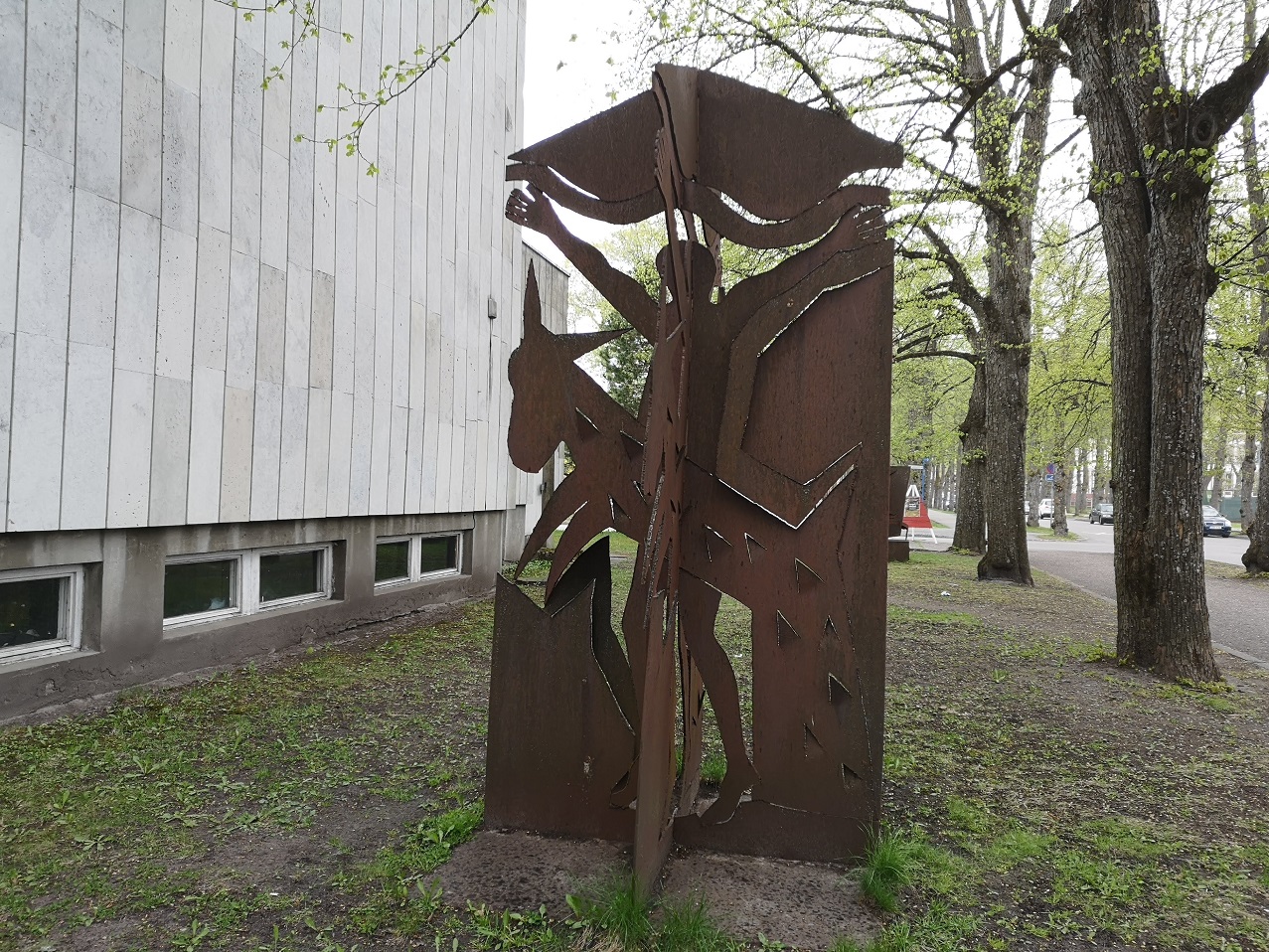
Donkey Art outside the Uue Kunsti Muuseum, Parnu, Estonia
identify a donkey
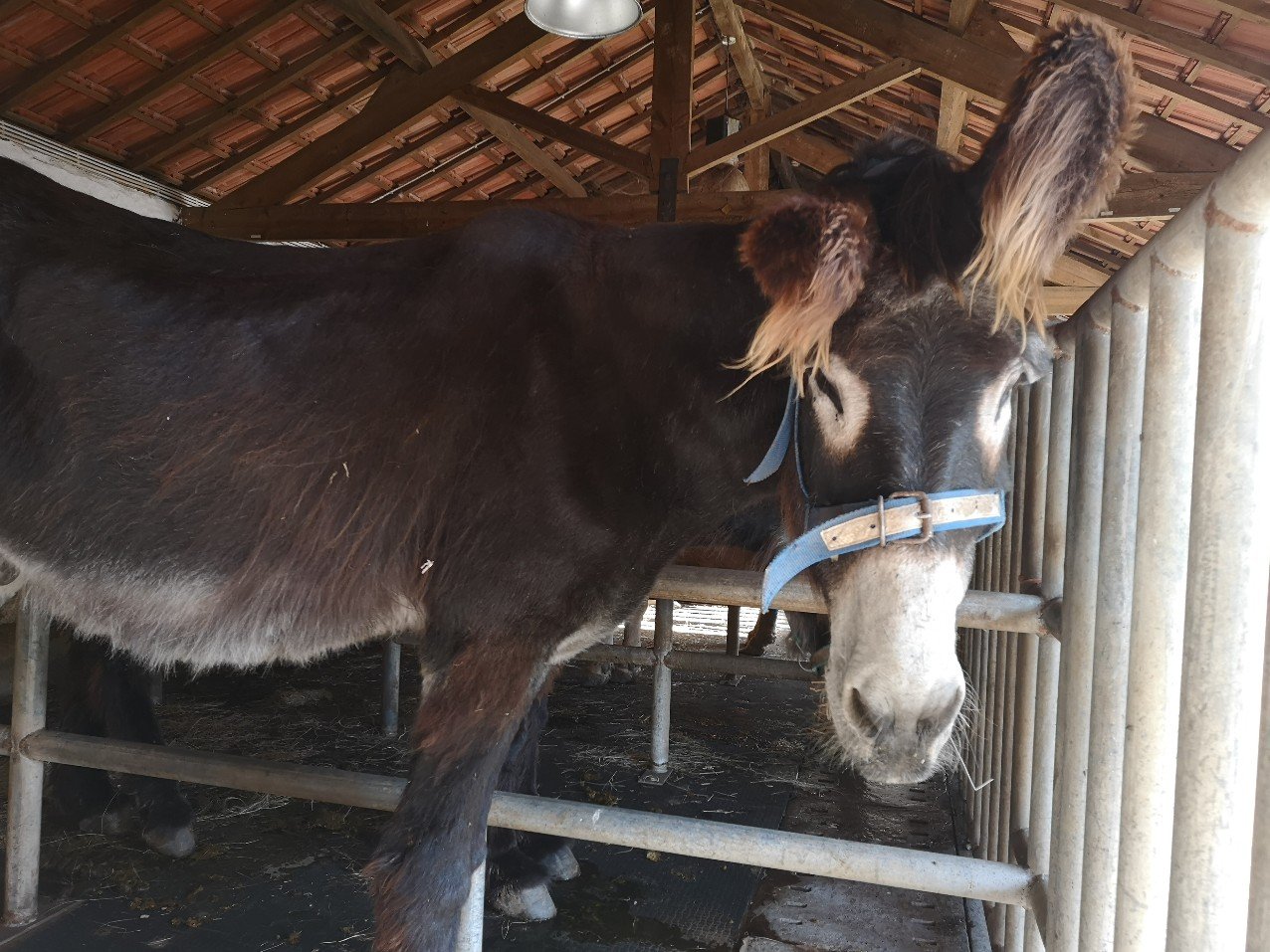
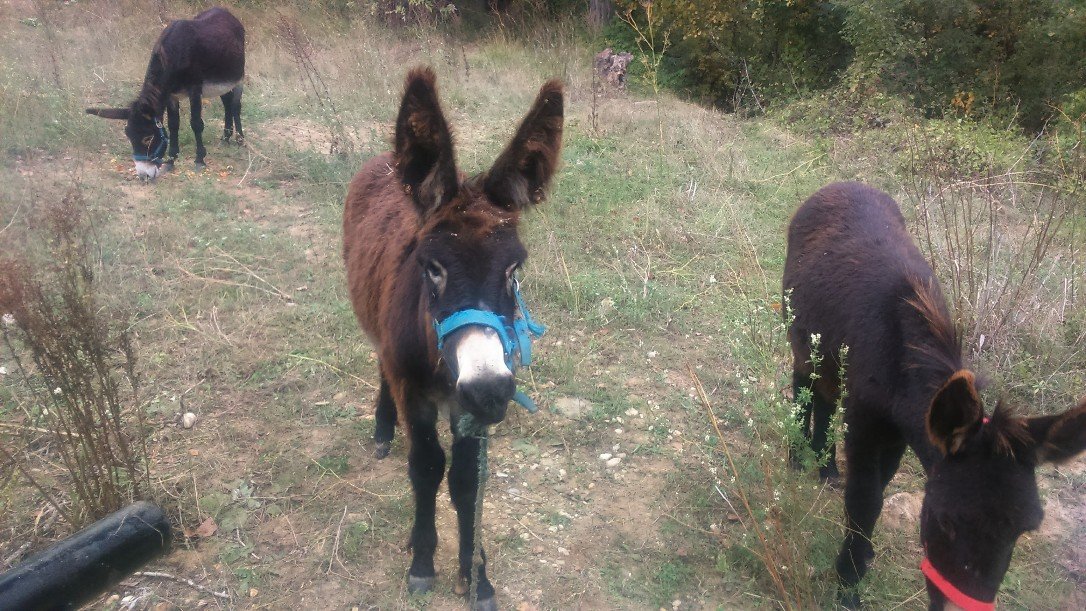
Donkeys have characteristically long ears

Ass attributes

In ‘Stories About My Ass’, Brandon Dickerson writes about how clever donkeys are, how he spent time, sweat and money securing their perimeter fence to stop them escaping. He was just boasting on the phone to his wife about what a good job he had done when Yoti (one of his donkeys) promptly broke through the new boundary with ease and, joined by his companion Donkey, they calmly grazed ‘in his face’ (as it were). From The Great Escape

Mule, donkey, ass, colt…

Mule: A mule is produced when you breed a male donkey to a female horse, also known as a mare. A “hinny,” meanwhile, is produced when you breed a stallion, or male horse, to a female donkey. Mules possess characteristics of both of their parents but are typically sterile and unable to reproduce. (Jen Davis for mom.me)

Colt: a baby donkey such as Jesus was said to be riding on – ‘humble [lowly] and mounted on a donkey, on a colt, the foal of a donkey.’ Zachariah 9:9

Donkeys are herbivores and sometimes they live into their 50s (35-40 years is common). They need shelter from the cold and rain because their coats are not waterproof. Because of this they often die of pneumonia in the UK. from Donkey Quiz 

wp-15779775401117902428717306046728.jpg
A mule – see the ‘wither’ bump in the shoulder area. Donkeys have flatter backs

So, riding on a donkey means being humble, or what?

In the prologue to his ‘Canterbury Tales’ (stories about some of the earliest pilgrims), Chaucer writes that ‘a humble beast exalts the rider’, making reference to the Bible (again) and stressing the state of mind needed to ride on one. Some imply that riding a donkey, in this context, implies a lack of concern for smart clothes, the opposite of making an imprression of being rich and lording it over everyone (Chaucer’s ‘General Prologue to the Canterbury Tales: An Anotated Bibliography 1900-1982’ by Caroline D Eckhardt and Dorothy E Smith). Others suggest that the donkey represents the Jews (Wikipedia), and yet others that riding thus, signifies a coming in peace because if he had been on a horse it would have  denoted war. (William David Davies and Dale C Allison 2004).

IMG_20180527_112230 (640x359)
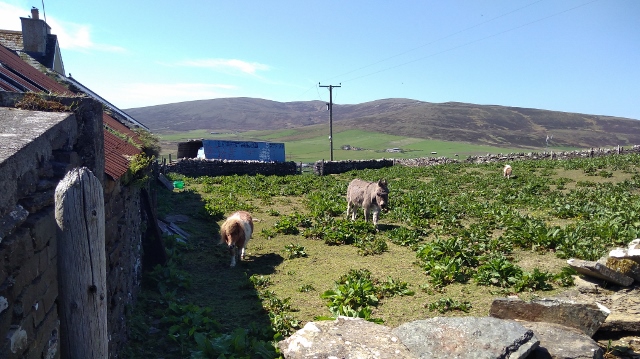
Orkney donkeys, spotted while making the St Magnus pilgrimage

Looking at the roots of the Hebrew words (I used this source Mony Almalech 2014 accessed Jan 2020) used to enquire into the meaning of ‘colt of the she-ass’ which Christ sat upon on Easter day, one can start to understand that a he-ass (male, related to the root of the word ‘red’ (of wine and fire) and ‘clay’) implies being base, ie of the earth, material; whereas the she-ass was more to do with ‘white’ (think about her milk) and her tendency to walk with small steps: a he-ass is not related to a she-ass. While we in the West have been led to believe (perhaps as a result of sloppy translations or misunderstanding of cutural references) that the donkey represents humility or peace, Jews of the time (who the bible was written for) will have understood the subtleties of these words and therefore known that Christs’ choice of a colt (son of a she-ass, not a he-ass) was clearly a mount for a King. (The Sathya Sai Sanctuary Trust for Nature knows this too.)

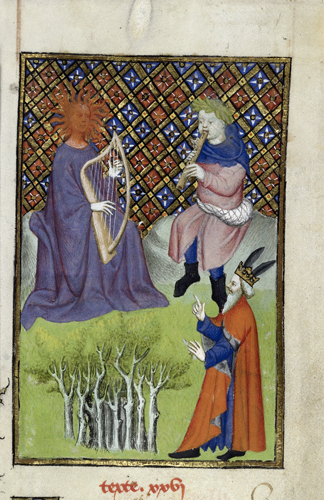
King Midas with his donkey’s ears from the British Library Catalogue

Midas, the man with a donkey’s ears

Midas (the one whose touch turned things to gold – see Ovid’s ‘Metamorphoses’ book XI 85-145) was deemed to have ‘undiscriminating ears’ and therefore given a new, elongated pair, those of a slow-moving ass. These donkey’s ones were ‘covered with shaggy hair and flexible at the base’ all the better to hear with.

In his account of walking the Camino de Santiago, ‘Spanish Steps – My Walk with a Donkey’, Tim Moore describes the swivelling ears, noting how alert they are. He starts to realise that when they are raised and rotating (I get an image of a submarine’s periscope), something is about to go amiss.

In Chaucer’s version of the Midas’ myth (a jolly rendition can be found in ‘The Wife of Bath’s Tale’), the woman in question couldn’t bear to keep quiet about her husband’s special lugholes (well who could, what a story!) so she told the water in a lake. In Ovid’s original, though, it was a ‘servant’ who gave the game away: to the earth from which grew reeds which in turn whispered it to the winds. (I used A. S. Kline’s translation of Ovid for these quotes.)

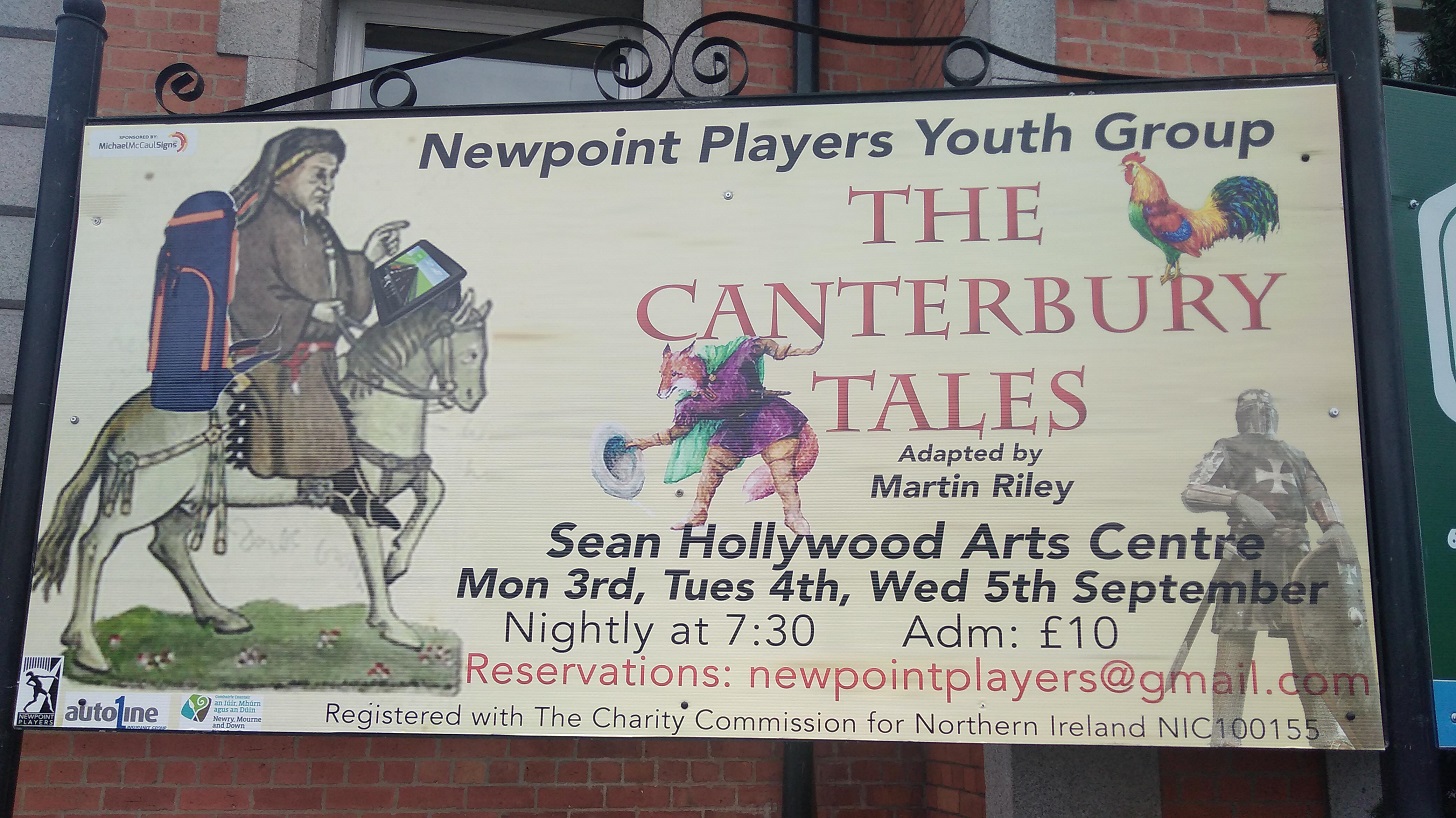
Newpoint Players Canterbury Tales poster, Newry, Northern Ireland

‘You may have seen a housefly … but I bet you aint never seen a donkey fly.’ The fast-talking (Eddie Murphy voiced) donkey in the film, Shrek

A donkey to carry your stuff

It is now possible for long-distance walkers to have a company transport their luggage from one hostel to another along the Camino de Santiago de Compostella (properly kown as the Camino Francais or French Camino) by car or van, allowing many to make that trek who had previously not been able to. Then there are a few pilgrims who take a mule to carry their bags, but the majority carry their own. I started my long-distance walking habit in Spain with a rucksack on my back (containing what I needed for a 3-month stay: summer, autumn and winter), rather than having a donkey carry it for me, hence my blog is entitled, ‘Walking Without a Donkey’.

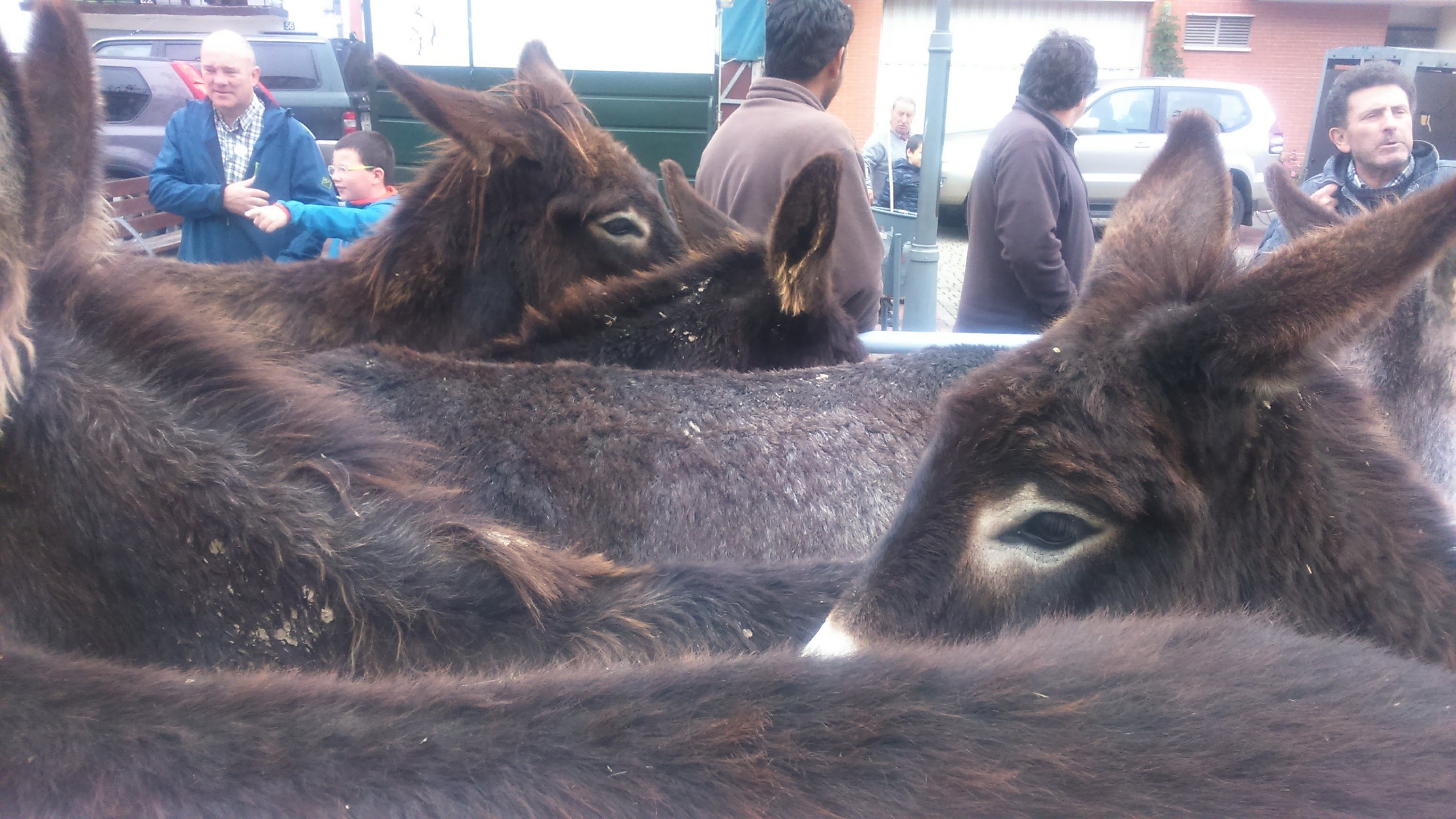
Donkeys from the Pays Basques region

Lou Monte sings (in ‘Dominick the Donkey’) about the reason Santa has a donkey: ‘Because the reindeer cannot climb the hills of Italy. ‘

Finally, here is a recipe for ‘tired donkey’, Galician soup called sopa de burro cansado. It consists of hard bread (100-150g) soaked in red wine (500ml) with sugar (3 or 4 tablespoons)!

Even though no-one carries my luggage but me, I am not an ass

Robert Louis Stevenson (best known as the writer of Treasure island) ‘Travels with a Donkey in the Cévennes’

Chemin Stevenson / The Stevenson Trail, France GR70 (Grande Randonee ie a long walk) starts in Monastier sur Gazeille in the Haute Loire (Velay area) to Saint Jean du Gard or Ales in the land of the Camisards. It takes about 2 weeks. There is a little film with images of Stevenson on this page.

The Donkey Sanctuary (UK)

Stories About My Ass is a podcast on itunes about, among other things, being a miniature donkey owner.

The Shrek donkey on Atlas Obscura