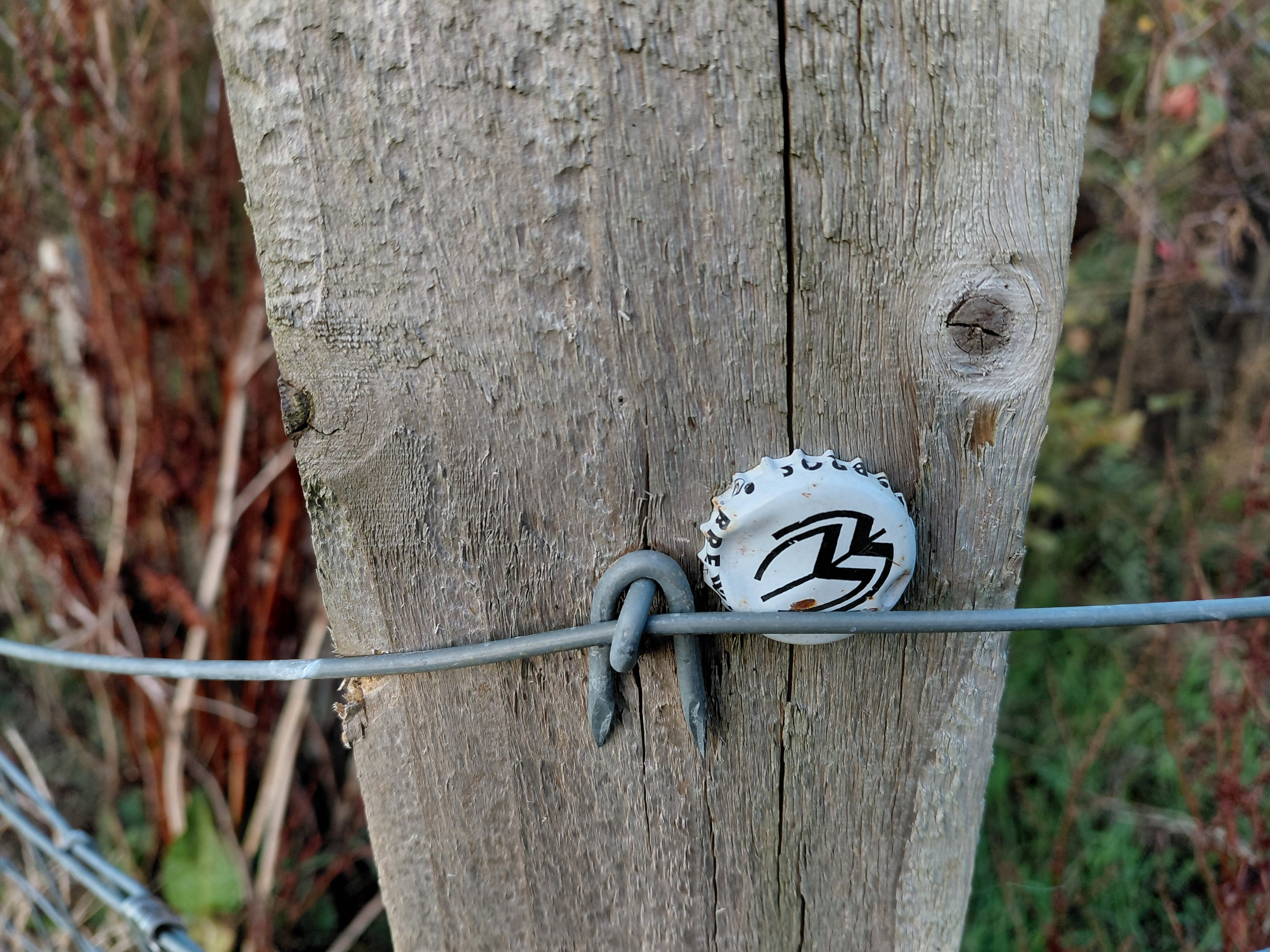
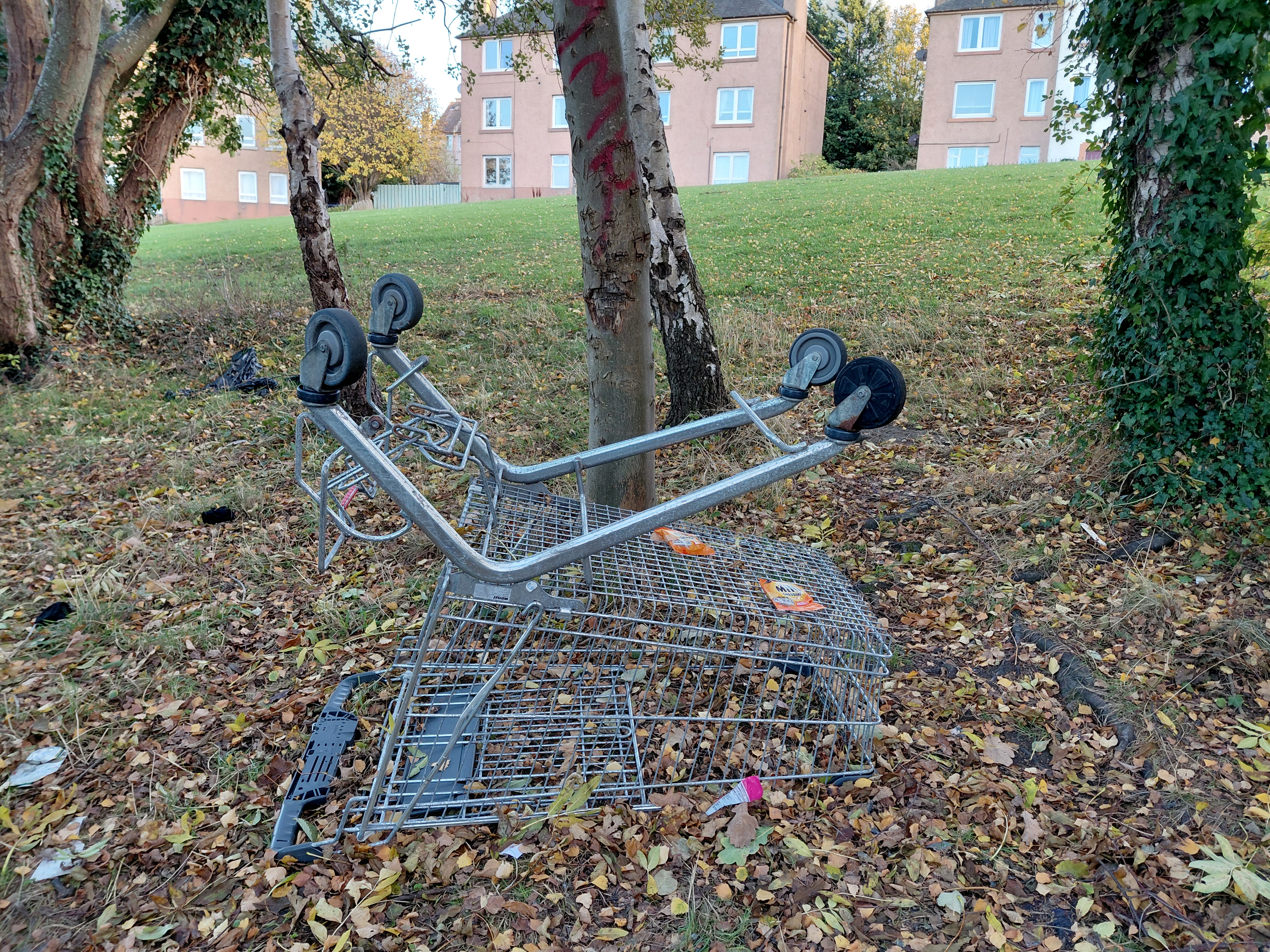
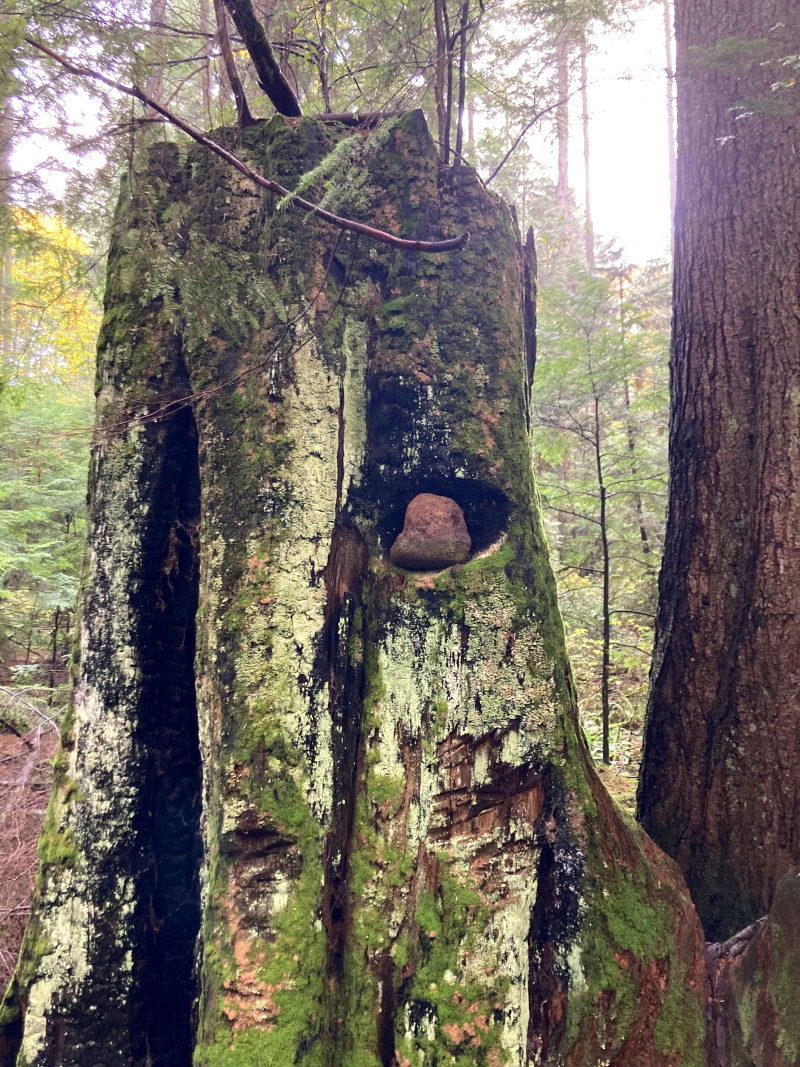
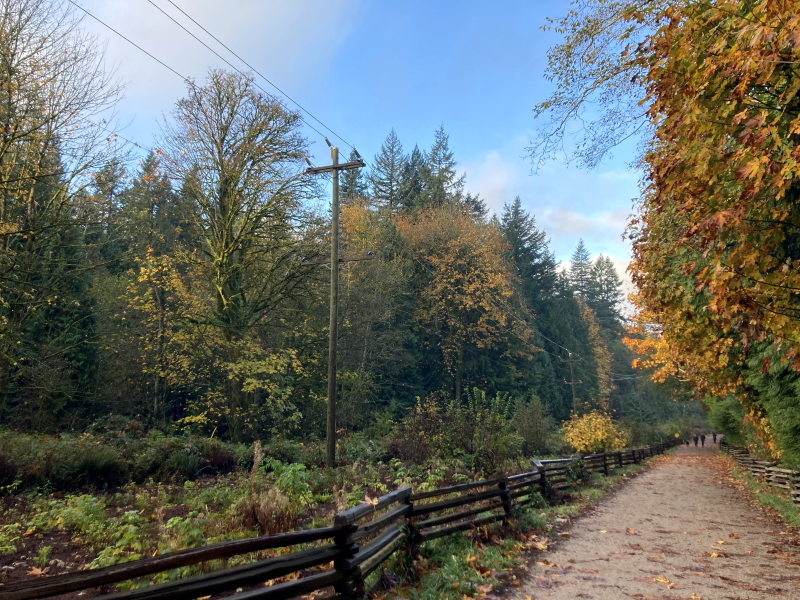
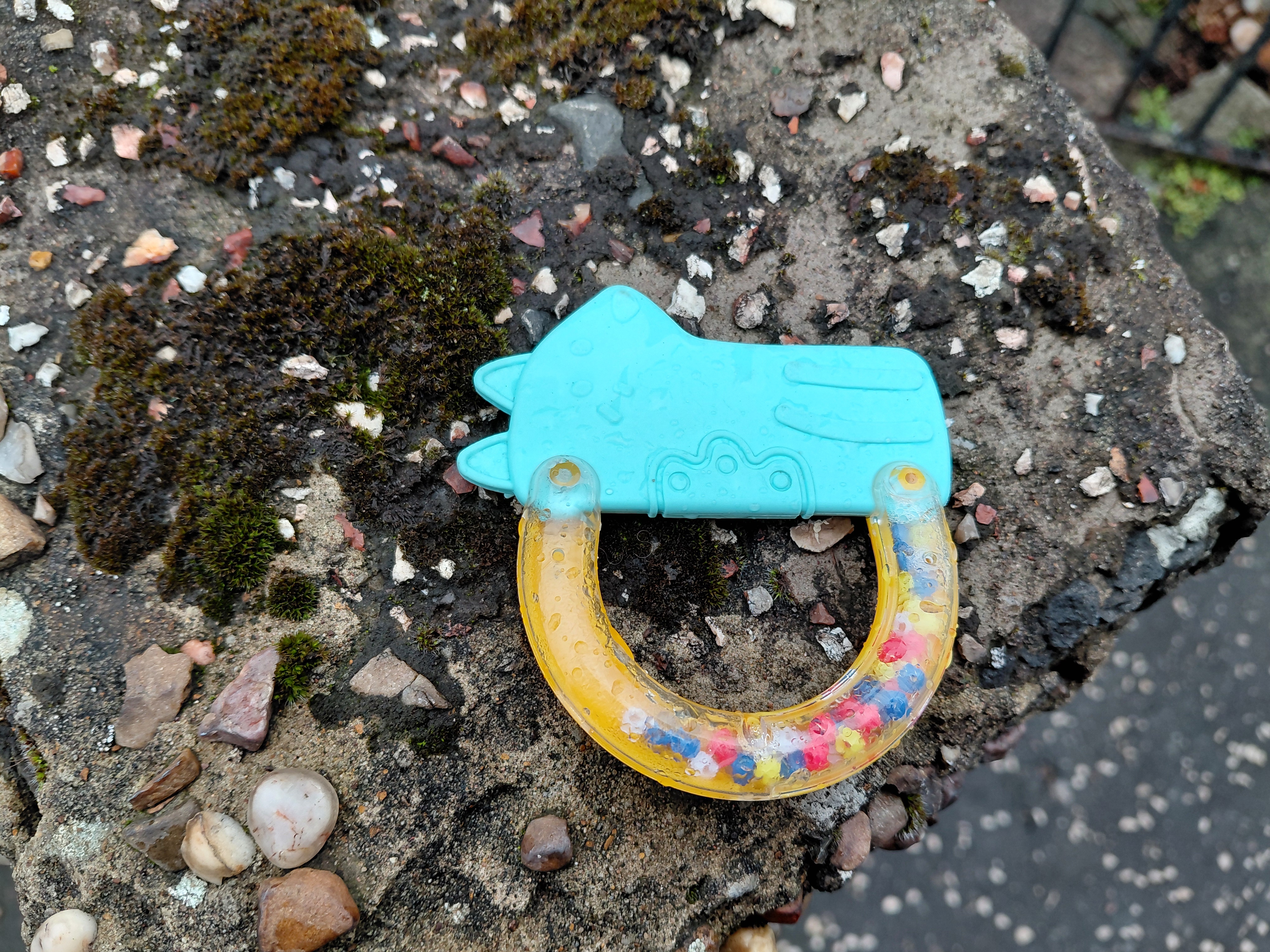
Radical Gestures is a film based on a walk devised by Kristina Rothstein @imatarockshow based on visiting little free libraries. I walked in Edinburgh and Kristina walked in Vancouver at the same time. We both embarked with a book and let something about that book be our guide. Psychogeography in action!
The “personal is political” message really resonates with the free libraries, significant sites of resistance against consumer culture. I find them an inspiring example of community building, and places where spontaneous and serendipitous interaction between strangers is possible.
We arrived at a little free library roughly every half an hour, swapping our book for one which had some connection (colour, theme, words on the cover). One of us randomly chose a page number. From that page, we each used the text to direct and inform the next segment of our walk – what to look for, what to think about and what kind of route to take.We repeated this several times, and the video and audio were created in collaboration during and afterwards. with
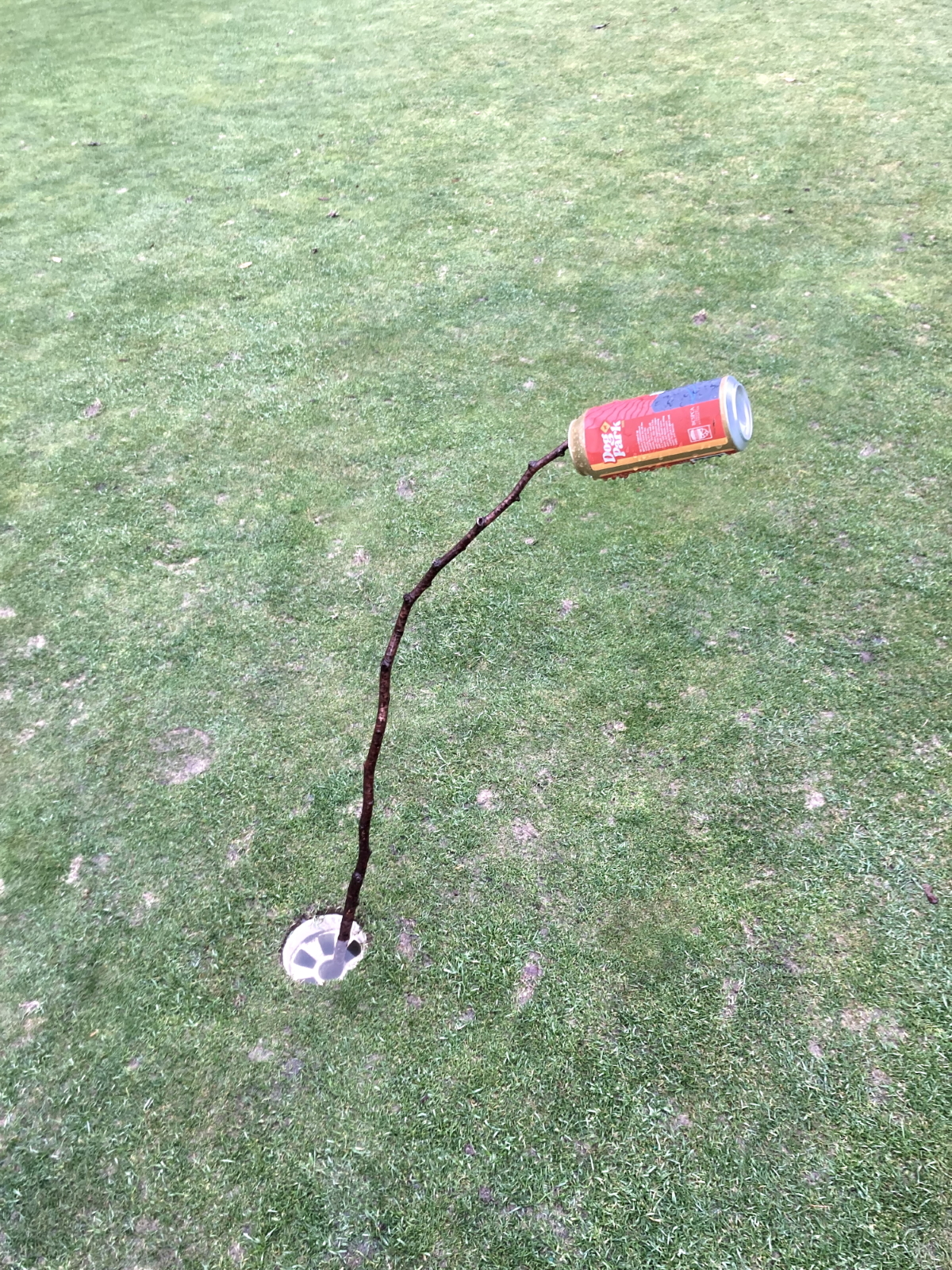
The Little Free Library on the title image can be found at Granton Parish Church, 55 Boswall Parkway, Edinburgh, EH5 2DA. Others were at St Columba’s Hospice, 15 Boswall Road, Edinburgh, EH5 3RW and at Starbank Park, Laverockbank Road, Edinburgh, EH5 3DA (there are two here, both in the upper section of the park: one for children on the west side and one for adults on the east).
4th in the Walking in Pairs series with Kristina Rothstein in Vancouver, Canada and Tamsin Grainger in Edinburgh, Scotland. Walking together, apart. December 4th 2025. Our theme: Freedom / Constraint
KristinaTamsin
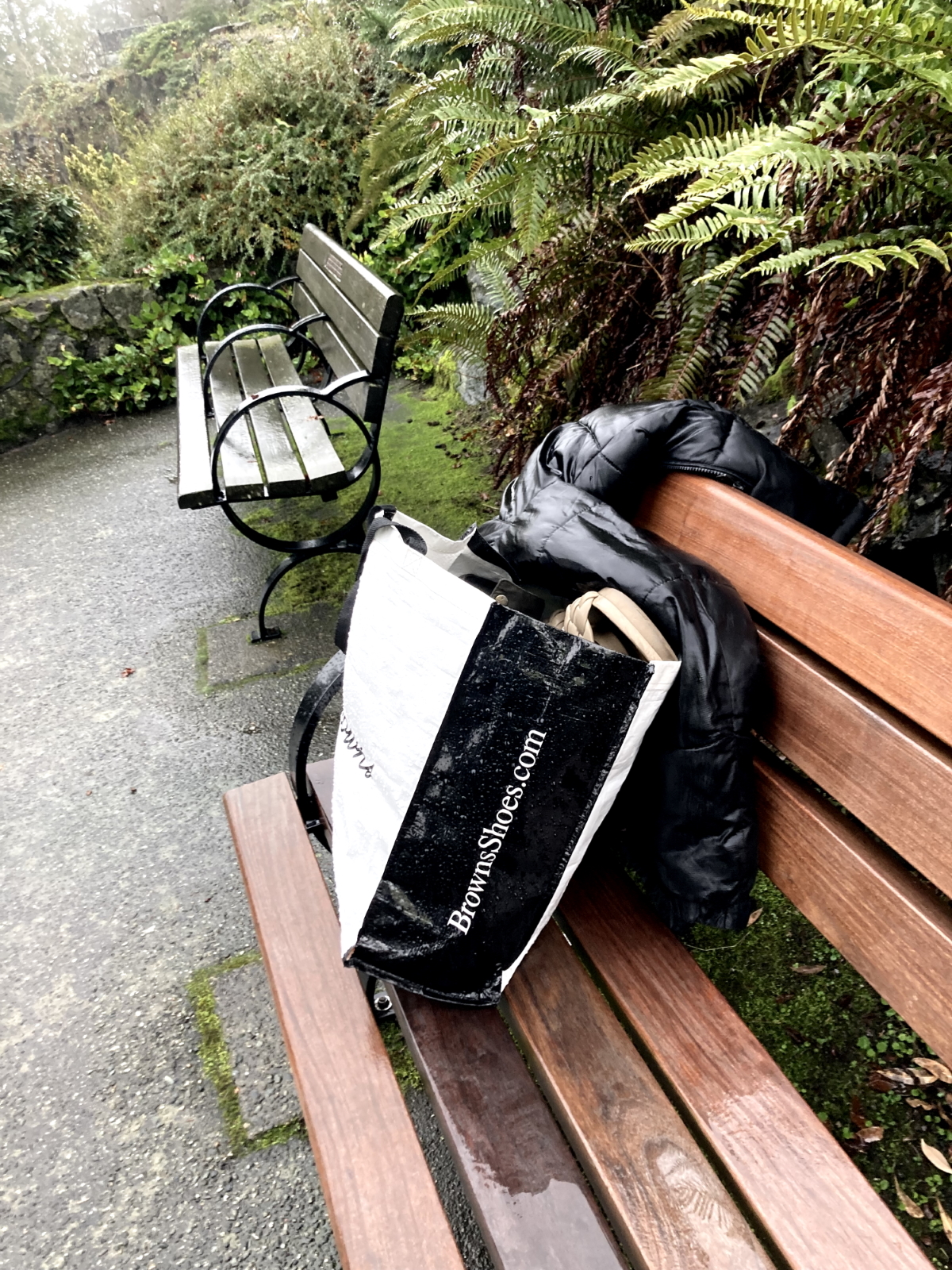
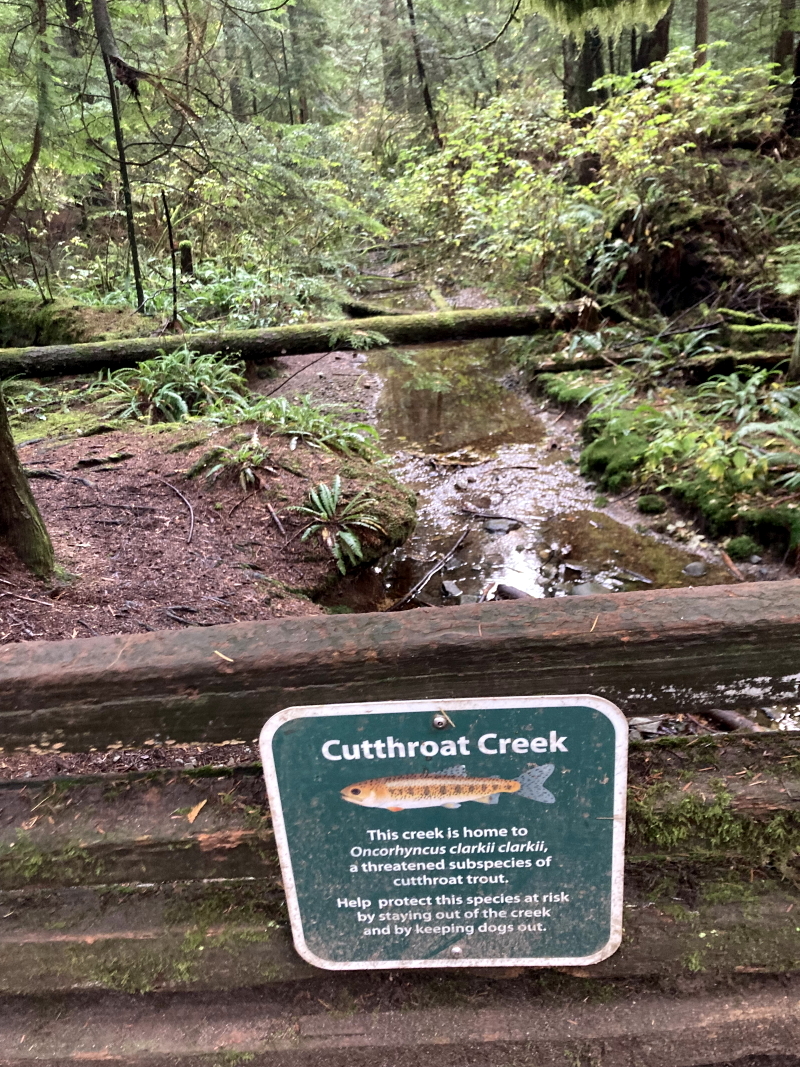
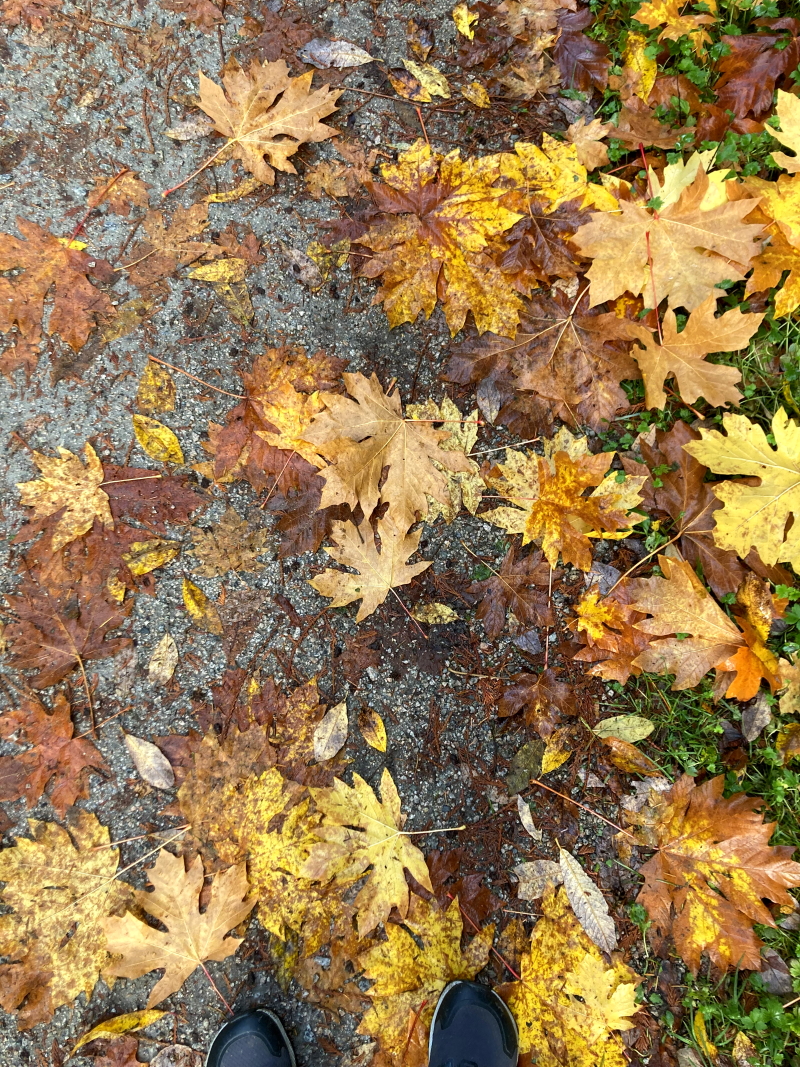
Kristina (9.45) : It was a chilly rainy day. I walked from my house to Queen Elizabeth Park, a large municipal arboretum which includes ornamental gardens, duck ponds, a pitch and putt course, frisbee golf course, restaurant, and tropical conservatory. It’s on the highest point in Vancouver, an extinct volcano, and is varied terrain.
This is my only regular walk site that I have visited for Walking in Pairs, and I felt like I could radiate and transmit information to Tamsin the whole time because of feeling so grounded. My impression was that she was also in a familiar location. I went to the highest point, where I gathered some audio for five minutes or so, rain on my umbrella, rain on leaves, probably some traffic, rattling a metal sculpture, a freshwater underground pipe, an exhaust vent from the conservatory.
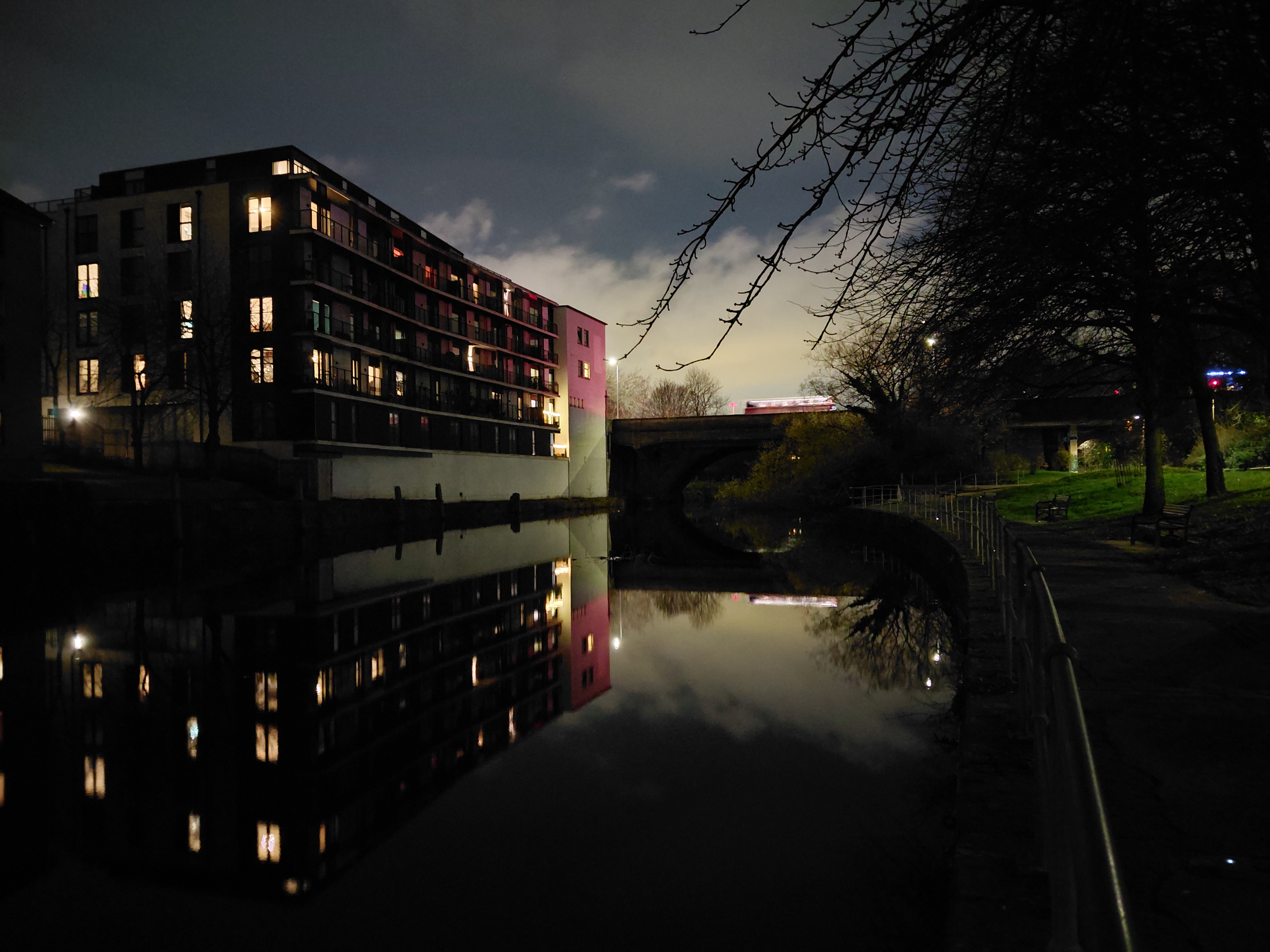
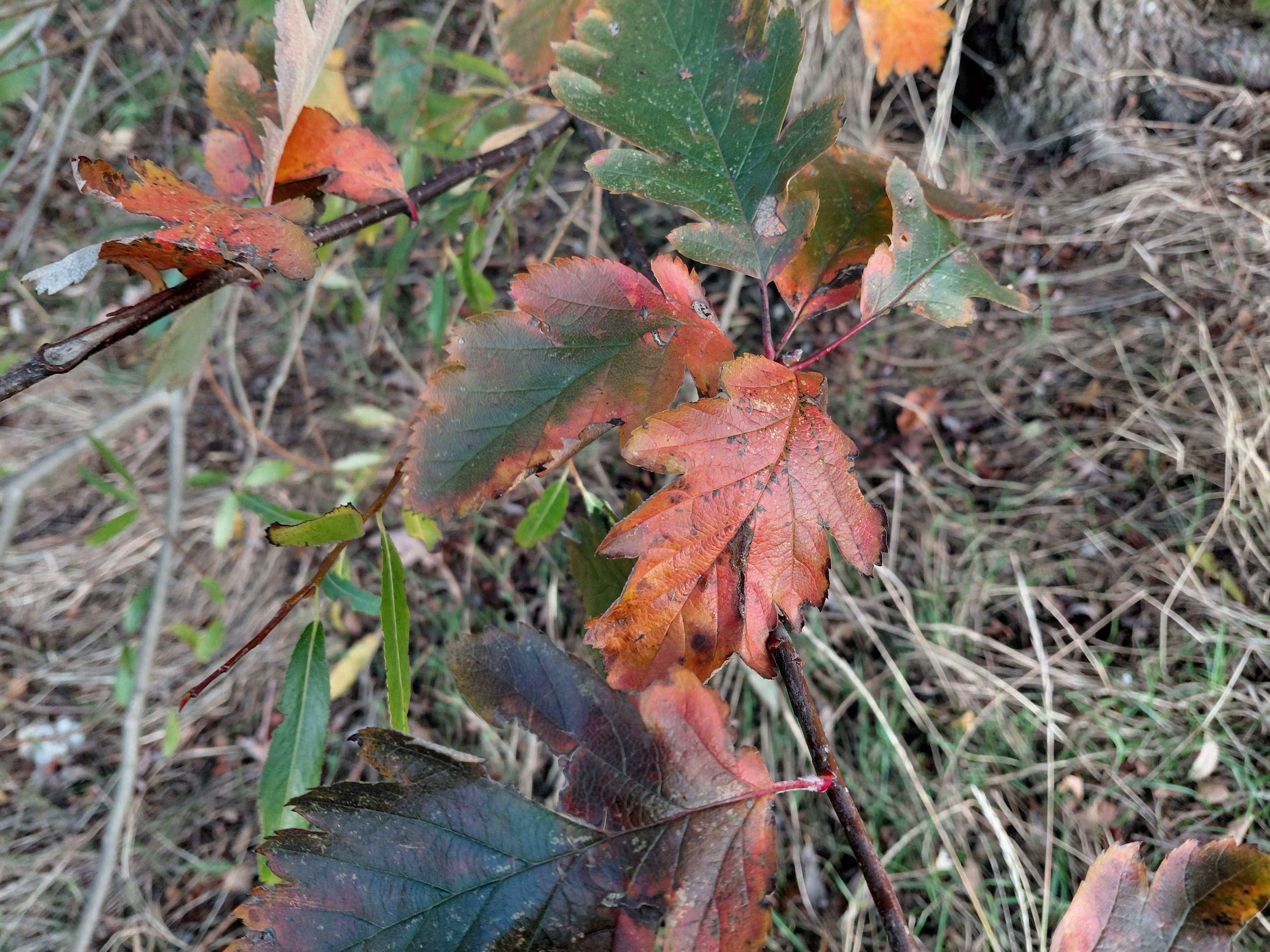
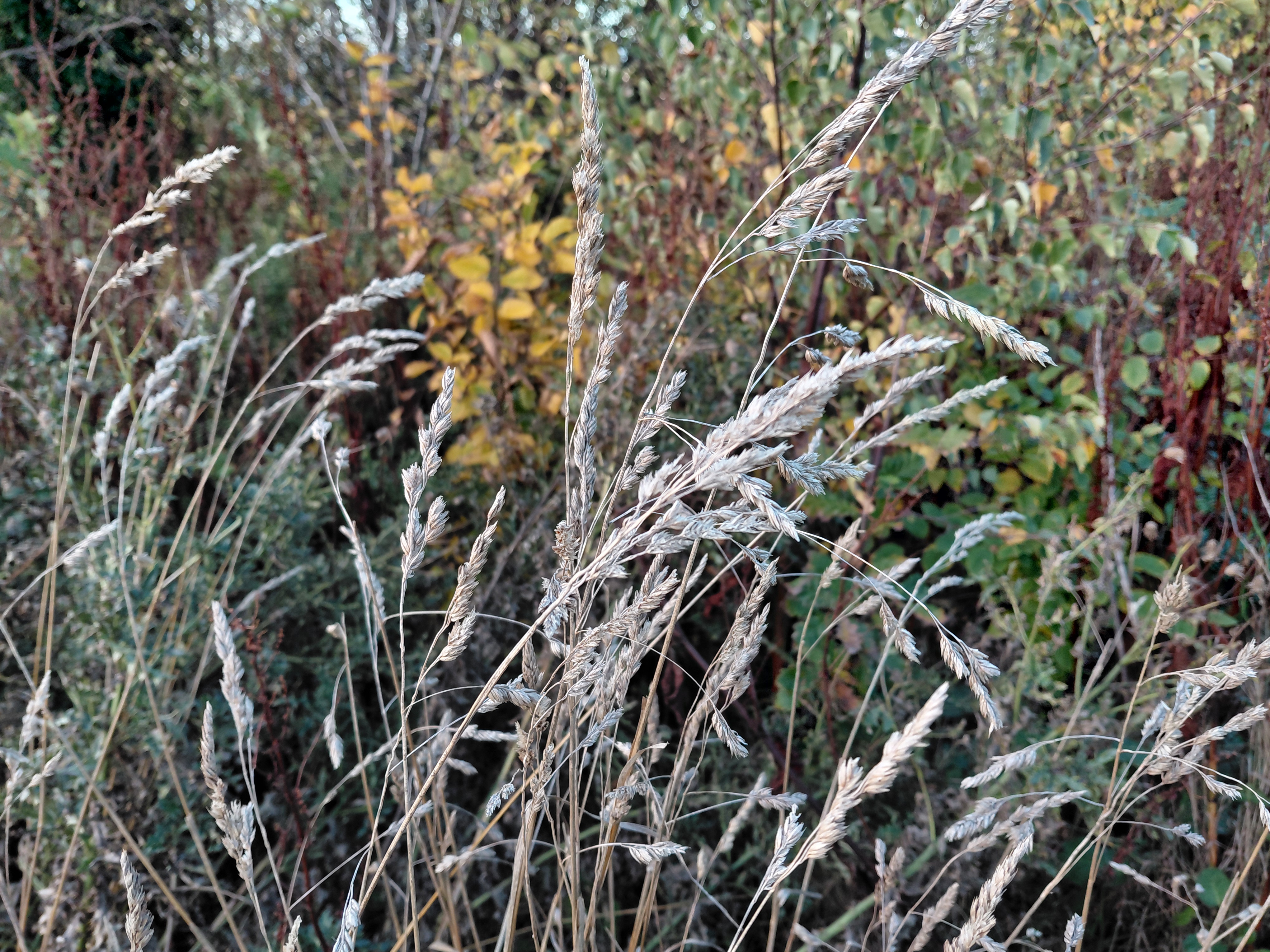
Tamsin (17.45): It was a chilly December evening in Edinburgh, a city built on an ancient volcanic landscape. There was no rain. Free-moving clouds only allowed me to see the full moon every now and then.
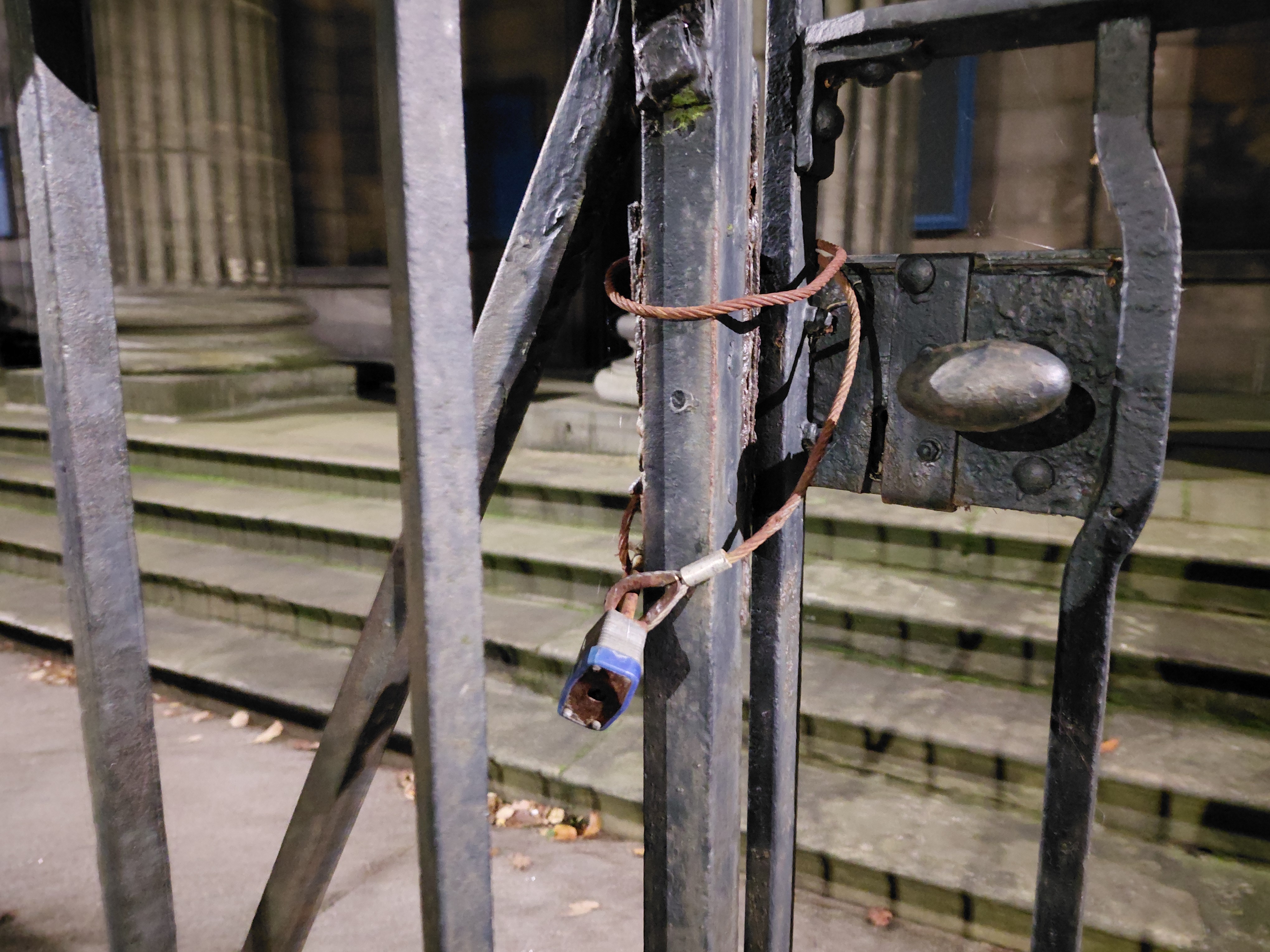
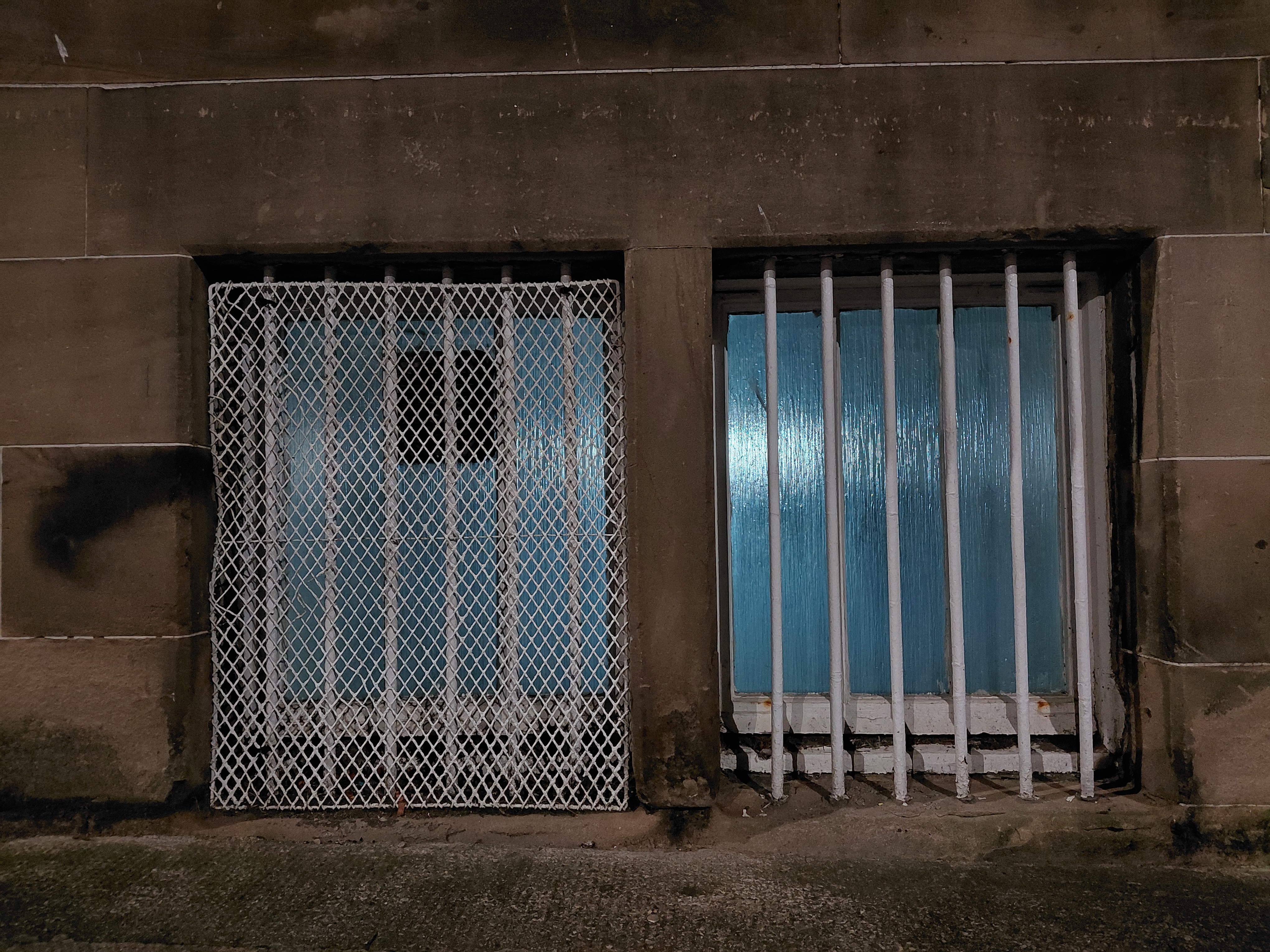
What route to take? On leaving the flat where I was staying, I soon came across North Leith Church, and though its grounds enticed me, lit as they were by an eerie light, I was unable to explore them because of a series of padlocks and ties. The plaque informed, Built 1818 by William Burn replacing the old St Ninian’s Church on Quayside Street. I’ll go to where it used to be then, I declared to the evening, and set off.
Where was Kristina walking? What was it like where she was, in the morning light over the other side of the Atlantic? Who did she meet and what sounds was she hearing?
KristinaTamsin – relating to the theme of constraint
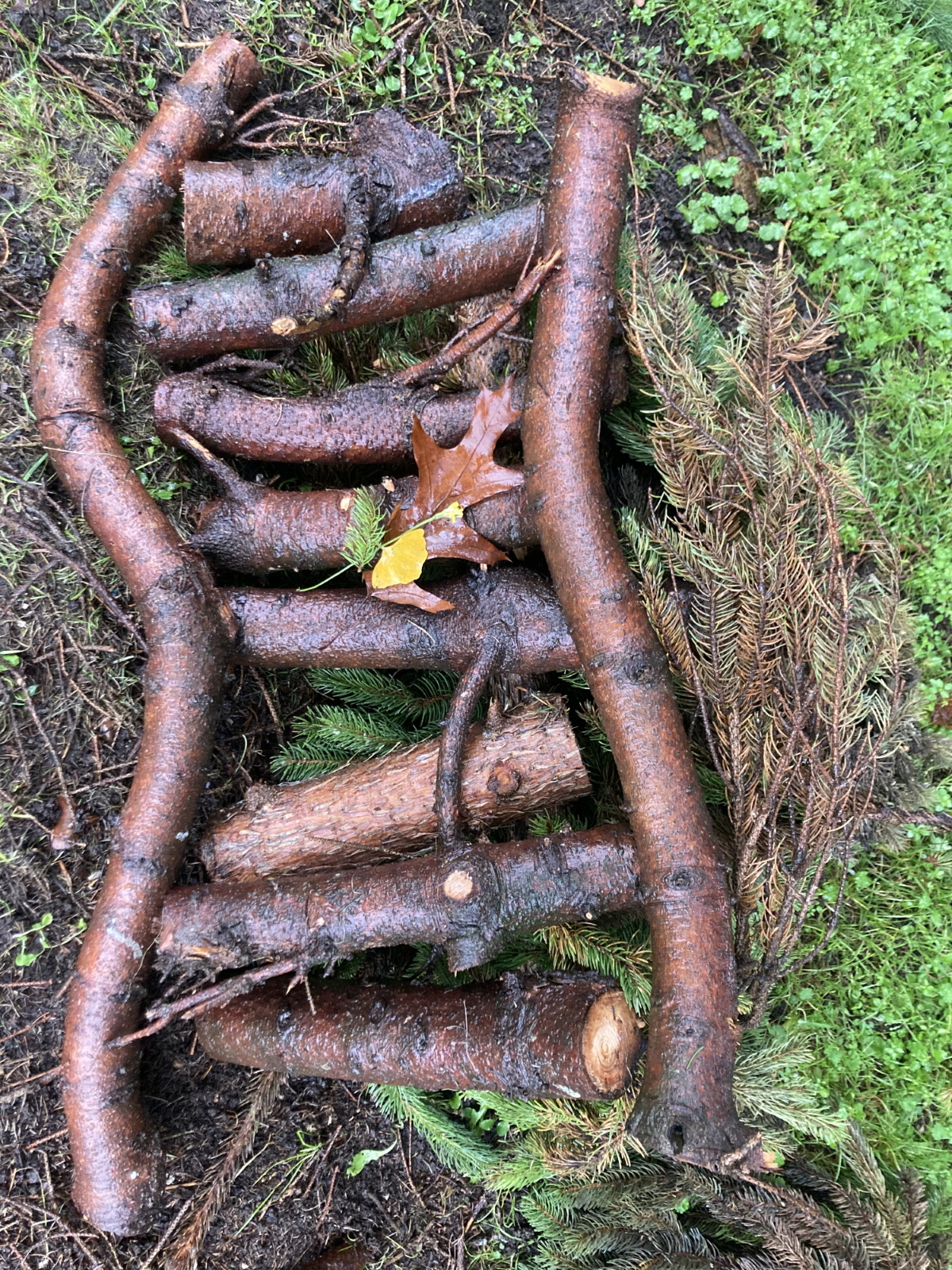
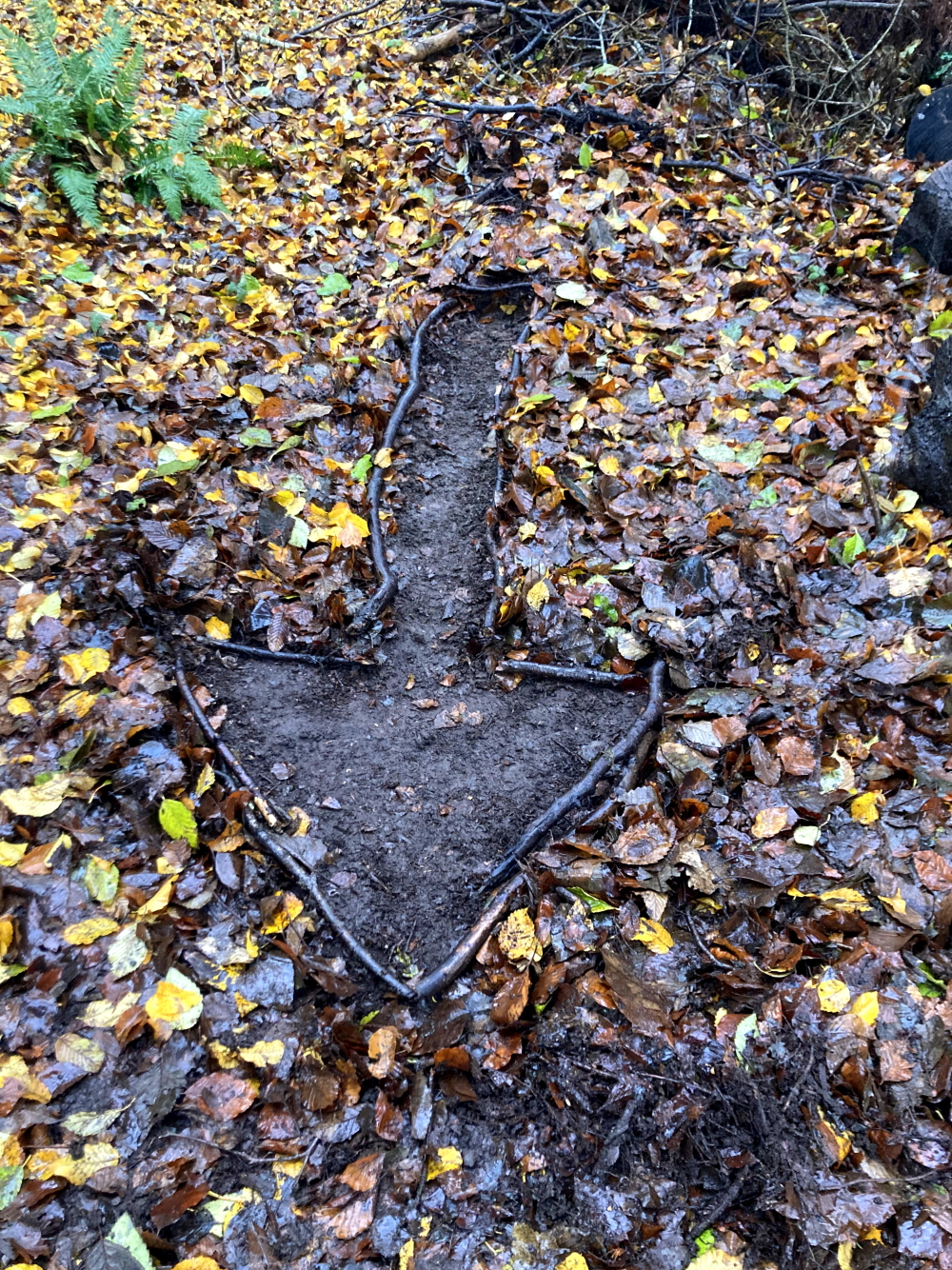
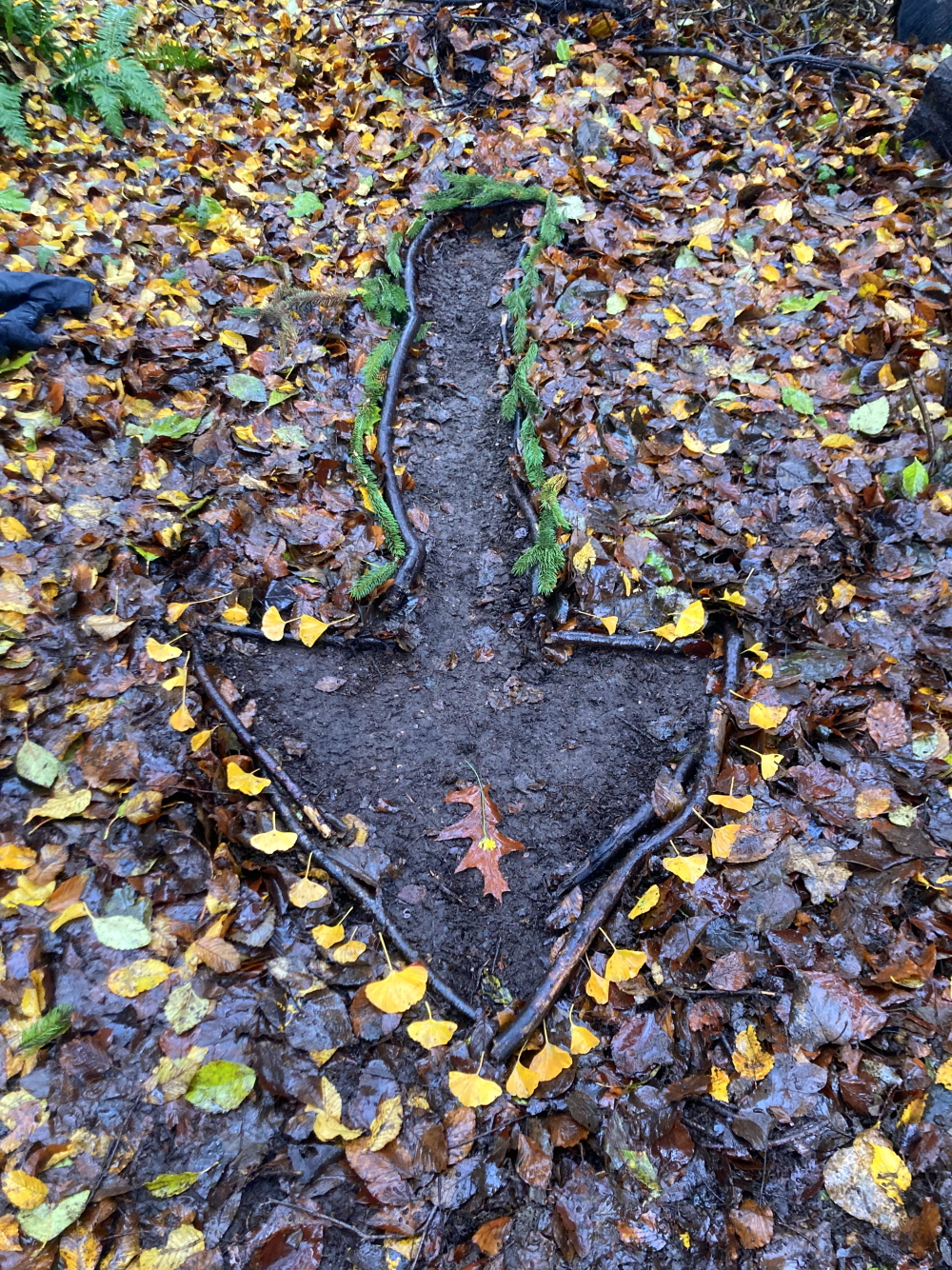
K: I entered the golf course, which is always deserted at this time of year and has some very wild, tucked-away areas. A fallen branch from a tree had been cut up, and I arranged some pieces into a pattern. I had had an idea to weave twigs or long grasses through a fence that runs along the golf course, and ventured into an area that I thought would be undisturbed. It was very wet and dirty, and I was not sure if the fence actually went through, so I walked back towards the golf course where I had thought instead to make a shape in the thick covering of wet leaves on the ground. I drew an arrow—a point of exit or escape—using our theme of freedom and constraint. I liked how it looked so I cleared the ground more and found twigs to line the arrow to give it more definition. This was challenging, given the rain, cold hands, and wet earth.
T: I joined the towpath at Coalie Park, a familiar location in the daylight, but not at night. It is not so much a park as a walkway beside the Water of Leith with municipal planting and wild greenery.
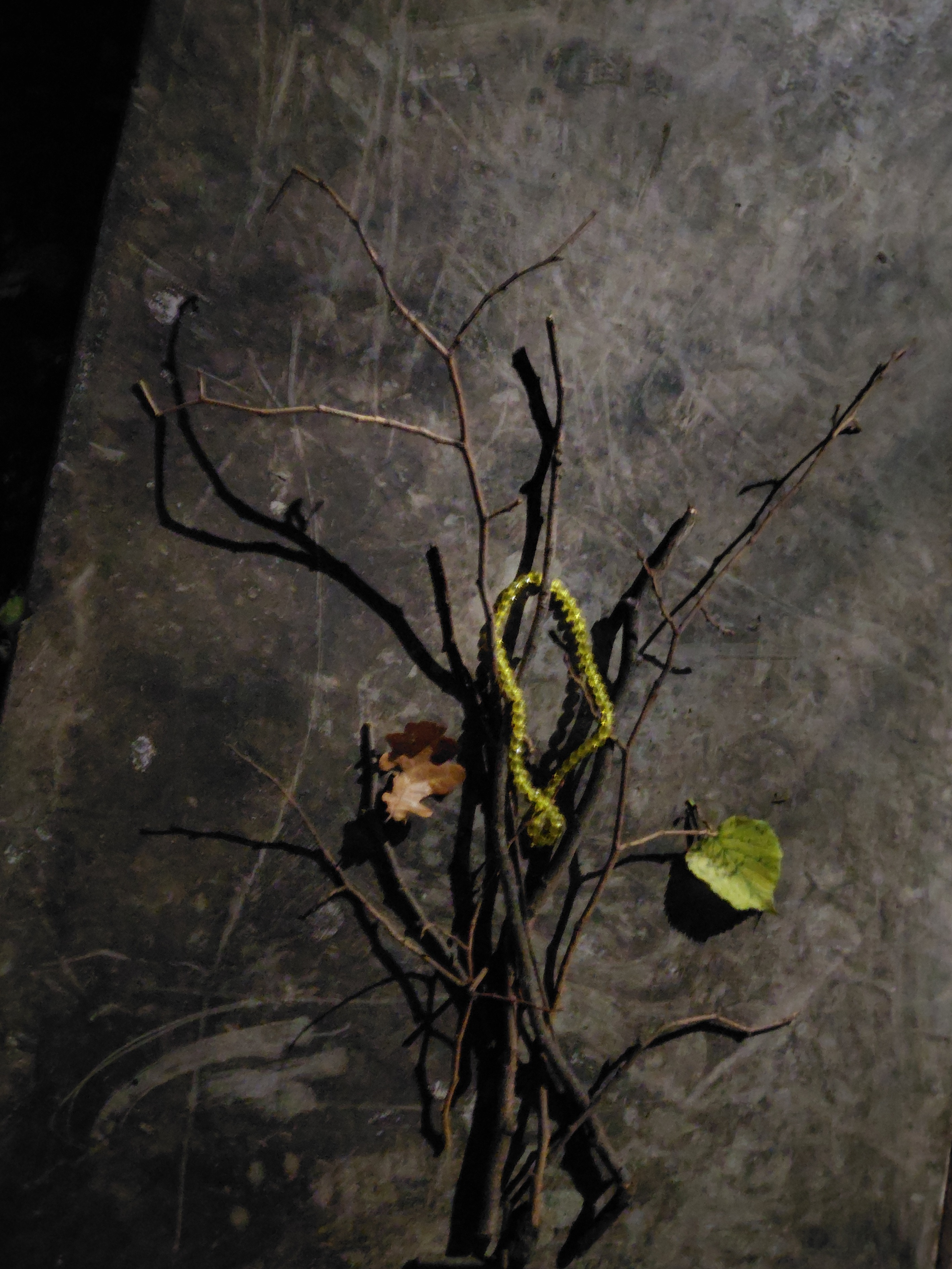
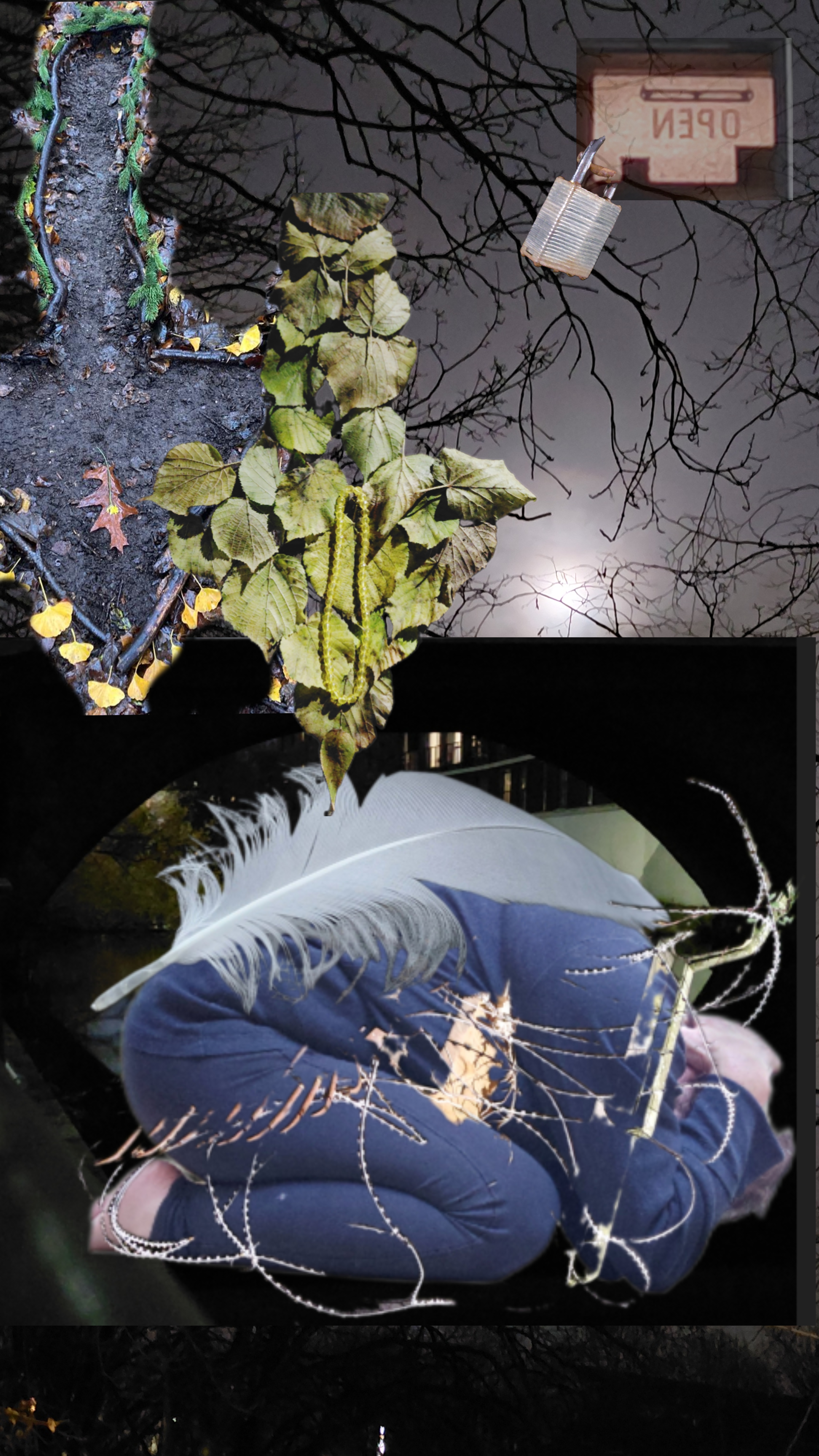
Collecting items which drew my attention, I arranged them on a shiny and durable surface that was part of a new skateboarding ramp. Collectively they spoke of my walk, our collaboration, themes, and the place itself. I was careful not to break anything, but juxtaposed them in a different way, forming a bouquet of natural branches and leaves and adding a necklace I had found earlier. My work was lit by street lamps which allowed the bauble to glitter. The background reflected in the same way that slices of the moon were being reflected in the water.
Kristina intervention 1Tamsin intervention 1
K: I sent my arrow photo to Tamsin, and when I saw the one she sent to me, I returned to the site of my earlier wood sculpture where I thought I might make an assemblage of my own. Instead I found the fallen leaves from a ginkgo tree, which reminded me of the colours in her piece, as well as pine boughs and some dandelion type flowers, which also echoed colours she used. I gathered a bunch of these, took them to the arrow and augmented the piece I had made.
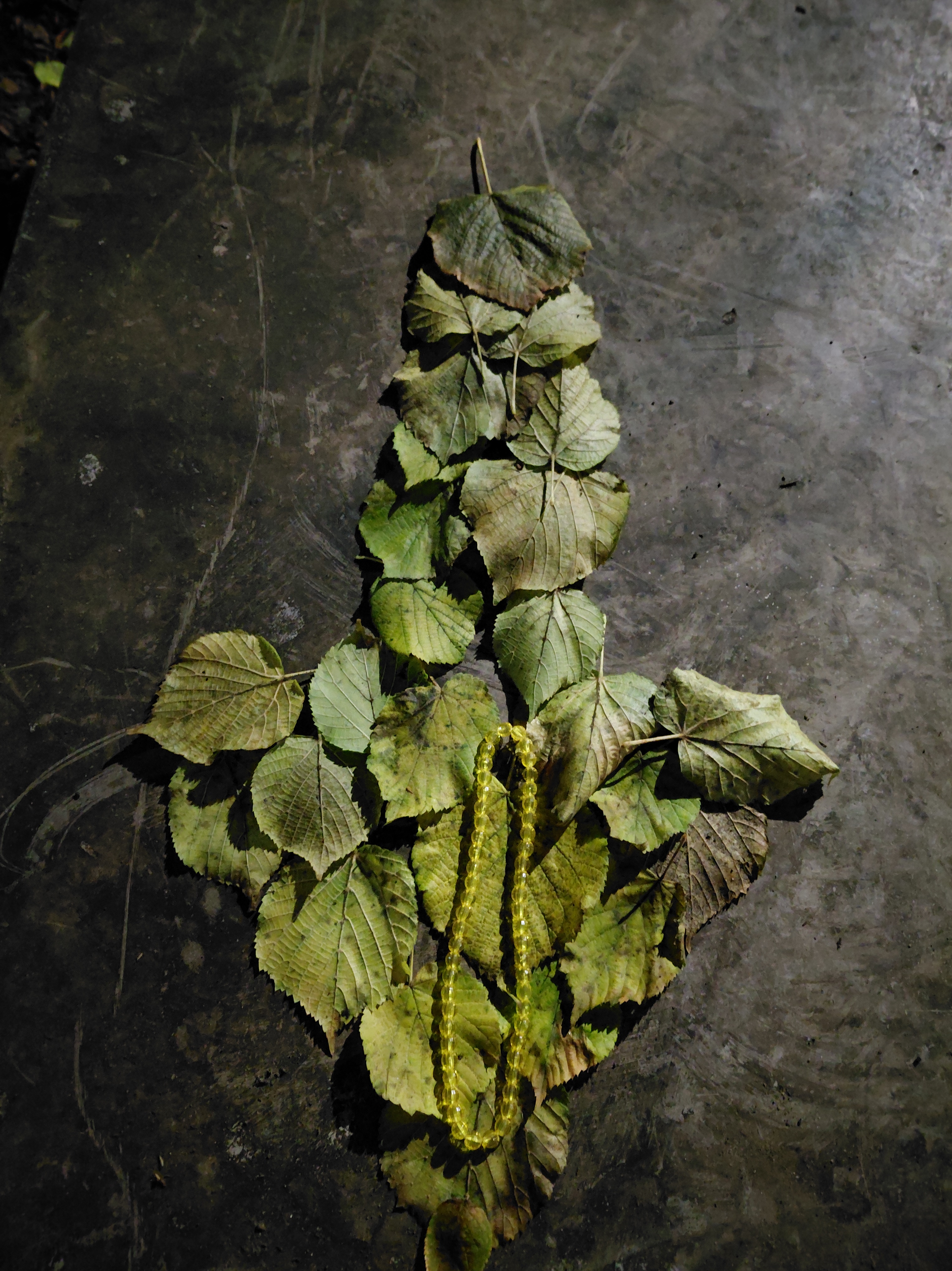
T: After sending an image of it to K, I responded to hers by dismantling mine and using the same sticks to form the outline of an arrow shape, allowing the earth to show through as she had. Not very happy with it, I returned to my metal surface and formed the arrow shape using more of the same lime tree leaves I had already used (ones that were littering the ground around my feet). Where hers was empty on leafy ground, mine was formed of leaves on a smooth surface.
Kristina intervention 2Tamsin intervention 2
K: At this point, I had a lot of mud on myself and it was almost time for another audio gathering so I went to a small stream that runs through the golf course and recorded the sound of water as well as the sound of pebbles in the stream clinking against each other.
T: As agreed, I made an audio recording 30 minutes in and must have left it on by mistake because there was 42 minutes of traffic noise, rustling, and water gurgling to listen to later! On finding railings and a metal bench, I used a branch to play rhythms and tunes, the sound ringing out across the water. I could hear snippets of conversation from the joggers: “Then I had some parmigiano left so I used that. Are you a parmesan fan?”
Freedom / Constraint
Listen to the audio collage that Kristina made using our sounds here:
K: Being engaged in an interactive activity created a sense of togetherness in a “beyond physical” way, that was probably more true than on previous walks for me. We retained minimal interaction, with only a few prompts planned ahead of time and one shared photo.
T: This was a satisfying way to deepen our collaboration, one in which we actively allowed our artwork to influence each other’s.
Kristina Rothstein and Tamsin Grainger took a third walk, together yet apart in October 2025.
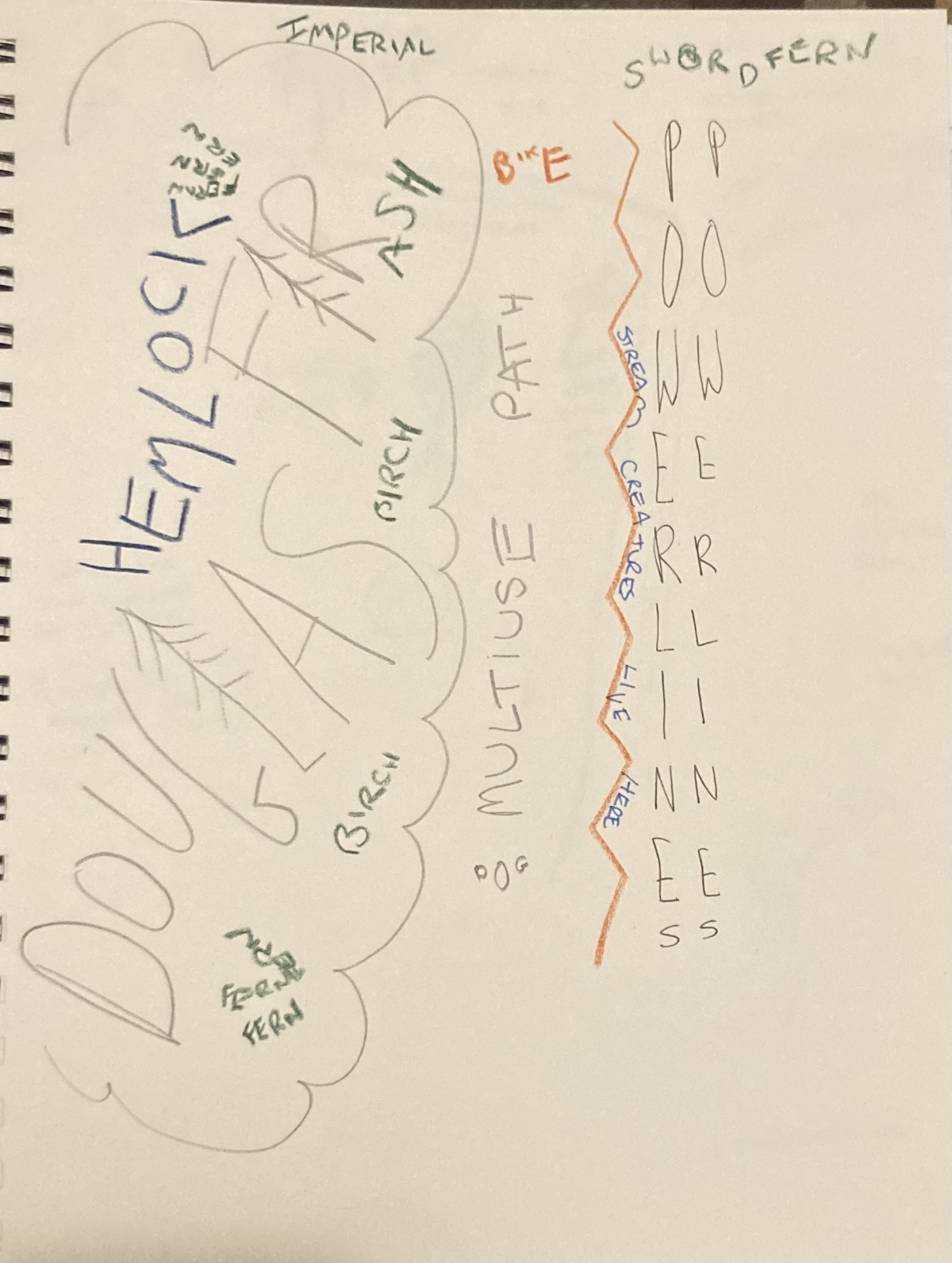
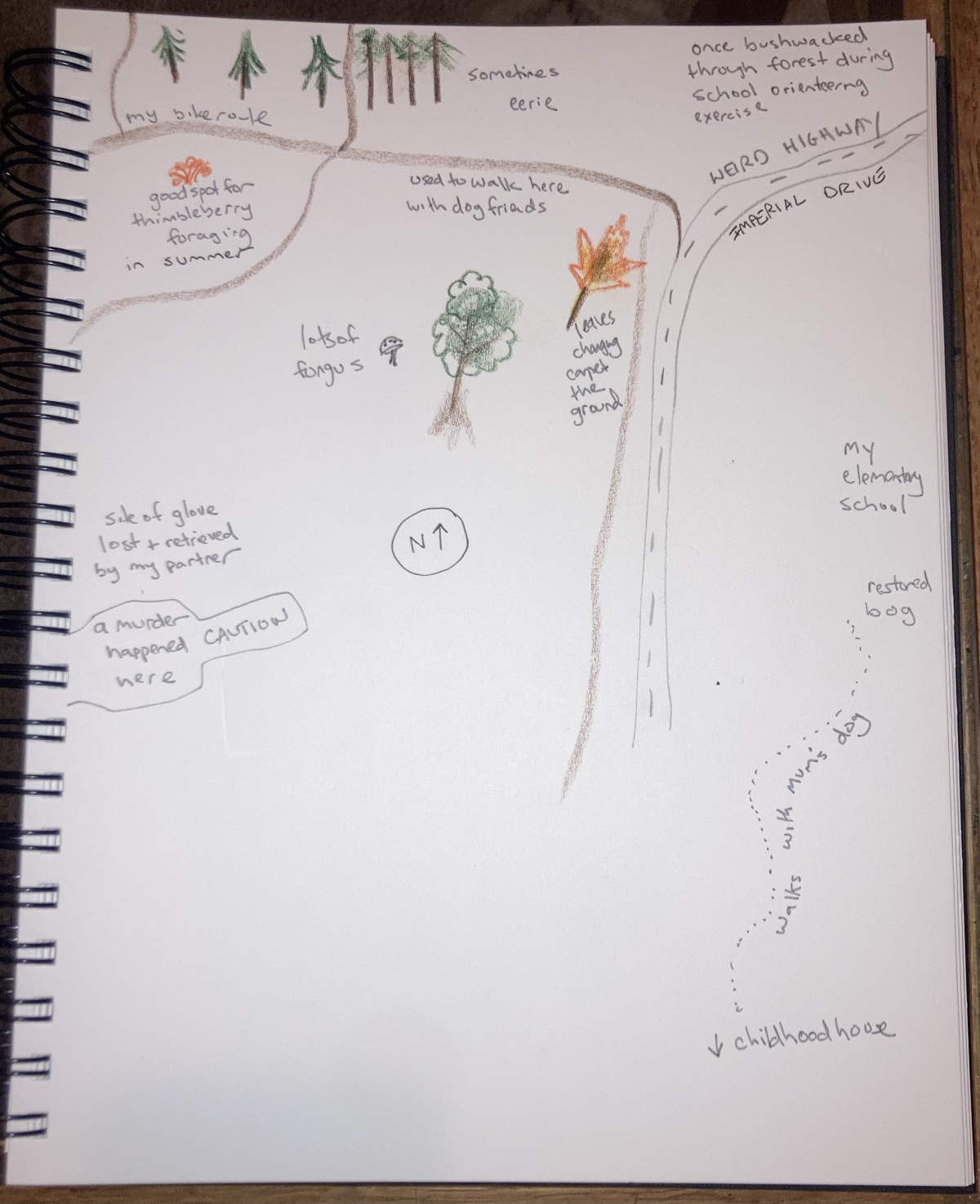
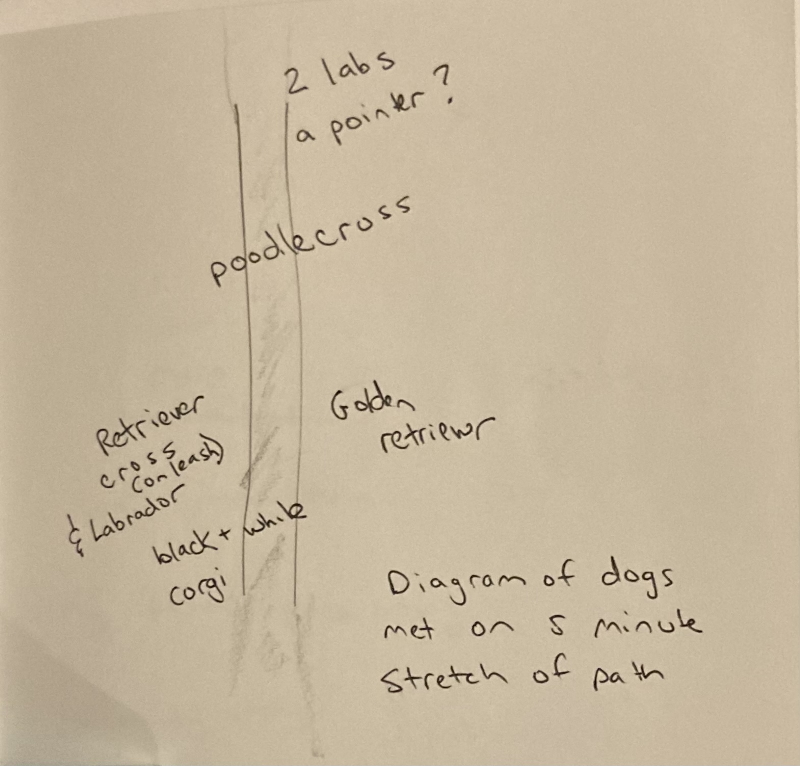
We walked at the same time as each other, Kristina in Canada and Tamsin in Scotland, agreeing that the location would be woods, and the subject, mapping. Stopping at 20, 40 and 60 minutes, we drew and/or recorded verbal maps on site and then followed up with artwork that included collage and video.
The top two images above were taken by Kristina Rothstein in Canada and the two below by me, on our Woods Walk.
The top two images above were taken by me, and the two below by Kristina Rothstein in Canada, on our Woods Walk.
The three illustrations above show Kristina’s maps of words, memories and dogs respectively.
This video shows images (photographic and hand-drawn in pencil), from Tamsin’s walk in Scotland, together with recorded audio maps of the natural species found in the woods, and the rubbish that threatens to engulf them. It also includes two collages made using the InCollage app and paper/glue/scissors.
For our second walk together-apart, Kristina Rothstein and I walked in Tokyo, Japan and Edinburgh, Scotland respectively. 2nd October 2025. The agreed location was the city, and coordinated stops were scheduled for the beginning, middle and end. We were looking for found words to make into a poem.
TokyoLeith, Edinburgh
Kristina’s walk
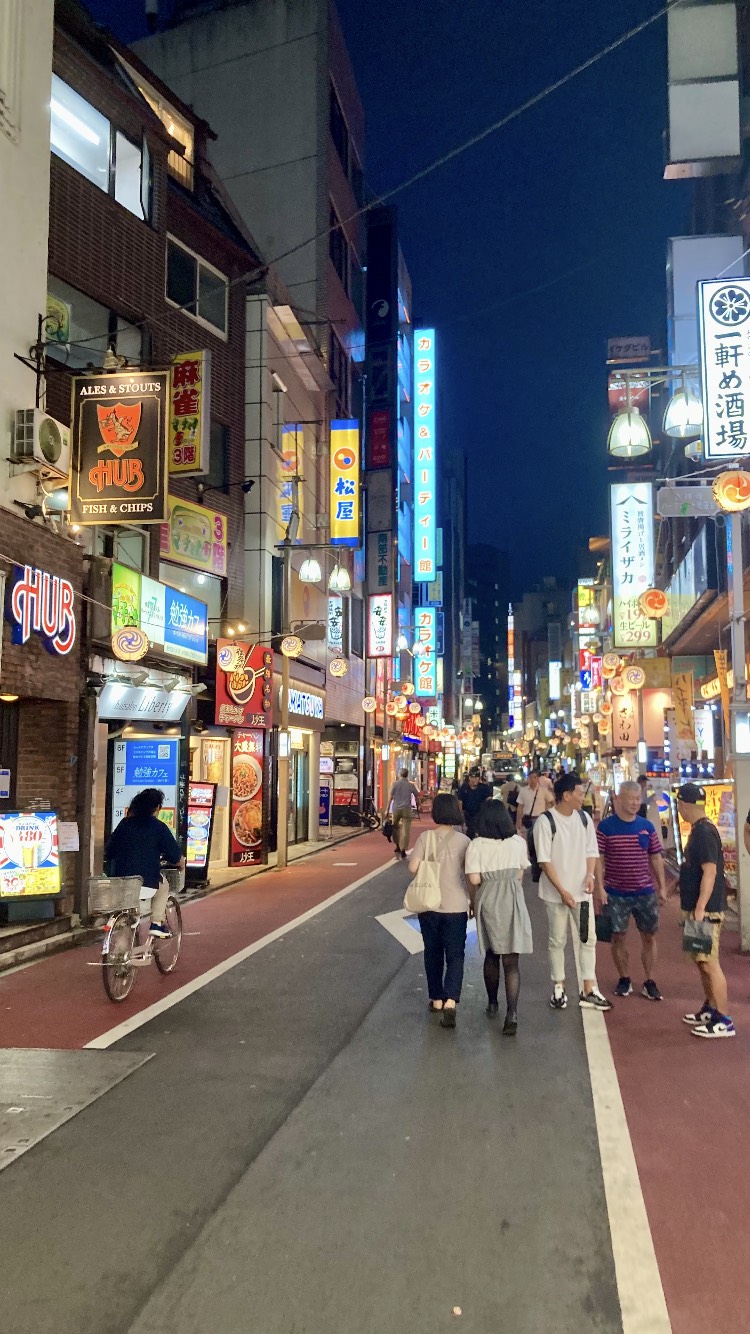
The walk started at 7pm Tokyo time, on the last night of my three and half week trip to Japan. Japan does not use daylight savings time, so it was completely dark. It was a clear night with a half moon. I started my walk at Luke Jerram’s “Museum of the Moon” installation at the Shimokitazawa Moon Festival, located at the Shimokita Senrogai Open Space. Shimokitazawa is a hip neighbourhood on the west side of Tokyo with lots of small independent shops, cafes and bars and very narrow, vibrant streets. I have only spent 10 days there but it is the distract of Tokyo that I know best.
There were many young, excited visitors to the moon installation, taking selfies and buying snacks. I did not plan a route, but a general circuit. I walked along a greenway for 5-10 minutes, which is lit and moderately travelled. After that I headed into residential streets. In sharp contrast, almost all were completely deserted, even at this relatively early hour. Tokyo’s narrow residential streets discourage traffic, so I saw no cars and only a few pedestrians. I passed a few bikes and one cat. I heard many chirping insects as if in the countryside. I crossed several level crossings. Some streets continued in a long straight line, but most were on an irregular grid. After over half an hour weaving through these quiet backstreets, I emerged back to the bright streets of convenience stores, restaurants, apartment buildings, hair salons, and grocery stores.
The sensation of the walk was strange. To wander with no destination in the evening in an unknown city was unusual for me. While on busy streets I observed people from more of a distance than I usually might. It was also odd to be on such quiet residential streets when I was not walking to one of those residences.
I imagined Tamsin in a part of Edinburgh that perhaps she didn’t visit often or didn’t know as well as other parts, seeing streets as if a foreigner. I felt a sense of many more residents walking those backstreets, an urban bustling that was perhaps more evenly spread out than what I experienced. I imagined the shift from moonlight to daylight and back. In this unfamiliar setting I found it a bit easier to receive impressions and ideas than to transmit my own, though I certainly tried.
Kristina’s poem
Moooooooon Light and bright, it hypnotizes and drags crowds to its orbit, hands rearranged to hold the moon up in the sky
Mushi mushi, Japanese kitty! Oh you are a shy kitty. Off on your Night business my friend. I love you. Sayonara.
“I have no idea who James is. And now it’s available. awesome!” Siren-like tones ring Ding ding ding ding at Level crossings clang clang every three minutes. Dog walk bark
Then. So quiet Leaves whisper and the chirp of crickets Chirp chirp chirp sussuration, or stridulation words I just learned One of my favourite sounds to sleep to
Is everyone tucked away at home or are they out on the town, eating drinking fun in a Myriad of tiny spaces where you can get a fresh botanical soda or an experimental music tape or Ramen handcrafted by a man who lives upstairs or take a selfie in front of the moon projection
“You really feel like you’re somewhere different”
Play table tennis Recipe shimokita Caution crows Underground rock Café stories
Just One Cat Up To Per Person
DING DING DING DING
Prohibitions and manners around Shimokitazawa Station: No smoking No littering No graffiti No street vending No parking No skateboarding No nuisance
“And so many even, oh!”
bird song or the hum of an air conditioner or the whistle of an exhaust pipe or a tiny delivery van, the silence of headphones.
Clang. Chirp.
And now it’s available. awesome!
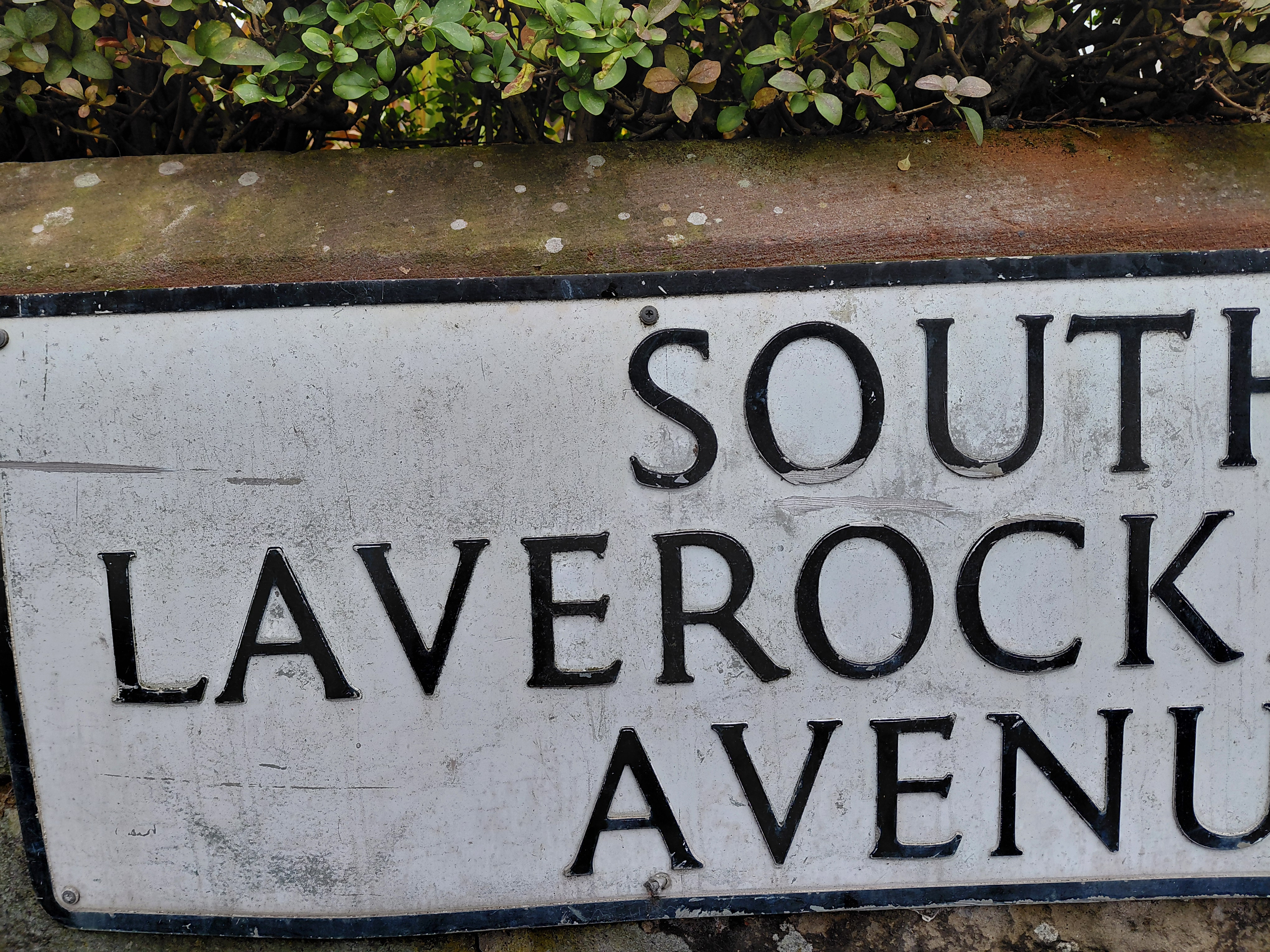
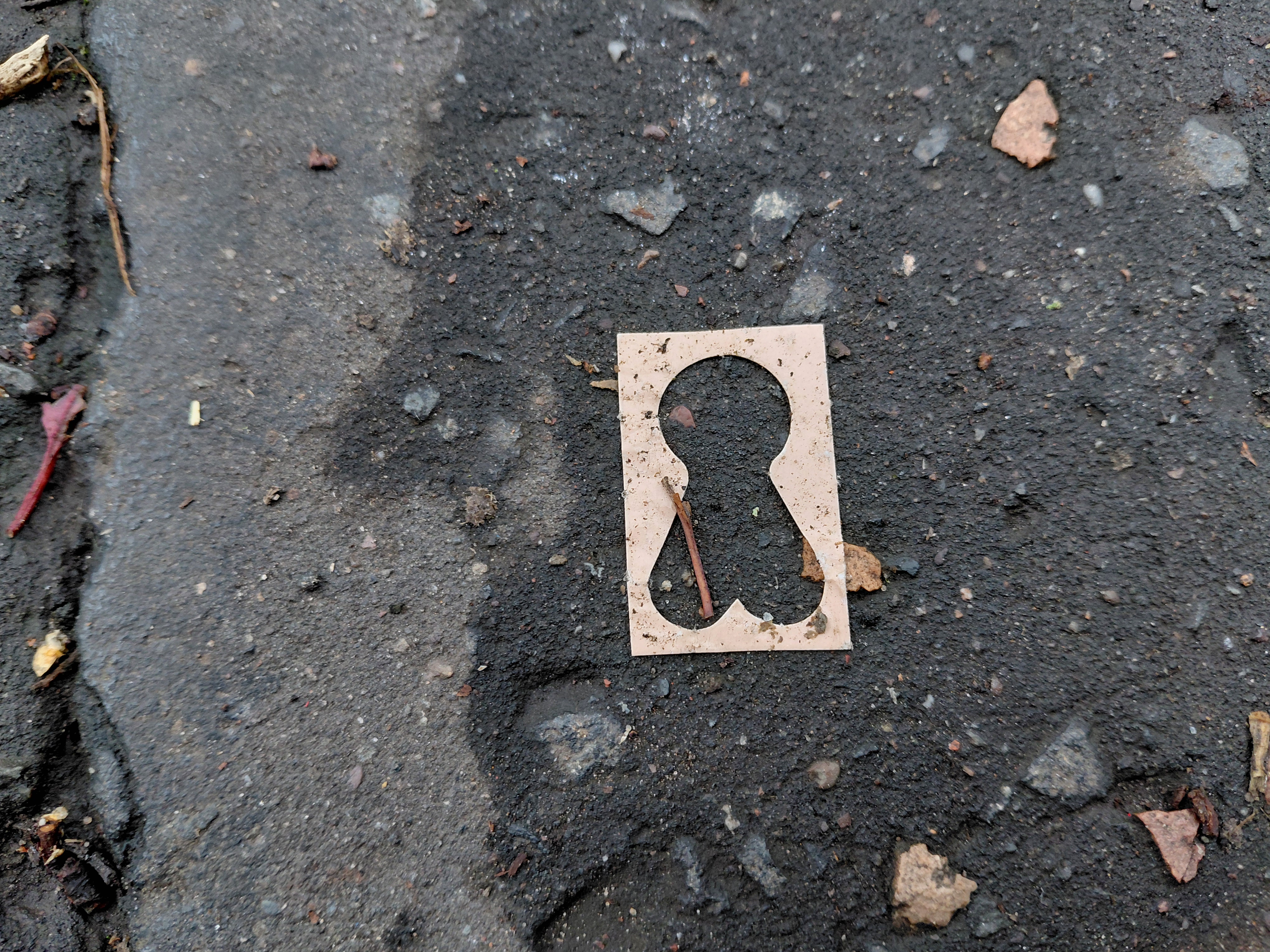
Three images above by Tamsin: U or a smile; hoolet’s eye; Laverock – skylark
Tamsin’s walk (parts 2 and 3)
11.30am
///galaxy.belong.eating *
U (or is it a smile?)  And me walking. T’wit t’woo Owl - hoolet in Scots. Circular O, eyes seeing, not in the dark, but across space, from Scotland to Japan, Tokyo to Edinburgh. You to me to you. And back again. Up a long straight street, I turn left and head into a busier area. South Laverock Avenue – Laverock being Scots for skylark - the birds are not heard here nowadays, nor, I suppose, where you are in downtown Tokyo. In the past, though, it used to be a favoured spot for larks, so an 18th c merchant named his house after them and now there’s a whole area called Laverock this and that. Like the lark singing and spiralling up high, I’m signalling to you, seeing if your thoughts are uppermost so I can detect them, looking, linking up these two walks with our feet, time, and intent.
Three images above by Tamsin: MAN; mans profile; SWALK (sealed with a loving kiss)

12 noon
///roofs.asking.sulk
White ring with a black centre and an arc to its left. Second silhouette of a male head in profile (previously, MAN on the front of a car in strong, square, manly letters with a roaring lion logo, in case we don’t get the picture). I'm on a busy shopping street with lots of cars and outlets. The next shop flirts with me: ‘Hello Gorgeous’. Walk In, the hair salon says, but I don’t. I’m headed to a café: Sketchy Beats (you started at one in Japan, I’m ending at this one) arriving at 12.05. It was shut.

A little further down the road a shop read, ‘Tokyo’.
This is a new collaboration between Kristina Rothstein and Tamsin Grainger where we walk together, apart. Kristina is in Vancouver, Canada, and I am in Edinburgh, Scotland.
Last week, we walked at the same time as each other, despite the time difference of 8 hours and having only spoken together once online. We didn’t exchange maps or describe where we were going, but agreed that we would walk on edgeland (whatever that meant to us), and stop to communicate in some way at 30, 60 and 90 minutes during our walks. We both viewed and listened to each other’s work before we began. Our interest was in the process, experience and outcome of such an experiment, whether we would find that there were any cross-overs or influences, despite the geographical distance.
Kristina walks in Vancouver
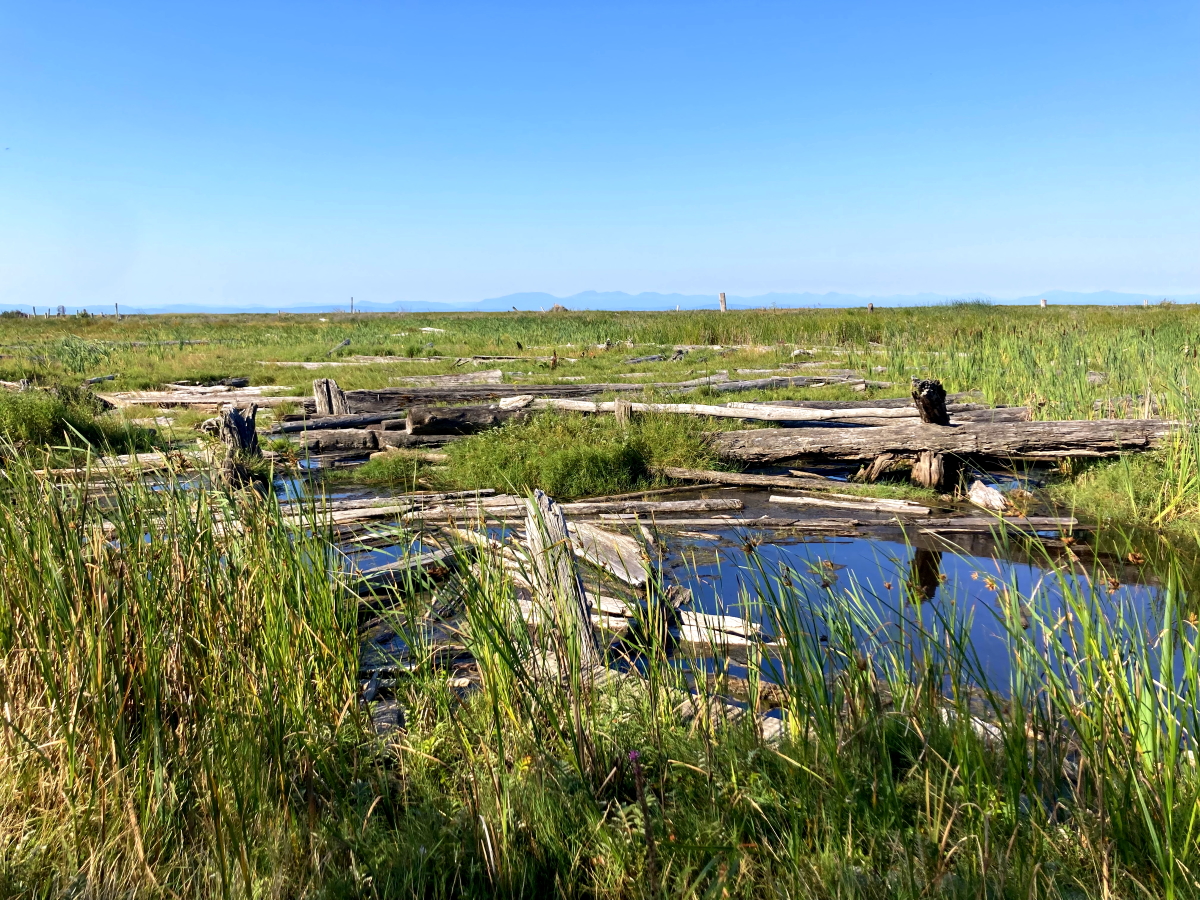
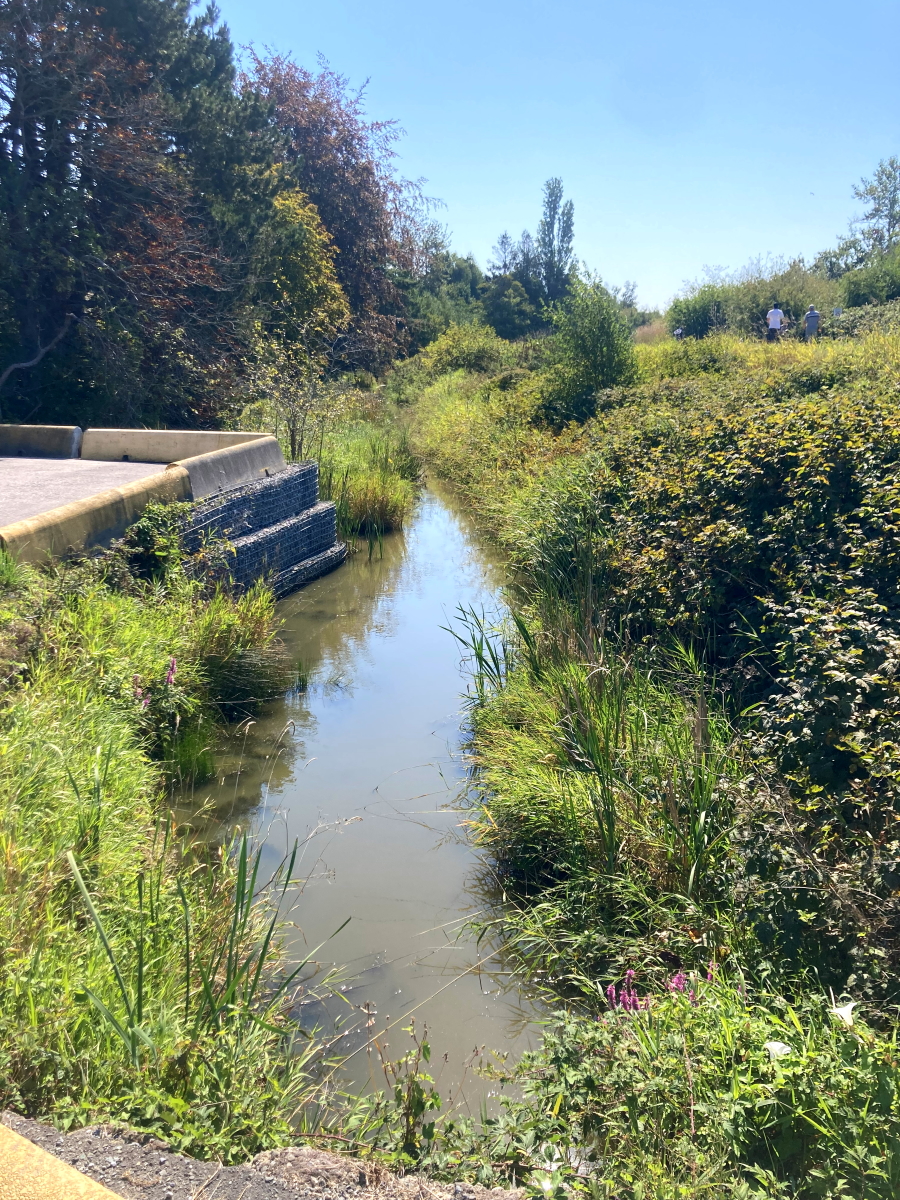
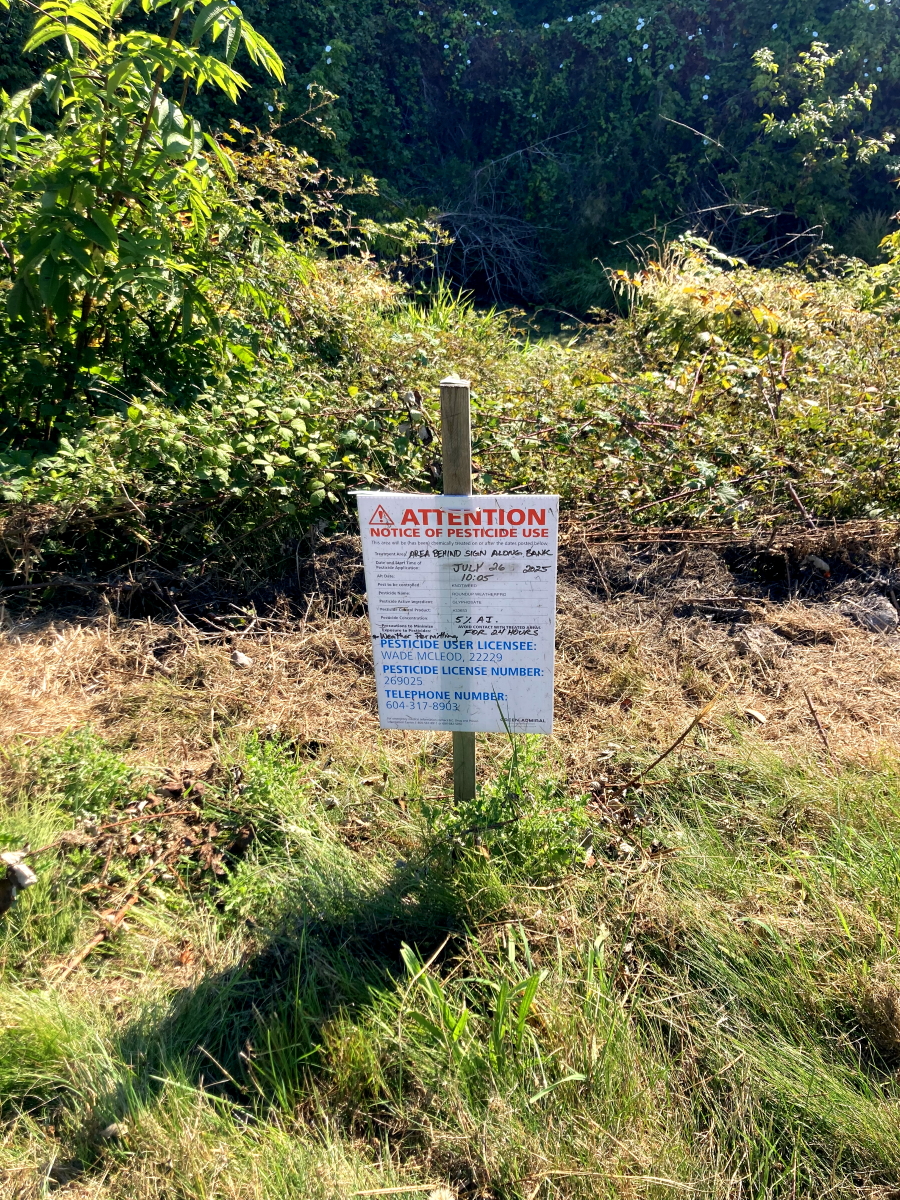
Kristina writes: I began my walk at a parking area (///swimmer.behaving.sailor) where the middle fork of the Fraser River meets the Straight of Georgia (Pacific Ocean). I followed a multi-use trail along the dike. When possible, I took unofficial trails that skirted closer to the intertidal flats area, passing through some thickets to where the ground becomes watery. My first intervention happened there. Leaving the path felt right. My second intervention was on the gravel dike path, where a long row of tall trees lines a golf course. My third intervention occurred where a residential road dead-ends at the trail, with a rural park on the other side.
Tamsin walks in Edinburgh
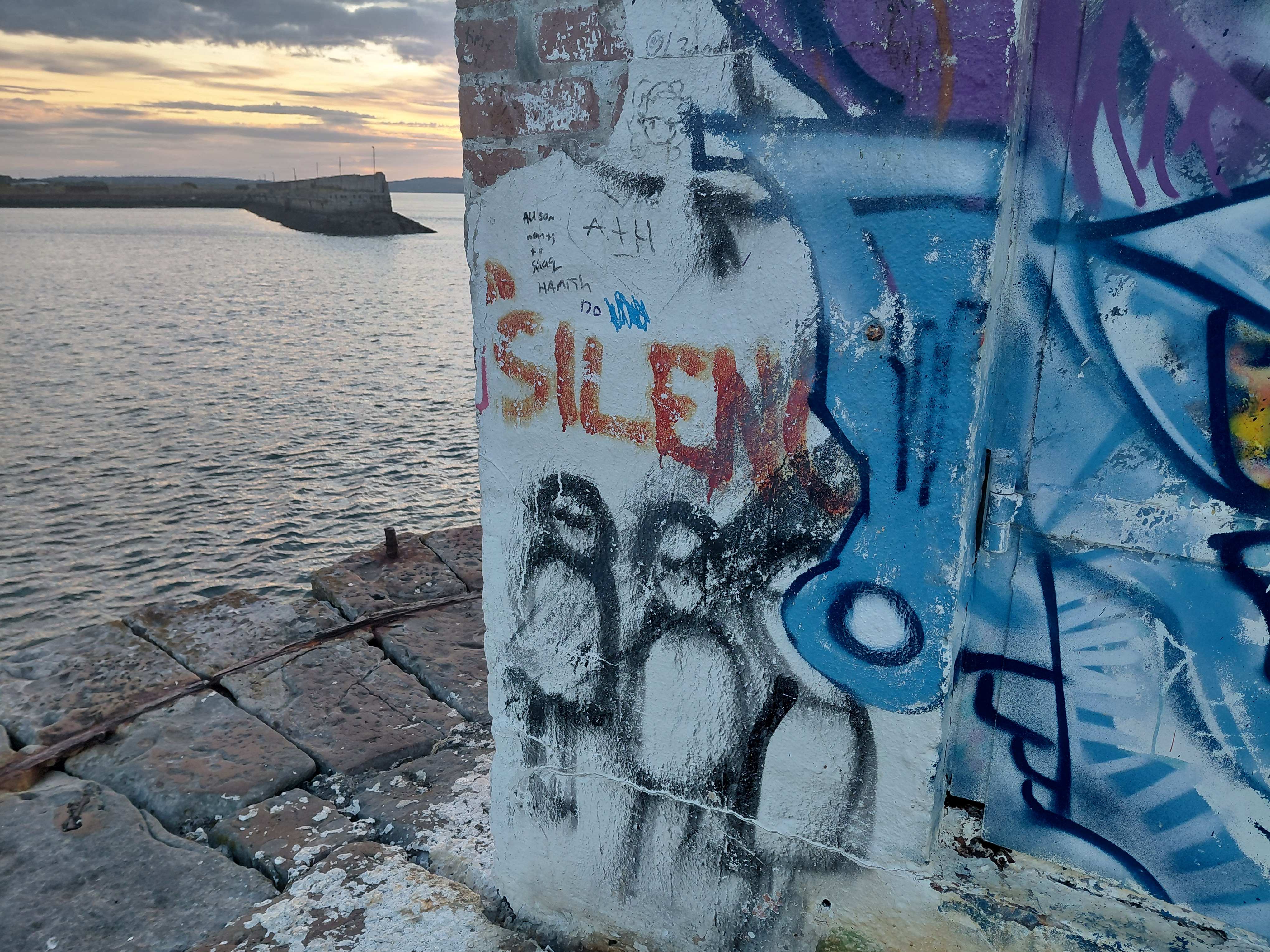
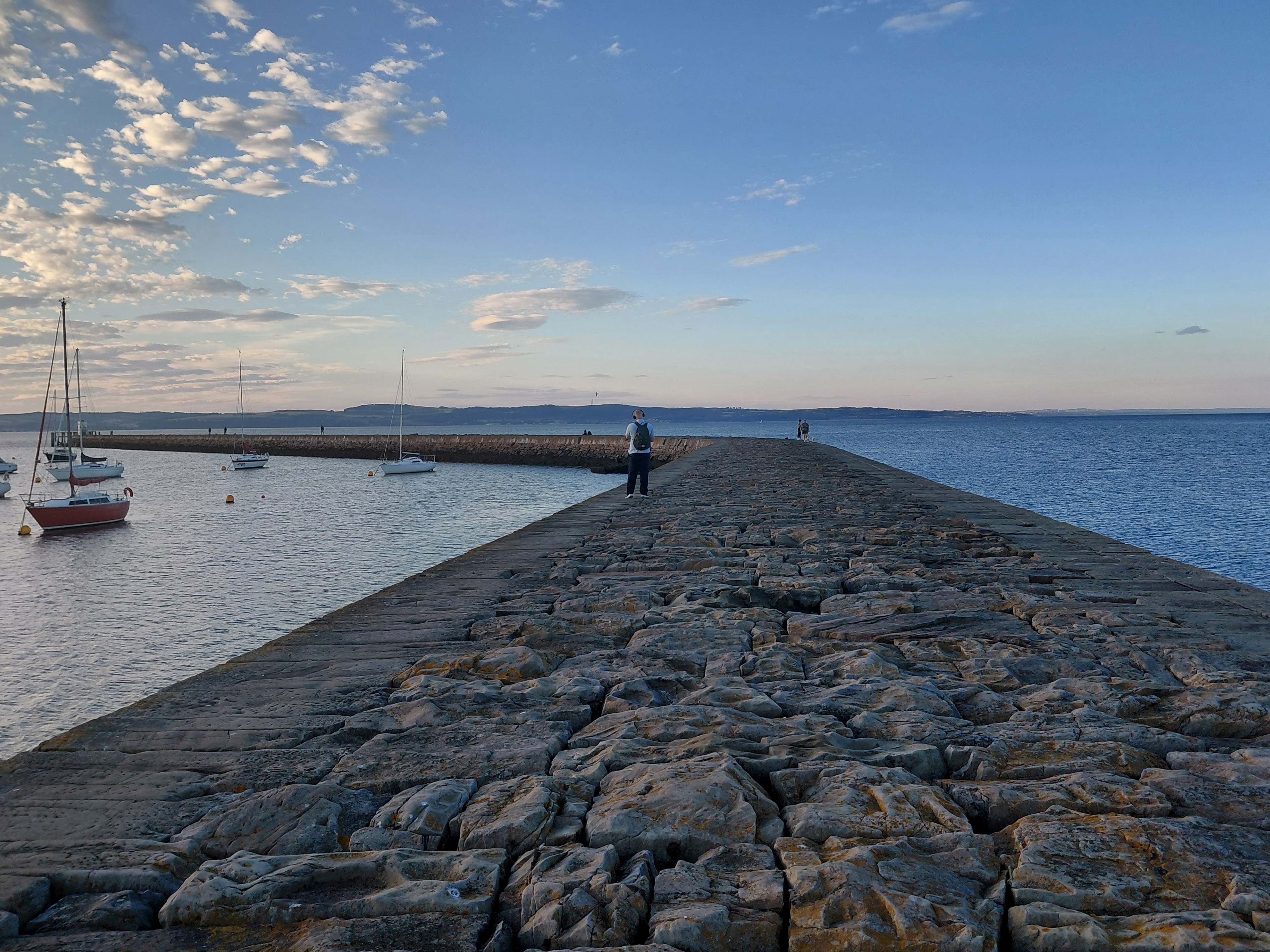
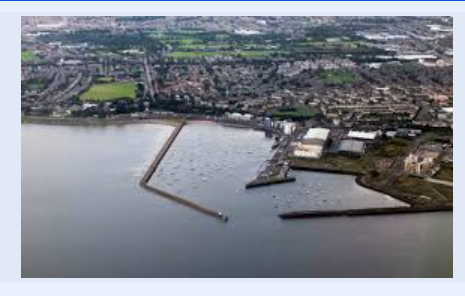
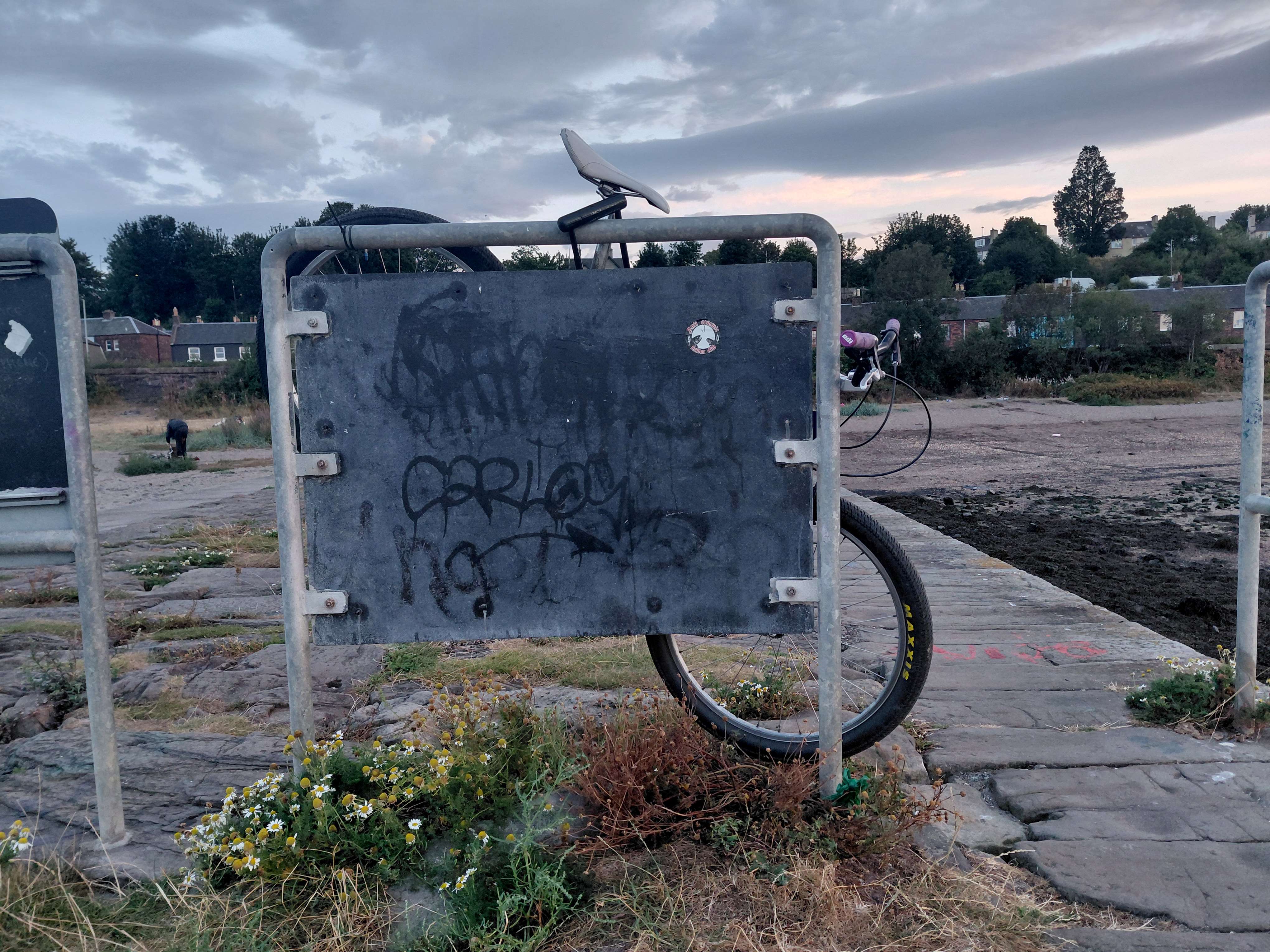
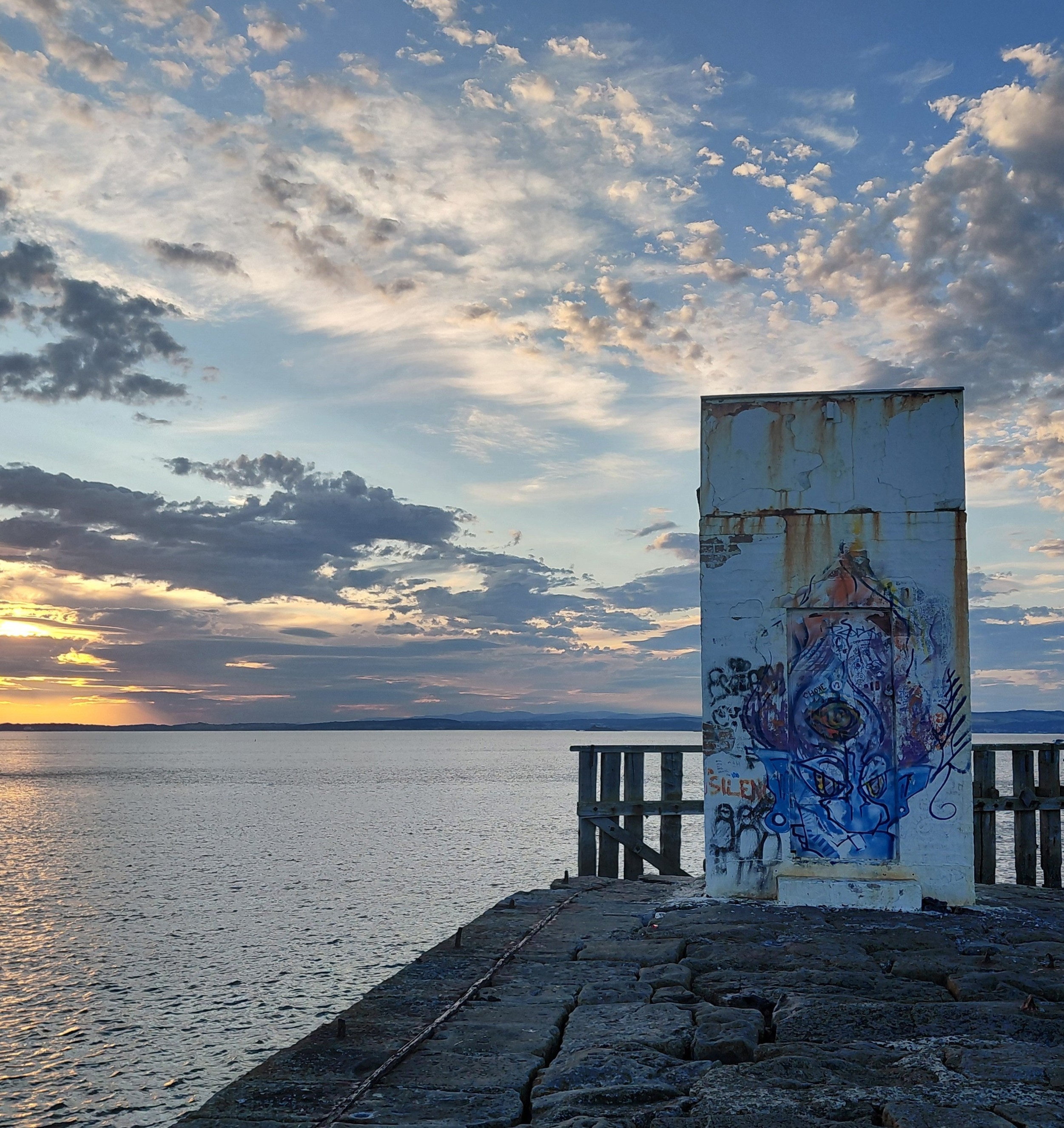
Tamsin writes: I began my walk at the intersection between land and the Firth of Forth (///kinks.coats.salsa), an estuary of the North Sea at the edge of the city of Edinburgh. I followed the Eastern Breakwater, the right arm of Granton Harbour. This long, stone wall (would you call it a dike?) is raised above the sea and divides the calmer waters where the yachts are moored, from Wardie Bay which is used for wild swimming. The Breakwater travels directly out to sea and then bends left, eventually coming to an end where the ocean surrounded me on three sides. A graffiti-covered structure stands sentinel. ‘Silence’ I read to myself. I looked down to the skirt of stones which appear at low tide around the base of the wall and saw a fisherman casting his rod. If he was aware of me speaking into my microphone to Kristina, he didn’t show it.
TG EdinburghKR Vancouver
KR: I looked at the land differently, with a focus on transmitting to Tamsin, my walking partner. Carrying her with me psychically changed my relationship to the landscape and my experience of the place. It did feel like I had a passenger. I imagined seeing things through her eyes and also tried to imagine her own edgeland superimposed alongside mine and what she might be seeing and thinking. This one to one connection felt very different from walking remotely with a group. I thought about allowing myself to flow and seep into my walking partner and I opened myself to receive signals.
TG: I was pleased to walk with Kristina as my companion. I had the phone recorder on most of the time so I could share the sounds of the landscape with her. I chatted away as if she was there beside me. Not knowing what she was seeing and hearing, I trusted that our connection would bring about some synchronicity. I actively merged myself with my imagination of her, attempting to walk in time with her footsteps, and see my views through her eyes.
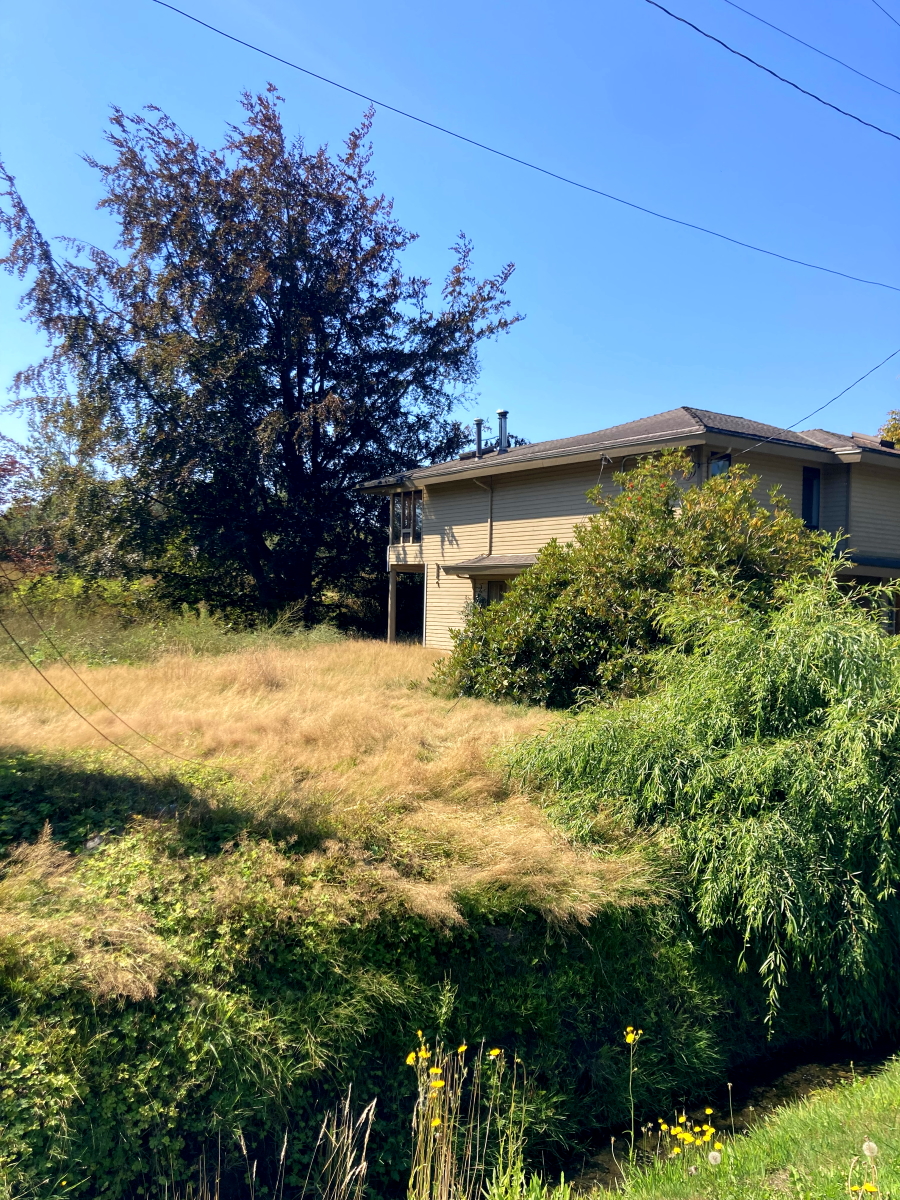
KR: This is a trail I walk or cycle on infrequently. There were more borders and edges than I remembered: the line of a golf course and houses, a drainage ditch, the dike, a border of brambles and rosehips, the tidal marsh, the sea.
Breakwater, Tamsin Grainger, Edinburgh, Scotland
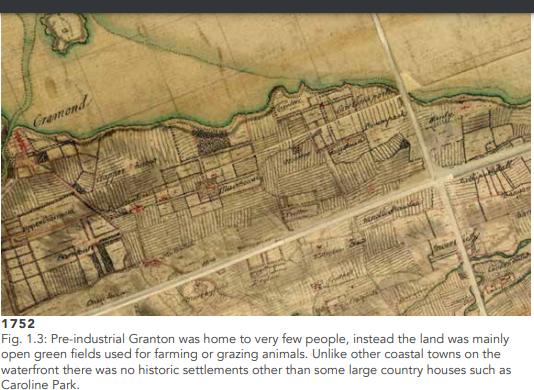
TG: I’m familiar with this walk, can actually see through the window if I stand on the edge of my bed. The Breakwater cuts a clean line into the sea, dissecting the outer limit of the city and points a crooked finger towards the far shore of Fife. Before the harbour was completed, in 1863, the shore showed on the maps as a smooth curve. Now, I like to think that we reach out and gather people into our arms (as the nation of Scotland welcomes refugees and people seeking asylum), extending our limits and, hopefully, opening our minds beyond borders.
KR: It was late morning for me, on a clear sunny day. I passed a lot of walkers and cyclists, saw and heard many birds including a flock of herons and a lot of airplanes and seaplanes. I liked using this vague prompt to begin. It would be interesting to see what happened if a more detailed idea of the walk was given ahead of time.
TG: It was a very fine evening – unseasonably warm, though breezy as usual – and a popular place to be. Planes were banking overhead, then soaring towards the airport. I counted at least eight different languages being spoken, evidence of this multi-cultural area. I met a local friend walking with a visitor, who was delighted when I said I was walking, remotely, with someone in Vancouver, as she’d been there.
KR VancouverTG Edinburgh
KR: “Edgeland” is not that descriptive so I don’t know whether the similarity and overlap in our landscapes was a connection or based on me knowing something about Tamsin’s work. After sharing some of our experiences I was taken by the ways in which large birds played a role. It was also exciting that we were moved to make percussive use of the surroundings, something I have not done before. Wind was a strong presence, somewhat common by water, but not necessarily. We were also both drawn to vertical structures, perhaps because they stand out on edges.
TG: What sounds and words should I include in the final recording? I wasn’t using quality recording technology (or even a sock), so the wind often drowned out my voice. There were the constant tunes coming from the bagpipers rehearsing on the Middle Breakwater. And I had also picked up a stick, using it to play persussive rhythms on various surfaces in time with the regular pace of my footsteps. Listening to my commentary afterwards, I was reminded of the line from the Twelve Days of Christmas, “Eleven Pipers Piping” and following that thought thread, I wrote the text, juxtaposing it with the found sounds of the environment. It was only later that I discovered Kristina had also picked up a stick and played it. Then I wished I had included it in the final cut!
KR VancouverTG Edinburgh
Listen to the Sounds we made in response to our walks together, apart
We both hope to repeat this Walking in Pairs, exploring different landscapes and experimenting with various briefs and prompts to see what happens when we walk together, apart.