Tweedbank Station to Melrose, walking the Scottish Borders

December 2018 – a rail journey from Edinburgh to Tweedbank and a short but stunning river pilgrimage walk to Melrose in Roxburghshire, where you will find the ruins of a magnificent Medieval Abbey.
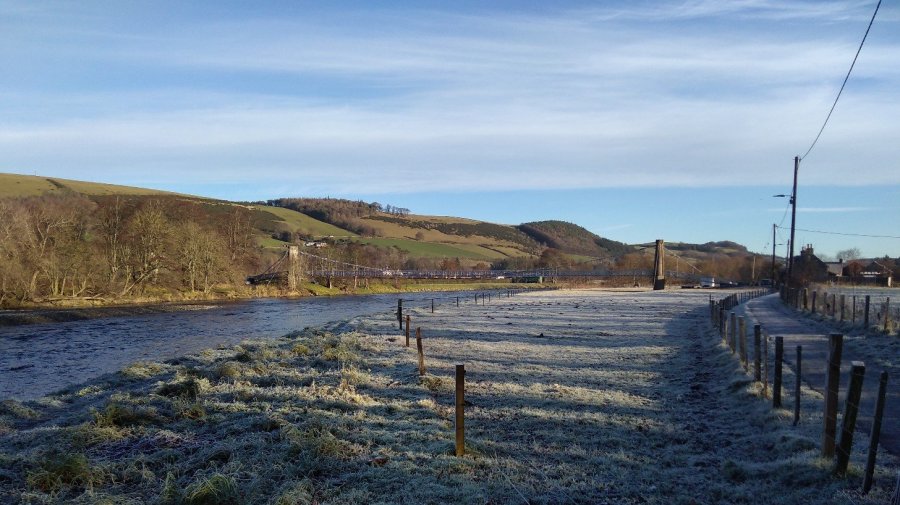
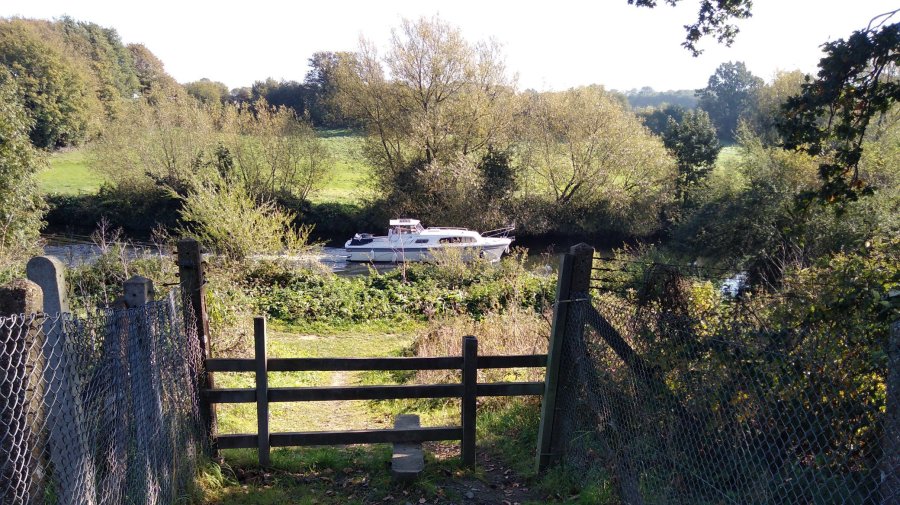
The Tweed River, Scottish Borders.

I took the train to Tweedbank in the Borders – it’s the end of the line. It takes 1 hr and the service runs every half hour. It costs £9.30 with an Over 50s Railcard ( I booked the ticket and renewed the rail card last night online through Scotrail for £15 for the year and it took about 5 minutes). Then it’s a 40 minutes walk each way into the town of Melrose, although that doesn’t allow for what I call ‘astonishment time’ ie time for stopping at intervals because, Oh my, look at that, oh I must take a photo, I just can’t believe it, it’s so gorgeous!
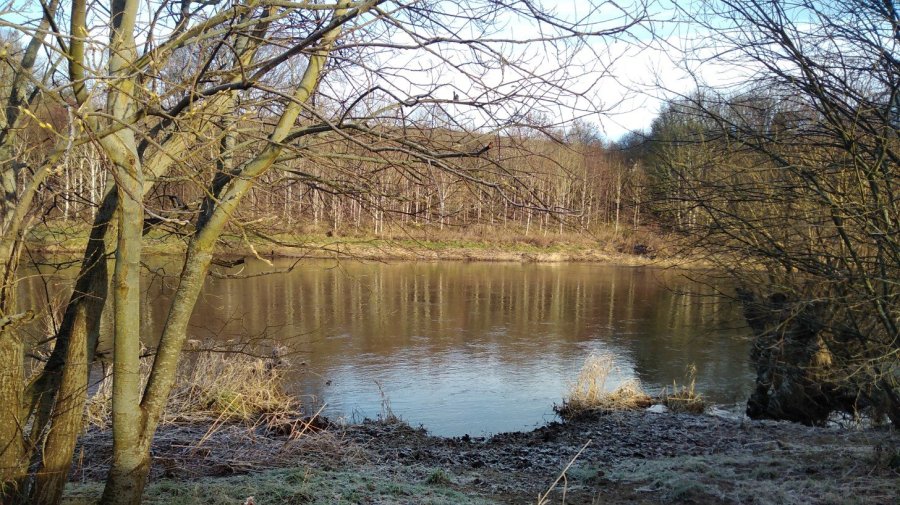
The Tweed River between Tweedbank and Melrose, Scottish Borders.

If you like you can stop reading this now and open YouTube or Spotify and find Fording the Tweed By Savourna Stevenson, so that you have something magical to listen to as you continue reading and imagining you are taking this journey with me.

Choose a day where it won’t go above 2 degrees celsius so that it stays white and hard underfoot. Wear thermals under your normal clothes, plus a coat, woolly hat and cosy gloves.
wp-1544547767086610293714.jpg
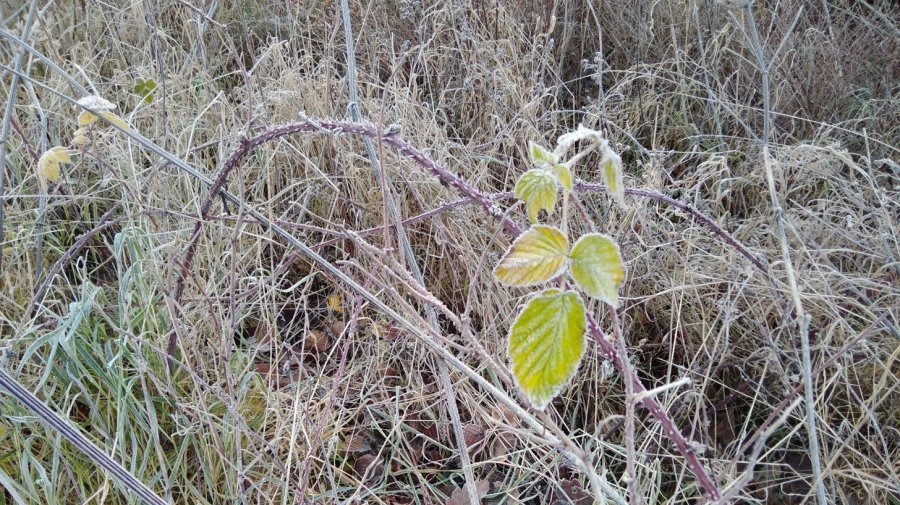
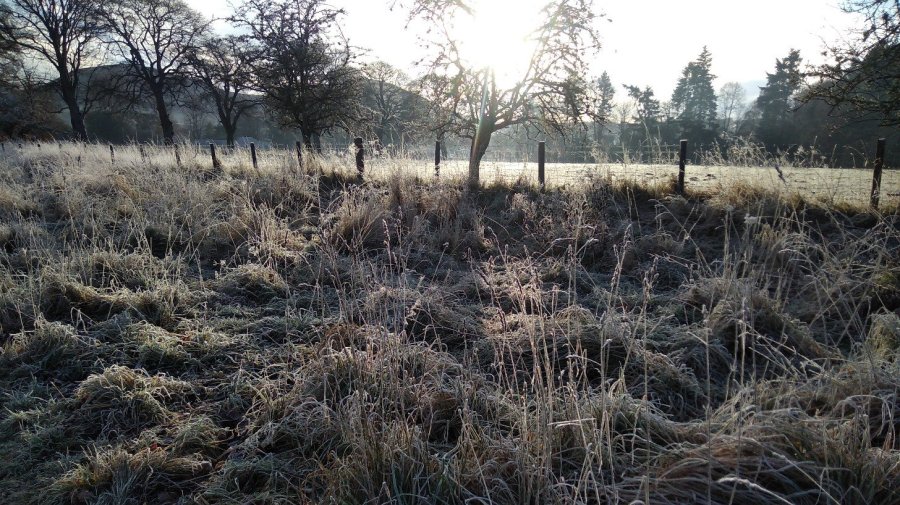
Jack Frost was at work overnight.

You know what they say, it’s not the weather that’s the problem in Scotland it’s having the right clothes! Not being able to bend your elbows because you have a thick jumper on under your not-quite-big-enough jacket is a small price to pay for all this beauty.
wp-1544547646736642284646.jpg
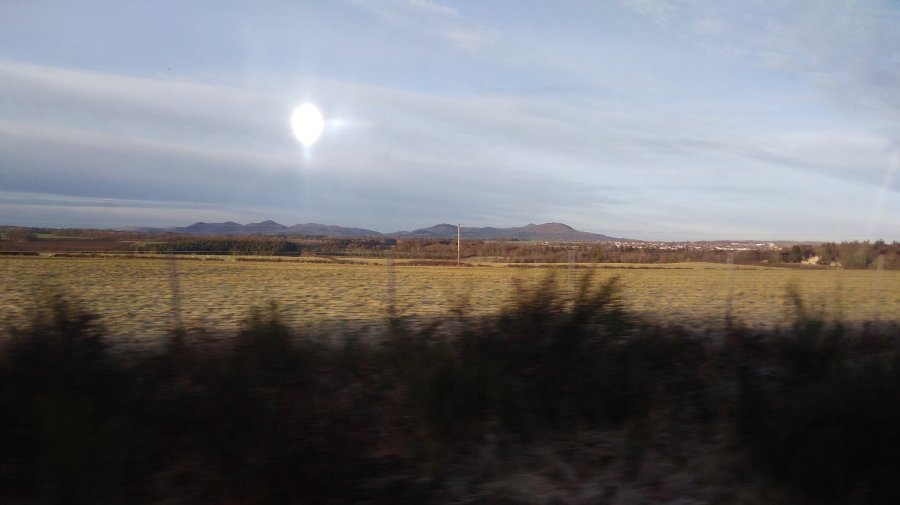
You can see Arthur’s Seat and the Pentland hills from the train.

You will travel on the Waverley Route, so called as it refers to Sir Walter Scott’s Waverley Novels. Start by facing in the direction you are coming from and sitting on the left. This way you will have wonderful views of Edinburgh – Arthur’s Seat. Ignore the rest unless you enjoy the industrial outskirts of cities.

When you hear the nice lady announce Gorebridge, change seats so that you are looking the way you are going and you can either plump for right or left (the views are equally attractive) or, like me you can leap from side to side because, well because the views are both enticing.
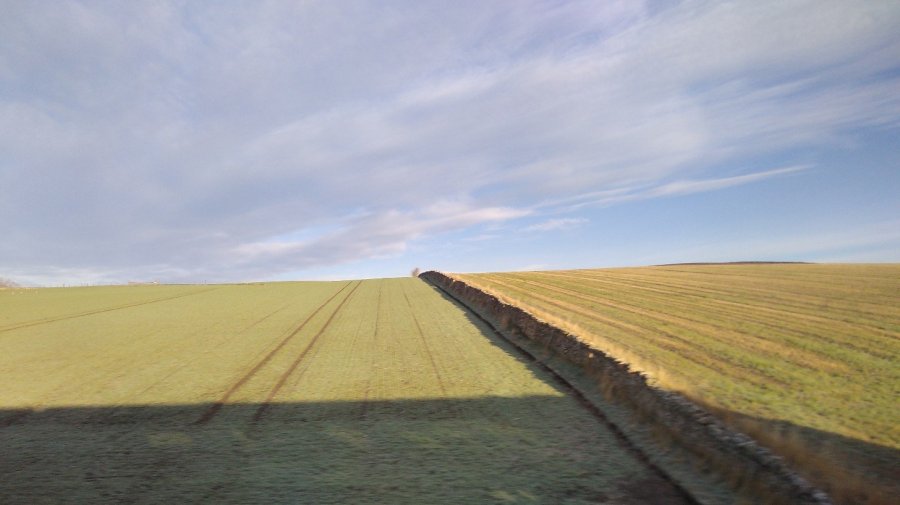
wp-15445455215541892656896.jpg
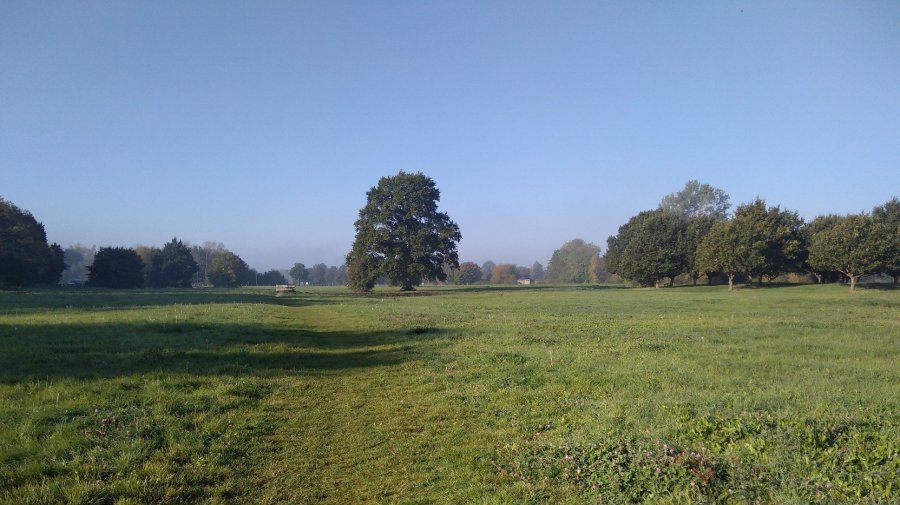
Expanses of farm land in the sun, Lothian Region, Scotland.

People seem to have it in for Galashiels, so I will blog separately about that. Suffice to say that it is impossible for a whole town to be boring and I know some lovely people who live there and they like it a lot. It has an excellent brass band for a start.
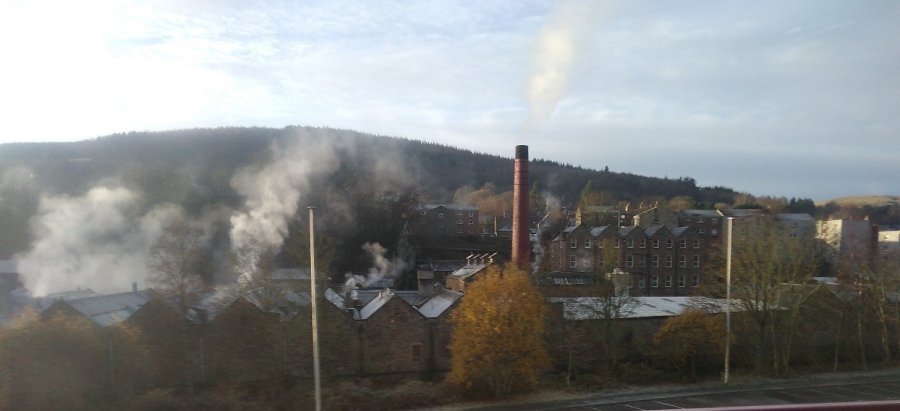
wp-15445475329381453192556.jpg
Leaving Galashiels. Straight out of the 19th century! Scotland.

You will not need a map nor must you look up the way in advance or use your phone. Believe me, if it’s possible to get lost I would have and it’s not. I promise. Sit back and relax. Feast your eyes on the hills, rivers, pretty houses, and majestic trees. Over on one side you will spy the traffic – be pleased that you are not driving, have a nice cup of tea and a comfy seat – you can just gawp.
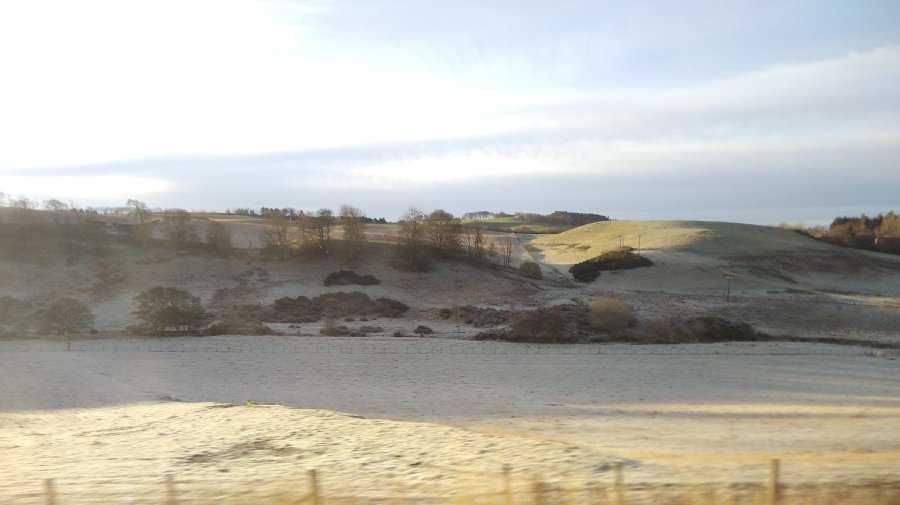
wp-1544545521180985749088.jpg
From the train window between Edinburgh and Tweedback on a chilly morning, Scotland.

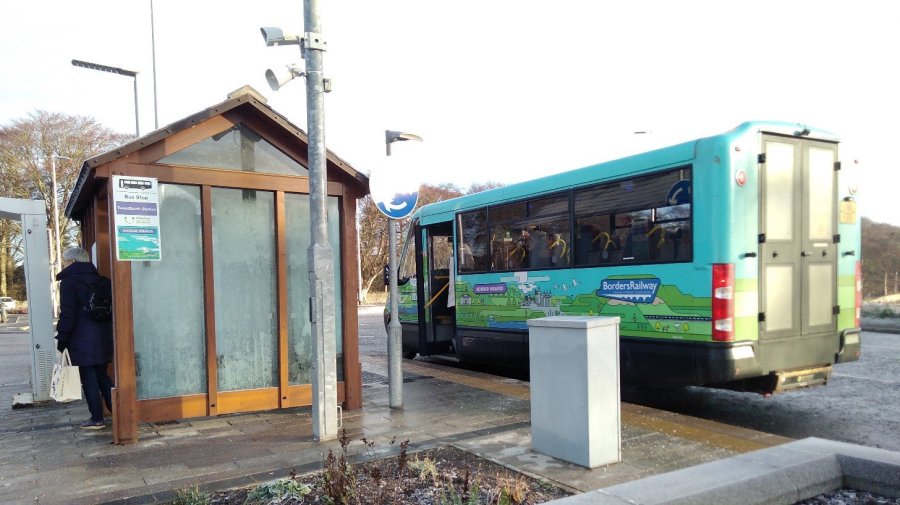
Tweedbank station is new and modern with a massive car park. There is one line, two platforms and everything is properly signposted. There is a bus if you prefer.
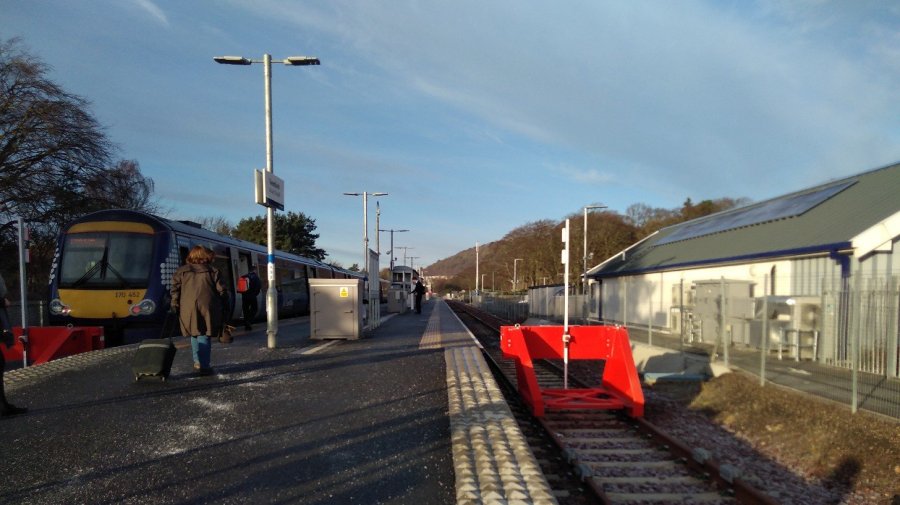
wp-1544545521877980376437.jpg
The end of the line, Waverley Route, Tweedbank Station. Waiting areas and ticket machines in the middle.
wp-1544545522083653913363.jpg
Connecting buses, Tweedbank Station, Borders.

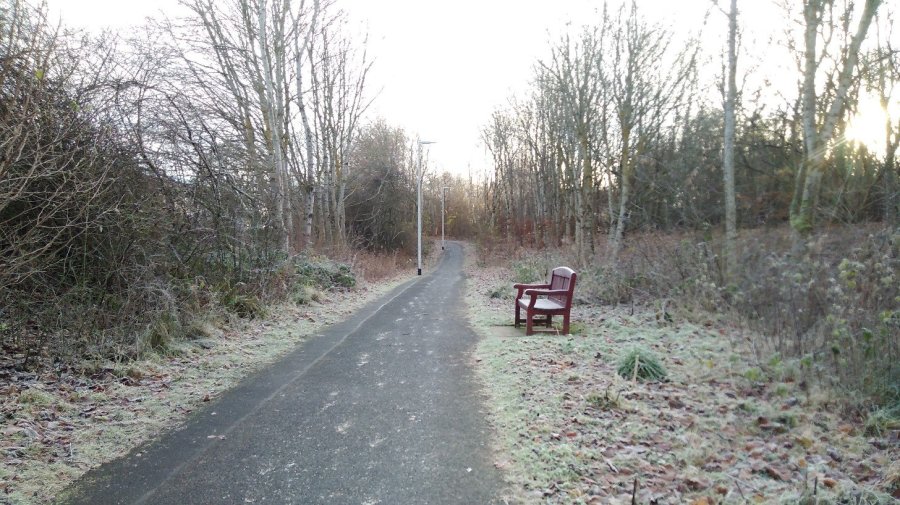
Otherwise, walk along the only way you can and straight ahead you will see the cycle path.
wp-15445456757802021841131.jpg
Cycle path from Tweedback Station towards Melrose, Scottish Borders.

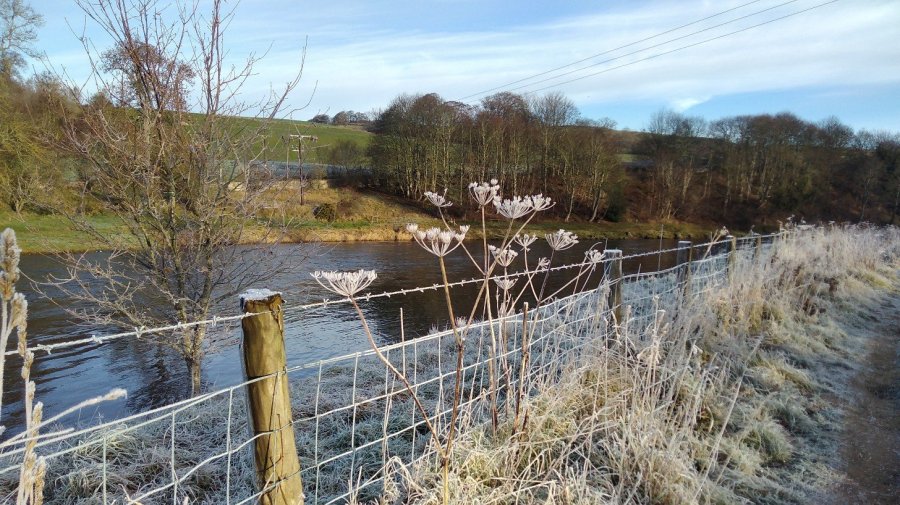
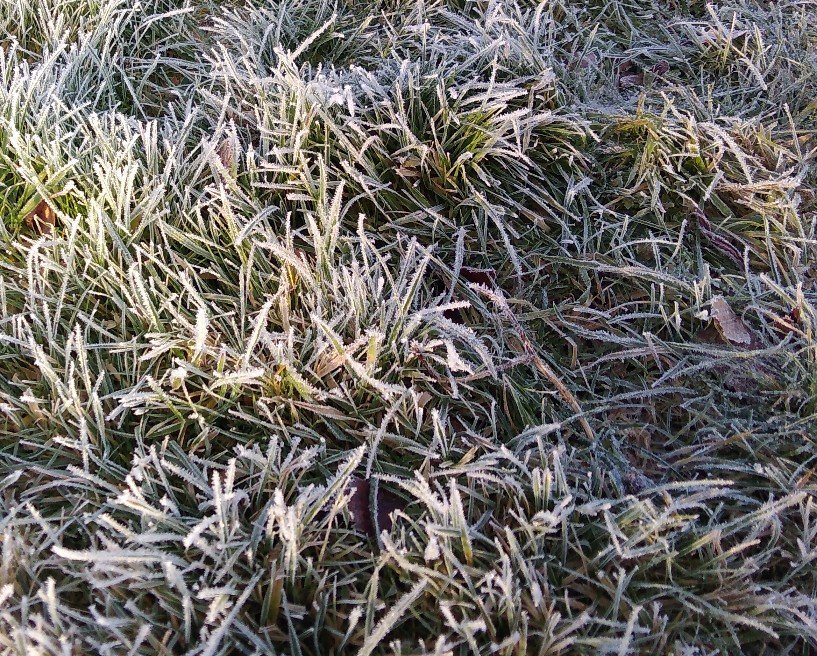
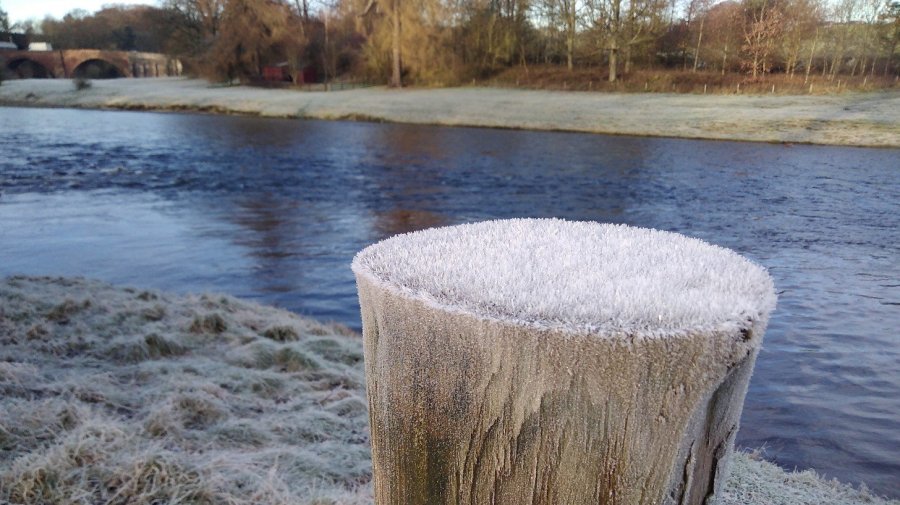
Today I was enchanted by the way the hoar highlighted the seed heads, fence posts, and each individual blade of grass.
wp-15445458456941462870446.jpg
The stalks were as tall as me, upstanding!

wp-15445699263181617288042.jpg

You won’t get lost – there are multiple signs: Melrose Link on the left; National Cycle Network on the right.

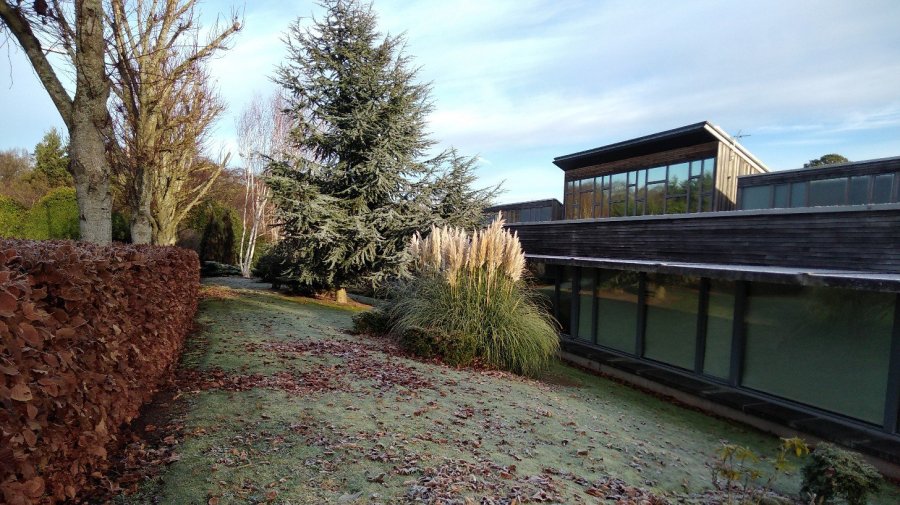
There will be aluminium buildings to your left. When the SPPA (Scottish Public Pensions Agency) is ahead, admire their gardens and peer at the poor folk inside working on such a wonderful day. Smile. Then walk to the right of them, following those signs.
wp-1544545675977892240472.jpg
The SPPA gardens.

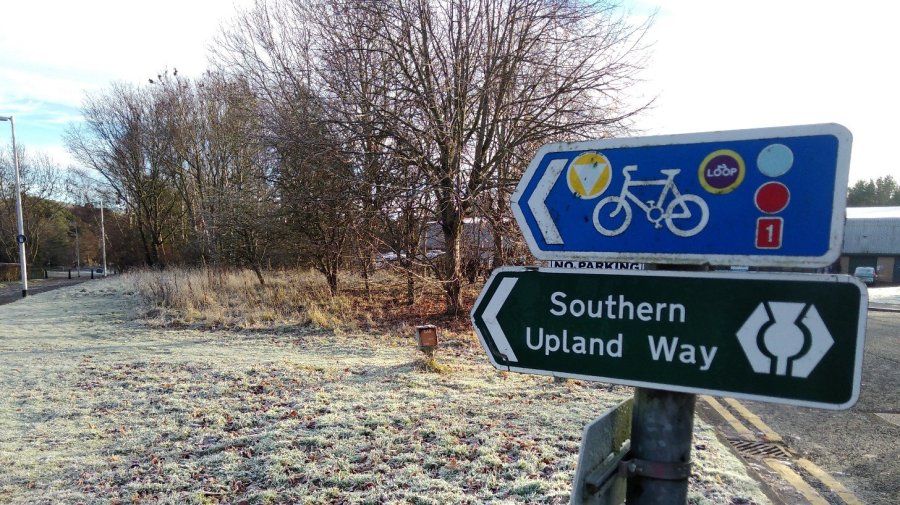
You will see that you are joining the Southern Upland Way.
wp-1544545675185680976713.jpg
This little walk forms part of the Southern Upland Way.

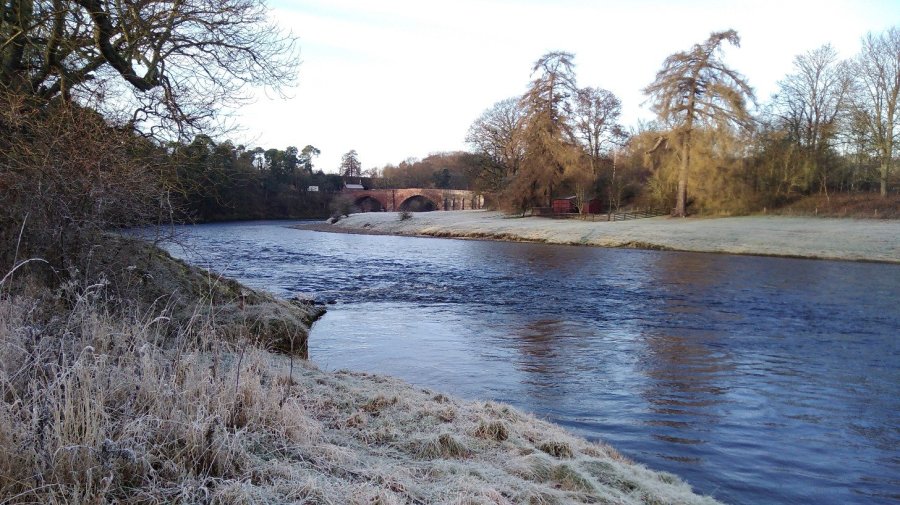
Very soon there is a road to cross and opposite, through a little wooden gate at waist height, is a path with steps going down and there is the Tweed River, burbling on your left.
wp-15445458465711946751879.jpg
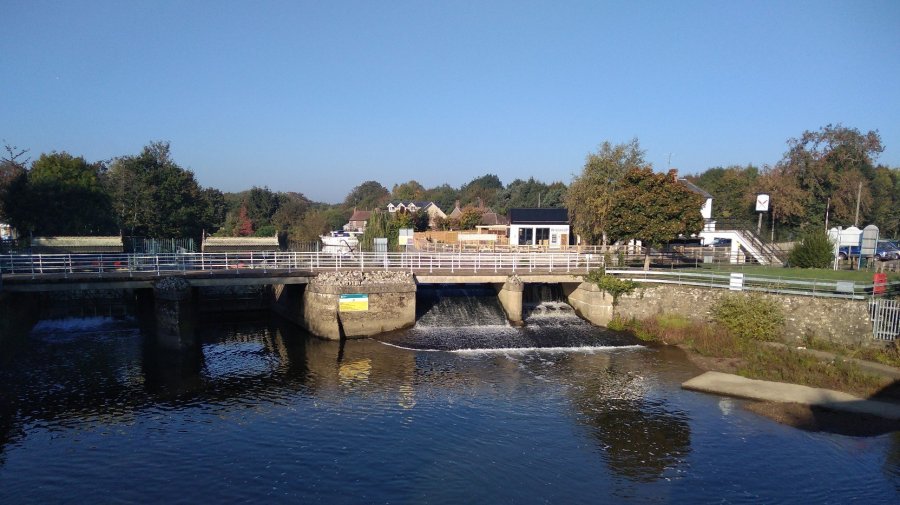
Lowood Bridge over the River Tweed, Scottish Borders.

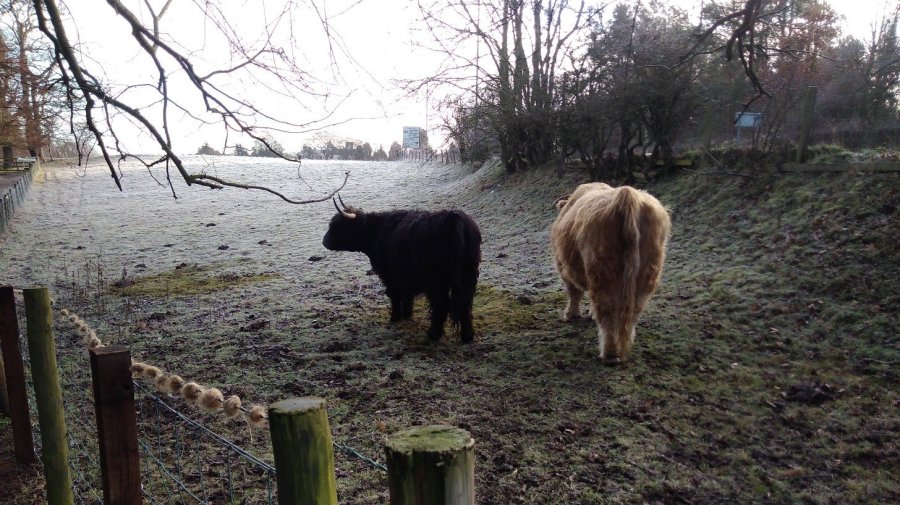
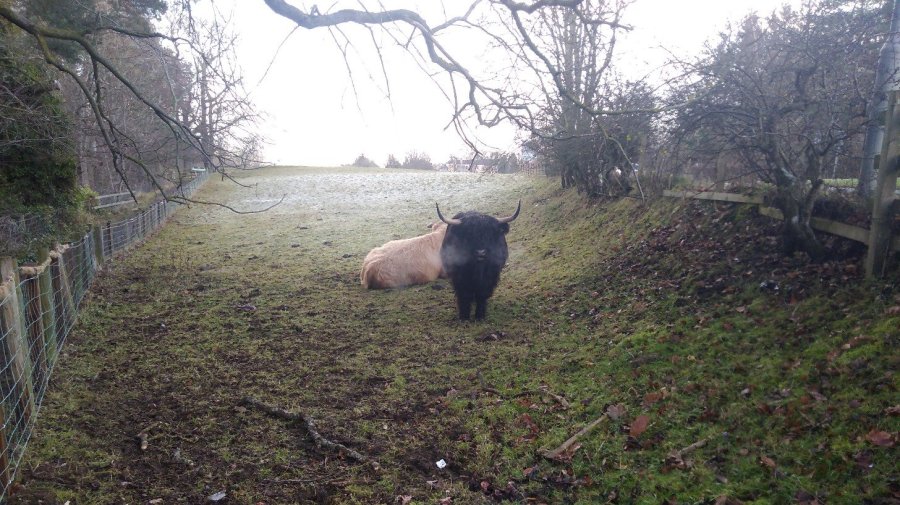
On the right you may be lucky enough to see two Highland cattle, and if it is cold enough it will look as if they are vaping with condensed air coming sideways simultaneously from both nostrils in opposite directions.
wp-15445656597091245617912.jpg
Highland Cattle, Scottish Borders.
wp-15445475323511646051939.jpg
Can you see him steaming?

I scraped the ice from the tourist board telling about the fantastically named Skirmish Hill where King James V’s men fought those of the Duke of Buccleuch and won. The 14 year old monarch is said to have watched from a safe place.
wp-1544545846774137723925.jpg
Skirmish Hill hidden behind the tree, Scottish Borders.
wp-1544546796230215875024.jpg
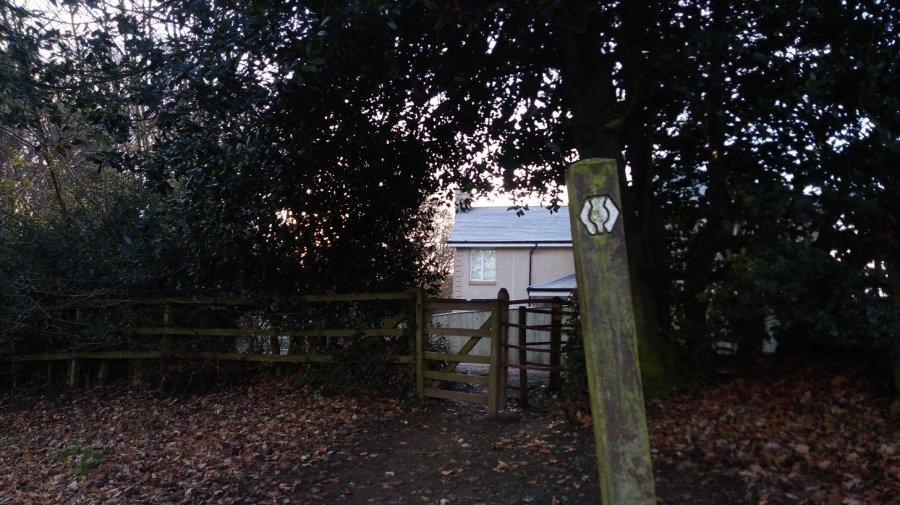
Follow the thistle signs!

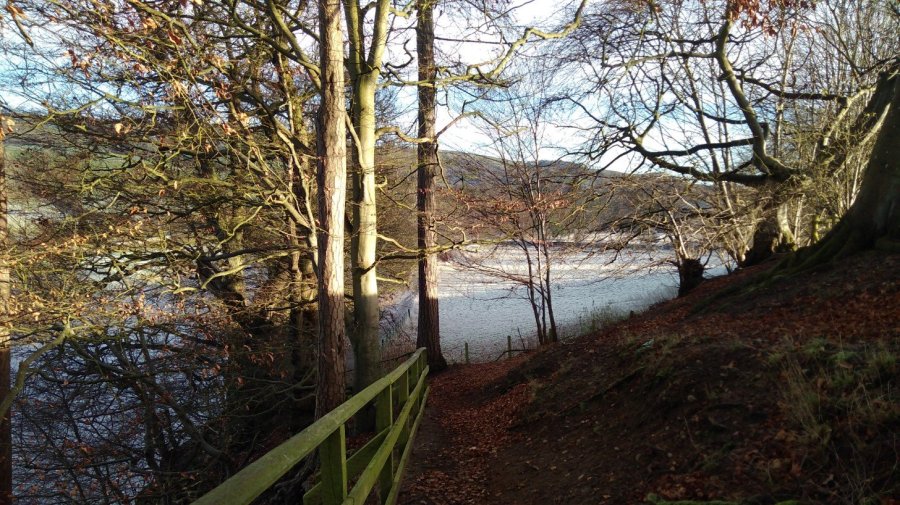
At the kissing gate go to the left of the houses and you will see signs. Almost immediately continue through the woods to the left. The way goes uphill with a wooden handrail, green with lichen.
wp-15445665373311993467903.jpg

wp-1544546796830293396041.jpg
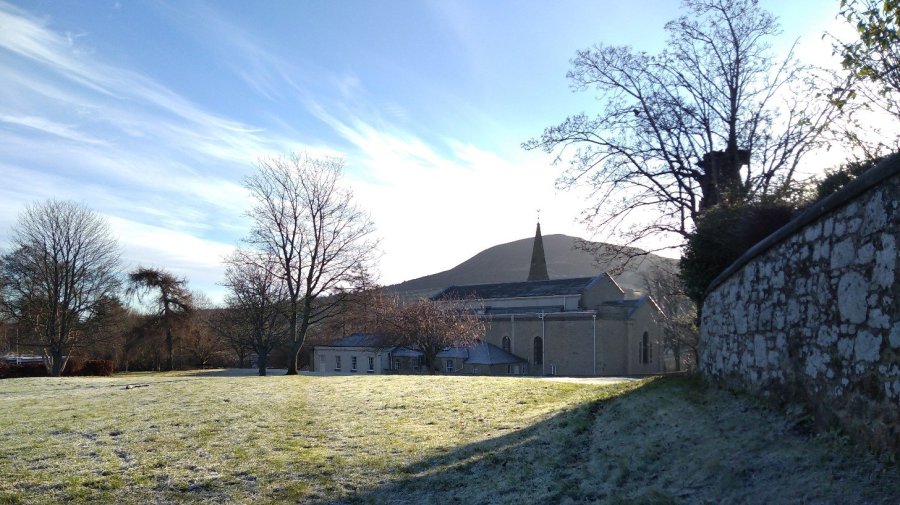
Holy Trinity Church, Melrose, Scotland with the Eildon Hills behind.

The ferns were all flattened by frost as I came into a clearing, going gently downhill. Here I spied more information, this time about fishing: grayling and salmon who make the courageous journey from sea upstream to fresh waters to spawn, often against all odds.
wp-1544546796429360555337.jpg
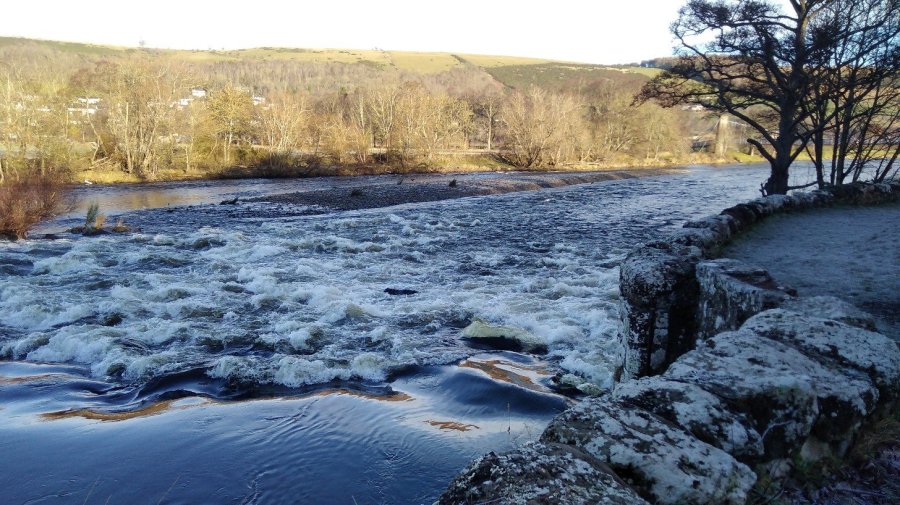
Honestly, the water did really look like this: shiny and luminous. Rver Tweed, Scotland.

There is a choice coming up:
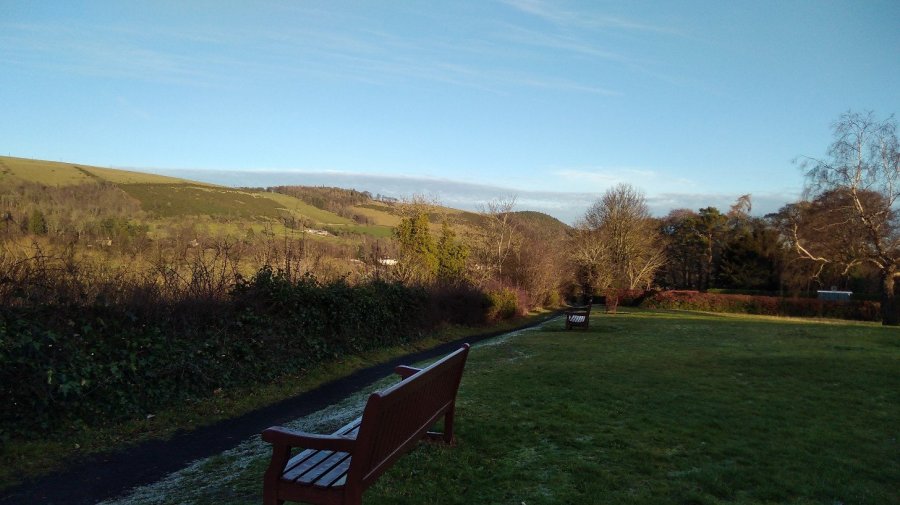
You can either go past the hedge which is too high to see over (I stood on one of the handy benches to get a shot), ignore the sign and keep on going for a while to see the Chain Bridge, but then turn back and take the Town Centre sign. This will take you between the rugby club (left) and the green park (right)
wp-15445475334372139025130.jpg
Taken on the way back when the sun was lowering, here is the bench mentioned above.

Or, keep walking past the church to the Chain Bridge and around behind the town centre coming in by the road directly to the Abbey.
wp-15445467973832097401635.jpg
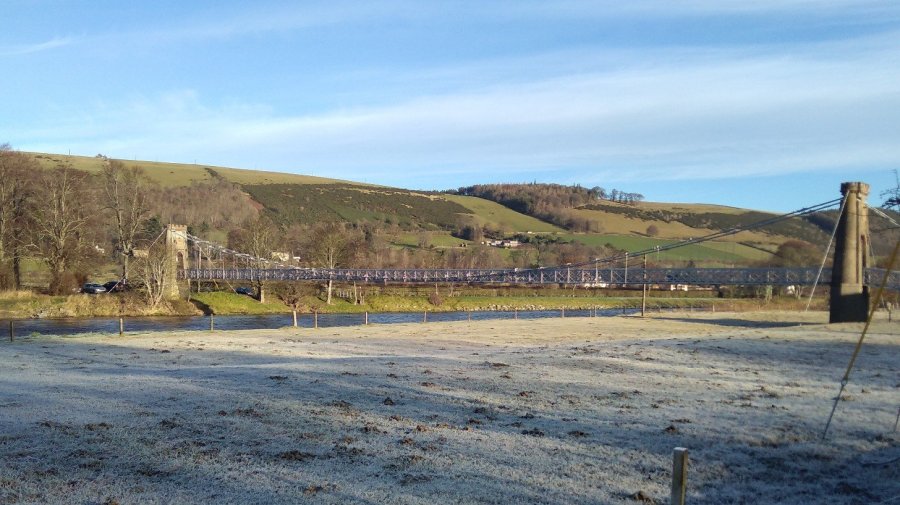
The impressive Chain Bridge, near Melrose, Scotland. Ice still on the ground at 11am.

I took the second option because it was signed Abbey Walk.

Everyone is very friendly as are their dogs. A collie politely laid her pink ball at my toes, her nose flat along the ground, eyes expectant. The second time she came back she showed me the tricks she could do with it, presumably as encouragement and to distract from my muddy fingers. The third time, the gap between me and her owner having widened considerably, I informed her this would be the last, before hurling it behind me.
wp-1544545846986554497605.jpg

You can halt to admire the horses on the left, or perhaps the motorbikes on the right. (You can pick up a copy of their free magazine too.)

You will continue onto a small road. Turn left if you wish to visit Newstead.

Hang a right at the main road where the signs mysteriously disappear (sorry, I guess what I wrote above was wrong at this juncture).

Walk past the Abbey Woollen Mill shop, or visit if you like. Carry on by the houses and careful because it’s a busy road, but not for long.

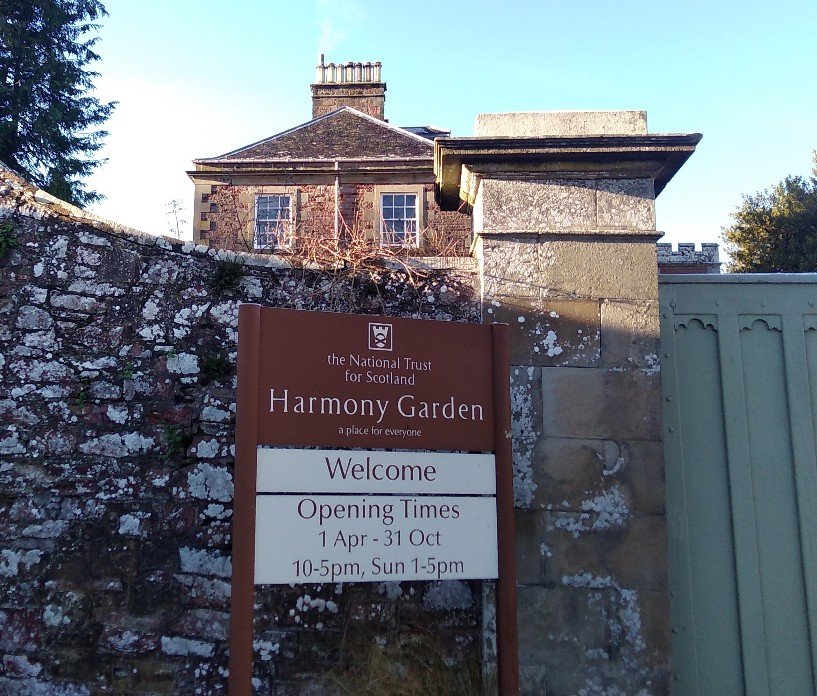
Don’t take the next right (St Marys Road) unless visiting the Harmony Garden. The nearby Georgian Manor House is available for holiday lets.
wp-15445699261831885540180.jpg

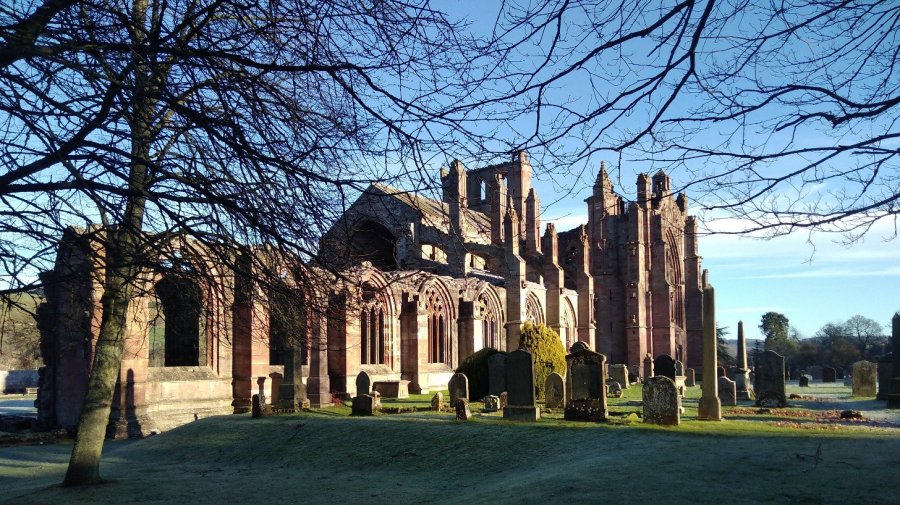
Instead go straight on see to see Melrose Abbey on the left, behind the wall. David I founded the first Cistercian Abbey in 1136. The heart of Robert the Bruce is believed to be buried in the chapter house there. The opening hours and link to the Historic Scotland page are at the end of this blog. The bus stop is to the right of the monument.
wp-1544546797015662201307.jpg
Public toilets, Melrose, Scotland.
wp-15445467971691433483706.jpg
The magnificent medieval Melrose Abbey ruins.

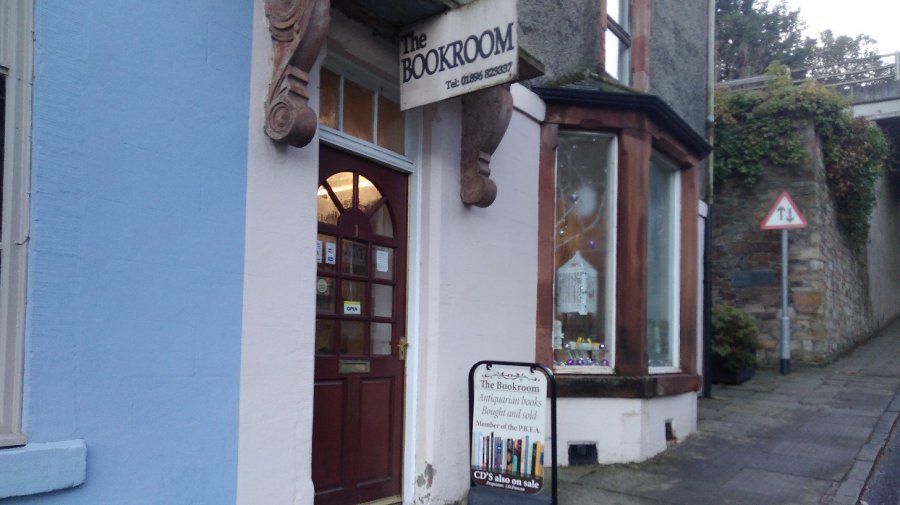
The town centre is in the middle of a triangle with a unicorn on an extremely high pillar in its middle. Originally this would have been the Mercat Cross where all typesiof goods wouldhhave been for sale, proclamations were made and criminals punished. The heraldic unicorn is the supporter for the Royal Arms. Here you will find a pharmacy, and library plus The Roman Centre. There are lots of hotels, cafés and nice independent shops, particularly bookshops, partly because the people who live there like to read, and there is also a Book Festival. Explore!

wp-1544546915232689821140.jpg
The Bookroom at the bottom of Dingleton Road, Melrose, Scotland.
wp-15445469150381218431911.jpg
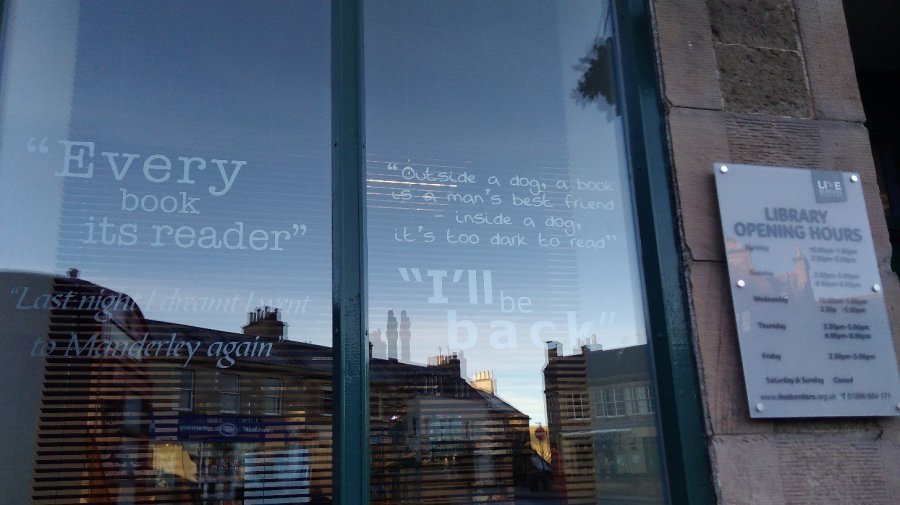
One of the inscriptions on this window is ‘Outside a dog, a book is a man’s best friend – inside a dog, it’s too dark to read!’ This is the local library, right in the centre of the town where it should be, Melrose, Scotland.

After your browsing and sightseeing, you can return the other way if you did what I did: to get back to the station, walk out of town along the A6091 road with the Co-operative store (food) on your right, and head towards the Melrose Rugby Club. Anyone will be able to point you in that direction as rugby is THE sport in the Borders.

If it’s still light, enjoy the grand trees, admire the mole hills, and tune into the water as you wander.
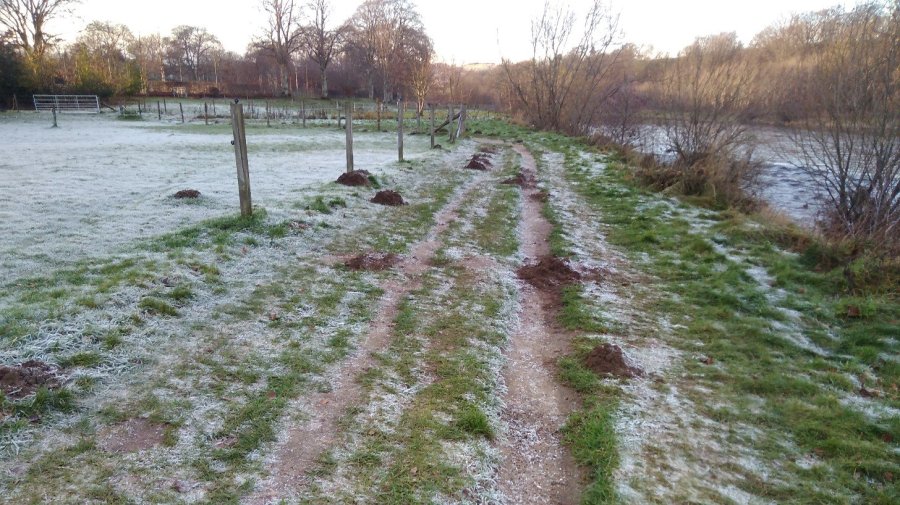
wp-15445694639561949801093.jpg

A gentleman and I passed the time of day as we recognised each other from the morning when we were then also going in the opposite direction.

Remember that things look different when retracing one’s steps! You must cross two roads and keep both the SPPA and the aluminium buildings on on your right. Keep following the white Scottish thistles and yellow arrow. The final cycle path part is fully lit when it’s darkling (3.30pm at this time of year).
wp-15445456761851853380999.jpg

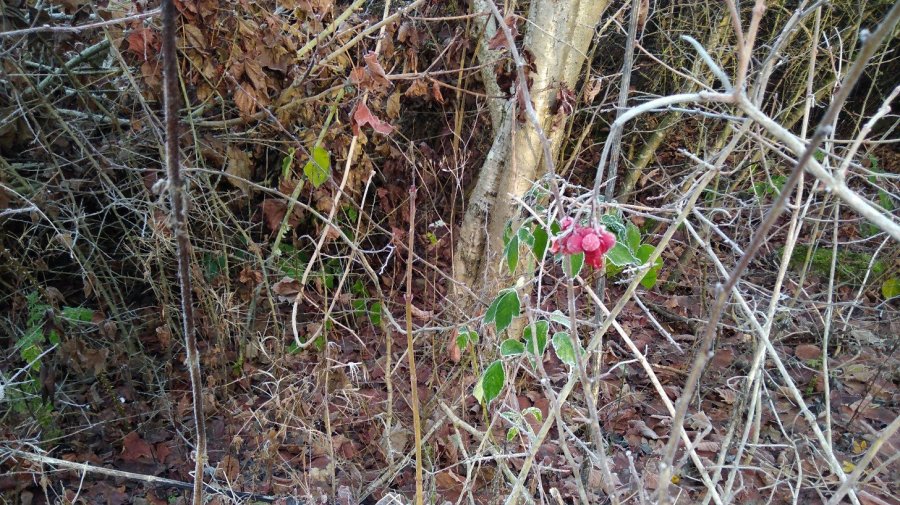
Birds twitched: robin, chaffinch, blackbird, pidgeon, crow, mallard and a heron unusually crouched by the riverbank. Luckily there were still plenty of berries available for them to feast on.

Station facilities:
There is a little shop at the station selling hot drinks, snacks and G’n’T. I was reliably informed that passengers usually buy it on the way up in the morning!

Don’t believe all the moaning complaints you might find on the internet. The trains are great. Well, we were only delayed 10 minutes homeward bound. I know I am not a commuter but.. take a leaf out of our school girl days (I took a daily return to school for 7 years) and if the train is cancelled don’t go to work, go for a walk instead. Look around you and inhale.

wp-1544546609966857000608.jpg
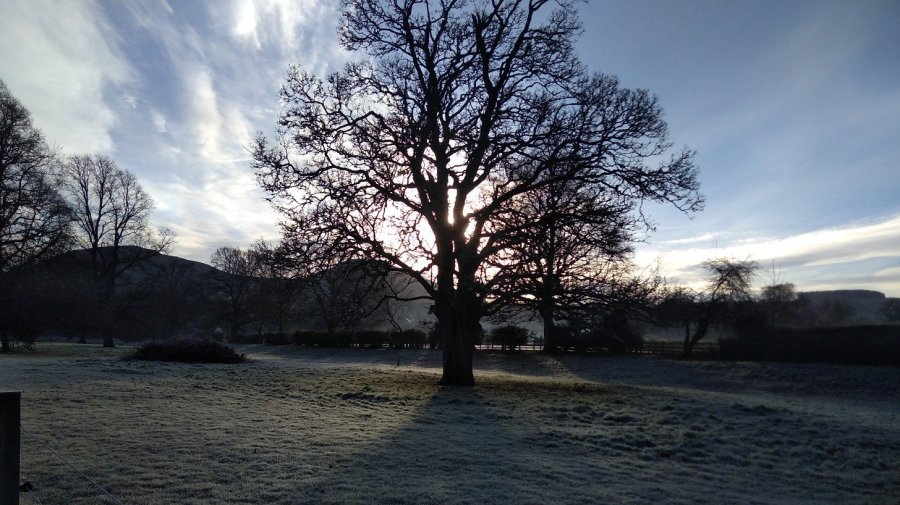
Silhouette of a beech tree in its winter glory.

Tweed walking: Peebles, Coldstream etc.

I went there to see friends and give Shiatsu. I might go back so if you live there and would like a session let me know. Many thanks to the Chris (designer of my lovely website) and Penny for lunch and chat.

wp-1544547532599733808412.jpg

Melrose Abbey is open all year round. April to September 9.30 – 17.30; October to March 10 – 16.00.

The McInroy and Wood Lecture featured Robert Peston in 2018.
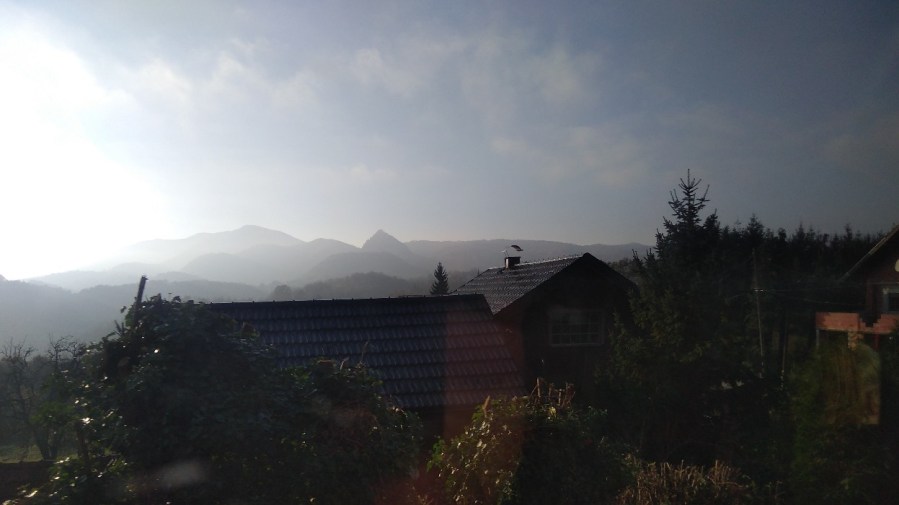
Samobor, Croatia – a walk

A hike from Samobor through Cerje to Okic and part of the way back. November 2018, Croatia. Approx. 20kms.

Samobor is on the eastern slopes of Samoborsko gorje. Situated 20 kms from Zagreb, the journey takes about half an hour and cost 31 kun there (from the ticket office) and 28 kun return (from the driver) .

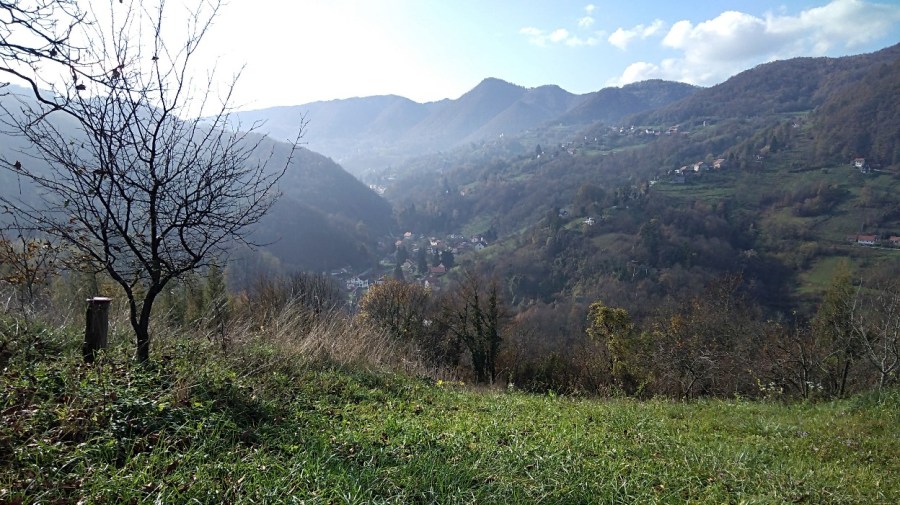
Samoborsko gorje (Samobor mountains), Croatia

I took the tram to the bus station and then the Samborcek bus to Samobor, a regular service. Platform 610 is in the furthest corner of Zagreb bus station and it is just a matter of going and waiting there. Don’t expect to find anyone official to ask or see any signs – simply look on the ground for the number and trust!

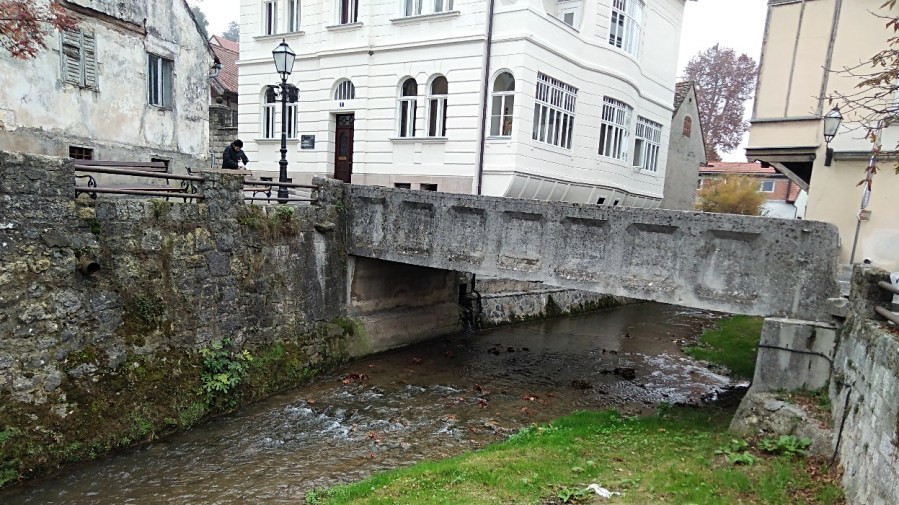
The River Gradna

There is not much of note along the way to this popular summer and weekend destination for those who live in the capital city and tourists.

One of the many bridges across the Gradna Stream, built in 1906

It is a 10 minute walk from the bus station in Samobor to the centre – follow the signs to Centar.

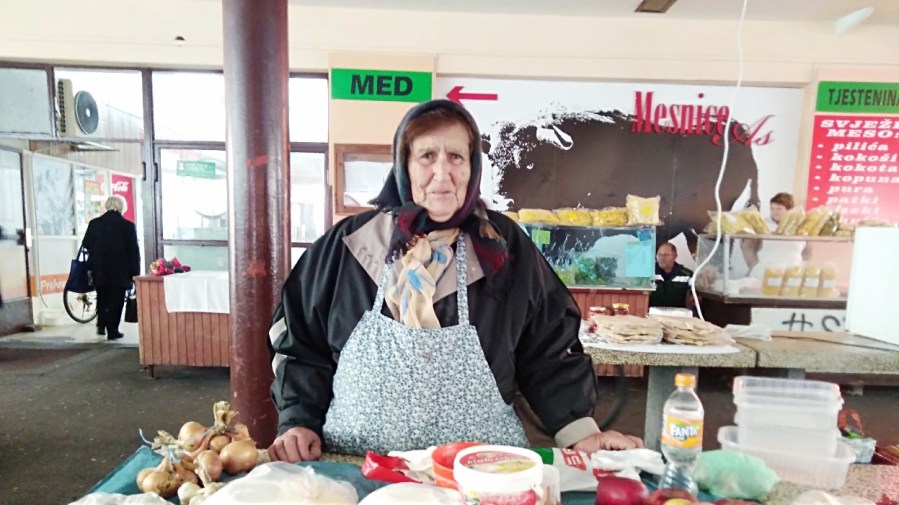
A stall holder at the market in Samobor, Croatia

I visited the market first, walking round initially to see what was on offer, and then choosing certain women for their fresh looking produce.

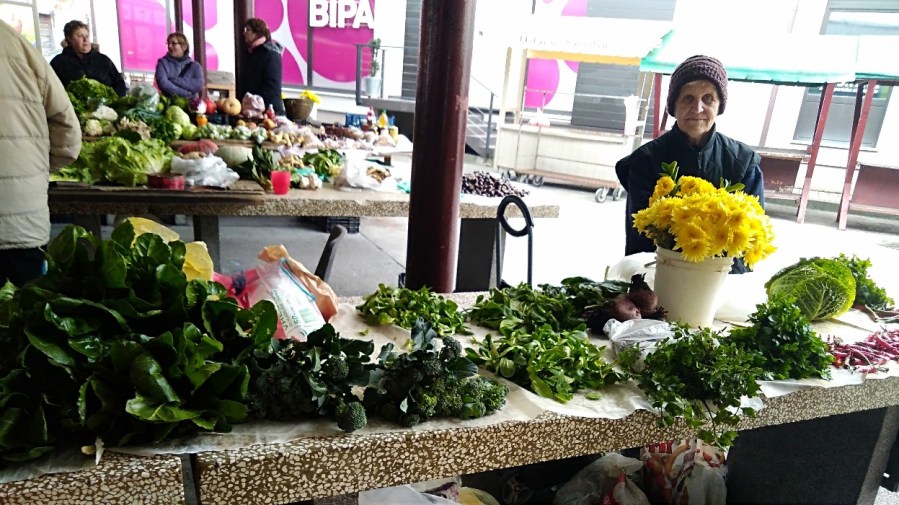
Seasonal greens and sunshine crysanthemums being sold at the market, Samobor, Croatia

Long tables were punctuated with stallholders wrapped in shawls sitting in front of a handful of spinach, a pile of rosy apples or bunches of parsley. Without a doubt everything was local, seasonal, and had just been picked that morning.

It was very difficult to make myself understood, even with gestures and smiles. I wanted to buy from every one as they all seemed so keen, perhaps had come a long way with a paucity of goods, presumably relied upon sales for their livelihood.

I checked out a bakery kiosk looking for the speciality Fasnik, I had read about. It looked like a custard tart. What I found was yoghurt based and I was unsure if it was the right thing so I waited.

wp-1541704858616.jpg
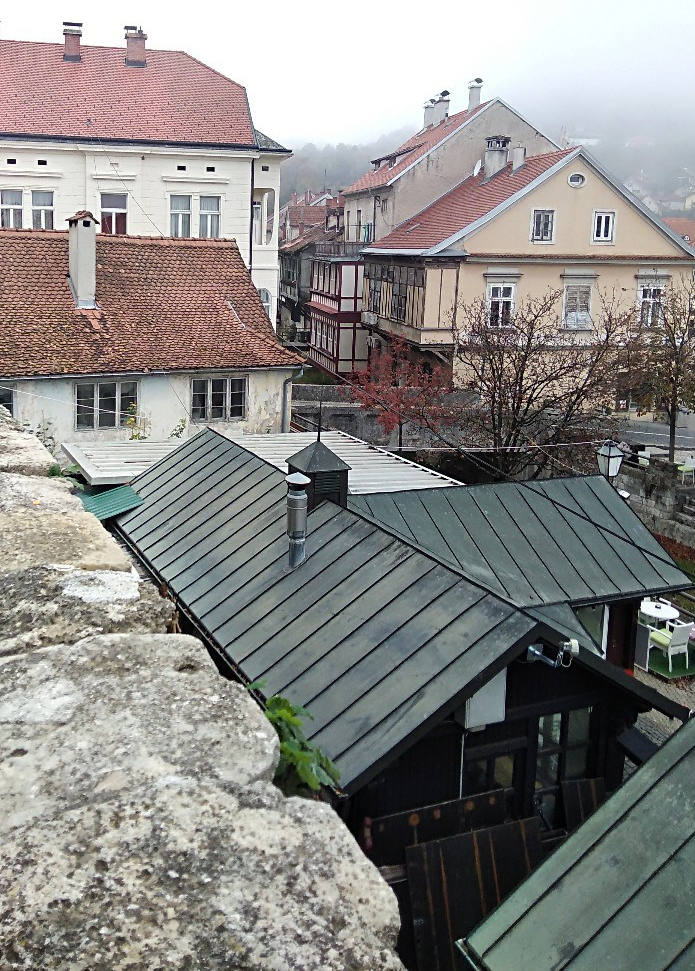
View of Samobor, Croatia

After a brief visit to the King Tomislav square with it’s cafés, and having failed to find the Tourist Information, I made my way towards a spire on the skyline (I had read a little before I came and had a list of places in my notebook).

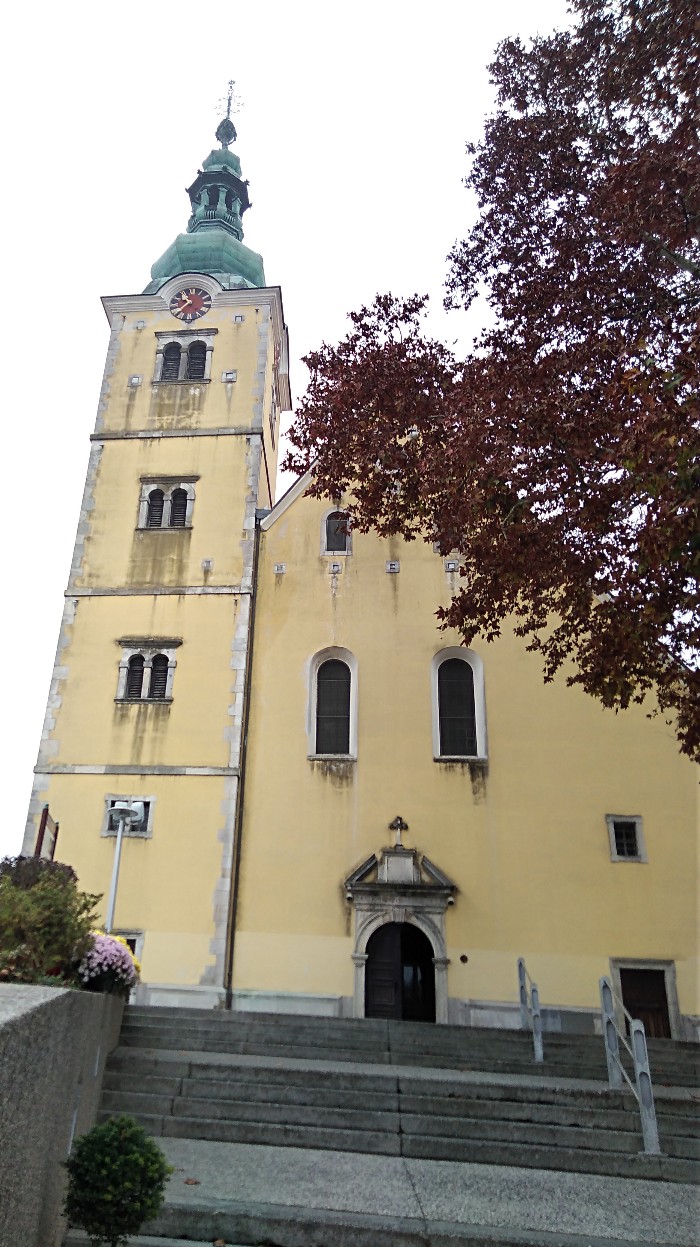
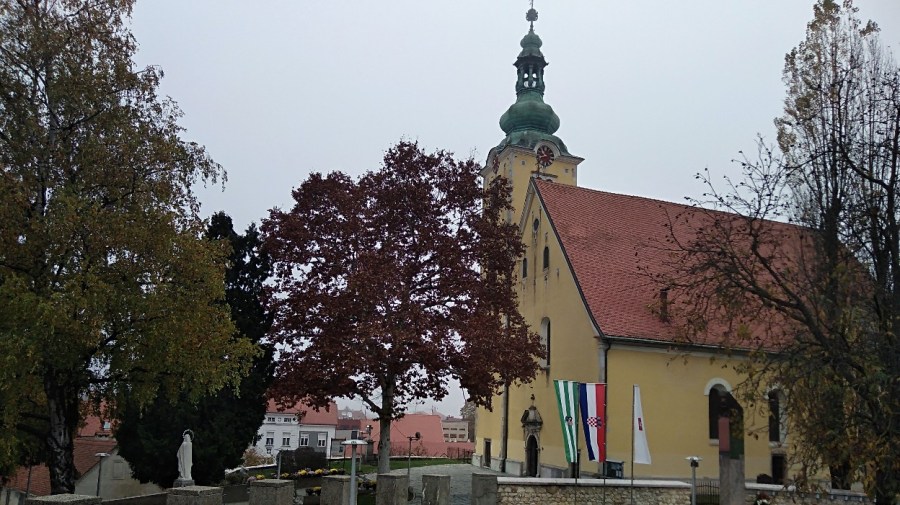
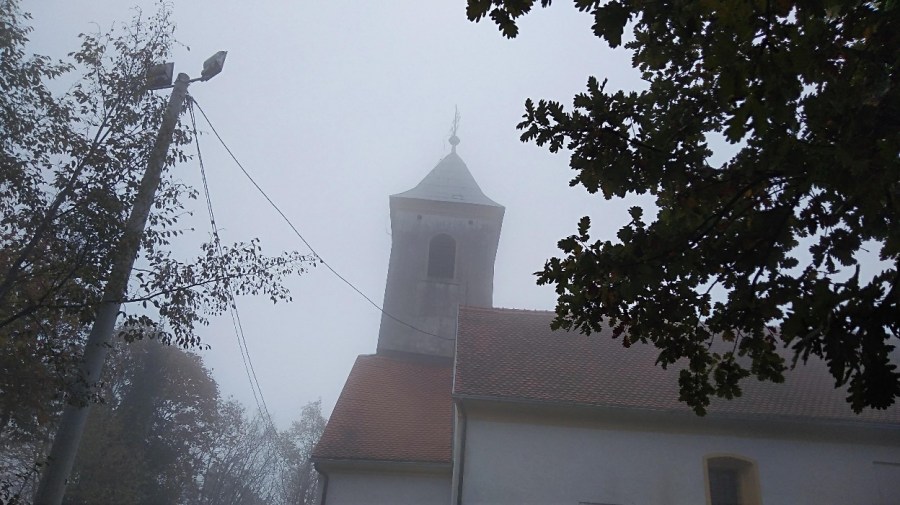
The Parish Church of Saint Anastasia (above and below), Samobor, Croatia.

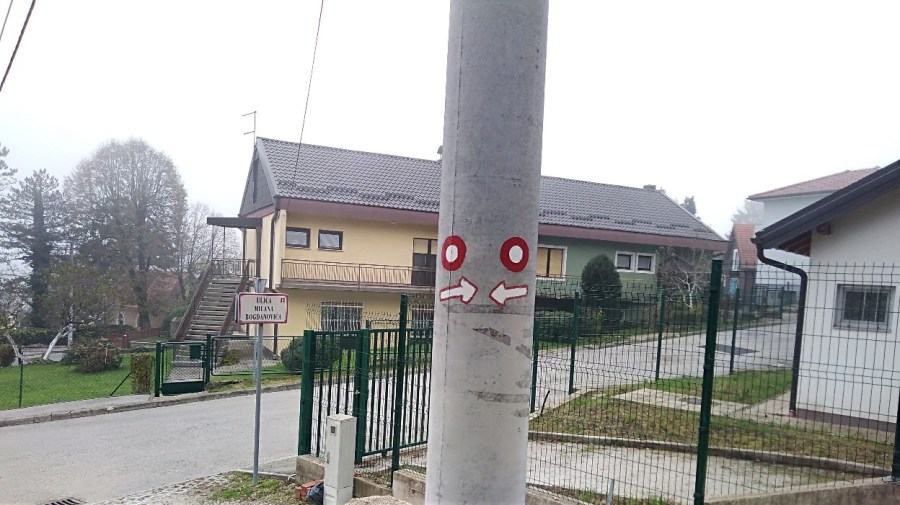
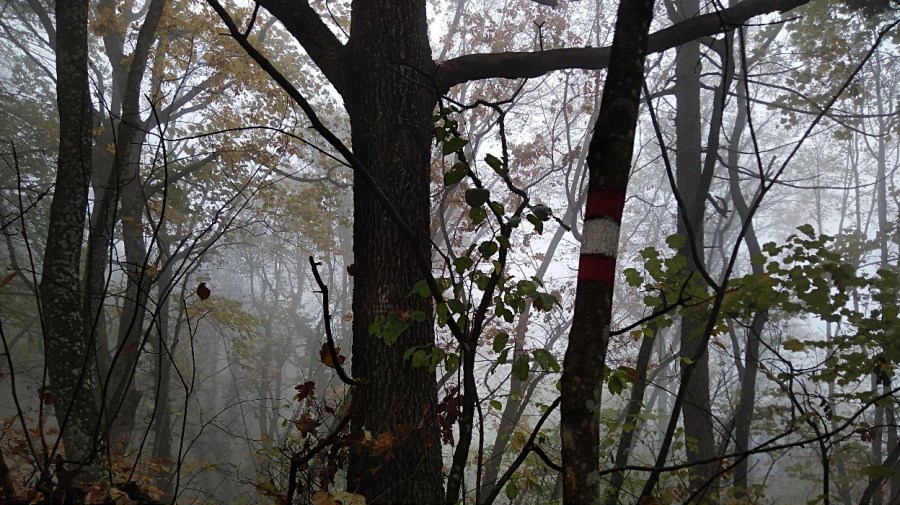
From there I followed my nose, as they say, climbing through the woods. It was the lure of the red and white circles I think, reminding me of previous treks.

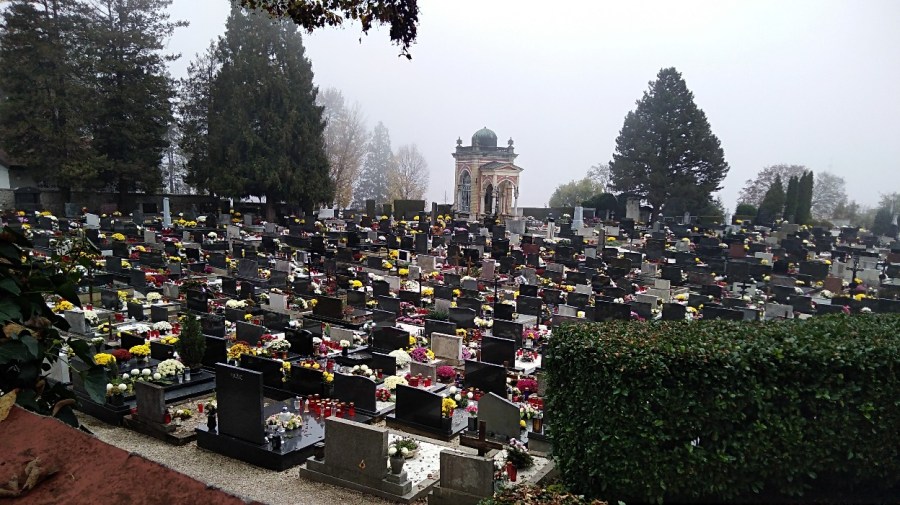
Past the municipal cemetery, Samobor, Croatia
It was really misty although at ground level the leaves glowed all the same.
Tepec Hill, Samobor, Croatia
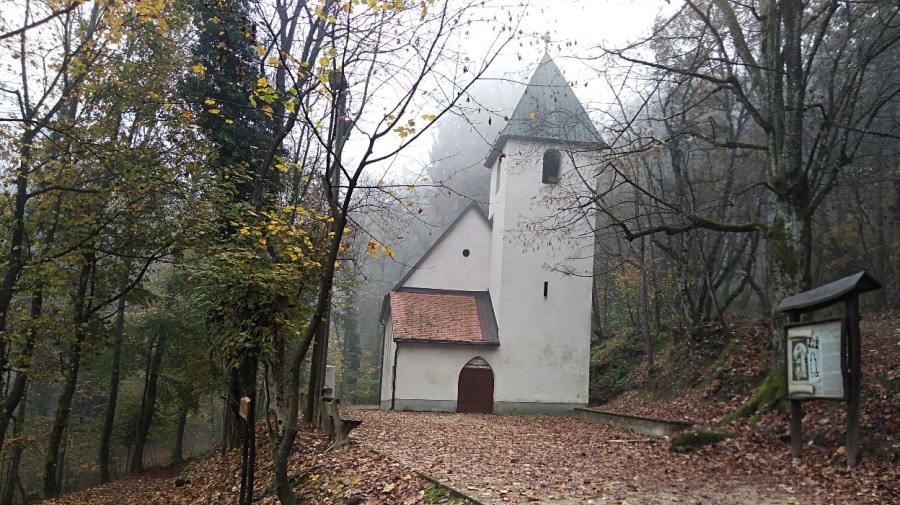
St Anne’s (patron Saint of Samobor) Chapel, Samobor, Croatia

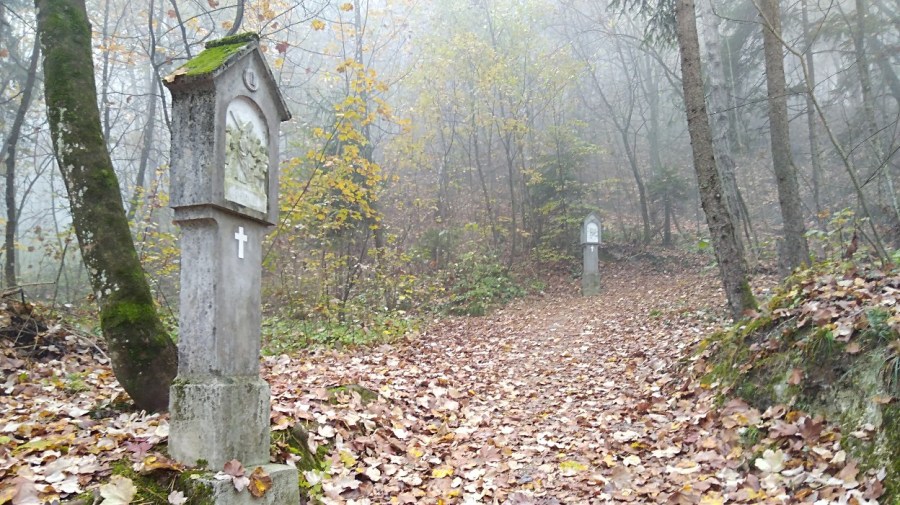
As I stepped up from one Station of the Cross to another I relished the fresh smell and feel of the soft earth beneath my feet.

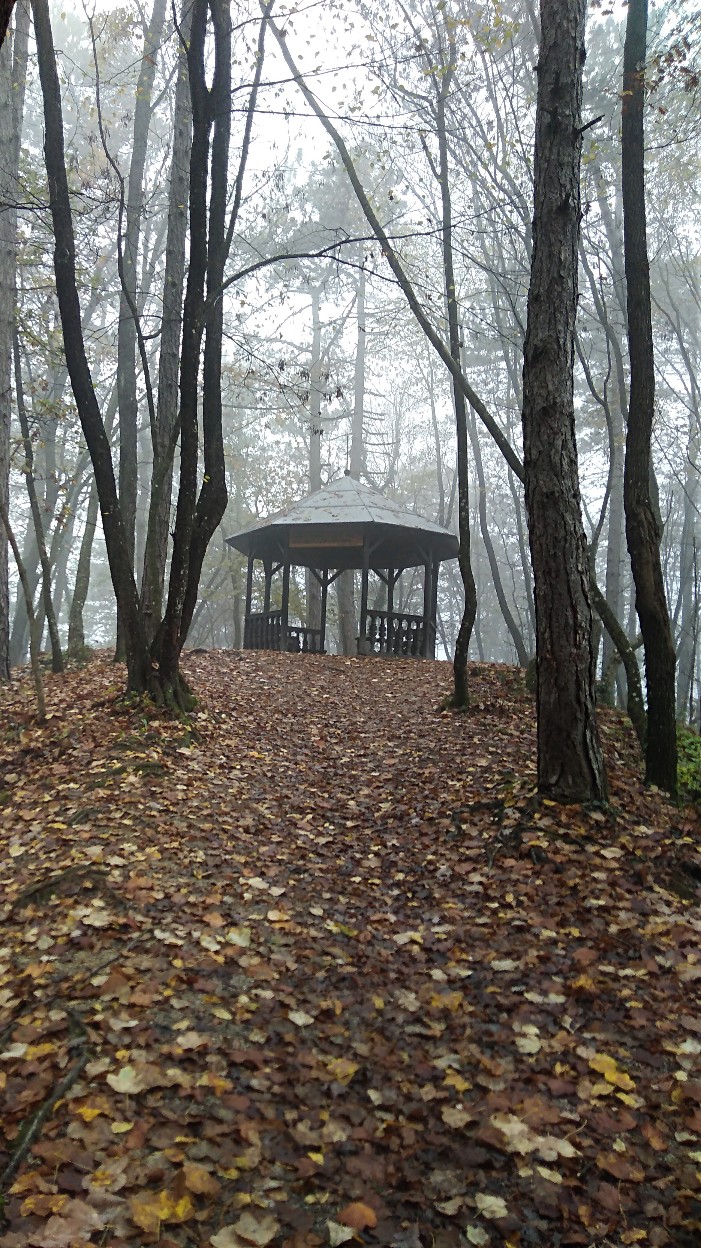
A pavillion in the woods, Samobor, Croatia
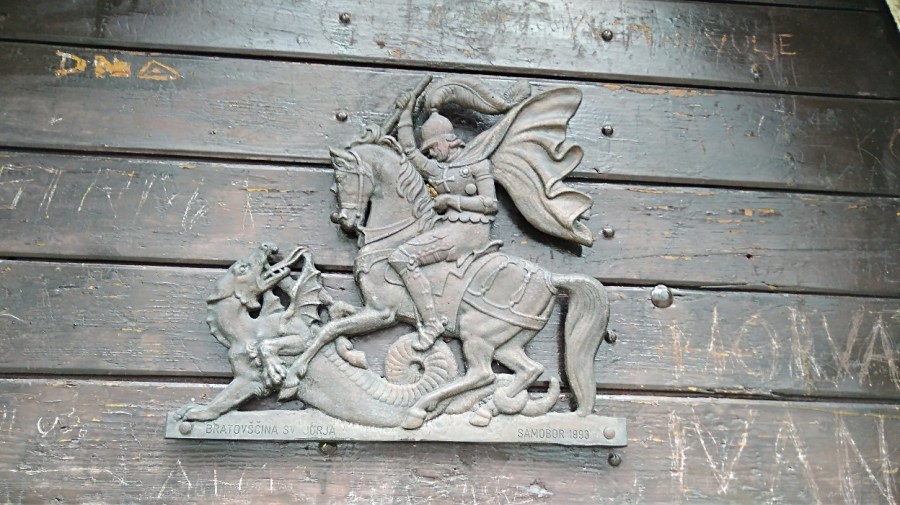
Here is St George fighting his dragon again (see Zagreb 9).
Stations of ther Cross in the oak forest, Samobor, Croatia

More red and white waymarkers, Samobor, Croatia
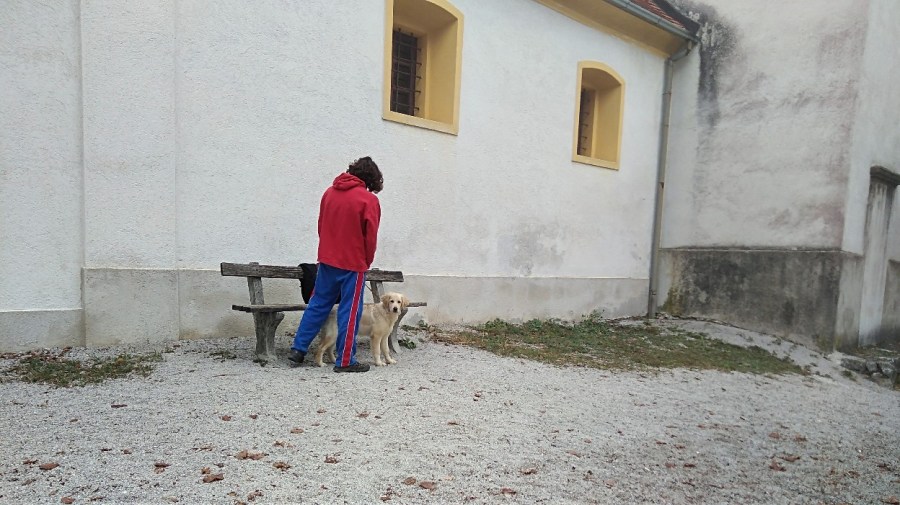
St George’s Chapel , Samobor, Croatia

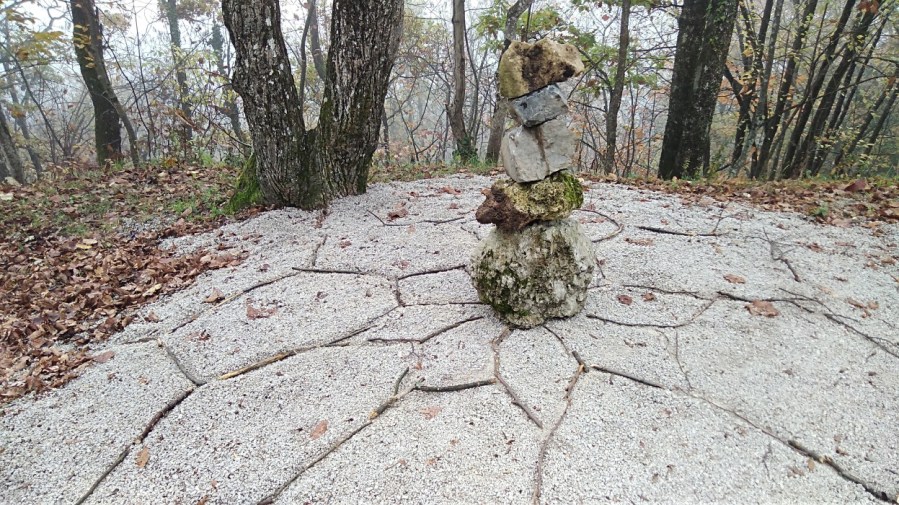
The second Chapel (St George’s) was plainer and round the back was a young dog who barked at me. The man with him had made a beautiful yet simple sculpture of stones and sticks which complemented the architecture and natural surroundings.

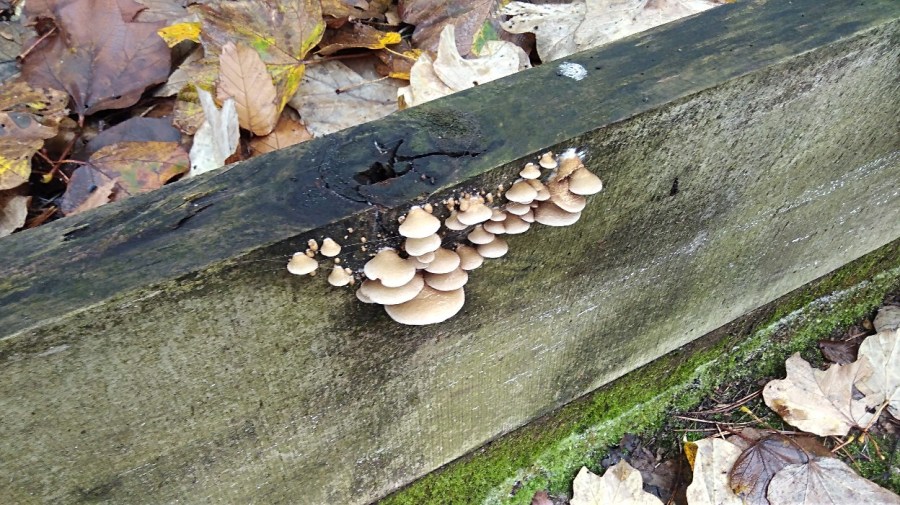
I started spying an array of fungi taking me back to the Via Sacra last Autumn in Austria.
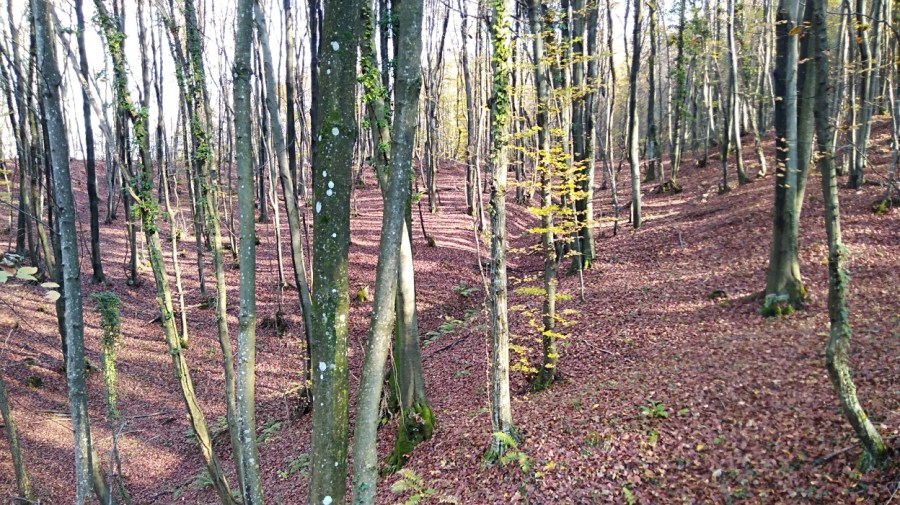
Chestnut and beech foliage now
The Anindol Pyramid

There is probably a magnificent view from up there but my tummy turned over at the thought of it and as there was zero visibility I didn’t feel too bad.

In fact the sun was beginning to stream between the trees as I got higher and it was warm on my cheek. It was breathtaking. I couldn’t help myself going on and on.

I stopped to admire the dew laden spiders webs and I smiled

Suddenly I was on a road and soon a sign indicating the village of Cerje. I was still going steeply uphill but the red and white waymarkers continued to draw me.

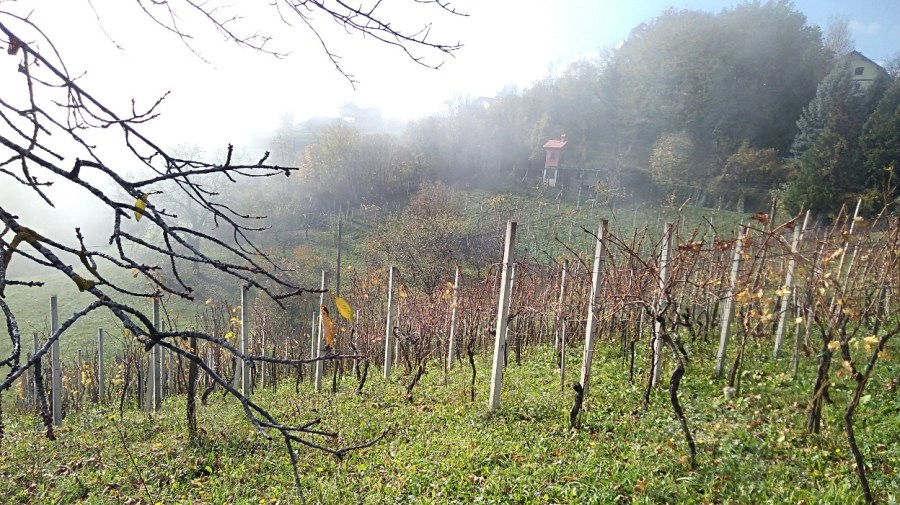
Vines, laden orchards and layers of red rooves
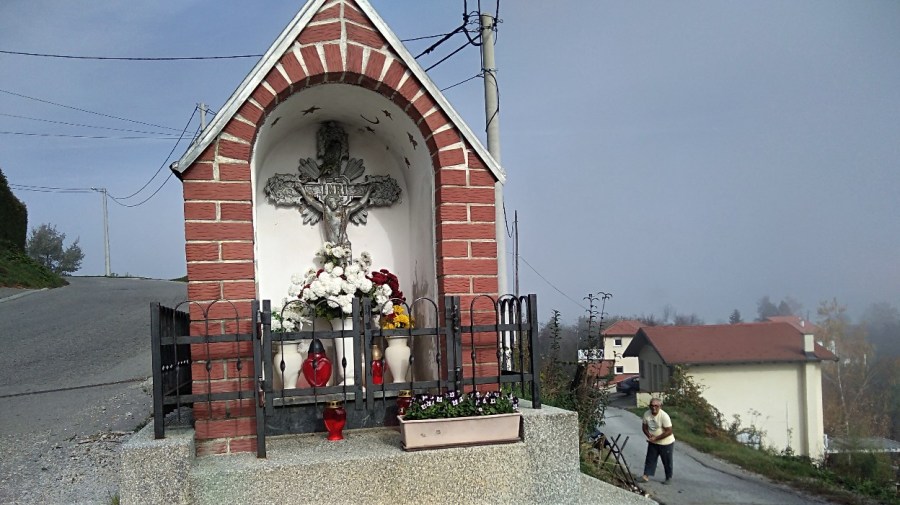
A wayside shrine

People were working on the land and apples littered the path which I juicily enjoyed. I skipped from side to side where there was a pavement, to be safe on the tight bends.

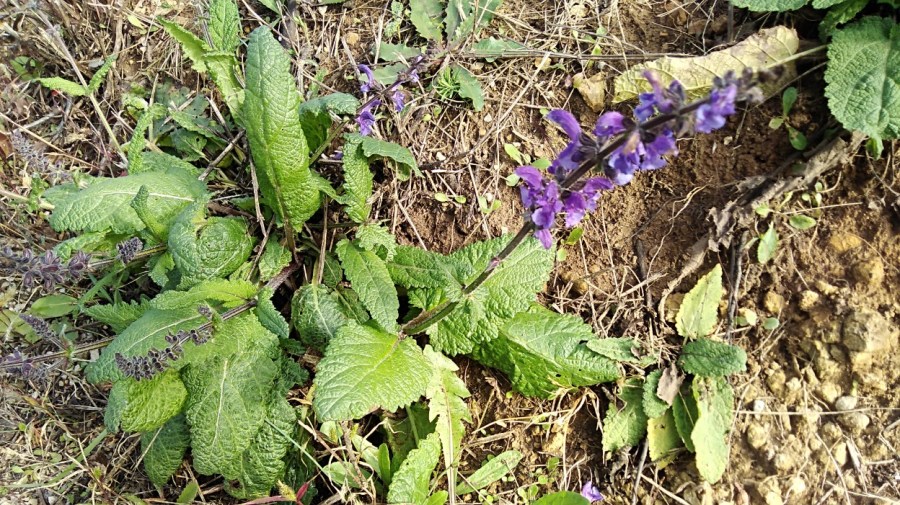
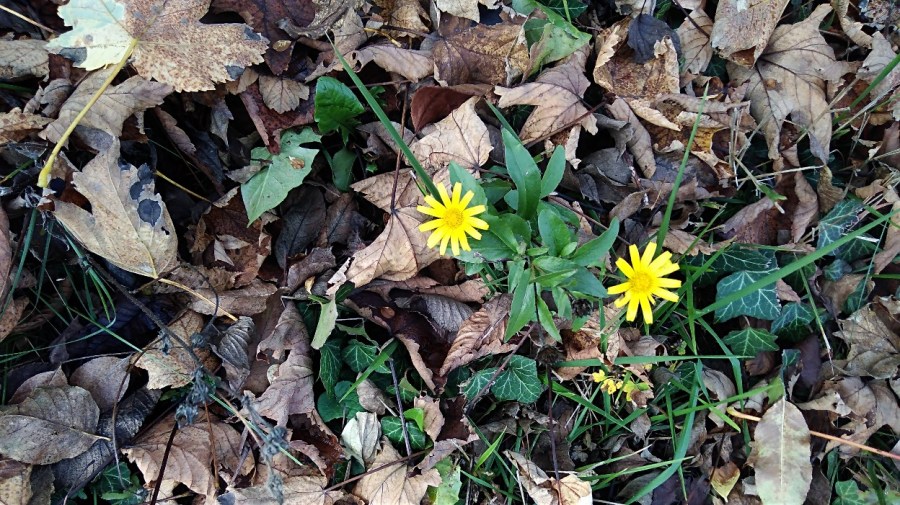
I knelt to capture wild flowers with my phone camera and, as I relaxed into my stride thoughts pestered me

Note to self: learn legilimency (as J K called it) to develop the ability to push out the unhelpful memories and worries, once acknowledged!

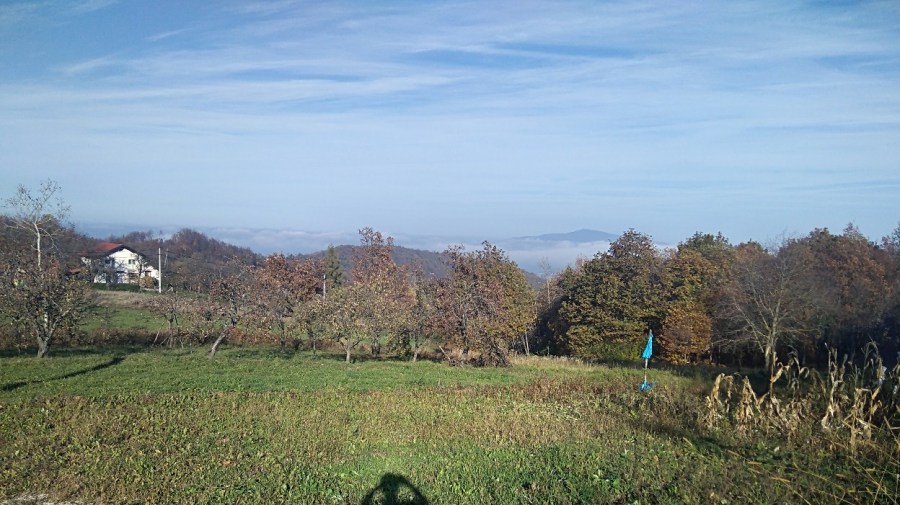
High up now I could see down to the valley and had to choose between there and uphill. I chose the latter

I spent time at a bus stop because I knew I was on a one-way walk and that the daylight of course ends at 5pm here in November. I photographed the timetable and carried on, confident I would get back to Samobor that way (a bus had passed me earlier).

The homesteads were strung out and I began to wonder if I might actually turn back if the trail was going to continue on asphalt.


Caffe Bar ´Uzbuna´

A sign to a café with a stunning view didn’t yield the desired result: open from 5pm, presumably because it is dark by then and there needs to be somewhere to meet up during the long evenings.

Feast your eyes
Barking dogs and basking cats; turkeys with red gizzards huddling
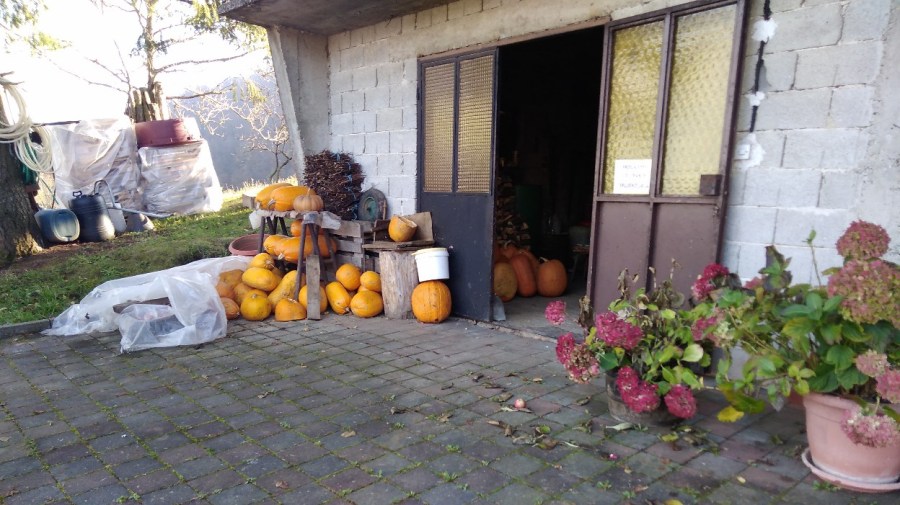
Autumn squash to last the winter
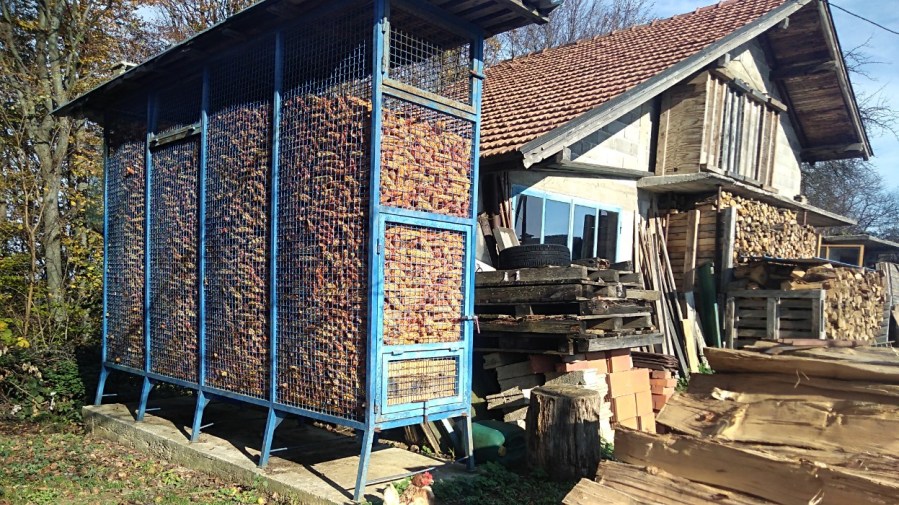
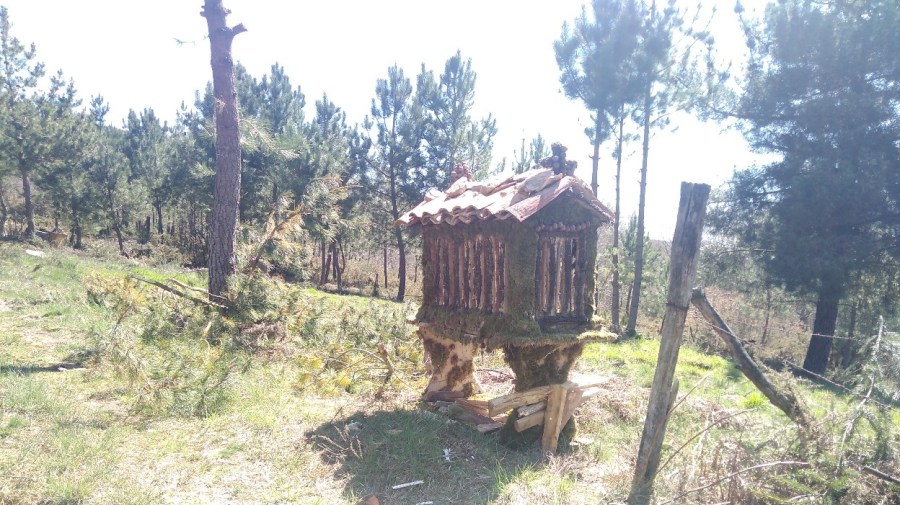
Horreos full of sweetcorn, first seen in Spain but because those ones are stone you cannot see what’s inside.
wp-1541977423120..jpg
A Galician north west Spain) winter storeage unit.
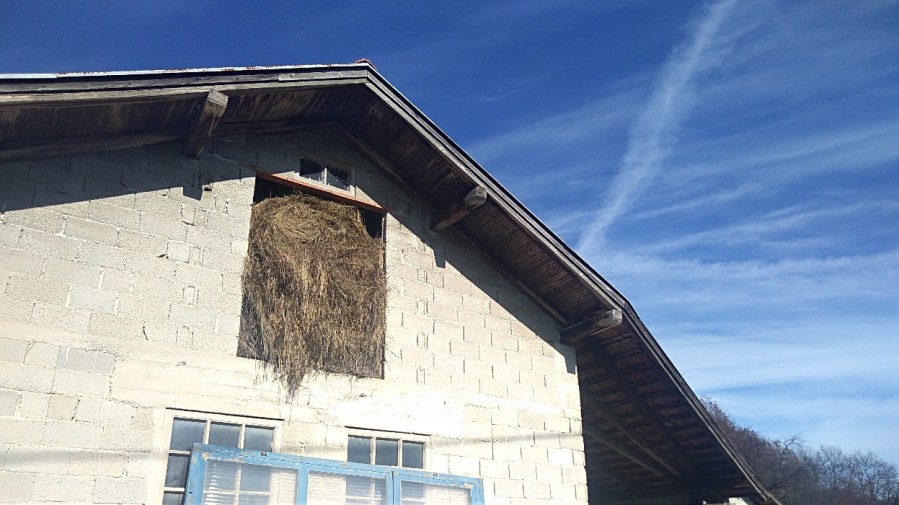
Hay packed up to the rafters. Literally
The bridge was down across this stream so I took a great leap (across a narrower part!)
Through woods where I lost the signs more than once

I had to retrace my steps sometimes because the way is generally so well marked that as soon as 10 minutes passed without a sign I knew I was wrong.

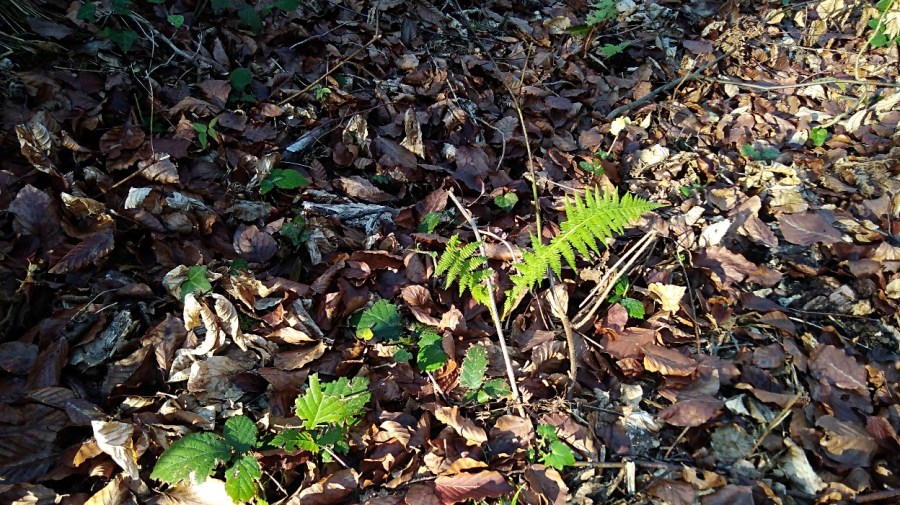
Still new green ferns, even at this time of the year

There were lots of trees down blocking the way, but walkers or cyclists had been there before me if I looked carefully.


It was downhill at times at this stage and tantalising signs to Okic, which when I looked on Googlemaps said it was a tourist attraction.

As I neared, worrying a bit about the time, I wondered if it would be worth it.


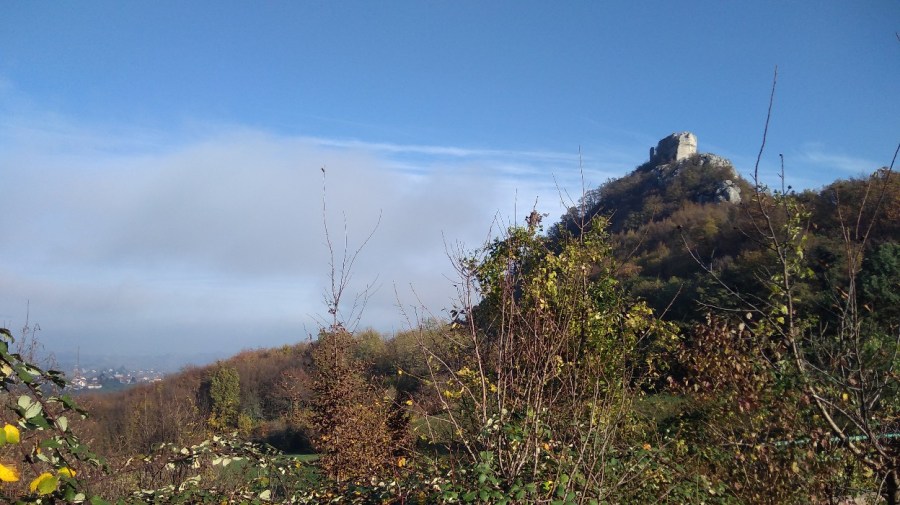
It was: Okić, a Medieval town perched on top of an isolated hill south of Samobor is mentioned in 1193
Another magical vista

I didn´t let myself stay long (although long enough to admire the woman with the chain saw) and her produce. I rather rushed up the hill, despite my tiredness, and almost immediately lost my path. What made me plough on regardless I do not know, but I ended up in one of my fixes – very steep, knee deep in nettles, several dead ends and my head started to popund. In the end I went over a fence into someone´s garden and out through their front gate, only to hear a loud noise behind me – a bus. I was not at all sure where I was but I flagged down the bus and begged and, yes, he was on his way to Samobor.

wp-1541705606261..jpgSlowly I calmed down, somewhat embarrassed , and my head stopped throbbing. I was all but out of water. Up and down and round he drove at top speed, letting people off, driving round the village square and going back the way he had come through pretty places with shops, bars and attractive churches.

wp-1541705606282..jpg
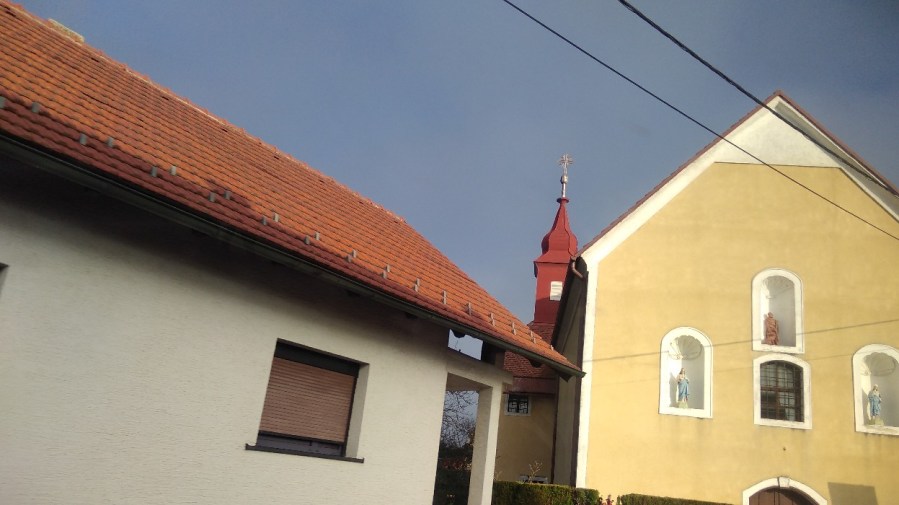
Blurred as I took it through the coach window

Until we arrived back where I had started at the bus station in Samobor. I could not quite face a traipse back into the town, so instead I drank my green tea in the station cafe (full of smokers, so I sat outside) where the waitress the age of my daughters spoke customarily wonderful English and refilled my bottle adding ice. I marvelled at the table tennis room, the pop-up cinema and creche, all making up the modern station complex (free, clean loos as well!)

There more to see if you visit: a museum, a cave and a castle for example.

Lonely Planet on Zagreb

15 things to do in and around Zagreb

Bus timetables

King T Square

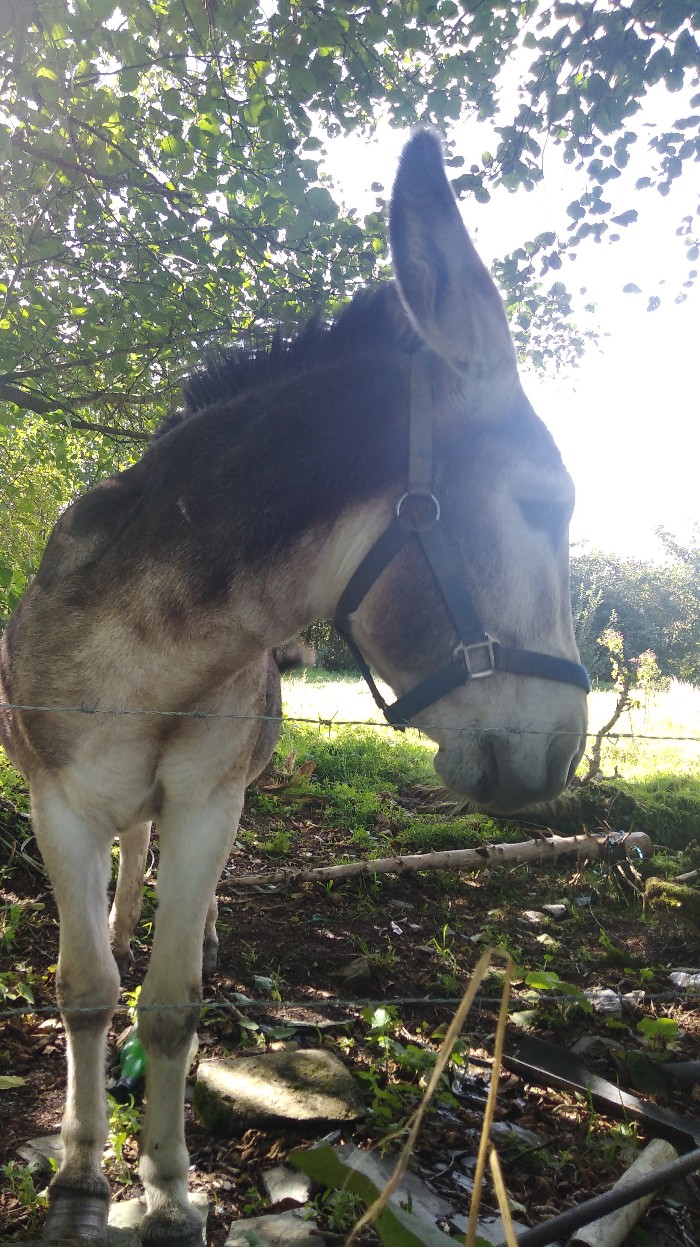
Visit Samobor – great site which even had a donkey on the front page (my patron saint – what does that say about me?

Have you visted Croatia? Leave a comment below with your favourite places if you like – I would love to hear from you.

Yalding – circular walk via Nettlestead

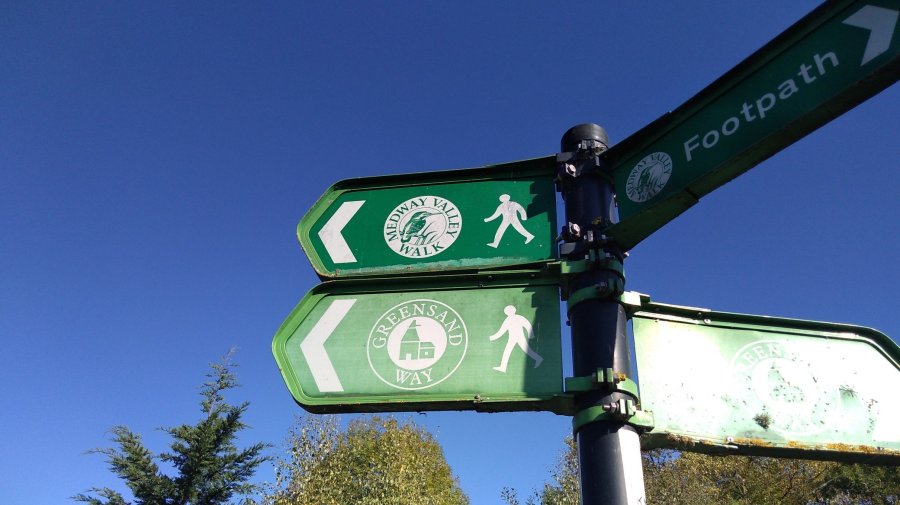
October 10 2018: Kent – parts of the Greensand Way and Medway Valley Walk.

wp-15391851255641612757381.jpg
A host of walks around the Garden of England, Kent

Distance: 6 miles / 9. 66 kms

Duration: 2.5 – 3 hours

Weather: glorious throughout

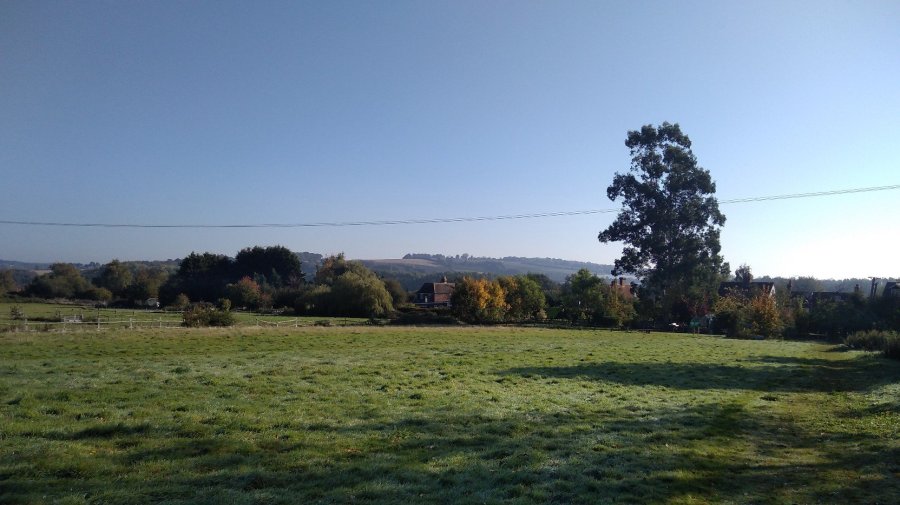
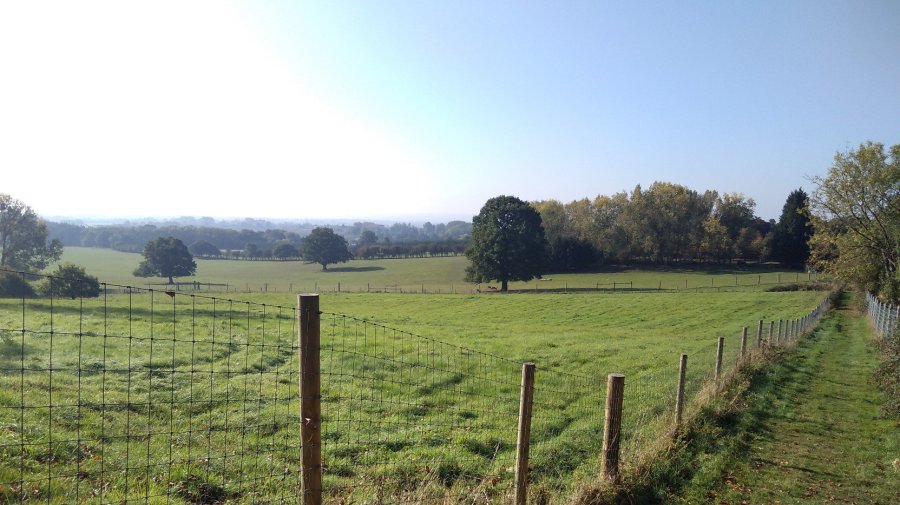
Green fields and the Downs in the distance, Kent

Stiles crossed: numerous

Railways crossed: 2

Boats sailing past: 3 yachts, 2 dinghies with outboard motors chugging away and 3 canoes

Churches: St Mary the Virgin, Nettlestead

Grand country houses : 2 – Roydon Hall and Nettlestead Manor

The River Medway, busy with water traffic, Kent

I started walking across the Lees in Yalding around 9.30 am after a starry night and a misty morning.

Crossing The Lees, Yalding, Kent
Over a tributary of the River Medway, Yalding, Kent

The Lees, a low-lying meadow, flood regularly caused by two rivers joining the Medway here – the Teise and Beult. Indeed my father once crossed the submerged road thinking he would be fine and became stranded, having to leave his car and wade back.

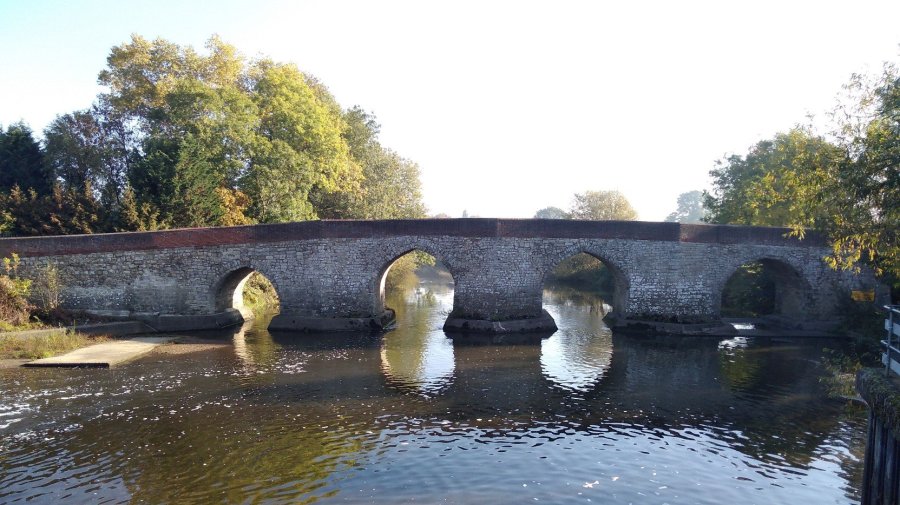
Hampstead Weir Bridge, Yalding, Kent

On a day like today, the water looked beautiful, producing stunning reflections on its smooth surface.

Hampstead Weir Bridge, Yalding, Kent
Where Hampstead Lane crosses the River Medway, Yalding, Kent

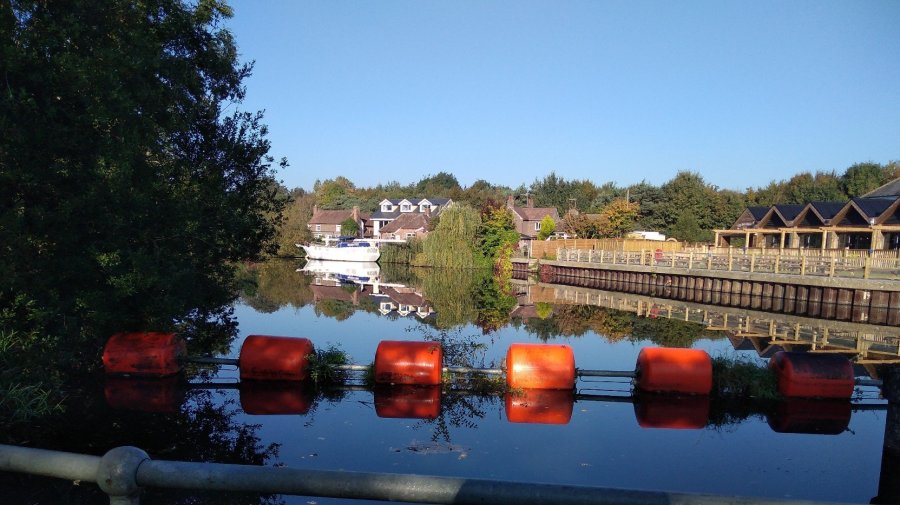
After some confusion caused by my thinking that the locks beside Teapot Island were the ones mentioned in the leaflet (details below), I set off along the pavement towards Yalding Station from where I walked a few days before using my phone torch in the pitch dark. With the canal on my left and the incongruous new wooden houses appearing upside down under the bridge, it was only a short way to the Marina and Hampstead Lock.

wp-1539185411669830439194.jpg
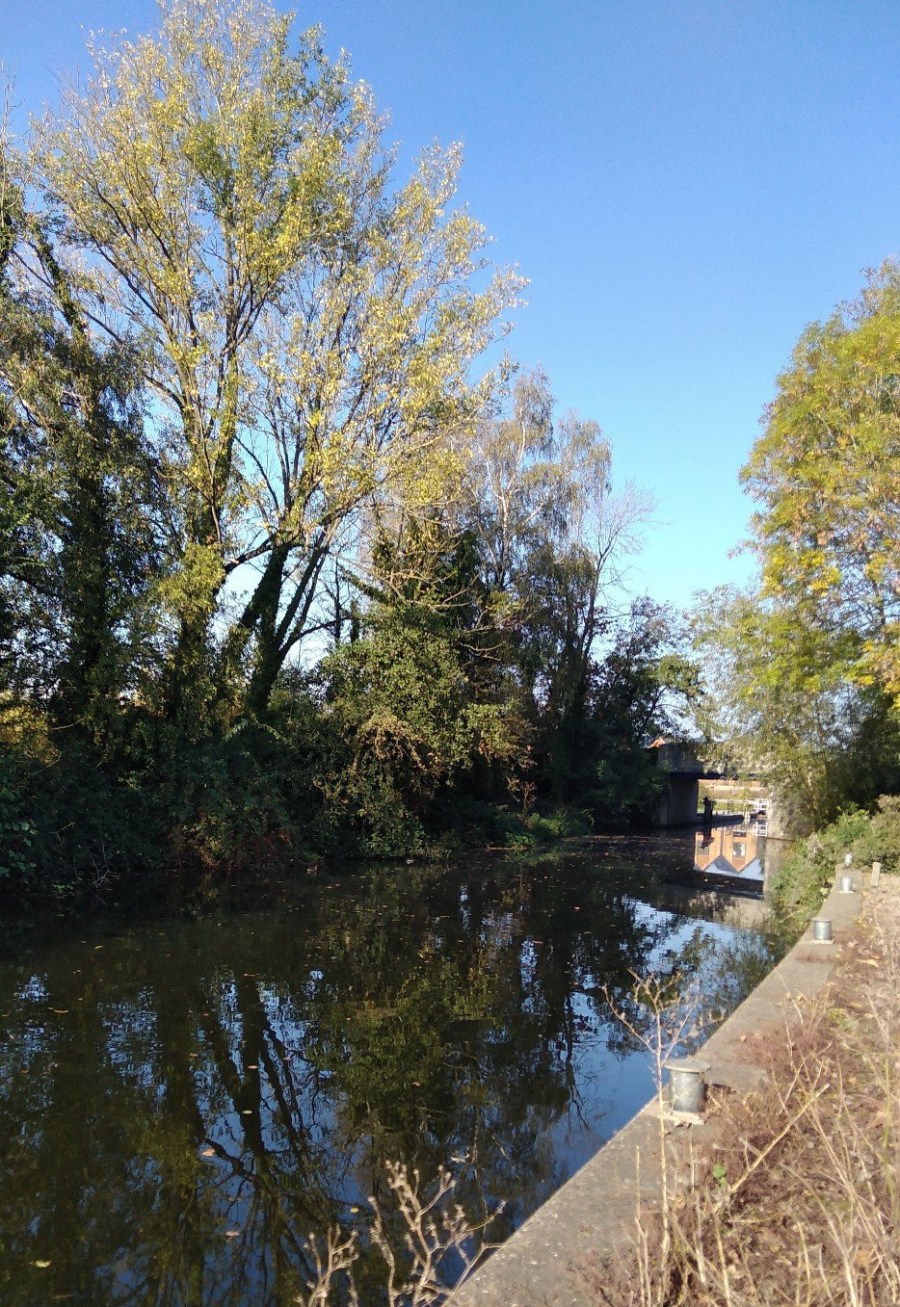
River Medway, the B2162, Kent


Skirting past the new building, I took the left fork and crossed the first railway line. Then a series of fields and woods, easily found for the most part.

wp-15391852816101151347440-e1549614946895.jpg
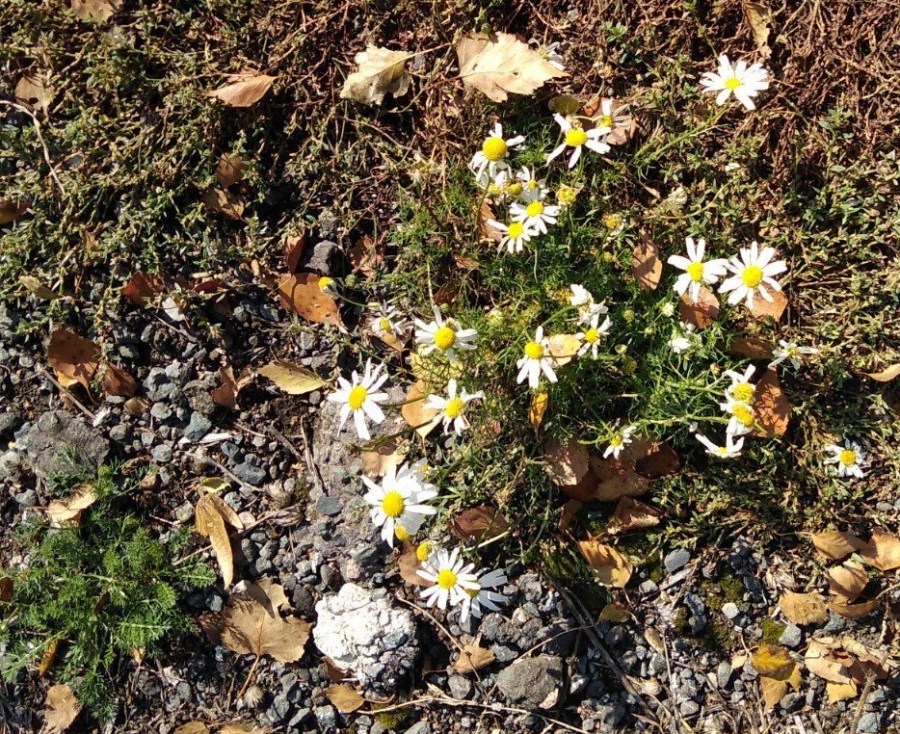
Camomile growing at ground level, and at the edge of a field were delicious windfall pears.

There was a path which is accessed beside a sweet cottage and that is hard to find but a kind woman noticed my confusion and pointed it out.

Walk to the left of this white cottage even though it looks as if you will go into its garden. If you are lucky, you too will enjoy the roses poking over the fence and the geese in the field beyond.
Crossing the railway near Yalding Station, Kent
wp-15391854113941469385923.jpg
The walk takes us over the middle of a ploughed field, dry from the lack of rain and dangerously close to farmers spraying chemicals, Kent
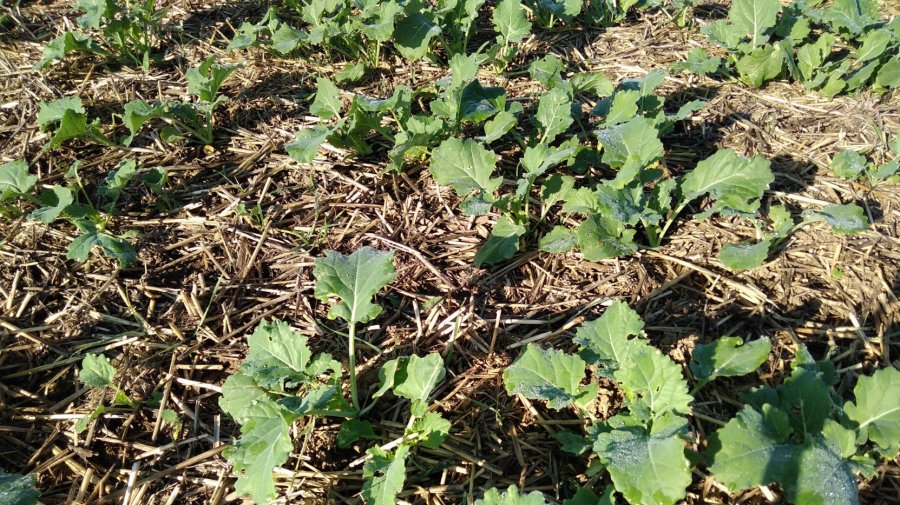
Some sort of brassica had dew drops glistening on its leaves

The low point of the walk came when the leaflet directed me to cross straight through the middle of a huge field. It looked pretty but there was no obvious path as before and I spied a large red farm vehicle in the far corner, so I decided to skirt instead, through the long, wet grass. To my utter dismay the farmer was spraying green chemicals and went as close by me as he could without actually running me over. There was no way to avoid it and the smell hung in my nostrils for the next hour. (I arrived home with a most unusual headache and had to go to sleep. On waking I searched the Internet, discovering what they were and how harmful they can be up close. I showered and am hoping for the best).

Traditional farming country, kent

The noxious fumes abated temporarily as I made my way through the welcome cool woods, away from the acrid smell I thought, to the altogether sweeter scent of chestnuts. The fences made me wonder what they were protecting and brought to mind the small trucks I came across in the Austrian mountains where single men collected wood. There was no sun except in dapples and a grey squirrel leapt across the path. I could still hear the warning parp parp of the train as it came to level crossings in the distance and the drone of far-off traffic, but also the birds squawking and crawing and tweeting.

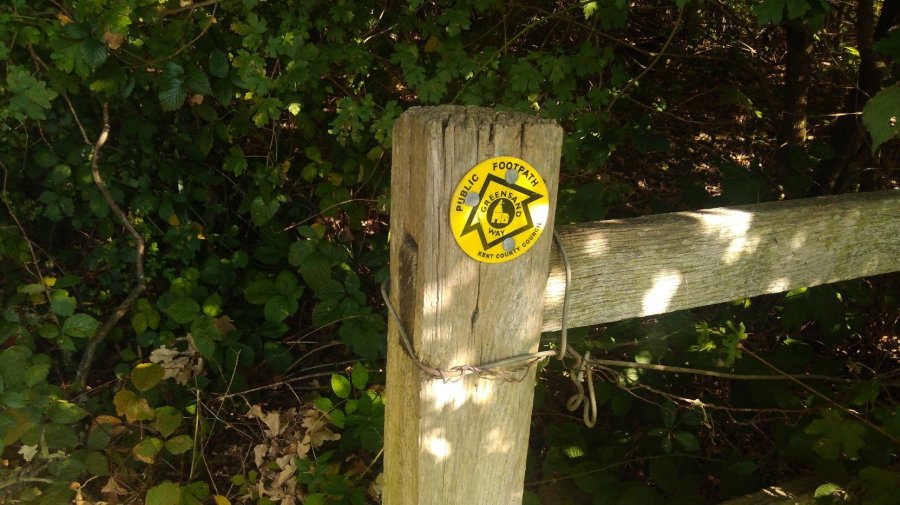
Public Footpath, Greensand Way, Kent
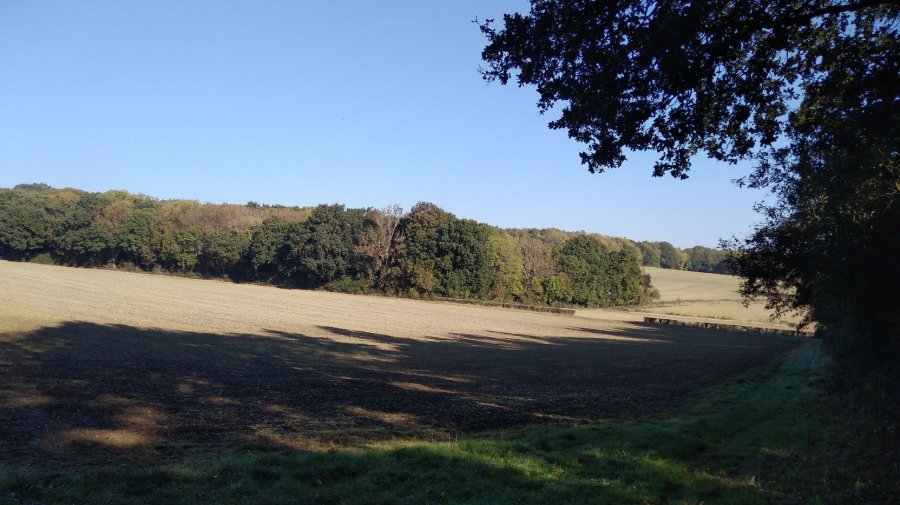
Soft and rolling (private) countryside, divided by landowner with barbed wire fences, Kent

Sadly, despite the wonderful view, once out of the trees the very strong fumes were evident for miles.

wp-153918528219238660335.jpg
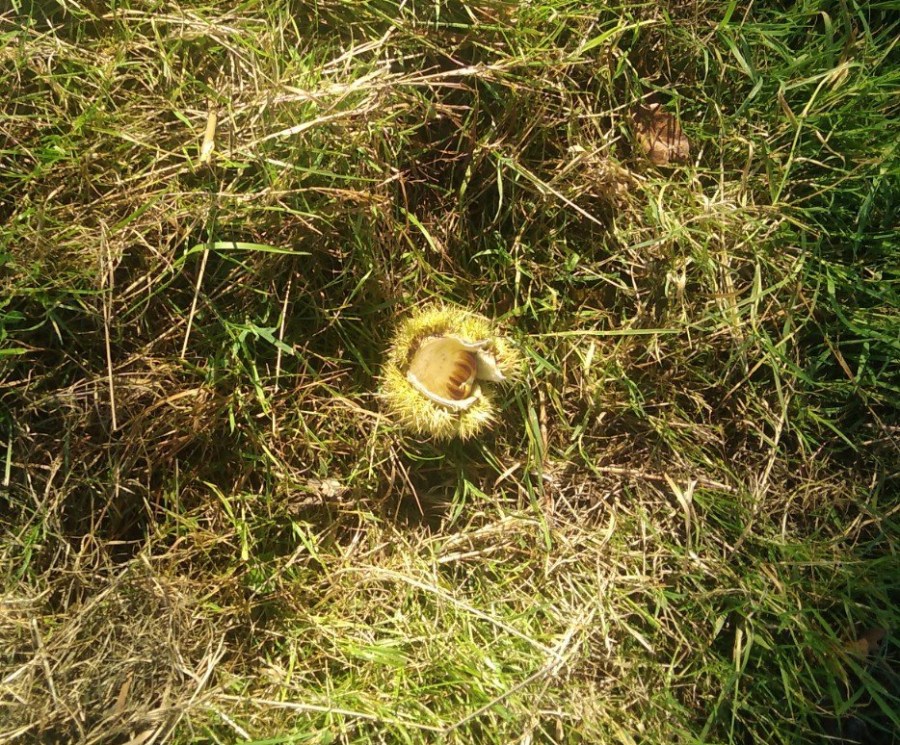
Sweet chestnut in its prickly cases, Kent
wp-1539185377688518546386.jpg
Beautiful native trees allow dappled sun to light up the first fall of autumn leaves, Kent

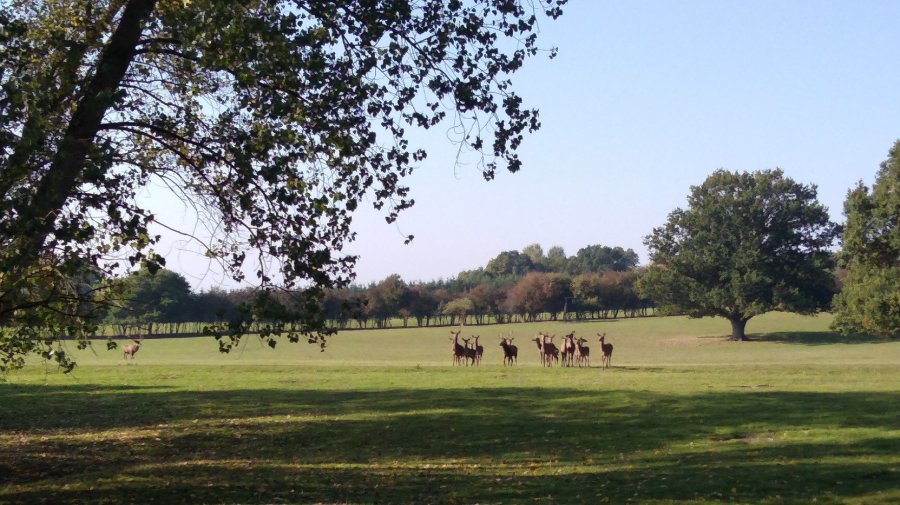
The fences became much stronger and the gates quite serious, when I came across the deer on my left standing still, observing me. I startled a reclining stag and away he bounded, taking off and landing from all four feet at the same time which always makes me laugh.

A herd of majestic deer with developing antlers, Kent

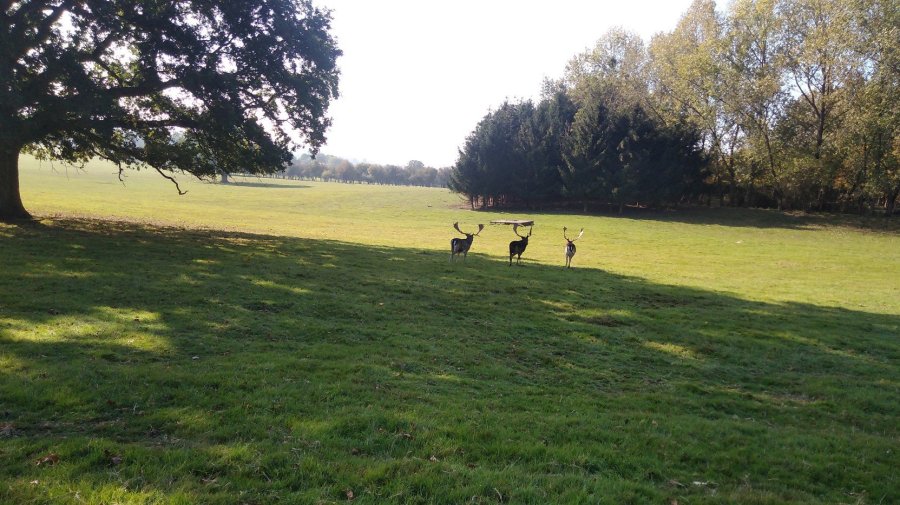
Then the flock of curious youngsters gathered and crept closer until one of the stags stretched forward his neck and bellowed, causing them to pause. He moved into the centre, whereupon the second, smaller male departed. The others continued to stare, their ears pricked. It reminded me of the grounds of Knole House in Sevenoaks where I grew up and where I first saw deer roaming like this. Further on, three more lazed in the shade of a great oak until I disturbed them. They had fawn spots on their backs and white bottoms with black stripes down the middle!

Three stags under an oak tree, Kent

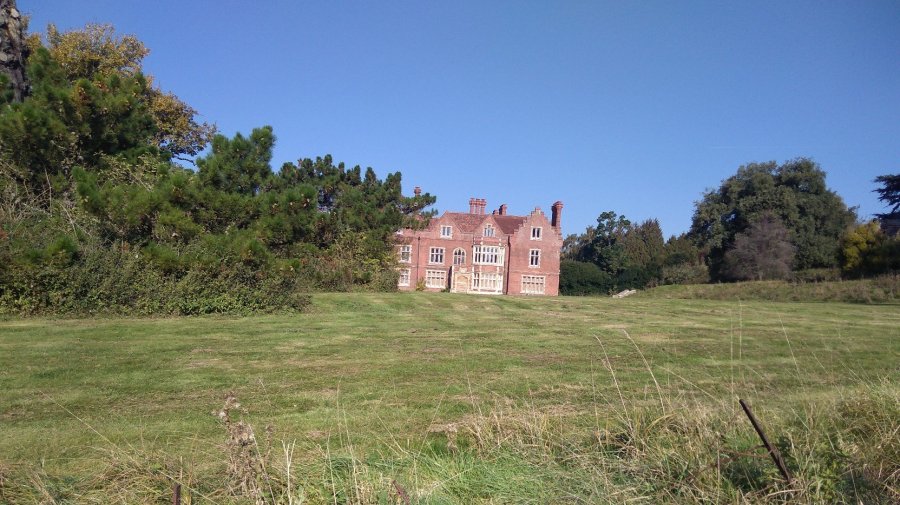
The red brick Elizabethan Manor house, Roydon Hall was on my left now, with its stepped roof edges and old-fashioned chimneys. Apparently it has an escape route below the cellars, but it appeared to be boarded up although the the lawn was newly mown.

Roydon Hall, Kent

I expect they call this prison-like fencing, ‘managed land’.

Keeping us off his land, protecting us from the deer maybe, Kent

There was a square tower with a turret and lake to my left (though later I thought perhaps it was plastic-covered crops) and satellite dish to my right.

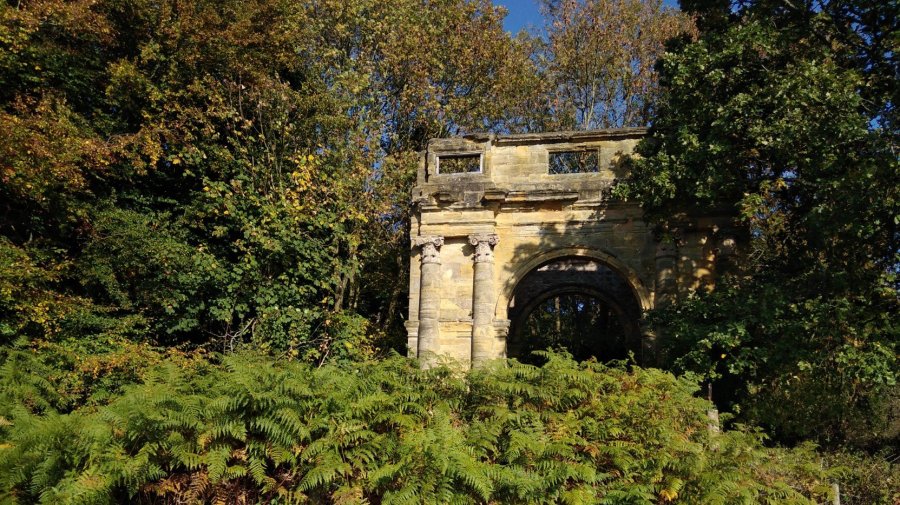
This was the only slight incline and at the top was what I assume was a folly. Its yellow stone and Grecian columns were set amidst lush foliage in the midday sun.

A bit of a folly amongst the foliage, Kent

As I strode down the lane, two women and four walking poles approached me to ask directions.

wp-15391852838092037191285.jpg
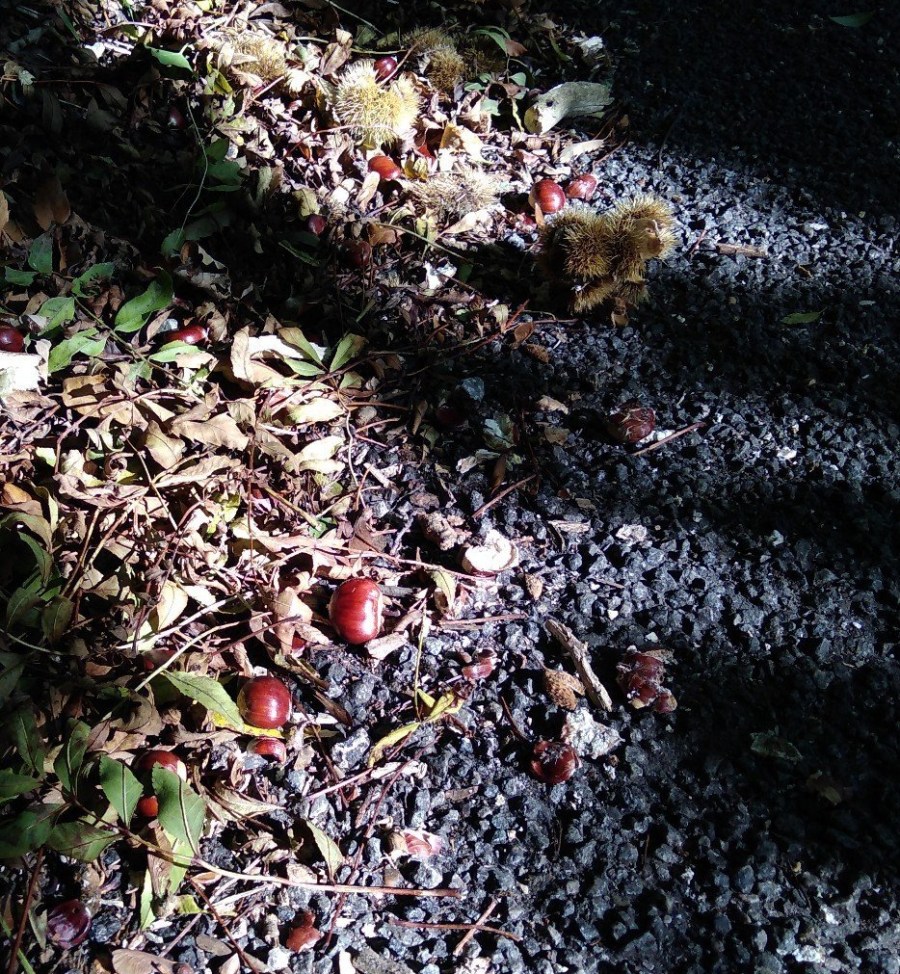
There were beech nuts and conkers on the asphalt.
wp-15391852841581259786156.jpg
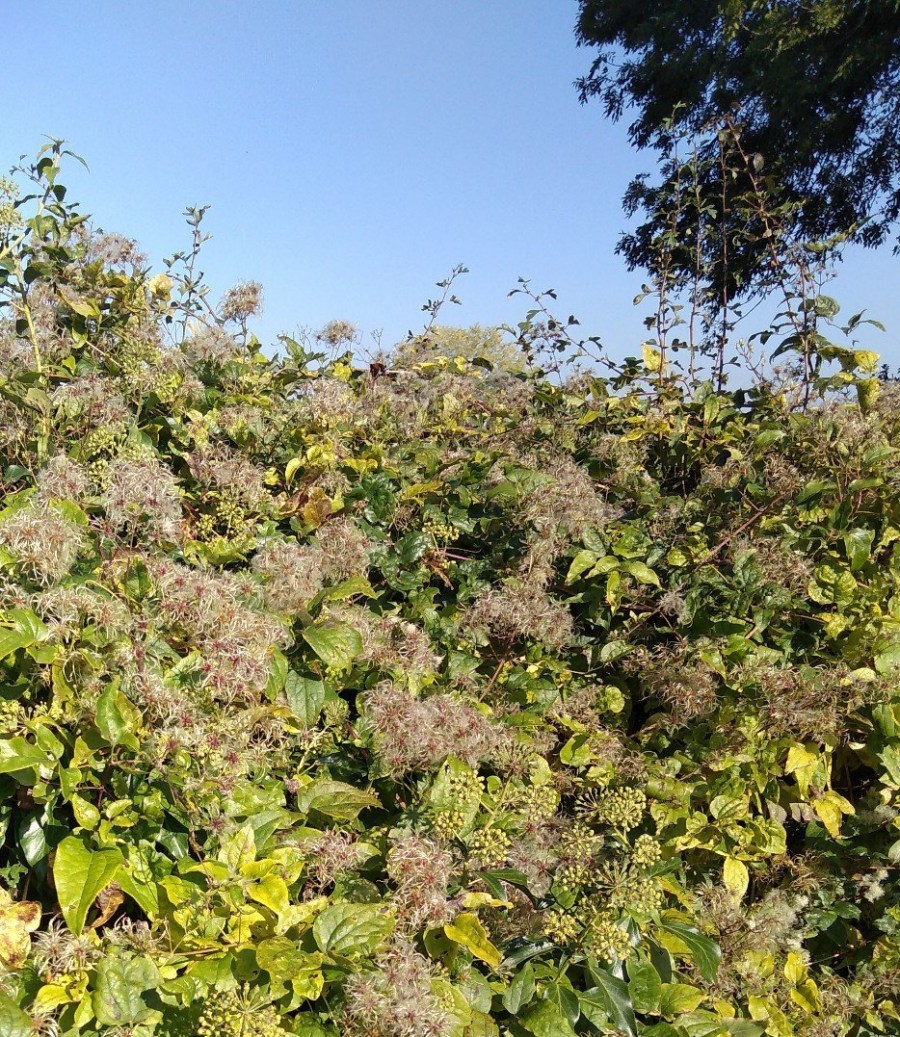
Wild clematis
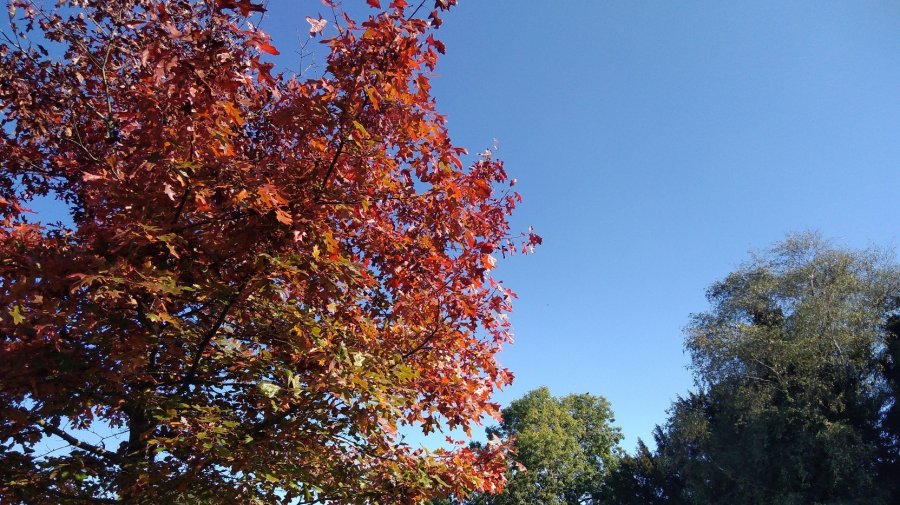
Glorious Autumn colours

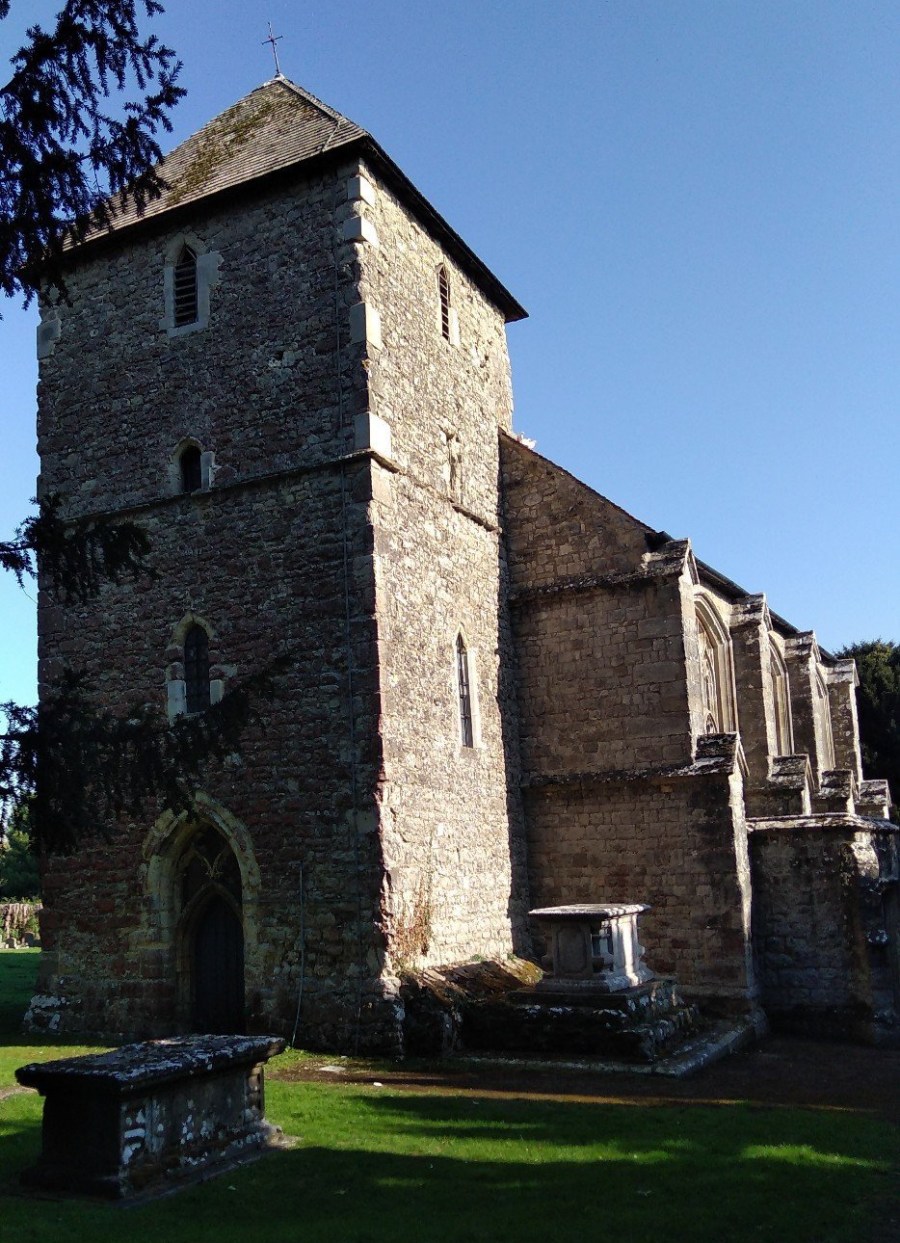
Several miles along the road took me to the St Mary the Virgin church at Nettlestead with its simple 13th century tower and possible Saxon foundations.

wp-15391852829951518083899.jpg
St Mary the Virgin, Nettlestead, Kent
wp-1539185125591273463672.jpg
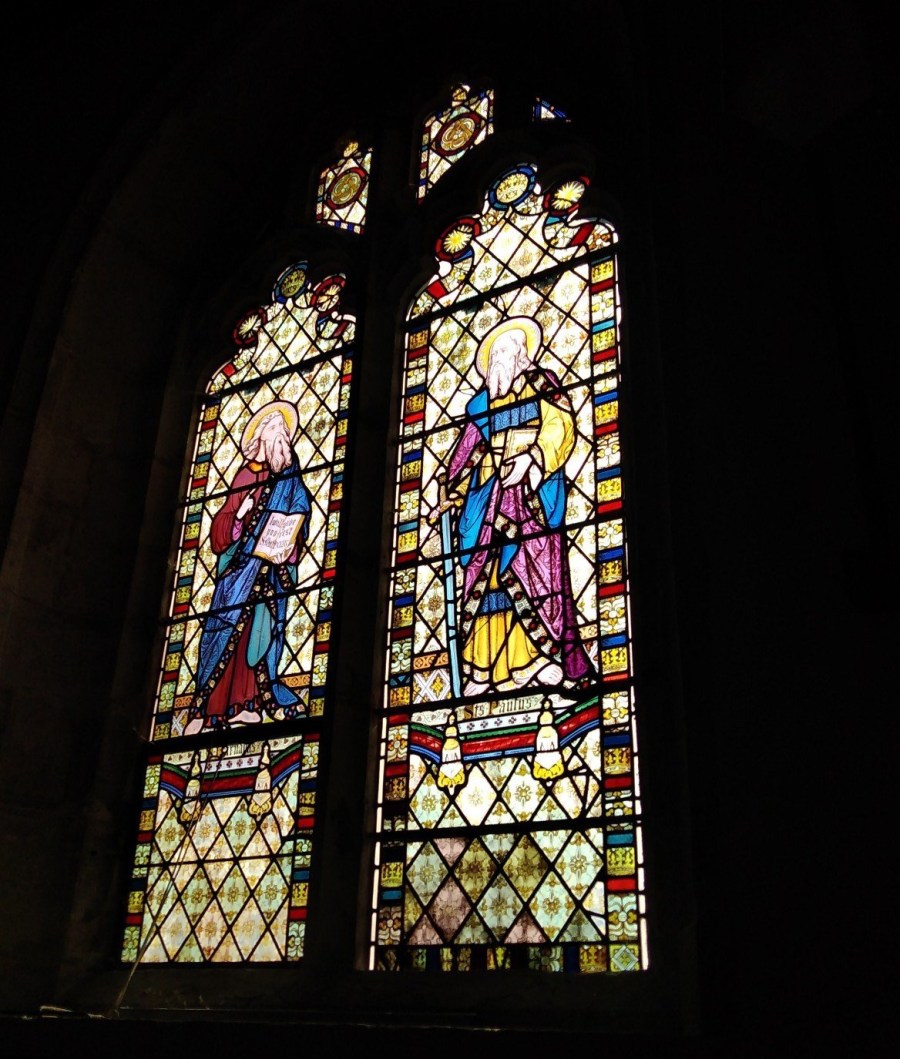
Stained glass at St Mary’s the Virgin, Nettlestead, Kent

Set in an equally charming churchyard, the building was started by the magnificently named de Pympe family. It has six notably large windows commissioned by Reginald de P.

At the top of each window stand angels with curiously feathered legs. (taken from the history leaflet)

In addition, I was shocked to read that

The original glass of this window with the rest of the 15th century glass in the church suffered damage by impious hands at a time unknown. (Taken from the plaque)

And furthermore, that the visit of the Archbishop of Canterbury in July 24th 1895

… was well nigh “a visit of surprise” so short was our prior notice… And here let me say at once how troubled I am to think that in the hurry of the moment some members of the Parish Church Committee were overlooked. (From an account in the church).

Not far away was an entrance to the Medway river path where I stood back as a cyclist whizzed past.

It was a gentle stroll back to the Hampstead Marina alongside various water crafts including one propelled by a man with a long white ponytail and no shirt, sitting behind an infant in a baby seat and a woman who talked incessantly.

Tall trees shushed a plane and helicopter and the smells were all fruity or woody, wet or damp.

wp-15391851256371626864719.jpg
Hampstead Mariner, Yalding, Kent

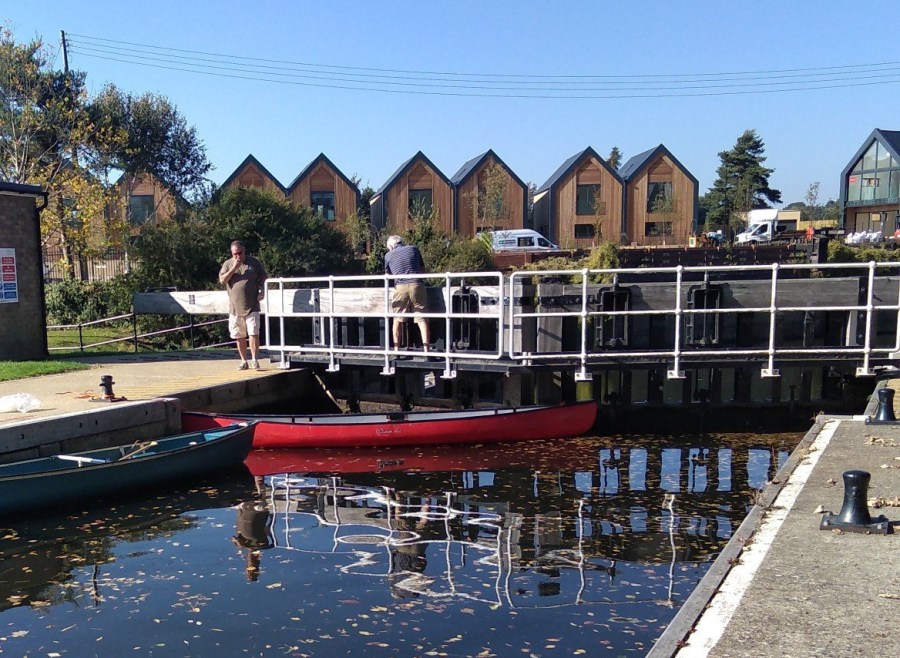
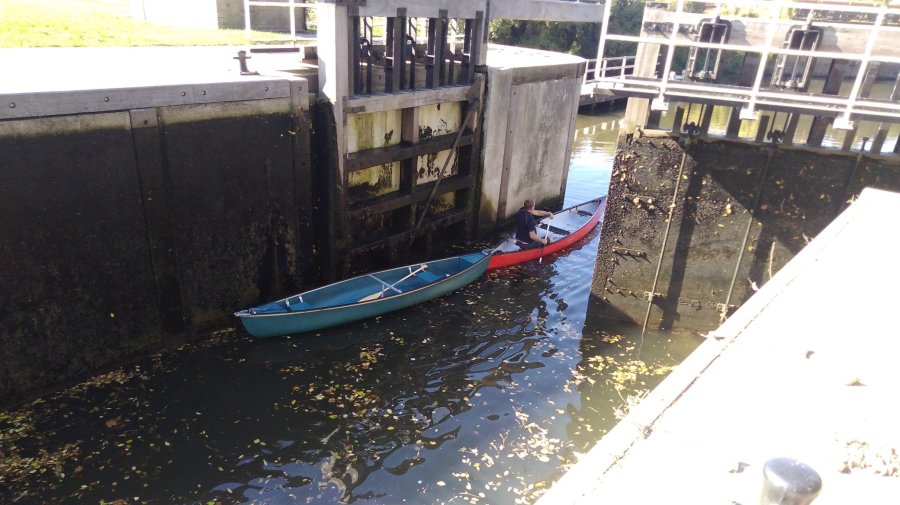
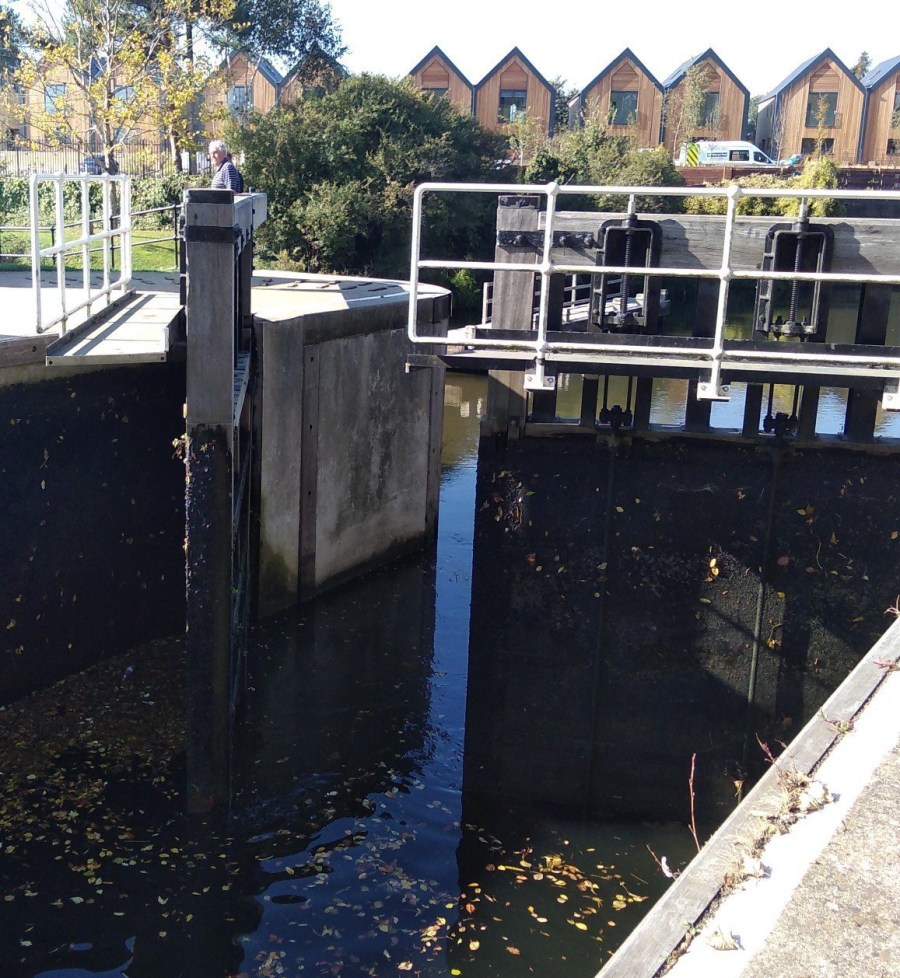
On arrival there were three men with two boats watching as a fourth opened the lock. I joined them as the water slowly filled the space between the gates, fascinated as they floated through and boarded for “a couple of miles down and back, and then a pint!”

Hampstead Mariner, Yalding, Kent
wp-15391851255981834697237.jpg
New houses and the deep blue sky reflected in the water at Hampstead Mariner, Kent

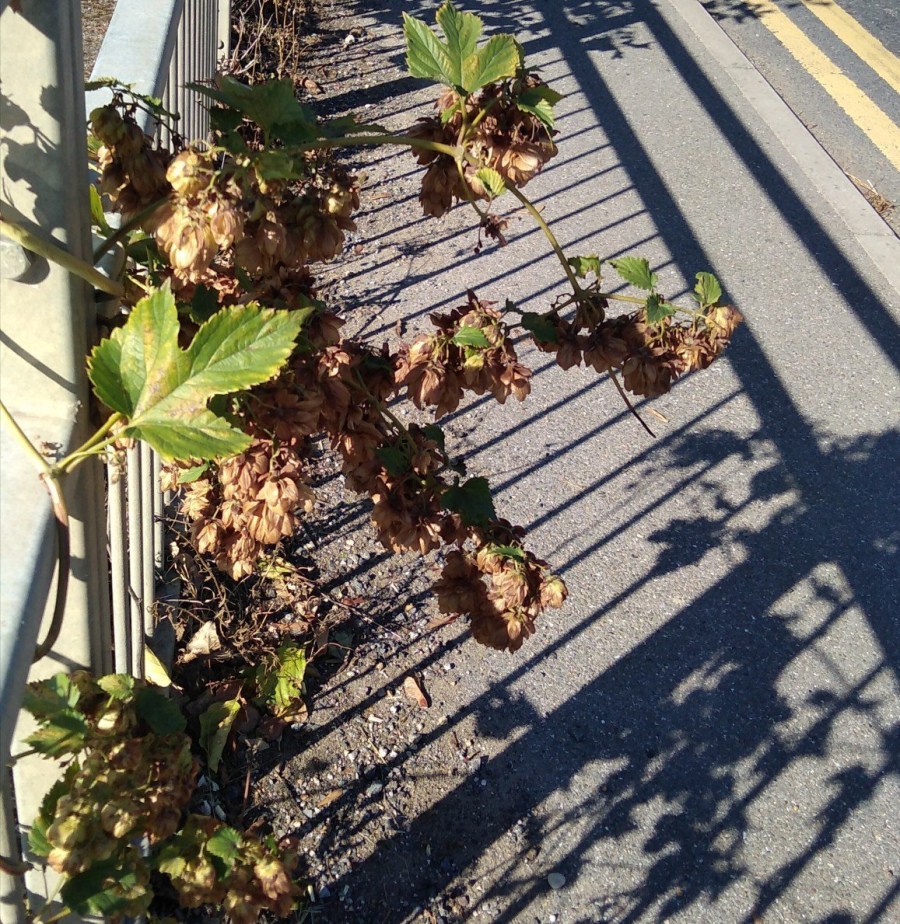
I retraced my steps to The Boathouse for a half of Shepherd Neame’s Autumn Ale. I was admiring the hops when a couple stopped to tell me what they were and that they had been hop pickers years ago. Hundreds used to come from London to join the workforce at the picking season.

wp-15391851256711238078862.jpg
Wild hops growing on the railings, source of the beer industry and more, Kent

The sign said,

Cheers! Yalding has always had a strong connection to alcohol! At one time it was producing more hops than any other parish in England. It is also famed for its cherry orchards and the (sic) remains of the Medieval Vineyards have been found in the area. The various crops have been used to produce wine, beer and cherry brandy..

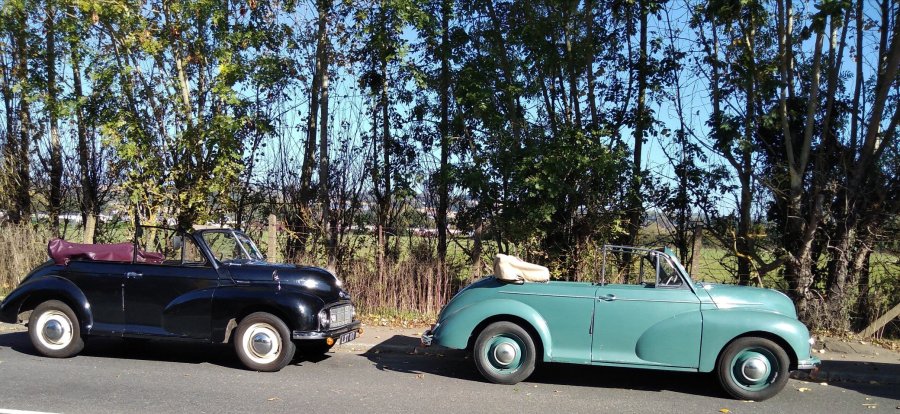
It was a ‘driving with the top down’ sort of a day.

You can download the pdf of the walk leaflet here. It is pretty good and contains useful and accurate photos of fields with superimposed arrows showing where to go. The second paragraph of number 2 is a repeat so ignore this.

Roydon Hall info

Lundin Links to St Monans

Sunday 21st January 2018 Lundin Links to St Monans, Fife Coastal Path, Scotland

This is the second day of a winter walking weekend. Here is the sister blog!

img_20180121_094148 (1)
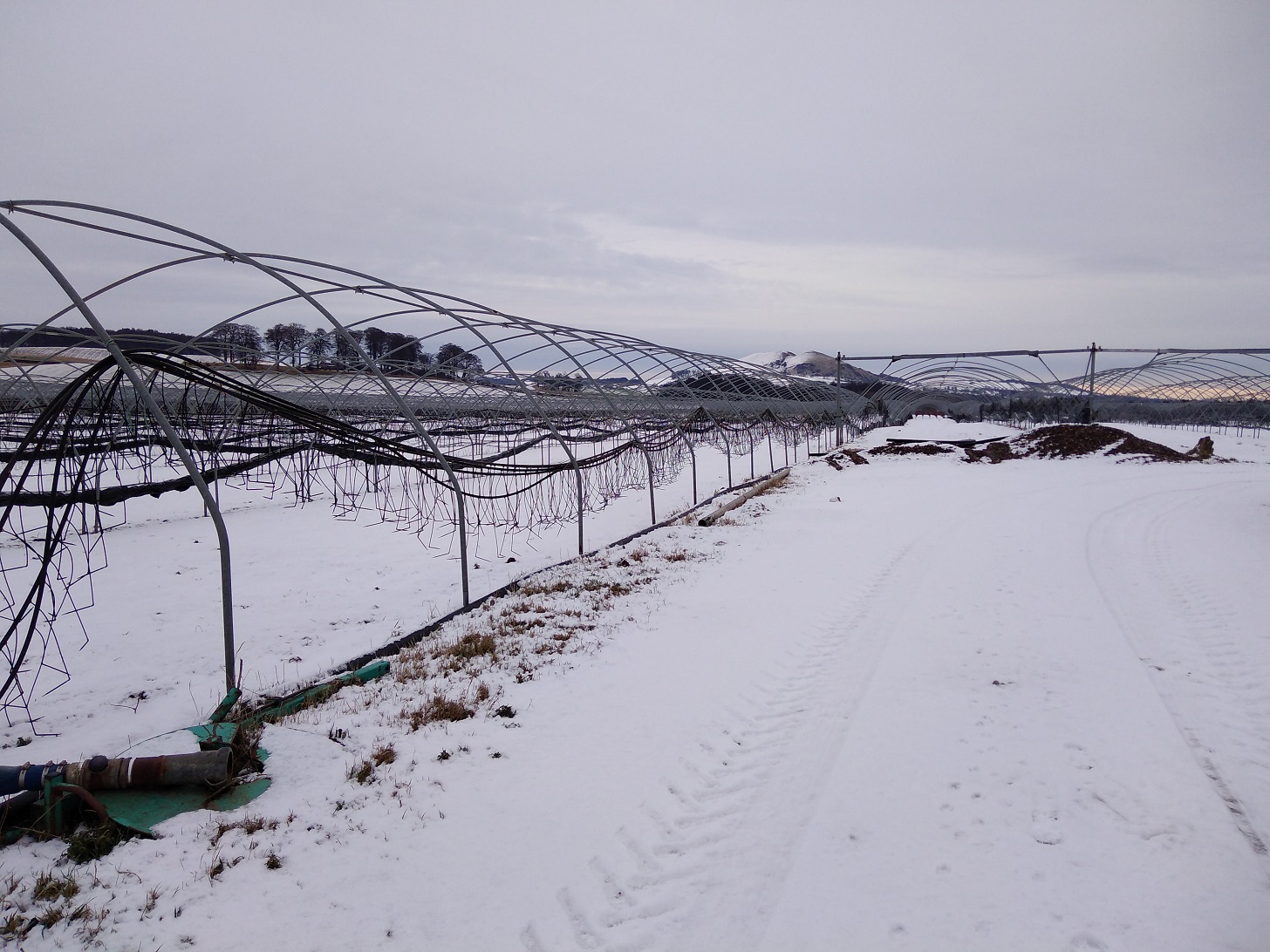
Acres of caravans for the pickers, polytunnels reduced to skeletons

At 9.30am I left my air bnb with numb feet. Snow was on the ground, there was a pink sky, and almost no-one else about.

hill
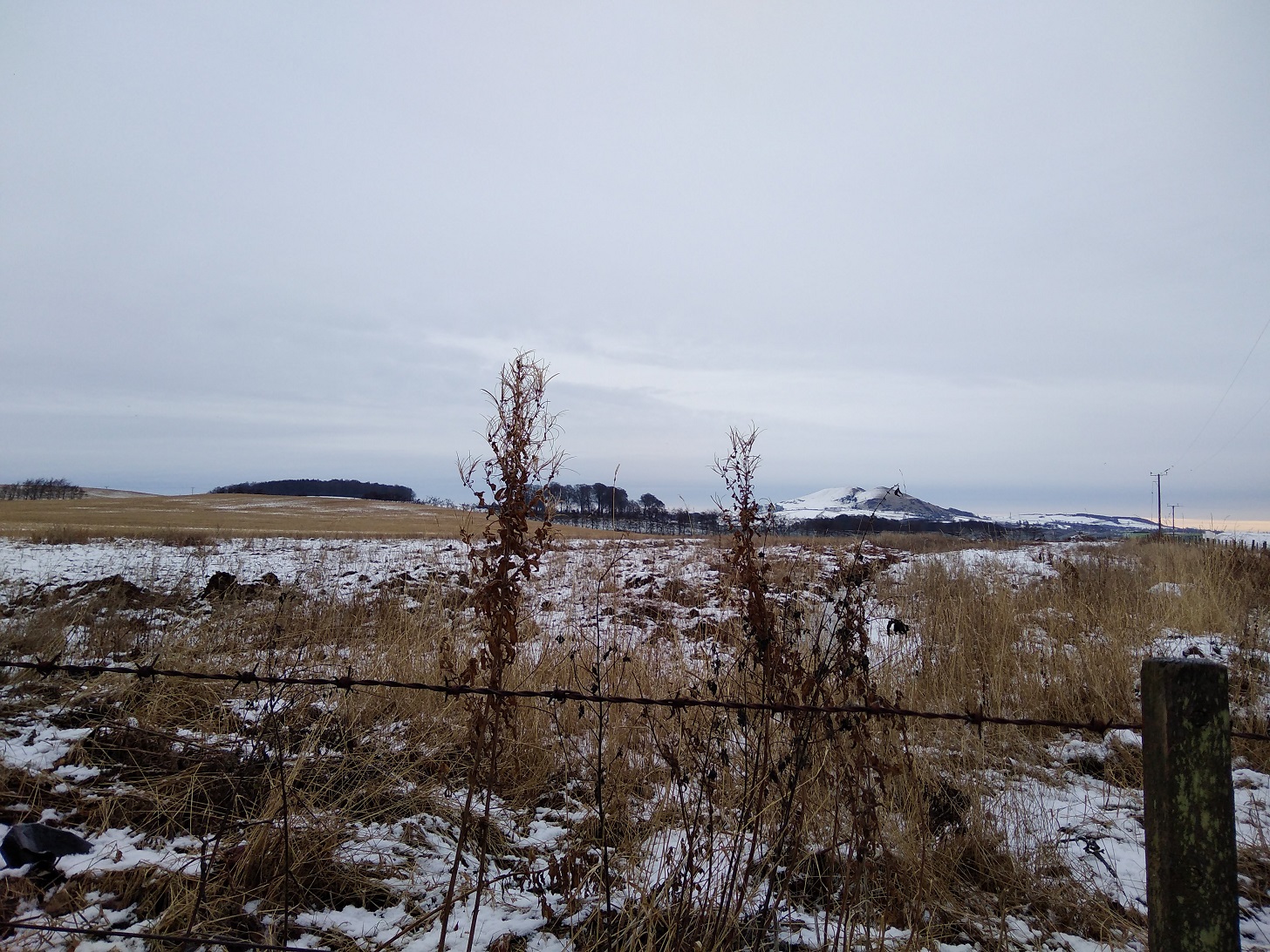
Largo Law now in the morning light
img_20180121_100559
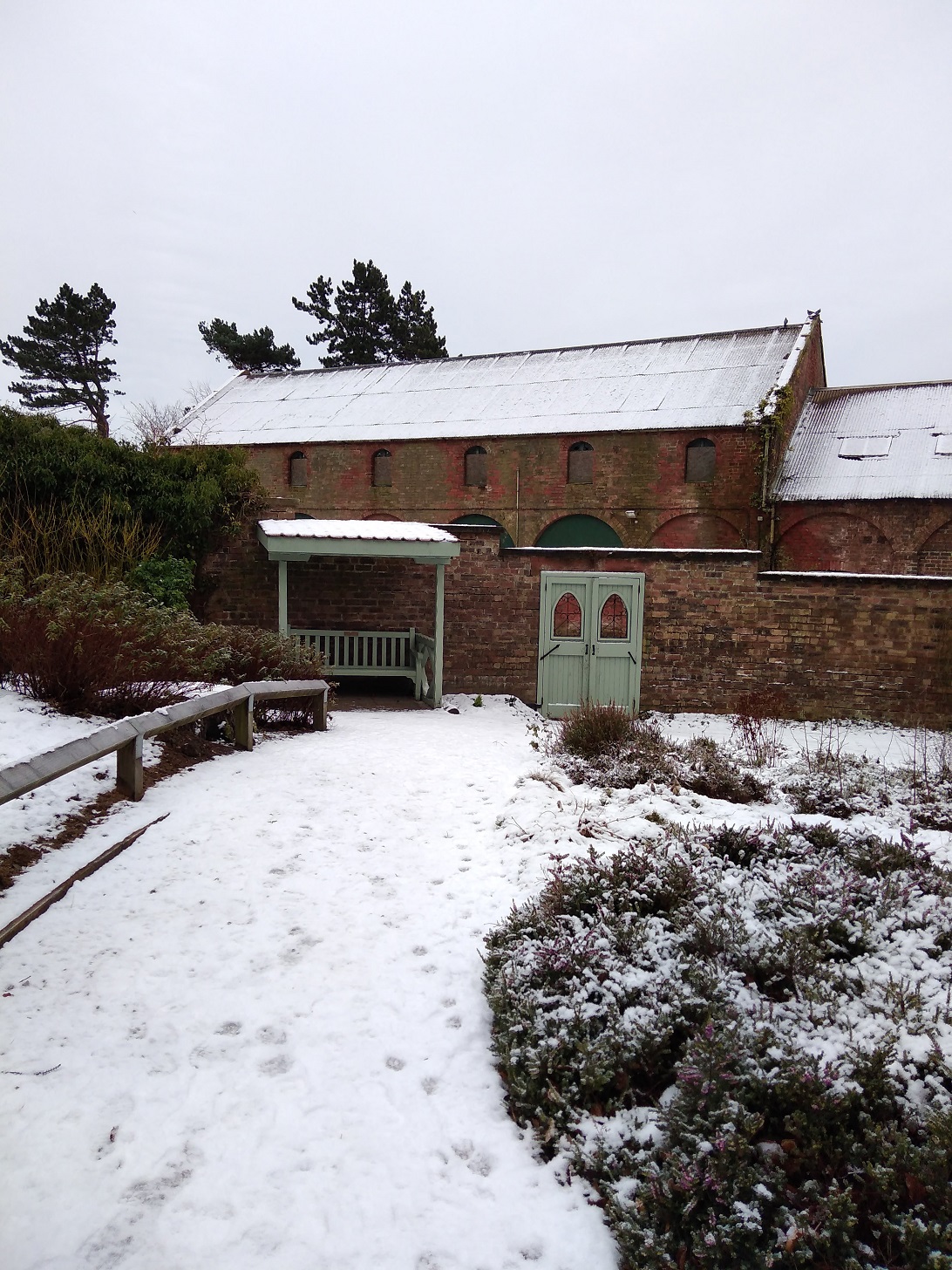
It turns out that Silverburn Park is not a secret Garden as I thought last night!

I walked briskly between ploughed fields towards the sea, across the main road and through the park. Past the sweet wee red brick cottages (not open on Sundays) I went and met the first lot of dog walkers including a woman in high heels with her breakfast hot chocolate.

img_20180121_101413


By time got to the beach (10.15am) my toes were all but thawed but I was walking slower than usual on account of a dodgy left knee. Joggers went past and dogs were constantly barking and disturbing my peace.

img_20180121_101750
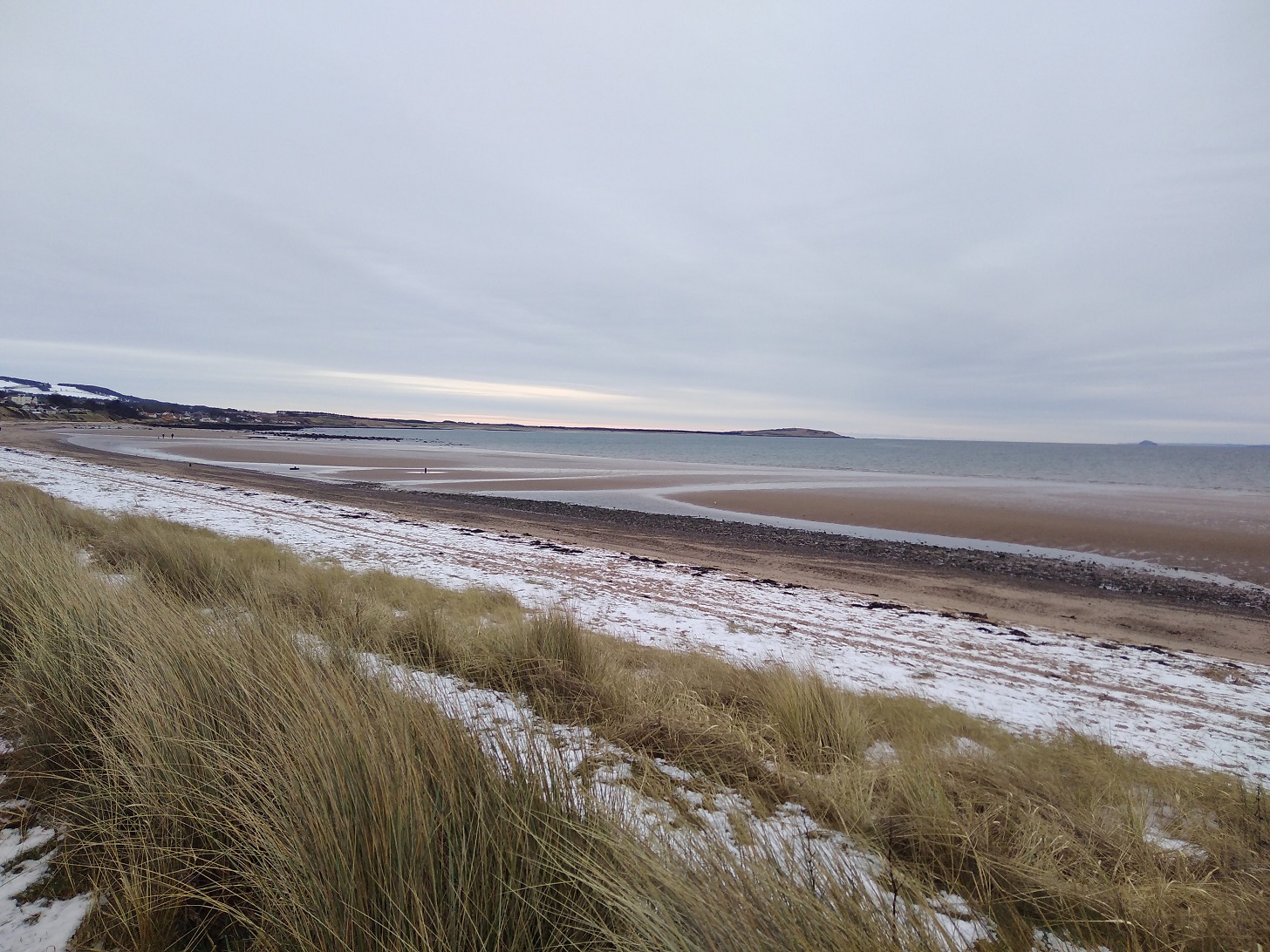
Another of Fife’s sublime beaches

The tide was way out revealing water with a smooth metallic look about it. It was the light catching the shallows sands which was so beautiful. Wind was on my right cheek today, rather than heat, as I made my way eastwards along the coast.

Mountain bikers took the path well trodden. I went across streets which were treacherously icy with puddles deeply frozen, and the only sign of the sun was the pink rim on the eastern horizon.

swings
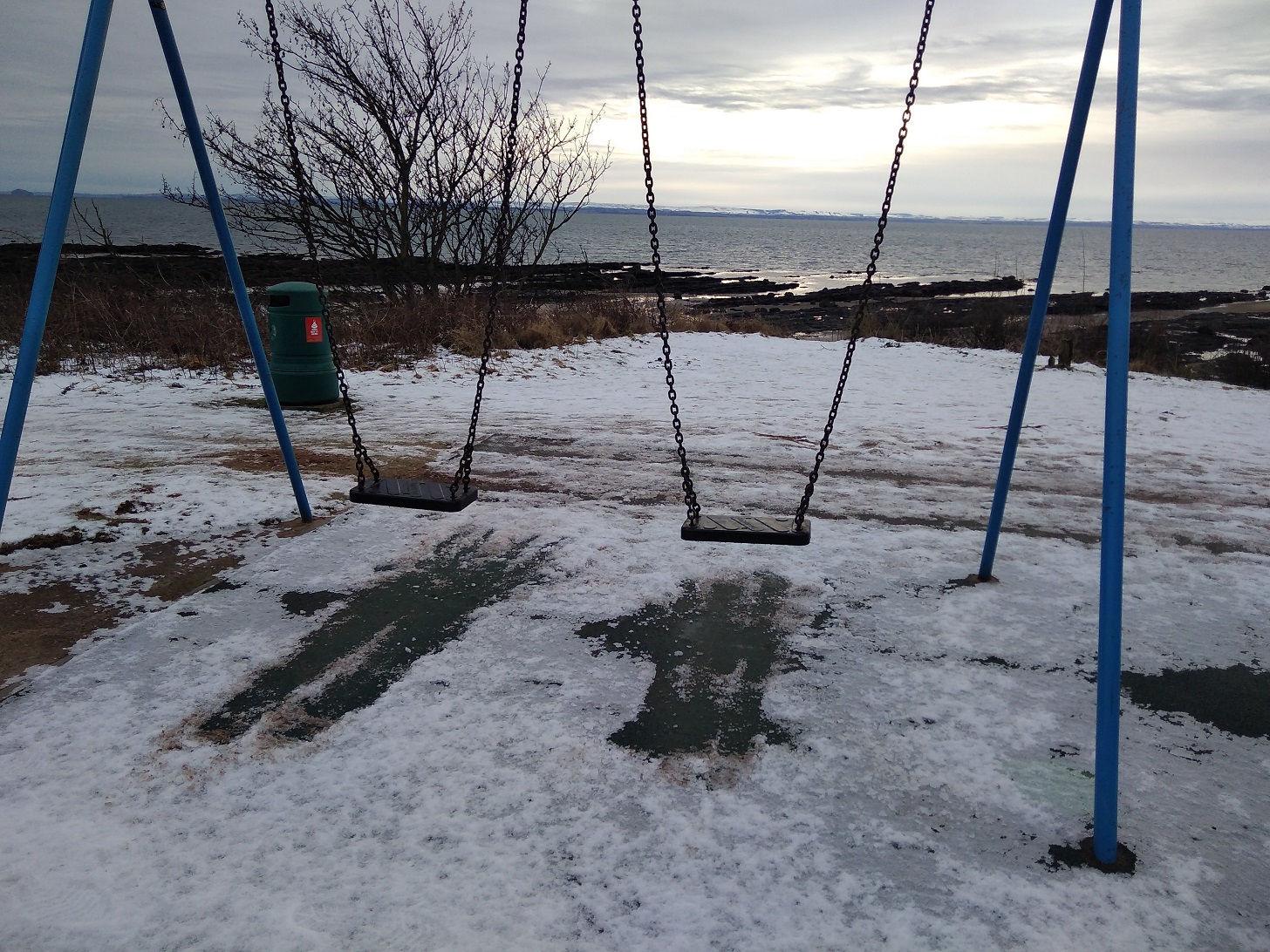
I never pass up a wee swing

As I swung forwards I surveyed the changed shoreline with its diagonal black rocks familiar from stage 2. Then straight on I went, past the orange house where a white-haired saunterer in shorts returned from getting the morning paper. Readers of my blog know that I love my shorts but not in this weather!

img_20180121_105529 (1)
Lower Largo

Lower Largo is a very pretty village with brightly painted doors and model yachts in windows.

img_20180121_105928
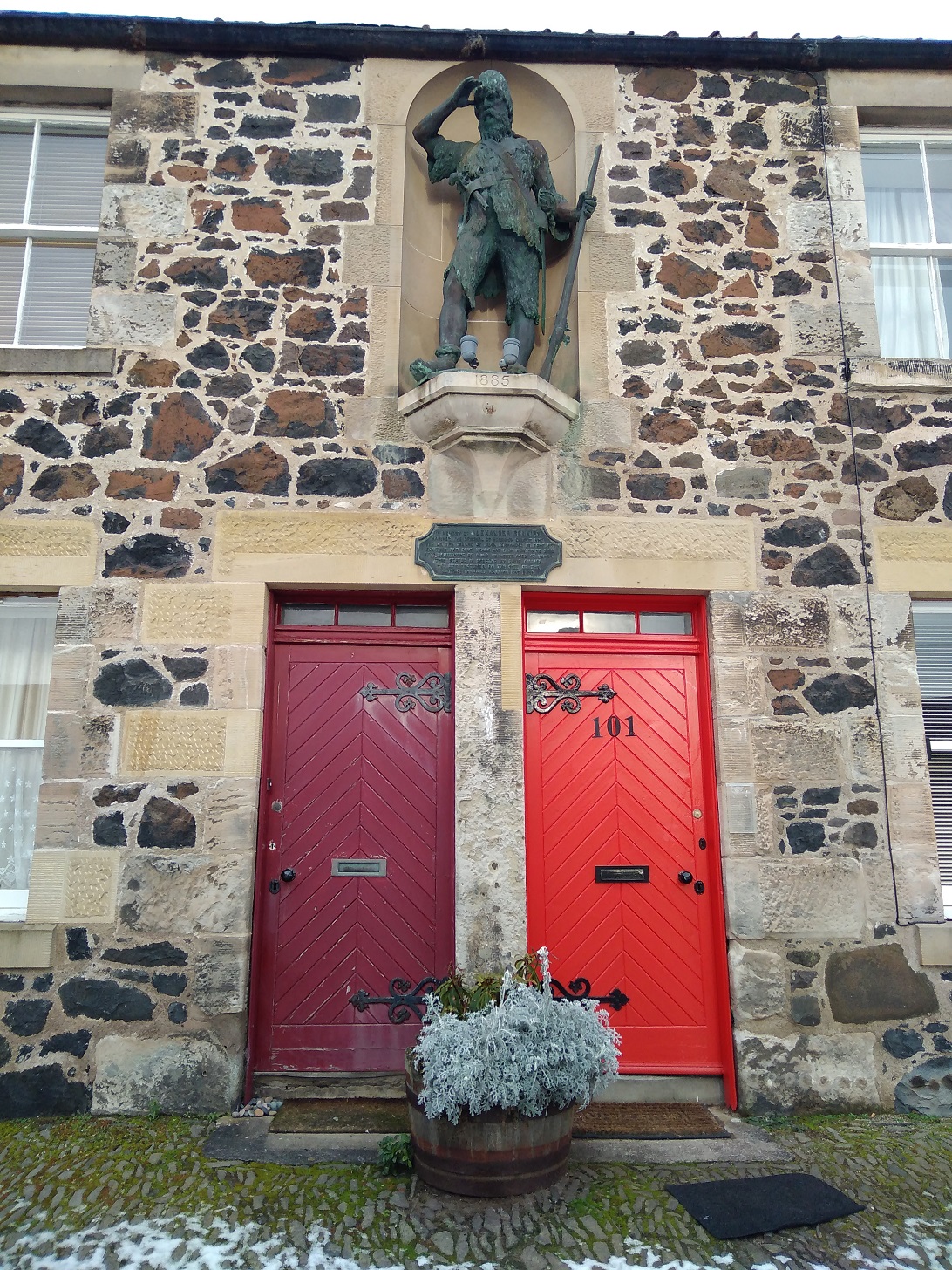
Here is Alexander Selkirk, view haloo! Lower Largo

Alexander Selkirk, mariner, is the original Robinson Crusoe, who lived in solitude on the island of Juan Fernandez for 4 years and 4 months.

It has to be said that it was all a little bleak this morning with only a weak sun.

img_20180121_113224
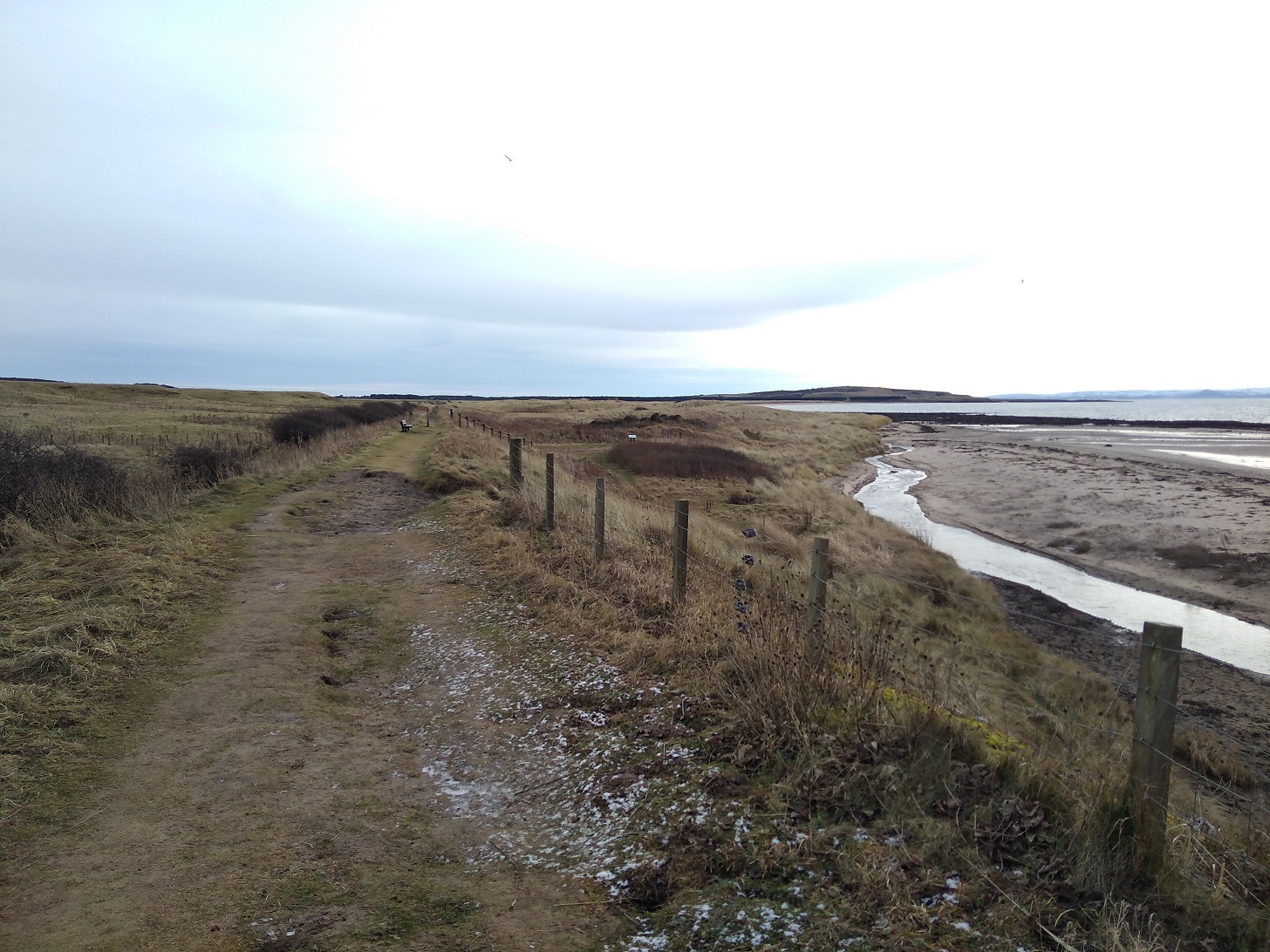
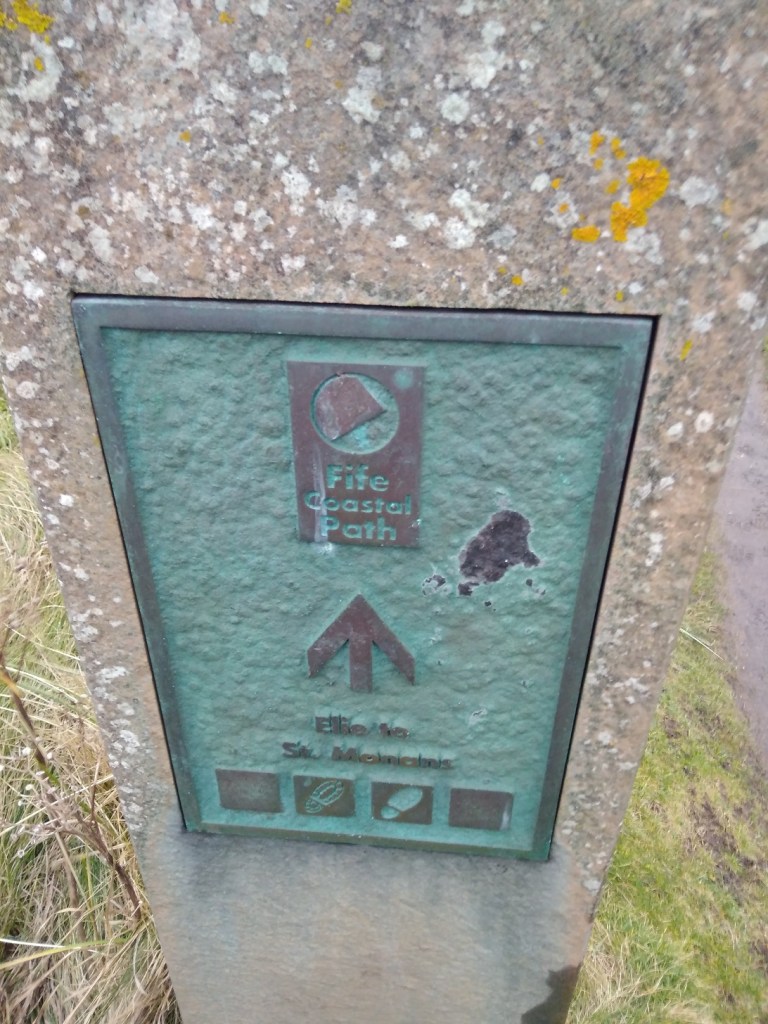
The Fife Coastal Path

Multi-coloured rocks and bright green pebbles with shiny brown seaweed and opaque glass pieces could be found along the shore. Oyster catchers were peeping and others trilling. A couple held hands and battered shells littered the ground.

It was a hard walk in a good stretch of nature. I saw a couple of thrushes and a tall, friendly man with a ruddy face. His long-legged red setter had a neon tennis ball clamped in its jaws as we crossed the Dumbarnie Links Nature Reserve. Here there were raven-esque, empty mussel caskets (I was directly opposite the town of Musselburgh!) and I felt melancholy.

It was what I call wonky walking where one of my feet is on higher ground than the other. The strand stretched out ahead and while gulls swooped, black and white waders dipped orange beaks.

img_20180121_115658

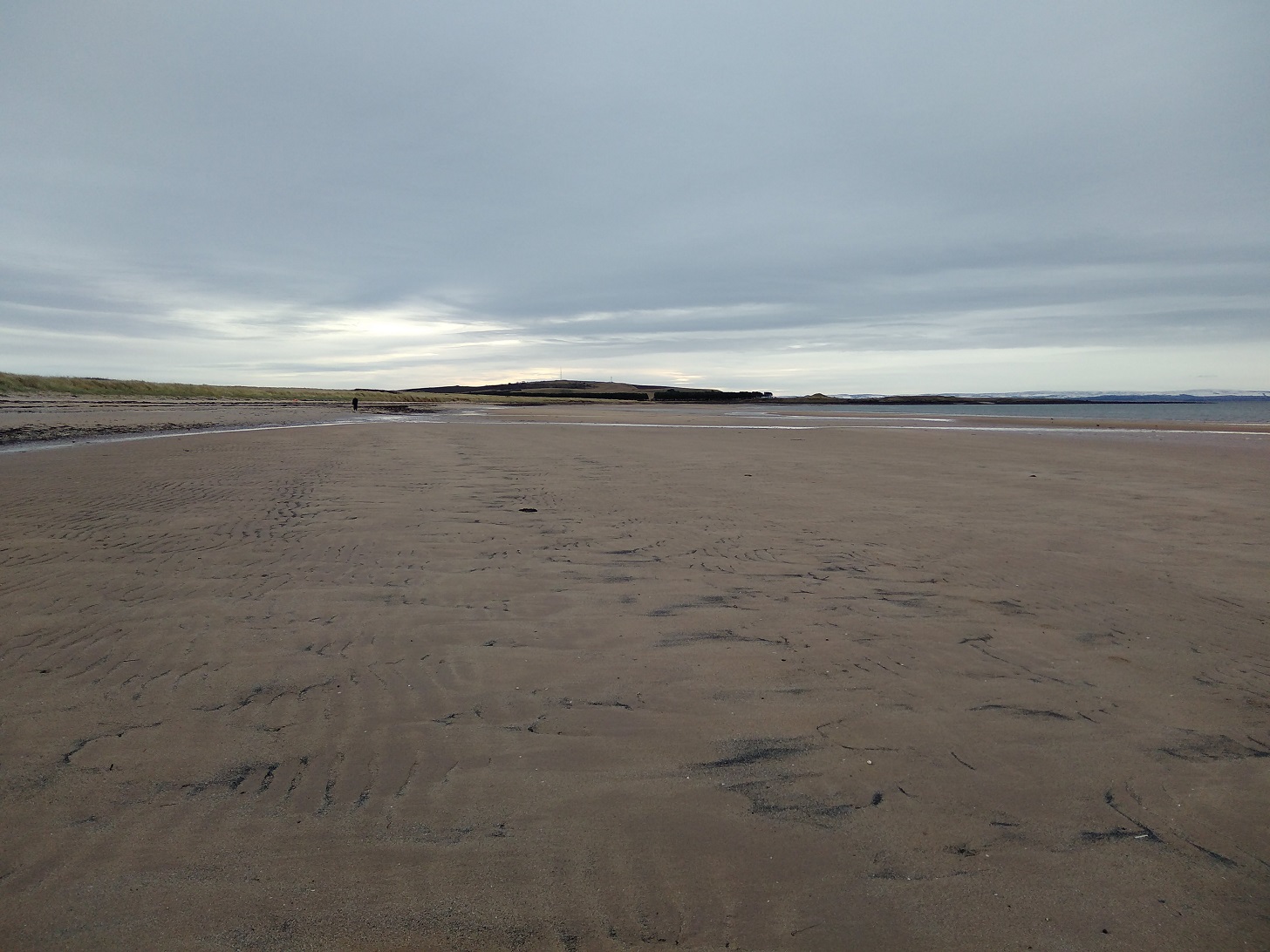
Berwick Law in East Lothian to the south, was snow covered too. Here was only one other human in sight. There seemed to be miles of those lumpy sea creatures’ corpses, all rubbery, and simply trillions of shells on their way to becoming sand creating quite a different crunch underfoot compared with the ice and snow.

To follow this part of the coastal path, just keep walking along the beach before a long line of dark green trees with appear across your view. Then you will see a sign to the left heralding a change of terrain.

img_20180121_121312
Shell Bay: evergreens signal a change of landscape, Fife Coastal Path
img_20180121_121620
Between bleached grasses, round and over the peedie bridge
img_20180121_121834
Brilliant clear air and the stillest of waters makes for magnificent reflections
img_20180121_130912
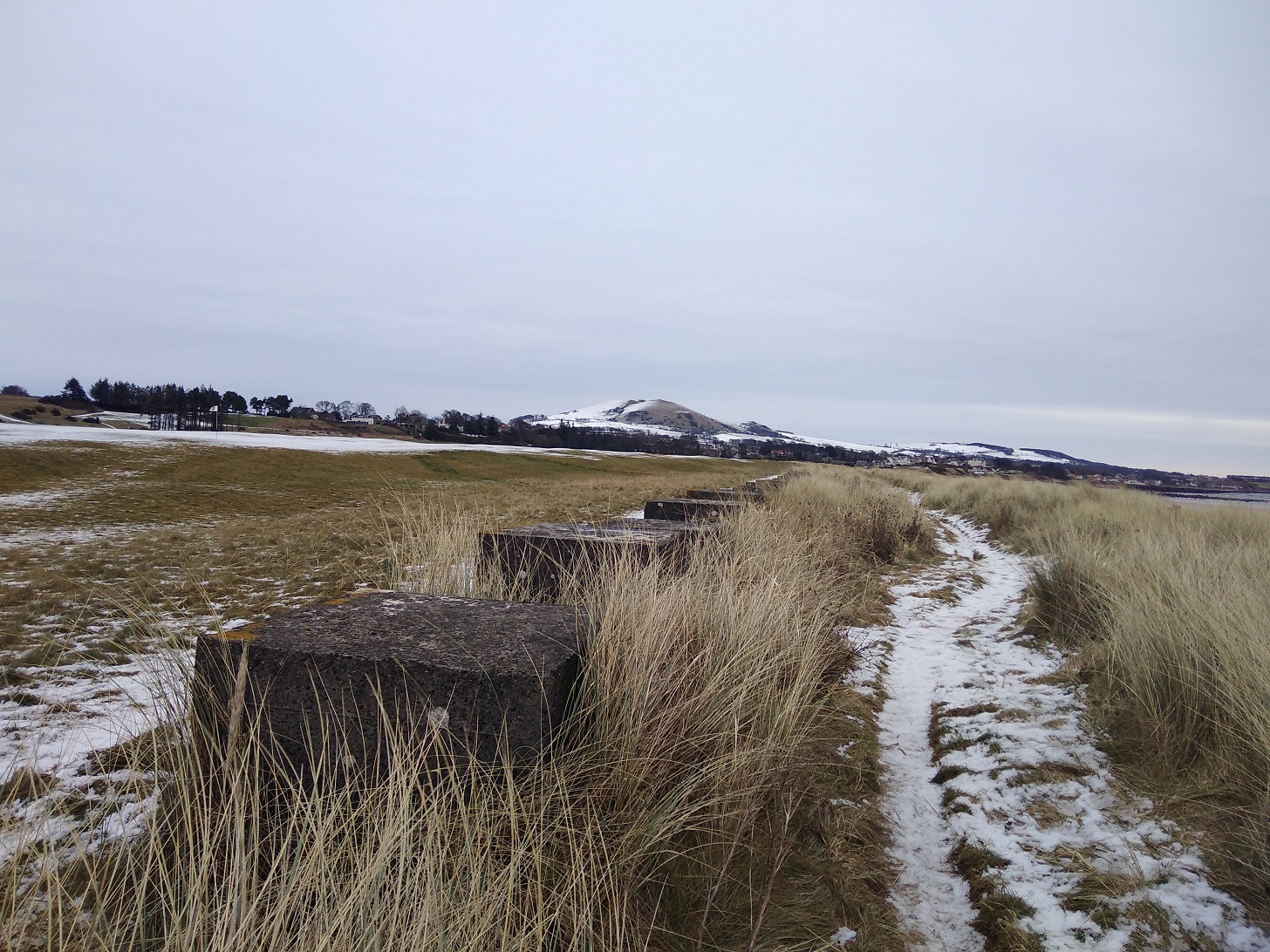
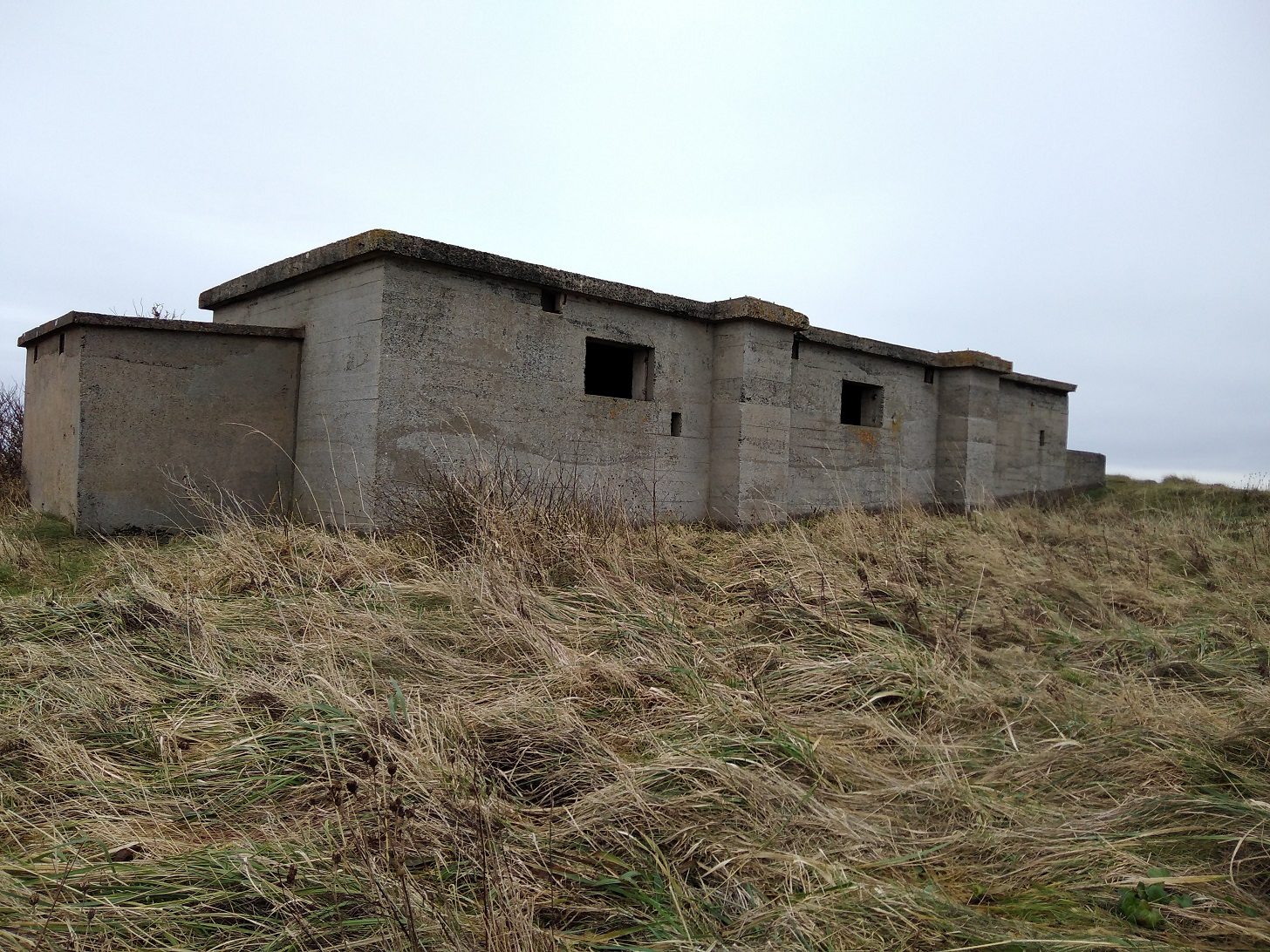
A World War II look-out post  – what a cold job that must have been!

Up and over the cliffs runs the way, some roughness and muddyness, steep but not very high. Sadly I missed the part where there is a chain to climb up. Apparently people have died so on second thoughts that was probably a good thing, although being me I would have liked the challenge.

img_20180121_131724
Earlsferry Beach, Fife, Scotland

Around 1.30pm I arrived at Elie beach with its yellow brown sand and a headless seal. People were foraging for cockles and a feathered wren hopped by my side.

Cove after cove was made of delicately hued sands

The next urbanisation, Earlsferry, seemed to be a well-to-do area with mansion turrets and BMWs all over the place.

img_20180121_135804
Earlsferry Church, dated 1872, Fife, Scotland

There is a library and care home but no shops or pubs. The sky was fair lowering (getting dark – looks like rain!) and I was getting hungry, so I took a detour until I spied a golf club and the Pavillon Cafe which was busy. What incredible luck as ever!

Inside I not only found warmth, hot victuals and a distinct lack of wind, but I unexpectedly spotted a familiar face. I ordered my food and said ‘Hi’ to a colleague from long ago. We struck up a conversation and with true kindness he and his partner announced that they lived in St Monan’s (my destination) and asked if I would like to stay the night. I gratefully accepted because I had nowhere booked and transport back to Edinburgh from small Fife villages is hard to find on a Sunday evening. I declined a lift though, and made my way back out into the slightly rainy and dull afternoon (3.15pm) with a cosy tummy and glowing heart.

img_20180121_152423
From the evocatively named Ruby Bay (pink sand), Fife, Scotland
img_20180121_153734 (1)
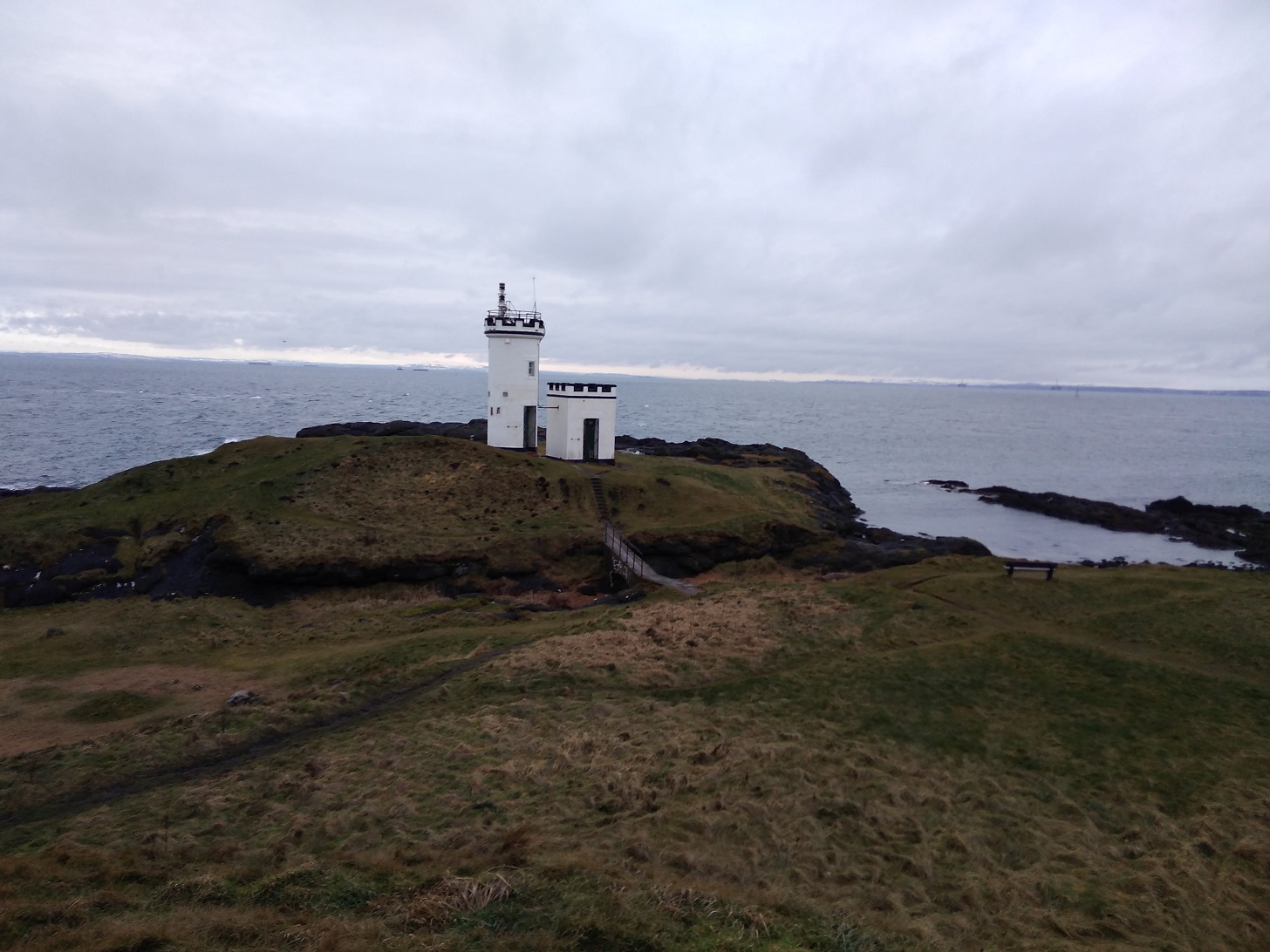
Elie Ness Lighthouse Tower, Fife, Scotland
img_20180121_154000
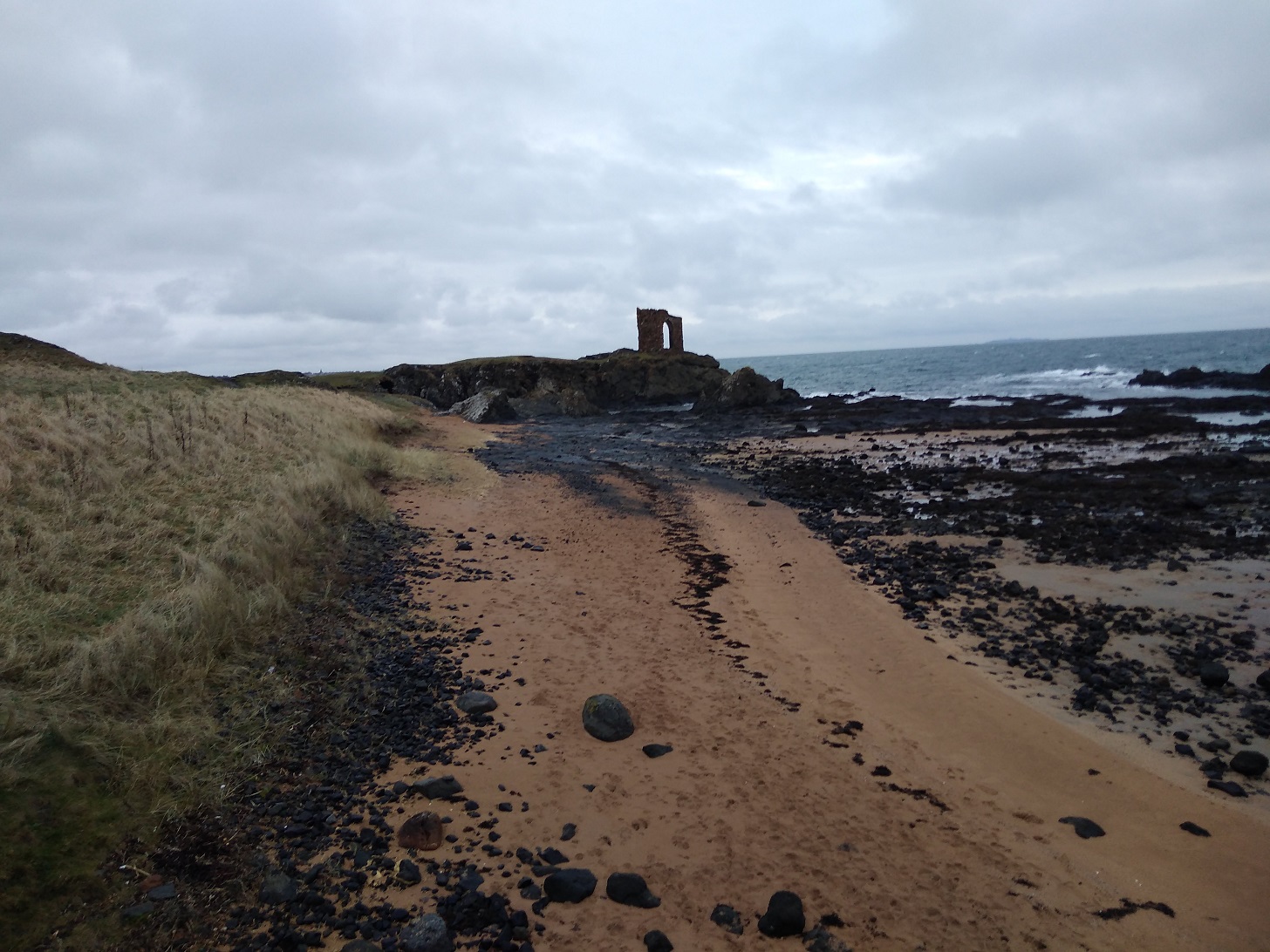
Lady Janet Anstruther’s Tower, Fife, Scotland

There’s a great story here about Lady Janet’s sea bathing!

img_20180121_162447
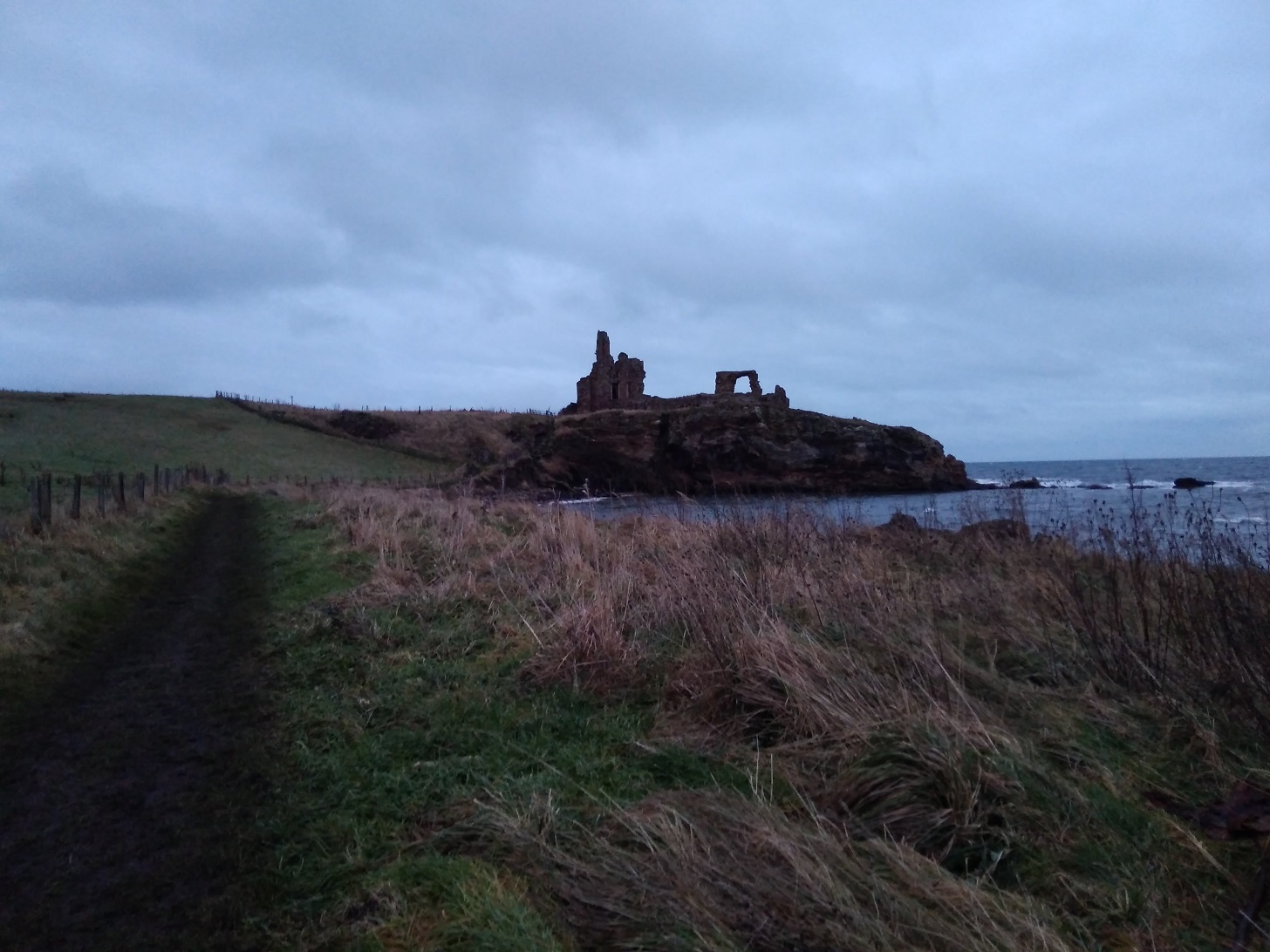
Ruins, Fife Coastal path, Scotland

The last stretch is full of interest : a lighthouse and a palace, two castles (Newark and St Monans), divers ruins and a famous church (but it was too dark for a photo).

IMG_20180121_154408
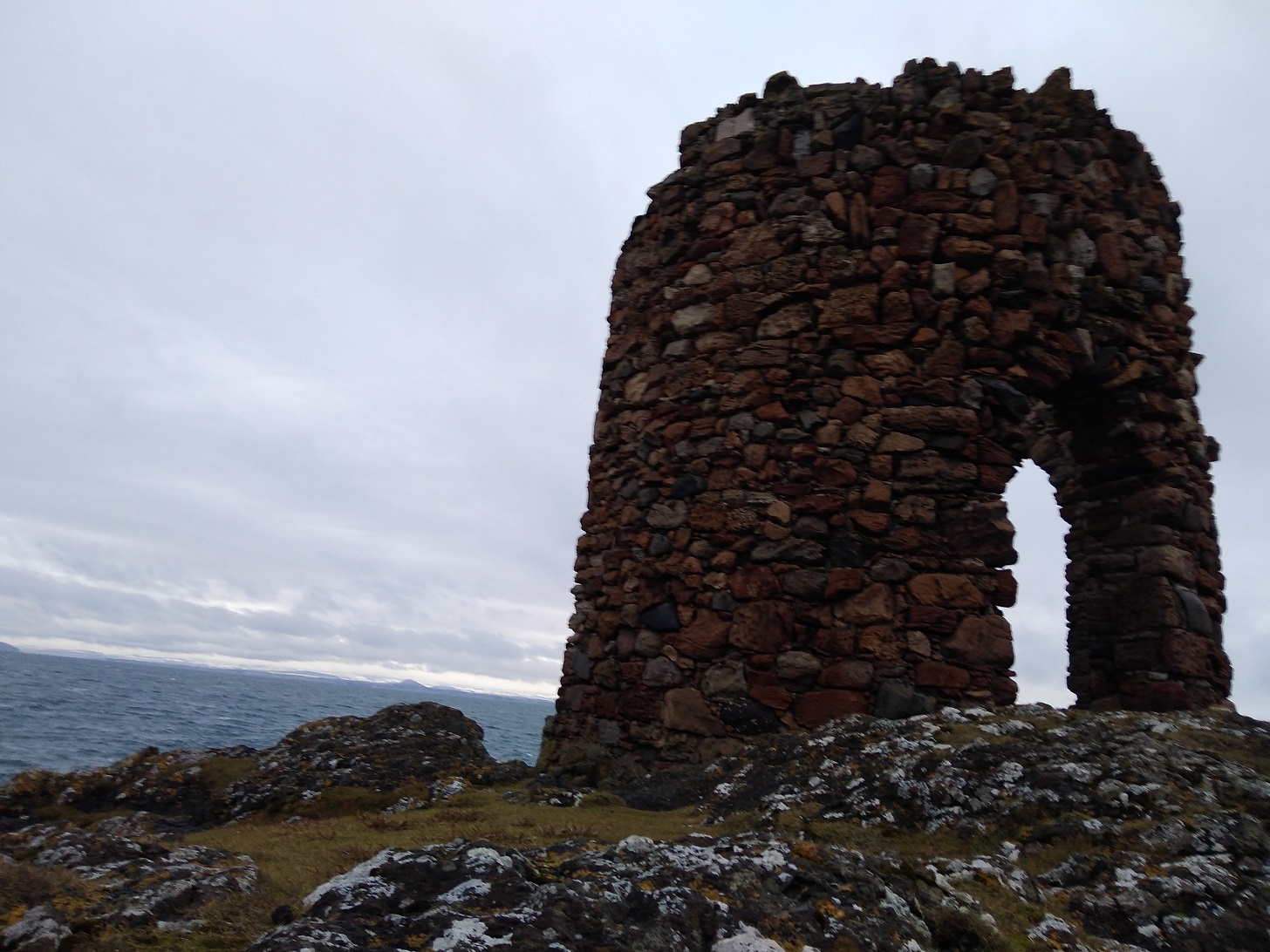
Lady Janet Anstruther’s Tower, Fife, Scotland

With wilder, darkening waves pounding I walked through pinkish bracken and I approached St Monans around the fields, arriving as the day the darkened at 5pm.

img_20180121_163511

What a pretty village! I was really taken with it.

img_20180121_164328
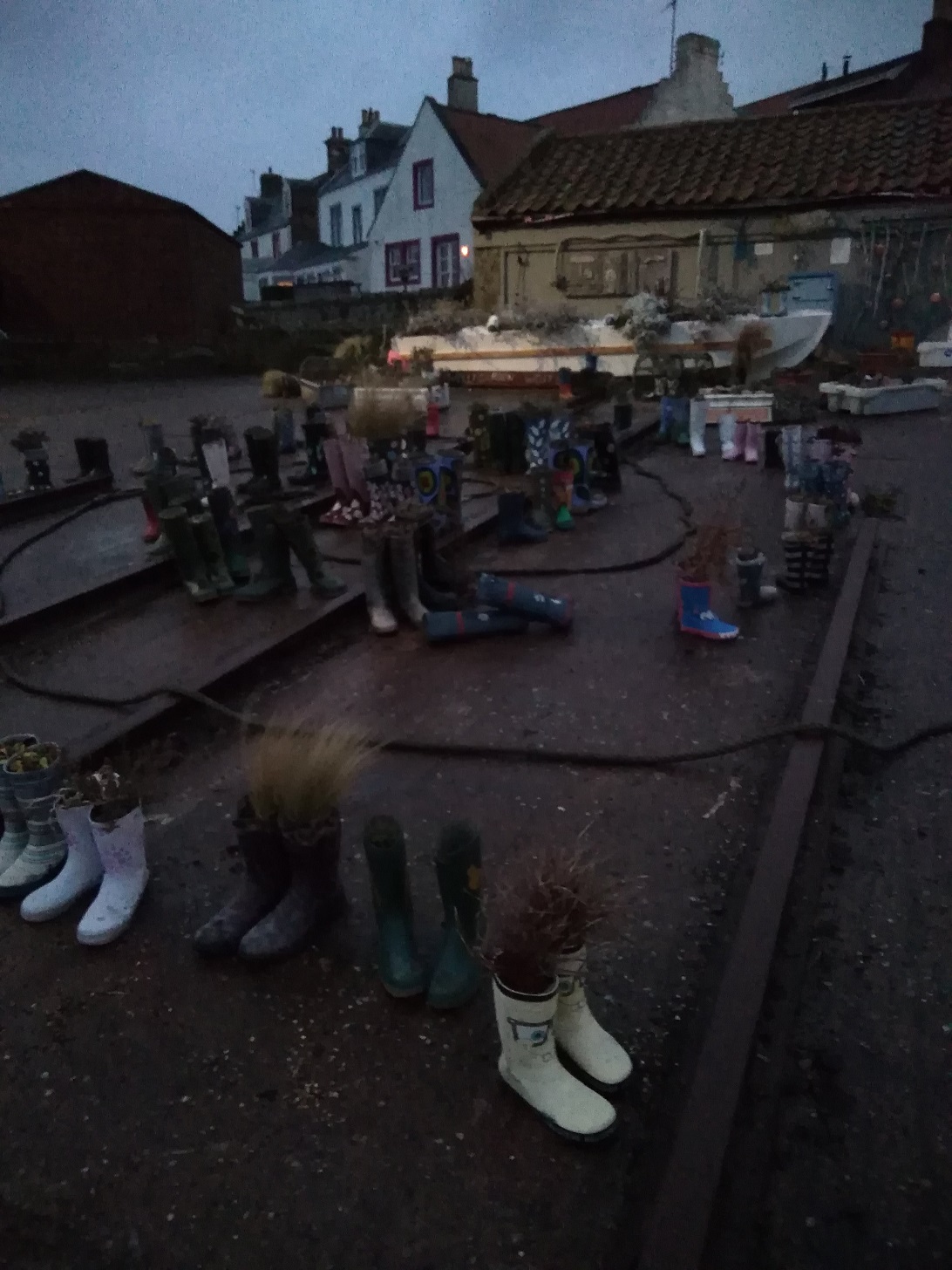
Here is the wellie garden, St Monans, Fife
img_20180121_164341
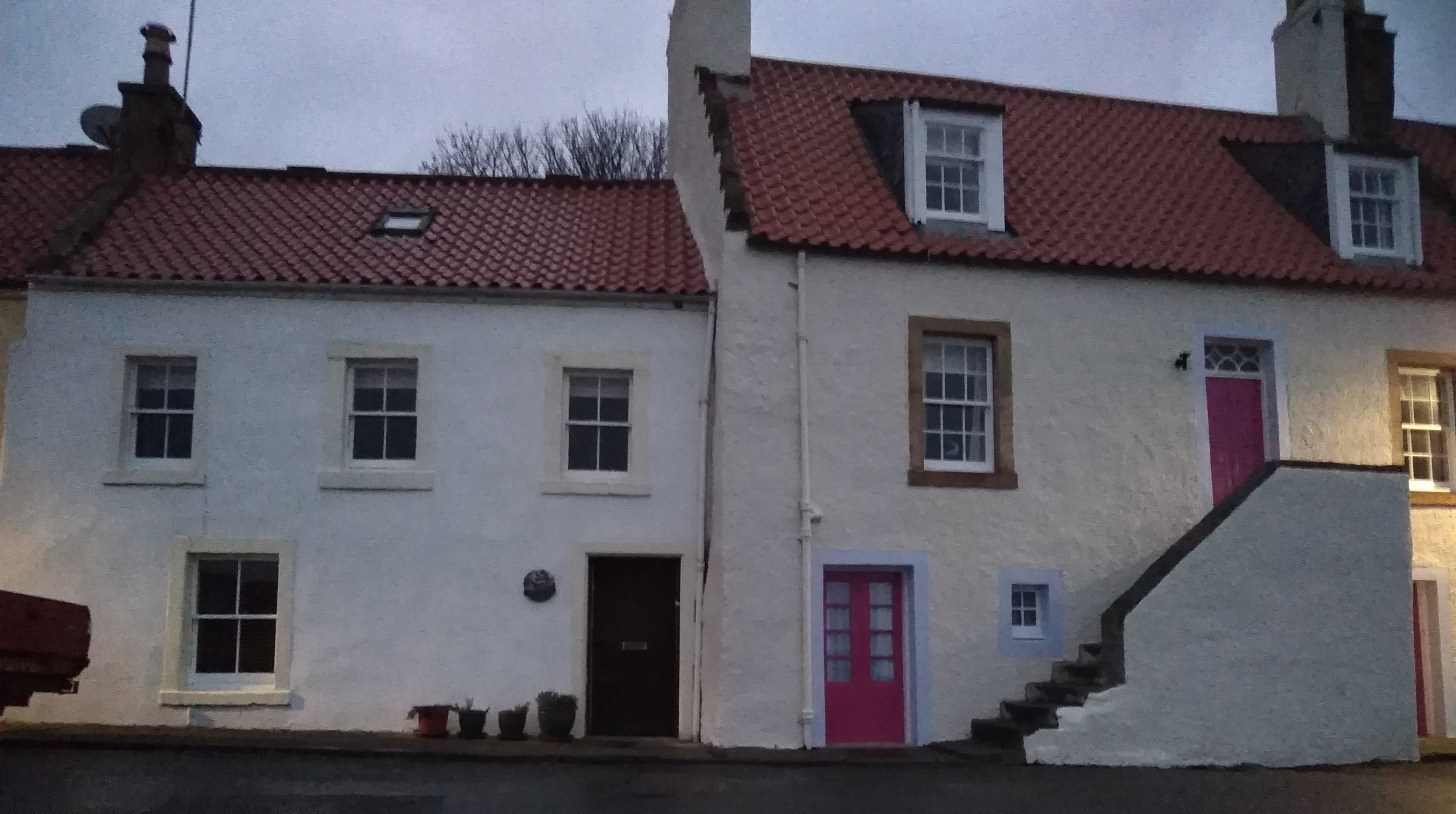
Typical architecture with outside steps up to pink doorwars, St Monans, Fife
img_20180121_164608
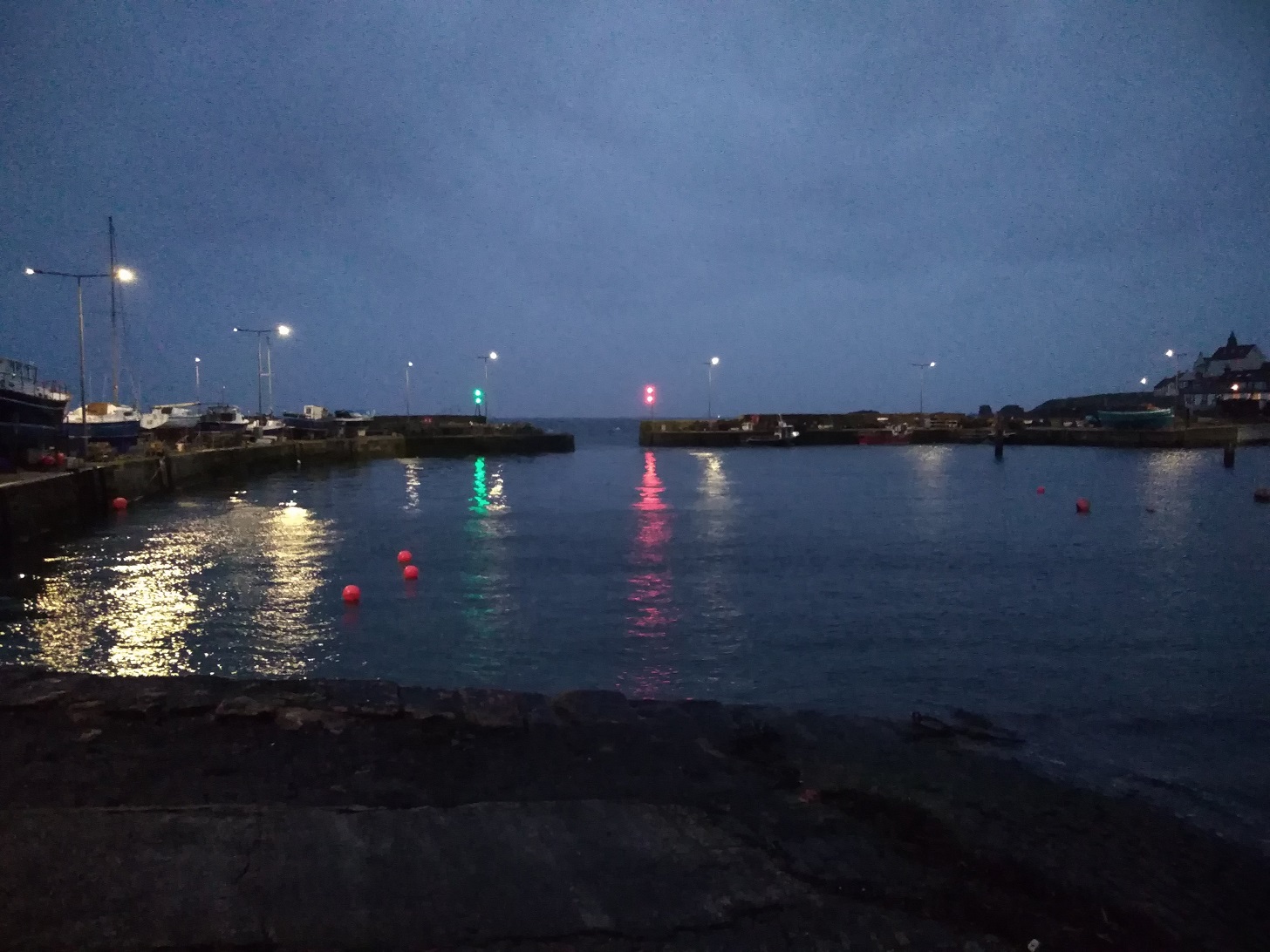
My camera cannot cope with the dark, but the colours and reflections were worth reproducing here. St Monans, Fife

I am told that the East Pier Smokehouse is well worth a visit, however it is shut between October and June. There is famous parish church and a Heritage Collection. The hotel I saw was also shut in the winter months so it’s a good thing there are air bnb’s nowadays and Margaret’s sounded great when I made enquiries. I was lucky and stayed with J and J whom I had fortuitously met earlier and had a lovely evening and comfy bed.

I travelled back by car with J to Kirkcaldy station across the flat lands as dawn revealed another wintry sky. Then we got the train to Waverley Station in Edinburgh. To get back to Edinburgh from St Monans by bus would cost £10 with a change at Leven and it takes ages.

IMG_20180122_083643

Sometimes when I walk I crunch, sometimes my footsteps thud on the grass or whisper on sand. Occasionally there is a rumble of small stones or snap of stick, splinter of ice, even hollow bump into the peat or squelch because of the wetness. These things I notice as I walk the paths of Fife early in the year.

Montamarta to Tábara, Via de la Plata

Via de la Plata Camino – Day 21 (Montamarta to Tábara). Tuesday 10 April 2018. 27.5 kms.
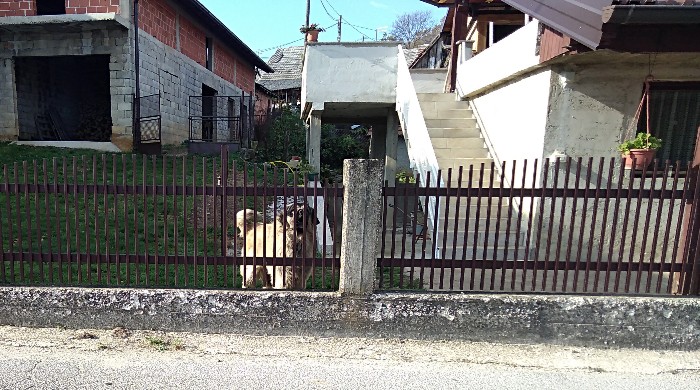
I took the Camino Sanabrés rather than passing back through places on the Camino Francés (Astorga etc) which I had visited the year before.

wp-15331148241831619024428.jpg
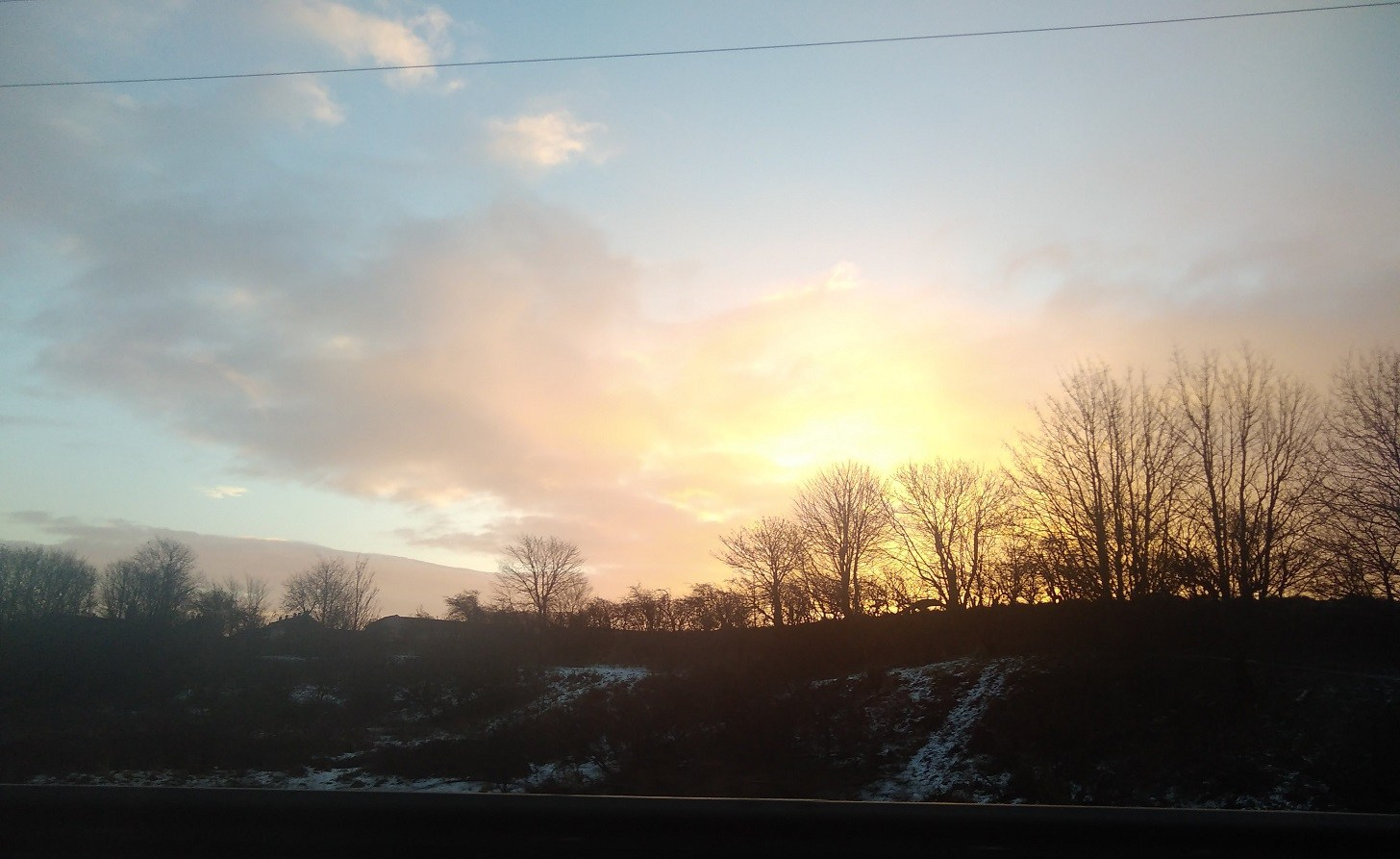
The best view of the day – unless you count the sight of the albergue in Tábara when I eventually got there.

wp-1533114468937595815078.jpg
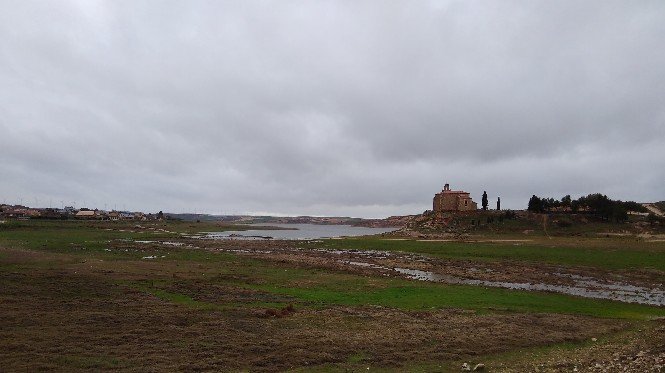
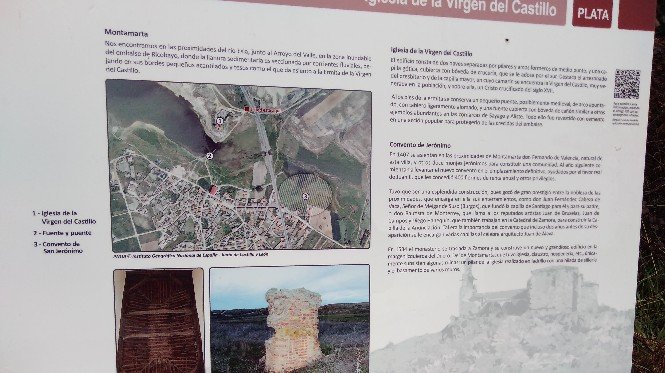
Telling you all about Montamarta – not somewhere I ever want to go back to I must say.

wp-153311492119966727358.jpg
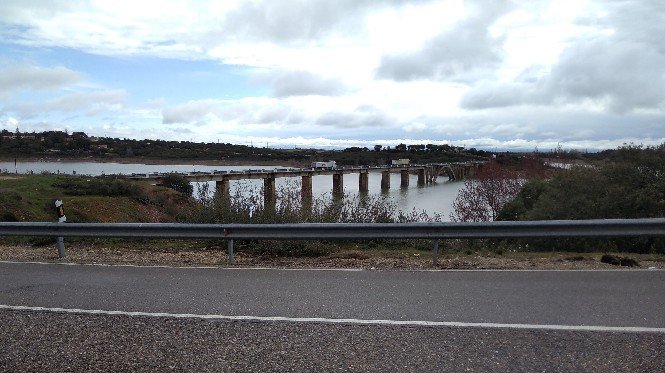
Just like yesterday, except duller.

wp-15331151338231439082203.jpg
Yep, under another motorway tunnel.

wp-153311520045086358026.jpg
I took the right, turned back and went straight on, then retraced my steps and went around the motorway flyover.

wp-15331212406971769011254.jpg
Kilometer after kilometer on the tarmac with road works as a view.

wp-15331152823361898915758.jpg
Spring primroses amongst the rubble and stones.
There was a small village strung out along the road, not so far from Tábara, with a cafe.  I sat on the bridge and sunbathed – it was glorious.
Once I got going again it started to rain and I stopped, de-rucksacked and covered up. Then there was a rumble and a thunder and it got dark. The lorries were roaring past and spraying and I was ducking in and out of the ditch at the side of the road to avoid it when there was a fork of lightning at my left shoulder. I have never been so close. I wondered what I should do. Looking around there was nothing and nobody – just trees. I did think perhaps the metal batons weren’t such a good idea, but I couldn’t exactly abandon them and they had rubber handles and tips to earth me. I hoped. (Two days afterwards I met up with the American women and one of them did throw her sticks into the fields because she said she was so scared of being struck.)
Then the hail started and brought about a total landscape transformation.

wp-15331156295641005953581.jpg
In two seconds flat the road was covered in white, the traffic had completely ceased and a hush came over the world. I walked on, telling myself ‘it will be over soon’.

It did stop eventually and on and on I went, every part of every mile seeming an age. I was very wet, too sopping to be able to get the map book out. Then again, there was only the one road to choose from.

There was a service station on the outskirts of Tábara and I stumbled in to get some cover and ask for directions to the albergue. There was pandemonium in there because the electric storm had shut down the till and no-one could pay for their petrol. I waited with heaviness on my back and realised how exhausted and hungry I was. And I waited.

In the end, I did something I have never done before: I took a chocolate bar off the shelf, sunk to the ground, sat with my legs splayed out in front of me like a rag doll, and devoured it without paying for it first. It was wholly necessary.

To my horror it was a further 30 minutes walk to the hostel and I had thought I was at the complete end of my energy. Hey, I simply had to find more.

It was uphill and a very long road, and just as I was despairing that it would not end, there was a shriek and who should I see coming towards me but Marie-Noelle and her smile, someone I had not seen for several days. She gave me a big and welcome hug on her way to the bar.

wp-15331207797861793618330.jpg
The hospitalero made me a cup of tea when I needed it most, and proceeded to cook for us all that evening. He describes himself as a ‘spiritual author’, is resident at the hostel all year round, and something of a Camino VIP.

There were 10 people round the table drinking wine and eating simple fare. Some I had met before, some I had not, each of us from a different country, and of course we made ourselves understood – a true camino experience at the end of a most trying day.