Walk 1: Gare de Lyon to Villa Sainte Croix. 7kms 27.4.17
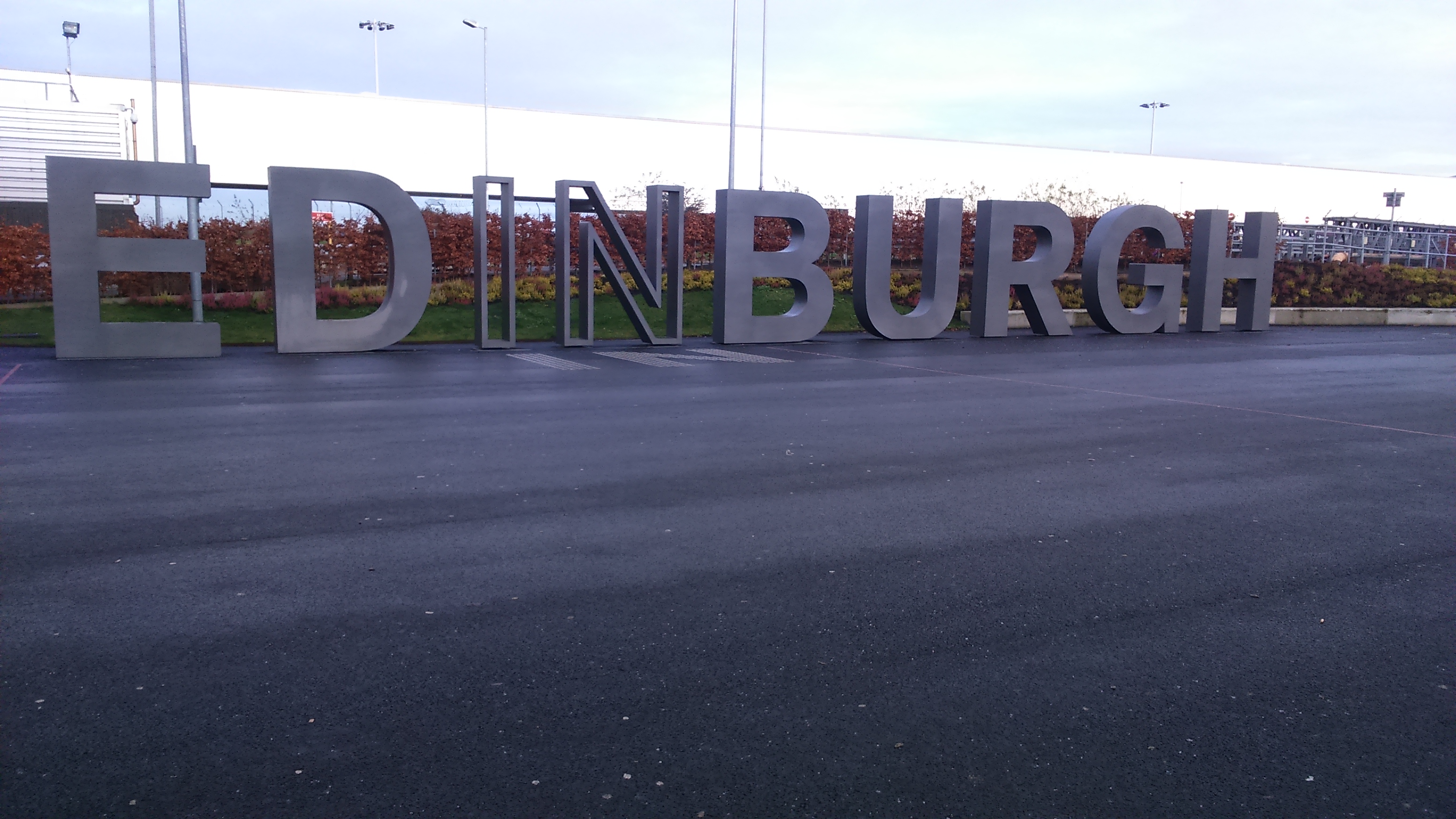
I arrived in Paris in the late afternoon after a soothing flight direct from Edinburgh. The security there was very trying: I rarely fly and so every time I do the rules have changed. It became apparent that you now have to fit all your fluids into one tiny plastic bag which has to be sealed. This meant I had to ditch several newly-purchased items, and if I ever have to hear that woman calling out to us ‘guys’ about these frustrating rules again, I think I might scream!
At Charles de Gaules, I was reminded how silly it is to change money at the airport because of the dreadful exchange rate, but I liked the clean, pink toilets – much better than any public ones in the UK.
After much deliberation, and a pleasantly warm sunbathe (yes, I am sorry reader, I rolled up my trousers although I drew the line at stripping down to my bra), I took the bus to Gare de Lyon (€18), and started my first walk across the city to the north.
There is a gorgeously lush clock tower at Gare de Lyon (67m high) with its pale blue clock face, smooth, grey-domed top part, and decorated within an inch of its life (no photo).
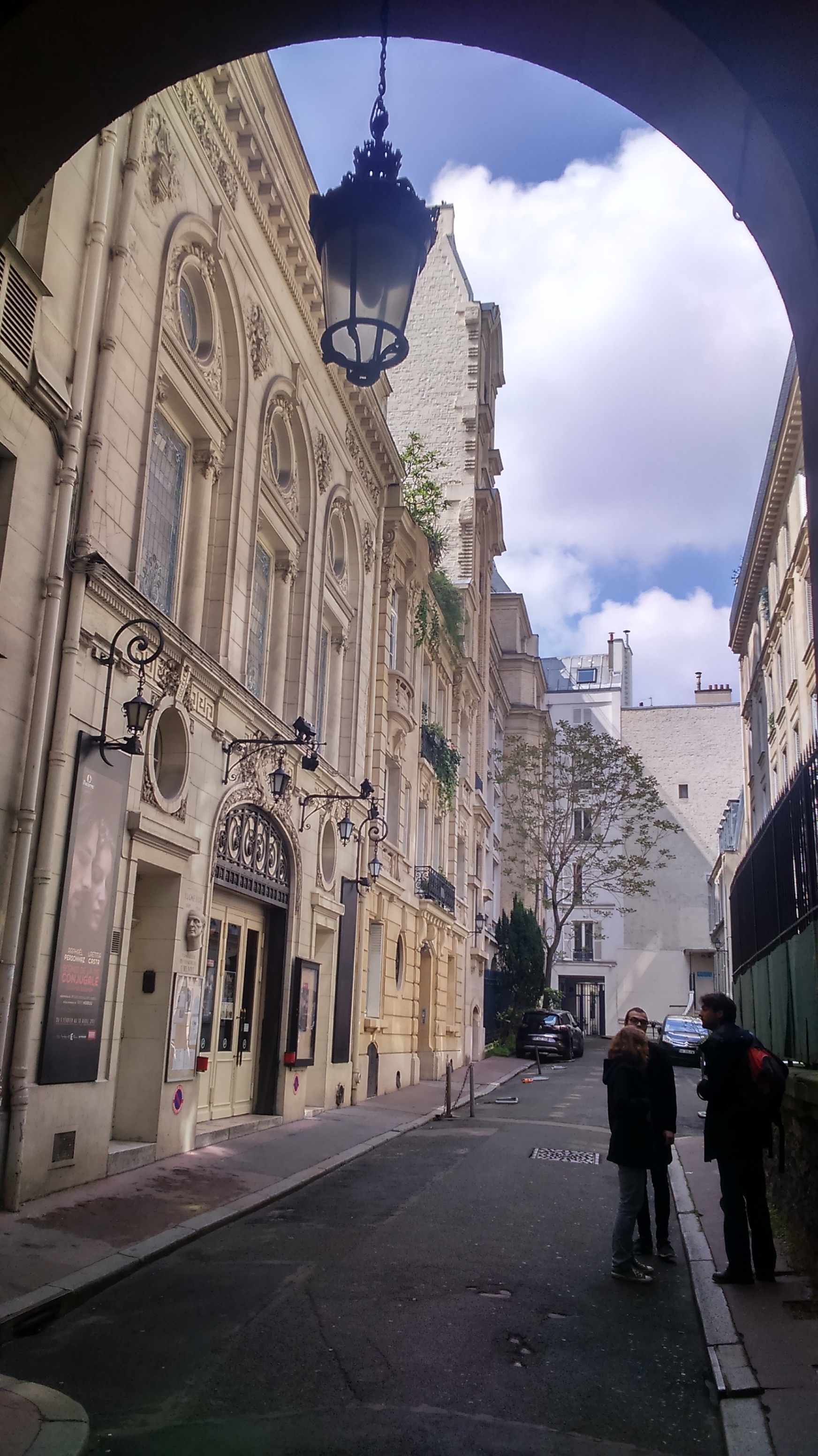
I love the Paris architecture in the evening sunshine. Colonne de Juillet, Place de la Bastille
Remember to look left before I step out onto the cycle paths, I told myself, as I automatically looked right and only narrowly avoided a fleet of commuter bikes.
There are massive statues standing at the junction between each step of this walk: Places des République and Bastille, for example.
Place de la République
The corner cafés, familiar from so many movies, were filling up with after-work drinkers. It was becoming a fine evening – large groups of men were playing boules; fashionable guys riding mopeds were zooming in and out of the traffic and sliding to conspicuous halts in front of giggly groups of girls; stylish kids were streaming out of school in the weak sunshine; and of course there were traffic hold-ups contributing to the poor city air condition.
I particularly enjoyed walking along Avenue Deaumesnil, with its charming under-arches embroidery and fabric boutiques, art school, and book shops.
Walking on, I was surprised that I was not struggling at all with my large back pack after 5 months break from carrying it.
I came to the Place de la République with open-air table tennis and gangs of scateboarders extraordinaire. They performed their tricks with a nonchalant air, as soon as they knew I was watching, eager for an audience.
My tummy was rumbling as I approached Gare de L’est, so I tried out my French by buying that lovely sort of bread which is cool in your mouth and has air holes. I had to open the cheese packet with my teeth because of course you can not bring a knife to France on the plane.
At Barbés there were peanuts for sale, fresh garlic, and limes. The people sharing the pavements with me looked as if they might well have been doing dodgy deals. There were potentially dangerous disputes erupting at every turn.
A wonderful array of restaurants from around the world lined the streets, and I could have very easily exchanged all sorts of things or bought a cheap phone or a yam, or got hair extensions.
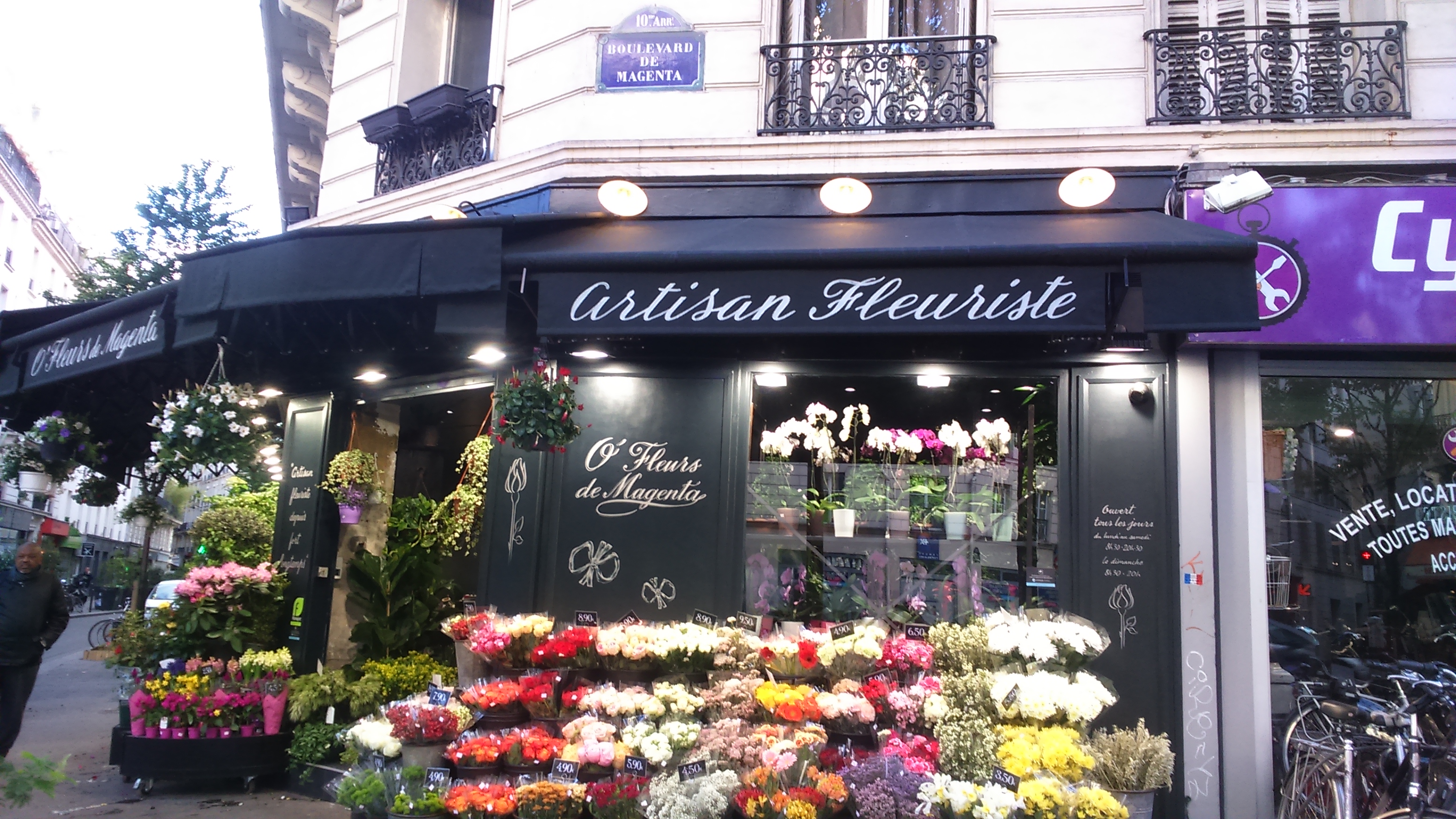
And then, a few paces on, I segue into a new area and I am amongst a different type of pedestrian. It is now quiet, no excitable voices, the women wear red lipstick, and their heels clack on the tarmac.
Great art deco-type decoration on this Louxor Palais du Cinéma, Boulevard de Magenta.
At Monmartre there’s a man living in a tent on a roundabout. The sweet odours of May 1st holiday posies, lillies of the valley, are everywhere, as are the police and their guns – presumably as a result of all the recent terrorist troubles.
Time is passing and it was starting to get dark. My frequent photo stops, memo writing, and Google map consulting has somehow extended the predicted 1.5 hours to 5, and I am grateful that my hosts are understanding when I roll up really late. There’s a meal waiting, wine on the table, and much kindness directed my way.
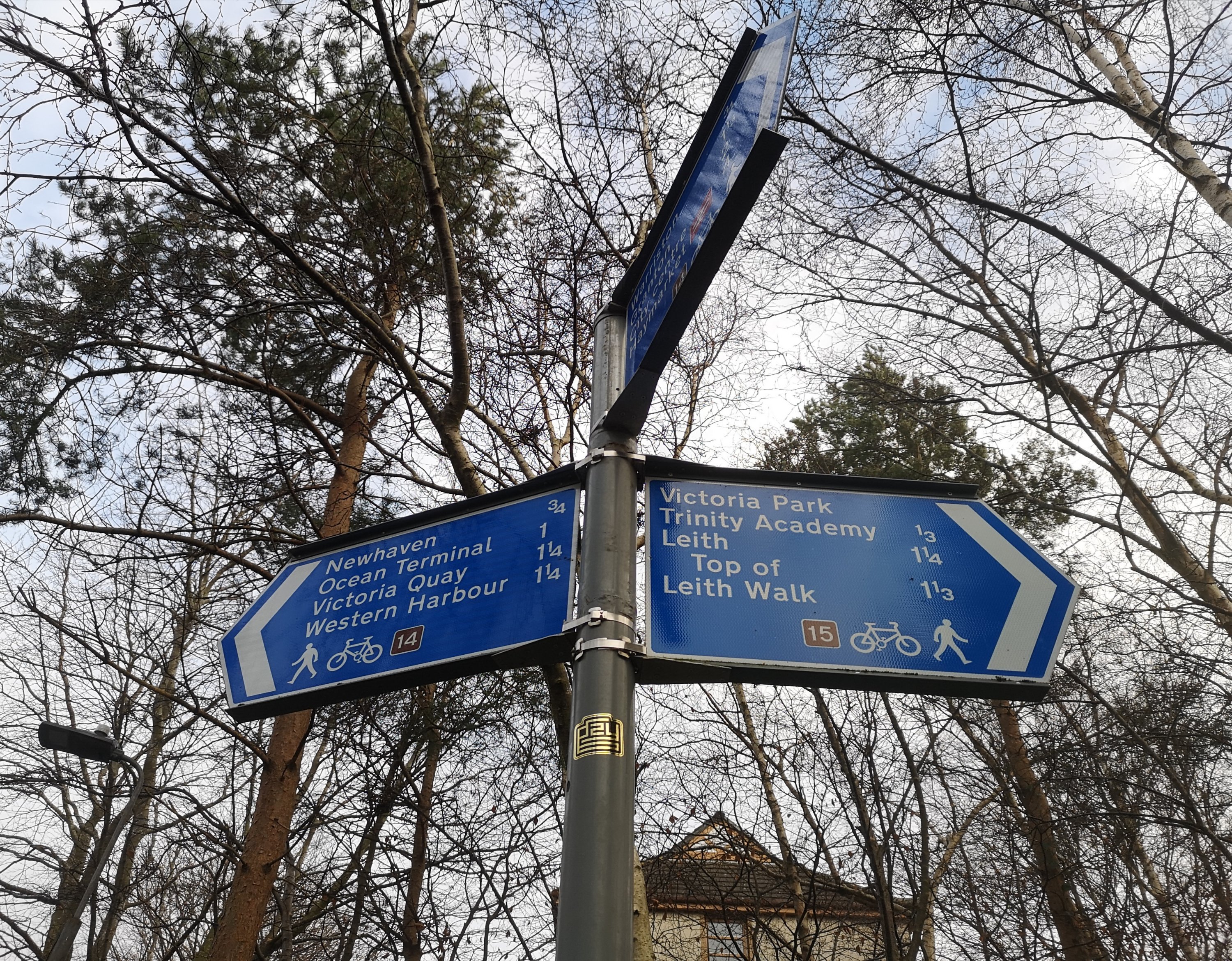
The paths are used to commute to and from work to avoid the traffic
Most people in Edinburgh live pretty close to some green space* – a patch of grass for dog walking, a play-park for children (and teenage smokers), or the grander Holyrood Park with its famous Arthur’s Seat and Salisbury Crags.
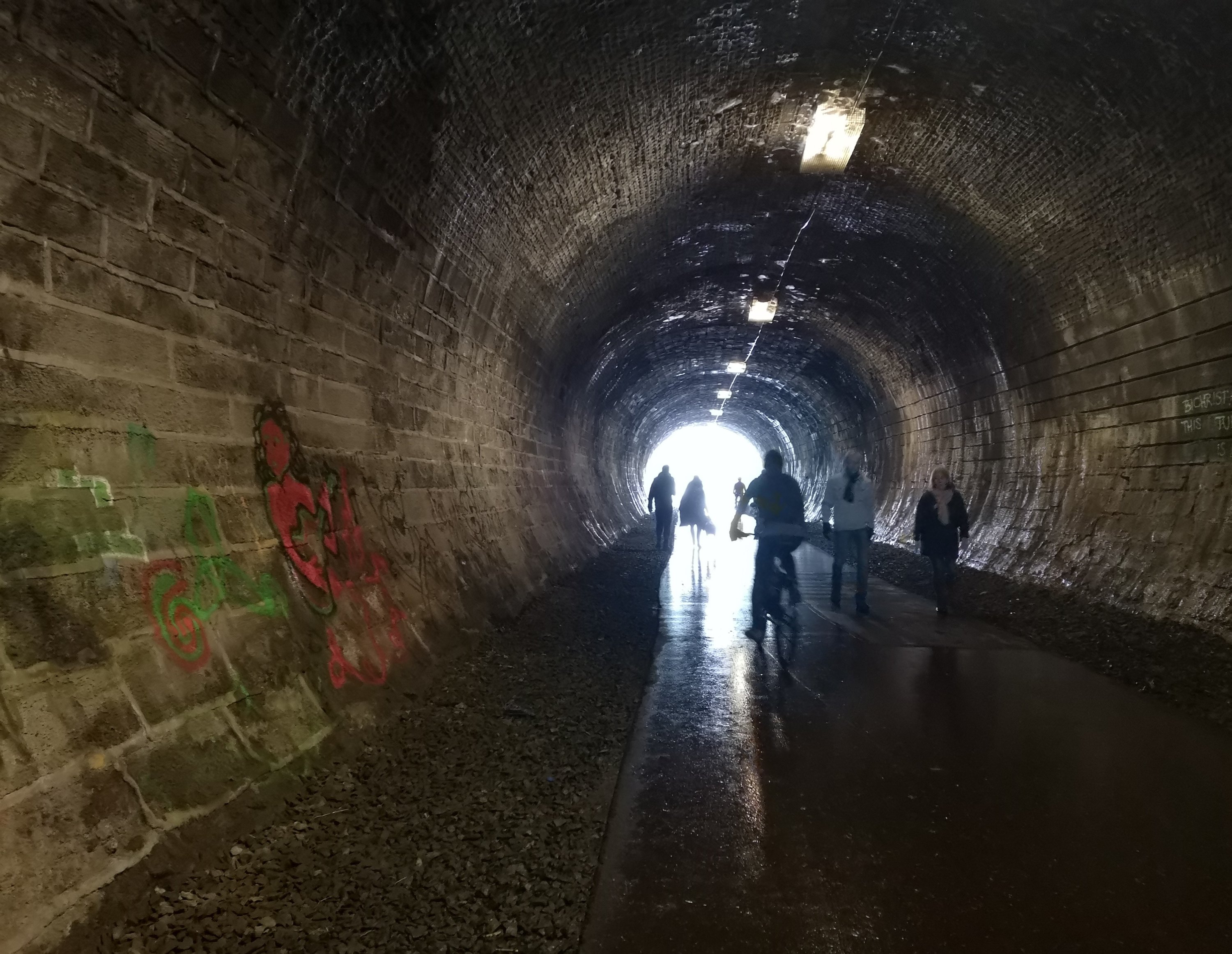
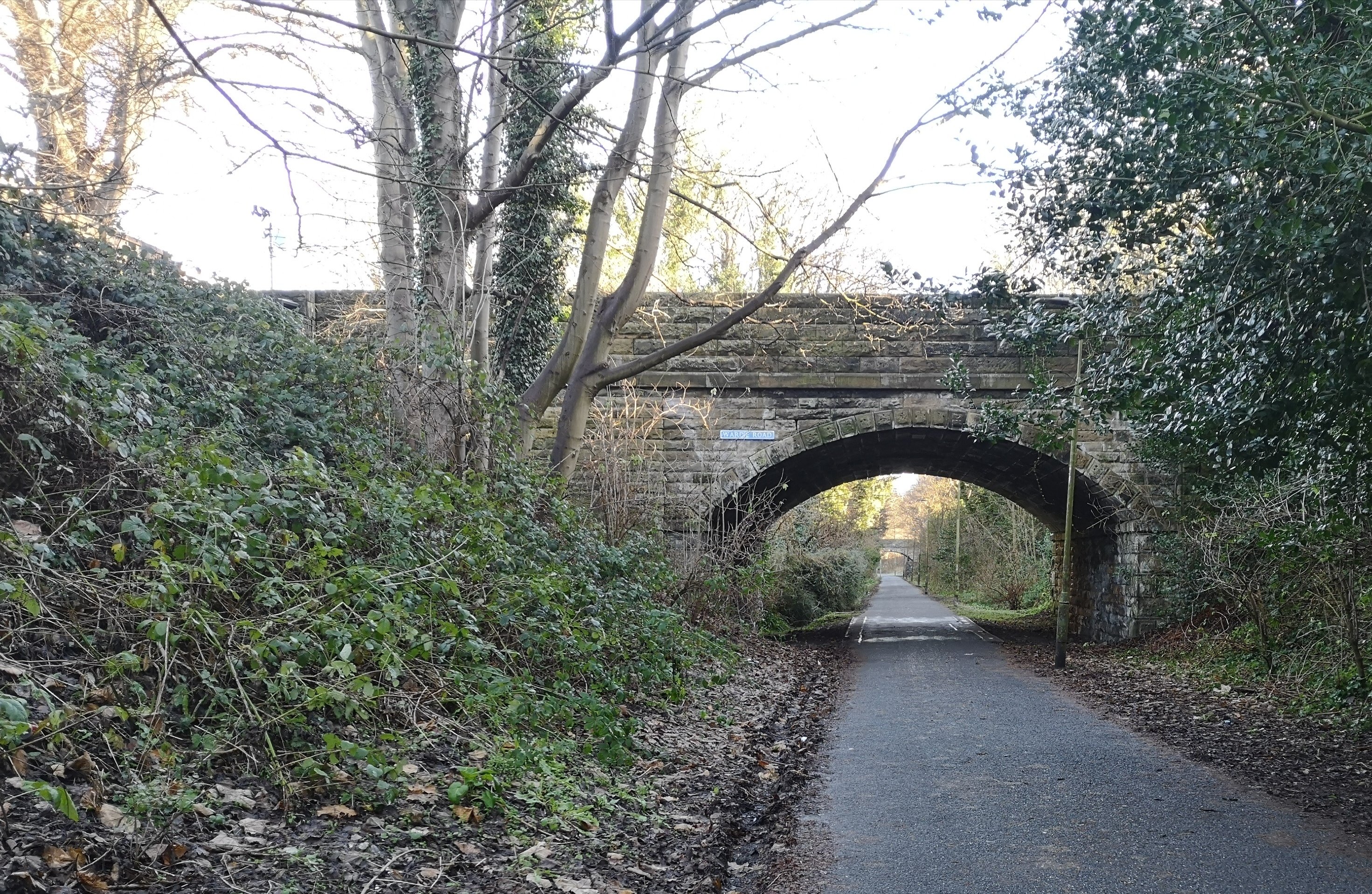
One of the many tunnels along the cycle paths – Trinity Tunnel
Underneath, well, at a lower level than the roads, is where the network of railways used to run, and much of that is now an intricate, and, let’s face it, often very confusing, myriad of cycle paths. But, we are lucky to have them.
On a very chilly morning, when my phone said it was -2 degrees at 8.30am, I set off through Trinity for a meeting with wise Jenny. There’s a new Sculpture Workshop cafe, Milk, at the Newhaven end, offering welcome hot drinks and scones, and they have blankets for the very cold weather, which is a nice touch.
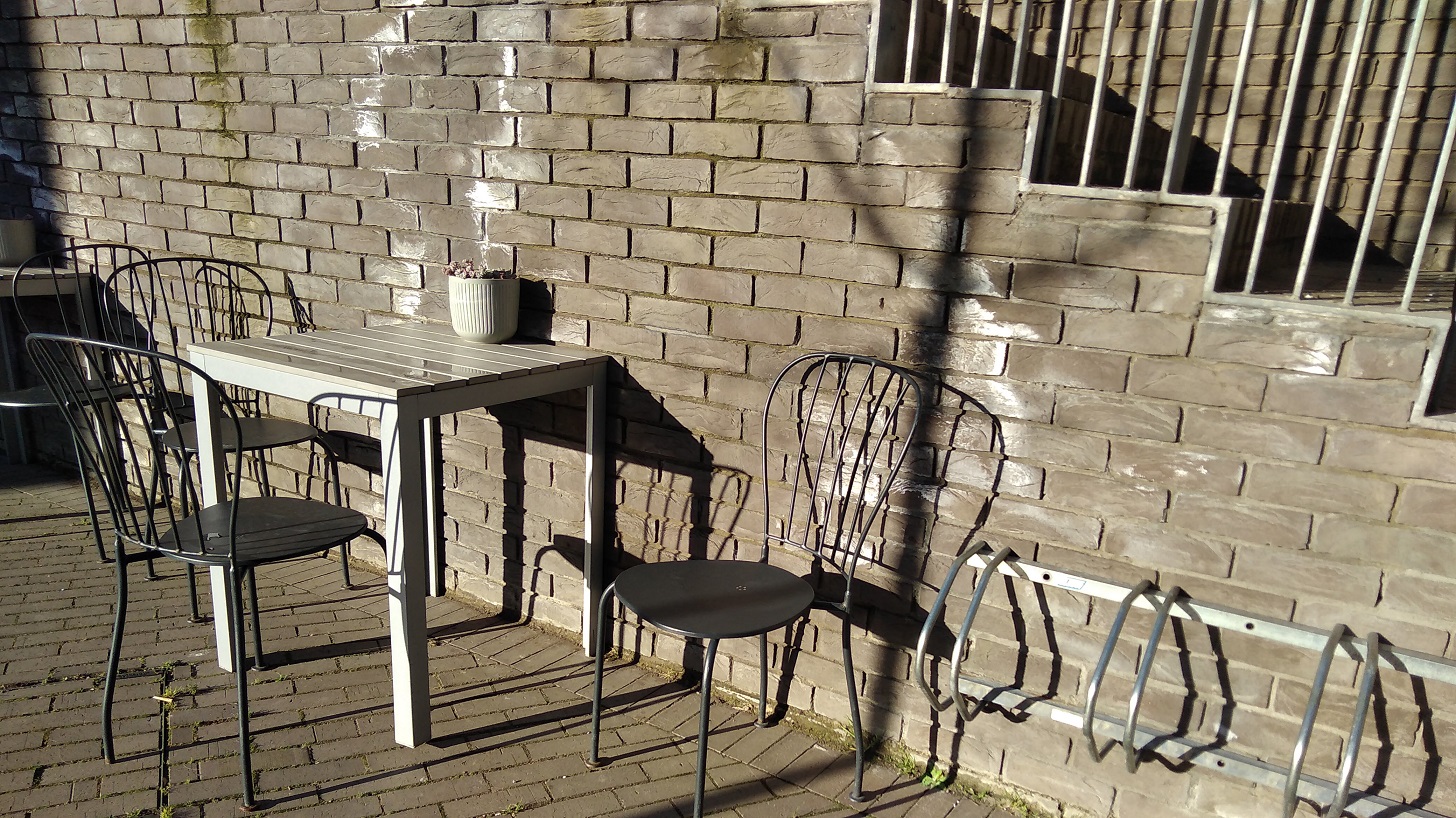
Sitting in the sun outside Milk, cafe at the Edinburgh Sculpture Workshop
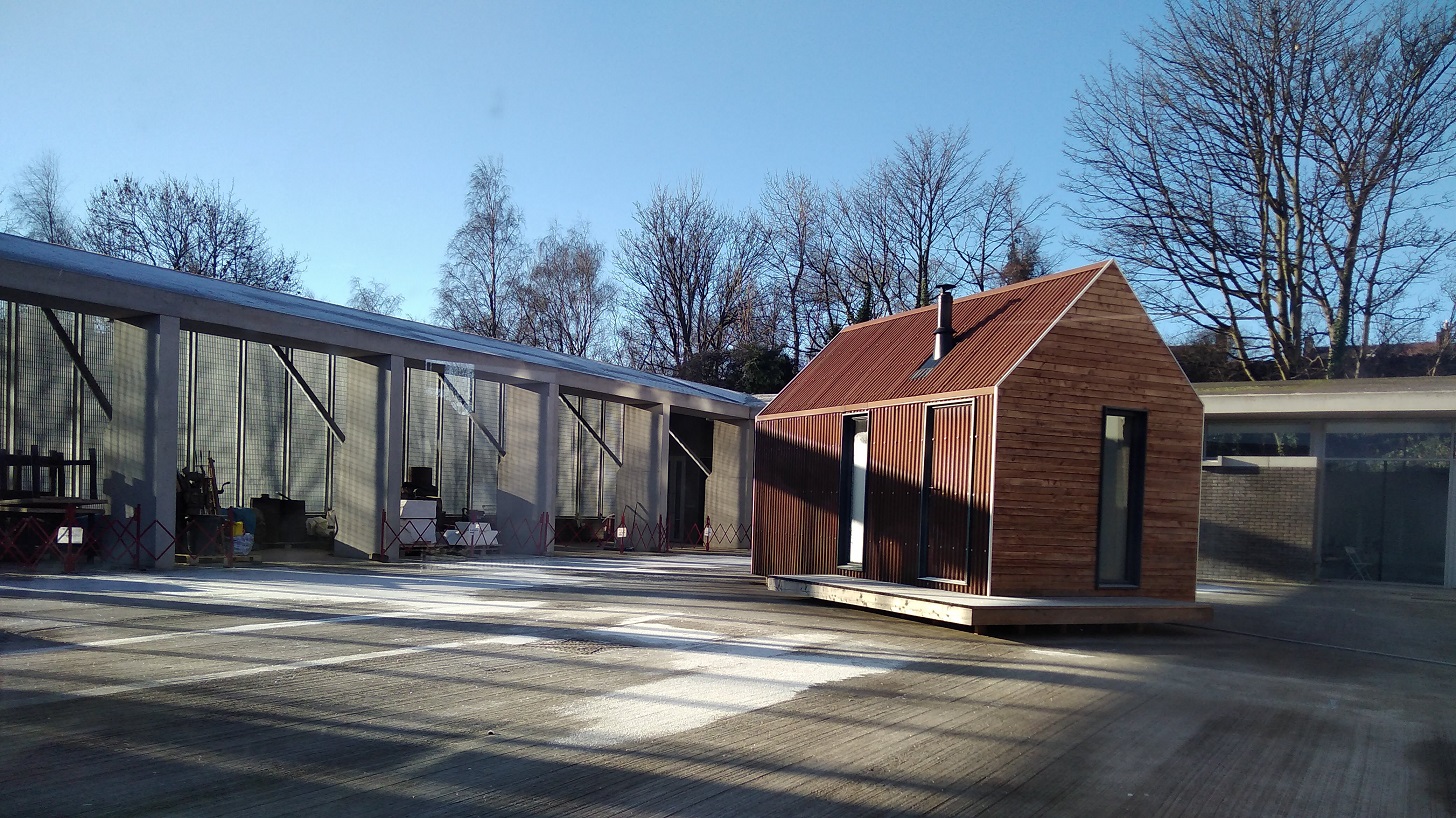
The bothy at the Edinburgh Sculpture Workshop (Jan 2019)
The Edinburgh Sculpture Workshop, with cycle!
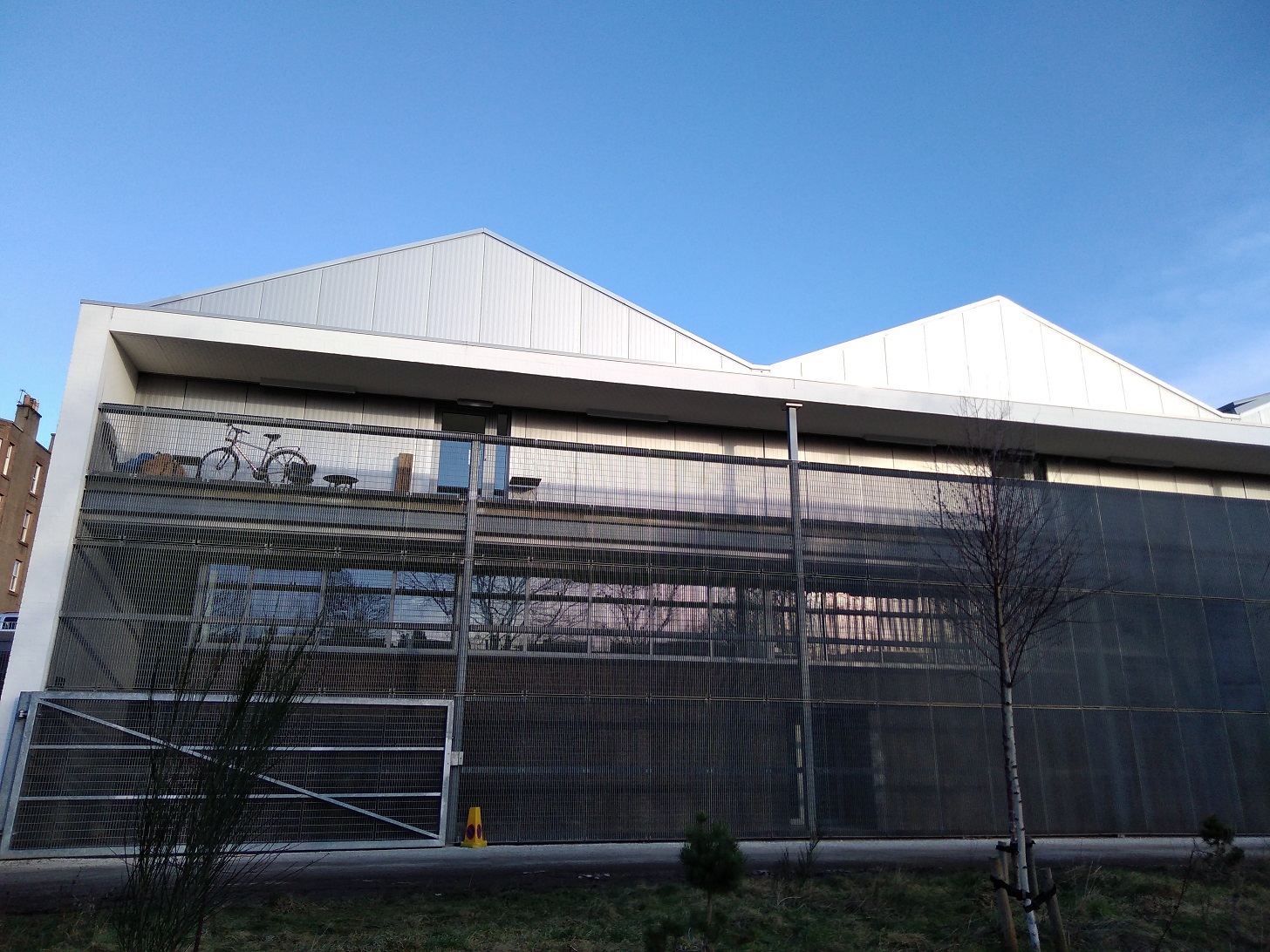
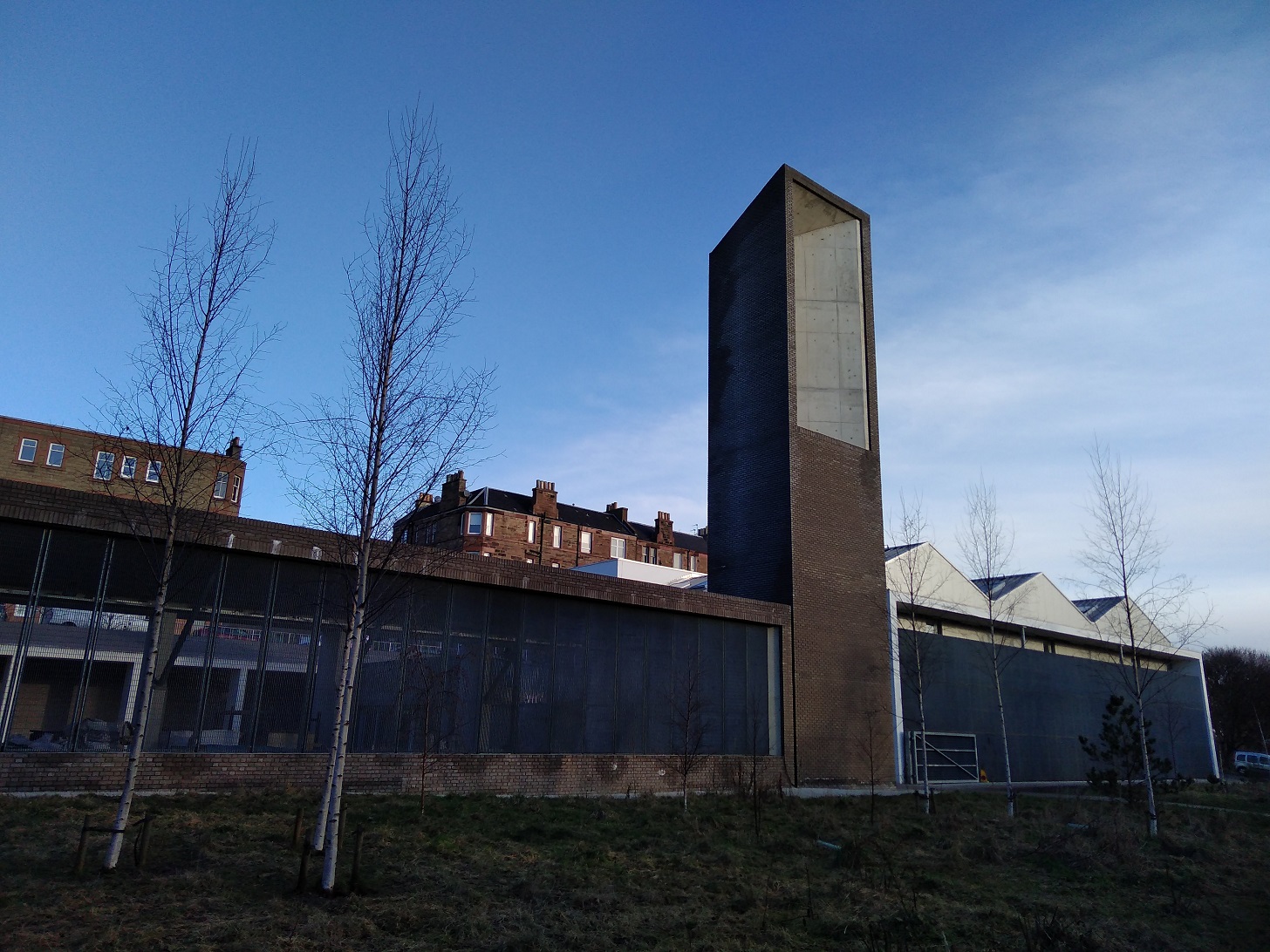
The Edinburgh Sculpture Workshop from the cycle path
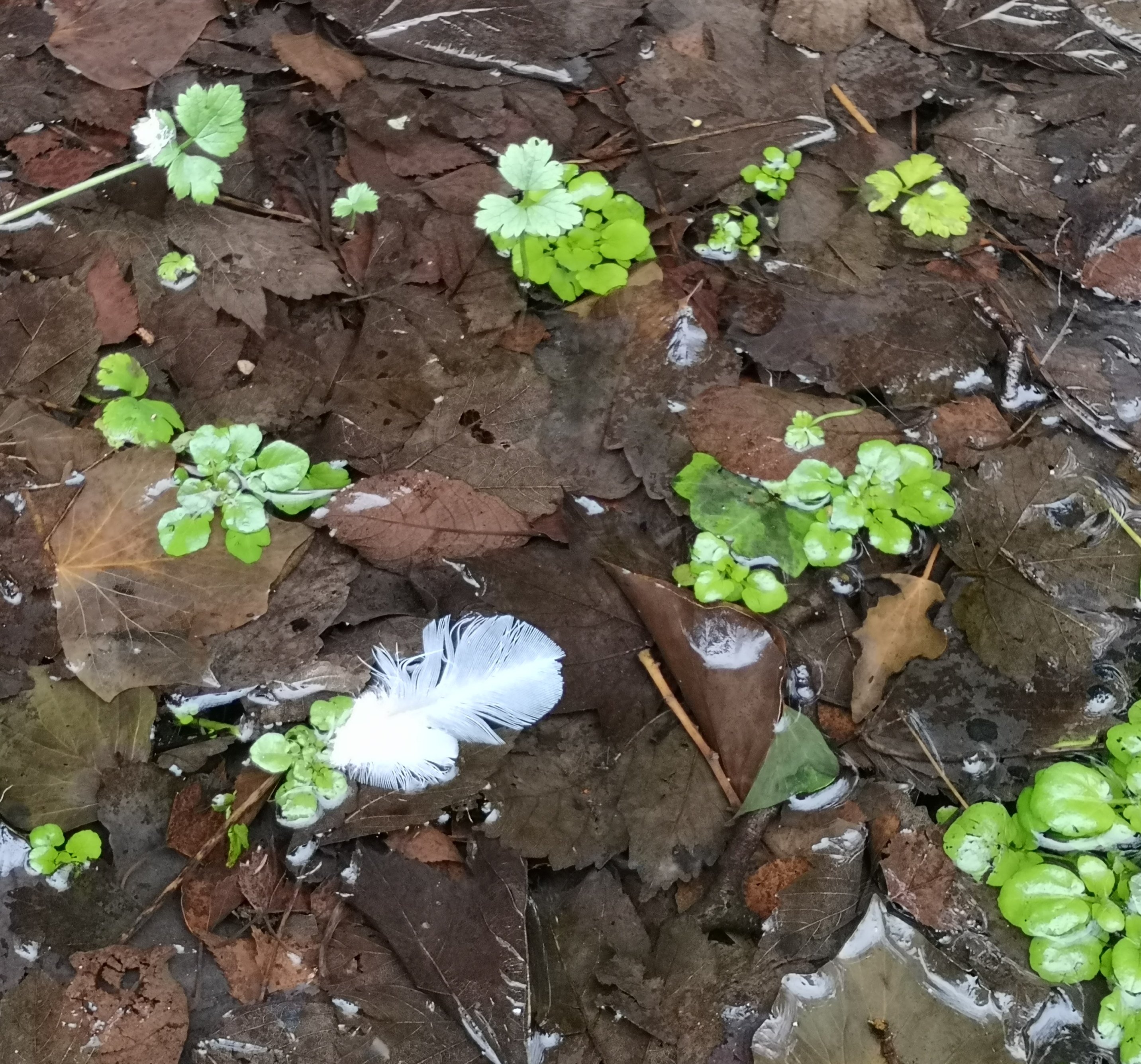
Three hours later, when the edges of the leaves still had white around them, I spontaneously chose not to return home on the pavements, but to take the path less travelled (do you know The Road Not Taken, a poem by Robert Frost? see below for link), and I discovered that nature is at it again, preparing for spring.
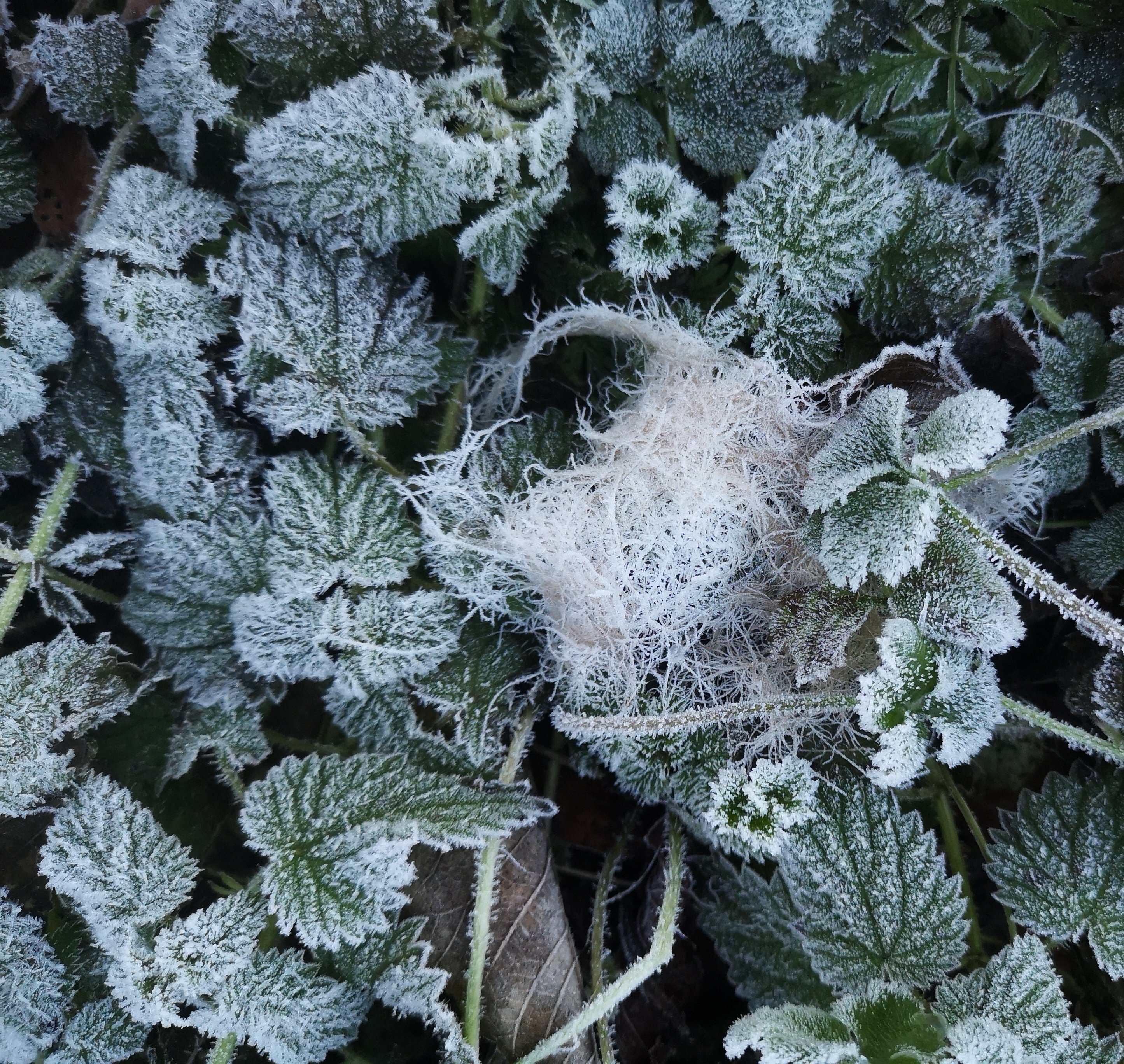
Ice rimmed leaves on the cycle paths in January, Edinburgh
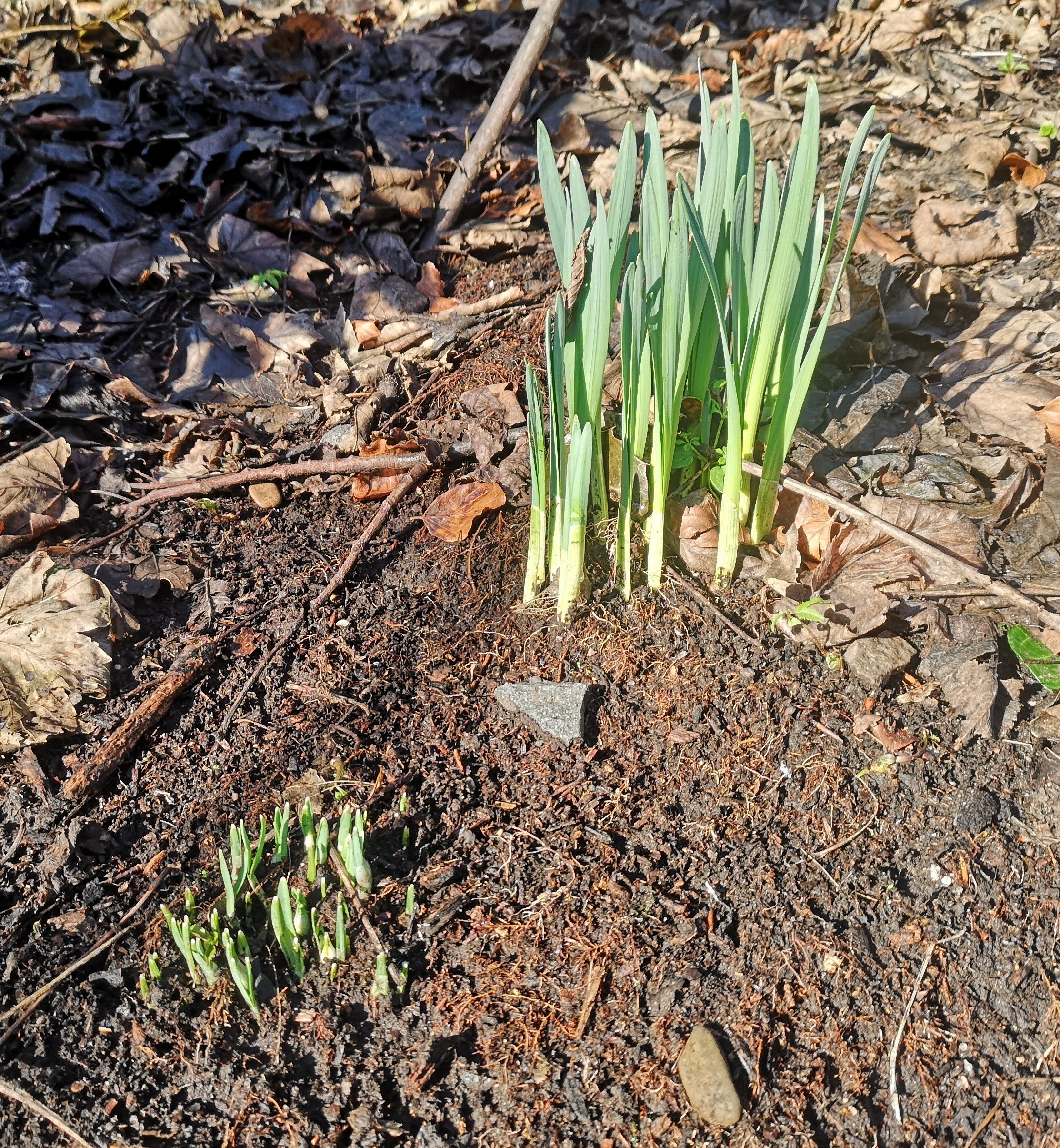
Walking engenders trust, because every step I take is a reassurance that the earth is steady underneath me, and when I walk in nature I notice that it changes, and that those changes are cyclical, reliably so. If I keep on doing that walking I become reassured without even knowing it. Today is a reminder because all around me is shiny and green. I look carefully and the bluebells and snowdrops are poking their heads through! Whatever I do, good or bad, the seasons shift regularly, and the ground is still there when I put my weight down onto it.
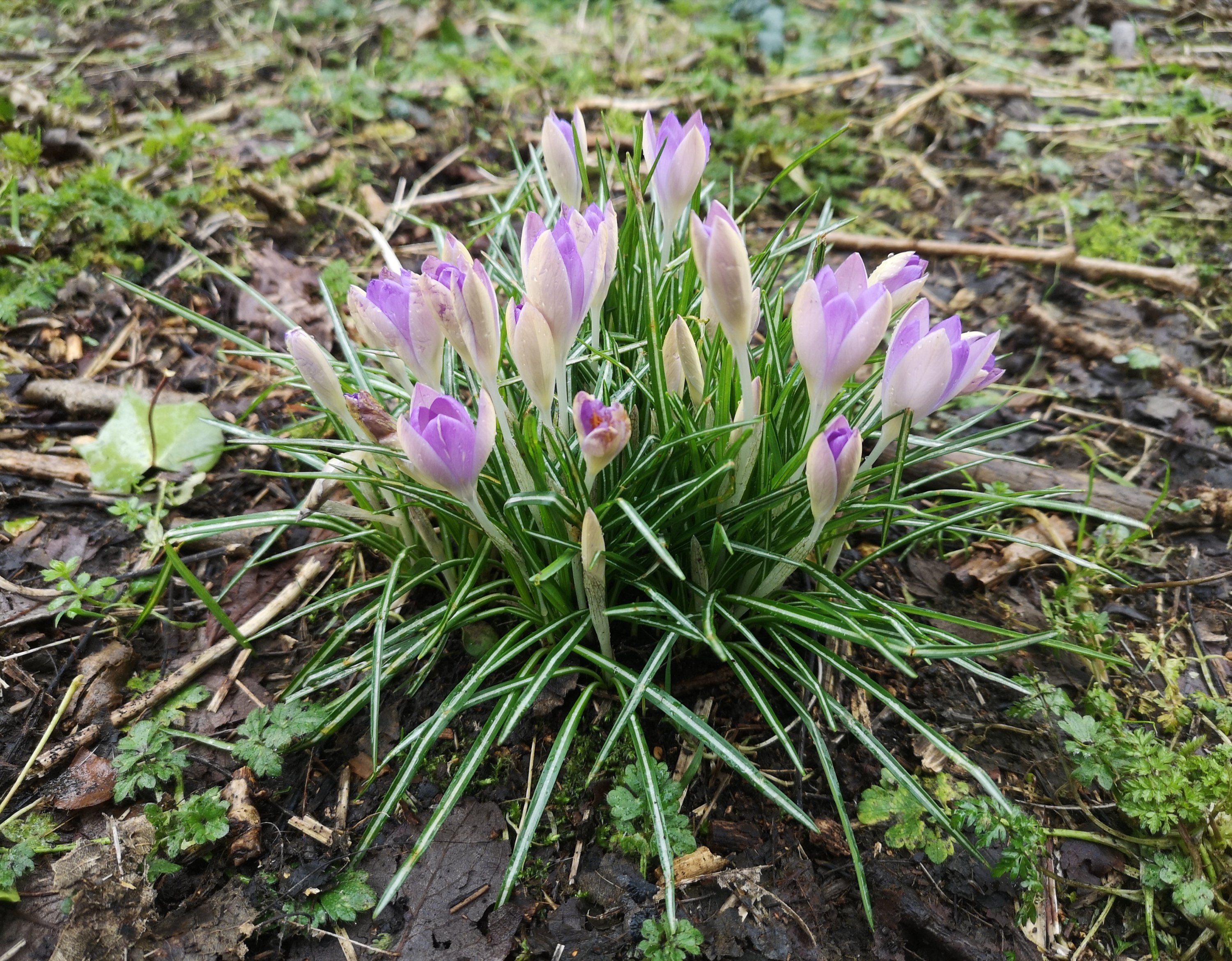
Spring is coming
Walking is quiet, so the wildlife doesn’t know I am coming, and I am startled by a bird flashing out of the undergrowth; a squirrel makes a courageous leap across the path and lands on the thinnest of branches above my head, sweeping and dipping backwards and forwards and up and down, as it tries to regain its footing and scamper towards the trunk. It manages to save itself from plunging onto the tarmac in front of me….just.
Traffic noise is there in the background and thank goodness that means I can hear noises closer to hand. I take an involuntary deep breath, and there is melodic birdsong and a repeated shussh rustly sound, as if something is falling through the bushes beside me. It’s a mystery what’s caused it.
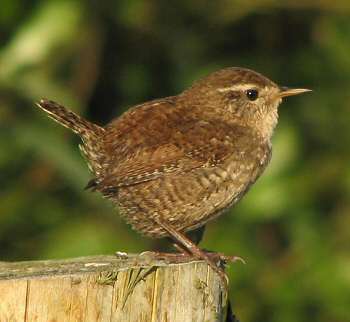
I saw a wren, yes, an actual wren – so unusual that it must be a blessing. It was fluttering in the fetid-looking, standing-water in the sunshine. Except it can’t be stagnant because then I see a lady blackbird and a sparrow, and they are doing the same thing so they must know better and be on to a good thing.
A wren. Picture from the internet
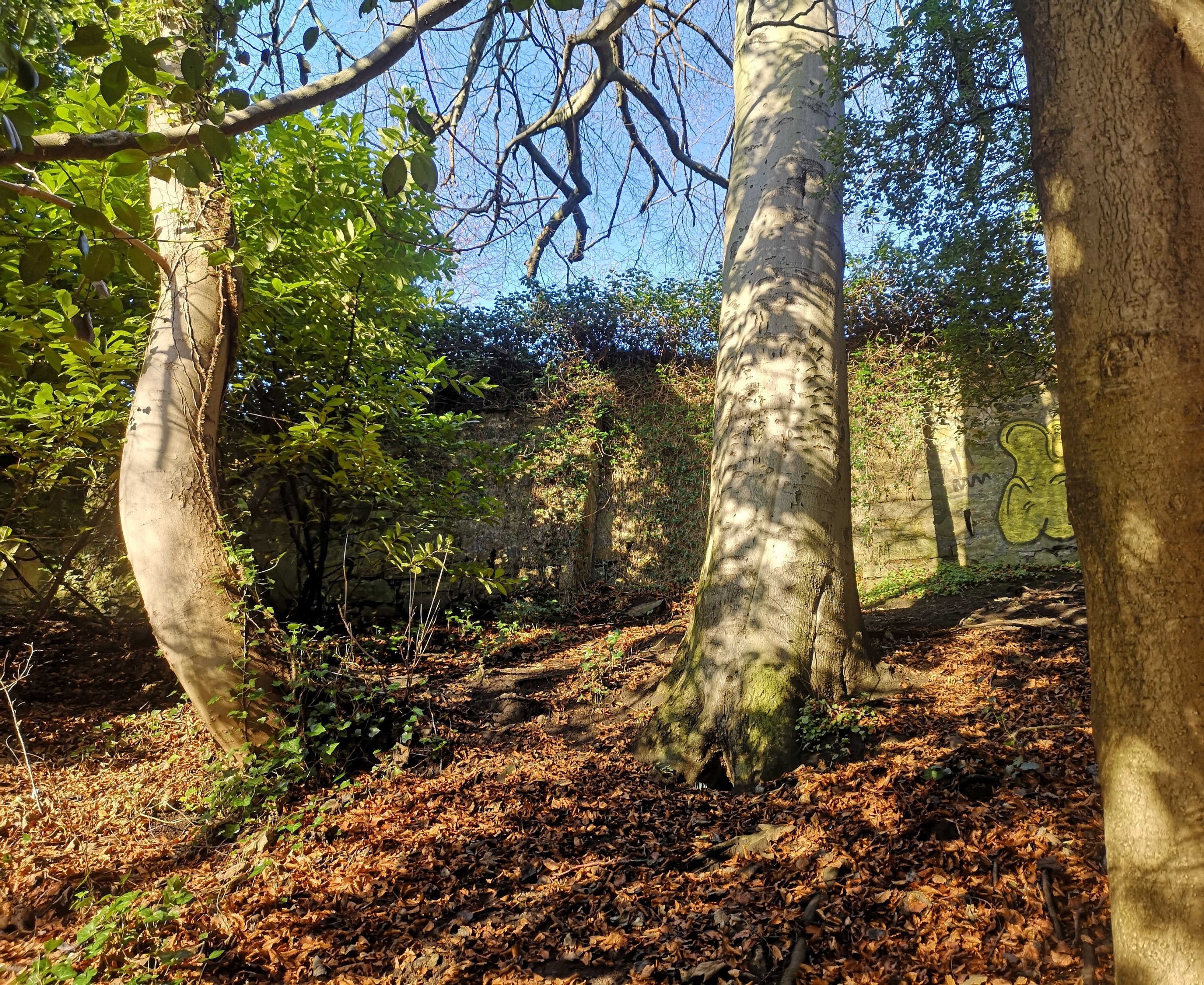
A lot of the cycle path is in the shade in winter, but there are patches of sunlight, and that reveals badger setts. The black ice sometimes stays on the path all day long and my bike has skidded in the past, tipping me unceremoniously and painfully over. It can be dangerous in other ways: two of my daughter’s friends were mugged a few years ago on another section, and so I am repeatedly warned against walking on these ways at dusk though friends I know do it confidently. (2023 update: there are now policewomen and me who patrol these paths).
The road crosses the cycle path underneath
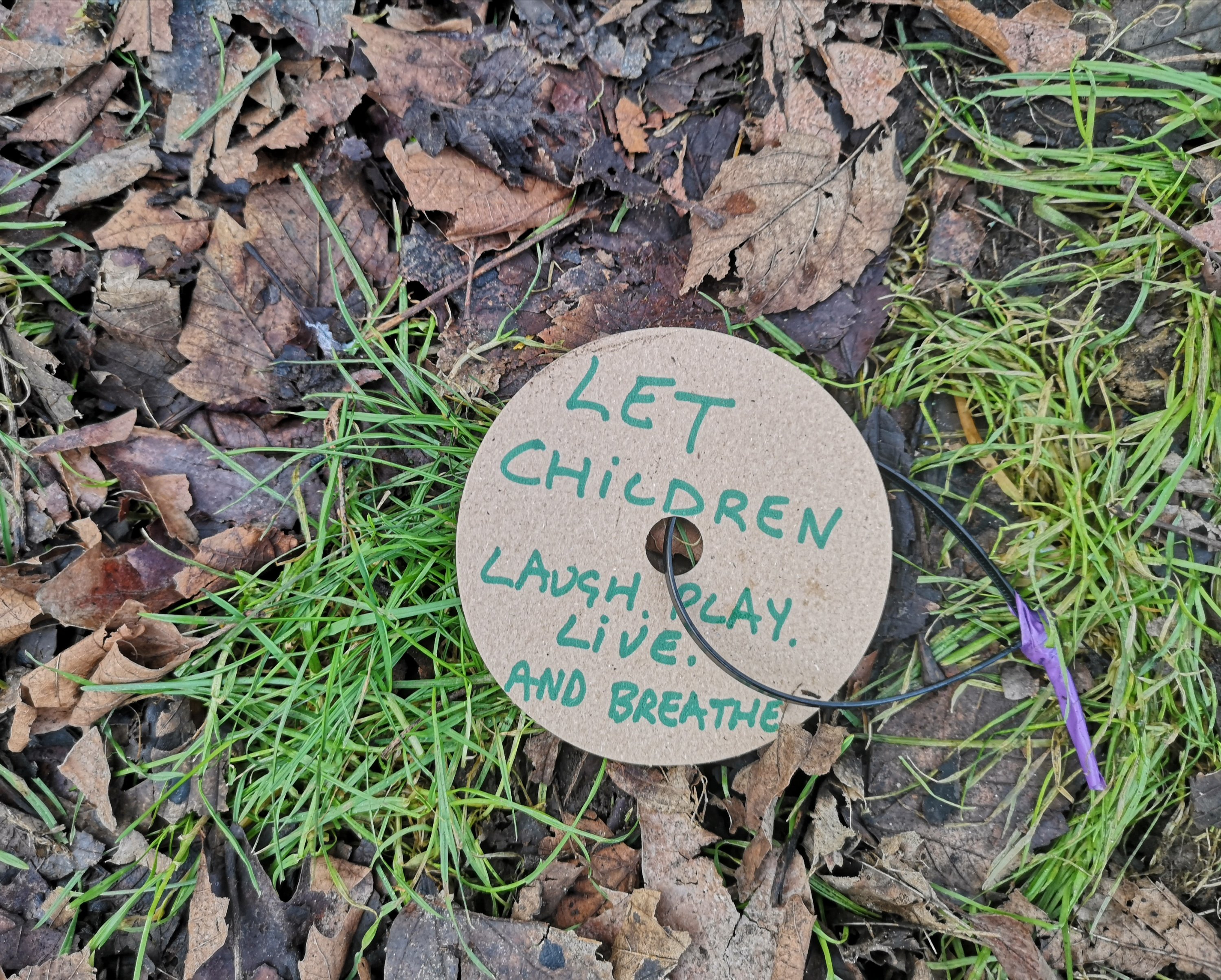
Like the Camino, there’s a sense of a community along this network, with political or family-day-out posters on the lamp poles. There is evidence of little kindnesses along the way too: a rubbish bag that someone has put out to limit the mess, which is regularly emptied; a baby hat picked up and hung on a railing just in case someone comes back to look for it.
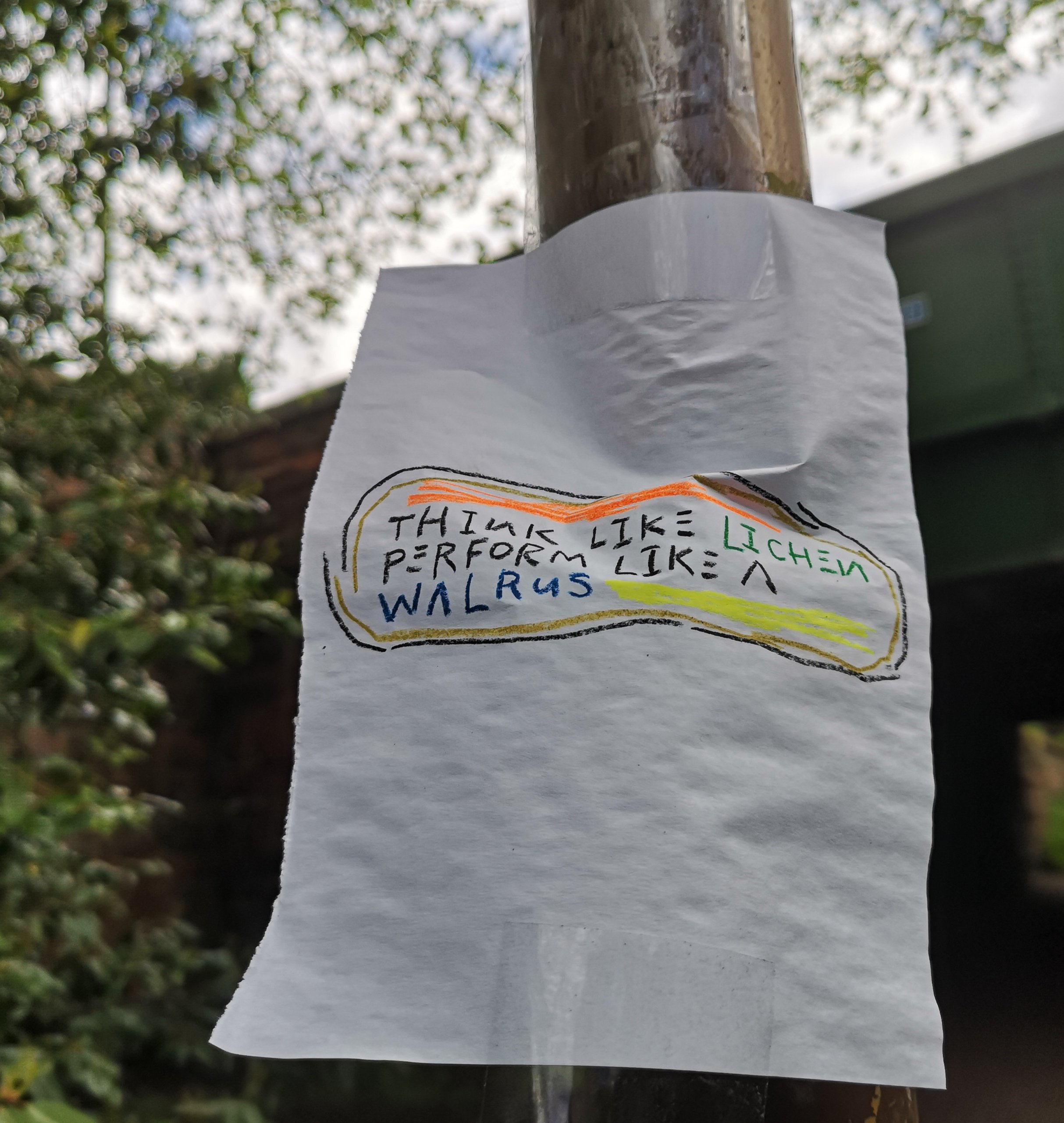
‘Think like lichen Perform like a walrus’
There are runners, buggies, and sometimes both – mums and dads running with the push-chair; there are bikes, some side-by-side with their encumbents chatting as they ride; there are single and nowadays multiple dogs (there’s a rise in people who go house-to-house collecting the canines for walkies while their owners are out at work); there are young and old enjoying the fresh air; commuters, and sightseers with sunglasses and binoculars. The other day I was overtaken by a ‘proper’ walker with a backpack, striding purposefully with poles; and there are folk on the way back from Morrisons with their shopping.
I walk on the tiny strip of grass by the side of the tarmac and feel/hear a familiar, hollow sound underfoot – not the clatter of my shoe on the hard surface, or the thud I get when I walk on the grass under the trees on Boswell Drive, but a sound as if there’s space underneath the icy ground. And it’s springy.
This is how it looks in springtime
For an hour I walk, and I am unaware of the news or my day-to-day worries. In fact, when I walk I have noticed that the news becomes surprisingly unimportant. Walking and feeling the ground nice and solid underneath me seems to help me write about what is real, not imagined.
‘Soon’ writes Frédéric Gros, ‘you have lost all knowledge of the world and its gymnastics’. p.81/82 in A Philosophy of Walking.
*Study by Catharine Ward Thompson et al 2013: ‘Contact with green space in the environment has been associated with mental health benefits, but the mechanism underpinning this association is not clear. This study extends an earlier exploratory study showing that more green space in deprived urban neighbourhoods in Scotland is linked to lower levels of perceived stress and improved physiological stress as measured by diurnal patterns of cortisol secretion.’
I have just discovered that deleting photos from my media library at WordPress, the people who host these travel blogs, has meant that those deleted photos do not now appear in past blogs. The recent ones are fine.
I had no idea of this and am hoping that WordPress will contact me shortly to offer a solution. In the meantime, you will find blogs (eg about the Camino Frances in 2016) with text but no photos and I apologise for this.
Tamsin 24.7.17
This is a general introduction to my Spanish walking.
‘I travel not to go anywhere, but to go. I travel for travel’s sake. The great affair is to move.”R . L. Stevenson, Travels with a Donkey in the Cevennes
Time spent in Spain: 4.10.16 – 17.12.16; 12.5.17 – 24.5.17.
Some of these blogs were written ‘on the spot’, some soon after the event, and others when I returned to Scotland. What a joy to compile them!
At the 2016 Edinburgh International Book Festival, I heard Jean-Christophe Rufin explain (and these are my own words from the memory of that event), that all the walkers he saw seemed to be scribbling or typing a blog at every stop of the way, but that he decided not to do that and to rely instead on his own memory afterwards. But I am a 53 year old woman who has had 2 kids and has a head which is already very full of experiences, so I didn’t want to rely on mine!
I began to walk the Camino Frances in Pamplona, Spain.
Writing has been a good way to assimilate and integrate my experiences, to make sense of where I have travelled, what I was thinking, and the conversations I had with people. It enabled me to tell my family, friends and colleagues what I was up to (similar to one of those news letters you sometimes receive in Xmas cards!), and, I now realise, to keep the spirit of my wonderful adventures alive.
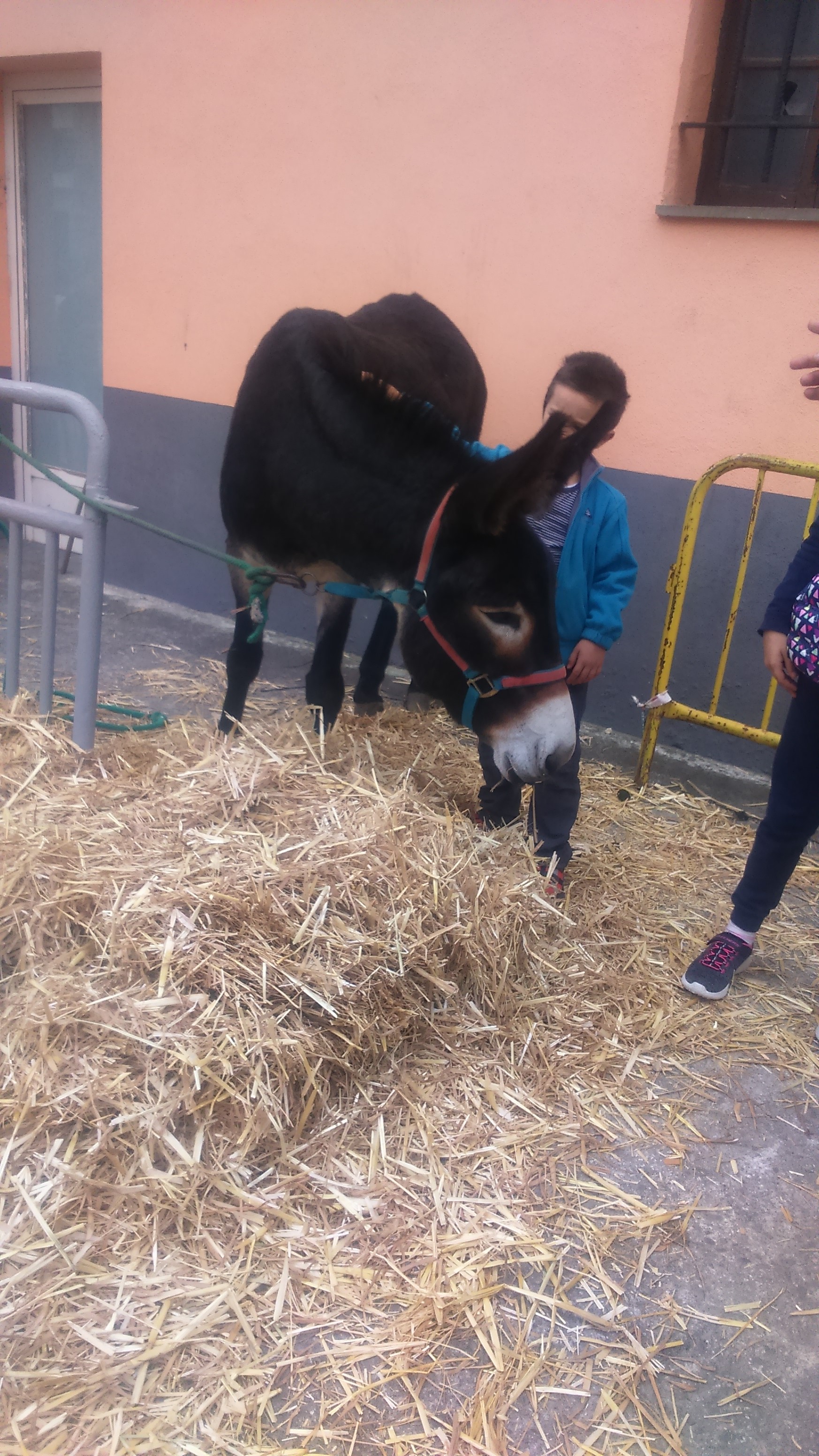
Donkey in a temporary street stall, Feria, a Basque county fair.
Origin of the blog name: There is a book by Scottish writer, Robert Louis Stevenson “Travels with a Donkey in the Cévennes”, and there is a French Camino named after him which has a personal, family connection for me. Just as it is possible for campers to stay in a site where a tent is provided, ready-erected with a camp-bed in it; so there are many who take treks and have a mule or a person to carry their bags. I walked around Spain with a rucksack on my back (containing what I needed for a 3-month stay, summer – winter), rather than having a donkey carry it for me.
“Whenever I was asked: ‘Why did you go to Santiago?’ I had a hard time answering. How could I explain to those who had not done it that the way has the effect – if not the virtue – to make you forget all reasons that led you to become involved in it in the first place.” Jean-Christophe Rufin, The Santiago Pilgrimage
So I won’t explain here why I decided to do this, although there is some explanation in later blogs.
But I will say that there were two distinct parts to my journey: one where I visited fellow Shiatsu (acupressure massage) and complementary therapy practitioners, giving sessions in return for bed and board. The other where I walked the Camino Frances and part of the Via de la Plata (‘o contrario’, backwards), staying in different hostels and hotels every night.
Burgos, a major town along the Camino Frances, Spain.
The former came out of finding a way to stay in Spain without spending too much money. The latter was inspired by friends Phyllis and Liz, by books, programmes I heard on the radio, and the film, ‘The Way’. It turns out that walking the Camino suits someone like me, a normally busy person, active, and perhaps tending towards being workaholic or at least feeling full of responsibilities. I trained myself years ago to sit and meditate, but it could be that walking is more appropriate to my character.
“that fine intoxication that comes from much motion in the open air, that begins in a sort of dazzle and sluggishness in the brain, and ends in a peace that passes comprehension.” R.L. Stevenson, taken from various blogs (see below in English & French).
Camino: A walk, or track, often trodden for religious and spiritual reasons since the Middle Ages, by ‘peregrinos’ (Spanish for pilgrim). The best known is The Way of St James of Compostelle, or Camino Frances. All paths are signposted by the coquille Saint Jaques shell which walkers also carry to symbolise their journey. ‘The Camino de Santiago comprises a lattice of European pilgrimage itineraries which converge at Santiago de Compostela in north-west Spain.’ (Michael Murray, for ref. see below). They can begin in Jerusalem, Rome, and Paris, famously at Sean-Jean-Pied-de-Port in France; and are travelled across Spain, Portugal, France, England and elsewhere in Europe.
The final way marker of the Camino Frances, Finnisterre, Spain.
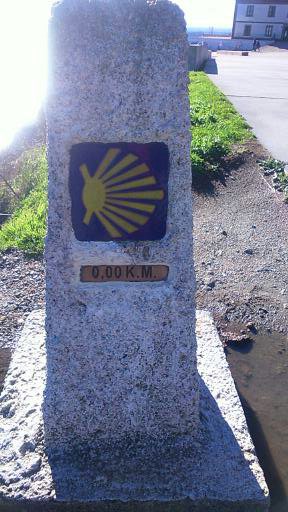
The shell sign alongside the number of km still to travel. This one indicates I have arrived in Santiago de Compostella, November 23rd 2016 after walking from Pamplona.
This is where I went, in the order I visited: October – Downton (New Forest, Hampshire, England), Santander (by boat from Portsmouth), Salinas, Aviles, Oviedo, Bilbao, Egileor, Vitoria Gastiez, Feria, San Sebastian, Pamplona. Camino Frances 1 (Urtega (by bus from Pamplona) to Najera). Cortiguera, Aranjuez (via Madrid). Camino Frances 2 (San Juan de Ortega to Carrion). November – Madrid. Camino Frances 3 (Leon to Santiago de Compostella), Finnisterre, Santiago.
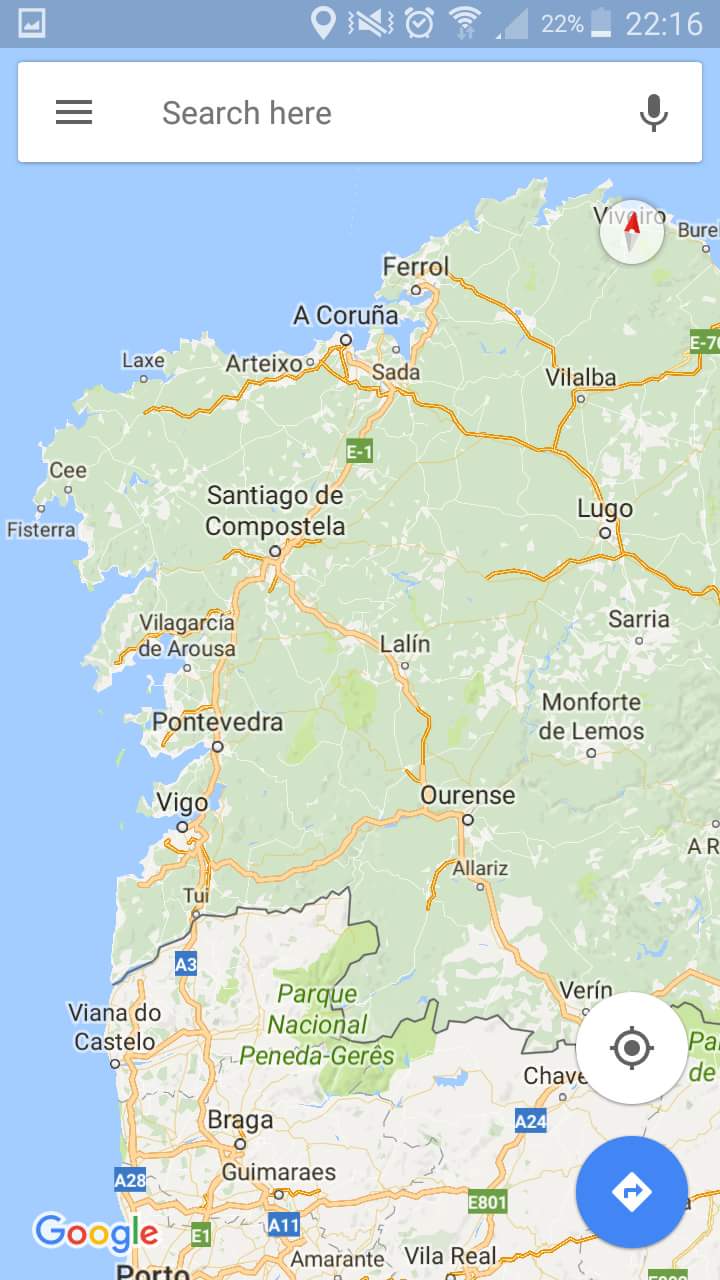
Map showing Santiago de Compostella in north western Spain, the home of the Tomb of St James, final destination of pilgrims from all over the world.
December – Camino Via de la Plata (Santiago to Vilar de Bario). Xinzon, Ourense, Las Matas (via Madrid), Valencia (via Madrid), Olocau and Sierra Calderona, Barcelona, Edinburgh (by aeroplane).
I keep being asked whether I suffered from the walking, and I understand the question because I, too, was very worried about this, and allowed it to put me off starting. I did have a week or so of blisters at the start, but I had researched what to take with me before going, and had plasters, cream and a sewing kit with me (yes, we sew a thread through the part with the fluid and let it drain out over time to stop it getting infected!). The other pilgrims were really helpful and showed me how to look after my feet, so I didn’t have to stop, and my skin hardened up soon enough.
Early on the Camino Frances, Spain.
My main concern had been my back and the load. I carried approximately 18kg (which was more than the recommended 5th of your body weight) and although it felt very heavy after 32km, there was no pain. All that yoga before I left, and my daily ‘Salutations to the Sun’ helped. I did have to pay to get it home on the aeroplane at the end, which was a nuisance and might have been avoided. Next time I will take a new-style, light-weight sleeping bag and towel to lighten my pack.
I trained as a professional dancer in my teens and early twenties, and am therefore used to daily class, working through the pain and stiffness of the night and previous day’s exertions. This probably helped me to deal with the numerous small physical difficulties which arose when I walked, especially at the start of the day. I used my Shiatsu and other training to identify the source, relax into the areas I was holding tension, and, lo! they disappeared as quickly as they came.
There were many other people who suffered and some who had to give up. I helped with Shiatsu where I could: feet, hands, ankles, backs etc, in the evenings at the hostels. It was good to meet travellers I had massaged later along the way, and particularly in Santiago on the final day to know they had been able to complete.
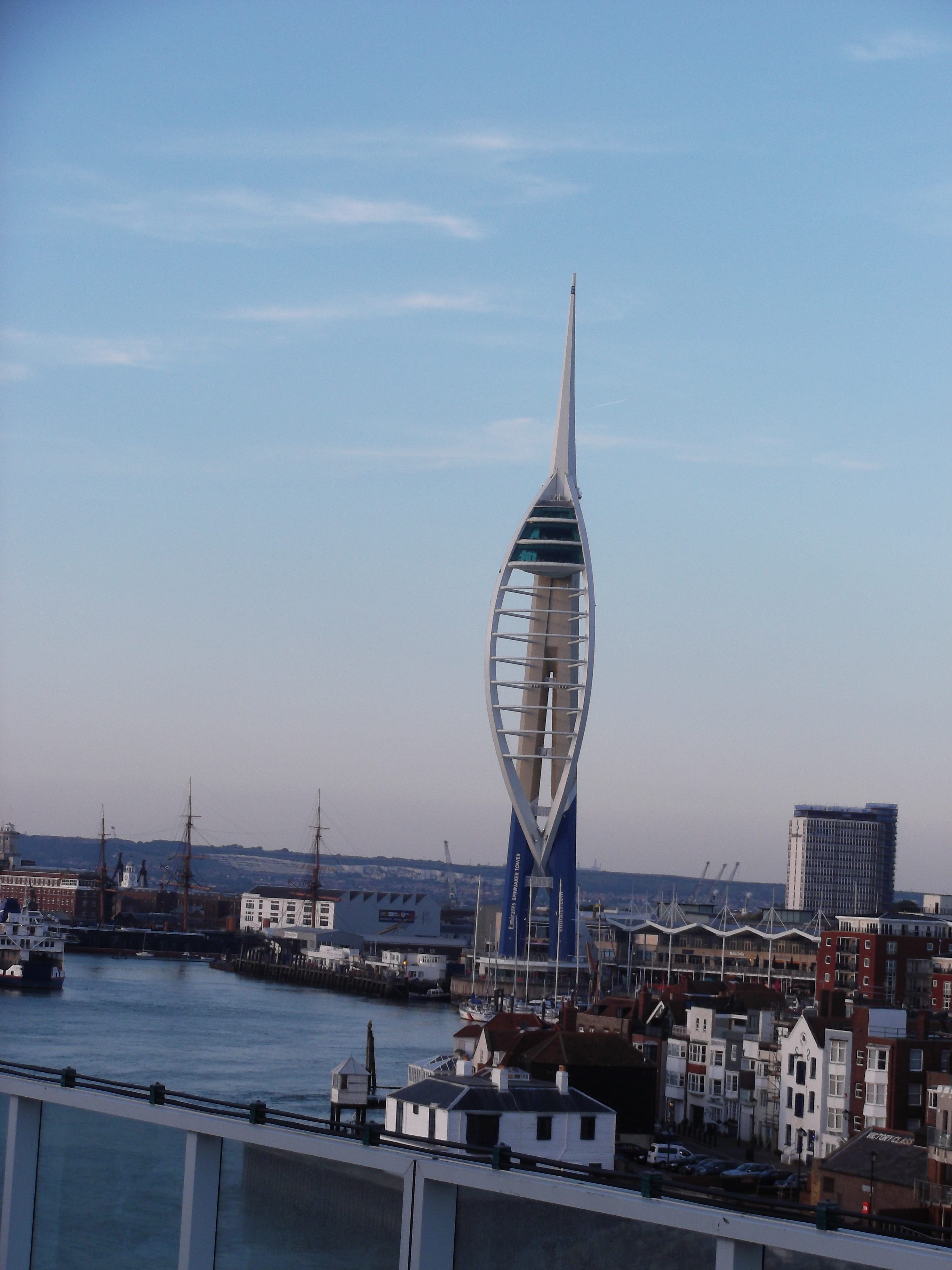
Leaving Portsmouth, by sea, October 2016.
Kilometres walked: 700+ (Caminos), not including Sierra Calderona, Egileor, Aviles-Salinas, walking friends’ dogs, walking to school near Valencia, all the cities…
We walk in and out of the village taking Theo to school, picking our way over the stepping stones across two streams. I am so hot and sweaty, despite it being so late in the year, that I change into shorts and vest top with sunglasses when we get back. The golden dogs appreciate the shade.
We eat delicious oranges that lie under the tree as we walk. At the local bar we are served bitter local olives, quick-cooked sardines, and peanuts in their shells which they grow in the garden – all free tapas with our beers.
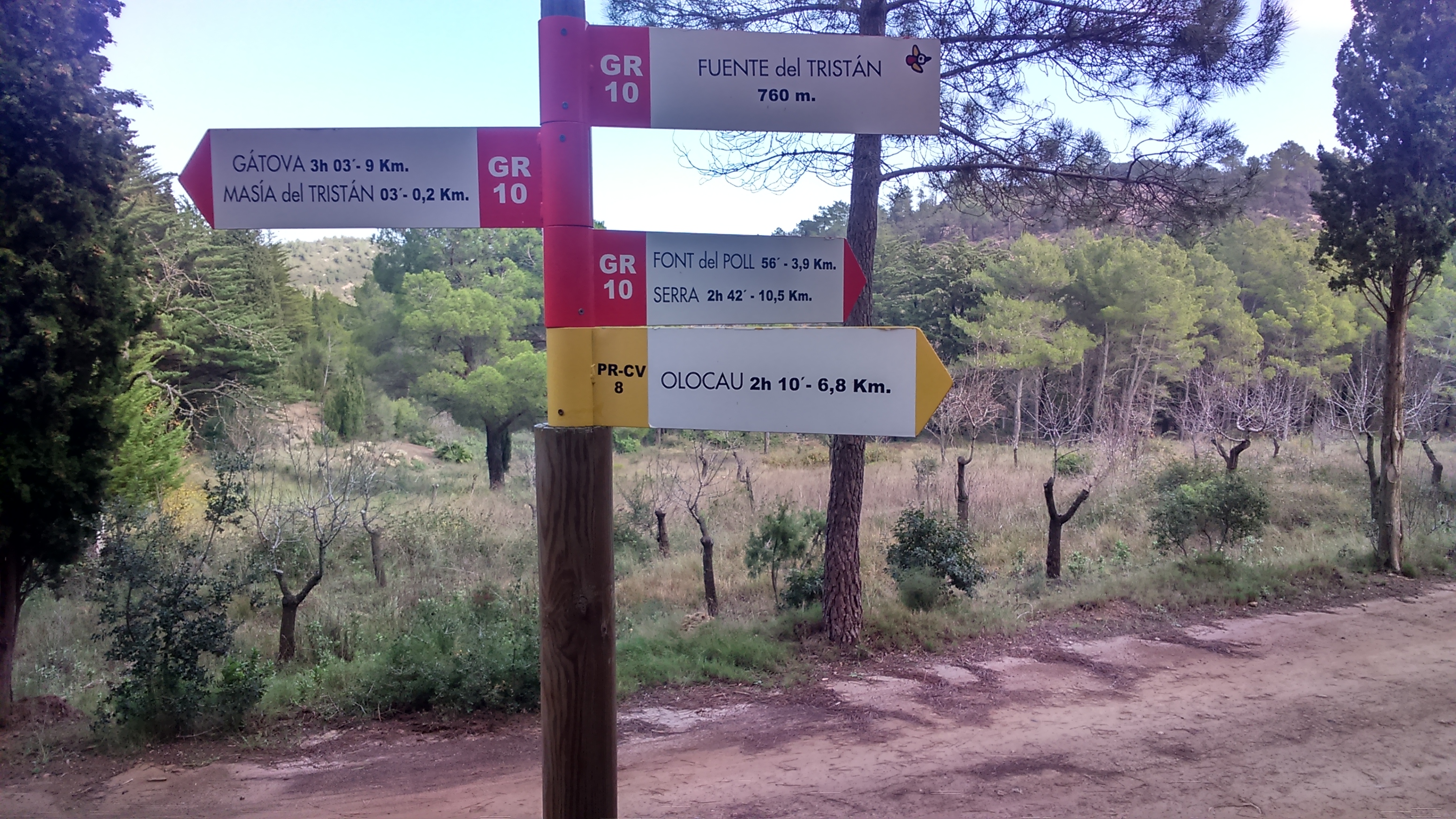
The house sits on the edge of this protectedarea of natural beauty and the daily T’ai Chi is in the shadow of this marvellous scenery. My host helps me plan the next day’s walking on his GPS which is invaluable once I get used to it.
Duration: 8 hours. I went slowly to eke out the wonderfulness.
‘Walking: it (silence) hits you at first like an immense breathing in the ears. You feel the silence as if it were a great fresh wind’. p.59 A Philosophy of Walking, Frederic Gros.
Of course it is not silent really. If it is not birds; insects; leaves hushing, it is my brain’s noticings and internal conversations.
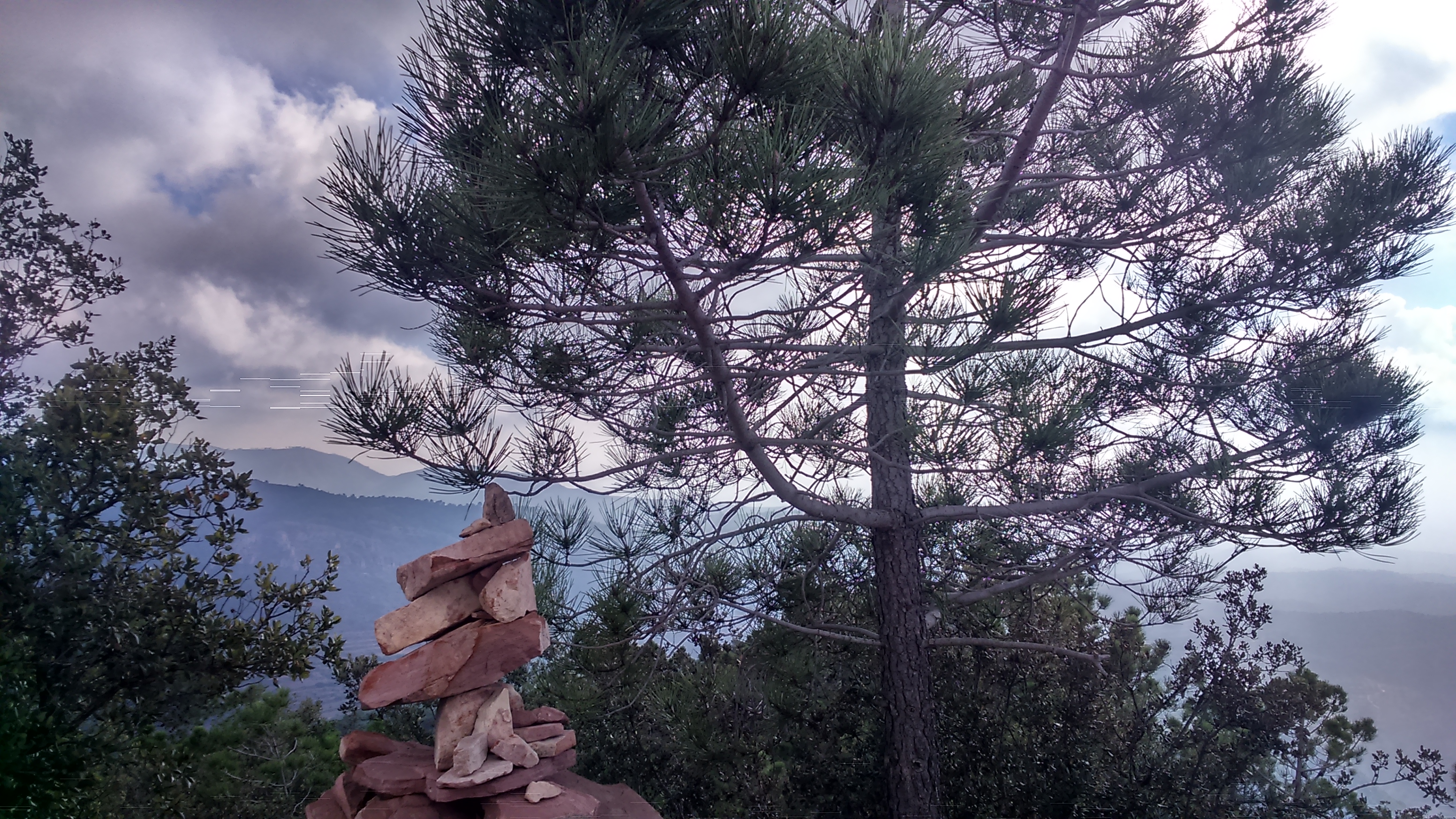
As on the Caminos, it’s not unusual to find small cairns or piles of stones in significant places.
There’s the smell of pine, and it’s a very cold 5 degrees as I start. The only sounds are the very high-pitched, fine bird song; the buzzing of insects; tutting of grasshoppers; and wind in the trees. Later there’s a period of hunters shooting, which seems to go on and on. When I am out of the sun, the cold air penetrates my clothes and hair.
Number of others I encounter: A pair of cyclists who I hear before I see them. Then they pass me and it’s only the birds again. There are only two walkers who happen along when I am lost and help me back onto the right track. My luck hasn’t run out.
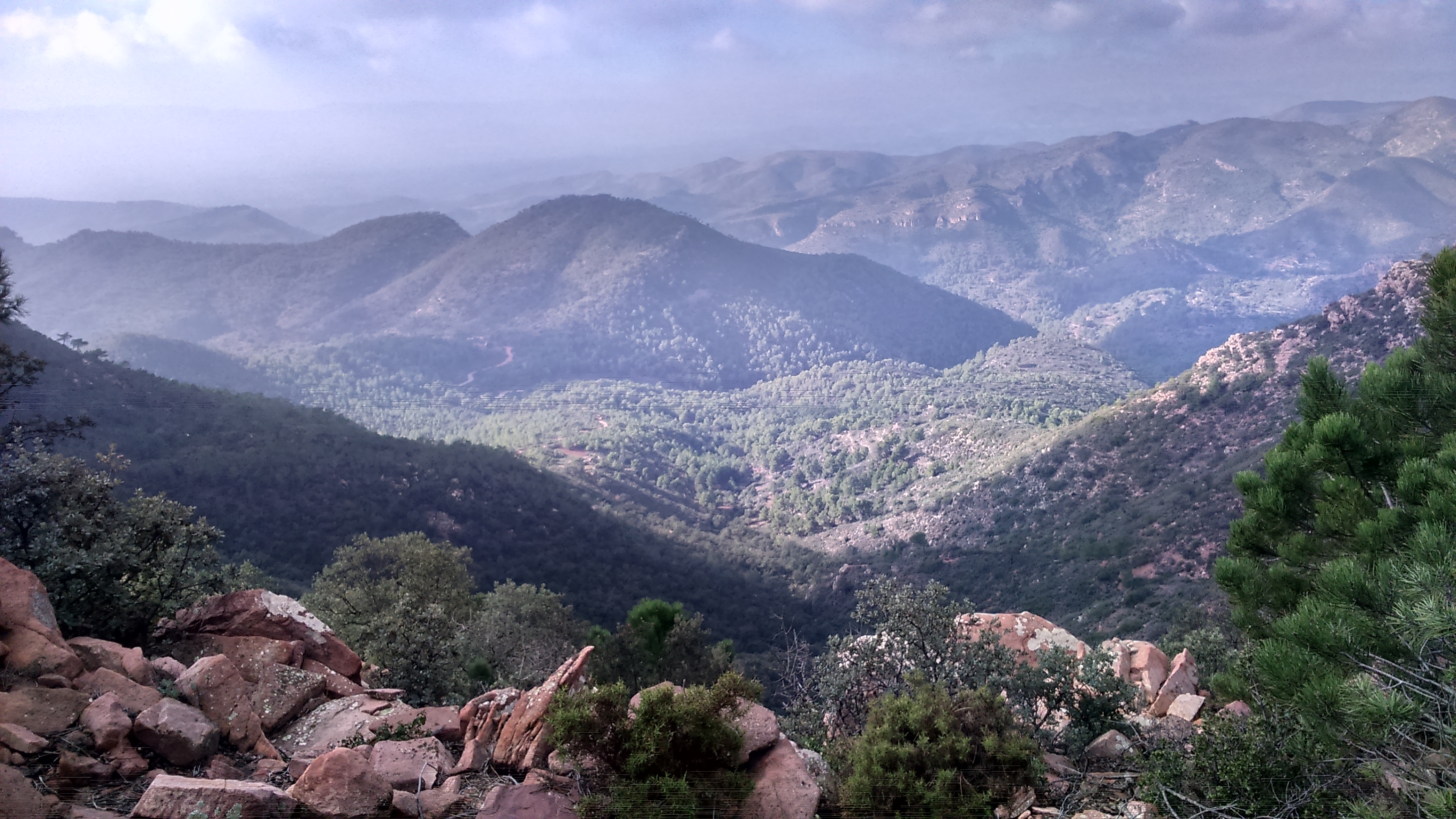
As I climb, the Valencian plain comes into view, and I look down the rocky slopes to the mountains, so far in the distance that my phone camera can’t pick them up very well.
I walk along a smooth, wide, red-clay track which changes after a couple of hours to brown, yellow and sometimes gold. I am struck how different the colours are from Northern Spain. All around me are trees and shrubs of grey-silver, yellow-green, spring-green, brown, and a whitish pink.
It is really quiet. Twice I hear a noise which makes me turn, and it’s a red admiral butterfly’s wings moving – truly. I imagine this is how the wilderness might feel. I change into my shorts when it gets too hot and feel like a boy exploring exciting lands when I should be in school.
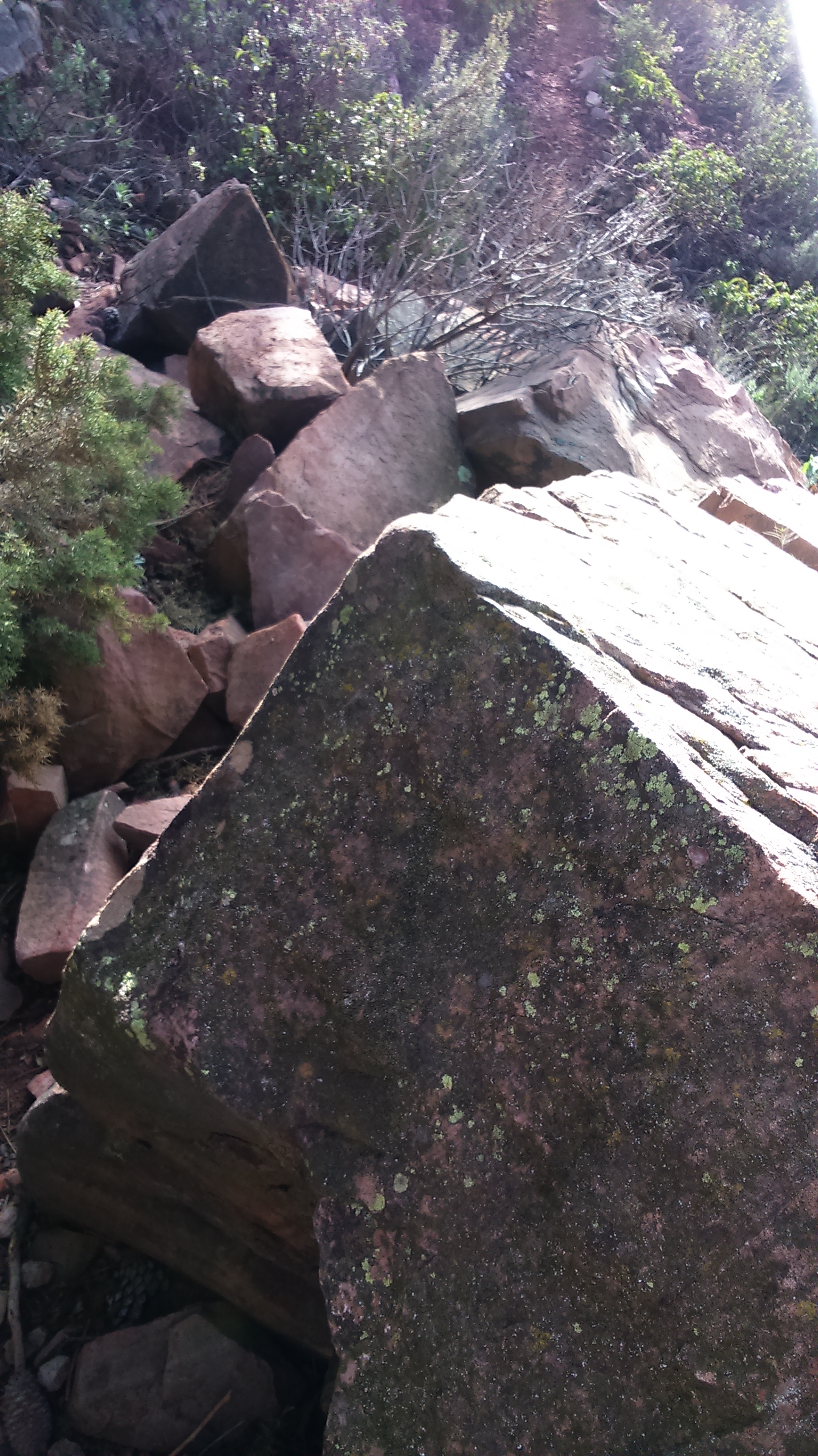
Great big boulders blocking the path.
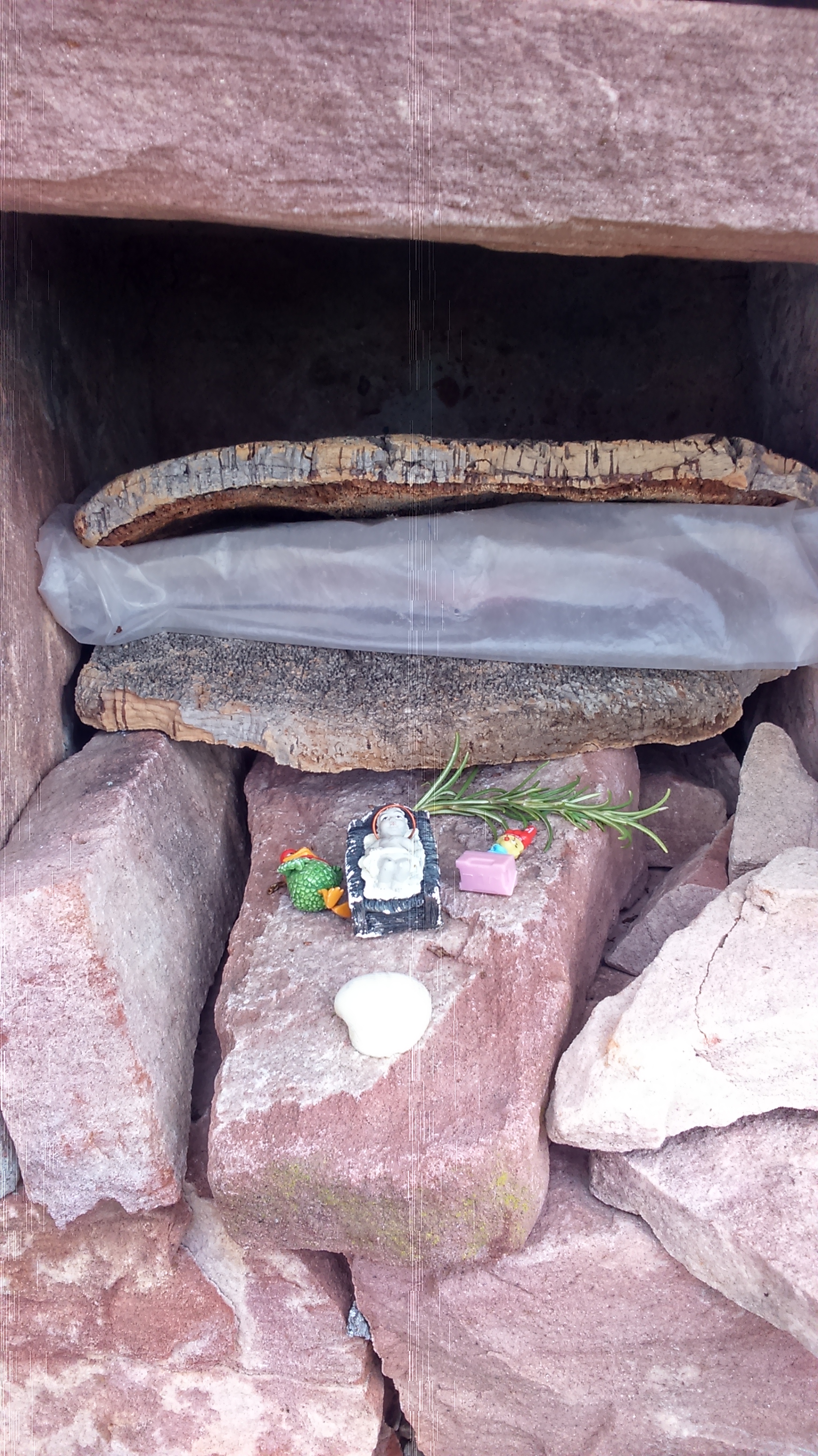
I think there might have been recent rock falls, perhaps in the torrential rain I missed last week, because the path was all but blocked with giant boulders at times. I found myself clambering up to the summit, the Pico, on my hands and feet. There’s a little ‘altar’ at the top with a visitors’ book in which I write. I add a small white shell from the beach in Finnistere, which I have in my pocket.
And then it was worse coming down, dangerous, and I often slipped and fell. Later as I rested, I heard rocks falling and saw movement of the undergrowth on the opposite slope. There was a wild boar, a large, heavy, dark animal which I had been often told about – so exciting!
Afterwards I visited the village for a welcome beer and wandered around. A beautiful church, an interestingly decorated house (with Charlie Chaplin), and an alternative zebra / pedestrian crossing, all caught my eye.
I extended my stay an extra day to have one last wonderful walk in the tranquility, and thank my hosts Georgie and Phil for their generous hospitality. I hope the Shiatsu and other help I gave around the house conveyed my gratitude.
Xunqueira de Ambia to Vilar de Barrio 5.12.16 13.4km
Rousseau wrote ‘I have never thought so much, existed so much, lived so much, been so much myself,…as in the journeys which I have made alone and on foot…intoxicated with delicious sensations.’ p. 70, A Philosophy of walking, Frederick Gros.
Today’s aim: not to assume I know what will happen in the future.
As I have walked, I have thought a lot about the future, and at the moment I have decided that it’s a mistake to assume we know what will happen in 10 years time. Imagine if we were wrong and we don’t live that long, and we had said no to something because we thought we knew. I am still interested in using the present as a way of planning for the future though.
My second important thought for the day concerns the kindness of folk: if Merce hadn’t encouraged me I wouldn’t have left Pamplona and started the Camino; if I hadn’t walked with Alain I wouldn’t know the way of the pilgrim; if I hadn’t followed Clémence I would not have known how to work my way backwards along the Via de la Plata; and if the lovely man from Seville hadn’t let me copy the chemin from his GPS I wouldn’t be here now…
This morning I am able to go more softly, and the morning is simply wonderful. I climb up and over rocky hills amongst Autumn colours (oak and bracken), and the landscape is stunning, the views breath-taking, and all the small happenings seem to have such value.
I met a woman as small as me, in a pinny, and with a faint odour of cooking about her. Perhaps she was 20 years older. She wanted to tell me, as I traipsed through her village, that I wasn’t going to Santiago (no, that’s right!). She wanted to know where I came from, to tell me which was the next village and how to get there. And she also checked whether I had something to eat. Bless.
The second half was all very flat and rather monotonous. I somehow managed to get lost, despite being able to see where I was going miles ahead, and stopping lots of farm and heavy goods vehicles to ask the way. I clambered up and down river banks getting scratched by brambles whilst trying to find a way across. I retraced my steps, and generally got a little downhearted.
Annoyances: Clouds of midges. How do they get right inside my clothes like that?
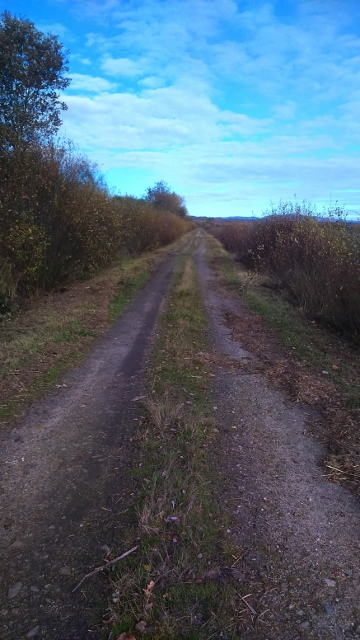
It was a series of long, long straight paths crossed by equally dead-straight roads for several hours, and the chocolate and bread I ate as I went along sat heavily in my stomach (the Spanish diet contains so much wheat!) I found that it was much harder to walk in this type of landscape, than on the gorgeous hillsides of the morning.
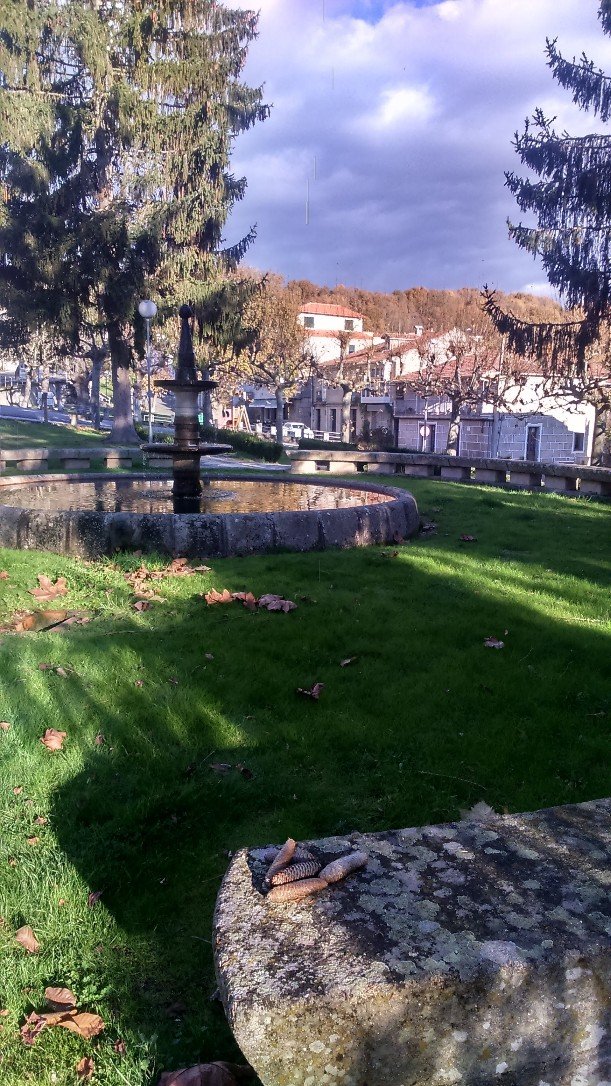
I arrived in Vilar de Barrio at 3.15pm after walking 6 hours from where I started, and rather stupidly with no break. No wonder I felt exhausted, and had tired feet and middle back! For the first time it felt a bit of a strain, yet another new place after 8 straight days of hiking. However an ultra high-speed hot shower hit the right spot, and it wasn’t long before I was sitting with a cold beer and this fountain view.
Vila de Bario, Galicia, Spain
I had had hot sun all day and it was 16 degrees in the shade outside the bar. Given I was sitting in a t-shirt and flip-flops on 5th December it wasn’t at all bad.
By 4.30pm the clouds were looming over the hill and I needed to eat. The supermarket was about to open but once again the hostel had no utensils and I still didn’t have a pan, so I decided to treat myself to cafe food, the first time on my own.
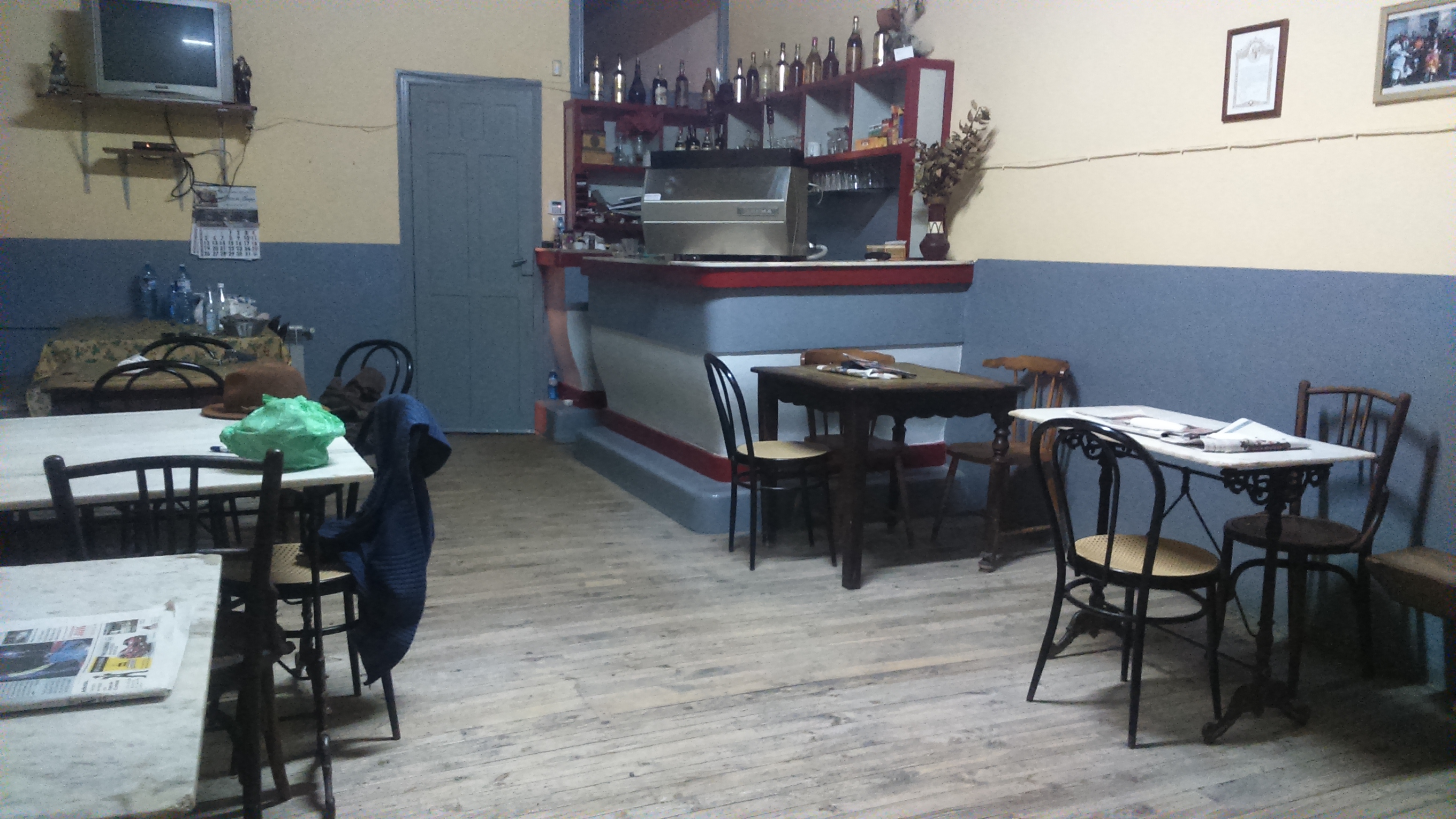
Unfortunately the woman who cooked at the cafe went into hospital unexpectedly, so I had to wait until 8pm for the restaurant to open. Run by a much older couple, and with a verbal menu, I told her (in Spanish of course) about my vegetarian and fish diet and was offered verduras soup and tortilla. Ideal! In fact the former had chunks of mutton in it (though I didn’t have the heart to send it back so it was probably the first meat I’ve knowingly eaten in 30 years). The latter was the best I’ve ever tasted AND she wrapped the leftovers up for my lunch for the next day. Another much appreciated kindness.
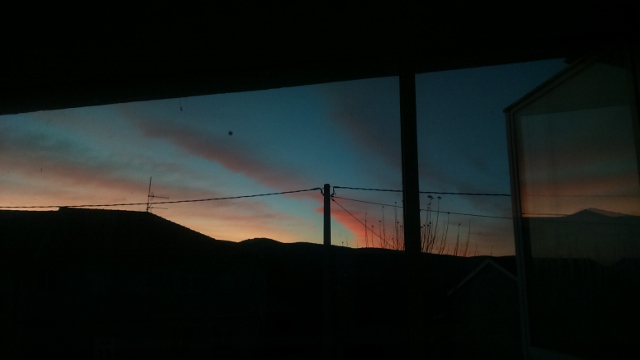
There followed a further night alone in the hostel, this time with underfloor heating, which was lovely for doing barefoot T’ai chi on in the light of the following morning’s sunrise.

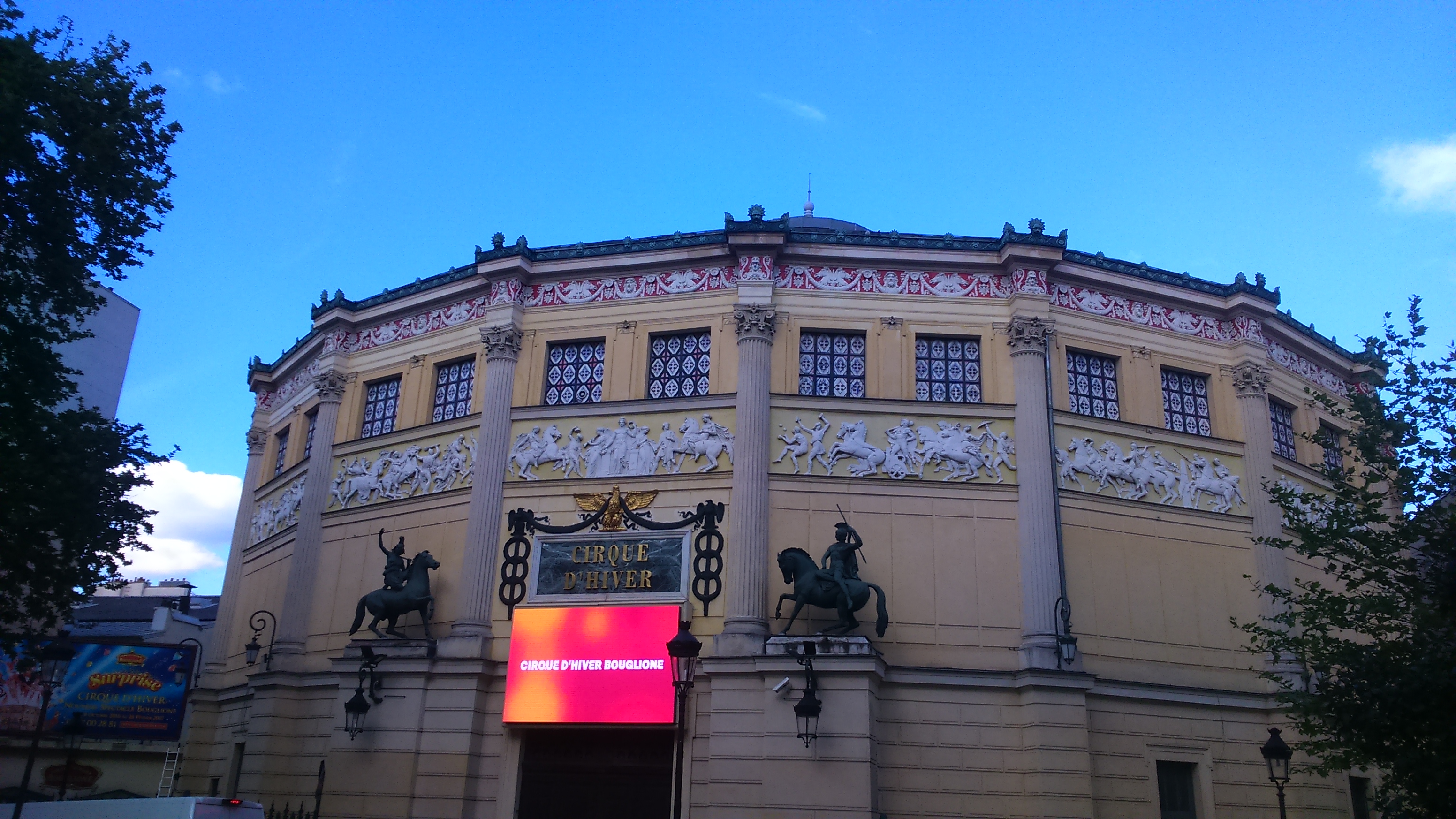 I arrived in Paris in the late afternoon after a soothing flight direct from Edinburgh. The security there was very trying: I rarely fly and so every time I do the rules have changed. It became apparent that you now have to fit all your fluids into one tiny plastic bag which has to be sealed. This meant I had to ditch several newly-purchased items, and if I ever have to hear that woman calling out to us ‘guys’ about these frustrating rules again, I think I might scream!
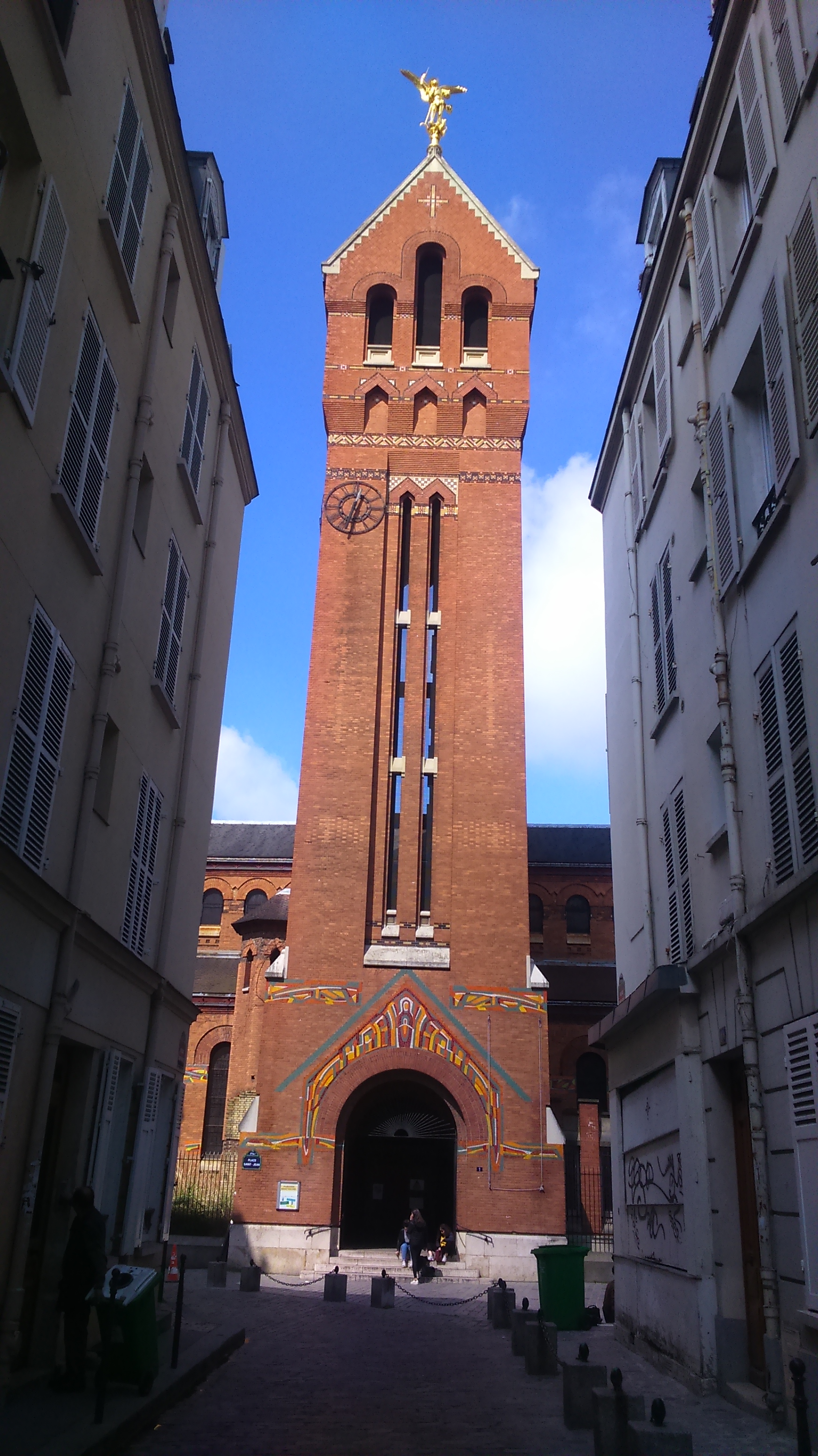
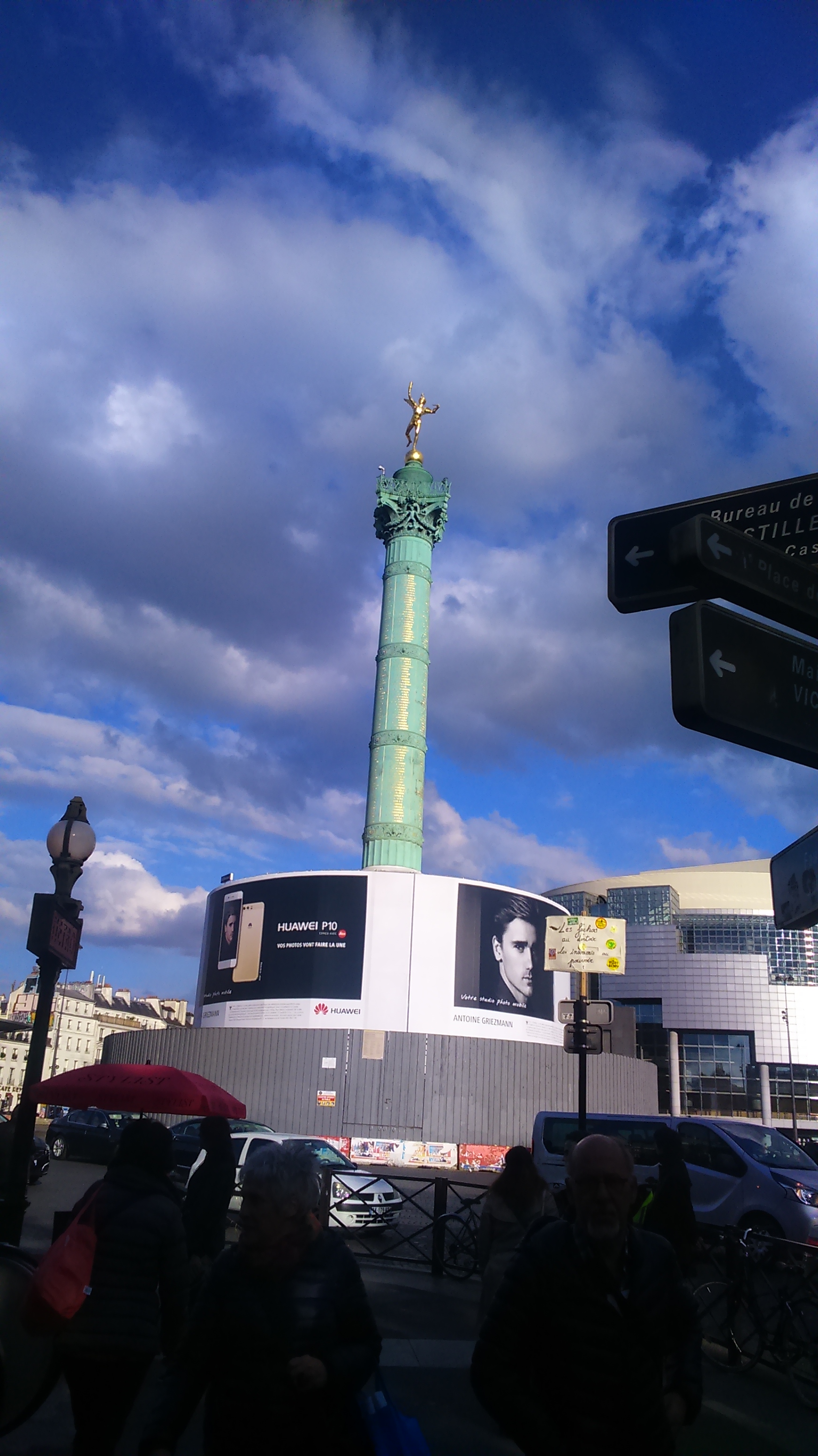 I love the Paris architecture in the evening sunshine.
  Colonne de Juillet, Place de la Bastille
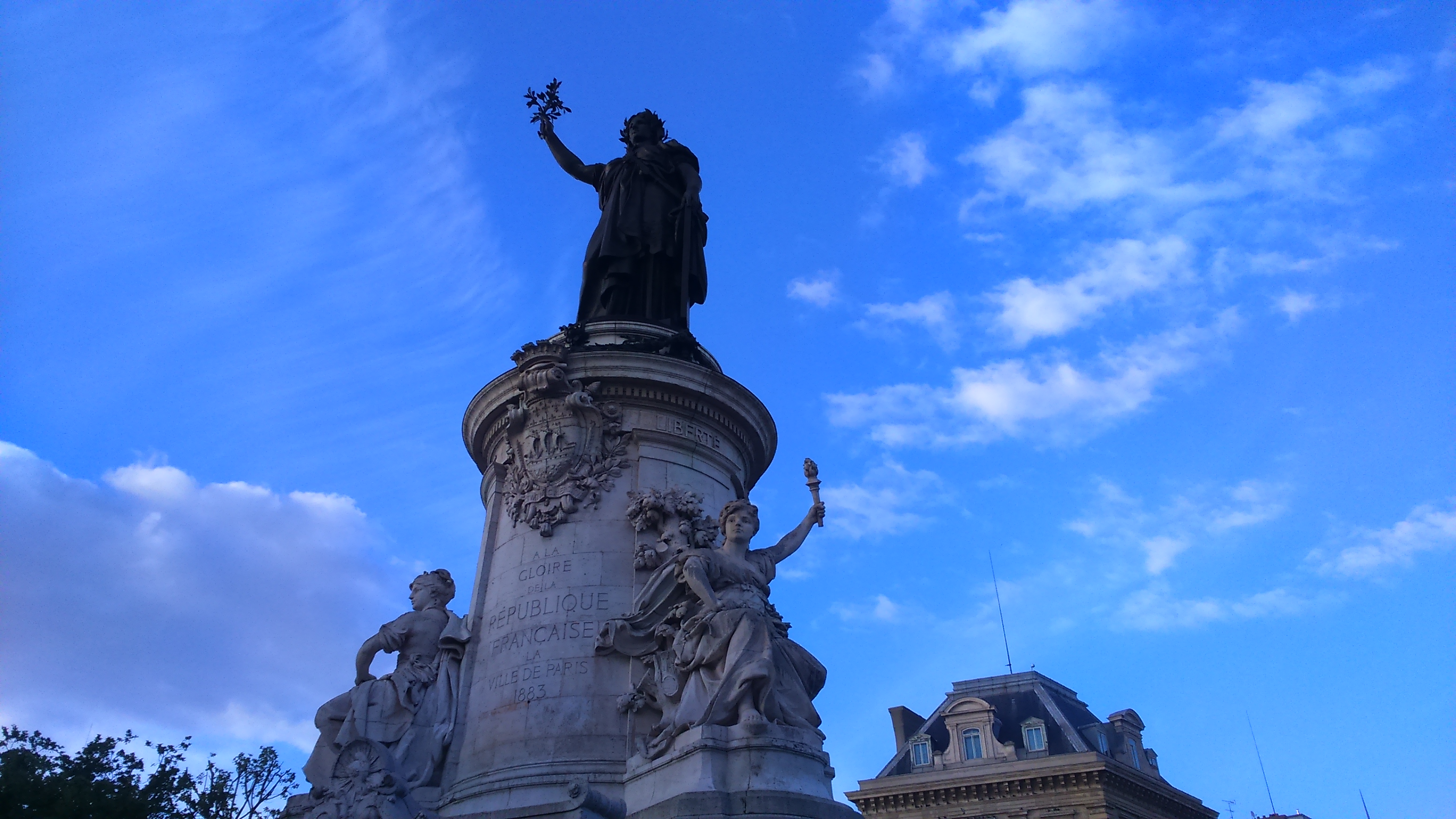 Place de la République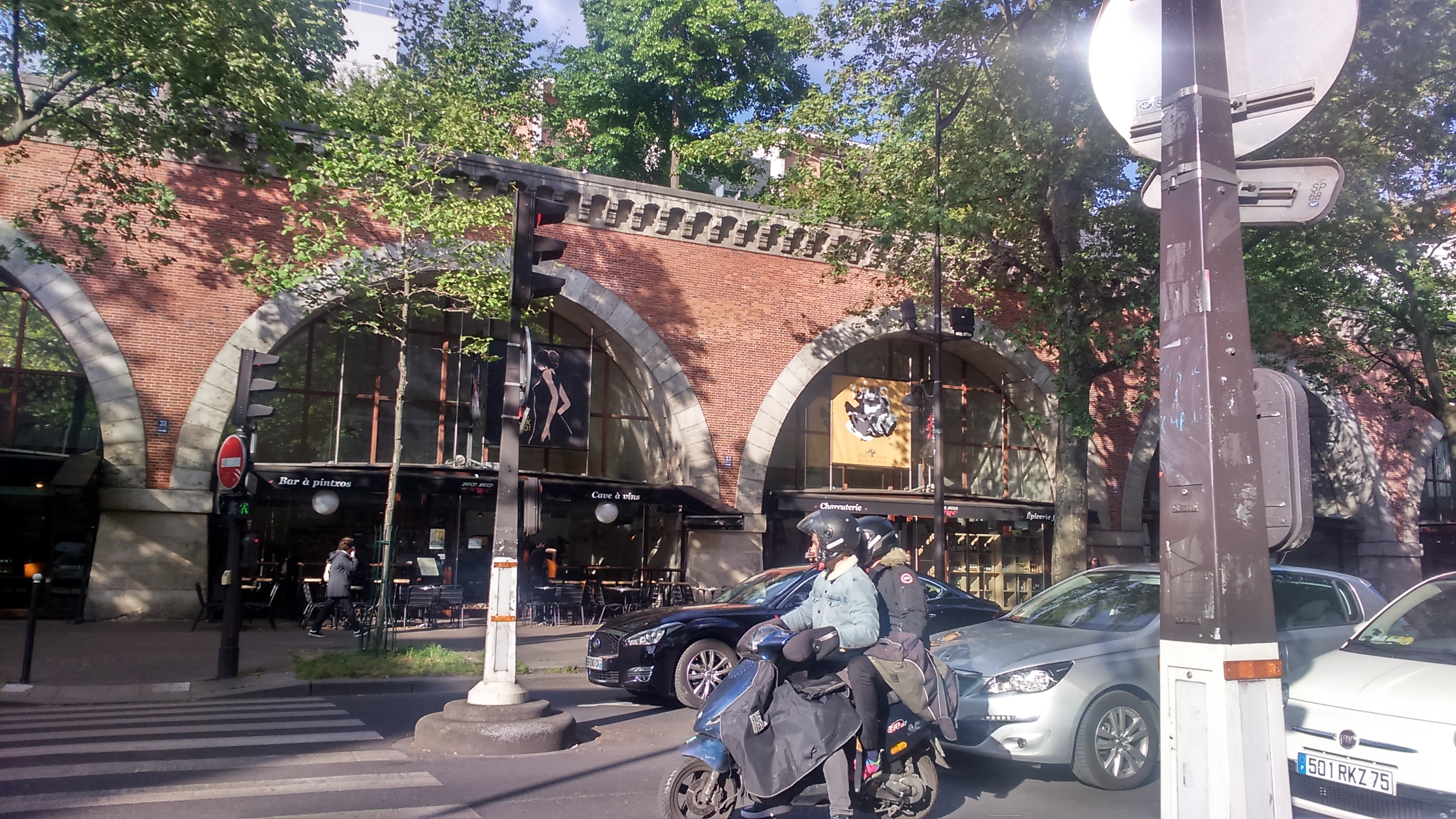
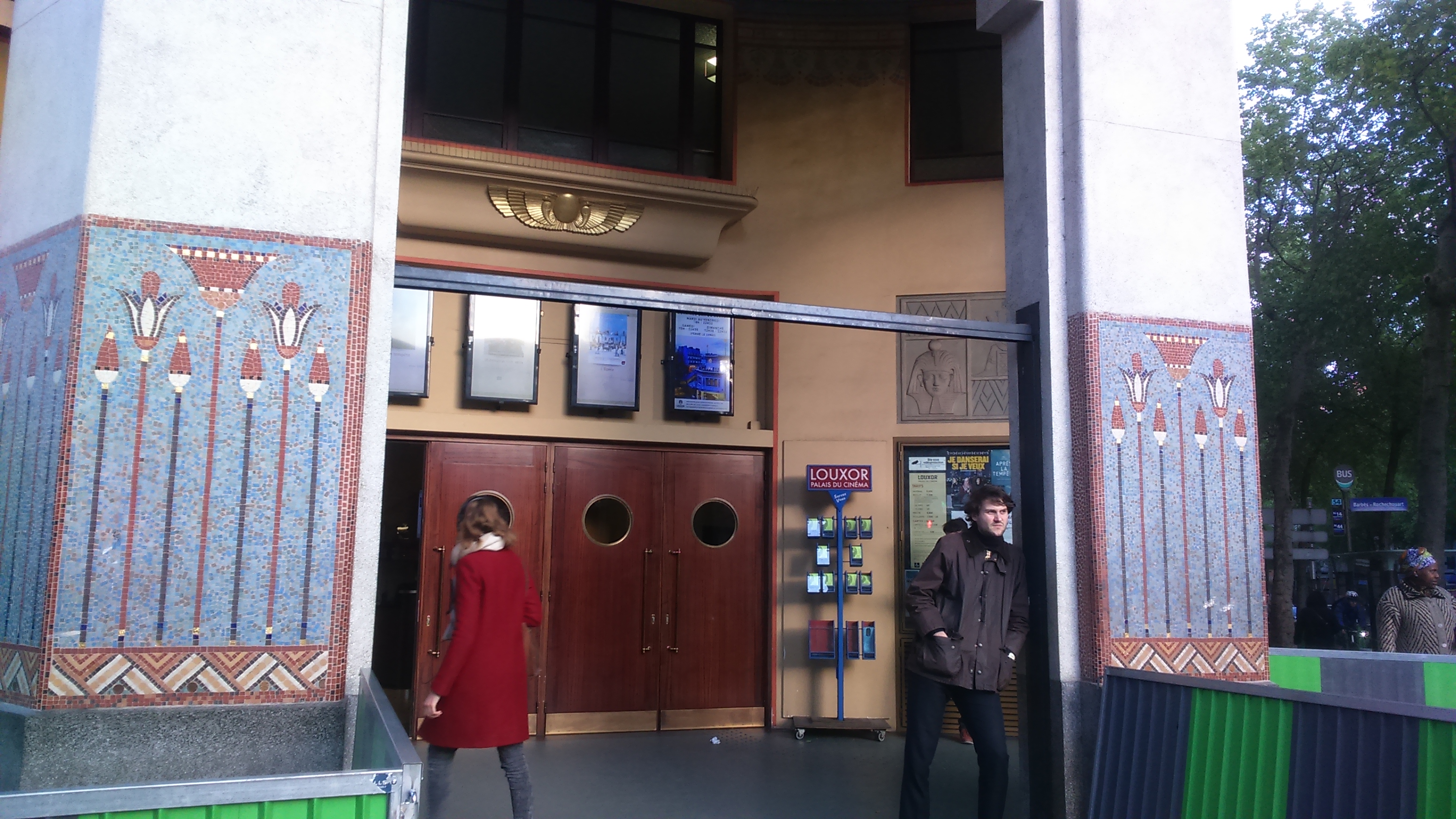 Great art deco-type decoration on this Louxor Palais du Cinéma, Boulevard de Magenta.