Here is the film on Vimeo. Poppies have long been seen as a symbol of sleep, peace and death, not, for me, a sign of patriotism, nor any sort of justification for war
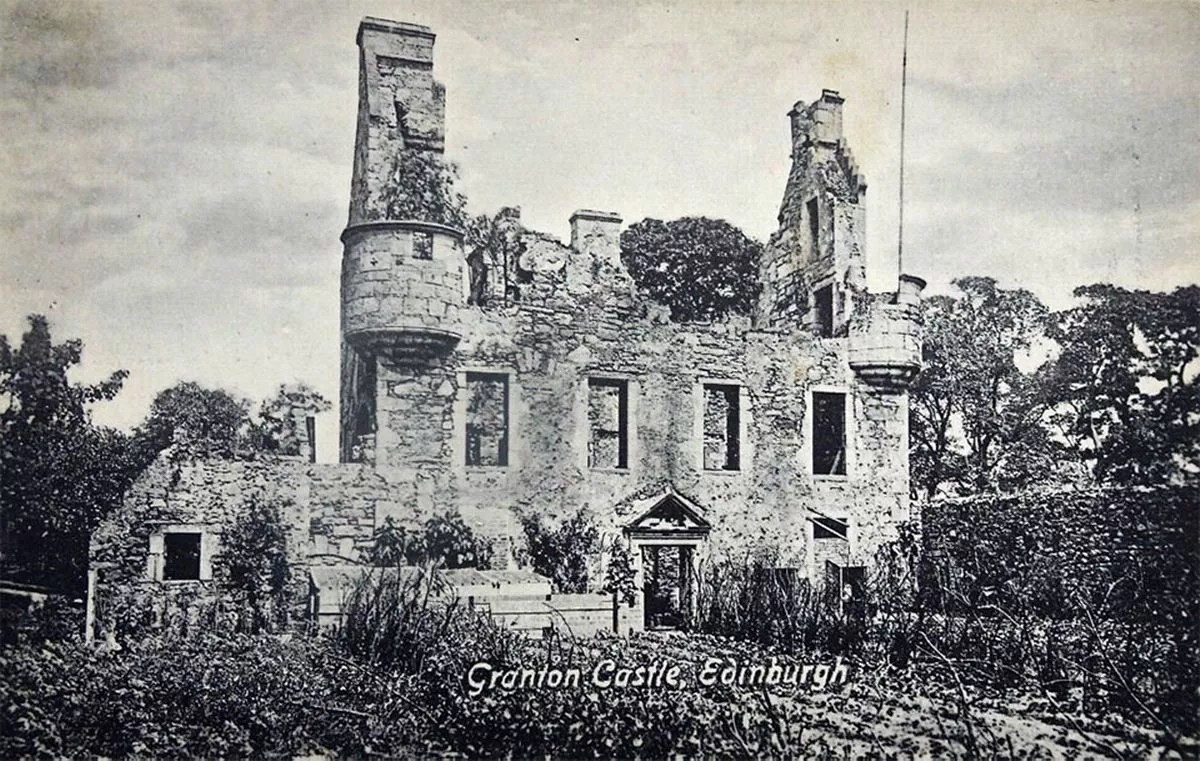
I chose to walk on the familiar site of Granton Castle in Edinburgh, now naturalised wasteland to the sea-side of the Granton Gasholder, which you can see glimpses of in the film. I’d been researching the Rough Wooing, an attack on Scotland by Henry VIII (1543-1551). It was in retaliation for Mary Queen of Scots refusing to marry Edward and allying herself, instead, with France. The first tranche ruined this Medieval castle which stood overlooking the Firth of Forth, where the marauders landed.
The historian William Ferguson contrasted “the jocular nickname of the ‘Rough Wooing’ with the savagery and devastation of the war, “the English policy was simply to pulverise Scotland, to beat her either into acquiescence or out of existence,…”” and that reminded me of wars happening now in Palestine and the Ukraine. Luckily, I am geographically far away from them, but nevertheless I see and read about what is happening, and my heart goes out to the people for their enormous loss. I ask, What can I do?
So, I walked this familiar route with war in mind, inviting the landscape to reveal ways in which I might be able to get insight, to deepen my understanding of the outcome of such actions, and develop compassion for what it might be like to be in the middle of it.
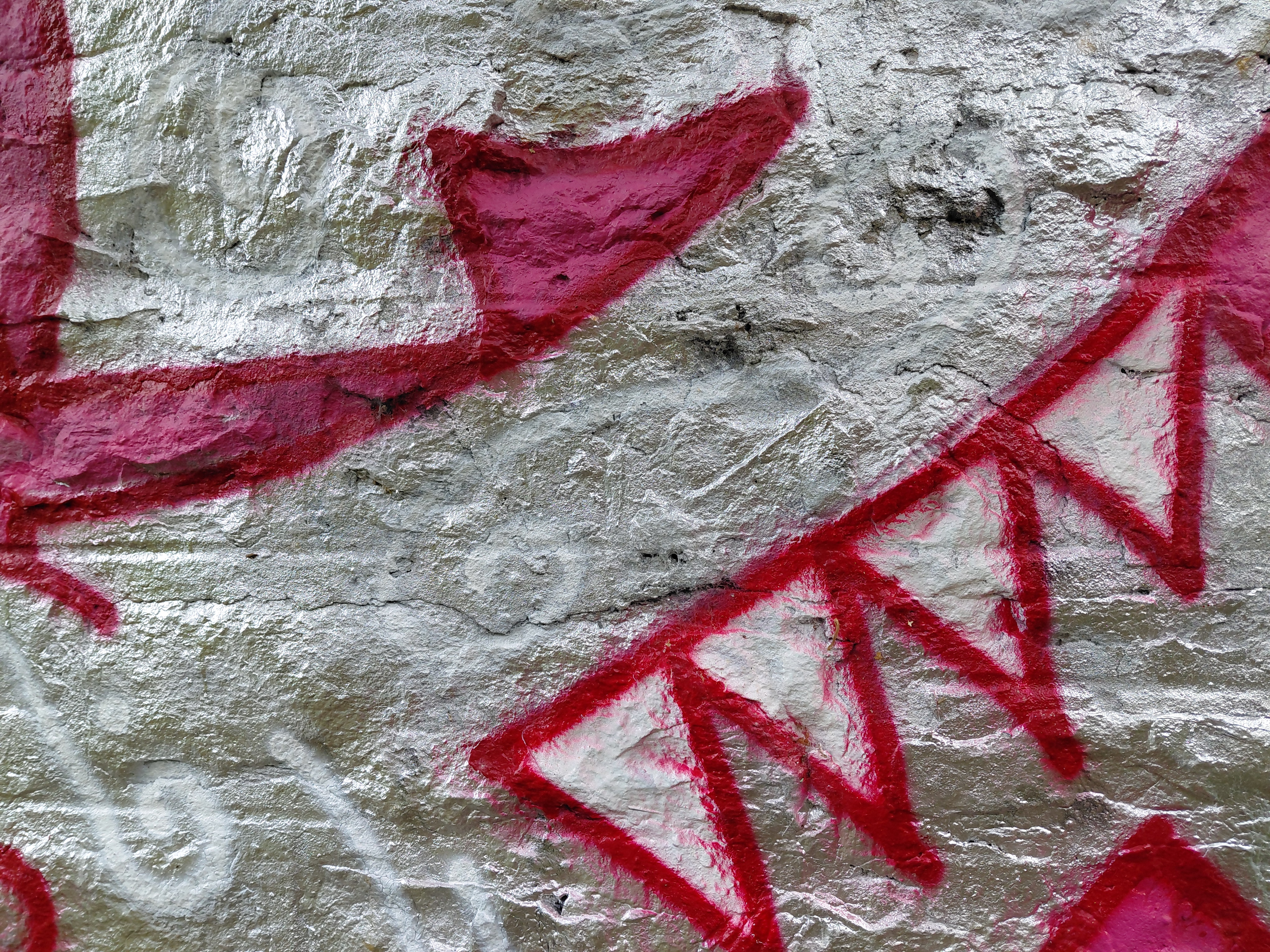
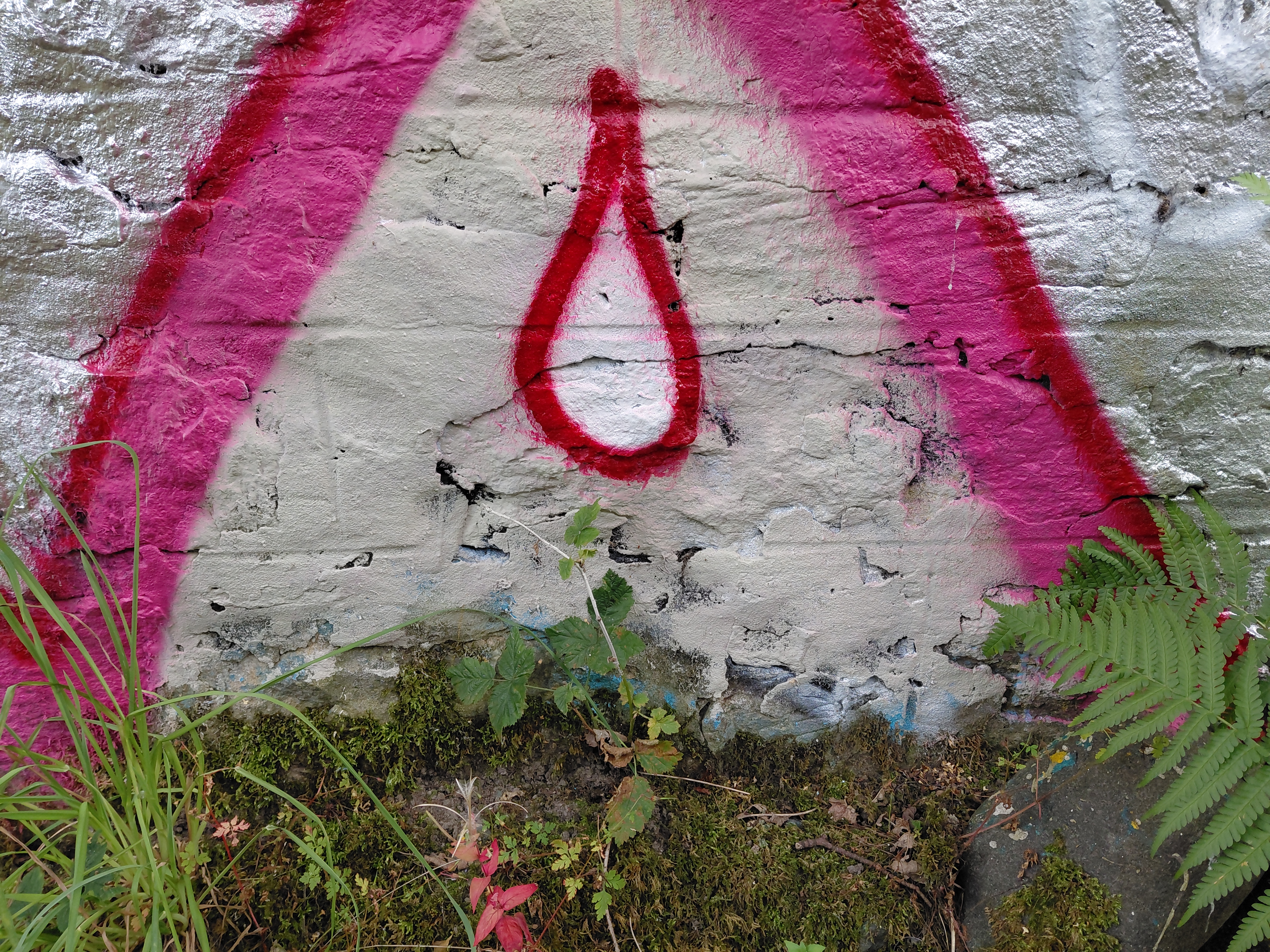
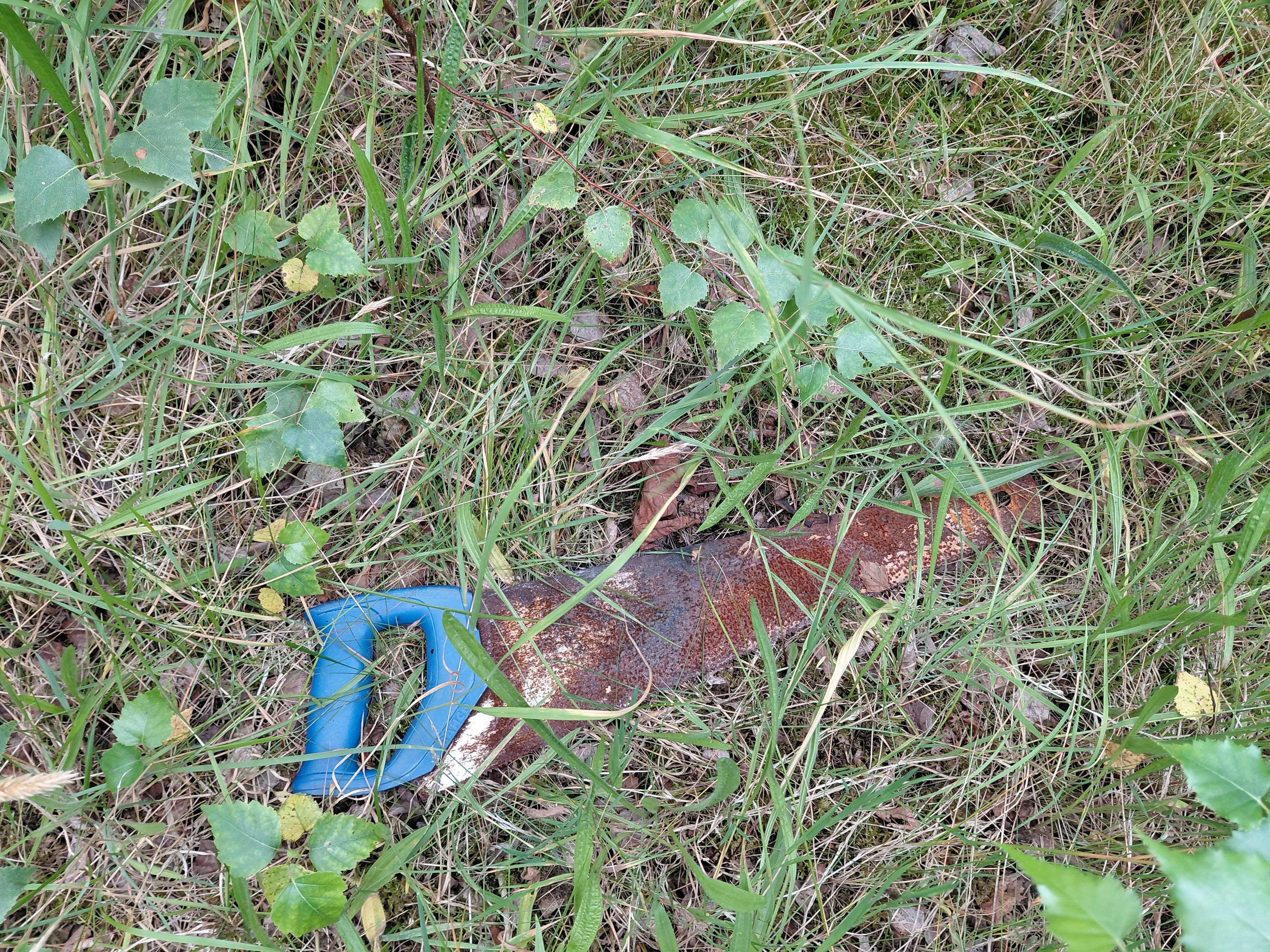
You will see symbols of remembrance, Rowan berries like drops of blood, damaged household items strewn everywhere, indications of brutality, seemingly apt graffiti, what might be a grave and a tombstone, and stumps – trees and metal cut down in their prime. The soundtrack features the cries of a pair of unseen sparrowhawks, quaking poplars, the threatening rumble of a surveillance helicopter, the comments of magpies, and empty silences. (Please note that you may need to turn up the sound on your device.) There are trees which have been wounded including one that was burned, and I spent some time beside it drawing its poor body with some of its own charcoal.
Found saw, Granton, Edinburgh
Finally, I walked into a quiet clearing where butterflies, bees and other insects were alive. There is, as always with living entities, the instinct to continue, to keep on climbing over obstacles, even if you’re a tiny ladybird in a vast place. The natural landscape does renew itself, eventually, and although this is hard won and in no way negates the horror of human conflict, it was a hopeful reminder that these wars will end. Some people, at least, will learn from them, will understand that though they have been wronged, such aggression does not justify attrocity, nor forge positive relationships for the future or bring about the peace for which we all yearn.
For the record: I, in no way condone the attack on Be’eri, the Israeli kibbutz and the killing and capturing of civilians there by Hammas.
1 November 2024 a Walking the Land artist collective monthly event. This Friday’s brief was by Janette Kerr and me, Tamsin Grainger and part of the Lines of Enquiry, a collective walking art project which will culminate in a group exhibition in 2025.
Look for somewhere to sit, stand or crouch on your own. Pause. Close your eyes and concentrate on listening.
Try to separate out all the sounds you can hear.
Using a piece of paper and pencil, crayon or pen, and with your eyes still closed, make marks on your paper that you think might represent the sounds you are hearing (don’t try to make a picture of, or draw, the thing making the noise!)
Spend as long as you like doing this. You might stop and do it several times during the walk.
If you are walking with others, you might try this together on one piece of paper.
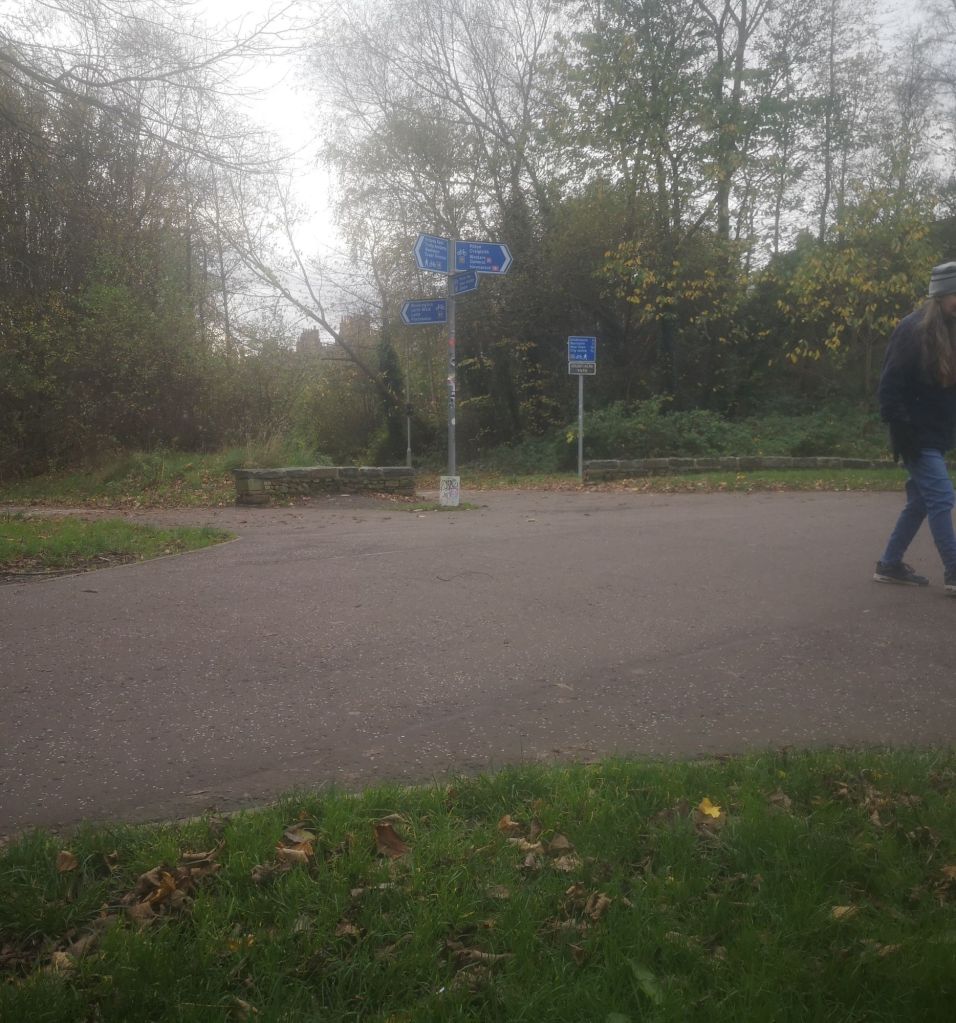
Here are the What3Words locations for the 6 stops we made along part of the Edinburgh Cycle Path network, connecting in spirit with others who were walking along the Honeybourne Line (Gloucestershire) and elsewhere.
///Causes.Host.Home
///Perky.Fetch.Useful
///Notice.Case.Bugs
///Linked.Tides.Eager
///Bounty.Belong.Only
///Maker.Exit.Corn
///Friday.Notice.Retail
Damp earth causes stains
Tree hosts magpies and sparrows
Home is far away.
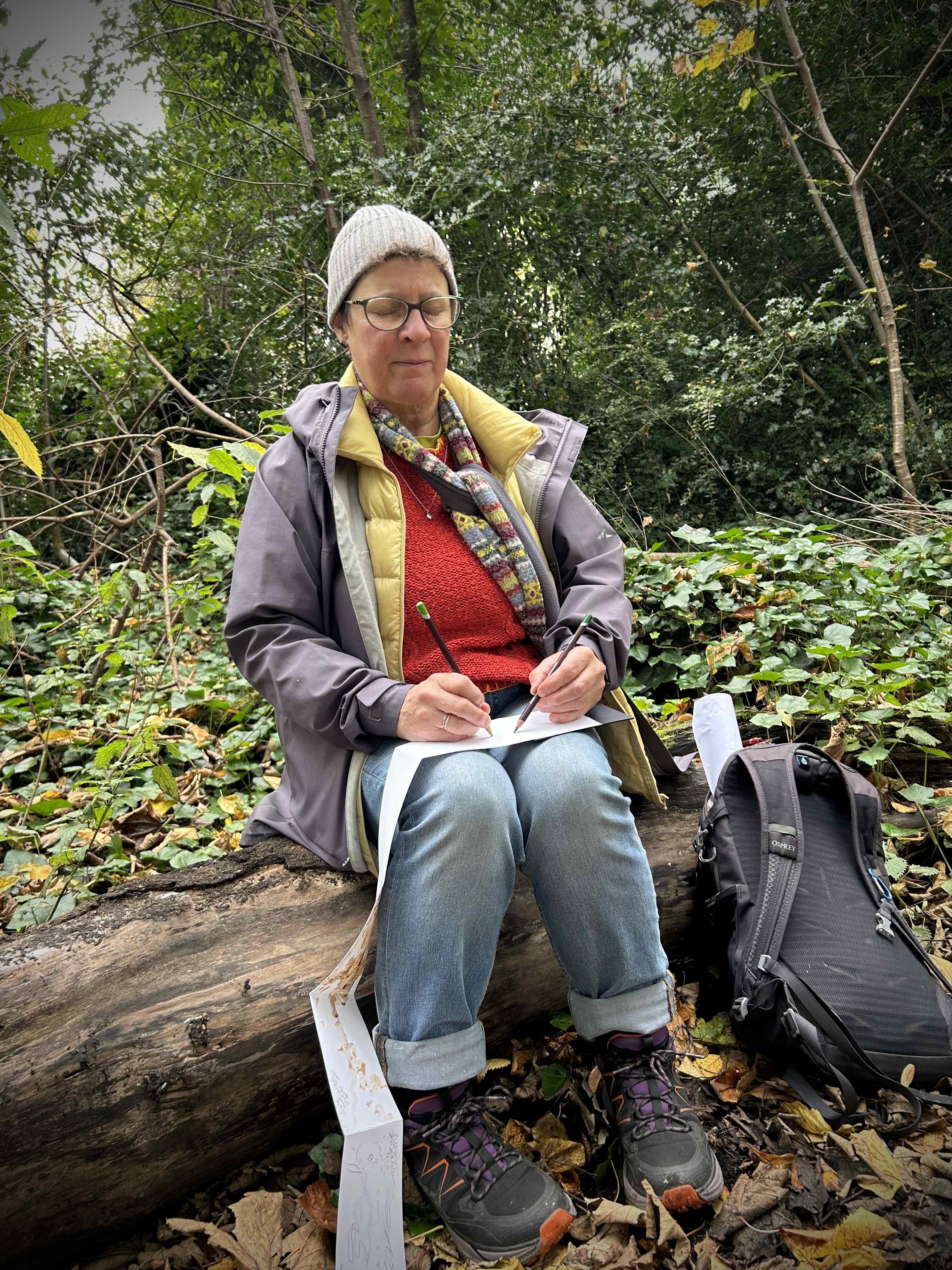
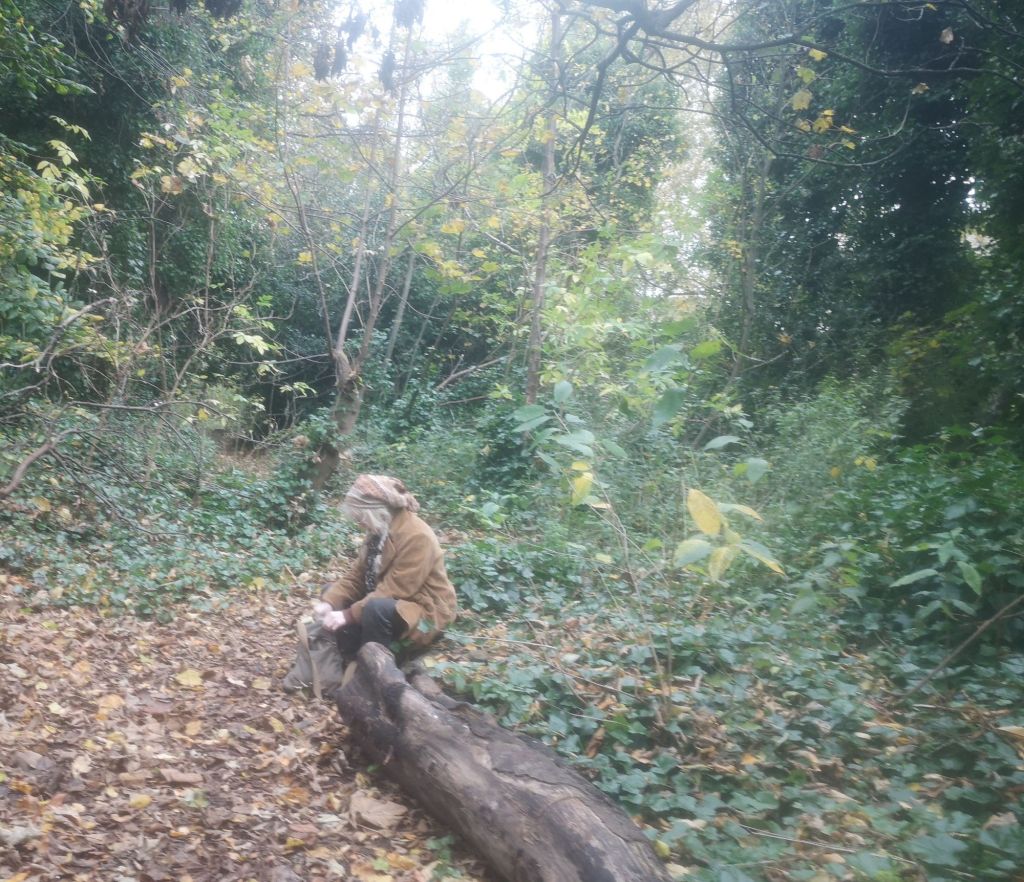
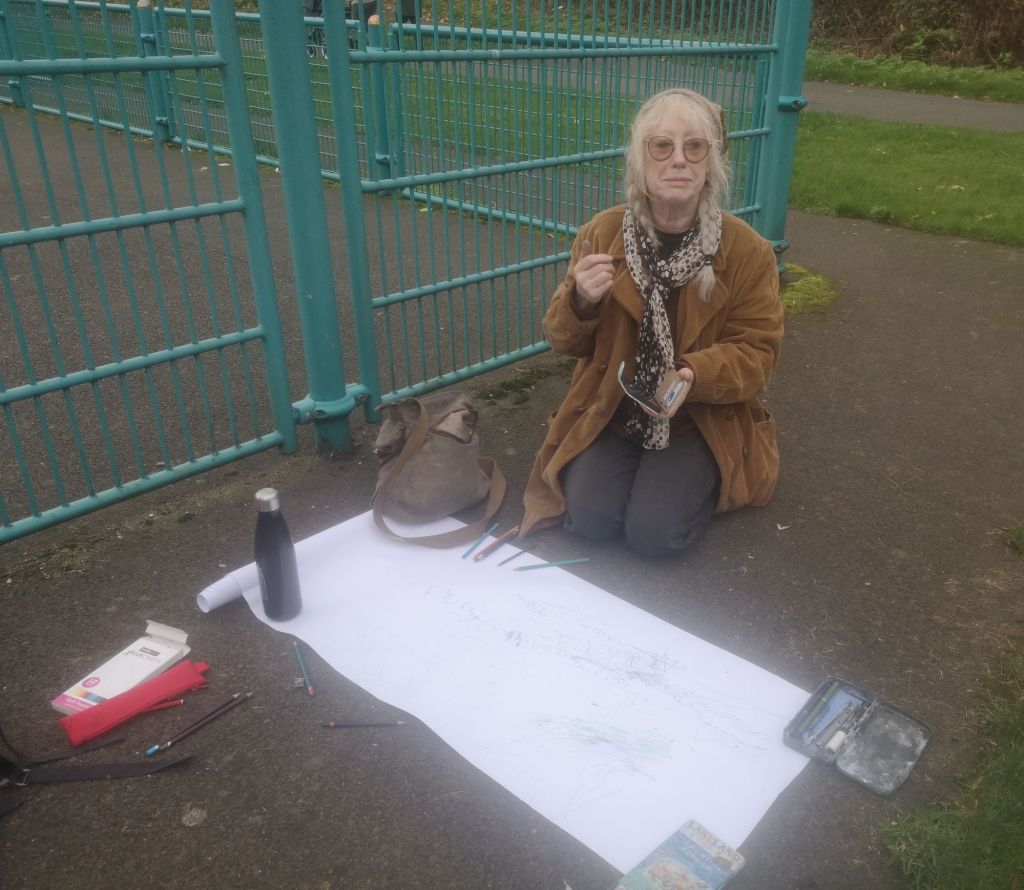
Wet bottoms as we drew the sounds around us with our eyes closed Sometimes using two hands as the sound came from so many places. Photo Janette Kerr
Perky dog's tail wags
'Fetch' calls his human with joy
Useful happinness.
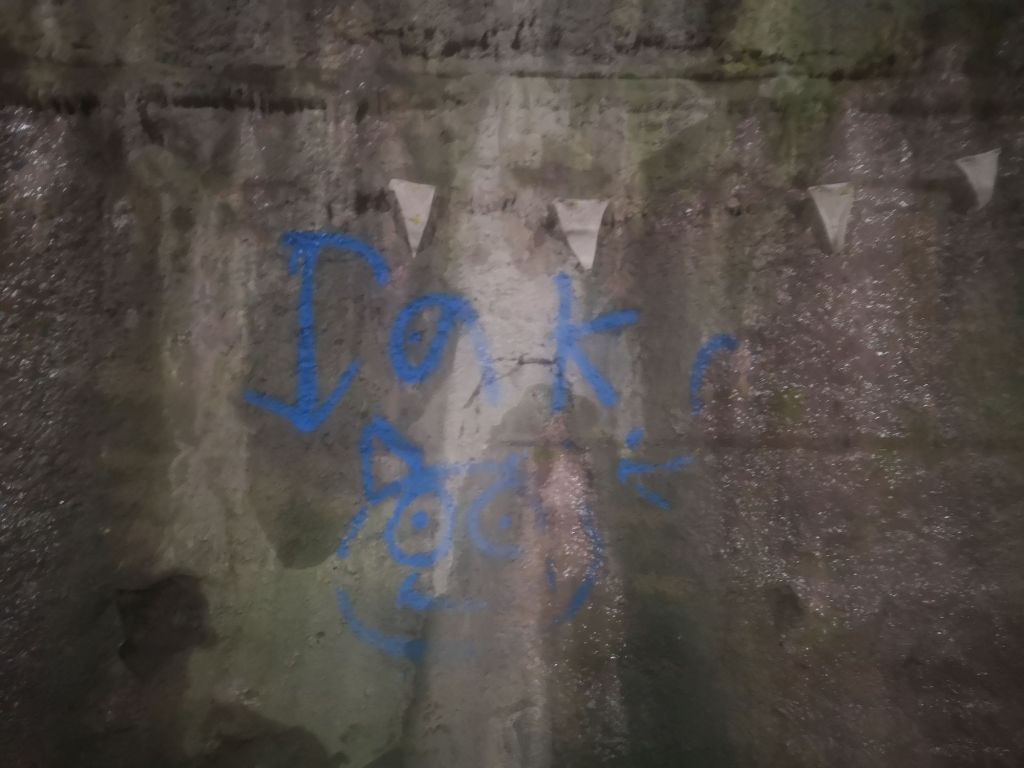
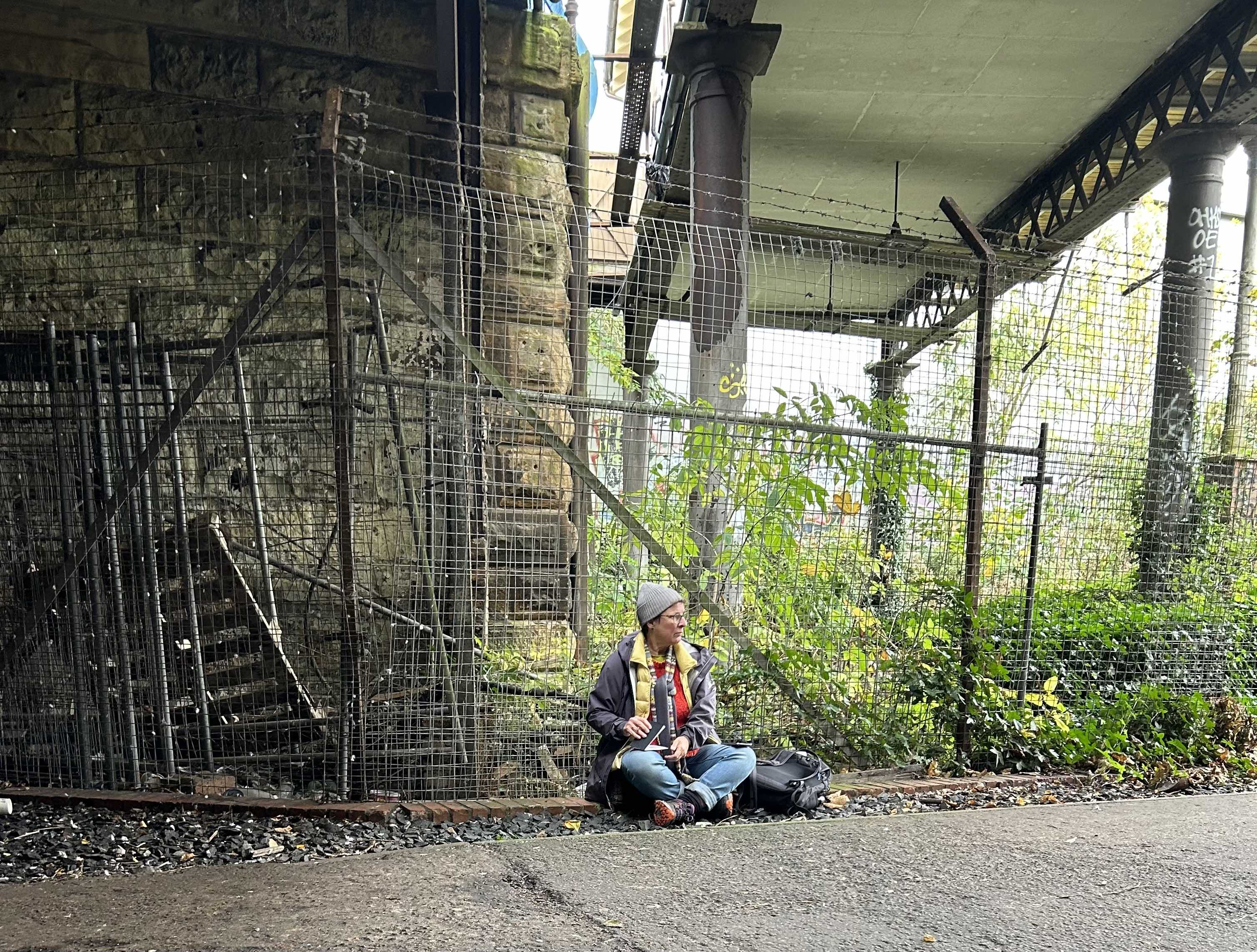
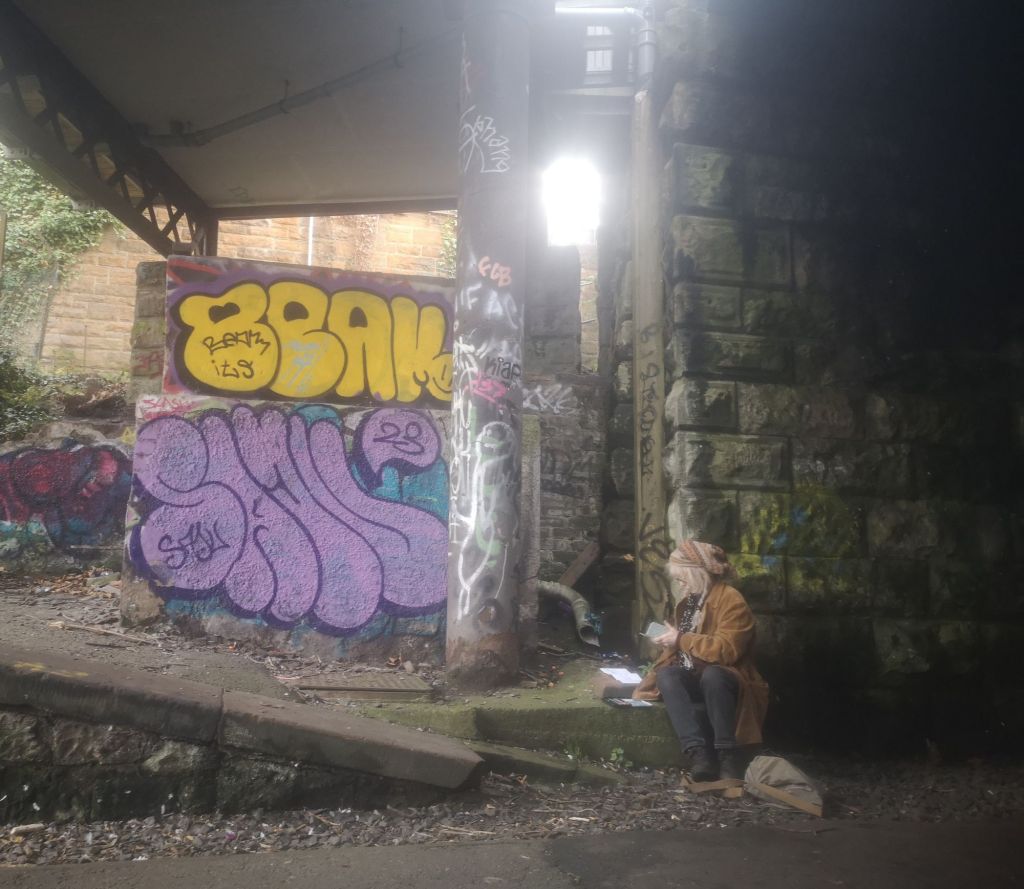
Part of the No Birds Land sound walk installationUnder the Bridge. Edinburgh cycle paths. Photo Janette Kerr
Notice how cold stone
Is, in case of chills and piles
Bugs me every time.
I am an Edinburgh-based artist who exhibited in the Walking the Land collective Lines of Enquiry exhibition at the Hardwick Gallery University of Gloucestershire in Cheltenham. The gallery is situated near the Honeybourne Line, a greenway which used to be a railway. After the opening on 7 March, I made an artwalk from the Welsh/English border to the Symposium which was also at Hardwick and held by Walking the Land.
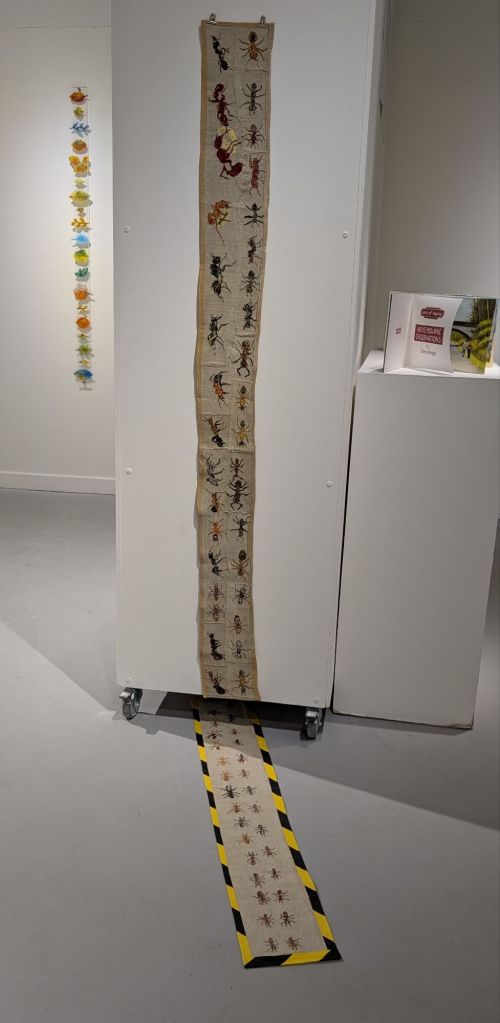
The Honeybourne Line in Cheltenham and the Cycle Route Network in my home city of Edinburgh date from the Industrial Revolution, whereas industrious ants have been around since the Jurassic era. For much longer than we have been commuting along these paths, they have been making their way back and forth to work from ant hill or nest, gathering food, clearing up after us, and making critical relationships with other species (famously stroking aphids so they secrete honeydew).
I have walked, watched, sketched and embroidered ants in order to appreciate and understand more about them and their busy lives. So often unseen, they are a vital part of our ecosystem and I celebrate them.
The Honeydew Line (stitching) by Tamsin Grainger at the Hardwick Gallery, Cheltenham. Ants walk each day to forage, and like commuters along the Honeybourne Line (Cheltenham), they pass in both directions often carrying heavy loads
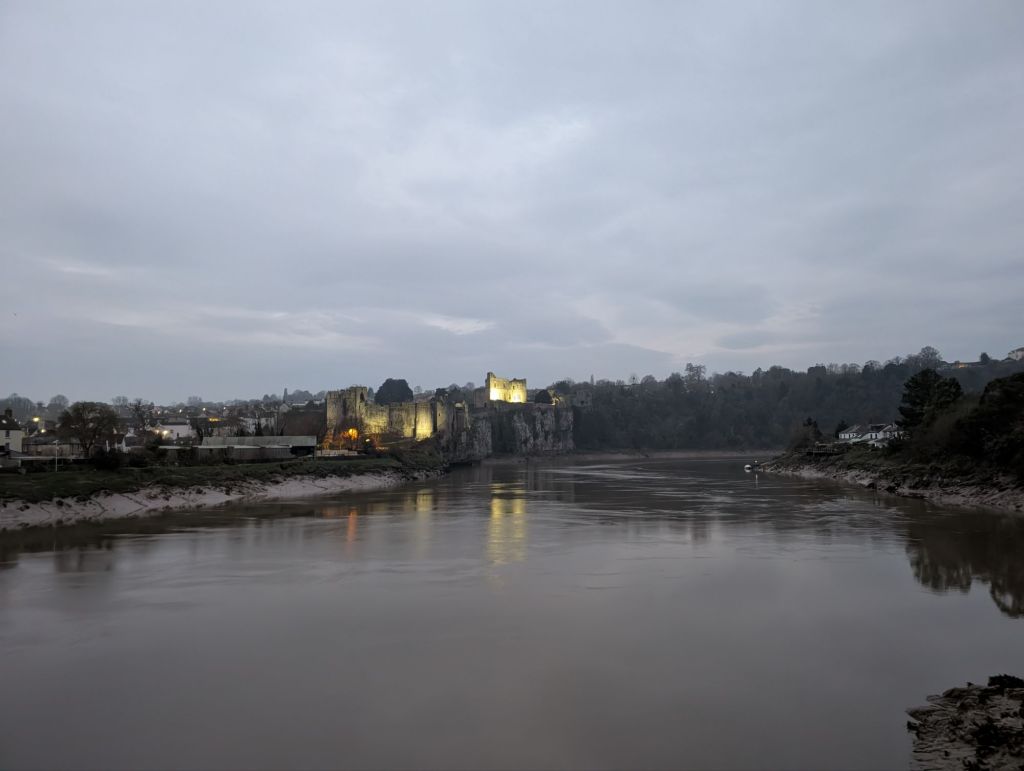
I walked from Chepstow to Cheltenham through the Forest of Dean, the Severn Plain and the Cotswolds, looking out for the unseen small ones (eg ants who are part of our ecosystem and clear up our rubbish). For 10 days, I noticed, acknowledged, and paid attention to the vital role these not-insignificant members of our community play.
The mushroom says, fruitfulness comes from what is unseen or overlooked — hidden networks, decomposition.
Elizabeth Wainwright, Redlands
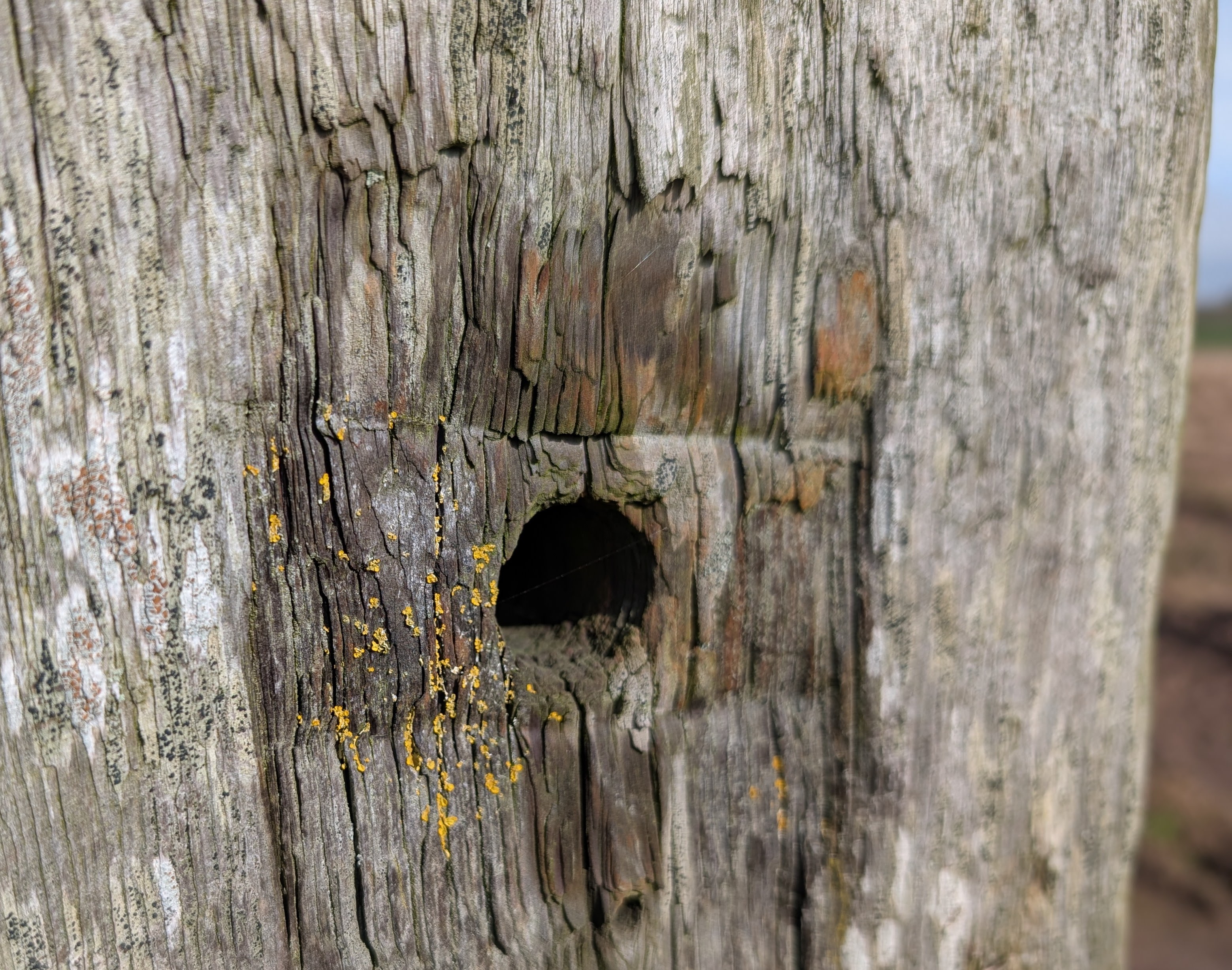
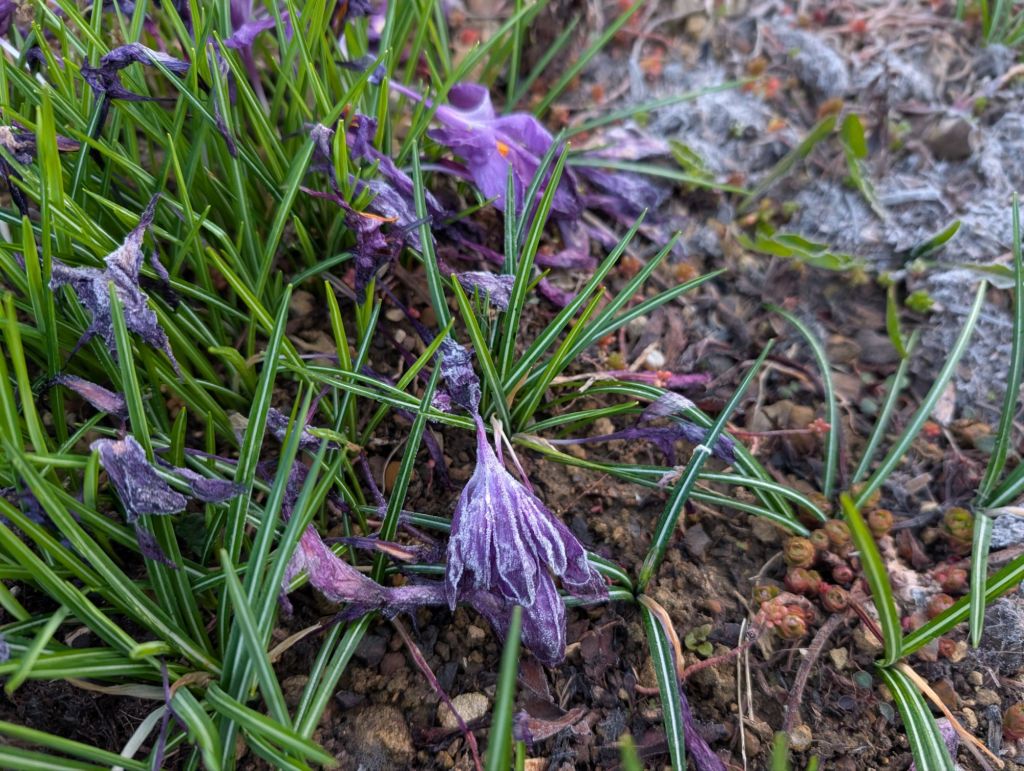
Orange crust fungusFrozen crocuses
At the end of each day, I visited the home of someone who had taken me up on my offer of a Shiatsu-hospitality exchange. Highlighting the walk in advance on social media, I invited others to accompany me and/or to meet in the evenings / overnight. I was delighted to make the acquaintance of many people I’d never previously met, and others whom I had known before but had not seen for a few or even for 40 years.
With Vicky at the end of day 1 @wyevalleyshiatsu
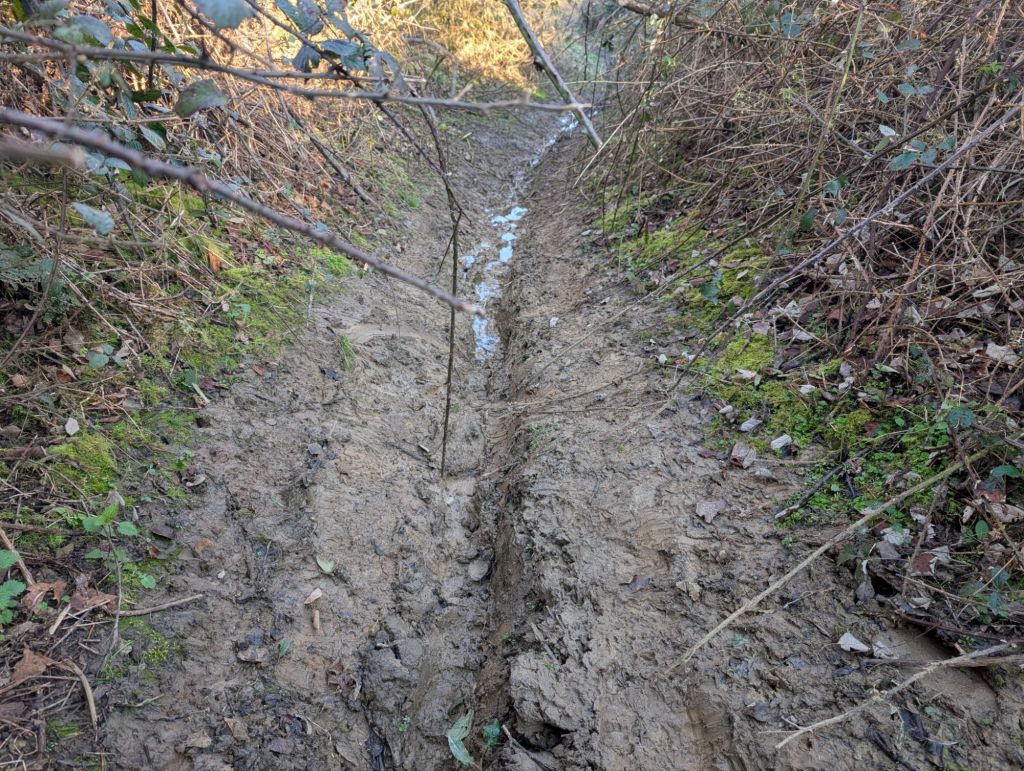
During the walking process, I witnessed the terrible devastation to our soil that we have caused through intensive forestry, extraction, and injurious industrial farming methods. The effects of the recent, more extreme, wind, storms and flooding, often attributed to climate change, were experienced every day.They prompted me to recognise our human failing to protect the insects, birds, plants and animals that we have a duty of care towards, and rely on.
Eroded paths – almost impassable with human feet
Over the next months, I’ll be reflecting on the injury to my leg from slipping on the mud while climbing May Hill at the end of a 10-hour-day’s trek carrying a heavy pack. The pain I walked with became an embodied manifestation of the state of the crisis we are in. There were times on the tops of hills when trudging and squelching through mud, that I wondered if I could continue to go on. I had to sit and rest, mindfully. I had to accept the situation, go right into the middle of the extreme discomfort in order to transform the pain that each step caused.
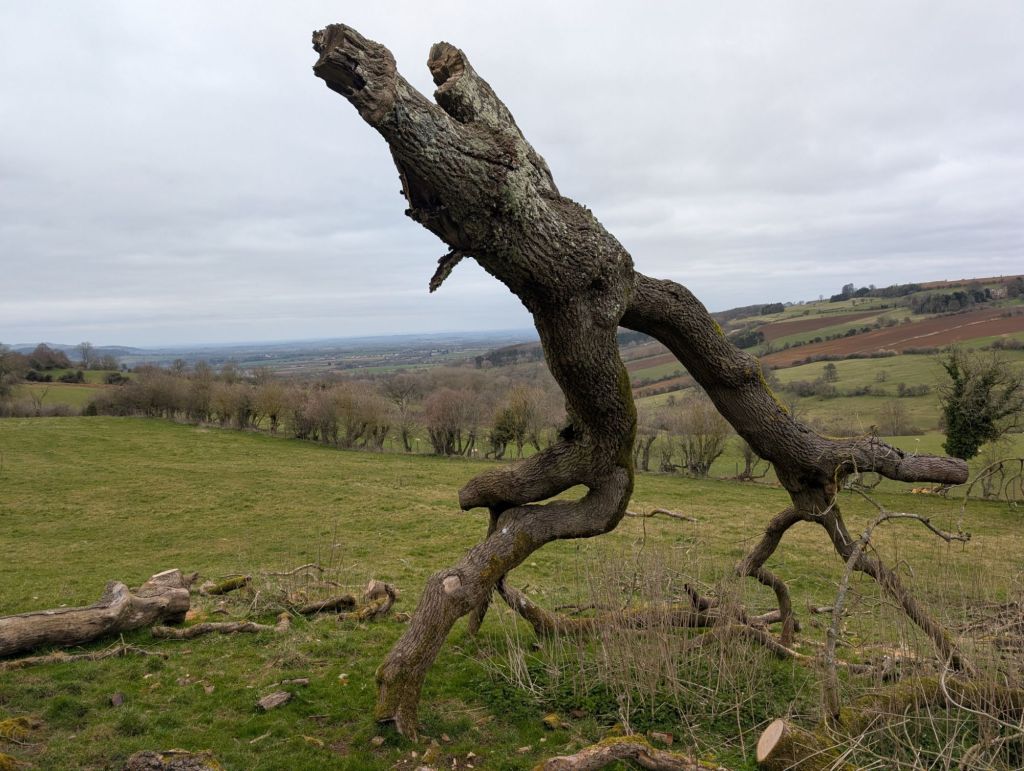
So many broken or fallen trees
I will be addressing the idea that this was more than a walk or a wander, perhaps a pilgrimage, and that the act of hope was inherent in the constant need to physically move forwards. I accepted help and occasionally I sewed a small panel instead of touching, embroidered something I had come across during that day’s walk – Melusine (found on the arch of Notgrove Manor) and a periwinkle flower (from the hedgerows). Though I had scheduled one rest day, I had to take a second, a break from the walking. Lucky me that I could do that, with the help of new and old friends.
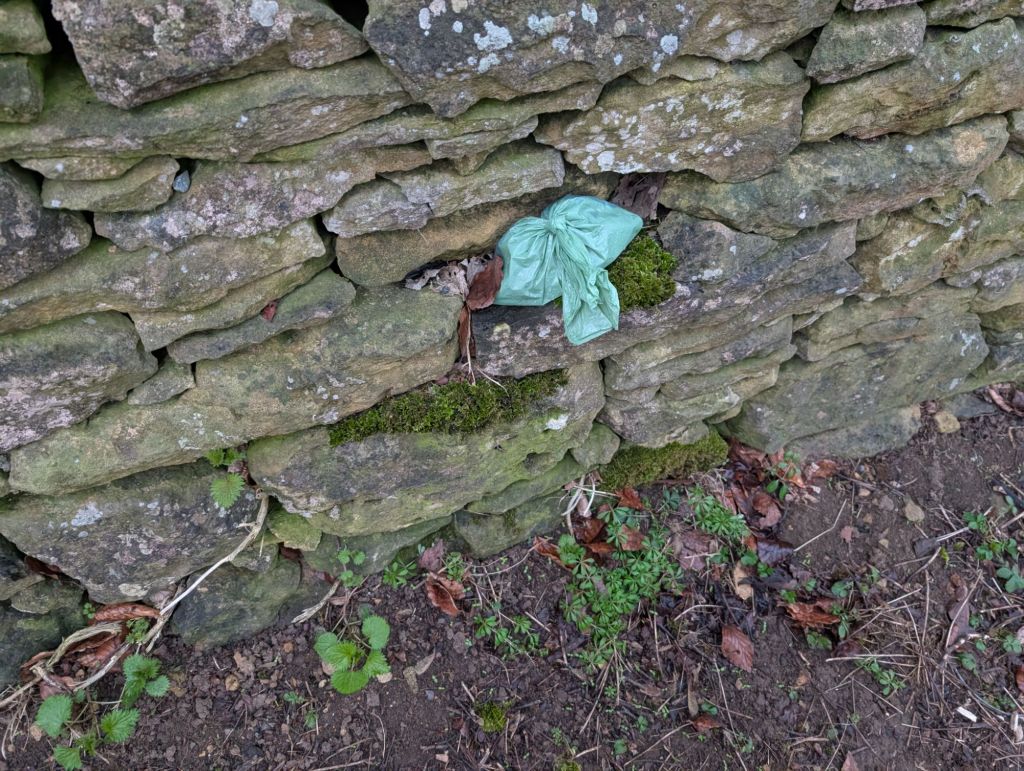
Someone left a dog poo bag on the wall
This walk has been now been completed. Thanks to all those who walked with me, or who bartered hospitality for Shiatsu. What is Shiatsu?
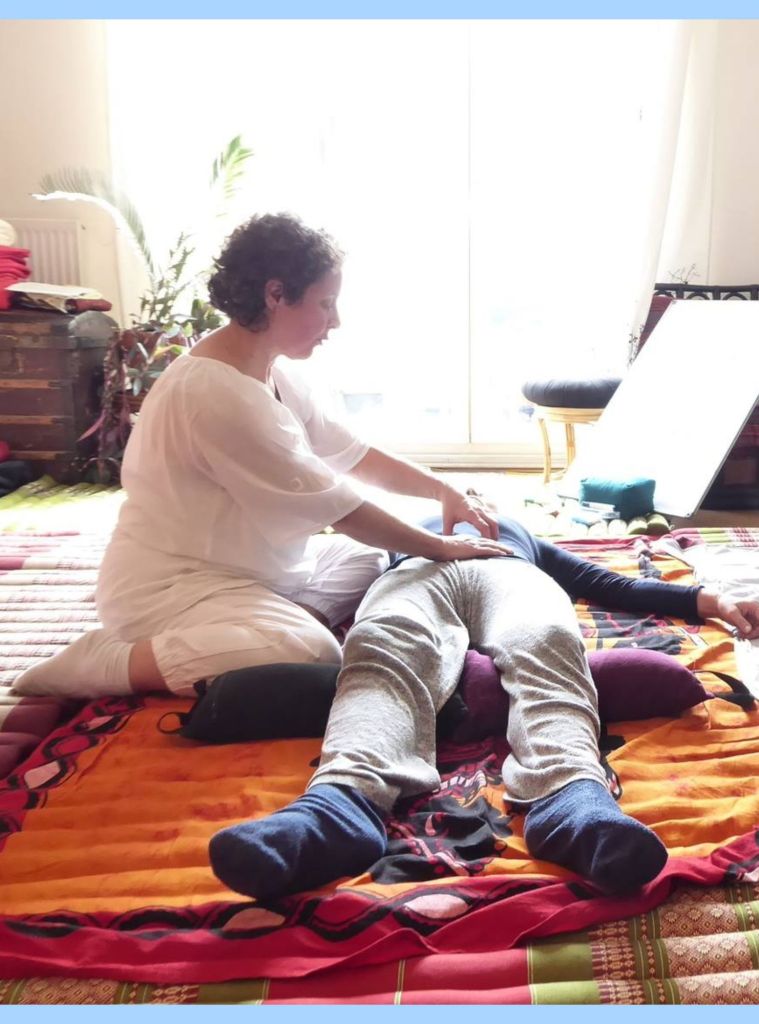
Tamsin giving Shiatsu, Paris
My route: Chepstow, to Parkend, to May Hill, to Gloucester, and to Crickley. Salperton to Stow-on-the-Wold, to Winchcombe, to Tewkesbury, all along the Gloucestershire Way. Then, to Gloucester on a British Pilgrimage Trust route, and finally to the Walking the Land Symposium in Cheltenham along a Slow Ways route. Total: approximately 124 miles (around 200 kms).
Starting in Chepstow at dawn
The Walking the Land ‘Lines of Enquiry’ exhibition ran between 3rd and 27th March, and the Symposium was on 21 March 2025.
Arriving at the Hardwick Gallery, Cheltenham, for the Symposium on 21st March 2025 at the end of the walk
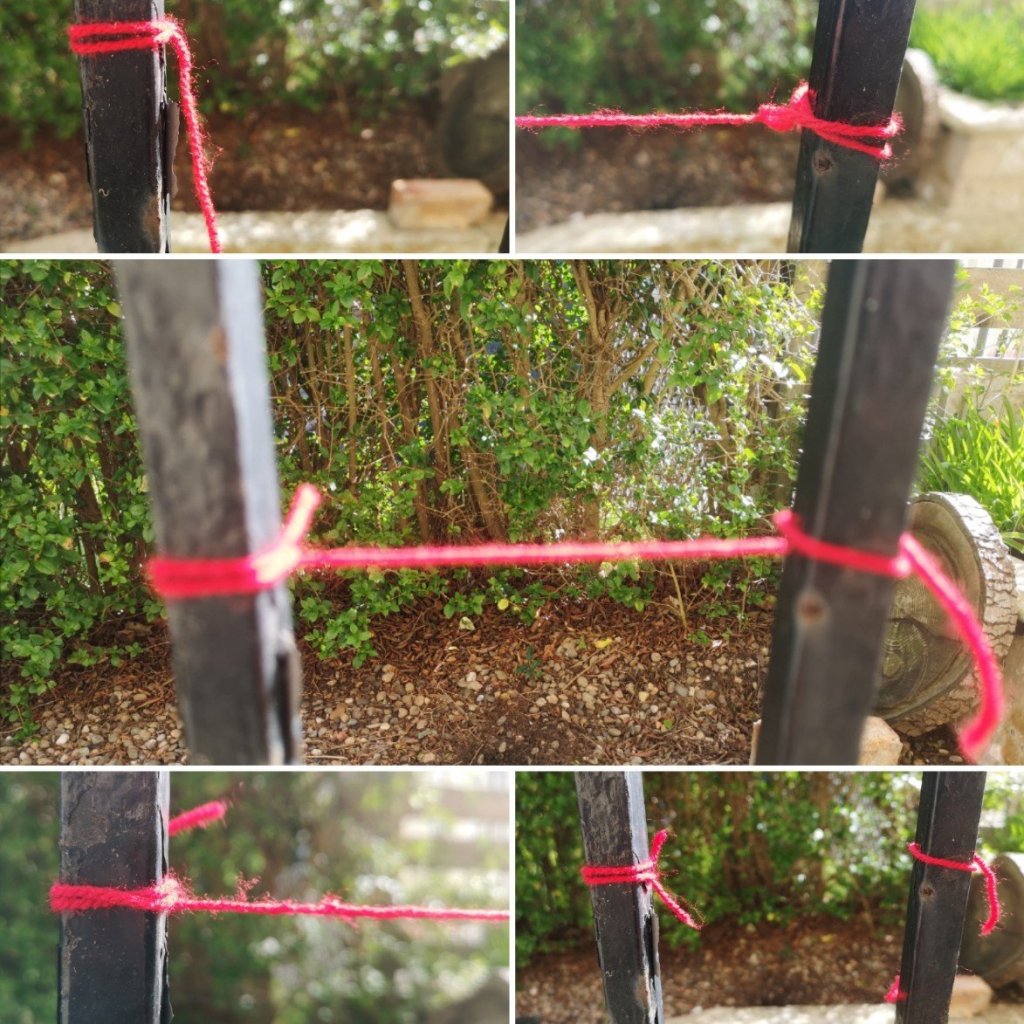
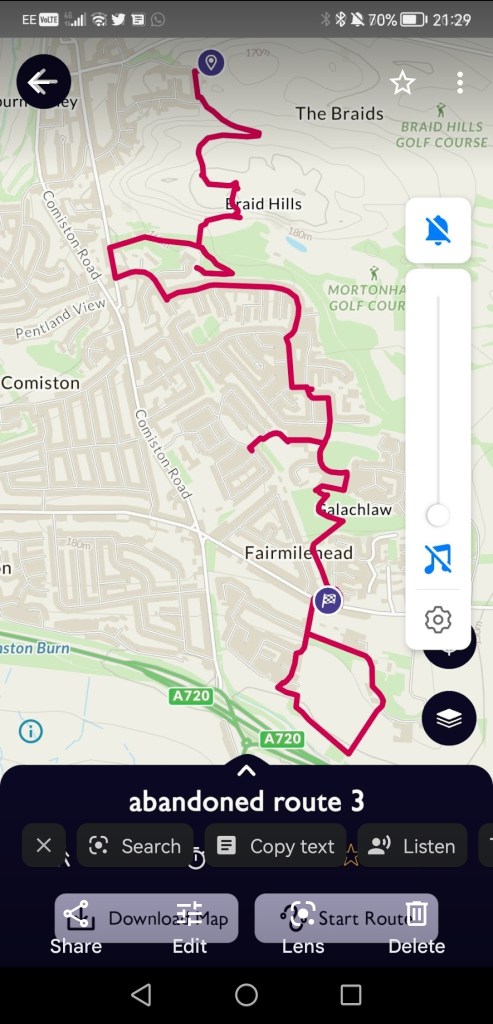
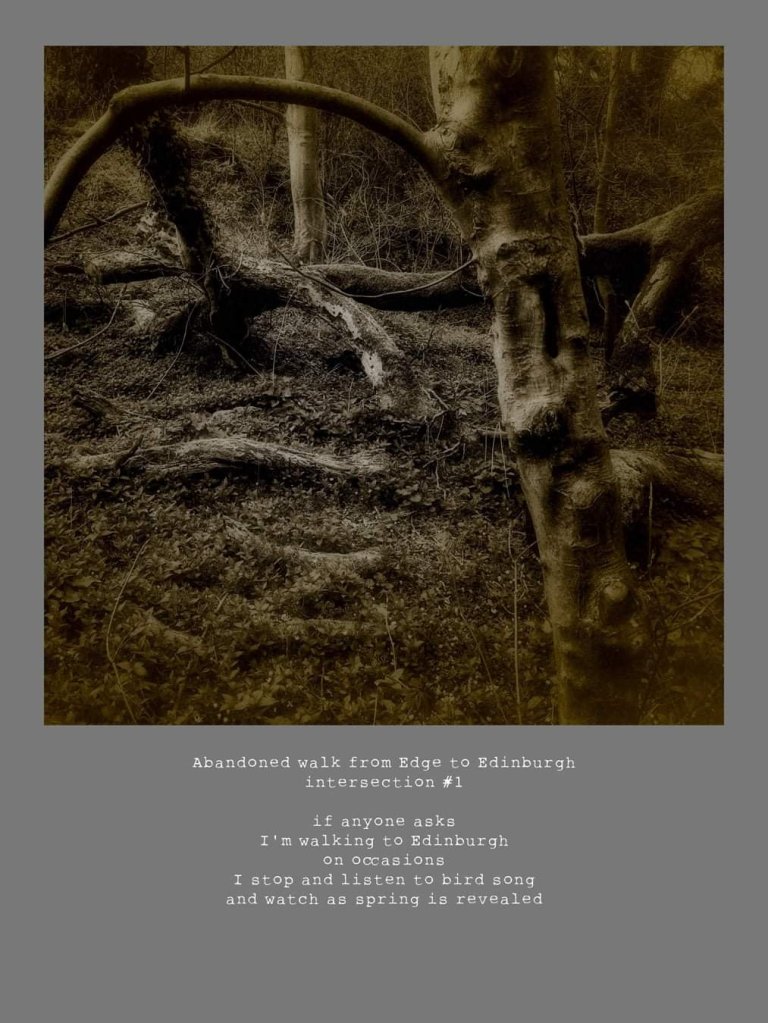
This project was conceived by Kel Portman. We drew a straight, red line the length of the UK on a phone map between our homes (334 miles) and started to walk along it towards each other; Kel from his doorstep in Gloucestershire and I from mine in Edinburgh. We allowed one day and had to abandon before meeting in the middle.
5th April 2022
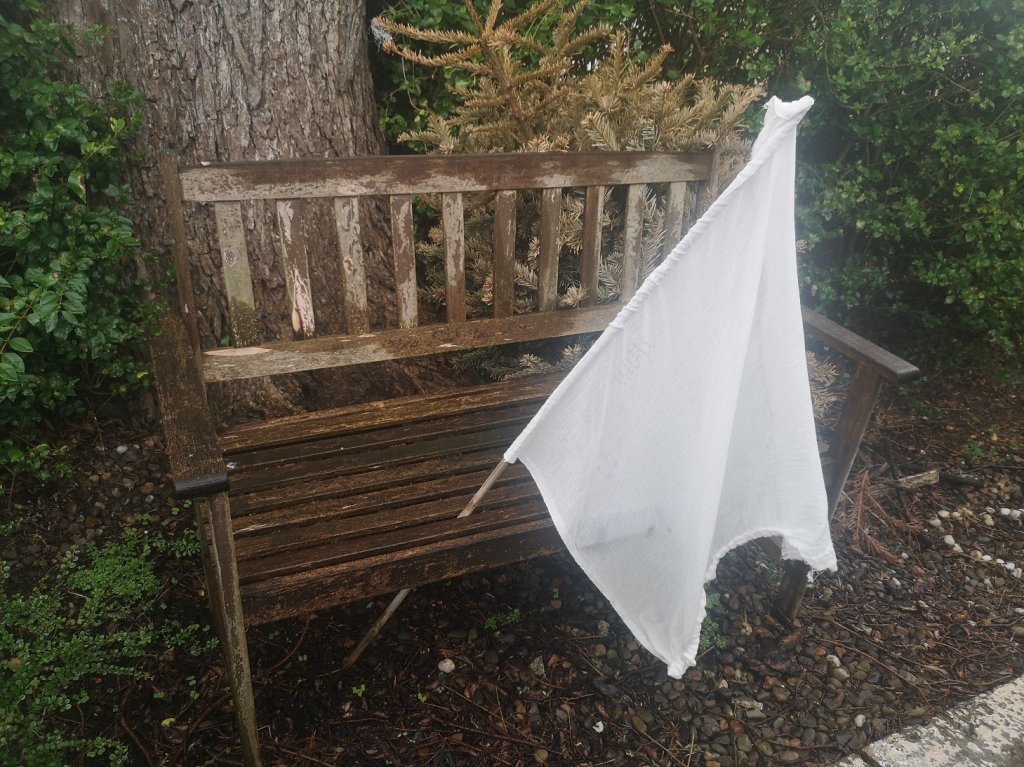
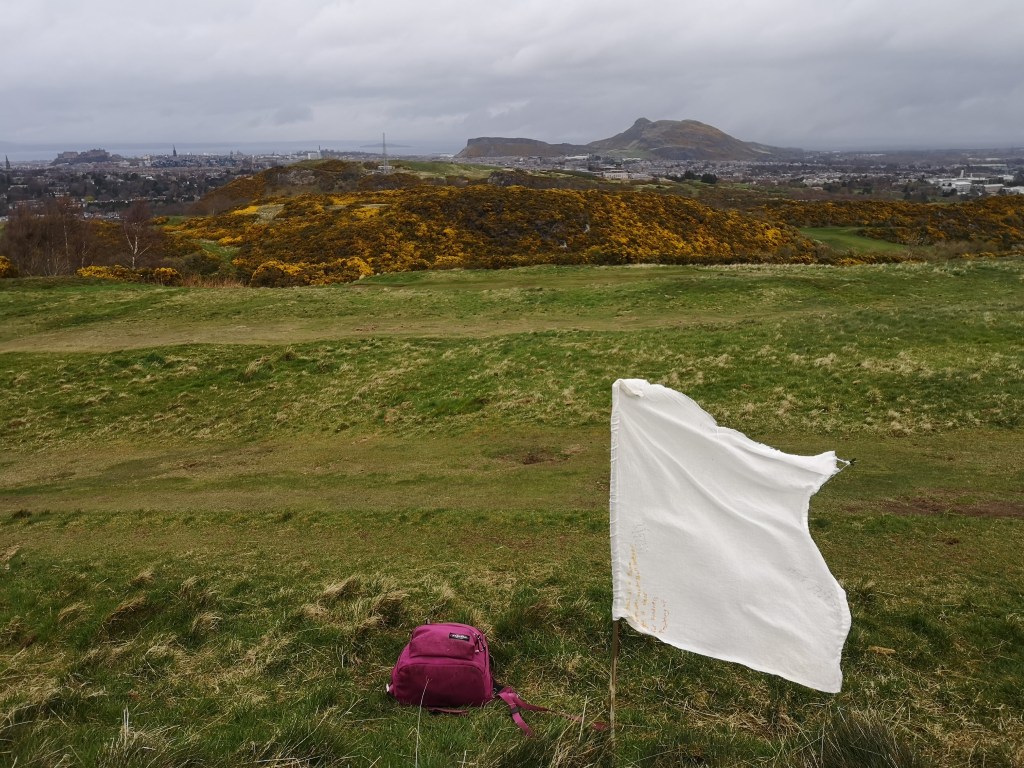
Home, the starting point. I took my white flag with me for Peace (the Ukranian war was moving into its third month)
Let’s begin with the weather! It was wet, not pouring though, and I was on familiar ground. Strange that one’s sense of distance changes if you set out for long walk – I seemed to be in Inverleith Park in a matter of minutes. Slow came the raindrops.
I passed a worm on the pavement and admired a Tree Creeper bird as he did just that.
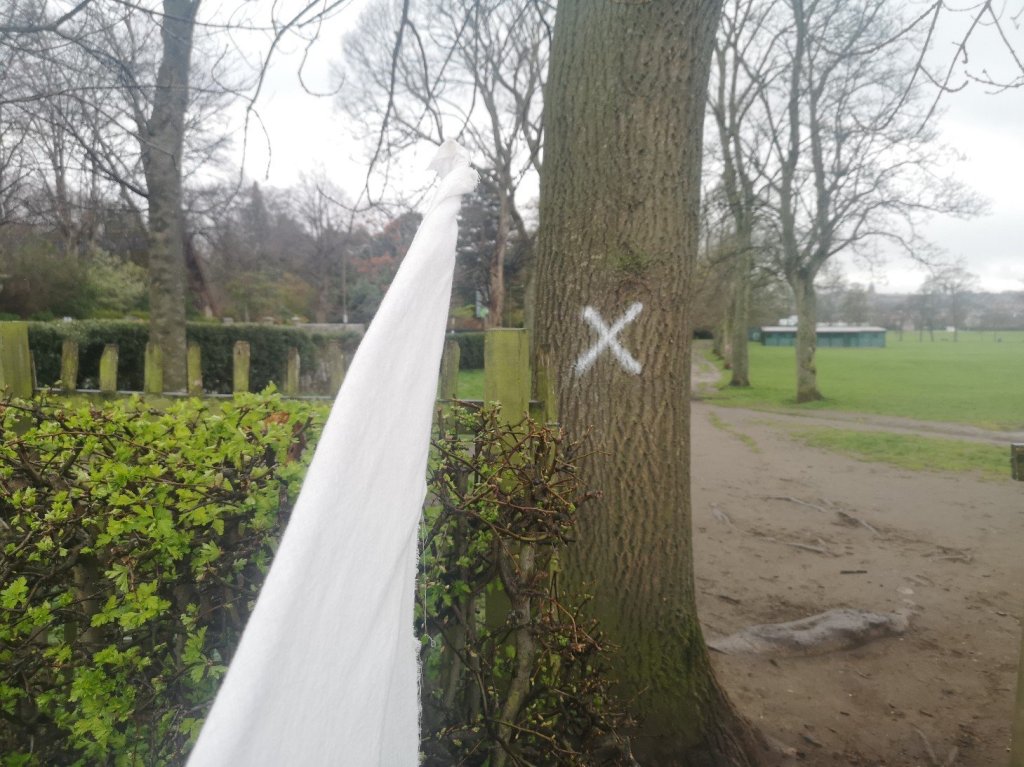
I hope this strong and upstanding tree is not condemned. Inverleith Park, still on the north side of the city of Edinburgh
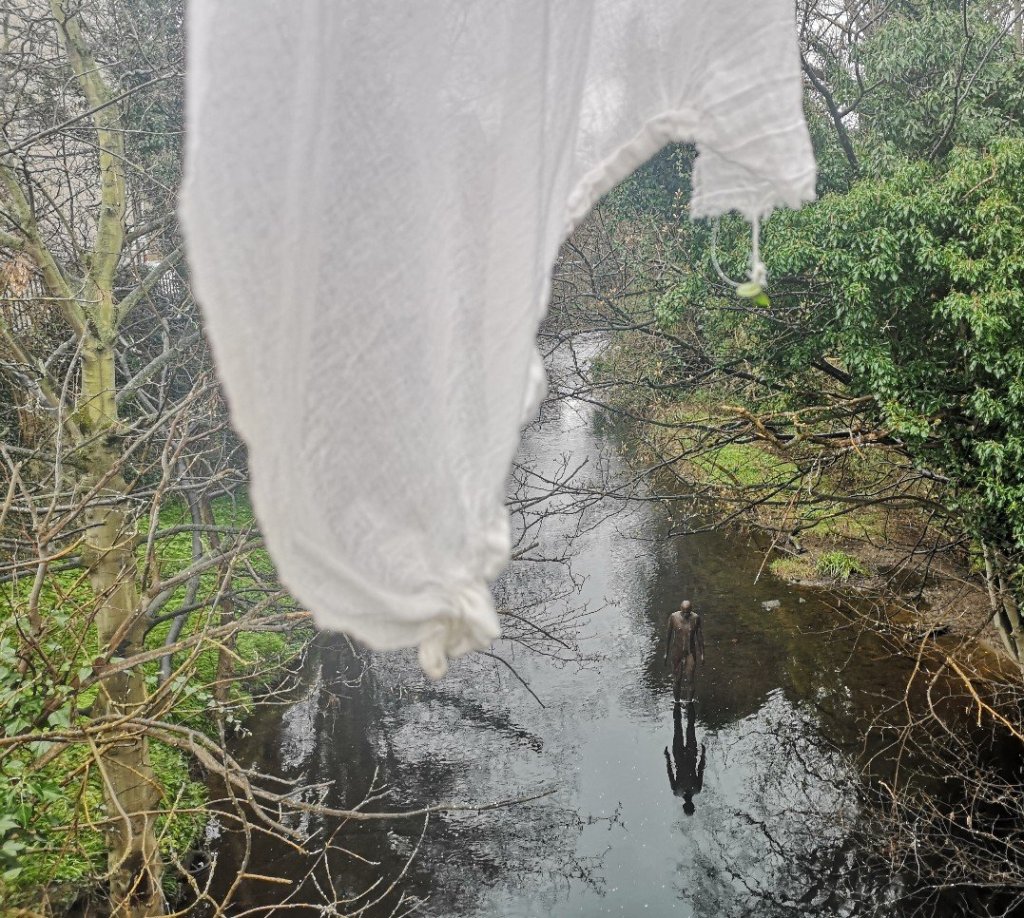
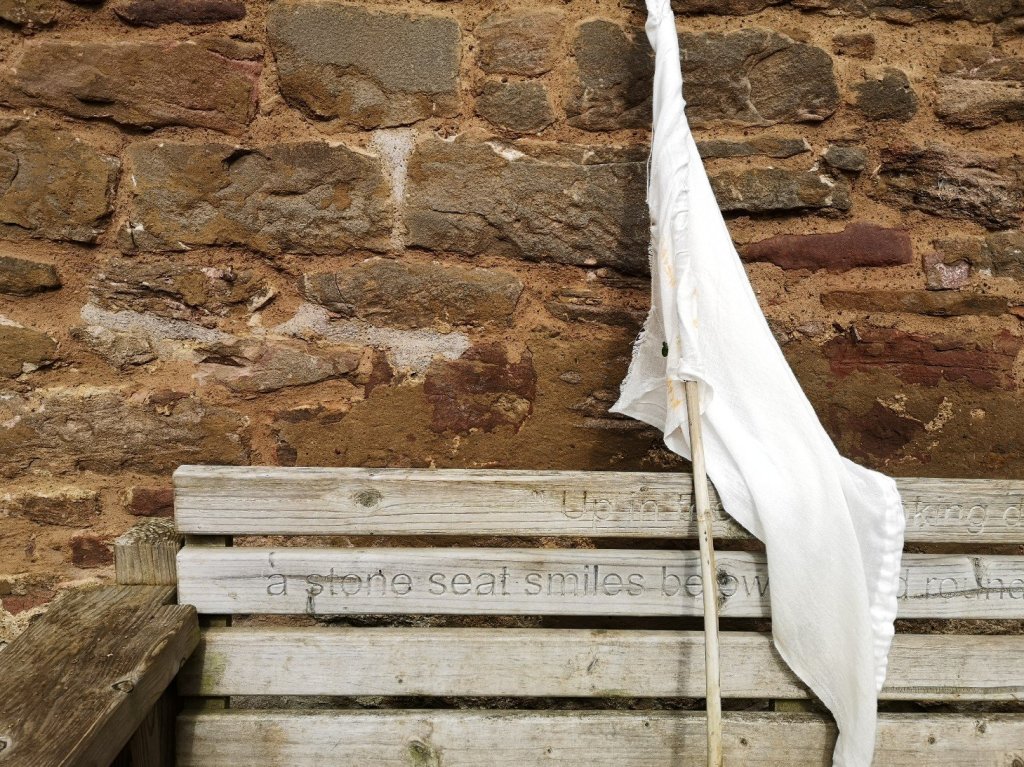
I have a book of poetry with me by Denise Riley, ‘Say Something’. Stopping after 2,108 steps in Stockbridge, overlooking the Water of Leith and one of Andy Galsworthy’s statues, I count 21 words from the first of the book and write the next ones on the tabula rasa of my flag: “I understood as a stone”.
I added to my flag at each of my stopping places and in this way I made a Found Poem for the walk.
I took the hint and put myself in to the rock that I was standing and leaning on. I felt stalwart.
Walking further uphill through the New Town, there are removal men stacking a truck. One says, “it looks like you’re surrendering”. I remember a conversation with a Polish taxi driver last week who said that the Ukraine should surrender, to save lives. That was during the fifth week of this pointless war that Putin is waging. Perhaps my flag is going to prompt some interesting and topical conversations with people I might otherwise never discuss politics.
I guess I am surrendering to the route to the idea of this walk, and to the wet.
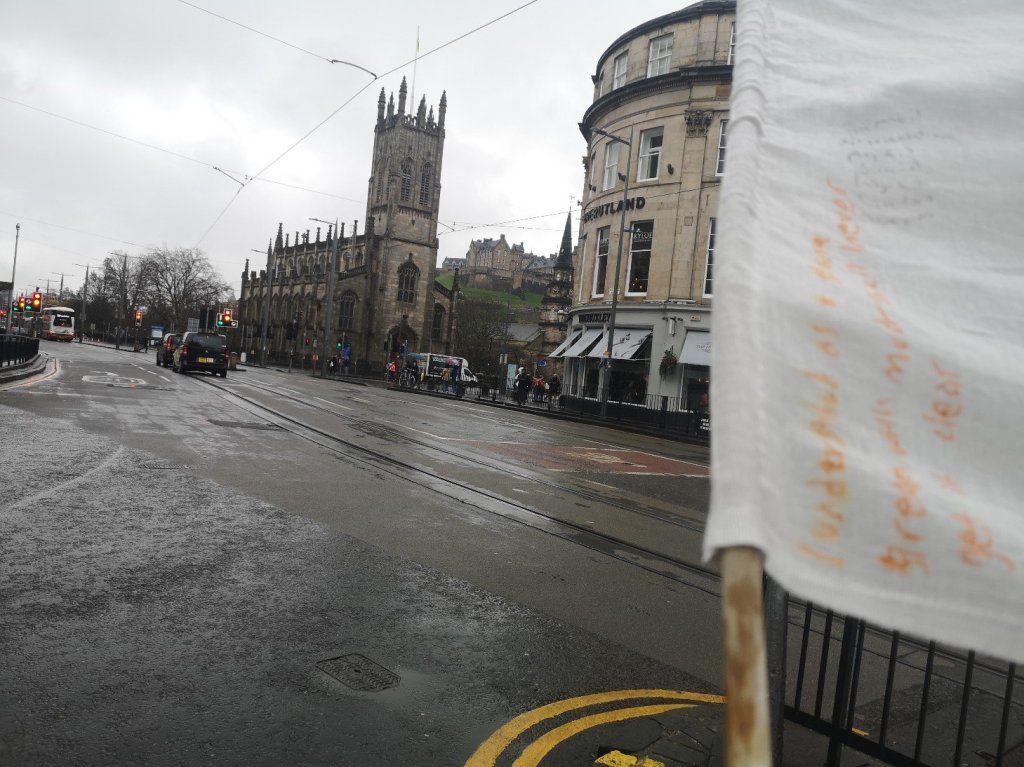
The second sloppy, muddy stop on Princes Street with Edinburgh Castle in the background
Phone call #2 with Kel is at 10.03am. I tell him that, of course, Edinburgh residents are used to people doing weird stuff on the street, because of the annual summer Festival with its buskers and theatricals. My new app said 2,891 steps so 28 words further on into Riley’s book I copy my second phrase in the orange pen: “stream with mud-shall I never get it clear”.
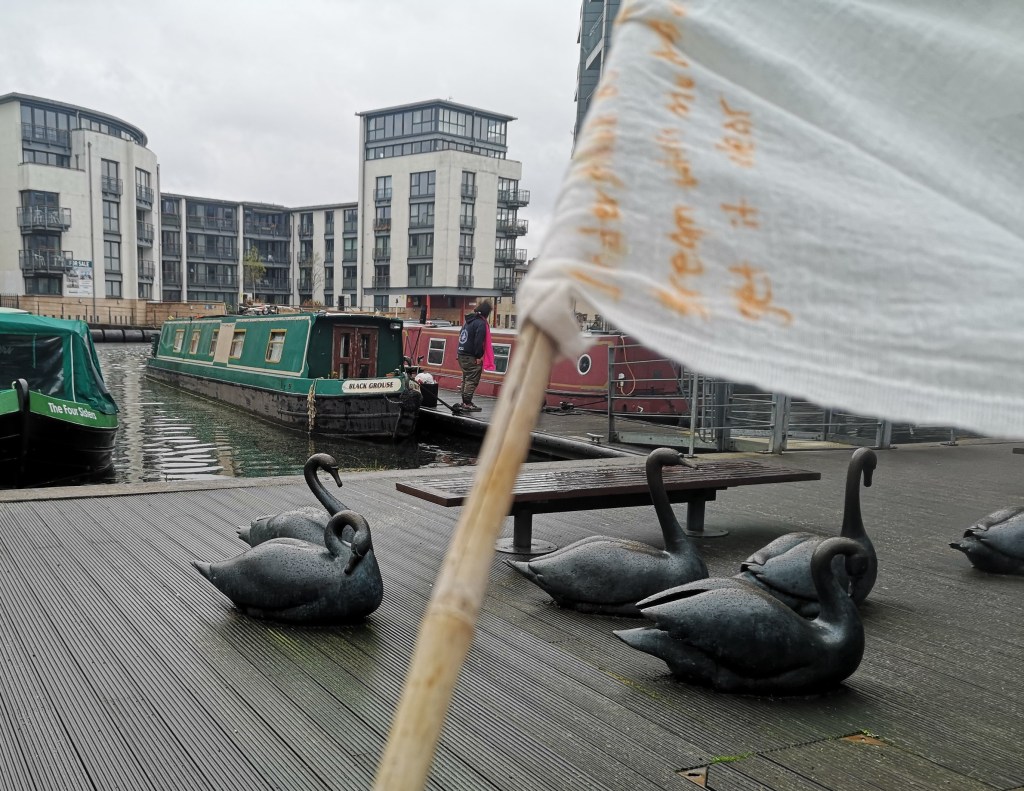
Lochrin Quay, Edinburgh
Moving from one watercourse to another, I am making my way steadily behind the west side of Lothian Road to Lochrin Quay, the beginning of the Union Canal. Here are swans and seagulls and the start of the water’s journey to Glasgow and the west.
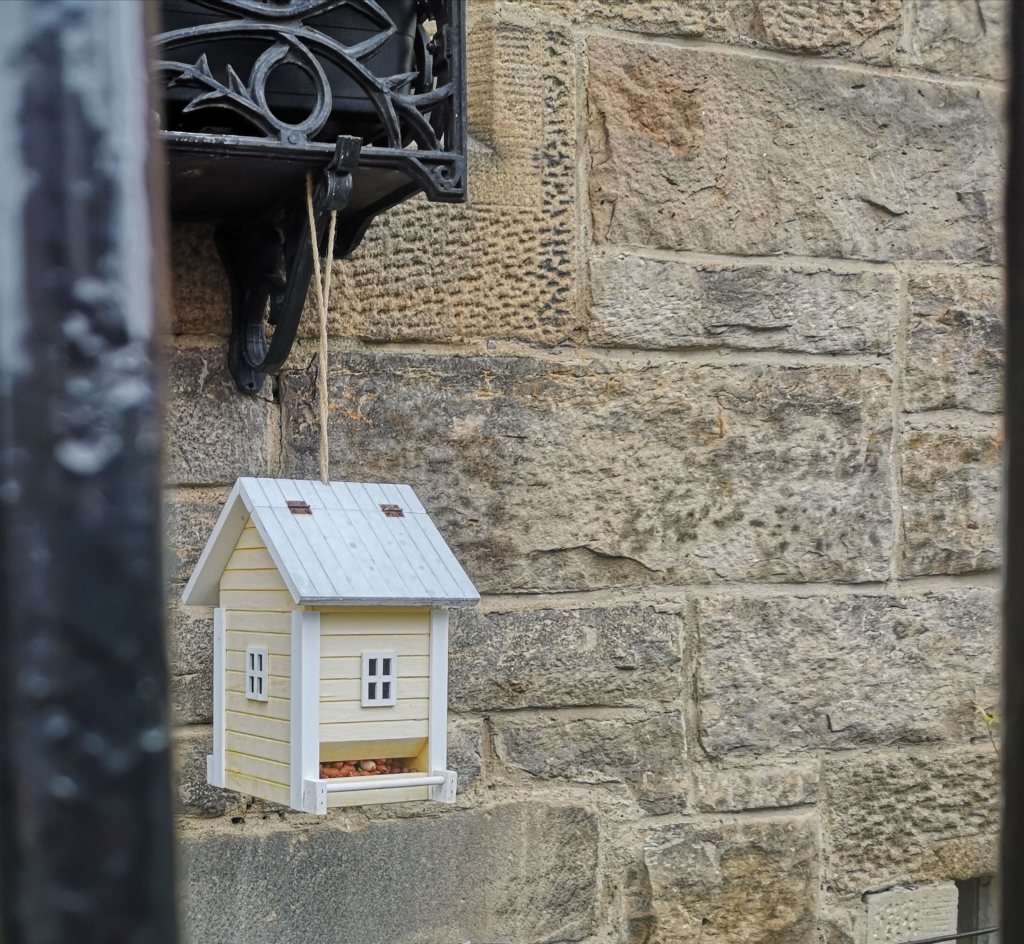
A wee white hoose hangin’
Still attempting to follow the red line as closely as possible, I am being taken a new way, winding through residential areas which are peaceful, all except for repeated deliveries – vans hopscotching up the street from door to door.
To surrender: to give in. Also – to allow your instinct or others you trust to lead you. To listen to what’s drawing you on, for signals to turn right or left. It is a blend of controlling and releasing control.
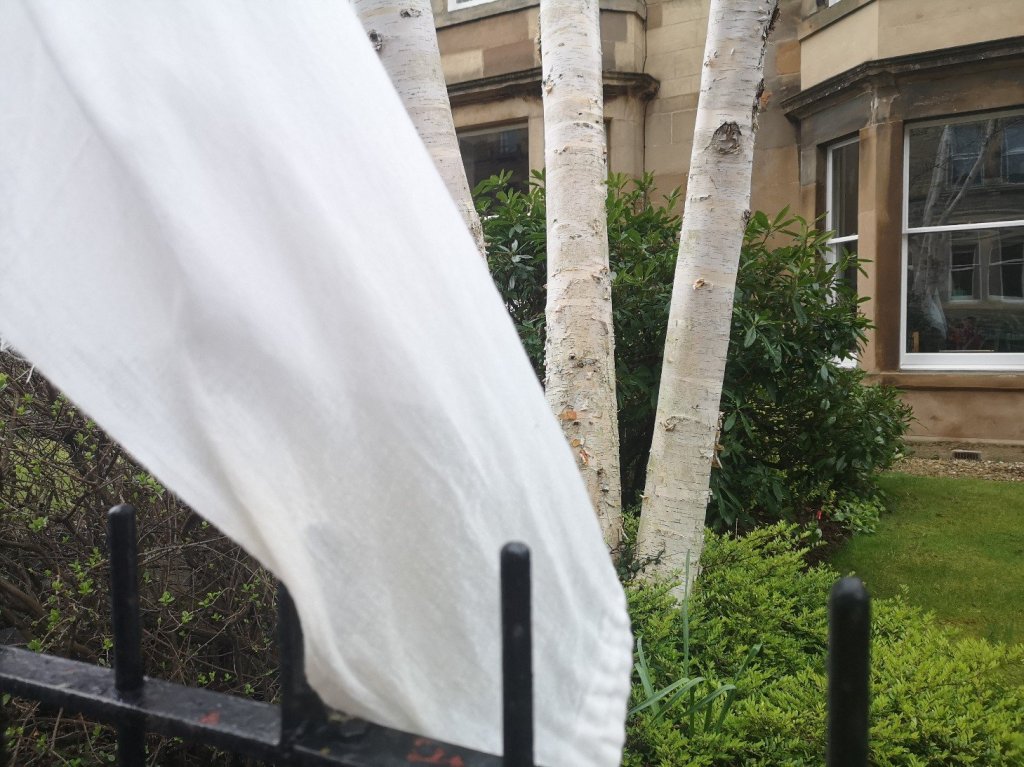
Himalayan (silver) birches in a front garden
Surrender – I’m getting interested in this ‘given’ theme: to say ‘yes’ to Kel’s prompt, follow the line which happens to connect us on the map and see what happens.
Now I’m entering ‘the South Side’ of the city. I nip into the Bike Shop for a wee. More climbing. More detours around gardens that only key holders are able to sit in. Where to have my picnic? I cannot find any seats – it’s a recognised issue in Edinburgh which I understand is to stop homeless folk sleeping on them. Instead, I pass piles of grubby bedding at pavement corners. It must be so cold.
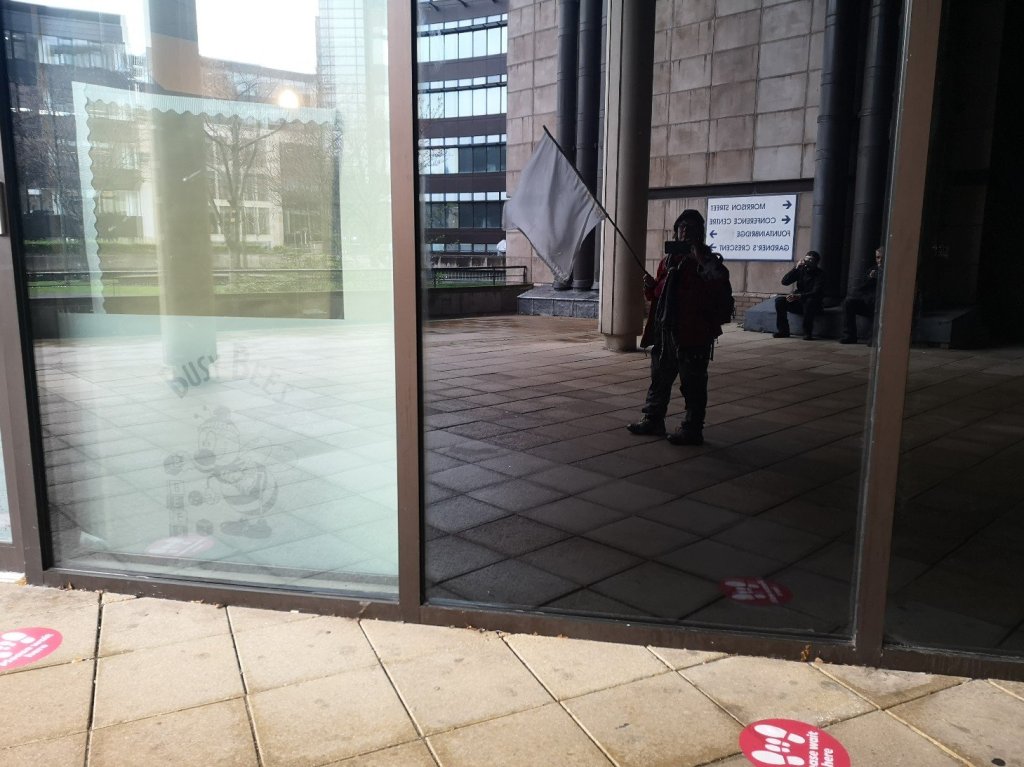
Self portrait with flag
I perch on a post and nibble my oatcakes.
Number 3 stop is at 4,521 steps and I count 45 words by the railway line. I am noting the difference between my phone’s two step-counting apps (the other says 11,476 – oops).
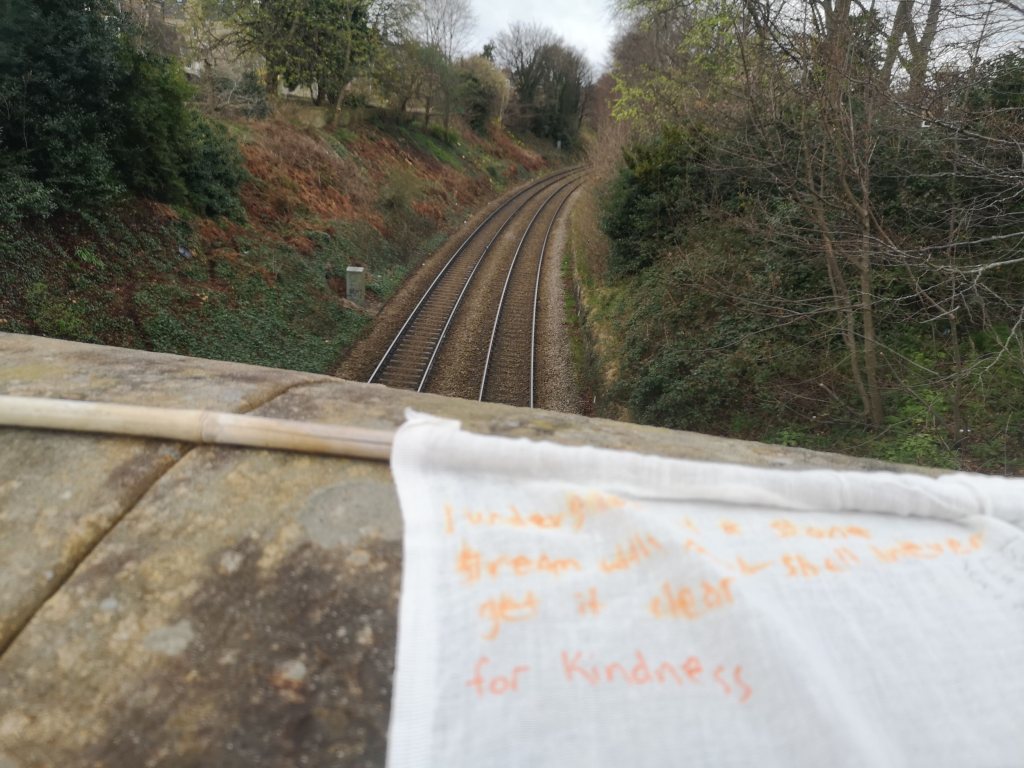
Crossing the railway line, facing west
On completely unfamiliar territory now, I’m meeting no-one and there are plenty of dead ends. It is raining more heavily on me and I’m having to stop constantly to consult the maps, compare them and try to find a route through. The phone is getting wet so I’m balancing the umbrella over it with one hand and using the other to awkwardly hold and tap at the same time. Still climbing. Still in a residential area, though this time of bungalows and front gardens and driveways.
We drew a red line on the map, but had to abandon part way through the
I take a wrong turning around the Midmar Drive area where there are some trees, but mostly pavement, offering time for me to continue thinking about surrendering to the ground, letting it support my increasingly tired feet.
Found text in front of the Doocot at the Hermitage of Braid: “a stone seat smiles”
Eventually I am at the Hermitage of Braid and the Braid Burn, a small river running through woods. I love the smell of garlic, the crunch of pine cones underfoot and warmth of a little sun on my back. The café offers a seat, tea and a scone and I am reviving. Not far along is an abandoned dovecot / doocot, a community garden and some random-cut primroses lying on the path.
A man with a military moustache is with his wife, walking, and he makes comment on my flag. I explain. He guffaws that those who want peace must prepare for war and I repeat that I favour peace and surrender. He counters with “that’s a naughty word – surrender”. I give up.
Back and forward to find the way, I happily discover public toilets. Some nice Council men are clueless about the geography of the area, wish me “good luck”. It is a steep climb up and out, always travelling south towards my distant walking companion.
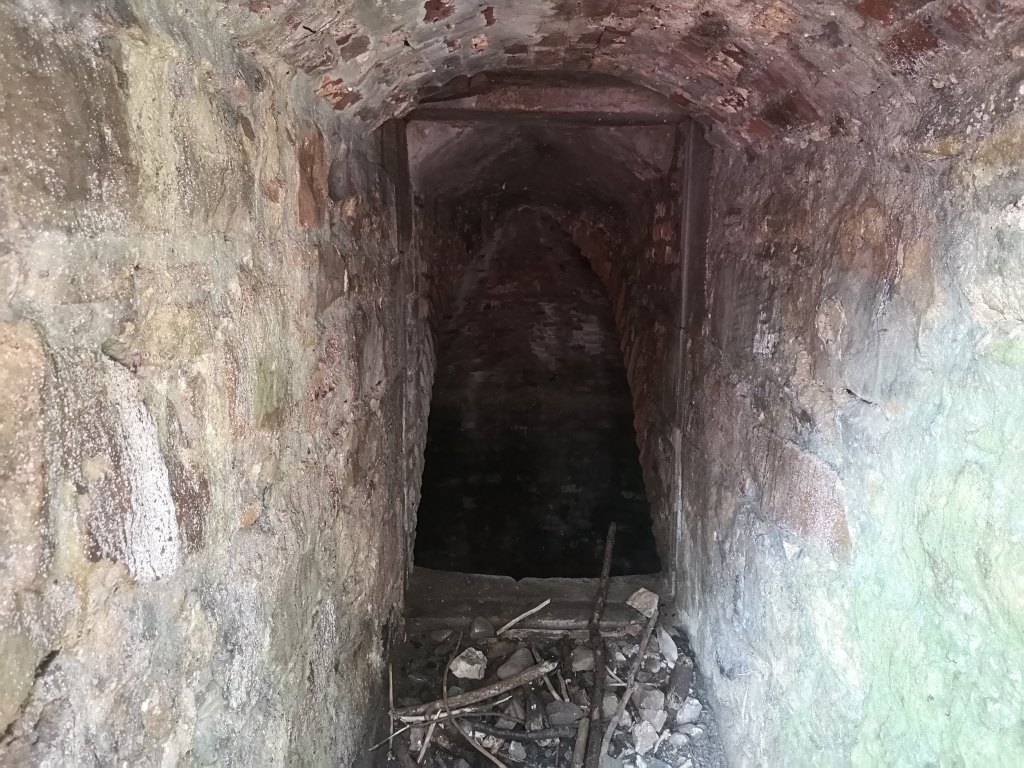
The Ice House, Hermitage of Braid
Turning back at a fallen tree because there’s a fence around the building, I cross a main road and must alternate crawling under brambles and pushing through yellow flowering gorse, then must retrace and try again further along. I’m flipping between the ordnance survey app, Google and my saved maps.
It’s windy up here. “Wha’s the white flag fer?” Asks another Council employee with a van and tools. “Are yer givin up?” “Peace?” He turns to his friend and says: “You need one a them Jimmy!” and Jimmy scowls.
It’s 7,487 steps up on golf courses with a great view across the city towards home and Inchkeith Island, far away now. A headache threatens so I sit on the red line (metaphorically speaking) for a cup of tea from my flask and a snack. Tiredness. Riley’s words are “Perking up”.
1.40pm and I’m feeling connected to Kel as we walk towards each other – like an internal compass adjusted south west, a magnet in my chest.
From the Braids, Edinburgh, looking towards England. The familiar coconut scent of the yellow gorse
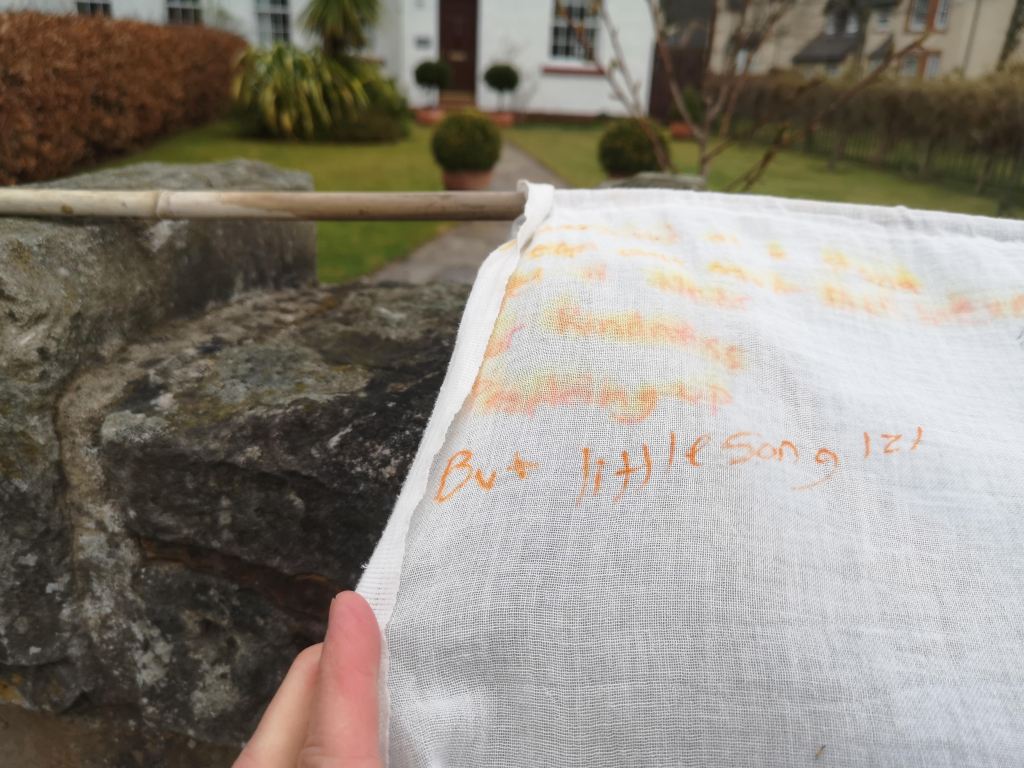
I must retrace my footsteps to Calachlaw and then it’s stop number 5 at 12,101 steps and I add to my flag: “But little songs”. Kel phones to say that he is abandoning his walk for the day. Frogston Road West. There’s an unidentifiable smell of chocolate and a new, blonde fence – harbinger of…?
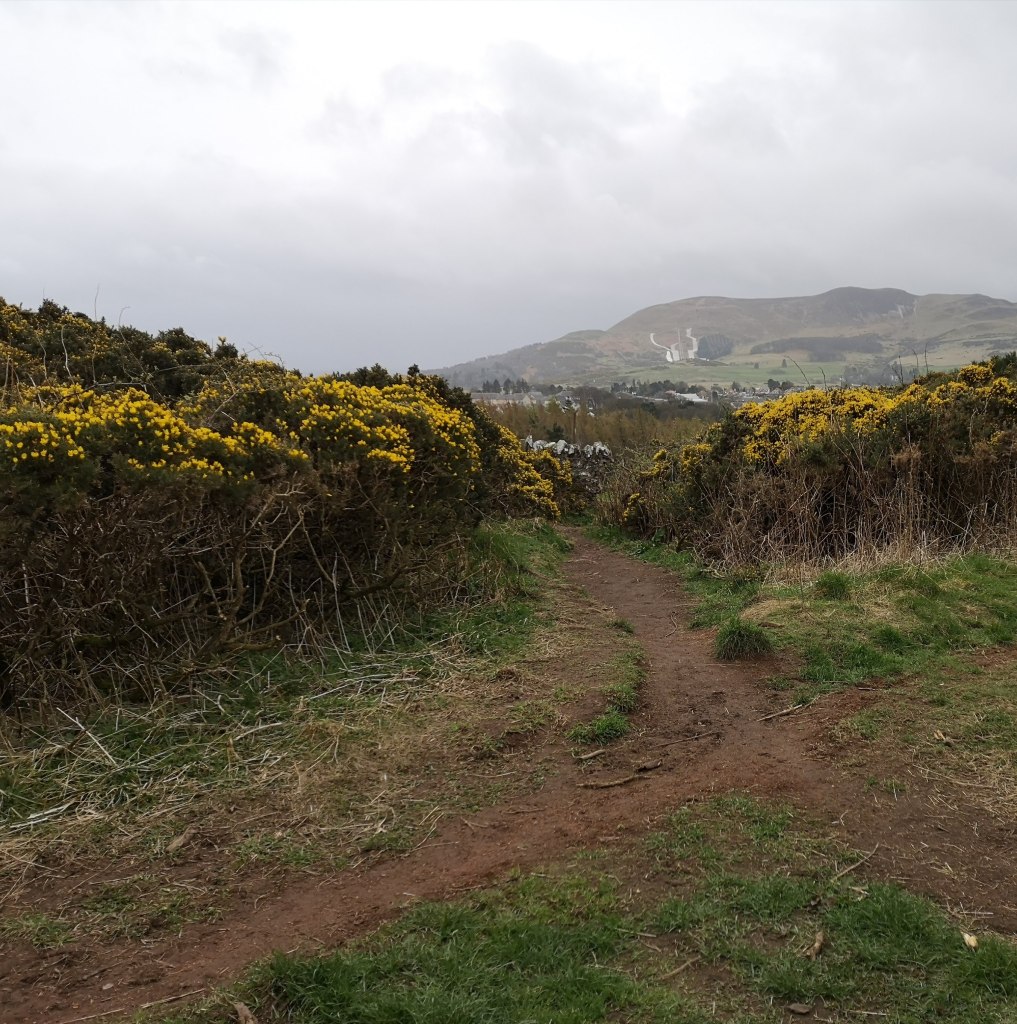
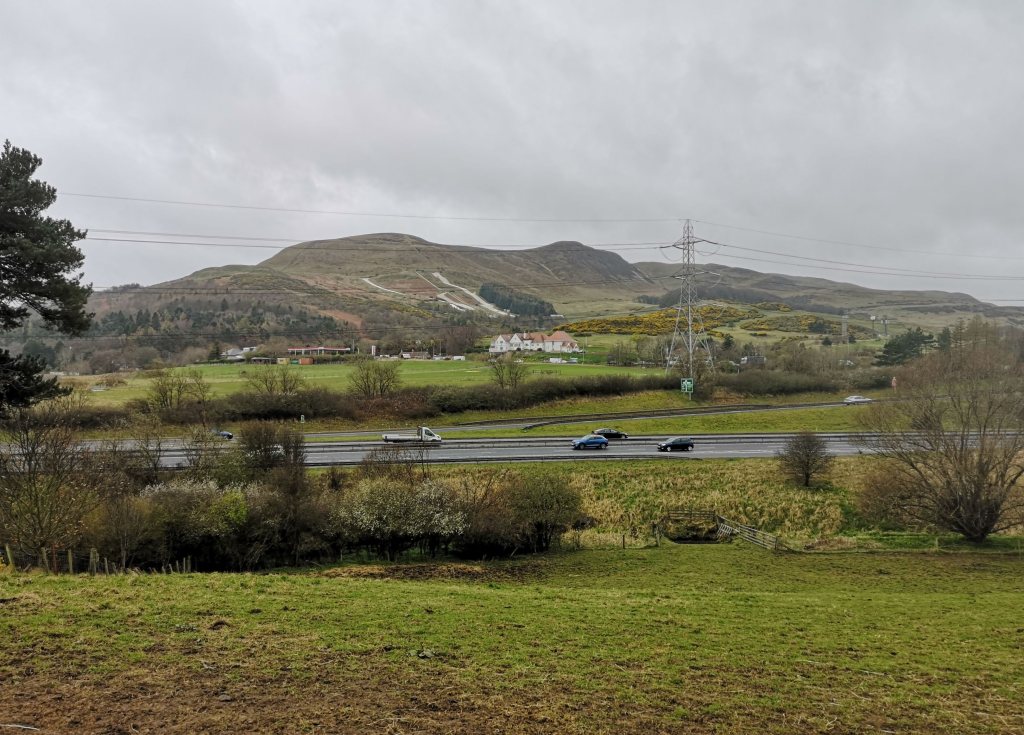
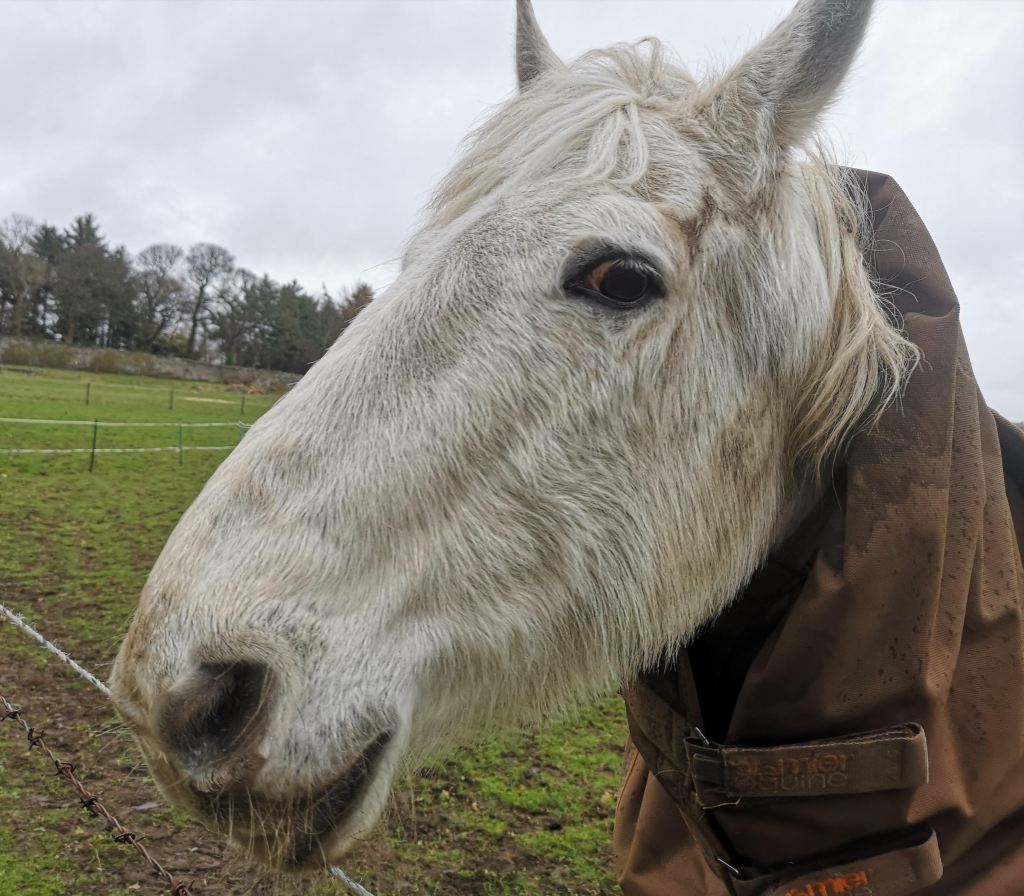
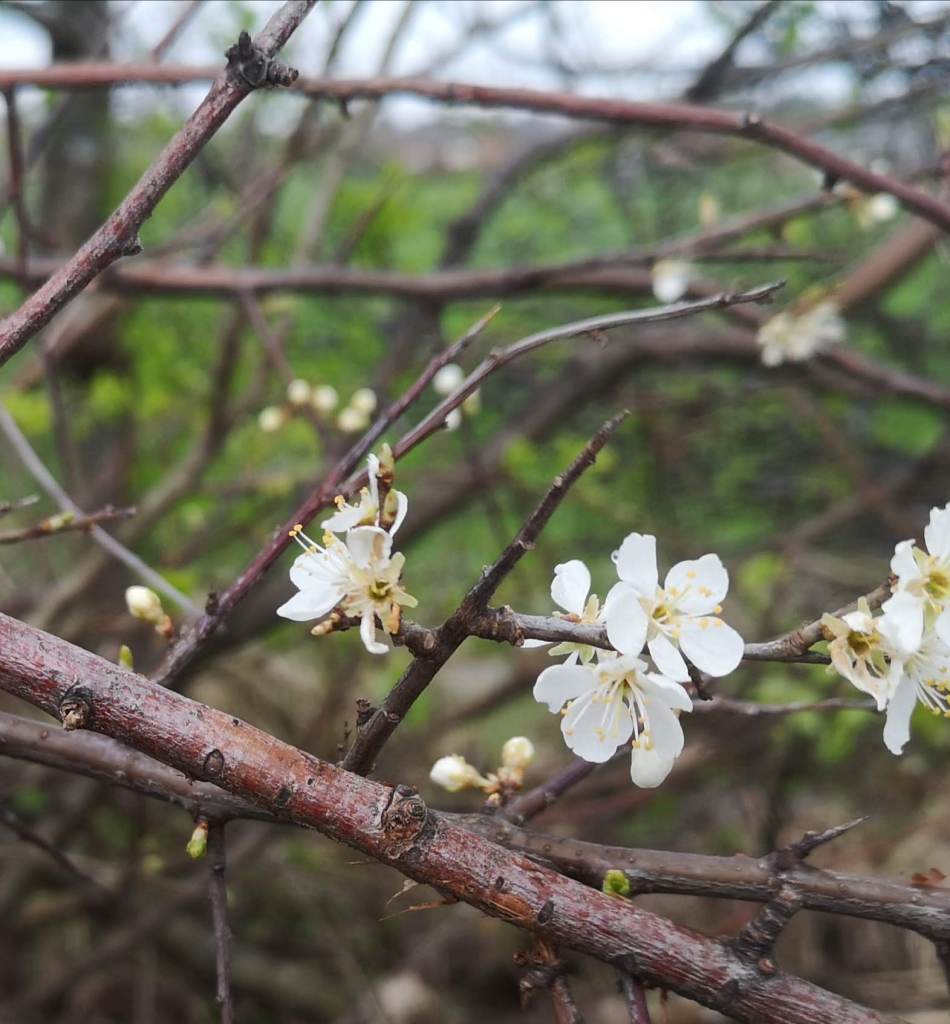
“But little songs”And then I couldn’t go any further. I reached the Edinburgh by-pass and there was no way acrossThere are the white strips of the Pentland Hills dry ski slope across the by-pass I meet a white horse Inhale the sweet Hawthorn
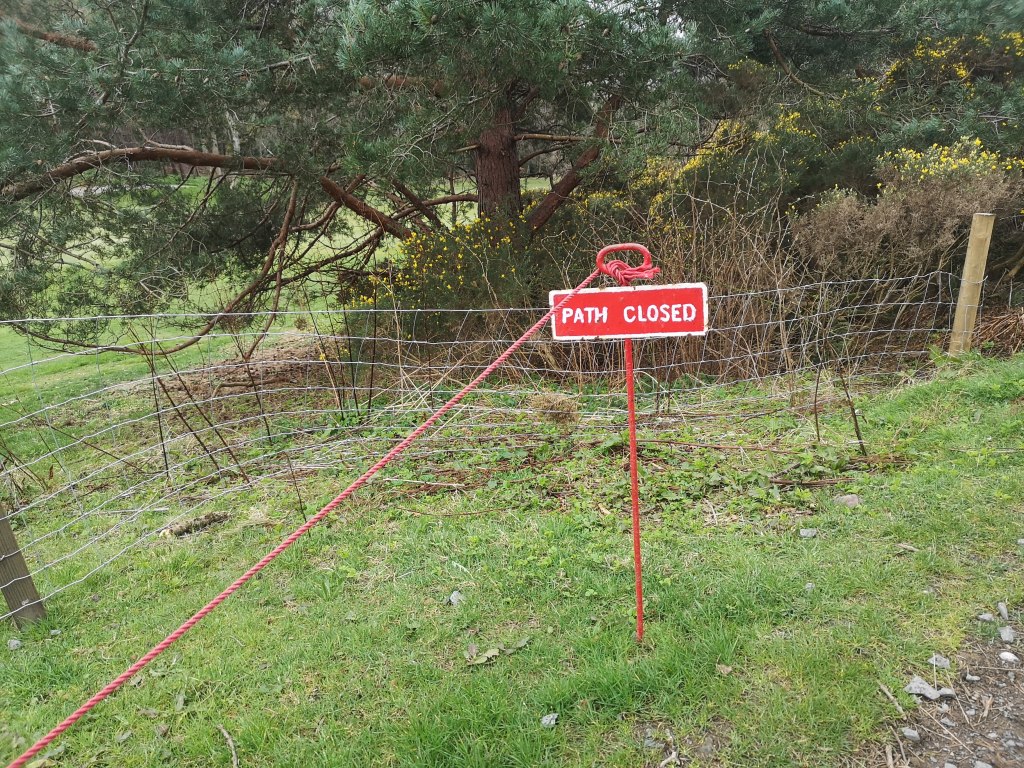
And then I must walk an extra big loop back, at 5pm. Circumstances demand that I surrender. I must abandon my walk because of the man-made, traffic-laden road that has no pedestrian crossing. It’s 5 mins until the #11 bus is due to drive me back.
My found poem
I understood as a stone….stream with mud-shall I never get it clear ….. for kindness…. perking up…. But little songs…. we hope to find ourselves
Denise Riley from Maybe; maybe not and A Part Song @uealdc Denise Riley
From Denise Riley’s book: “for kindness”.
Stats
1st stage 8.86kms. 2nd 2.76kms. 3rd 17.09kms equals 28.71kms equals 17.84 miles. 6 and three quarters of an hour. 14025 pedometer, 28439 Huawei health app.
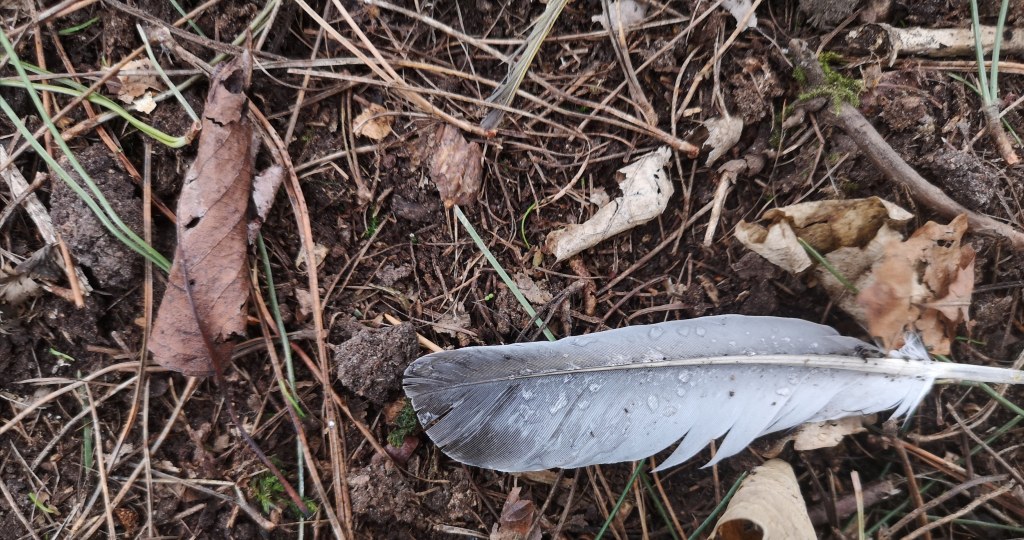
Image and words by Kel Portman IImage and words by Kel Portman IIToday a feather
I have been involved in a project devised and documented by Kel Portman. A curator on this Walking the Land project, his initial invitation set off a chain of coincidences and connections to do with the passing of time and how we experience sound.
“As the equinox marks the cusp of seasonal changes with the beginning of Autumn in the North and Spring in the South, artists record their reflections on the transition, the changes of light and the passing of time.”
KP
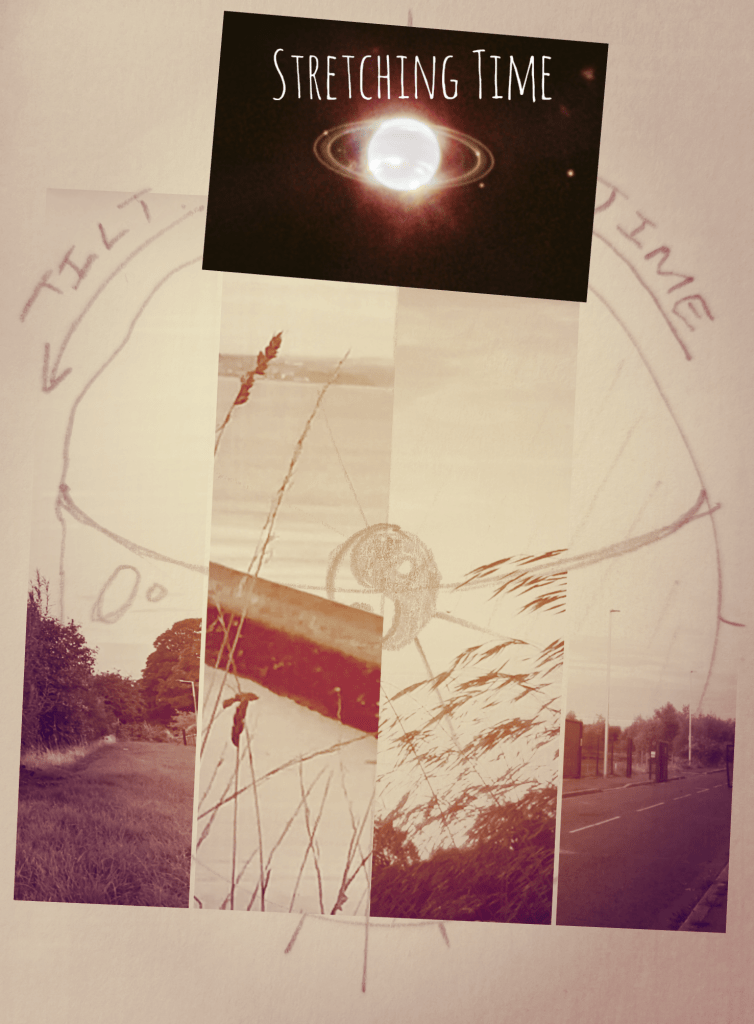
Stretching Time
Stretching Time was my contribution.
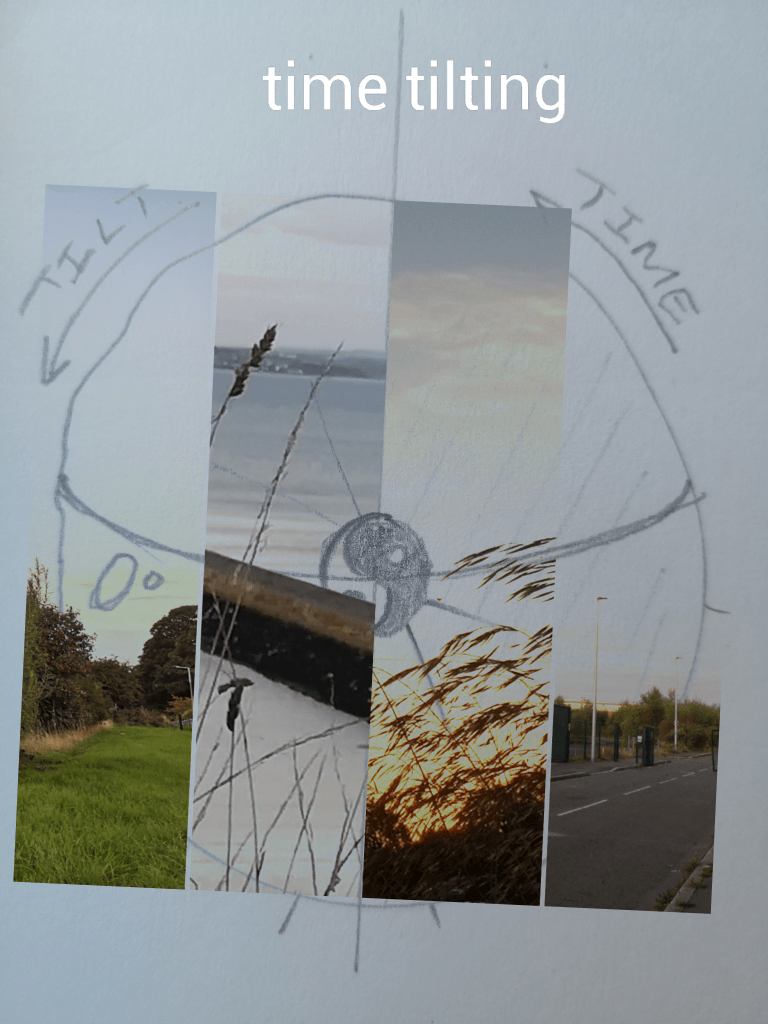
I walked in Edinburgh on consecutive days, photographing the sunset on the 22nd September, and the sunrise on the 23rd. As the earth’s axis comes perpendicular to the sun which crosses the equator from north to south, we, in the Northern Hemisphere, are traditionally celebrating harvest and know that we are moving into a darker and colder, more restful and reflective period. At this auspicious occasion, we pass through a time of near balance of 12 hours of daylight and 12 of night (equi-nox : equal-night).
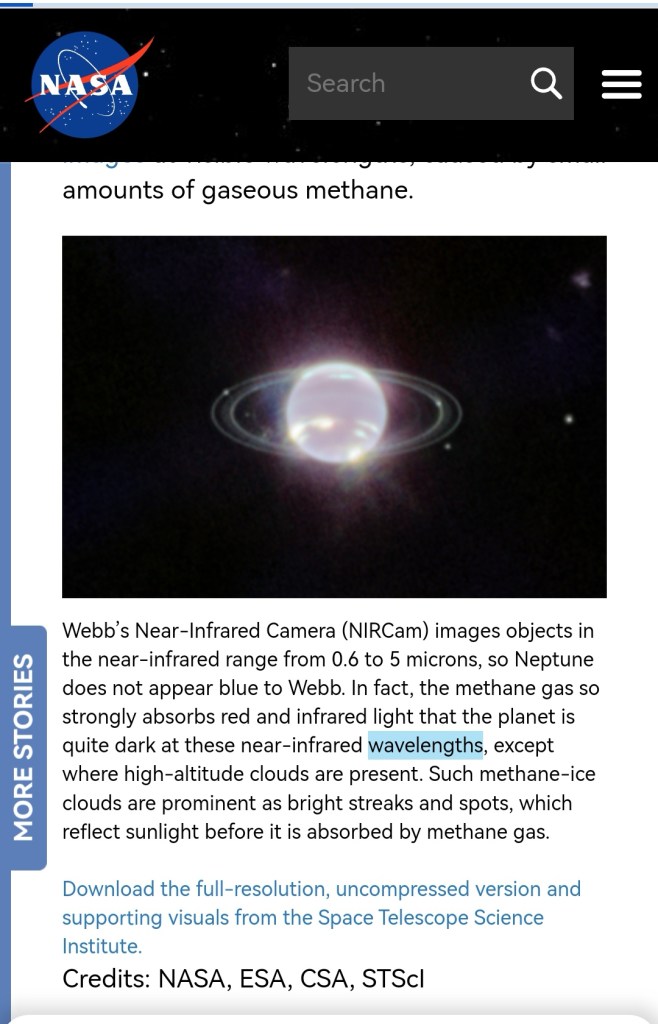
I time-ordered my photos, made an equator-axis tip, and then overlaid the images. I had been reading about “light being stretched and becoming redder” in The Guardian (24/9/22), and inspired by the James Webb telescope photo of Saturn, used a bloody tint. On that day, I was on a train crossing from Scotland to England and added some words about my own feelings at this time.
Stretching Time
As the sun hits the equator
And the earth tilts an iota,
I marvel.

As the cells die in my body,
And the train hurls itself southwards,
I cry.

As the rain stops at the border,
And the year passes the baton,
I know I must change.
Then in October I attended an opening at the Edinburgh Sculpture Workshop where Alliyah Enyo‘s work, Selkie Reflections, is in the tower. It is an other-worldly soundscape, reminiscent of sea mammals’ song and Tibetan Tonqin Longhorn. She writes about whale sounds taking more time to travel through sea water, but being able to travel far longer distances, and she mentions stretching time:
This is much like the pathos experienced when listening to an audio recording of a person from years ago, as time is stretched and distended by a voice communicating from the past.
Alliyah Enyo
I had already been listening to David Haskell describing the way sea creatures hear with the whole body:
If I had a watery fish body, sound would penetrate through me. Aquatic beings are immersed in the sound that they’re in.
David George Haskell on Walk Listen Create
So, as I sat in the tower listening to Enyo’s installation, I imagined I was hearing through my watery, bodily fluids. My eyes were not shut, but I could see horizontal, parallel wavy lines between me and the walls, and there were layers of sound, not just of the composition itself, but of birds from the cycle path, voices from the bench beside me, and people speaking outside the tower.
Allayah Enyo’s soundscape at the Edinburgh Sculpture Workshop, looking up
The more we engage with what we used to refer to as a separate, natural world, the more it is obvious that we are part of that world, that we all influence and have the opportunity to influence each other. Humans are limited in the world of sound, compared to birds (which I have written about before No Birds Land) and dolphins, for example, and I’d be interested to hear if you have tried listening in different ways and if so, how that was for you.


 Walking without a donkey