Walking the Taskscape

I walked a patch of land to the side of the new Spiers Bruce Way, opposite the Granton Castle Walled Garden in Edinburgh and imagined who had walked there before me, human and other-than-human.

Walking the Taskscape* on the first Friday of June 2026
///image.flames.voted

I walk the grounds belonging to Granton Castle in 1160. As Head Gardener, I nurture the soil to provide vegetables, fruit, and herbs for my master’s table. King William the Lion is on the throne.

I proudly walk the land surrounding Grantoun House in 1479, a member of the Melville Family of Fife. I survey my many turrets and admire my grand old trees, rooted deep in the earth to shelter us from the gales coming off the Firth of Forth.

I walk this property in 1684. Appointed gamekeeper, my task is to tend the deer and fowl, providing cover for the breeding animals, as well as open land for my lord’s sport.

I walk across pastures in 1834, estates which belong to Walter Francis Montagu Douglas Scott, the 5th Duke of Buccleuch. His cattle thrive on this rich grass.

I walk this place in 1905, Controller of Granton Gas Works. Coal arrives from the Niddrie fields on the other side of the city, and it is heated in oxygen-free furnaces to produce combustible gas. Inside the tall, round cylinders and metal frames you can see from Princes Street, the gas levels rise and fall, providing for the for industries and homes of the city.

I walk on hard, pale-brown Craigleith stone in 1920, speculating for the new quarry. Bain’s the name, and this Castle has been in ruins for years. The Corporation may have said the heritage should be preserved, but if they did, I did not get the message.

I walk along the ridge in 1952. I’m Robert Mushet and it was my father who discovered the black iron which I now smelt in the furnaces of the Steel Foundry in front of me, the most modern factory of its kind in Britain today.

I walk in the year 2000, between rubble and stalk, stumbling over mounds of contaminated soil. This is not wasted land; it waits for fox and badger to bring barbs of herb Bennett on its fur and for the wind to spread fireweed seeds; starting the process of renewal.

I walk here in 2026, cut-off wires sticking out of the soil, debris and black plastic all around. The lone fawn over by the wall picks her way over devastated soil; recent destruction of the woods no longer offers shelter. The homeless people who lived in the Social Bite Village have been moved on to make way for blocks of flats to address the ‘declared housing emergency’.
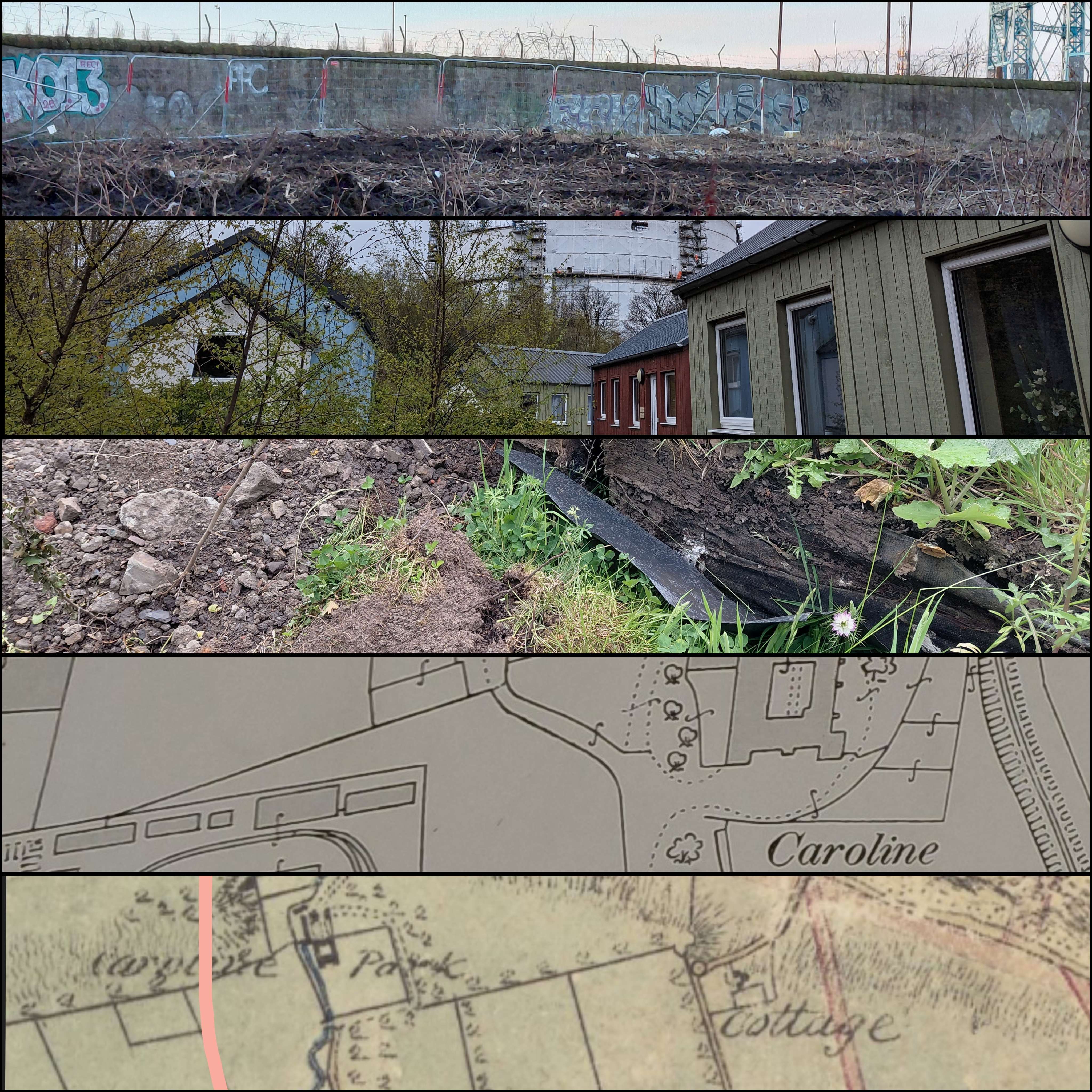
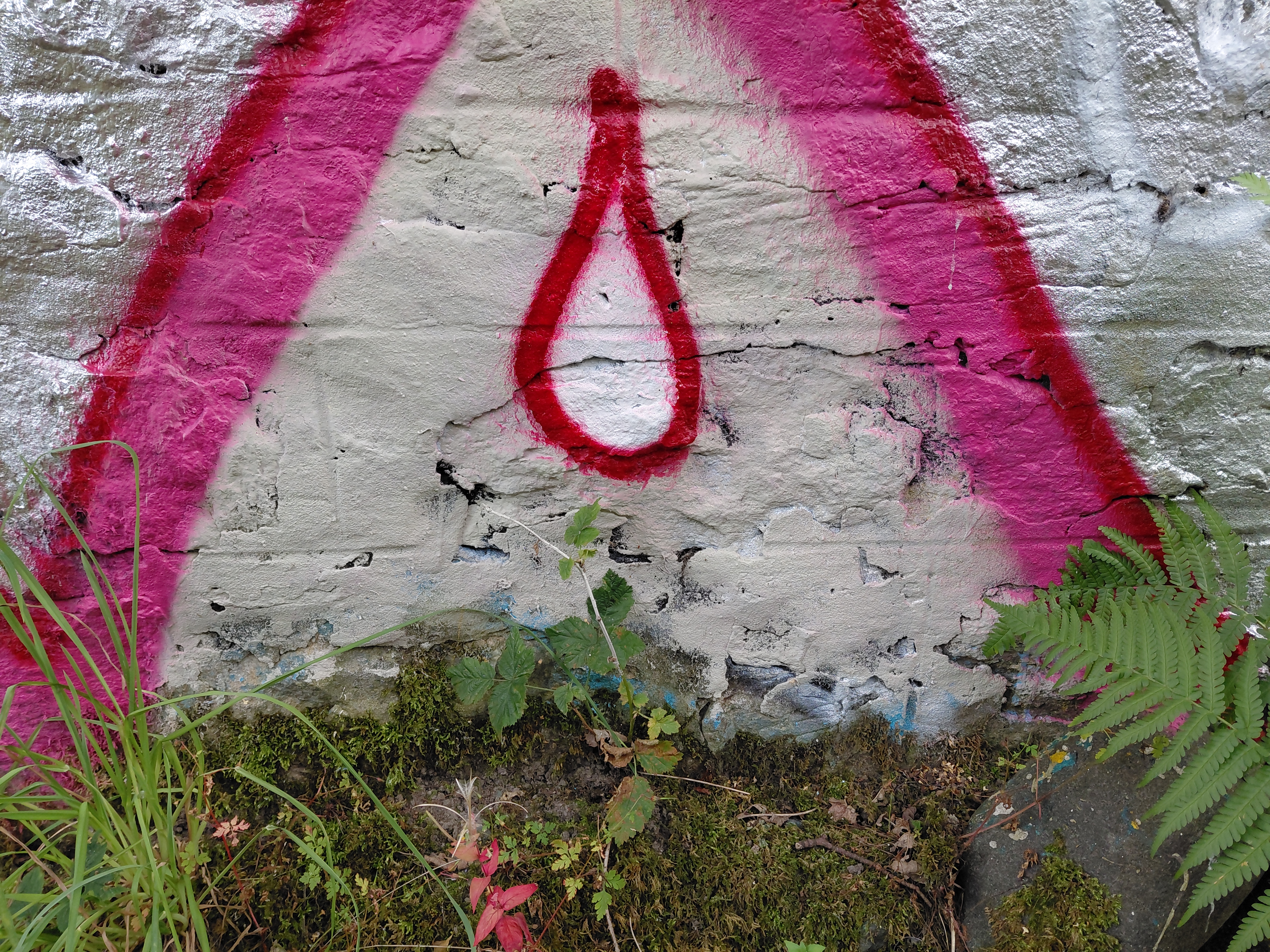
Illustration for Walking the Taskscape by Tamsin Grainger

This was in response to a prompt for the Walking the Land June 2026 First Friday Walk provided by Caroline Morris (@curioverse on instagram)

* Taskscape is an anthropological concept introduced by social anthropologist Tim Ingold. It describes the temporally unfolding field of human and non-human activities that occur within a landscape.
These Old Paths

A film made during and in response to the January 2026 First Friday Walk, prompted by Lucy Guenot.

She wrote, “Let’s think about the walks and the paths and tracks that are most familiar to us: the comfort of taking a well-known route where you don’t need to think about directions or following a map.”

“Reflect also on the history of old tracks, made by centuries of walking:

"These are old paths, designed

And kept alive by feet

For whom walking was

The only way of going.

These are the treads of workers,

Plodding early with their bait

To quarries, mills, farms …"

From 'Wotton Walks’ by U A Fanthorpe."

I was booked on the train from London to Edinburgh on January 2nd, so I could not walk. Instead, I filmed the countryside, cities, and full moon through the window as we rushed past. To make the work, I slowed the footage down and juxtaposed it with the sound of me walking a familiar walk between my home and the nearby beach.

On the train, I didn’t need to think about directions or following a map, I was simply carried along. This was a ‘comfort’ of sorts, though walking is better for my hips than sitting down for long periods. I had time to think that the train tracks between Scotland and England were laid down over the same earth that drovers walked on from the Highlands to the Lowlands in the 18th and 19th centuries. These epic walks were with dogs, sheep, and ‘hardy black cattle’.

By contrast, I walked on striped LNER carpets, bumping into the seats on my way to the buffet, loo, or the end of the carriage to stretch. Standing looking out, I remembered the old school trains which had windows which opened. I used to lean out as far as I could and feel the fast air on my cheeks. 

First Friday Walks are community, walks in-person or remotely, with members of Walking the Land Artists Collective.

@lucyguenot #firstfridaywalk

The Rough Wooing

This short film (just under 4 minutes long) was made for the Walking the Land August First Friday Walk. Zoe Ashbrook provided the prompt which, for remote walkers, was ‘A Familiar Walk Through Fresh Eyes‘.

Here is the film on Vimeo.
Poppies have long been seen as a symbol of sleep, peace and death, not, for me, a sign of patriotism, nor any sort of justification for war

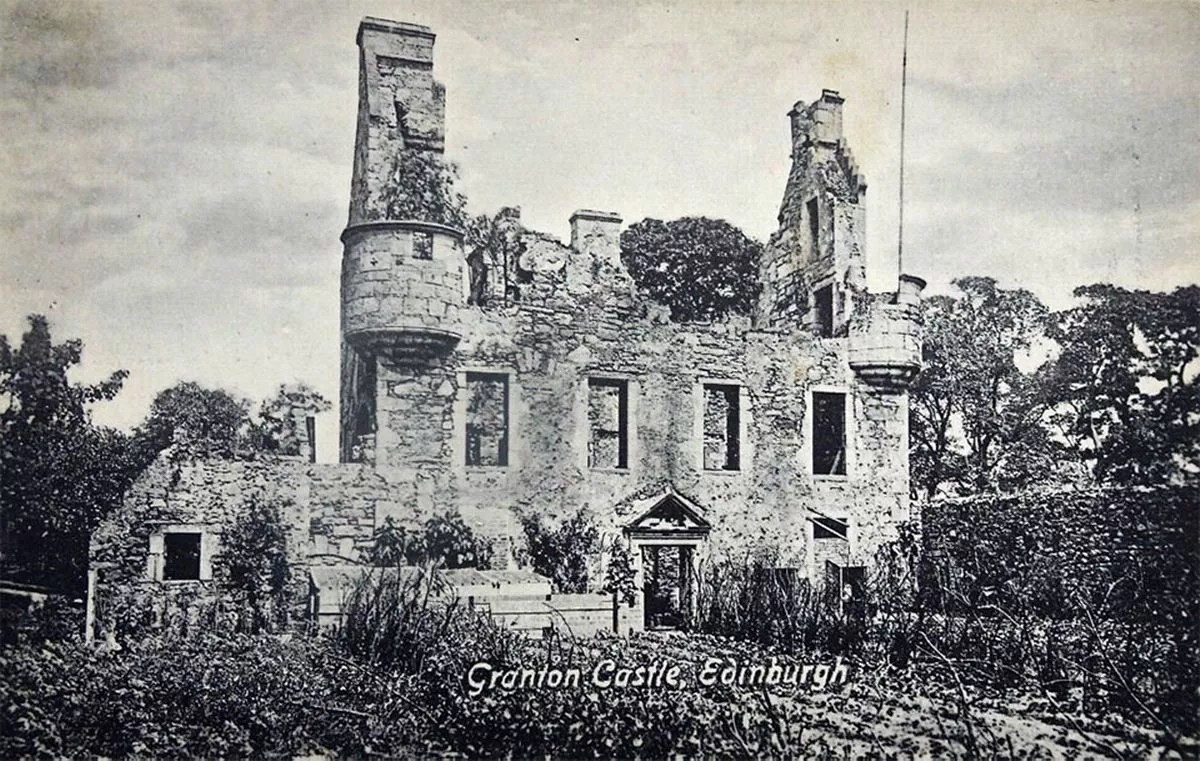
I chose to walk on the familiar site of Granton Castle in Edinburgh, now naturalised wasteland to the sea-side of the Granton Gasholder, which you can see glimpses of in the film. I’d been researching the Rough Wooing, an attack on Scotland by Henry VIII (1543-1551). It was in retaliation for Mary Queen of Scots refusing to marry Edward and allying herself, instead, with France. The first tranche ruined this Medieval castle which stood overlooking the Firth of Forth, where the marauders landed.

The historian William Ferguson contrasted “the jocular nickname of the ‘Rough Wooing’ with the savagery and devastation of the war, “the English policy was simply to pulverise Scotland, to beat her either into acquiescence or out of existence,…”” and that reminded me of wars happening now in Palestine and the Ukraine. Luckily, I am geographically far away from them, but nevertheless I see and read about what is happening, and my heart goes out to the people for their enormous loss. I ask, What can I do?

So, I walked this familiar route with war in mind, inviting the landscape to reveal ways in which I might be able to get insight, to deepen my understanding of the outcome of such actions, and develop compassion for what it might be like to be in the middle of it.

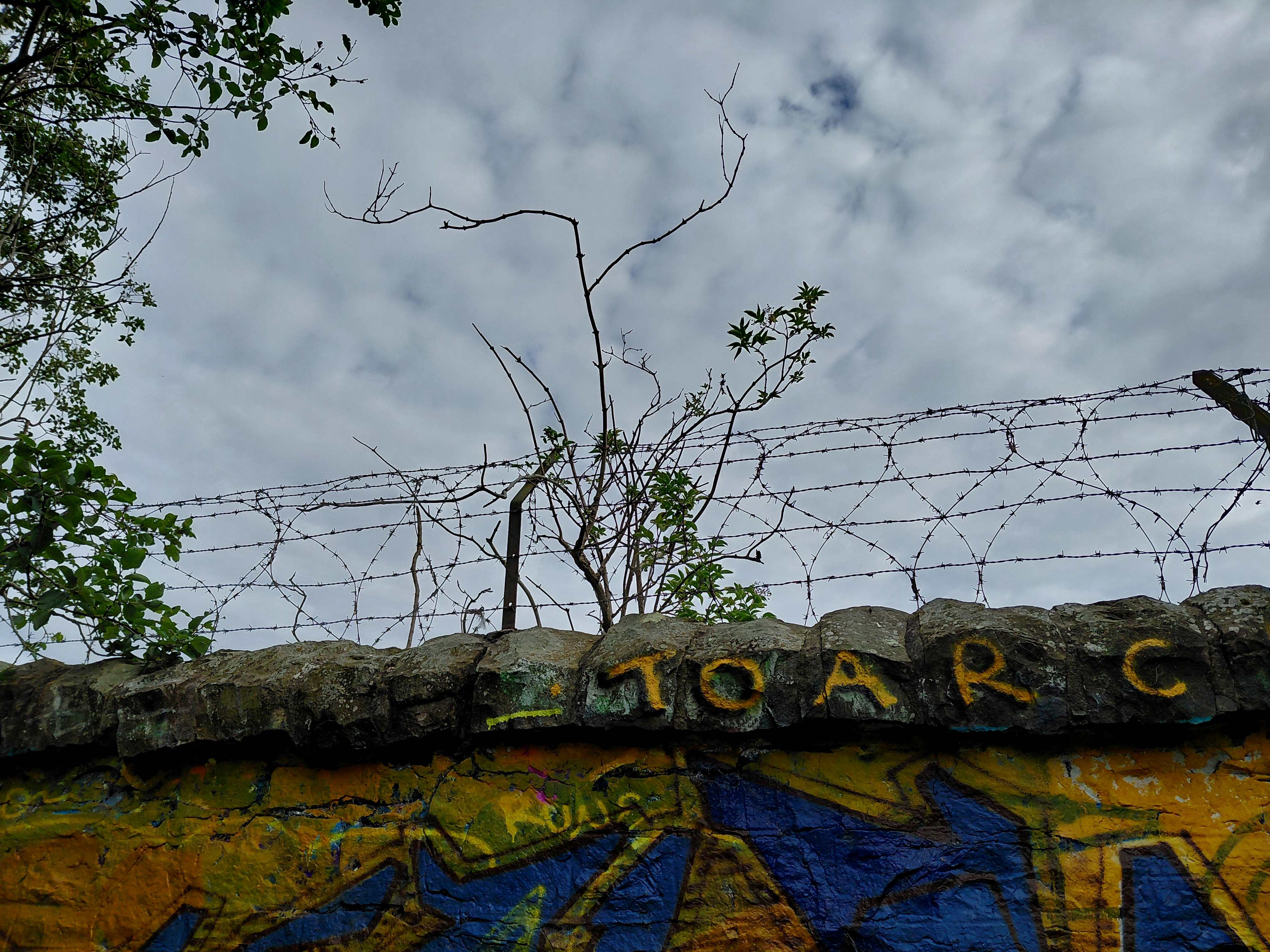
You will see symbols of remembrance, Rowan berries like drops of blood, damaged household items strewn everywhere, indications of brutality, seemingly apt graffiti, what might be a grave and a tombstone, and stumps – trees and metal cut down in their prime. The soundtrack features the cries of a pair of unseen sparrowhawks, quaking poplars, the threatening rumble of a surveillance helicopter, the comments of magpies, and empty silences. (Please note that you may need to turn up the sound on your device.) There are trees which have been wounded including one that was burned, and I spent some time beside it drawing its poor body with some of its own charcoal.

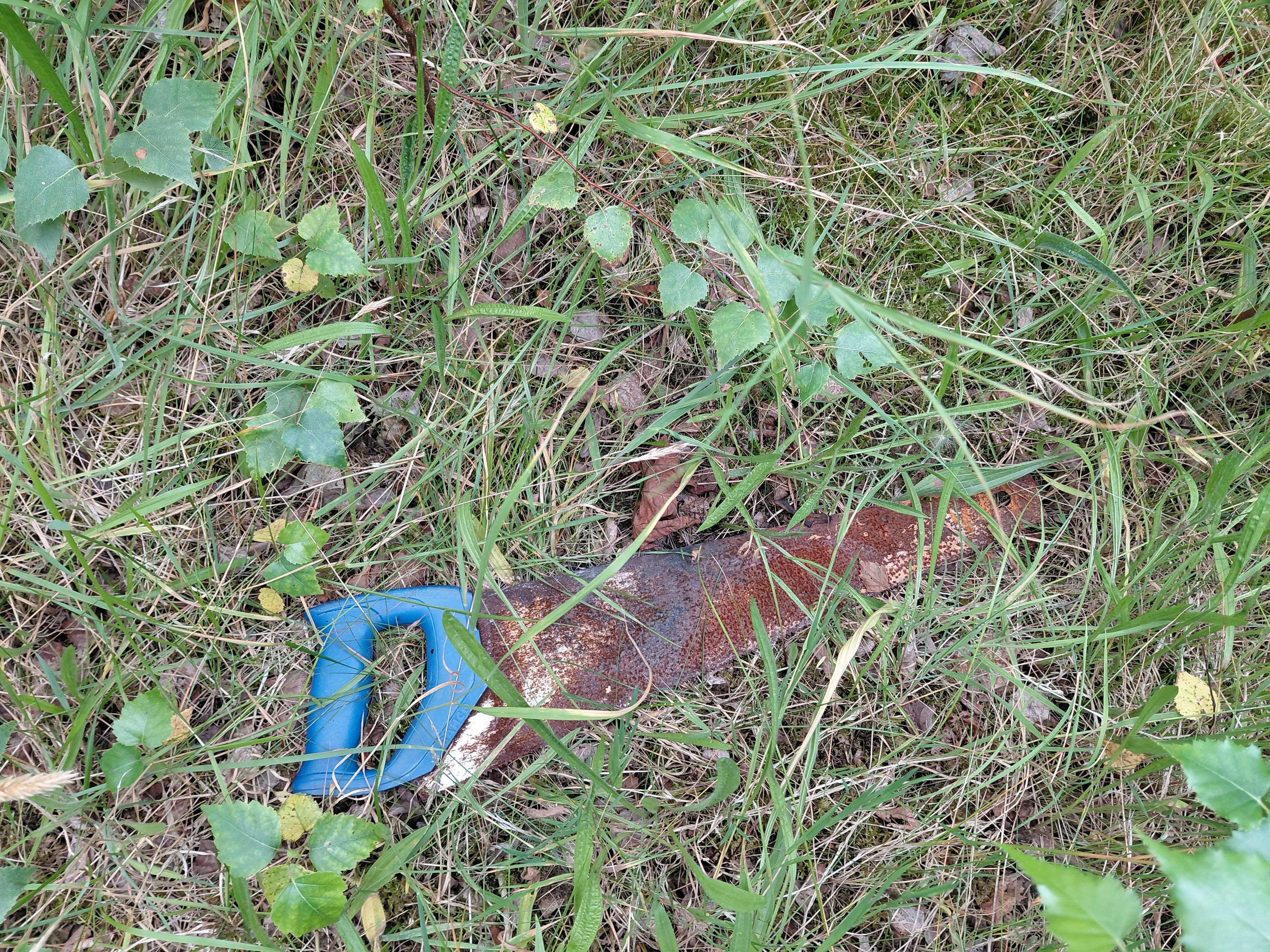
Found saw, Granton, Edinburgh

Finally, I walked into a quiet clearing where butterflies, bees and other insects were alive. There is, as always with living entities, the instinct to continue, to keep on climbing over obstacles, even if you’re a tiny ladybird in a vast place. The natural landscape does renew itself, eventually, and although this is hard won and in no way negates the horror of human conflict, it was a hopeful reminder that these wars will end. Some people, at least, will learn from them, will understand that though they have been wronged, such aggression does not justify attrocity, nor forge positive relationships for the future or bring about the peace for which we all yearn.

For the record: I, in no way condone the attack on Be’eri, the Israeli kibbutz and the killing and capturing of civilians there by Hammas.

First Friday Walk

1 November 2024 a Walking the Land artist collective monthly event. This Friday’s brief was by Janette Kerr and me, Tamsin Grainger and part of the Lines of Enquiry, a collective walking art project which will culminate in a group exhibition in 2025.

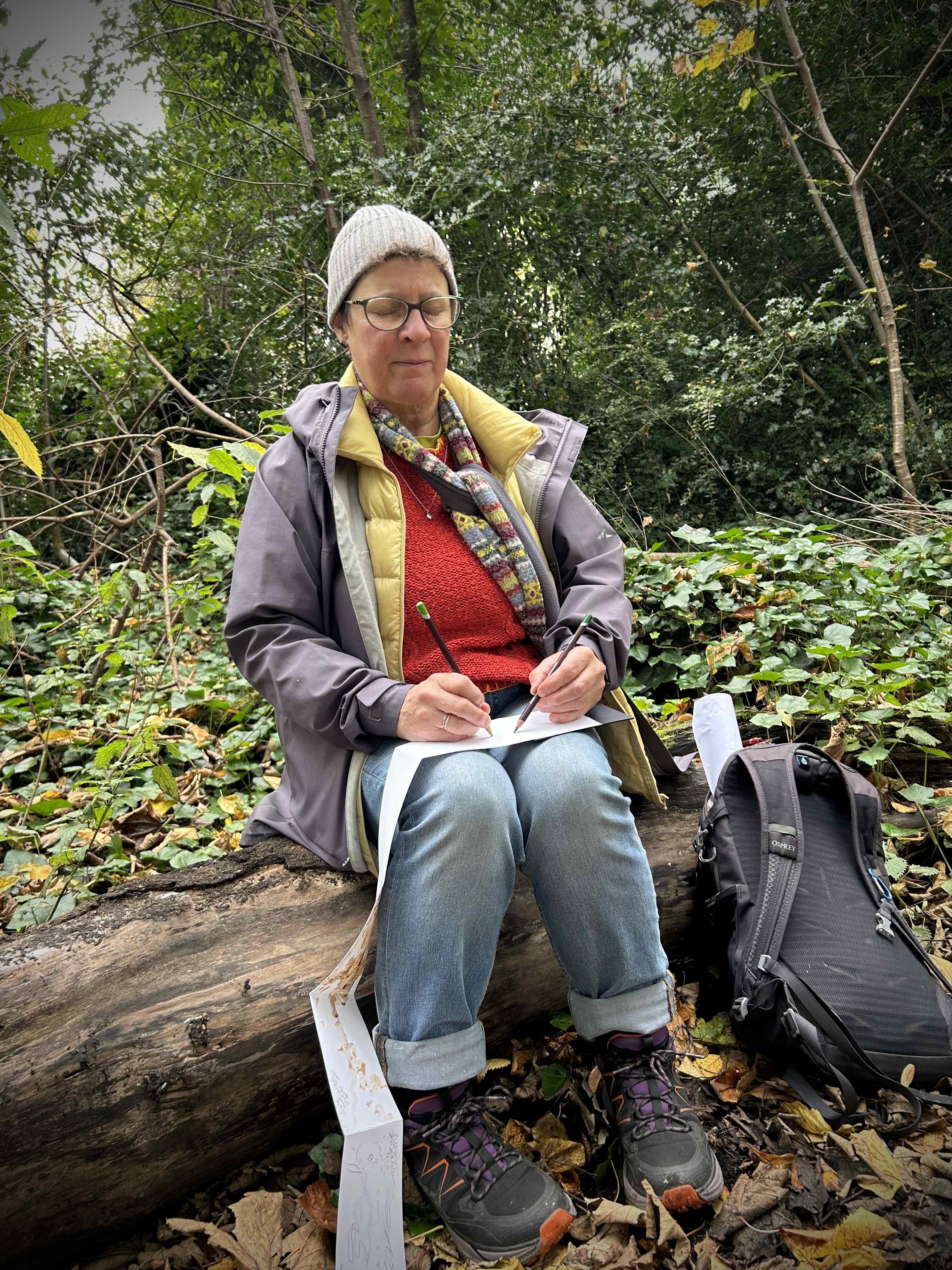
Look for somewhere to sit, stand or crouch on your own. Pause. Close your eyes and concentrate on listening.

Try to separate out all the sounds you can hear.

Using a piece of paper and pencil, crayon or pen, and with your eyes still closed, make marks on your paper that you think might represent the sounds you are hearing (don’t try to make a picture of, or draw, the thing making the noise!)

Spend as long as you like doing this. You might stop and do it several times during the walk.

If you are walking with others, you might try this together on one piece of paper.

Here are the What3Words locations for the 6 stops we made along part of the Edinburgh Cycle Path network, connecting in spirit with others who were walking along the Honeybourne Line (Gloucestershire) and elsewhere.

  1. ///Causes.Host.Home
  2. ///Perky.Fetch.Useful
  3. ///Notice.Case.Bugs
  4. ///Linked.Tides.Eager
  5. ///Bounty.Belong.Only
  6. ///Maker.Exit.Corn
  7. ///Friday.Notice.Retail
Damp earth causes stains
Tree hosts magpies and sparrows
Home is far away.
Perky dog's tail wags
'Fetch' calls his human with joy
Useful happinness.
Part of the No Birds Land sound walk installation
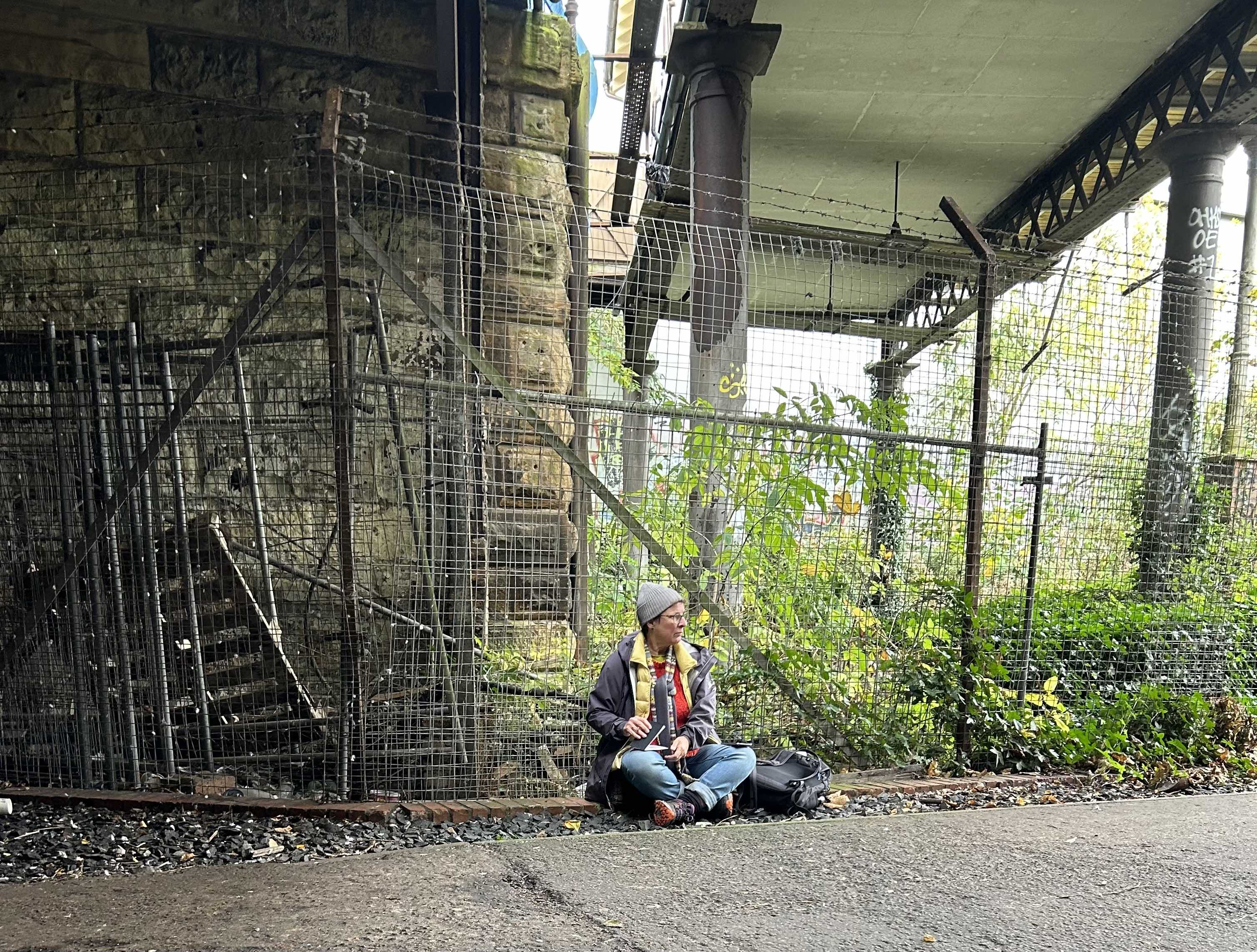
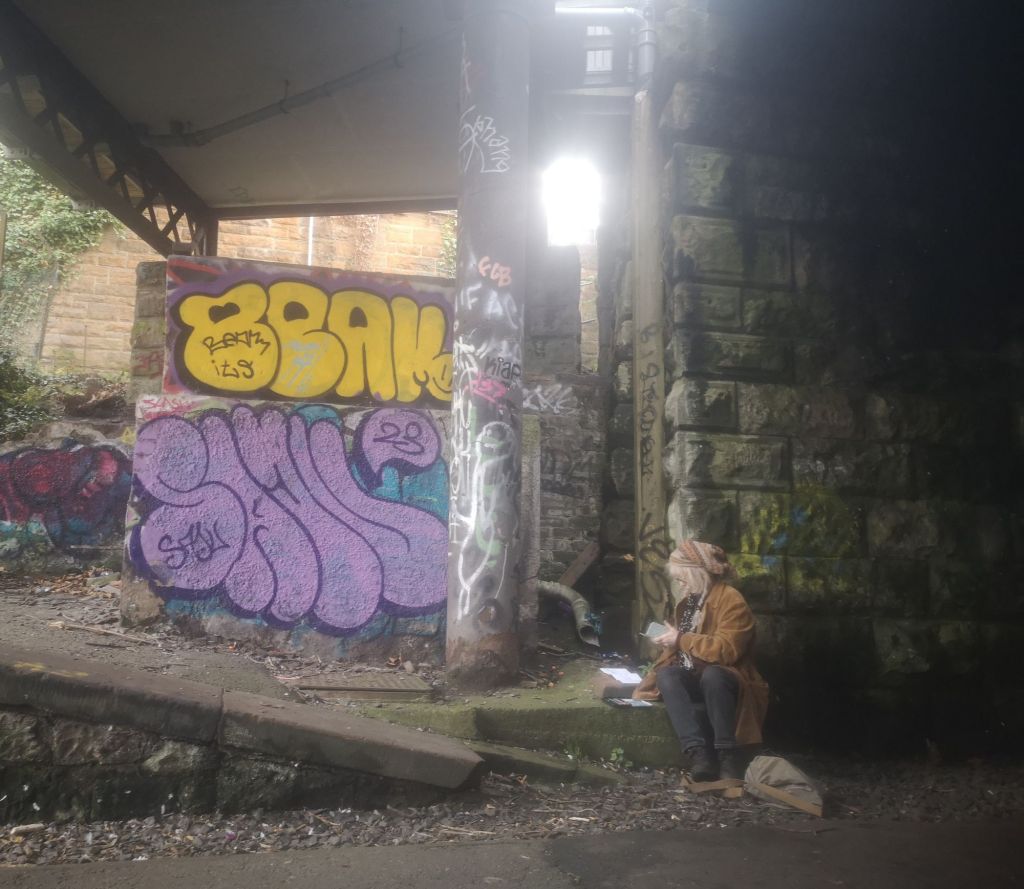
Under the Bridge. Edinburgh cycle paths. Photo Janette Kerr
Notice how cold stone
Is, in case of chills and piles
Bugs me every time.
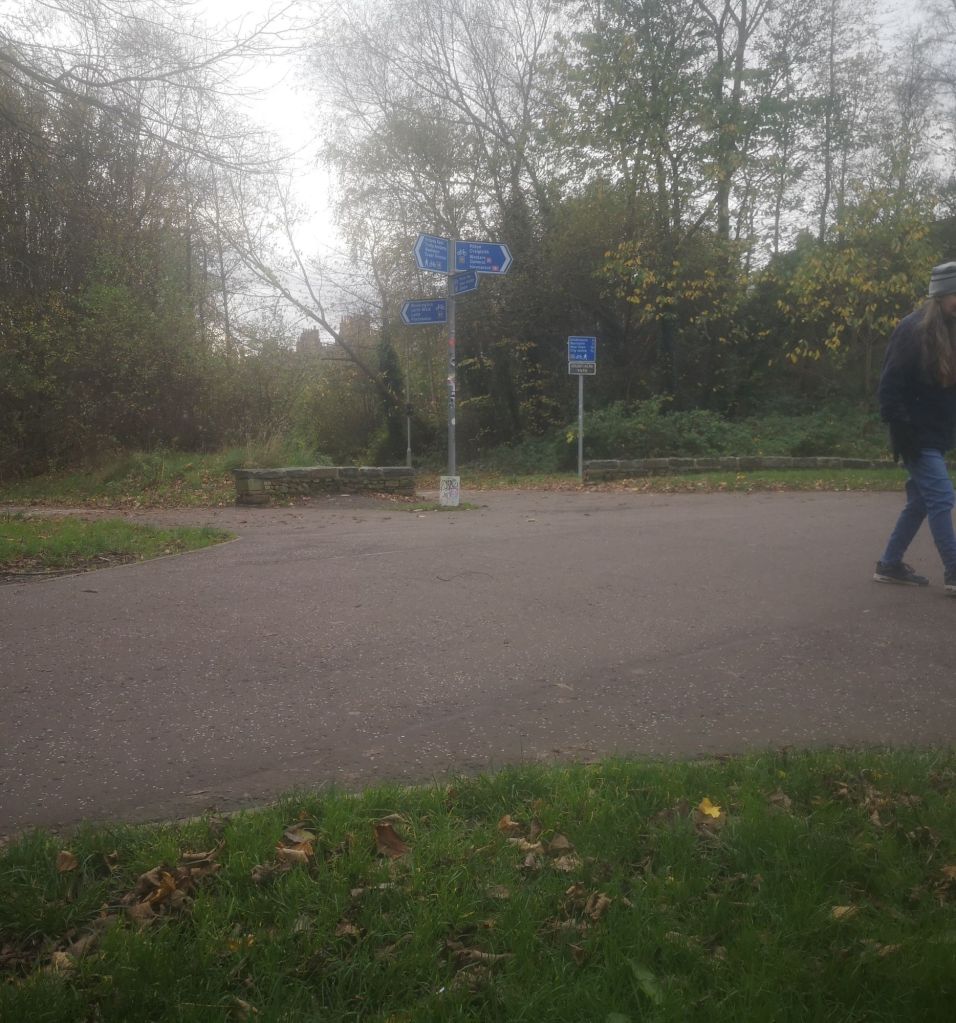
Where the 5-ways meet on the Edinburgh Cycle Path
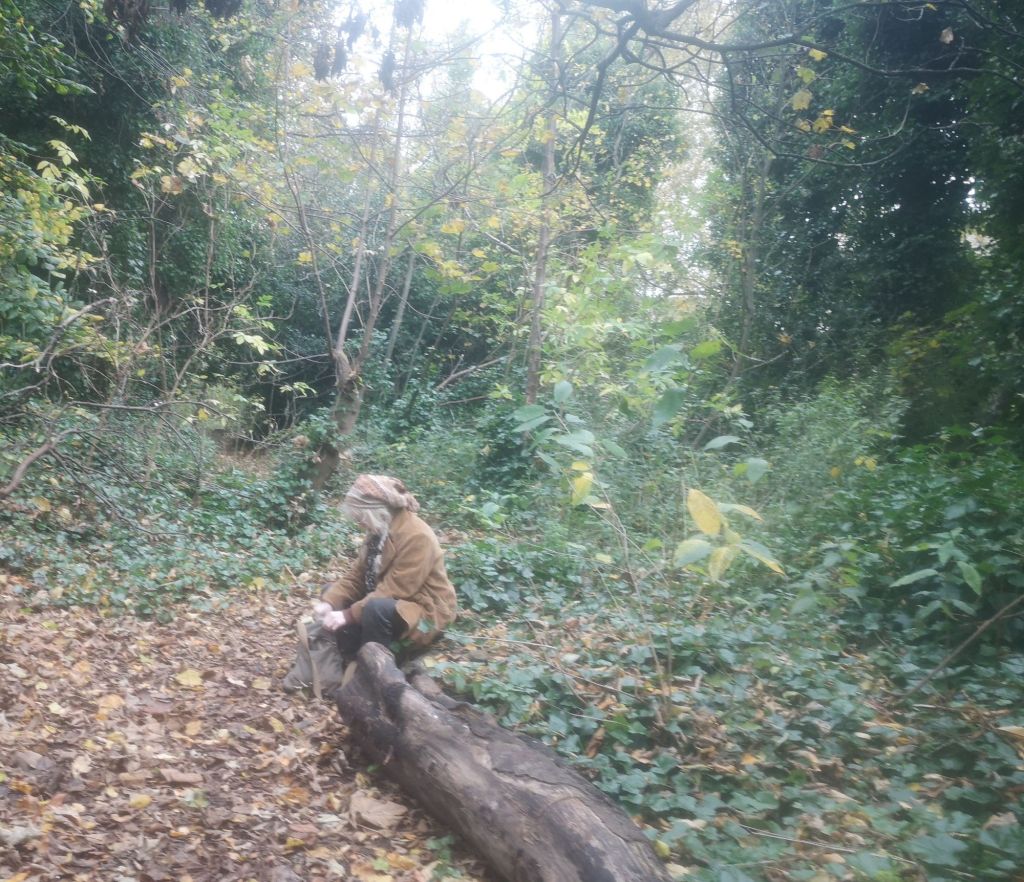
Log sitting linked to
Ruth, tides away from here, though
Eager to connect.
Not Log Letters but Log Drawings (of the soundscape)
Pigeon poo bounty
Belongs here under the bridge
Who to? Only coo!
Despite the metal mesh, the pigeons roost in the roof of the old railway tunnel where Janette draws
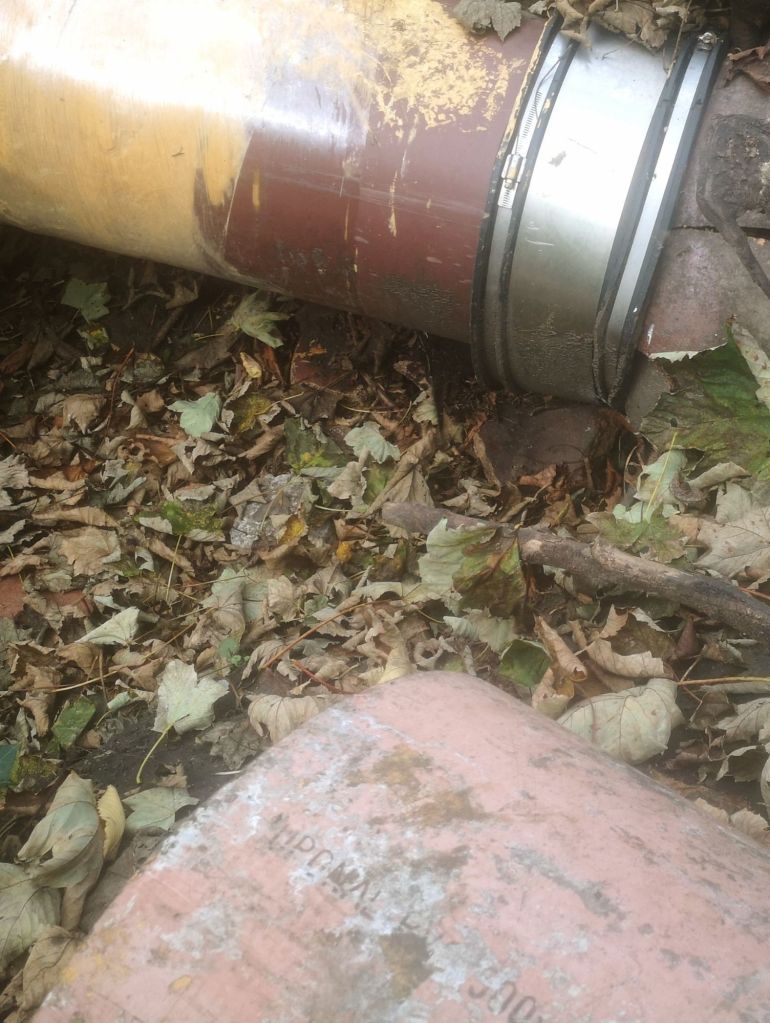
Maker mark on pipes
No exit for the sewage
Rose and corn coloured.
Strange, but serious pipes on the hillside
First Friday walking
Notice the noise of the drill
Retail shop going up.
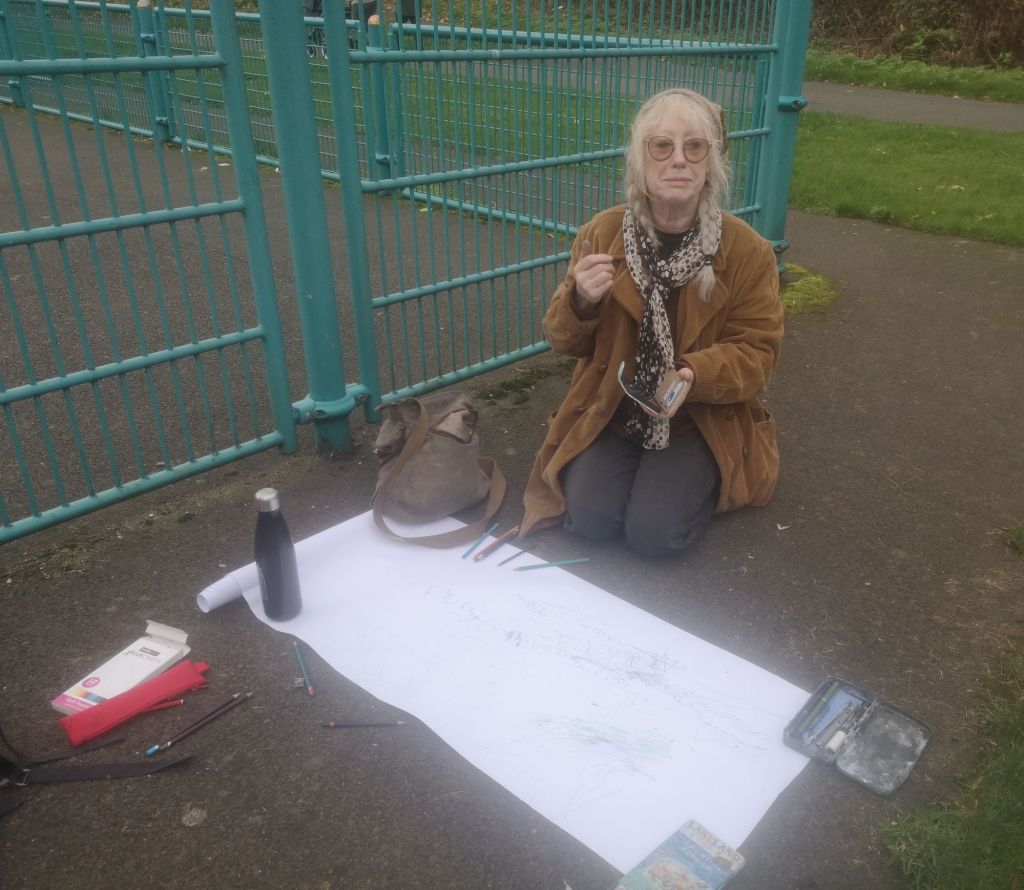
Final stop: drawing together, opposite each other at the end of the Leith Path near the Edinburgh Sculpture Workshop
Some of the drawings made during the First Friday Walk (November 2024 by Janette and Tamsin)

Notes

On the ‘Log sitting …’ haiku: ‘Ruth’ refers to Ruth Broadbent and our project Conversations from a Log