Camallera Sound Walk

November /December 2023

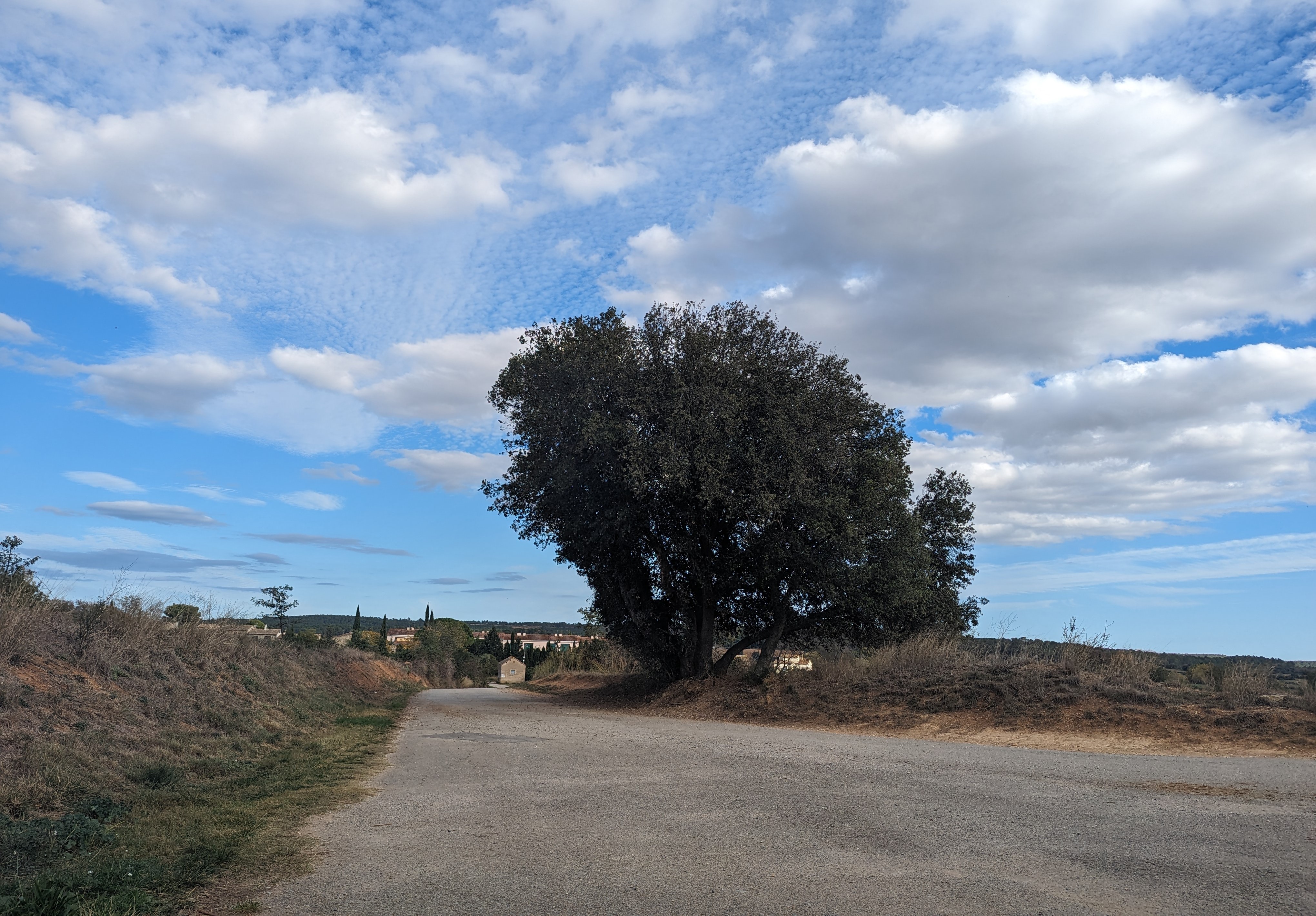
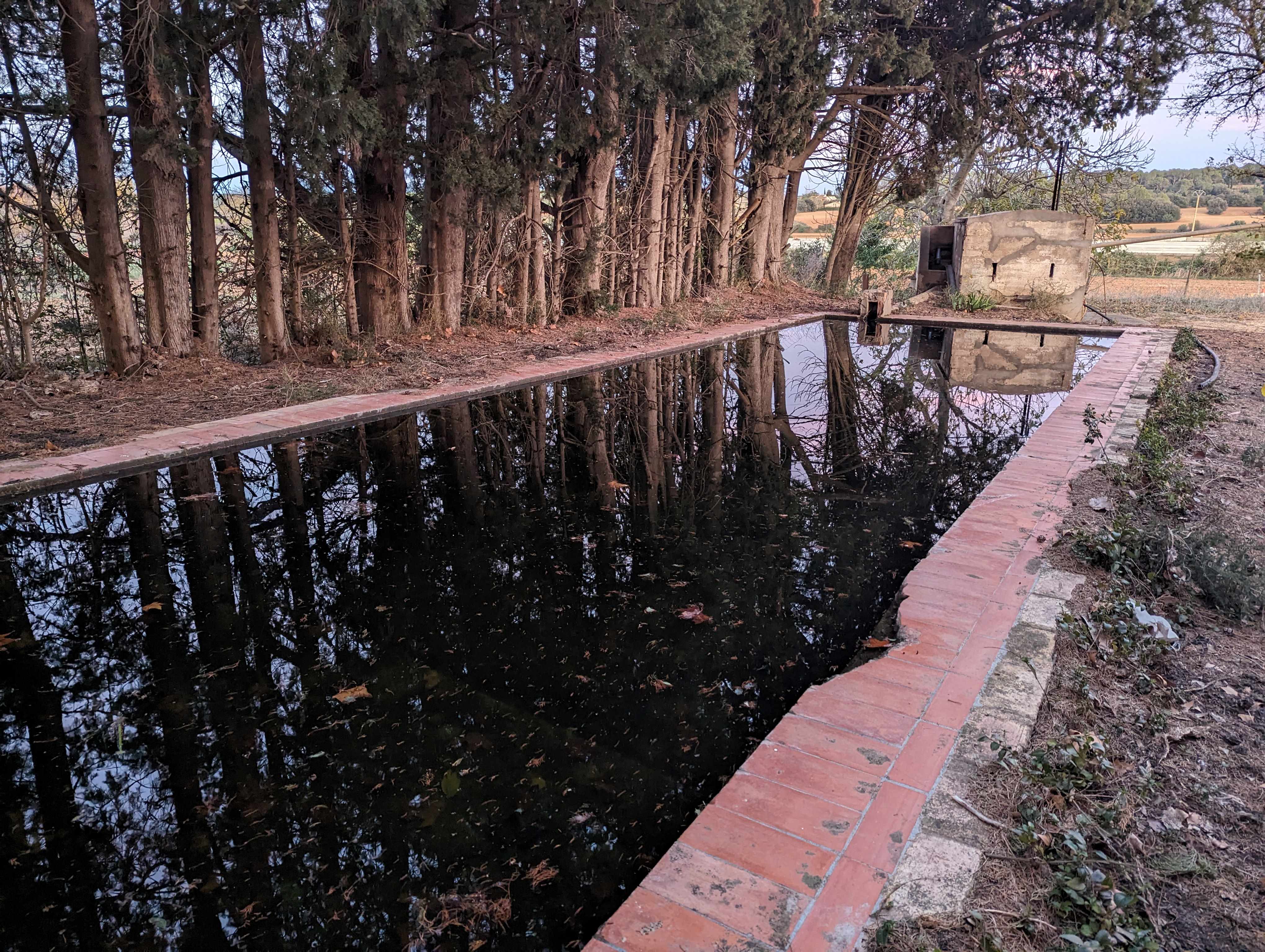
The Camallera Sound Walk is a walk around the border of the town of Camallera. There are 12 stages to the walk, and at each stage there is an original sound montage to listen to. It was created during an artist residency at Nau Côclea, Camallera, in Cataluña.

Audio link on Soundcloud

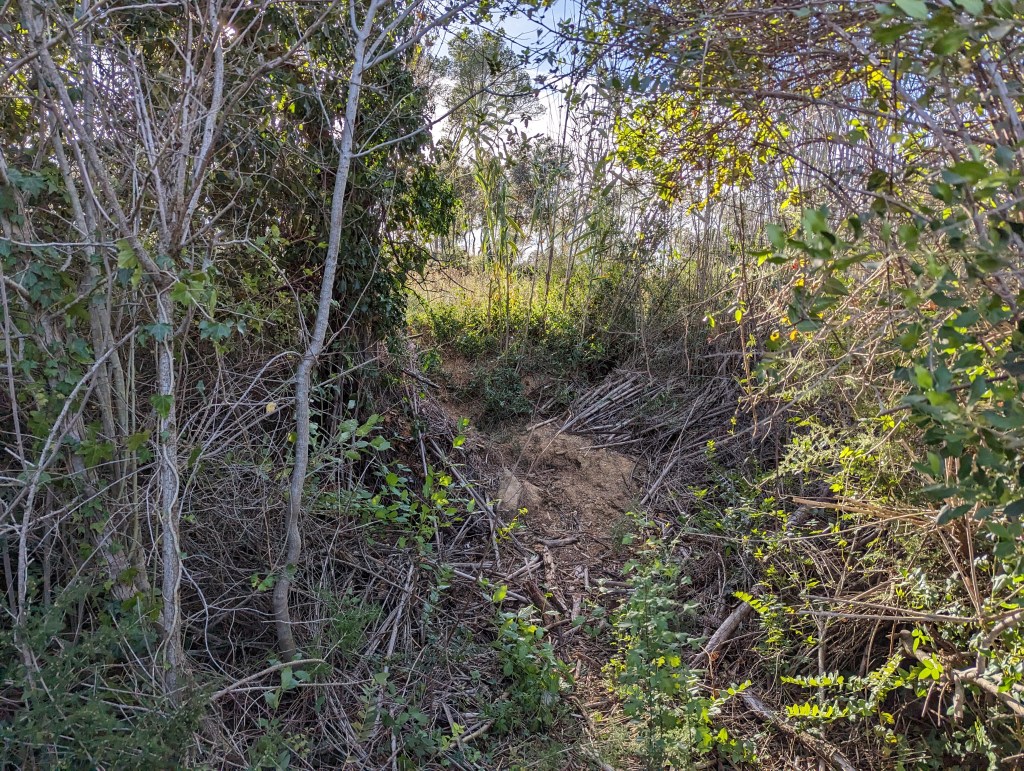
The walk is on flat, smooth land except for a short climb through the woods between Stages 2 and 3. You do not need to be very fit. It will take approximately 1.5 hours depending on your pace and how long you stop at any one time. There is a cafe / restaurant: L’avi Pep, half way round if you get thirsty (see map below). You are advised to wear sensible footwear and appropriate clothes for the weather. Bring water with you to drink.
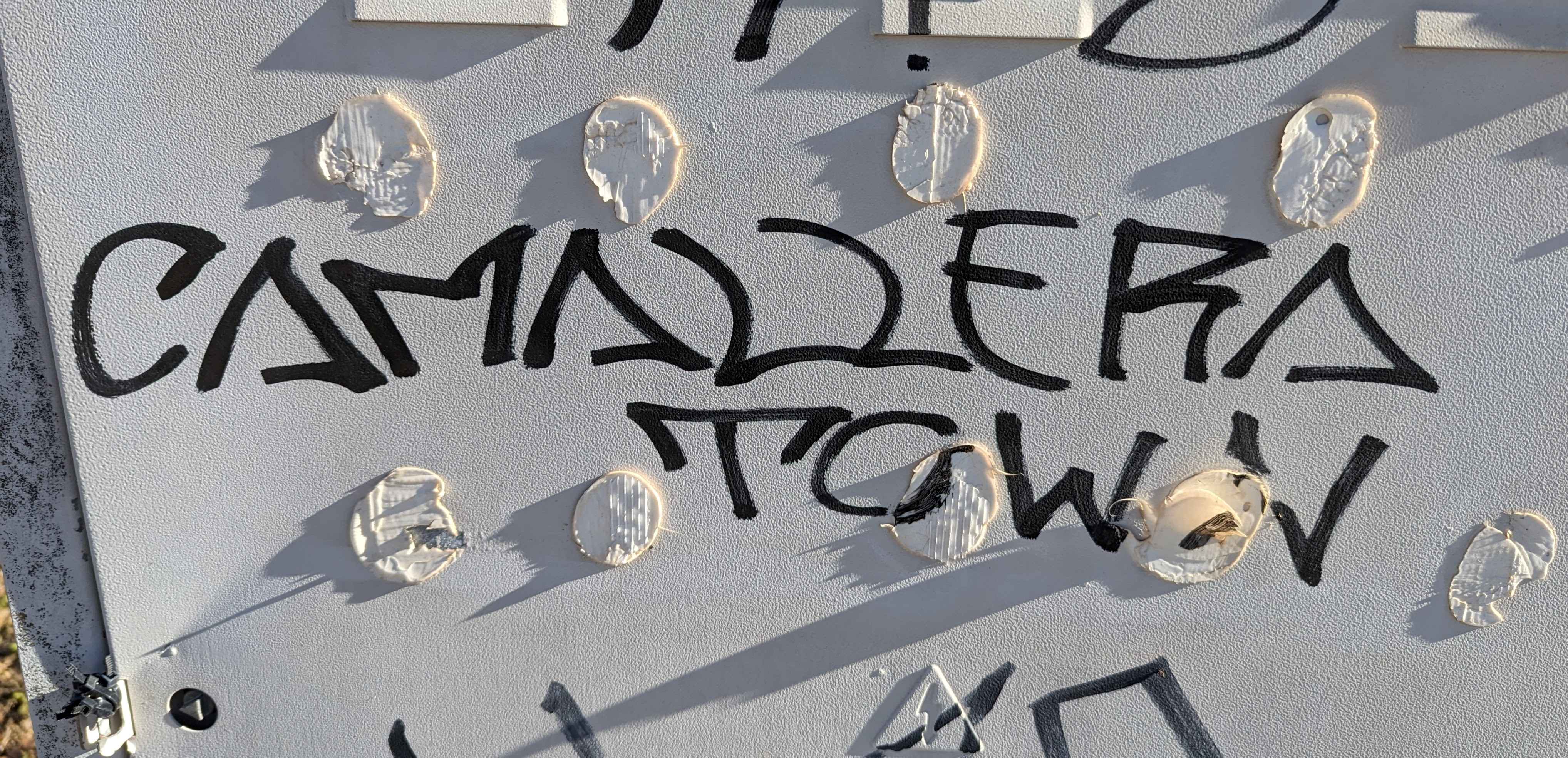
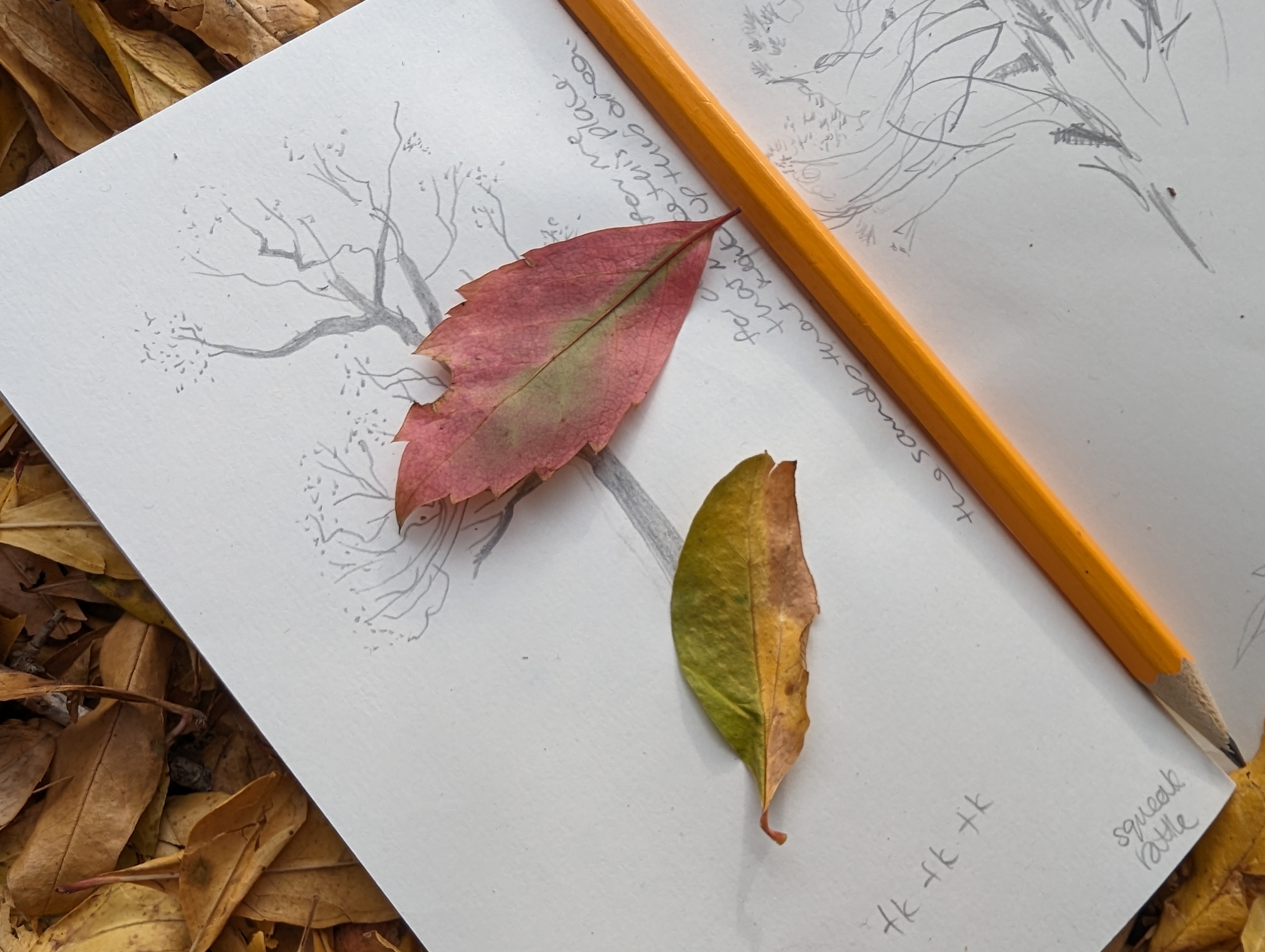
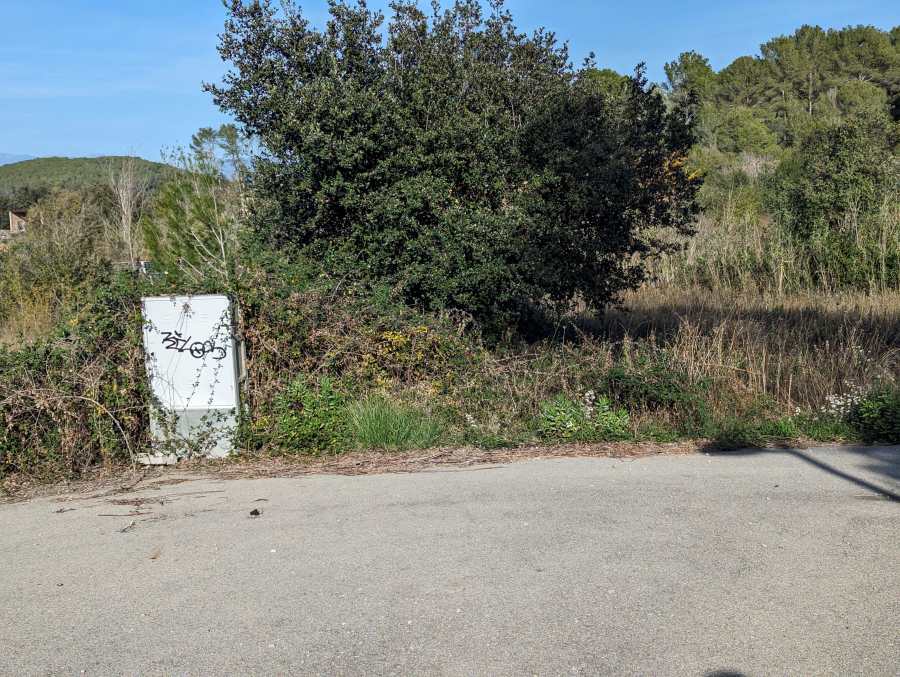
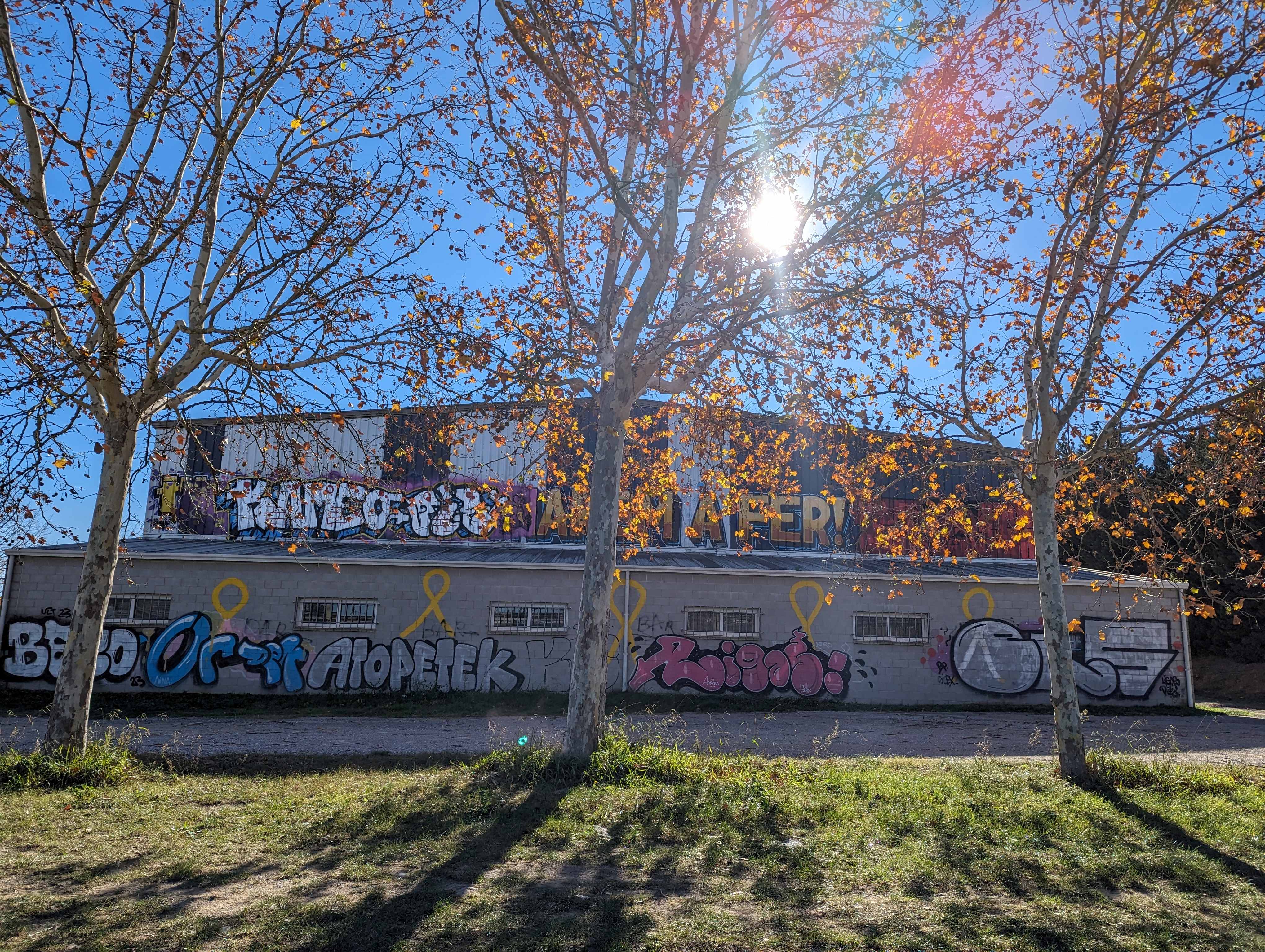
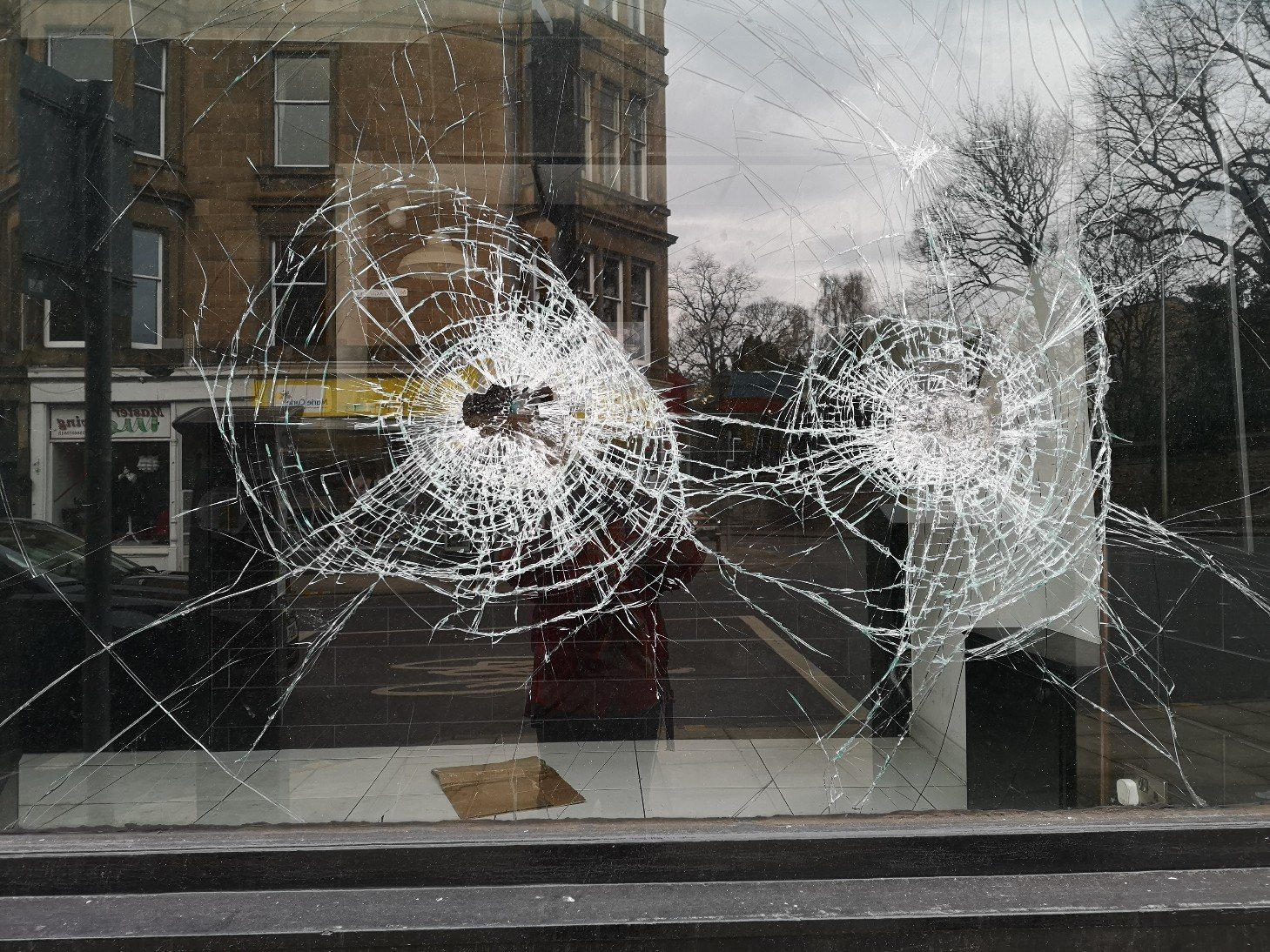
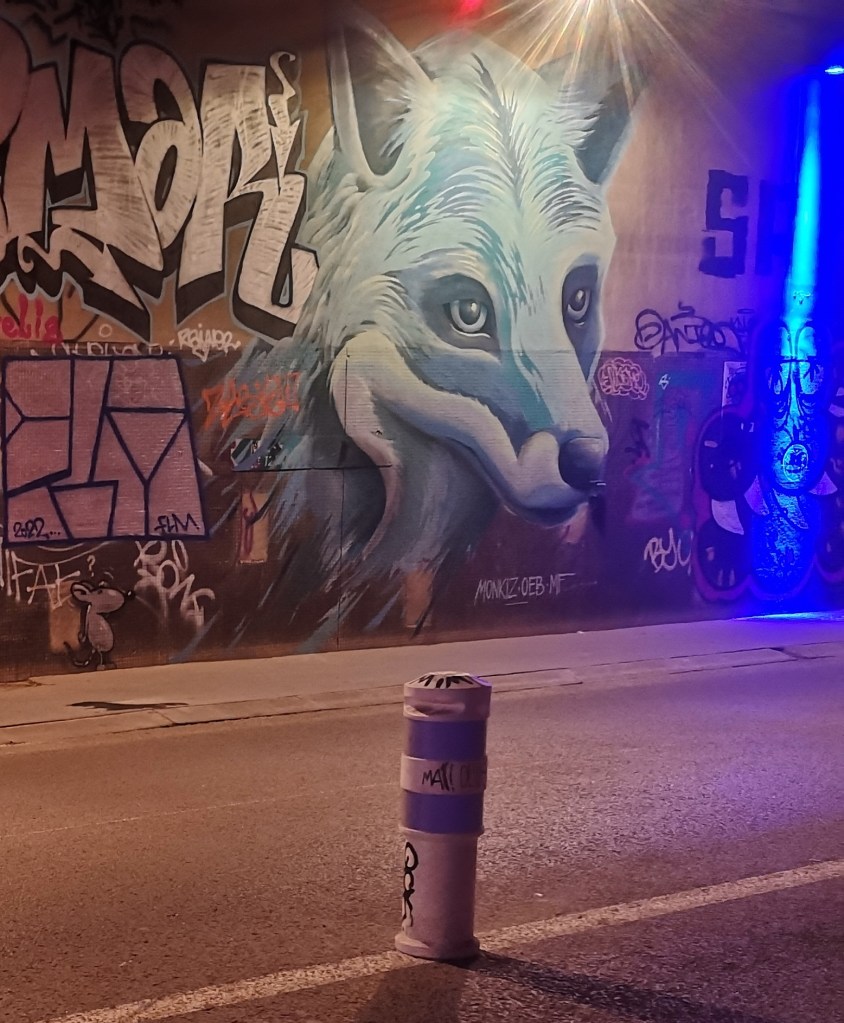
Local graffiti

Part of the Separation and Unity Project

This walk is part of the Separation and Unity project. Part One began in Spring 2023 with walking the St Margaret’s Way pilgrimage in Fife, and the oak forest of Dalkeith, both in Scotland (Caledonia). Shortly afterwards, I walked part of the Camí de Sant Jaume (Camino Catalán) pilgrimage for the Walking Arts Encounters in the summer, located in Girona, Olot and Vic, Cataluña, first alone and then leading others.

Part Two were Boundary Walks: the first around Granton in Scotland followed by an exhibition, Walking Like a Tortoise, and then this Camallera Sound Walk.

All my walks are part of my on-going life’s walk, all are connected, and each one leads on to the next.

Camallera
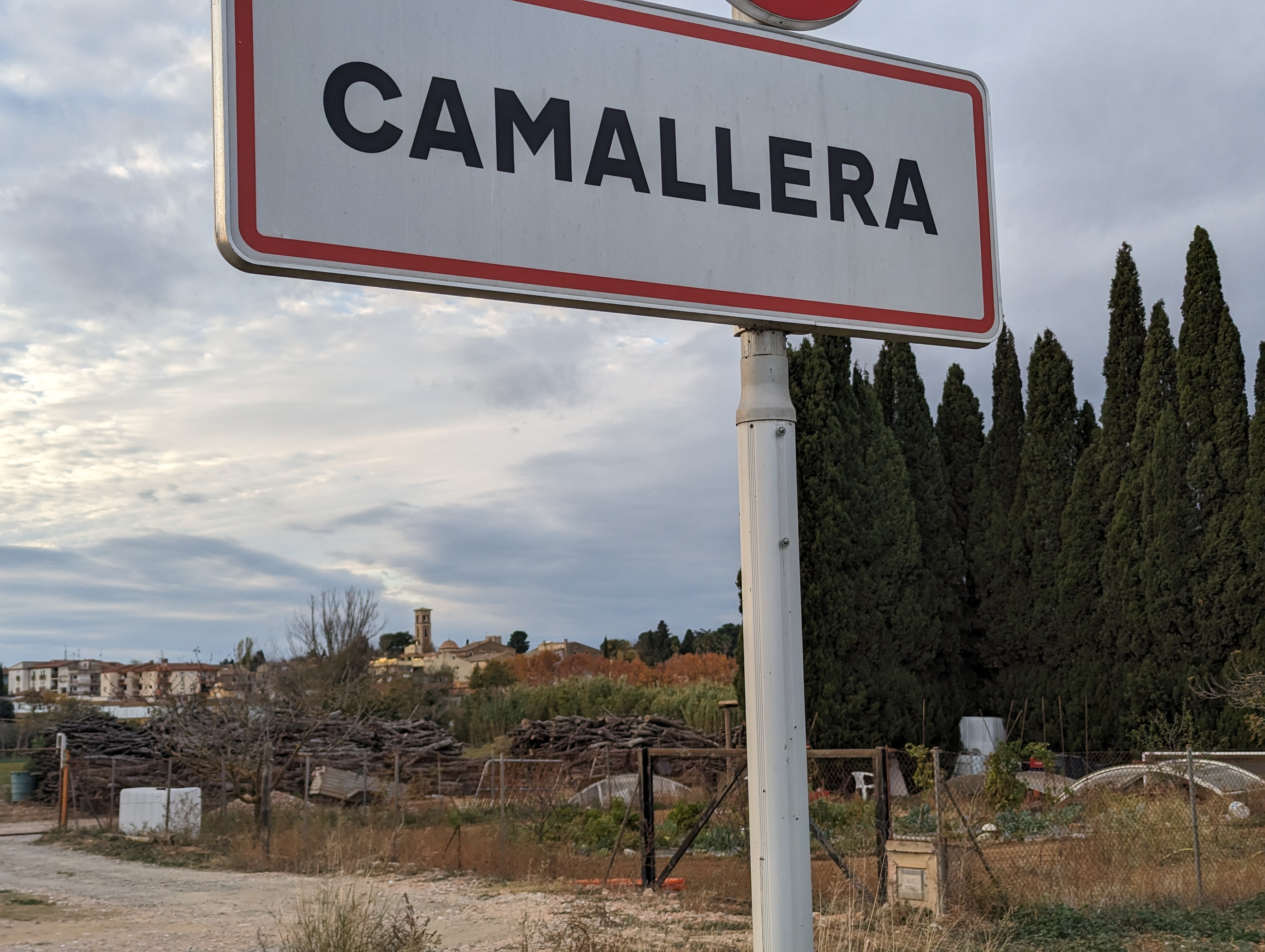
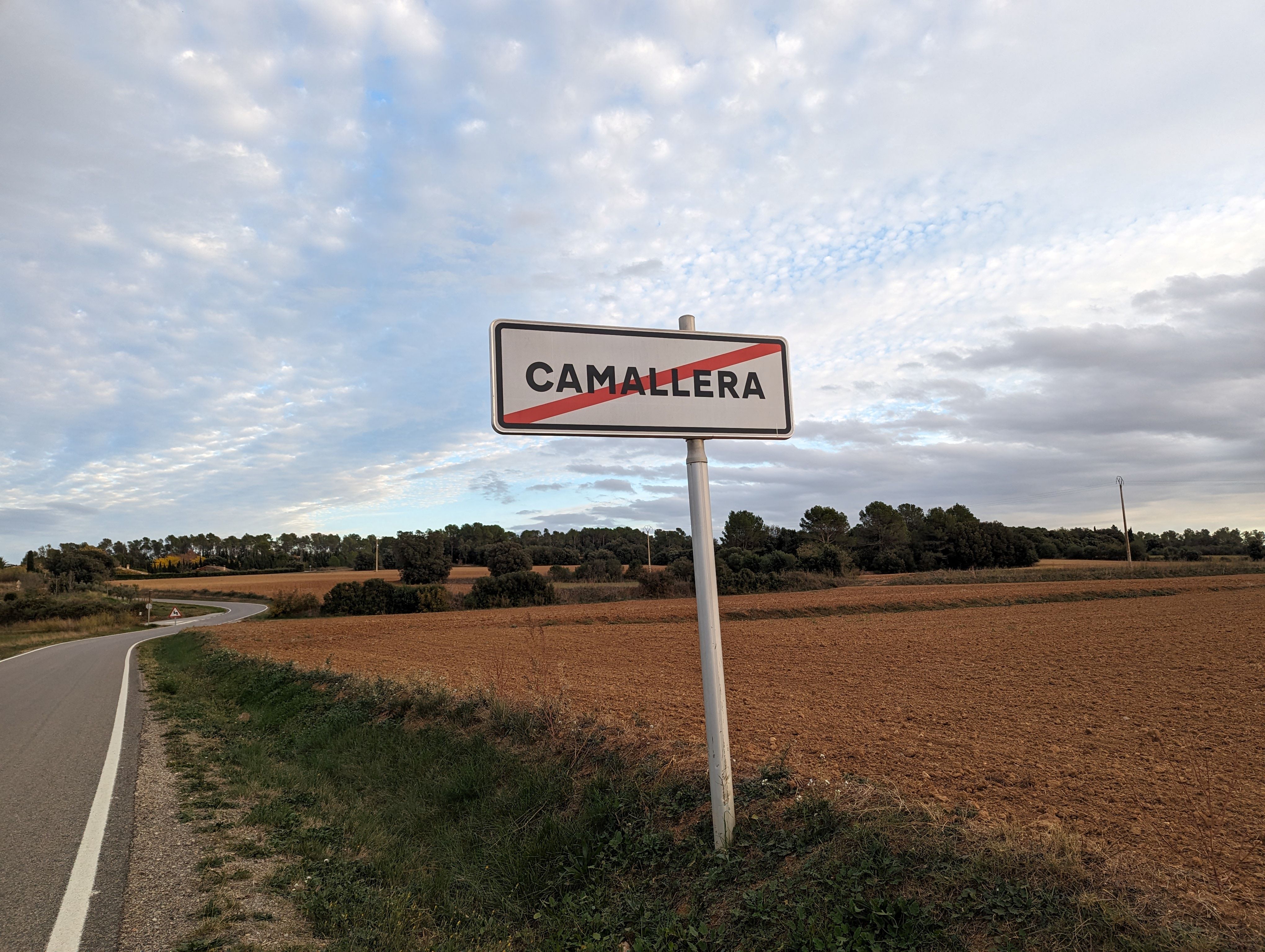
Camallera is a small town in the comarca (region/county) of Alt Empordá which borders with France, and includes Figueres. The municipal border (shown in yellow on the maps) between it and Vilaür slices through the top. It is a third of what I would call a parish in the UK – the trinity of Saus-Camallera – which also includes Saus to the north-east and LLampaies to the west. There are around 800 people living in Saus-Camallera, and it is a mixed agricultural, industrial and tourist area.

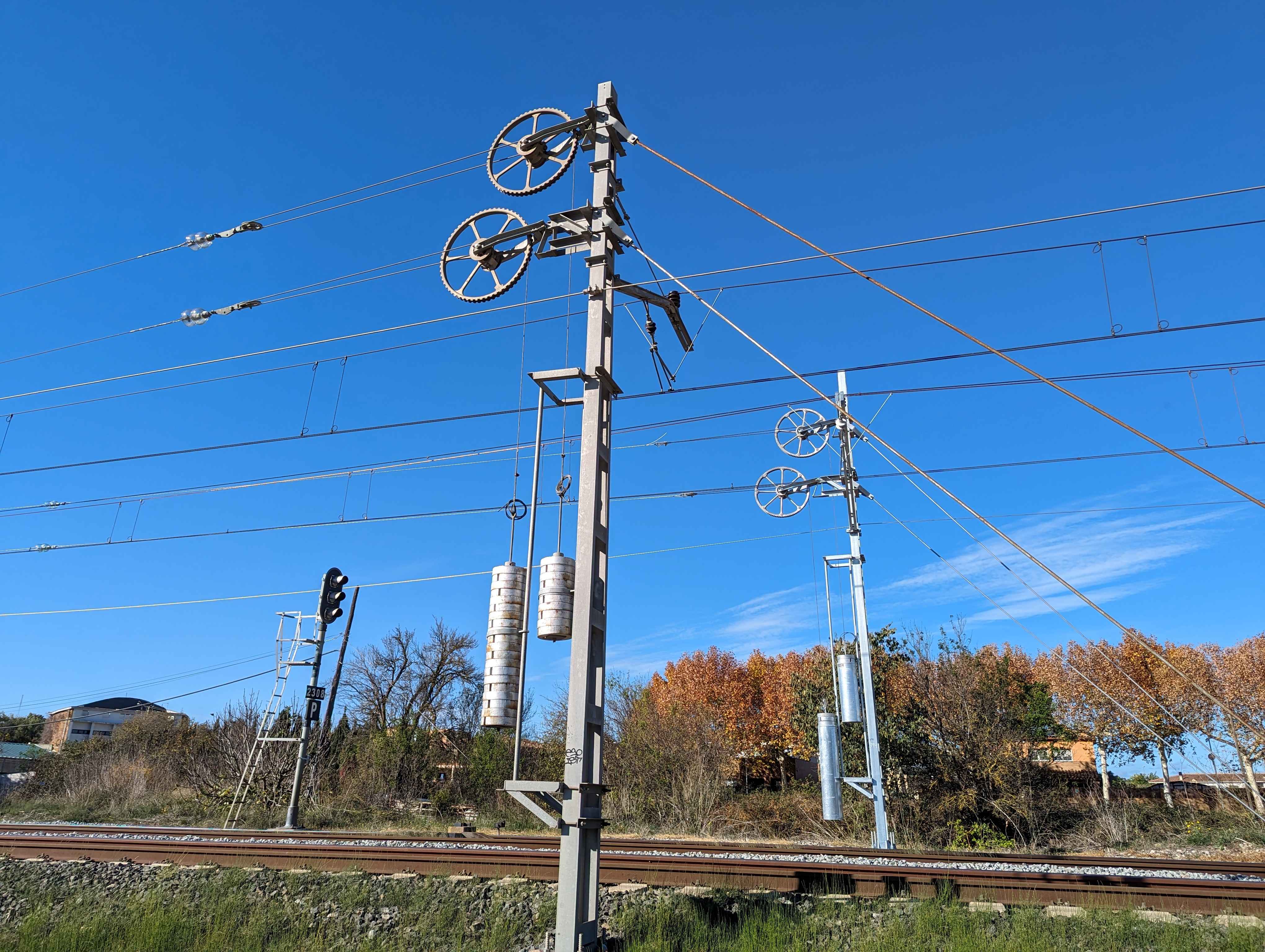
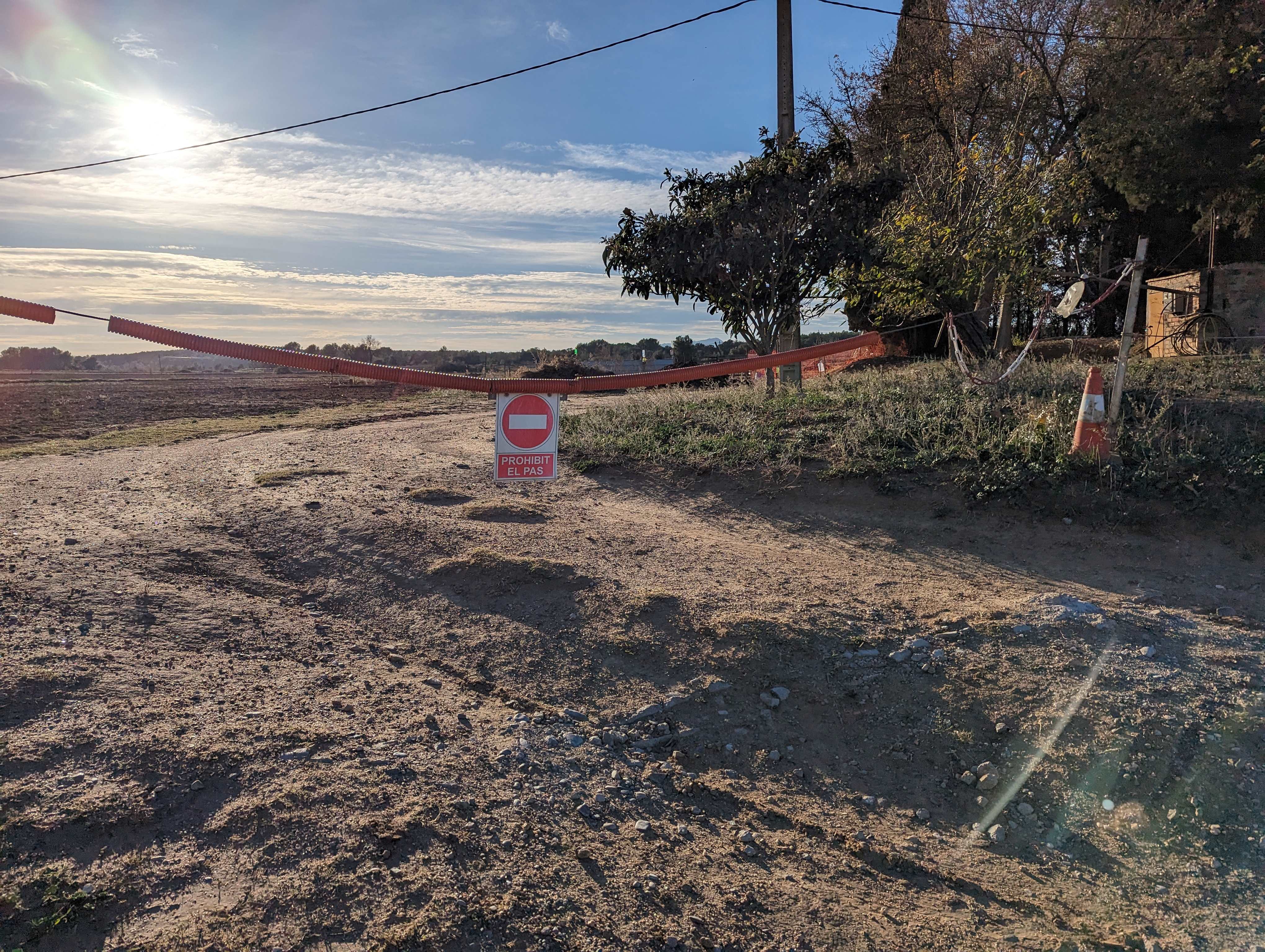
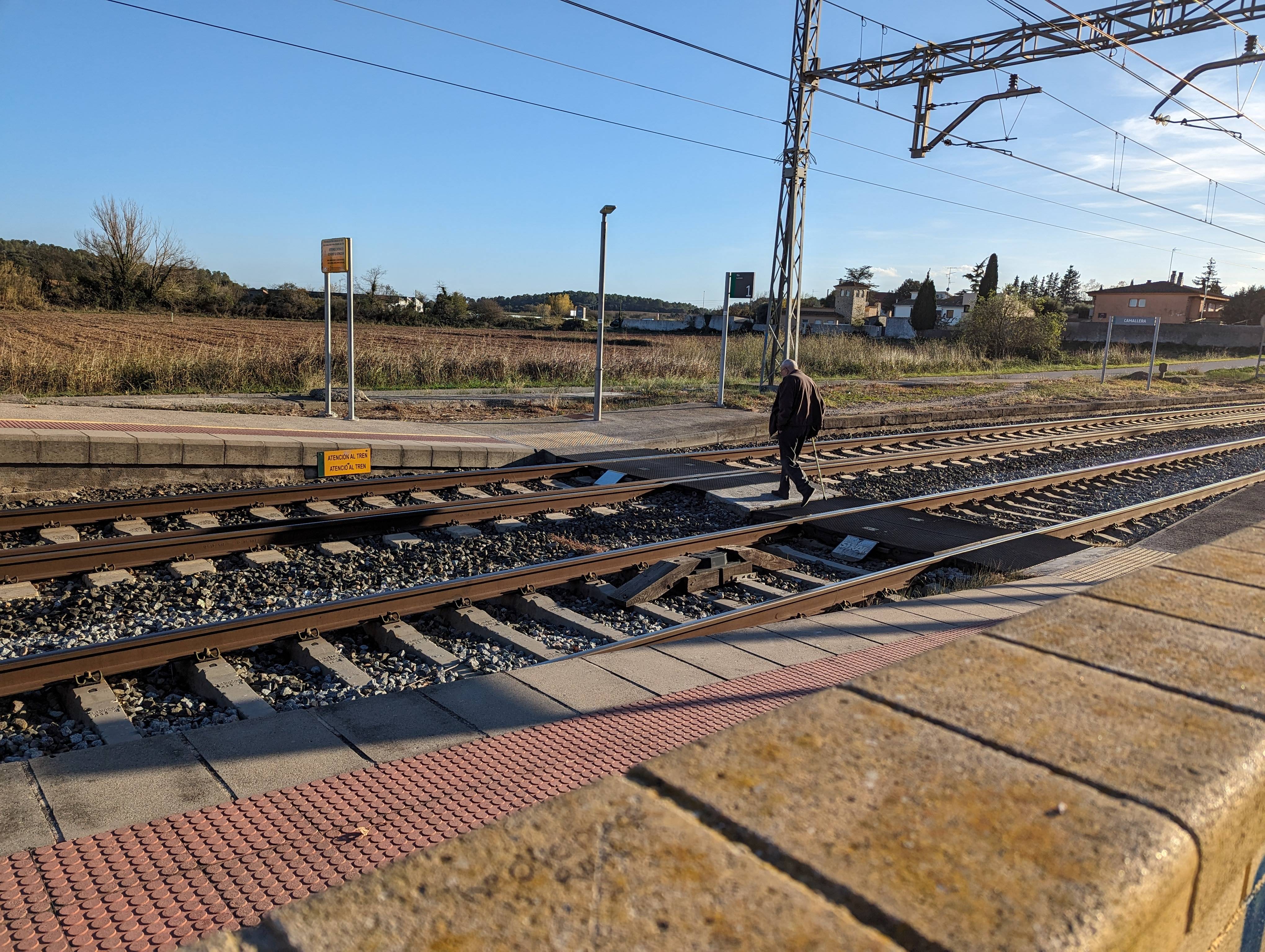
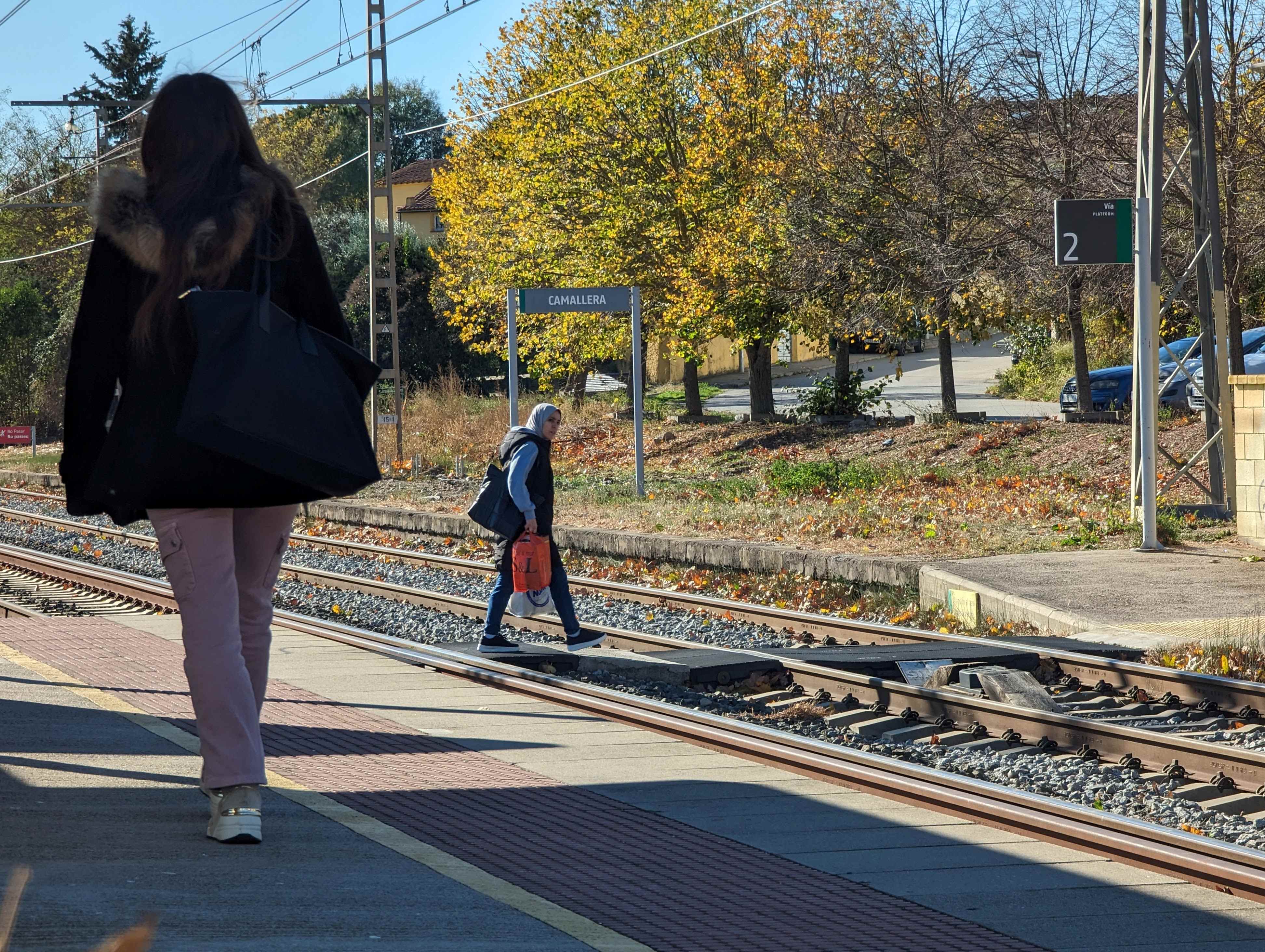
The railway divides the town with a strong and noisy diagonal line linking France to Barcelona and Spain. There are only three crossings, one for motorised vehicles (it is possible, but not advisable, to walk along the hard shoulder), a bridge between Stages 10 and 11, and the other is for feet, over the rails themselves – be careful! (You can also walk through an underpass to visit Saus (see Option 1 below), but you cannot get into Camallera that way except via the busy main road). If you are a bird or insect, you may cross wherever you want.
The language of the Sound Walk

I do not speak Catalán, the language of this town, nor can I act as your guide using Castillian Spanish. When I participated in El Grand Tour in August, often having to look down and watch where I was putting my feet in order to negotiate the stony hillsides of the pre-Pyrenees, I could not understand each word and phrase that my fellow walkers were speaking, instead I heard these languages as music, the flow and the cadences of them. I learned to distinguish their different speakers without seeing the people as they spoke. The undulations of the landscape and the sentences informed each other, one perhaps having grown out of, or together with the other. They flowed around and through me as we walked, and I even began to understand some of them in this way.
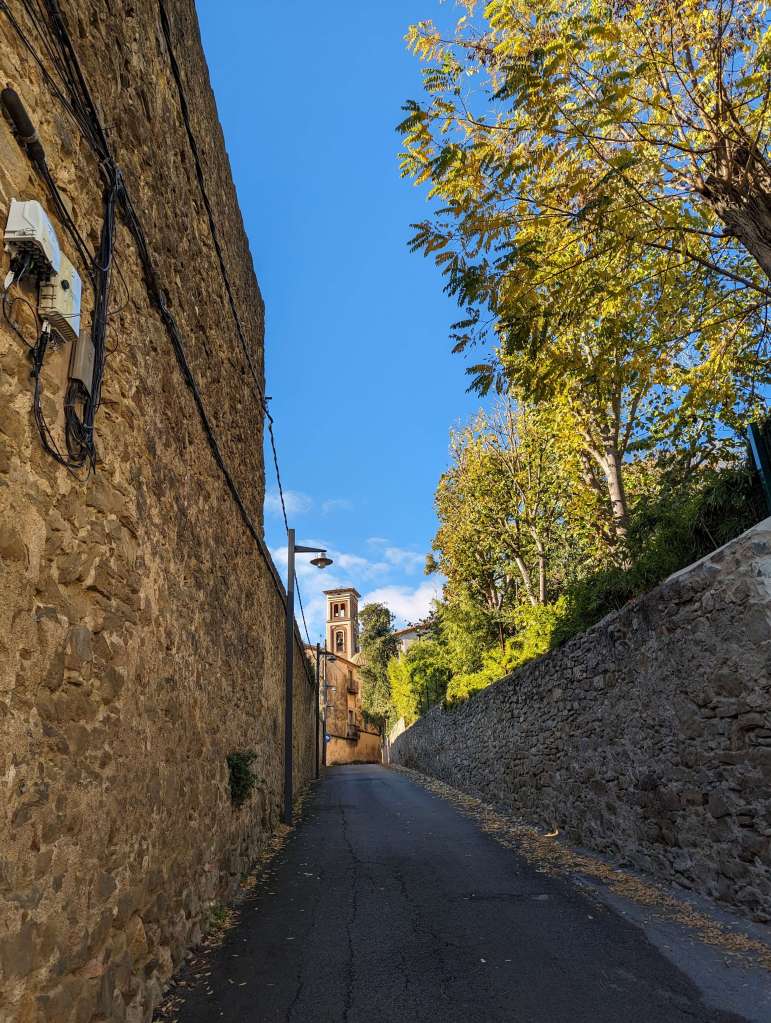
So, this Sound Walk has no words; you do not have to speak one language or another to participate. It uses all manner of sounds and various versions of silence which I hope will evoke feelings, memories, thoughts, and local history even if you don’t know any details of it. My research consisted of walking around and around, gleaning a sense of the place through the ground and the soles of my feet, and discovering its energy through the air and my skin. I sat at each stage; sensing, intuiting, noticing, meditating and receiving. Two weeks is a very short time during which to get to know somewhere, and I am therefore grateful to Clara Garí, Anna and her children, and Martina for their anecdotes, familiarity with, and knowledge of the area.
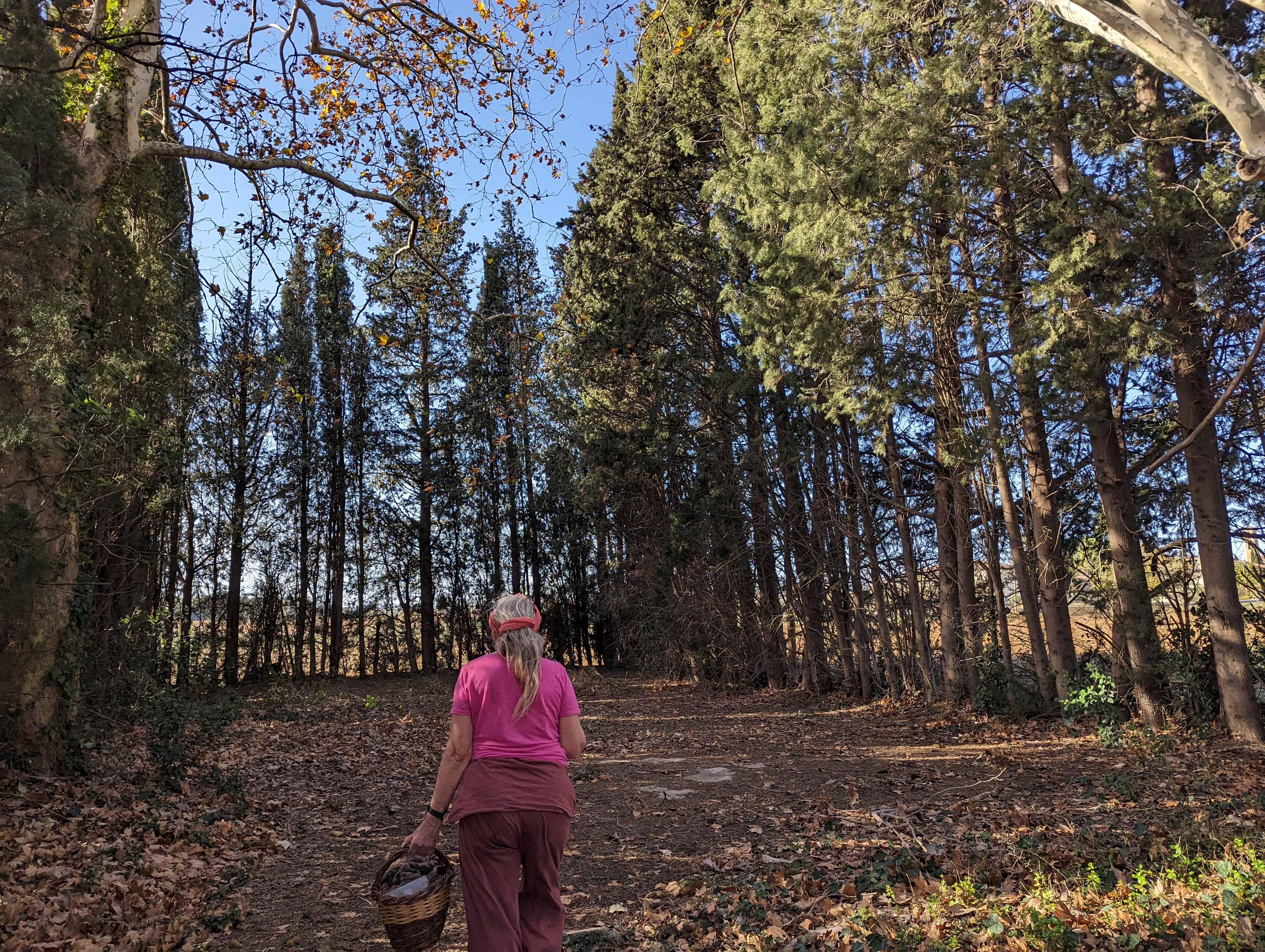
Clara Garí at Stage 11

The found sounds were all recorded by me on my Google pixel pro 10 mobile phone, mostly from the area, and a few from nearby Girona, and Scotland. They have been supplemented with one or two others from online libraries. I used Adobe Premiere Pro to assemble them.

Note to the walker

If you want the whole Camallera Sound Walk experience, I suggest you start at the train station and follow the trail anti-clockwise (widdershins in Scots). The walk describes 2 loops, so you will be crossing the railway line several times. Listen to the sounds around you, and those you make, as you walk. When you arrive at the first of the 12 stages, stop and listen to the audio. First a gong will sound, and then there will be a track lasting about 3 minutes. A quieter gong ends the stage. Turn off the sound as you walk to Stage 2, and when you turn it back on there will be a short gap of silence before the next gong sounds for the start of Stage 3. Repeat until you get back to the train station after Stage 12.

My first task in making this sound walk was to map the route around the boundary of Camallera and then choose the direction. When it came to creating the audio, I knew what experience I wanted you to have, however I know you may actually walk the whole thing differently. You might walk clockwise or visit the stages in a random order. Perhaps you will only go to one stage. You might listen to an audio that belongs to Stage 2 at Stage 3, or you might follow the walk at home without being in the town at all, with only the photographs to orient yourself. None of this will matter. What I’m interested in is that you will find or feel or think something when you’re listening.

I have endeavoured to translate the local Camallera stories which residents told me, together with my personal experiences, into audio. I hope that they will open portals to other worlds.
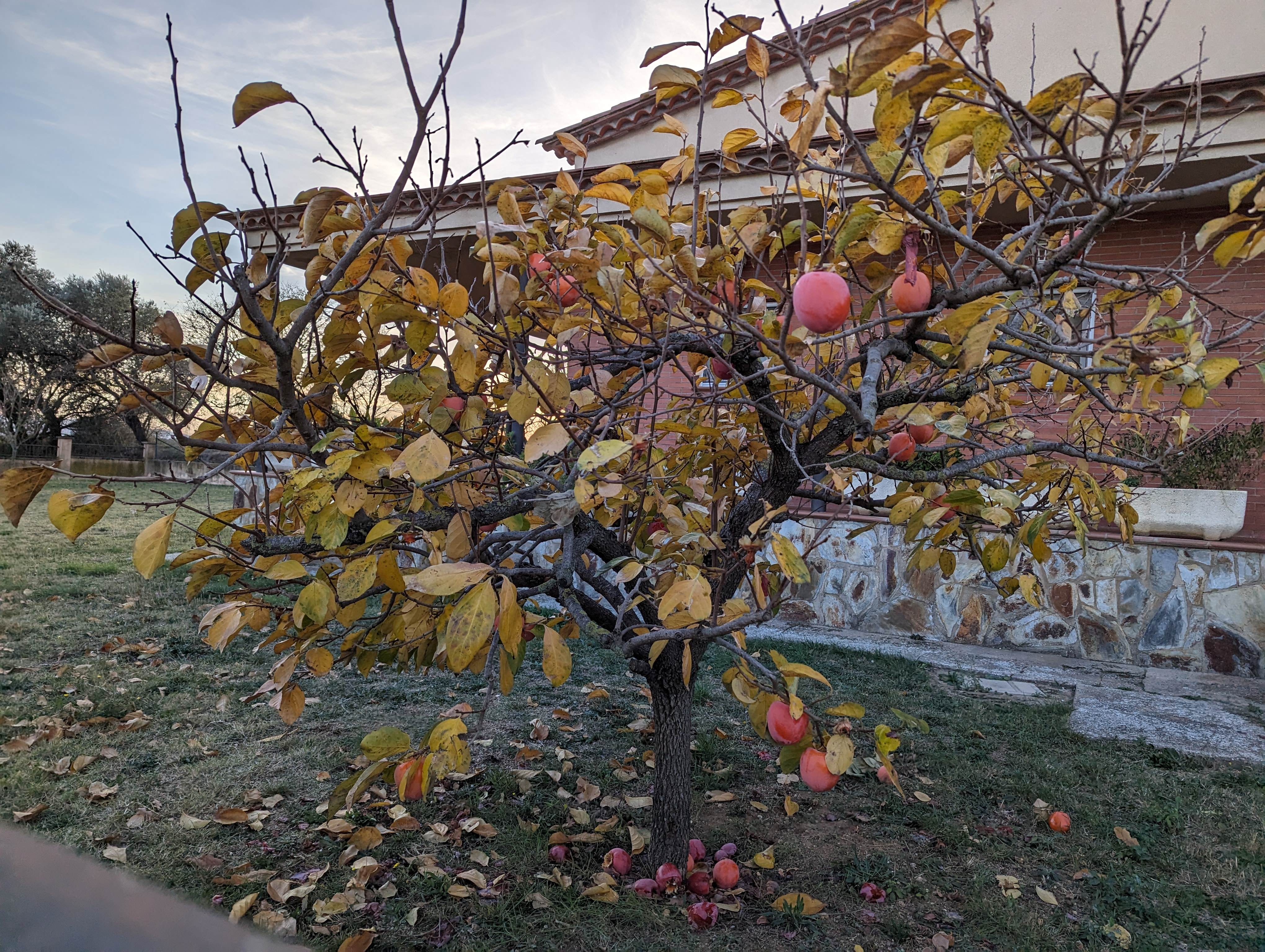
12 stages around a boundary

I have a history of walking pilgrimage, and although my pilgrimages have been secular rather than religious, it is interesting that this boundary walk developed 12 stages. I did not plan this in advance, it is just what emerged. Many pilgrimages are based on the Via Crucis, the 12 Stations of the Cross or Way of Sorrows, depicting the path Jesus walked to Calvary. It is said that the path was first mapped with stones by Mary, Jesus’ mother (it is known as the Via Dolorosa in Jerusalem). This Sound Walk has other spiritual associations: bird song and bells, a cemetery stage, and one at the Chapel of Saint Sebastian who had a particularly violent death.

In the 12 spaces, I listened; I dreamed into them. This method of ‘feeling into place’ is quiet. My art practice has made me sensitive to the nuances of somewhere, and I’m always attending with respect, sitting as in meditation with an open mind and accepting what arises. I’m noticing what I feel in my body, what emotions, memories, and thoughts come to me, and I have tried to convey that to you through this soundscape. I hope that what speaks to me is in a universal language that can be effectively communicated. I also invite you to sense each stage yourself and respond.
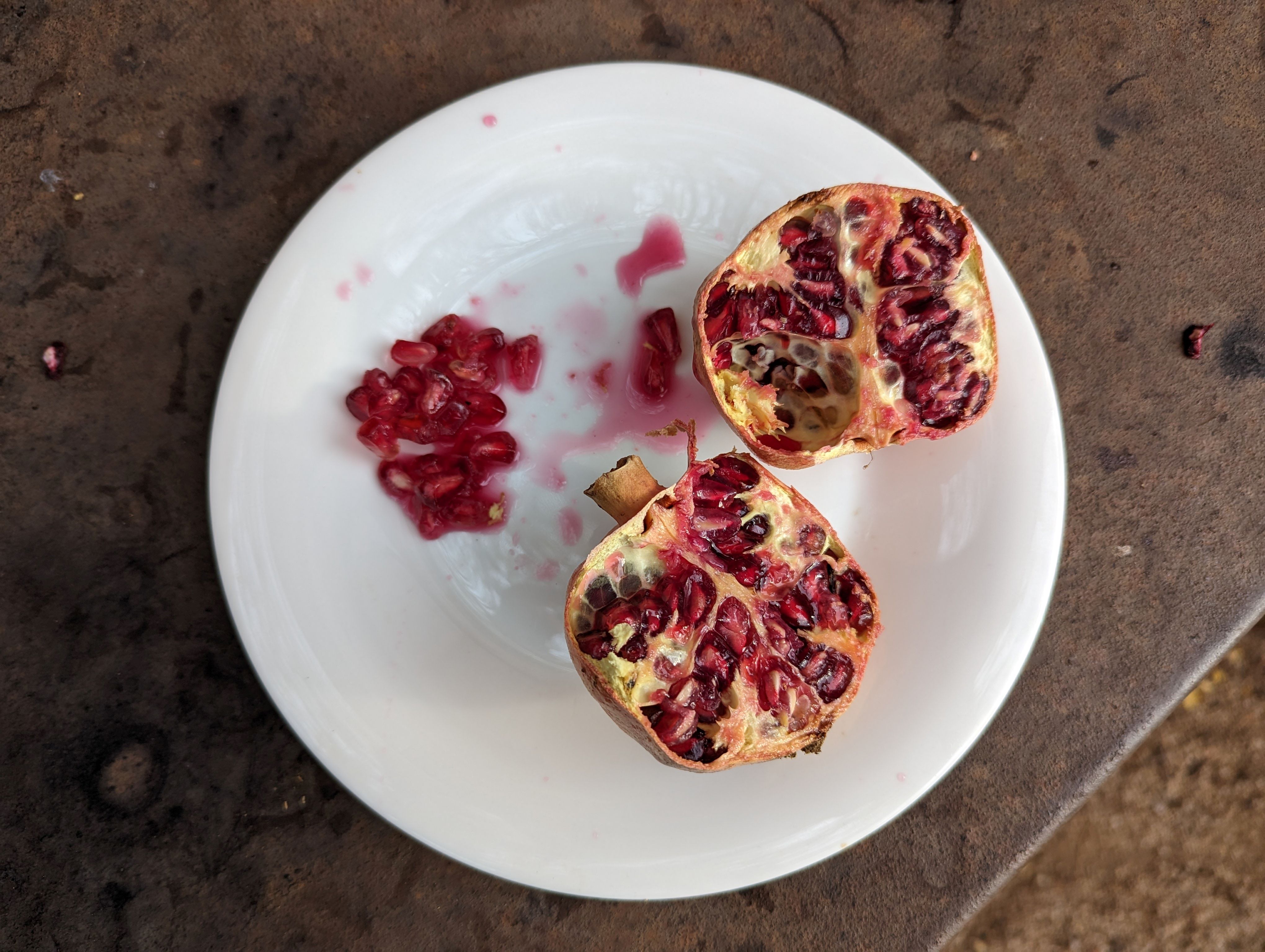
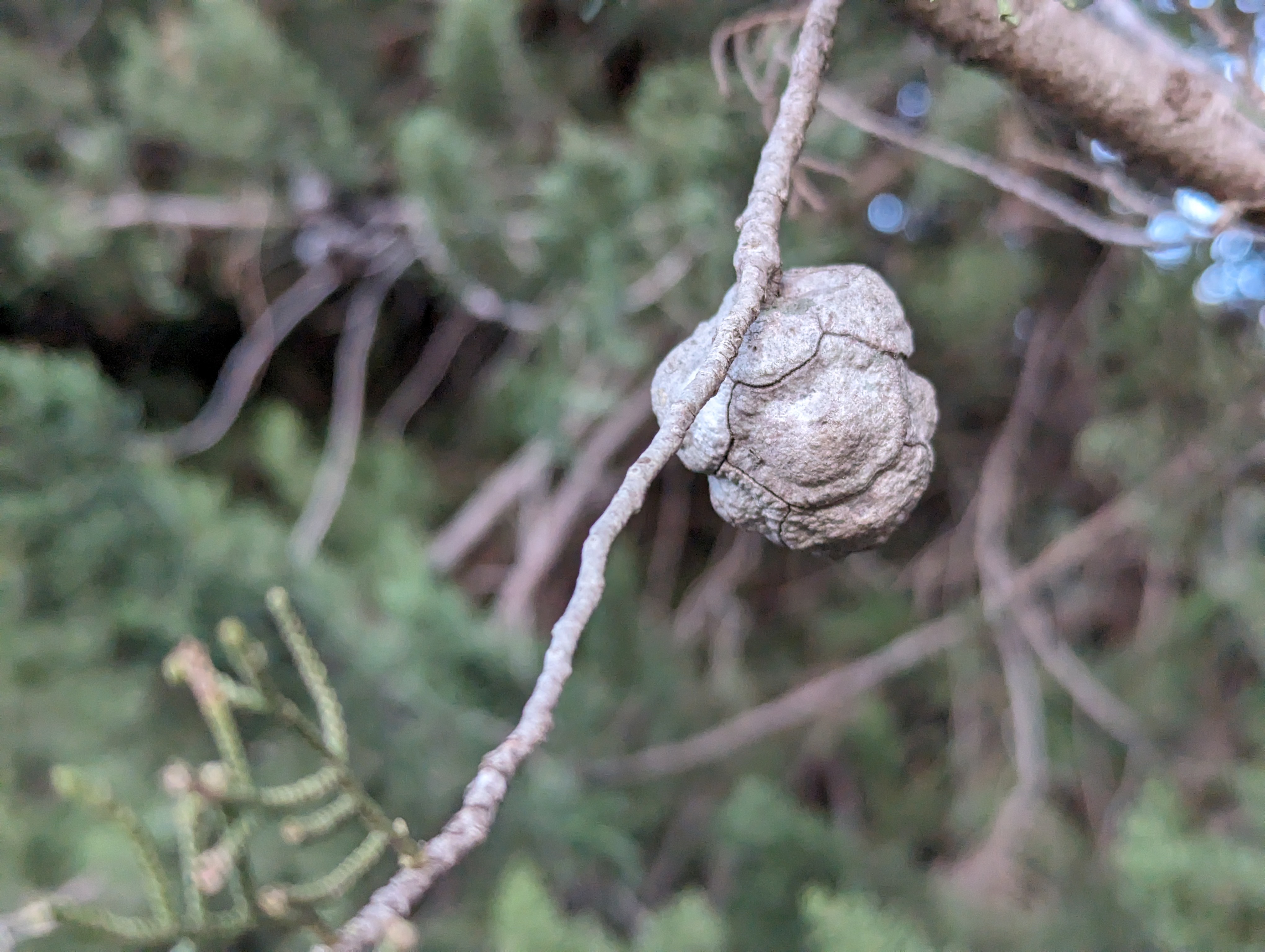
A pomegranate from Stage 3, Nau Côclea

In every microcosm is the macrocosm. Therefore, when you take a seat, or pause under the sweet white acacia tree, you are not only in a playpark or on a pavement, you are in a whole environment. You stand on top of an ancient land, a topography of millennia; you are amidst a community of human and other-than-human beings (herbs, insects, for example); and you are under a vast, borderless sky. Your own electrical energy will immediately engage with that of those beings beside, under and above you. When you open to that flow and connection, you will be able to pick up the subtle connections.

We are all so different

You and I will experience the Sound Walk differently. I brought all my life experiences with me to Camallera, and the audio responses are particular to me as an individual (not part of a pair or group) and a woman. I’m a certain age (60 years), and I’m Caucasian and privileged through education and upbringing. I’m not from Camallera, nor Cataluña (though I have spent 3 months here in the past 18), not even from Europe anymore, though I was, and feel as if I am. The audio I have made will reflect this.

And yet, I submerged myself in the place, filled myself with local stories, tried to make a soundtrack that contains all that. Although I don’t know how you will respond, I know that what’s in those places is limitless, that being in those spots with the sounds reverberating in your ears, head and nervous system, will give you the opportunity to listen through me, and beyond, may be a jumping-off place to another locality, connect you with someone else, or stimulate a feeling that doesn’t, in the first instance, seem related until you sink into it and let it trigger you. Can you sink through its layers and find points of contact, of resemblance and recognition?

The 12 stages
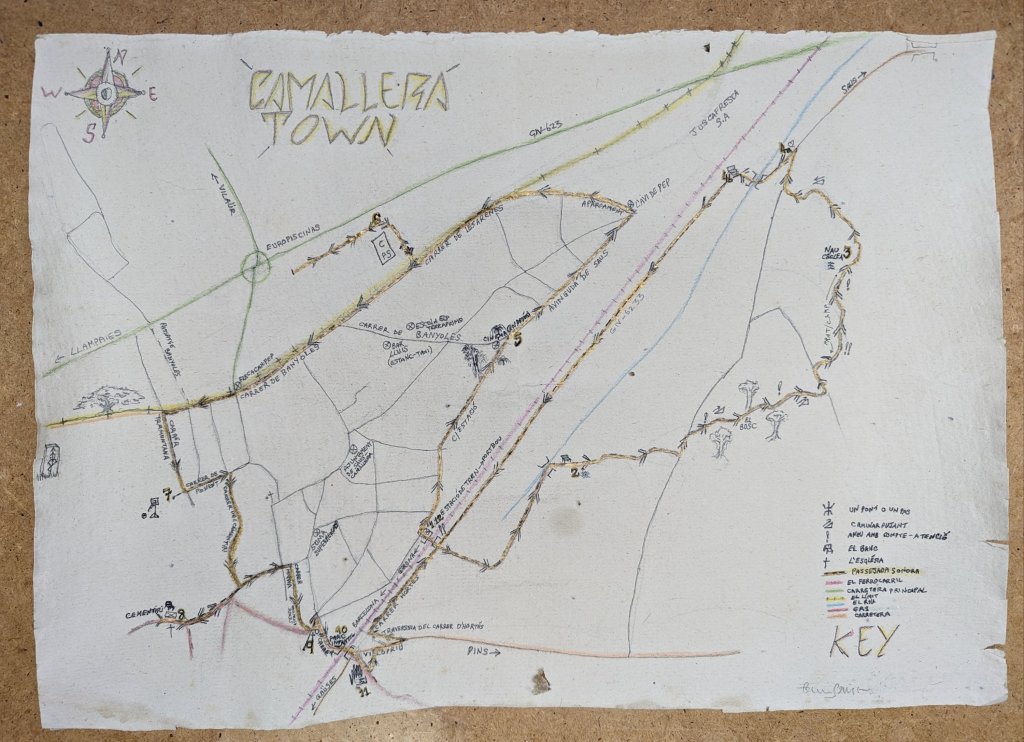
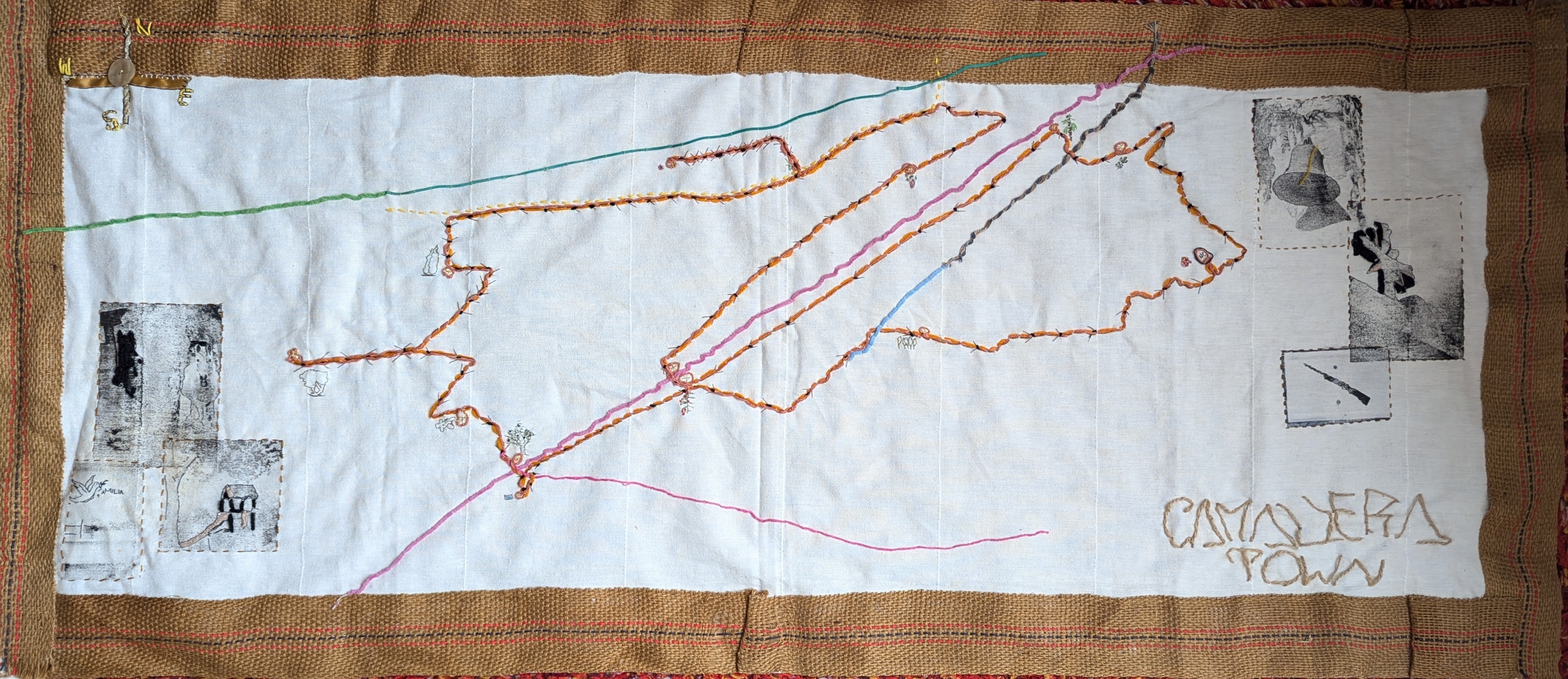
Sound Walk Camallera route map, drawn on 1950s handmade paper

Here is the map. Enjoy your walk, whether you live in Camallera or are a visitor (in-person or virtual). There are other maps below, a pdf download, and it can also be found on the Komoot and Echoes apps.

Komoot link: https://www.komoot.com/tour/1396666626?ref=wtd&share_token=a3uoWoEwVcCYFPNK2ln924qMcnVPvOoXZp1mHJahS1vSvAoMeG
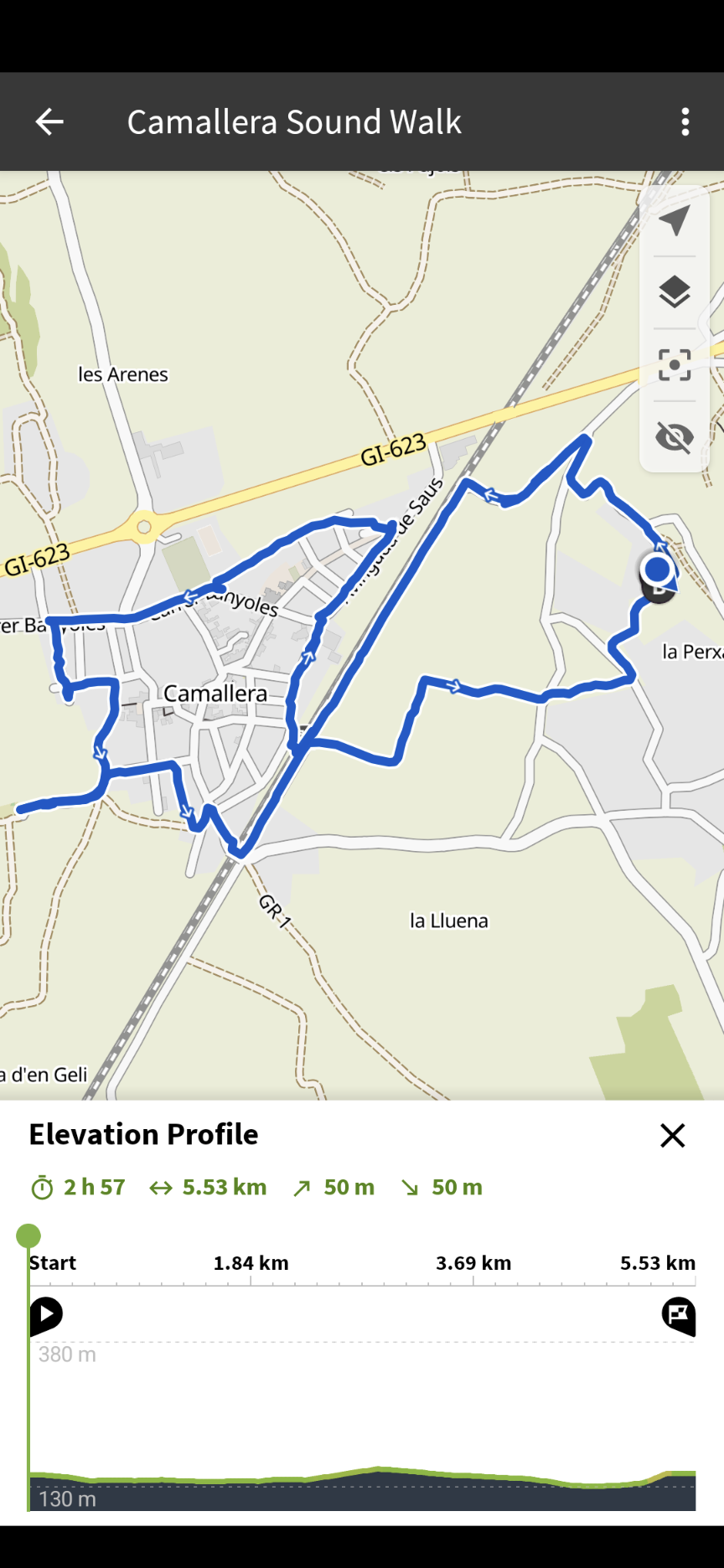
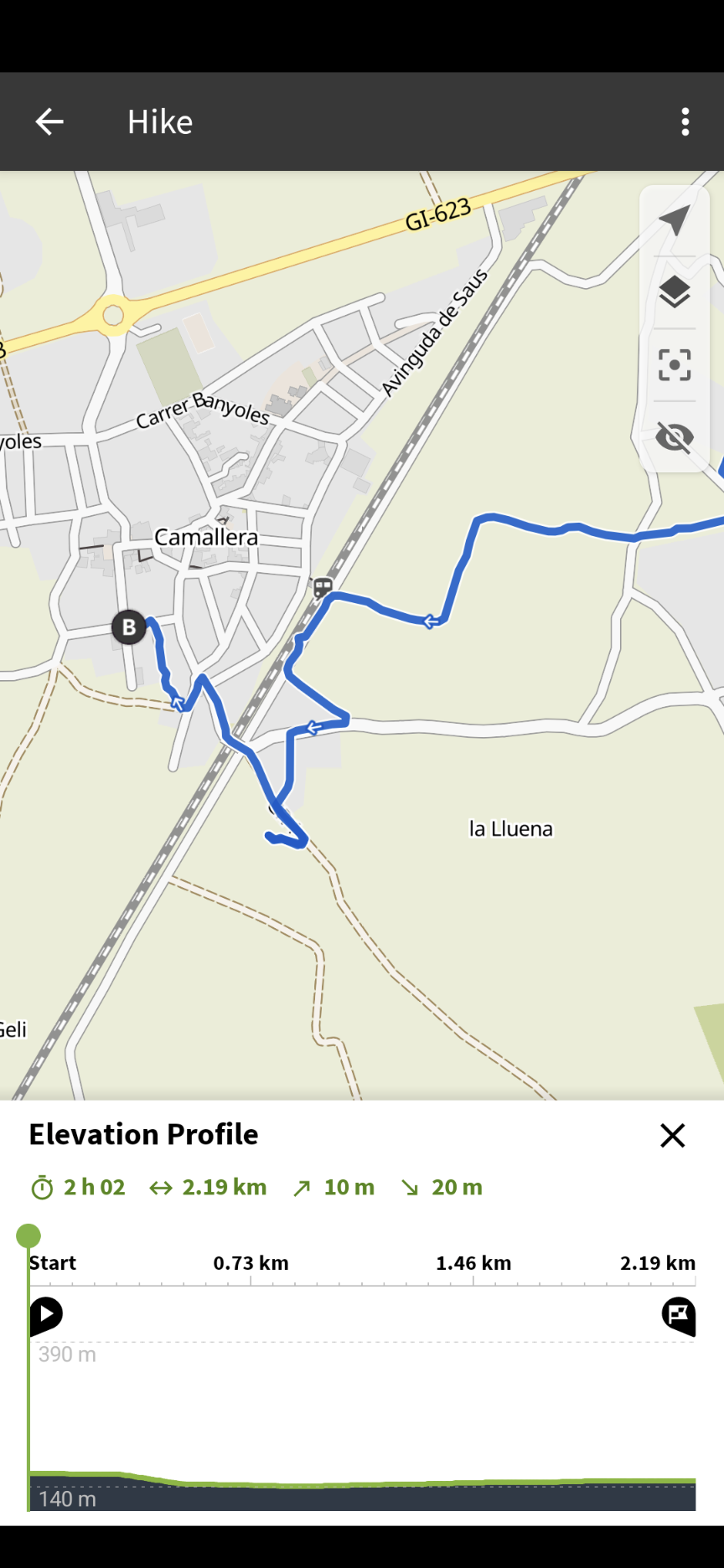
Each stage is a resting place, and each of these resting places is also a transition from the previous stage to the next. Together they make up a whole and I hope you like exploring them as much as I did.
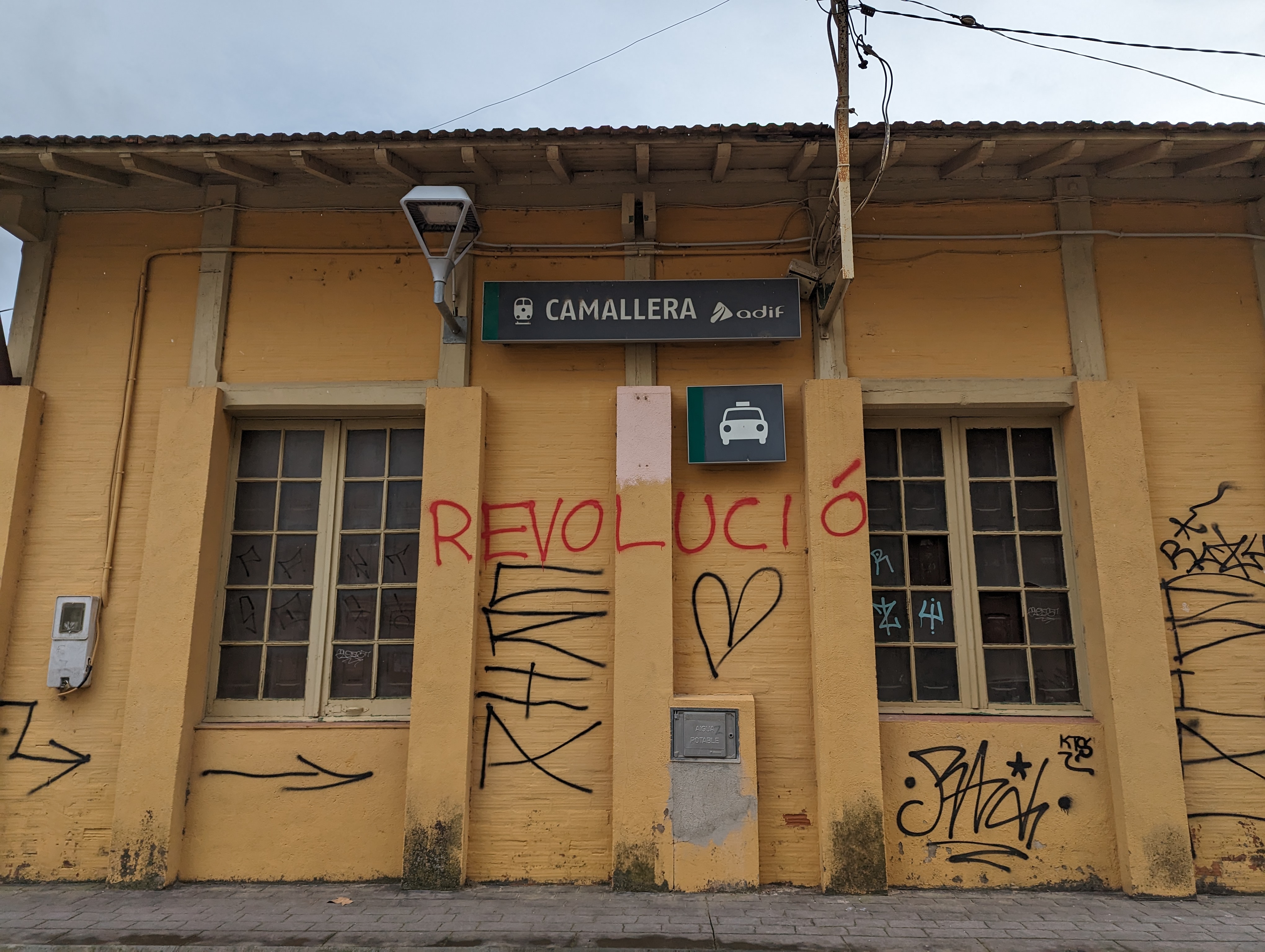
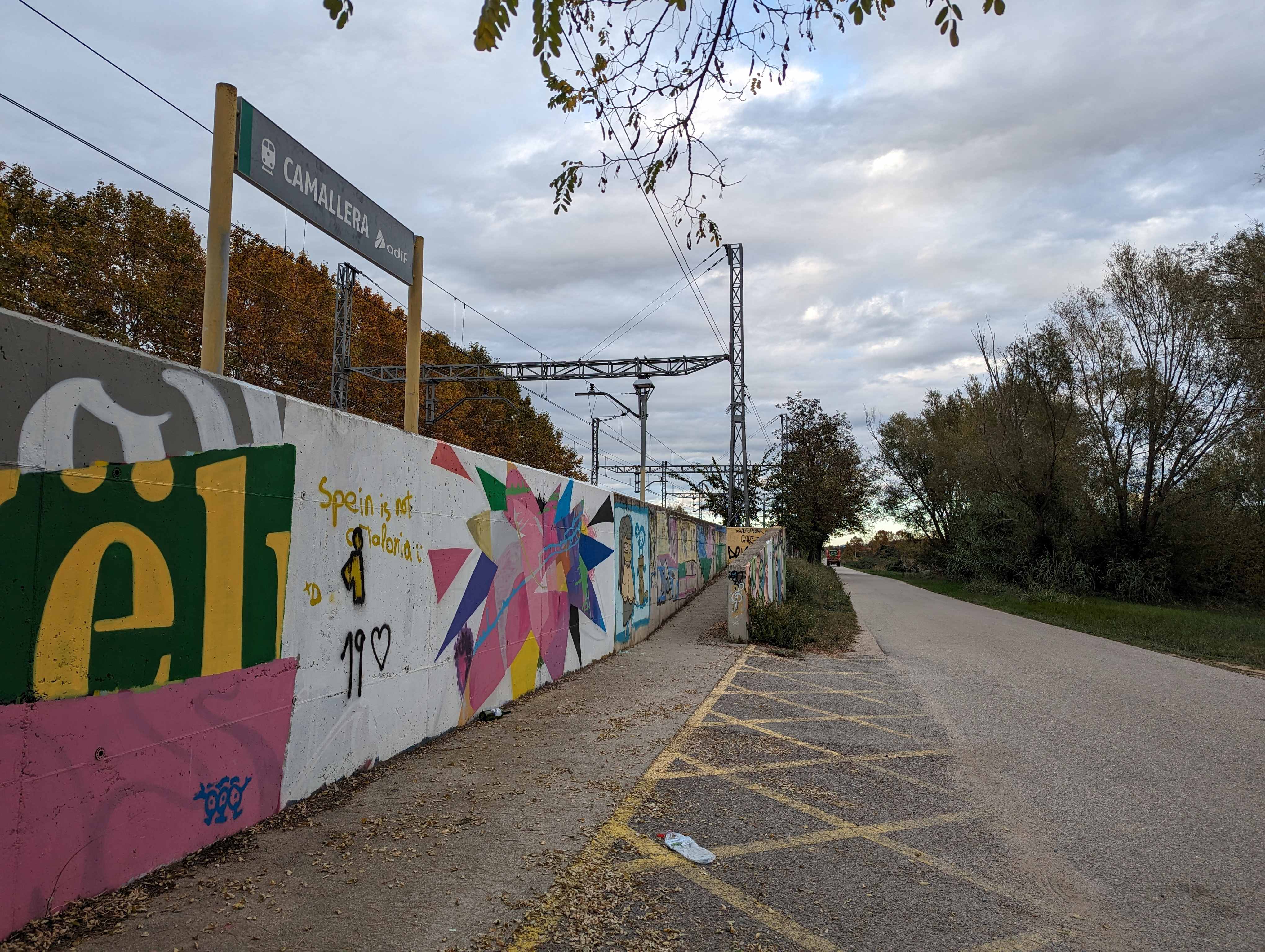
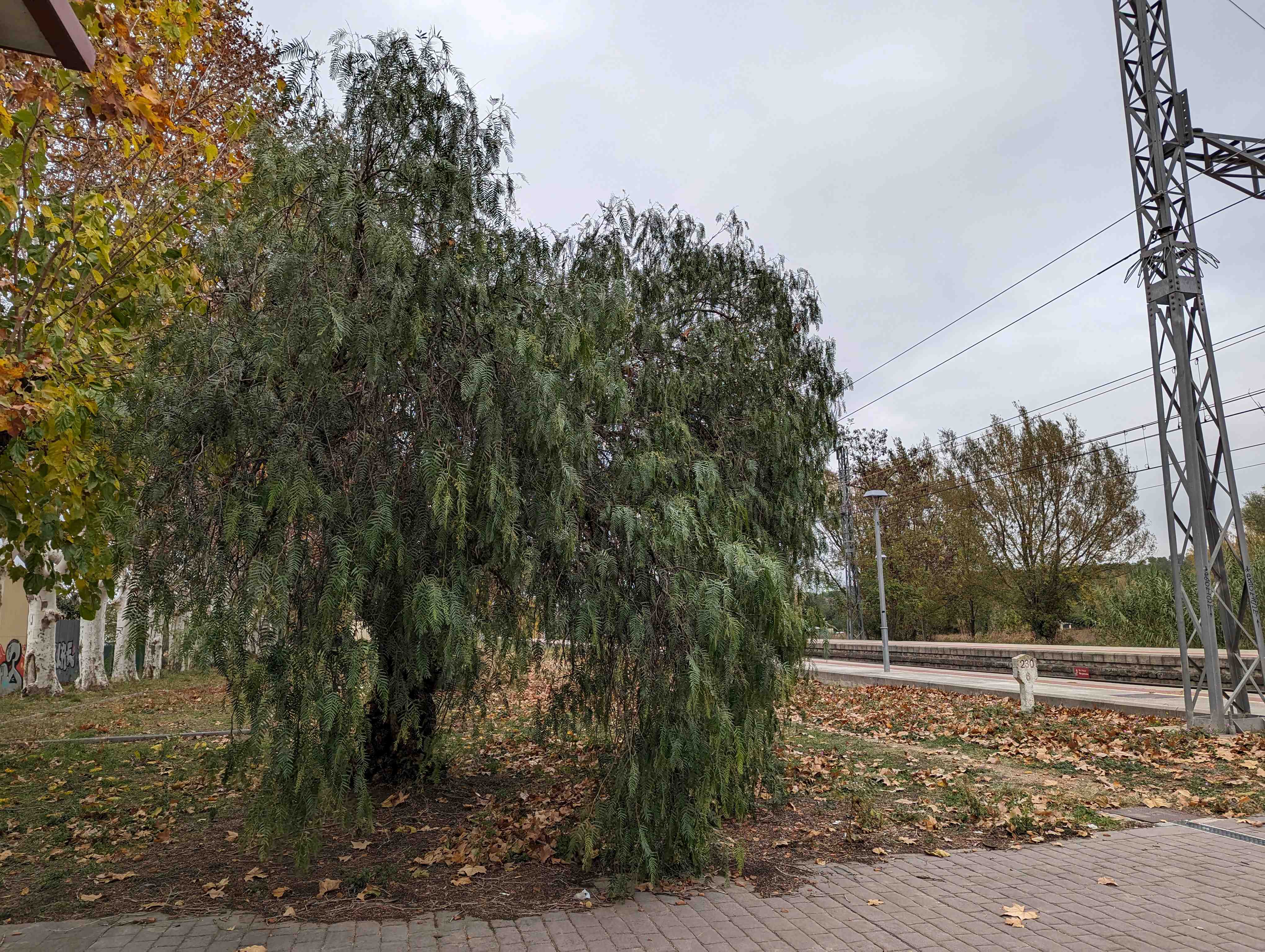
Stage 1 Arriving – Train station (Estacion de tren). Tree: Peruvian peppertree
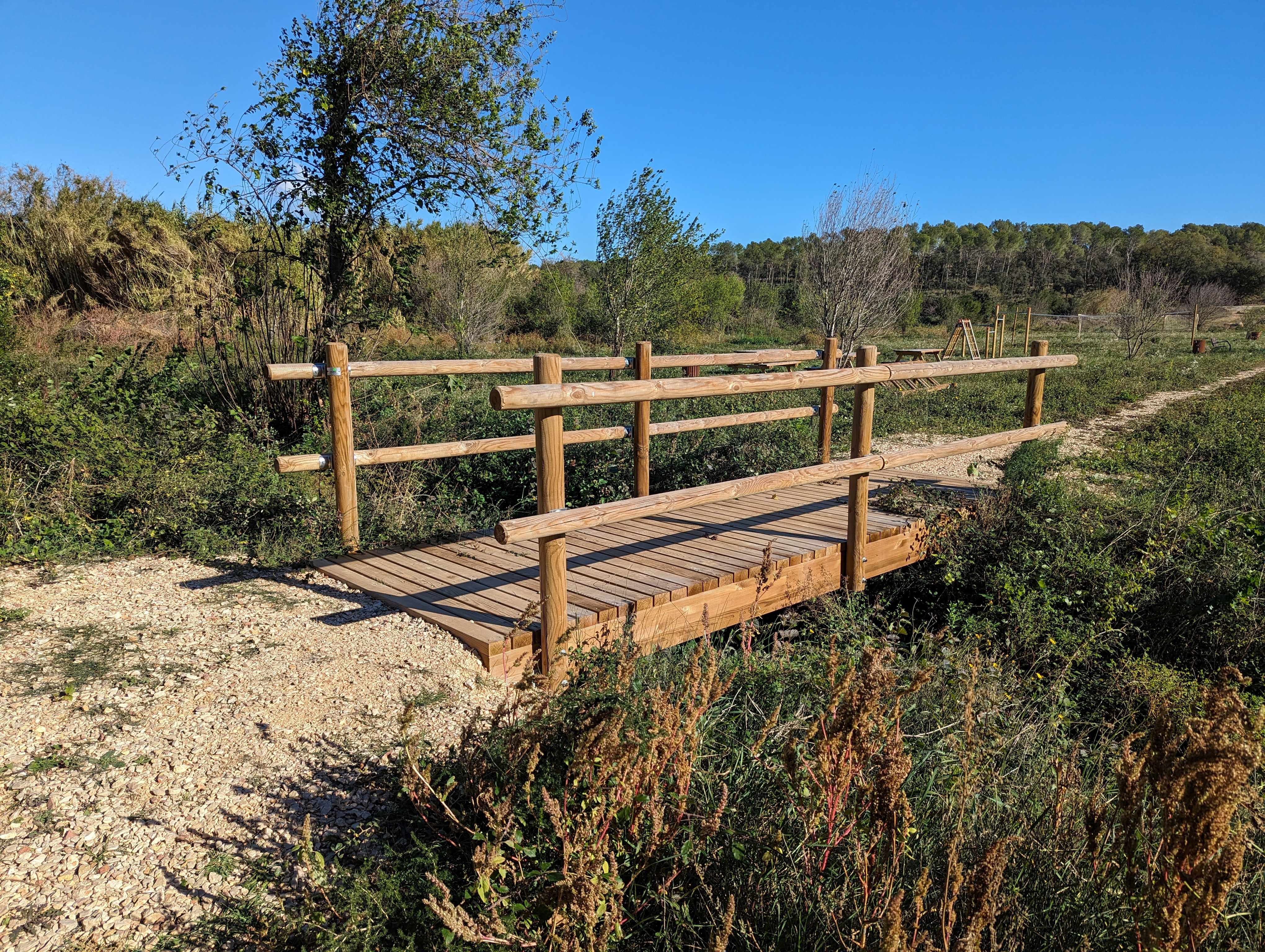
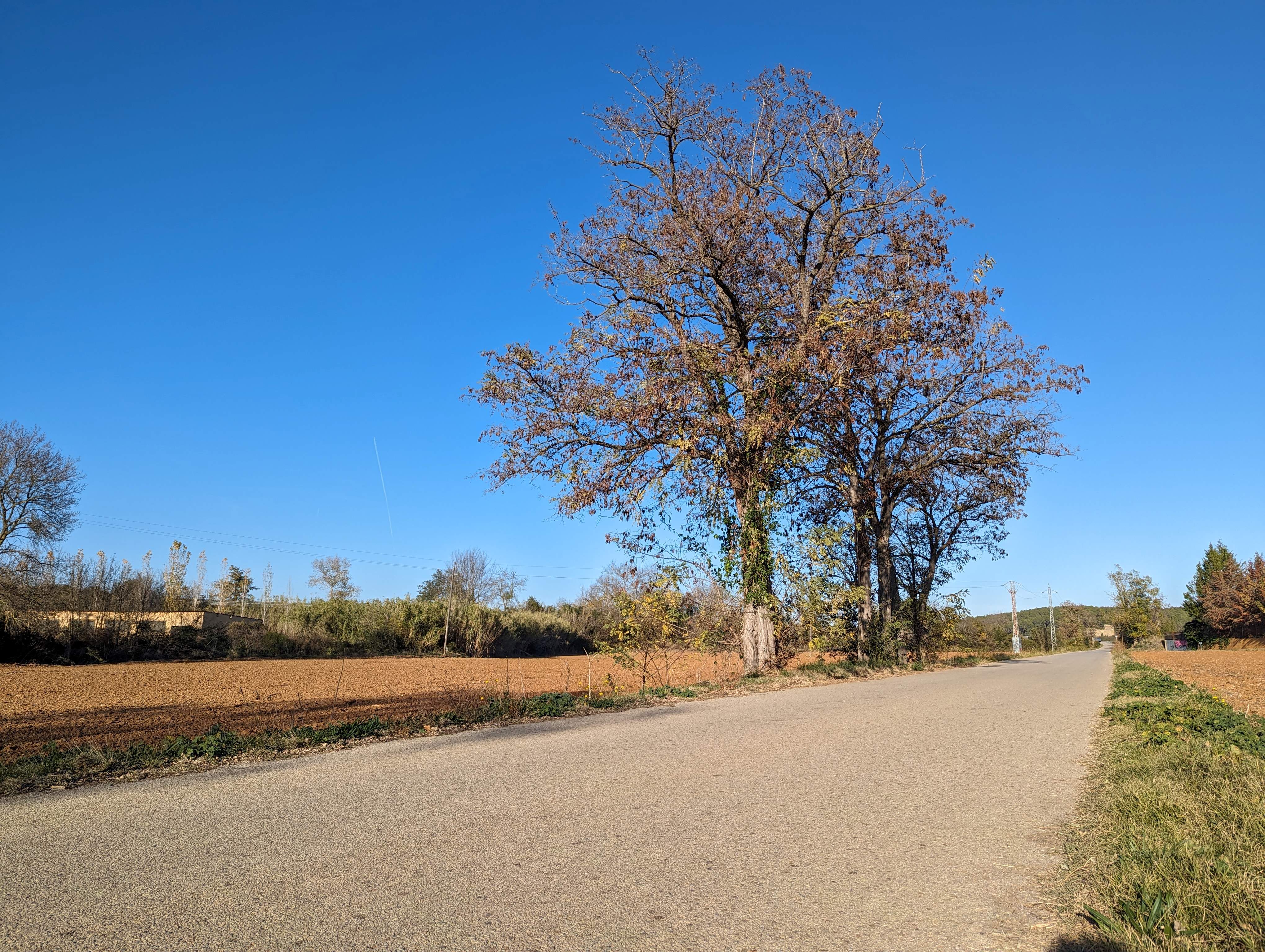
Stage 2 Listen to the water – Recreation area. Tree: 5 poplars
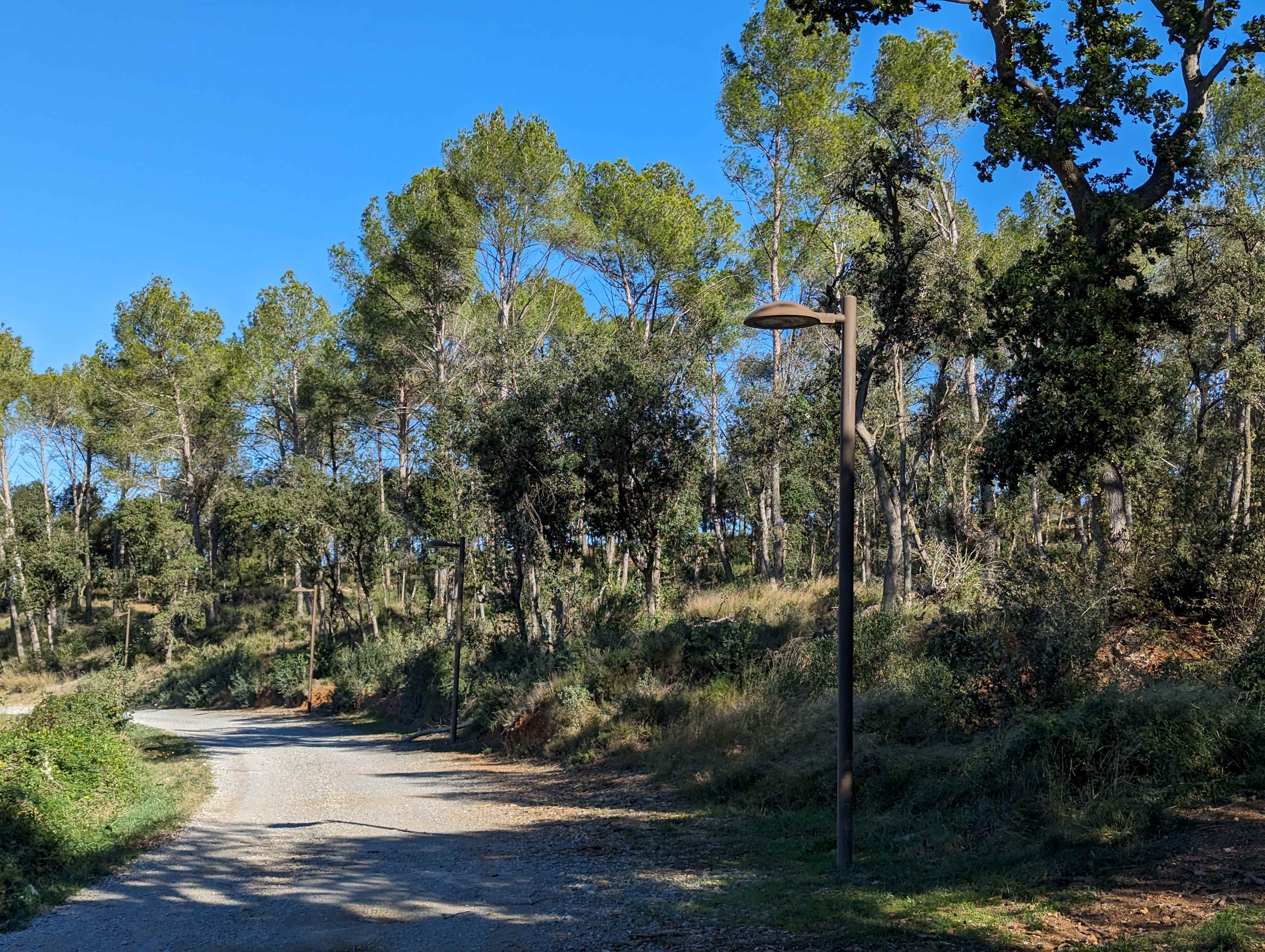
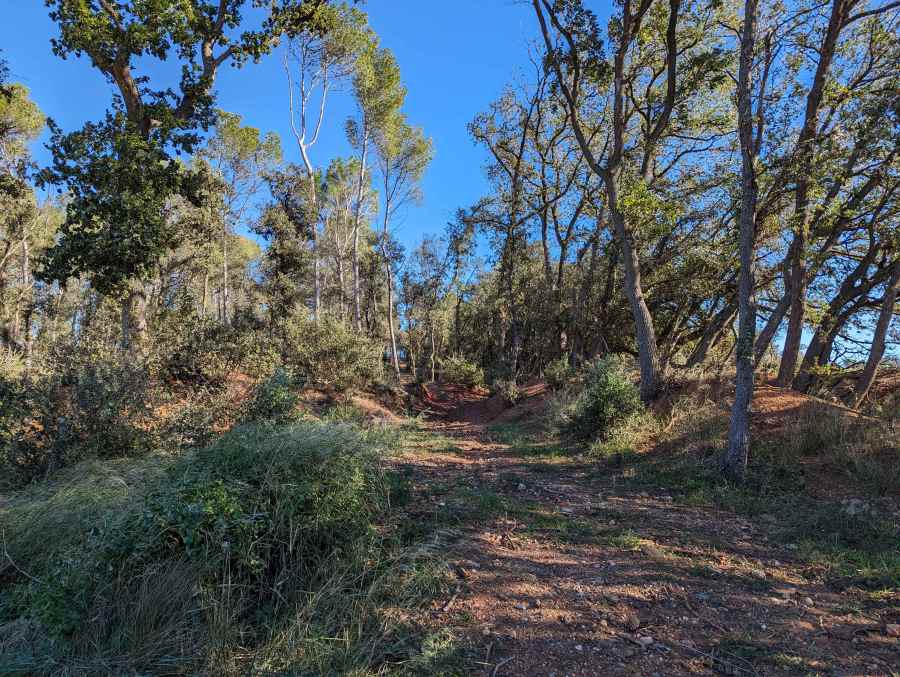
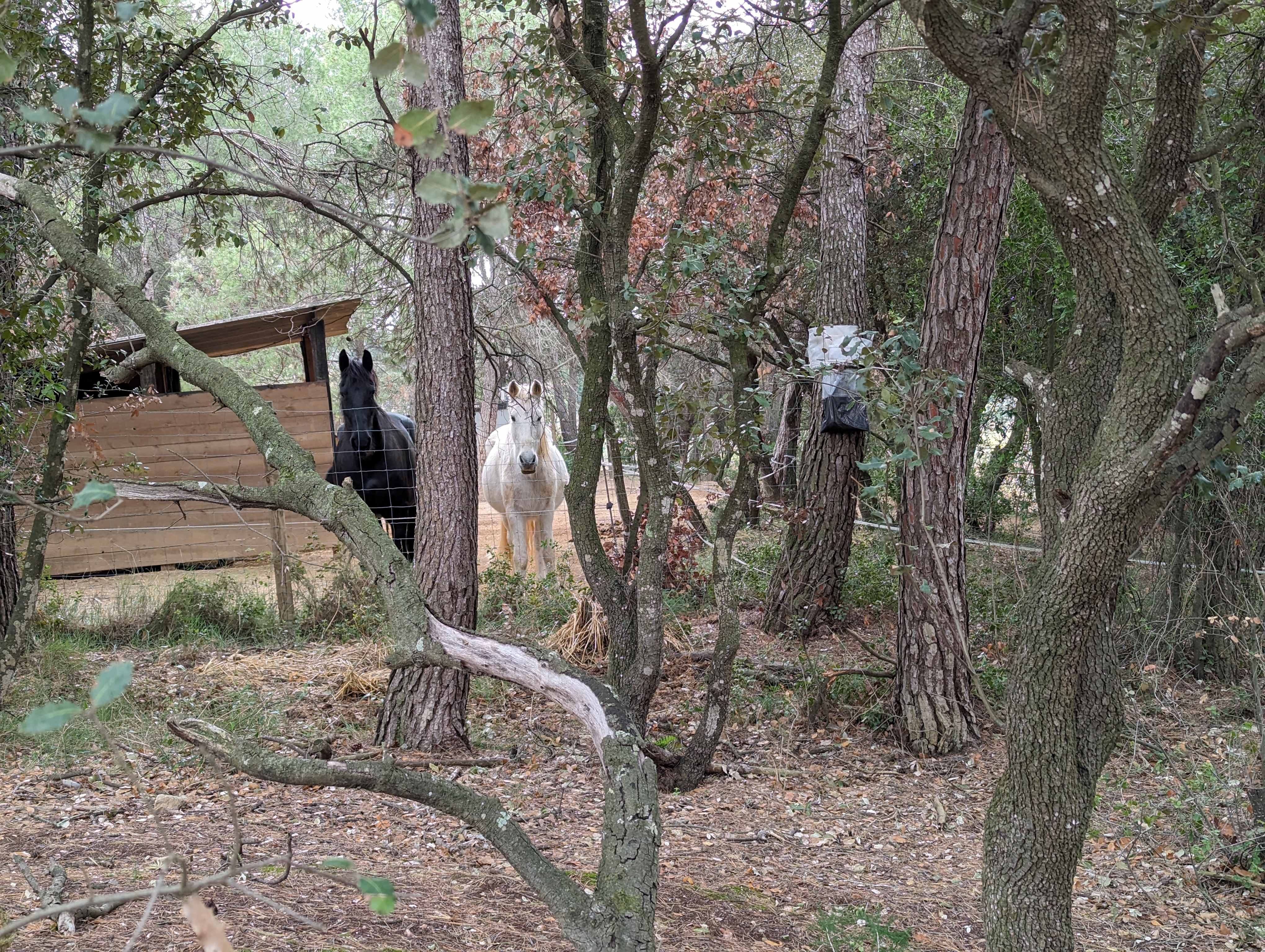
From the recreation area, walk on until the end of the path (there are two huge stones at the entrance). Cross over the road. Walk uphill through the woods along an uneven path (look out for 2 horses, 1 black and 1 white on your left), turn left along a road for a short time. Take the first right, a dead end, and walk right to the end. Look for a path through the meadow, but be careful of the small drop half way along where it turns sharply left. At the end of that path is another tarmac dead end road and stage 3 is on the left through a small gate.

Stage 3 Quiet – Nau Côclea. Trees: Umbrella and Scots pines

Stage 4a Passing. By the tree: White flowered acacia
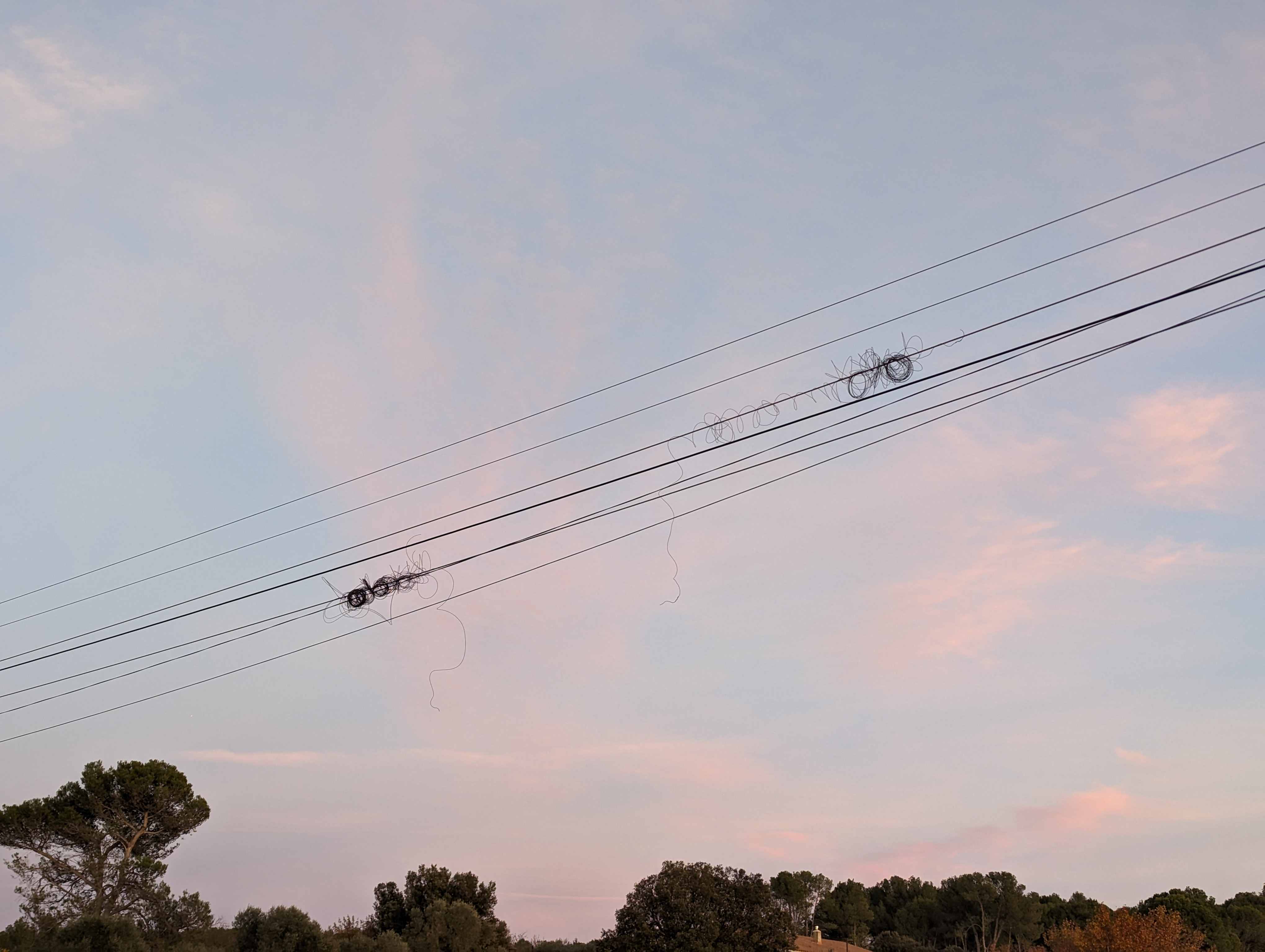
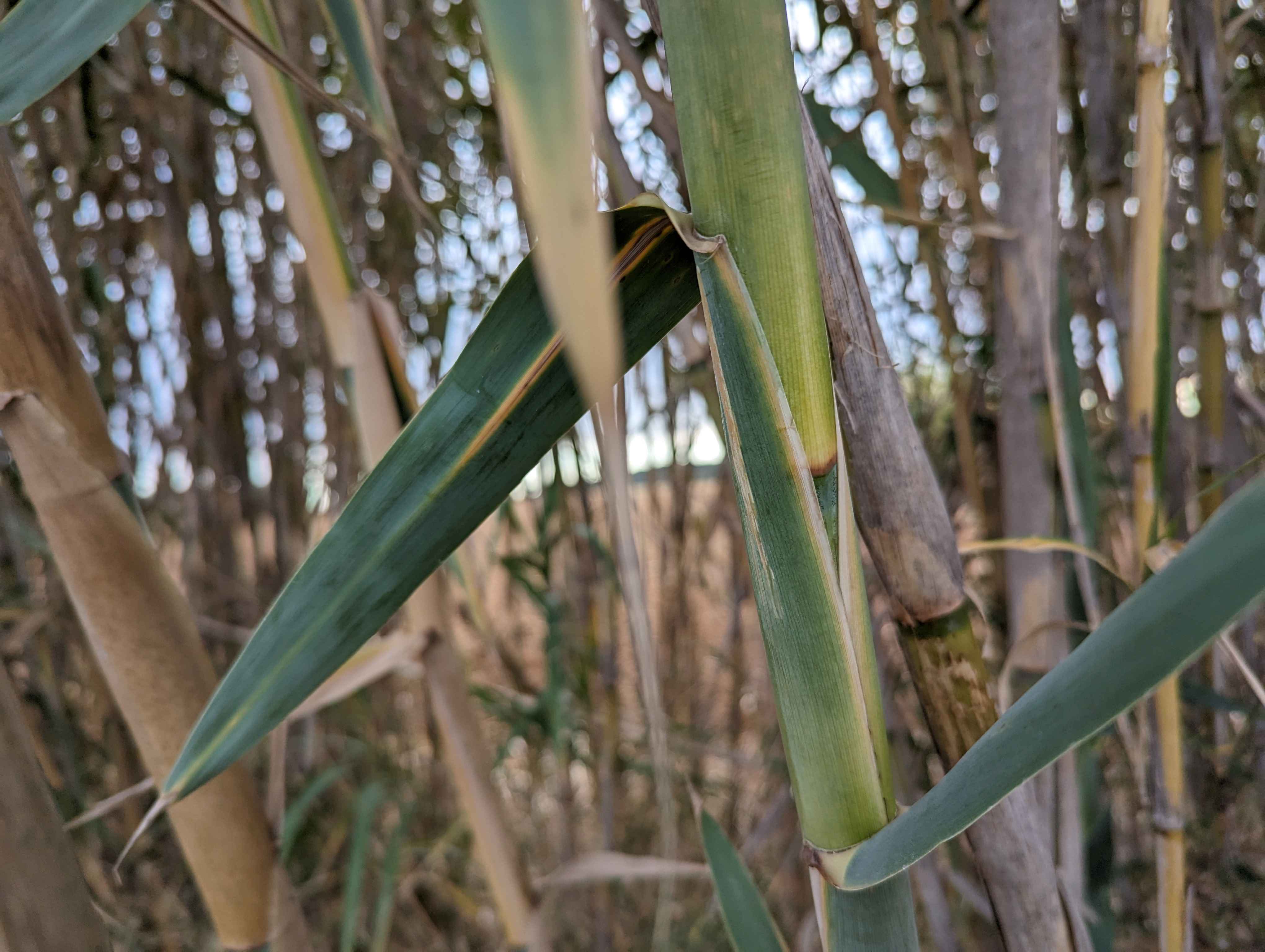
Stage 4b Corner – where Juscafesca, the railway, road, and fields meet. ‘Trees’: Bamboo
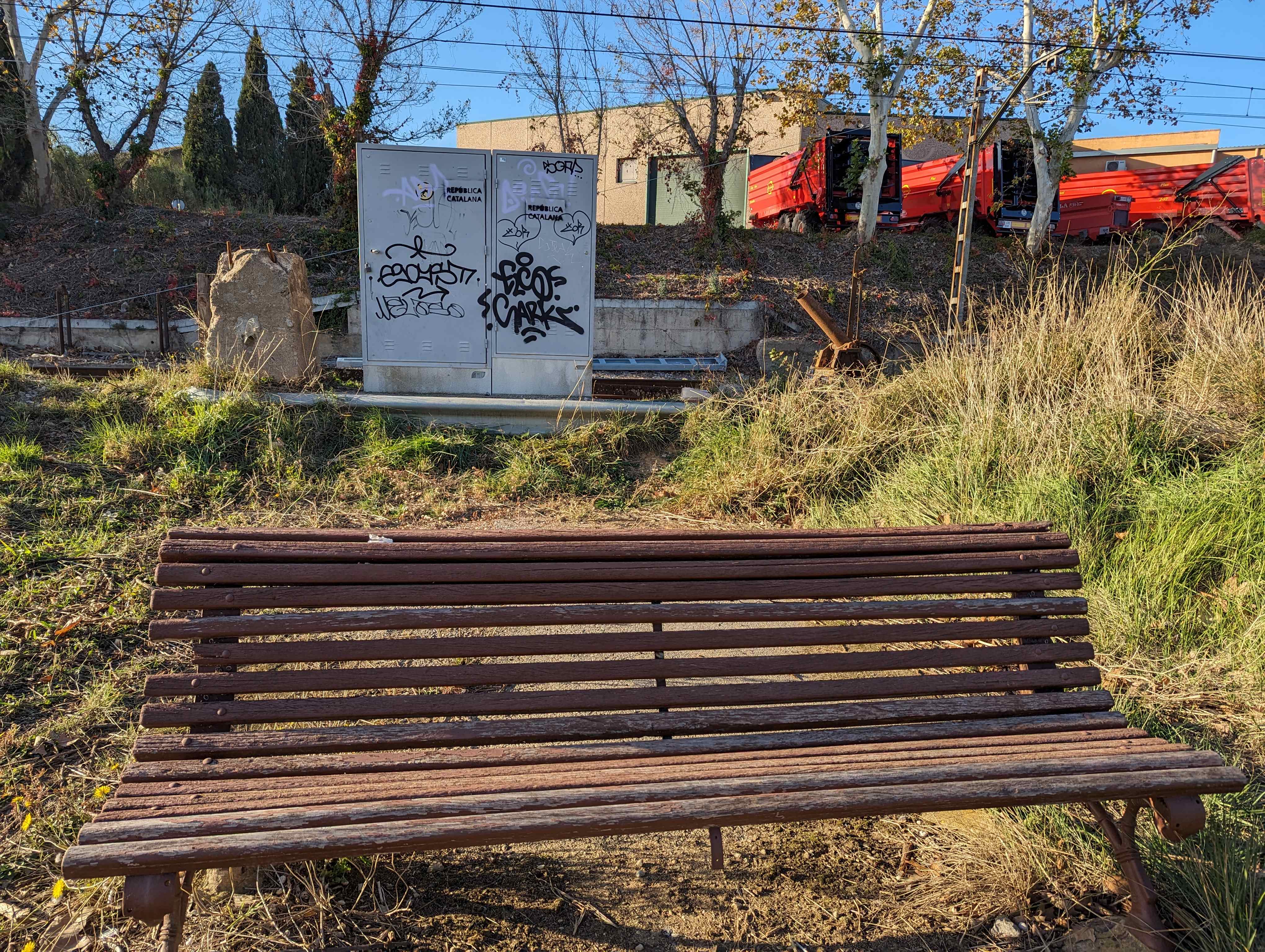
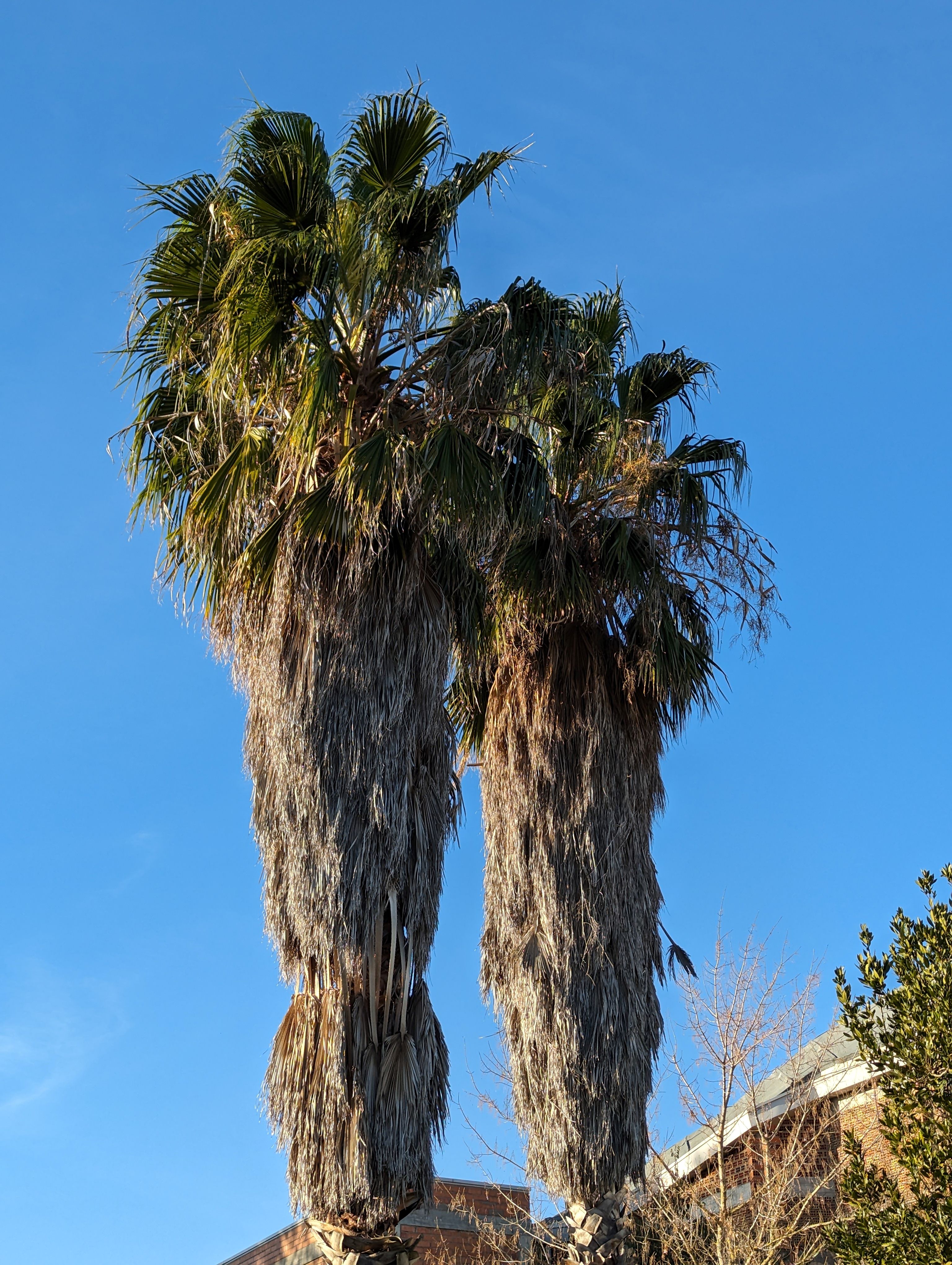
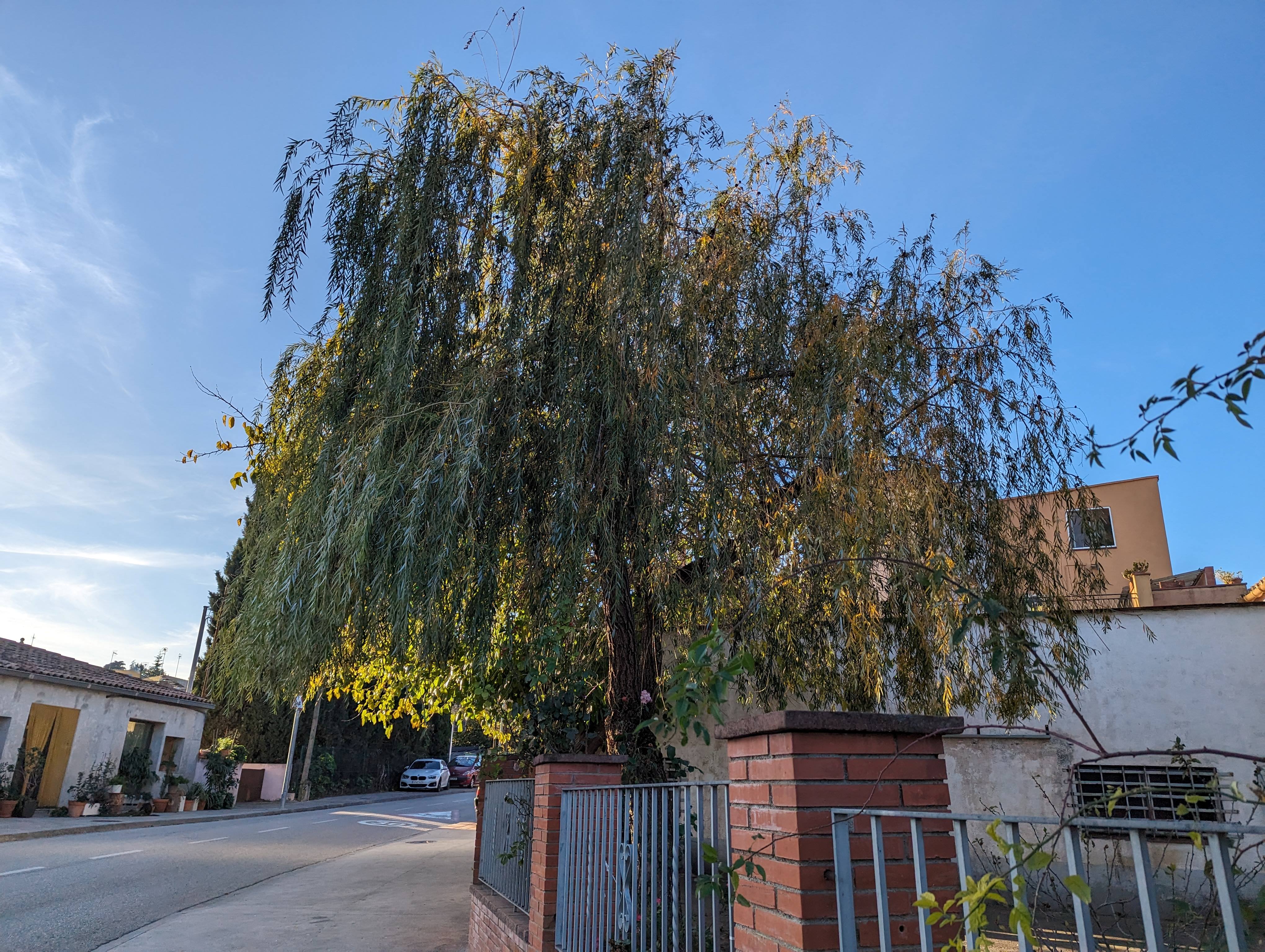
Stage 5 Junction – Cinema (not in use). Trees: Palms and Willows (2 of each)
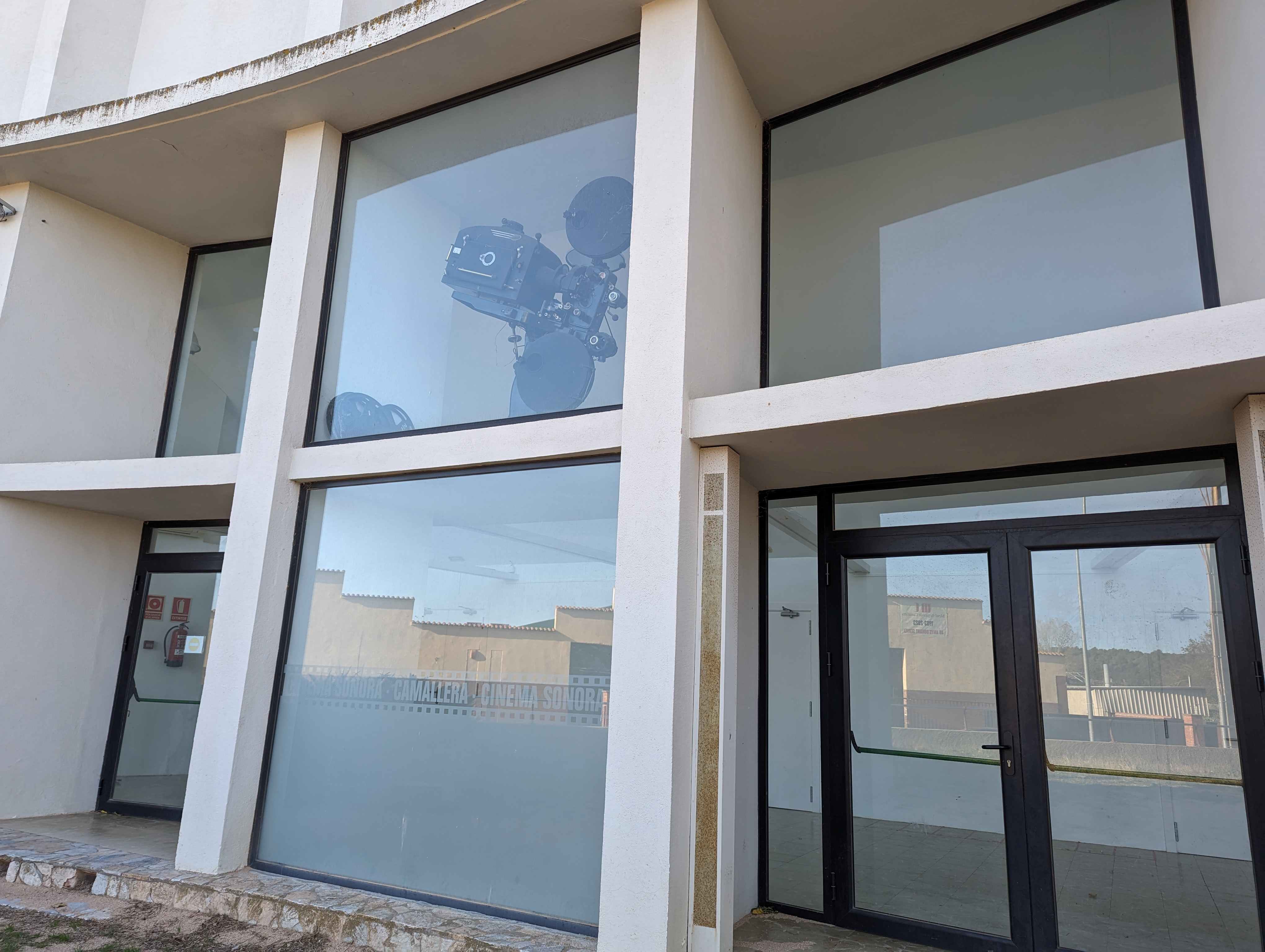
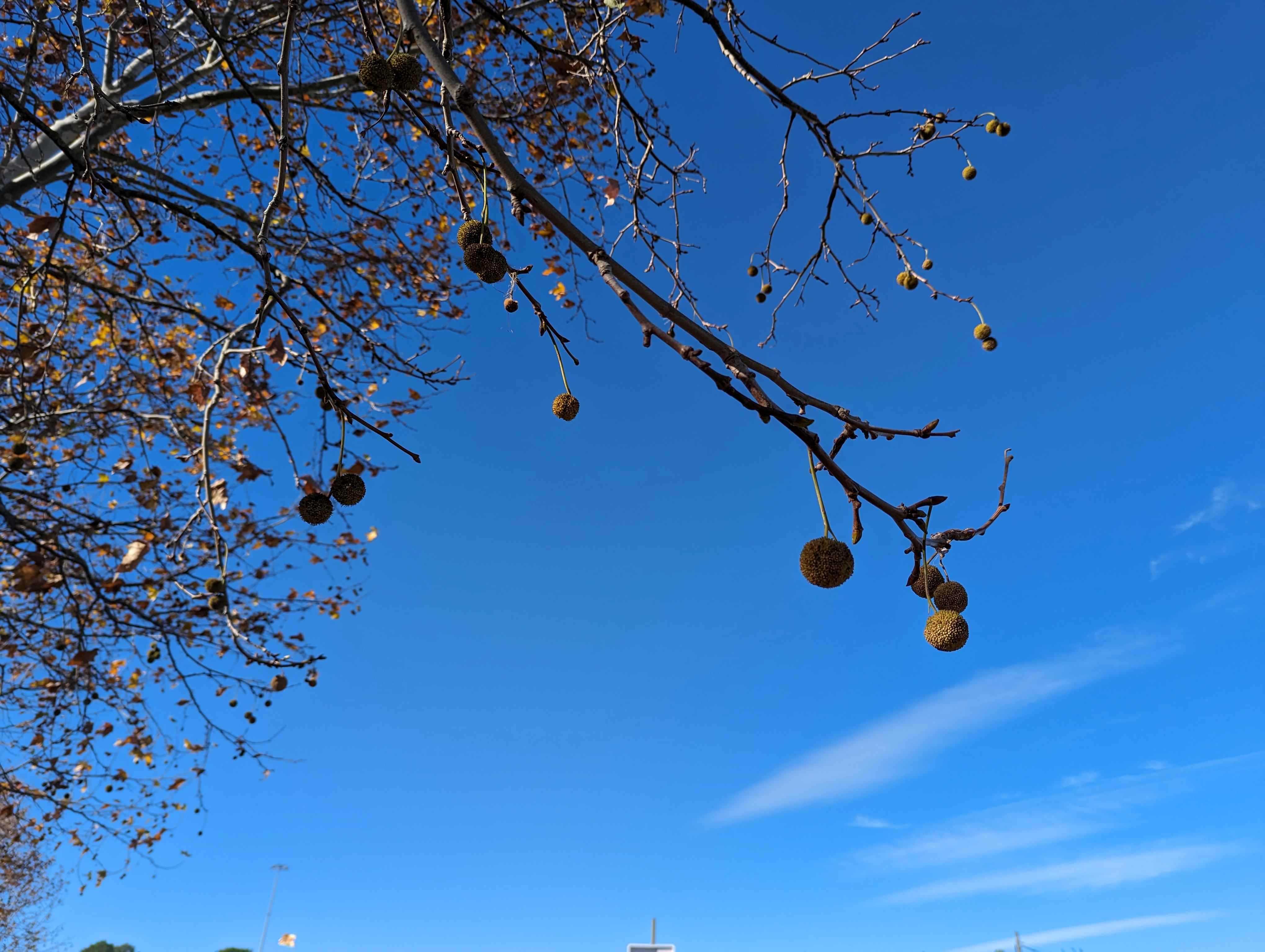
Stage 6 In-between – Back of the Oficina Rural de Correus (post office) / Pavello poliesportif (sports centre) building. Trees: 13 Planes
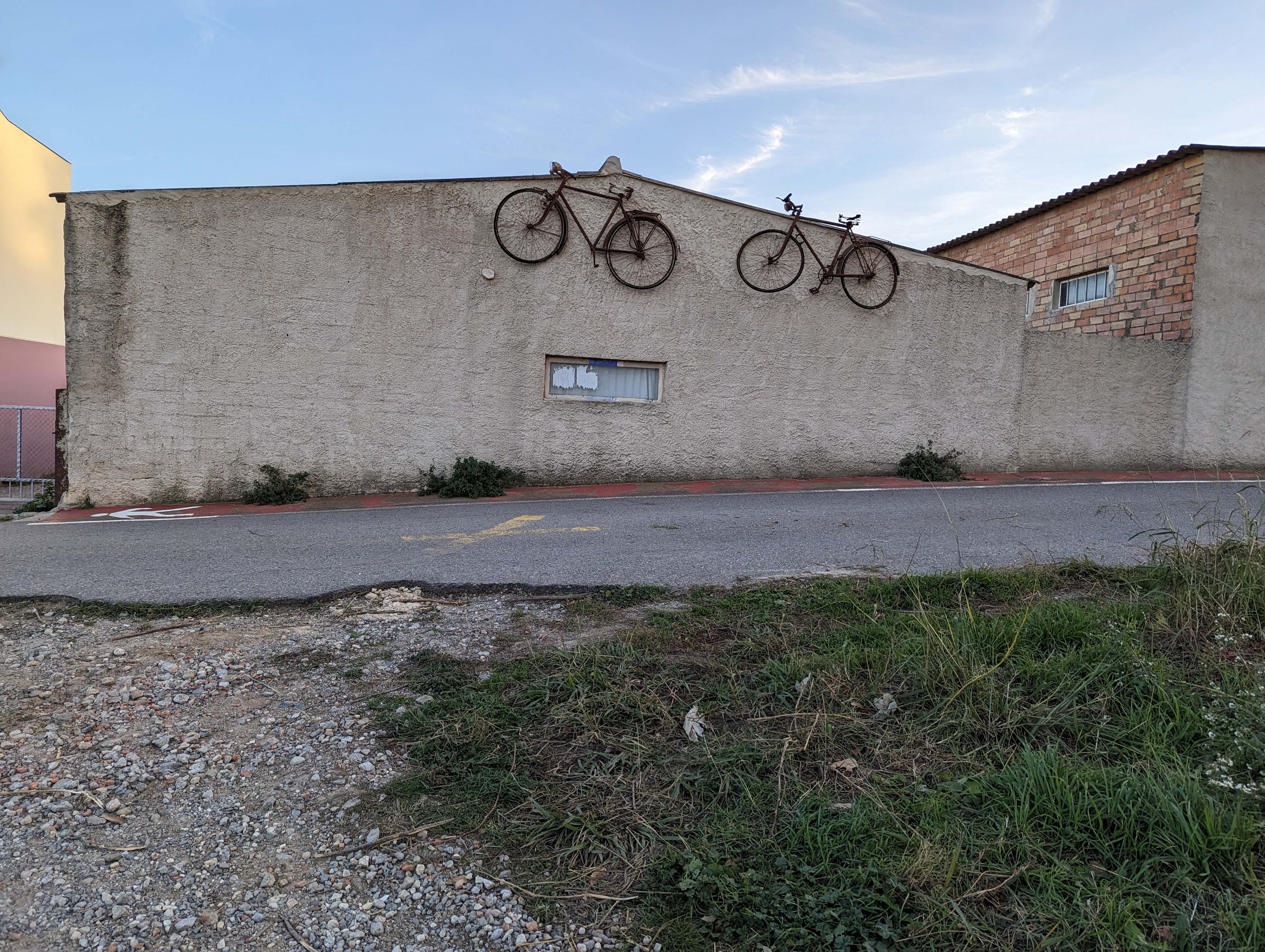
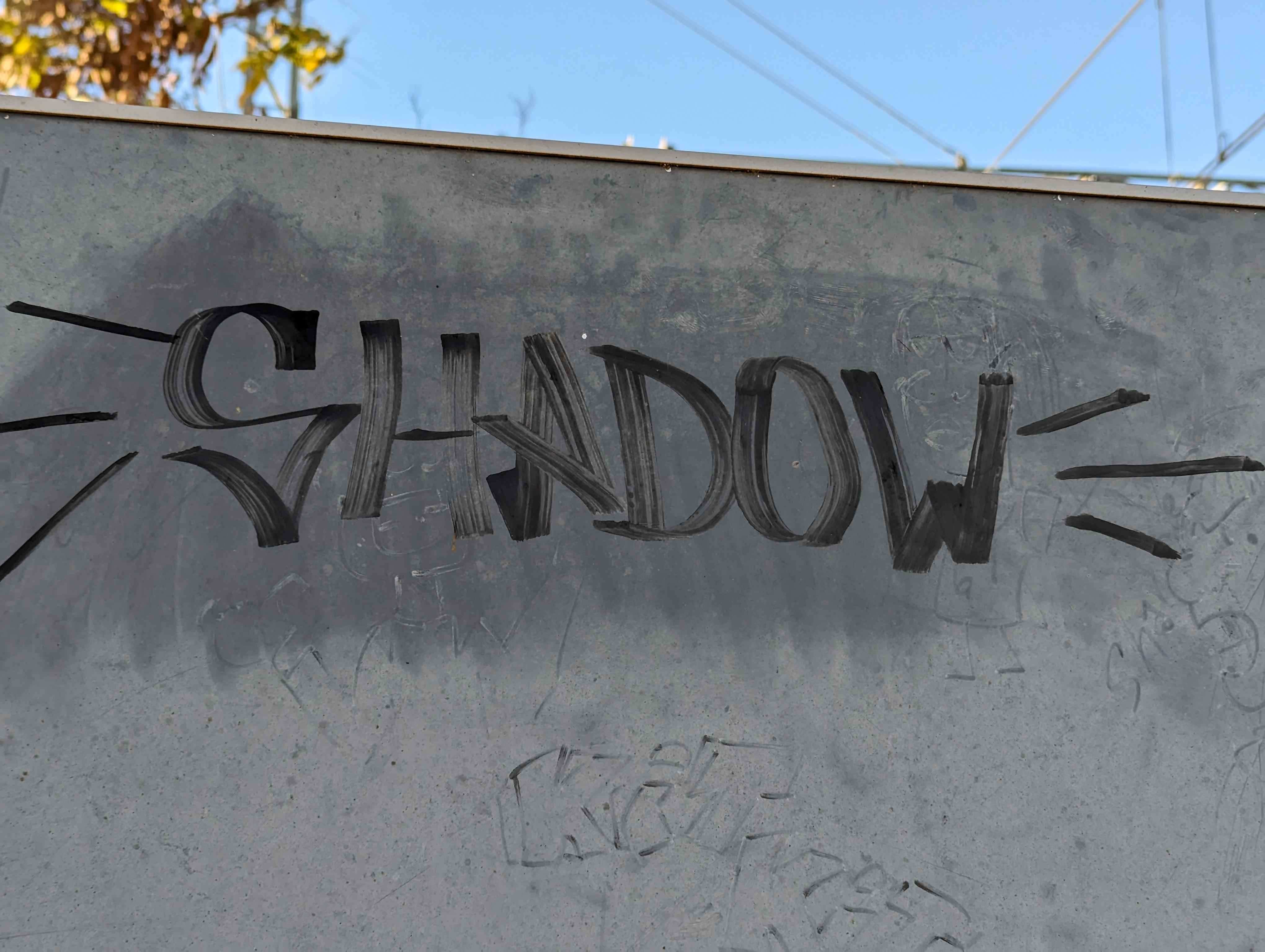
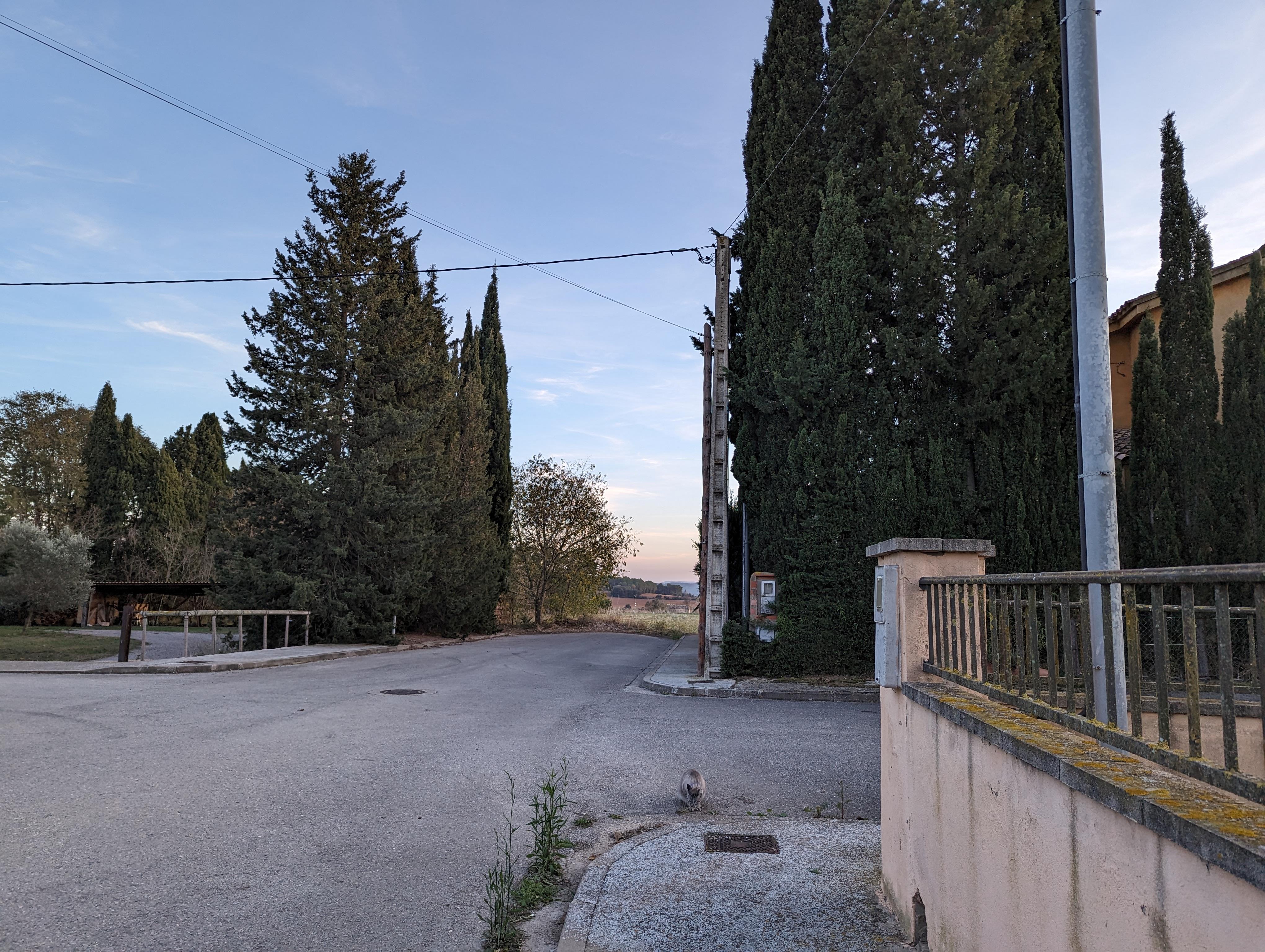
Stage 7 Air- Carrer Tramuntana. Trees: Cyprus
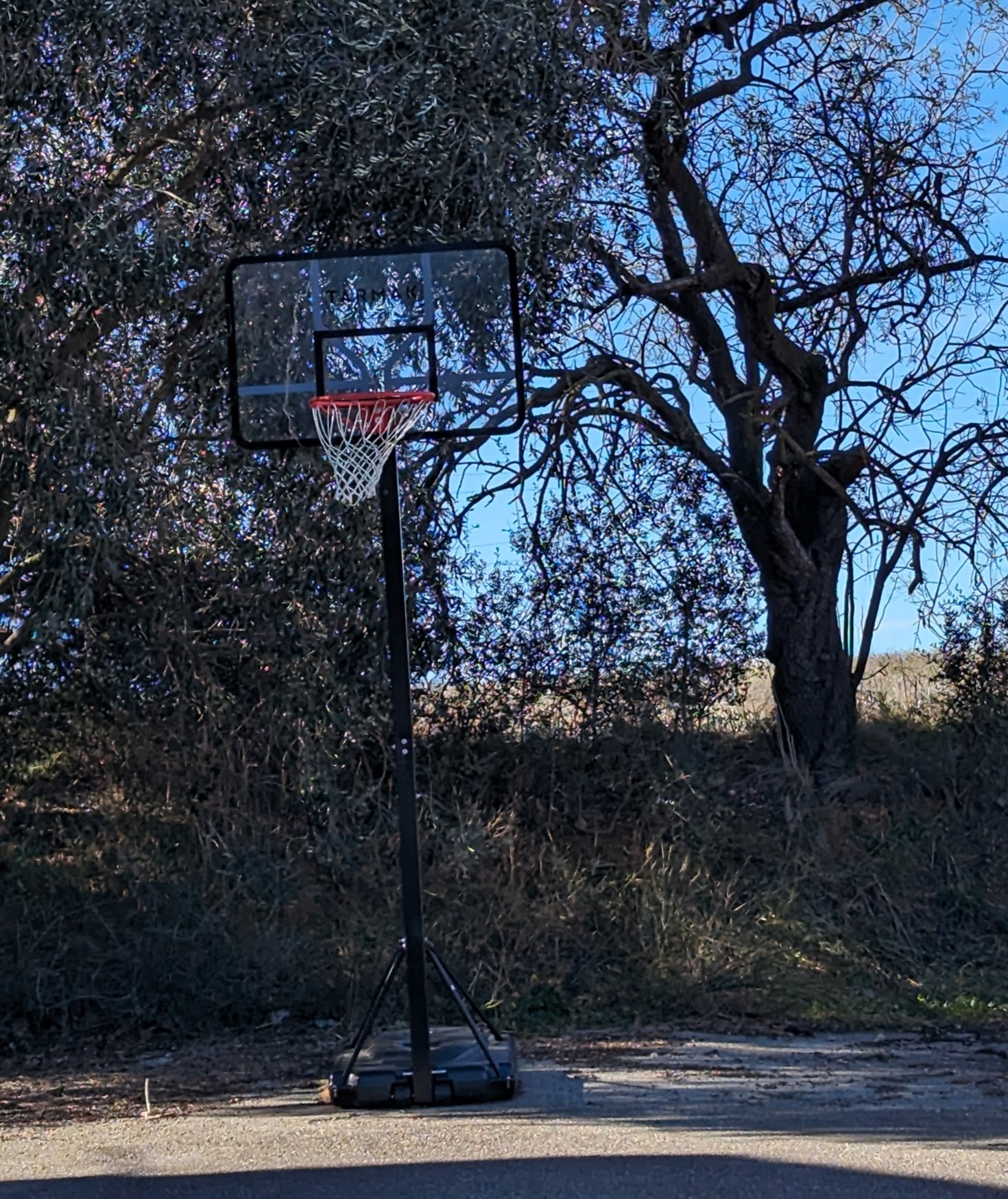
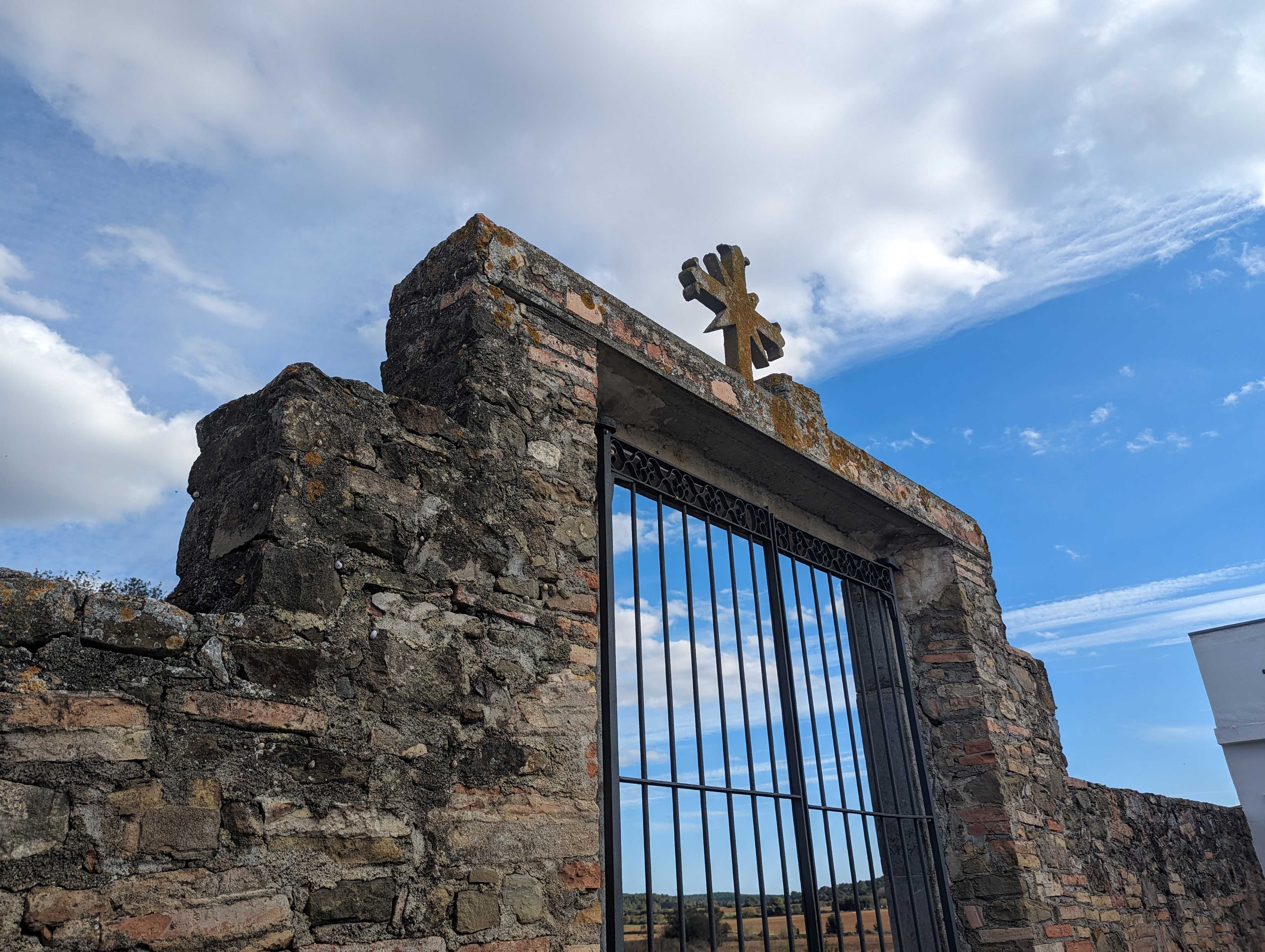
Stage 8 Transition – Cemetery. Tree: Kermes Oak
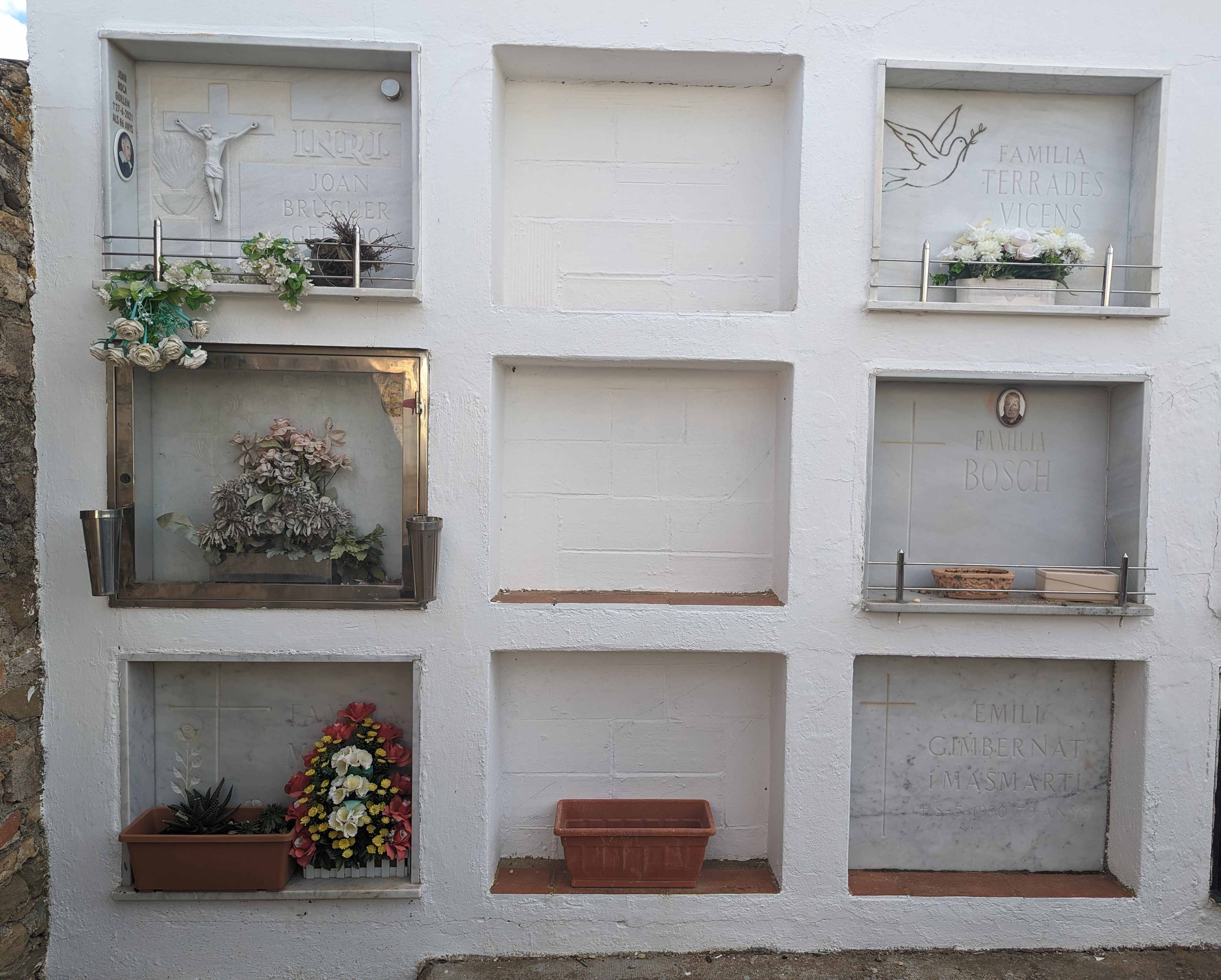
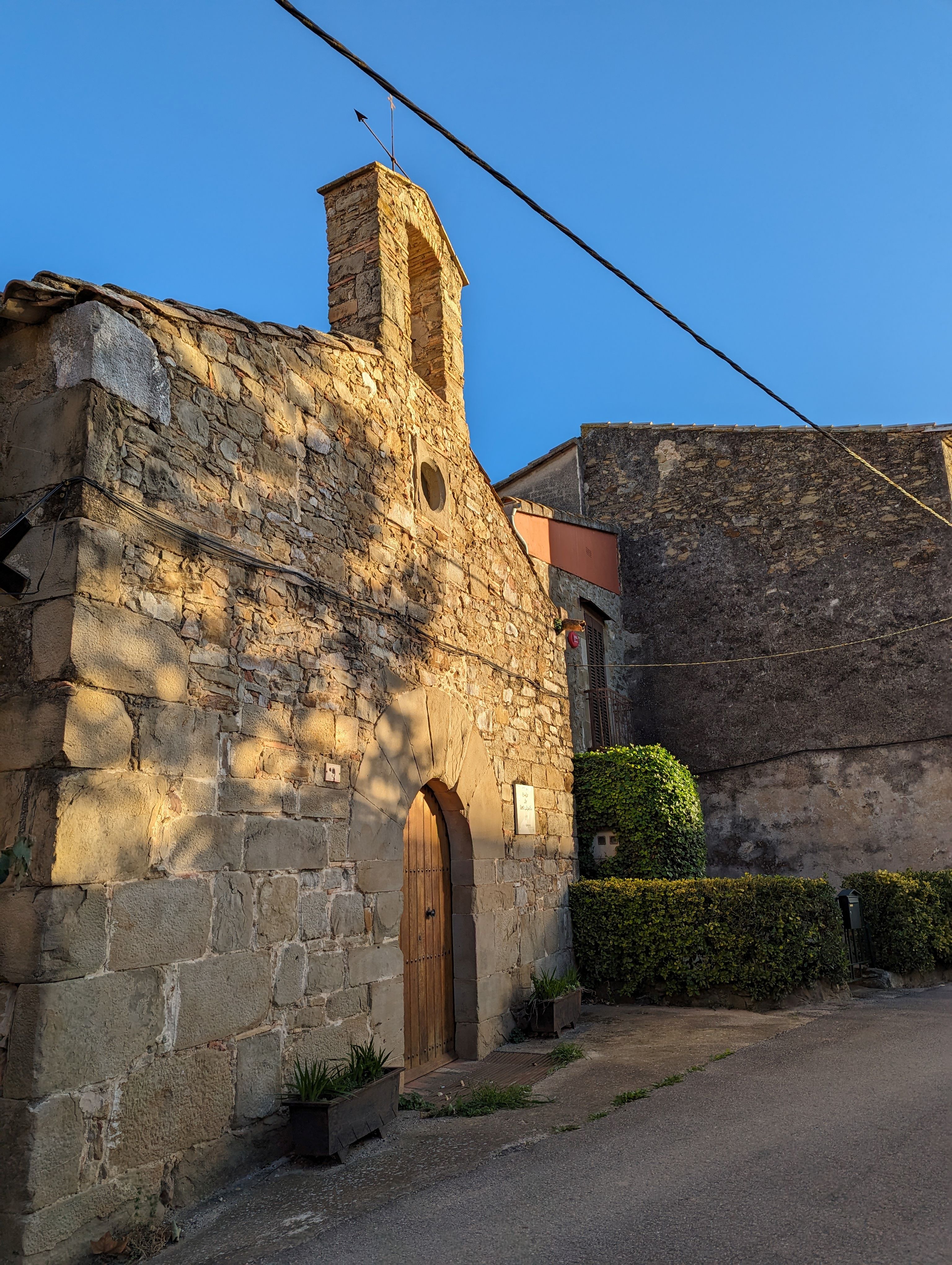
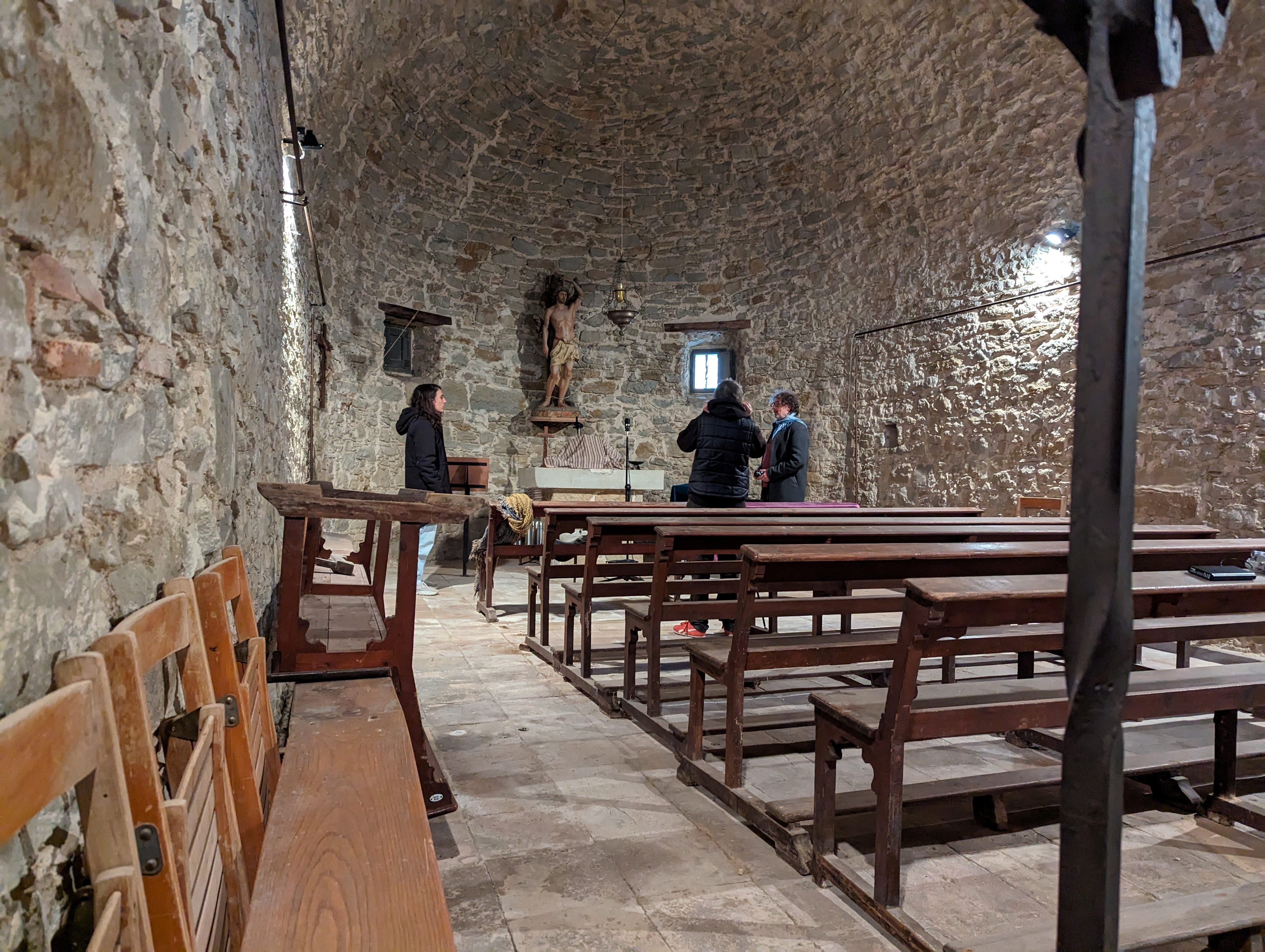
Stage 9 Deepen – Hermitage de Sant Sebastiá. Tree: Fig
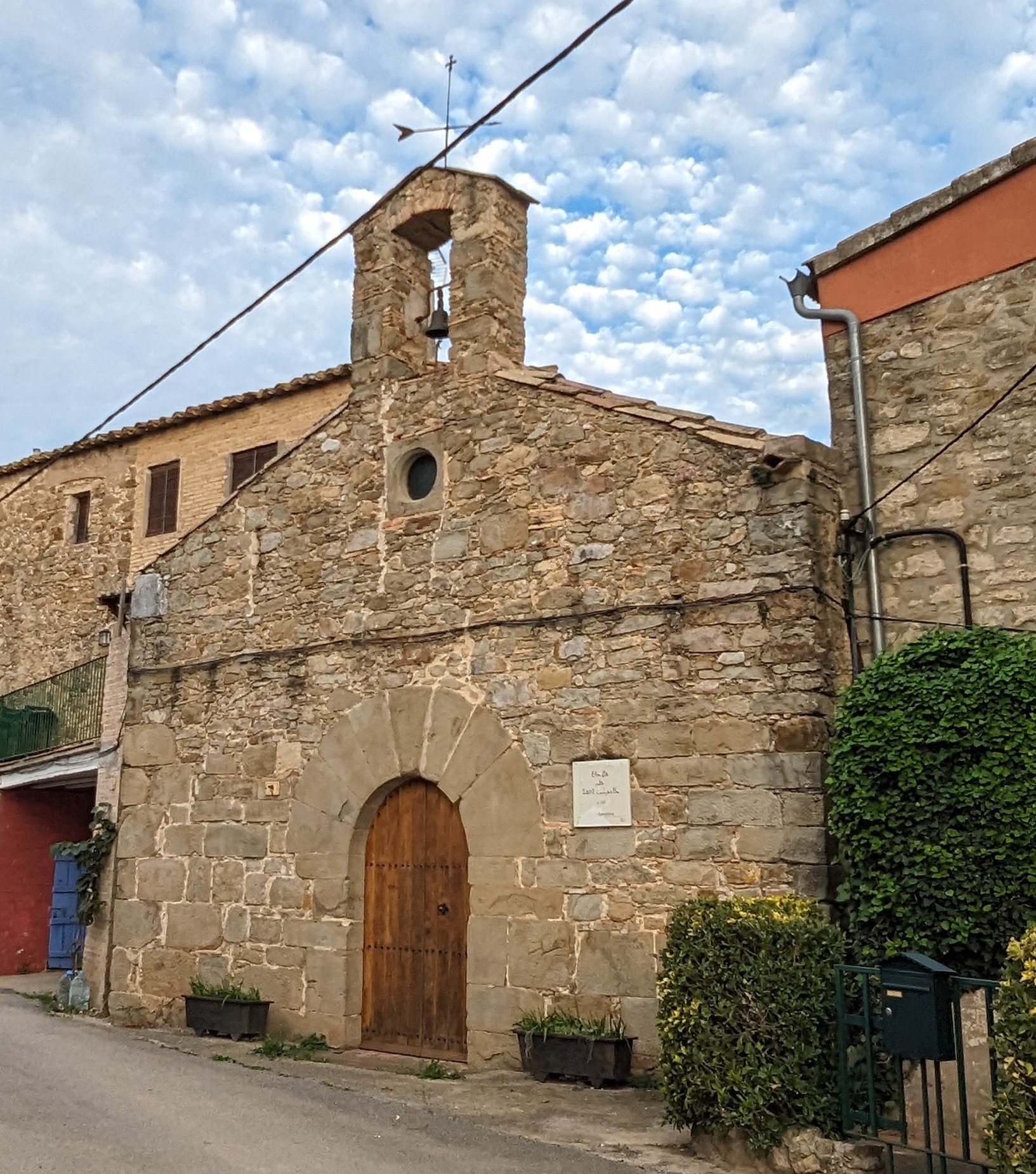
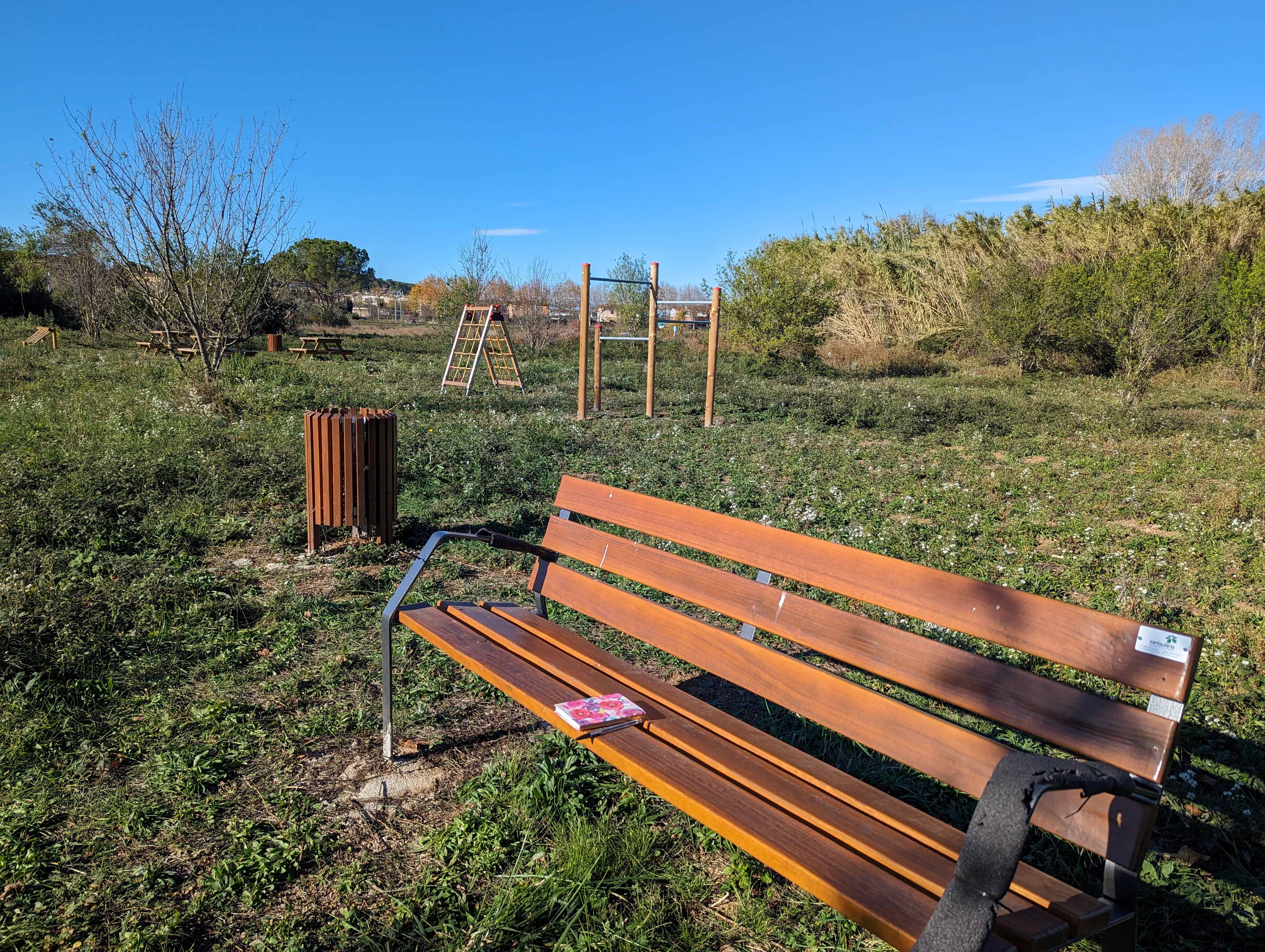
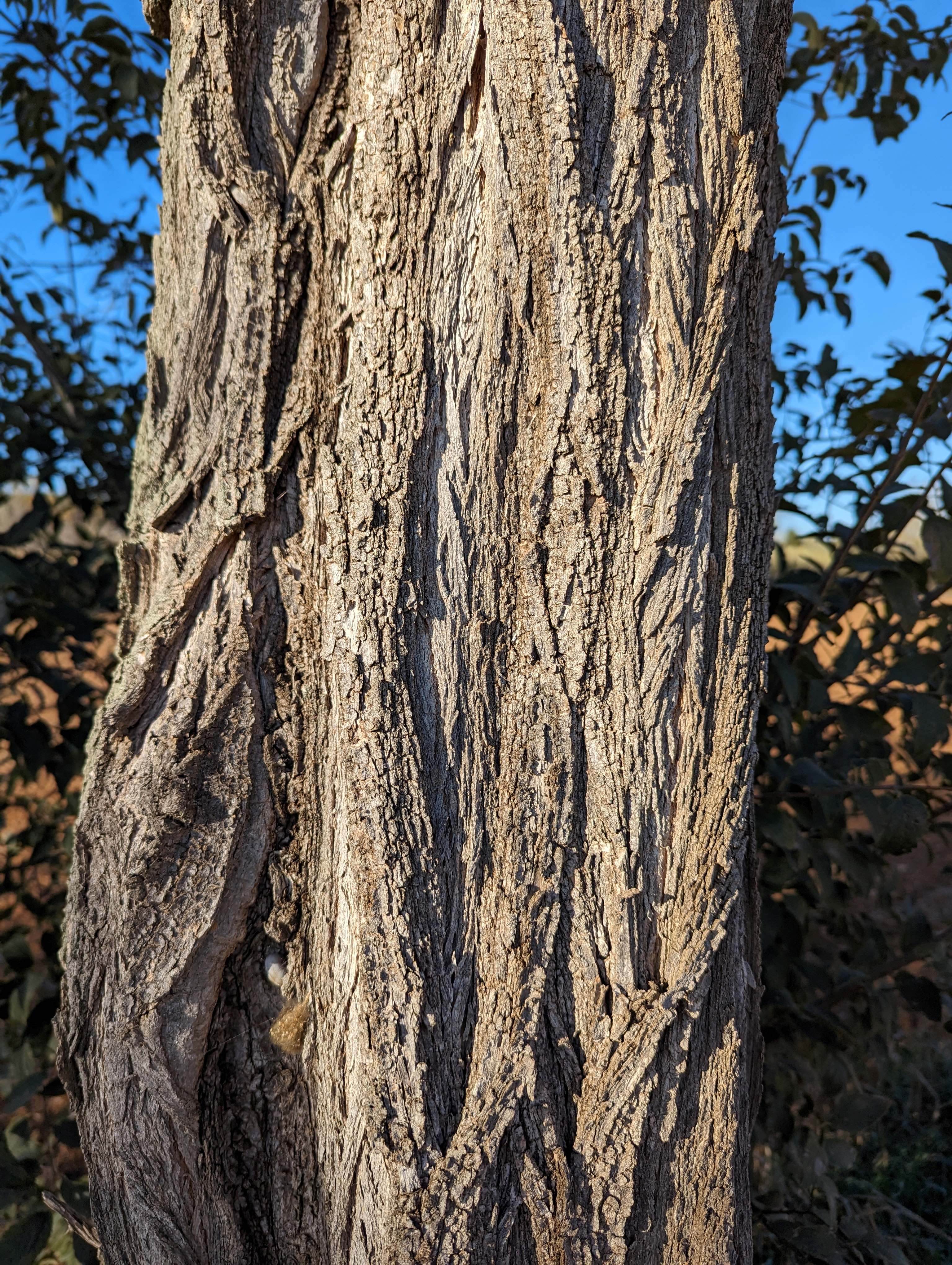
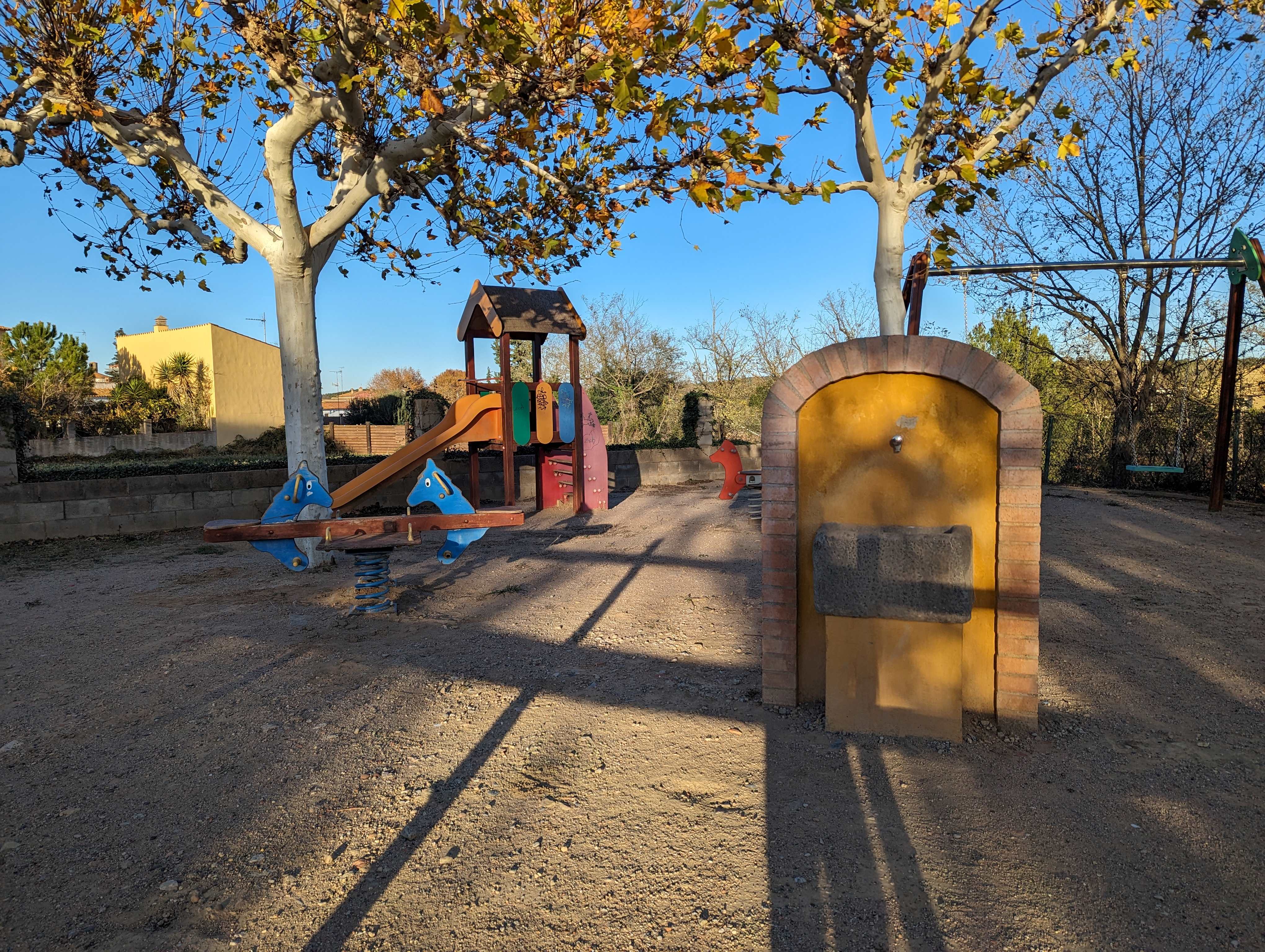
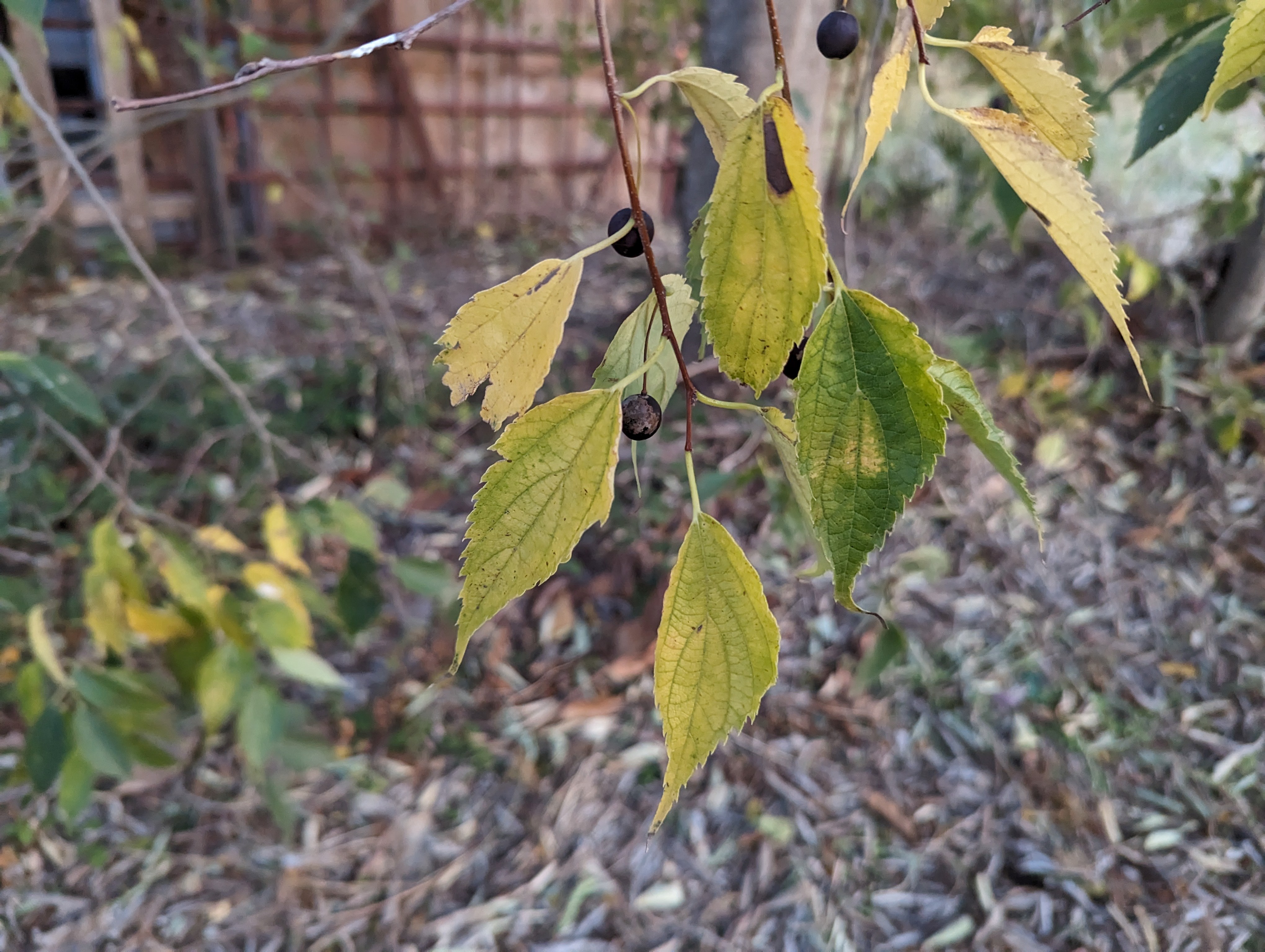
Stage 10 Play – Play park (Parc d’Infantil). Tree: Hackberry (buletta tree)
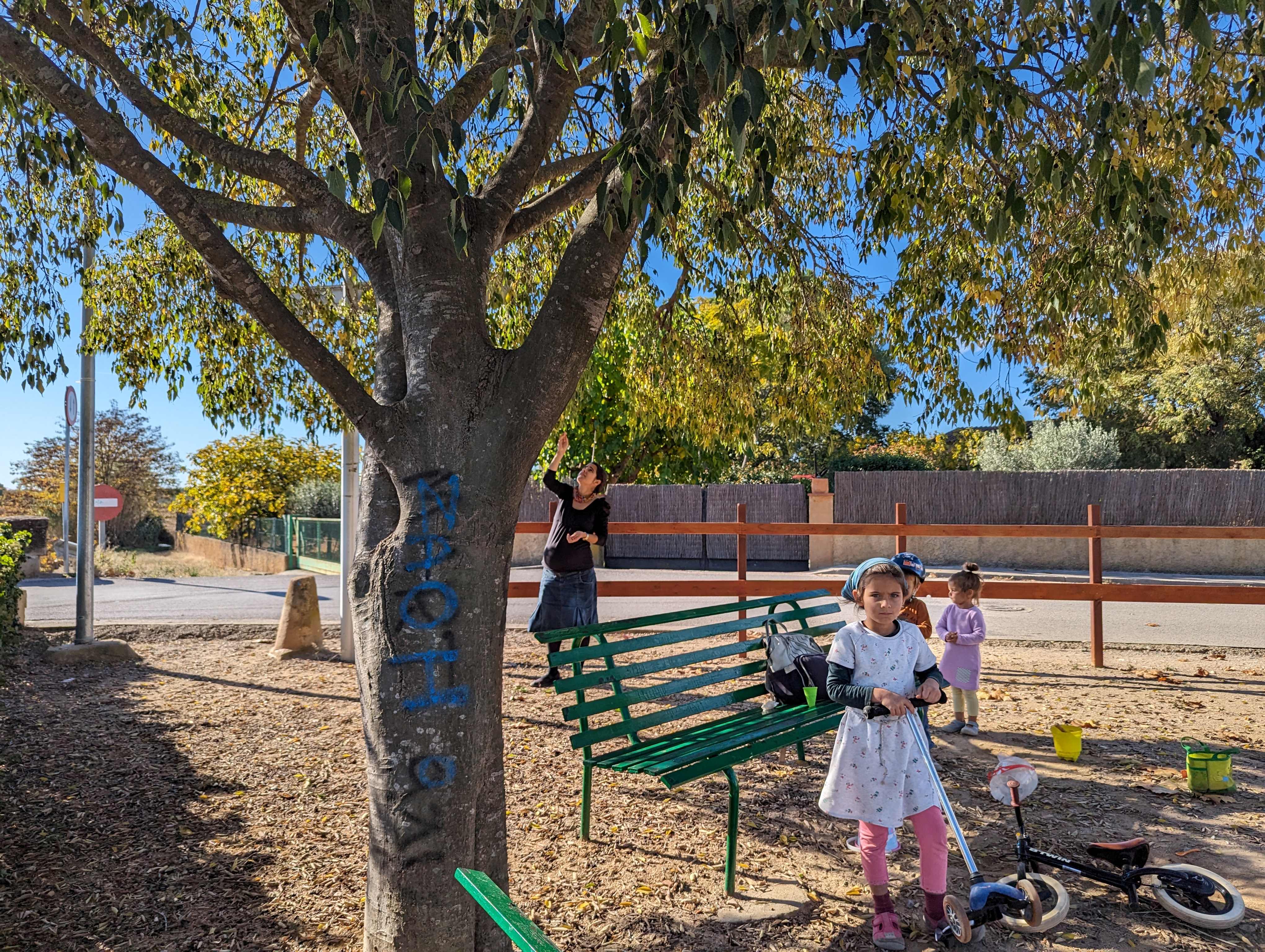
Stage 11 Dance – Outdoor dance floor (not in use). Tree: Plane
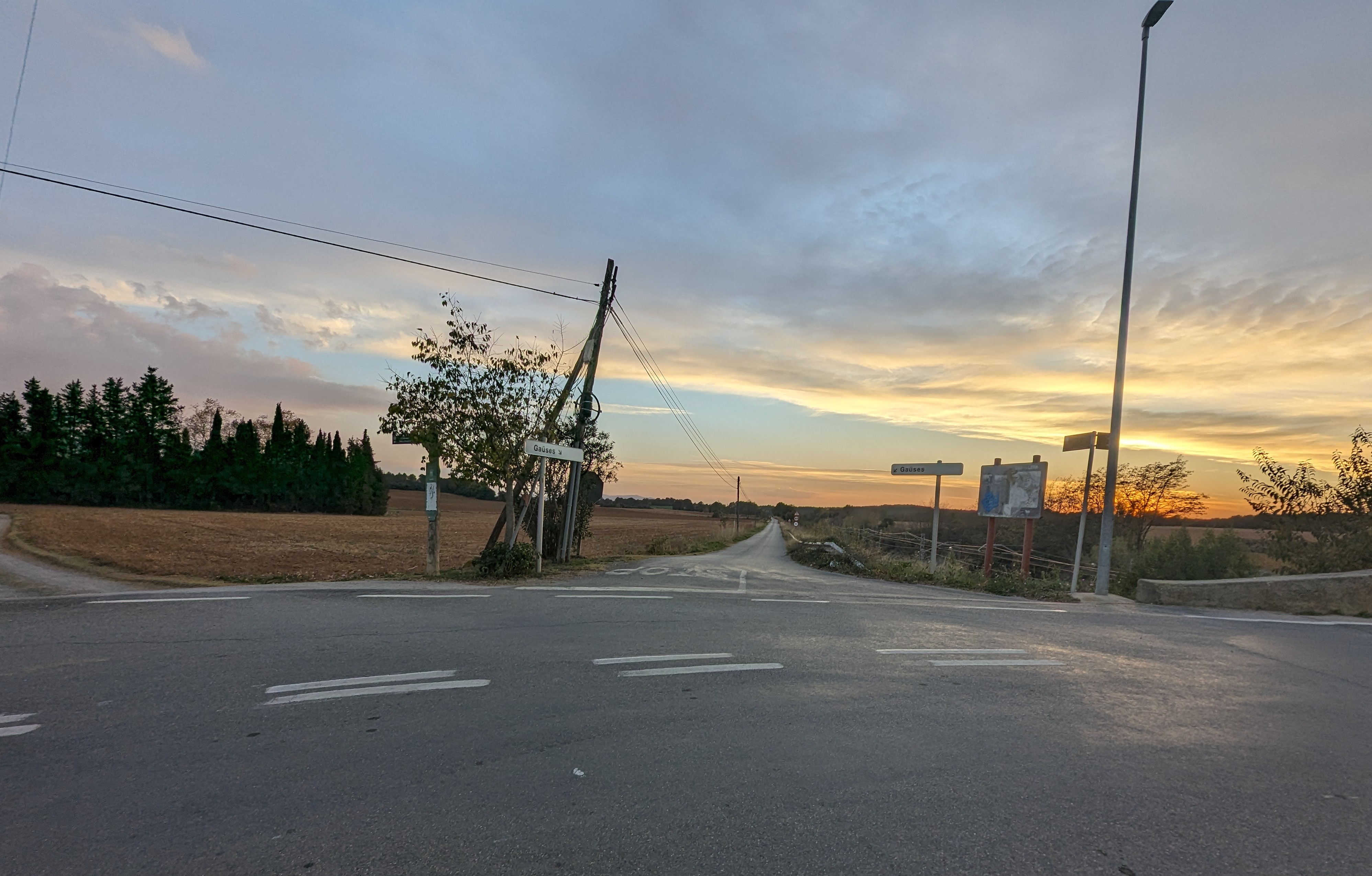
The bridge between Stages 10 and 11 is on the right, the road to Gaüses in the middle, and the small road to Stage 11 is on the left

After leaving Stage 11, turn left towards the way you came but then take the next right, behind the houses, between them

Stage 12: Departing – Train station (Estacion de tren, reprised). Tree: Pink pepper tree
The Camallera Sound Walk and climate change
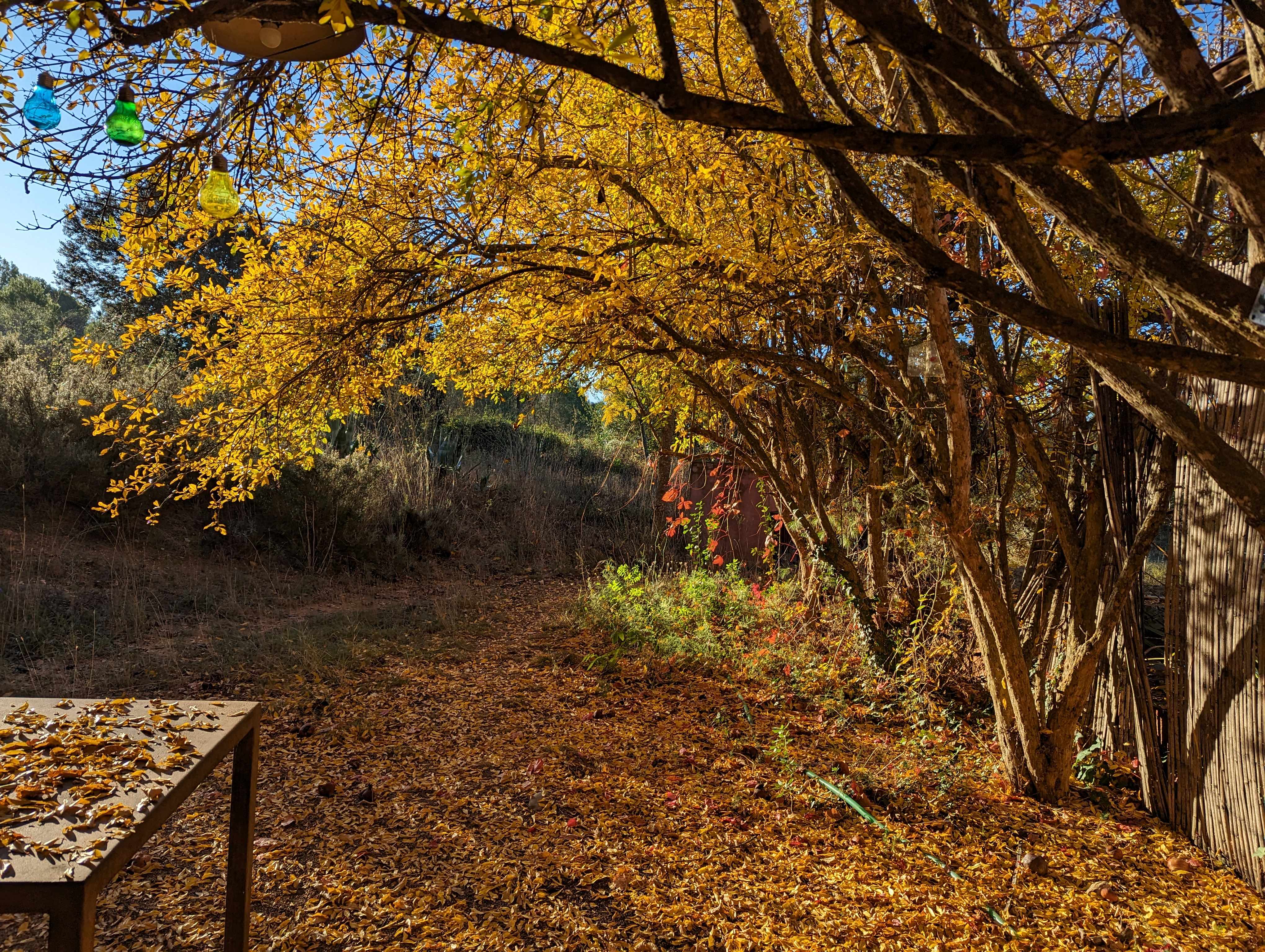
Under the pomegranate tree (stage 3)

I was walking around the edge of Camallera at a specific time. I wandered during the change from Autumn to Winter when the leaves were turning from green to orange and amber, but red admiral butterflies still gorged on the fallen pomegranates.

The climate as we knew it in recent decades has changed rapidly, so when I walked in 2023, we were already years into an extensive crisis. It rained properly once, and spat occasionally, but the area is still drier than it was even last year. Temperatures were on average 1.5 degrees (at times 2 degrees) centigrade hotter, though I left on a white, frosty morning.

2023 is the driest on record in the 109-year history of the Fabra Observatory and the driest in 73 years in parts of Bages, Osona and Moianès

https://web.gencat.cat/en/actualitat/detall/2022-lany-mes-calid-mai-registrat-a-Catalunya

Trees
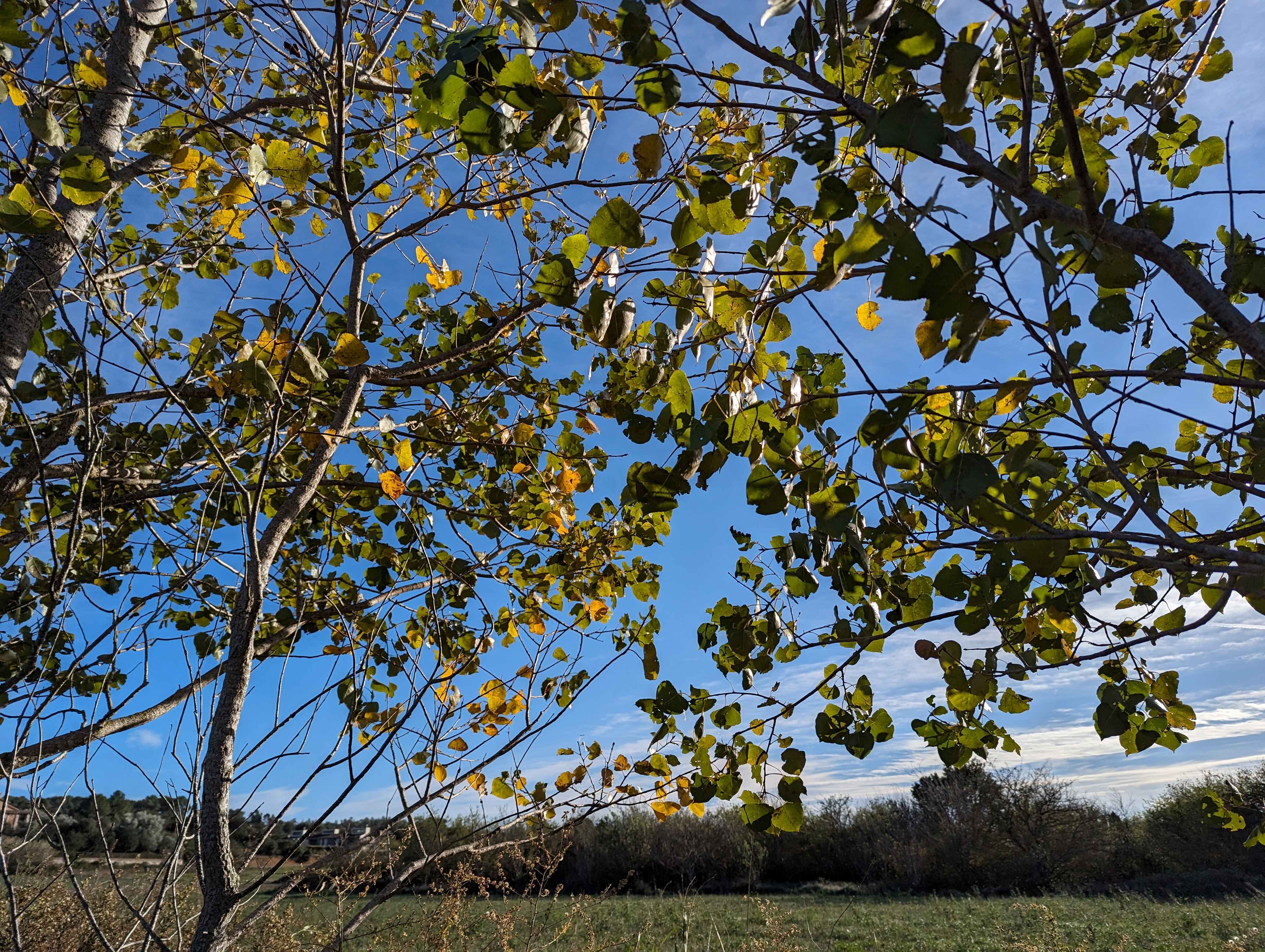
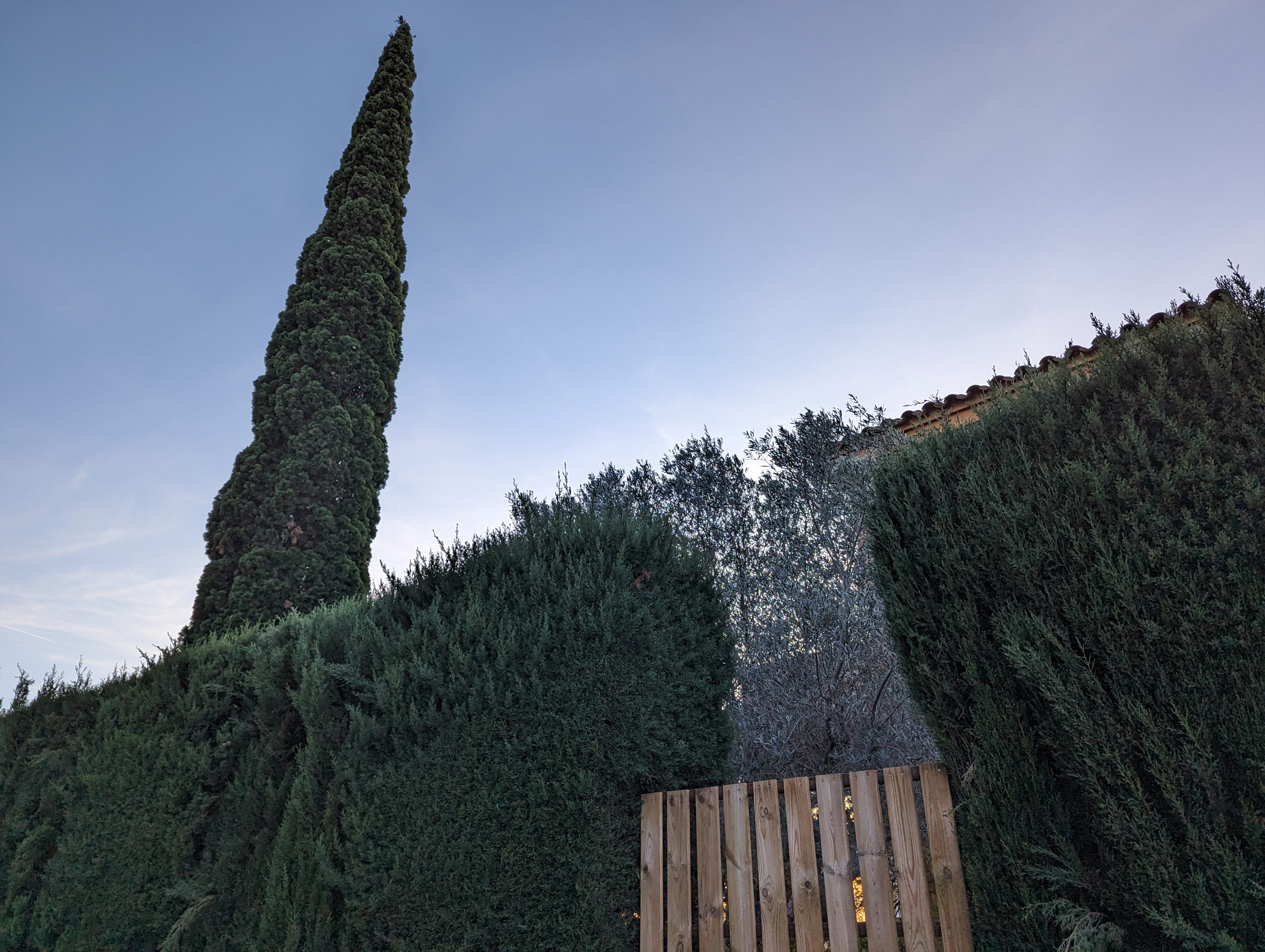
Camallera is rich in trees. There are plane trees (Platanus hispanica) everywhere, at almost every stage of the walk, but I have chosen others to give a sense of the variety in the area. There are more to be found between stages and if you venture inside the boundary.

Senses

Remember to taste and smell too! At each stage, roll your tongue around in your mouth, swallow the saliva, focus on what taste is there. Is the flavour of stage 1 different from stages 2, 3, 4 … ? You will find wild fennel, rosemary and thyme to satisfy your tastebuds.

At each stage, take a deep smell of the space you are sitting or standing in. Does it smell differently from your home or from the way it smelled in the previous season of the year? Savour the scent of pines and sage when you crush it, the warm tarmac in the sun, and whatever else you discern.

The area is a feast for the eyes: the newly ploughed, ochre-coloured earth, the graffiti everywhere, the blushing fruits and golden leaves, all depending on the time of year.
Options

There are 3 optional loops that can be added to the Sound Walk. They don’t have recorded excerpts to listen to, but are rich in sounds.
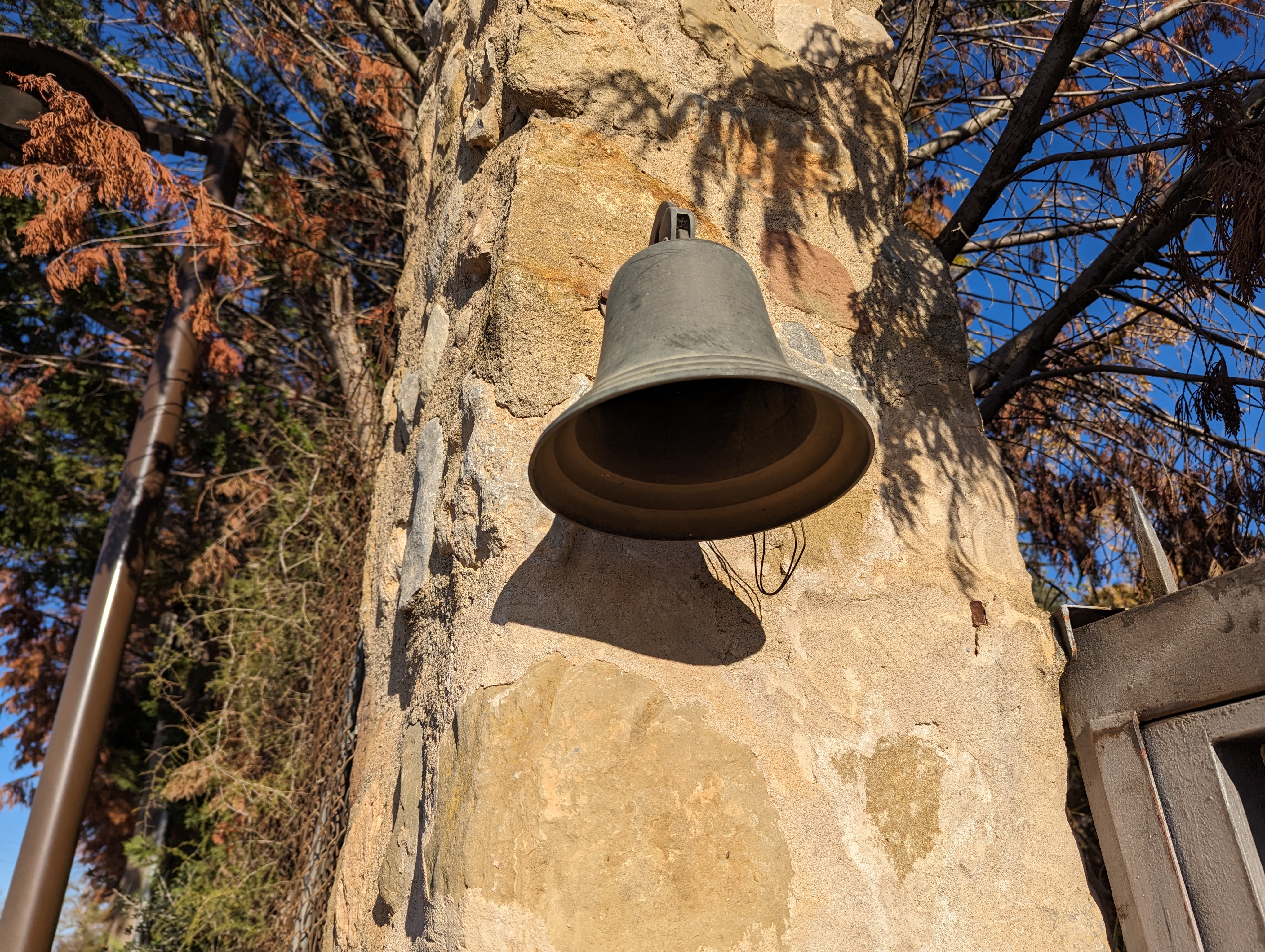
Look out for the bell between Stages 3 and 4a

Option 1: Saus, between stages 3 and 4a. Leave Stage 3 behind you, walk downhill past the barking dogs and turn right (following the Sound Walk), but when you get to the sharp left-turn, continue instead straight on towards the main road GIV623. You are now on the GIV6233. Follow it around to the right and take a left through the underpass to the other side of the main GIV623. Take Carrer Oest into the town of Saus and don’t forget to visit the 11th century church – Església de Santa Eugènia de Saus. Please note that you have to go back the same way you came as there is no other route between Saus and Camallera.
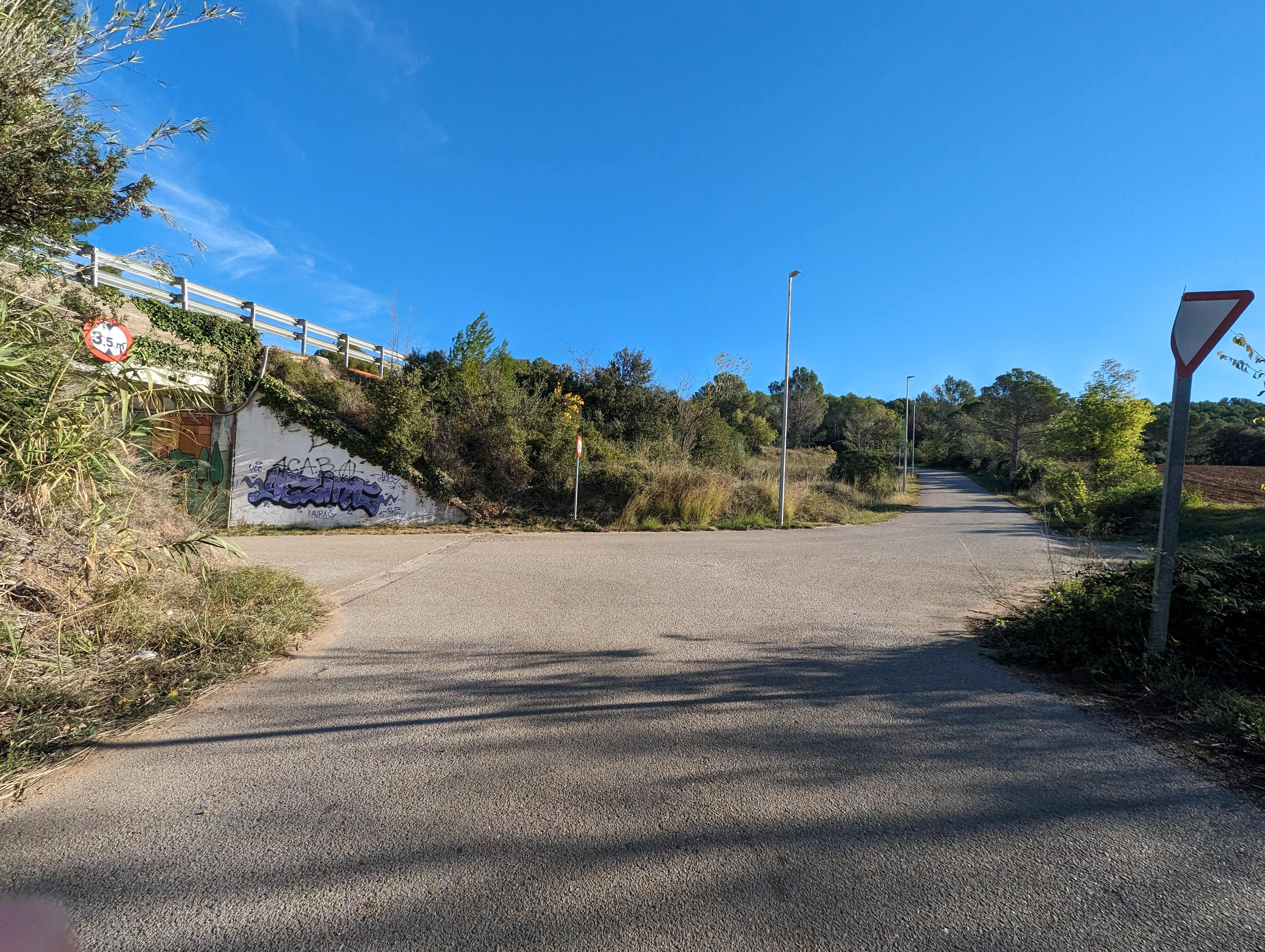
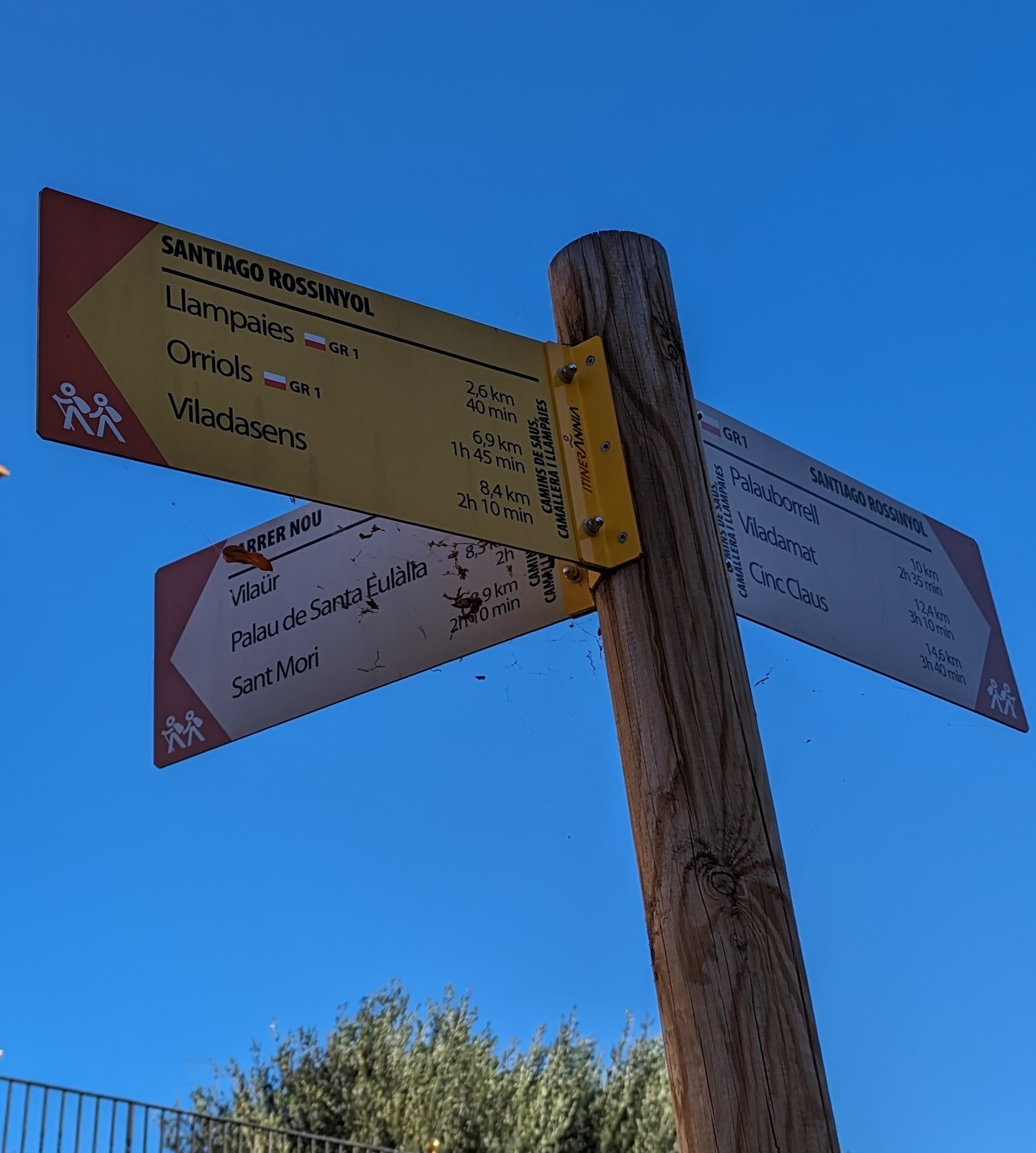
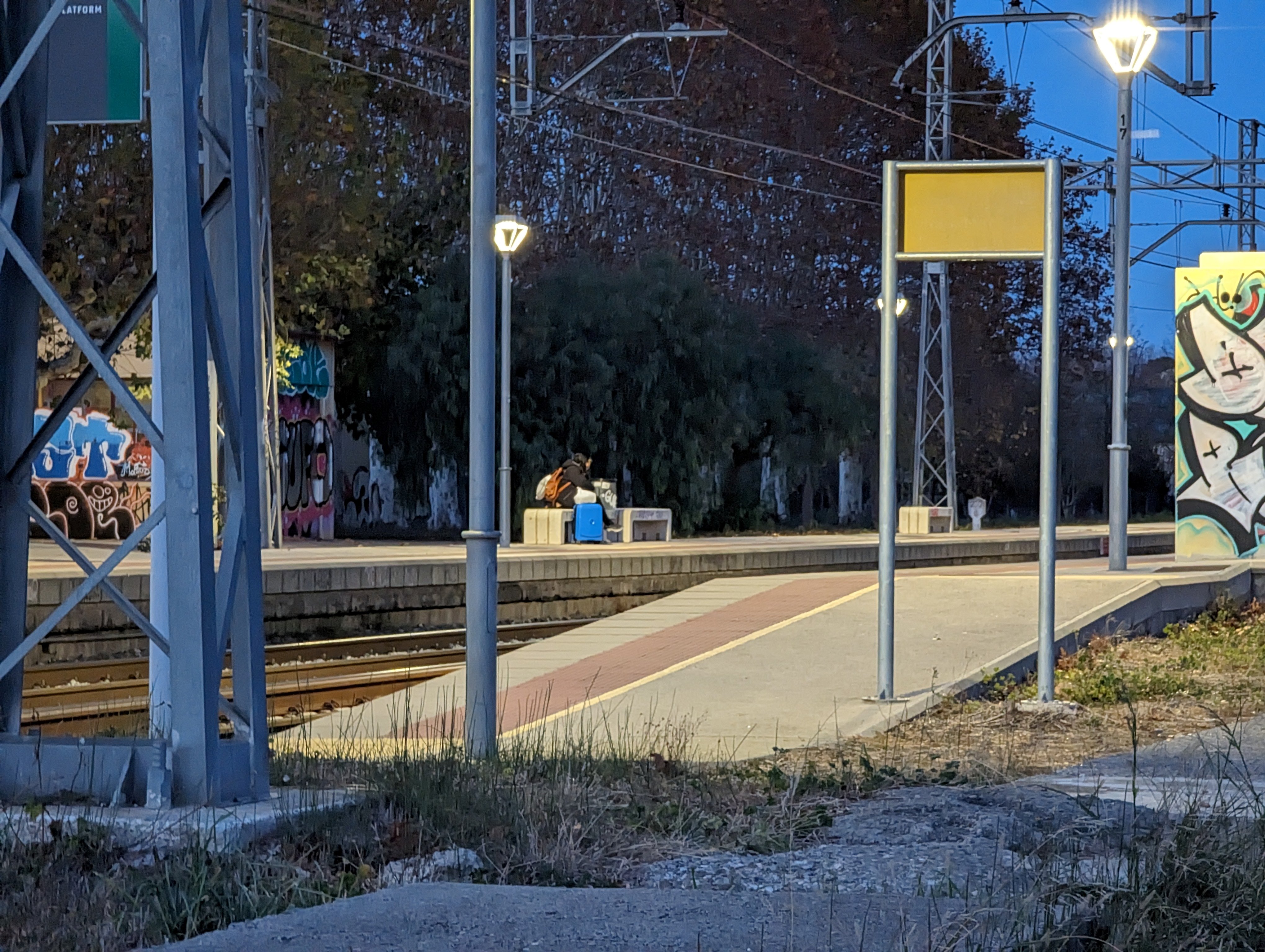
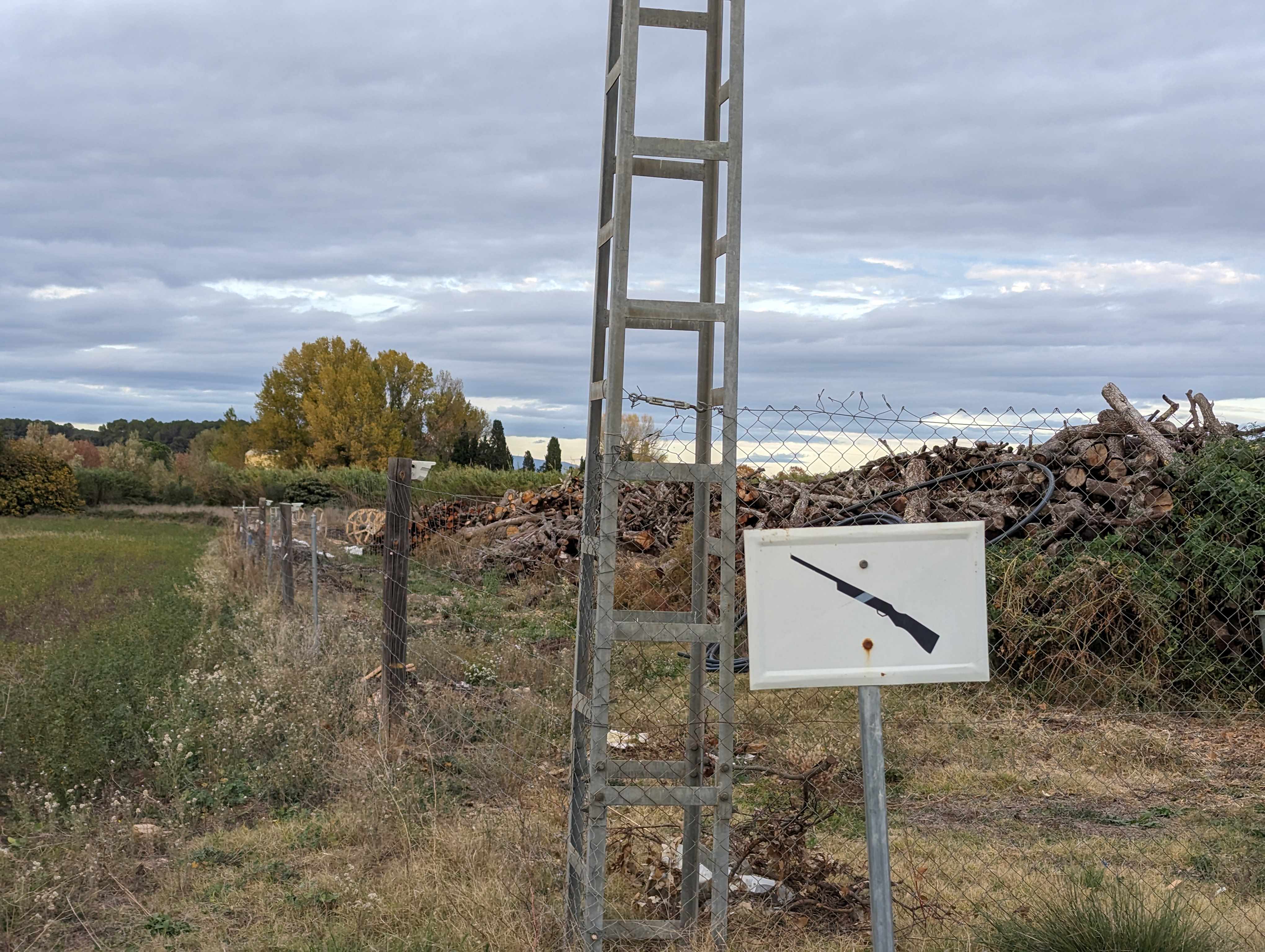
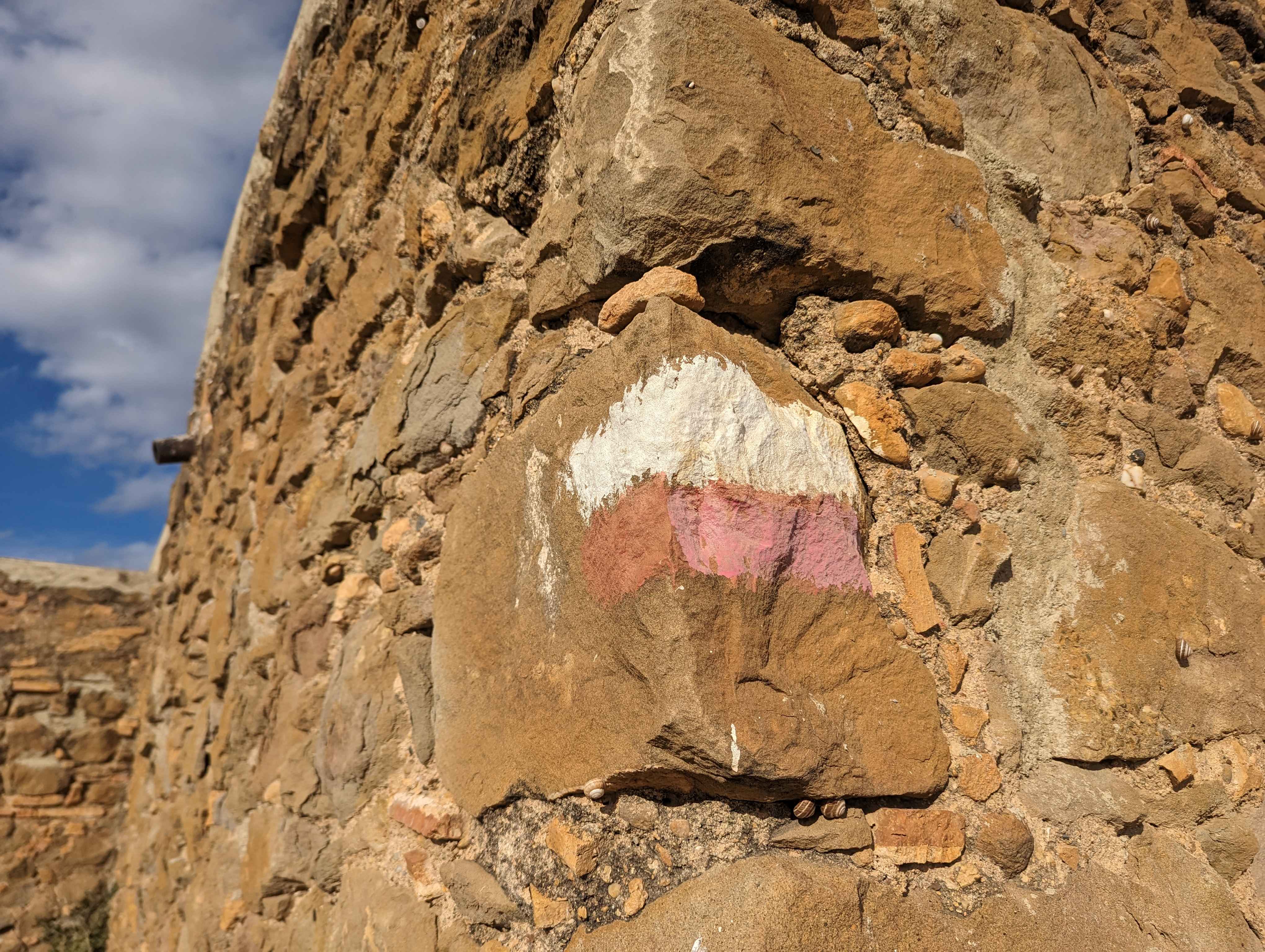
Option 2: The woods beyond the cemetery (Stage 8). Continue along the same road, keeping the cemetery on your right. There is a junction with 3 options. Take the second left and walk a loop, coming back via what would have been the third left. The GR1 trail runs along that south western corner of the town, so look out for the red and white striped signs (photo below) and the sign posts (photo above).
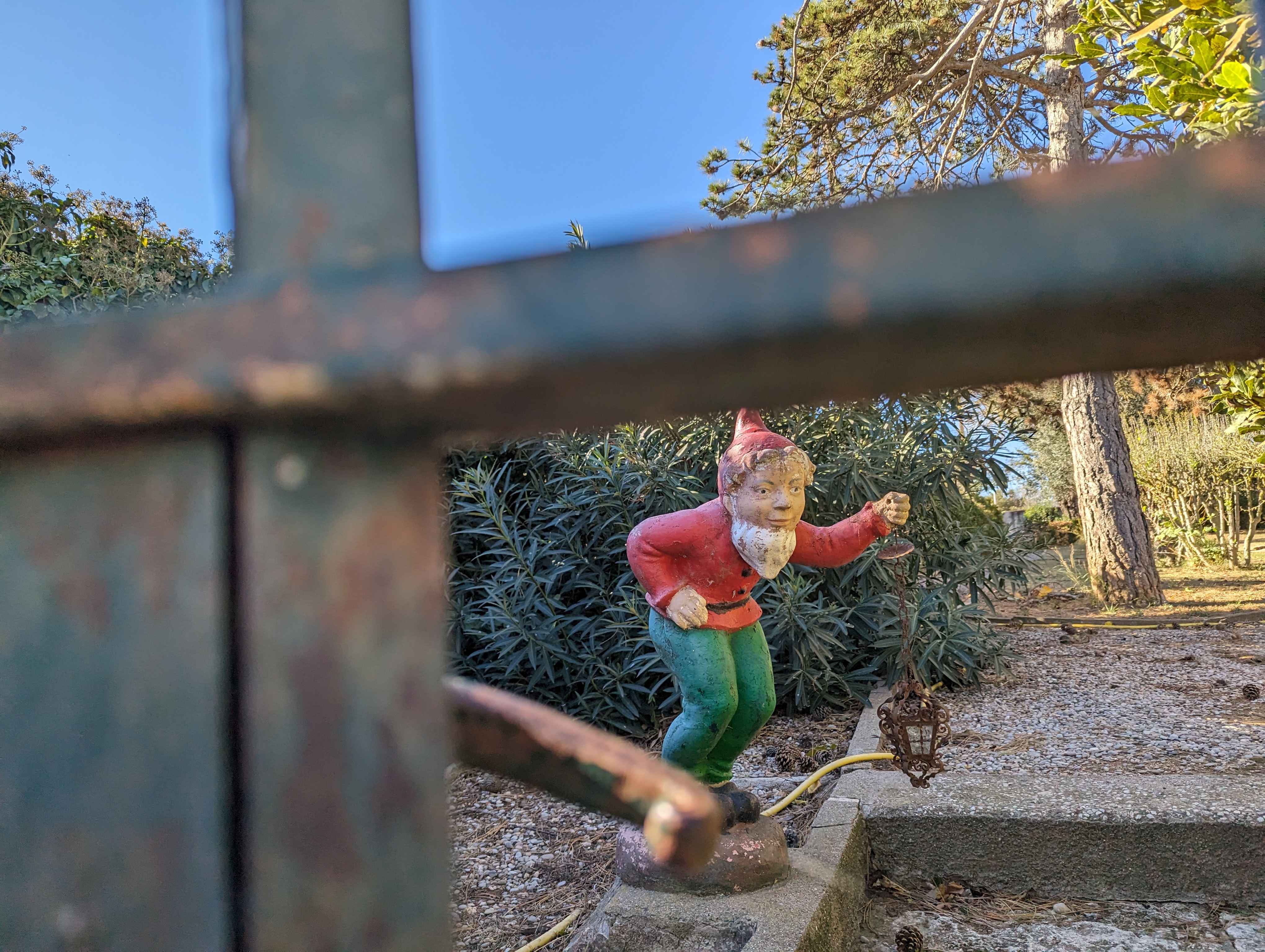
Option 3: Llampaies. From Stage 6, continue along the Carrer de Banyoles (it becomes the Carretera Girona-L’Escala) instead of turning off left along Carrer Tramuntana to Stage 7. Look out for a whispering gnome, the sound of a beautiful cedar tree in the wind, some silent graffiti (see main map above) in a field on your left, and the clangs and vrooms of Responsive Business (a transportation company, maybe) with a red chair on the balcony for peacefully sunning oneself during work breaks.
Where am I?

Thanks

Many thanks to Clara Garí and Nau Côclea for the opportunity to discover this wonderful place. Also to the singers Jordi Homs and Mar Serinyà (listen to Stage 9), and to percussionist Jordi Rallo and his group who feature in Stage 4a.

My workshop participation in, and listening to, Viv Corringham‘s work has been an influence, as, I’m sure, have all the other captivating sound walks and works on walklistencreate.org. I have not studied with Pauline Oliveros, but I have read a lot about her work and learned from others who have. My conversations with Igor Binsbergen while we walked, were fascinating and also important.

Nau Côclea offers a grant consisting of accommodation, follow-up and public presentation. This walk will be presented as part of the Walking Arts Encounters in Girona in July 2024.
Abandoned Walk

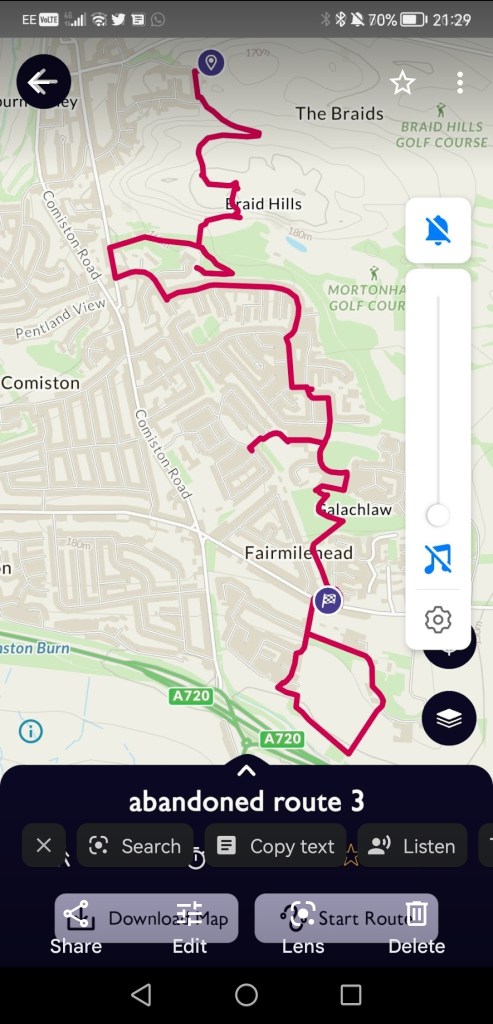
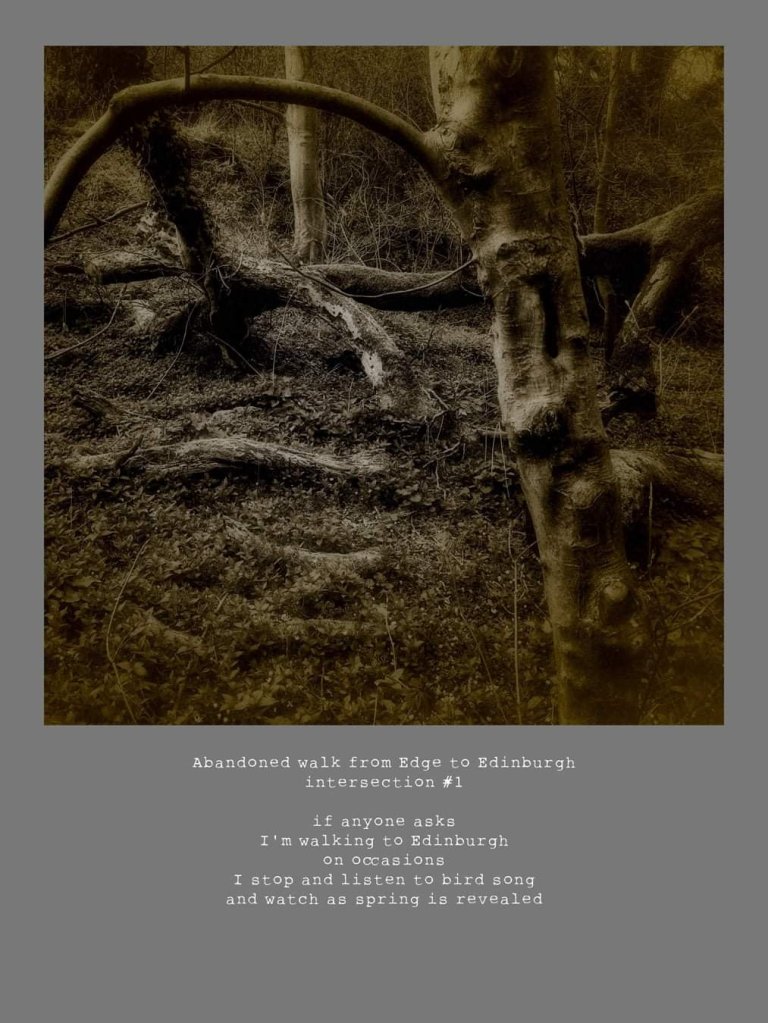
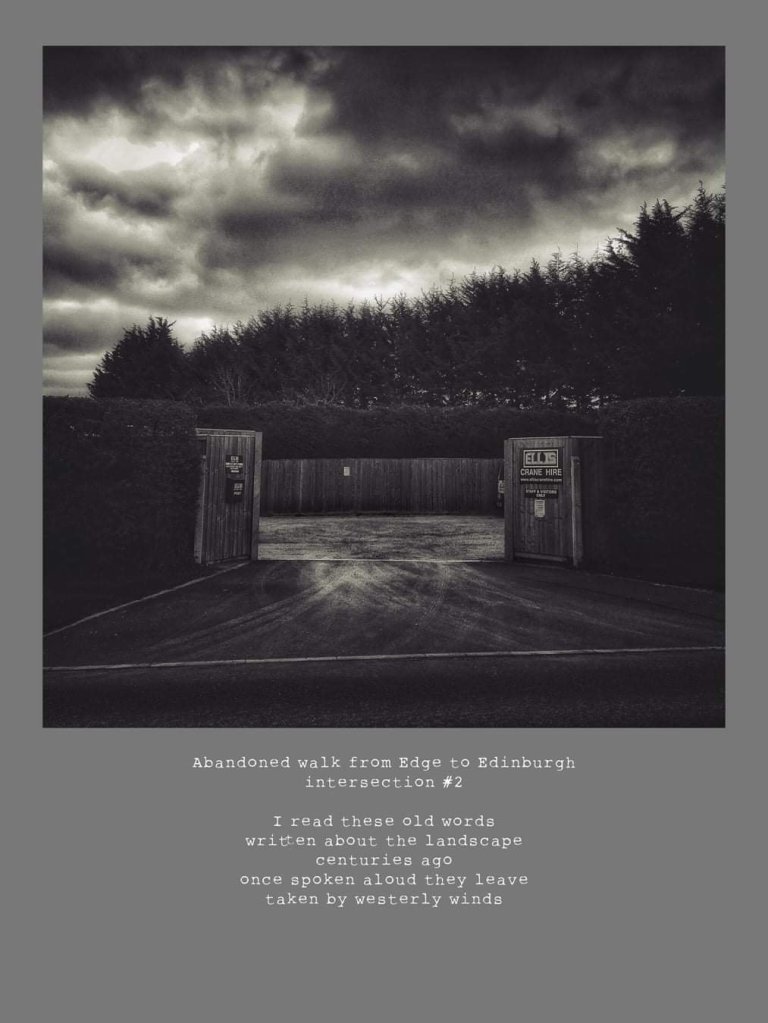
This project was conceived by Kel Portman. We drew a straight, red line the length of the UK on a phone map between our homes (334 miles) and started to walk along it towards each other; Kel from his doorstep in Gloucestershire and I from mine in Edinburgh. We allowed one day and had to abandon before meeting in the middle.
5th April 2022

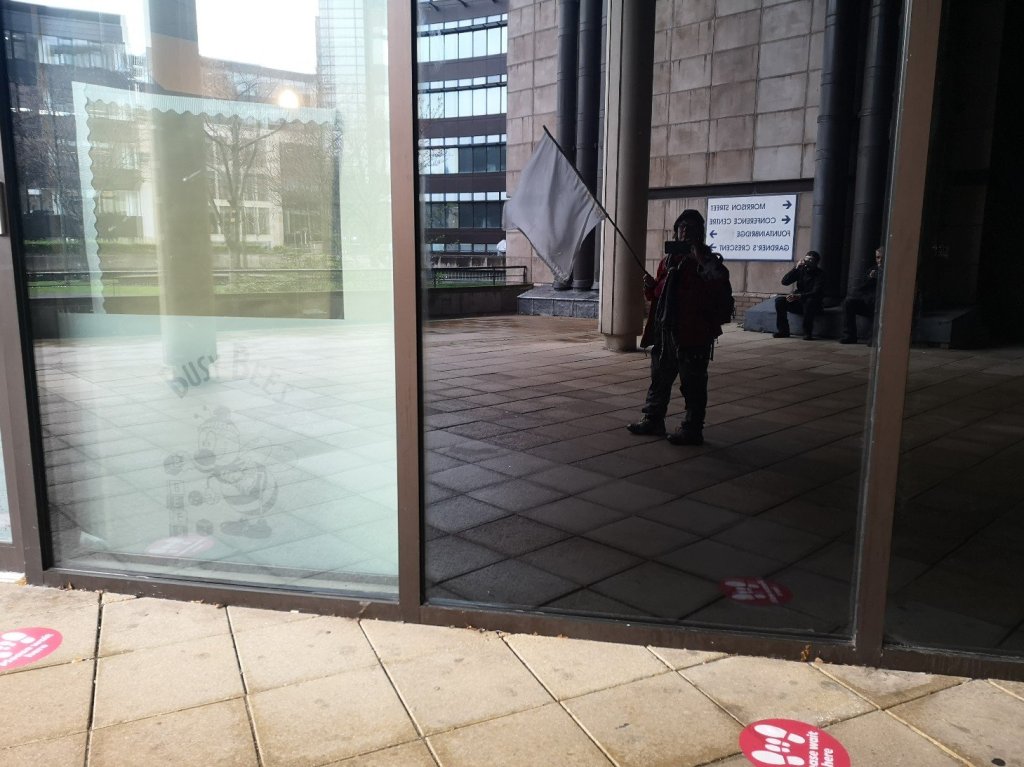
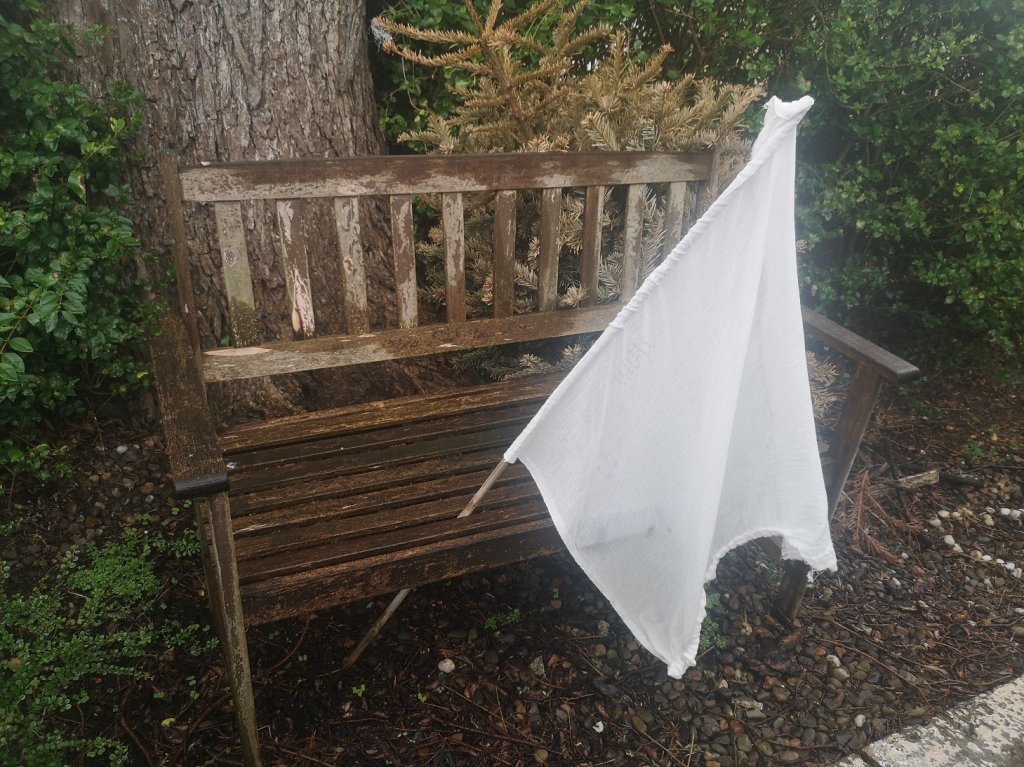
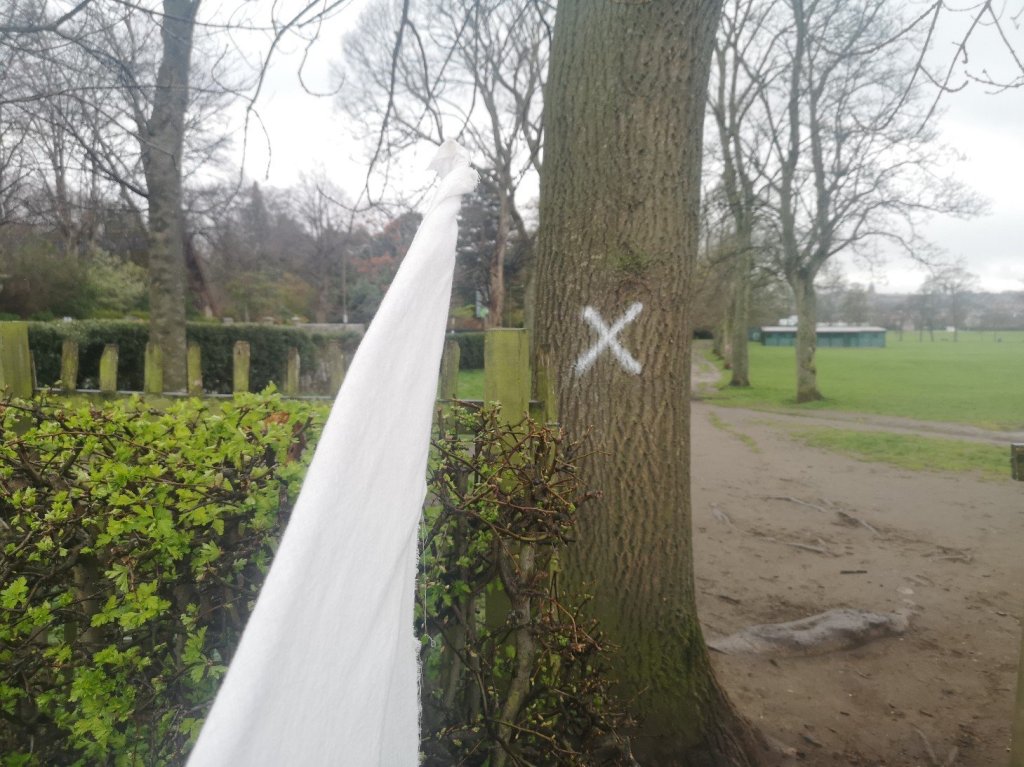
Home, the starting point. I took my white flag with me for Peace (the Ukranian war was moving into its third month)

Let’s begin with the weather! It was wet, not pouring though, and I was on familiar ground. Strange that one’s sense of distance changes if you set out for long walk – I seemed to be in Inverleith Park in a matter of minutes. Slow came the raindrops.

I passed a worm on the pavement and admired a Tree Creeper bird as he did just that.

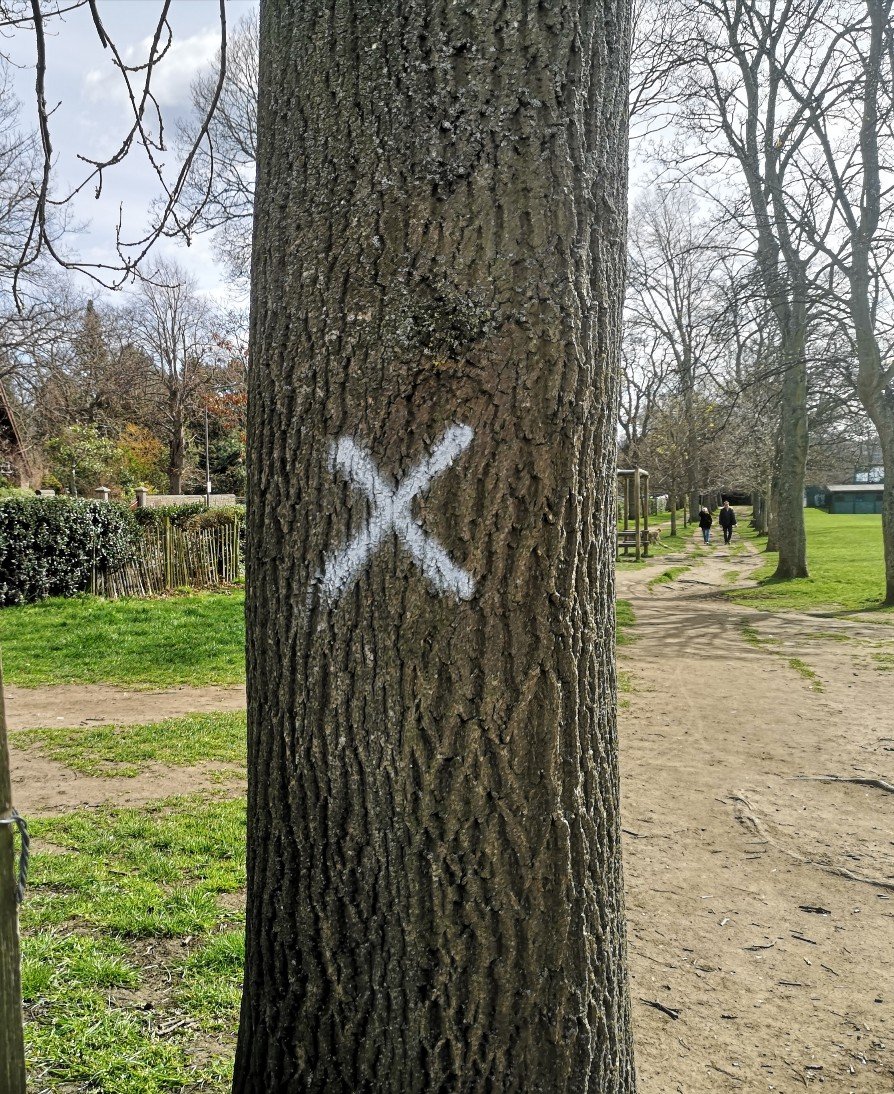
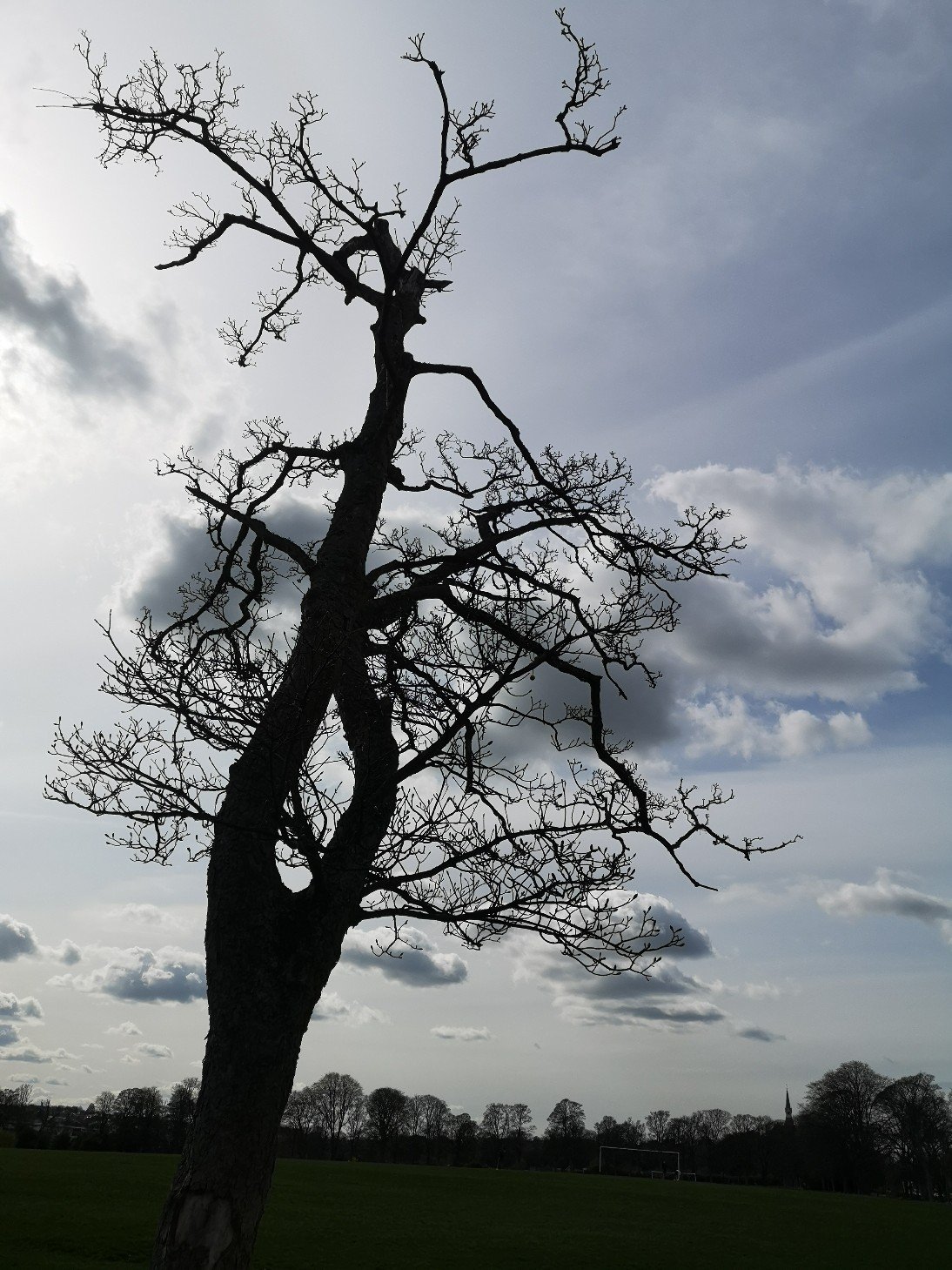
I hope this strong and upstanding tree is not condemned. Inverleith Park, still on the north side of the city of Edinburgh

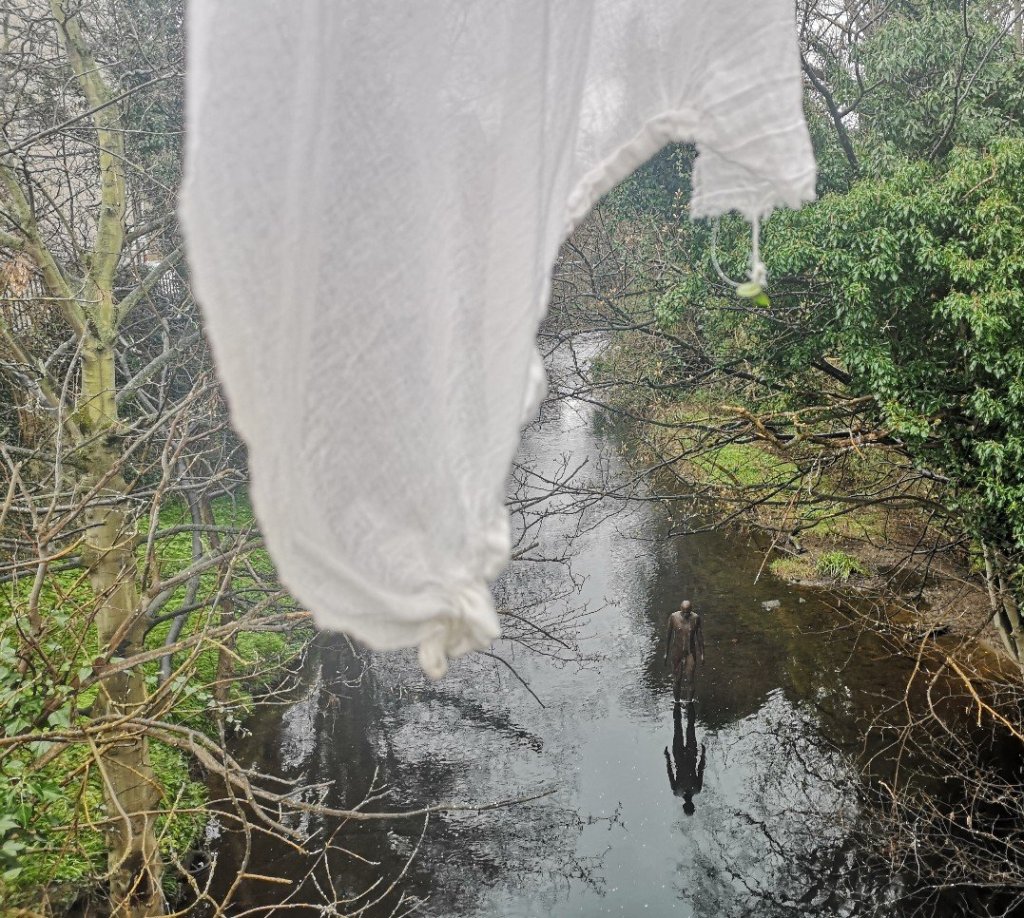
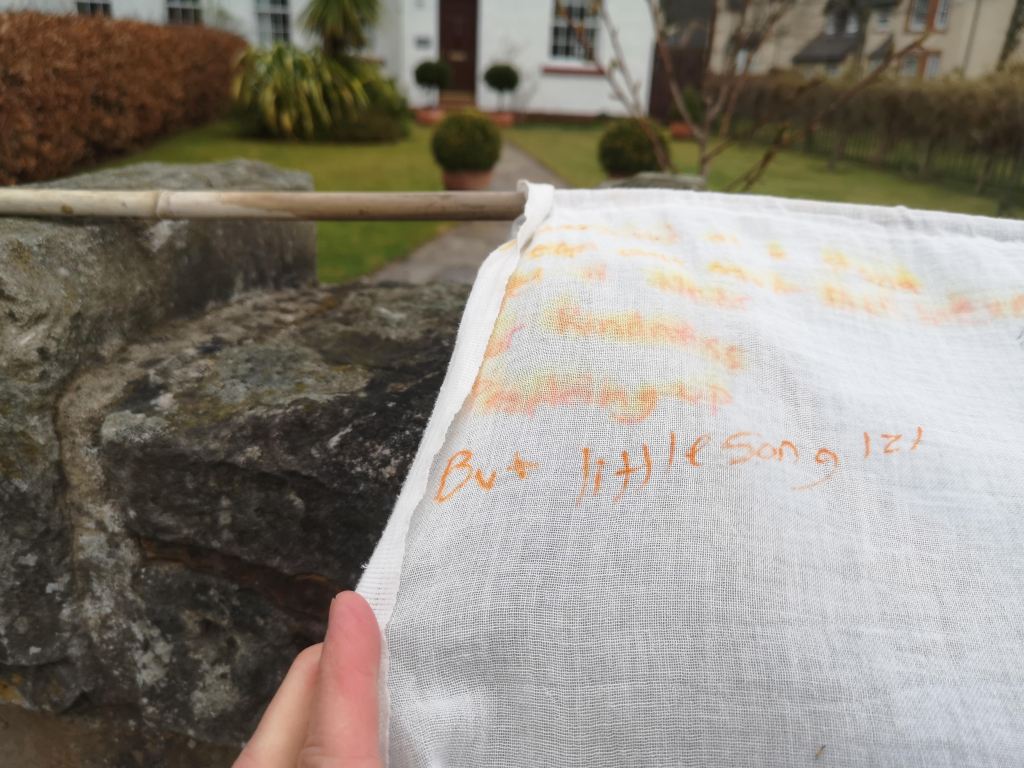
I have a book of poetry with me by Denise Riley, ‘Say Something’. Stopping after 2,108 steps in Stockbridge, overlooking the Water of Leith and one of Andy Galsworthy’s statues, I count 21 words from the first of the book and write the next ones on the tabula rasa of my flag: “I understood as a stone”.

I added to my flag at each of my stopping places and in this way I made a Found Poem for the walk.

I took the hint and put myself in to the rock that I was standing and leaning on. I felt stalwart.

Walking further uphill through the New Town, there are removal men stacking a truck. One says, “it looks like you’re surrendering”. I remember a conversation with a Polish taxi driver last week who said that the Ukraine should surrender, to save lives. That was during the fifth week of this pointless war that Putin is waging. Perhaps my flag is going to prompt some interesting and topical conversations with people I might otherwise never discuss politics.

I guess I am surrendering to the route to the idea of this walk, and to the wet.

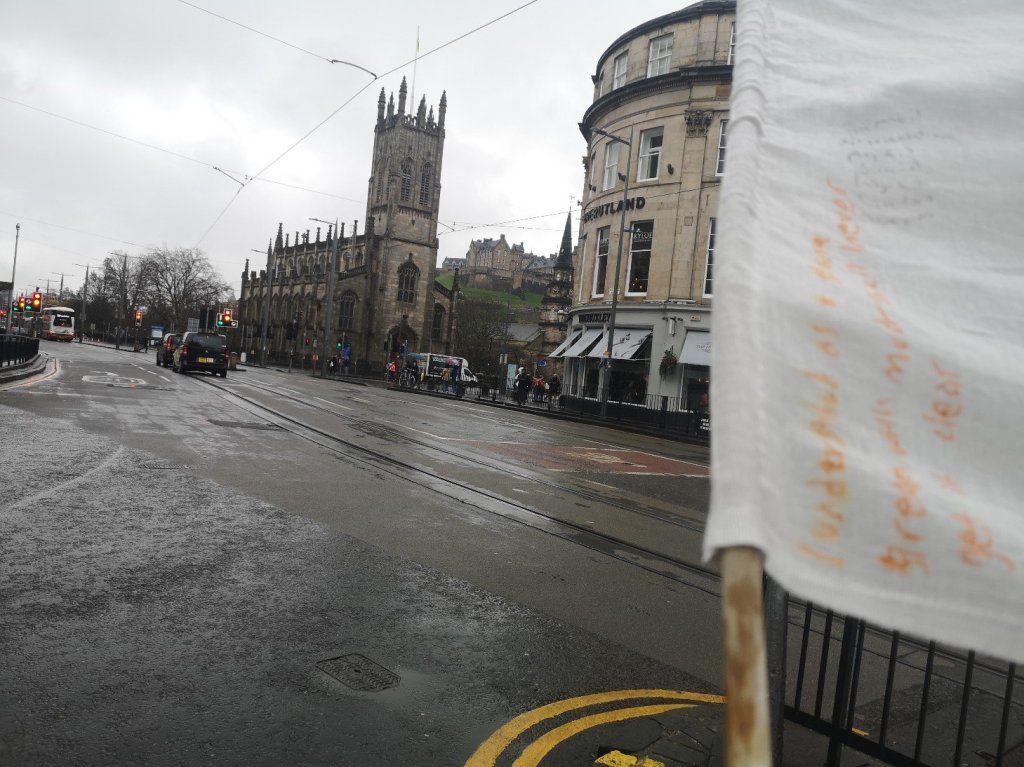
The second sloppy, muddy stop on Princes Street with Edinburgh Castle in the background

Phone call #2 with Kel is at 10.03am. I tell him that, of course, Edinburgh residents are used to people doing weird stuff on the street, because of the annual summer Festival with its buskers and theatricals. My new app said 2,891 steps so 28 words further on into Riley’s book I copy my second phrase in the orange pen: “stream with mud-shall I never get it clear”.

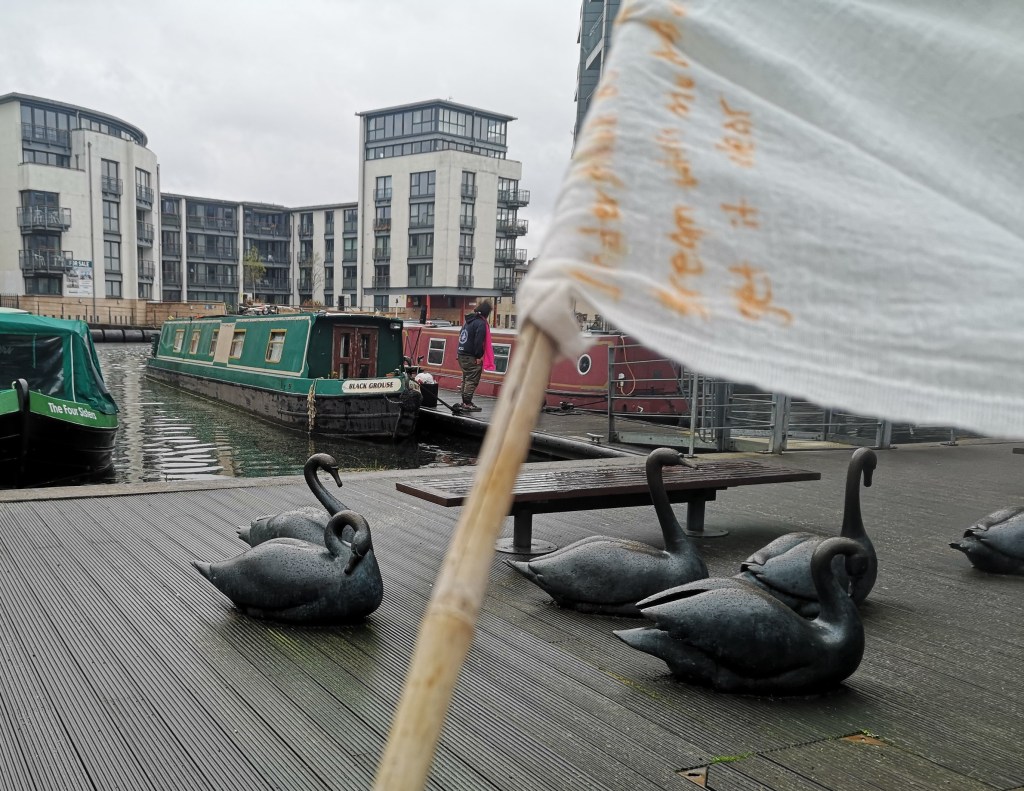
Lochrin Quay, Edinburgh

Moving from one watercourse to another, I am making my way steadily behind the west side of Lothian Road to Lochrin Quay, the beginning of the Union Canal. Here are swans and seagulls and the start of the water’s journey to Glasgow and the west.

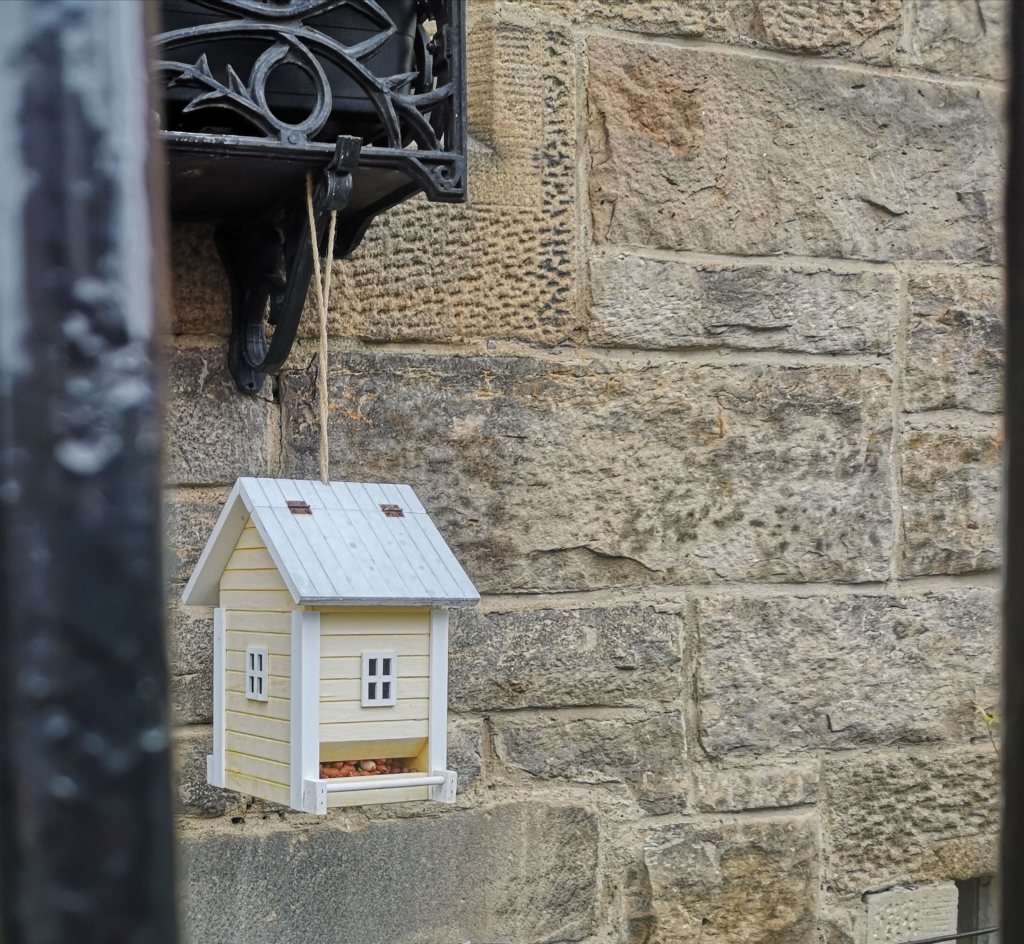
A wee white hoose hangin’

Still attempting to follow the red line as closely as possible, I am being taken a new way, winding through residential areas which are peaceful, all except for repeated deliveries – vans hopscotching up the street from door to door.

To surrender: to give in. Also – to allow your instinct or others you trust to lead you. To listen to what’s drawing you on, for signals to turn right or left. It is a blend of controlling and releasing control.

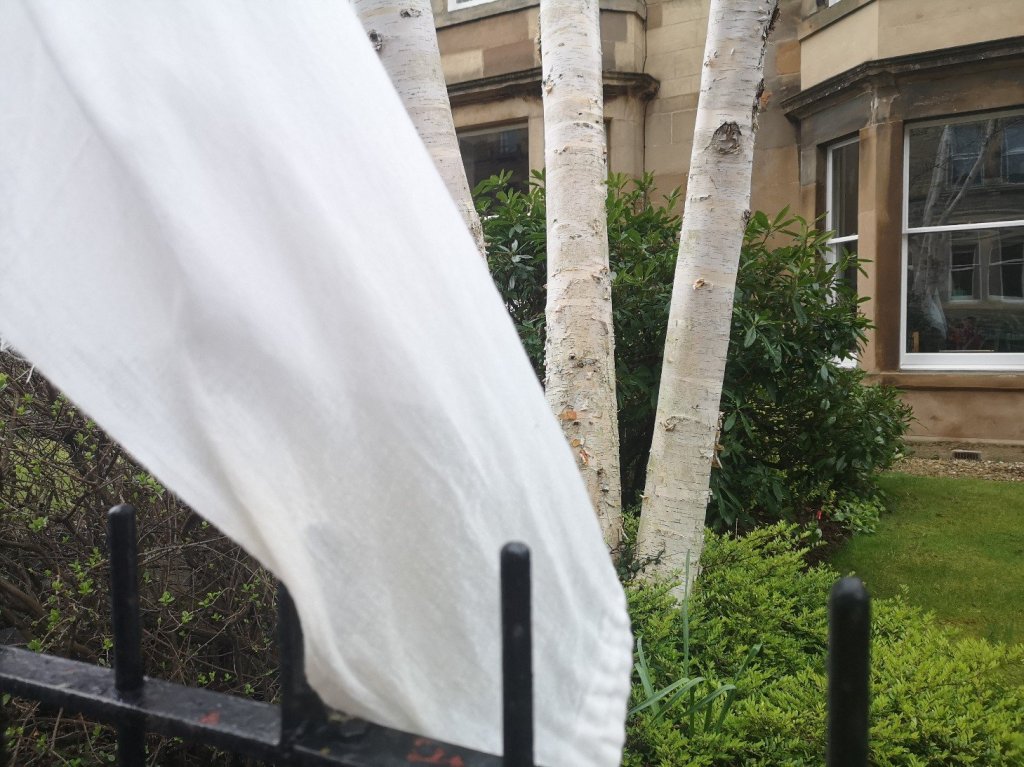
Himalayan (silver) birches in a front garden

Surrender – I’m getting interested in this ‘given’ theme: to say ‘yes’ to Kel’s prompt, follow the line which happens to connect us on the map and see what happens.

Now I’m entering ‘the South Side’ of the city. I nip into the Bike Shop for a wee. More climbing. More detours around gardens that only key holders are able to sit in. Where to have my picnic? I cannot find any seats – it’s a recognised issue in Edinburgh which I understand is to stop homeless folk sleeping on them. Instead, I pass piles of grubby bedding at pavement corners. It must be so cold.

Self portrait with flag

I perch on a post and nibble my oatcakes.

Number 3 stop is at 4,521 steps and I count 45 words by the railway line. I am noting the difference between my phone’s two step-counting apps (the other says 11,476 – oops).

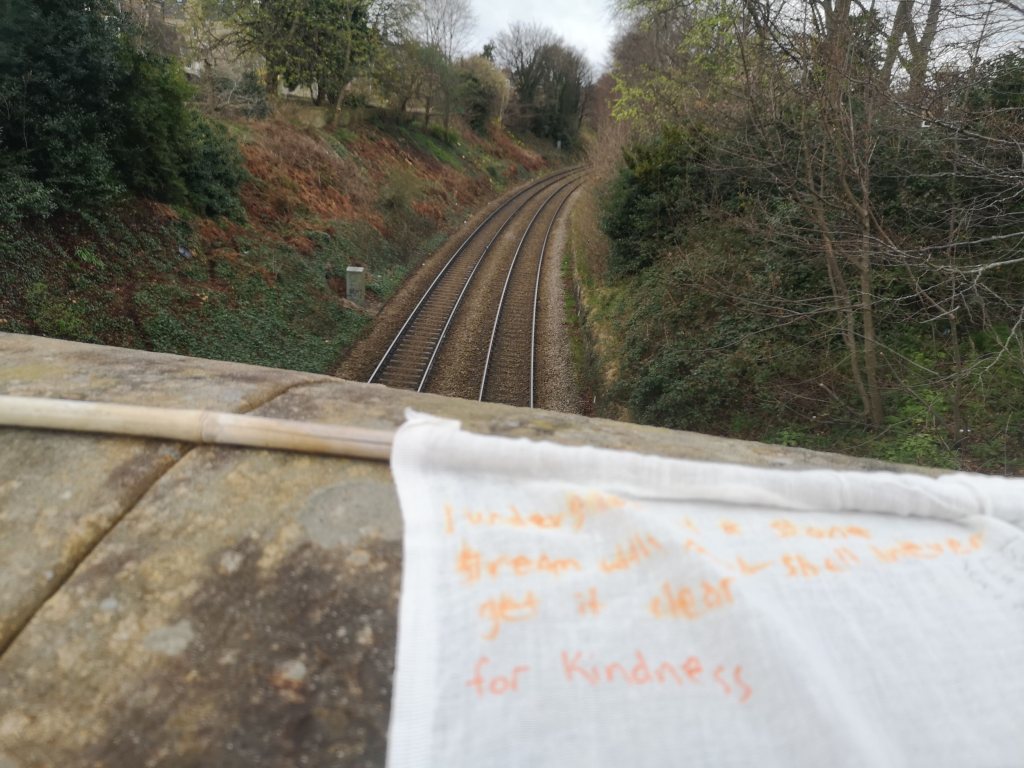
Crossing the railway line, facing west

On completely unfamiliar territory now, I’m meeting no-one and there are plenty of dead ends. It is raining more heavily on me and I’m having to stop constantly to consult the maps, compare them and try to find a route through. The phone is getting wet so I’m balancing the umbrella over it with one hand and using the other to awkwardly hold and tap at the same time. Still climbing. Still in a residential area, though this time of bungalows and front gardens and driveways.

We drew a red line on the map, but had to abandon part way through the

I take a wrong turning around the Midmar Drive area where there are some trees, but mostly pavement, offering time for me to continue thinking about surrendering to the ground, letting it support my increasingly tired feet.

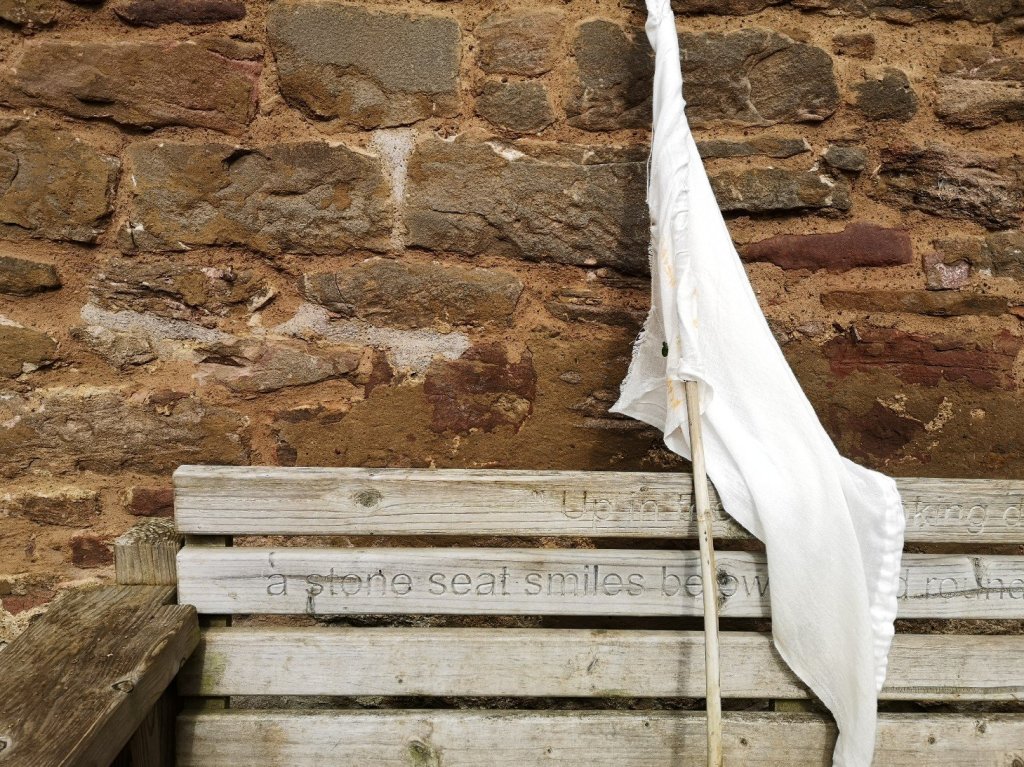
Found text in front of the Doocot at the Hermitage of Braid: “a stone seat smiles”

Eventually I am at the Hermitage of Braid and the Braid Burn, a small river running through woods. I love the smell of garlic, the crunch of pine cones underfoot and warmth of a little sun on my back. The café offers a seat, tea and a scone and I am reviving. Not far along is an abandoned dovecot / doocot, a community garden and some random-cut primroses lying on the path.

A man with a military moustache is with his wife, walking, and he makes comment on my flag. I explain. He guffaws that those who want peace must prepare for war and I repeat that I favour peace and surrender. He counters with “that’s a naughty word – surrender”. I give up.

Back and forward to find the way, I happily discover public toilets. Some nice Council men are clueless about the geography of the area, wish me “good luck”. It is a steep climb up and out, always travelling south towards my distant walking companion.

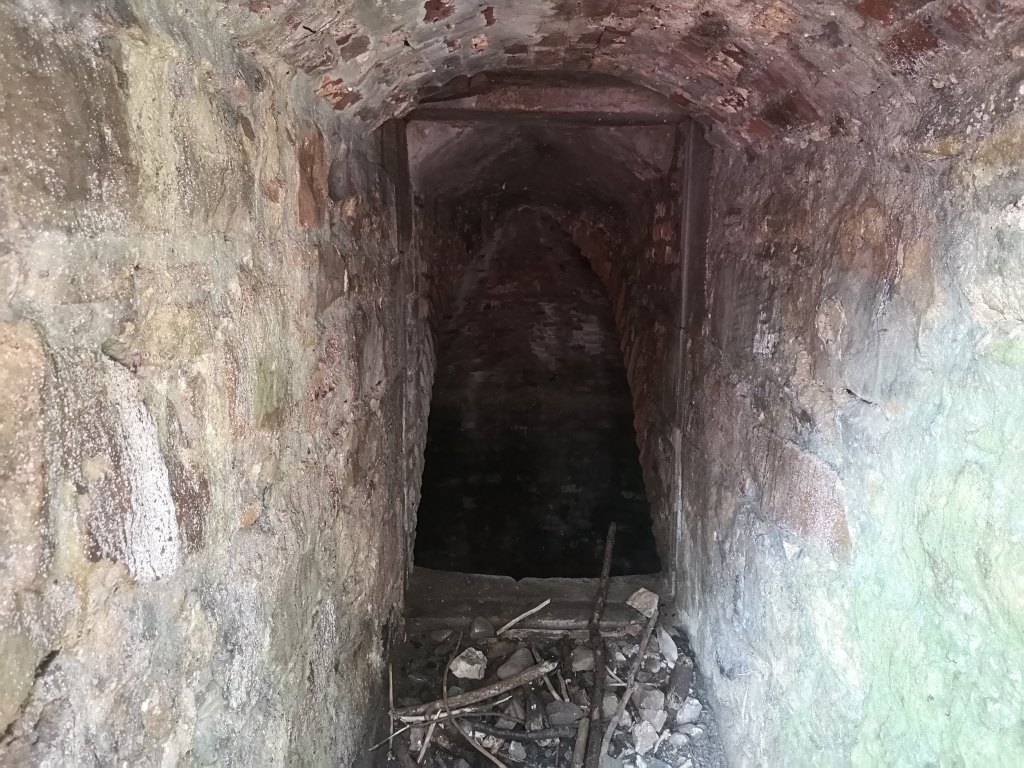
The Ice House, Hermitage of Braid

Turning back at a fallen tree because there’s a fence around the building, I cross a main road and must alternate crawling under brambles and pushing through yellow flowering gorse, then must retrace and try again further along. I’m flipping between the ordnance survey app, Google and my saved maps.

It’s windy up here. “Wha’s the white flag fer?” Asks another Council employee with a van and tools. “Are yer givin up?” “Peace?” He turns to his friend and says: “You need one a them Jimmy!” and Jimmy scowls.

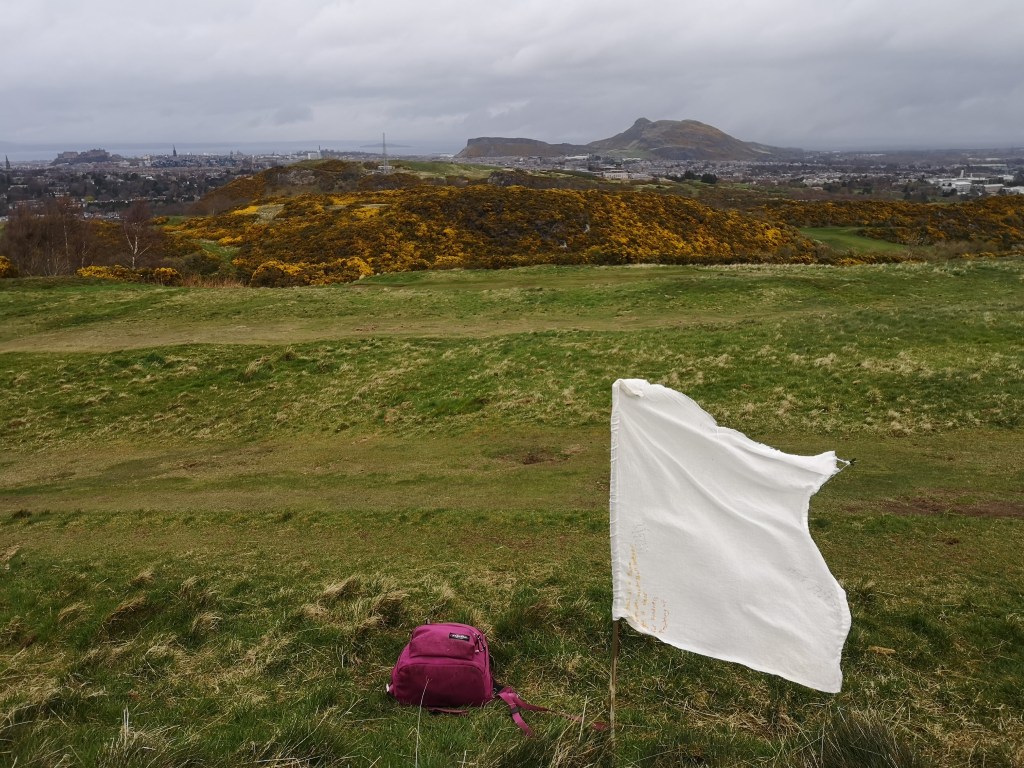
It’s 7,487 steps up on golf courses with a great view across the city towards home and Inchkeith Island, far away now. A headache threatens so I sit on the red line (metaphorically speaking) for a cup of tea from my flask and a snack. Tiredness. Riley’s words are “Perking up”.  

1.40pm and I’m feeling connected to Kel as we walk towards each other – like an internal compass adjusted south west, a magnet in my chest.

From the Braids, Edinburgh, looking towards England. The familiar coconut scent of the yellow gorse

I must retrace my footsteps to Calachlaw and then it’s stop number 5 at 12,101 steps and I add to my flag: “But little songs”. Kel phones to say that he is abandoning his walk for the day. Frogston Road West. There’s an unidentifiable smell of chocolate and a new, blonde fence – harbinger of…?

“But little songs”
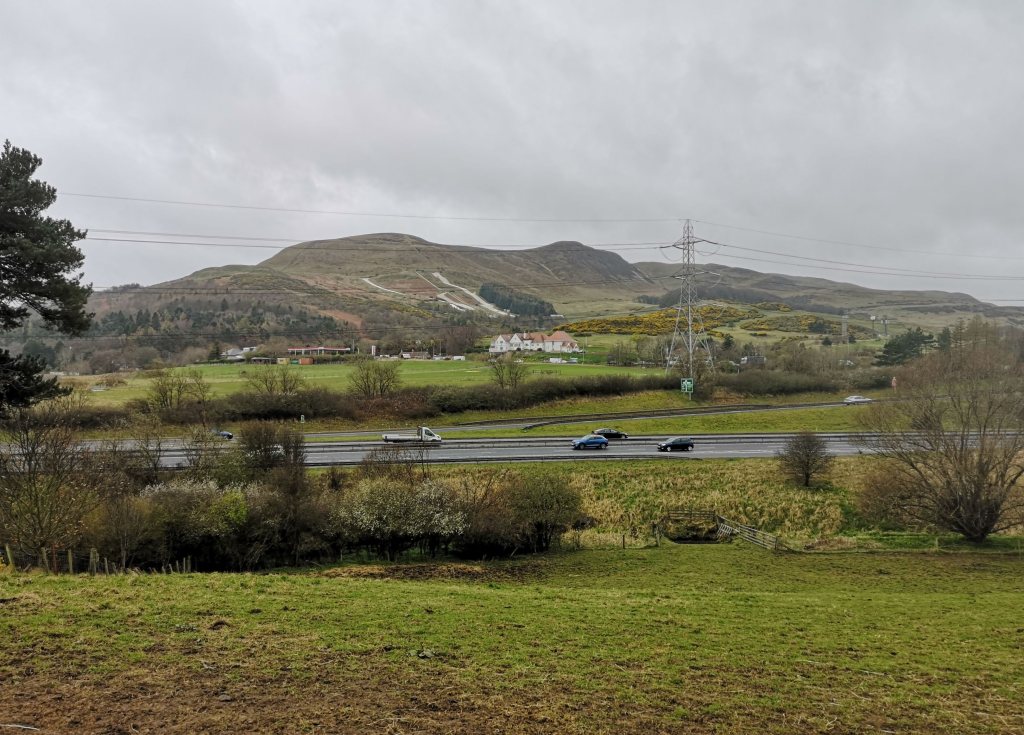
And then I couldn’t go any further. I reached the Edinburgh by-pass and there was no way across
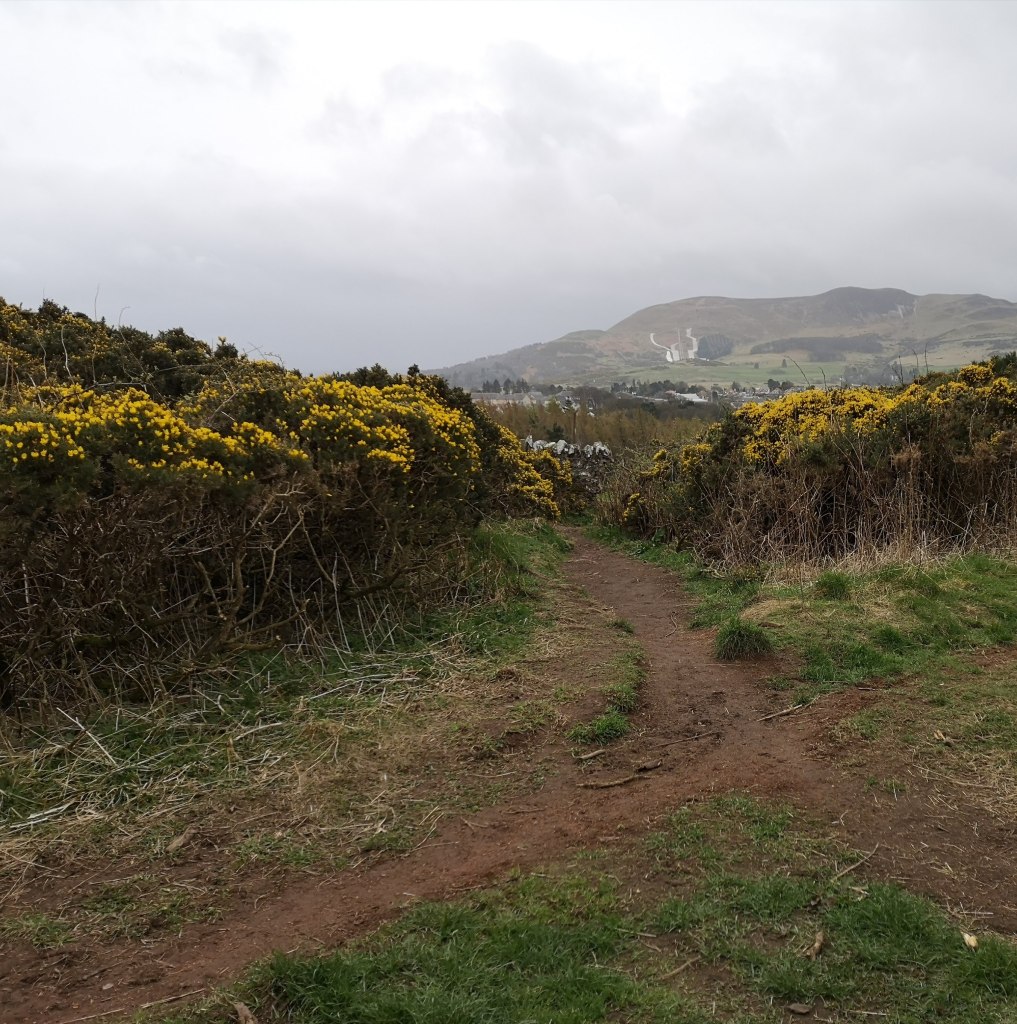
There are the white strips of the Pentland Hills dry ski slope across the by-pass
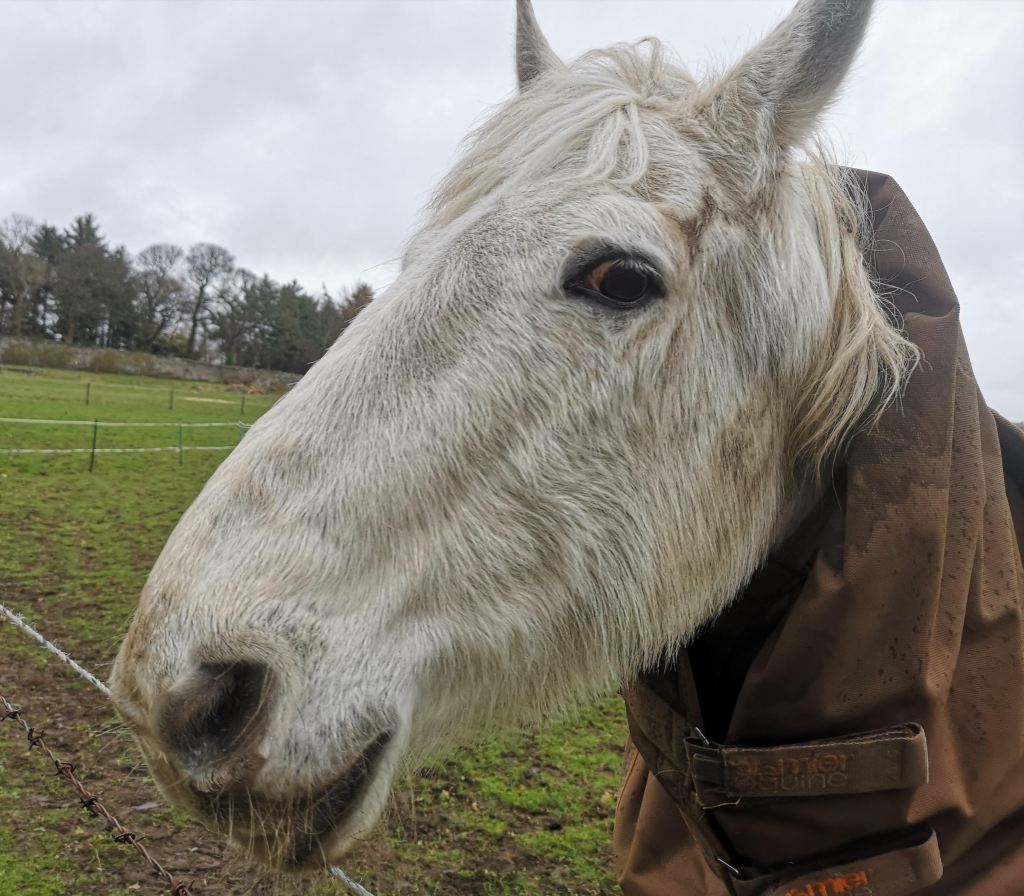
I meet a white horse
Inhale the sweet Hawthorn

And then I must walk an extra big loop back, at 5pm. Circumstances demand that I surrender. I must abandon my walk because of the man-made, traffic-laden road that has no pedestrian crossing. It’s 5 mins until the #11 bus is due to drive me back.

My found poem

I understood as a stone….stream with mud-shall I never get it clear ….. for kindness…. perking up…. But little songs…. we hope to find ourselves

Denise Riley from Maybe; maybe not and A Part Song @uealdc Denise Riley

From Denise Riley’s book: “for kindness”.

Stats

1st stage 8.86kms. 2nd 2.76kms. 3rd 17.09kms equals 28.71kms equals 17.84 miles. 6 and three quarters of an hour. 14025 pedometer, 28439 Huawei health app.

Image and words by Kel Portman I
Image and words by Kel Portman II

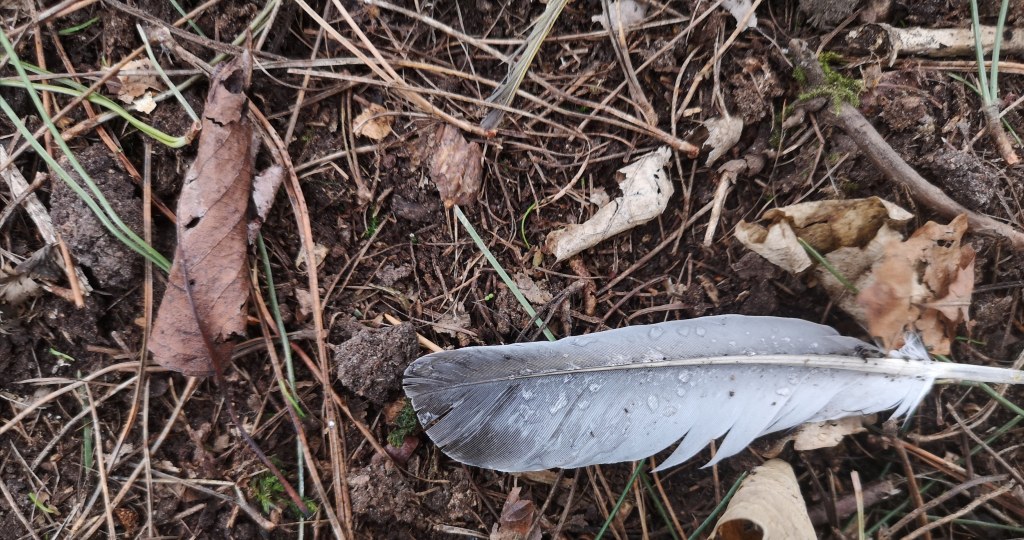
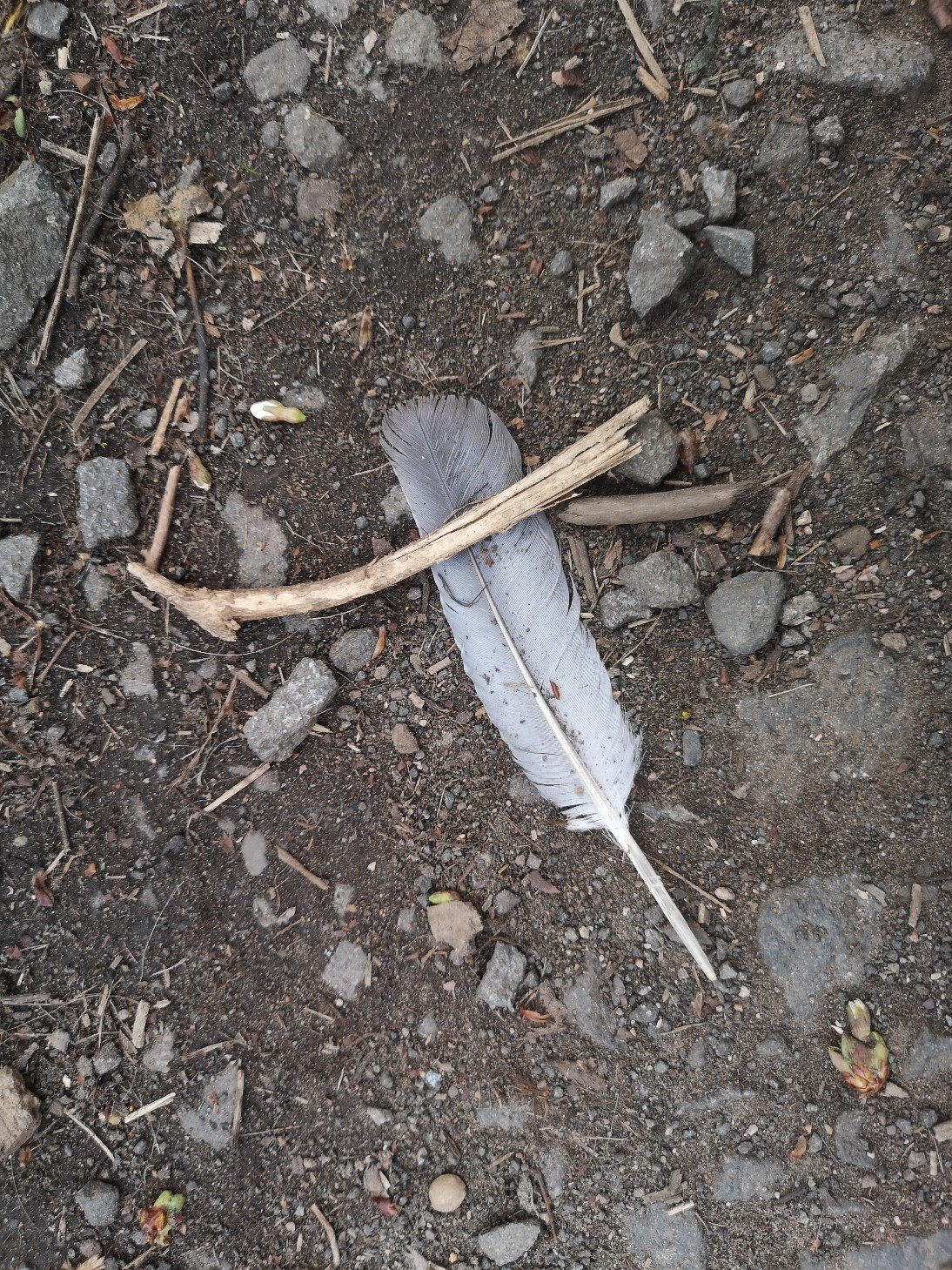
Today a feather

Walk Paris – Tuileries and the Seine

January 2023

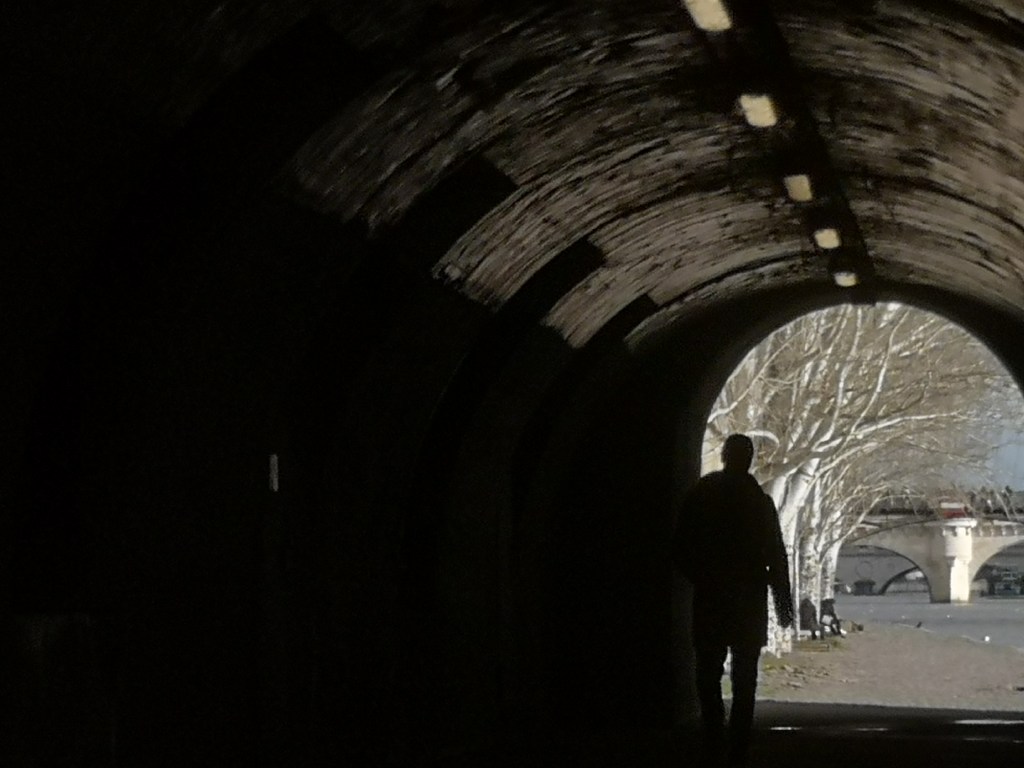
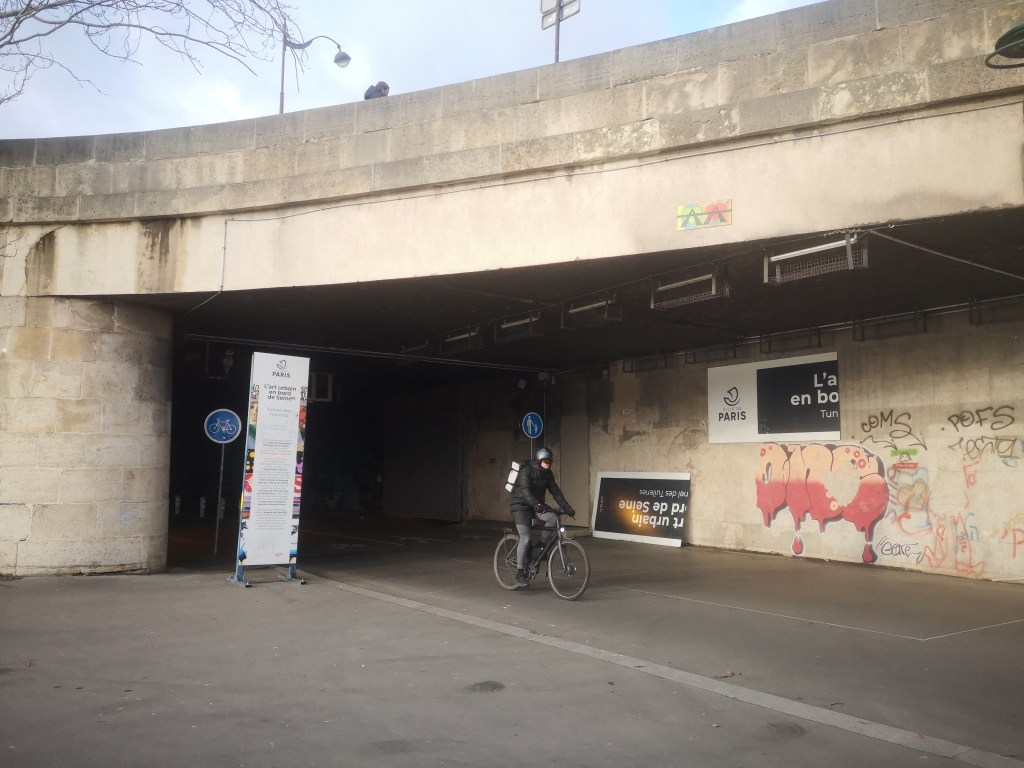
A walk from the Tuileries Gardens (Louvre art gallery end) to the Pont Neuf, along the Seine, and back through the Tuileries Tunnel with art works. I aimed to walk through the tunnel in the other (west-east) direction, but couldn’t find the entrance. Google maps to the rescue! Note that it says ‘Closed’ though at the time of writing that means only to cars and lorries etc.

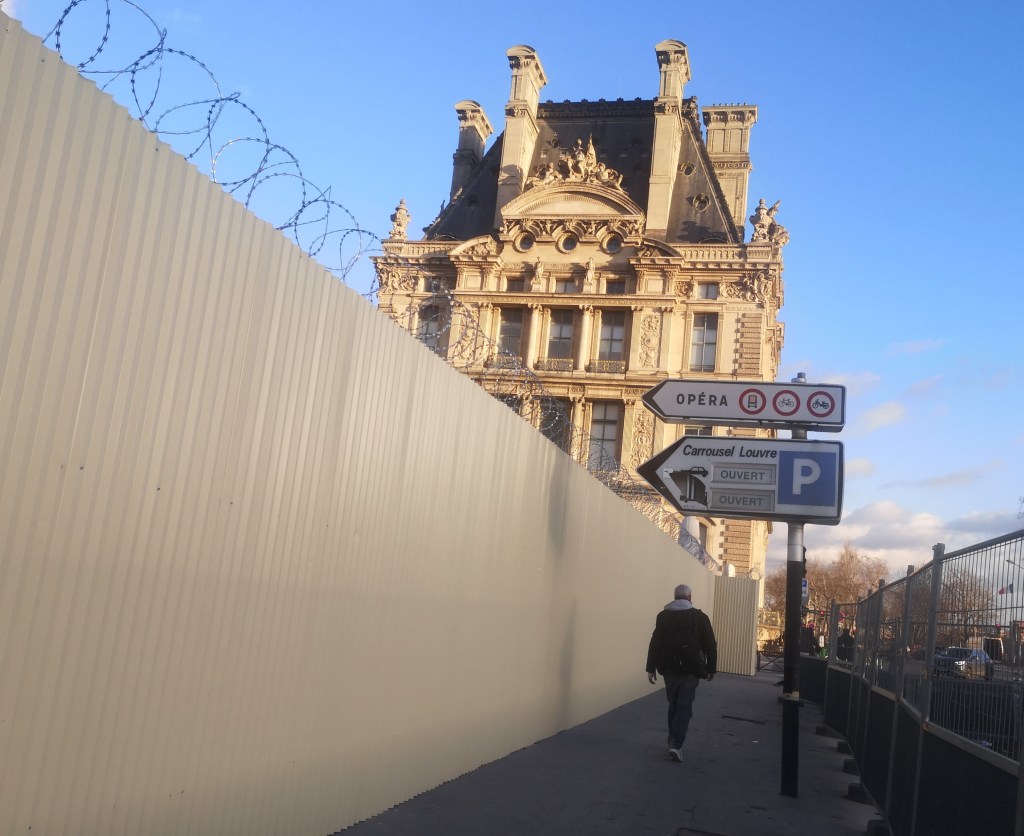
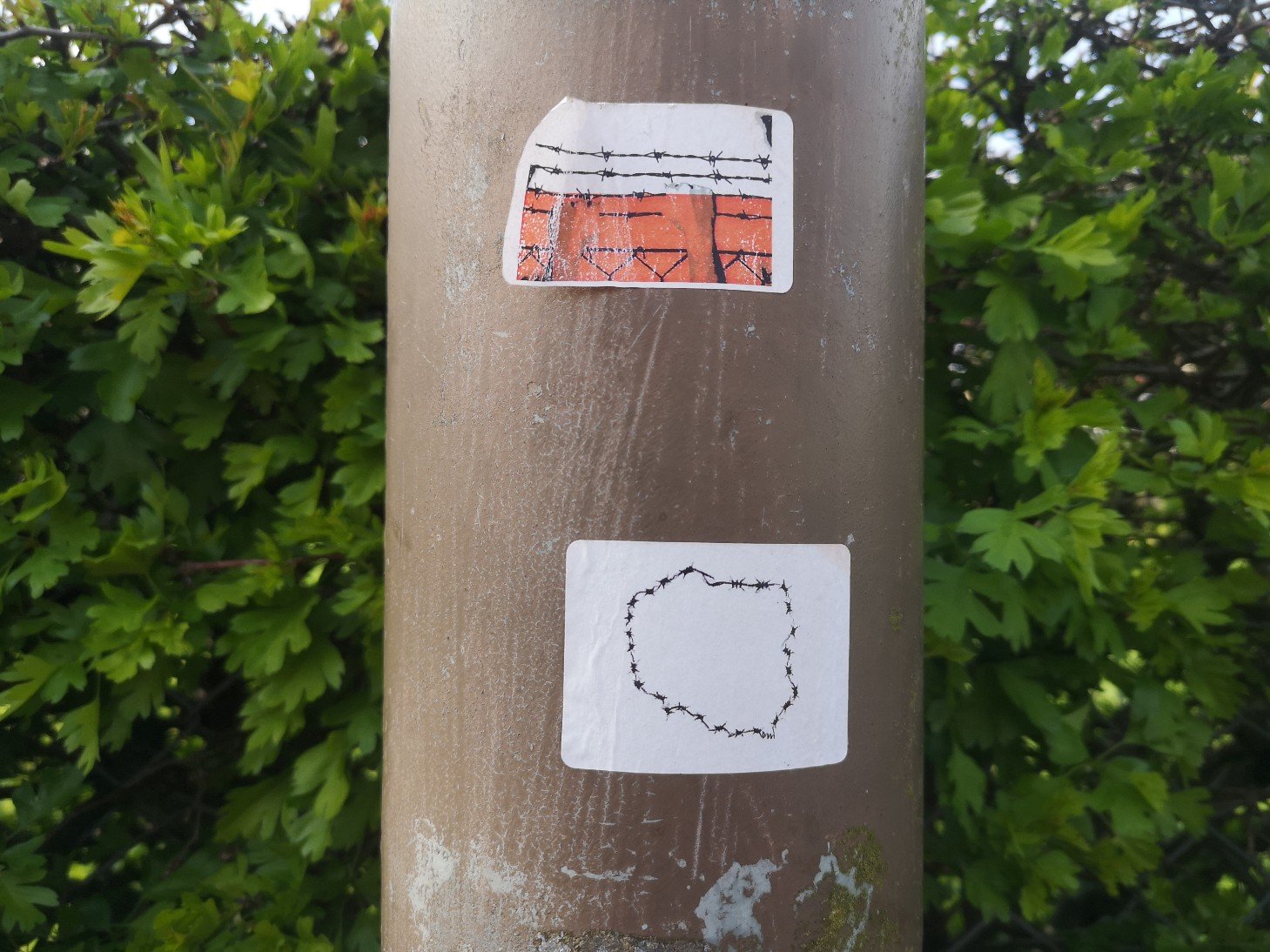
Come out of the Tuileries Gardens by the end of the Louvre (above) and instead of walking across the zebra crossing to the river, take a right on the same side (the barbed wire towering above you)
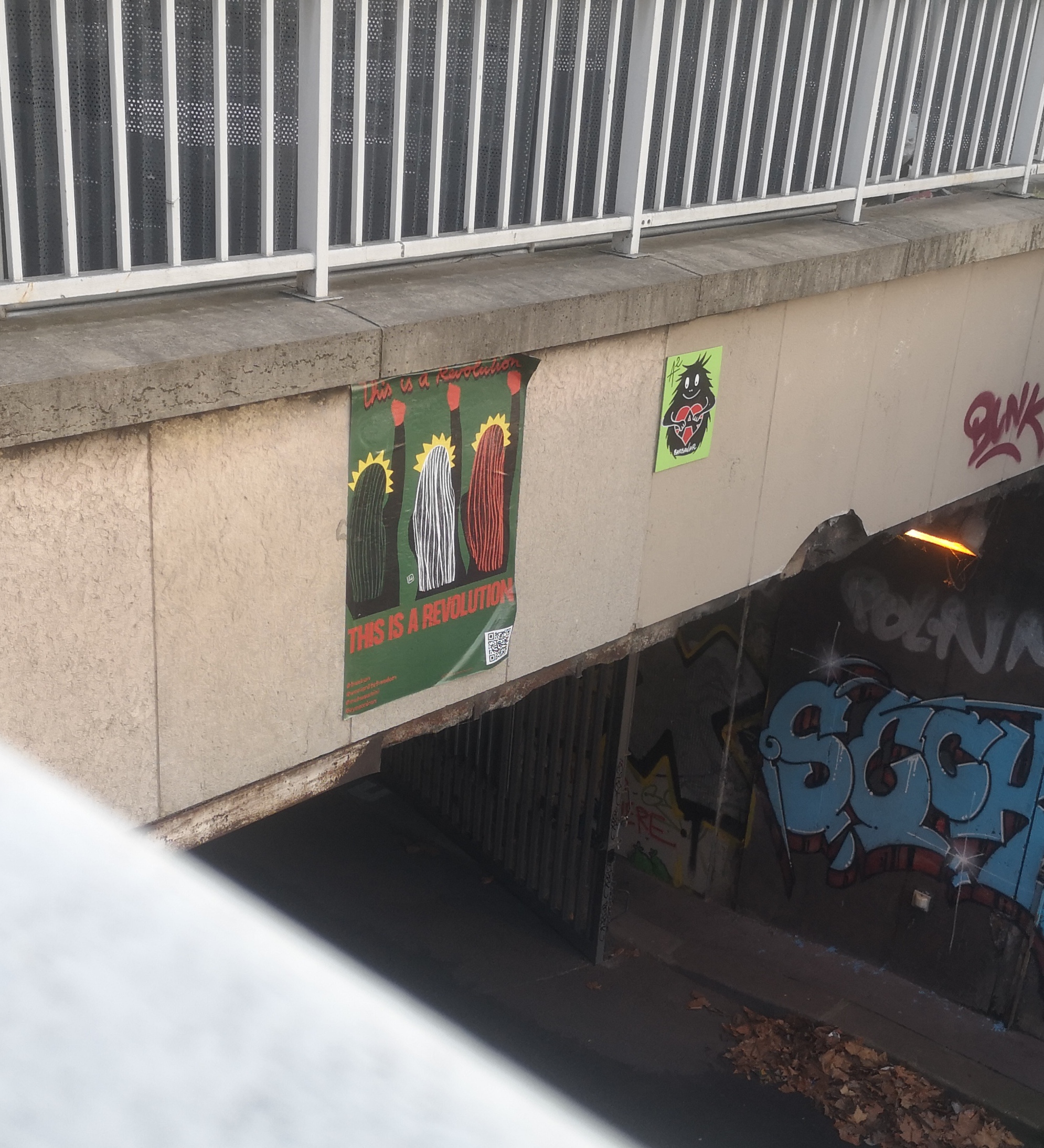
‘This is a Revolution’. Above the entrance to the Tuileries Tunnel
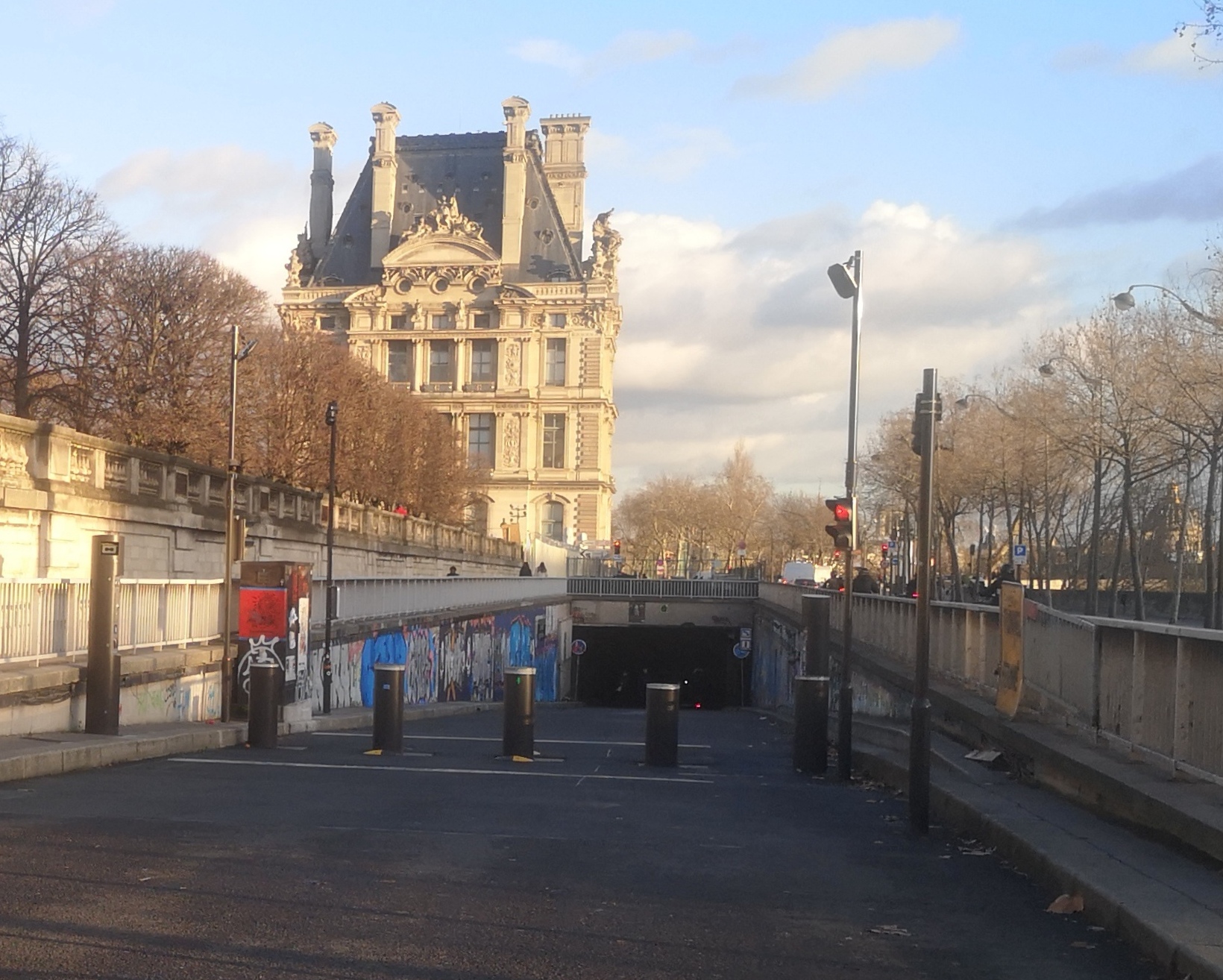
Tuileries Tunnel (Tuileries Gardens / Louvre) entrance

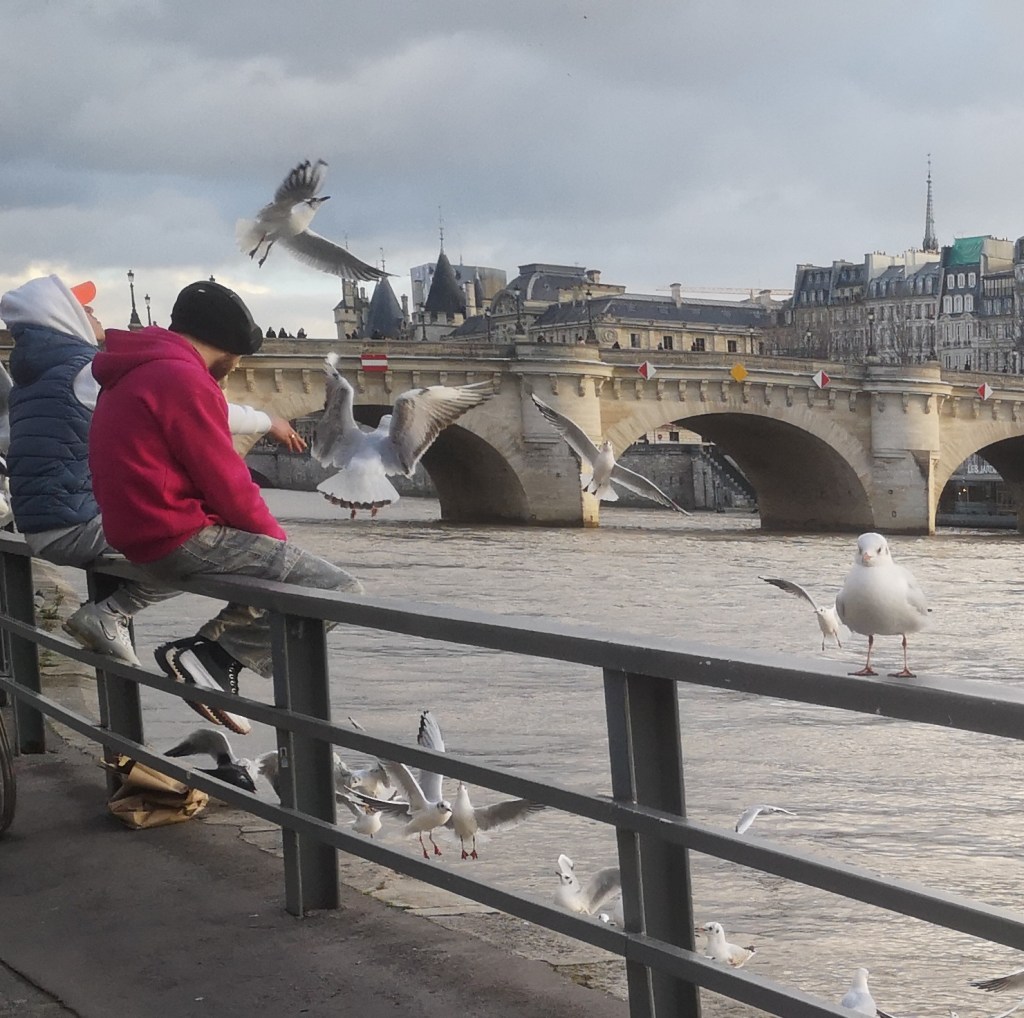
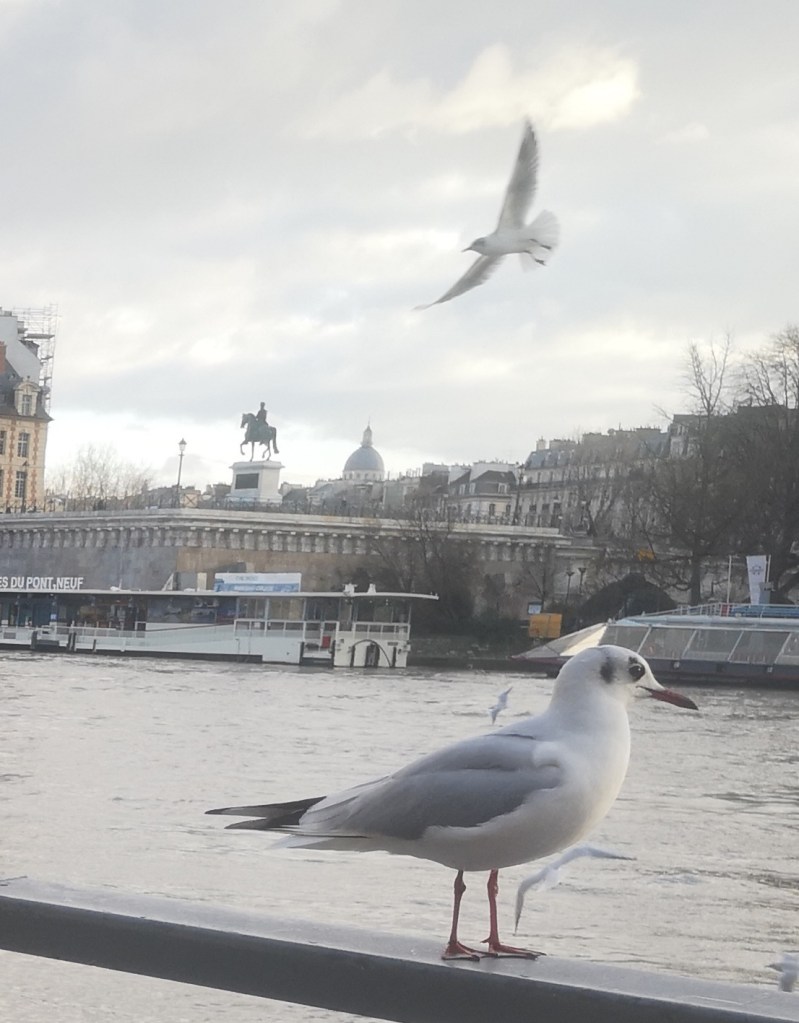
Walk along the Seine

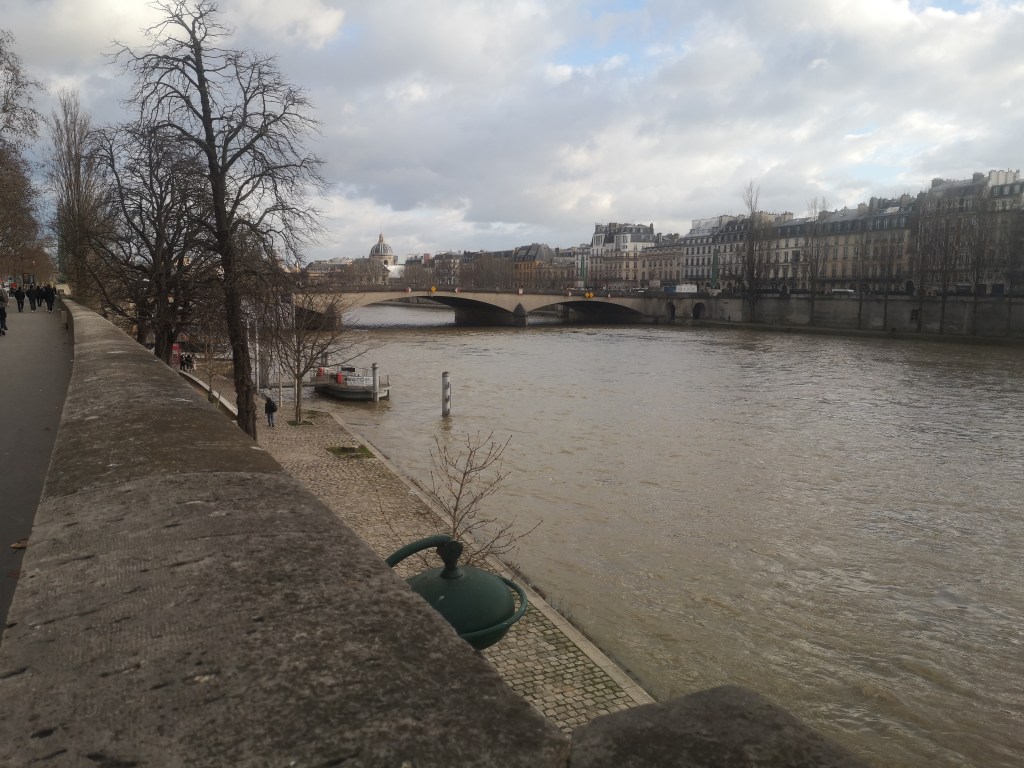
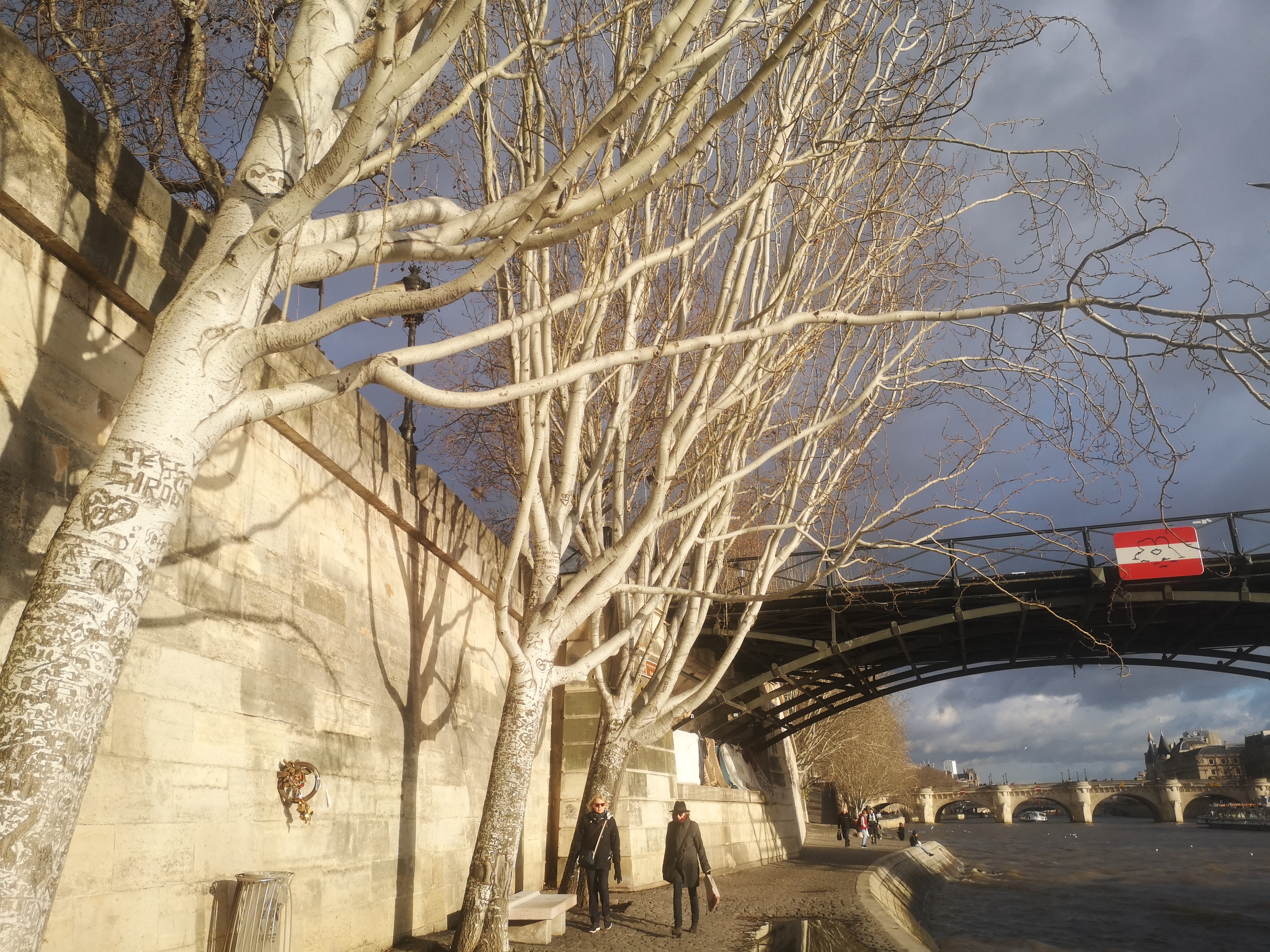
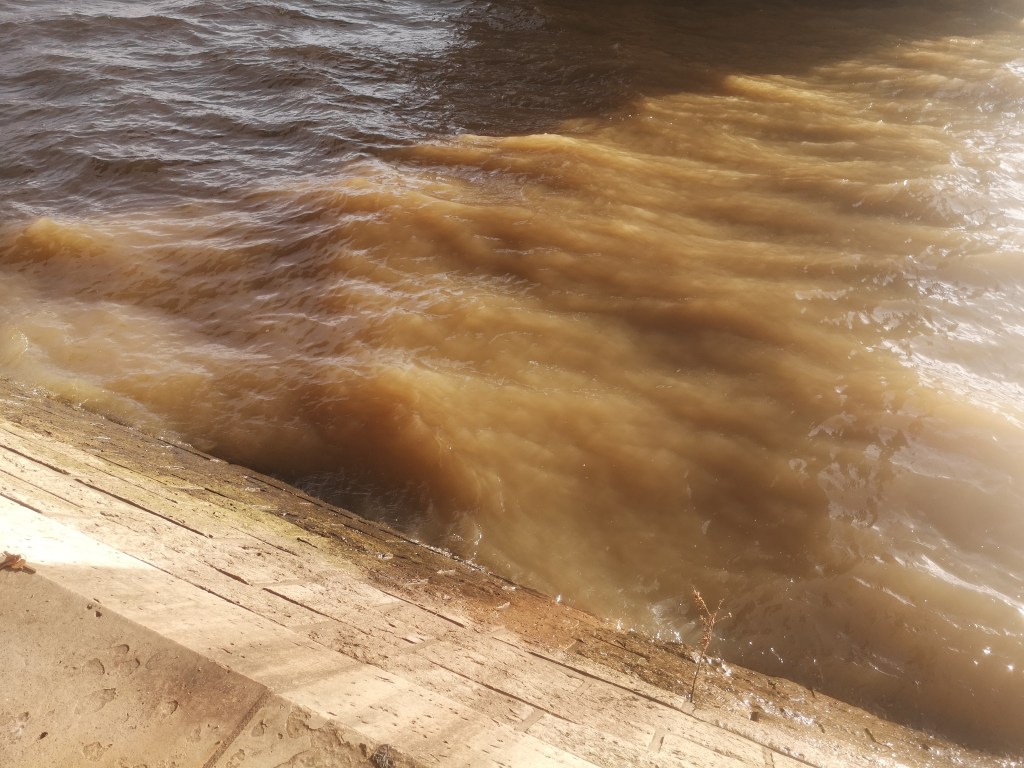
The Seine river with the Pont des Arts in the distance. I was looking for some space and a more natural environment after many noisy walks across the city to and from work during the week.
A long row of luminous silver birches lines the River Seine

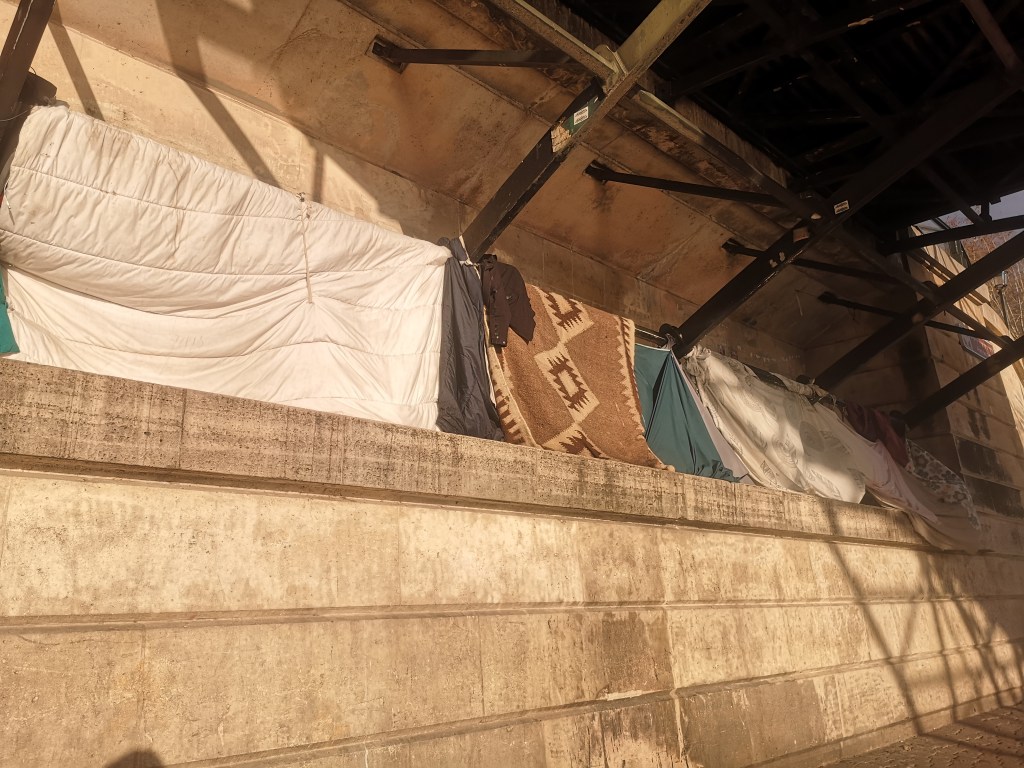
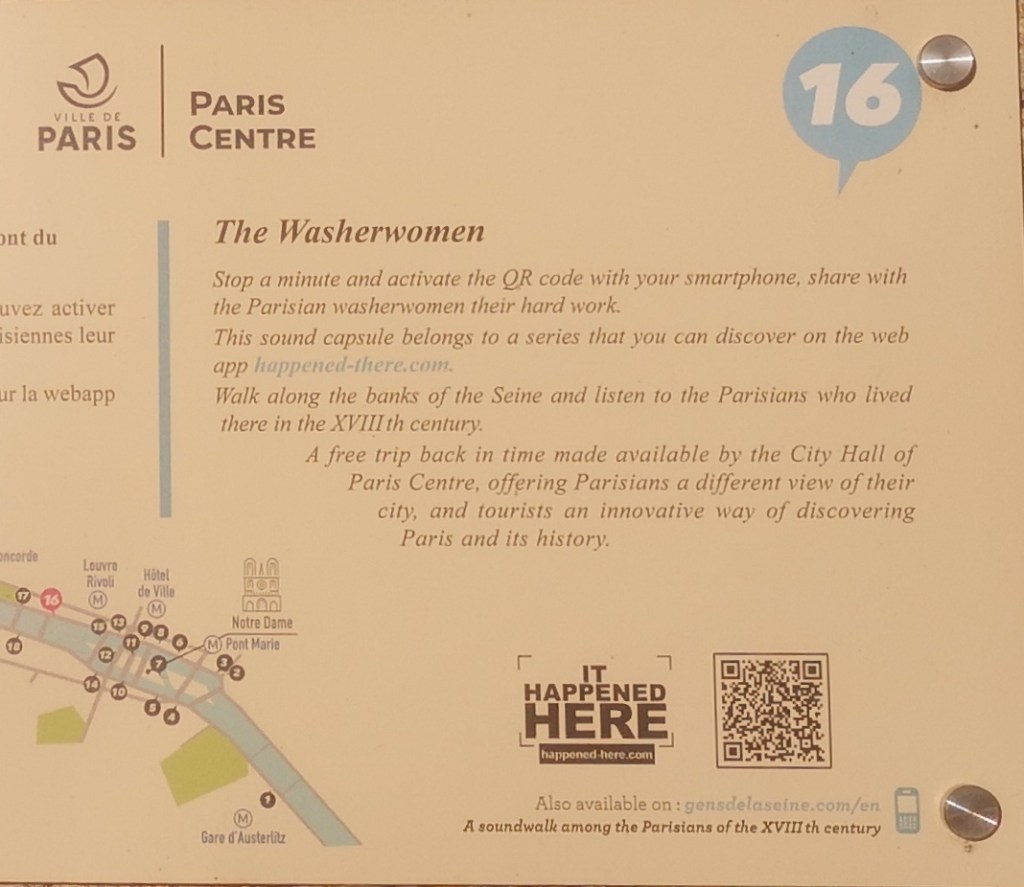
Look to your left for make-shift homes and art work. Signs indicating historical sites of interest and local history are on the walls too, including the story of the Washerwomen. During the18th century, more than 80 boats would have been moored along the banks of the Seine, each carrying 24 washerwomen (‘a gigantic laundry’). Others built a jetty, illegally, and stationed themselves there to hang out the washing to dry. Eventually the boats were condemned as a hindrance to river traffic, and ‘the smalls’ unseemly to be seen from the Louvre and the Tuileries Palace.

Tuileries Tunnel

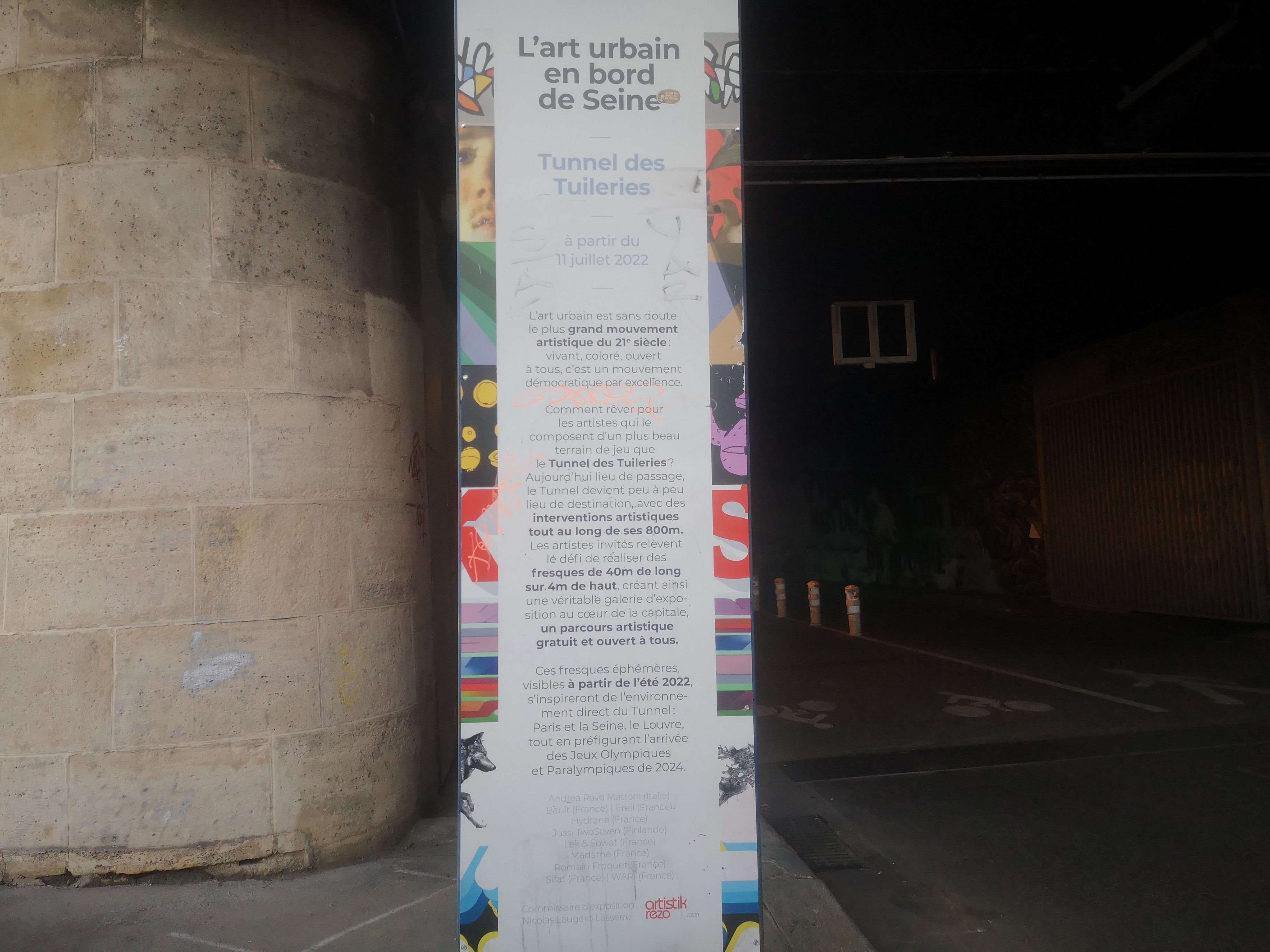
Details:

  • From the Tuileries Gardens (close to the Louvre art gallery) to half way between the Pont des Arts and the Pont Neuf on the north/right bank
  • 800m long – once you’re in, there’s no escape
  • 10 European street artists
  • Parallel to the Seine River
  • Open only to walkers and cyclists
  • Including Andrea Ravo Mattoni, Hydrane, Lek & Sowat, Bault, Ërell, Madame, Romain Froquet
  • Artistic direction: Nicolas Laugero Lasserre, with the support of the City of Paris

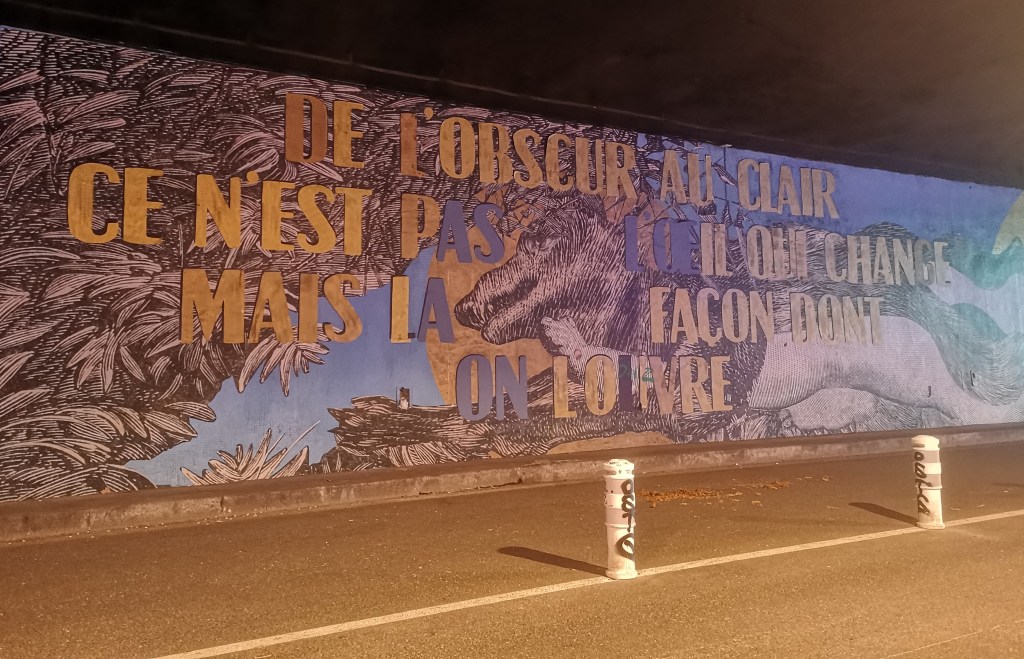
Text from the @m_a_d_a_m_e (below) ‘De l’obscur au clair ce n’est pas l’œil oui change mais la façon dont on Louvre’ meaning, approximately, ‘from dark to light, it’s not the eye that changes but the way we Louvre.’

No spotlight on homelessness

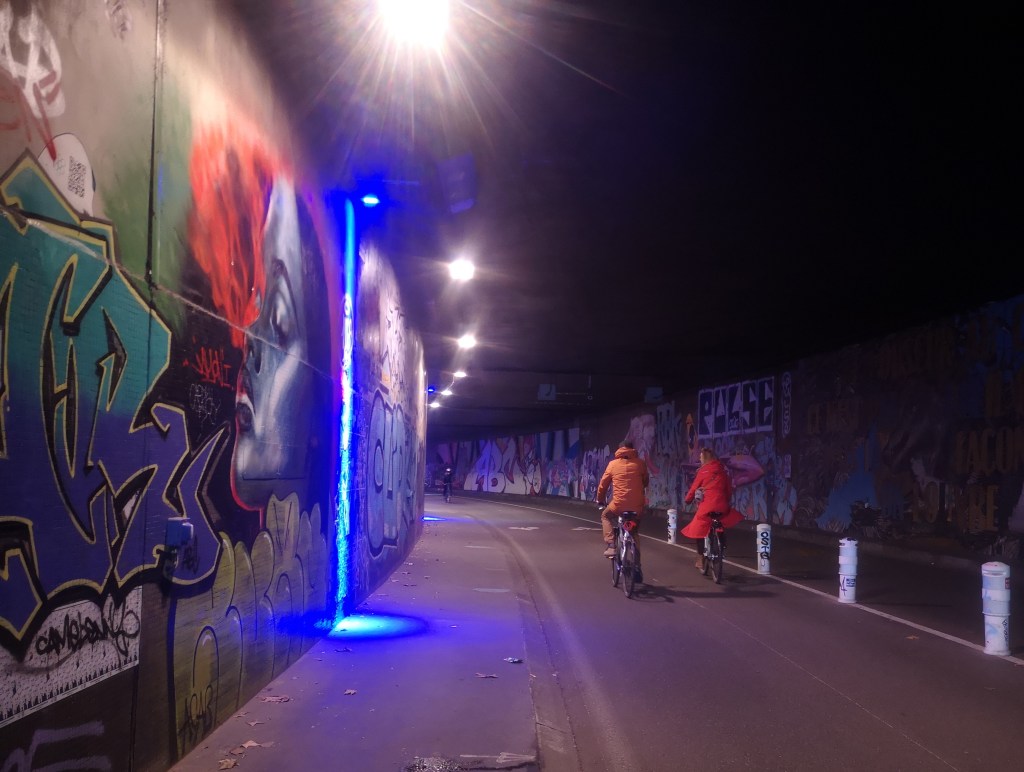
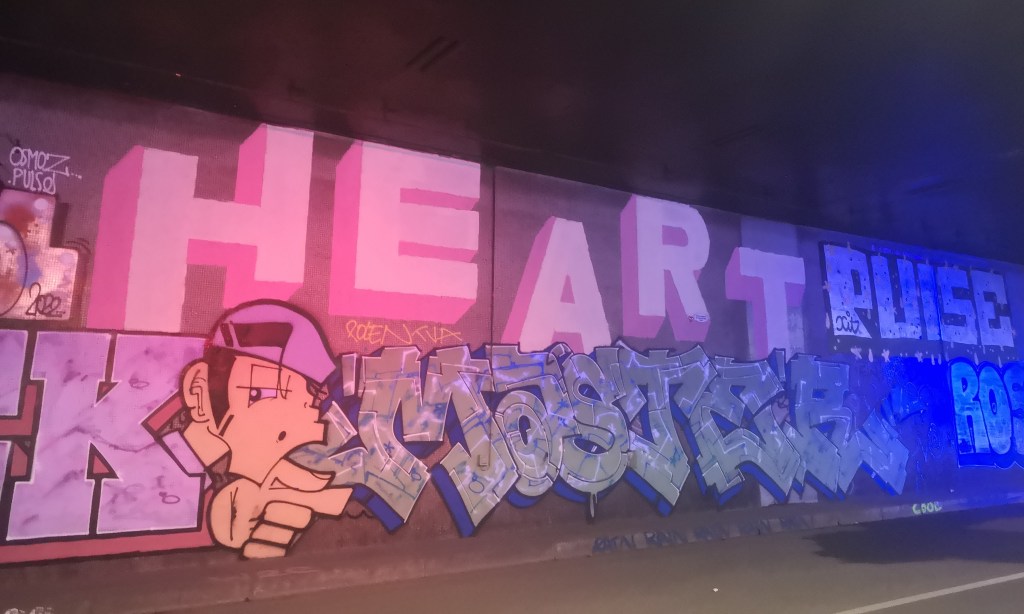
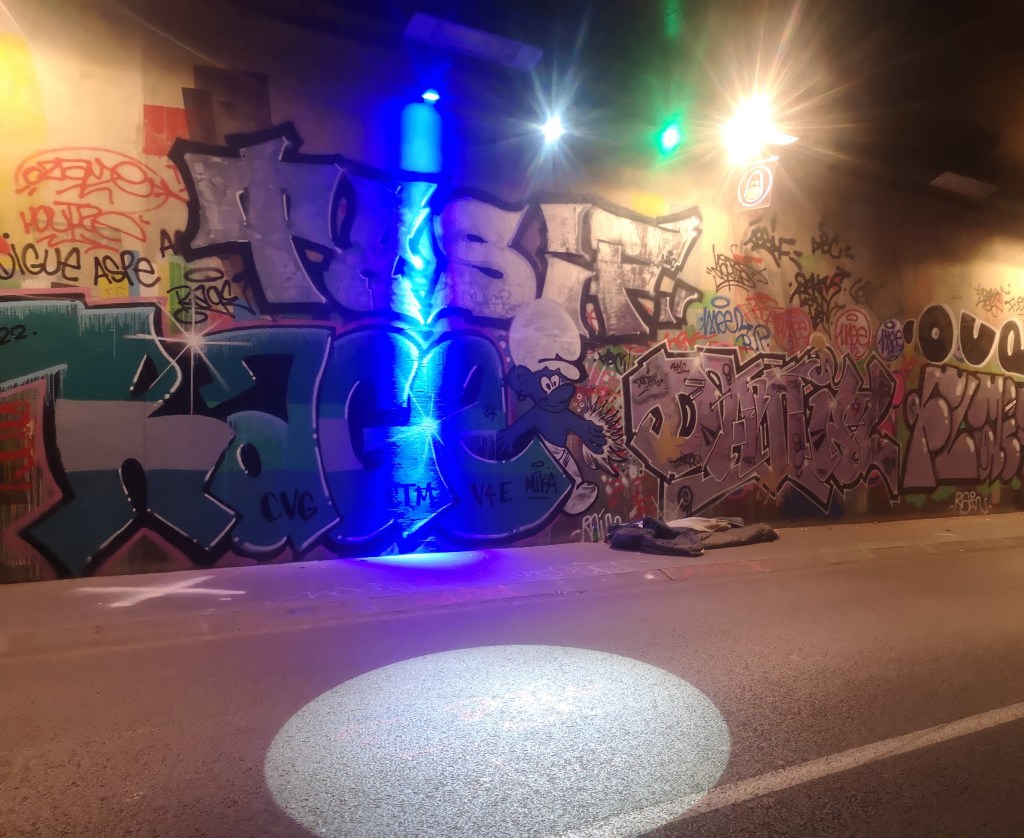
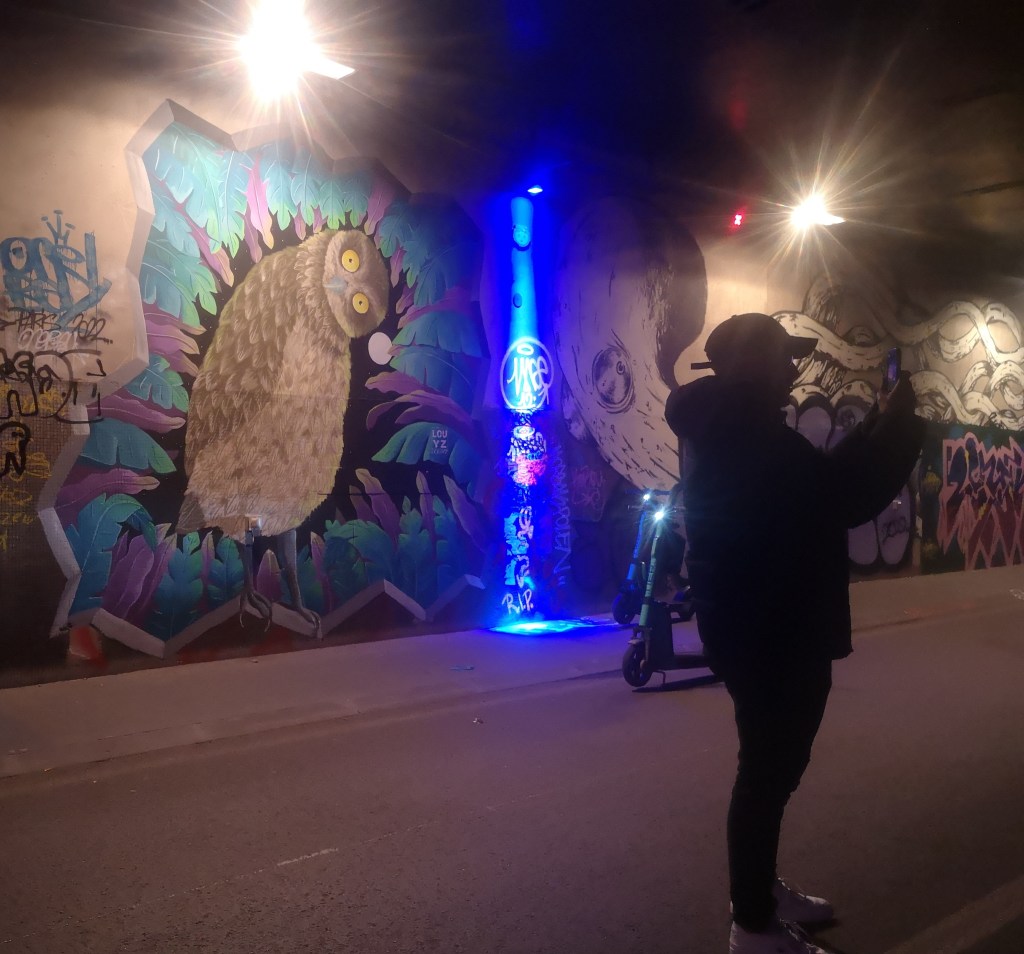
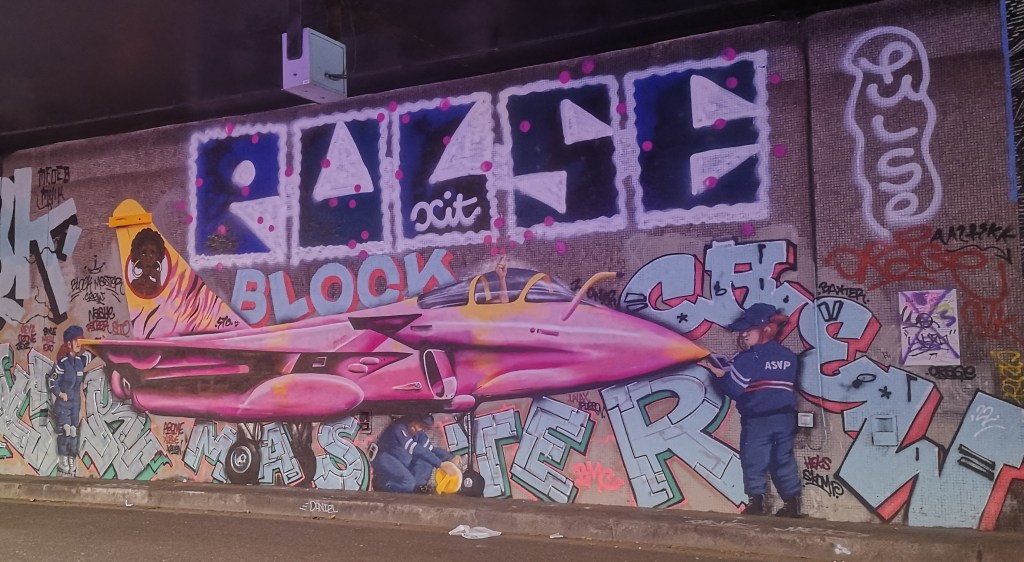
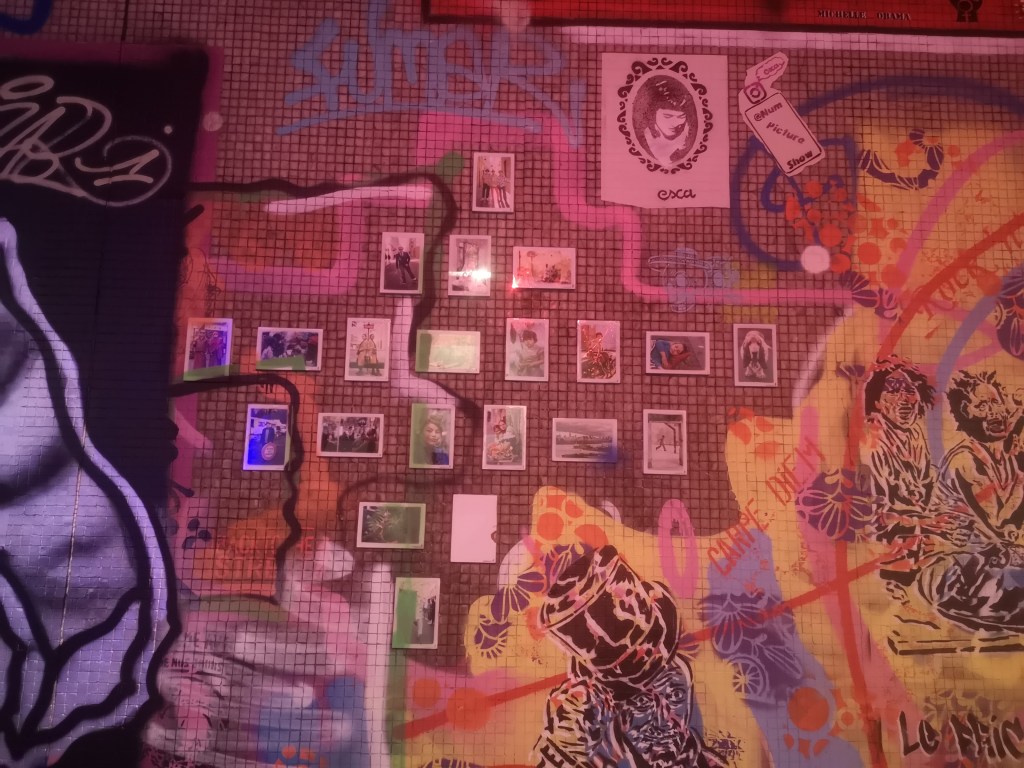
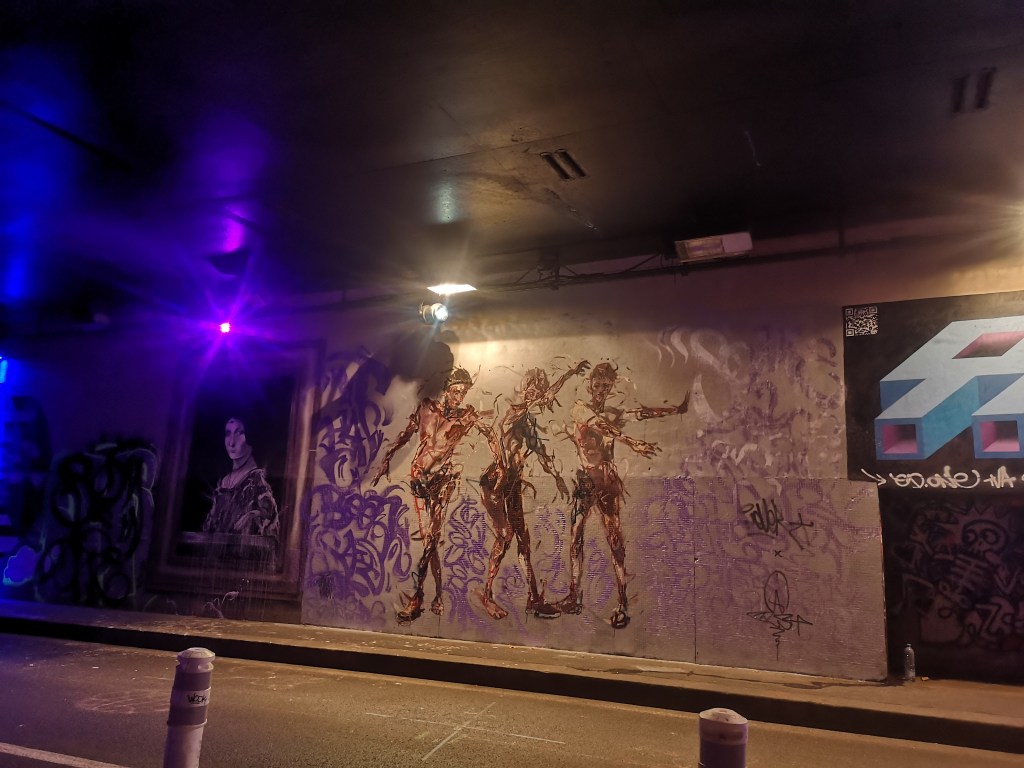
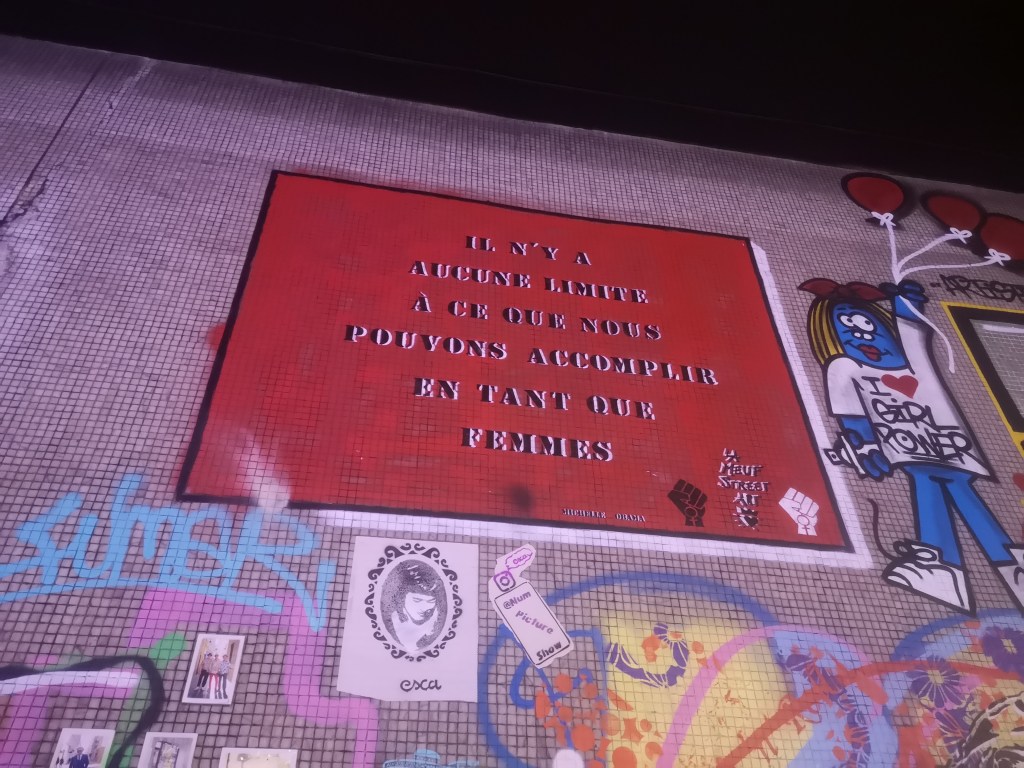
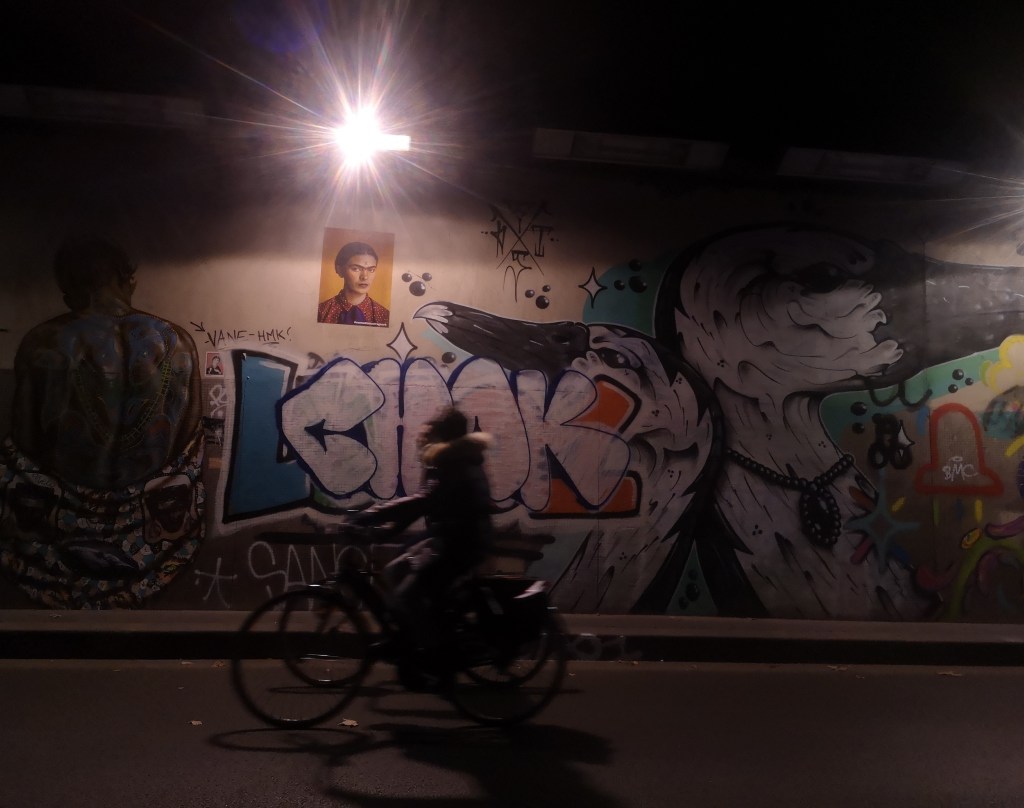
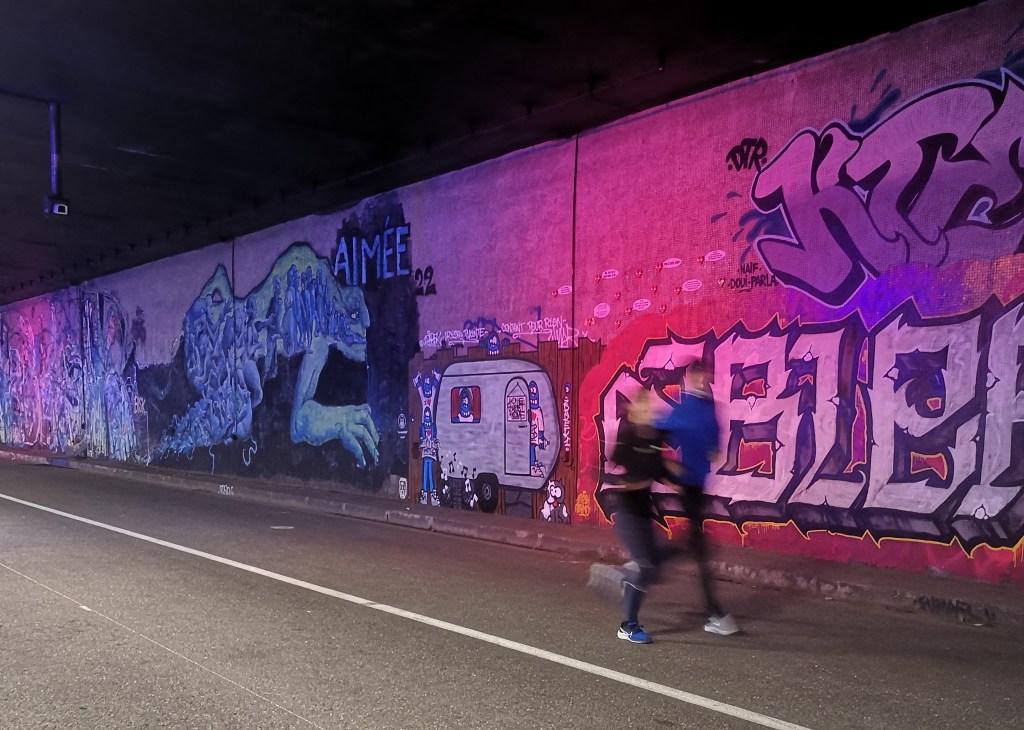
The Tuileries Tunnel is a cross between a cold contemporary art gallery and a graffitied tunnel. With all the ambience of the Channel one (linking Dover and Calais), once you are in it you are only reminded of its Parisian location by occasional French texts. Overlaid now with random graffiti, it’s hard to distinguish between the original and later-added work.

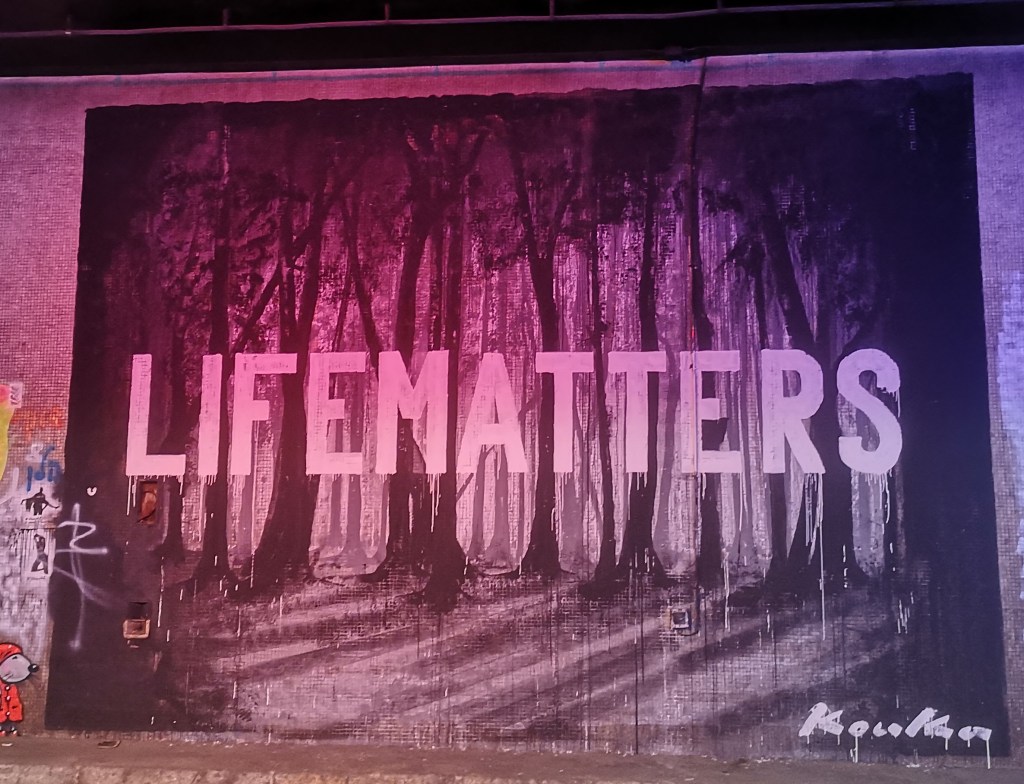
Lighting changes colour like switching traffic beacons and affects the frescoes. Beam-me-up blue ones invite you to stand underneath, back to the sides – part interrogatory, part revelatory. Some works stretch along the walls, like the dancing figures or running wild animals, moving and flowing; others decorate with familiar blocks of primary coloured letters or the image of Frida Kahlo. All are constantly interacting with their audience, some concentrating only on running and others defacing them.

There isn’t one theme, though the fight for life and peace features strongly. The art works do not, collectively, tell a story, nor do they offer a message (unlike the Colinton Tunnel or No Birds Land in Edinburgh), though there is immense subtlety in some of them despite the conditions of the walls and the external temperature.

Half way through, I wasn’t sure I wanted to stay, but I had to either go back or on. There is a rawness in the air, a sense of disquiet, with none of the cosyness of a National Gallery or safety of a contemporary white box. Certainly there is impermanence – there are no guarantees that what you are witnessing will be there tomorrow.

Way in / out

Link to tourist website page about the Tuileries Tunnel

Info board

Nearest public toilets: Tuileries Gardens, Rue de Rivoli / Place des Pyramides entrance.

For a good takeaway try Aki Boulangerie, 16 Rue de Sainte-Anne, 75001 Paris (Japanese take-away meals: those works-of-art-cum-French-pâtisserie (cakes is too pedestrian a description), real delicacies. I had a briquette (I think it was called) sort of deep fried breadcrumbs outside with curried veg inside – delicious).

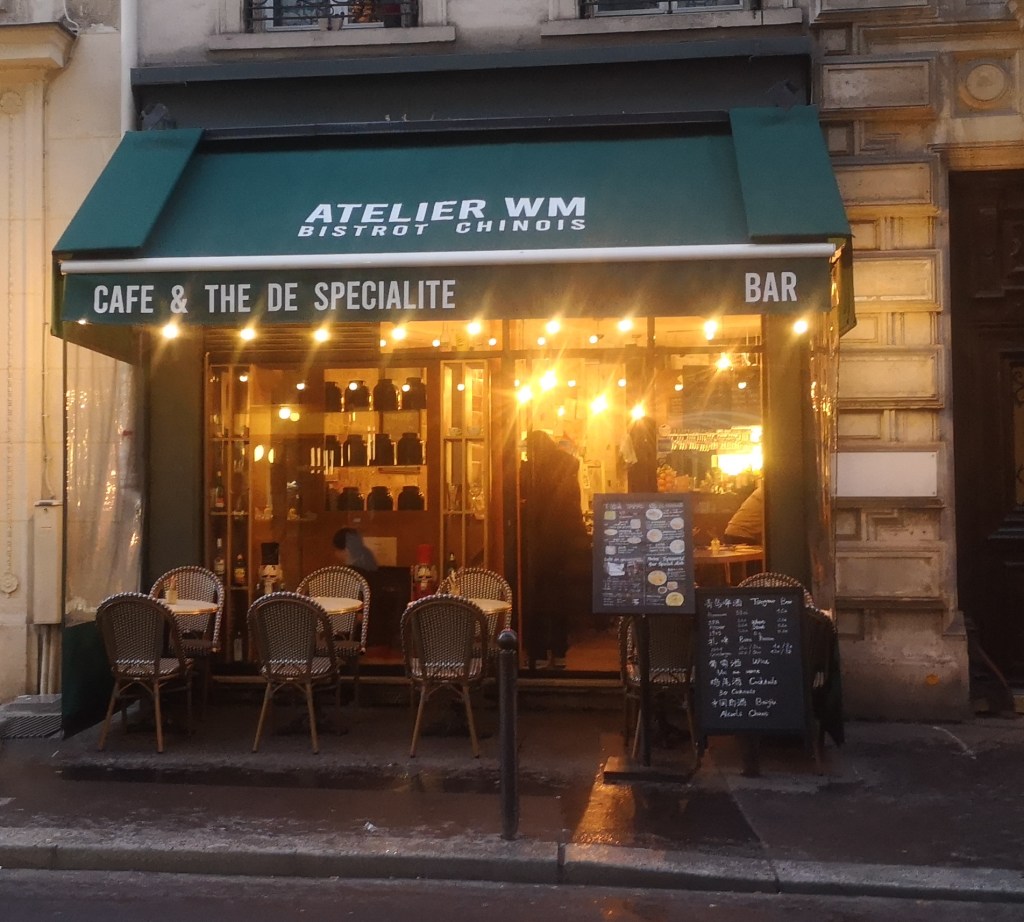
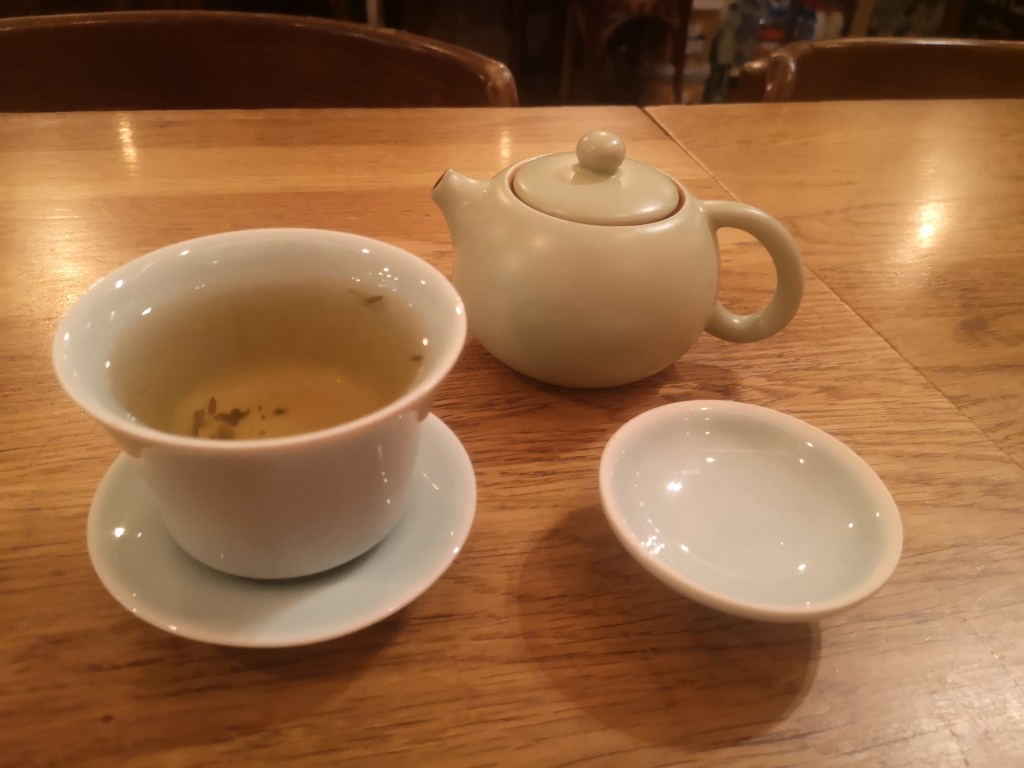
For the best, simple green tea served in the tiddliest teapot (there’s plenty – quality not quantity) in Paris (so far) try Atelier WM – 45 Rue de Richelieu, 75001 Paris, France

Have you been to the tunnel? What did you think? Please do leave a comment below.

Walking in Solidarity

1 April 2022 First Friday Walk

This month was my idea for the Walking the Land artists collective First Friday Walk. I had been reading about ‘dynamic stillness’, a term used by geographers and complementary therapists. Also, of course, I was following the war in Ukraine. 

I wrote, ‘Let us walk in solidarity with the Ukrainian people who are walking away from their homes and home country, searching, looking for another place where they can be still, to re-find themselves and safe emplacements. We will set out from a still-point (perhaps the place where we live, where we feel secure), and search for “the embeddedness of the sensing subject”.

‘We will ask, ‘Where do we feel embedded?’ ‘Where can we find a moving or still emplacement in the walk, or in the place through, or to which, we are walking?’

Some of us walked alone and others in a group, and we were spread all over the UK.

Emplacement 1

At home

I sit in the sun and listen to the quiet, then a bee sounds by my ear and some birds chorus. When I stay myself some more, I hear the distant waves, and the odd car – one rattles, needs something doing to it. The tree has got my back. Do I feel safe here? Yes, mostly. This place is known, I’m within the boundaries of my garden, inside the gate. Gulls screech. I am grounded with my feet flat on the stones. Below them is the earth – I know that because there is a solitary primrose which has grown up through them. My sitting bones still hurt though.

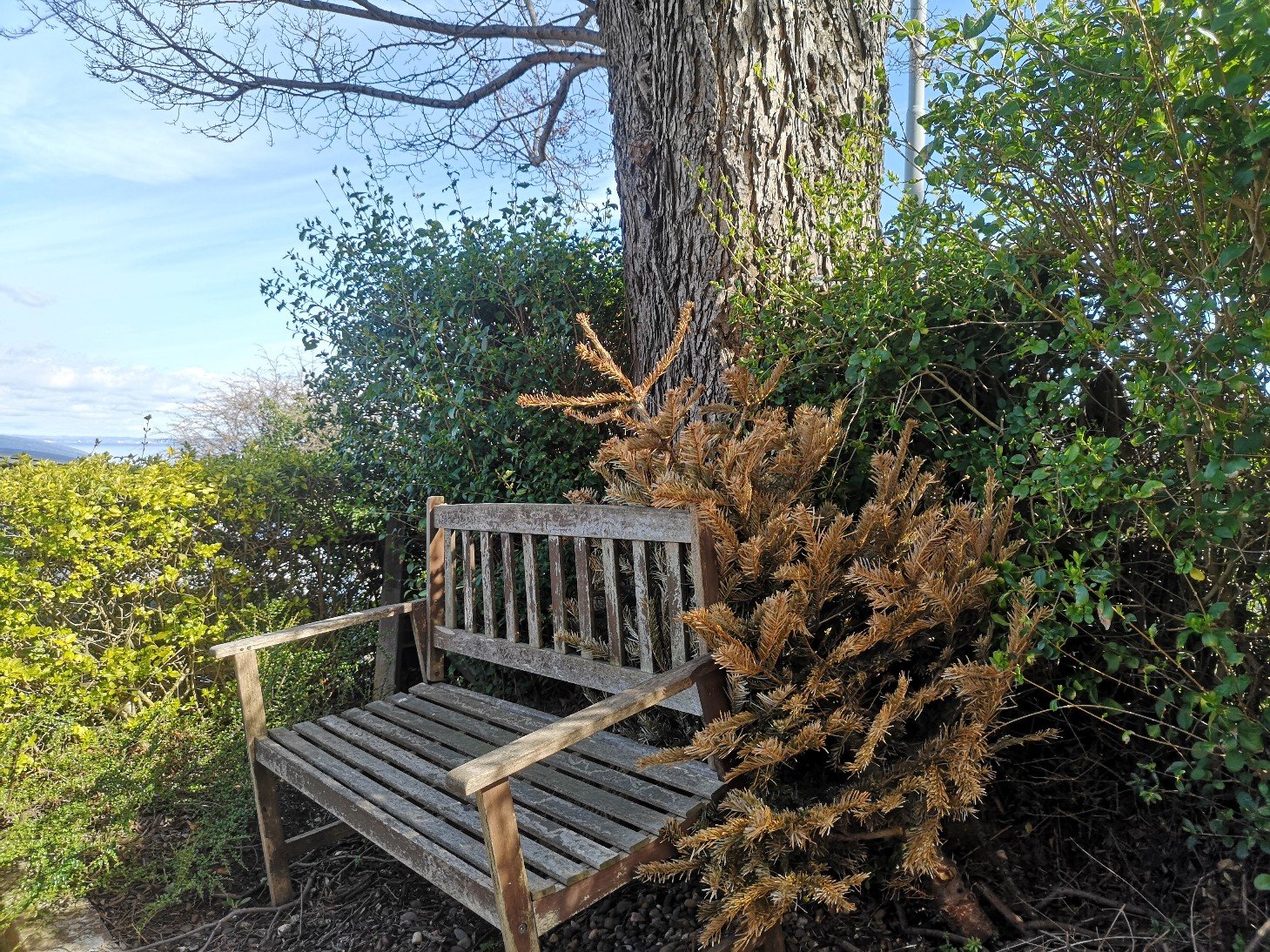
On the wooden bench beside the Wheatley Elm tree

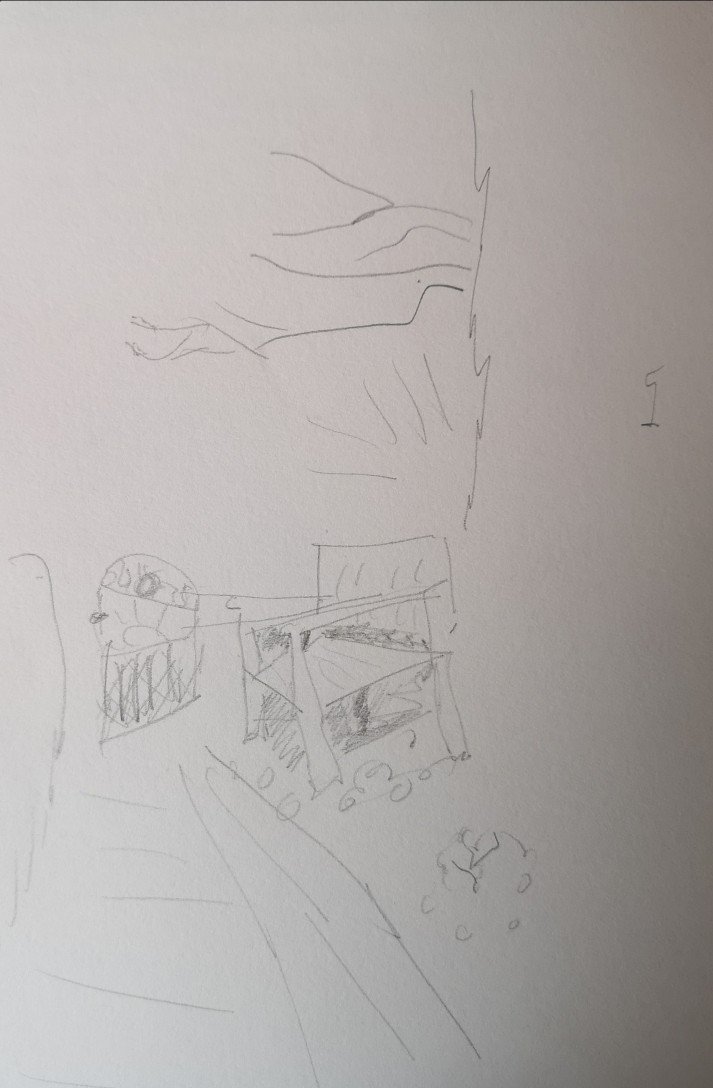
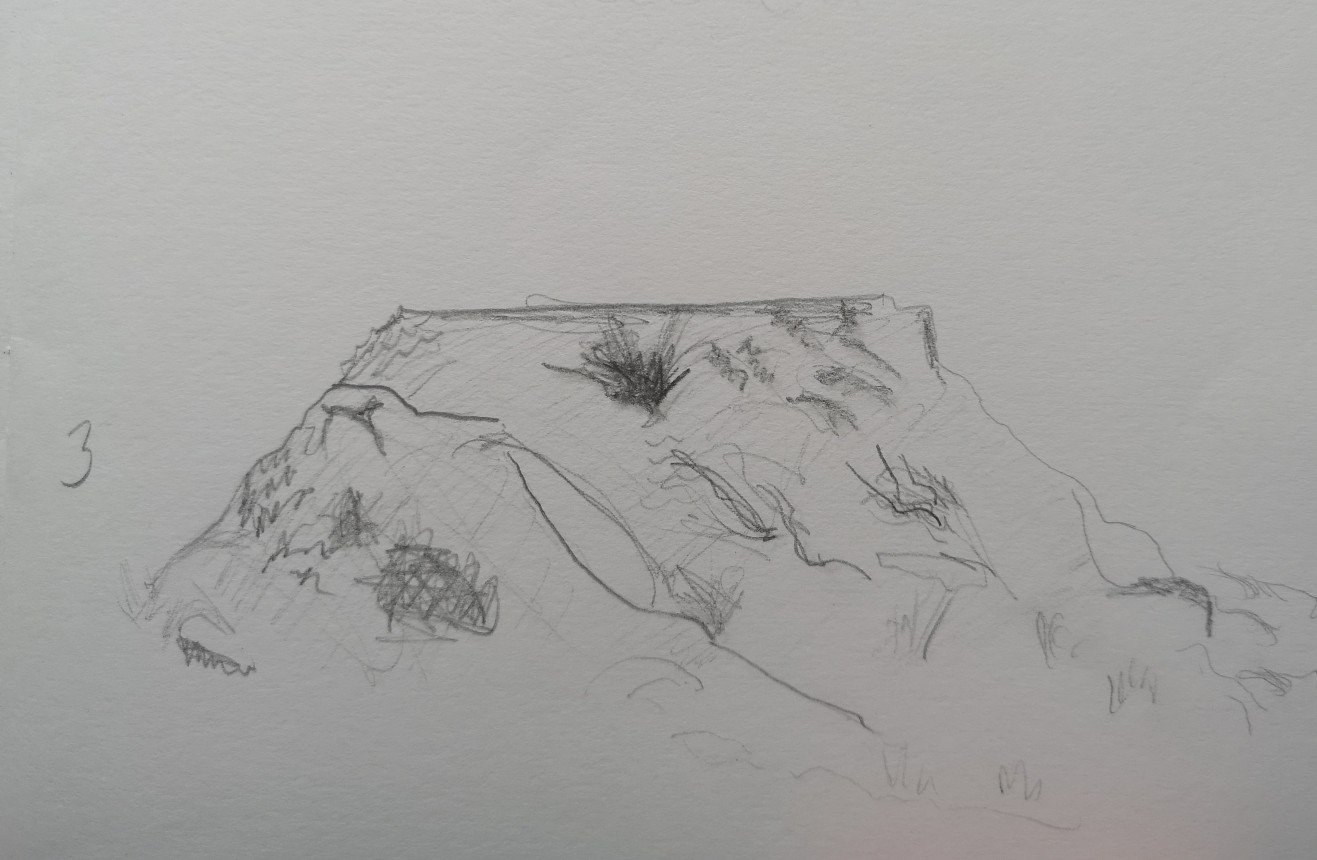
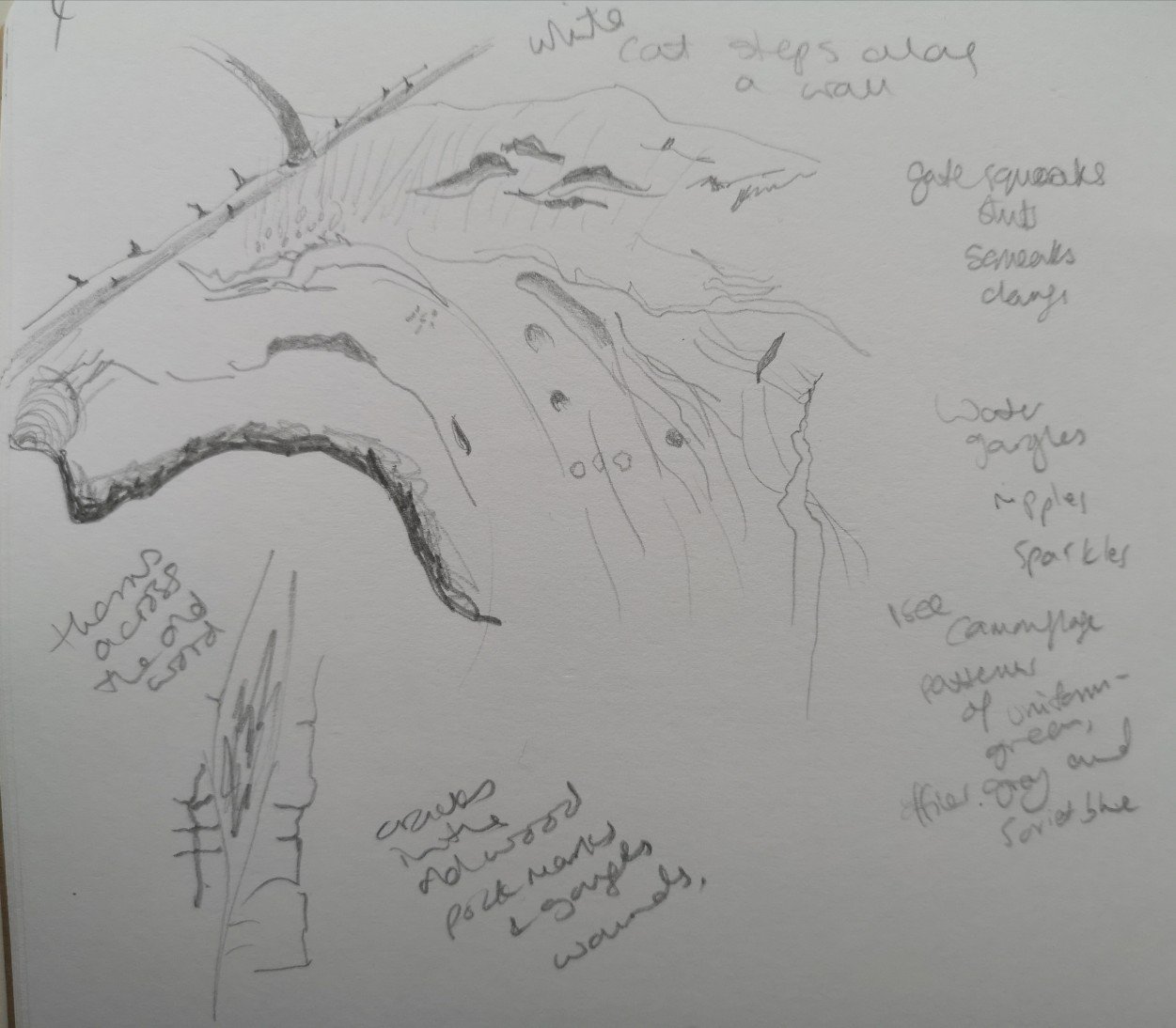
Sketching, I have a metallic taste in my mouth and frustration in my wrist as I try a third time to get the angles right. I am attempting to draw the smell of the dead brown Xmas tree which I keep meaning to take to the dump.

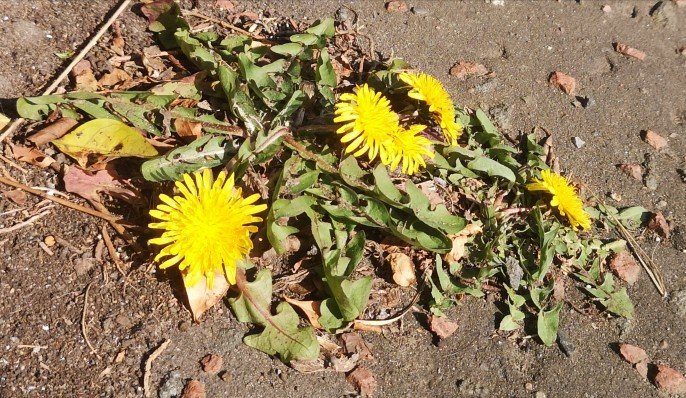
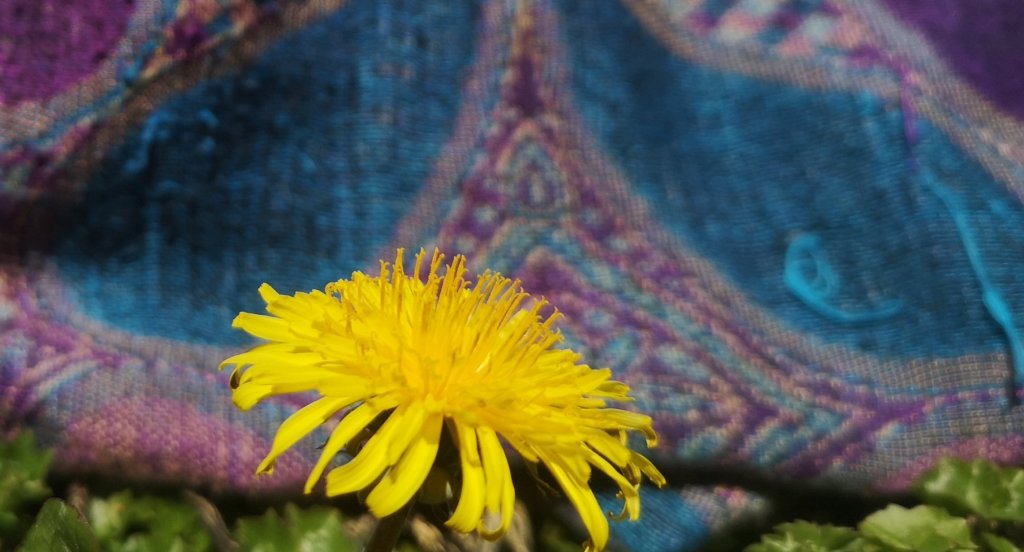
Dandelion heads like a bicycle wheels still spinning

1.05pm I begin my walk and am immediately struck by the fact that I am choosing to leave my home and the people of Ukraine have no choice. Yet, the dandelions are so cheery

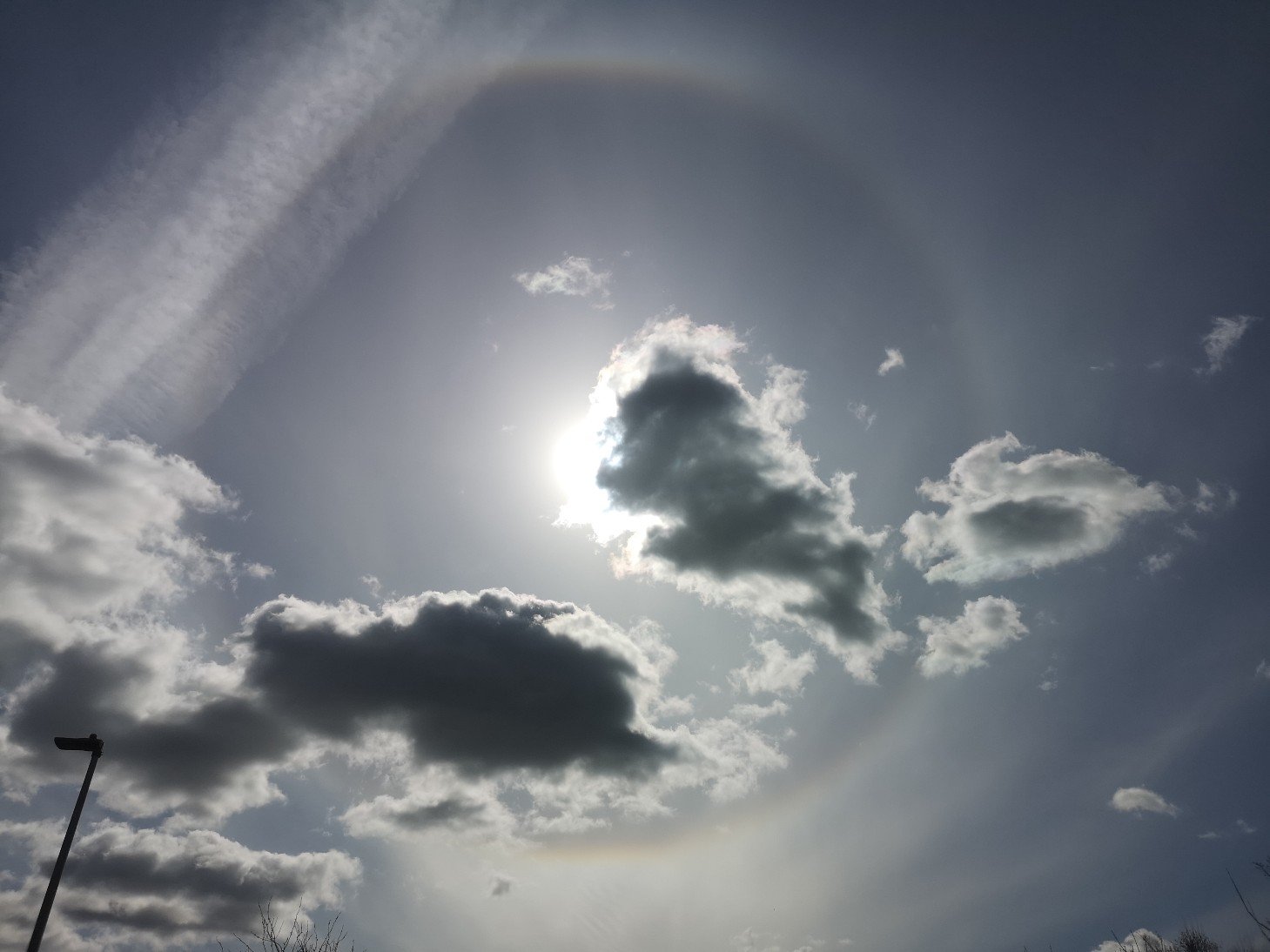
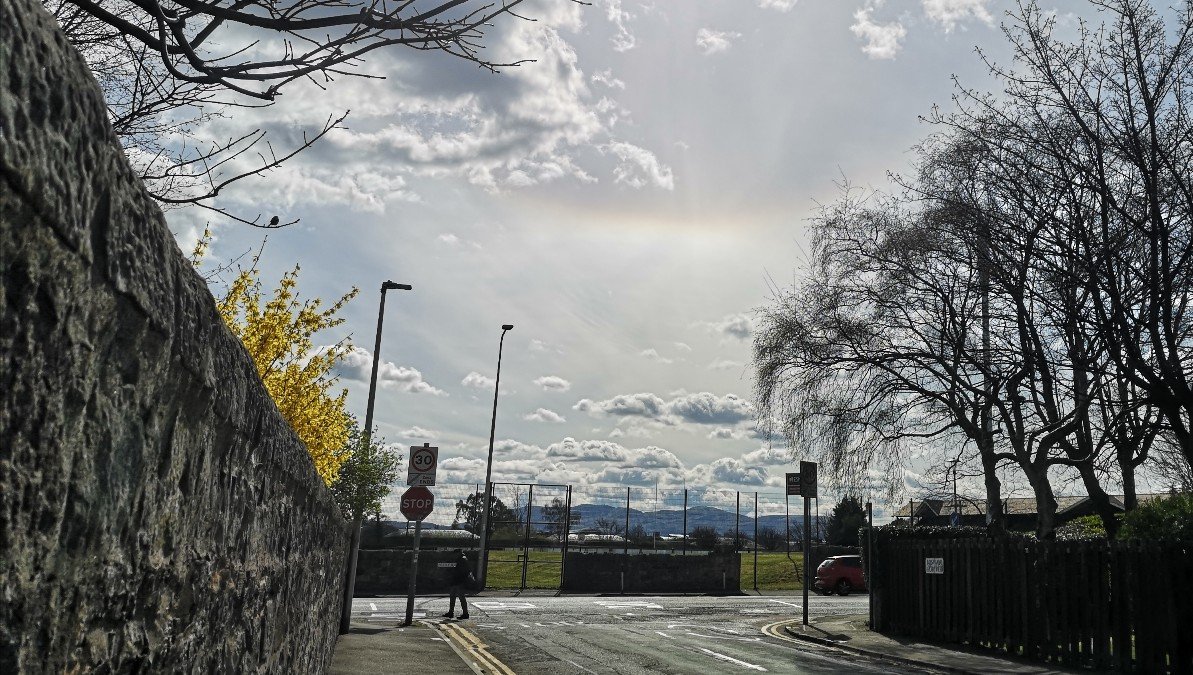
Ominous skies and a horizontal rainbow – portents

As I walked, I thought about a story I watched last night on the Channel 4 news. A Ukrainian woman was knocked unconscious and trapped. When she came round, she dug out her husband and friend and they escaped from the bombed theatre in Mariupol. Hundreds were not so lucky. She said she felt no emotions, had no feelings. This, I know from my work, is a sign of trauma.

Doomed

In Edinburgh, I heard a woman speak on her phone as she passed me: “No time to think about such frivolous things”, she said. A child’s swing in a nearby garden squeaked as it swung.

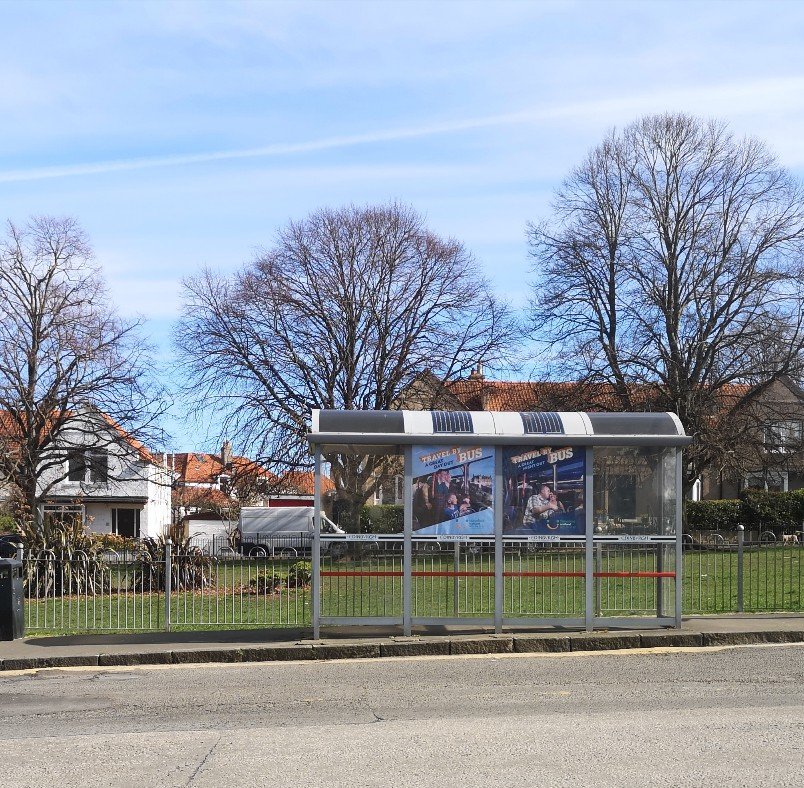
There are no queues at the bus stop

Fallen blossom petals are strewn on the pavement. I hear a dog walker saying, “All present and correct. Have a nice day” as she leaves the park.

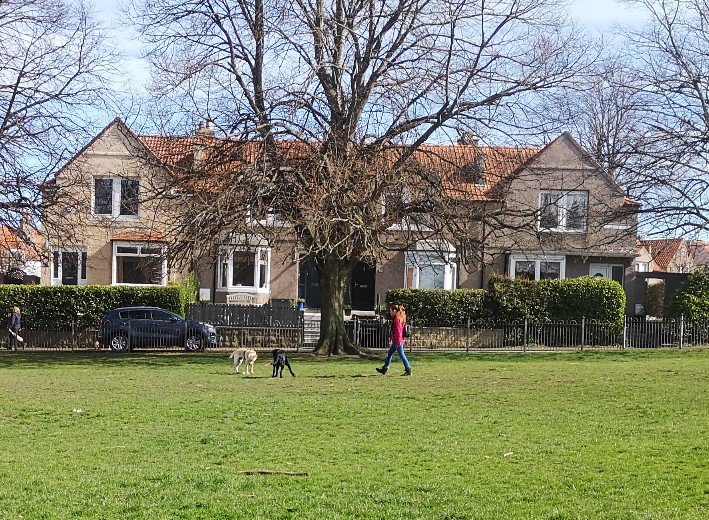
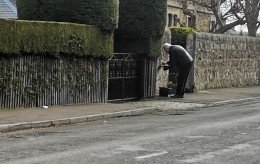
As I passed someone else walking her dogs, and this man repairing his boundary, I wondered if the people I am walking with in spirit had to leave their pets behind, and how long it would take them to repair their broken walls if they ever get home again

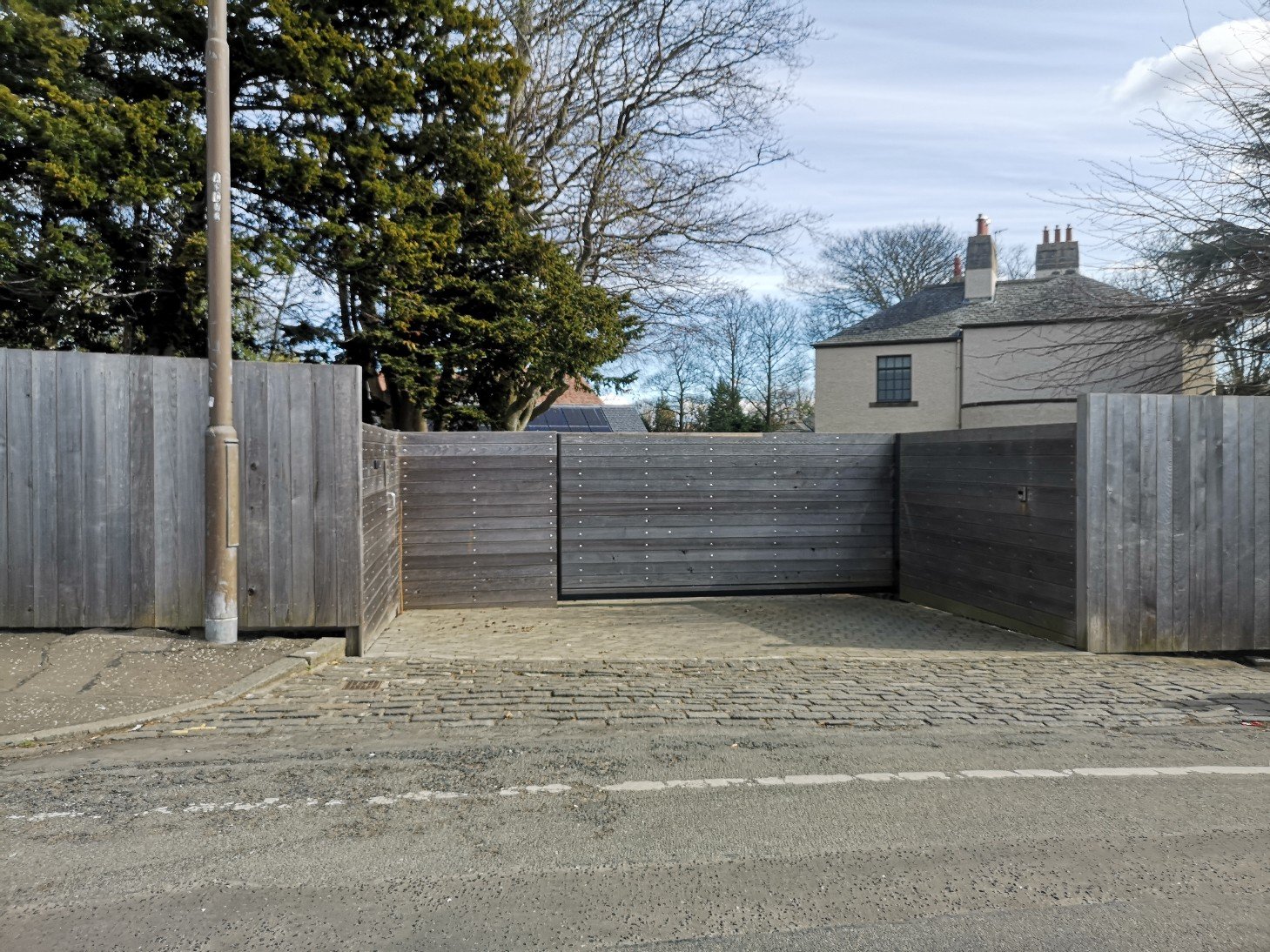
Gated for security. Will it keep out the invading forces? Protect the inhabitants from bombs?

Text 1 comes in from Richard Keating, my counterpart in Gloucestershire: “I’ve just walked a few miles from home, crossing the Nailsworth Valley and am now looking west towards May Hill. I have lived on this side of the valley for 25 years so feel very much at home here. … However the wind is cold and I’ll be glad when the pub opens its doors. Imagine how a refugee would feel as a door is opened for them. As a home is shared.”

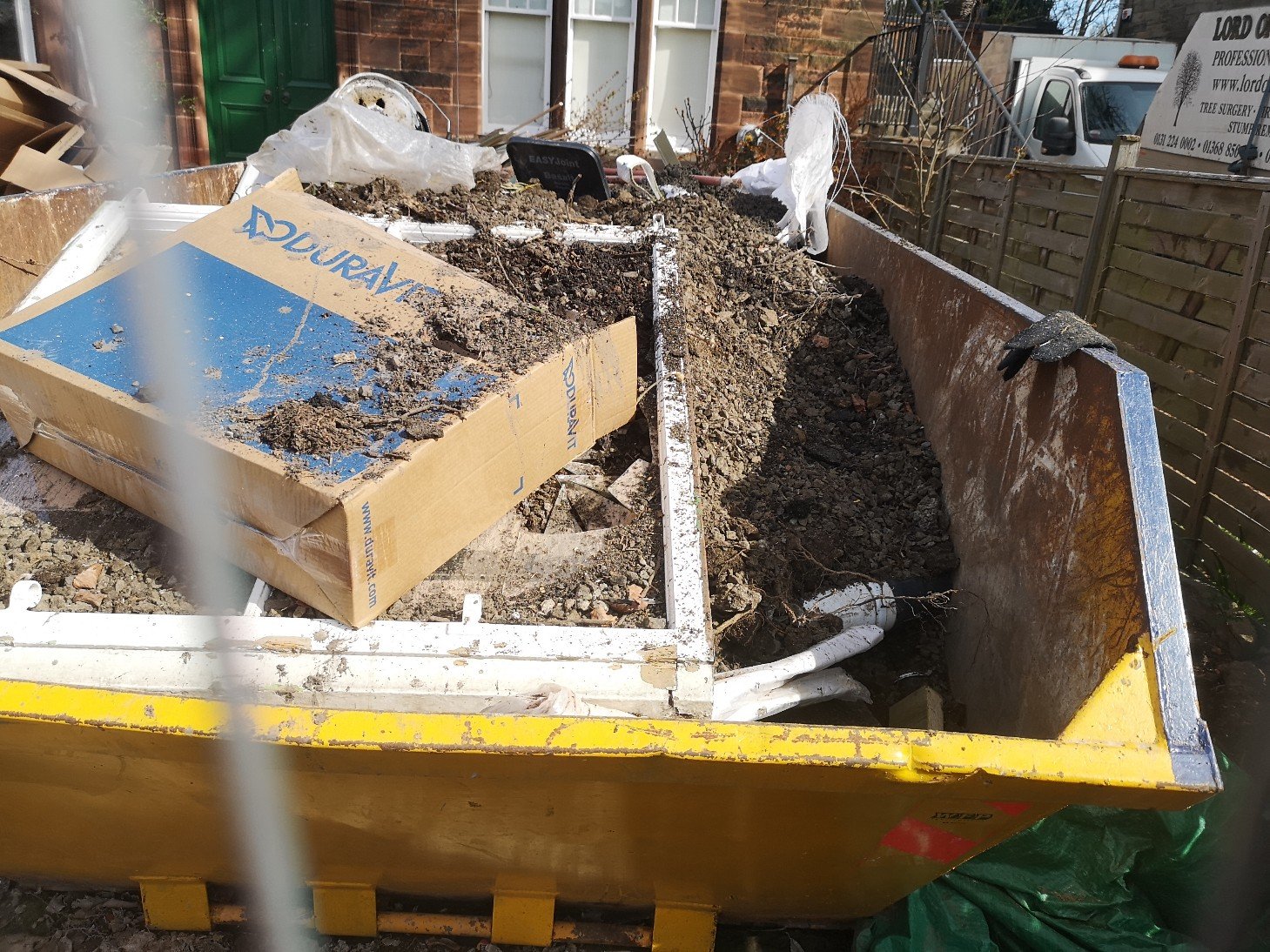
Abandoned tank . Devastation . Clearing up the rubble

The mother said, “Grandma gave her toys to me” and her little son replied, “Do you ever see her?” And then I am aware of the importance of familial relationships, of the personal artefacts passed down, of interrupted generations and houses and possessions all lost.

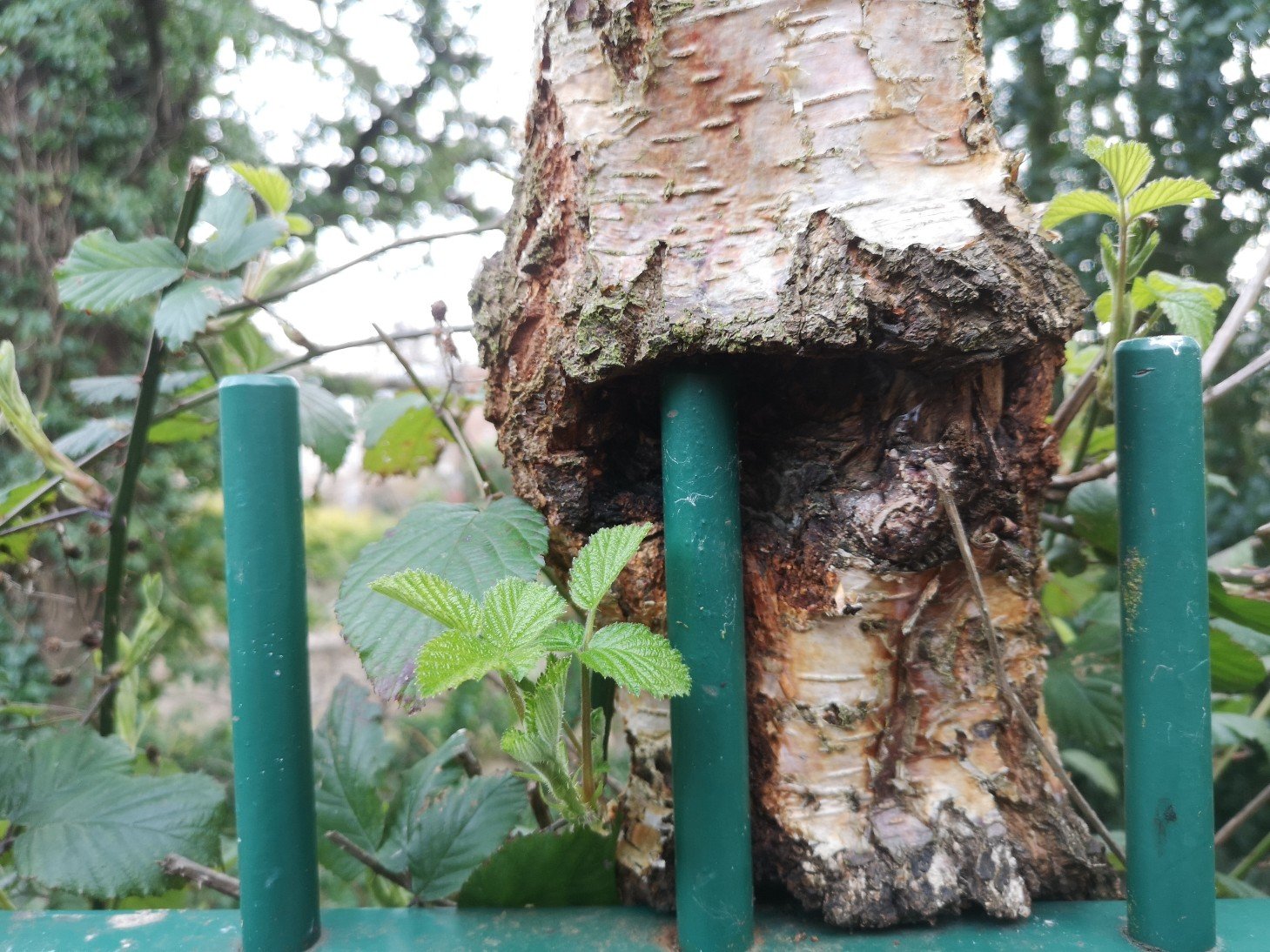
Impaled

On the pavement, I am treated with courtesy and kindness as a man, wordlessly, stands aside so I can pass, and smiles. 

I heard that some Ukranian people who were only able to go to Russia, have been interned. It’s beyond my comprehension

I hear the father say “Oh you want to touch that” and he lifts the back wheels of the buggy up so that the little one can stroke the leaves of the hedge.

Emplacement 2

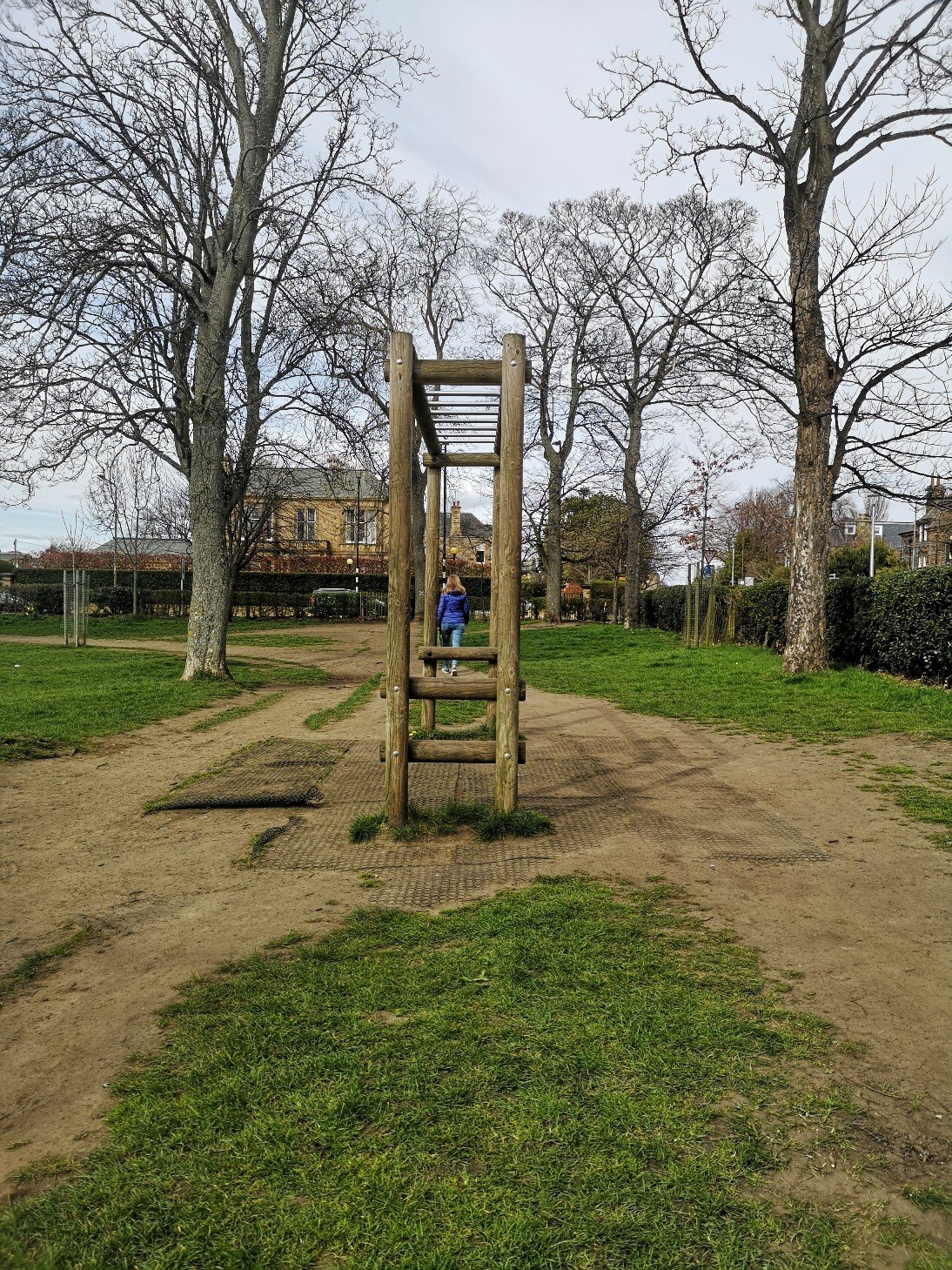
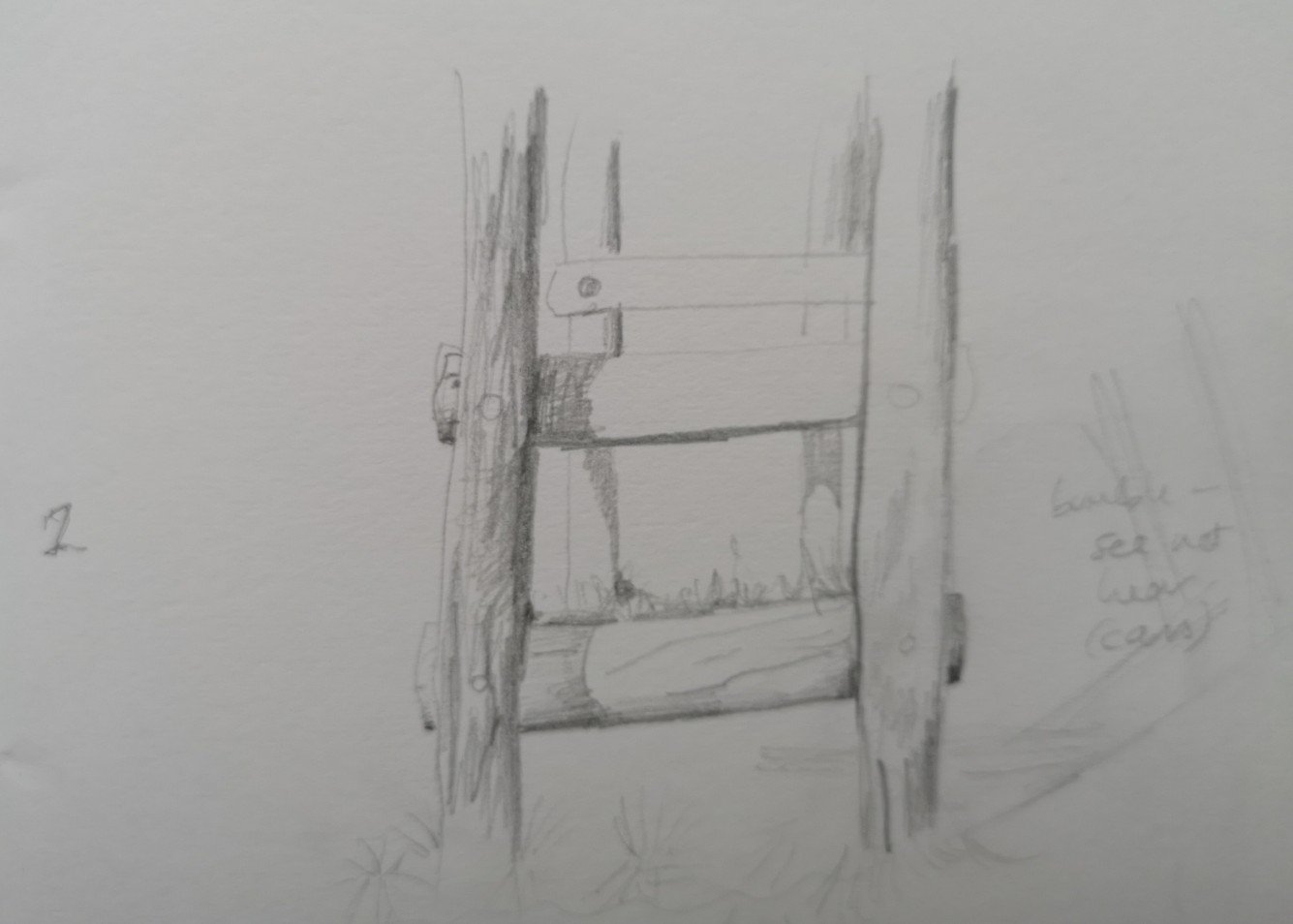
I am wedged between two upright logs, one on either side, and there is a solid one underneath me. I teeter – I am not as safe as I might be. I can’t see behind and would therefore only know if someone was coming if I heard them. There’s a lot of noise coming from all over the place, from different directions so I can’t distinguish if one of them is someone approaching me or not. I can reassure myself, though, because there’s not a war raging here in Scotland.

I hold on and stretch back, the sun is warm. I hear a foot meeting a ball and it clatters against the goal posts. Her heeled footsteps pace beyond the hedge. A dog barks. Distant voices, nearby cars. Smooth wood under my palms, a taste of…of…cucumber… and cedar. Is that a taste or a smell? There is a breeze. Cold at my nostrils, of air, perhaps exhaust fumes, a hint of the warm wood. I have been worried that I’m losing my sense of smell, but maybe it’s OK.

Emplacement 3

I receive a second message from Richard: “We’ve made our first stillness and are moving on. Your script has been well used.”

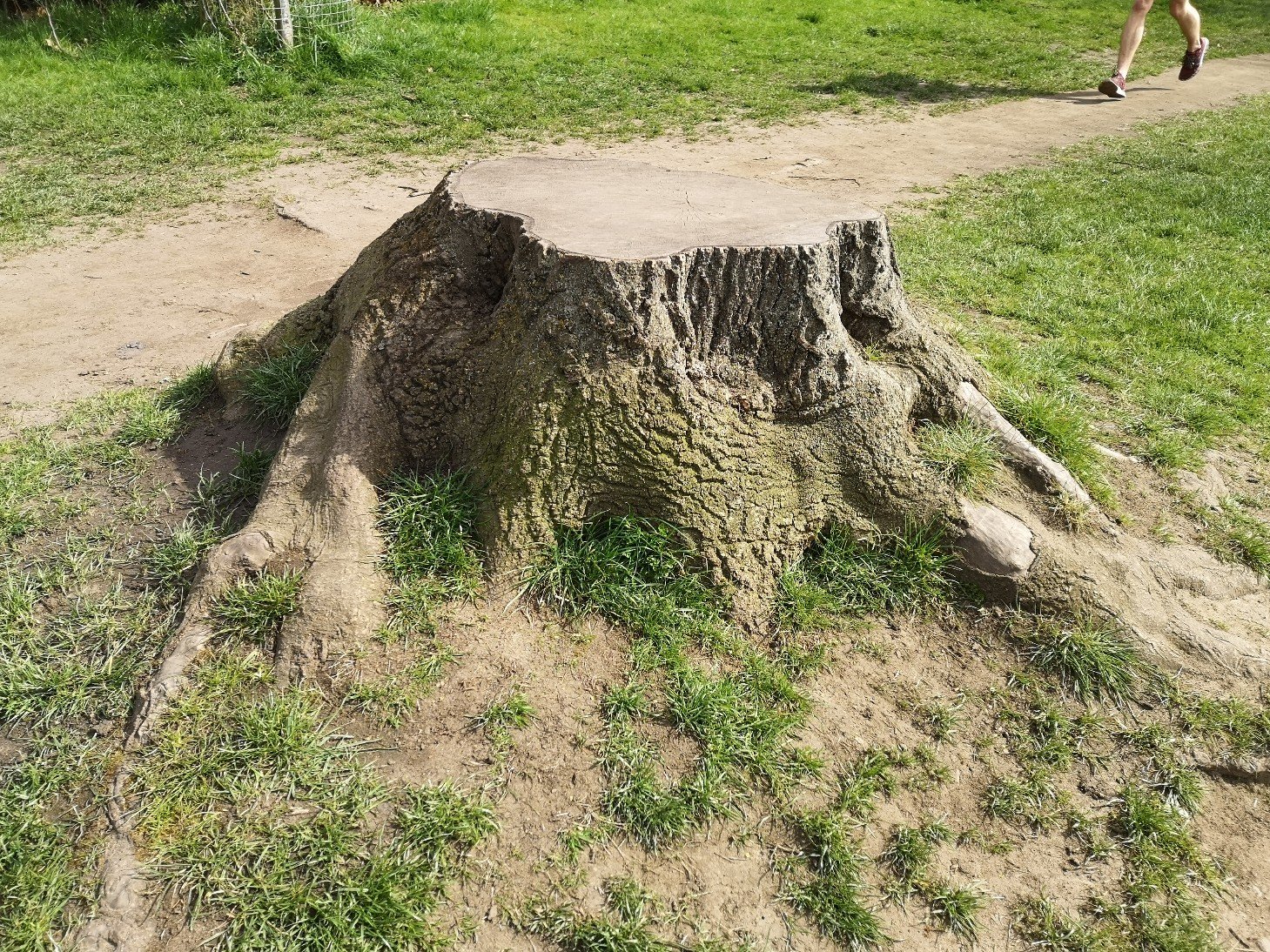
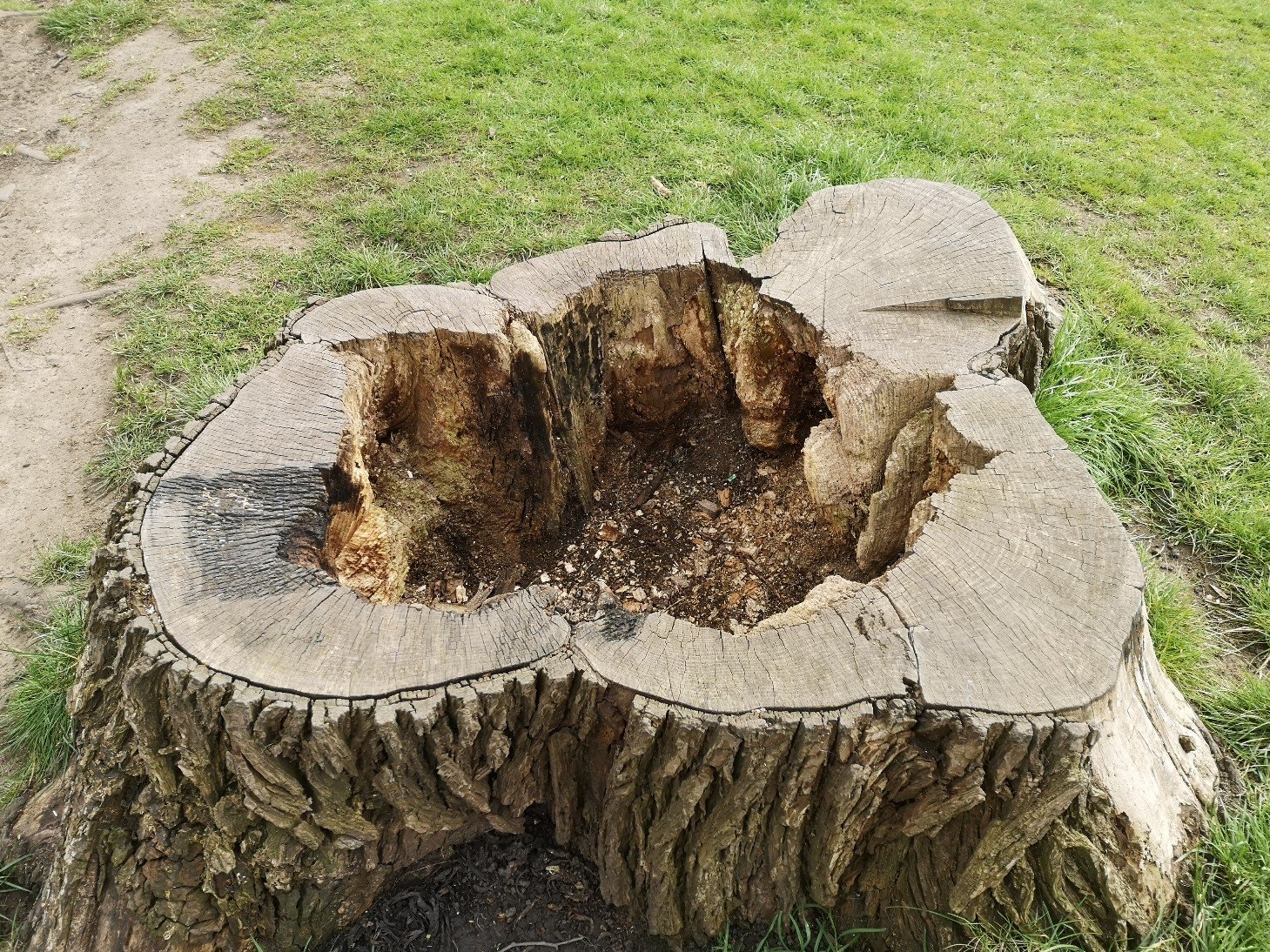
Warmer, wider and flatter under my bottom, I have lots of space on this tree stump. My lower back tilts which relieves the pain. I am facing north now, but I have the same awareness of people perhaps coming from behind. Cars wheel beyond the hedge which doesn’t seem dangerous because, to my knowledge, one has never driven through it into the park. Then I realise danger can come from above and see that the tree top obviously fell down, though presumably in the recent storm and not on a day like this…

Blasted tree

I can smell the sun on my skin and when I touch it, it is warm. I put my warm hand to my cold nose. The wind is coming towards me here bringing…. what? Ice from the Arctic? Again, my feet are off the ground and it strikes me that this is less safe as it would take me longer to put them down and run away. Footsteps behind me; I know they are male. They come up, go past, without stopping. The taste (yawn) is of old apple. Mhmm. And some metal.

Moving on, I thank the man who has painted the pavilion a gleaming privet-green. He’s busy clearing a thin layer of turf from around the perimeter. We chat about the public toilets they installed late in lockdown and then took away again because someone had to watch them all the time due to the vandalism. He said that there is already “a Ladies and Gentleman’s Cloakroom” in the building, so all they needed to do was to make it accessible for people with disabilities and then there would be a permanent facility. I said, no-one ever asks the people on the ground who know.

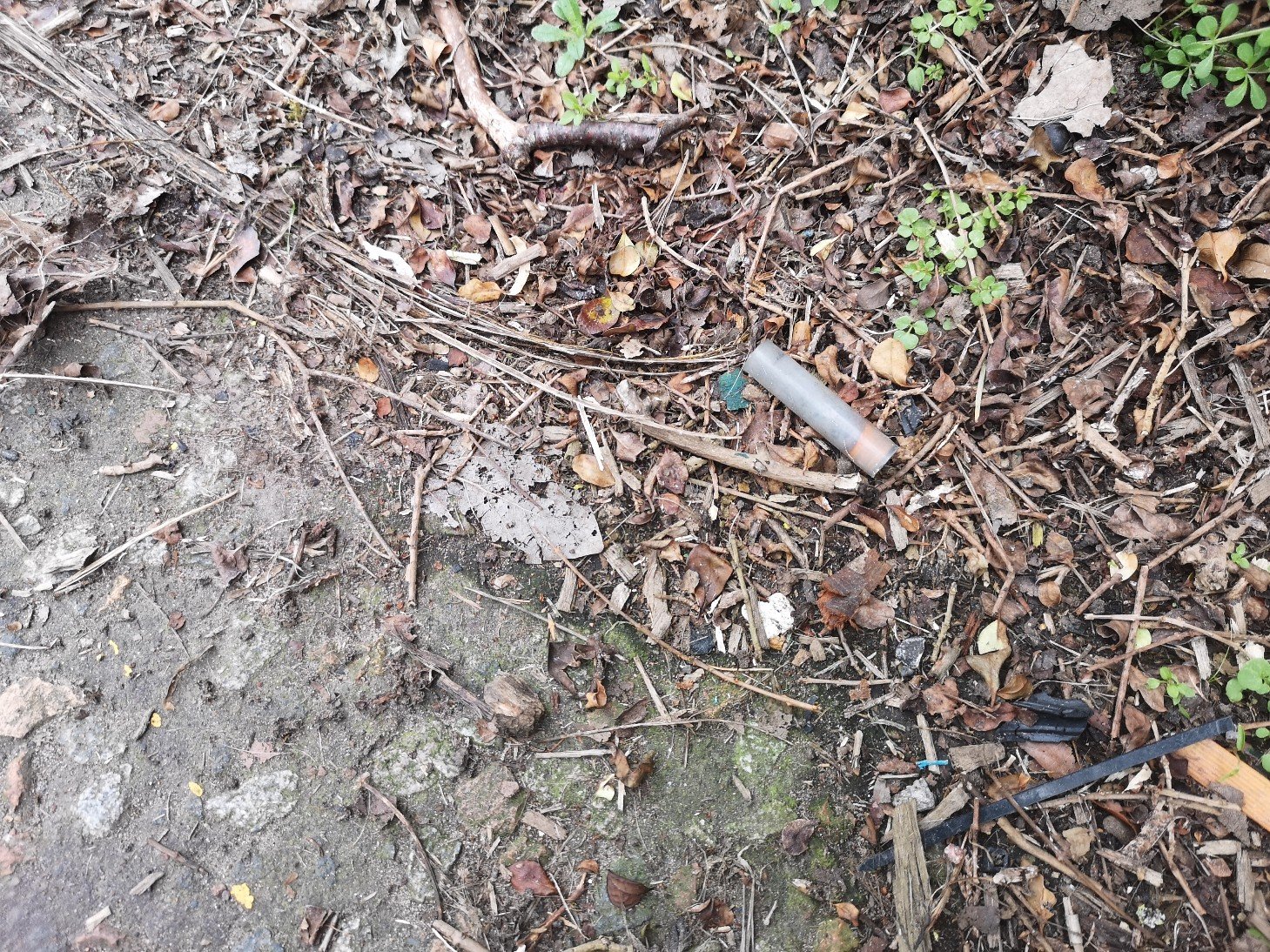
A spent shell?

Emplacement 4

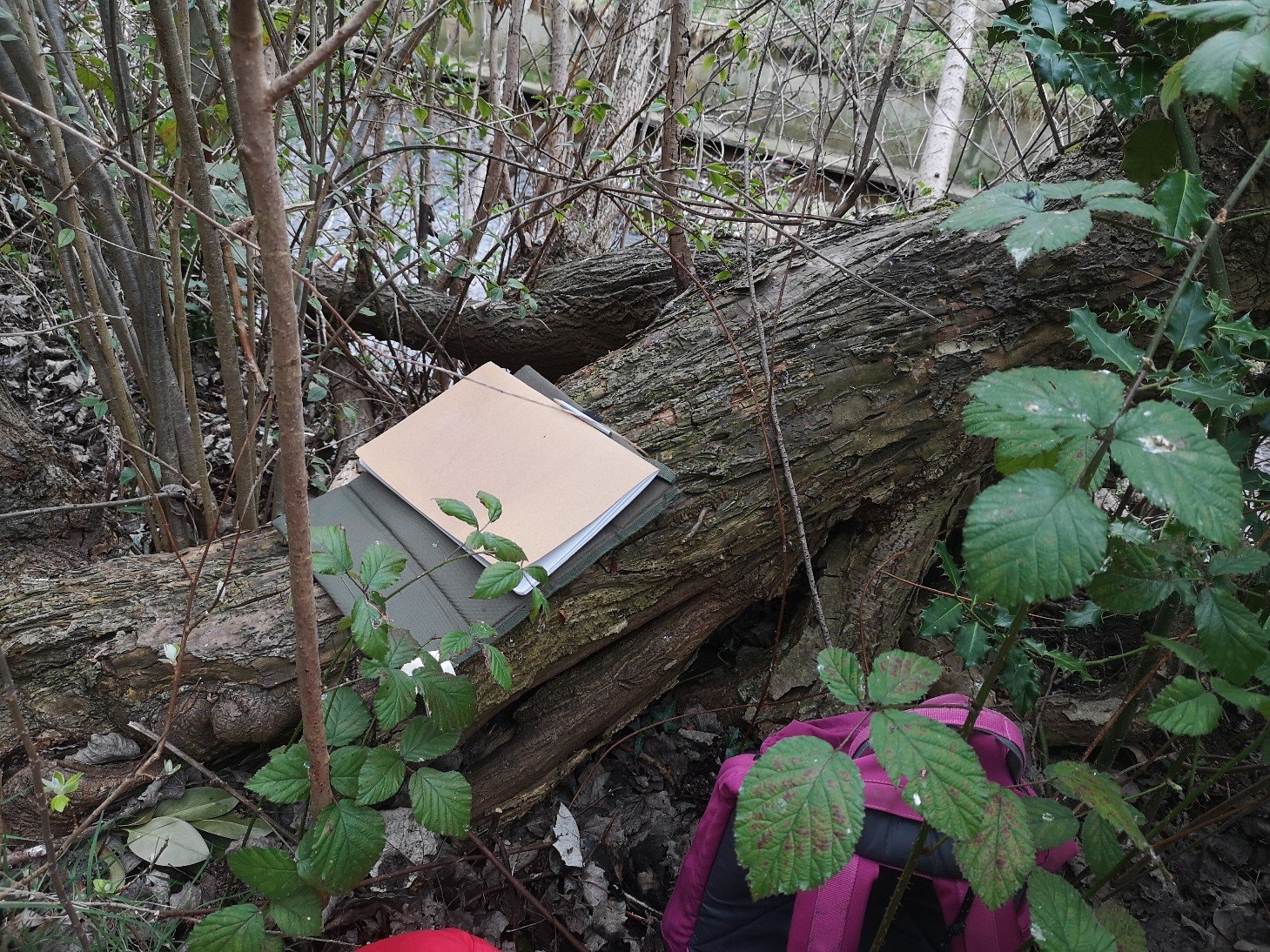
I am amongst insistent birds, beside the ever-running Water of Leith, on a hard log. The brambles are intrusive. Or maybe I am. I smell humus and rotting plants, someone smoking weed. I taste coffee (a mid walk treat), and there’s the touch of cool, smooth, dry bark on this knarled trunk.

People walk right past but don’t see me – I’m by the Rocheid Path but off the beaten track. The car sound pollution is distant. The rambling couples always come back in the other direction after a few minutes because it’s a dead end.

I try to sketch the detail of the log

I wonder, will Putin withdraw, or are they just regrouping for a heavier bombardment? It sounds like he’s out of rubles but… . I am obviously carrying the story with me as I walk, snippets of it anyway. 

Tickling leaves at my neck, ants (maybe) under my thigh.

I see drops of ‘blood’ everywhere 

My scarf is getting ruined, snagging on the thorns – as if that’s a big deal, in the circumstances. When I try to wind it around my neck again later, I am scratched because portions of blackberry branches are still stuck in it. Invisibly.

I ask myself, how can I maintain awareness of these horrifying occurrences and still live comfortably here, and Richard suggests that we could focus on better understanding “this connectivity between us all”, and I know that this is what these walks are about. I’ll share the walk, invite a response, and celebrate others’.

At 15.35 I am tired and I wonder if the Gloucester lot are having tea. I try to imagine where they are and what they are doing, without the aid of a newsflash or twitter feed.

I start on my return home with the scent of wild garlic in my nostrils.

Shattered
Double graves
Trapped
Impaled
Clinging on

I pick off an individual leaf of lavender and squeeze it between thumb and finger tip. I inhale for the pleasure and calm.

Sending our best wishes to the people of Ukraine, that they might find safe and still places to become embedded once more
Finding Refuge, Looking for Shelter by Lucy Guenot

In Walking the Land, we connect with each other via computers and phones. You can imagine these ‘meetings’ as emplacements, still places in which we innovate, stabilise and share our ideas. Then, see how we move out into the landscape on our walks, dynamically. If we stay in touch with each other as we walk, using What’sApp maybe, or even tweeting with a hashtag #, we remain in contact via a collective still-point while we move at the same time. If we post on social media after the walk, representing the body movement in ‘stills’ and fixed words, there is a further version of this ‘dynamic stillness’.

If you have work to share in response to this walking prompt, please send it to tamsinlgrainger@gmail.com 

#walkingtheland @walkingartists1

Festival of Terminalia

23rd February 2021

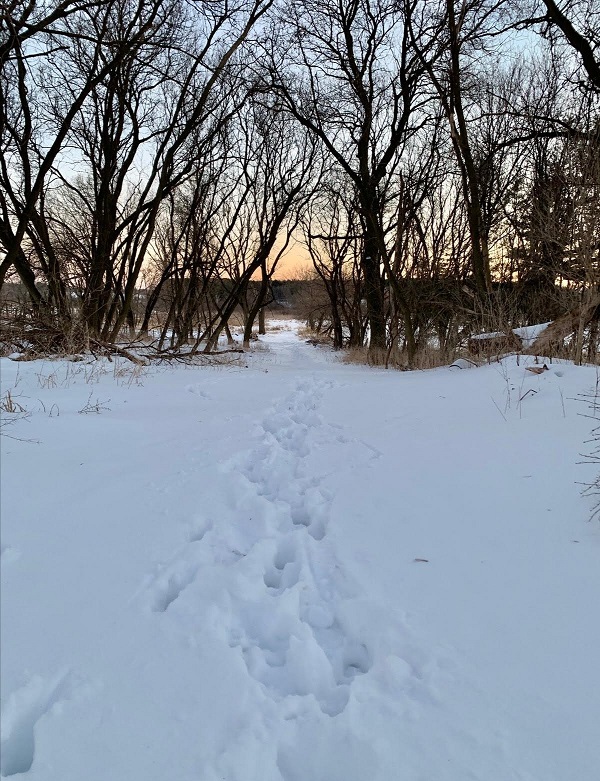
Today I walk an imaginary line around my house. My feet don’t leave indentations to show I have done it, not since the recent snow, and when that melted the trace was gone. Home and back, I pace and pound my boundary line, a pathway that returns to itself, reconnects, reattaches, and brings me back to the garden gate.

Snow prints. Photo by Sam MacLean

Terminalia is a one day festival of walking, space, place and psychogeography on 23rd Feburary. Terminalia is the festival of Terminus, Roman god of boundaries and landmarks so if there was ever a god and festival for psychogeography this would be it!

https://terminaliafestival.org/

They say that people walking somewhere can change a place, that the land alters because of us. Of course, it’s clear if we wear down the mountainside or trample wildflowers underfoot, or if we make a desire path, flattening the grass just enough that the next person who comes by can see it and tread the same way afterwards. But I’m talking about the idea that the nature of a place adjusts as many people cross it for a specific reason (such as pilgrimage, religious or secular), that an ordinary location becomes imbued with a special significance after it has been walked upon by people with a shared aim or sensibility. If that’s true, do my streets, the streets which bear my weight daily, still feel me when I’m gone? Do I rub off on them somehow? Can I say I belong there?

Or is it the air above a path that is disturbed by my body moving through it, affected by my presence, retaining a whiff of me? Then, what happens when the wind blows and displaces it – have I been whisked away, or am I still there? How exactly does it work, this treading of Terminus, deity of the marking of our territory?

The wind disturbs the top layer

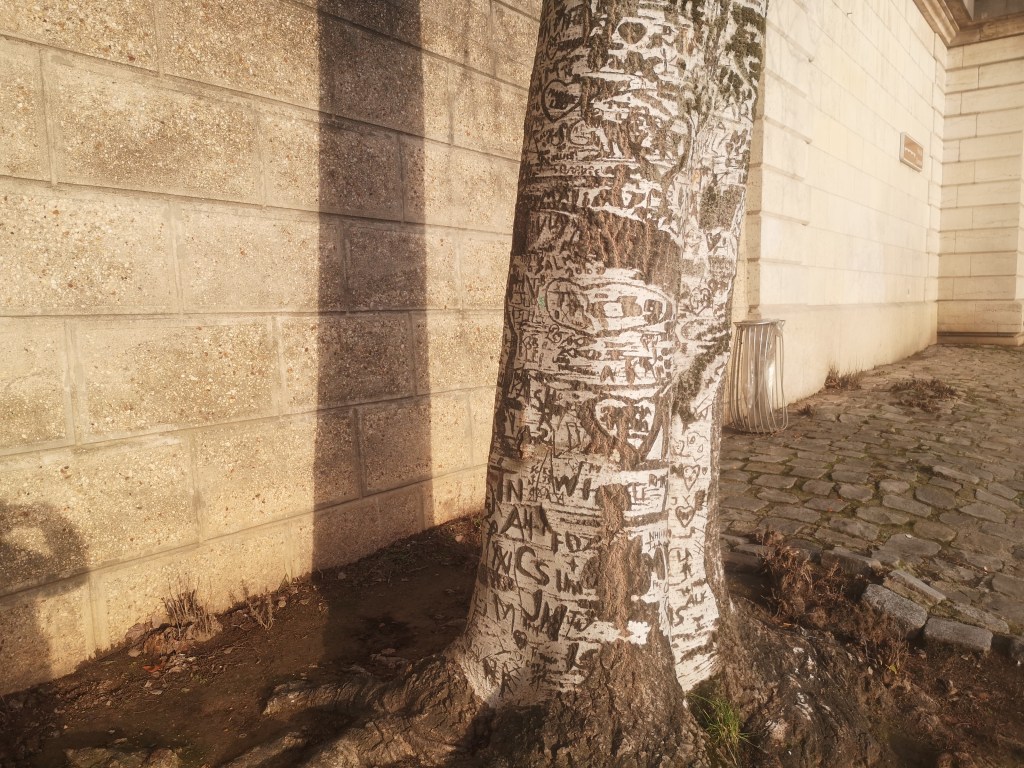
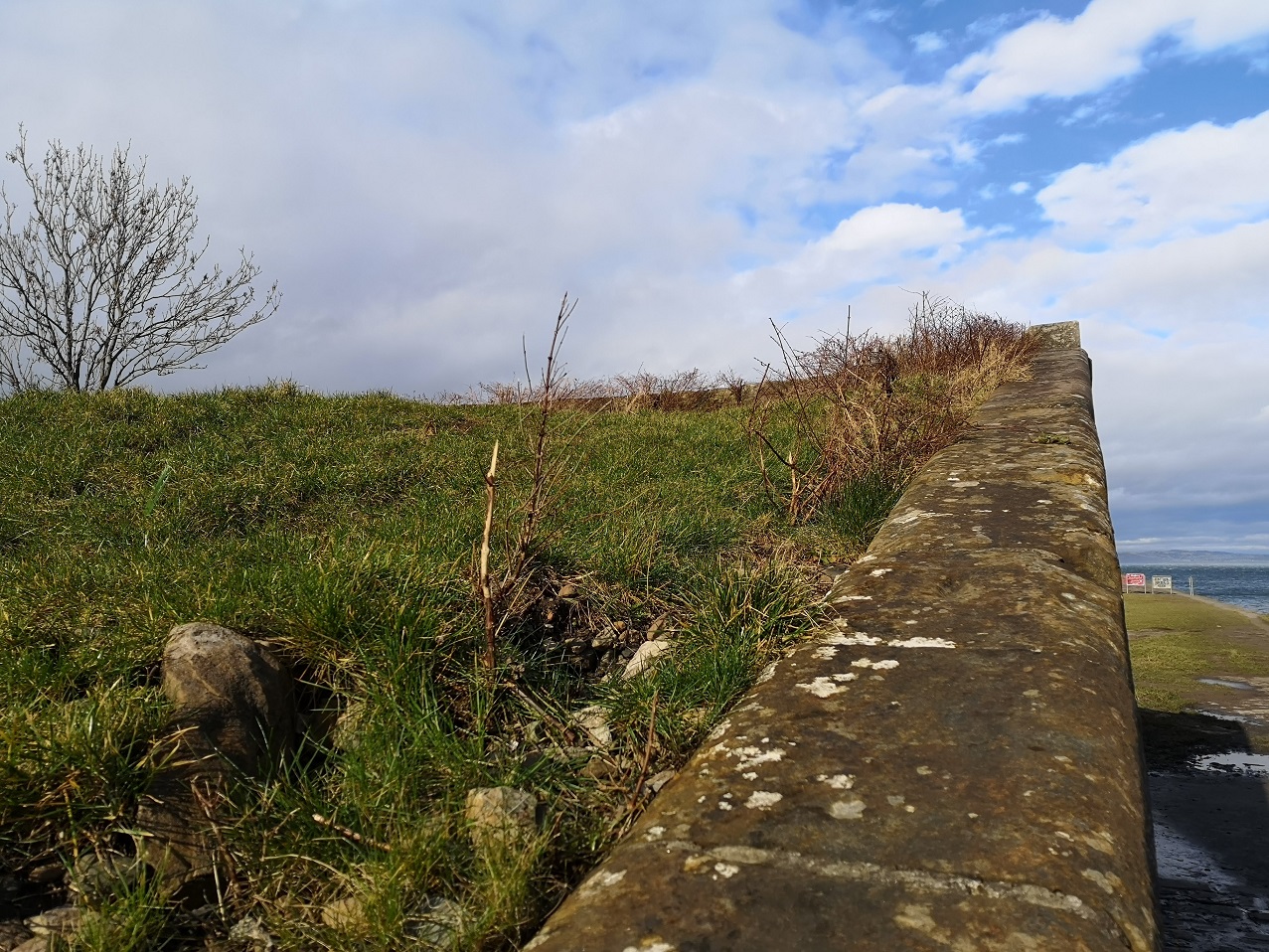
A crow breaks the quiet with a piercing caw on the turret, the wind finds crevices in my clothing, the odour of fish and chips invades my sense of propriety. Someone has etched into the tree’s bark and graffitied the bridge’s stone. A trickle finds a way through, waves breach the breakwater and ride roughshod over rocks. We must leave a gap or the wind will blow a solid fence over, or a river bring down a protective wall. In so many ways, boundaries seem to be there to be broken – at least that’s when we notice them.

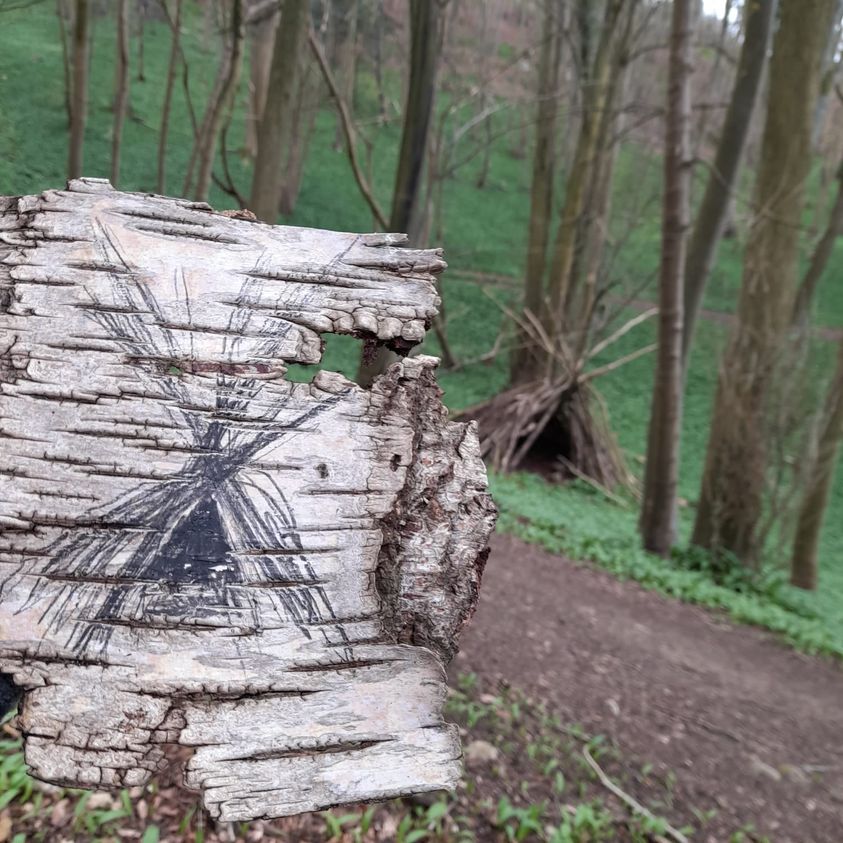
Arborglyphs
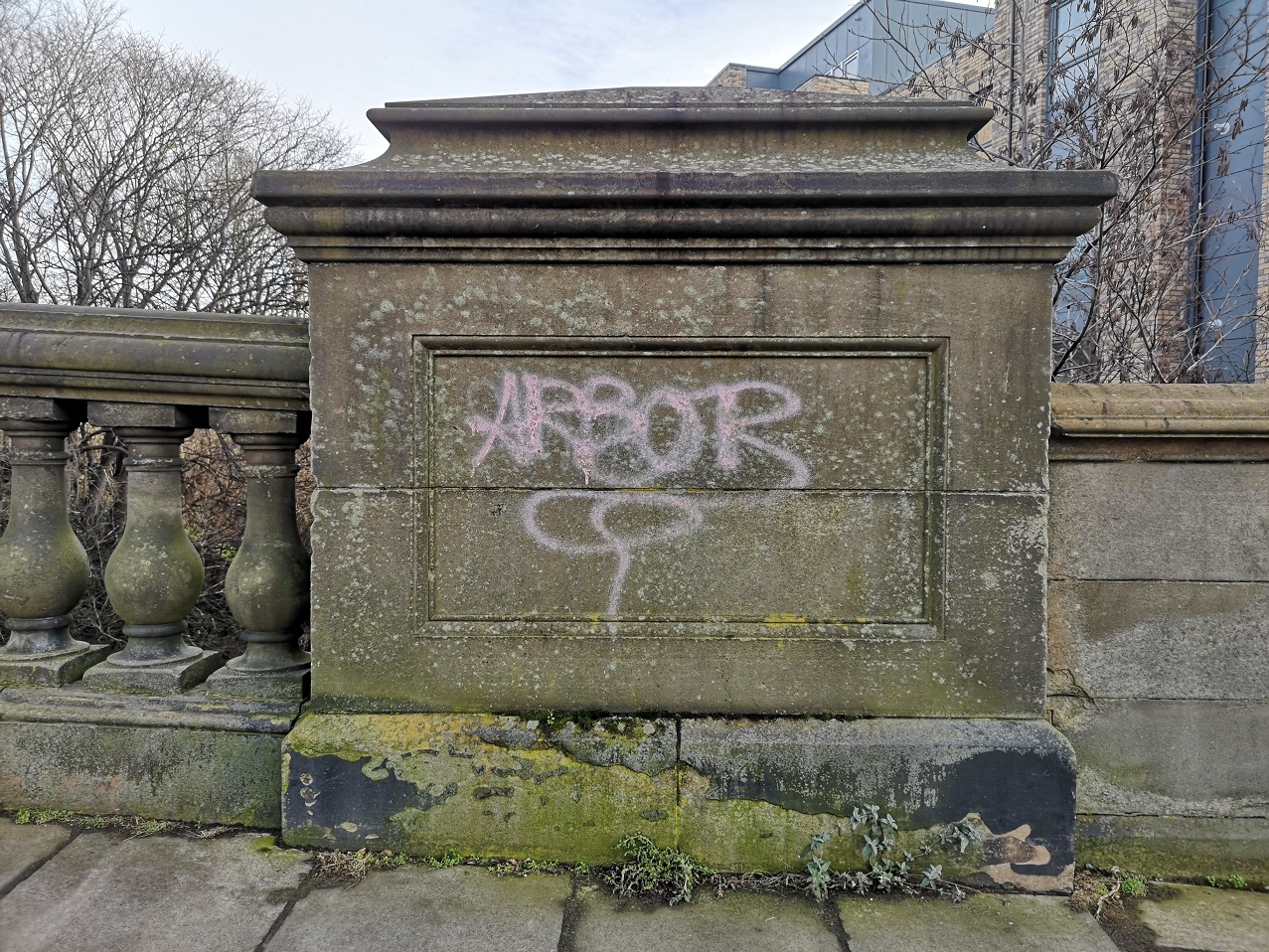
Arbor graffiti

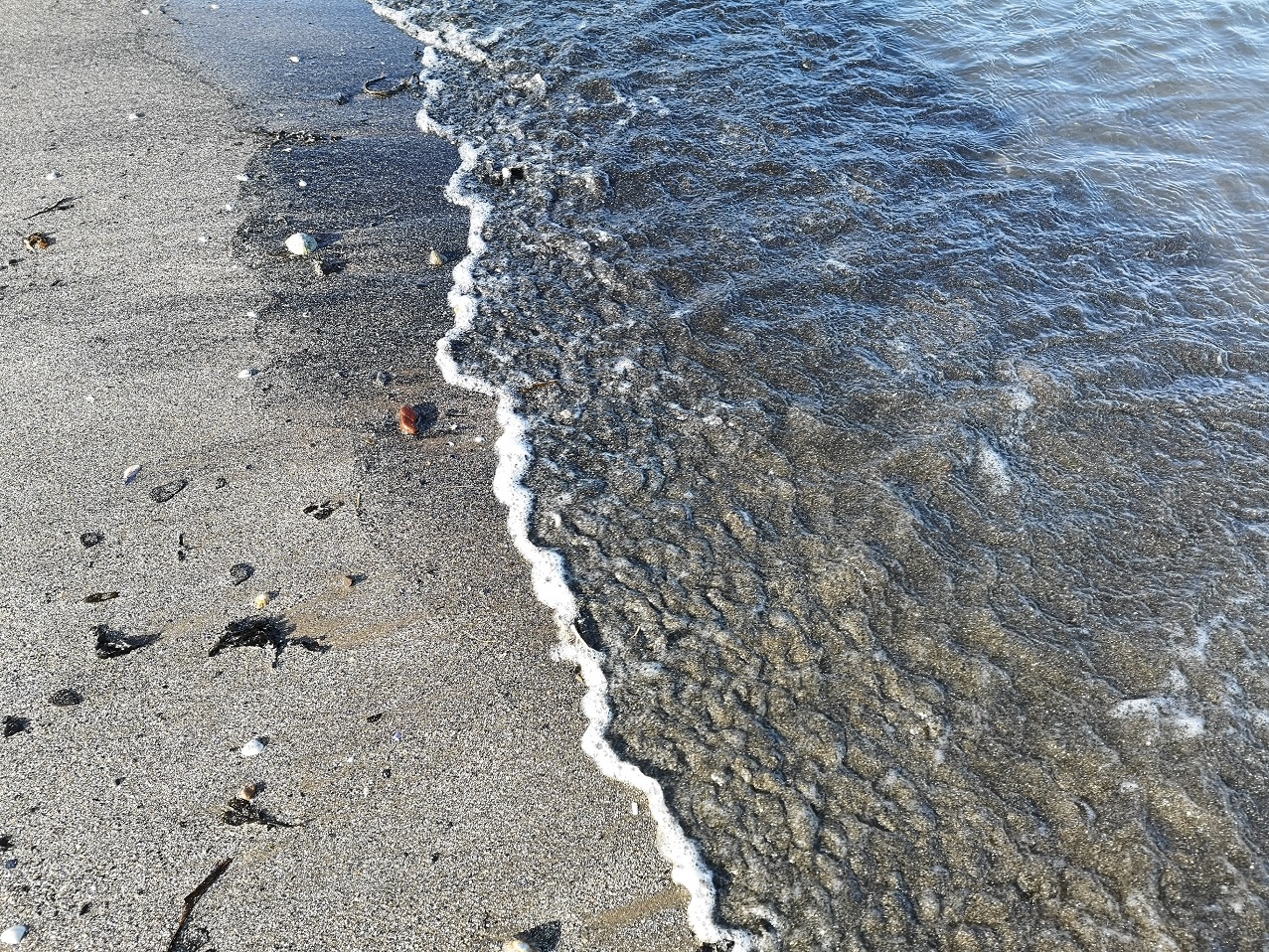
A few of us meander along the ribboned edge of the bay, the constant interruption of land by sea. We talk to no-one, we stand and watch the water. I feel sad, and the waves sound melancholy too. Only the other day it was like satin, now the surface darkens and shifts as the wind messes it into mackerel patterns. Sand clouds rush past me in such a hurry, disintegrating as they haste towards Fife. Uncharacteristic ripples sweep out to Inchcolm island where the disappearing rainbow arcs overhead (between real and unreal). While I was there I had that golden luck and the rain never reached me, I who have hot sun on my calves. One by one, we stoop and pick what catches our eye. I chase dry seaweed as it billows across the beach.

Inchcolm Island

Psychogeography describes the effect of a geographical location on the emotions and behaviour of individuals

https://www.tate.org.uk/art/art-terms/p/psychogeography

I am concentrating on my own boundaries of time (too little for my own projects) – noticing how they get eroded, how I let them, allowing myself less. And on the amount of space I have (too much room in my house now that the children and lodgers have gone) – somehow ending up with more than I need. As I pace, the liminal wetness, what I might call the sea/m, I mourn the freedom I didn’t have (I was raised to think about others before myself and it has stayed with me) and the shells I am inadvertently crunching underfoot. The sea doesn’t stick to its limit. I see it constantly pushing them. I stand close by until it unexpectedly breaks the rule and surges at me. I have to stumble back out of the way or get wet.

There are fewer birds than usual on the strand, though later I see them swarming, their blanched bellies catching the sun as they swoop en masse. Over the blue they go, alighting on the pontoon quickly, one after the other, then taking off just as swiftly, an avian Mexican wave.

I muse on how everyday habits break down fear by reassuring us what will happen; then equally how they cause it, how we become nervous about being spontaneous and managing sudden change. I have been at home so long now, moving steadily around my immediate area – 5 miles in each direction – that I wonder how I’ll manage to go further afield. Will we all spread out across national borders again, back and forth over timelines and zones, or will we be more circumspect, stay closer to home, on our own territory? I have no plans.

Related blogs: Walking Between Worlds series

Terminalia – Festival of Psychogeography site

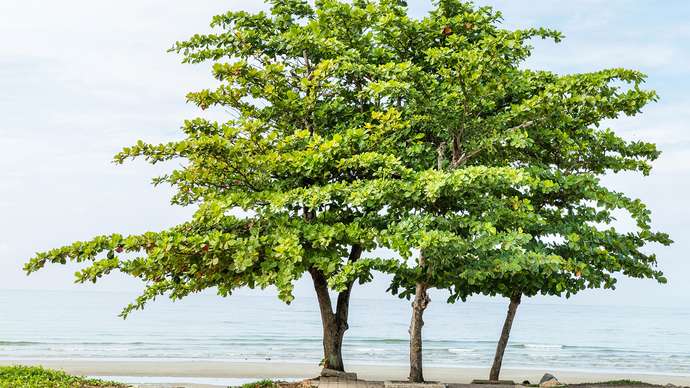
Incidentally, Terminalia is also a tree genus (upwards of 200 species) including the Terminalia catappa. Found in Madagascar, tropical and subtropical Asia and the Pacific (http://powo.science.kew.org/taxon/171034-1), the leaves are to be found at the very end – terminus – of the branches. Types of this tree (bark) are used in Ayurvedic medicine to treat heart conditions and diarrhoea.

Indian almond courtesy of https://www.britannica.com/plant/Terminalia-plant