Camino Francés – Foncebadon to Molinaseca to Pieros, Spain

12.11.16 – 13.11.16 Foncebadon to Molinaseca 19.5km; Molinaseca to Pieros 21.1km

dsc_1380.jpg

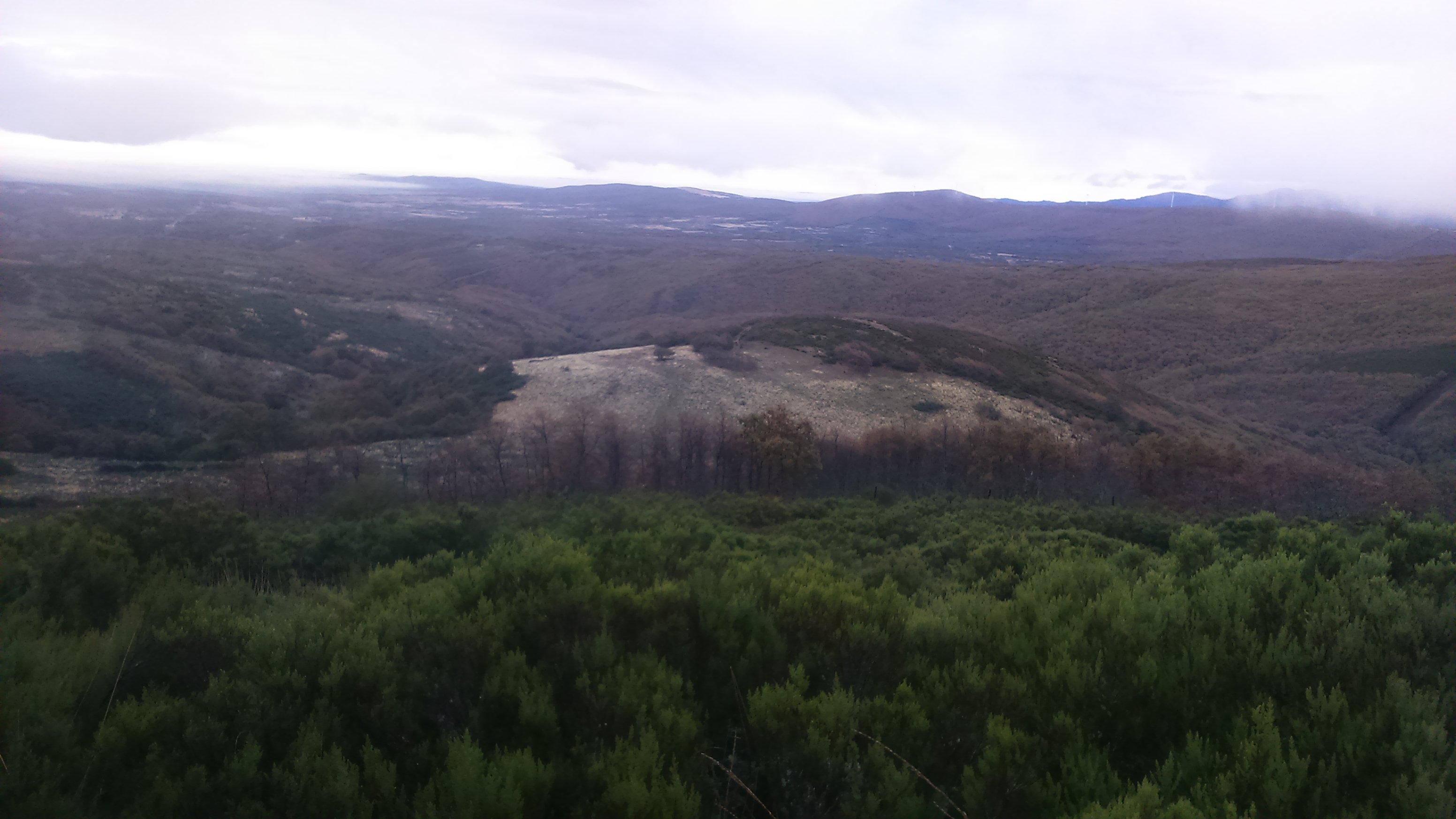
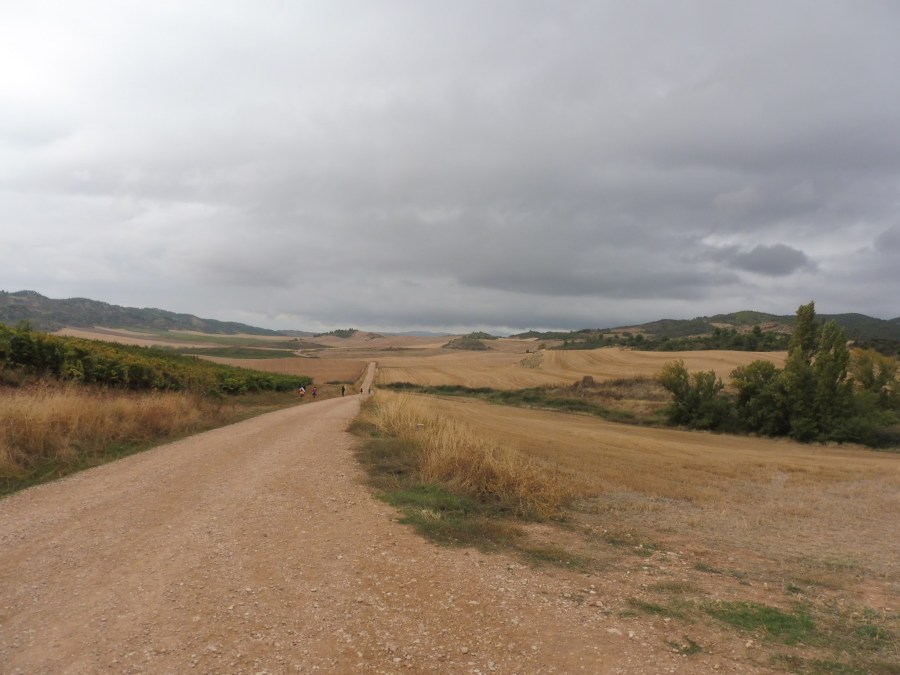
It was a cloudy start from Foncebadon this happy Saturday.

‘Daytime never starts with an act of will: it arises in unworried certainty. To walk in the early morning is to understand the strength of natural beginnings.’ (p.98).

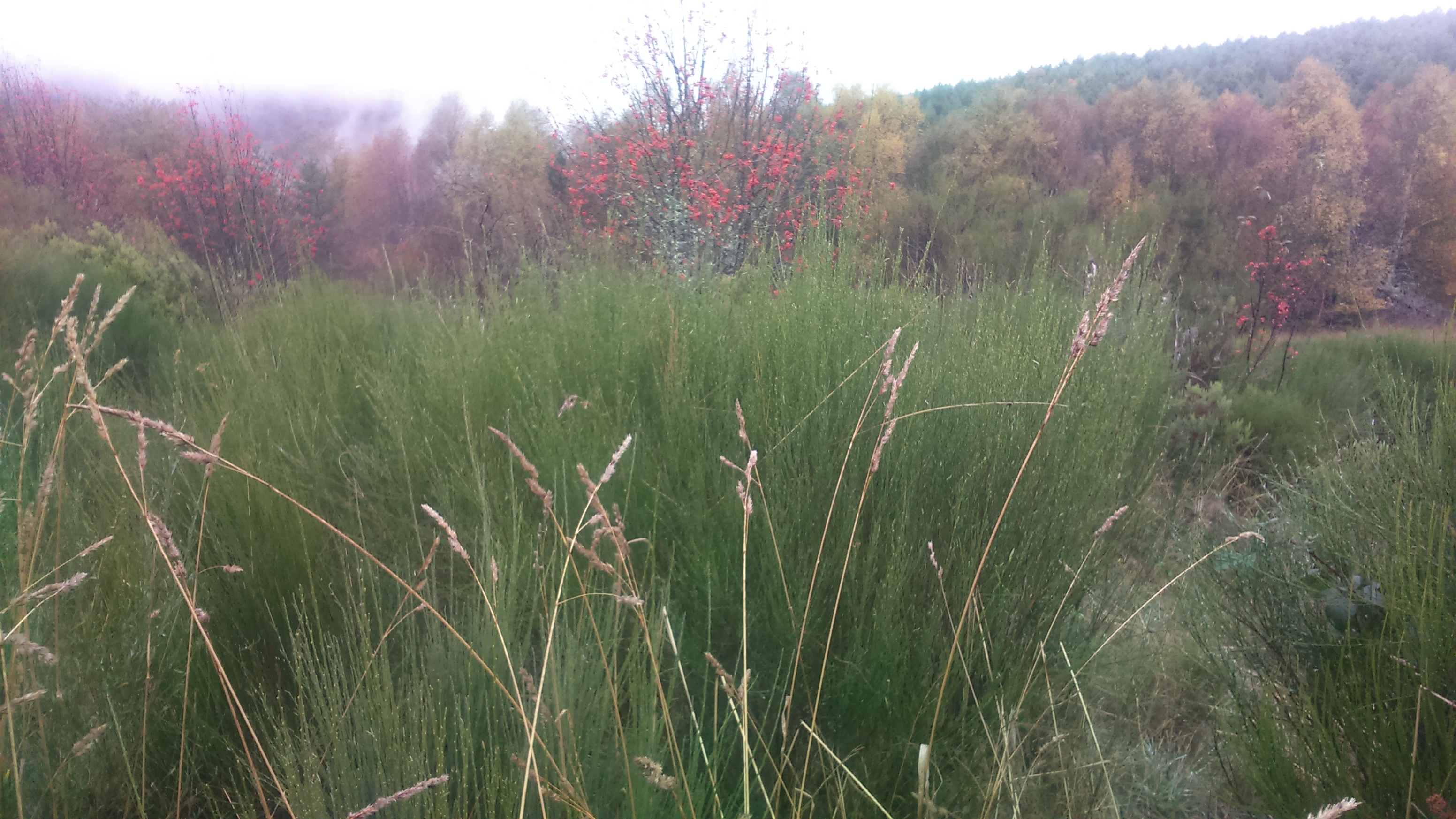
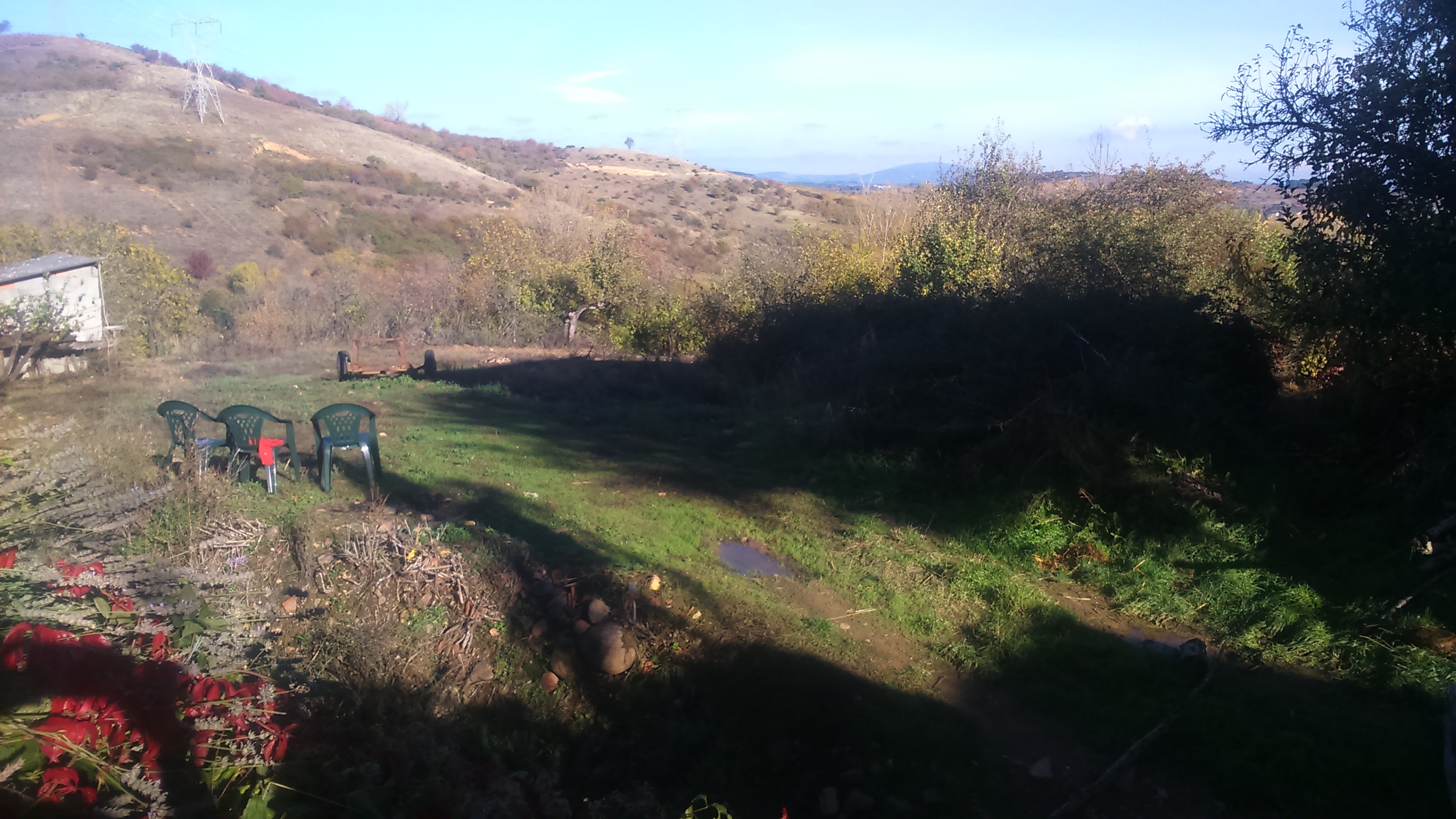
I relished in the green lushness after the rain, which highlighted the autumn reds and orange.

dsc_1381.jpg

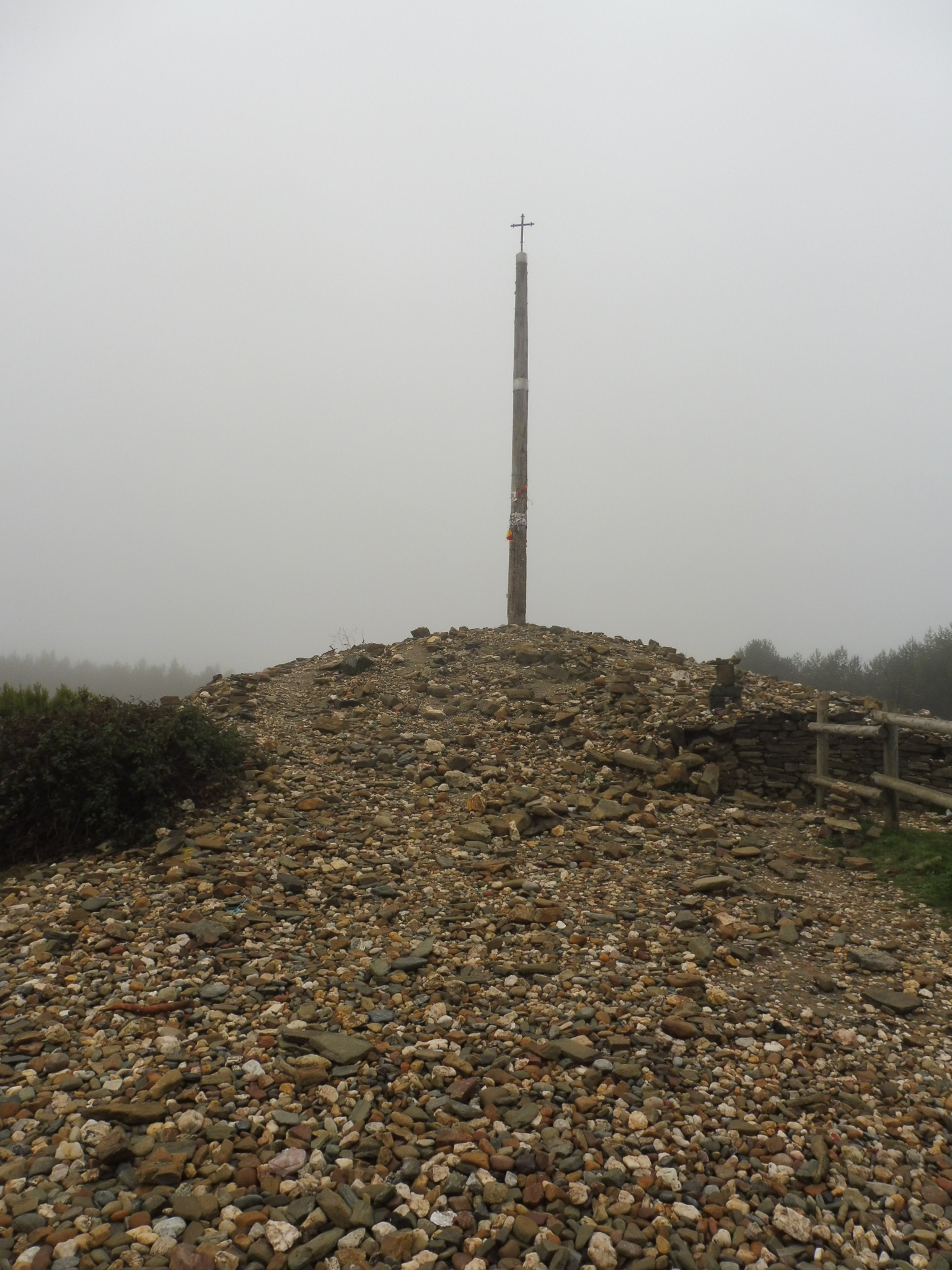
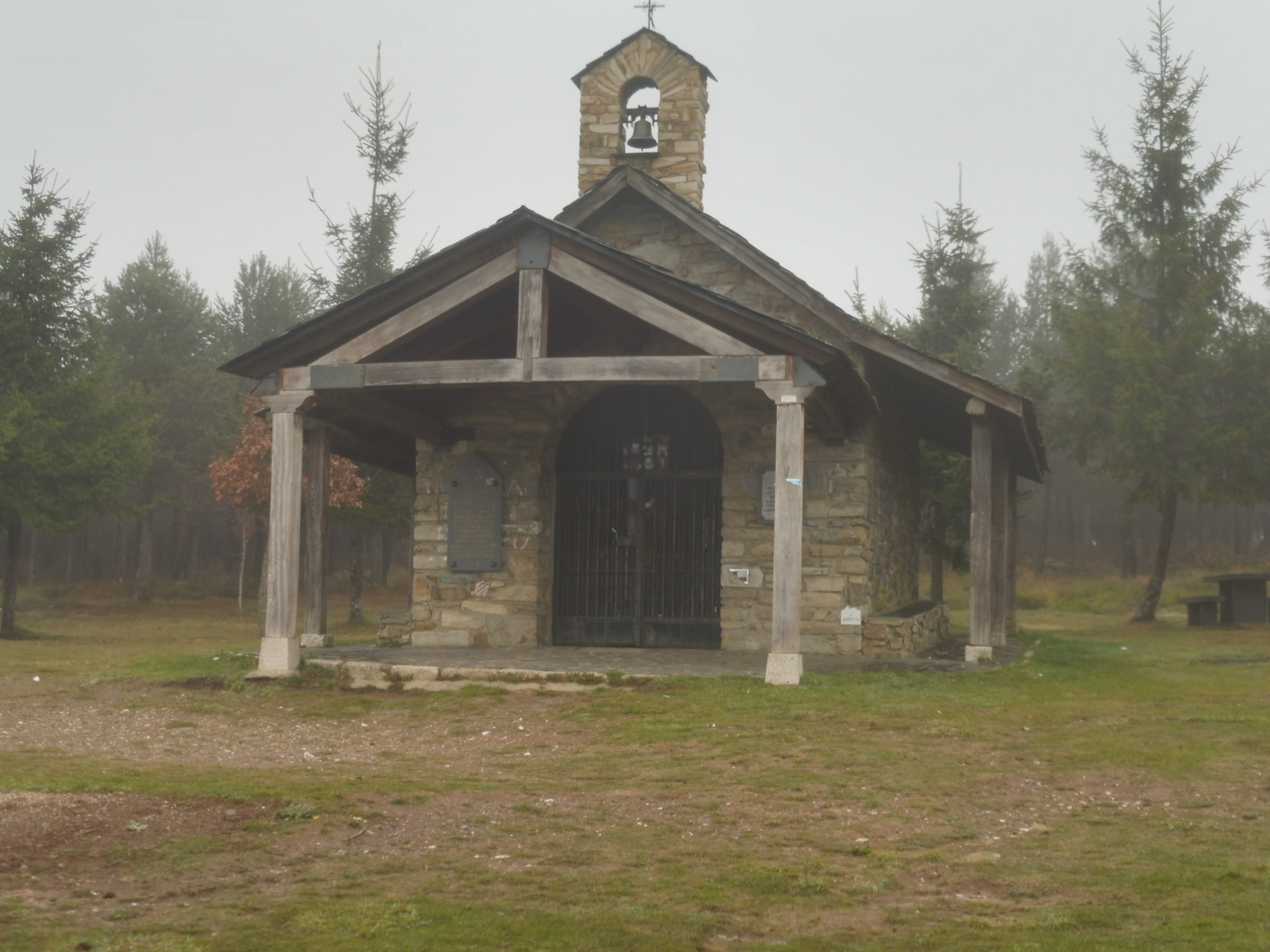
Cruz de Ferro (Hierro) is an important cross marking the highest point of the Camino Frances at 1517m, with its little chapel and enormous pile of meaningful stones, placed by pilgrims over the years. There are no public toilets along the path, and long gaps between bars (where you must buy something in order to use the facilities), so, sadly, there is always white paper behind these charming buildings.

camino-frances-1794
Cruz de Ferro
camino-frances-1795
The highest point of the Camino Frances. The altar could be glimpsed through the bars of the entrance.

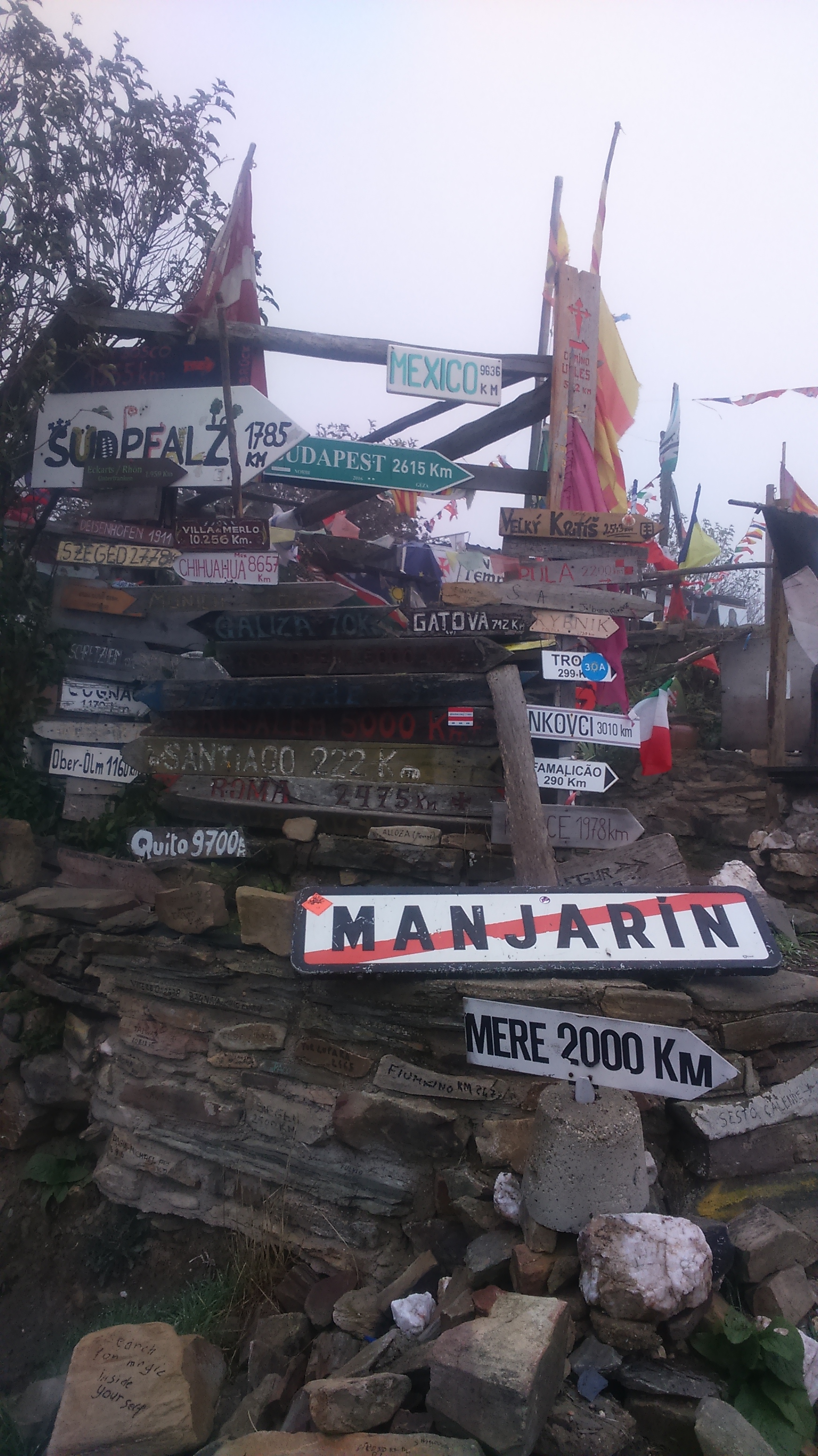
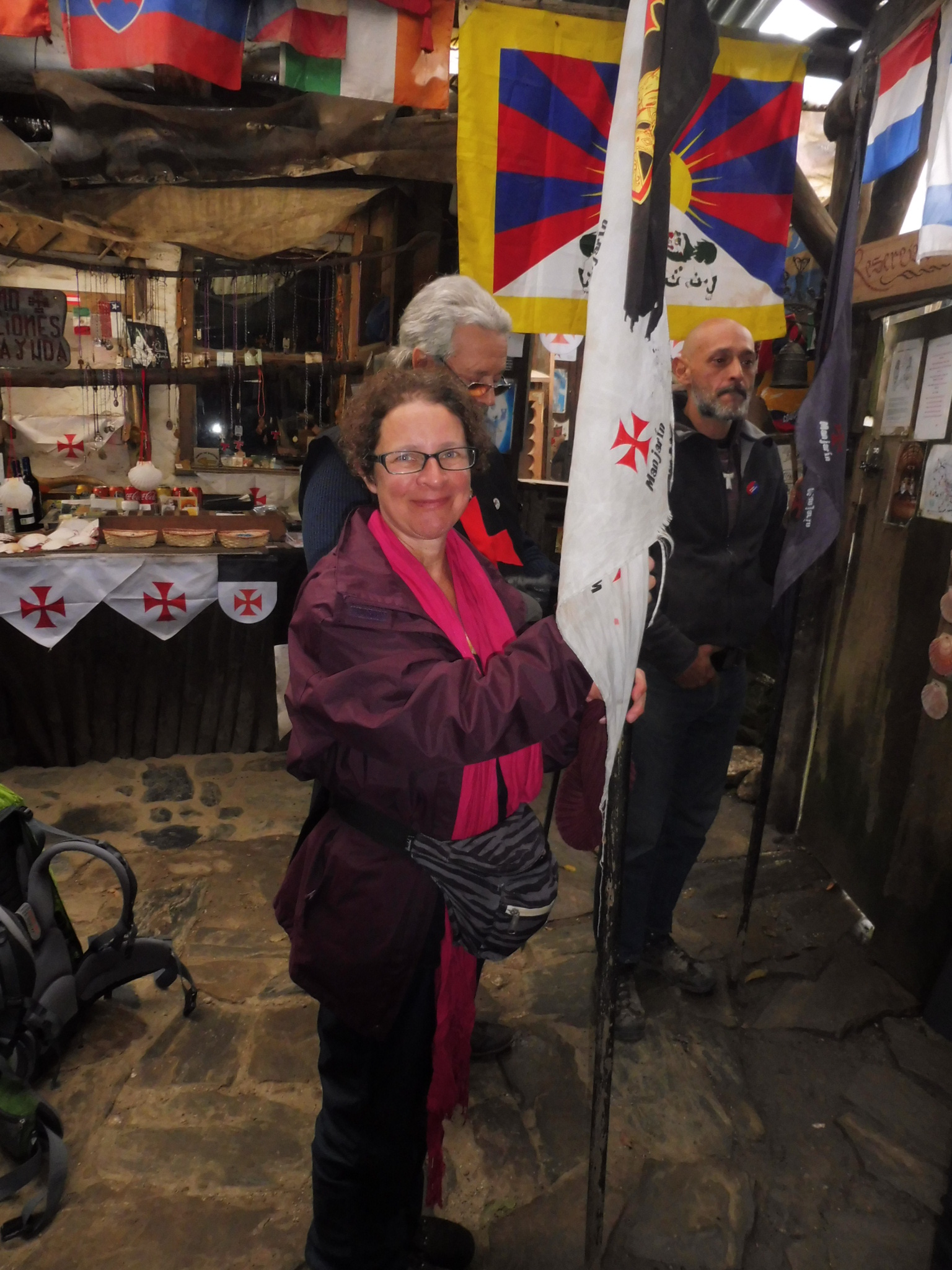
It was to be a smaller number of kilometers that day, but a steep ascent to Manjarin, with quite a surprising welcome when we arrived. In fact, quite one of the most unusual situations I have ever been in.

dsc_1383.jpg

dsc_1384.jpg

dsc_1385.jpg

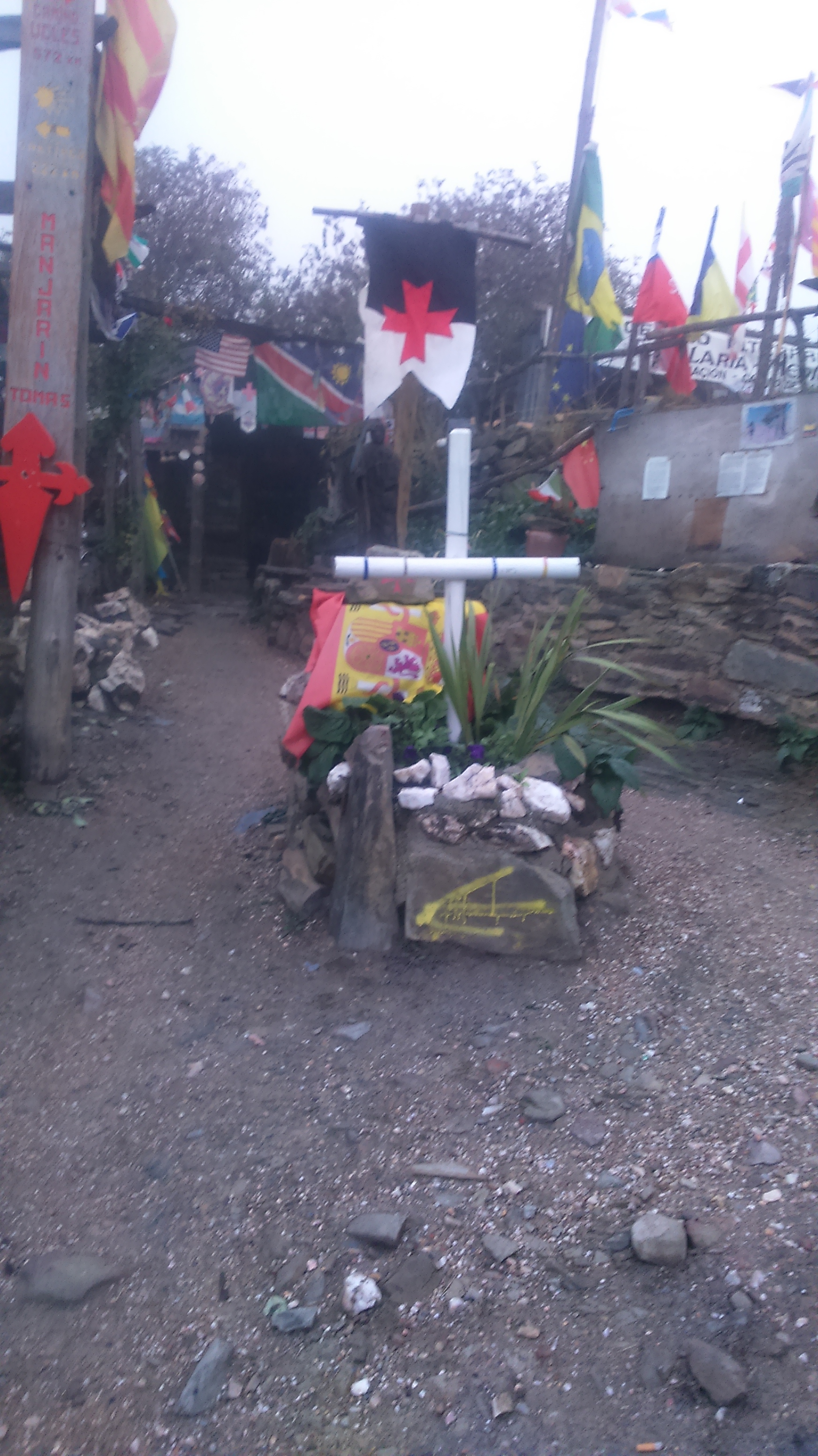
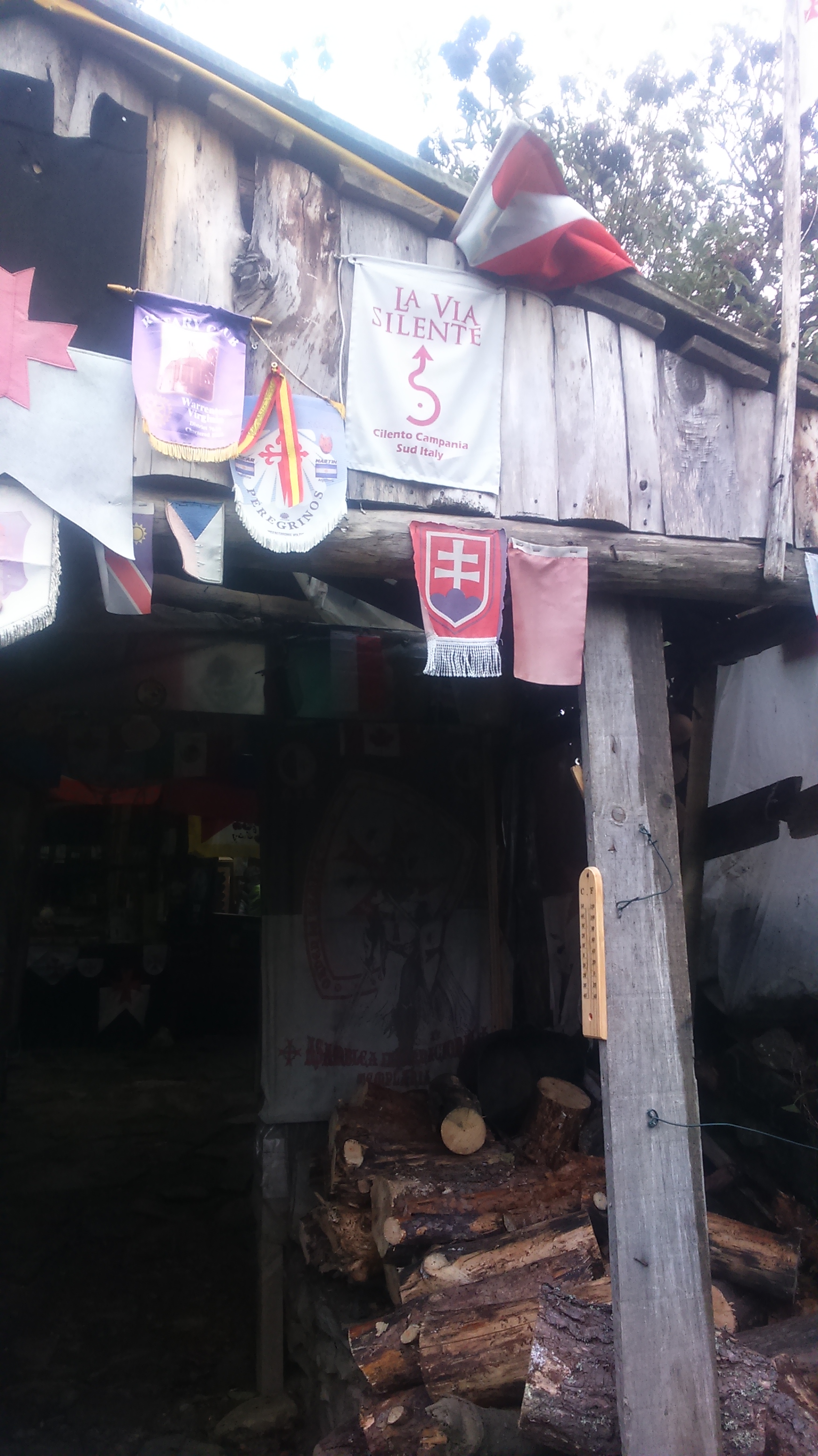
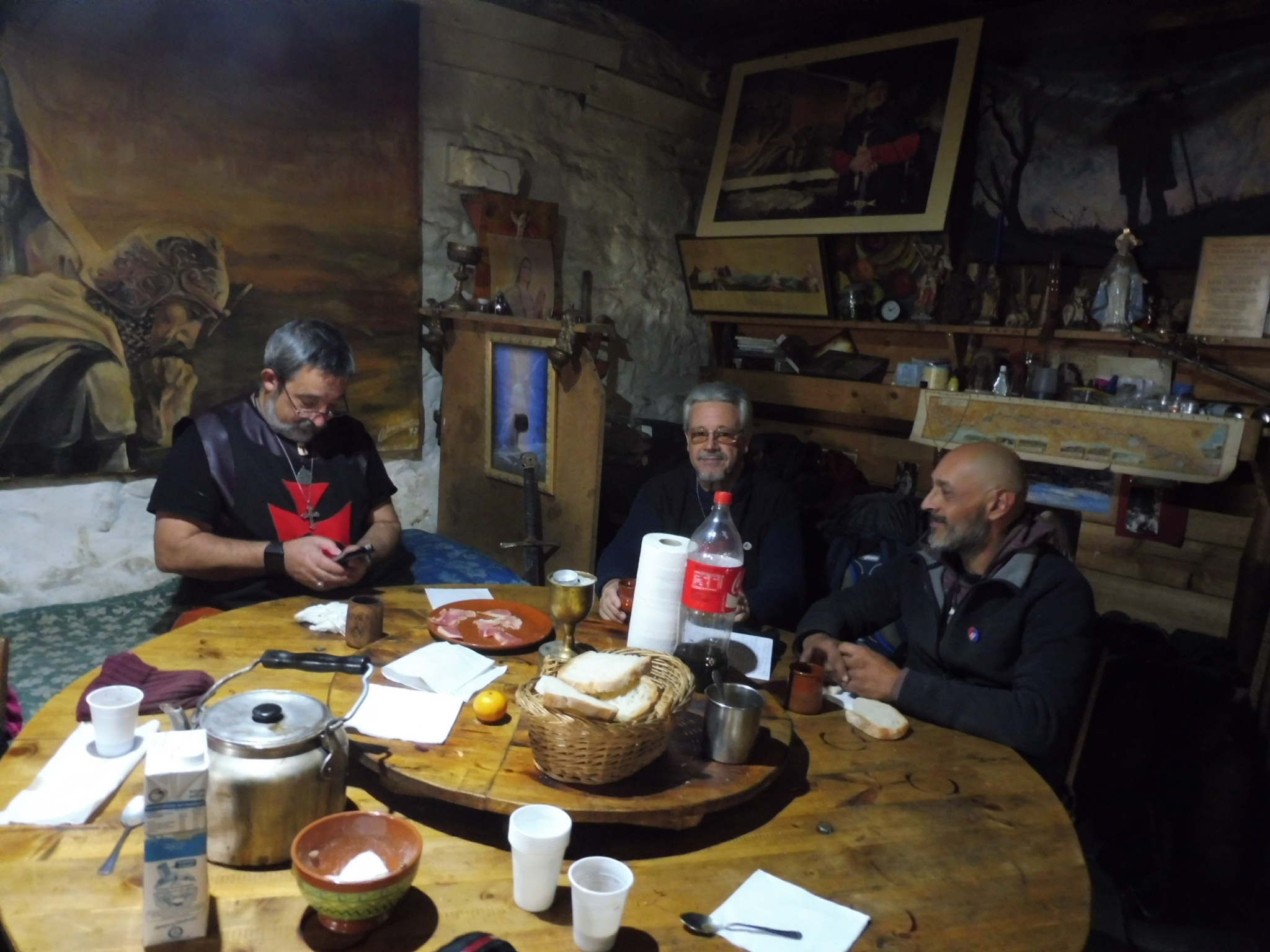
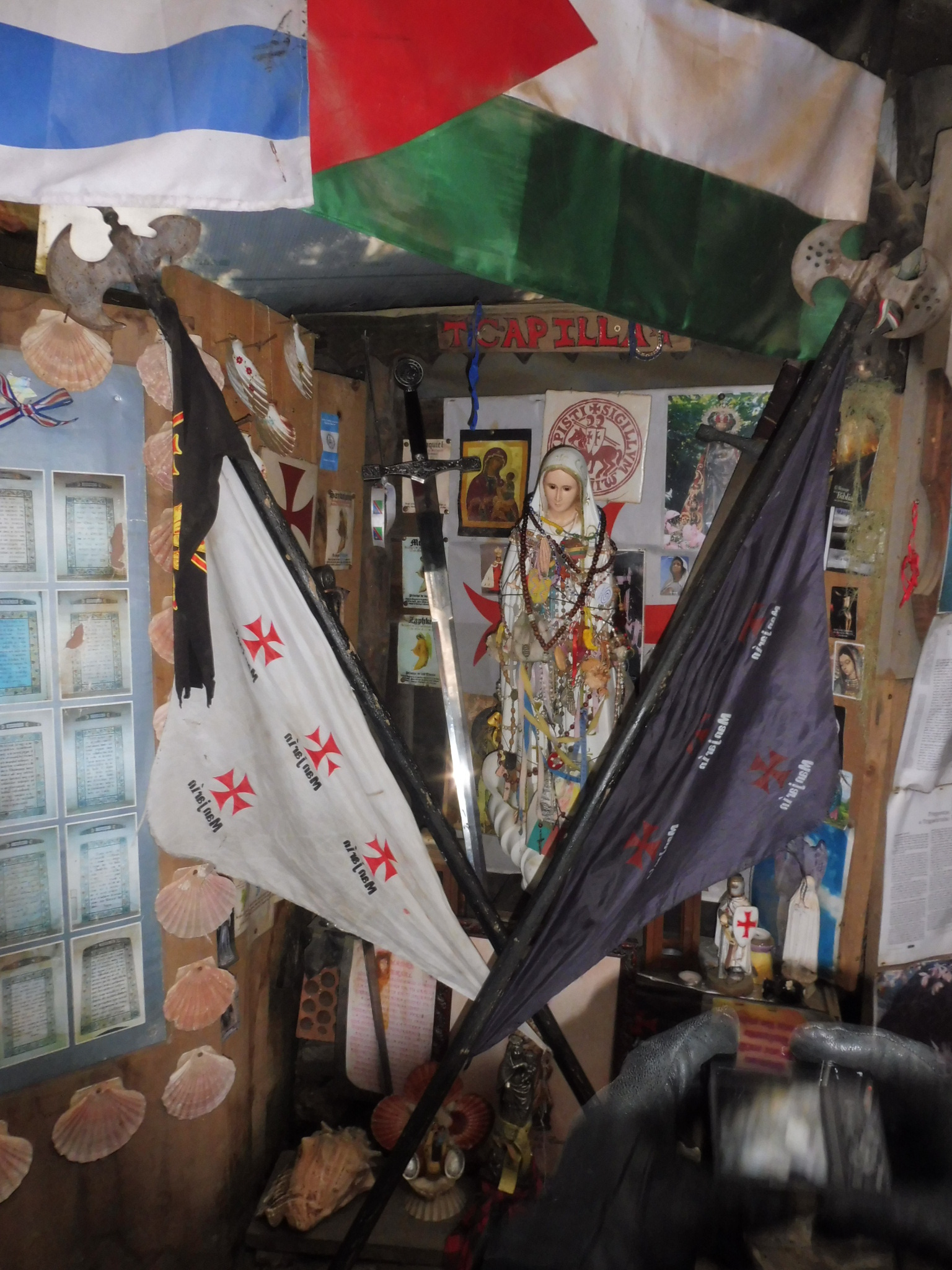
An (almost) abandoned village, Manjarin has one inhabitant, and his abode is decorated with insignia from all over the world, prayer flags, and messages in many languages. He welcomes walkers in to his warm ‘cave’. Leaving the light and moving into the dark, it’s initially impossible to see and there’s a musty scent. Then the passage opens out into a wide room, like something out of Robin Hood, with a rustic, bright fire and circular, wooden table, around which sit two men dressed as Knights with the red Templar cross on their tunics.

camino-frances-1807

We are offered, and I drink, for the first time in perhaps 25 years, a (caffeinated) coffee. There are snacks and as our eyes get accustomed to the dimness, there is plenty to see around the walls. We listen to their chatter as they incongruously show each other photos on their mobile phones.

On the way out, we are invited to join a ceremony at the altar containing a statue of the Virgin and lots of Camino shells, and I am given a flag to hold, while one man reads a moving prayer (in Spanish) for peace and harmony amongst all peoples.

camino-frances-1814

camino-frances-1815

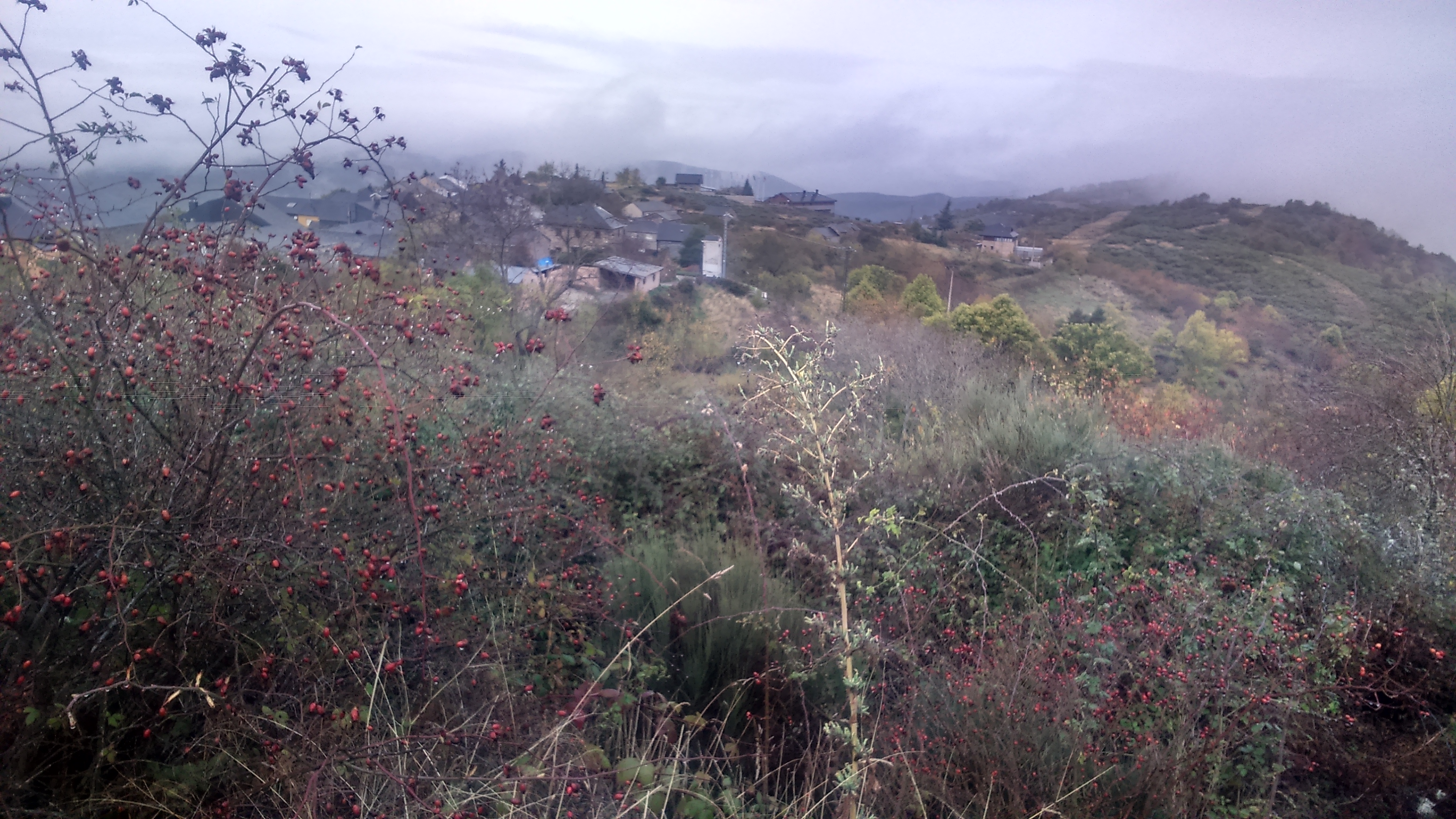
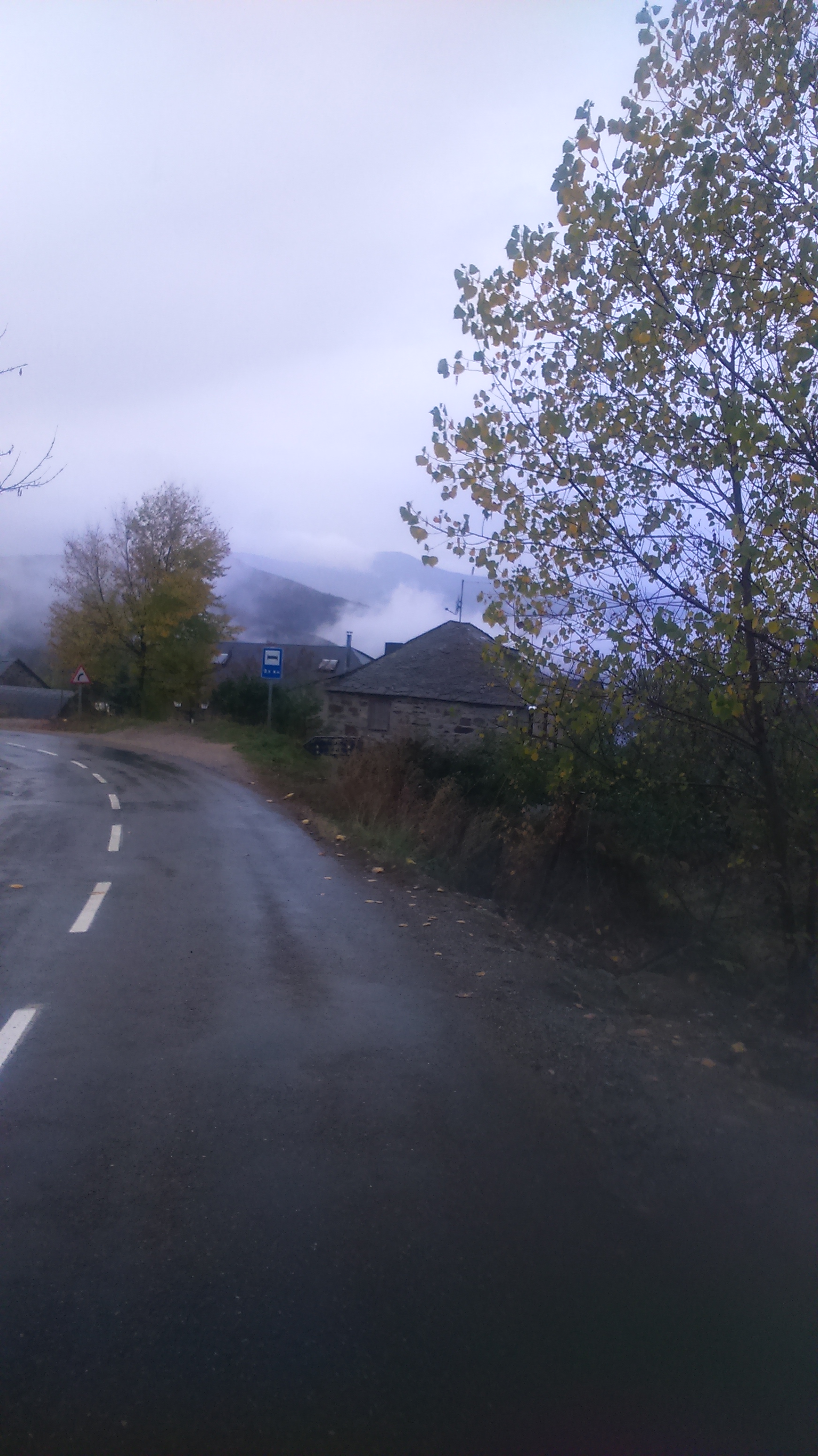
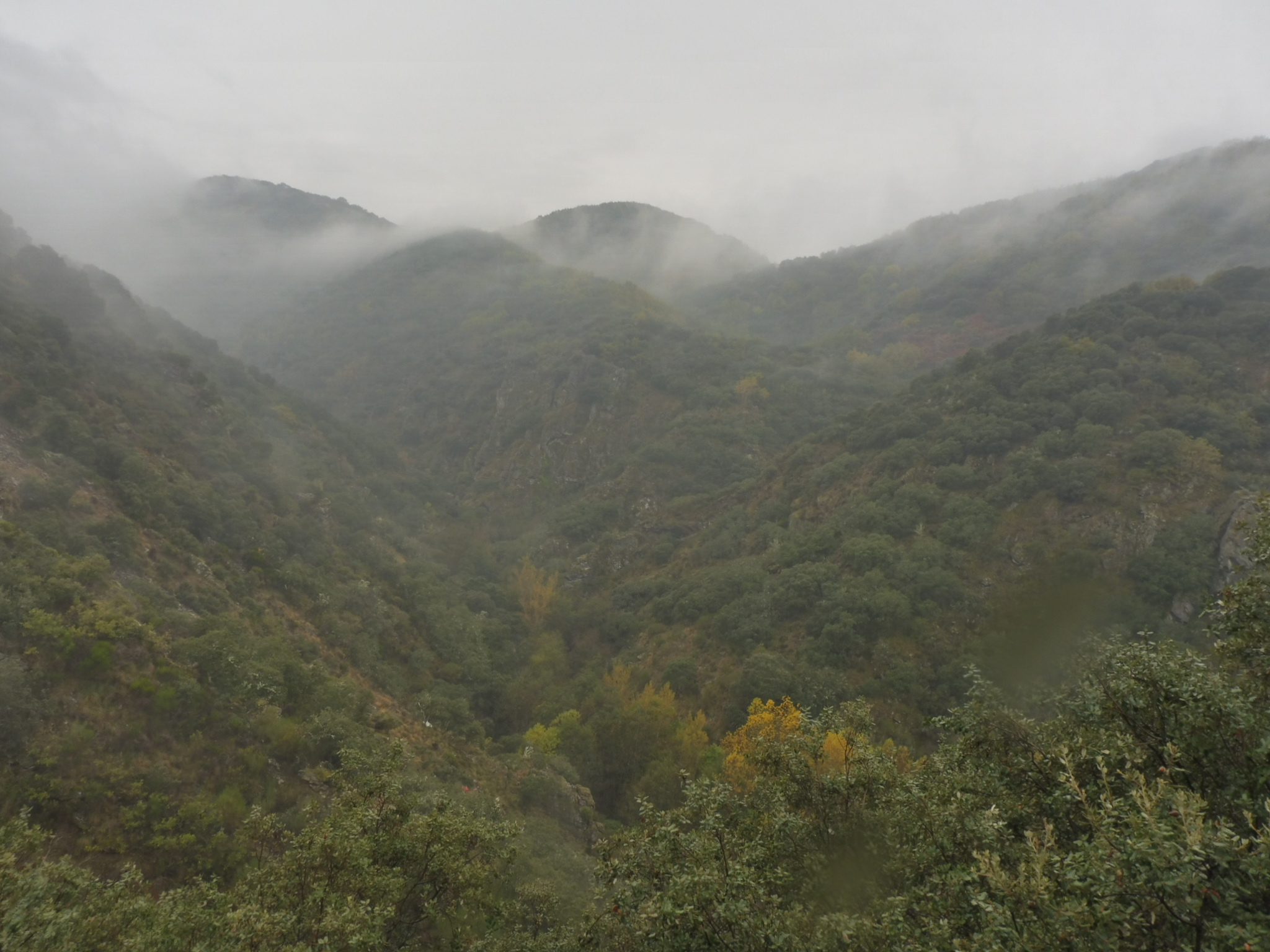
We descend almost 500m that afternoon, mist swirling around, with breath-taking views, through the mountain village of El Acebo de San Miguel (means, Saint Michael’s holly) in upper El Bierzo, and down to Molinaseca. I can smell the damp, decaying landscape, and feel the droplets on my face as I tramp. There’s the dry shush of copper leaves as I keep to the softer edges to avoid the tarmac. My feet have become so sensitised that I fancy I can feel each stone through my soles, but at least after all this time my feet have hardened and are blister-free. Most of the trees have lost their leaves at this altitude, although withered blackberries remain on the brambles.

dsc_1387.jpg

dsc_1389.jpg

There were trees with silver lichen and scarlet, rotund seed heads; and dry, beige grasses reminiscent of the Scottish hills. Village streets wound round stone dwellings with sturdy wooden balconies, seemingly deserted except for, here and there, washing hanging out to dry in the grey day. Even without the sun, the wooded slopes of the valleys were spectacular as the clouds hung among them.

camino-frances-1829

Molinaseca has a comparatively large population of  800, surprising after the day’s rural walk, with it’s handsome church and bridge, and where we stayed at the municipal dormitory as usual, with its bunks, wooden floor and steel beams.

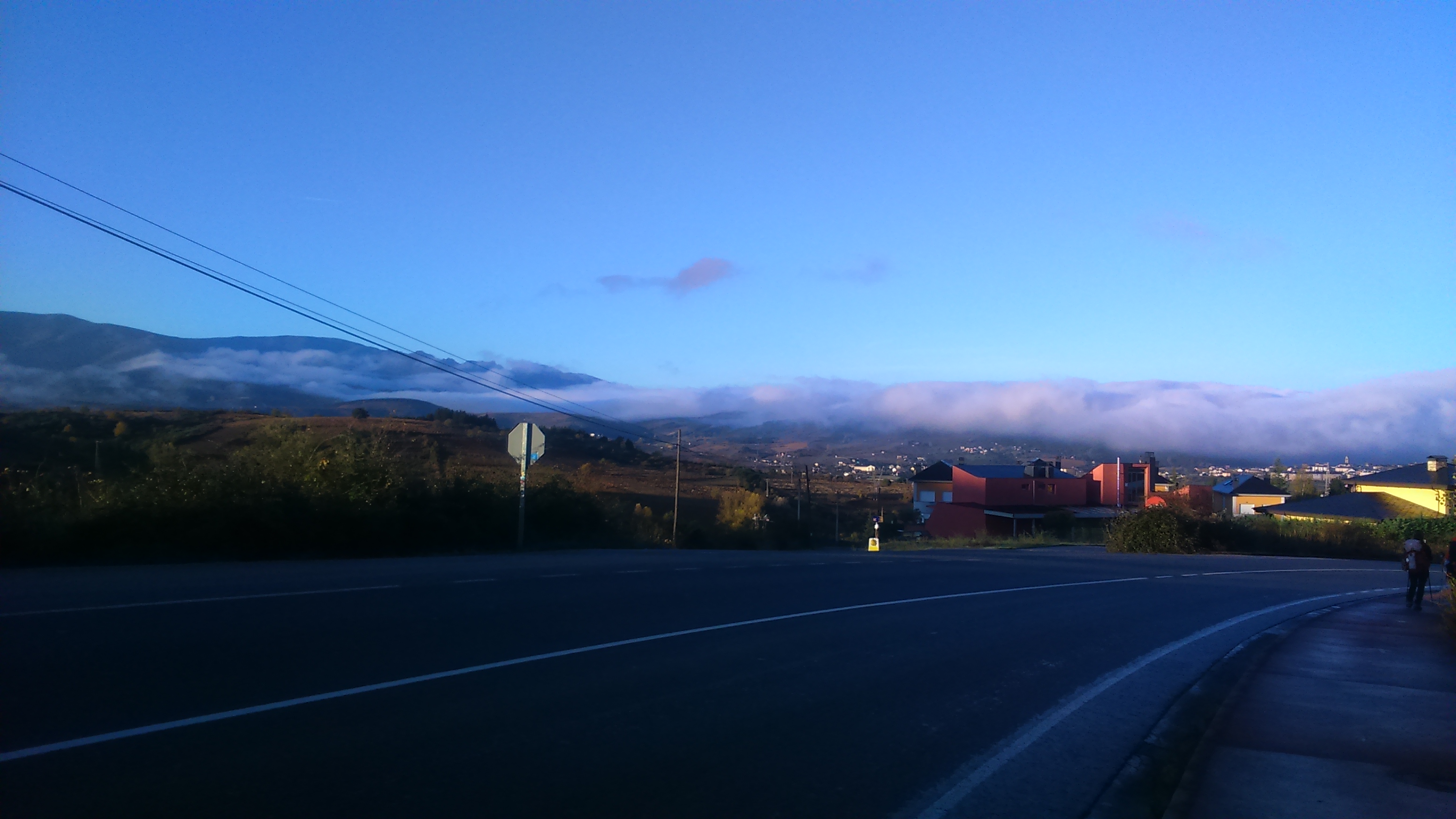
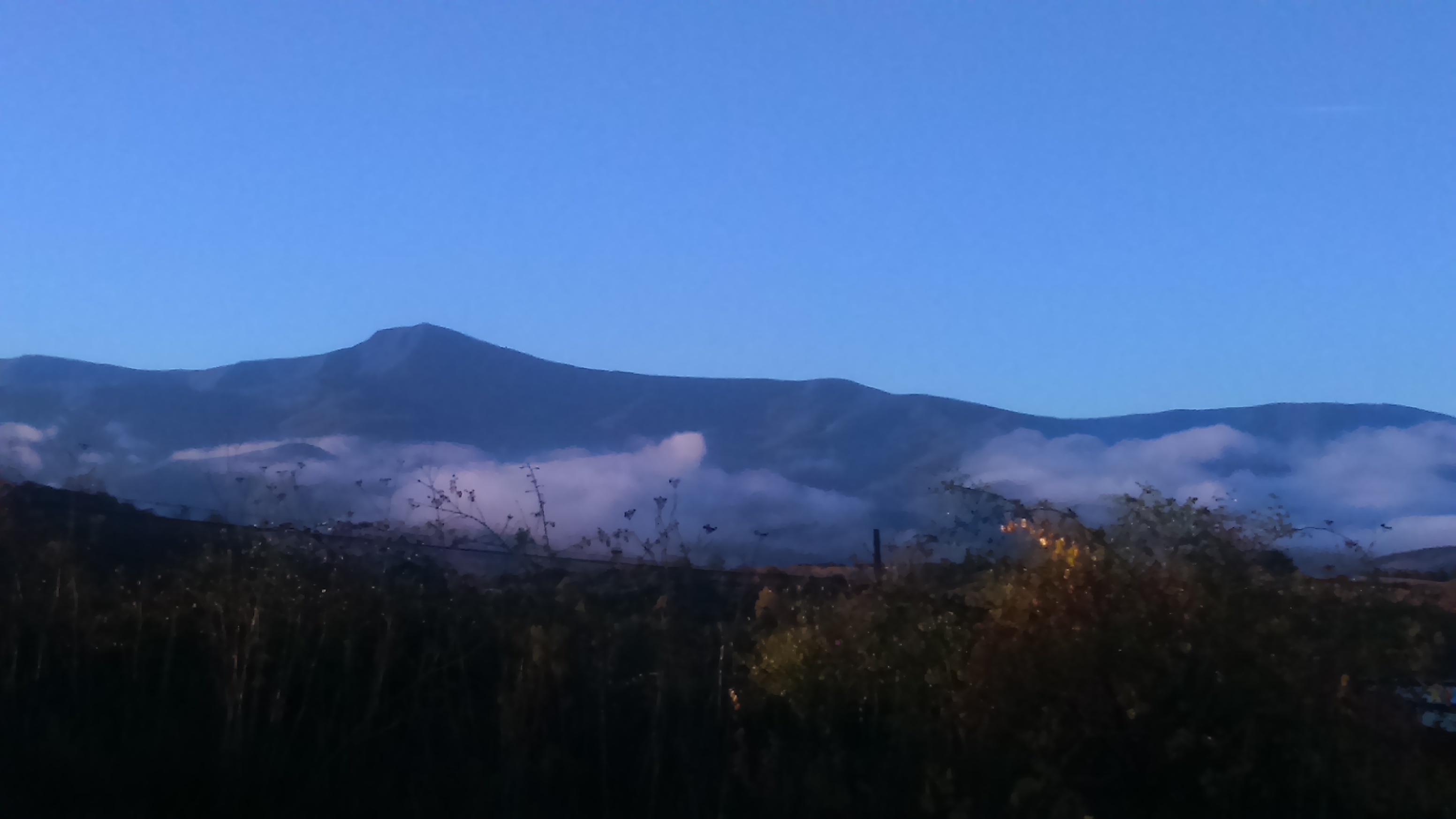
The sky cleared as we slept, revealing a blue morning.

dsc_1391.jpg

dsc_1392.jpg

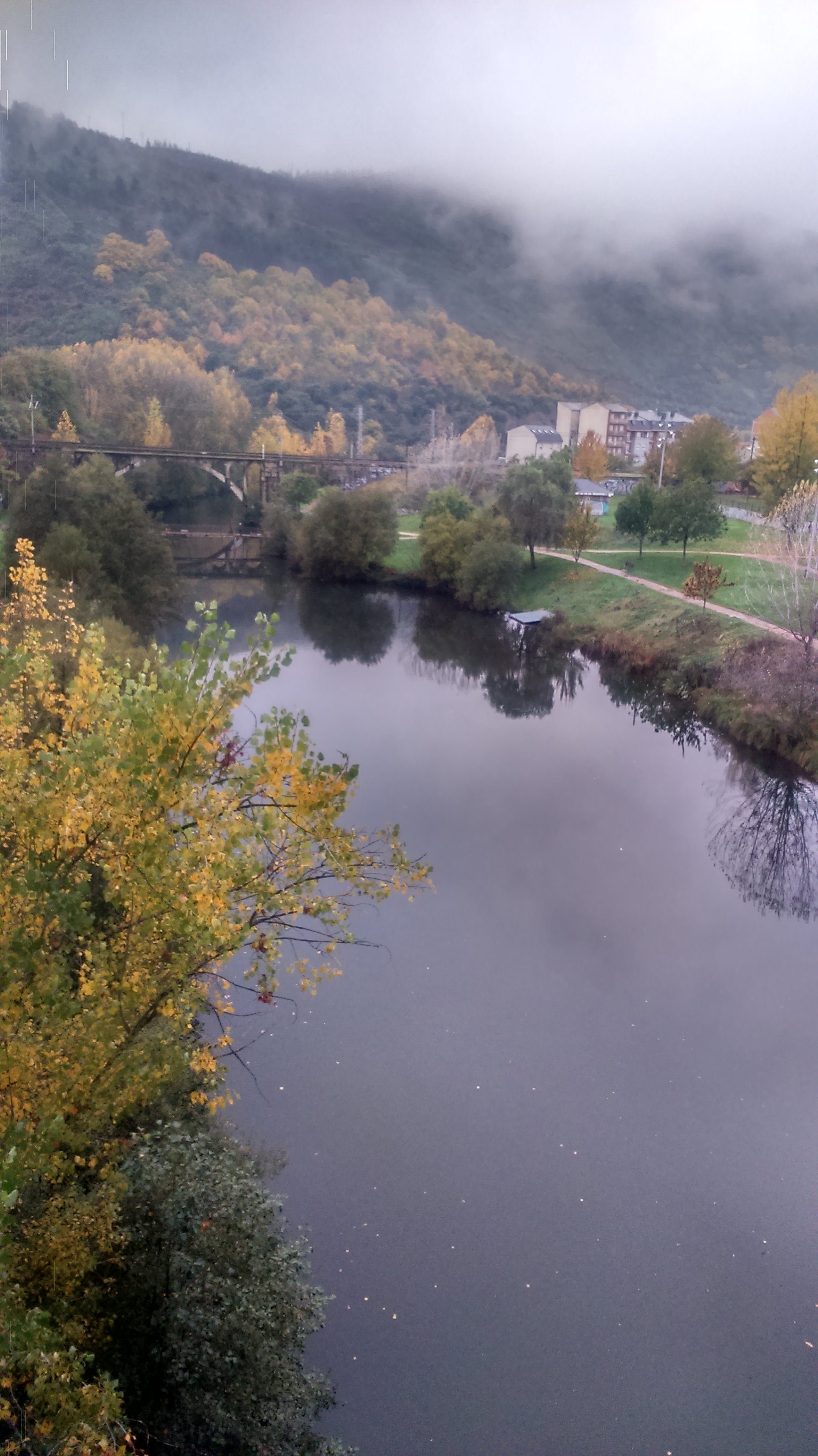
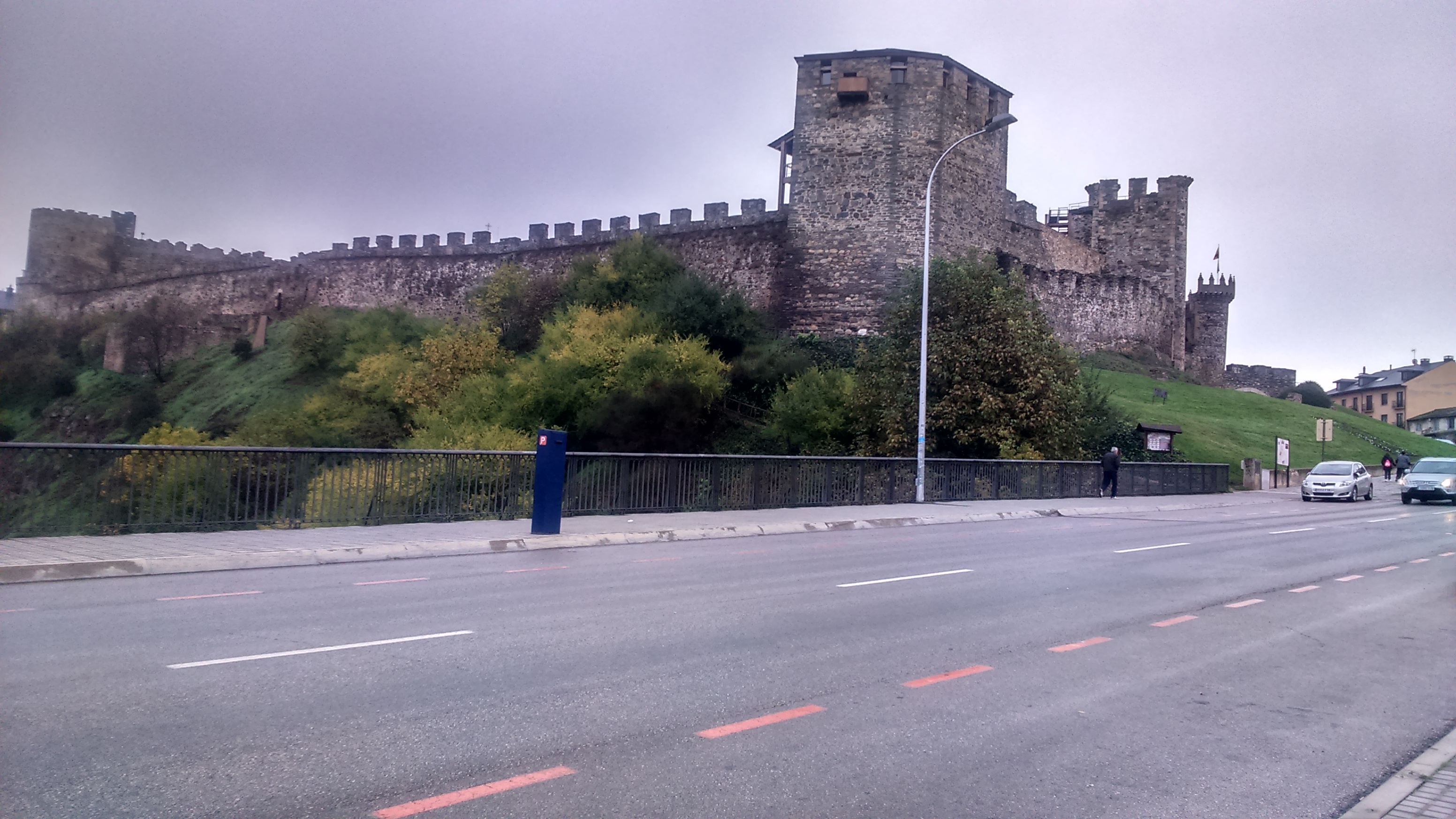
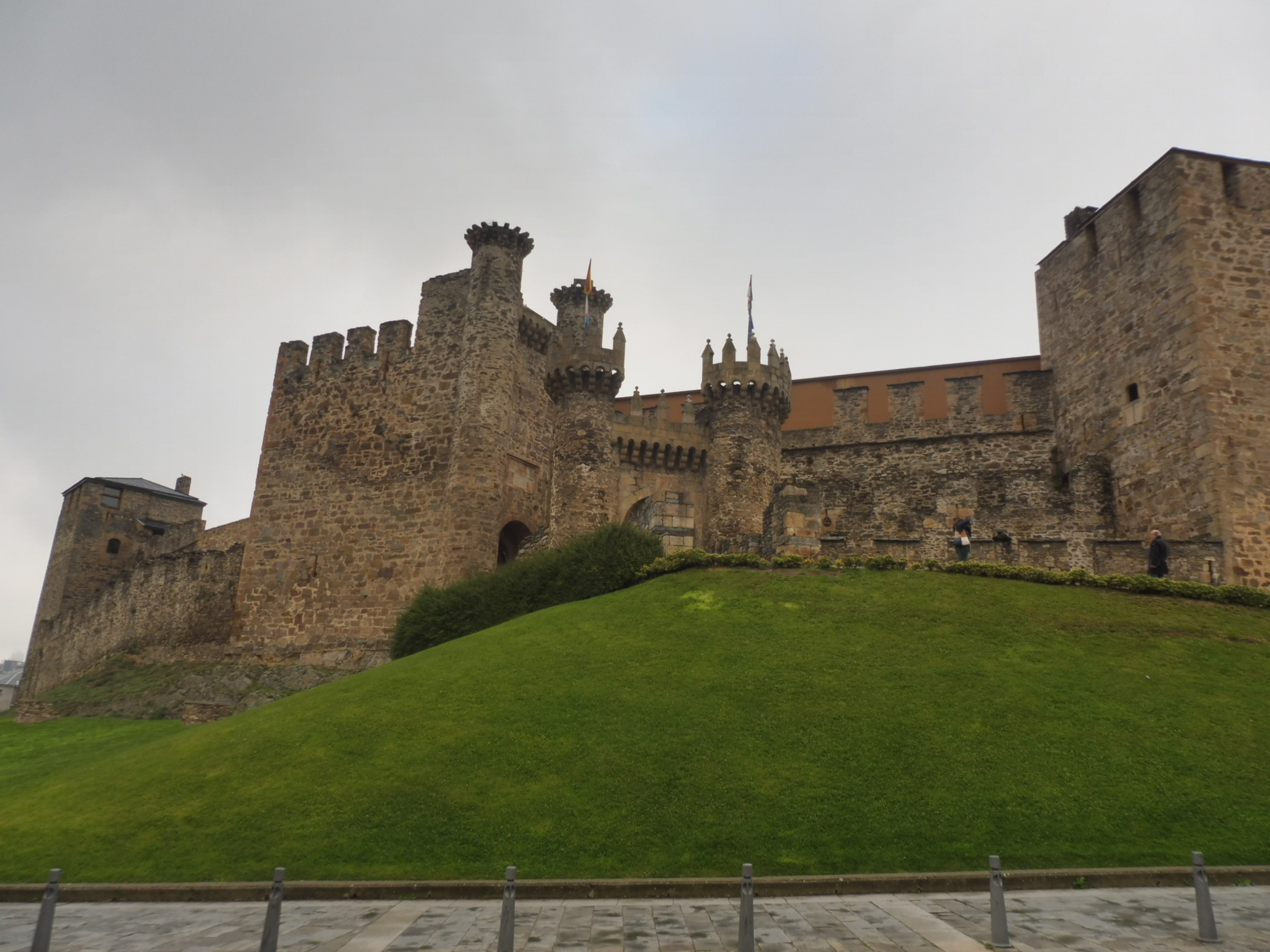
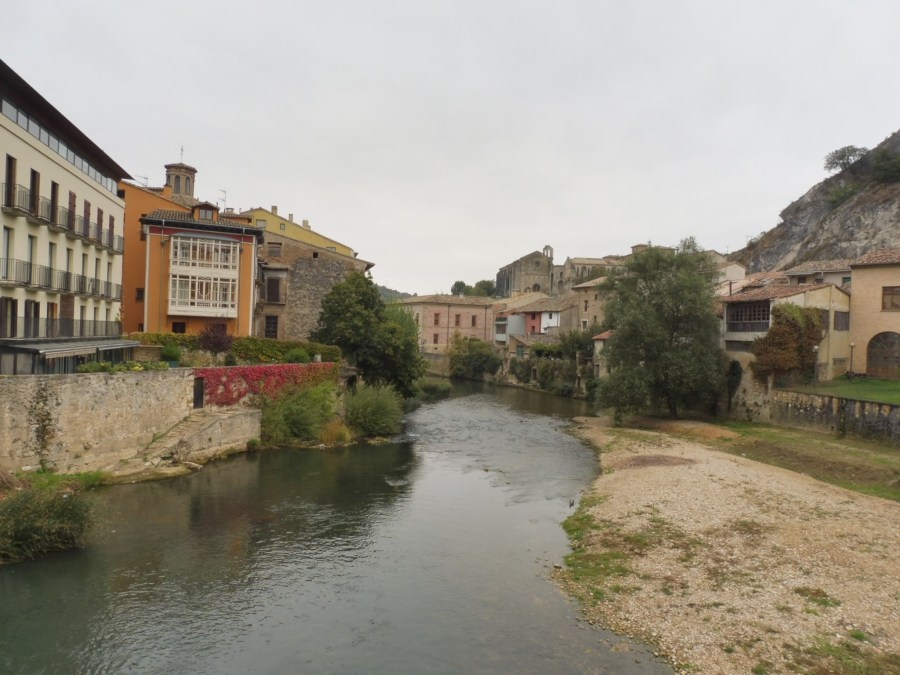
And an hour later we entered Ponferada, on the river Sil, with its imposing monastery, castellated and turreted. It’s the official end of the Camino Frances and the start of the Camino Santiago, but you would not know that as you walked through.

dsc_1393.jpg

dsc_1396.jpg

camino-frances-1837

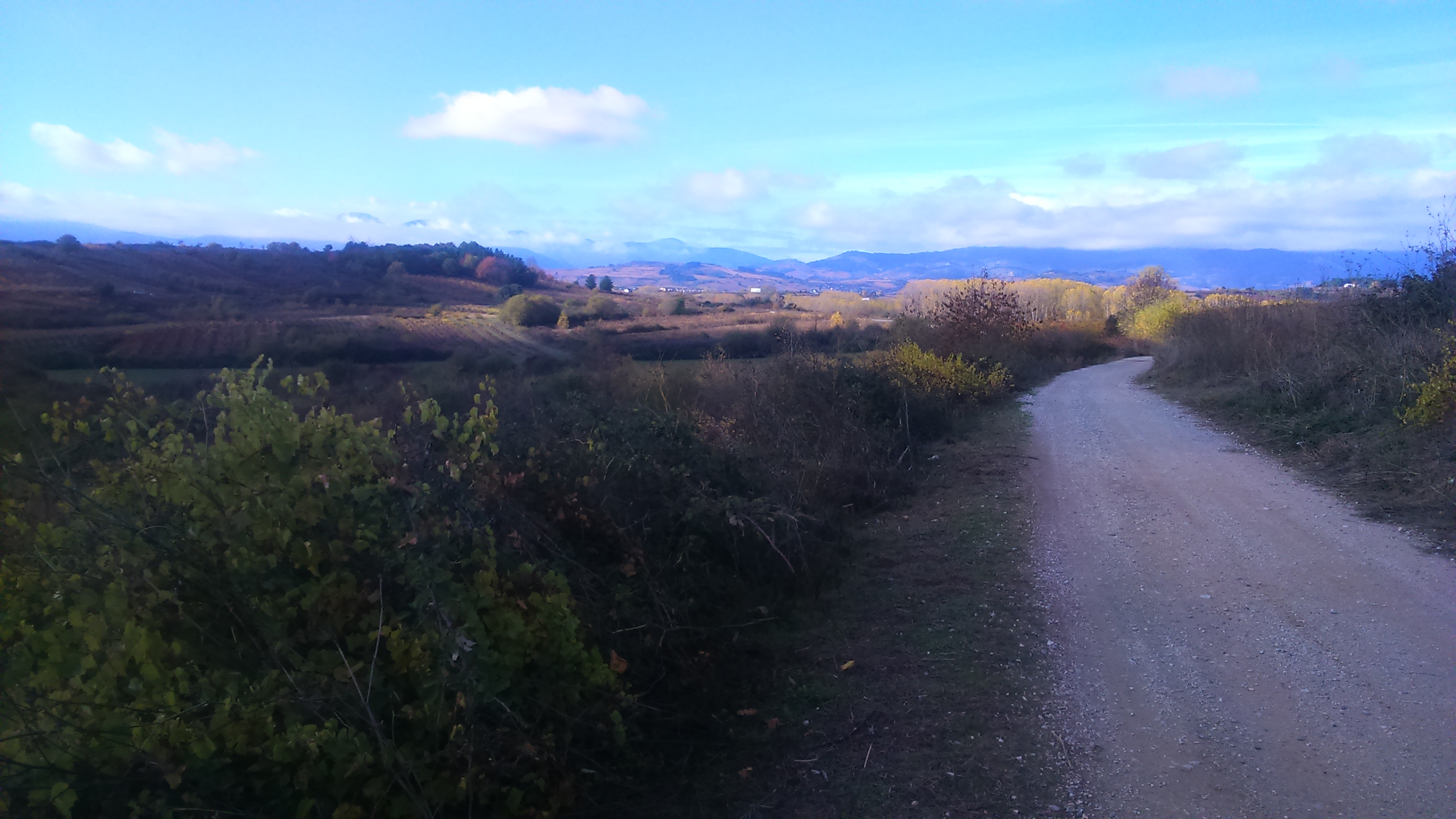
The road continued through yellow glades, over ancient stone bridges, and past single storey, white stone, one-room buildings with dark grey slate rooves. There were more cranes nests on top of council-erected poles, and ‘authentic’ murals showing monks and pilgrims striding out. The path widened and flattened, and the mountains were once again in the distance. We passed through Cacabelos without stopping, the end of the day’s trek now nearby, and up another very steep incline, to Pieros.

dsc_1397.jpg

This tiny hostel Casa Sol y Luna was an alternative to the norm, with it’s meditation room upstairs and cosy dining room down. The hospitalier was most attentive, drying my knickers in front of the stove, and accompanying me to see the massive harvest moon I had seen heralded on Facebook  (but impossible to photograph with a mere phone camera)!

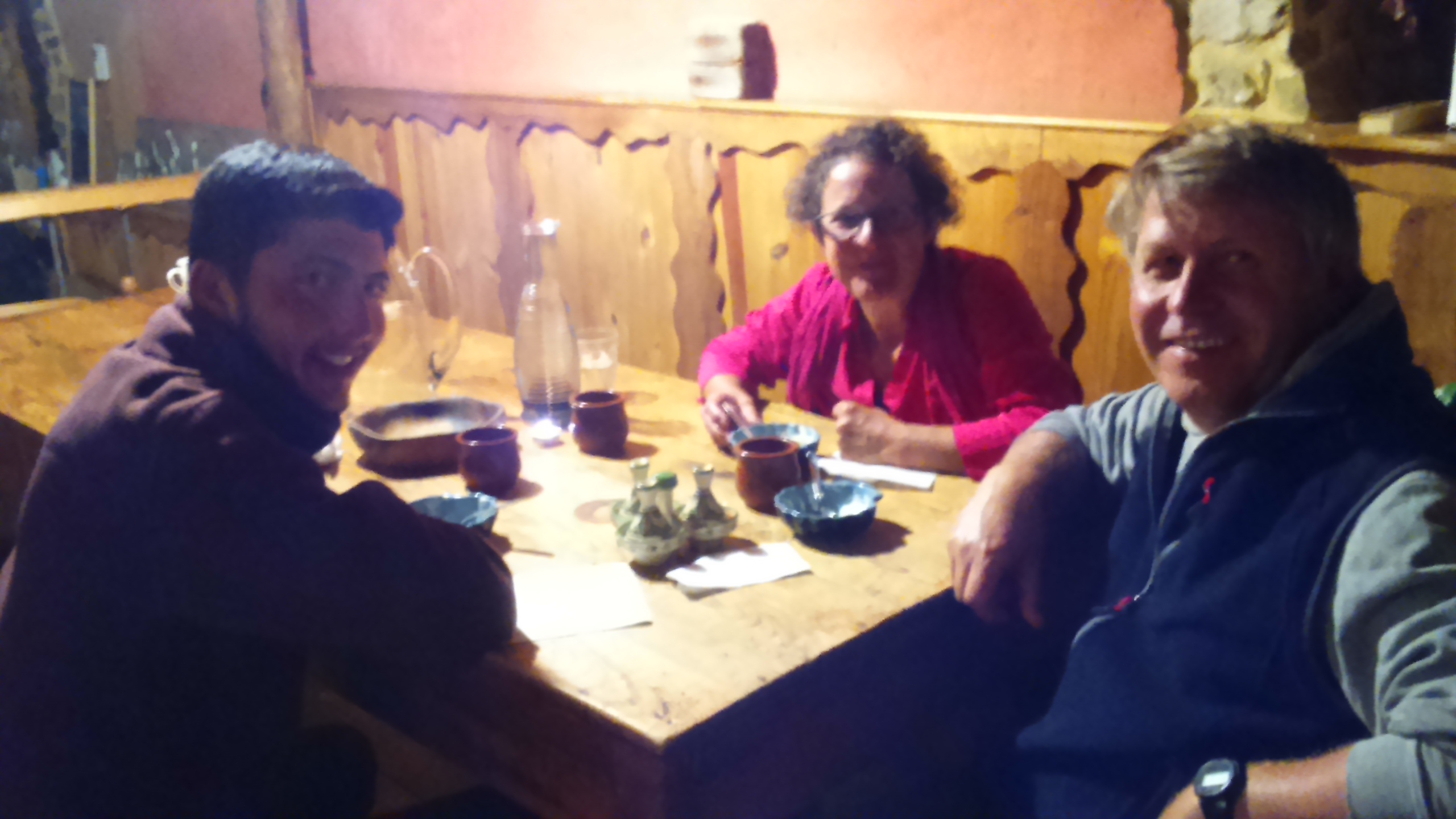
The walls of the small dorm were like outdoors indoors, where you can see the grouting between the stones. We spent time gossiping over which enthusiastic youths lived here, who was sleeping with whom (was she creeping off in the middle of the night to avoid the snoring, or for a tryst with the lascivious gentleman?), and I translated the gushing messages in the visitor’s book for the owner (all about stars and angels – it was that kind of place). We had a delicious vegan meal with wine in situ as it was a Sunday (no shops open), and there was much warmth, song and laughter at the table that night.

dsc_0057.jpg

dsc_1400.jpg
Hostal Casa Sol y Luna, Pieros. View from the garden.

All quotes taken from A Philosophy of Walking by Frédéric Gros.

Thanks to Alain for taking beautiful photos.

A fellow walker’s blog

Walking without a donkey 9: Camino Francés 

Day 1 – 21 October 2016

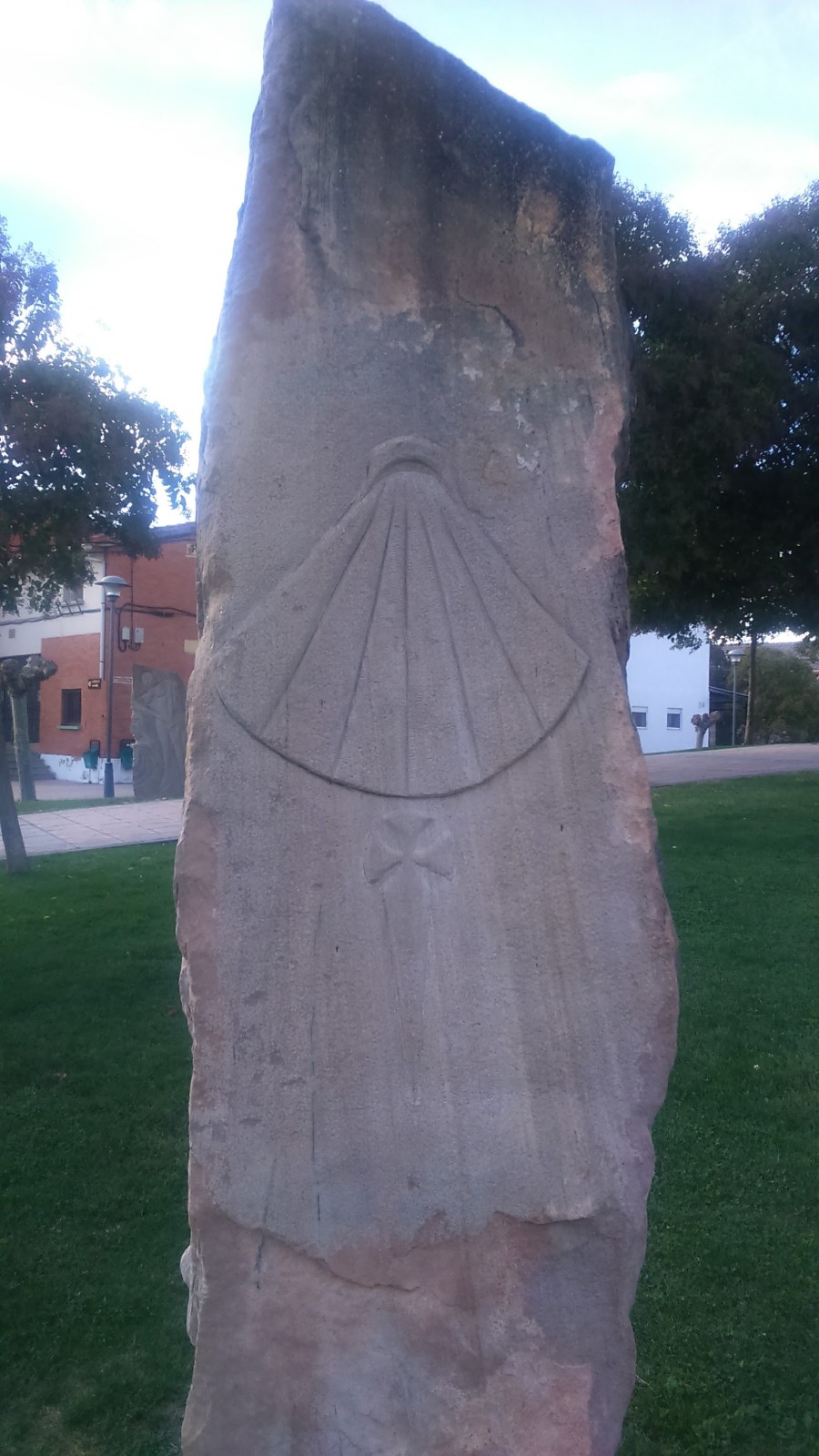
The famous shell, symbol of the Camino, the Way, which runs from St. Jean Pied-de-Port in France to Santiago de Compostella in north western Spain, with an optional extra wander to Finnistere.

I could have started at the beginning and walked straight through to the end. After all I had the time, but it took a while for the fear that I wouldn’t manage the miles, and the weight of my rucksack, to be assailed. So I did some practices, left a lot of stuff with the delightful Carmen (Shiatsu practitioner) in Pamplona, travelled close to Uterga by bus, and began to walk from there.

I begin! 2pm Legarda.
I walked to Muruzabal, all the way worrying, and then reassuring myself, that I would be ok, even though I didn’t know what was ahead. I was grateful that I had been practicing that for a while. The inevitable wrong turns reminded me of my habit of going back into the house a few times before leaving proper.

As I cross the first main road and cars zoom by, I am realise that I started my Spanish adventures on a boat, which is so much slower than going by air, and now I am taking an hour to get somewhere I could get to by car in a few minutes. I like it – that’s what I came here for!

Santa Maria de Eunate is perfectly blended into the landscape. It’s scorching hot and I was mighty glad to take my backpack off.

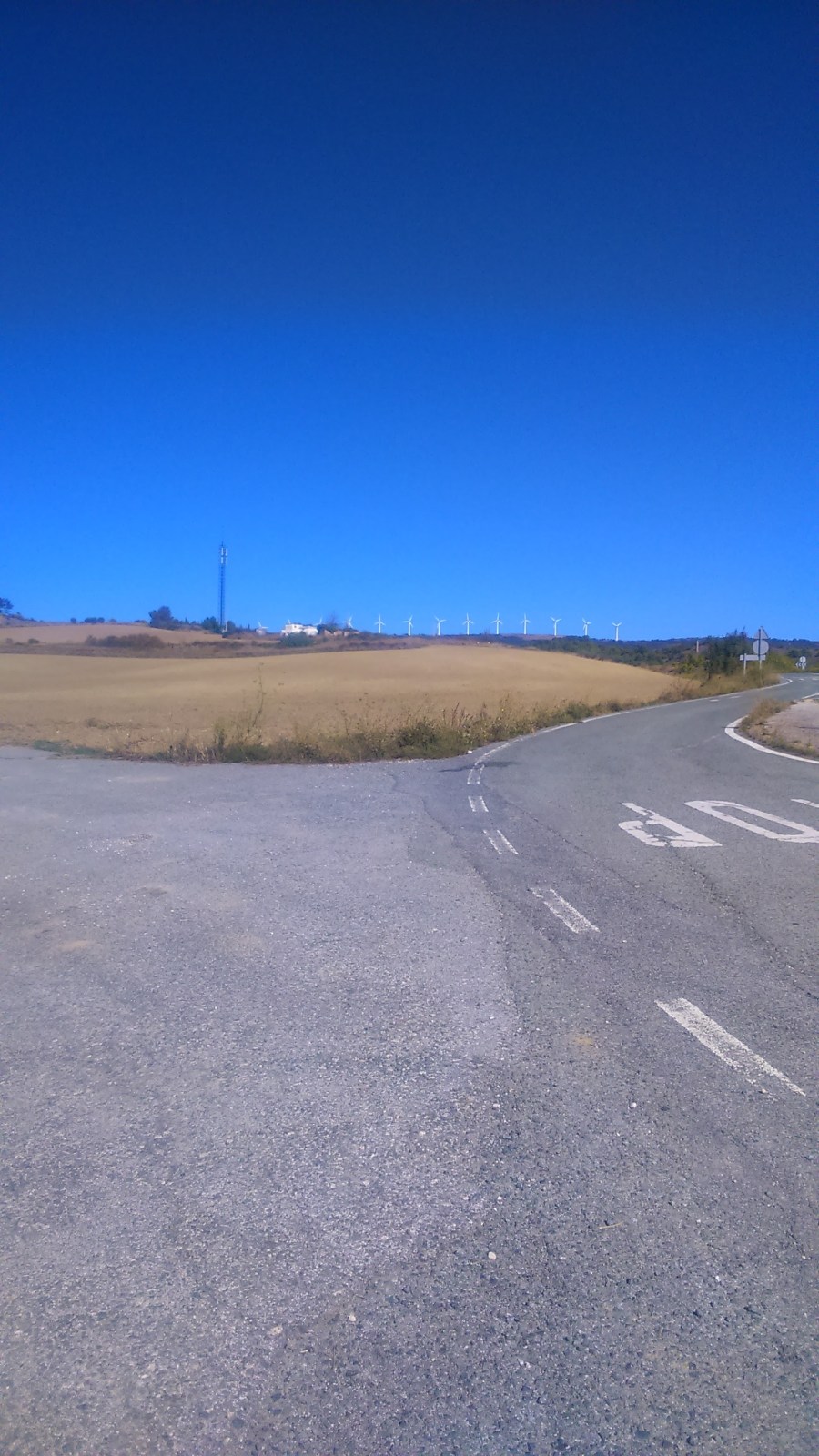
I walk through olive groves, past almond trees, alongside acres of gleaming red peppers, and by slopes of maize. There are villages with their church spires on little hills in the distance, white wind turbines along the high edges between sky and forest, and fennel growing everywhere. The first taste of its seeds is of sweet aniseed, then green juiciness in my mouth, and finally the strong essential oil perforates my sinuses.

The end of summer leaves the routes bleached, with muted colours of brown, yellow and dusty green against the strong blue sky.

I have of course internalised the donkey, and am starting to get used to the best way of tightening the straps of my rucksack and relieving back strain. Several little bubbles of happiness move from my centre (Hara in Shiatsu) upwards, a signal that I’m doing the right thing.

I arrive in Puente la Reina, the monastery hostel for peregrinos (the name for people who walk the Camino) at 5pm, and pay 5€ for a dormitory bed. I shop and cook alongside the others, and before I know it I am giving foot Shiatsu to the lovely girl who offered to share her chickpeas with me. Guess what? Early to bed and only slightly footsore!

Walking without a donkey 4 Salinas 

8-9.10.26

The very early car journey from Santander to Aviles was spectacular. The sun rose orange behind us as we passed through beautiful ancient villages, huge imposing mountains, and industrial factories spewing much gunk.

My first hour-long walk with all the stuff on my back was from Aviles to Salinas on the same northern coast of Spain, but further West of Santander.  It was a Google maps walk which means it was efficient (I didn’t get lost), but all on tarmac.

Google map link to Salinas

I was carrying what I hoped would be enough, but not too much, for 3 months – information gleaned from the web and the Camino book my friend, colleague and experienced walker, Liz leant me. I am likely to walk through 3 seasons, and this initial amble when my hips, feet, and knees all ached, immediately impressed upon me that I can’t carry that much for up to 8 hours on the Camino de Santiago otherwise, known as the Camino de Peregrinos (pilgrims).

Thus began the process of letting go of what I believed I needed, probably a metaphor for the mental process too. I left things at hostels and friend’s houses and I sent some back home, some forwards to be there later in the year. 

Spain autumn 2016 phone 661 (640x360)

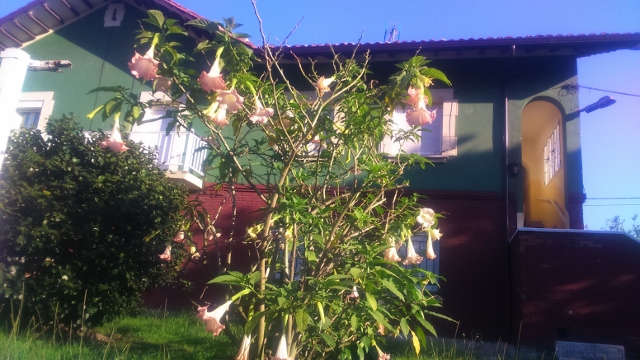
I walked past a mix of the industrial type of area you get on the outskirts of a town, past prettily coloured and elegantly balconied residencies, and beautifully kept front gardens with both larger versions of the sorts of plants I am familiar, with as well as ones which don’t thrive in the UK. I stopped to buy a croissant for breakfast and the woman in the shop, like all the oh-so-friendly people I have come across, wanted to know where I was from and where I was going.

Spain autumn 2016 phone 660 (360x640)

Montse, a newly qualified Shiatsu practitioner, met me in the hot sun and took me to her flat where we started the process of getting to know each other, she often in English, me in Spanish. We spoke about being a mother, and about the age children get to when they are part independent and part dependent. I gave my third Shiatsu session and enjoyed it. All of them felt spacious and it was great to be swapping for such amazing hospitality.

Spain autumn 2016 phone 670 (640x360)

Spain autumn 2016 phone 663 (360x640)

Spain autumn 2016 phone 667 (640x360)

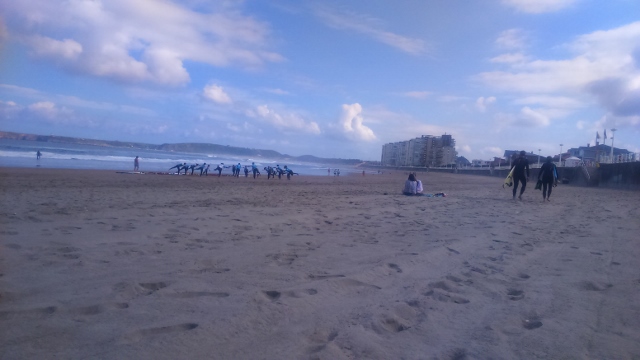
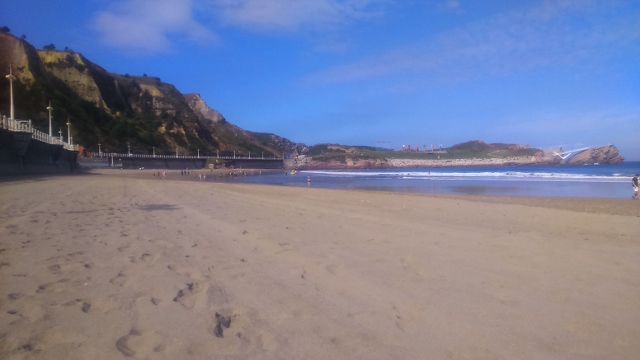
The beach at Salinas is another surfer’s paradise and it was warm enough for me to sun bathe on the wonderful swathe of golden sand and watch. I don’t know anything about surfing, but usually people seem to head straight into the beach, whereas one impressive guy skimmed on top of a single wave parallel to the shore for what seemed like miles.


Spain autumn 2016 phone 680 (640x475)

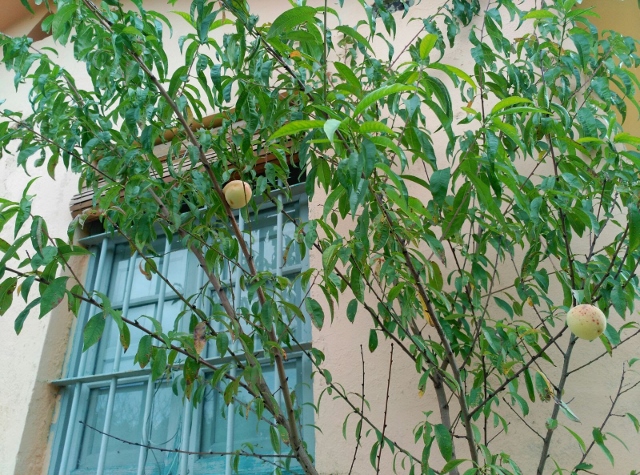
It may be something to do with the Shiatsu folk I stayed with, but I was served fresh and local produce wherever I went. One of the first new words I learned from Manolo, who I stayed with in Santander, was huerte meaning vegetable garden, and their fresh tomato salad was muy rica (‘delicious’. Thanks Iris for teaching me this in my Spanish classes!). Montse, her mum, and I picked apples and lemons, and gathered nettles and mint for infusions from an orchard in the hills outside the town. We has fresh figs, black carrots, and walnuts; merluza (fish, hake); home-made marmalade, and drank cidra (cider), which this area is especially well-known for (not all in the same meal).

Montse did her Shiatsu training with Gill, my principle Spanish contact, in Aviles, and we moved back and forth several times between there and Salinas when she worked and I engaged in sightseeing or where I taught my first Shiatsu workshop. Aviles is the subject of the next blog!

Spain autumn 2016 phone 678 (475x640)