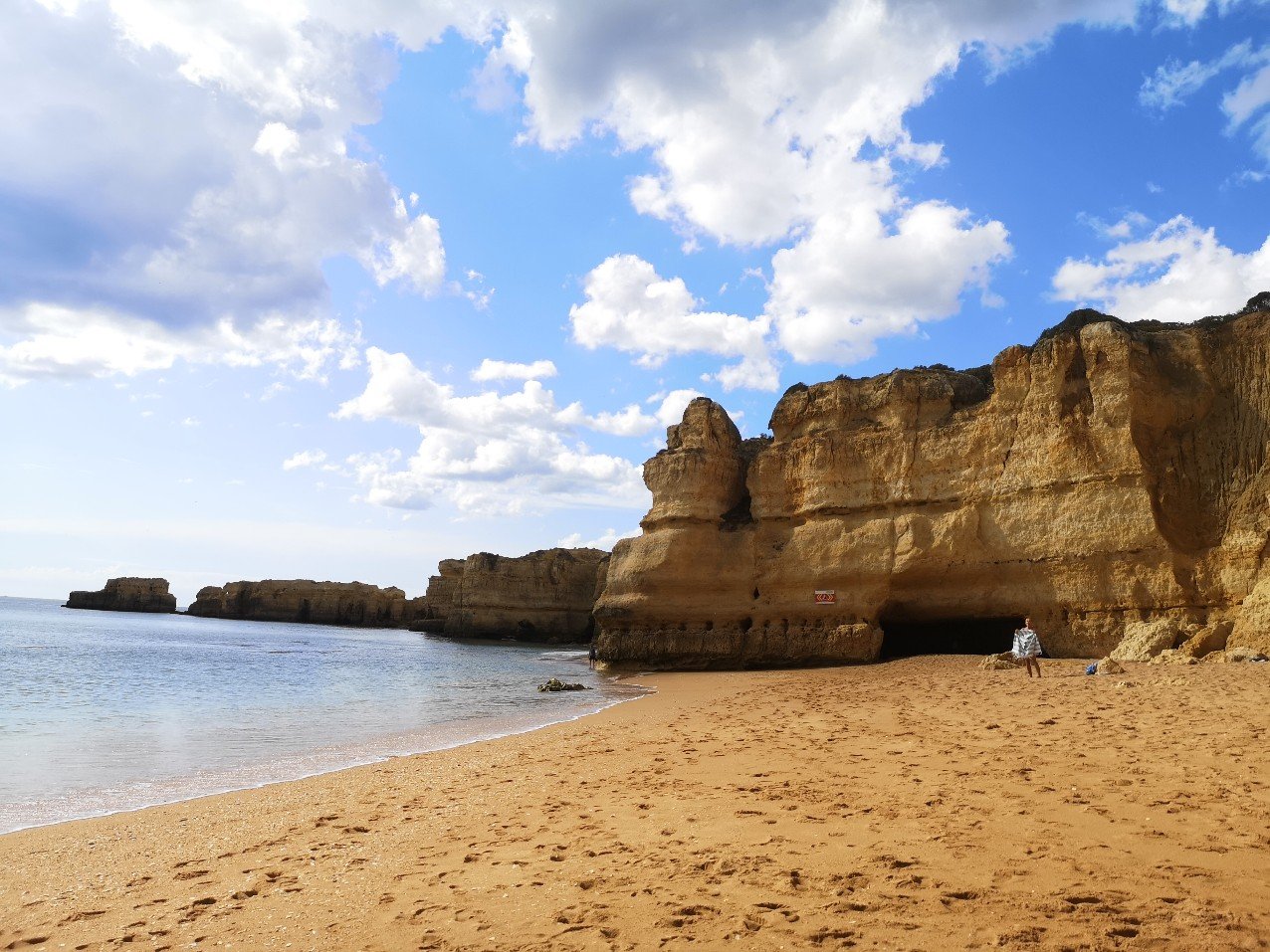
The Algarve of Portugal, the southernmost region, is best known for its beaches, and spectacular they truly are.
The magnificent cliffs and expansive beaches of the Algarve, Portugal
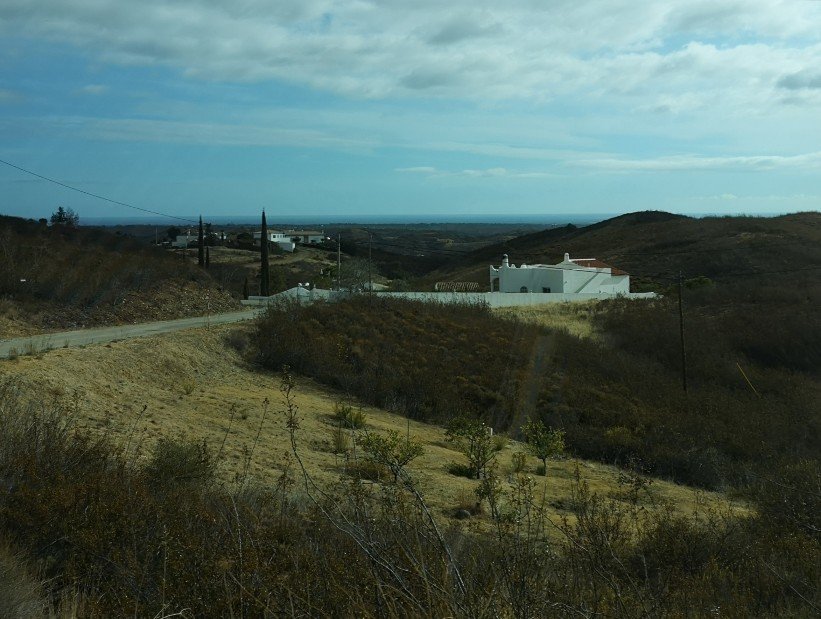
However, there is a wealth of interest inland too, with small villages in the foothills and spread along rivers, all linked together with expanses of citrus orchards and olive groves, random whitewashed properties with terracotta rooves, and a not inconsiderable bus / road / rail network making touring a manageble and enjoyable experience.
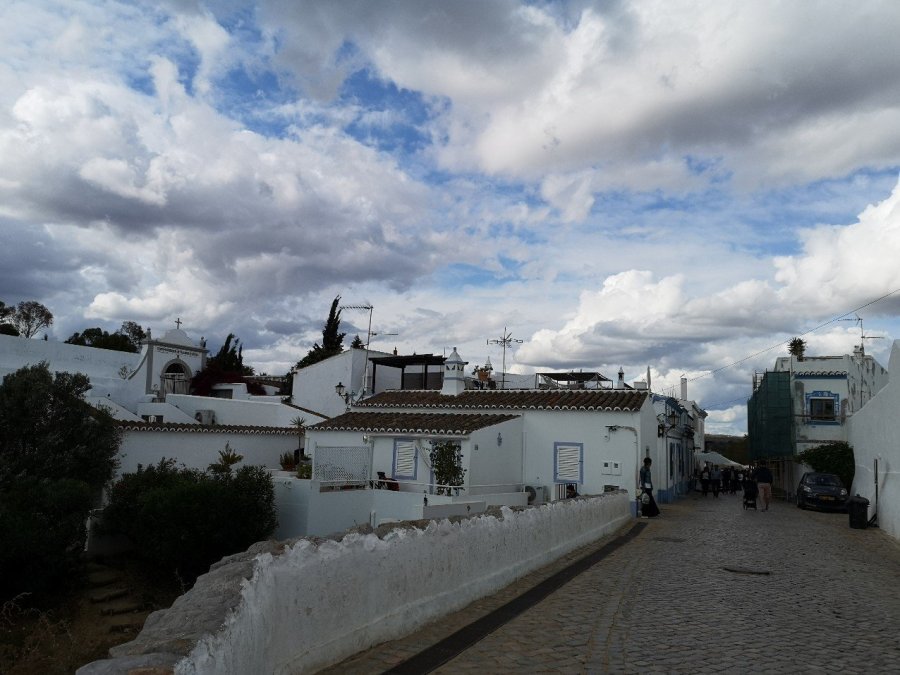
The typical whitewashed villas of the hills of inland Portugal, near Tavira
Getting there
I arrived in Faro (capital of the Algarve) by bus from Seville (and before that from the north of Spain). The bus (Terminal Rodovario) and train (trem) stations are a few minutes walk away from each other so I was able to amble from one to the other to comare prices.
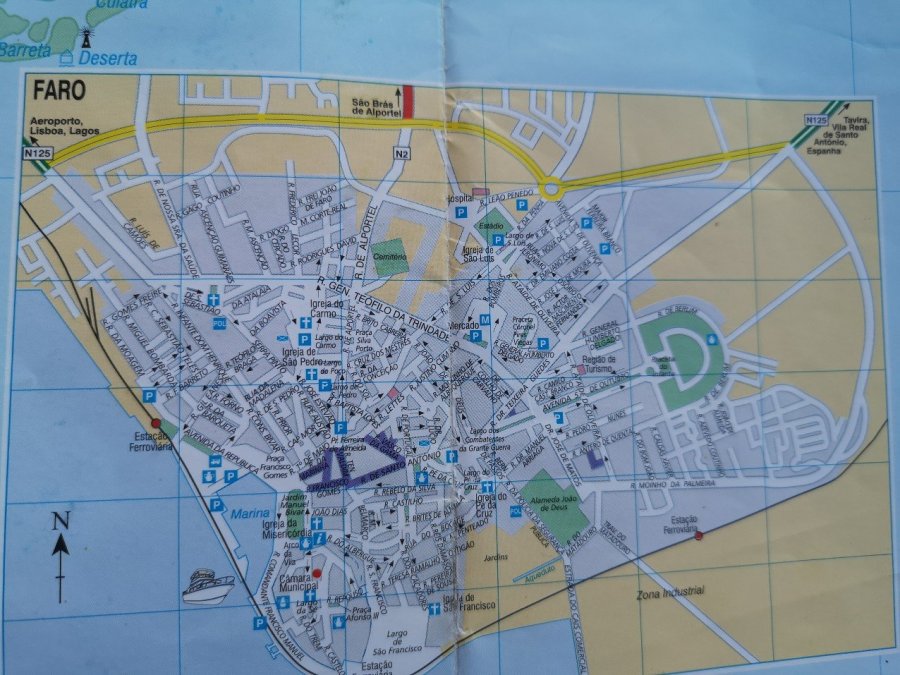
Map of Faro
Tavira, to the east, was my first stop and you can get there by both modes of transport: train is quicker (30 minutes), but more expensive, and buses (taking 1 hour) seem to be more often. This website is an excellent source of information.
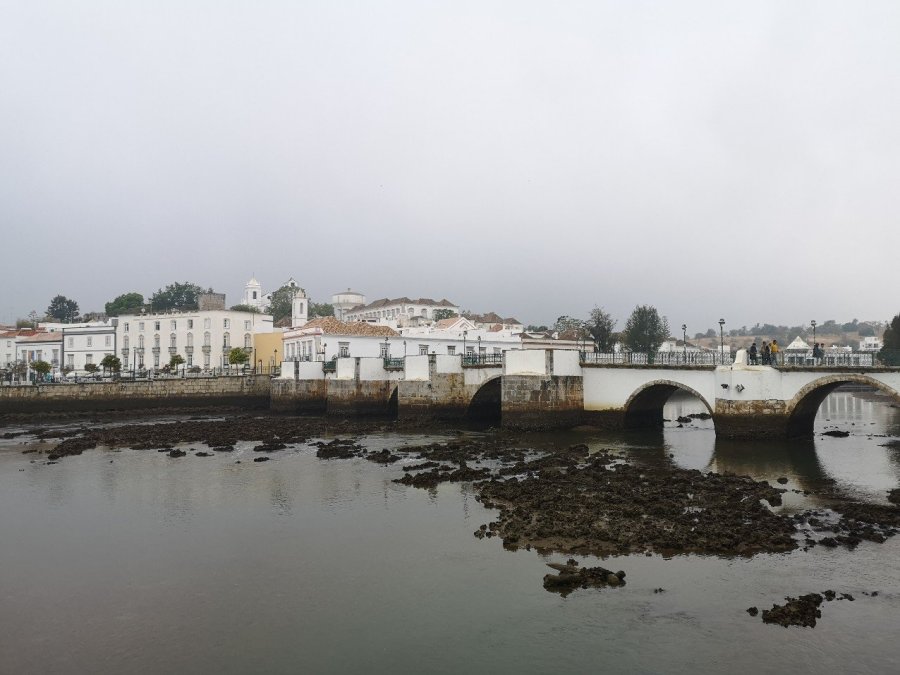
Ponte Romana (Roman bridge) de Tavira, River Gilao, Portugal
There are two bus stops in Tavira: Porta Nova and Tavira, but you must stipulate which destination when buying your ticket (always buy in advance), as they are slightly different prices.
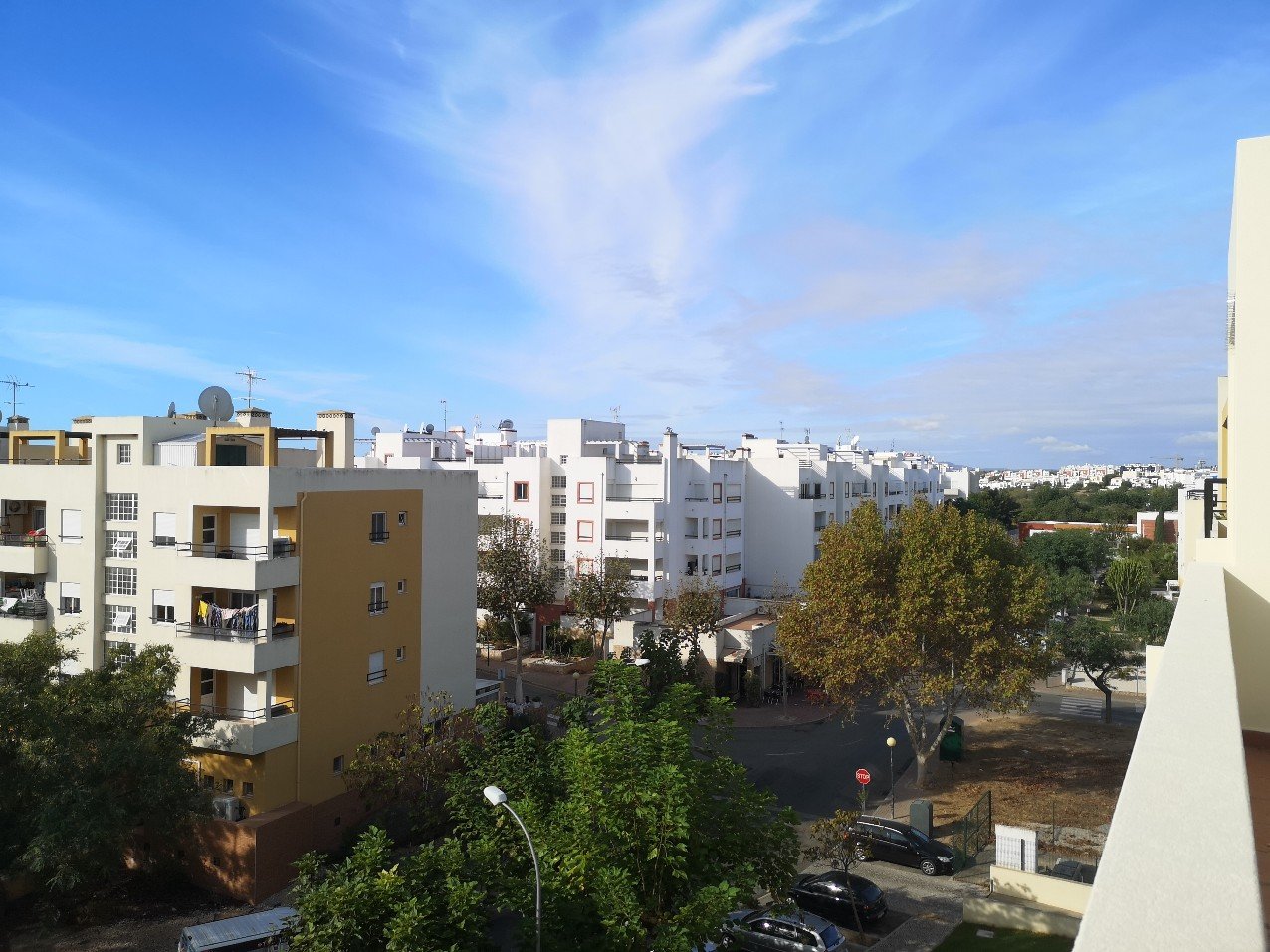
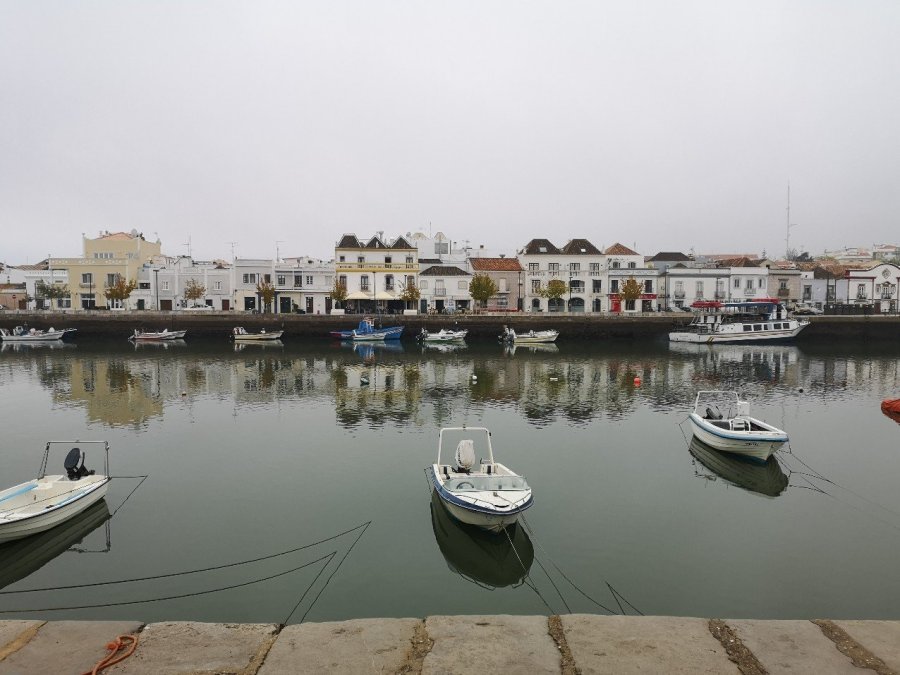
The apartments of Tavira, Portugal
Tavira
There seem to be two sides to Tavira: the old town and the newer developments (above) where lots of the ex-pats live. Most people I speak to really like this place and there is not only a lot to see, but good beaches and good countryside restaurants nearby as well if you have a car, so no wonder it is popular. For cyclists and walkers, it is a great setting-off point – there is a network of cycle routes and you can now walk from Tavira to Santiago de Compostella. The locals are geared up to having vistors around all the time and are courteous and understanding, speaking excellent English.
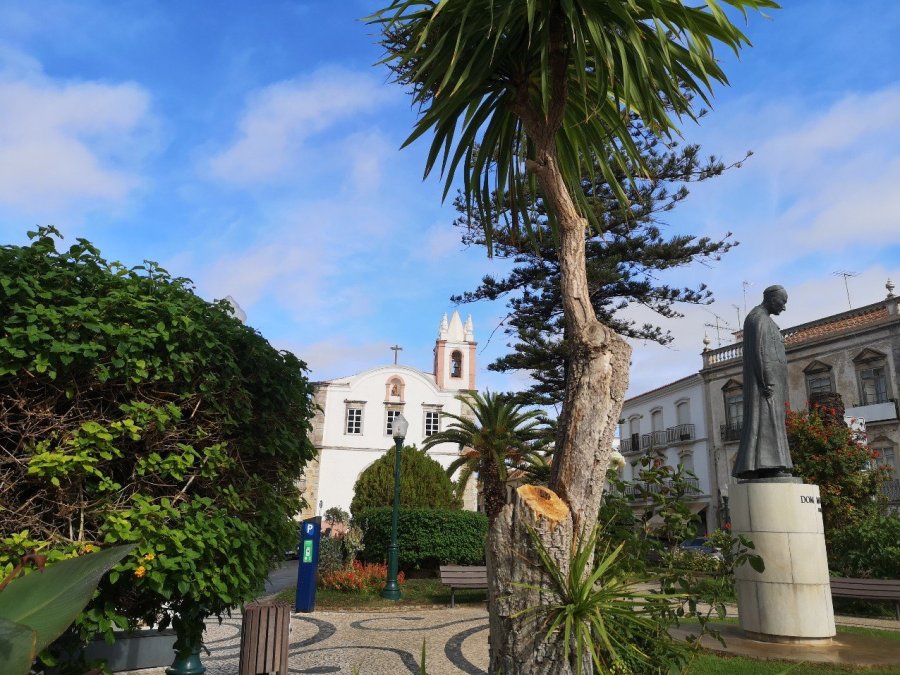
Igreja de Nossa Senhora da Ajuda ou de Sao Paulo (Church of Saint Paul), and the Jardim (Garden) da Alagoa, with statue of Dom Marcelino Franco, Bispo (Bishop) of the Algarve 1920, in the Praca (Square) Dr Antonio Padinha, Tavira, Portugal
This beautiful square has lots of cafes and restaurants where you can sit outside and enjoy the leafy view.
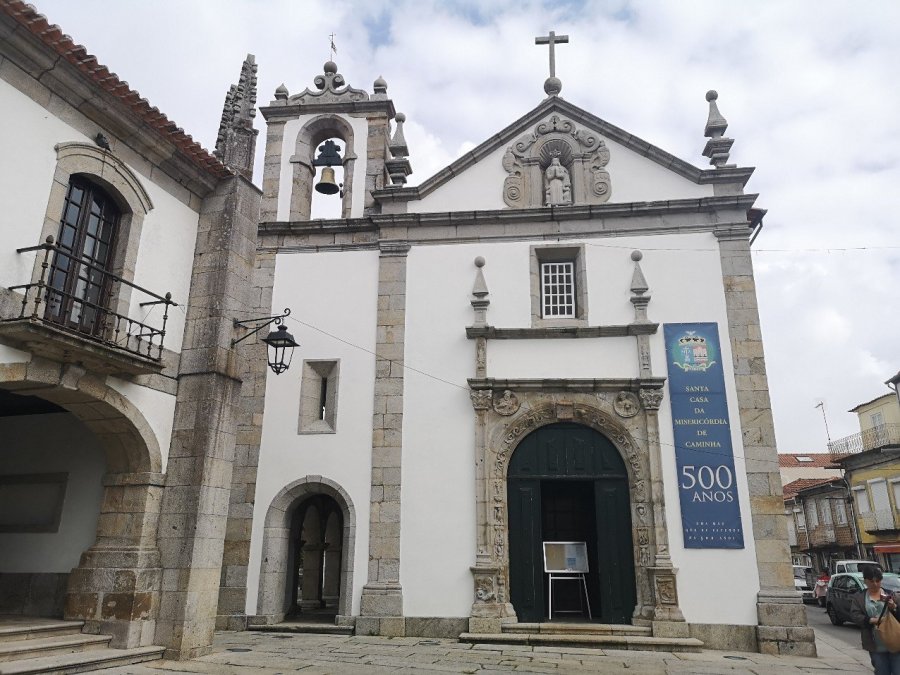
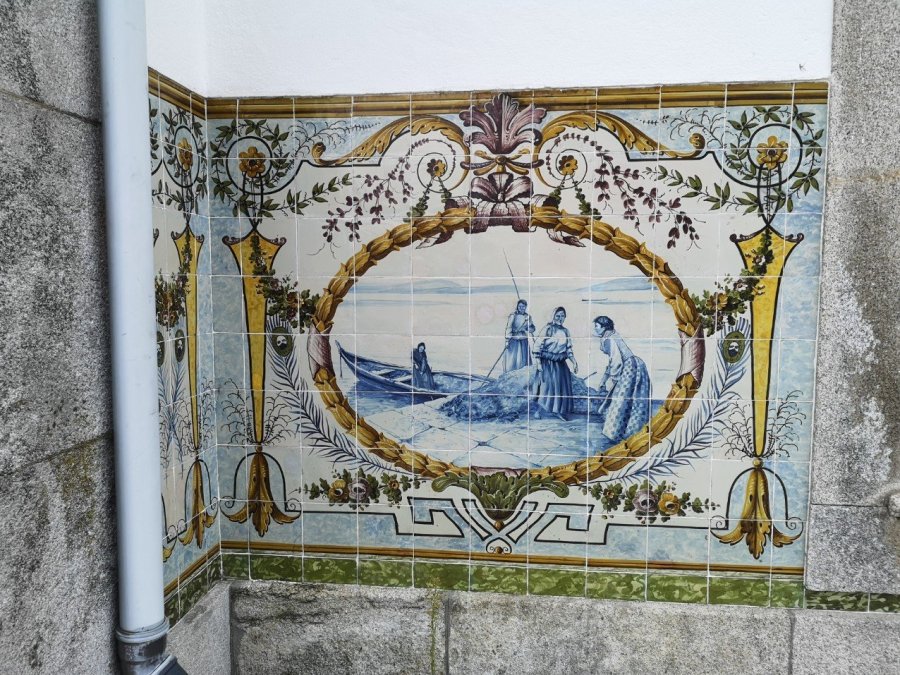
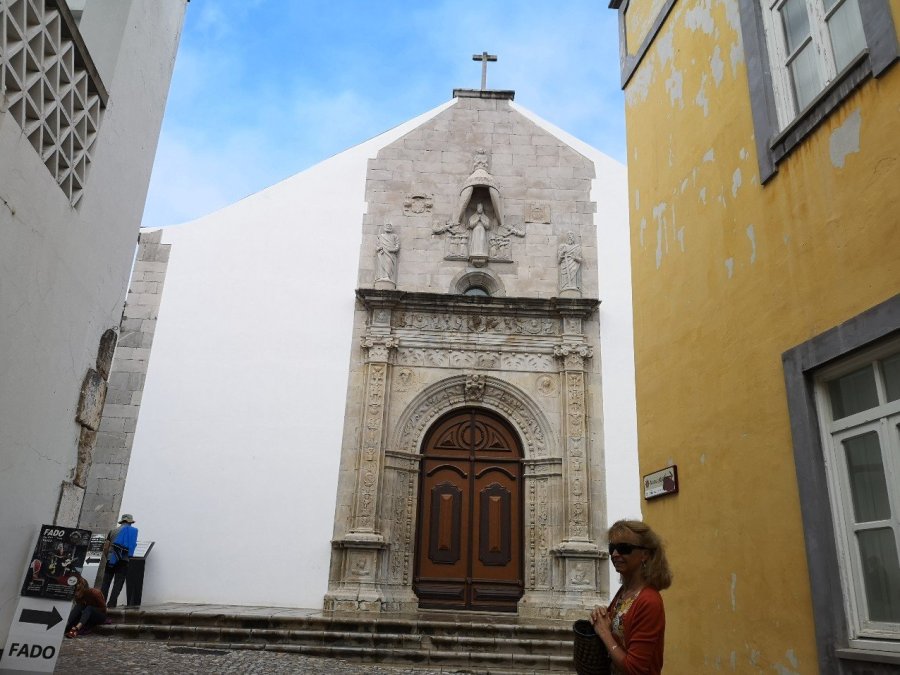
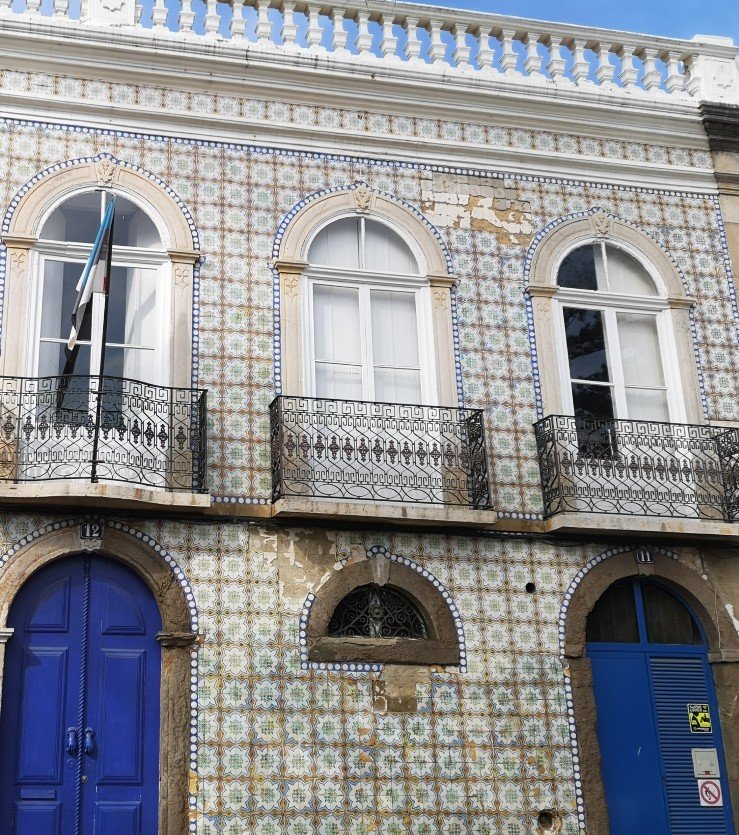
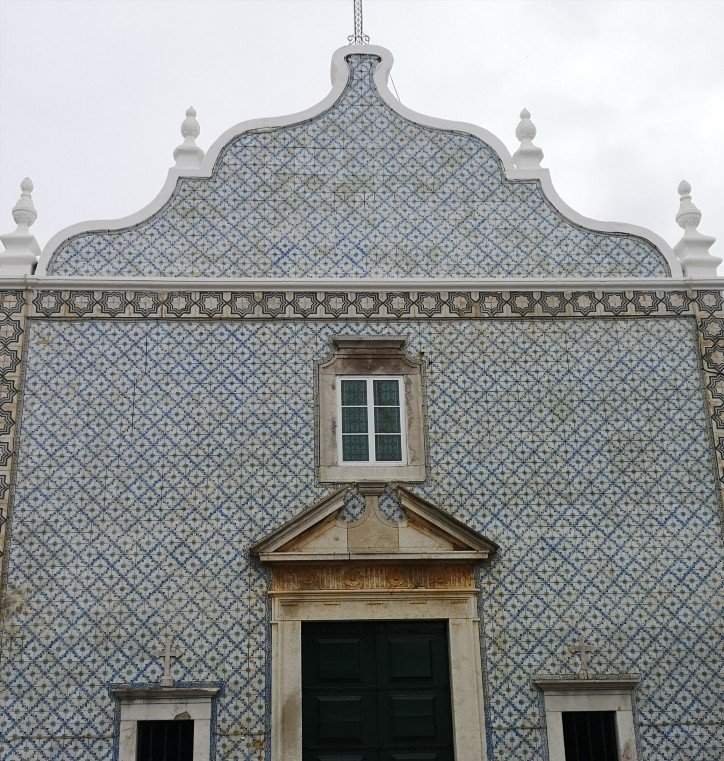
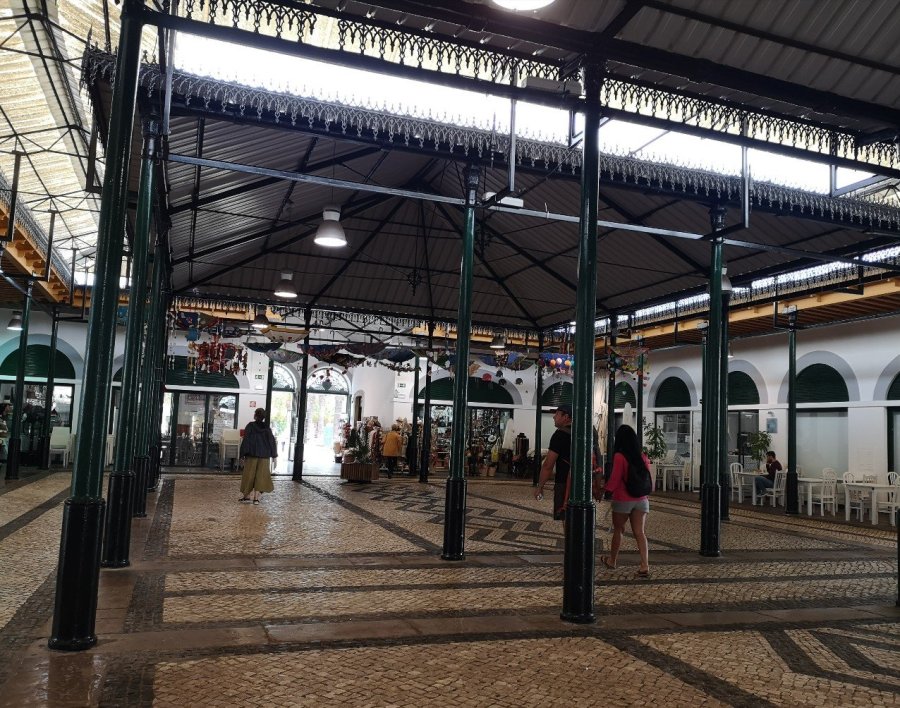
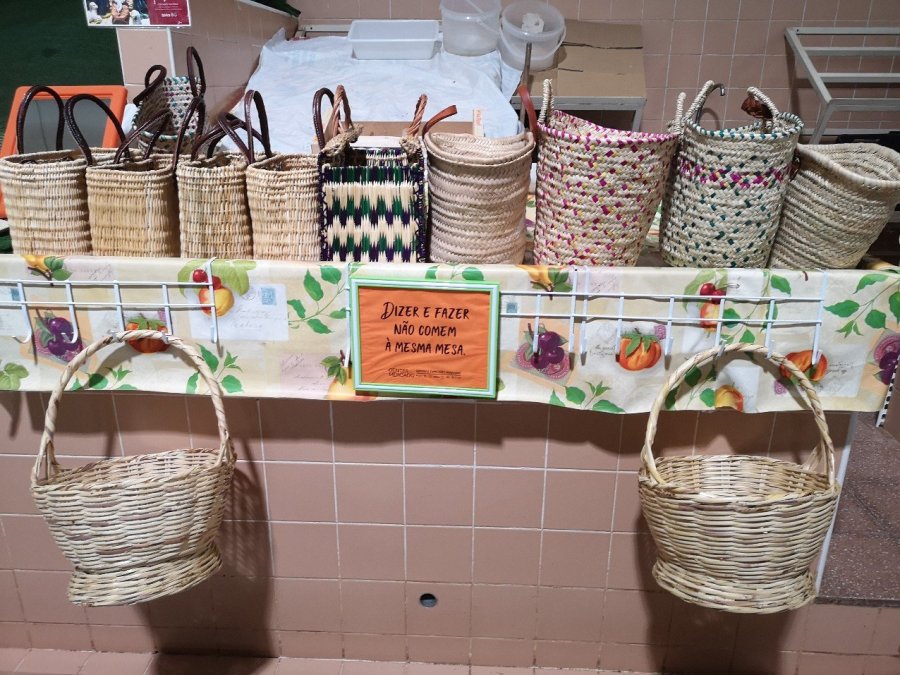
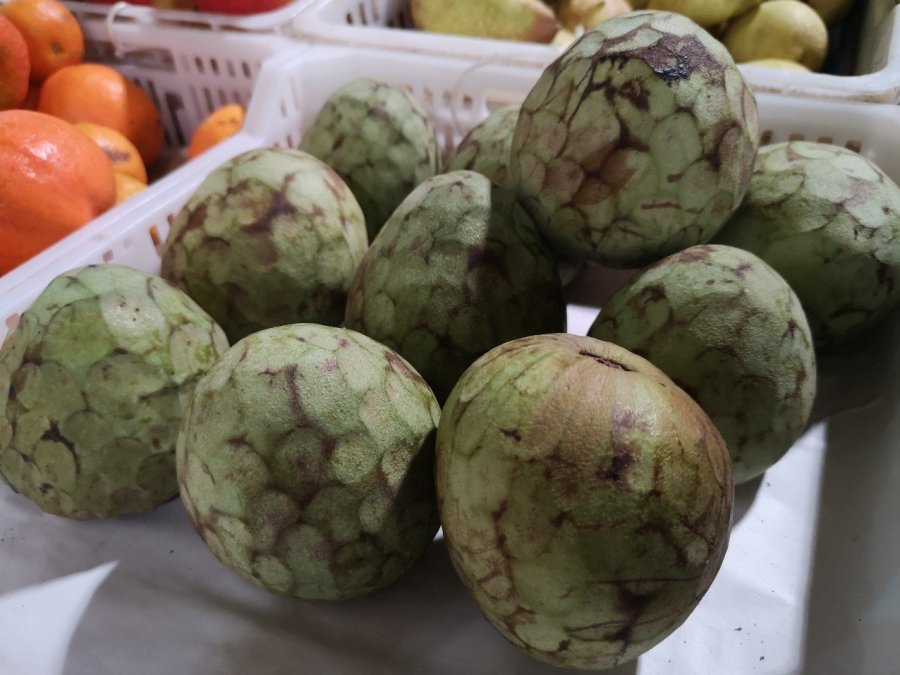
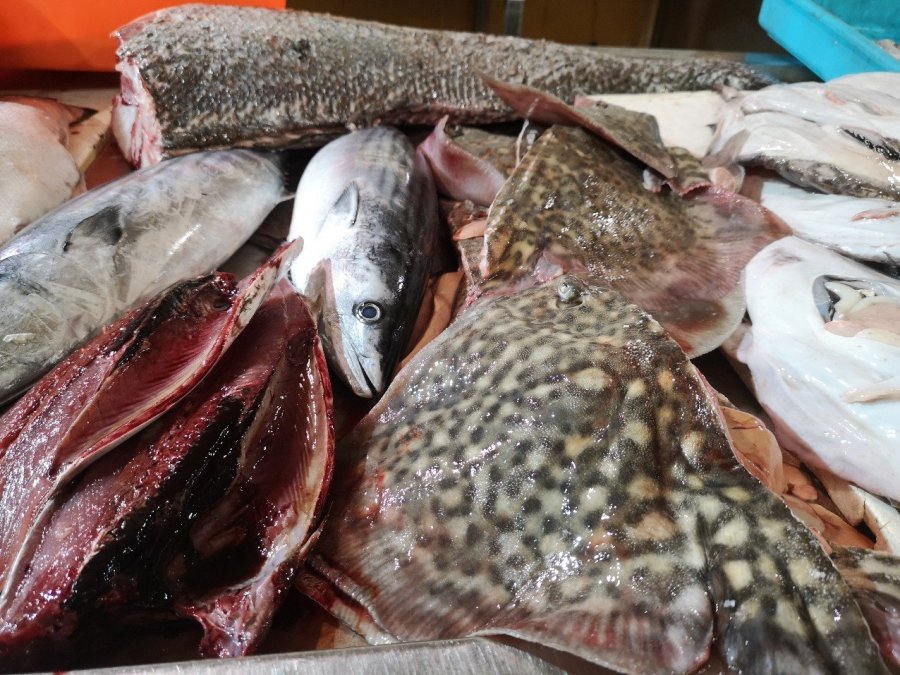
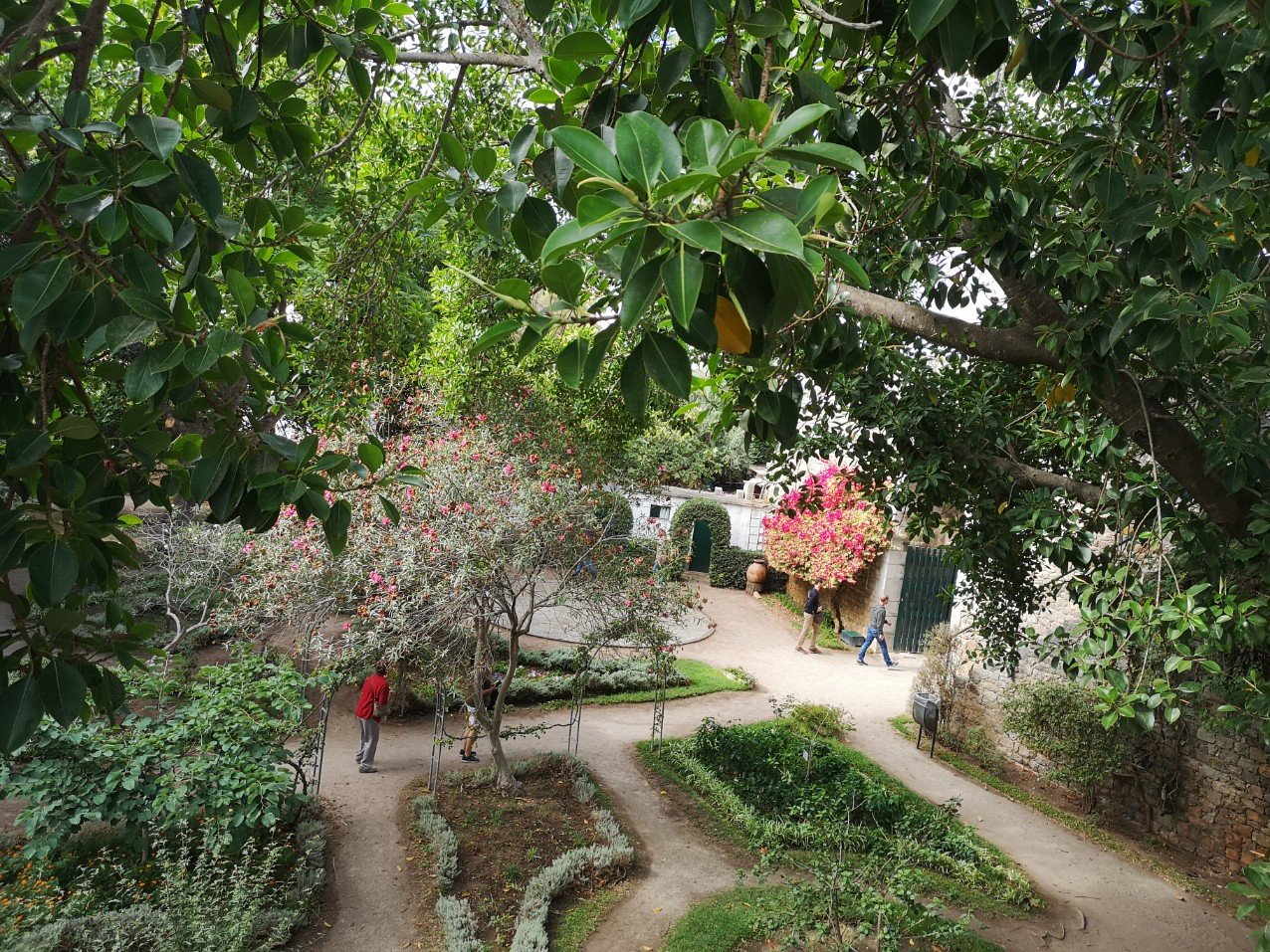
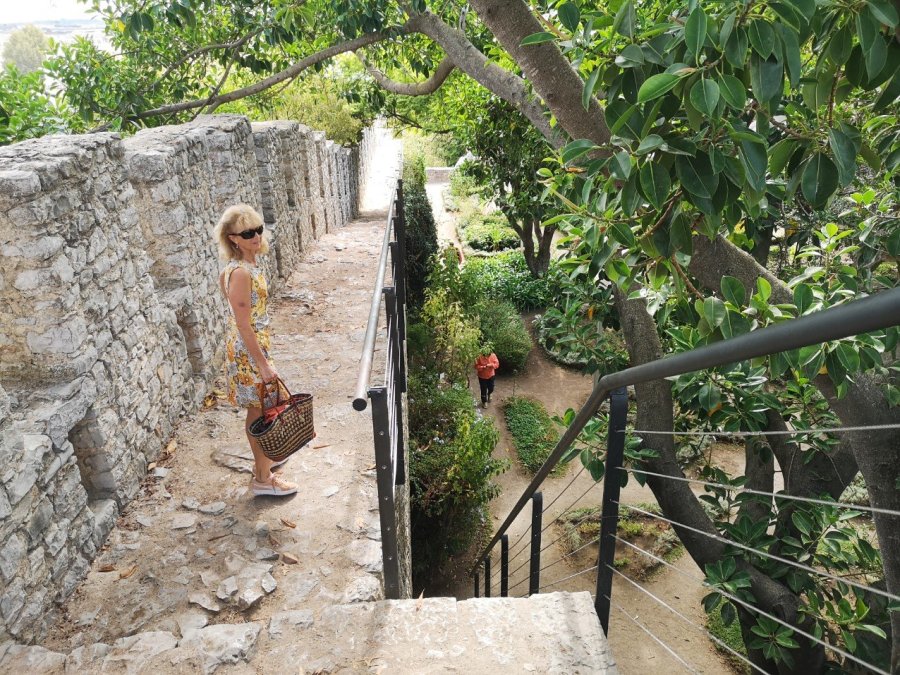
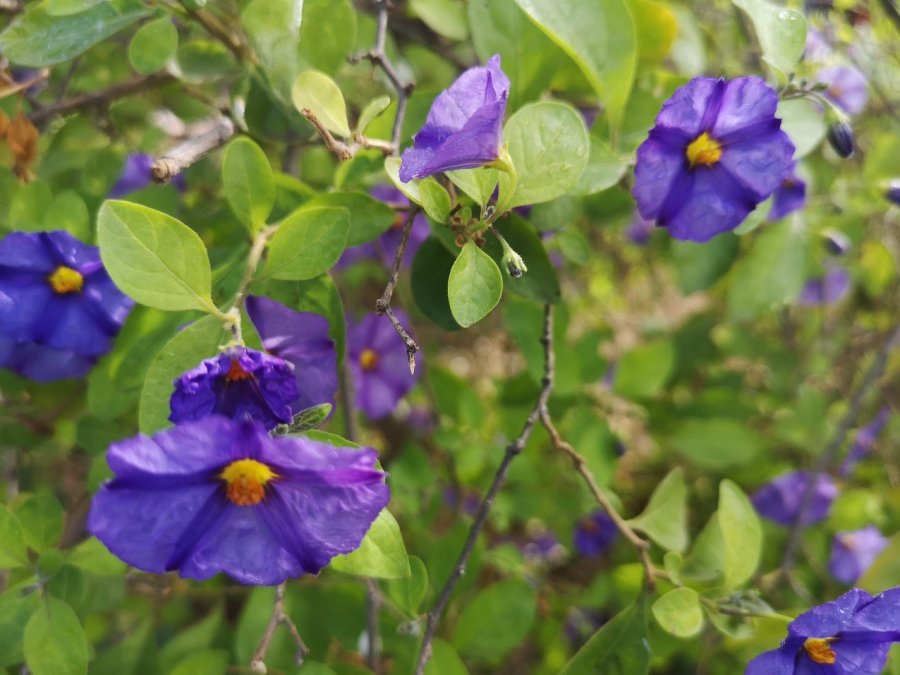
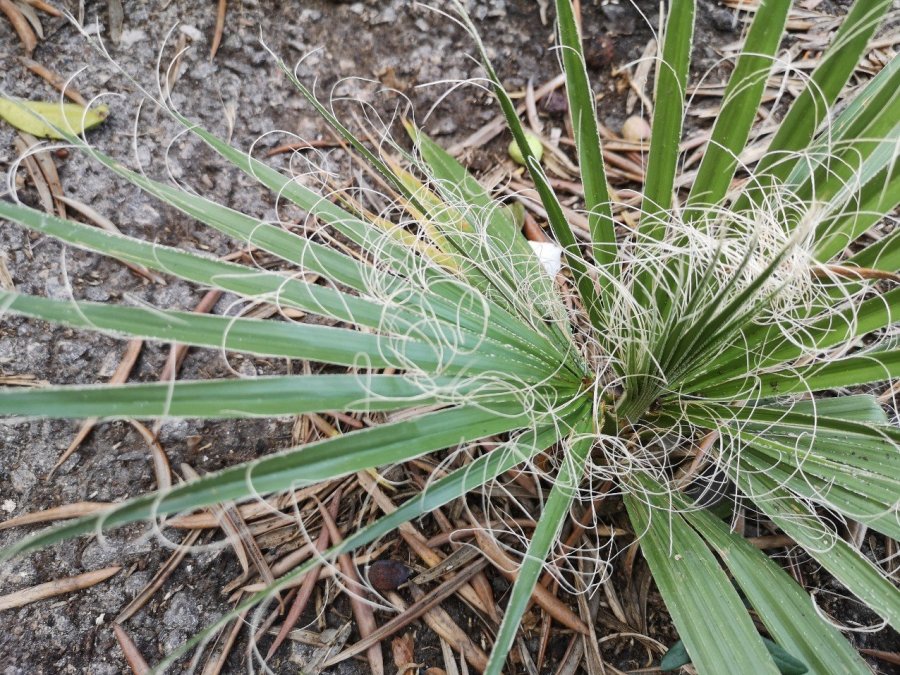
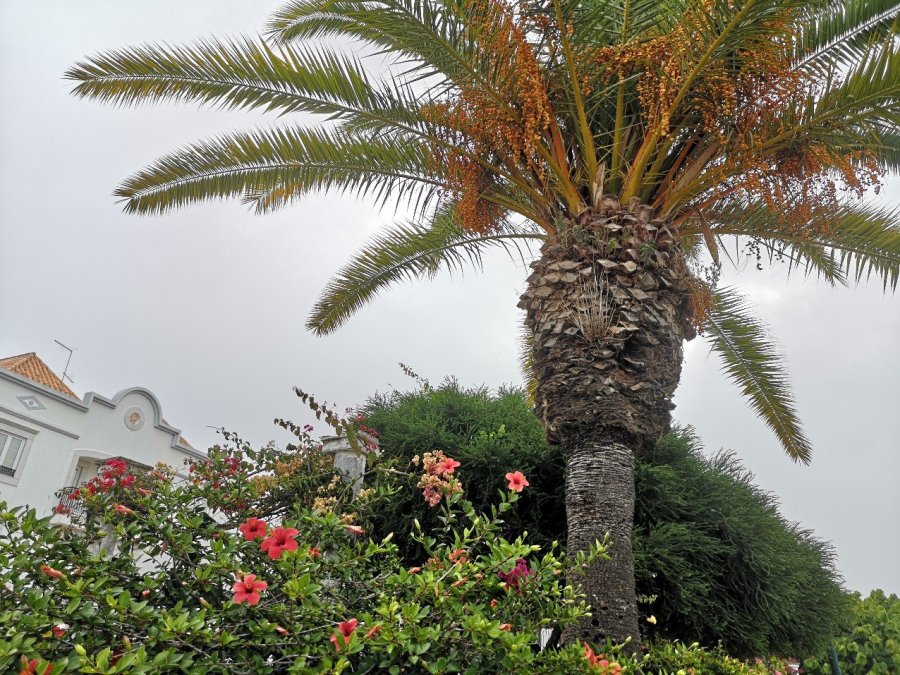
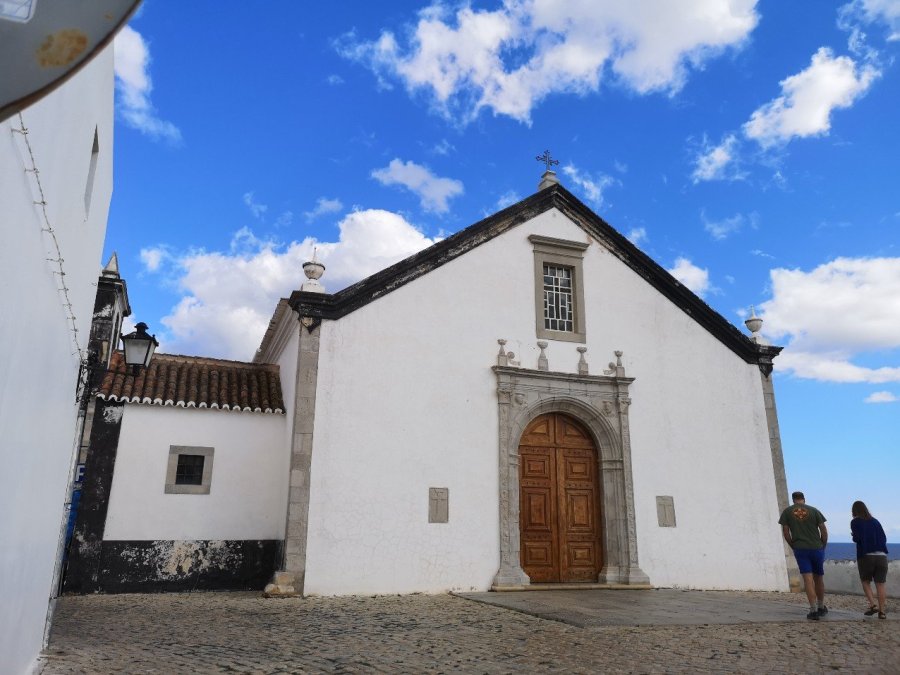
Tracy and the Igreja da MisericordiaTypical Portuguese blue and white decoratedhouse, Tavira, PortugalTiled exterior of Tavira architecture, PortugalThe River Gilao, Tavira, PortugalMercado (market), Tavira, PortugalBasket stall, market, Tavira, PortugalCherimoya, custard apple native to the mountains of Equador and PeruFish stall, market, Tavira, PortugalThe gardens of the Castelo (castle), Tavira, PortugalTracy on the ramparts of the Castelo do Tavira, PortugalThe blue potato bush or Paraguayan nightshade (Lycianthes rantonnetii (previously Solanum rantonnetii). Poisonous, evergreem lightly fragrant flowers followed by red berriesCalifornia or Arizona Fan Palm (Washingtonia filifera)Date palm and hibiscus, Tavira, Algarve, Portugal
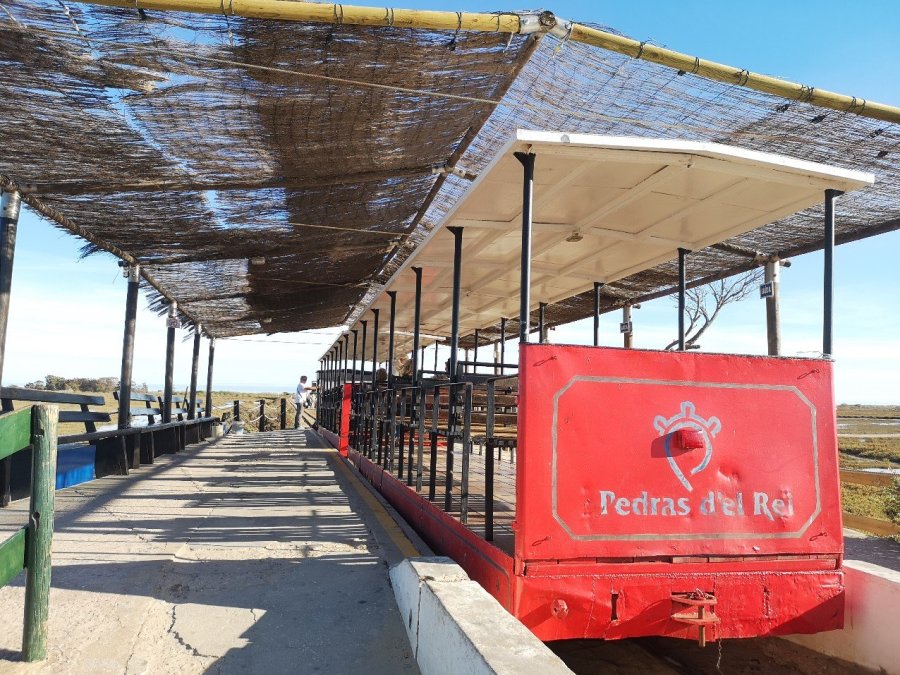
Pedras del Rei
The Tavira area was the first place I ever went abroad when I was a young teenager with my parents. It was memorable for a number of reasons, not least the trip to the beach which was reached by a little train and boat. When I accepted Tracy’s kind invitation, I had no (conscious) idea that her new place was near this early holiday destination, so you can imagine my pleasure when I was taken for a late afternoon walk only to be faced with a sign saying Pedras del Reí. The memories came flooding back!
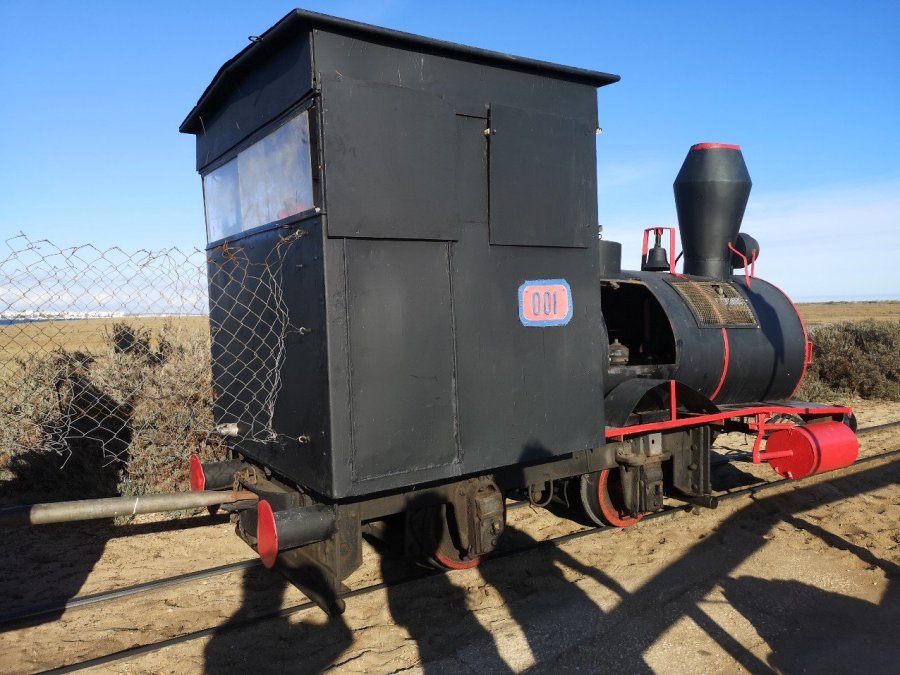
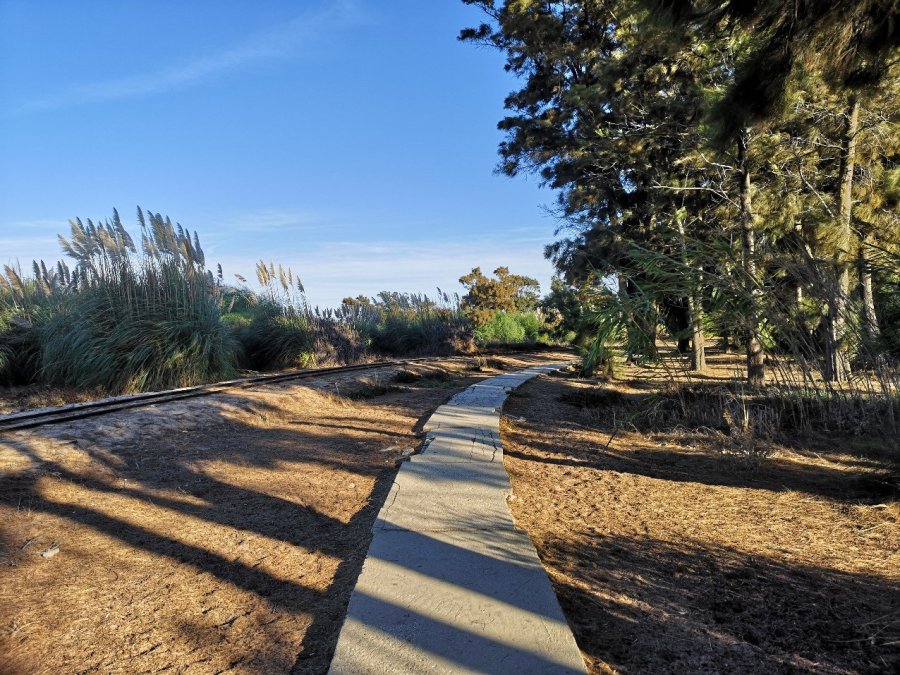
Train to the Praia do Barril beach, Pedras del Rei, Tavira, PortugalTrain engine, Pedras del Rei, Tavira, PortugalWalking along the boardwalk towards Praia do Barril, Tavira
Praia do Barril
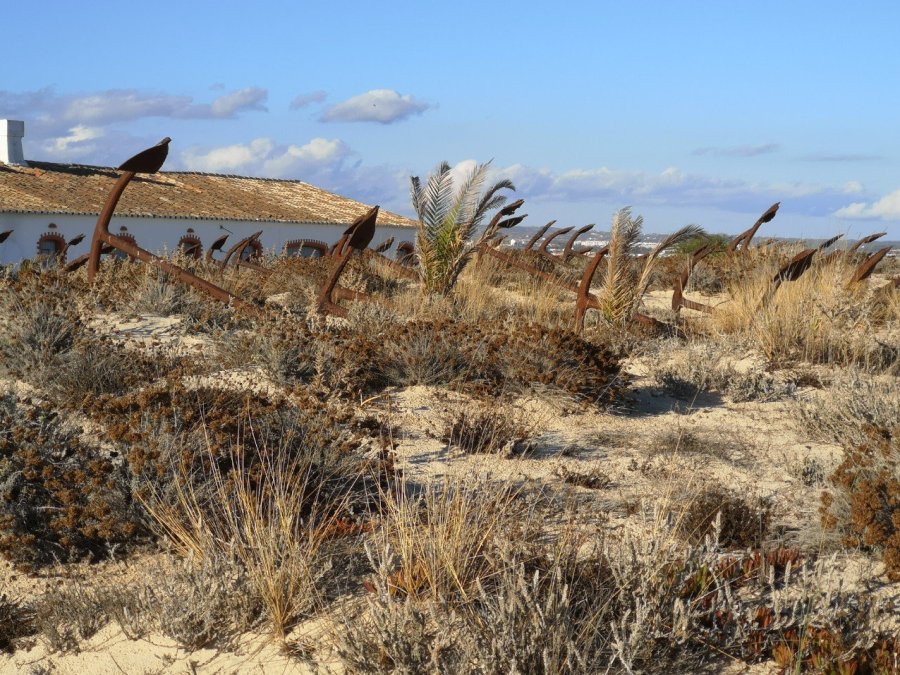
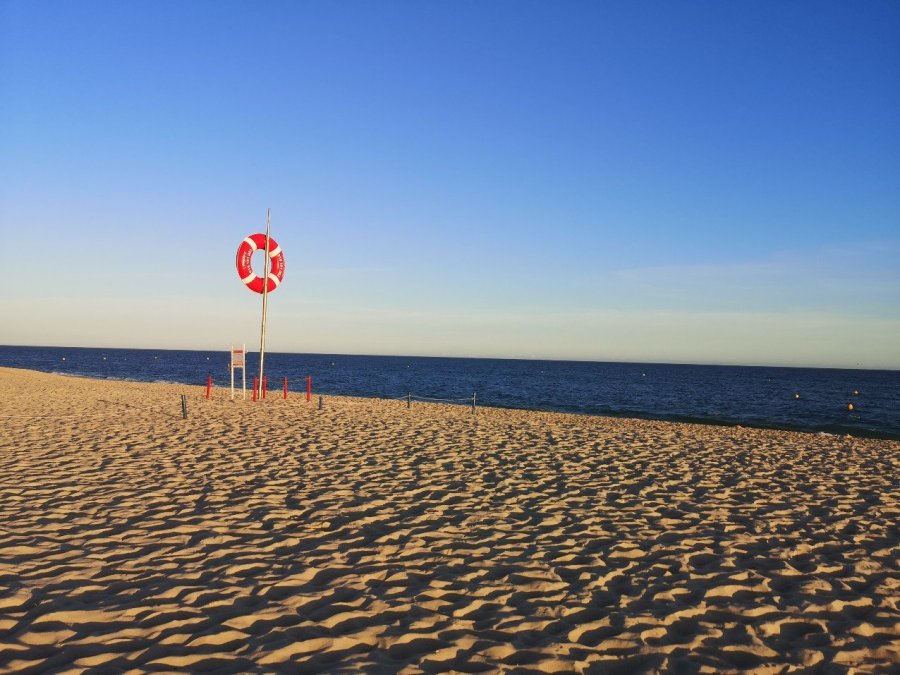
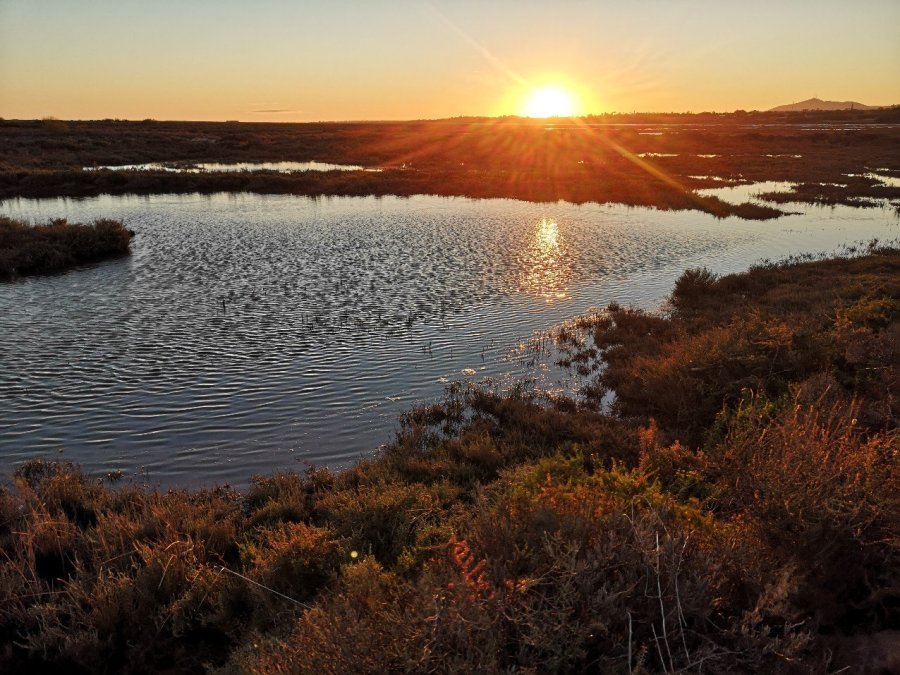
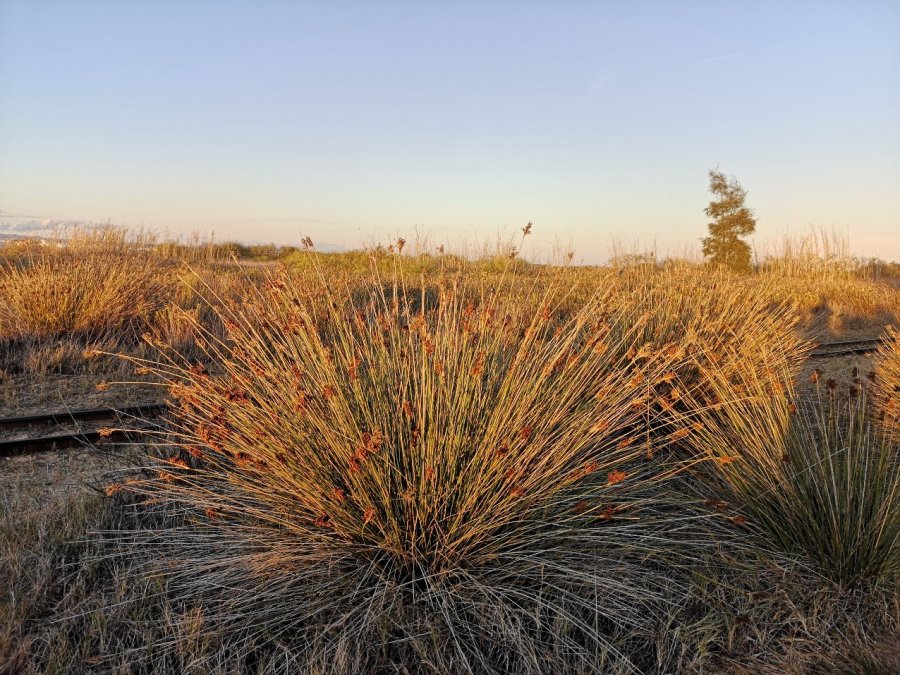
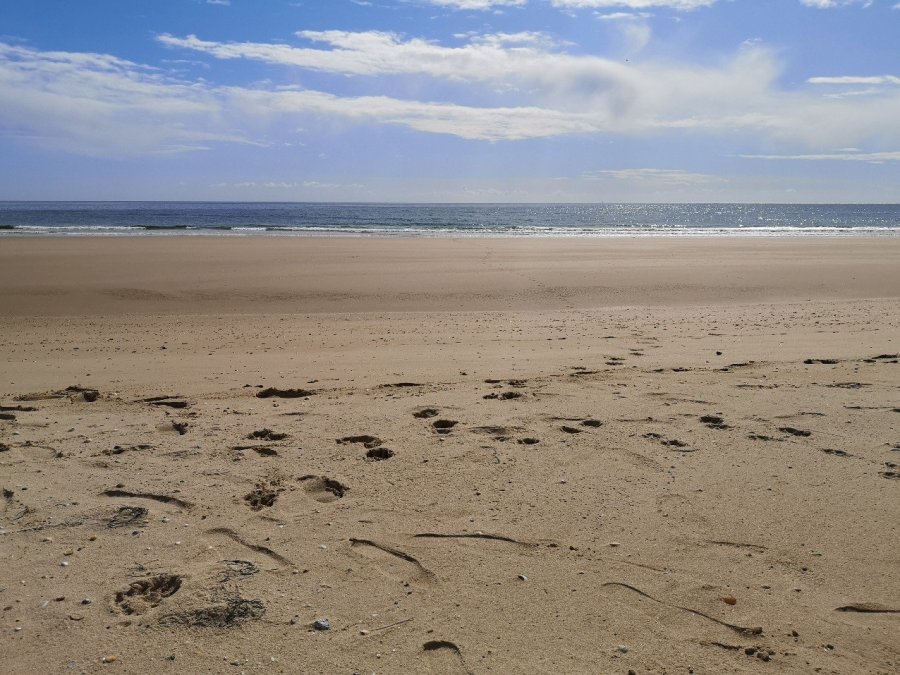
The beach is stunning and memorable for its anchor graveyard and ex-tuna fishing buildingsPraia do Barril beach – kilometer upon kilometer of golden sandBack across the marshes to Tavira from Praia do barril beachThe evening light turned the saltmarsh cordgrass (correct me if I am wrong) golden
Fabrica
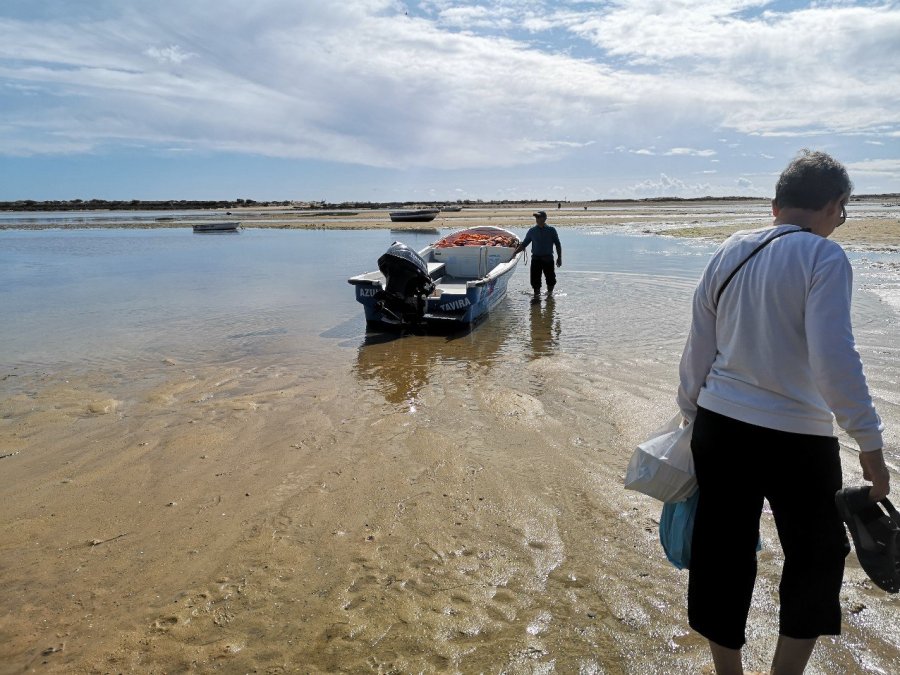
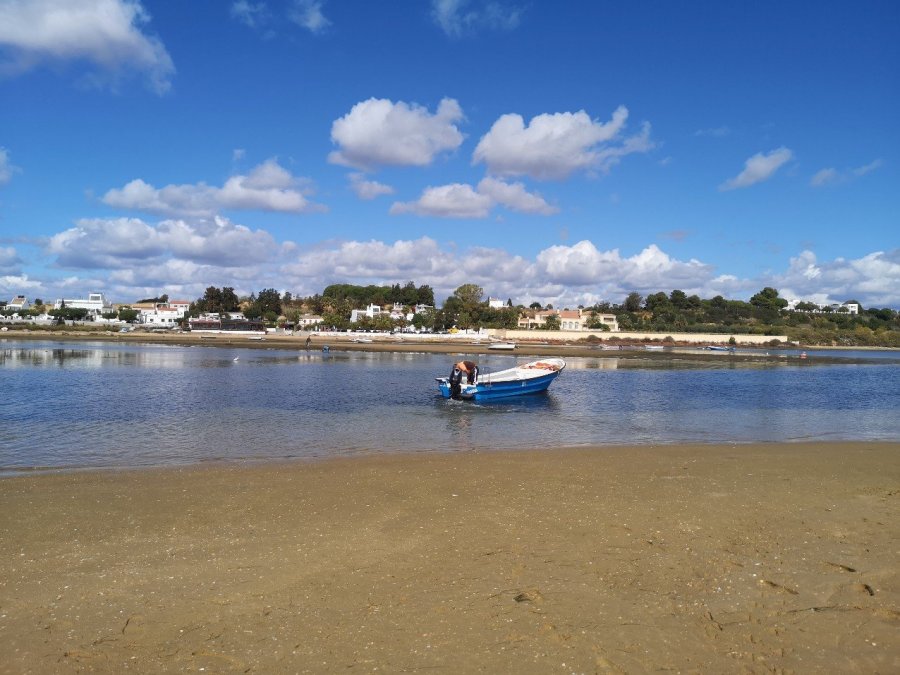
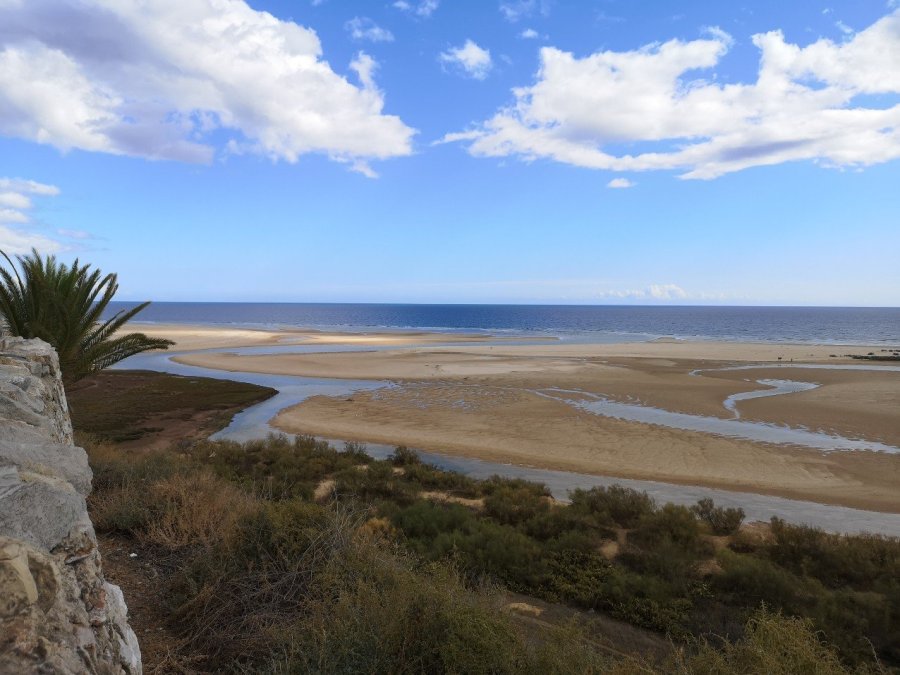
I also visited the beach across from Fábrica and the small village of Cacela Velha, both located in the Ria Formosa Natural Park. Like much of the coast in this area, the beach is situated on a spit of land which is separated from the mainland by a strip of water, so we took a boat across.
Taking the boat across from Fabrica to Casela Velha beachLooking back towards Fabrica where there is a smart restaurant and a small cafe
Casela Velha – beach and village
Cacela Velha beach
Cacela Velha is a small village in the parish of Vila Nova da Cacela on a hillside next to the Ria Formosa, between Tavira and the town of Monte Gordo.
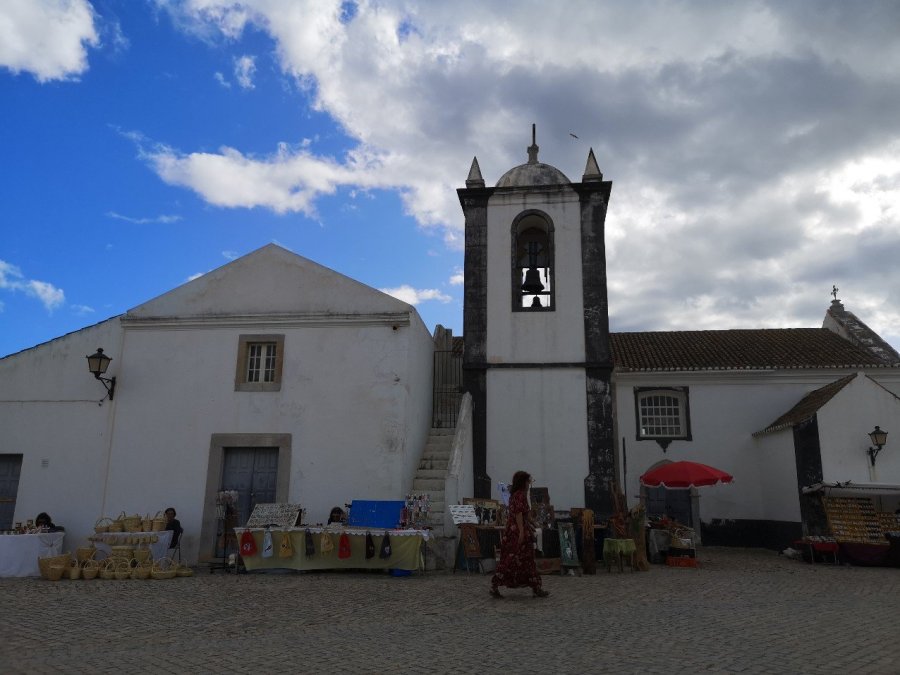
The popular outdoor market at Casela VelhaThe Parish Church of Casela VelhaThe easternmost lagoon of the Ria (river) FormosaParish Church of Casela Velha, PortugalJust before it rained! the village of Casela Velha in the hills outside Tavira, Portugal
From there I returned by car to Faro airport (thanks to Tracy and David, wonderful hosts), and took a bus to Albufeira. The posters at the bus stop do not all contain truthful information as far as I could tell, so careful!
Many thanks to the folk on the houzz.com plant forum for help with plant identification
Via de la Plata Camino – Day 21 (Montamarta to Tábara). Tuesday 10 April 2018. 27.5 kms.
I took the Camino Sanabrés rather than passing back through places on the Camino Francés (Astorga etc) which I had visited the year before.
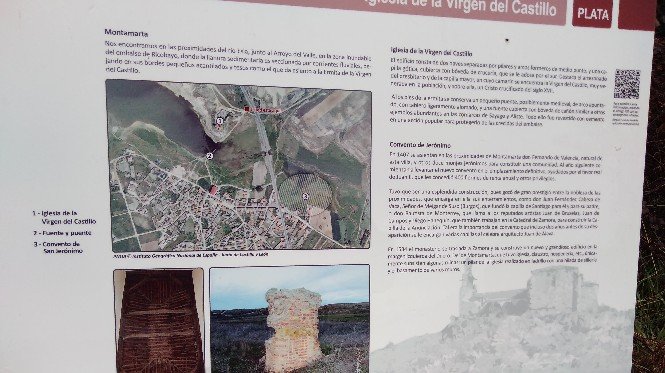
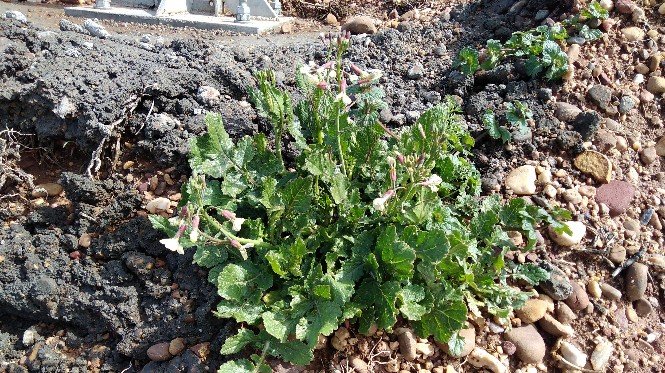
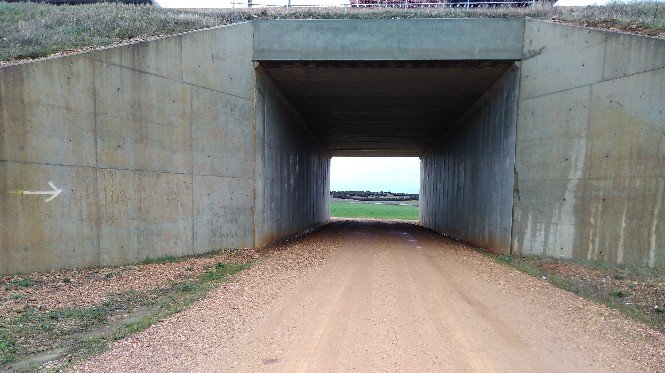
The best view of the day – unless you count the sight of the albergue in Tábara when I eventually got there.Telling you all about Montamarta – not somewhere I ever want to go back to I must say.Just like yesterday, except duller.Yep, under another motorway tunnel.I took the right, turned back and went straight on, then retraced my steps and went around the motorway flyover.Kilometer after kilometer on the tarmac with road works as a view.Spring primroses amongst the rubble and stones.
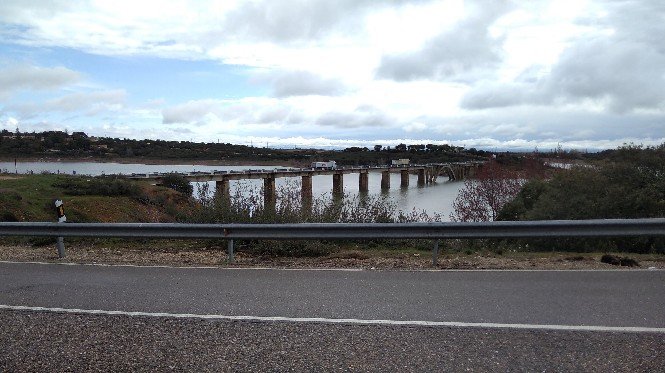
There was a small village strung out along the road, not so far from Tábara, with a cafe. I sat on the bridge and sunbathed – it was glorious.
Once I got going again it started to rain and I stopped, de-rucksacked and covered up. Then there was a rumble and a thunder and it got dark. The lorries were roaring past and spraying and I was ducking in and out of the ditch at the side of the road to avoid it when there was a fork of lightning at my left shoulder. I have never been so close. I wondered what I should do. Looking around there was nothing and nobody – just trees. I did think perhaps the metal batons weren’t such a good idea, but I couldn’t exactly abandon them and they had rubber handles and tips to earth me. I hoped. (Two days afterwards I met up with the American women and one of them did throw her sticks into the fields because she said she was so scared of being struck.)
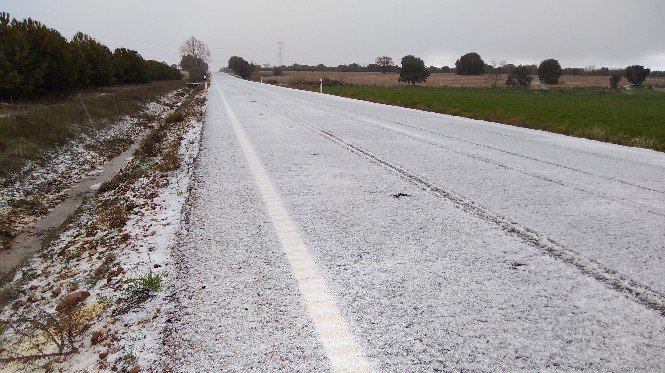
Then the hail started and brought about a total landscape transformation.
In two seconds flat the road was covered in white, the traffic had completely ceased and a hush came over the world. I walked on, telling myself ‘it will be over soon’.
It did stop eventually and on and on I went, every part of every mile seeming an age. I was very wet, too sopping to be able to get the map book out. Then again, there was only the one road to choose from.
There was a service station on the outskirts of Tábara and I stumbled in to get some cover and ask for directions to the albergue. There was pandemonium in there because the electric storm had shut down the till and no-one could pay for their petrol. I waited with heaviness on my back and realised how exhausted and hungry I was. And I waited.
In the end, I did something I have never done before: I took a chocolate bar off the shelf, sunk to the ground, sat with my legs splayed out in front of me like a rag doll, and devoured it without paying for it first. It was wholly necessary.
To my horror it was a further 30 minutes walk to the hostel and I had thought I was at the complete end of my energy. Hey, I simply had to find more.
It was uphill and a very long road, and just as I was despairing that it would not end, there was a shriek and who should I see coming towards me but Marie-Noelle and her smile, someone I had not seen for several days. She gave me a big and welcome hug on her way to the bar.
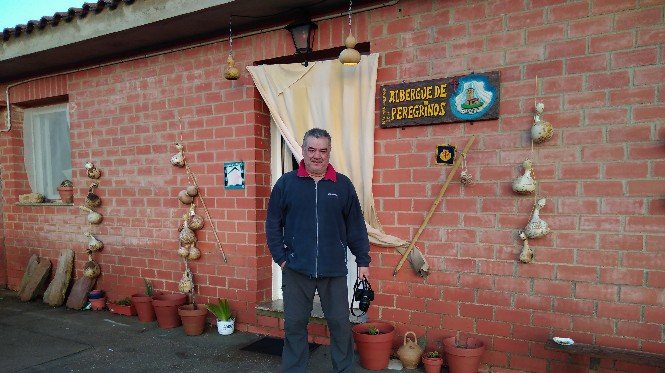
The hospitalero made me a cup of tea when I needed it most, and proceeded to cook for us all that evening. He describes himself as a ‘spiritual author’, is resident at the hostel all year round, and something of a Camino VIP.
There were 10 people round the table drinking wine and eating simple fare. Some I had met before, some I had not, each of us from a different country, and of course we made ourselves understood – a true camino experience at the end of a most trying day.
Via de la Plata Camino – Day 20 (Zamora to Montamarta). Monday 9 April 2018. 19 kms.
There was a deal of road walking on this leg of the journey.
Here are predominantly photos as the notes app on my phone failed and all were lost despite it promising to back-up. Aim: to find a way to reinstate it!
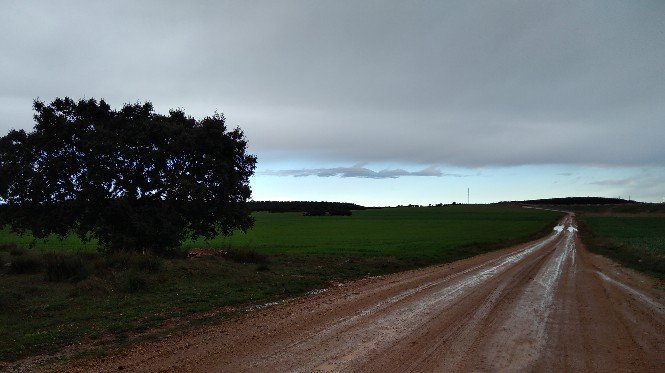
Walkers, be careful soon after leaving Zamora, because there are arrows off to the left to the Portuguese camino!
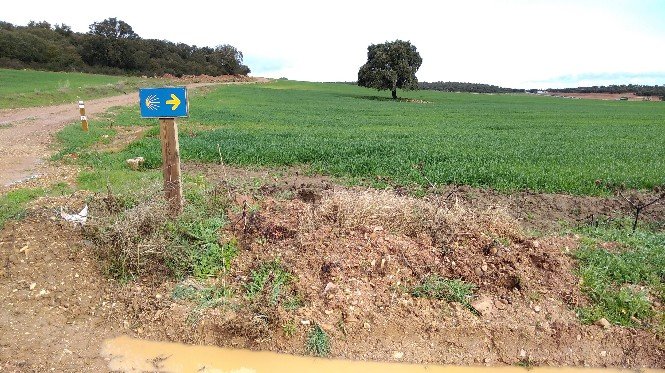
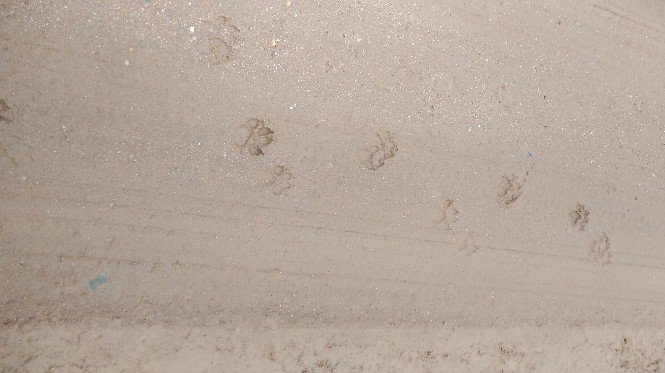
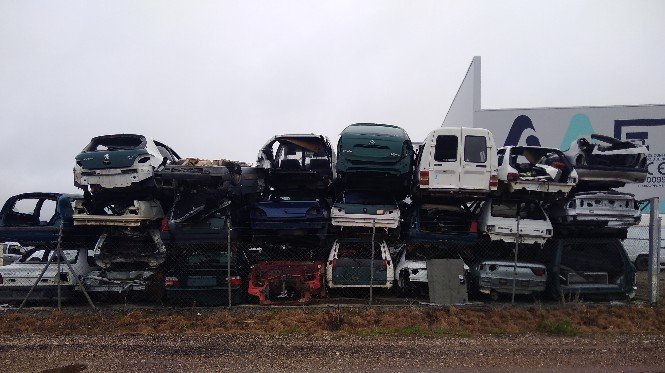
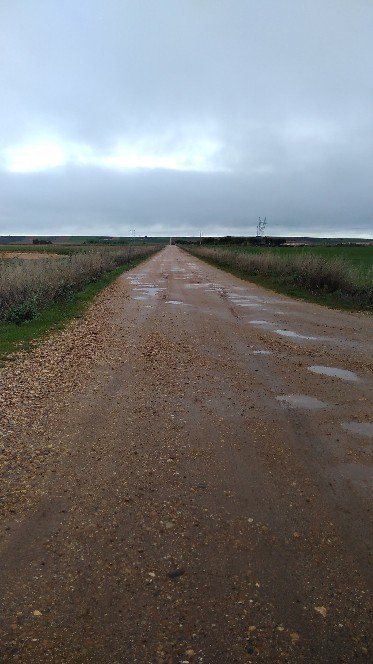
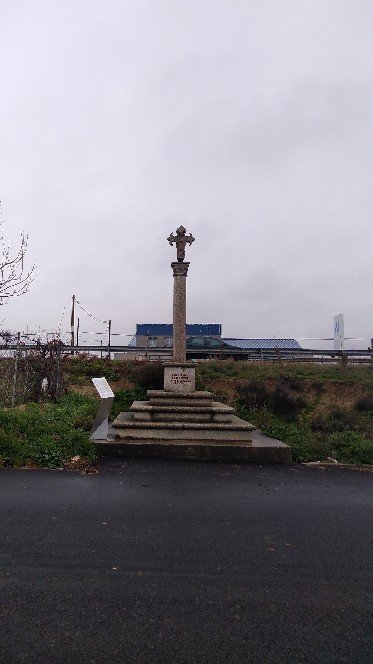
The tracks of the dog who went before me on the path.Cars stacked up beside the road. There are many car dealers in this area. The camino is not all beautiful countryside and olive groves.In fact, this part has long straight tracks of red earth between arable fields. Cloudy skies herald more rain.On the cross is a quote from Pablo Neruda: amar es vivir la existencia desde el corazón del otro which means something like, we live to love and be loved by others, to be in each other’s hearts.
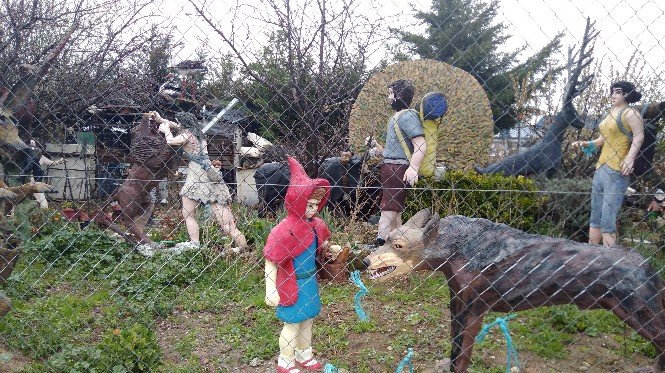
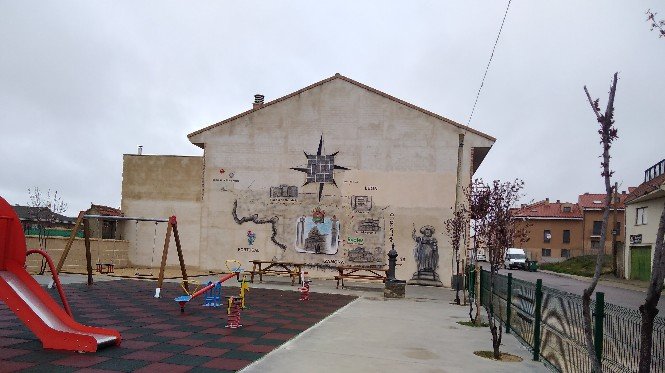
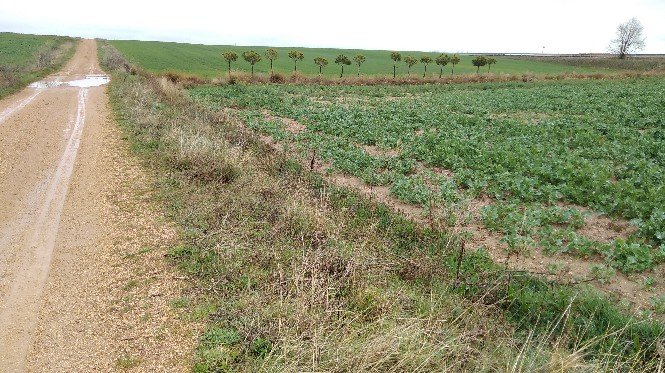
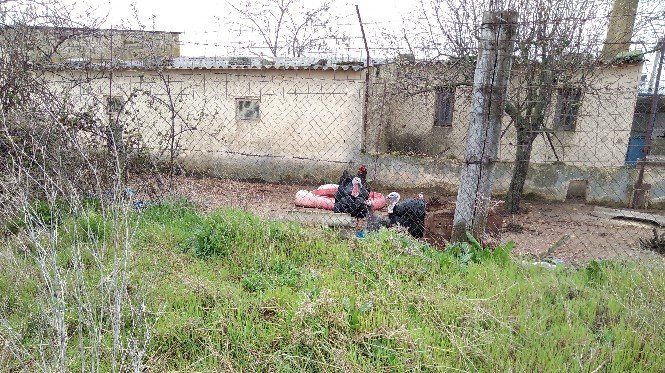
These statues of fairy tale characters were in someone’s front garden in Roales del Pan as I walked through.St James watches over the children’s playpark.Big puddles on the chemin, and a row of diddy little trees.Gobble, gobble, gobble, gob.
The owners of the private hostel Tio Bartolo also have a bar and work at the Covitan supermarket where you get the keys. It looks good in the photos and was recommended by the hospitaliere in Zamora, but I picked up some sort of infection walking barefoot on their floors. There were two American women and myself in the large dormitory under the roof, and we huddled in our beds and in our sleeping bags (there were blankets available). The weak, free-standing heaters which the landlady found us because all our clothes were wet, shorted the electric circuit and anyway, when the husband discovered she had given them to us (because he had to come and switch things back on) he shouted and swore and took them away. There were people in the small rooms downstairs who paid much more than we did (15 euros including breakfast which was left in the cupboards by the long-suffering wife and was not up to much at all).
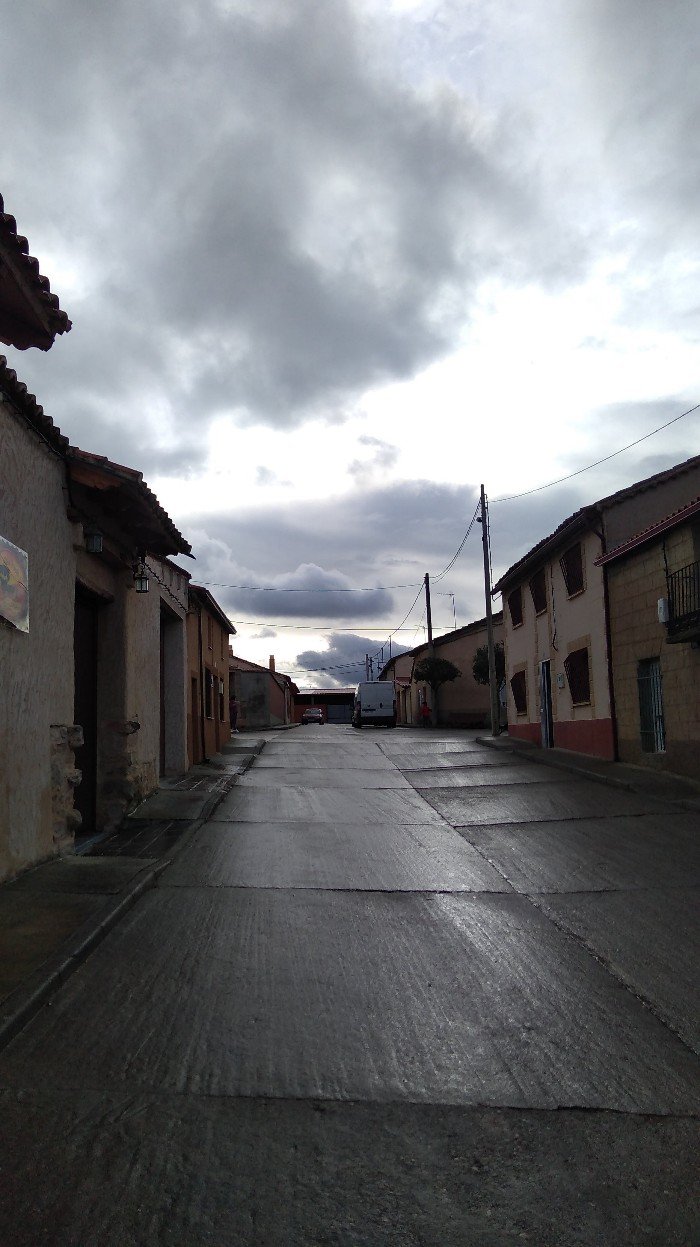
The hostel was on this street and I would absolutely not recommend it. Run by a kind woman and her angry husband, the rain came in downstairs and it was extremely cold.
Hostels and facilities
There are many facilities in Montamarta including a municipal albergue which had been shut for a while and opened the night I was there, but I had been told it was closed so didn’t try to find it. It is now rennovated and had good reports from the people I spoke to the day afterwards. There were two others mentioned in my book – El Bruñedo and El Asturiano – neither of which were open.
I had decided to go to Montamarta because otherwise it was a very long day (33 kms I think) and the pains I had been having in my feet dissuaded me from such a trek. I found a bar that wasn’t owned by the proprietor, on the main road, and charged my phone. The waitress was very kind, but it wasn’t somewhere I could stay long.
That was a really low few hours, and I used Facebook to send out a message to my friends, ‘Should I just go home?’ Some said yes, some no! I kept on going. And you know what? It got a whole lot worse the next day – in a different sort of way!!
‘But my business is unlearning, not learning, and I’ll change with the world but I won’t change it.’ from Ursula le Guinn’s Left Hand of Darkness.
Via de la Plata Camino – Day 16 (Mérida to Ourense). Friday 6 April 2018. 20 kms.
I am walking in Castilla y Léon and this part is very flat with a deal of road. The albergue in Calzada de Valdunciel is on the opposite side of the town, making it very simple and quick to find the way out in the dark.
‘Lodging facilities were generally provided outside the city walls to enable travellers to come and go after the gates of the town were shut at night’. The Pilgrimage to Santiago, Edwin Mullins.
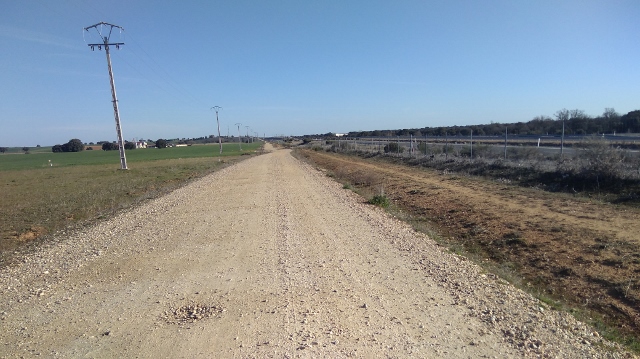
The long straight path was not overly attractive but as the sun rose, everything changed colour, even the barbed wire fence took on a precious shine.
I came across a small forest of teasal, all turned towards the sun. They stood tall and prickly in the light, old and brown but glowing at the same time. I have never seen so many of them at once. Perhaps because I knew I would be walking past a prison later in the day, they reminded me of inmates pressed against the boundary fence (there was not enough light to take a photo).
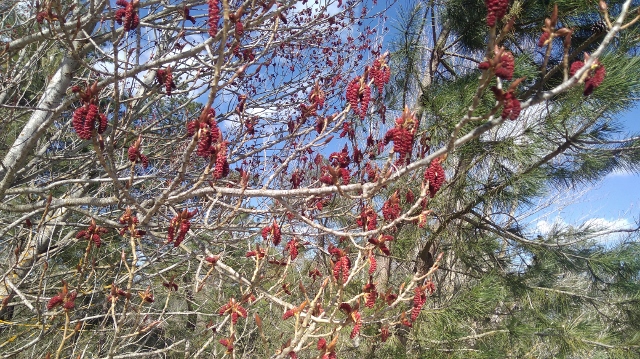
Plant of the day: the red catkin one – after searching the internet it could be Black Cottonwood
Opposite the sun, in the same cobalt sky, was less than half a lint moon, a wafer-thin gauze of a slither. Where the warmth had not reached it, the grass was still stiff with the haw frost.
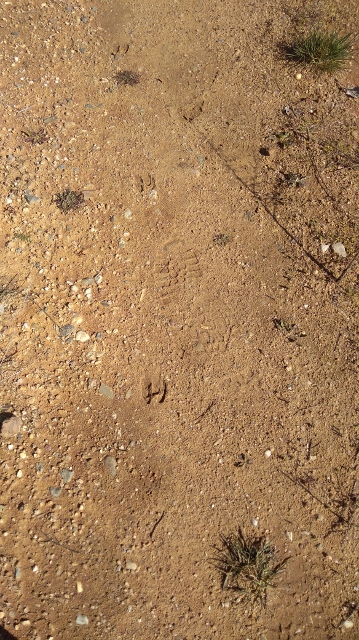
I followed the footprints of the people who had gone before me until a significant detour due to flooding. I was under a motorway bridge and the warning signs were easy to see except they were back-to-front, so first I took the left fork, met with the un-passable path and retraced my steps. Then it was not easy- arrows everywhere – and it was counter-intuitive winding back and over where I had already been. It seems that this diversion has been there a long time.
I ask myself, what is the person like who leaves these prints?
Soon it was lovely and warm. Straight, straight on, cars rushing past and I somehow missed Huelmos, the only pueblo between setting off and my destination. Shame about the sore feet. This type of stage often seems much further than it actually is, but I revelled in the wild flowers: the same selection from last week. I had hardly seen any since then and I wondered if the wheat spraying was responsible for the lack of them.
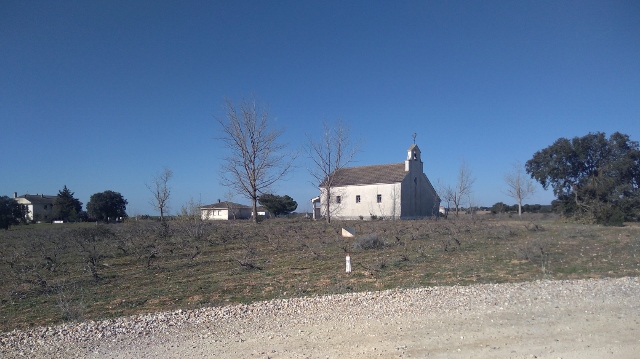
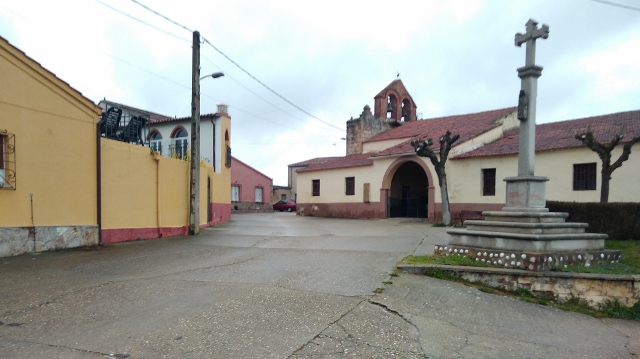
A typical, simple, Spanish local church.
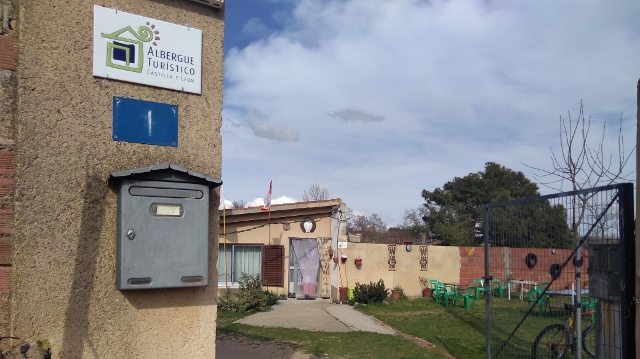
This time the accomodation, a private hostel, was just off the first road I came to on entering El Cubo, sort of round the back and next to what looked like a derelict area. It had a spacious garden surrounding it and those strips of plastic hanging in front of the front door.
Albergue Torre de Sabre, Calle Traversís de la Ermita, El Cubo, Spain.
As there was no answer I phoned and the owner appeared very quickly, offering me a welcome beer. The books say people are welcome to pop in for a drink and a seat – a nice idea that I had not come across before. As I sun-bathed, I remembered that I had forgotten to leave a donation at the Salamanca donativo hostel and resolved to ‘pass it forward’, as the cyclist from Malta who came briefly by for a coke and to fix his bike, suggested.
Later I went into the village to buy my tea and next day’s breakfast. Two women sitting on a bench outside their house pointed me in the right direction. I am now familiar with shops which are in apparently residential dwellings. In Edinburgh it is the opposite – many of the old shops have been made into homes. White doves flew up from the church.
See the St James scallop shells decorating the base of the cross – eternal symbol of the camino.
Being private, there was no pilgrim’s kitchen but the retired owners allowed us to sit at the table alongside the others who were eating the supper provided. There were six of us including a young couple who are walking the camino, weekend by weekend, travelling by car from home on Friday nights, to the start of each stage, walking for two days, and then returning to their vehicle on the Sunday night for work the next day. It was a really enjoyable meal and the wine flowed freely – a delicious local white for the starter, red for the main – which I was (happily) encouraged to sample.
I was still meeting up with the duo from Seuil regularly. They always cater for themselves, being on a strict (almost impossible) budget, and the youngest is an avid footballer (he played for Rennes when he was younger) so despite walking every day, he goes out for football practice every evening – E, his ‘accompanying adult’, is consequently improving his moves!
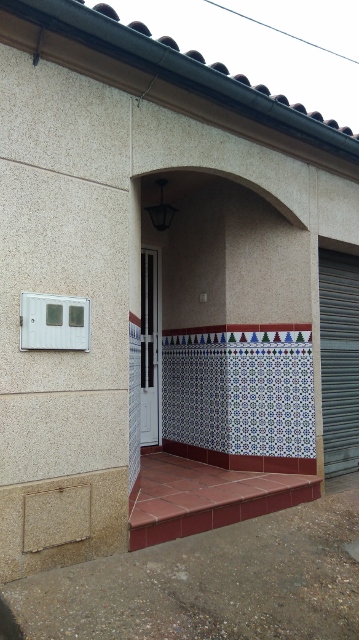
A plain, modern house with attractive decorative tiles.
They also washed our clothes for two euros, and there was plenty of hanging space in the garden. Unfortunately, having bought almost all of my stuff in before the storm except my double-layer socks which dry very slowly, I left them out all night. I padded out in bare feet through the puddles in the early hours when I remembered, but it was too late for them to dry for wearing that day.
I had a rather luxurious night: although I was in a shared room and had arrived first, picking the less expensive bunk, the whole establishment was full by 8pm and I was moved to a double bed – presumably because I was the matriach!!
I woke really early and crept out of the female dorm where I slept with 2 others. I had been warned that walking out of Salamanca would be frustrating, and it was. The start was straightforward: to Plaza Major, then onwards, the roads getting wider and more industrial as I went. But then there is a left; straight on at a supermarket (Carrefour); a hotel which would not let me use their toilets; a stadium which I crouched behind as a result; and motorway roundabouts. No paths nor pavements: terrible. I even saw a man spitting which although it is very common in Britain, I had never seen before here in Spain.
However, I could not help but be elated with the lovely buildings and the sunlight, even if it was mixed with frustration at getting the rucksack comfy, trudging along thinking about past relationships and sorting things out in my mind.
Finally there was a clay camino by the motorway and despite the ice on the ground it was starting to warm up.
It looks more orange in real life!
I was getting a very different feeling from people in this part of the country: in the bars they were polite but gave us half a glass compared to the Spanish, and charged more; on the street, on the other hand, people were kindness itself, helping with directions despite my beginners Spanish.
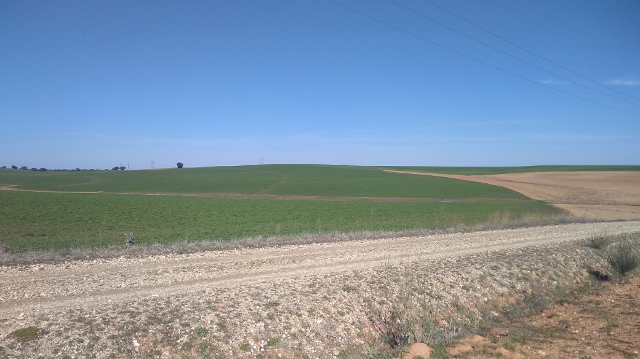
For a while I walked amidst the green and earth – the plough had created gracious curves around the hills. Then more by road – I thought, ‘You must be joking’, but the challenge was to stay quiet inside and enjoy what was there. It worked! Very soon I was back off-road, and from then on it was a smooth, flat and ochre-coloured path.
Yesterday I walked in one long stretch of countryside with nothing to break it up, offering a chance to do a walking meditation. Today it was warmer and there were little hops from village to village and there was the spire of a church ahead in Aldeaseca de la Almuña. It was a square bell tower with a shallow triangular roof and a little blob of stork on its nest on top.
I passed one of the women I had seen the previous night. She was sitting outside a village supermarket having a quiet smoke. I chose a lovely wee shop round the corner, full of delights such as an unexpectedly wide range of perfume as well as the sweet things I was ready for even though only it was only 11am.
There was a tiny arrow between the church and the medical centre but I only saw it when I went back in and the shop-keeper pointed it out. There was a sign that the library bus visits on Mondays. I exited past the sunshine yellow play-park.
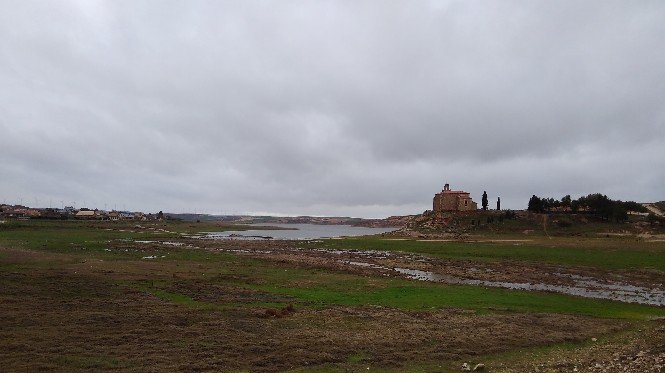
I admitted to myself (after my experience near Lake Tajo) that I am somewhat nervous of meeting single men on the outskirts of towns, and at the next village sure enough there was a car which went slowly. He hooted and later approached me, but it was fine – I walked on, did not look at or answer him, and he got the message.
There were new tulips out, a hoopoe saying bou bou bou, and wood pigeons coo cooing. Luckily my book said to walk on the right side of the road, and there was a path between the trees although I did not see the arrows. Later I discovered that others had continued along the road, and I was happy that for once I had found the gentler way.
I love these wide open spaces. They are one reason why I walk.
Although in this flat land there are not a lot of places to snuck down for a pee!
More than once I thought I saw a castle in the distance and then realised it was irregularly stacked hay bales.This footbridge is what we caminantes appreciate.
Oh the sweet peeping of the small brown bird with a white belly! I had never seen the vino tinto-coloured catkins before: they were all over the ground.
Then, another first, I had to take my boots off and wade through the water which was blocking the way.
I crossed the very busy main road once more, using the motorists’ signs to help me: there are far fewer arrows in this region, though there are the more modern Castilla y León pillars encompassing a variety of directions. Here there were the same miniscule scarlet succulents growing in the gravel which were all over Extremadura. I was walking beside what you might call a posh housing estate, along a smaller road parallel to the A-one, into Castellanos de Villiquera. (The Valencia one I went to has security guards on call 24 hrs a day)
There were glimpses of turquoise swimming pools through hedges and I wondered for the 100th time, why I walk. We have forgotten the way people used to walk from town to village if they did not have a horse/cart. My favourite parts of the film Captain Corelli’s Mondolin are when the people wend their way out of the village down that zig-zag road, taking their time and following tradition. Now I hear that in America you are advised not to go on foot at all in some cities. I am fascinated by the quietness of this mode of transport, not for the sake of a romantic revisiting of a lost era but because it feels better. I see and hear more. If I am not in a hurry (as I was for the first 50 years of my life it seemed), then there is somehow more time for my soul to catch up with my body.
At the water tower in Castellanos de Villiquera the yellow arrow tell me to go straight on.The road forks at the Parish Church of Castellanos (Spain) and there is almost no wind so I can go on in a T-shirt.
A woman beats a mat outside her house; in contrast the small tweety birds flutter their wings like hovver flies. A racing 3-year-old spaniel, wet from leaping through young wheat, and her owner (approximately 80 years old) stop to say, aren’t you cold? I said no, not after 15 kms, and we had a nice chat. He wished me a Buen Camino when we parted ways. It seems to be a very popular pastime for the retired, walking on the outskirts.
No-one overtook me today. I suspect the two men who left earlier are going for 30 kms or so. Planning each day involves looking at the distance between hostels and taking any main towns into account. It is certainly tempting to go further, and this is a topic of very regular debate both in my head and with others, but today’s tricky 60 kms to Zamora can be comfortably divided into 16, 23 and 21 which is much more relaxed.
I traipse through Calzada de Valdunciel, right to the other side, past a wall where there is an oficina virtual de turismo ie, not real people, but a digital tourist information. And arrive at a 12-bed, cute little albergue which shares a wall with a noisy metal-cutting factory (blessedly, they take a long lunch break!).
It was deliciously sunny and I spent all of the rest of the day outside in the paved space in front.
I am there first and although deserted, the door is open. One-by-one the others arrive: the 2 men from Seuil who I have been getting to know for a few days, came first, followed by others who looked and decided to move on, and, finally, the woman I saw that morning and she had to be turned away because by then we were full. There is a little kitchen with a stove and a string of (what turns out to be plastic) garlic. And a little bedside table.
Later I took a turn around the streets and met the same woman for the fourth time. I discovered that she was waiting for an ambulance outside that supermarket because she had come over all giddy. I had noticed her having coca cola and coffee for breakfast in Salamanca before her cigarette, so when she said she did not know why she had felt so ill we had a chat about it. Much later I got to know her well and heard her story. There is always a story.