
This is a new collaboration between Kristina Rothstein and Tamsin Grainger where we walk together, apart. Kristina is in Vancouver, Canada, and I am in Edinburgh, Scotland.
Last week, we walked at the same time as each other, despite the time difference of 8 hours and having only spoken together once online. We didn’t exchange maps or describe where we were going, but agreed that we would walk on edgeland (whatever that meant to us), and stop to communicate in some way at 30, 60 and 90 minutes during our walks. We both viewed and listened to each other’s work before we began. Our interest was in the process, experience and outcome of such an experiment, whether we would find that there were any cross-overs or influences, despite the geographical distance.
Kristina walks in Vancouver
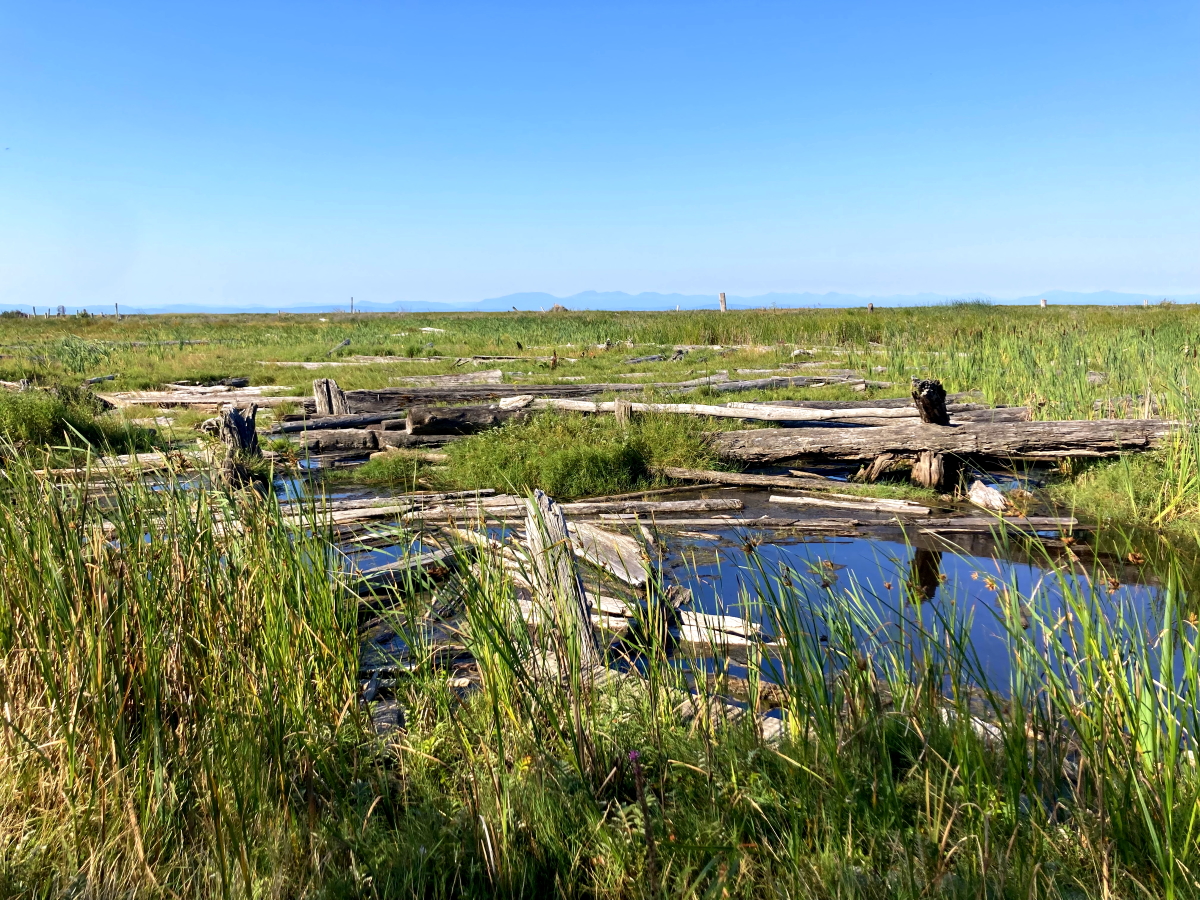
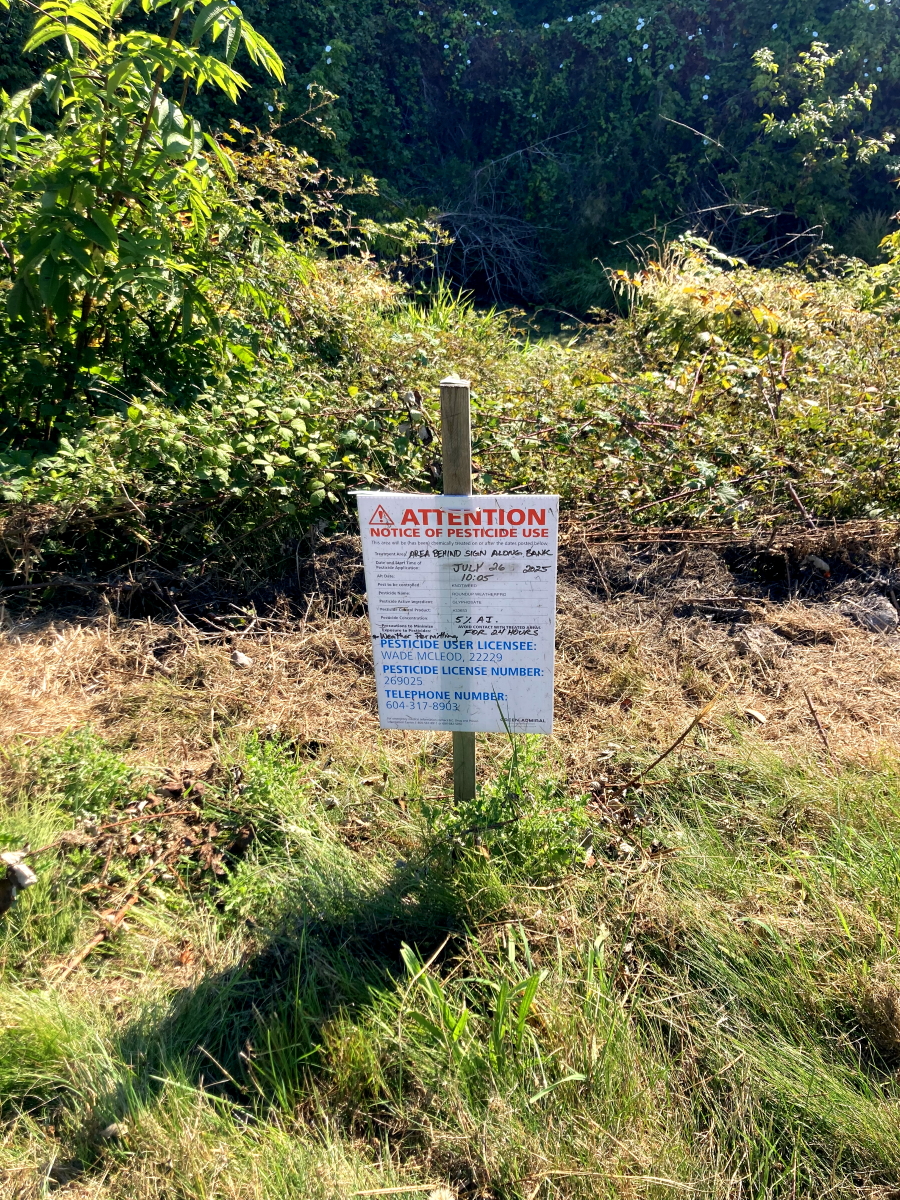
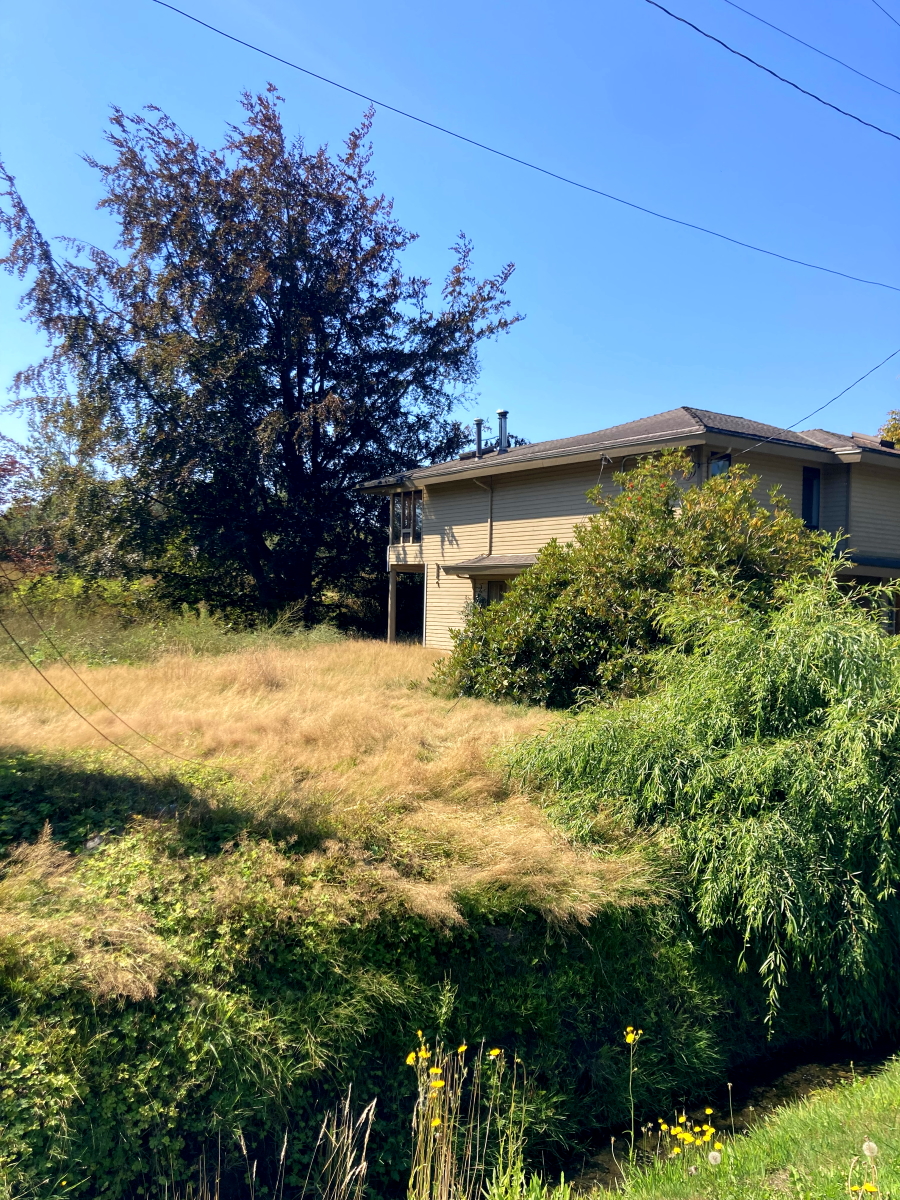
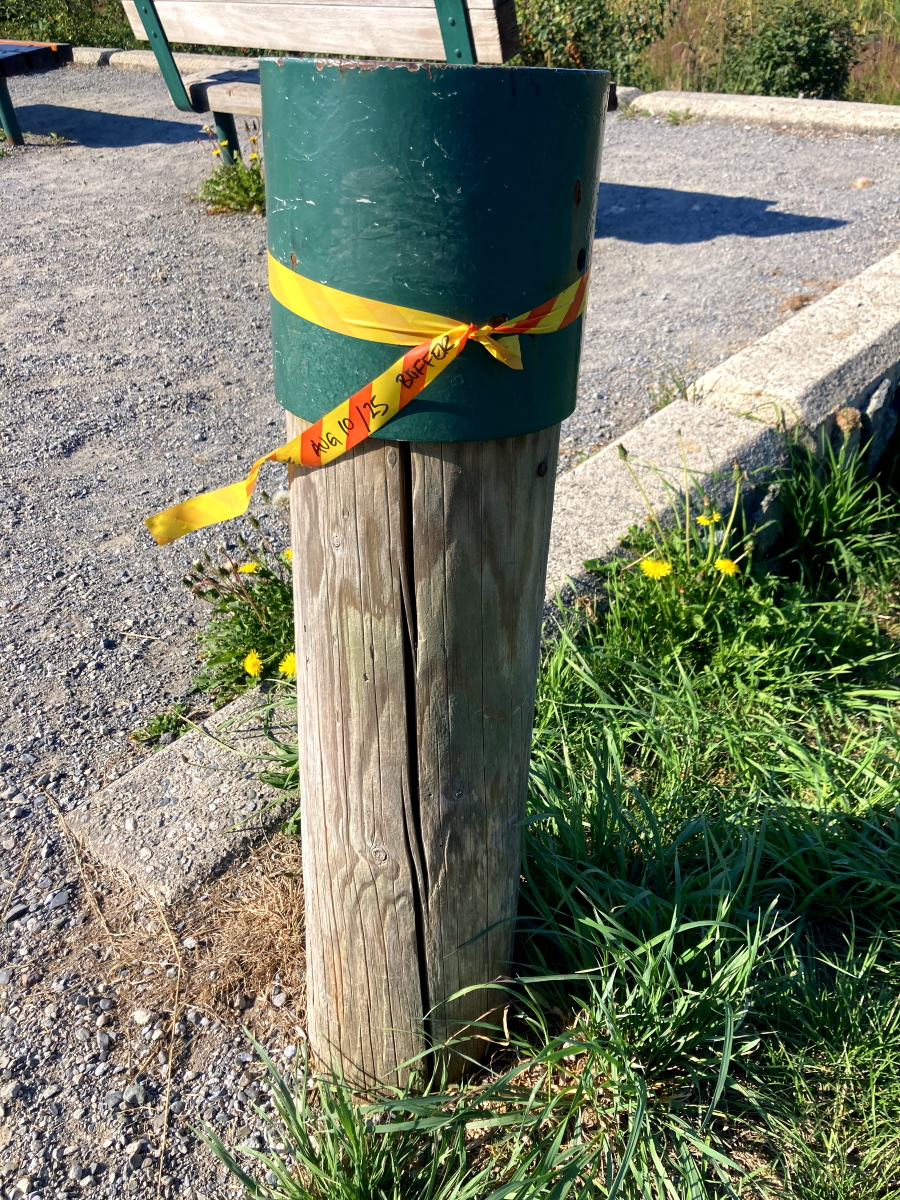
Kristina writes: I began my walk at a parking area (///swimmer.behaving.sailor) where the middle fork of the Fraser River meets the Straight of Georgia (Pacific Ocean). I followed a multi-use trail along the dike. When possible, I took unofficial trails that skirted closer to the intertidal flats area, passing through some thickets to where the ground becomes watery. My first intervention happened there. Leaving the path felt right. My second intervention was on the gravel dike path, where a long row of tall trees lines a golf course. My third intervention occurred where a residential road dead-ends at the trail, with a rural park on the other side.
Tamsin walks in Edinburgh
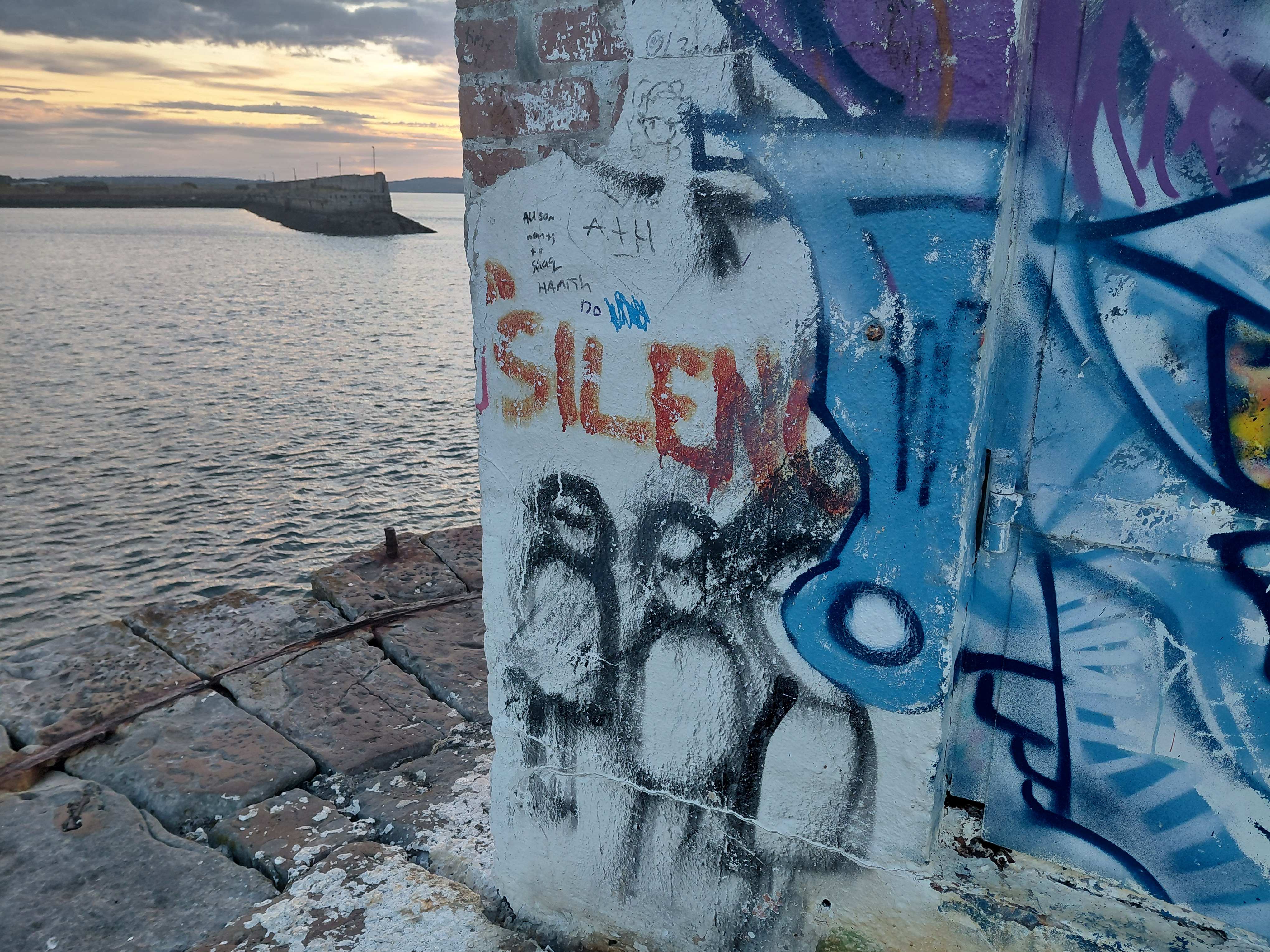
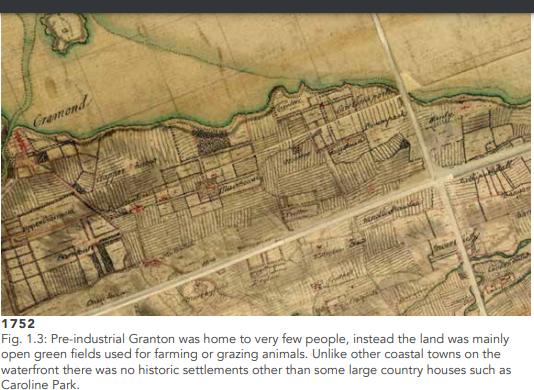
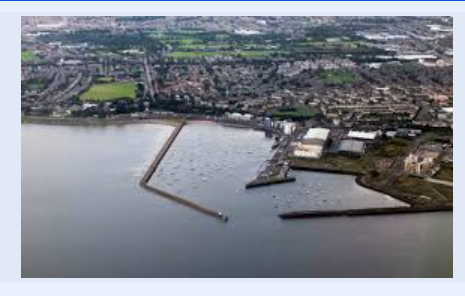
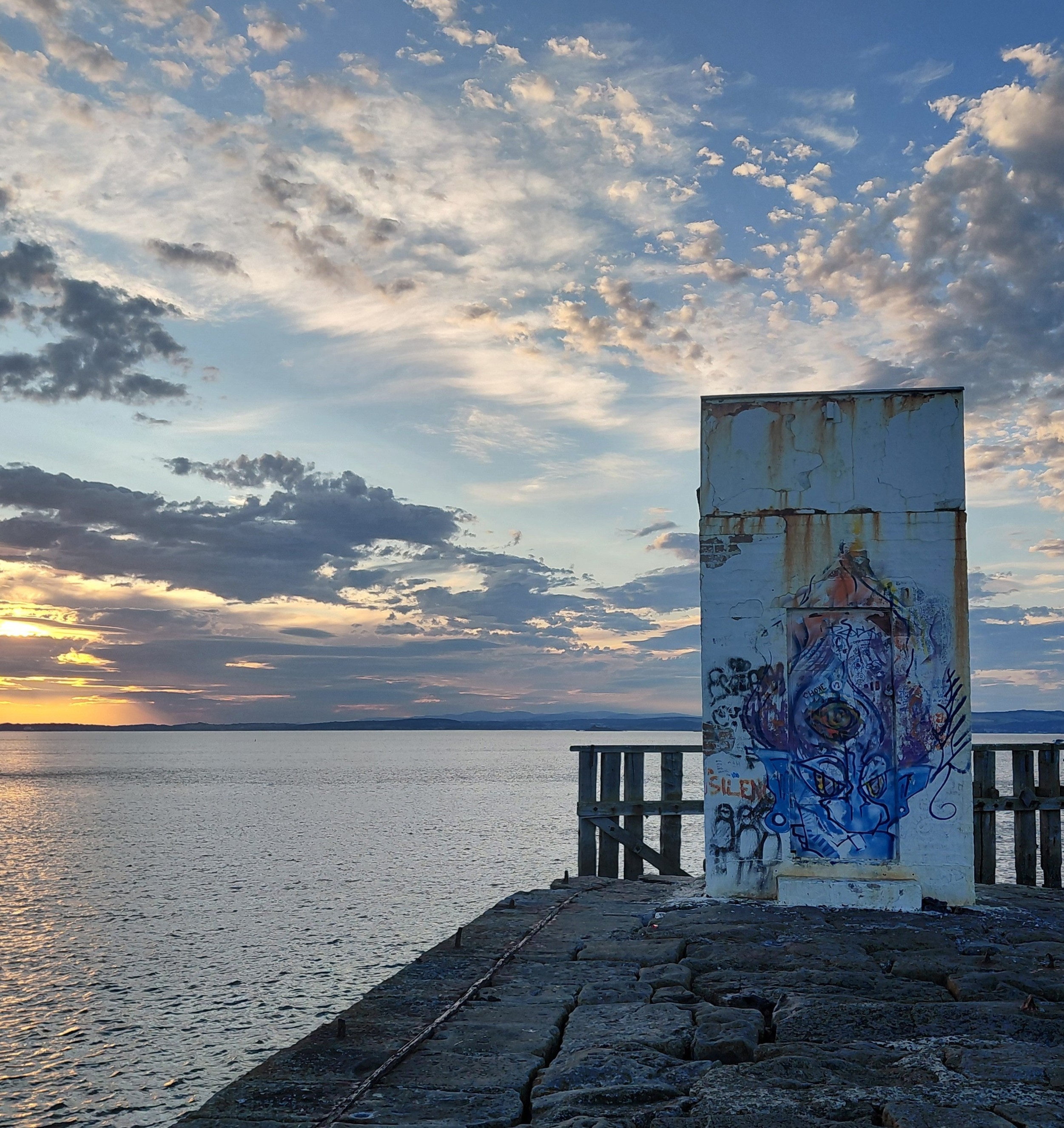
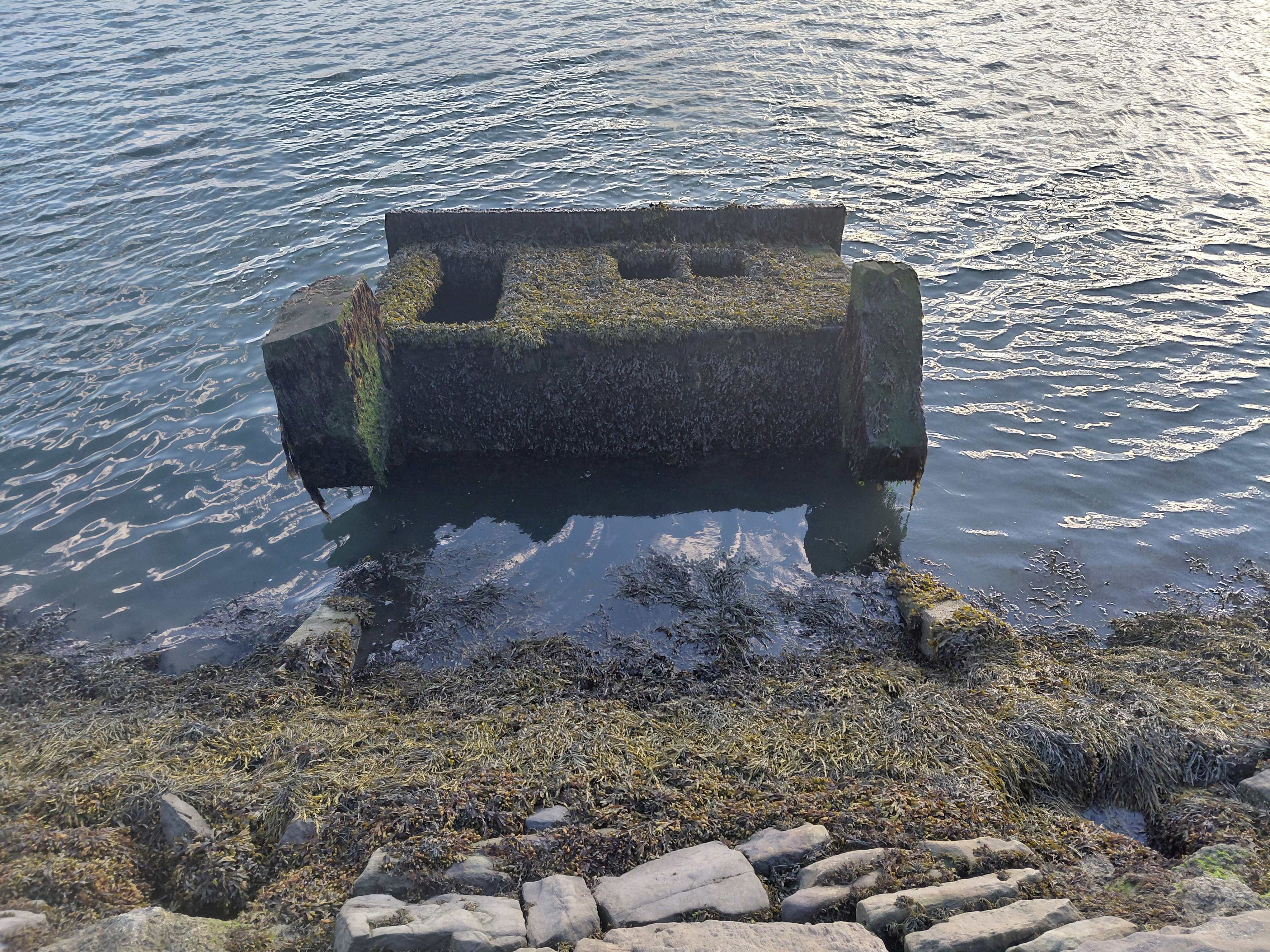
Tamsin writes: I began my walk at the intersection between land and the Firth of Forth (///kinks.coats.salsa), an estuary of the North Sea at the edge of the city of Edinburgh. I followed the Eastern Breakwater, the right arm of Granton Harbour. This long, stone wall (would you call it a dike?) is raised above the sea and divides the calmer waters where the yachts are moored, from Wardie Bay which is used for wild swimming. The Breakwater travels directly out to sea and then bends left, eventually coming to an end where the ocean surrounded me on three sides. A graffiti-covered structure stands sentinel. ‘Silence’ I read to myself. I looked down to the skirt of stones which appear at low tide around the base of the wall and saw a fisherman casting his rod. If he was aware of me speaking into my microphone to Kristina, he didn’t show it.
KR: I looked at the land differently, with a focus on transmitting to Tamsin, my walking partner. Carrying her with me psychically changed my relationship to the landscape and my experience of the place. It did feel like I had a passenger. I imagined seeing things through her eyes and also tried to imagine her own edgeland superimposed alongside mine and what she might be seeing and thinking. This one to one connection felt very different from walking remotely with a group. I thought about allowing myself to flow and seep into my walking partner and I opened myself to receive signals.
TG: I was pleased to walk with Kristina as my companion. I had the phone recorder on most of the time so I could share the sounds of the landscape with her. I chatted away as if she was there beside me. Not knowing what she was seeing and hearing, I trusted that our connection would bring about some synchronicity. I actively merged myself with my imagination of her, attempting to walk in time with her footsteps, and see my views through her eyes.
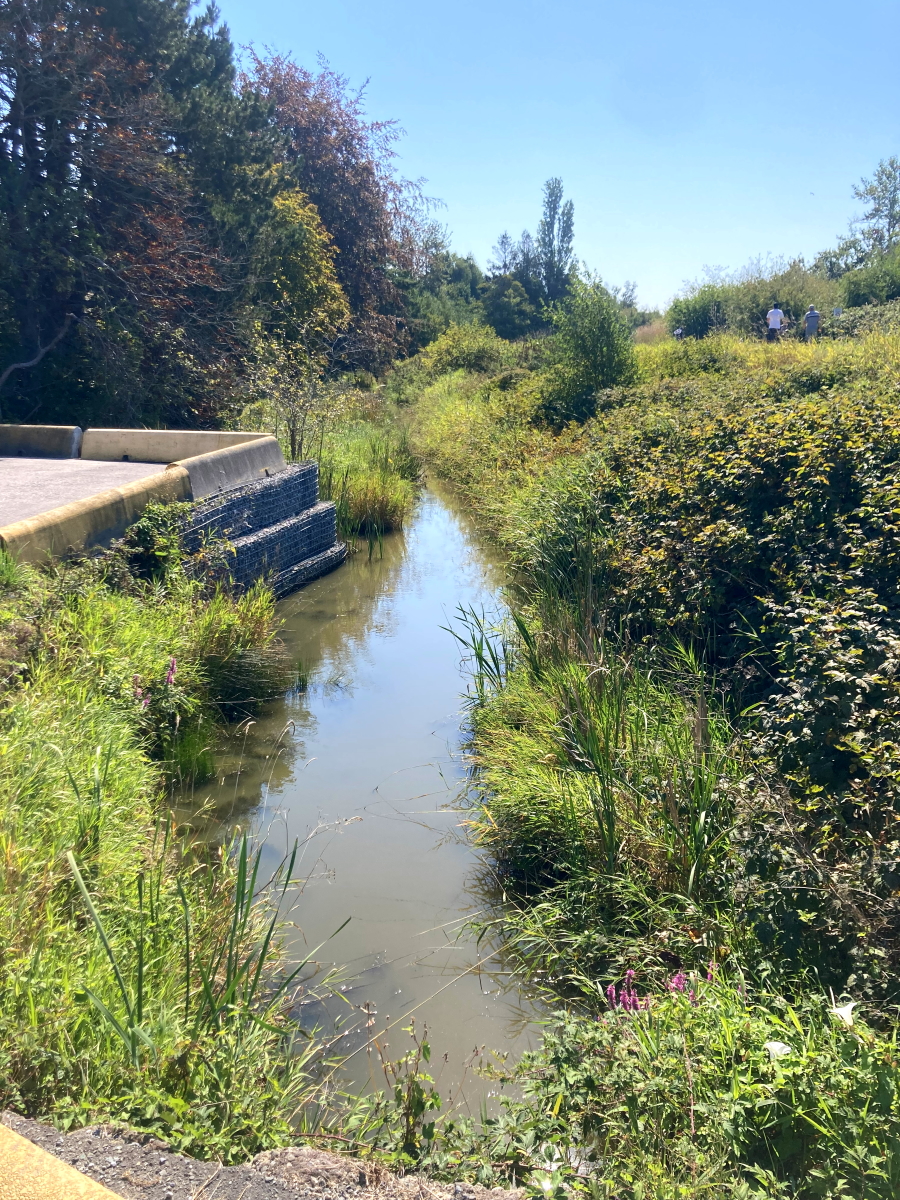
KR: This is a trail I walk or cycle on infrequently. There were more borders and edges than I remembered: the line of a golf course and houses, a drainage ditch, the dike, a border of brambles and rosehips, the tidal marsh, the sea.
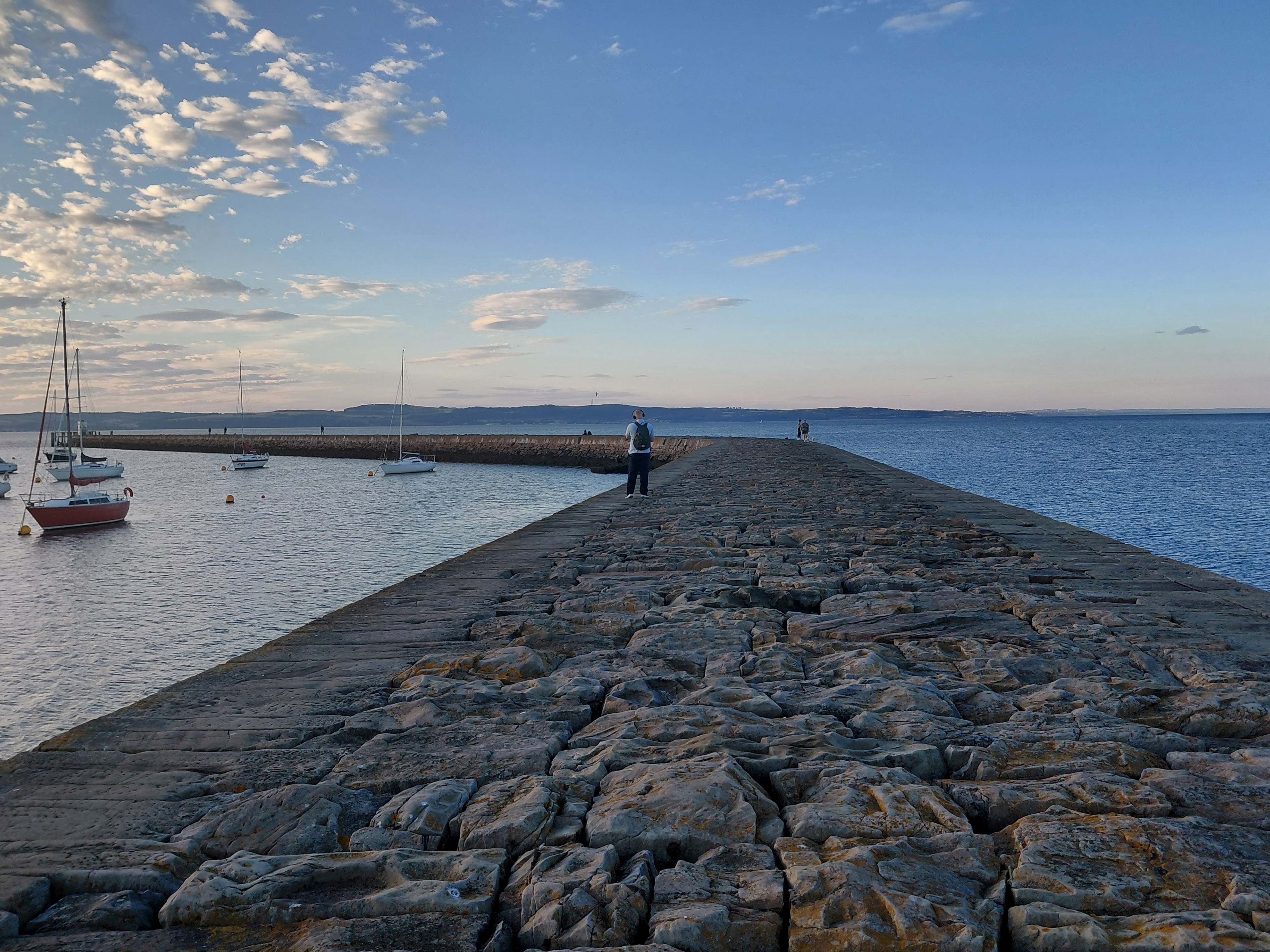
TG: I’m familiar with this walk, can actually see through the window if I stand on the edge of my bed. The Breakwater cuts a clean line into the sea, dissecting the outer limit of the city and points a crooked finger towards the far shore of Fife. Before the harbour was completed, in 1863, the shore showed on the maps as a smooth curve. Now, I like to think that we reach out and gather people into our arms (as the nation of Scotland welcomes refugees and people seeking asylum), extending our limits and, hopefully, opening our minds beyond borders.
KR: It was late morning for me, on a clear sunny day. I passed a lot of walkers and cyclists, saw and heard many birds including a flock of herons and a lot of airplanes and seaplanes. I liked using this vague prompt to begin. It would be interesting to see what happened if a more detailed idea of the walk was given ahead of time.
TG: It was a very fine evening – unseasonably warm, though breezy as usual – and a popular place to be. Planes were banking overhead, then soaring towards the airport. I counted at least eight different languages being spoken, evidence of this multi-cultural area. I met a local friend walking with a visitor, who was delighted when I said I was walking, remotely, with someone in Vancouver, as she’d been there.
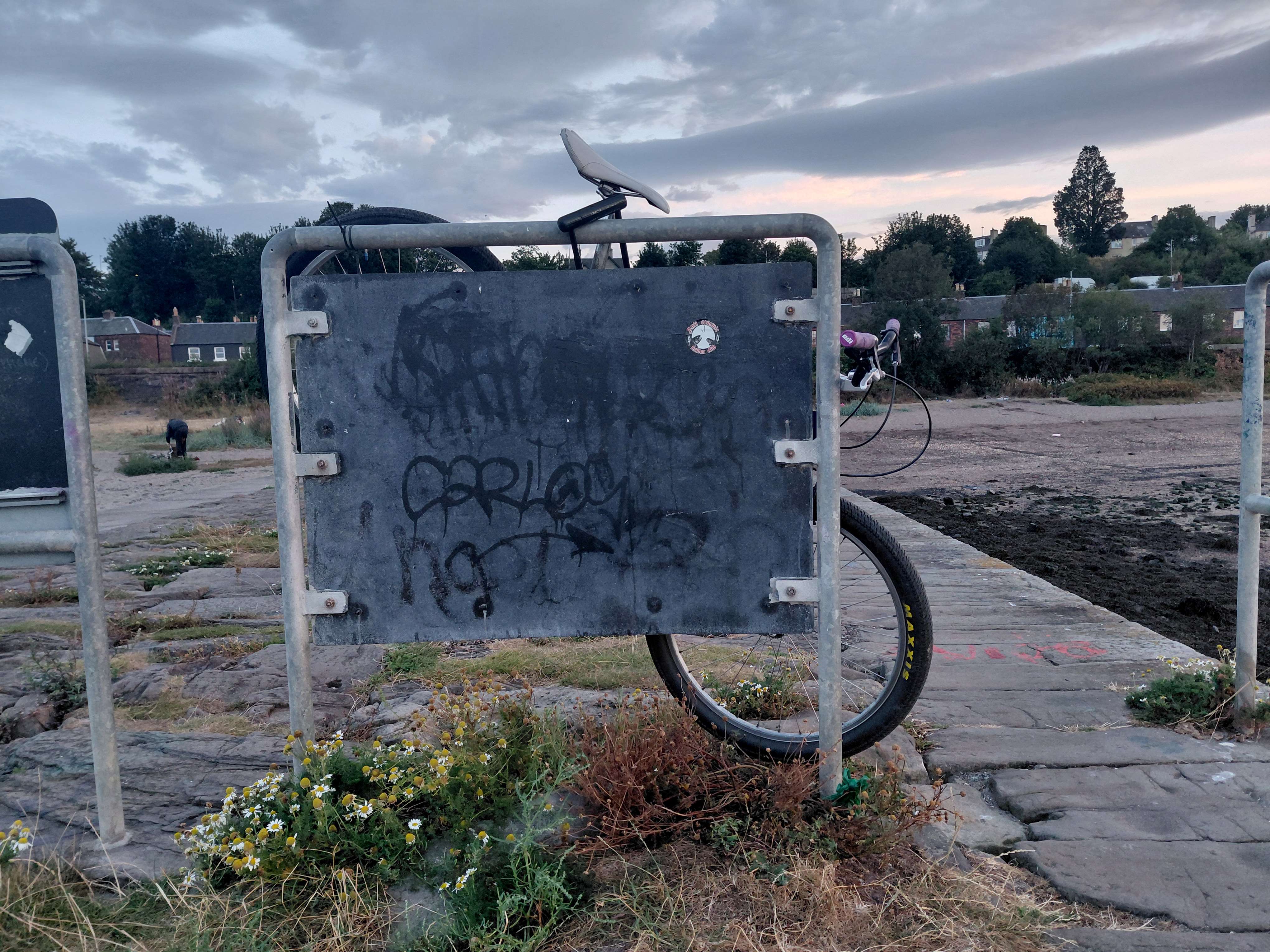
KR: “Edgeland” is not that descriptive so I don’t know whether the similarity and overlap in our landscapes was a connection or based on me knowing something about Tamsin’s work. After sharing some of our experiences I was taken by the ways in which large birds played a role. It was also exciting that we were moved to make percussive use of the surroundings, something I have not done before. Wind was a strong presence, somewhat common by water, but not necessarily. We were also both drawn to vertical structures, perhaps because they stand out on edges.
TG: What sounds and words should I include in the final recording? I wasn’t using quality recording technology (or even a sock), so the wind often drowned out my voice. There were the constant tunes coming from the bagpipers rehearsing on the Middle Breakwater. And I had also picked up a stick, using it to play persussive rhythms on various surfaces in time with the regular pace of my footsteps. Listening to my commentary afterwards, I was reminded of the line from the Twelve Days of Christmas, “Eleven Pipers Piping” and following that thought thread, I wrote the text, juxtaposing it with the found sounds of the environment. It was only later that I discovered Kristina had also picked up a stick and played it. Then I wished I had included it in the final cut!
Listen to the Sounds we made in response to our walks together, apart
We both hope to repeat this Walking in Pairs, exploring different landscapes and experimenting with various briefs and prompts to see what happens when we walk together, apart.
This is a Walking the Land project.
 Walking without a donkey