Walking Between Worlds – 2

An account of the second part of a circular tour of Leith beginning at Bonnington Toll.
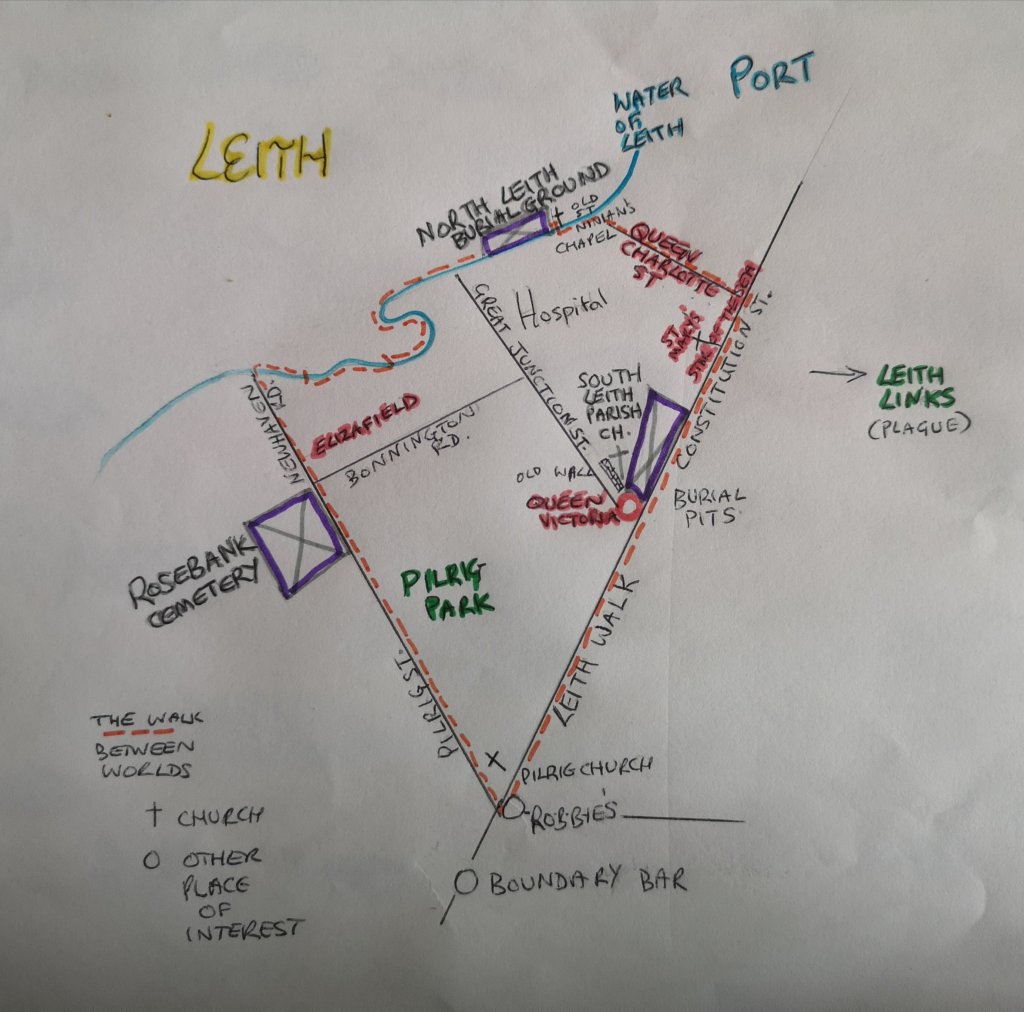
Route Map
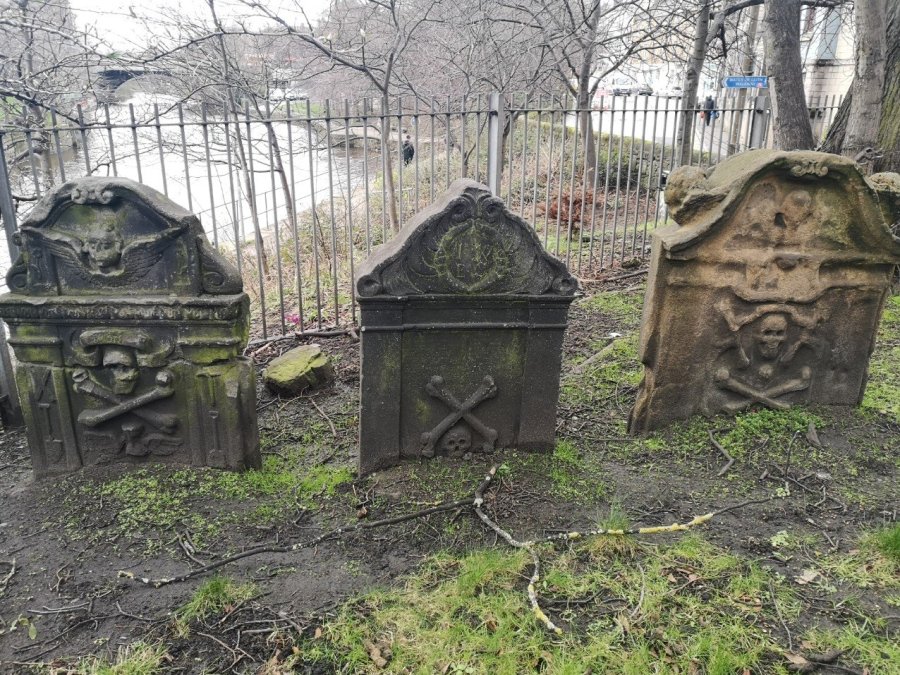
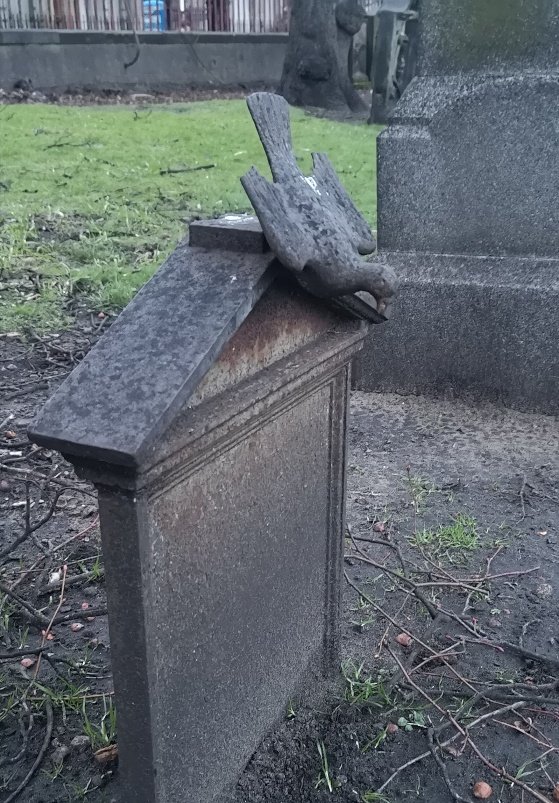
Graves often have angels or birds at their tops and a skull and cross bones at their base – symbolising that the body dies but the spirit soars to heaven in the Christian tradition. The way, according to the ancient Chinese, is not so very different. The soul has different aspects to it, two of which are the Po which goes down to the earth at death, and the Hun which rises out of the top of the head and joins our ancestors

Focus on women

I chose to focus on women’s stories during this walk, because, as a woman and a feminist, it is necessary to know about who came before me, I need to know my backstory. I find that it helps me sense my place in the continuum of the generations. Several of these walks took place at the same time as the Audacious Women Festival, whose byline is: ‘Do What You Always Wish You Dared’. I was involved in the 2019 Audacious Women Festival, sitting on a panel which looked at women who travel and move to different countries: how we support ourselves, make friends, manage the language difficulties and so on. That women-only event engendered a lively discussion with the audience, in which women of all ages shared their emigrant and immigrant experiences. My first guided walks was open to men and women, children and dogs, and it was something I was daring myself to do!
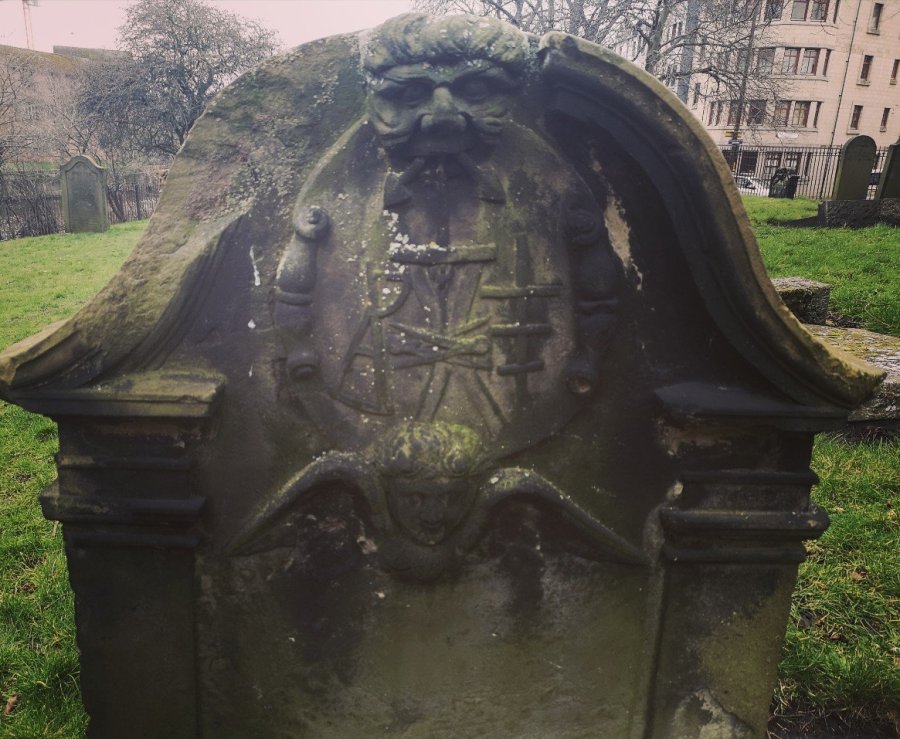
The tools of the leather workers’ trade on a grave stone in North Leith Burial ground, Edinburgh

Bonnington

After leaving the Rosebank Cemetery, we cross Bonnington Road, a toll road at the end of the 18th century. We enter into what would have been Bonnytoun (pretty village in Scots), encompassing mills and land which was part of the Barony of Broughton (mentioned in a Royal Charter 1143). Flanking both sides of the road are modern estates as well as the much older red stone Burns Tenements (on the right), which used to be the tannery. We were also going to be seeing the graves of leather workers with their pincer tongs and other tools adorning them in the North Leith Burial Ground, further along the way. Using the power of the Water of Leith, there was a conglomeration of businesses in the Bonnytoun area, and there is one existing mill wheel in the mill lade at Bonnyhaugh Cottages (on the left).
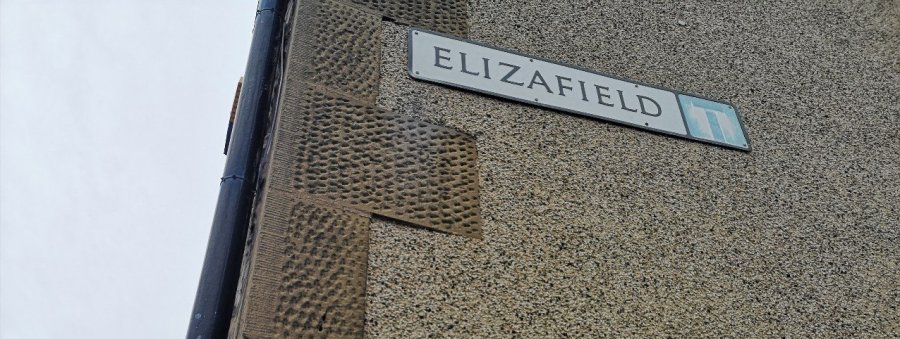
Who was Eliza?

Second on the right is Elizafield, named after Eliza, a native of Leith, and the woman who bore Dr. Robert Grant. I have not been able to find out anything about her and her life. Her story has disappeared, perhaps deemed less important than his despite the fact that he would not exist if it weren’t for her, not least because birthing was such a dangerous task in the 1780’s. Grant was a surgeon and left Leith in his twenties to settle, very successfully, in South Carolina (US) marrying Sarah Foxworth. The rice plantation he established in Georgia (US) was also named Elizafield, and, as was the way then, it only drew the produce and profits it did, due to the female and male slaves who carried out the work: they were, ‘the driving force behind the success of the plantation’. (Amy Hedrick, author on glynngen.com)

Historically it [birth] was thoroughly natural, wholly unmedical, and gravely dangerous. Only from the early eighteenth century did doctors begin getting seriously involved, with obstetrics becoming a medically respectable specialty and a rash of new hospitals being built. Unfortunately, the impact of both was bad. Puerperal, or childbed, fever was a mystery, but both doctors and hospitals made it worse. Wherever the medical men went the disease grew more common, and in their hospitals it was commonest of all.

Druin Burch (2009) https://www.livescience.com/3210-childbirth-natural-deadly.html

We turn our backs on Elizafield to view Flaxmill Place. Flax was used to make linen, most of which was exported. It was so successful (employing 10000-12000 workers, many of whom would have been women, although the data is unavailable), that we know the Mills were able to loan Edinburgh Council a great deal of money. The Bonnington Mills, on the banks of the Water of Leith, made woollen cloth as well as linen and much of the wool was produced by women in their own homes nearby. The owners were always aiming to improve profits and cut corners, which resulted in the controversial introduction of Flemish and French workers (accommodated at Little Picardy(ie), the current Picardy Place). The women and girls spun the cambric yarn (for the close-woven, light type of linen), to try and improve the quality of the cloth, but this took away the local jobs.  

Persevere – representing Leith

In 1686, the first Parliament of James VII passed an ‘Act for Burying in Scots Linen’, the object of which was to keep the cloth in the country. It was enacted that, “hereafter no corpse of any persons whatsoever shall be buried in any shirt, sheet, or anything else except in plain linen, or cloth of hards, made and spun within the kingdom, without lace or point.” Heavy penalties were attached to breaches of the Act, and it was made the duty of the parish minister to receive, record and produce certificates of the fact that all bodies were buried as directed. On hearing this, we can imagine that the women in the graves we were visiting may have been bound in just such a linen shroud, made right in this place.

Women at work at the Burton’s Biscuit Factory, near Bonnington, Edinburgh

Before the Industrial Revolution, hand spinning had been a widespread female employment. It could take as many as ten spinners to provide one hand-loom weaver with yarn, and men did not spin, so most of the workers in the textile industry were women. The new textile machines of the Industrial Revolution changed that. Wages for hand-spinning fell, and many rural women who had previously spun found themselves unemployed. In a few locations, new cottage industries such as straw-plaiting and lace-making grew and took the place of spinning, but in other locations women remained unemployed.

Joyce Burnett (2008) This webpage has some fascinating pictures of women spinning at home and in the factory
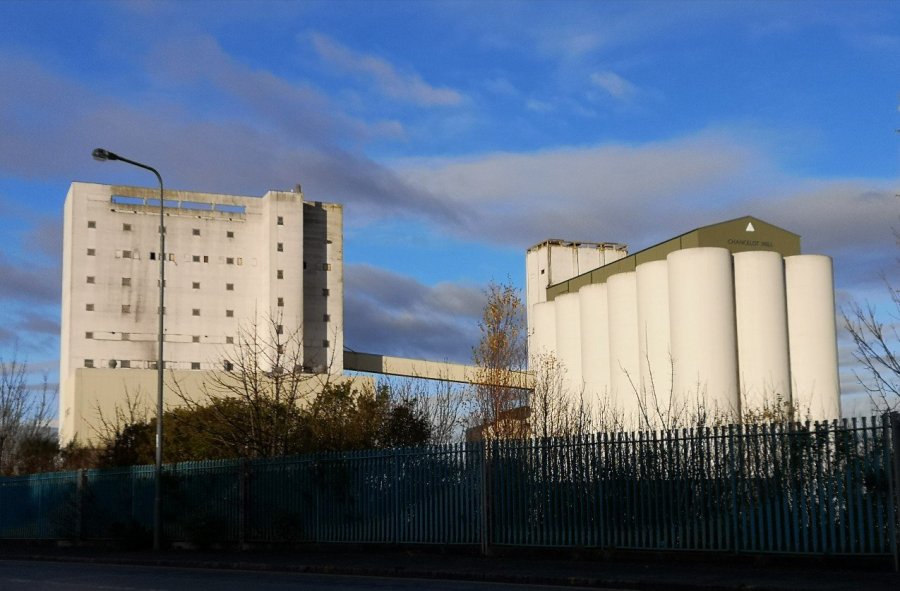
The current Chancelot Mill on Lindsay Road, Edinburgh, Scotland

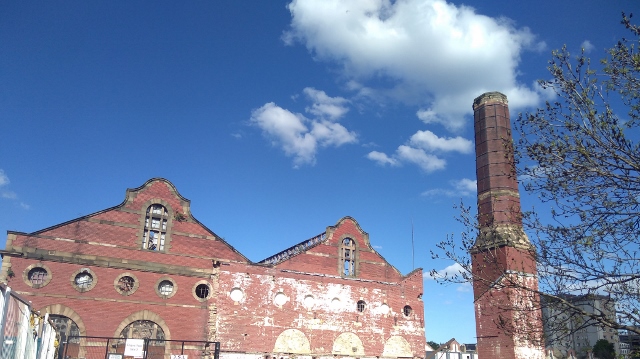
A little further up the road is the original site of the Chancellot Mill (now on Lindsay Place) and this was where corn was ground into flour (perhaps the reason for those corn cobs on the Persevere flag?) It was steam powered and had an 185 foot high clock tower. Producing 43 sacks an hour (twice the original prediction), it was described as ‘the most handsome flour mill in the world’!
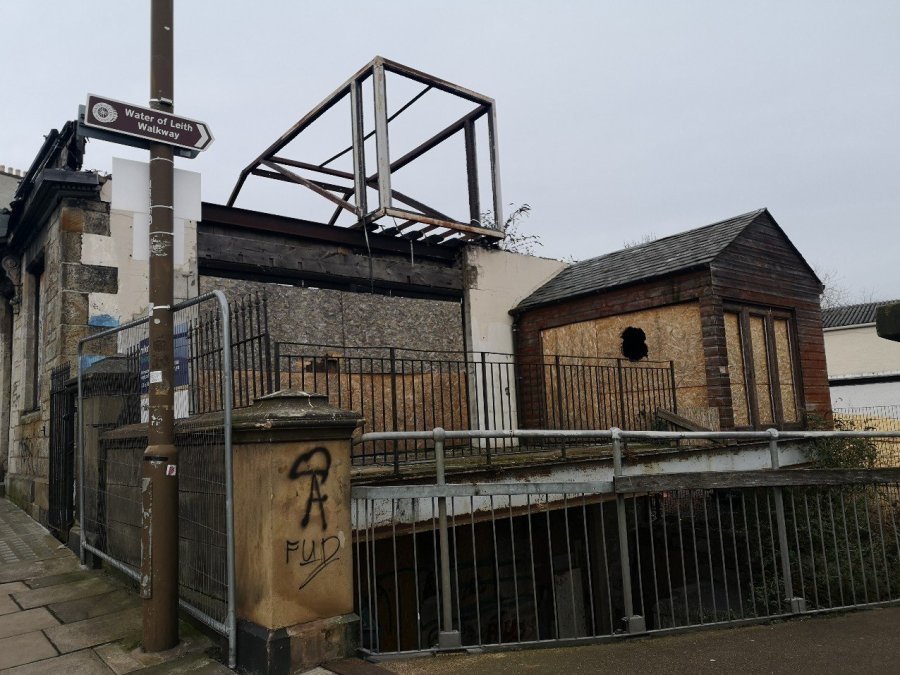
Site of The Bonnington pub, now destroyed several times over, Newhaven Road, Edinburgh

Urban myth

They were growing cannabis in the basement of The Bonnington and it spontaneously combusted in the middle of the night, causing the whole building to burn down. True or false?
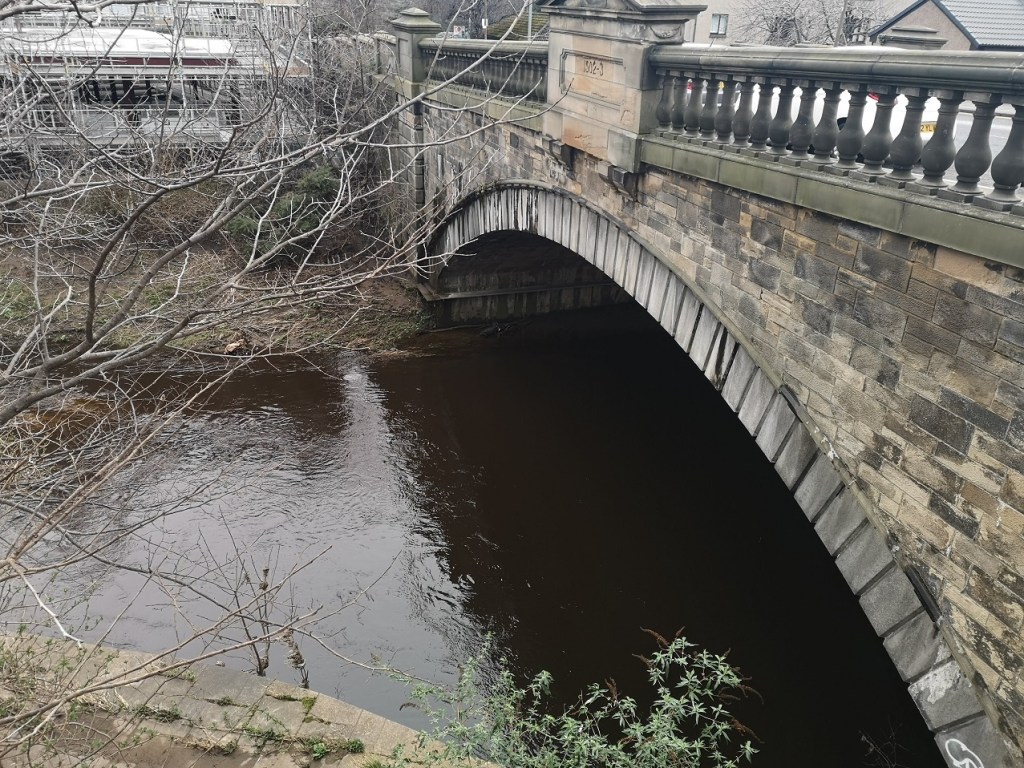
We then started to walk along the edge of a section of the Water of Leith, the border between land and liquid. Bonnington Bridge, Newhaven Road, Edinburgh

Water of Leith

I invite you to look into the water here and think of the phrase ‘time immemorial’. Legally, this refers to the years before 1189, being the date set, in 1275, as the time before which no one could remember, and therefore no legal cases could deal with events before that date. ‘Time out of mind,’ recorded from the fifteenth century, is just the plain English version of the same thing. My information came from here and here.

As we cross Anderson Place, this quote from the Tao Te Ching is one to ponder: “The Master gives herself up to whatever the moment brings. She knows that she is going to die, and she has nothing left to hold on to: no illusions in her mind, no resistances in her body. She doesn’t think about her actions; they flow from the core of her being. She holds nothing back from life; therefore she is ready for death, as a woman is ready for sleep after a good day’s work.” (50)
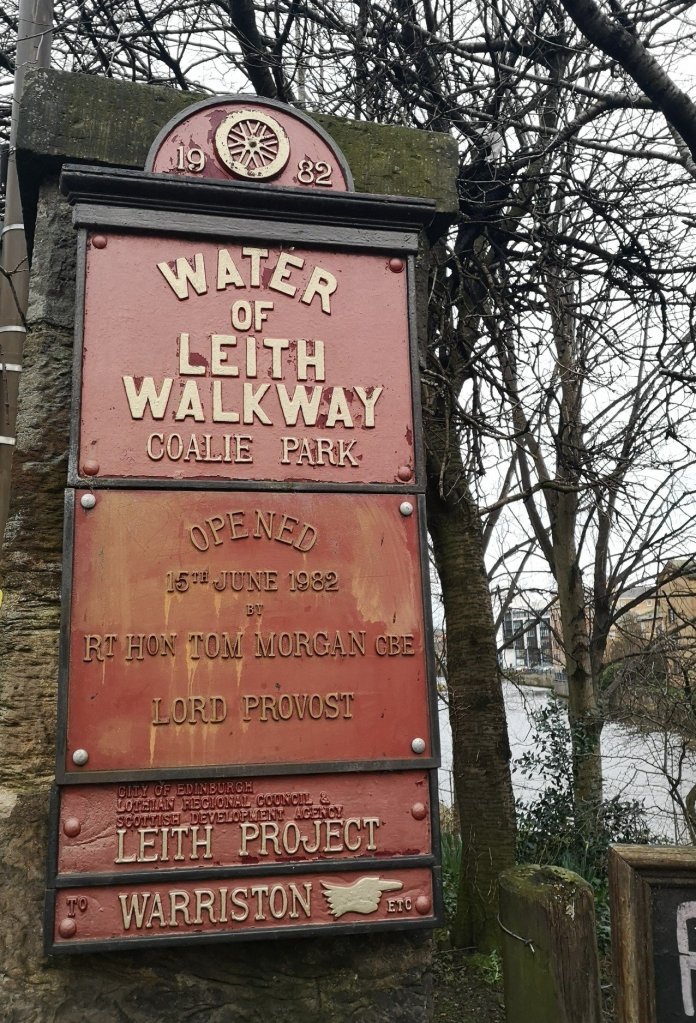
North Leith Burial Ground

After rounding the corner of the Water of Leith and meeting the confluence of the wonderful network of Edinburgh cycle paths, we mount the steps onto Coburg Street where the North Leith Burial Ground is situated. According to The Spirit of Leithers (a Facebook Group) it is ‘The dead centre of Leith’!
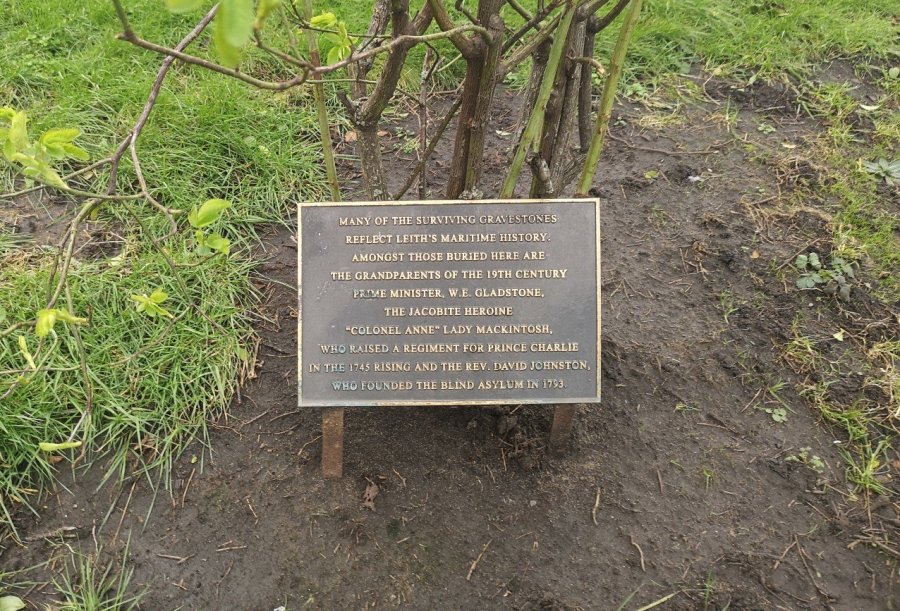
Here is the plaque saying that Lady Mackinstosh is under this ground, but is she?

The memorial stones are old (1664 – 1820) and varied. There are grand mausoleums, individual slabs – some half buried and unintelligible – and almost all have engravings worth seeing. This is a good time for a ‘treasure hunt’: search for the grave of Lady Mackintosh; a long bone; angels; and hourglasses (note: some are on their sides and others upstanding, the sands of time sifting down through the narrow neck as life passes by).
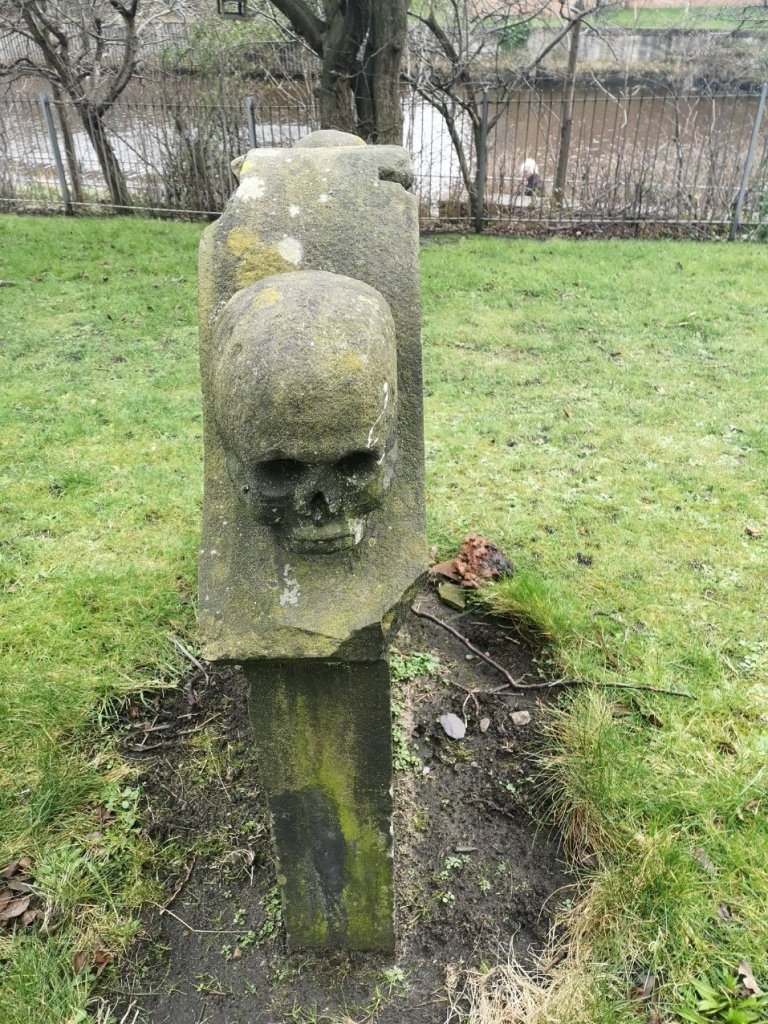
The graves are thicker than usual, and this one has a skeleton head on one edge and an angel’s head on the other – death and life, North Leith Burial Ground, Leith
Angel and skull, North Leith Burial Ground, Leith, Scotland

Lady Mackintosh is famous for raising a regiment for Prince Charlie’s 1745 uprising (variously known as the Jacobite, the ’45 rebellion or the ’45). It was an attempt by Charles Edward Stuart to regain the British throne for his father, James Francis Edward Stuart. 

In fact Lady Mackintosh is not here – she probably lies under the flats next door! How many people know that they are working or living over the top of dead bodies?
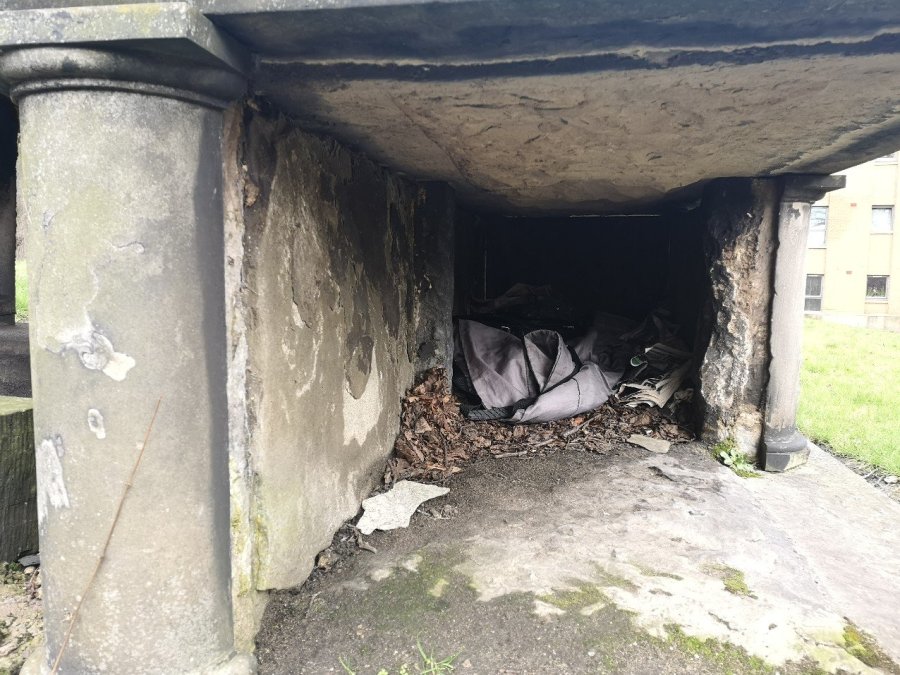
Sadly, it looked as if this was someone’s more contemporary (and probably rather cold) resting place. There are many homeless people who seek shelter in Edinburgh’s graveyards. North Leith Burial Ground, Coburg Street

This was originally a series of guided walks, in-person ones (eg in celebration of the Terminalia Psychogeography Festival (23rd Feb, annually which happily coincided with the Women Who Walk Network and Audacious Women Festival (AWF)), and online during Covid. I would like to thank everyone who came along with me.

Previous: Introduction to walking Between Worlds and Walking Between Worlds 1 

The walk continues in the final blog of the series, Walking Between Worlds – 3

If you have information about the women who are featured in the walk, have made a similar walk, or would like to share anything about these subjects, please do so in the comments box below.
Walking Between Worlds -1

This is part one of a circular tour of Leith, from Leith Walk to Rosebank Cemetery. Links to parts 2 and 3 are below.
Route Map

Can we ever stop for a moment? No! Time will always turn until we die. Is there ever complete quietness in life? No! But maybe we can quieten. Can we slow down? Well, walking is a good start. It leaves almost no trace and makes little noise. It allows time for thoughts to blow in, and for your footsteps to drown them out again.

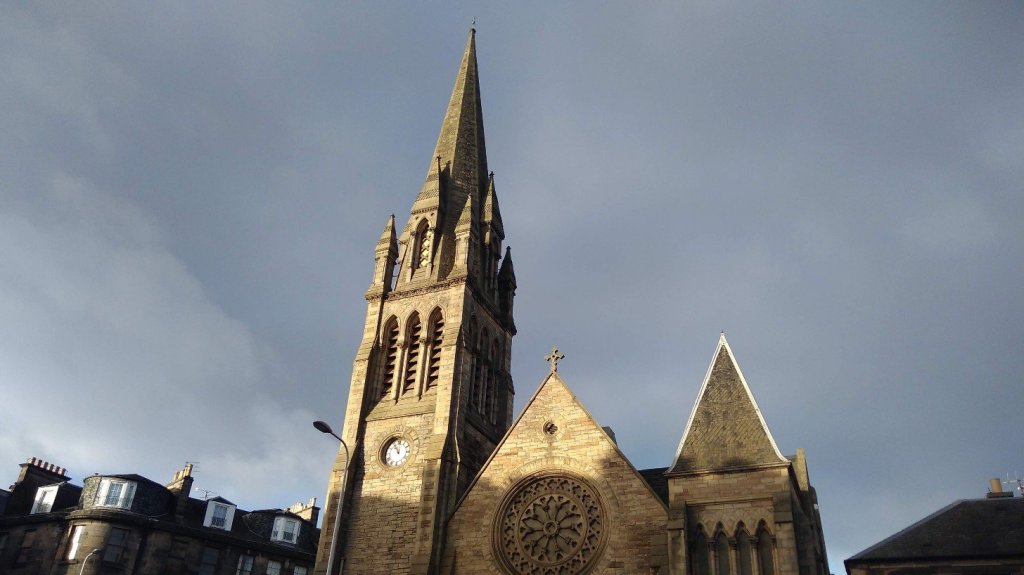
The Parish Church of Pilrig St Paul’s at the corner of Leith Walk and Pilrig Street, close by the old border of Leith and Edinburgh, Scotland

Here, we walk between the worlds of Leith and Edinburgh, connecting with the past by celebrating the ancient Deity of Boundaries (held on the last day of the Roman year) where citizens traditionally process around their land and promote continued peace and stable borders – something I sincerely advocate at this time of disagreement and instability over nationhood.

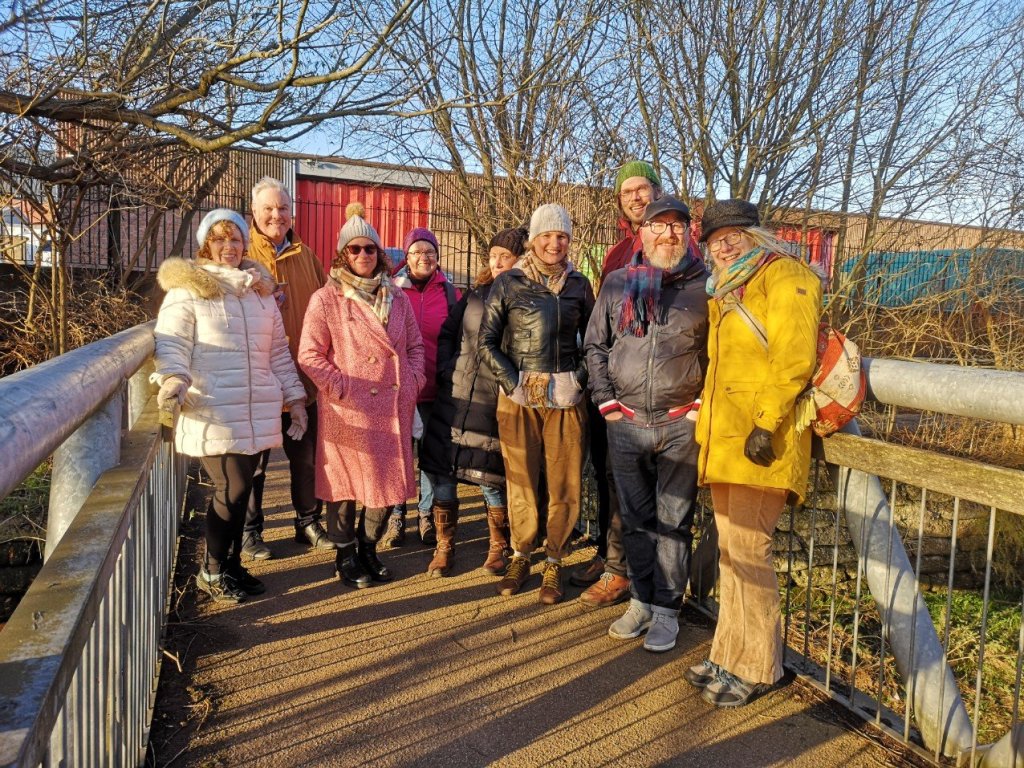
Most of the group who joined me for the walk in Edinburgh, Scotland

Before we set off, we remember the 1920 merging between Leith and Edinburgh which, ‘despite a plebiscite in which the people of Leith voted 26,810 to 4,340 against the merger’ (Wikipedia, Leith) resulted in division and the loss of political identity. This walk initially took place shortly after the initiation of a further detachment, this time of the UK from the rest of Europe, which was initiated by many of those who oppose the separation of Scotland and England.

Unequivocal reminders of our mortality, North Leith Burial Ground, Edinburgh, Scotland

Take a minute to remember, or dedicate this walk to someone you know, because the second aspect of Walking Between Worlds is the acknowledgment that we are all, always, stepping on a tightrope between life and death, never knowing when it will happen.

We will be visiting the graves of notable women in Rosebank Cemetery, North Leith Burial Ground and South Leith Parish Church. I have a special interest in the lives of women who are often forgotten or overlooked, and I want to focus on those who are connected to this area.

The steps we take between an information stop on a guided walk such as this, or when on errands, from one hiatus to the next, are equally, if not more important. They are an opportunity for exchange with others or silent contemplation in the middle of busyness.

Pilrig Park Community Woodland

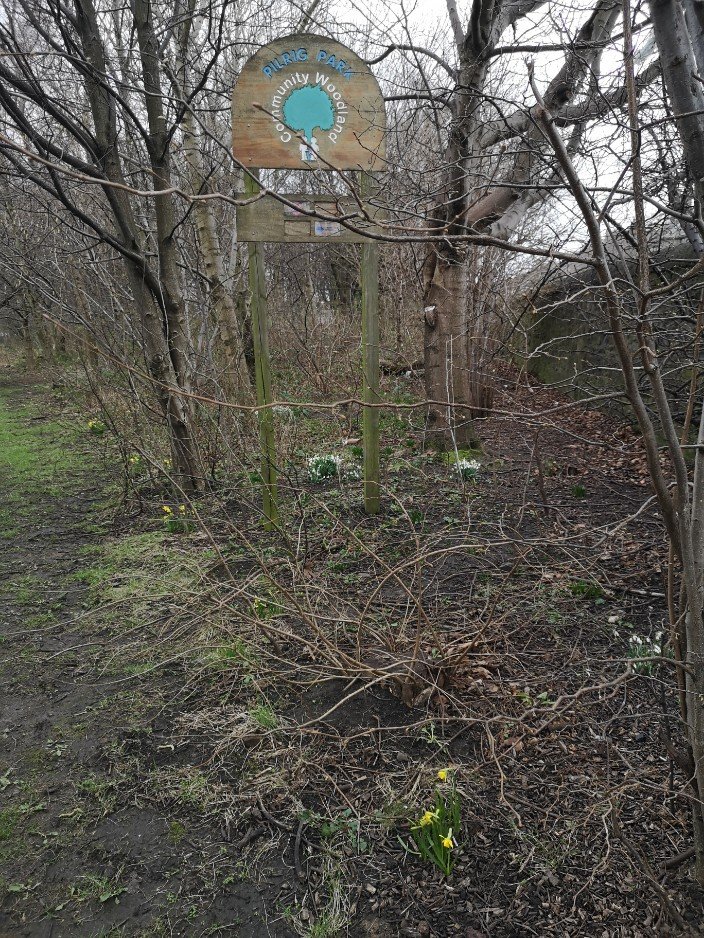
We make our way past Pilrig Park. The community woodland was planted by the Friends of Pilrig Park (and supported by Fields in Trust) way back when I had my allotment there and my kids were wee. Years later it is thriving – a lovely spot for hiding and playing in, whether you are human, animal or bird.

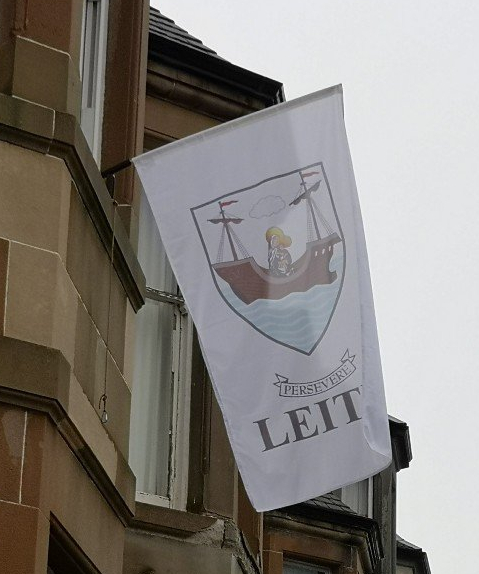
The flag I saw on my walk rekkie – the Leith pennant

Nearly opposite, we make our first stop to note the Leith (with its motto of ‘Persevere’) or other flag which blows from a top window.
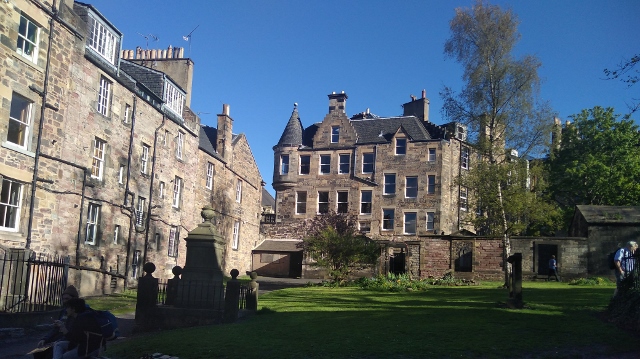
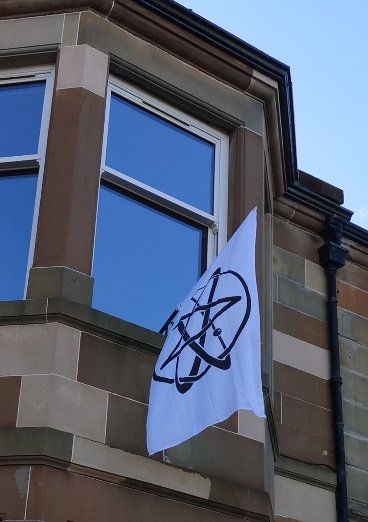
Another one which flies here sometimes – I am told it represent Space Cadets
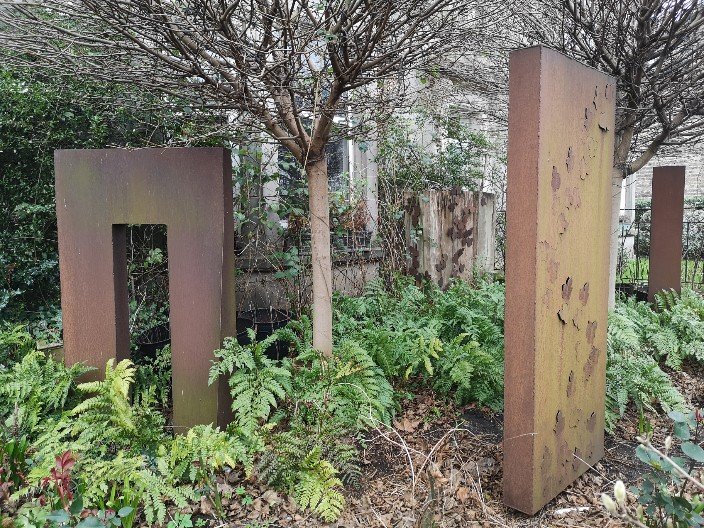
Sculptures in a front garden on Pilrig Street, Edinburgh

At #86 there are metal sculptures worth admiring in the front garden. A gateway (perhaps it is between worlds), and a panel that is the shape of a large gravestone with leaf motifs in relief, are my favourites. I cannot identify the sculptor, and take this opportunity to share that Fi Bailey, an Edinburgh artist, draws our attention to what may be private information which those who are dead or behind closed doors cannot or do not want to disclose. Let’ us focus, then, on what exists before our eyes.

Tip: In the interests of mindfulness and memory, when or if you see something which interests you as you are walking, say it to yourself three times for later. You may still forget, but that doesn’t mean you didn’t see it and that traces of it aren’t going to stay with you, ready to pop up in another moment. 

Rosebank Cemetery

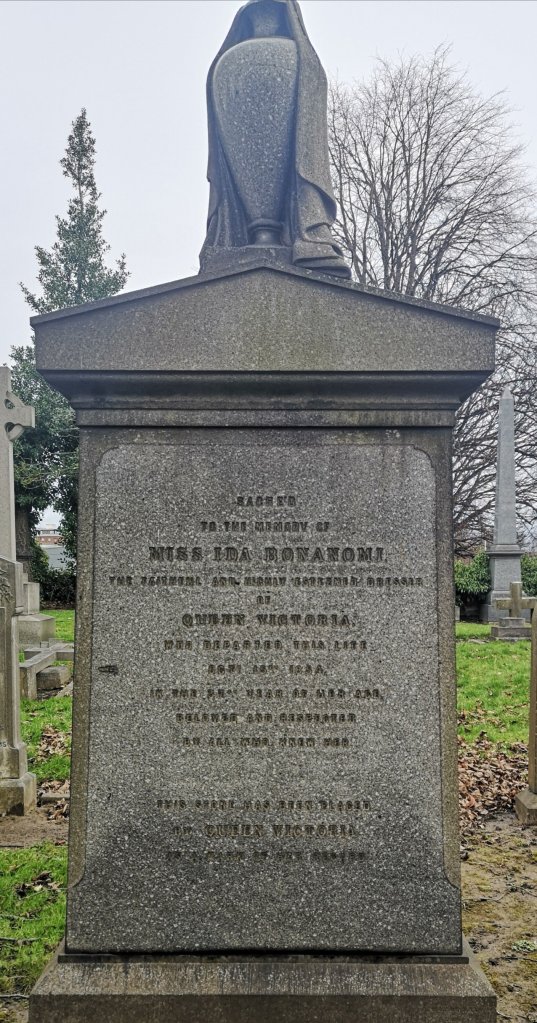
The elegant grave which marks the resting place of Ida Bononomi, 1854, Edinburgh, Scotland

In the same way that there is no night-time dark without a glimmer of light somewhere, so there is no life without some death in it and no death without life. As the bodies in the first graveyard, Rosebank Cemetery, decompose, they become earth and support living things which are in that earth. We, by being interested and remembering those who are interred, raise the dead in a manner of speaking.

We stand in front of the grave of Ida Bononomi (probably Italian). It reads, ‘Sacred to the memory of Miss Ida Bonanomi, the faithful and highly esteemed dresser of Queen Victoria, who departed this life October 15 1854, in the 37th year of her age. Beloved and respected by all who knew her. This stone had been placed by Queen Victoria as a mark of her regard’. Bononomi’s job was a position of extreme intimacy with the monarch.

That Autumn, Ida had travelled with the Queen and stayed with her at Holyrood Palace where the former fell ill. In her journal, the Queen wrote, ‘Saw Sir James Clark, who brought me a telegram with the this sad news that my excellent maid Ida Bononomi, whom I had had to leave at Holyrood as she had become so ill, not having been well at Balmoral before – had died last night. It was a great shock to me, & I was thoroughly upset, for no one, including Sir James had apprehended any immediate danger. She was the kindest, gentlest, best being possible, & such a pleasant servant, so intelligent, so trustworthy & her calm, quiet manner had such a soothing effect, on my often over wrought nerves. To lose her thus, and so far away, surrounded only by strangers is too grievous. Everyone was shocked & grieved, for she was quite adored.’

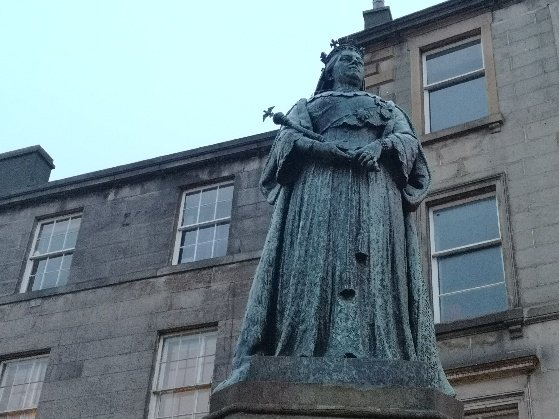
Queen Victoria standing at the foot of Leith Walk. We pass her in our final stage

Queen Victoria liked funerals and had an interest in the protocol of mourning, ‘a mentality as much as a personal observance’ (see below for references). It is known that she recognised the deaths of her housemaids and others with ritual in which other members of the household were require to be involved, and also that she visited this grave six years after Ida died.

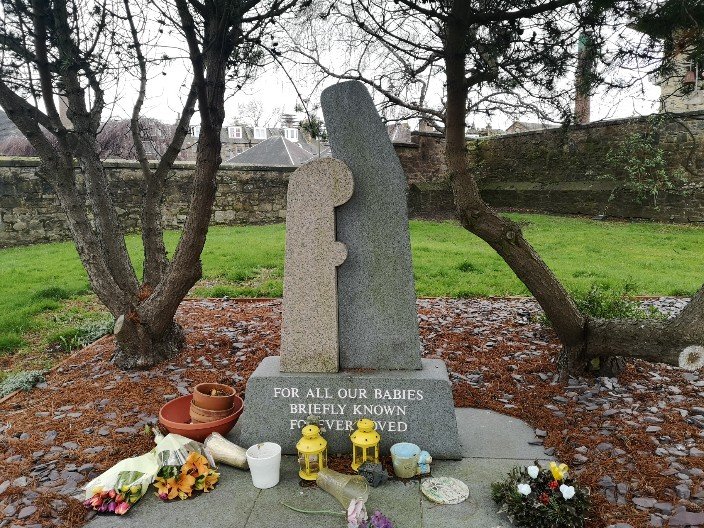
Moving monument to stillborn babies, ‘briefly known, forever loved’ at Rosebank Cemetery, Edinburgh, Scotland

There are, of course, many other graves of interesting women in this cemetery, and there is one which commemorates the stillborn babies who, by Scots law, cannot be cremated and must be buried.

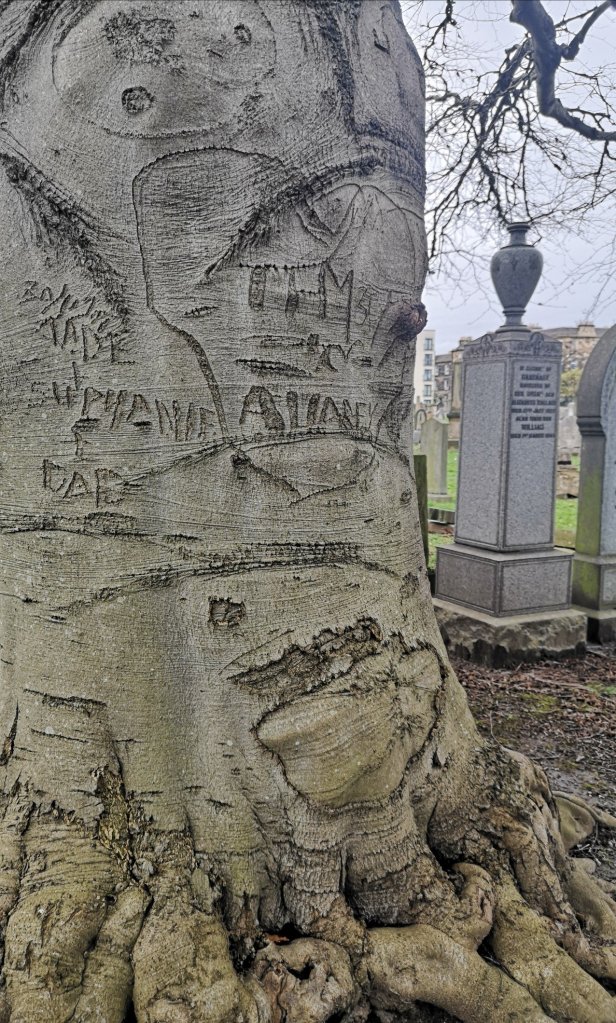
Arboglyphs, tree markings at Rosebank Cemetery, Edinburgh, Scotland

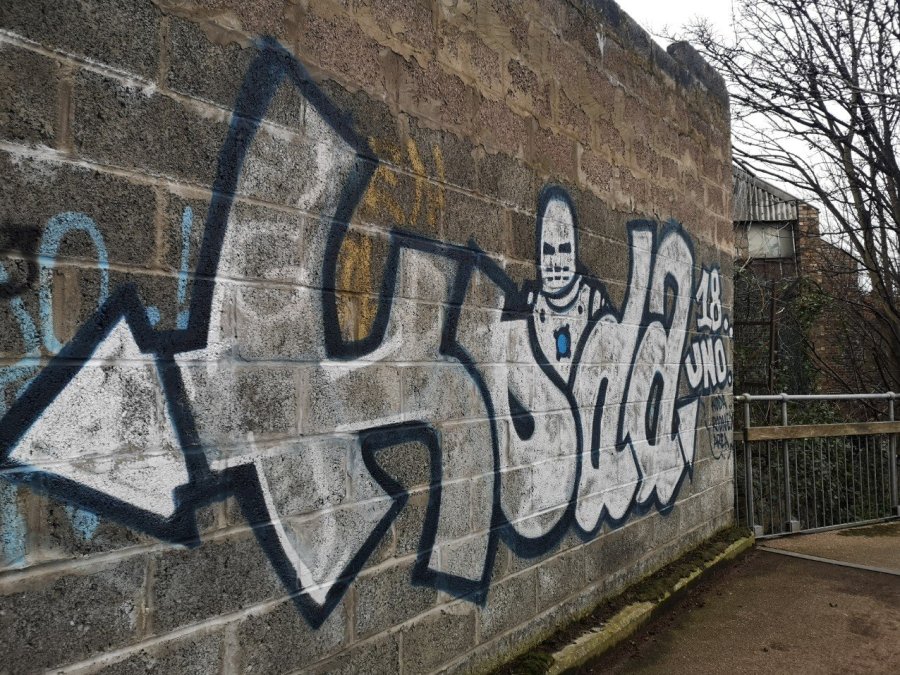
Arboglyphs can be seen at the cemetery and they contrast with the grave inscriptions and, later, the graffiti which we saw beside the river. These different types of markings are official and unofficial, consisting of numbers, letters, words and images cut into or sprayed onto stone or bark with or without permission. They engrave death, and mark political or personal messages, causing us to remember and take note. They sometimes do damage to community surroundings and cause loss of life to the tree, but are always used to communicate and are often enjoyed, even viewed as art.

On first sight I thought this graffiti was a skeleton, but it is not. Located beside Bonnington Bridge on Newhaven Road, Edinburgh, Scotland

This walk was originally with ten others, and made in celebration of the Terminalia Psychogeography Festival (23rd Feb, annually). It happily coincided with a Women Who Walk Network event and the Audacious Women Festival.

Links

Introduction to walking Between Worlds

We continued our walk across the junction at Bonnington Road: Walking Between Worlds 2.

The walk continues in the final blog of the series, Walking Between Worlds – 3

I am indebted to Elizabeth Jane Timmins, 2019 and this blog for the information about Ida Bononomi and Queen Victoria.

Walking Between Worlds

Introduction to a walk around the Leith boundary, taking in the Rosebank Cemetery, the North Leith Burial Ground, and the streets in between, with information, photos, video, maps and conversation about the wonderful women associated with Leith’s past and contemporary connections.

Home drawn map of the Walking Between Worlds route in Leith
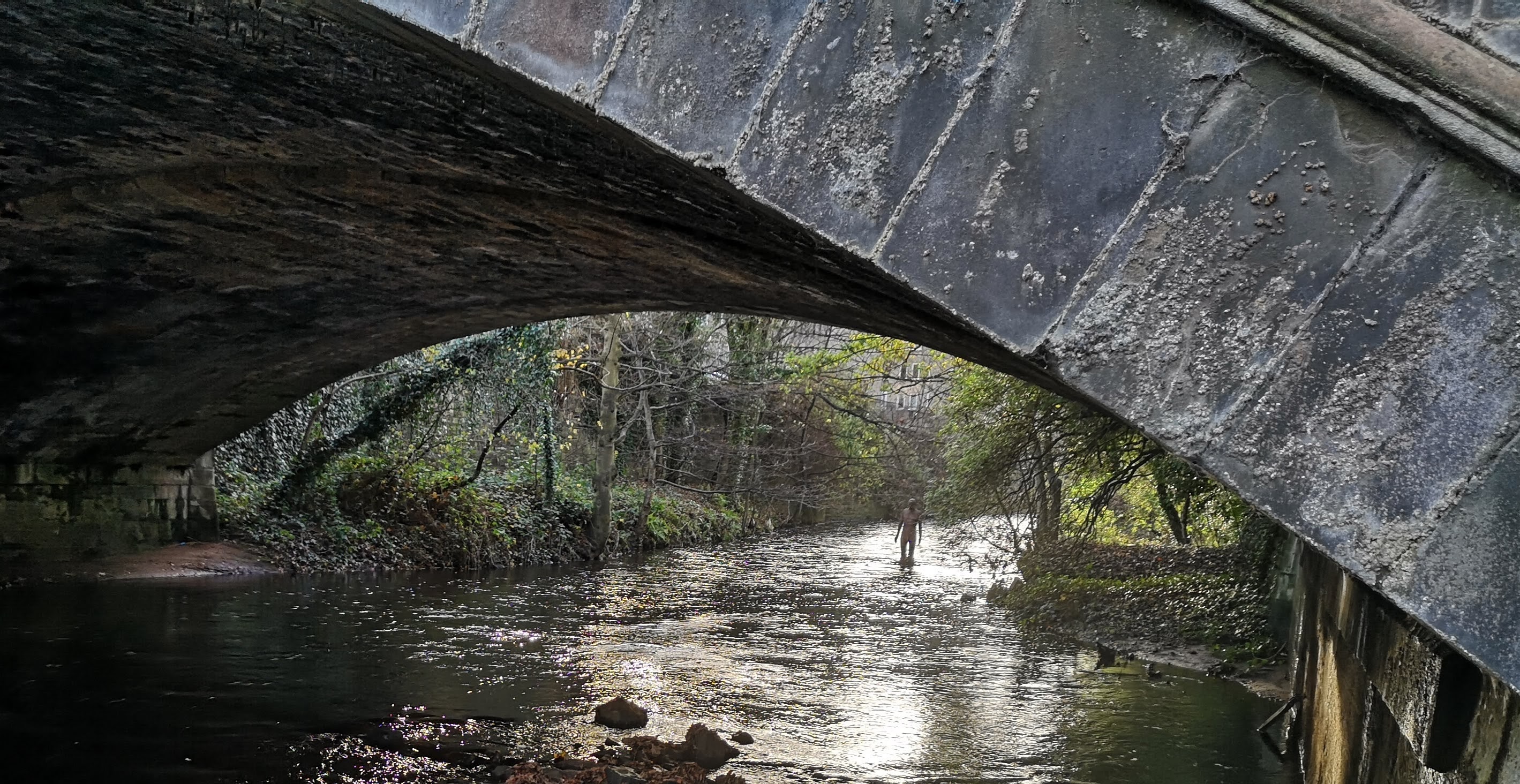
One of the Anthony Gormley statues in the Water of Leith over which we walk as part of the tour

(This walk was originally made on foot with a live group in Edinburgh on 23 February 2020, 3pm – sunset (5.30pm). This event has now taken place but it is hoped that there will be more in the future.)

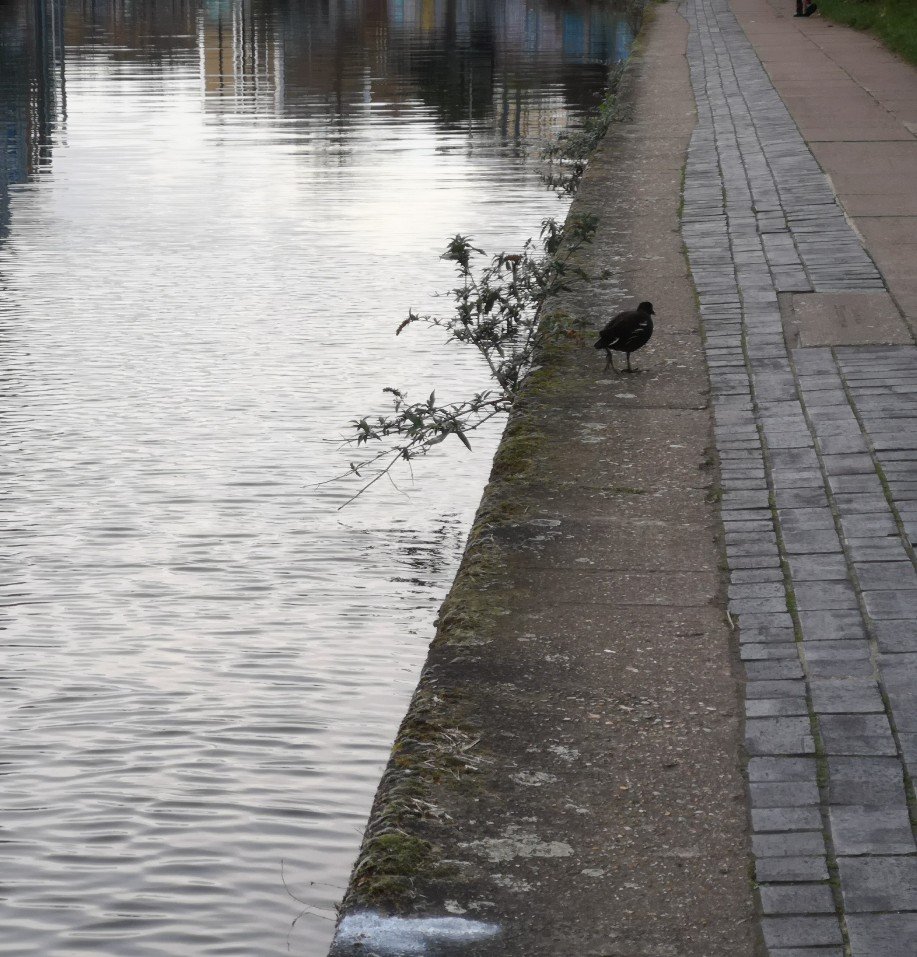
A bird walking between worlds

The original tour was a circular one of approx. 2.5 hrs, that meditated on boundaries and borders – between one community of people and another, day and night, life and death and on the cusp of the new moon.

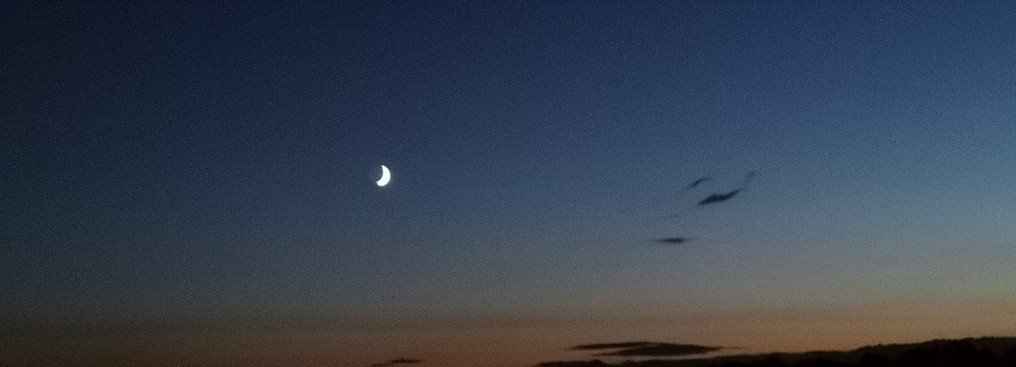
A new(ish) moon

We visit the graves of notable women in Rosebank Cemetery, North Leith Burial Ground and South Leith Parish Church. Briefly, at each stopping place, we face the memorial stones, and learn about their incumbents.

The North Leith Burial Ground is ‘the dead centre of Leith’ according to The Spirit of Leithers

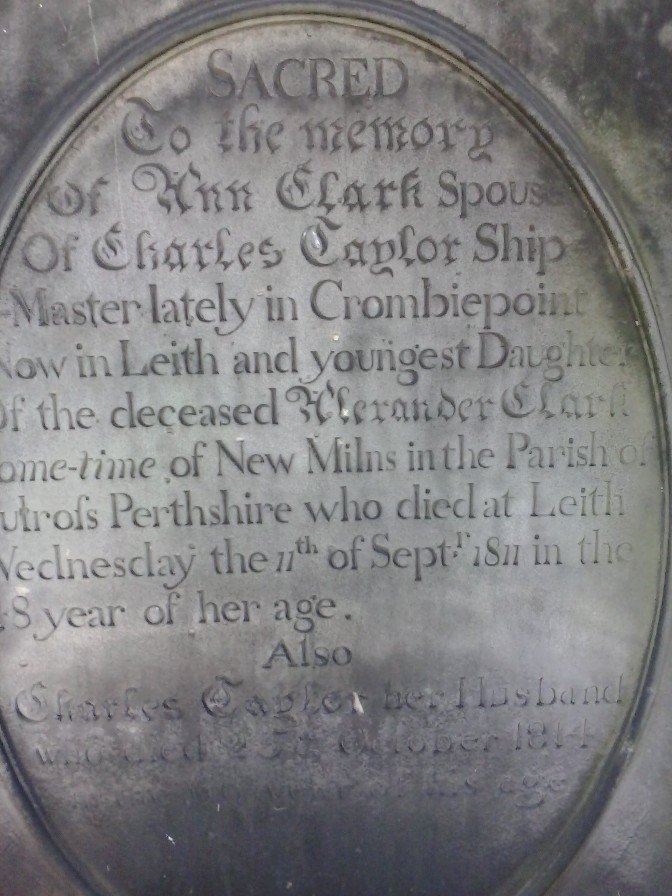
Grave stone, North Leith Burial Ground

The steps we take from one stopping place to the next, are equally, if not more important, so take note of them too. You are invited to walk in memory of loved ones, and to muse on life and mortality. It is an opportunity for exchange and silent contemplation.

Pilrig Church, Leith Walk. At the border between Leith and Edinburgh

The walk starts at the join of Pilrig Street and Leith Walk, opposite the location of the Boundary Bar (now renamed as Bier Hoose) which marked the former border between Leith and Edinburgh, and terminates at Robbies Bar on the corner of Iona St and Leith Walk, more or less opposite the start. There you can find libation and chat about where you have been – both in yourselves and the city.

Lady Mackintosh who raised a regiment for Prince Charlie, was buried in the North Leith Burial Ground, Edinburgh

Always wear hardy shoes or boots for tramping pavements and negotiating sodden grass between stones and at the edge of the Water of Leith.

Psychogeography is ‘The study of the precise laws and specific effects of the geographical environment, consciously organised or not, on the emotions and behaviour of individuals.’

Guy Debord from Making Maps

The annual Terminalia Festival of Psychogeography

Terminus was one of the really old Roman gods. He didn’t have a statue, he was a stone marker, and his origin was associated with a physical object). He had influence over less physical boundaries too, like that between two months, or between two groups of people. Terminalia is celebrated on the 23rd February which was the last day of the Roman Year, the boundary between two new years.

Women Who Walk

TI am a member of Women Who Walk. This network is for women who use walking in their creative or academic practice, and it includes artists, writers, field historians and archaeologists, psychogeographers, and academics.

I led a series of these walks, in-person and online (for anyone who was ambulant or not, in Edinburgh or not!) including ones that were part of the Audacious Women Festival 2021, Women Who Walk, and Terminalia Festival (2023 and 2021).

Walking Between Worlds 1 an account of the first part of the walk

Walking Between Worlds 2 the second part of the walk

Walking Between Worlds – 3 the third part of the walk

A synchronised Edinburgh walk

When I travel away from Edinburgh, my aim is clear: either to walk Pilgrimage (taking the paths people have trodden before me, where their steps have created tangible layers of spiritual tradition); or to explore a given area, what to me is virgin territory.

But when I am home, my walks are more prosaic – to and from work and the shops for my messages (used in Scotland, meaning errands) – placing my feet on known land, pavements I have walked so many times. Then my focus is on forging new connections between familiar places, seeing the same views from alternative perspectives and finding something new in them.

On Jan 11, I joined in the Snapshot Synchronised Walk (Women Who Walk Network) taking a route from Causewayside in a near-straight line to York Place.

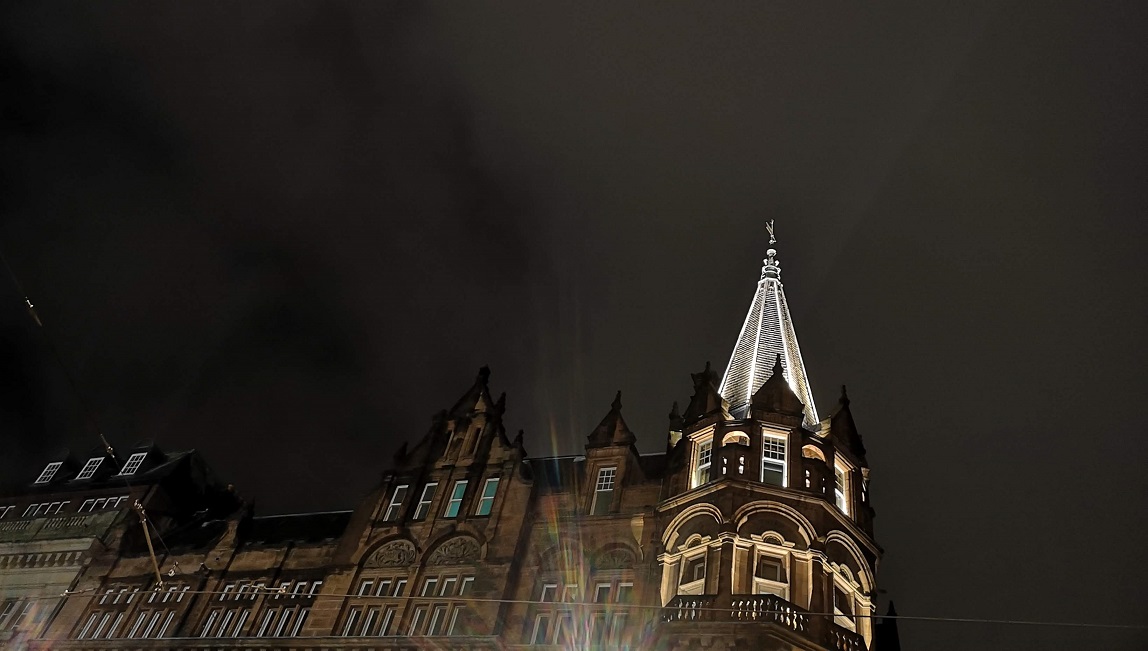
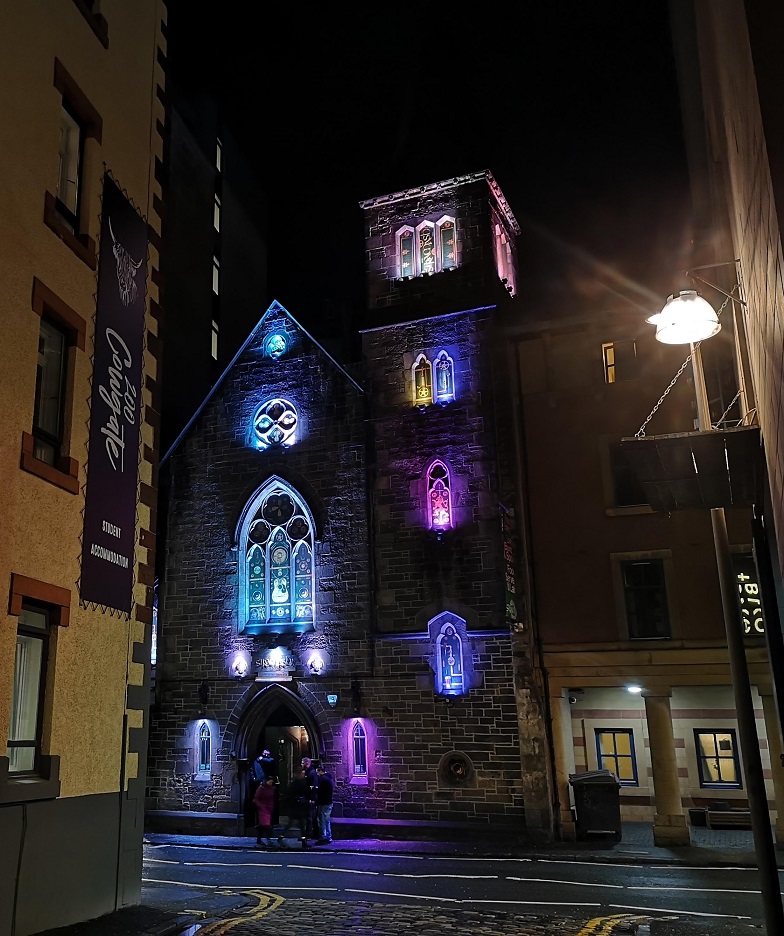
After a day of teaching, a good tramp is therapeutic. Via ghostly vennels, northwards along narrow-walled passageways, up slopes, down flights of steep steps, I discovered a gothic-glowing steeple, a jaundiced arch lit by 19th century streetlamps, and scary blue eyes in a repurposed church. The extra-mundane exuded from the normal.

rhdr
Corner of South St Andrew’s Street, Edinburgh, Scotland

I walked Causewayside from Sainsburys, past Summerhall with its ghoulish green up-lighting,

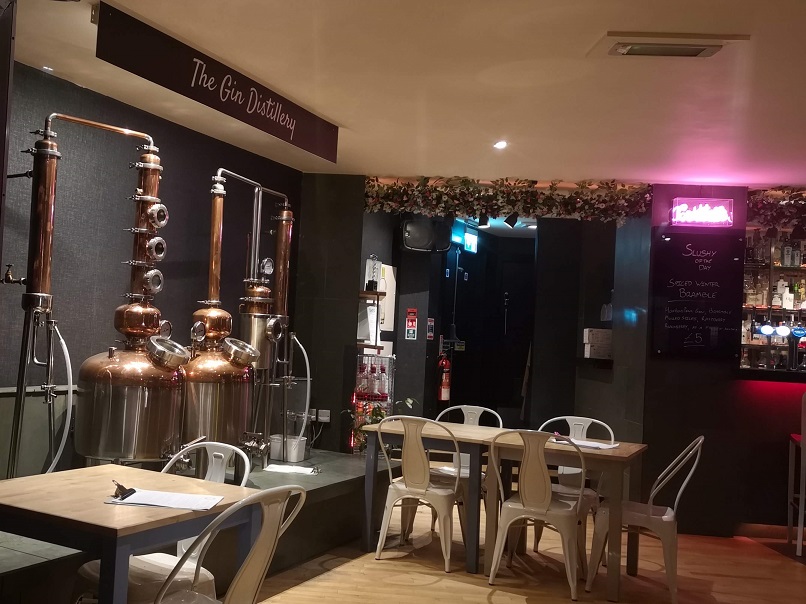
I meandered along the edge of the Meadows, and the South Loch Gin Distillery (which I hadn’t seen before),

mde
South Loch Gin Distillery, Edinburgh, Scotland

I kept the University on my left,

Until I glimpsed the rear of the National Museum.

I picked my way over the cobbles of West College Street,

Across Chambers Street,

Down steps to meet Guthrie Street half way,

Crossed the Cowgate and took a mini-right to find Stevenlaw’s Close (which I didn’t know was there). Looking right I paused to snap the Stramash Live Music Bar.

IMG_20200111_183132 (4)
Stramash Live Music Bar, Edinburgh, Scotland

On the opposite side of the High Street was Fleshmarket Close,

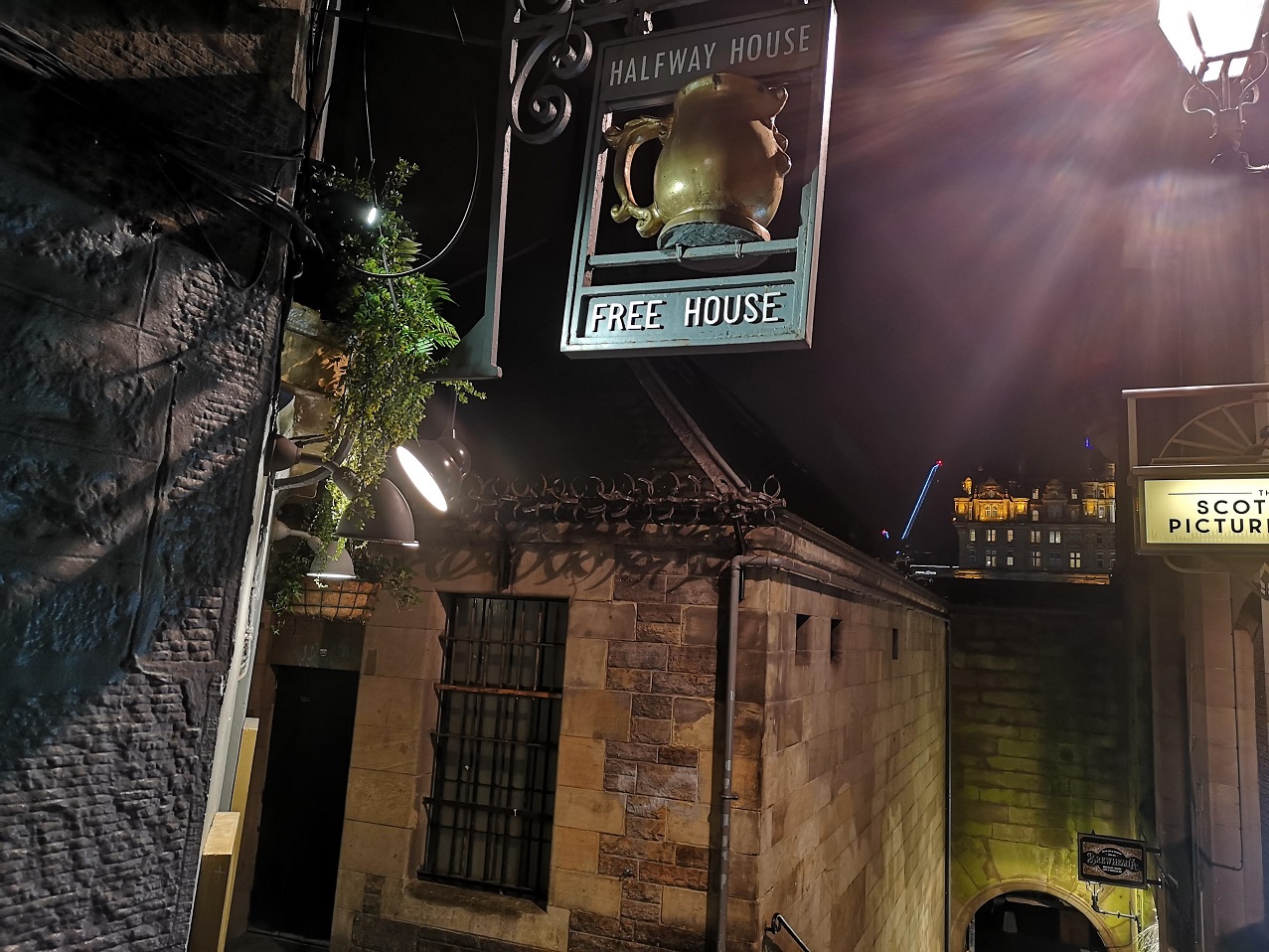
On the opposite side of Cockburn Street was the downhill flight past the Halfway House:

IMG_20200111_183540
The Balmoral Hotel in the distance, on the corner of North Bridge, Edinburgh, Scotland

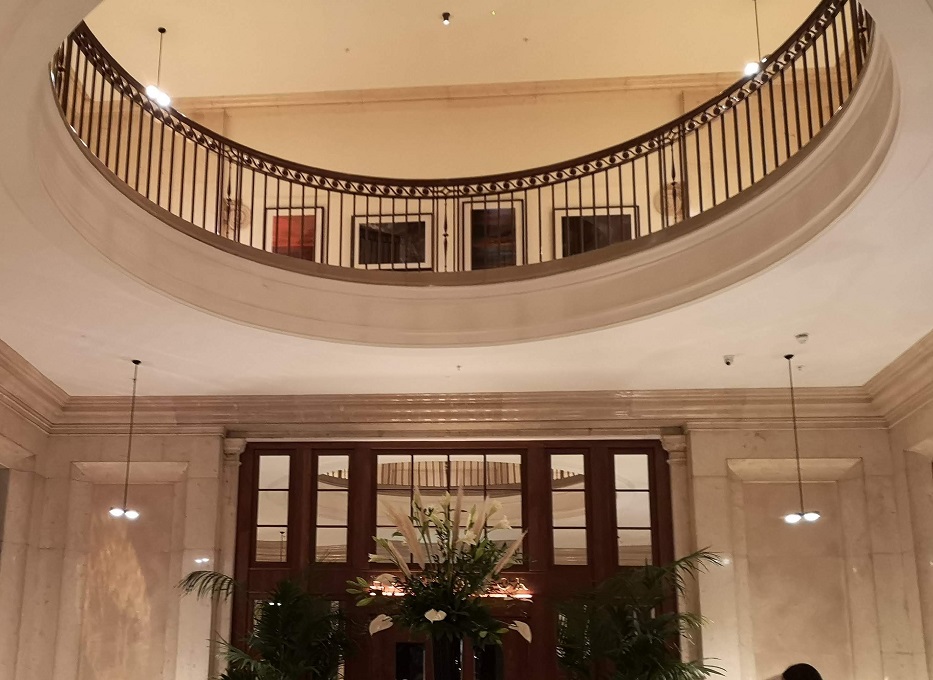
Through Waverley Station and up the other side, I crossed Princes Street and took South St Andrew’s Street where I popped my head into the old Bank of Scotland which has become a mighty fine looking hotel.

IMG_20200111_184319
The old Bank of Scotland building, St Andrew’s Square, now The Edinburgh Grand, Edinburgh, Scotland

I posted a thank you letter in a pastel pink envelope I had been carrying in my bag for a few days, to my sister in London.

The rain came on.

The wind blew me through the bus station (where a small bag of mini-cheddars were outrageously priced) and out onto York Place, carefully avoiding trapping my toes in the tram lines.

Rounding the corner to Broughton Street I found that the bus stop was closed – again.

All the way down that road I tripped, head down because of the driving wind,

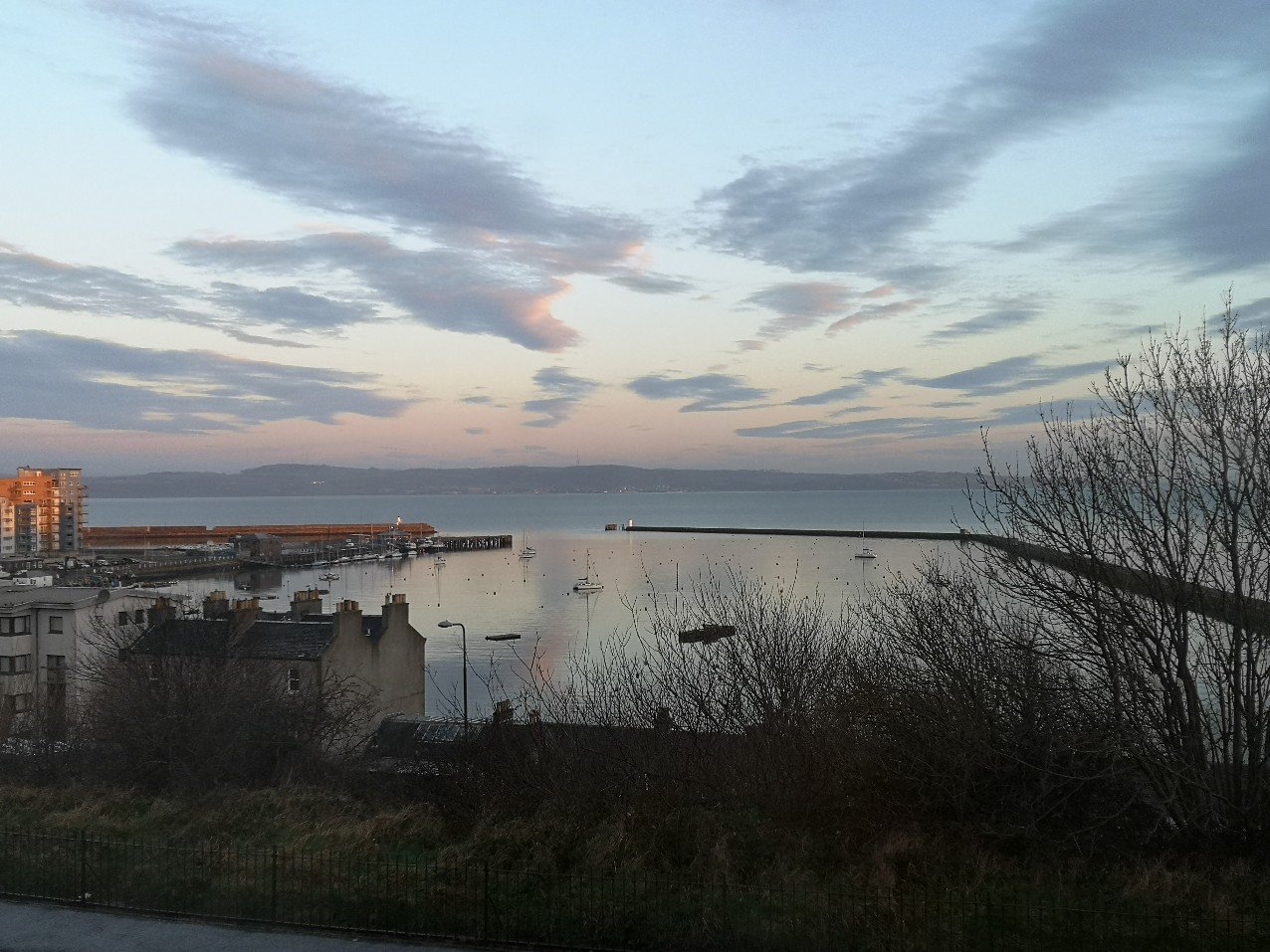
…where I waited 7 minutes, as my coat became increasingly sodden, before taking the bus to my home by the sea.

wp-15795193834723358382907983162524.jpg
Sunset from my apartment, a few days later


Edinburgh – photos to inspire you to take a walk

IMG_20180519_001157_216-624x350.jpg
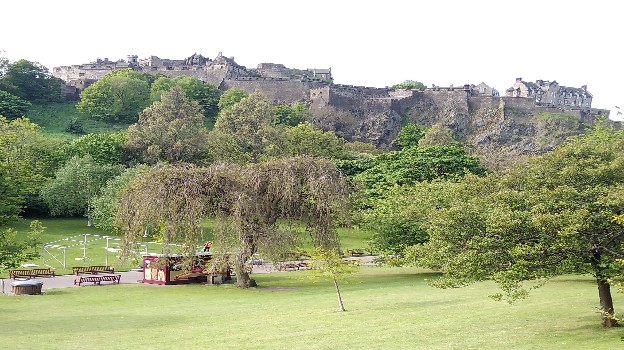
Edinburgh Castle, Scotland.
IMG_20180518_090128-624x350.jpg
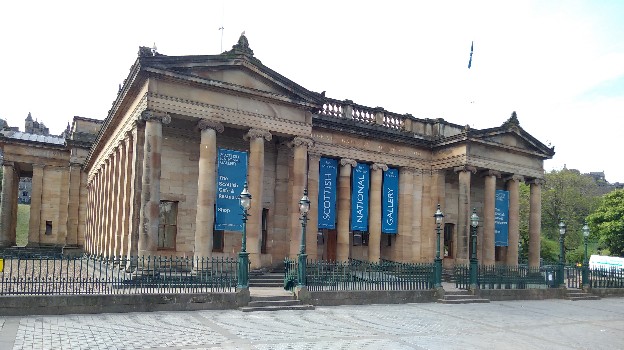
Scottish National Gallery, the Mound. Edinburgh, Scotland.
IMG_20180518_090343-624x350.jpg
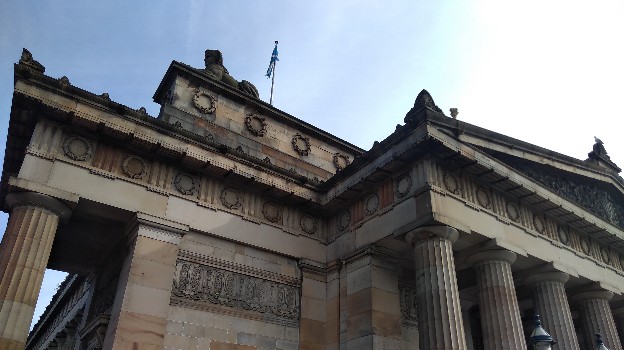
Scottish National Gallery, Princes Street. Edinburgh, Scotland.
IMG_20180518_091536-350x624.jpg
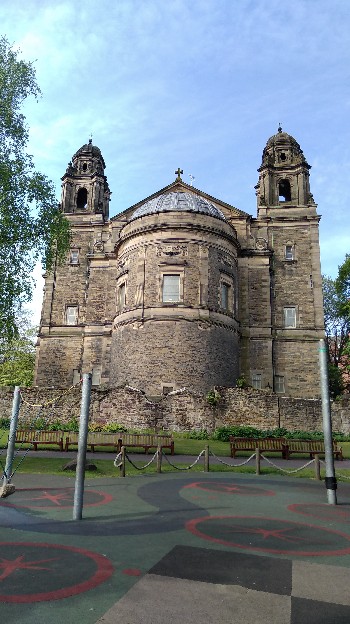
St Cuthbert’s Church, Lothian Road. Edinburgh, Scotland.
IMG_20180518_091929-624x350.jpg
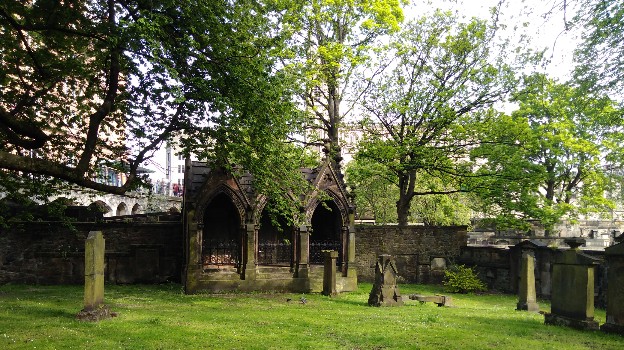
Churchyard, St Cuthbert’s Church, Lothian Road (entrance also from Princes Street gardens, west end). Edinburgh, Scotland.
IMG_20180518_092011-624x350.jpg
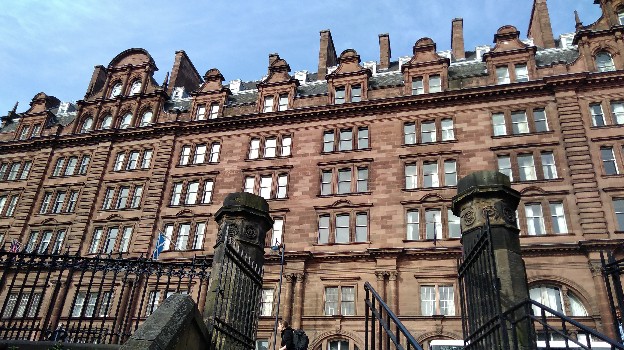
Waldorf Astoria – The Caledonian, Lothian Road. Edinburgh, Scotland.
IMG_20180506_175914 (640x359)
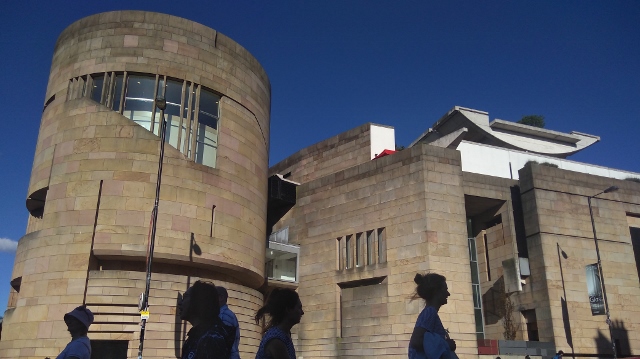
National Museum of Scotland, Chambers Street. Edinburgh, Scotland.
IMG_20180506_174919 (640x359)
National Museum of Scotland, Chambers Street, and in front the Bedlam Theatre, a fully operational, 90-seat theatre housed in a former Neogothic Church. Edinburgh, Scotland
IMG_20180506_175325 (640x359)
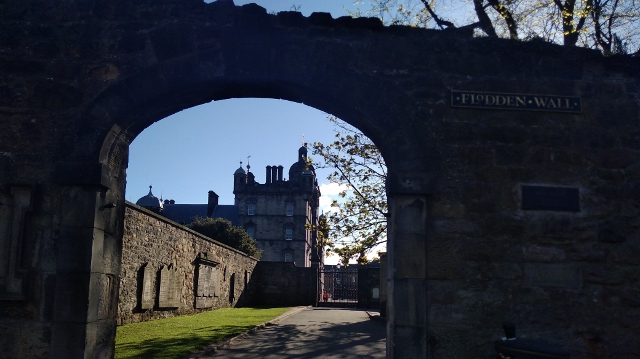
The Flodden Wall (George IV Bridge near Greyfriar’s Church). Edinburgh, Scotland.
IMG_20180506_175347 (640x359)
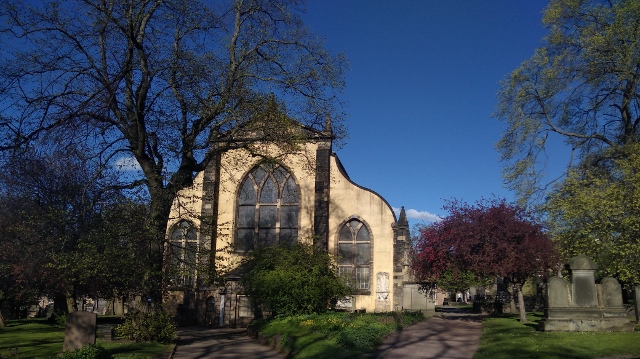
Greyfriar’s Kirk (church), George IV Bridge. Edinburgh, Scotland.
IMG_20180506_175604 (640x359)
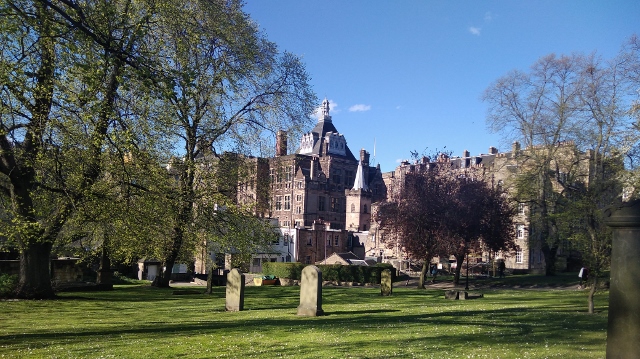
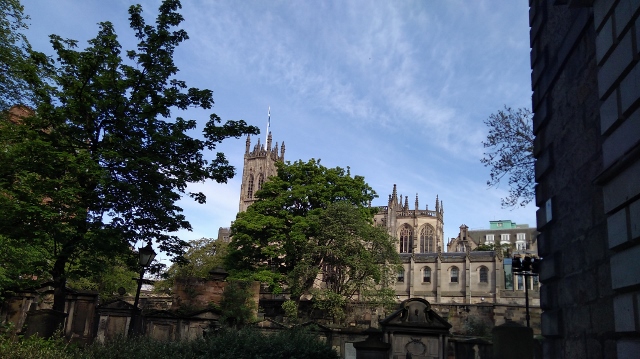
View from graveyard of Greyfriar’s Kirk (church), George IV Bridge towards Cental Library. Edinburgh, Scotland.
IMG_20180506_175827 (640x359)
View from graveyard. Greyfriar’s Kirk (church), George IV Bridge. Towards Forest Row. Edinburgh, Scotland.
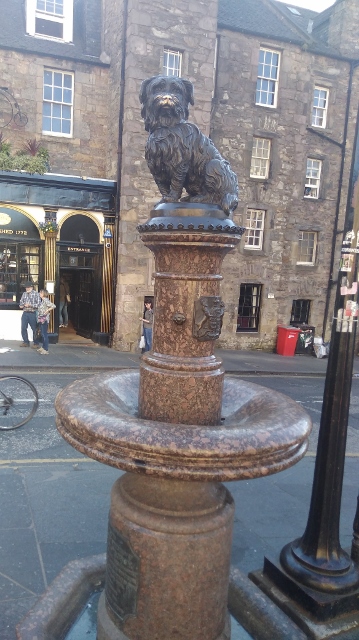
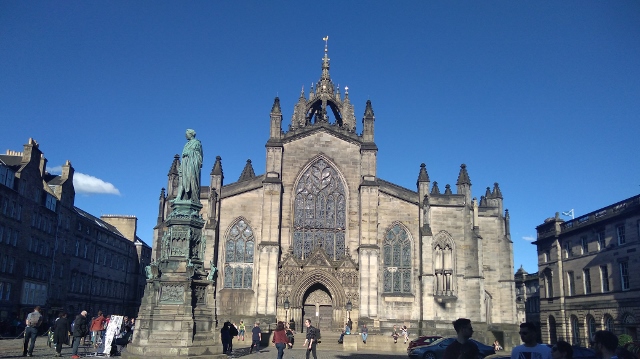
IMG_20180506_175925 (359x640)
Greyriar’s Bobby (dug / dog). Notice his shiny nose where people rub it for good luck. Edinburgh, Scotland.
IMG_20180506_180358 (640x359)
St Giles Cathedral and Mercat Cross, Royal Mile. Edinburgh, Scotland.
IMG_20180506_180617 (640x359)
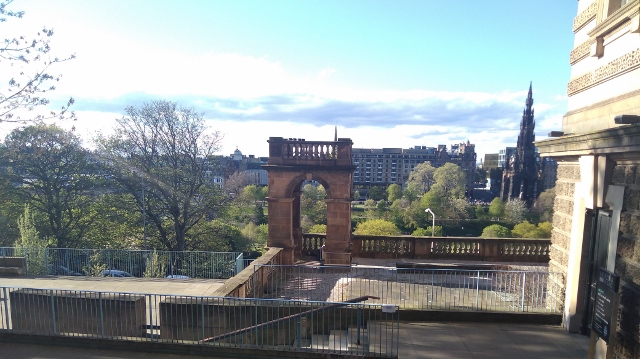
View from the Bank of Scotland building, the Mound – Princes Street and the Scott Monument. Edinburgh, Scotland.
IMG_20180506_181135 (640x359)
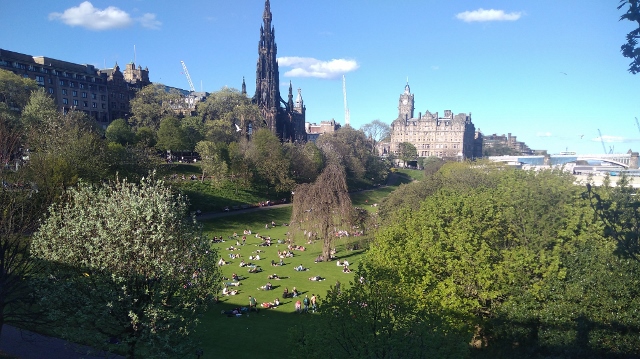
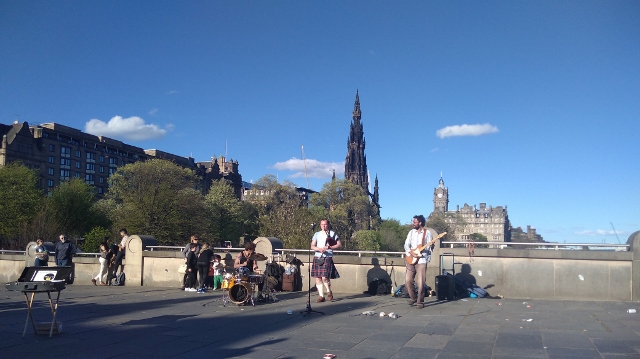
Princes Street Gardens, Scott Monument and the Balmoral Hotel (North Bridge). Edinburgh, Scotland.
IMG_20180506_181240 (640x359)
Live music at the Mound (Scott Monument in the background). Edinburgh, Scotland.
IMG_20180518_090752 (640x359)
Princes Street, Edinburgh, Scotland.
IMG_20180518_091804 (640x359)
St John’s Church, Princes Street, Edinburgh, Scotland.
IMG_20180426_172101 (640x359)
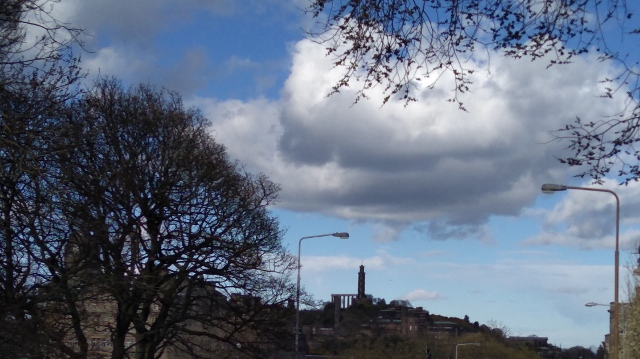
Carlton Hill with street lamps and clouds, Edinburgh, Scotland.
IMG_20180506_174222 (640x359)
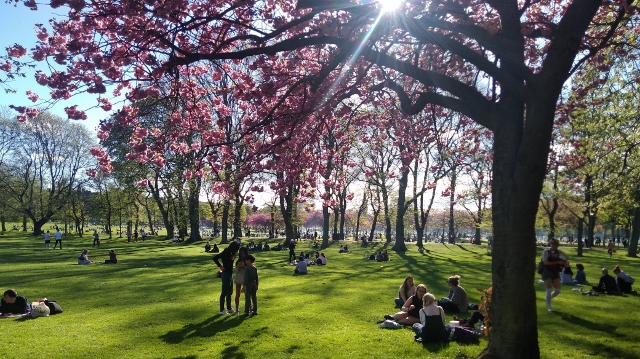
The Meadows, Edinburgh, Scotland.
IMG_20180508_184207 (640x359)
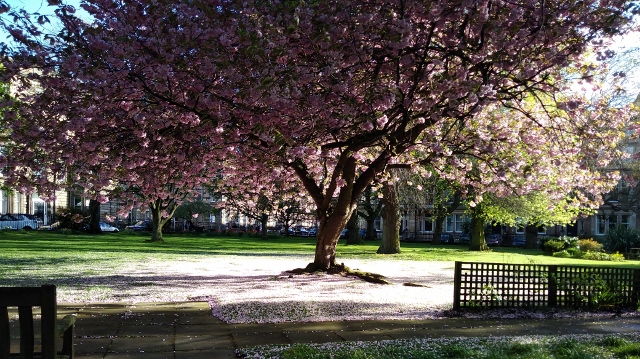
Drumsheugh Gardens, New Town, Edinburgh, Scotland.
IMG_20180429_114112 (359x640)
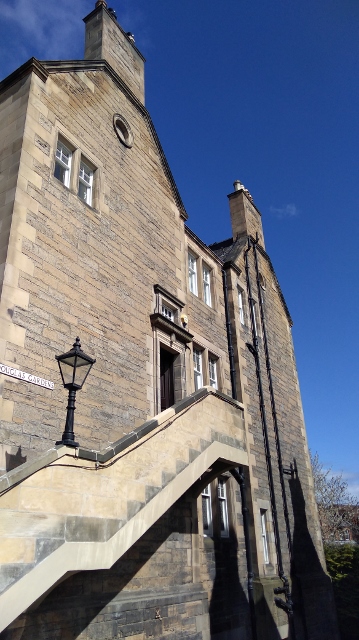
Douglas Gardens, New Town, Edinburgh, Scotland.
IMG_20180429_113632 (640x359)
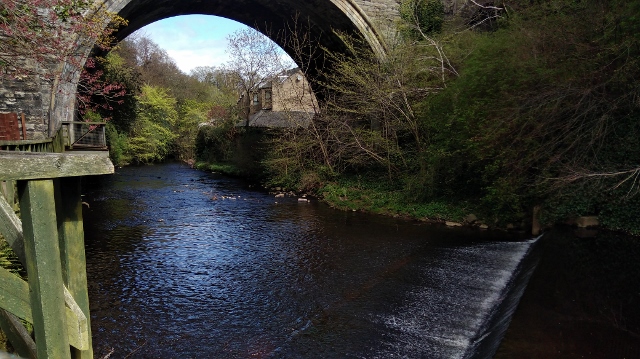
The Water of Leith, Edinburgh, Scotland.
IMG_20180513_165610 (640x359)
The Old Cinema, Leith, Edinburgh, Scotland.
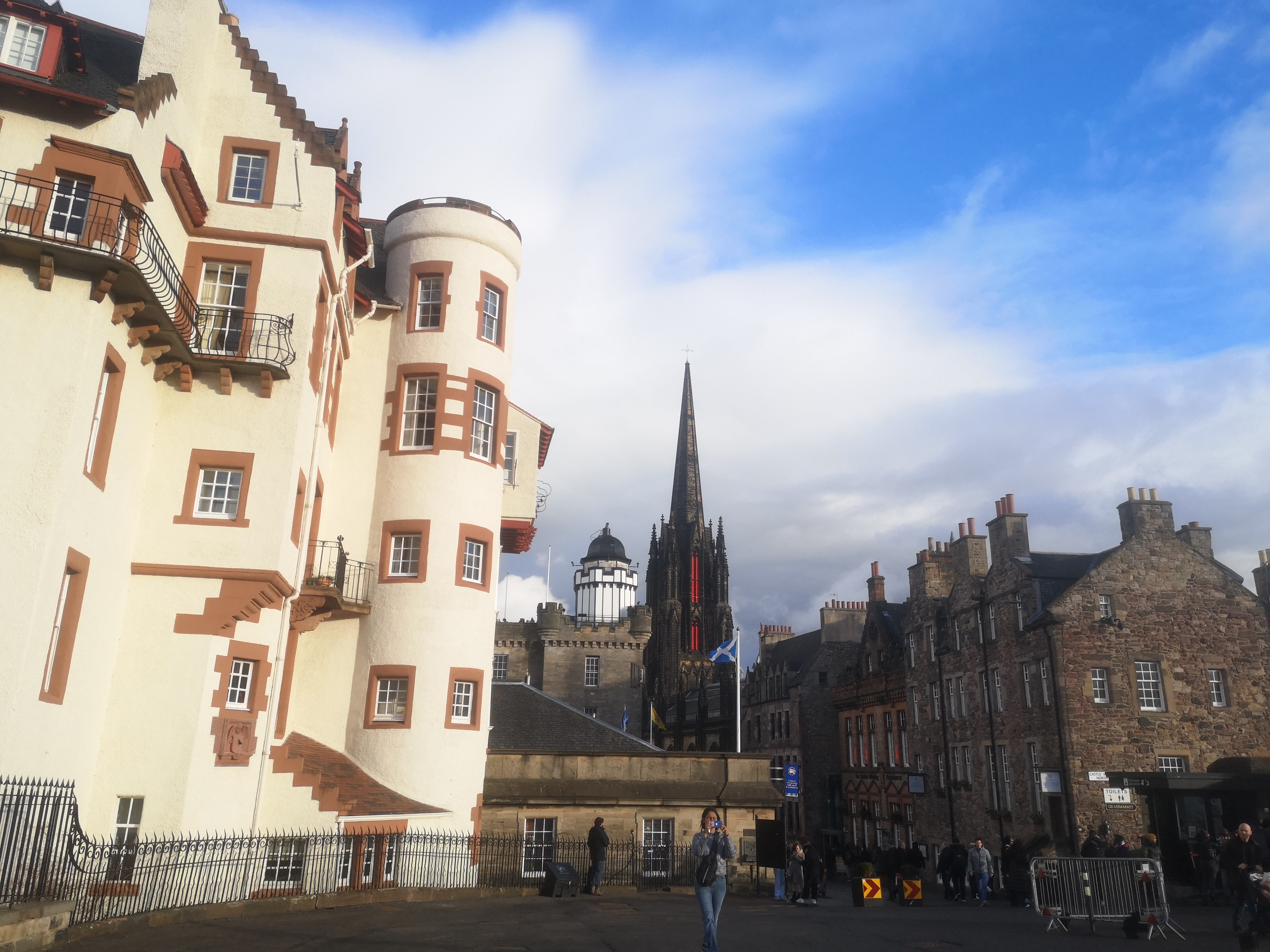
Ramsay Garden, Castlehill, Edinburgh (top of the Royal Mile)