At the stop on Avenija Dubrovnik (some 5 minutes from the apartment) which Google maps recommended, there was a list of buses but it didn’t include an airport one or the numbers mentioned, so I took someone’s advice instead. I took the #6 tram.
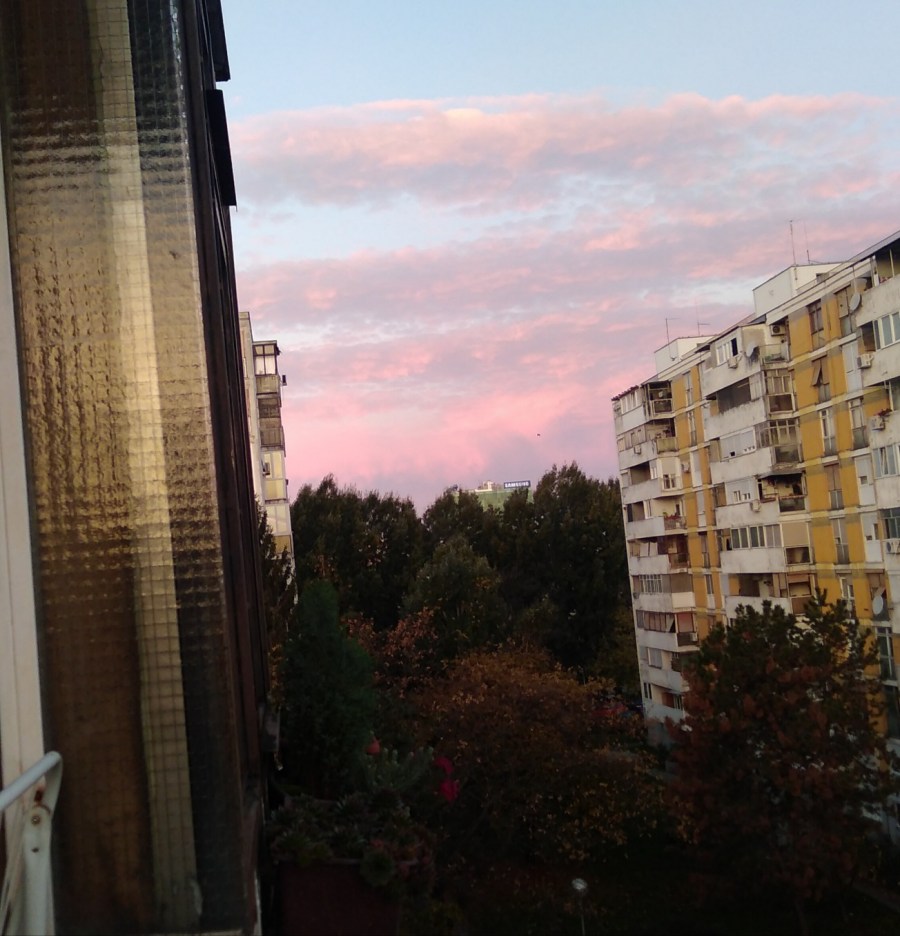
Red sky in the morning, shepherd’s warning
More than an hour later, the airport bus did indeed stop right where Google maps said it would, so I am writing this blog to help others to avoid the same waste of time and energy.
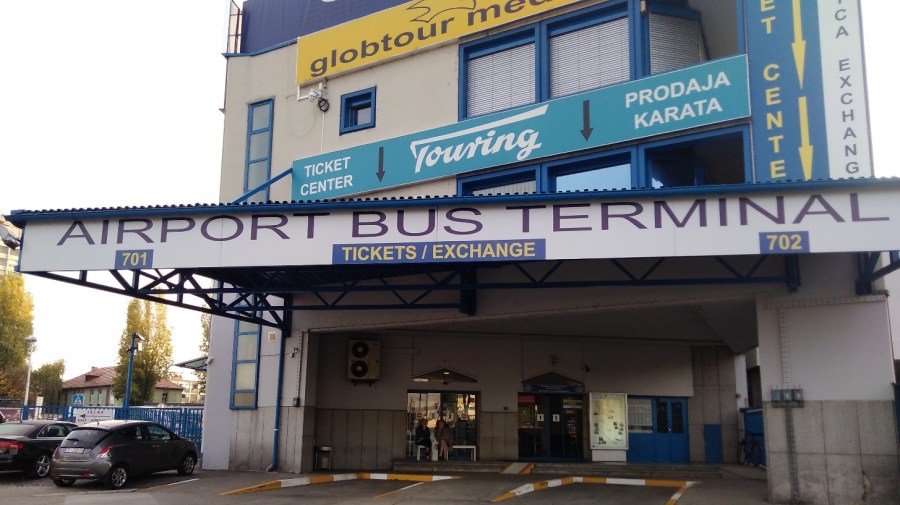
You can pick up the airport bus from a number of different places but notably from the Autobusni kolodov (Zagreb bus station). Allow time to find the bay as it is not amongst the other bus stops.
This is the airport bus terminal, tucked behind all the other bays – no signs pointing in this direction, no officials to ask where it is – but it is the part of Zagreb bus station where you get the airport bus.
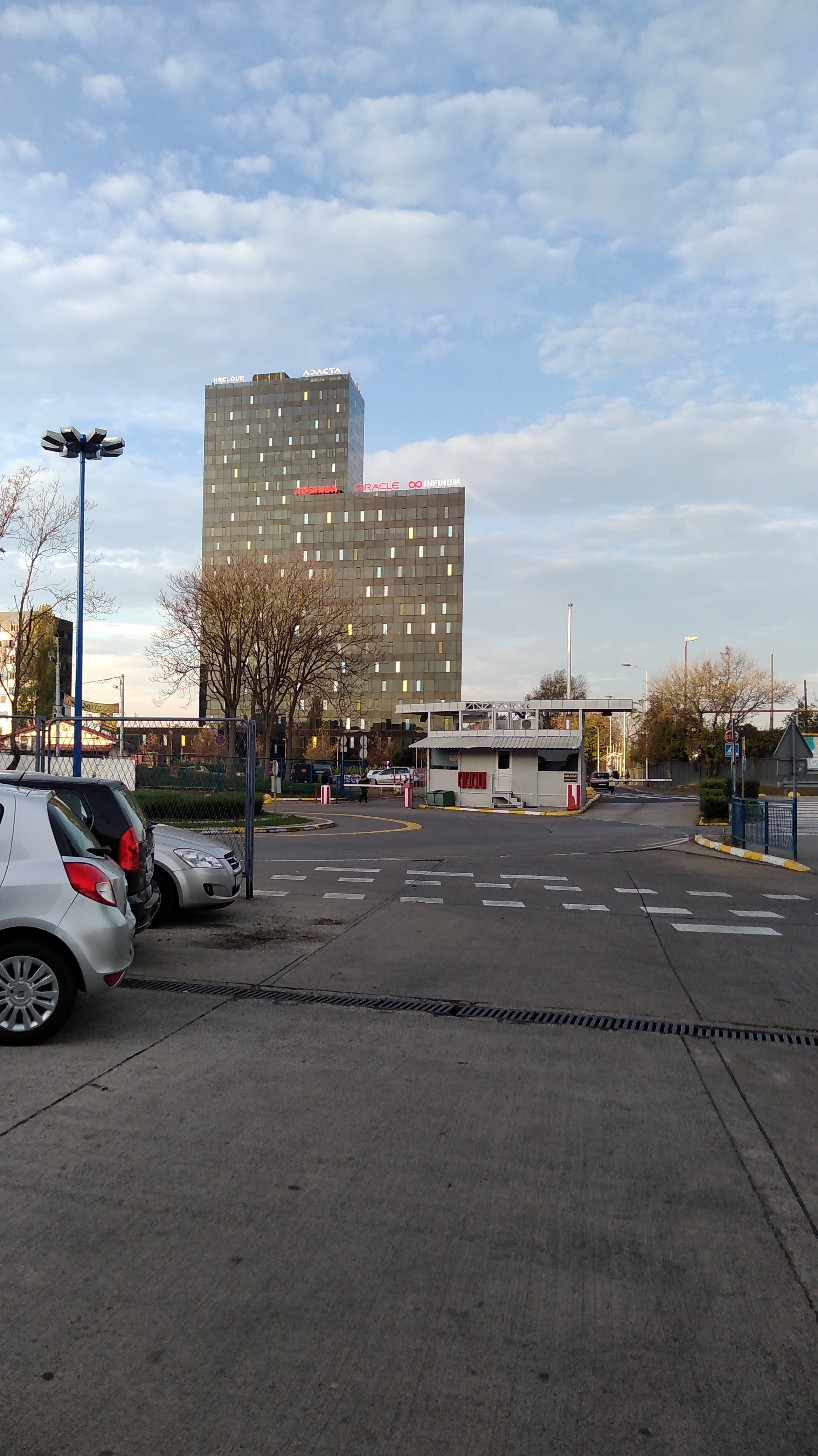
Not an exciting photo but I took it so that you can orientate yourself ie if you can see this view, you have found or are close to finding the place where the airport bus leaves from!
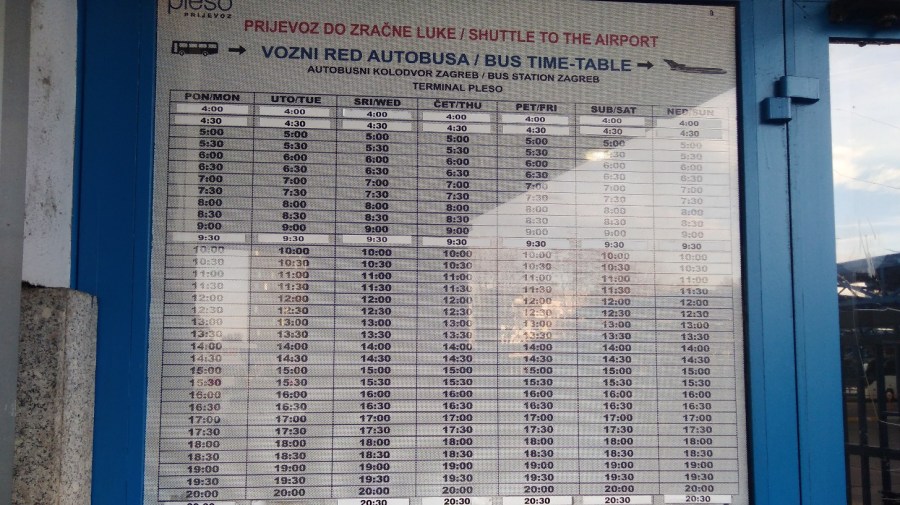
It goes every half hour on the hour and the half hour, and takes 35 minutes.
Airport bus timetable as of November 2018
Detail: Nice bus driver. On time. Comfy seats. Ticket: 30 kuna, buy on the bus.
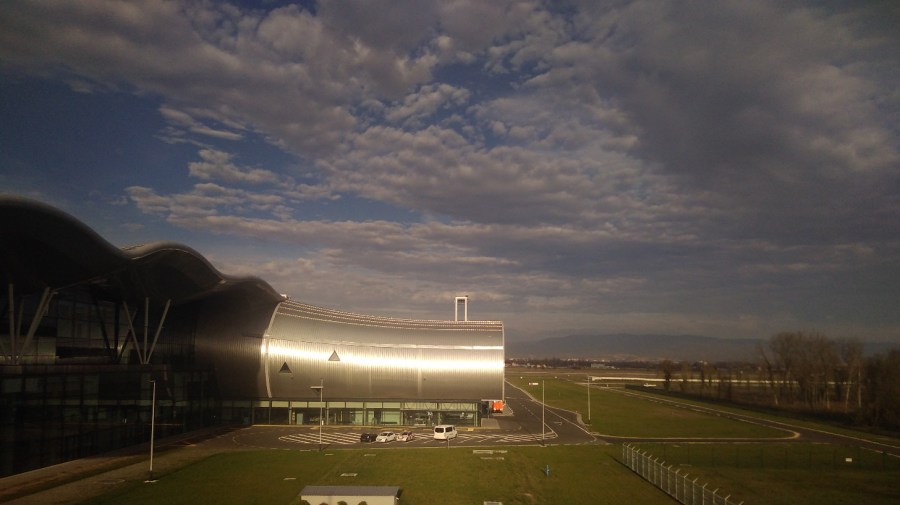
Zagreb Airport (another chrome tube! – see previous blogs)
The airport has different names: Zracna luka and Franjo Tudman being 2 of them.
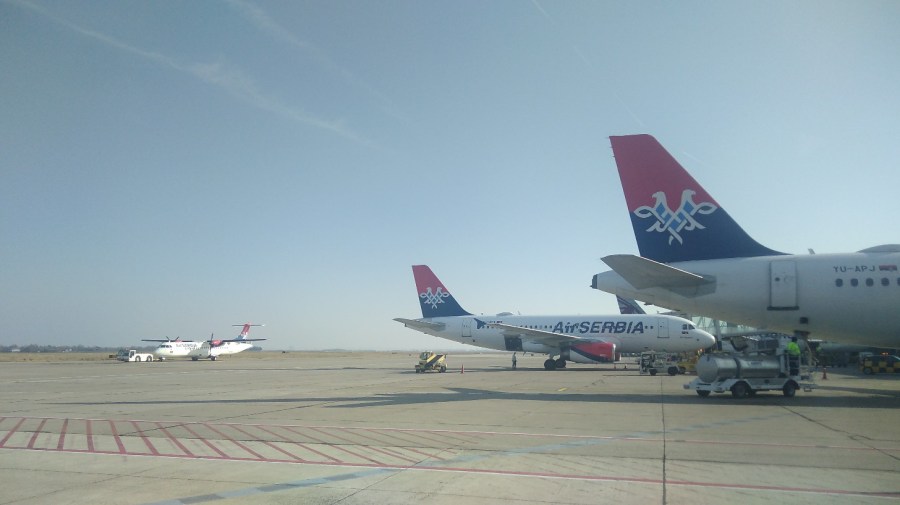
I flew to Thessaloniki (Greece) from Zagreb (Croatia) with Air Serbia – stopping at Belgrade (in Serbia) to change planes.
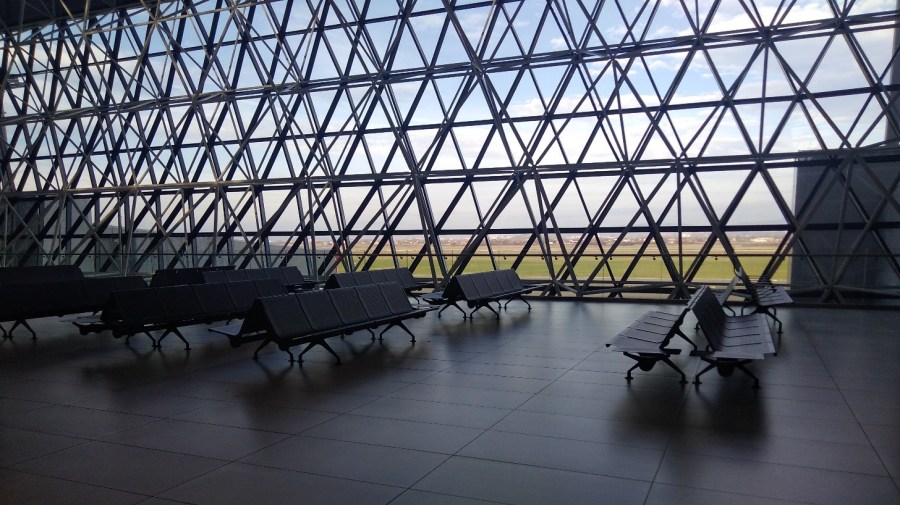
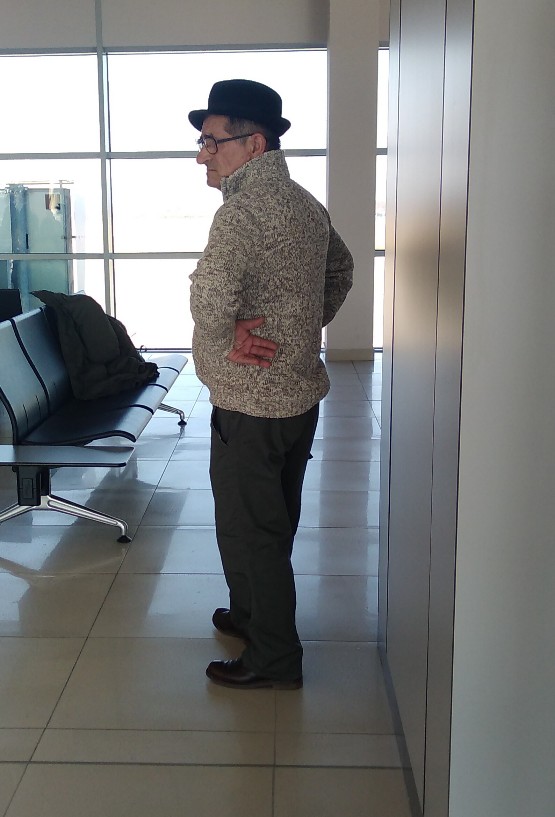
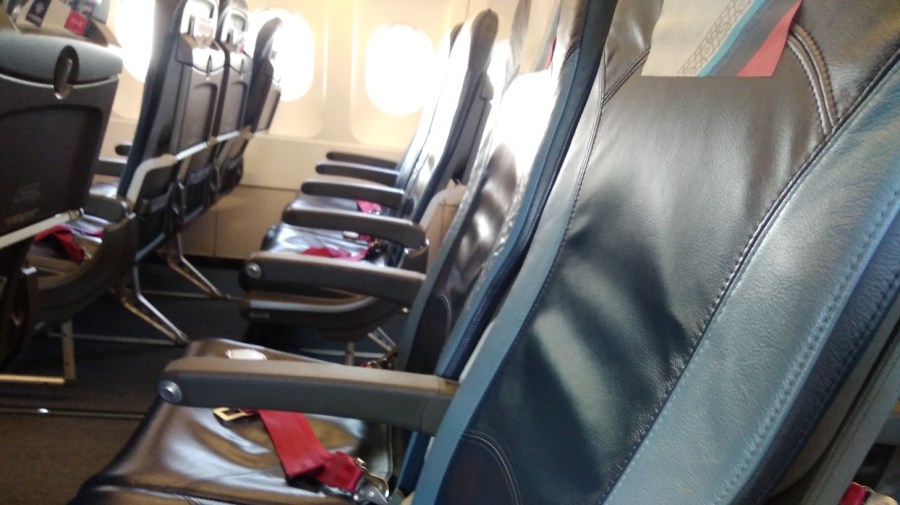
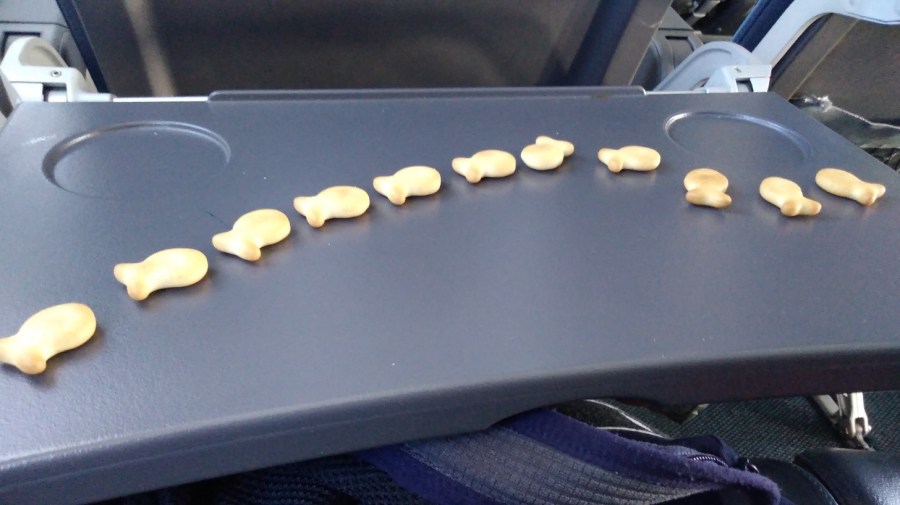
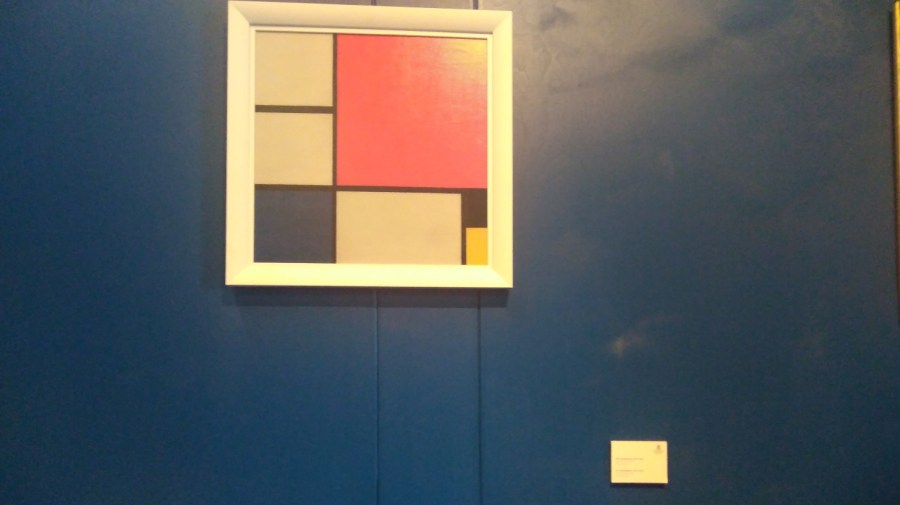
Zagreb is the quietest, emptiest airport I have ever been to. There were 3 of us going through security. Three!Waiting for the flightAlthough the first plane was tiny and almost full, there was almost no-one on this second one.Free fish biscuits and a glass of water on both flightsPiet Mondrian – Belgrade has a museum / art gallery. What a brilliant idea
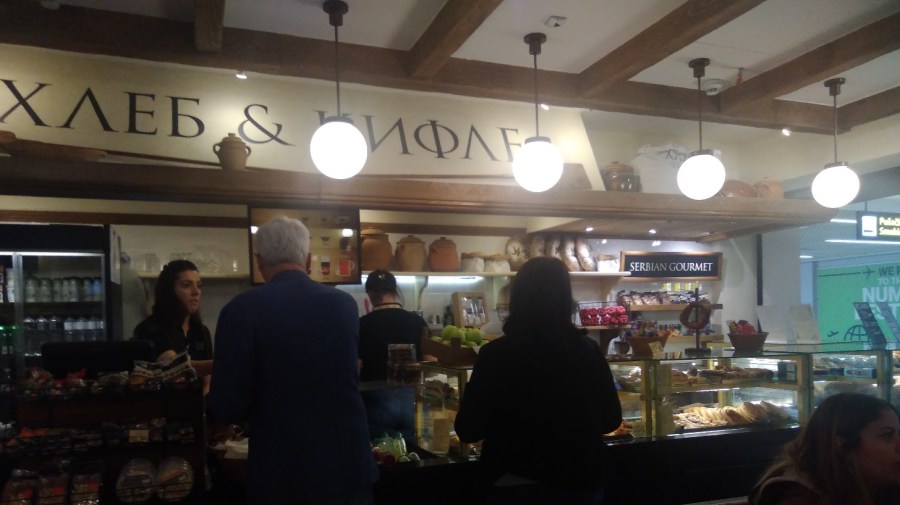
I recommend the cafe below at Belgrade Airport – helpful staff, free WiFi and delicious green tea. It takes euro and local currency.
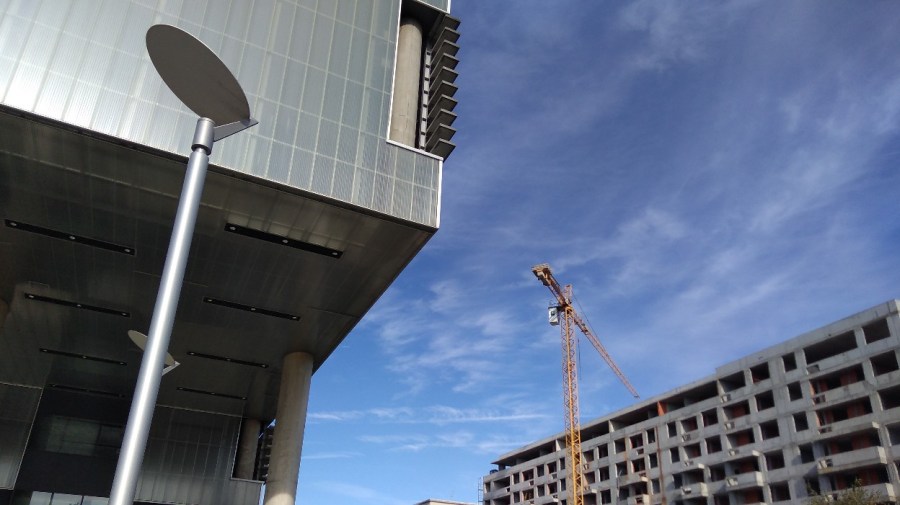
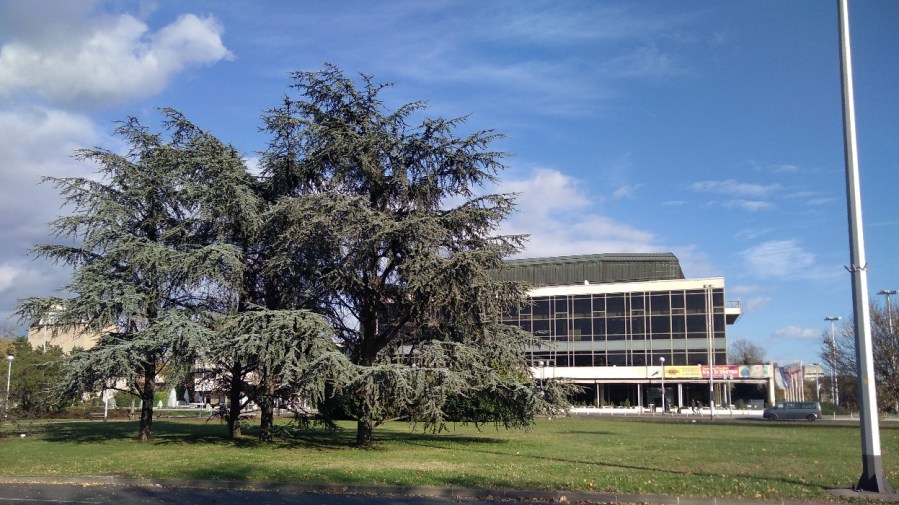
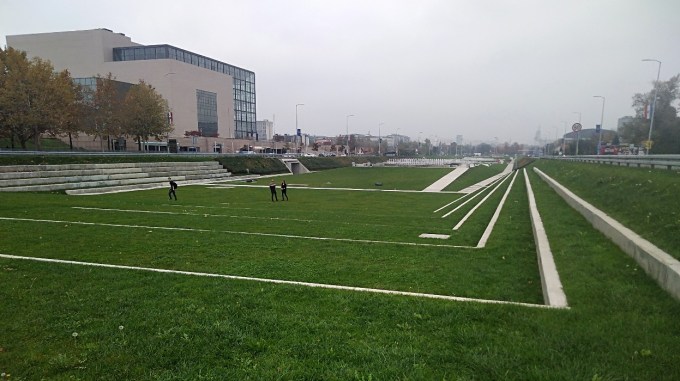
I started my walk as always, at the Museum of Contemporary Art on Avenija Dubrovnik, my favourite indoors attraction. I make a straight line from there, over the motorways and the River Sava (past the statue, the National Library, the concert hall and bus terminal, through the 3 main squares until ever such a slight right to the Cathedral. It takes around an hour and a quarter if you don’t stop too many times to take photos!
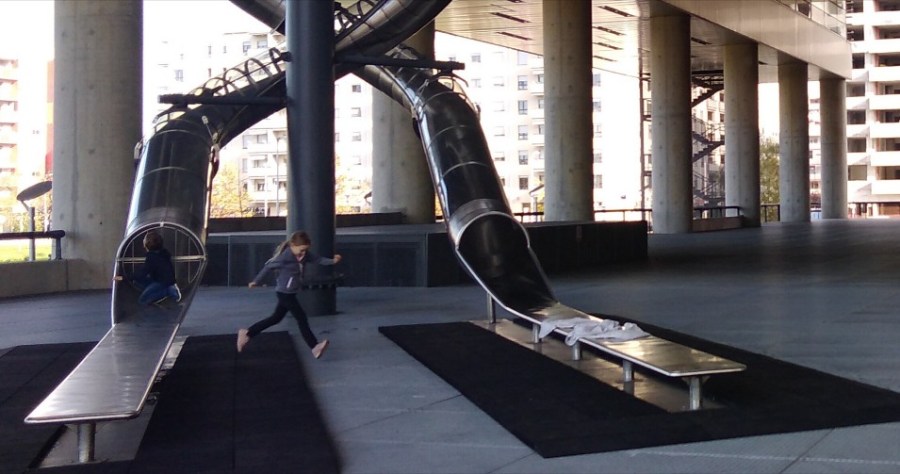
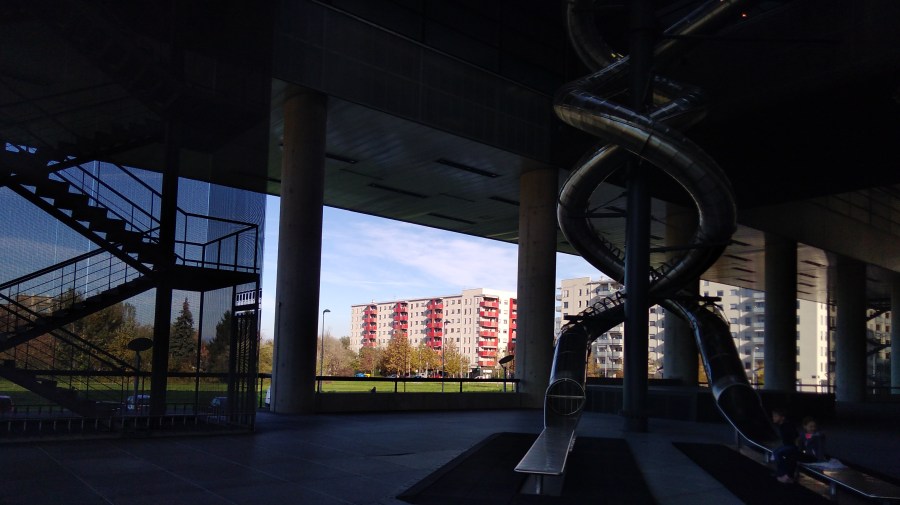
The shute at the Museum of Contemporary Art was open today – a great way to get kids here at an early age. Made by Carsten Höller, it is a piece of cunning engineering and great fun by the looks of it too
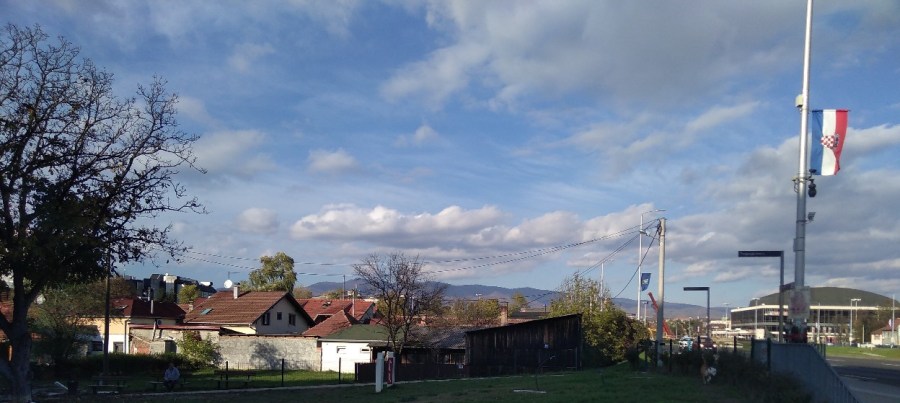
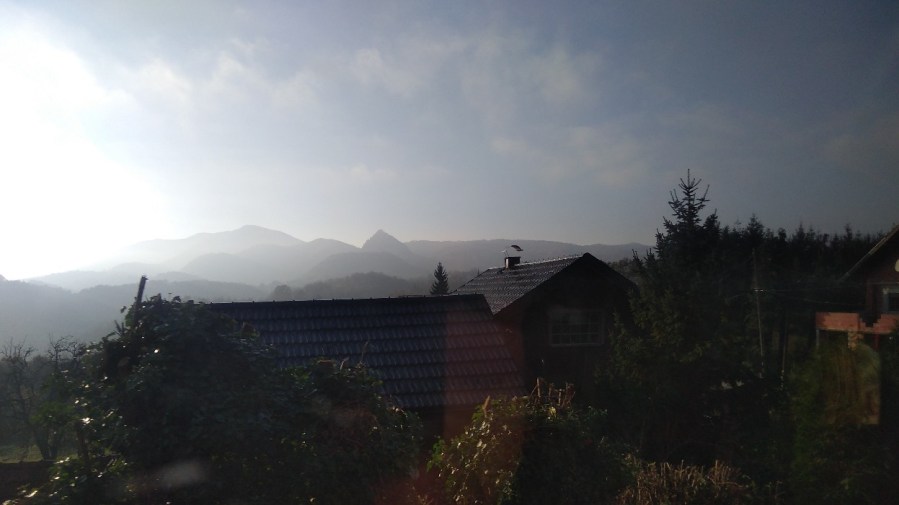
With the sky blue and the sun shining, I could not resist walking into the city. There in the far distance are the Medvenica mountains, possibly even Sljeme, the best known peak and sometime ski station
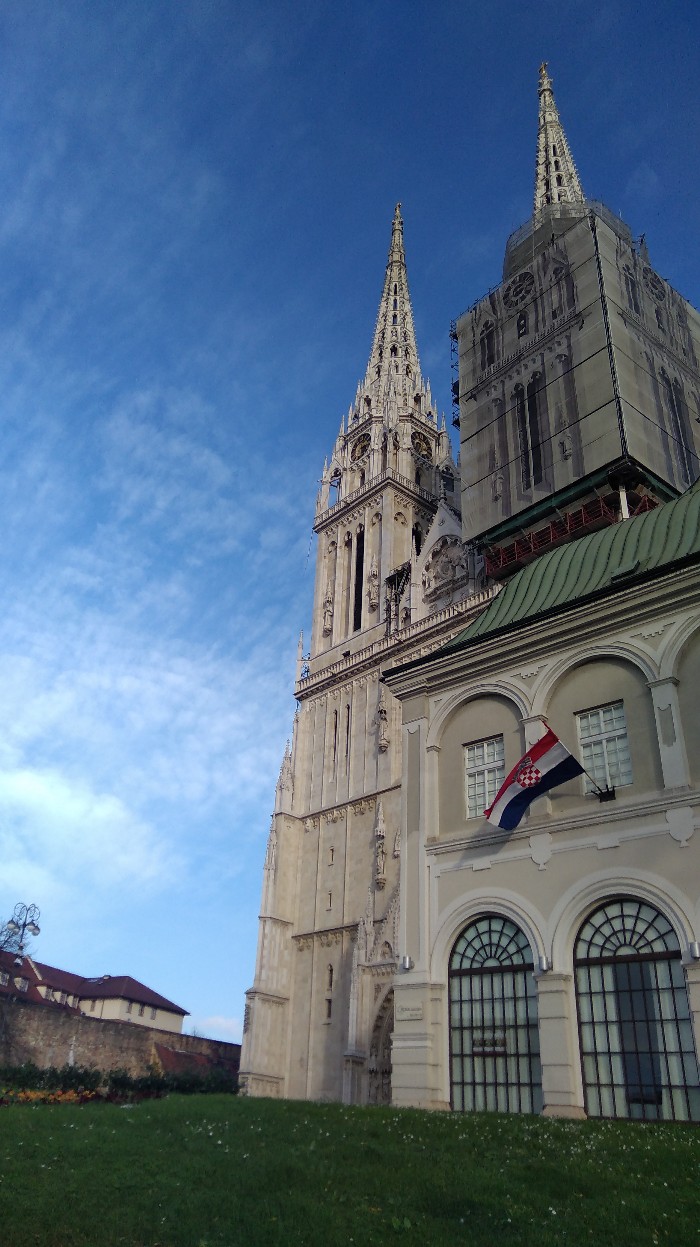
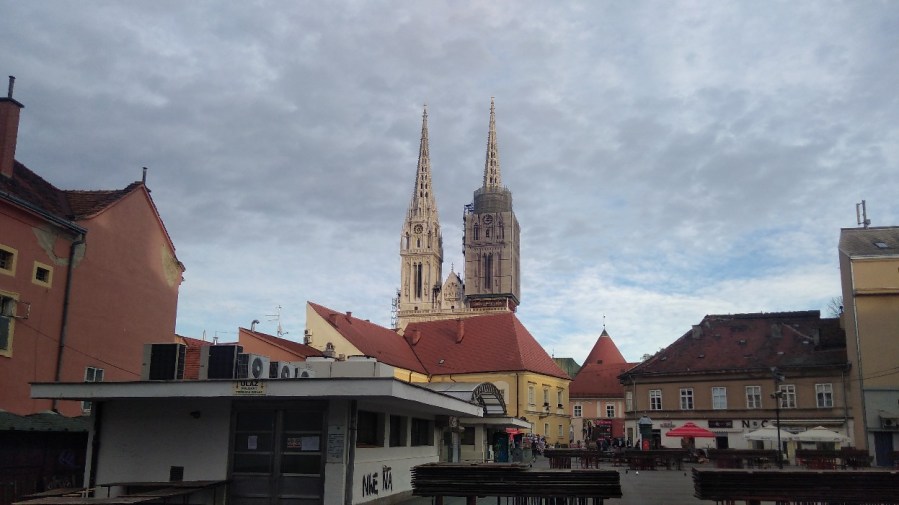
Zagreb Cathedral is right in front of those hills – I can see it getting bigger as I get nearer but the camera cannot – and it was gleaming white on this, my second last day in the city. I am not sure why I left it until now to see the famous monument.
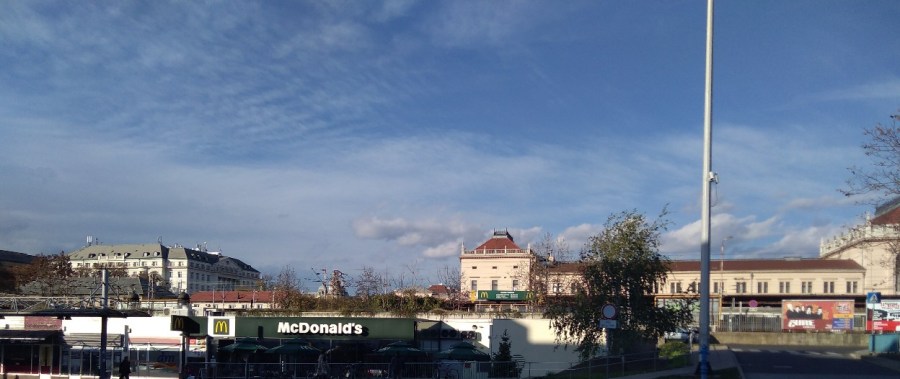
The concert hall where Fura dels Baus are playing in December. I saw them in my Cardiff days and would have loved to go againThe bus terminal and the back of the train station with you know who emblazoned across the lot
It was so warm that I was glad to get to the city square for some shade.
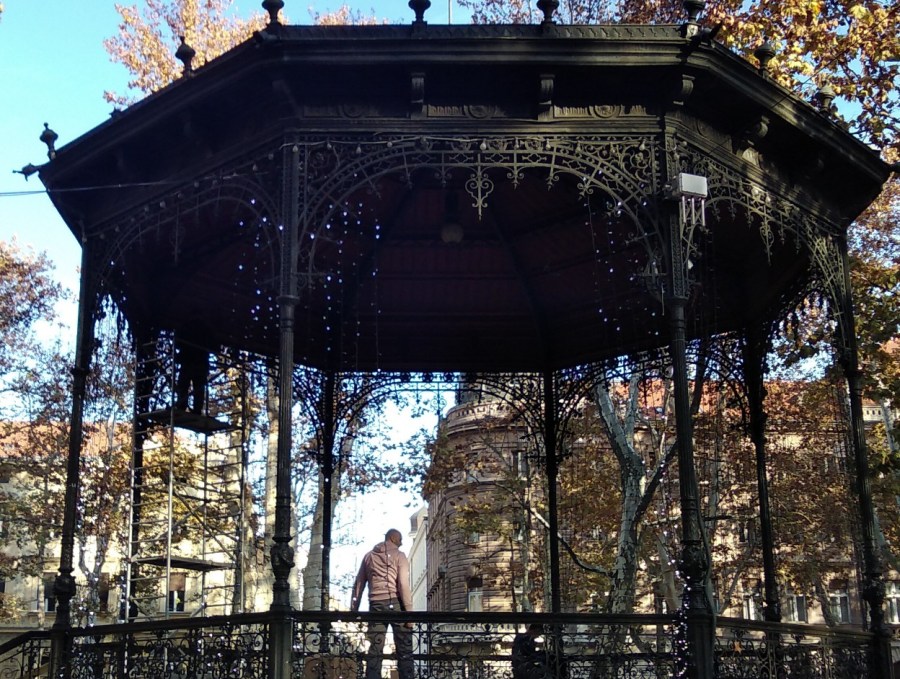
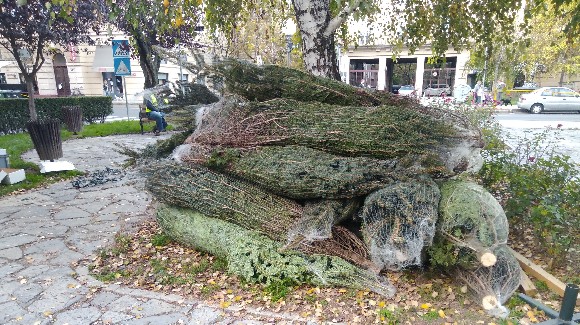
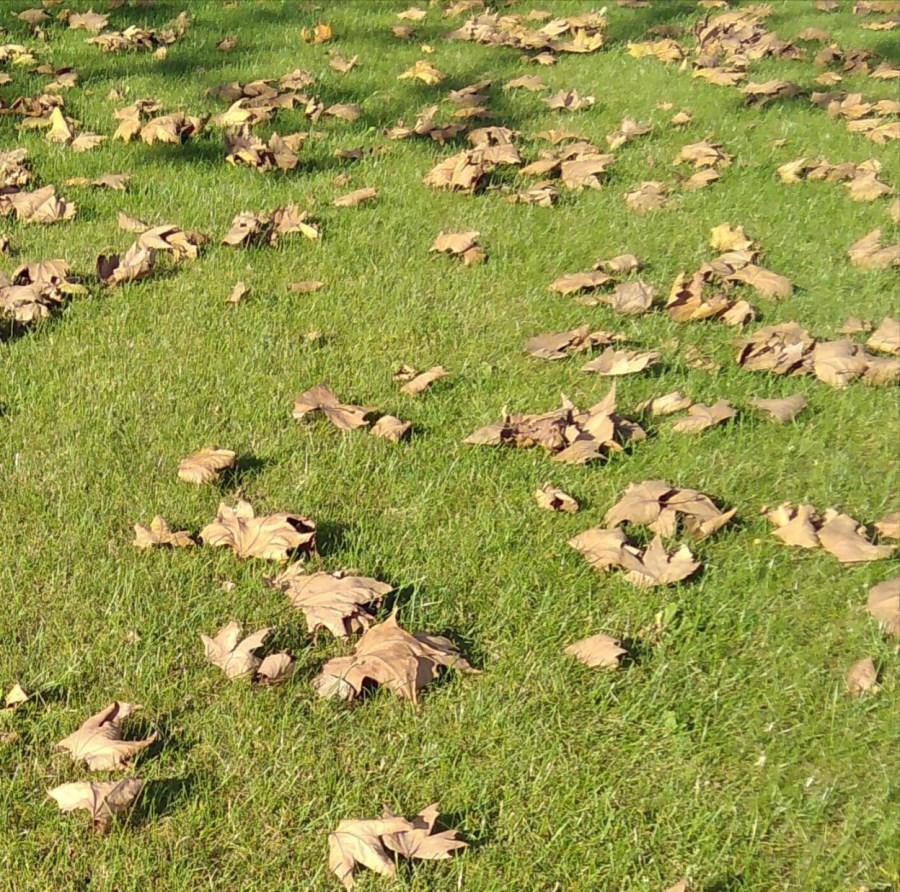
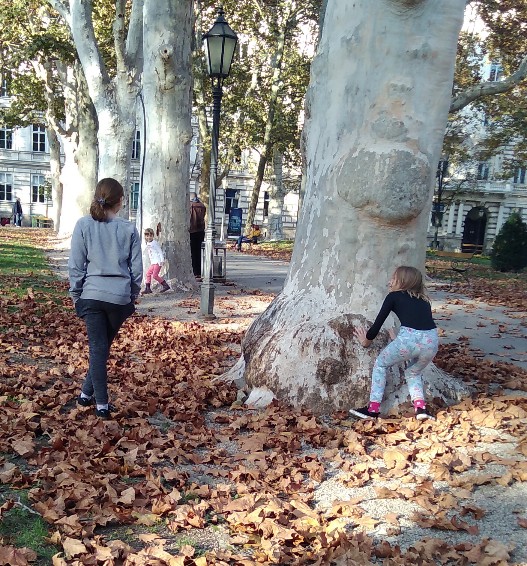
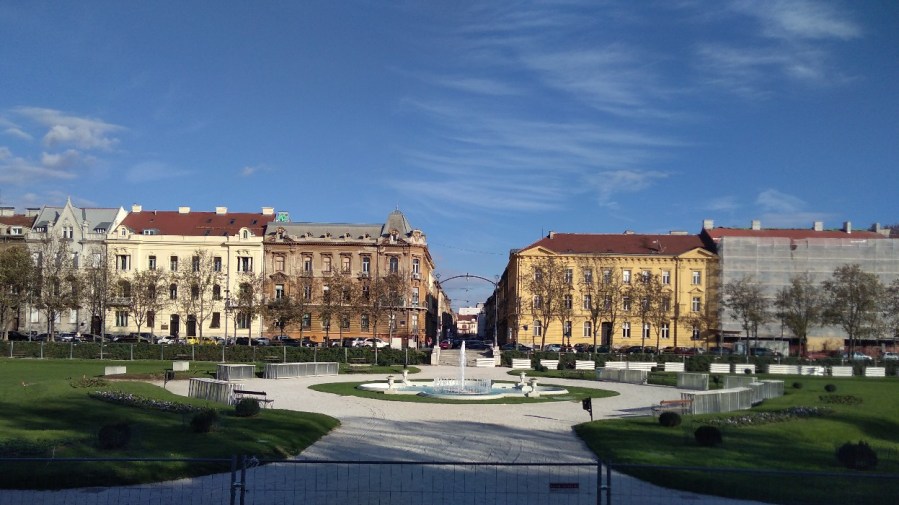
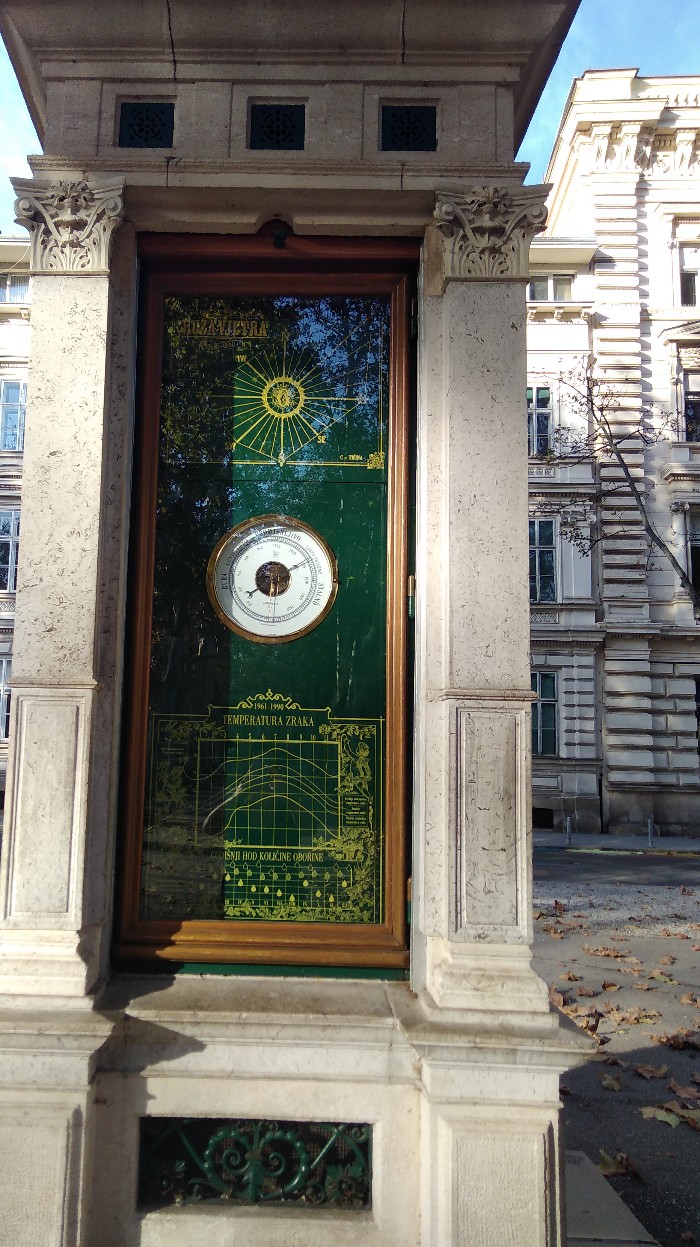
The Christmas lights were going up round the bandstand built in 1891 (trg Nikole Zrinskog)… and the trees ready and waitingThe last of the leaves curling at the edges made a satisfying shush as I waded throughIt was Sunday afternoon and everyone seemd to be out and enjoying themselves, having picnics and playing hide and seekFontana kralja Tomislava and the elegant buildings around the squareThis four-sided highly attractive meterological weather station shows the temperature and barometric pressure and much more besides. It is in the trg Nikole Zrinskog (north side)Before the kids arrived, there was a couple standing there and the man was telling the woman the story of the famous canon, how Zagreb asked for help to protect themselves from Austria and got only the one canon. Strategically they put it at the top of the tallest tower and let it off. It was loud enough to send the invading army away and that is how, he concluded, the city survived. It is fired every day at noon like our own one in Edinburgh Castle (1pm).
Zagreb was first mentioned in 1094 when it was made up of two settlements Kaptol and Gradec.
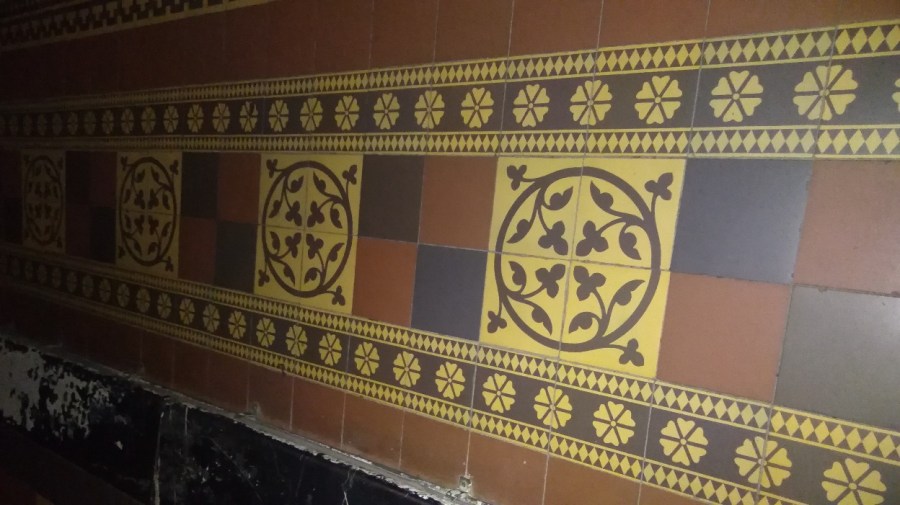
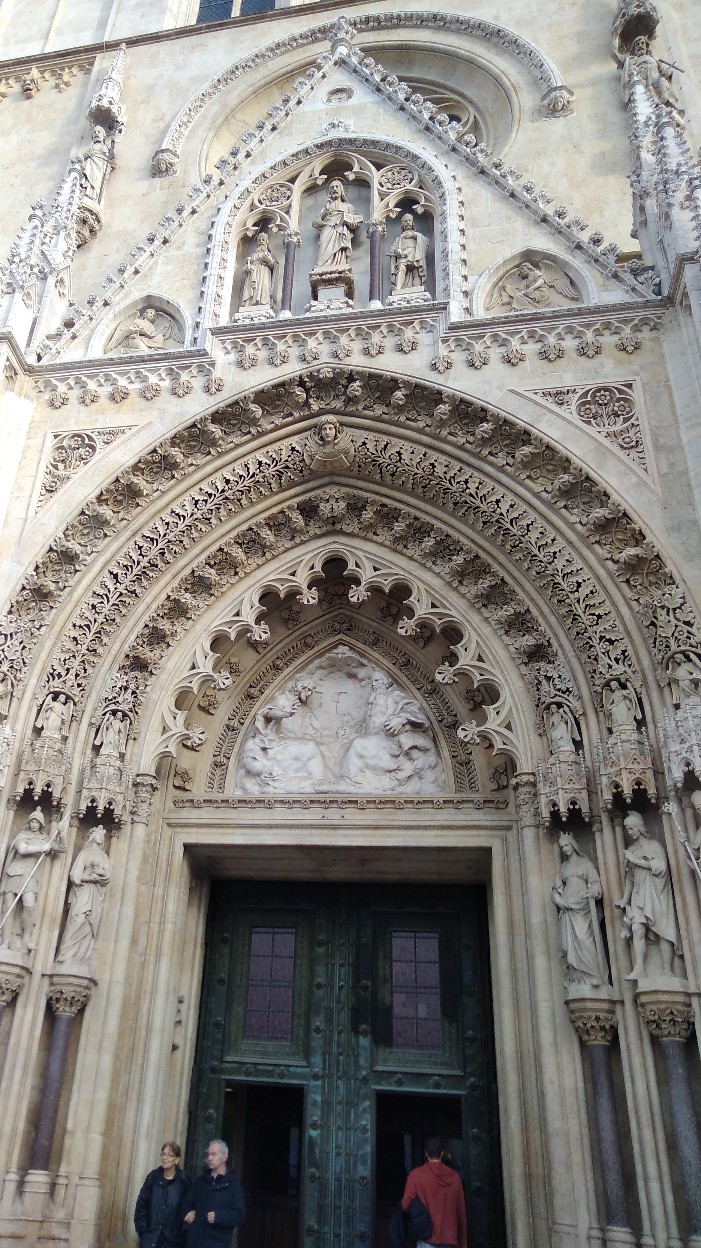
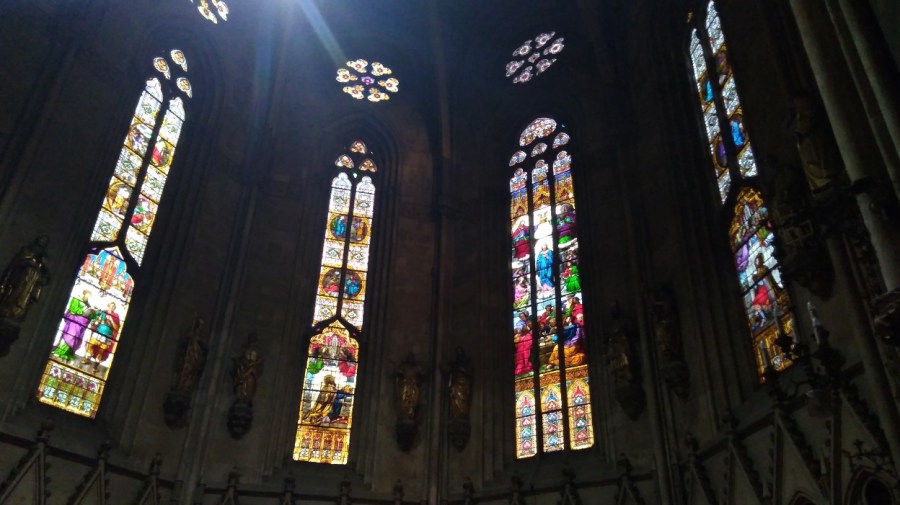
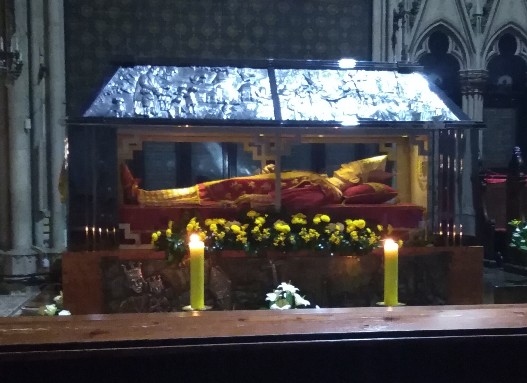
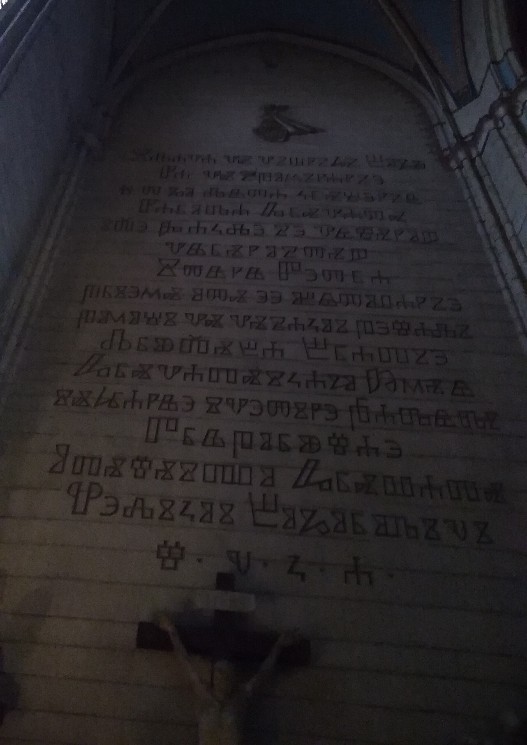
Zagreb Cathedral looking very bonny against the azure skyI really do not mean to be disrespectful but I have seen these same tiles are in all the best churches. Like pub decorations, maybe there are warehouses where you can get suitable ones wholesaleMain door, Zagreb Cathedral, recently cleaned and sparklingAlong the sides are the tallest thinnest windwos I have seen in a Cathedral, but these beauties are above the altar, Zagreb CathedralThe tomb of Archbishop Stepinac, ‘place of constant prayer and listening’I recognise the Glagolitic script here in the gloomy corner
The Cathedral suffered terribly in the earthquake of 1880 and has been under repair, more or less, ever since.
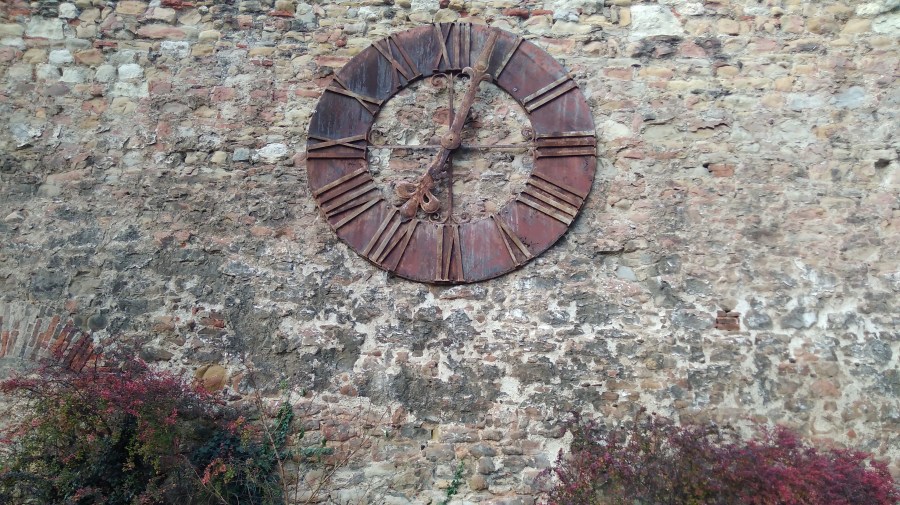
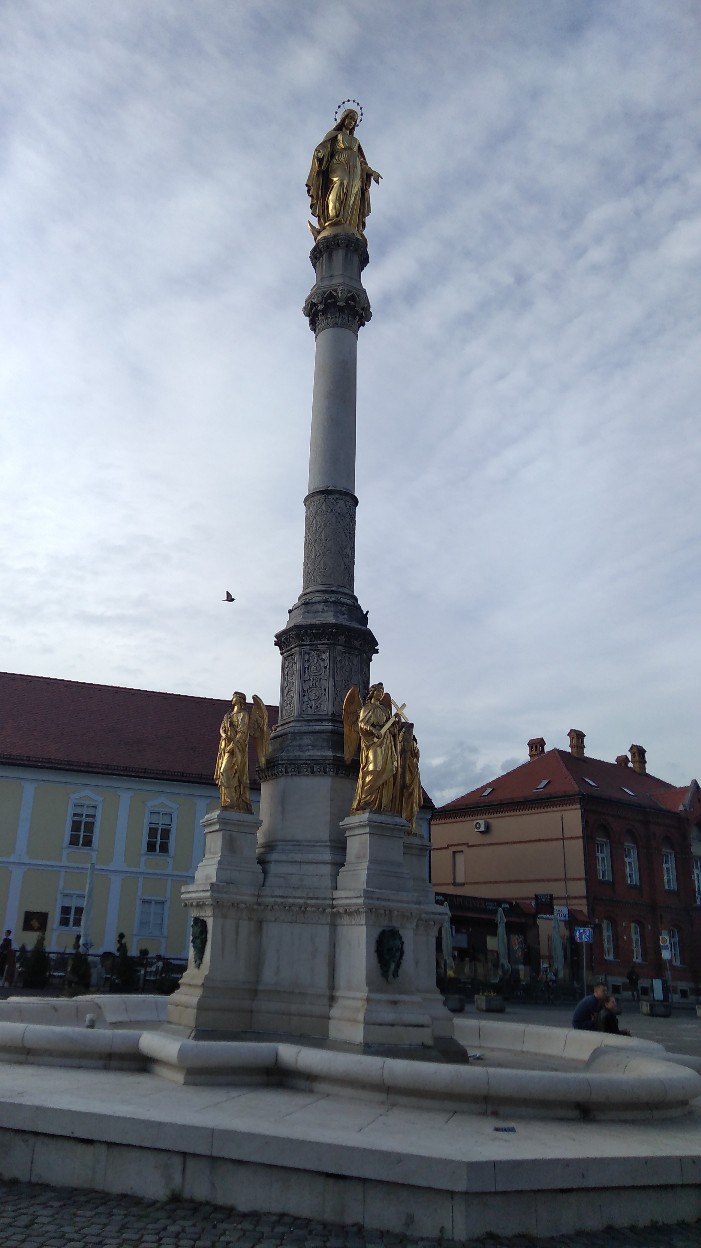
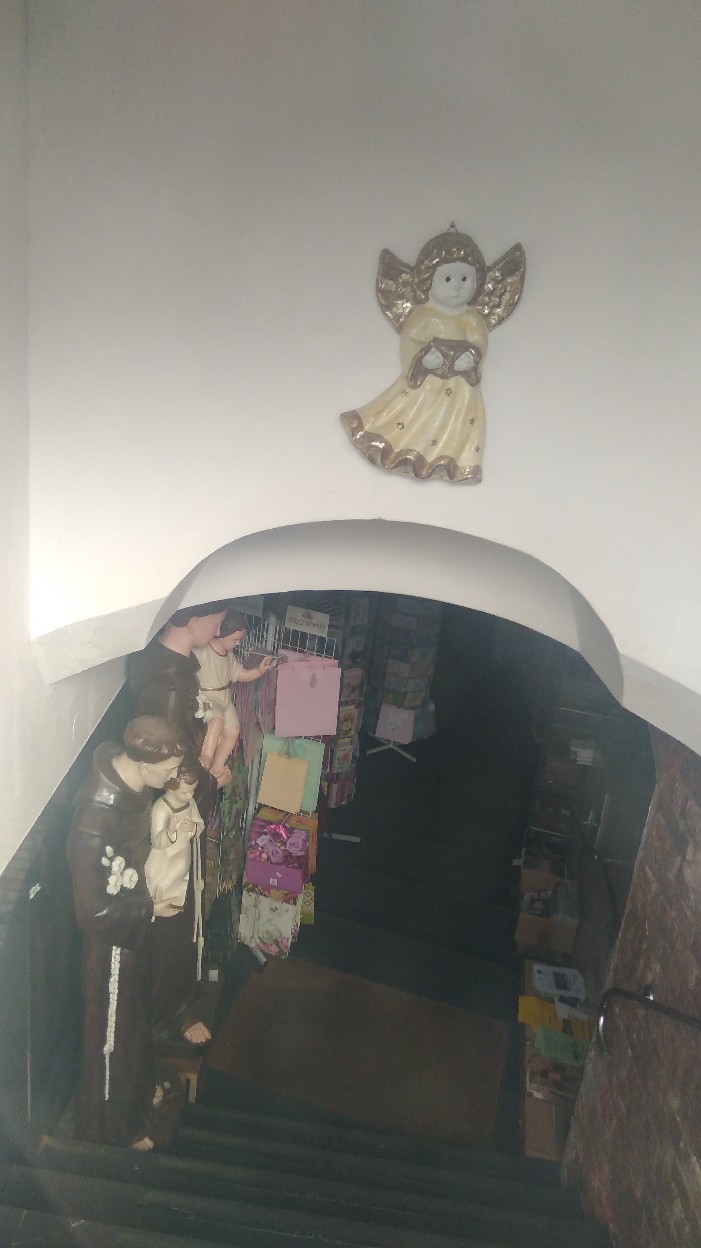
The clock stopped just after 7pm.The ultimate golden lady. The Holy Mary outside the Cathedral in ZagrebNext I crossed the road and entered a passageway finding the St Antun bookstore, photographed through the door as it was closed
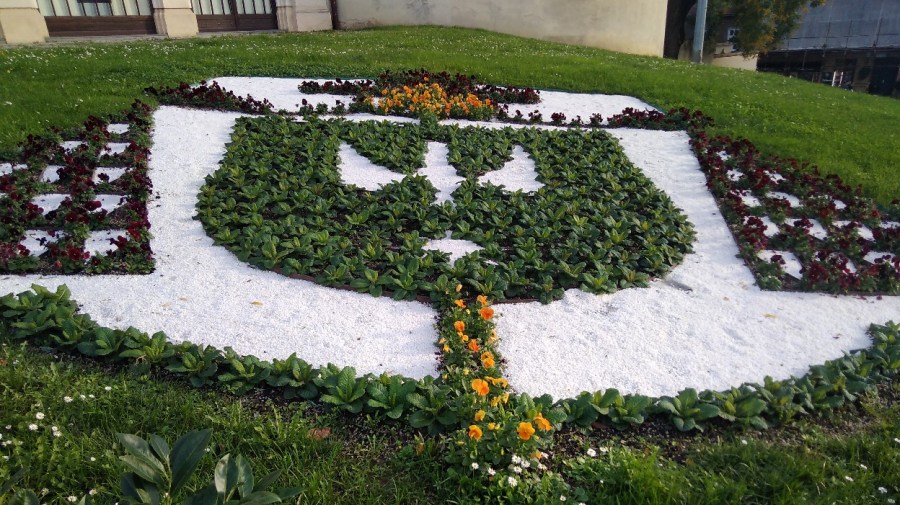
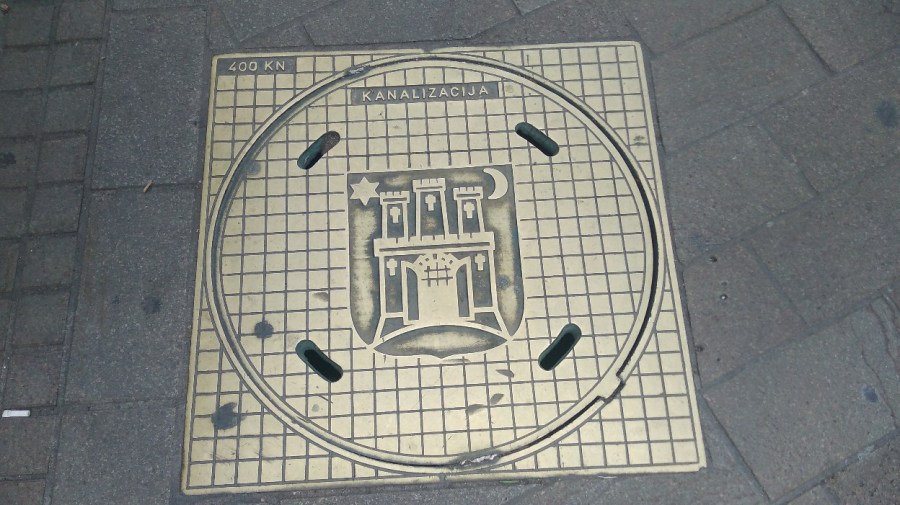
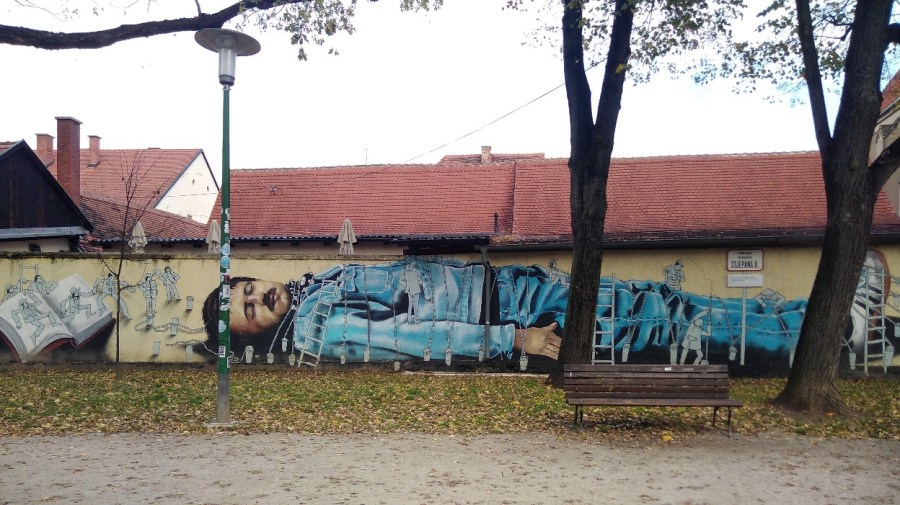
The Zagreb coat of arms in brass on the street and in flowersHere is Gulliver, beautifully depicted on the wall of Opatovina Park, incongruously lying next to a pile of books, the top one of which is Bridget Jones Diary (not in the photo)
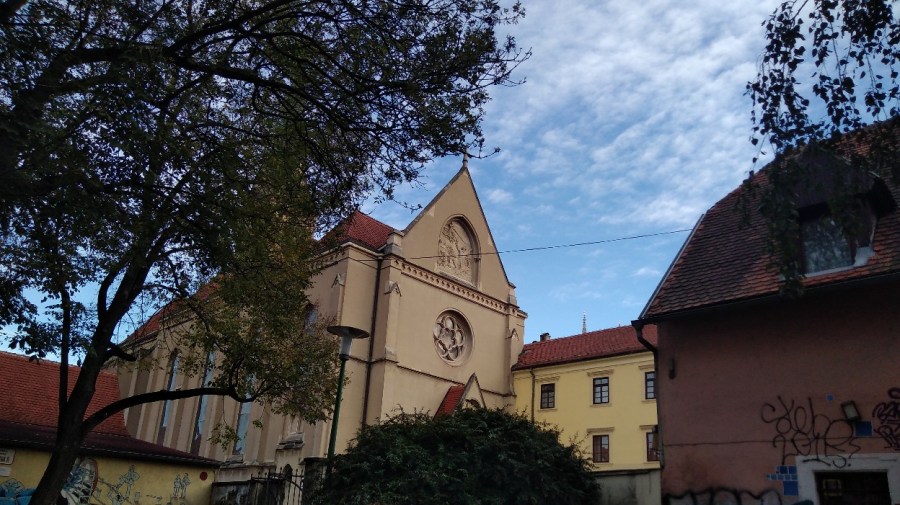
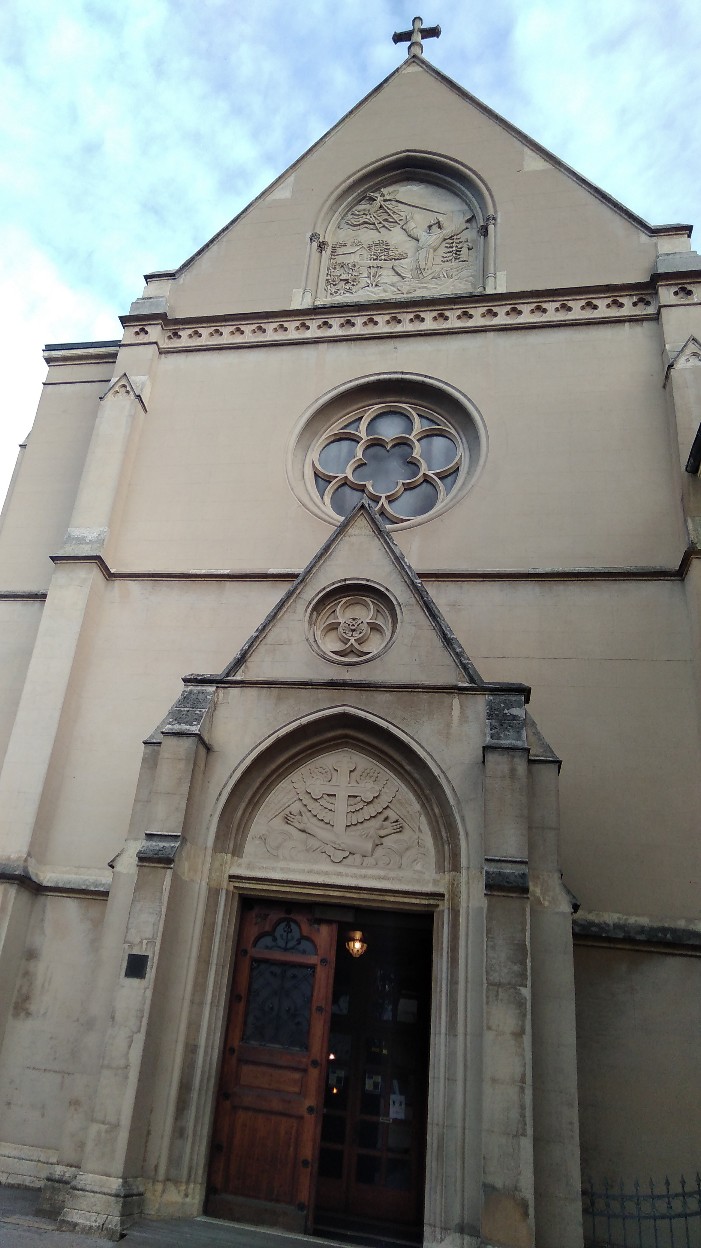
And opposite the entrance to the park is perhaps my favourite of the churches, the quiet chapel of St Francis.
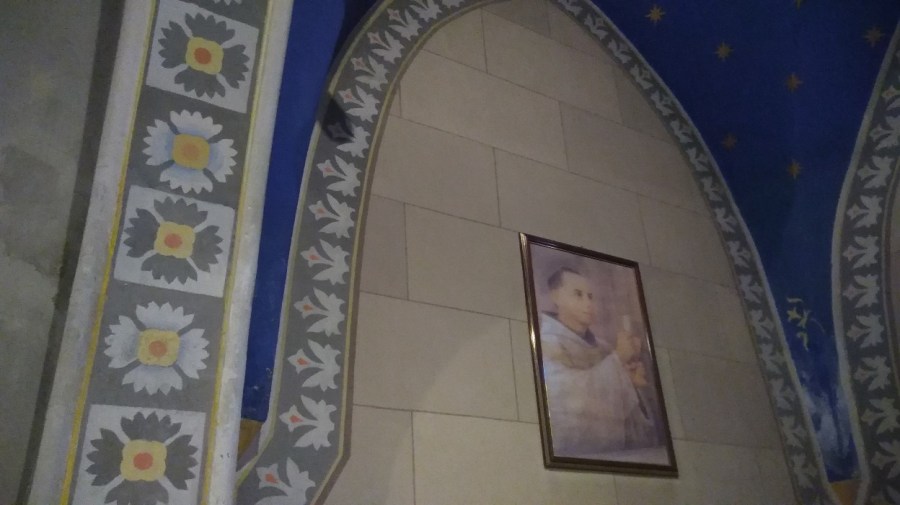
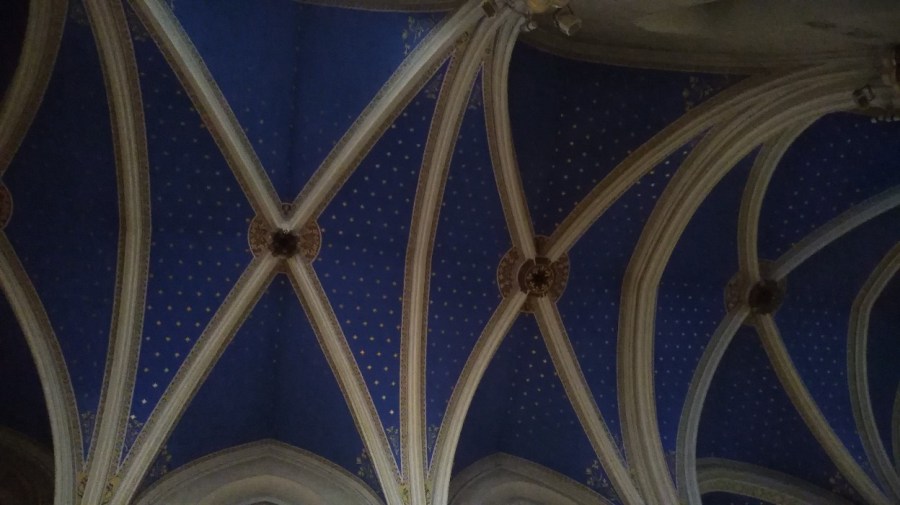
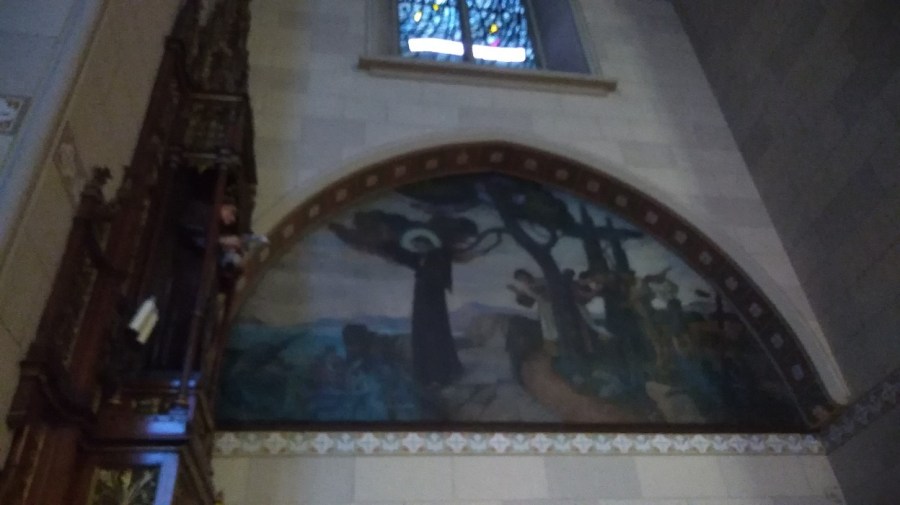
There he is at the top with the creatures of the earth, chapel of St Francis, Kaptol, ZagrebInside with a beatific smile, chapel of St Francis, ZagrebUnder a starry ceiling, chapel of St Francis, Zagreband here tending to the fish of the oceans too (bit blurred), Franciscan
It has amazing stained glass, some at least by the Croatian artist Ivo Dulčić whose work was so groundbreaking that it sometimes incurred the wrath of the church authorities of the time. The windows, which he made in 1960, depict scenes from St Francis’ song “Canticle of the Sun”.
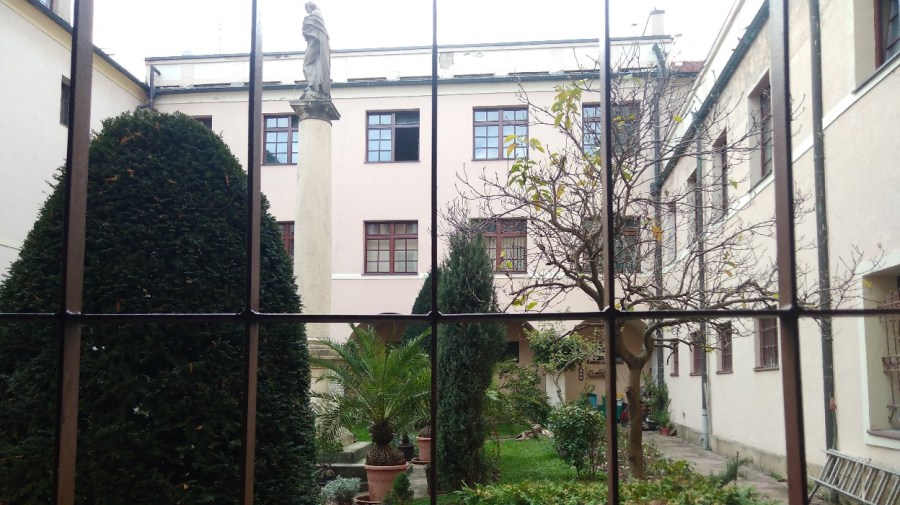
The garden of the Franciscan monastery in the hidden courtyard, Zagreb
I somehow could not find St Mark’s with its famous roof but here is the spire
Then I found all the other) tourists. They were sitting in the cafes with English and German names on the little streets behind the market and jostling to take photos with their phones on sticks.
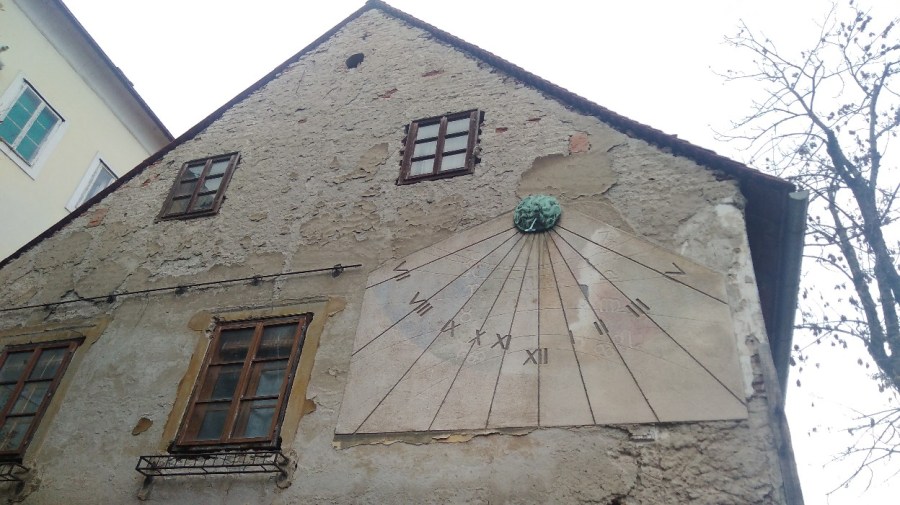
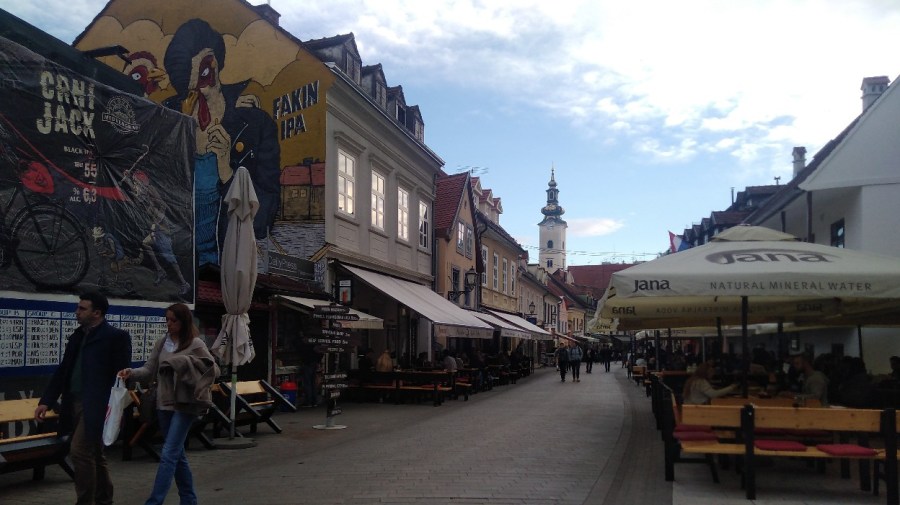
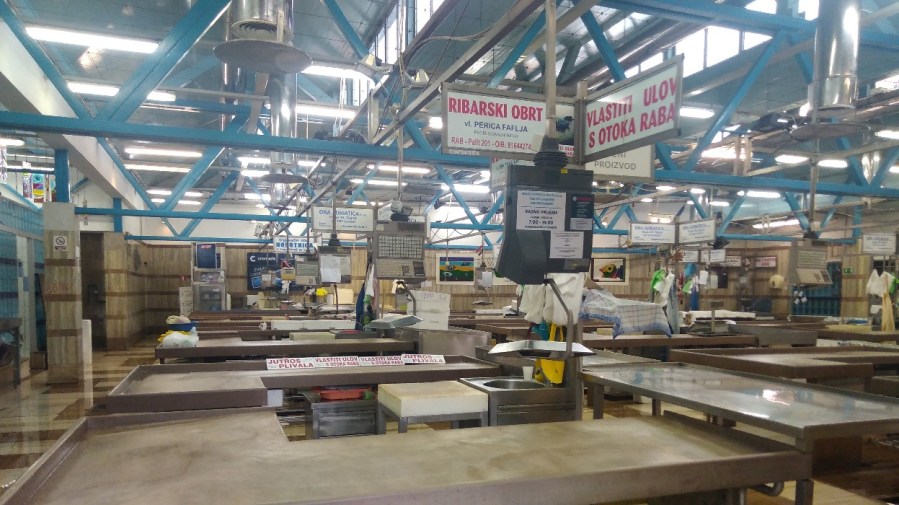
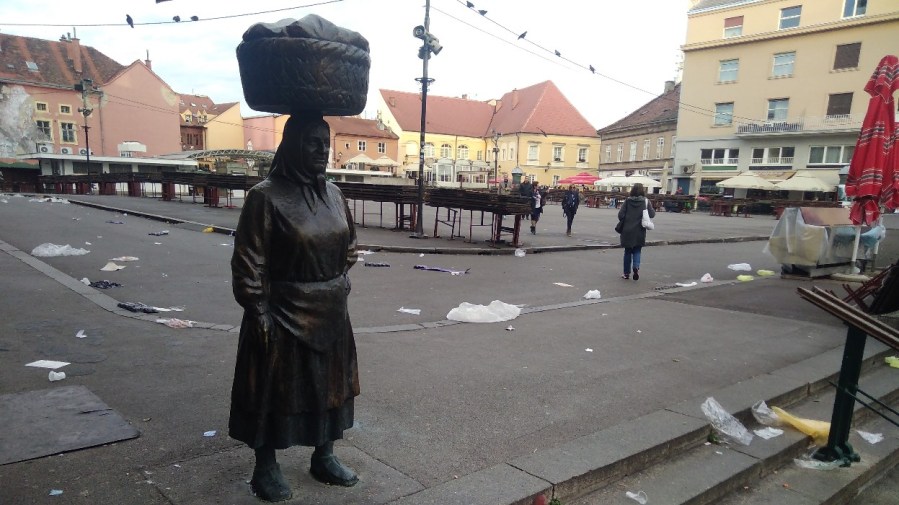
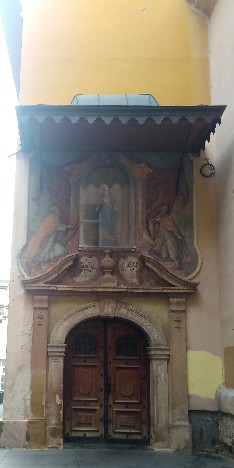
There was a statue of a Marija Juric Zagorka with a sun dial behind her and a children’s bench which is a nice ideaTourist alleyI missed the market at Dolac (Zagreb) for the second week running. Here are the empty fish slabsOutside a man was looking bored sitting in a mini vehicle hoovering up the rubbish, ‘Kumica Barika’ statue, Dolac, ZagrebAnd another view of the Cathedral, ZagrebThis gorgeous fresco is on the Catholic church, St Mary at Dolac (stube kralja Ladislava)
Not a little footsore, I set out for Booksa to sit and drink tea and write some.
It was a picturesque end to the day.
There are better photos than mine of the interior of the St Francis chapel here.
There is so much else to see:
The Shrine of the Mother of God of Kamenita vrata (the “Stone Gate”), the patron saint of the city of Zagreb, is a place where people go to pray before a picture of the Virgin Mary which survived a great fire in 1761. The most important day here is the day when Zagreb remembers its patron saint and holds its annual town celebrations, 31 May.
Also, don’t miss the chance to see the south portal of St Mark’s Church in Gornji grad (Zagreb’s “Upper Town”), which dates back to the 15th century and depicts the saints in stone and wood. In the church’s interior you can also see typically powerful works by the great Croatian sculptor Ivan Meštrović.
The two above paragrpahs are from this website on Religious Toursim.
A hike from Samobor through Cerje to Okic and part of the way back. November 2018, Croatia. Approx. 20kms.
Samobor is on the eastern slopes of Samoborsko gorje. Situated 20 kms from Zagreb, the journey takes about half an hour and cost 31 kun there (from the ticket office) and 28 kun return (from the driver) .
Samoborsko gorje (Samobor mountains), Croatia
I took the tram to the bus station and then the Samborcek bus to Samobor, a regular service. Platform 610 is in the furthest corner of Zagreb bus station and it is just a matter of going and waiting there. Don’t expect to find anyone official to ask or see any signs – simply look on the ground for the number and trust!
The River Gradna
There is not much of note along the way to this popular summer and weekend destination for those who live in the capital city and tourists.
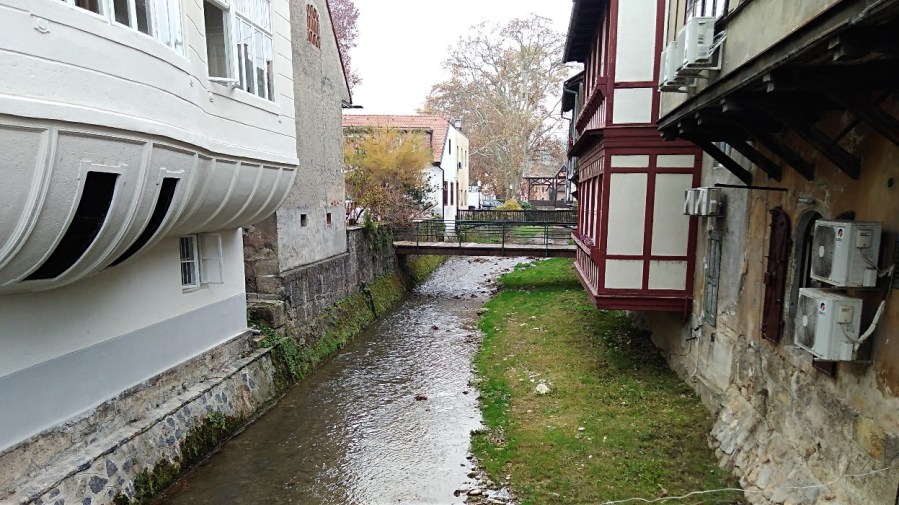
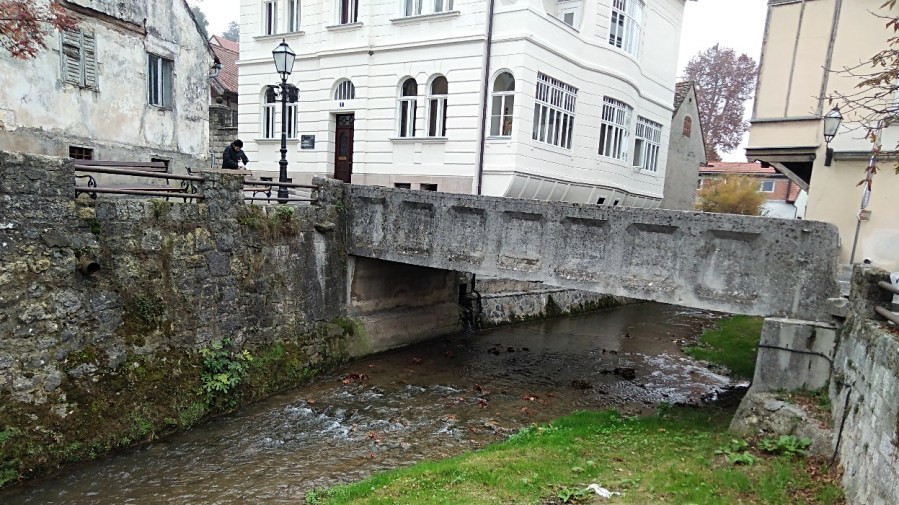
One of the many bridges across the Gradna Stream, built in 1906
It is a 10 minute walk from the bus station in Samobor to the centre – follow the signs to Centar.
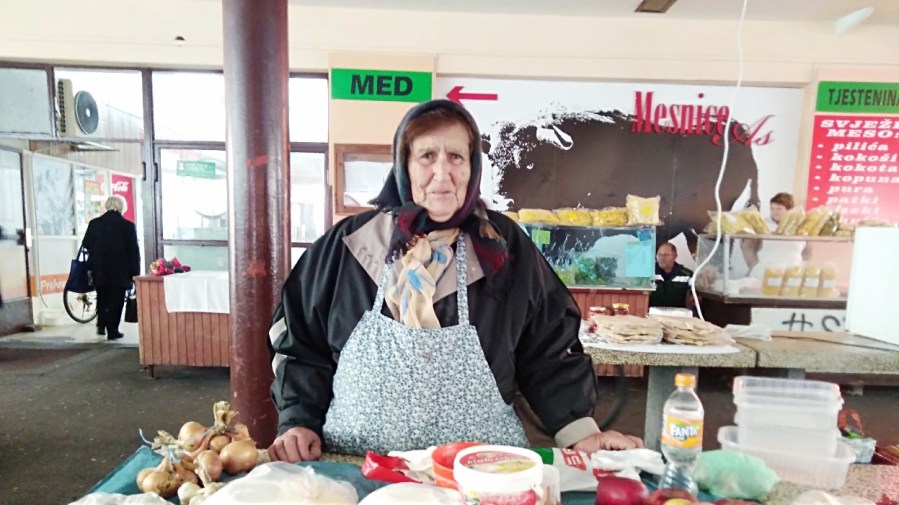
A stall holder at the market in Samobor, Croatia
I visited the market first, walking round initially to see what was on offer, and then choosing certain women for their fresh looking produce.
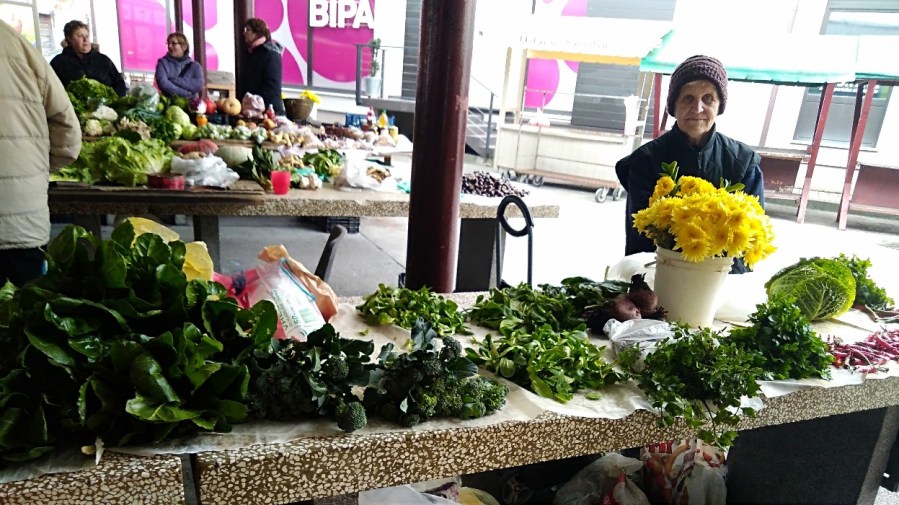
Seasonal greens and sunshine crysanthemums being sold at the market, Samobor, Croatia
Long tables were punctuated with stallholders wrapped in shawls sitting in front of a handful of spinach, a pile of rosy apples or bunches of parsley. Without a doubt everything was local, seasonal, and had just been picked that morning.
It was very difficult to make myself understood, even with gestures and smiles. I wanted to buy from every one as they all seemed so keen, perhaps had come a long way with a paucity of goods, presumably relied upon sales for their livelihood.
I checked out a bakery kiosk looking for the speciality Fasnik, I had read about. It looked like a custard tart. What I found was yoghurt based and I was unsure if it was the right thing so I waited.
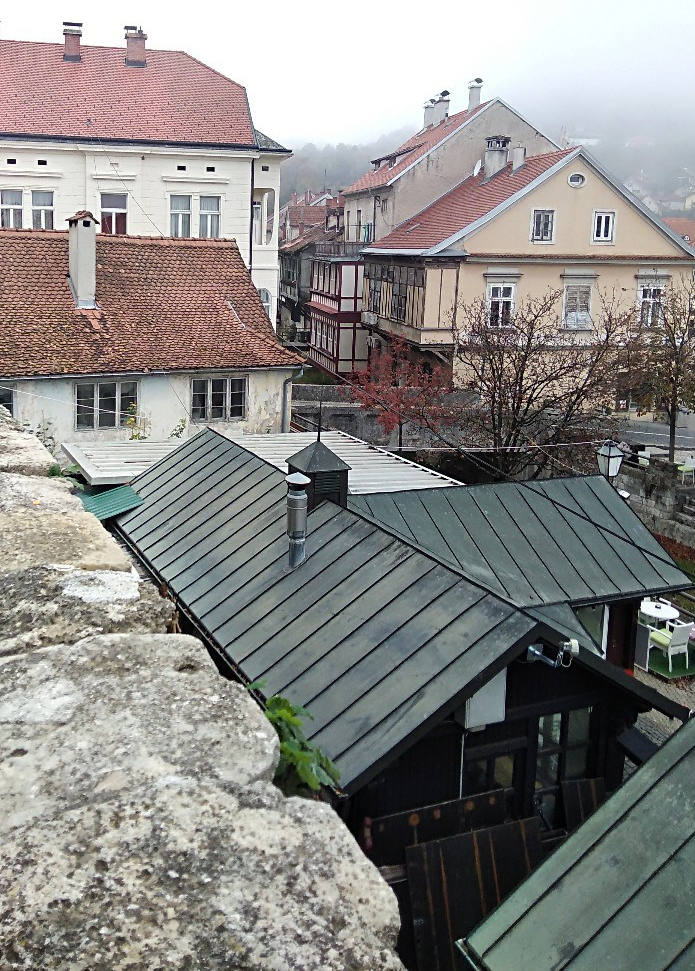
View of Samobor, Croatia
After a brief visit to the King Tomislav square with it’s cafés, and having failed to find the Tourist Information, I made my way towards a spire on the skyline (I had read a little before I came and had a list of places in my notebook).
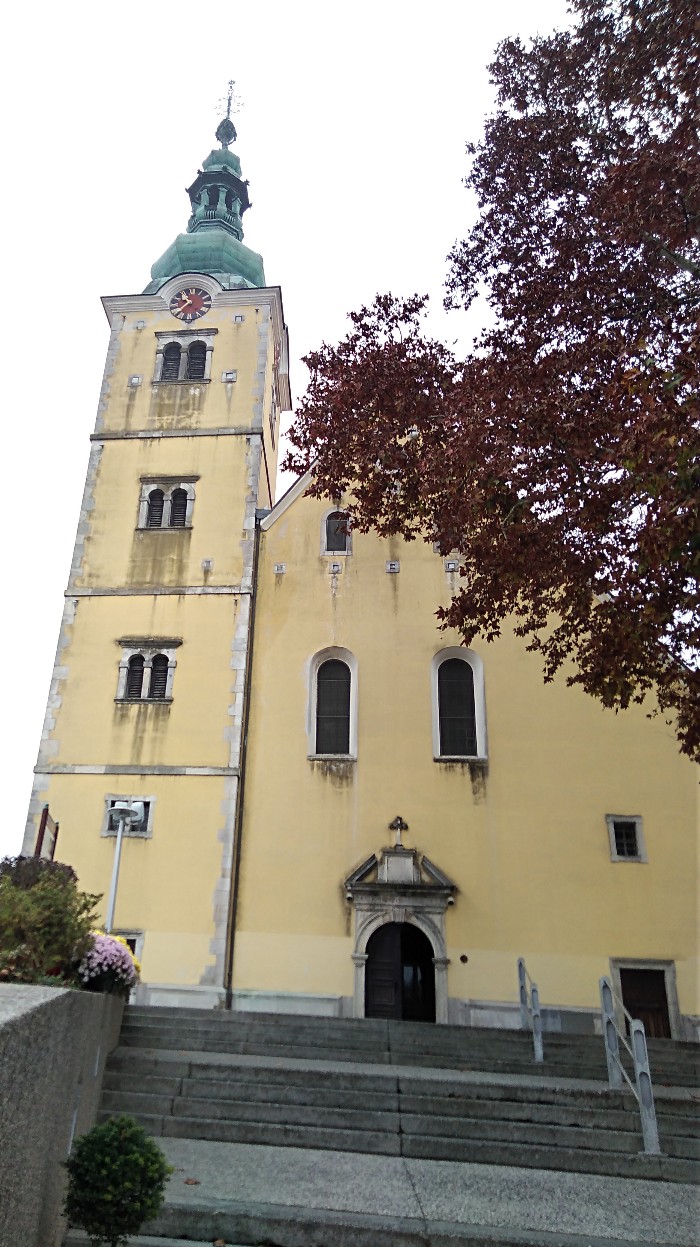
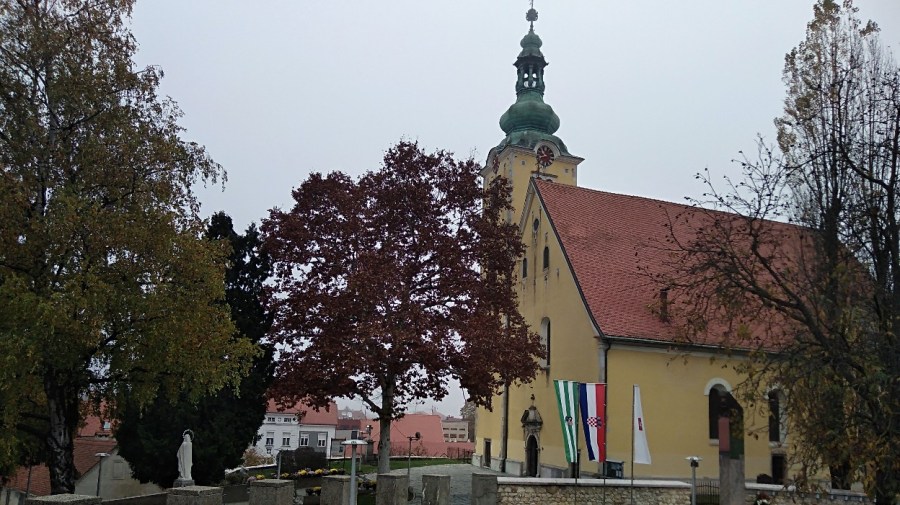
The Parish Church of Saint Anastasia (above and below), Samobor, Croatia.
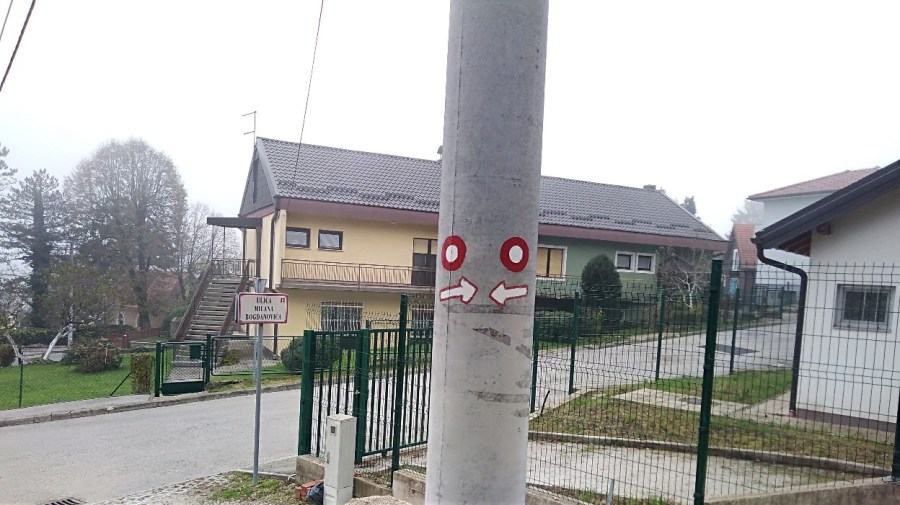
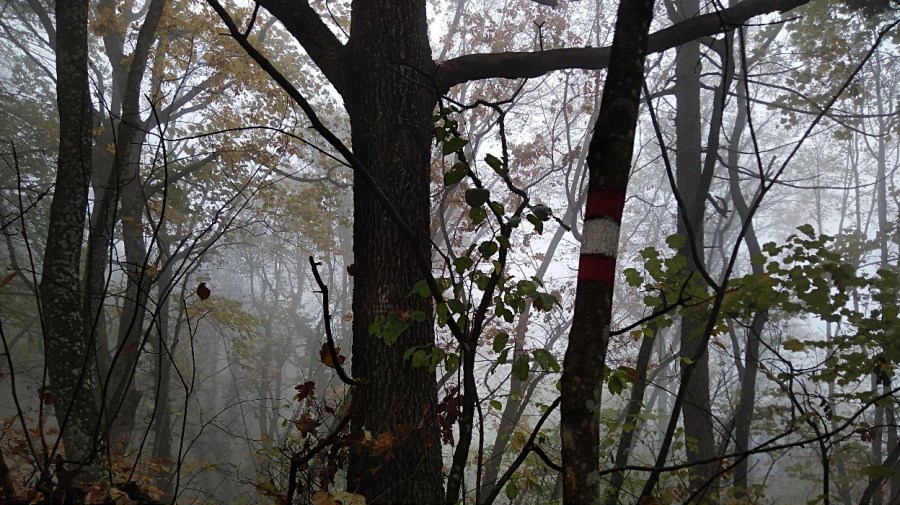
From there I followed my nose, as they say, climbing through the woods. It was the lure of the red and white circles I think, reminding me of previous treks.
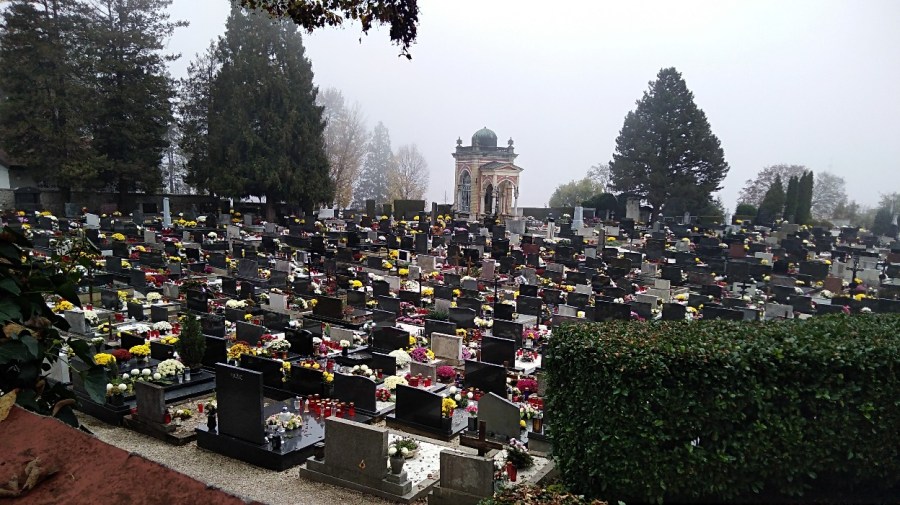
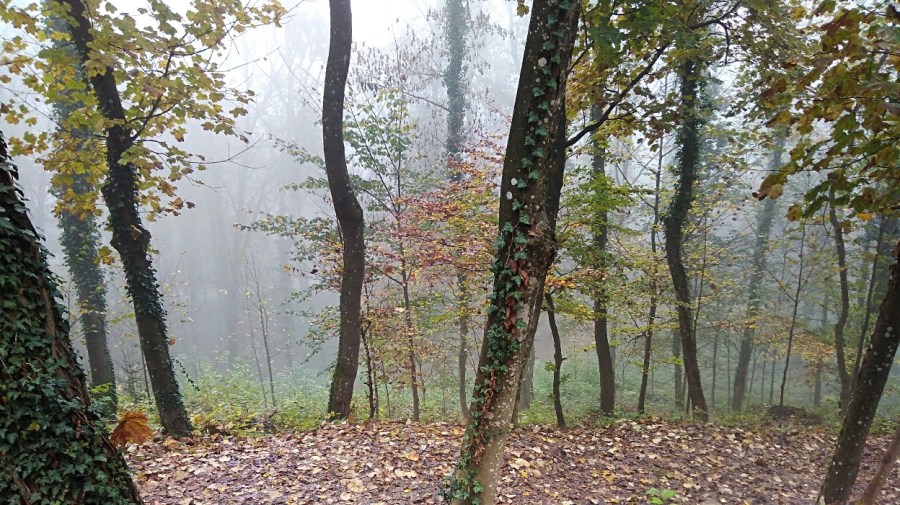
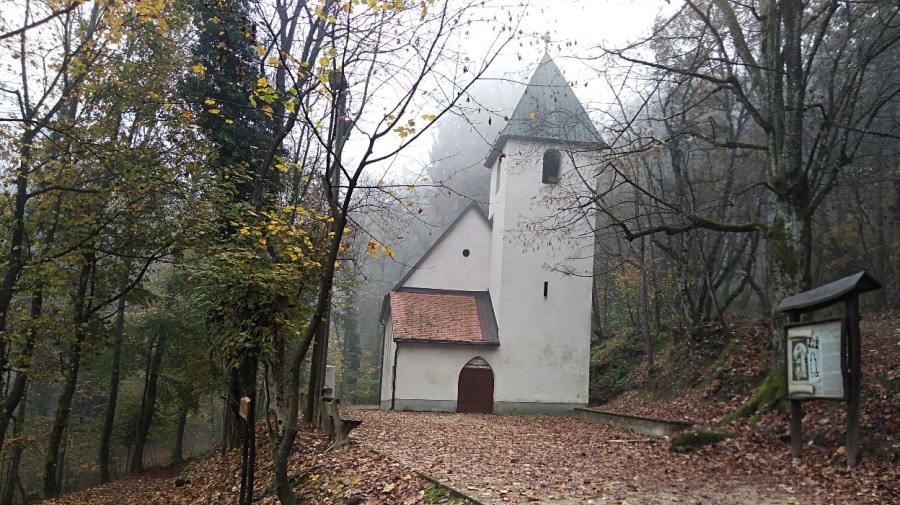
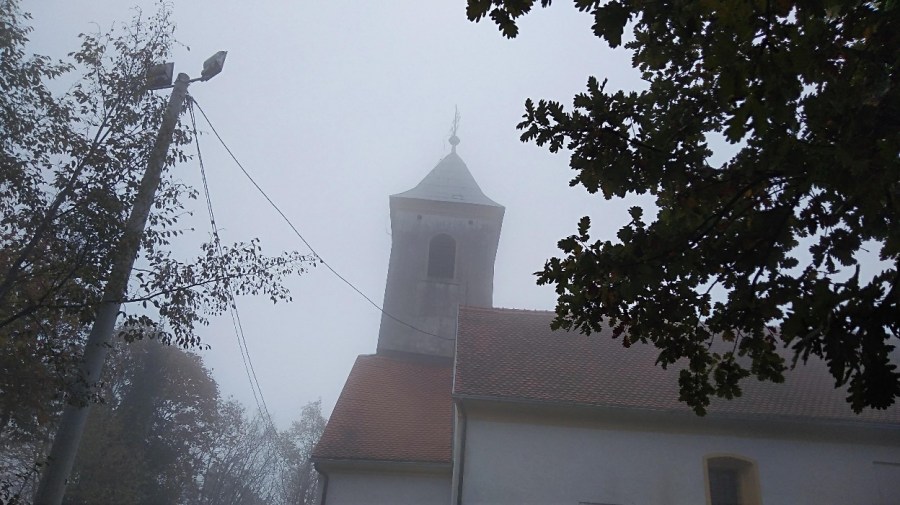
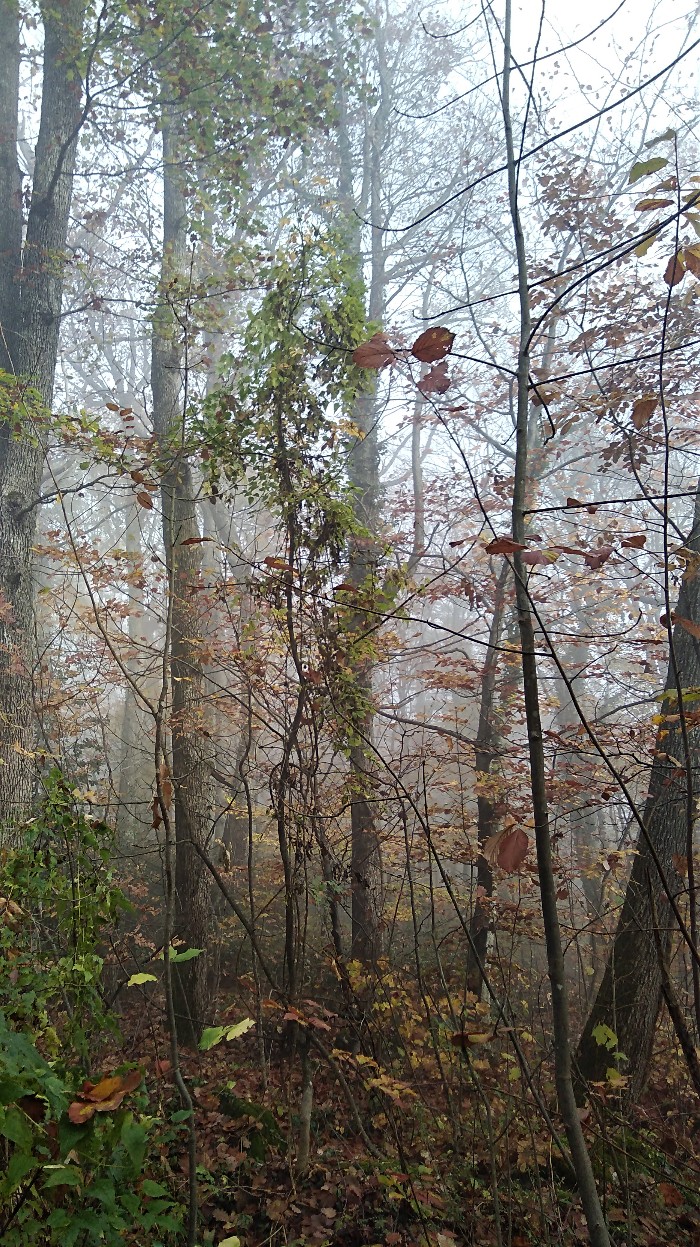
Past the municipal cemetery, Samobor, CroatiaIt was really misty although at ground level the leaves glowed all the same.Tepec Hill, Samobor, CroatiaSt Anne’s (patron Saint of Samobor) Chapel, Samobor, Croatia
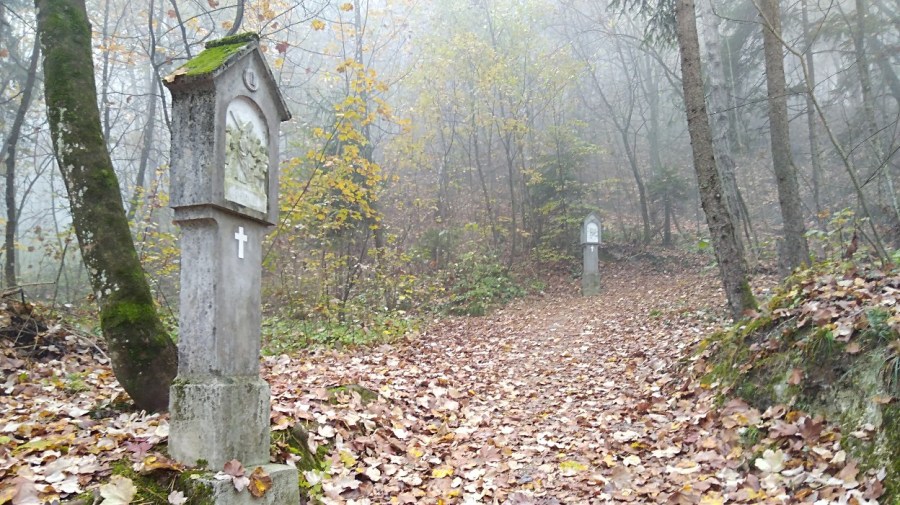
As I stepped up from one Station of the Cross to another I relished the fresh smell and feel of the soft earth beneath my feet.
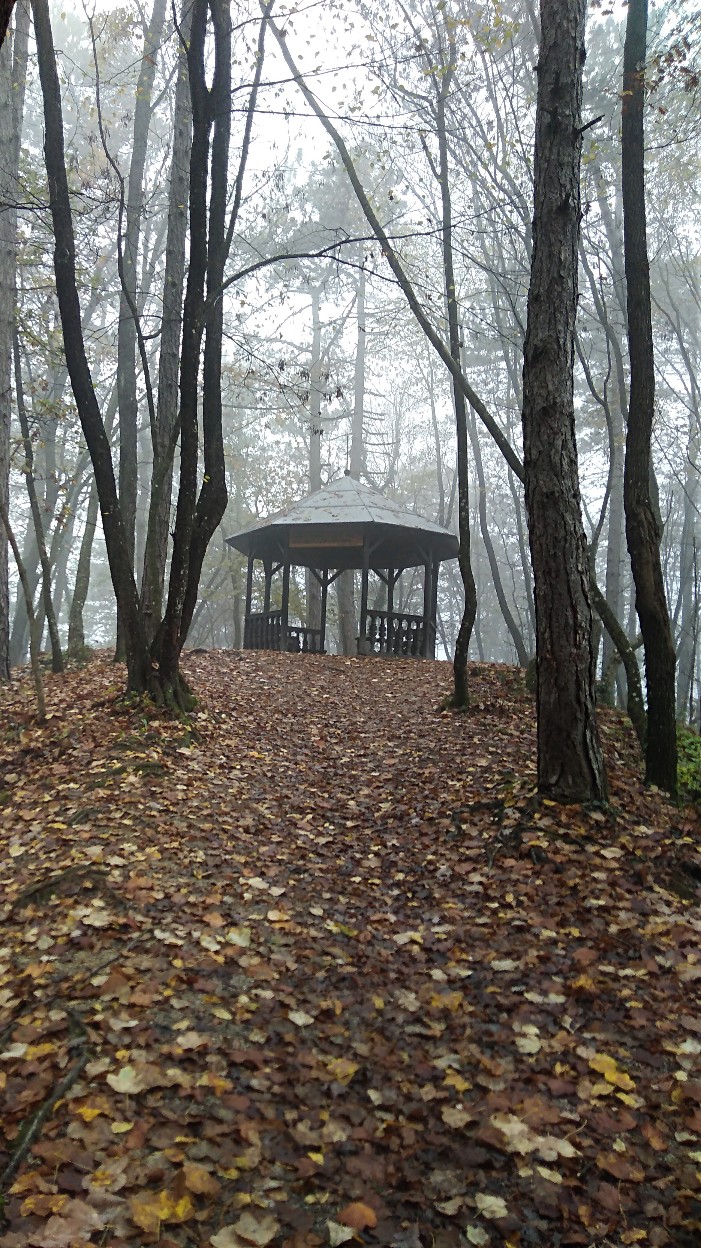
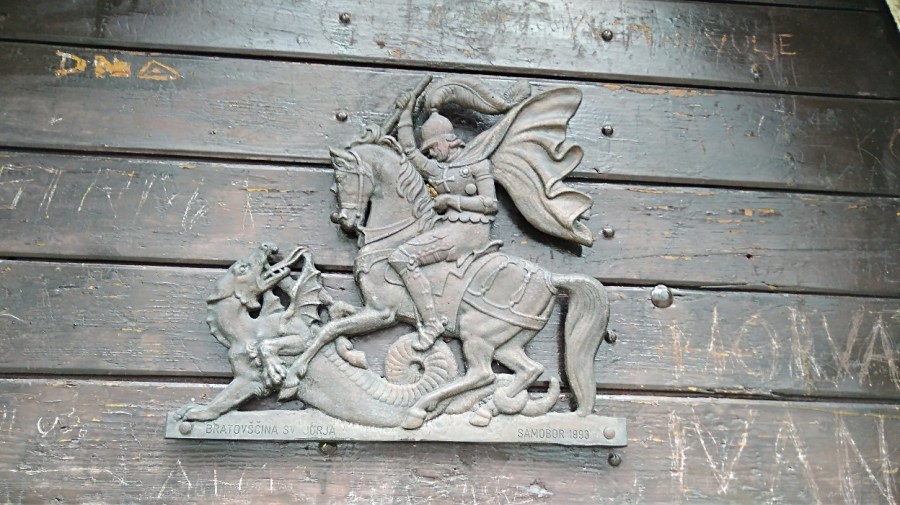
A pavillion in the woods, Samobor, CroatiaHere is St George fighting his dragon again (see Zagreb 9).Stations of ther Cross in the oak forest, Samobor, Croatia
More red and white waymarkers, Samobor, CroatiaSt George’s Chapel , Samobor, Croatia
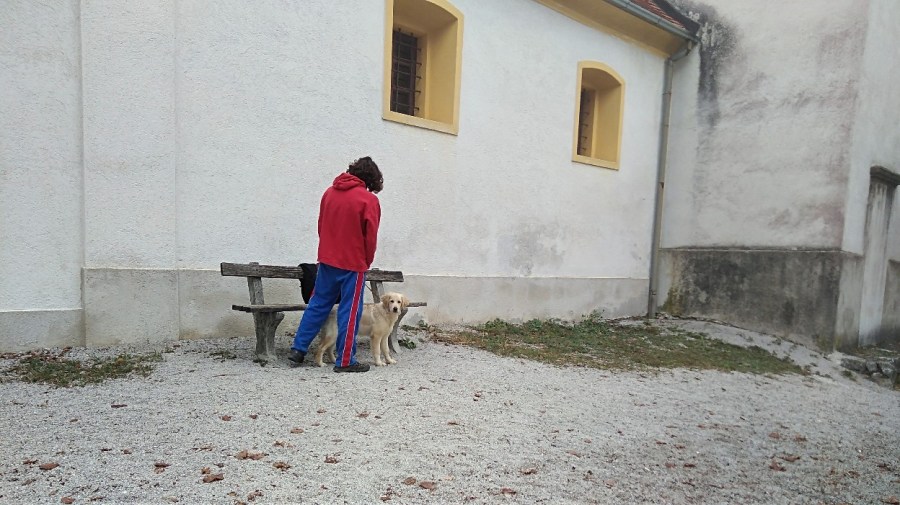
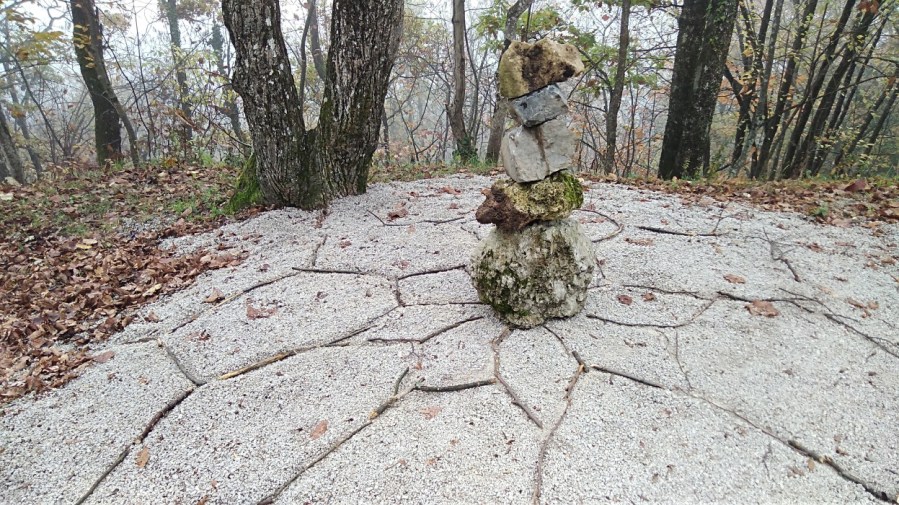
The second Chapel (St George’s) was plainer and round the back was a young dog who barked at me. The man with him had made a beautiful yet simple sculpture of stones and sticks which complemented the architecture and natural surroundings.
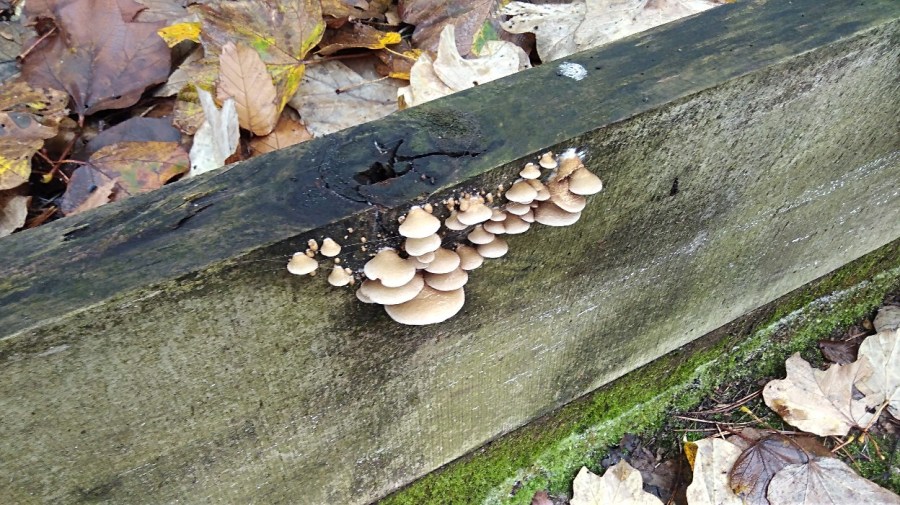
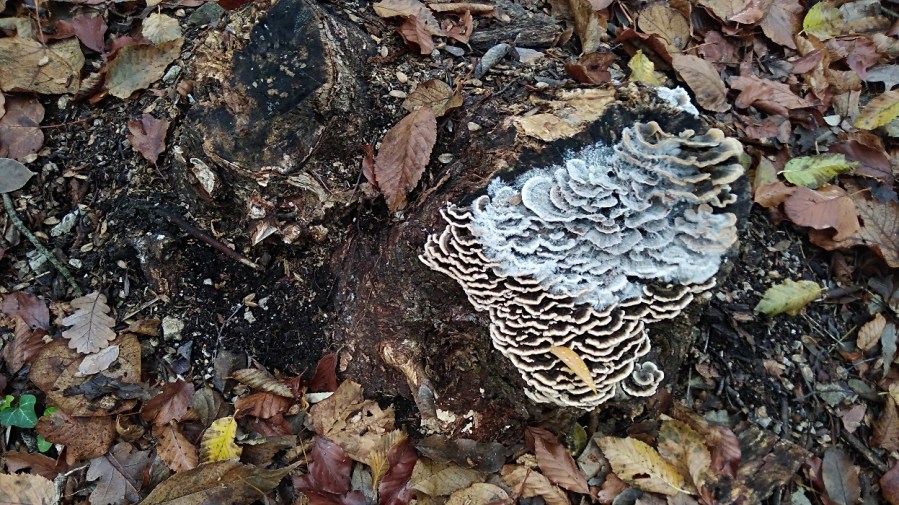
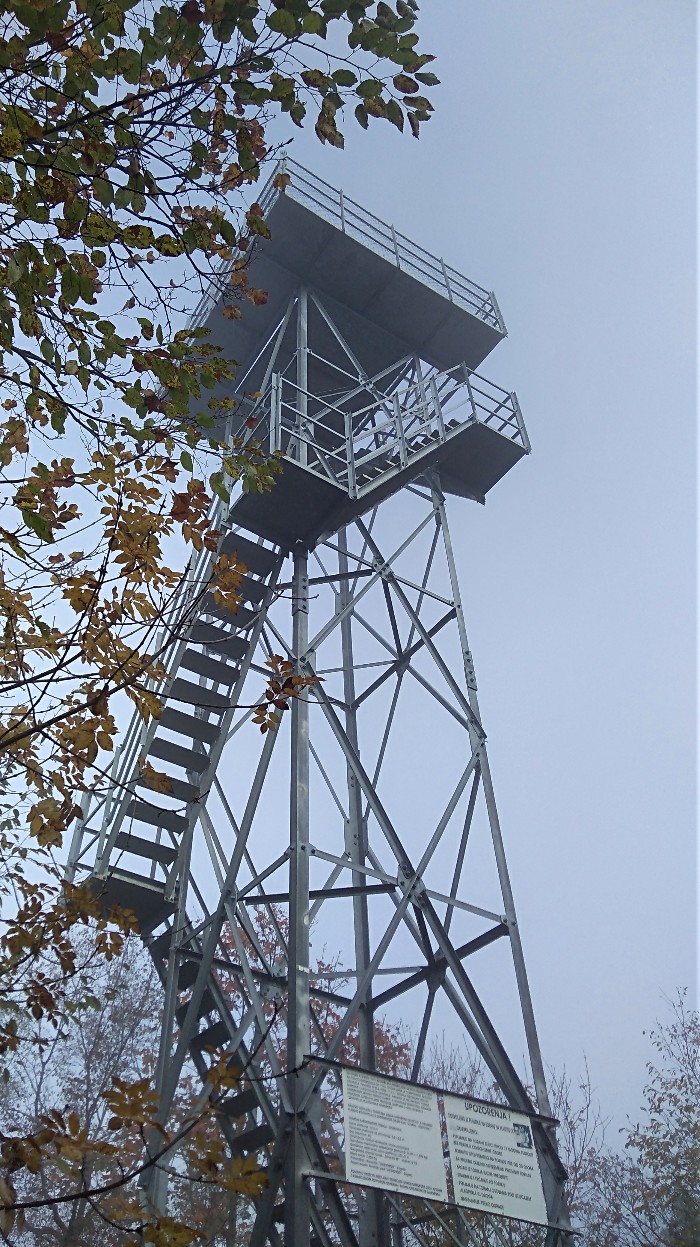
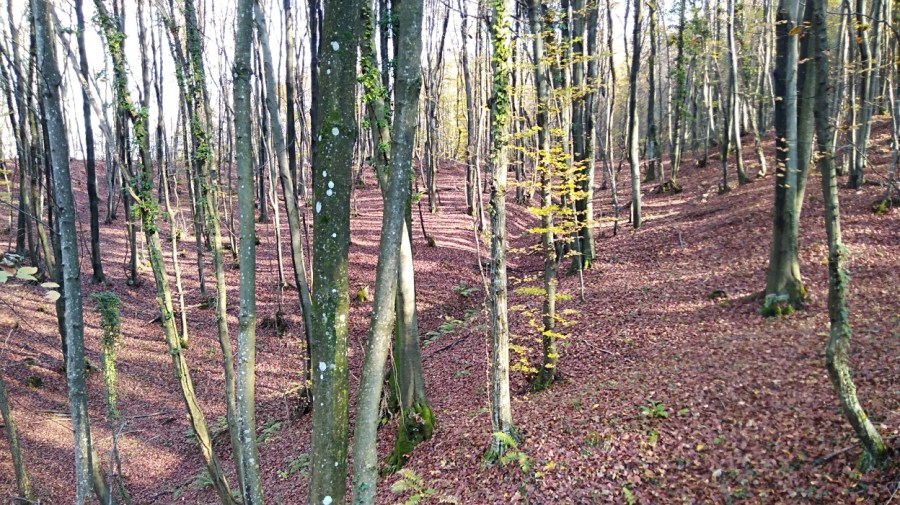
I started spying an array of fungi taking me back to the Via Sacra last Autumn in Austria.Chestnut and beech foliage nowThe Anindol Pyramid
There is probably a magnificent view from up there but my tummy turned over at the thought of it and as there was zero visibility I didn’t feel too bad.
In fact the sun was beginning to stream between the trees as I got higher and it was warm on my cheek. It was breathtaking. I couldn’t help myself going on and on.
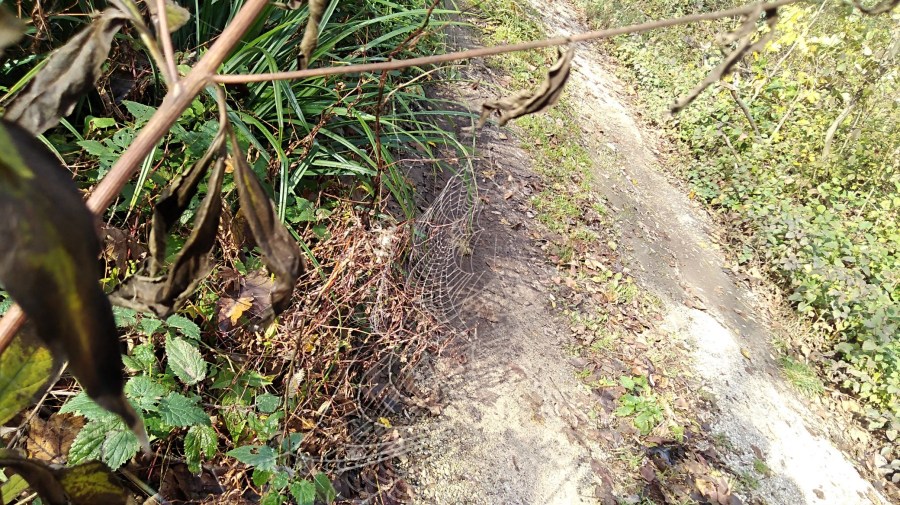
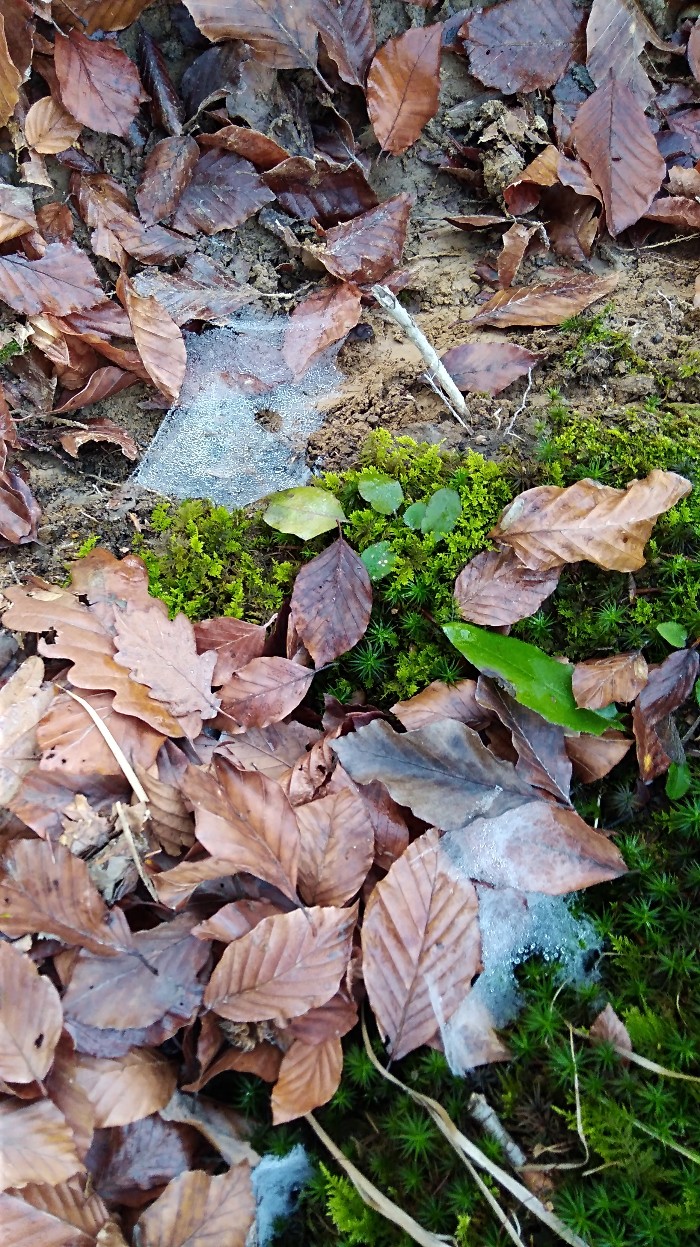
I stopped to admire the dew laden spiders webs and I smiled
Suddenly I was on a road and soon a sign indicating the village of Cerje. I was still going steeply uphill but the red and white waymarkers continued to draw me.
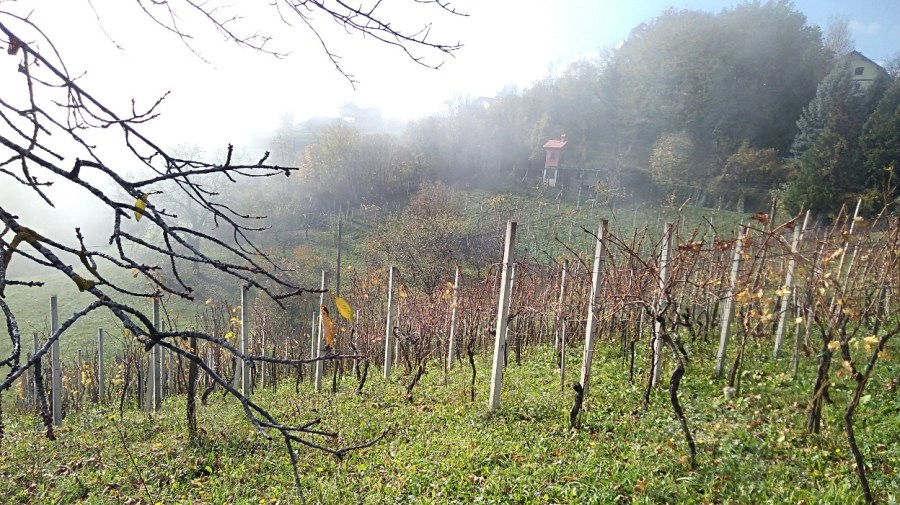
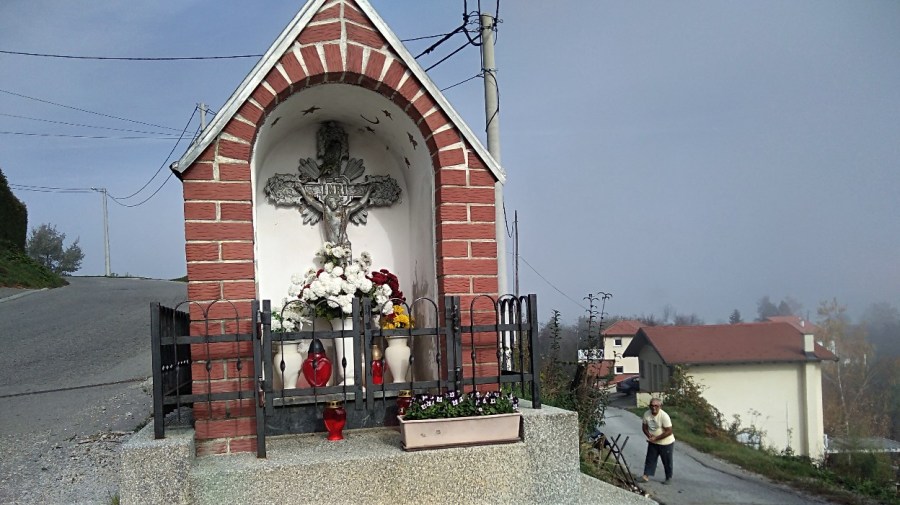
Vines, laden orchards and layers of red roovesA wayside shrine
People were working on the land and apples littered the path which I juicily enjoyed. I skipped from side to side where there was a pavement, to be safe on the tight bends.
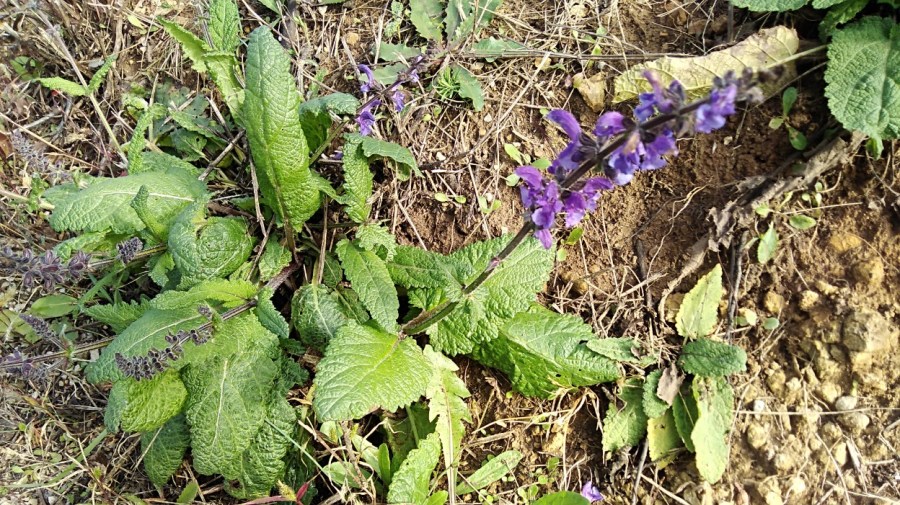
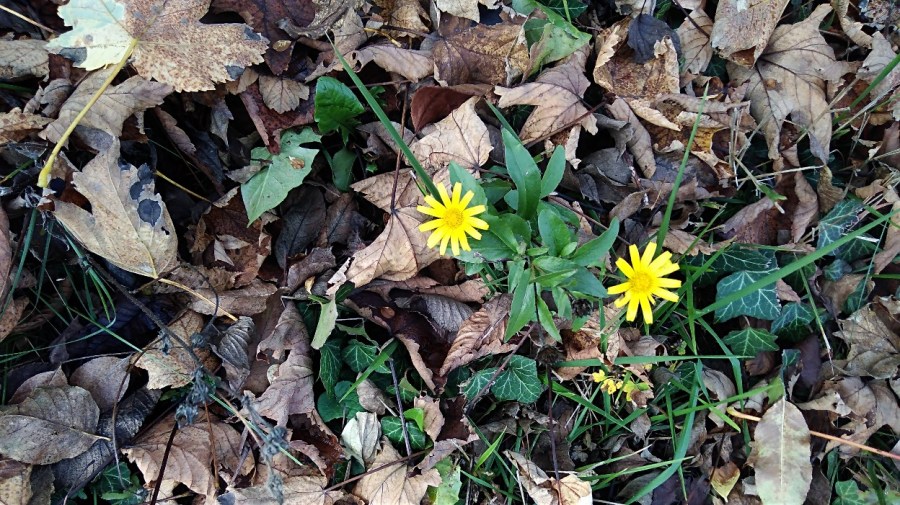
I knelt to capture wild flowers with my phone camera and, as I relaxed into my stride thoughts pestered me
Note to self: learn legilimency (as J K called it) to develop the ability to push out the unhelpful memories and worries, once acknowledged!
High up now I could see down to the valley and had to choose between there and uphill. I chose the latter
I spent time at a bus stop because I knew I was on a one-way walk and that the daylight of course ends at 5pm here in November. I photographed the timetable and carried on, confident I would get back to Samobor that way (a bus had passed me earlier).
The homesteads were strung out and I began to wonder if I might actually turn back if the trail was going to continue on asphalt.
Caffe Bar ´Uzbuna´
A sign to a café with a stunning view didn’t yield the desired result: open from 5pm, presumably because it is dark by then and there needs to be somewhere to meet up during the long evenings.
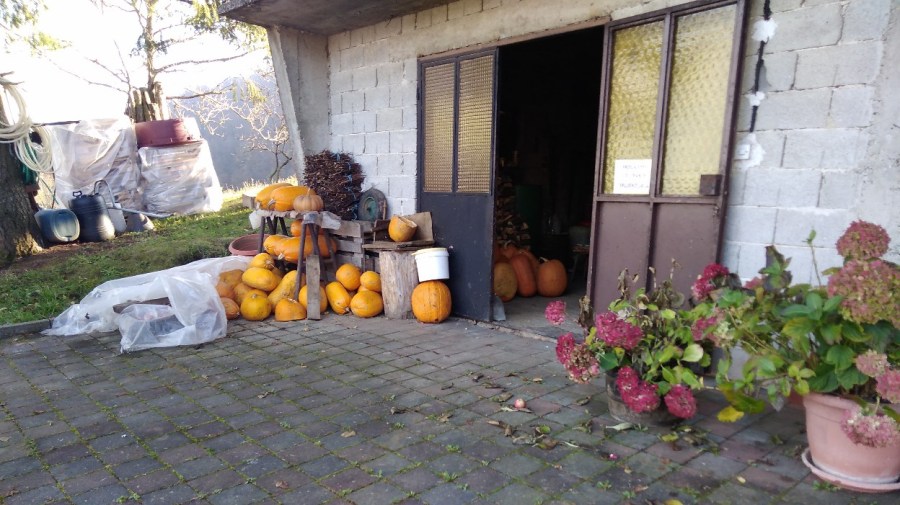
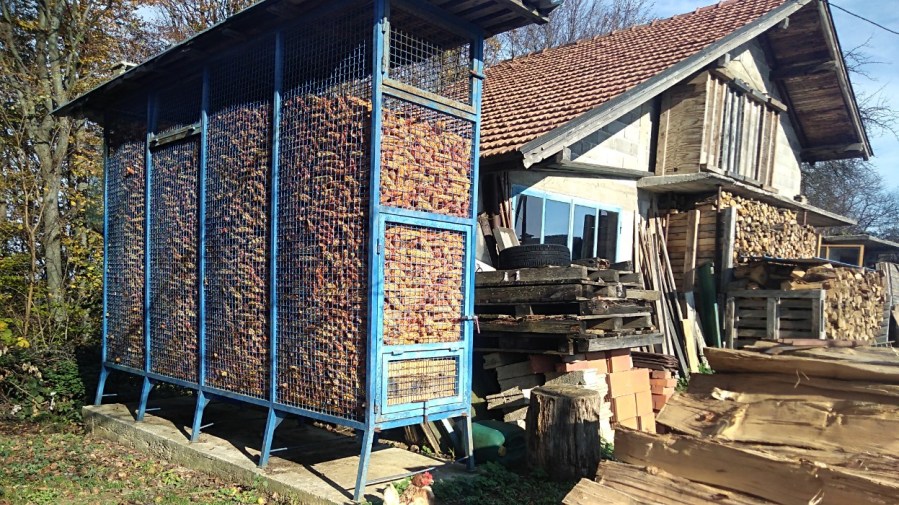
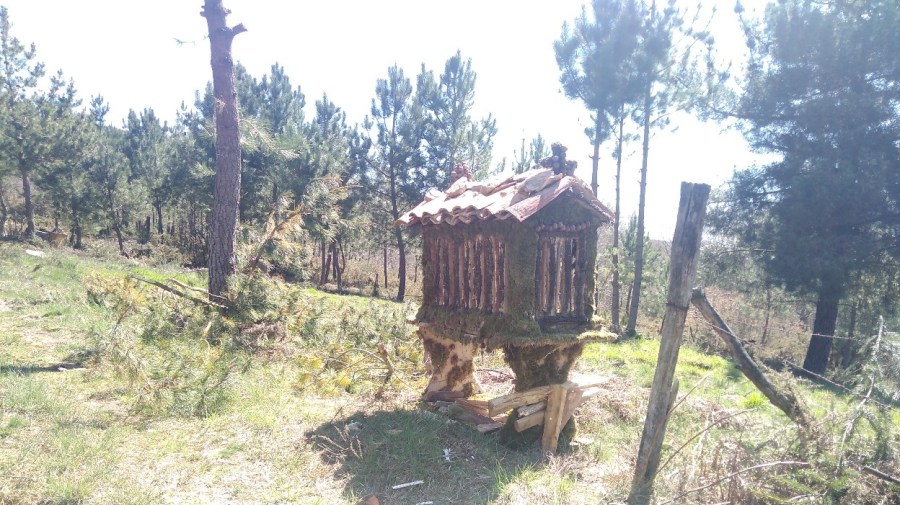
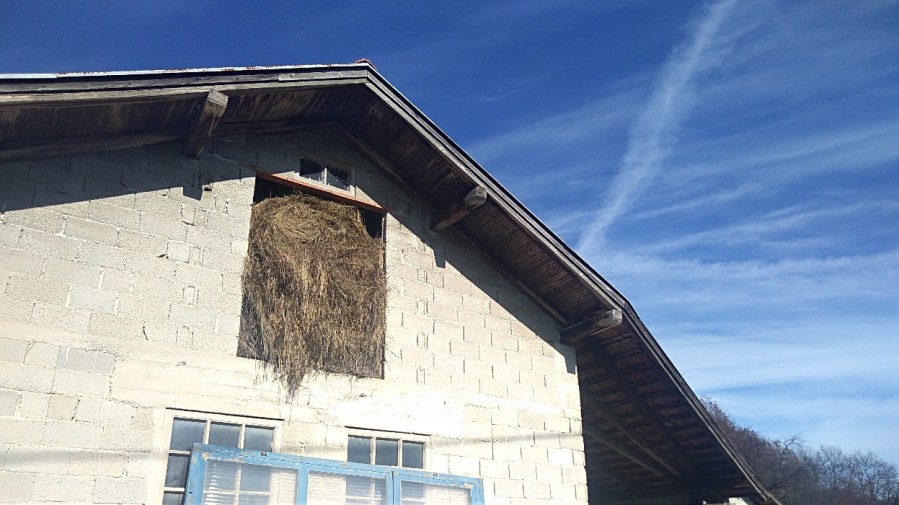
Feast your eyesBarking dogs and basking cats; turkeys with red gizzards huddlingAutumn squash to last the winterHorreos full of sweetcorn, first seen in Spain but because those ones are stone you cannot see what’s inside.A Galician north west Spain) winter storeage unit.Hay packed up to the rafters. LiterallyThe bridge was down across this stream so I took a great leap (across a narrower part!)Through woods where I lost the signs more than once
I had to retrace my steps sometimes because the way is generally so well marked that as soon as 10 minutes passed without a sign I knew I was wrong.
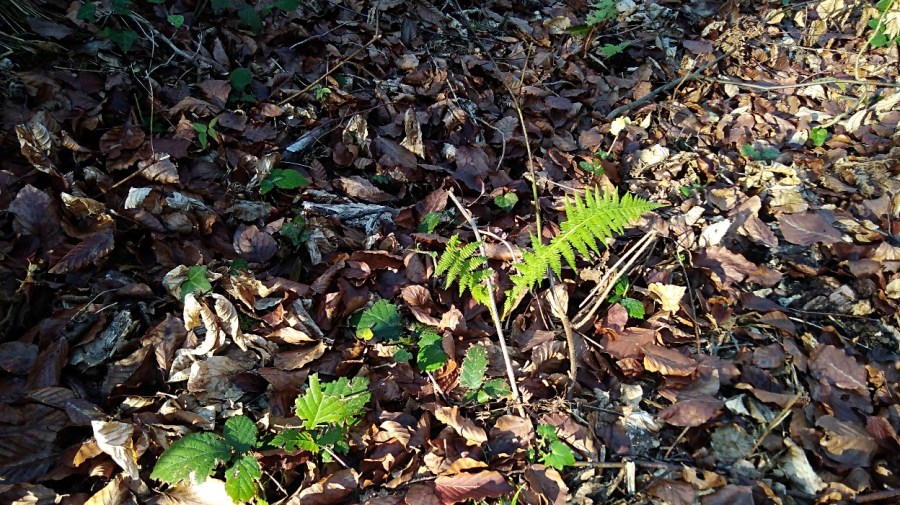
Still new green ferns, even at this time of the year
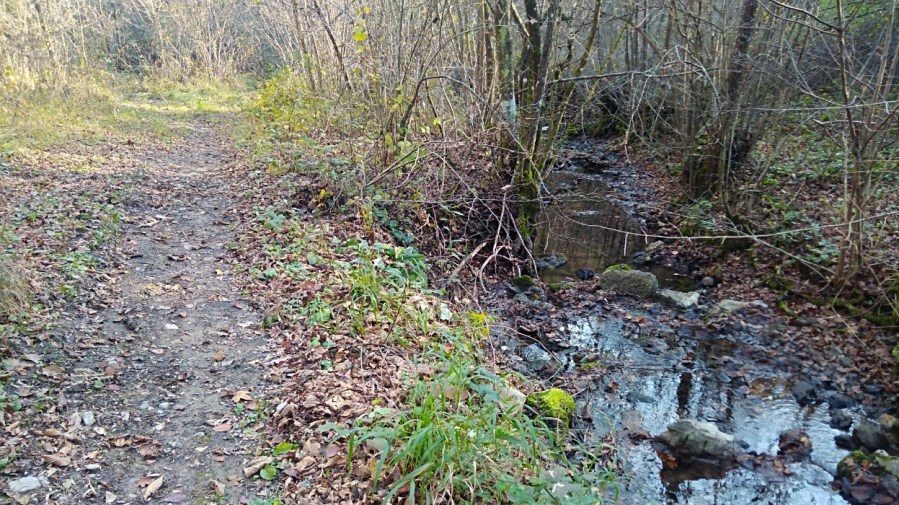
There were lots of trees down blocking the way, but walkers or cyclists had been there before me if I looked carefully.
It was downhill at times at this stage and tantalising signs to Okic, which when I looked on Googlemaps said it was a tourist attraction.
As I neared, worrying a bit about the time, I wondered if it would be worth it.
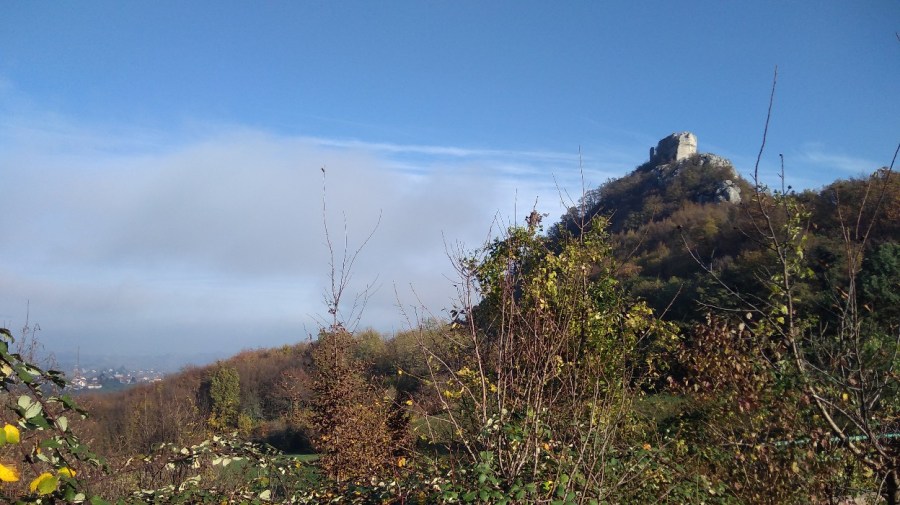
It was: Okić, a Medieval town perched on top of an isolated hill south of Samobor is mentioned in 1193Another magical vista
I didn´t let myself stay long (although long enough to admire the woman with the chain saw) and her produce. I rather rushed up the hill, despite my tiredness, and almost immediately lost my path. What made me plough on regardless I do not know, but I ended up in one of my fixes – very steep, knee deep in nettles, several dead ends and my head started to popund. In the end I went over a fence into someone´s garden and out through their front gate, only to hear a loud noise behind me – a bus. I was not at all sure where I was but I flagged down the bus and begged and, yes, he was on his way to Samobor.
Slowly I calmed down, somewhat embarrassed , and my head stopped throbbing. I was all but out of water. Up and down and round he drove at top speed, letting people off, driving round the village square and going back the way he had come through pretty places with shops, bars and attractive churches.
Blurred as I took it through the coach window
Until we arrived back where I had started at the bus station in Samobor. I could not quite face a traipse back into the town, so instead I drank my green tea in the station cafe (full of smokers, so I sat outside) where the waitress the age of my daughters spoke customarily wonderful English and refilled my bottle adding ice. I marvelled at the table tennis room, the pop-up cinema and creche, all making up the modern station complex (free, clean loos as well!)
There more to see if you visit: a museum, a cave and a castle for example.
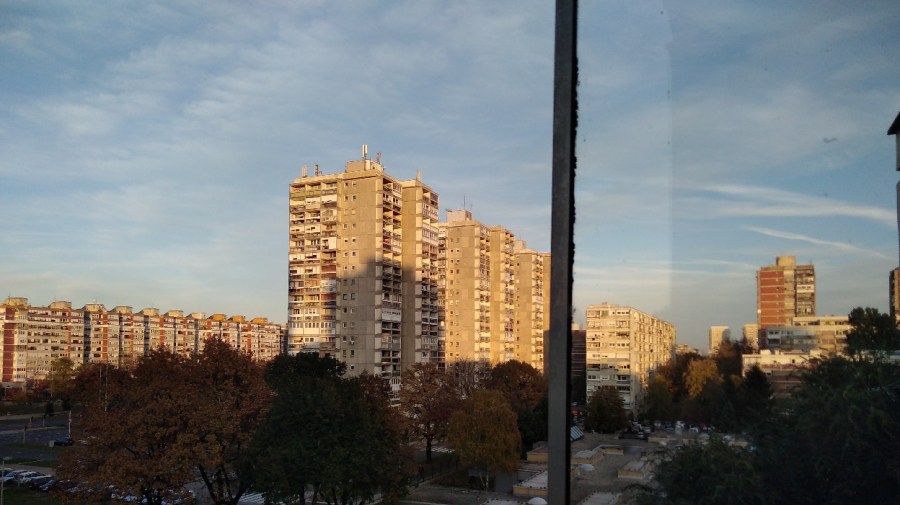
It was a misty morning when I set out to walk into the city of Zagreb.
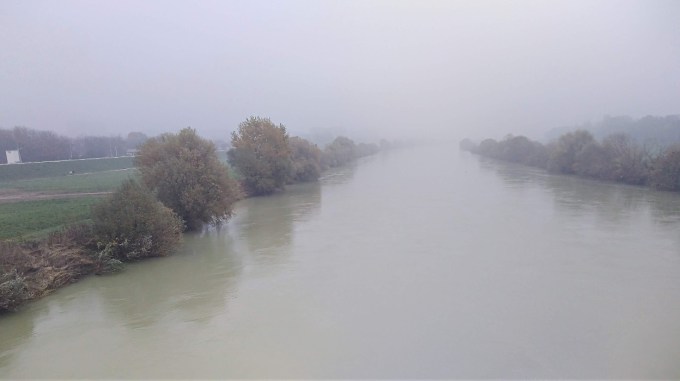
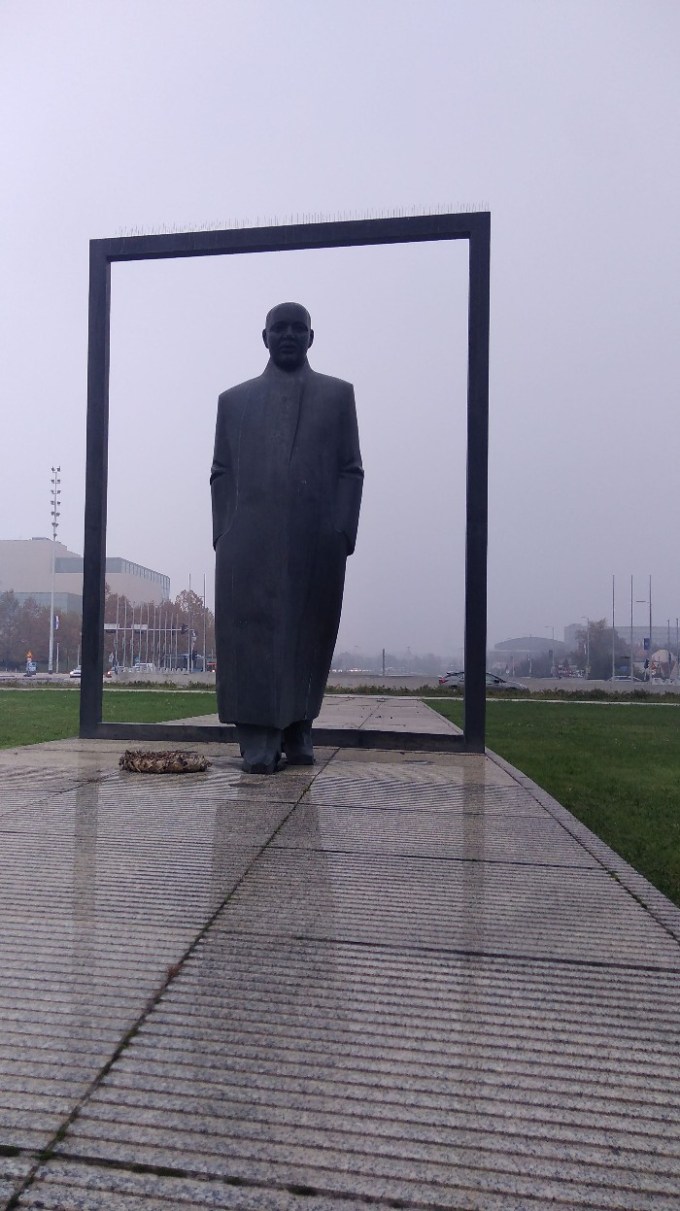
Across the River Sava, Zagreb, CroatiaStanding between busy main roads named after him is the portly figure of Većeslav Holjevac who was a Croatian and Yugoslan soldier and communist politician. Zagreb, Croatia.
Holjevac was born in Karlovac, at the time, in Austria-Hungary. He joined the Communist Party of Yugoslavia in 1939.
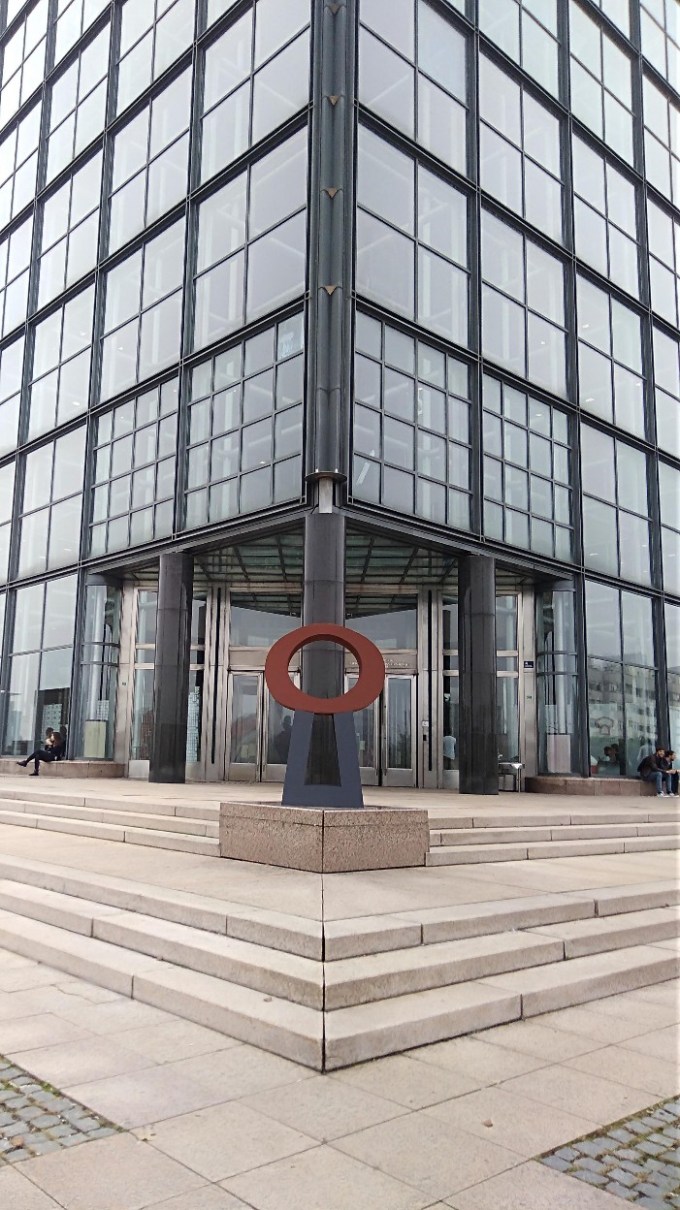
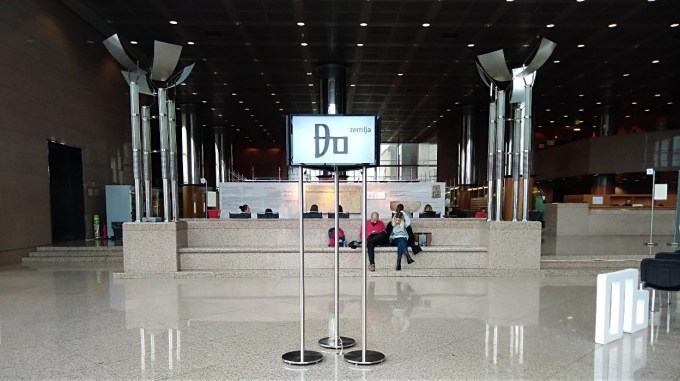
On the way into town I go past the National and University Libraries. Zagreb, Croatia.
Up until now they have been shut (holiday, weekend etc) and yesterday was no exception for the one on the left. The brusque security guards reluctantly let me use the toilets, but although there were lots of people there they wouldn’t let me in.
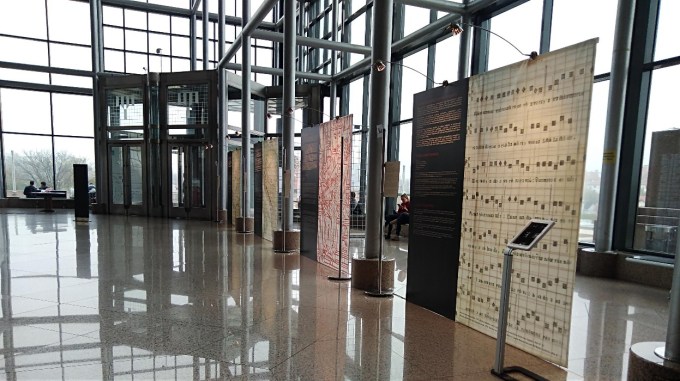
The development of Croatian language exhibition, National Library, Zagreb, Croatia.The development of Croatian language exhibition, National Library, Zagreb, Croatia.
Definitely still has a communist air doesn’t it!
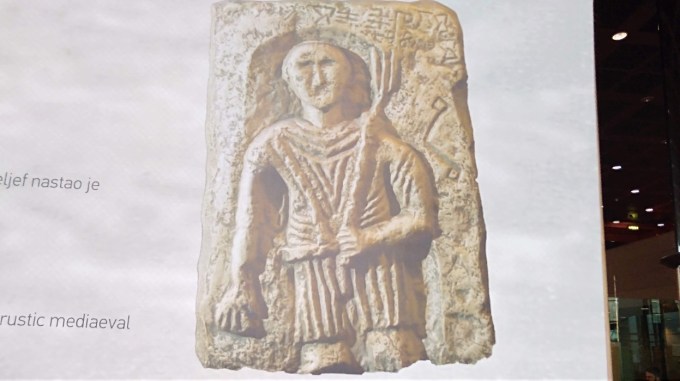
St George, patron saint of England, who I have found all around Zagreb. Here he is part of the development of Croatian language exhibition, National Library, Zagreb, Croatia.
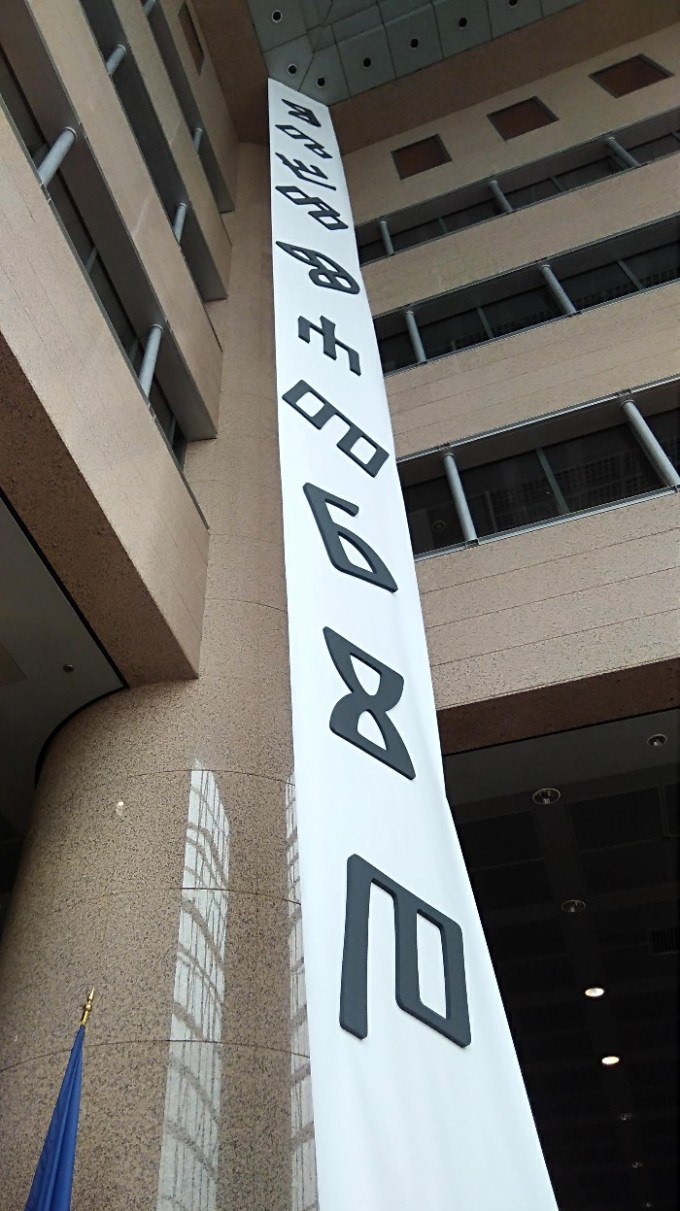
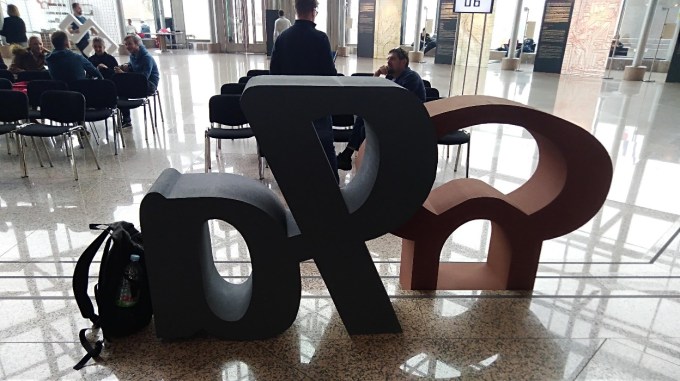
This is an exhibition which aims to to keep alive and use the ancient Glagolitic alphabet.
Such elevated status of Angular Glagolitic rests on the hardworking hands of stonemasons, weary eyes of scribes, zeal of Glagolitic priests, skills of Croatia’s oldest master printers, dedication of researchers, and the creativity and vision of enthusiastic individuals working in the creative industries. From the website
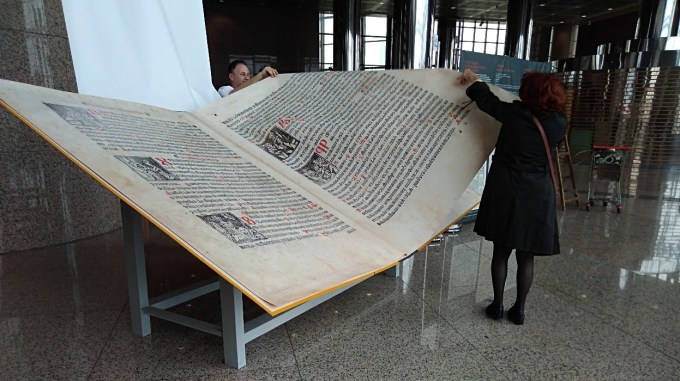
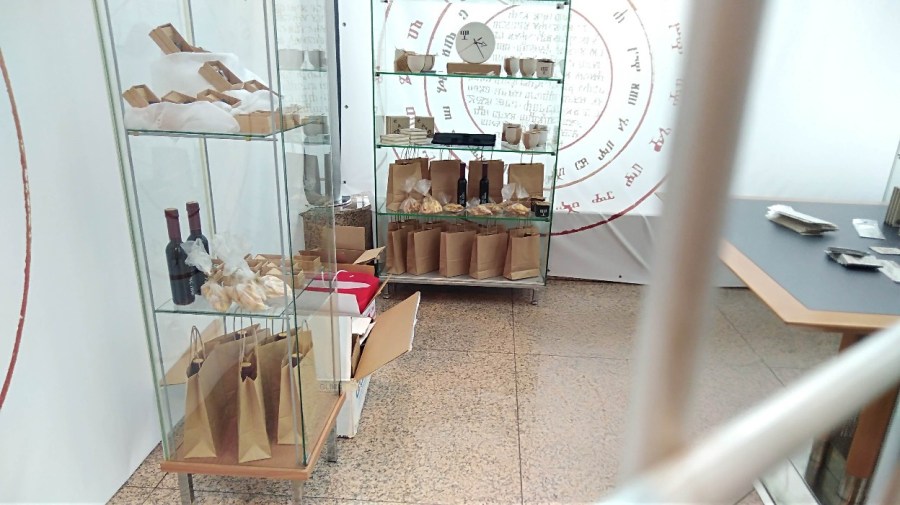
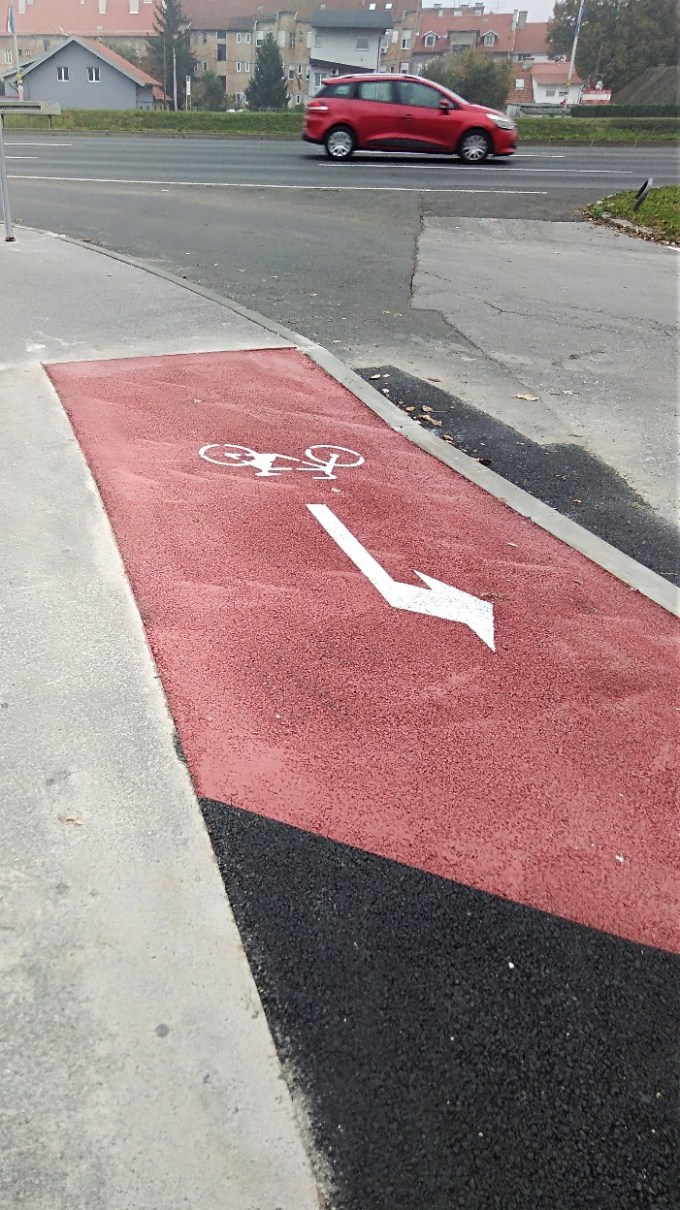
Giant examples of the script at The development of Croatian language exhibition, National Library, Zagreb, Croatia.The development of Croatian language exhibition, National Library, Zagreb, Croatia.They were turning over the pages of this huge book while a man (and I) took photos. National Library, Zagreb, Croatia.The shop wasn’t open but I could see packets of biscuits in the shape of letters ready to be sold! National Library, Zagreb, Croatia.Afterwards I saw symbols and signs everywhere! Diagrams, basicallym which we learn to interpret as concepts, instructions and indications.







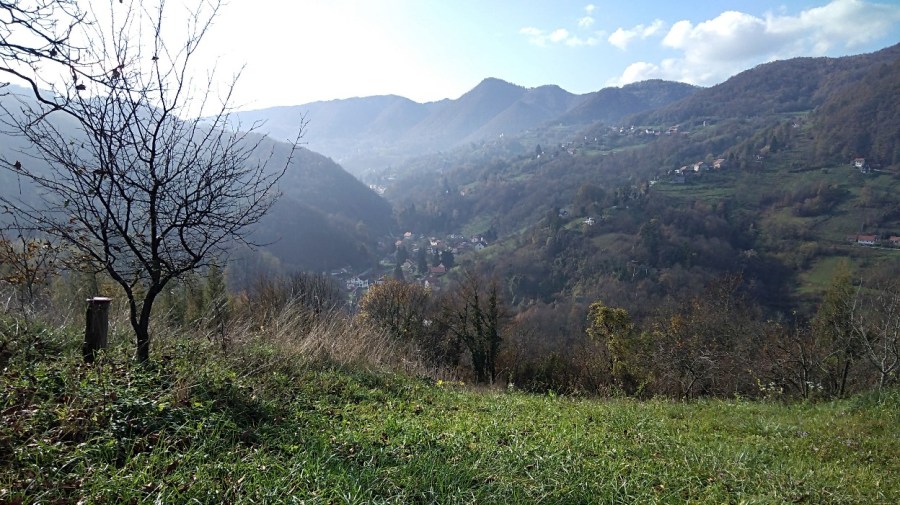
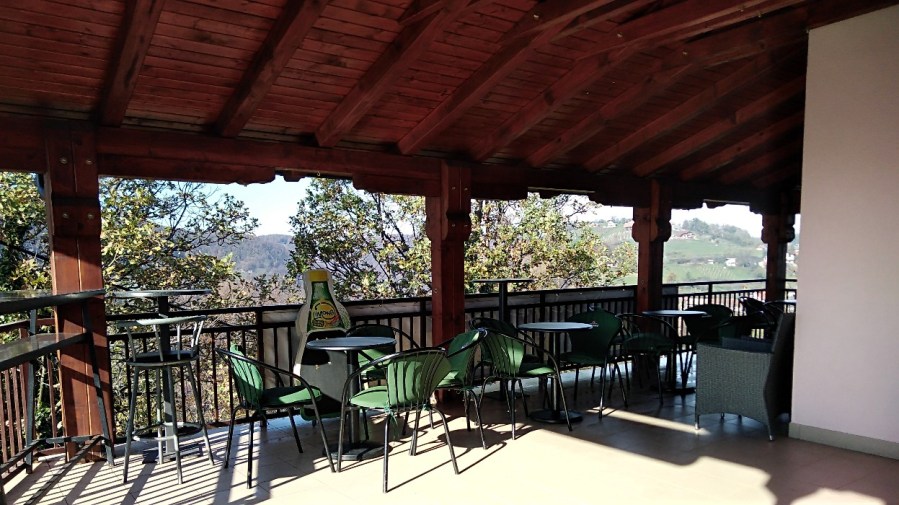
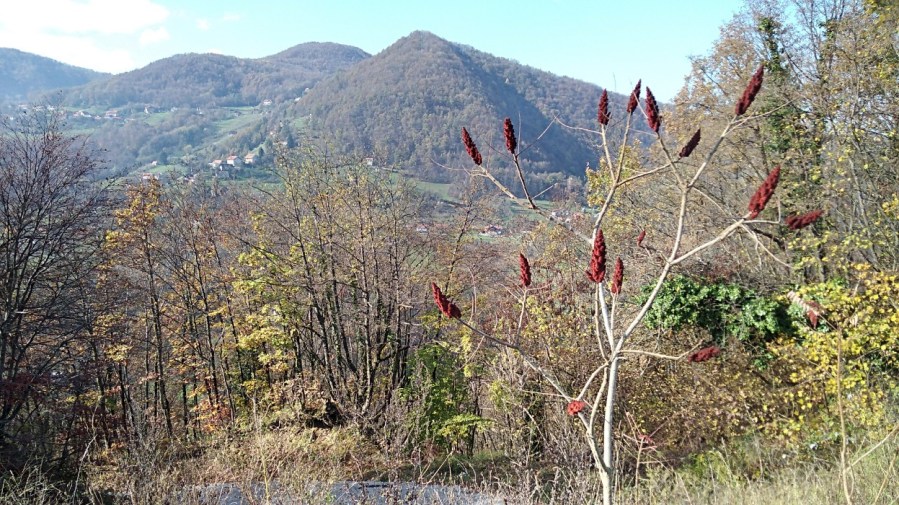
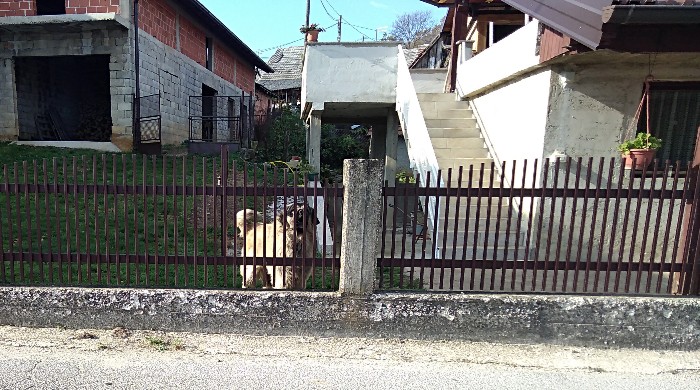


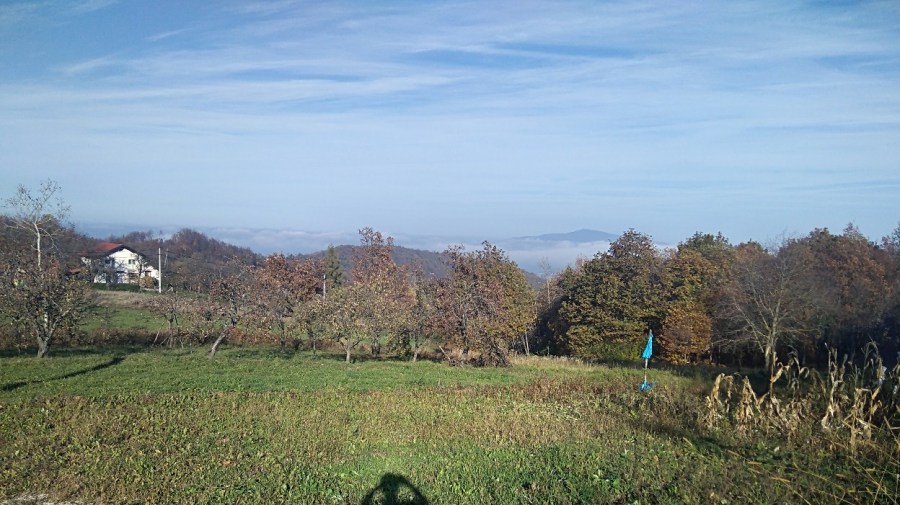
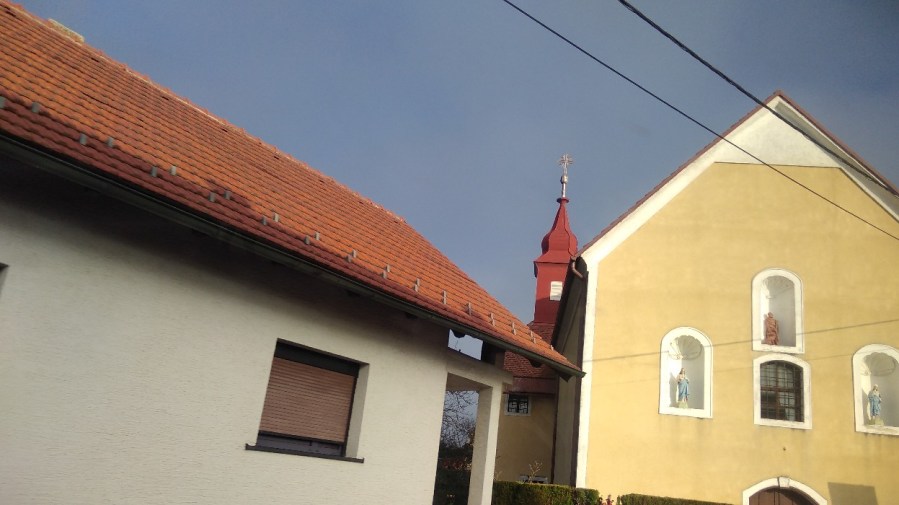 Slowly I calmed down, somewhat embarrassed , and my head stopped throbbing. I was all but out of water. Up and down and round he drove at top speed, letting people off, driving round the village square and going back the way he had come through pretty places with shops, bars and attractive churches.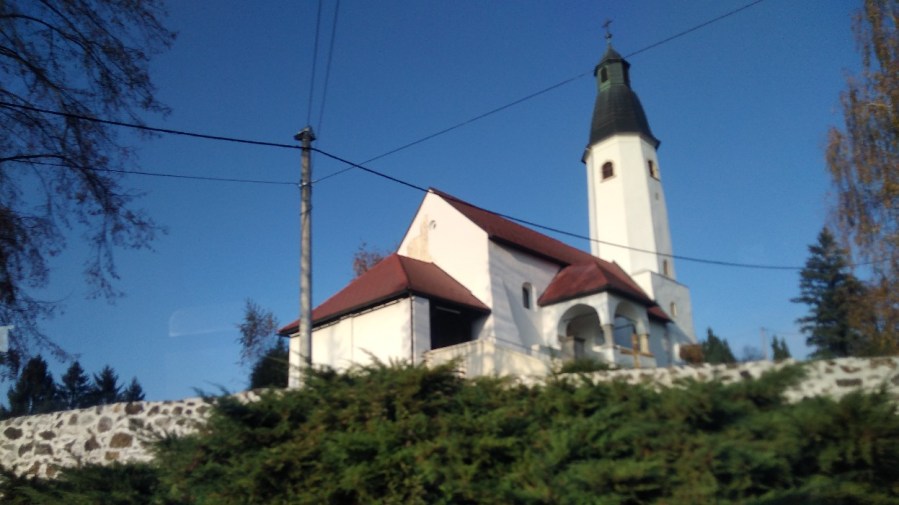
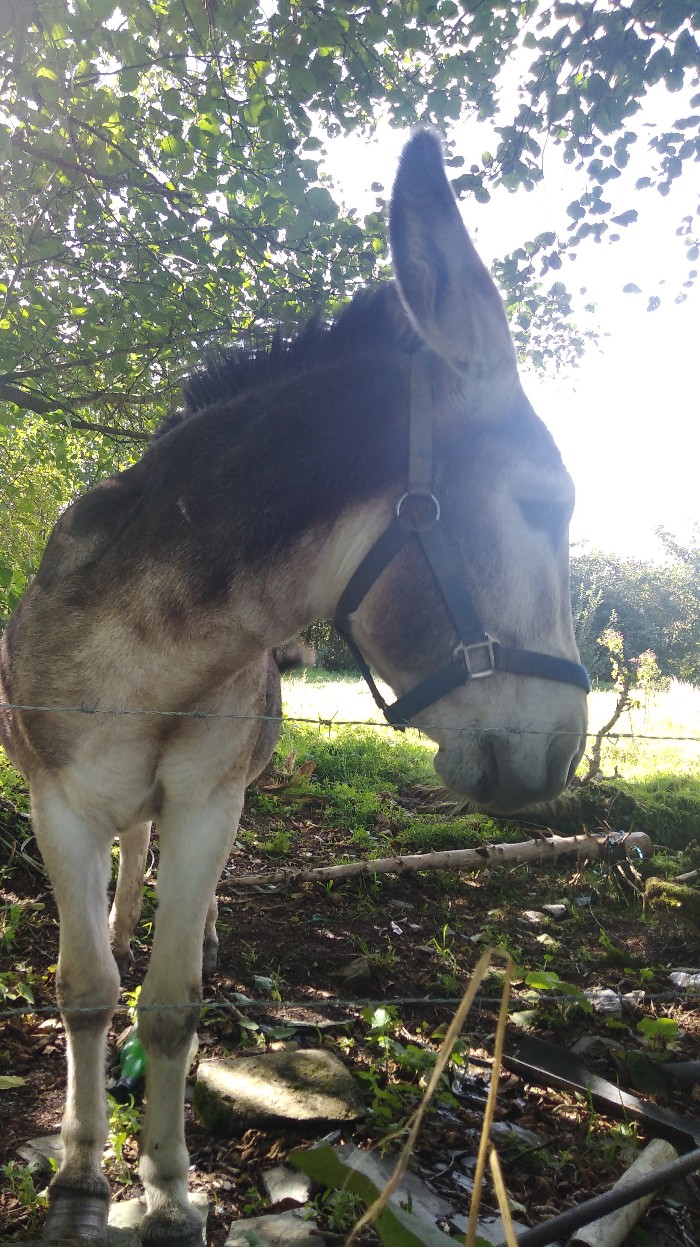
 Walking without a donkey