Walking in Pairs 3 – Mapping

Mapping / Woods

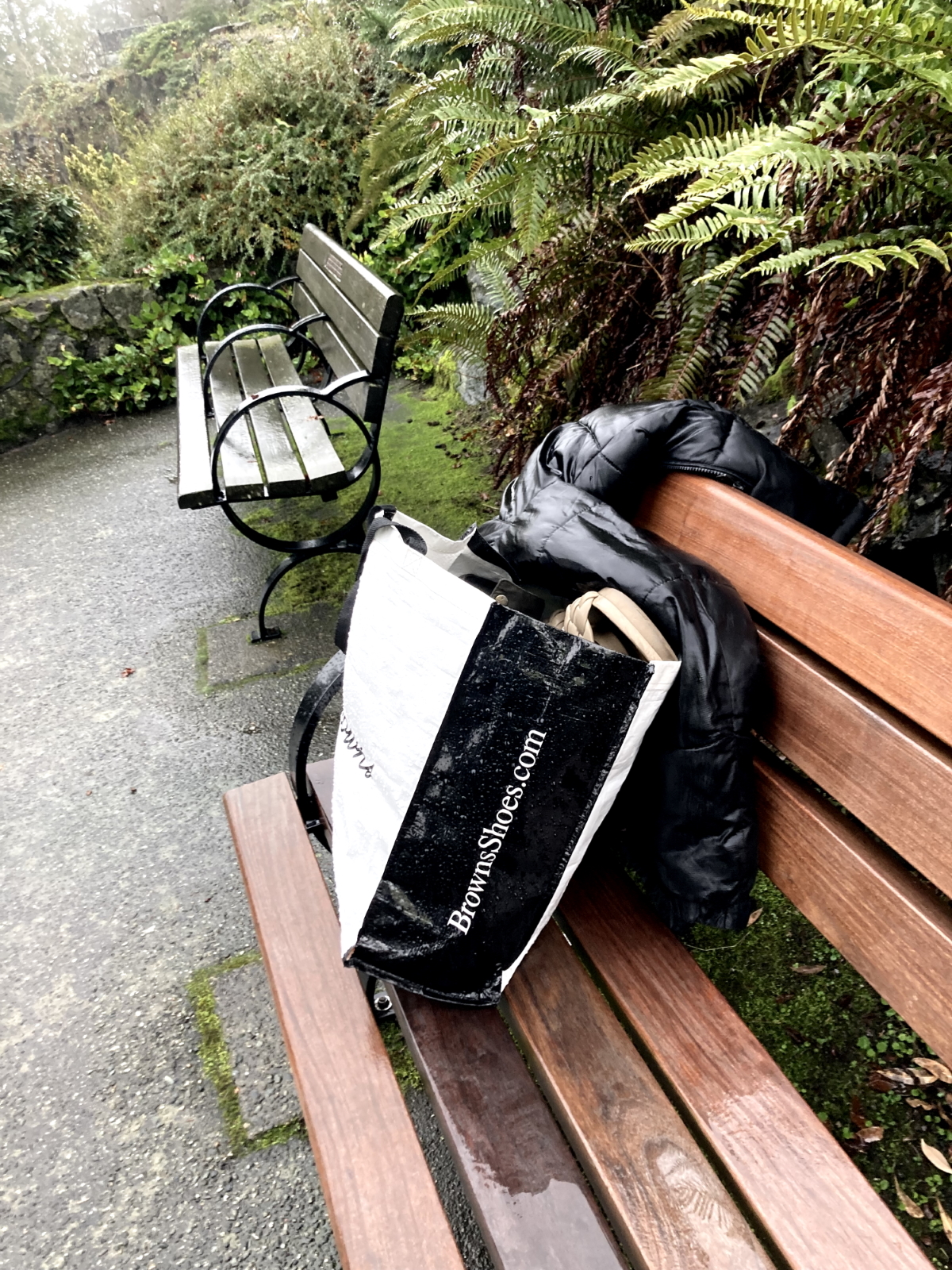
Kristina Rothstein and Tamsin Grainger took a third walk, together yet apart in October 2025.

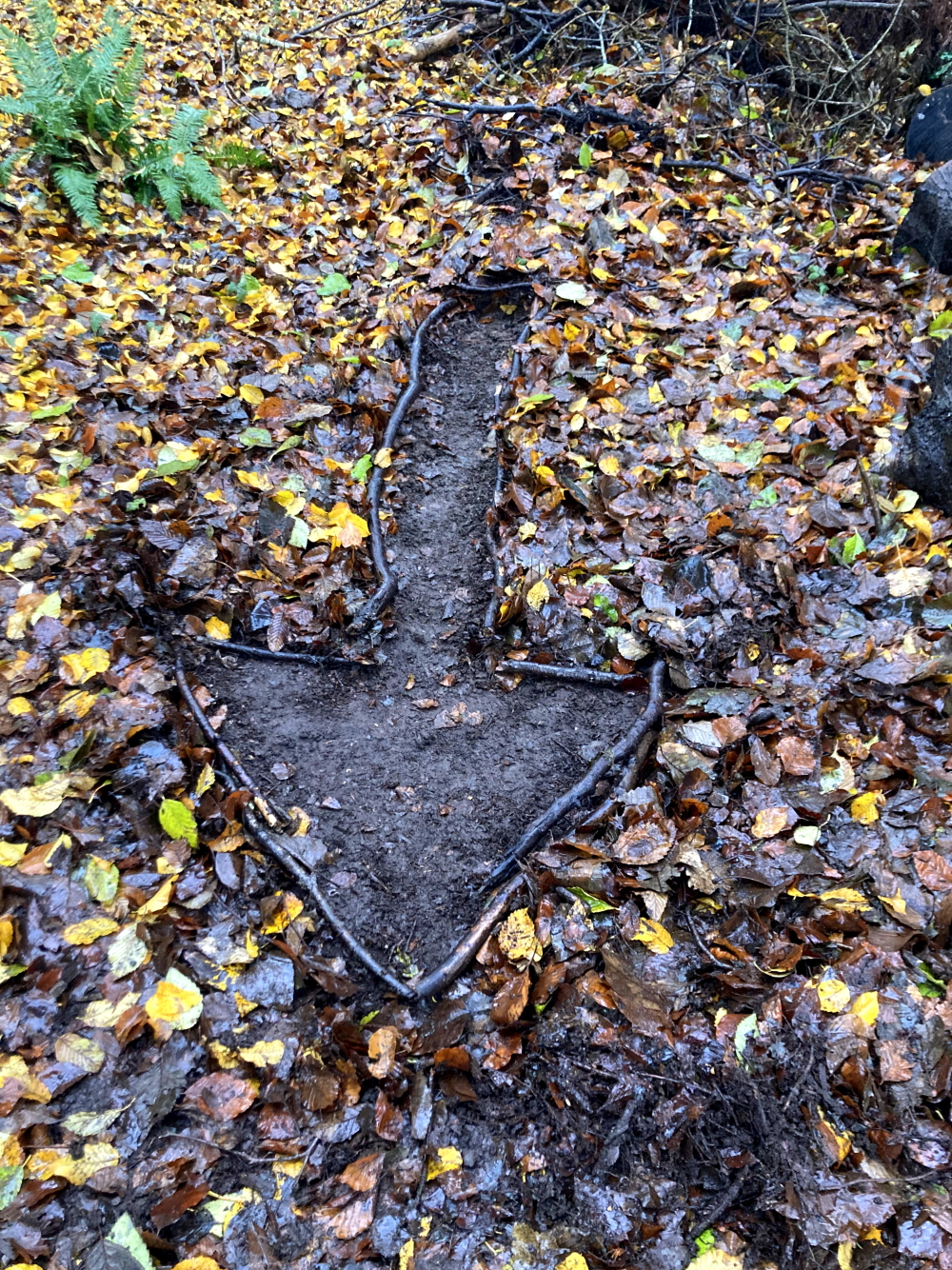
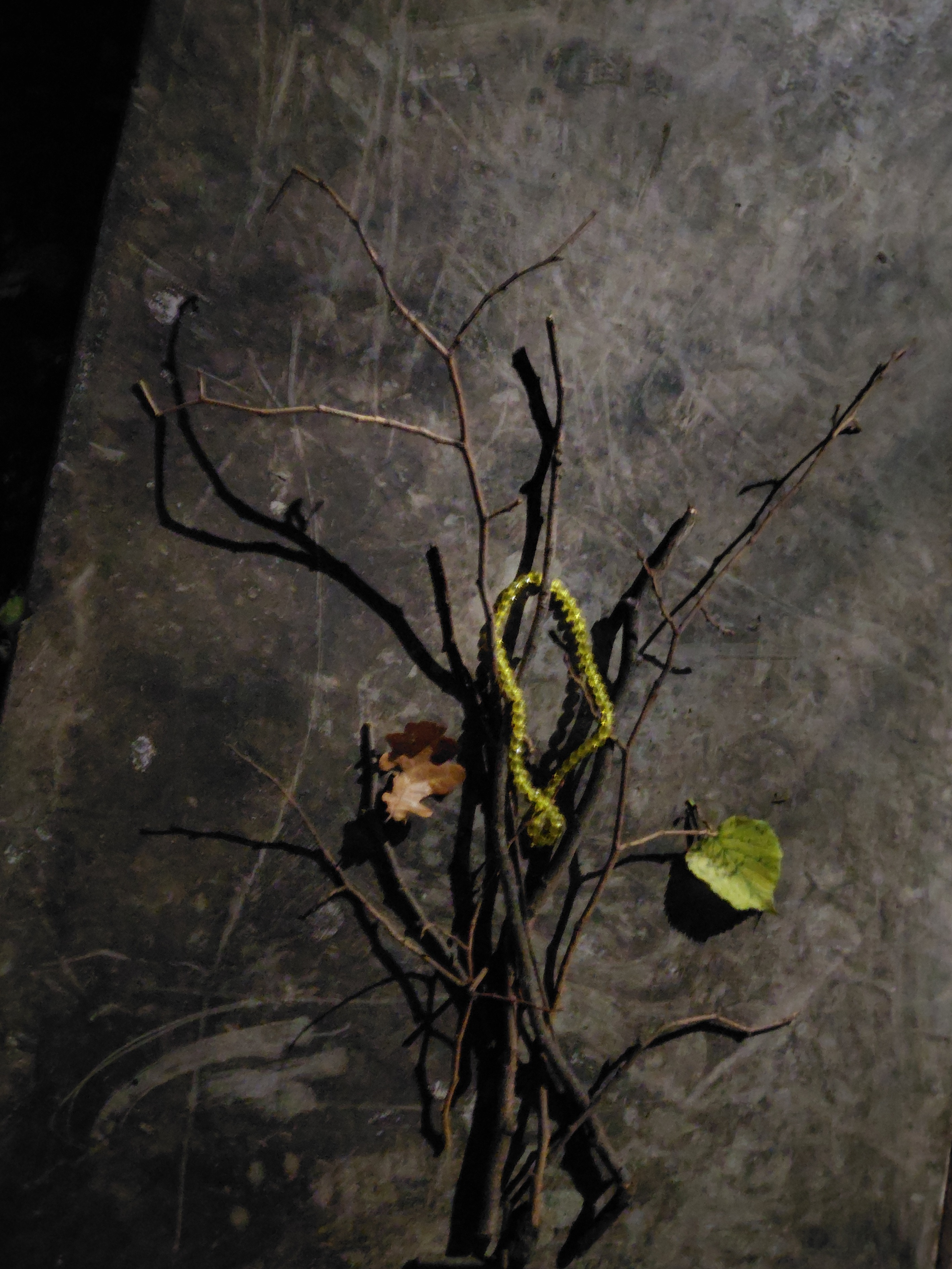
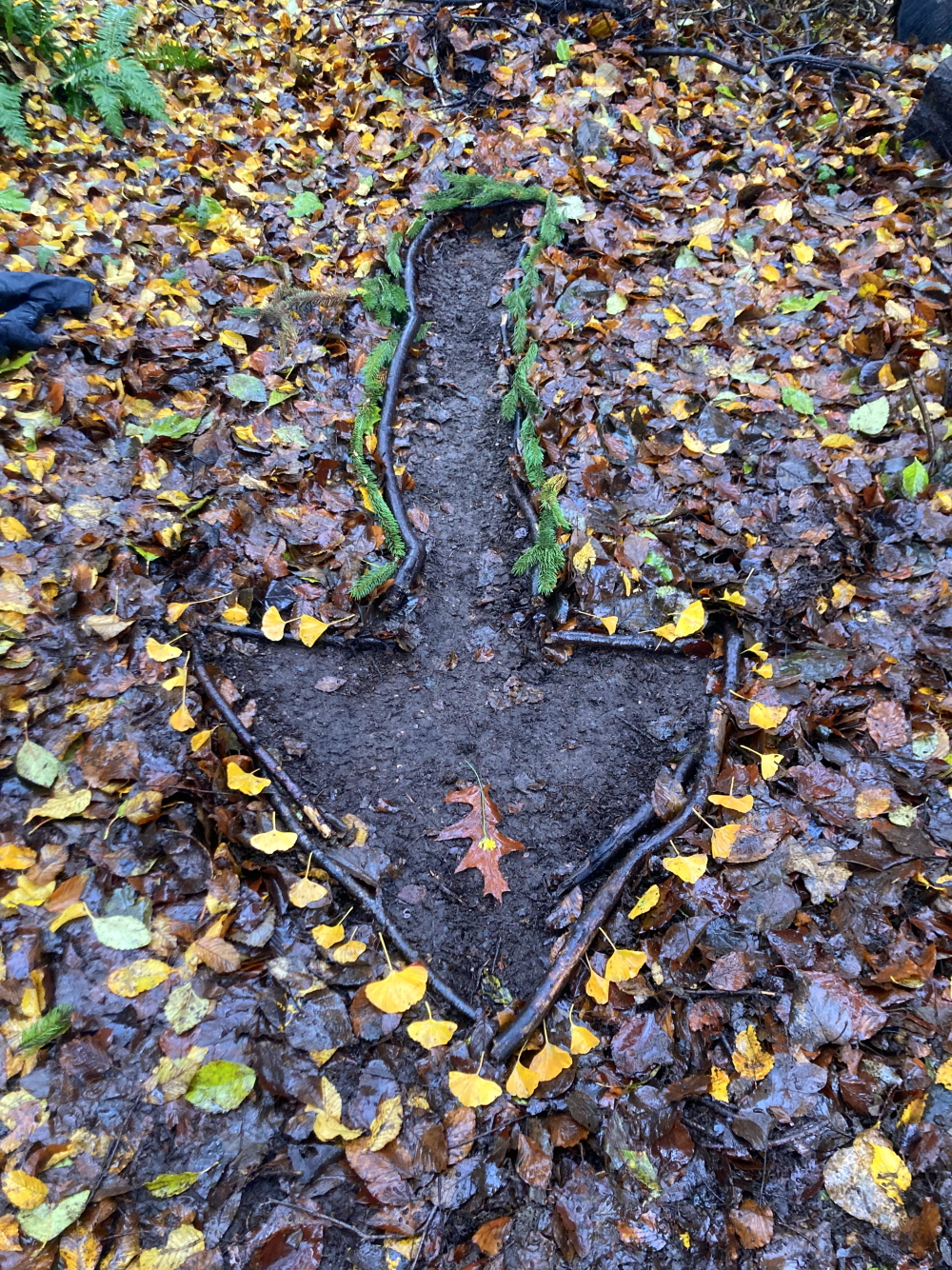
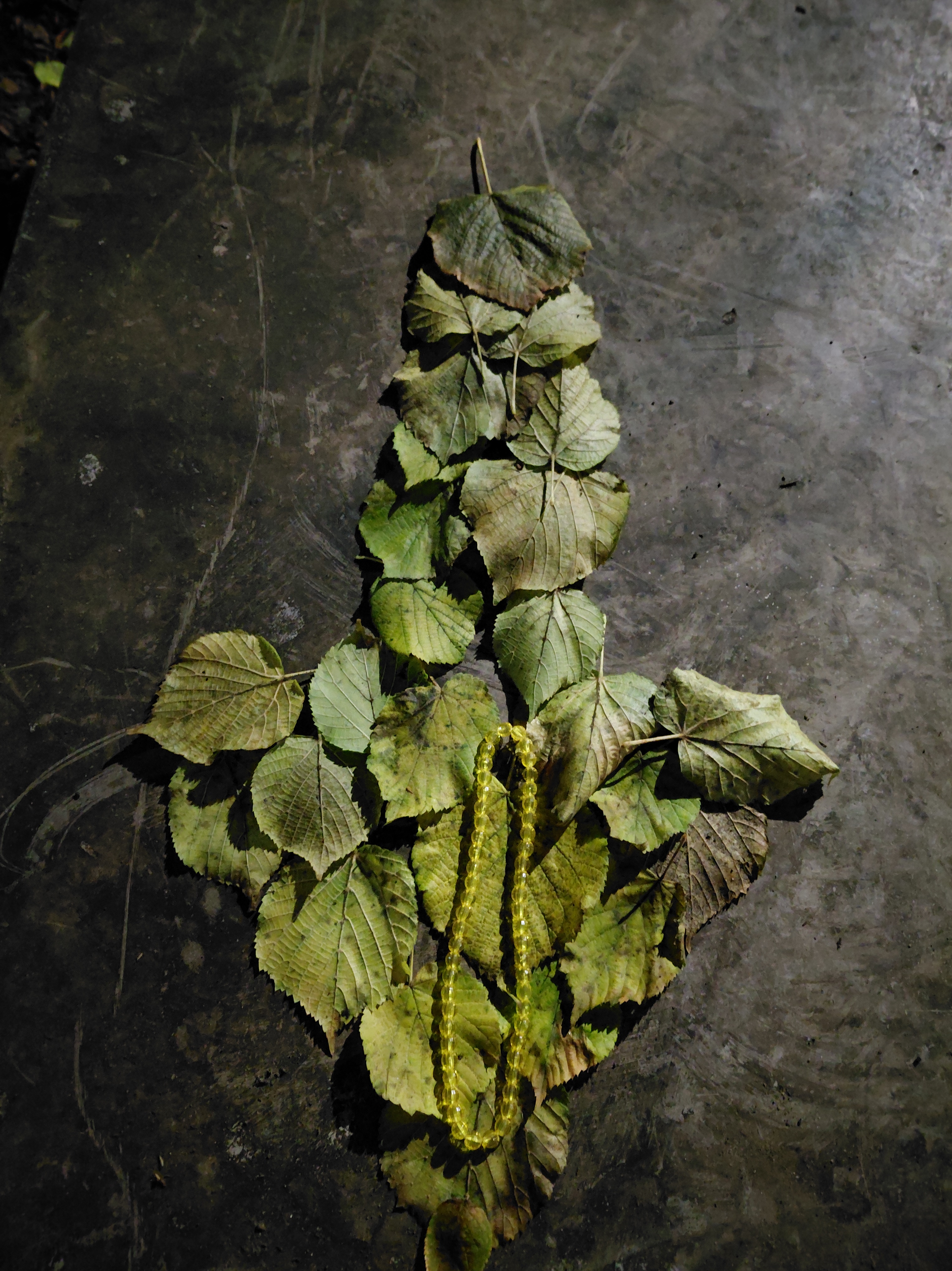
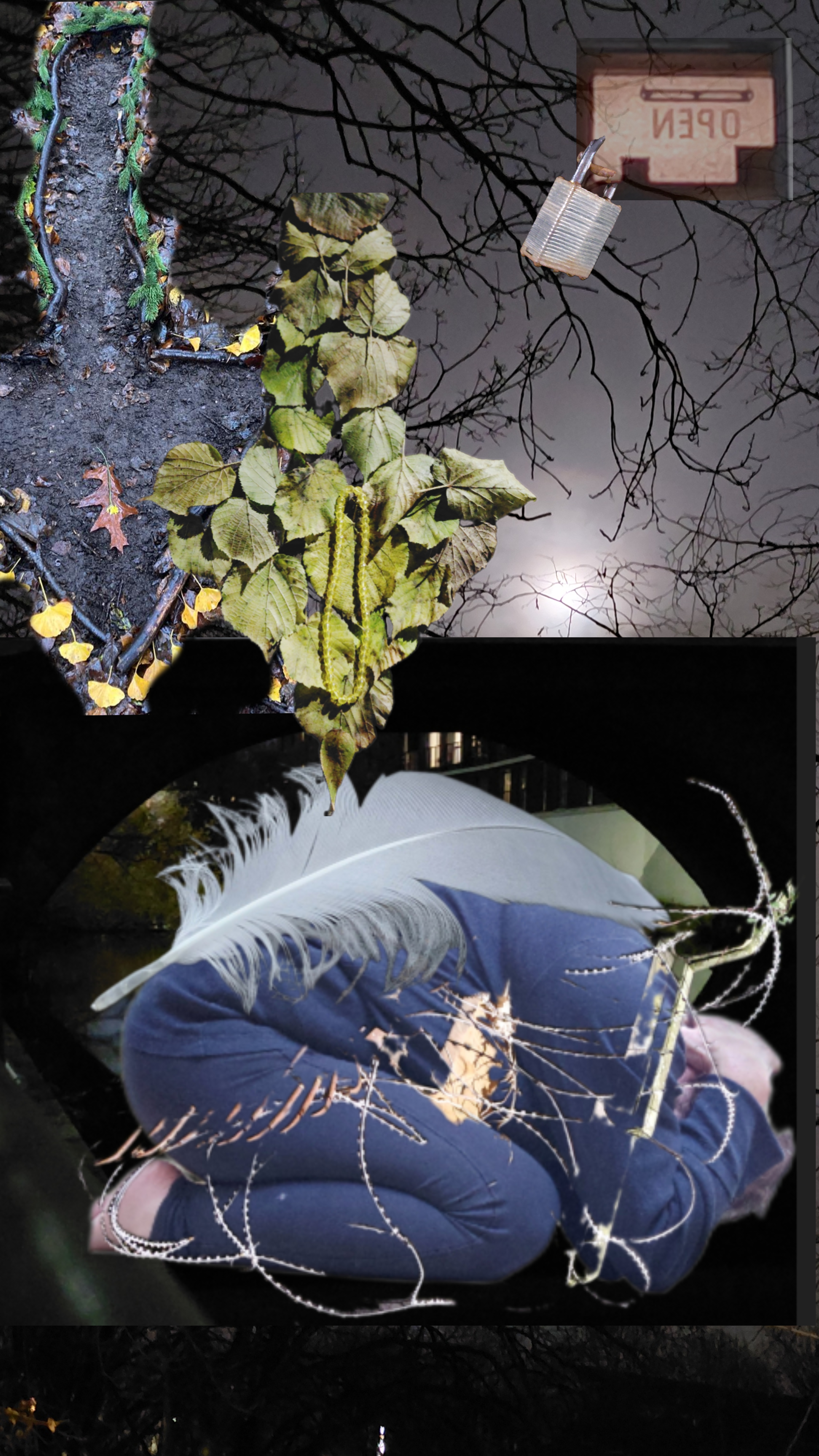
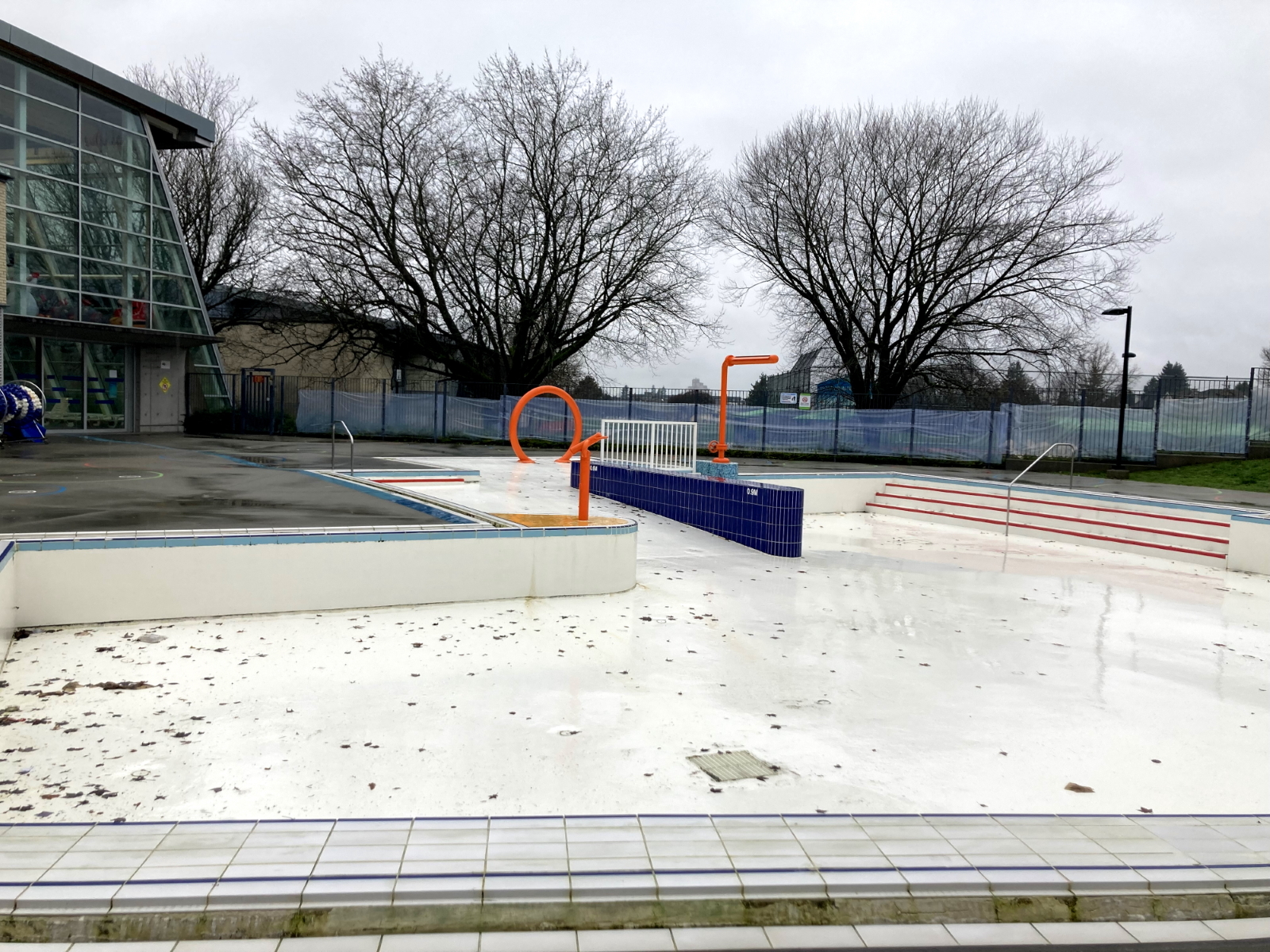
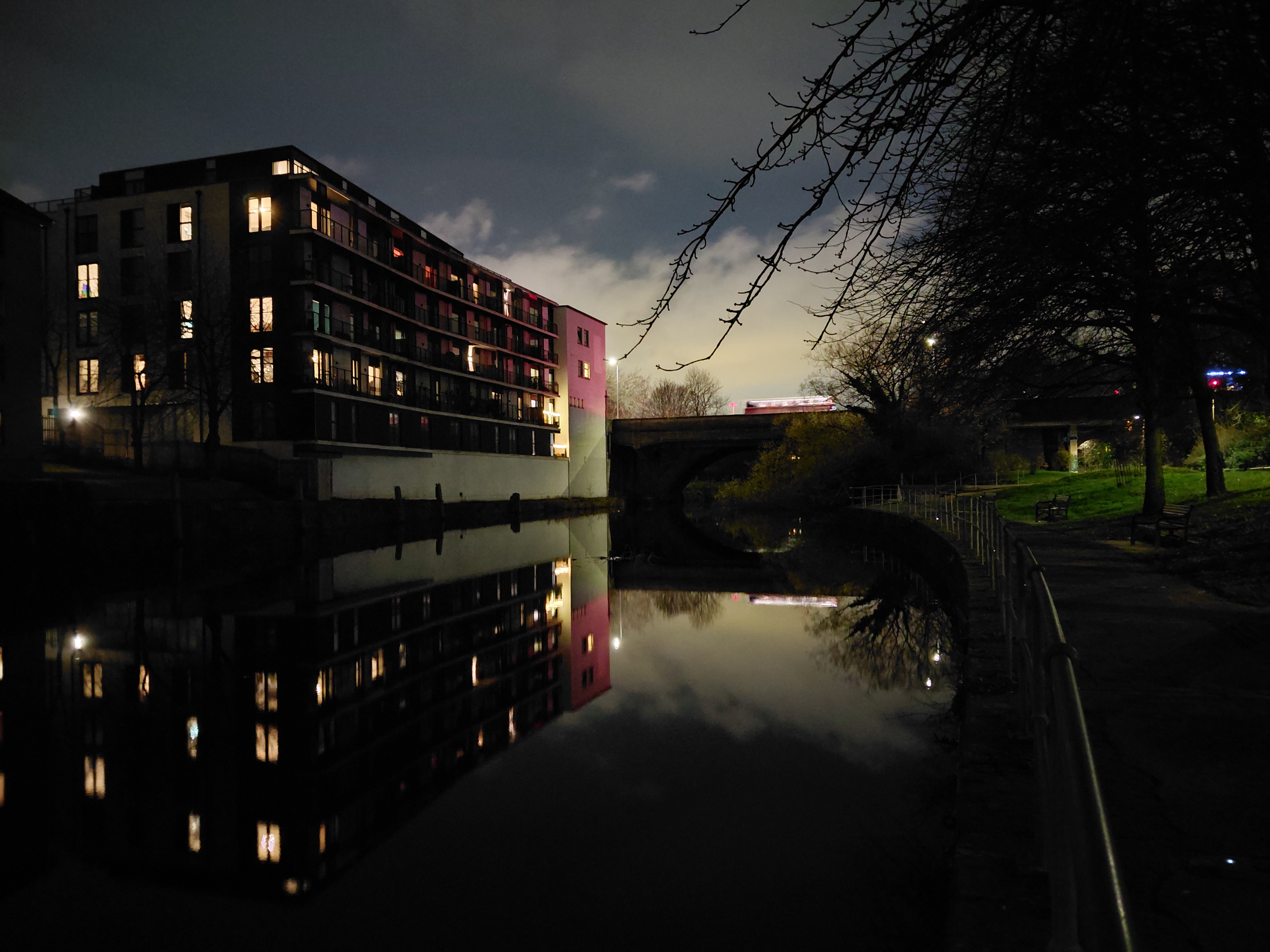
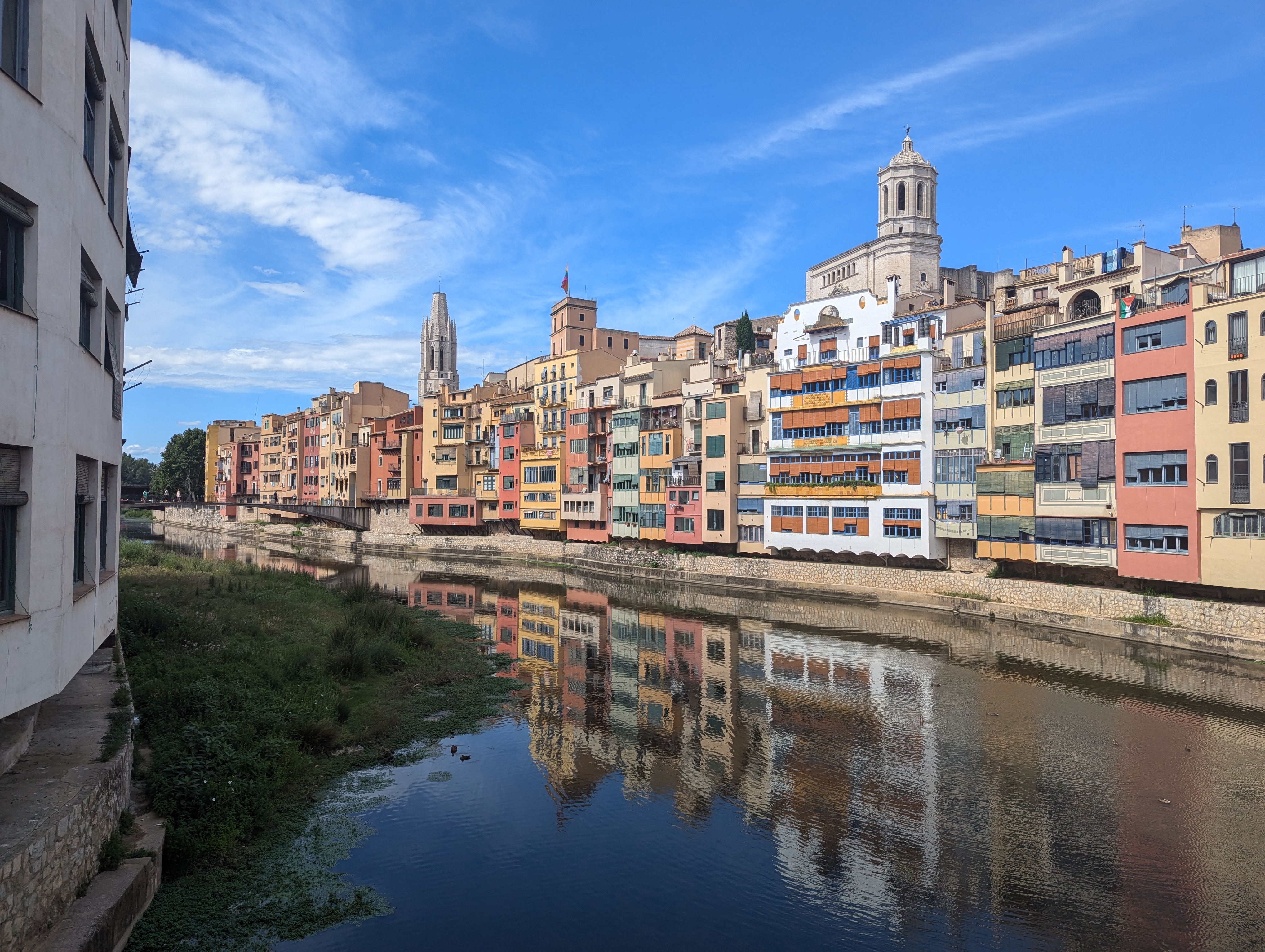
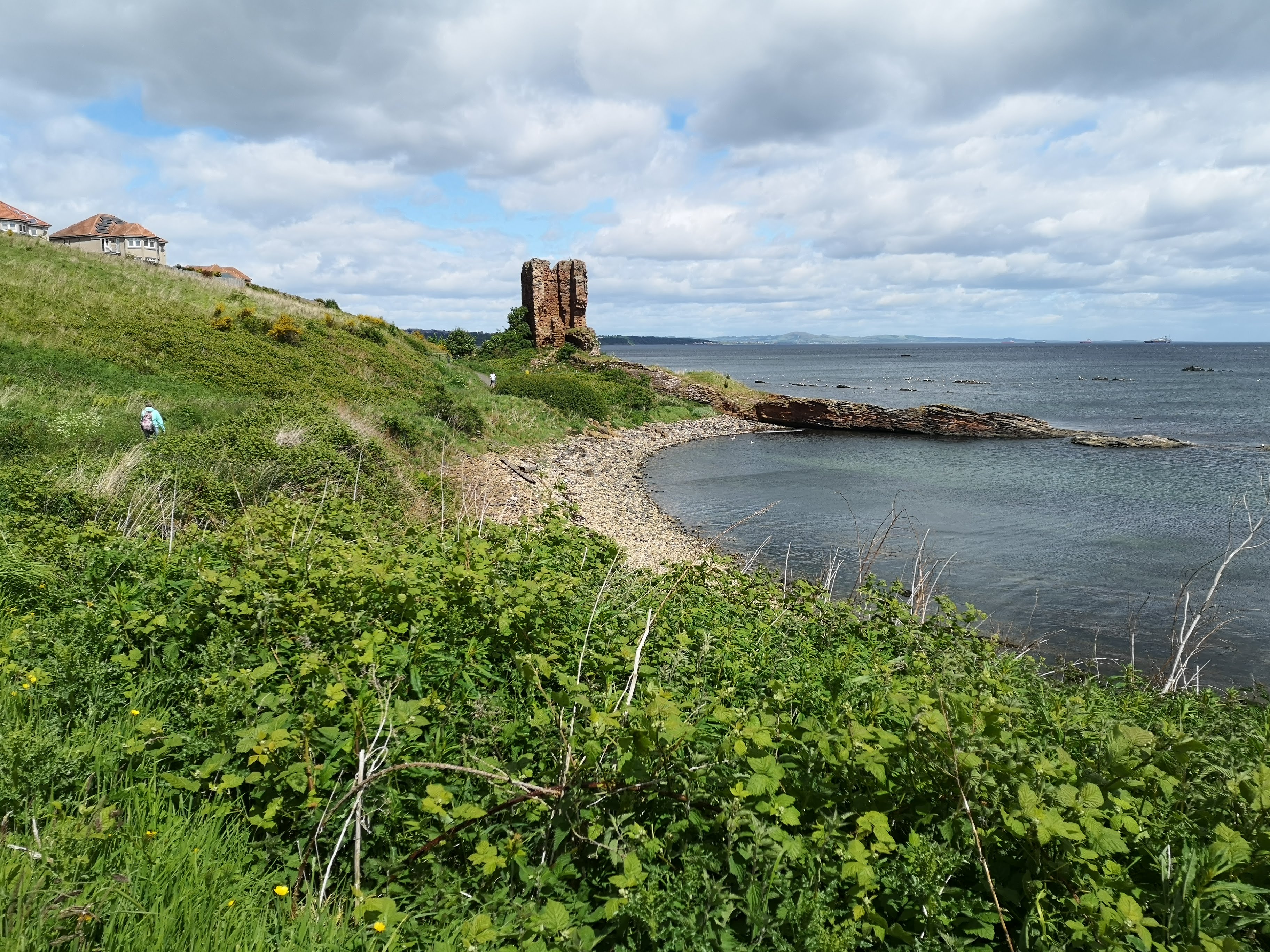
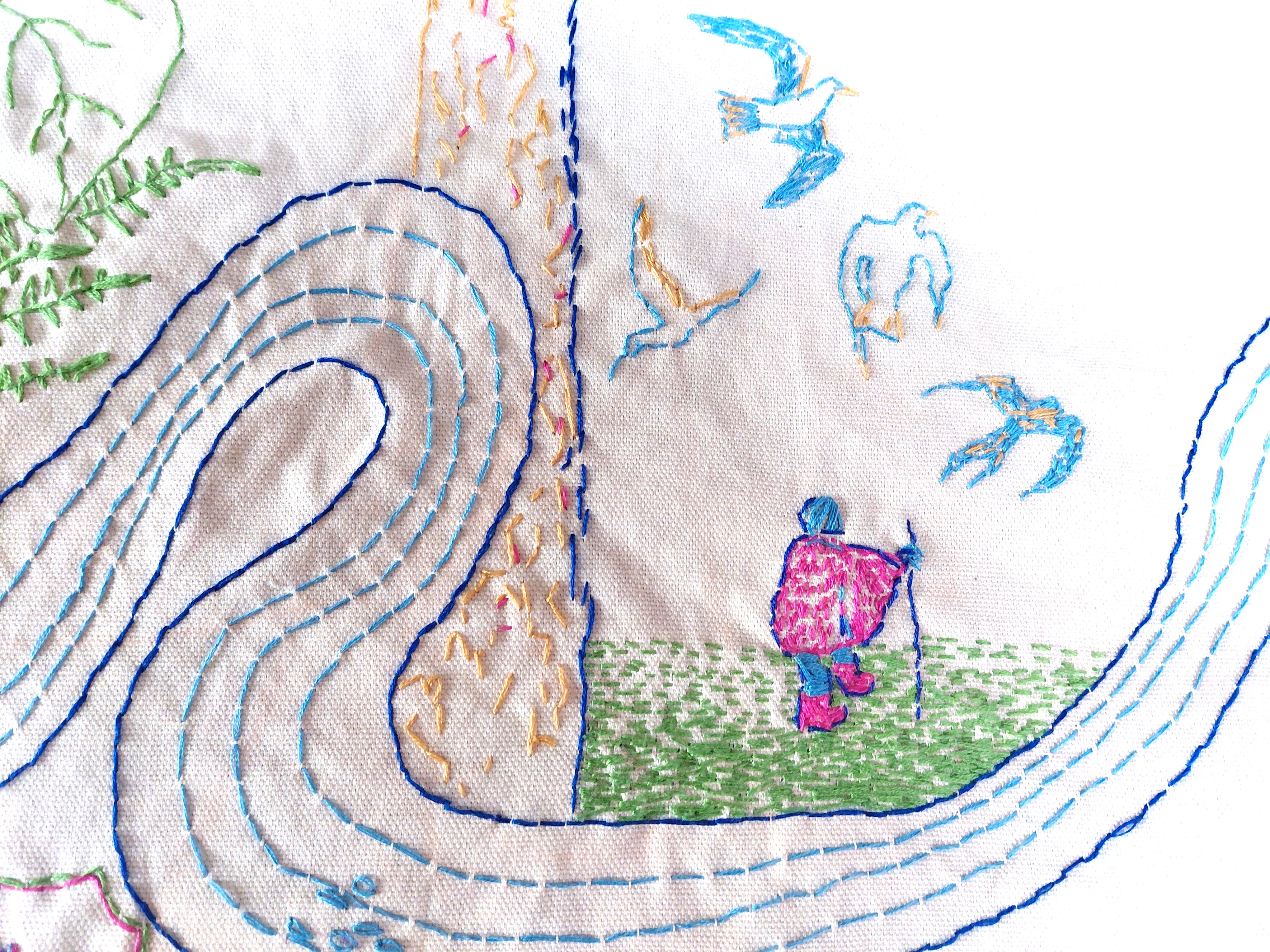
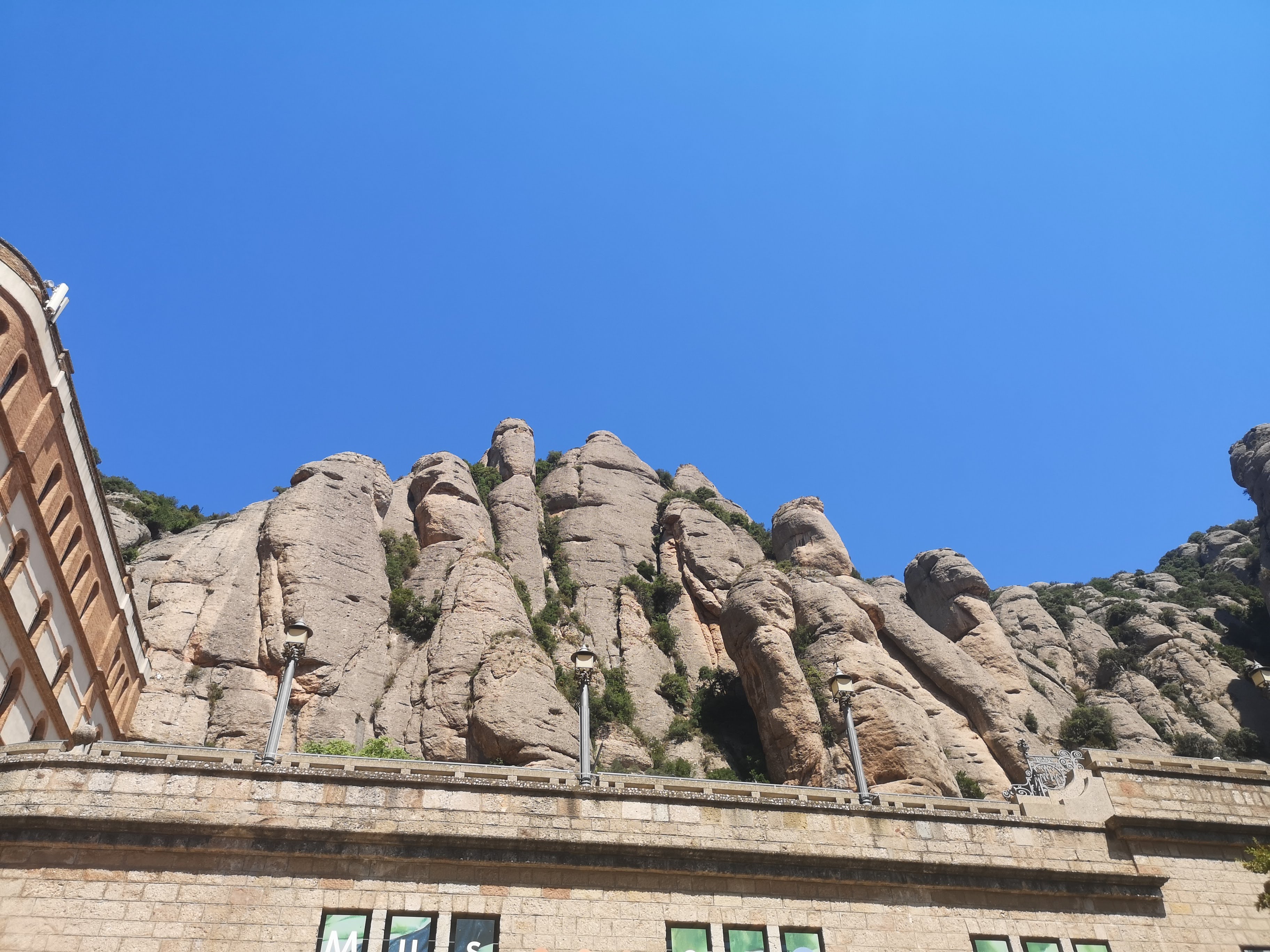
We walked at the same time as each other, Kristina in Canada and Tamsin in Scotland, agreeing that the location would be woods, and the subject, mapping. Stopping at 20, 40 and 60 minutes, we drew and/or recorded verbal maps on site and then followed up with artwork that included collage and video.

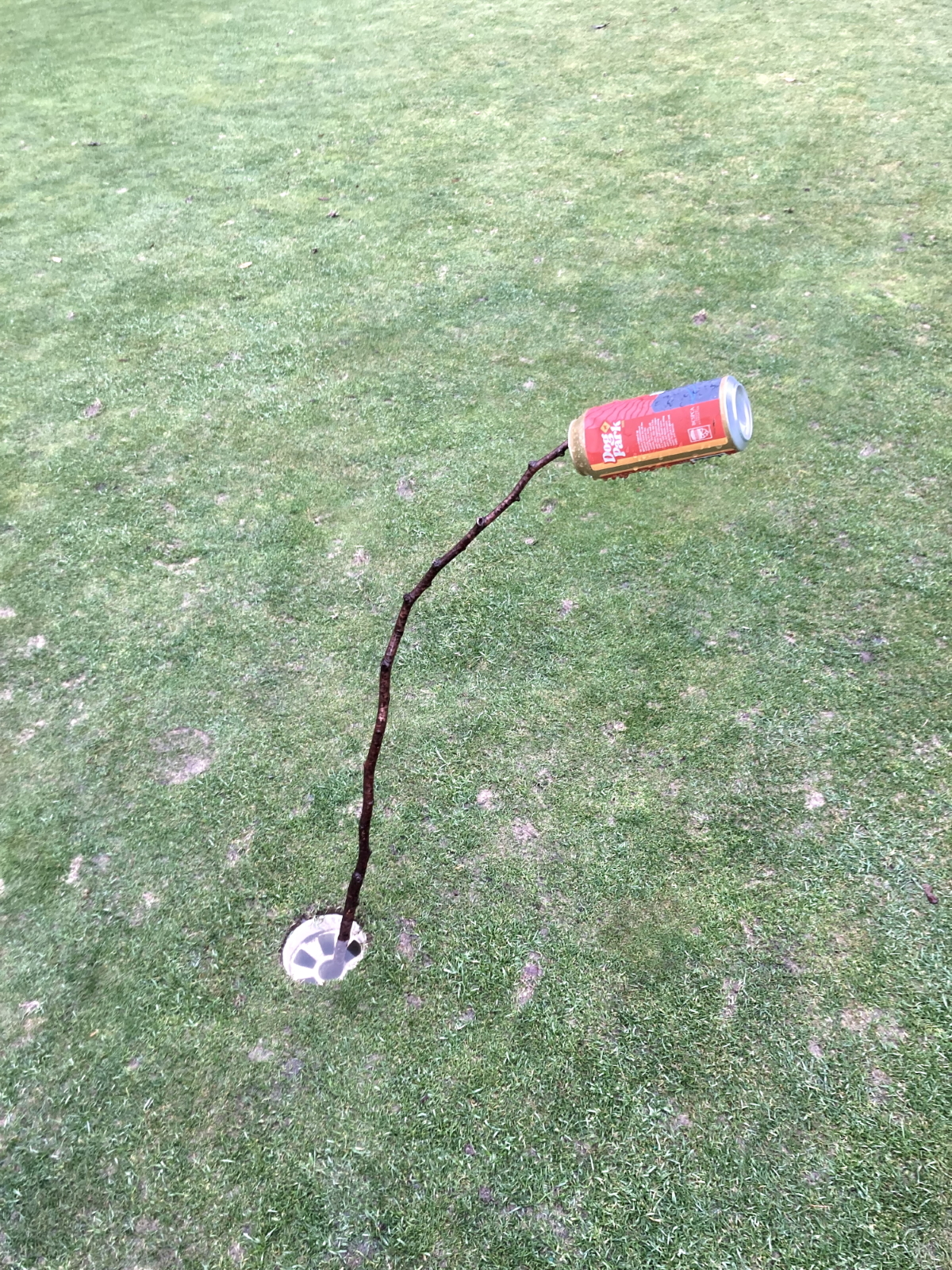
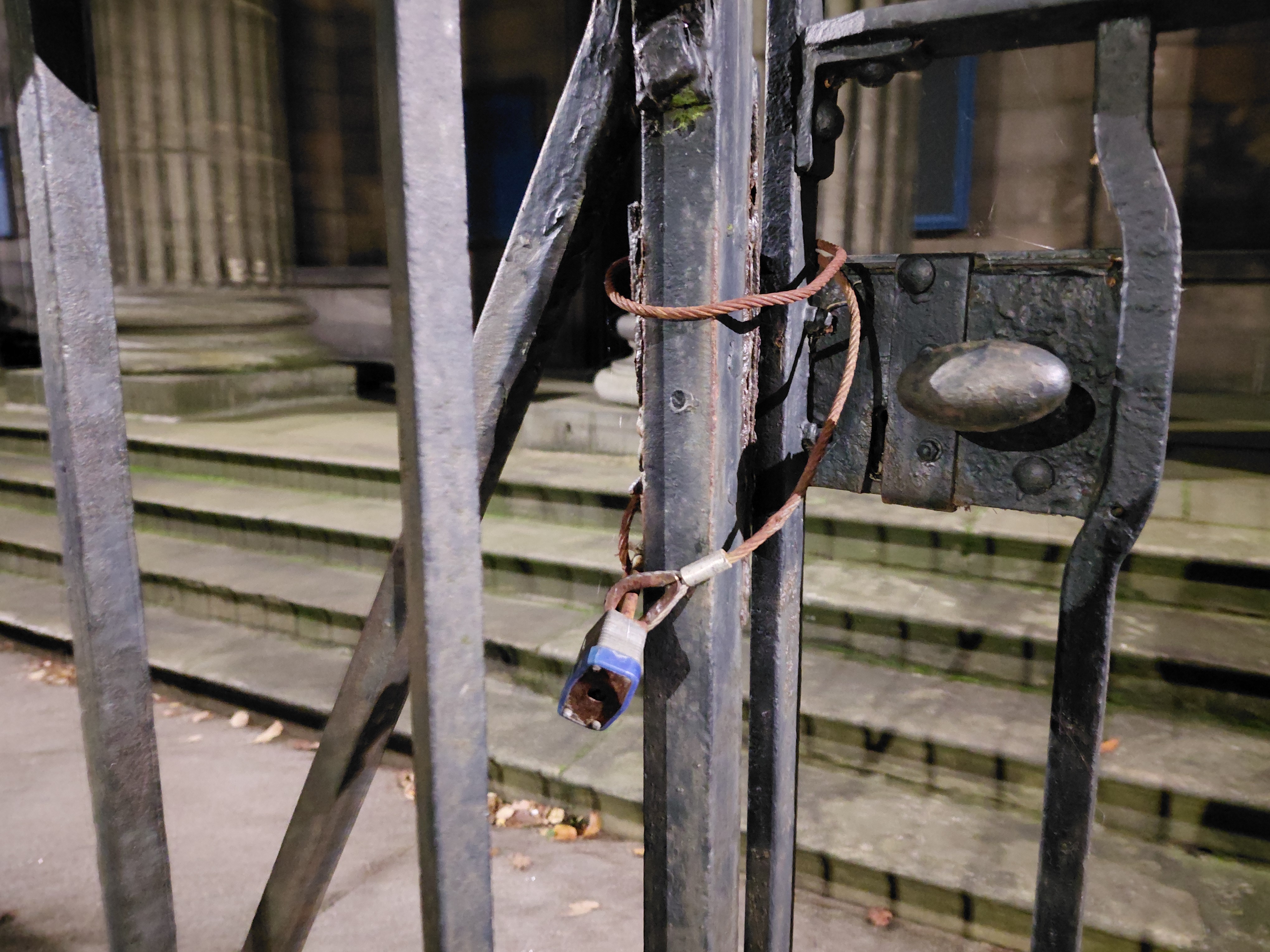
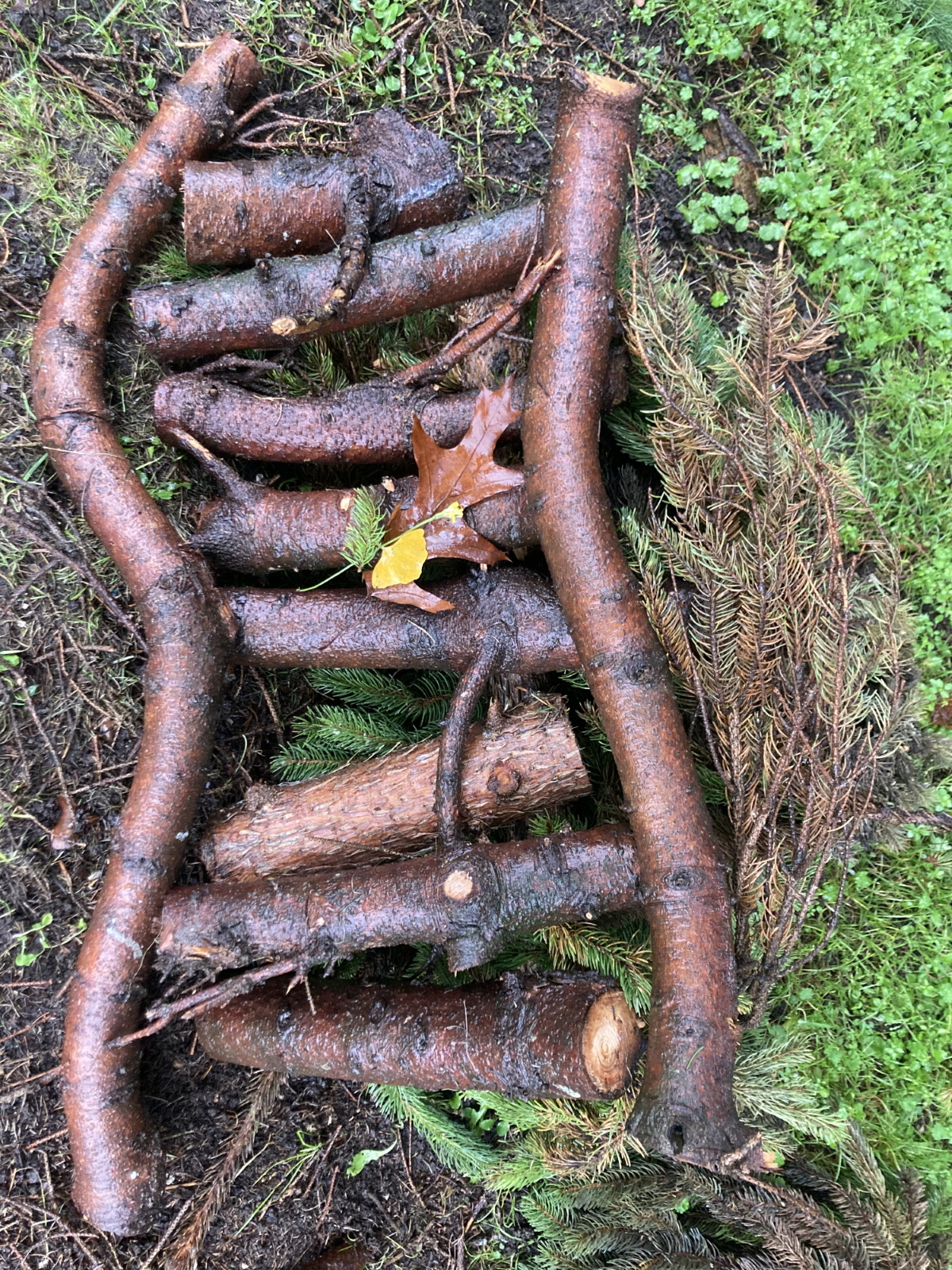
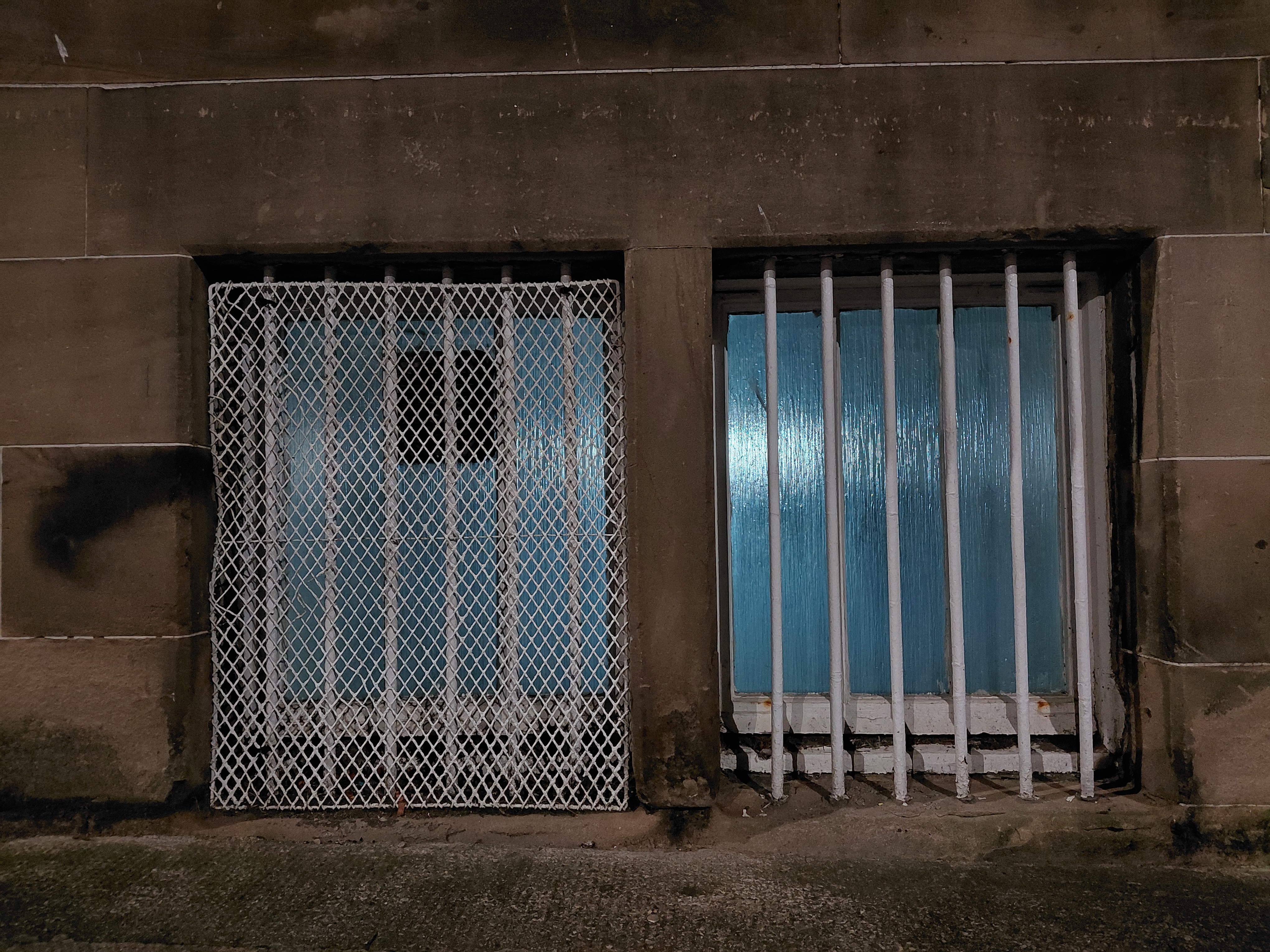
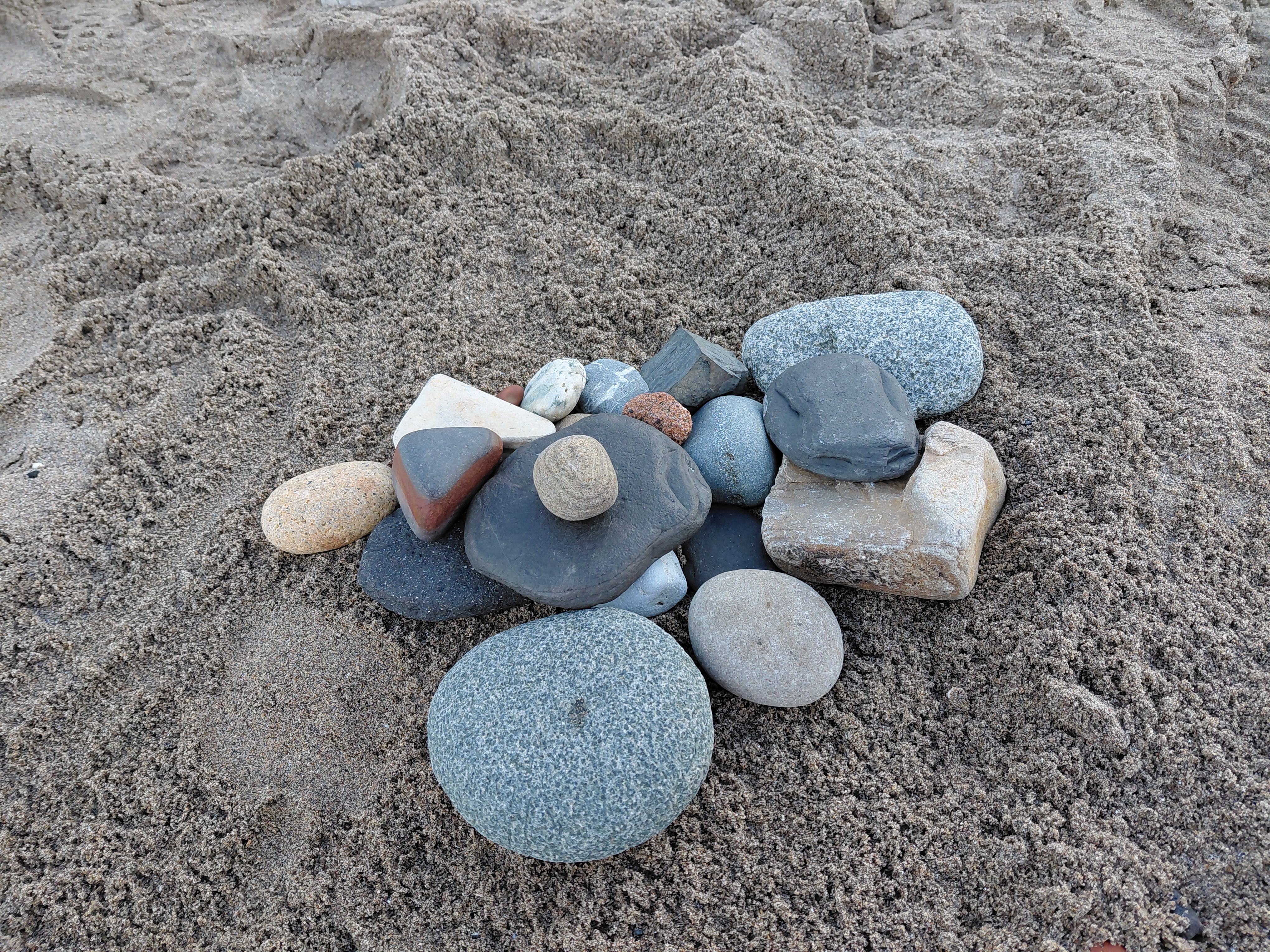
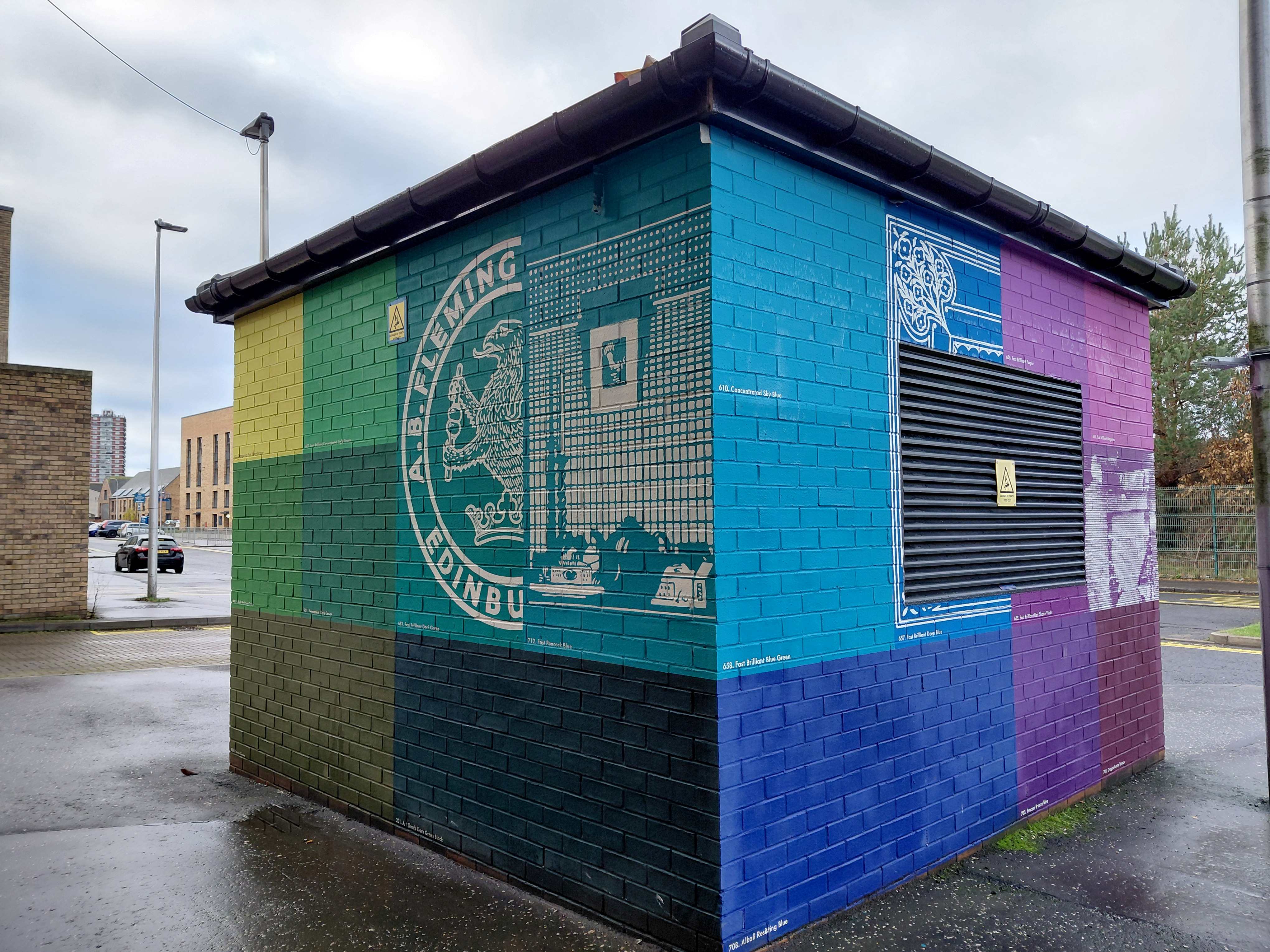
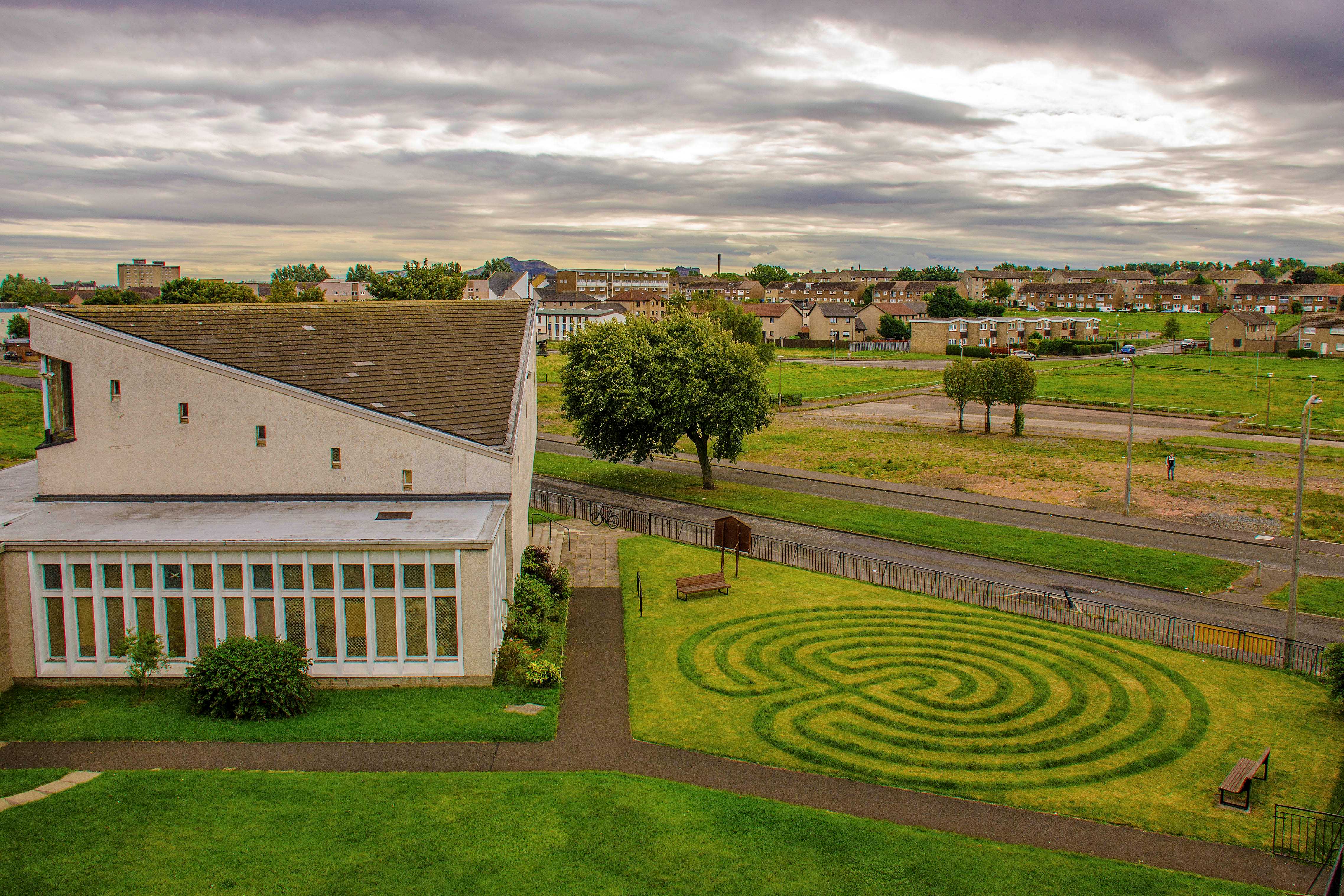
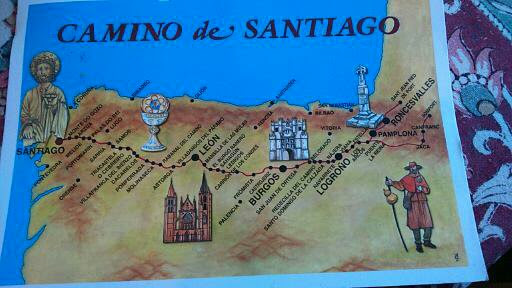
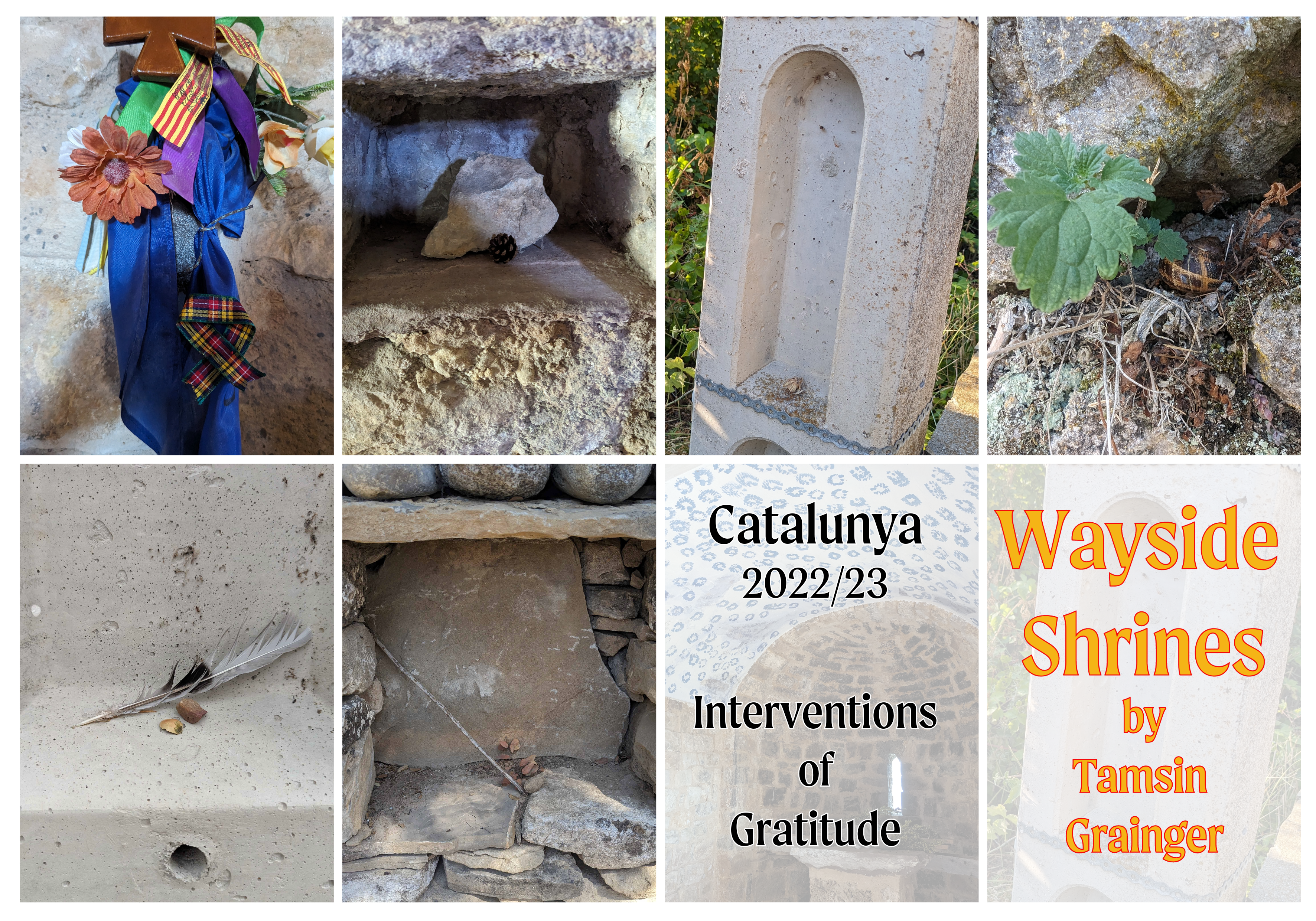
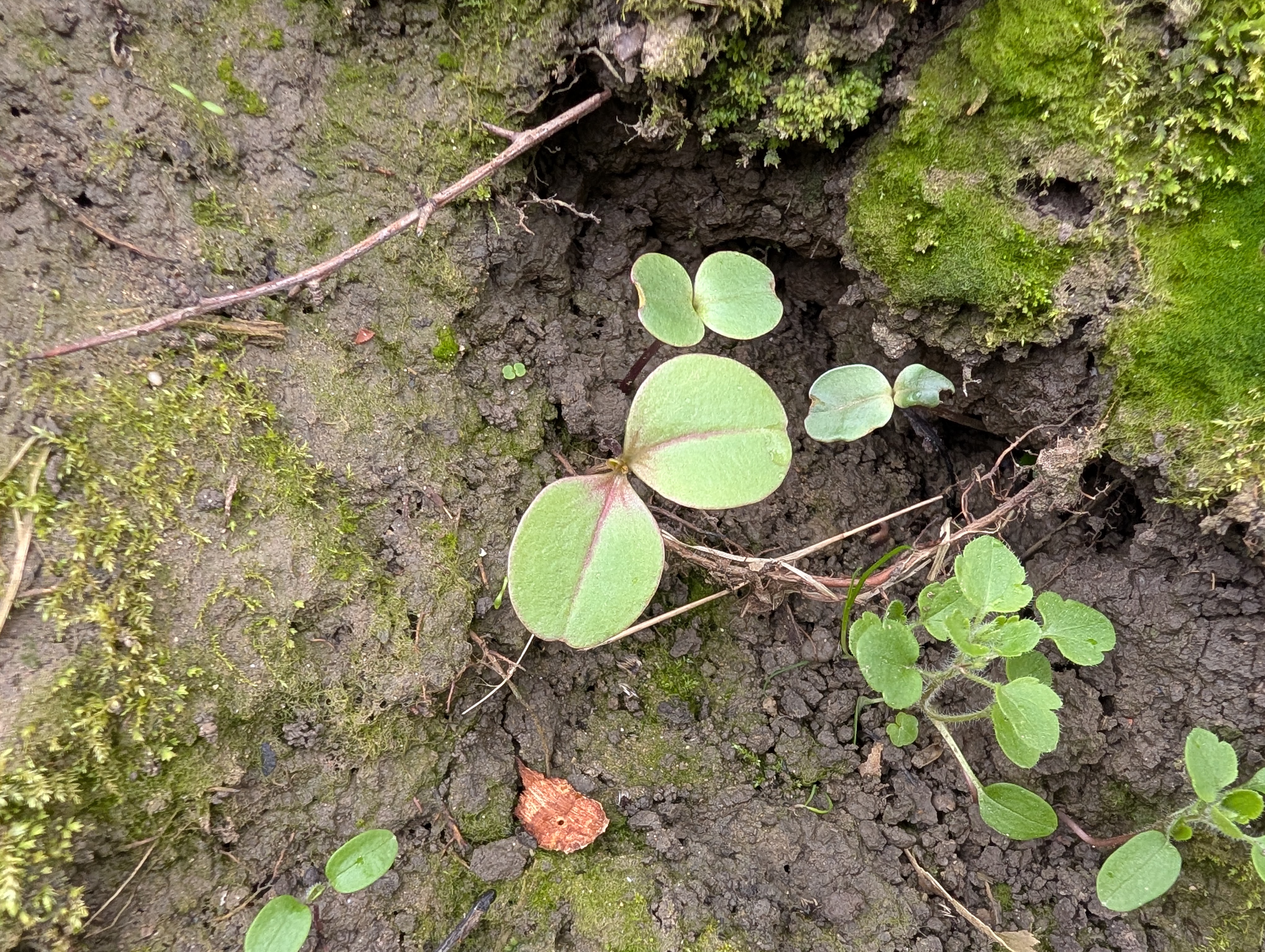
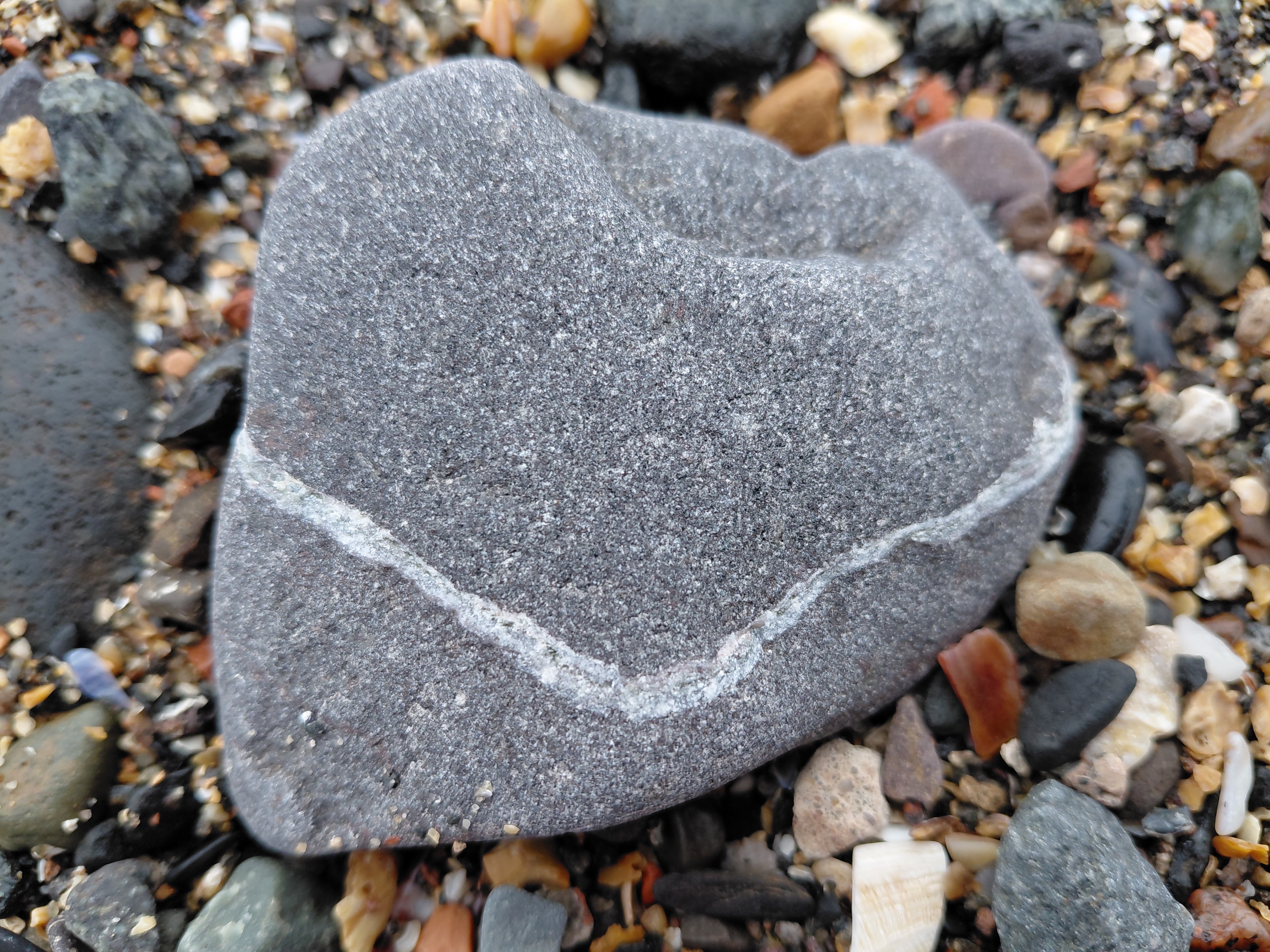
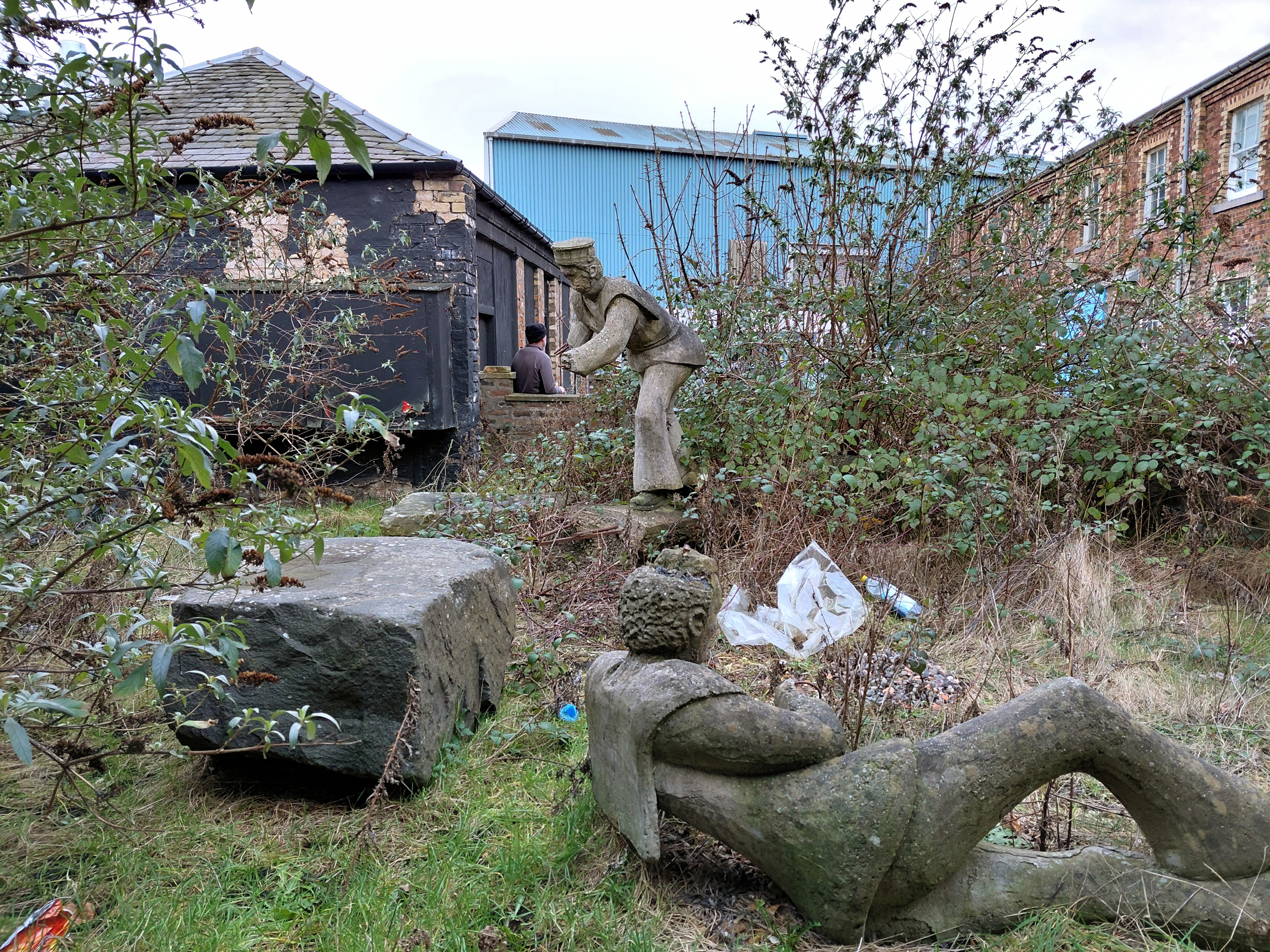
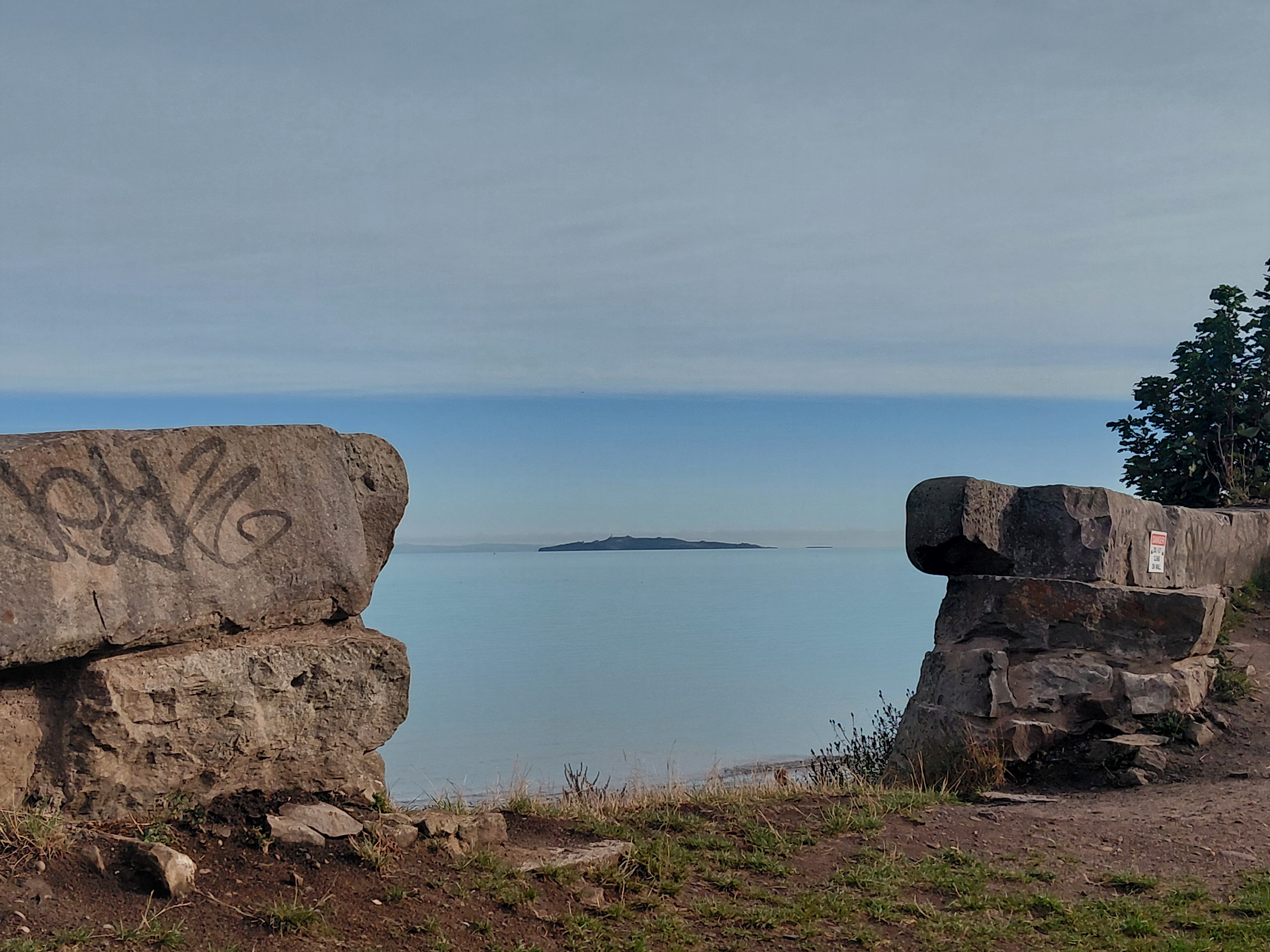
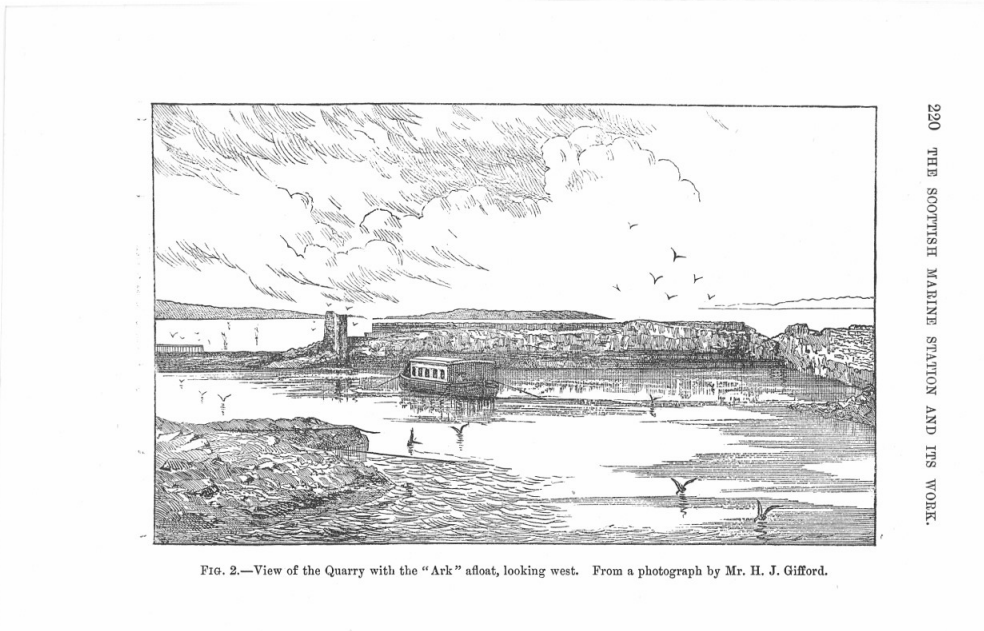
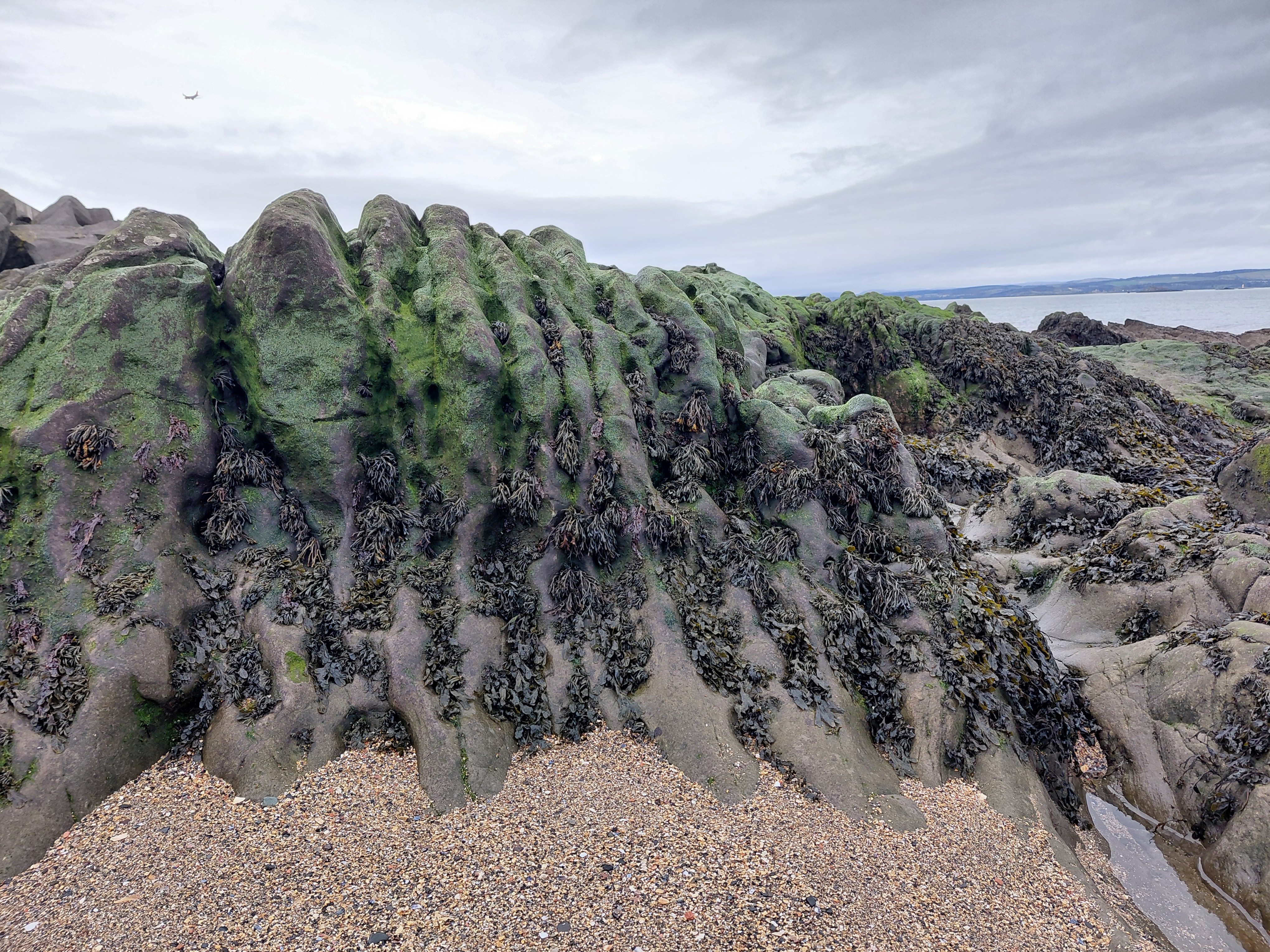
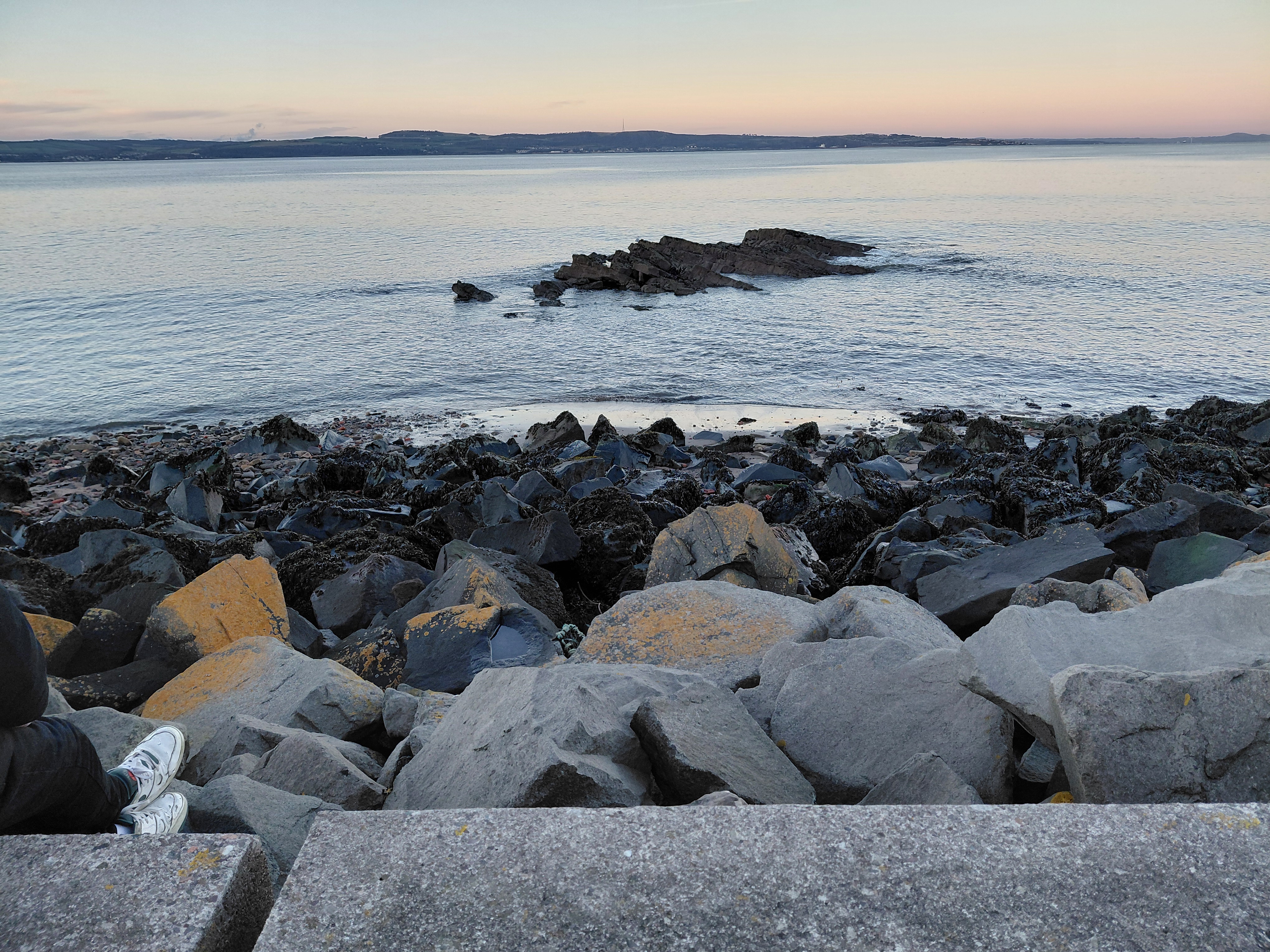
The top two images above were taken by Kristina Rothstein in Canada and the two below by me, on our Woods Walk.

The top two images above were taken by me, and the two below by Kristina Rothstein in Canada, on our Woods Walk.

The three illustrations above show Kristina’s maps of words, memories and dogs respectively.

This video shows images (photographic and hand-drawn in pencil), from Tamsin’s walk in Scotland, together with recorded audio maps of the natural species found in the woods, and the rubbish that threatens to engulf them. It also includes two collages made using the InCollage app and paper/glue/scissors.

Links

This is a Walking the Land project.

You may also enjoy this blog about our first walk.

Kristina on Bandcamp with her audio walks and more, including Unwanted Belmont.
Tamsin’s walking art and new writing

Walking in Pairs 2 -Tokyo / Edinburgh

For our second walk together-apart, Kristina Rothstein and I walked in Tokyo, Japan and Edinburgh, Scotland respectively. 2nd October 2025. The agreed location was the city, and coordinated stops were scheduled for the beginning, middle and end. We were looking for found words to make into a poem.

Kristina’s walk

The walk started at 7pm Tokyo time, on the last night of my three and half week trip to Japan. Japan does not use daylight savings time, so it was completely dark. It was a clear night with a half moon. I started my walk at Luke Jerram’s “Museum of the Moon” installation at the Shimokitazawa Moon Festival, located at the Shimokita Senrogai Open Space. Shimokitazawa is a hip neighbourhood on the west side of Tokyo with lots of small independent shops, cafes and bars and very narrow, vibrant streets. I have only spent 10 days there but it is the distract of Tokyo that I know best.

There were many young, excited visitors to the moon installation, taking selfies and buying snacks. I did not plan a route, but a general circuit. I walked along a greenway for 5-10 minutes, which is lit and moderately travelled. After that I headed into residential streets. In sharp contrast, almost all were completely deserted, even at this relatively early hour. Tokyo’s narrow residential streets discourage traffic, so I saw no cars and only a few pedestrians. I passed a few bikes and one cat. I heard many chirping insects as if in the countryside. I crossed several level crossings. Some streets continued in a long straight line, but most were on an irregular grid. After over half an hour weaving through these quiet backstreets, I emerged back to the bright streets of convenience stores, restaurants, apartment buildings, hair salons, and grocery stores.

The sensation of the walk was strange. To wander with no destination in the evening in an unknown city was unusual for me. While on busy streets I observed people from more of a distance than I usually might. It was also odd to be on such quiet residential streets when I was not walking to one of those residences.

I imagined Tamsin in a part of Edinburgh that perhaps she didn’t visit often or didn’t know as well as other parts, seeing streets as if a foreigner. I felt a sense of many more residents walking those backstreets, an urban bustling that was perhaps more evenly spread out than what I experienced. I imagined the shift from moonlight to daylight and back. In this unfamiliar setting I found it a bit easier to receive impressions and ideas than to transmit my own, though I certainly tried.

Kristina’s poem

Moooooooon 
Light and bright, it hypnotizes and drags crowds to its orbit, hands rearranged to hold the moon up in the sky

Stepping stones. Cobble stones.

Open. Kien. Café & kimono bar. Beer & coffee.

Mushi mushi, Japanese kitty! Oh you are a shy kitty. Off on your Night business my friend. I love you. Sayonara.

“I have no idea who James is.
And now it’s available. awesome!”
Siren-like tones ring
Ding ding ding ding at Level crossings clang clang every three minutes.
Dog walk bark

Then. So quiet
Leaves whisper and the chirp of crickets
Chirp chirp chirp
sussuration, or stridulation
words I just learned
One of my favourite sounds to sleep to

Is everyone tucked away at home or are they out on the town, eating drinking fun in a Myriad of tiny spaces where you can get a fresh botanical soda or an experimental music tape or Ramen handcrafted by a man who lives upstairs or take a selfie in front of the moon projection

“You really feel like you’re somewhere different”

Play table tennis
Recipe shimokita
Caution crows
Underground rock Café stories

Just One Cat
Up To Per Person

DING DING DING DING

Prohibitions and manners around Shimokitazawa Station:
No smoking
No littering
No graffiti
No street vending
No parking
No skateboarding
No nuisance

“And so many even, oh!”

bird song or the hum of an air conditioner or the whistle of an exhaust pipe or a tiny delivery van, the silence of headphones.

Clang. Chirp.

And now it’s available. awesome!

Three images above by Tamsin: U or a smile; hoolet’s eye; Laverock – skylark

Tamsin’s walk (parts 2 and 3)

11.30am 
///galaxy.belong.eating *
U (or is it a smile?) And me walking. T’wit t’woo Owl - hoolet in Scots. Circular O, eyes seeing, not in the dark, but across space, from Scotland to Japan, Tokyo to Edinburgh. You to me to you. And back again. Up a long straight street, I turn left and head into a busier area. South Laverock Avenue – Laverock being Scots for skylark - the birds are not heard here nowadays, nor, I suppose, where you are in downtown Tokyo. In the past, though, it used to be a favoured spot for larks, so an 18th c merchant named his house after them and now there’s a whole area called Laverock this and that. Like the lark singing and spiralling up high, I’m signalling to you, seeing if your thoughts are uppermost so I can detect them, looking, linking up these two walks with our feet, time, and intent.
Three images above by Tamsin: MAN; mans profile; SWALK (sealed with a loving kiss)

12 noon
///roofs.asking.sulk
White ring with a black centre and an arc to its left. Second silhouette of a male head in profile (previously, MAN on the front of a car in strong, square, manly letters with a roaring lion logo, in case we don’t get the picture). I'm on a busy shopping street with lots of cars and outlets. The next shop flirts with me: ‘Hello Gorgeous’. Walk In, the hair salon says, but I don’t. I’m headed to a café: Sketchy Beats (you started at one in Japan, I’m ending at this one) arriving at 12.05. It was shut.

A little further down the road a shop read, ‘Tokyo’.

Links

Kristina Rothstein on Bandcamp

Walking in Pairs is a Walking the Land project

* /// denotes What3Words – locations of the walk

The Granton Burn, from hill to sea

This original stitched map (November 2025) shows the route of the Granton Burn, rising at the top of Corstorphine Hill not far from the Scott Tower, and flowing down to Royston / Granton / ‘The Brick’ Beach and into the Firth of Forth.

Imagine you are buried in the ground up to your armpits! This is no bird’s eye nor drone-view. The map foregrounds the river itself, looping above and below earth level, and features many examples of local wildlife, flora and fauna found in the Granton area, from a curlew and fox to ragwort and flat oyster shells. Together with the people and the soil itself, the Granton Burn and more-than-human lifeforms are who and what are indigenous to Granton and should be respected as such.

The embroidery above shows a moth, fox and traveller on foot

The map shows the Granton Burn rising at Corstorphine Hill near the Scott Tower, flowing under rocks (famous for their cups), woodland (oak, birch, ash and here, Scots Pine), and grassy hillside and flatter land (where someone walks, reminiscent of the figure in the VIII Cups tarot card designed by Pamela Colman Smith). There are buildings which relied on water – amongst others, a mill, the sphinx from Madelvic House (home of United Wire and the Electric Car Company), Mushet’s iron works, the Northern Lighthouse Board building (1860s), and the iconic Granton gastower (recently painted and decorated). The latter is also part of an imaginery Granton coat of arms which features the Granton Tortoise (story here) and the Latin script, ‘Ambulans ut Testudinis’ (Walking Like a Tortoise) referencing an earlier walking art project.

The map is embroidered in the colours found on the 1835 Bartholomew map and the 1867 Parish Johnston Plan, and the sea is stitched in different colours because, I have been told by many residents, it flowed sometimes pink, sometimes other hues according to which ink was being dumped in there by local company, A. B. Fleming.

The mouth of the Burn is that particular jagged shape as seen on the Edinburghshire map of 1914. It is unclear exactly where it is nowadays, but is likely to be close to the sewage pipe. Certainly the drains beyond the Sea Gate of Caroline Park frequently overflow, meaning that the Burn streams along the road.

Caroline Park Sea Gate near where the Granton Burn flows, Edinburgh

Other embellishments come from a variety of sources. The arrows can be found on the weather vane on top of the lighthouse, and the north-point of the compass from the Drainage Plan of the Edinburgh Leith and Suburbs map, 1867. And I measured the route in my human footsteps (the walk from hill to sea was approximately 9000 steps) which, according to the scale of this map, is 1:42.86.

The small boat on the right of the map is similar to Geddes’ on his Valley Section (see below) with two people sitting in it, though I have given one of them a fishing rod (an age-old local industry) and the other a pilgrim’s staff with a gourd on top. The 11th century St Margaret ferry used to take pilgrims across to Fife from South Queensferry so that they could continue to walk to St Andrews. Other sea routes, and the Esparto Grass which covers the harbour, refer to the intercontinental trade which exported coal, bricks and so on, and imported goods and people, including grass for the mills along the River Almond and the Water of Leith.

Granton (Royston) The Brick Beach, Edinburgh where the Granton Burn issues into the Firth of Forth and North Sea

I have wanted to walk alongside this burn for a long time because it is said that it forms the western definition of Granton itself. Although it was quite clear where the second-to-last section is, as it can be seen clearly flowing above ground in the Caroline Park Grounds, and other nearby parts are also visible in Forthquarter Park, the rest of it is now mostly hidden below buildings and there are no maps showing it as far as I can find. (It is noteable, however, that the ‘new’ Scottish Gas Headquarters flooded and the grass nearby is soggy all year round whatever the weather, so it is most likely that the Burn flows under those places.)

The owner of Caroline Park suggested that it rose at Corstorphine Hill, so, armed with my research from old maps and local anecdotes, I went there to look.

You can see the thin wiggly line of the Granton Burn from Caroline Park on this old map, but it stops just south of what is now West Granton Road. Notice that there is no Granton Harbour, so the map predates the 1830s

Above photo: The Granton Burn, Caroline Park

I believe that I found the route of the Granton Burn using my sense of the water I’d previously met, as well as the resources I’d compiled. I knew it’s energy in the same way that I have been practising knowing people’s energy (or chi) through my Shiatsu bodywork for over 30 years. I certainly found a small river, wetland plants, and banks along the line I’d tentatively drawn on my own map. 

Above, you can see a channel and the banks of a stream, and there were also reeds and, in a few places, water gushing out of holes in the woods. These photos were taken by me at the base of Corstorphine Hill

I think a threshing mill used to be on this site before the housing estate was built. Granton, Edinburgh

As I slid along pavements slippery from the pouring rain, I came across the area named Granton Mill with which I was familiar from earlier forays. Of course! A mill would have needed water, I was on the right route!

This work of tracing the Burn gives it power and I felt it. I recognised its distinctive voice.

My route and the approximate route of the Granton Burn, Edinburgh

If rivers are built over and erased from maps, does their power cease?

This map collapses time. It reinstates the river above ground, and juxtaposes past and present. My walking the Burn in some way also restores the original boundary. For once, it’s not roads or random lines, not politicians making the decision, but the existence of the Burn itself which decides where Granton begins and ends – a gentler, more natural way that harks back to earlier times.

Illustration above: My earlier map, 2023 (pen pencil, acrylic) exhibited at Granton Hub (2023) and Edinburgh Central Library (2024)

All the time I walked and stitched, I was in dialogue with the Burn and it in turn reinforced the original route I traced for my first drawn/painted map.

Photos above: Corstorphine Hill (Scott) Tower (1871) and the view from the top (200 feet) towards Granton

My footsteps drew the Burn above ground, and my stitches have made it manifest in fabric in the tradition of map makers of many sorts from the past. I’m thinking of the Sophia Mason 1802 map of England and Wales that’s in the Library of Congress in the US, the cross-stitched 1940s maps made by children, the Gough Map on vellum, or the circular TO Mapa Mundi. This is a way of stitching time, fixing one person’s view of a place on a specific date.

The Granton Burn map was made in response to an invitation to give a lecture for the Scottish Historic Buildings Trust (12 November 2025) as part of their Autumn / Winter series, alongside Dr Jonathan Gardner (an authority on Waste Heritage) at Riddles Court in Edinburgh. The map is currently on show at Riddles Court, alongside the stained glass window of Patrick Geddes’ Valley Section. Thanks to Ed Hollis for the initial invitation and the excuse to make the work and artwork for the event.

Thanks

This project benefitted from the help of many, in particular Scott Macintosh from the Friends of Corstorphine Hill, Catharine Ward Thompson and Suzanne Ewing, both from The University of Edinburgh College of Art, who and shared their time and valuable resources.

I have made this map for, and dedicate it to, the community of Granton in all their variety and form, past and present, amongst whom I live.

Remembrance Day for Lost Species 2025

Please join us for a community walk along the coast from Wardie Bay to Granton / Royston (the ‘Brick’) Beach to search for flat oyster shells on Remembrance Day for Lost Species.

Date: 30 November 2025.

Time: 2-3.30pm (14.00 – 15.30).

Meet: Wardie Bay, Granton, Edinburgh.

Ending: walk to Granton (Brick) Beach and The Pitt.

Meet on November 30 2025 at 2pm to walk together and find out about the restoration of seagrass habitats and European flat oyster populations in the Firth of Forth – a species which used to be abundant and was fished to local extinction around 100 years ago. Together, we will search for evidence of these flat oysters. There will be talking and sharing about our concerns for the health of the sea and the species who live in and depend on it.

We anticipate the event lasting 1.5 hours. It may be cold, so please bring a flask of something hot and wear warm clothes and suitable footwear. We will end at The Pitt where a variety of drinks and food will be on sale.

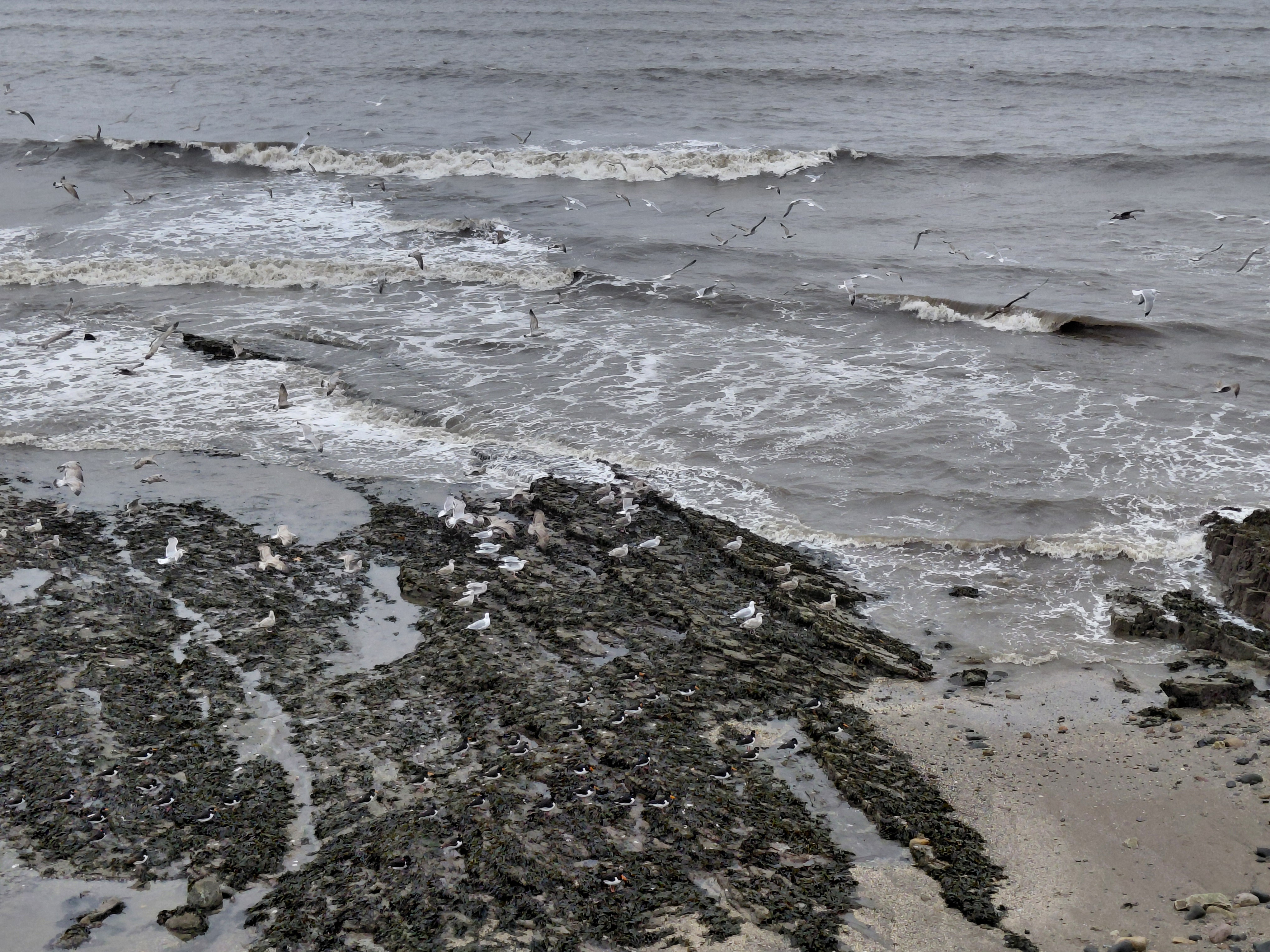
Granton (Brick) Beach, Edinburgh

This event has been thought up by Katie Smith from Granton Community Gardeners who is working to gather local knowledge about our wildlife and build a Granton nature restoration plan, and Tamsin Grainger, local walking artist with an interest in local history and community wellbeing.

Cost: Free (you can make a donation to cover costs if you would like to). Everyone is welcome including children and dogs. This walk will be manageable on wheels. We aim to be inclusive and open.

Hopefully, we will walk with representatives from and Edinburgh Shoreline

Seaside City: revisiting the history of Edinburgh’s coastline

A Scottish Historic Buildings Trust evening event on November 12, 2025 at Riddles Court, Edinburgh with Tamsin Grainger and Dr Jonathan Gardner. Ticket link

Stretching from the River Almond to the River Esk, Edinburgh’s remarkable coastline runs from one of the few Roman ruins in Scotland to buried quarries and beaches made entirely from the rubble of the city’s demolished buildings. Through docks and ports to beach resort, nature and culture, past and present are brought together in diverse ways. 

This part of the city has enjoyed something of a revival of interest over the past few years: esplanade, beach, and shore, making new lungs for the city. How might engaging with this oldest and most ephemeral boundary of the city help us re-imagine it anew?

Jonathan Gardner is a contemporary archaeologist and critical heritage studies researcher. His work examines processes of recent and contemporary large-scale landscape transformations in the UK using archaeological methods, with his current research looking at the longstanding exploitation of Scottish hydrocarbon resources as a form of contested heritage. Gardner’s talk, ‘Washed up on the beach: revisiting the heritage of Edinburgh’s coastline‘, aims to provide an overview of some of the history and heritage of the city’s coastline and its importance for thinking about the city of the future.

Granton / Royston / the ‘Brick’ beach ©Tamsin Grainger

Tamsin Grainger is a Walking Artist and writer. Her recent work, ‘Walking Like a Tortoise’, explored the edge of Granton using maps from 1870 to the present day, each showing a different boundary line, and collected stories of peoples’ heritage and local history. This work asked, ‘How are the people who live in Granton related to each other, the wider area, and the rest of the world?’ and became an enquiry into the links between geography and community, into mapping and belonging.

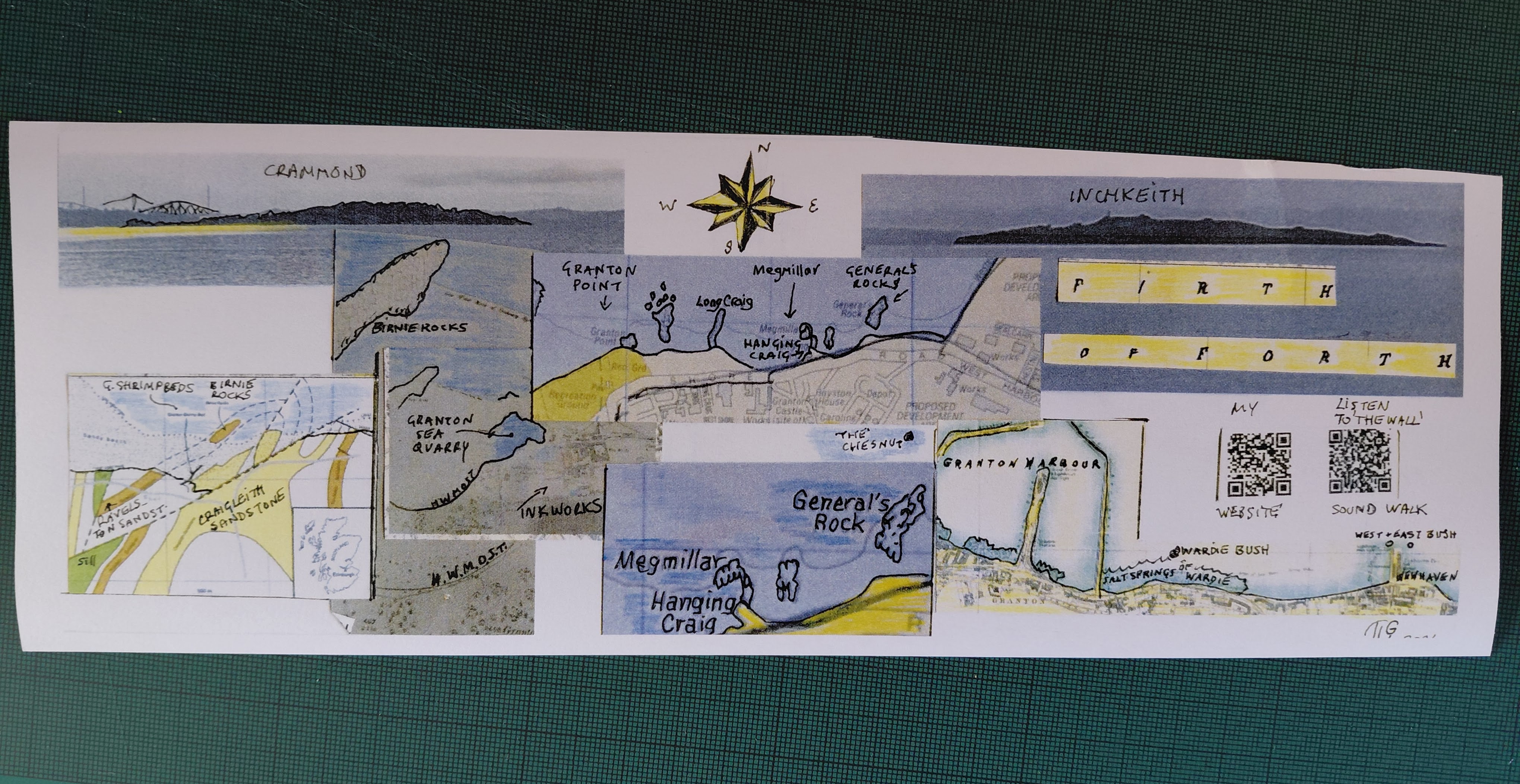
1896 Granton map (annotated to show the Granton Burn and nearby wells and springs)

Tamsin’s talk, ‘A walk along the Granton Burn, from Hill to Sea’ follows a newly created map that traces the Burn’s journey from Corstorphine Hill Tower to the sea, reflecting May East’s* advice not to rely on old maps when navigating changing urban landscapes.

The Granton Burn, detail (in progress) ©Tamsin Grainger

*May East

You may also like:

The Granton Boundary

Pilgrimage for COP26

Patrick Geddes (Wiki)