Deep Encounters: Edinburgh

Deep Encounters is a Walking the Land project conceived of by Janette Kerr, and includes me, Zoe Ashbrook, Ruth Broadbent, Alison Berrett, Sara Dudman, Ffin(V C Price), Richard Keating, Melinda Hunt, Rachel McDonnell, Amanda Steer, Sally Stenton and Molly Wagner.

Deep Encounters is a multifaceted mapping of a small piece of land involving artists working in different areas/locations. At its centre is the perception of a space in a much more intricate way than normal.

Janette Kerr
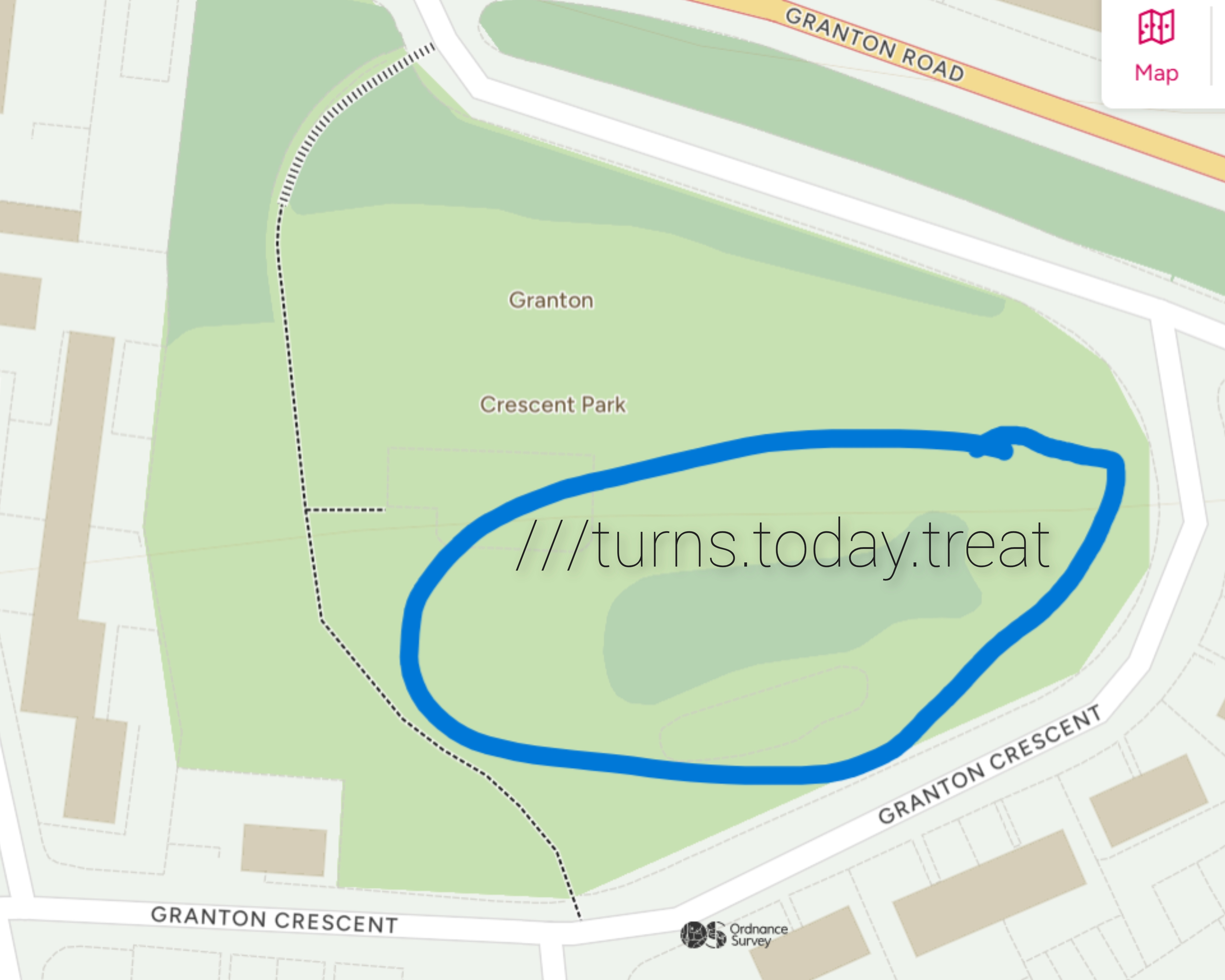
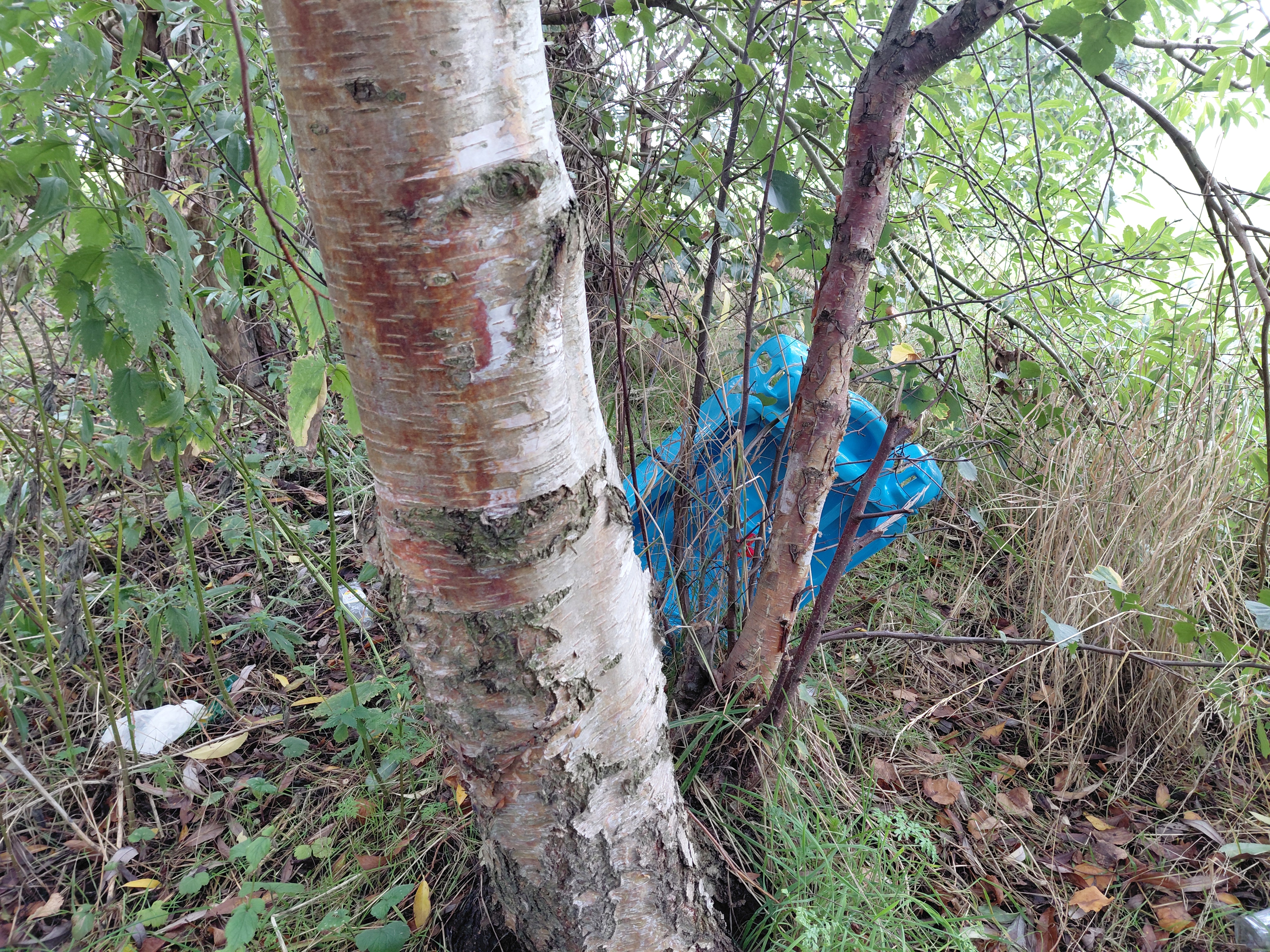
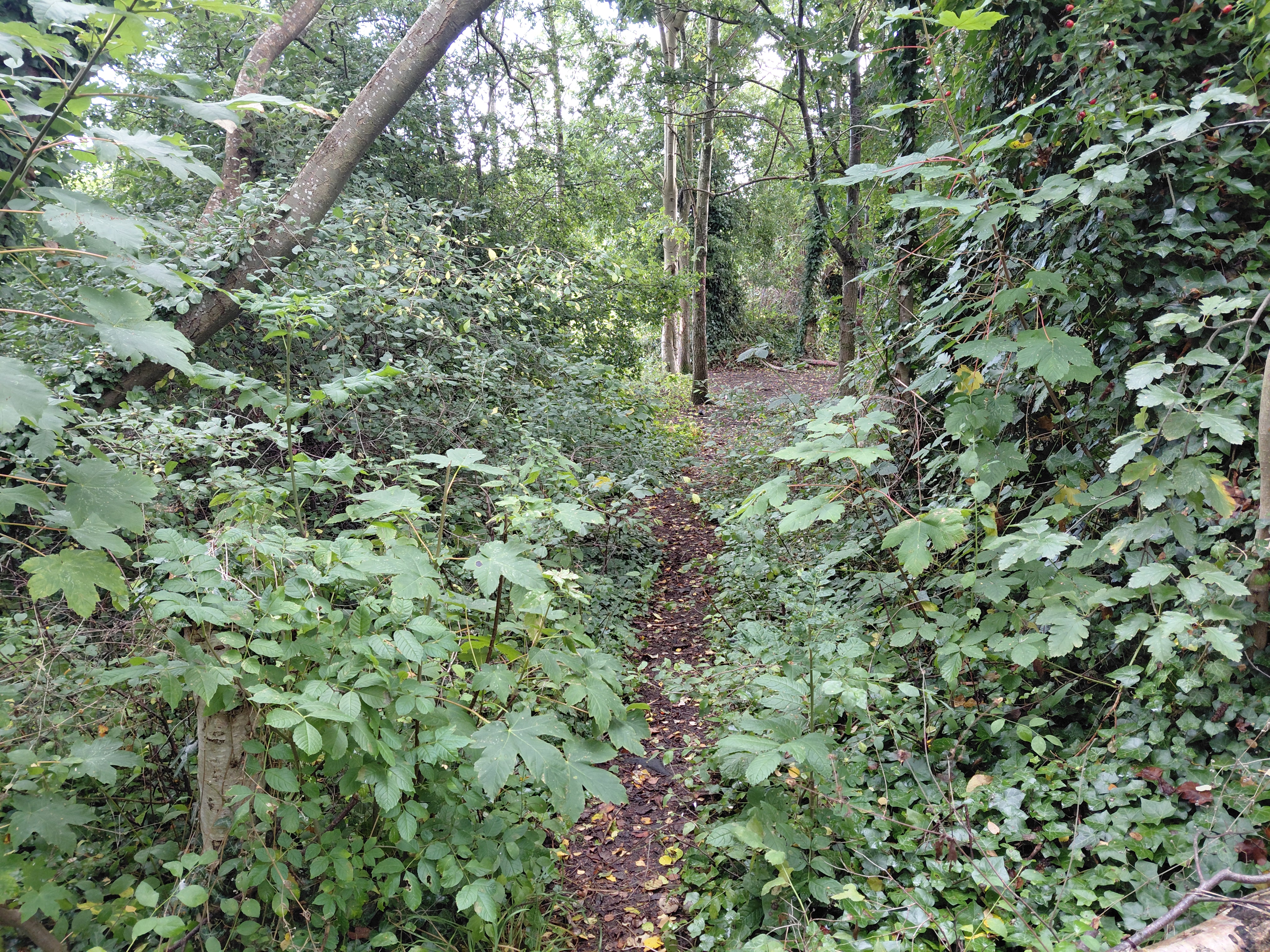
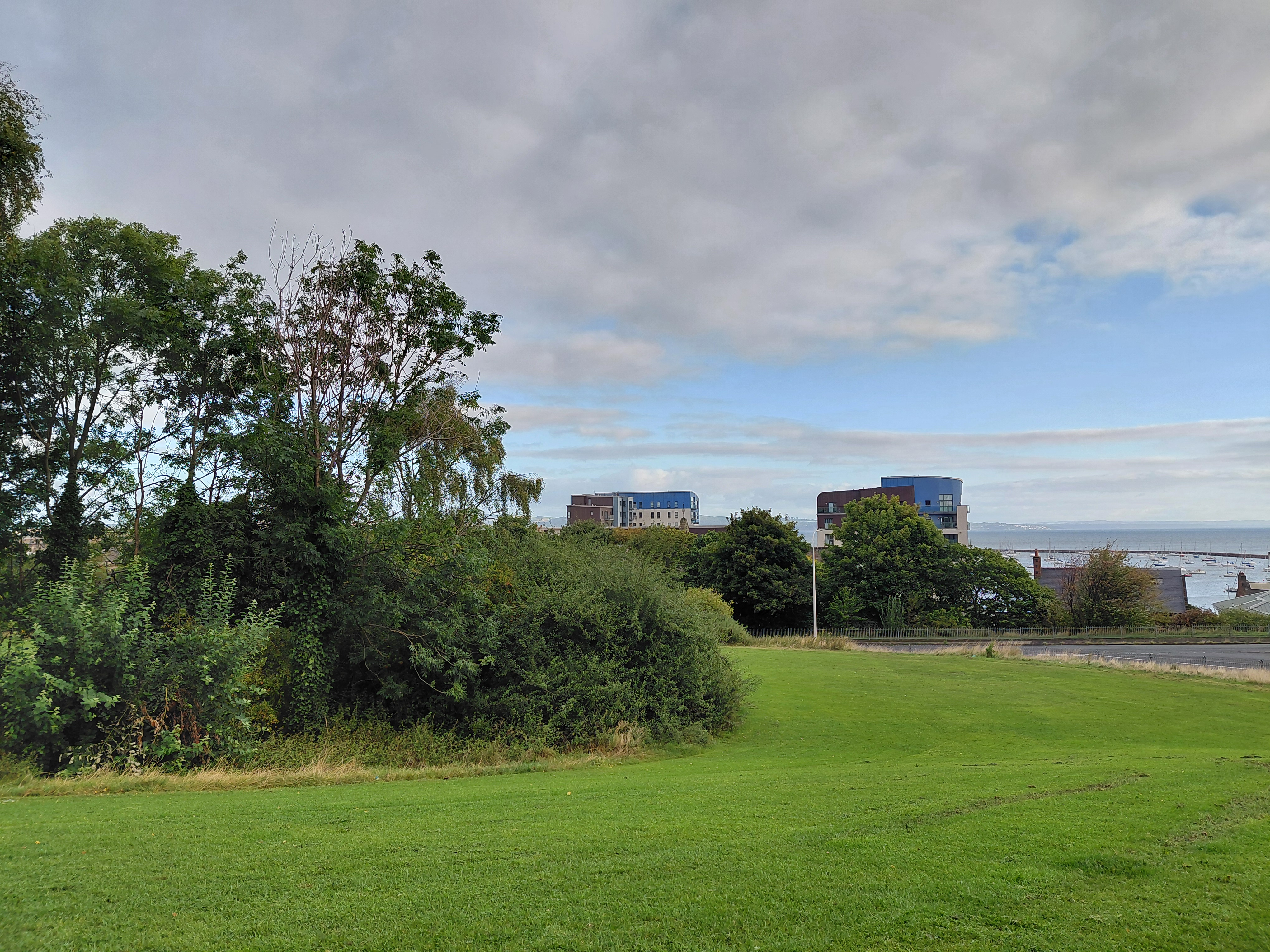
There is a patch of woodland in the municipal park near my house where I walk regularly. It is in the middle of a residential area, overlooked by many tenement flats, and the trees in it have a view of the sea. To one side there is a newer coppice with smaller trees planted by the community.
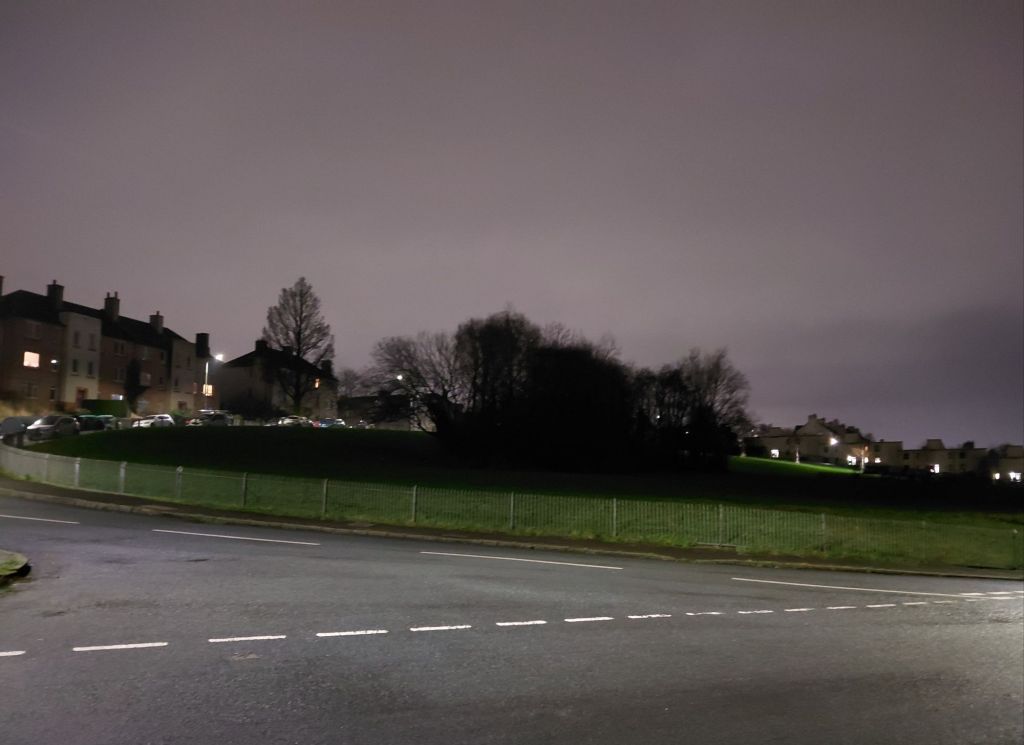
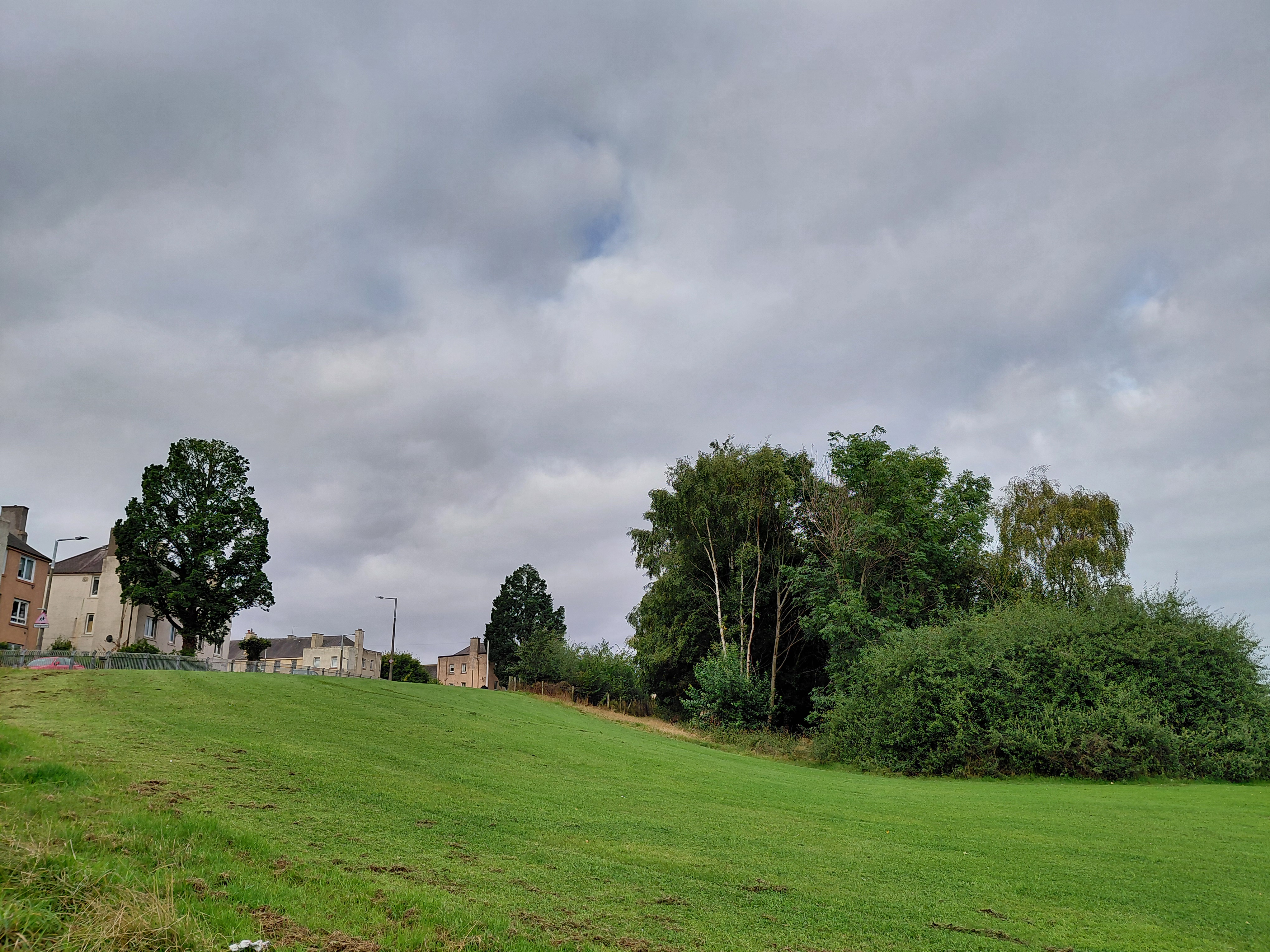
Dark Wood – surrounded by park grass, Wheatley Elm, tenements, and cars parked to the left. There are newer residential units that replaced the fisher families cottages to the right. 7am January 2026

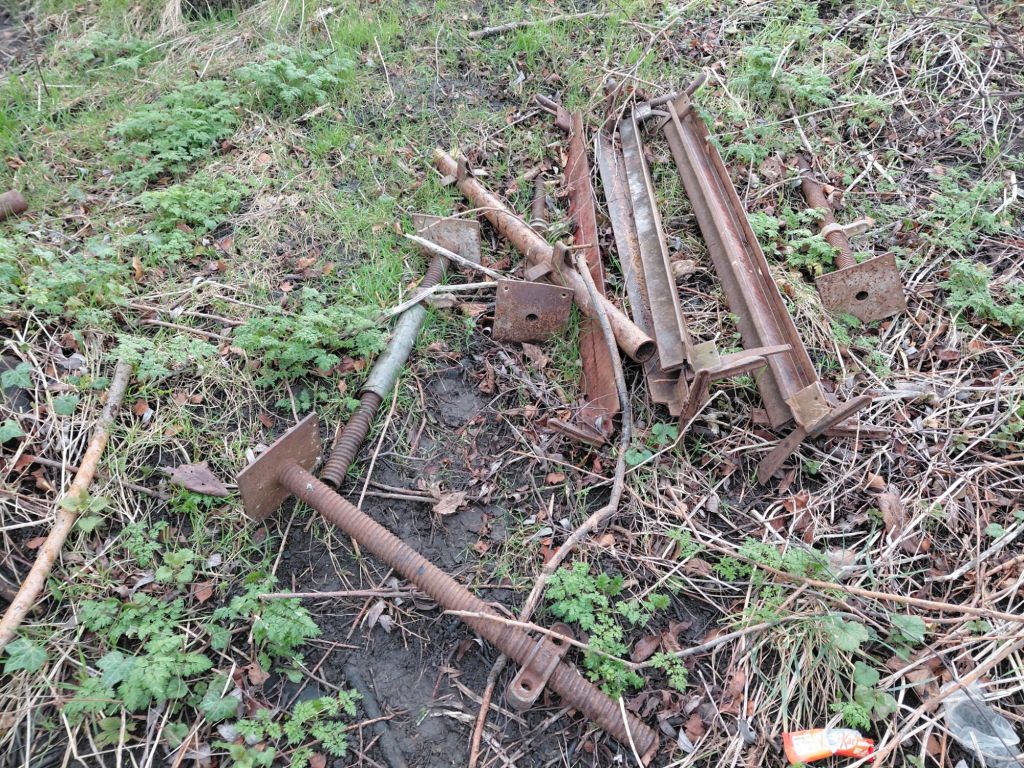
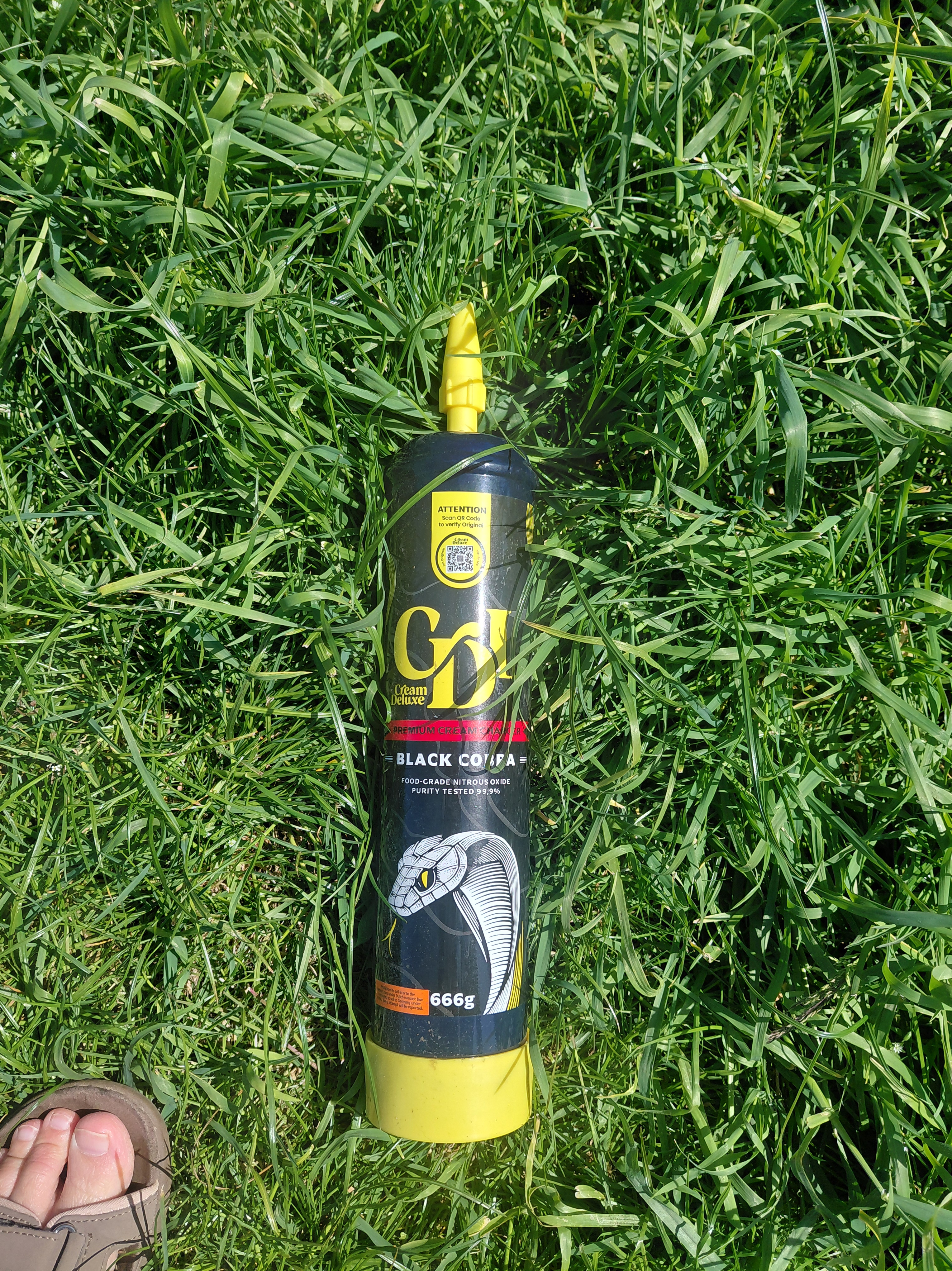
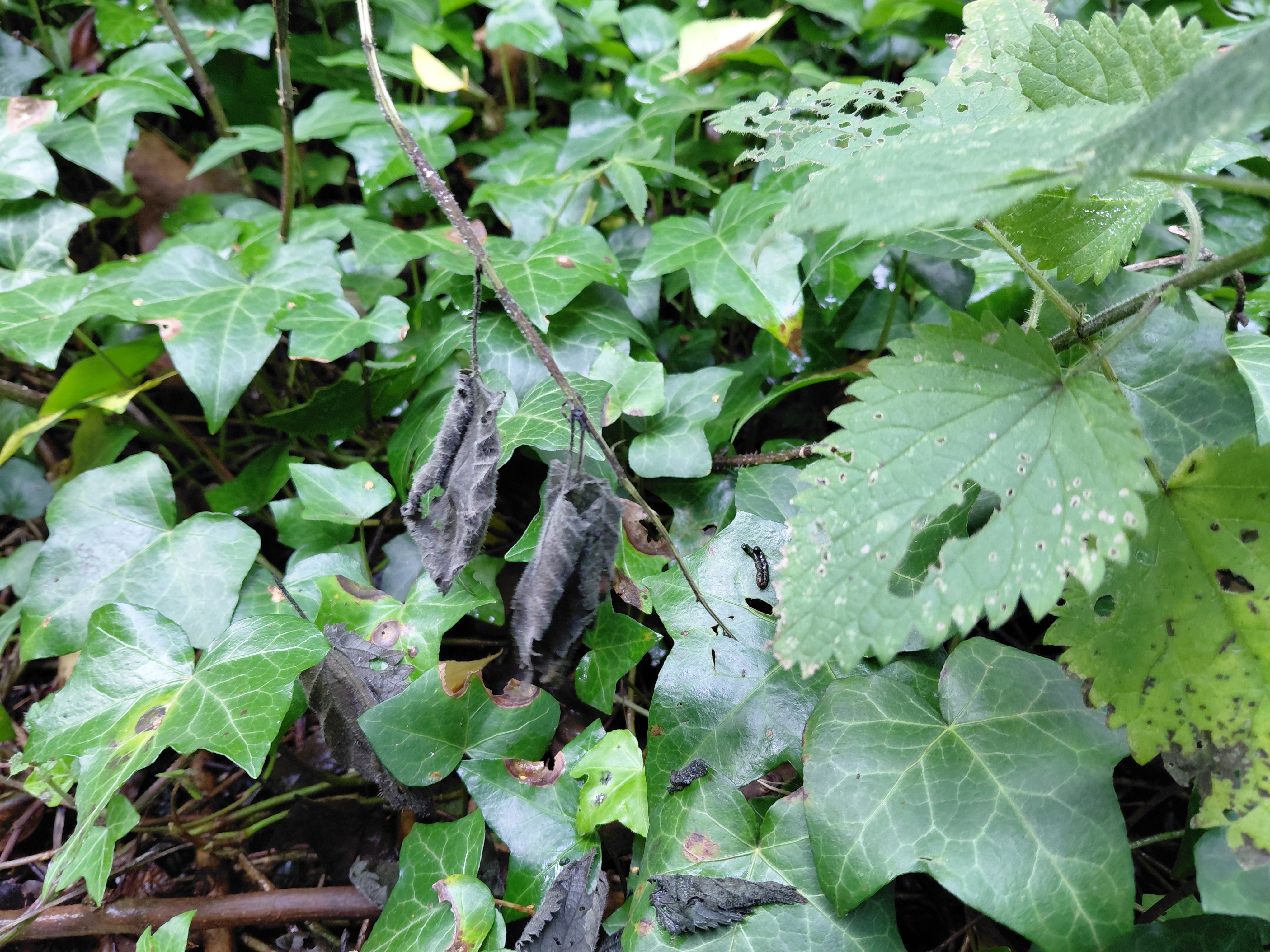
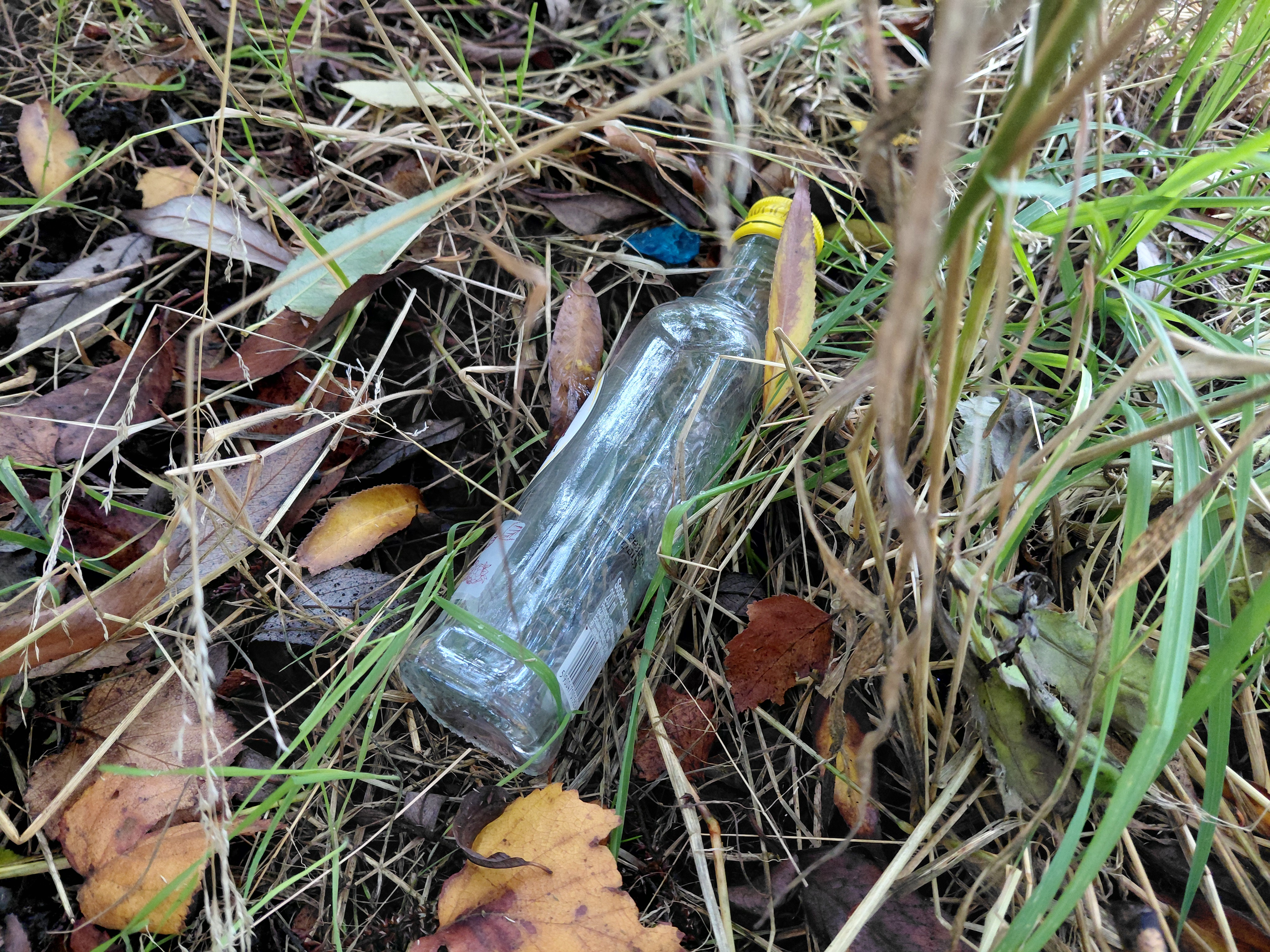
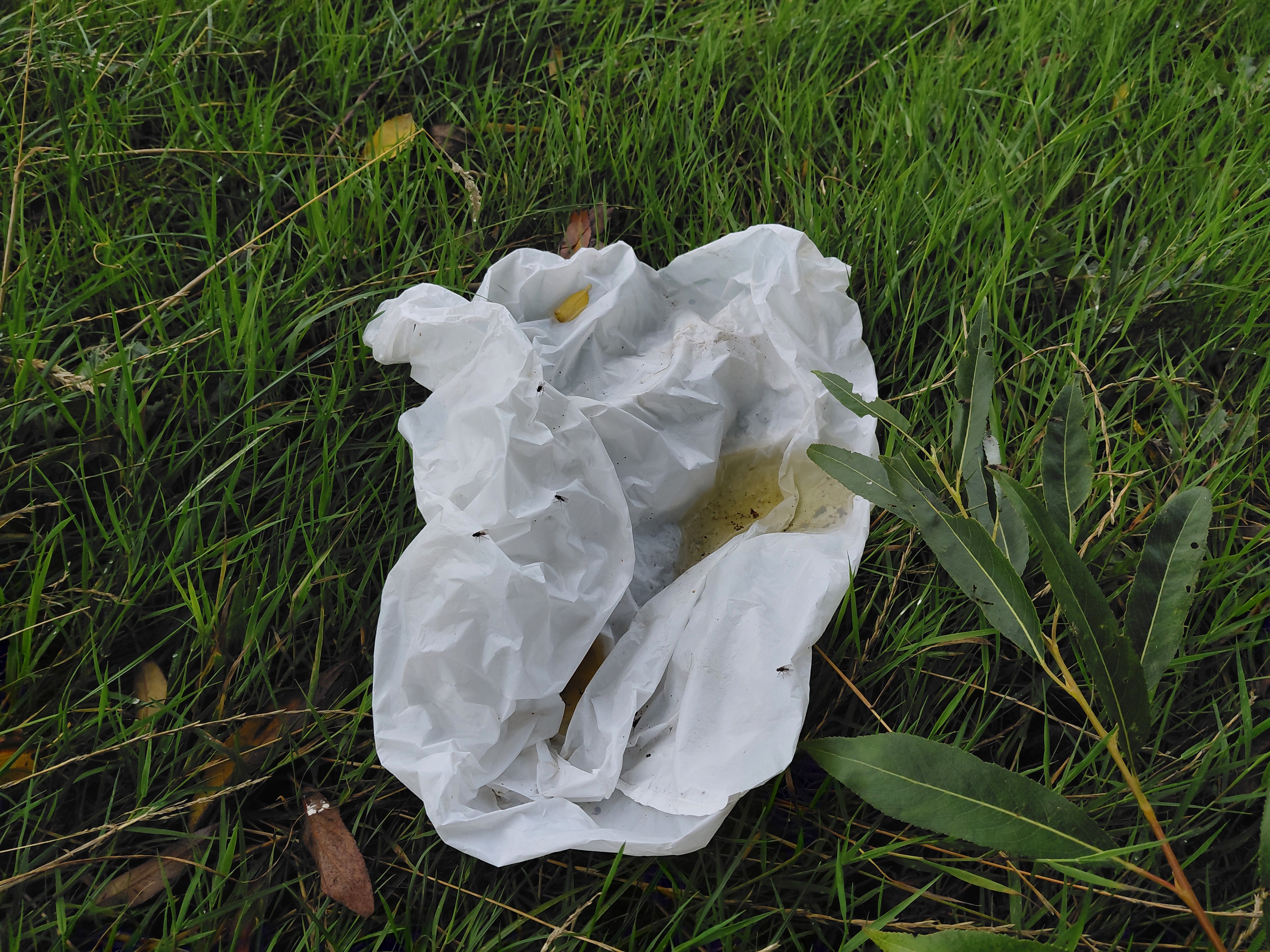
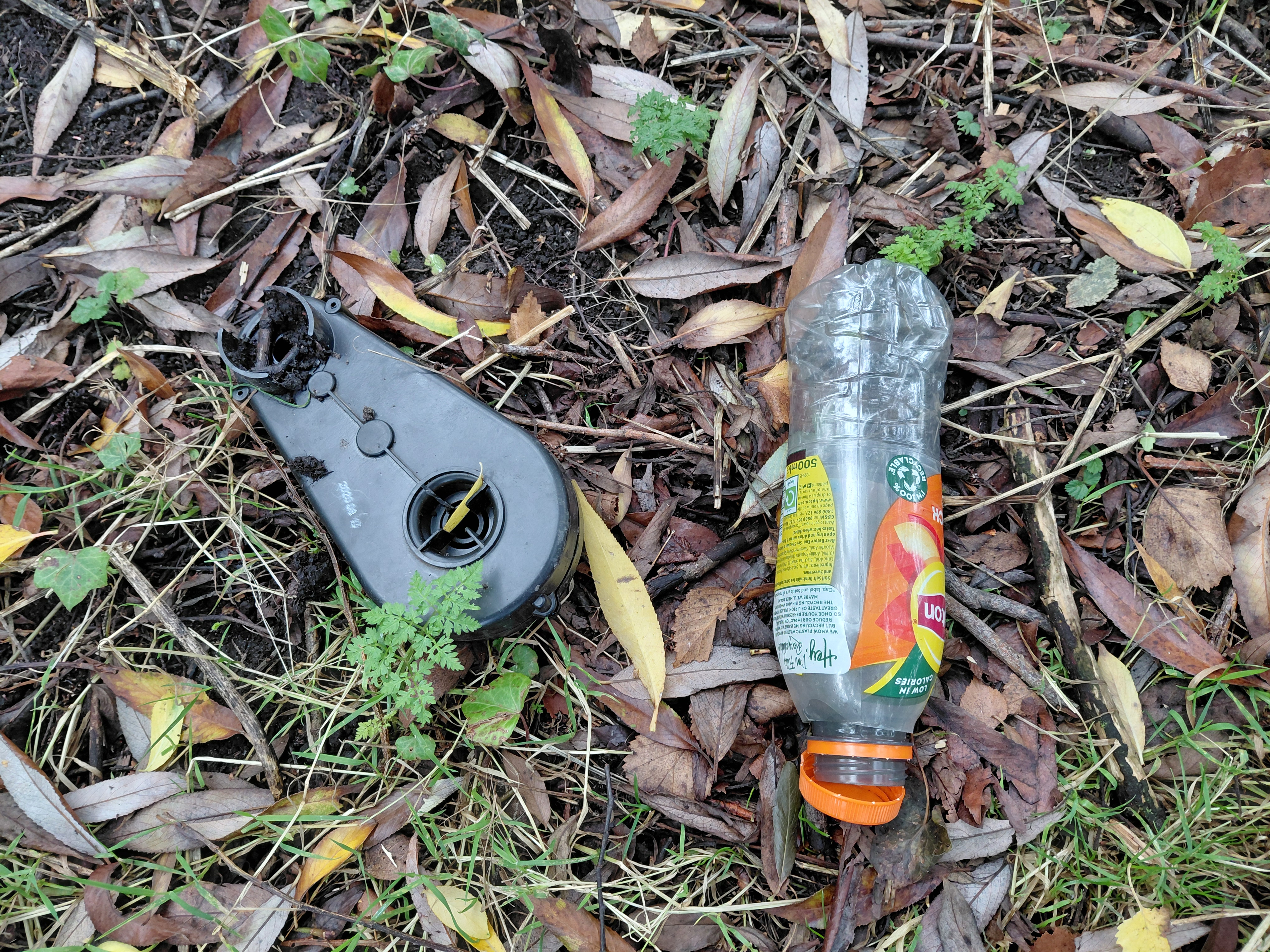
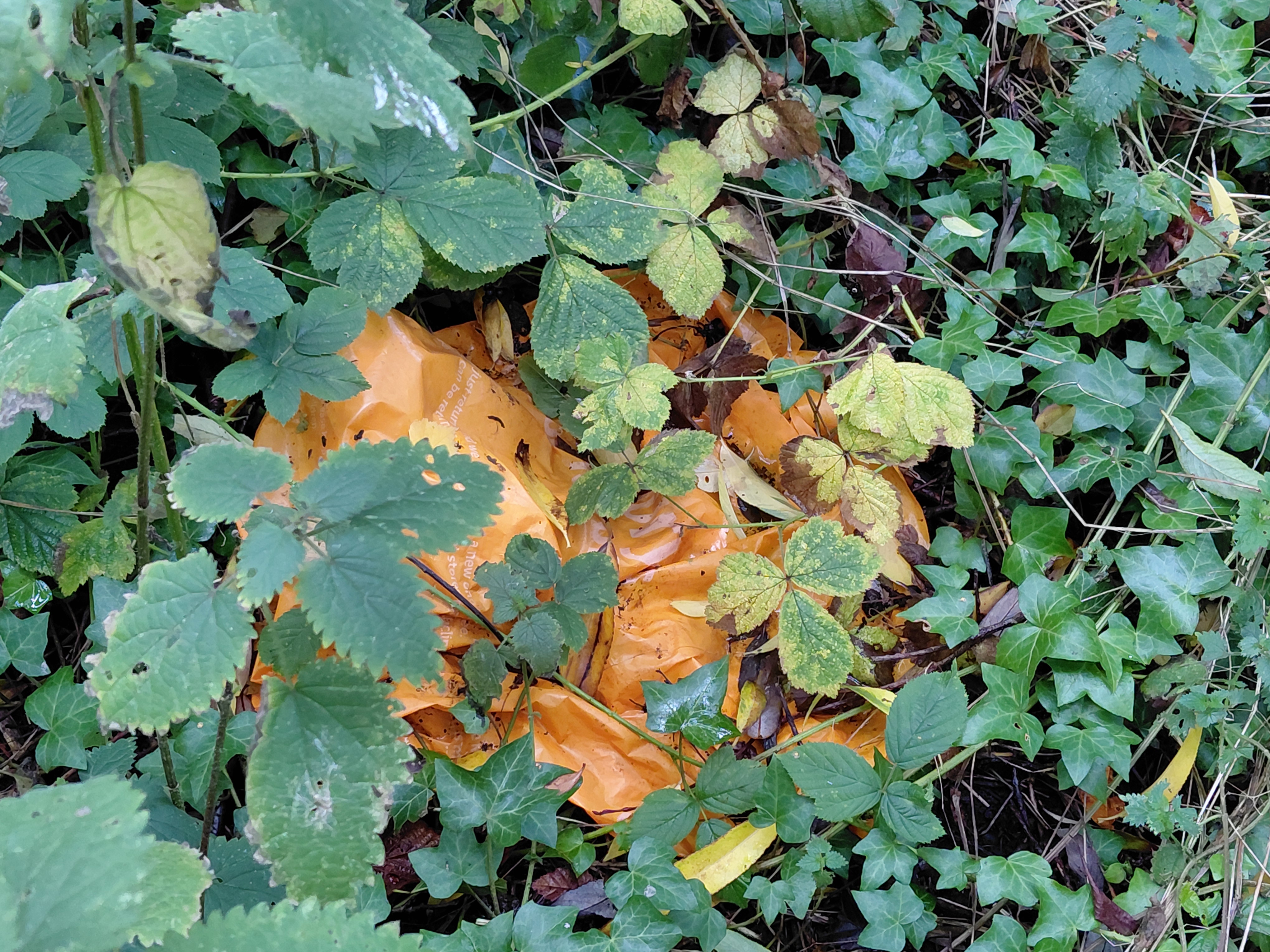
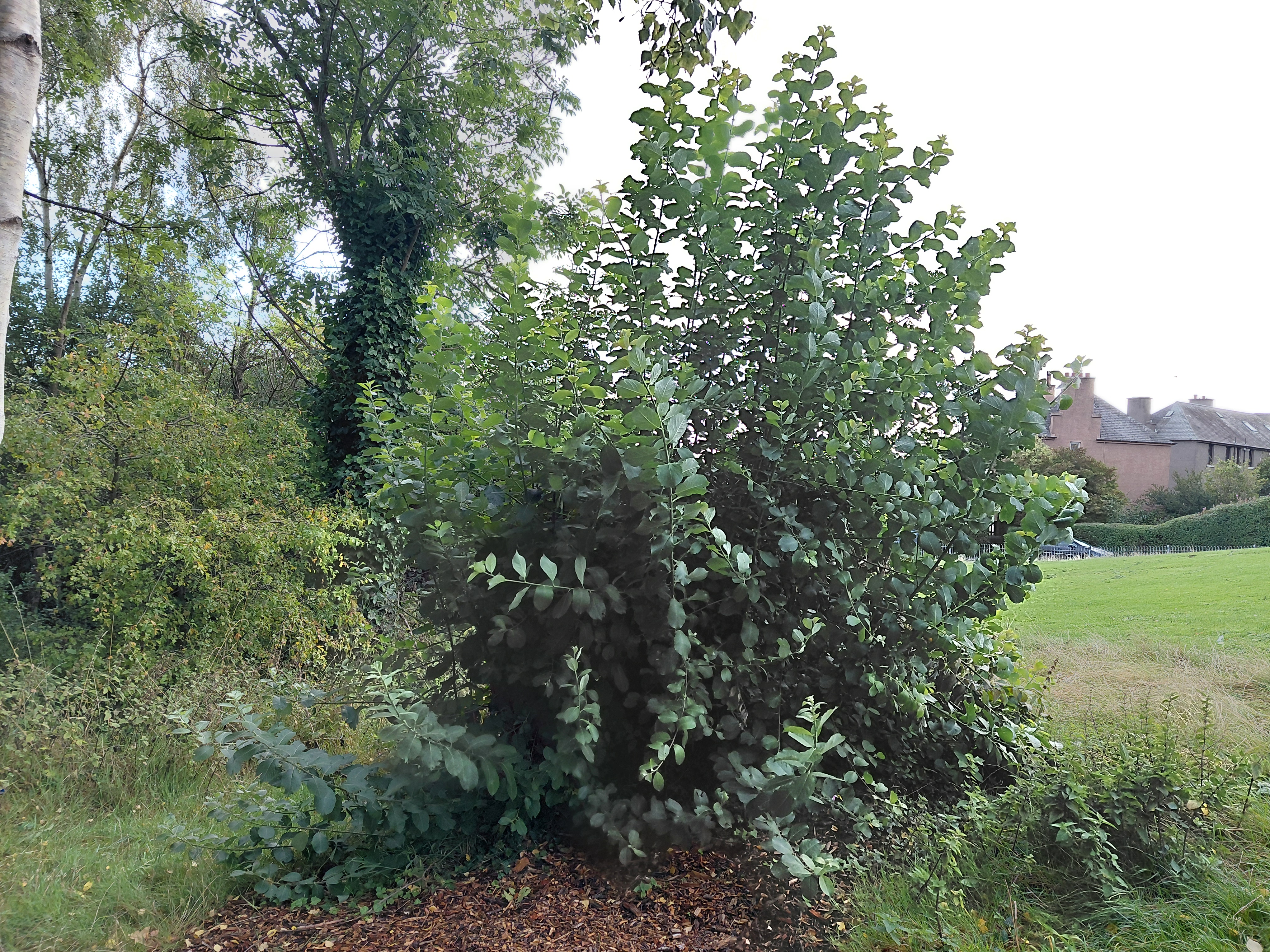
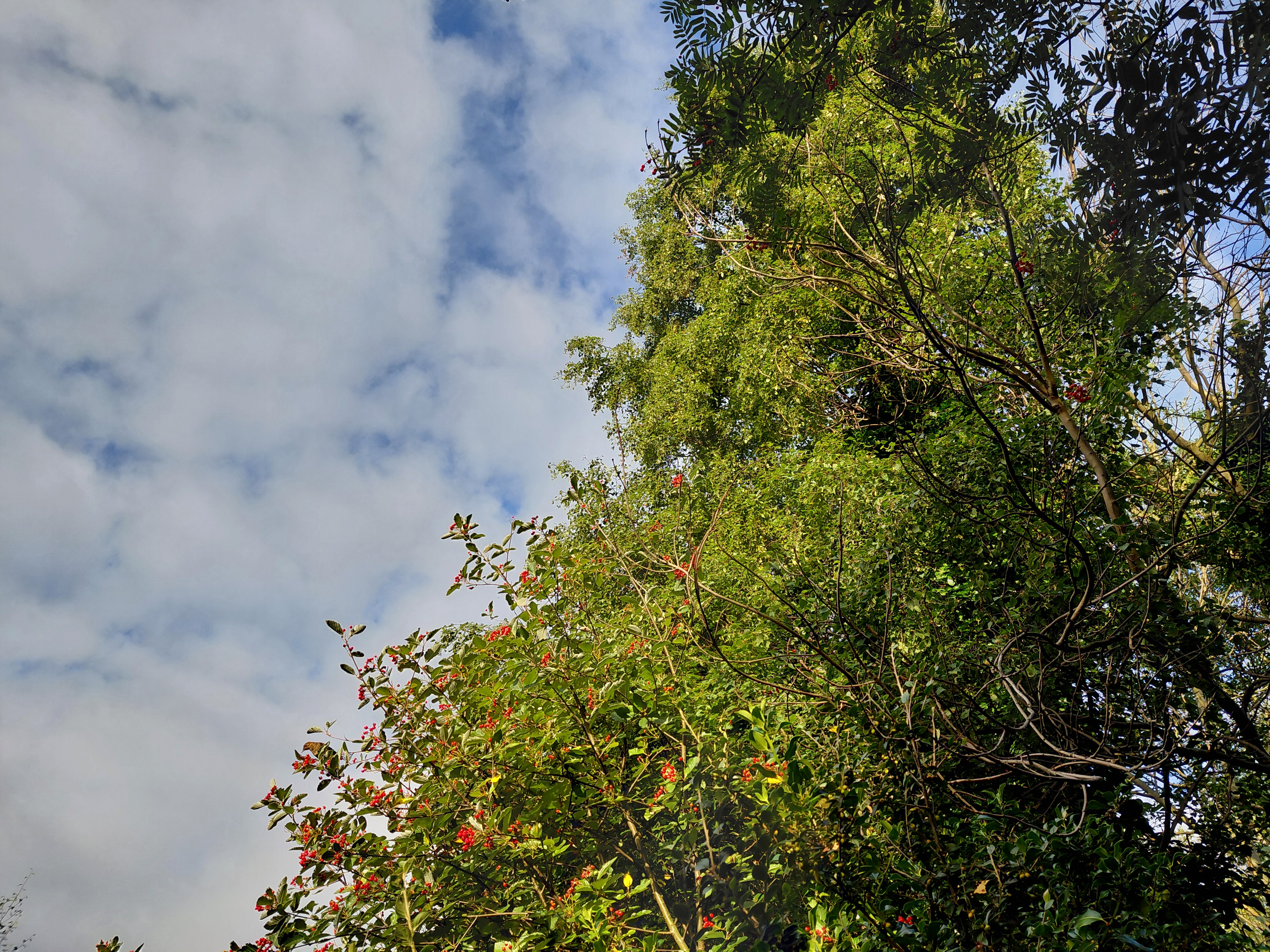
Surrounded by grass and a playpark, the woods are well-used, but not always respected, with a great deal of rubbish ending up there. There have been burnings, graffiti and other damage done. There is a great variety of trees and other undergrowth. Birds inhabit it and animals visit.
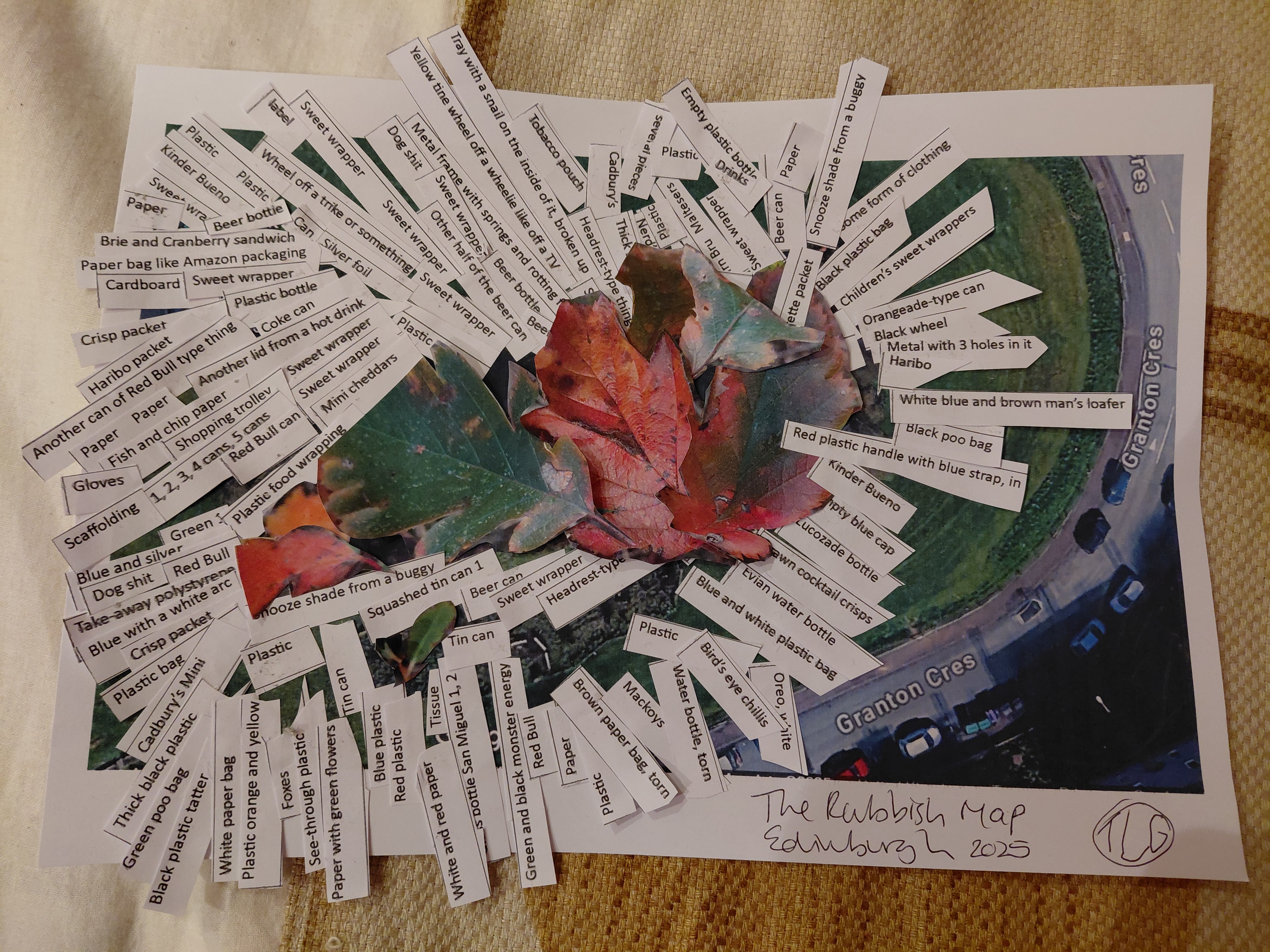
The Rubbish Map, made as part of Walking in Pairs 3 with Kristina Rothstein

Although I have spent some time at Granton Crescent Park in the past, my aim is to continue to show it some appreciation – after all, it is the closest I get to countryside here in the city. Paying attention to somewhere changes me and it may even be that I change it, although I would not seek to interfere. I will get to know the place further – listening, watching, touching, smelling and even tasting. The landscape and I will be in a more continuous relationship, and who knows what will arise. It will be interesting to see what artwork comes through as the seasons turn and we get used to each other.

Place work… From knowing-about to becoming-with

Rae Wilcox @greengreenteas

February update

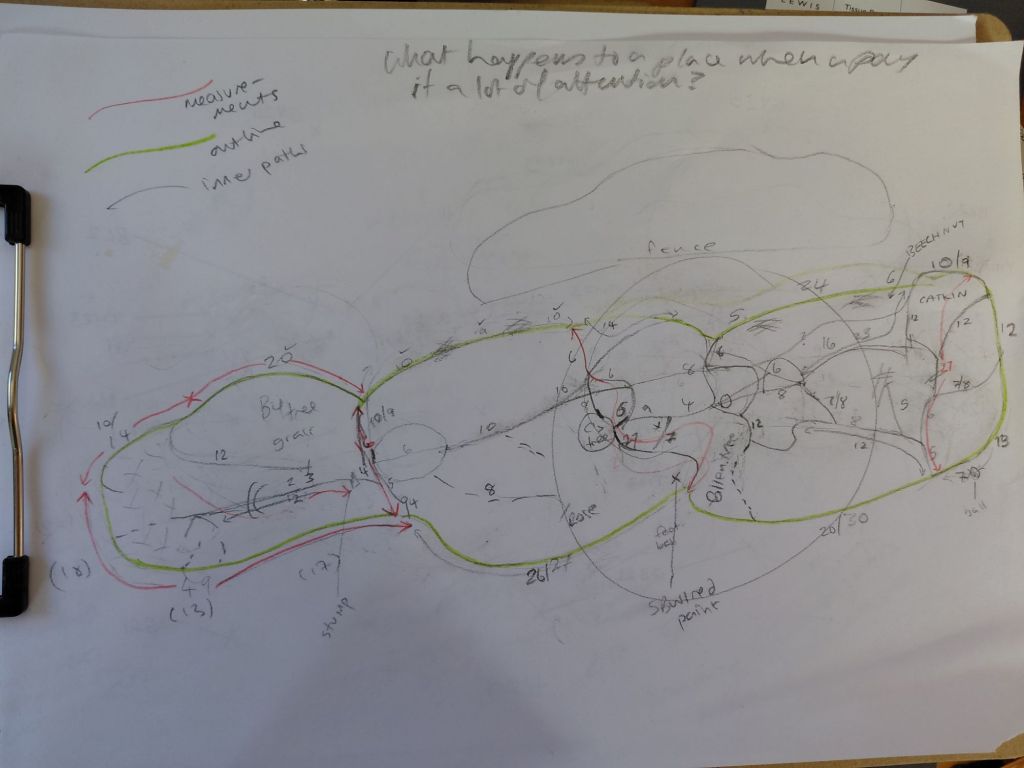
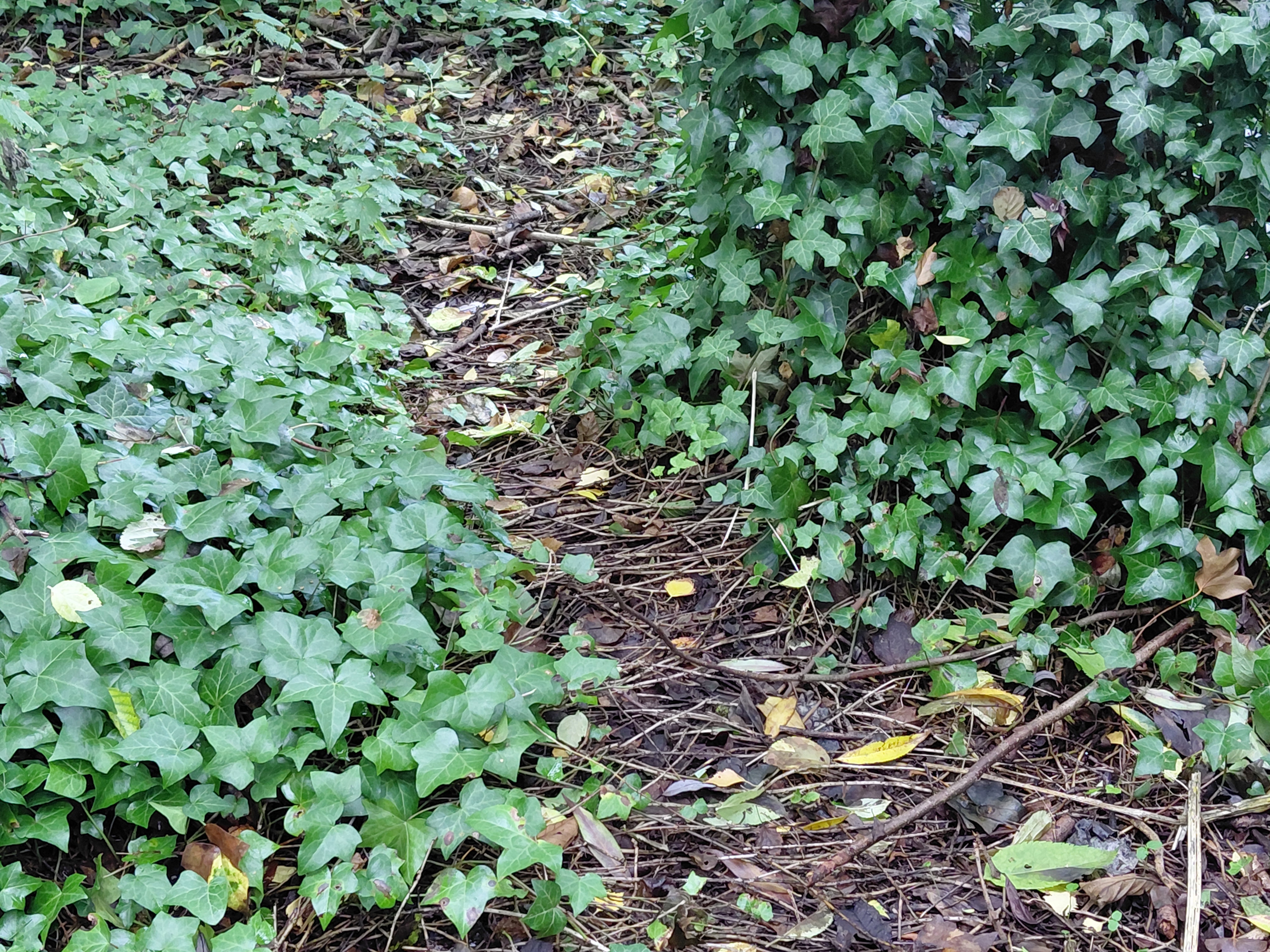
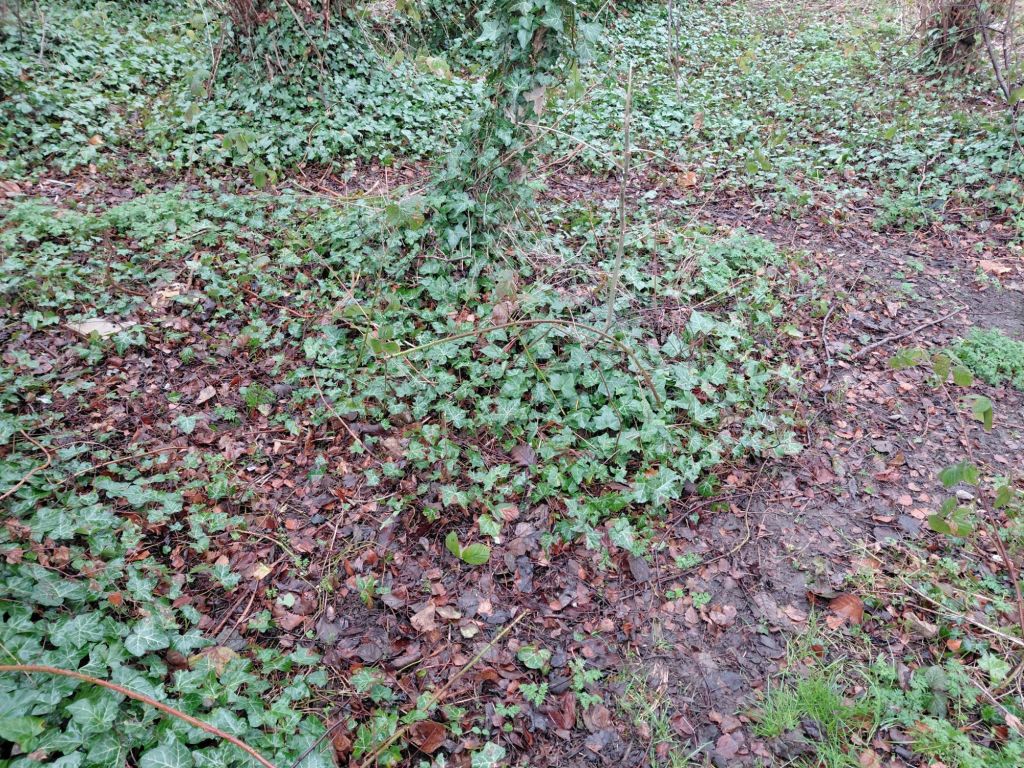
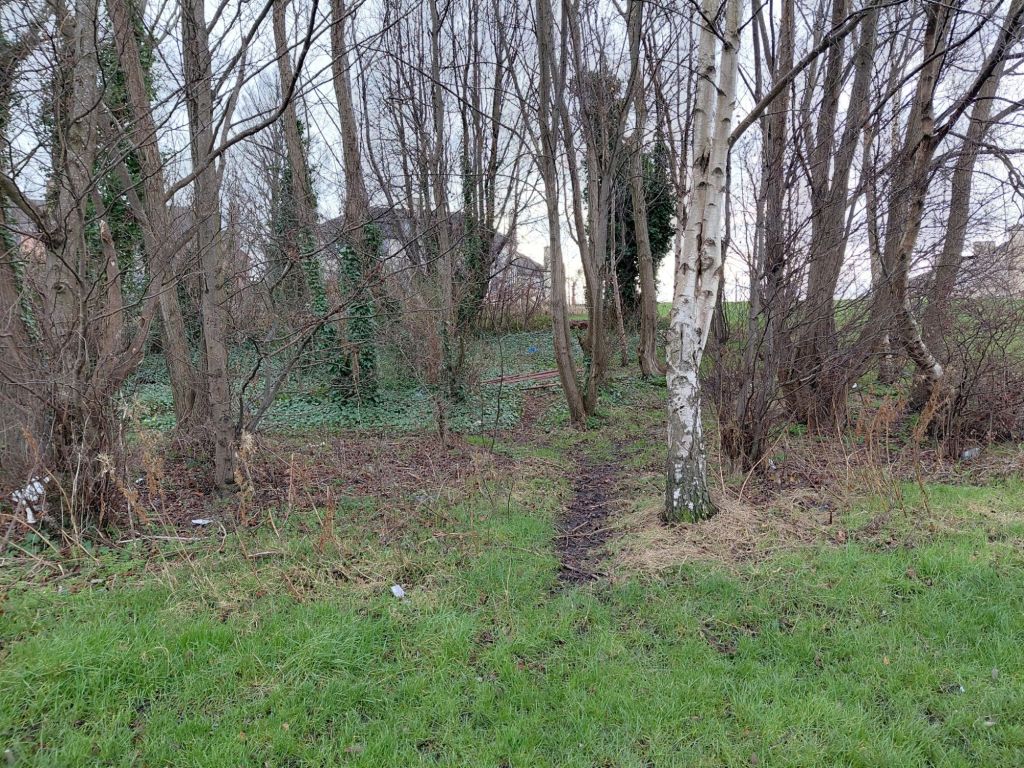
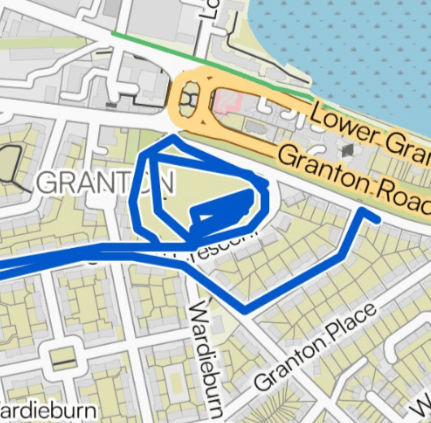
New mapping in progress: of animal and human desire lines before the Spring growth changes the patterns. Walking and walking, counting my paces, measuring and learning the land.
March Update

Standing still for long time meant that I wasn’t detected until the last minute

May update

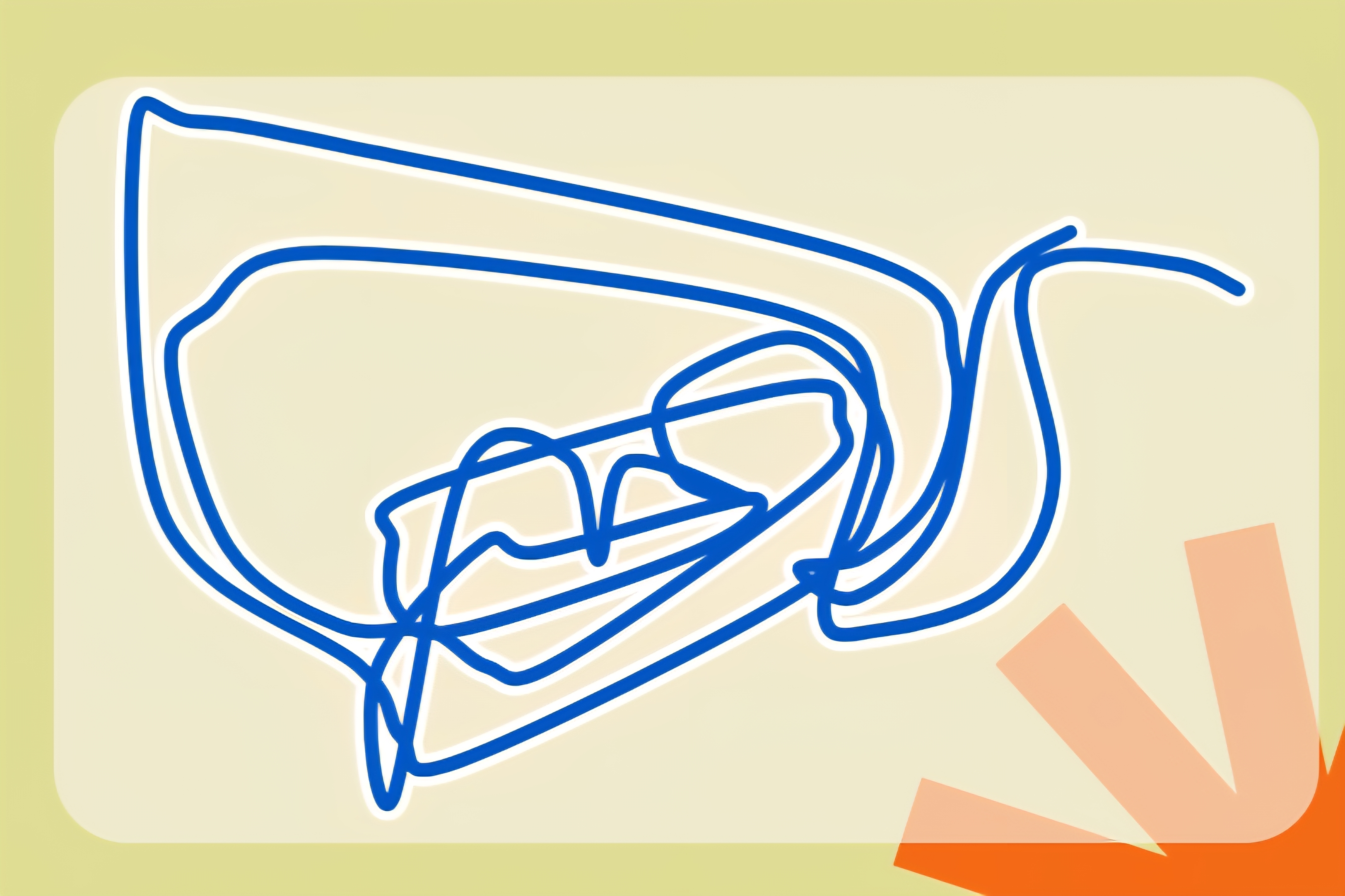
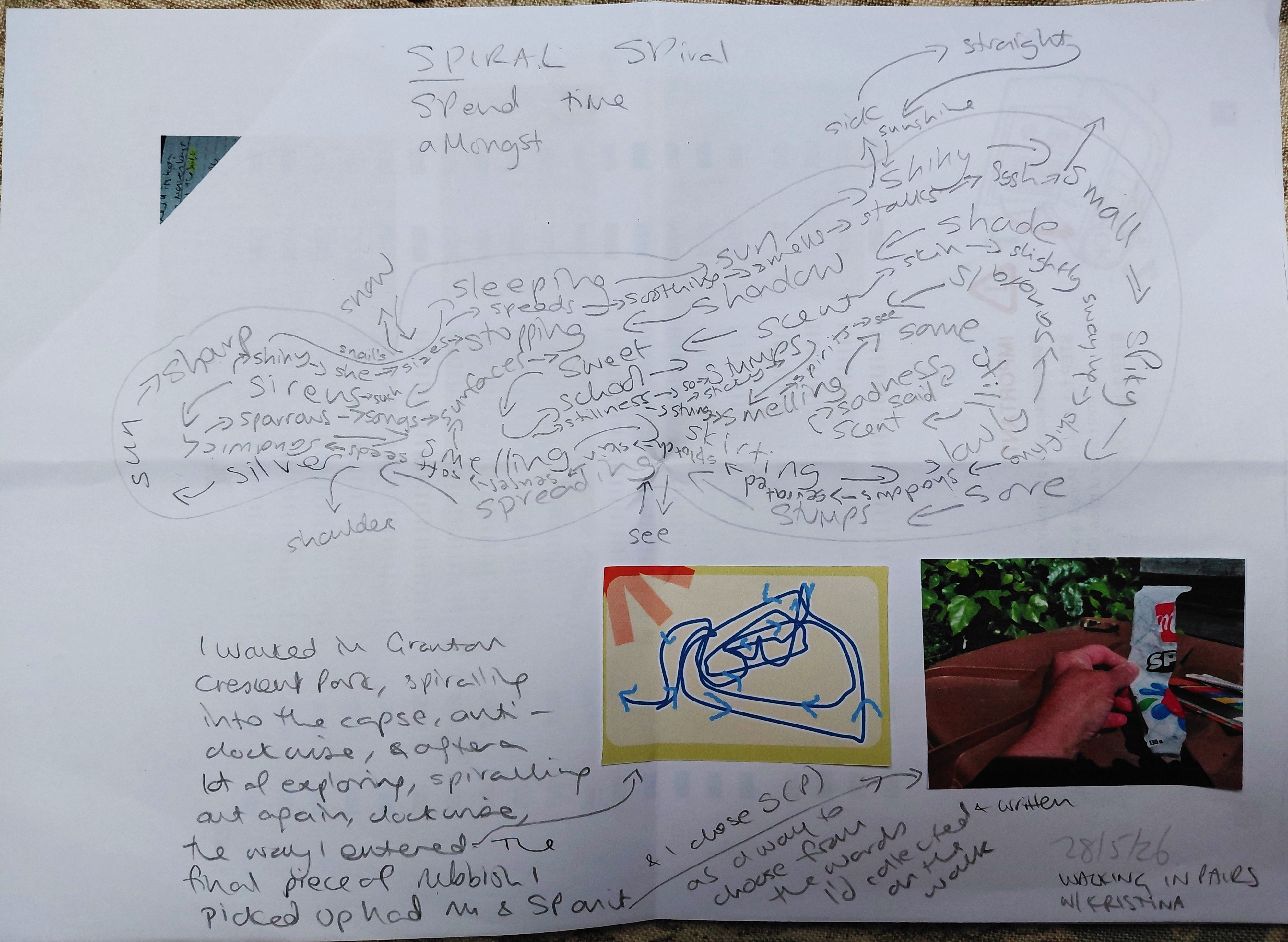
This was a Walking in Pairs walk with Kristina Rothstein. She was walking in Bristol, England and I in Edinburgh. I walked in Granton Crescent Park, spiralling into the copse, anti-clockwise, and after a lot of exploring, spiralling out again, clockwise, the way I entered. The final piece of rubbish I picked up had M and SP on it, and I chose S(P) as a way to choose from the words I’d collected and written on the walk.
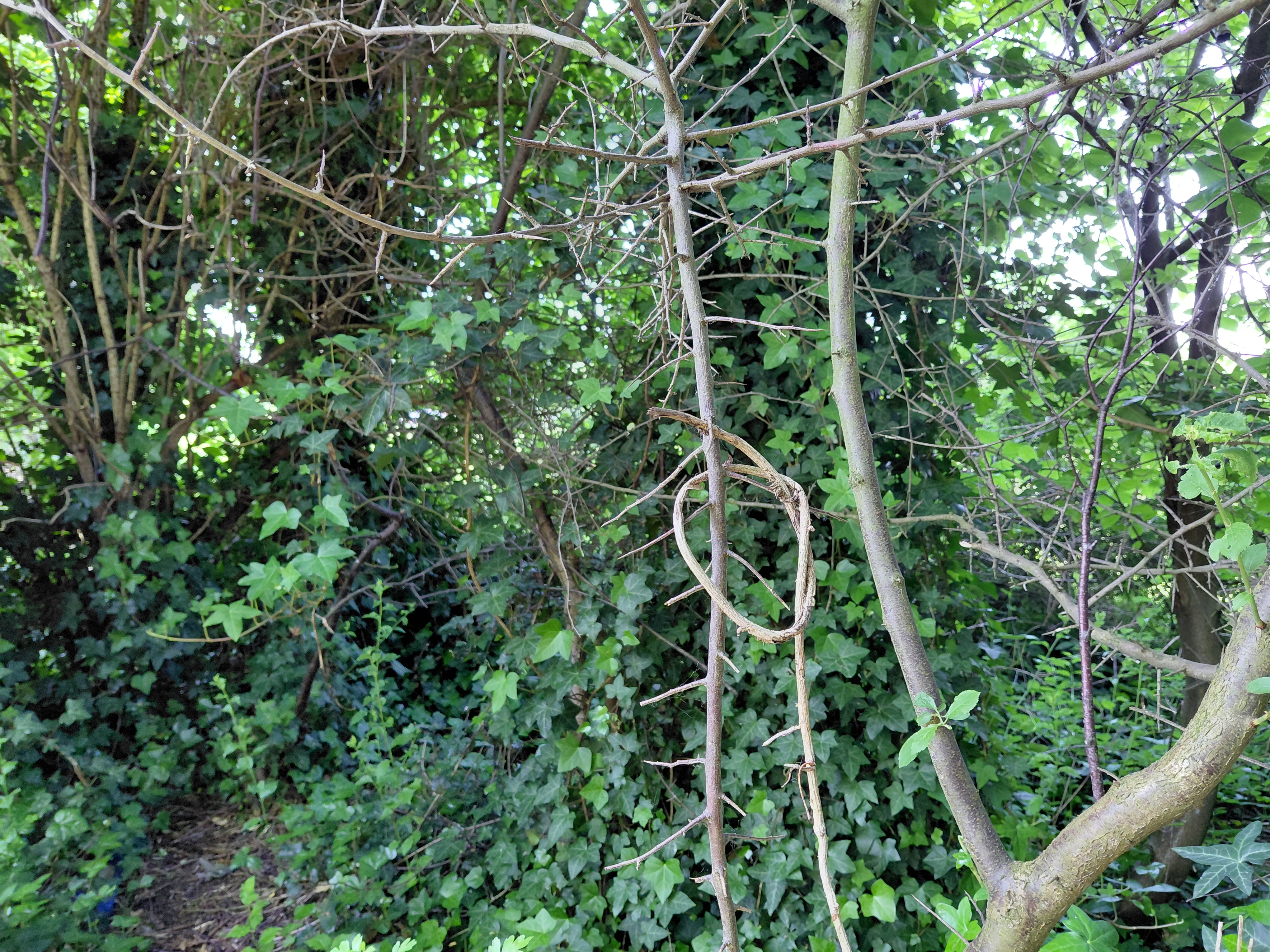
September 2026
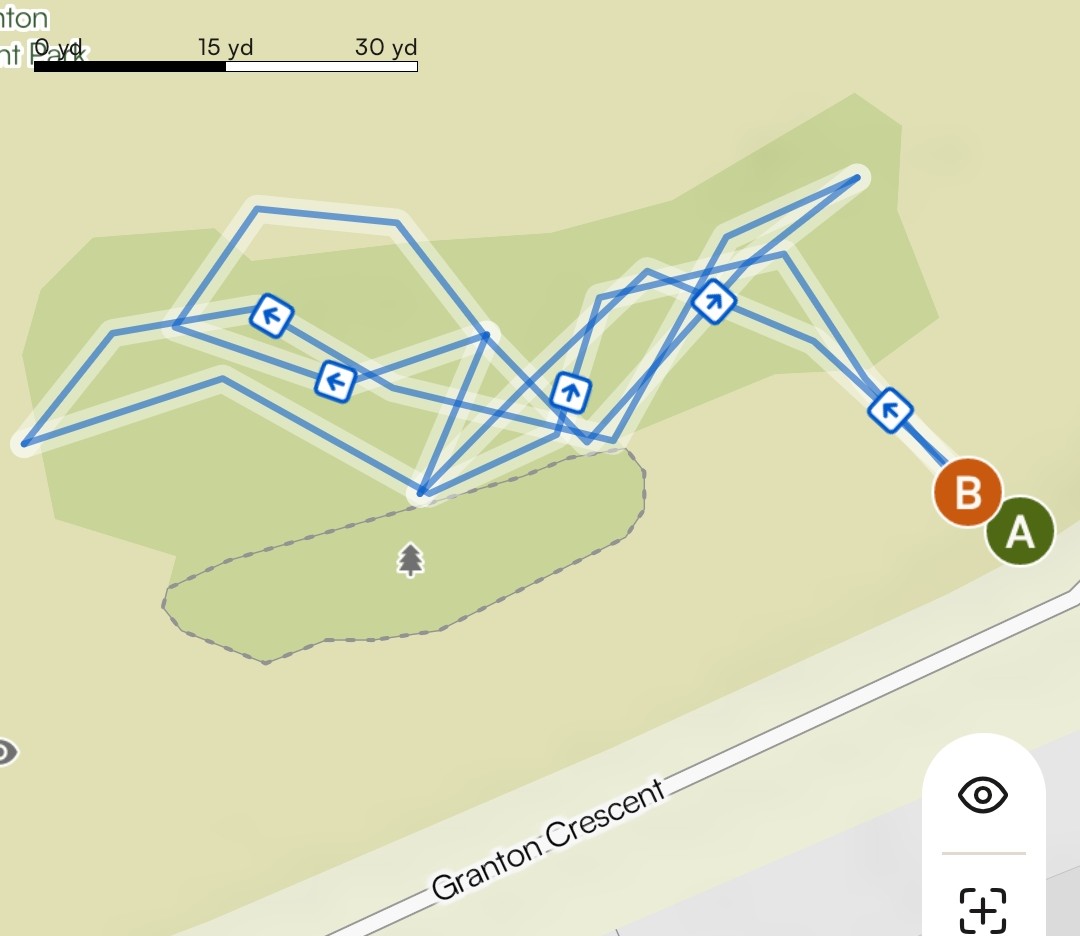
October update

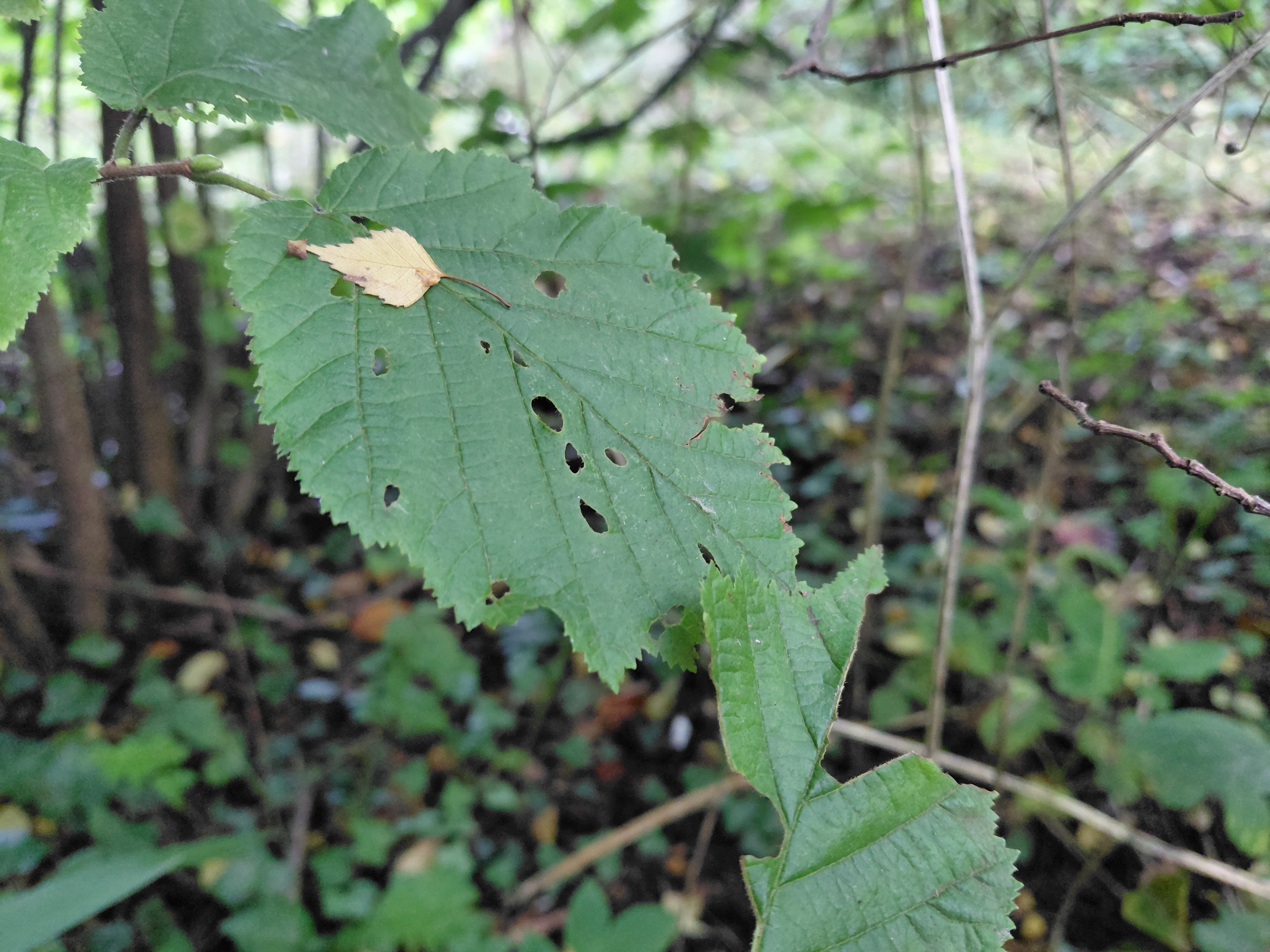
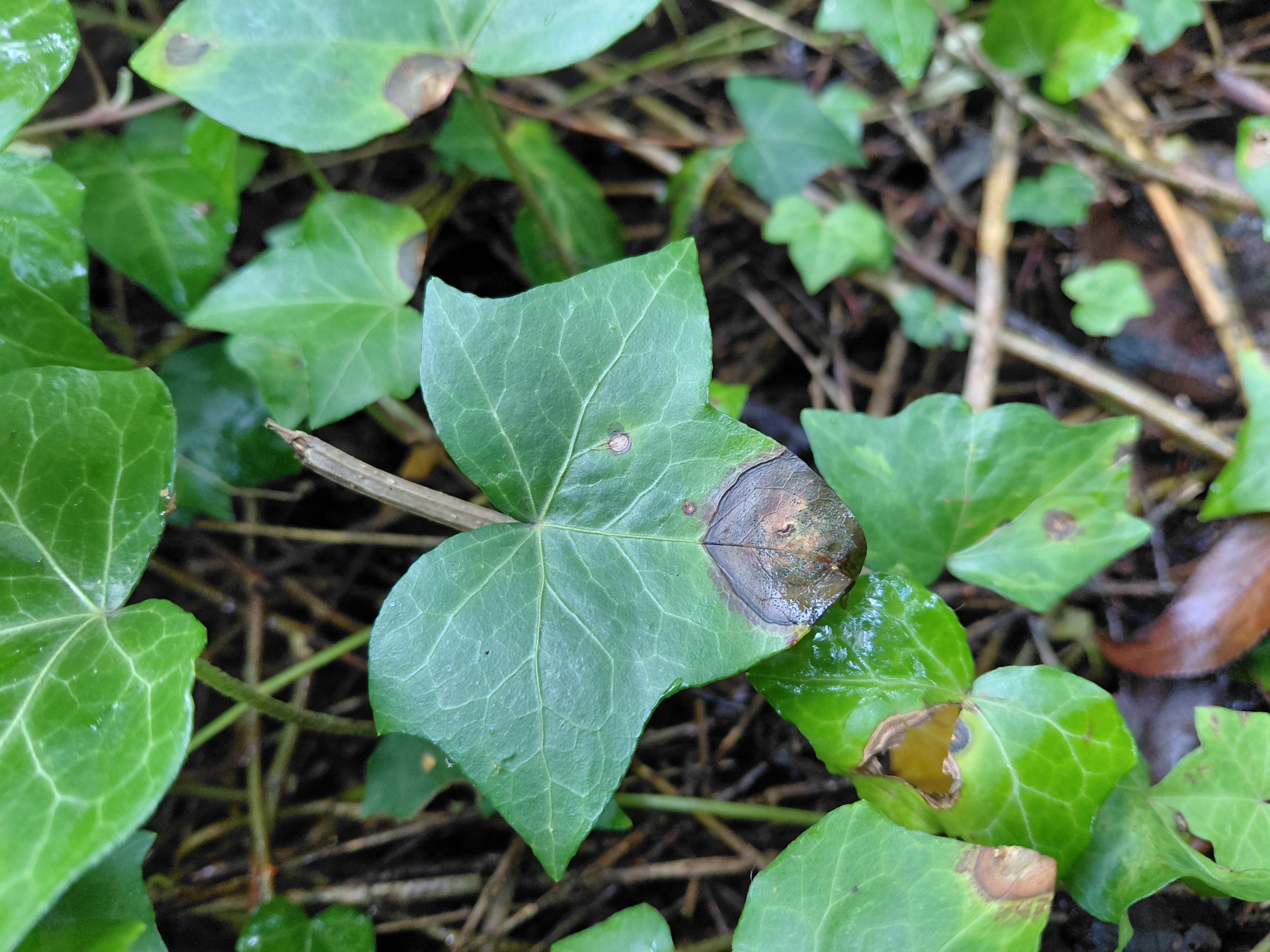
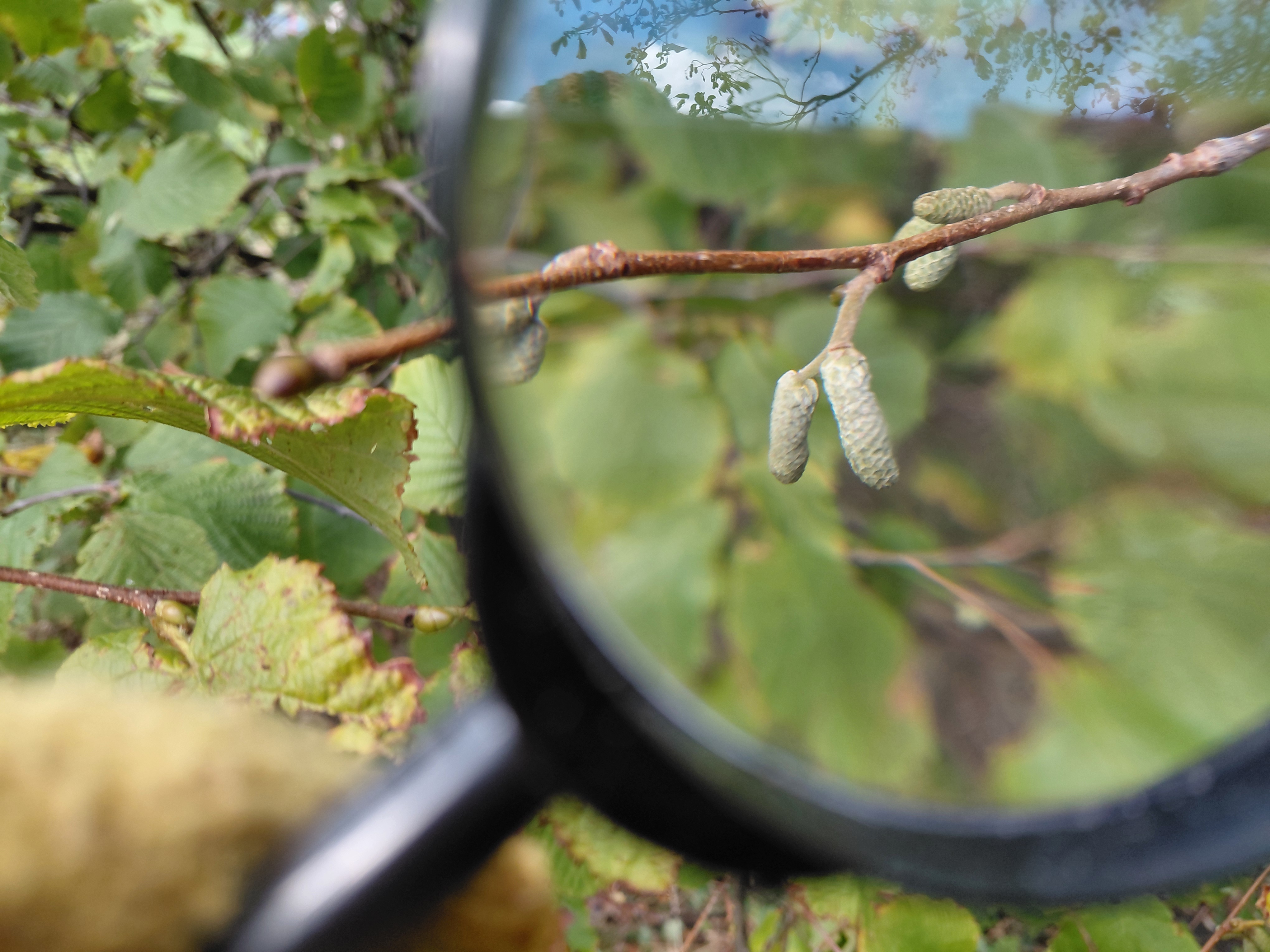
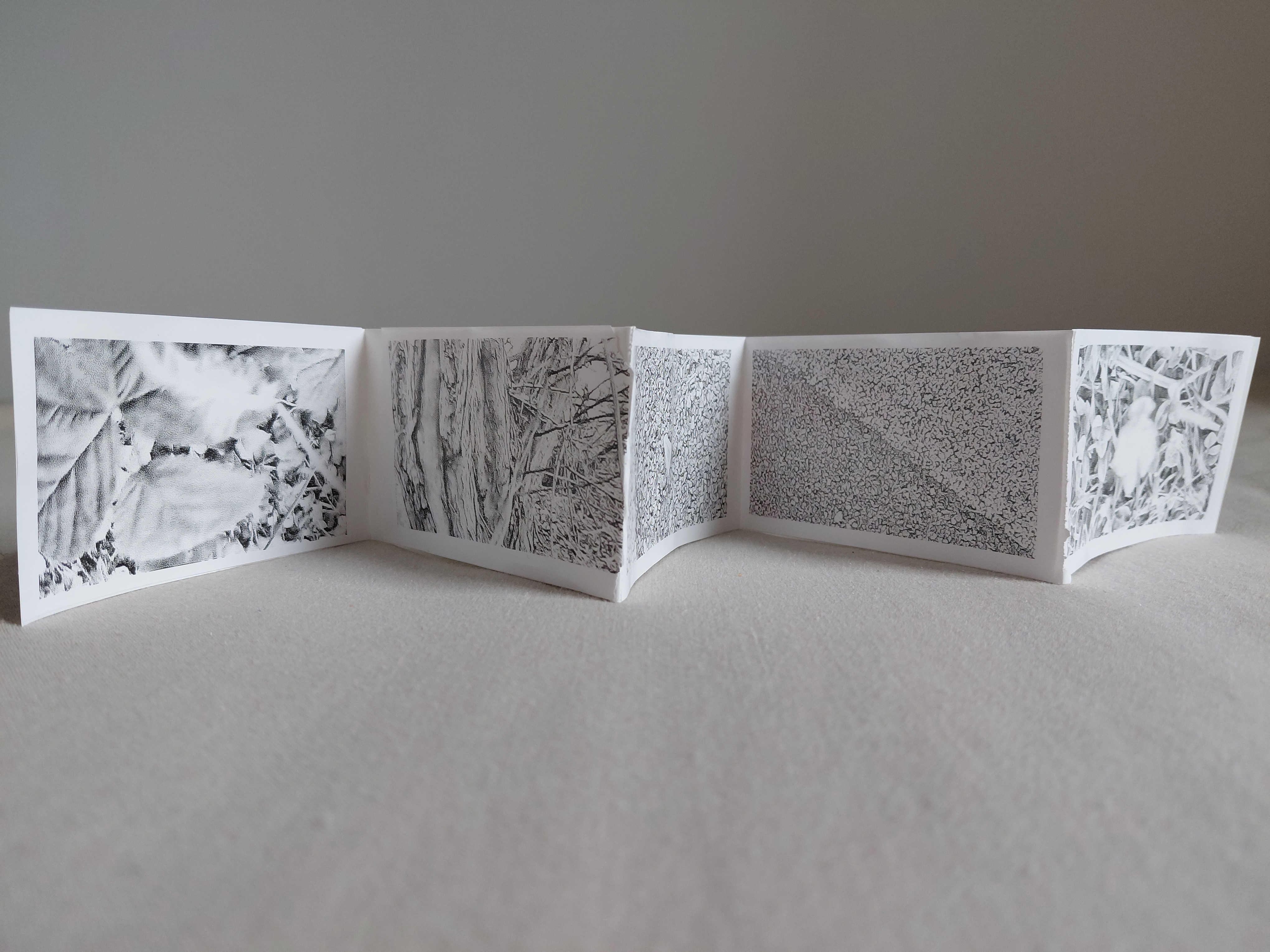
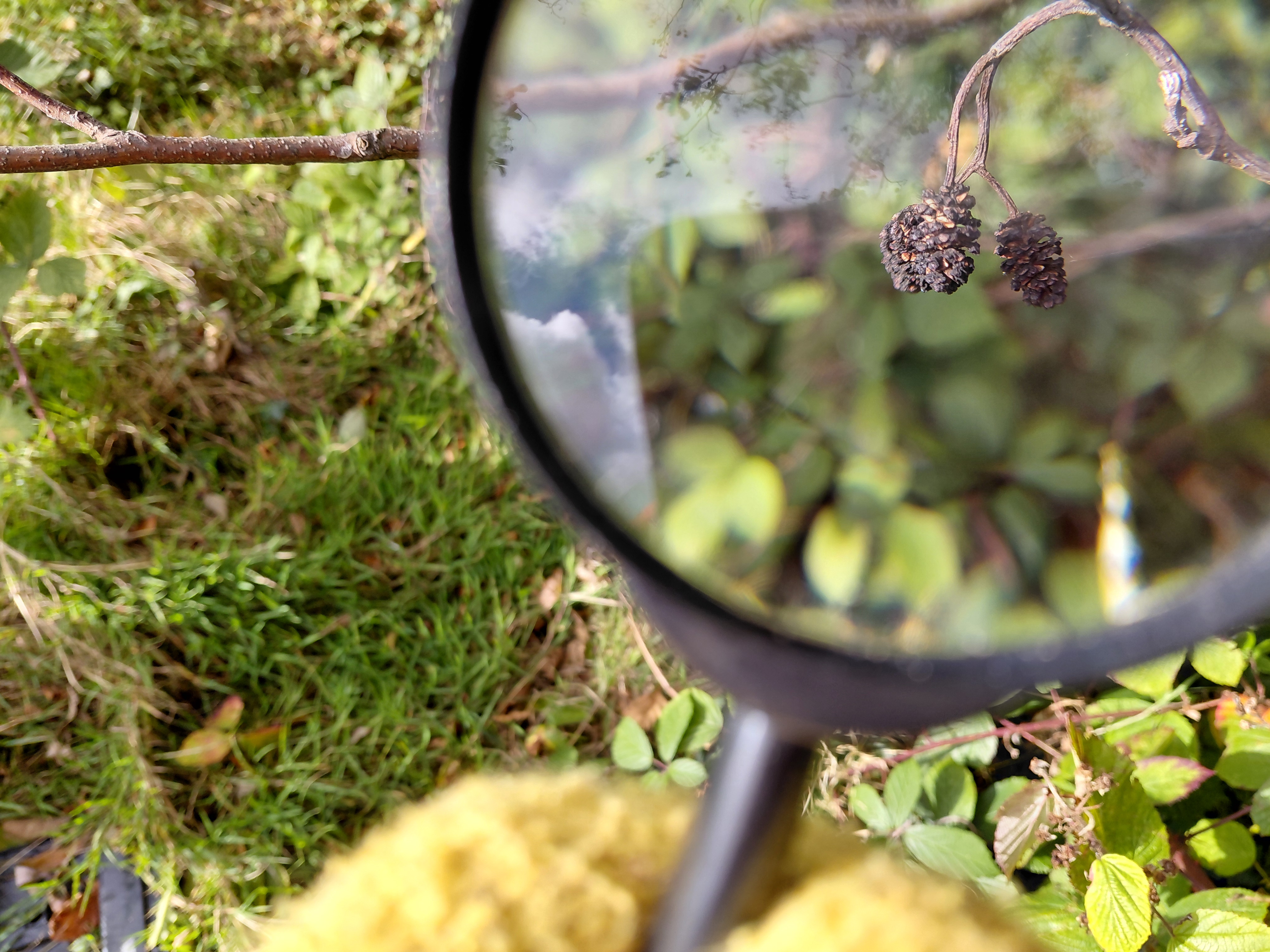
I walked with Sheila and we used magnifying glasses to look deeply.
Shiela made a stitched response to what we found.
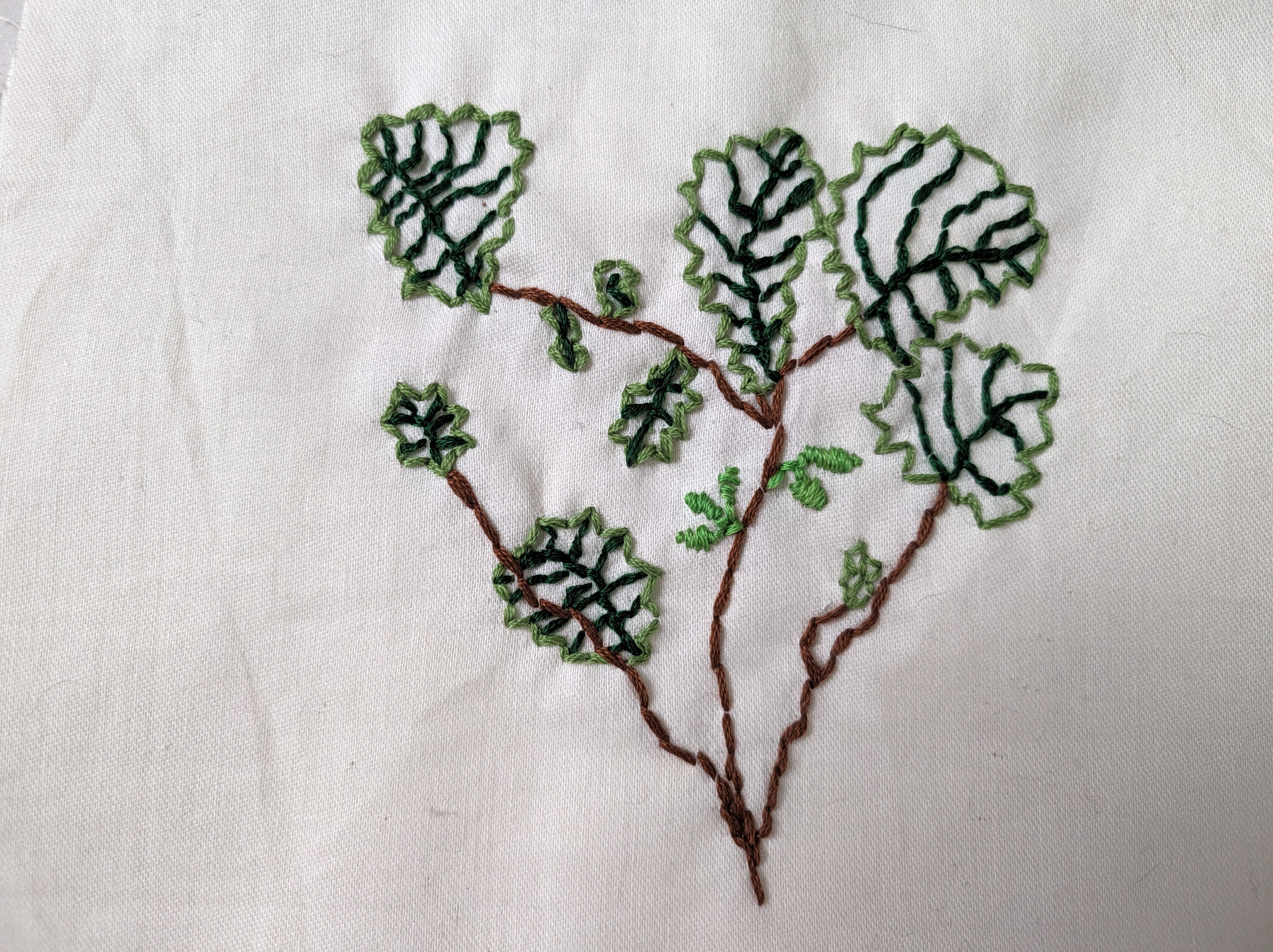
Beech nuts. Stitching by Sheila

November update

I walked with Eliza and here is the film I made from our artwork.
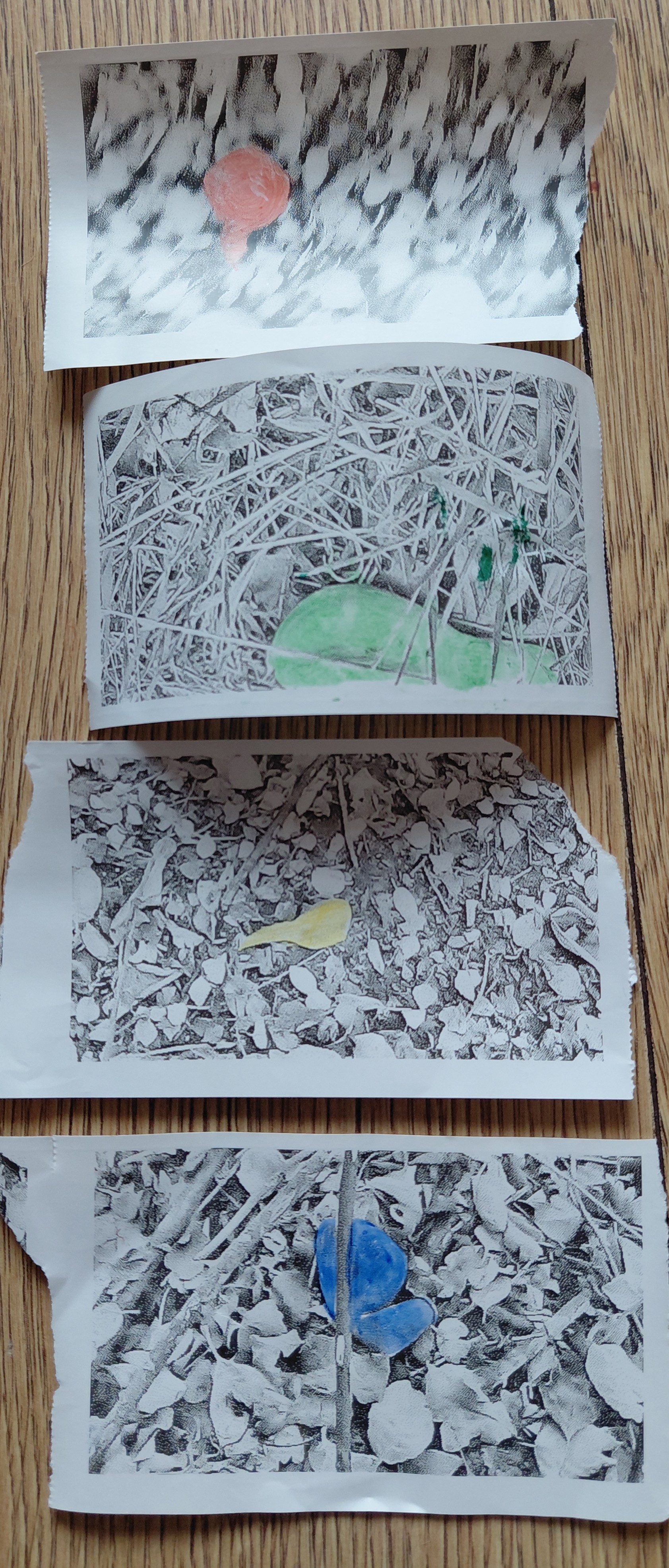
A November walk-story: was I welcome?

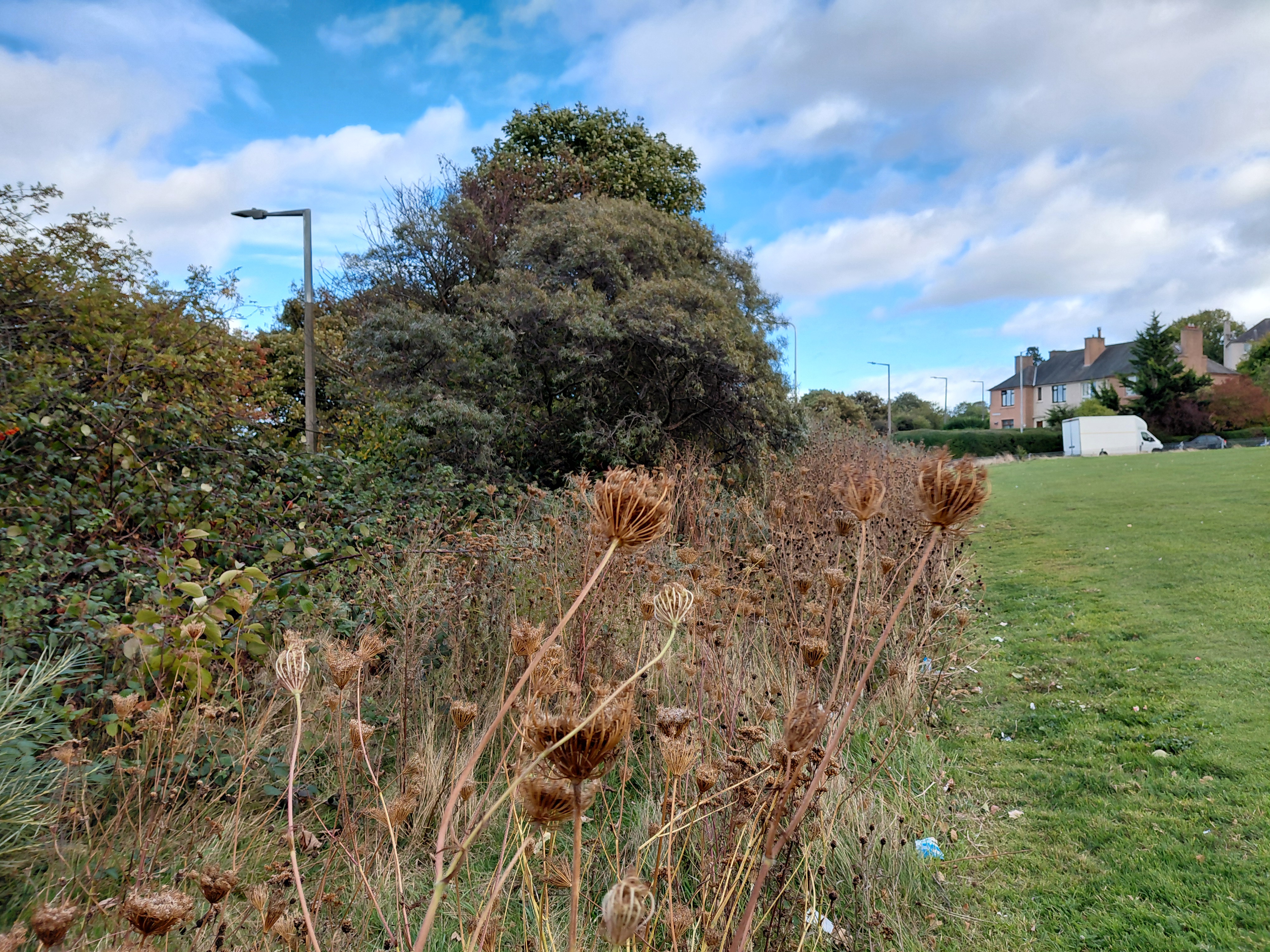
On another late Autumn walk, I skirted the perimeter of Granton Crescent Park, first outside the fence, admiring the Yarrow and other shrubs which were growing through it. I continued by spiralling inwards, anticlockwise, getting closer and closer to the copse in the centre. I was approaching slowly. My attention was grabbed by a pair of magpies sparring high in a Silver Birch.
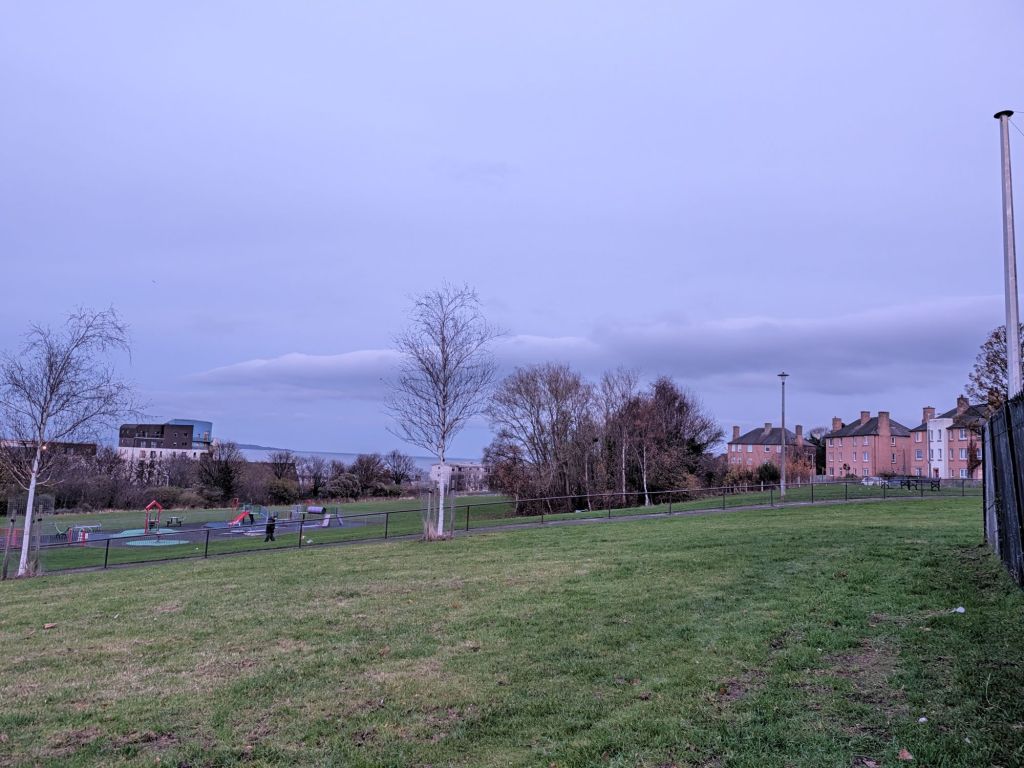
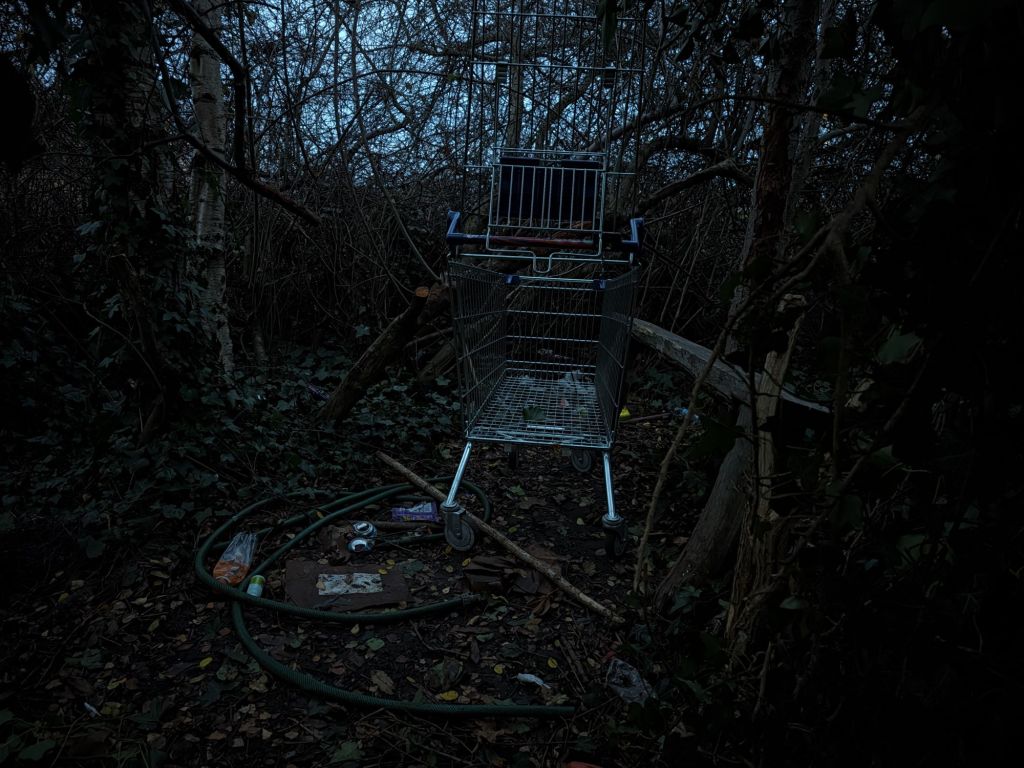
The Granton Crescent Park copse (the camera compensated for the dusk)

I was stopped by a man with a dog. He said he couldn’t tell if I was a man or a woman and if I was up to no good – he’d noticed me in the scrubland and couldn’t understand why I was taking photos. I explained as best I could.

Three people were walking a dachshund as it got darker and, once let off the lead, it could not stop barking at me. By this time I was walking around the edge of the trees checking that the newest saplings were still undamaged. The dog went when called: “Zero, Zero, come here, leave her alone!” but it returned over and over to aggressively bark at me from a safe distance.

I paced the paths I had so painstakingly mapped earlier in the year, knowing them now so well that the dwindling light didn’t daunt me. They felt familiar; I knew where they twisted and intersected. Branches reminded me it was their place, not mine. Brambles snagged my clothes and slowed me down. Quite right. I stepped carefully.

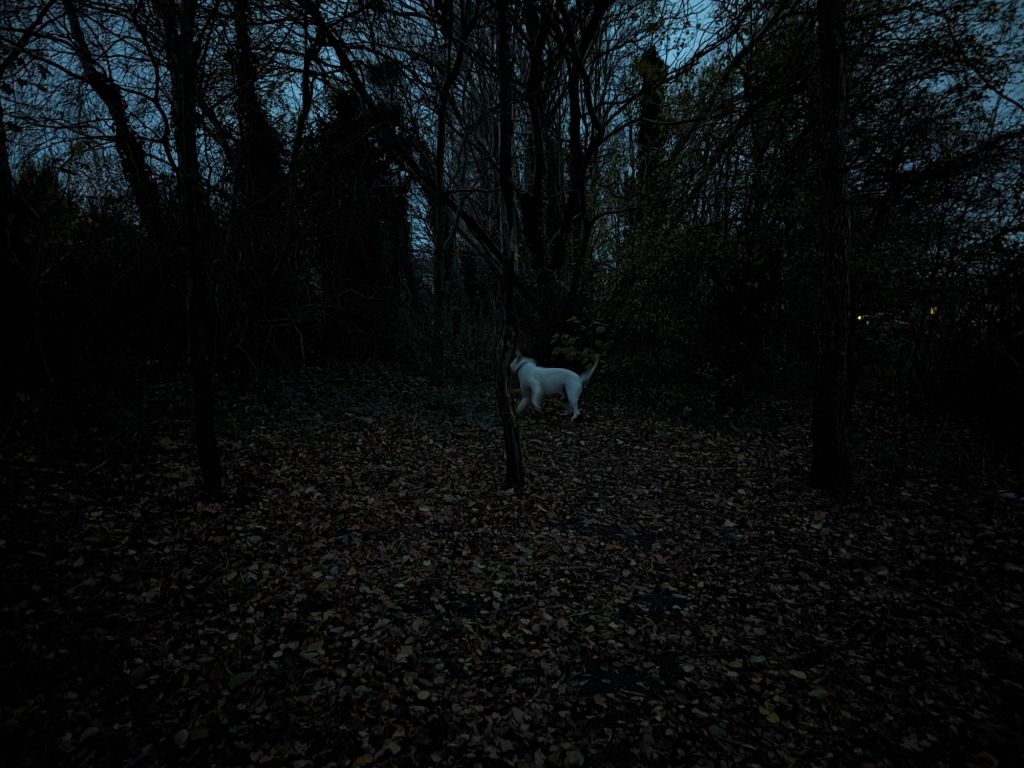
In the middle of the clearing I stood still, listening to the blackbird calling her final song of the day. She was answered by a quieter echoing song from the hedgerow. However, we were interrupted by a large white dog some way off, standing stock still and staring. Eyeballing me, it didn’t seem dangerous, just questioning. On being summoned by its humans uphill, outside the woods, it was chastised for barking what could in fact have been a message of care for them – “There’s someone in there, a stranger” – but they told it off. They couldn’t see me.
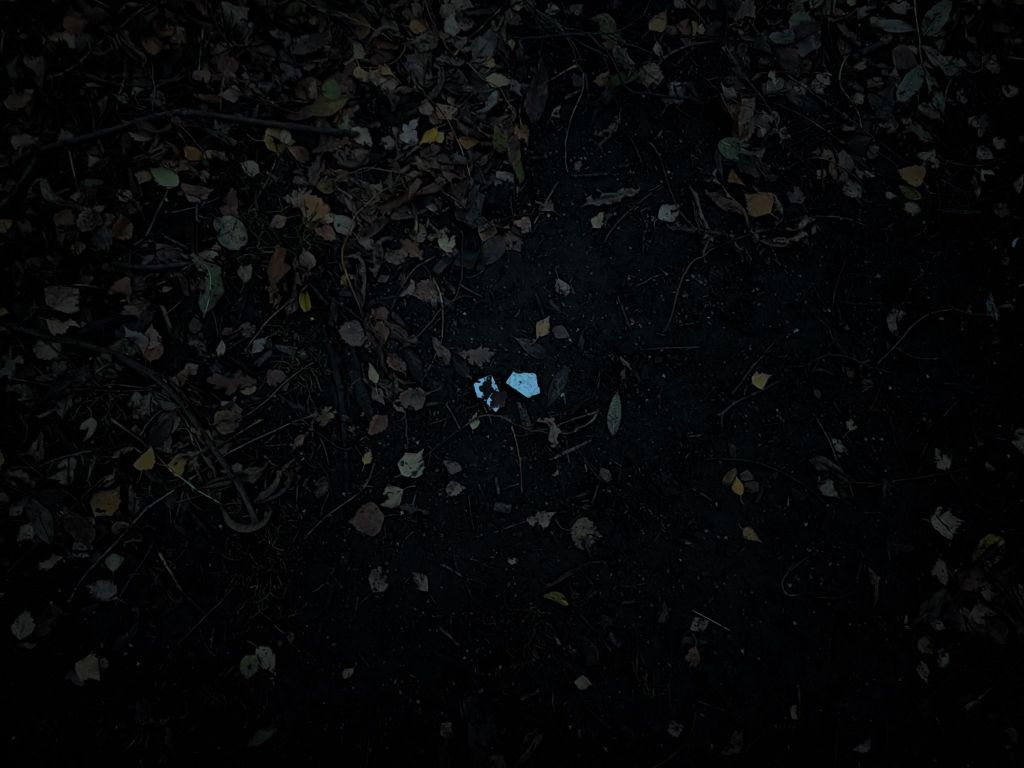
The remains of the only 2 blue tiles I could find (see above), placed in the centre and catching the light
The white dog turning away, obediently
Stack of shopping trolleys in the eastern deadend, together with a bench from the Wee Forest. Granton Crescent Park, Edinburgh
The bird sang her night song and the boy called out, are you friendly? Granton Crescent Park, Edinburgh

As the dark eventually fell, two boys appeared and I heard them ask, “Are you friendly?” I said “Hi!” in as reassuring a way as I could and they replied equally, disappearing into the eastern deadend where I’d earlier found the stack of shopping trolleys and one of the benches from the Wee Forest. They had a torch.

Wondering if I was not wanted by the copse itself, I walked around and back, clockwise, undoing my route. I filled up a huge bag with rubbish. It was very dark by now, though the glass bottles, tin cans and white polystyrene reflected what light there was. Tipping it into the municipal bin at the entrance, I left.
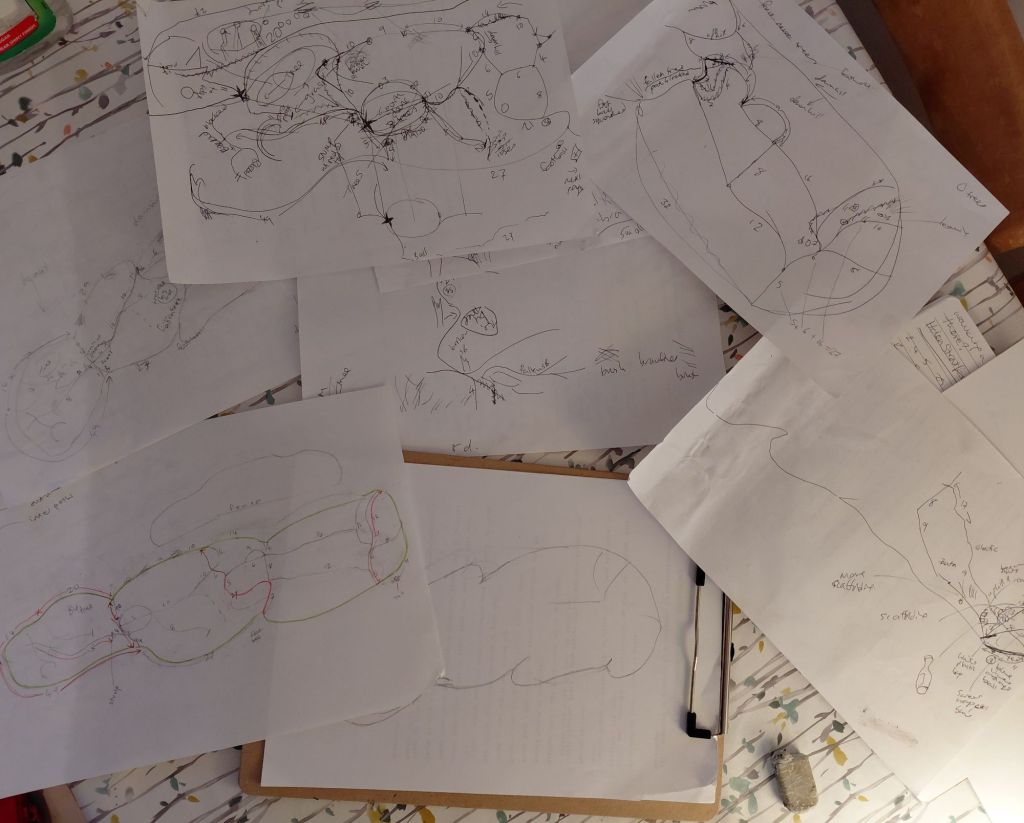
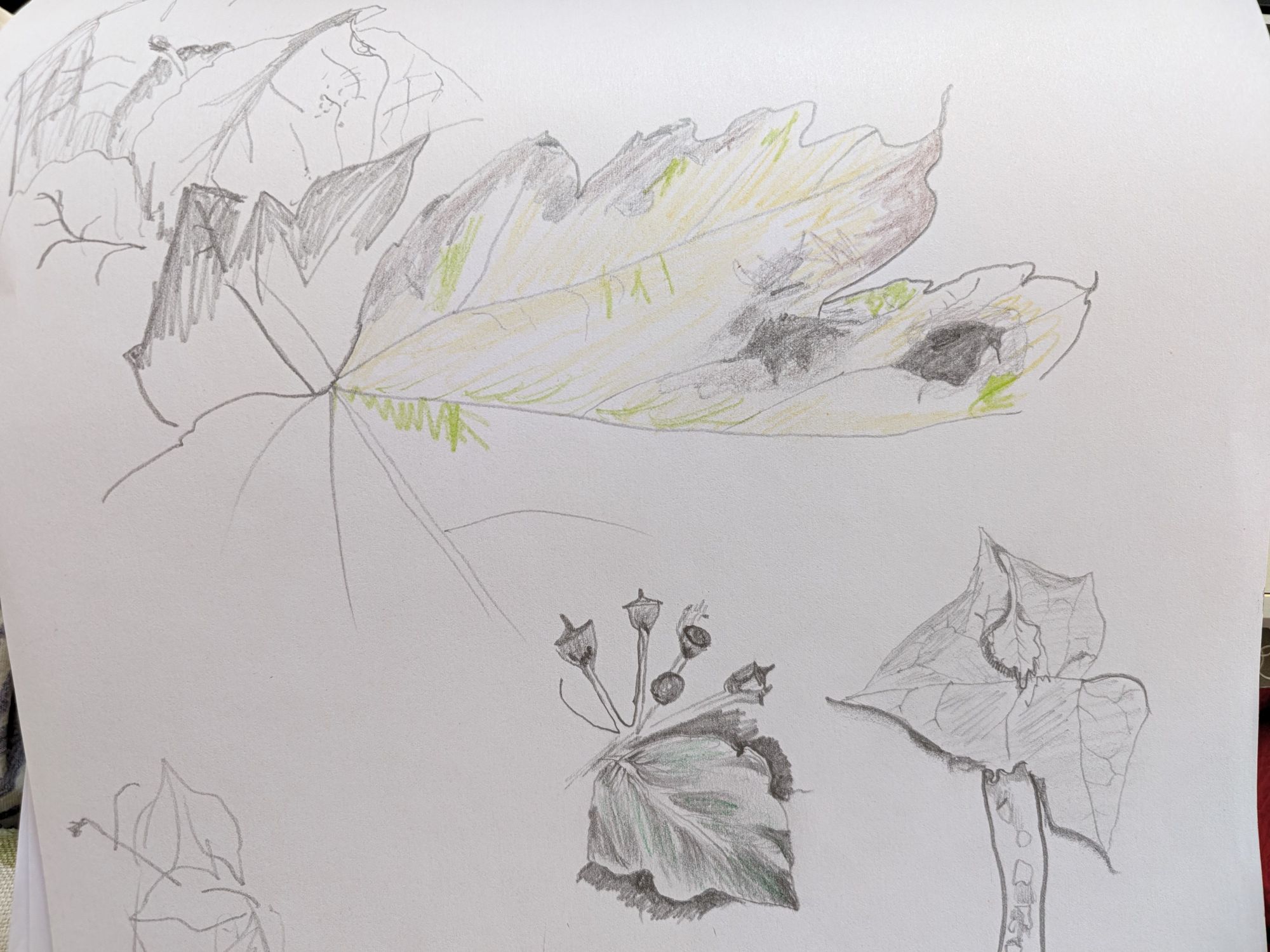
November sketching
I add to this blog on a regular basis as the project progresses.
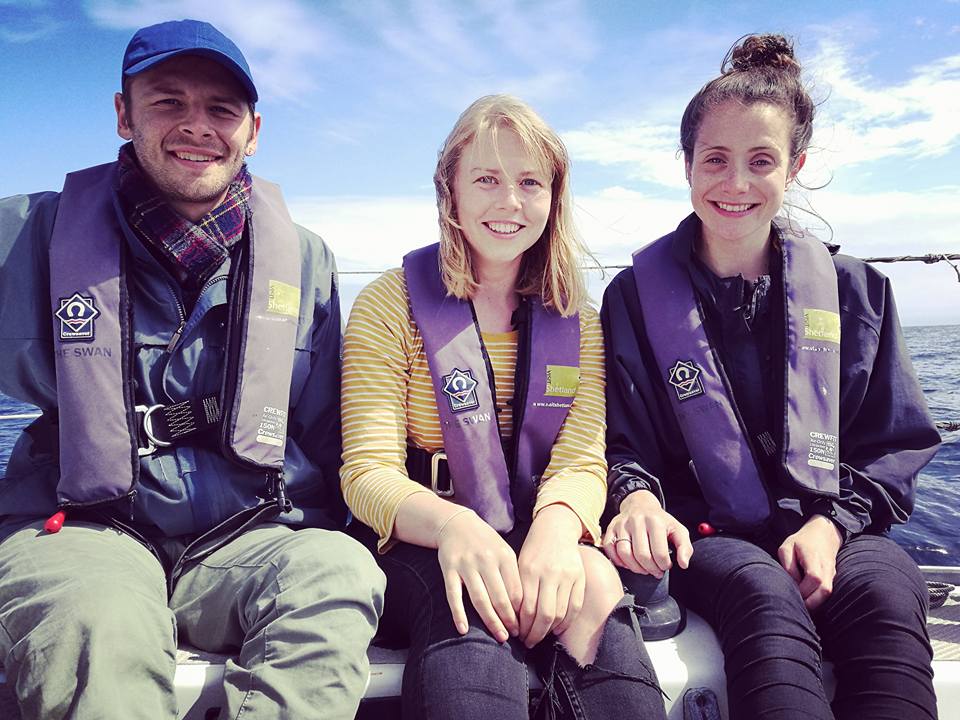
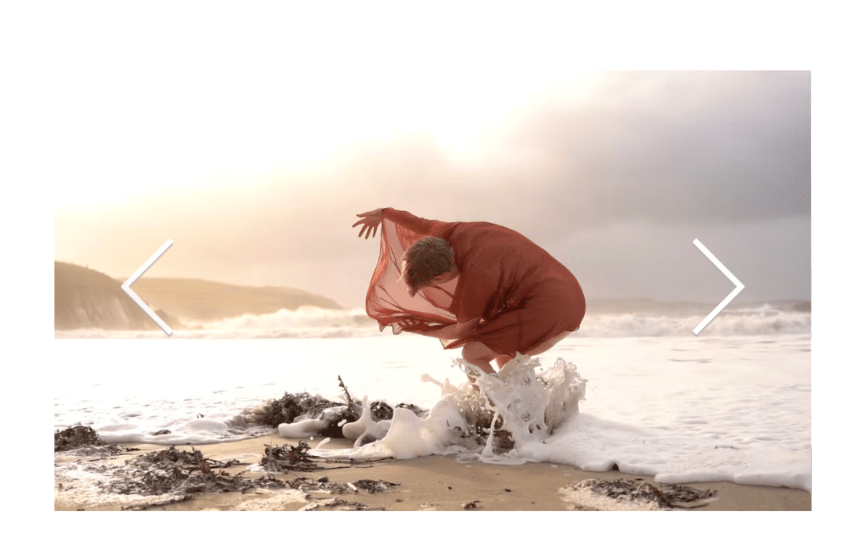
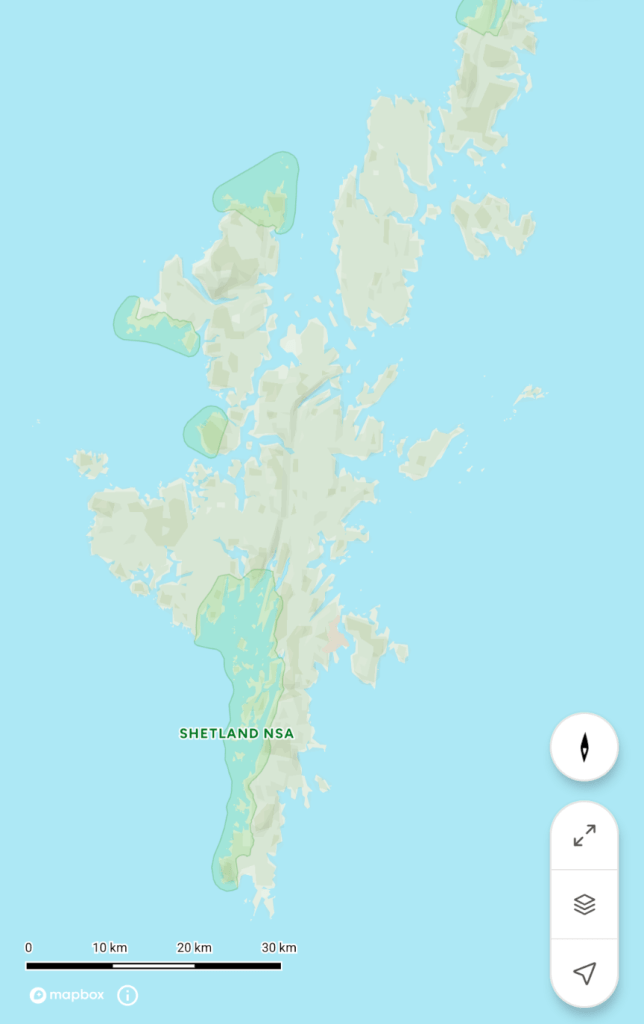
Shetland – south mainland

A retrospective blog in the series about a virtual visit I made to Shetland in 2019. I had booked my ferry, planned my itinerary, and, most importantly, arranged a series of walks and talks with Shetland women on the theme of ‘A sense of belonging’. Then the lockdown happened.

NorthLink Ferries cancelled my ticket so as to keep residents safe, and I had to be creative. Happily, the women I was looking forward to meeting agreed to walk and chat with me by telephone and Zoom instead.

Kathryn Spence

Kathryn Spence (centre) and company, while working on ‘Just Dance’ shown at The Mareel, Lerwick, Shetland 2017

Kathryn Spence works for Shetland Arts as their Creative Projects Manager, as well as being a freelance artist, professional contemporary dancer and choreographer. She started by telling me about herself when we walked and talked together, she in Shetland and I in Kent, England. ‘There is quite a young community here on Shetland, though not in the Highlands of Scotland. Boys did apprenticeships (in the oil industry especially) straight after school, and many of the girls stayed to be with them.’

‘I didn’t know there was such a thing as being a dancer when I was young; there wasn’t that provision available. I was away for 12 years, in Glasgow, and then London to train. Then I worked in the Highlands with Plan B, and in Edinburgh where there are lots of opportunities to climb the ladder, but I kept in touch with my school friends every summer, and so when I returned ten years later I slotted back in.’

Kathryn Spence, ‘Beneath the Movement’ currently available on BBC iplayer

I’ve always known that I’m from here. It’s such a homely place, a community of all ages, and the landscape, the slow pace of life compared with other places I’ve lived; these are all reasons I’ve always known I wanted to come back.

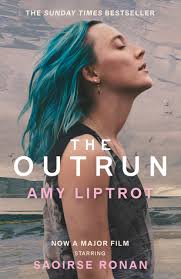
Kathryn explained that living ‘in the country’ means living as part of a small and close-knit community. In Shetland, as in many other Scottish island communites I have visited (eg Orkney) people seem to depend on each other more than on the Mainland. She said that, in her opinion, it’s not even the same as living in the Highlands of Scotland, which are also sparsely populated. Her husband grew up there, on a farm near Invergordon, and therefore imagined they would be living in a secluded cottage when they moved to Shetland, far away from others, but in fact they are well connected. Amy Liptrot, author of The Outrun and herself an islander (from Orkney) understands. She writes (in her review of Tamsin Calidas’ ‘I am An Island’) that ‘the reality of island life requires more interaction with, and support from, neighbours than anywhere else … it’s made of community and culture’ (The Spectator).

The Outrun book cover. Published by Canongate Books

‘A sense of belonging and a sense of community is instilled in us from a young age’ says Kathryn. ‘There are a lot of high profile celebrations and festivals (see below) which makes Shetland quite individual, and when you’re growing up you’re told that your dialect is different from anyone else, plus we are far away from everywhere in the middle of the North Sea, which is spoken about an awful lot, and so that is another thing to be quite proud of.’

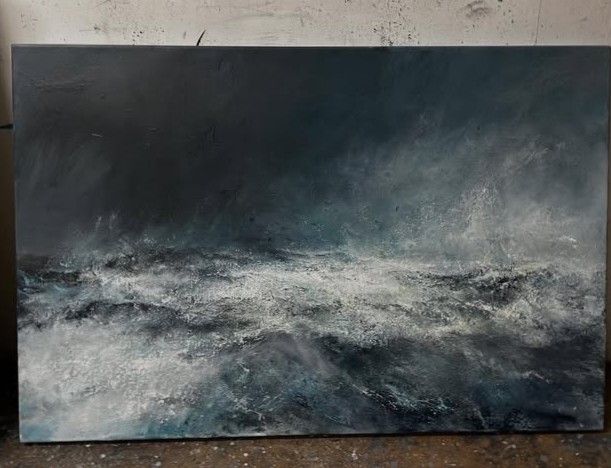
Painting by Janette Kerr that is currently (May 2025) on the walls of the Kilmorack Gallery in Inverness-shire as part of her exhibition ‘Flow’. Janette lives and paints in Shetland.

Kathryn cites the landscape as contributing to her sense of belonging, as do the other Shetland women I spoke with. ‘I have lived in other very beautiful places, but I love the land here and I am drawn to it. What I like is the extreme: one minute you’re at the cliffs, the next at the beach, all condensed, closer. I think that all these things help to create a sense of community.’

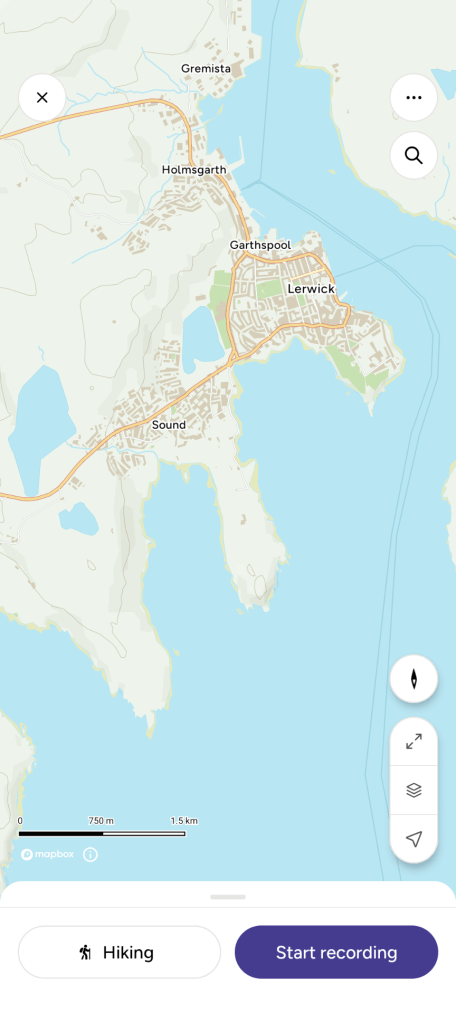
Lerwick, the capital

Kathryn works in Shetland’s capital, an 18 minute car commute from her home. ‘Lerwick is similar in size to Invergordon in the Highlands – a small Scottish port town and not much happens there – but there’s an awful lot happening in Lerwick. It’s partially because it’s a capital. Invergordon is near Inverness so it doesn’t have to have everything, but Lerwick is far away from everywhere else you do have to have everything.


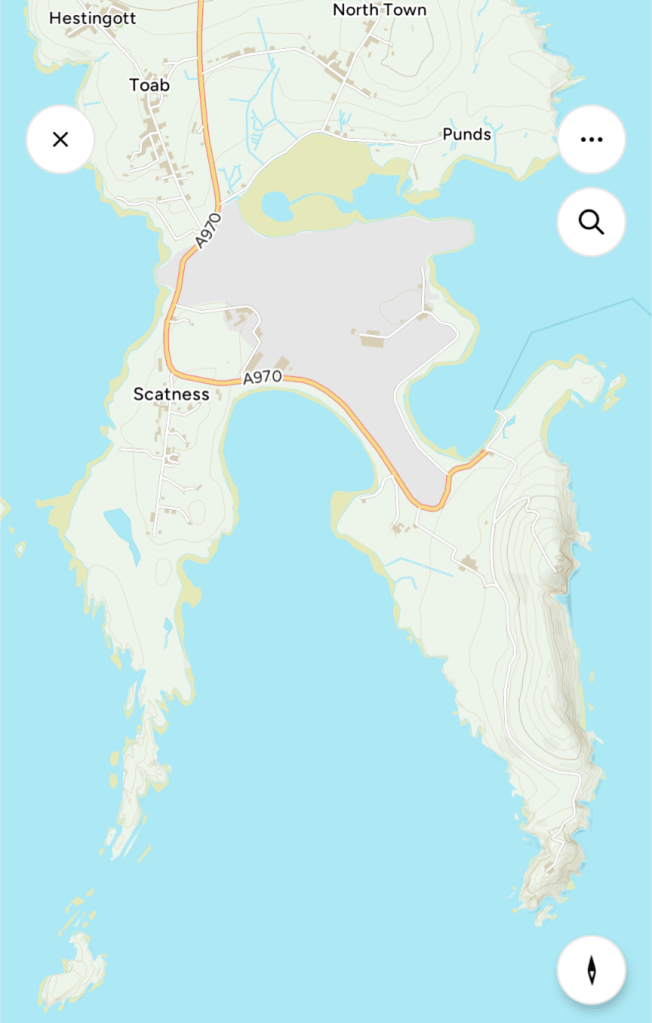
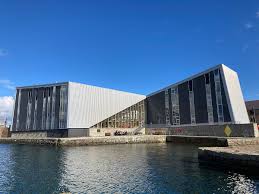
It is very small, but convenient, and now we have the Mareel where bigger dance companies can come and perform which is great. If I want to spend a night there I can either get a bus and be dropped off at my doorstep at midnight (there’s a really good service in the south part of the island because of the airport in Sumburgh which is half an hour’s drive from Lerwick, or even take a taxi if it’s a special occassion, which is dear at £40, but that’s £20 each and down south it would be the same cost for much less distance.’ (Spoken in 2019).

The Mareel, taken from Wikipedia

We talked about people being flexible in order to be and stay in work all year round, another theme that came from my conversations. ‘That is something that comes from the islands – as soon as you put roots down anywhere you have to be prepared to be adaptable. I work in the arts and there’s just the one arts organisation here [Shetland Arts], so if I was to lose that income I would need to diversify.’ Consequently, she teaches some dance classes and has trained as a yoga teacher to help her stay fit – what with her choreography and this, she has quite a few strings to her bow! ‘It’s always about connecting with people through movement, the language of movement.’

Kathryn’s Shorestation Residency with sculptor Tony Humbleyard. Photo by Kathryn Spence

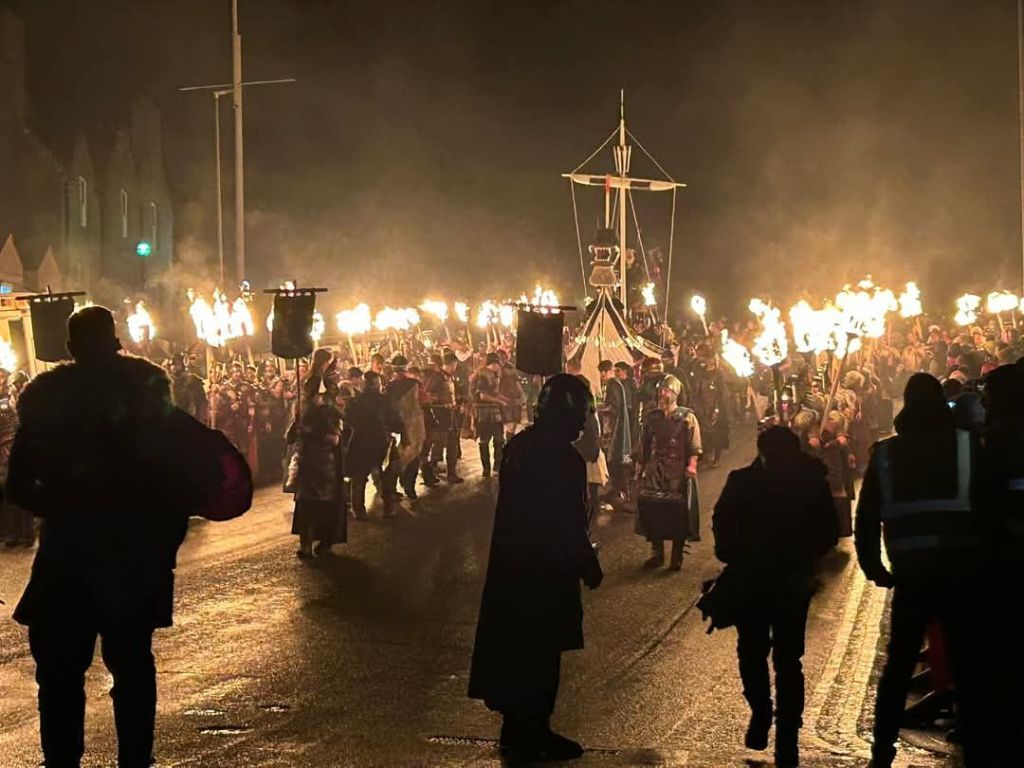
This was not the only fascinating conversation I’ve had with local women which covered the topics of ritual – celebrations like weddings, festivals and funerals (the latter, sadly, were very tricky during of the Coronavirus pandemic.) There was mention of long-standing traditions like the famous Up-Helly Aa Viking fire festival (in Lerwick and other sites across Shetland), but I won’t write much about that as there is a lot of information available on the internet. Suffice to say that some women were very keen ‘to be allowed’ to join in the all-male shindig back in 2019.

Up Helly Aa fire festival January 2025 Photo Janette Kerr

Update: In January 2024, the BBC’s Ken Banks reported that, ‘Shetland’s famous Up Helly Aa fire festival has seen the traditional dramatic burning of a replica Viking galley. For the first time in the event’s 143-year-old history, women and girls joined the main “squad” at the head of the torchlit procession through Lerwick. Up Helly Aa – the biggest fire festival in Europe – is held on the last Tuesday in January. The annual event sees people celebrate Shetland’s Norse heritage.’

Thank you to Kathryn for telling me about belonging in Shetland, and to Janette Kerr for giving me permission to use her photos. A separate blog will be dedicated to my upcoming visit and meet-up with Janette.

I will be in Shetland between 12-22 May 2025. Please let me know if you would like to do a Shiatsu / hospitality exchange. tamsingrainger.com