
25 October 2021
Today I am leading the Pilgrimage for COP26 walk from the Sculpture Workshop in Leith, Edinburgh to South Queensferry. The theme is ‘The Five Phases and the Ecological Crisis – a walk using the five elements of East Asian medicine to reimagine what it means to be ecological’.


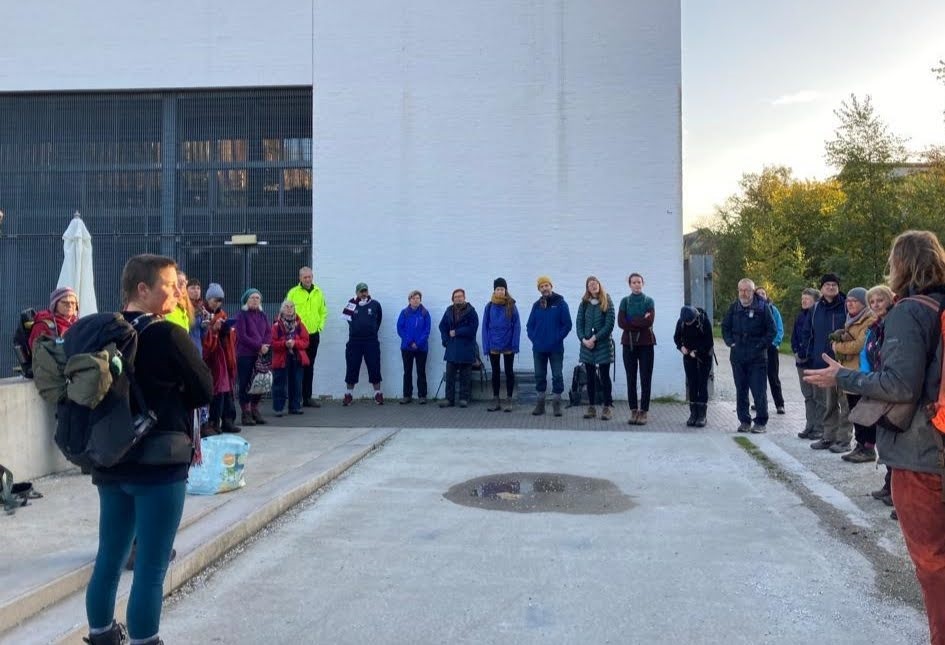
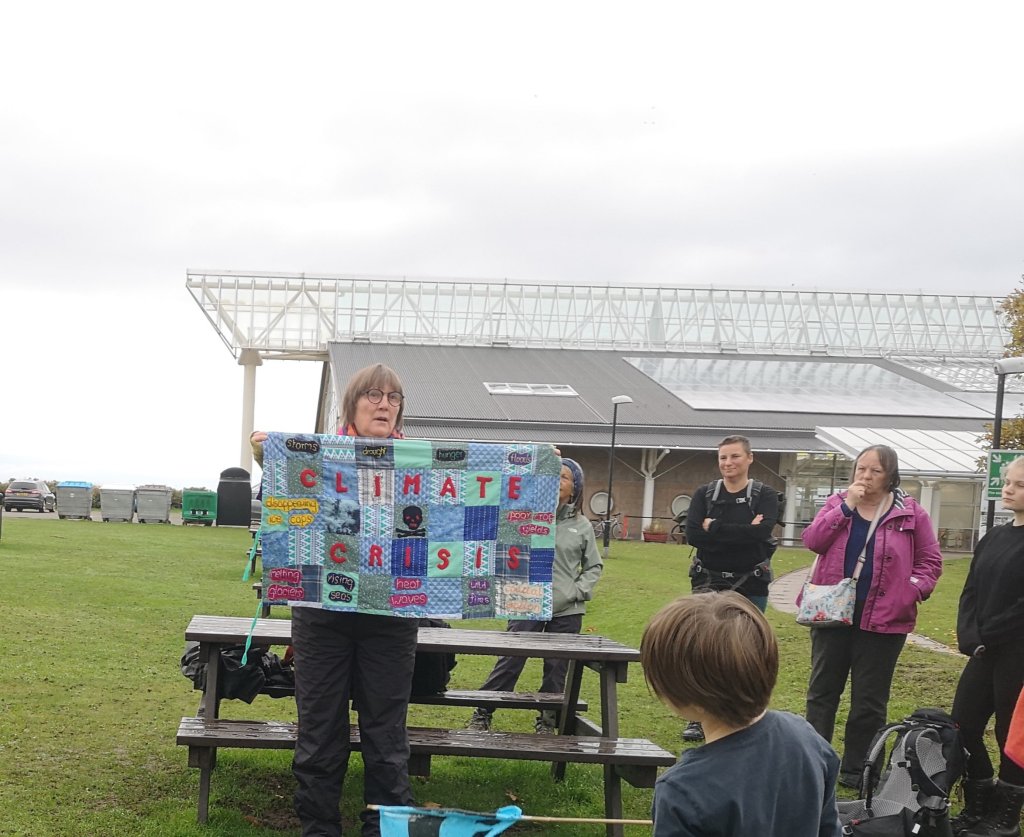
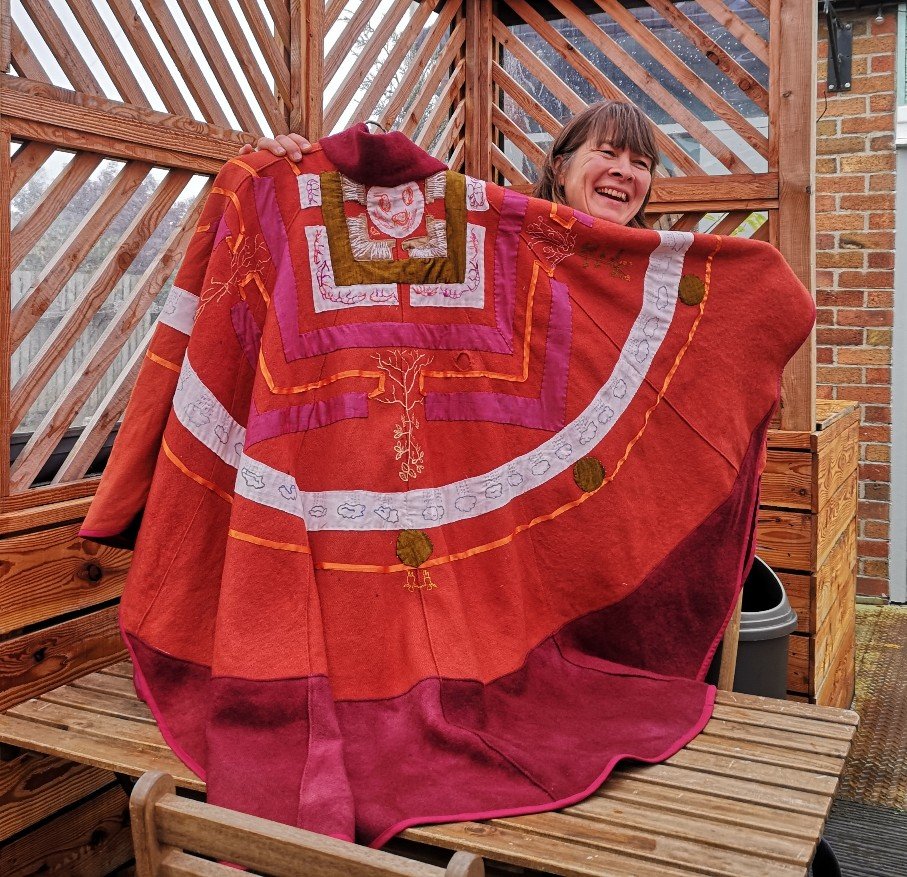
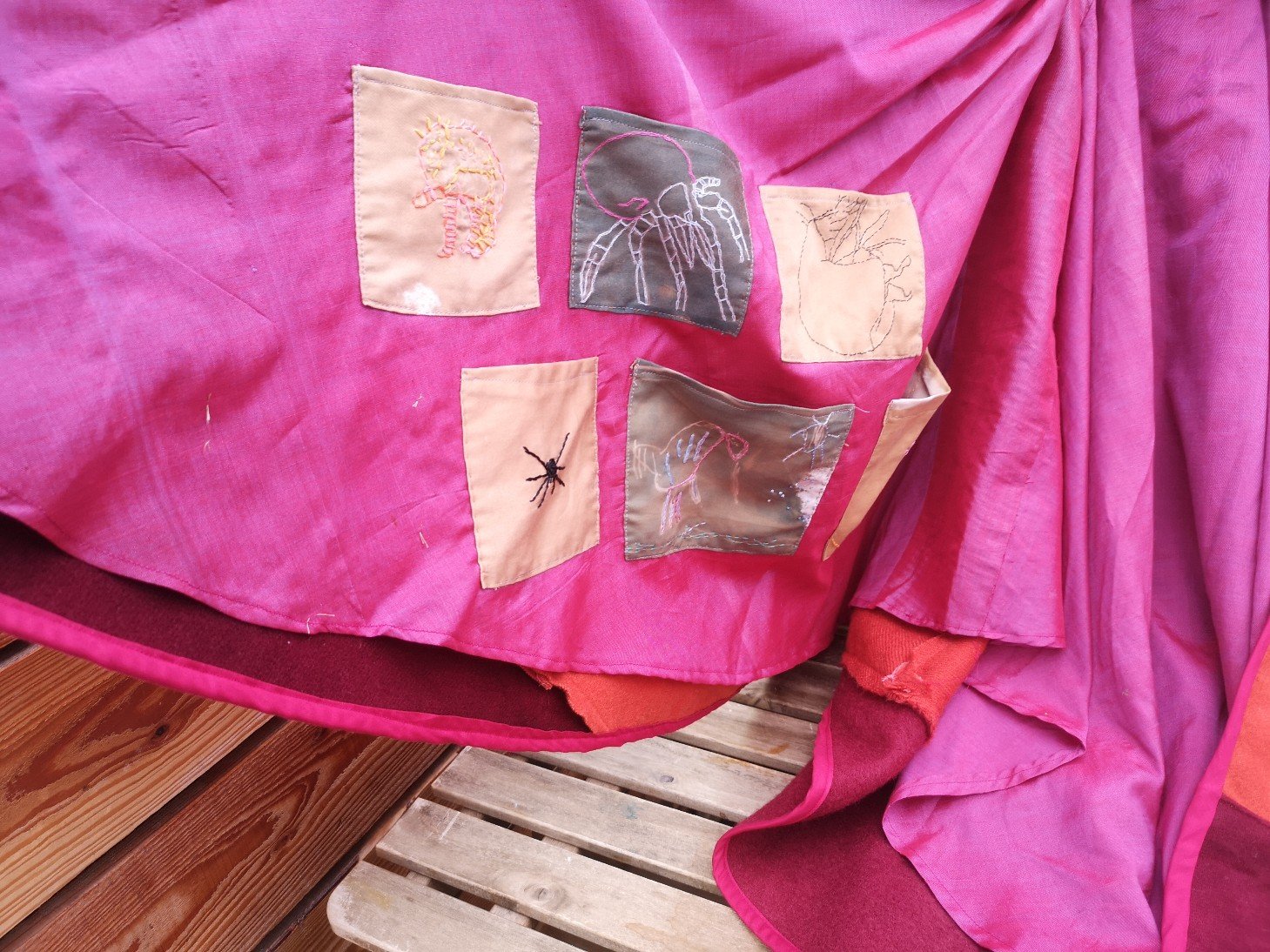
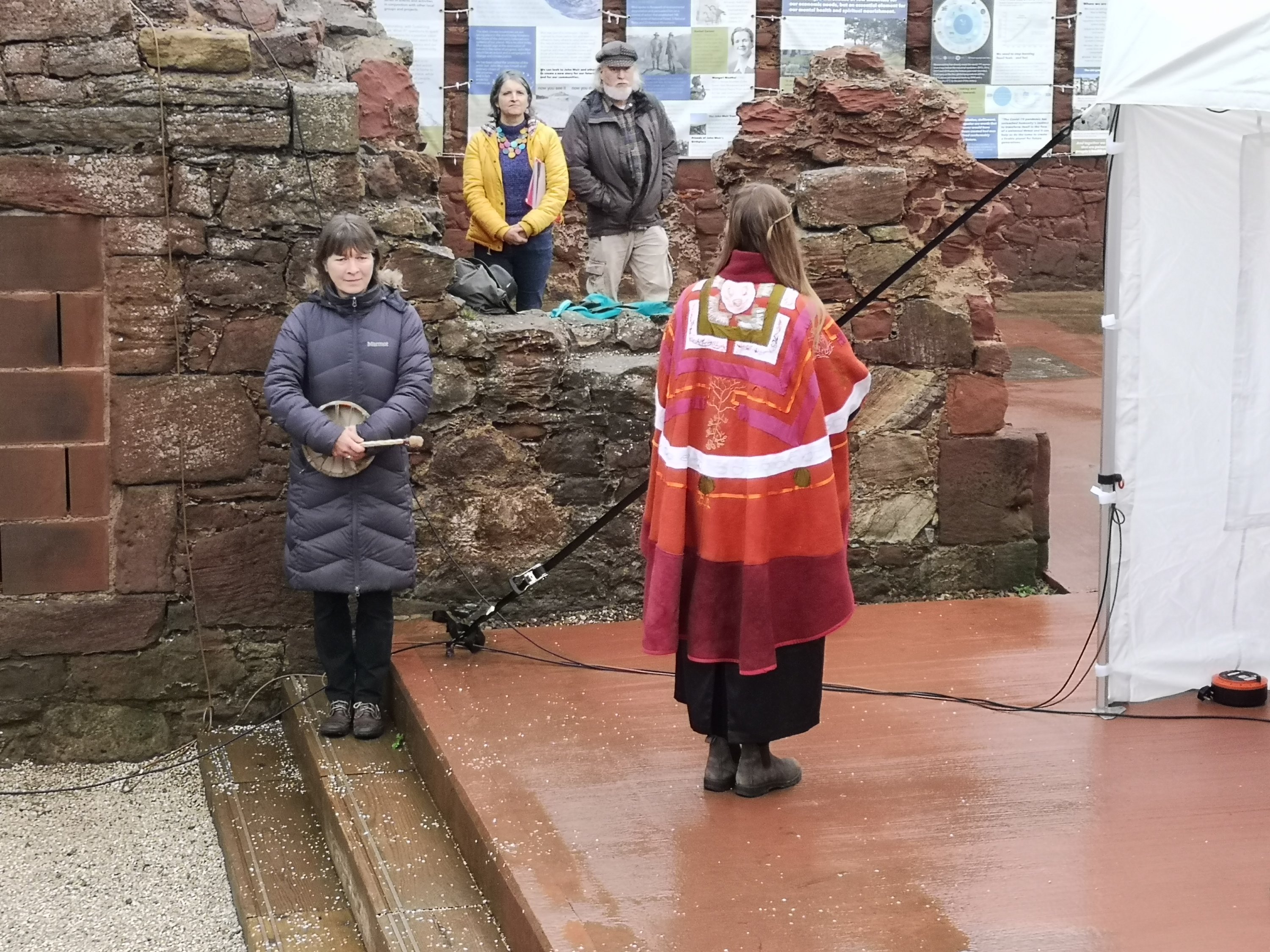
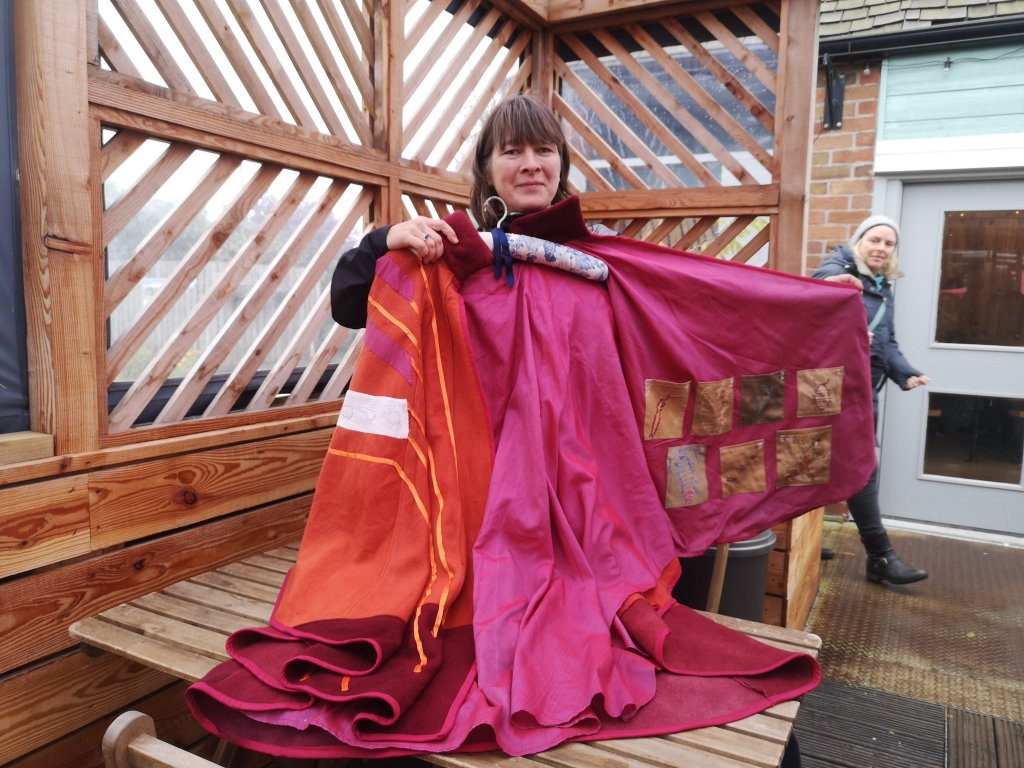
There is a brief introduction by Jonathan Baxter, the organiser of the pilgrimage, to the Keeper of the Soils, the carrier of the Stitches for Survival (you can read about the latter two here), and to my walk supporters, Natalie and Ewan. Then a brief introduction to YinYang which underpins Shiatsu theory.
- I explain how the circle represents the cyclical nature of things, a circumference of continual existence, whether in this form or another
- The curving line which divides the circle, symbolises the dynamic interplay between Yin and Yang and the transformation of one to the other to maintain balance – the rise of those who favour respect and listening over those who opt for profit and power, for example
- The black and white sections reminding us that we must address both sides of ourselves and our planet if we are to achieve balance, both the angry and the peace-loving, the scientific and the artistic
- The small black and white spheres which sit in the opposite sides showing that the law of nature says there are no absolutes.

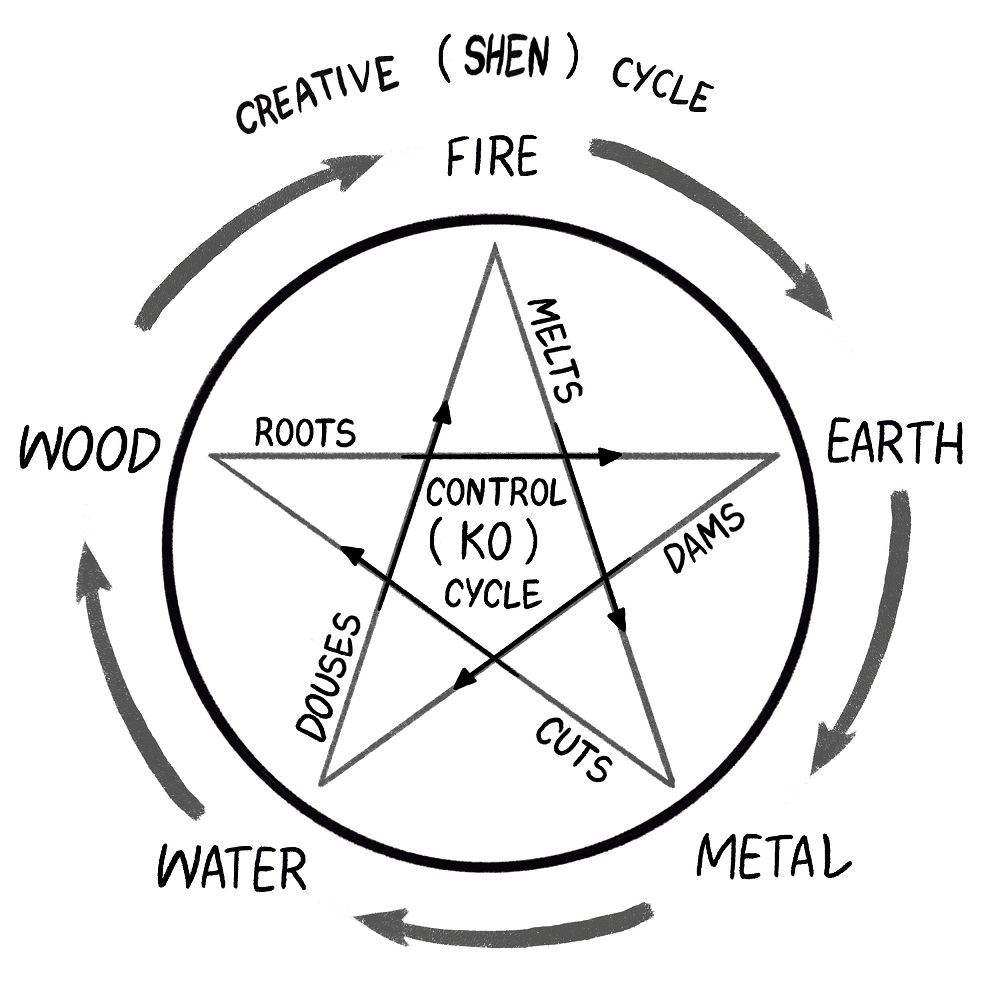
Stage 1 / the Metal Phase
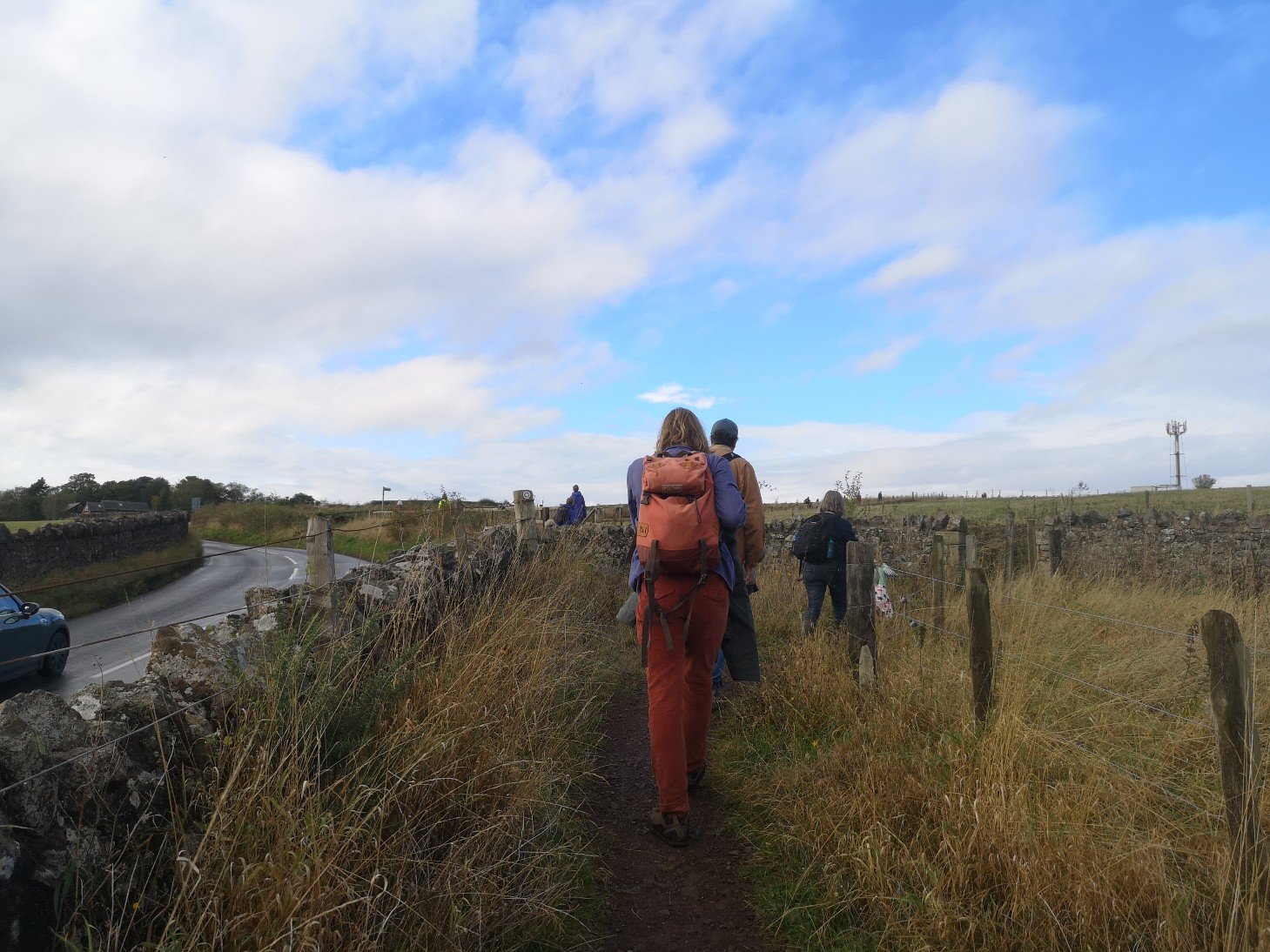
We start with the Metal Phase which encompasses the lungs and exchange of air in humans and with the wider environment. The Edinburgh cycle path is sometimes thought of as the city’s lungs and we take the branch from Leith to the Trinity Tunnel, Active Travellers focusing on air pollution and how we would like it to be.
The Trinity tunnel is where my sound/art installation, No Birds Land, is situated. Sadly, on arrival it was clear that it had been vandalised while I was walking the first week of the pilgrimage and the bunting was all broken and in the mud. My pilgrim friends tried to help, but we didn’t have much time to repair.
Phyllis from the Edinburgh Reporter was walking with us and wrote about the Keeper of the Soils and No Birds Land. Her article, with links to video and audio, is here.
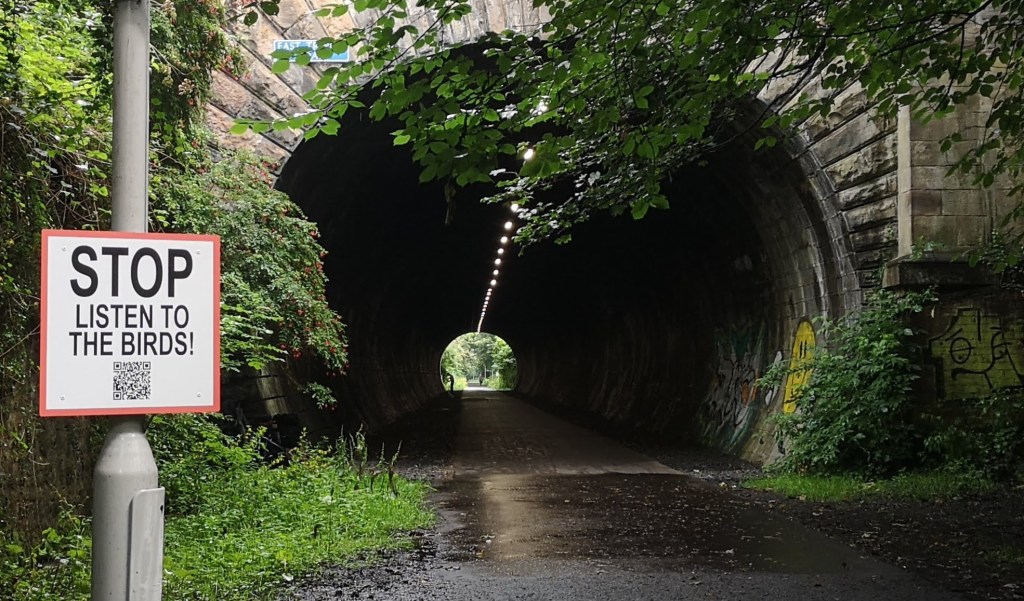
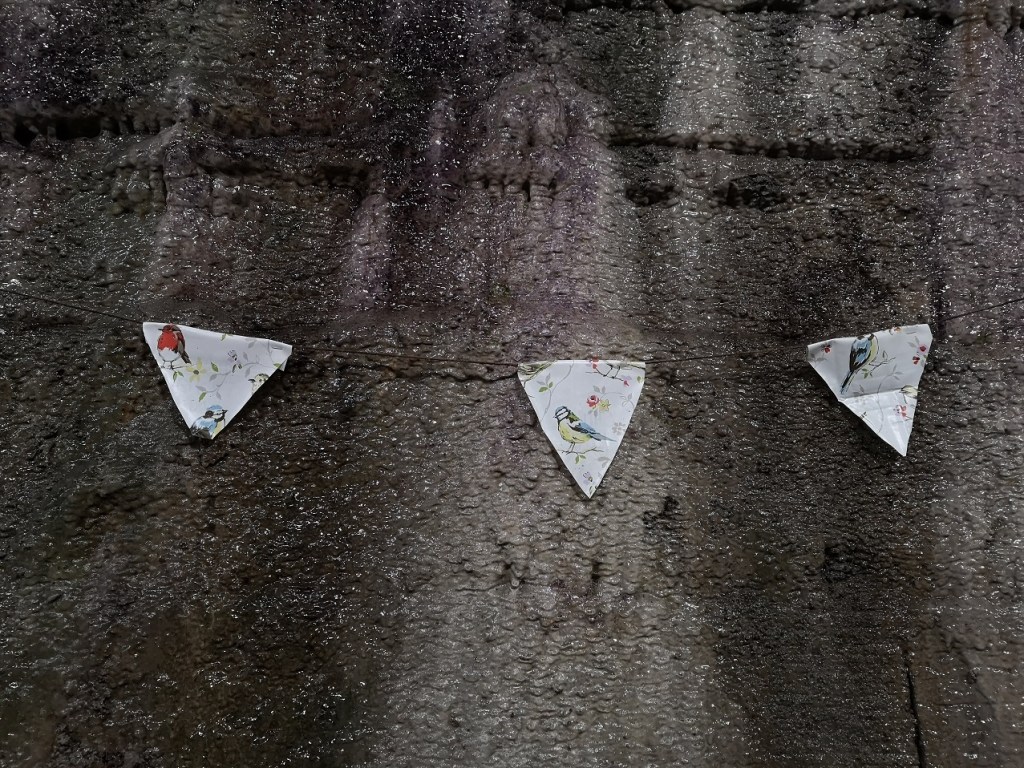
Many thanks to my friends Lesley and Andrew who went along the next day to repair and rehang.
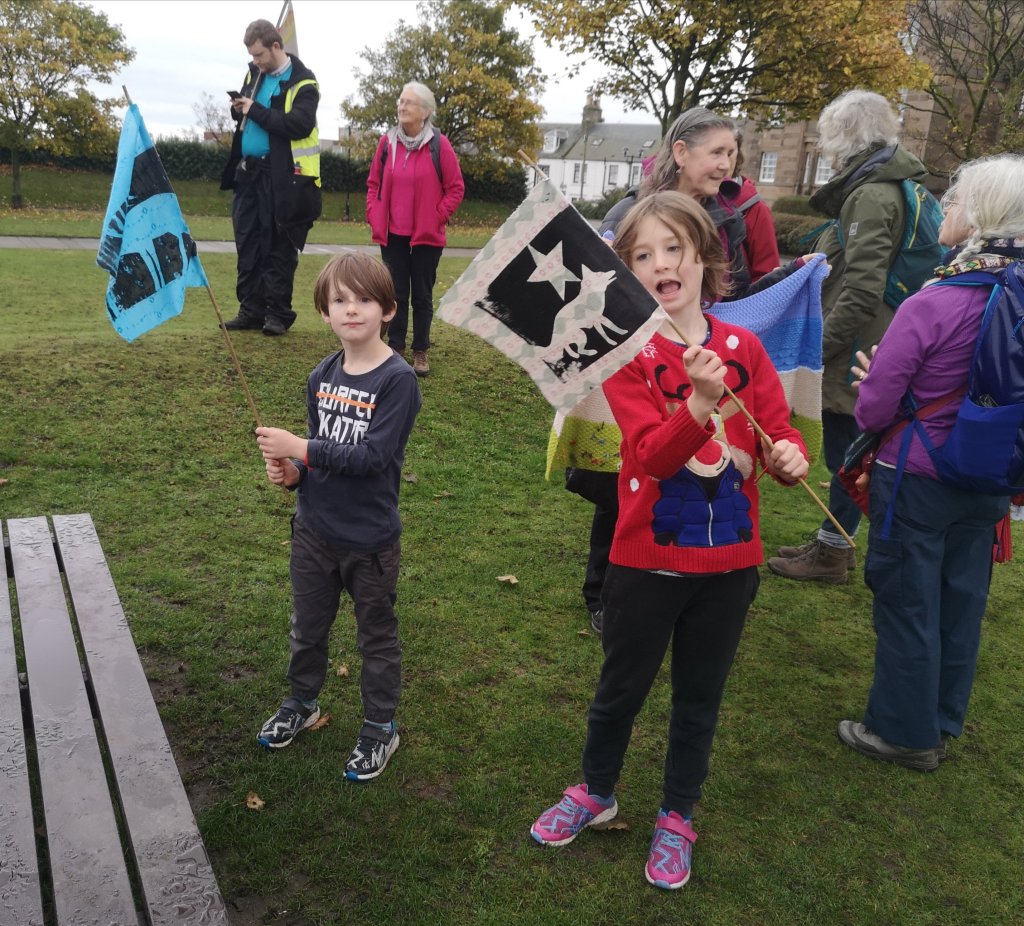
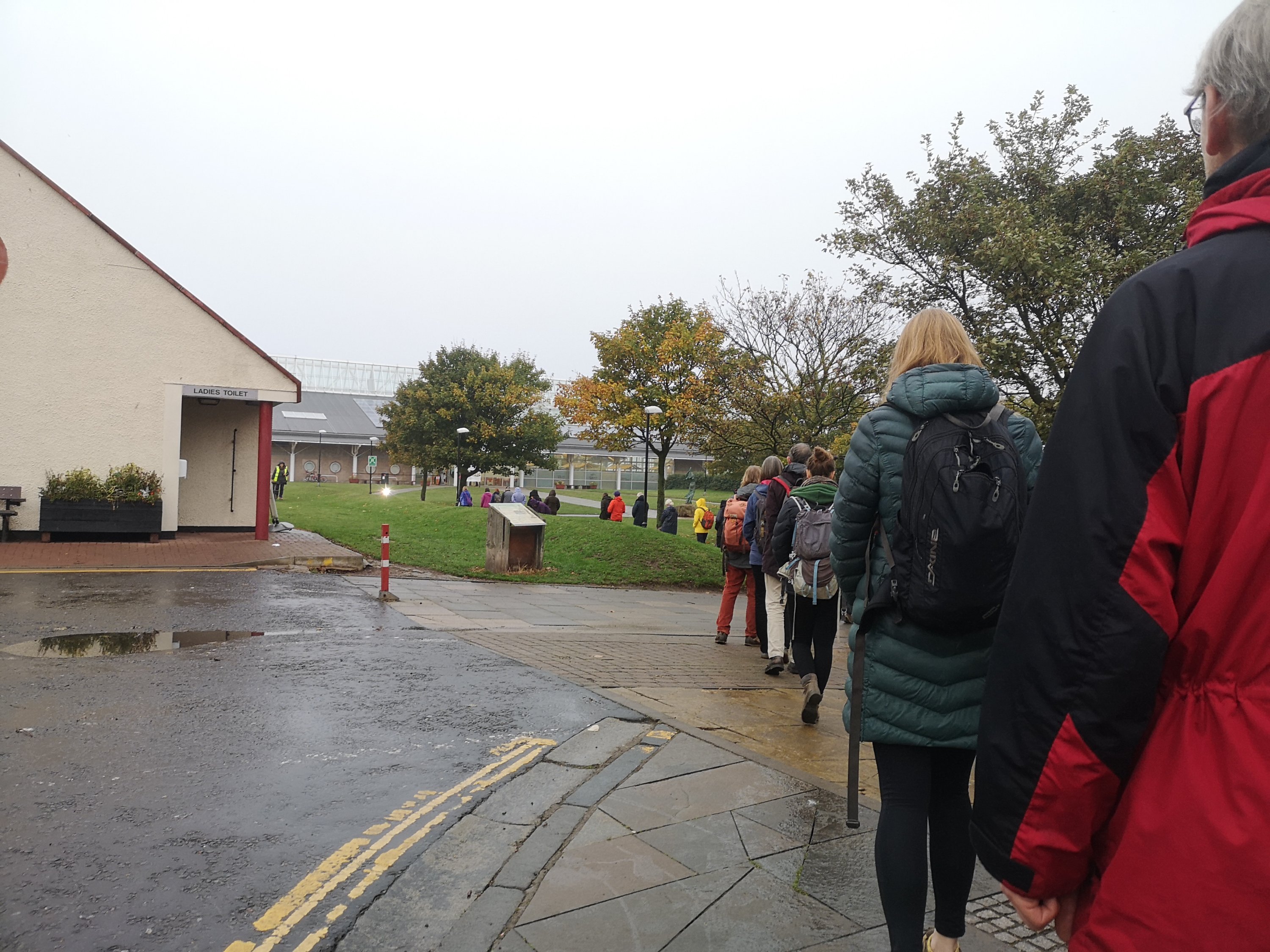
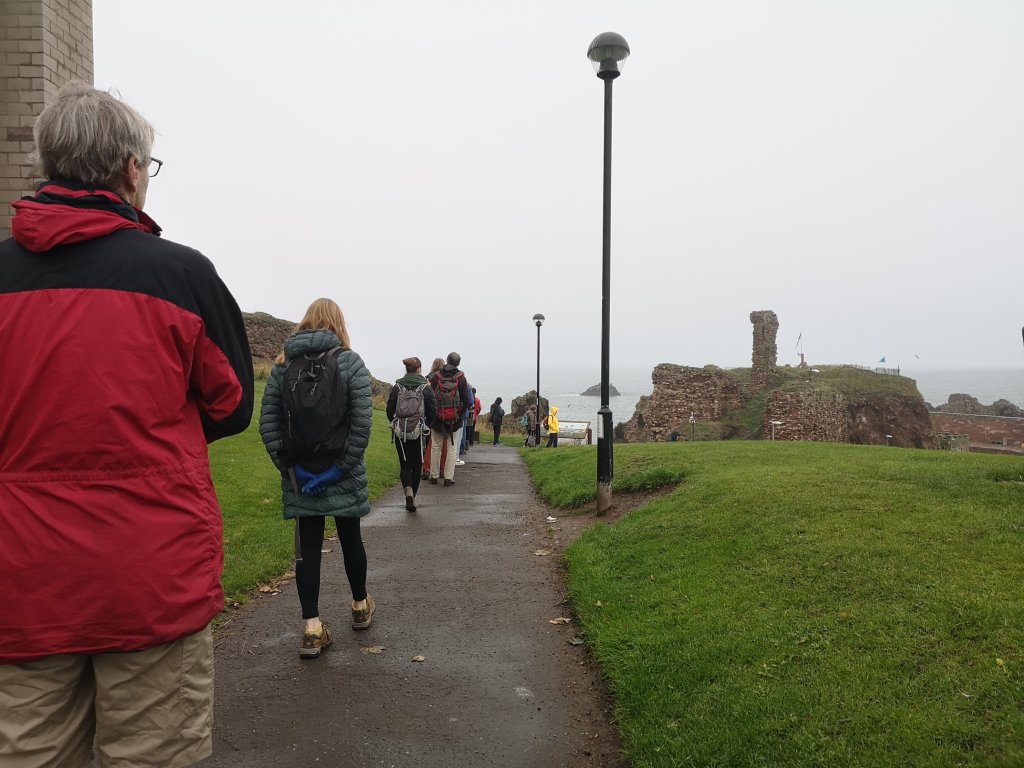
We stop briefly at Granton Harbour as our numbers swell. The core group are joined by others who will come all the way to Glasgow with us and there are many day walkers too. What a jolly bunch, particularly as there was no rain!

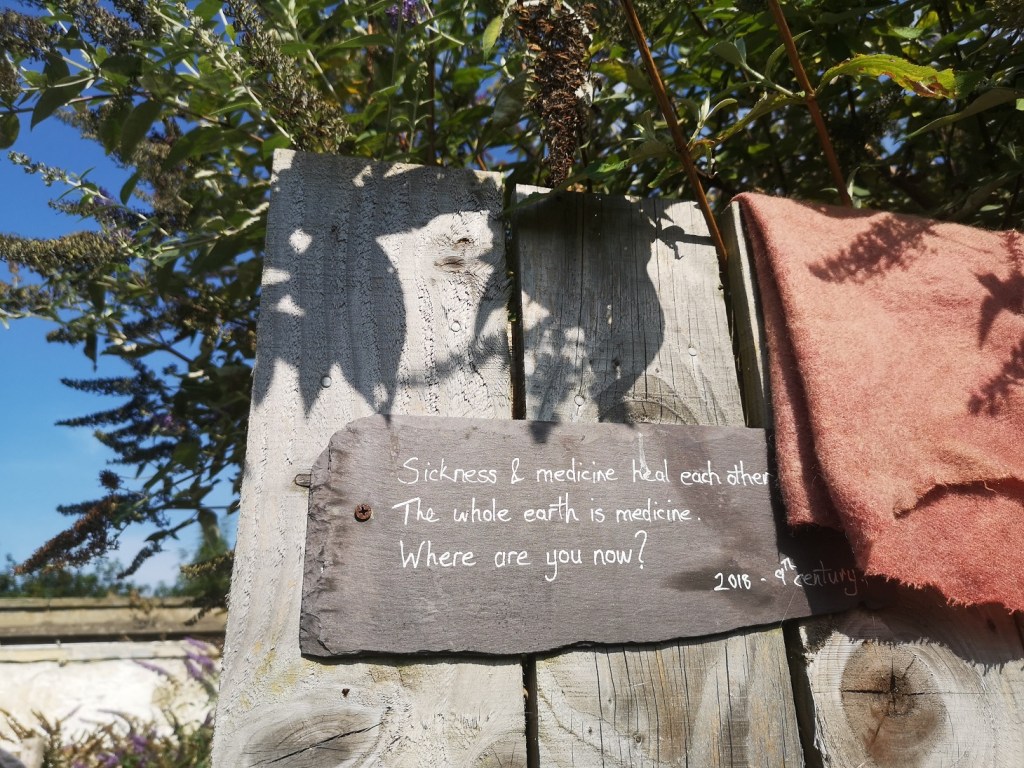
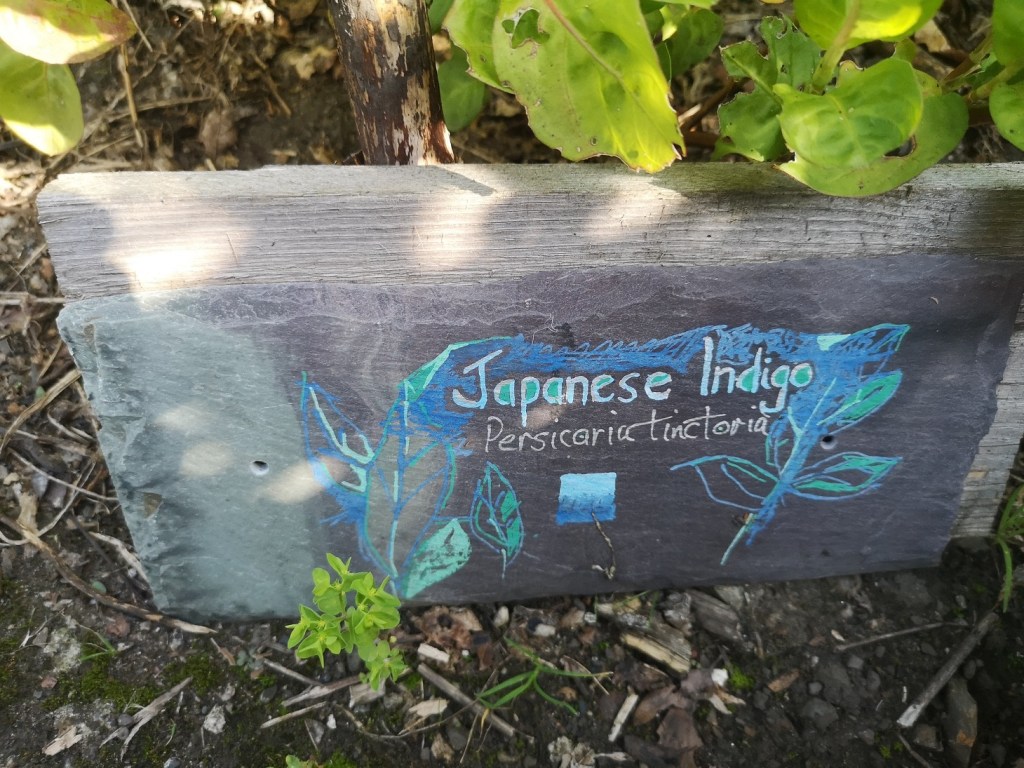
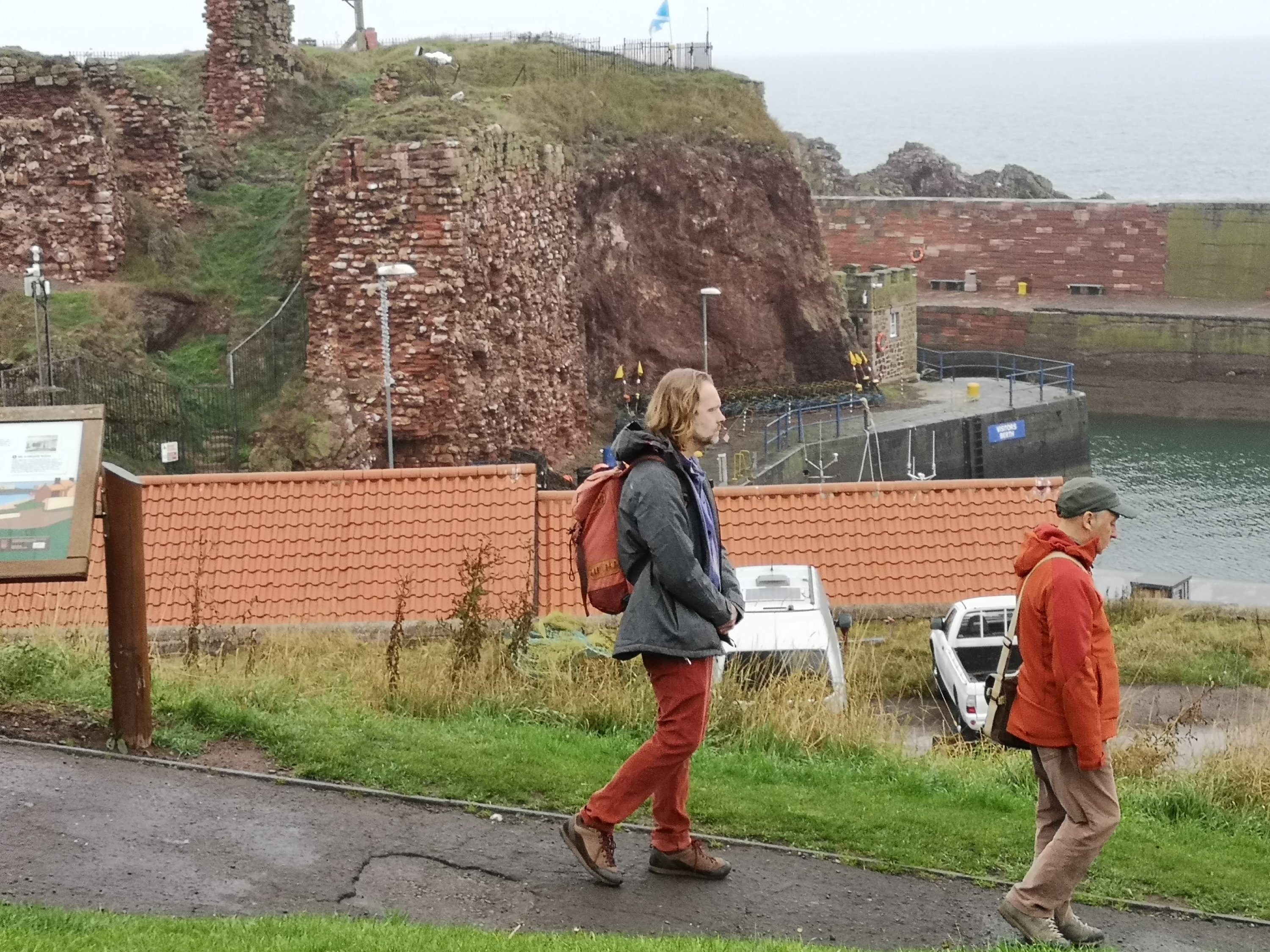
We continue along the coast of the Firth of Forth, through the industrial outskirts and past the entrance to the Granton Walled Garden where the cape was dyed. A small group peel off to collect a soil sample before rejoining us further on.


Stage 2 / the Earth Phase
Our next stop is for tea and coffee in the corner of the Lauriston Farm, kindly donated free of charge. We are immensely grateful to Lisa, Toni and Dave for their time and generosity.
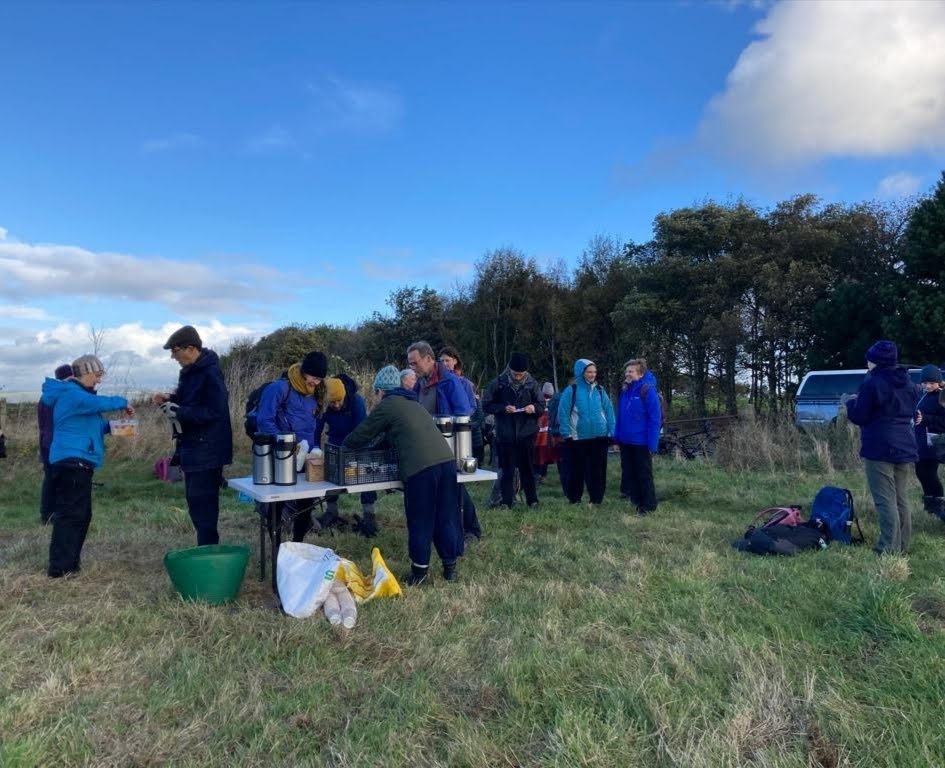
Transforming an existing farm into an urban food production and community hub that benefits, supports and regenerates the environment and all those connected to it.
Lauriston Farm website
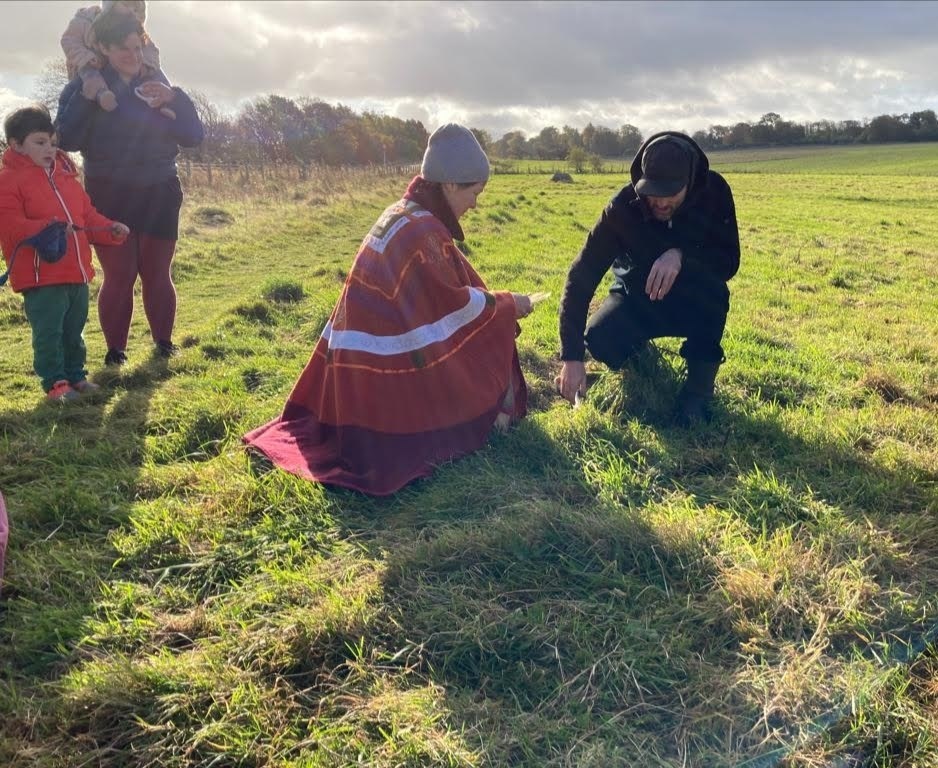
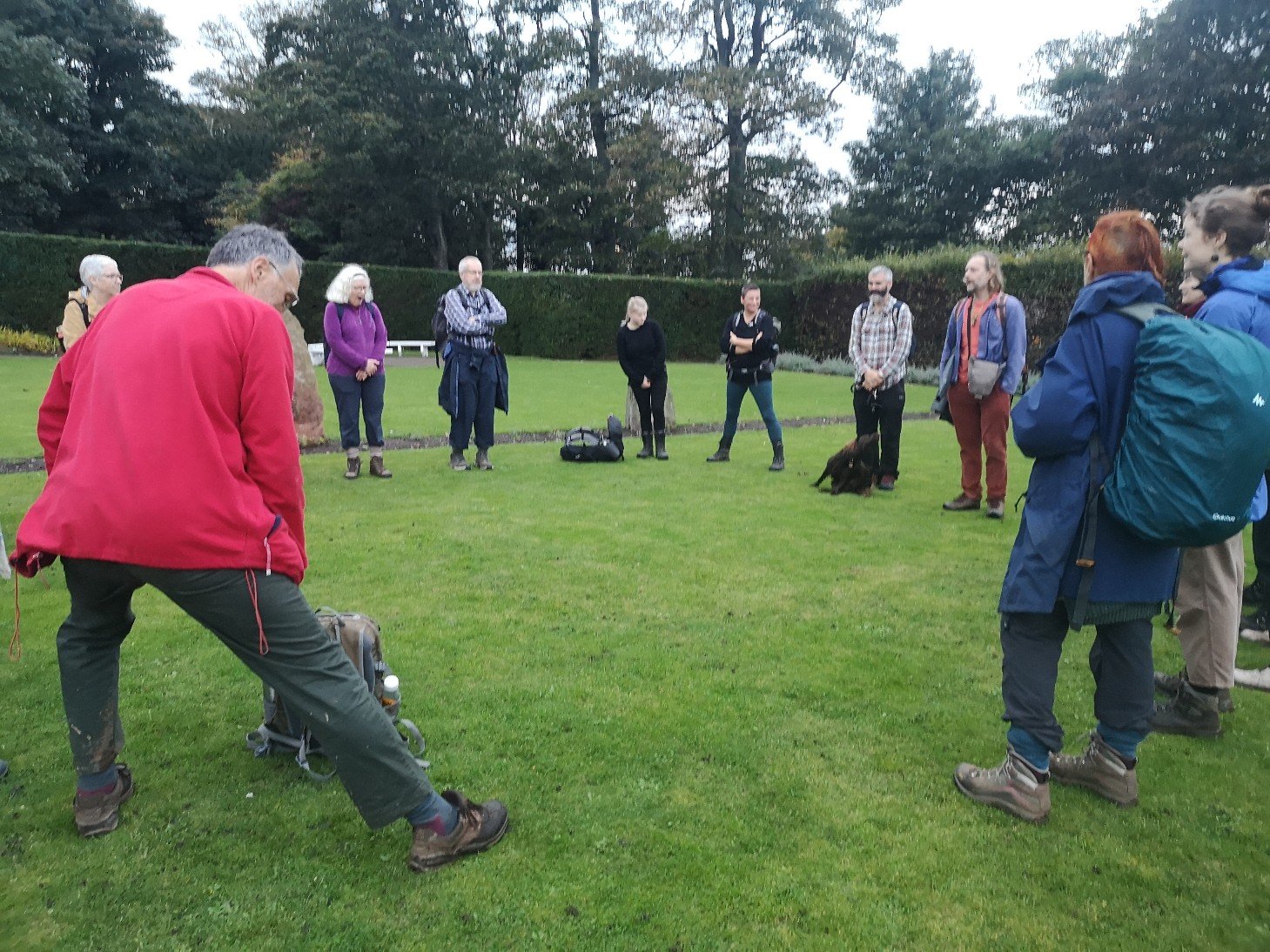
Here we pause to consider the second of the 5 Elements: Earth. There is a soil ceremony and the small sample is put in one of the cape’s pockets to be carried to Glasgow. The focus for the next stage is the physical awareness of our feet on the ground, reflecting on the ‘give and take’ which is happening on this walk – the kindness and generosity of others, and what it means to be able to accept that; and the nourishment and nurturing between us and the earth. We have our first silent period and muse on the role of sympathy and empathy in the climate crisis.
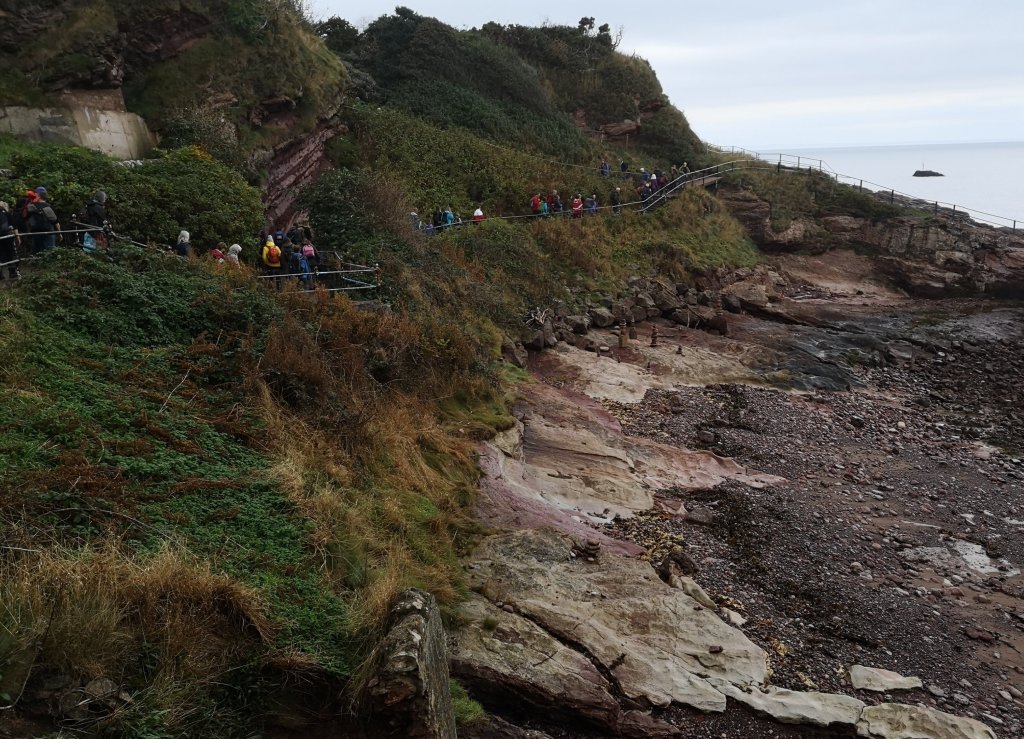
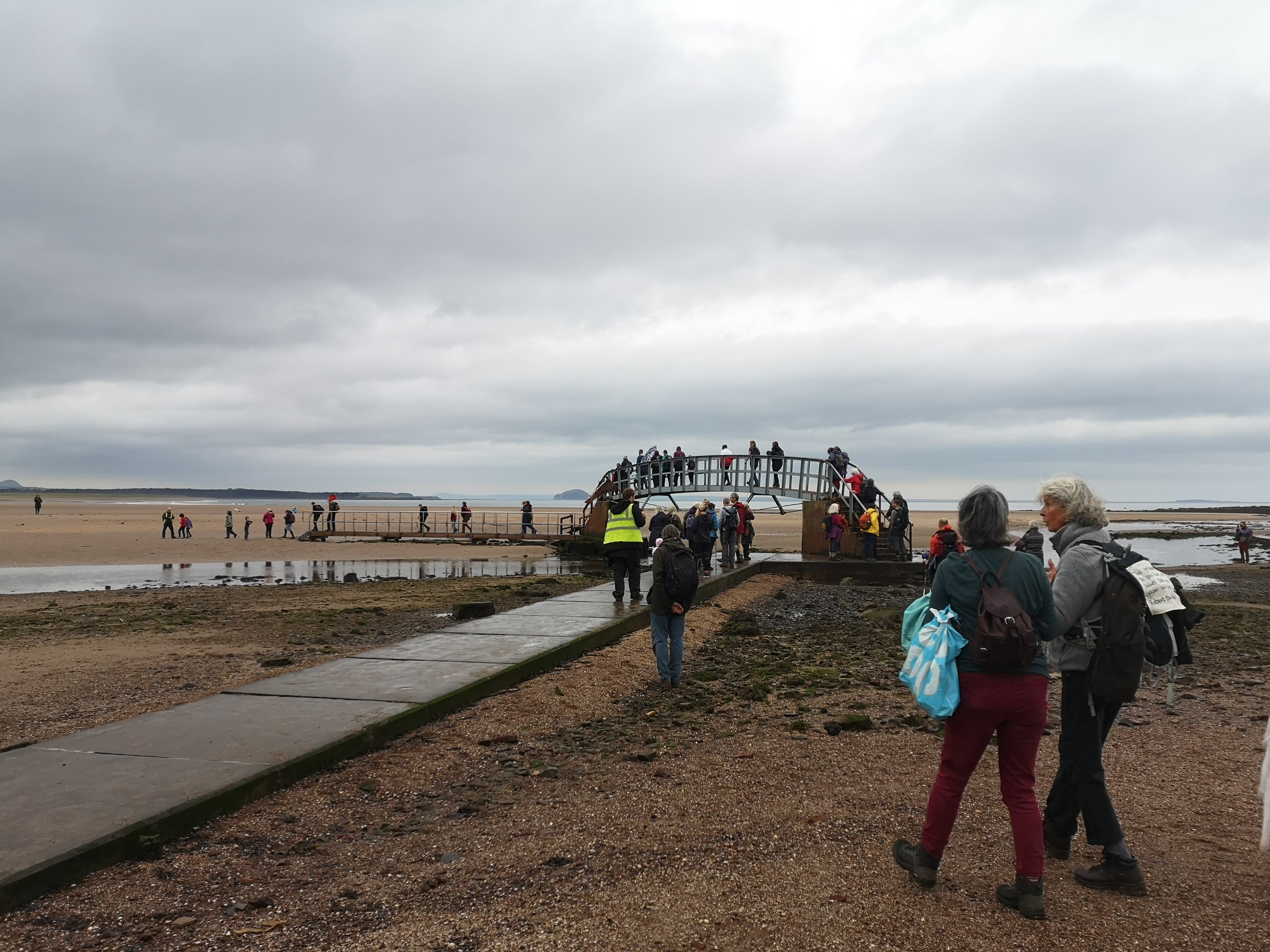
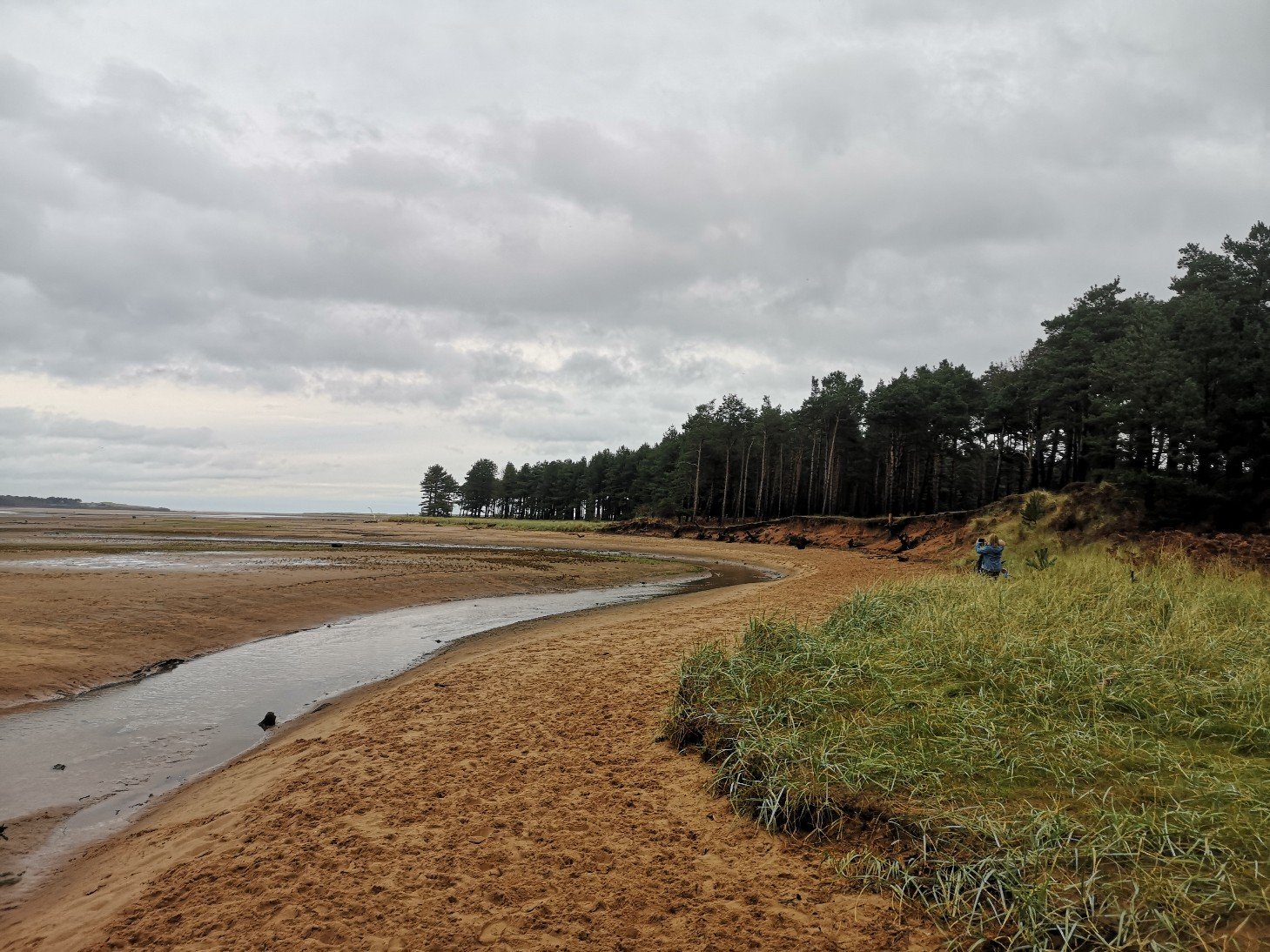
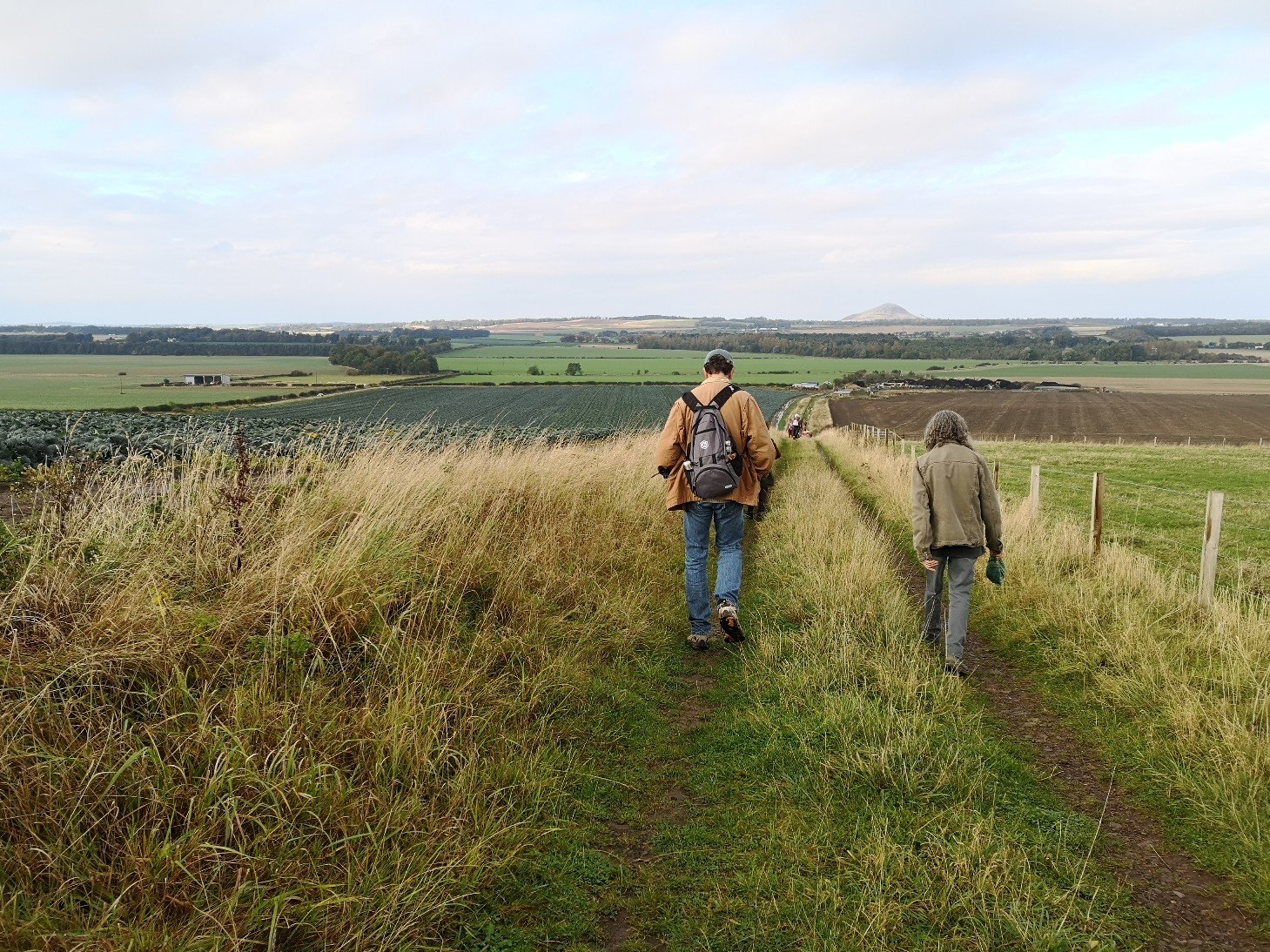
The next section is along the sea front at Silverknowes and on the beach to Cramond.
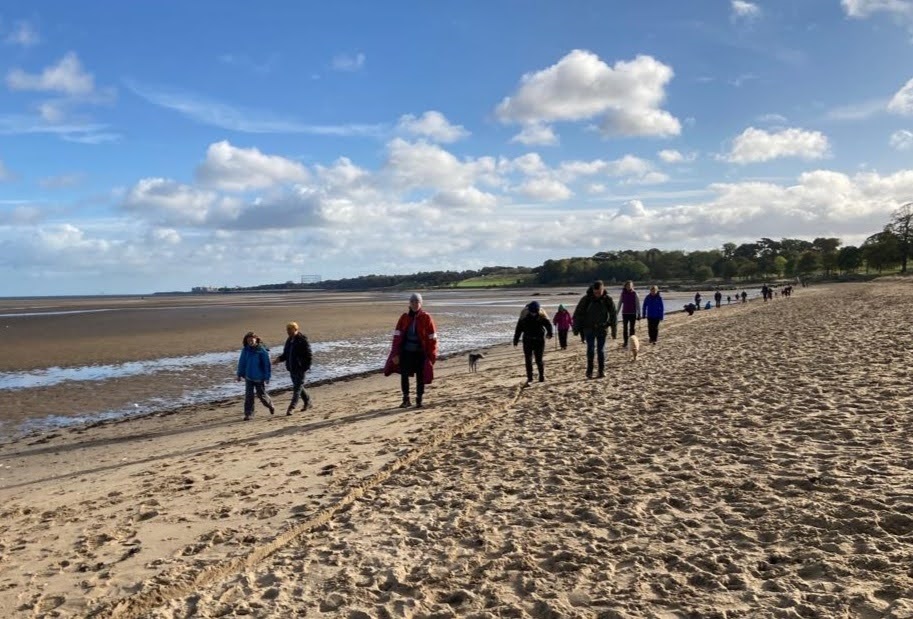
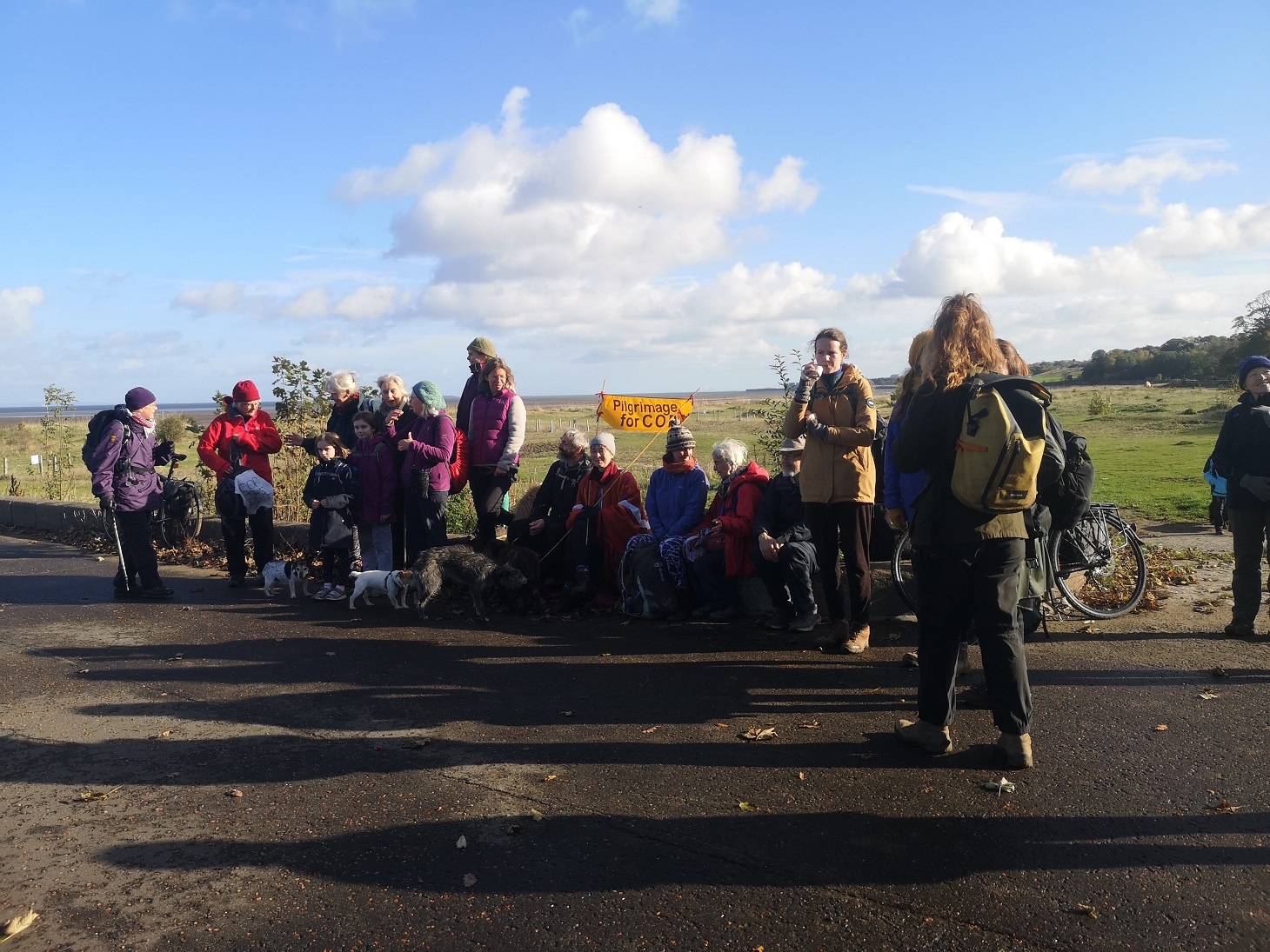
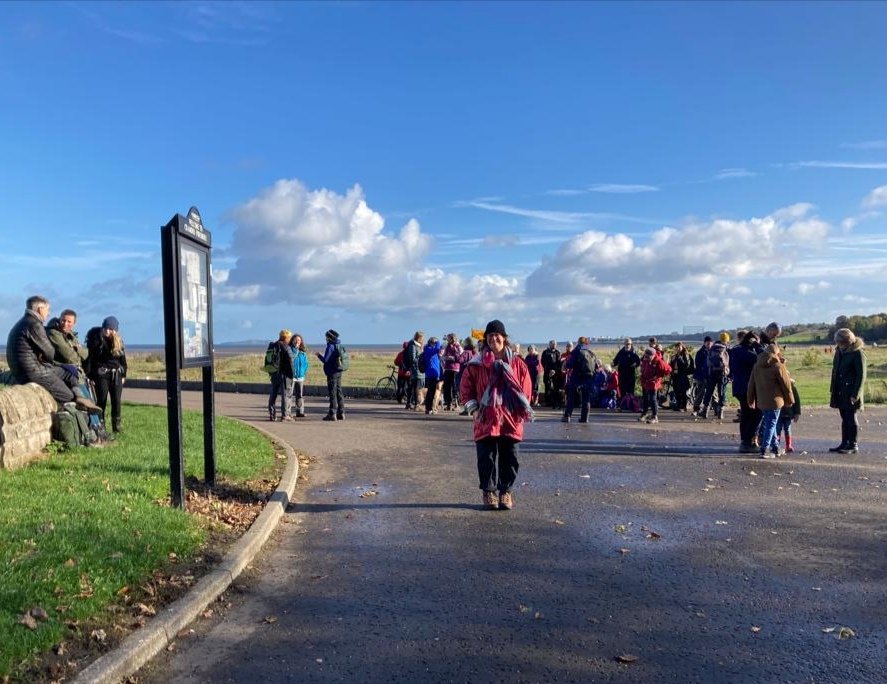
Stage 3 / the Water Phase
Here we pause to immerse ourselves in the Water Element with thought, emotion and physical exercises. We focus on harnessing the sea’s power and thinking about other renewables as we flow along the River Almond path. Recapping the first week of the pilgrimage, there is reflection on the fear engendered by the climate crisis – for ourselves, our children and other-than-humans.
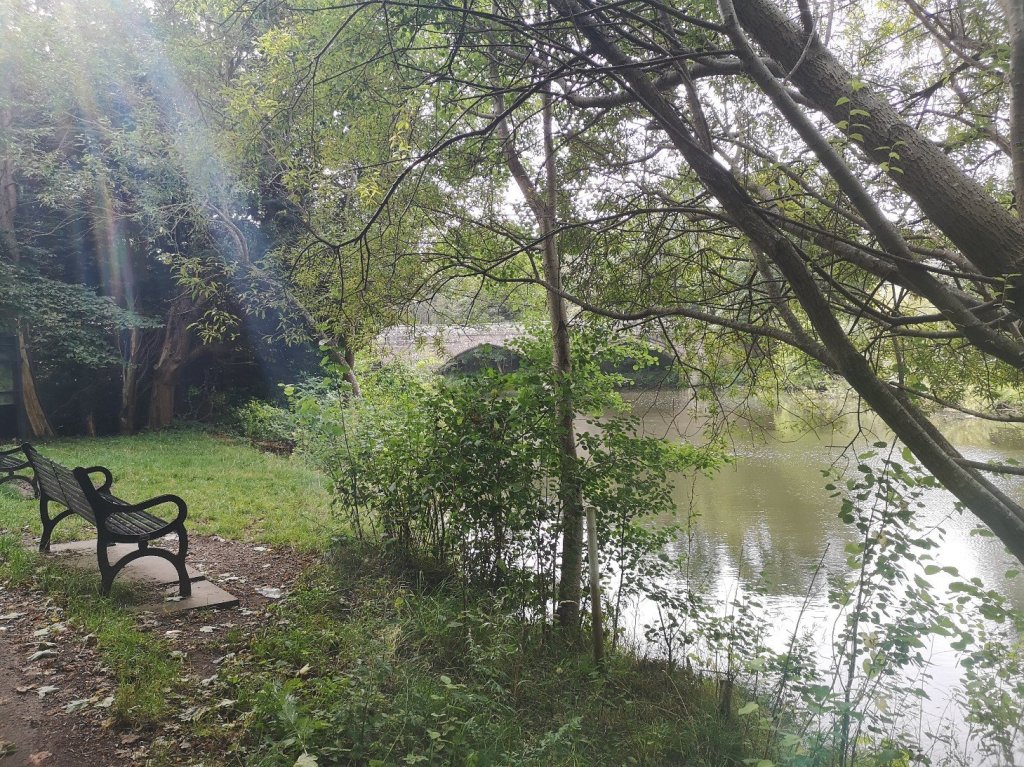
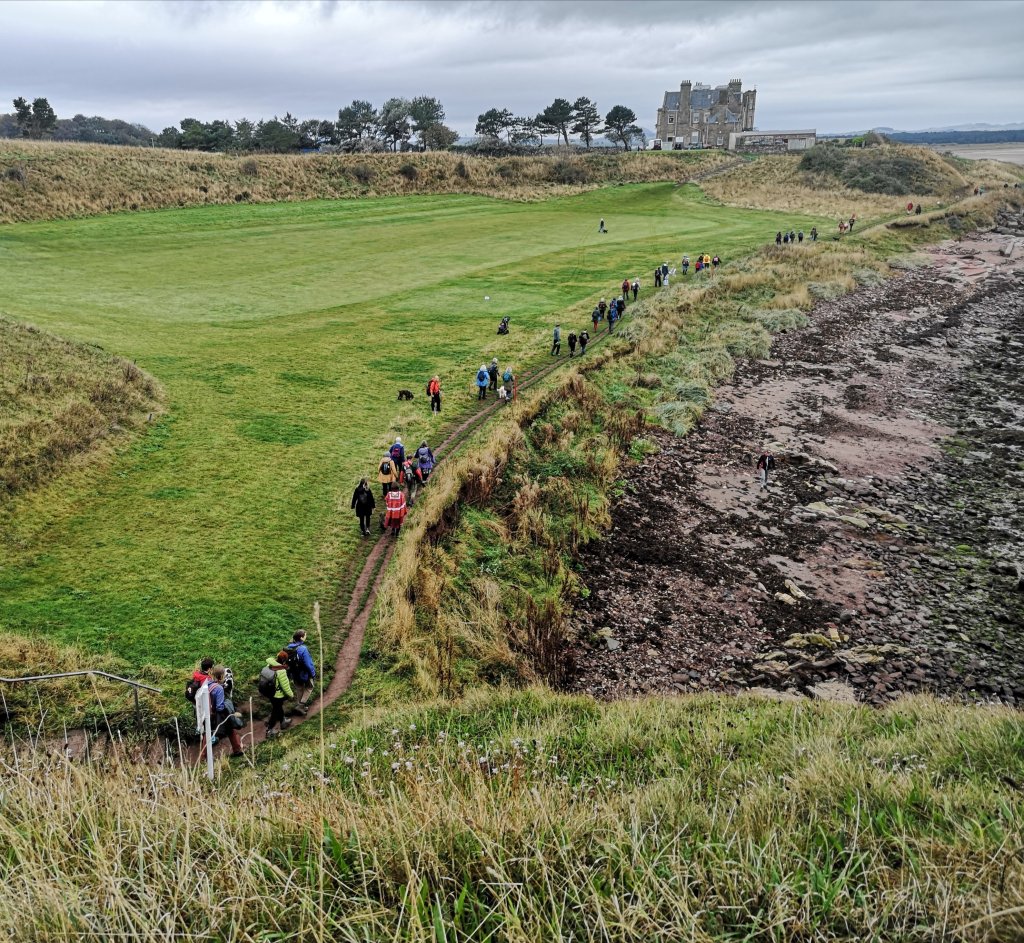
We wait for even more walkers to join us, say goodbye to others, and continue past the hotel, back down the other side of the River Almond through the Dalmeny Estate. Here we eventually have our picnic lunch. Thanks to Ewan for the delicious, home-made oatcakes.
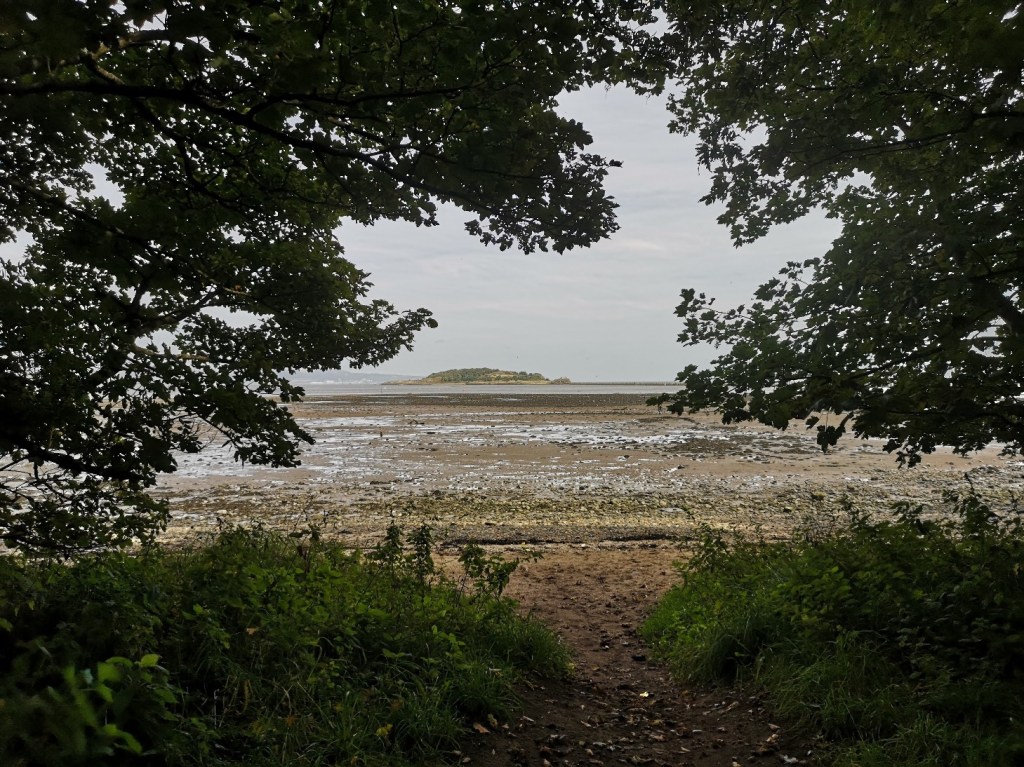
Stage 4 / the Wood Phase
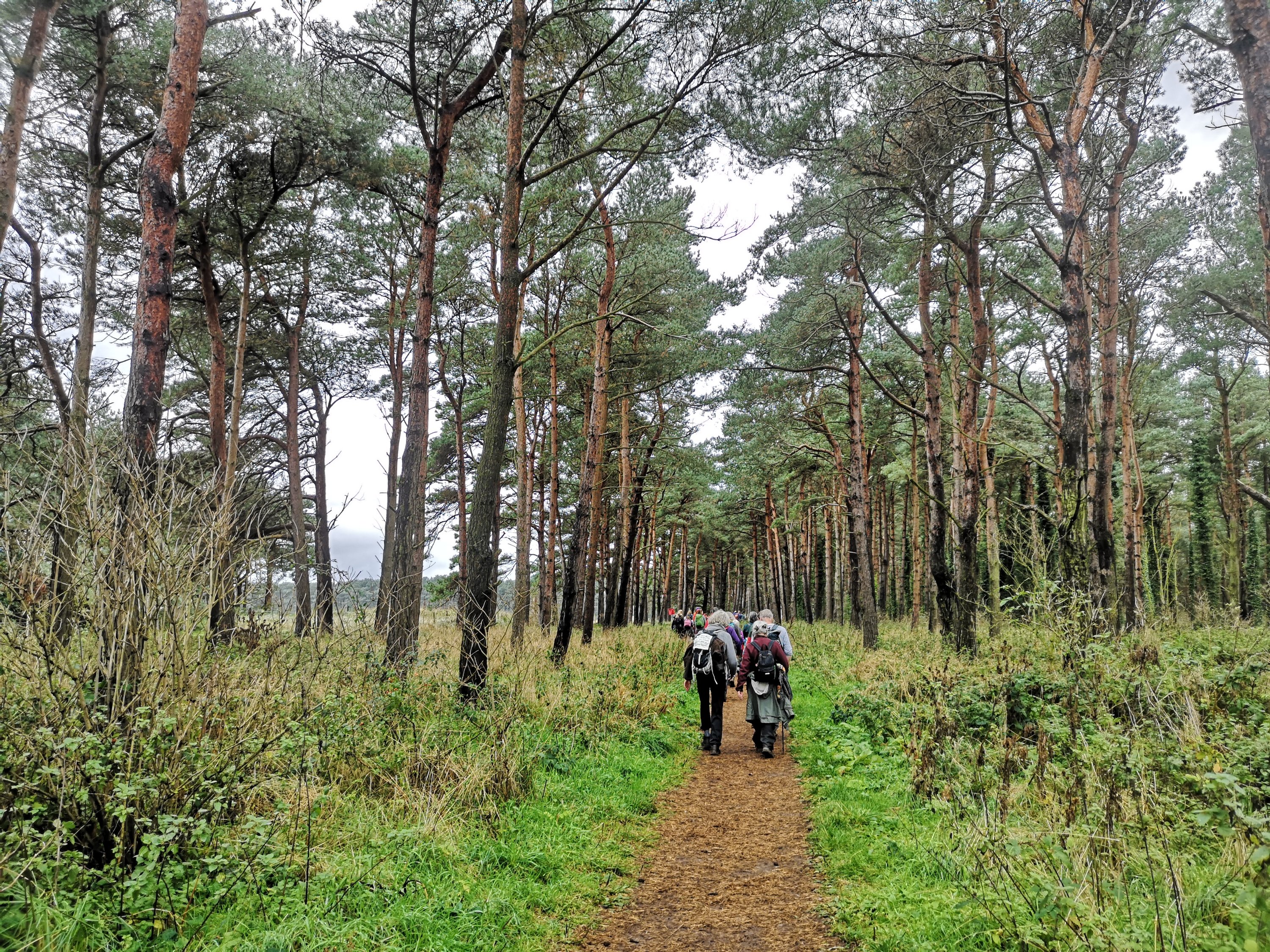
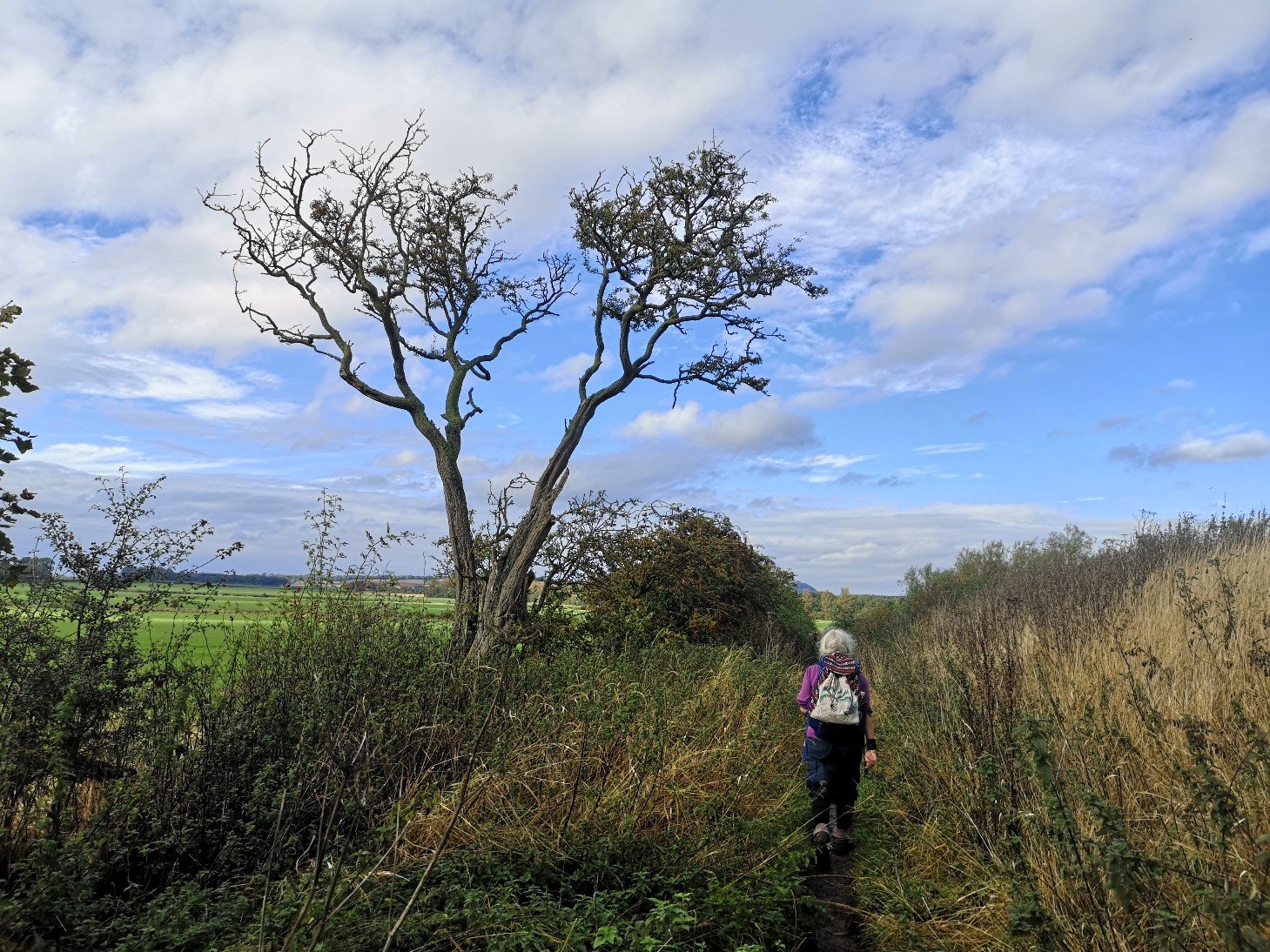
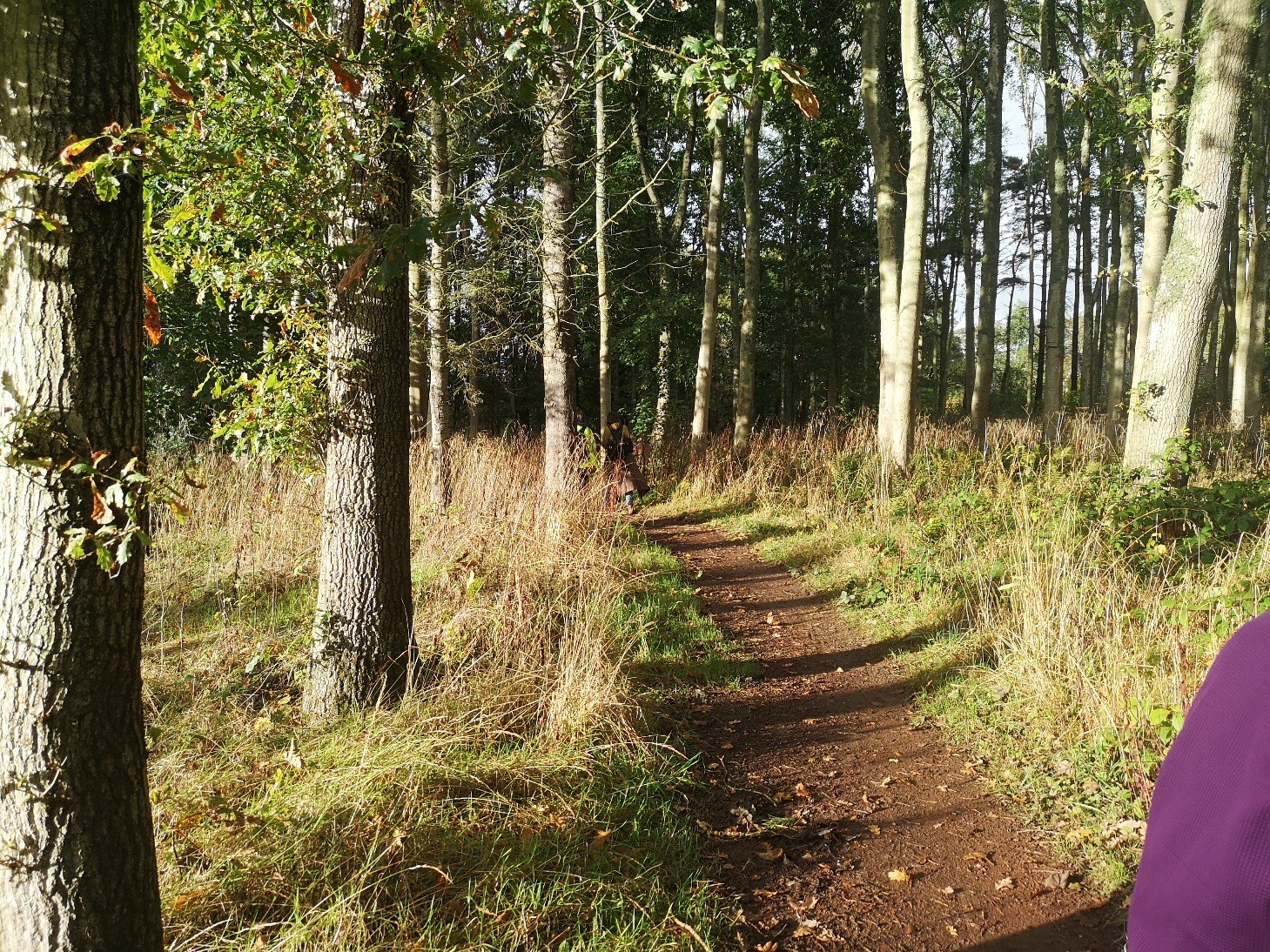
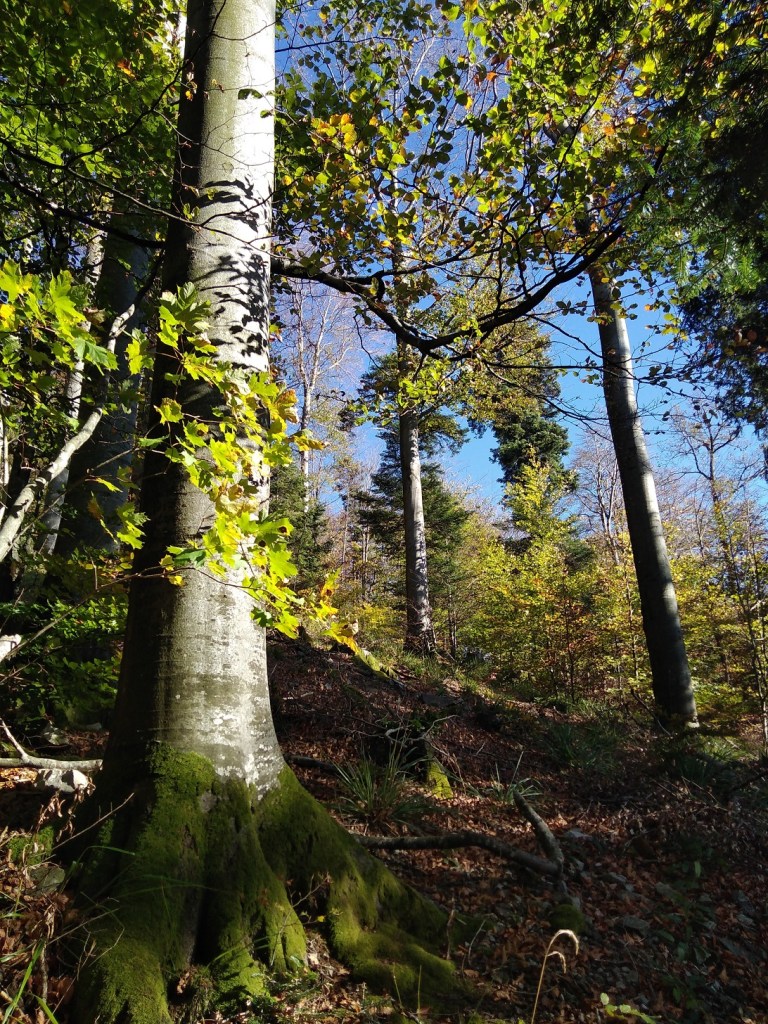
Moving into the woods, we take the chance for a second period of silence. In single file we appreciate the trees, the lush undergrowth and occassional glimpses of a wider landscape between boughs.
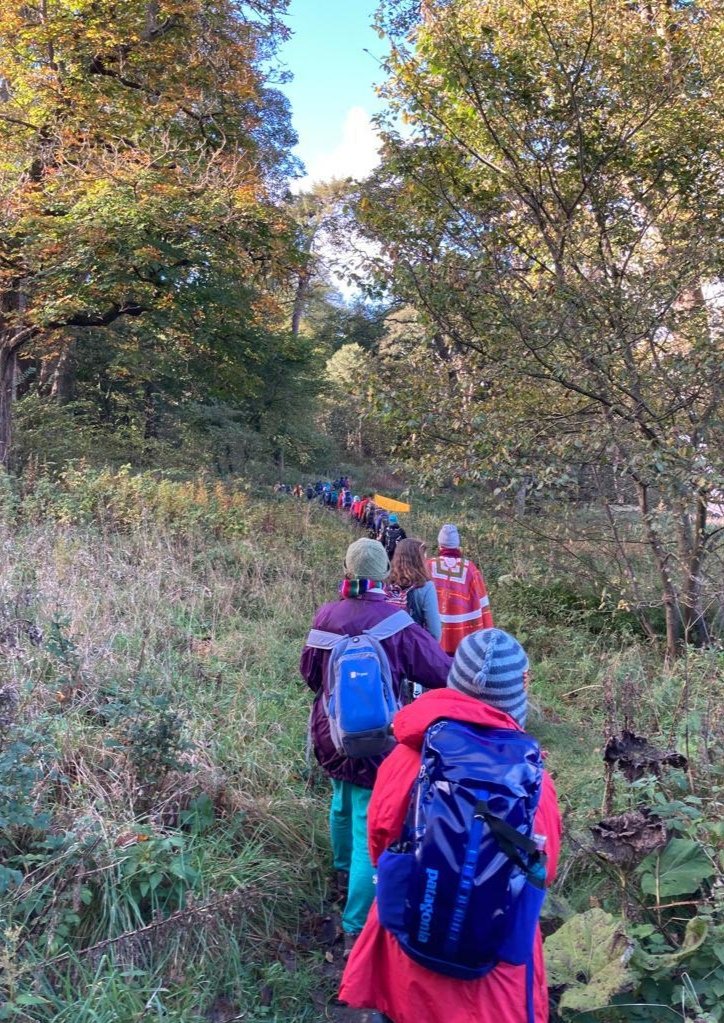
Later, there is more dynamic discussion and expression of any anger we feel about HS2 and other developments which have involved felling trees. We attempt to harness and direct it towards decarbonising action plans.
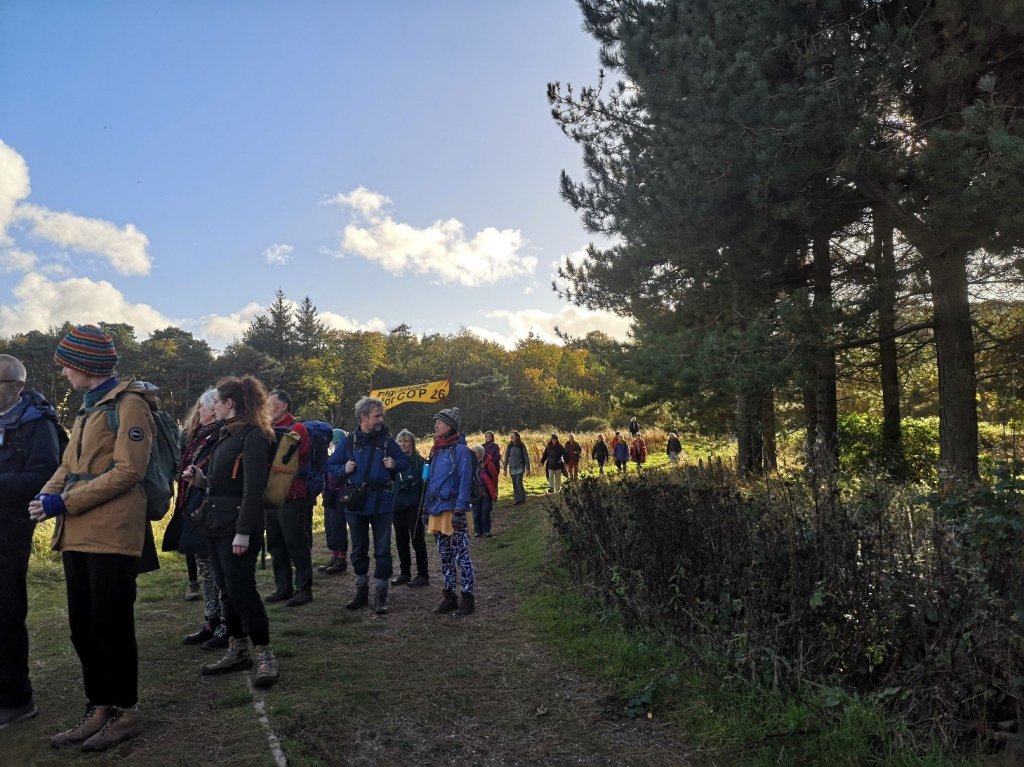
Everything is going well and someone makes a suggestion for a little detour. I think, why not, we’re making good time. However, we lose half the group and that means there are rather stressful phone calls back and forth as we try to find each other. Note to self: stick to the plan!
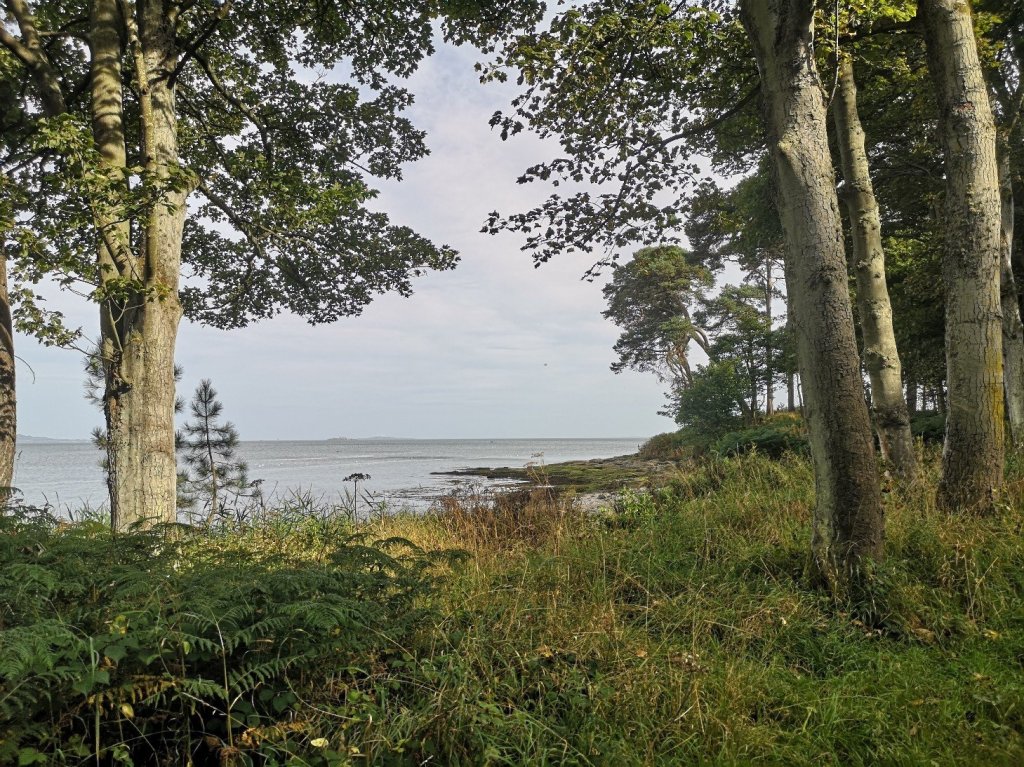
Stage 5 / the Fire phase
Our final phase is the Fire element and we are very close to our South Queensferry destination.
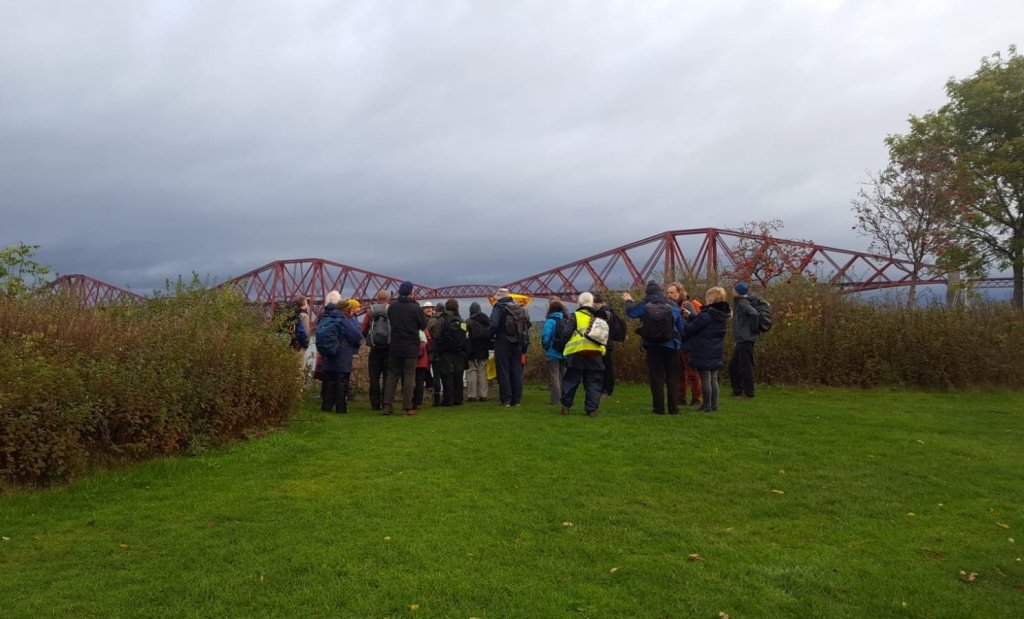
Renewing our community spirit with a song, we practise smiling in the face of difficulty as we swing into South Queensferry with open hearts and hope for the future. Many thanks to the pilgrim who sings for us so we can join in.
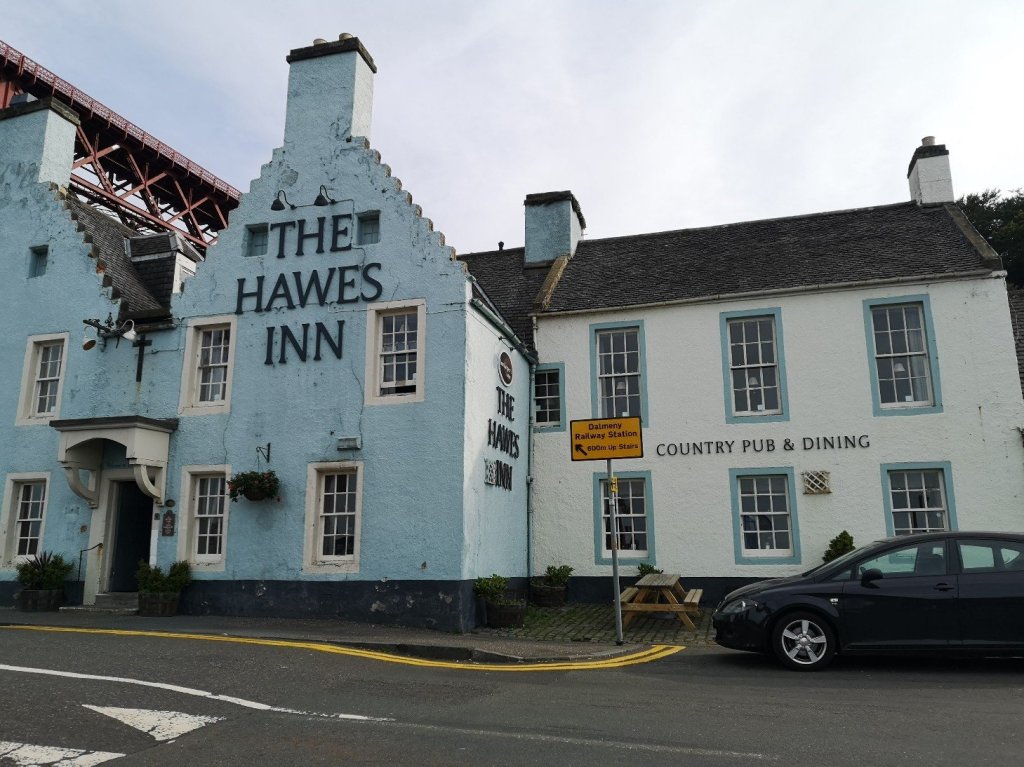
We are staying at the Priory Church, but we are too early and it’s started to rain. Bidding farewell to the day strippers, we retreat for a well-earned drink to warm up and dry off.

What a wonderful welcome we get at the Priory! Although there is only one toilet and no showers for us all, local people open their homes. There is a fascinating presentation about the Chapel and its history, a sumptuous meal, and we are very happy to bed down on the church floor at the end of the day.
Once part of a medieval Carmelite Friary at the centre of life in the Royal Burgh of Queensferry, the Church is situated very close to the Binks where the St Margaret’s Ferry used to take pilgrims across the water to Fife, so they could walk on to St Andrews. That was before the bridges were built, and is what gives the town its name.
It is thought that there was a building here in the 11th century. Certainly, the Carmelites were in the area around 1330, a monastery was in operation in 1440, and that’s when this ancient church dates from.

When I was planning the day, I tried to find someone to row us over the foot of the Almond. There used to be a boatman there who lived in the cottage opposite, but no longer. It would have meant that we missed the gorgeous river walk, but would have shortened the day. As it was, we all seemed to have coped well with the distance.
Reimagining what it means to be ecological
At the heart of the philosophy which underlies Shiatsu and East Asian medicine is the innate relationship between humans and other-than-humans. We are all one, all made of the same Chi, and intrinsically linked.
The cyclical and interdependent relationship inherent in YinYang means that it is impossible to imagine one part of nature separate from another. Every thing morphs and melds into the other, particularly in extreme situations such as the current climate change scenario. We can see this happening: the more we pollute the atmosphere, the faster and stronger the winds are having to move the air around in order to preserve its quality, so that we can all continue to exist. Balance happens, or at least the natural system is trying very hard to achieve that.
We must, of course, do our bit: notice what is happening and see where we are needed, work alongside our companions in nature and those who are trying desperately to put things right. We must listen to the messages, and this is easier to do if we walk rather than run, reflect as well as act, and connect with compassion, as well as protecting our own.
The system we are part of offers hope in this way, and although it can be hard to hear, we can console ourselves that if things do worsen, we are participants in a very grand cycle. We will be composted along with the potato peelings, sooner or later, ready to sprout again, so in the meantime, let’s pledge to do the best we can while we’ve still got time.
All photos by me unless otherwise stated.
South Queensferry to Bo’ness.
 Walking without a donkey