Slow Travel (overland)

I’m championing Slow Travel, blogging about going overland on foot, by train, bus, Bla Bla Car, or ferry. I began in 2016 by taking a boat to Santander from Portsmouth across the Bay of Biscay, and walking around Spain, including from Pamplona to Santiago de Compostella (most of the Camino Frances) which took 5 weeks (approx. 410 miles / 660 kms). Then in 2023, I decided ‘no more aeroplanes for me’.

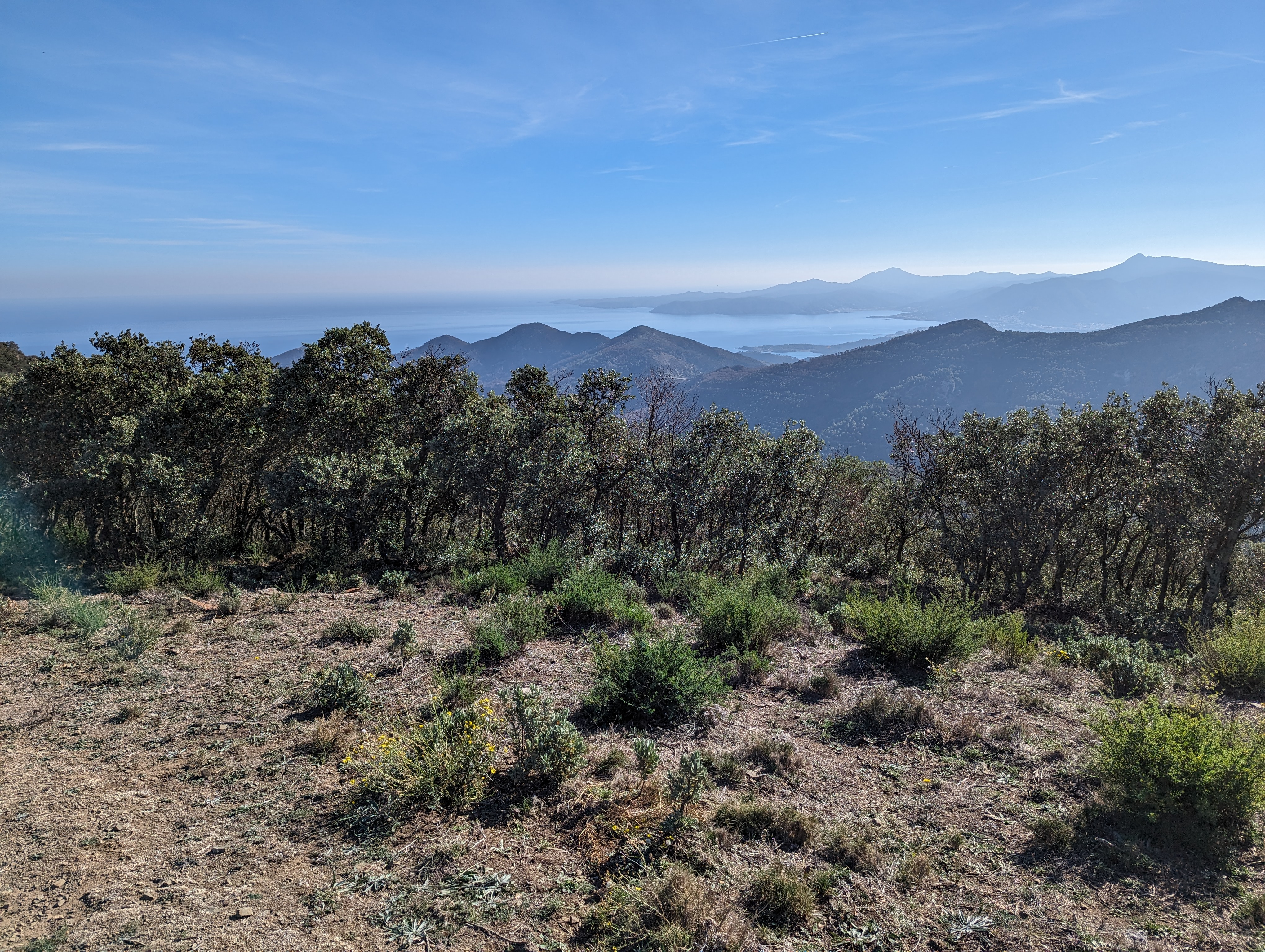
Pyrenees on the Walter Benjamin Trail 2023

There are several reasons why I’m doing this: the most important two are to avoid producing carbon emissions when flying, and the pleasure I get from being able to feel the ground under me and see the places I’m passing through. Ideally, I would walk, and I’ve done a lot of that, but I generally move between cities on wheels on a method of transport where I’m sharing with other people. I’m concerned about global warming and climate change, and would prefer not to be responsible for making it any worse, if possible.

This type of journey is slower. It takes more preparation time, and is often more expensive too, which means that I must incorporate the travel days into my itinerary rather than adding them on to the beginning and end of a holiday. I have chosen to make this a part of my life and art, and I know how lucky I am, privileged, to be able to do that. I stop off whenever I get an invitation to give Shiatsu, exchanging with people as I go, which means that I often meander instead of going in a straight line.

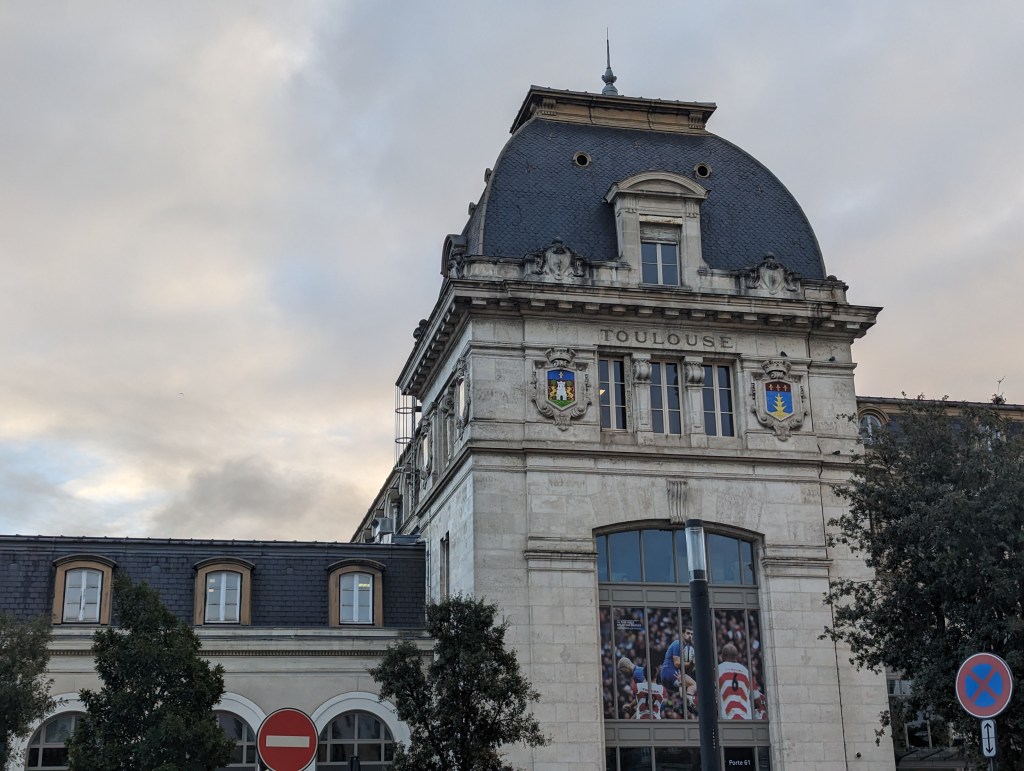
Toulouse-Matabiau train station between Paris and Girona

Between 2016 and early 2023, I did fly (although I often walked from the airport to where I was staying eg in Dublin), so you will find that info in the older blogs (see below, when I went to Croatia, for example. I flew from Paris to Milan and took buses from there to Zagreb.)

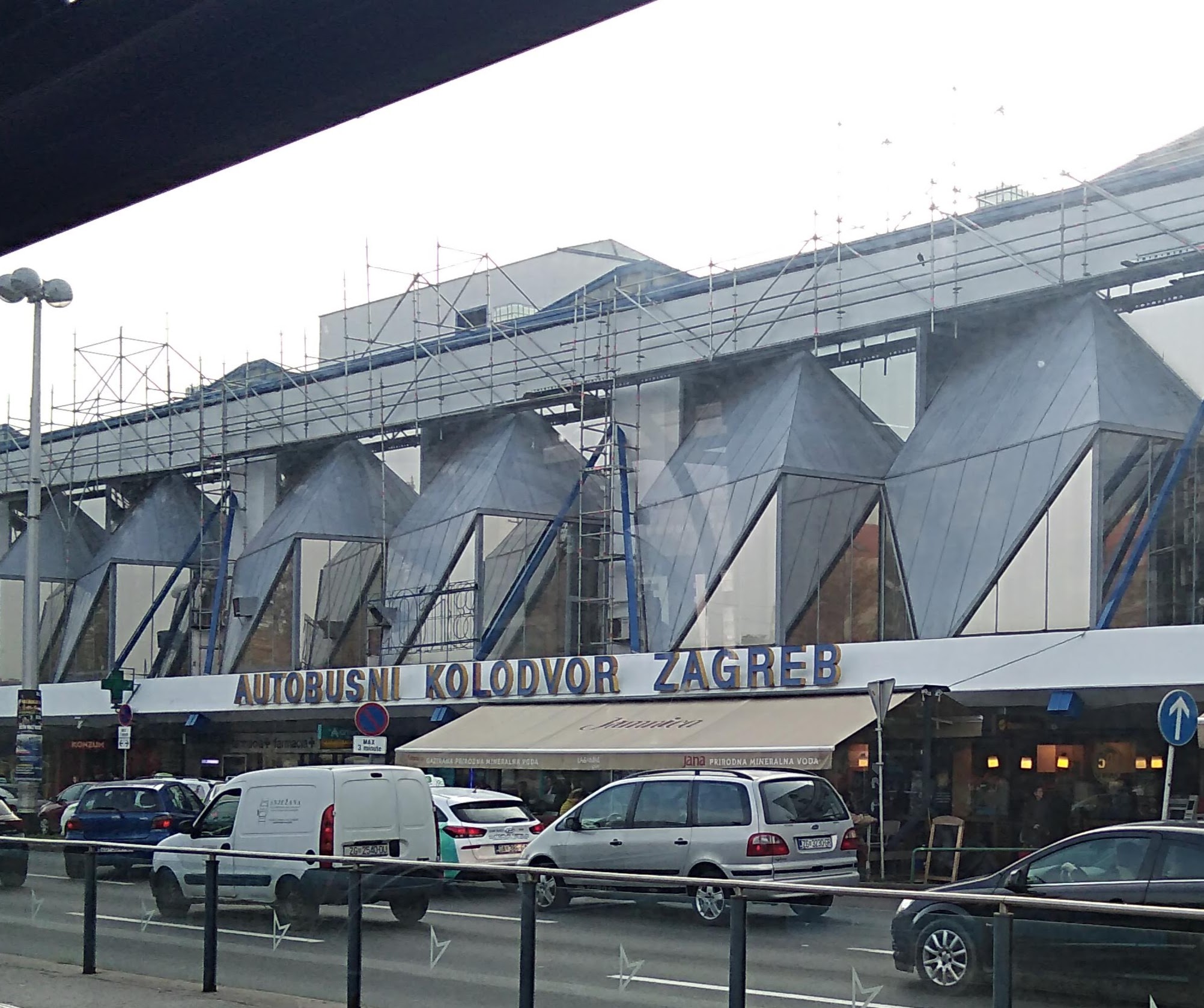
Zagreb bus station

Scotland – Greece 1

Scotland – Greece 2

Scotland – Spain (2024)

Portsmouth (England) to Santander (2016)

Walking Spain on foot (and how to get there)

Croatia (includes some airport info as I didn’t make my promise to stop flying until early 2023)

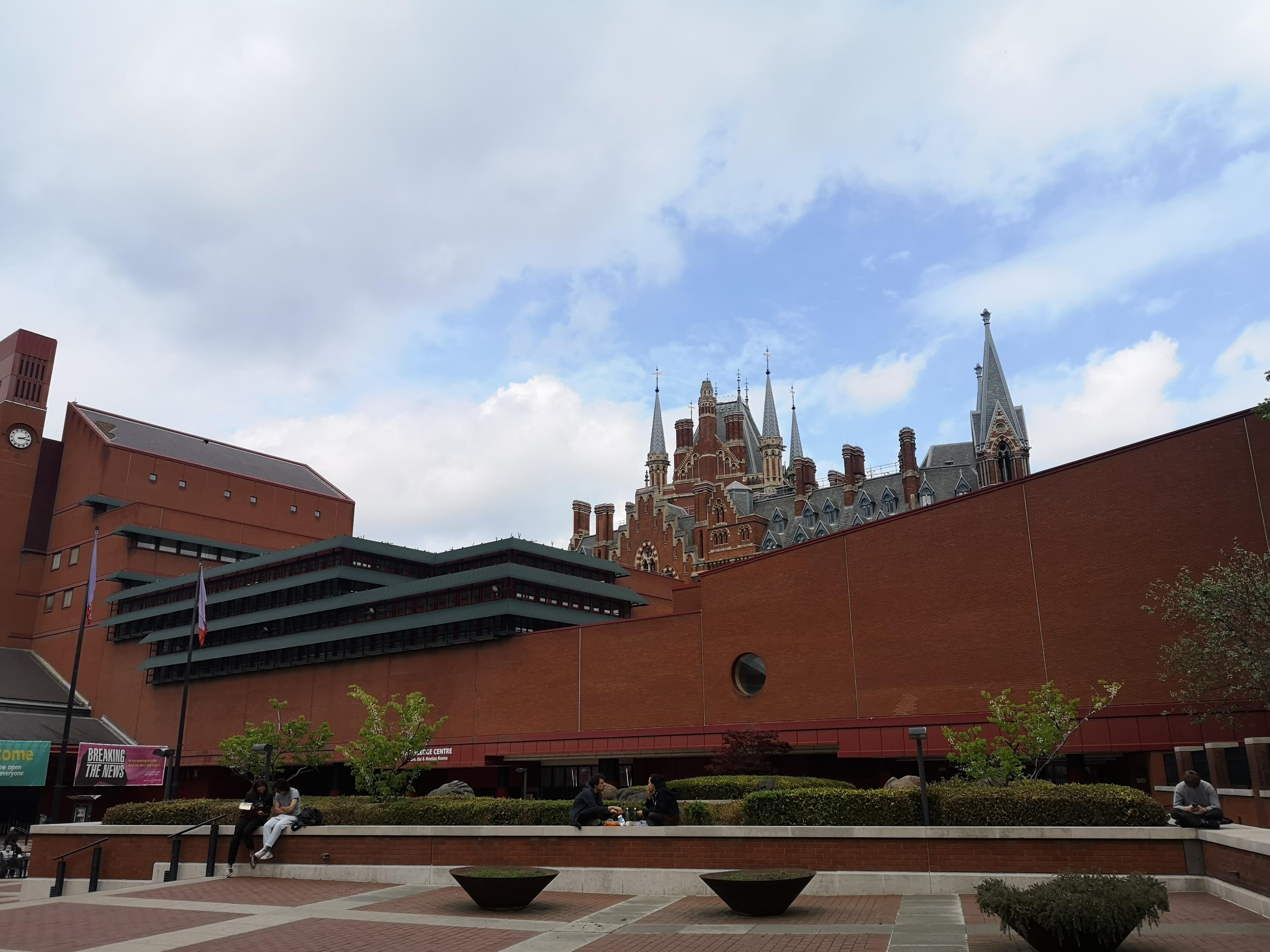
St Pancras Station, London (where you can take the Eurostar to Paris and Brussels)

Tinos and Chora town

May 2023

Introduction

I thought I might take a break after teaching Shiatsu and giving supervision in Athens, so I looked up islands which were easy to get to from the capital and typed the word ‘pilgrimage’ into the search engine as a starting point. Tinos came up immediately. It’s not only a vital place of pilgrimage for Greek people, but it’s also famous for its dovecots (see photo at the end of this blog), which I have been studying for a few years now. To Tinos I had to go!

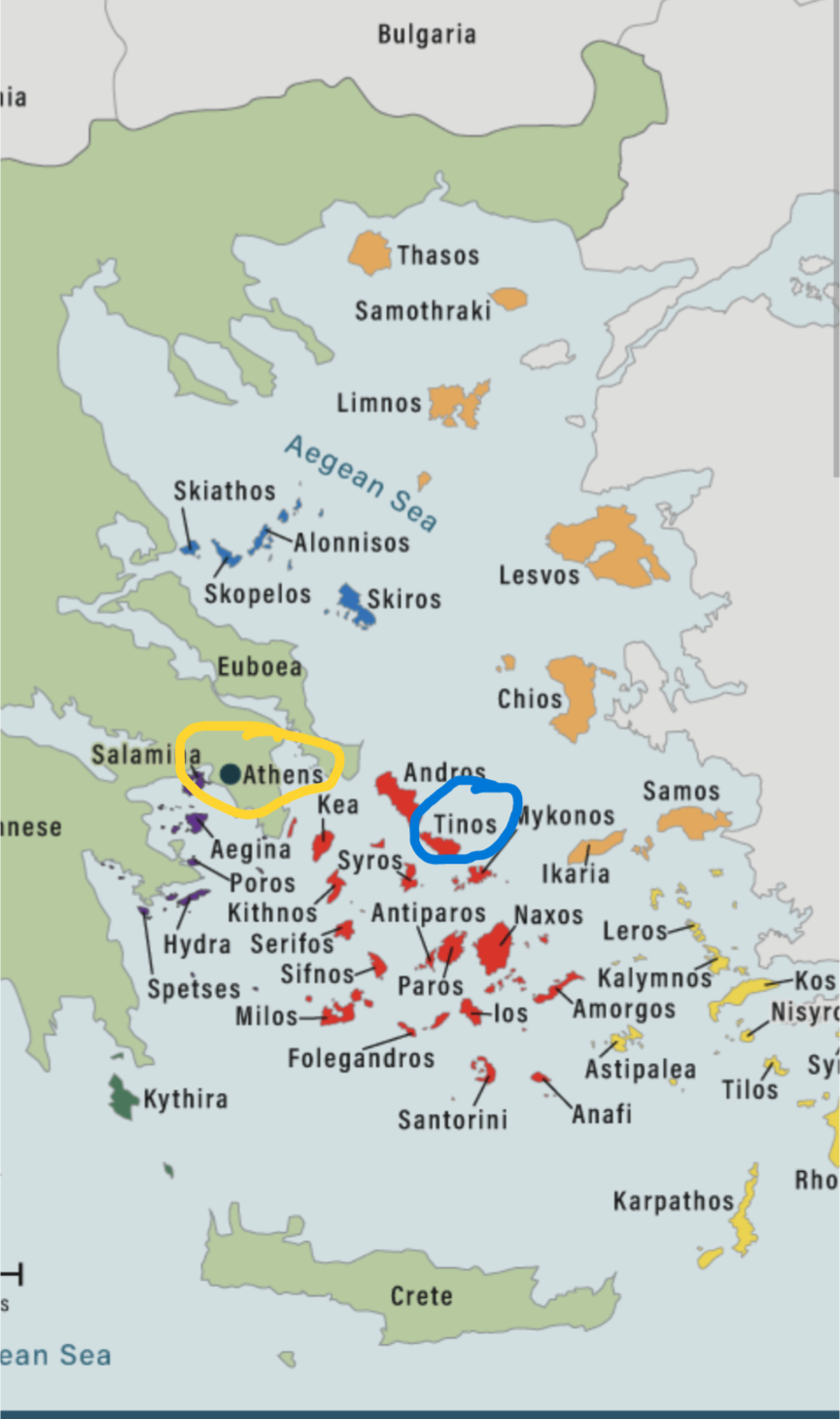
Map of Greece showing the location of Tinos in relationship to Athens

A sacred island of pilgrimage, Tinos is one of the Cyclades, and has a deep history that is crucial to Greece herself. Since the 7th century, a feast has taken place there in honour of the Dormition of the Virgin Mary (her passing from the earthly state). Then, in 1823, two years after the Greek War of Independence had started, a nun called Pelagia found the Holy icon of the Annunciation of the Panagia in a field. Considered a divine omen for the Greek Revolution, a shrine / church was founded to coincide with the agricultural calendar on the island, and a festival was established on 15 August to which women and men flock each year.

In the first [of several chapels at the Shrine] is a holy spring, where pilgrims collect water which has powers of fertility and cures sickness. According to tradition, the well was found during the excavations in search of the icon. The well was dry. On the day the church’s cornerstone was laid, it filled up with water. The source is seen as a miracle, and the chapel of the holy water is called the “Life-Giving Spring.”

Evy Johanne Haaland

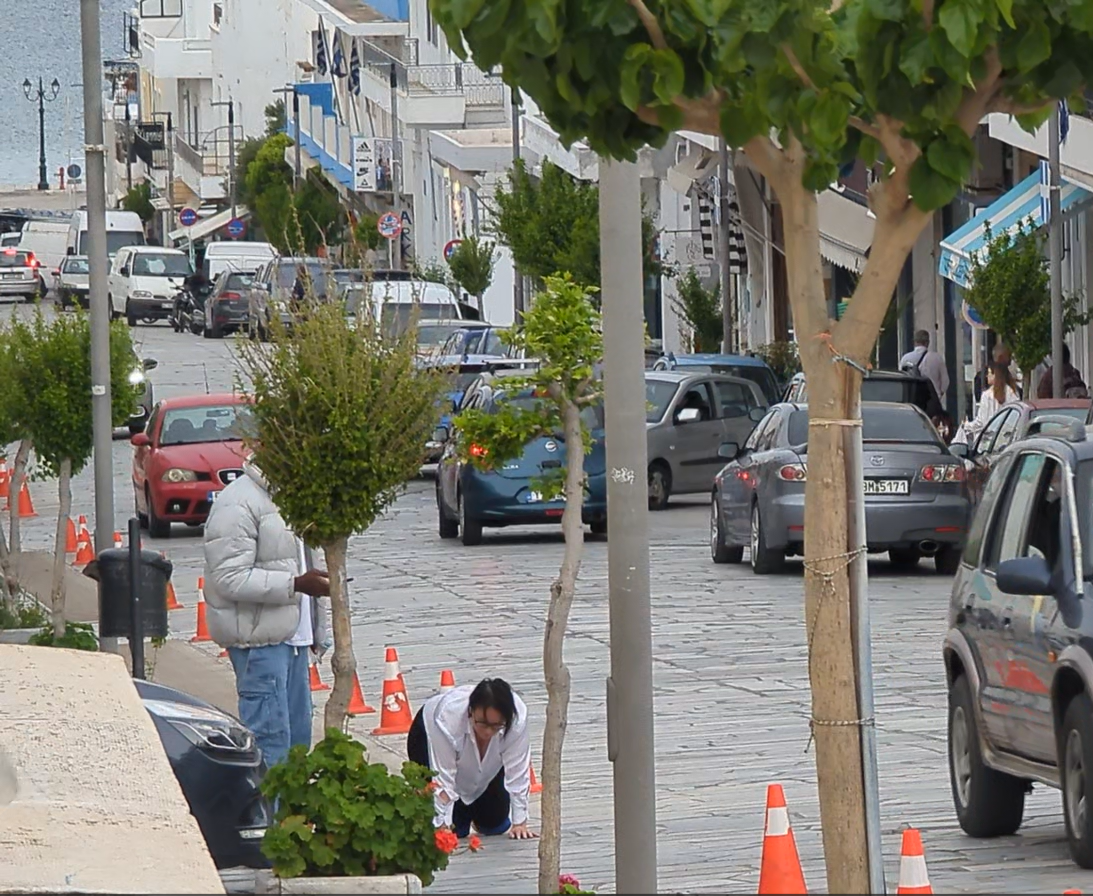
Evy Johanne Haaland, a Norwegian researcher (Dr/PhD, history) and government scholar, writes here about Palagia, and the ritual that women through the ages have performed – climbing up the steep hill from the sea to the shrine on their hands and knees, sometimes with a child on their back.

Greek women are strong and active persons …, thus paralleling the divine Panagia.

Evy Johanne Haaland

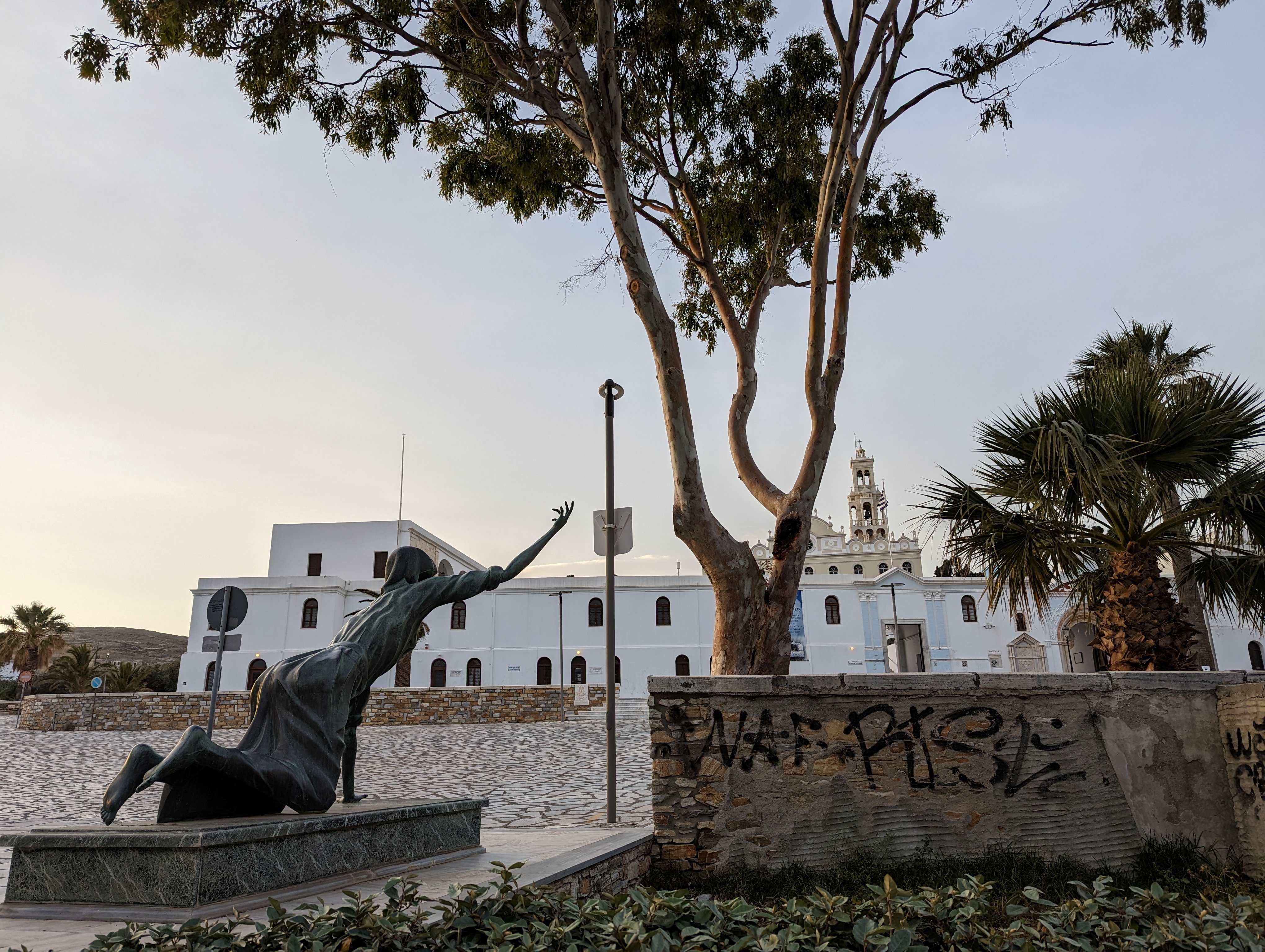
Shrine to the Panagia, Chora, Tinos, Greece

Practicalities

Chora is the main town of the island, also known as Tinos, and is where the ferry arrives and leaves from Athens. I took the ferry to and from Rafina (not far from Athens – take the inexpensive KTEL bus).

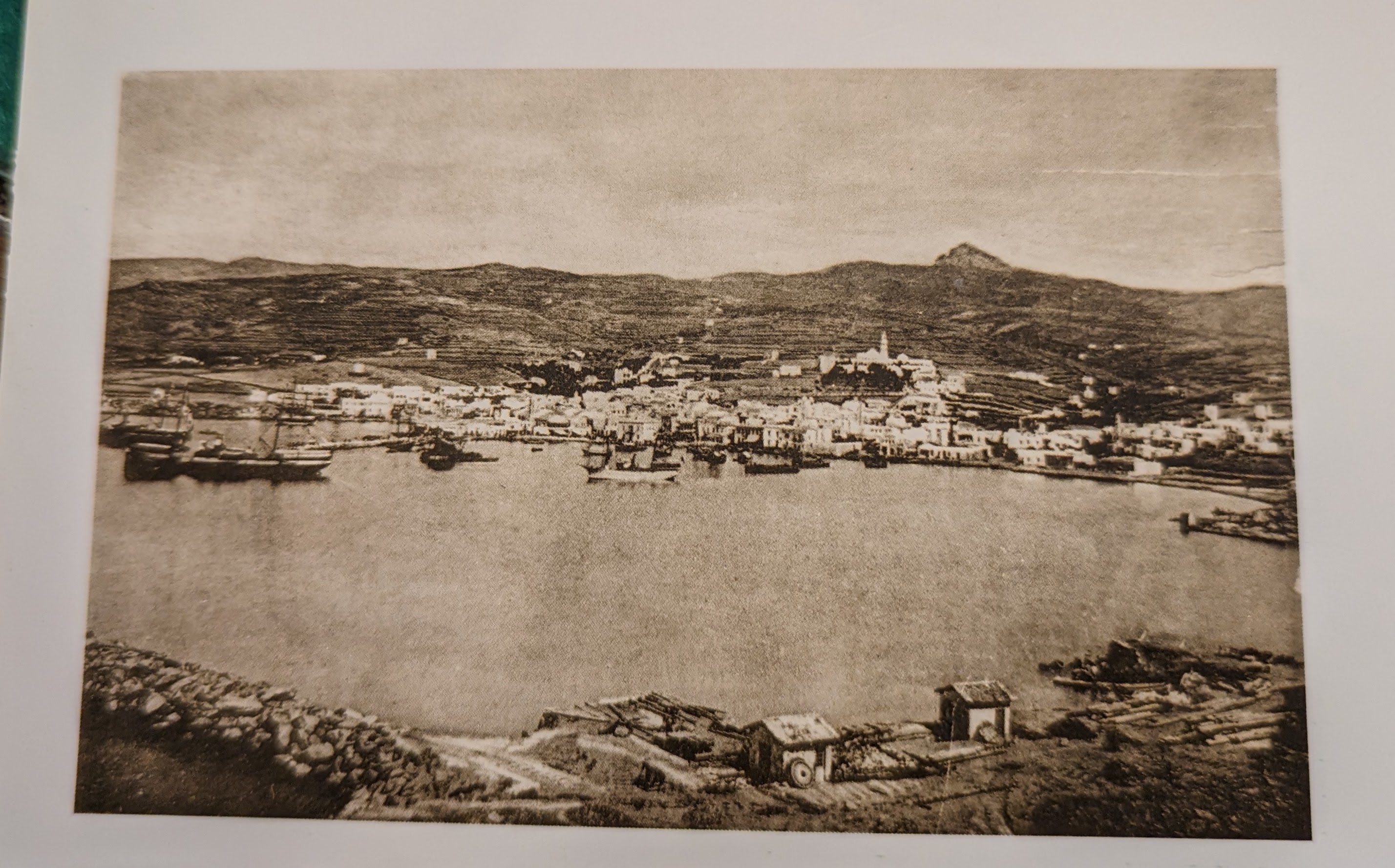
Old photo of Chora, Tinos, Greece
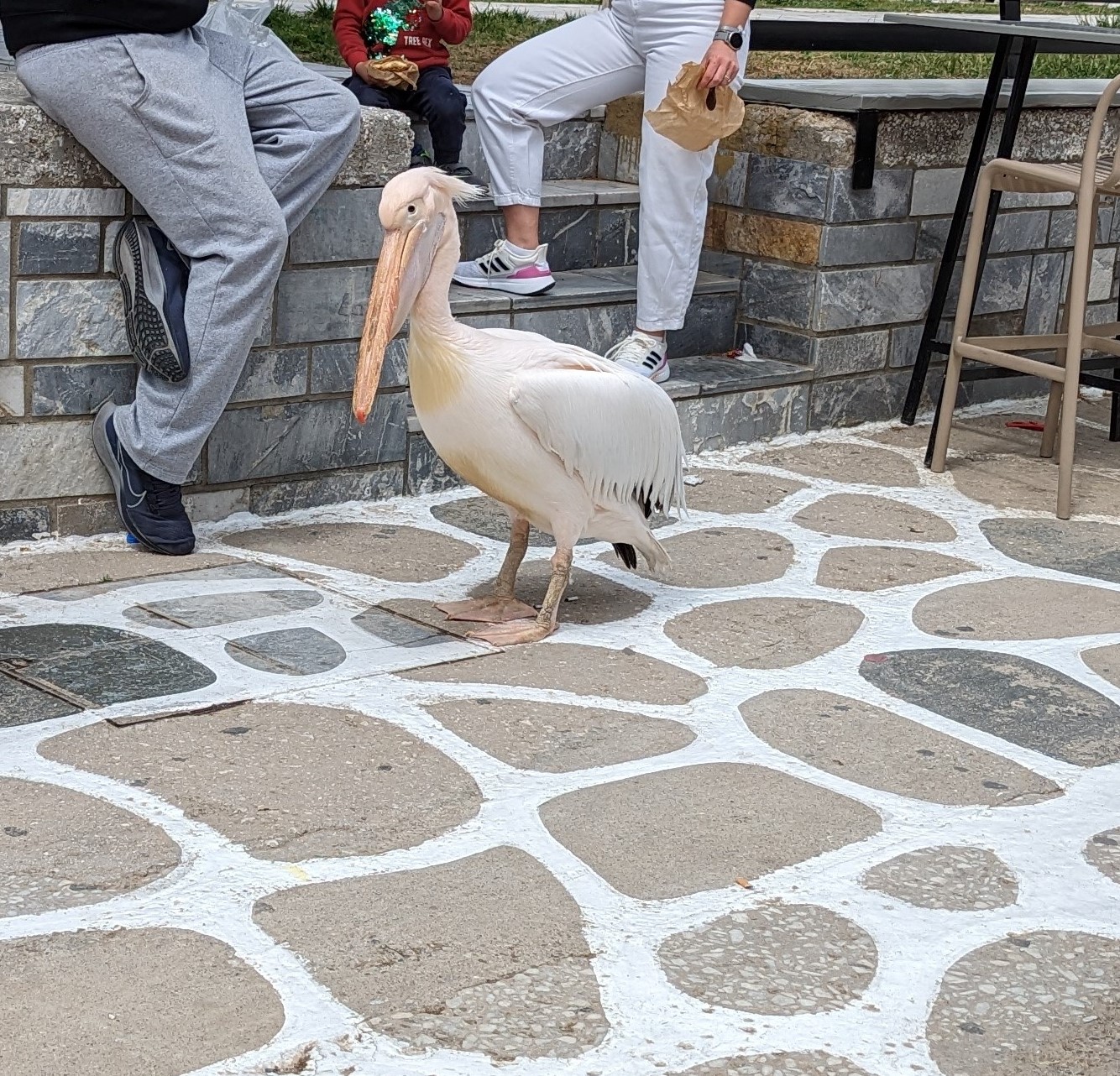
Resident pelican, Chora, Tinos, Greece

The town is well stocked and bustling with pretty, narrow streets, a long waterfront (including the port) and steep climbs to the Panagia shrine.

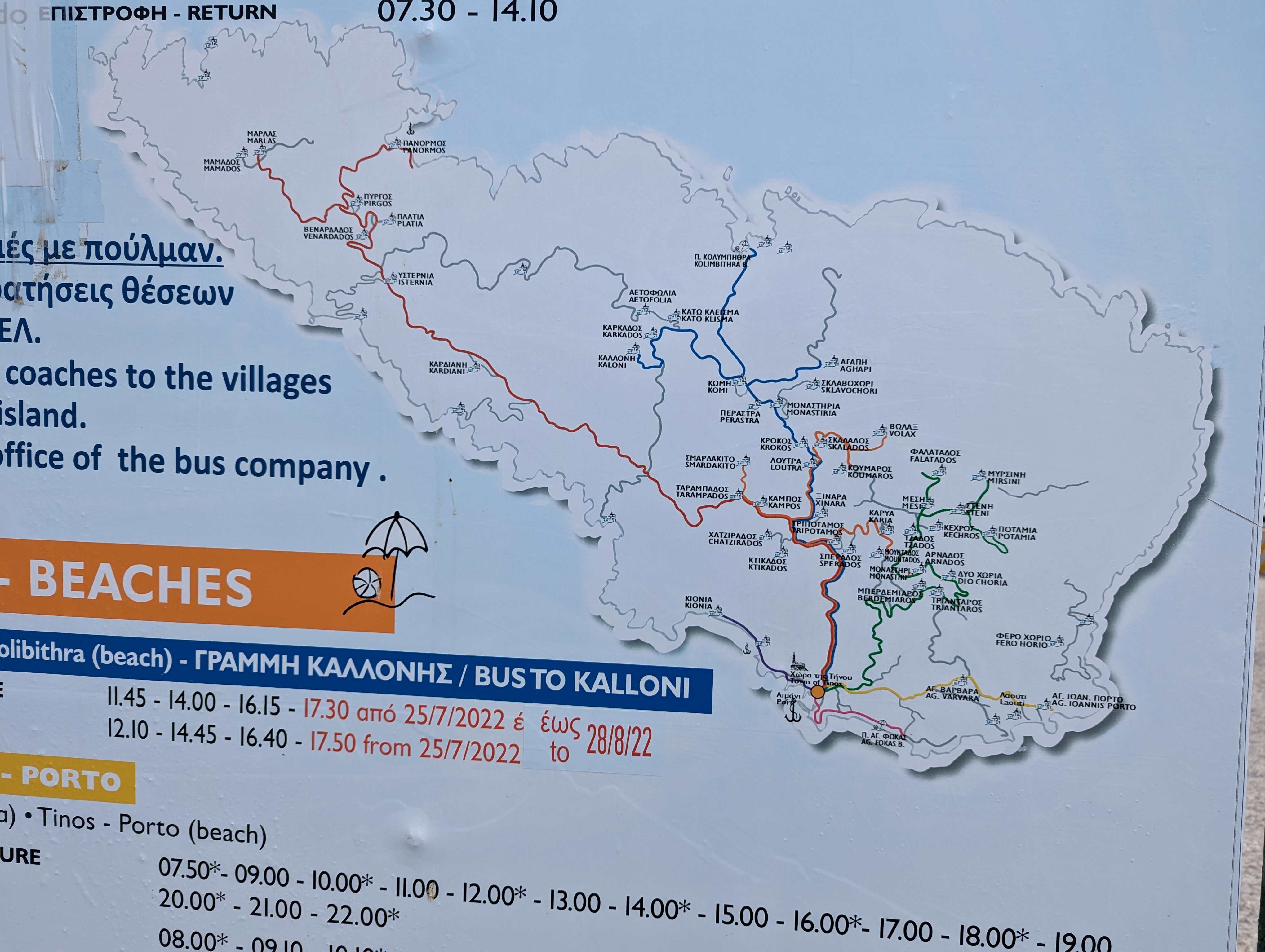
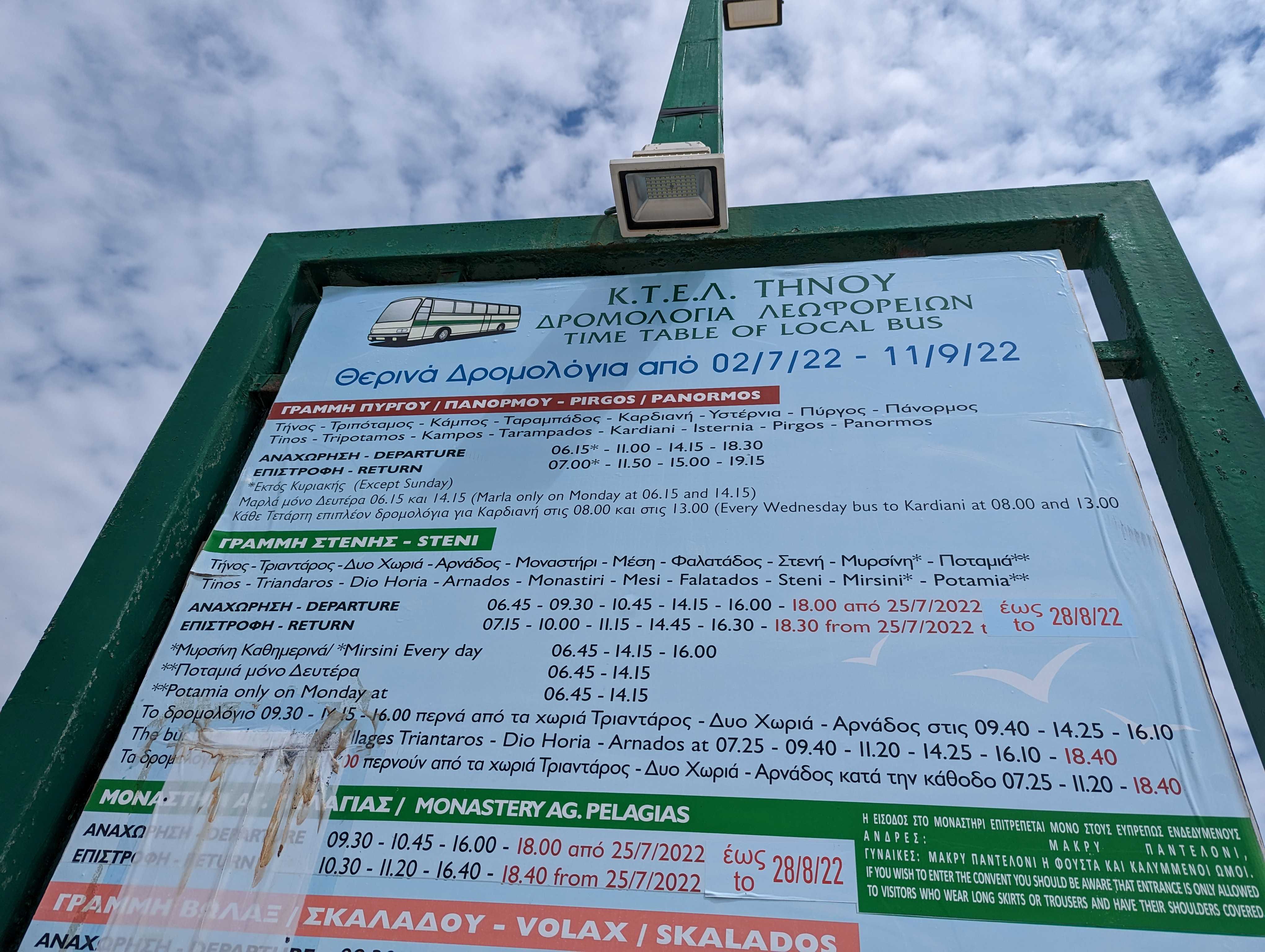
There is a good bus service across the island, but NOT on Sundays and I didn’t find it easy to get information about when they run.

Café

Recommended book café: Antilalos, Fr. Paximadi & Afentouli, 84200 Chora, Tinos. The owner and other staff were so very kind to me. I arrived on a Sunday and had booked an air bnb at the opposite end of the island – too far even for me to walk in one afternoon (though I walked from Pyrgos to Panormos which was wonderful). They made phone calls on my behalf and really helped me out. There were no taxis because, of course it was some sort of festival and so everyone was celebrating with family. I started to walk, but it was far too hot at midday, so in the end they arranged for a taxi driver they knew to come on his day off from another village and pick me up. He took me to Pyrgos – more than three quarters of the way there, and I was really grateful.

Antilalos Café in Chora, Tinos, Greece

Accomodation

I stayed at the Pension Selenti which I would recommend.

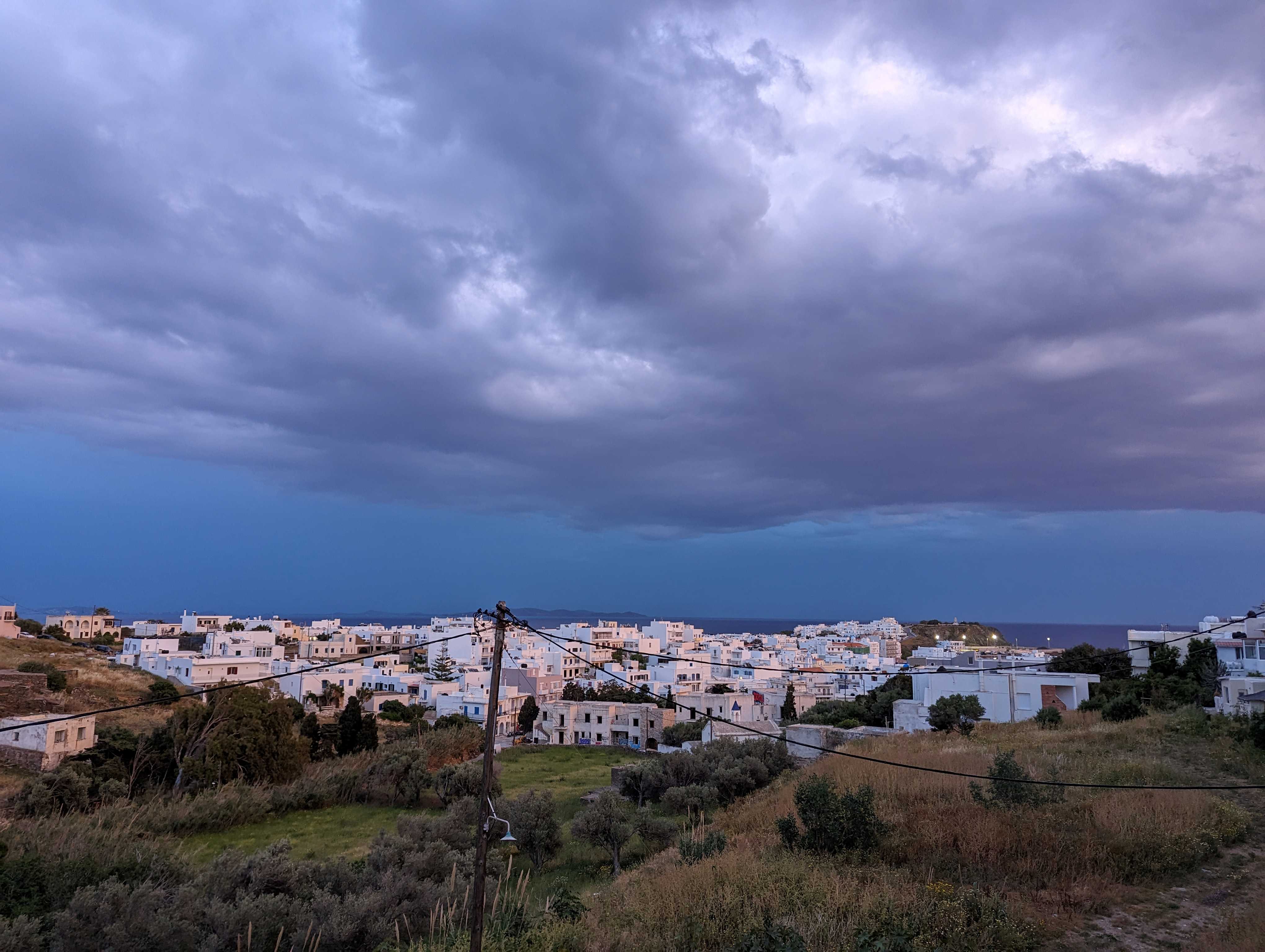
Evening view of Chora town from the Pension Selenti, Tinos, Greece

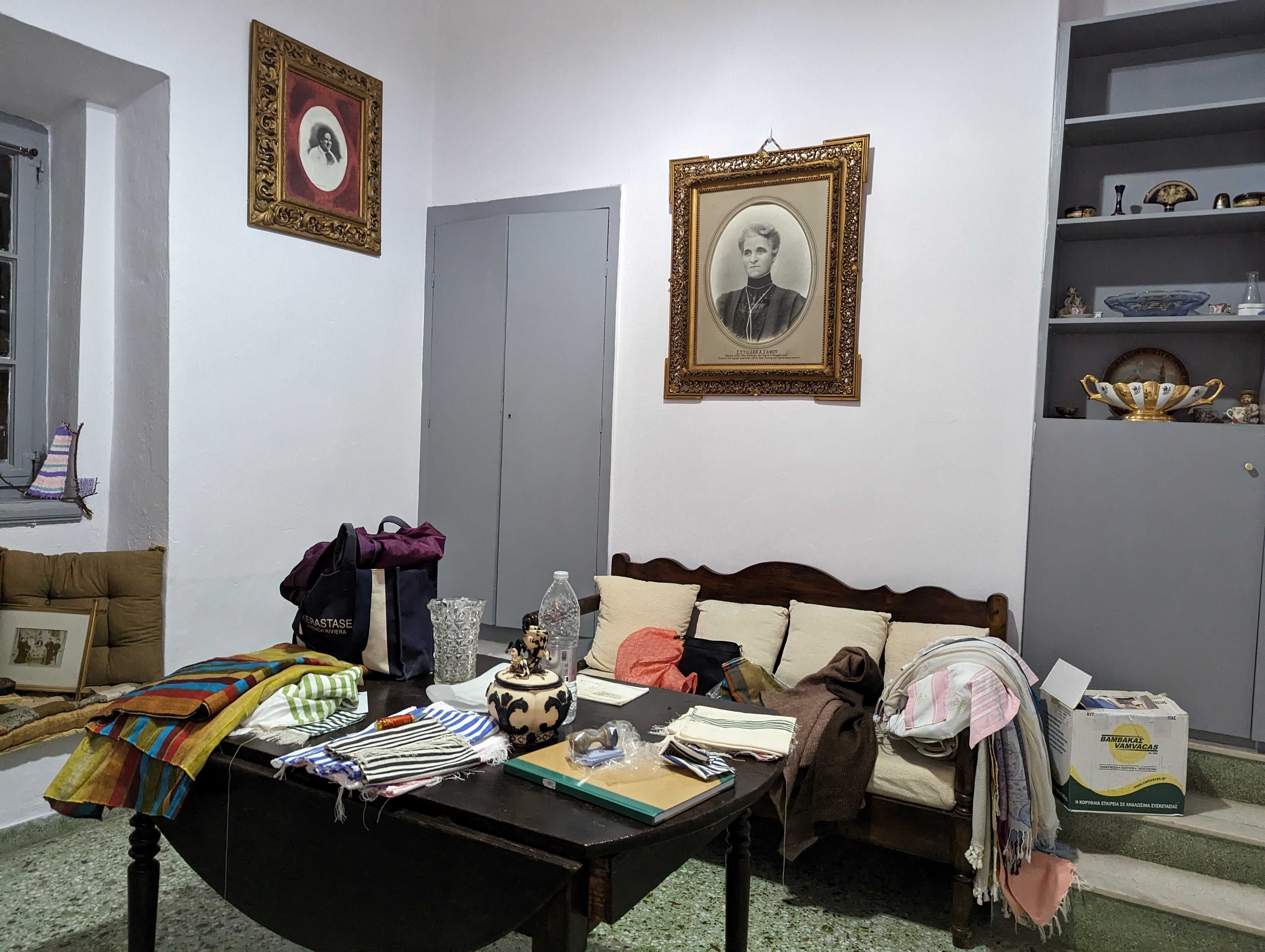
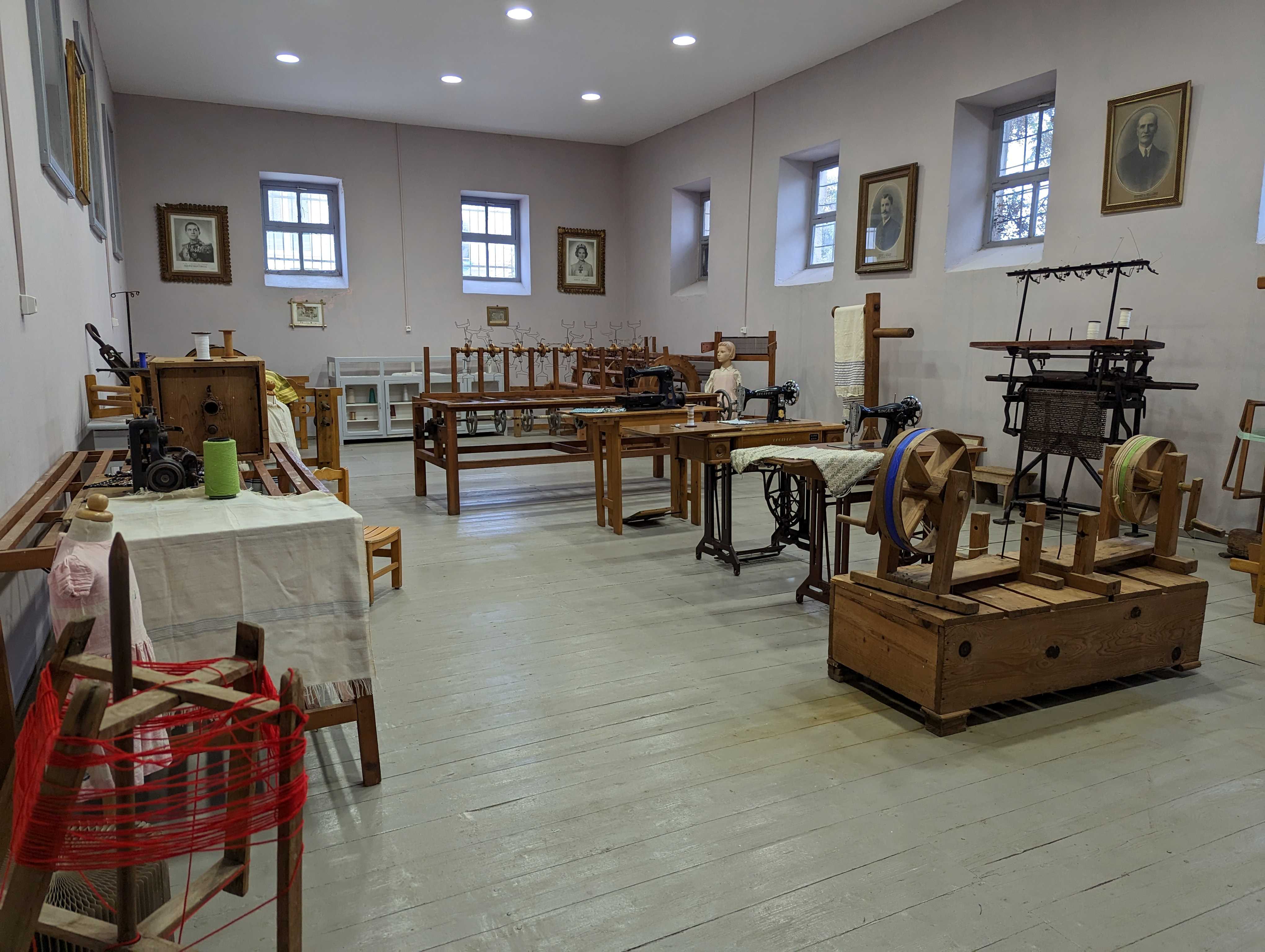
Old Weaving School, Chora

Zarifios Vocational School (Βιοτεχνική Σχολή Τήνου Υφαντήριο) is a legacy of the Zarifis family originating from Constantinople. Since 1898, Zarifios School has been a reminder of the gratitude of the family of banker Nikolaos Zarifis towards the governess of his children, who took them to the safe environment of Tenos (sic), when riots broke out in the Constantinople. The school emphasized in the traditional weaving art supporting women and society in adverse conditions. Today, 200 years later, it still continues to have a presence by supporting the School and textile workshops.” Description from thehouse.gr website

Archaeological Museum

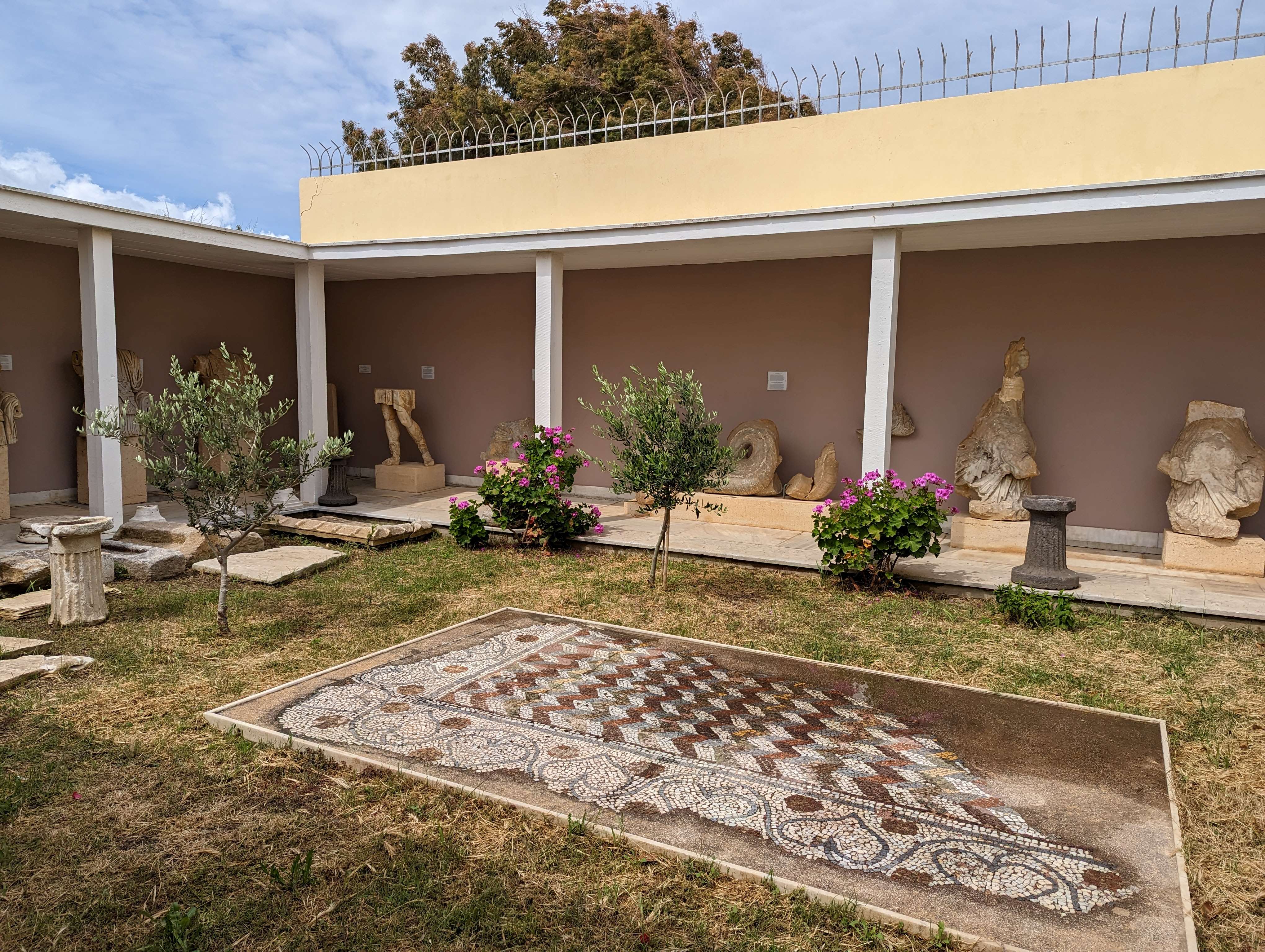
The Archaeological Museum is worth a visit.

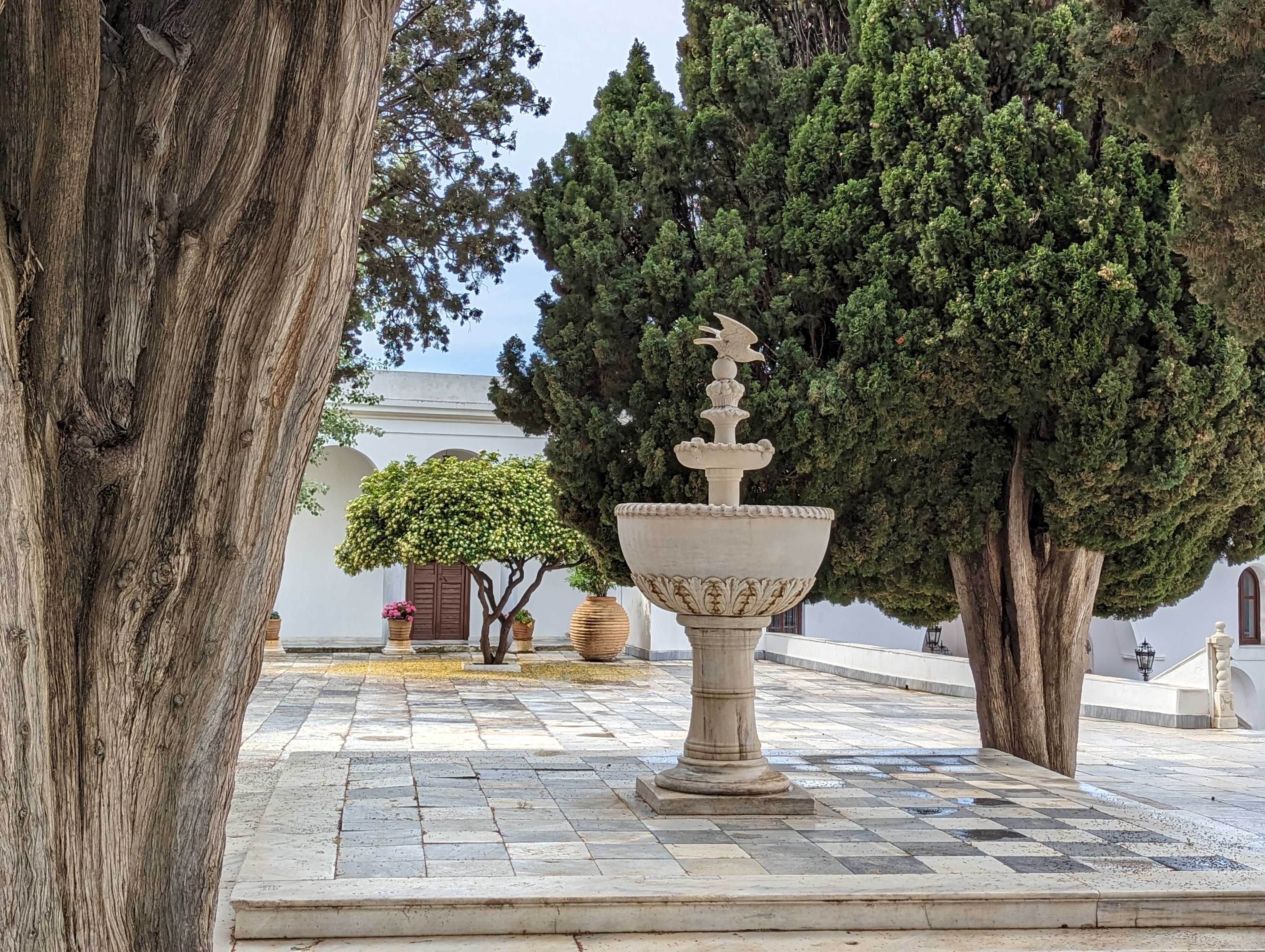
Built in the early 60s by the architect Charalambos Bouras, the Archaeological Museum of Tinos contains finds from Chora, the main town, as well as the hill of Exombourgo, local villages, and the Sanctuary of Poseidon. I particularly enjoyed the little courtyard with its bodyless legs and lace-like mosaic.

Archaeological Museum, Chora, Tinos, Greece

Artist’s Residency and Maria Valela

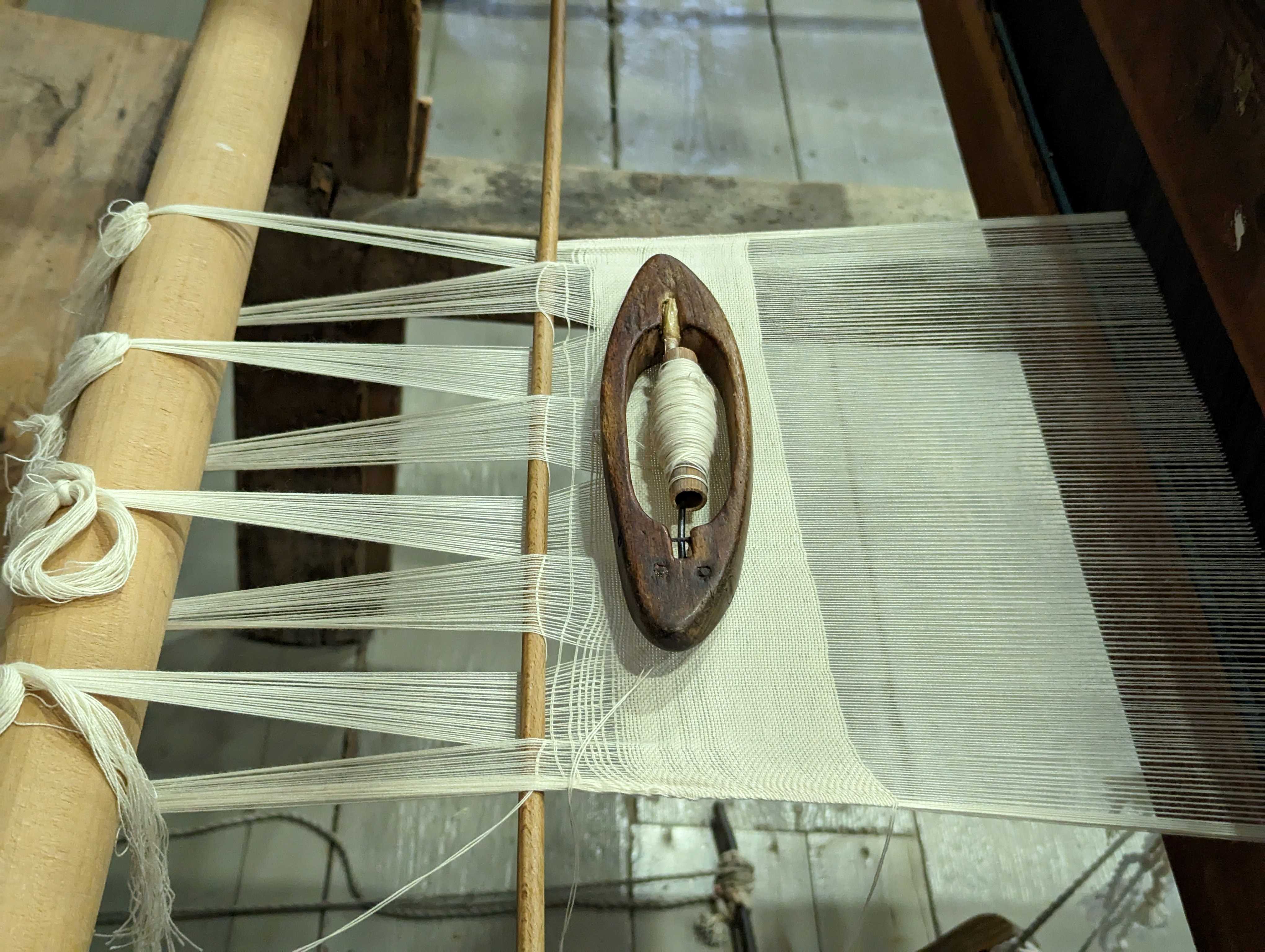
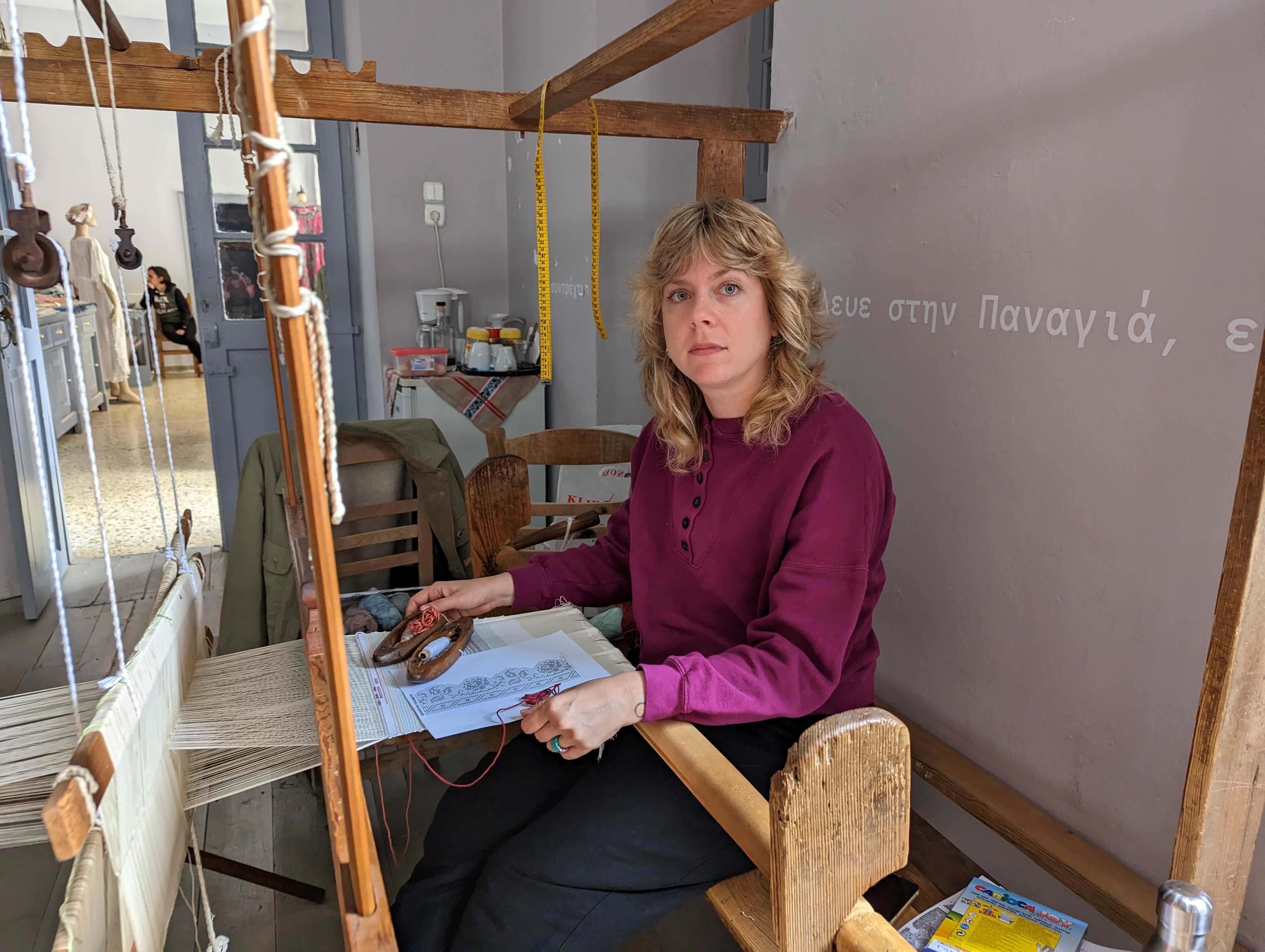
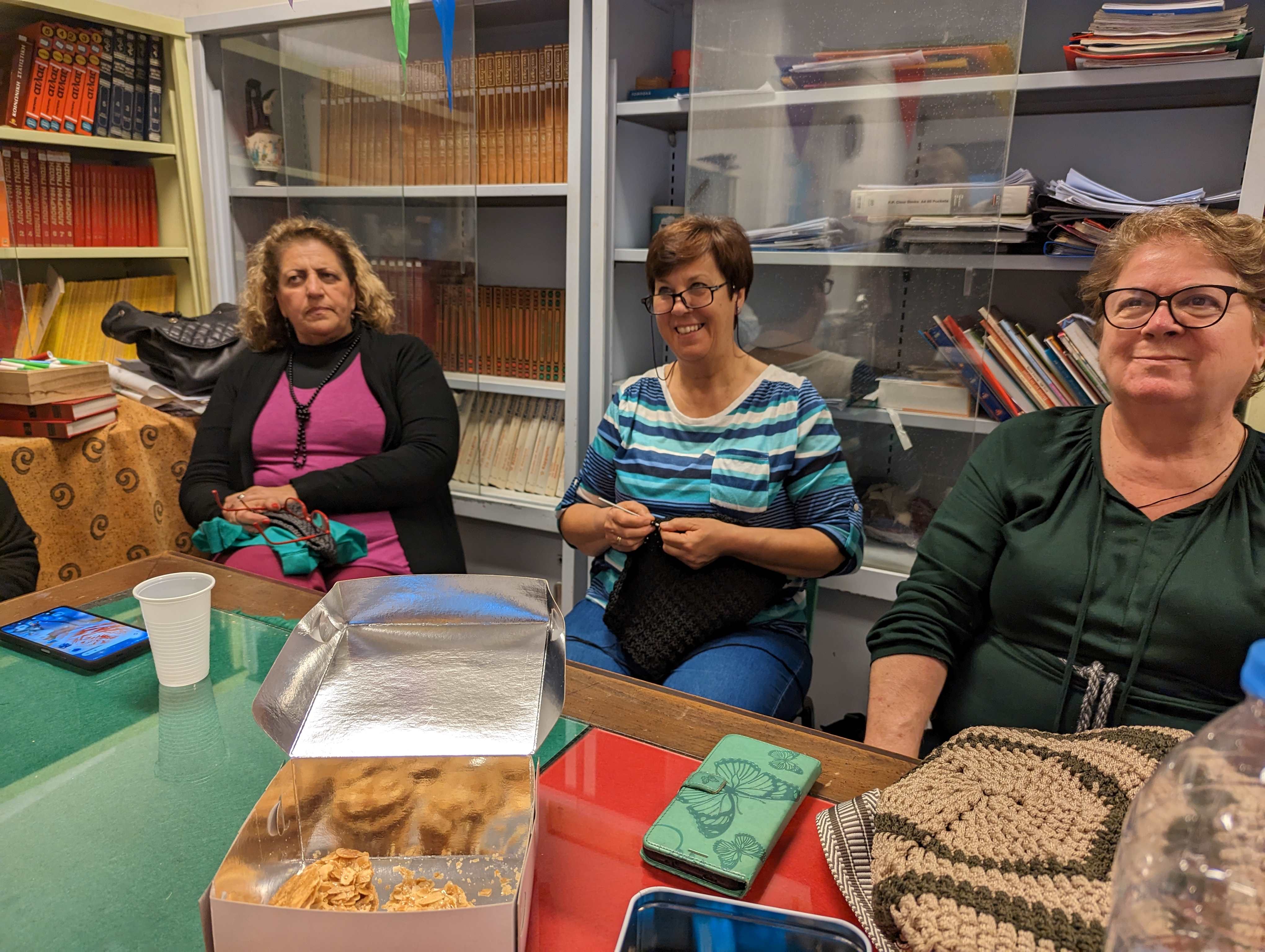
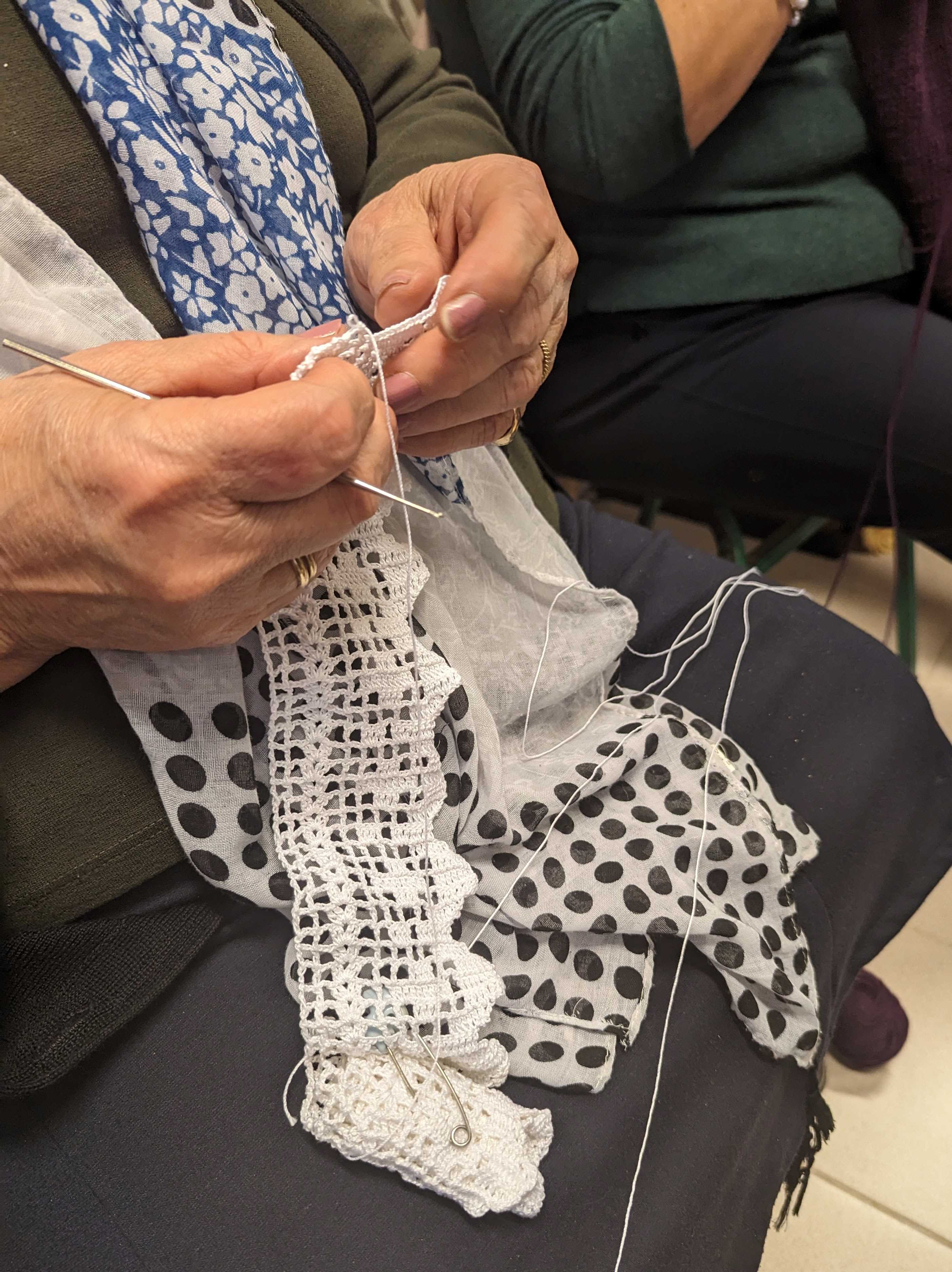
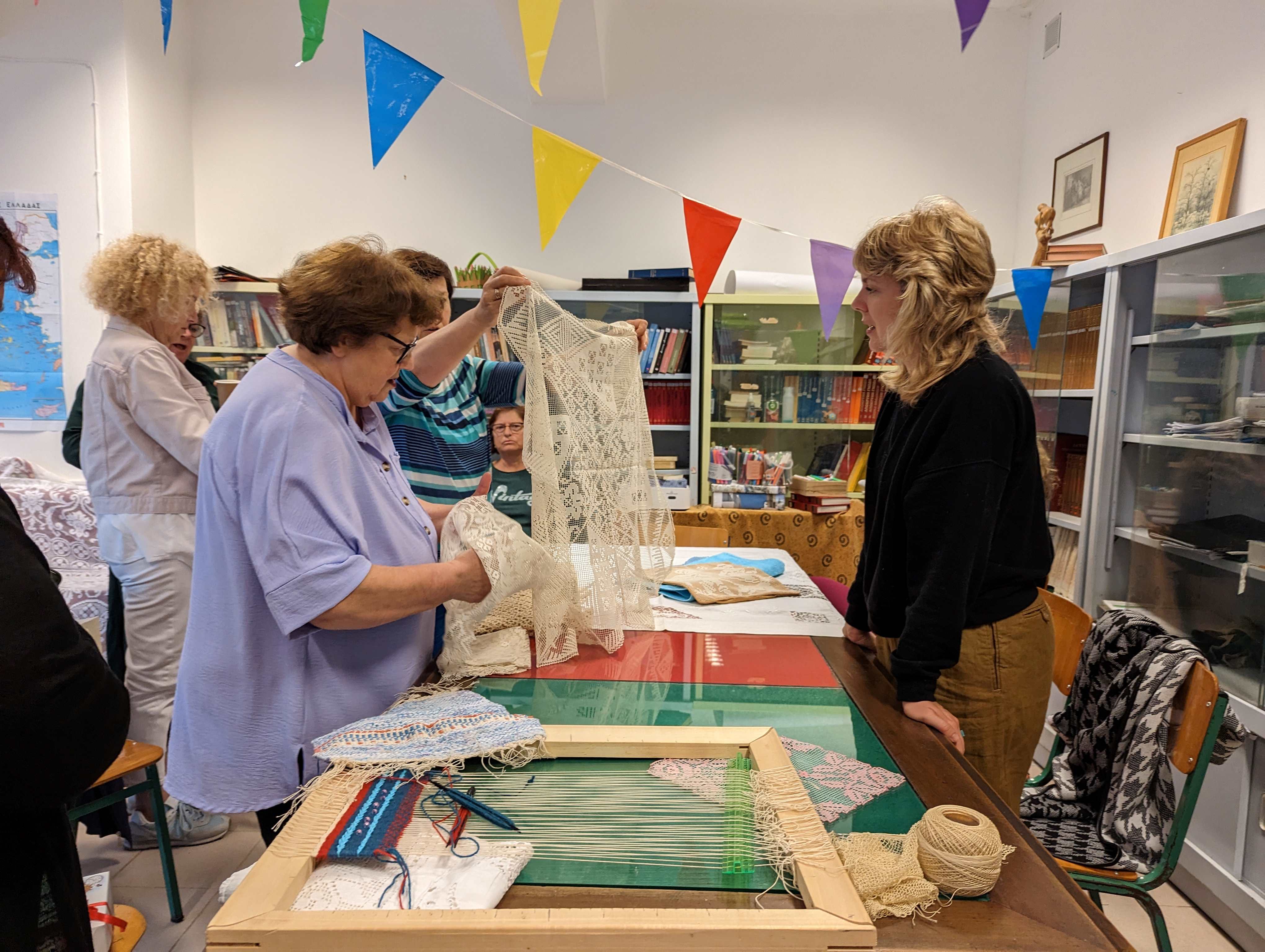
There was an Artist’s Residency taking place on the island when I was there, and I was particularly pleased to meet Maria Valela, a weaver, who gave an inspiring demonstration at the Old Weaving School in Chora, and invited me to accompany her to a local women’s knitting and weaving group that she was visiting. In return I offered her Shiatsu.

Maria Valela, weaver, artist

“The island is widely recognised for its marble tradition and was home to some of the most widely revered Greek artists of the 19th and 20th centuries.” from Kirki Projects page

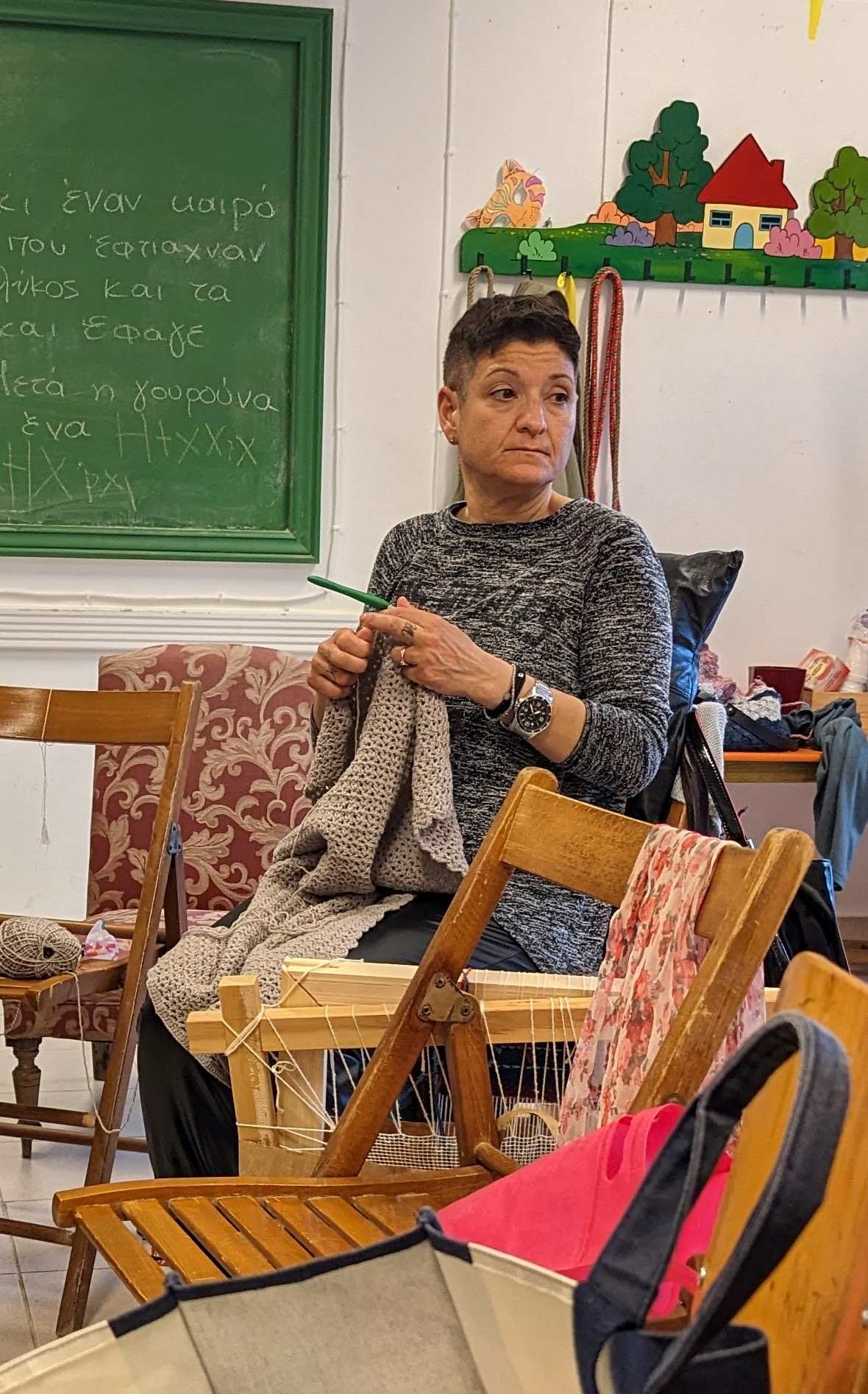
Various photos of Maria and the knitting / crochet group, Chora, Tinos, Greece

The Inherited Earth artist residency programme was part of the Fe26 project a collective research program by the NWMW NPO team 2023. “The Fe26 project brings together an interdisciplinary group of people to exchange knowledge and practices around metal as matter, material, and object in conjunction with locus, crafts and identity. In this aspect, the NWMW team has envisioned along with curator Christos Artemis “The inherited earth” Fe26 residency.” ARTrabbit.com

Links

The second in this series of blogs about Tinos is Tinos and Kionia

Map and walks by Desired landscapes

Secret Tinos blog

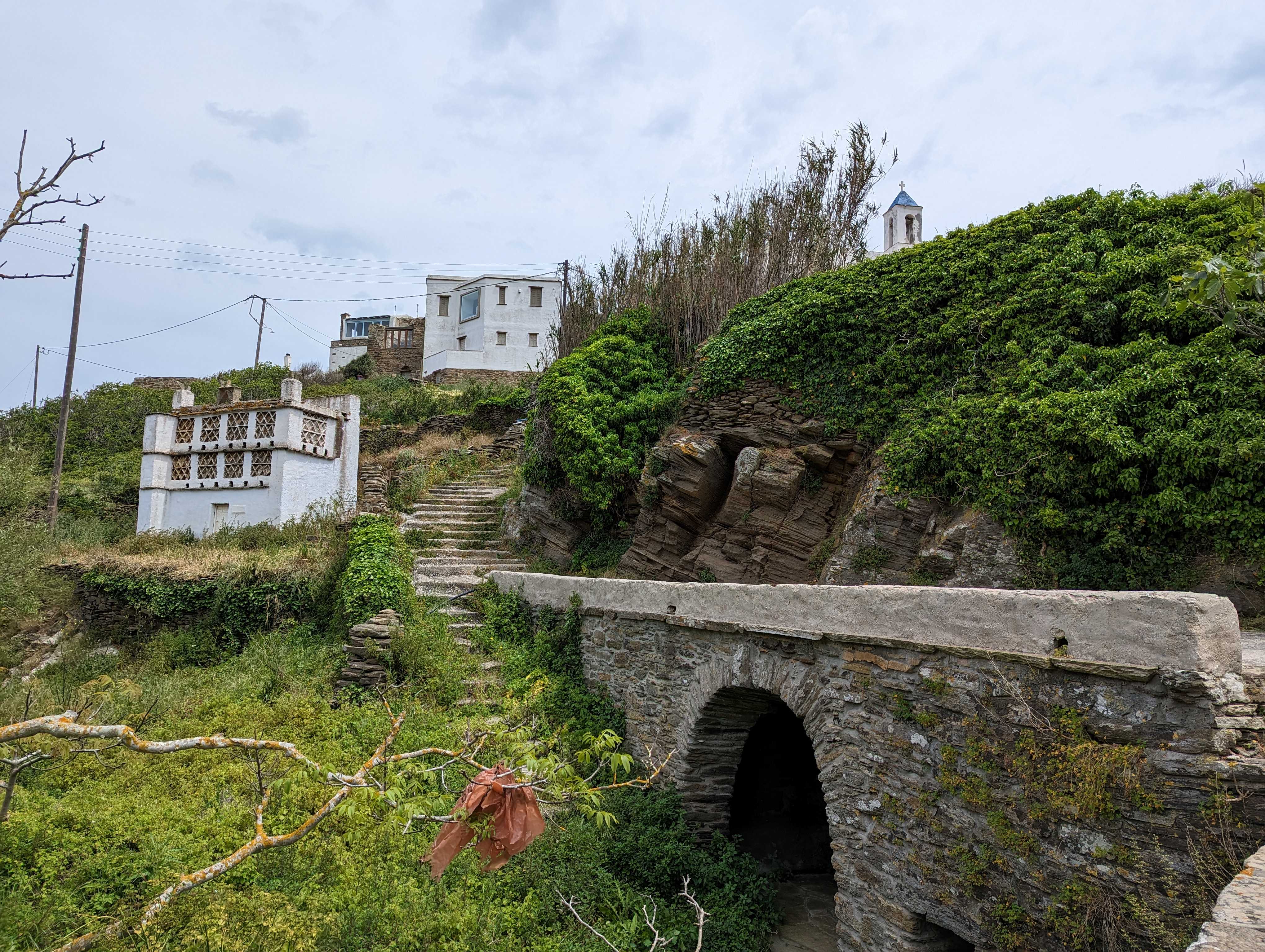
Typical dovecot, Tinos, Greece

Sweat mapping

A guest post by Marie-Anne Lerjen, a walking artist from Zurich (Switzerland). Her website is in German.

We walked a good long walk (24 kms) from Girona to Banyoles in Cataluña, setting off in a considerable heat (27 degrees) and finishing after dark. Here is Marie-Anne’s Sweat Mapping blog

It’s a quick but good listen on Soundcloud:

Featuring myself and many other walking artists from around the world who had congregated at the Art del Caminar conference.

Sound Walk, Cataluña

November 2023

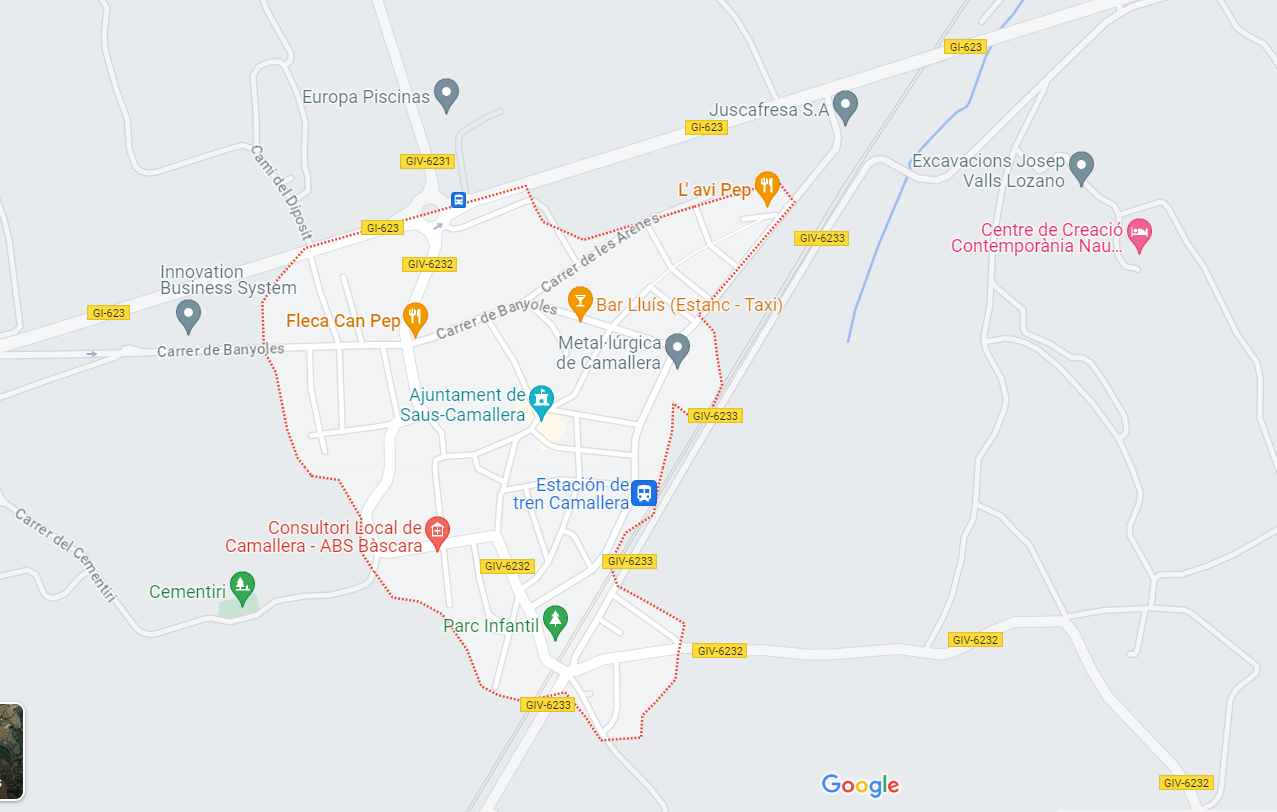
I am happy to say that I am on my way to Camallera near Girona in Cataluña / Catalonia, where I am taking up an Artist’s Residency at Nau Côclea (Centre de Creació Contemporània Nau Côchlea).

I will be walking around the edge of the town, the boundary of the area, listening to the sounds of the place, and to ‘stories’ from the soil. When I make a Sound Walk, I follow the signs. I take notice of what happens around me when I am in the research and preparation stage.

I had been reading about the current interest in engaging with the legacy of Francisco Franco’s authoritarian regime, and consequent human suffering. The suppression of democratic freedom and the Catalan language had far-reaching results. I have studied The Historical Memory Law, followed the opening of some Civil War mass graves, spoken with people about inherited grief, and noted the rituals being enacted around the acknowledgement of the loss on many levels.

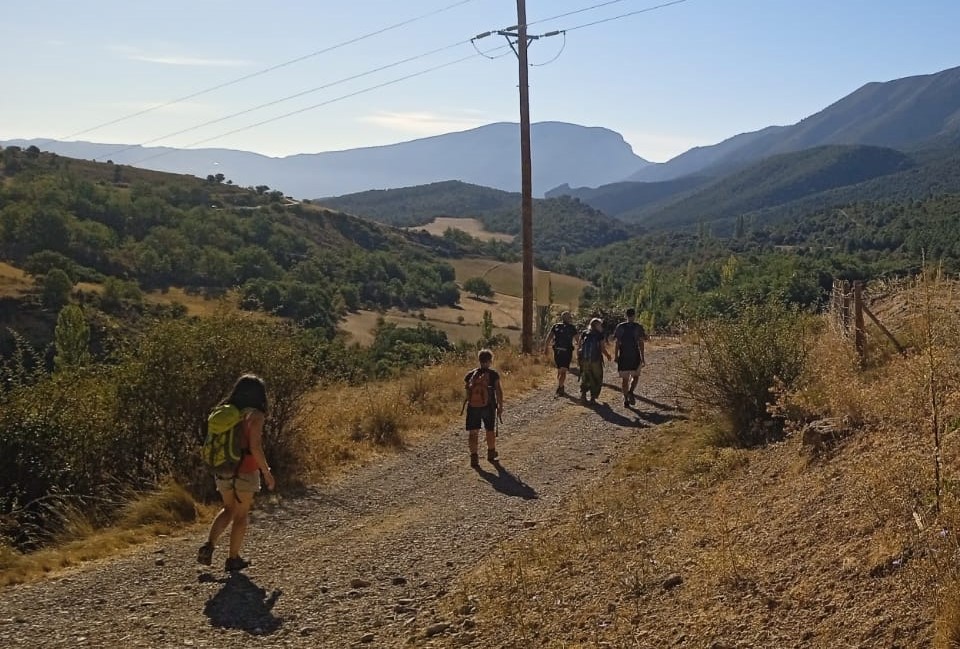
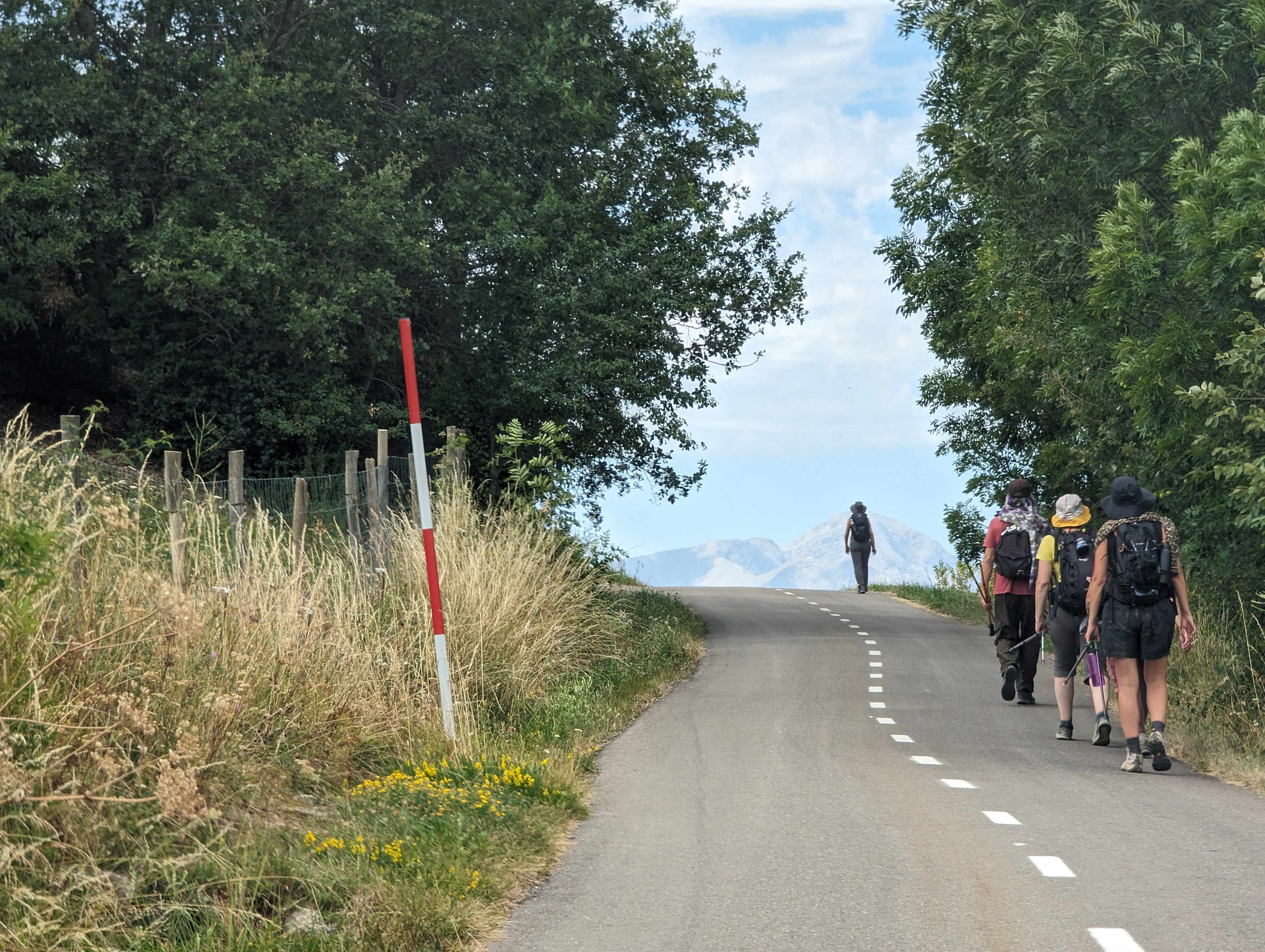
When I discovered that my visit corresponds with the annual walk across the Pyrénées from France in memory of Walter Benjamin, I knew I must join it. Benjamin was directed across the mountains by Lisa Fittko and received bad news on arrival in Port Bou on the Spanish side. He died by suicide that night, before being able to finally escape to the United States.

This level of inter-generational trauma takes time, so much time, to leave the gene pool. It surges through bloodlines … How to tell a new story of resilience and hope? Is this history of loss held in the soil?… How can we honour the suffering of our ancestors – of those who came before us – but still try to unravel the chains we find ourselves bound by? Is the answer held within the very soil… Is the answer held in the residue the ghosts leave behind?

Kerri ni Dochartaigh Thin Places p186

I come to this residency with many years of embodied study of death, grief and loss – personally, and through my Shiatsu work, death cafes, and writing. This coincidence, then, came as no surprise. I know that the Sound Walk that I will be making during my residency may concern grief, loss and renewal as a result, although I won’t know until I begin.

If you are interested in this project and able to come between 20 November and 2 December, I am inviting you to join me for one day or part of one day, to walk and listen, to share your feelings. We will co-create a Sound Walk from these experiences which will then live on in Camallera for anyone to join at a later date.

Dates: 20 November and 2 December. There is one bed for you to stay a night in the artist’s cottage. Let me know if you are interested! tamsinlgrainger@gmail.com

This is part of the Separation and Unity Project (Caledonia / Catalonia). You may also be interested in other parts of it already complete: El Grand Tour Girona mini-pilgrimage, and Festivities and Delegates.

Is There a Place for REVOlution? or Peace and Biscuits

A sound walk and installation made in a tunnel for ‘Watch This Space’ #4WCoP23 September 2023 using graffiti by North Edinburgh artists and local history. Listen here.

Hand stitched pennants in the Ferry Road Tunnel on the Chancelot Path. Is There a Place for REVOlution? or Peace and Biscuits

Location

‘Is There a Place for REVOlution? or Peace and Biscuits’ is a site-specific Sound Walk and Art Installation on the Chancelot cycle path under Ferry Road in Edinburgh. It is on Google Maps and the location using What3Words is ///fallen.reach.bottle

You can use your phone to activate the QR code and listen while you walk through the tunnel. You can also listen at home (without the full effect).

Understanding the text

The text of this Sound Walk uses other people’s sprayed graffiti words, so it sometimes sounds like nonsense. In it, I am playing with the found text, trying to make sense of it. Sometimes I read the words (like ABDO or REVO) from left to right (as English) and sometimes from right to left (as Arabic), highlighting the effort we often have to make to understand each other, and how important it is that we do. Because this is a sort of creative prose or poetry, I also make up my own words to fit in with the letters I find.

Sound Walk topics include:

  • Local history
  • Communication between us (reading and language)
  • How to keep yourself going when everything seems bleak
  • How the Red Line has been used in activism, in this and other countries
  • The capitalist system and whether it helps us
  • Slowing down and noticing nature; using wall- or street-wisdom

Site-specific Art Installation

You will find hand stitched pennants looped on a red line on one side of the tunnel. The string of triangular flags are hanging from old metal hooks which were originally used for cable and wires when this cycle path (or greenway) was a railway. The images and found text are from the walls and surfaces around North Edinburgh.

#4WCoP23 Is There a Place for REVOlution? or Peace and Biscuits

“AET REY NOOD Do you recognise this language? DAERB REY TAE. Can an internet app translate it? It’s ABout DOing /  Or Don’t Be And (face the consequences).” This is text from the new Sound Walk. For clues, see the images below.

Doon Yer Tea, graffiti on the North Edinburgh cycle paths. Is There a Place for REVOlution? or Peace and Biscuits

I’m playing with words, making my own acronyms which are inspired by the found text. For example, ABDO (reading from left to right and back again from right to left etc) becomes: “And Between Doing Or Don’t Be. Anyway, By Doing Otherwise, Deciding to Be And Bide, Doesn’t Our Doing Become……A Beautiful Door Opening. Or Don’t Butterflies Ascend?” Am I speaking in riddles? I hope I haven’t lost you.

ABDO, graffiti in the Ferry Road Tunnel of the Chancelot Path. Is There a Place for REVOlution? or Peace and Biscuits
Is There a Place for REVOlution or Peace and Biscuits mini-video
REVO and BISTO, two of the most familiar ‘words’ of graffiti found in the Ferry Road tunnel of the Chancelot Path. Is There a Place for REVOlution?
ABDO (reading from right to left: ODBA) is a character in Egyptian writer, Deena Mohammed’s Your Wish is my Command, a graphic novel. Is There a Place for REVOlution? or Peace and Biscuits

Using found words / graffiti that spoke to me

Unless you people see signs and wonders you will never believe
80% of ocean life is dead
Many
Deaths
Lives Matter
Unfuck the system
Fight
REVOlution, Revolt, Revoke 
Part of the Peace and Biscuits sound walk script
Postcard made for the 4th World Congress of Psychogeography 2023. Is There a Place for REVOlution? or Peace and Biscuits

In this soundwalk, there’s some local history, activism and suggestions for when you are in a dark tunnel and cannot see the light at the end, the way out. There’s a film here on Vimeo that gives you a (silent) idea of the walk.

Walking across the Red Line . The Red Line is a symbol that a line has been reached and should not be crossed. An example of this would be the amount of carbon emitted into into our atmosphere. Is There a Place for REVOlution? or Peace and Biscuits

“I often use Street Wisdom if I need to get an insight on a situation or a problem. Once I’m tuned up, I’II hold the issue and just walk with that in mind and body, and see what happens. (It’s basically a shorthand way of doing the Quest: “Streets, show me some options with all this!”) Something often, if not I j. The other day I was full of different stresses, and the streets shared with me all kinds of patterns that seemed interconnected. I interpreted that insight as “Everything’s connected” (it’s nice to reduce the insight to 2 or 3 words). And that really helped!

Philip Cowell from Street Wisdom
Local graffiti Edinburgh. Is There a Place for REVOlution? or Peace and Biscuits
Hand stitched pennant. Is There a Place for REVOlution? or Peace and Biscuits

With MANY thanks to Alba Bersolí (film maker ‘El día que volaron la montaña’ (When the Mountain Rumbles shown at the Catalan Film Festival in Edinburgh 2023 on Instagram @albabresolí ) for lending me her laptop and teaching me some Premiere Pro, going above and beyond to support me, and being an all-round wonderful woman.

New pennants (August 2025)

Notes

‘Your Wish is my Command’ is a graphic novel by Deena Mohamed reviewed here in the Guardian newspaper. There is a charcter called Abdo in it. ABDO is a word graffitied on the wall of the Ferry Road tunnel on the Chancelot Path where my Sound Walk is located.