
A retrospective blog in the series about a virtual visit I made to Shetland in 2019. I had booked my ferry, planned my itinerary, and, most importantly, arranged a series of walks and talks with Shetland women on the theme of ‘A sense of belonging’. Then the lockdown happened.
NorthLink Ferries cancelled my ticket so as to keep residents safe, and I had to be creative. Happily, the women I was looking forward to meeting agreed to walk and chat with me by telephone and Zoom instead.
Kathryn Spence
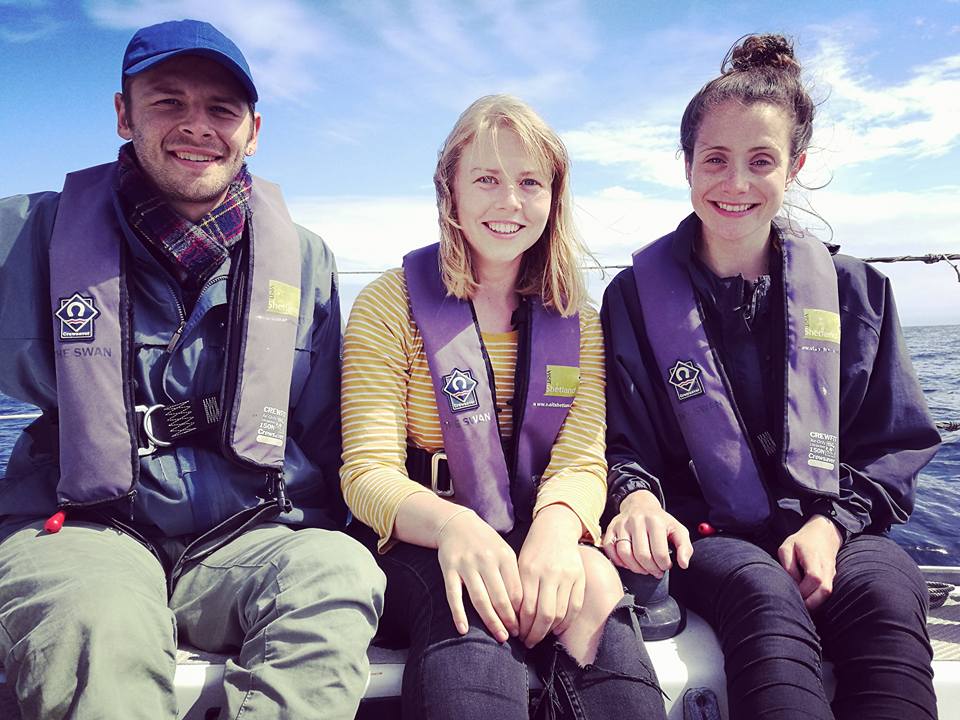
Kathryn Spence works for Shetland Arts as their Creative Projects Manager, as well as being a freelance artist, professional contemporary dancer and choreographer. She started by telling me about herself when we walked and talked together, she in Shetland and I in Kent, England. ‘There is quite a young community here on Shetland, though not in the Highlands of Scotland. Boys did apprenticeships (in the oil industry especially) straight after school, and many of the girls stayed to be with them.’
‘I didn’t know there was such a thing as being a dancer when I was young; there wasn’t that provision available. I was away for 12 years, in Glasgow, and then London to train. Then I worked in the Highlands with Plan B, and in Edinburgh where there are lots of opportunities to climb the ladder, but I kept in touch with my school friends every summer, and so when I returned ten years later I slotted back in.’
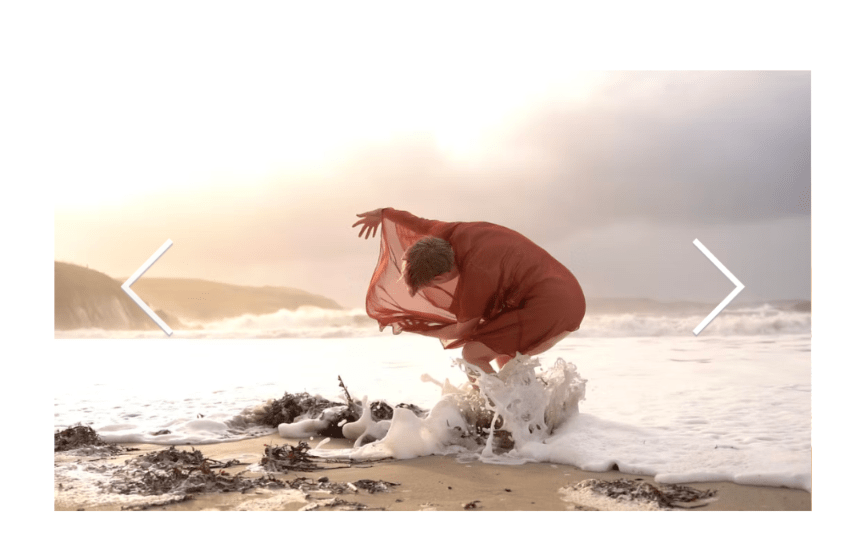
I’ve always known that I’m from here. It’s such a homely place, a community of all ages, and the landscape, the slow pace of life compared with other places I’ve lived; these are all reasons I’ve always known I wanted to come back.
Kathryn explained that living ‘in the country’ means living as part of a small and close-knit community. In Shetland, as in many other Scottish island communites I have visited (eg Orkney) people seem to depend on each other more than on the Mainland. She said that, in her opinion, it’s not even the same as living in the Highlands of Scotland, which are also sparsely populated. Her husband grew up there, on a farm near Invergordon, and therefore imagined they would be living in a secluded cottage when they moved to Shetland, far away from others, but in fact they are well connected. Amy Liptrot, author of The Outrun and herself an islander (from Orkney) understands. She writes (in her review of Tamsin Calidas’ ‘I am An Island’) that ‘the reality of island life requires more interaction with, and support from, neighbours than anywhere else … it’s made of community and culture’ (The Spectator).

‘A sense of belonging and a sense of community is instilled in us from a young age’ says Kathryn. ‘There are a lot of high profile celebrations and festivals (see below) which makes Shetland quite individual, and when you’re growing up you’re told that your dialect is different from anyone else, plus we are far away from everywhere in the middle of the North Sea, which is spoken about an awful lot, and so that is another thing to be quite proud of.’
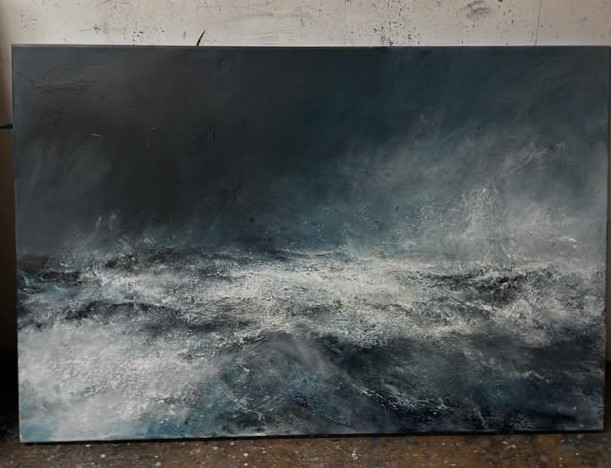
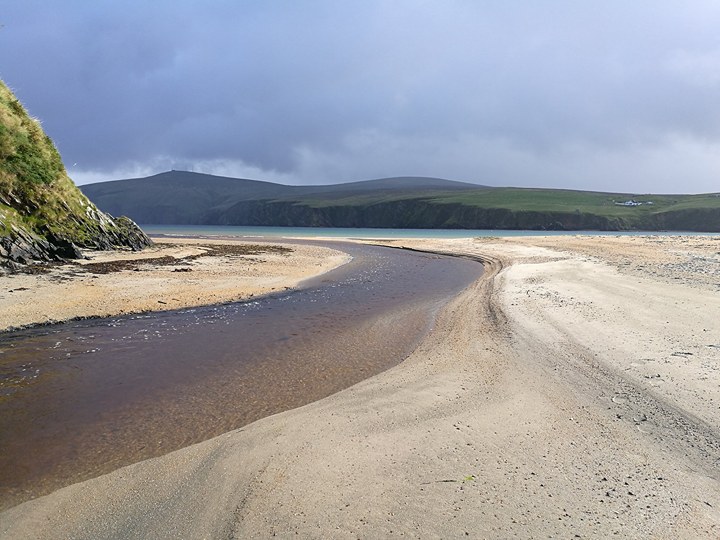
Kathryn cites the landscape as contributing to her sense of belonging, as do the other Shetland women I spoke with. ‘I have lived in other very beautiful places, but I love the land here and I am drawn to it. What I like is the extreme: one minute you’re at the cliffs, the next at the beach, all condensed, closer. I think that all these things help to create a sense of community.’
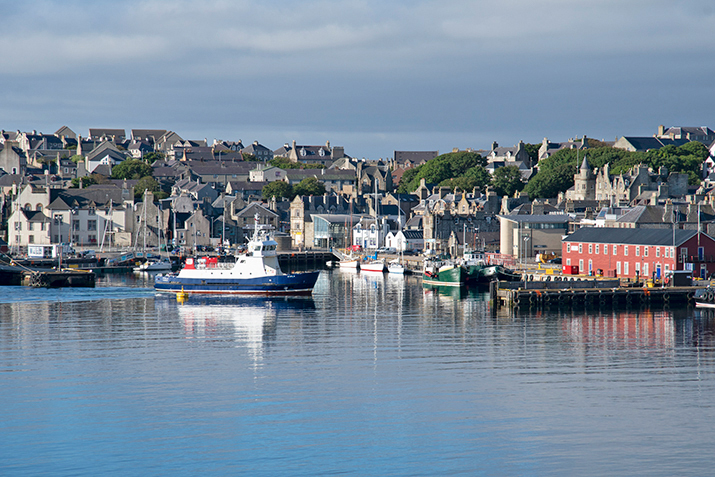
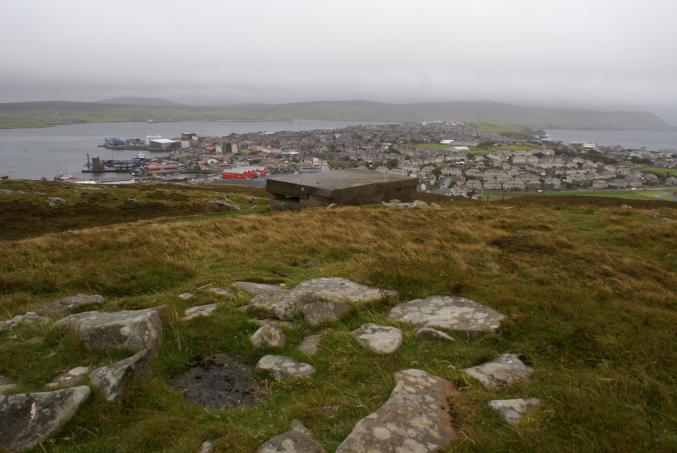
Lerwick, the capital
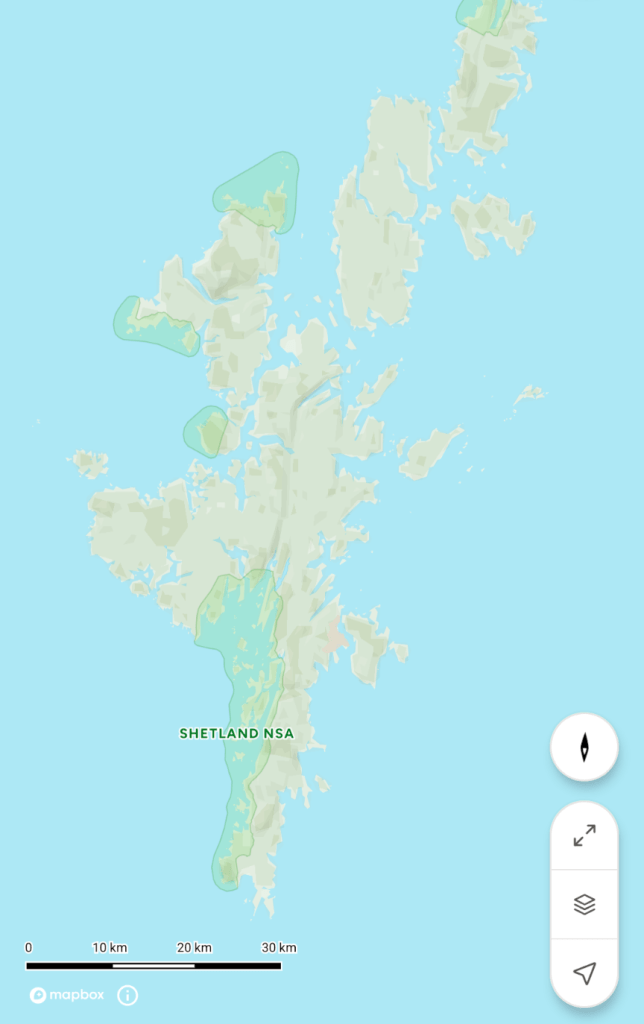
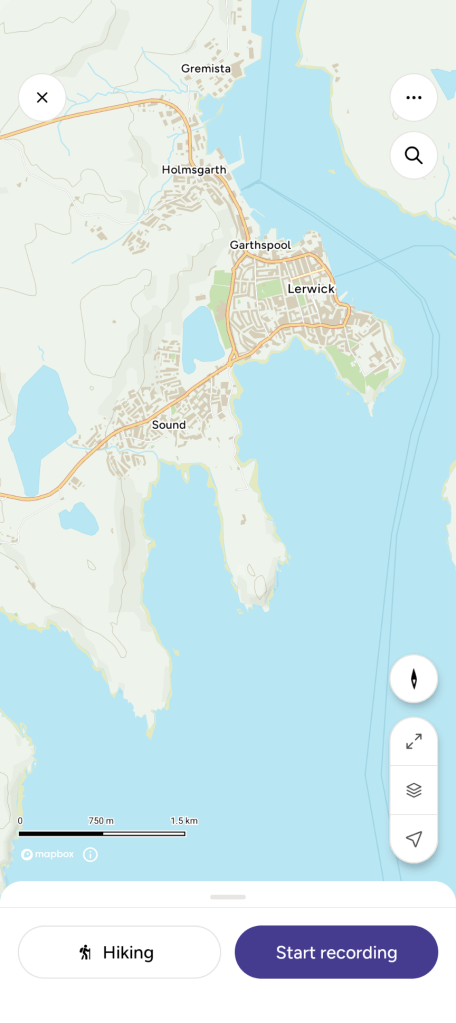
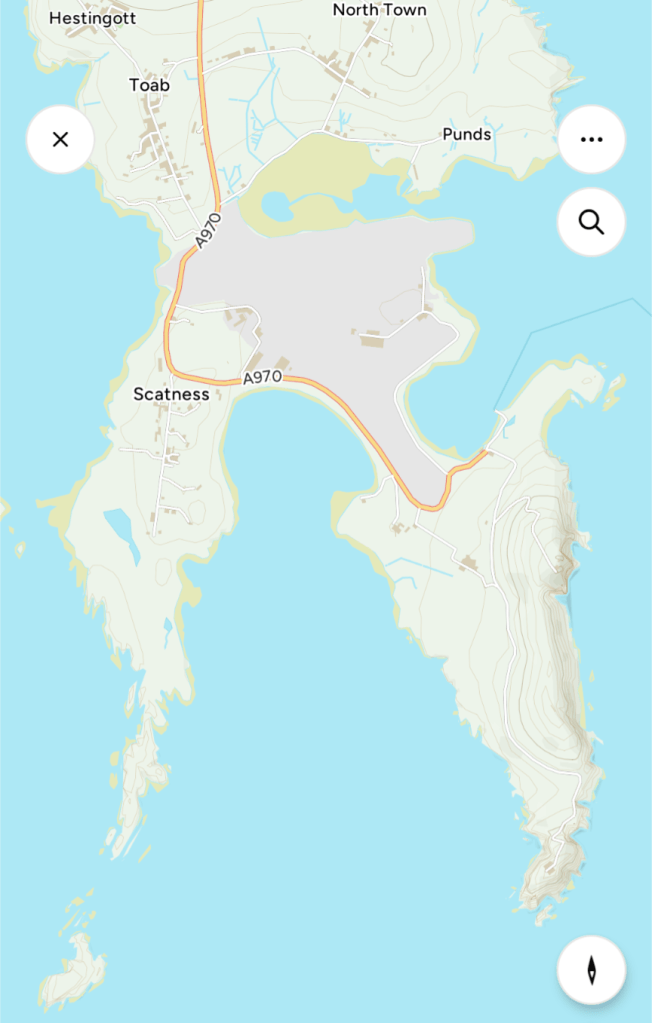
Kathryn works in Shetland’s capital, an 18 minute car commute from her home. ‘Lerwick is similar in size to Invergordon in the Highlands – a small Scottish port town and not much happens there – but there’s an awful lot happening in Lerwick. It’s partially because it’s a capital. Invergordon is near Inverness so it doesn’t have to have everything, but Lerwick is far away from everywhere else you do have to have everything.
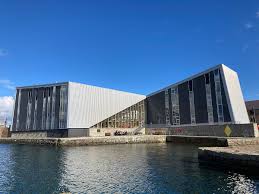
It is very small, but convenient, and now we have the Mareel where bigger dance companies can come and perform which is great. If I want to spend a night there I can either get a bus and be dropped off at my doorstep at midnight (there’s a really good service in the south part of the island because of the airport in Sumburgh which is half an hour’s drive from Lerwick, or even take a taxi if it’s a special occassion, which is dear at £40, but that’s £20 each and down south it would be the same cost for much less distance.’ (Spoken in 2019).
We talked about people being flexible in order to be and stay in work all year round, another theme that came from my conversations. ‘That is something that comes from the islands – as soon as you put roots down anywhere you have to be prepared to be adaptable. I work in the arts and there’s just the one arts organisation here [Shetland Arts], so if I was to lose that income I would need to diversify.’ Consequently, she teaches some dance classes and has trained as a yoga teacher to help her stay fit – what with her choreography and this, she has quite a few strings to her bow! ‘It’s always about connecting with people through movement, the language of movement.’
This was not the only fascinating conversation I’ve had with local women which covered the topics of ritual – celebrations like weddings, festivals and funerals (the latter, sadly, were very tricky during of the Coronavirus pandemic.) There was mention of long-standing traditions like the famous Up-Helly Aa Viking fire festival (in Lerwick and other sites across Shetland), but I won’t write much about that as there is a lot of information available on the internet. Suffice to say that some women were very keen ‘to be allowed’ to join in the all-male shindig back in 2019.
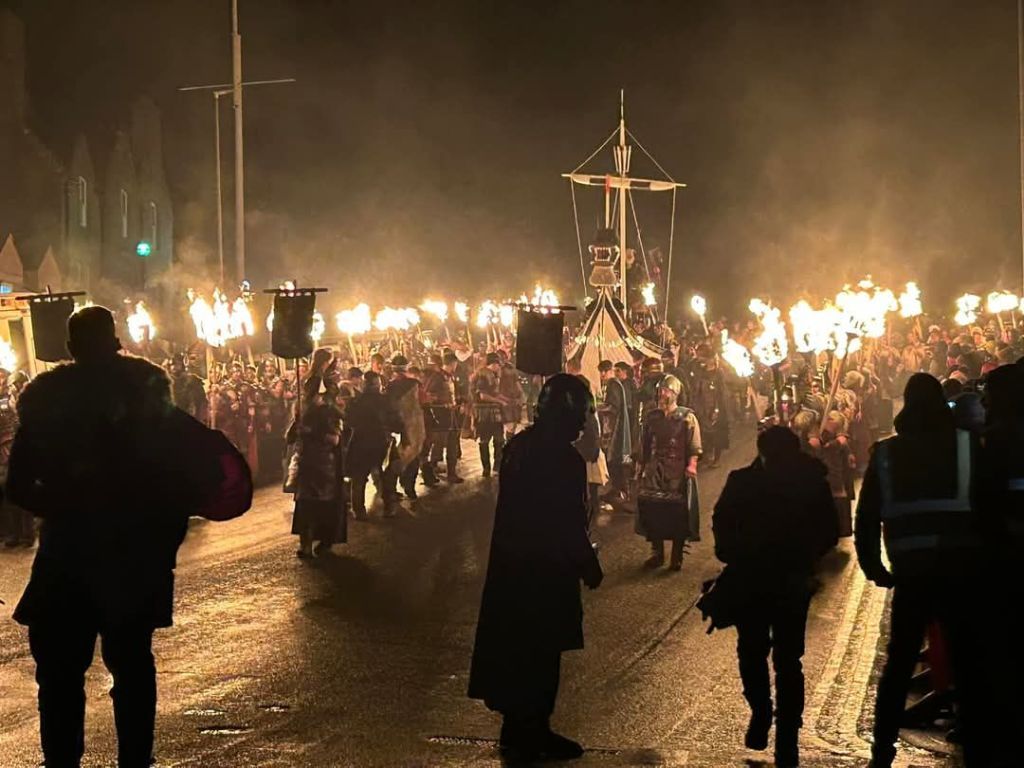
Update: In January 2024, the BBC’s Ken Banks reported that, ‘Shetland’s famous Up Helly Aa fire festival has seen the traditional dramatic burning of a replica Viking galley. For the first time in the event’s 143-year-old history, women and girls joined the main “squad” at the head of the torchlit procession through Lerwick. Up Helly Aa – the biggest fire festival in Europe – is held on the last Tuesday in January. The annual event sees people celebrate Shetland’s Norse heritage.’
Thank you to Kathryn for telling me about belonging in Shetland, and to Janette Kerr for giving me permission to use her photos. A separate blog will be dedicated to my upcoming visit and meet-up with Janette.
I will be in Shetland between 12-22 May 2025. Please let me know if you would like to do a Shiatsu / hospitality exchange. tamsingrainger.com
 Walking without a donkey