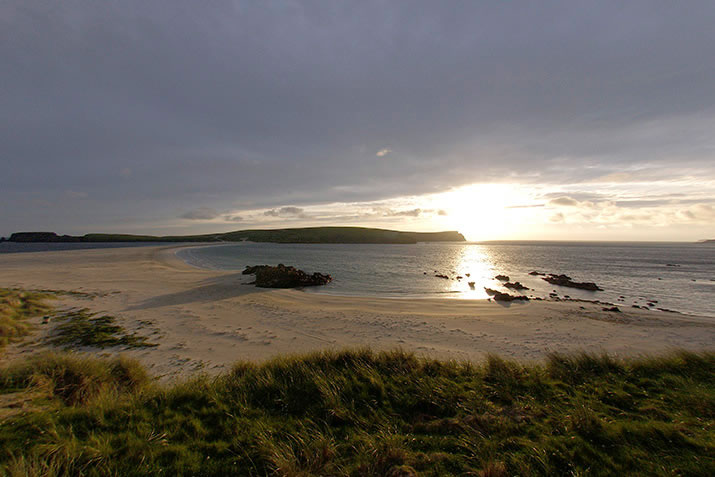
Shetland – south mainland

A retrospective blog in the series about a virtual visit I made to Shetland in 2019. I had booked my ferry, planned my itinerary, and, most importantly, arranged a series of walks and talks with Shetland women on the theme of ‘A sense of belonging’. Then the lockdown happened.

NorthLink Ferries cancelled my ticket so as to keep residents safe, and I had to be creative. Happily, the women I was looking forward to meeting agreed to walk and chat with me by telephone and Zoom instead.

Kathryn Spence
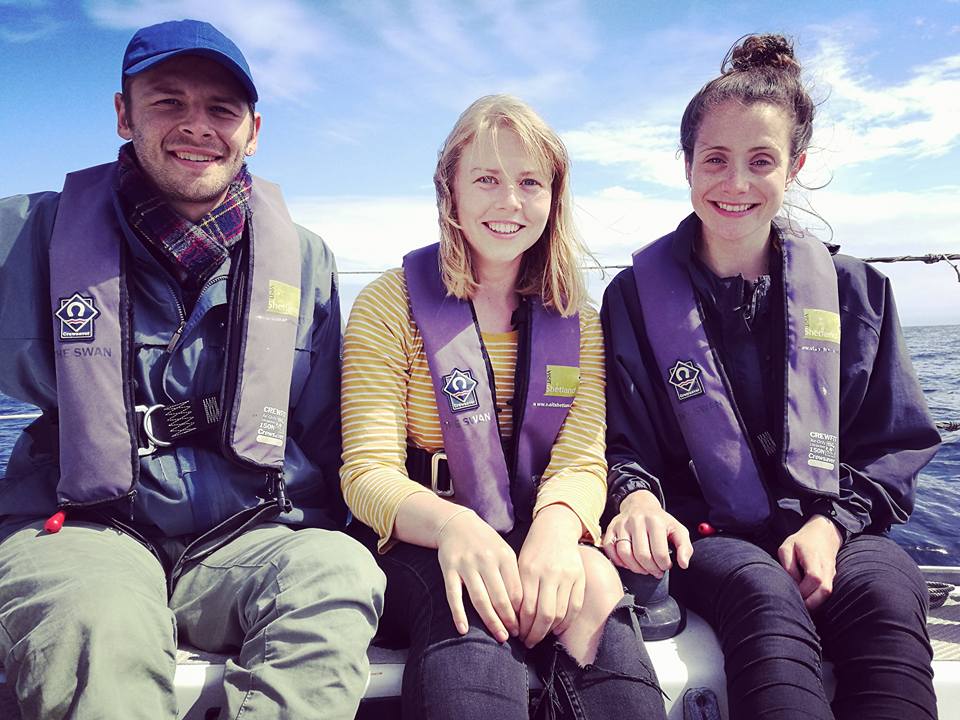
Kathryn Spence (centre) and company, while working on ‘Just Dance’ shown at The Mareel, Lerwick, Shetland 2017

Kathryn Spence works for Shetland Arts as their Creative Projects Manager, as well as being a freelance artist, professional contemporary dancer and choreographer. She started by telling me about herself when we walked and talked together, she in Shetland and I in Kent, England. ‘There is quite a young community here on Shetland, though not in the Highlands of Scotland. Boys did apprenticeships (in the oil industry especially) straight after school, and many of the girls stayed to be with them.’

‘I didn’t know there was such a thing as being a dancer when I was young; there wasn’t that provision available. I was away for 12 years, in Glasgow, and then London to train. Then I worked in the Highlands with Plan B, and in Edinburgh where there are lots of opportunities to climb the ladder, but I kept in touch with my school friends every summer, and so when I returned ten years later I slotted back in.’
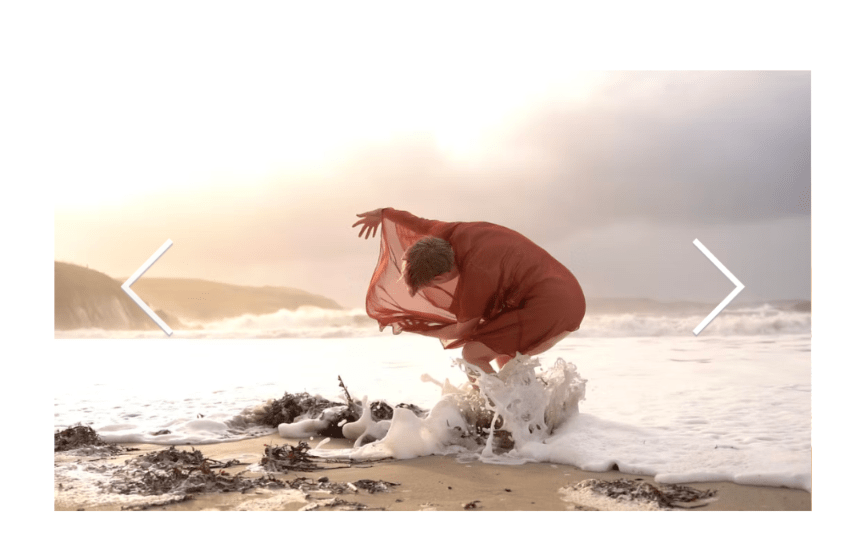
Kathryn Spence, ‘Beneath the Movement’ currently available on BBC iplayer

I’ve always known that I’m from here. It’s such a homely place, a community of all ages, and the landscape, the slow pace of life compared with other places I’ve lived; these are all reasons I’ve always known I wanted to come back.

Kathryn explained that living ‘in the country’ means living as part of a small and close-knit community. In Shetland, as in many other Scottish island communites I have visited (eg Orkney) people seem to depend on each other more than on the Mainland. She said that, in her opinion, it’s not even the same as living in the Highlands of Scotland, which are also sparsely populated. Her husband grew up there, on a farm near Invergordon, and therefore imagined they would be living in a secluded cottage when they moved to Shetland, far away from others, but in fact they are well connected. Amy Liptrot, author of The Outrun and herself an islander (from Orkney) understands. She writes (in her review of Tamsin Calidas’ ‘I am An Island’) that ‘the reality of island life requires more interaction with, and support from, neighbours than anywhere else … it’s made of community and culture’ (The Spectator).

The Outrun book cover. Published by Canongate Books

‘A sense of belonging and a sense of community is instilled in us from a young age’ says Kathryn. ‘There are a lot of high profile celebrations and festivals (see below) which makes Shetland quite individual, and when you’re growing up you’re told that your dialect is different from anyone else, plus we are far away from everywhere in the middle of the North Sea, which is spoken about an awful lot, and so that is another thing to be quite proud of.’
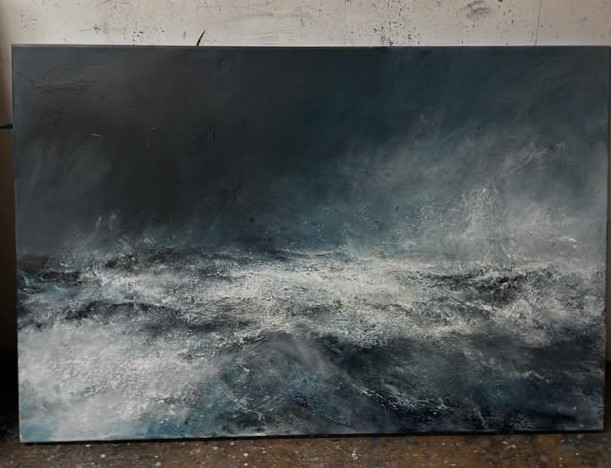
Painting by Janette Kerr that is currently (May 2025) on the walls of the Kilmorack Gallery in Inverness-shire as part of her exhibition ‘Flow’. Janette lives and paints in Shetland.

Kathryn cites the landscape as contributing to her sense of belonging, as do the other Shetland women I spoke with. ‘I have lived in other very beautiful places, but I love the land here and I am drawn to it. What I like is the extreme: one minute you’re at the cliffs, the next at the beach, all condensed, closer. I think that all these things help to create a sense of community.’

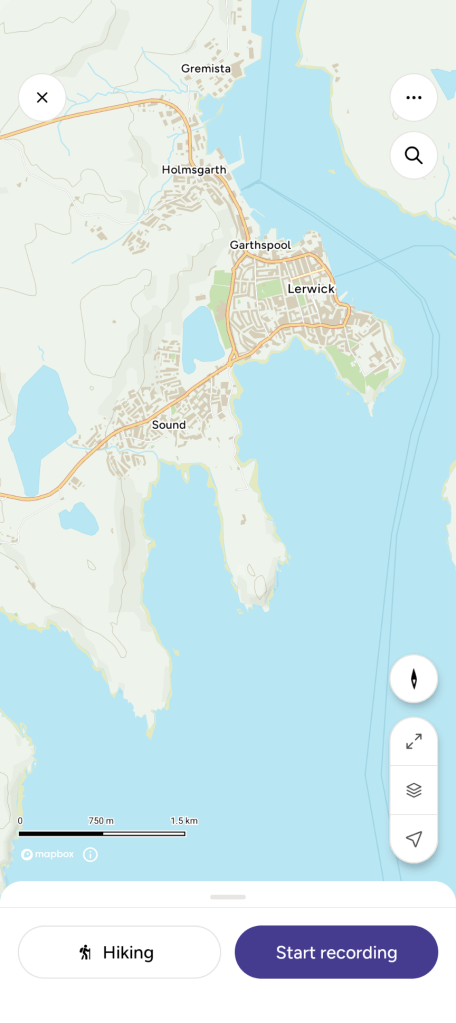
Lerwick, the capital
Kathryn works in Shetland’s capital, an 18 minute car commute from her home. ‘Lerwick is similar in size to Invergordon in the Highlands – a small Scottish port town and not much happens there – but there’s an awful lot happening in Lerwick. It’s partially because it’s a capital. Invergordon is near Inverness so it doesn’t have to have everything, but Lerwick is far away from everywhere else you do have to have everything.


It is very small, but convenient, and now we have the Mareel where bigger dance companies can come and perform which is great. If I want to spend a night there I can either get a bus and be dropped off at my doorstep at midnight (there’s a really good service in the south part of the island because of the airport in Sumburgh which is half an hour’s drive from Lerwick, or even take a taxi if it’s a special occassion, which is dear at £40, but that’s £20 each and down south it would be the same cost for much less distance.’ (Spoken in 2019).
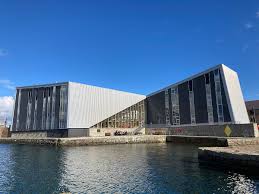
The Mareel, taken from Wikipedia

We talked about people being flexible in order to be and stay in work all year round, another theme that came from my conversations. ‘That is something that comes from the islands – as soon as you put roots down anywhere you have to be prepared to be adaptable. I work in the arts and there’s just the one arts organisation here [Shetland Arts], so if I was to lose that income I would need to diversify.’ Consequently, she teaches some dance classes and has trained as a yoga teacher to help her stay fit – what with her choreography and this, she has quite a few strings to her bow! ‘It’s always about connecting with people through movement, the language of movement.’
Kathryn’s Shorestation Residency with sculptor Tony Humbleyard. Photo by Kathryn Spence

This was not the only fascinating conversation I’ve had with local women which covered the topics of ritual – celebrations like weddings, festivals and funerals (the latter, sadly, were very tricky during of the Coronavirus pandemic.) There was mention of long-standing traditions like the famous Up-Helly Aa Viking fire festival (in Lerwick and other sites across Shetland), but I won’t write much about that as there is a lot of information available on the internet. Suffice to say that some women were very keen ‘to be allowed’ to join in the all-male shindig back in 2019.
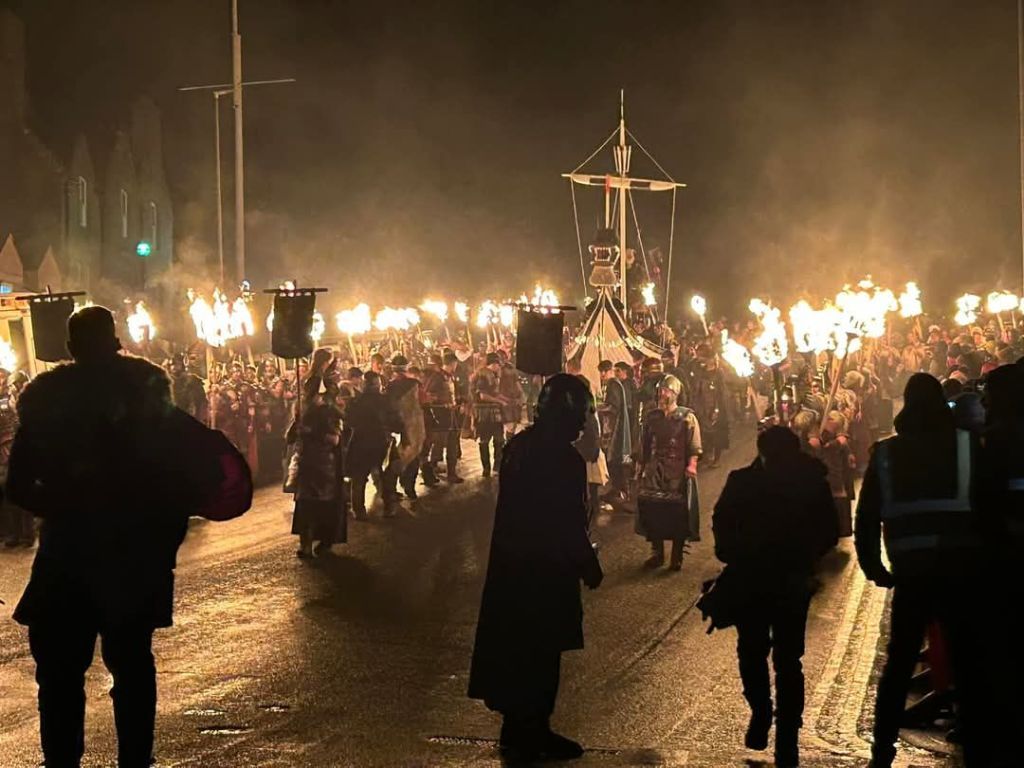
Up Helly Aa fire festival January 2025 Photo Janette Kerr

Update: In January 2024, the BBC’s Ken Banks reported that, ‘Shetland’s famous Up Helly Aa fire festival has seen the traditional dramatic burning of a replica Viking galley. For the first time in the event’s 143-year-old history, women and girls joined the main “squad” at the head of the torchlit procession through Lerwick. Up Helly Aa – the biggest fire festival in Europe – is held on the last Tuesday in January. The annual event sees people celebrate Shetland’s Norse heritage.’

Thank you to Kathryn for telling me about belonging in Shetland, and to Janette Kerr for giving me permission to use her photos. A separate blog will be dedicated to my upcoming visit and meet-up with Janette.

I will be in Shetland between 12-22 May 2025. Please let me know if you would like to do a Shiatsu / hospitality exchange. tamsingrainger.com

Home, belonging and a sense of identity

As I have walked around Europe in the past three years, being away from home half of the time, I have been much concerned with notions of home,. What makes for a sense of belonging? What constitutes a sense of national and community identity? Language has been a key topic as I have sought to understand and be understood. Coming at a time of great change, as the UK first voted to, and then left, the European Union, I have had many exchanges and considerable dialogue around these issues.

The image used by the Audacious Women Festival 2019 Travellers’ Tales

In 2019, I was part of the Audacious Women Festival‘s ‘Travellers Tales’. A small panel of us debated the reasons why women travel. With each other and an audience of perhaps 40 women, we discussed and listened to how women settle in new places, establish friendship and support structures, and negotiate language and cultural differences. It was an unexpectedly lively and moving event with women of all ages taking the stage to speak about their experiences in moving and travelling around the world.

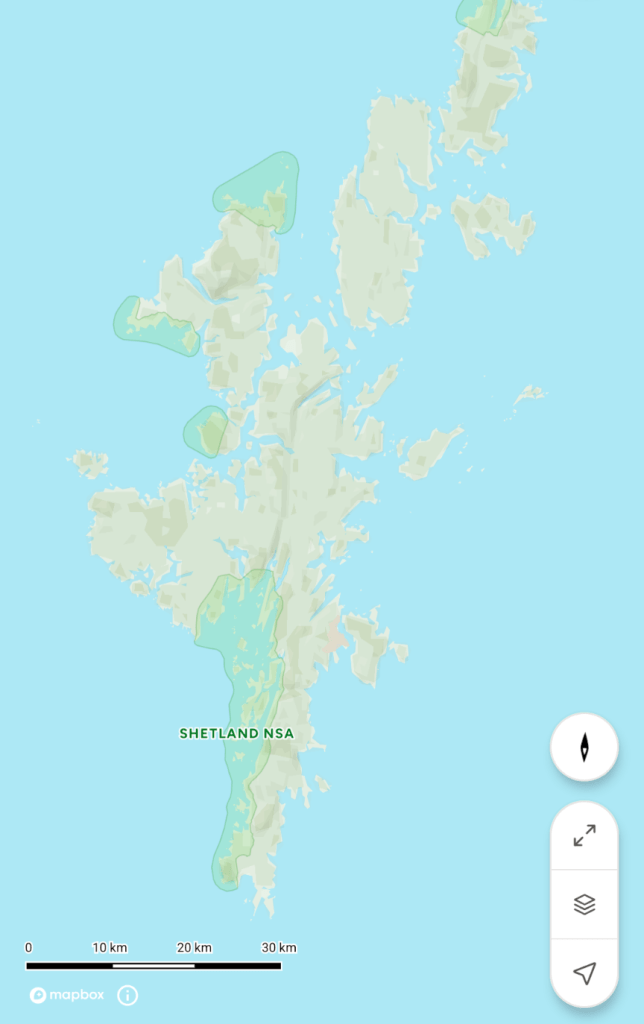
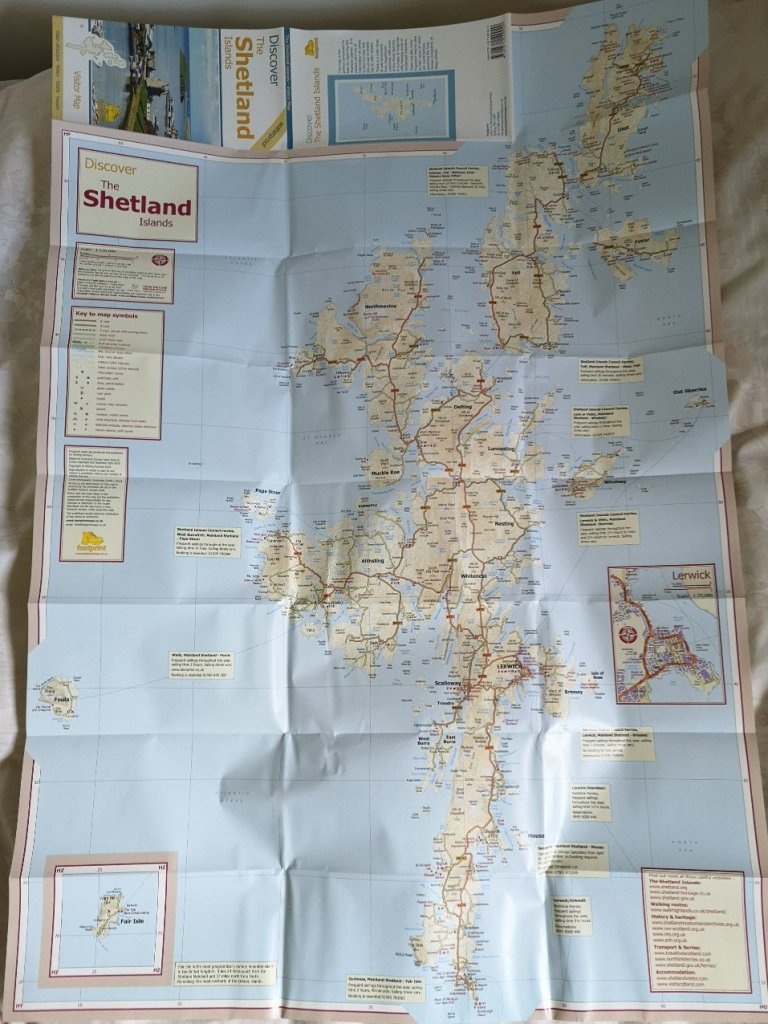
Map of the archipelago of Shetland

At the time of writing, I am on a virtual visit to Shetland, north of the mainland of Scotland. I am having a series of fascinating chats with women who live there, or who were born there and now live elsewhere, on these topics. I have also been stimulated to reflect on my own and my family’s stories around identity. Women travel for many reasons:

To obtain work

The start of the oil boom saw families moving to Shetland, or young couples settling who then had children there. This was good for the community in many ways, enabling integration and expanding the community. Even when the adults moved away again, some of their grown-up children stayed and continued to build lives on the Islands. Nowadays this happens far less, partly because the trend is for individual oil workers to come for a spell of weeks before returning to their families, and partly because the oil industry is in decline. Many local people who have worked at Sullem Voe, for example, lost their jobs just before the Coronavirus hit, and job hunting was of course, been hard during this time. Will there be an exodus as a result?

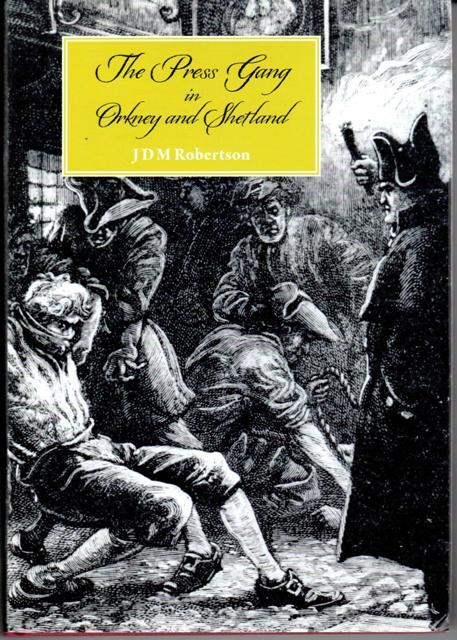
Book cover: The Press Gang in Orkney and Shetland by J D M Robertson

Some join the armed forces and the Merchant Navy and travelled the globe. Often they return to Shetland, but others did not, settling in other countries and establishing families and support structures there, their accents and habits changing over the years. In the past, men were also press ganged (1755 – 1845) which had a considerable impact on the Shetland way of life, not least that at one time there was a ratio of 3:1 women to men on the Isles.

When I travelled, I am usually asked where I am from. Scotland, where I have lived for 30 years, and Nicola Sturgeon (who was First Minister between 2014 – 2023) were popular on the continent at that time, so there were smiles when I answered. However, there was usually a pause after that. With a puzzled expression, they would say, ‘But you don’t sound Scottish’. My parents and grandparents were very keen that I spoke ‘good’, or ‘Queen’s, English’ and it hasn’t rubbed off after all these years living in Scotland, much to my disappointment. It betrays my origins!

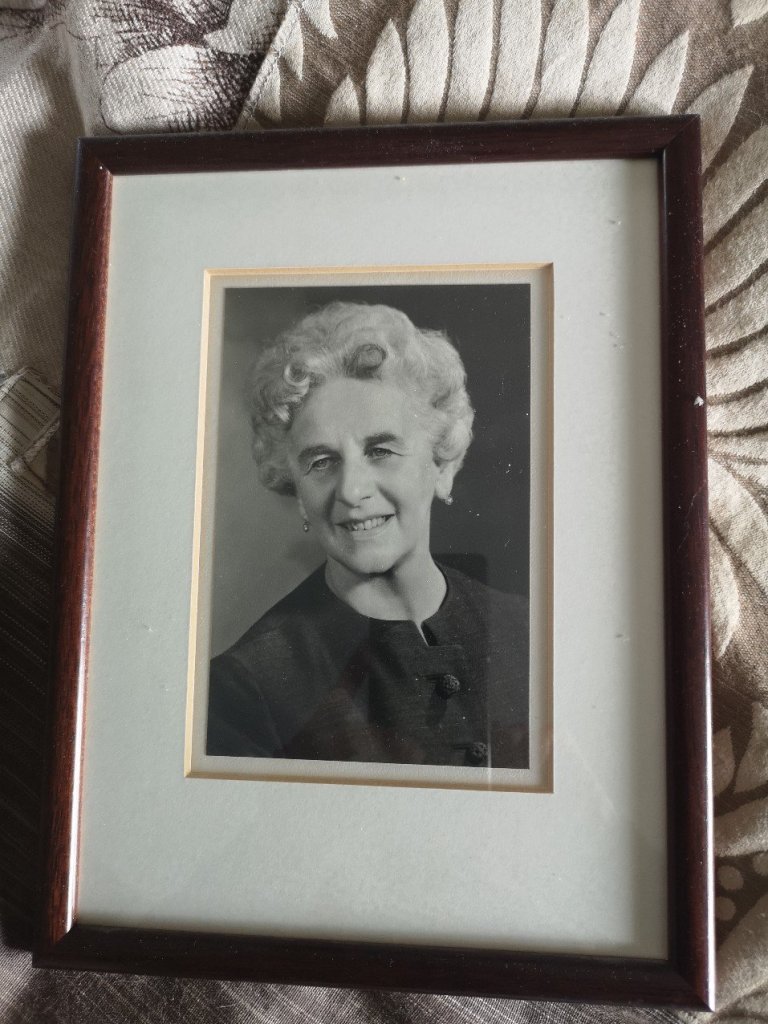
My maternal grandmother, Violet Elizabeth, known as Liz who went back and forth to Africa during World War II on the Banana Boats

Marriage and relationships

The Marriage Bar was still in place when my grandmother married just before World War II. She had trained at college to be a PE teacher and secured a position at Benendon College, a school for girls, but on marrying my grandfather, she was required to give it up and travel with him to Africa where he worked. The expectation that she should be at his side extended to the children. She travelled back by ship to have each of her daughters, but had to leave them behind in the UK (in 1937 and 1941) in order to return to him.

The main problem was undoubtedly the attitude of senior officials, but the Marriage Bar also deterred ambitious women from entering the civil service and/or ensured that, once recruited, they were forced to leave. 

Women in the Civil Service

Seeking education

There are two high schools in Shetland: Brae in the north west Mainland and the other in Lerwick, further south on the east coast. Young Shetland girls / women (aged 15 years and over) have to attend boarding school or stay in a hostel, Monday to Friday, if they want to continue their education past Standard Grade level. After that, although many now choose to stay on the Islands and attend the Highland and Islands University (which has 13 colleges and research centres, over 70 local learning centres, as well as online tutoring), like many other young people they might also choose to leave home and go to Aberdeen, or other cities in Scotland and further afield.

Other reasons for leaving home and returning that I am going to be looking into are:

  • Wanderlust – stimulation – inspiration – curiosity
  • Seeking asylum or otherwise escaping injustice or abuse
  • Looking to provide one’s children with a particular environment to grow up in which is often linked to happy childhood memories
  • To be with family
  • Illness
  • The landscape and community

I will be examining the challenges to stability and identity that are involved in travel

Language: The Shetland dialect is distinctive and a strong part of people’s identity. There are variations which are closer or further away from Scots and English, and modulations are naturally made depending on who is talking. I will be writing more about this.

  • Winning independence in another culture
  • Facing the cultural assumptions you grew up with
  • Settling and belonging
  • Making a home
  • Never quite settling down

I have already discovered, personally and through speaking with other women, that a sense of a new identity can emerge from moving to another country, and be liberating. This may surprise both the woman and her family, even disrupt relationships, as parts of oneself changes in response, either being emphasised or stymied. A set of different religious or cultural values may feel liberating or constricting; a change of temperature, climate and daylight (or lack of it) may have a positive or negative effect; opportunities may be greater or fewer, leading to enrichment or a blocking of possibilities. Crossing oceans and borders sometimes requires courage and daring, and other times is easy and natural because of a sense of coming home.

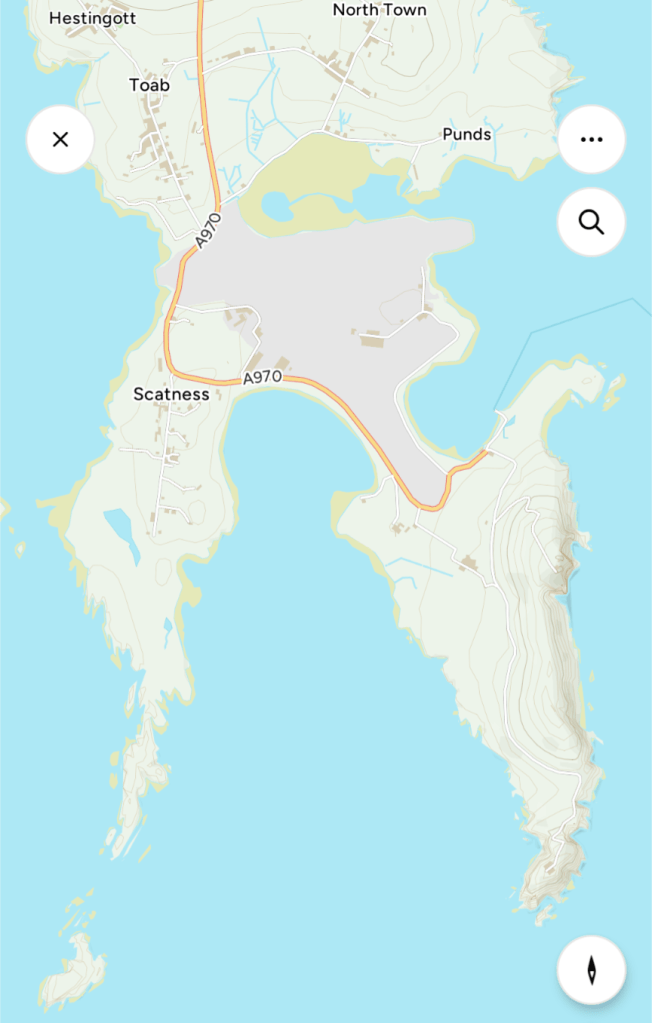
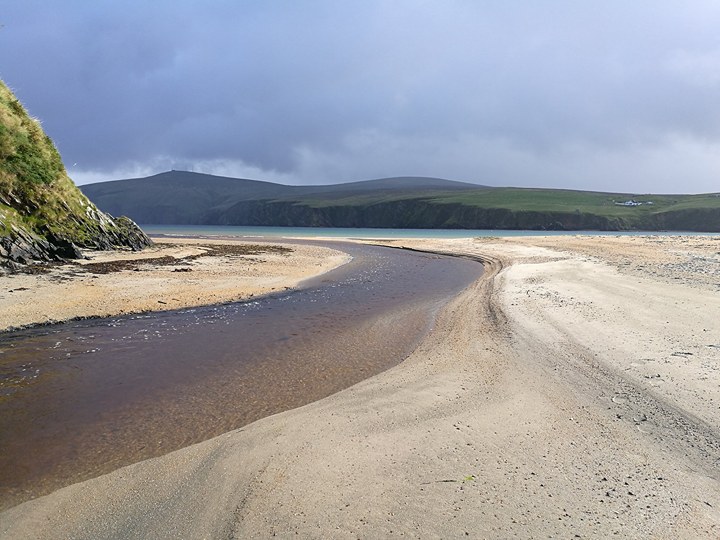
St Ninian’s Isle, in the south west of Shetland, connected to the mainland by the largest tombolo or ayre, meaning gravelbank in old Norse. (source: Wikipedia) (not my own photo)

Special thanks to Geraldine Wooley who initiated a meeting between the different presenters of the Audacious Women Festival event. She prompted us to think about the topic in alternative ways, summarised the discussion, and chaired the live session.

Emigration Records can be found on the Scottish Archive Network website.

The building in the title photo is Lerwick’s Textile Museum. Thanks to Isobel Cockburn for her permission to use it.

You may also like:

Research and Preparation About the route I took, Shaetlan dialect, and the aims of my Sense of Belonging project.

Leith to Lerwick Days 1 and 2 Charting my journey northwards and visiting Lerwick’s Textile Museum and Museum and Archives.

Lerwick and Northmavine Days 3 and 4, in which I write about the Press Gang, visit The Old Tolbooth and view Da Lightsome Buoy, then travel to the north west to speak to Helen Robertson about her knitting projects.

Walking on Shetland

Whalsay and Bressay About Sunday Teas, these 2 smaller islands, and about home and a sense of belonging.

Wildie and Lalla, An elegiac film by Catriona Macdonald, Shona Main and Angelica Kroger.