Camino Francés – Foncebadon to Molinaseca to Pieros, Spain

12.11.16 – 13.11.16 Foncebadon to Molinaseca 19.5km; Molinaseca to Pieros 21.1km
dsc_1380.jpg

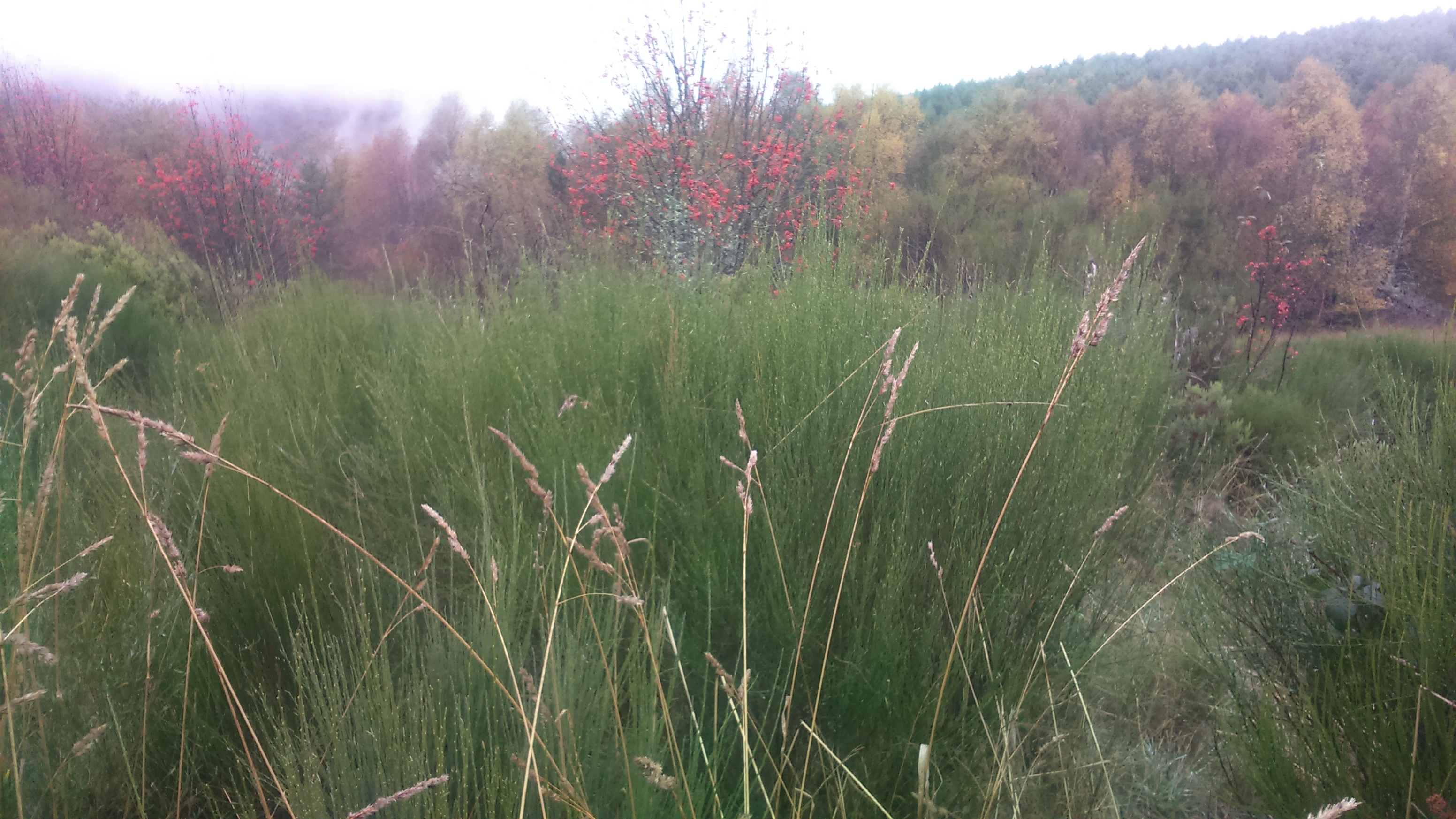
It was a cloudy start from Foncebadon this happy Saturday.

‘Daytime never starts with an act of will: it arises in unworried certainty. To walk in the early morning is to understand the strength of natural beginnings.’ (p.98).

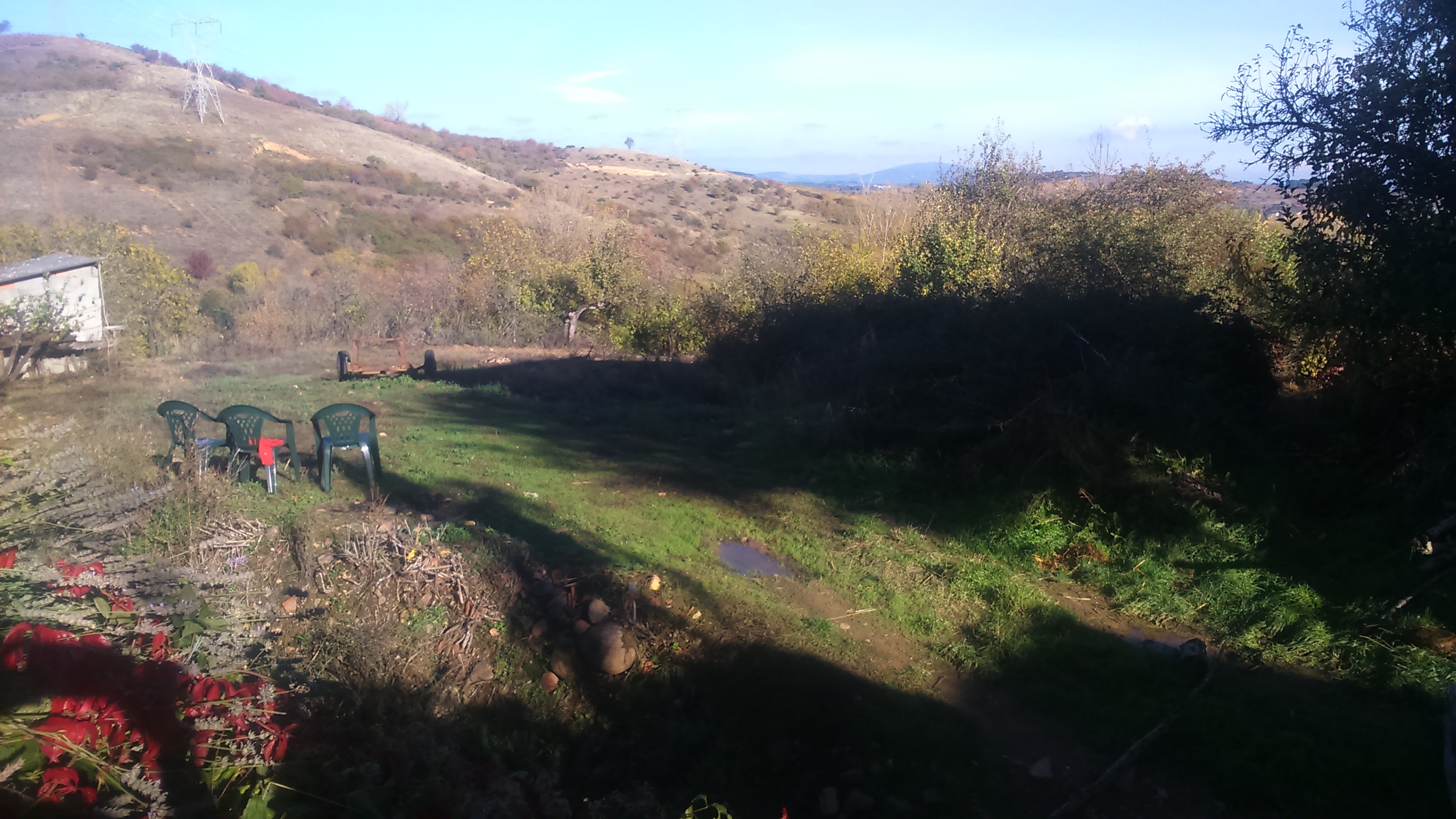
I relished in the green lushness after the rain, which highlighted the autumn reds and orange.
dsc_1381.jpg

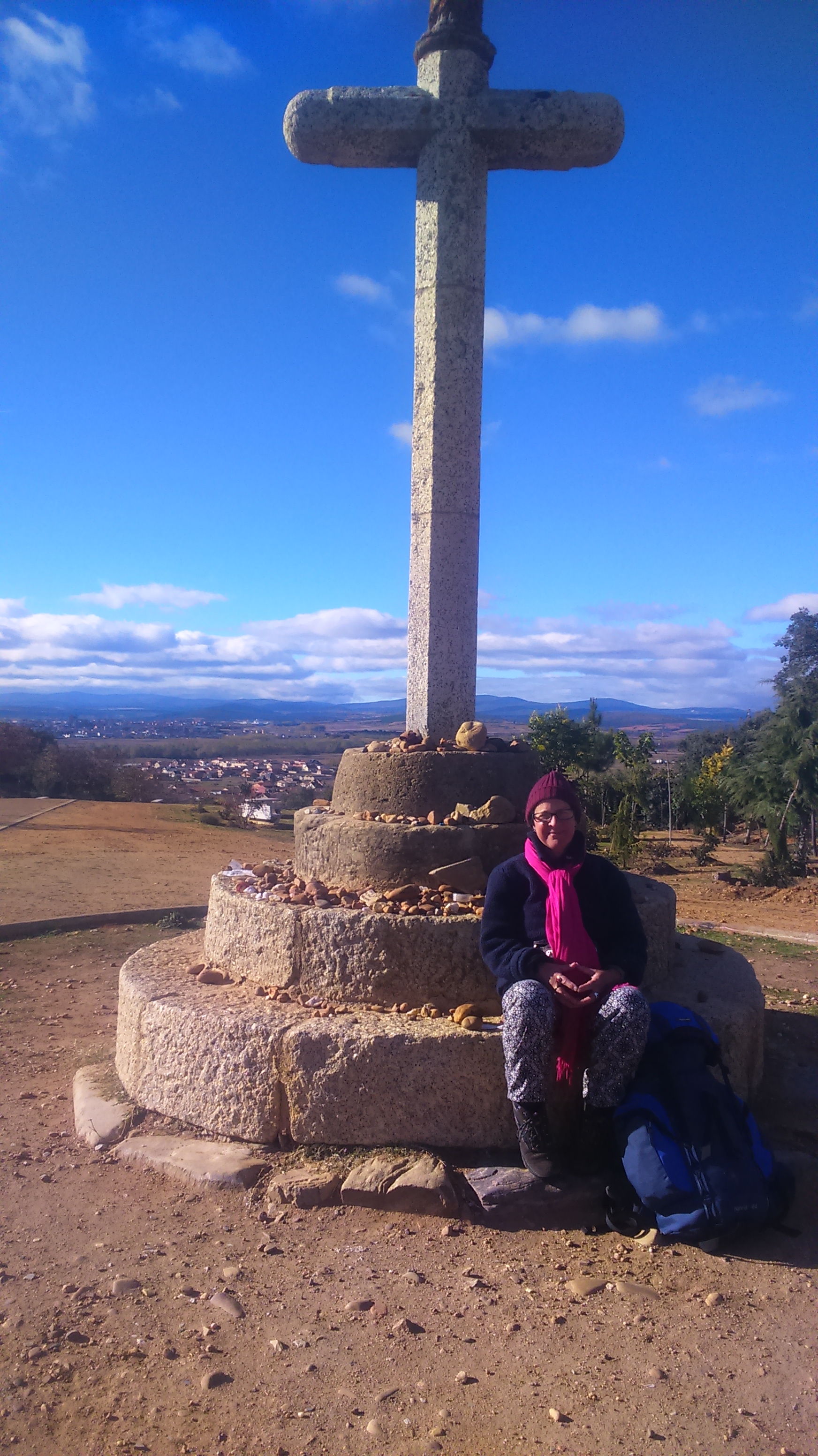
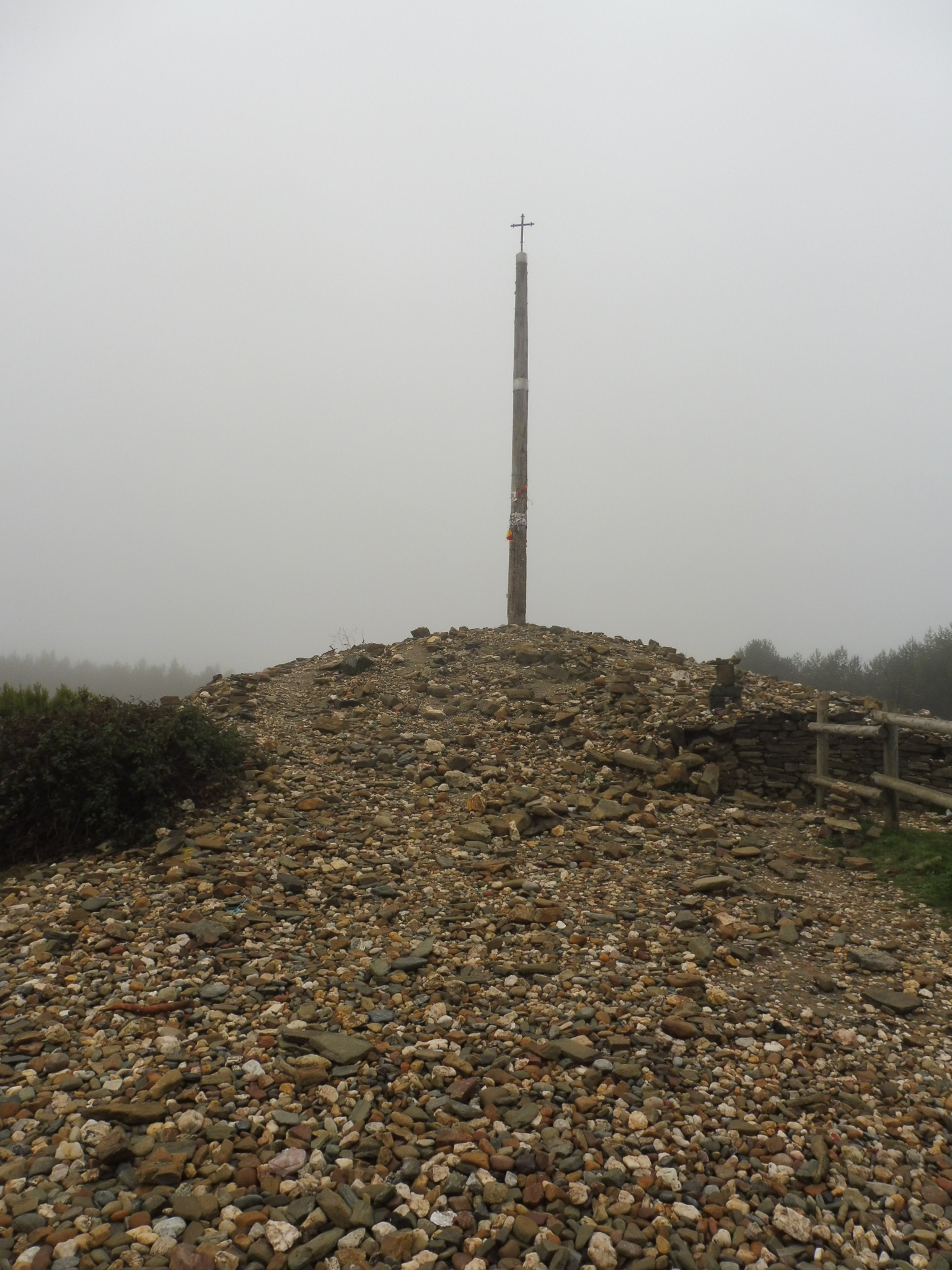
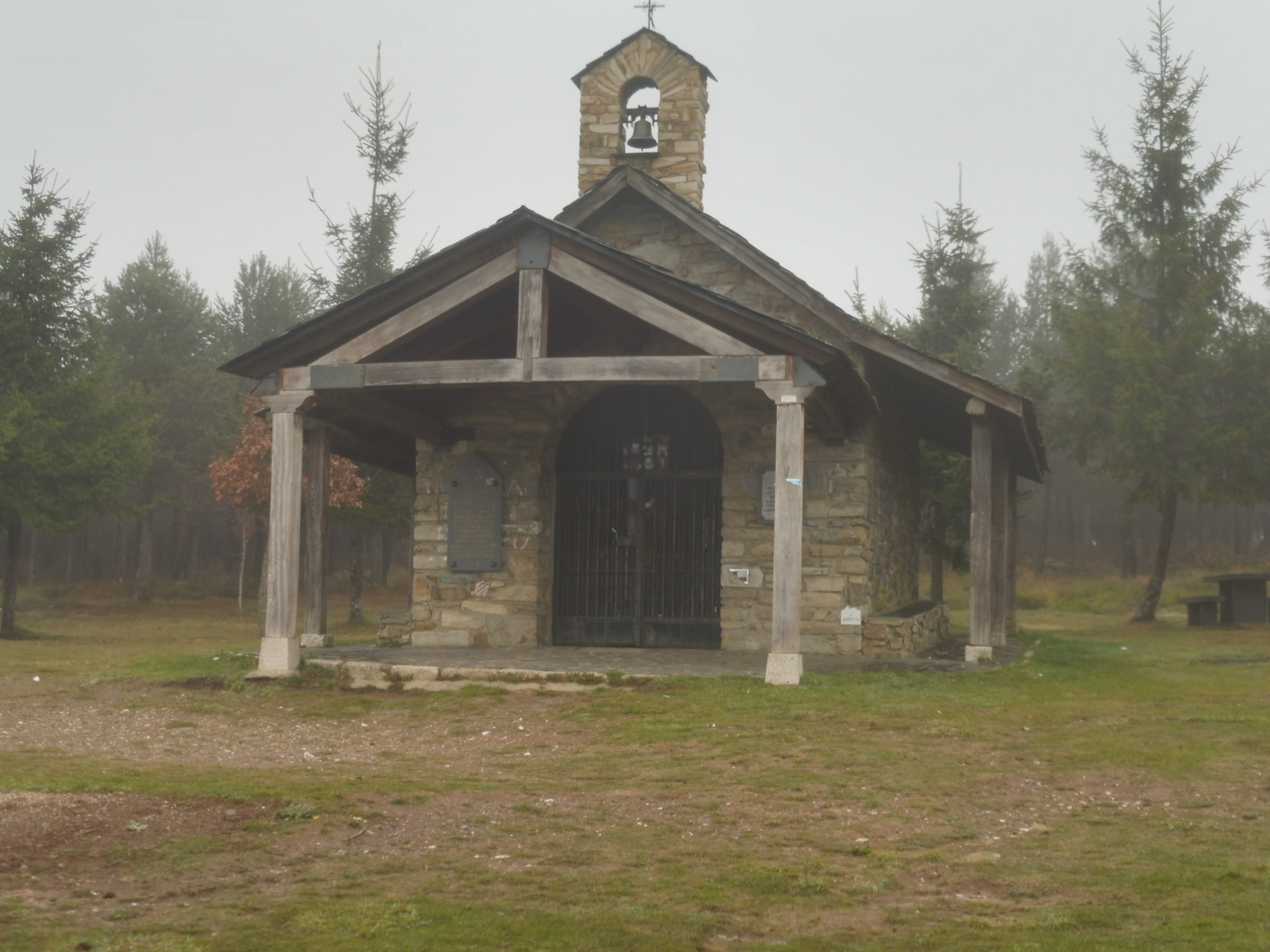
Cruz de Ferro (Hierro) is an important cross marking the highest point of the Camino Frances at 1517m, with its little chapel and enormous pile of meaningful stones, placed by pilgrims over the years. There are no public toilets along the path, and long gaps between bars (where you must buy something in order to use the facilities), so, sadly, there is always white paper behind these charming buildings.
camino-frances-1794
Cruz de Ferro
camino-frances-1795
The highest point of the Camino Frances. The altar could be glimpsed through the bars of the entrance.

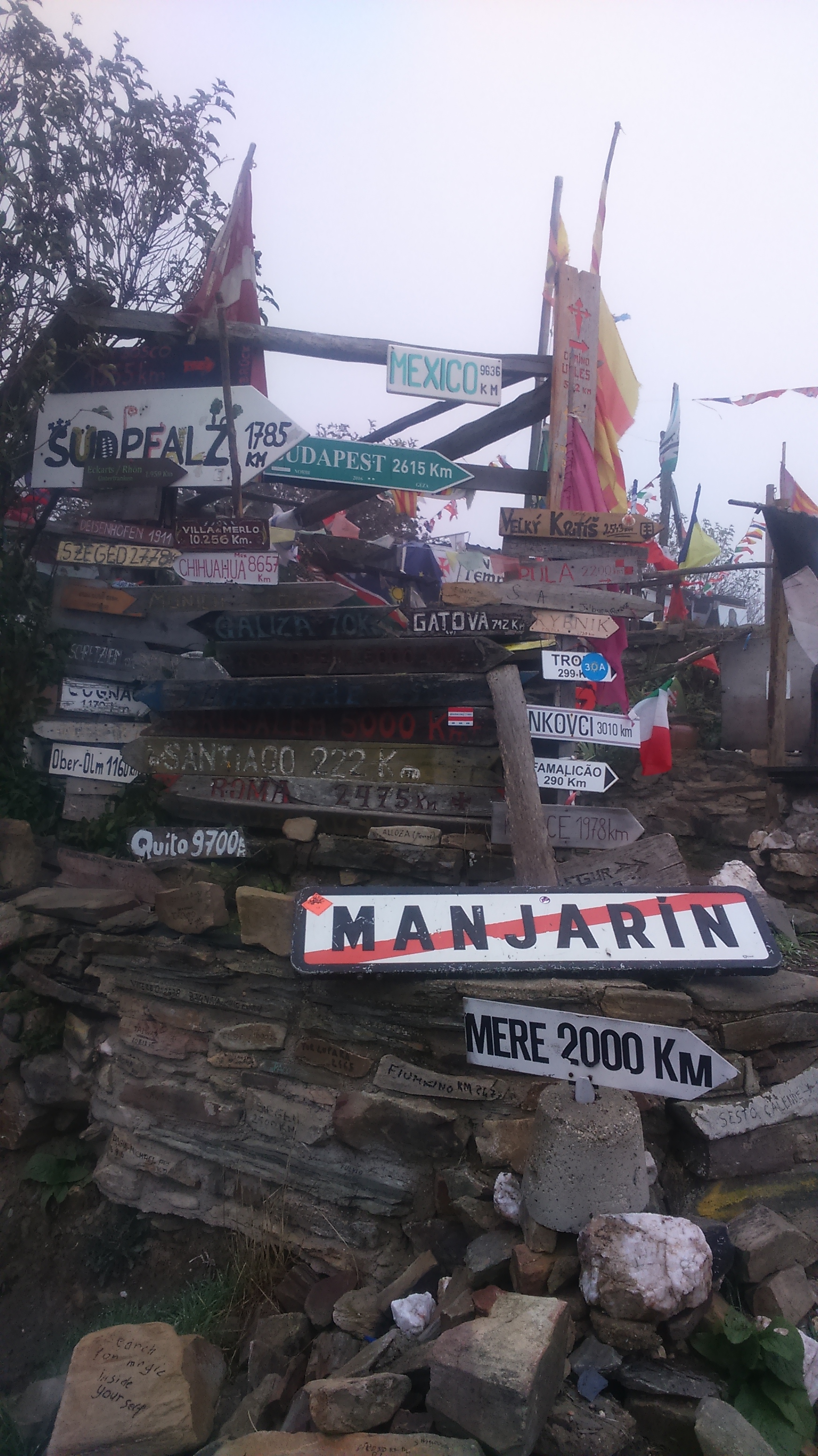
It was to be a smaller number of kilometers that day, but a steep ascent to Manjarin, with quite a surprising welcome when we arrived. In fact, quite one of the most unusual situations I have ever been in.
dsc_1383.jpg

dsc_1384.jpg

dsc_1385.jpg

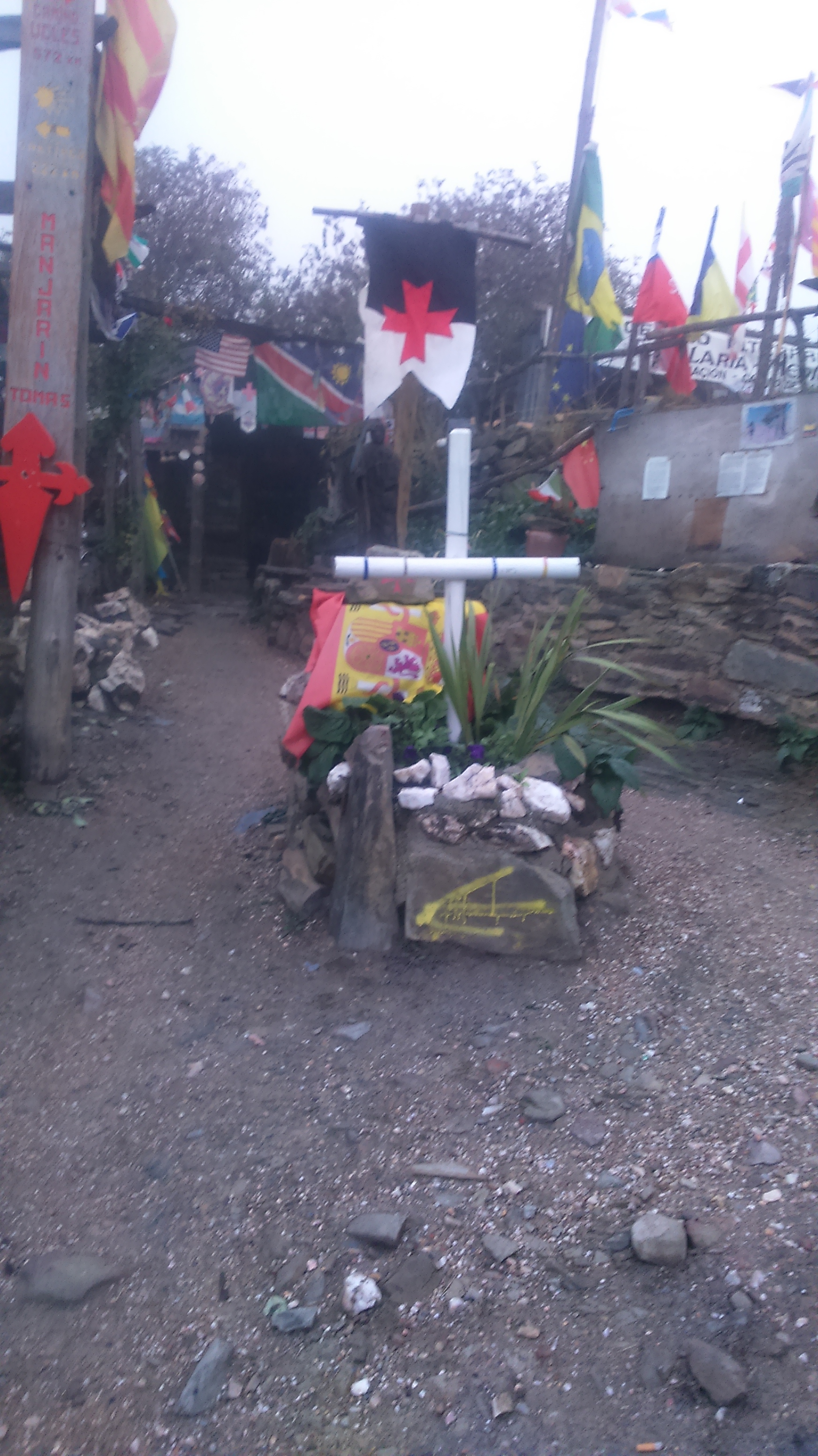
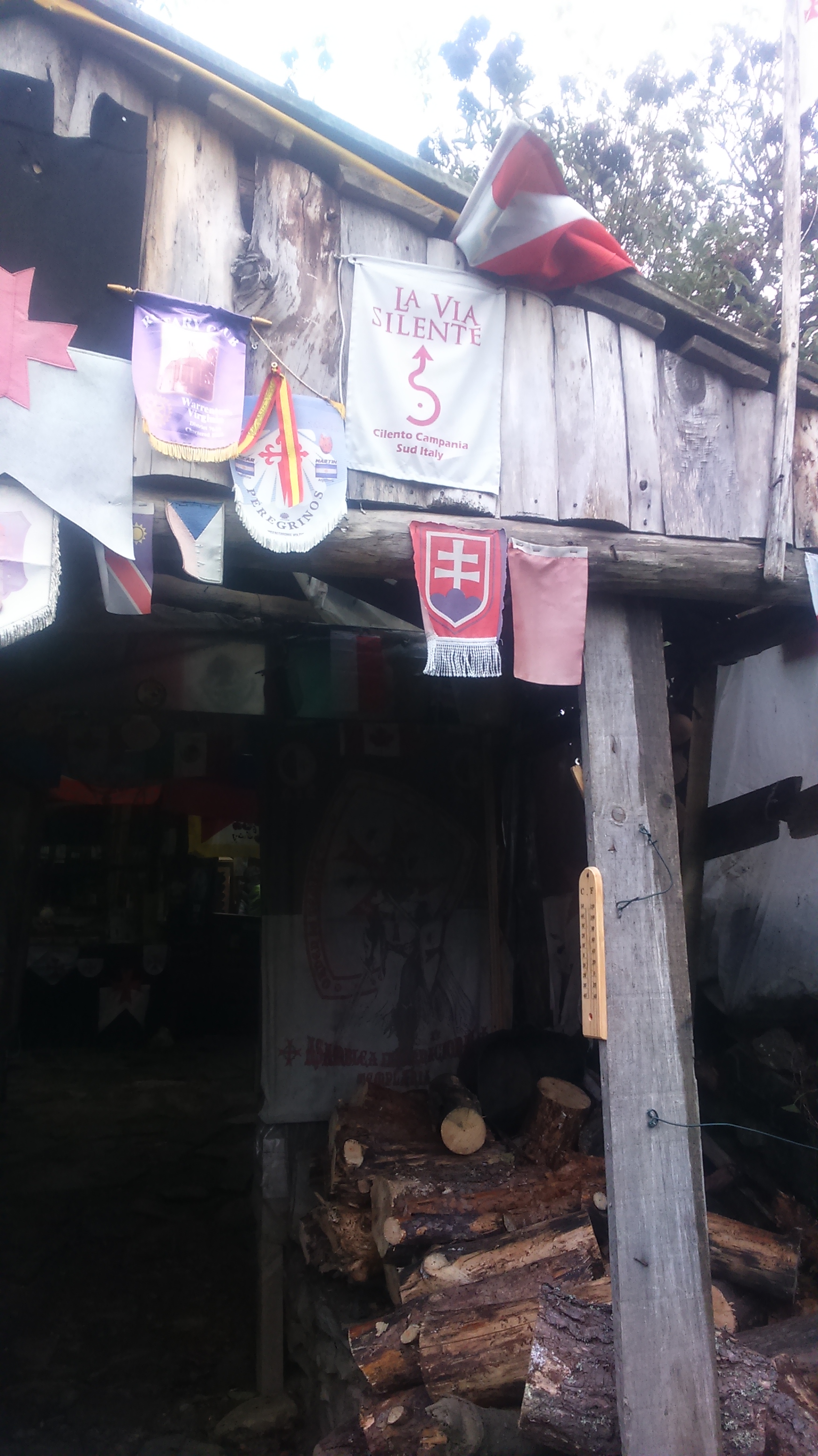
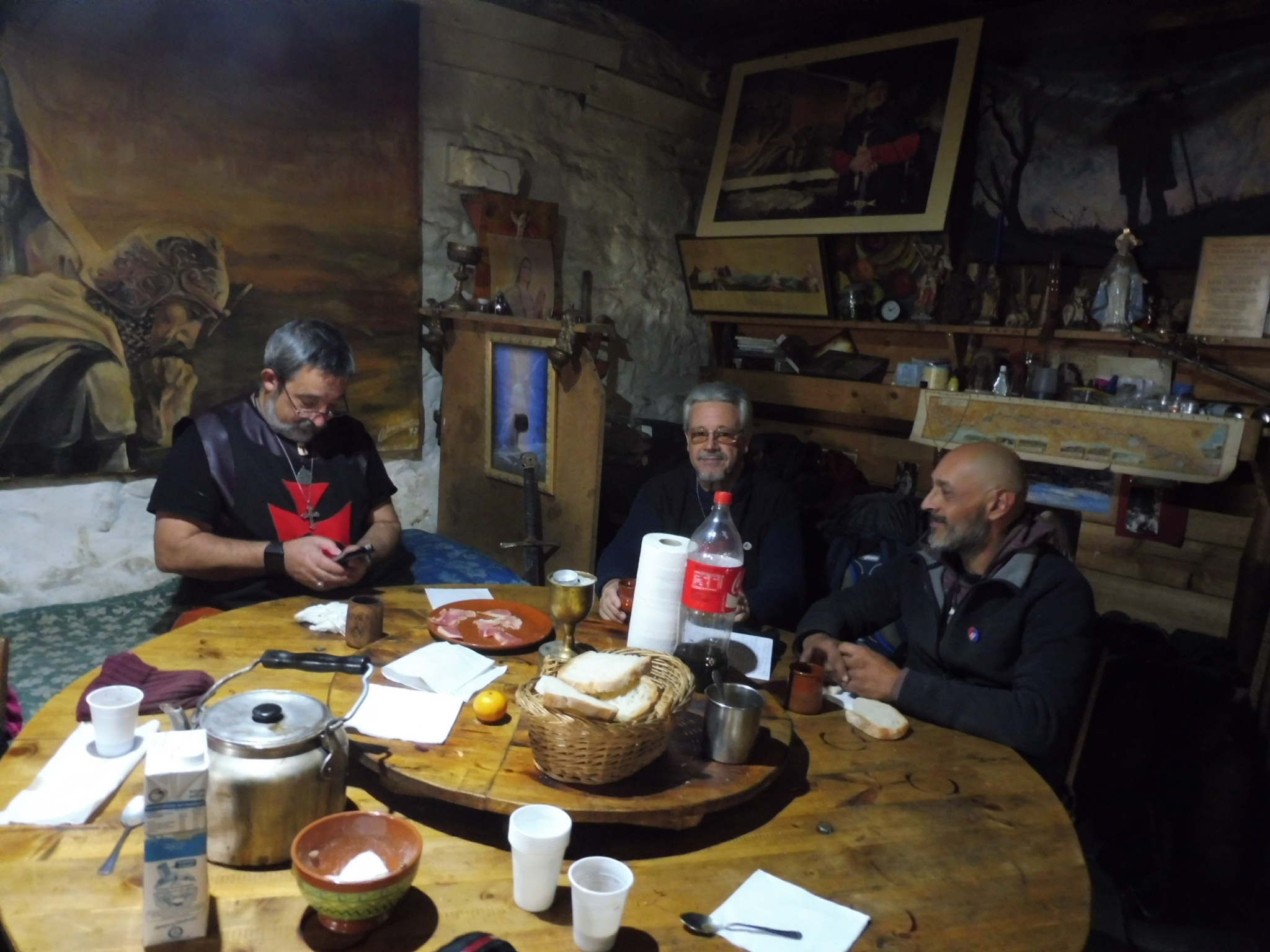
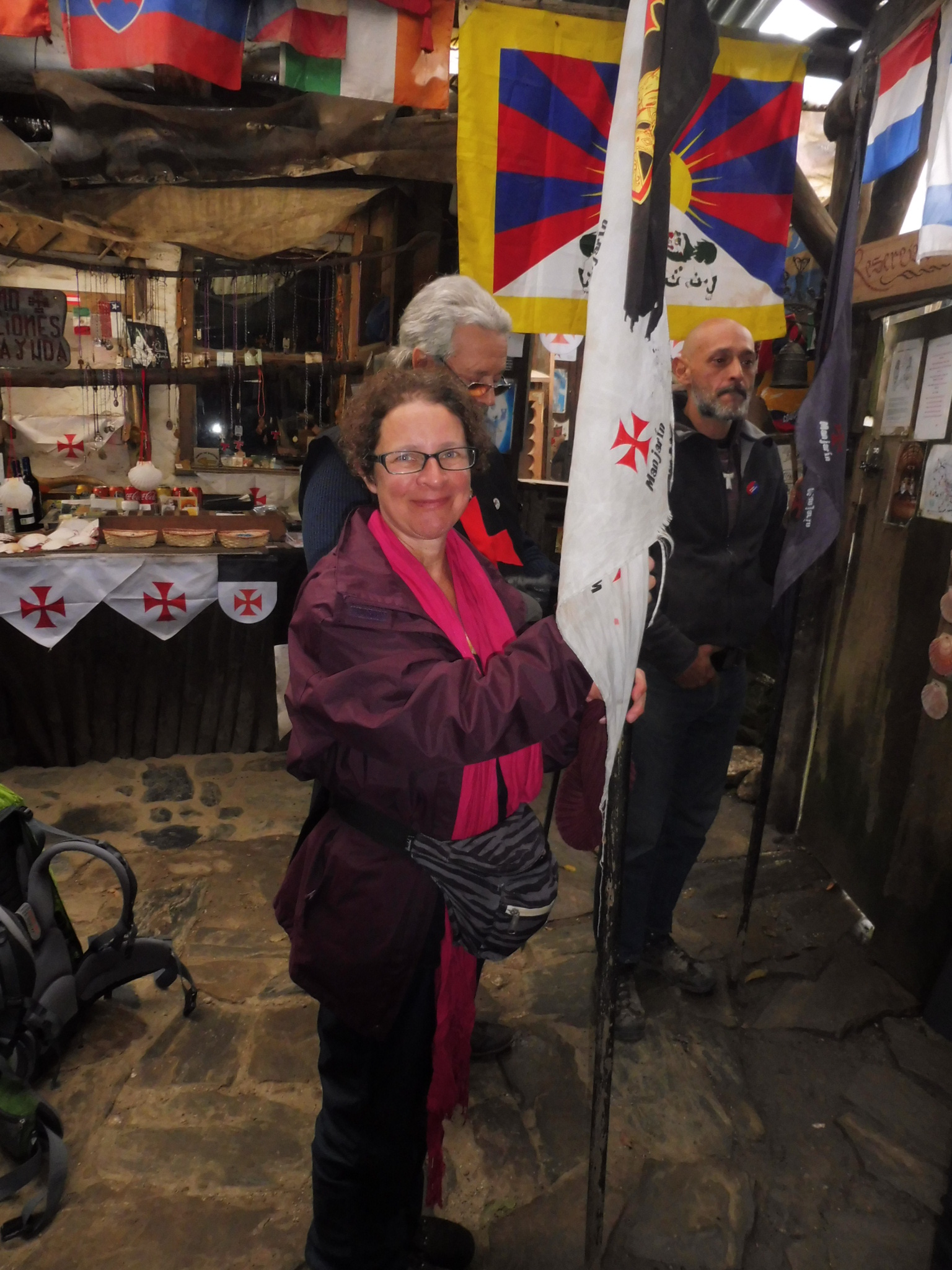
An (almost) abandoned village, Manjarin has one inhabitant, and his abode is decorated with insignia from all over the world, prayer flags, and messages in many languages. He welcomes walkers in to his warm ‘cave’. Leaving the light and moving into the dark, it’s initially impossible to see and there’s a musty scent. Then the passage opens out into a wide room, like something out of Robin Hood, with a rustic, bright fire and circular, wooden table, around which sit two men dressed as Knights with the red Templar cross on their tunics.
camino-frances-1807

We are offered, and I drink, for the first time in perhaps 25 years, a (caffeinated) coffee. There are snacks and as our eyes get accustomed to the dimness, there is plenty to see around the walls. We listen to their chatter as they incongruously show each other photos on their mobile phones.

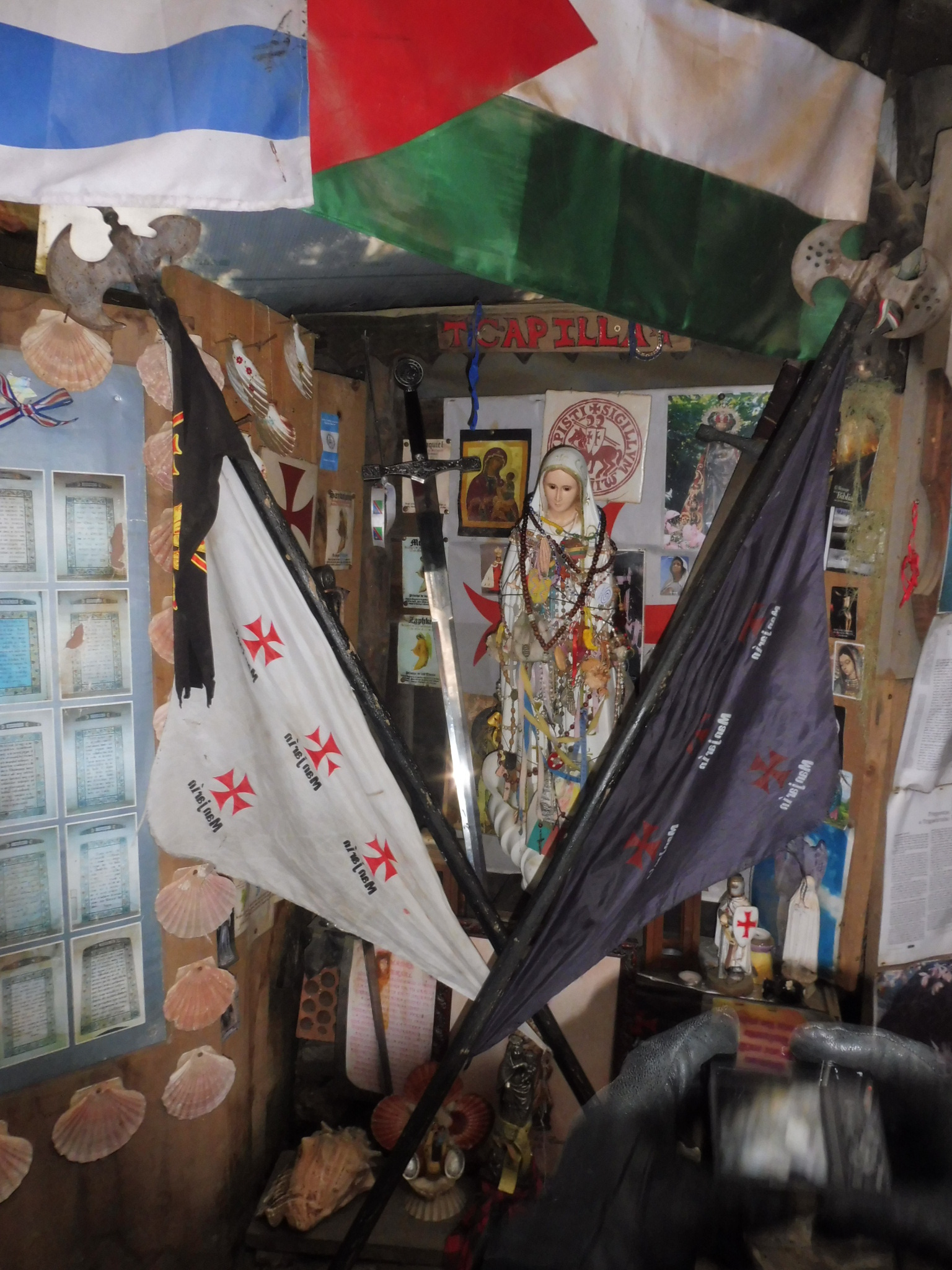
On the way out, we are invited to join a ceremony at the altar containing a statue of the Virgin and lots of Camino shells, and I am given a flag to hold, while one man reads a moving prayer (in Spanish) for peace and harmony amongst all peoples.
camino-frances-1814

camino-frances-1815

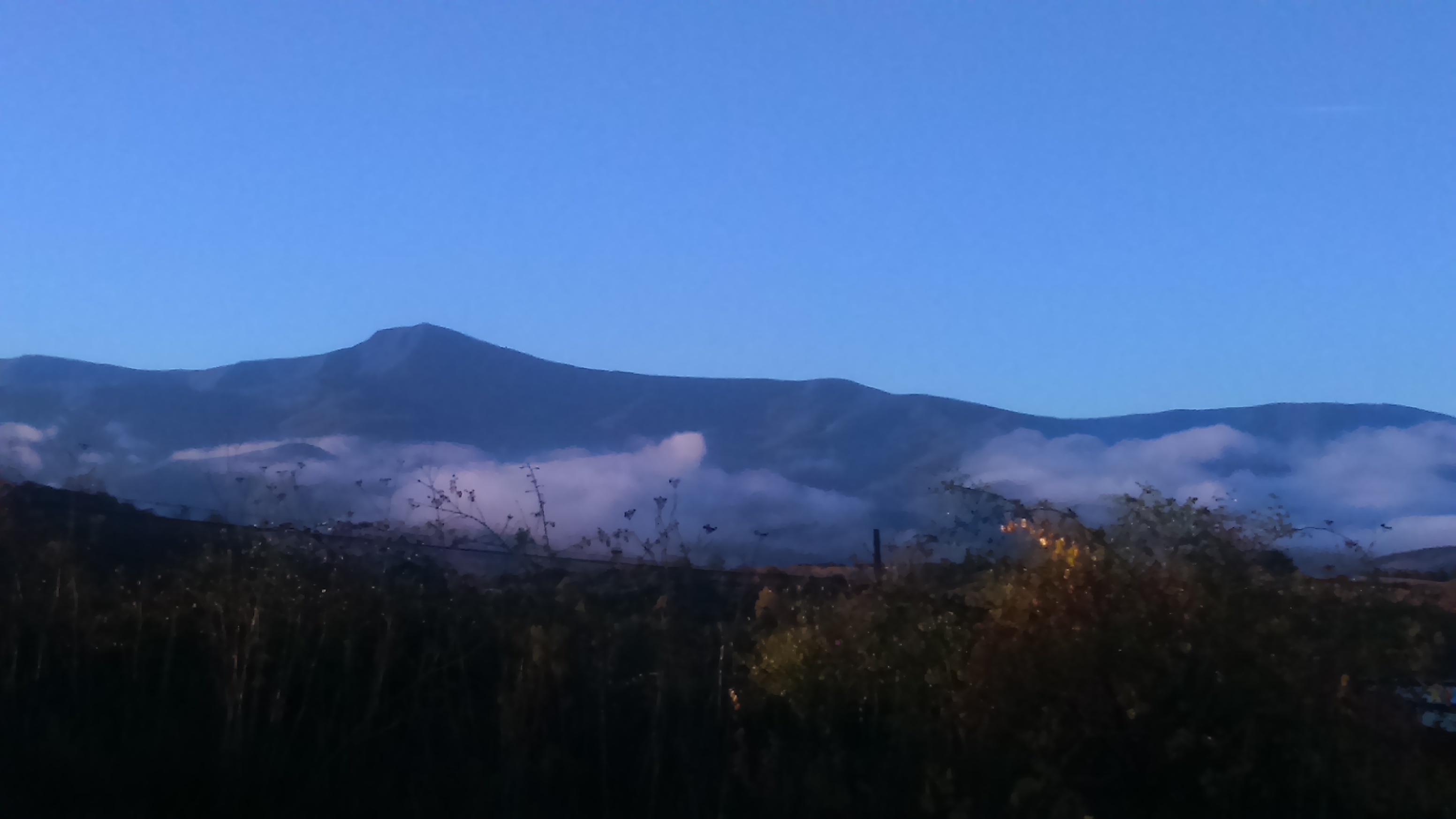
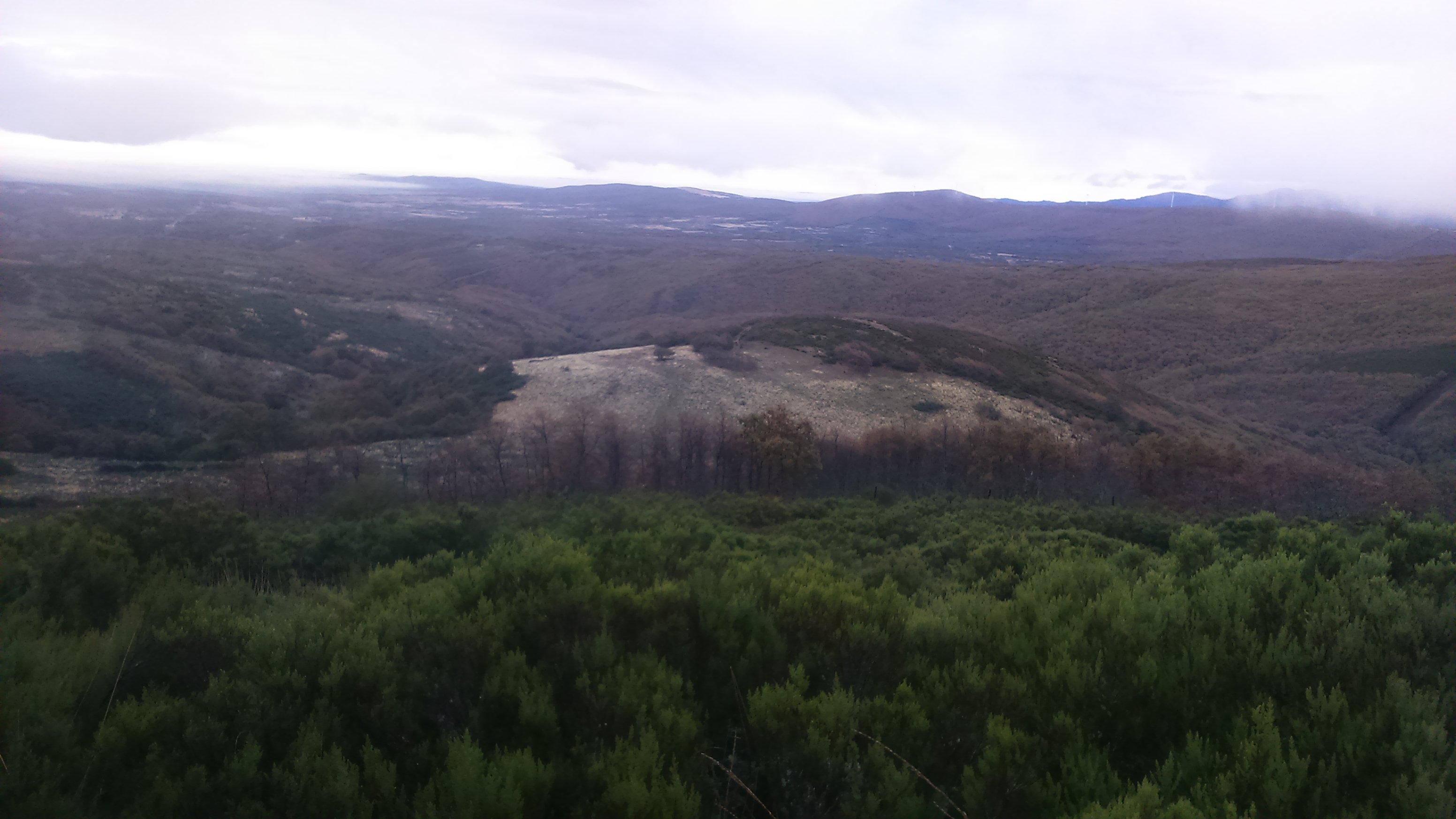
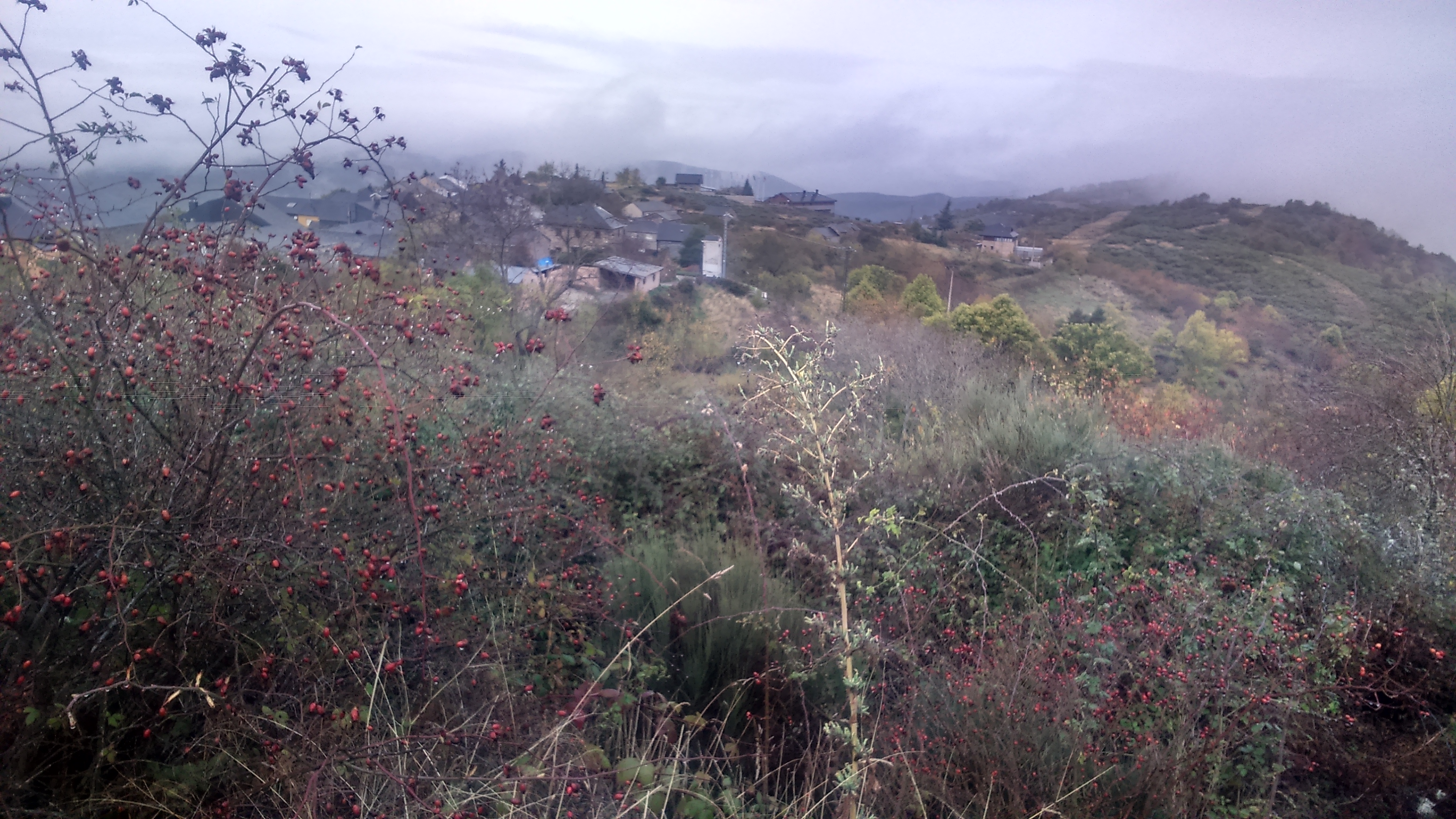
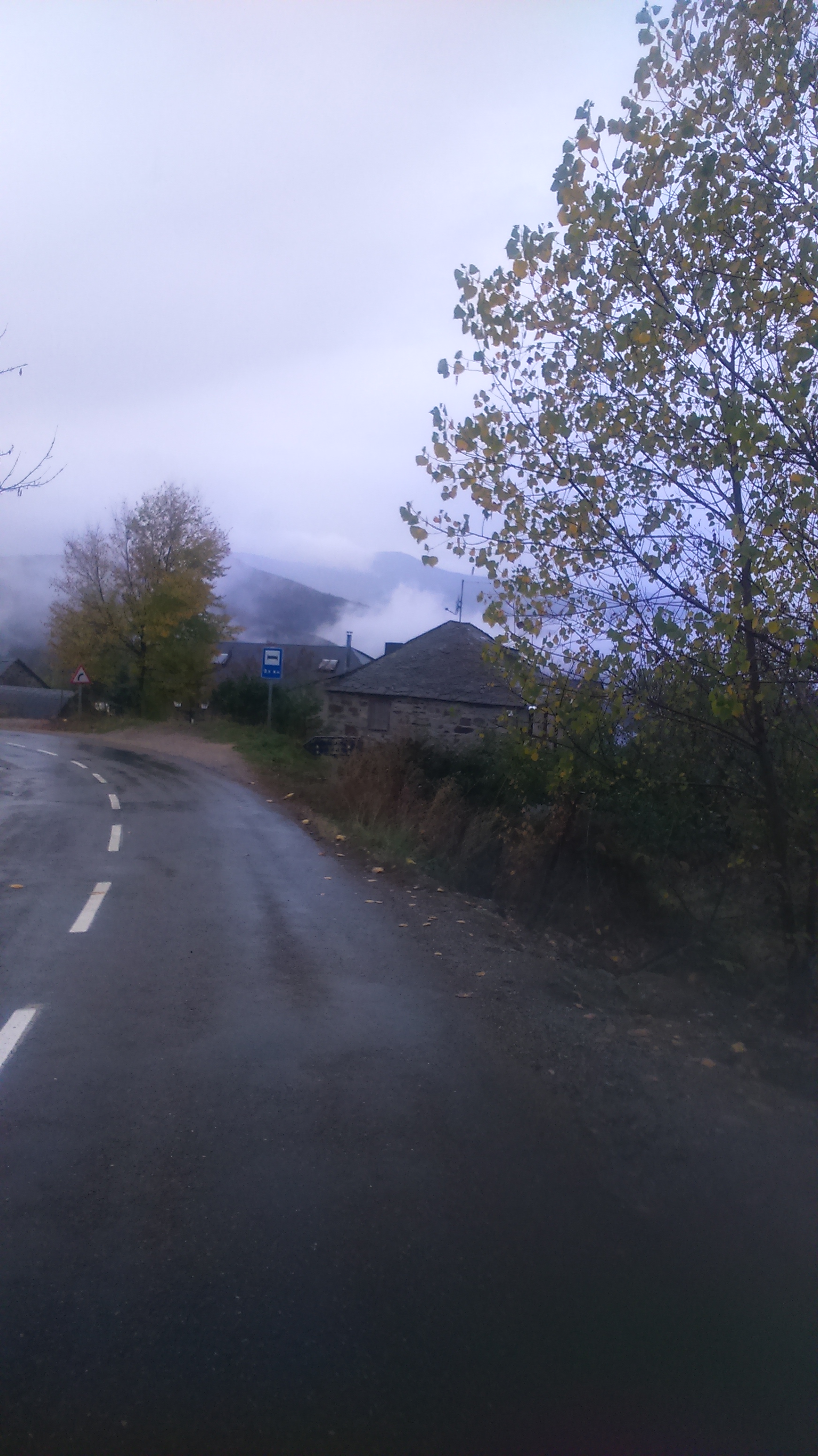
We descend almost 500m that afternoon, mist swirling around, with breath-taking views, through the mountain village of El Acebo de San Miguel (means, Saint Michael’s holly) in upper El Bierzo, and down to Molinaseca. I can smell the damp, decaying landscape, and feel the droplets on my face as I tramp. There’s the dry shush of copper leaves as I keep to the softer edges to avoid the tarmac. My feet have become so sensitised that I fancy I can feel each stone through my soles, but at least after all this time my feet have hardened and are blister-free. Most of the trees have lost their leaves at this altitude, although withered blackberries remain on the brambles.
dsc_1387.jpg

dsc_1389.jpg

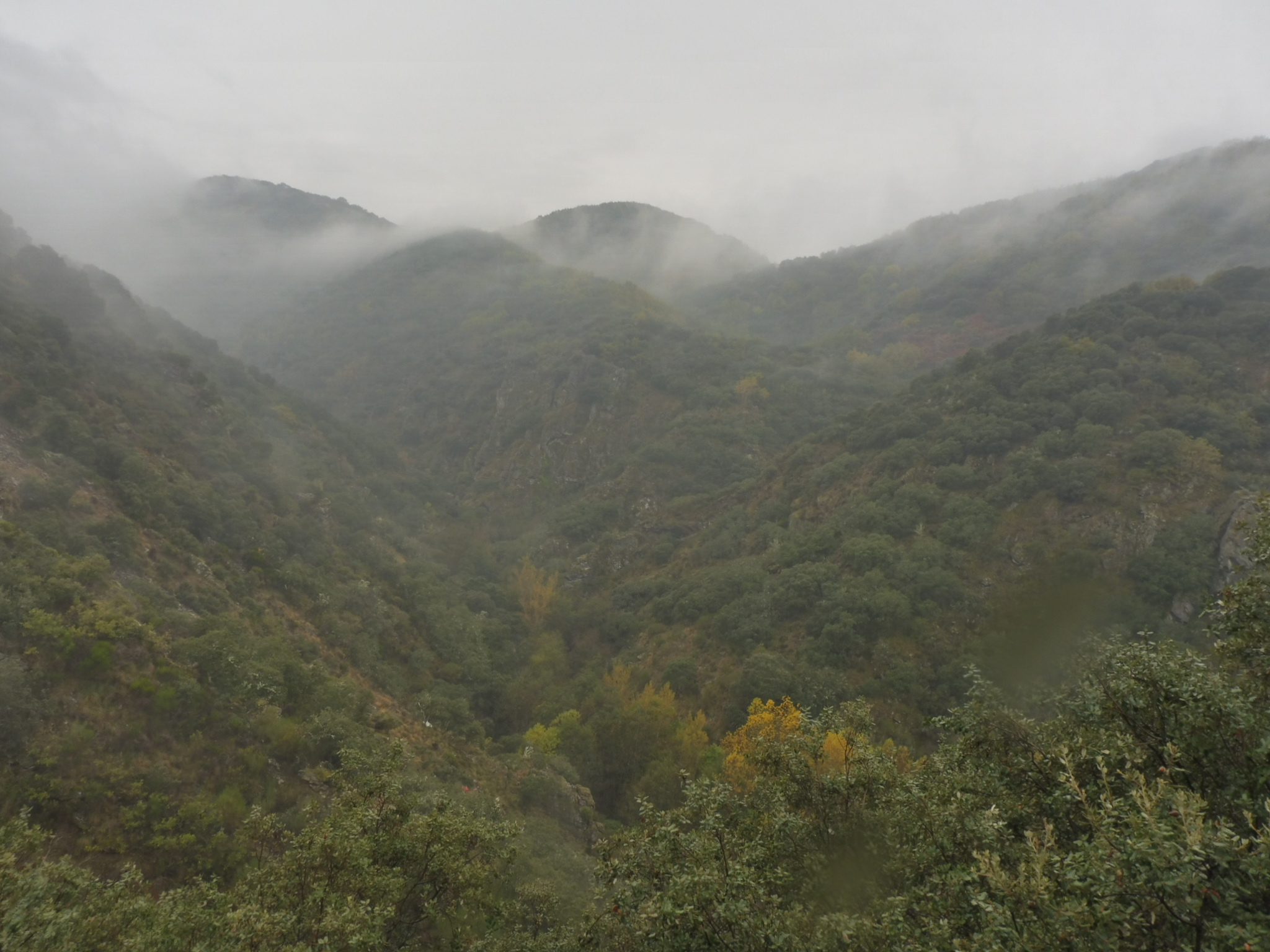
There were trees with silver lichen and scarlet, rotund seed heads; and dry, beige grasses reminiscent of the Scottish hills. Village streets wound round stone dwellings with sturdy wooden balconies, seemingly deserted except for, here and there, washing hanging out to dry in the grey day. Even without the sun, the wooded slopes of the valleys were spectacular as the clouds hung among them.
camino-frances-1829

Molinaseca has a comparatively large population of  800, surprising after the day’s rural walk, with it’s handsome church and bridge, and where we stayed at the municipal dormitory as usual, with its bunks, wooden floor and steel beams.

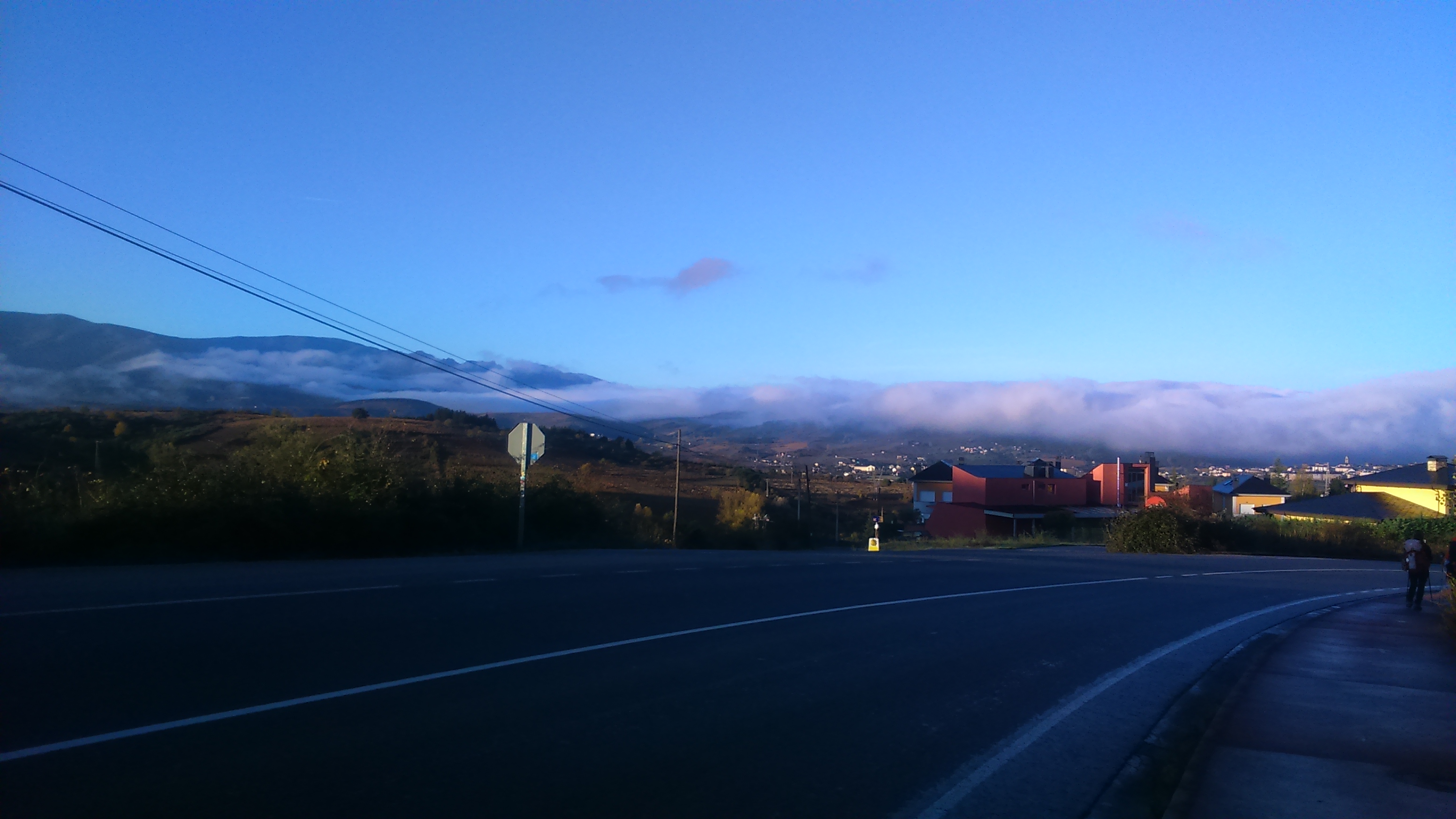
The sky cleared as we slept, revealing a blue morning.
dsc_1391.jpg

dsc_1392.jpg

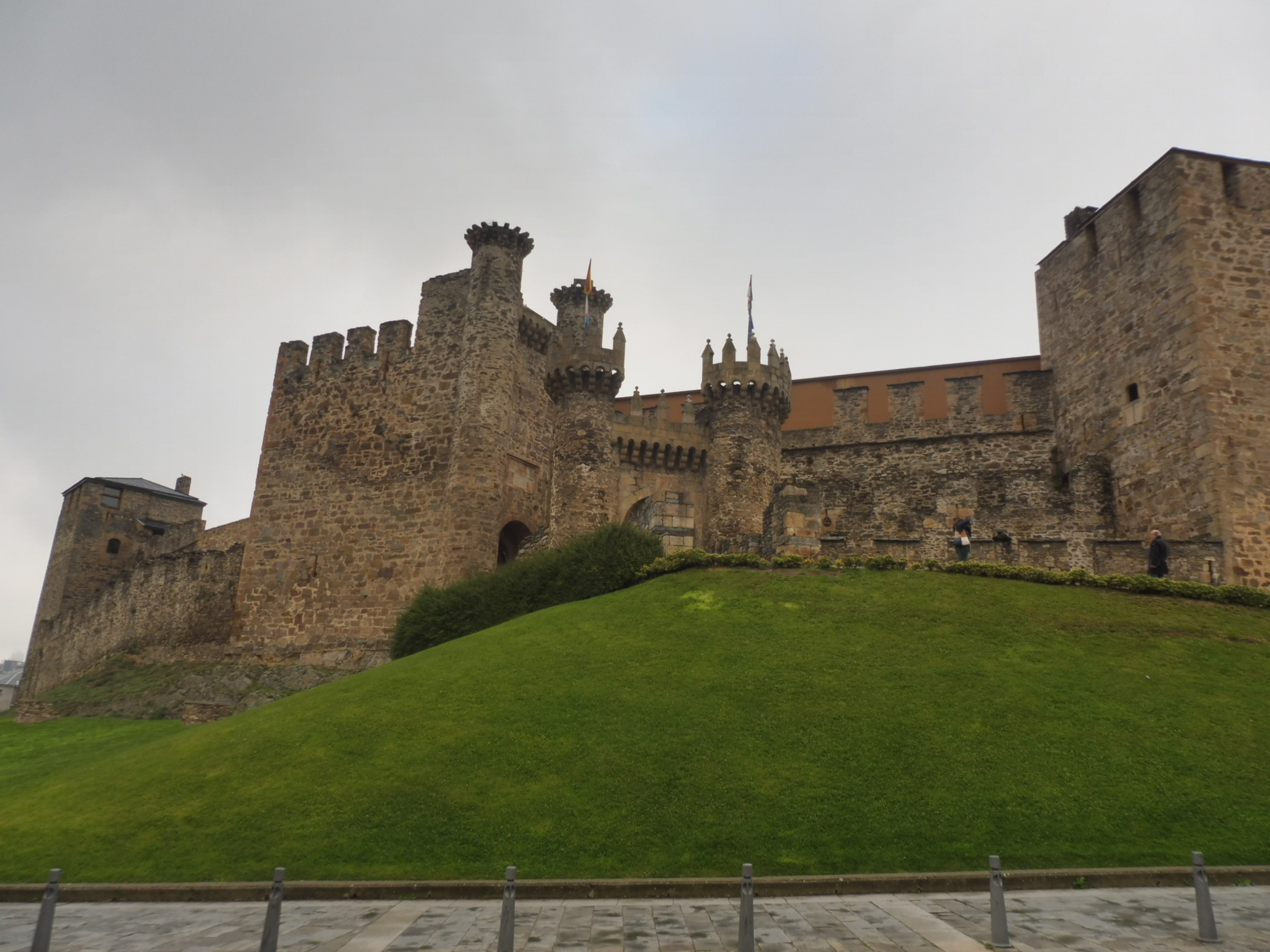
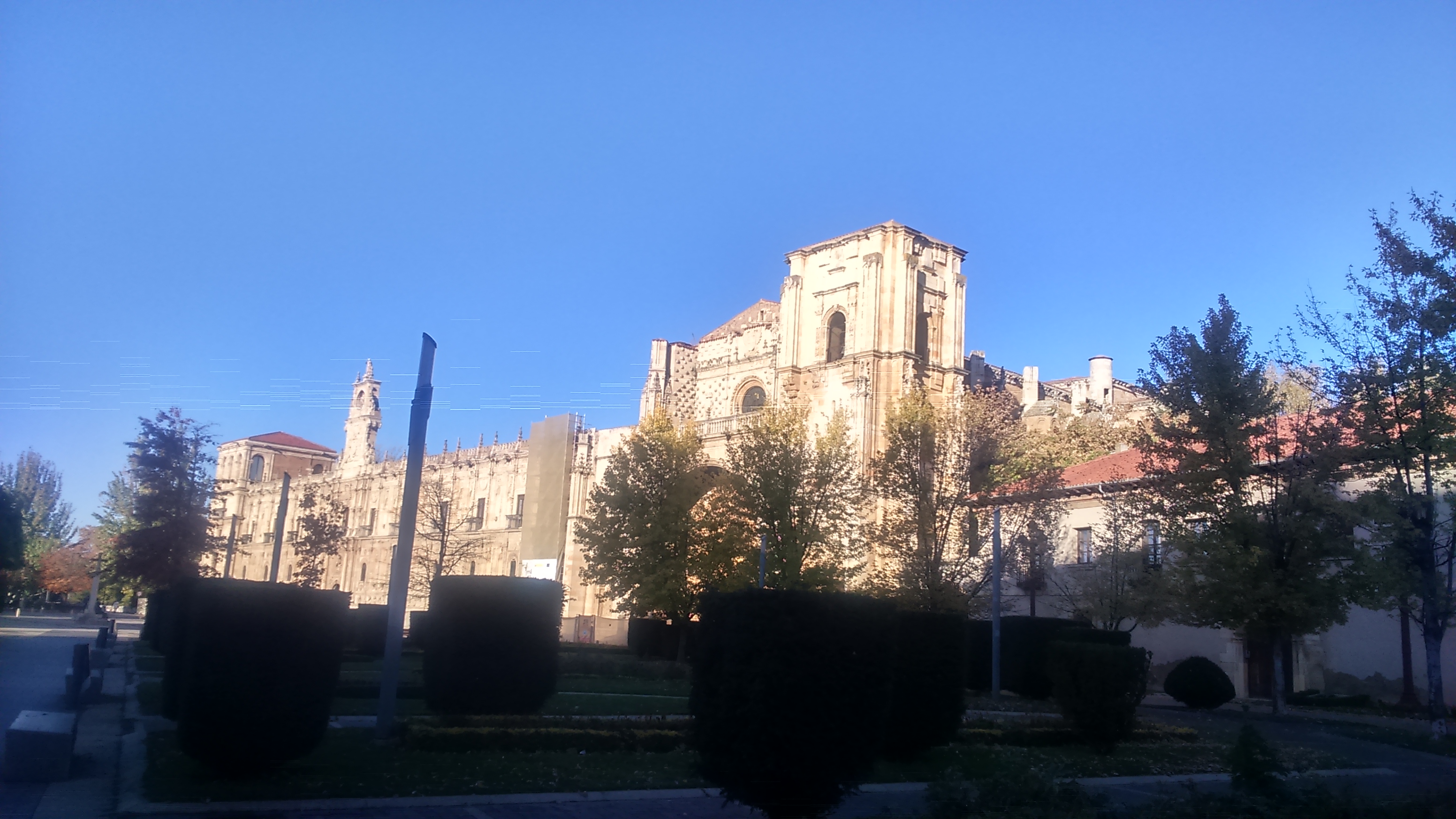
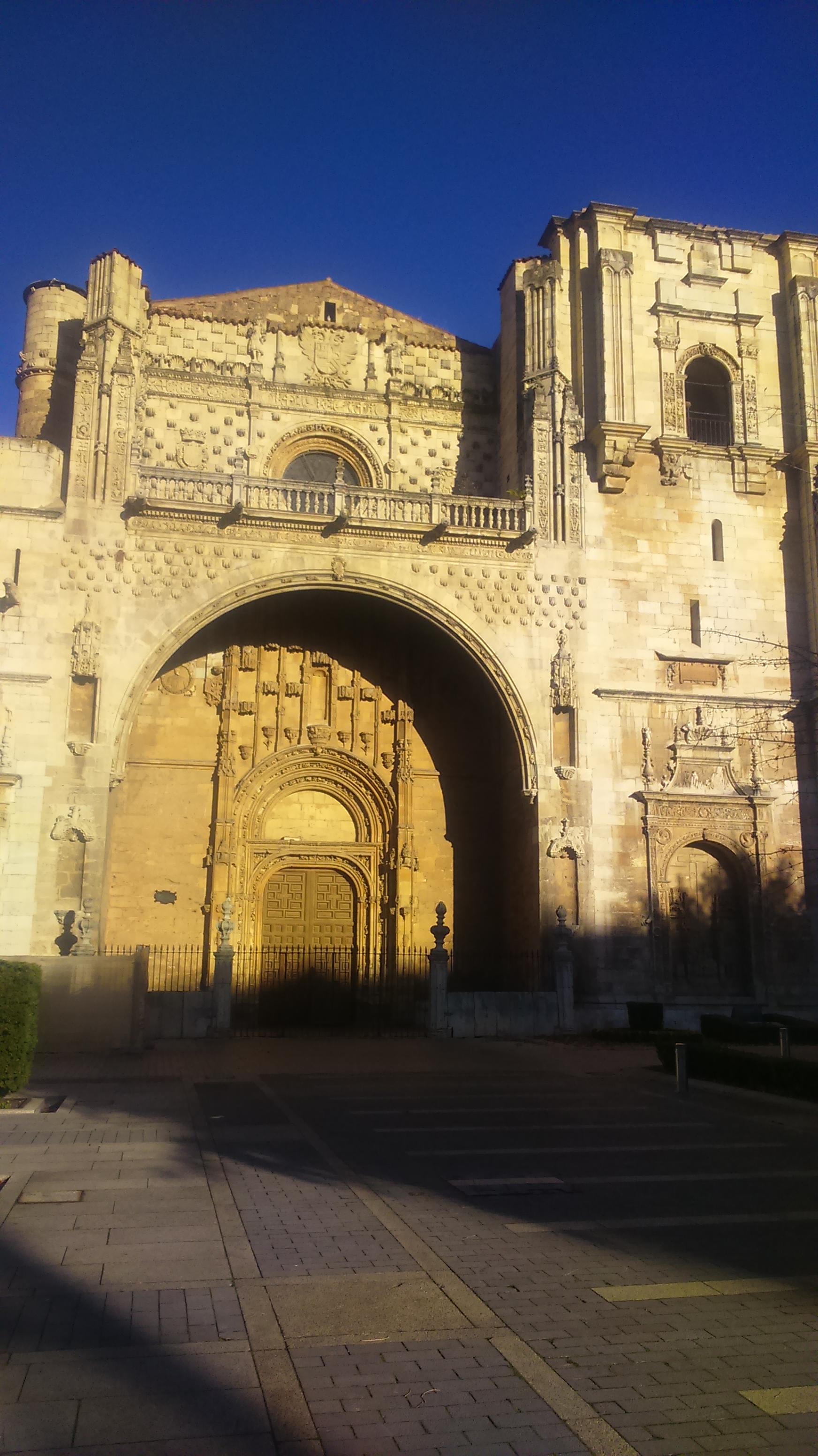
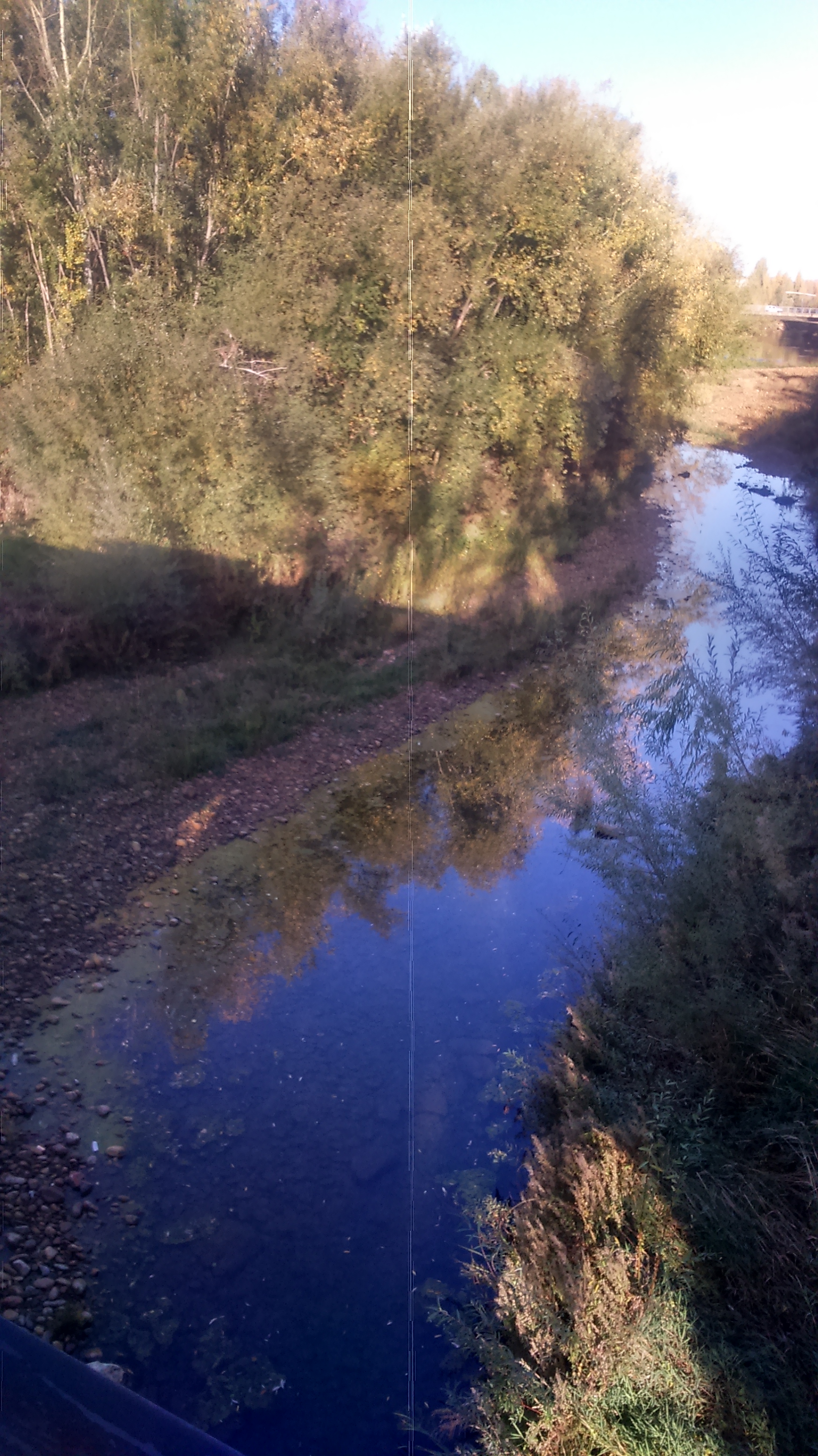
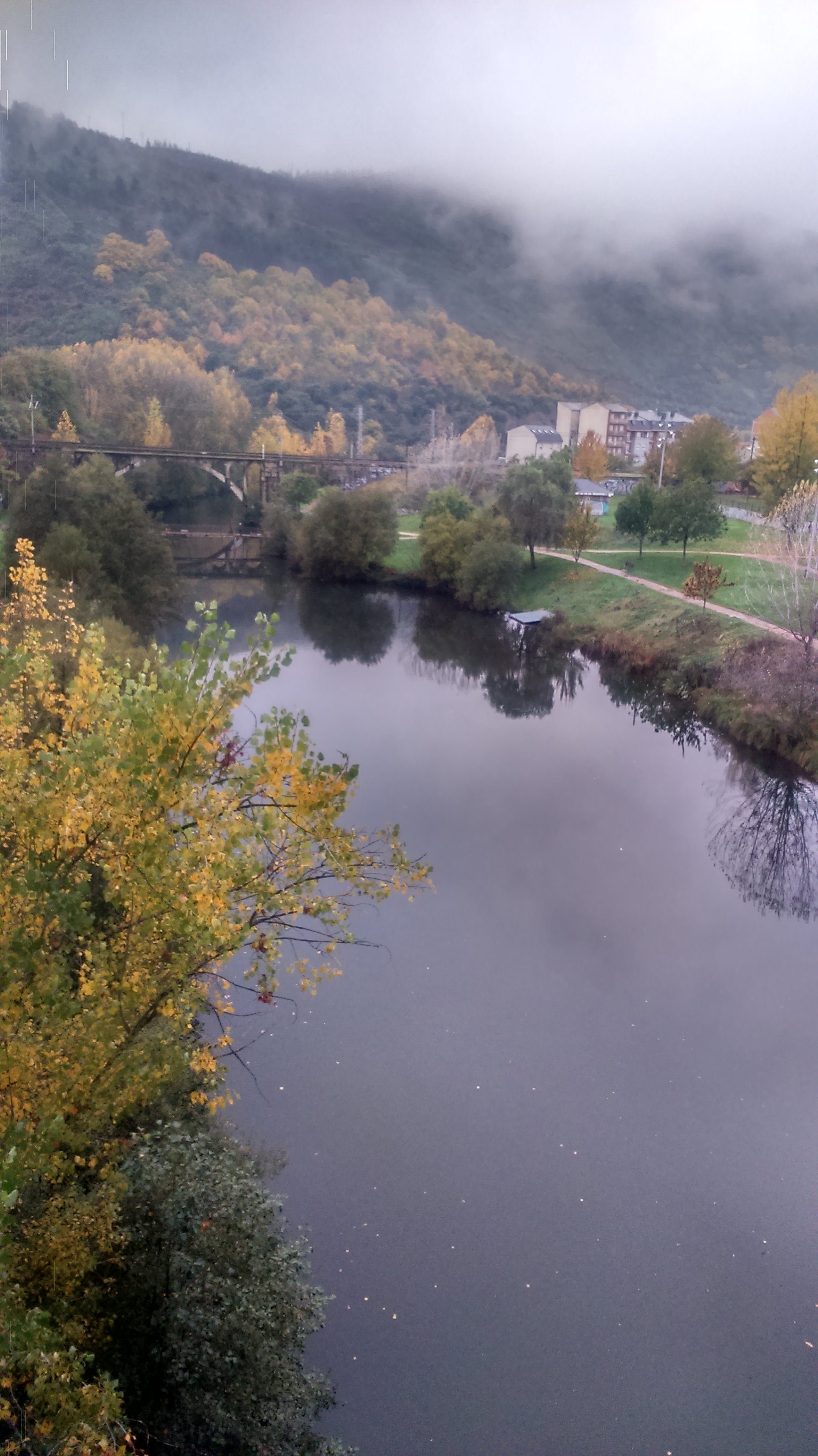
And an hour later we entered Ponferada, on the river Sil, with its imposing monastery, castellated and turreted. It’s the official end of the Camino Frances and the start of the Camino Santiago, but you would not know that as you walked through.
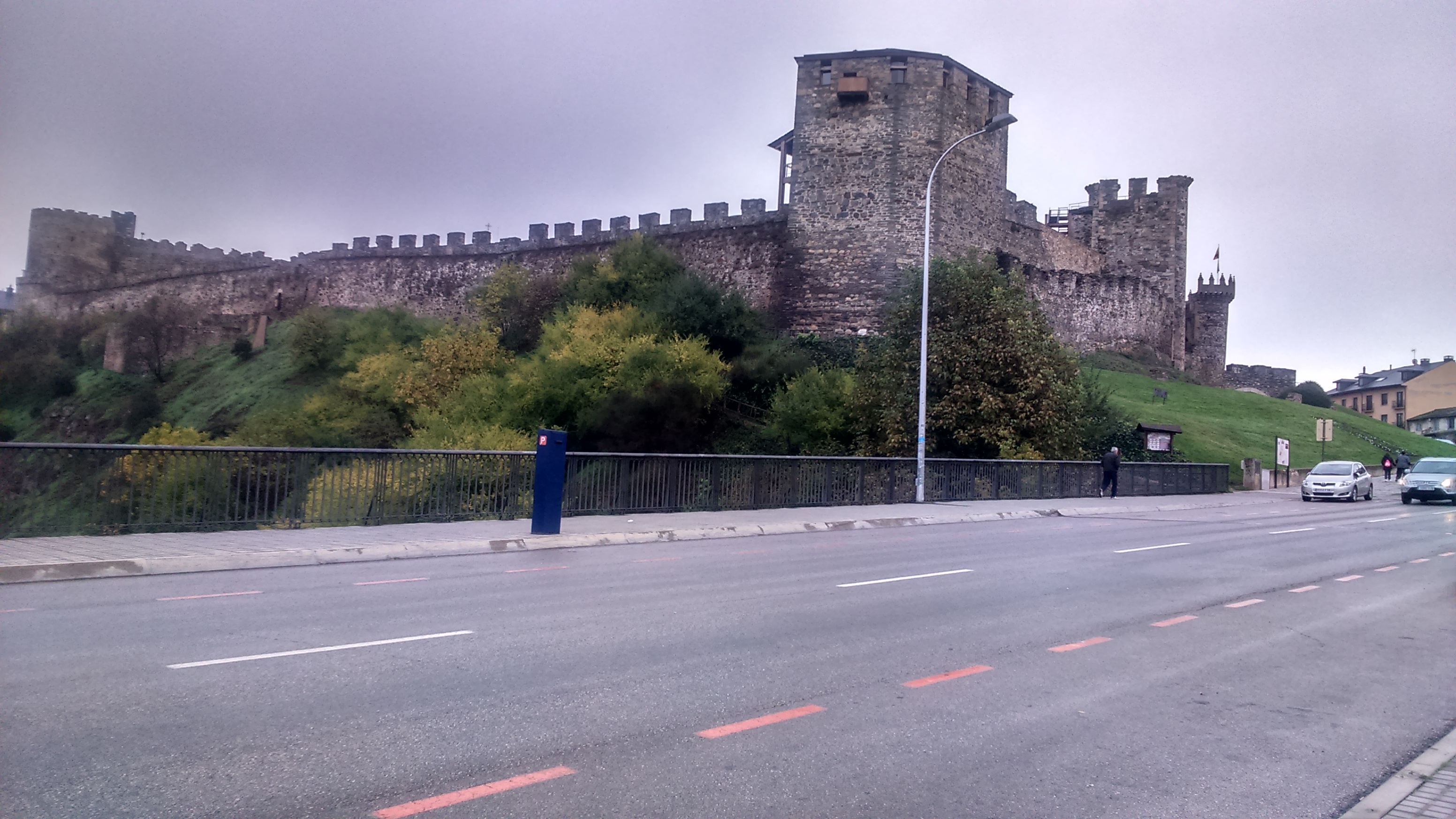
dsc_1393.jpg

dsc_1396.jpg

camino-frances-1837

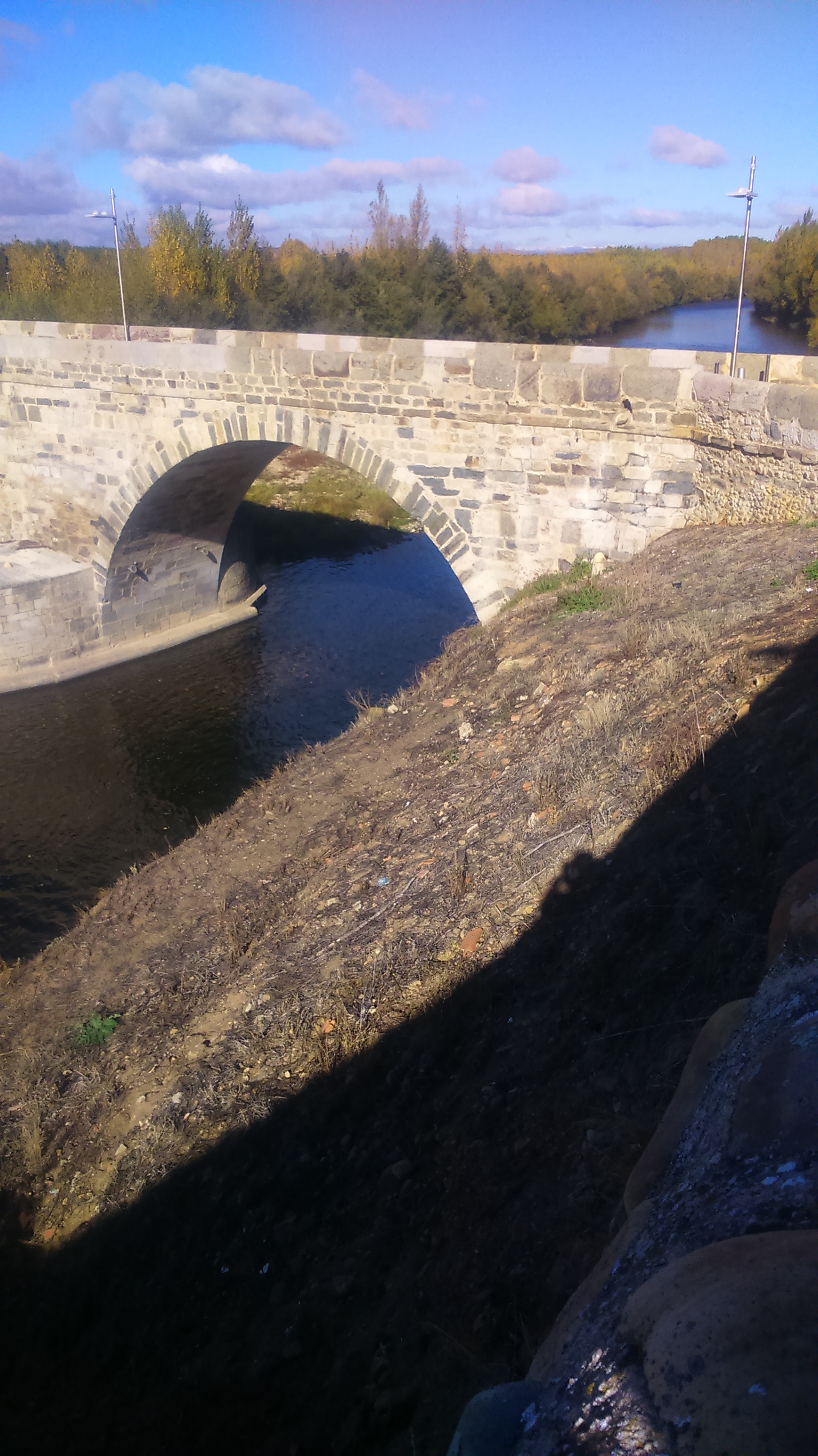
The road continued through yellow glades, over ancient stone bridges, and past single storey, white stone, one-room buildings with dark grey slate rooves. There were more cranes nests on top of council-erected poles, and ‘authentic’ murals showing monks and pilgrims striding out. The path widened and flattened, and the mountains were once again in the distance. We passed through Cacabelos without stopping, the end of the day’s trek now nearby, and up another very steep incline, to Pieros.
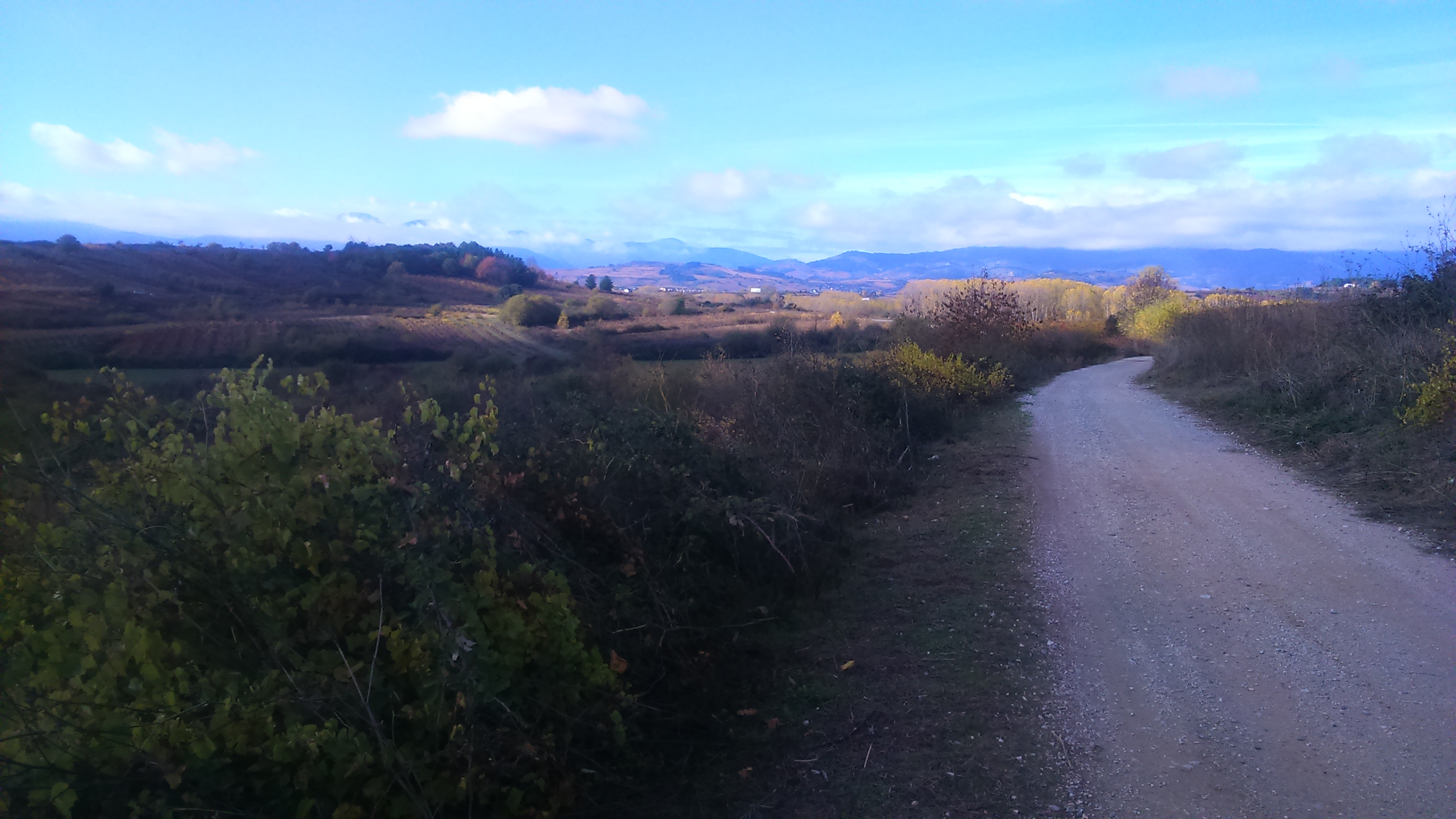
dsc_1397.jpg

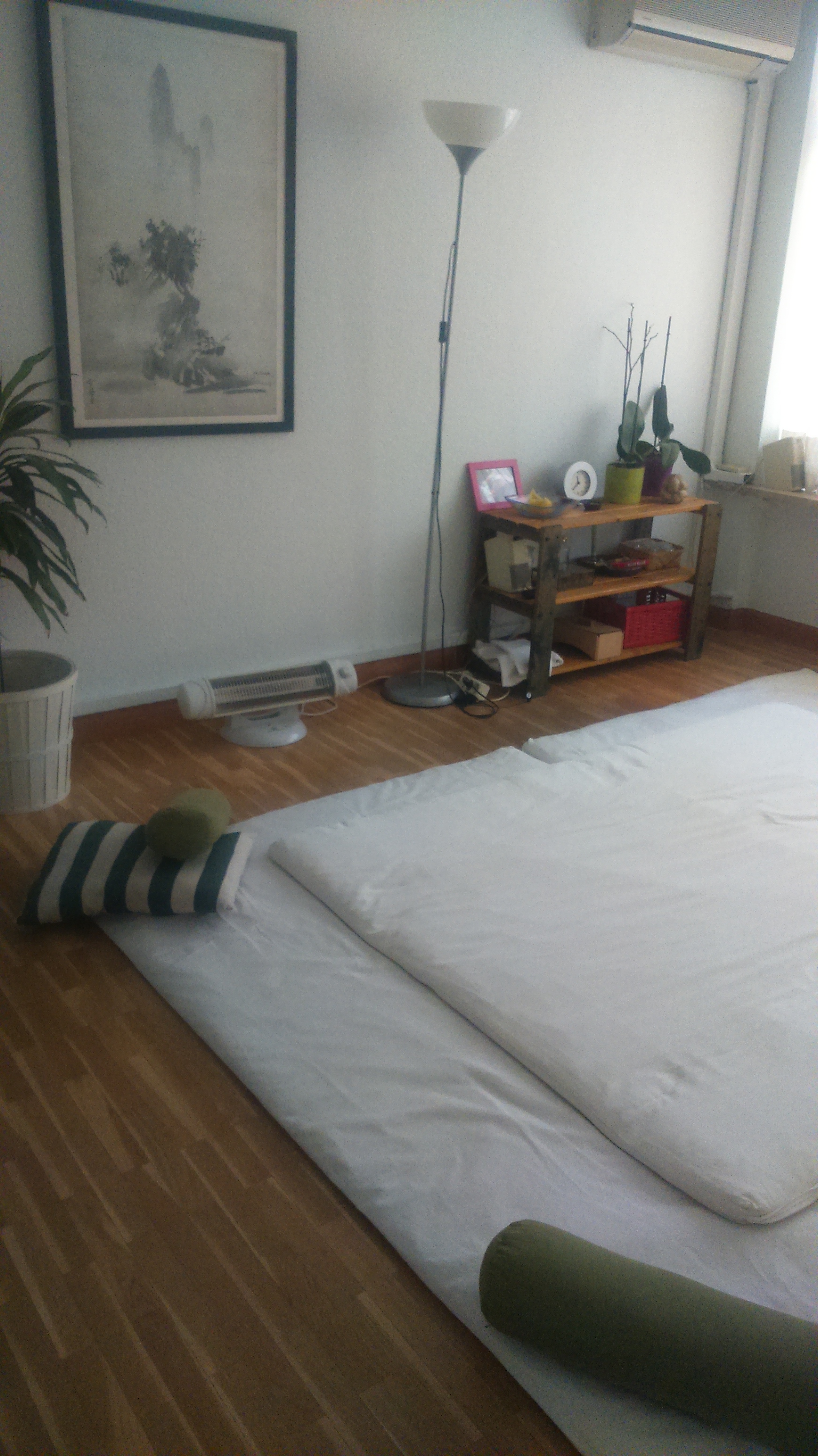
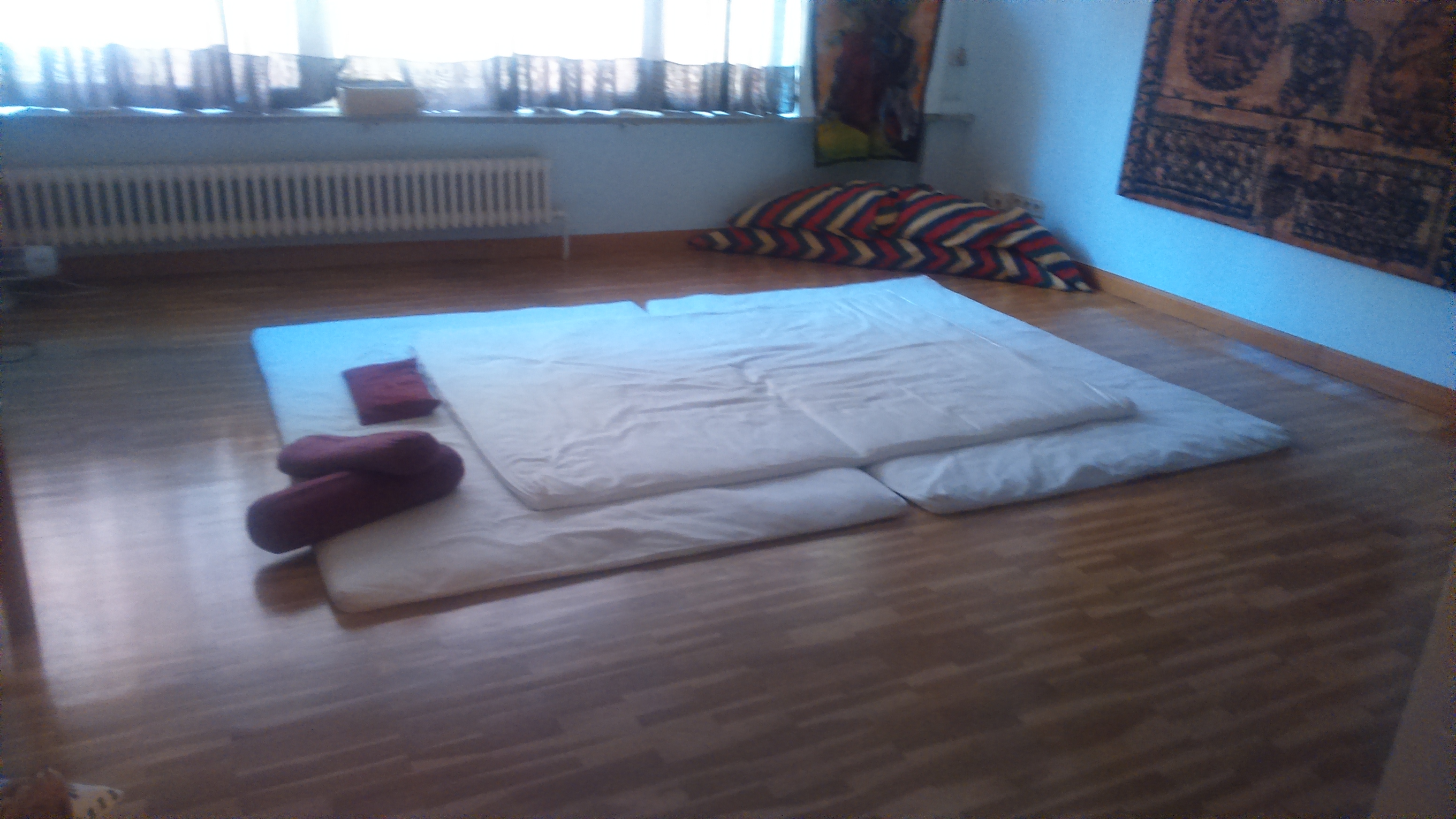
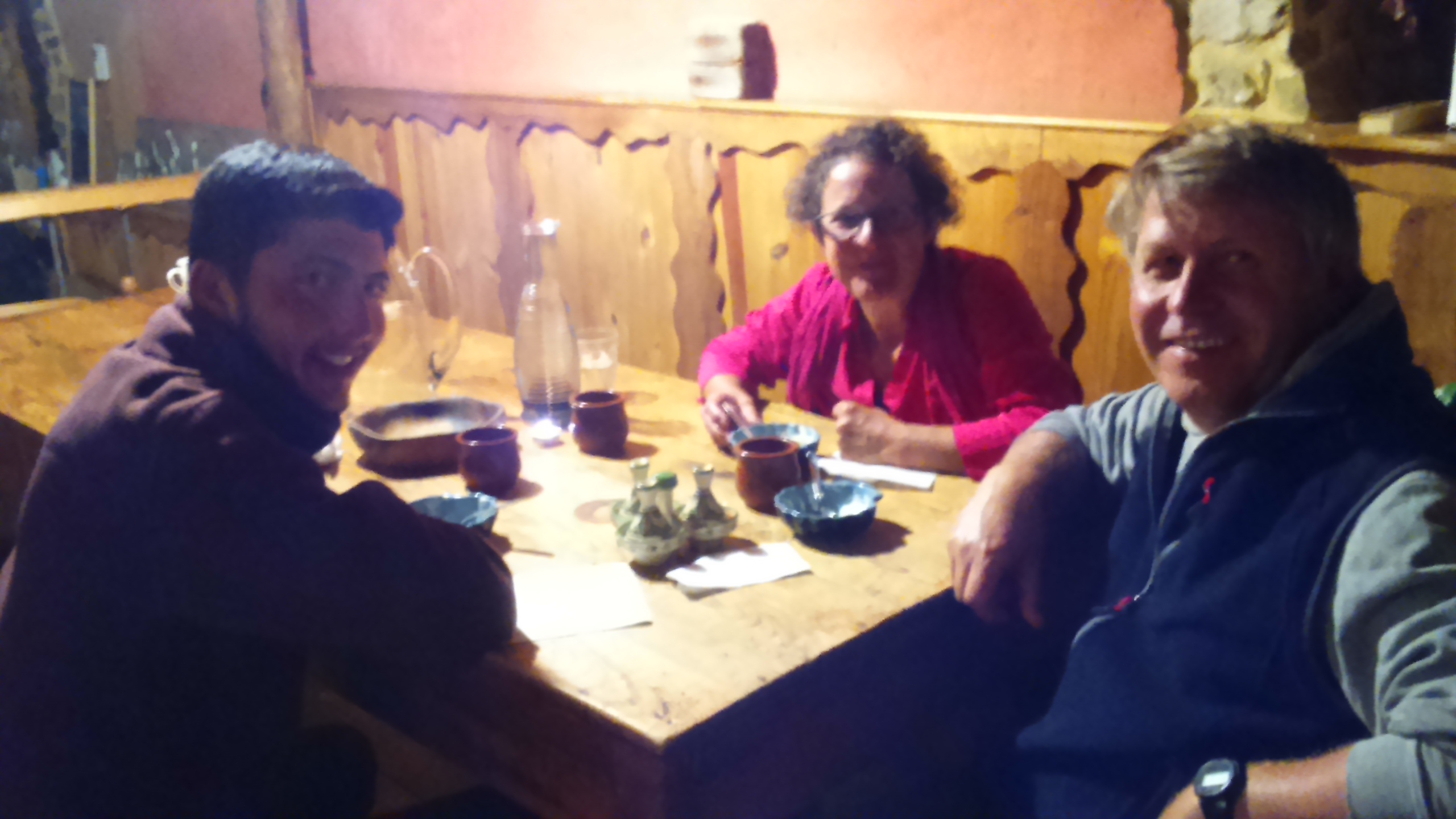
This tiny hostel Casa Sol y Luna was an alternative to the norm, with it’s meditation room upstairs and cosy dining room down. The hospitalier was most attentive, drying my knickers in front of the stove, and accompanying me to see the massive harvest moon I had seen heralded on Facebook  (but impossible to photograph with a mere phone camera)!

The walls of the small dorm were like outdoors indoors, where you can see the grouting between the stones. We spent time gossiping over which enthusiastic youths lived here, who was sleeping with whom (was she creeping off in the middle of the night to avoid the snoring, or for a tryst with the lascivious gentleman?), and I translated the gushing messages in the visitor’s book for the owner (all about stars and angels – it was that kind of place). We had a delicious vegan meal with wine in situ as it was a Sunday (no shops open), and there was much warmth, song and laughter at the table that night.
dsc_0057.jpg

dsc_1400.jpg
Hostal Casa Sol y Luna, Pieros. View from the garden.

All quotes taken from A Philosophy of Walking by Frédéric Gros.

Thanks to Alain for taking beautiful photos.
A fellow walker’s blog

Camino Francés – Mazariffe – Astorga – Foncebadon, Spain

10.11.16- 11.11.16 Mazariffe to Astorga 31.2km; Astorga to Foncebadon 27.2km: 2 long walks!

dsc_1348.jpg
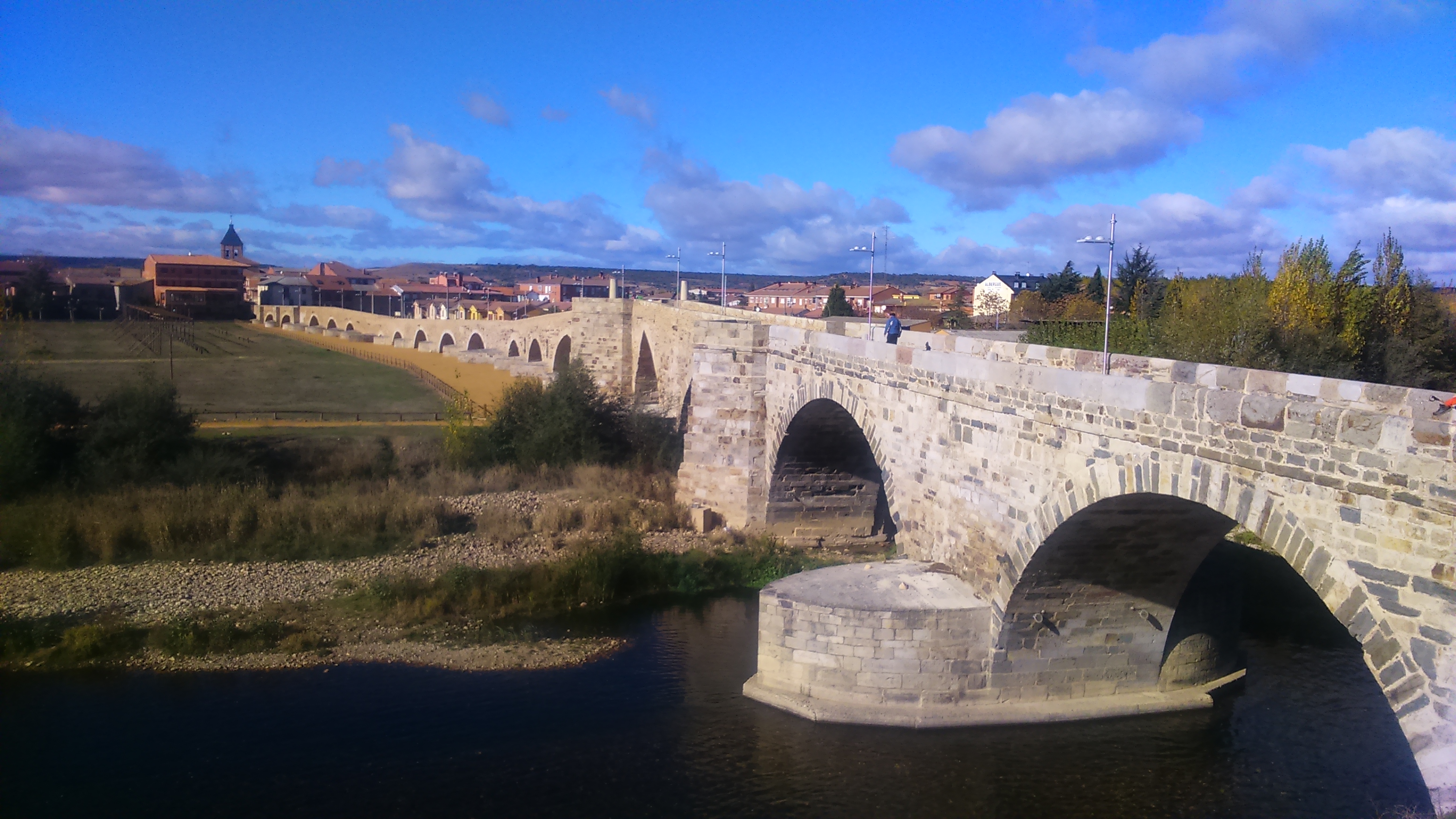
Puenta de Órbigo

In Mazariffe, over half way now along the Camino Frances, I met a group of sympathetic French speaking women and gave some Shiatsu for suffering feet. We shared an enjoyable meal with only a little disagreement between the sexes!

In a room full of bunks, in the middle of the night, if you are sharing with 15 others, ‘Any shifting to ease your limbs, the rustle of your sleeping bag assume (sic) enormous proportions’ (p. 61), and you inevitably wake someone up in the bunk above. Or was it them who woke you? Anyway, the pilgrim’s day often ends very early with everyone in their bunks by 9pm, and starts before the daylight, so by 7am we will have had a good, long rest.

dsc_1372.jpg

It was another bright and beautiful morning as I walked out of town on the Calle Camino. Colder today, I had my hat and gloves on with cotton trousers over my shorts for the first couple of hours. After all, it was the second week of November!

I appreciated a feat of engineering as I passed through Hospital de Órbigo, where the Orbigo Bridge has an alternative name – El Paso Honroso, the Bridge of Honour. It is apparently where a chivalric battle for love freed the Léonese knight, Suero de Quiñones in 1434.

dsc_1349.jpg
River Orbigo

The walking was calm through golden crop fields, and along straight, rural roads where I was stopped, most unusually, by a noisy flock of sheep blocking the path on their way to pasture.

I found myself silent at times, companionable at others (‘For solitude can be shared, like bread and daylight.’ p. 54). It depended on the people I walked with and who passed by, the jolly Buen Camino’s (have a good walk!) reminding me that I am part of a movement of pilgrims, in the ancient medieval tradition, moving always westwards with the sun at my left shoulder.

‘ Thoreau walked (towards the West, but one always heads westward when walking properly) not to find himself, but always to be in a position to reinvent himself’. p. 102.

I spent a great deal of time, as I wended my way, thinking about my past and my habits, and debating with others about life in general. Side-by-side, as we fell into step, intimate conversations and confidences seemed to flow – something about the distances and the rhythm seemed to invite this.

dsc_1351.jpg
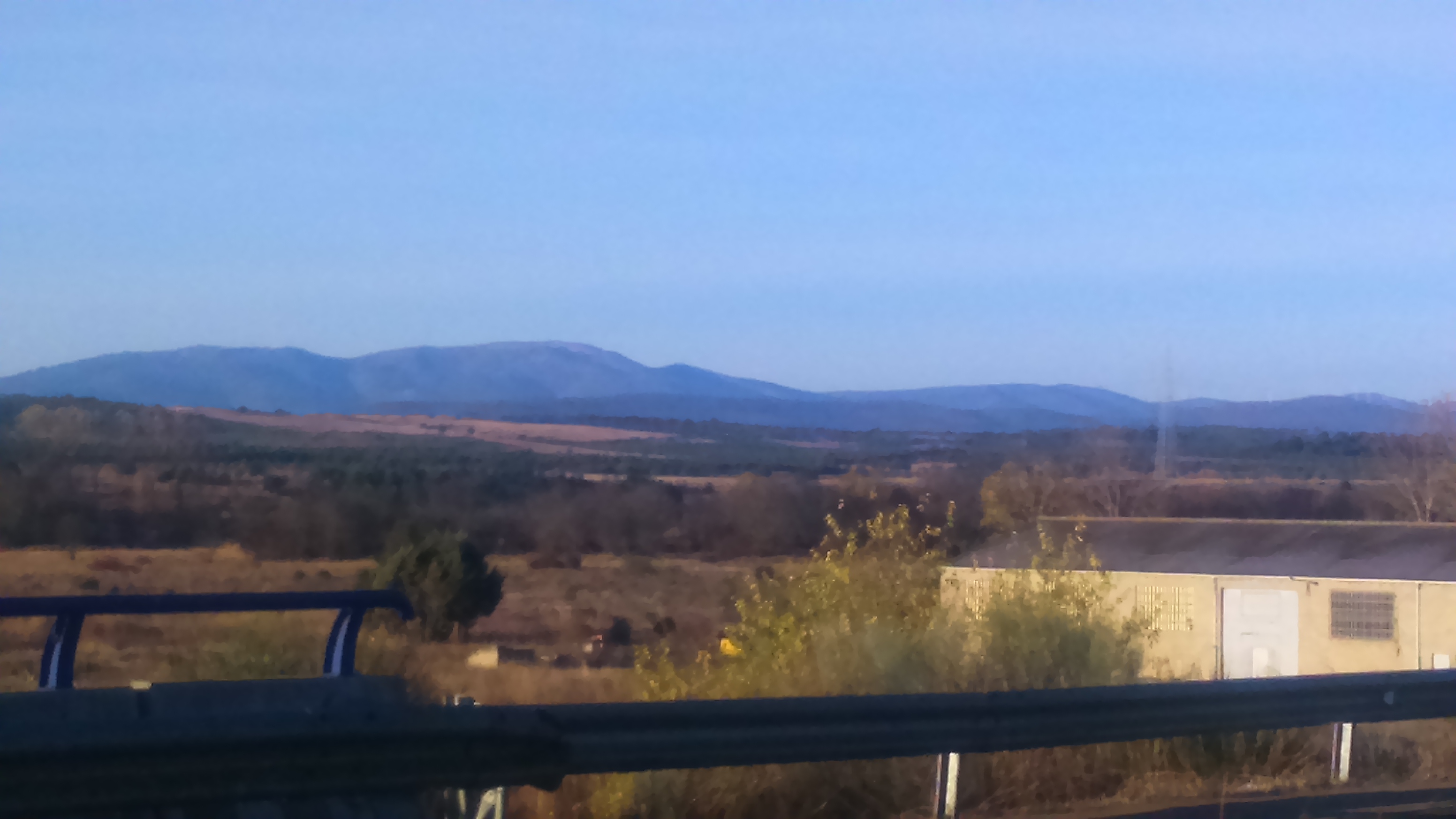
Mountains in the distance

The intense spiritual nature of the walk is reinforced by the many memorials, often found at the top of steep hills. People have walked to remember loved ones, to be healed, or to say goodbye to life, knowing they do not have long, so you will continually see women and men with a remembrance stone in their hand ready to add to the pile, or place mindfully at the foot of a cross.

dsc_1353.jpg

It is not unusual for there to be an arduous climb at the end of a day, and the entry into Astorga was no exception. It find it a challenge when I am tired, but there is usually a sense of arriving ‘with victorious energy’ (p. 123), a reviving bubble of excitement in my tummy to make up for it.

‘And when evening comes, one hardly needs to think: just breathe, close your eyes and feel on your body the layers of landscape dissolving and recomposing…The colour of the sky, the flash of the leaves, the outlines of the jumbled hills.’ p. 97.

That night I stayed in the usual municipal dormitory, surrounded by snorers and, indeed, adding to the cacophony myself. I found that lying in such close proximity to others was reassuring rather than disturbing.

In the mornings we often rose in silence, packing up our rucksacks, and padding back and forth to the loo with only the bathroom light in one corner to see by.

It was not until breakfast that the noise began, as people tended to jostle for the use of the pans to heat water for drinks; and laugh at the strange things others were eating at that time of the morning: left-over pasta from the night before so it didn’t have to be carried; lots of sugar for avoiding muscle cramps; and the magnificent meals of noodles, meat and veg which the many Korean walkers always took a great deal of time and trouble to prepare at that early hour.

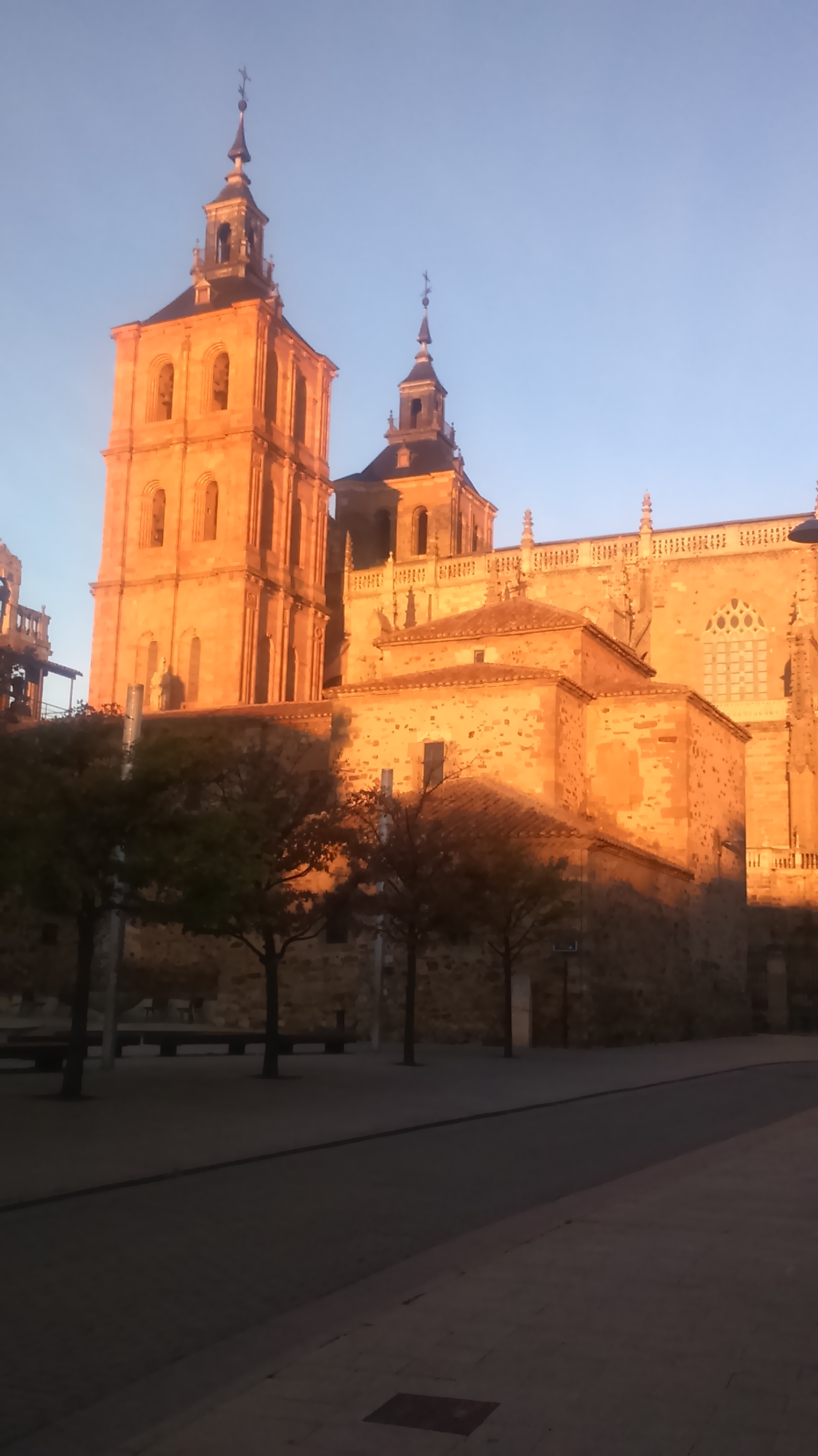
dsc_1355.jpg
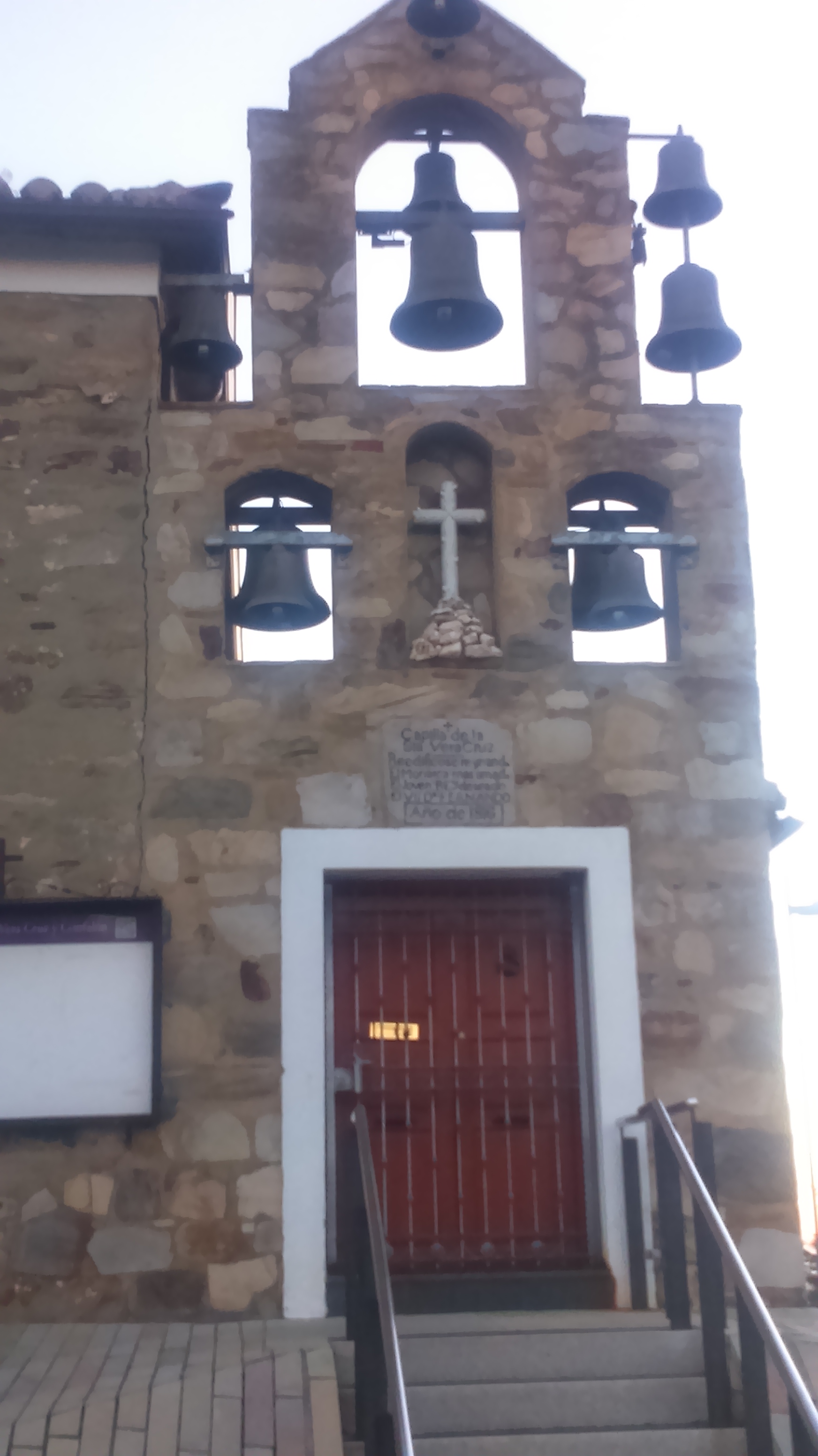
Capella de Santa Vera Cruz

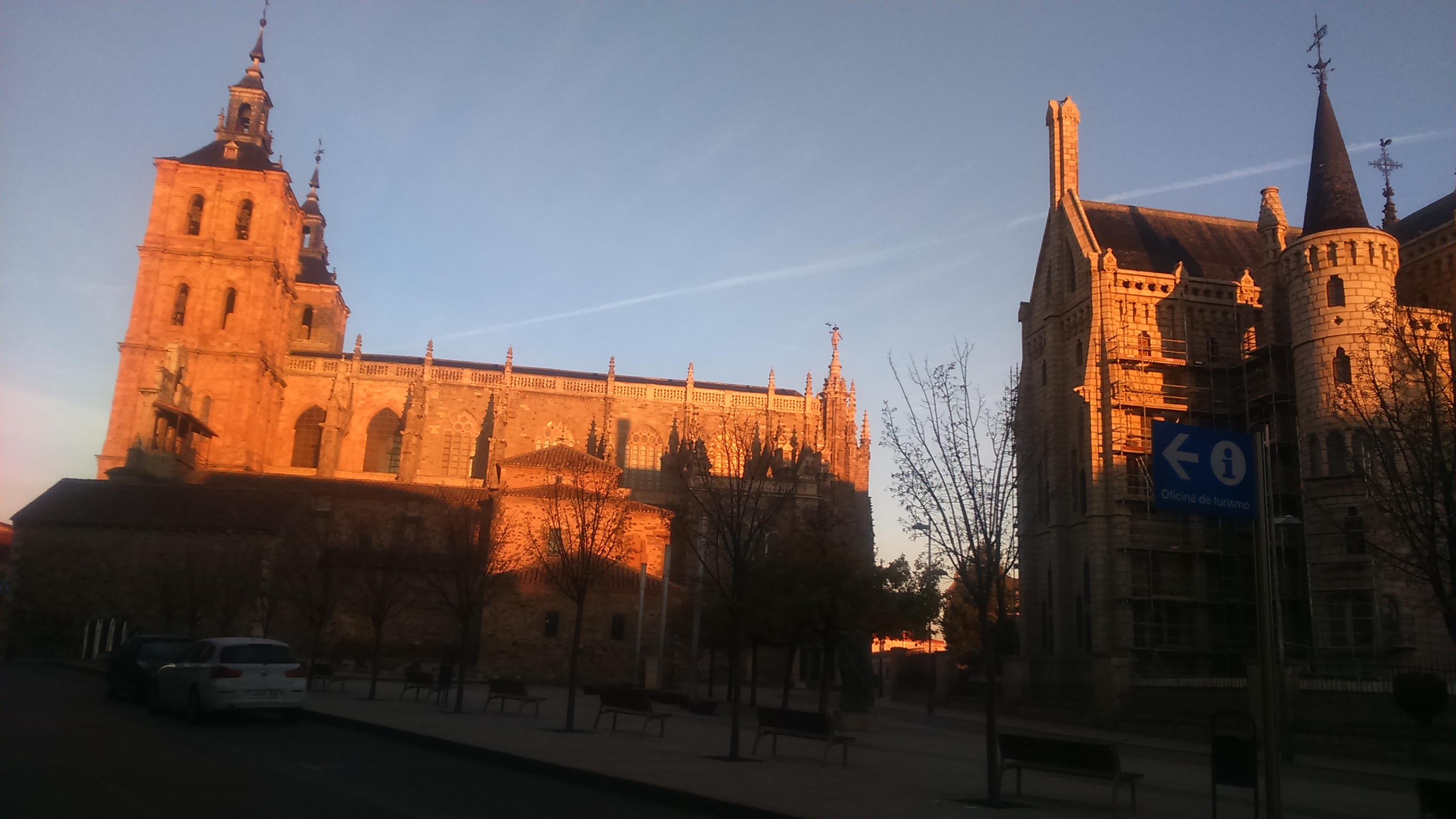
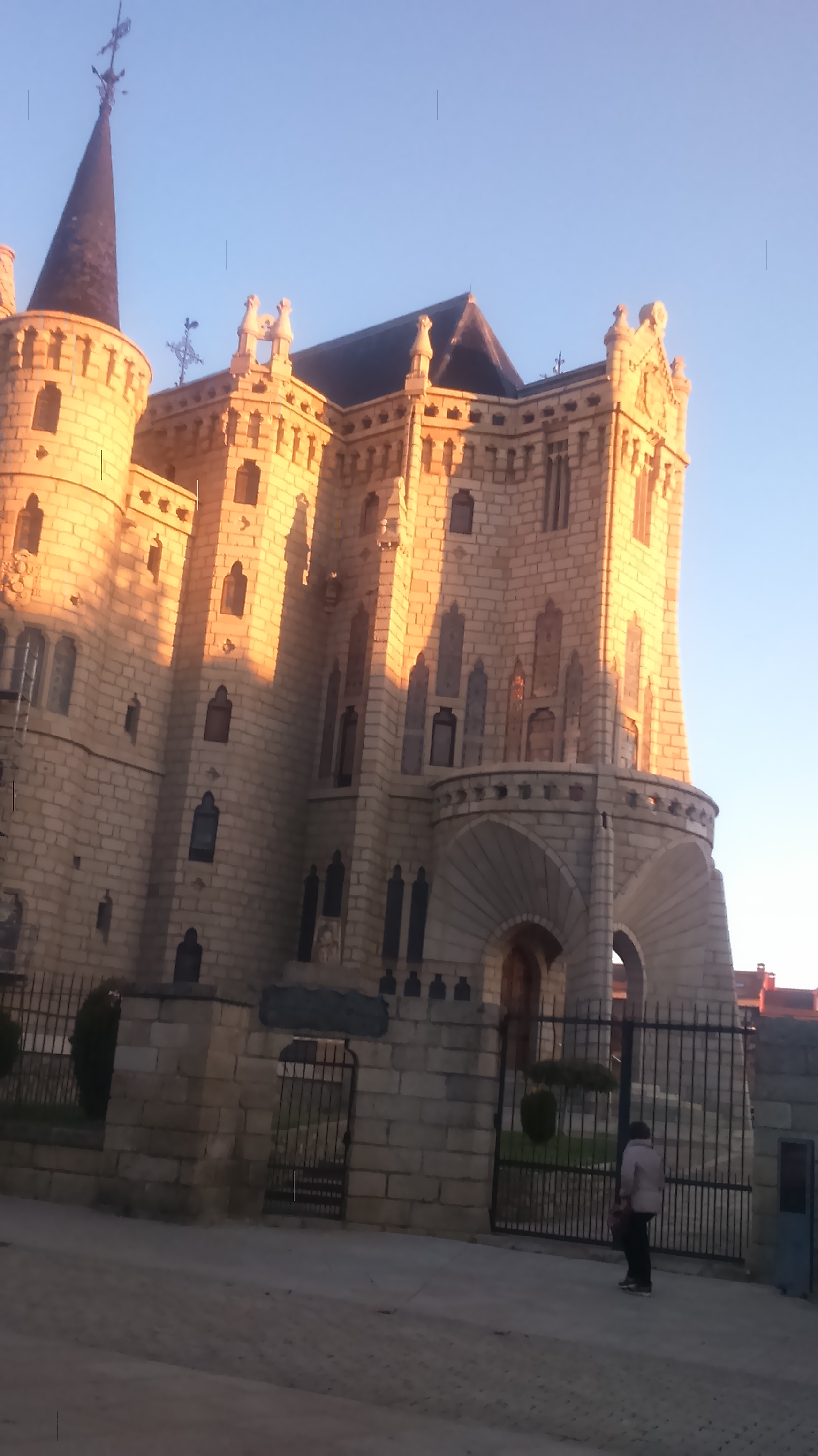
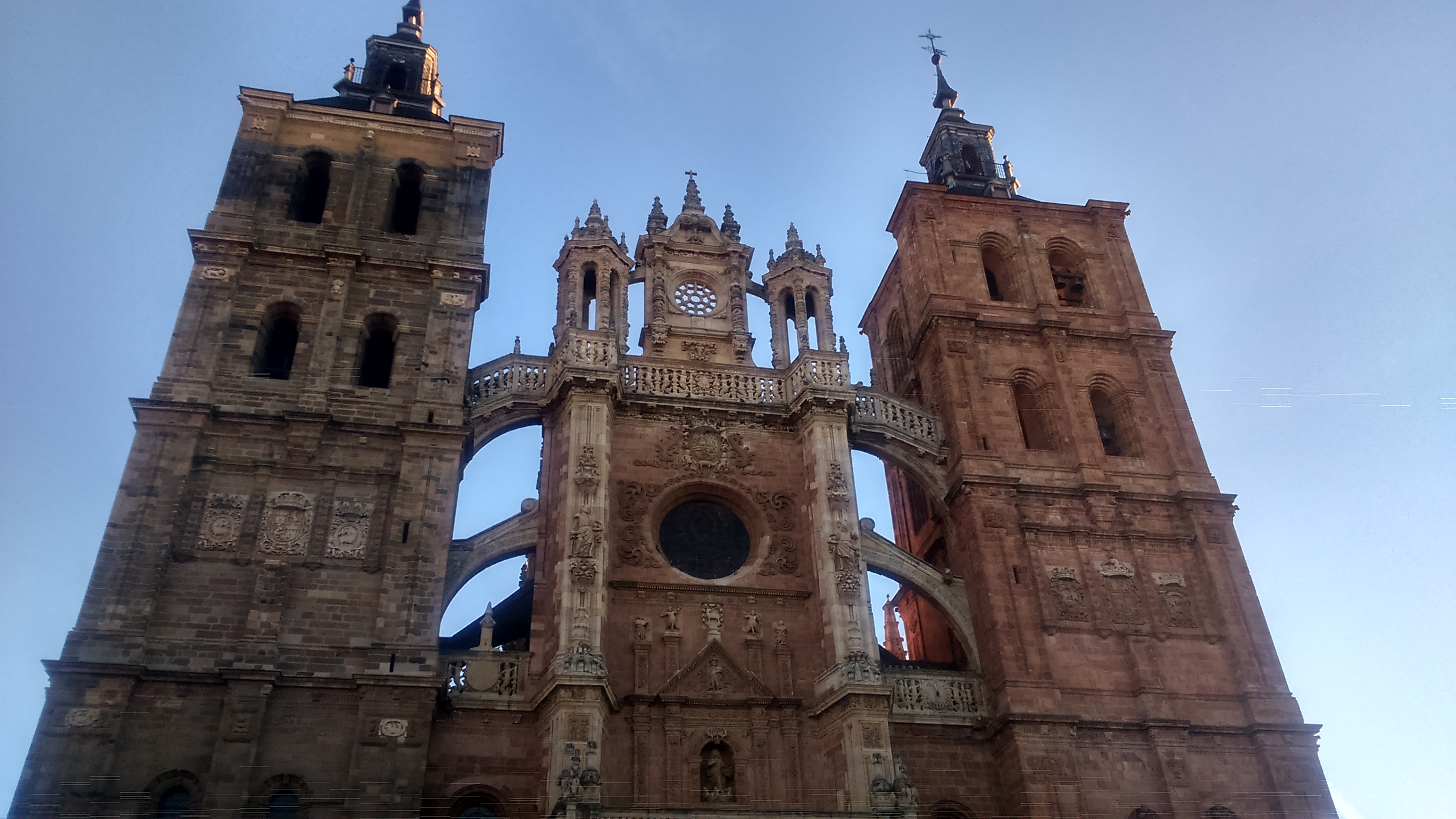
I find I am once again photographing glorious monuments in the early morning light, although I notice that my phone camera struggles to focus properly.

dsc_1356.jpg
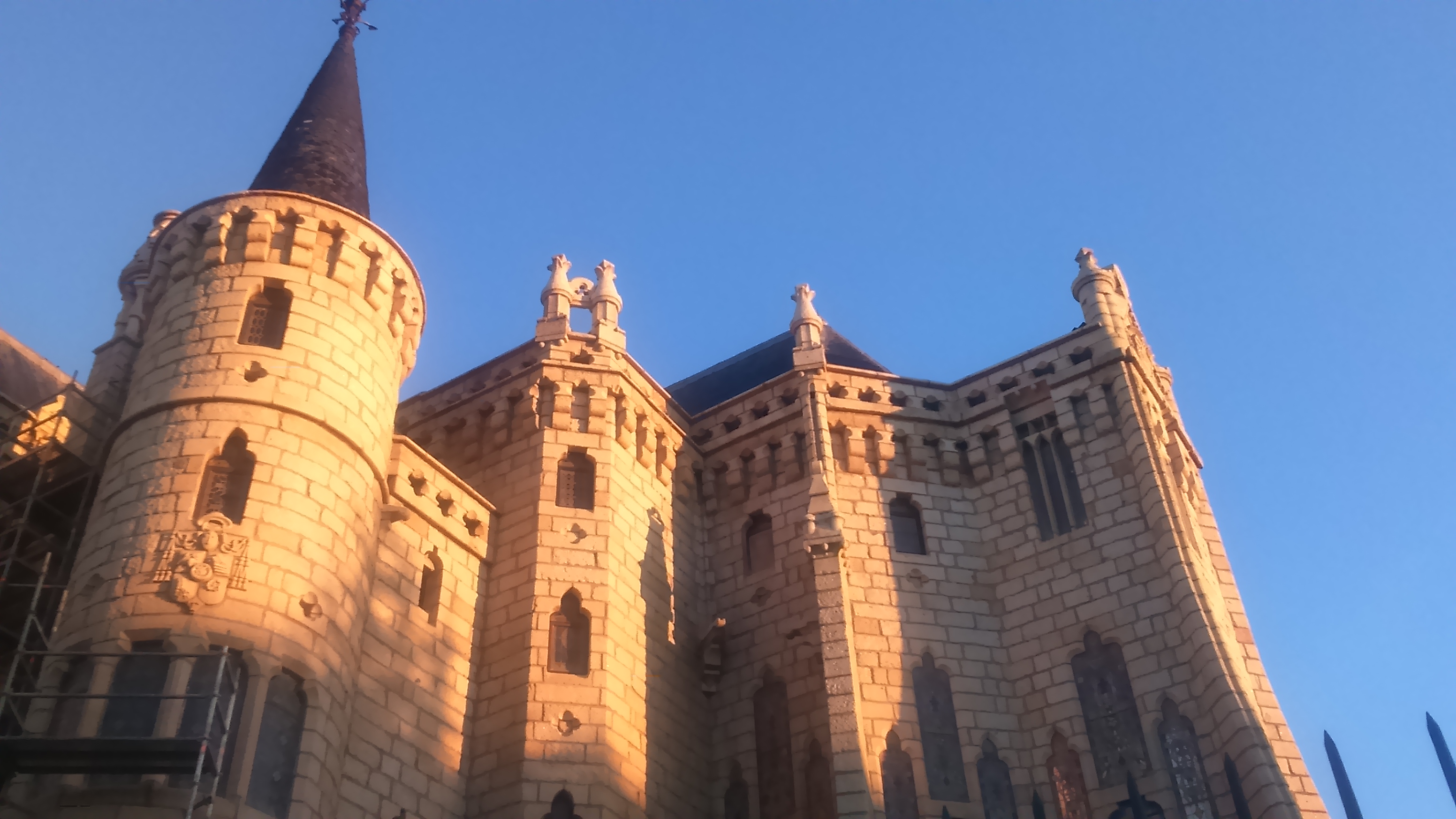
Palacio de Gaudi (Gaudi Palace)

dsc_1357.jpg

dsc_1360.jpg
Museo de los Caminos (Camino museum)

dsc_1361.jpg

dsc_1365.jpg

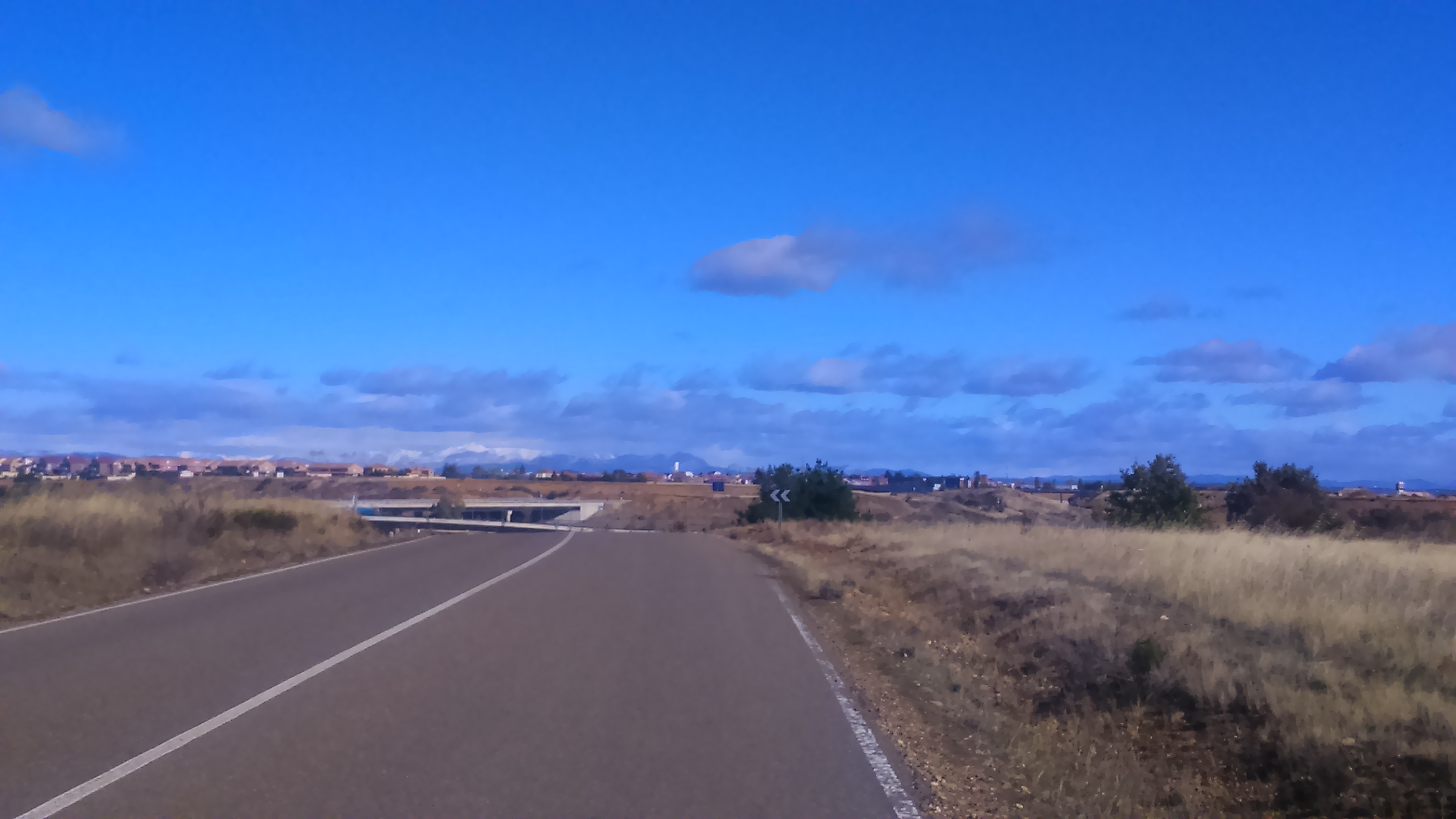
It was to be a stunning day of mixed terrain: roads cutting between countryside,

dsc_1370.jpg

the mountains getting closer,

dsc_1371.jpg

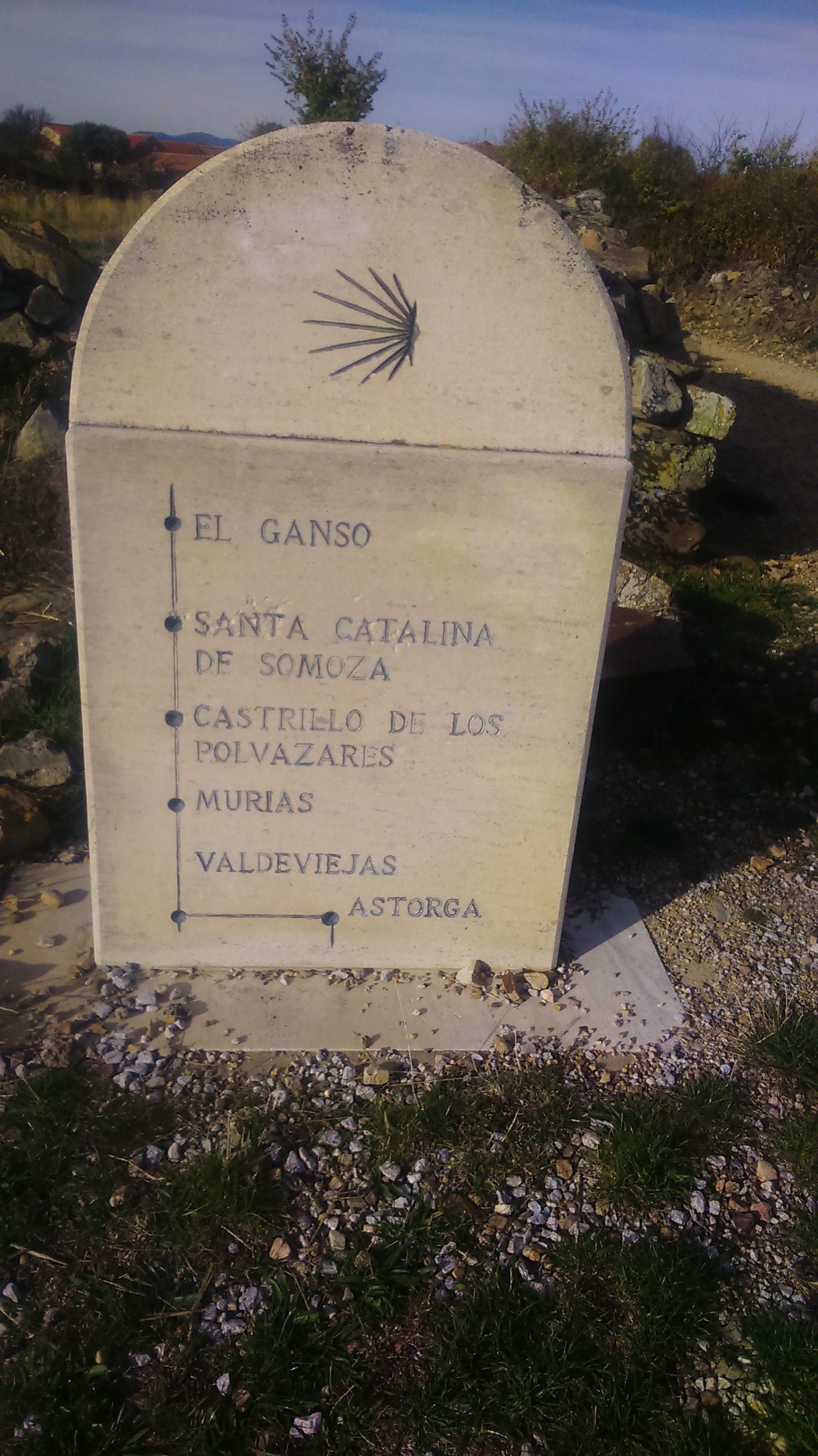
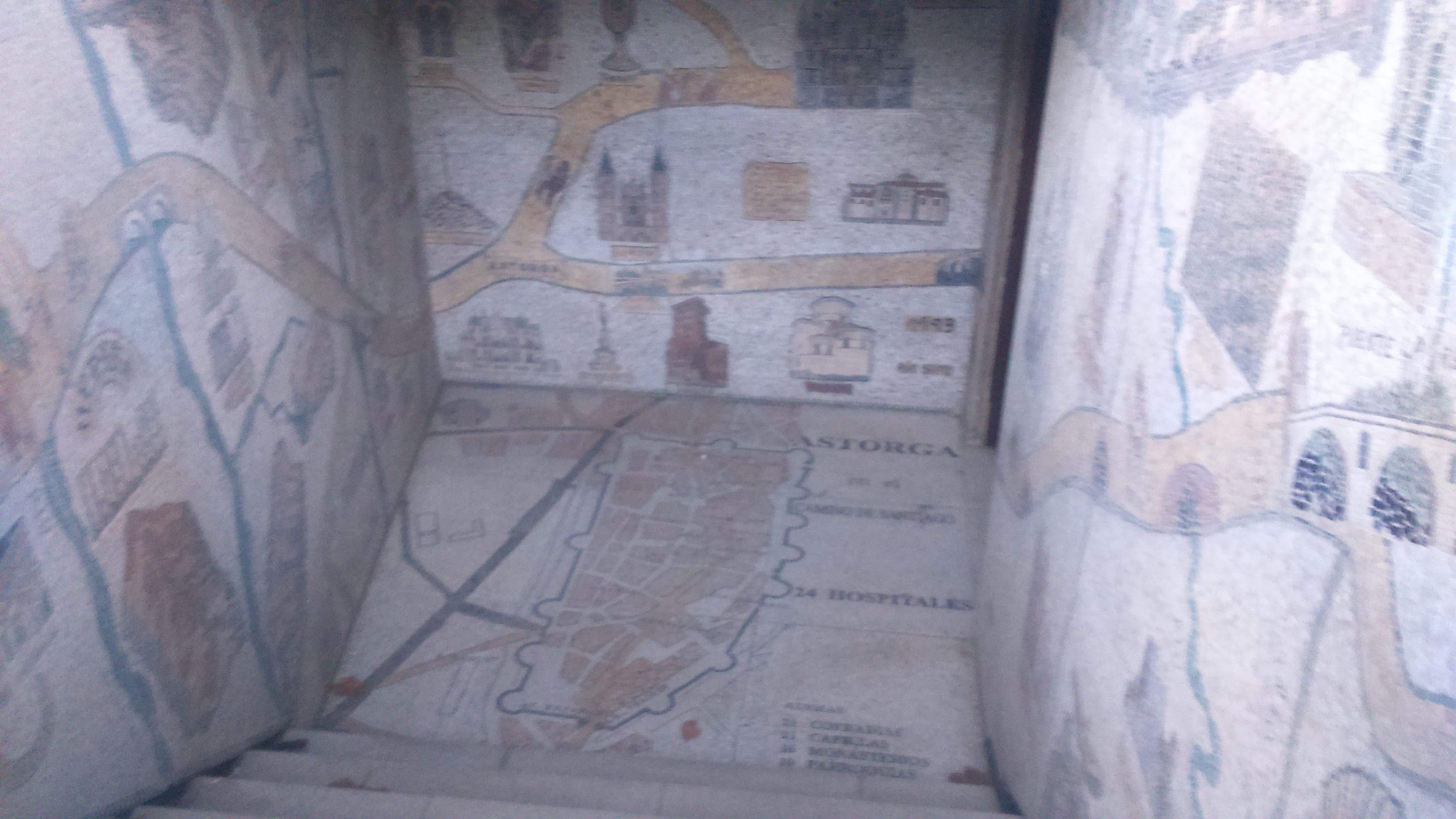
and surprising gems such as a flight of steps leading to an annotated map of the Camino and the towns and villages it passes through.

dsc_1368.jpg

But then our luck ran out. Well it had to some time I guess. We descended steep highways and the rain came on, and so we arrived in Foncebadon, thoroughly wet through and with feet squelching. There was a shop displaying good-looking food as I entered town, and later I was glad to have bought tortilla slices, wine, and other deliciousnesses for my tea, because the albergue was still a long way away, and once arrived and de-booted I definitely did not want to go out again.

dsc_1375.jpg
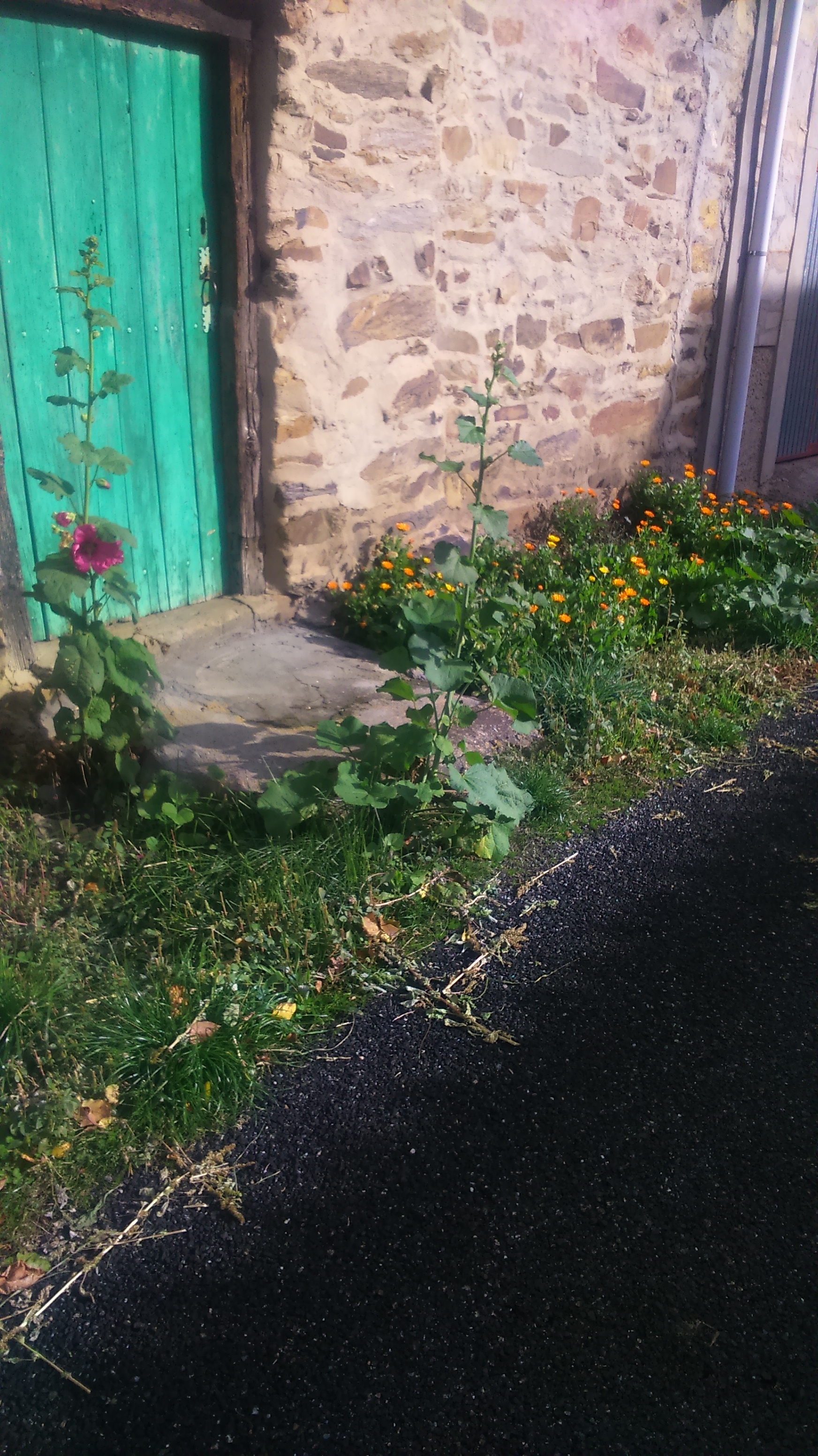
Marigolds (calendula) and holyhocks around a village doorway, before the rain.
dsc_1373.jpg
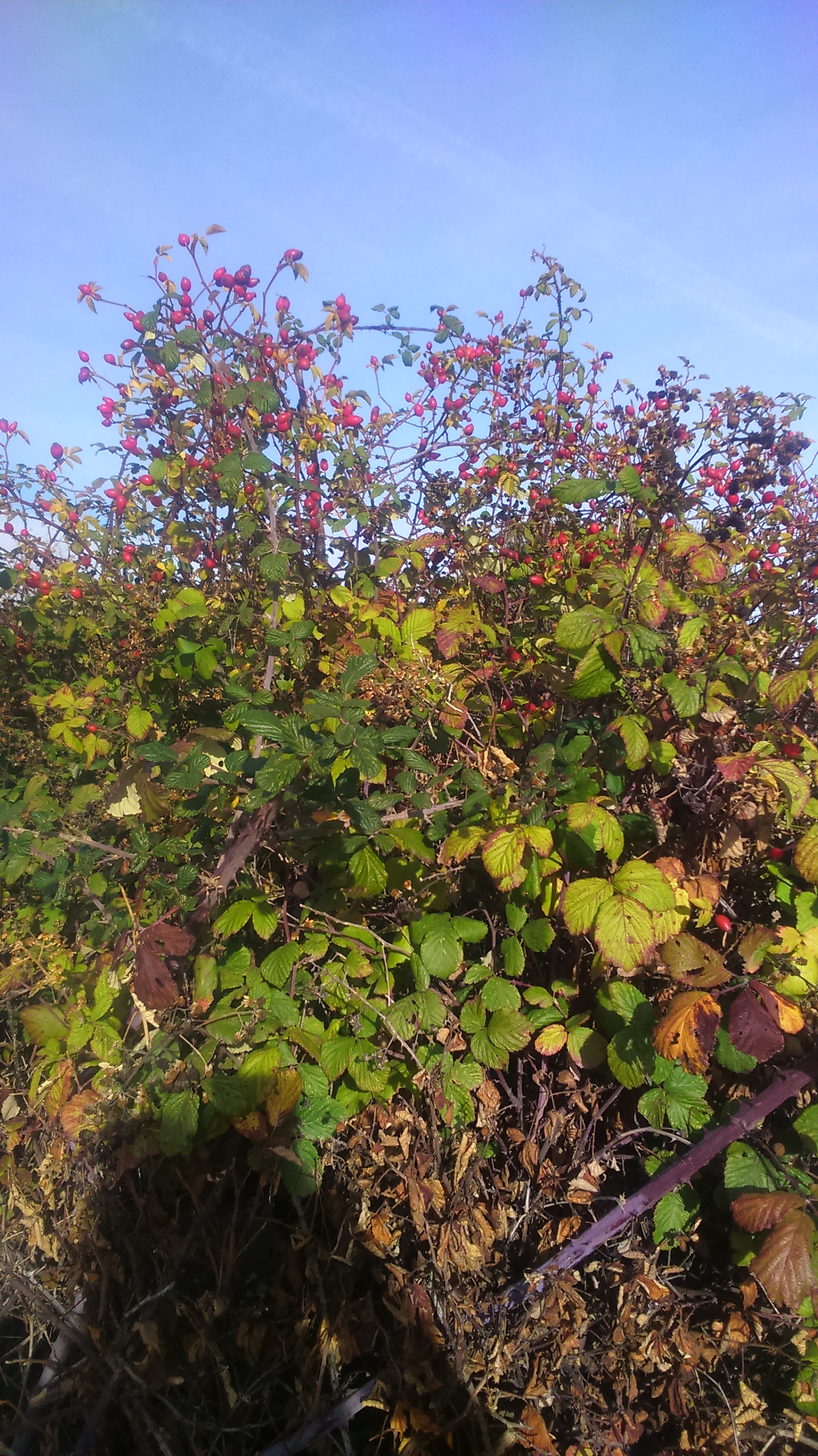
Rosehips scarlet against the cirulean sky.

We were amongst the first to arrive, and the hostel was freezing, with a very unusual lay-out: there was a wood burning stove in the centre, surrounded by three wide, deep, slate steps. Two stairways at the end led, right and left, to a mezzanine floor with bunks and mattresses. The hospitalier was an example of the most helpful we came across. He sourced newspapers to pack the wet footwear, went next door for multiple bottles of wine (not all for me!), and above all, he lit the fire. The steam began to rise, and it would have been a good idea to wait to have a shower because, eventually, so did the heat, up into the sleeping area. By the time we had our supper, the place was cosy, and faces were ruddy.

dsc_1377.jpg

All along the way the personal stories I heard were amazing, and Inger was no exception: a Norwegian woman, she started her mega cycle from home in August, panniers bulging with an extra wheeled section attached to the back of her bike. She had already covered more than 3,500 km, and when she finished this Camino she was heading to Portugal. She told me all about her grandson, and then explained that she had broken down and needed a part. By the end of the evening a plan was in place: to save her a fruitless journey, a kind Italian man would message her on arrival the next day in the main town, to let her know if the shop had the bit she needed. It was successful – she passed us a few days later!

dsc_1376.jpg
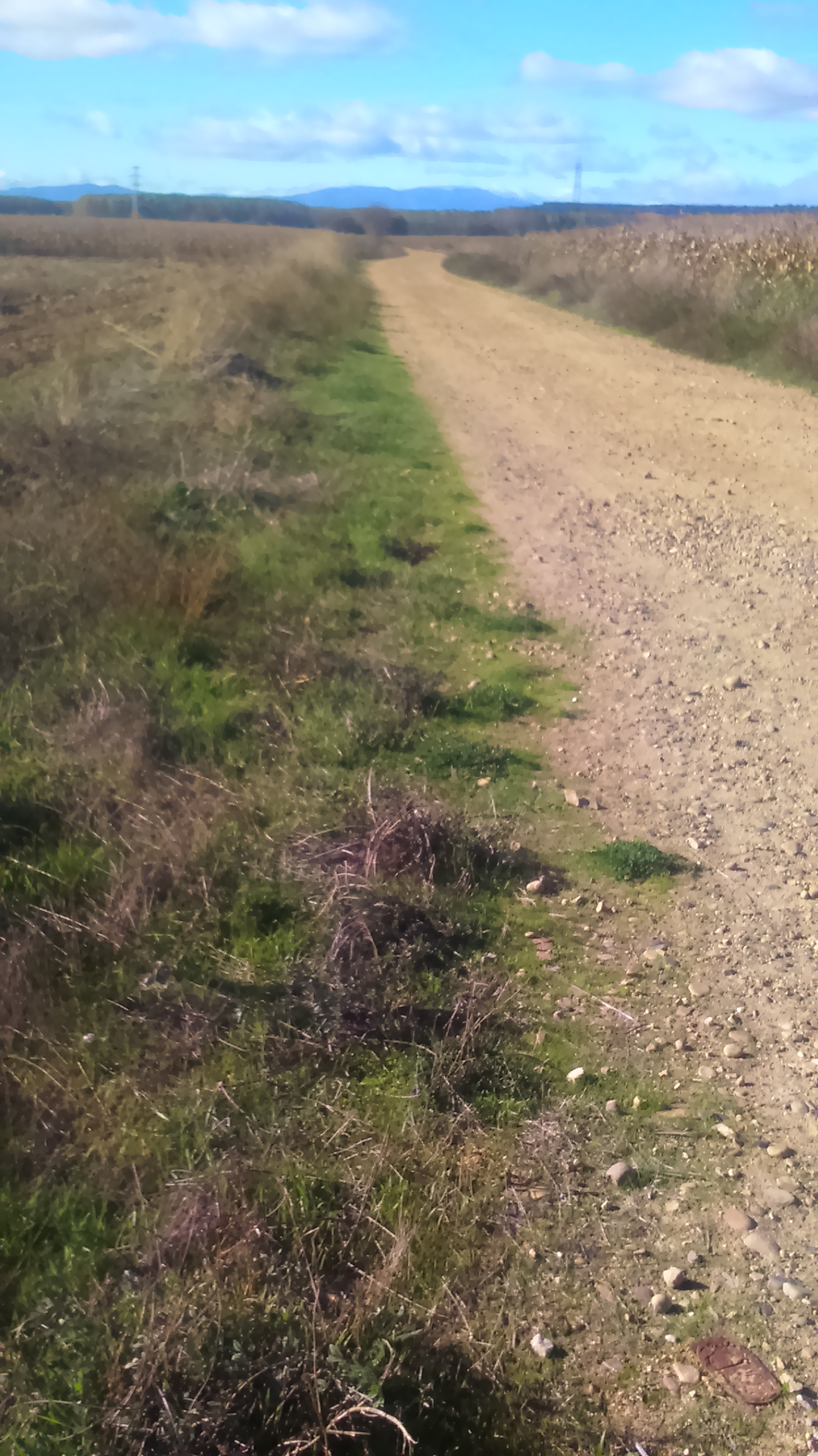
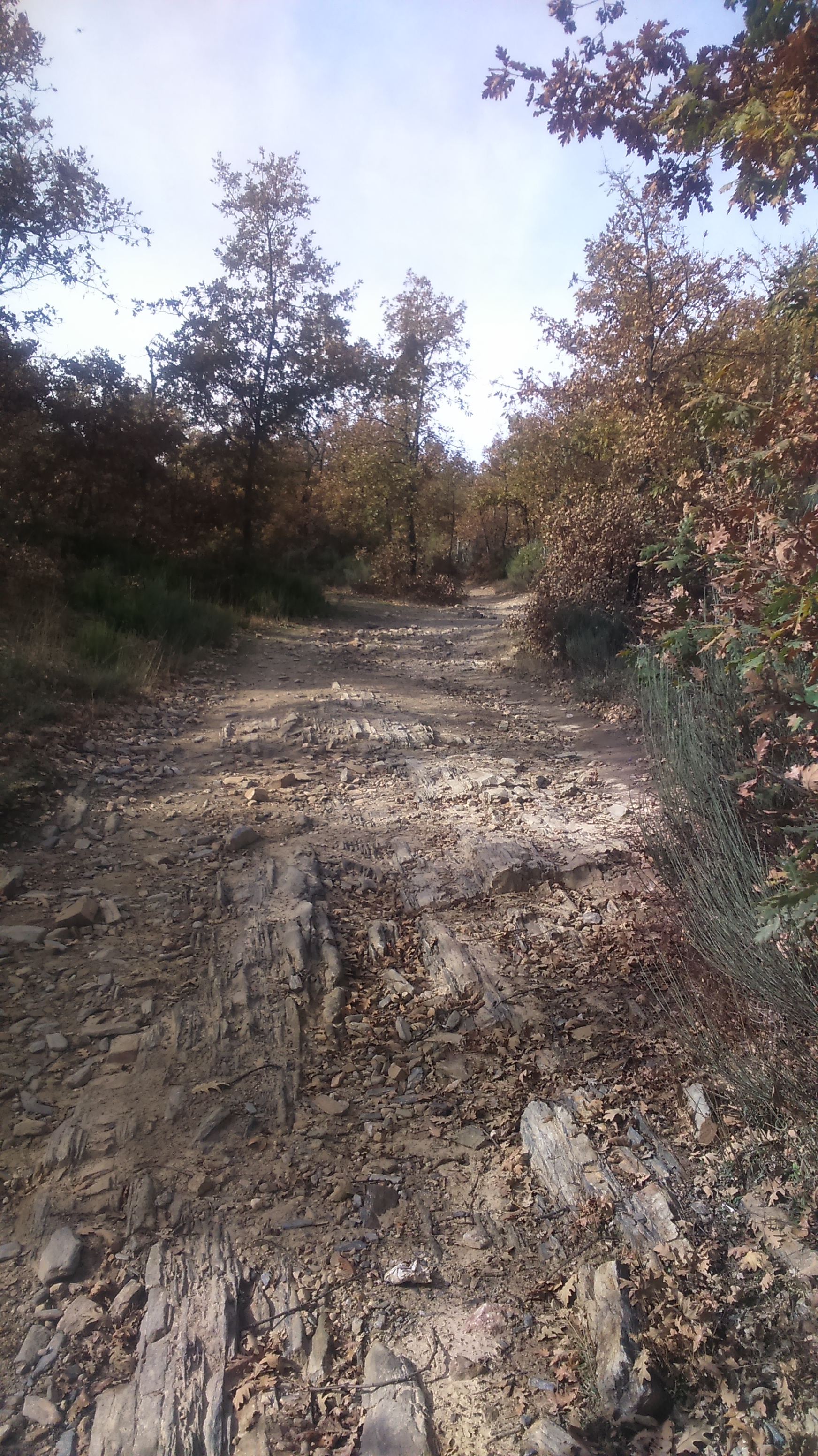
The wide, clay path of the Camino in this area.

All quotes taken from A Philosophy of Walking by Frédéric Gros.
Madrid to Camino Francés – Léon to Mazariffe, Spain

8.11.16 – 9.11.16 Madrid to Léon 337km 3 hrs (bus); Léon to Mazariffe 22.2km (walking).

dsc_1329.jpg
Taken from the bus between Madrid and Léon

I travelled back to the Camino sooner than planned, eager to start to walk again and rejoin friends. The bus journey seems interminable when you are so keen to arrive, and isn’t it often the case that the more you care, the more the delay!
dsc_1340.jpg
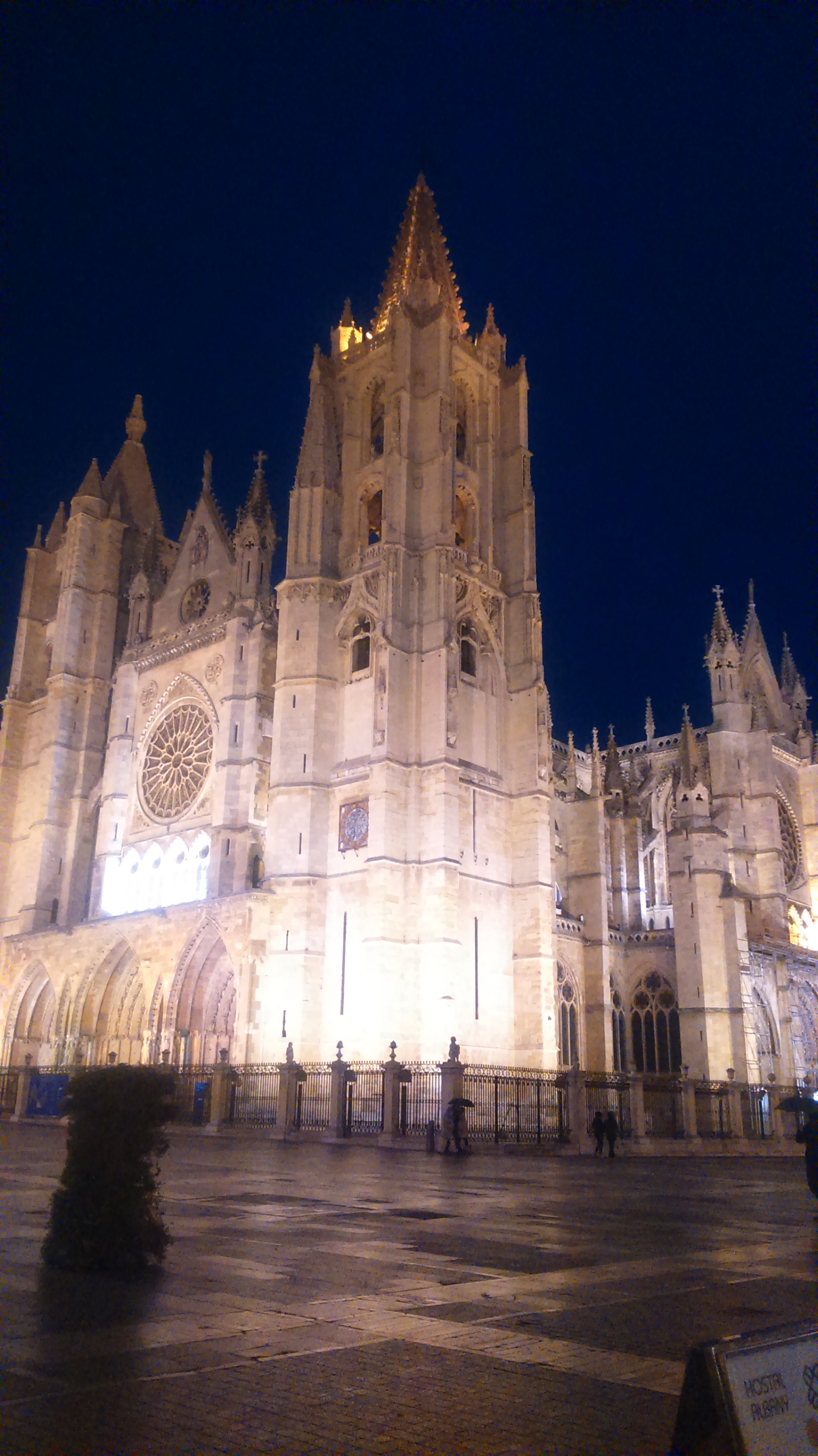
Cathedral Santa Maria de León

Léon is an active, large town with elegant squares and imposing edifices. The Cathedral is almost overwhelming in its grandeur, and because there is now a charge to get into all parts, I focused on the cloisters and side chapels.
dsc_1334.jpg
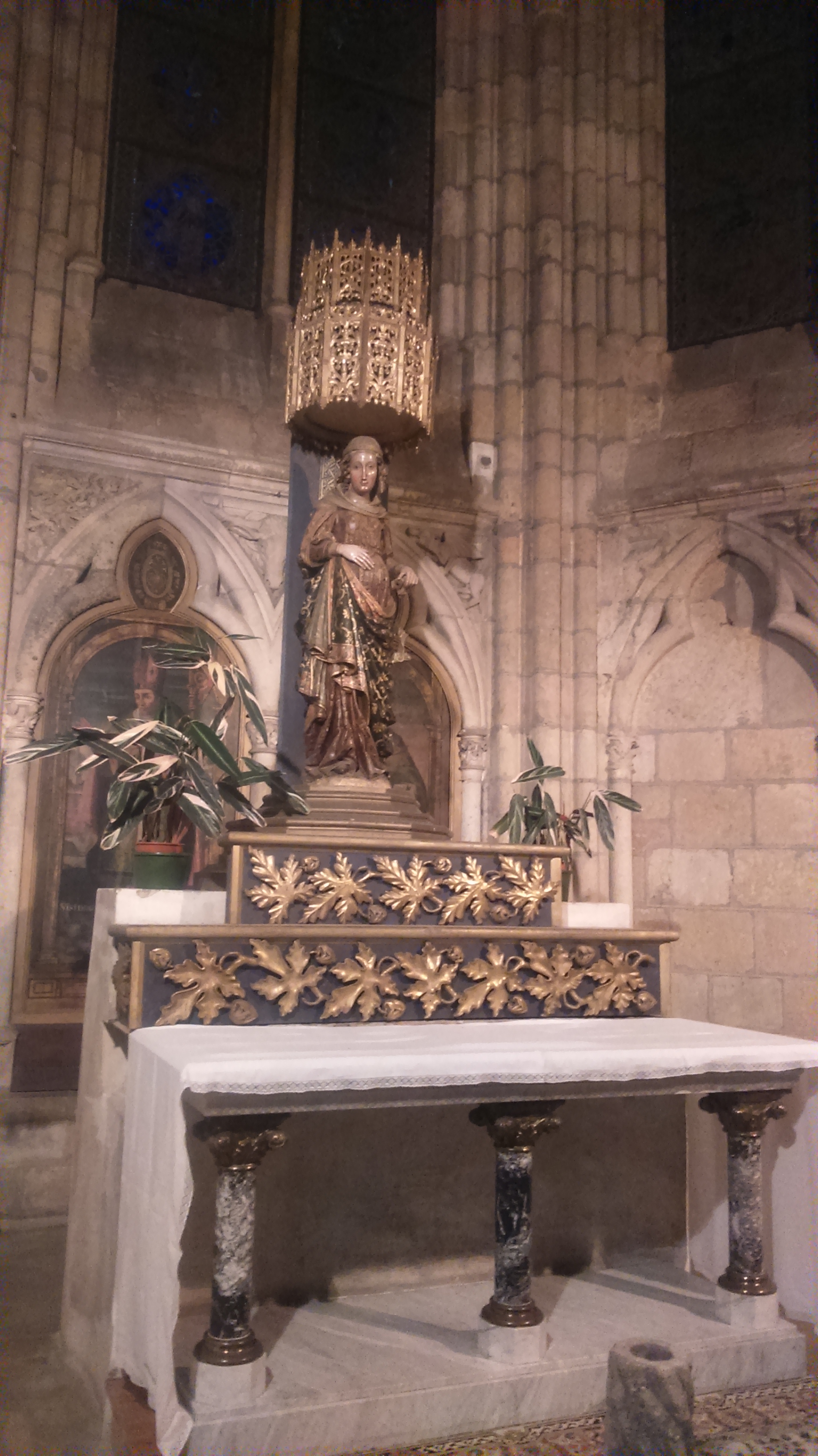
Side chapel with the Virgin
dsc_1335.jpg
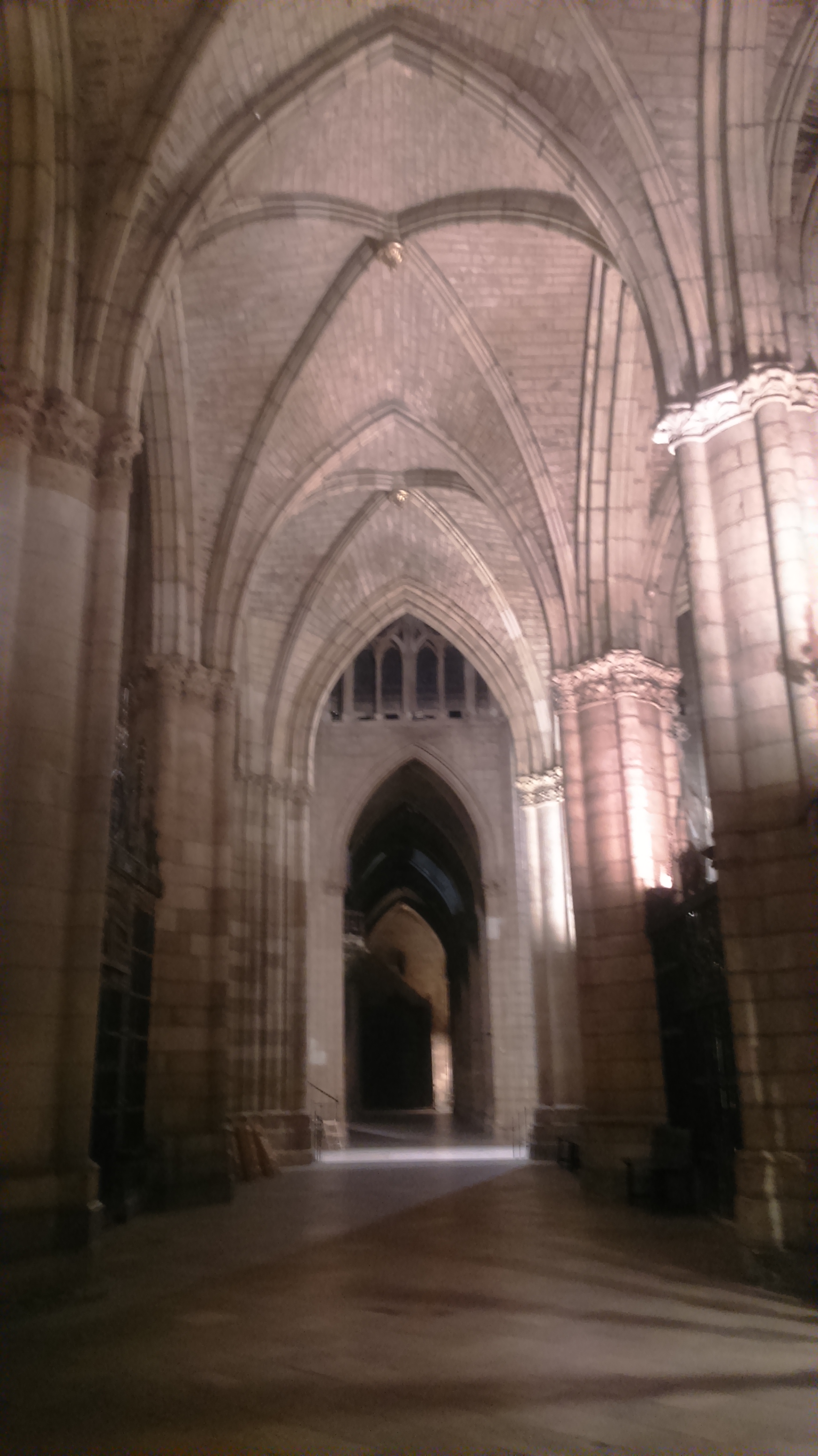
The simple yet inspirational cloister ceiling

An exceptionally kind fellow pilgrim, Alain, had found accommodation in a tastefully restyled, ancient building, and prepared meals for me, so I was well cared for after my journey.

And we enjoyed visiting the ancient sights in the rather damp weather.

dsc_1336.jpg
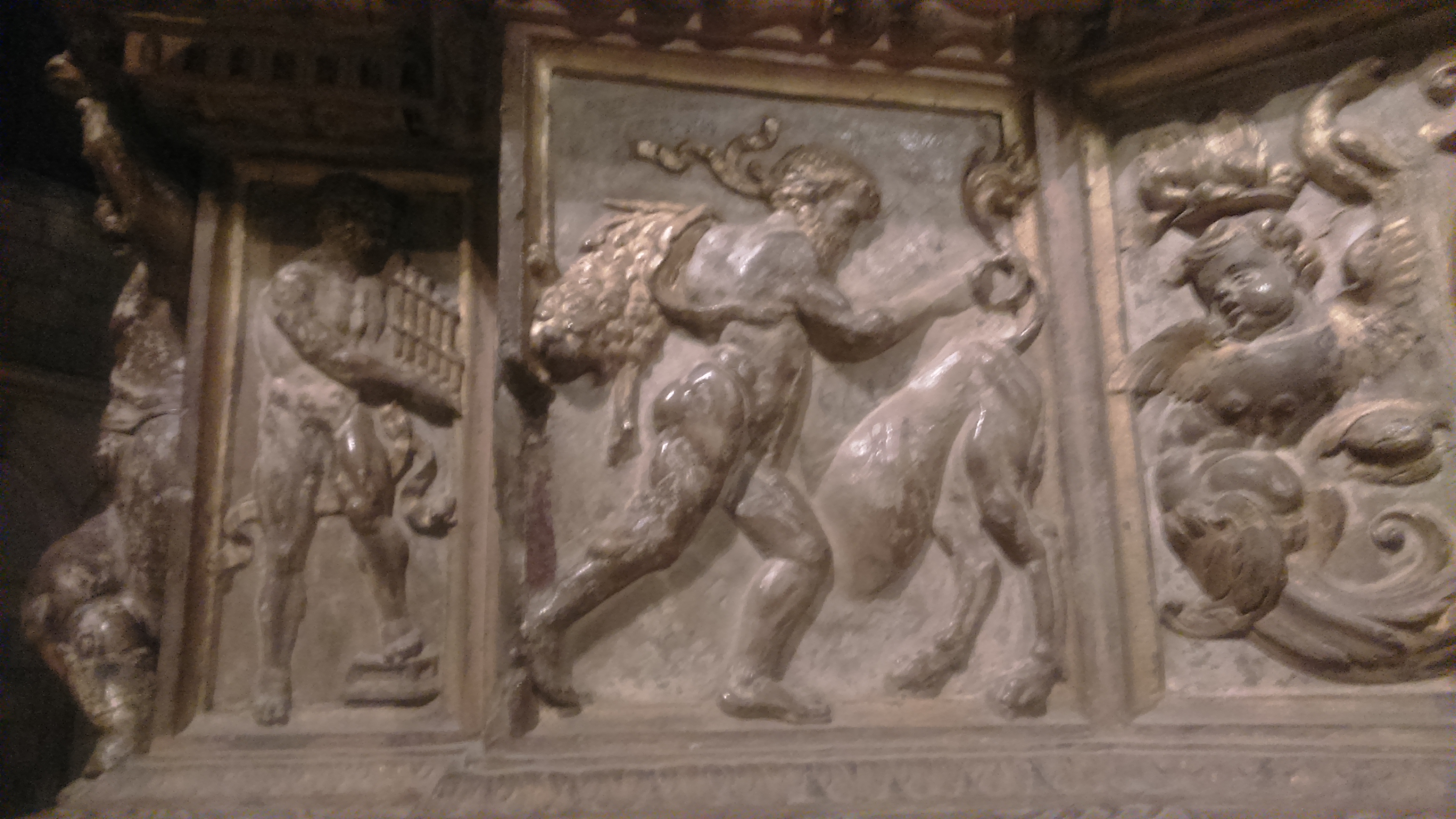
Detail from the Cathedral cloisters of muscly thighs and putti
dsc_1338.jpg
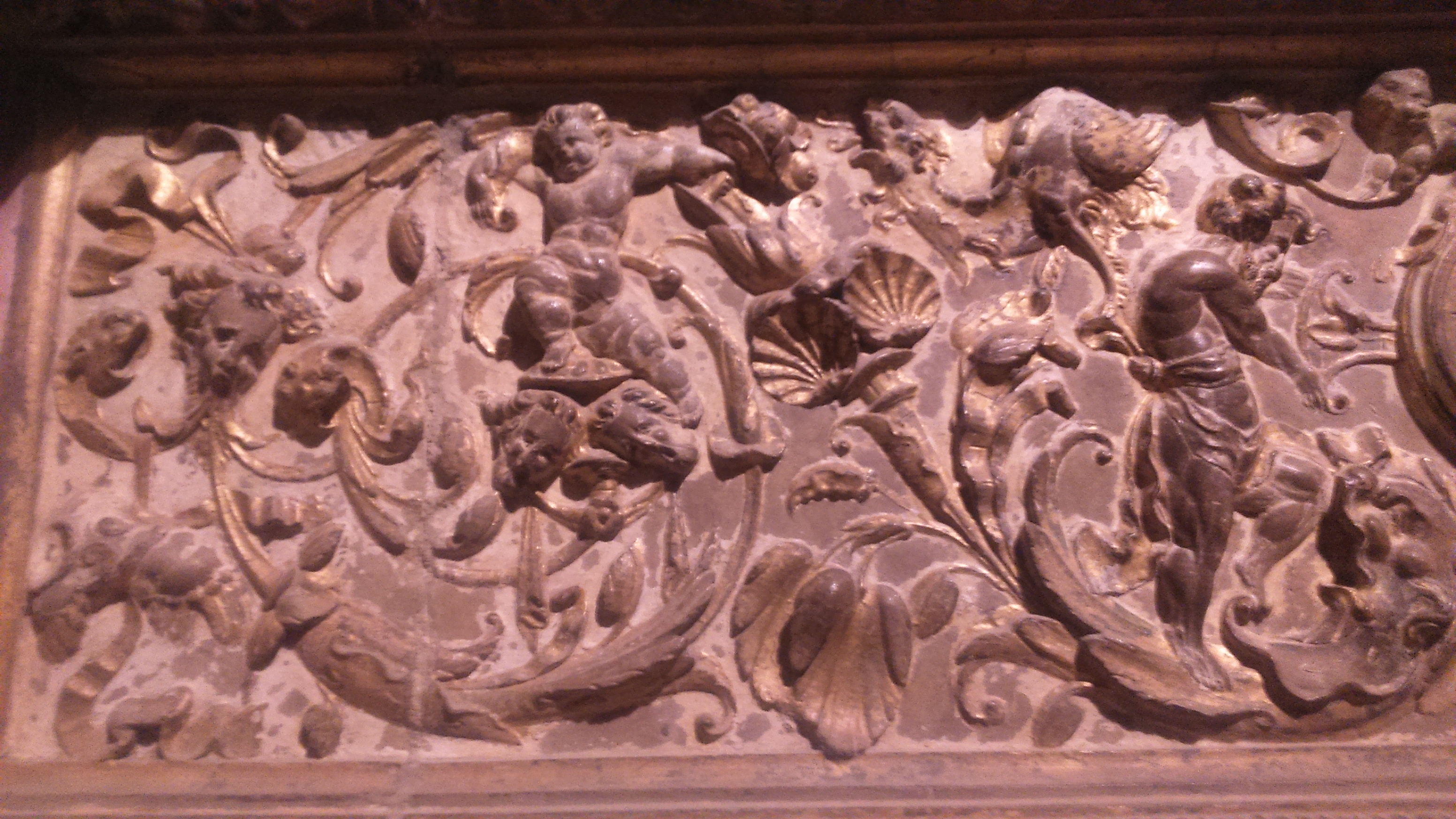
Detail showing the Camino shell. From the cloisters of the Cathedral

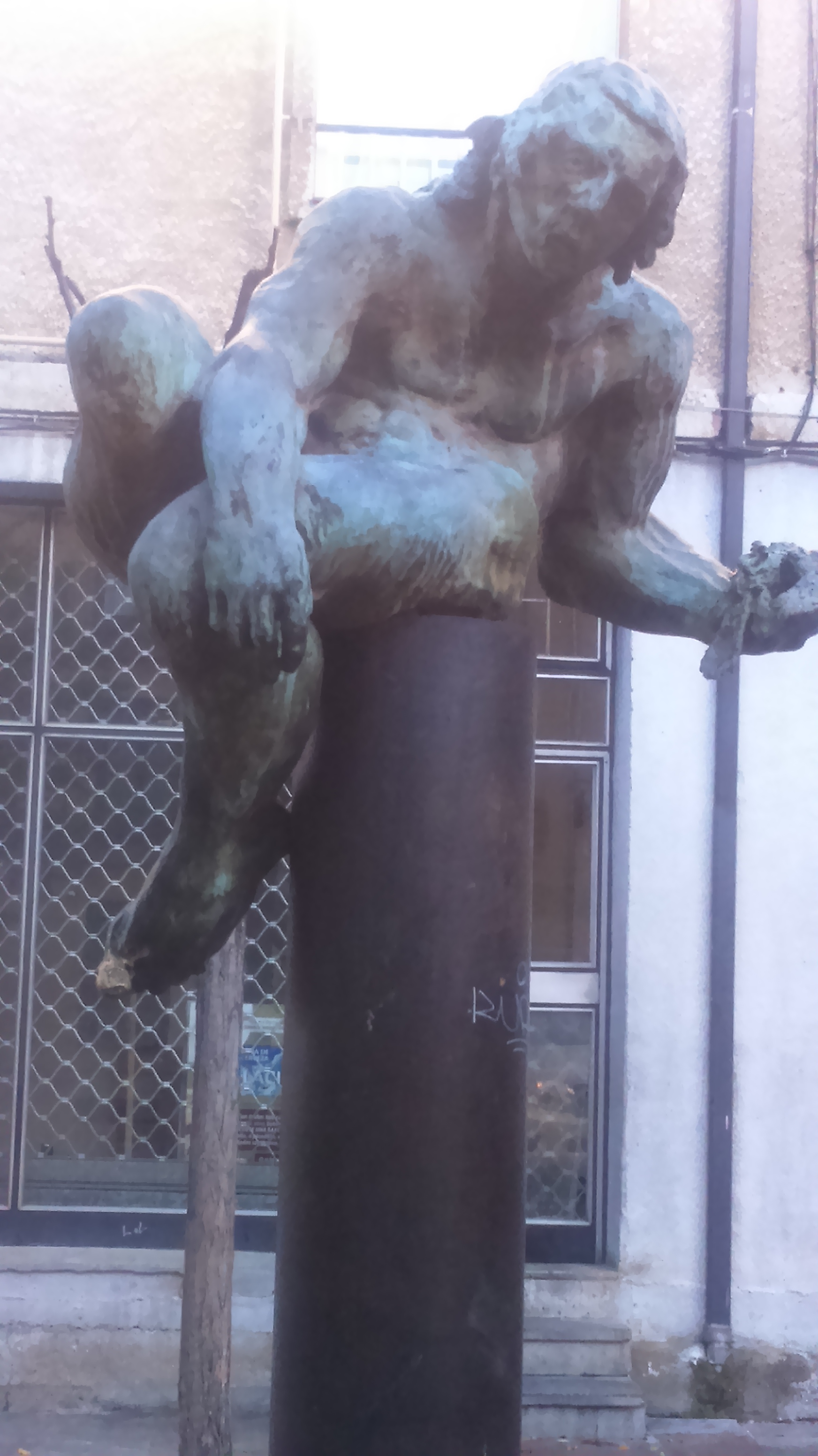
On the way out of town, I spotted this moving statue of a suffering man on a podium. There was more of his work around the city which is well worth seeing.

dsc_1341.jpg

The next day dawned bright for walking once again, joyfully, under familiar azure skies. There was an impressive Gaudi building to admire on the way out of town.

dsc_1342.jpg
Casa de los Botines, Antoni Gaudi 1892-93
dsc_1343.jpg
In the Plaza de San Marcelo

It was a manageable stage to Mazariffe, with convivial company, gorgeous landscapes, wonderful to be in the open air again, and walking.

dsc_1346.jpg

There were many more tarmac kilometres and they are more tiring than walking on the natural paths.

“The perfect evenness of tarred roads ends by boring the feet.” p. 95 A Philosophy of Walking by Frédéric Gros.

But there was so much else to create happiness, it didn’t matter.

dsc_1347.jpg

‘I am on a path to Villar (de Mazariffe) in the middle of nowhere Northern Spain, I haven’t seen a pilgrim in the last hour, and I just felt…euphoric. I was dampish and cold, but I felt euphoric. I AM WALKING THE CAMINO. So like George Bailey in It’s a Wonderful Life, I suddenly felt so appreciative of..of..of everything..’ This expresses the sort of sentiment I felt and heard others make, over and over, on the Camino Francés. It is taken from this blog: Ted’scamino.com

Another Camino blog you might like

Why Travel?

Madrid 2, Spain

7 November 2016

dsc_1282.jpg

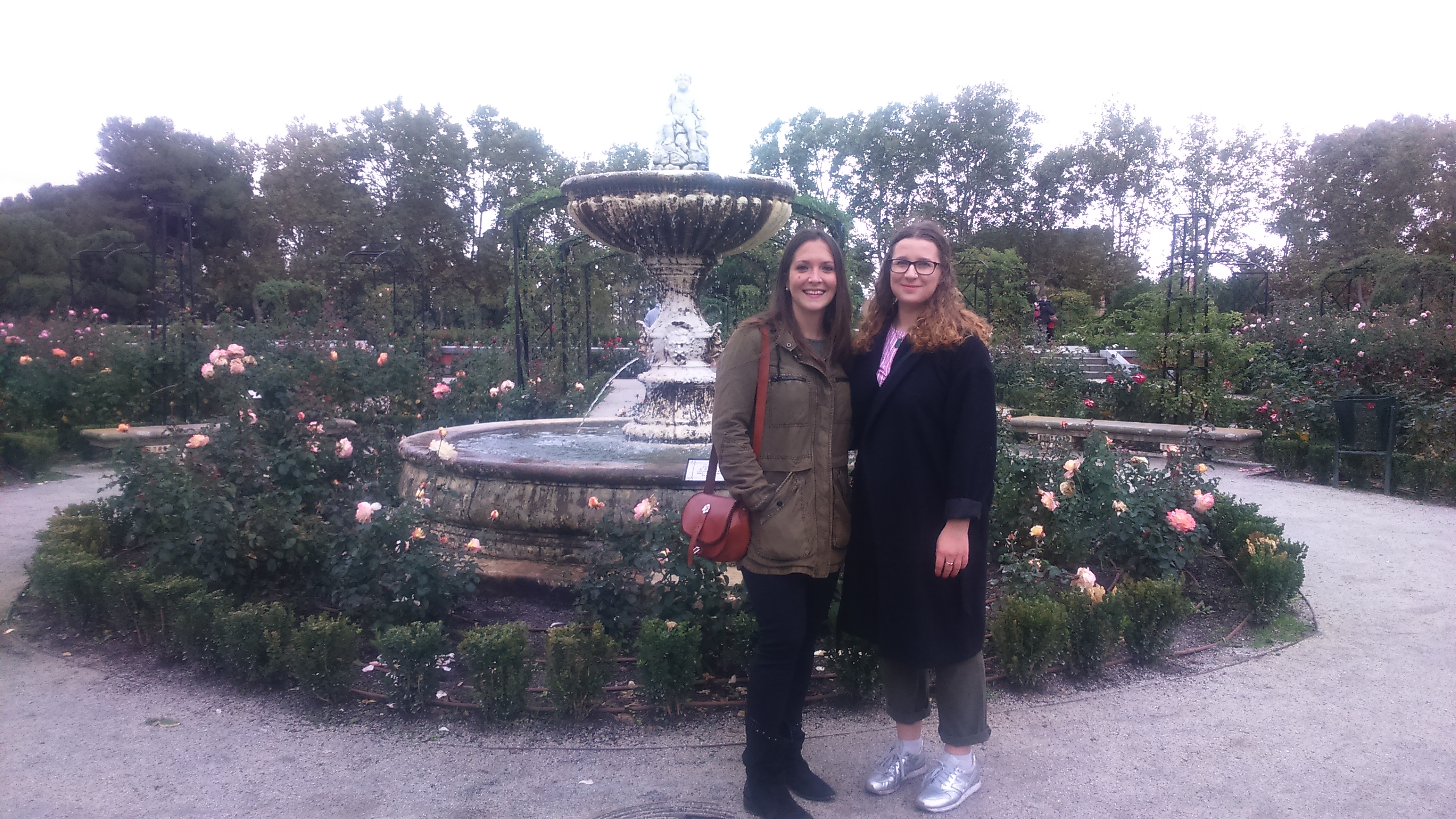
This is, unashamedly, a picture gallery of the last days I spent in Madrid with my eldest daughter, Alice, and her lovely friend Heather.

dsc_1286.jpg

dsc_1320.jpg

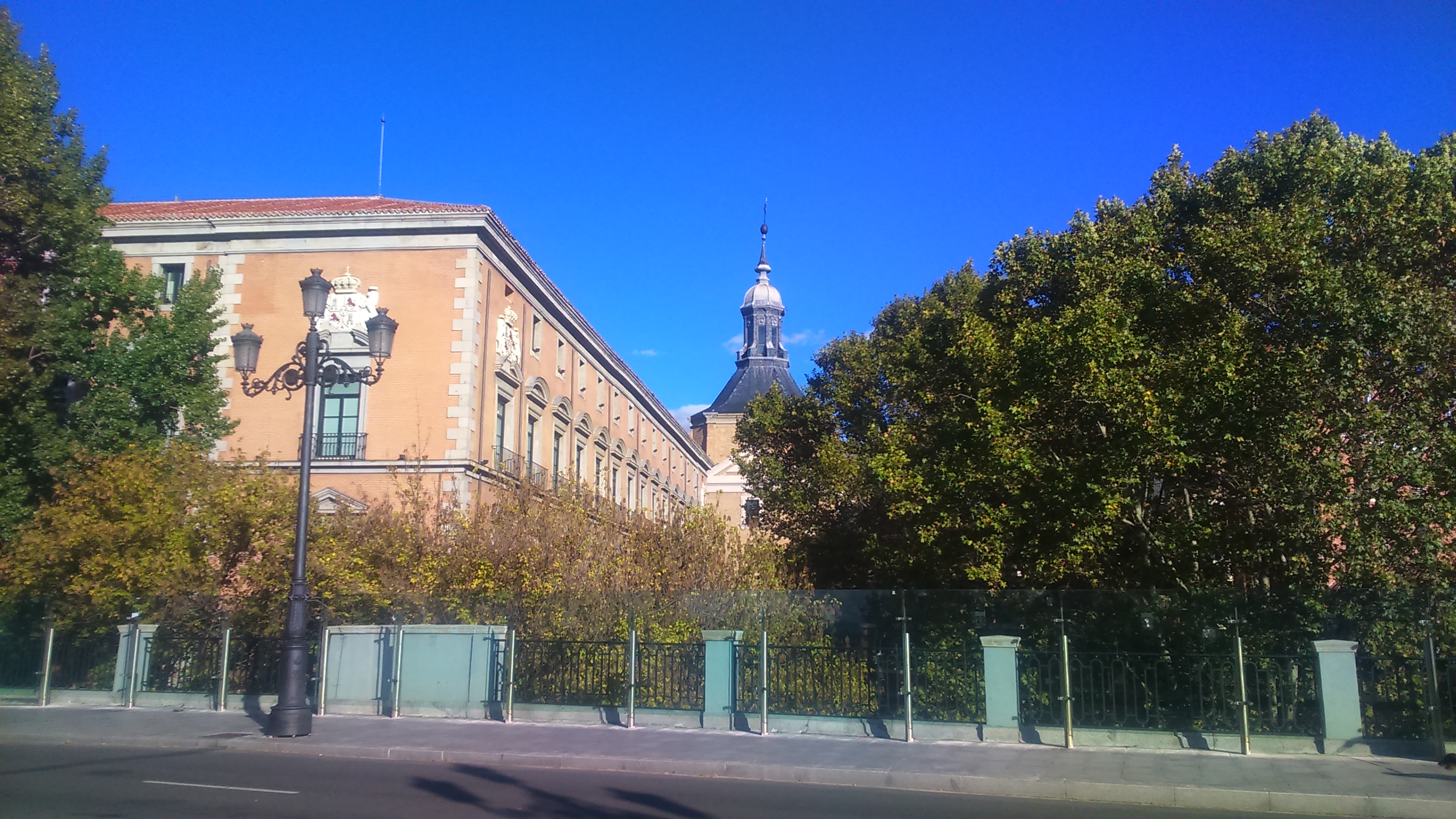
There are no kilometres of northern Spanish paths to walk with a rucksack on my bag here in the city; but kilometres of pavements and grand monuments against those ever-blue skies. So much to see!

dsc_1285.jpg

dsc_1287.jpg

dsc_1290.jpg

dsc_1274.jpg
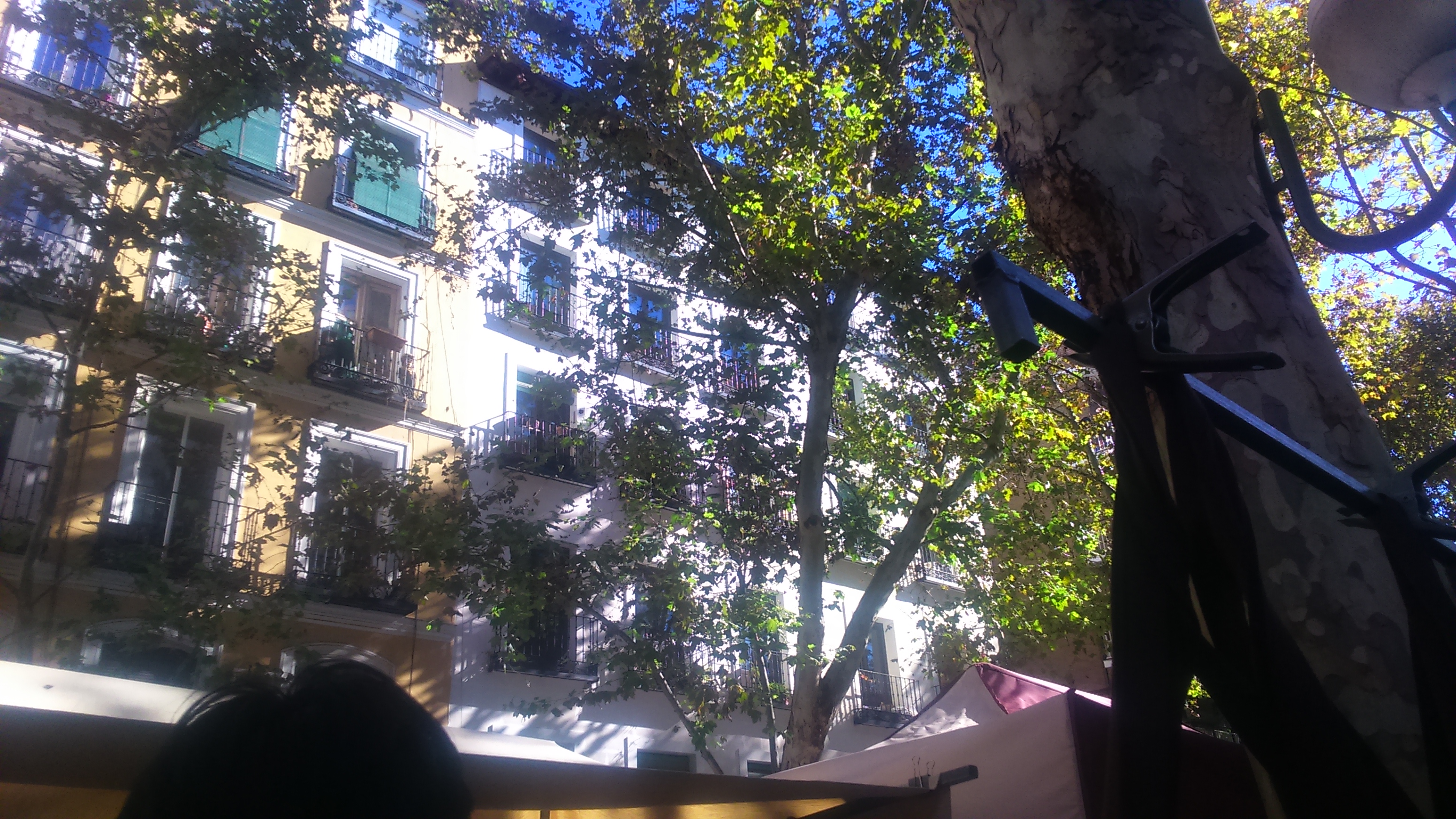
Leafy streets, dappled sunshine

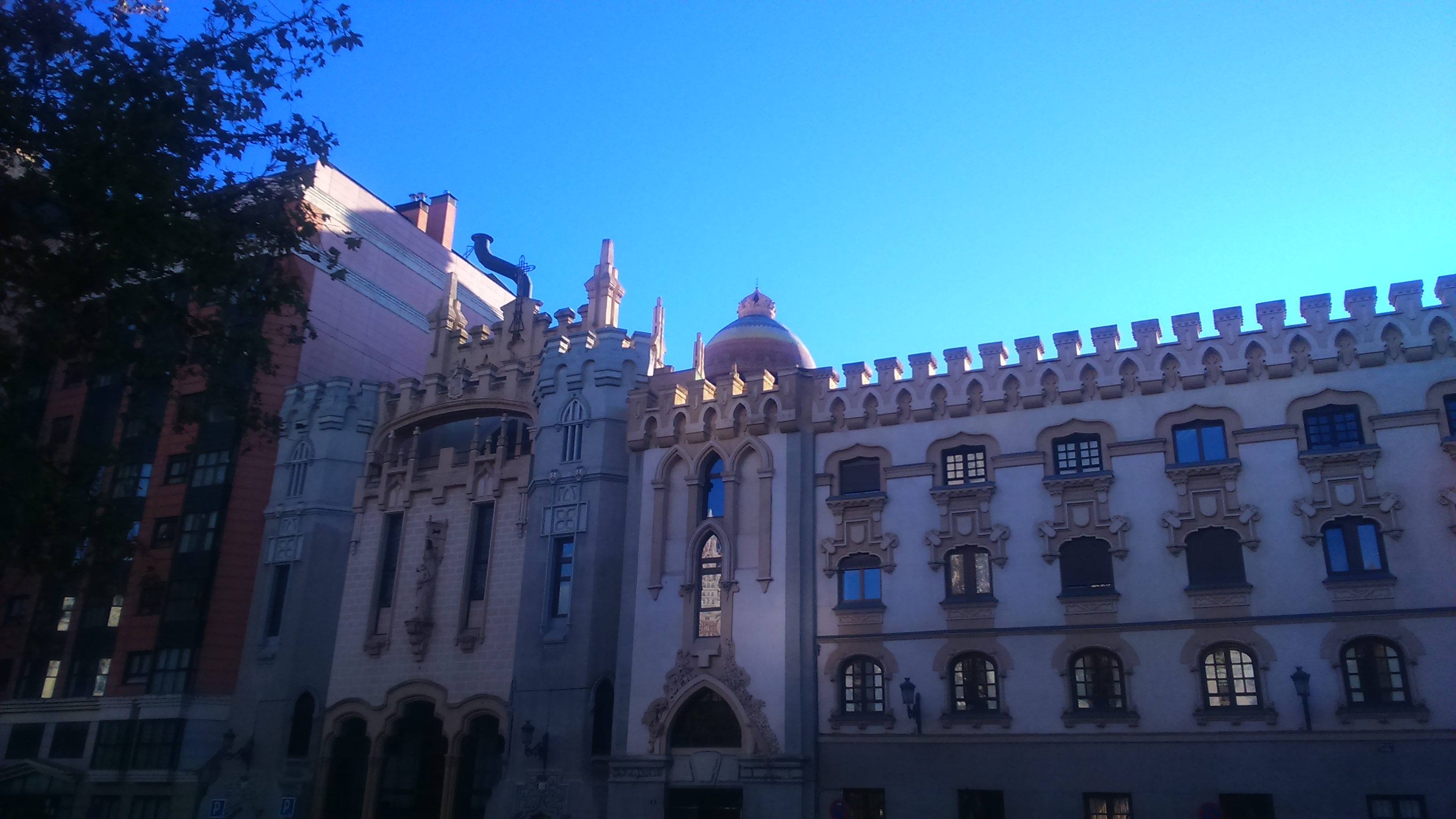
I have definitely fallen for the coloured buildings in Spain, especially rose pink and ochre together. As well as walking around the tourist areas, we were lead into the less well-known-to-tourists parts, and discovered, as you do, unexpected delights.

dsc_1309.jpg
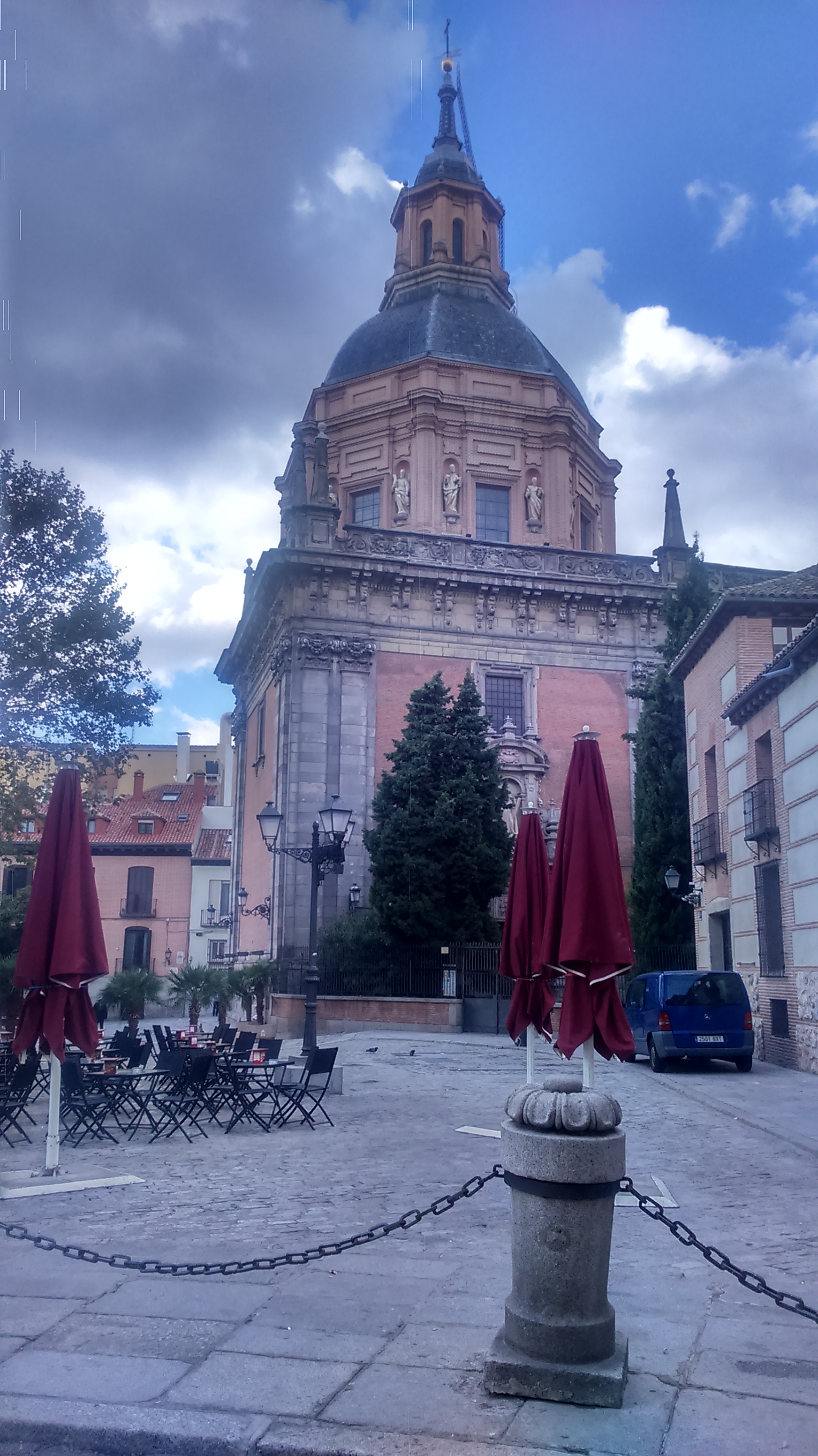
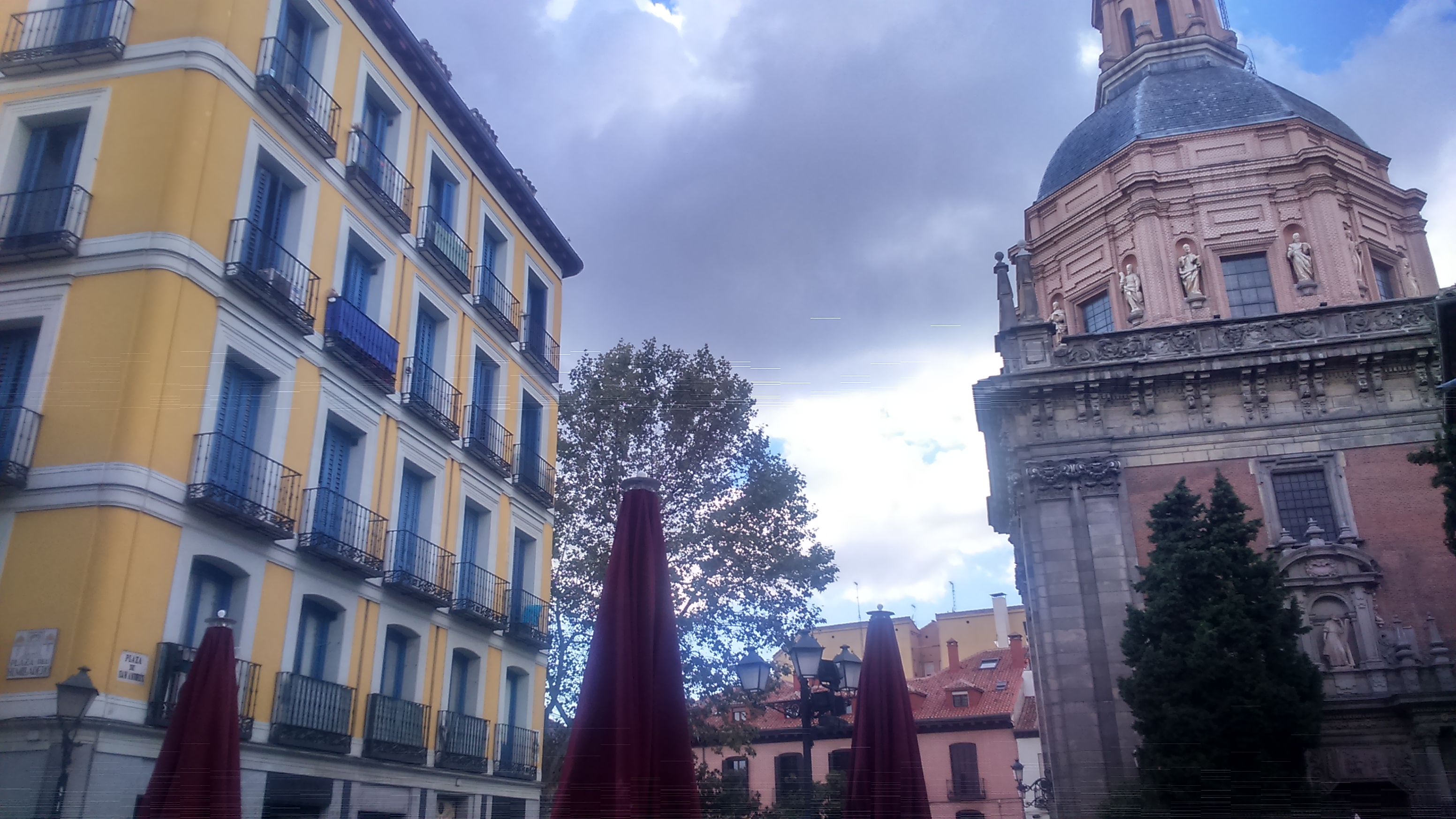
Iglesia de San Andres

dsc_1307.jpg

dsc_1310.jpg

Gorgeous church ceilings.

dsc_1288.jpg
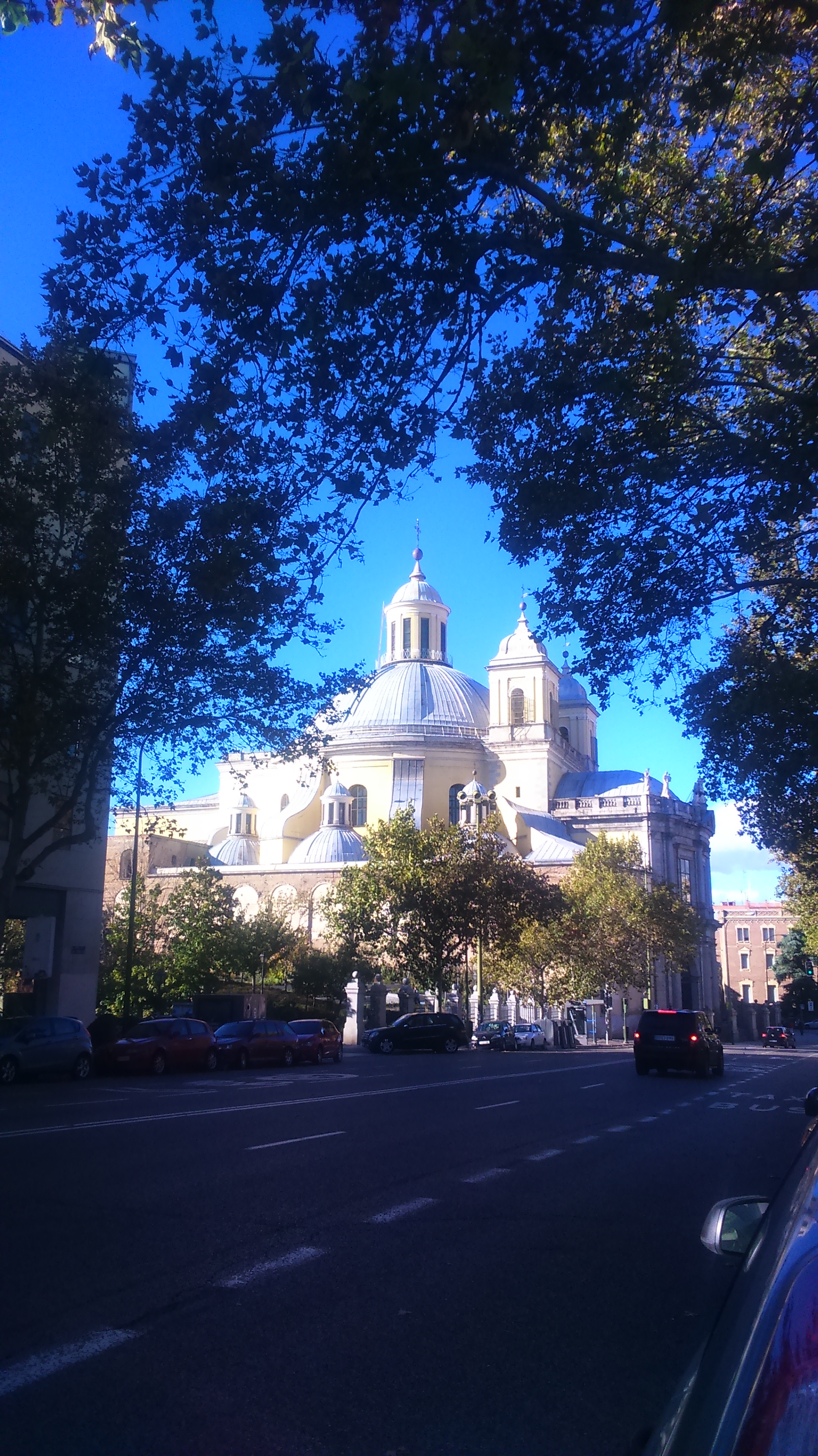
San Francisco El Grande

dsc_1289.jpg

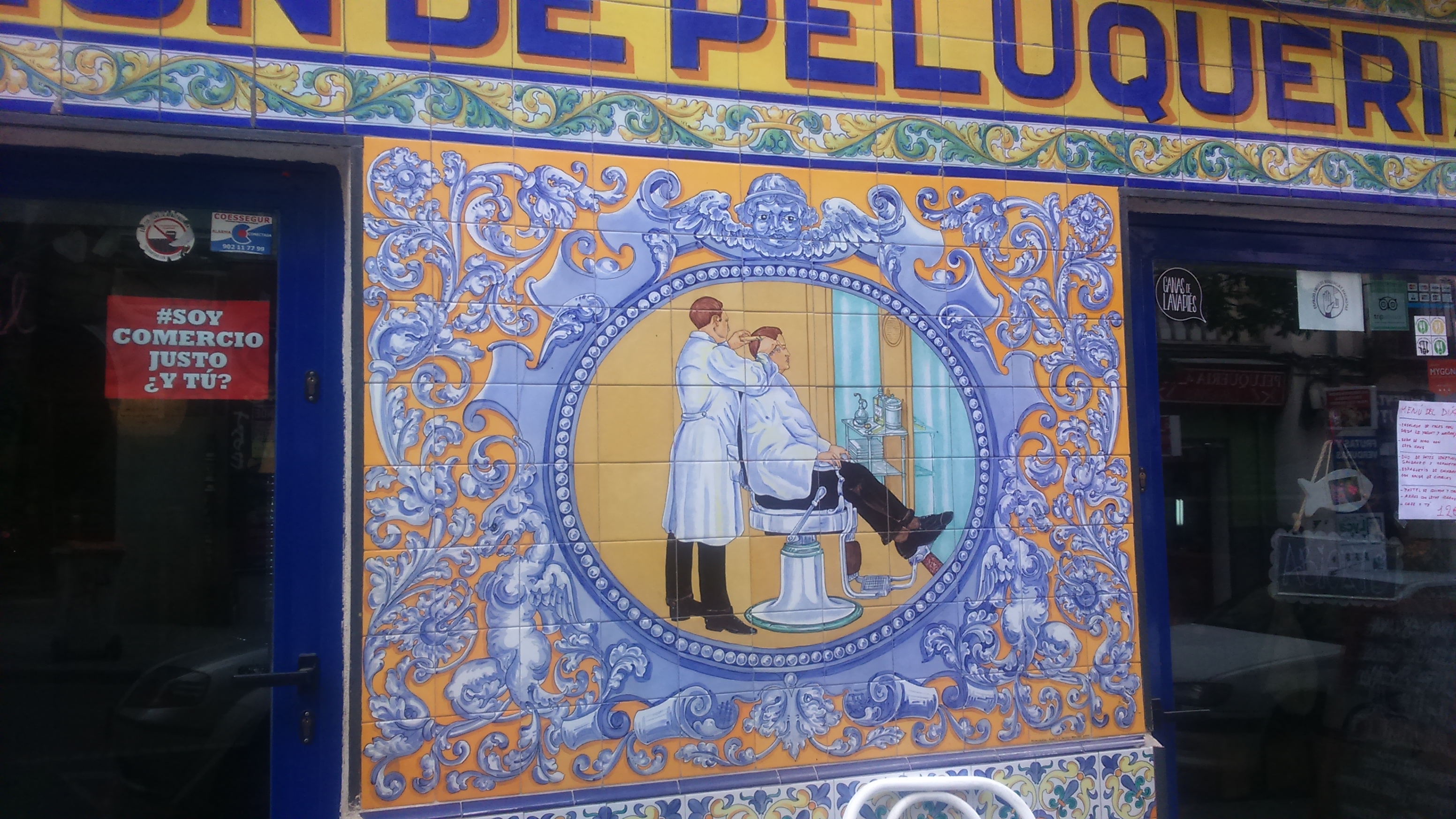
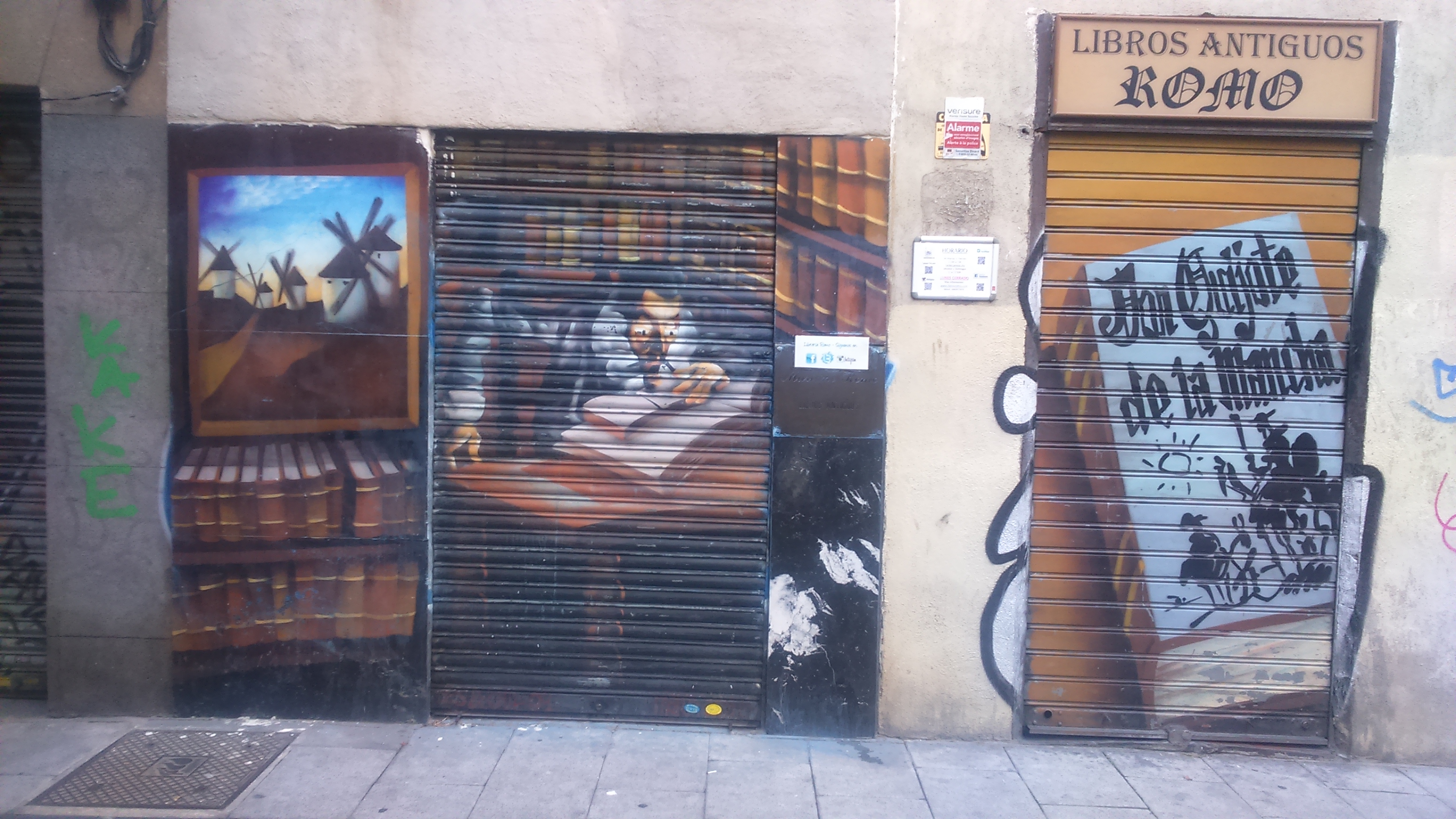
I found the detail of street signs and graffiti very attractive.

dsc_1313.jpg

dsc_1312.jpg

img_20170122_163624.jpg

We met Gill for lunch so she could bring me my bag – many thanks for your kindness in the middle of a hard working day, Gill. I visited the APSE centre. It turns out that Shiatsu rooms are the same the world over. How reassuring!

dsc_1303.jpg
APSE – Asociacion de profesionales de Shiatsu
dsc_1300.jpg
http://www.shiatsu-apse.es

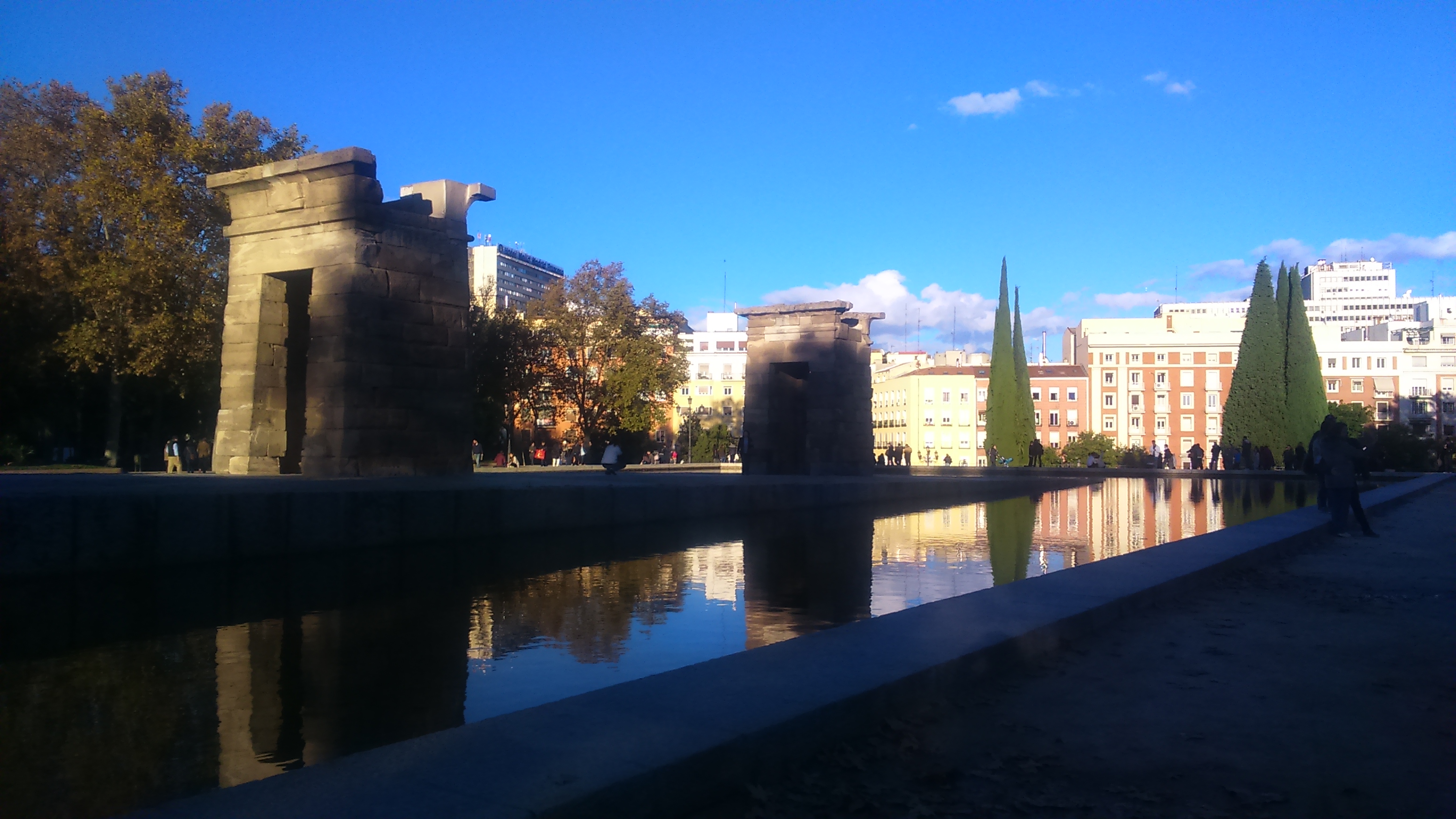
The early evening and nights saw Madrid in just as beautiful a light. The Temple of Debod is ‘one of the most unusual sights in Parque del Oeste, a park near the Royal Palace. The temple to the Egyptian goddess Isis once stood on the banks of the Nile. The construction of Egypt’s great Dam of Aswan meant that several historic monuments had to be moved in order to preserve them from flooding. Spain stepped in to assist and as an expression of gratitude, the Egyptian government gave the Temple of Debod to Spain in 1968’!

dsc_1293.jpg
Temple of Debod.
dsc_1239.jpg
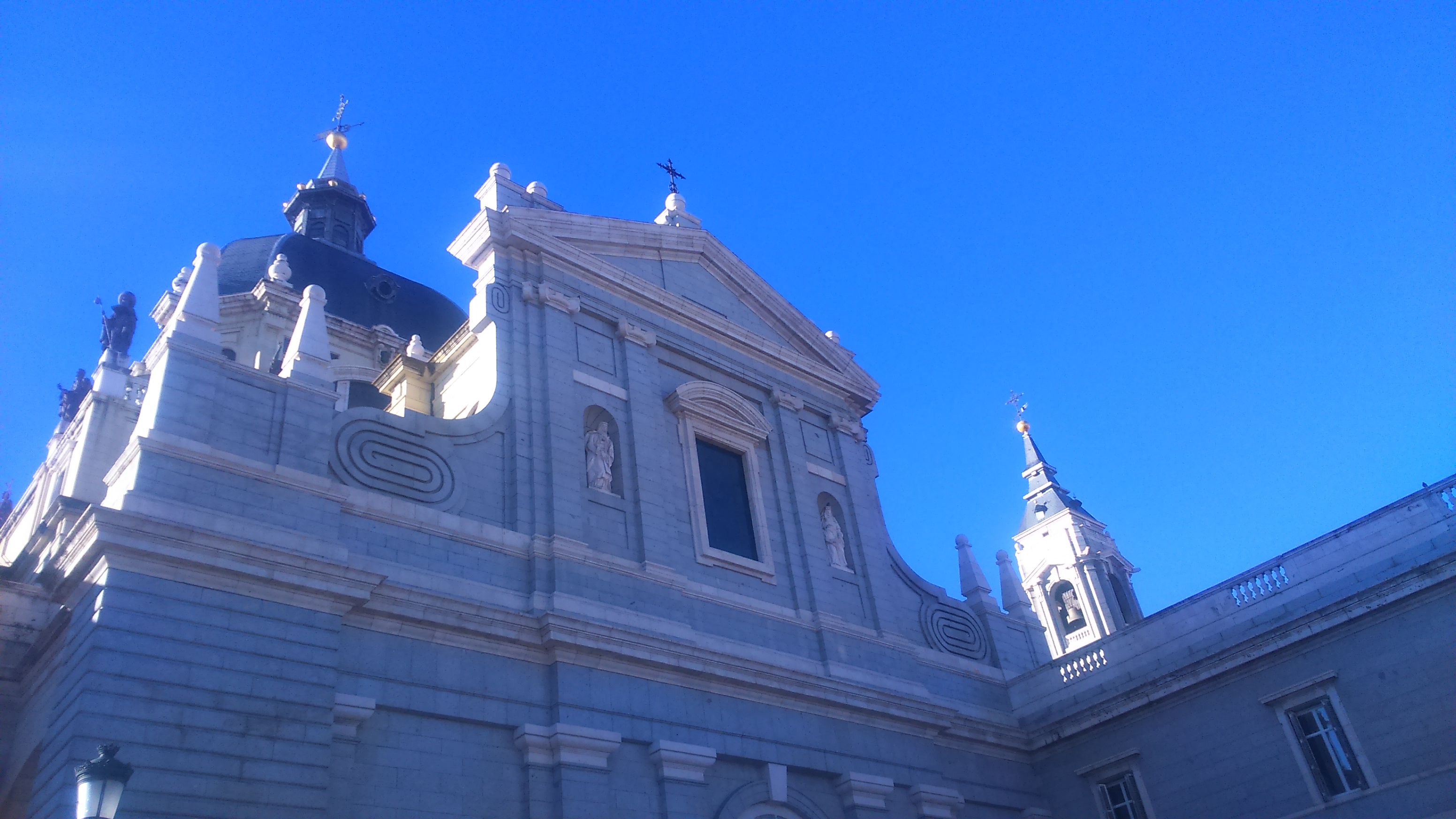
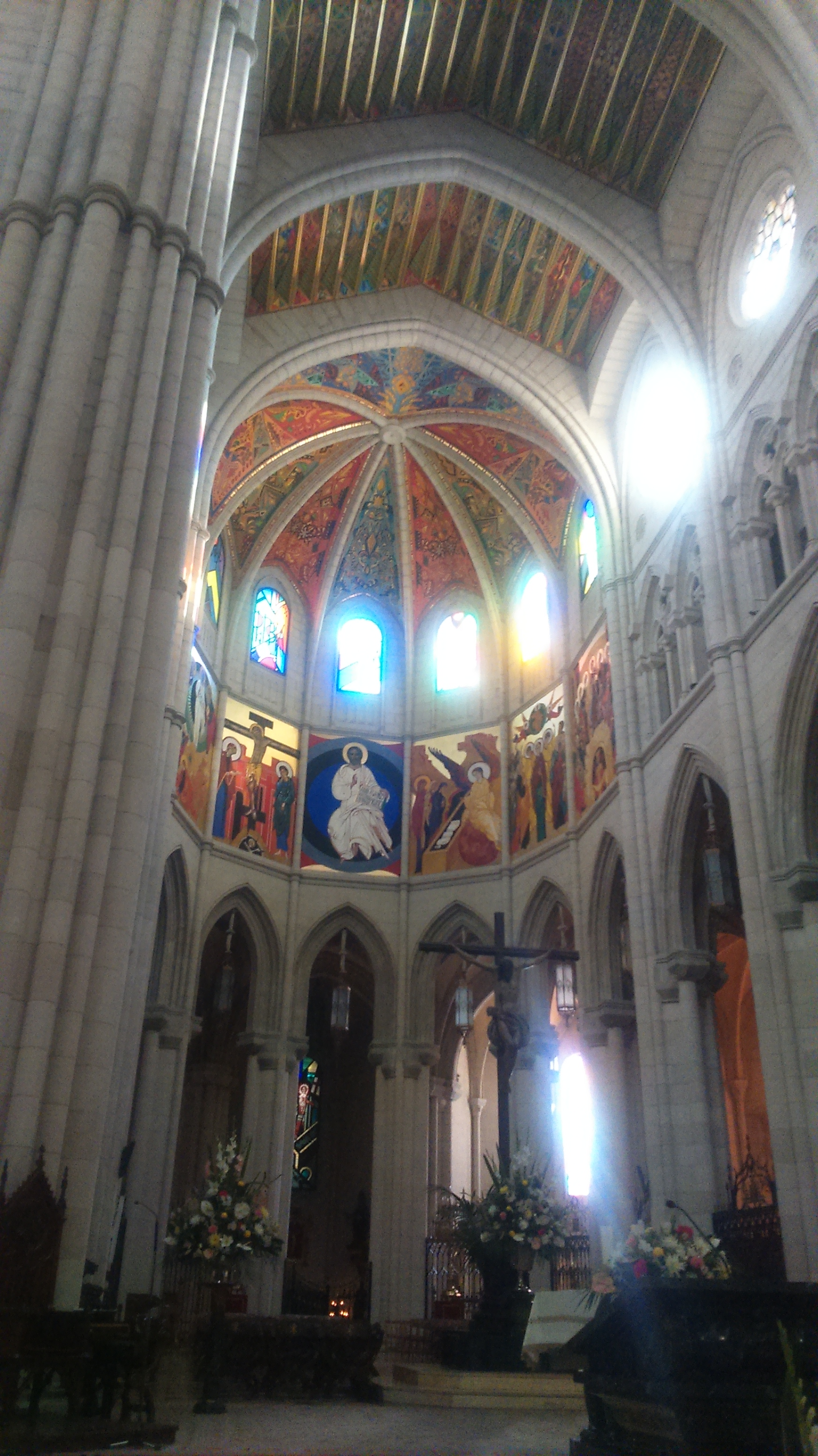
Catedral Santa Maria la Real de la Almudena

dsc_1294.jpg

Whilst being happy in the present company, I was aware of also wishing for the hills and Camino in the midst of this busy metropolis. One of the reasons I came to Spain was to give myself time and space to discover where I am happiest, and I seem to be rural at heart!

‘To be bound in nature is perpetually distracting. Everything talks to you, greets you, demands your attention.’

p.54 A Philosophy of Walking, Frédéric Gros

dsc_1284.jpg
The hills in the distance – far away

Tourist Attractions in Madrid blog

Stitches of Time blog Madrid – Doors Galore!

Madrid 1, Spain

3 – 7 November 2016, Madrid (via Palencia).

dsc_1210.jpg
Cathedral, Palencia. Noble against the Persian-blue sky

I travelled by bus from Carrión (where I left the Camino for the second time) to Palencia (the main town of the Palencia region of northern Spain). I had space to walk around and see some sights, as well as spend an age in a phone shop. I bought a little, old-fashioned mobile phone from home so that I could use a Spanish SIM card for texting and phoning when I was there, and it was really useful.

Manolo, my host in Santander, had kindly taken me to get it sorted out, but getting it topped up, when it was initially registered in his name, turned out to be tricky. Afterwards, I sauntered back to the bus station with 20 minutes to spare, only to realise that I had left my charger in the shop. I ran as fast as I could, with my enormous backpack bumping around on my back, severely disturbing my previously calm morning, and risking missing the bus, only to find the place had shut for lunch. I did make it back alright, but not having the charger meant I spent a good deal of time borrowing from other people in the weeks to come!

dsc_1215.jpg
Plaza San Pablo
dsc_1217.jpg
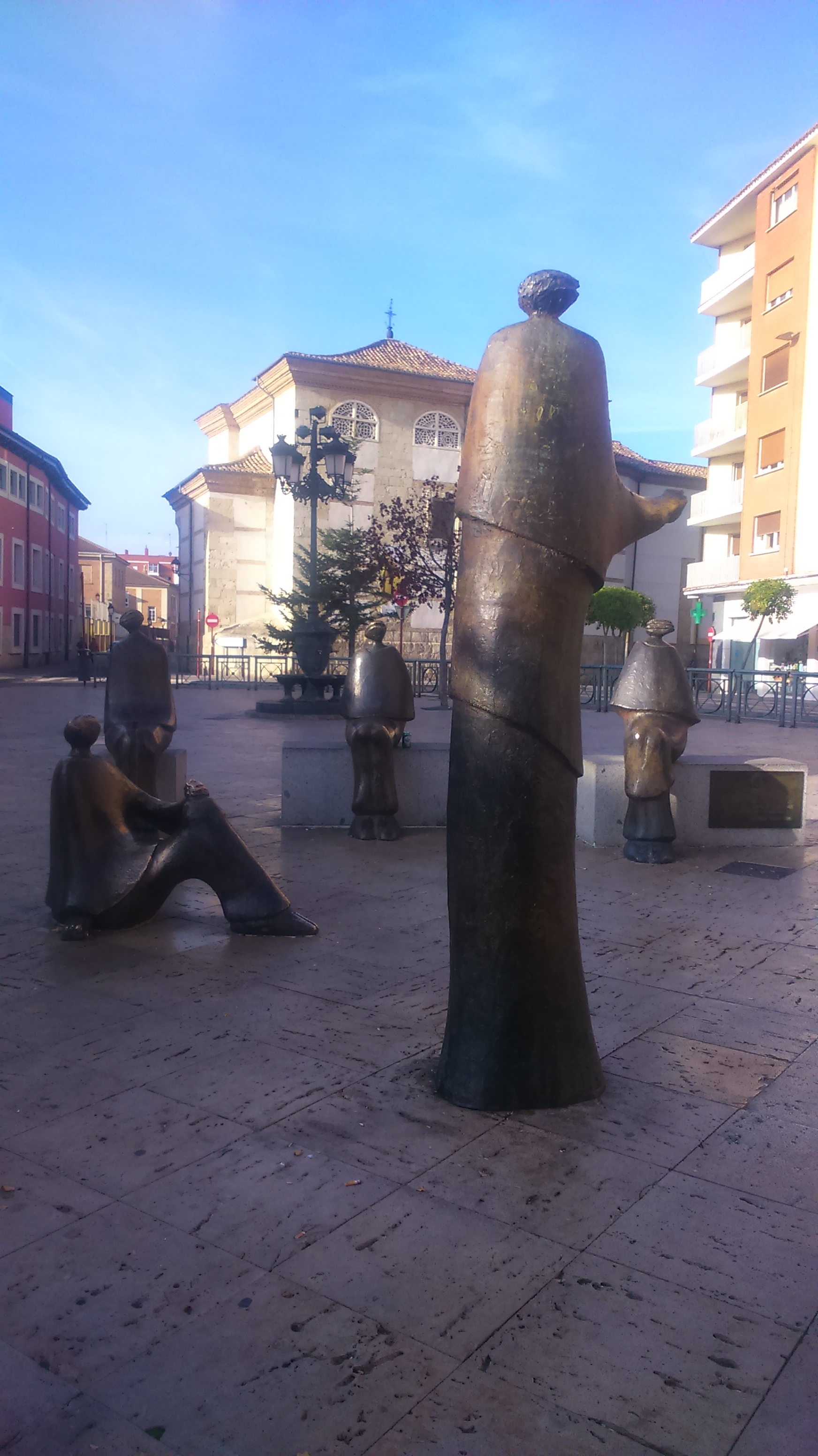
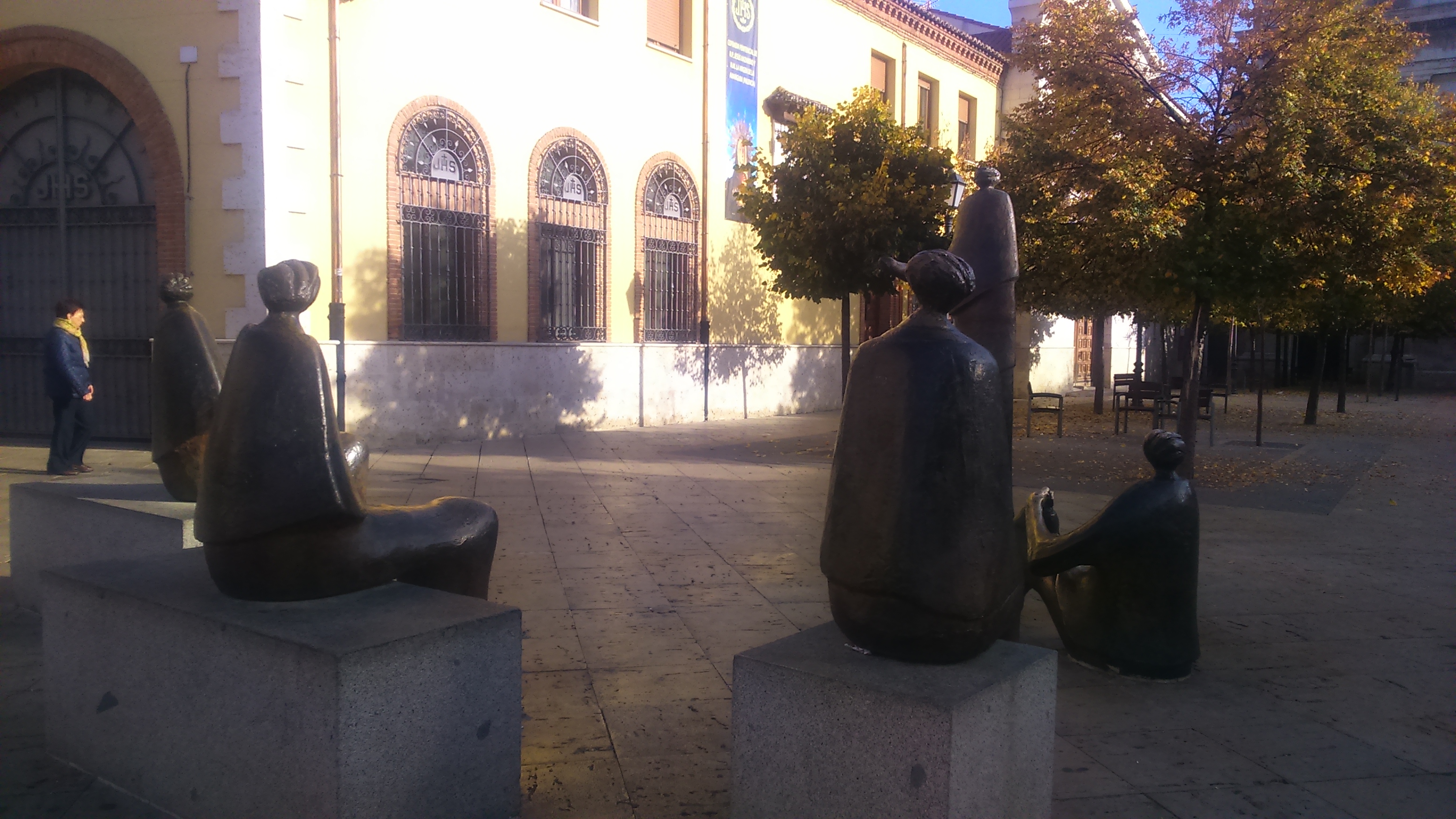
I believe that this sculture is a monument to the University of Palencia, the first university in Spain, founded by Alfonso VIII
dsc_1212.jpg
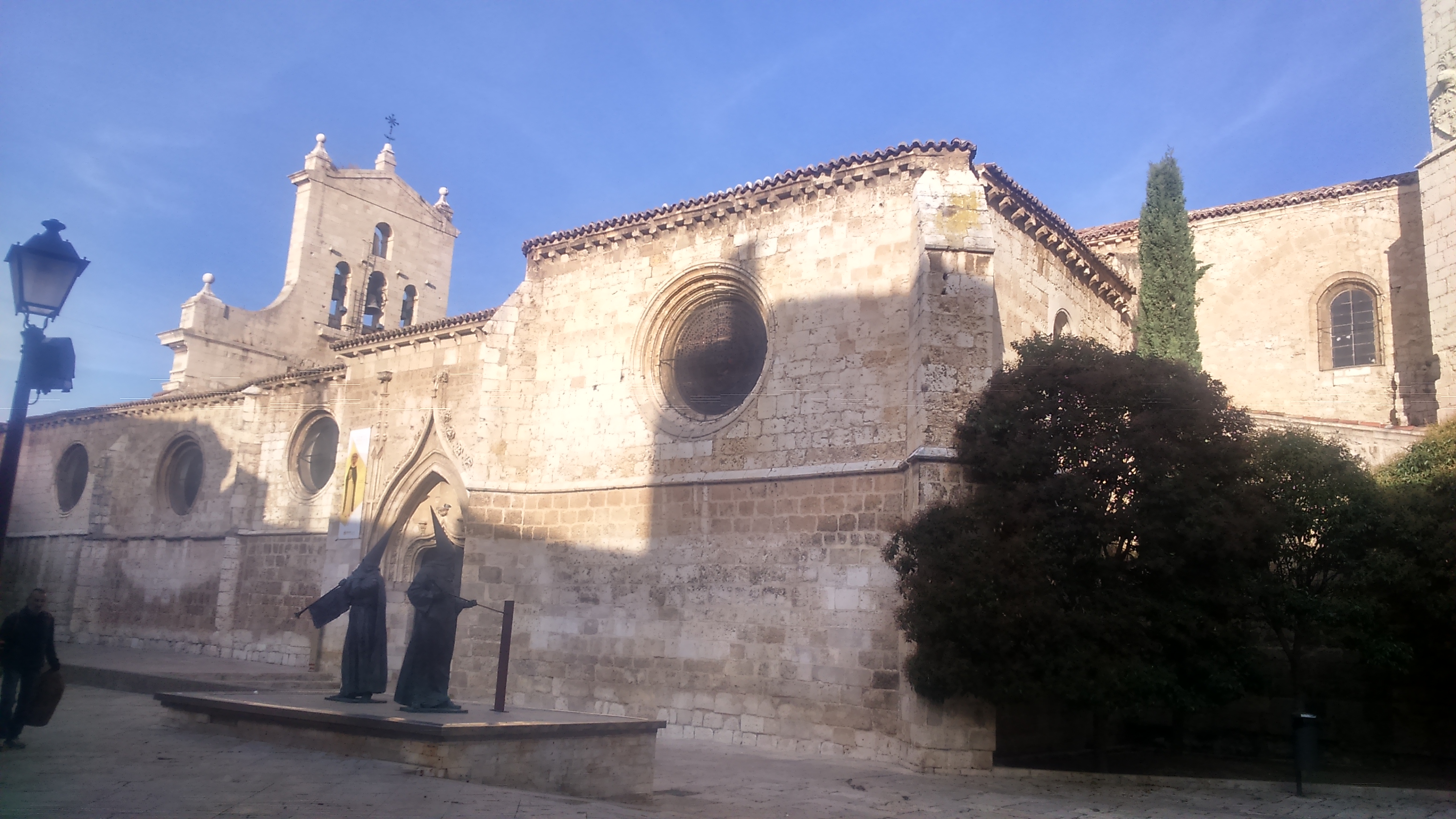
St Paul’s Convent, Palencia

Alice (my eldest daughter) arrived that evening from Scotland, and we initially stayed with Elisa. It’s a complicated relationship but here goes: my mother’s cousin, Angela (who I stayed with in the New Forest, see blog post 1) has a daughter, Sophia. Sophia has a Spanish family on her father’s side, and Elisa, her cousin, offered to look after us for 2 days. Elisa showed us around, cooked us meals, and was an overall great host.

dsc_1242.jpg
Elisa and Alice in El Retiro

Here’s an example –  Alice did a lot of research before she came (she’s like that, well-organised, and she’s very interested in food), and when she said she was interested in trying sopa de ajo (Spanish garlic soup), Elisa upped and made it, showing Alice how to cook it into the bargain. Like many of the women I met in Spain, Elisa has a strong connection to her parents and grandparents, and she often cooked with the delicious ingredients from the kitchens and garden in the mountains outside Segovia from where her family originate.

Later I was telling them I had been served gulas at Rosa’s in Santander (blog post 3). (They are imitation Angulas, baby eels, which are now an expensive delicacy), and next thing I knew we were being served them too – delicious!

dsc_1243.jpg
El Retiro park, Madrid

dsc_1260.jpg

dsc_1262.jpg
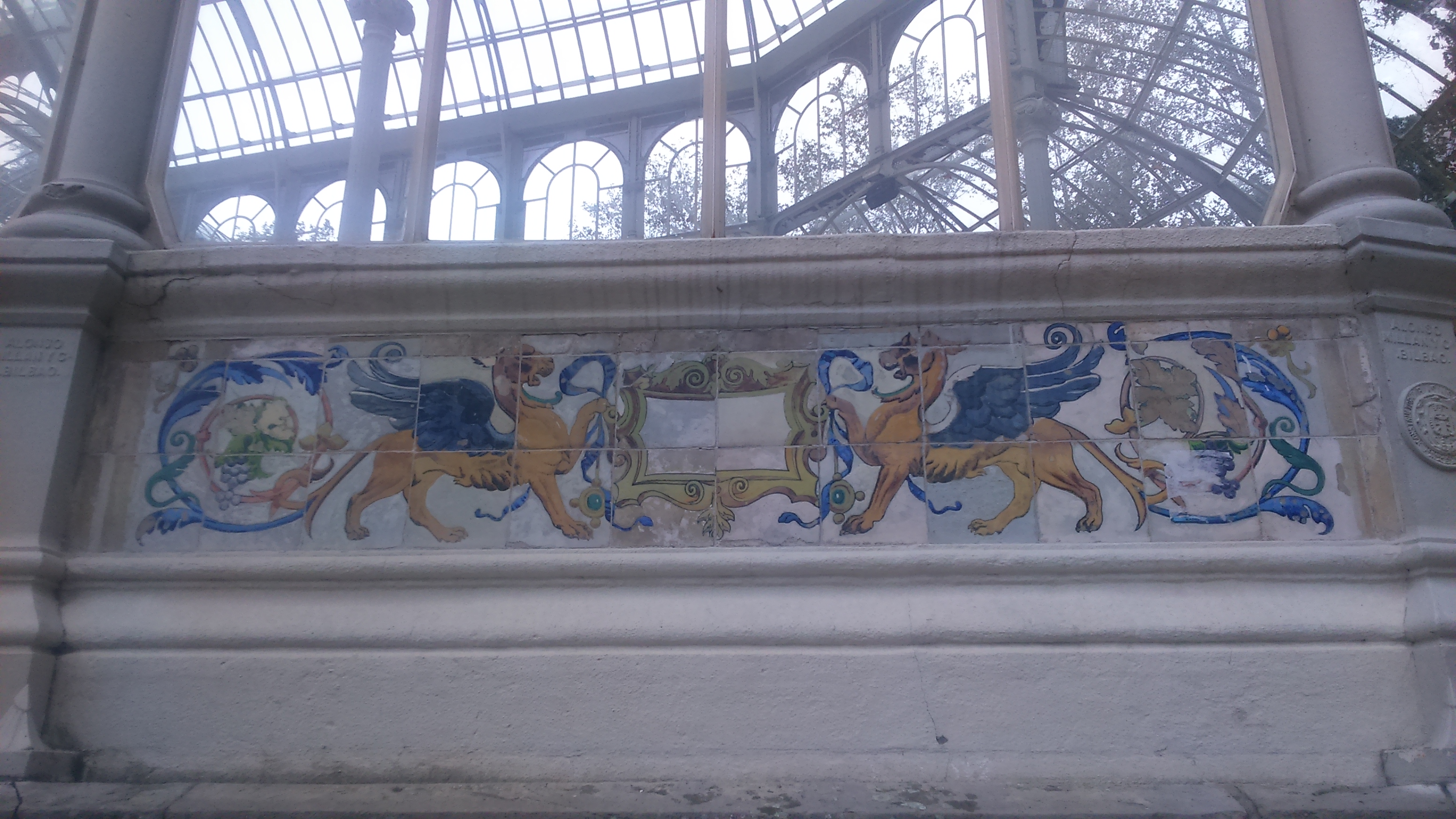
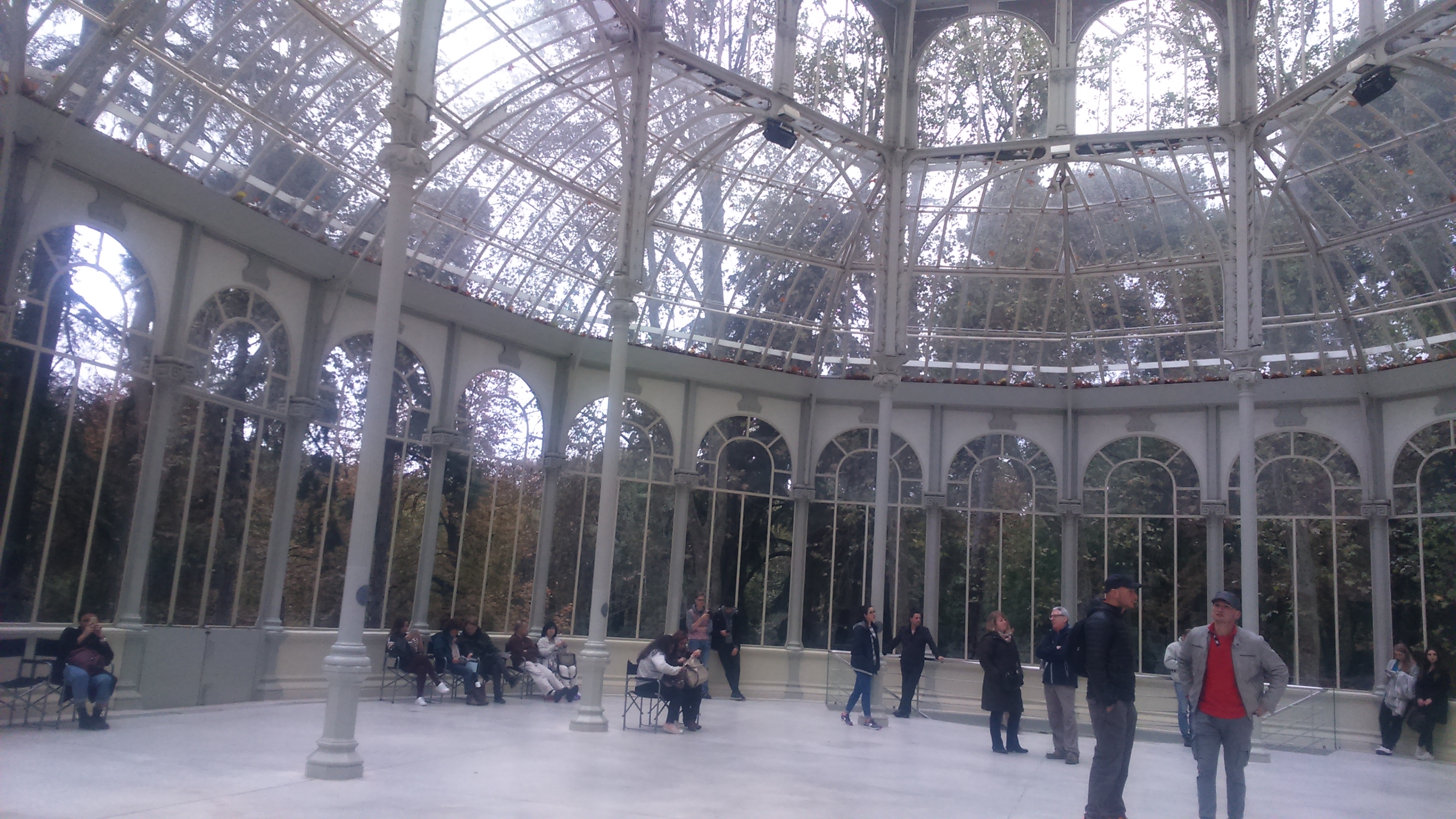
Glass houses, El Retiro

Another Shiatsu contact (see many of my other blogs, significantly #2) came from Rebecca for Bélén. How lovely to be able to meet up with a kindred spirit in the middle of a foreign city, somebody I had never met before, and be taken to see interesting sights, hearing all the while about the Spanish Shiatsu scene, its personalities and habits, and be bought the first sherry (jerez) I had drunk in years!

It’s a great way to discover a place, to wander around in company with a local; and when we met up later with Elisa and Alice, we continued altogether visiting the covered market, Mercado San Miguel, with its pescy delicacies, and any manner of ‘street food’, full to burst with foodies on their lunch breaks, in their smart working clothes.

dsc_1261.jpg
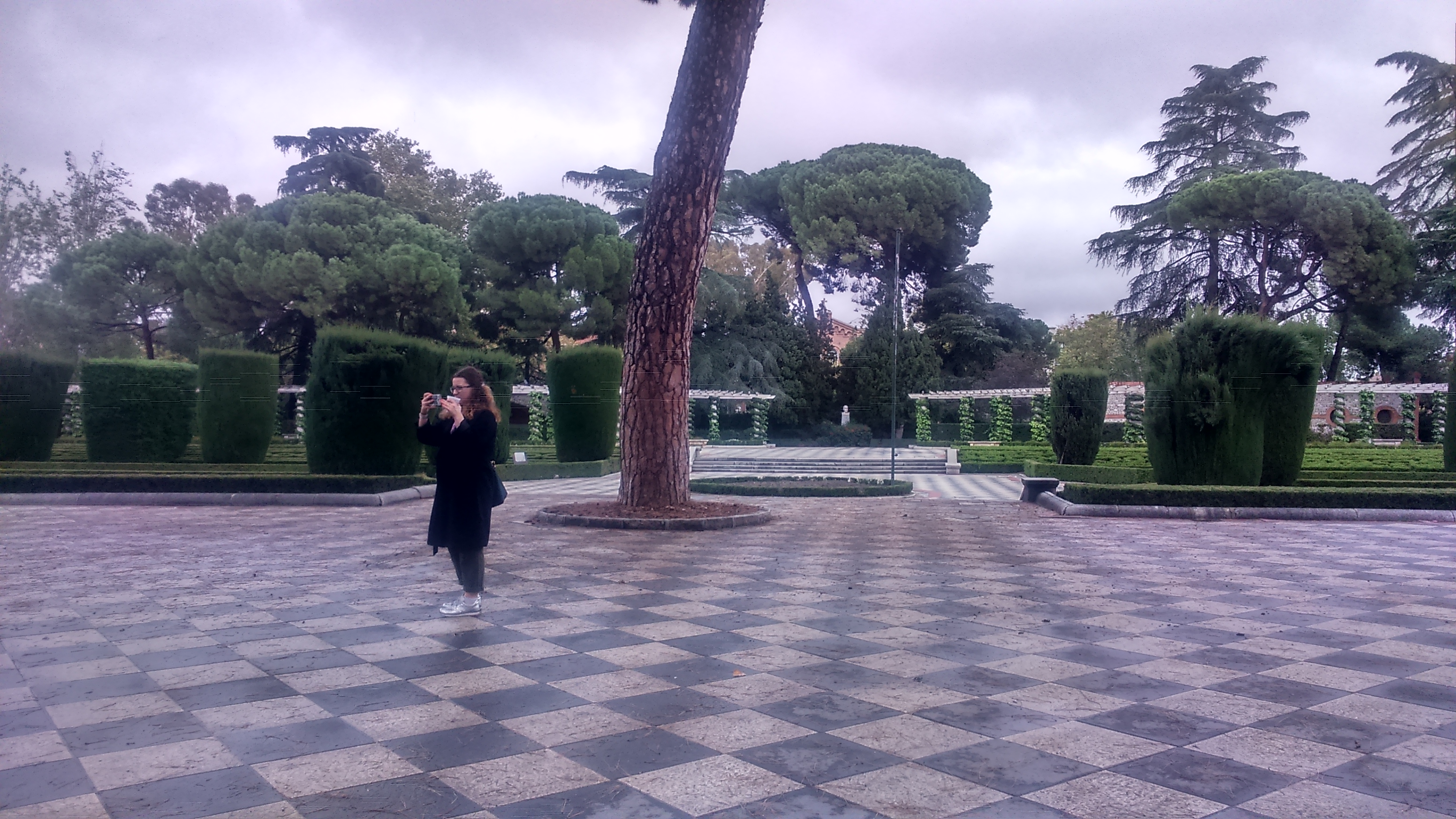
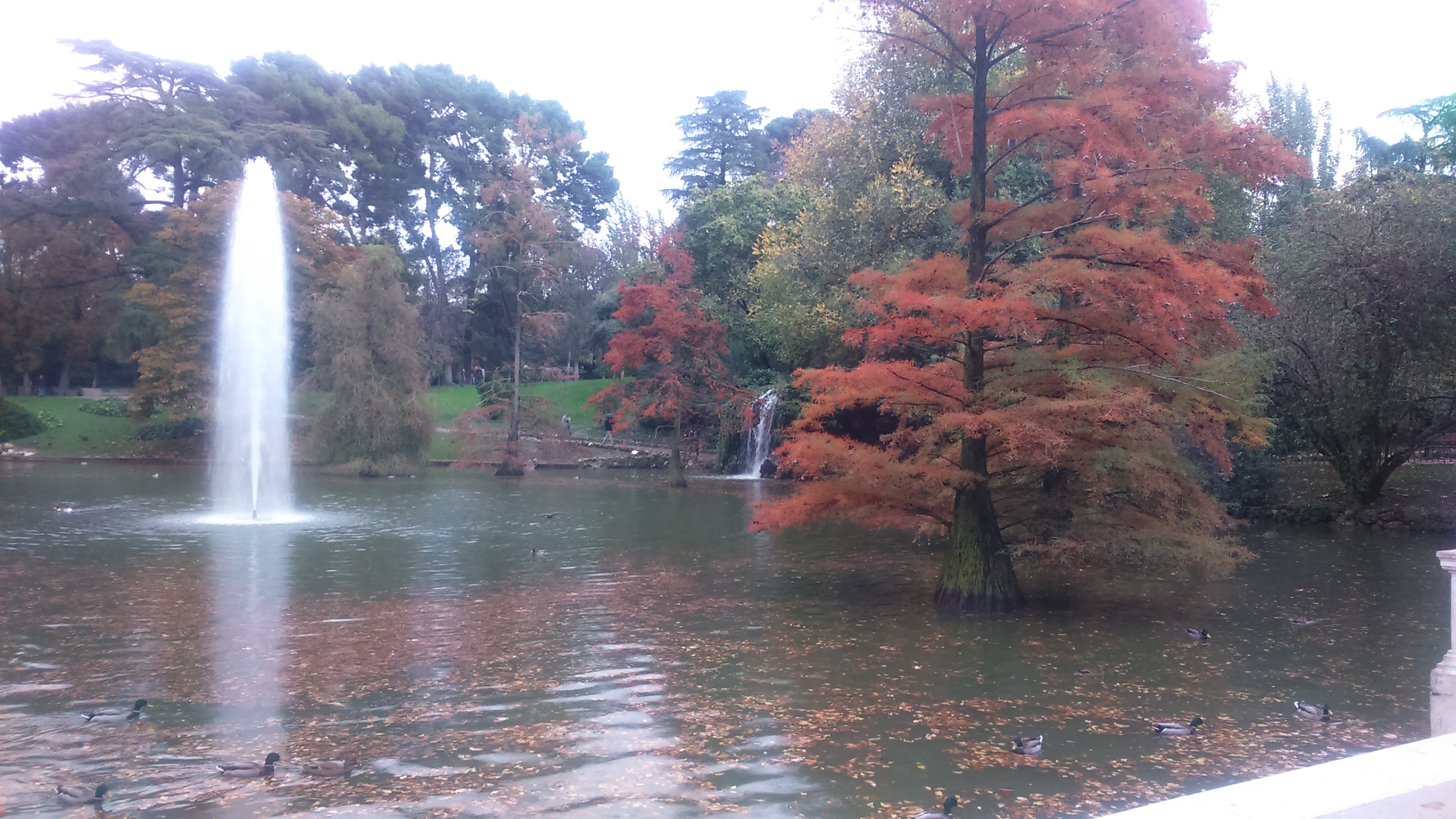
El Retiro has many aspects: formal gardens, wide and sandy paths for walking, and ornamental ponds with ducks and fountains

dsc_1251.jpg

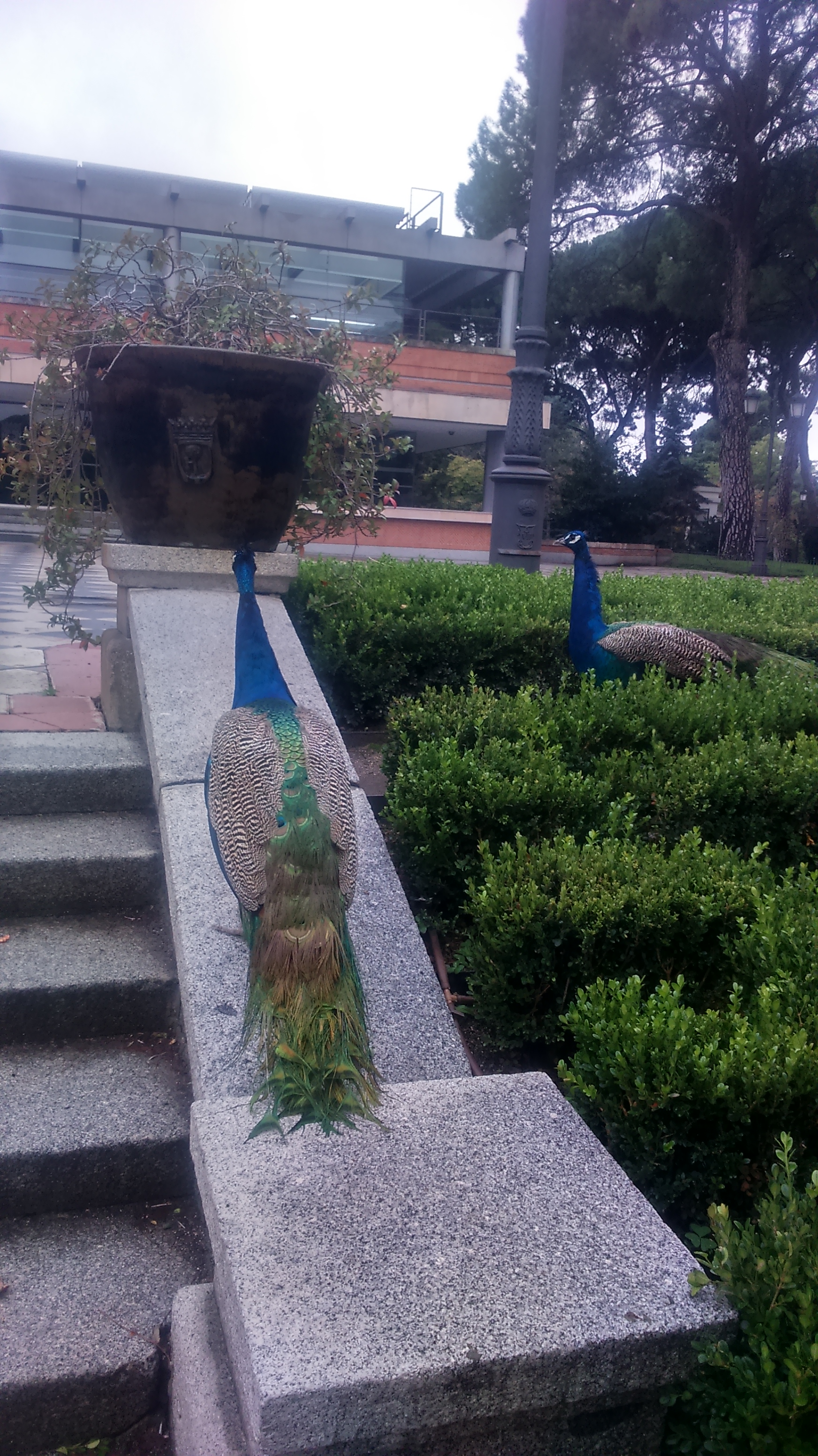
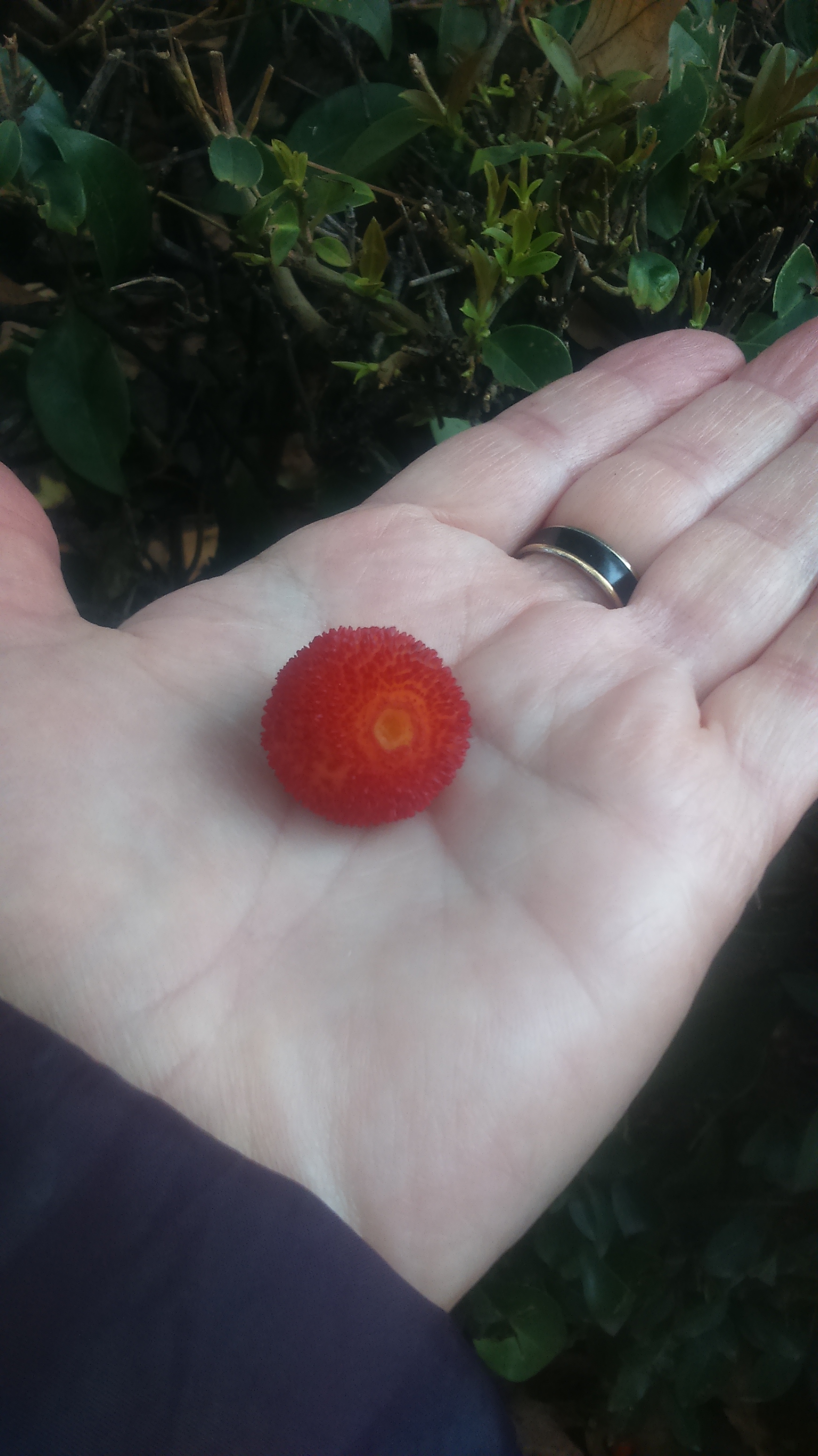
We walked around the magnificent El Retiro park the next day, admiring the peacocks, discovering the famous red madrono fruit trees (symbol of Madrid), until it started to spit with rain.

dsc_1257.jpg

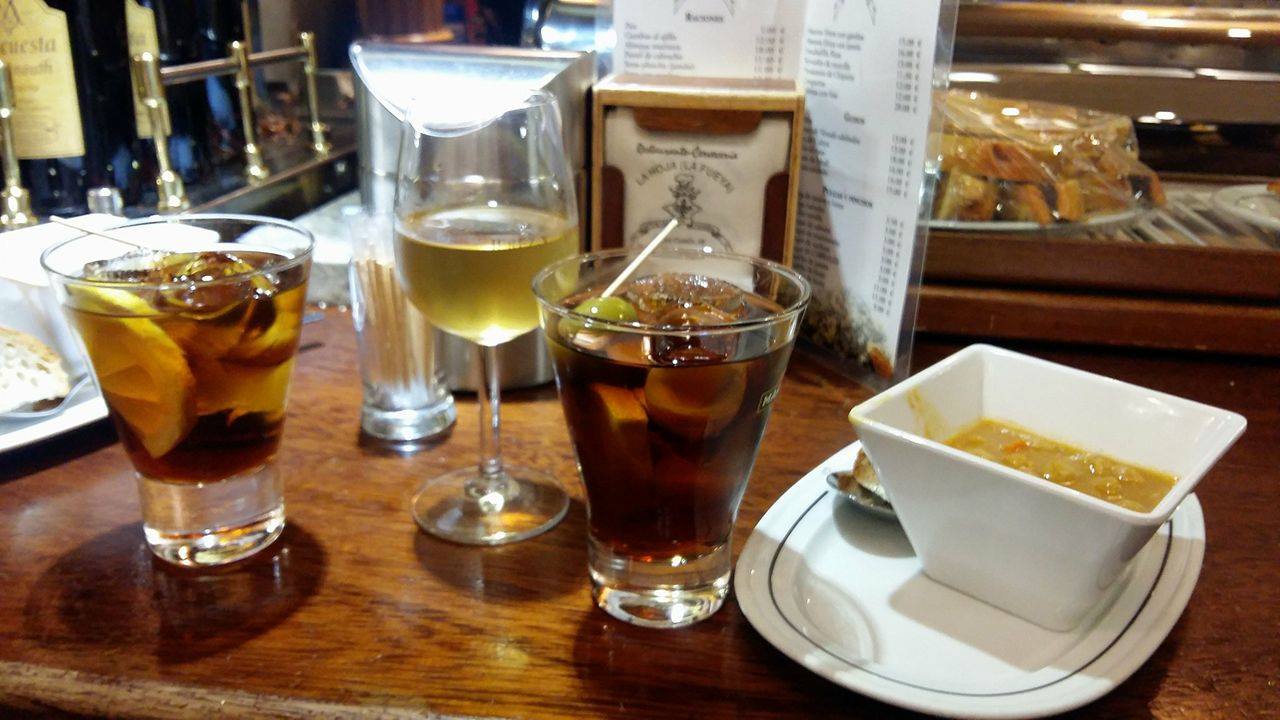
We retired (sorry!) into the glass house where there was a sound installation, but drops became sheets, and, poorly dressed as I was for this weather, I became soaked through to the skin on the way to the restaurant. There I divested myself of my wet trousers and attempted to dry them under the hand drier in the Ladies. Damp, and with a necessary and warming red wine (Alice had vermouth and now has a taste for it!), I was introduced to another strong, interesting woman, Amanda, and there followed fascinating conversation and enormous plates of delicious pulpo in their own ink – it’s not often I have eaten black food.

food-drink-madrid
Look at the size of that (free) tapas!

Alice had booked an airbnb flat for night 3 onwards, and it was in a brilliant choice of area. Late on Saturday afternoon, after normal British closing time, we squeezed our way through shopping streets as crowded as the last shopping day before Xmas on Princes Street (Edinburgh), to Calle de Valverde, much quieter and with an admirable selection of excellent wine bars and, I think they are called, eateries!

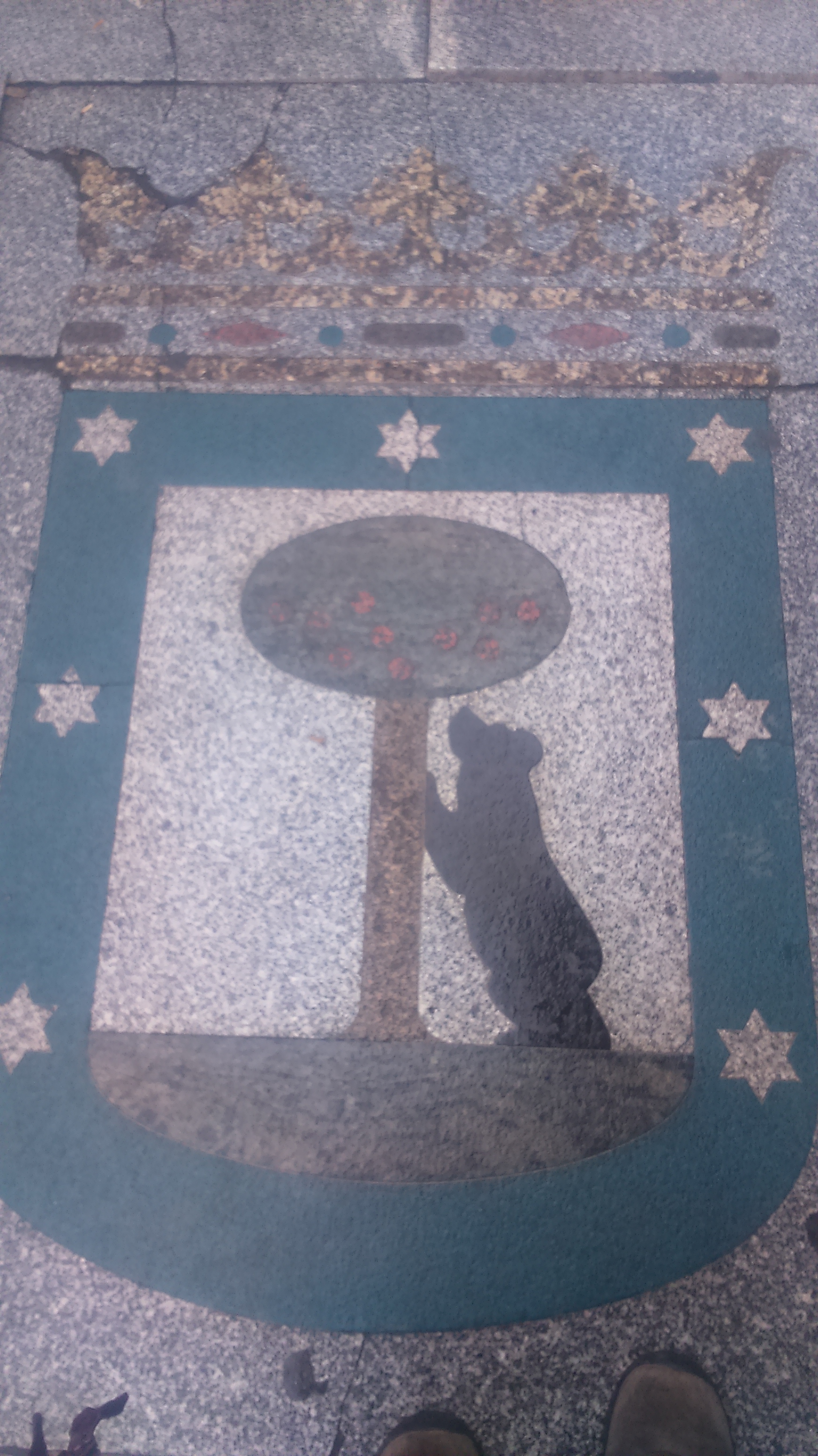
That's a madrono tree which the bear is leaning against.
That’s a madrono tree which the bear is leaning against.

We had a very, very late and enjoyable night catching up on each others’ news and sampling many types of wine and tapas, martini, tea and oh, so much more. We liked the Ribiera Garcia Viadero, which was a dry white, but not as dry as the Nivarius Rioja tempranillo, and didn’t go well with cheese; whereas the the third white, Sauvignon Arbeor, had honey undertones (we agreed), and was delicious with the manchego we were offered (it turns out there isn’t just one sort, as our supermarket packets would suggest, but many types of Manchego).

dsc_1275.jpg

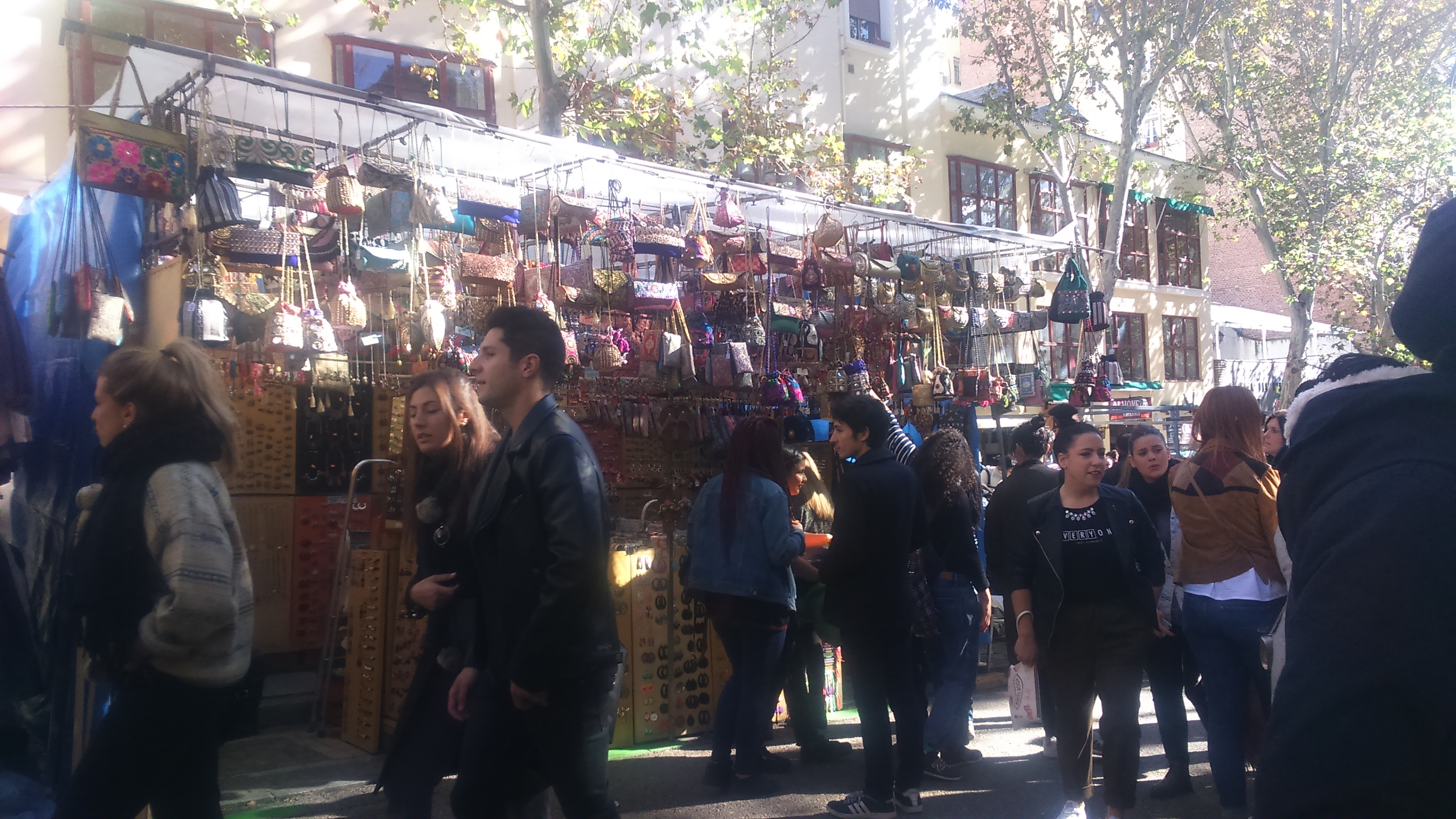
Sunday was street market day! The El Rastro is amazing, with street after buzzing street full of cool dudes selling hippie gear, affordable but original jewellery, and all manner of anything you might need or fancy, like new desert boots and leather purses decorated with Frida Kahlo. The side streets were full of shops selling vintage and antique furniture and clothes, and all the cafes seemed to be offering deals for 12 or more (acceptedly small) bottles of beer, which we saw a couple with a child ordering and drinking their way through.

dsc_1271.jpg

After the rain, there were spectacular, more blue than blue, skies.

dsc_1280.jpg

And the next day we toured the well-known sites of Madrid – see blog to come Walking without a donkey 17: Madrid 2

Recipe for sopa de ajo (Spanish garlic soup). Replace the chicken stock with vegetable if you don’t eat meat.