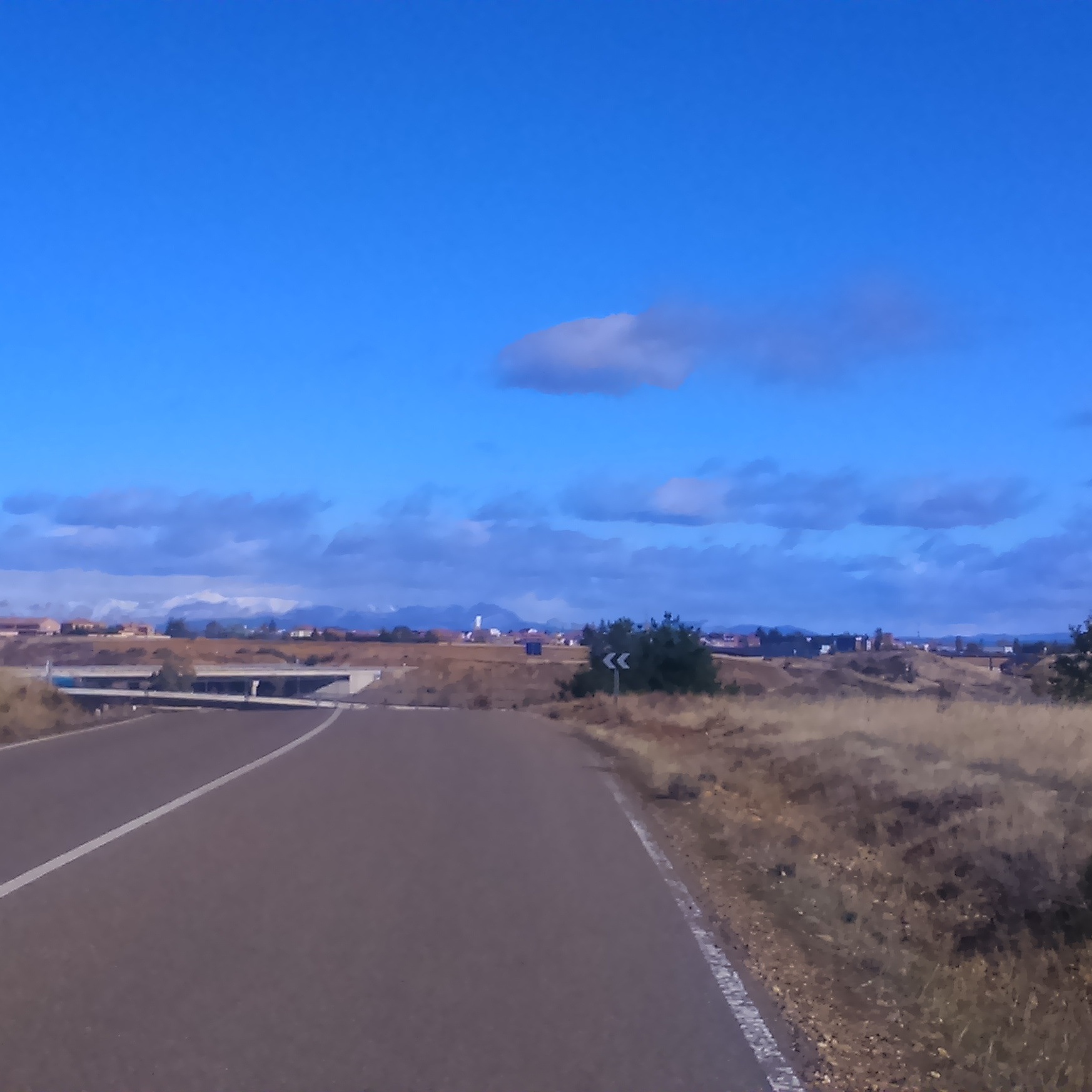
Camino Francés – Sarria to Portomarin to Palas de Rei, Spain

18.11.16 – 19.11.16 Sarria to Portomarin 22.4km; Portomarin to Palas de Rei 24.8km

dsc_1513.jpg

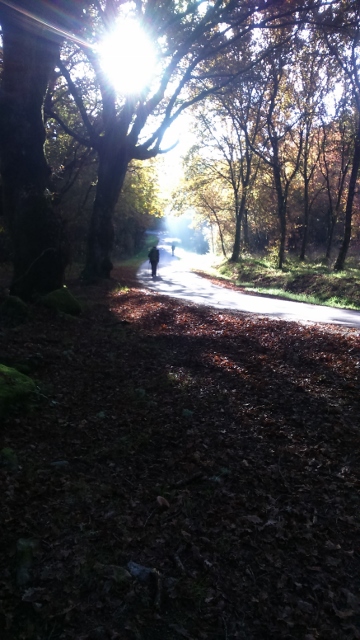
It’s easy to think that you must walk alone on the Camino, because your own pace is the one which allows you to remain comfortable and go as far as you want to each day. As it turns out, I discovered that it was not necessary. What a pleasure to find that two can walk in step with each other and both be comfortable together!

dsc_1515.jpg
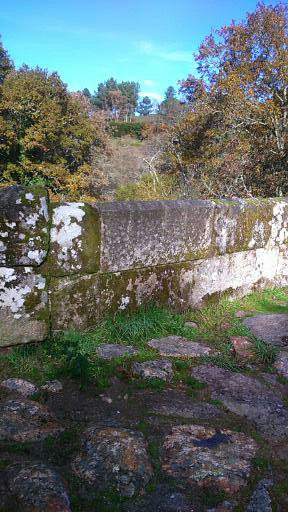
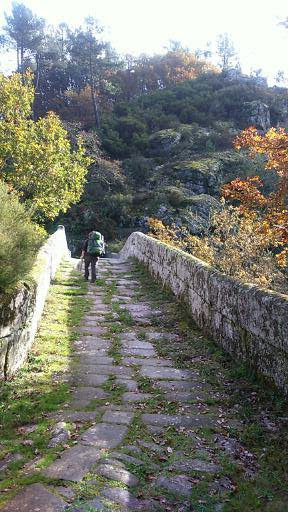
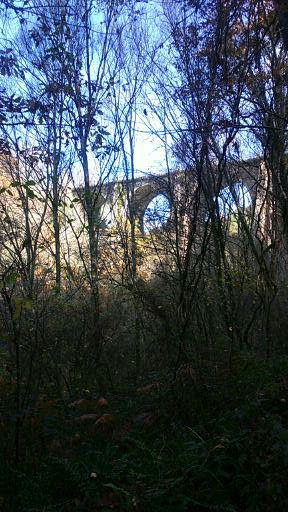
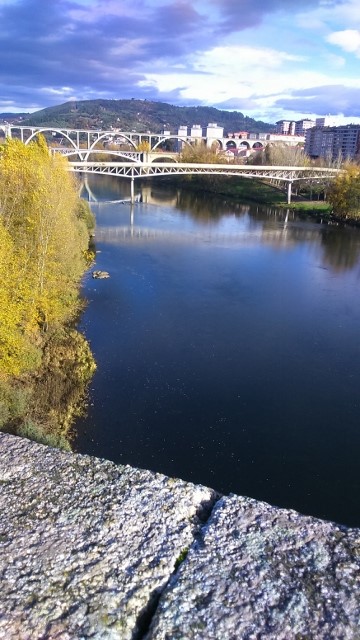
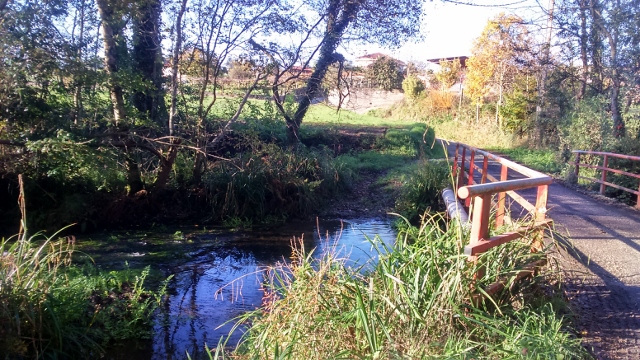
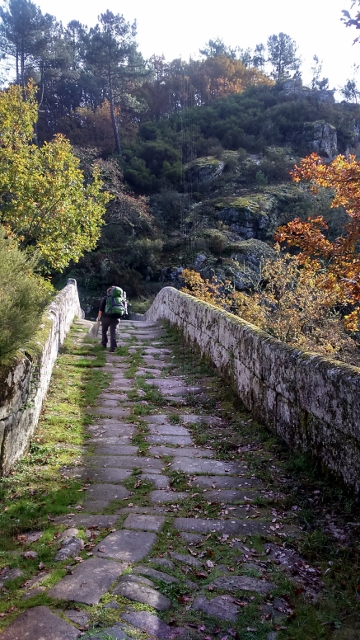
The Roman bridge of Aspera

I witnessed pairs and triplets of friends who walked in time with each other for a while, and then separated, settling into their own individual rhythms.

I walked with 2 others, falling into step with first one, then the other. Sometimes I was alone with my thoughts, musings, or own quiet, at other times I sang with the other two, and we strode out together. This is how it worked: if one fell out of humour with the second, the third was there to allow the first to walk on alone and regain equilibrium, whilst keeping the second company, listening to their complaints and woes, and eventually enabling a new harmony to evolve.

dsc_1517.jpg
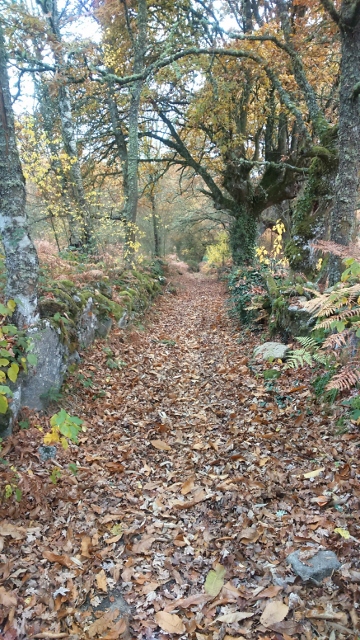
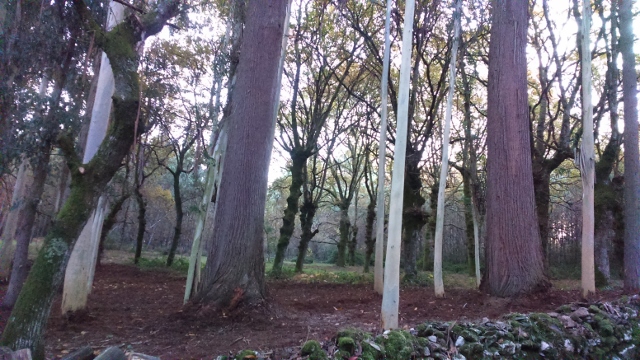
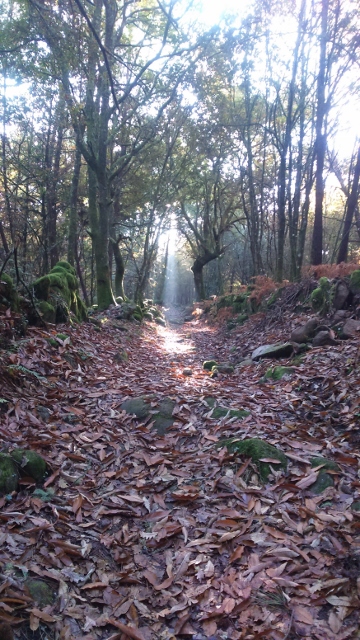
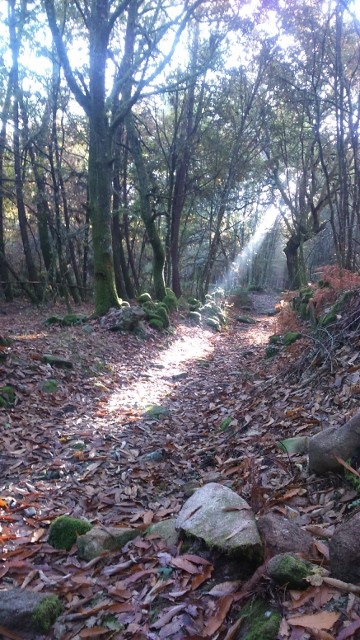
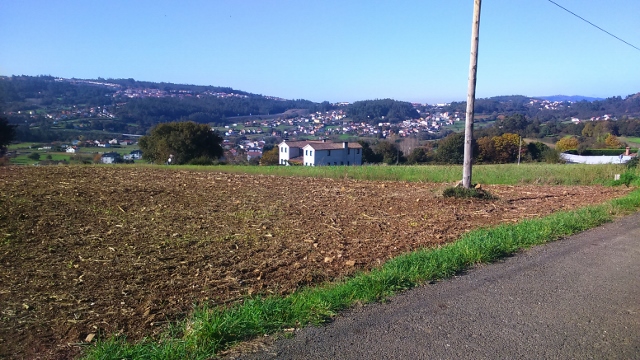
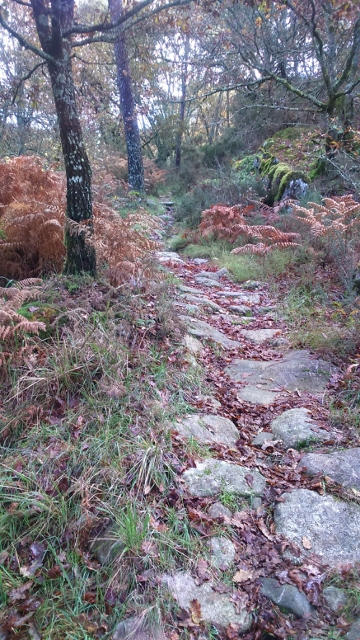
Fragrant chestnut forests, not like the enduring manure/chemical odours as I walked for kms through the rural villages and farmlands of Galicia


When walking with a companion there was the pleasure of peaceful silence. Then again of conversation, of sharing music, or of gossiping about the walkers ahead. There was the telling of secrets – when looking ahead at the path it can be more tempting than when face-to-face. From profound to prosaic – from comparing notes of last night’s snorers, to the exchanging of intimacies – away from home it’s surprising what you can share with a stranger.

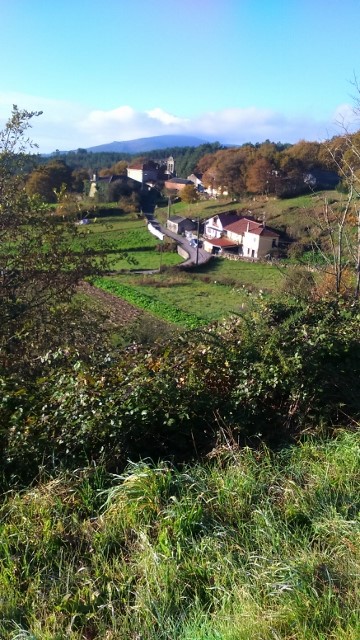
The first sight of Portomarin

And you can haul each other up the slopes or through puddles if one is feeling weaker than the other. In the case of Portomarin, it was another of the long flights of steps at the last minute, on entry to the town, and then down again as the first hostel was not ideal!

steps-portomarin-ab

dsc_1523.jpg
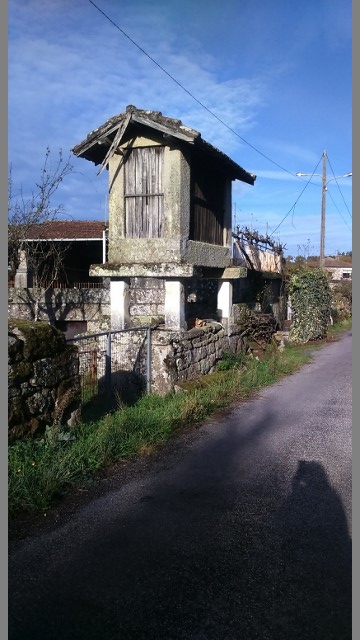
Characteristic ‘horreos’ where grain is stored for the winter

On the subject of safety, I didn’t experience any bad feeling, only support and encouragement.  People cooked together, shared food and news, advice, of course, and their stories. I heard tell of articles stolen from one woman, but wonder if they had actually been lost, because in the 700 km I was unaware of any such (difficulty). Whilst I was very careful to carry my passport, phone and money with me at all times, others around me (who were much more experienced Camino walkers) were very lax, leaving things in other rooms, for example, when they had a shower, and everything was always there when they got back.

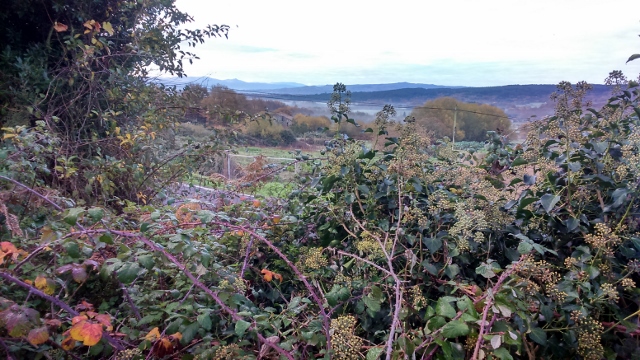
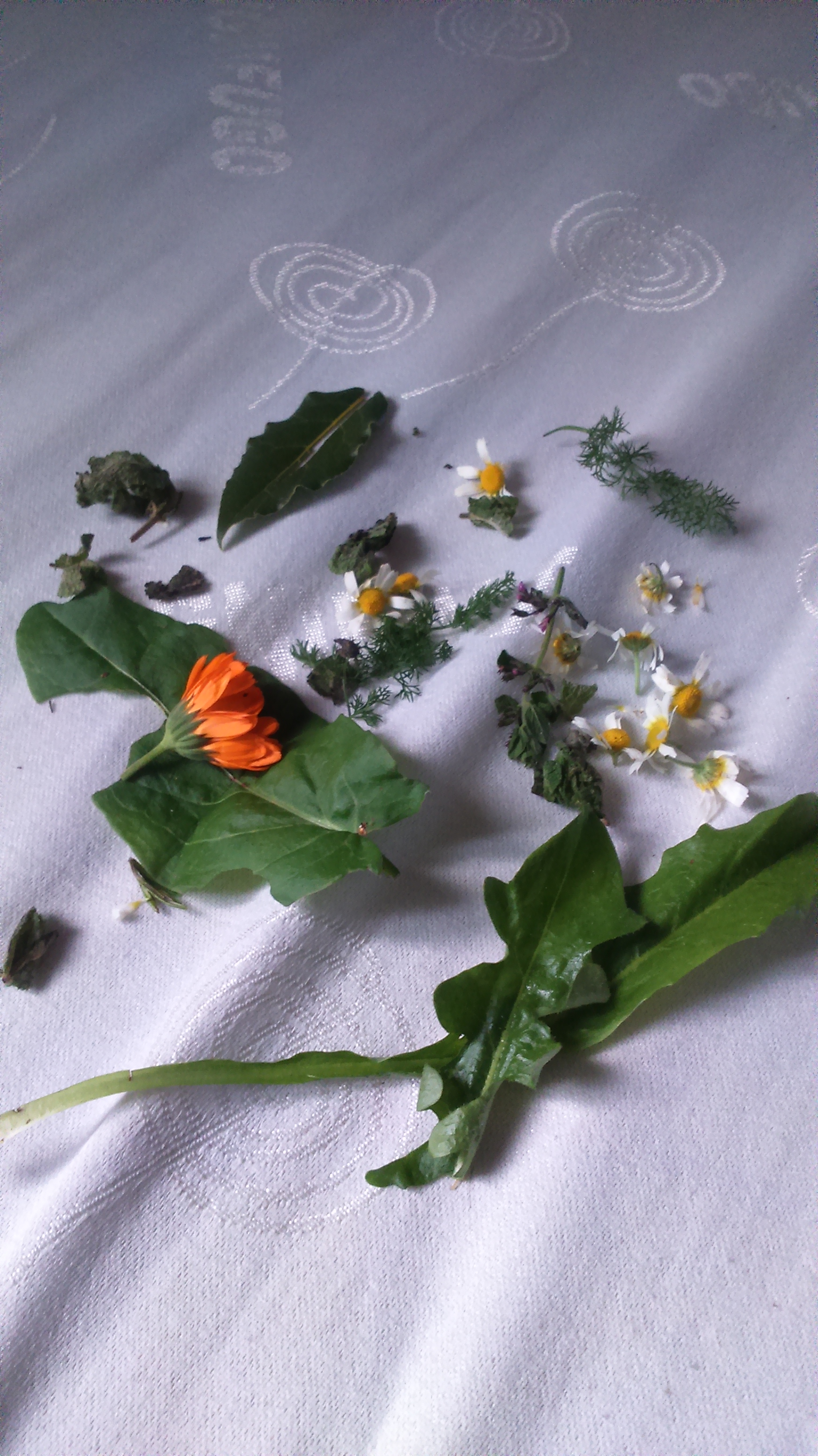
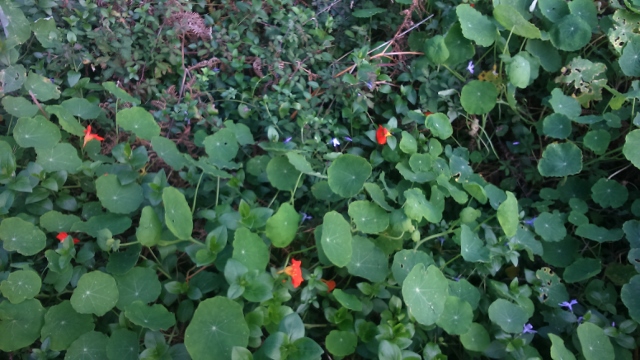
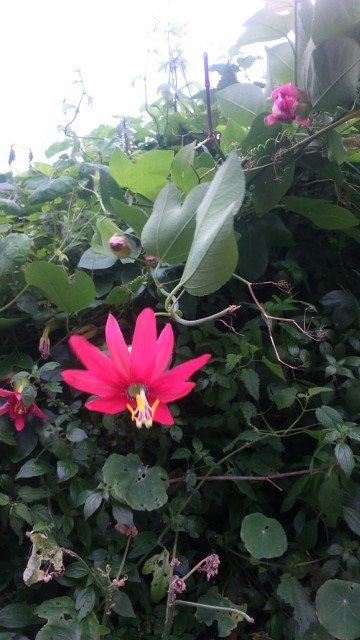
Despite the late year, December in north eastern Spain saw lush landscapes with copious wild flowers

Spain seemed to me to be very safe; bus drivers weren’t hidden behind perspex screens with signs warning ‘passengers who attack our staff will be prosecuted’, as in Scottish buses. Money to be used for change when buying tickets was out on the counter for anyone to steal, but no-one did.

dsc_1527.jpg
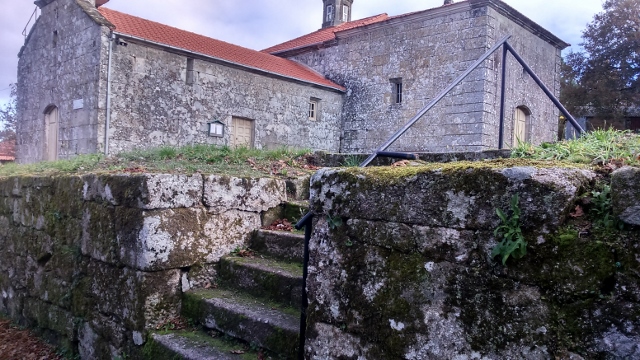
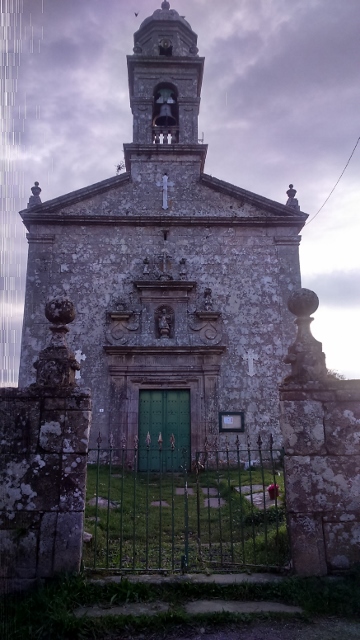
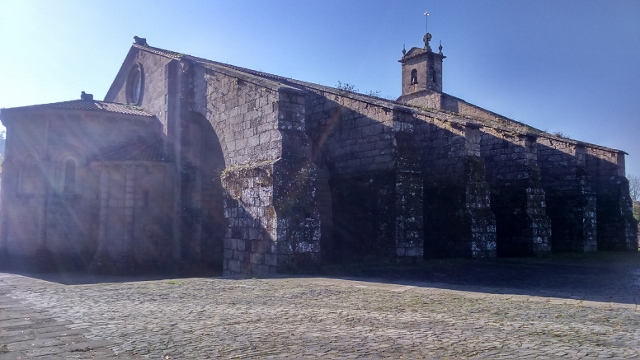
Romanesque church, Portomarin
dsc_1518.jpg
There were dogs absolutely everywhere, and, here, one had the sort of companion I did not!

Men and women shared dormitories and often there were unisex toilet facilities. I was several times on my own in empty buildings, save the male hospitalier, and I never felt in danger, although I have always taught myself to think of what might happen and to be safe!

dsc_1525.jpg
100kms to go!

On the other hand I did not walk alone after dusk through forests with wolves, but a woman I met in Santiago reported that she had; and I met several couples who had walked at night, which was not something I fancied. I can understand the attraction, especially in the summer, as it would be cooler, and light until late, with only short darks. Plus the quiet would be fantastic. And the stars, oh the stars are amazing when there’s very little light pollution! You can see layers and layers of them, a true depth to the night sky which you can see in the Scottish Highlands, but certainly not in London or most of Edinburgh.

dsc_1521.jpg
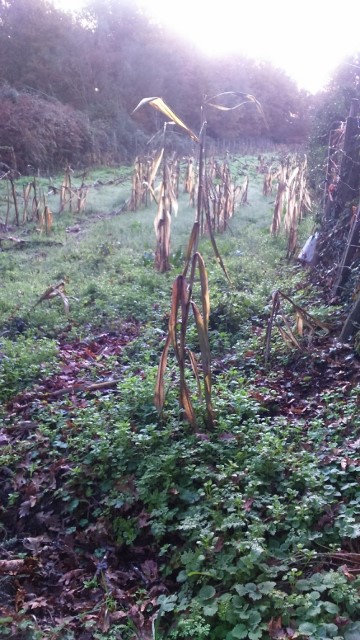
As a long-time allotment holder in Scotland, I was endlessly impressed by the ‘hueltas’, the vegetable gardens that bordered the roadsides in Spain

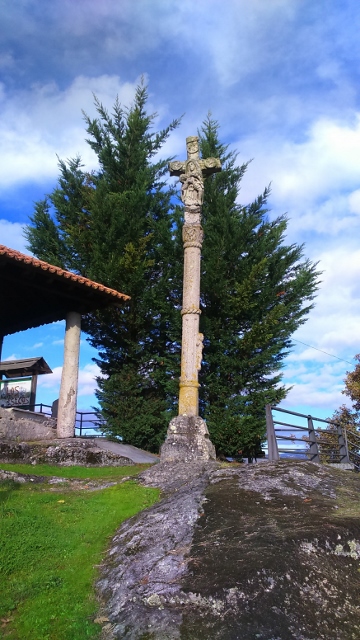
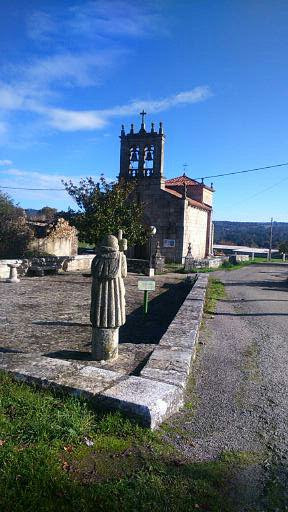
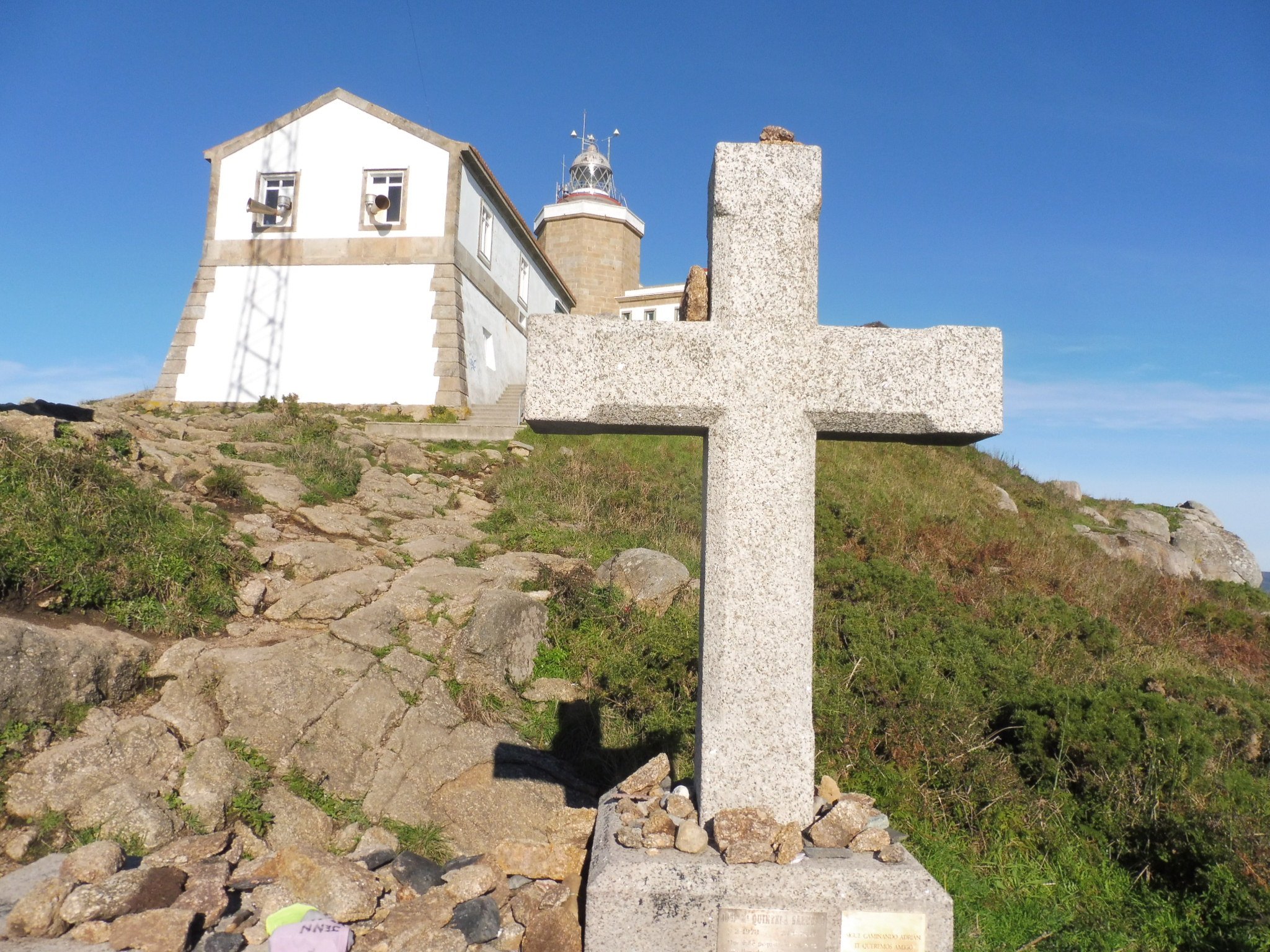
The next day I travelled to Palas de Rei. It was a journey of delightful countryside walking, coming across this beautiful, well-worn cross at the entrance to the Ligonde, a peregrinos’ cemetery.

dsc_1530.jpg

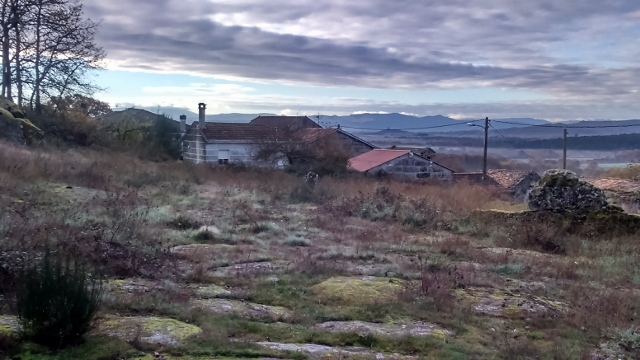
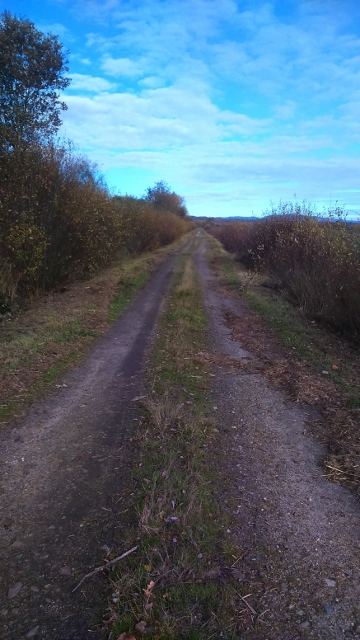
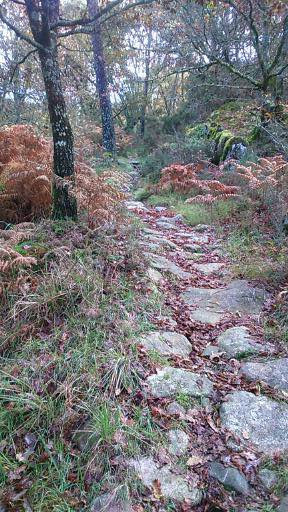
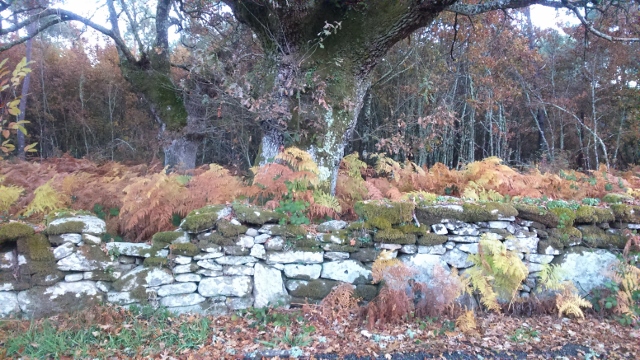
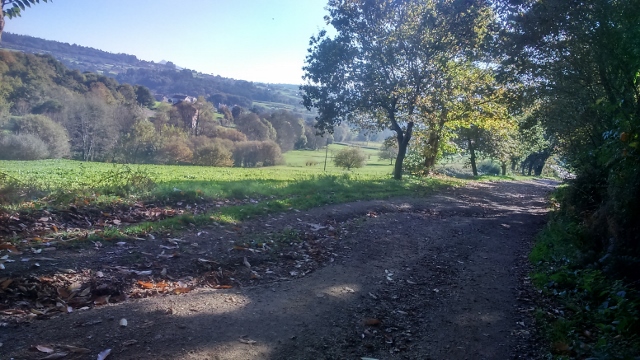
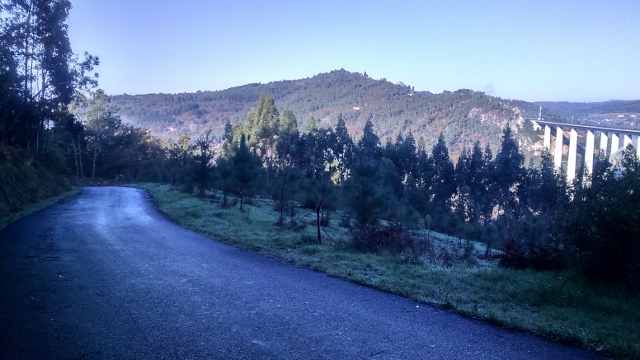
Wide open, inexplicably orange, pathways, all but deserted although the ghosts of the 1000’s of summer walkers were all around me.

dsc_1529.jpg

dsc_1533.jpg
The good weather had to break occassionally!

That evening I did have one very small incident. I was sleeping in a dormitory for 6 and it was full. I needed a break, some of that peace and quiet, after tea, and so I headed out to the town, downhill, for a wander around the admittedly dark and deserted streets. Within a short time, however, a man spotted me from the opposite side of the road and he started to follow me, to talk to me uncomprehensibly, and I didn’t get a good feeling. I hot-footed it back to the security of the hostel, and a most relaxing time on my bunk listening to music with my friend.

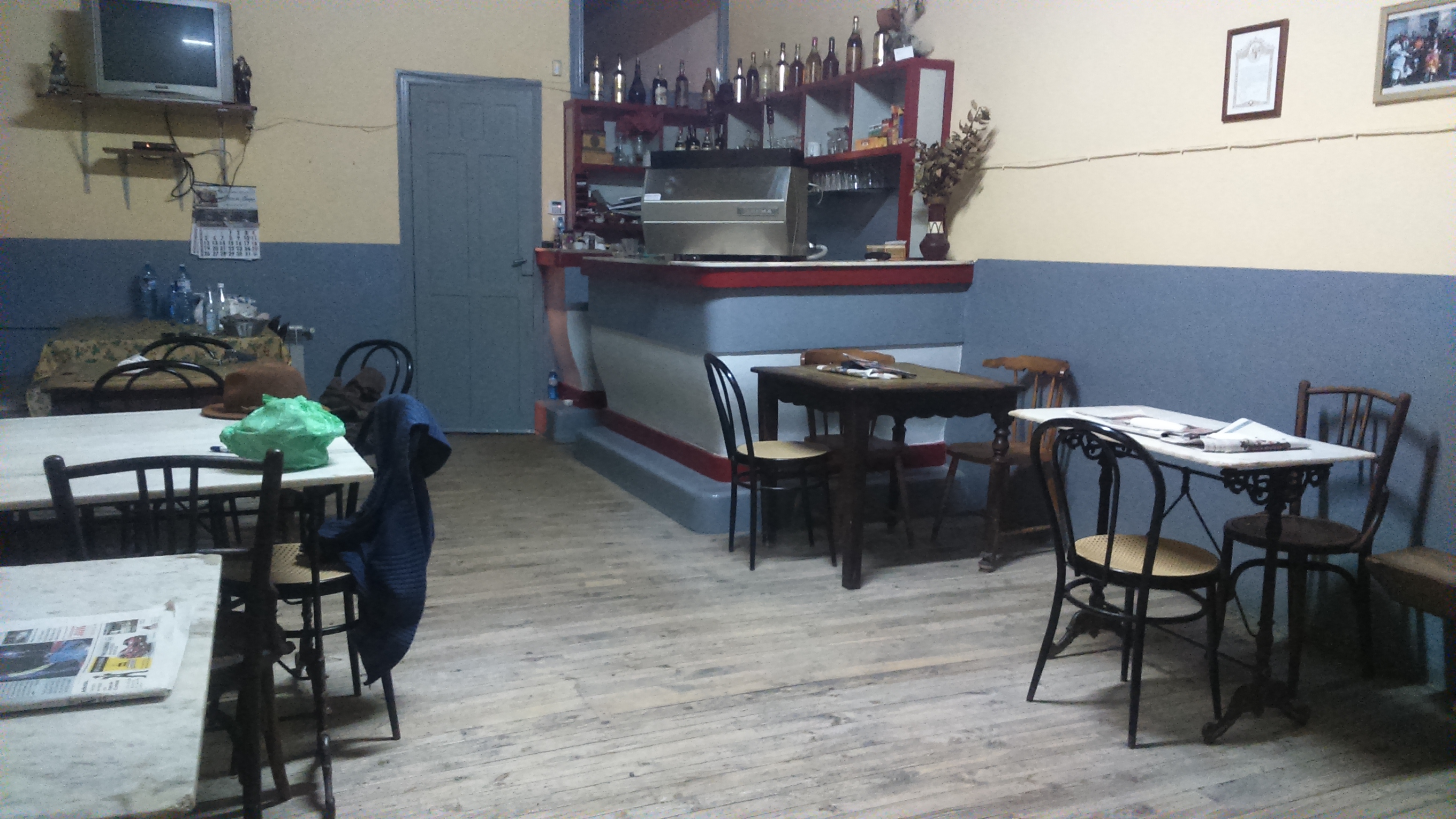
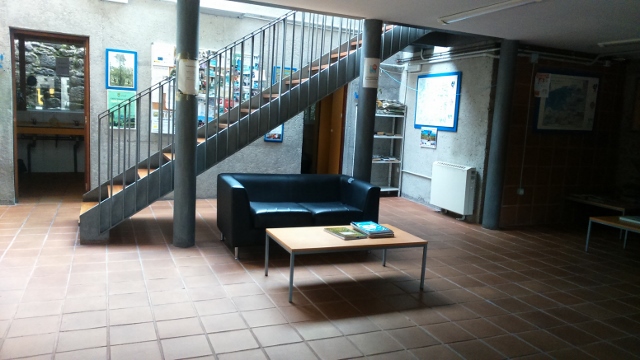
The hostel was ultra-modern, and as nowhere else was open it was very full. The other pilrims were very friendly, and although we were not supposed to cook, we all did. But we were not allowed to make our own breakfast and so it had to be paid for – served from a hatch, and much less satisfactory than the usual fare.

hostel-palas-dei-rei

The next morning it was raining. Many of us waited before leaving, just in case it let up, especially as it had been threatened for days and, luckily, not materialised. But today it did, and oh, did we get wet!

Camino Francés – Liñares to Triacastela to Sarria, Spain

16.11.16 – 17.11.16 Liñares to Triacastela 18.2 km; Triacastela to Sarria 18.7km

Wonderful views from the top
The cold of the valley cleared in an hour, and there were spectacular views from the top

In my diary I noted that it was 190 km to Santiago de Compostella, and there was a heavy white frost that Wednesday leaving Liñares. That’s only one more week of this Camino – best not to anticipate the sadness. I was already ‘writing’ about today in my head as I made the first climb. I felt very happy.

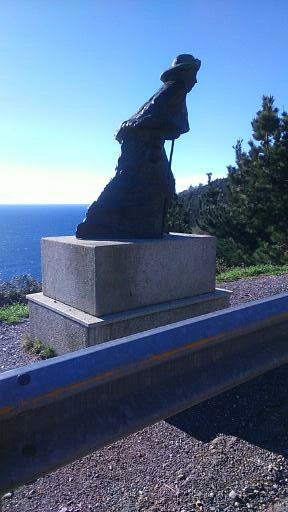
It was soft in the morning light when I came up to the San Roque statue commemorating all the walkers who have passed this way through the ages.

dsc_1471.jpg
Pilgrim bronze statue,  at the top – Alto de San Roque – he’s holding onto his hat against the wind

‘for the walking body… is just an eddy in the stream of immemorial life.’ p. 6

dsc_1472.jpg

Because of the height (1,270m) I can see the countryside I will be walking through in the future laid out in front of me.

Moving through Galicia, there are circular buildings of wood, or small grey stones with thatched rooves, for storing grain. So pretty – like miniature Kentish cottages!

dsc_1481.jpg

We walk through days of tremendous chestnut forests, which of course shed their leaves at this time of year so that my feet shush and shuffle through deep ditches as I walk. In As Pasantes, the locals believe that this tree is 800 years old.

dsc_1482.jpg

I realise I am walking without a watch now – I barely know the date never mind the time! It is the practice of regularity, of one foot following another, which seems to stop time, or suspend it. And the contemplation of the simple sights is enough, there is no need to check what hour it is.

dsc_1478.jpg

‘an abundance of beauty that can turn the soul over.’  p.6

dsc_1480.jpg

dsc_1484.jpg
Castanea Sativa – sweet chestnut, a substantial, long-lived deciduous tree. It is a valuable cash crop in these parts.

It has been predominantly a downhill sort of a day, and a shorter one than usual. The hostel where I stay the night is on a slight slope, and I have my celebration beer at a table by the roadside next to the wet washing, hoping it will dry while the sun sinks.

‘After a whole day’s walking, the simple relaxation of taking the weight off your legs, satisfying your hunger simply, having a quiet drink and contemplating the declining daylight, the gentle fall of night’ (after Rimbaud).                                     p. 143


dsc_1485.jpg
It is early afternoon when I arrive at Triacastela

I take a walk around the town, admiring the church and, finding a sheltered corner to sunbathe in, I find some peace and quiet away from the other peregrinos.

dsc_1487.jpg
Iglesia Romanica de Santiago de Triacastela

 ‘outside is no longer a transition, but the element in which stability exists’ p. 32

It used to be that I went outside to go from home to work, or from work to the shop. Now the nights inside have become the transitions, different every evening, allowing me to get outside once more when it’s light.

8.30am Triacastela
8.30am Triacastela. The special 2016 Autumn moon is still strong at this hour

Today I am aware of the balmy air against my forearms as I climb steeply once again. I watch the butterflies everywhere. I smell the chemical fertiliser and muck. There are white campion flowers, chamomile, lots of types of wild mint, Lords and ladies. Layers, lakes of cloud, hanging above the valley but below the silhouettes of the mountains. There’s a heavy, white dew still lying at noon.

dsc_1494.jpg

dsc_1503.jpg
and, in the distance, later in the afternoon too.

Luckily today there was no crisis as feared. Instead, you can see how the day unfolds in this time-line of photos:

dsc_1497.jpg
as the late year’s light is slow to reach the paths
dsc_1498.jpg
and, thankfully, the blue sky returns,
dsc_1499.jpg
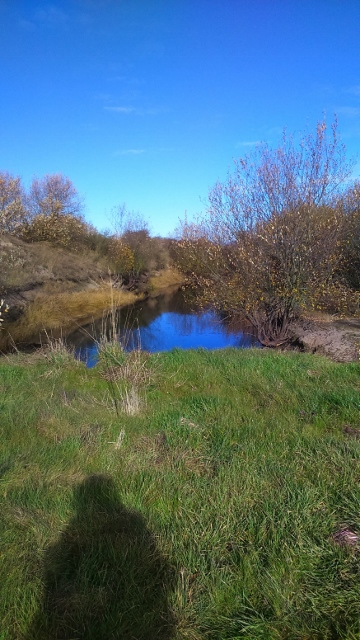
the water sparkles between sparse banks,
dsc_1501.jpg
until the whole gentle vista can be seen laid out ahead
dsc_1502.jpg
still green and abundant in Galicia.

dsc_1504.jpg

dsc_1468.jpg
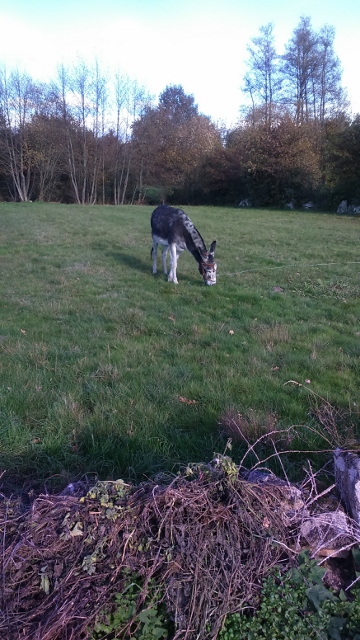
WITH donkeys…

We are just two in the dormitory in Sarria, and able to take a delicious nap at 6pm before tea, a well-earned rest after a full day’s activity and fresh air.

‘Tasting one’s own presence in harmony with the world’s’.      p.143

All quotes taken from A Philosophy of Walking by Frédéric Gros.

Galicia Guide – your guide to everything Galicia

Camino Francés – Pieros to Vega de Valcarce to Linares, Spain

14.11.16 – 15.11.16 Pieros to Vega de Valcarce 21.6km; Vega de Valcarce to Liñares 14.7km

The next day I rose even earlier than usual, and performed my T’ai Chi routine through twice. I relished the exercise in the freezing morning air, teetering on the bumpy slope as the sun appeared.

dsc_1399.jpg

Coming in from the cold, the dining room was cosy, and I was impressed by the healthy and satisfying breakfast. Afterwards, however, I was summarily kissed goodbye, not once, but twice, on the lips, by the ‘friendly’ hospitalier (see blog 20). I think that behaviour was a sort of unwelcome show for the other walkers preparing to leave. It was uninvited, and something which prompted uncomfortable comments for days to come. Walking in the sunshine undoubtedly frees the spirit, and I witnessed all sorts of happy meetings along the way. Despite that, the men I met were chivalrous, except this one who took advantage.

‘..everything recommences, everything sets off once more, and the dawn banishes the past along with the night.’  p. 98.

If possible.

dsc_1401.jpg
The snow far off.

Walking out of the Léon region, I admired the multi-coloured vines lined up neatly in the fertile valley below.

dsc_1404.jpg
Different grape variation, different hue.

By 10am, rucksack on my back and getting into my stride, I passed through Villafranca del Bierzo, with its round tower.

dsc_1405.jpg

Villafranca is another town heavily dependent on the Camino de Santiago, and it gets a mention as far back as the Middle Ages (791), for its wine producing monastery. Now it boasts at least 4 churches, 2 palaces and a castle!

dsc_1407.jpg

dsc_1408.jpg

dsc_1409.jpg

In Vega del Valcarce, I was happy to take my night’s rest in a private room, available presumably because there were considerably less pilgrims now the year was drawing to a close. The lady of the house was welcoming and generous, offering us eggs and veg from her garden, and I laughed out loud watching the kittens play and sending photos of them to my daughters.
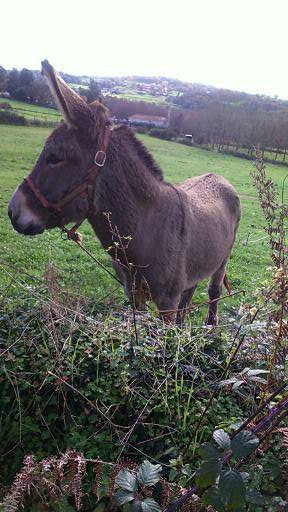
dsc_1411.jpg
3pm

dsc_1416.jpg

dsc_1417.jpg
Huerto = vegetable garden. Huevos = eggs.

In my diary for 15th November, I wrote, simply, ‘A beautiful day in every way’. It was a frozen morning. The sun was rising very late now, and I needed a jacket, gloves and hat to keep me warm.

dsc_1431.jpg

To wake up with nothing better to do than don the backpack, feed oneself and walk out into this. Wow! Fresh air in the nostrils, cheeks reddening, and the best of companions by my side.
dsc_1437.jpg

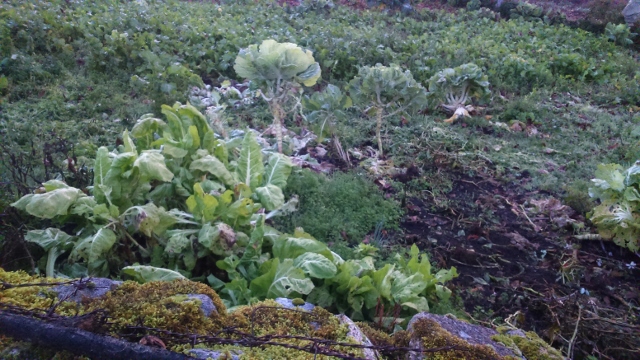
The harvest pumpkins were like great, gleaming gems in the frozen patch.
dsc_1438.jpg

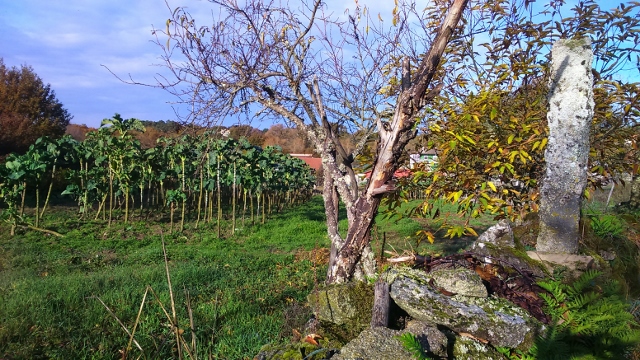
As the day mellowed, the warm sun conjured the grass smell up out of the undergrowth, and produced….da-dah!…..blue sky.

dsc_1439.jpg

‘breathe and surrender to a well-being  slow as a forest path.’  Rousseau p.72

dsc_1440.jpg

‘Serenity is the immense sweetness of no longer expecting anything, just walking, just moving on.‘  p.46

dsc_1441.jpg

‘And once below a time I lordly had the trees and leaves

Trail with daisies and barley

Down the rivers of the windfall light.

Fern Hill, Dylan Thomas

dsc_1442.jpg
Heading into nature’s portals.

Oh the beautiful views, vistas of violet blue hills and lime green fields, framing the orange slopes and meadows of Galicia!

dsc_1443.jpg
Camino de Santiago, the Way of St James
dsc_1447.jpg
This is one of those panoramic shots!
dsc_1449.jpg
Resting after a gruelling climb.

The guide book said the next place was O Cebreiro, and knowing what was ahead encouraged me to keep going. Stumbling and crawling now, straining thighs, panting up tumbles of rocks, rounding a corner and thinking we were there, no! Passing a woman getting her breath back. And finally, the summit, with noble cross, 9th century church, thatched pallozas (huts), ground-hugging stone and slate buildings, all a mere 150km from the city of Santiago.

dsc_1455.jpg

dsc_1459.jpg

dsc_1460.jpg

dsc_1461.jpg

Instead of staying in this pretty windswept place, we travelled a little further to Liñares, a very modern hostel of metal and glass with a picture window over the valley at dusk, and another private room. Bliss.

dsc_1451.jpg

All quotes taken from A Philosophy of Walking by Frédéric Gros.

Other Camino blog http://www.elcaminoasantiago.com/caminos/frances/etapa26.htm


Camino Francés – Foncebadon to Molinaseca to Pieros, Spain

12.11.16 – 13.11.16 Foncebadon to Molinaseca 19.5km; Molinaseca to Pieros 21.1km

dsc_1380.jpg

It was a cloudy start from Foncebadon this happy Saturday.

‘Daytime never starts with an act of will: it arises in unworried certainty. To walk in the early morning is to understand the strength of natural beginnings.’ (p.98).

I relished in the green lushness after the rain, which highlighted the autumn reds and orange.

dsc_1381.jpg

Cruz de Ferro (Hierro) is an important cross marking the highest point of the Camino Frances at 1517m, with its little chapel and enormous pile of meaningful stones, placed by pilgrims over the years. There are no public toilets along the path, and long gaps between bars (where you must buy something in order to use the facilities), so, sadly, there is always white paper behind these charming buildings.

camino-frances-1794
Cruz de Ferro
camino-frances-1795
The highest point of the Camino Frances. The altar could be glimpsed through the bars of the entrance.

It was to be a smaller number of kilometers that day, but a steep ascent to Manjarin, with quite a surprising welcome when we arrived. In fact, quite one of the most unusual situations I have ever been in.

dsc_1383.jpg

dsc_1384.jpg

dsc_1385.jpg

An (almost) abandoned village, Manjarin has one inhabitant, and his abode is decorated with insignia from all over the world, prayer flags, and messages in many languages. He welcomes walkers in to his warm ‘cave’. Leaving the light and moving into the dark, it’s initially impossible to see and there’s a musty scent. Then the passage opens out into a wide room, like something out of Robin Hood, with a rustic, bright fire and circular, wooden table, around which sit two men dressed as Knights with the red Templar cross on their tunics.

camino-frances-1807

We are offered, and I drink, for the first time in perhaps 25 years, a (caffeinated) coffee. There are snacks and as our eyes get accustomed to the dimness, there is plenty to see around the walls. We listen to their chatter as they incongruously show each other photos on their mobile phones.

On the way out, we are invited to join a ceremony at the altar containing a statue of the Virgin and lots of Camino shells, and I am given a flag to hold, while one man reads a moving prayer (in Spanish) for peace and harmony amongst all peoples.

camino-frances-1814

camino-frances-1815

We descend almost 500m that afternoon, mist swirling around, with breath-taking views, through the mountain village of El Acebo de San Miguel (means, Saint Michael’s holly) in upper El Bierzo, and down to Molinaseca. I can smell the damp, decaying landscape, and feel the droplets on my face as I tramp. There’s the dry shush of copper leaves as I keep to the softer edges to avoid the tarmac. My feet have become so sensitised that I fancy I can feel each stone through my soles, but at least after all this time my feet have hardened and are blister-free. Most of the trees have lost their leaves at this altitude, although withered blackberries remain on the brambles.

dsc_1387.jpg

dsc_1389.jpg

There were trees with silver lichen and scarlet, rotund seed heads; and dry, beige grasses reminiscent of the Scottish hills. Village streets wound round stone dwellings with sturdy wooden balconies, seemingly deserted except for, here and there, washing hanging out to dry in the grey day. Even without the sun, the wooded slopes of the valleys were spectacular as the clouds hung among them.

camino-frances-1829

Molinaseca has a comparatively large population of  800, surprising after the day’s rural walk, with it’s handsome church and bridge, and where we stayed at the municipal dormitory as usual, with its bunks, wooden floor and steel beams.

The sky cleared as we slept, revealing a blue morning.

dsc_1391.jpg

dsc_1392.jpg

And an hour later we entered Ponferada, on the river Sil, with its imposing monastery, castellated and turreted. It’s the official end of the Camino Frances and the start of the Camino Santiago, but you would not know that as you walked through.

dsc_1393.jpg

dsc_1396.jpg

camino-frances-1837

The road continued through yellow glades, over ancient stone bridges, and past single storey, white stone, one-room buildings with dark grey slate rooves. There were more cranes nests on top of council-erected poles, and ‘authentic’ murals showing monks and pilgrims striding out. The path widened and flattened, and the mountains were once again in the distance. We passed through Cacabelos without stopping, the end of the day’s trek now nearby, and up another very steep incline, to Pieros.

dsc_1397.jpg

This tiny hostel Casa Sol y Luna was an alternative to the norm, with it’s meditation room upstairs and cosy dining room down. The hospitalier was most attentive, drying my knickers in front of the stove, and accompanying me to see the massive harvest moon I had seen heralded on Facebook  (but impossible to photograph with a mere phone camera)!

The walls of the small dorm were like outdoors indoors, where you can see the grouting between the stones. We spent time gossiping over which enthusiastic youths lived here, who was sleeping with whom (was she creeping off in the middle of the night to avoid the snoring, or for a tryst with the lascivious gentleman?), and I translated the gushing messages in the visitor’s book for the owner (all about stars and angels – it was that kind of place). We had a delicious vegan meal with wine in situ as it was a Sunday (no shops open), and there was much warmth, song and laughter at the table that night.

dsc_0057.jpg

dsc_1400.jpg
Hostal Casa Sol y Luna, Pieros. View from the garden.

All quotes taken from A Philosophy of Walking by Frédéric Gros.

Thanks to Alain for taking beautiful photos.

A fellow walker’s blog

Camino Francés – Mazariffe – Astorga – Foncebadon, Spain

10.11.16- 11.11.16 Mazariffe to Astorga 31.2km; Astorga to Foncebadon 27.2km: 2 long walks!

dsc_1348.jpg
Puenta de Órbigo

In Mazariffe, over half way now along the Camino Frances, I met a group of sympathetic French speaking women and gave some Shiatsu for suffering feet. We shared an enjoyable meal with only a little disagreement between the sexes!

In a room full of bunks, in the middle of the night, if you are sharing with 15 others, ‘Any shifting to ease your limbs, the rustle of your sleeping bag assume (sic) enormous proportions’ (p. 61), and you inevitably wake someone up in the bunk above. Or was it them who woke you? Anyway, the pilgrim’s day often ends very early with everyone in their bunks by 9pm, and starts before the daylight, so by 7am we will have had a good, long rest.

dsc_1372.jpg

It was another bright and beautiful morning as I walked out of town on the Calle Camino. Colder today, I had my hat and gloves on with cotton trousers over my shorts for the first couple of hours. After all, it was the second week of November!

I appreciated a feat of engineering as I passed through Hospital de Órbigo, where the Orbigo Bridge has an alternative name – El Paso Honroso, the Bridge of Honour. It is apparently where a chivalric battle for love freed the Léonese knight, Suero de Quiñones in 1434.

dsc_1349.jpg
River Orbigo

The walking was calm through golden crop fields, and along straight, rural roads where I was stopped, most unusually, by a noisy flock of sheep blocking the path on their way to pasture.

I found myself silent at times, companionable at others (‘For solitude can be shared, like bread and daylight.’ p. 54). It depended on the people I walked with and who passed by, the jolly Buen Camino’s (have a good walk!) reminding me that I am part of a movement of pilgrims, in the ancient medieval tradition, moving always westwards with the sun at my left shoulder.

‘ Thoreau walked (towards the West, but one always heads westward when walking properly) not to find himself, but always to be in a position to reinvent himself’. p. 102.

I spent a great deal of time, as I wended my way, thinking about my past and my habits, and debating with others about life in general. Side-by-side, as we fell into step, intimate conversations and confidences seemed to flow – something about the distances and the rhythm seemed to invite this.

dsc_1351.jpg
Mountains in the distance

The intense spiritual nature of the walk is reinforced by the many memorials, often found at the top of steep hills. People have walked to remember loved ones, to be healed, or to say goodbye to life, knowing they do not have long, so you will continually see women and men with a remembrance stone in their hand ready to add to the pile, or place mindfully at the foot of a cross.

dsc_1353.jpg

It is not unusual for there to be an arduous climb at the end of a day, and the entry into Astorga was no exception. It find it a challenge when I am tired, but there is usually a sense of arriving ‘with victorious energy’ (p. 123), a reviving bubble of excitement in my tummy to make up for it.

‘And when evening comes, one hardly needs to think: just breathe, close your eyes and feel on your body the layers of landscape dissolving and recomposing…The colour of the sky, the flash of the leaves, the outlines of the jumbled hills.’ p. 97.

That night I stayed in the usual municipal dormitory, surrounded by snorers and, indeed, adding to the cacophony myself. I found that lying in such close proximity to others was reassuring rather than disturbing.

In the mornings we often rose in silence, packing up our rucksacks, and padding back and forth to the loo with only the bathroom light in one corner to see by.

It was not until breakfast that the noise began, as people tended to jostle for the use of the pans to heat water for drinks; and laugh at the strange things others were eating at that time of the morning: left-over pasta from the night before so it didn’t have to be carried; lots of sugar for avoiding muscle cramps; and the magnificent meals of noodles, meat and veg which the many Korean walkers always took a great deal of time and trouble to prepare at that early hour.

dsc_1355.jpg
Capella de Santa Vera Cruz

I find I am once again photographing glorious monuments in the early morning light, although I notice that my phone camera struggles to focus properly.

dsc_1356.jpg
Palacio de Gaudi (Gaudi Palace)

dsc_1357.jpg

dsc_1360.jpg
Museo de los Caminos (Camino museum)

dsc_1361.jpg

dsc_1365.jpg

It was to be a stunning day of mixed terrain: roads cutting between countryside,

dsc_1370.jpg

the mountains getting closer,

dsc_1371.jpg

and surprising gems such as a flight of steps leading to an annotated map of the Camino and the towns and villages it passes through.

dsc_1368.jpg

But then our luck ran out. Well it had to some time I guess. We descended steep highways and the rain came on, and so we arrived in Foncebadon, thoroughly wet through and with feet squelching. There was a shop displaying good-looking food as I entered town, and later I was glad to have bought tortilla slices, wine, and other deliciousnesses for my tea, because the albergue was still a long way away, and once arrived and de-booted I definitely did not want to go out again.

dsc_1375.jpg
Marigolds (calendula) and holyhocks around a village doorway, before the rain.
dsc_1373.jpg
Rosehips scarlet against the cirulean sky.

We were amongst the first to arrive, and the hostel was freezing, with a very unusual lay-out: there was a wood burning stove in the centre, surrounded by three wide, deep, slate steps. Two stairways at the end led, right and left, to a mezzanine floor with bunks and mattresses. The hospitalier was an example of the most helpful we came across. He sourced newspapers to pack the wet footwear, went next door for multiple bottles of wine (not all for me!), and above all, he lit the fire. The steam began to rise, and it would have been a good idea to wait to have a shower because, eventually, so did the heat, up into the sleeping area. By the time we had our supper, the place was cosy, and faces were ruddy.

dsc_1377.jpg

All along the way the personal stories I heard were amazing, and Inger was no exception: a Norwegian woman, she started her mega cycle from home in August, panniers bulging with an extra wheeled section attached to the back of her bike. She had already covered more than 3,500 km, and when she finished this Camino she was heading to Portugal. She told me all about her grandson, and then explained that she had broken down and needed a part. By the end of the evening a plan was in place: to save her a fruitless journey, a kind Italian man would message her on arrival the next day in the main town, to let her know if the shop had the bit she needed. It was successful – she passed us a few days later!

dsc_1376.jpg
The wide, clay path of the Camino in this area.

All quotes taken from A Philosophy of Walking by Frédéric Gros.