Walking Between Worlds – 3

The third and final part of a circular tour of Leith, starting at the North Leith Burial Ground.
One of a flock of goosander on the water of Leith close by Coburg Street, Leith
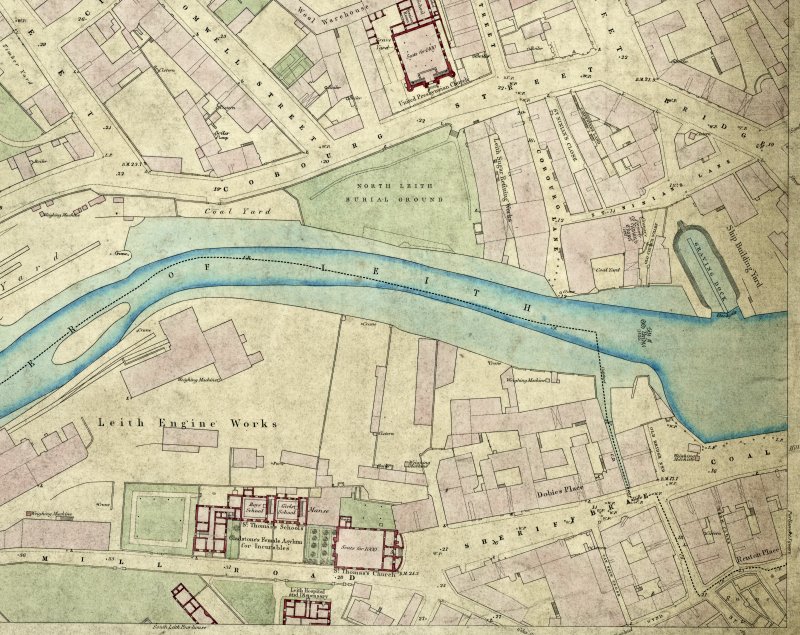
Old map showing St Ninian’s Chapel, Leith
Old St Ninian’s Chapel (1675) with a golden cockerel weather vane on the top of its Dutch-style steeple, Quayside Street, Leith, Scotland

Along the road and down to the right beside Coburg House artists studios (well worth a visit) is the gloriously orange, former St Ninian’s Chapel (you can see St Ninian himself (360 – 432 AD) carved onto the doors and representing the Picts, at St Andrew’s House (St Andrew’s Square) in the centre of Edinburgh.) St Ninian’s Chapel is a 15th century bridge chapel, part of the complicated history of North Leith Parish Church which can be found on Wikipedia.
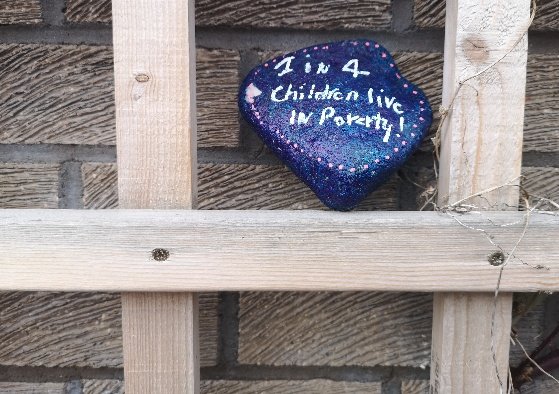
Back by the water, I spotted this little talisman when I did my rekkie, but it was gone when I visited there, later, with one of the groups. It reads, ‘1 in 4 children live in poverty’.

As we crossed Sandport Bridge, I drew attention to Broad Wynd on the left, where the Leith Dispensary and Humane Society hospital and clinic were first situated (of which, more later).
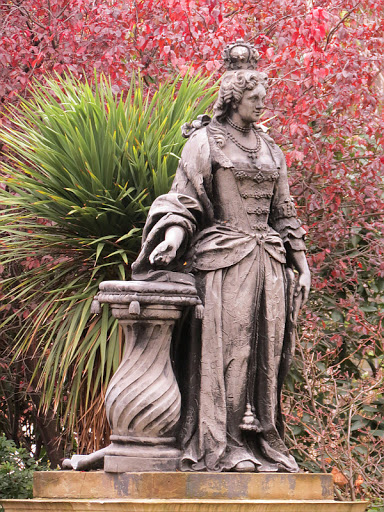
Queen Charlotte in Bloomsbury Square, London

Along Tolbooth Wynd we wandered, and on to Queen Charlotte Street, named after the Queen of Mecklenburg-Strelitz (1744-1818). She is remembered in Queens Square, Bloomsbury, London with a statue (see above). The Leith stories were starting to fit into themes: Charlotte was an immigrant and did not support slavery. Also a botanist, she founded Kew Gardens, was married to King George III, had fifteen (that’s 15!) children and was, famously, painted by Allan Ramsey 1762 when she was aged 17 years. She was an anti-slavery campaigner and that portrait is owned by the Scottish National Galleries. Recent articles have posed the question, ‘Is she of African origin?’

St Mary’s Chapel (1483) at South Leith Parish Church, not to be confused with St Mary’s Star of the Sea further down the road. Looking blue at dusk

At the Hideout Cafe (where I had a delicious and expensive hot chocolate on a previous occasion), we turned onto Constitution Street which was shut to traffic on account of the endless and frustrating tram works when I walked with the groups (so blessedly quiet to walk along) but is now open in all its splendour. Listen out for the dining of those tram bells announcing their arrival! We continued on, past St Mary’s Star of the Sea Catholic church, to the South Leith Parish Church and its graveyard.

St Mary’s Star of the Sea is the home of the missionary oblates

Hail, Queen of Heav'n, the ocean Star, 
Guide of the wand'rer here below!
Thrown on life's surge we claim thy care,⁠
Save us from peril and from woe.

Mother of Christ, Star of the sea,⁠ 
Pray for the wanderer, pray for me

Based on the anonymous Latin hymn, Ave Maris Stella
See how this woman is named a ‘relict’ of her husband, South Leith Parish Church, Scotland!

I spent some time researching the women in this kirkyard, trying to find out their stories, but to almost no avail. I focused on another Charlotte, Charlotte Lindesay (1780-1857, who died aged 77) and discovered that she was one of a brood of six from Feddinch in Fife, and that her parents were William Lindesay and Elizabeth Balfour. In 1805, she married her cousin, Patrick who was very active in the community. Amongst other things, he was the president of the Leith Dispensary and Humane Society (see above) which was formed in 1825 on Maritime Street, later to become Leith Hospital on Mill Lane, and brought healthcare (via a clinic and hospital both initially in Broad Wynd) to the poor.  I like to imagine Charlotte accompanying him, or even visiting the needy with a basket over her arm as portrayed in countless Jane Austen films, but I am woefully ill informed about her particulars.

Some of my information was gleaned from ‘The Jacobite Grenadier’ by Gavin Wood.
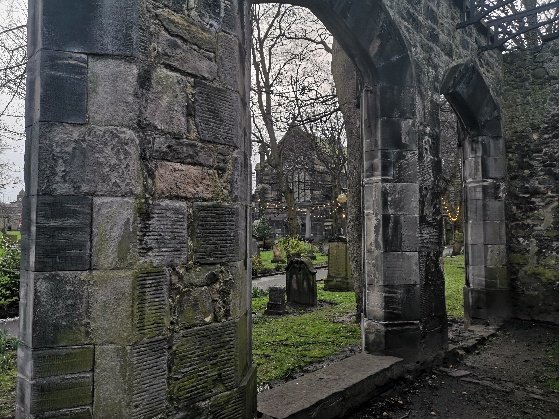
The South Leith Parish Church seen through a stone arch in its graveyard, Leith, Scotland

Incidentally, the Leith King James Hospital was demolished in 1822, and part of the wall can still be seen today, forming the boundary between the Kirkgate and the South Leith Kirkyard.
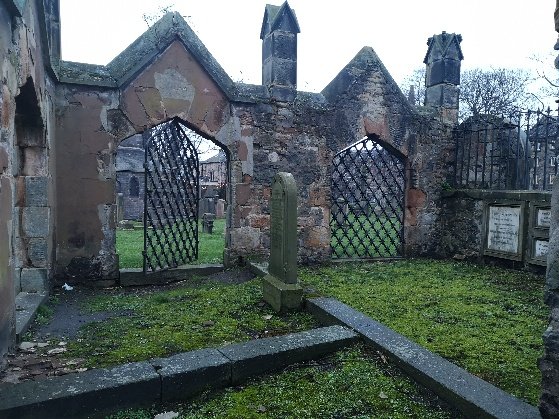
These iron gates (often seen in Edinburgh kirkyards – they swing on a central axis) protect the corpses, and predate 1832. We know this because it was the year of the Anatomy Act which allowed medical schools to legally acquire subjects for dissection and so there was no need to rob graves after that! South Leith Parish Church, Scotland

Some other women associated with this church

Mary of Guise (also called Mary of Lorraine), ruled Scotland as regent from 1554 until her death in 1560. A noblewoman from the Lotharingian House of Guise, which played a prominent role in 16th-century French politics, Mary became queen consort upon her marriage to King James V of Scotland in 1538. (Wikipedia). She worshipped at this church in 1559 and her coat of arms is displayed in the entrance today. Mary had fortified the town and she was in Leith being guarded by the thousands of French troops stationed there at the time.
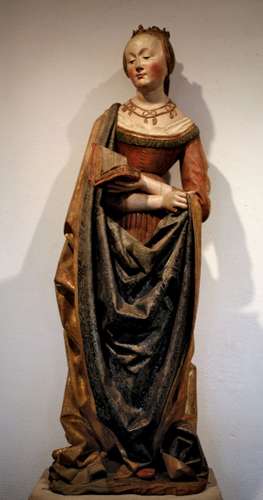
Saint Barbara, whose altar sits in South Leith Parish Church, Scotland

There is also an altar dedicated to St Barbara who, we are told, had a very sad and sorry life. She wanted to dedicate herself to Christ, instead of marrying the man her father wanted her to (Dioscorus, 7th century), and so she was tortured and her head was chopped off by said dad. He got his comeuppance, apparently, being struck by lightening and reduced to ashes. She is, therefore, invoked in thunderstorms, and is also the patroness of miners although I am not sure why. (From the Britannica and Archdiocese of St Andrews on facebook).
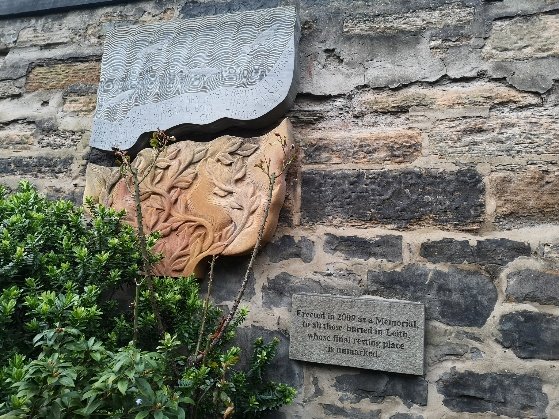
A beautiful clay memorial to those who were buried around the church, but in unmarked graves (2009), South Leith Parish Church, Scotland

When excavating for the trams, they found mass graves. There were 50 per cent more bodies of women than men, and everyone was smaller and showed signs of malnourishment compared to the national average. An exhibition and book were made and it was posited that their low weight had something to do with the plague and/or that they were from the workhouse.
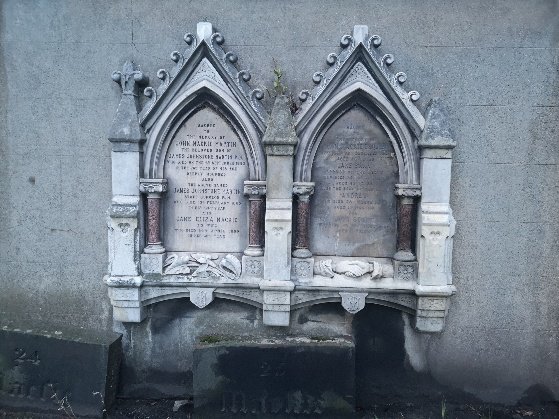
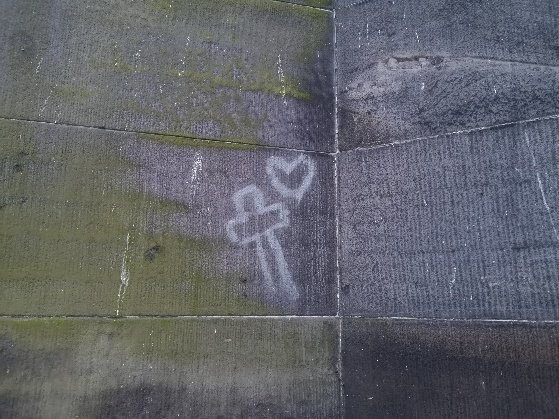
As a way of paying respect to the women whose names I discovered here, I read out a list of them to those I was walking with, together with their relationships, but omitted the names of their male relatives. I was attempting to recognise how many there were and about whom we know so little, as well as the manner in which they were remembered.

I have used the original spelling from the graves. They are referred to by their maiden names.

  • Elizabeth P. K. Smith Known as Betty by her friends
  • Helen their daughter whose dust reposes in the Church-yard of Thurso in Caithness being there suddenly cut off in the flower of her age
  • Elizabeth Maxwell, Maiden Lady Daughter of…who liv’d much esteem’d and Died regrated by all who had the Pleasure of her Aquaintance
  • Mary Jackson his Spoufe who departed this Life…much and juftly regrated, being poffeffed of the moft amiable accomplifhments…also near this lyes three of her Children who all dyed before herfelf
  • Ann McRuear Relick of…
  • Barbara Adamson, Spouse of…
  • In memory of his grandmother Mrs Ann Kerr… aged 76 years, His aunt Jean Tait.. aged 40 years, His mother Robina Tait… aged 44 years, His niece Jane Briggs Dickson …aged 33 months
  • Here lyth Jeane Bartleman Spouse to…
  • Sacred to the memory of Jessie Blacke..Beloved Wife of…Also of her infant baby…aged one month
  • Juliana Walker Wife of …. Janet Scott their third daughter of…
  • Catherine Stewart Rennie (wee Kitty daughter…)
  • Mary Finlay or Best …. And of her Grandchild Margaret Dick who after a few days illness … aged 18 years Let the Young Reflect on the Uncertainty of Human Life…
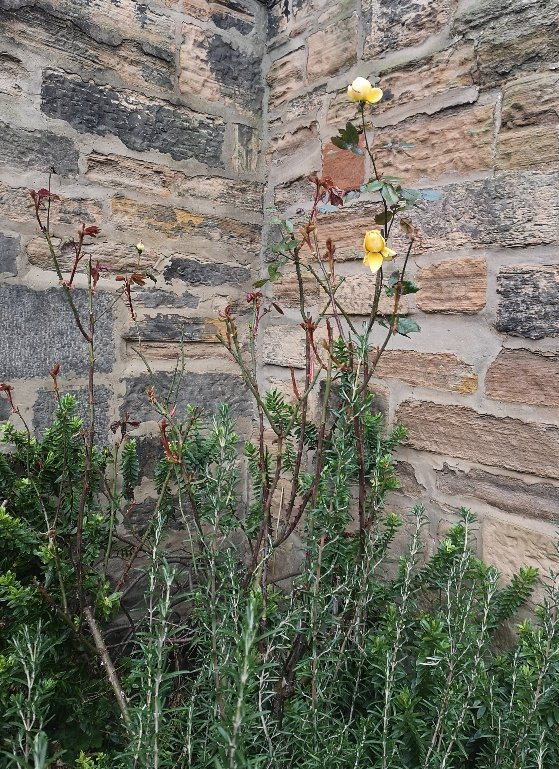
Rosemary for remembrance, South Leith Parish Church, Scotland
After paying our respects to a further queen: Victoria (see previous post), who sits, most regally, up high on her plinth outside Lloyd’s Pharmacy, we made our way up Leith Walk to Robbies.

Once in Robbies bar on the corner of Iona Street and Leith Walk, more or less opposite the start, I summed up the walk: It had taken us approximately 2.5 hours and we mused and meditated on boundaries and borders. We talked of the contrasts between one community of people and another and how often this causes stress at the join between areas (we were sitting close to the boundary between Leith and Edinburgh), about how we felt different at dusk and at dawn as we cross over from dark to light and vice versa, and whether we notice how we are on the cusp of the new moon. We spoke of women’s stories – in the past and now – and how they are so often seen through the lens of their menfolk and consequently hard to celebrate in their own right. And, finally we discussed the hardship of life in centuries gone by, especially how close death was, and about its symbols and community rites.

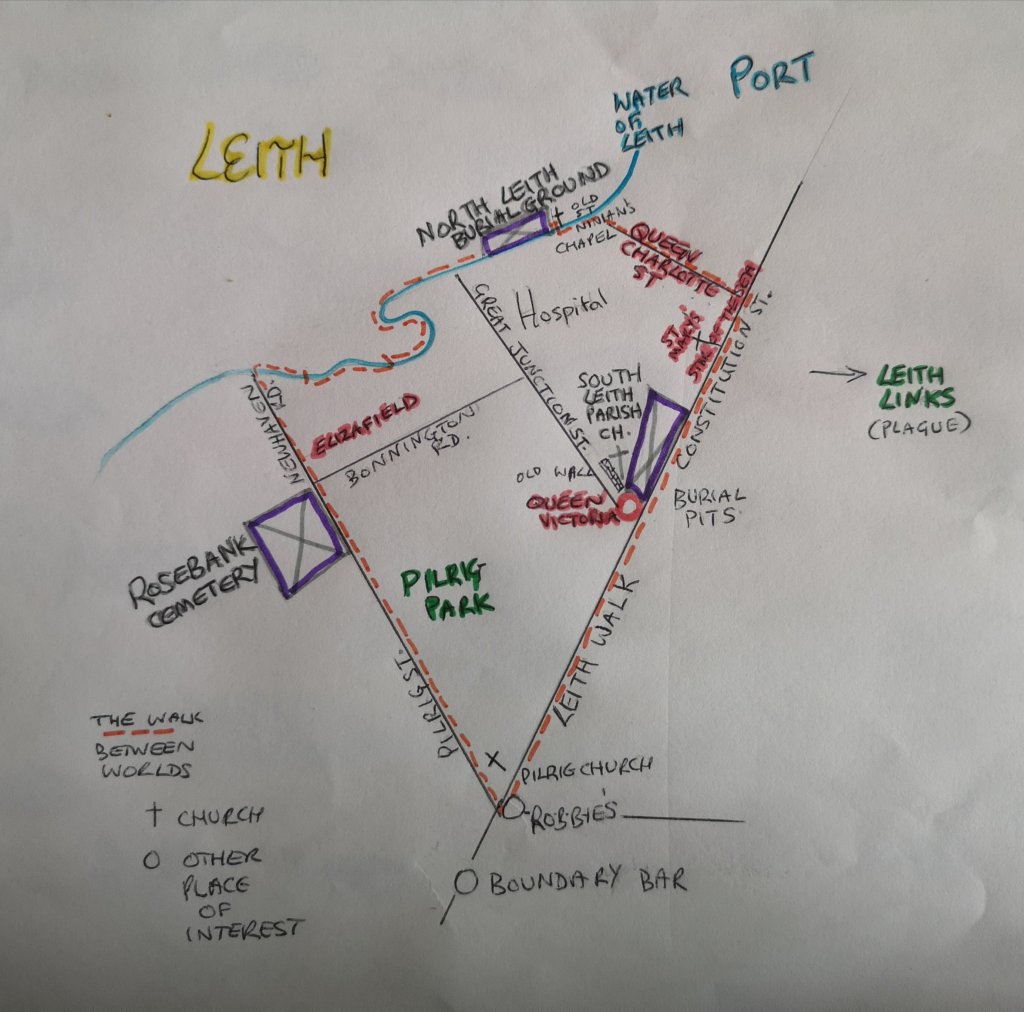
I explained that I hoped to make a map which somehow denotes and represents this event, that will contain some of its psychogeography. Wikipedia quotes Guy Debord on this: psychogeography is “the study of the precise laws and specific effects of the geographical environment, consciously organized or not, on the emotions and behavior of individuals.” I think of it as a human map, not simply one containing measurements and precise locations, but including feelings, activities and conversational responses as well.
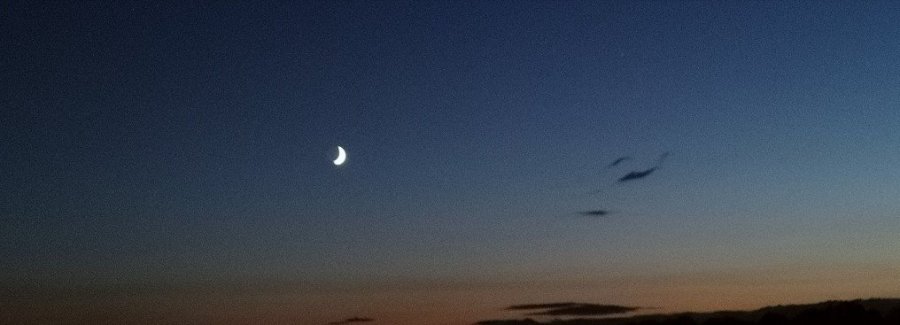
We walked together at the new moon, just over the border from one cycle to the next.

This was originally a series of guided walks, in-person ones (eg in celebration of the Terminalia Psychogeography Festival (23rd Feb, annually which happily coincided with the Women Who Walk Network and Audacious Women Festival (AWF)), and online during Covid. I would like to thank everyone who came along with me.

If you have information about the women who are featured in the walk, have made a similar walk, or would like to share anything about these subjects, please do so in the comments box below.

Walking Between Worlds – an introduction

Walking Between Worlds 1

Walking Between Worlds 2

For a lovely blog on Warriston Cemetery, see Edinburgh Drift
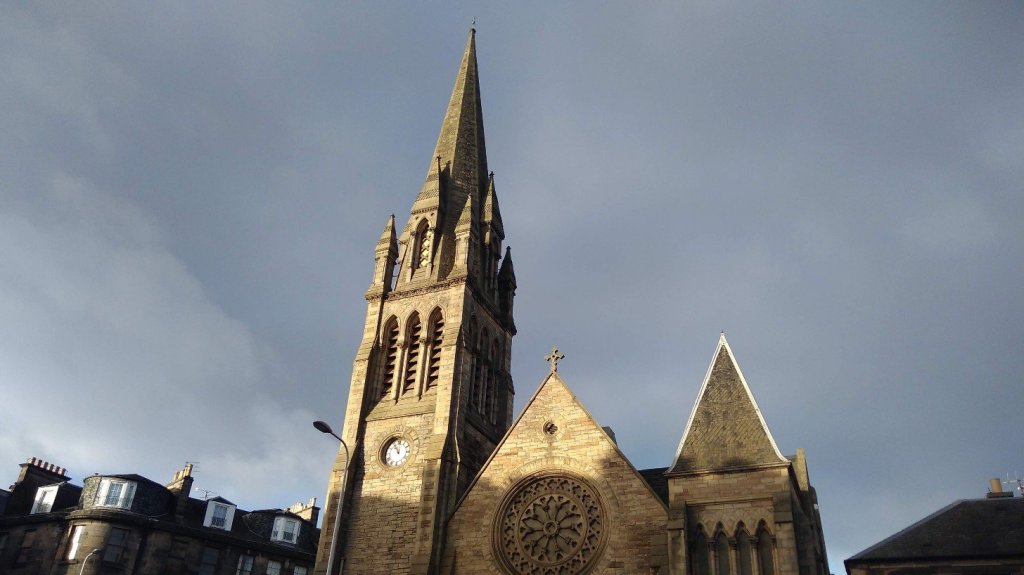
Walking Between Worlds -1

This is part one of a circular tour of Leith, from Leith Walk to Rosebank Cemetery. Links to parts 2 and 3 are below.

Route Map

Can we ever stop for a moment? No! Time will always turn until we die. Is there ever complete quietness in life? No! But maybe we can quieten. Can we slow down? Well, walking is a good start. It leaves almost no trace and makes little noise. It allows time for thoughts to blow in, and for your footsteps to drown them out again.

The Parish Church of Pilrig St Paul’s at the corner of Leith Walk and Pilrig Street, close by the old border of Leith and Edinburgh, Scotland

Here, we walk between the worlds of Leith and Edinburgh, connecting with the past by celebrating the ancient Deity of Boundaries (held on the last day of the Roman year) where citizens traditionally process around their land and promote continued peace and stable borders – something I sincerely advocate at this time of disagreement and instability over nationhood.

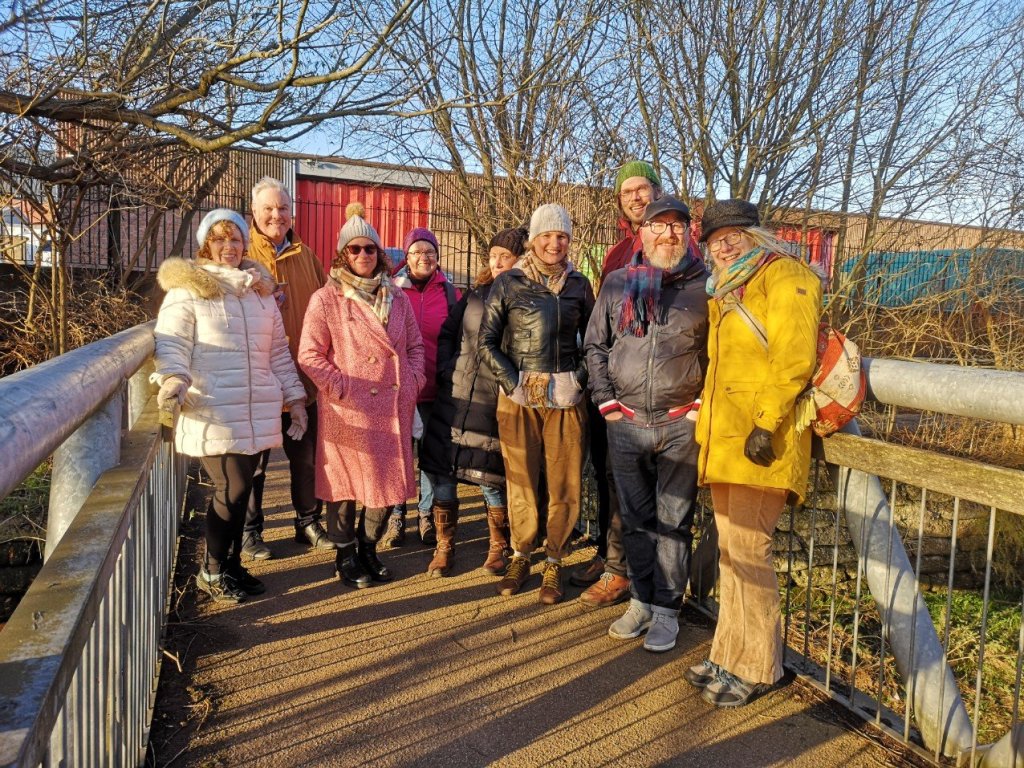
Most of the group who joined me for the walk in Edinburgh, Scotland

Before we set off, we remember the 1920 merging between Leith and Edinburgh which, ‘despite a plebiscite in which the people of Leith voted 26,810 to 4,340 against the merger’ (Wikipedia, Leith) resulted in division and the loss of political identity. This walk initially took place shortly after the initiation of a further detachment, this time of the UK from the rest of Europe, which was initiated by many of those who oppose the separation of Scotland and England.

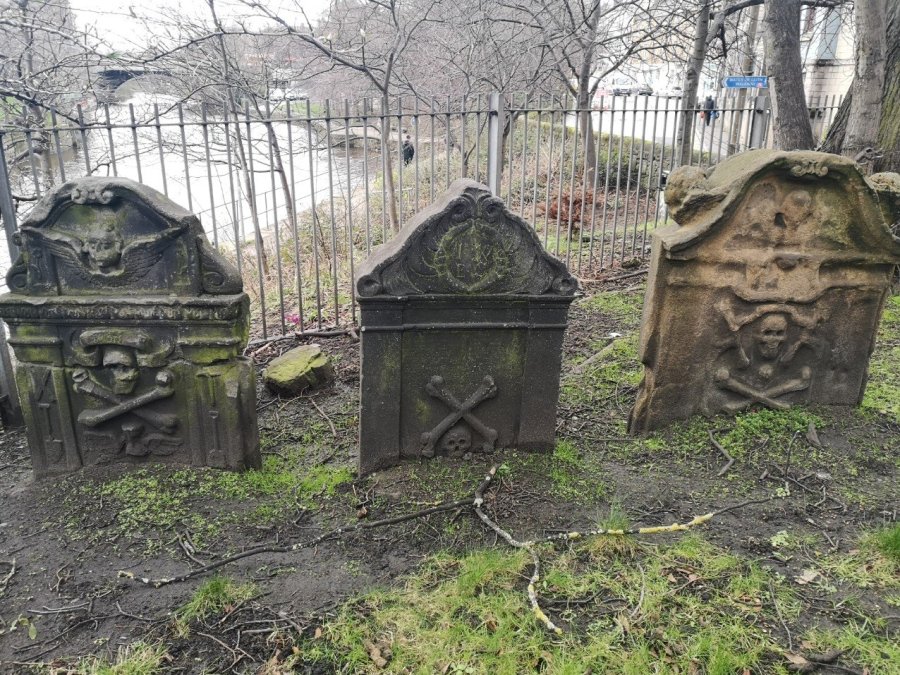
Unequivocal reminders of our mortality, North Leith Burial Ground, Edinburgh, Scotland

Take a minute to remember, or dedicate this walk to someone you know, because the second aspect of Walking Between Worlds is the acknowledgment that we are all, always, stepping on a tightrope between life and death, never knowing when it will happen.

We will be visiting the graves of notable women in Rosebank Cemetery, North Leith Burial Ground and South Leith Parish Church. I have a special interest in the lives of women who are often forgotten or overlooked, and I want to focus on those who are connected to this area.

The steps we take between an information stop on a guided walk such as this, or when on errands, from one hiatus to the next, are equally, if not more important. They are an opportunity for exchange with others or silent contemplation in the middle of busyness.

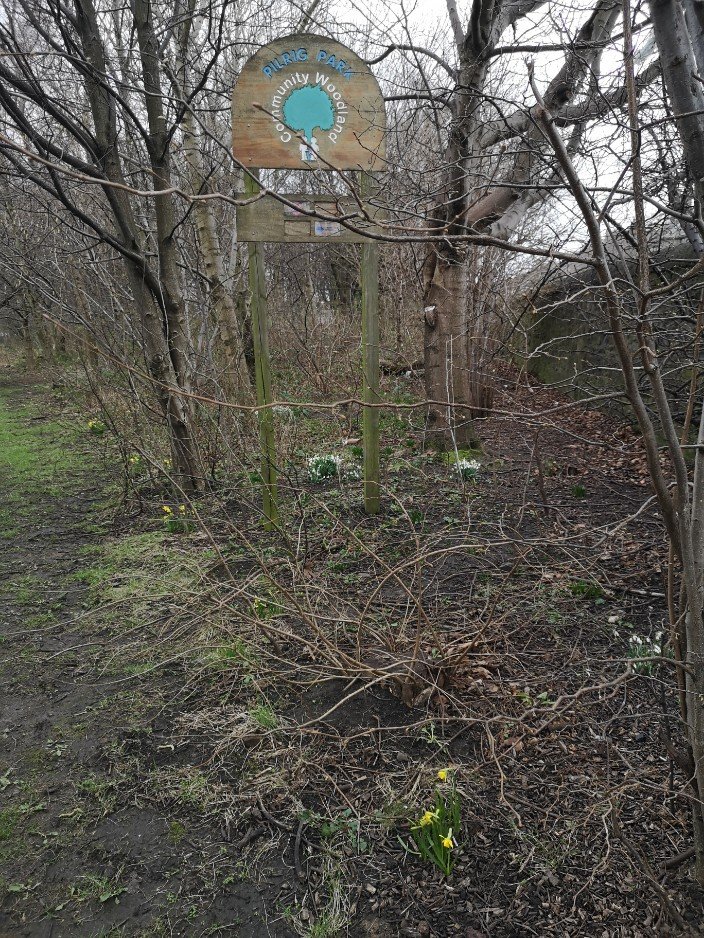
Pilrig Park Community Woodland

We make our way past Pilrig Park. The community woodland was planted by the Friends of Pilrig Park (and supported by Fields in Trust) way back when I had my allotment there and my kids were wee. Years later it is thriving – a lovely spot for hiding and playing in, whether you are human, animal or bird.

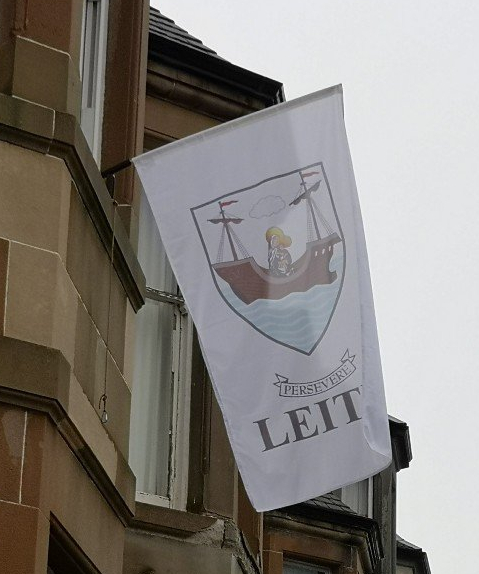
The flag I saw on my walk rekkie – the Leith pennant

Nearly opposite, we make our first stop to note the Leith (with its motto of ‘Persevere’) or other flag which blows from a top window.

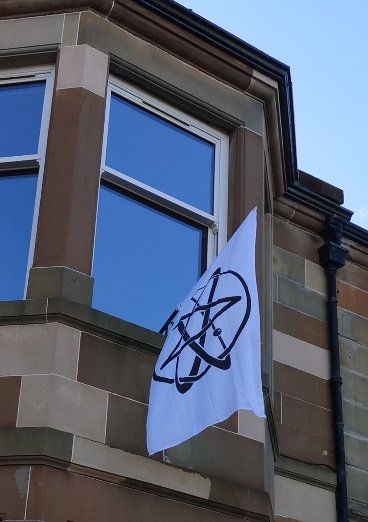
Another one which flies here sometimes – I am told it represent Space Cadets
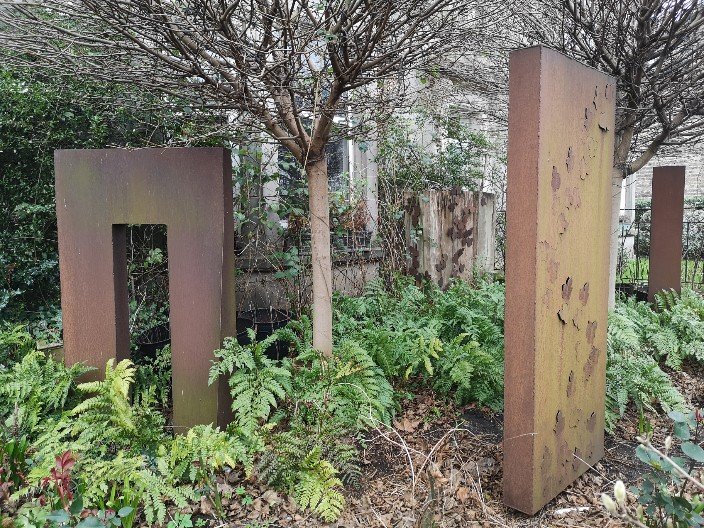
Sculptures in a front garden on Pilrig Street, Edinburgh

At #86 there are metal sculptures worth admiring in the front garden. A gateway (perhaps it is between worlds), and a panel that is the shape of a large gravestone with leaf motifs in relief, are my favourites. I cannot identify the sculptor, and take this opportunity to share that Fi Bailey, an Edinburgh artist, draws our attention to what may be private information which those who are dead or behind closed doors cannot or do not want to disclose. Let’ us focus, then, on what exists before our eyes.

Tip: In the interests of mindfulness and memory, when or if you see something which interests you as you are walking, say it to yourself three times for later. You may still forget, but that doesn’t mean you didn’t see it and that traces of it aren’t going to stay with you, ready to pop up in another moment. 

Rosebank Cemetery

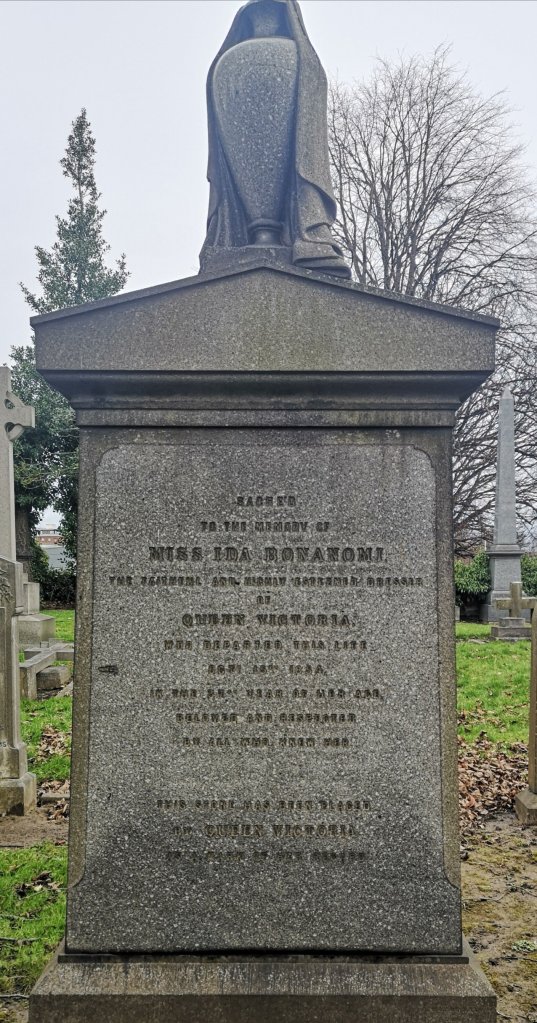
The elegant grave which marks the resting place of Ida Bononomi, 1854, Edinburgh, Scotland

In the same way that there is no night-time dark without a glimmer of light somewhere, so there is no life without some death in it and no death without life. As the bodies in the first graveyard, Rosebank Cemetery, decompose, they become earth and support living things which are in that earth. We, by being interested and remembering those who are interred, raise the dead in a manner of speaking.

We stand in front of the grave of Ida Bononomi (probably Italian). It reads, ‘Sacred to the memory of Miss Ida Bonanomi, the faithful and highly esteemed dresser of Queen Victoria, who departed this life October 15 1854, in the 37th year of her age. Beloved and respected by all who knew her. This stone had been placed by Queen Victoria as a mark of her regard’. Bononomi’s job was a position of extreme intimacy with the monarch.

That Autumn, Ida had travelled with the Queen and stayed with her at Holyrood Palace where the former fell ill. In her journal, the Queen wrote, ‘Saw Sir James Clark, who brought me a telegram with the this sad news that my excellent maid Ida Bononomi, whom I had had to leave at Holyrood as she had become so ill, not having been well at Balmoral before – had died last night. It was a great shock to me, & I was thoroughly upset, for no one, including Sir James had apprehended any immediate danger. She was the kindest, gentlest, best being possible, & such a pleasant servant, so intelligent, so trustworthy & her calm, quiet manner had such a soothing effect, on my often over wrought nerves. To lose her thus, and so far away, surrounded only by strangers is too grievous. Everyone was shocked & grieved, for she was quite adored.’

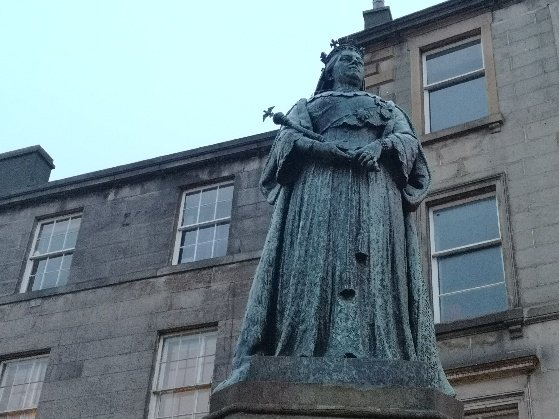
Queen Victoria standing at the foot of Leith Walk. We pass her in our final stage

Queen Victoria liked funerals and had an interest in the protocol of mourning, ‘a mentality as much as a personal observance’ (see below for references). It is known that she recognised the deaths of her housemaids and others with ritual in which other members of the household were require to be involved, and also that she visited this grave six years after Ida died.

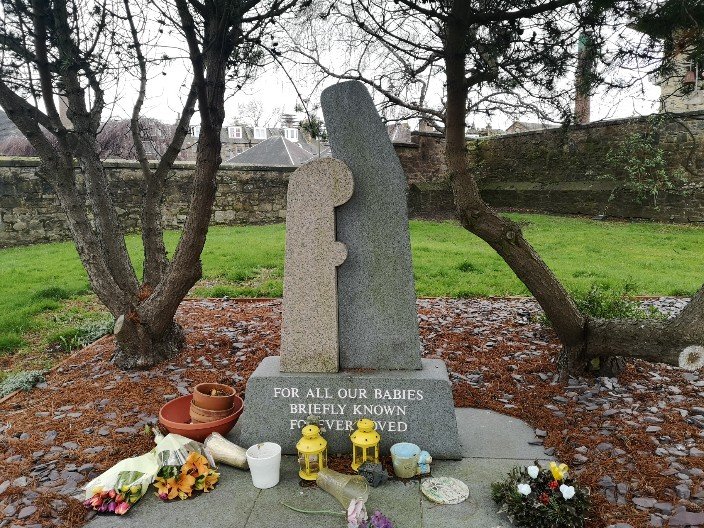
Moving monument to stillborn babies, ‘briefly known, forever loved’ at Rosebank Cemetery, Edinburgh, Scotland

There are, of course, many other graves of interesting women in this cemetery, and there is one which commemorates the stillborn babies who, by Scots law, cannot be cremated and must be buried.

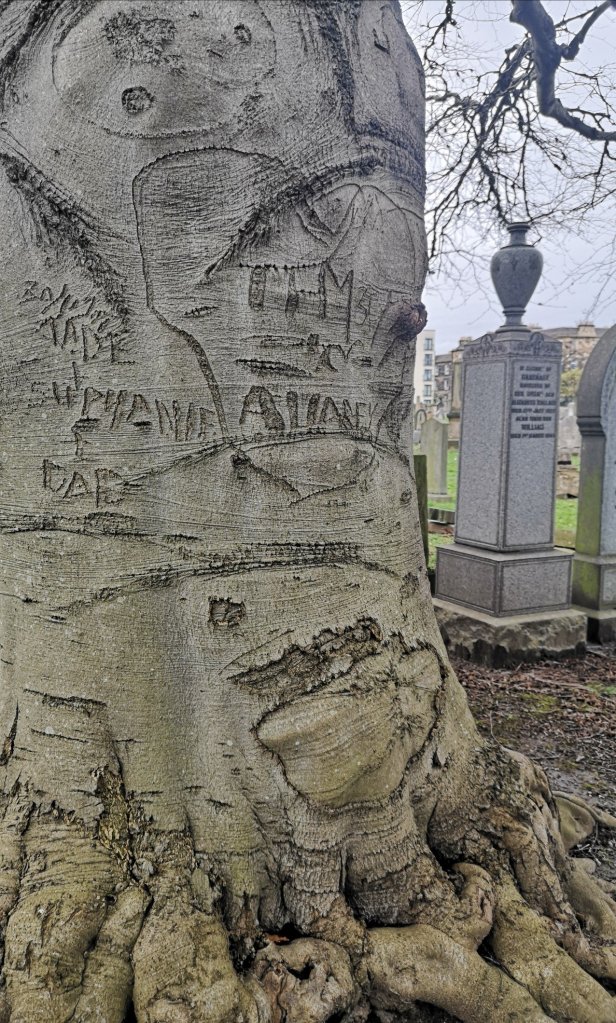
Arboglyphs, tree markings at Rosebank Cemetery, Edinburgh, Scotland

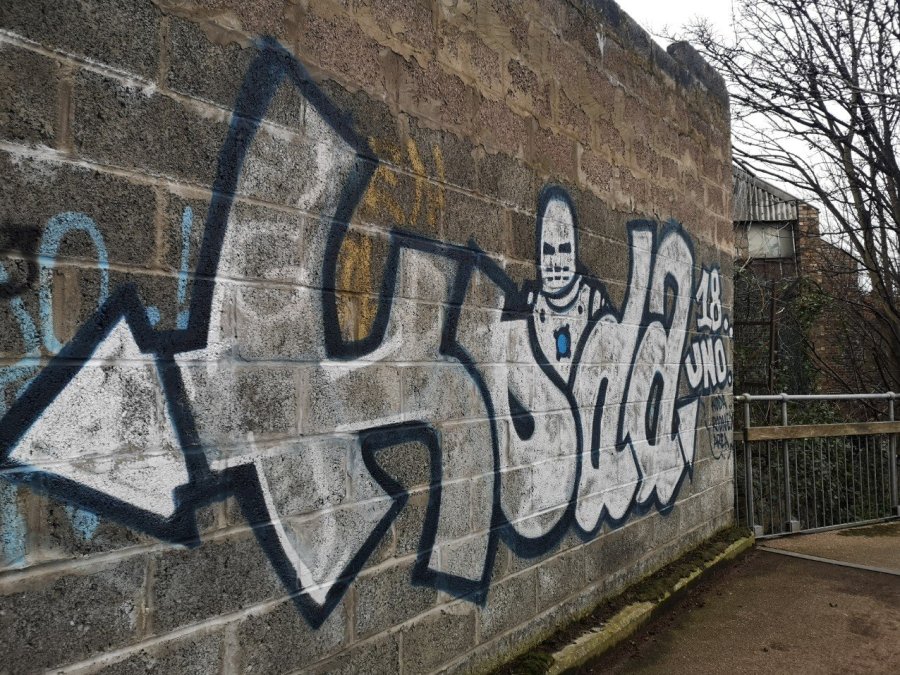
Arboglyphs can be seen at the cemetery and they contrast with the grave inscriptions and, later, the graffiti which we saw beside the river. These different types of markings are official and unofficial, consisting of numbers, letters, words and images cut into or sprayed onto stone or bark with or without permission. They engrave death, and mark political or personal messages, causing us to remember and take note. They sometimes do damage to community surroundings and cause loss of life to the tree, but are always used to communicate and are often enjoyed, even viewed as art.

On first sight I thought this graffiti was a skeleton, but it is not. Located beside Bonnington Bridge on Newhaven Road, Edinburgh, Scotland

This walk was originally with ten others, and made in celebration of the Terminalia Psychogeography Festival (23rd Feb, annually). It happily coincided with a Women Who Walk Network event and the Audacious Women Festival.

Links

Introduction to walking Between Worlds

We continued our walk across the junction at Bonnington Road: Walking Between Worlds 2.

The walk continues in the final blog of the series, Walking Between Worlds – 3

I am indebted to Elizabeth Jane Timmins, 2019 and this blog for the information about Ida Bononomi and Queen Victoria.