
In early 2023, I made a vow not to fly unless it’s an emergency, not for pleasure nor work, and so I made my expeditions back and forth between Scotland and Greece overland. The first took 10 days, from Athens to Edinburgh, because I broke my journey many times to give Shiatsu and meet friends and family. I took the overnight bus, first to Budapest via Belgrade, then I travelled on to Berlin and The Hague (also by bus), Hook of Holland (tram), Harwich (ferry), London (train), and finally home (train).
I announced my potential route in advance on social media, asking if anyone wanted to do a Shiatsu-hospitality swap. The responses and invitations that I received resulted in an elongated trip; I went off on tangents and saw places I would not have visited otherwise. It meant that I didn’t get to Bratislava or Prague as I’d thought I might, but this collaborative approach to planning allowed for the unexpected, and was a way of letting go of a set itinerary. Along the way I made new friendships and re-newed others, gave gentle, therapeutic touch, and much more besides.
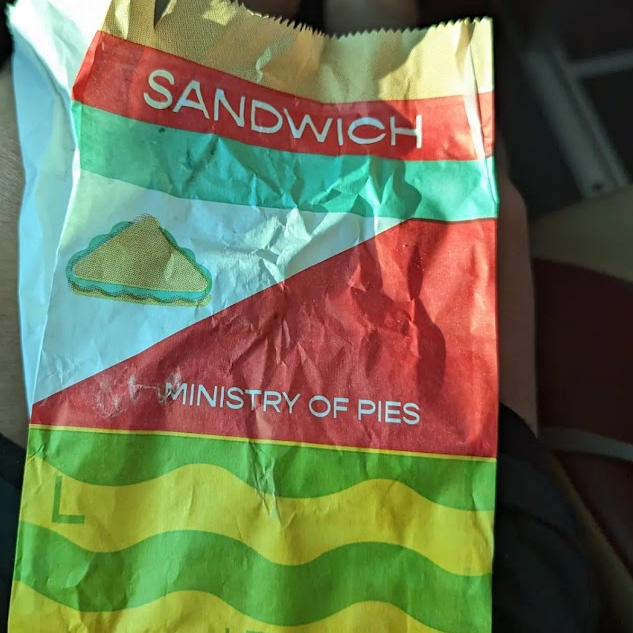
Travelling overland is so very different from flying: These were journeys of paths and mountains which were seen, but not walked. Of borders and boundaries, and The Ministry of Pies. Of the full moon at night and in the early morning. Of towers and rivers – fast glimpsed through windows. They were about fresh air in car parks after miles on the road, a 3am toilet break, new currencies each time I woke, and ‘thank you’s in different languages. Of waiting at yet another border where I whiled away time reading Margaret Forster’s biography of Elizabeth Barrett Browning in the sun (borrowed from one of those mini-book-swap boxes that can be found in public parks all over Europe and the UK, and returned at the next one, in the next city). Of T’ai chi and walking under trees dripping with rain as passports were checked, and of motorways and forests and wheels on solid ground.
Athens to Budapest
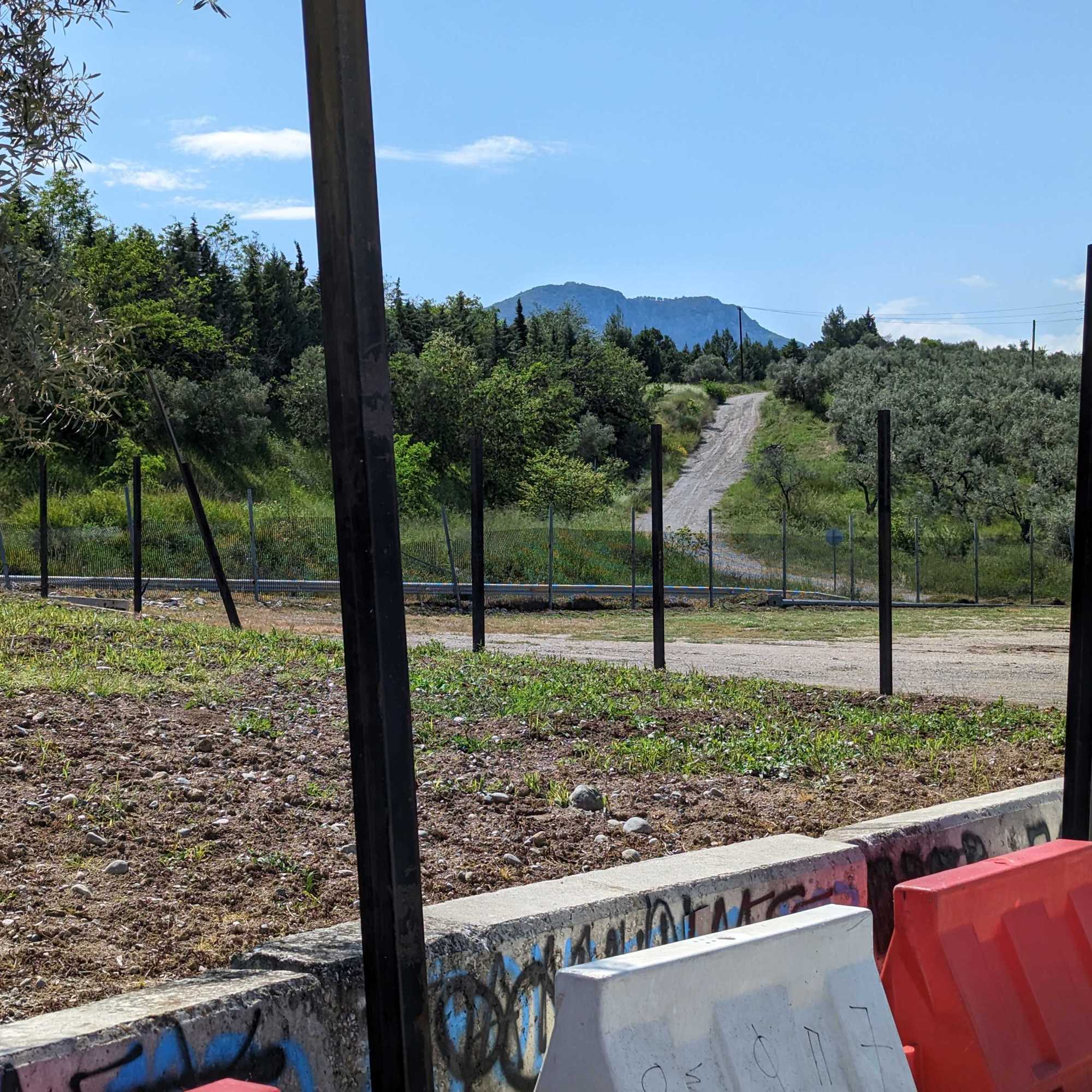
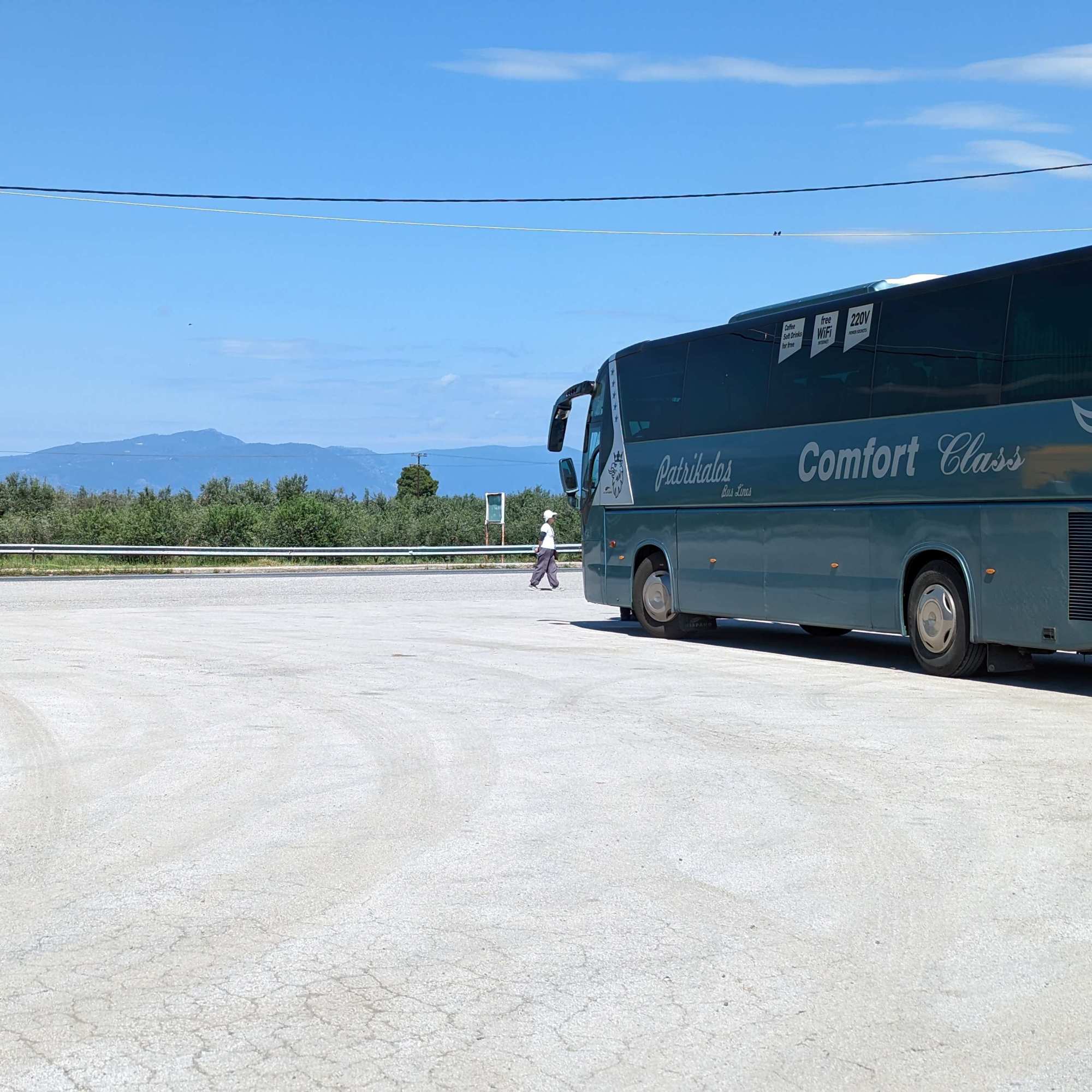
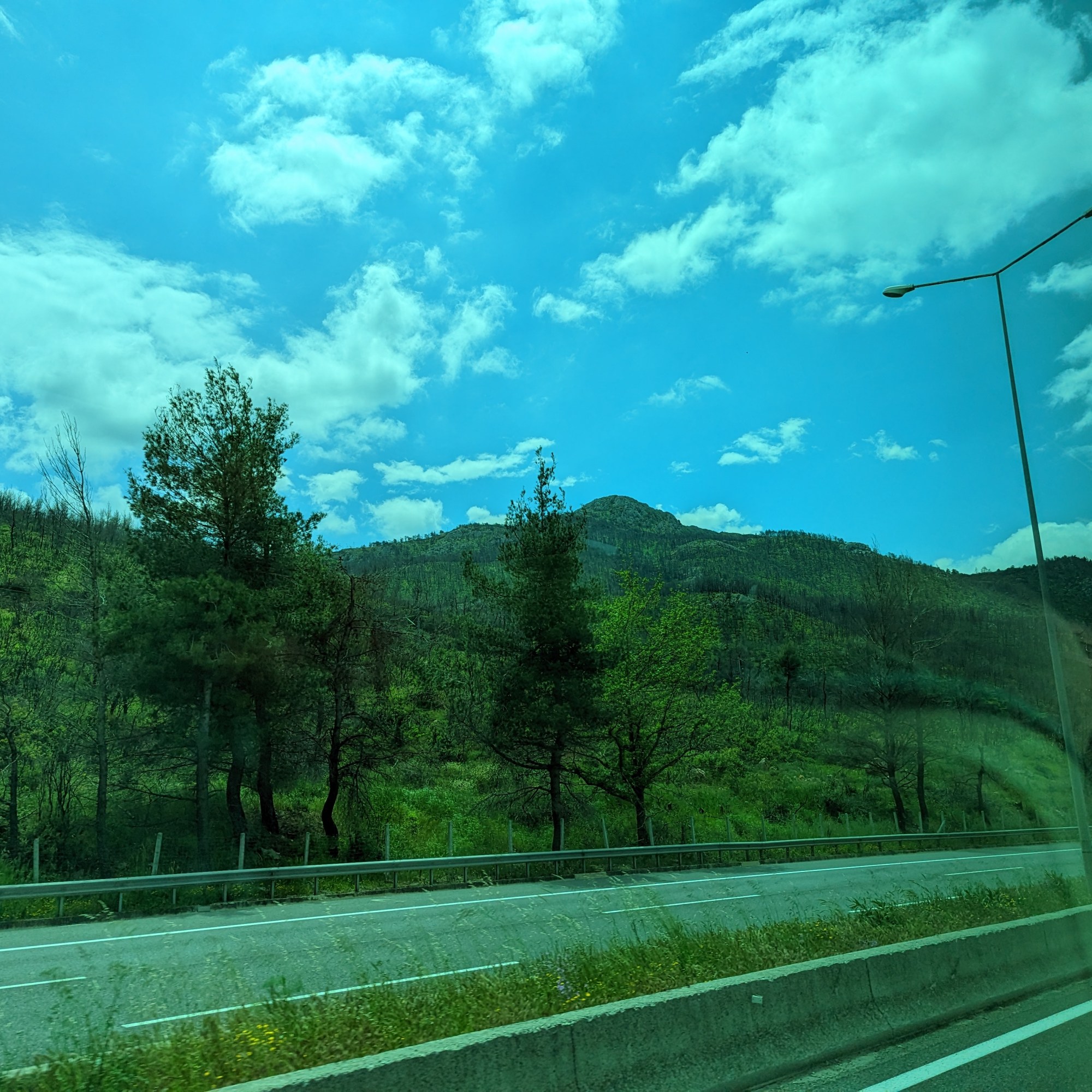
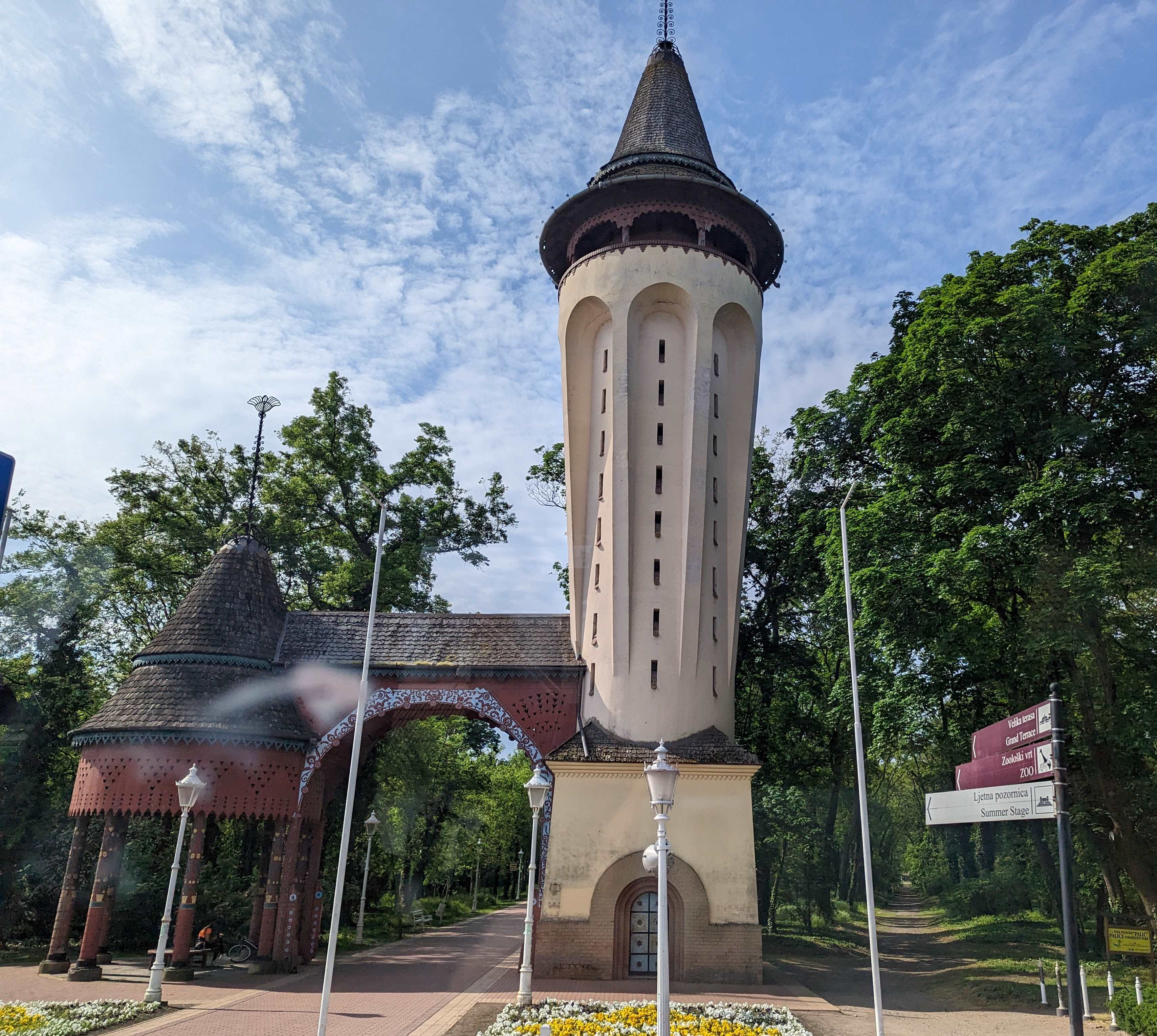
I left Athens at 12.30pm, went through Kifisia around 1.30pm, and the bus made toilet stops at Agios Konstantinos at 3.40pm, and passed by Mount Ossa (south of Kozani) around 6.15pm.
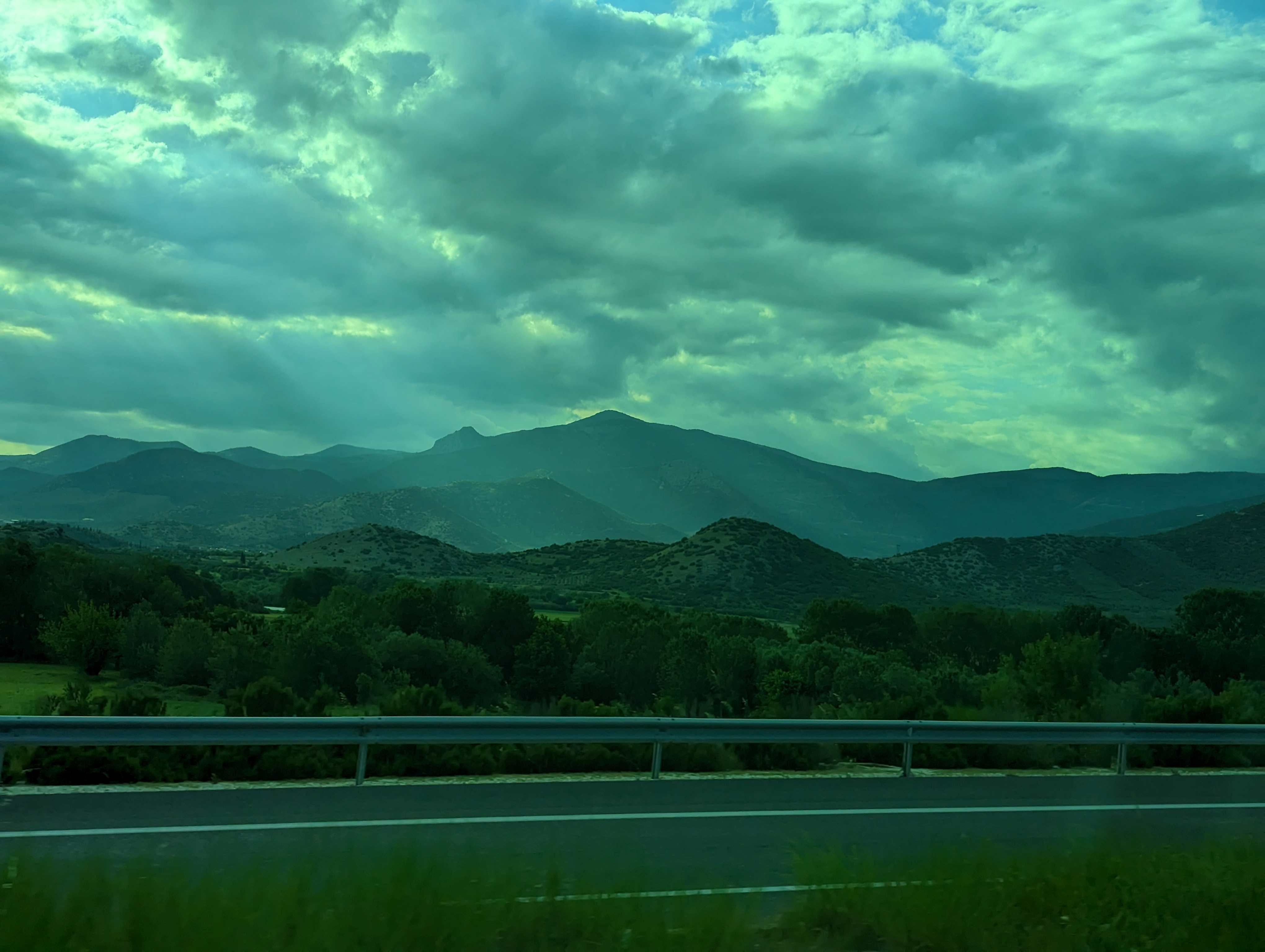
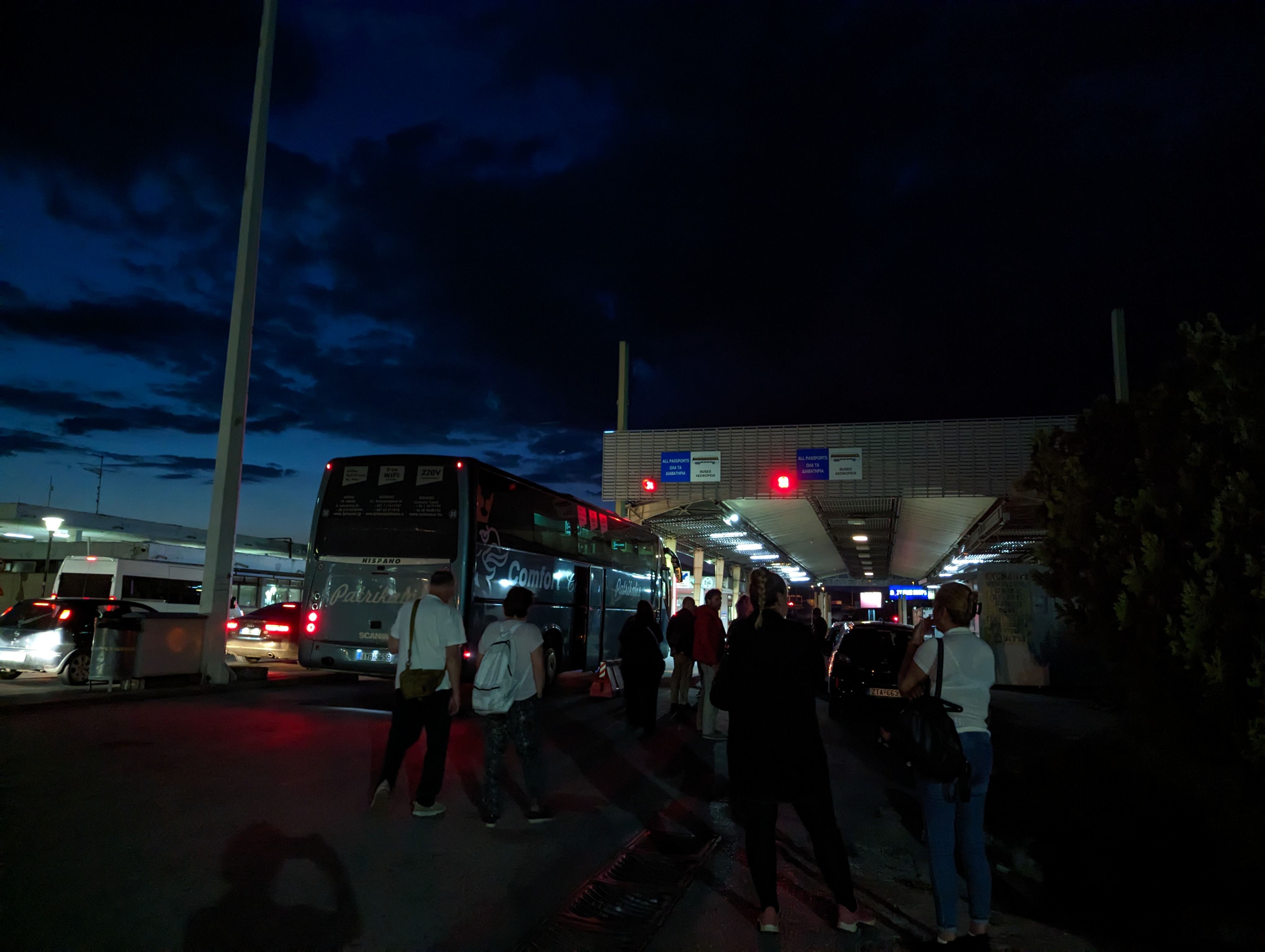
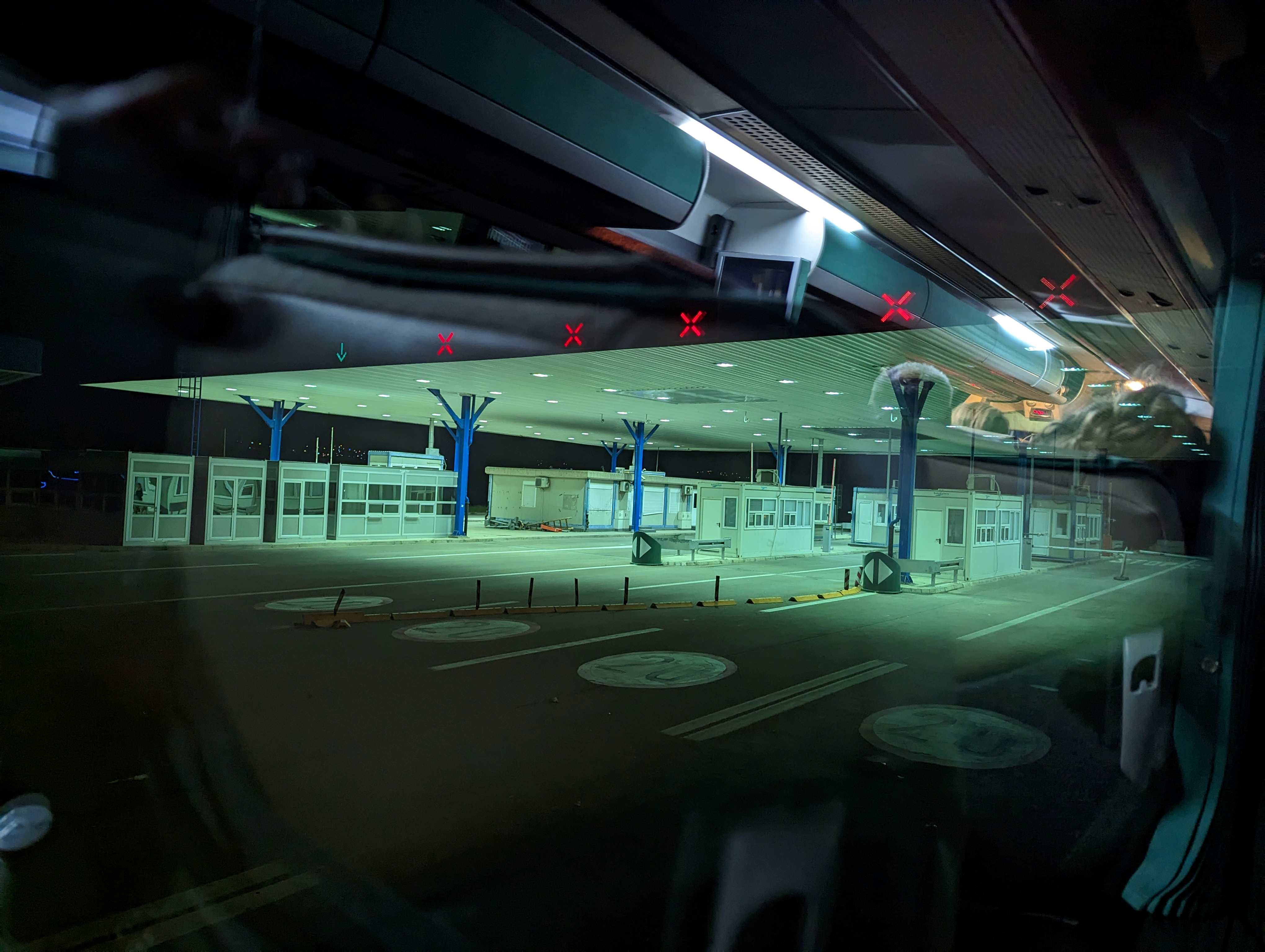
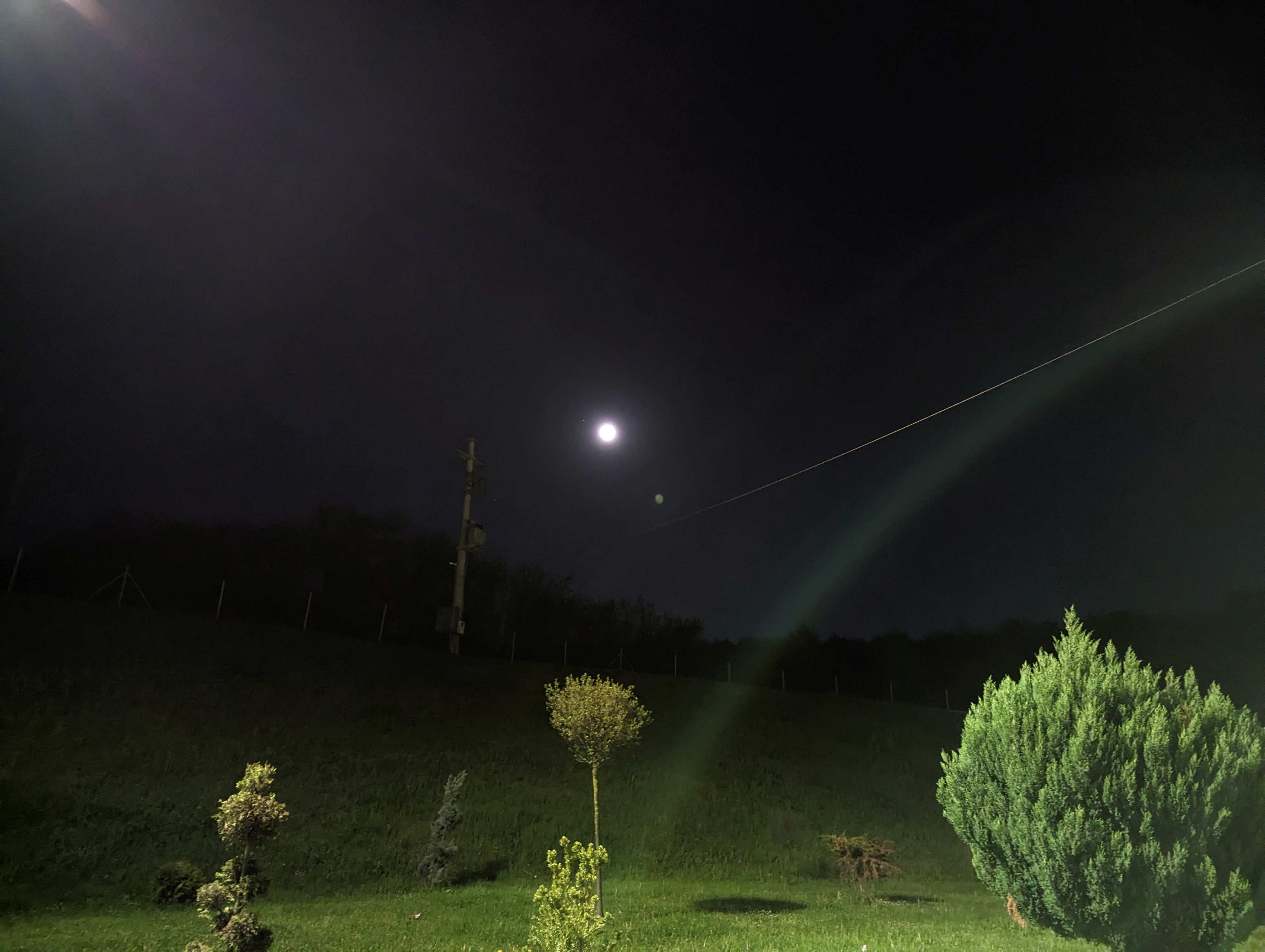
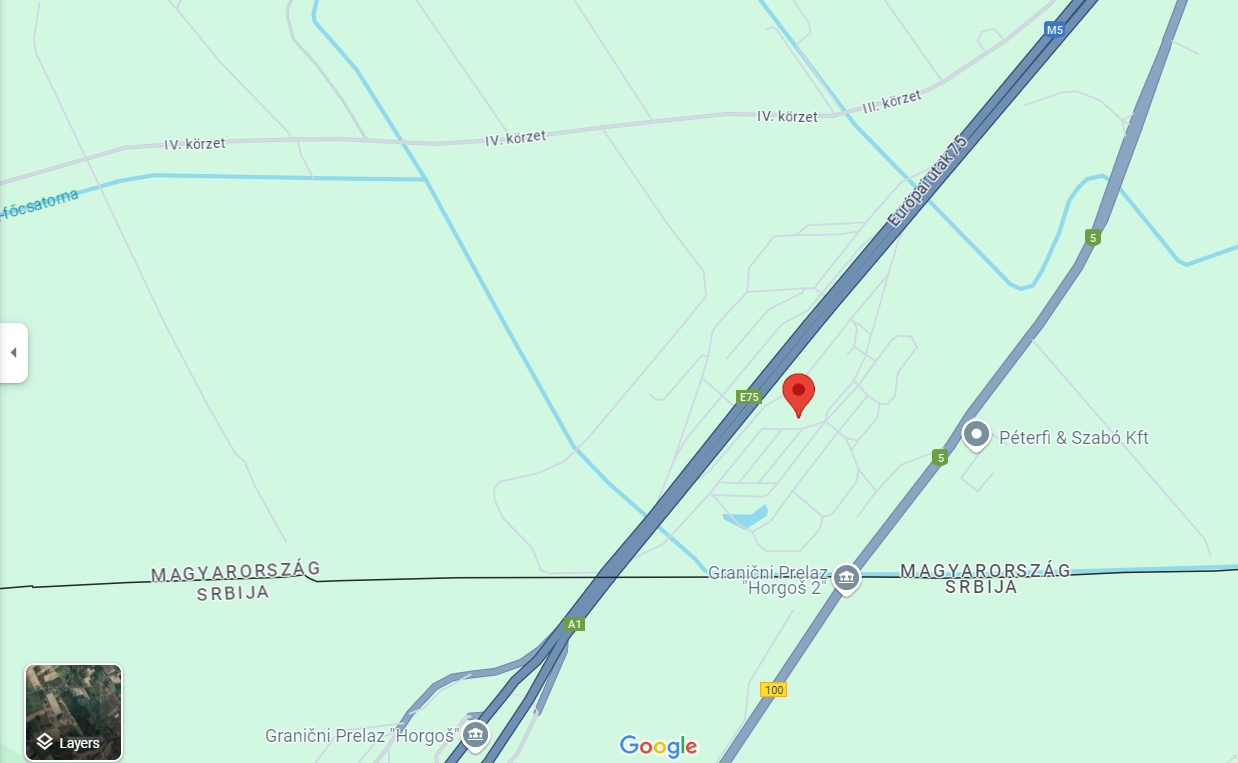
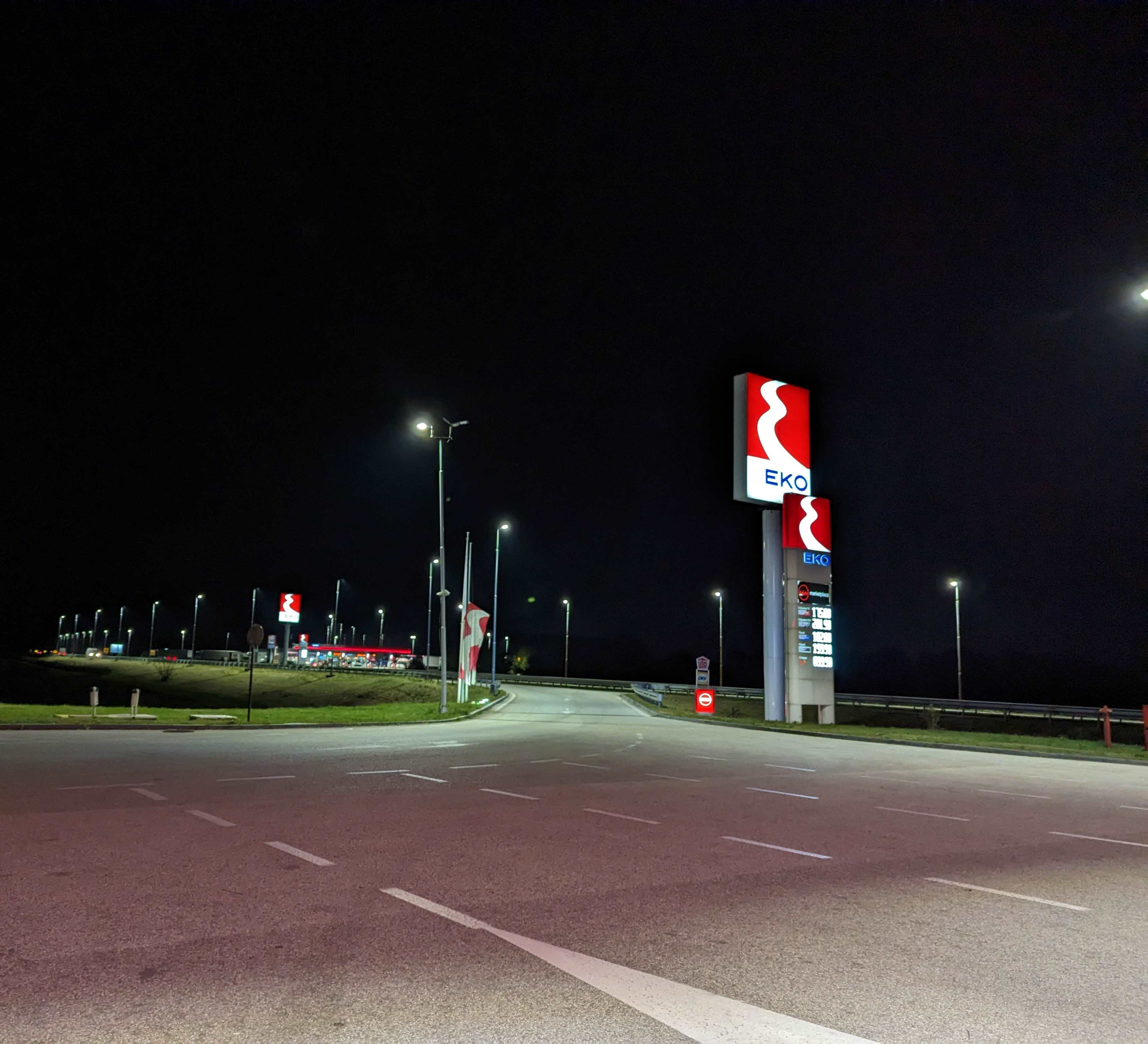
Even nearer the North Macedonian – Serbian border at 3.30am
Tips: take a rolled-up sleeping bag and a blow-up pillow, stock up on food and water before you get on, don’t chose a seat near the toilet (if you have a choice), and always get out to stretch your legs and breathe deeply when possible
By 5.30am, we were in Belgrade.
Belgrade to Budapest: six hours
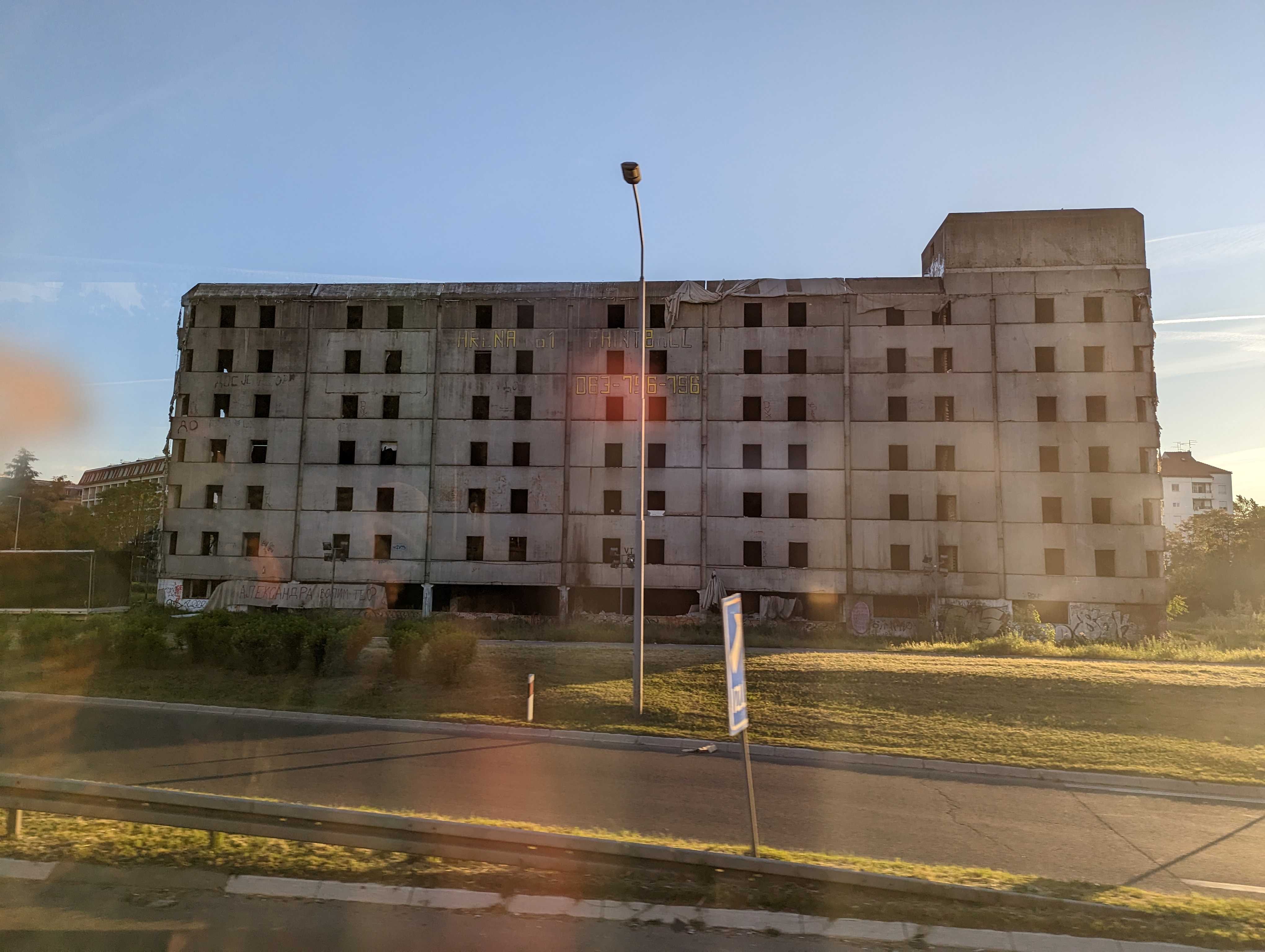
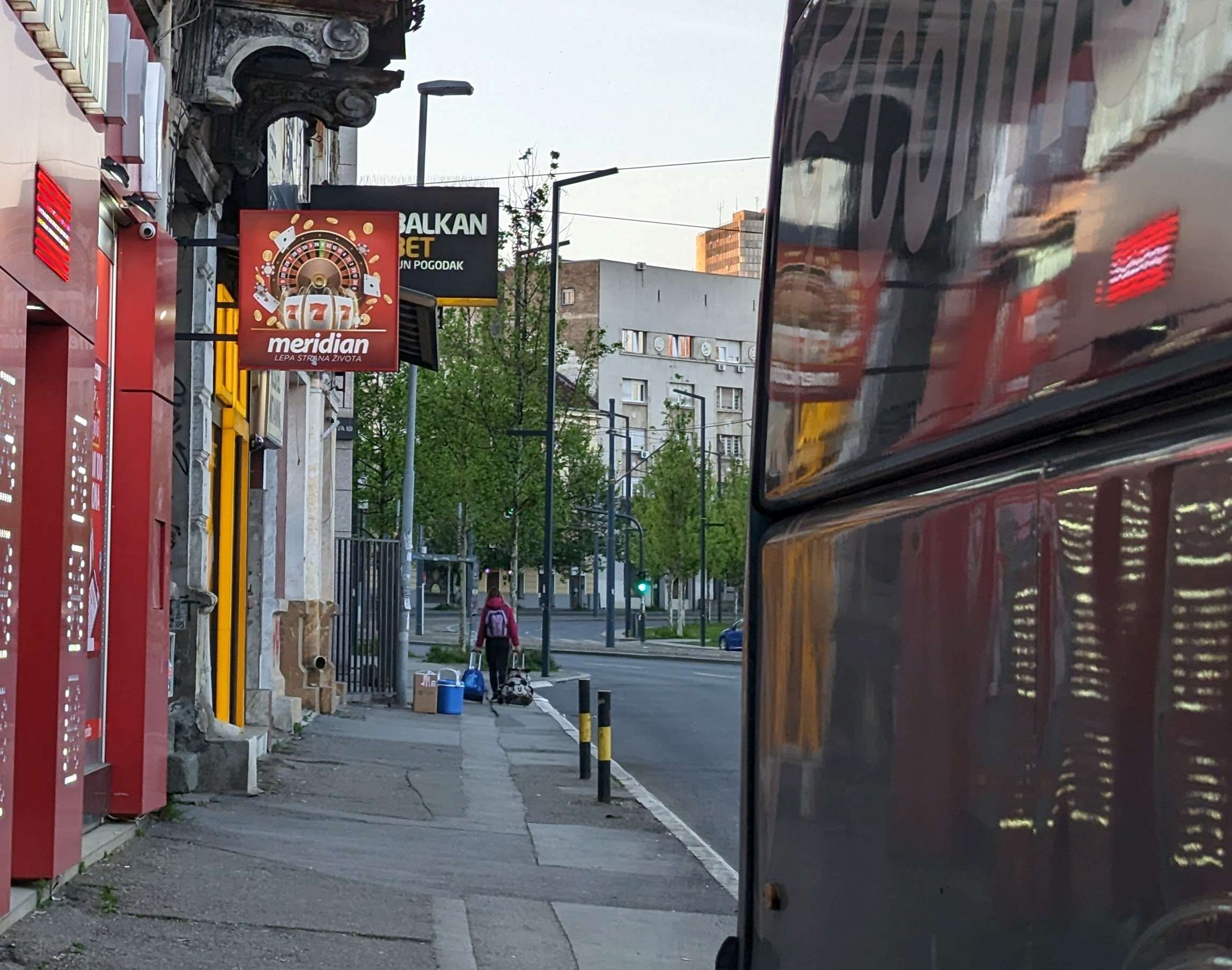
The worst thing about the journey was the smoking – both driver and passengers. I asked them if it was possible to stop and, reluctantly, there was a short hiaitus for the air to clear. It’s not always like this.
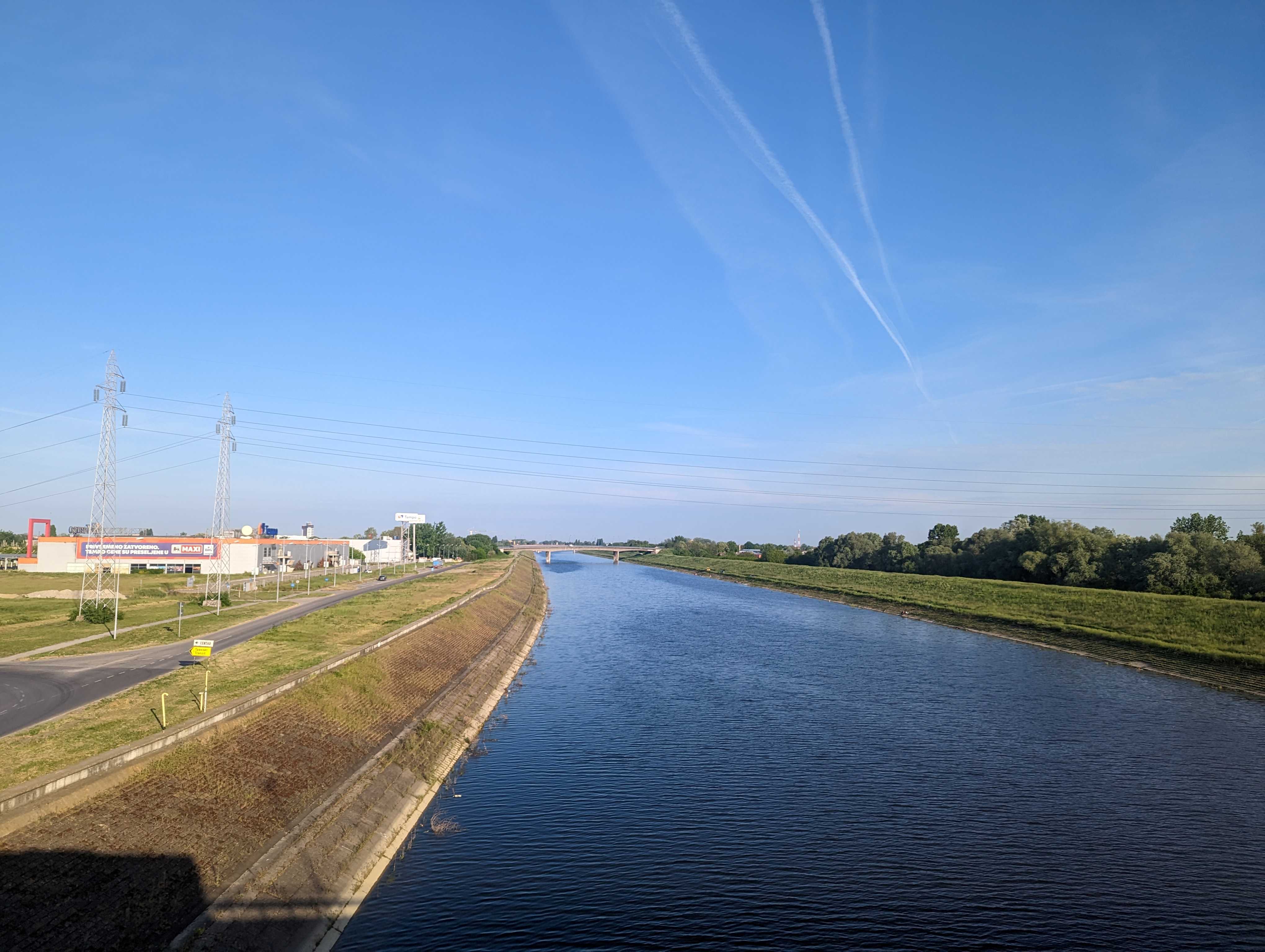
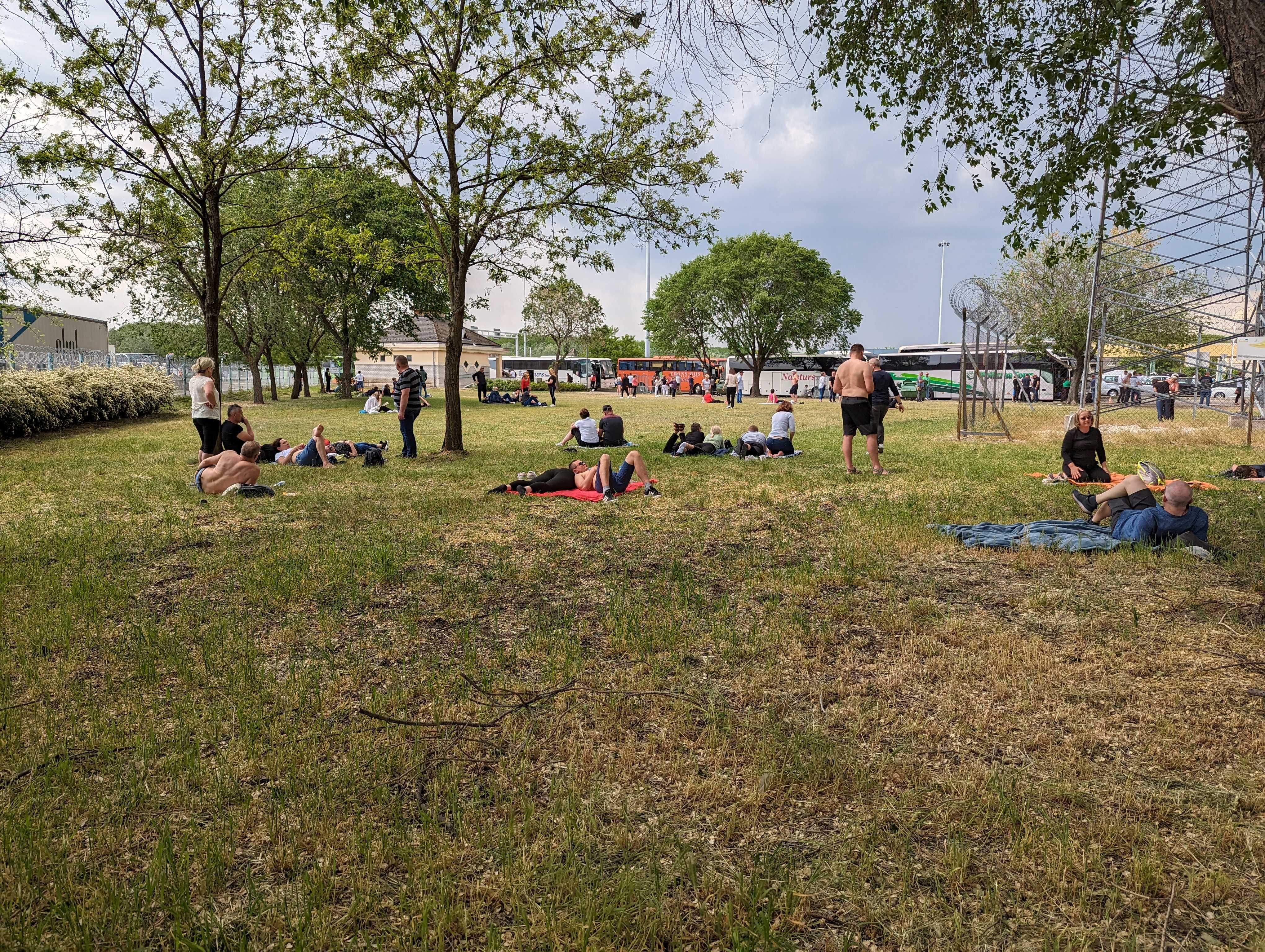
At Röszke, we waited at the border crossing from Serbia to Hungary, one of the 29 Schengan countries, arriving at 10am and staying until 3pm when we finally got moving again. Luckily the sun was shining and we all spread out. I was the only person doing T’ai chi under the trees (it felt good after hours of sitting on a coach), but not the only one meditating.
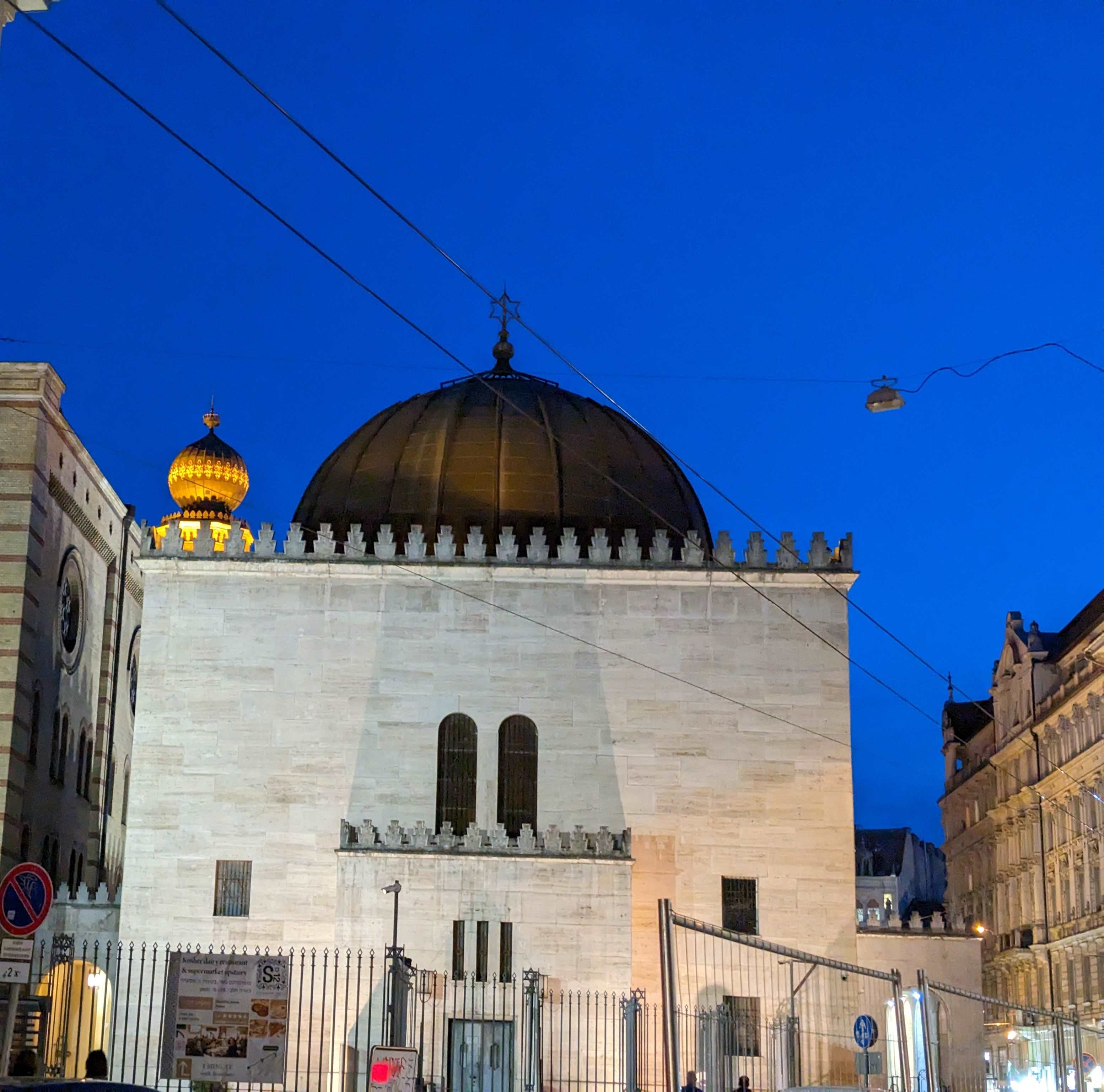
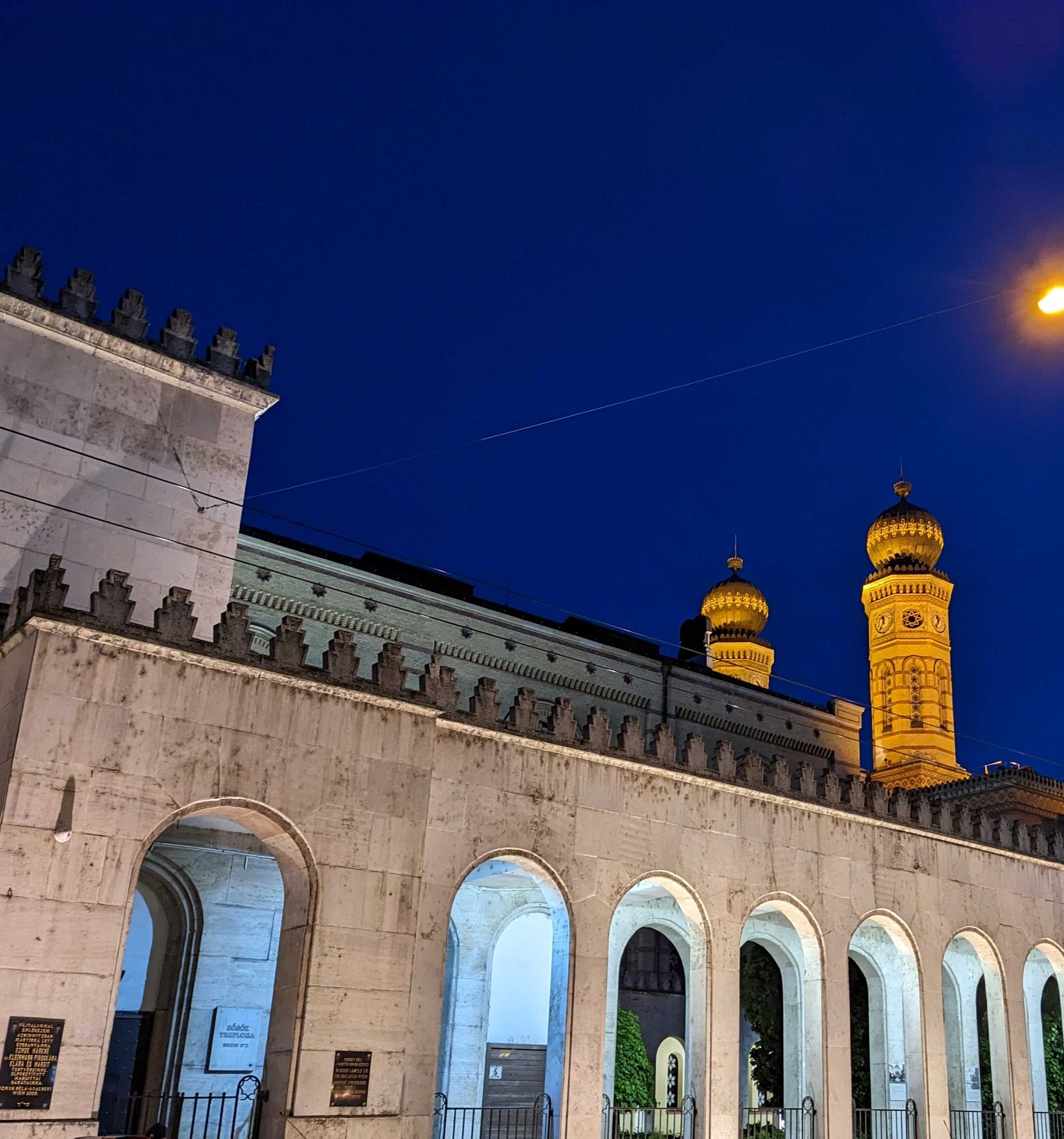
At 5pm, we eventually arrived at Budapest where they use the Hungarian Forint currency (1 HUF = £0.0023). There is much more information about accomodation and things to see via the link above. Below, two photos of the Dohány Street Synagogue from the Jewish Quarter where my hostel was located.
Budapest to Trebišov (east of Kovice) Slovakia
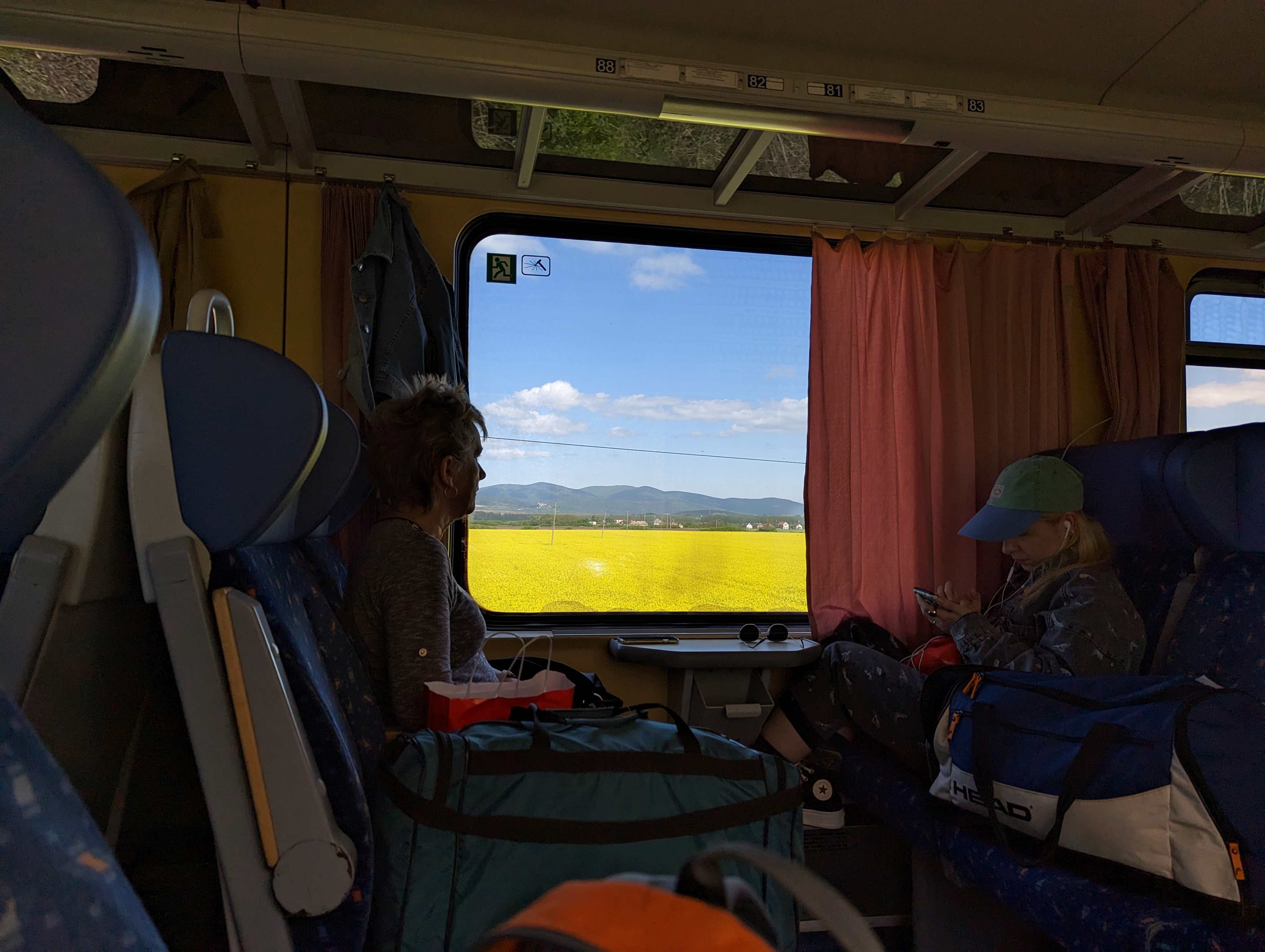
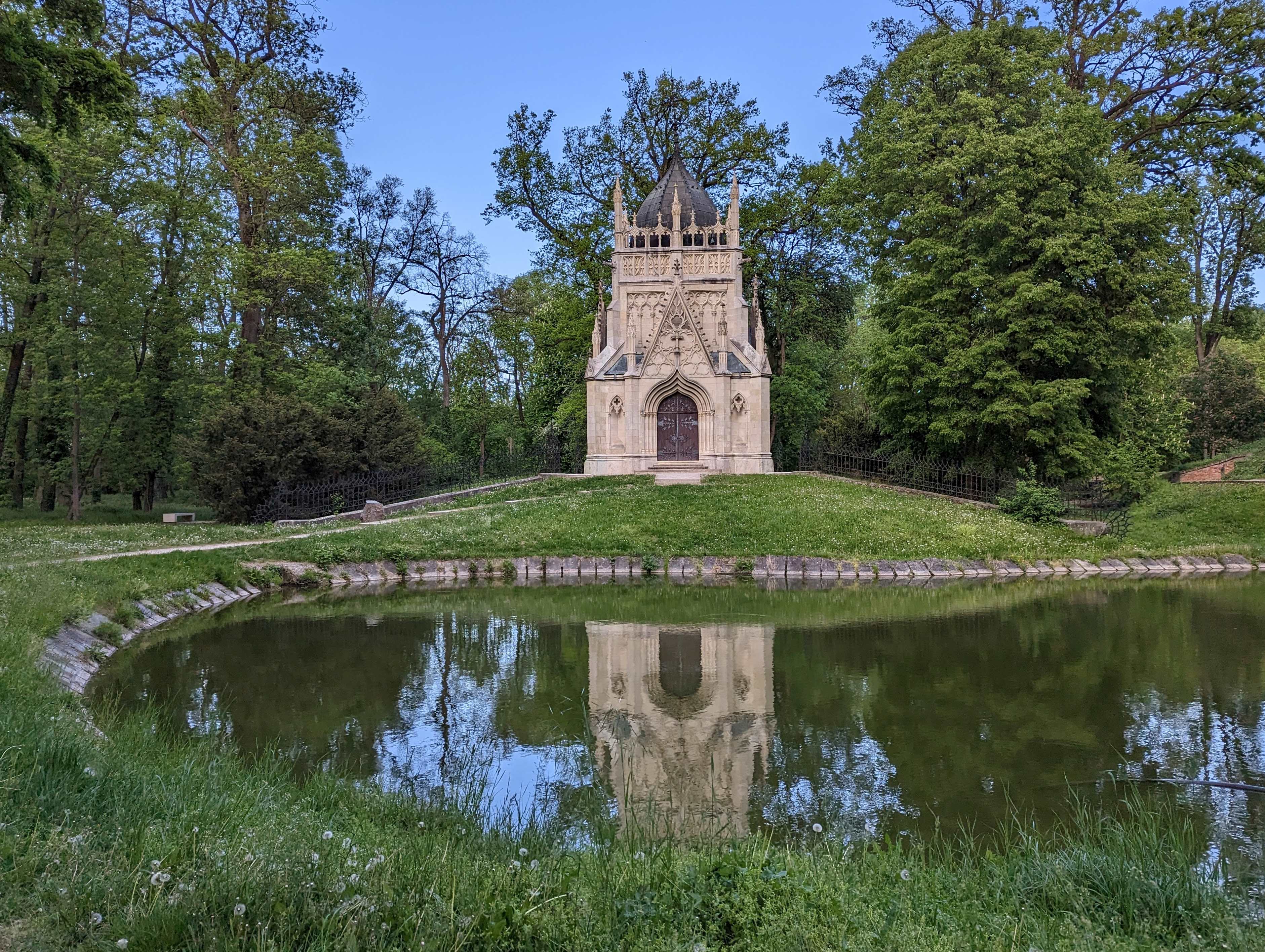
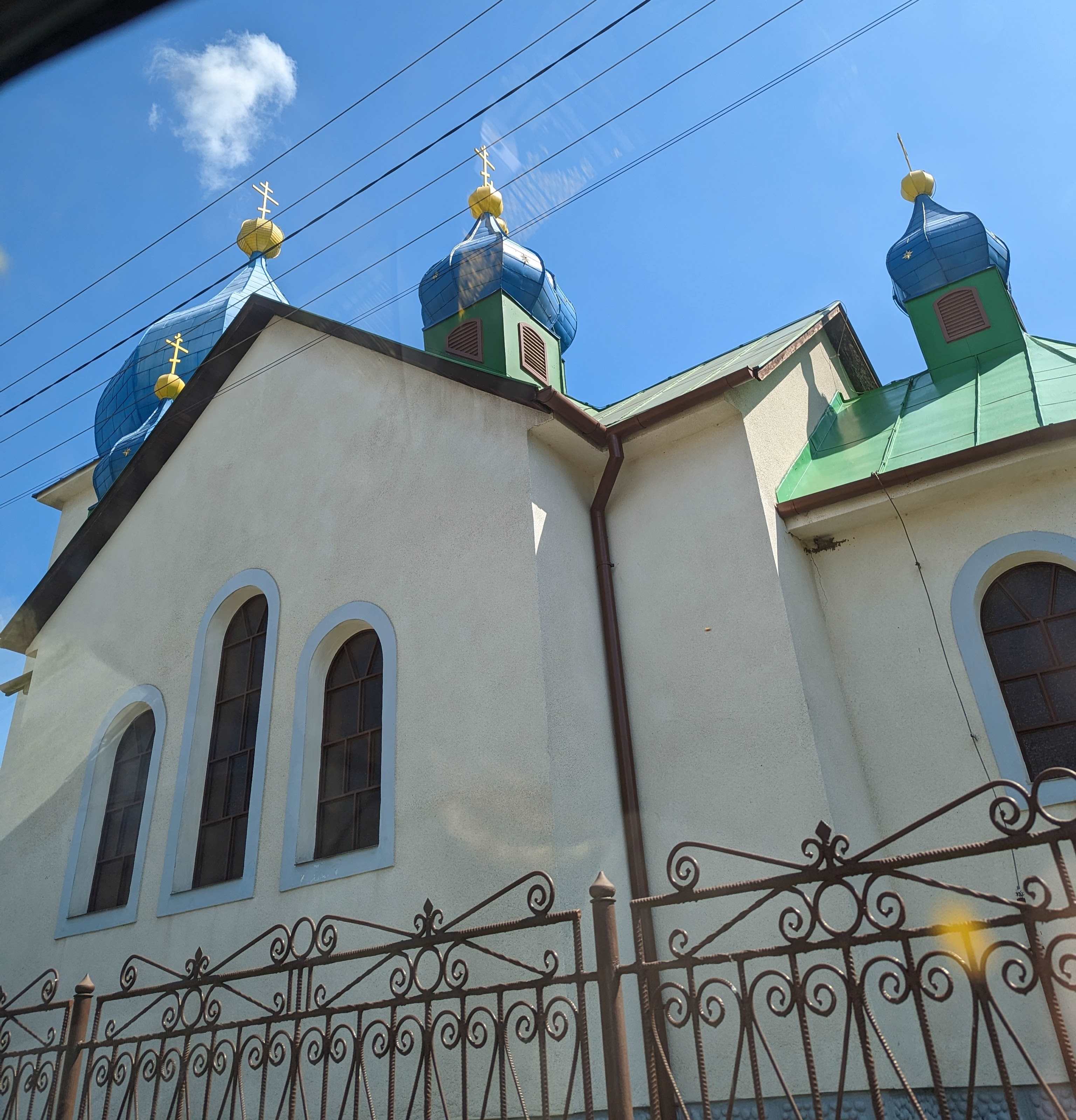
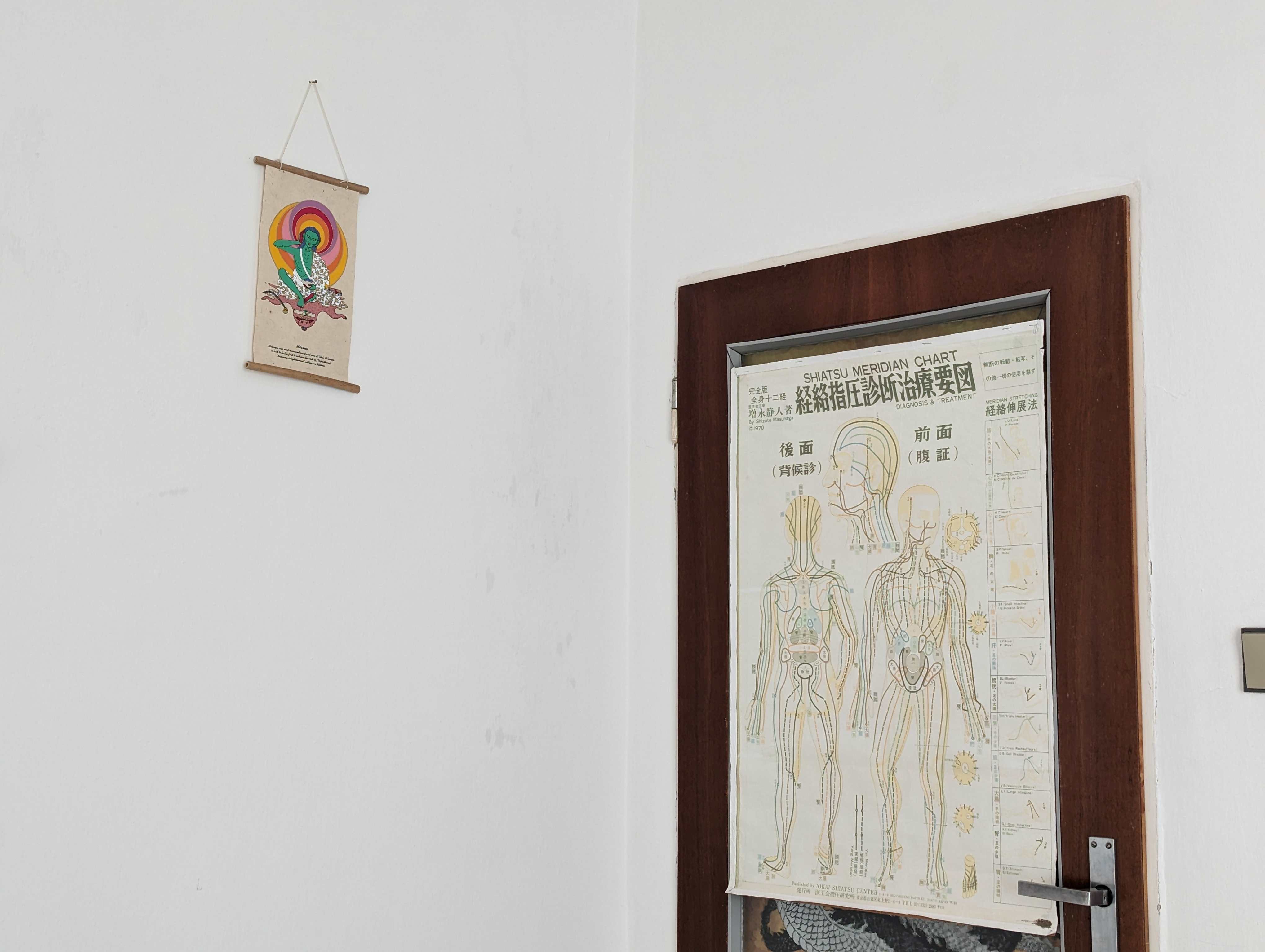
I went to stay with Patrik, one of the Shiatsu School Edinburgh graduates, and his family in Trebišov. They were really hospitable and I enjoyed the Shiatsu exchange, walks and talks we shared. The following three images are: the Milenecká ulička park (top), a traditional church (below left), and a Shiatsu room with a poster showing the Masunaga meridians (below right).
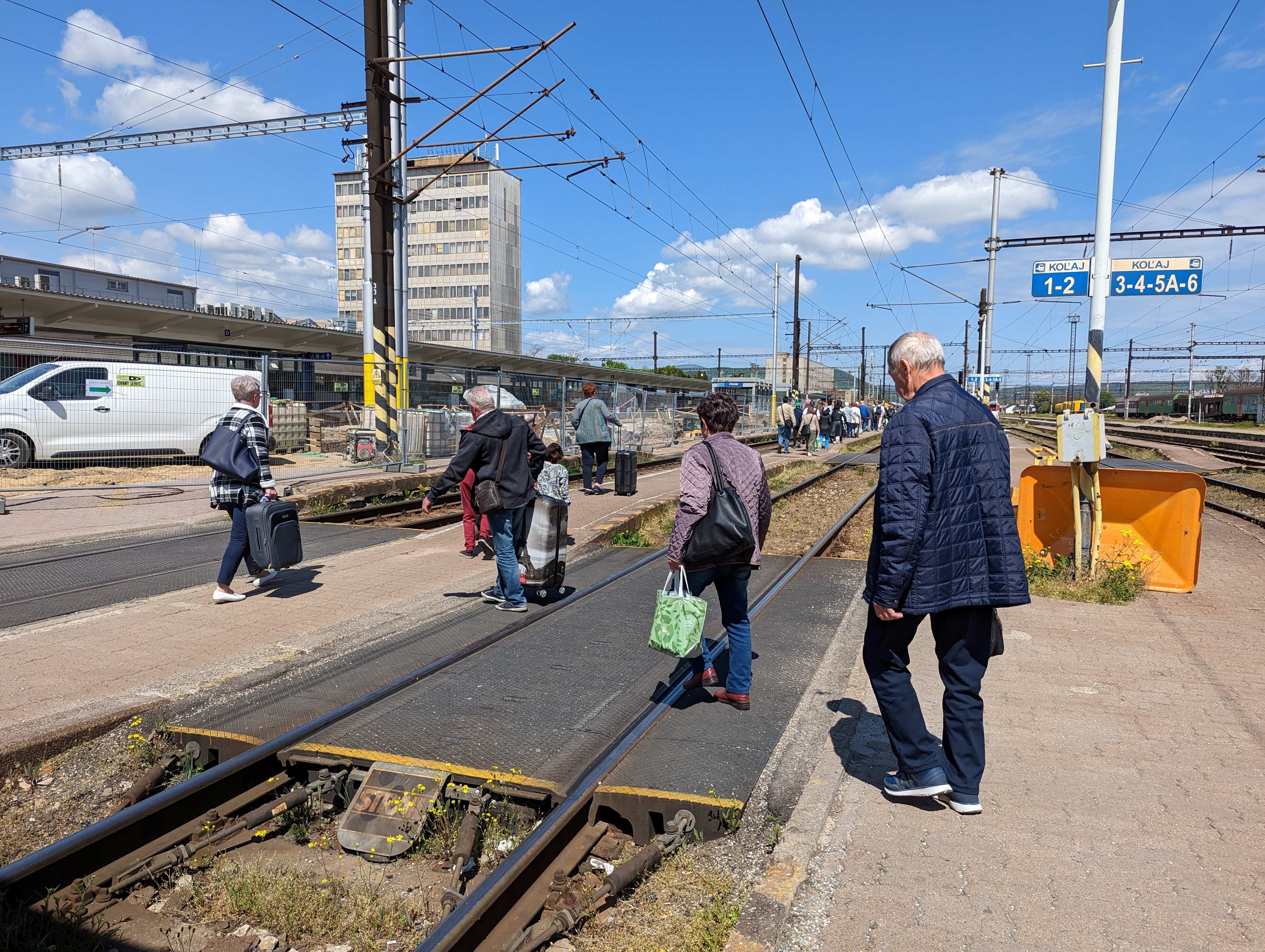
On the way back to Budapest, I changed trains at Kosice.
Budapest to Balaton, Hungary
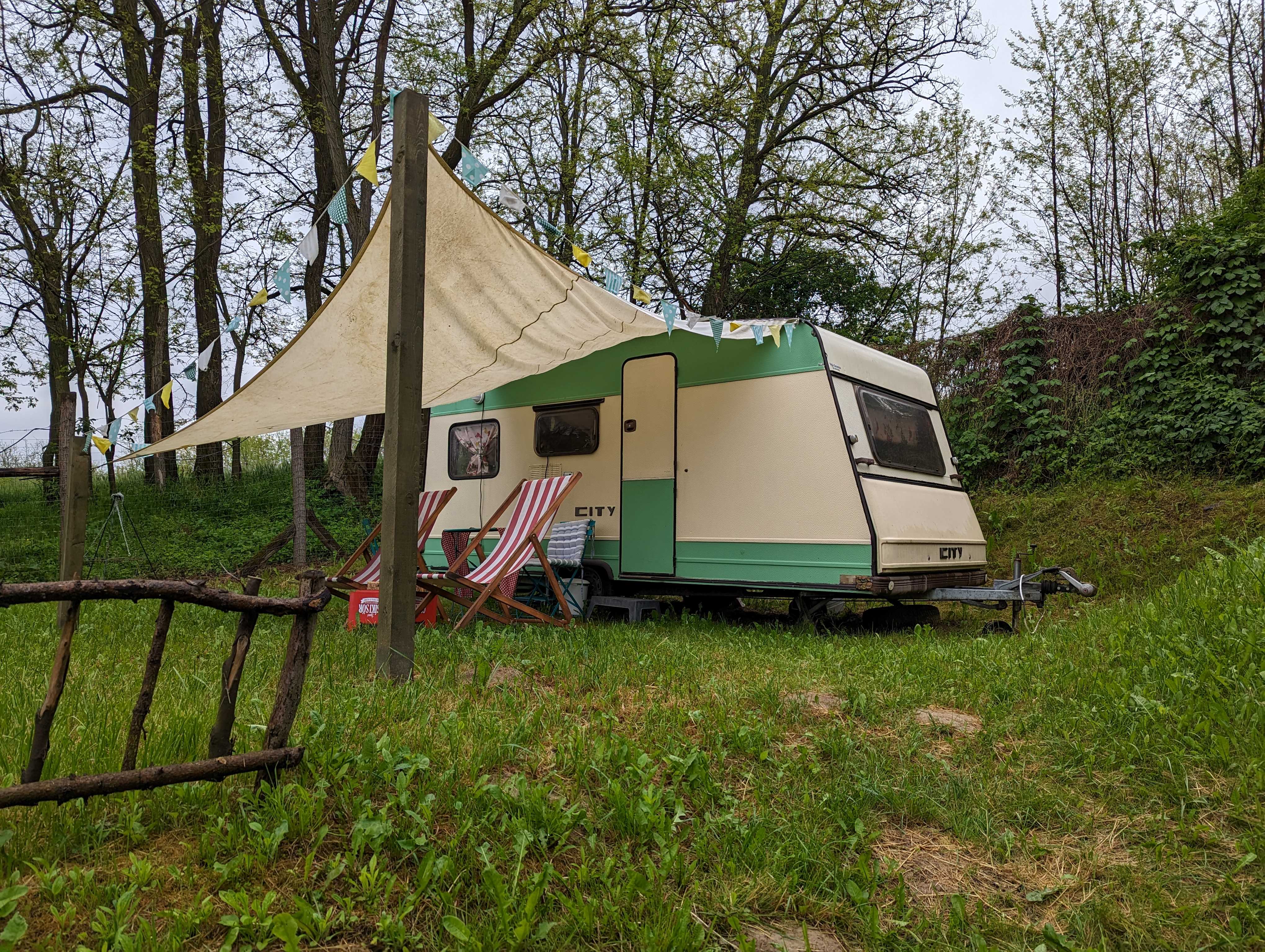
After staying another night in Budapest, I detoured to rural Hungary, travelling by train to Siófuk near Lake Balaton (south west of Budapest), from where I took a bus to Kopánnyszántó and walked to Koppány Pines to stay with Debs Tetlow (a fellow Juicy Crone). There, I exchanged Shiatsu with her and her husband who run a beautiful camp site, enjoyed walks and sat out the rain in the caravan they prepared so kindly for me.
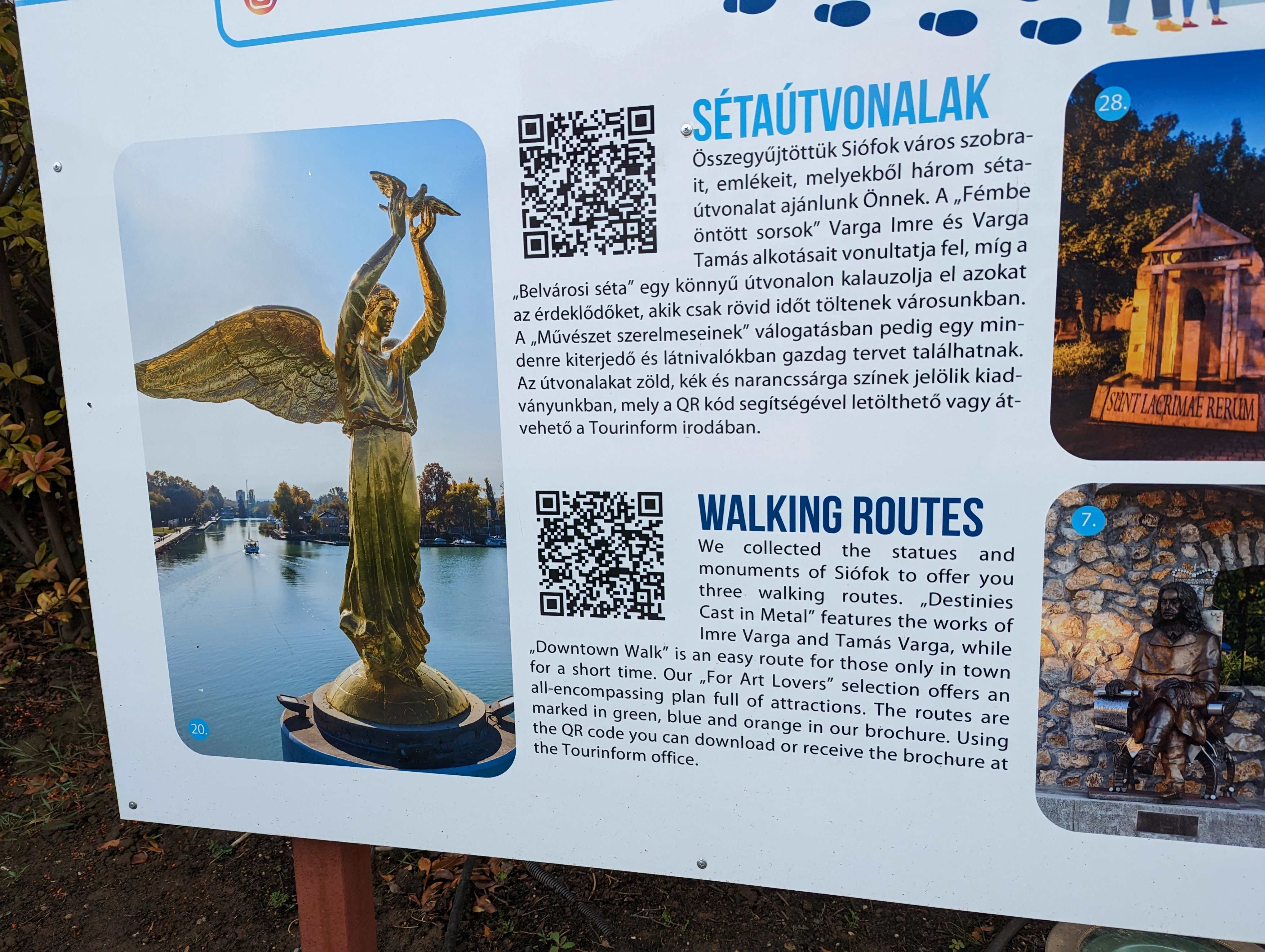
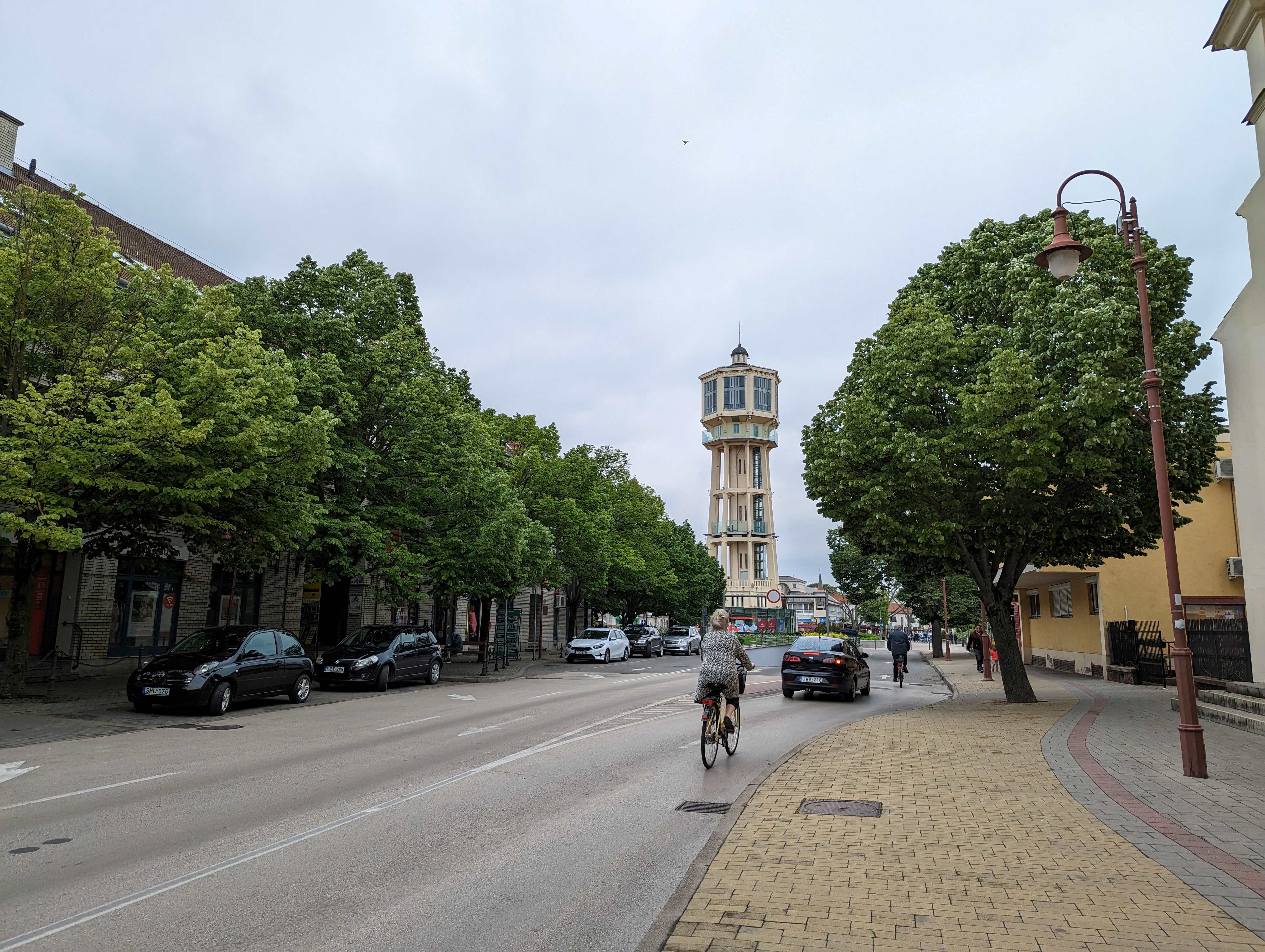
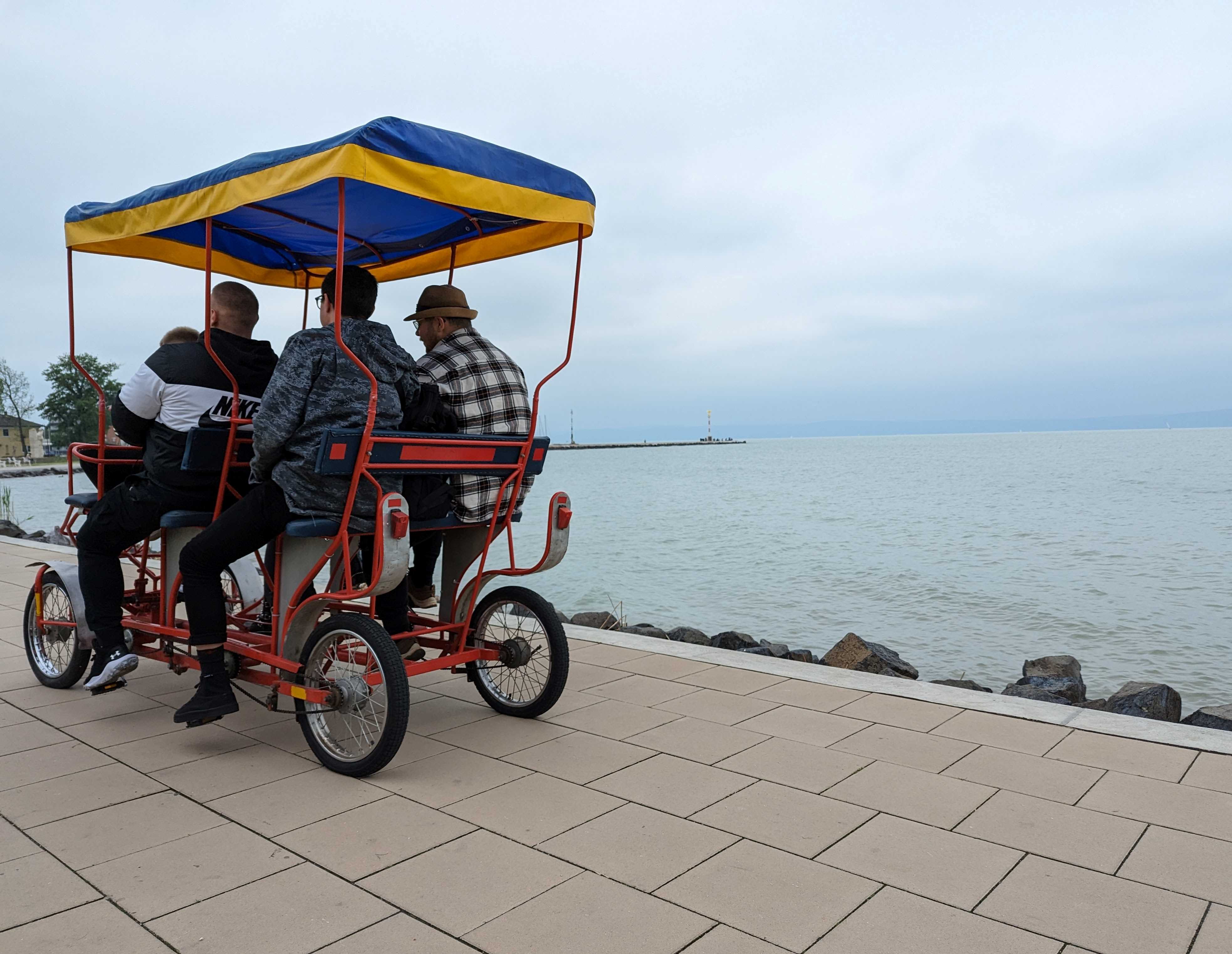
Again, I was returning to Budapest. This time I got a lift in a car to Nagykónyi, and then took the bus back to Lake Balaton (where I visited the Mineral Museum at Siofuk, Kálmán Imre stny. 10 8600, which is recommended), and the train to the Hungarian capital (station Népliget).
Budapest to Berlin
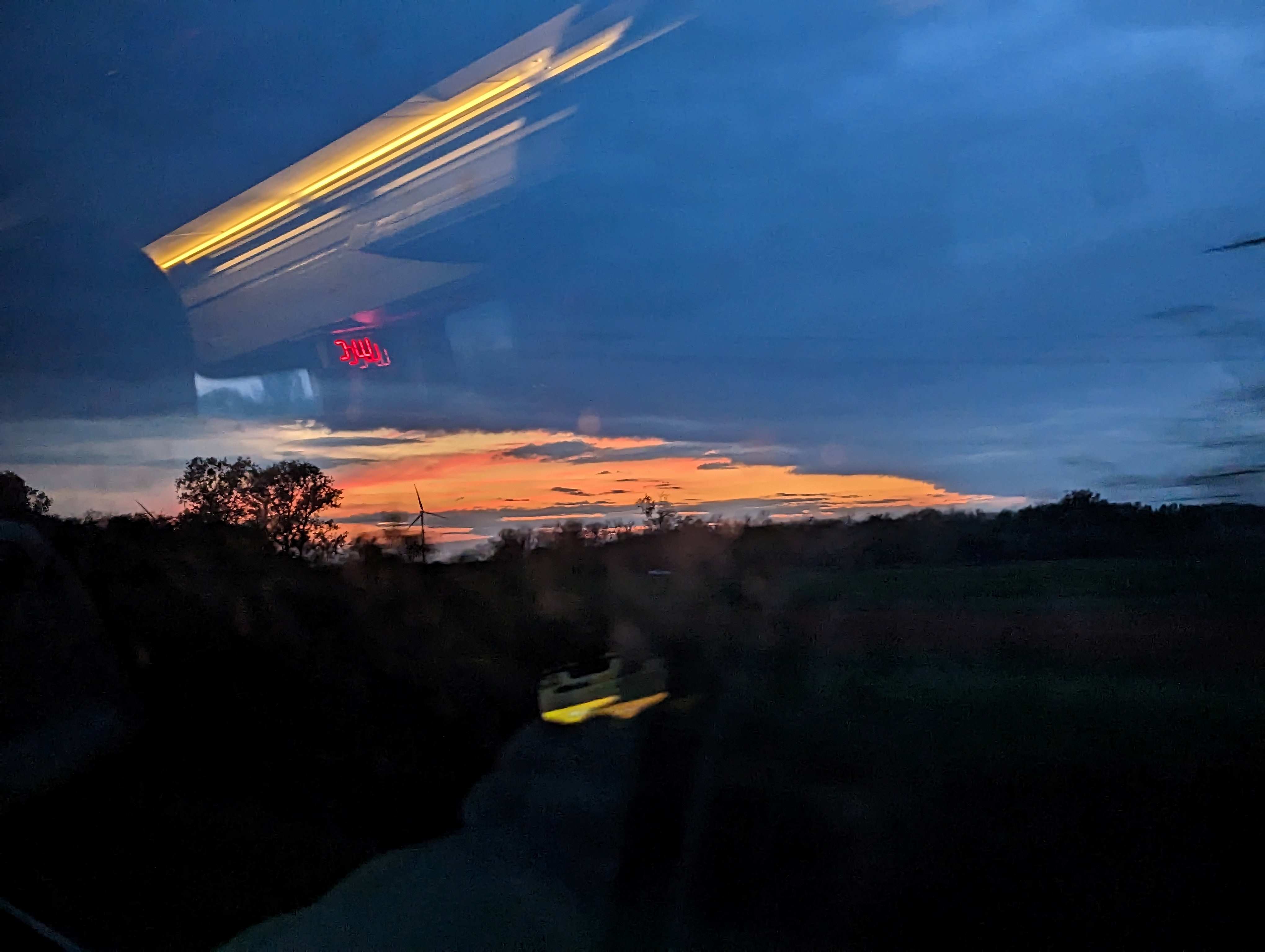
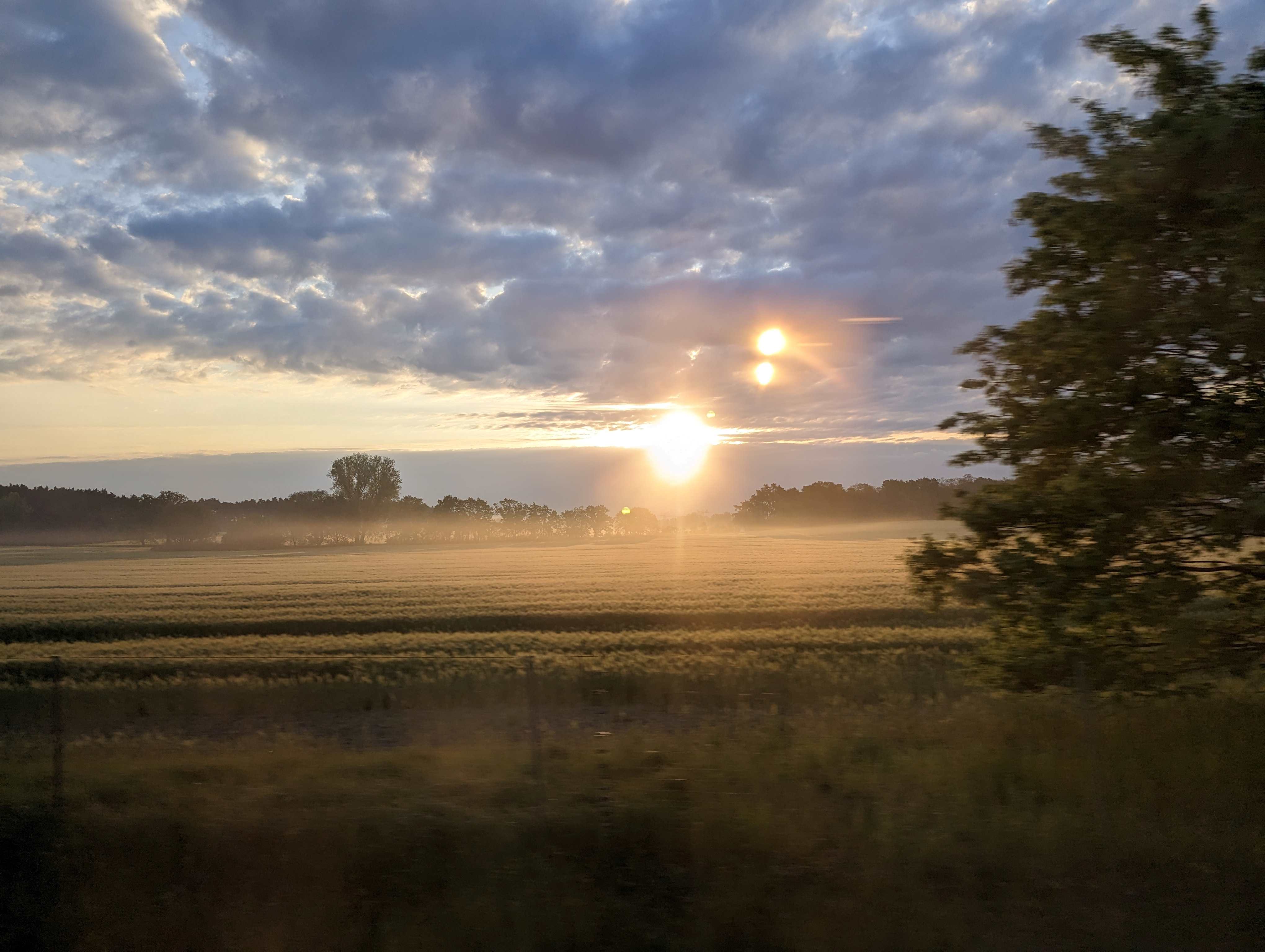
I left Budapest Nepilget at 7.30pm by bus, stopped somewhere for a break at 3.30am, and woke up in Germany at 5.30am to the most atmospheric dawn.
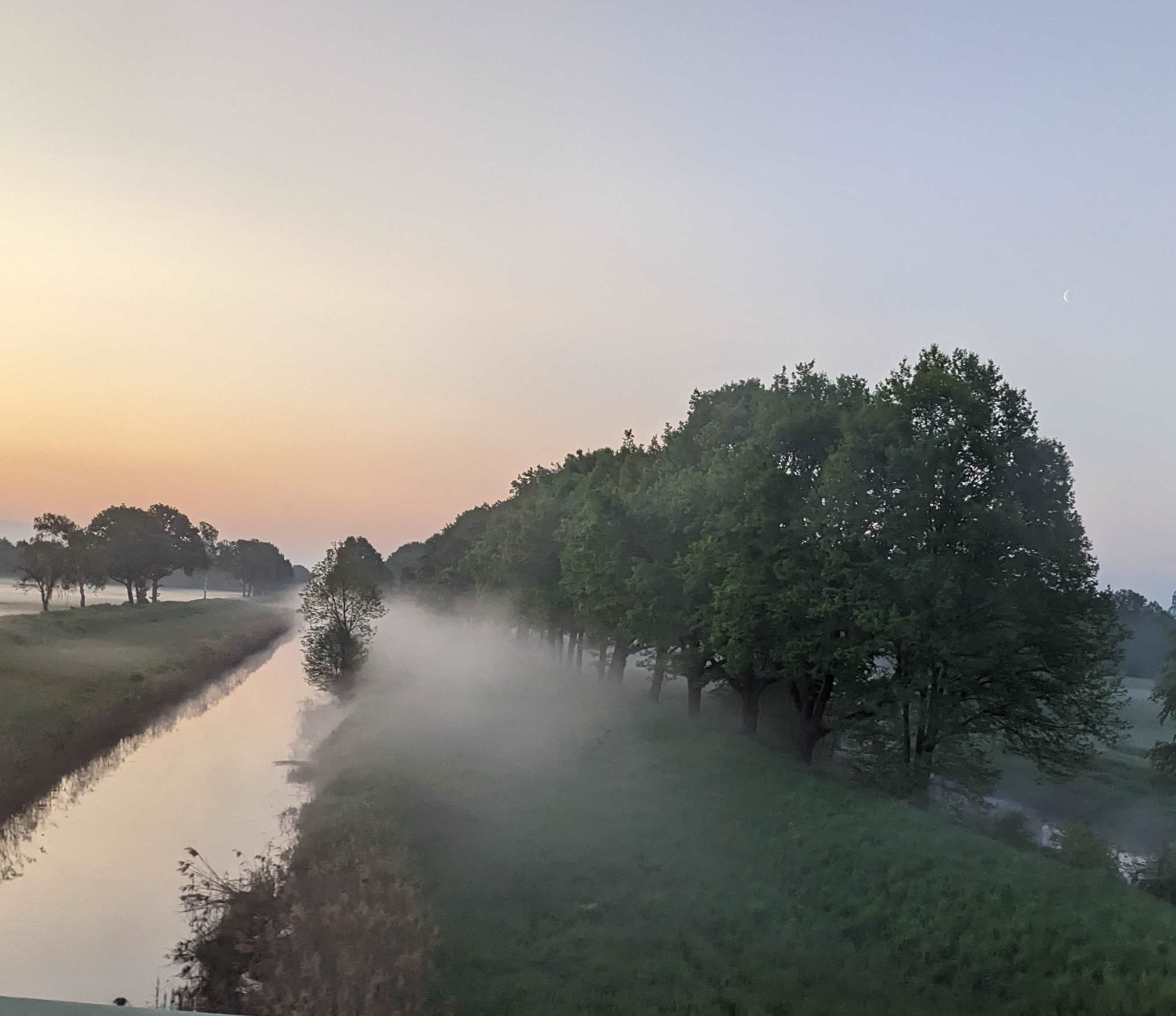
Sunrise Lübenau, Germany
At 7.30 we drew into Berlin Südkreutz and I had a wonderful walk by New Tempelhof where the streets are named after plants: Jasminepfad, Magnoliapfad.
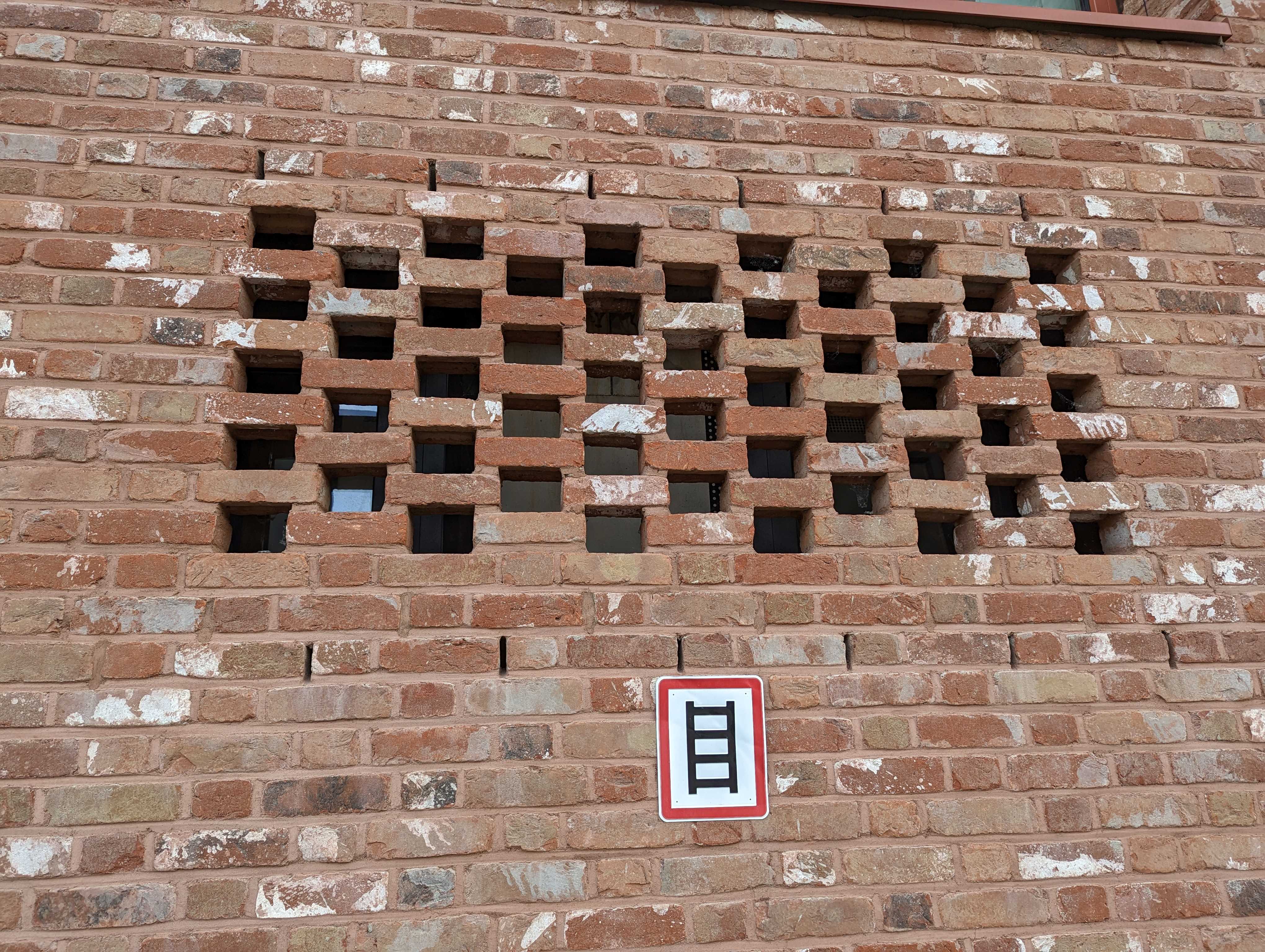
Berlin, Germany to The Hague, Netherlands
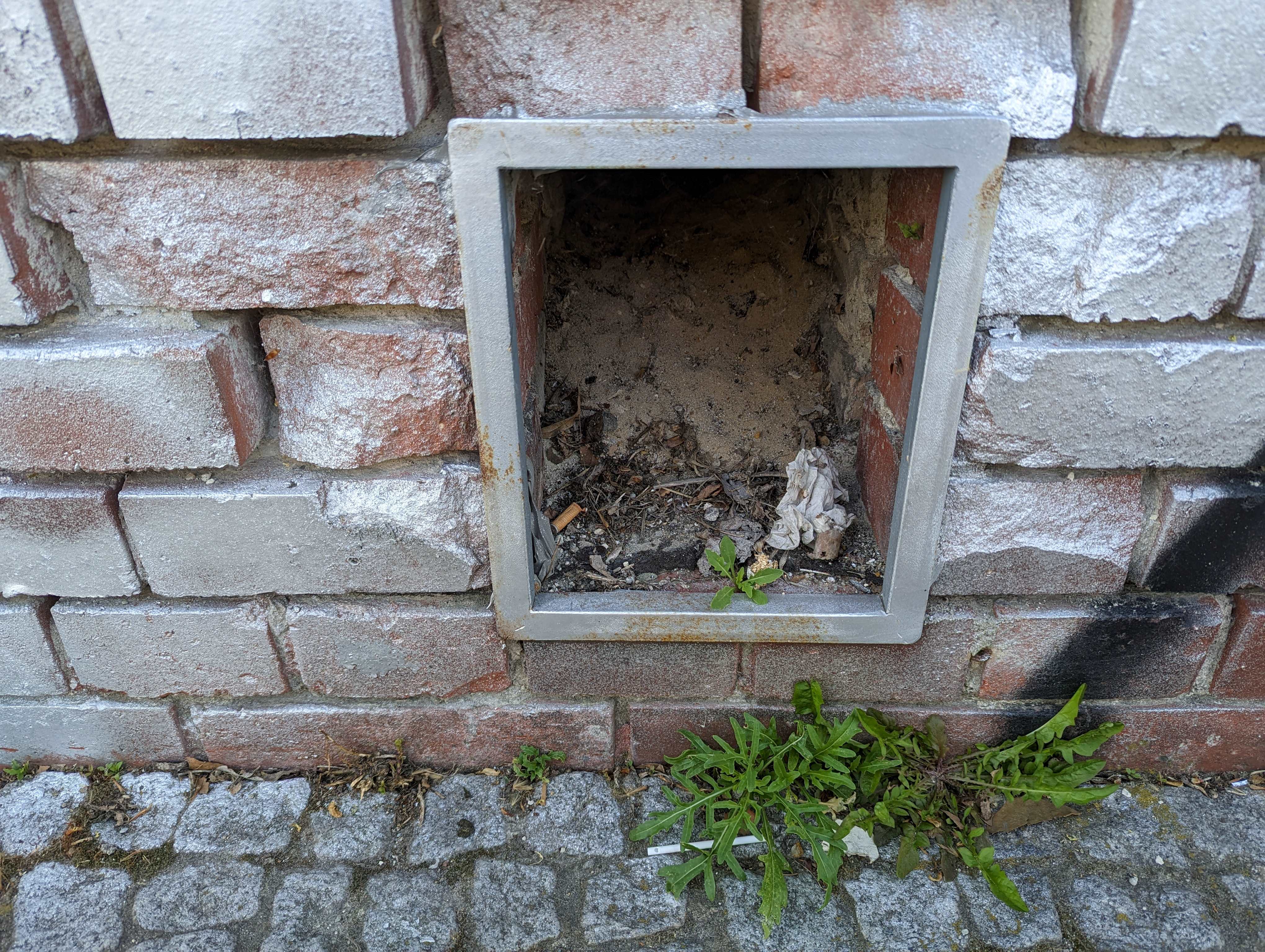
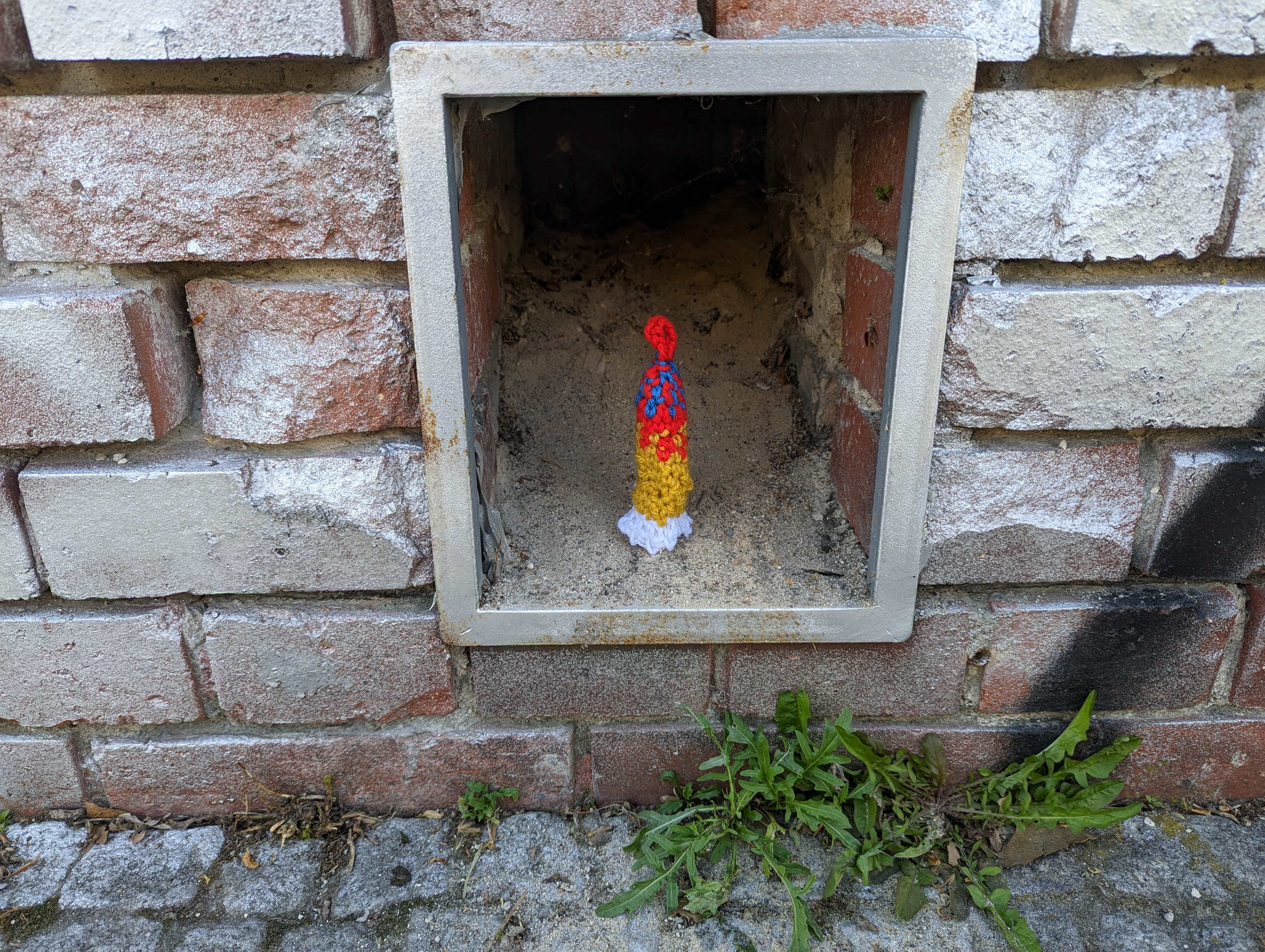
I still had a home-made crocheted flower left over from my time on the Greek island of Tinos and, on finding a make-shift altar space in a wall, cleared it and made a grateful offering to Abiona, Goddess of Safe Return.
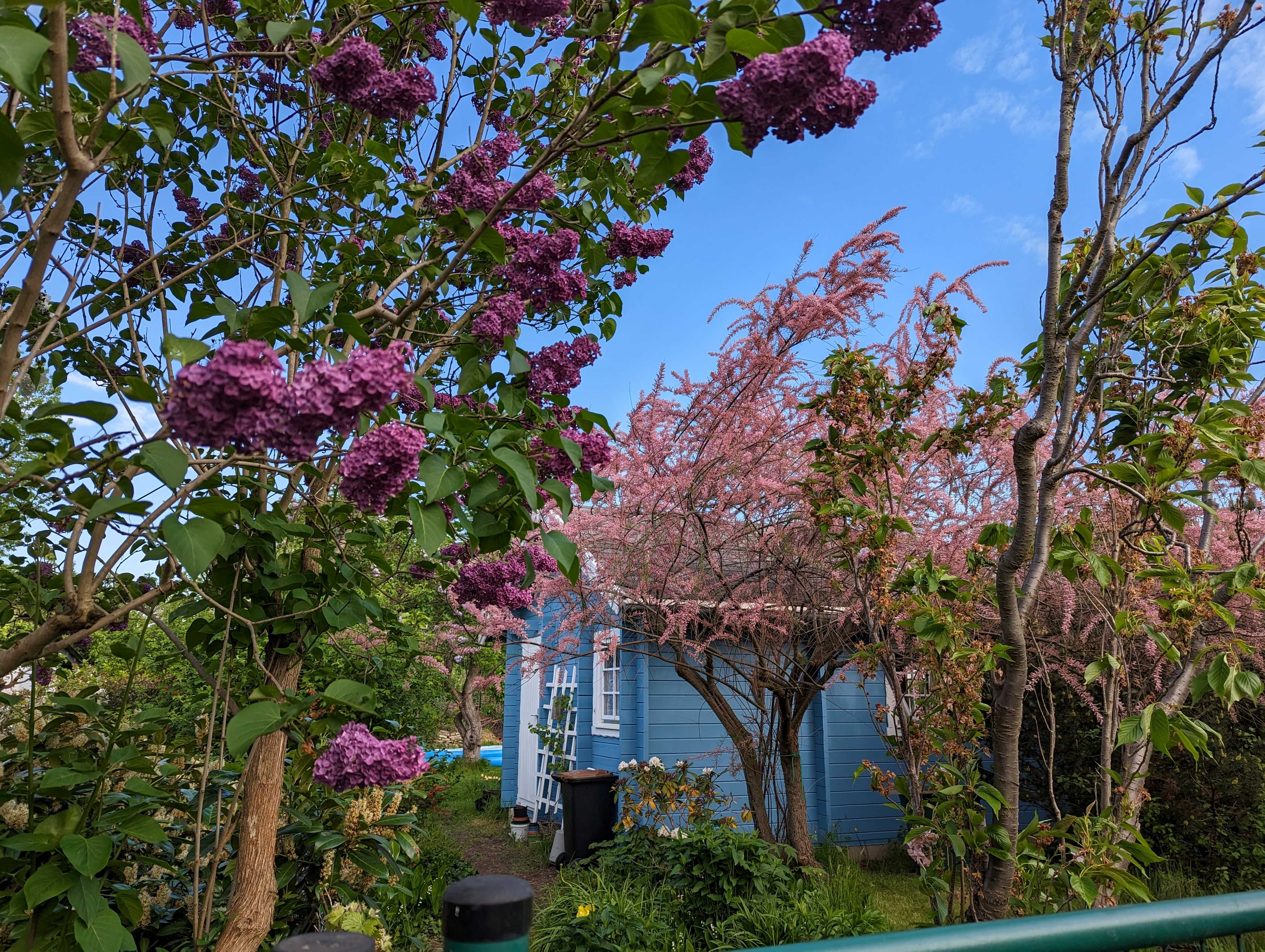
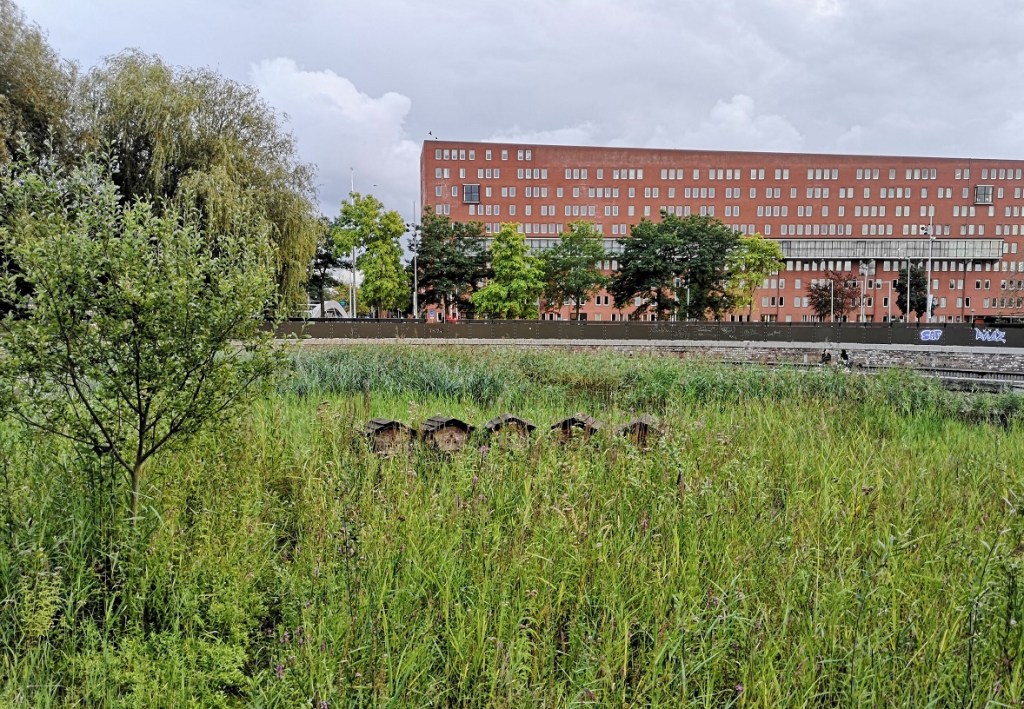
These allotment gardens (which I was told by a resident were like gold dust during the Covid-19 pandemic) were near to, and consciously contrasting with, the SA prison in General Papestrasse in Schöneberg.
I was in the German capital city for the first time. A few months earlier, I had been chatting with my mum and she said we had a relative living there who I had never heard about before. It was lovely to meet Helen and her daughter, and to find that we had interests, age and other things in common. It was she who recommended the Jewish Museum (it was a Monday and lots of the others were shut). I only had that one day to explore, and I was really impressed by the architecture and the exhibition both.
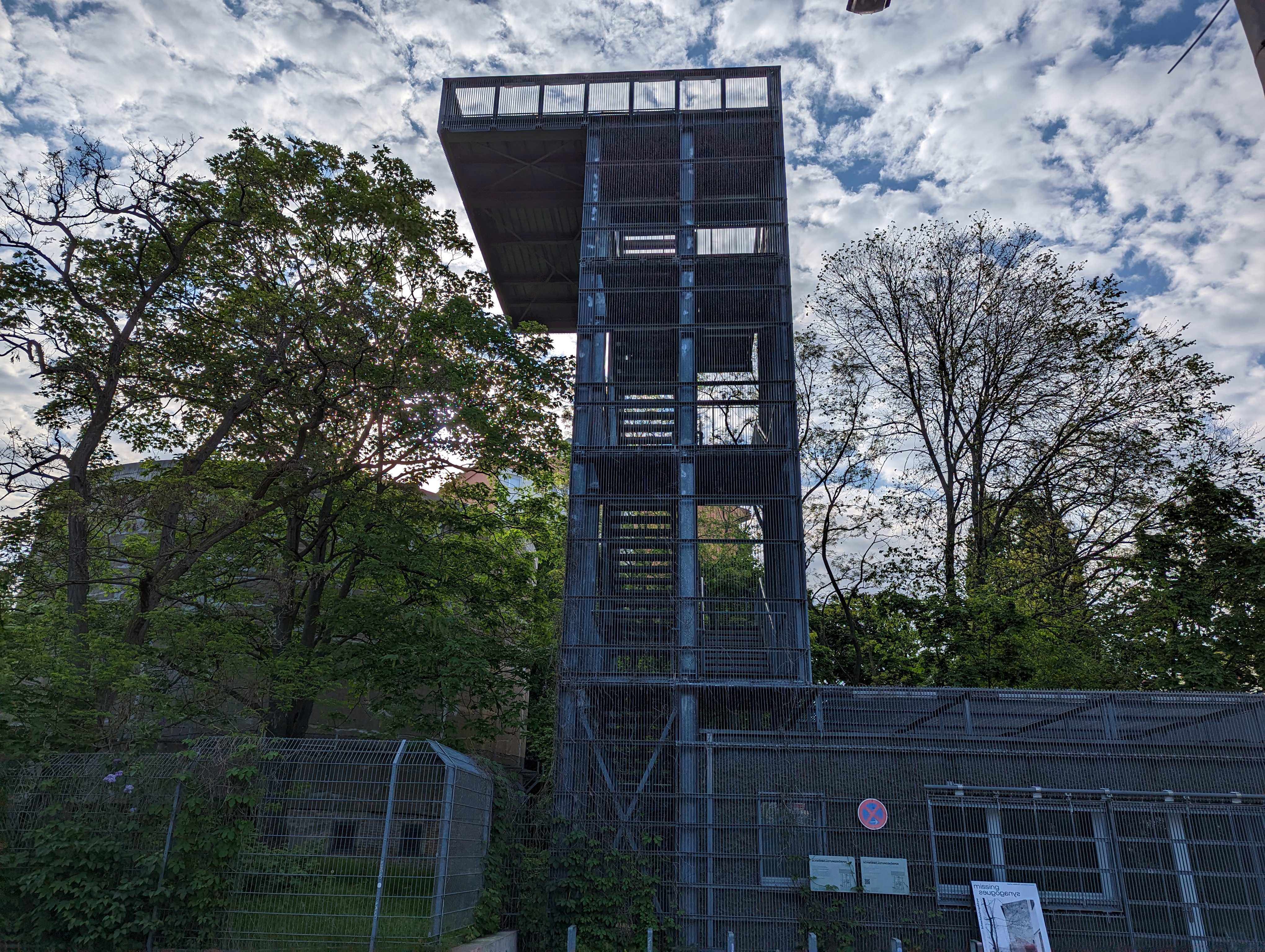
“The cellar rooms used as prison cells have been preserved in their condition from that time, with inscriptions and dates carved into the walls. Since 2013 there has been an exhibition here documenting the history of the prison.” Papestrasse
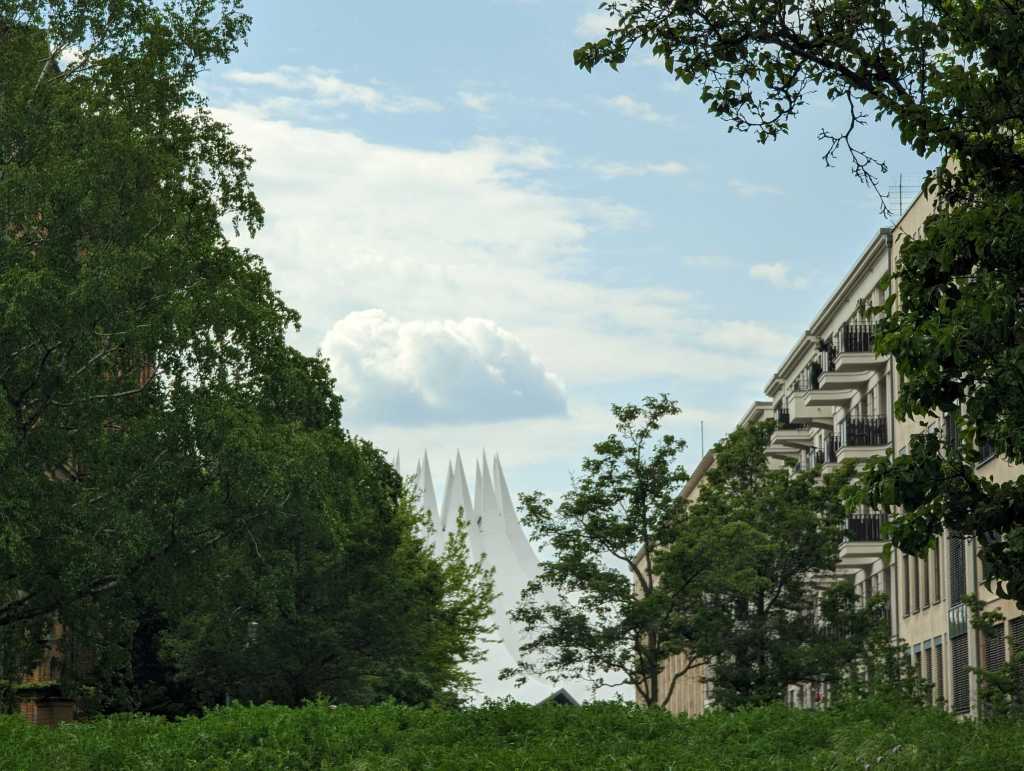
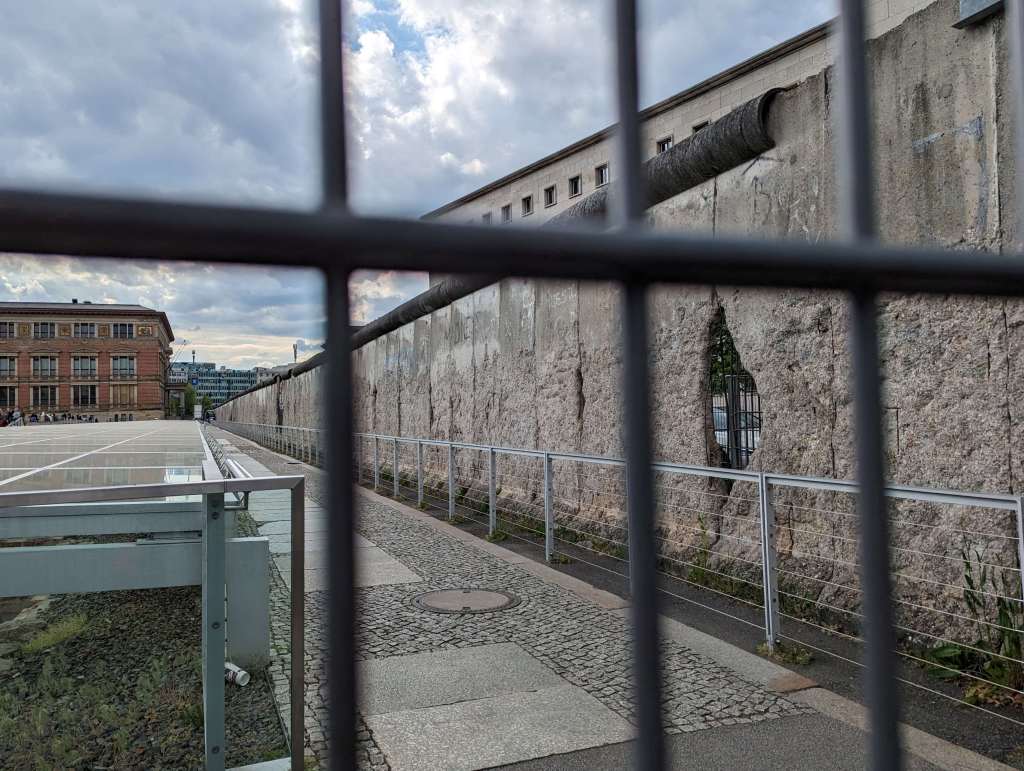
After my visit to the Jüdesches (Jewish) Museum, I walked a long way northwards, out of town, past the site of the Berlin Wall and Wilhelmstrasse. It was like walking through the history books. The end of this walk was the only time during my entire journey when I got scared and it was brief. There’s a section of very quiet streets and it was, by then, dark. I wasn’t sure I would be safe, but there seemed no option having got this far, so although the walk was really interesting, I would recommend getting a bus if you are leaving from the Flixbus stop on Berliner Strasse, Alt Tegel. I also didn’t find the stop very easily.
It was due to leave around 11pm, but was delayed by several hours. We waited and got cold, got random messages from the bus company, and eventually knew we had ages to wait, giving ample time to find somewhere warmer to sit and continue a lovely meeting with a Ukranian woman who was with her young daughter. She was understandably very worried about her husband and extended family back home. They were going to Amsterdam to try and sort out passport issues.
Berlin to The Hague to the Hook of Holland
Journey time: 9-9.5 hours Berlin to The Hague.
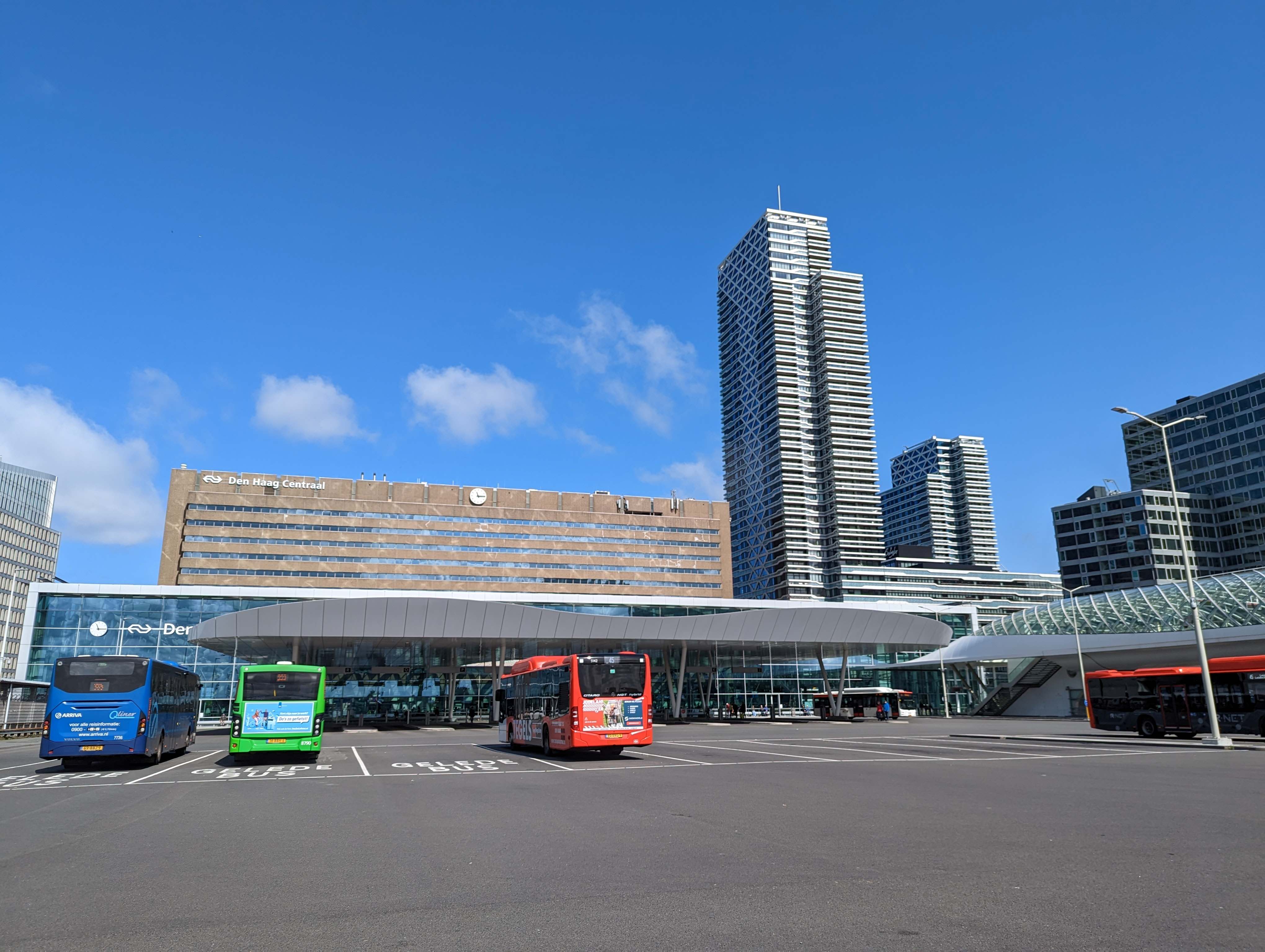
It was hard to find where to take the tram from The Hague (Den Haag) to the Hook of Holland (it takes just over an hour). There were lots of people wandering around looking and no-one knowing. When changing from the tram to the bus, the only place I could find to go the toilet was in a hospital (Haga Ziekenhuis)!
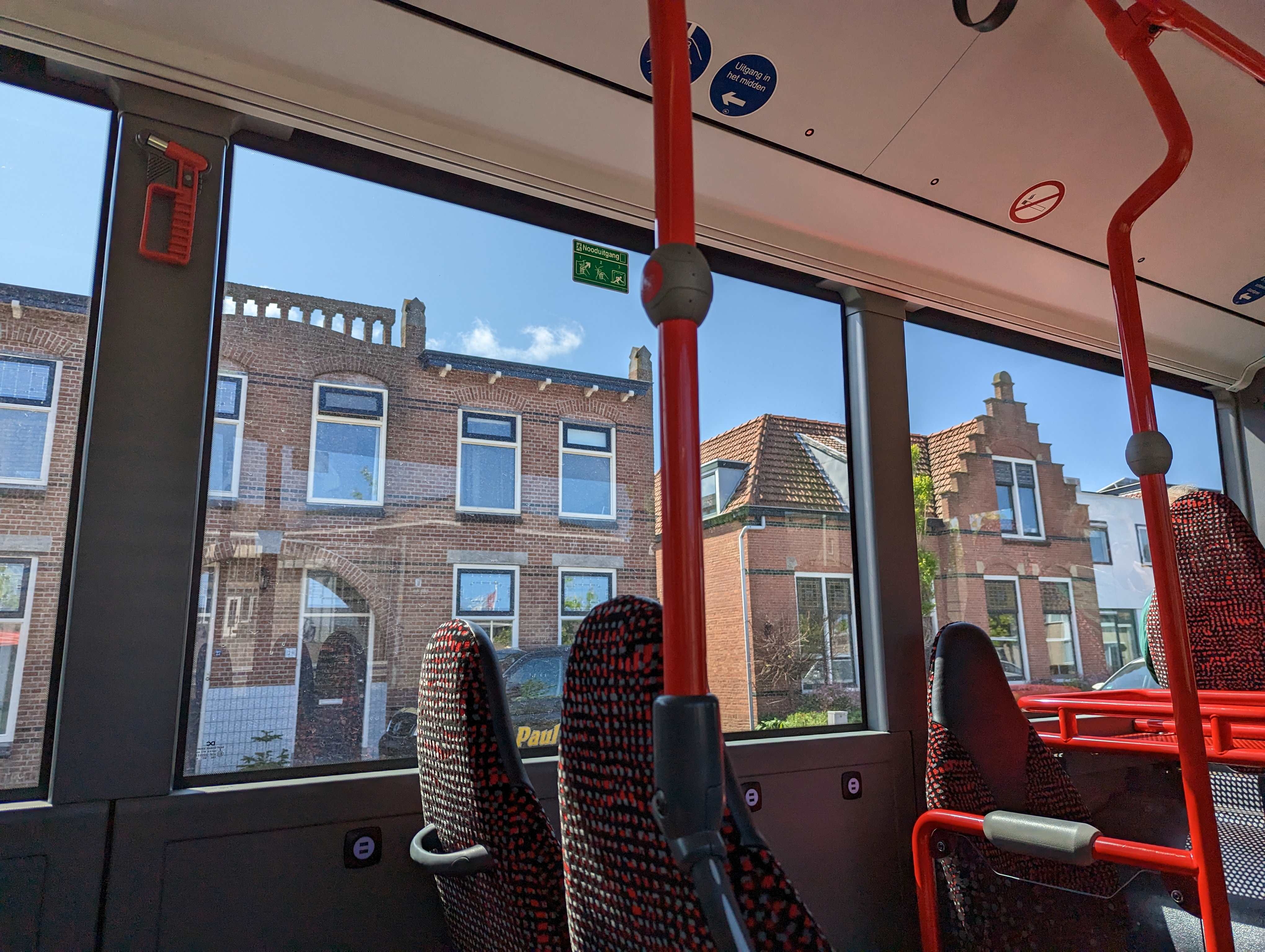
The ferry terminal was almost empty. I was detained for quite a while as passport control flipped through my passport, looked at me, did it again and so on. In the end I asked what was wrong and they asked about going into the Schengan area and why I hadn’t got a stamp saying I’d gone out again. Presumably I was asleep. Thankfully, I had left myself plenty of time, and eveyrything went smoothly after that.
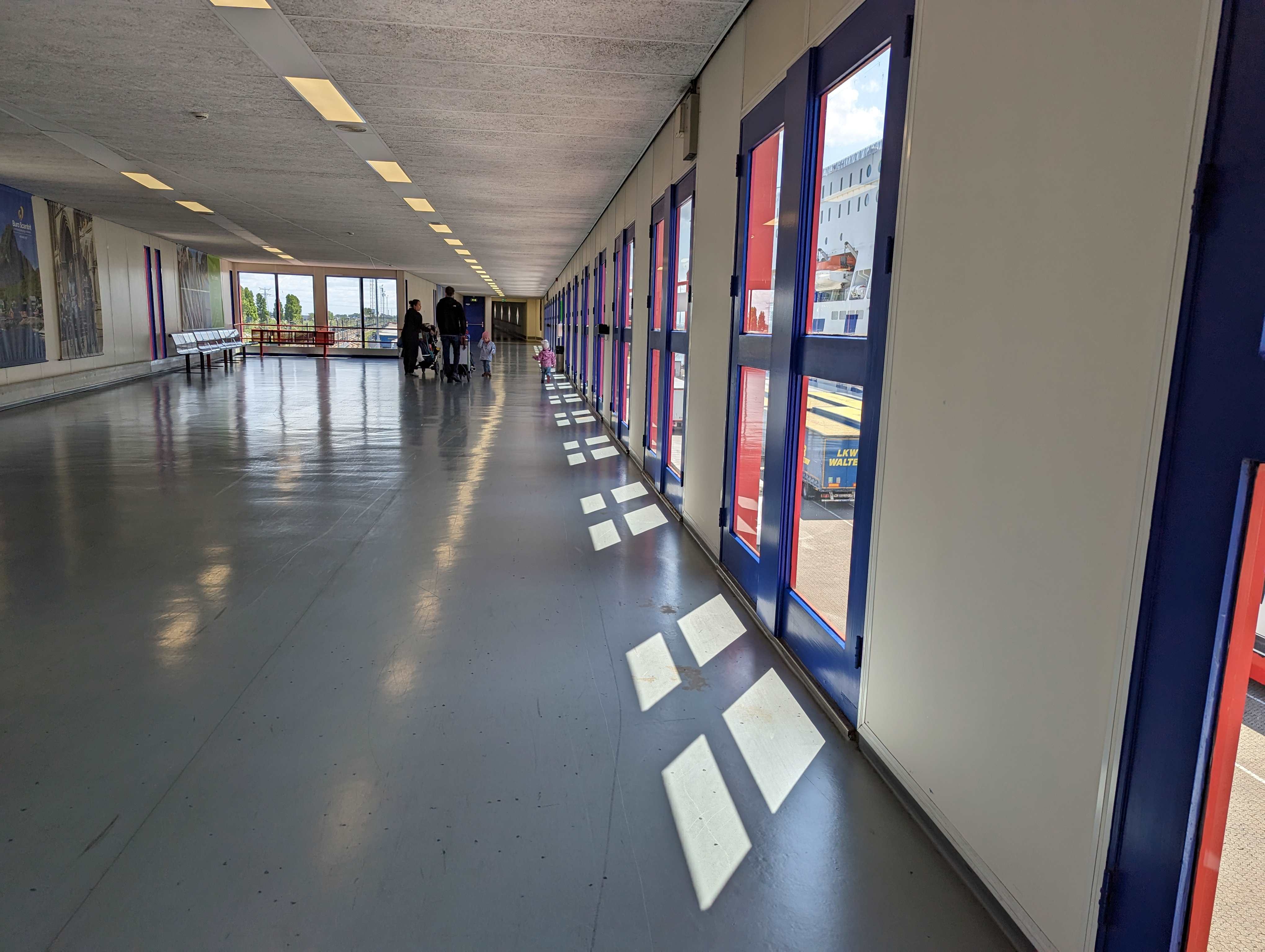

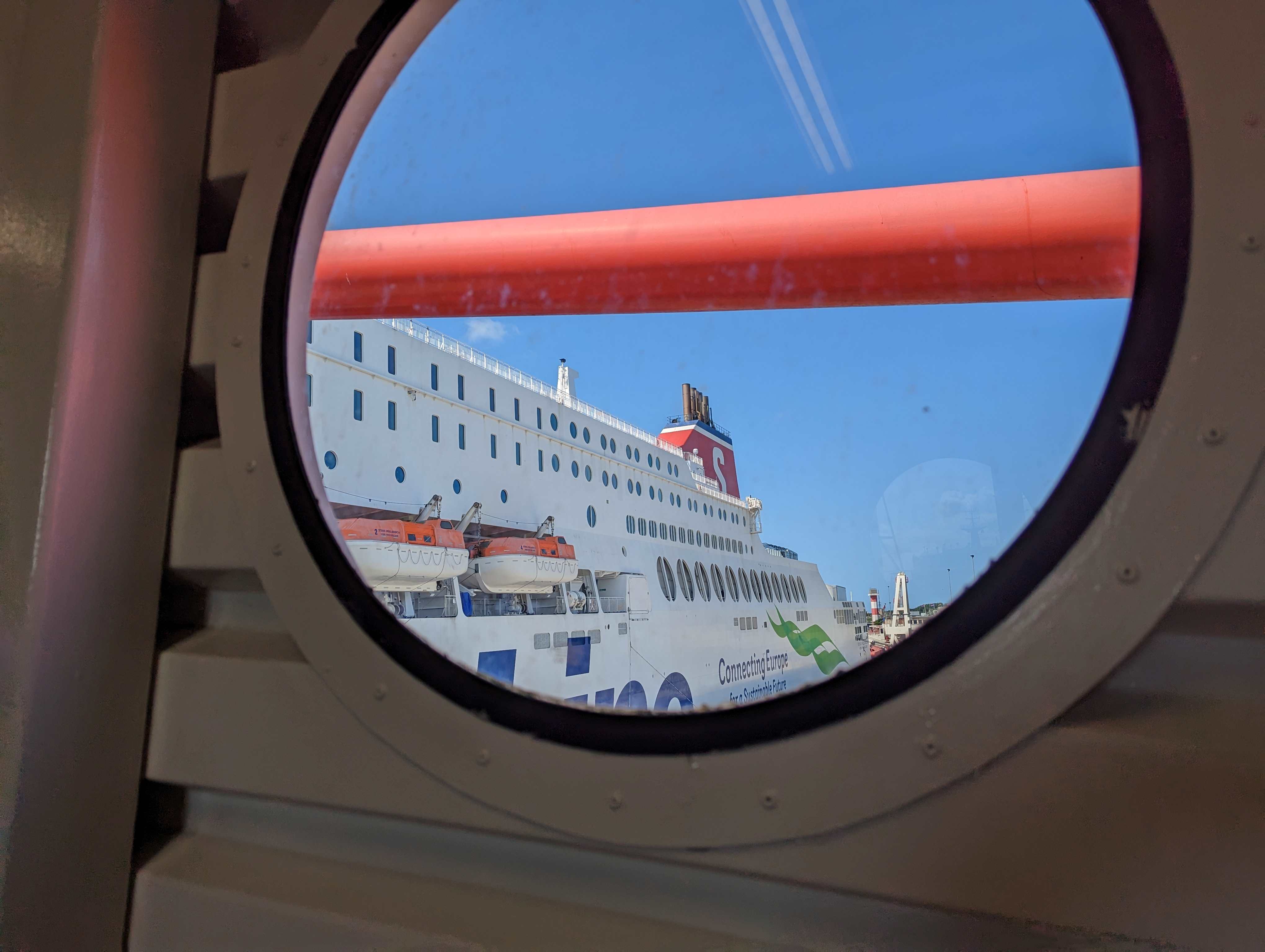
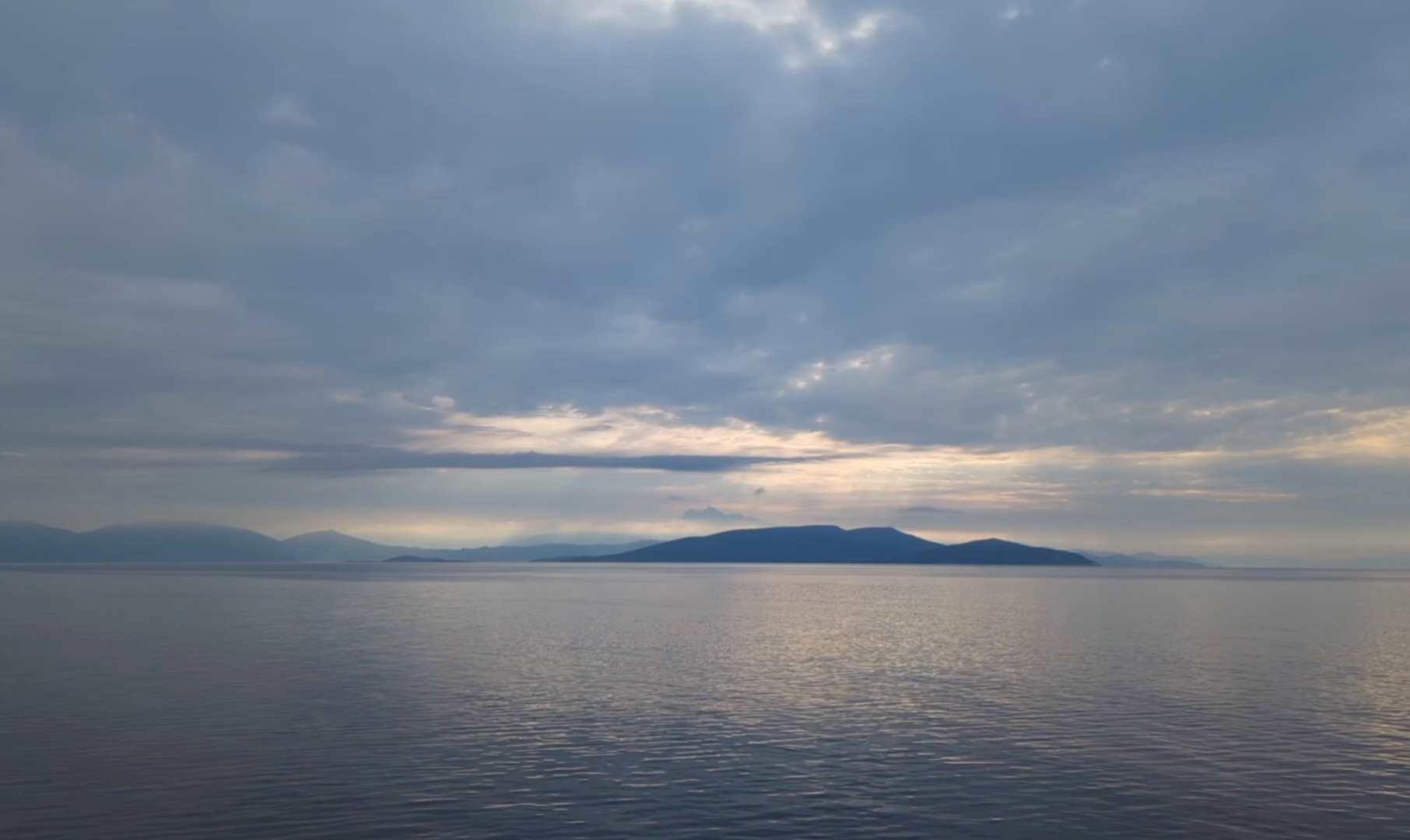
Photos above are of the Hook of Holland (Netherlands) ferry journey to Harwich, England
Harwich to London to Edinburgh
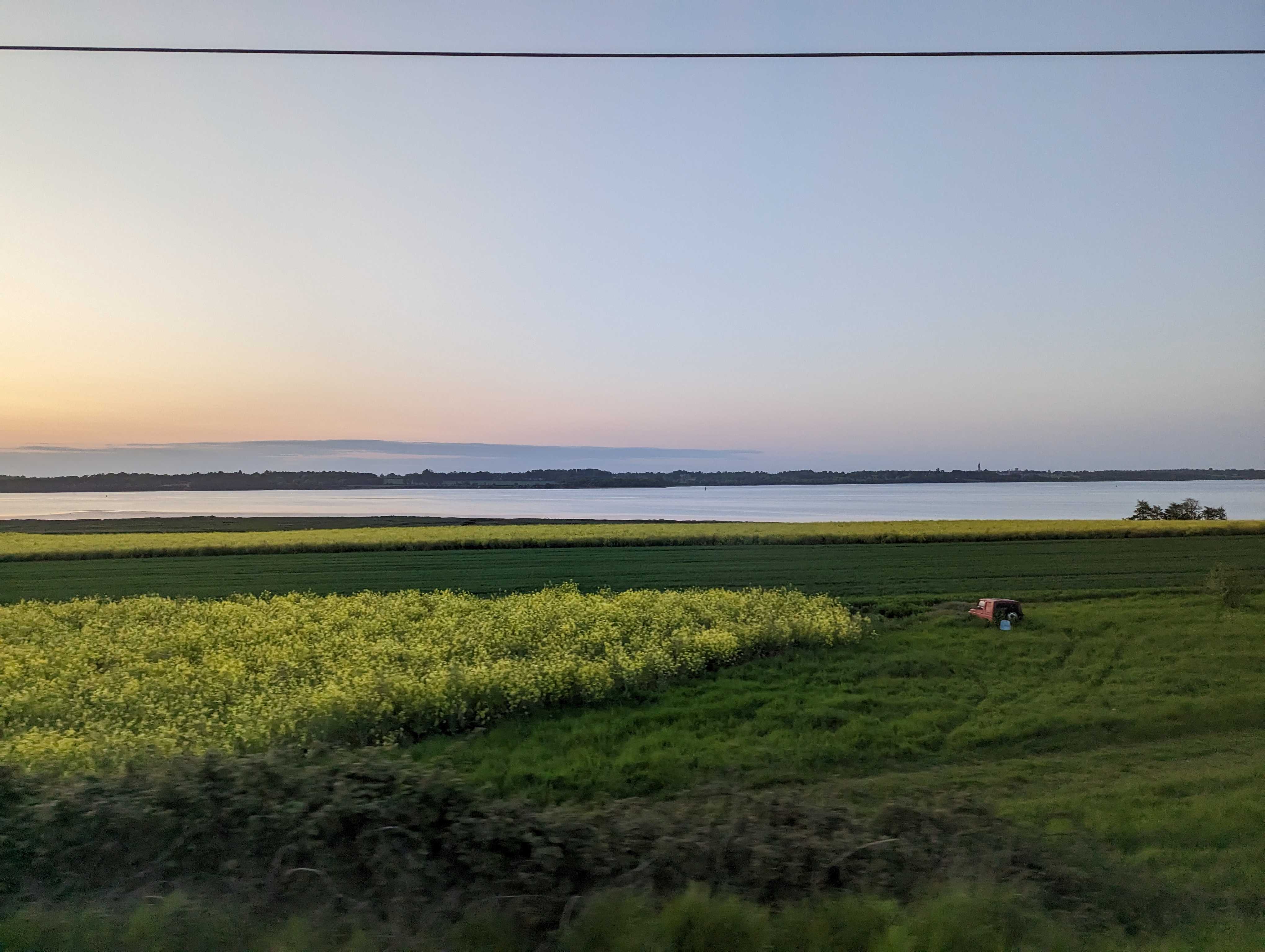
I took a late train into London using Greater Anglian Trains.
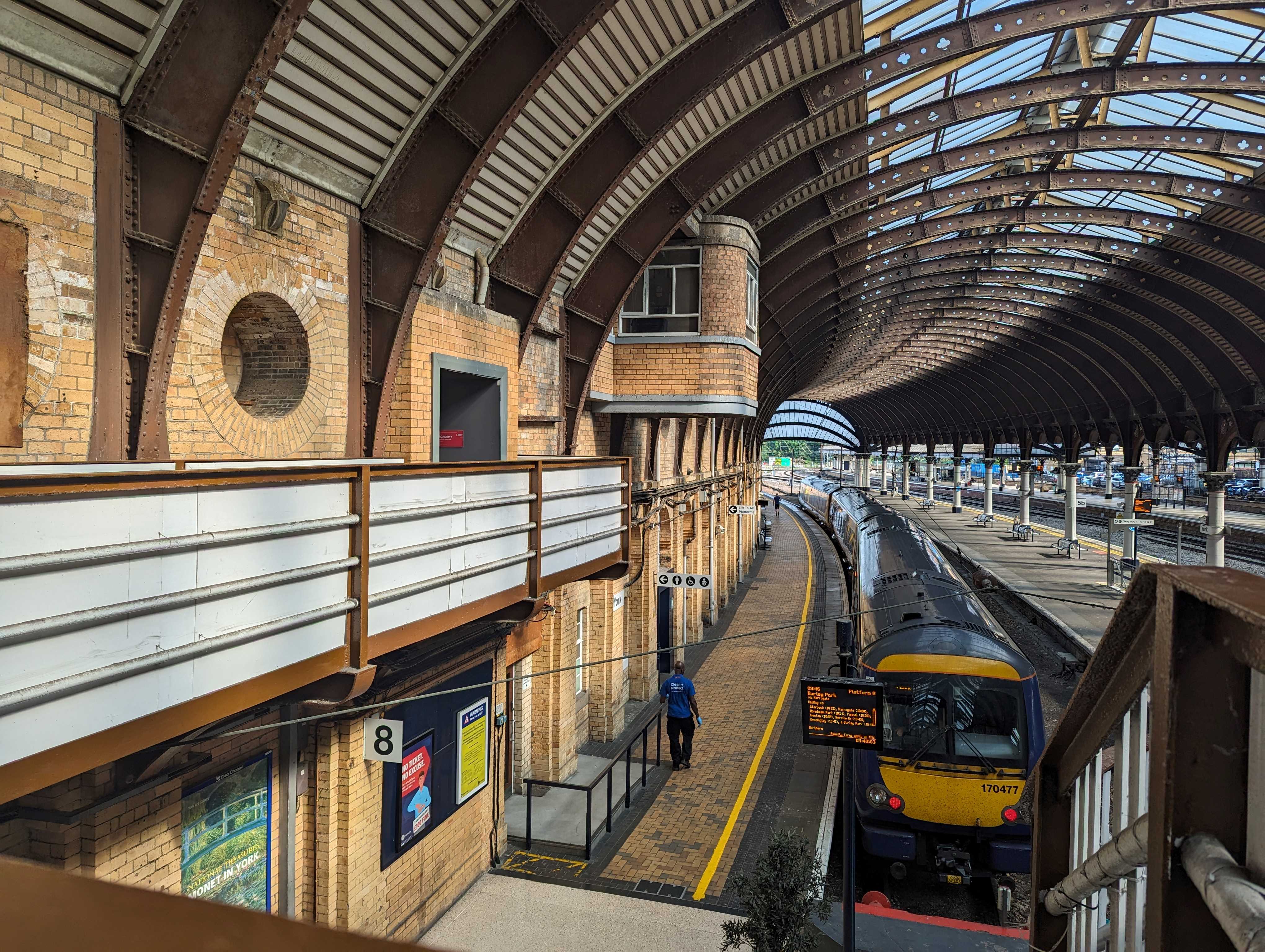
And to Edinburgh via LNER (London and North Eastern Trains)
Useful links, recommended reading etc
You may also like Overland Travel from Edinburgh to Greece 2
Travel websites: Infobus
Flix Bus – beware they are very cheap, but there are very often delays and it’s hard to get any money back from them as recompense because they blame it on the roads and so on. If you have travel insurance (which I recommend if you are making complicated journeys like this – it’s not too expensive for a year – I used multitrip.com), it’s easier to claim from that.
and into Kent from London – use South Eastern Trains
Recommended reading: Slow Living by Wendy Parkins and Geoffrey Craig (about the ‘slow’ movement of which this type of travel is a part); The Instant by Amy Liptrot (about her time spent in Berlin).
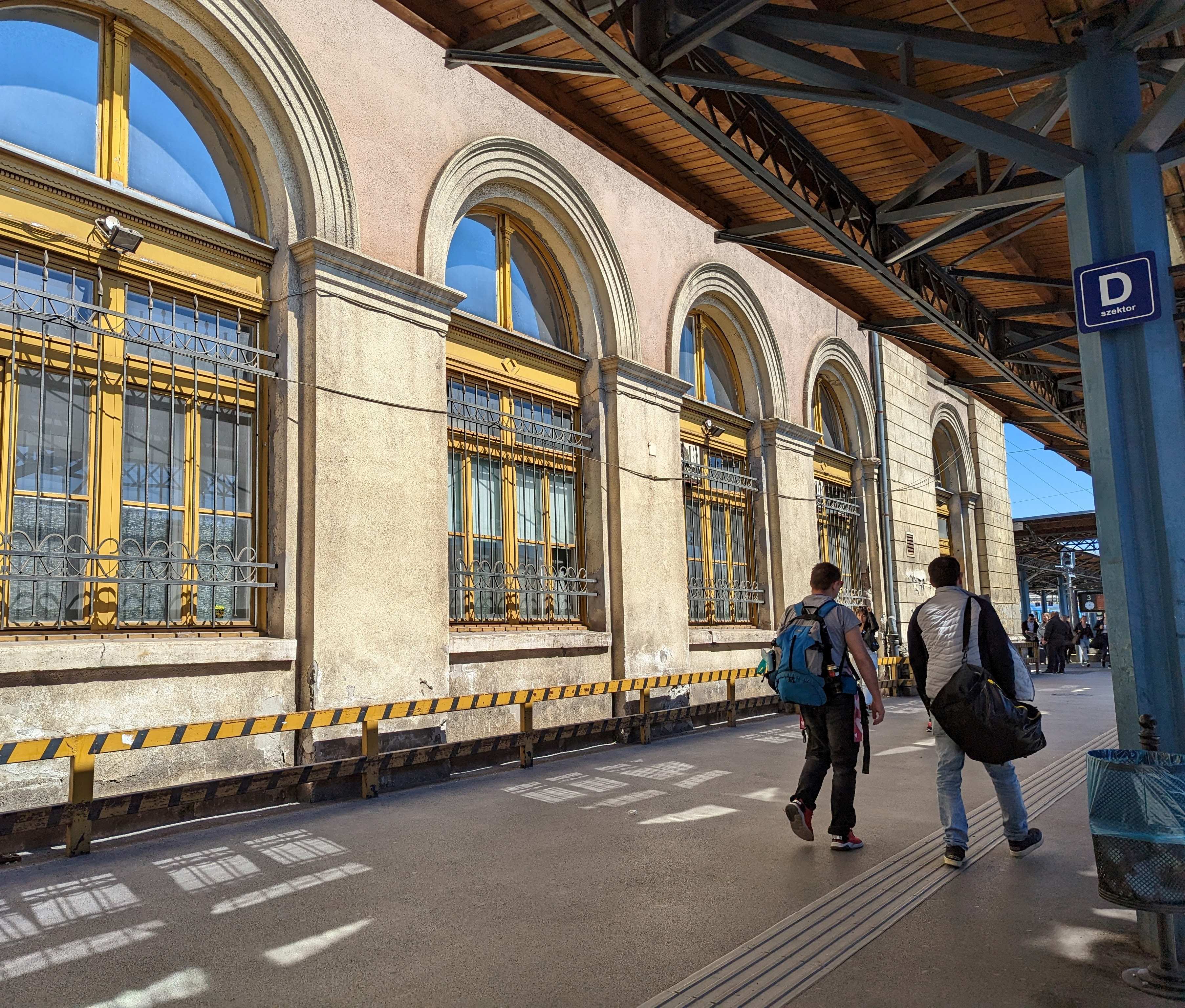
This trip was taken in May 2023. The title photo is of Keleti Station, Budapest. All images my own and are copyrighted to me.














 Walking without a donkey