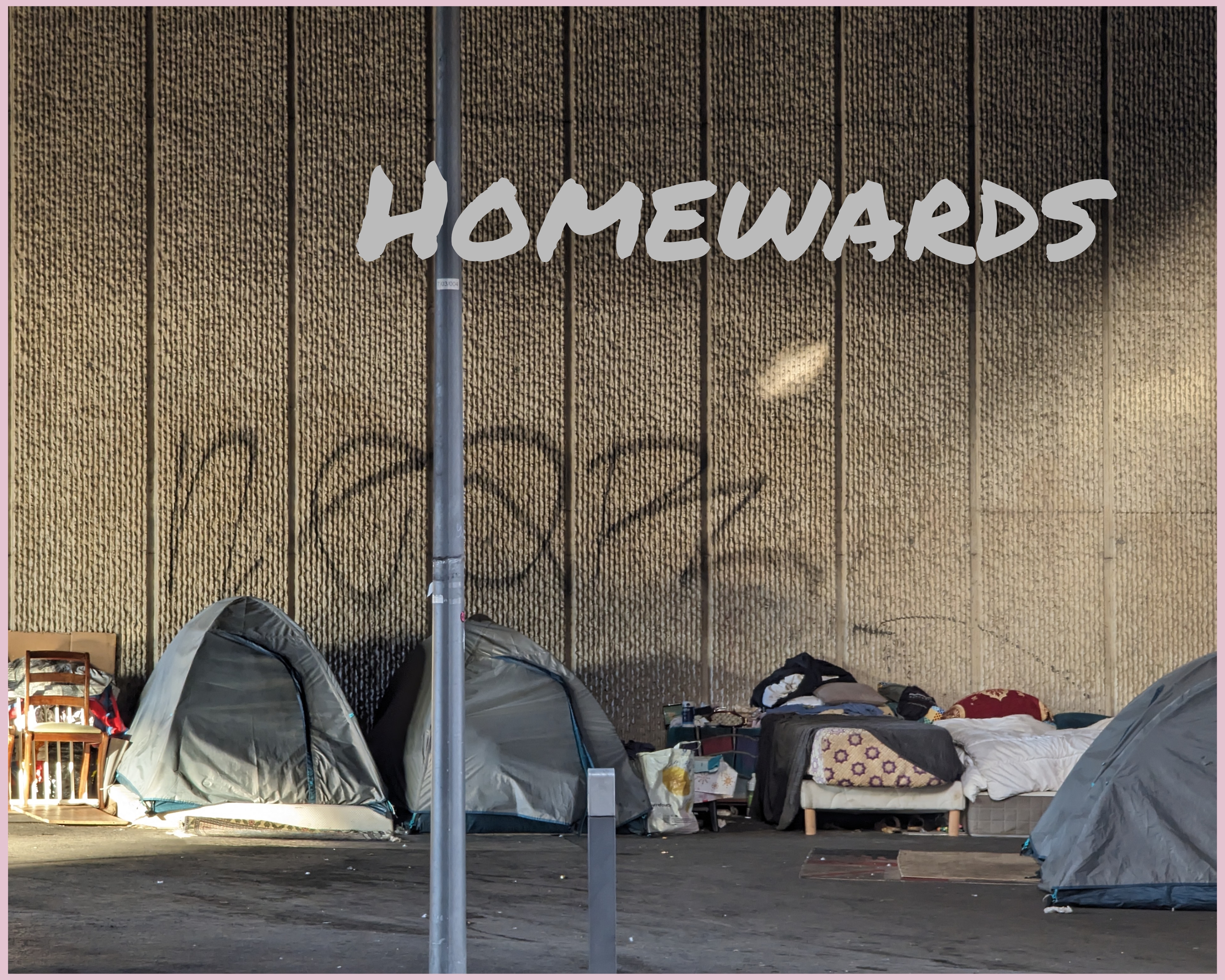
This walkshop asks where and what is home. It acknowledges that we may have to walk a long way before we find somewhere to settle, and that although the building may be bombed-out, make-shift, unsafe, or insufficient, yet it can simply be where home is. It has to be enough for us, and enough to be shared with others who are visiting or do not have a home of their own.
The local community will be invited to join the walkshop alongside visitors to the Walking Encounters. In 2023, I was privileged to hear some local people’s life stories, about the town’s children having to leave for their own safety many years ago. They made long walks to find new homes, and it was a long time before they returned (some never did). It is hoped that we can continue this conversation about home. A translator will be sought for ease of communication.
Hospitality
Walkshop
‘Homewards’ consists of a walk in search of a home where there will be a welcoming hospitality ritual and a ‘meal’ laid out for those participating. It will be quite a long, circuitous and hot walk ‘home’ and walkers will be invited to discuss the themes of ‘walking home’, ‘what home means to us’, and ‘what we need from a home’.
Both talking time and silence will allow participants to debate how much space and how many resources are needed before somewhere can be called home, and to reflect on what is available.
PsaradesPsarades
It is likely that the walkshop will take place in the middle of the day or in the afternoon heat (participants to cover up / wear hats) and last 2 hours in duration.
This proposal was accepted, but sadly I was unable to travel to Greece in 2025. Conceiving of the walk allowed me to engage with these important topics. At this time of permanent, temporary, forced and voluntary migration taking place globally due to climate change and wars, it is a vital subject, particularly for those lucky ones like myself who have a safe roof over our heads. I thank WALC (Walking Arts and Local Communities) who are the organisers of the Walking Arts Encounters.
In the meantime, I continue to welcome / walk / meet with refugees and asylum seekers who are arriving in Edinburgh, Scotland, many of whom are rehoused in Granton where I live. You may be interested in Walking Like a Tortoise (here and a longer post here) which included such walks and workshops.
I met Amy Tinderbox, Australian Walking Artist, at the Walking Arts Encounters. Her latest post is The Magic Study of Objects here.
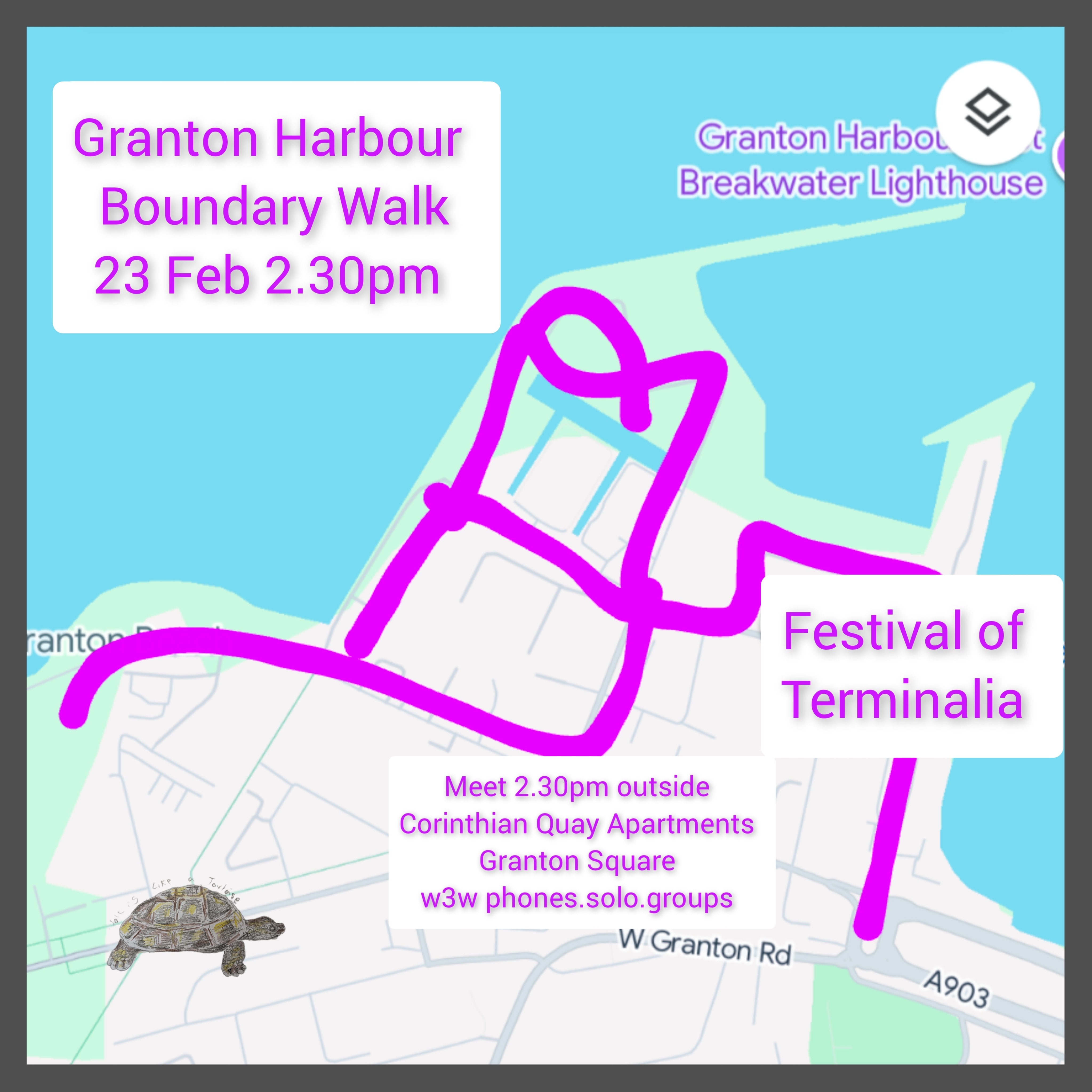
Please join us on a walk around Granton Harbour on Sunday 23rd February 2025 2.30-4pm to celebrate the Festival of Terminalia with history, art, nature, and community stories.
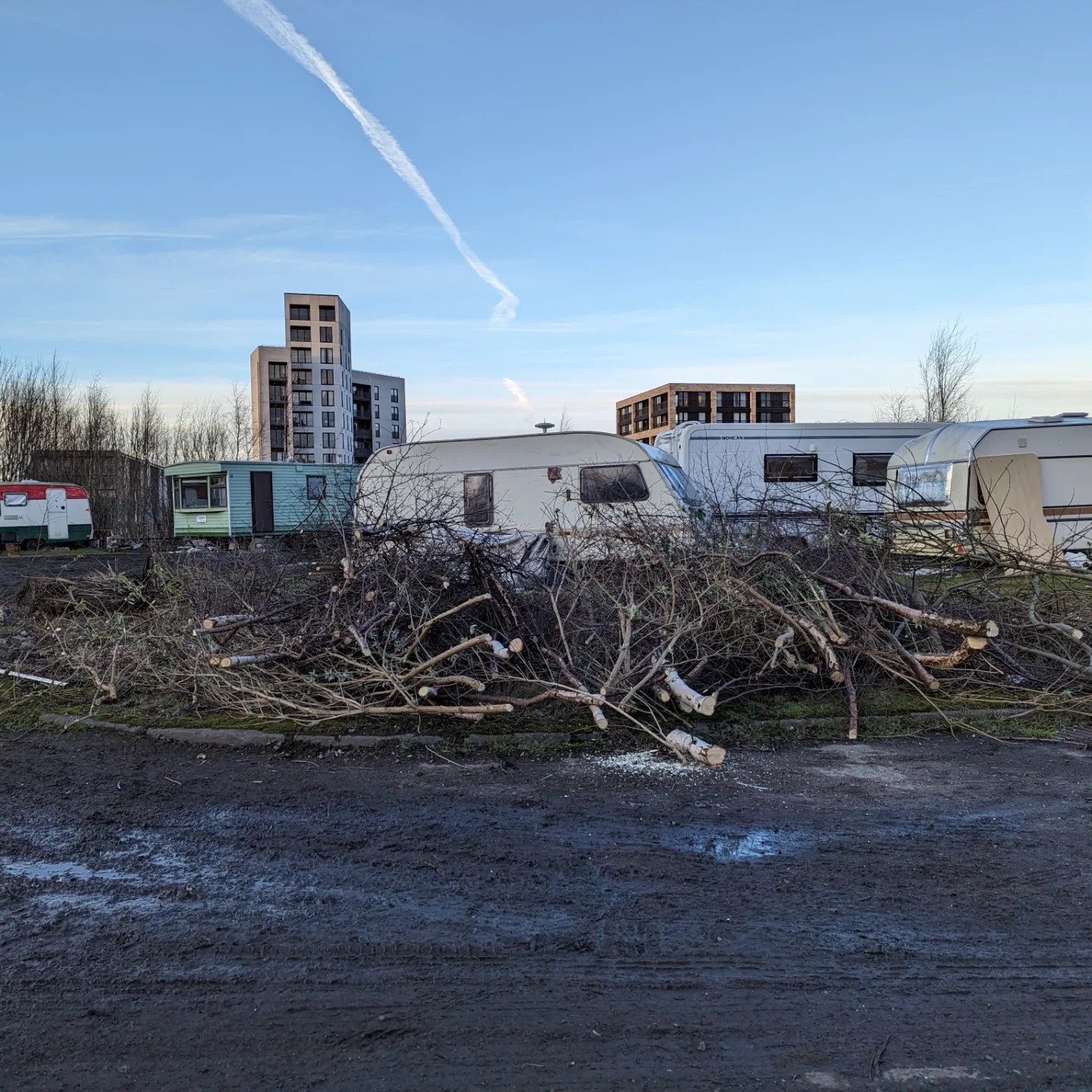
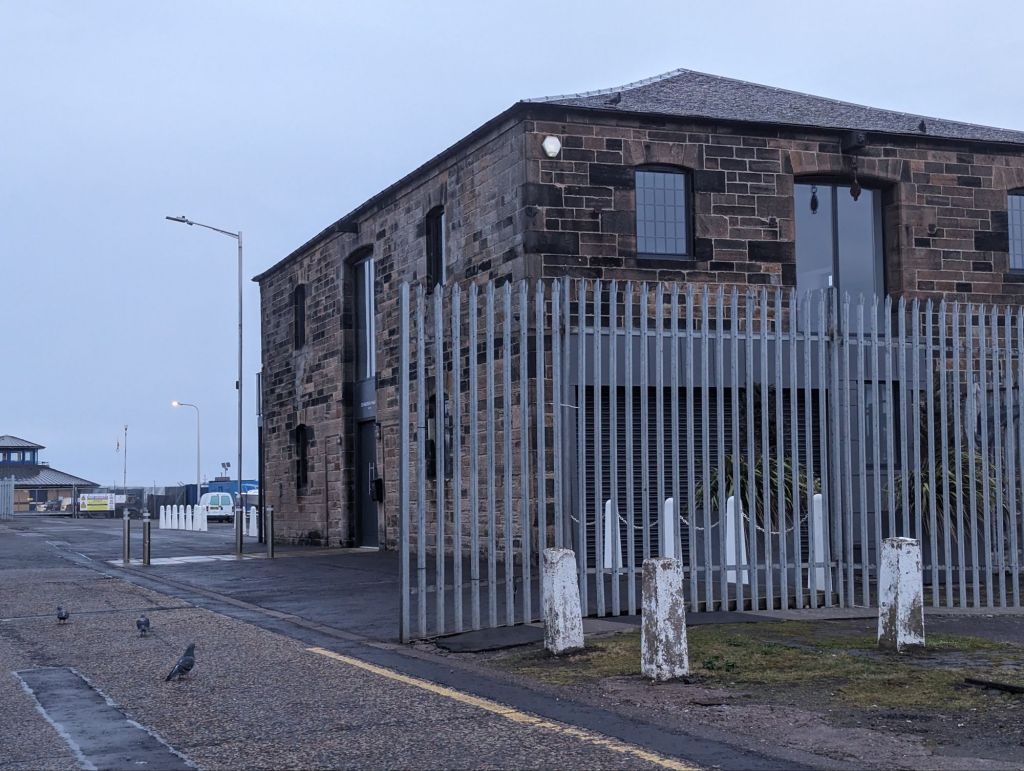
Explore the boundary of Granton Harbour: an urban walk on pavements and waste ground – past the old Gunpowder Store and site of the Ice House which served the fishing industries of Newhaven and Granton in 1950s, along the old railway lines and discover the original Granton Station, look out across the Firth of Forth and imagine the Esparto Grass boats coming in from the south of Spain and North Africa, check out the latest housing developments, and walk ‘The Wall‘.
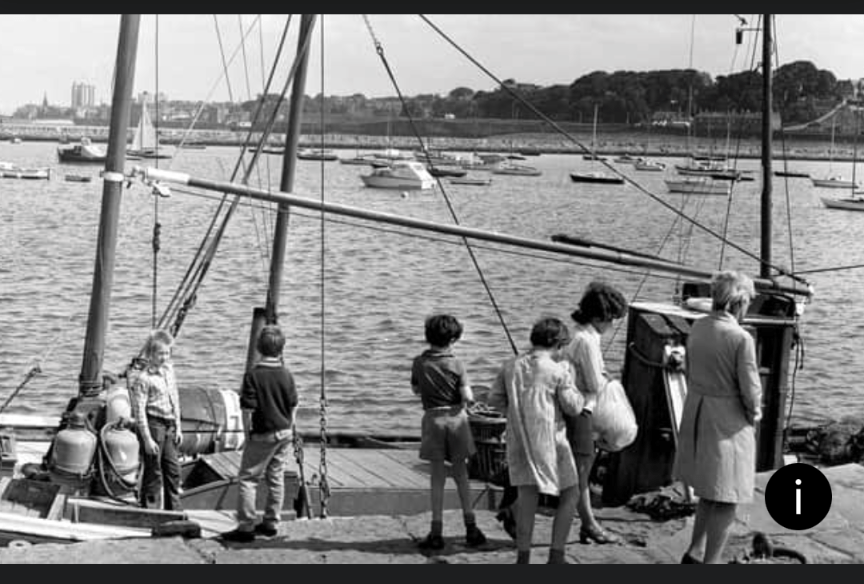
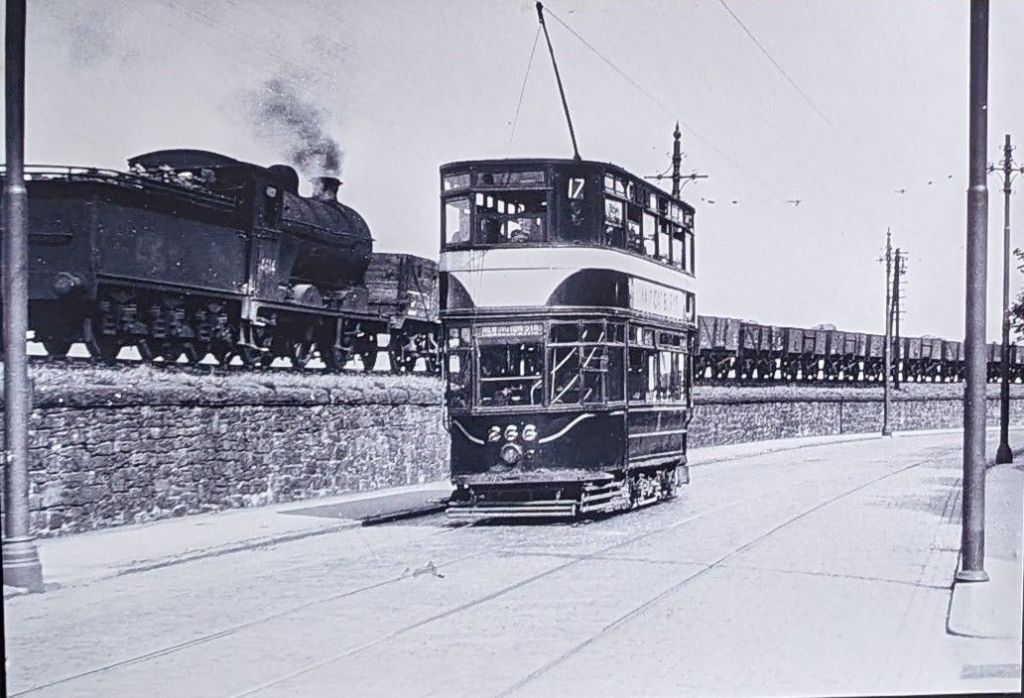
Above: On the left -The Old Gunpowder Store (now Corinthian Yacht Club), middle – an old photo of the harbour from Lochinvar Drive, right – an old tram and the train which used to run along past Wardie Bay in days gone by.
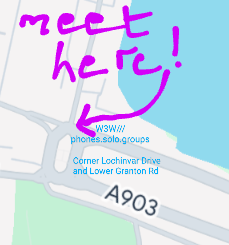
Meet at 2.30pm at the corner of Lochinvar Drive and Lower Granton Road, outside the Corinthian Quay Apartments (EH5 1GL W3W phones.solo.groups) on Granton Square. Buggies, dogs and wheelchairs welcome. It is hoped that we can offer Polish and Arabic translations if required. It can be cold on the northern side of the harbour, so please wear warm clothes and sensible shoes. Bring water or a hot drink. Chocolate provided!
Sorry about the poor quality , but here is the meeting point
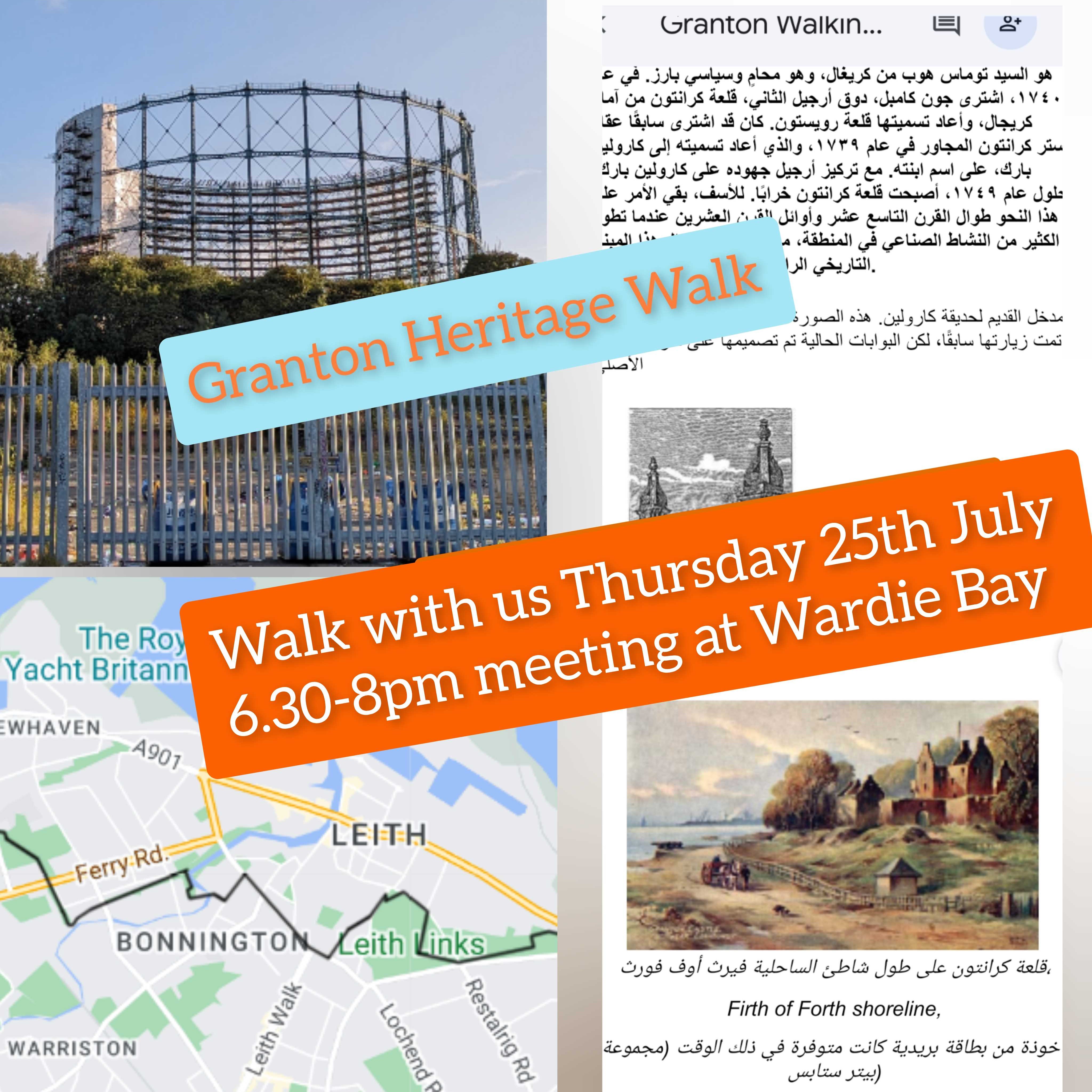
You are welcome to join us for a Granton Heritage Walk on Saturday morning 14th December. We will leave from Granton:hub (Madelvic House, at the end of Granton Park Avenue, EH5 1HS) gathering at 10.15am for a 10.30am start, and returning to the starting point at 12 noon.
We will be following part of the Curious Edinburgh Walking Tour and going by Granton Station, Saltire Square, Caroline Park, Granton Castle Walled Garden Doocot and new mural, Forthquarter Park and the Gas Tower.
This walk is on pavements and is suitable for buggies, wheelchairs and people of all ages including those with dogs (on a lead please). Please wear suitable clothing and shoes for the weather and bring some water with you. After the walk, participants will be invited inside Madelvic House for refreshments and to view the community consultation exhibition organised by Edinburgh College of Art as part of their ‘Heritage on the Edge’ research project. More details on this event will be available later.
The tour will have a maximum of 15 people. Headsets will be used to ensure everyone can hear the commentary.
On arrival, all particpants will receive a brochure with full details of the walk.
The Granton Walking Tour is also available in Polish and Arabic. For this and any specific queries about the walk, please contact tamsinlgrainger@gmail.com for more details.
Tamsin Grainger is a Paths for All walk leader.
Granton:hub will charge a small fee which contributes towards operating costs.
I am very pleased that my walking art videos are part of the film assemblages of Kel Portman
Solstice. Winter 2025
By Tamsin Gainger and Kristina Rothstein
And, below, as part of the whole alongside other artists who followed the same brief.
Equinox. Spring 2025
Terminalia 2025
Walking towards the Light / To the Sea to Celebrate the Morning Summer Solstice 2024
Terminalia 2024
Winter Solstice 2023 / The Walkers
Equinox (Autumn 2022)
Winter Solstice 2022
And I was a participant in Jenny Staff‘s walking art event which was part of the Walking Arts Encounters in Prespa 2023. It was documented by Kel Portman and can be seen here.
This is a Pedestrian Project about marking time. It took place between 27th October and 4th November 2024 (inc. images from 5th November).
I’m no creature of habit. Left to myself, I struggle to do the anything every day at the same time; I rarely eat at regular mealtimes, and having been self-employed for my adult life, I’ve never worked an on-going 9-5 (am-pm) day. Not since school.
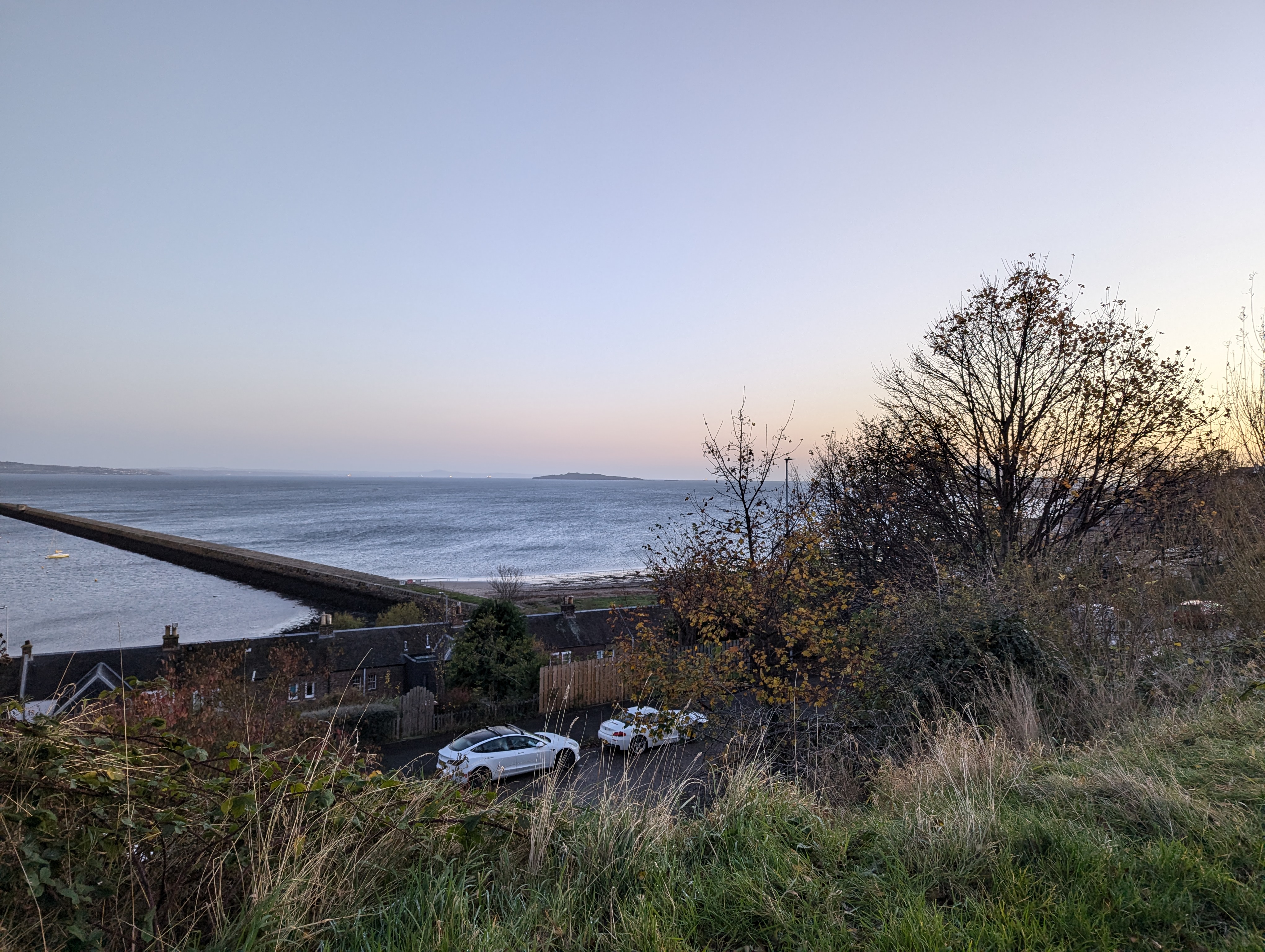
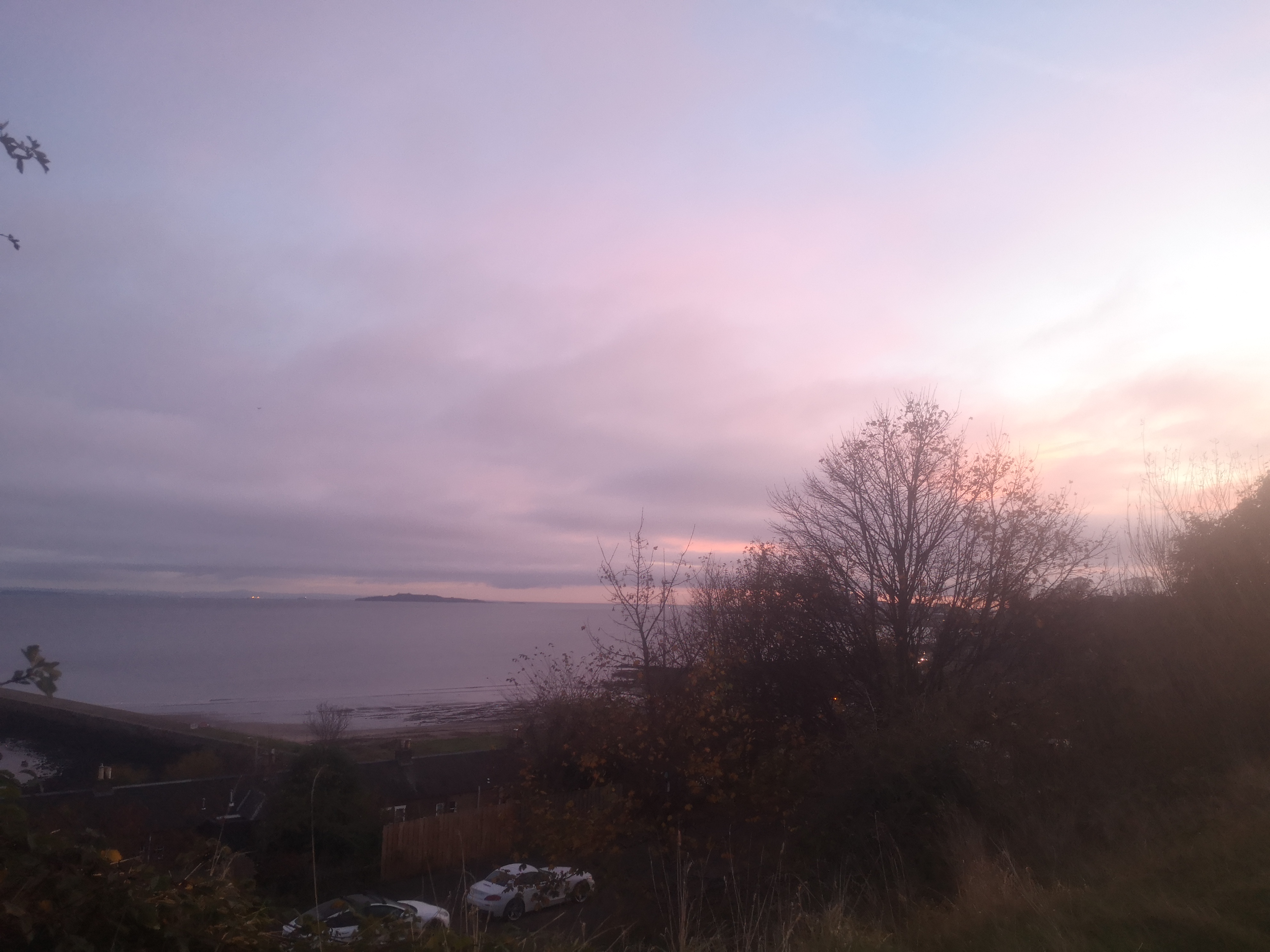
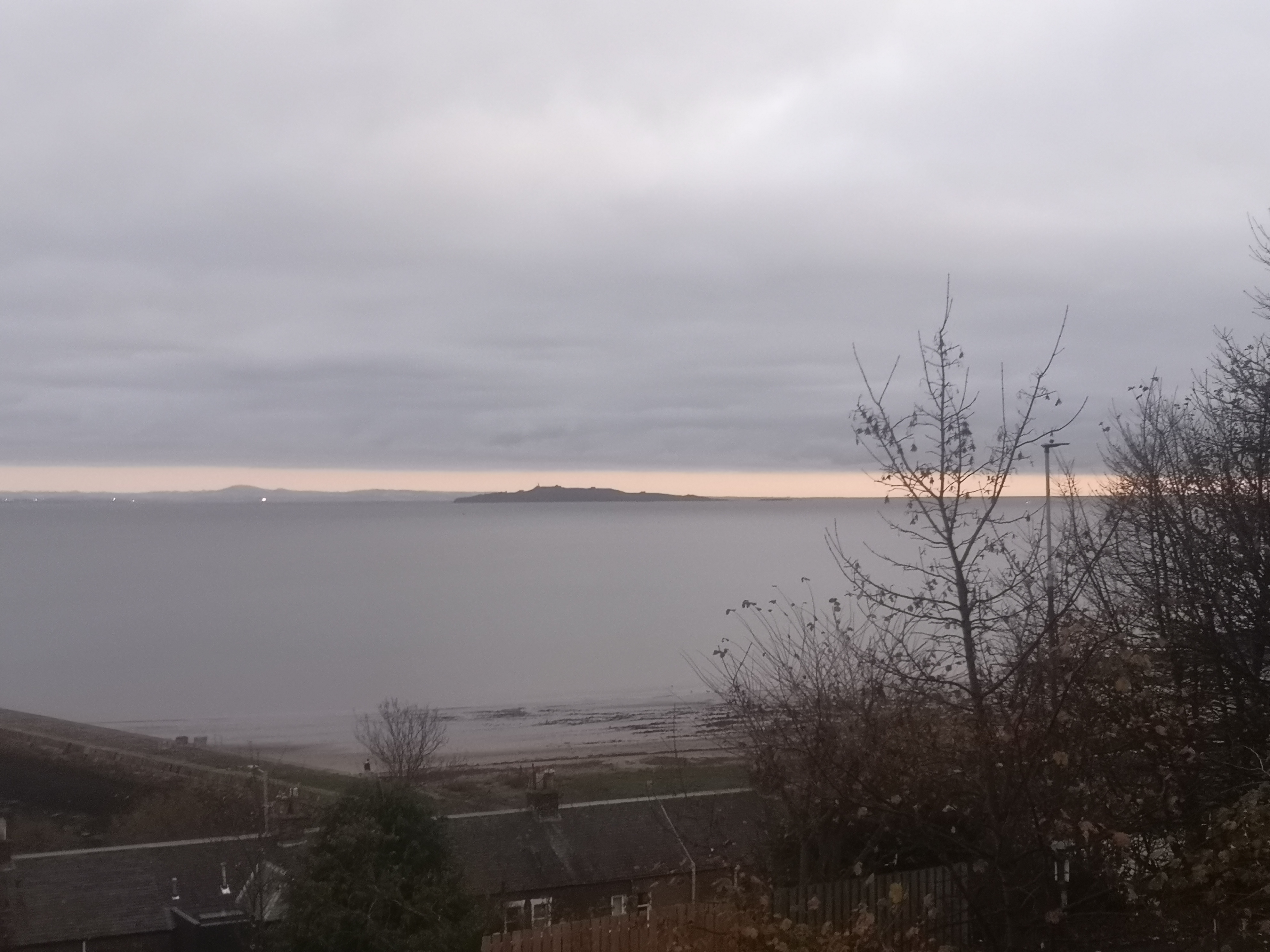
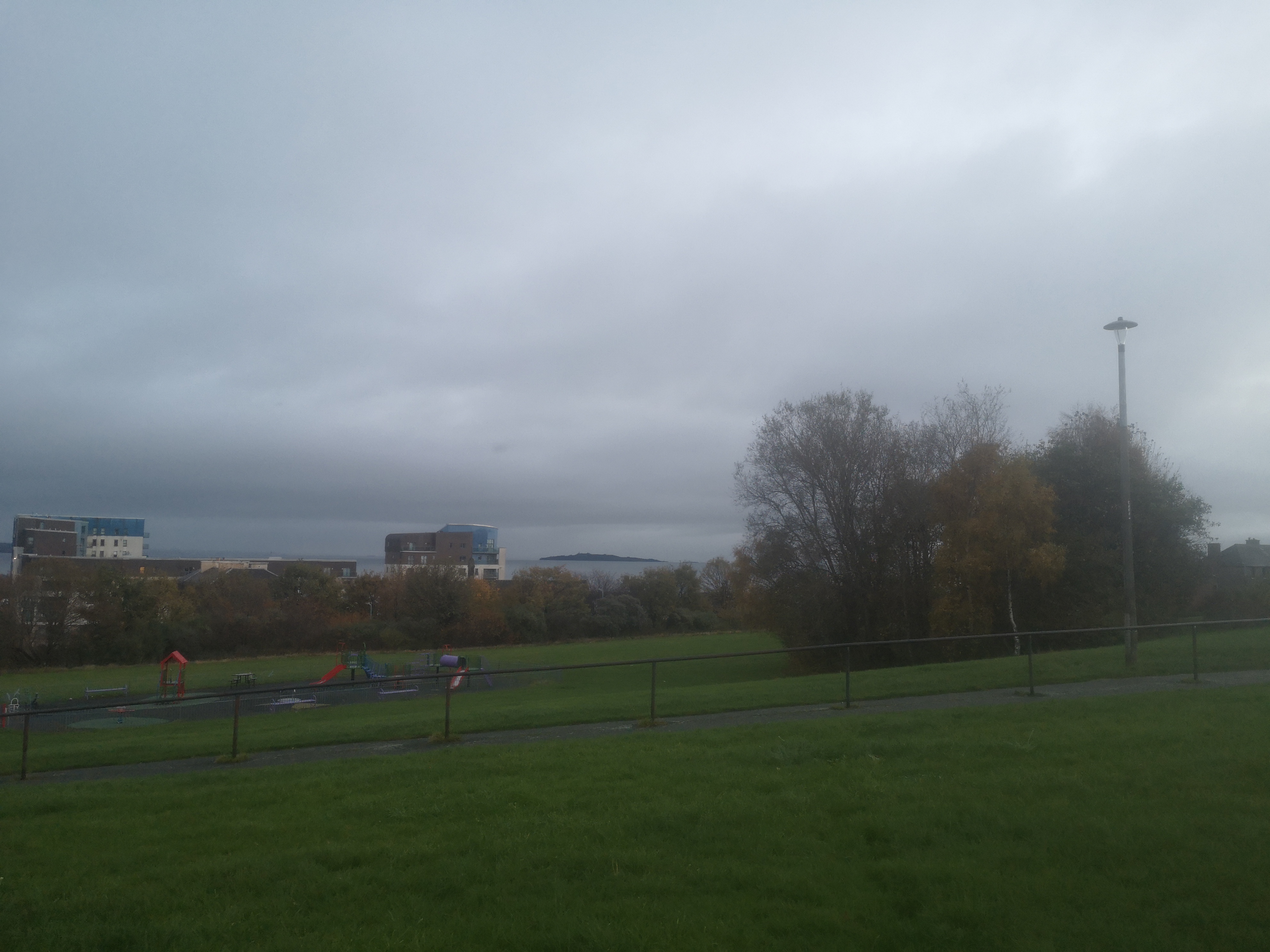
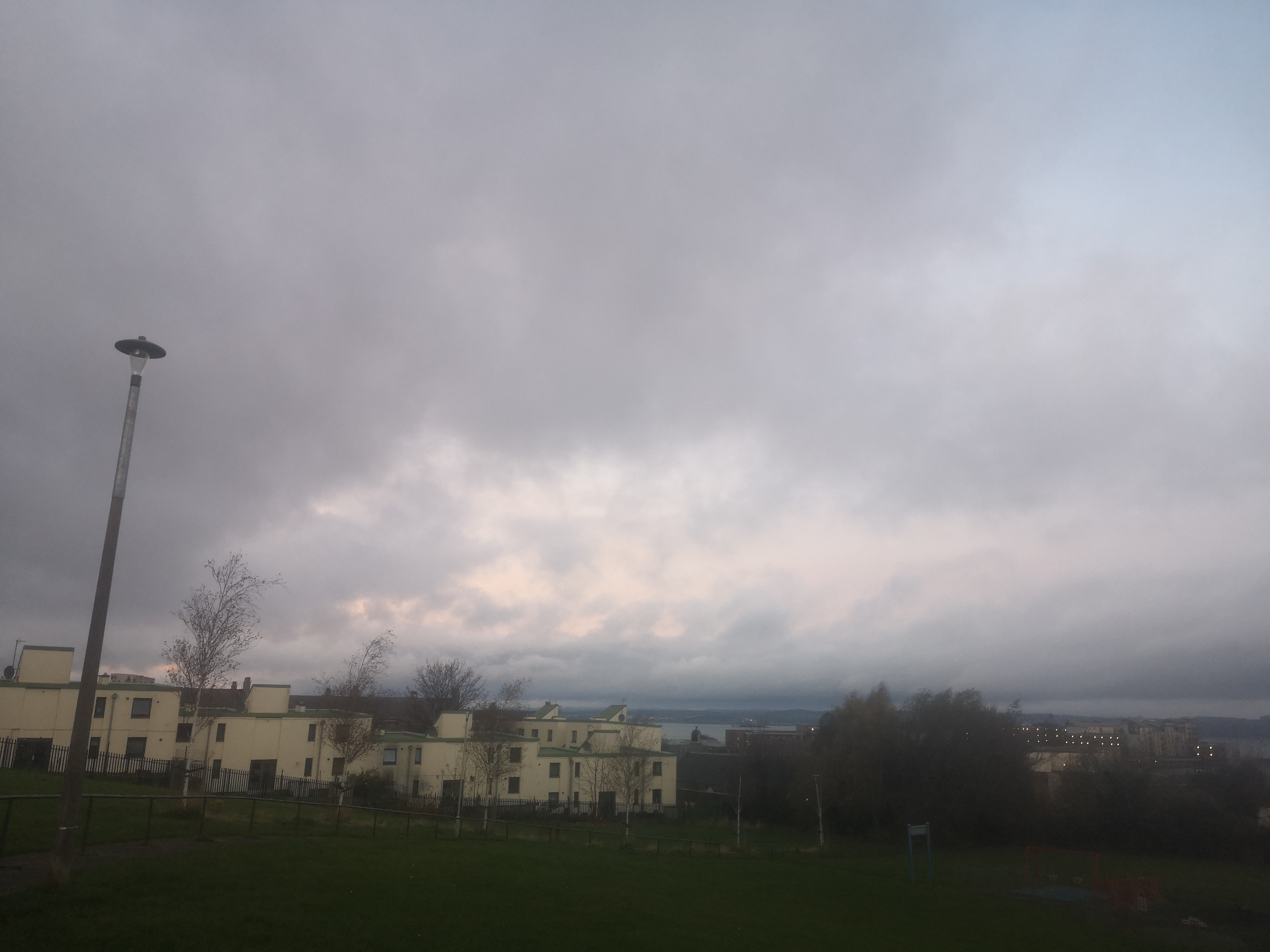
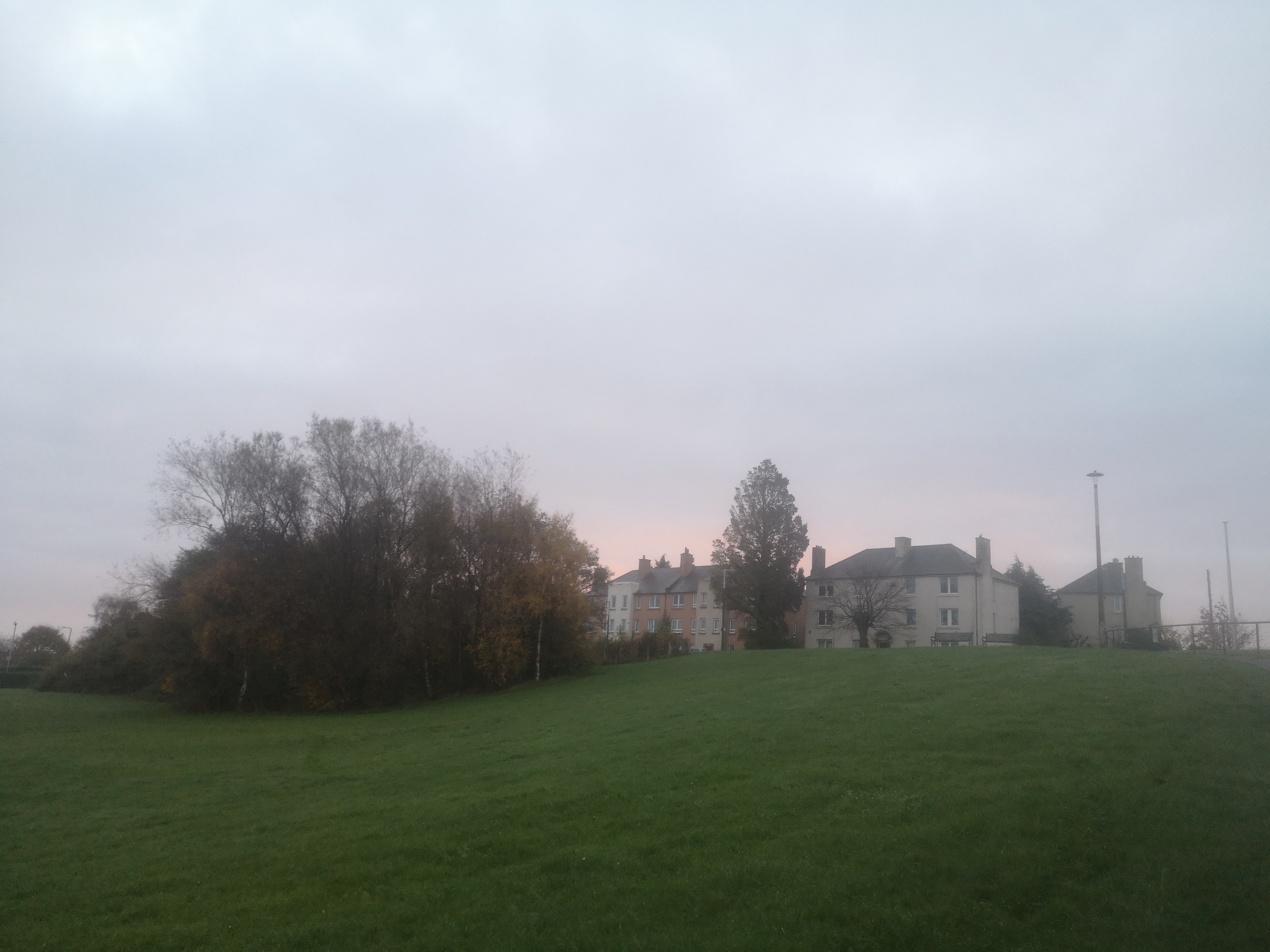
Photos Taken 15 minutes Before Sunrise (or thereabouts)
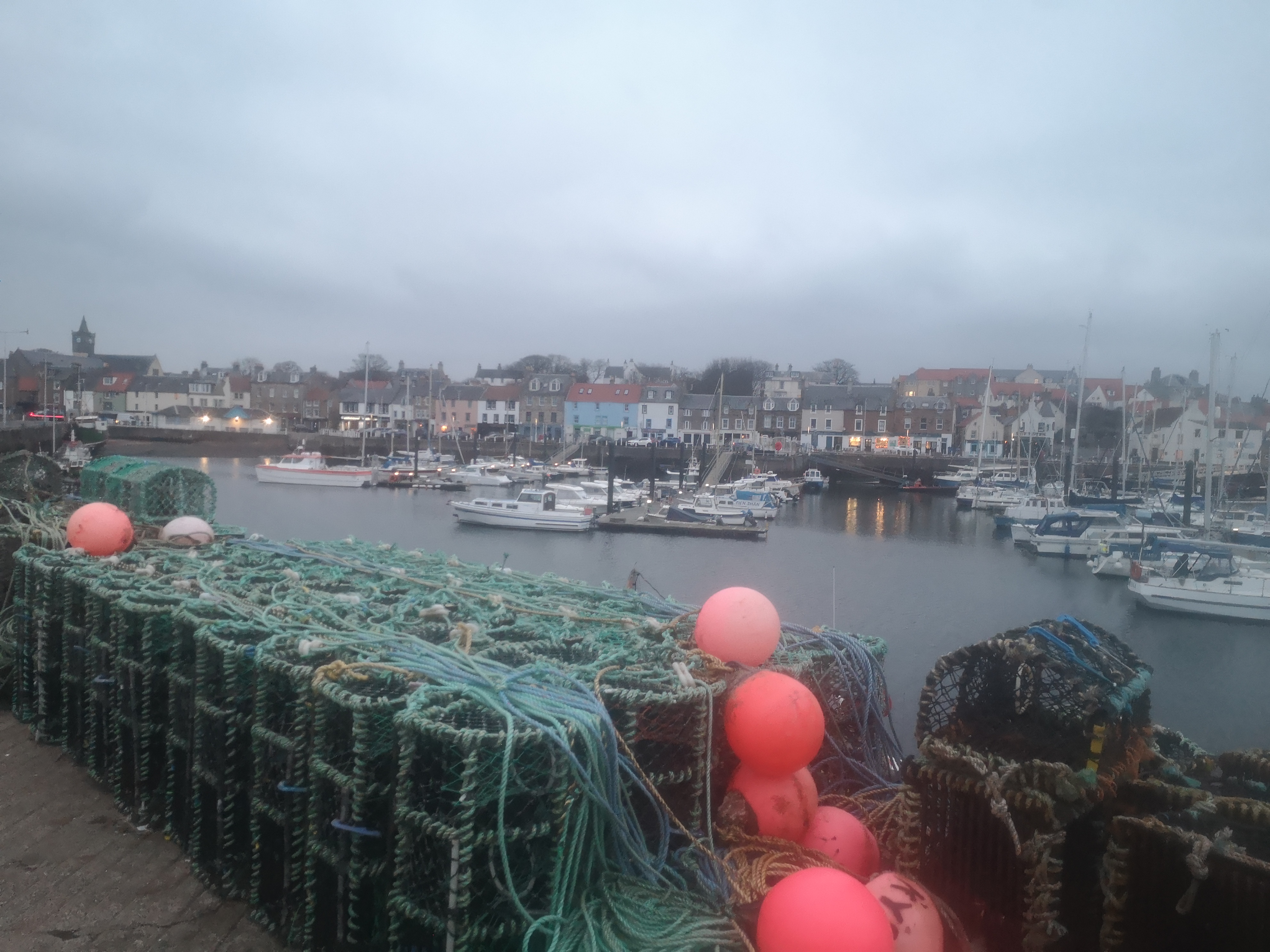
EdinburghDay 2345678Anstruther, Fife
This may explain why Sunrise Walks are an interesting concept to me. Instead of following my own inner, wonky routine, I have decided to set my alarm and be there, on my doorstep at the correct time, every day between the clock chaging in the UK and in the US, as prompted by Blake Morris. The brief was to take a photo (or somehow to document) the moments that were 15 minutes before, at, and 15 minutes after, sunrise.
Except …
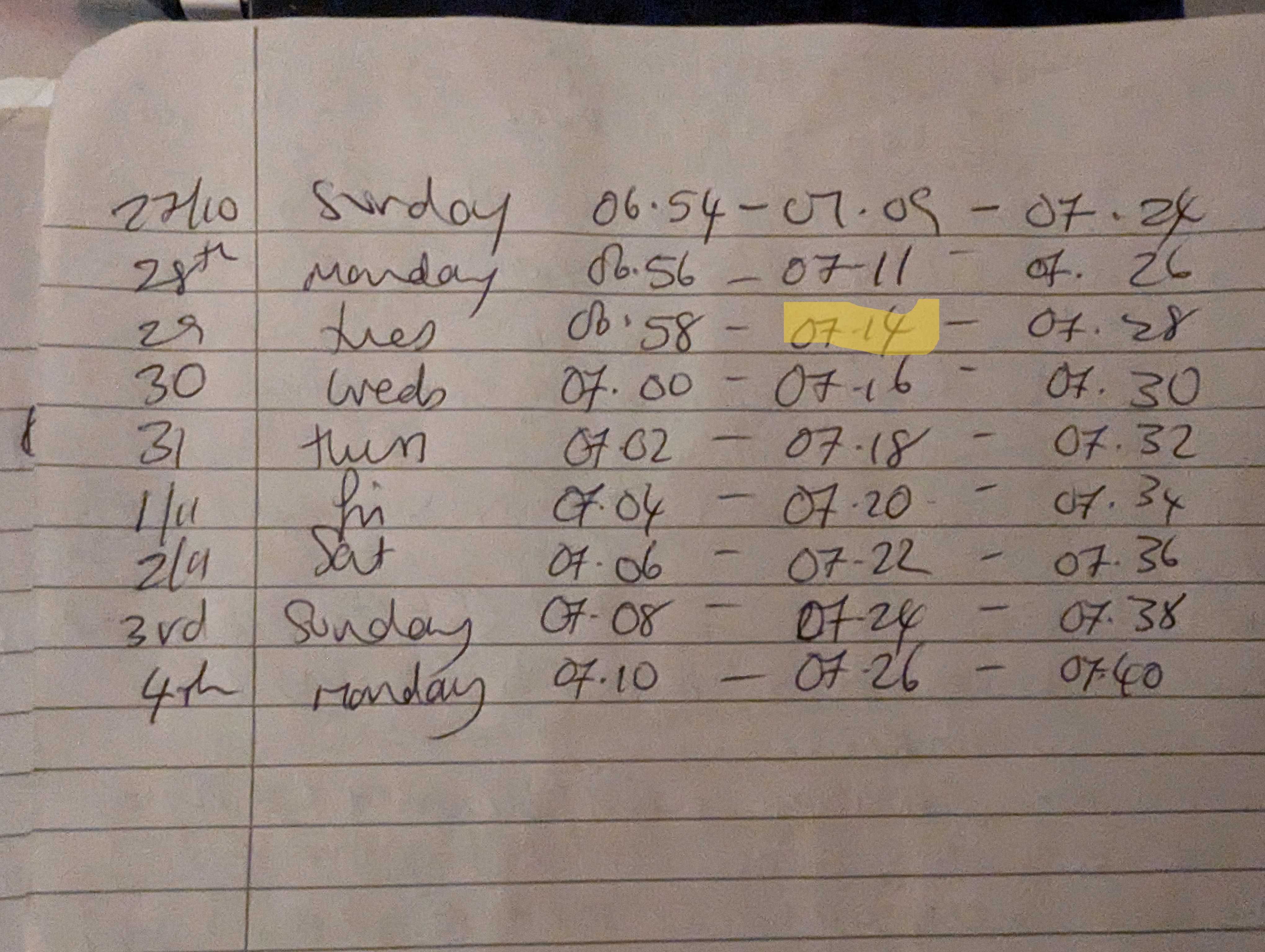
Sunrise changes by 2+ minutes every day so it isn’t actually ‘the same’. I made a chart in advance:
I didn’t notice that blip until day 7 and it was too late to change by then
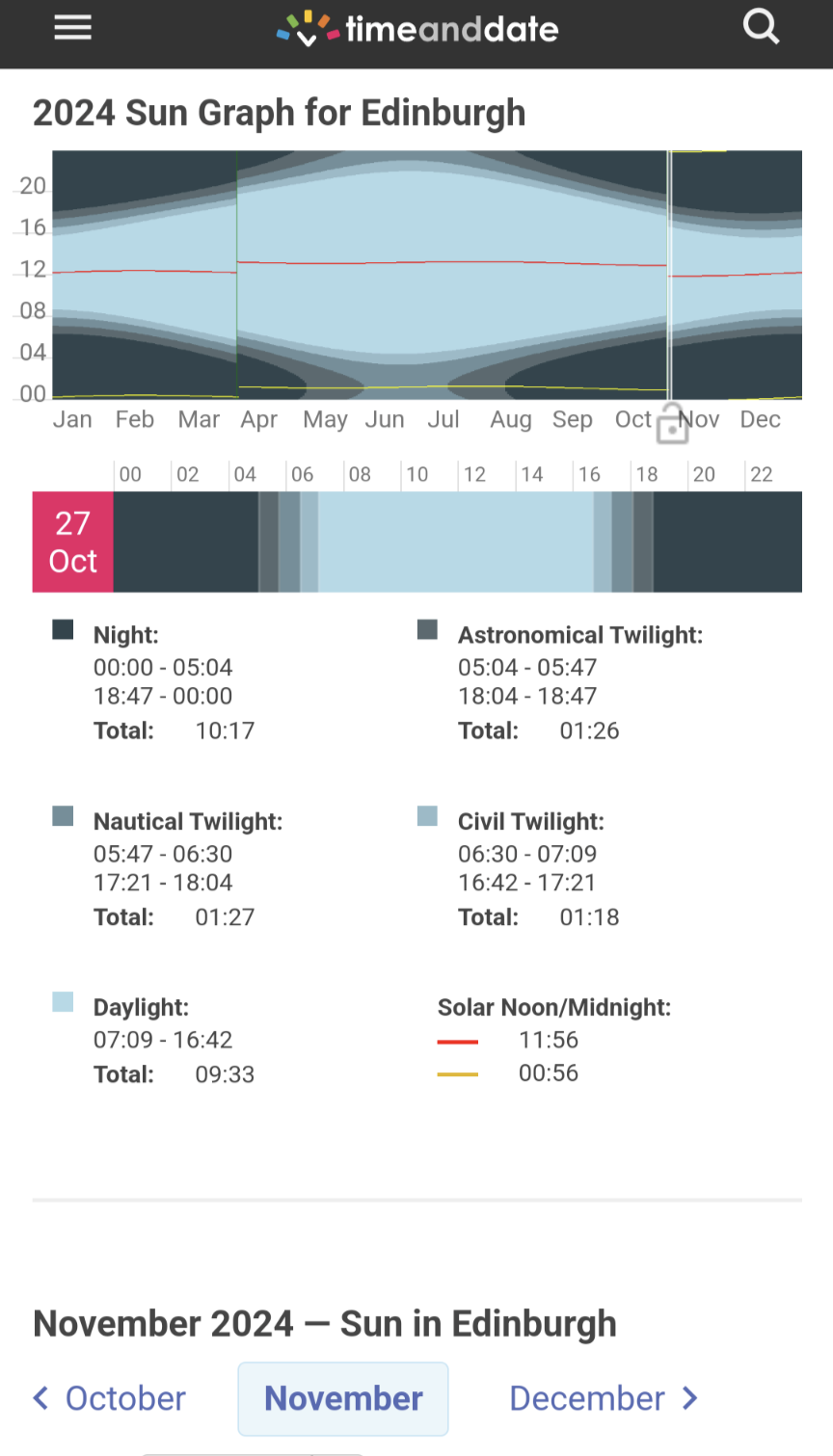
Times and Twilight
I took the sunrise times from the Time and Date website and missed the 3 minute difference between 28th and 29th October. Instead, I saw that there were 2 minutes between 27th and 28th, 30th and 31st etc and followed that pattern for all of the start and end times (I’d be no good in a lab or at setting train timetables) meaning that from day 3, I was snapping my photos at the wrong times.
In writing this blog, I have discovered that this anomaly is because …
The Earth’s orbit around the Sun is elliptical, rather than circular, and the Earth’s axis of rotation is not perpendicular to the plane of the orbit. This non-circularity of the orbit and the tilt of the Earth’s axis of rotation both contribute to the uneven changes in the times of sunrise and sunset.
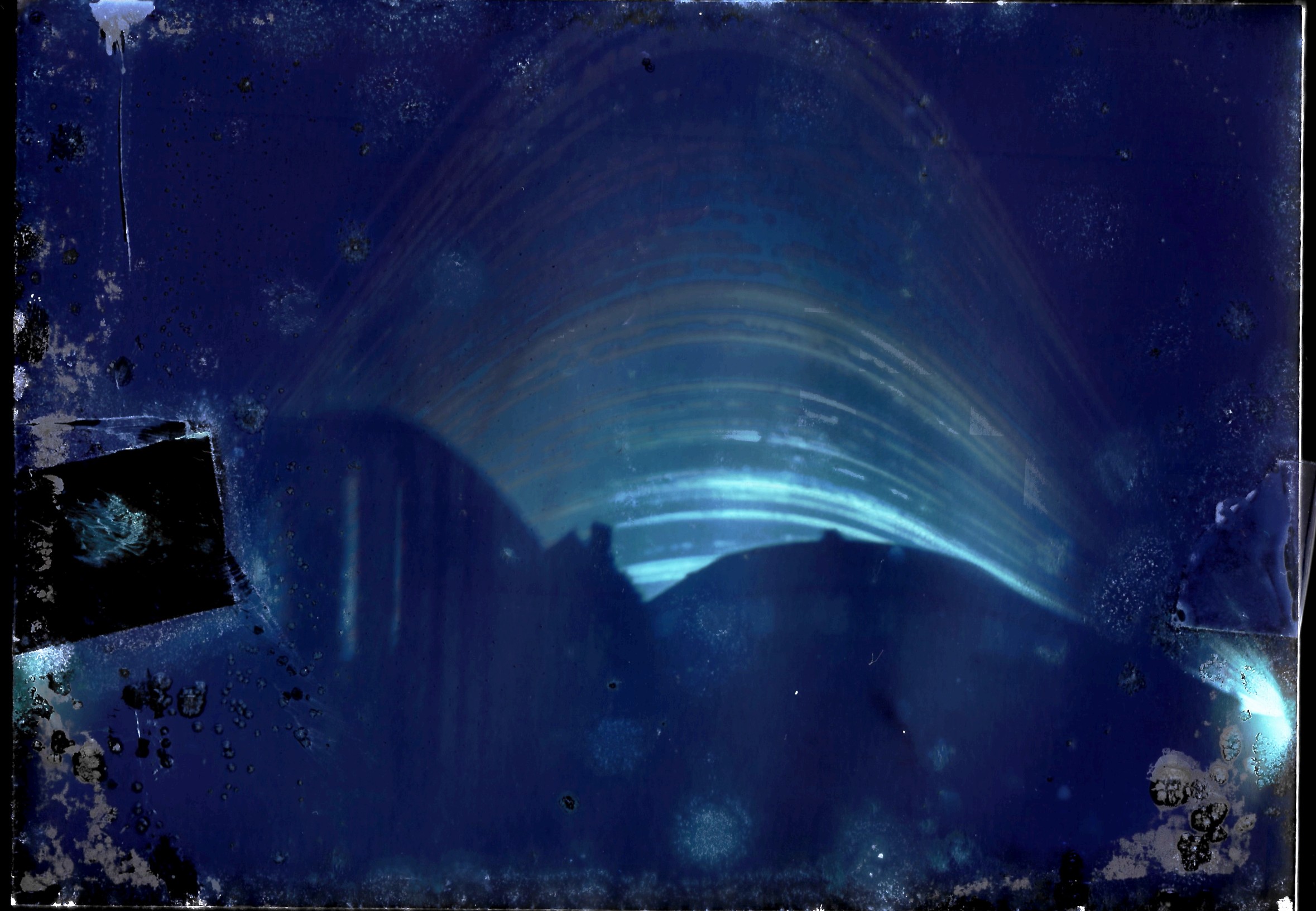
I like the image on the webpage (left). It reminds of my solargraphic camera image here
As an aside: I really like the idea of ‘civil twilight’ (above). That’s exactly how it was. It related to me as an ordinary person (not a military woman nor an ecclesiastical one) and was both a courteous and a polite time of day. I always thought twilight was before the dark finally settled down to sleep, but it means, “the soft glowing light from the sky when the sun is below the horizon, caused by the reflection of the sun’s rays from the atmosphere.” (Oxford dictionary), so it can apply to sunrise AND sunset.
Civil twilight “Begins in the morning, or ends in the evening, when the geometric center of the sun is 6 degrees below the horizon. Therefore morning civil twilight begins when the geometric center of the sun is 6 degrees below the horizon, and ends at sunrise.”
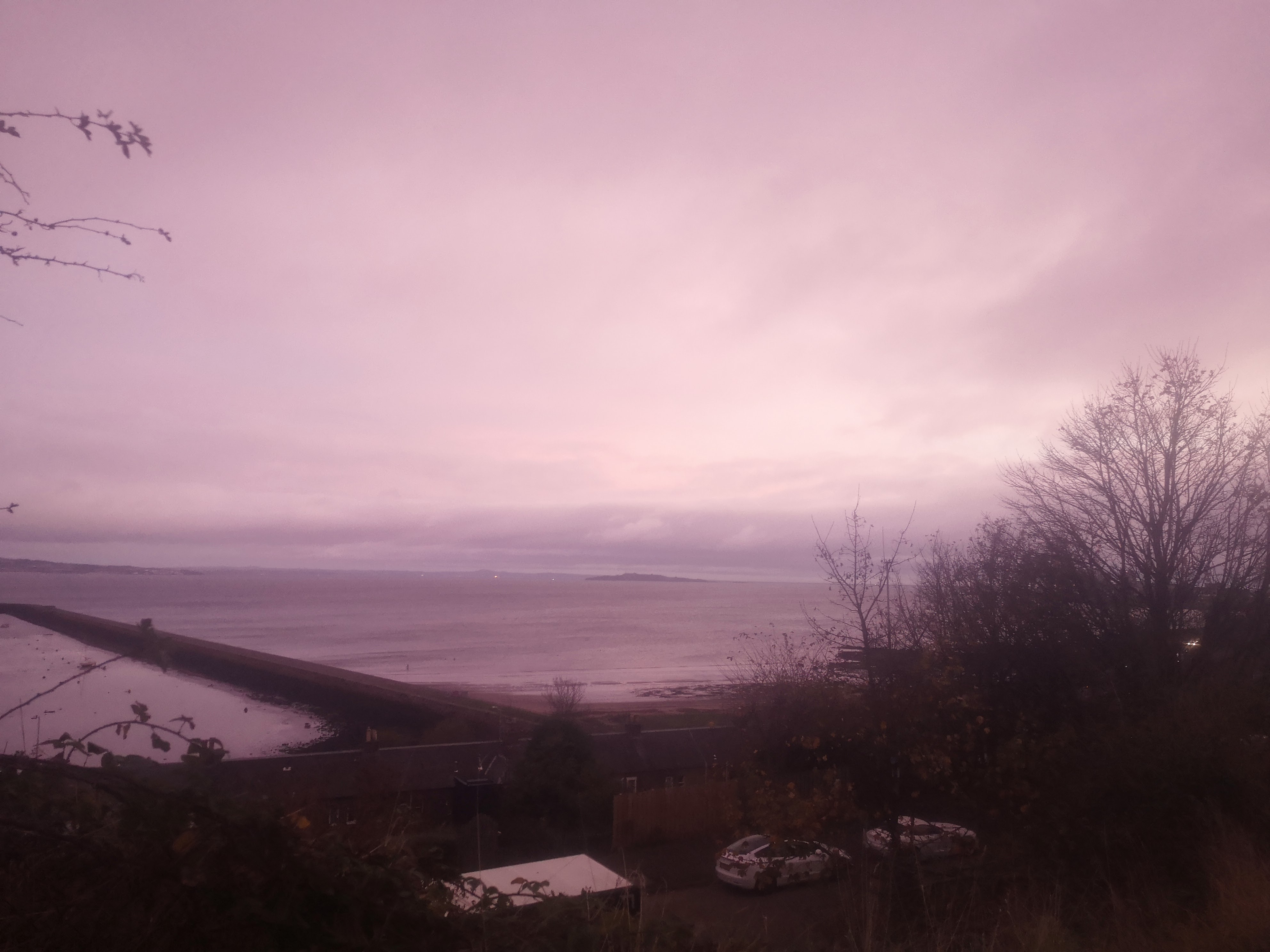
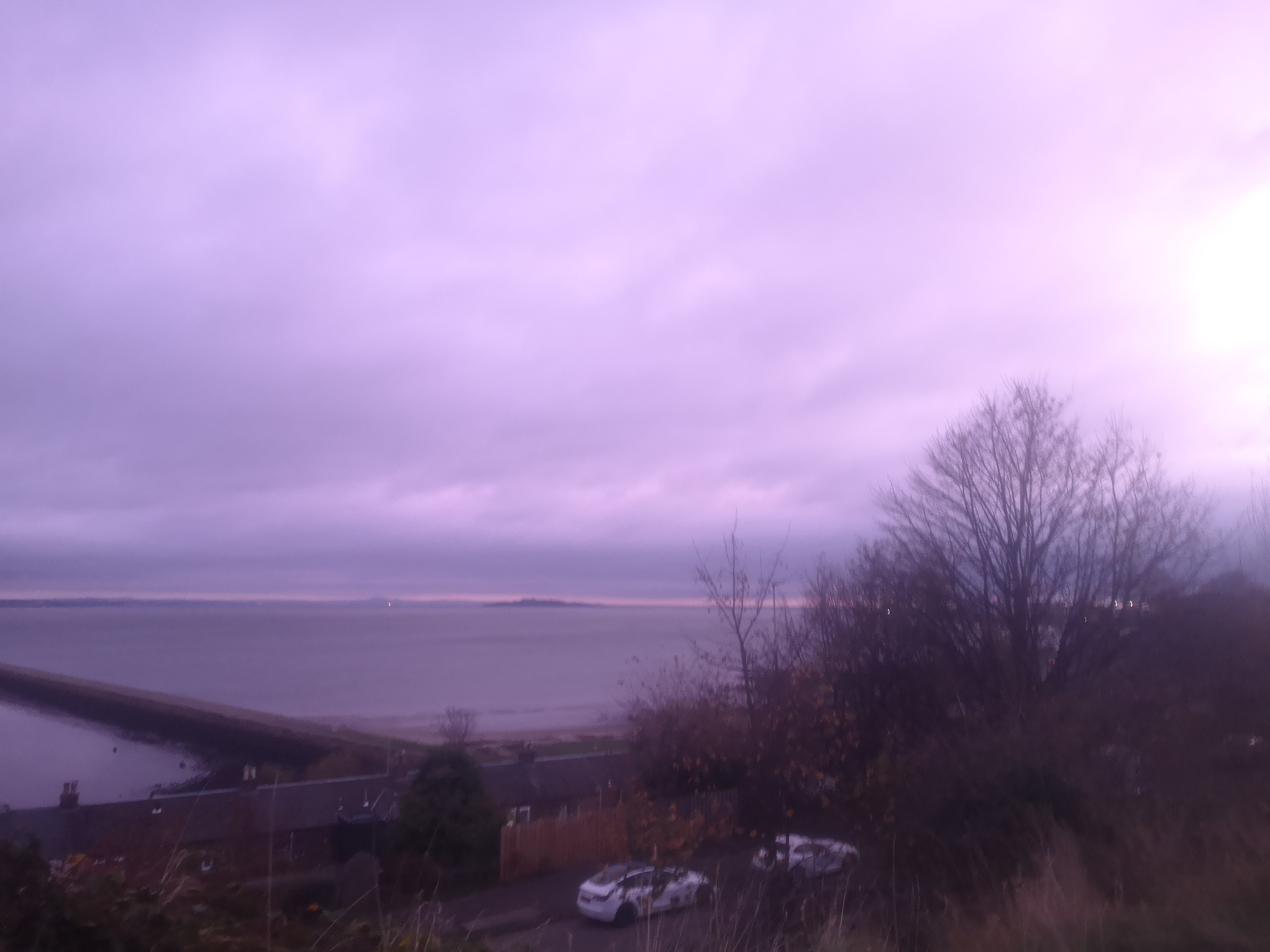
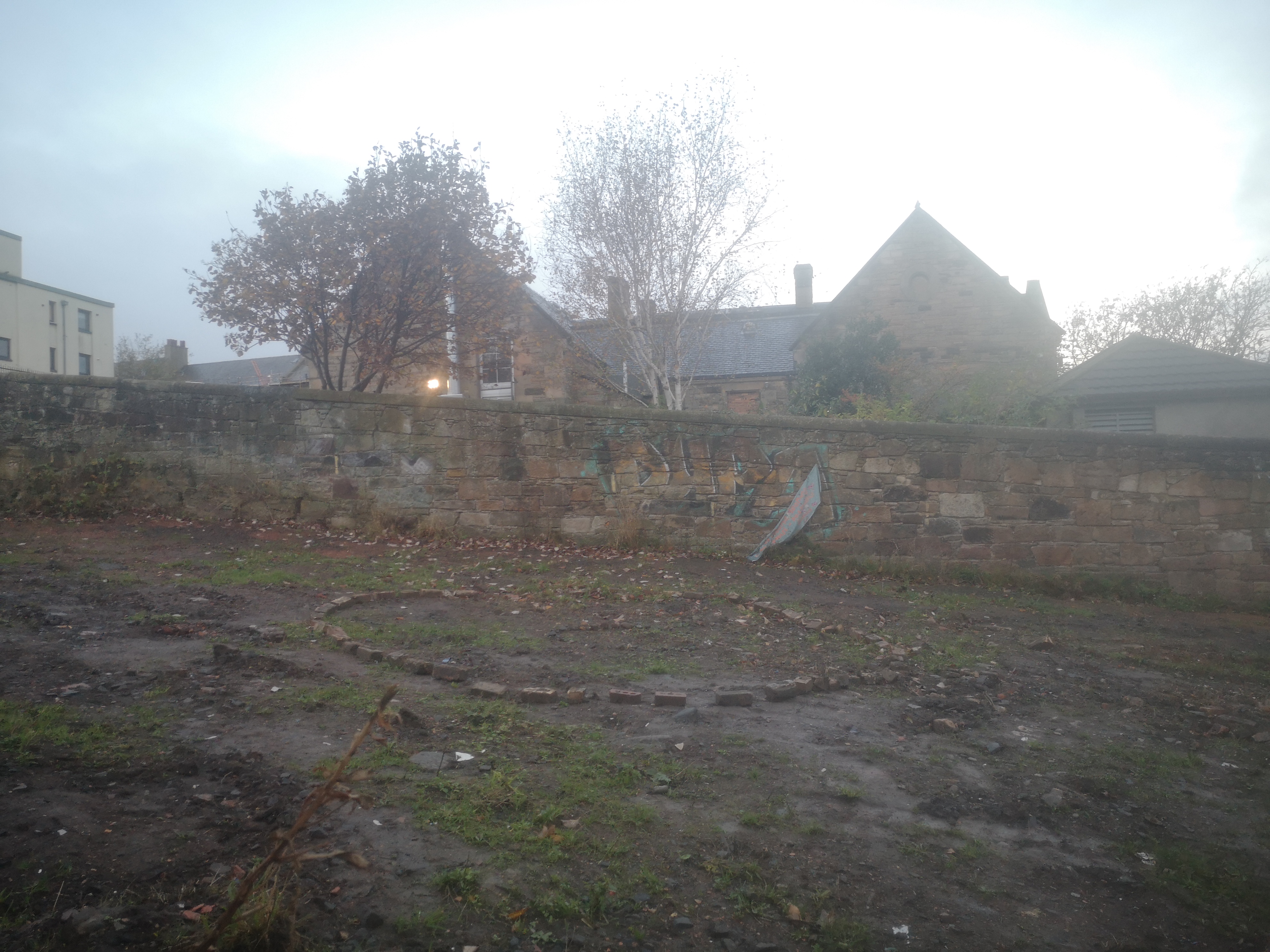
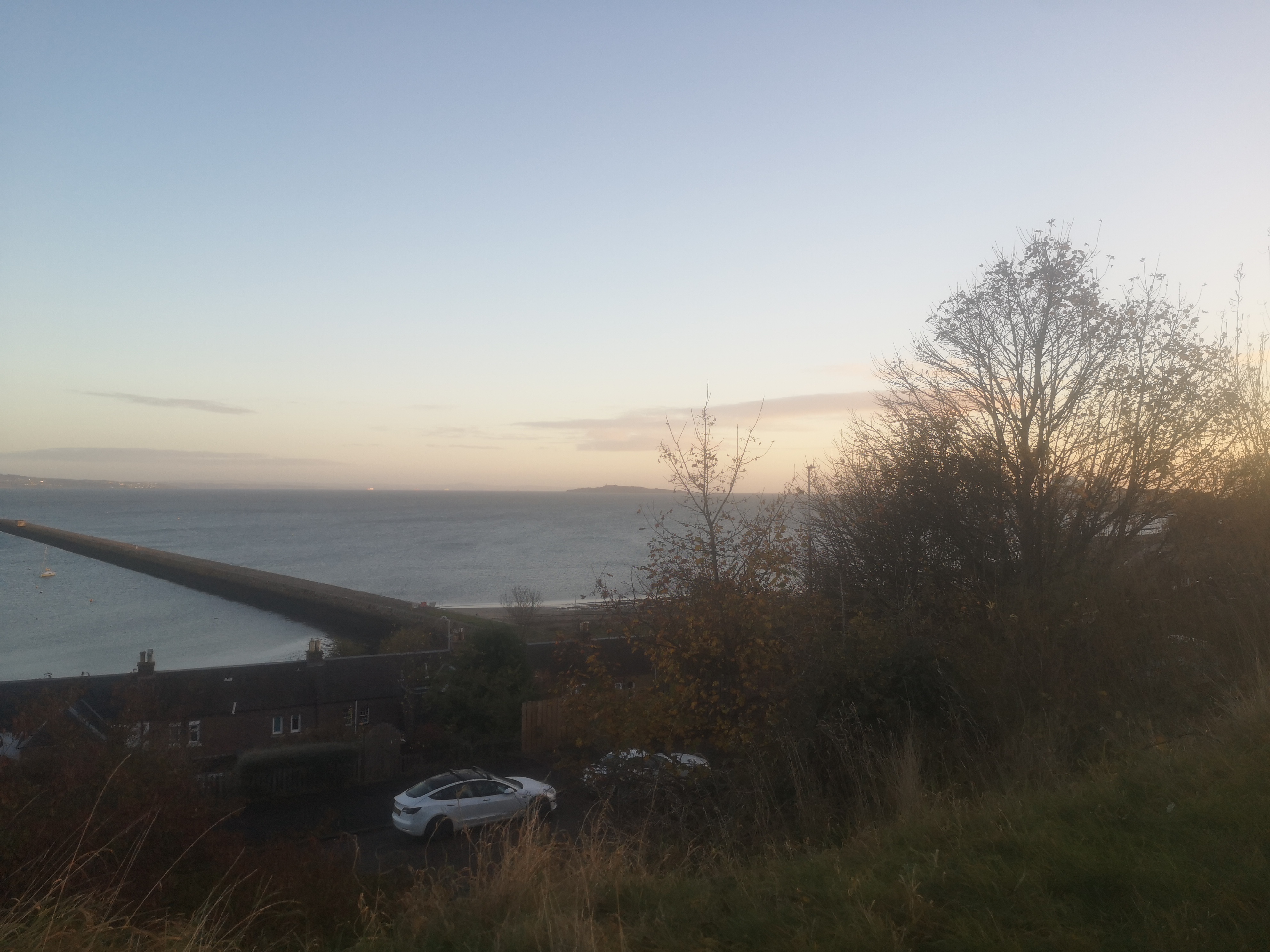
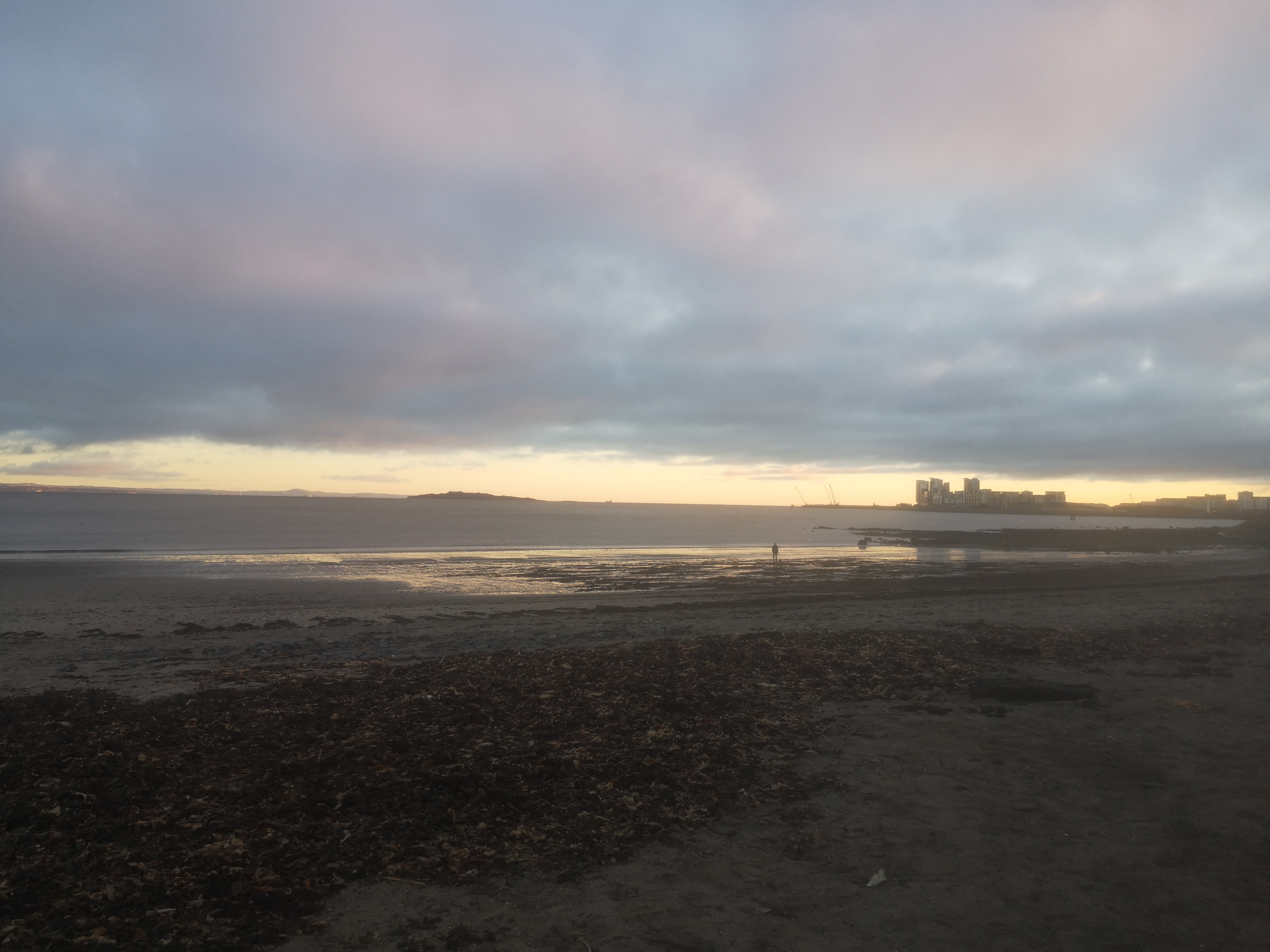
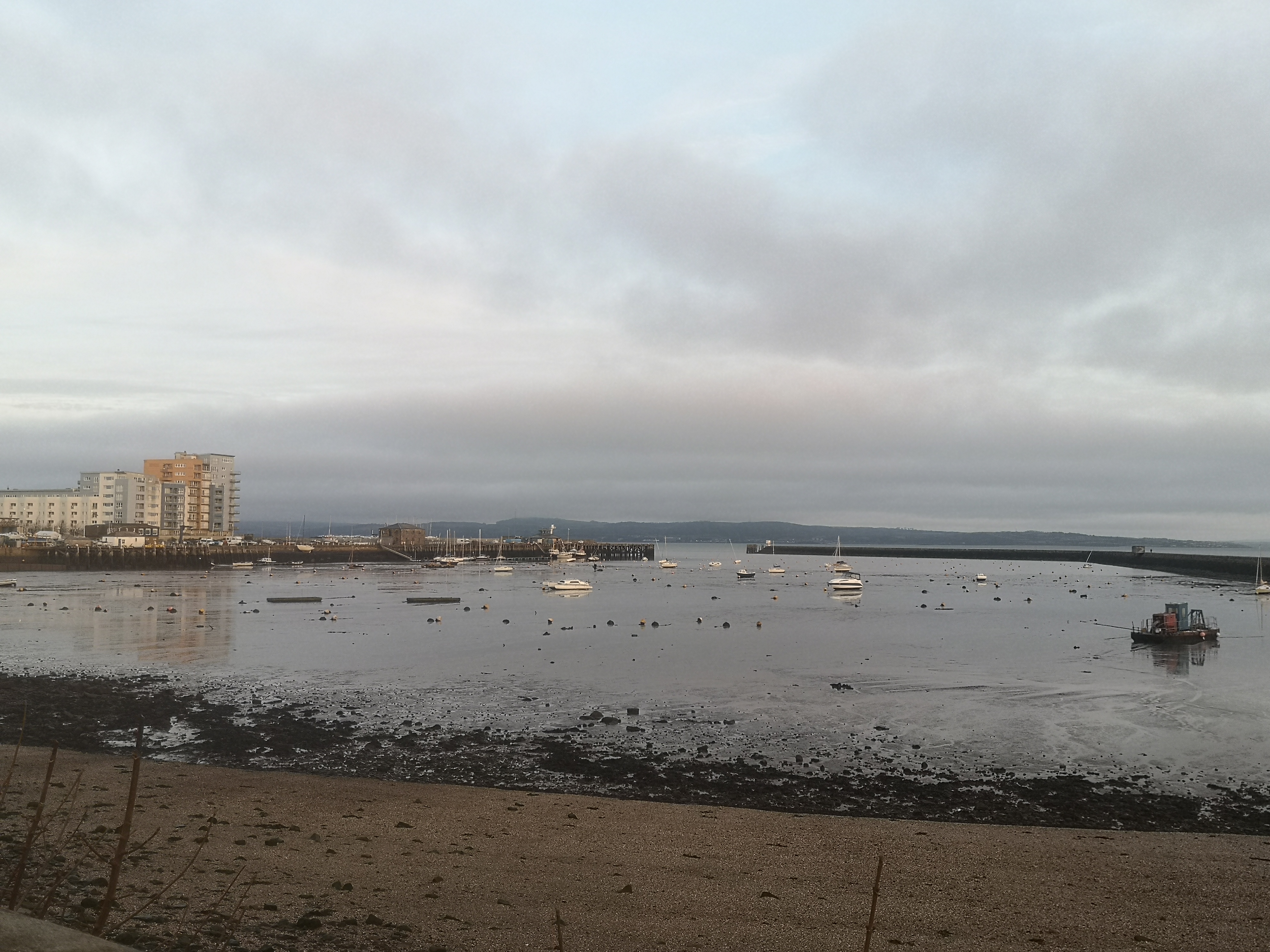
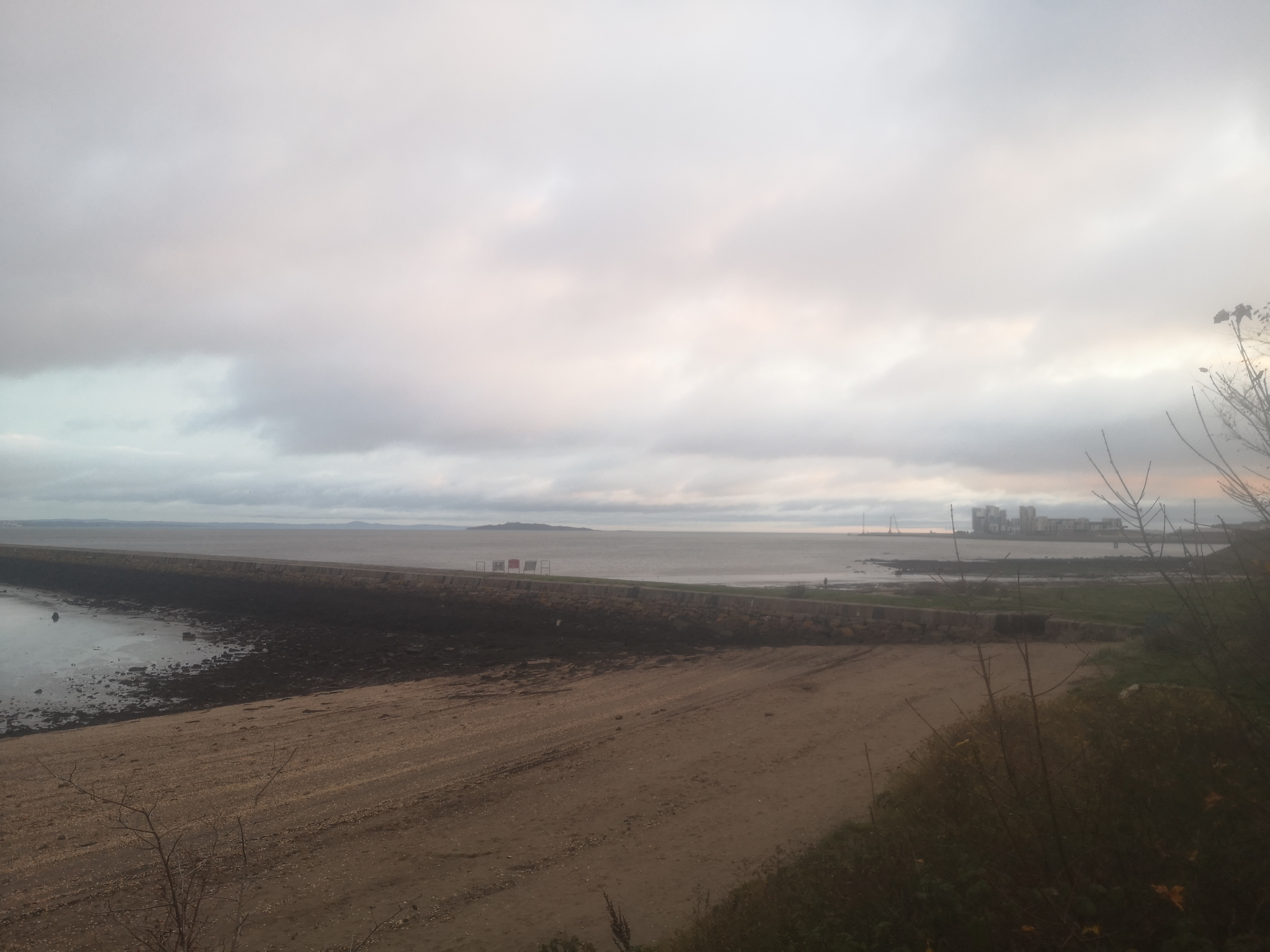
Anyway, I chose to walk the same route every day. Starting at the view near my front door 15 minutes before, walking to the highest point of Granton Crescent Park for sunrise, then down and through The Wasteland (to check whether my banner was still there and if the bulbs that we planted on the community walk had come up), and along to Wardie Bay for 15 minutes after. I didn’t make it on time to the beach every day as I got distracted by yellow cones at low tide and all manner of other things.
The Wasteland. Looking through the brambles from the Granton Crescent Park steps – the banner on the far wall had blown down again, but the circle of stones was in tact (at this date)
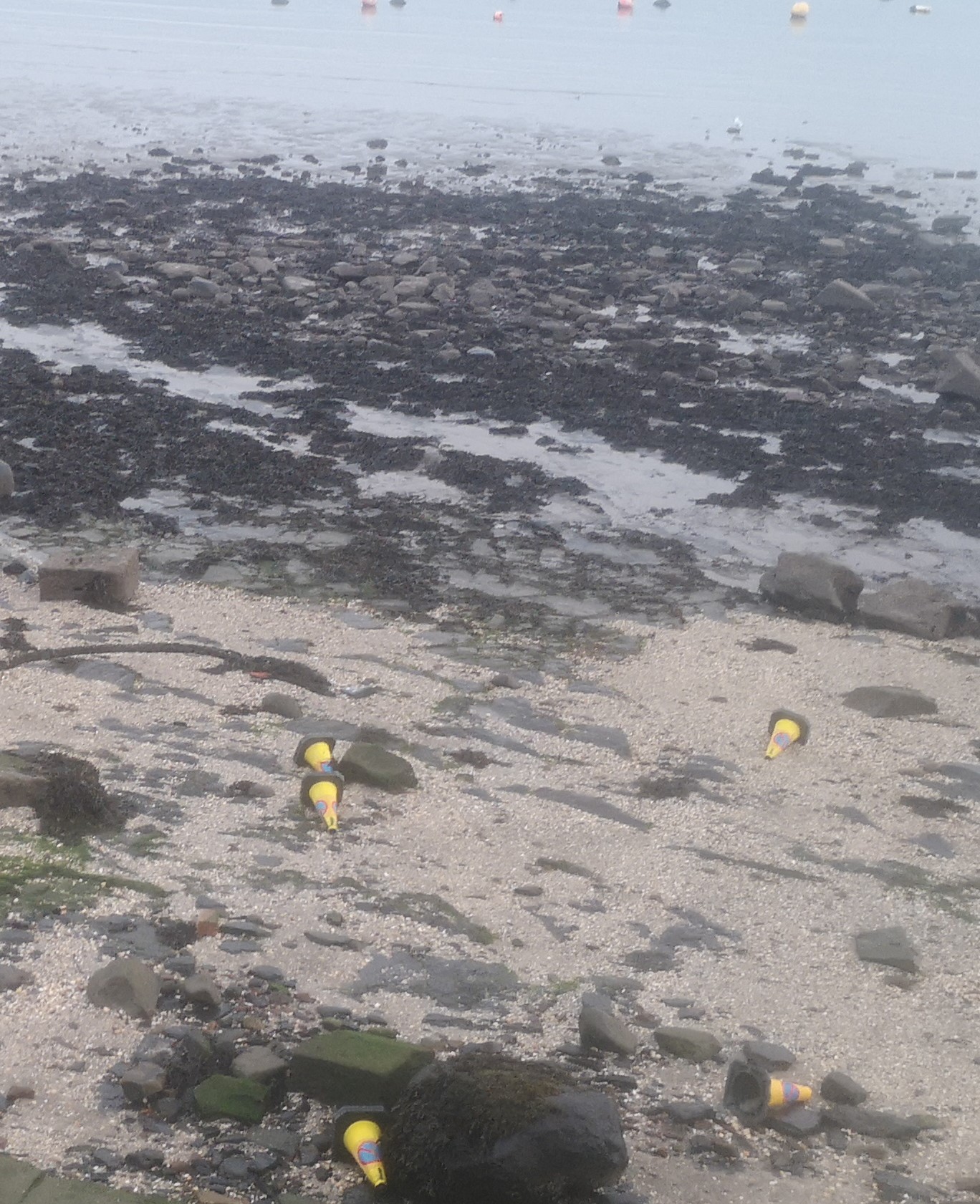
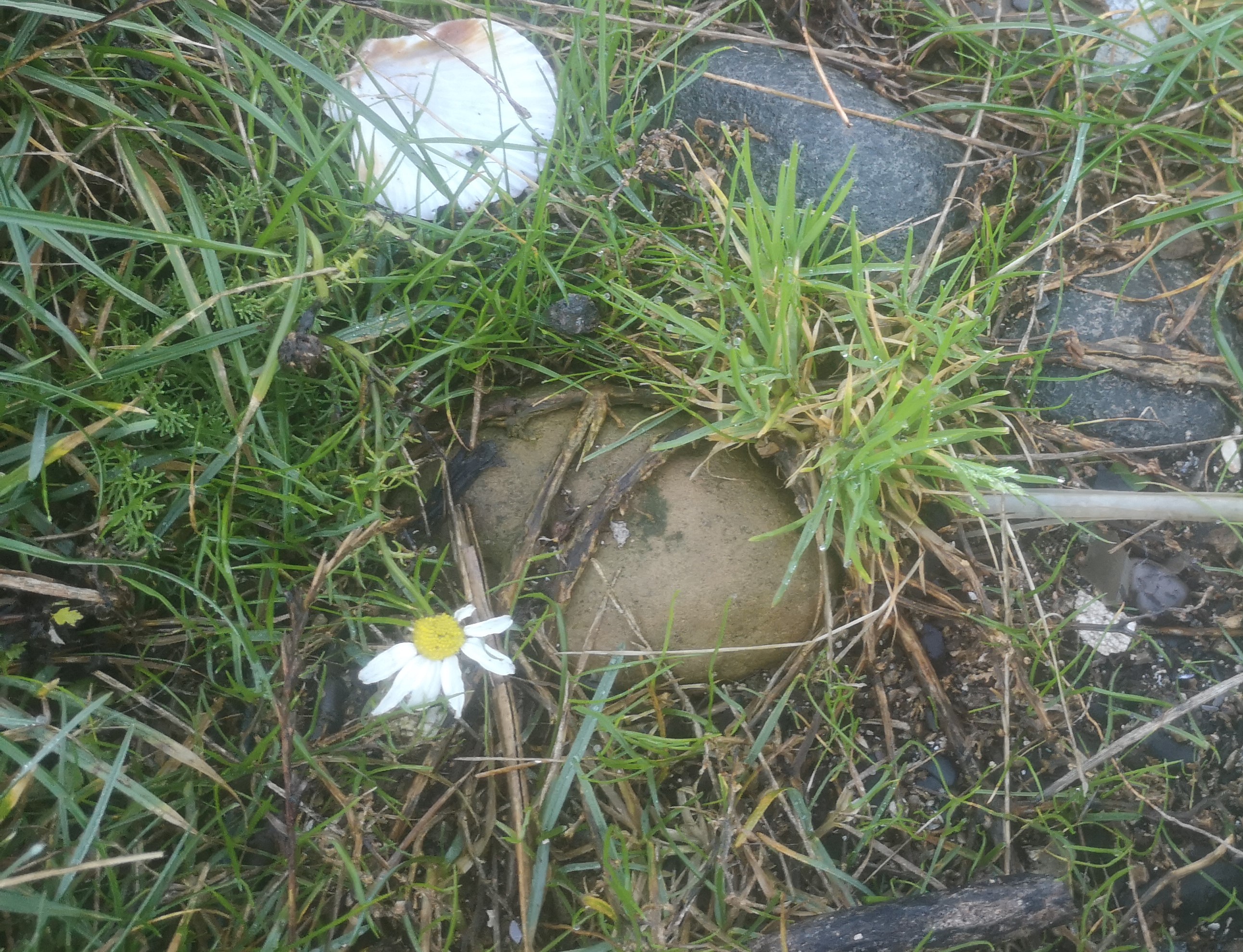
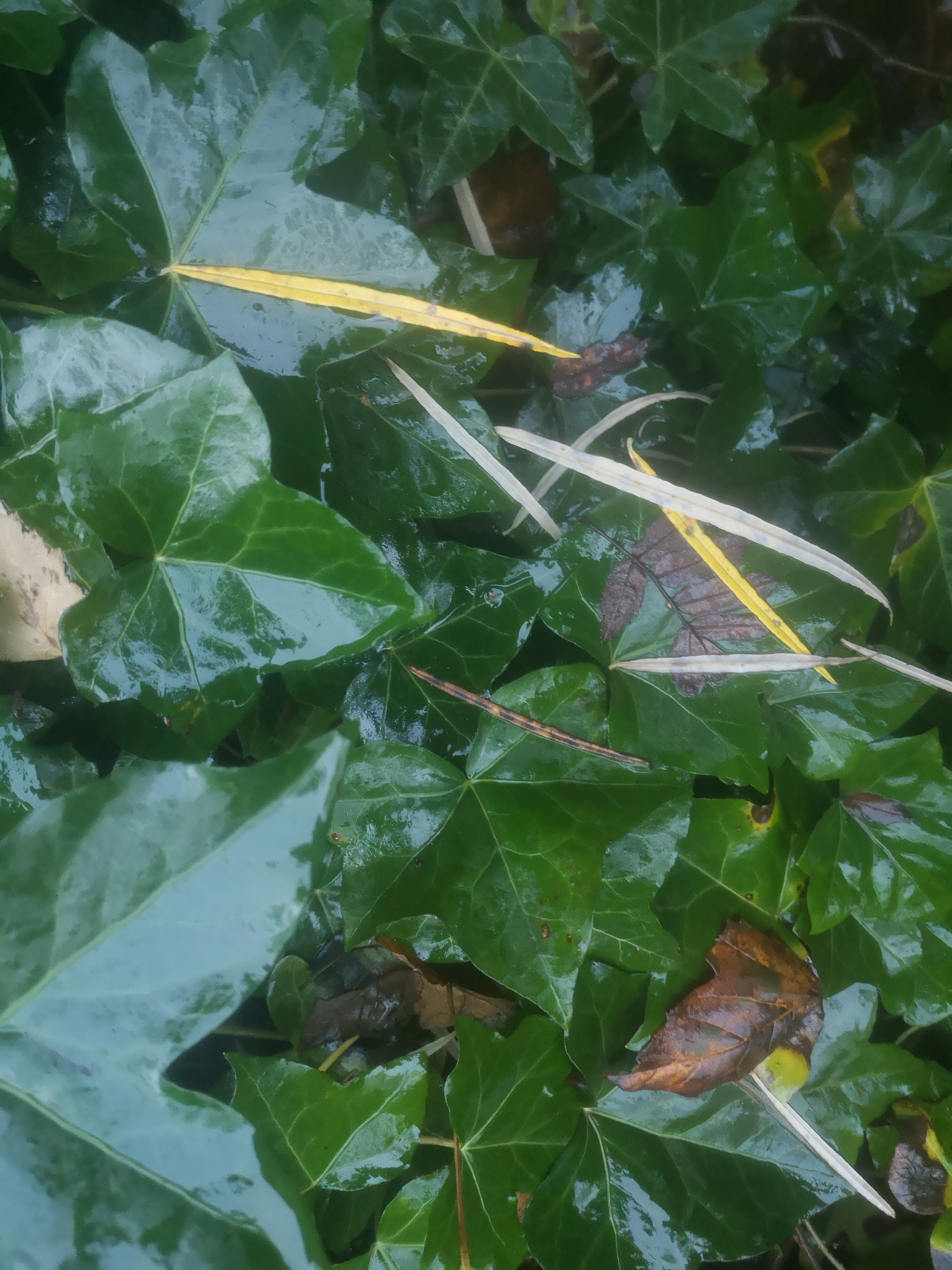
Traffic cones at low tide (left). That must have been a fine game for someone – really? They matched all sorts of other yellows which presented themselves: a sherbet-yellow yacht in the harbour, wild ragwort, chamomile (middle, like fried eggs with frayed edges), and spears of ageing sea buckthorn leaves (right). A flock of pigeons wheeled silently overhead, a single oyster catcher peeped piercingly, and a young gull lifted his feet higher than usual, one by one, to clear the wet grass fronds.
What happened?
The devil was watching just as I set off on the first day, and I dropped and completely broke my phone (the one with a decent camera). I reverted to my daughter’s very old one for the rest of the project hence the grainy quality of the images. That made me choose when and whether to take photos at all. I sketched and took careful mental notes so that I would remember, and spent time afterwards writing them down
I did this walk at the times on my chart until I got to Friday (day 6) when I realised it would clash with something I actually do every week at the same time, which is to go to my meditation group, so that day’s photos were not taken at the correct times
I thought Sunday was the final day (I’d put it in my diary wrong – don’t ever rely on me to be reliable) and on Monday I was doing this really long walk in Fife (the final day of The St Margaret’s Way) which meant that I had to be on an early bus and couldnlt walk the usual route
Thank godness art doesn’t have to be a precise science
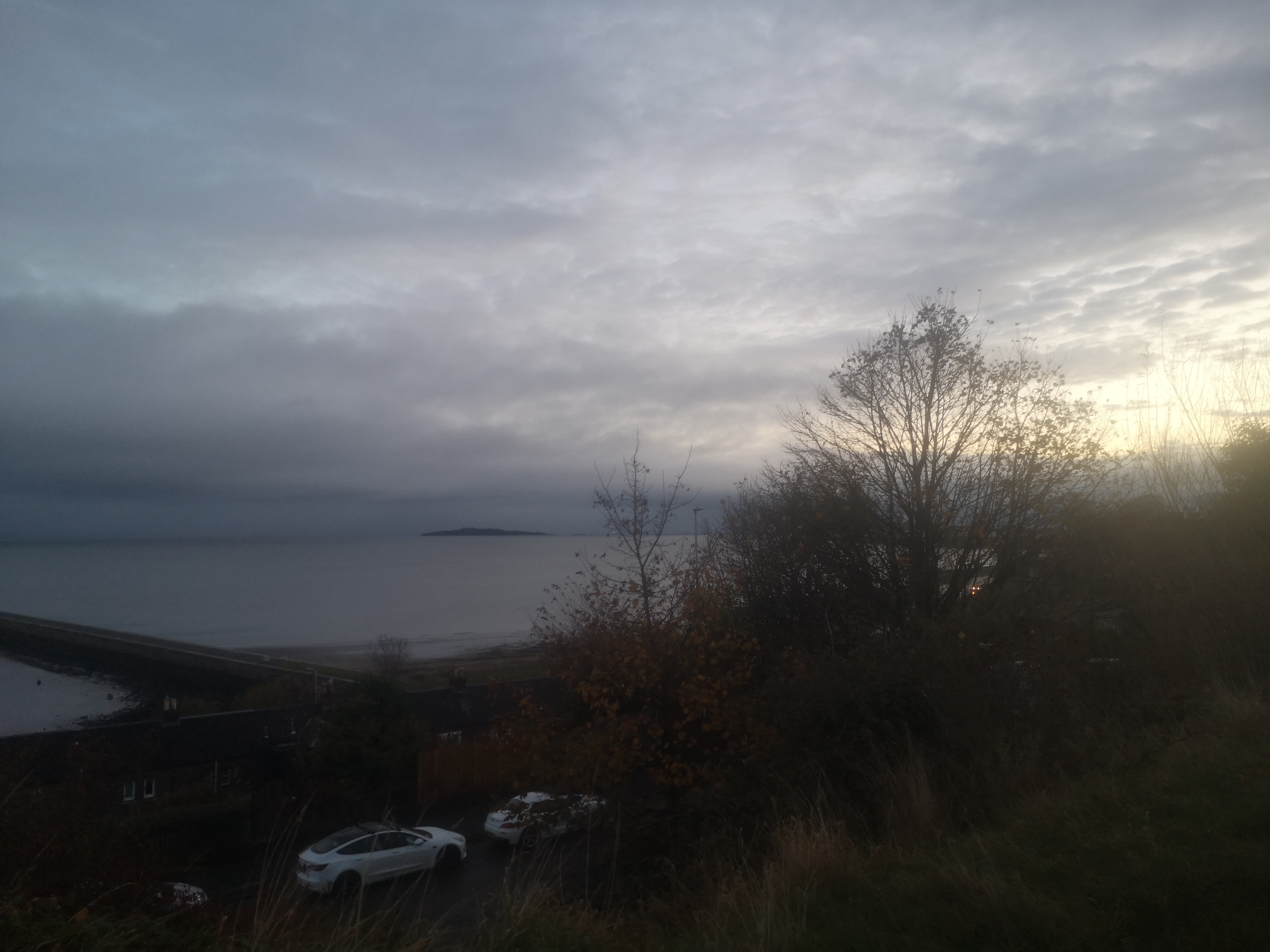
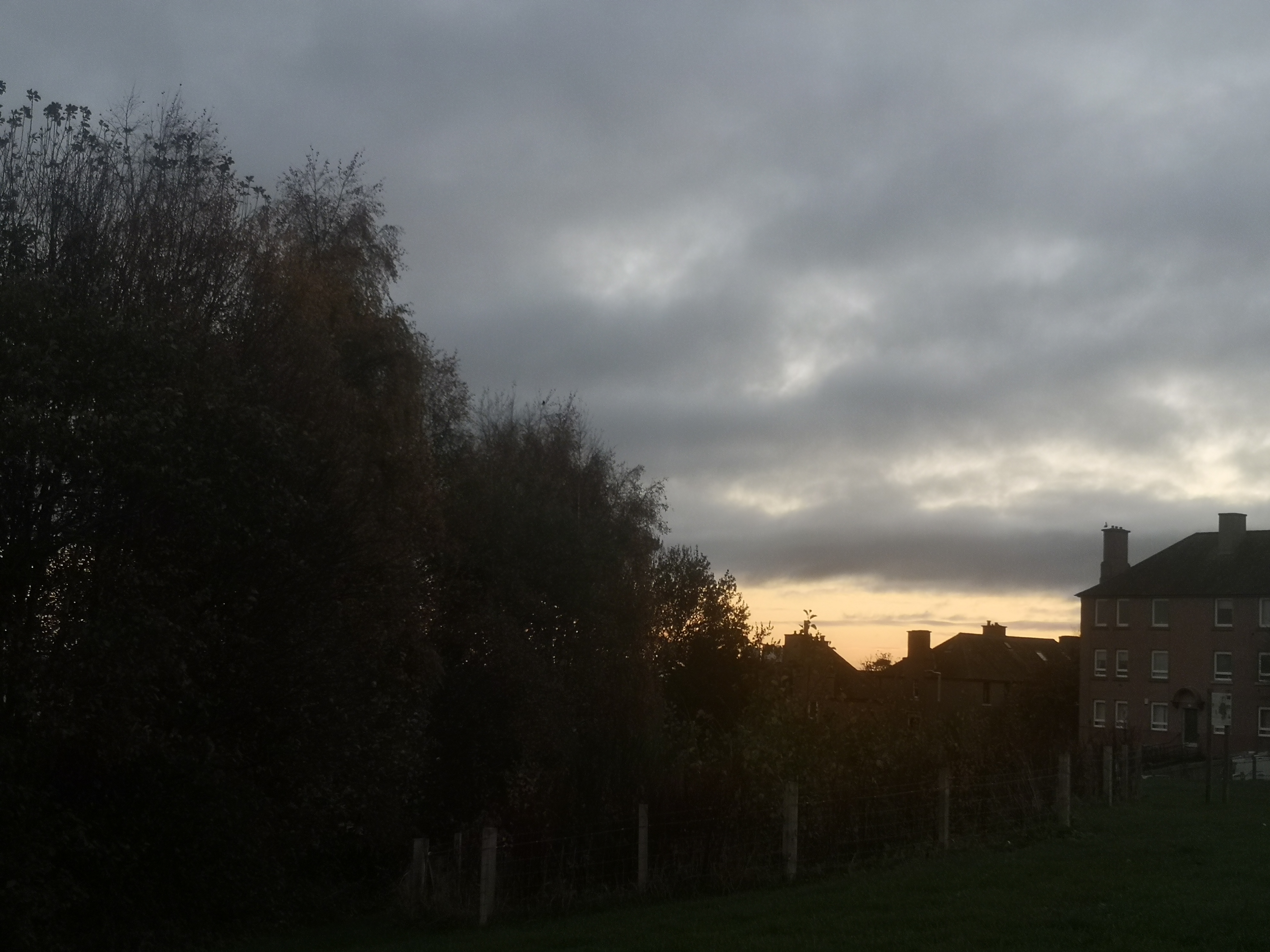
Photos Taken at Sunrise (pretty much)
123456789
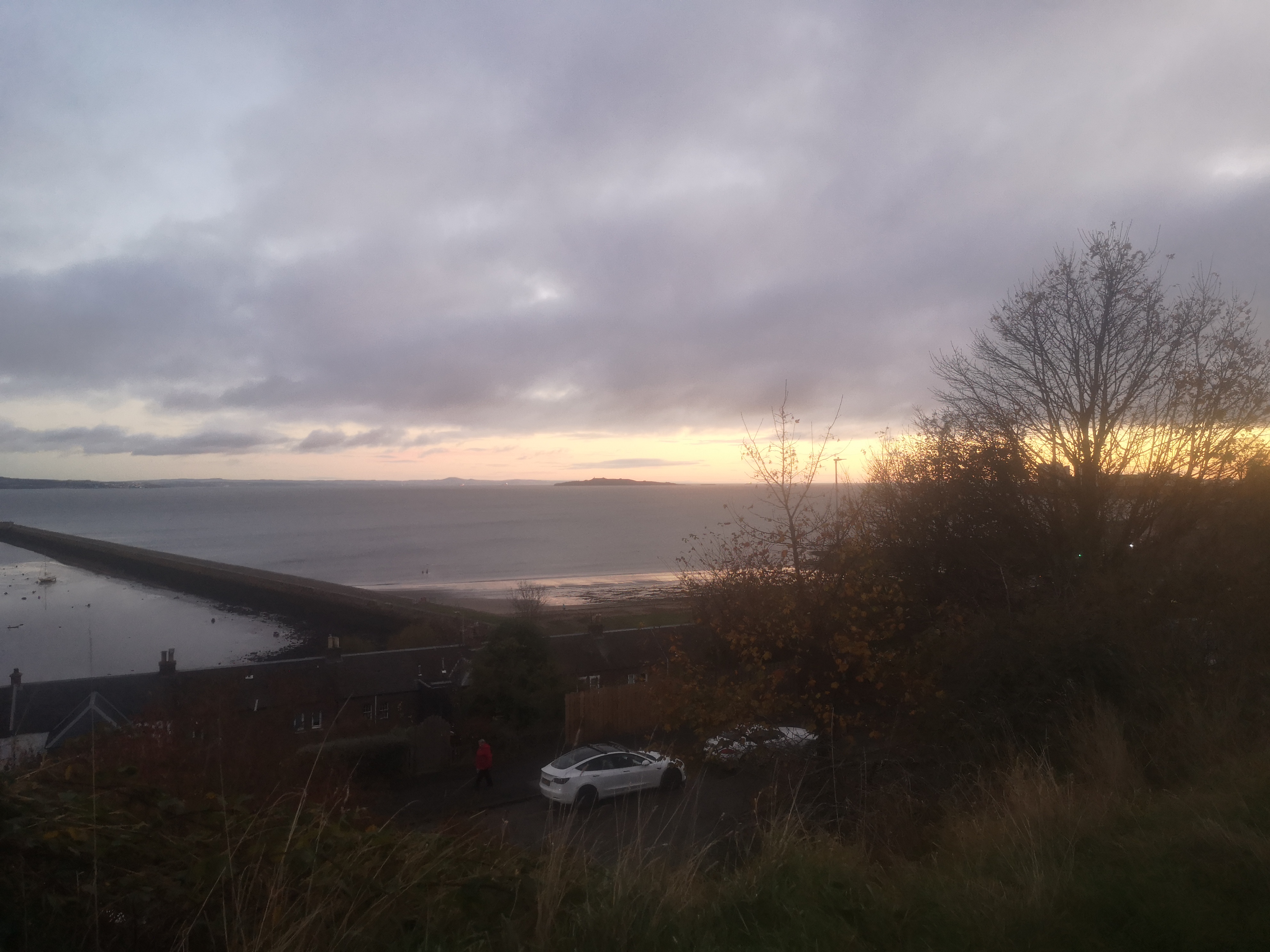
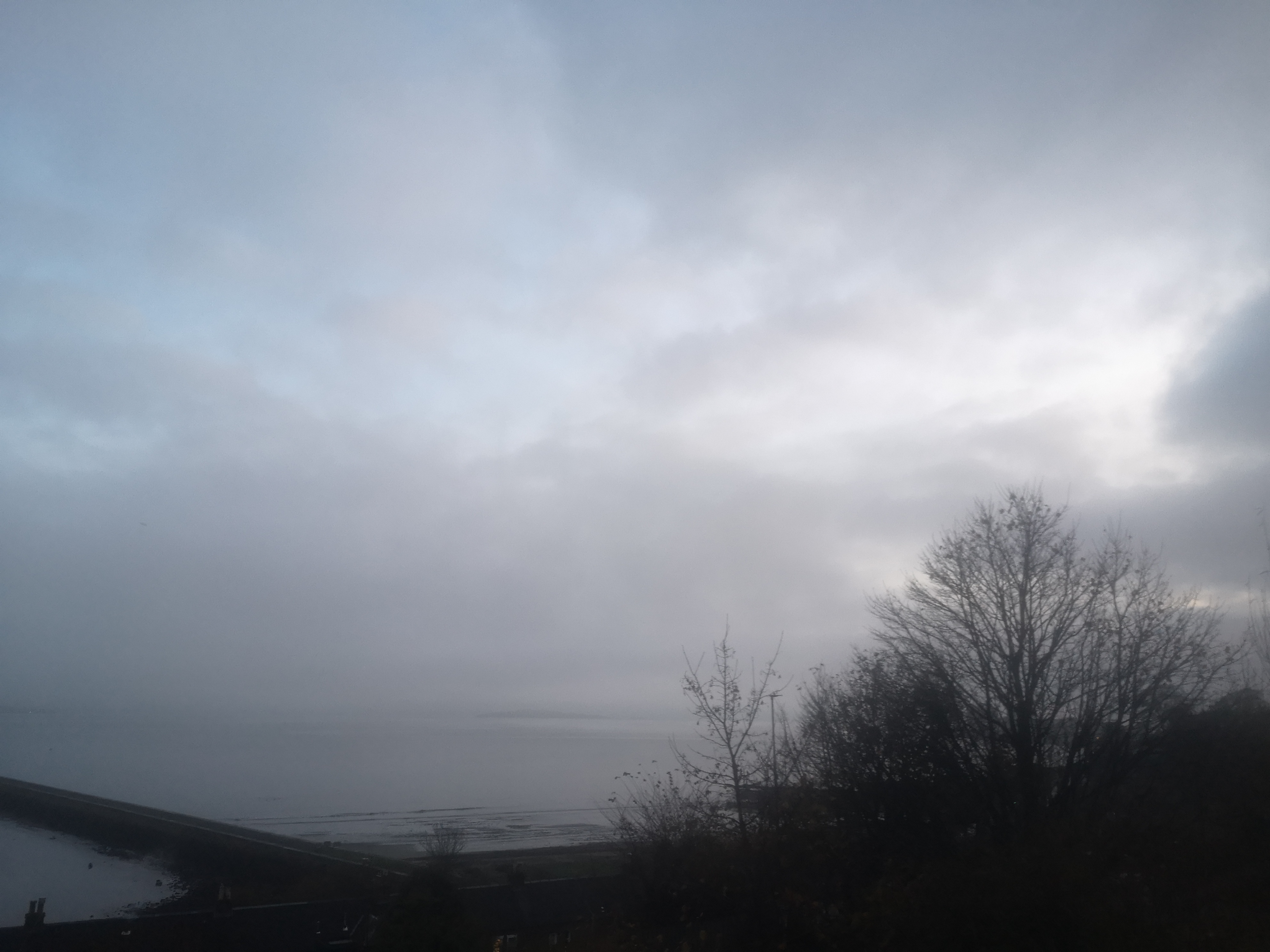
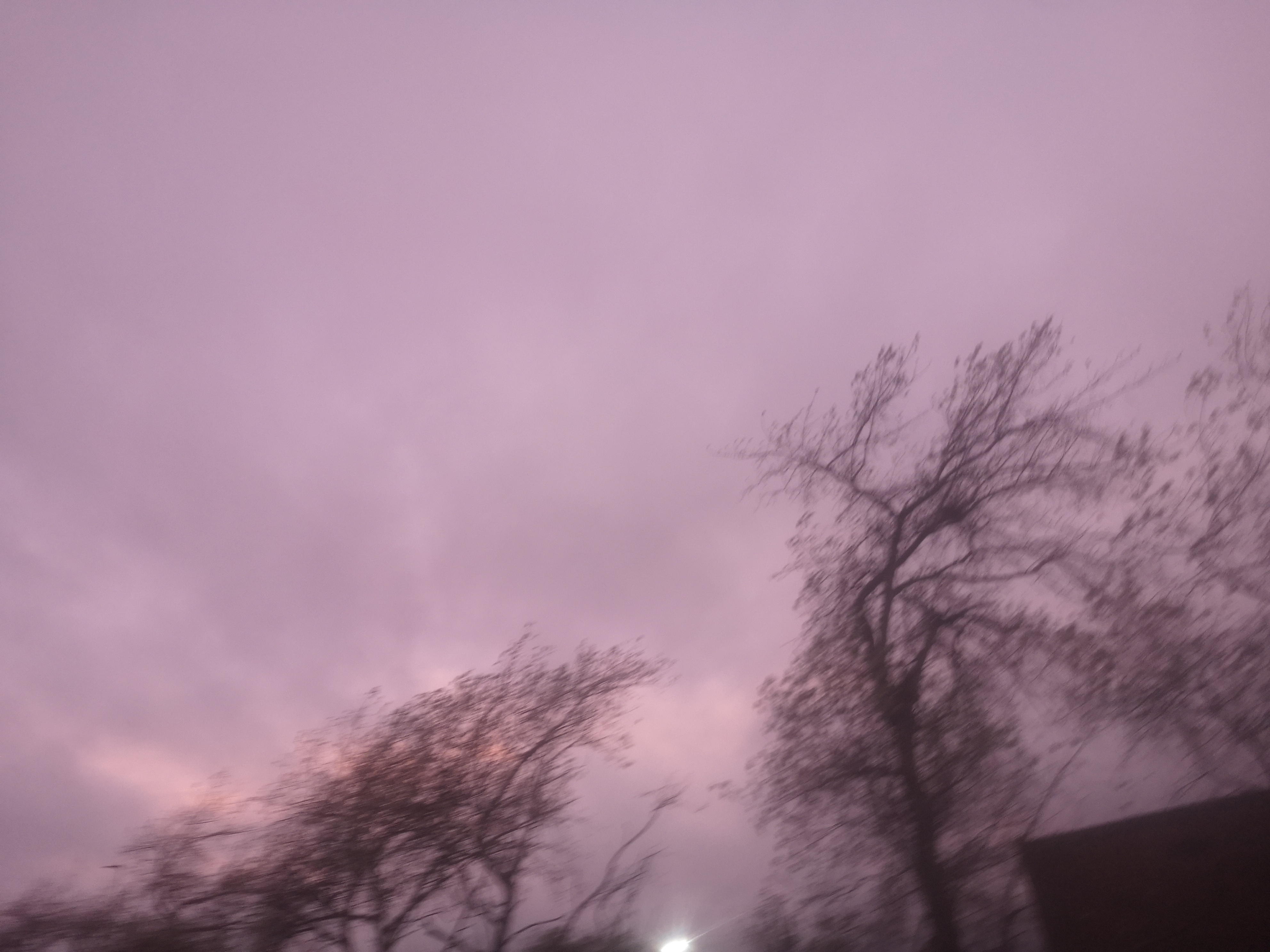
Notes on photo gallery above: Sunrise Photos. Day 1 was taken 2 minutes early because of the phone debacle. Day 6 was not taken at the right time either which you can see by the sky colour, though it is a rather nice, pinky purple). The 9th picture above was taken in Anstruther. It wasn’t a Sunrise Walk day, but I needed 9 images to make the photo grid work and found that I had taken a photo at exactly the right time.
What did I discover?
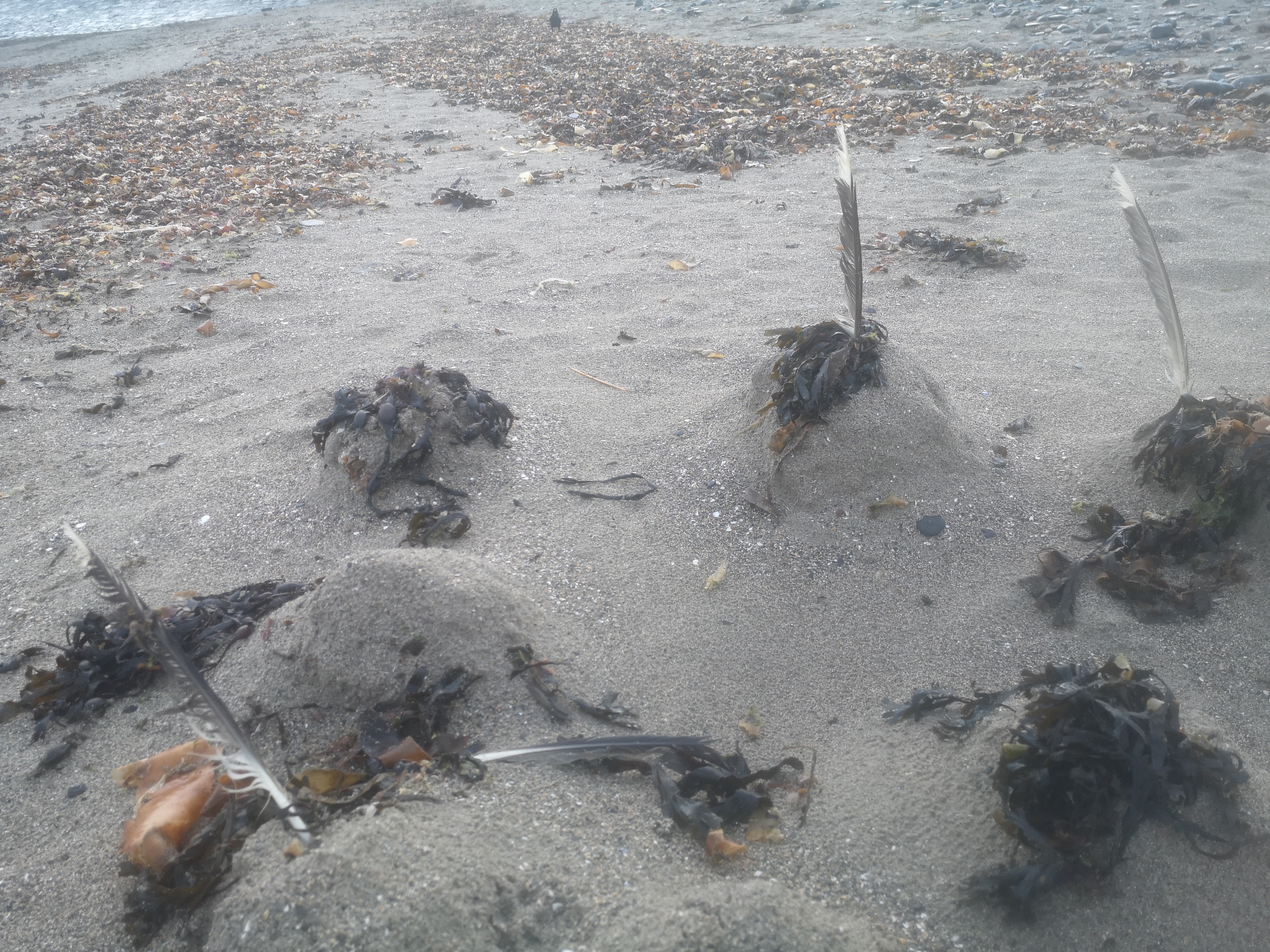
A long, thin black feather and a small slim, silver-blue fish, both on the strand – a grounded agent of flight and a beached swimmer. A series of sandcastles with upright feathers stuck in them like sentinels of the dawn. Border lines: Fife and Inchkeith Island on the horizon; the Eastern breakwater dissecting the sea, along which silouettes walked; the dividing line between the light and dark skin on my arm where the nettle stung me and left a tingling sensation for the remainder of the day. Fallen white poplar leaves and a camp in the little woods with silver tinsel looped over a branch.
Day 5, A Windy Film
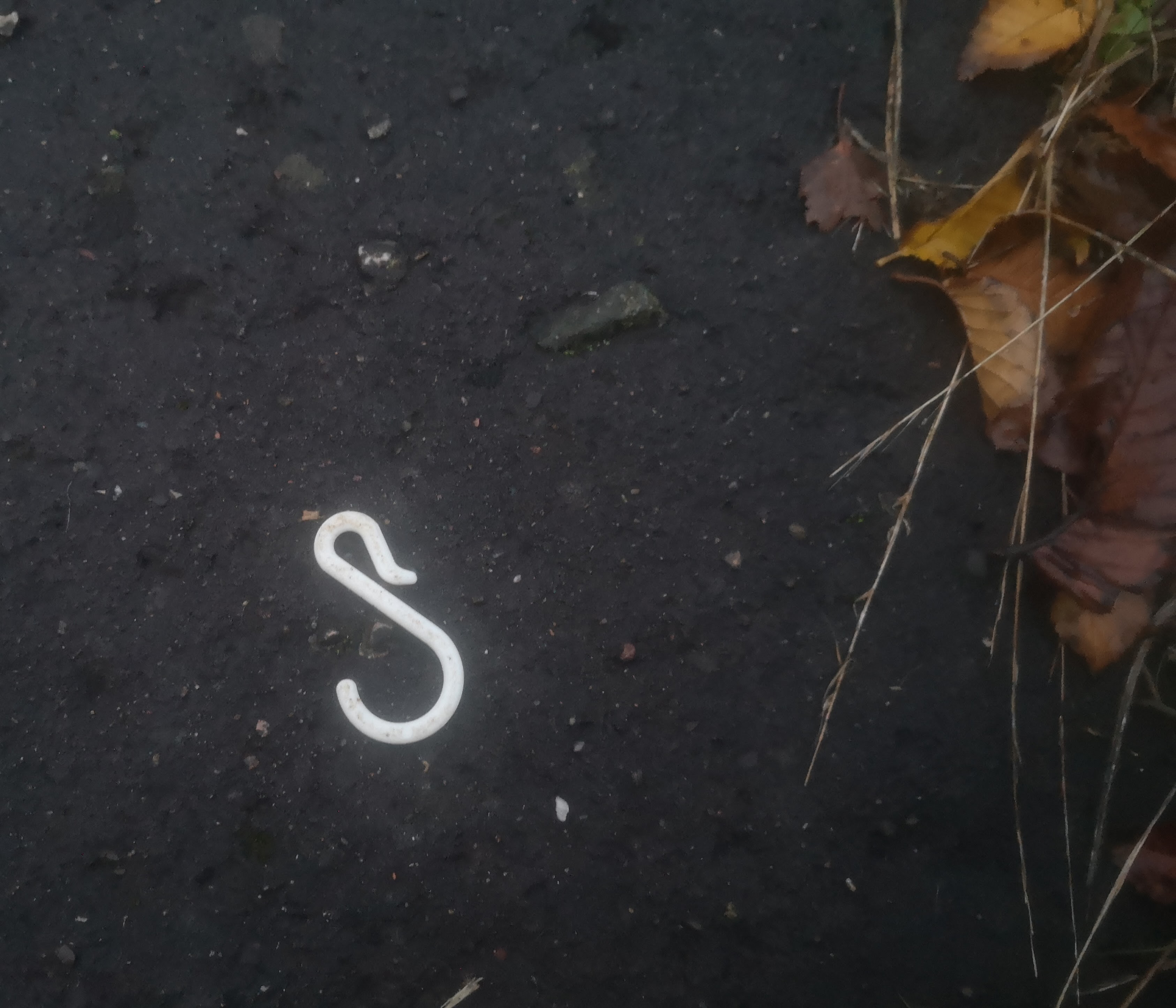
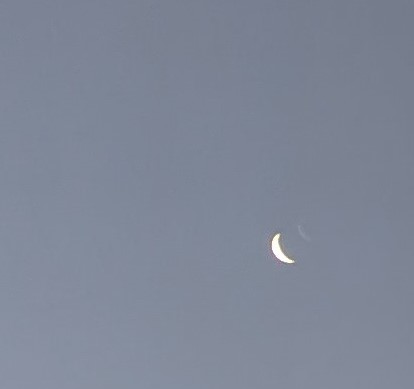
I learned that even when I get up at almost exactly the same time every day and walk almost the same route, the world is always different. It’s never the same. My thoughts are not the same, nor are my actions (even if I try) and neither is the sky / moon / sea / trees / rubbish (though the s-shaped hook was there impacted into the pavement every day). I liked the way the lichen pattern nearby and the shape of the crescent moon above seemed to be related to the curtain hook.
These solo walks were also social occassions. I knew that I was walking with other psychogeographers all over the world. We all shared on Intsagram and sent messages to each other, building up relationships over this 8-day period and, in some cases I knew some from previous Sunrise Walks or in-person meetings – I could picture Jackie in Dublin after walking with her in Canterbury, England, Carol near Philadelphia in the US after we First Friday Walked together along the Thames in London last month, and Kel who I’ve before met in Greece and Gloucestershire. Many, if not all, are part of the Walking Artists Network, and Carol, Kel and I are members of Walking the Land Artist Collective.
The last word(s)
I’m awake every day now. At dawn. Is that what it takes?
Compare what happened to day 7! It turned from dull to golden.
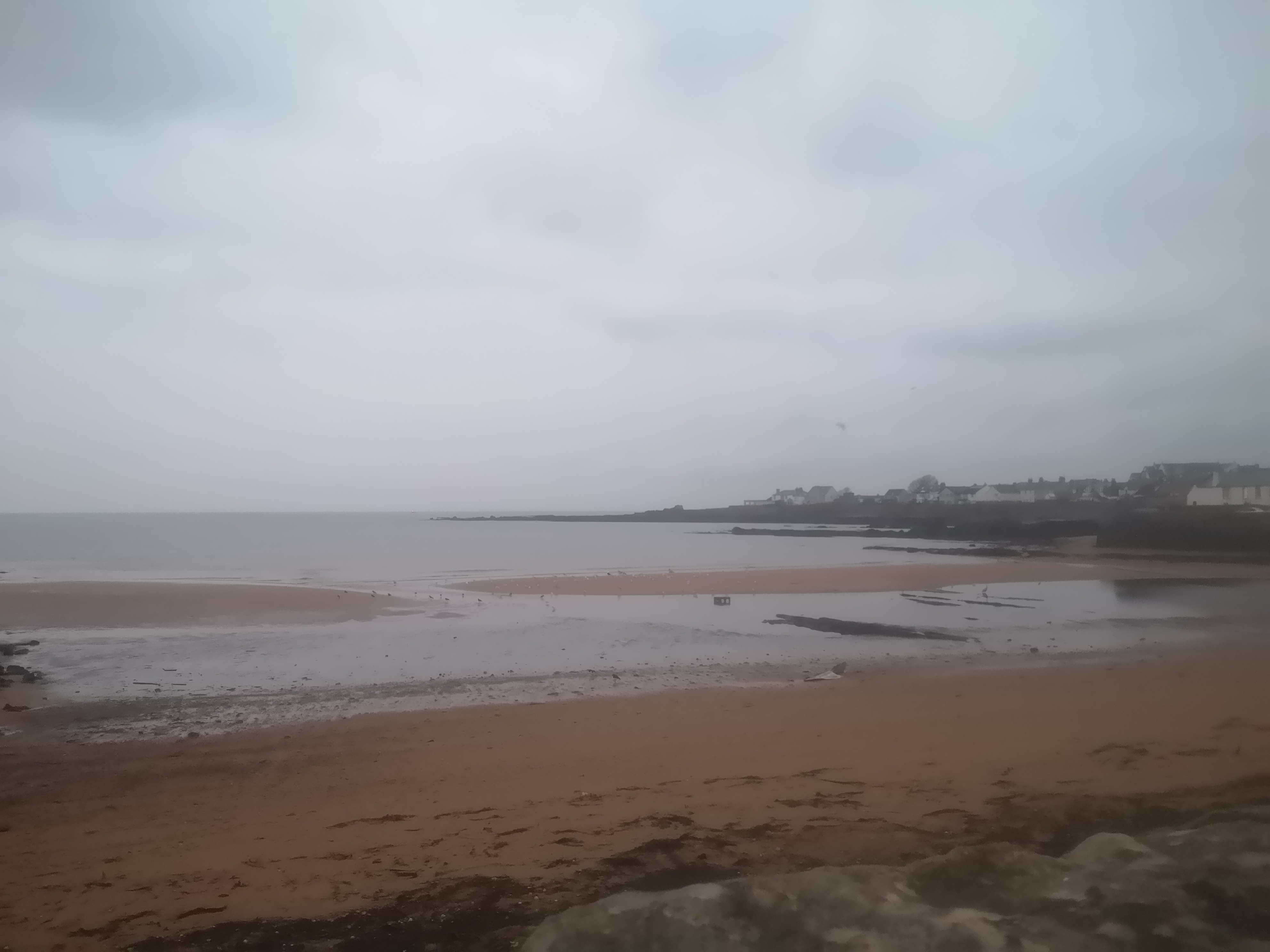
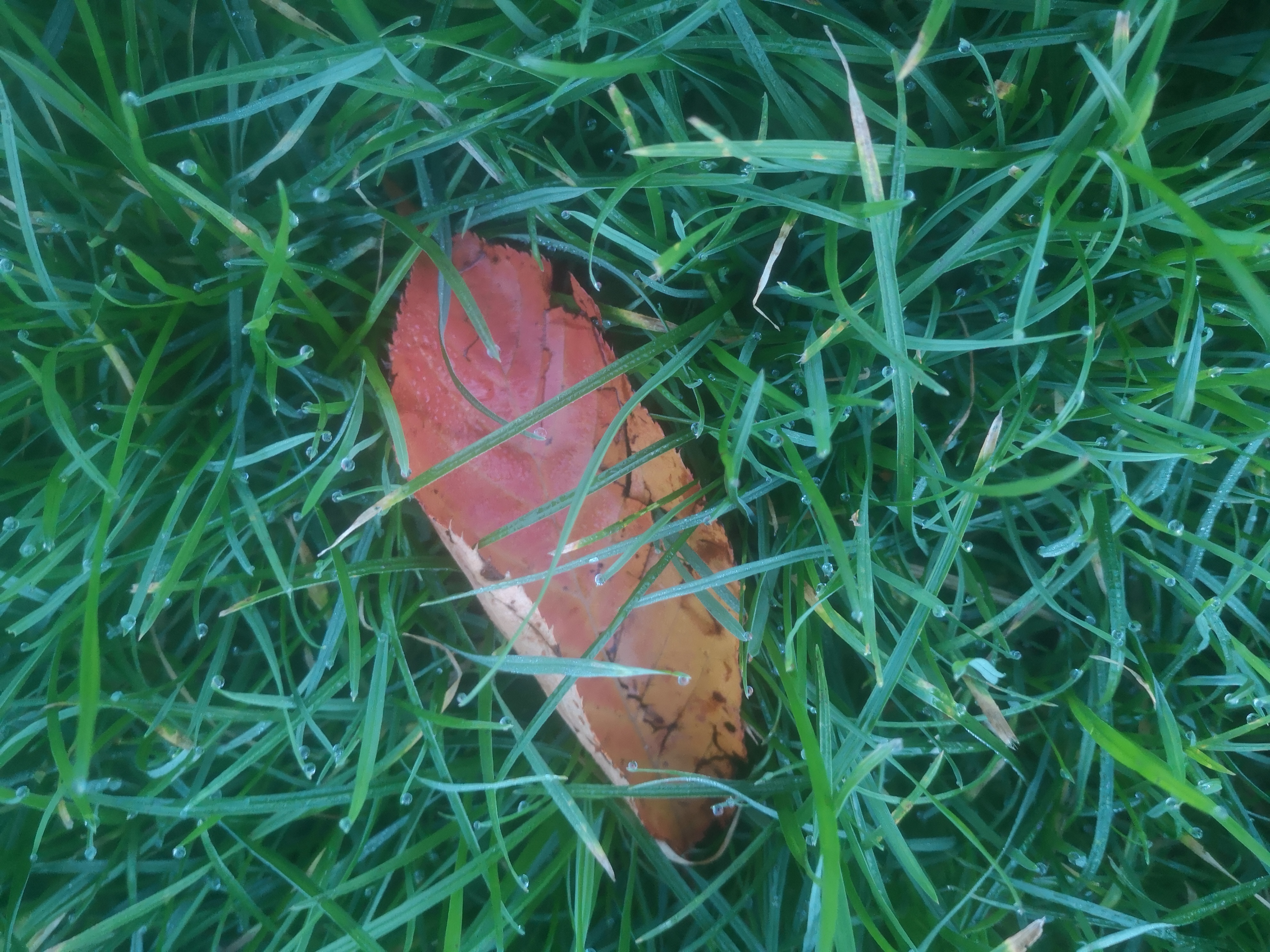
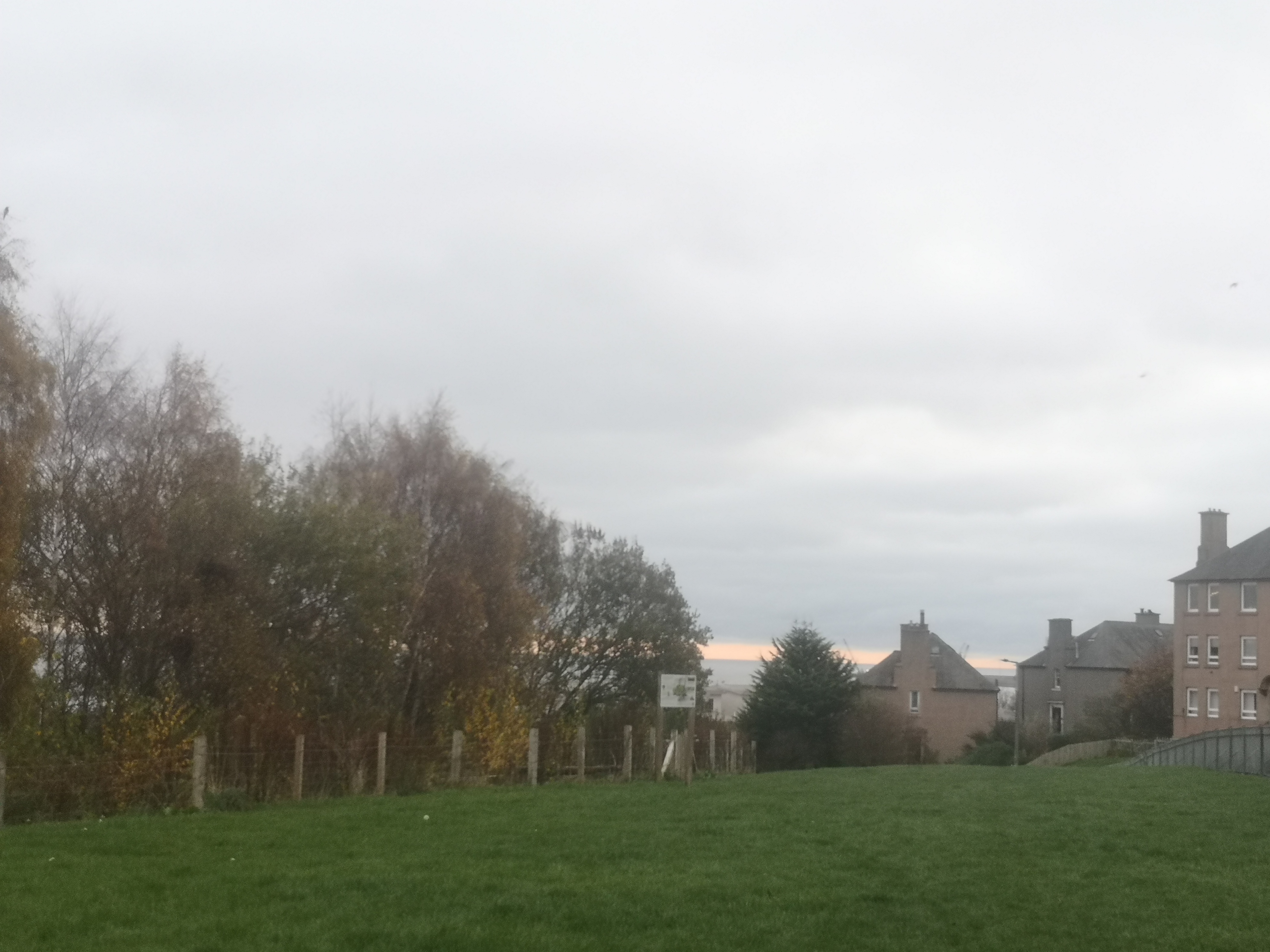
Photos Taken 15 Minutes After Sunrise (but not always)
Edinburghthe camera took this itselfWardie Bay34Not at the right time78Anstruther





 Walking without a donkey