
A Scottish Historic Buildings Trust evening event on November 12, 2025 at Riddles Court, Edinburgh with Tamsin Grainger and Dr Jonathan Gardner. Ticket link
Stretching from the River Almond to the River Esk, Edinburgh’s remarkable coastline runs from one of the few Roman ruins in Scotland to buried quarries and beaches made entirely from the rubble of the city’s demolished buildings. Through docks and ports to beach resort, nature and culture, past and present are brought together in diverse ways.
This part of the city has enjoyed something of a revival of interest over the past few years: esplanade, beach, and shore, making new lungs for the city. How might engaging with this oldest and most ephemeral boundary of the city help us re-imagine it anew?
Jonathan Gardner is a contemporary archaeologist and critical heritage studies researcher. His work examines processes of recent and contemporary large-scale landscape transformations in the UK using archaeological methods, with his current research looking at the longstanding exploitation of Scottish hydrocarbon resources as a form of contested heritage. Gardner’s talk, ‘Washed up on the beach: revisiting the heritage of Edinburgh’s coastline‘, aims to provide an overview of some of the history and heritage of the city’s coastline and its importance for thinking about the city of the future.
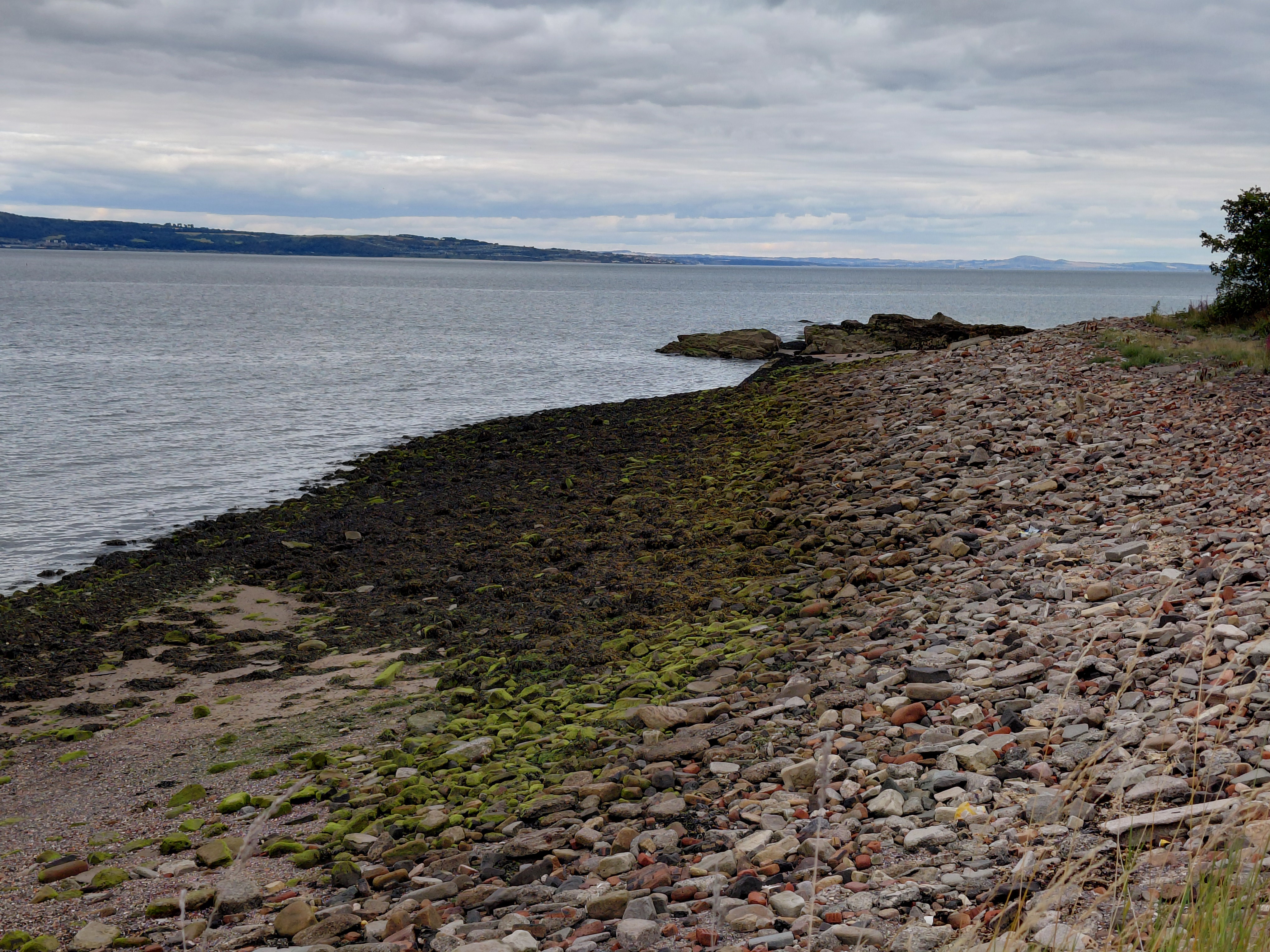
Tamsin Grainger is a Walking Artist and writer. Her recent work, ‘Walking Like a Tortoise’, explored the edge of Granton using maps from 1870 to the present day, each showing a different boundary line, and collected stories of peoples’ heritage and local history. This work asked, ‘How are the people who live in Granton related to each other, the wider area, and the rest of the world?’ and became an enquiry into the links between geography and community, into mapping and belonging.
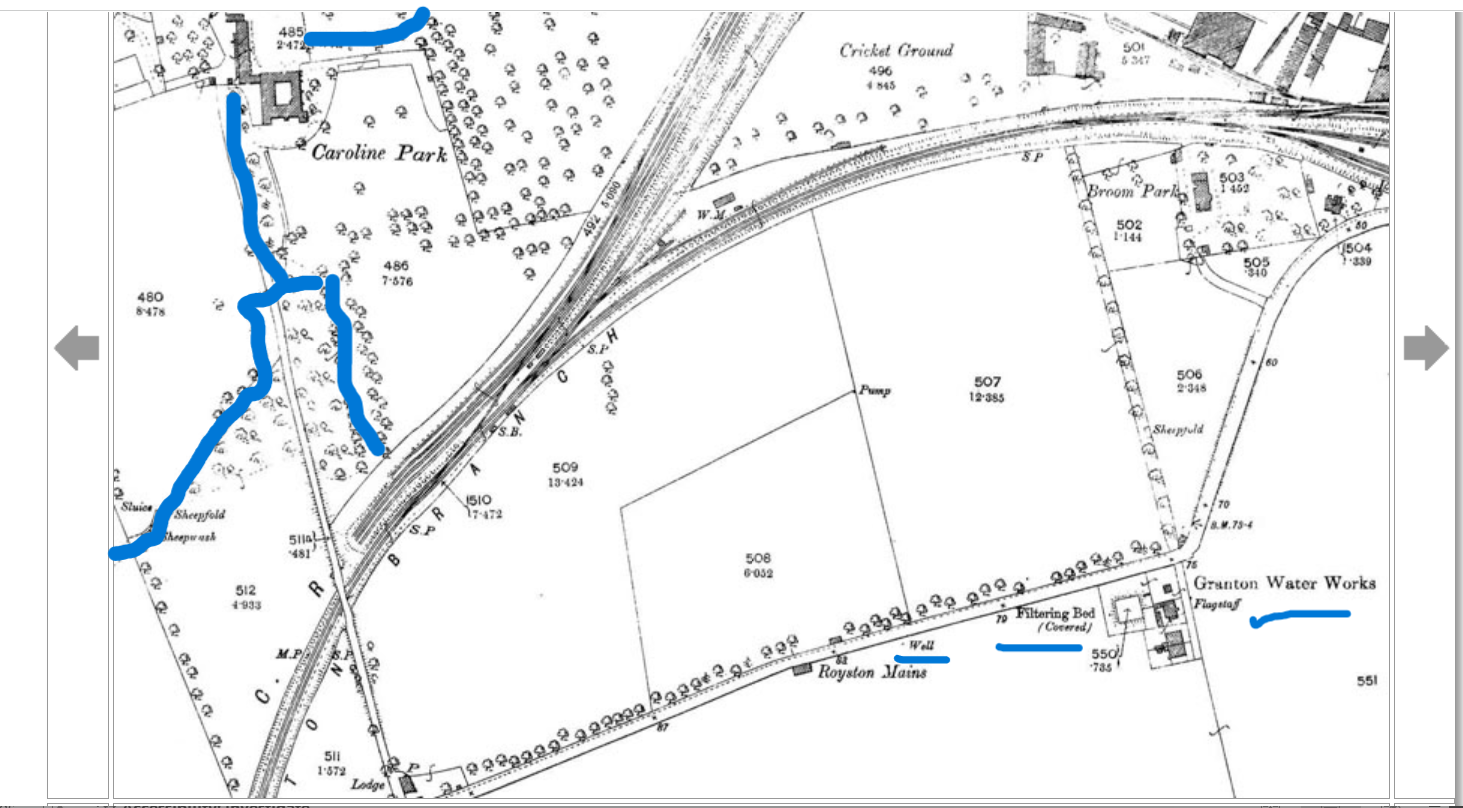
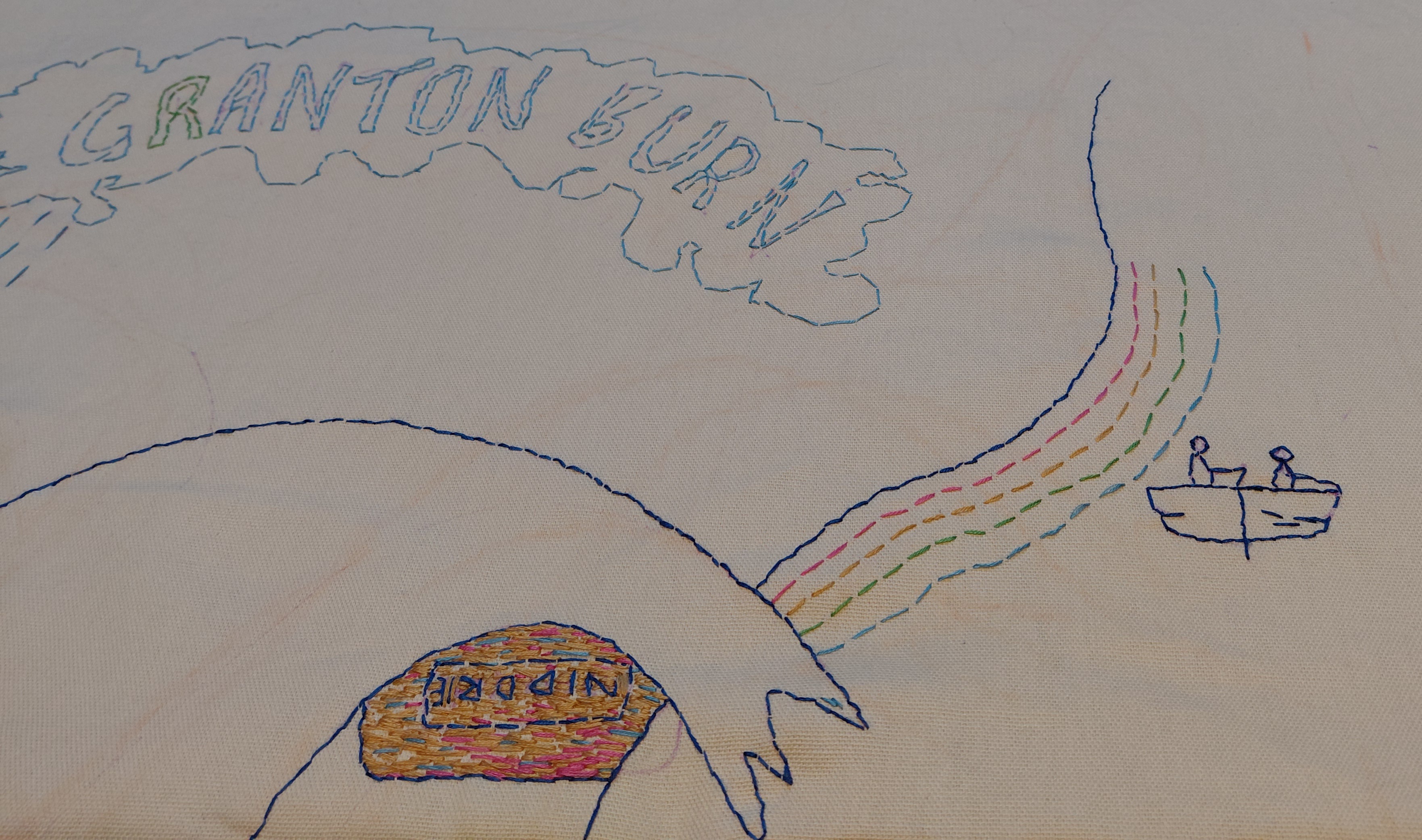
Tamsin’s talk, ‘A walk along the Granton Burn, from Hill to Sea’ follows a newly created map that traces the Burn’s journey from Corstorphine Hill Tower to the sea, reflecting May East’s* advice not to rely on old maps when navigating changing urban landscapes.
You may also like:
Patrick Geddes (Wiki)
 Walking without a donkey