Walking Between Worlds -1

This is part one of a circular tour of Leith, from Leith Walk to Rosebank Cemetery. Links to parts 2 and 3 are below.
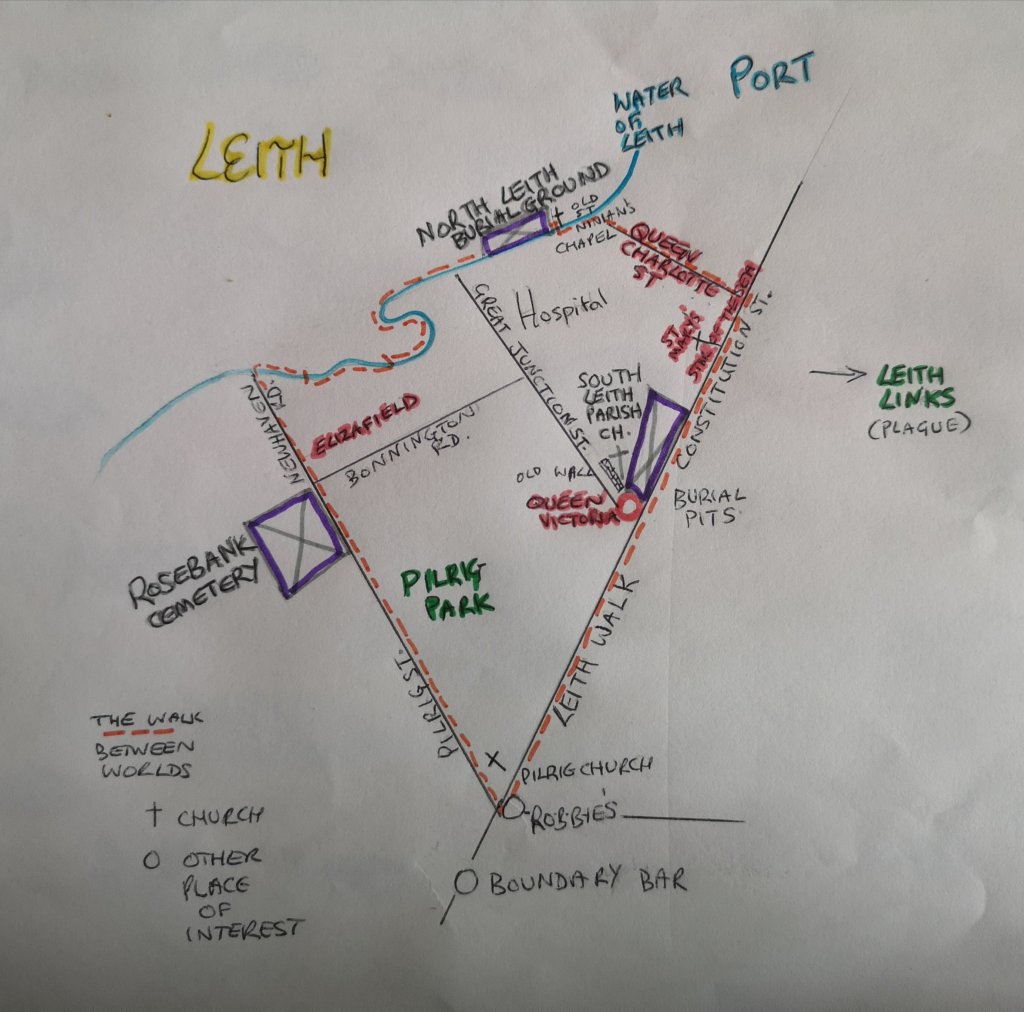
Route Map

Can we ever stop for a moment? No! Time will always turn until we die. Is there ever complete quietness in life? No! But maybe we can quieten. Can we slow down? Well, walking is a good start. It leaves almost no trace and makes little noise. It allows time for thoughts to blow in, and for your footsteps to drown them out again.
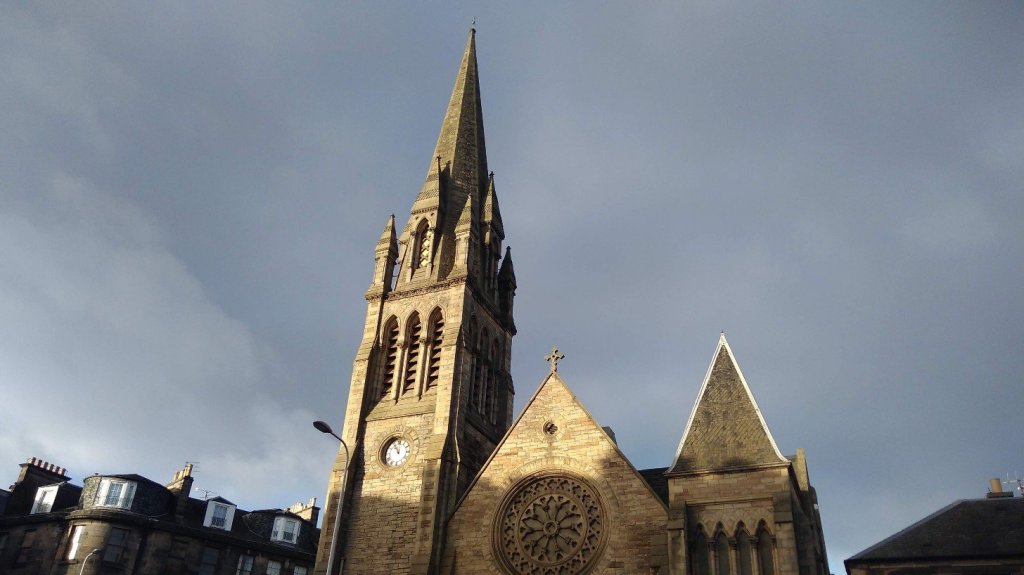
The Parish Church of Pilrig St Paul’s at the corner of Leith Walk and Pilrig Street, close by the old border of Leith and Edinburgh, Scotland

Here, we walk between the worlds of Leith and Edinburgh, connecting with the past by celebrating the ancient Deity of Boundaries (held on the last day of the Roman year) where citizens traditionally process around their land and promote continued peace and stable borders – something I sincerely advocate at this time of disagreement and instability over nationhood.
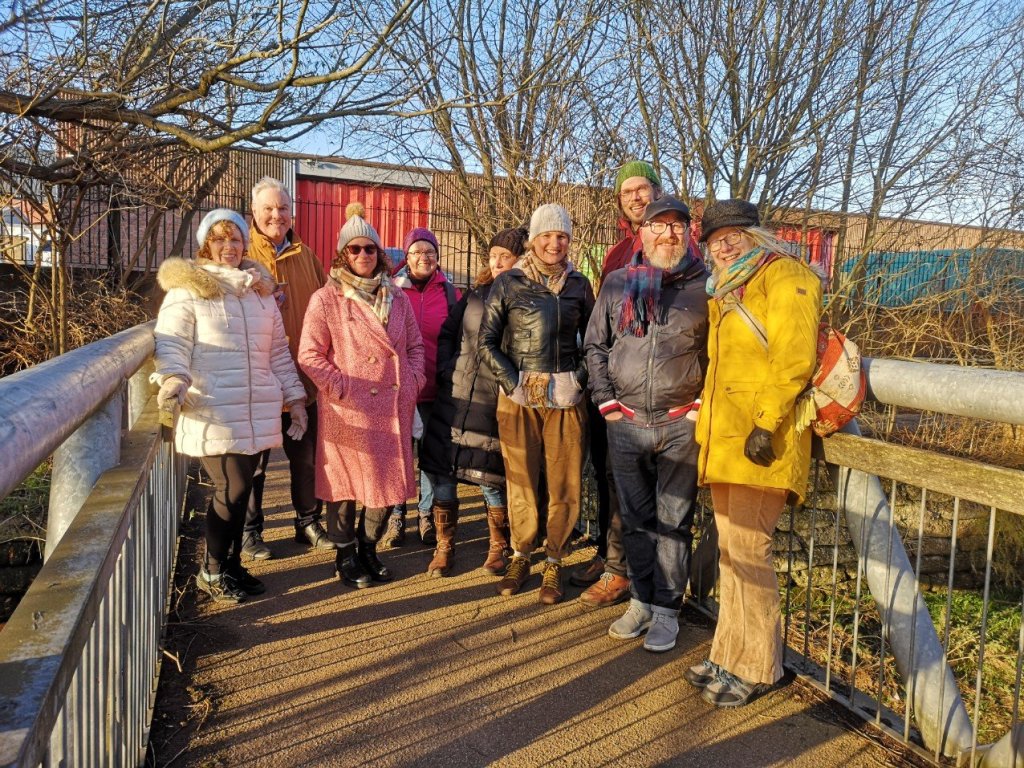
Most of the group who joined me for the walk in Edinburgh, Scotland

Before we set off, we remember the 1920 merging between Leith and Edinburgh which, ‘despite a plebiscite in which the people of Leith voted 26,810 to 4,340 against the merger’ (Wikipedia, Leith) resulted in division and the loss of political identity. This walk initially took place shortly after the initiation of a further detachment, this time of the UK from the rest of Europe, which was initiated by many of those who oppose the separation of Scotland and England.
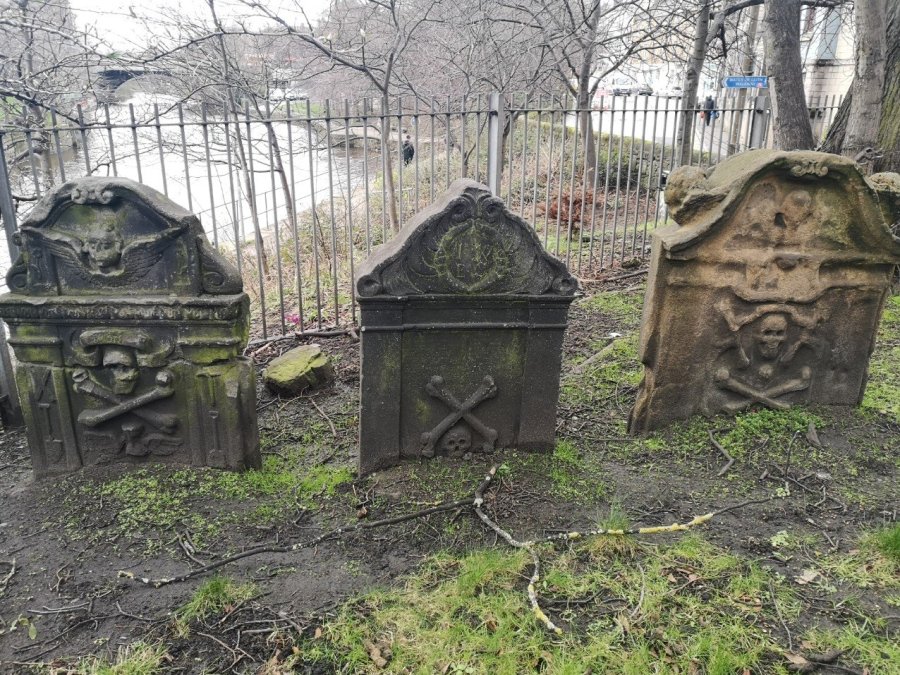
Unequivocal reminders of our mortality, North Leith Burial Ground, Edinburgh, Scotland

Take a minute to remember, or dedicate this walk to someone you know, because the second aspect of Walking Between Worlds is the acknowledgment that we are all, always, stepping on a tightrope between life and death, never knowing when it will happen.

We will be visiting the graves of notable women in Rosebank Cemetery, North Leith Burial Ground and South Leith Parish Church. I have a special interest in the lives of women who are often forgotten or overlooked, and I want to focus on those who are connected to this area.

The steps we take between an information stop on a guided walk such as this, or when on errands, from one hiatus to the next, are equally, if not more important. They are an opportunity for exchange with others or silent contemplation in the middle of busyness.
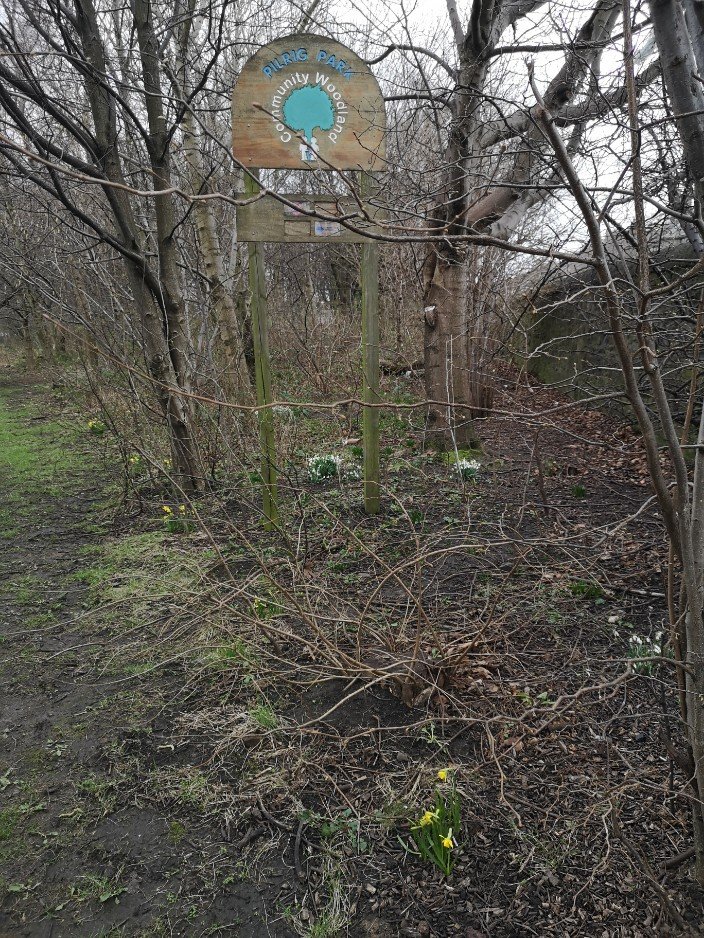
Pilrig Park Community Woodland

We make our way past Pilrig Park. The community woodland was planted by the Friends of Pilrig Park (and supported by Fields in Trust) way back when I had my allotment there and my kids were wee. Years later it is thriving – a lovely spot for hiding and playing in, whether you are human, animal or bird.

The flag I saw on my walk rekkie – the Leith pennant

Nearly opposite, we make our first stop to note the Leith (with its motto of ‘Persevere’) or other flag which blows from a top window.

Another one which flies here sometimes – I am told it represent Space Cadets
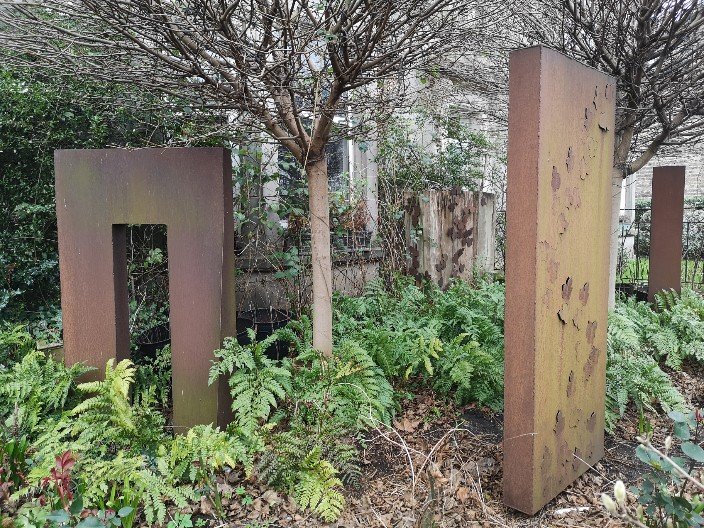
Sculptures in a front garden on Pilrig Street, Edinburgh

At #86 there are metal sculptures worth admiring in the front garden. A gateway (perhaps it is between worlds), and a panel that is the shape of a large gravestone with leaf motifs in relief, are my favourites. I cannot identify the sculptor, and take this opportunity to share that Fi Bailey, an Edinburgh artist, draws our attention to what may be private information which those who are dead or behind closed doors cannot or do not want to disclose. Let’ us focus, then, on what exists before our eyes.

Tip: In the interests of mindfulness and memory, when or if you see something which interests you as you are walking, say it to yourself three times for later. You may still forget, but that doesn’t mean you didn’t see it and that traces of it aren’t going to stay with you, ready to pop up in another moment. 

Rosebank Cemetery
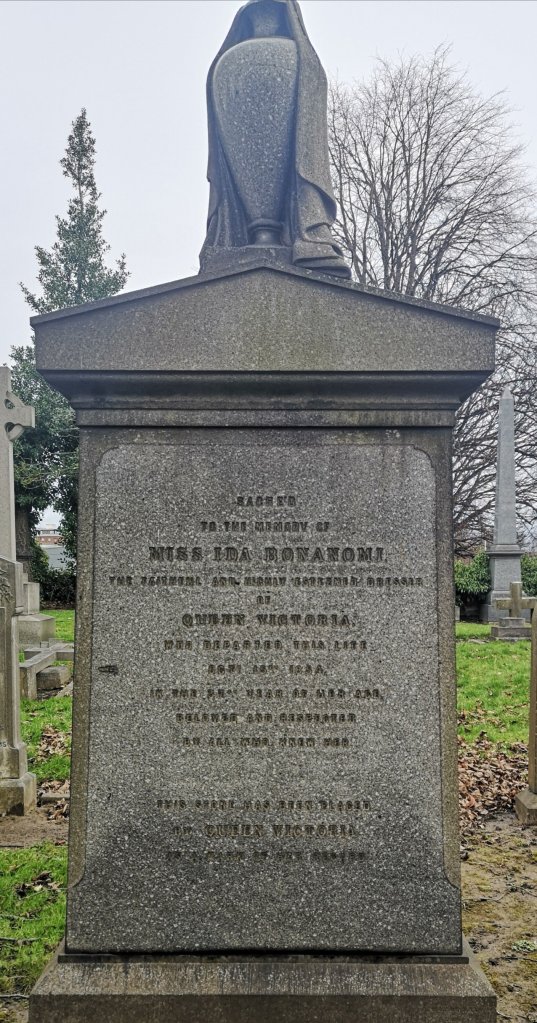
The elegant grave which marks the resting place of Ida Bononomi, 1854, Edinburgh, Scotland

In the same way that there is no night-time dark without a glimmer of light somewhere, so there is no life without some death in it and no death without life. As the bodies in the first graveyard, Rosebank Cemetery, decompose, they become earth and support living things which are in that earth. We, by being interested and remembering those who are interred, raise the dead in a manner of speaking.

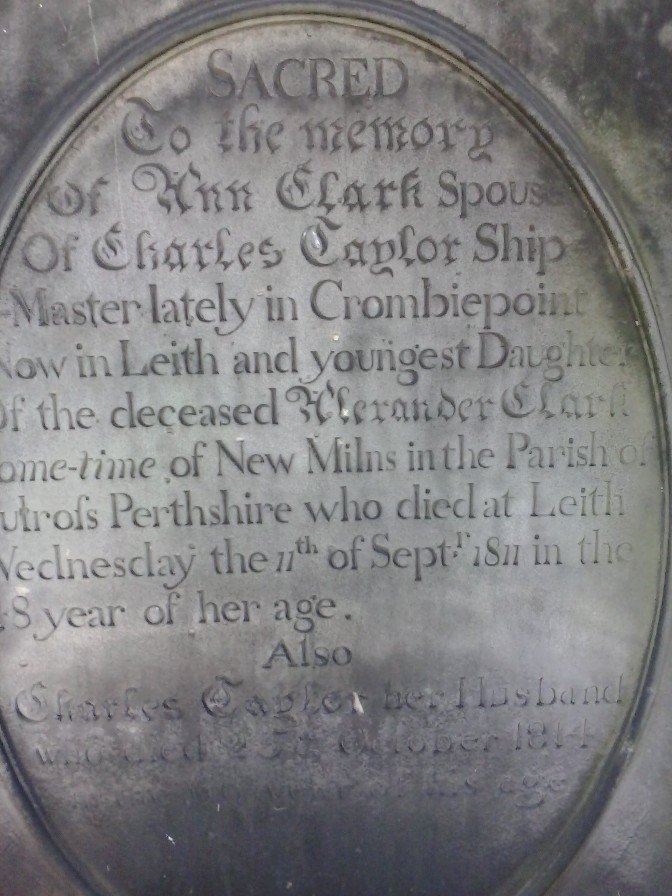
We stand in front of the grave of Ida Bononomi (probably Italian). It reads, ‘Sacred to the memory of Miss Ida Bonanomi, the faithful and highly esteemed dresser of Queen Victoria, who departed this life October 15 1854, in the 37th year of her age. Beloved and respected by all who knew her. This stone had been placed by Queen Victoria as a mark of her regard’. Bononomi’s job was a position of extreme intimacy with the monarch.

That Autumn, Ida had travelled with the Queen and stayed with her at Holyrood Palace where the former fell ill. In her journal, the Queen wrote, ‘Saw Sir James Clark, who brought me a telegram with the this sad news that my excellent maid Ida Bononomi, whom I had had to leave at Holyrood as she had become so ill, not having been well at Balmoral before – had died last night. It was a great shock to me, & I was thoroughly upset, for no one, including Sir James had apprehended any immediate danger. She was the kindest, gentlest, best being possible, & such a pleasant servant, so intelligent, so trustworthy & her calm, quiet manner had such a soothing effect, on my often over wrought nerves. To lose her thus, and so far away, surrounded only by strangers is too grievous. Everyone was shocked & grieved, for she was quite adored.’
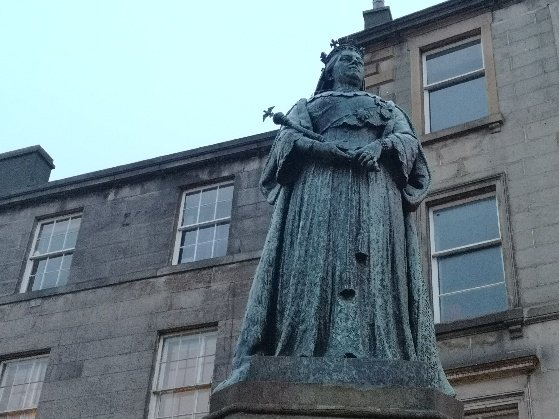
Queen Victoria standing at the foot of Leith Walk. We pass her in our final stage

Queen Victoria liked funerals and had an interest in the protocol of mourning, ‘a mentality as much as a personal observance’ (see below for references). It is known that she recognised the deaths of her housemaids and others with ritual in which other members of the household were require to be involved, and also that she visited this grave six years after Ida died.
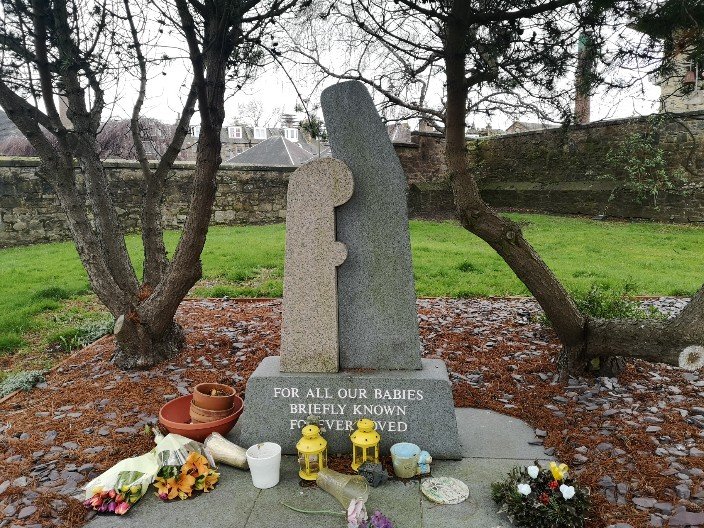
Moving monument to stillborn babies, ‘briefly known, forever loved’ at Rosebank Cemetery, Edinburgh, Scotland

There are, of course, many other graves of interesting women in this cemetery, and there is one which commemorates the stillborn babies who, by Scots law, cannot be cremated and must be buried.
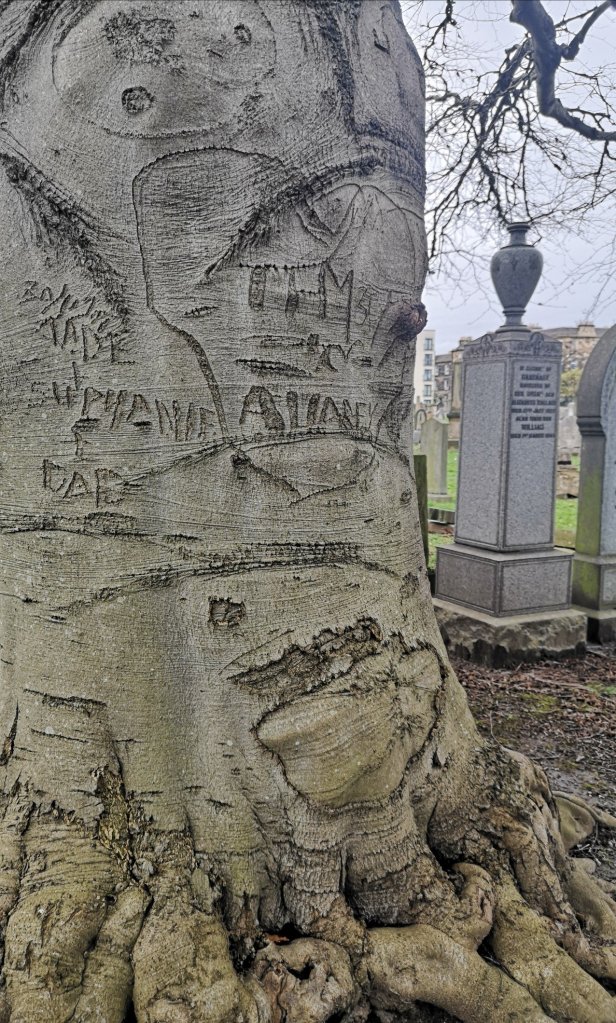
Arboglyphs, tree markings at Rosebank Cemetery, Edinburgh, Scotland

Arboglyphs can be seen at the cemetery and they contrast with the grave inscriptions and, later, the graffiti which we saw beside the river. These different types of markings are official and unofficial, consisting of numbers, letters, words and images cut into or sprayed onto stone or bark with or without permission. They engrave death, and mark political or personal messages, causing us to remember and take note. They sometimes do damage to community surroundings and cause loss of life to the tree, but are always used to communicate and are often enjoyed, even viewed as art.
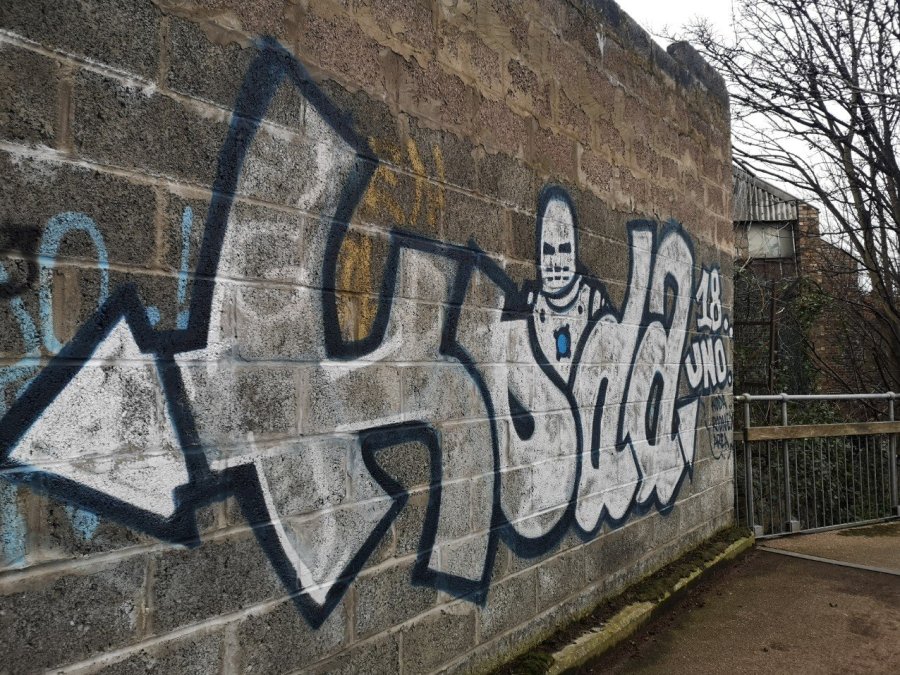
On first sight I thought this graffiti was a skeleton, but it is not. Located beside Bonnington Bridge on Newhaven Road, Edinburgh, Scotland

This walk was originally with ten others, and made in celebration of the Terminalia Psychogeography Festival (23rd Feb, annually). It happily coincided with a Women Who Walk Network event and the Audacious Women Festival.

Links

Introduction to walking Between Worlds

We continued our walk across the junction at Bonnington Road: Walking Between Worlds 2.

The walk continues in the final blog of the series, Walking Between Worlds – 3

I am indebted to Elizabeth Jane Timmins, 2019 and this blog for the information about Ida Bononomi and Queen Victoria.
Walking Between Worlds

Introduction to a walk around the Leith boundary, taking in the Rosebank Cemetery, the North Leith Burial Ground, and the streets in between, with information, photos, video, maps and conversation about the wonderful women associated with Leith’s past and contemporary connections.

Home drawn map of the Walking Between Worlds route in Leith
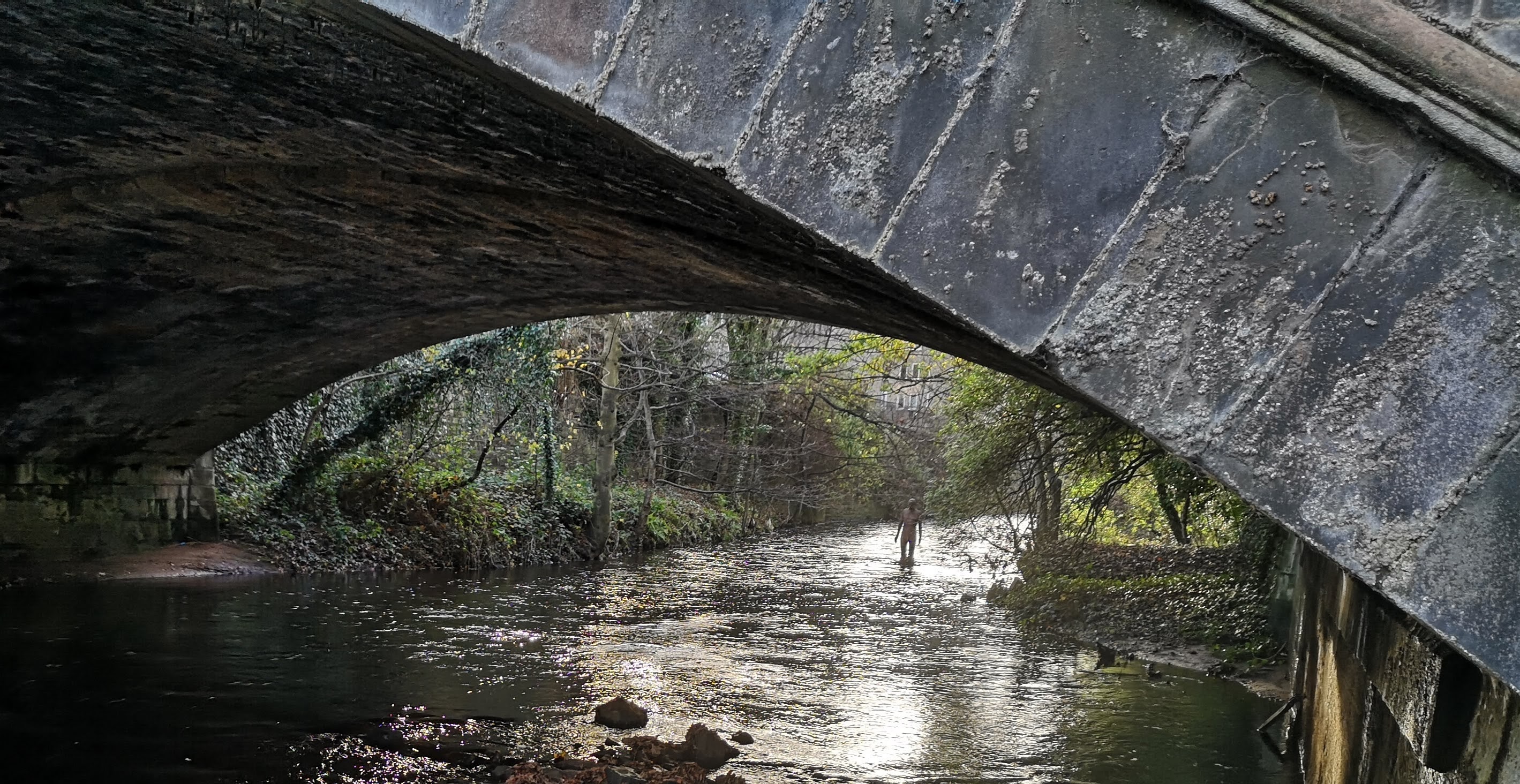
One of the Anthony Gormley statues in the Water of Leith over which we walk as part of the tour

(This walk was originally made on foot with a live group in Edinburgh on 23 February 2020, 3pm – sunset (5.30pm). This event has now taken place but it is hoped that there will be more in the future.)

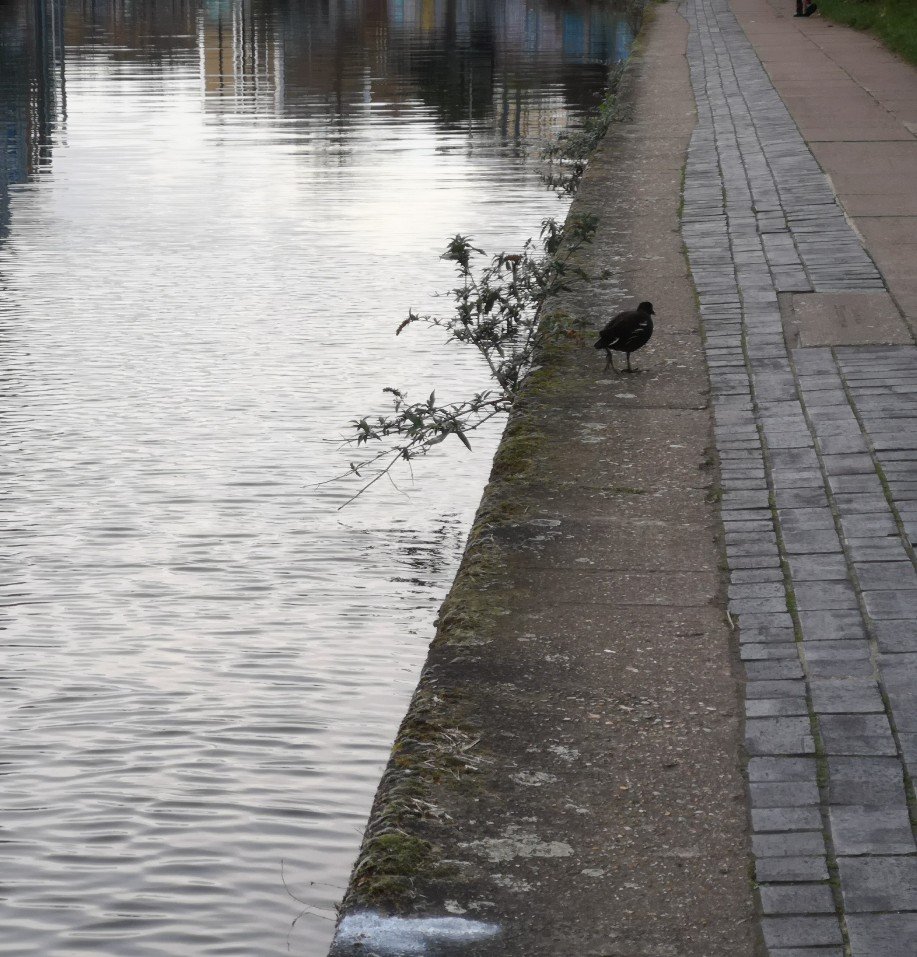
A bird walking between worlds

The original tour was a circular one of approx. 2.5 hrs, that meditated on boundaries and borders – between one community of people and another, day and night, life and death and on the cusp of the new moon.

A new(ish) moon

We visit the graves of notable women in Rosebank Cemetery, North Leith Burial Ground and South Leith Parish Church. Briefly, at each stopping place, we face the memorial stones, and learn about their incumbents.

The North Leith Burial Ground is ‘the dead centre of Leith’ according to The Spirit of Leithers

Grave stone, North Leith Burial Ground

The steps we take from one stopping place to the next, are equally, if not more important, so take note of them too. You are invited to walk in memory of loved ones, and to muse on life and mortality. It is an opportunity for exchange and silent contemplation.

Pilrig Church, Leith Walk. At the border between Leith and Edinburgh

The walk starts at the join of Pilrig Street and Leith Walk, opposite the location of the Boundary Bar (now renamed as Bier Hoose) which marked the former border between Leith and Edinburgh, and terminates at Robbies Bar on the corner of Iona St and Leith Walk, more or less opposite the start. There you can find libation and chat about where you have been – both in yourselves and the city.

Lady Mackintosh who raised a regiment for Prince Charlie, was buried in the North Leith Burial Ground, Edinburgh

Always wear hardy shoes or boots for tramping pavements and negotiating sodden grass between stones and at the edge of the Water of Leith.

Psychogeography is ‘The study of the precise laws and specific effects of the geographical environment, consciously organised or not, on the emotions and behaviour of individuals.’

Guy Debord from Making Maps

The annual Terminalia Festival of Psychogeography

Terminus was one of the really old Roman gods. He didn’t have a statue, he was a stone marker, and his origin was associated with a physical object). He had influence over less physical boundaries too, like that between two months, or between two groups of people. Terminalia is celebrated on the 23rd February which was the last day of the Roman Year, the boundary between two new years.

Women Who Walk

TI am a member of Women Who Walk. This network is for women who use walking in their creative or academic practice, and it includes artists, writers, field historians and archaeologists, psychogeographers, and academics.

I led a series of these walks, in-person and online (for anyone who was ambulant or not, in Edinburgh or not!) including ones that were part of the Audacious Women Festival 2021, Women Who Walk, and Terminalia Festival (2023 and 2021).

Walking Between Worlds 1 an account of the first part of the walk

Walking Between Worlds 2 the second part of the walk

Walking Between Worlds – 3 the third part of the walk

Kings Cross to Camden Town – a walk

February 2020

Kings Cross 2
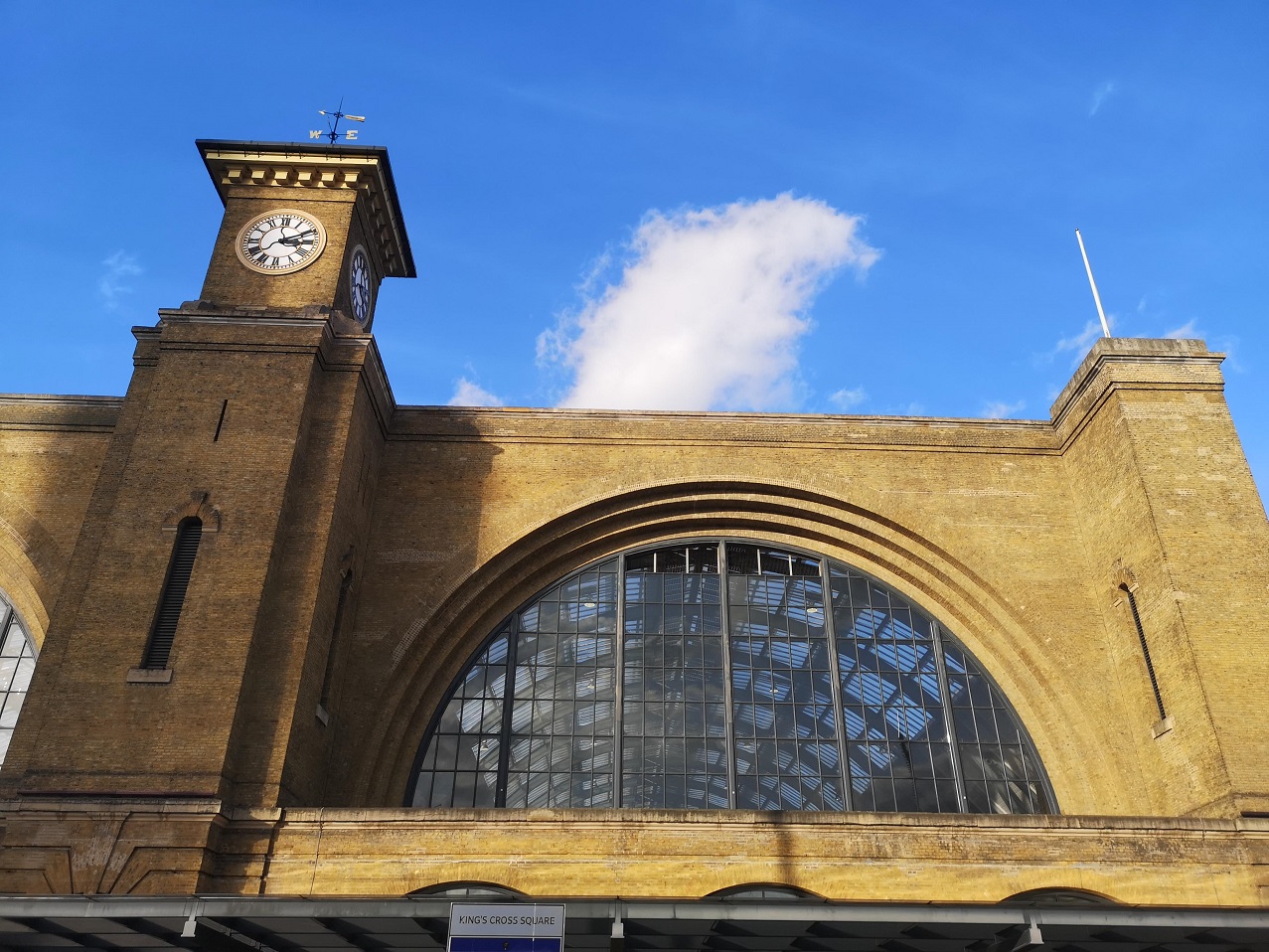
King’s Cross Station, London

I turned left out of Kings Cross station and left again onto York Way. I was seeking Wharf Road Gardens (connected to Handyside Gardens).

‘The name [King’s Cross] derives from a statue-topped structure erected in 1830 on the junction, or crossroads, between the roads now known as Euston Road, Pentonville Road and Grays Inn Road. The statue, you guessed it, was of a king – King George IV to be precise – who had died that year.’  Culture Trip

Street scene
Chat on the street, Kings Cross, London

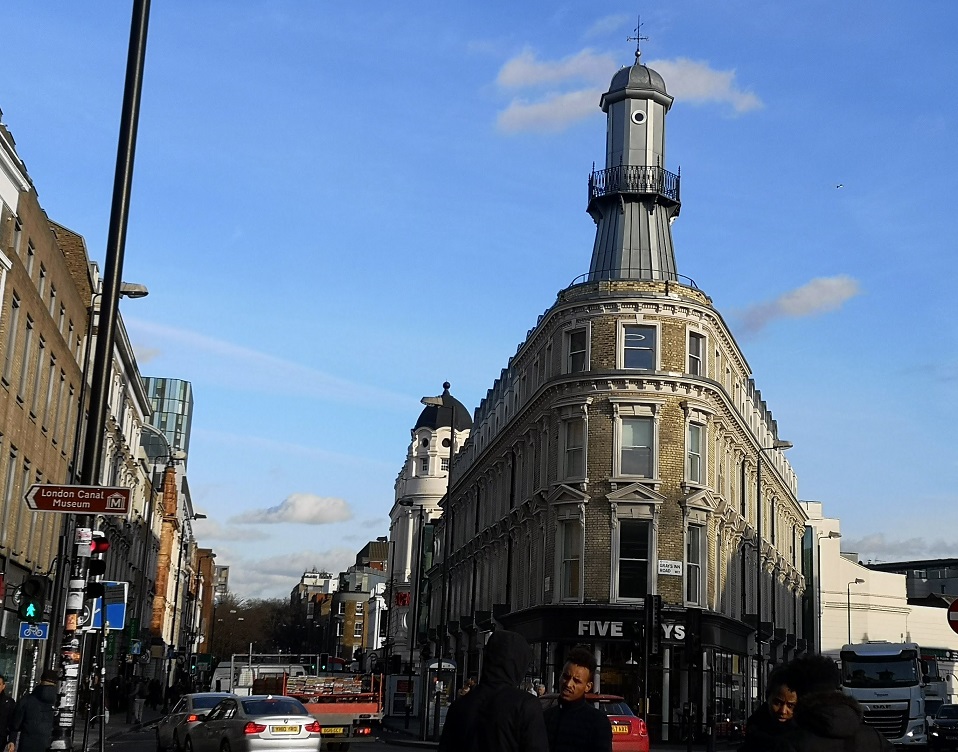
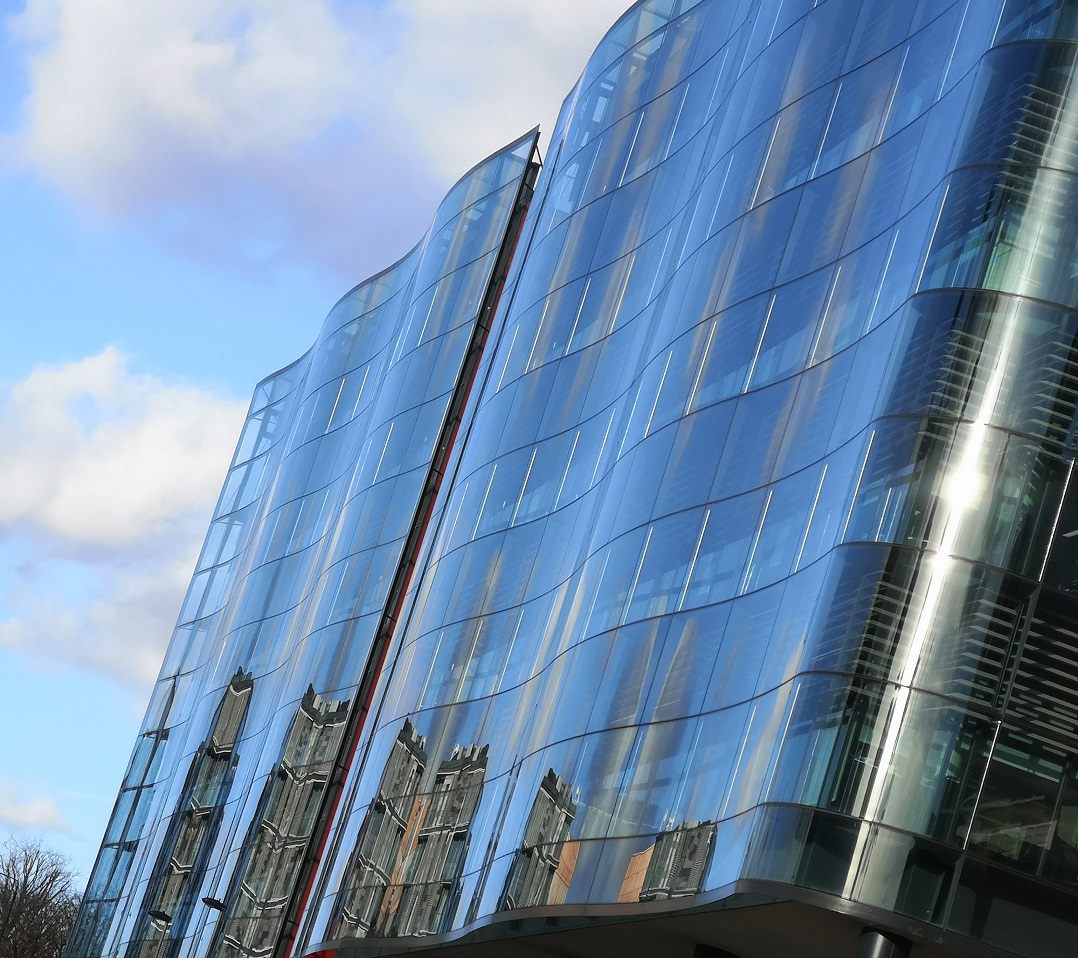
Past Pret with its cucumber hoarding, old buildings and new, a sign for The Guardian newspaper offices (Farringdon Road) advertising ‘Hope is Power’, and King’s Place with its vertical, undulating reflective surfaces.

King's Place at a tilt
I cannot resist a reflective surface and tilted, it caught the light better, Kings Cross, London

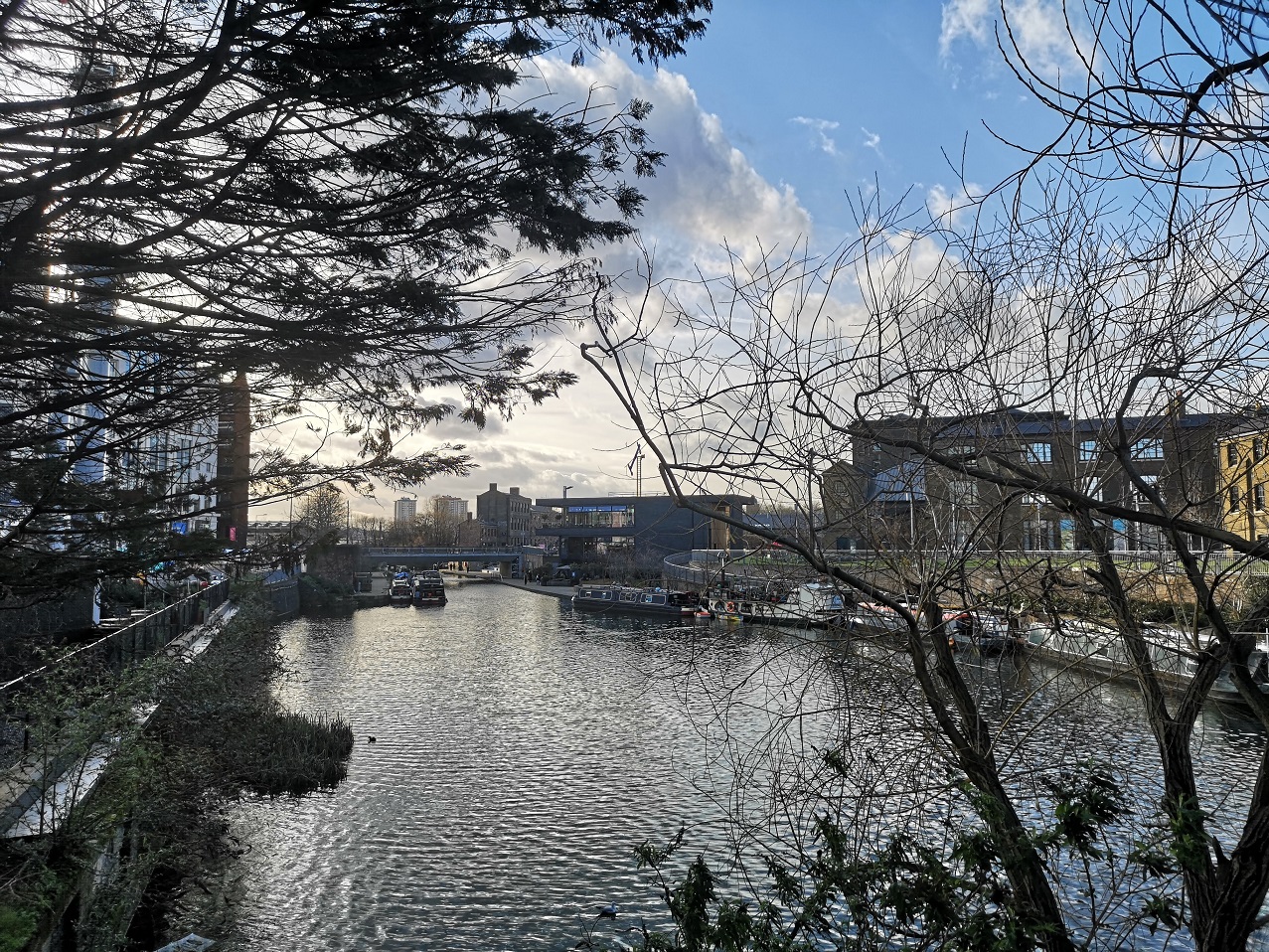
Soon I crossed the Regent’s Canal with its long boats, both residential and for business. Turning left again, I wound between patches of grass and raised beds. Apparently the London Underground trains run a mere 4.5 metres below the surface and so the soil depth is insufficient for planting.

Regent's Canal from York Way
Looking west along the Regent’s Canal from York Way, London

Daisies
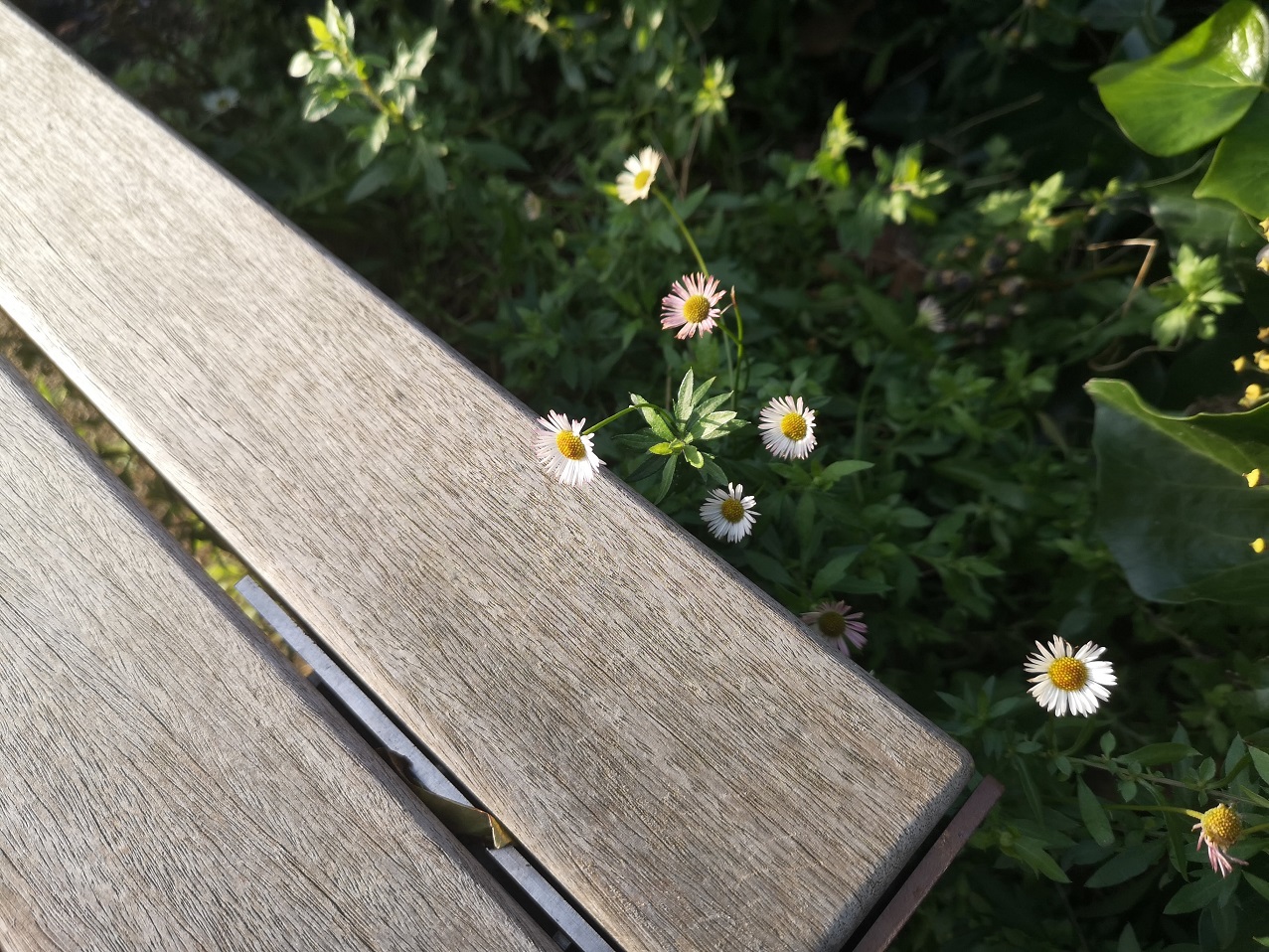
Little daisies opening their hearts to the sun. There were strawberry plants with fruit (honestly) and all manner of sprightly Spring flowers

Wharf Gardens incorporates Coal Drop Yard, Granary Square, King’s Boulevard, St Pancras Station and West Handyside Canopy – all very ‘regenerated’ and rather chi-chi. However, I discovered many interesting places, not least the Word on Water bookshop.

Word as Water Book Boat
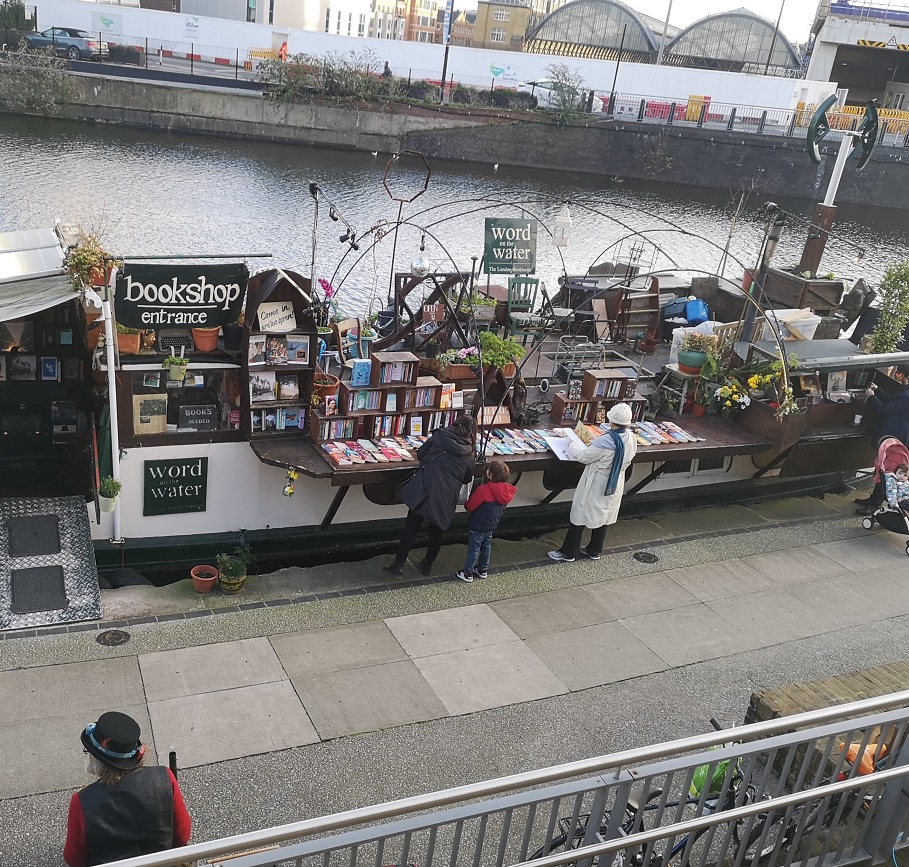
Word on the Water Bookboat, Regent’s Canal, King’s Cross, London

There was a little contretemps – a woman who was not in full control of her behaviour needing a smoke and most insistently tramping through the shop – which the gentleman in the bowler (see above) managed admirably.

Boat Bookshop interior
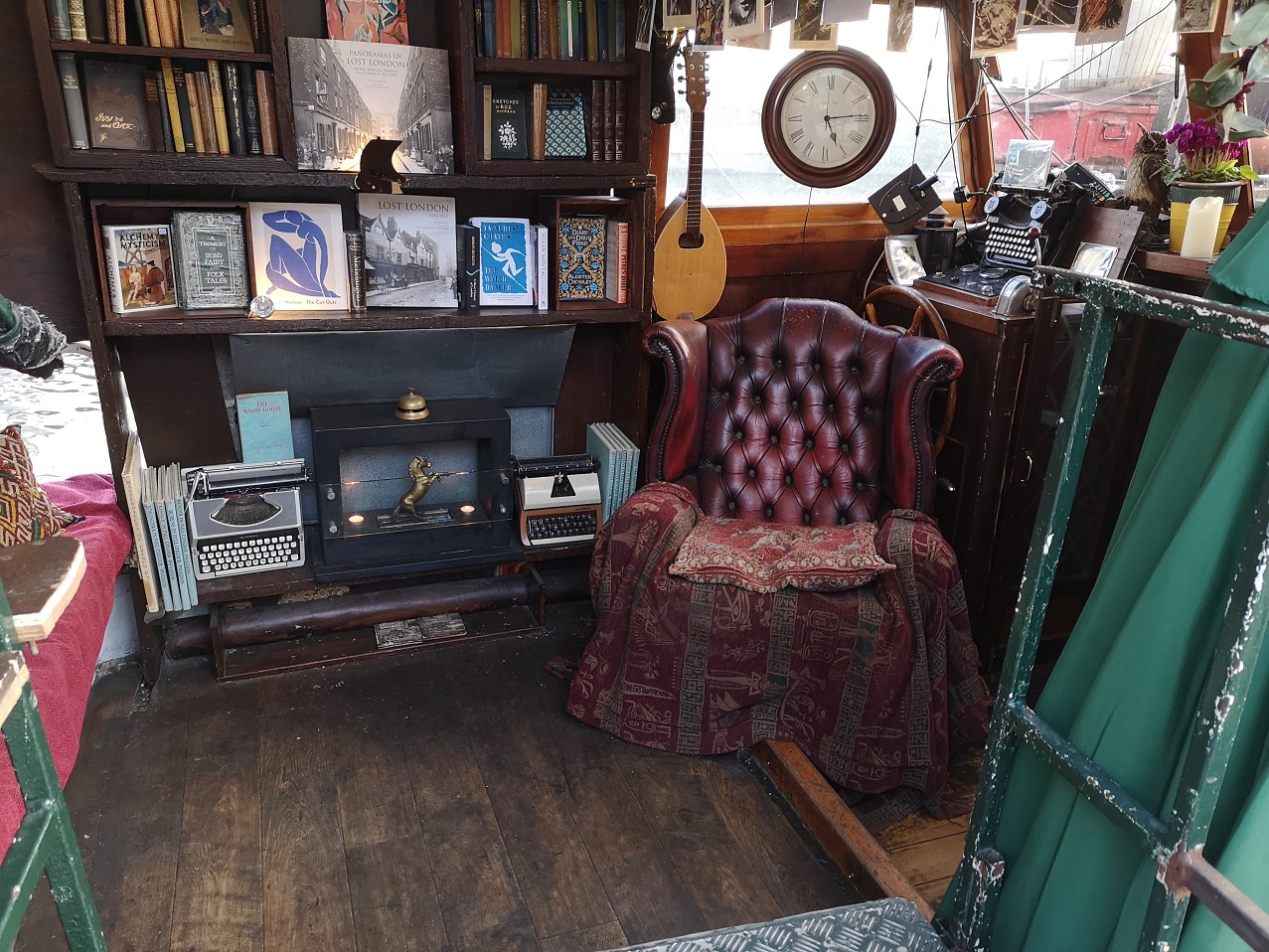
Part of the interior of the Word on the Water bookshop, Regent’s Canal, Wharf Road Gardens, London

The House of Illustration was there, with fascinating sounding exhibitions such as W.E.B DuBois Charting Black Lives. Not much further on was Central St Martins (CSM) art school collaborating with Shades of Noir in a window display, impressively focusing on ‘the historical white dominance of institutional ownership of archival material’ within the CSM Museum.

House of Illustration
House of Illustration, London

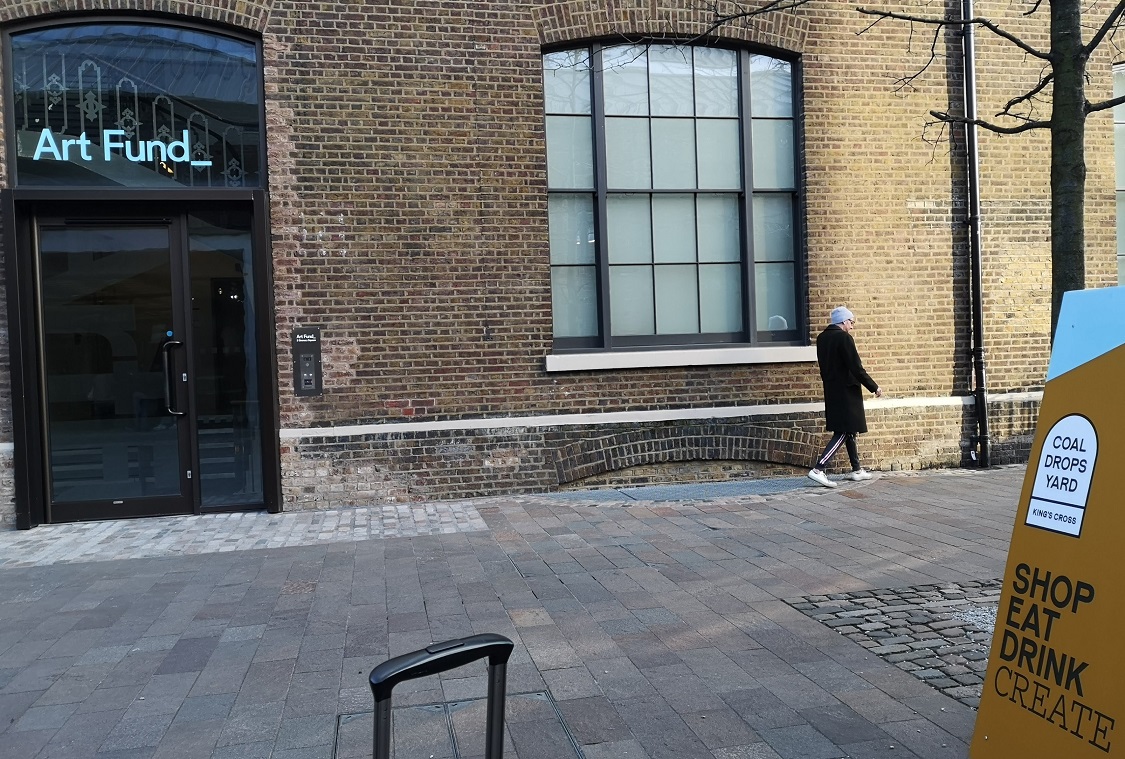
There were people playing table tennis in the massive, roofed community space (I wanted to join in) and Art Fund at the Coal Drops Yard.

Art Fund Coal Drops Yard

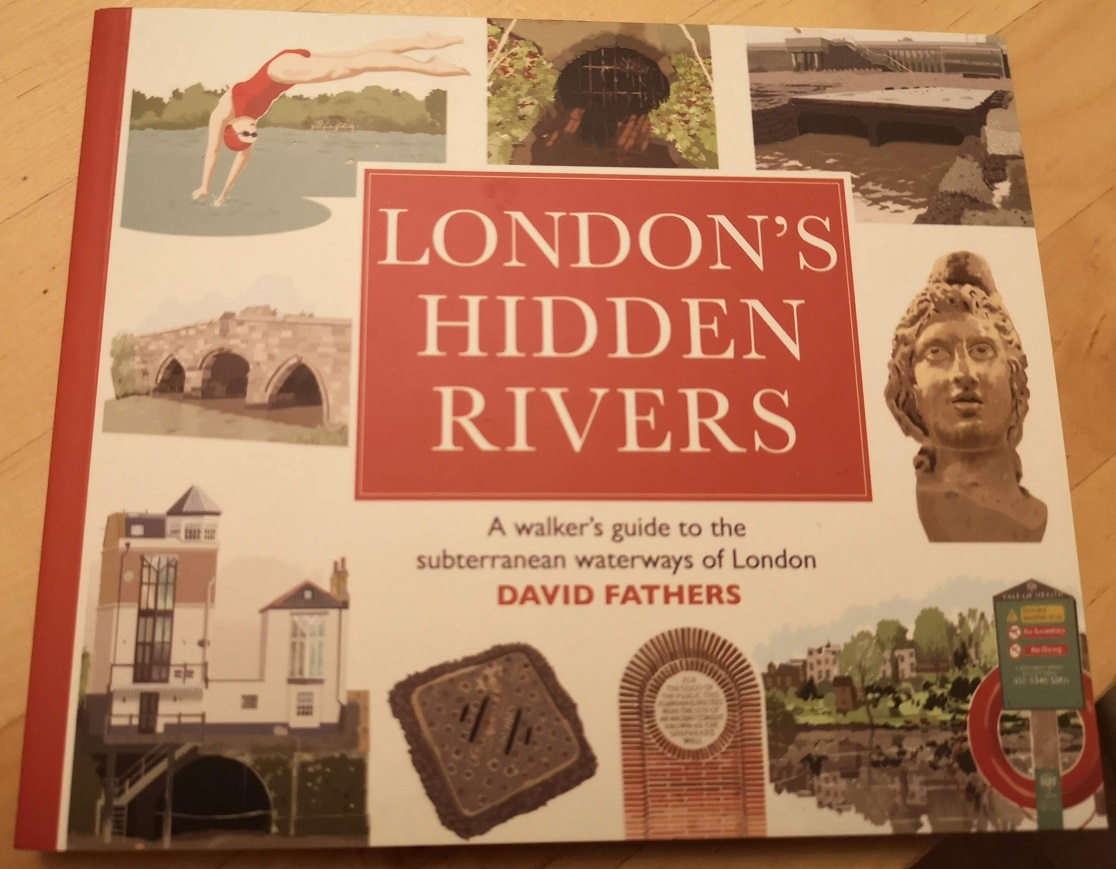
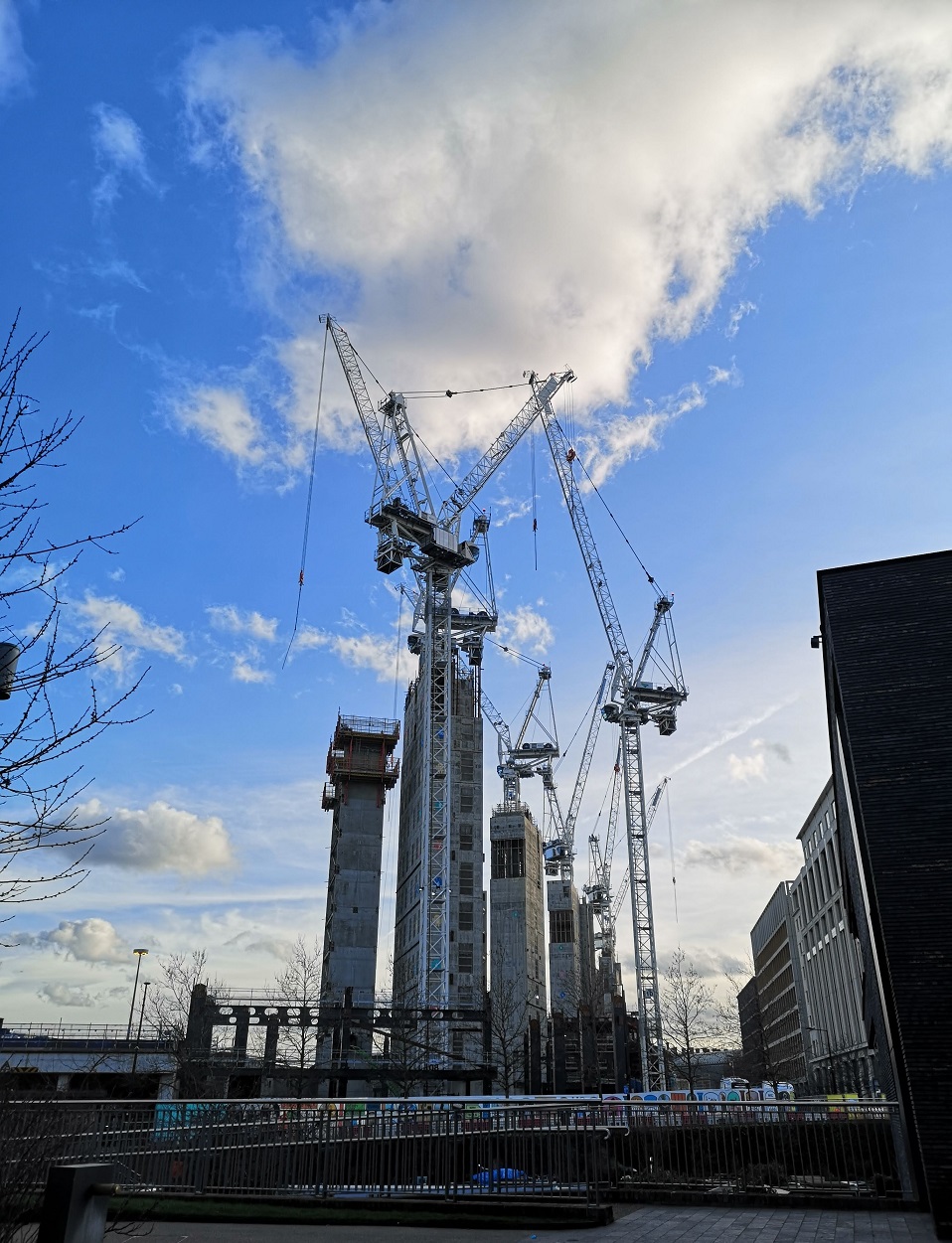
Down by the canal, I bought a book a lovely little book, London’s Hidden Rivers, a walker’s guide to the subterranean waterways of London – the sort of thing I would have liked to write! And admired the cranes against the picturesque sky.

IMG_20200212_215447

Cranes at Kings Cross

Smart shop units
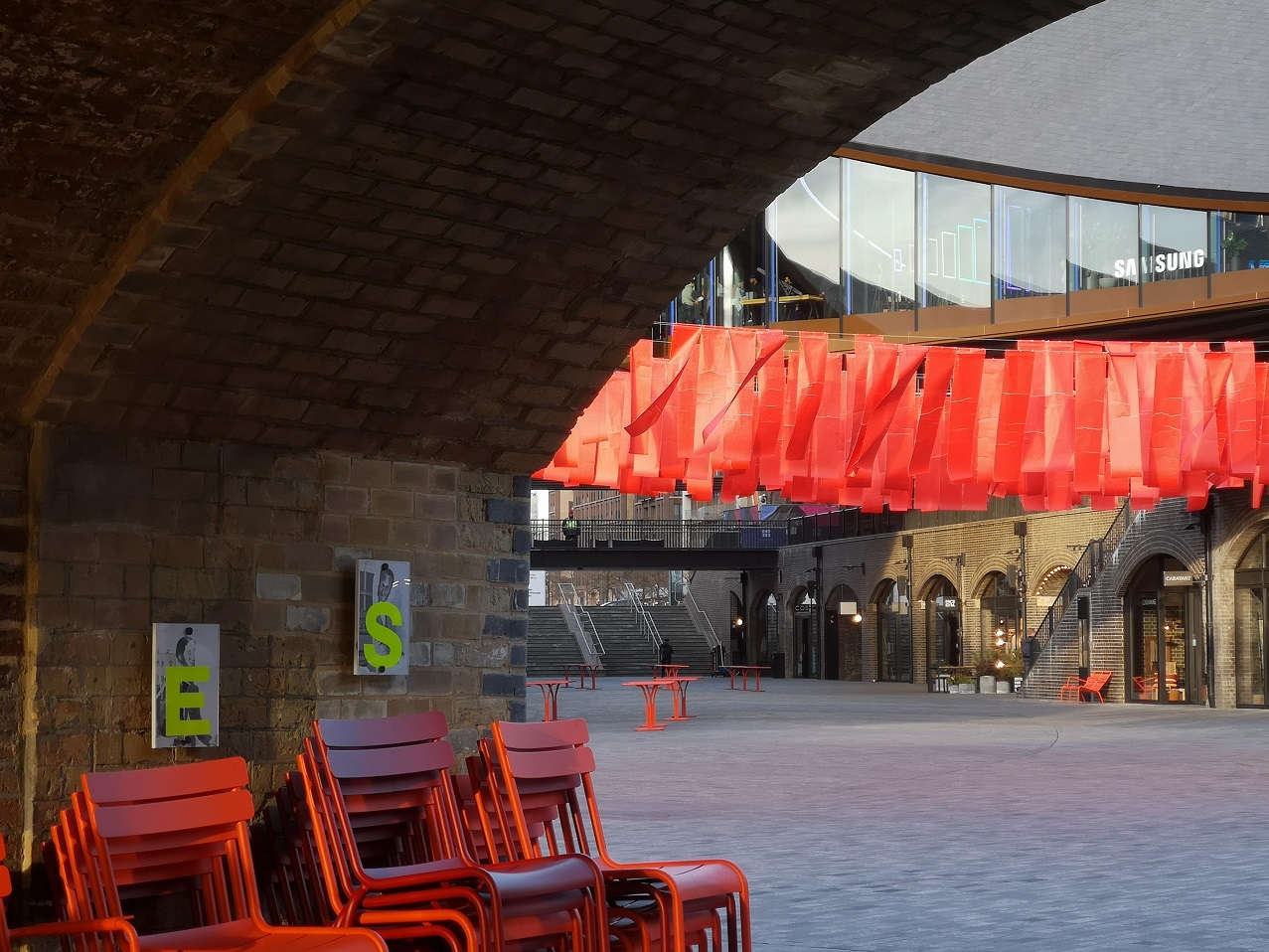
Perhaps the remains of Chinese New Year celebrations – red streamers blowing in the wind

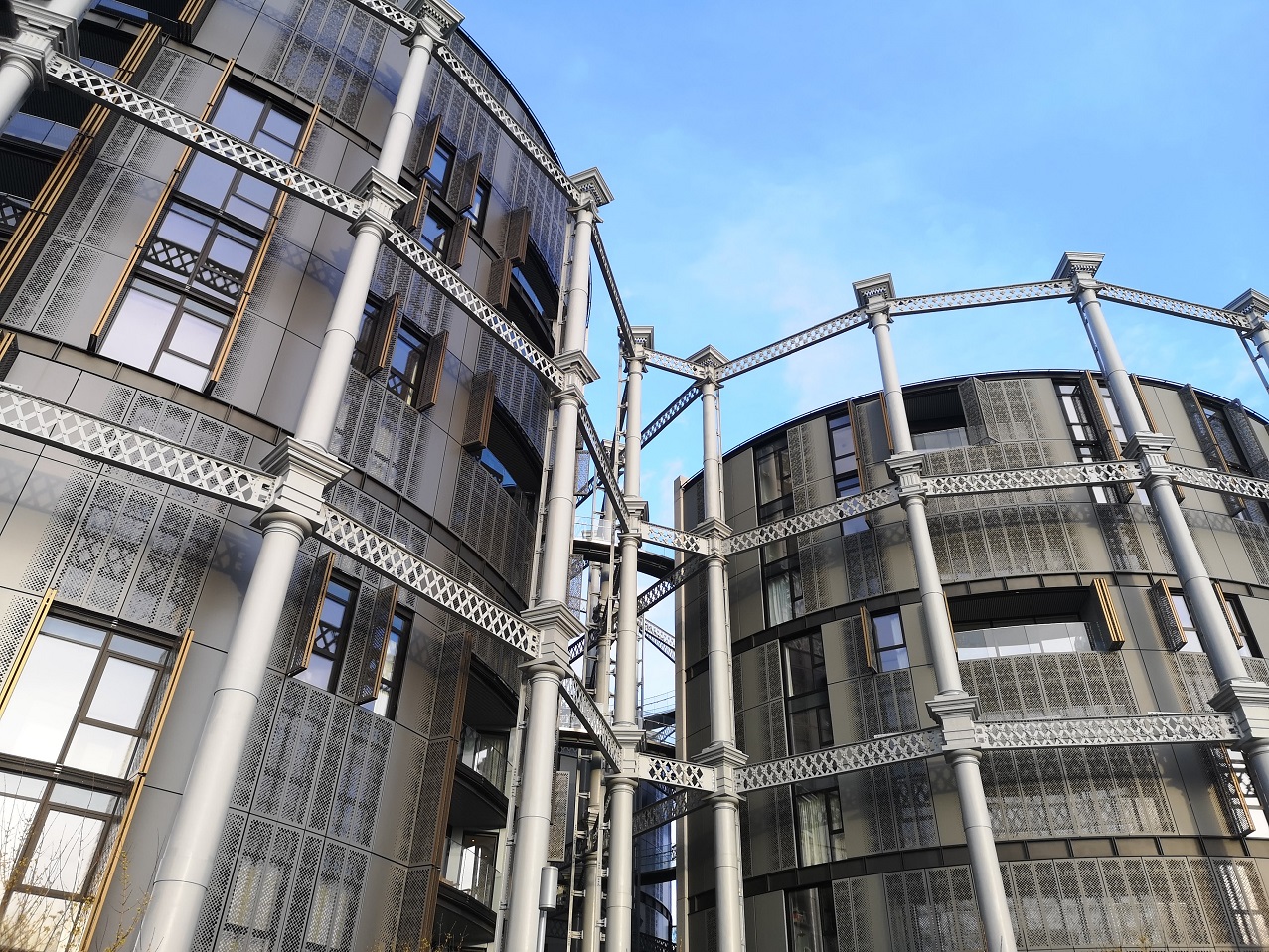
The Canal and River Trust have done a great job of opening up the canal for all of us to enjoy – those walking, jogging, pushing buggies and the school boys smoking joints. Under Somers Town Bridge I trundled with my suitcase, opposite Camley Street Natural Park which I discovered last year (see the link below to an earlier blog, with photos). Past a flight of smart stone steps upon which you could sit and watch the coots and moorhens rush by and up to the St Pancras Lock and Basin, and Gasholder Park, a tremendous new conversion of the disused gasworks.

IMG_20200212_154420
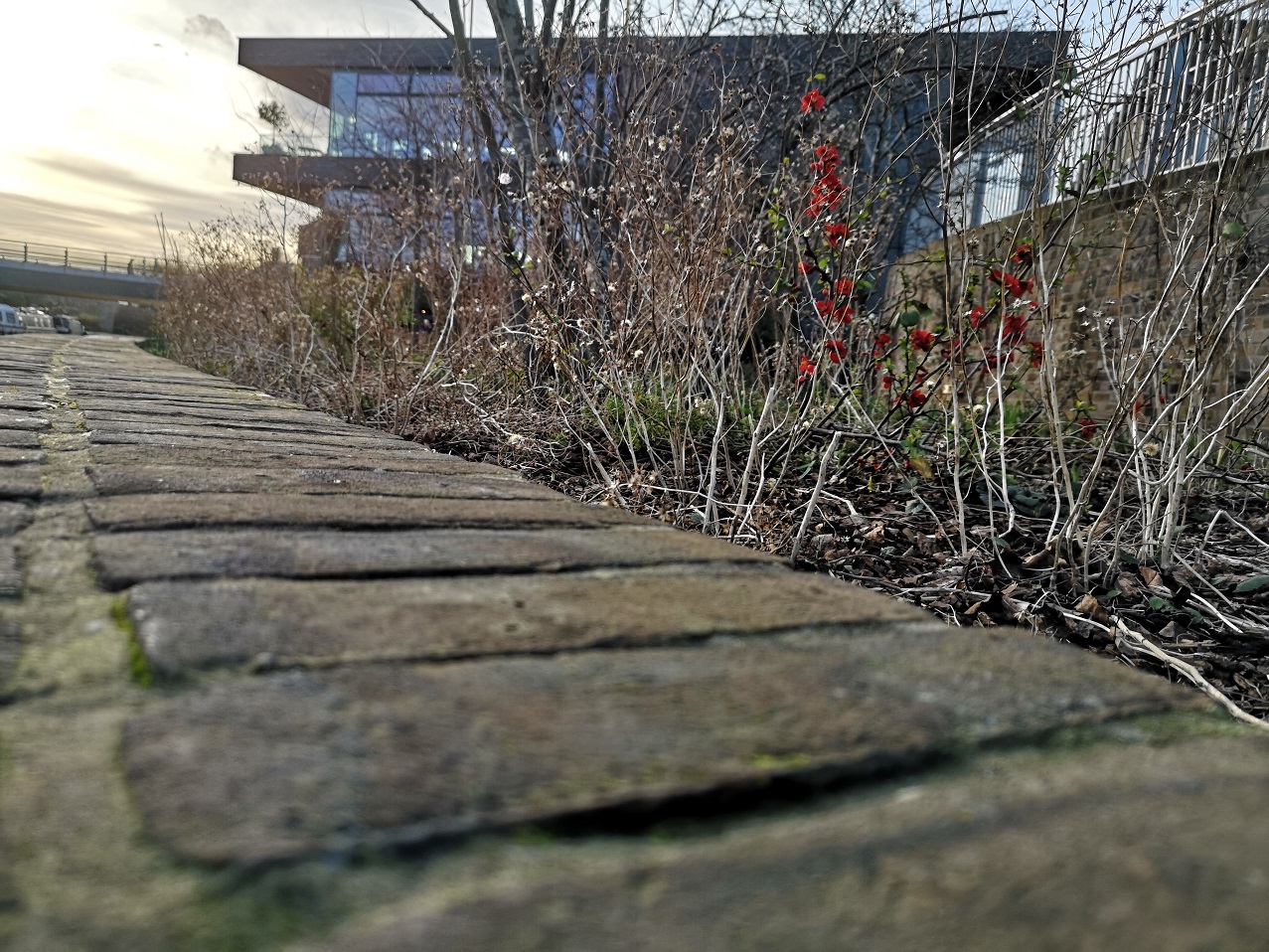
New blooms amidst the remains of last year’s dry stalks, Regent’s Canal, London

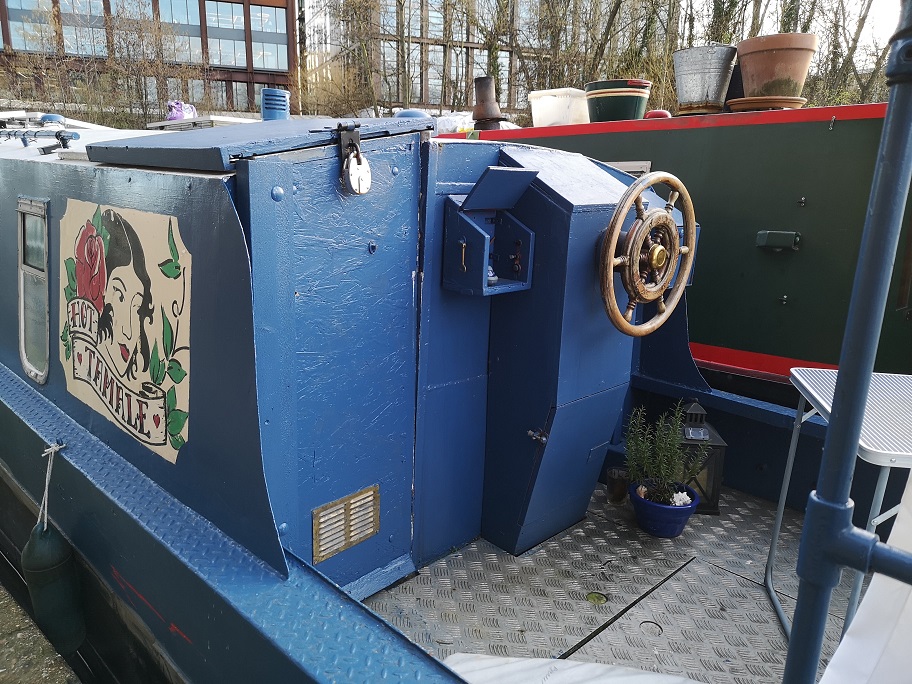
A man was putting his back into it, tightening a sheet on the roof of a barge. The vessels were all colours of the rainbow, some more modern than others, one with a bright blue old-fashioned wheel, but no-one was going through the lock as I approached.

Hot Tamale, canal boat and wheel

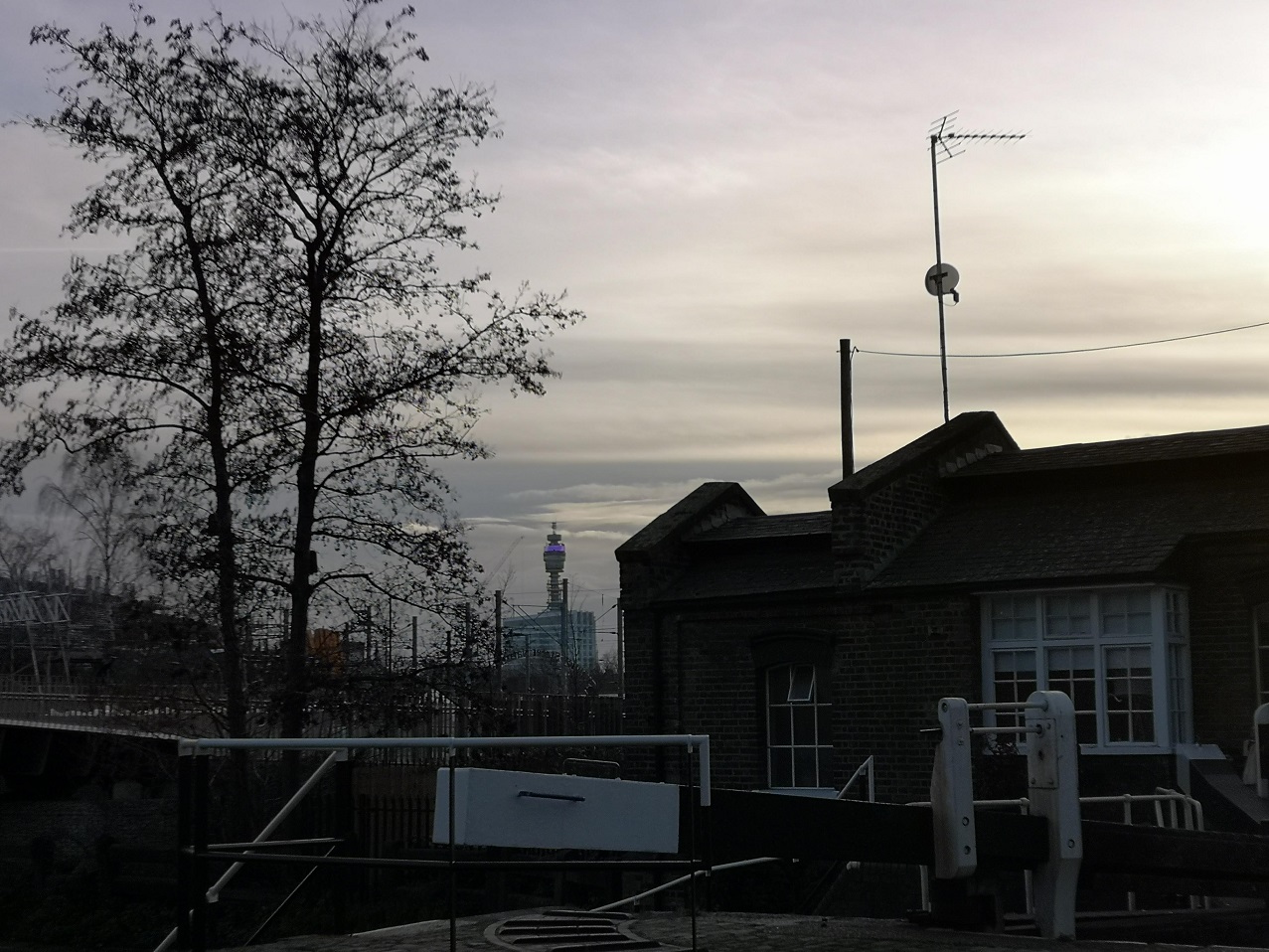
BT Tower
The BT Tower as seen from St Pancras Lock, Regent’s Canal, London

Gasholder park
Gasholder Park, Regent’s Canal, London

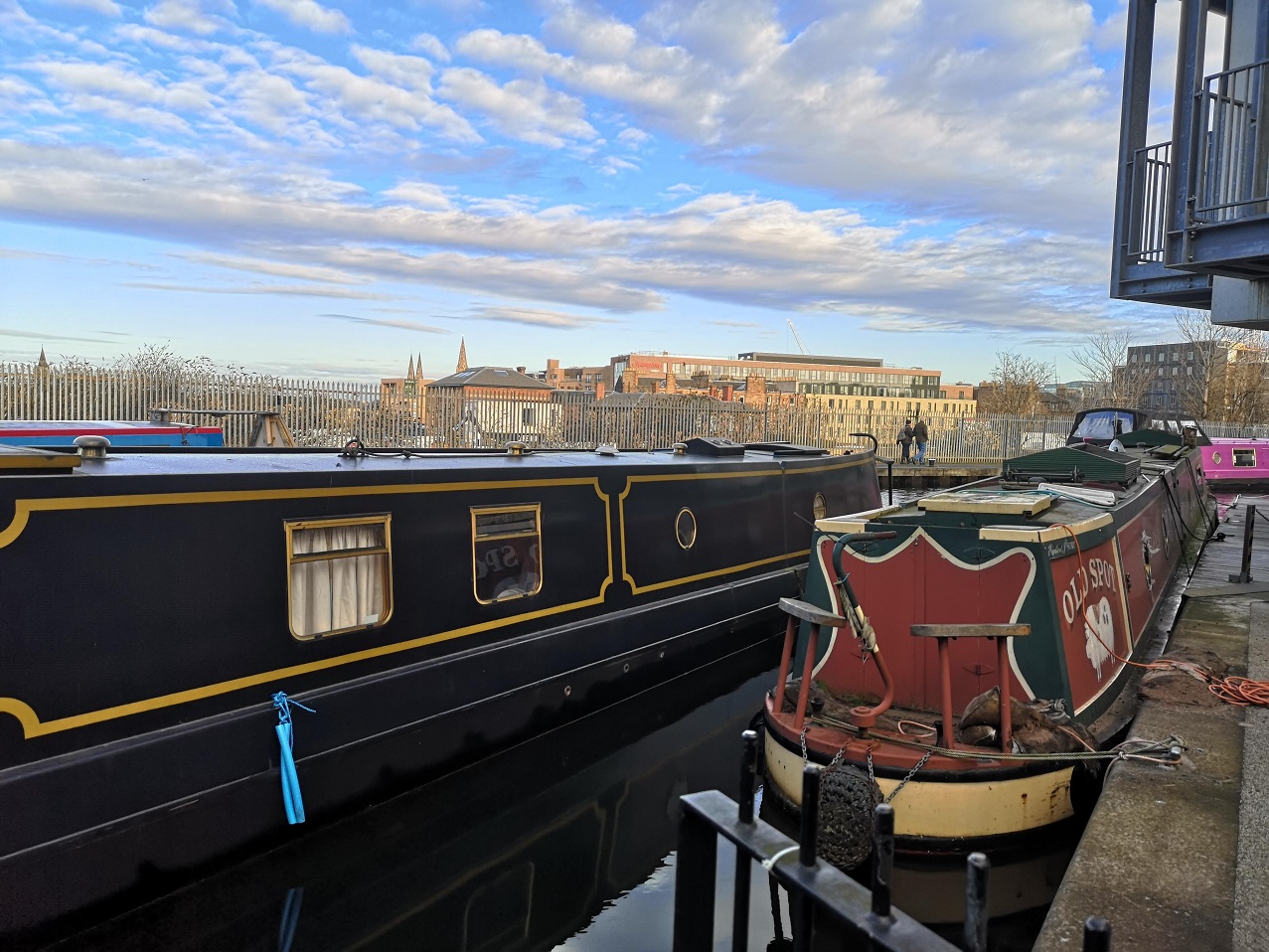
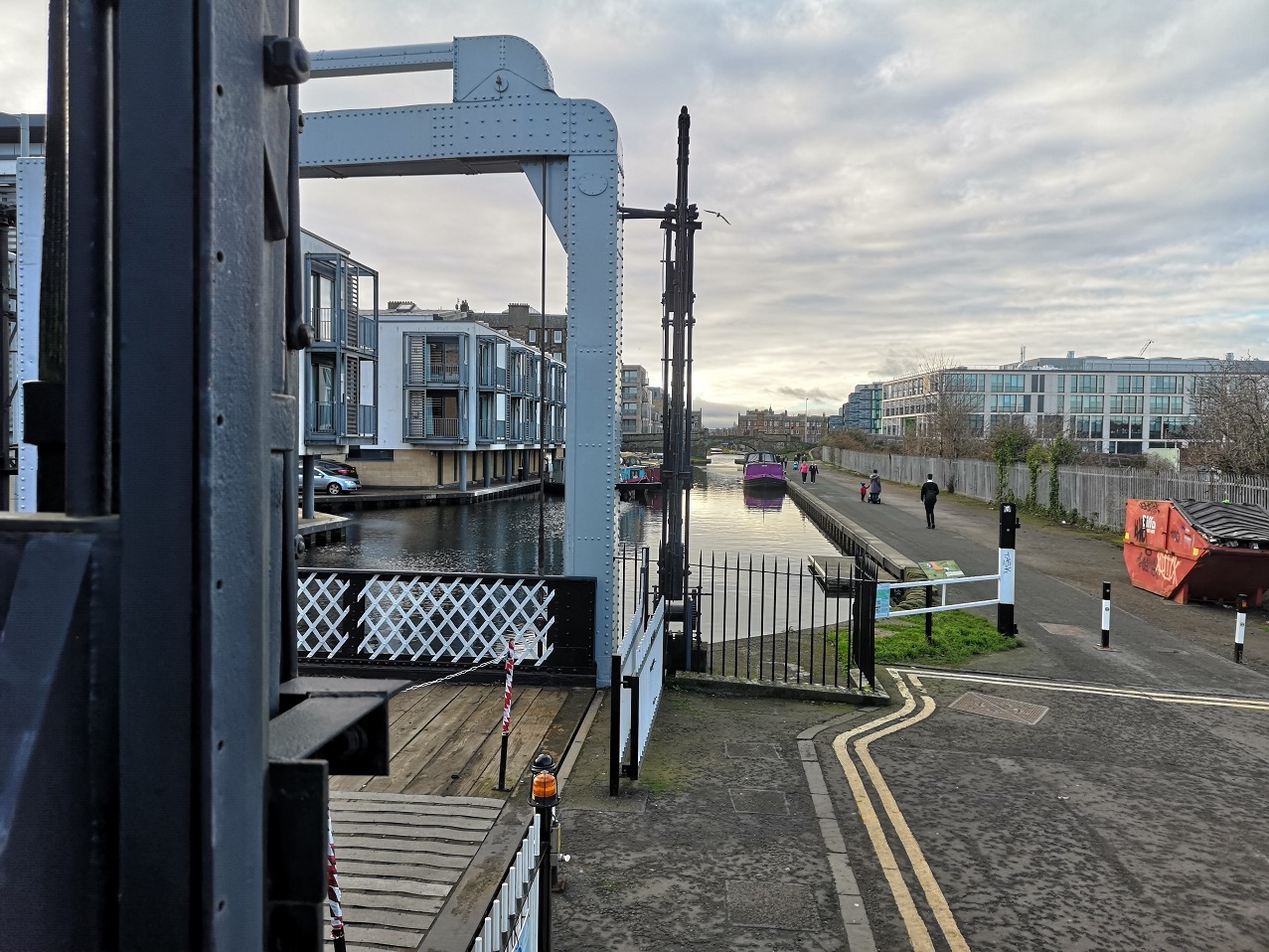
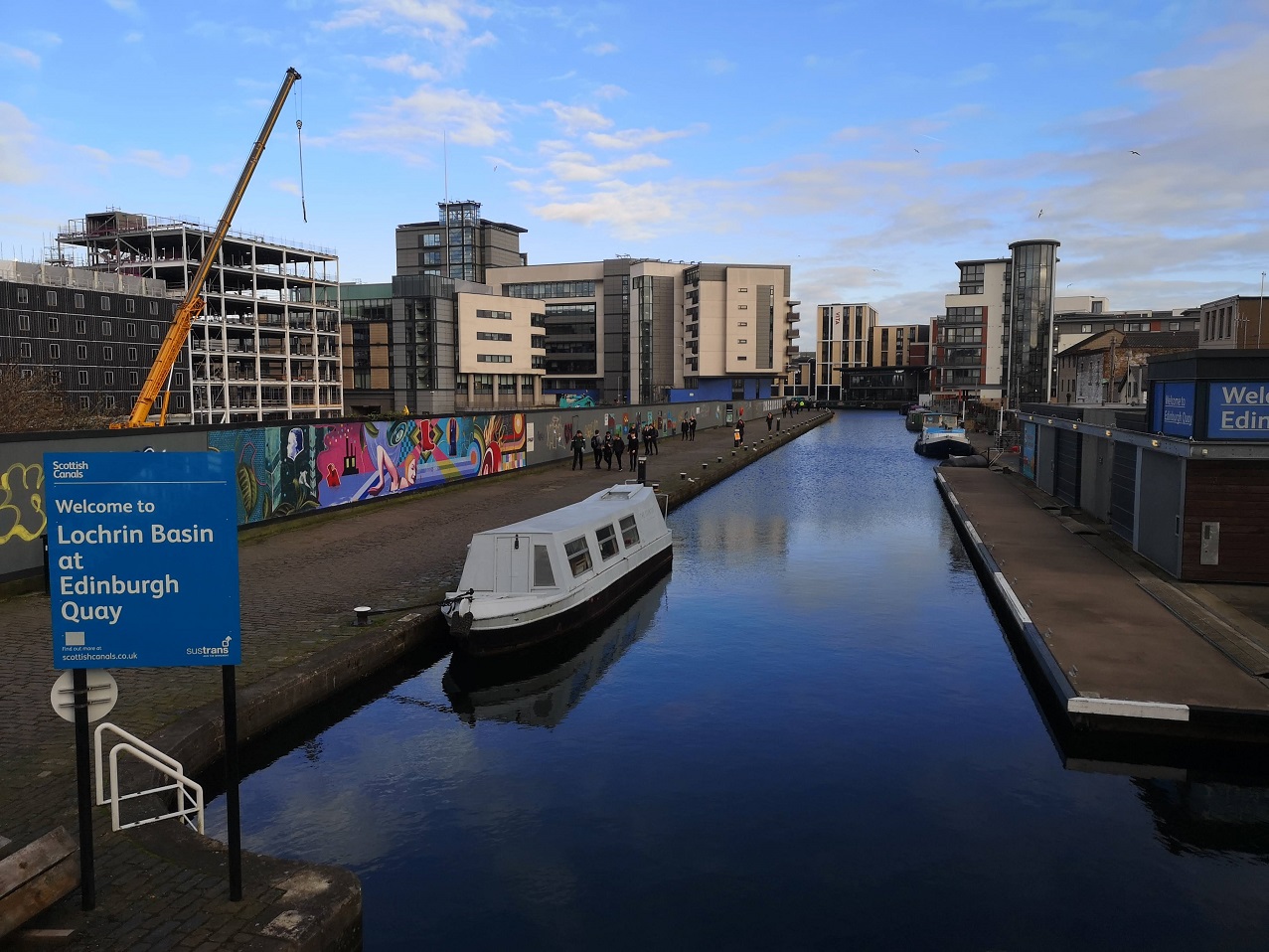
It all reminded me of a recent visit to a friend’s boat for breakfast on the Edinburgh and Glasgow Union Canal, the Leamington Lift Bridge and it’s waterside community, so I had some idea of what was below decks.

Canal boats, Edinburgh and Glasgow Union Canal

The Leamington Lock, Edinburgh

Lochrin Basin, Edinburgh

It is not far from King’s Cross to Camden Town, perhaps 30 minutes if you didn’t stop off and take photos and browse bookshops and generally see the sights, but well worth it on a cold, sunny day. There I picked up the overground to Gunnersbury, ideal for where I was staying that night.

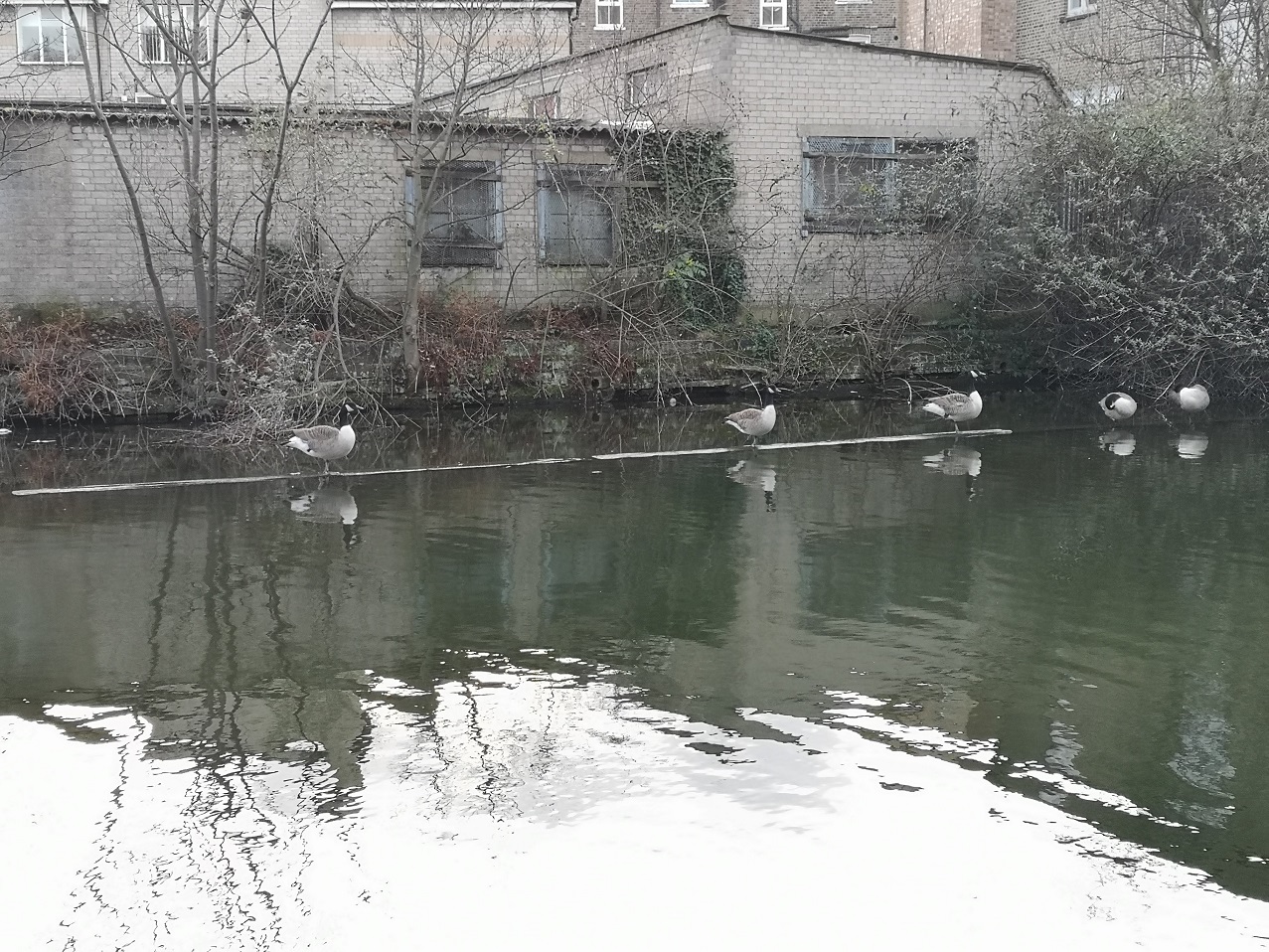
Geese standing on the water, Regent's Canal, London
Geese standing on the water, Regent’s Canal, London

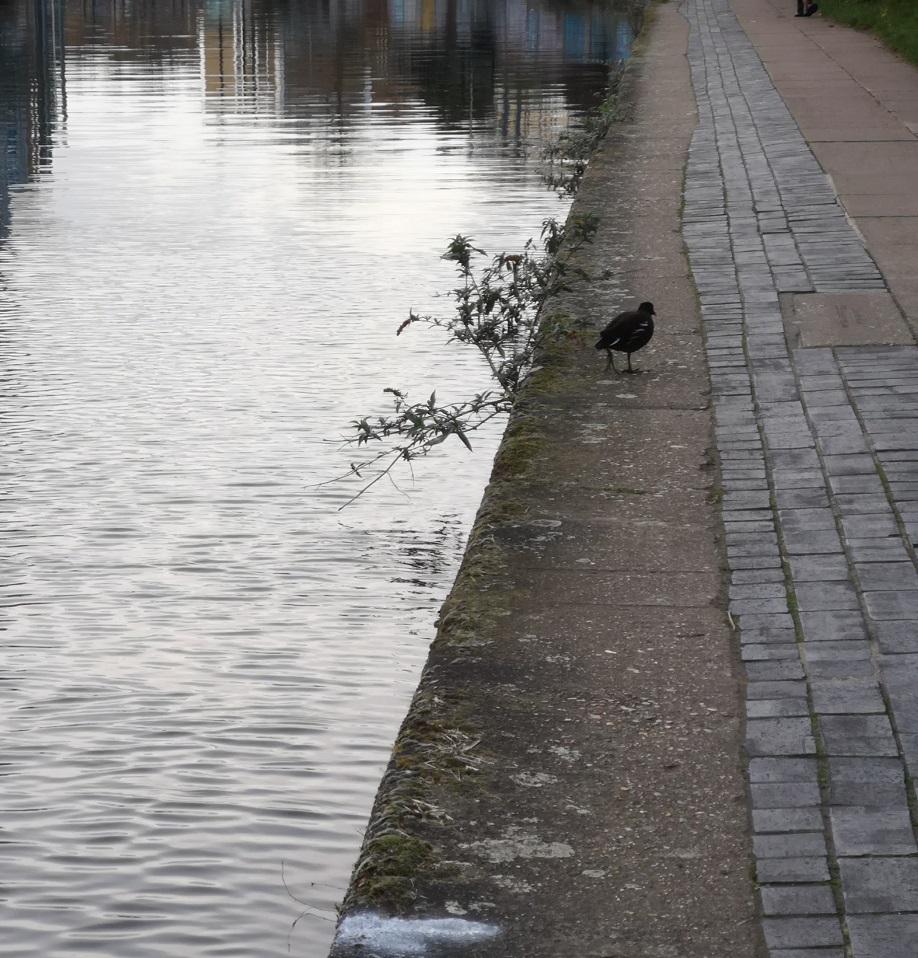
Moorhen, Regent's Canal, London
Moorhen, Regent’s Canal, London

You might also like Camley Street Natural Park; St Pancreas Parish church and gardens; and Goldington Crescent Gardens, Camden London

or Regent’s Canal Towpath from Camden onwards

Regent’s Canal Towpath